ResidentialBusiness
Administrators
-
Joined
-
Last visited
Everything posted by ResidentialBusiness
-
 Plus four considerations before you start screening. By Jody Grunden Building the Virtual CFO Firm in the Cloud Go PRO for members-only access to more Jody Grunden. View the full article
 -
Plus four considerations before you start screening. By Jody Grunden Building the Virtual CFO Firm in the Cloud Go PRO for members-only access to more Jody Grunden. View the full article
-
Unusual Machines secures deal as US military accelerates domestic production of unmanned aircraftView the full article
-
Want more housing market stories from Lance Lambert’s ResiClub in your inbox? Subscribe to the ResiClub newsletter. Since mortgage rates spiked in 2022, many large homebuilders have tried to make homes more affordable by shrinking them, stripping them down, or pushing buyers farther out. Allan Merrill, CEO of Atlanta-based Beazer Homes—a publicly traded builder with a $710 million market capitalization and the 23rd-largest single-family homebuilder last year—believes that’s the wrong approach. “The way I think about it is, I don’t want to sell you a cheaper home,” Merrill told ResiClub last week. “I want to sell you a home that costs you less every month to live in—and one that will still hold its value five or ten years from now.” Beazer’s plan focuses on three key areas: lowering the cost to power, insure, and finance a home. “If you can take $150 or $200 a month out of your operating cost [monthly payment], that’s real affordability,” Merrill said. “We’re not trying to sell you less house—we’re trying to sell you a better, more efficient one.” Allan Merrill Affordability lever #1: Cutting energy bills through design, not gimmicks The centerpiece of Beazer’s affordability push is its energy efficiency standard. Every Beazer home is built to the Energy Rated Value—a benchmark that exceeds building codes and emphasizes insulation, air filtration, and low humidity levels. “We pride ourselves on building beyond [local] energy codes so you are buying a home from the future today,” Merrill says. “You don’t want to buy a home that’s functionally obsolete the day you close.” Beazer sees this as more than a sustainability move—it’s a financial one. Lower energy bills directly reduce a homeowner’s monthly cost of living, which Merrill calls “material savings.” “It’s $100 a month, $200 a month on the margin,” he says. “The present value of that is in the thousands of dollars, but over the life of the loan could be over $30,000 [in savings].” Beazer says its homes are designed to feel tangibly different: quieter, better insulated, and healthier. “It feels different in here,” Merrill says. “It sounds different. It smells different. A home with double-filtered fresh air and low humidity literally feels different.” Merrill says this is all underscored in Beazers new campaign, “Enjoy the Great Indoors.” Affordability lever #2: Lowering insurance costs through an in-house agency The second affordability lever comes not from the home itself, but from the insurance that protects it. Beazer has its own insurance agency—and it gives away the profits. Beazer wanted to have an agency to organize the proposals from the different firms, Merrill explains, adding: “But that entity distributes its profits to our charitable foundation—and that’s actually what we do with title insurance as well.” The Beazer insurance agency operates in-house, handling the paperwork and logistics of homeowners’ and title insurance while keeping buyers’ costs competitive. Because it isn’t structured to make money for Beazer, it can pass along more savings to the buyer. It’s a small but symbolic move in a business where hidden transaction fees are common. “We don’t need to make money on every piece of the home purchase,” he says. “We’re trying to make homeownership more attainable.” Affordability lever #3: Reducing mortgage costs with an in-house competition platform The third pillar of Beazer’s affordability strategy is the company’s in-house mortgage platform, which hosts a marketplace of competing lenders. “In mortgage, there are literally no economics to us,” Merrill says. “We are not lenders, we are not brokers, we are in no way in the mortgage business. We have a platform where the banks can compete effectively, directly for the buyers.” Unlike some other builders, Beazer doesn’t have a captive finance arm that earns interest or fees, he says. Instead, the company uses its internal program to connect buyers directly to multiple banks—and takes no profit from the transaction. That competition, Merrill says, often drives rates below what buyers would find on their own. “Today, you’ll see permanent buydowns in the 4.99% range [in many markets], down from the low sixes,” he explains. “Every 25 basis points costs about a point—but we’re not adding a margin on top of that.” By building both the insurance and mortgage processes in-house—but running them as service models, not profit centers—Beazer is says it’s able to lower monthly payments for its homebuyers. Building forward, not backward What some other builders—those going smaller or cutting back on quality—are doing, Merrill argues, would be like Apple bringing back the iPhone 13 or 14 instead of rolling out the iPhone 18. “I don’t think that’s a great long-term strategy,” he says. Merrill said the company’s approach differs from many of its publicly traded peers, which have leaned on aggressive incentives or cheaper design packages to maintain volume in a high-rate environment. “In an attempt to reduce cost, what we see a lot in the industry is we’re effectively going backward.” Beazer, instead, is investing to make each home iteration better than the last—even as affordability pressures mount. “We have continued to innovate,” Merrill said. “I want to deliver the version [iPhone] 19 and version 20, and have their feature be your low cost of operation. Instead of saying, ‘Good news, you can buy something that was available five years ago.’” Beazer Homes: Policymakers could help out if they lowered building fees In Merrill’s view, the housing affordability strain isn’t just about interest rates—it’s about decades of underinvestment in infrastructure and an overreliance on permit and impact fees that push costs onto new homebuyers. “In Northern California, it’s $140,000 [spent by us] before we even break ground—just in [government] fees,” Merrill said. “Across the country, it’s $60,000 or $70,000. That number used to be under $10,000 [per home].” He compares having new builds shoulder a disproportionate share of government revenue through impact and permit fees to the way the U.S. runs budget deficits: “We’ve been living on credit, but instead of running up a big deficit, we’ve just shifted it to the next generation of homebuyers,” he said. “Then we complain about why they can’t buy homes.” Beazer Homes CEO Allan Merrill is among the speakers at ResiDay 2025. ResiClub is hosting the one-day conference on Friday, November 7, in New York City. View the full article

-
Compare the top SEO software to find the right platform for your goals, team, and budget. View the full article
-
There are several things Rachel Reeves can do to lift the deadweight of higher interest costsView the full article
-
Why do I still carry a wallet? My iPhone can handle just about anything you used to need a traditional wallet for. Most (if not all) of my purchases are made via Apple Pay or QR code, my phone holds all of my pictures, and most of my receipts go straight to my email. Basically the only I keep my wallet around is to carry my ID. Once my state starts supporting Apple’s digital ID feature, however, things will change between me and my wallet—provided that support ever comes. Since iOS 15.4, Apple has allowed you to add a driver’s license or other state ID to your iPhone’s digital wallet. That doesn’t mean you’ve been needlessly carrying your ID around since then—states have been slow to roll out their own support for the feature, and most have yet to sign on at all. When I first covered this feature in 2022, only two states actively allowed you to add your ID to your iPhone, while 10 more (plus Puerto Rico) had confirmed plans to offer the option eventually, on a loose timeline of “soon.” Fast forward three years, and just 9 states and one territory now officially allow you to add IDs to Wallet. These states support digital ID nowHere’s the full list as it stands in June 2025: Arizona California Colorado Georgia Hawaii Iowa Maryland Montana New Mexico North Dakota Ohio Puerto Rico West Virginia Support is still "coming soon" in these statesThese states had originally pledged that support was "coming soon," but after nearly three years, still haven't committed: Connecticut Kentucky Mississippi Oklahoma Utah Airports where you can use a digital ID in Apple WalletNow, be warned: You can't simply hand a cop your iPhone when you get pulled over. There are specific, limited use cases for this feature. Right now, that means identifying yourself at the airport, as well as at select businesses. Apple worked with the TSA to make this happen, and while it used to maintain an active list of supported airpots, it seems to have taken it down. This is the list as it was last updated: Baltimore/Washington International Thurgood Marshall Airport (BWI) Cincinnati/Northern Kentucky Airport (CVG) Daniel K. Inouye International Airport (HNL) Denver International Airport (DEN) Des Moines International Airport (DSM) Eastern Iowa Airport (CID) Hartsfield-Jackson Atlanta International Airport (ATL) John Glenn Columbus International Airport (CMH) Los Angeles International (LAX) Luis Muñoz Marín International Airport (SJU) Ronald Reagan Washington National Airport (DCA) Phoenix Sky Harbor International Airport (PHX) San Francisco International Airport (SFO) San Jose Mineta International (SJC) Missoula International Airport (MSO) Great Falls International Airport (GTF) Bozeman Yellowstone International Airport (BZN) Billings Logan International Airport (BIL) Lea County Regional Airport (HOB) Albuquerque International Sunport (ABQ) This feature will also work with participating businesses to verify your age, including bars, restaurants, liquor stores, festivals, concerts, and certain age-restricted apps. However, there is no list of venues that support this feature. How to add a digital ID to your iPhoneIf you do live in a supported state, setting up the feature is simple. Open Wallet, then, tap the (+) in the top right, then choose “Driver’s License and ID Cards.” Choose your state, then choose whether to add the ID to your iPhone 8 or newer, as well as your Apple Watch Series 4 or newer. (There are caveats here: California requires an iPhone XS or later running iOS 17.5 or newer, or an Apple Watch Series 4 running at least watchOS 10. Puerto Rico requires an iPhone XS or later running iOS 18.1 or newer, or an Apple Watch Series 6 or later running watchOS 11 or newer.) Either way, you’ll need to scan your ID with your iPhone’s camera, then scan your face to prove your identity. Once complete, send all information to your state to confirm. If you live in North Dakota, you will need to pay a $5 fee to use this feature. Credit: Lifehacker The next time you fly from a participating airport, you can unlock your iPhone and place it next to the ID scanner. You’ll see your digital ID appear, complete with all information you will be sharing with the TSA if you approve (name, date of birth, sex, issuing authority, and issue and expiration dates). View the full article
-
See our comparison of SEO audit tools like Site Audit, Screaming Frog, Morningscore, and others. View the full article
-
It’s the Friday open thread! The comment section on this post is open for discussion with other readers on any work-related questions that you want to talk about (that includes school). If you want an answer from me, emailing me is still your best bet*, but this is a chance to take your questions to other readers. * If you submitted a question to me recently, please do not repost it here, as it may be in my queue to answer. The post open thread – October 24, 2025 appeared first on Ask a Manager. View the full article
-
We may earn a commission from links on this page. Deal pricing and availability subject to change after time of publication. Investing in a smart thermostat won’t just keep your home comfortable — it also can help you save money on energy bills and reduce your carbon footprint. By automating scheduling and learning preferred temperatures, smart thermostats conserve energy and make your home more comfortable. The 2022 Ecobee Smart Thermostat Premium might not be the newest option on the market, but to this day, it receives consistently excellent ratings, and right now, it’s $198.99 (originally $249.99) on Walmart, marking its lowest price ever according to price trackers. Ecobee Smart Thermostat Premium $199.00 at Walmart $249.99 Save $50.99 Get Deal Get Deal $199.00 at Walmart $249.99 Save $50.99 Ecobee is known for having one of the strongest privacy policies in the smart-home space. The company doesn’t sell personal information, collects minimal data, prioritizes user ownership of data, and supports 2FA for added protection. When paired with Ecobee SmartSensors and an Ecobee SmartCamera, it can also double as a home security hub. This model, which earned a PCMag Editor’s Choice award, comes with a smart sensor that balances temperatures in your home using occupancy detection. While the thermostat is smaller than its predecessor, it has a larger four-inch full-color touchscreen that’s bright enough to read from across the room. It has a built-in speaker and mic that’s compatible with a wide variety of smart-home ecosystems, letting you listen to music, get news or weather updates, change thermostat settings, and check the temperature in rooms with sensors. You can even monitor air quality with alerts and tips on indoor humidity levels and whether the air quality is clean or poor. All of this is accessible from the Ecobee mobile app. While the price is higher than a basic smart thermostat, if you want lower energy costs while benefitting from features like measuring air quality, an integrated voice assistant that doubles as a speaker, and remote sensors, the eco-friendly Ecobee Smart Thermostat Premium is a strong choice that can help you save money in the long-run and make your home more comfortable. Our Best Editor-Vetted Tech Deals Right Now Apple AirPods Pro 2 Noise Cancelling Wireless Earbuds — $169.99 (List Price $249.00) Apple iPad 11" 128GB A16 WiFi Tablet (Blue, 2025) — $299.00 (List Price $349.00) Amazon Fire TV Stick 4K Plus — $29.99 (List Price $49.99) Shark AV2501AE AI XL Hepa- Safe Self-Emptying Base Robot Vacuum — $299.99 (List Price $649.99) Ring Pan-Tilt Indoor Cam, White with Ring Indoor Cam (2nd Gen), White — $59.99 (List Price $99.99) Blink Video Doorbell Wireless (Newest Model) + Sync Module Core — $29.99 (List Price $69.99) Blink Mini 2 1080p Indoor Security Camera (2-Pack, White) — $27.99 (List Price $69.99) Ring Video Doorbell Pro 2 with Ring Chime Pro — $149.99 (List Price $259.99) Introducing Amazon Fire TV 55" Omni Mini-LED Series, QLED 4K UHD smart TV, Dolby Vision IQ, 144hz gaming mode, Ambient Experience, hands-free with Alexa, 2024 release — $699.99 (List Price $819.99) Blink Outdoor 4 1080p 2-Camera Kit With Sync Module Core — $51.99 (List Price $129.99) Deals are selected by our commerce team View the full article
-
The Bureau of Labor Statistics released its latest Consumer Price Index reading Friday morning, showing inflation rose by 0.3% in September, slightly below August's pace. The report also found core inflation steady at 3.0%, even as shelter costs eased and gasoline prices spiked. View the full article

-
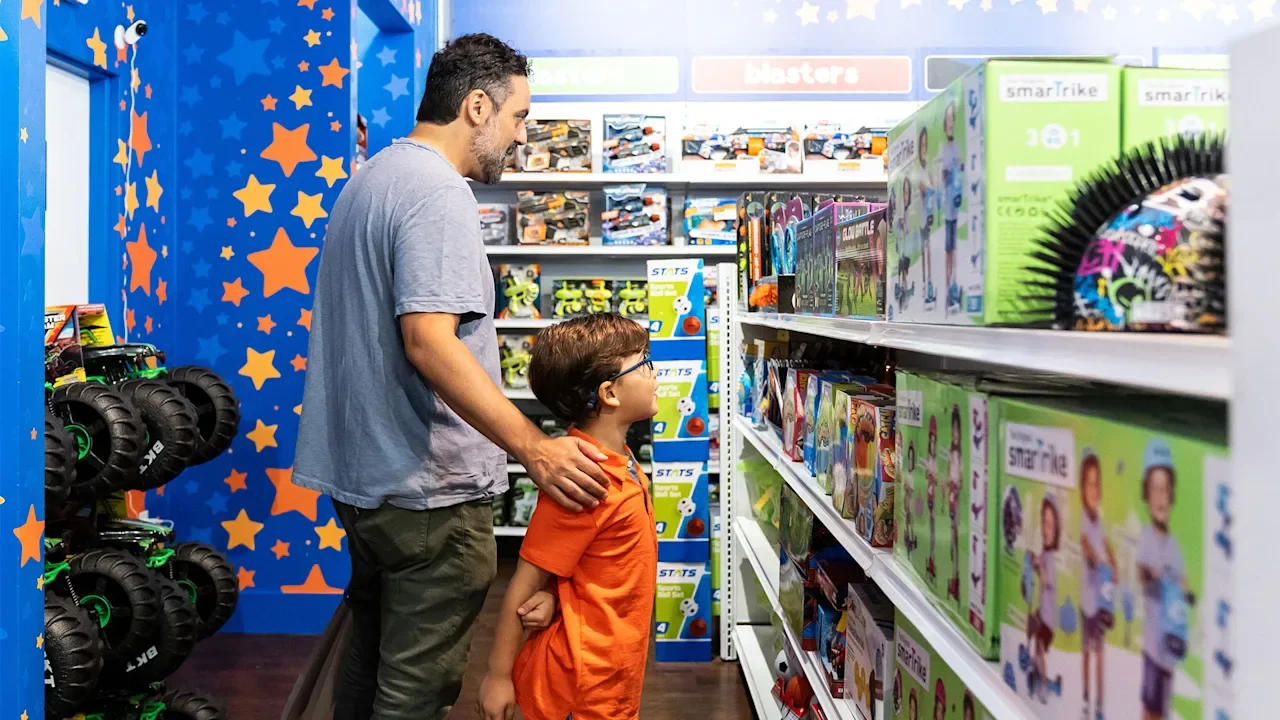
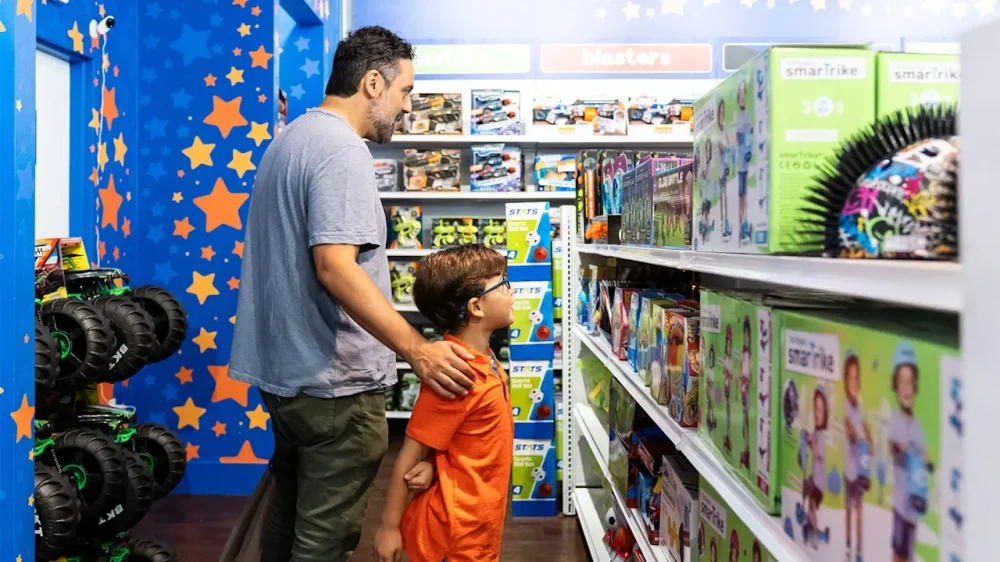
Toy retail brand Toys “R” Us will open new flagship stores and seasonal holiday shops just in time for the holidays. The initiative is in partnership with specialty retailer Go Retail Group, the company said. The locations will feature products from popular brands such as Barbie, Hot Wheels, Nerf, Lego, and Paw Patrol. Some of the new stores have already opened their doors. According to the company, additional stores will open throughout the season. Here’s where you can shop Consumers will be able to do their holiday shopping at the following new Toys “R” Us locations: Flagship stores: Chicago Premium Outlets — Aurora, IL Camarillo Premium Outlets — Camarillo, CA Arundel Mills — Hanover, MD Jordan Creek — Moines, IA Westroads Mall — Omaha, NE Denver Premium Outlets — Thornton, CO Tanger Outlets Deer Park — Deer Park, NY Towne East Square — Wichita, KS The Chicago Premium Outlets flagship store is already open. Seasonal holiday shops: The following seasonal shops are already open: Great Lakes Crossing — Auburn Hills, MI Grapevine Mills — Grapevine, TX Lakeside Shopping Center — Metairie, LA Tanger Outlets — Nashville, TN Crabtree Valley Mall — Raleigh, NC The Mall in Columbia — Columbia, MD South Plains Mall — Lubbock, TX Westfield Southcenter — Tukwila, WA Station Park — Farmington, UT The following seasonal shops will open soon: Deptford Mall — Deptford, NJ Eastland Mall — Evansville, IN Mall of New Hampshire — Manchester, NH Bay Street — Emeryville, CA Twelve Oaks Mall — Novi, MI Park Meadows — Lone Tree, CO North Star Mall — San Antonio, TX Tanger Outlets — Sevierville, TN King of Prussia Mall — King of Prussia, PA Crocker Park — Westlake, OH Walden Galleria — Buffalo, NY The social media accounts for Toys “R” Us will have up-to-date store locations and hours. The locations are also searchable on the brand’s store locator page. “The rollout represents a new chapter for Toys ‘R’ Us, strengthening its place at the center of holiday shopping and redefining family retail experiences,” Gideon Schlessinger, CEO of Go Retail Group, said in a statement. “With new stores nationwide, customers of all ages are invited to discover the season’s hottest toys and rediscover what it means to be a Toys ‘R’ Us kid.” Not your grandfather’s Toys “R” Us This isn’t the first time that the Toys “R” Us brand has made a comeback. The original company, a retail mainstay for decades, sought Chapter 11 bankruptcy protection in 2017. It had struggled with debt for years in the wake of a private equity buyout deal in 2005. The toy retailer closed roughly 800 stores in 2018. In October 2018, Tru Kids Brands bought the Toys “R” Us brands and intellectual property. And the following year, the company opened several smaller stores during the holiday season. Brand acquisition company WHP Global snatched up a controlling stake in Tru Kids in 2021. This acquisition led the toy retailer to partner with Macy’s. The department store began promoting Toys “R” Us shops in its department stores and selling its products online. WHP Global first partnered with Go Retail Group in 2023, at the time announcing plans to roll out Toys “R” Us stores nationwide. View the full article
-
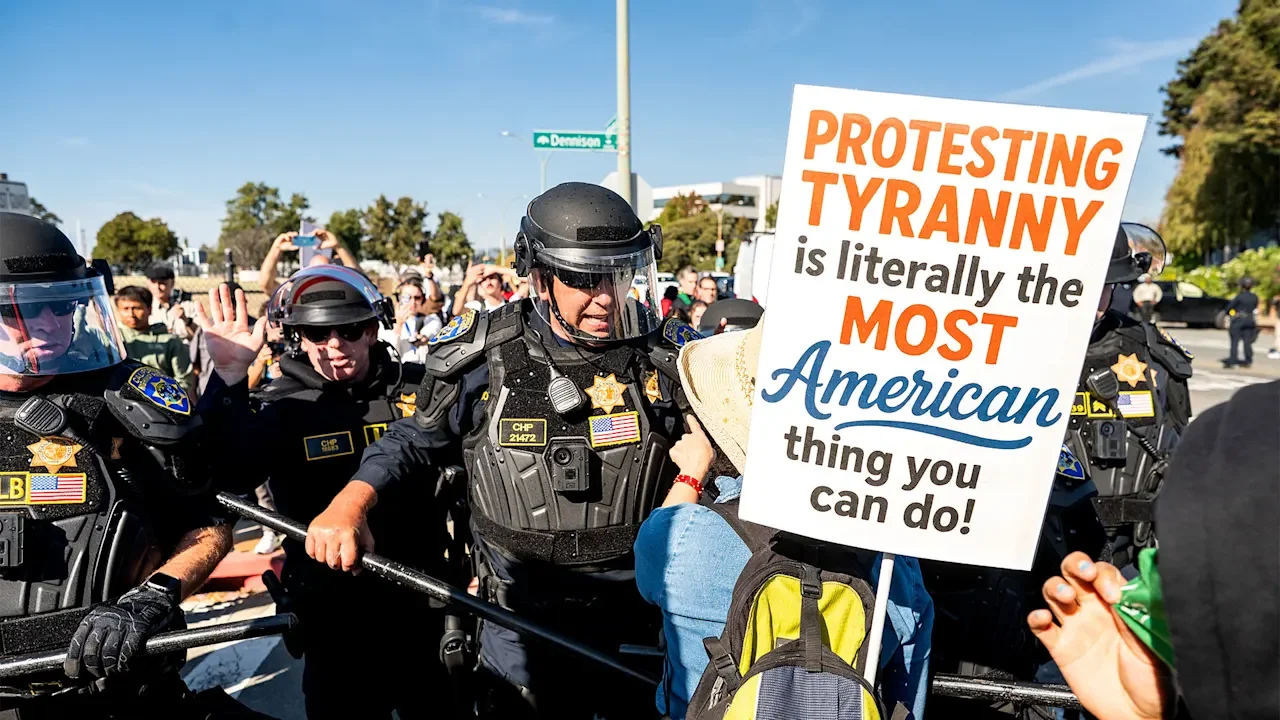
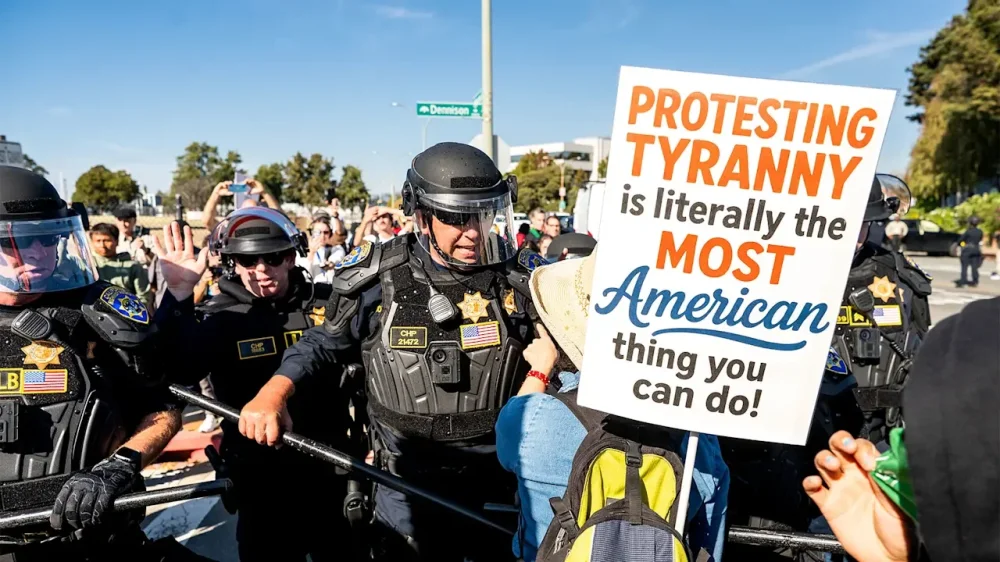
President Donald The President was geared up for a show of federal force in San Francisco, a city he’s blasted as everything wrong with liberal governance. Then conversations with some of the Bay Area’s most prominent tech leaders and the mayor changed his mind. “I got a great call from some incredible people, some friends of mine, very successful people,” The President told reporters Thursday at the White House, specifically referencing Jensen Huang, the CEO of Nvidia, one of the world’s most valuable tech companies, and Marc Benioff, CEO of software company Salesforce. He said they told him San Francisco was working hard to reduce crime. “So we are holding off that surge, everybody. And we’re going to let them see if they can do it,” The President said. He said he could change his mind if it “doesn’t work out.” The President said the increased federal force had been planned for Saturday. He didn’t specify whether he was just referring to National Guard troops, which he had threatened to send in, or if he would also halt a potential ramp up of immigration enforcement. U.S. Customs and Border Protection agents arrived at a U.S. Coast Guard base near the city on Thursday morning, drawing protesters. A careful approach to The President Outreach from billionaire CEOs clearly had a hand in the rare reprieve The President handed a Democrat-led city. But The President also credited Mayor Daniel Lurie, who has worked to avoid direct confrontation with the Republican president since both took office in January. Lurie has governed as an earnest and relentless cheerleader of San Francisco, and repeatedly refused to weigh in on national politics or to mention The President’s name. Instead, he’s focused on local issues — public safety, luring back business and reversing the city’s pandemic-fueled decline. When The President said repeatedly earlier this week that he’d send the National Guard into San Francisco to quell crime, Lurie noted overall crime is down 26% compared to last year and car break-ins are at a 22-year low. “I told the mayor, I love what you’re doing, I respect it, and I respect the people that are doing it,” The President said, referencing a phone call the two had Wednesday. An heir to the Levi Strauss fortune and anti-poverty philanthropist, Lurie is a centrist Democrat who had never held office until he ousted then-Mayor London Breed in last November’s election. He has stated no other political aspirations than to improve the city and has said that he will work with anyone who wants to do the same. “I told him the same thing I told our residents,” Lurie said at a Thursday afternoon news conference to address his call with the president. “San Francisco is on the rise. Visitors are coming back, buildings are getting leased and purchased, and workers are coming back to the office.” Lurie said he told The President that he welcomes the city’s “continued partnership” with the Drug Enforcement Agency and other federal authorities to get illegal narcotics off the streets and contribute to San Francisco’s falling crime rates. Fentanyl has been a major scourge on the city’s streets. “But having the military and militarized immigration enforcement in our city will hinder our recovery,” Lurie said. City reacts with praise and skepticism Former U.S. House Speaker Nancy Pelosi, a San Francisco Democrat, praised Lurie on social media, saying that he “has demonstrated exceptional leadership.” Steve Kerr, Golden State Warriors head coach, called him an “absolute superstar” responsible for the good things happening in San Francisco. The office of California Gov. Gavin Newsom, a former San Francisco mayor, said on X that, “The President, has finally, for once, listened to reason.” Newsom, for his part, has repeatedly sparred with The President, particularly after The President deployed the California National Guard to Los Angeles against Newsom’s wishes. But others are skeptical that The President will keep his word. Indeed, The President said he was giving Lurie “a chance” to turn things around and said the federal government could “take criminals out” much faster. “We cannot trust The President,” said San Francisco Supervisor Connie Chan, a progressive who runs politically left of Lurie but has a good working relationship with the mayor. San Francisco Supervisor Jackie Fielder, who is also more politically liberal than Lurie, said in a statement that she disagrees with Lurie’s desire to coordinate more with federal law enforcement, saying that “is a dangerous invitation to a fascist administration.” CEOs make an appeal The President said he received “four or five calls” from business leaders urging him not to send federal force and to let city leaders continue to work on reducing crime. “They’re the biggest people in the world, a lot of the high tech,” he said at the White House. “They want to do it. And I said, ‘I am so honored to let you do it. And if it doesn’t work out, we’ll do it for you very quickly.'” Benioff of Salesforce, who also owns Time magazine, told the New York Times earlier this month that he’d welcome Guard troops to help quell crime ahead of his major annual business conference. He quickly face backlash and then apologized, saying the troops weren’t needed. He confirmed to The Associated Press that he spoke to The President but did not provide more details. Nvidia declined to comment. In announcing his decision to back off a surge, The President did not mention other cities in the Bay Area, including Oakland, where he has also threatened to send in federal troops. Some other Democrats who have also taken a less combative approach to The President have avoided his focus as he deploys Guard troops around the country. He has not, for example, focused on Detroit despite criticism of the city. Michigan Gov. Gretchen Whitmer has tried to engage with The President including with White House visits. Associated Press journalist Mike Liedtke contributed. —Janie Har, Associated Press View the full article
-
Deputy national security adviser Matthew Collins says the label did not reflect Conservative policy at the timeView the full article
-
In a notable step towards environmental sustainability, Lyft recently announced that it has achieved a target set for 2025: delivering 100 million electric vehicle (EV) rides on its platform. This milestone, reached in September 2025, is part of Lyft’s broader strategy to facilitate America’s transition to electric transportation. For small business owners, particularly those considering incorporating rideshare services into their operations or evaluating sustainable transport options, this development holds significant implications. As Jeremy Bird, Lyft’s Executive Vice President of Driver Experience, noted, this achievement demonstrates that the company’s efforts to encourage EV use among drivers are yielding results. “This milestone proves that our EV incentives, developed in close collaboration with key partners, are working — and they’re serving drivers,” he stated. The rise in EV adoption among drivers stems from several key advantages, which could impact small business owners in various sectors. For rideshare drivers, one of the primary benefits is financial. Lyft’s partnerships with EV charging providers like EVgo and Electrify America have enabled drivers to access charging discounts, significantly reducing operating costs. In 2024, for example, drivers saved approximately $2 million through these discounts, underscoring the potential for increased profitability. Eduardo, a driver in San Francisco, emphasizes these savings: “I was wasting so much money on a regular gas car. I said to myself, ‘I’m going to give EVs a try,’ and I ended up loving it. They’re really nice cars, and I feel like I’m saving a lot of money compared to hybrids and gas cars.” Lyft also offers additional incentives for drivers. In certain states, drivers can earn bonuses for completing a specified number of EV rides weekly. Notably, in California, a region where EV adoption is surging, drivers earned over $24.3 million in bonuses in 2024 alone. “The bonus, combined with how cheap it was to charge, basically paid my car loan by itself,” shared Paolo Freitas Silva, one of the early adopters of this incentive. Moreover, Lyft’s collaboration with Wallbox allows drivers to access discounts on home-charging hardware. This support helps mitigate the upfront costs associated with transitioning to electric vehicles, making them a more feasible option for prospective drivers. Another significant consideration for small business owners is the advantages that EVs provide beyond just cost savings. Drivers have reported higher tips—by approximately 20% to 25%—when using electric vehicles, which can enhance overall earnings. Gary Whitaker, an EV driver, noted that his electric vehicle often piques the interest of passengers, creating engaging conversations that enrich the ride experience. However, challenges remain for small business owners considering rideshare partnerships or introducing EVs into their operations. One common concern among potential EV drivers is “range anxiety,” the fear that a vehicle won’t have enough charge to complete a journey. To combat this, Lyft has implemented the “Rides in Range” feature in collaboration with Smartcar. This ensures drivers receive ride requests that fall within their vehicle’s available battery range. Additionally, Lyft has updated its app to display real-time data from EV charging stations, aiding drivers in planning their routes effectively. As more small business owners evaluate how rideshare operations could complement their existing services, understanding these dynamics is crucial. The ongoing commitment from Lyft to increase the percentage of EV miles (eVMT) on its platform—which has already grown over 200% since 2023—indicates a trend toward sustainability that many businesses may want to align with. As the rideshare landscape continues to evolve, small business owners must weigh the benefits of adopting electric vehicle strategies against the challenges they may encounter. With the backing of corporate partners like Lyft, the shift towards EVs could present not just environmental benefits but also substantial economic advantages for those ready to adapt. For more on Lyft’s sustainability initiatives and the specifics of their recent achievement, including their EV ride incentives, you can read the full release here. Image via Envato This article, "Lyft Hits 100 Million EV Rides Milestone, Boosting Driver Benefits" was first published on Small Business Trends View the full article
-
In a notable step towards environmental sustainability, Lyft recently announced that it has achieved a target set for 2025: delivering 100 million electric vehicle (EV) rides on its platform. This milestone, reached in September 2025, is part of Lyft’s broader strategy to facilitate America’s transition to electric transportation. For small business owners, particularly those considering incorporating rideshare services into their operations or evaluating sustainable transport options, this development holds significant implications. As Jeremy Bird, Lyft’s Executive Vice President of Driver Experience, noted, this achievement demonstrates that the company’s efforts to encourage EV use among drivers are yielding results. “This milestone proves that our EV incentives, developed in close collaboration with key partners, are working — and they’re serving drivers,” he stated. The rise in EV adoption among drivers stems from several key advantages, which could impact small business owners in various sectors. For rideshare drivers, one of the primary benefits is financial. Lyft’s partnerships with EV charging providers like EVgo and Electrify America have enabled drivers to access charging discounts, significantly reducing operating costs. In 2024, for example, drivers saved approximately $2 million through these discounts, underscoring the potential for increased profitability. Eduardo, a driver in San Francisco, emphasizes these savings: “I was wasting so much money on a regular gas car. I said to myself, ‘I’m going to give EVs a try,’ and I ended up loving it. They’re really nice cars, and I feel like I’m saving a lot of money compared to hybrids and gas cars.” Lyft also offers additional incentives for drivers. In certain states, drivers can earn bonuses for completing a specified number of EV rides weekly. Notably, in California, a region where EV adoption is surging, drivers earned over $24.3 million in bonuses in 2024 alone. “The bonus, combined with how cheap it was to charge, basically paid my car loan by itself,” shared Paolo Freitas Silva, one of the early adopters of this incentive. Moreover, Lyft’s collaboration with Wallbox allows drivers to access discounts on home-charging hardware. This support helps mitigate the upfront costs associated with transitioning to electric vehicles, making them a more feasible option for prospective drivers. Another significant consideration for small business owners is the advantages that EVs provide beyond just cost savings. Drivers have reported higher tips—by approximately 20% to 25%—when using electric vehicles, which can enhance overall earnings. Gary Whitaker, an EV driver, noted that his electric vehicle often piques the interest of passengers, creating engaging conversations that enrich the ride experience. However, challenges remain for small business owners considering rideshare partnerships or introducing EVs into their operations. One common concern among potential EV drivers is “range anxiety,” the fear that a vehicle won’t have enough charge to complete a journey. To combat this, Lyft has implemented the “Rides in Range” feature in collaboration with Smartcar. This ensures drivers receive ride requests that fall within their vehicle’s available battery range. Additionally, Lyft has updated its app to display real-time data from EV charging stations, aiding drivers in planning their routes effectively. As more small business owners evaluate how rideshare operations could complement their existing services, understanding these dynamics is crucial. The ongoing commitment from Lyft to increase the percentage of EV miles (eVMT) on its platform—which has already grown over 200% since 2023—indicates a trend toward sustainability that many businesses may want to align with. As the rideshare landscape continues to evolve, small business owners must weigh the benefits of adopting electric vehicle strategies against the challenges they may encounter. With the backing of corporate partners like Lyft, the shift towards EVs could present not just environmental benefits but also substantial economic advantages for those ready to adapt. For more on Lyft’s sustainability initiatives and the specifics of their recent achievement, including their EV ride incentives, you can read the full release here. Image via Envato This article, "Lyft Hits 100 Million EV Rides Milestone, Boosting Driver Benefits" was first published on Small Business Trends View the full article
-
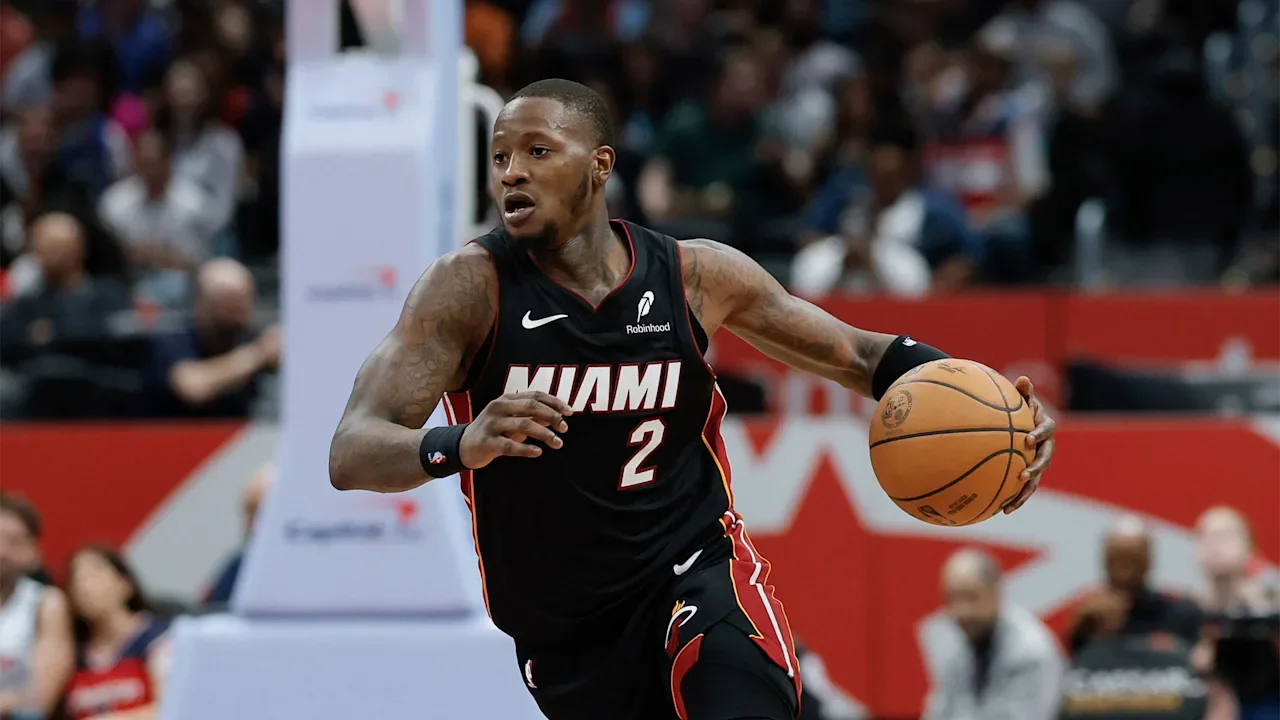
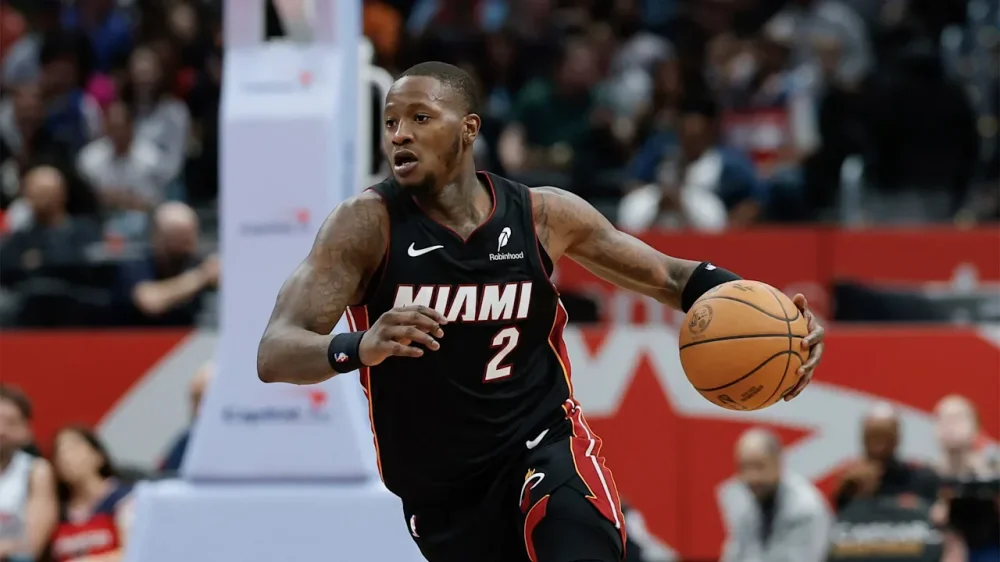
The stunning indictment that led to the arrest of more than 30 people, including Miami Heat guard Terry Rozier and other NBA figures, on charges of illegal sports betting has drawn new scrutiny of the booming business of professional sports gambling across the U.S. Since widespread legalization, the multibillion-dollar industry has made it easy to place wagers on everything from the outcome of games to that of a single play with just a few taps of a cellphone. It’s just about impossible to go to a basketball, football, baseball or other pro game today — or watch a matchup on TV — without seeing ads for sports betting. Fans can place wagers from their stadium seats, while “Bet” tickers scroll on TV sports broadcasts. Star athletes are frequently at the center of ads promoting it all. In Thursday’s indictment, federal investigators accused Rozier and other defendants of breaking the law by exploiting private information about players to win bets on NBA games. Rozier’s lawyer, Jim Trusty, said in a statement that his client is “not a gambler” and “looks forward to winning this fight.” A separate indictment alleges Portland Trail Blazers coach Chauncey Billups and others participated in a conspiracy to fix high-stakes card games. Billups’ attorney, Chris Heywood, issued a statement denying the allegations, calling his client a “man of integrity.” Regulating sports wagering has proven to be a challenge — and experts warn about the ramifications for gamblers who typically lose money. Professional leagues’ own role in promoting gambling has raised eyebrows. Here’s what we know. Explosion of legalized sports betting Sports betting is probably as old as sports itself. But in the U.S., legal gambling really took off in 2018. That’s when the Supreme Court struck down the Professional Amateur Sports Protection Act, which barred sports betting in most states. Once allowed only in Nevada, sports betting is now permitted online or in retail locations in 38 states and Washington, D.C. Missouri will become the 39th state on Dec. 1. Experts say the biggest jump has been online, through smartphone apps and platforms like DraftKings and FanDuel. Through the third quarter of this year, legal sports betting generated $10 billion in revenue, up about 19% from the same period a year ago, according to the American Gaming Association. The industry argues that legal wagering generates money for states and can deter illegal betting. Major operators point to technology they use to monitor suspicious activity. FanDuel said Thursday’s news illustrates “the stark contrast between legal and illegal betting markets.” Who benefits? There is plenty of money on the table both for those who place winning bets and the platforms that make it possible. The NBA and other pro sports leagues have also created revenue streams by partnering with sportsbooks and reaping advertising dollars. Live game stats provided by leagues are key to the sports world’s relationship with the gambling industry. When you’re able to bet what the next pitch in a baseball game is going to be, that’s because Major League Baseball is selling data to platforms “for a pretty high price,” according to Isaac Rose-Berman, whose research focuses on sports betting as a fellow at the American Institute for Boys and Men. The NBA has a partnership with Sportradar for its data rights. Sportradar, in turn, provides FanDuel Sportsbook official NBA statistics. When the deal was announced in 2022, Sportradar touted it as a way “to monetize our long-term partnership with the NBA.” How is sports betting regulated? Each state has its own regulations and tax rates for sports betting. A handful restrict where you can place bets — allowing users to use mobile apps, but only while they’re physically inside a casino or within a certain radius of a stadium, for example. Others limit which betting platforms you can use or what you can bet on. “States sort of opened up a can of worms, and now some of them are starting to realize just how crazy this sports betting world sort is,” said Wayne Taylor, a professor of marketing at Southern Methodist University. An even stickier factor is when players and other team or league personnel are involved. The NFL, NBA, MLB and NHL all prohibit employees and players from betting on their own league games, although some gambling in separate areas is allowed. Legalized betting has certain security advantages in that unusual betting patterns — such as large bets being placed on a random player’s performance — can be immediately flagged. In some cases, sportsbooks have taken down odds on certain events to protect against manipulation. Still, experts like Taylor note that companies’ own financial interests may bring some of that into question. And across the sports market, he says the large number of players and scope of micro bet possibilities makes potential manipulation “easier to hide.” What is prop betting? A prop is a type of wager that allows gamblers to bet on whether a player will exceed a certain statistical number, such as whether a basketball player will finish over or under a certain total of points, rebounds, assists and more. This kind of bet is key to the sports betting probe announced Thursday. Investigators pointed to a March 23, 2023, game involving Rozier, then playing for the Charlotte Hornets. Rozier played the first 9 minutes and 36 seconds of that game — and not only did he not return that night, citing a foot issue, but he did not play again that season. He finished with five points, four rebounds and two assists — a productive opening quarter, but well below his usual total output for a full game. At the time, many bettors turned to social media to say that something shady occurred regarding prop bets involving his stats for that night. More broadly, the NBA has expressed concern about prop bets, while other sports leagues have worried about the potential for manipulation. Earlier this year, Ohio Gov. Mike DeWine urged his state’s gambling commission to ban prop bets after Major League Baseball placed two Cleveland Guardians pitchers on leave during a sports betting investigation. What are other pitfalls and social implications? Sports betting also faces criticism for opening the door to addictive gambling. “The fact that it’s normalized, the advertising is aggressive, it’s available 24/7, the micro bets — all of this is adding up to tremendous increase in usage across individuals,” said Taylor, citing algorithms and other incentives betting platforms use to increase engagement. Rose-Berman notes that platforms make the most off of returning “biggest losers.” Recent research suggests that young men in low-income communities are particularly affected by financial consequences tied to sports gambling. “Upwards of 90% of sports bettors are not really going to experience significant negative impacts — but it’s really concentrated among those big losers and it’s going to be devastating for them,” he said. Associated Press reporters Tim Reynolds in Miami, David Lieb in Jefferson City, Missouri, and Alan Suderman in Richmond, Virginia, contributed to this report. —Wyatte Grantham-Philips, AP Business Writer View the full article
-
Reserves, credit lines, and leadership pipelines fuel expansion. Gear Up for Growth With Jean Caragher For CPA Trendlines Go PRO for members-only access to more Jean Marie Caragher. View the full article
-
Reserves, credit lines, and leadership pipelines fuel expansion. Gear Up for Growth With Jean Caragher For CPA Trendlines Go PRO for members-only access to more Jean Marie Caragher. View the full article
-
Here is a recap of what happened in the search forums today...View the full article
-
Crushing defeat in Wales raises questions over Starmer’s leadership but result shows resistance to ReformView the full article
-
Kering released its third-quarter 2025 financial results on Thursday, showing it reduced the slump it had seen in the previous quarter. The French luxury goods house, which owns brands like Balenciaga, Gucci, and Yves Saint Laurent, reported 3.42 billion euros ($3.97 billion) in group revenue, down 5% year-over-year (YOY) compared to a 15% drop in quarter-two. It also beat Wall Street’s estimate of a 9.6% decline, according to consensus estimates cited by Reuters. Kering attributed the reduced revenue YOY, in part, to a negative currency effect of 5%. Luxury is in a lull As a whole, luxury brands have struggled in recent years, with blame boomeranging between factors like changing desires among young consumers, a domino effect from the COVID-19 pandemic, and a downturn in China—one of luxury’s biggest markets. At Kering, Gucci, specifically, was still in a lull, though it saw an improvement over quarter two’s 25% drop. The brand just beat its predicted revenue of 1.32 billion euros ($1.53 billion), with 1.34 billion euros ($1.56 billion) and a 14% decline YOY, according to consensus estimates cited by CNBC. Fashion designer Demna took over as Gucci’s artistic director in July after a decade in the same role at Balenciaga. Yves Saint Laurent had a 4% decrease in revenue YOY, while other parts of the business saw an uptick in YOY revenue: Bottega Veneta is up 3% and Kering Eyewear is up 7%. The new boss is not especially happy with the results “Kering’s third-quarter performance, while representing a clear sequential improvement, remains far below that of the market,” Kering CEO Luca de Meo said in a statement. “This reinforces my determination to work on all dimensions of the business to return our Houses and the Group to the prominence they deserve. We are working relentlessly on our turnaround, as shown by our recent decisions.” De Meo, previously the chief executive of automotive giant Renault, took the helm at Kering on September 15, most of the way through quarter three. Former CEO François-Henri Pinault stayed on as chairman of the board of directors. Kering’s shares (EPA: KER) were up 8.7% at close on Thursday—a high for 2025—before falling over 4% during trading on Friday. The earnings report comes only a few days after Kering announced the all-cash sale of its beauty division to L’Oreal for 4 billion euros ($4.6 billion). That deal is expected to close in the first half of 2026 and gives L’Oreal ownership over the House of Creed high-end fragrance company and licenses for brands including Balenciaga, Bottega Veneta, and Gucci. Kering will receive royalty payments from L’Oreal. The latter has owned the beauty license for Kering’s Yves Saint Laurent, since 2008. View the full article

-
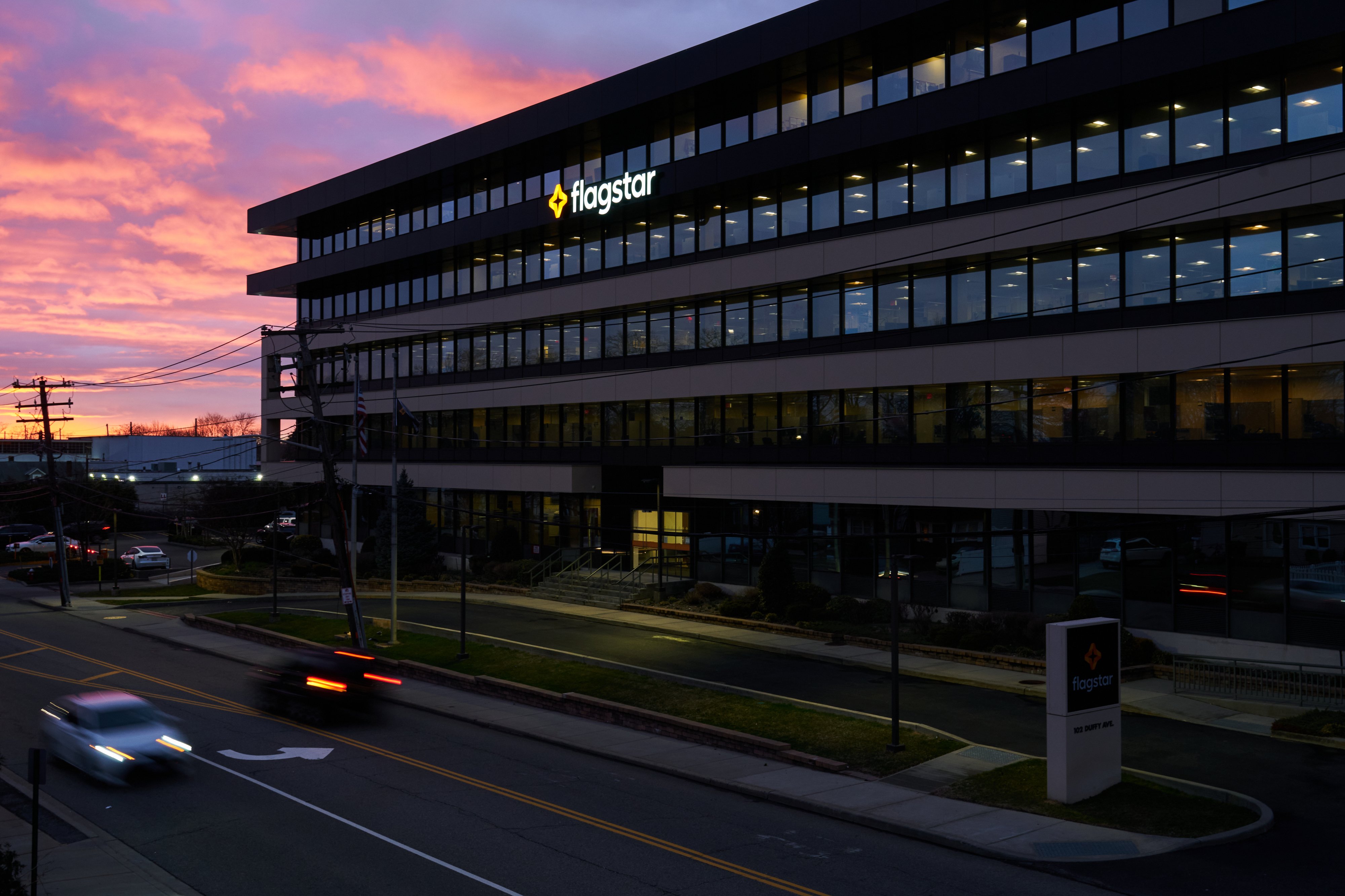
The Long Island-based bank hasn't been profitable in eight quarters, but executives maintain that it's on the right path, citing more loan book diversity, lower expenses and an improved margin. View the full article

-
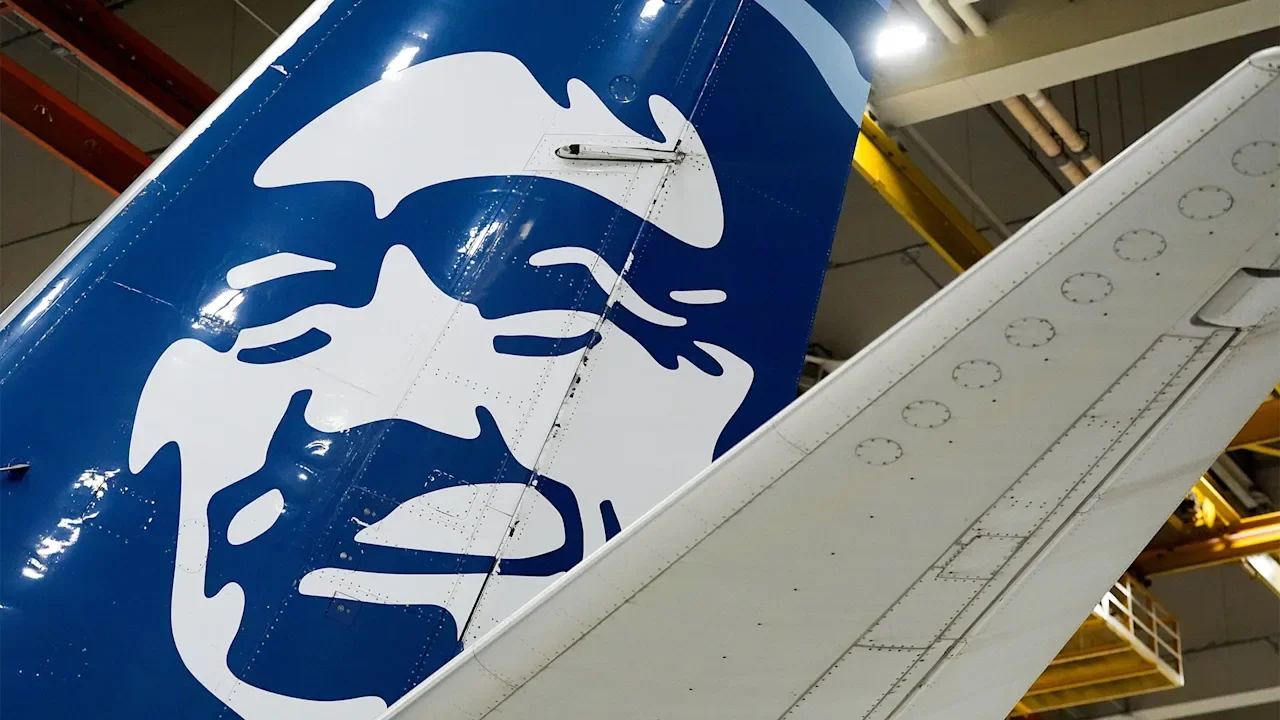
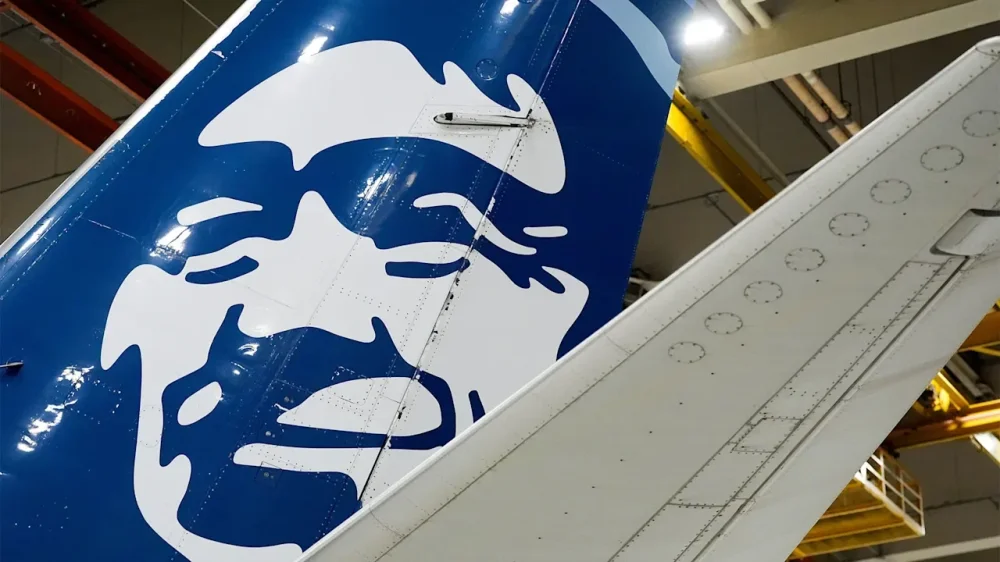
Alaska Airlines said its operations have resumed Friday after it had to ground its planes for hours because of an information technology outage. The airline said in a statement that 229 flights were canceled because of the outage and that more flight disruptions were expected as it worked to “reposition aircraft and crews.” Alaska Airlines said it is working on getting travelers affected by the disruption to their destinations. It asked that passengers check their flight status before heading to the airport. The grounding Thursday affected Alaska Air and Horizon Air flights. Hawaiian Airlines, which was bought by Alaska Air Group last year, said its flights were operating as scheduled. In July, Alaska grounded all of its flights for about three hours after the failure of a critical piece of hardware at a data center. There has been a history of computer problems disrupting flights in the industry, though most of the time the disruptions are only temporary. The story has been updated to correct the time element of operations resuming to Friday, from Thursday, and the day of the grounding to Thursday, from Wednesday. View the full article
-
We may earn a commission from links on this page. Deal pricing and availability subject to change after time of publication. Samsung Galaxy Tab S10 FE has dropped to $331.50 at Walmart, which is a pretty sharp price considering the same model is listed at $429.99 on Amazon. Samsung Galaxy Tab S10 FE, 128GB $331.50 at Walmart $499.99 Save $168.49 Get Deal Get Deal $331.50 at Walmart $499.99 Save $168.49 It’s the newest entry in Samsung’s midrange tablet lineup, following last year’s S9 FE, and while not a massive upgrade, it’s still one of the few Android tablets that feel genuinely premium for the price. The 10.9-inch display and metal body give it a sturdy, high-end feel, and the IP68 rating means it can handle splashes—something even pricier iPads skip. Samsung includes its signature S Pen in the box, perfect for jotting notes, sketching, or navigating the screen—and its stylus software remains best in class. That alone makes this tablet worth considering if you like to jot things down or doodle on the go. Under the hood, the Tab S10 FE runs on the Exynos 1580 chip, paired with 8GB RAM and 128GB of storage. It’s not a powerhouse, but it gets through everyday tasks like web browsing, note-taking, and streaming without fuss. The battery is the same 8,000mAh as last year, but thanks to efficiency gains, it lasts longer (over 13 hours in mixed-use tests). Charging is quick too, with 45W fast charging support, though you’ll need your own adapter since Samsung doesn’t include one in the box. The 10.9-inch LCD screen is bright and crisp with a 90Hz refresh rate, though it lacks the Dolby Vision and HDR10+ support found on some rivals like the OnePlus Pad 2. The stereo speakers sound clean, if a bit restrained, and the 16:10 aspect ratio makes movies look natural in landscape mode. That said, cameras (13MP rear and 12MP front) are serviceable for video calls but nothing more. On the software side, Samsung’s One UI 7, running on top of Android 15, makes multitasking easy. You can open multiple apps, split the screen, or switch to DeX mode for a desktop-style layout with keyboard and mouse support. The software experience is mature, flexible, and backed by six years of updates, which is rare at this price. On the downside, the interface can feel cluttered with Samsung’s extra apps, and performance won’t impress gamers or power users. Still, the Galaxy Tab S10 FE delivers a solid mix of design, display, and software longevity. Our Best Editor-Vetted Tech Deals Right Now Apple AirPods Pro 2 Noise Cancelling Wireless Earbuds — $169.99 (List Price $249.00) Apple iPad 11" 128GB A16 WiFi Tablet (Blue, 2025) — $299.00 (List Price $349.00) Amazon Fire TV Stick 4K Plus — $29.99 (List Price $49.99) Shark AV2501AE AI XL Hepa- Safe Self-Emptying Base Robot Vacuum — $299.99 (List Price $649.99) Ring Pan-Tilt Indoor Cam, White with Ring Indoor Cam (2nd Gen), White — $59.99 (List Price $99.99) Blink Video Doorbell Wireless (Newest Model) + Sync Module Core — $29.99 (List Price $69.99) Blink Mini 2 1080p Indoor Security Camera (2-Pack, White) — $27.99 (List Price $69.99) Ring Video Doorbell Pro 2 with Ring Chime Pro — $149.99 (List Price $259.99) Introducing Amazon Fire TV 55" Omni Mini-LED Series, QLED 4K UHD smart TV, Dolby Vision IQ, 144hz gaming mode, Ambient Experience, hands-free with Alexa, 2024 release — $699.99 (List Price $819.99) Blink Outdoor 4 1080p 2-Camera Kit With Sync Module Core — $51.99 (List Price $129.99) Deals are selected by our commerce team View the full article