Newsletter
Want to keep up to date with all our latest news and information?


ResidentialBusiness
Administrators
-
Joined
-
Last visited
Everything posted by ResidentialBusiness
-
When Todd Willing was 15, he entered a high school work experience program at Ford’s Australian Design Studio. His father owned a garage, and he’d always been around cars. “I had a loose understanding of what went into them because of that exposure, and I always had a creative bent I guess,” says Willing. “I would be drawing cars most of the time, to the frustration of my teachers.” The experience is still so vivid in Willing’s mind: the plane ride to Melbourne, the energy and feel of a space devoted to creativity, the culture and environment of a creative team. “That was it for me,” he says. “I wasn’t going to be doing anything else.” Now, 22 years later and still at Ford (though this time in Michigan), Willing is Head of Design, leading the design practice for Ford and Lincoln brand vehicles worldwide. Having been the chief exterior designer on the 2017 Ford GT and leading teams responsible for the F-150, Ranger, Bronco, Explorer, Expedition, and more, Willing has been a key part of shaping Ford vehicles around the world. And while his role is fairly big-picture, Willing says he feels a deep responsibility that ties back to his industrial design education: to create something new or improve on something, making people’s lives and experiences better. Willing says so much of that work is creative and connected with various disciplines across the design studio. Turns out, to prepare for that kind of work, Willing still somehow manages to hang around cars. When he isn’t working, he races vintage race cars. “When you’re in a race car, your safety depends on 101% concentration. It pushes everything else aside. Right after that, I feel freer to be creative.” As designers we make thousands of decisions on behalf of our customers . . . we need to be armed with deep insights. In our case, it’s motor vehicles and services. It should be done to make lives better in some way—with thoughtful design, desirability, and being straightforward. That’s really important. We have research groups that help us do that. We have ethnographic research, where we spend time with customers. You need to take that and apply a lot of care and attention to get it right. To solve for unmet needs. In many cases, it’s doing this before our customers or users even realize they are working around something, or that problem exists to solve. That’s where the real magic happens for me. I’m part of a bigger industrial system—market trends, legislation; these are constraints to pure creativity. Sometimes that might seem limiting, but also it’s an opportunity to innovate with purpose. You have something very specific to solve and there are obstacles in the way that forces innovation in a lot of cases. Sometimes when I need to clear my mind, I race vintage cars. That’s super helpful when I want to be creative. I did go karting as a kid, and later on, once I could afford to, I got back into racing cars. I have a few now and it’s definitely therapy for me. The 2017 Ford GT [Photo: Ford] I like things to be optimized. When things have a clear purpose, you can go deep into that purpose and make sure that the product delivers on that. It’s not enough to be visually appealing. If you look at our industry, there’s been a heavy bias toward styling and that chemical reaction people have in their brain when they see something that’s appealing. That’s critical, but doing it with more meaning and purpose and delivering on the function is critical to me. My personal philosophy, I like to edit things to the point where there’s nothing extraneous without function. It allows you to put more content or money into the things that mean something. I surround myself with creative talent as much as I can. This role requires me to be available for different aspects of the business. I make sure I build in the right amount of time to have conversations around creativity, and be with the creative team. I find it helpful to have some specific creative reviews where there is no hierarchy. The person with the most knowledge or the best idea holds the floor, and we park our stripes at the door. Being face-to-face with the team, and giving attention to the designers with the least experience—they are the ones faced with the challenges of design the most, too. It’s a catalyst for fresh and interesting design. I believe good design plays a prominent and positive role in daily life. It should talk to you. Good design should telegraph purpose, capability, proper use, and of course be highly attractive to those whom it is intended to serve. I encourage our teams to avoid false adornment. Having a clear and differentiated mission at the start of a project is a big enabler for success. When we were creating the latest generation of Ford GT, the ambition to race and win at Le Mans was the mission. Using this as a guide for decisions, if a proposed design element had a negative impact on the performance, then it wasn’t allowed on the car. Automotive design is part of a complicated ecosystem. The investment required for new products is very high, and the product cycles are much longer than most industries. This means that creating products that are meaningful and have longevity are important. There are many factors that influence our approach: different market trends, global politics, legislation, etc. Although on the surface constraints can seem limiting, they often drive innovation. Affordability is becoming ever more critical in the face of new competition and economic factors. This comes back to my point about the criticality of making the right choices on behalf of prospective customers. Our CEO talks about there being no space at Ford for “Vanilla Cars.” This means that everything needs to have a clear purpose that is attractive and useful to our customers. Our products should be focused and be the best at what they do. Ideas, until they are proven, can be fragile. But, it’s important to make sure we draw them out even if they are not obvious home runs. Making sure the ideas have time to breathe a little bit . . . usually that leads to a spark that has potential and it will invariably inspire the rest of the team to grow off of that initial idea. If the inspiration in the team is low, look at what you have and try to flesh it out. Then usually that inspires something in others. I have a motto for my team: Design is not an attribute. There is always a trade to be had—a way of spending money—what choices you make along the way. It’s an intentional product creation that marries purpose, function, and desirability—not necessarily in that order, but it needs to consider all of those things. I am frustrated when I hear design being referred to as the darling department. If we turn up around that motto, that perception disappears. View the full article

-
Few apps are as inextricably linked to the iPhone as Apple’s Messages. Introduced with the original iPhone almost 18 years ago, the app (then called “Text”) has become the primary messenger for most iPhone users worldwide. It allows users to receive Apple’s proprietary iMessages, as well as RCS messages and old-school SMS messages. In recent years, Apple has introduced several new features to the Messages app and its iMessage protocol. Most recently, in iOS 18, the company allowed users to stylize text by bolding or underlining words, incorporated animated effects that make words shake or appear to explode, and enabled users to react to a message with any emoji. But while the above additions are nice, they’re mainly eye candy—and that only gets a messaging app so far. When it comes to being truly useful, Apple’s Messages still lacks some basic functionality—and reliability—other messaging apps like WhatsApp and Signal have had for years. Apple is expected to preview the iPhone’s next operating system, iOS 19, at its annual Worldwide Developers Conference (WWDC) on June 9. Here’s hoping the company adds the following improvements currently sorrowfully lacking in Messages today. iMessage needs to work when traveling internationally Apple needs to address how its iMessages work when a user is traveling internationally and using a temporary travel SIM—as anyone who has tried to text a friend who is traveling overseas, or who has traveled internationally themselves, knows too well. If an iPhone user removes their domestic SIM card and replaces it with a temporary travel SIM, they often will not receive messages sent to the iMessage account associated with that phone number. Instead, the messages will, more often than not, simply disappear into the ether, never to be received again—even after the domestic SIM card is reinstalled. It may be natural to think that, of course, a person won’t receive a text if they don’t have the SIM card with the phone number the text was sent to installed in their phone. But that’s not how iMessages work. When you send an iMessage, you’re not actually texting the user’s phone number. Instead, you’re using their phone number as a routing identifier to deliver a message to the associated iMessage account. This is why your Mac and iPad can receive and send messages to and from your phone number-linked iMessage account. In other words, it shouldn’t matter that the user’s normal SIM card isn’t in their iPhone—they should still be able to receive the iMessages. This is how it works with competing apps like WhatsApp and Signal, which also use phone numbers as routing identifiers. Indeed, whenever a friend travels internationally, and I don’t get a response to an iMessage I’ve sent, I follow up via Signal or WhatsApp. They immediately receive those messages despite not having their domestic SIM card installed. I reached out to Apple about why iMessages don’t work in a similar matter, and the company told me that it was a security measure. Apple says that the measure triggers when an iPhone is without its domestic SIM cards for a few weeks, until which time users can still receive iMessages sent to their usual phone number. However, in my experience, this two-week timeframe is not accurate, and as soon as a domestic SIM card is removed from the phone, iMessages sent to the number will not go through. Apple also says that users can keep getting iMessages with a travel SIM if they have their friends send the iMessage to their email address instead of their phone number. But this relies on everyone texting you knowing that you are traveling internationally and without your domestic SIM card. While I understand the security reason behind this problem, it would be great if it were accurate that it only kicks in after two weeks. Even better: Apple should give users the option to disable this security measure for a period of time that the user can designate whenever they switch from their default SIM to a travel one. Archiving would help reduce clutter But reliability isn’t the only issue that Messages faces. For some reason, Apple still hasn’t added a feature that allows users to archive chat threads. Archiving helps declutter your messaging app by letting you move chats with people you no longer or rarely interact with—like the plumber who fixed your sink last month—to a separate folder. This frees up screen space and allows you to keep your most important and active chats front and center. Archiving is a great intermediary option between keeping a chat thread forever or deleting it entirely. It has been a standard feature in nearly every major messaging app for years. Why Apple’s Messages still doesn’t support such a basic feature in 2025 is beyond me. Bookmarking would offer quick access Speaking of basic features—Apple’s Messages lacks another one: the ability to bookmark individual messages. Other messaging apps, like WhatsApp, have allowed users to do this for a long time (WhatsApp calls this “starring” messages). Bookmarked messages are saved to a smart folder that the user can easily access inside the app in order to view their most important messages. This is a great way to quickly access an old message that you would otherwise have to scroll through lengthy threads to find again. There are many reasons to bookmark a message, ranging from the sentimental to the practical. An example of the latter might be when you want to quickly access important information someone had previously texted you—like the PIN code to a friend’s smart door lock so you can enter their house to feed the cats while they’re away. Labeling forwarded messages would eliminate confusion Even when iMessage does offer basic features that most other messaging apps offer, they are sometimes poorly implemented. The most glaring example of this is message forwarding, which allows you to easily forward a text one person sent you to another person. Other apps clearly indicate that a message is forwarded—often with an arrow or label in front of the forwarded message. But with Apple’s Messages, the forwarded message simply looks as though it was written by the person forwarding it. Case in point: The other day, I received a message from a friend that had a very uncharacteristic tone and subject matter. It confused me quite a bit. While I was reading it a second time, I received a follow-up message stating that the first one was from another individual, and my friend was simply forwarding it to me. Without that additional text message from my friend clarifying that the first message was forwarded, I wouldn’t have known, because Apple’s Messages doesn’t give any visual indication distinguishing a regular message from a forwarded one. Will Apple implement any of these changes in Messages in iOS 19? I hope so, but we’ll just have to wait to see. Apple is expected to preview iOS 19 at WWDC25 in June. View the full article

-
The benefits of taking time off from work are well-documented. In previous coverage, Fast Company has detailed how vacations stave off burnout, promote engagement, and may even help you be healthier. There are a number of ways to get more out of your vacation days, says time-off expert Jackie Swayze, founder of Maximizing My PTO, a website that helps people use a number of tips and tricks to plan unusual getaways. She says that one size does not fit all when it comes to paid time off. “There’s so much more creativity to be had than the standard, you know, take one week off in the summer,” she says. Here are some ways others have made their time off distinctly their own. Honor your personal priorities Sundie Leigh Jones, a software development engineer, says she makes the most of her PTO by focusing on her priorities. One of the ways she does so is to use time off for her birthday and her daughter’s. “I’m big on spending my free time building up my relationships, and I like to do that by traveling to people I love or with people I love,” she says. Since her birthday typically falls around Labor Day and her daughter’s is during the summer, those are good times to take a day to celebrate, she says. And if they fall adjacent to a weekend, that’s an opportunity to make the celebration into a long weekend. Plan a speed getaway Swayze recommends checking your local airport’s flight schedules. There are likely direct flights that make getting to a particular destination convenient. That recipe for a quick trip may require little to no time off. For example, she recently flew to Ireland for St. Patrick’s Day. While some might balk at flying several hours to a destination for such a quick trip, she says that changing your thinking about doing short trips can open up new opportunities for adventure. “There’s never enough time in a place ever. I’d much rather go somewhere for just a couple of days than not ever go at all,” she says. Combine your PTO with flexible work time Swayze says remote work opportunities can open up other ways to extend your PTO options. While her husband’s job typically requires him to be in the office five days per week, he does have some flexibility to work remotely. When they found a great deal on a flight to Paris out of Detroit, they flew from Chicago to Detroit the night before. He worked out of the hotel the next day and then they boarded their flight to Europe. “Once in Europe, working East Coast hours tends to mean getting the morning to explore and working from 3 to 11 p.m.,” she says. “Play hard, then work hard.” (Of course, it’s important to check that your employer allows “work from anywhere” and to also ensure that working in other states or countries won’t create new tax obligations.) Work on your hobbies or side hustles Jones owns a number of income properties in other states, so she’ll schedule her PTO to be able to go tend to those properties, taking off a day or two on a given week to create a long weekend. She even planted an orchard during one of her breaks. Because her “day job” tends to make her sedentary, she says she relishes the opportunity to do physical labor when she takes time off. “I took two weeks off, and we transformed a part of my property . . . [into] a small fruit orchard,” she says. “We worked 10 hours a day on the orchard. Then, on the ‘off’ days, we explored the Pacific Northwest.” While that may not sound restful, she says that she enjoys the trips and the chance to build her property portfolio. Plus, all that physical activity leaves her eager to get back to her desk job, she says. Be strategic about when you take time off Cornia Leslie is the public relations manager at email verification service ZeroBounce. While her company has an unlimited PTO policy, she’s concerned about “how much is too much.” Still, she says she needs at least four to five days off to begin disconnecting from work, so she planned a long vacation last year, spending nearly a month in Europe. “It was my first ‘real’ vacation in seven years. I was able to fully relax and stop checking my email compulsively,” she says. To prepare, she made plans for her tasks to be covered and wrote some content in advance. Leslie says that she actually felt more secure about taking vacation time when she had a set amount of PTO. “I don’t want to abuse this policy, so I try to plan ahead: Batch my time off, use it less often, but make it count,” she says. “Longer vacations are more restorative for me than scattering single days here and there.” In addition to a longer-than-average vacation, it may also be possible to use your time off to plan a sabbatical to learn something new, travel, or work on a personal project. Swayze encourages people to think about being strategic and use the PTO that they are due. “I plan trips pretty far in advance, so I’m looking at my whole year of PTO all at once,” she says. By thinking through the time off you have available to you, as well as holidays and seasonal fluctuations in your work, you can create times for rest, experiences, and adventures throughout the year in the ways that best suit you. View the full article
-
Bui Van Phong faced a choice when the Vietnam War ended 50 years ago: stay in his small village, helping his parents carry on the family’s centuries-old tradition of making fish sauce, or join the hundreds of thousands of people fleeing his country for a better life. Phong chose to stay behind and nurtured a business making the beloved condiment, known as nuoc mam in Vietnam, that is now in its fourth generation with his son, Bui Van Phu, 41, at the helm. Fish sauce from the village has been recognized by Vietnam as an indelible part of the country’s heritage and the younger Bui is acutely aware of what that means. “It isn’t just the quality of fish sauce. It is also the historical value,” he said. But that heritage is under threat, and not only from giant conglomerates that mass-produce fish sauce in factories. Climate change and overfishing are making it harder to catch the anchovies essential to the condiment that underlies so much of Vietnam and southeast Asia’s food. Anchovies thrive in large schools in nutrient-rich waters near the shore. But climate change is warming the oceans, depleting oxygen levels in the water. Scientists have long feared that this would lead to smaller fish, as large fish that need more oxygen may migrate or adapt over time by shrinking. Renato Salvatteci, who studies fisheries at the Christian-Albrecht University of Kiel in Germany, said his research into warmer periods millenia ago found support for this in the fossil record. “If we continue with this trend of deoxygenation, anchovies will not be OK with that,” he said. “Every species has a limit.” Breaching that limit will have global consequences. Warming oceans threaten the ocean ecology and the marine life that inhabits it. It may result in the proliferation of smaller, less nutritious fish and increase costs of fishing and consequently food. Anchovies, for instance, have an outsized role on marine ecology. They’re food for other fish that people eat, like mackerel. They are also vital to make fish meal, used to feed farmed fish. Overfishing compounds the problem, and geopolitical tensions in the contested waters of the South China Sea — responsible for about 12% of the global fish catch — make management difficult. The destructive industrial fishing practice of dragging large nets along the seabed, scooping up everything in a net’s path, has prevailed since the 1980s. But despite increased fishing, the amount of fish being caught has stagnated, according to a 2020 analysis of fishing trends. Even if the world can limit long-term global warming to 2.7 degrees Fahrenheit (1.5 degrees Celsius) above pre-industrial levels and halve fishing intensity, the South China Sea will still lose more than a fifth of its fish stocks, warned a 2021 assessment by scientists from the University of British Columbia in Canada. In the most pessimistic scenario — temperatures rising by 7.7 degrees Fahrenheit (4.3 degrees) — nearly all the fish disappear. Phu, who teaches information technology by day, also works hard to perfect the fish sauce art handed down by his ancestors. The anchovies are usually caught between January to March when they congregate off the coast of Da Nang. If they are the right species and size, they get mixed gently with sea salt and put in special tera cotta barrels. Sometimes worms or other ingredients are added to bring in different flavors. Phu ferments this for up to 18 months — stirring the mix several times a week — before it can be strained, bottled and sold to customers. The sea salt imparts different flavor depending on where it comes from. So does the amount of salt used, and makers have their own recipes; the Bui family uses three parts fish to one part salt. The time allowed for fermentation, and the potential addition of other fish, also affect the flavor of the final product. But it is harder to get the perfect anchovies. The fish catch has decreased — fishermen in markets across Vietnam rue the fact that much of the fish they sell now was considered bait-size in previous decades — and it’s only the good relationships he has with anchovy fishermen that allow him to get the fish directly, avoiding high market prices. The unmistakeable aroma of fermenting fish cloaks the homes of families that still make traditional fish sauce. But Phu said that many families are thinking of getting out of the business because of high anchovy prices. That may affect Vietnamese plans for a bigger share of the global fish sauce market — projected to increase in value from $18.5 billion in 2023 to nearly $29 billion by 2032, according to a report by Introspective Market Research. Vietnam, along with Thailand, is the world’s largest exporter of fish sauce and is hoping improvements in food safety to satisfy standards in lucrative markets like the U.S., Europe and Japan will help cement a national brand that helps advertise Vietnamese culture to the world. It’s hard to overemphasize how deeply the condiment is enmeshed in Vietnamese culture. Students living abroad speak of how its taste transports them back home and a top chef says it’s the foundation for flavor in the country’s cuisine. The varying taste of different brews also means everyone — from top businessmen to daily wage workers — has their own opinions about which is the best. Phu said that each family has their own secrets about making fish sauce. And, nearly fifty years since his father chose to stay back and take care of the family business, he’d like to pass those on to his own son. But he knows that it’ll depend on whether enough anchovies thrive in the sea for the craft to be viable. “Fish sauce to me is not just a condiment for cooking. But it is our craft, our culture, our tradition that need to be preserved, safeguarded and inherited,” he said. —Aniruddha Ghosal, Associated Press Associated Press journalist Hau Dinh contributed to this report. The Associated Press’ climate and environmental coverage receives financial support from multiple private foundations. AP is solely responsible for all content. Find AP’s standards for working with philanthropies, a list of supporters and funded coverage areas at AP.org. View the full article

-
Five years after the COVID-19 pandemic began, the United States finds itself in the midst of another public health crisis. This particular pandemic is a psychological one: widespread loneliness and isolation. About half of adults in the U.S. report feeling lonely—what former Surgeon General Vivek Murthy has characterized as an epidemic. The increase in social isolation has extensive costs for “schools, workplaces, and civic organizations, where performance, productivity, and engagement are diminished,” he wrote in 2023. As a business school professor who studies intergenerational relationships, I believe that our workplaces hold untapped potential for alleviating isolation. When colleagues do form friendships at work, they often gravitate toward people their own age. But fostering meaningful connections across generational lines can benefit not just organizations, but workers’ own sense of purpose and mental health. Working solo The COVID-19 pandemic affected all ages differently. Prior to 2020, it seemed that younger generations were leading a strong push away from working in the office. Once many Americans were working remotely, however, Generation Z—those born 1997-2012—reported the highest levels of loneliness. The problem, I’d argue, is how organizations’ early questions about working through the pandemic centered on efficiency. Was it possible to do our jobs remotely? Would we be as productive? Was remote work viable long term? For many jobs, the answer was yes, resulting in persistent work-from-home options even after it became physically safe to return to offices. Yet companies overlooked crucial elements that contribute to employees’ commitment and well-being, particularly strong relationships between colleagues. These factors are especially vital during early career years as young workers establish networks, learn their roles, and develop professional identities—all considerably more challenging in remote or hybrid environments. Just 31% of U.S. employees feel engaged on the job, according to January 2025 data from Gallup, a 10-year low. Only 39% of employees strongly feel that someone at work cares about them as a person, and only 30% strongly agree that someone cares about their development. Workers younger than 35, especially members of Gen Z, experienced a more significant decline in engagement than other age groups, dropping 5 points compared with the previous year. Five generations Since hybrid and remote work appear to be here to stay, we need innovative solutions to combat disconnectedness. One overlooked opportunity might lie in a demographic reality that many organizations view as a challenge. Today, there are five generations in the workplace, more than any other time in history. This increase in diversity is primarily due to older workers remaining in the workforce longer than in the past, whether because of economic necessity or increased longevity and health. In 2024, 18% of the U.S. workforce belonged to Gen Z. They’ve surpassed the baby boomers, born 1946-1964, who make up 15%. Gen X, meanwhile (the generation born 1965-1980) comprise 31%. The largest group are millennials, born 1981-1996, who represent 36% of workers. Finally, 1% of the workforce belong to the Silent Generation, born 1928-1945. While such age diversity presents challenges, it also holds unique potential. The importance of workplace friendships is well documented. Research has found positive workplace relationships are beneficial to teamwork, career development and building a sense of community, and they help employees find more meaning in their work. Workplace friendships can help offset job stress and exhaustion and contribute to mental health. The benefits of such relationships can reach beyond the workplace, increasing overall well-being. However, these friendships rarely cross generational lines. A phenomenon known as “age similarity preference” often causes us to gravitate toward people similar in age, including among our coworkers. This broader tendency to connect with people we deem most similar to ourselves is well documented, and age can be a particularly visible sign of surface-level difference—one that leads people to assume, often incorrectly, that they hold similar views. While natural, this tendency limits interactions and relationships, leading to higher levels of conflict. Not only do intergenerational connections at work bring professional benefits but they also can combat isolation. For example, relationships with colleagues from different generations tend to have fewer feelings of competition and pressure, as they likely occupy different life and career stages. An older colleague who has navigated office politics or balanced raising young children with career demands can provide valuable advice and support to coworkers facing these challenges for the first time. Forming intergenerational friendships can help break down negative stereotypes about people who are older or younger by revealing areas of common interest. Beyond Gen Z The benefits of these relationships extend beyond younger generations, especially given how widespread post-pandemic loneliness is. Adults in mid-to-late career stages—Gen Xers and baby boomers—are in their prime years for “generativity”: the life stage when people are most likely to be motivated to share knowledge and expertise, preparing the next generation for success. Generativity leads to benefits for the mentors too, such as higher self-esteem. People of all ages benefit from meaningful intergenerational relationships, but it takes an effort to create them. Employers can help by setting up opportunities to connect. For example, a mutual mentoring program can be a fantastic way to encourage not only learning, but unexpected friendships as well. Jonna, a Gen Xer I met through my generational consulting work, sought out a Gen Z mentor at her office and was grateful for her insight, as well as the chance to give advice. “I like to believe I am someone with a growth mindset and in touch with current realities, but I quickly learned that Hannah had perspectives on many things that stretched me and my thinking,” she said. “Our partnership has helped me approach every situation with curiosity instead of judgment.” Hannah, her mentor-mentee, found the partnership just as beneficial. The experience was “a reminder that regardless of age, we all have something to contribute, and bridging generational gaps can lead to innovative solutions and a richer understanding of the world.” Reaching out to colleagues who are significantly older or younger might seem unexpected. But it may also build a more connected, resilient workforce, where wisdom and innovation flow freely across generational divides. Megan Gerhardt is a professor of management at the Farmer School of Business at Miami University. This article is republished from The Conversation under a Creative Commons license. Read the original article. View the full article

-
USGS warns damage could exceed country’s GDP after 7.7 magnitude tremorView the full article
-
Stepping in to save the media outlet after US cuts could help European democracies develop a wider strategy for combating Russian disinformation, argues Peter PomerantsevView the full article
-
The real problem is one that hand-wringing over ‘toxic masculinity’ won’t solveView the full article
-
France, Ireland and Italy among a slew of objections to EU’s proposals to hit back at US View the full article
-
Katrina Armstrong exits a week after the institution agreed to a list of reforms to fend off funding cutsView the full article
-
The Colorado Office of Economic Development and International Trade (OEDIT) announced the launch of a new three-year Rural Jump-Start (RJS) Operating Grant program aimed at stimulating economic development and job creation in economically distressed rural counties. The initiative, approved by the Colorado Economic Development Commission (EDC), will distribute up to $630,000 in grants to support approximately 36 businesses and at least 120 new jobs across the state. “Colorado is committed to supporting the small businesses that drive our economy and these grants will support businesses in our rural communities around the state. Colorado is one of the best places to start and grow a business, and we look forward to building on this important work to strengthen our economy,” said Governor Jared Polis. Under the new grant structure, eligible businesses located in RJS-designated zones can receive either $15,000 or $25,000 in operating support, with higher awards available to companies in coal transition communities. These funds are intended to help cover business operating expenses, encouraging startups and business relocations to rural Colorado. “Companies in rural Colorado are creating incredible new technologies, enhancing our supply chain and creating valuable, good-paying jobs in their communities. Last year, the Rural Jump-start Program facilitated 212 new hires in our rural communities, and we are thrilled to continue the impact with these new operating grants,” said OEDIT Executive Director Eve Lieberman. The new grants replace the original RJS grant program, which is scheduled to sunset at the end of the current fiscal year. Alongside direct financial support, participating businesses remain eligible for a suite of tax relief benefits, including exemptions from state income tax, state sales and use tax, county personal property tax, and municipal personal property tax in participating areas. In addition, Qualified New Hires may also receive state income tax relief. “The Rural Jump-start program was initiated in partnership with rural communities and has a proven track record of supporting new businesses and new jobs across Colorado’s rural counties. Implementing these new grants will enable more rural businesses to benefit from the program and contribute to their local communities and economies,” said OEDIT Deputy Director Jeff Kraft. Originally established in 2016 as a tax incentive program, the RJS initiative expanded in 2021 to include both operating and new hire grants. To date, 35 counties have been designated as RJS Zones by the EDC, and 33 companies are participating in the program. The new operating grants aim to continue this momentum, providing essential support to businesses that contribute to the economic vitality of Colorado’s rural regions. This article, "Colorado Launches New Rural Jump-Start Operating Grants to Boost Business Development" was first published on Small Business Trends View the full article
-
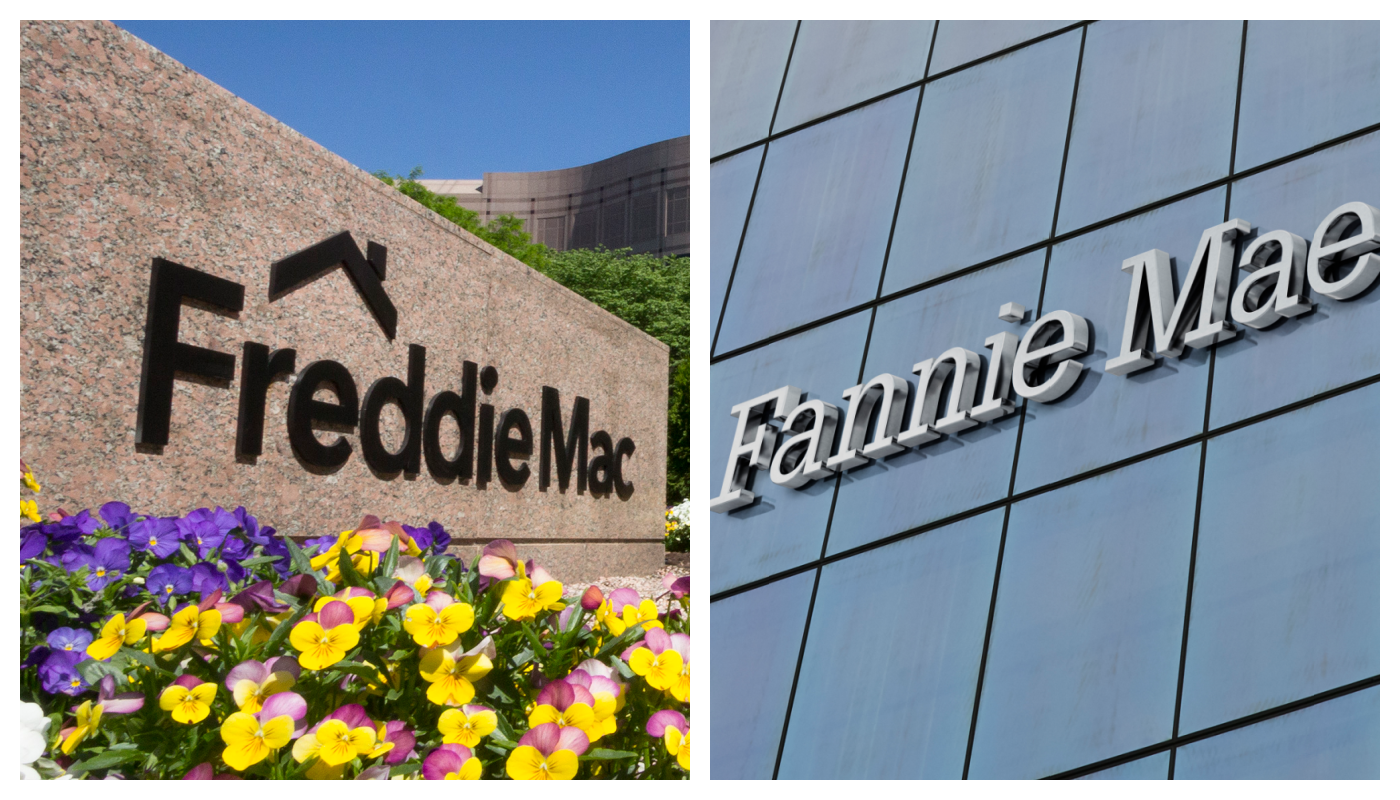
The government conservatorship of Fannie Mae and Freddie Mac wasn't meant to last forever, but releasing the companies is complicated and should involve a diffident Congress, housing policy experts said during a Federal Reserve Bank of Atlanta housing panel. View the full article

-
‘Hyper-rational’ CEO secured important deals with Blackstone and Microsoft to create a cloud computing giant ahead of IPOView the full article
-
Billionaire entrepreneur says social media platform and AI group will share data and computational powerView the full article
-
(Reuters) – Elon Musk said on Friday that his xAI has acquired X, the social media app formerly known as Twitter, in an all-stock transaction for $45 billion, including $12 billion debt. “xAI and X’s futures are intertwined. Today, we officially take the step to combine the data, models, compute, distribution and talent,” Musk said in a post on X, adding that the combined company would be valued at $80 billion. Neither X nor xAI immediately responded to a request for comment. The billionaire’s AI startup, which was launched in 2023, recently raised $6 billion from investors in a funding round that valued the company at $40 billion, sources told Reuters earlier. Musk in February made a $97.4 billion bid with a consortium for the ChatGPT maker OpenAI, which was rejected, with OpenAI saying that the startup was not for sale. As competition in AI intensifies, xAI has been ramping up its data center capacity to train more advanced models, and its supercomputer cluster in Memphis, Tennessee, called “Colossus,” is touted as the largest in the world. xAI introduced Grok-3, the latest iteration of its chatbot, in February, as it tries to compete with Chinese AI firm DeepSeek and Microsoft-backed OpenAI. Musk clinched a deal in 2022 to buy X for $44 billion, ending its run as a public company since its 2013 initial public offering, declaring that “the bird is freed” once the acquisition closed. (Reporting by Seher Dareen in Bengaluru; Editing by Pooja Desai and Sandra Maler) View the full article

-
While artificial intelligence can quickly analyze and compare products for consumers, social media and other online tools still serve to educate them. View the full article

-
The federal district court order in Mississippi allows allegations of servicer responsibility for insurance shortcomings and excessive costs to proceed. View the full article

-
Betty White is making her mark on the nation’s snail mail. The beloved actor of “The Golden Girls” fame was celebrated with a new U.S. Postal Service stamp at a first-day-of-issue ceremony at the Los Angeles Zoo on Thursday. Fans that were crowded behind barricades cheered as a blue curtain dropped to reveal the stamp featuring a portrait of White against a violet-colored background with lighter shades of bubbly spots in a nod to her sparkling personality. She wears a blue polka-dot blouse and peeking out of her blond curls is an earring shaped like a pawprint. “When I was working on the stamp surrounding myself with Betty White videos and pictures, I felt like I was working on a portrait of a family member,” Boston-based artist Dale Stephanos said. “I wanted Betty’s huge personality to take center stage.” The illustration is based on a photo taken by Kwaku Alston in 2010. At the celebration, singer-songwriter Ellis Hall performed a snippet of “Thank You for Being a Friend,” the theme song to “The Golden Girls.” A laughing kookaburra and other squawking birds occasionally interrupted the speakers, which surely would have delighted the animal-loving White. “Animals were her kids and she loved them all — any shape, size and kind,” said Richard Lichtenstein, a board member of the Greater Los Angeles Zoo Association. White had worked with the zoo since its opening in 1966 until her death in December 2021, a couple weeks shy of her 100th birthday. “Who didn’t love Betty White?” Lichtenstein said. “Her smile, her sense of humor, her basic decency. Our country, our city and yes, even our Los Angeles Zoo, would be much better if more people followed her example. Betty White put her stamp on everyone and anyone she came in contact with.” He said White’s financial support and advocacy helped make possible exhibits featuring chimps, gorillas and elephants, among others. Lichtenstein said White set up a private foundation before her death that funds various zoo programs. “This zoo, its inhabitants and this community meant so much to Betty White just as she meant so much to all of us,” said Amber McReynolds, chair of the USPS board of governors. “Betty White was an American treasure.” People lined up to purchase panes of 20 forever stamps, pins and notecards before getting first-day cancellations near a churro snack stand while schoolchildren walked by. “This stamp is special because let’s face it, everybody loves Betty White,” Stephanos said. —Beth Harris, Associated Press View the full article

-
Move signals push by the American president to widen his ideological campaign abroadView the full article
-
A federal judge granted a preliminary injunction that preserves the Consumer Financial Protection Bureau's existence, reinstates fired employees, contracts, data and operational capacity. View the full article

-
There’s a reason Haliey Welch seemingly vanished from the internet overnight: she’s the focus of an upcoming documentary exploring her meteoric rise—and dramatic fall—from viral fame. The 22-year-old influencer will be the subject of an upcoming documentary from Emmy-winning production company Bungalow Media + Entertainment, according to Deadline. “The documentary will chronicle how Welch, a young woman from a small-town with no active social media presence, unknowingly created a viral moment that gave way into a global phenomenon,” per a press release shared with the outlet. The documentary will focus on Welch’s “unexpected rise to fame, the scrutiny that followed,” and will expose “the incredible power social media has to crown and crucify its internet darlings,” the press release continued. Welch became a viral sensation after her video interview was uploaded by the Tim & Dee TV YouTube channel, where she responded to one of their questions with the now-iconic “hawk tuah” catchphrase. “With only a single sentence, Haliey Welch went from an unknown young woman having a night out on the town to ‘enjoying’ 15 minutes of fame to global phenomenon who cemented her status in the pop culture lexicon. There are very few people who know what it is like to achieve this level of fame and live under the 24/7 microscope known as social media,” Bob Friedman, producer and CEO at Bungalow Media + Entertainment, said in a statement to Deadline. He adds that the documentary will chronicle Welch’s journey as well as explore the highs and lows of living in the public eye. After her viral moment, Welch parlayed her 15 minutes of fame into a business empire, launching merchandise, the Talk Tuah podcast, and a Gen Z-targeted dating app called Pookie Tools. In early December, Welch announced she would be releasing her own cryptocurrency memecoin called $HAWK, which quickly tanked and caused Welch to disappear from the internet in a cloud of controversy. “I hope y’all been enjoying the crazy stories about ‘my life’ unfold on social media,” Welch said in a statement about the upcoming documentary. “First, I was dead. Then pregnant. Now I’m wanted by Interpol and in jail! Luckily, we’ve been working with Bungalow to start spilling the tea and the truth is actually even more bizarre than you think.” To get the full story, fans will have to be patient. Release details for the documentary will be announced at a later date. View the full article

-
Athleisure group’s shares sink as it warns on darkening sentiment among American customersView the full article
-
We may earn a commission from links on this page. Deal pricing and availability subject to change after time of publication. Amazon's Big Spring Sale is almost over, but there are still deals you can take advantage of, including this comprehensive list of tech deals from Lifehacker's associate tech editor Michelle Ehrhardt. If you're looking for a portable speaker, consider this one from Ultimate Ears, the Megaboom 4, currently $129.99 (originally $199.99)—that's the lowest price it has reached, according to price-tracking tools. Ultimate Ears Megaboom 4 360-degree sound, is water and dust proof, and has 20-hour battery life. $129.99 at Amazon $199.99 Save $70.00 Get Deal Get Deal $129.99 at Amazon $199.99 Save $70.00 UE is well-known in the portable speaker market for making some of the best outdoor speakers. Its Megaboom series is the brand's flagship speaker, and the fourth reiteration of the speaker was long overdue. The upgrade brings USB-C fast charging, a longer battery life of up to 20 hours, a skip-back media control on its physical buttons, more sub-bass range, and a better sound with more balance. Because of the way UE designs its speakers, you get 360-degree sound, which is ideal for outdoor use (but it sounds great indoors as well). This speaker, and like many in its lineup, floats on water and has a water- and dust-proof IP67 rating. The companion app lets you fully customize the EQ, connect your speaker to other UE speakers to create a stereo sound, set up alarms with your music, and control it remotely with the app. Despite the upgrades, the Megaboom 4 doesn't get as loud as its predecessor, maxing out around 83 dBs, and the audio quality will sound a bit compressed at those levels, but unless you like to blast your music, this won't be much of an issue. If you're looking for a great portable speaker with modern tech, the Megaboom 4 will not disappoint, especially at this price. Shopping for tech? Lifehacker can help you make the right decision. Browse our tech reviews and head-to-head comparisons for everything from laptops and smartwatches to e-bikes and home gyms. Subscribe to our deals newsletter, Add to Cart, for the best sales sent to your inbox, or browse our best-of lists directly on Amazon, including: The Best Over-Ear Headphones The Best Wireless Earbuds The Best Adjustable Dumbbell Sets The Best Projectors View the full article
-
We may earn a commission from links on this page. One of the biggest considerations when shopping for a new place to live is whether to buy a new-build home or an older home. Surprisingly, only about 25% of home buyers are looking for new-build homes, and more than half of Generation Z-age homebuyers are more than willing to buy a fixer-upper home. The cost of buying a house has a lot to do with that, of course. And that means a lot of folks can’t afford to immediately renovate that fixer-upper to their liking and will have to wait until their bank account recovers from the home-buying process. But that doesn’t mean you have to live in a shabby house designed by strangers—there are a lot of small, cheap upgrades you can make to your new house immediately that will make it feel fresh, new, and truly yours. PaintingIt almost goes without saying: The most obvious move is to paint. Paint everything, every room, the exterior, the front door—a fresh coat of paint inside and out will make the place feel brand new and give you the opportunity to put your stamp on it and make it feel like yours. The average cost to paint the exterior of your home is just $500-$600, and the interior will run you just over $1,000 on average, so there’s no reason not to start with a blank slate. Upgrade the cabinetsIf a kitchen or bathroom renovation isn’t in the cards, work with what you have. You can do some cheap, simple upgrades that will make even the oldest cabinets look new: Paint or wrap the cabinets. A fresh coat of paint or a layer of high-quality vinyl wrap can turn tired, old, builder-basic cabinets into real showstoppers for very little money. Painting your cabinets yourself can cost less than $300, and vinyl wrapping the cabinets yourself can be done for about $100. Add soft-close hinges to your cabinet doors and pulls. You can’t overestimate the luxurious feeling these lend to any kitchen, and you can install them throughout a standard-sized kitchen for a hundred bucks or so. If that’s too much money or work, put some cabinet bumpers in to get a similar effect for about $20. New hardware. Changing the pulls on your cabinets will transform their look. If you don’t want to splash out for new hardware, you could just paint them. That would take about an hour and would cost just a can of spray paint. Update interiors. If your kitchen cabinets are just empty boxes, you can make them into sleek, efficient storage units with some affordable additions like a pots and pans organizer, shelf pull-outs, Lazy Susans, and storage baskets. Switch out the shower fixturesIf the bathroom you just bought has an open shower with curtain rod, swap out the old-style straight curtain with a curved model. It’s a small, inexpensive upgrade that will immediately make your shower feel larger and stop the curtain from wrapping around you like a shawl every time you take a shower. You can change the showerhead in your bathroom(s) in about five minutes, for less than you think: a high-quality showerhead can be had in a variety of finishes for about $50 a pop). Doing so will improve the showering experience, make the shower look newer, and give you an invigorating start to every day. Upgrade your lightingLight has a huge impact on your mood and physical health. While sunlight might be the best, having a bright, well-lit home is a safer and more welcoming space. Swapping in new light fixtures is an easy way to give the place a new look while getting your taste into the picture, but if that adds up to a budget-buster, you can transform the existing features in a variety of easy ways. Additionally, adding motion-triggered lighting under kitchen cabinets, in closets, and along stairs will brighten the place, make it more functional, and make it safer to walk around at night, contributing to a sense of comfort and security in a new space. Speaking of light—one way a house can feel cold and uncomfortable is with harsh, single-intensity light. Adding dimmer switches will cost you about $20 to $30 per switch, and should take less than 10 minutes each. The result is a home where you can set the ambiance for each room depending on your mood, the time of day, or your activities, and that sense of control will definitely help you feel more at home in your new house. Update wall platesOne of the easiest things to do is to replace all the light switch and outlet plates on the walls, especially if they’re the standard cheap plastic kind. Decorative wall plates come in a huge range of colors and styles, so you can really calibrate them to enhance the overall look of the place. This is especially useful if you just painted, as you can choose the color and finish of the plates to complement the fresh wall colors. If you don’t want to spend money on new plates, you can paint them pretty easily. Get a smart thermostatIf the house has old, faded thermostats that don’t do much aside from trigger the furnace, for less than $400 you can install a smart thermostat that will let you tailor your climate experience while making your HVAC system a lot more efficient. Plus, a new smart thermostat will look nicer than that old hunk of plastic, and give the house a modern touch even if it hasn’t been properly remodeled in decades. Upgrade the door hardwareJust like kitchen and bathroom cabinets, the doors in your house can be transformed inexpensively with paint and new hardware. Changing the door handles is the easiest and most obvious way to make your doors a design feature instead of just a necessary convenience, but don’t forget the hinges, too—it’s not difficult to pop a door off, swap the hinges, and pop it back up again. Having your hinges match the handles and lock hardware will make the door look new with a cohesive style. Upgrade the toiletWant to feel like you’re living in a swanky hotel? Install a soft-close toilet seat. For about $30-$50, you will never have to hear the sound of a toilet seat slamming onto porcelain ever again. If you’ve never had a soft-close lid before you might not realize just how much difference this sort of peace and quiet can make. While you’re making your toilet experience better, consider adding a bidet. A soft-close toilet seat with a built-in bidet is easy to install but can be a bit pricey. Luckily, there are plenty of seat attachments that will more than get the job done for less than $30. Either way, a bidet will not only make your bathroom feel more luxurious, it’ll make you feel cleaner (and happier, probably). Floor vent coversYou might not think about the vents in your floor, but you should, because they’re an easy way to bring a modern, clean look to your home even if you can’t redo the flooring right away. New decorative vent covers usually cost less than $20 each and install very easily (usually without any tools). If you don’t want to bother swapping them out, there are a lot of creative ways to upgrade the ones you have to make the place feel more “yours.” Refresh carpetsIf your new home has carpeting and it’s looking a little worn-out, with stains, wrinkles, and loose spots, you can bring them back to something close to new in two steps: Deep clean. You can clean and disinfect your carpets easily and cheaply (and you should—carpets are gross, especially when it’s someone else’s grossness trapped in there). You can use a technique known as Dry Steam Cleaning, which combines powdered cleaning agents, high heat, and low moisture to get your carpets super clean. And you can always rent carpet cleaning machines from a variety of places (my local supermarket rents them) for a classic clean. Stretch. One of the easiest and most affordable ways to get it looking new(er) is to have it stretched. While you can DIY carpet stretching, you’ll definitely get better results hiring someone to do it professionally (at a cost of about $100-$300 depending on the size and state of your carpet). Combined with a thorough cleaning, stretching the carpet will bring it closer to its newly-installed look. Dress the outdoorsIf your new home has an outdoor space that isn’t very fancy, you don’t have to spend a lot of time and money on landscaping and other projects to make a comfy spot for grilling, outdoor gatherings, or warm-weather napping. Adding some simple solar lights, inexpensive outdoor seating options, and a fire pit can turn even the saddest concrete slab into a chill place for outdoor enjoyment. Don’t even have a patio? You can make one for less than $300. And if your outdoor area is an overgrown mess but you don’t have the time or budget for a landscaping project, don’t forget that cutting everything back is free. View the full article