Newsletter
Want to keep up to date with all our latest news and information?


ResidentialBusiness
Administrators
-
Joined
-
Last visited
Everything posted by ResidentialBusiness
-
We may earn a commission from links on this page. In the past few years, I’ve gone from being a defiant minimalist runner, to becoming a humble fan of Garmin’s most entry-level running watch, to now falling in love with the company's top-of-the-line Forerunner. A quick cheat code to understanding the model numbers in Garmin’s Forerunner line: The first number tells you how fancy (and expensive) the watch is. This means that my upgrade from the Garmin Forerunner 165 to the Forerunner 970 is not a small step up the ladder. Honestly, it's more like skipping the ladder entirely and taking the elevator to the penthouse. The price gap alone—from $250 to $750—is enough to give anyone serious pause. Having made the switch, here’s my honest take on who actually needs this big of an upgrade in their running watch. The Forerunner 165 is a solid entry-level watch, especially for its price In fact, for a truly casual to intermediate runner, I think the 165 punches above its weight. It comes with daily suggested workouts, HRV Status, a morning report, running power, and over 25 sport profiles. What it lacks are features I’d always told myself I didn’t really need: Training Readiness, Training Status, multi-band GPS, built-in maps, and more. As I write in my full review, this watch is the perfect for athletes who want running-specific metrics without the complexity of a big ol’ multi-sport behemoth. But if your training is becoming more structured (as mine is these days), you might outgrow the 165. Garmin Forerunner 165 $199.99 at Amazon $249.99 Save $50.00 Shop Now Shop Now $199.99 at Amazon $249.99 Save $50.00 The Forerunner 970 is one of the best running watches on the marketThe hardware upgrades on the 970 start with a titanium bezel and sapphire crystal lens, which gives the watch a noticeably more premium feel than the 165. It's still pretty light at under two ounces, and the AMOLED display is the brightest Garmin has ever put on a Forerunner—which makes a real difference when you’re running in direct sun. There's also a built-in LED flashlight (both white and red), which has become a must-have for some Garmin fans. There’s also a speaker and microphone, so you can now make and take phone calls from your wrist, use your phone's voice assistant, and respond to texts (features that may have become standard on Apple Watches, but were absent from running-focused Garmin watches until now). On the sensor side, the 970 has a new Elevate Gen 5 heart rate sensor, which brings with it ECG capability—another first for any Forerunner. There's also skin temperature tracking, which feeds into more accurate recovery and sleep metrics. A new GNSS chip improves satellite acquisition and positioning accuracy, particularly in tricky GPS environments, like the city high-rises I’m usually darting around. I could go on, but if you're not a triathlete, a lot of the features may not matter to you. But for anyone who is dabbling in multi-sport needs, the 970 is now the most capable tool Garmin makes outside of the Fenix line. I share in my full review why it doesn’t quite earn five full stars, with the main reason being its steep price jump over the 965. What to know for our purposes here is I find myself consistently impressed by how all the data from the 970 has helped me level up my training. Garmin Forerunner 970 $749.99 at Amazon Shop Now Shop Now $749.99 at Amazon What I experienced when I upgraded from the Garmin Forerunner 165 to the 970The metrics are where the 970 (somewhat) justifies its price tag for serious runners. For me, the most buzz-worthy metrics and scores are its running economy (How efficiently are you spending your energy?), running tolerance (Go hard today, or dial it back?), step speed loss (How long is your foot staying on the ground when you run?), and an improved projected race time. Unfortunately, there's some immediate disappointment: Running economy and step speed loss require Garmin’s HRM-600 chest strap. Since I don’t have one, I can’t report on how helpful these features are. What I can say is it’s a bummer to have to factor this additional cost into the watch’s total value before you buy. Built-in full-color maps with turn-by-turn directions are also a significant upgrade from the 165's GPS-only approach. On trail runs especially, having the map on your wrist rather than fumbling for your phone is a genuine quality-of-life improvement. The round-trip routing feature—where you enter a target distance and the watch generates a route—is one of those things that might become a must-have for more adventurous runners. For me, going from the 165 to the 970, the daily running metrics are where I can best compare the value of this upgrade. For instance, the running tolerance feature was the one that changed my training most immediately. It sets a weekly mileage ceiling based on your individual impact history, essentially acting as a guardrail against the kind of overtraining that leads to injury. For someone like me who tends to pile on mileage too aggressively when training for a race, this is a valuable insight—even if I somewhat override Garmin’s recommendations. Who should upgrade from the Garmin Forerunner 165 to the 970?So, is the upgrade worth it? For me, honestly, yes—but only with a clear-eyed understanding of who this watch is actually for. Before buying a new watch, ask yourself: Have you really hit the ceiling of what your current watch can teach you? Because here's how I see it: If you're a recreational runner who logs three or four runs a week without a specific race on the calendar, I cannot encourage you to buy a $750 watch. Something entry-level like the 165 is probably still the right watch for you. Why not spend that $500 difference on running shoes and race entries for years to come, right? If you're a dedicated runner training seriously for events, a triathlete, someone who runs trails and needs navigation, or anyone who has maxed out what the 165's metrics can offer, the 970 offers a lot. You’ll experience a major jump in sensor quality, training intelligence, navigation capability, and overall feel of the watch. When used right, all these features can actively change how you train, not just how much data you collect. View the full article
-
“This story was originally published by Grist. Sign up for Grist’s weekly newsletter here.” The day’s forecast called for high winds, but around midday in downtown Manhattan, it felt like a perfect spring day. The sun shone high in the sky last Tuesday as people gathered on the sidewalk around the corner from City Hall. Municipal employees mingled about, chatting excitedly. The cause for celebration wasn’t the weather—but a sleek, modernist-looking shed on the sidewalk where there had once stood a vacant newsstand. The structure may not have looked like much, but it had been years in the making. Since 2021, Los Deliveristas Unidos—a union of app-based delivery workers—have been campaigning for the city to build outdoor structures where they can safely rest on the job, charge their e-bike batteries, and escape the elements. The crowd had gathered for the opening of the first “deliverista hub,” which had been a long-discussed idea, until recently—when Mayor Zohran Mamdani decided to expedite the building process following years of permitting delays and red tape. By the time several delivery workers dressed in jeans, tactical-looking jackets, and bike helmets showed up, the atmosphere was buzzing with excitement. “This is what the public realm is made for,” New York City Parks Commissioner Tricia Shimamura said from behind a podium, standing next to the hub with its clear glass windows and tall metallic columns. “This is what it means for our city to serve the people who keep it running.” In New York City, more than 80,000 men and women board their vehicle of choice every day and shepherd everything from burrito bowls to groceries to many people’s front doors. Many of these deliveristas travel on two wheels: opting for e-bikes, scooters, and mopeds over cars. That means this workforce is more vulnerable to extreme weather events like heat waves and flash flooding—which are becoming more frequent and more severe due to climate change. The idea for deliverista hubs sits at the intersection of workers rights and climate justice. If the city opens more of these facilities throughout the five boroughs, they will offer respite through all kinds of inclement weather, as well as provide a space for workers to talk to one another. Soon, the Lower Manhattan hub will also be staffed five days a week by a member of the Worker’s Justice Project, the worker center that helps organize Los Deliveristas Unidos. Delivery workers who are interested in learning more about joining the union can stop by the hub as a starting point. At the grand opening, representatives from the New York City Parks Departments, the delivery workers union, Worker’s Justice Project, and the Department of Transportation were present and gave speeches. New York Senator Chuck Schumer—who secured $1 million in federal funding for this hub—as well as New York City Public Advocate Jumaane Williams and City Council Member Shaun Abreu also spoke. Throughout the ceremony, a fine mist fell over the attendees. But it hardly dampened the mood of the ceremony, with the crowd frequently breaking out into cheers. Ligia Guallpa, the executive director of the Worker’s Justice Project, proudly claimed this week’s opening as a victory for the working class. By pushing this project through, she said, deliveristas are “redefining what’s possible” in cities like New York City, where “public spaces have historically been built for cars, for the wealthy, and for the privileged.” Gustavo Ajche, the co-founder of Los Deliveristas Unidos, said he got the idea of repurposing city infrastructure to create places of rest for delivery workers during the height of the Covid-19 pandemic. “We were really isolated,” Ajche told Grist, speaking in Spanish, “with nowhere to go. During the pandemic, everything was closed and things got very complicated—I saw my colleagues [working outside] struggling to find places to shelter from cold, rain, and wind.” But he noticed that there were pieces of urban infrastructure throughout the city that had sat abandoned for years—like vacant newsstands—that could easily help them escape the elements. Still, the road from that moment to last week’s opening ceremony was anything but straightforward. Ajche lamented that New York City’s previous mayoral administration, led by Eric Adams, took its time when it came to approving permits required to construct the city’s first deliverista hub. Under Mayor Zohran Mamdani, said Ajche, things have gone differently; the New York Times reported that the mayor pushed to open the hub within his first 100 days in office. After years of delays, the physical construction of the deliverista hub only took about a month, said Ajche. Asked directly about the lengthy timeline by a reporter after speeches ended, Parks Commissioner Shimamura said, “Unfortunately, I can’t really speak [to that], I’ve only been the commissioner for the last eight weeks.” Ajche acknowledged that just having one hub isn’t sufficient to provide for the tens of thousands of delivery workers who stream through the city every day. Both he and Shimamura demurred when asked about the possibility of opening more hubs throughout the five boroughs. It’ll depend on financing, they said. But establishing partnerships with other city agencies is also part of the challenge; Shimamura noted that not every viable spot for a deliverista hub is owned by the Parks Department. While it’s formally open, the hub itself sat largely empty—no charging stations, no HVAC system. Those will come later, according to a representative from the Worker’s Justice Project. The mist that was still falling on the attendees, it turns out, wasn’t rain—just a drizzle from window-washers working on a building across the street. Nevertheless, some of the deliveristas posed for photos beside the shed. Standing with Guallpa, who had been handed a bouquet of flowers, the group sang out chants of “Deliverista! Power!” as many flashed grins for the cameras and lifted fists to the sky. This article originally appeared in Grist at https://grist.org/labor/new-york-city-unveils-its-first-rest-stop-for-delivery-workers/. Grist is a nonprofit, independent media organization dedicated to telling stories of climate solutions and a just future. Learn more at Grist.org View the full article

-
The bling is back, but the Iran war has tarnished the outlook for the luxury watch industry — the ultimate in opulence. Starting Tuesday, Geneva hosts the annual Watches and Wonders fair, a premiere gathering in an industry eager for a rebound after two years of market contraction, hopefully including sales in oil-rich Gulf Arab countries. The U.S. and Israeli war against Iran that began Feb. 28, however, has had a sweeping impact on the global economy, driving up energy prices, stalling shipments of fertilizer, and disrupting air travel, among other things. High-end watches have not been spared. Soaring prices for precious metals like gold and silver, and U.S. President Donald The President‘s tariffs launched a year ago — while down from peak levels — already affected the market. Now, renewed inflation pressures and doubts about consumer confidence are injecting new uncertainty into the market that generates tens of billions of dollars in revenue each year. “The war in the Middle East will have certainly a huge impact for the Swiss exports because it represents 10% of the total Swiss watch exports, so it’s quite substantial,” said Oliver Müller, founder of Swiss consultancy LuxeConsult. “Some markets in the Middle East are totally halted,” he said. In the United Arab Emirates, for example, “60% of business is done with tourists. You can imagine that nothing is going on currently.” A ‘cloud’ over Watches and Wonders show The show is an elite gathering that showcases innovations, drums up deals and hosts some 65 exhibiting brands from around the world: That’s just a sliver of an industry that counts some 450 watchmakers in Switzerland alone. About 60,000 visitors are expected to attend. “We have very few cancellations. We had to adapt some travels, but we are expecting a record edition in terms of numbers of visitors,” said Mathieu Humair, the CEO of Watches and Wonders. Celebrities were in the mix. Tennis star Jannik Sinner and actor Patrick Dempsey were on hand for the opening Tuesday. Morgan Stanley, in the 9th Annual Swiss Watcher report put together with LuxeConsult, said in February that Swiss watch exports declined 1.7% last year in value terms — a year when Switzerland’s franc was relatively strong compared with the U.S. dollar and the euro. It was a second straight year of market contraction, the report said. “When you look back at a year ago, the sort of theme was: The tariffs and the uncertainty,” said industry analyst Ming Liu. “Unfortunately, we aren’t anywhere closer to certainty, probably even less with what’s happening in the Middle East.” Similar to the luxury goods sector as a whole, the biggest brands have been gaining market share. Four of Switzerland’s 450-odd watch brands — Rolex, Cartier, Patek Philippe, and Omega — make up over half the total Swiss retail market share, the report said. And the upper-end segment has been growing: hand-crafted watches priced at more than 50,000 francs (more than $63,000) apiece made up 37% of the total value of Swiss watch exports last year — up from 33.5% in 2024, it said. Switzerland still stands out in the luxury watch business The Morgan Stanley report said Swiss-made watches represent about 96% percent of the global luxury watch market, or those that retail for at least 2,000 francs each (more than $2,200). Japan’s Grand Seiko is the “most credible non-Swiss challenger” and India’s Titan is making a run at the top tier, the report said. The Swiss are coming off a turbulent year. The President imposed exceptionally high U.S. tariffs on goods from Switzerland last year, hitting a peak of 39% — the highest faced by any developed Western country. A delegation of Swiss business executives traveled to the White House and offered The President gifts, including a Rolex clock, in November. The following month a deal was announced that sharply lowered U.S. tariffs on Swiss products. —Jamey Kaeten, Associated Press AP video journalist Mustakim Hasnath contributed to this report. View the full article

-
Last week, we learned that the FBI accessed a defendant's deleted Signal messages on their iPhone, even though that user had deleted the app entirely from their device. It wasn't that the FBI was able to find the messages themselves on the device; rather, it turns out they were able to pull incoming Signal texts from the defendant's push notification database. If you're like most people, you probably had no idea devices like the iPhone had such a push notification database, and that it could be used to retrieve deleted messages. Luckily, there's an easy way to protect yourself, and ensure no one can pull sensitive information from this space on your iPhone, or any device that receive sensitive notifications. It is unclear how the push notifications database works, or whether clearing notifications deletes their info from the database. But we might be able to glean some insight from a blog post by the Objective See Foundation (admittedly from 2018), which highlighted an issue with Signal messages on the Mac. The post reads: "In short, anything that gets displayed as a notification (yes, including 'disappearing' Signal messages) in the macOS Notification Center, is recorded by the OS." It looks like the recent FBI investigation used a similar loophole to retrieve data from iOS notifications. So, how can you protect yourself? The safest method is to turn off notifications altogether, which will prevent any information from being saved in this database, but that's not practical for most people. Most of us want to be alerted when receiving a new email, message, or an important update in an app. However, you can stop your device from displaying the contents of messages in the notifications, preventing this information from appearing in the database. When you do this, each of your notifications will look something like, "You have a new message," as opposed to: "Pranay Parab: My Netflix password is Lifehacker." Again, it's not clear how this database works, or which platforms have the same database as iPhone, but for the sake of privacy and security, I've listed steps for most major device platforms below: Protect sensitive notifications on an iPhoneYour iPhone allows you to hide the contents of messages from all of your app notifications. You can enable this by going to Settings > Notifications > Show Previews and select Never. You also have the option to disable notification previews for specific apps. To do this, go to Settings > Notifications, scroll down, and tap the name of the app you wish to hide alert previews for. Select Show Previews > Never, and repeat that step with every other app that you want to hide notifications for. Remove information from the notification database on a Mac Credit: Pranay Parab On your Mac too, you can hide notifications previews globally or for individual apps. First, go to System Settings > Notifications. Click the drop-down menu next to Show previews and select Never. This will disable notification previews altogether. Alternatively, you can scroll down, select any app from the list, and click Show previews > Never to disable previews for individual apps. In case you want to purge notifications from the database on your Mac, you can install the free app called AuRevoir, which was developed by The Objective See Foundation following their findings. It allows you to view and remove all the information stored on your Mac's notification database. You can click View Msgs to see the stored data, followed by Remove Msgs to purge it from your Mac. Keep sensitive information out of Android's notificationsAlthough Android has a few different ways to hide notification previews on the lock screen, there aren't too many options to disable these previews when the phone is unlocked. You'll find it easier to disable notification previews from each app's settings page individually, as opposed to looking for a toggle that works across Android. To disable notifications on the lock screen, go to Settings > Notifications > Notifications on lock screen, and turn off Show sensitive content. You can also enable Hide silent notifications in status bar and also turn off Show silent notifications. There are some granular options available under Settings > Notifications > App notifications, so be sure to check that out too. These settings pages may be different on your Android phone on account of manufacturer customizations. Clear notification information in WindowsUnfortunately, Windows doesn't have a global setting to disable notification previews, but you can hide previews from the lock screen. To disable notification previews in Windows, open the Start Menu, and click the gear icon near the power button. This will open the Settings app. Go to System > Notifications > Notifications. Disable Show notifications on the lock screen. Next, scroll down and select each app you want to hide previews for, and enable Hide content when notifications are on lock screen. Beyond this, you're going to have to rely on notification settings within individual apps to disable previews. I've listed a few popular options below. Hide sensitive content from notification in popular messaging appsPopular messaging apps allow you to disable notification previews through in-app settings. This is just as effective as using your device's system settings to disable notification previews, but I'm mentioning it here in case your operating system doesn't let you disable notification previews easily: In WhatsApp, you can go to the app's settings, tap Notifications and disable Show preview. If you're using Signal, tap the profile icon in the top-left corner, and go to Settings > Notifications. Select Show, under "Notification Content." On the next page, the safest option is to select No Name or Content. You can also do this in Telegram's settings. Go to Notifications and Sounds > Private Chats, and disable Message Preview. You can do the same thing under the Group Chats page in notification settings. View the full article
-
An Assets Liability Equity (ALE) chart is an essential financial tool that helps you comprehend a company’s financial standing by visually mapping out its assets, liabilities, and equity. It adheres to the accounting equation: Assets = Liabilities + Equity, which guarantees a balanced view of financial health. By categorizing assets and liabilities into current and non-current types, the ALE chart allows you to assess liquidity and solvency effectively. Grasping its components can greatly influence strategic business decisions. Key Takeaways An Assets Liability Equity (ALE) chart visually represents a company’s financial position, highlighting what it owns and owes. It adheres to the accounting equation: Assets = Liabilities + Equity, ensuring balanced financial reporting. The chart aids in assessing liquidity and solvency, crucial for meeting short-term obligations and long-term stability. Regular updates of the ALE chart support informed decision-making and help identify financial trends and discrepancies. It enhances performance evaluations, allowing comparisons of asset growth and liability management over time. Understanding the Assets, Liabilities, and Equity Chart Comprehending the Assets, Liabilities, and Equity Chart is fundamental for grasping a company’s financial framework. This chart visually represents the relationship between a company’s assets, liabilities, and equity, adhering to the fundamental accounting equation: assets equal liabilities plus equity. By categorizing assets as current or non-current and liabilities as current or long-term, you gain clarity on the company’s liquidity and solvency positions. Grasping this balance sheet liquidity order is critical for evaluating financial health. You should monitor changes in the ALE Chart over time, as this can help identify trends in financial stability and growth potential. For stakeholders, including investors and creditors, the ALE Chart summarizes the company’s financial position and is imperative for making informed investment and lending decisions. Key Components of the ALE Chart The Assets, Liabilities, and Equity (ALE) chart is crucial for comprehending a company’s financial position, as it visually displays the connections between what a company owns, what it owes, and the owners’ equity. By breaking down assets into current and non-current categories, and liabilities into short-term and long-term obligations, you get a clearer picture of liquidity and financial health. This chart not only assists in financial analysis but furthermore guarantees stakeholders can make informed decisions based on accurate representations of the company’s fiscal responsibilities and ownership interests. Definition of ALE Chart Comprehending the ALE Chart is vital for grasping a company’s financial environment, as it visually encapsulates the accounting equation: Assets = Liabilities + Equity. The ALE Chart categorizes assets into current and non-current, where current assets, like cash and accounts receivable, aid stakeholders in evaluating liquidity, during non-current assets include property and equipment. Liabilities are divided into current, due within one year, and long-term obligations, such as mortgages and bonds payable, which help in appraising financial obligations. The equity section of a balance sheet reflects the owners’ residual interest, comprising components like common stock, preferred stock, and retained earnings. Importance in Financial Analysis Comprehending the significance of the ALE chart in financial analysis can streamline your evaluation of a company’s financial position. This chart visually represents assets, liabilities, and equity, governed by the accounting equation: Assets = Liabilities + Equity. By analyzing a balance sheet, you can assess financial health, liquidity, and solvency, determining a company’s ability to meet obligations. The ALE chart additionally facilitates performance comparison, helping identify trends in asset growth and liability management over time. Key Components Importance Financial Health Evaluates stability Liquidity and Solvency Measures short-term capacity Performance Comparison Identifies industry trends Regularly updating the ALE chart is essential for informed decision-making based on real-time data. The Role of the Accounting Equation The accounting equation, which states that assets equal liabilities plus equity, is essential for comprehending financial balance in a business. By grasping this relationship, you can make informed decisions about financing and growth, as any change in assets must be matched by a corresponding change in liabilities or equity. This equation not just helps you assess a company’s financial health but likewise guides you in strategic planning and risk management. Understanding Financial Balance Comprehension of financial balance hinges on grasping the accounting equation, which states that assets equal liabilities plus equity. This equation is essential for grasping how assets and liabilities relate to financial health. By analyzing the balance sheet, you can see the assets vs liabilities relationship, revealing a company’s financial obligations. A higher asset proportion compared to liabilities indicates stronger solvency and reduced financial risk. The equity component reflects the owners’ stake after all liabilities are settled, highlighting the need to manage assets and liabilities effectively. Regularly applying the assets formula aids in strategic planning, allowing businesses to stay stable during pursuing growth opportunities. Grasping these elements is fundamental for maintaining a healthy financial position. Impact on Business Decisions When businesses recognize the significance of the accounting equation, they can make more informed decisions that directly impact their financial health. Comprehending how assets, liabilities, and equity interact helps you assess your company’s financial stability. By regularly analyzing a balance sheet, you can track assets and liabilities, determining your net worth through assets minus liabilities. This comprehension influences your investment decisions and operational strategies. A strong equity position attracts potential investors and lenders, offering better financing terms. Additionally, accurate tracking allows you to manage cash flow effectively, guaranteeing you meet short-term obligations during adherence to long-term commitments. In the end, a solid grasp of the accounting equation guarantees sustained financial health and proactive decision-making. Importance of the ALE Chart for Financial Analysis Grasping the importance of the Assets, Liabilities, and Equity (ALE) chart is fundamental for anyone involved in financial analysis, as it provides a snapshot of a company’s financial health at a specific moment. By analyzing the ALE chart, you gain insight into the assets, liabilities, and equity, enabling you to evaluate liquidity and solvency effectively. This comprehension is critical for making informed investment and lending decisions, highlighting the importance of a balance sheet in financial assessments. Regular updates to the ALE chart allow businesses to monitor trends over time, supporting timely adjustments in strategy and operations. Additionally, the ALE chart serves as a foundation for calculating financial ratios, such as the debt-to-equity ratio, which reveals the financing balance between creditors and owners. In the end, a solid grasp of the ALE chart is significant for effective financial planning and risk management, ensuring sustainable growth and operational efficiency. How to Create and Interpret an ALE Chart Comprehending how to create and interpret an Assets, Liabilities, and Equity (ALE) chart is an important skill for anyone looking to analyze a company’s financial standing. Start by listing all assets on one side, categorizing them into current and non-current assets. On the opposite side, present liabilities and equity, ensuring that the accounting equation formula (Assets = Liabilities + Equity) holds true. This balance sheet reports the relationship between assets, liabilities, and equity, allowing you to analyze a balance sheet effectively. When interpreting the ALE chart, assess the proportions of assets versus liabilities. A higher equity value indicates a stronger financial health and suggests a solid equity normal balance. Regularly updating the ALE chart is vital for reflecting changes in financial performance, ensuring the information remains relevant for both internal and external analysis. Impact of the ALE Chart on Business Decision-Making Grasping the impact of the Assets, Liabilities, and Equity (ALE) chart on business decision-making is vital for effective financial management. This chart provides a clear balance sheet image, allowing you to analyze a balance sheet quickly. By comprehending the accounting formula for assets and liabilities, you can identify trends in your financial position, important for strategic decisions regarding investments and financing. The ALE chart additionally plays a key role in evaluating liquidity and solvency, significant factors for lenders judging creditworthiness. Regular reviews help detect financial discrepancies early, enabling you to take proactive measures. Moreover, the ALE chart aids in performance evaluation, allowing you to measure growth by comparing changes in assets and liabilities against equity, which reflects the owners’ stake in your business. In the end, leveraging this chart improves your business decision-making process, nurturing long-term stability and success. Frequently Asked Questions What Are the 5 Basic Accounting Elements? The five basic accounting elements are assets, liabilities, equity, revenues, and expenses. Assets are resources that provide future benefits, whereas liabilities are obligations to pay others. Equity represents the owner’s interest in a business after deducting liabilities. Revenues are the income earned from operations, and expenses are the costs incurred in generating that income. Together, these elements form the foundation of financial reporting, helping you understand a business’s financial health. What Are Assets Liabilities and Equity in Simple Terms? Assets are what a company owns, like cash, equipment, and inventory. Liabilities are what it owes to others, such as loans and unpaid bills. Equity represents the owners’ share in the business after subtracting liabilities from assets. In simple terms, assets are resources, liabilities are debts, and equity is the ownership interest. Comprehending these components helps you gauge a company’s financial health, guiding your investment and business decisions effectively. What Is the Golden Balance Sheet Rule? The Golden Balance Sheet Rule states that a company’s total assets must equal the sum of its total liabilities and shareholders’ equity. This principle stems from the fundamental accounting equation: Assets = Liabilities + Equity. By following this rule, you guarantee financial balance, helping you identify potential errors or management issues. Furthermore, investors and creditors often rely on this balance as a key indicator of a company’s solvency and financial risk when making decisions. What Are the Three-Three Accounting Values? The three accounting values you should know are assets, liabilities, and equity. Assets include everything a company owns, such as cash, inventory, and property. Liabilities are what the company owes, like loans and unpaid bills. Equity represents the owners’ stake in the company after subtracting liabilities from assets. Comprehending these values helps you assess a business’s financial health, guiding you in making informed decisions and evaluating its stability. Conclusion To summarize, the Assets Liability Equity chart is an essential tool for comprehending a company’s financial position. By clearly categorizing assets, liabilities, and equity, it helps you assess liquidity and solvency. Using the accounting equation, you can analyze financial health over time, making informed decisions based on accurate data. Whether you’re a business owner or an investor, acquiring proficiency in the ALE chart improves your ability to track performance and support strategic planning for future growth. Image via Google Gemini This article, "What Is an Assets Liability Equity Chart and Its Importance?" was first published on Small Business Trends View the full article
-
An Assets Liability Equity (ALE) chart is an essential financial tool that helps you comprehend a company’s financial standing by visually mapping out its assets, liabilities, and equity. It adheres to the accounting equation: Assets = Liabilities + Equity, which guarantees a balanced view of financial health. By categorizing assets and liabilities into current and non-current types, the ALE chart allows you to assess liquidity and solvency effectively. Grasping its components can greatly influence strategic business decisions. Key Takeaways An Assets Liability Equity (ALE) chart visually represents a company’s financial position, highlighting what it owns and owes. It adheres to the accounting equation: Assets = Liabilities + Equity, ensuring balanced financial reporting. The chart aids in assessing liquidity and solvency, crucial for meeting short-term obligations and long-term stability. Regular updates of the ALE chart support informed decision-making and help identify financial trends and discrepancies. It enhances performance evaluations, allowing comparisons of asset growth and liability management over time. Understanding the Assets, Liabilities, and Equity Chart Comprehending the Assets, Liabilities, and Equity Chart is fundamental for grasping a company’s financial framework. This chart visually represents the relationship between a company’s assets, liabilities, and equity, adhering to the fundamental accounting equation: assets equal liabilities plus equity. By categorizing assets as current or non-current and liabilities as current or long-term, you gain clarity on the company’s liquidity and solvency positions. Grasping this balance sheet liquidity order is critical for evaluating financial health. You should monitor changes in the ALE Chart over time, as this can help identify trends in financial stability and growth potential. For stakeholders, including investors and creditors, the ALE Chart summarizes the company’s financial position and is imperative for making informed investment and lending decisions. Key Components of the ALE Chart The Assets, Liabilities, and Equity (ALE) chart is crucial for comprehending a company’s financial position, as it visually displays the connections between what a company owns, what it owes, and the owners’ equity. By breaking down assets into current and non-current categories, and liabilities into short-term and long-term obligations, you get a clearer picture of liquidity and financial health. This chart not only assists in financial analysis but furthermore guarantees stakeholders can make informed decisions based on accurate representations of the company’s fiscal responsibilities and ownership interests. Definition of ALE Chart Comprehending the ALE Chart is vital for grasping a company’s financial environment, as it visually encapsulates the accounting equation: Assets = Liabilities + Equity. The ALE Chart categorizes assets into current and non-current, where current assets, like cash and accounts receivable, aid stakeholders in evaluating liquidity, during non-current assets include property and equipment. Liabilities are divided into current, due within one year, and long-term obligations, such as mortgages and bonds payable, which help in appraising financial obligations. The equity section of a balance sheet reflects the owners’ residual interest, comprising components like common stock, preferred stock, and retained earnings. Importance in Financial Analysis Comprehending the significance of the ALE chart in financial analysis can streamline your evaluation of a company’s financial position. This chart visually represents assets, liabilities, and equity, governed by the accounting equation: Assets = Liabilities + Equity. By analyzing a balance sheet, you can assess financial health, liquidity, and solvency, determining a company’s ability to meet obligations. The ALE chart additionally facilitates performance comparison, helping identify trends in asset growth and liability management over time. Key Components Importance Financial Health Evaluates stability Liquidity and Solvency Measures short-term capacity Performance Comparison Identifies industry trends Regularly updating the ALE chart is essential for informed decision-making based on real-time data. The Role of the Accounting Equation The accounting equation, which states that assets equal liabilities plus equity, is essential for comprehending financial balance in a business. By grasping this relationship, you can make informed decisions about financing and growth, as any change in assets must be matched by a corresponding change in liabilities or equity. This equation not just helps you assess a company’s financial health but likewise guides you in strategic planning and risk management. Understanding Financial Balance Comprehension of financial balance hinges on grasping the accounting equation, which states that assets equal liabilities plus equity. This equation is essential for grasping how assets and liabilities relate to financial health. By analyzing the balance sheet, you can see the assets vs liabilities relationship, revealing a company’s financial obligations. A higher asset proportion compared to liabilities indicates stronger solvency and reduced financial risk. The equity component reflects the owners’ stake after all liabilities are settled, highlighting the need to manage assets and liabilities effectively. Regularly applying the assets formula aids in strategic planning, allowing businesses to stay stable during pursuing growth opportunities. Grasping these elements is fundamental for maintaining a healthy financial position. Impact on Business Decisions When businesses recognize the significance of the accounting equation, they can make more informed decisions that directly impact their financial health. Comprehending how assets, liabilities, and equity interact helps you assess your company’s financial stability. By regularly analyzing a balance sheet, you can track assets and liabilities, determining your net worth through assets minus liabilities. This comprehension influences your investment decisions and operational strategies. A strong equity position attracts potential investors and lenders, offering better financing terms. Additionally, accurate tracking allows you to manage cash flow effectively, guaranteeing you meet short-term obligations during adherence to long-term commitments. In the end, a solid grasp of the accounting equation guarantees sustained financial health and proactive decision-making. Importance of the ALE Chart for Financial Analysis Grasping the importance of the Assets, Liabilities, and Equity (ALE) chart is fundamental for anyone involved in financial analysis, as it provides a snapshot of a company’s financial health at a specific moment. By analyzing the ALE chart, you gain insight into the assets, liabilities, and equity, enabling you to evaluate liquidity and solvency effectively. This comprehension is critical for making informed investment and lending decisions, highlighting the importance of a balance sheet in financial assessments. Regular updates to the ALE chart allow businesses to monitor trends over time, supporting timely adjustments in strategy and operations. Additionally, the ALE chart serves as a foundation for calculating financial ratios, such as the debt-to-equity ratio, which reveals the financing balance between creditors and owners. In the end, a solid grasp of the ALE chart is significant for effective financial planning and risk management, ensuring sustainable growth and operational efficiency. How to Create and Interpret an ALE Chart Comprehending how to create and interpret an Assets, Liabilities, and Equity (ALE) chart is an important skill for anyone looking to analyze a company’s financial standing. Start by listing all assets on one side, categorizing them into current and non-current assets. On the opposite side, present liabilities and equity, ensuring that the accounting equation formula (Assets = Liabilities + Equity) holds true. This balance sheet reports the relationship between assets, liabilities, and equity, allowing you to analyze a balance sheet effectively. When interpreting the ALE chart, assess the proportions of assets versus liabilities. A higher equity value indicates a stronger financial health and suggests a solid equity normal balance. Regularly updating the ALE chart is vital for reflecting changes in financial performance, ensuring the information remains relevant for both internal and external analysis. Impact of the ALE Chart on Business Decision-Making Grasping the impact of the Assets, Liabilities, and Equity (ALE) chart on business decision-making is vital for effective financial management. This chart provides a clear balance sheet image, allowing you to analyze a balance sheet quickly. By comprehending the accounting formula for assets and liabilities, you can identify trends in your financial position, important for strategic decisions regarding investments and financing. The ALE chart additionally plays a key role in evaluating liquidity and solvency, significant factors for lenders judging creditworthiness. Regular reviews help detect financial discrepancies early, enabling you to take proactive measures. Moreover, the ALE chart aids in performance evaluation, allowing you to measure growth by comparing changes in assets and liabilities against equity, which reflects the owners’ stake in your business. In the end, leveraging this chart improves your business decision-making process, nurturing long-term stability and success. Frequently Asked Questions What Are the 5 Basic Accounting Elements? The five basic accounting elements are assets, liabilities, equity, revenues, and expenses. Assets are resources that provide future benefits, whereas liabilities are obligations to pay others. Equity represents the owner’s interest in a business after deducting liabilities. Revenues are the income earned from operations, and expenses are the costs incurred in generating that income. Together, these elements form the foundation of financial reporting, helping you understand a business’s financial health. What Are Assets Liabilities and Equity in Simple Terms? Assets are what a company owns, like cash, equipment, and inventory. Liabilities are what it owes to others, such as loans and unpaid bills. Equity represents the owners’ share in the business after subtracting liabilities from assets. In simple terms, assets are resources, liabilities are debts, and equity is the ownership interest. Comprehending these components helps you gauge a company’s financial health, guiding your investment and business decisions effectively. What Is the Golden Balance Sheet Rule? The Golden Balance Sheet Rule states that a company’s total assets must equal the sum of its total liabilities and shareholders’ equity. This principle stems from the fundamental accounting equation: Assets = Liabilities + Equity. By following this rule, you guarantee financial balance, helping you identify potential errors or management issues. Furthermore, investors and creditors often rely on this balance as a key indicator of a company’s solvency and financial risk when making decisions. What Are the Three-Three Accounting Values? The three accounting values you should know are assets, liabilities, and equity. Assets include everything a company owns, such as cash, inventory, and property. Liabilities are what the company owes, like loans and unpaid bills. Equity represents the owners’ stake in the company after subtracting liabilities from assets. Comprehending these values helps you assess a business’s financial health, guiding you in making informed decisions and evaluating its stability. Conclusion To summarize, the Assets Liability Equity chart is an essential tool for comprehending a company’s financial position. By clearly categorizing assets, liabilities, and equity, it helps you assess liquidity and solvency. Using the accounting equation, you can analyze financial health over time, making informed decisions based on accurate data. Whether you’re a business owner or an investor, acquiring proficiency in the ALE chart improves your ability to track performance and support strategic planning for future growth. Image via Google Gemini This article, "What Is an Assets Liability Equity Chart and Its Importance?" was first published on Small Business Trends View the full article
-
US forces will be ready to descend from helicopters on to oil tankersView the full article
-
Lending for new single-family homes jumped 11% from a year ago and 26% from February, the Mortgage Bankers Association said. View the full article
-
If you’re just a few words into this story, but already feeling the urge to click or swipe or begin some other activity altogether, I won’t take it personally. Attention spans among humans have reduced dramatically in the past several years. Several school districts around the country are trying to reclaim that by instituting bans on cell phones in classrooms—and some of those programs are bearing fruit. Two years after phones were banned in an unnamed large urban Florida school district, test scores were up significantly, in part because students were better able to focus on the work in front of them. And a recent survey of Ohio public schools found 68% of principals saying students can now stay on one task for more than 20 minutes without seeking a quick digital break. It’s one thing to ban phones in schools, though. Putting limitations on them in the real world isn’t practical. And that means attention spans in adults continue to lag. Squirrel! Researcher Gloria Mark, who studies human attention at the University of California, Irvine, found in 2004 that the average person focused their attention on a single screen for about two and half minutes. By 2016, that length of time had dropped to 47 seconds, a reduction of roughly 69%. In other words, we’re all chasing shiny objects these days. And it’s a trend that’s not likely to reverse itself. It could, in fact, get even worse. We are, after all, under assault from distractions. The lure of dopamine-feeding social media threads calls to us constantly. Email, Slack and Discord ping right as we get into a groove. TV news and shows, as well as films, feature quickly changing shots, further sapping our ability to focus. AI, meanwhile, is impacting our ability to think critically. It’s even worse at work. Microsoft, in its 2025 Work Trend Index, found that the average office worker was interrupted every two minutes. Employees receive 92 emails per day, on average (and that doesn’t factor in your personal email), along with an average 153 Teams messages per work day. Throw in meetings and your circadian rhythm, which regulates your natural peak focus times, and we’re all in trouble. We’re not doomed, though, says Mark. In her book Attention Span: A Groundbreaking Way to Restore Balance, Happiness and Productivity, she reframes myths around attention, pointing out that just as you couldn’t keep up a physical activity indefinitely, it’s impossible for your brain to focus all the time. And some of that mental wandering isn’t bad. “It turns out that mindless activities like playing simple games doesn’t just make us temporarily happy,” she writes. “When used strategically, those activities can also help us replenish our overspent mental resources, and enable fresh ideas to surface.” But if you’re concerned you’re on a path to being the human equivalent of Dug, the easily distracted golden retriever from Pixar’s Up, there are tools to retrain your brain, despite the daily assaults you face on your focal abilities. The benefits of books First, you’ll also want to put some physical distance between you and your phone. If you can’t grab it, you’ll be less likely to doomscroll and distract your brain. The best method, though, is to read more. Neuroscientist Maryanne Wolf argues that the physical process of reading changes our brain. It matters what and where you read, though. Most reading on screens is “skimming to inform”—looking for key words that give you a loose idea of what’s being said. That’s not likely to help. You’ll need to slow down and actually read what was written—and that’s easier with a physical book. “When we skim, we literally, physiologically, don’t have time to think. Or feel,” she writes. “The difference between skimming and reading with all our intelligence is the difference between fully activated reading brains and their short-circuited, screen-dulled versions.” Reading a printed publication is a slower process that requires more attention. Our brains associate screens with distraction, which triggers our brain to skim. We think we read “faster” on screens, but the truth is, we’re just reading less, even if we don’t realize it. In July 2020, less than half of Americans read one book over a 12-month period, according to a Survey of Public Participation in the Arts. And a 2025 study by the University of Florida found the number of people who partook of pleasure reading was down 40% over two decades. “This is not just a small dip—it’s a sustained, steady decline of about 3% per year,” said Jill Sonke, director of research initiatives at the University of Florida’s Center for Arts in Medicine in a statement. “It’s significant, and it’s deeply concerning.” View the full article

-
Small manufacturers across the United States are set to receive a significant boost as the U.S. Small Business Administration (SBA) unveils an enhanced International Trade Loan (ITL) Program. Starting May 1, the program will offer a 90% federal loan guarantee, enabling small producers to expand operations, invest in modern equipment, and create jobs. This initiative is part of the The President Administration’s broader effort to restore America’s industrial dominance. SBA Administrator Loeffler emphasized the urgency of bolstering American manufacturing, highlighting that “Industrial dominance is essential to our national security and strength.” She noted that small businesses comprise 98% of all manufacturers in the U.S., underscoring the critical role they play in driving economic growth and job creation. As small business owners often face challenges in securing affordable financing, this enhanced guarantee presents a vital opportunity to address capital needs. Under the newly expanded ITL program, eligible manufacturers can not only unlock long-term financing but also gain additional flexibility thanks to the increased SBA guarantee. This change aims to inspire confidence among lenders, encouraging them to invest in domestic manufacturing. It opens doors for small businesses to access funds for a range of purposes, including upgrading equipment, modernizing facilities to meet both customer and national security demands, and enhancing inventory resilience. The loan specifics are designed to incentivize various improvements within the manufacturing sector. Small businesses can use the funds to replace outdated machinery, diversify supply chains to reduce dependence on foreign suppliers, and even expand their operations through strategic acquisitions. This alignment with the Administration’s commitment to reshoring American industry is expected to enhance competitiveness and long-term sustainability for small manufacturers. The SBA’s recent initiatives, including the Made in America Manufacturing Initiative, aim to provide a comprehensive support framework. In addition to the ITL enhancement, the SBA has taken steps such as waiving loan fees for small manufacturers and launching the Make Onshoring Great Again Portal, a tool connecting businesses with over a million domestic suppliers. Real-world implications of these initiatives are already becoming evident. Weekly wages in the manufacturing sector surged by 5.1% in February, marking a tangible response to the policies designed to support small businesses and boost employment in this sector. As these changes unfold, small business owners are poised to benefit from increased financial support in a landscape that continues to change. However, potential challenges remain. While the program provides a much-needed avenue for financing, small manufacturers must also consider the complexities of navigating the application process and aligning their business needs with the program’s requirements. Additionally, while the enhanced lending terms can foster growth, it’s essential for owners to strategically assess how debt financing will impact their overall financial health. For small business owners interested in learning more about the updated International Trade Loan program, the SBA encourages them to reach out to their national team of Finance Managers. These specialists can provide tailored assistance, helping businesses understand how the ITL can be integrated with other available SBA financing options, streamlining access to working capital solutions. As the manufacturing sector anticipates this substantial shift in funding availability, the coming months will be pivotal for small businesses looking to expand and modernize. This initiative not only promises immediate financial relief but also serves as a long-term strategy to rejuvenate domestic industries and safeguard the future of American manufacturing. For further details about the initiative, small business owners can visit the SBA’s official announcement at SBA.gov. Image via Google Gemini This article, "SBA Expands Loan Program to Boost U.S. Small Manufacturers’ Growth" was first published on Small Business Trends View the full article
-
Small manufacturers across the United States are set to receive a significant boost as the U.S. Small Business Administration (SBA) unveils an enhanced International Trade Loan (ITL) Program. Starting May 1, the program will offer a 90% federal loan guarantee, enabling small producers to expand operations, invest in modern equipment, and create jobs. This initiative is part of the The President Administration’s broader effort to restore America’s industrial dominance. SBA Administrator Loeffler emphasized the urgency of bolstering American manufacturing, highlighting that “Industrial dominance is essential to our national security and strength.” She noted that small businesses comprise 98% of all manufacturers in the U.S., underscoring the critical role they play in driving economic growth and job creation. As small business owners often face challenges in securing affordable financing, this enhanced guarantee presents a vital opportunity to address capital needs. Under the newly expanded ITL program, eligible manufacturers can not only unlock long-term financing but also gain additional flexibility thanks to the increased SBA guarantee. This change aims to inspire confidence among lenders, encouraging them to invest in domestic manufacturing. It opens doors for small businesses to access funds for a range of purposes, including upgrading equipment, modernizing facilities to meet both customer and national security demands, and enhancing inventory resilience. The loan specifics are designed to incentivize various improvements within the manufacturing sector. Small businesses can use the funds to replace outdated machinery, diversify supply chains to reduce dependence on foreign suppliers, and even expand their operations through strategic acquisitions. This alignment with the Administration’s commitment to reshoring American industry is expected to enhance competitiveness and long-term sustainability for small manufacturers. The SBA’s recent initiatives, including the Made in America Manufacturing Initiative, aim to provide a comprehensive support framework. In addition to the ITL enhancement, the SBA has taken steps such as waiving loan fees for small manufacturers and launching the Make Onshoring Great Again Portal, a tool connecting businesses with over a million domestic suppliers. Real-world implications of these initiatives are already becoming evident. Weekly wages in the manufacturing sector surged by 5.1% in February, marking a tangible response to the policies designed to support small businesses and boost employment in this sector. As these changes unfold, small business owners are poised to benefit from increased financial support in a landscape that continues to change. However, potential challenges remain. While the program provides a much-needed avenue for financing, small manufacturers must also consider the complexities of navigating the application process and aligning their business needs with the program’s requirements. Additionally, while the enhanced lending terms can foster growth, it’s essential for owners to strategically assess how debt financing will impact their overall financial health. For small business owners interested in learning more about the updated International Trade Loan program, the SBA encourages them to reach out to their national team of Finance Managers. These specialists can provide tailored assistance, helping businesses understand how the ITL can be integrated with other available SBA financing options, streamlining access to working capital solutions. As the manufacturing sector anticipates this substantial shift in funding availability, the coming months will be pivotal for small businesses looking to expand and modernize. This initiative not only promises immediate financial relief but also serves as a long-term strategy to rejuvenate domestic industries and safeguard the future of American manufacturing. For further details about the initiative, small business owners can visit the SBA’s official announcement at SBA.gov. Image via Google Gemini This article, "SBA Expands Loan Program to Boost U.S. Small Manufacturers’ Growth" was first published on Small Business Trends View the full article
-
While wars always come with an added cost to taxpayers, a public policy expert is saying the The President administration’s military efforts in Iran, which include attacking infrastructure and a blockade of the Strait of Hormuz, could drag on and come with tremendous costs to the American people—and long term, the projections are alarming. That’s according to Linda Bilmes, a senior lecturer in Public Policy and public finance expert at Harvard’s Kennedy School. She says that the war is already costing about $2 billion a day, but that’s only “the tip of the iceberg.” In a recent interview, Bilmes said that while the Pentagon said the war cost around $11.3 billion in the first few days of the war alone, that’s an “underestimate,” and the true cost is much higher. “According to my calculations, those first few days cost at least $16 billion,” Bilmes explained. “We are spending down munitions at an extraordinarily fast pace—to put it in perspective, we fired more Patriot missiles in the first four days of the Iran war than we have given to Ukraine over the past four years,” she said. The researcher asserted that short-term costs are adding up quickly, as “we are losing high-cost assets,” but it’s the long-term costs that are most troubling. For starters, Bilmes said it’s important not to overlook the cost of human life, which is already being lost. Thousands of Iranians, including at least 1,700 civilians, have already lost their lives to the war. Hundreds of U.S. soldiers have been injured with at least 13 dead. Financially speaking, the cost of medical and disability care for veterans will be substantial. So will be the increase in the defense budget, which Bilmes explained could become permanent. “The president is proposing roughly a 50% increase in the defense budget,” Bilmes explained. “If enacted in full, that would push defense spending to levels about 20% higher than the peak reached during World War II. This raises the baseline. Even if Congress does not agree to approve the full increase, it is highly likely that at least $100 billion per year will be added to the base defense budget that would not have been approved in the absence of this war.” Bilmes says those costs add up to at least $100 billion per year. “I am certain we will reach $1 trillion for the Iran war,” Bilmes explained. While the projections are no doubt troubling, Americans are already paying for the war. Gas prices recently saw the largest jump in about 60 years, which means that air travel costs are also up. And on Tuesday, the International Monetary Fund (IMF) warned that if the conflict continues to escalate, we could face a global recession. As the costs of the war are adding up quickly, Bilmes is urging that the financial impacts, which so far have been underestimated, will spread far and wide. “There are many dangers, but they are not all military threats,” Bilmes says. View the full article

-
JPMorgan Chase, Citigroup and Wells Fargo reported more than $25bn of profits for the first quarterView the full article
-
Money market funds are mutual funds that invest in short-term debt instruments with high credit quality, including US Treasury bills and short-term unsecured corporate-backed notes (aka commercial paper). Money market funds aim to sustain a net asset value of $1.00 per share while offering higher yields than bank savings accounts. What are the advantages and risks of using a money market fund? Money market funds are popular with both individual savers and corporations, who often use them as a tool for managing the cash on their balance sheets. They are available through any major brokerage platform and often offer features such as check writing, making them easy to use for larger expenses such as tax payments and major purchases. Shareholders in money market funds can easily transfer assets to or from a bank account or a longer-term investment vehicle. Taxable money market funds account for the bulk of money market fund assets. They invest in taxable securities such as Treasury bills, other short-term government obligations, and other high-quality, floating-rate debt such as commercial paper. Their holdings typically have pristine credit quality. All three types of holdings have very short maturities (with bonds coming due in weeks or months). As a result, they take on little to no interest rate risk. Because maturities are so short, portfolio yields quickly respond to changes in prevailing interest rates as bills mature and get replaced. Money market funds are also safe because they generally don’t lose value. (There have been exceptions.)This safety comes at a price: they’ve had among the lowest returns compared with other types of assets. Because cash has no potential for capital appreciation, returns on money market funds are driven by yield. Over the past 40 years or so, income returns for money market funds have ranged from a high of 13.4% in 1981 to a low of 0.01% in 2013 and 2014. Past problems with money market funds In contrast to bank accounts, which are insured by the Federal Deposit Insurance Corporation for up to $250,000 per depositor, per bank, money market funds don’t come with a guarantee. And on occasion, money market funds have “broken the buck” by dropping below a $1.00 per share net asset value. In 1978, First Multifund for Daily Income took losses on some of its longer-maturity holdings as interest rates spiked and eventually liquidated at $0.94 per share. A similar problem arose in 1994, when Community Bankers U.S. Government Money Market Fund liquidated at $0.96 per share after suffering losses on interest rate derivatives as the Federal Reserve raised rates. The biggest problems came around the global financial crisis. In 2007, several funds were exposed to defaults on commercial paper linked to subprime mortgages, but their sponsors stepped in to prevent their NAVs from dropping. In 2008, the Reserve Primary fund dropped to $0.97 per share thanks to Lehman Brothers’ default on commercial paper. And in 2020, several prime (institutional) money market funds suffered a liquidity crunch but maintained their $1.00 per share net asset values when the Fed created an emergency lending program to cover losses. Recent reforms In July 2023, the Securities and Exchange Commission adopted reforms meant to reduce the risk of future money market woes. Among other things, the SEC tightened liquidity requirements for money market funds’ portfolio holdings, eliminated automatic redemption “gates” tied to certain liquidity thresholds, imposed a mandatory liquidity fee for certain funds, and set new rules for disclosure and stress-testing. Here are some of the most popular money market funds widely available to individual investors: Fidelity Government Cash Reserves Fidelity Series Government Money Mkt Gabelli US Treasury MMkt I Schwab Treasury Oblig Money Inv Schwab US Treasury Money Investor T. Rowe Price Government Money T. Rowe Price US Treasury Money UBS Government Money Market Invt P Vanguard Federal Money Market Investor Vanguard Treasury Money Market Investor How much of my portfolio should be in a money market fund? If you use a money market fund for cash management, the size of that position largely depends on your life stage. If you’re many years away from retirement, you don’t need to allocate much to cash, assuming you already have an emergency fund. Closer to retirement age, financial advisors typically recommend keeping at least one to two years’ worth of expenses in cash or other low-risk assets so you don’t have to sell stocks or bonds when the market is down. This article was provided to The Associated Press by Morningstar. For more personal finance content, go to https://www.morningstar.com/personal-finance. Amy C. Arnott, CFA, is a portfolio strategist for Morningstar and co-host of The Long View podcast. Related Links Portfolio Basics: How to Build an Investment Portfolio https://www.morningstar.com/portfolios/portfolio-basics-how-build-an-investment-portfolio How to Handle Market Volatility at Every Life Stage https://www.morningstar.com/portfolios/how-handle-market-volatility-every-life-stage How to Use Short-Term Bonds in Your Portfolio https://www.morningstar.com/portfolios/how-use-short-term-bonds-portfolio —Amy C. Arnott of Morningstar View the full article

-
In relation to real estate lending, several key factors come into play. You’ll need to assess the borrower’s creditworthiness, which involves looking at credit scores and income ratios. Property valuation is essential, as it impacts loan terms through the loan-to-value ratio. Furthermore, market conditions can influence property demand and investment potential. Comprehending these elements is crucial for making informed lending decisions, but there’s more to take into account as you navigate this intricate environment. Key Takeaways Creditworthiness, determined by credit scores and payment history, significantly impacts loan approval and interest rates in real estate lending. Property valuation influences loan amounts and terms, with accurate assessments determining the loan-to-value (LTV) ratio and lender risk. Market conditions, including economic trends and rental demand, affect property values and investment potential, guiding lenders’ decisions. Financing options, such as fixed-rate mortgages and bridge loans, vary in terms of interest rates, repayment schedules, and suitability for different projects. Due diligence, including inspections and environmental assessments, is crucial for minimizing risk and ensuring informed lending decisions. Understanding Creditworthiness When you’re looking to secure a mortgage, comprehending your creditworthiness is crucial. Your creditworthiness is mainly assessed through your credit score, which reflects your credit history and payment reliability. Higher credit scores usually lead to better mortgage terms, including lower interest rates, so maintaining good credit health is imperative. To strengthen your creditworthiness, pay your bills on time, keep credit card balances low, and avoid opening new credit accounts before applying for a mortgage. Mortgage lenders likewise closely examine your debt-to-income (DTI) ratio. A lower DTI indicates that a smaller portion of your income goes toward debt payments, showing you can handle mortgage repayments. A solid credit history not just boosts your chances of loan approval but also affects the terms and conditions lenders offer during the mortgage process. Grasping these factors will empower you to make informed decisions as you prepare for your mortgage application. The Importance of Property Valuation Property valuation plays a pivotal role in real estate lending, as it establishes the market value of a property, which directly influences the loan amount lenders are willing to approve. Mortgage lenders rely on local appraisers to assess property valuation, considering factors like property condition, location, and recent comparable sales. Accurate property valuation is crucial for determining the loan-to-value (LTV) ratio, a key metric that helps lenders gauge the risk associated with a mortgage. A higher property valuation can lead to more favorable loan terms, such as lower interest rates and reduced required down payments. By conducting thorough property valuations, including inspections and assessments, lenders can mitigate risks in real estate transactions, ensuring both their interests and those of the borrower are protected. In the end, comprehending the importance of property valuation is fundamental for anyone involved in the real estate lending process, as it lays the groundwork for successful financing. Evaluating Market Conditions Evaluating market conditions is important for making informed decisions in real estate lending, as it helps identify trends that can greatly impact property values and investment potential. You’ll want to assess general economic conditions in your region, including job growth and population trends that drive demand for real estate. Comprehending key demand drivers for various property types, like office spaces and apartments, is fundamental for gauging the market’s health. Additionally, consider the presence of large employers and industry health, as they markedly affect real estate attractiveness. Micro market conditions, encompassing supply-and-demand factors for specific submarkets and current rent trends, are critical for determining a project’s competitiveness. Pay attention to absorption rates, which reveal how quickly properties are leased, indicating local market strength. This knowledge can inform how to get a mortgage and help you meet mortgage requirements when you apply for a mortgage loan, eventually leading to successful home loan approval. Assessing Cash Flow Potential When you assess cash flow potential, it’s crucial to analyze income projections and manage expenses effectively. Start by calculating the net operating income (NOI) to get a clear picture of profitability. Then consider how occupancy rates and rental trends can impact your income. Income Projections Analysis Income projections analysis is essential for comprehending the cash flow potential of a real estate investment. This process involves evaluating factors like rental income, occupancy rates, and market trends to determine financial viability. A thorough cash flow analysis calculates net operating income (NOI) by subtracting operating expenses from gross rental income, providing valuable insight into profitability. Lenders often look for a debt service coverage ratio (DSCR) of at least 1.25, meaning the property’s income should exceed its debt obligations by 25%. Market research plays an important role, as local job growth, population trends, and rental property demand greatly influence future cash flow potential. Moreover, sensitivity analysis helps assess varying assumptions’ effects on projected income, revealing financial risks. Expense Management Strategies Effective expense management strategies are vital for maximizing cash flow potential in real estate investments. To guarantee profitability, you should conduct detailed cash flow analyses, comparing rental income against operating expenses and mortgage payments. Calculate the capitalization rate by dividing net operating income by property value, which helps you assess potential returns. Keep an eye on variable expenses like maintenance and utilities, anticipating these costs in your budget. Implementing cost-saving measures, such as energy-efficient upgrades, can further improve cash flow and property value. Moreover, maintaining a healthy debt service coverage ratio (DSCR) of at least 1.25 guarantees rental income covers debt obligations, providing a cushion against unexpected expenses. This is significant when working with Quicken Loans or mortgage lending companies for home financing or how to get a mortgage loan. Analyzing Borrower Financial History Comprehending a borrower’s financial history is essential for lenders as they assess the risk of extending a mortgage loan. By analyzing this history, lenders gain insights into your reliability as a borrower. Here are key factors they focus on: Credit score: A numerical representation of your creditworthiness. Payment history: Track record of on-time and late payments. Outstanding debts: Total amount of current debts you owe. Debt-to-income ratio (DTI): Percentage of your income spent on debt payments. Credit account length: Duration of your credit history. These elements contribute considerably to mortgage loan approval decisions. A higher credit score and lower DTI typically lead to better terms. To improve your chances, maintain good credit practices, avoid new credit accounts before applying, and guarantee timely payments. Your financial history is a vital aspect of securing a favorable mortgage. The Role of Credit Score in Lending As you navigate the mortgage lending terrain, grasping the pivotal role of your credit score can greatly affect your borrowing experience. A credit score, ranging from 300 to 850, serves as a numerical representation of your creditworthiness, influencing mortgage lenders‘ decisions during the mortgage loan approval process. Typically, scores above 700 are considered good, whereas scores below 620 might complicate your loan application. A higher credit score can lead to more favorable mortgage terms, such as lower interest rates, which reduces your overall borrowing costs. Furthermore, borrowers with strong credit scores may qualify for benefits like reduced mortgage insurance premiums or improved loan-to-value ratios. To improve your credit score, practice timely bill payments, maintain low credit card balances, and avoid opening new credit accounts right before you apply for a mortgage. Your credit score is a key player in accessing the best lending options available. Debt-to-Income Ratio Considerations Grasping your credit score is just one aspect of the mortgage lending process; another significant factor to contemplate is your debt-to-income ratio (DTI). This ratio reflects the percentage of your gross monthly income that goes toward debt payments. Mortgage lenders typically prefer a DTI of 36% or lower. A lower DTI not only enhances your chances of mortgage approval but may additionally yield better loan terms. To calculate your DTI, consider: All monthly debt payments (mortgage, credit cards, loans) Your gross monthly income Front-end DTI (housing costs only) Back-end DTI (total debt) Strategies to improve DTI (increase income, reduce debt) When you apply for a home loan, grasping your DTI will help you present a stronger home loan application. Knowing how to apply for a home loan effectively means keeping your debt manageable and your income robust. Collateral: The Property Itself When you secure a real estate loan, the property itself acts as collateral, meaning it safeguards the lender’s investment. To determine the property’s value, lenders usually hire an appraiser who evaluates factors like its condition, location, and recent sales in the area. Comprehending the loan-to-value ratio is additionally vital, as a larger down payment can lower this ratio, in the end reducing the lender’s risk and potentially influencing your mortgage terms. Property Appraisal Process The property appraisal process plays a vital role in real estate lending, as it determines the market value of a property, which serves as collateral for a loan. A local appraiser evaluates various factors to establish this value, including: The property’s size and layout Its age and overall condition Amenities such as pools or garages The neighborhood’s economic environment Recent comparable sales in the area A thorough home inspection is often recommended to uncover any potential issues that could affect the property’s value. In the end, the appraisal results in an appraised value that helps lenders assess the loan-to-value ratio, significant for evaluating collateral risk. Comprehending this process can help you navigate your lending expedition effectively. Loan-to-Value Ratio Comprehending the loan-to-value (LTV) ratio is vital for anyone traversing the real estate lending environment. This ratio is calculated by dividing the loan amount by the property’s appraised value, expressed as a percentage. Mortgage lenders often prefer an LTV ratio of 80% or less, which means you should aim for at least a 20% down payment. A lower LTV typically indicates less risk, leading to better loan terms. Nevertheless, if your LTV ratio exceeds 90%, you may need private mortgage insurance (PMI) to protect lenders from defaults. LTV Ratio Implications ≤ 80% Better terms, lower interest 81%-90% Standard terms, possible PMI > 90% Higher risk, mandatory PMI Types of Financing Options Available Steering through the terrain of real estate financing requires a grasp of the various options available to developers and investors. Comprehending these financing types can greatly impact your project’s success. Here’s a breakdown of common financing options: Fixed-rate mortgages: Provide consistent monthly payments, ideal for long-term budgeting. Adjustable-rate mortgages (ARMs): Offer lower initial rates that fluctuate based on market conditions, potentially increasing costs later. Hard money loans: Quick access to cash backed by collateral, typically at higher interest rates, suitable for urgent needs. Mezzanine financing: A hybrid of debt and equity, this option allows for larger investments during the maintenance of ownership control. Bridge loans: Short-term financing solutions designed to cover gaps until more permanent financing is secured. Selecting the right option can influence your financial strategy, so weigh the pros and cons carefully before committing. Common Commercial Real Estate Loans When considering common commercial real estate loans, you’ll encounter various options customized to your investment needs. Fixed-rate mortgages provide stability, furthermore adjustable-rate mortgages offer potential cost savings but come with risks. Moreover, short-term solutions like bridge and construction loans can help you navigate specific financing challenges during property transactions or development projects. Loan Types Overview A variety of loan types are available for those looking to finance commercial real estate, each designed to meet different needs and circumstances. Here’s a brief overview of common options: Fixed-rate mortgages: These offer stable interest rates and predictable payments, ideal for long-term financing. Adjustable-rate mortgages (ARMs): These feature fluctuating rates, which can lead to lower initial payments but may increase costs later. Bridge loans: Short-term financing that helps you purchase or renovate properties during the wait for long-term options. Construction loans: Particularly for funding development or renovation projects, disbursed periodically based on milestones. Other considerations: Always evaluate interest rates, repayment schedules, covenants, and fees to confirm the right fit for your investment strategy. Key Loan Considerations Comprehending key loan considerations is crucial for making informed decisions in commercial real estate financing. Fixed-rate mortgages provide stability with consistent interest rates and predictable payments, making them ideal for long-term investments. Conversely, adjustable-rate mortgages (ARMs) can offer lower initial payments, but remember, these rates fluctuate, potentially increasing your costs over time. If you need short-term financing, bridge loans are a viable option, typically lasting between 6 months to 3 years, allowing you to secure properties or fund renovations until permanent financing is arranged. For development projects, construction loans are purpose-built, releasing funds in stages based on progress, which helps manage cash flow effectively. Always evaluate interest rates, fees, and repayment terms to choose the right loan for your strategy. Factors Influencing Loan Terms Comprehending the factors that influence loan terms is essential for anyone looking to secure financing in real estate. Several key elements come into play: Credit score: A higher score often leads to lower interest rates and better repayment conditions. Debt-to-income ratio: Lenders prefer a lower DTI, indicating your ability to repay the loan. Down payment: A larger down payment reduces the loan-to-value ratio, which can result in better loan terms. Market conditions: Job growth and supply-demand dynamics in the property submarket can affect perceived risk and loan terms. Loan product: The type of loan, whether it’s a fixed-rate or adjustable-rate mortgage, can influence your overall borrowing costs and payment stability. Understanding these factors can help you make informed decisions when securing your financing. Evaluate your credit, DTI, and down payment options carefully to improve your loan terms. The Due Diligence Process in Lending Securing financing for real estate involves not just understanding loan terms, but moreover steering through the due diligence process in lending. This process entails a thorough assessment of a property’s physical condition, legal status, and market value, ensuring it meets lending criteria as you minimize risk for yourself as the lender. Key components include conducting property inspections, reviewing title reports, and performing environmental assessments to uncover potential issues. In addition, you’ll need to analyze financial aspects such as cash flow projections, operating expenses, and current market conditions to evaluate the property’s income-generating potential effectively. Engaging professional appraisers and inspectors is essential, as they provide unbiased evaluations and detailed reports regarding the property’s condition and market value. A detailed due diligence process eventually aids in risk mitigation, influencing loan terms and your approval decisions considerably. Frequently Asked Questions What Are the 5 C’s of Lending? The 5 C’s of lending are essential for comprehending how lenders evaluate borrowers. They include Character, which assesses your credit history; Capacity, measuring your ability to repay based on income and debt; Capital, reflecting your financial investment in the loan; Collateral, the asset securing the loan, and Conditions, the economic environment and loan terms. Together, these factors help lenders gauge the risk of lending to you and your overall creditworthiness. What Are the 5 P’s of Real Estate? The 5 P’s of real estate are crucial for evaluating any property transaction. They include People, who are the buyers, sellers, and agents involved; Property, which refers to the asset’s characteristics and location; Price, the agreed amount influenced by market factors; Purpose, the intended use of the property, whether for investment or personal reasons; and Process, the steps taken in executing the deal. Comprehending these components helps you navigate real estate effectively. What Are the 4 C’s of Lending? The 4 C’s of lending are fundamental for evaluating a borrower’s creditworthiness. First, Credit refers to your credit score and history, which can affect loan terms. Next, Capacity assesses your ability to repay the loan, analyzing income and debt-to-income ratio. Collateral involves the asset securing the loan, requiring an appraisal to determine value. Finally, Conditions encompass the market environment and specific loan terms that influence the lending decision. Comprehending these can improve your chances of approval. What Are the 4 P’s of Lending? The 4 P’s of lending include Credit, Capacity, Collateral, and Capital. Credit assesses your creditworthiness through scores and history, whereas Capacity evaluates your ability to repay based on income and debt ratios. Collateral refers to the property securing the loan, ensuring its value supports the amount borrowed. Finally, Capital reflects your financial strength and down payment, indicating your investment in the property, which can improve your credibility with lenders during the approval process. Conclusion In summary, comprehending the key factors in real estate lending is crucial for both lenders and borrowers. By evaluating creditworthiness, property valuation, and market conditions, you can make informed decisions. Analyzing cash flow potential and reviewing financial history aids in selecting the right financing options. Additionally, recognizing the due diligence process guarantees that all parties are aware of the risks and opportunities involved. This thorough approach ultimately leads to more successful lending outcomes and sustainable investments in real estate. Image via Google Gemini and ArtSmart This article, "Key Factors in Real Estate Lending" was first published on Small Business Trends View the full article
-
In relation to real estate lending, several key factors come into play. You’ll need to assess the borrower’s creditworthiness, which involves looking at credit scores and income ratios. Property valuation is essential, as it impacts loan terms through the loan-to-value ratio. Furthermore, market conditions can influence property demand and investment potential. Comprehending these elements is crucial for making informed lending decisions, but there’s more to take into account as you navigate this intricate environment. Key Takeaways Creditworthiness, determined by credit scores and payment history, significantly impacts loan approval and interest rates in real estate lending. Property valuation influences loan amounts and terms, with accurate assessments determining the loan-to-value (LTV) ratio and lender risk. Market conditions, including economic trends and rental demand, affect property values and investment potential, guiding lenders’ decisions. Financing options, such as fixed-rate mortgages and bridge loans, vary in terms of interest rates, repayment schedules, and suitability for different projects. Due diligence, including inspections and environmental assessments, is crucial for minimizing risk and ensuring informed lending decisions. Understanding Creditworthiness When you’re looking to secure a mortgage, comprehending your creditworthiness is crucial. Your creditworthiness is mainly assessed through your credit score, which reflects your credit history and payment reliability. Higher credit scores usually lead to better mortgage terms, including lower interest rates, so maintaining good credit health is imperative. To strengthen your creditworthiness, pay your bills on time, keep credit card balances low, and avoid opening new credit accounts before applying for a mortgage. Mortgage lenders likewise closely examine your debt-to-income (DTI) ratio. A lower DTI indicates that a smaller portion of your income goes toward debt payments, showing you can handle mortgage repayments. A solid credit history not just boosts your chances of loan approval but also affects the terms and conditions lenders offer during the mortgage process. Grasping these factors will empower you to make informed decisions as you prepare for your mortgage application. The Importance of Property Valuation Property valuation plays a pivotal role in real estate lending, as it establishes the market value of a property, which directly influences the loan amount lenders are willing to approve. Mortgage lenders rely on local appraisers to assess property valuation, considering factors like property condition, location, and recent comparable sales. Accurate property valuation is crucial for determining the loan-to-value (LTV) ratio, a key metric that helps lenders gauge the risk associated with a mortgage. A higher property valuation can lead to more favorable loan terms, such as lower interest rates and reduced required down payments. By conducting thorough property valuations, including inspections and assessments, lenders can mitigate risks in real estate transactions, ensuring both their interests and those of the borrower are protected. In the end, comprehending the importance of property valuation is fundamental for anyone involved in the real estate lending process, as it lays the groundwork for successful financing. Evaluating Market Conditions Evaluating market conditions is important for making informed decisions in real estate lending, as it helps identify trends that can greatly impact property values and investment potential. You’ll want to assess general economic conditions in your region, including job growth and population trends that drive demand for real estate. Comprehending key demand drivers for various property types, like office spaces and apartments, is fundamental for gauging the market’s health. Additionally, consider the presence of large employers and industry health, as they markedly affect real estate attractiveness. Micro market conditions, encompassing supply-and-demand factors for specific submarkets and current rent trends, are critical for determining a project’s competitiveness. Pay attention to absorption rates, which reveal how quickly properties are leased, indicating local market strength. This knowledge can inform how to get a mortgage and help you meet mortgage requirements when you apply for a mortgage loan, eventually leading to successful home loan approval. Assessing Cash Flow Potential When you assess cash flow potential, it’s crucial to analyze income projections and manage expenses effectively. Start by calculating the net operating income (NOI) to get a clear picture of profitability. Then consider how occupancy rates and rental trends can impact your income. Income Projections Analysis Income projections analysis is essential for comprehending the cash flow potential of a real estate investment. This process involves evaluating factors like rental income, occupancy rates, and market trends to determine financial viability. A thorough cash flow analysis calculates net operating income (NOI) by subtracting operating expenses from gross rental income, providing valuable insight into profitability. Lenders often look for a debt service coverage ratio (DSCR) of at least 1.25, meaning the property’s income should exceed its debt obligations by 25%. Market research plays an important role, as local job growth, population trends, and rental property demand greatly influence future cash flow potential. Moreover, sensitivity analysis helps assess varying assumptions’ effects on projected income, revealing financial risks. Expense Management Strategies Effective expense management strategies are vital for maximizing cash flow potential in real estate investments. To guarantee profitability, you should conduct detailed cash flow analyses, comparing rental income against operating expenses and mortgage payments. Calculate the capitalization rate by dividing net operating income by property value, which helps you assess potential returns. Keep an eye on variable expenses like maintenance and utilities, anticipating these costs in your budget. Implementing cost-saving measures, such as energy-efficient upgrades, can further improve cash flow and property value. Moreover, maintaining a healthy debt service coverage ratio (DSCR) of at least 1.25 guarantees rental income covers debt obligations, providing a cushion against unexpected expenses. This is significant when working with Quicken Loans or mortgage lending companies for home financing or how to get a mortgage loan. Analyzing Borrower Financial History Comprehending a borrower’s financial history is essential for lenders as they assess the risk of extending a mortgage loan. By analyzing this history, lenders gain insights into your reliability as a borrower. Here are key factors they focus on: Credit score: A numerical representation of your creditworthiness. Payment history: Track record of on-time and late payments. Outstanding debts: Total amount of current debts you owe. Debt-to-income ratio (DTI): Percentage of your income spent on debt payments. Credit account length: Duration of your credit history. These elements contribute considerably to mortgage loan approval decisions. A higher credit score and lower DTI typically lead to better terms. To improve your chances, maintain good credit practices, avoid new credit accounts before applying, and guarantee timely payments. Your financial history is a vital aspect of securing a favorable mortgage. The Role of Credit Score in Lending As you navigate the mortgage lending terrain, grasping the pivotal role of your credit score can greatly affect your borrowing experience. A credit score, ranging from 300 to 850, serves as a numerical representation of your creditworthiness, influencing mortgage lenders‘ decisions during the mortgage loan approval process. Typically, scores above 700 are considered good, whereas scores below 620 might complicate your loan application. A higher credit score can lead to more favorable mortgage terms, such as lower interest rates, which reduces your overall borrowing costs. Furthermore, borrowers with strong credit scores may qualify for benefits like reduced mortgage insurance premiums or improved loan-to-value ratios. To improve your credit score, practice timely bill payments, maintain low credit card balances, and avoid opening new credit accounts right before you apply for a mortgage. Your credit score is a key player in accessing the best lending options available. Debt-to-Income Ratio Considerations Grasping your credit score is just one aspect of the mortgage lending process; another significant factor to contemplate is your debt-to-income ratio (DTI). This ratio reflects the percentage of your gross monthly income that goes toward debt payments. Mortgage lenders typically prefer a DTI of 36% or lower. A lower DTI not only enhances your chances of mortgage approval but may additionally yield better loan terms. To calculate your DTI, consider: All monthly debt payments (mortgage, credit cards, loans) Your gross monthly income Front-end DTI (housing costs only) Back-end DTI (total debt) Strategies to improve DTI (increase income, reduce debt) When you apply for a home loan, grasping your DTI will help you present a stronger home loan application. Knowing how to apply for a home loan effectively means keeping your debt manageable and your income robust. Collateral: The Property Itself When you secure a real estate loan, the property itself acts as collateral, meaning it safeguards the lender’s investment. To determine the property’s value, lenders usually hire an appraiser who evaluates factors like its condition, location, and recent sales in the area. Comprehending the loan-to-value ratio is additionally vital, as a larger down payment can lower this ratio, in the end reducing the lender’s risk and potentially influencing your mortgage terms. Property Appraisal Process The property appraisal process plays a vital role in real estate lending, as it determines the market value of a property, which serves as collateral for a loan. A local appraiser evaluates various factors to establish this value, including: The property’s size and layout Its age and overall condition Amenities such as pools or garages The neighborhood’s economic environment Recent comparable sales in the area A thorough home inspection is often recommended to uncover any potential issues that could affect the property’s value. In the end, the appraisal results in an appraised value that helps lenders assess the loan-to-value ratio, significant for evaluating collateral risk. Comprehending this process can help you navigate your lending expedition effectively. Loan-to-Value Ratio Comprehending the loan-to-value (LTV) ratio is vital for anyone traversing the real estate lending environment. This ratio is calculated by dividing the loan amount by the property’s appraised value, expressed as a percentage. Mortgage lenders often prefer an LTV ratio of 80% or less, which means you should aim for at least a 20% down payment. A lower LTV typically indicates less risk, leading to better loan terms. Nevertheless, if your LTV ratio exceeds 90%, you may need private mortgage insurance (PMI) to protect lenders from defaults. LTV Ratio Implications ≤ 80% Better terms, lower interest 81%-90% Standard terms, possible PMI > 90% Higher risk, mandatory PMI Types of Financing Options Available Steering through the terrain of real estate financing requires a grasp of the various options available to developers and investors. Comprehending these financing types can greatly impact your project’s success. Here’s a breakdown of common financing options: Fixed-rate mortgages: Provide consistent monthly payments, ideal for long-term budgeting. Adjustable-rate mortgages (ARMs): Offer lower initial rates that fluctuate based on market conditions, potentially increasing costs later. Hard money loans: Quick access to cash backed by collateral, typically at higher interest rates, suitable for urgent needs. Mezzanine financing: A hybrid of debt and equity, this option allows for larger investments during the maintenance of ownership control. Bridge loans: Short-term financing solutions designed to cover gaps until more permanent financing is secured. Selecting the right option can influence your financial strategy, so weigh the pros and cons carefully before committing. Common Commercial Real Estate Loans When considering common commercial real estate loans, you’ll encounter various options customized to your investment needs. Fixed-rate mortgages provide stability, furthermore adjustable-rate mortgages offer potential cost savings but come with risks. Moreover, short-term solutions like bridge and construction loans can help you navigate specific financing challenges during property transactions or development projects. Loan Types Overview A variety of loan types are available for those looking to finance commercial real estate, each designed to meet different needs and circumstances. Here’s a brief overview of common options: Fixed-rate mortgages: These offer stable interest rates and predictable payments, ideal for long-term financing. Adjustable-rate mortgages (ARMs): These feature fluctuating rates, which can lead to lower initial payments but may increase costs later. Bridge loans: Short-term financing that helps you purchase or renovate properties during the wait for long-term options. Construction loans: Particularly for funding development or renovation projects, disbursed periodically based on milestones. Other considerations: Always evaluate interest rates, repayment schedules, covenants, and fees to confirm the right fit for your investment strategy. Key Loan Considerations Comprehending key loan considerations is crucial for making informed decisions in commercial real estate financing. Fixed-rate mortgages provide stability with consistent interest rates and predictable payments, making them ideal for long-term investments. Conversely, adjustable-rate mortgages (ARMs) can offer lower initial payments, but remember, these rates fluctuate, potentially increasing your costs over time. If you need short-term financing, bridge loans are a viable option, typically lasting between 6 months to 3 years, allowing you to secure properties or fund renovations until permanent financing is arranged. For development projects, construction loans are purpose-built, releasing funds in stages based on progress, which helps manage cash flow effectively. Always evaluate interest rates, fees, and repayment terms to choose the right loan for your strategy. Factors Influencing Loan Terms Comprehending the factors that influence loan terms is essential for anyone looking to secure financing in real estate. Several key elements come into play: Credit score: A higher score often leads to lower interest rates and better repayment conditions. Debt-to-income ratio: Lenders prefer a lower DTI, indicating your ability to repay the loan. Down payment: A larger down payment reduces the loan-to-value ratio, which can result in better loan terms. Market conditions: Job growth and supply-demand dynamics in the property submarket can affect perceived risk and loan terms. Loan product: The type of loan, whether it’s a fixed-rate or adjustable-rate mortgage, can influence your overall borrowing costs and payment stability. Understanding these factors can help you make informed decisions when securing your financing. Evaluate your credit, DTI, and down payment options carefully to improve your loan terms. The Due Diligence Process in Lending Securing financing for real estate involves not just understanding loan terms, but moreover steering through the due diligence process in lending. This process entails a thorough assessment of a property’s physical condition, legal status, and market value, ensuring it meets lending criteria as you minimize risk for yourself as the lender. Key components include conducting property inspections, reviewing title reports, and performing environmental assessments to uncover potential issues. In addition, you’ll need to analyze financial aspects such as cash flow projections, operating expenses, and current market conditions to evaluate the property’s income-generating potential effectively. Engaging professional appraisers and inspectors is essential, as they provide unbiased evaluations and detailed reports regarding the property’s condition and market value. A detailed due diligence process eventually aids in risk mitigation, influencing loan terms and your approval decisions considerably. Frequently Asked Questions What Are the 5 C’s of Lending? The 5 C’s of lending are essential for comprehending how lenders evaluate borrowers. They include Character, which assesses your credit history; Capacity, measuring your ability to repay based on income and debt; Capital, reflecting your financial investment in the loan; Collateral, the asset securing the loan, and Conditions, the economic environment and loan terms. Together, these factors help lenders gauge the risk of lending to you and your overall creditworthiness. What Are the 5 P’s of Real Estate? The 5 P’s of real estate are crucial for evaluating any property transaction. They include People, who are the buyers, sellers, and agents involved; Property, which refers to the asset’s characteristics and location; Price, the agreed amount influenced by market factors; Purpose, the intended use of the property, whether for investment or personal reasons; and Process, the steps taken in executing the deal. Comprehending these components helps you navigate real estate effectively. What Are the 4 C’s of Lending? The 4 C’s of lending are fundamental for evaluating a borrower’s creditworthiness. First, Credit refers to your credit score and history, which can affect loan terms. Next, Capacity assesses your ability to repay the loan, analyzing income and debt-to-income ratio. Collateral involves the asset securing the loan, requiring an appraisal to determine value. Finally, Conditions encompass the market environment and specific loan terms that influence the lending decision. Comprehending these can improve your chances of approval. What Are the 4 P’s of Lending? The 4 P’s of lending include Credit, Capacity, Collateral, and Capital. Credit assesses your creditworthiness through scores and history, whereas Capacity evaluates your ability to repay based on income and debt ratios. Collateral refers to the property securing the loan, ensuring its value supports the amount borrowed. Finally, Capital reflects your financial strength and down payment, indicating your investment in the property, which can improve your credibility with lenders during the approval process. Conclusion In summary, comprehending the key factors in real estate lending is crucial for both lenders and borrowers. By evaluating creditworthiness, property valuation, and market conditions, you can make informed decisions. Analyzing cash flow potential and reviewing financial history aids in selecting the right financing options. Additionally, recognizing the due diligence process guarantees that all parties are aware of the risks and opportunities involved. This thorough approach ultimately leads to more successful lending outcomes and sustainable investments in real estate. Image via Google Gemini and ArtSmart This article, "Key Factors in Real Estate Lending" was first published on Small Business Trends View the full article
-
Want more housing market stories from Lance Lambert’s ResiClub in your inbox? Subscribe to the ResiClub newsletter. While many growth markets in Texas and Florida have seen some of the biggest power shifts toward homebuyers since the Pandemic Housing Boom fizzled out, Beazer Homes CEO Allan Merrill acknowledged at ResiDay 2025 last November that Beazer Homes—America’s 23rd-largest homebuilder—doesn’t plan to chase the relatively tighter housing markets in the Northeast and Midwest. Instead, he said the builder plans to stay focused on growth markets in Texas, Georgia, North Carolina, and Florida, which—despite experiencing a greater post–Pandemic Housing Boom cyclical cooling—he expects will be long-term new-home demand winners driven by population growth. Merrill pointed out that if homebuilders make investment decisions purely based on which housing markets are performing best in the short-term, then by the time those investments are made and the pipeline is ready to deliver homes in 2 to 4 years, local housing market conditions may have already shifted. Here’s what Beazer Homes CEO Allan Merrill said at ResiDay 2025 on Friday, November 7, 2025 in New York City: “You’ve pointed it out—your data doesn’t lie. Texas and Florida have been really tough [in 2025], and they were tough because inventory built. I think there was a lot of enthusiasm for the spring selling season that led to a lot of starts last fall and into the early part of the calendar year, [but] the demand didn’t materialize. So you start to see a lot of homes finished. And that puts pressure on buyers. It puts pressure on builders. It puts pressure on prices. And we saw all of that, particularly in Texas and Florida.” “I think long-term. Where’s the job growth, where’s the wage growth? I think that there are some supply and demand dynamics right now that are favorable in those places [in the Northeast and Midwest]. But when we’re buying land, we’re 2 to 4 years out from delivering homes. I want to bet on where job growth, population growth and wage growth is.” “I love our footprint. We’ve made decisions about why we are where we are, and we can grow our business substantially right where we are. There are places like Raleigh, like Nashville, that are in the Sun Belt and still have profound growth opportunities. Our home market of Atlanta is going to continue to be a big market. So there are plenty of places for us to grow within our footprint, without casting a longing glance to another city.” “They [many Midwest and Northeast communities] are also very challenging markets from an entitlement perspective. So even if builders wanted to rush in, it’d be a minute before there was any real impact.” The reason ResiClub resurfaced the commentary made by Beazer Homes CEO Allan Merrill at ResiDay 2025 is that it’s a reminder that when it comes to predicting where the most homes will be built over the next 5 to 10 years, it’s critical to examine population growth. Indeed, ResiClub’s analysis finds a strong positive statistical relationship between population growth and single-family permitting across major U.S. metro area housing markets (R² ≈ 0.68), suggesting that high homebuilding activity largely concentrates in growth markets. No region dominates homebuilding like the South, which is home to 39.0% of the nation’s population but generates 59.2% of all single-family permits. It makes sense given that the South is the epicenter of population growth. Back on January 15, I had a call with outgoing KB Home CEO Jeffrey Mezger and incoming KB Home CEO Robert McGibney. During that call, I asked them the same question I asked Beazer Homes CEO Allan Merrill last fall: Given that many housing markets in the Northeast and Midwest remain tighter than core homebuilding markets in the Southeast and Southwest, would they consider expanding their presence into some of those tighter Midwest and Northeast markets? Here’s what Mezger told ResiClub on January 15, 2026—weeks before the builder publicly announced he would transition to executive chairman, effective March 1, 2026: “We position our company strategically, where we have a presence in the strongest growth opportunity cities. When I say growth, it’s population [growth], but also economic growth, job growth, pro business, good climates, where people want to live, desirable cities, and so they come and they go, and we keep the presence. Even if it’s a softer market [today], there’s still opportunity: Literally five miles apart in one city, you can have a totally different market dynamic. And in every one of our communities, even in red divisions right now, we are encouraging them to grow and make investment. In fact, here in the first quarter, we’re going to, as we conveyed on earnings call, we’re going to have the highest community count coming out of the first quarter. Of the first quarter we’ve had in the last six or seven years across the system. So our focus is to continue to grow market share in all of our markets. And while Denver is softer, as Rob [McGibney] mentioned, we have a presence, and we know what its potential is. And you navigate and optimize it, and then you take it on a run when the market conditions support it. So we wouldn’t opportunistically jump somewhere, because it’s good at this point in time when it could be not so good a year from now. We’d rather be consistent and really push the opportunities where we’re at.” Of course, while many large homebuilders have made the decision to anchor down in growth markets and resist the urge to chase currently tighter Midwestern and Northeast pockets like Buffalo and Youngstown, that doesn’t mean they will maintain high spec levels in Sun Belt markets that are passing through home price corrections. Indeed, over the past 12 to 18 months, many large homebuilders have temporarily reduced their volumes in the weakest housing markets. “We’ve seen [housing] starts come down year-over-year in many [weaker] markets . . . especially spec starts,” Mezger told ResiClub in January. “It’s good to see that there’s not a lot more inventory being injected into some of the softer markets, and I think that’s going to help places like Florida stabilize.” KB Home says the pullback is helping limit further inventory pressure in markets like Florida, Phoenix, and Denver where “prices just ran up too much relative to incomes [during the Pandemic Housing Boom].” The big picture Ultimately, the split between softer Sun Belt markets and tighter Midwest and Northeast metros reflects current housing-market dynamics. But for giant homebuilders, market presence hinges more on long-term housing base growth fundamentals—population growth, income gains, and job creation—than just the current level of months of supply. That’s why many giant publics are slowing starts to a degree in softer pockets of Texas and Florida rather than pulling out entirely: the long-run demographic tailwinds in many Southern markets remain strong. As for the Midwest, when giant homebuilder push in, they aren’t simply chasing the tightest markets right now. Instead, when they do expand there, it’s through selective moves—into metros like Indianapolis, Cincinnati, and Columbus. They’re looking for places with durable, multi-year growth prospects. Homebuilding is a 2- to 6-year pipeline business. By the time a new community delivers, today’s conditions may have shifted. Long-term outlooks matter. View the full article
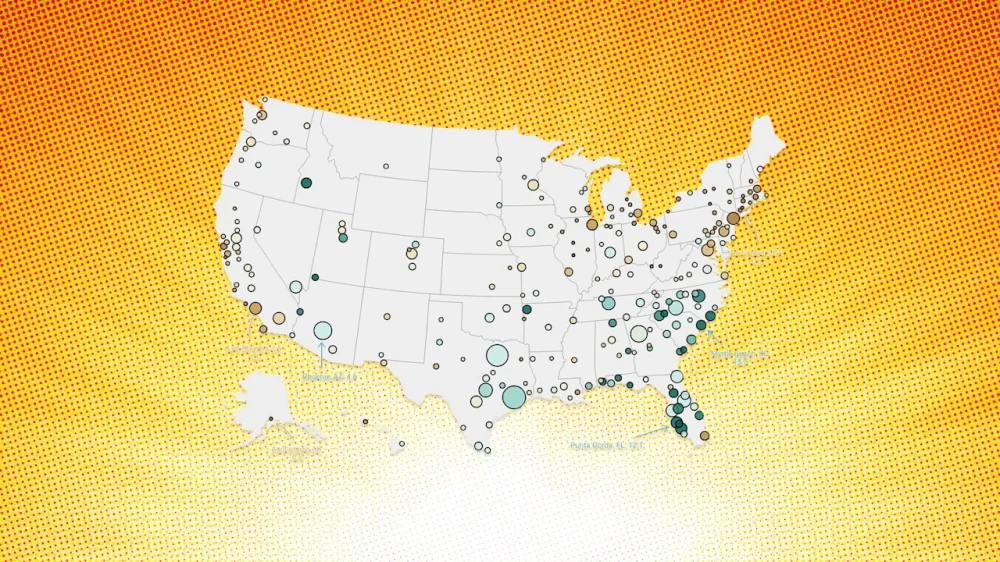
-
The long-running rumor that Mark Zuckerberg is secretly a robot is starting to feel a lot less like a joke. According to a report by the Financial Times, Meta is building out a “photorealistic, AI-powered 3D” version of its CEO that employees can interact with and get direct feedback from. Sources told the publication that the bot will be trained on his image, mannerisms, tone, speaking style and public statements to give employees a fully authentic Zuck experience. Zuckerberg himself is directly involved with training the AI avatar “so that employees might feel more connected to the founder through interactions with it,” according to the Financial Times. He also started spending five to 10 hours per week coding AI projects and joining in on technical reviews. (Meta has not yet responded to Fast Company’s request for comment.) In the ongoing AI race among other tech giants like OpenAI and Google, Meta has embraced the technology to the fullest. It’s not the company’s first rodeo with AI doppelgangers: In October 2023, Meta announced partnerships with celebrities—like Kendall Jenner, Snoop Dogg and Paris Hilton—to create chatbot versions of themselves. (They later discontinued the initiative after it received backlash.) In 2024, Meta introduced “AI Studio” to all creators, allowing them to generate custom AI chatbots. Earlier this year, however, the company banned teens from accessing the personal chatbots over safety concerns. Meta has also pushed its staff to use AI tools in their workflows, even encouraging employees to design their own AI agents to streamline and automate tasks. This has sparked fears of layoffs among staffers, according to Financial Times. Last month, Reuters reported that Meta was planning layoffs that could impact 20% of the company to offset the cost of AI. The internet responded to the news of an AI-generated Zuckerberg in typical internet fashion. “Robozuck would 100% be more personable than Meatzuck,” one Redditor commented. “If a CEO can be replaced by AI then none of them should be worth billions,” another Reddit user said. “The closest we’ve come to a human Mark Zuckerberg,” a third joked. Earlier this year, the Wall Street Journal reported that Zuckerberg was creating an AI agent of himself to help him complete daily tasks—though that was a separate endeavor from Meta’s project to clone him. Sources told the Financial Times that if this experiment goes well, creators might be able to create clones of their own. Maybe we’ll all get to see the day where our photorealistic AI clones do the work we don’t want to. View the full article

-
We may earn a commission from links on this page. When Squid Game hit Netflix in 2021, the world felt the impact. Emerging from a pandemic, people were broke, bored, and ready to break bad, and the show’s sharp satire of capitalism hit just right. The premise—people in various levels of life-destroying debt sign up to play a series of deadly children’s games in exchange for the chance at a life-changing amount of cash (kept on display in a giant piggy bank, in one of the show’s many brilliant visual touches)—straddled the line between sadly plausible and nightmarishly bizarre, but anyone could sympathize with the desperate protagonist, Seong Gi-hoon (Lee Jung-jae). The show has finished its third and final season, and we’ve already offered up the best series you can watch to keep those bleak vibes going. But if you need more bleak in your life, you have other options. Here are the books, movies, video games, and podcasts you can turn to when you’re done watching (and re-watching) Squid Game. The best books like Squid GameUnder the bright primary colors and friendly shapes, Squid Game is a story about money, desperation, and mob mentality. Lucky for you, plenty of books offer those same themes along with similarly gripping tension. The Plotters, by Un-Su Kim $15.19 at Amazon Shop Now Shop Now $15.19 at Amazon Hit, by Delilah S. Dawson $12.99 at Amazon Shop Now Shop Now $12.99 at Amazon Docile, by K.M. Szpara $17.49 at Amazon $22.99 Save $5.50 Shop Now Shop Now $17.49 at Amazon $22.99 Save $5.50 The Running Man, by Richard Bachman (Stephen King) $9.99 at Amazon $11.99 Save $2.00 Shop Now Shop Now $9.99 at Amazon $11.99 Save $2.00 The Family Experiment, by John Marrs $18.99 at Amazon Shop Now Shop Now $18.99 at Amazon SEE 2 MORE The Plotters, by Un-Su KimLike Squid Game, The Plotters is set in contemporary South Korea, and like the show, the novel tells the story of a flawed man who comes to realize he’s been playing a rigged game. Reseng is an assassin who has unquestioningly followed orders his whole life, killing people according to orders handed down by the mysterious “plotters.” When a colleague is killed for disobeying an order, however, Reseng’s faith is shaken, and he begins investigating just who, exactly, is issuing those orders. What he finds won’t surprise Squid Game fans one bit. Hit, by Delilah S. DawsonIf the interrogation of an unfair economic system is what resonated with you while watching Squid Game, then Hit is for you: When Valor National Bank buys the national debt, it also gains the right to kill the people who owe it money—which is just about everyone. People like Patsy are given a choice: Pay their debt (impossible), be killed right there and then (undesirable), or work as a bounty hunter killing other debtors. It’s violent, messy, and filled with trenchant commentary on the broken system we live in. Docile, by K.M. SzparaThe way debt warps and dehumanizes us is a major theme in Squid Game, which makes Szpara’s novel the perfect choice. In the near future, debt has legally become inheritable, trapping whole families in a cycle of financial servitude that is owned by a small handful of the ultra-wealthy. People can choose to become literal slaves for a period of time in order to work of some or all off their debt—but their temporary “owners” can do whatever they want to them during their servitude, so most opt to numb themselves with a drug called Dociline that keeps them calm and insulated from their suffering. Fans of Squid Game will recognize the sweaty desperation on display here. The Running Man, by Richard Bachman (Stephen King)King’s 1982 novel was definitely before its time, and has a setup similar to Squid Game. In the far-future of 2025 (!), Ben Richards is struggling to pay his bills and buy medicine for his sick daughter in an America devastated by economic ruin. Desperate, he signs up to be a contestant with the government-run reality game called The Running Man, where he’ll be hunted by trained assassins. If he can survive for 30 days, he gets $1 billion—with bonuses for killing hunters. The Family Experiment, by John MarrsMarrs’ novel (part of his Dark Future series) hits those Squid Game vibes in a different key. As the world’s population soars and the economy worsens, most people can no longer afford to have children. A company offers a grim, Black Mirror-esque solution: You can ‘grow’ a virtual child and interact with them in the metaverse. To promote the technology, they launch a reality show where ten couples raise a virtual child from birth to the age of 18 in just nine months—and then must compete for a chance to keep their virtual child, or risk it for the chance at a real child. The best movies like Squid GameFor all its bright colors and menacingly silly design, Squid Game offers up a suffocatingly dark, dystopian vision of the world. If you want more of that, here are some feature-length movies that will hit that dark, sweet spot. Cube (1997) In the midst of all the violent strategies and desperate gambits on Squid Game, you get the sense that it’s also a kind of experiment to see just how far (and low) people will go to survive and get paid. In Cube, five people find themselves trapped in a series of square rooms connected by hatches in each wall, floor, and ceiling—many of which are booby-trapped in horrifying ways. As the group works its way through the rooms, there’s a similar vibe as their creativity and willingness to sacrifice each other comes into play. Stream Cube on Plex or rent it from Prime Video. Cube (1997) $3.99 at Prime Video Learn More Learn More $3.99 at Prime Video The Platform (2019) Squid Game is a trenchant social commentary, examining the morality of modern society and the impact of inequality. That makes The Platform the perfect movie pairing. In this film, a man named Goreng agrees to spend six months in the “Vertical Self-Management Center,” where pairs of prisoners live on different levels. Once a day, a platform laden with a rich feast descends from above and stops for two minutes—prisoners can only eat during that time. The people placed on top can eat what they like, while the people on the lower levels are lucky to get anything. Goreng eventually goes on an odyssey to discover the secrets of who’s behind this cruel system. Stream The Platform on Netflix. The Platform (2019) at Netflix Learn More Learn More at Netflix The Belko Experiment (2016) One of the great pleasures of Squid Game is watching well-rounded characters fight for their lives using every skill and advantage they have. In The Belko Experiment, a standard group of office drones suddenly find themselves trapped in a fortified building and inform the employees that they must kill two people within 30 minutes, or several of them will be killed at random. The bloody chaos that ensues will be music to the ears of any Squid Game fan. Rent The Belko Experiment on Prime Video. The Belko Experiment (2016) $3.99 at Prime Video Learn More Learn More $3.99 at Prime Video Escape Room (2019) One of the great thrills of each episode of Squid Game was finding out what bizarro version of a children’s game was going to be repurposed into a crowd-thinning slaughter. Escape Room offers a similar vibe: Characters forced to survive deadly escape rooms using their brains and physical skills means a whole new mystery challenge every time they make it to the next room. Rent Escape Room on Prime Video. Escape Room (2019) $3.99 at Prime Video Learn More Learn More $3.99 at Prime Video Cheap Thrills (2007) Want more desperate people willing to do much more than they ever imagined in exchange for getting out of soul-crushing financial difficulty? Of course you do, so you’ll love this black comedy. Two down-on-their-luck friends meet a seemingly friendly man and his wife at a bar. When the man offers them a few bucks to take on innocuous challenges and innocent pranks, they both eagerly lean into the contest—but as the offered sums get larger, the cruelty and danger of the required tasks grow as well. Stream Cheap Thrills on The Roku Channel or rent it from Prime Video. Cheap Thrills (2007) $4.99 at Prime Video Get Deal Get Deal $4.99 at Prime Video The best video games like Squid GameSquid Game is modeled in some ways on video games—platforms, dream logic, gore aplenty, etc. So it makes sense that the best way to extend your Squid experience would be to get into a game that has similar mechanics and vibes. Luckily, you’ve got a lot of choices. Squid Game: Unleashed If you’re yearning for more of the Squid Game universe, it makes sense to go directly to the source and play the official game version. You can play almost all of the classic Squid Game games, like Red Light, Green Light (although some have been tweaked to make them more playable on a console or phone), and it’s all done up in the show’s iconic color scheme and visual style. If you’re looking for a direct extension of the show, this is the bet. Platforms: Android, iOS Squid Game: Unleashed at Apple App Store Learn More Learn More at Apple App Store Fortnite Fortnite remains an incredibly popular battle royale and survival game, and if you’re seeking the chaotic violence of Squid Game’s early rounds, this is the way. Plus, you can literally download Squid Game skins, play Squid Game-themed versions, and build Squid-themed islands in the game, combining these two fictional universes into one demented sandbox. Platforms: PlayStation, Xbox, Nintendo Switch, Android, iOS Fortnite at Epic Games Learn More Learn More at Epic Games Fall Guys Looking to replicate the mechanics of some of Squid Game’s more epic challenges? Play Fall Guys, a fast-paced, super fun obstacle/racing game with obstacles, delightfully cartoonish graphics, and the opportunity to knock opponents off the course. It doesn’t have the grim violence of the show, but that means you can have all the fun without worrying that you’re pushing your cosmic karma into the red. Platforms: PlayStation, Nintendo Switch, Xbox, Android, iOS Fall Guys at Epic Games Learn More Learn More at Epic Games Danganronpa If you want more of the bleak whimsy that Squid Game serves up, check out Danganronpa, a series of interactive visual novels. In the first installment, you play as a high school student trapped in their school by a robotic teddy bear. Your only hope to escape is to murder another student—and get away with it—in a battle royale-esque competition. It combines mystery-solving with other first-person gameplay elements to offer up an immersive experience fans of the show will enjoy. Platforms: PlayStation, Nintendo Switch, Xbox, Steam Danganronpa Trilogy $64.99 at Amazon Shop Now Shop Now $64.99 at Amazon We Happy Few Did you love the atmosphere of paranoia and dread experienced by anyone in the Squid Game universe who tried to cling to their moral and ethical principles in the games? Then We Happy Few is for you. Set in a world where most of the population is tripping on powerful hallucinogens that allow them to commit all kinds of terrible violence while wearing creepy, smiling masks, you play as a “downer” who’s trying to escape the city’s chaos without drawing attention to yourself. Combined with a wonderfully bent visual style, this game is ideal for Squid fans. Platforms: PlayStation, Xbox, Steam We Happy Few $59.99 at Steam Shop Now Shop Now $59.99 at Steam The best podcasts like Squid GameWhether you want a deep dive into the show’s lore or production, or a similarly creepy narrative experience, these are the podcasts you should check out. Squid Game: The Official Podcast Credit: Podcast logo Might as well go to the source: The official Squid Game podcast is hosted by Phil Yu, and offers up insider info on the show’s universe, game mechanics, themes, and production. If you’re curious about all the real-life moving parts that come together to make something with this much cultural impact, put this in your ears. Player 456 Credit: Podcast logo If you want discussion about and analysis of Squid Game from a more fan-focused perspective, check out Jack and Colin’s obsessive podcast. They dissect the show’s themes and recap episodes with a sharp eye for detail and a fan’s genuine love of the show. Rabbits Credit: Podcast logo If you want a narrative podcast that hits the same dopamine generator as Squid Game, Rabbits is the creepy story you need. When a young woman’s friend goes missing and the police aren’t motivated to find her, she begins her own investigation, and begins to suspect her friend has been playing a kind of “alternate-reality” game that is much older and much deadlier than she realizes. It’s got the dread, world-building, and game mechanics fans of the show will appreciate. Limetown Credit: Podcast logo This classic narrative podcast is centered on the mysterious disappearance of hundreds of residents of a research facility. Like Squid Game, the story starts off rooted in a realistic universe, then slowly reveals a much weirder, and much more ominous reality hiding behind the superficial world. There’s sci-fi technology, immersive world-building, and a terrific mystery to be solved. Project Nova Credit: Podcast logo In Project Nova, four people wake up to discover they’re trapped in a mysterious experiment in a high-tech facility. An artificial intelligence gives them tasks to perform—and the consequences of not doing as they’re told or performing these tasks incorrectly can range from painful to deadly. It’s got the high-stakes, high-style buzz of the show coupled with an engaging mystery. View the full article
-
Earnings for first quarter underline asset manager’s push into investment products that generate higher feesView the full article
-
Cash-strapped Stormont executive appeals to prime minister for aid package for hard-pressed regionView the full article
-
We may earn a commission from links on this page. A juicy prestige mystery series with Nicole Kidman in the lead? Honestly, who ever heard of such a thing? As a crime procedural, it's a bit more Special Ops: Lioness than Nine Perfect Strangers, but the era of Kidman domination demands variety, so now we get this series based on the long-running (29 books and counting) Kay Scarpetta series from Patricia Cornwell that follows the eponymous forensic pathologist. She's joined by Jamie Lee Curtis as her sister, Dorothy, and Bobby Cannavale as a forensic operations specialist, which is a job that I definitely know what it is. Stream Scarpetta on Prime Video before examining these other juicy crime dramas. Ballard (2025 – ) Based on another popular novel series, this one by Michael Connelly (the show itself a spin-off of the spin-off of the Prime Bosch series), Ballard stars Maggie Q as the title's Detective Renée Ballard, head of an LAPD cold-case unit. Ballard takes over an understaffed, volunteer-heavy LAPD cold-case unit, solving (sometimes) decades-old crimes while uncovering, over the course of the first season, a web of corruption within the police department (if you can imagine). Stream Ballard on Prime Video. Ballard (2025 – ) at Prime Video Learn More Learn More at Prime Video The Åre Murders (2025) Scandinavian cop drama (or Nordic noir, if you prefer) is its own sub-genre, so ubiquitous that the Disney+ show Agatha All Along did an episode parodying the form. Certainly The Åre Murders (adapted from the novels of Viveca Sten) makes the case that Swedes know from murder. Plain-spoken, troubled (as in: under suspension) detective Hanna Ahlander (Carla Sehn) leaves Stockholm to spend some time unwinding at her sister's place in remote Åre. A case involving a missing girl finds her back on the job, and up against local police officer Daniel Lindskog, whom she's reluctant to trust. Looking for a bleakly beautiful landscape and ambiguous morality? Åre might be the place for you. Stream The Åre Murders on Netflix. The Åre Murders (2025) at Netflix Learn More Learn More at Netflix When No One Sees Us (2025 – ) A distinctive police thriller imported from Spain, When No One Sees Us stars Mariela Garriga (Mission Impossible: Dead Reckoning) as a Cuban-American special agent of the U.S. Army, and Maribel Verdú (Pan’s Labyrinth) as a Spanish Civil Guard sergeant struggling with a complex home life. Both are investigating an apparent death by violent suicide on an air base during Holy Week. It's another complex mystery, but the performances and the emphasis on character over plot make it a standout. Stream When No One Sees Us on HBO Max. When No One Sees Us (2025 – ) at HBO Max Learn More Learn More at HBO Max Get Millie Black (2024) Booker-winning novelist Marlon James created and co-wrote this wildly acclaimed miniseries, touching on bias, discrimination, and colonialism in the context of an impressively cracking missing-person drama. Having been encouraged to leave Scotland Yard following the death of a missing child she'd been searching for, Detective Millie-Jean Black (Tamara Lawrance) opts to return home to Jamaica and join the police force there. She reunites with her sibling, Hibiscus (Chyna McQueen, who received a BAFTA nomination for this, her first screen role), before being drawn into the case of a Black teenager who seems to have been groomed by a rich white family before disappearing—a case that forces her to work with a condescending colleague sent over from London. It was constructed as a miniseries, but there's talk of a revival somewhere down the line. Stream Get Millie Black on HBO Max. Get Millie Black (2024) at HBO Max Learn More Learn More at HBO Max The Chestnut Man (2021 – ) Head on over to sunny Copenhagen, where Naia Thulin (Danica Curcic) is assigned to investigate the murder and dismemberment of a young woman in a playground, the best clue being a small figurine made of chestnuts nearby. When a politicians daughter goes missing, that wee chestnut man is enough to tie the case back to the murder of an entire family on a farm nearly four decades ago. It's been a while, but the series is returning soon under the title The Chestnut Man: Hide and Seek. Stream The Chestnut Man on Netflix. The Chestnut Man (2021 – ) at Netflix Learn More Learn More at Netflix Prime Suspect (1991 – 2006) A lady Detective Chief Inspector? What will they think of next? Prime Suspect isn't entirely about sexism in the workplace, but it was born in an era when a female officer in the London's Metropolitan Police would have been a rarity in the extreme. DCI Jane Tennison's personal and professional struggles are inseparable from her work as a homicide investigator, but she's very, very good at her job, and Helen Mirren's absolutely iconic performance in the role has become a template followed, at least in parts, by many a cop show since. Stream Prime Suspect on Peacock, Prime Video, and Tubi. Prime Suspect (1991 – 2006) at Peacock Learn More Learn More at Peacock Deadloch (2023 – ) Not a tonal match, in that it's a comedy, but plays in a similar sandbox even as it takes crime drama tropes and flips them on their heads. It's also an excellent mystery/crime procedural that simultaneously works as a very funny send-up of the genre—in this case we're talking about the dour, dangerous world of shows like Broadchurch and its many imitators. The Australian import stars Kate Box stars as Dulcie Collins, the fastidious senior sergeant of the police force in the title's fictional town, who, when a body turns up dead on the beach, is joined by Madeleine Sami's Eddie Redcliffe—a crude, loud, and over-the-top obnoxious detective brought in to help solve the case. The web of secrets and mysteries in the tiny Tasmanian town makes everything appropriately addictive, with the added bonus of being, frequently, a hoot. Stream Deadloch on Prime Video. Deadloch (2023 – ) at Prime Video Learn More Learn More at Prime Video Mare of Easttown (2021) Kate Winslet picked up an Emmy for her performance as thoroughly troubled Mare Sheehan, a local hero in her days as a high school basketball champ whose adult reputation is rapidly losing its luster. As a police detective, she's been unable to solve the case of a missing girl even as she's confronted with a recently murdered teenage mother—you probably won't be surprised to find that the cases are linked. Word on the street is that a second season might be in the works. Stream Mare of Easttown on HBO Max. Mare of Easttown (2021) at HBO Max Learn More Learn More at HBO Max Bones (2005 – 2017) A bit lighter in tone than Scarpetta, this network procedural gave us an impressive 12 seasons of forensic crime-solving involving cases both hot and cold. Emily Deschanel is Temperance Brennan, the "Bones" of the title, a forensic anthropologist and crime fiction author who's recruited by earthy FBI Special Agent Booth (David Boreanaz) to help him solve cases that require an expertise in the examination of human remains (which, luckily enough, turns out to be just about every case). Stream Bones on Peacock, Prime Video, and Hulu. Bones (2005 – 2017) at Peacock Learn More Learn More at Peacock Crossing Jordan (2001 – 2007) Following her mother's murder, Massachusetts forensic pathologist Dr. Jordan Cavanaugh (Jill Hennessy) becomes obsessed with solving violent crimes in a show that blends intense crime procedural motifs with quirky characters and relationships; the show's got a unique tone that shouldn't work but does, mostly. The stacked supporting cast includes Miguel Ferrer, Mahershala Ali, Kathryn Hahn, Lorraine Toussaint, and Jerry O'Connell. Stream Crossing Jordan on Peacock and Prime Video. Crossing Jordan (2001 – 2007) at Peacock Learn More Learn More at Peacock View the full article
-
Today, April 14, is World Quantum Day. The day marks the beginning of an annual event in which scientists and educators around the globe work to raise awareness of the underlying science behind technologies that could radically transform our world in the years ahead. Here’s what you need to know. What is World Quantum Day 2026? World Quantum Day is an annual awareness day organized by quantum scientists worldwide. According to the day’s official website, the initiative is “decentralized and bottom-up,” meaning there is no single organization promoting World Quantum Day. Instead, individual scientists work in tandem to promote the event. Those scientists, in turn, invite other scientists, artists, technologists, educators, entrepreneurs, and those from myriad other fields to host their own activities for the day, including talks, exhibitions, and interviews. At the heart of World Quantum Day is the goal of promoting public awareness of quantum science and the technologies that rely on it. 2026’s World Quantum Day is the fifth annual one. The first World Quantum Day took place on April 14, 2022, and has been held every April 14th since then. According to WorldQuantumDay.org, the 2025 event saw more than 530 events take place in more than 318 cities in over 83 countries. Why is World Quantum Day on April 14? World Quantum Day is held on April 14 each year, but that day wasn’t chosen at random. The April 14th date is a nod to Planck’s constant, a principle first theorized by the physicist Max Planck in 1900. According to the National Institute of Standards and Technology (NIST), the “constant is a number that defines the amount of energy” held in each quanta, which are packets of energy exchanged between constructs in the quantum world. The constant underpins quantum physics and plays a central role in technologies such as GPS, computer chips, touchscreens, and many others we rely on every day. When put in a decimal format, April 14 equals “4.14,” which is “the rounded first digits of Planck’s constant,” according to WorldQuantumDay.org. That constant equals 4.1356677×10⁻¹⁵. Why should I care about World Quantum Day? Quantum physics underlies most of the technologies you rely on today. And now scientists are harnessing humankind’s understanding of quantum physics to develop the next generation of computer systems that have the potential to radically transform everything from medicine to communications to artificial intelligence. These computers are known as quantum computers, and they operate on the principles of quantum physics rather than classical physics, as today’s computers do. Currently, every computer you have ever used (unless you are a quantum scientist) has operated on the principles of classical physics. These computers operate on binary bits, where each bit can only be 1 or a 0. But a quantum computer runs on qubits. Unlike a regular bit, thanks to the principles of quantum physics, a qubit can be a 1 or a 0—or anything in between, at the same time. This means they can perform calculations exponentially faster than the bits powering classical computers. Theoretically, what would take today’s fastest supercomputer millions of years to process could be solved by tomorrow’s quantum computer in just a few hours. While this has tremendous potential for the fields of medical research, communications, and materials science, quantum computers also pose serious security risks to today’s classical encryption systems, which underpin everything from messaging security to Bitcoin. All this means that it is more important than ever for the general public to understand what quantum physics is, the technological advancements it already offers, and the upcoming technologies it will enable that will further transform our world. View the full article

-
US president turns against Italian premier despite her being one of his few remaining allies in EuropeView the full article
-
Representatives of the two meeting in Washington to discuss conflict and its links to the Iran warView the full article