Newsletter
Want to keep up to date with all our latest news and information?


ResidentialBusiness
Administrators
-
Joined
-
Last visited
Everything posted by ResidentialBusiness
-
Paramount and Comcast have also offered diverging paths for media behemothView the full article
-
Fiscal stimulus vs inflation View the full article
-
Payments group will lease 300,000 sq ft at One Canada Square after move from PaddingtonView the full article
-
When Jon LaMantia, a Long Island-based business reporter, was in journalism school, his professor drilled one rule into his students: you get two exclamation points a year and no more. “So if you use them in January,” LaMantia recalls being told, “you better hope there’s nothing to exclaim for the rest of the year.” The rule stuck. LaMantia still thinks about that rigid quota today. “I use exclamation points all the time in texts and emails. If you don’t, the message sounds more stern,” he says. “But I can’t remember the last time I used one in a business article.” Strong feelings about the exclamation point aren’t uncommon. People tend to either love it or loathe it; lean on it constantly, or avoid it religiously. “Personally, I use multiple, but at work I’ll only use one,” says a woman who works in HR at an investment bank in New York City, who wasn’t cleared to speak publicly but said she couldn’t resist chiming in on this topic. “People say I’m bubbly and high-energy, so I use them to let my style come through in email—when appropriate.” A consultant in Ohio, who also asked not to be named, tells me he uses them “to lighten the tone of written communication or reduce formality.” Others tread more cautiously. “I use way too many and then feel embarrassed later on,” admits an artist from Brooklyn. A Boston-based consultant says he’s begun actively “metering” his usage to “set the right tone.” In short, exclamation points matter. They spark surprisingly strong feelings about tone, intention, and even etiquette. But according to new research, they also shape much more than just mood. Warmer, But Less Analytical A recent study published in the Journal of Experimental Social Psychology, titled “Nice to meet you. (!) Gendered norms in punctuation usage,” found that women not only use exclamation points more frequently than men, but that this difference carries real consequences—both for those writing and for those reading. Across several experiments, participants judged writers who used exclamation points differently across measures that included perceived warmth, power, analytical ability, and competence. Heavy users—a group that overwhelmingly skews female—were seen as warmer and more enthusiastic, but also as less analytical. The study also showed that women were more likely to think about their punctuation choices, whether to end a sentence with a period or an exclamation point, for example, underscoring the invisible cognitive labor that often shapes women’s communication. All of it illustrates how something as small as punctuation can reinforce the subtle forces still underpinning stubborn gender norms and divides both at work, and beyond. Unequal Cognitive Load Cheryl Wakslak, associate professor of Management and Organization at Marshall School of Business at the University of Southern California and one of the authors of the study, says she was particularly struck by how much mental energy women devote to these decisions. “Women are putting a lot of thought into this,” she says. On one hand, intentional communication is valuable, she adds, “but it’s also a lot of cognitive energy that men are simply not spending.” Women, she explains, are constantly navigating what she describes as a “warmth–competence tightrope.” “They’re worried about not seeming warm, so they use exclamation points to appear warmer. But they’re also worried about not being seen as competent or powerful, and they may worry that exclamation marks undermine that.” Men, the research shows, largely don’t think about any of that. Another finding that surprised her: the trade-offs of using exclamation points. Heavy users were perceived as more appealing collaborators and more enthusiastic, but also less powerful and less analytical. “For me, the most interesting finding, though, was about competence,” says Wakslak. “We didn’t see a clear effect in either direction. That matters to me because, when I’m walking that tightrope, I’m mostly worried about the competence trade-off,” she adds. “I don’t need to seem powerful in every context, but I do want to seem competent.” Still, she acknowledges that in some work environments, being perceived as analytical is crucial. “In those situations, based on these findings, a woman might want to avoid using exclamation marks.” ‘Perpetuating Stereotypes’ Asked about the exclamation point research, Elaine Lin Hering, author of Unlearning Silence, a book about verbal and nonverbal communication, says she’s not surprised. “[The findings] illustrate the downside of the conditioning women have long received and the contorting women do to try to meet expectations. It is simply one of many examples of the double standards women are held to and the tension that women navigate every day,” she adds. It’s akin, Hering says, to women being told to “smile more” in order to “appear warmer” and more “approachable”—and then finding themselves being taken less seriously because they smile too much. And the issue extends beyond punctuation. “Workplace communication norms are typically defined by the groups with the dominant identity. Not just that everyone should ‘talk like a man,’ but that how people communicate should fit into the stereotypes that the dominant groups have of that other identity,” she says. “Social norms exacerbate inequality by perpetuating existing stereotypes that the dominant group holds,” she explains, “like that ‘women are too emotional’ or ‘Asians are good workers but not leaders’ or that ‘Gen Z is lazy’.” So what can be done? As ever, when the problem is rooted in social conditioning, there’s no easy fix. But Hering says that, especially in workplace settings, systems can be put in place to help control for biases like the ones that creep in when we read something someone’s written. “We can challenge the social norms and exacerbated inequalities by having clear and consistent criteria for evaluating performance,” she says. Research published in 2022, shows that women—because of systemic bias—are often assessed in workplaces based on their actual performance, while men are assessed based on their future potential creating what the academics dub a “gender promotion gap.” Having more rigid criteria for assessment can offset that divergence. A wide awareness of the existence of these biases and this conditioning is also—of course—critical to making workplaces fairer. And Cheryl Wakslak’s coauthor Gil Appel is the first to admit that. Appel, Assistant Professor of Marketing at the GW School of Business at George Washington University, says that spending time researching gender and communication has made him “much more of a feminist.” “There are some things that men just don’t have to think about at all, and women have to think about all the time,” he says. “Whether that’s to ensure their safety, or whether it’s to make sure they’re coming across as competent,” he adds. “They just always have to be thinking.” And beyond becoming more feminist, there’s one other thing that’s changed for Appel since working on the research: “I have to admit,” he says, “I definitely use more exclamation marks now.” View the full article

-
Football’s governing body to hand out first such award at glitzy World Cup draw event featuring Village People View the full article
-
German chancellor has been driving force behind EU plans for reparations loan to KyivView the full article
-
Releases of drug traffickers and fraudsters puzzle allies and send shockwaves through legal circles View the full article
-
Car-sharing group’s exit from Britain overshadows London’s efforts to reduce vehicle use and congestion in the cityView the full article
-
Old assumptions about expectations and targets can no longer be relied uponView the full article
-
Bullish forecasts come despite recent investor jitters over tech spending and potential bubble in AI sectorView the full article
-
Who are the people who shaped the world this year?View the full article
-
Conservative justices hand win to Donald The President ahead of midterm congressional votesView the full article
-
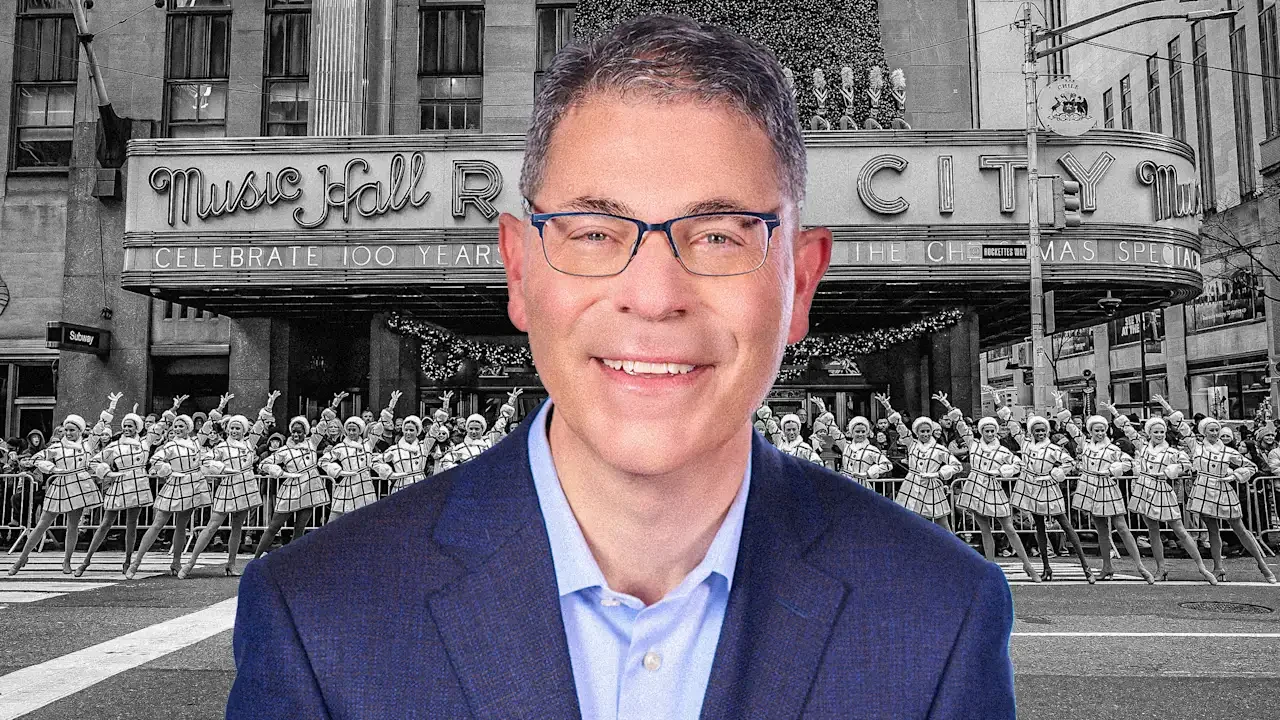
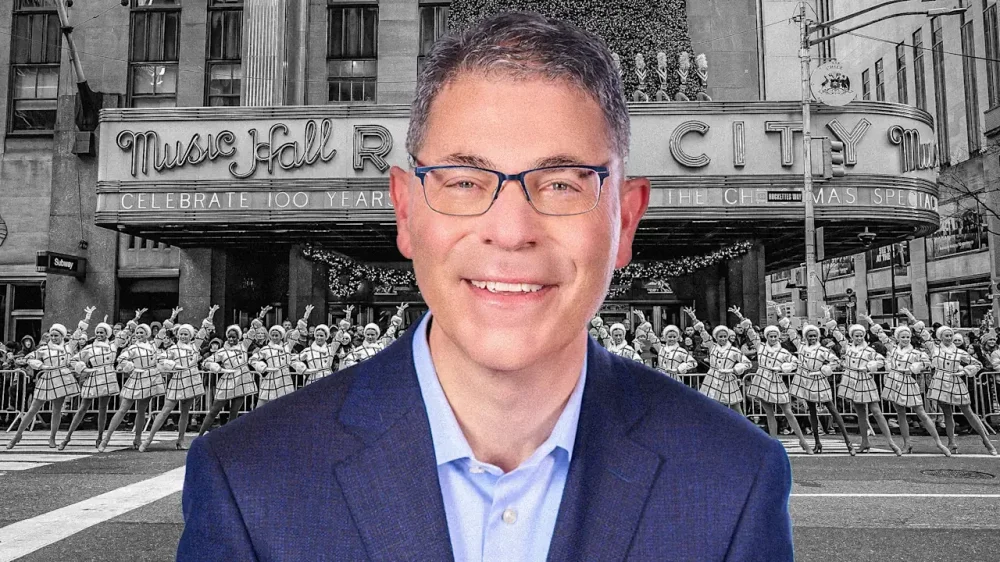
It’s been a tumultuous year for the legacy retailer, shaped by new tariffs, shifting consumer habits, and the constant flip between “wartime” and “peacetime” leadership. Tony Spring, Macy’s Inc. chairman and CEO, shares why his team is now on “version 27 of the plan,” and what it really means to court the next generation of shoppers. This is an abridged transcript of an interview from Rapid Response, hosted by the former Fast Company editor-in-chief Robert Safian. From the team behind the Masters of Scale podcast, Rapid Response features candid conversations with today’s top business leaders navigating real-time challenges. Subscribe to Rapid Response wherever you get your podcasts to ensure you never miss an episode. The Thanksgiving Day Parade, the sprint to Christmas, it’s like your Super Bowl. What’s waw distinctive about 2025? I mean, the economic and shopping environment has been pretty chaotic. I think the news certainly makes things more complicated. I think people are confused. We had a terrific second quarter. We talked about the back-to-school business being pretty healthy, and yet we all see potential storm clouds on the horizon. So we’re trying to be cautiously optimistic… You could stay up all night worrying… But in reality, our job is to make sure we create a better shopping experience for the customer. There’s plenty of things that are out of our control that we could obsess about, but it really doesn’t satisfy anything or make you feel any better. And for the parade, how do you keep it fresh? Making sure every year the parade has, again, newness: We have partnerships with Disney, Pokemon, Pop Mart, Labubus… We want to make sure that whatever is popular and whatever’s interesting weaves its way, not only into our merchandise strategy, but also into an iconic event like the Thanksgiving Day Parade. 32 million people approximately are going to watch it on TV, and we have several million more that come live in person in New York City on that day. Macy’s has an iconic place in American culture, although obviously it hasn’t been immune to the challenges in retail. You launched what you call a bold new chapter after becoming CEO in 2024. It’s showing traction in your financial results, but you’re still sort of in the midst of it. What’s working, what’s not? Well, let me break it into the three parts: The first was strengthening and reimagining Macy’s, and that included closing underproductive stores and betting on our future state stores, so putting more colleagues into the stores, putting new merchandise into the stores. We also improved our digital platform and doubled down on our luxury businesses, which include Bloomingdale’s and Blue Mercury. And then the final part of the strategy is end-to-end operations, and that’s making sure we’re utilizing automation and robotics and AI, and making sure the complexity that might exist in our business doesn’t affect the consumer. Your stores face pressure from everywhere, fast fashion and e-commerce and social shopping and live shopping. How do you think about in-person, human interaction, versus digital commerce? I talk to our team all the time about the word ‘balance’, and I don’t think the word gets enough volume or credit… There’s some reports out now that the next generation is longing for socialization, and in-person shopping is a big part of what they’re doing together. There is a place, I think, for all these types of businesses, as long as we pay attention to what the consumer wants. Almost 70% of our business still remains in physical retail, which is very consistent with the industry averages. That doesn’t mean we don’t love our digital business. If we were selling paper towels, who wants to go shopping for paper towels? I’d like to have those delivered to my house right before I run out of them. But I think there are other things that are fun to do in person. And by the way, when we have a DJ on a Saturday, when we do bottle engraving, when we, people show how to do flower arranging, you can get people to turn out to the stores because it becomes an extension of what they want to do for the weekend. I think a big part of our bold new chapter is stepping up to the fact that a good retail experience, people are looking for. A bad or mediocre retail experience. People, people can do digital. They don’t need to exhaust themselves with that experience. I want to ask you about planning and decision-making in 2025. One CEO I talked to recently told me that things change so fast that he’s been forced to update his plans as often as weekly. You get new data constantly. I’m curious what you look at and how fluid you have to be with your plans? You have to be very fluid. I mean, to be candid, in the age of tariffs and in the uncertainty of supply chains, plans are the guardrails, and the longer the plan, the less accurate it is. So you do deal with a rolling operating forecast, which is something that we update on a weekly and monthly basis, and that kind of gives us a greater visibility into how to allocate inventory, how to plan our staffing, how to change our marketing, so that we’re doing it in real time, not based on some plan that we developed three or six months ago, which may at this point be somewhat outdated. I think we’re on version number 27 of our forecast and plan, because of the interesting environment that we’re operating in 2025. There’s an analogy that people sometimes use, that sometimes you need a wartime leader and sometimes you need a peacetime leader, and there’s a different strategy for each one of them. And I’m curious whether you feel like for Macy’s, is today wartime or peacetime? And how would you cast yourself in that? I’d like to say it depends on the day of the week you ask me, and I think the challenge for our business is, on Tuesdays, I might have to be a peacetime leader, and on the first day of November, you may need to be a wartime leader. And in the environment we’re operating with, with unexpected tariffs by the middle of the year that didn’t exist at the beginning of the year, there is a lot of wartime philosophy. The same time, we are in a business for the long term. We are not trying to just have a great third quarter. We’re trying to have a great business that lasts decades, if not more. What matters tomorrow is going to be different than what mattered yesterday. I use a phrase, ‘graciousness and kindness… don’t cost money’. So, how do we make sure that we imbue and express those things on a regular basis? What’s your role when it comes to the Thanksgiving Day Parade itself? Stay out of the way. View the full article
-
The central African nations ink deals giving US companies access to Kinshasa’s minerals and seeking to end 30 years of conflictView the full article
-
Twenty years ago, not too long after Youtube itself launched, Ian Hecox and Anthony Padilla started uploading videos to the platform. What started as two teenagers trying to make each other laugh turned into the biggest channel on YouTube. It was the first ever to reach 10 million subscribers. Eventually Smosh was acquired by a company called Defy Media. The company would expand rapidly–more videos, more cast members, even a movie–but then came turmoil and uncertainty for Smosh. Padilla left the company in 2017, largely due to creative differences with Smosh’s parent company. He returned to the business in 2023, when he and Hecox purchased Smosh from YouTuber-led media company Mythical (which acquired the brand in 2019 following Defy Media’s abrupt collapse). Ian HecoxAnthony PadillaAle Catanese Alongside the purchase, Hecox and Padilla hired Alessandra Catanese—an executive with over a decade’s experience in digital media—as CEO. In the ensuing two years, the company has steadily expanded its content offering while picking up new subscribers across five YouTube channels. With more content in development than ever, and more than twice as many employees as it had in 2023, Smosh is moving into a 32,000-sq.-ft. Los Angeles studio that’s roughly twice the size of its current headquarters. Hecox, Padilla and Catanese joined me on the Most Innovative Companies podcast to talk about the company’s growth, its new space, and how they approached designing a space for the next generation of the company. This interview has been edited and condensed. Smosh is making a big move in 2026. Can you tell me why now is the right time to expand? Alessandra Catanese: We physically just could not launch another show or take on a new project, no matter how much we loved it. So in this new building, it’s both going to allow us to expand what we’re doing, and more appropriately house the employees that we have and create a little bit more of a structured environment. It’s really important to us to balance the structure with the startup vibe that we still feel we have today. We don’t feel this need to elevate ourselves to this corporate structure where there’s a lot more red tape and there’s a lot more rules. We do have a lot of guidelines, but we love that a lot of the things we have and processes we have in place here are very fluid. They have a sandbox in which they play in. And on the business side, I stay out of the creative decisions they do know to bring me things. So yeah, so we want to honor that. And then this building allows us to create more space and communal areas where we can celebrate what we do, but also be professional and feel a little bit more polished. What will the new space help achieve for Smosh? Ian Hecox: I think one of the major focuses for this is just working out a better flow for production and talent, getting talent to the stages, production knowing exactly where the talent is. I mean, we love our cast, but sometimes it is herding cats. Creating a space for them to feel comfortable in and to congregate in I think was really important. And then we have, we’ll have a private room. If there’s maybe a celebrity coming in that wants a little more privacy, we can have a room specifically for– AC: A proper green room with a closing door. Anthony Padilla: Not a weird little makeshift curtain. We wanted to level up the space and bring a level of professionality, but also we want it to feel fun and embody that element of creativity and working together as a team. Right now, a lot of our lights are big, fluorescent overhead lights and we wanted a lot more soft lighting and stuff that feels more comfortable. You’re hanging out with your friends, not at someone’s house, but you’re hanging out with your friends in a professional environment. Since the pandemic,office design has been moving towards a more living room, or lounge, feel. It sounds like you are embracing that as well. IH: I think we want it to be somewhere comfortable, but I also don’t want people falling asleep because I’ve seen some of these production companies and everything looks very calm. So I think it was striking a balance between comfortable, but also you’re going to stay awake, but also not hitting people with Nickelodeon greens. AC: We want it to feel grown up and mature, but in a way that still honors the comedy, the internet of it all. So I think we brought color in very intentionally. And Studio Keya obviously did an excellent job. It’s amazing to be able to intentionally design a space for where you are now. It’s been two and a half years since buying back Smosh, does this move feel like a completion of that transition or like you are officially making a home in the newest iteration of the company? IH: I don’t think we would’ve expected to be here this quickly. I think this was more of a five-year plan or a 10-year plan. We feel very grateful. We’re still doing this within our scope. We don’t have a giant backer. We’re trying to do everything in a sustainable way. AP: I think it’s really about continuing to hone in on what we do best. The “comedy rooted in friendship” element. You’ll probably start to see more faces on camera. There’ll be more people working behind the scenes. Really, we want to create an environment where people either in front of camera or behind camera get to live out some of those dreams that Ian and I got to experience in the early days. View the full article

-
Yesterday, Apple unveiled release candidates (RCs) for its slate of upcoming updates. An RC, as the name implies, is the version of a software update Apple intends to release to the general public. Before it rolls out, though, Apple sends the update out to beta testers to see if there are any bugs or glitches that need addressing. If not, these are the updates that will hit your Apple devices sometime this month. That includes watchOS 26.2, Apple's latest OS for its line of smartwatches. While there aren't nearly as many new features and changes in this update as there were in watchOS 26 proper, there are still some key things to highlight in this RC. In fact, as noted by 9to5Mac, there are three: Updates to Sleep ScorewatchOS 26 introduced Sleep Score, a feature that was sorely missing on the Apple Watch. Sleep Score analyzes a host of data collected while you slept, including sleep duration, the time you actually went to bed, and any wake-ups you might have had during the night, and gives you an overall score. The idea is to glance at the score and see how you slept that night, so you can either take steps to improve your sleep going forward, or know you're on the right track. The total score is out of 100: Duration gets you up to 50 points, bedtime gets up to 30, and sleep interruptions go up to 20. watchOS 26.2 refines the feature, by adjusting the final Sleep Score metrics. The feature had a tendency to give you higher scores than you might have otherwise felt you earned: A mediocre night's sleep might have have scored "High" on your chart, which wouldn't have made much sense to you. Going forward, the scoring is a bit more conservative. Here's what you can expect, and how the scores changed from the last update: Very Low: 0–40 (previously 0–29) Low: 41–60 (previously 30–49) OK: 61–80 (previously 50–69) High: 81–95 (previously 70–89) Very High: 96–100 (previously 90–100) You'll also noticed Apple changed the "Excellent" score to "Very High," which keeps the naming a bit more consistent. Music app glitch fixIf you've been using the Music app on your Apple Watch, but have been struggling to get your songs to actually, you know, play, good news: Apple says in the release notes for watchOS 26.2 RC that there is now a fix for an issue where the Music app doesn't move to the next song. Enhanced Safety AlertsFinally, watchOS 26.2, along with other Apple updates, introduces Enhanced Safety Alerts. According to Apple, this feature will warn you about "imminent threats," including floods, natural disasters, and other emergencies. The feature will also include data like maps and links to official safety advice. Apple has been positioning the Apple Watch to be an overall health and safety device, and this feature only seems to complement that. Recent Apple Watches have hypertension alerts, which can help you passively identify high blood pressure, while fall and crash protection can automatically call for help in emergencies when you can't reach the phone. When does watchOS 26.2 come out?Apple doesn't have a set date for watchOS 26.2, or iOS 26.2 and macOS 26.2 for that matter. However, now that the RCs are out, these updates are likely coming soon. As long as there aren't any glaring bugs or glitches in these RCs, Apple will likely ship the updates sometime this month. View the full article
-
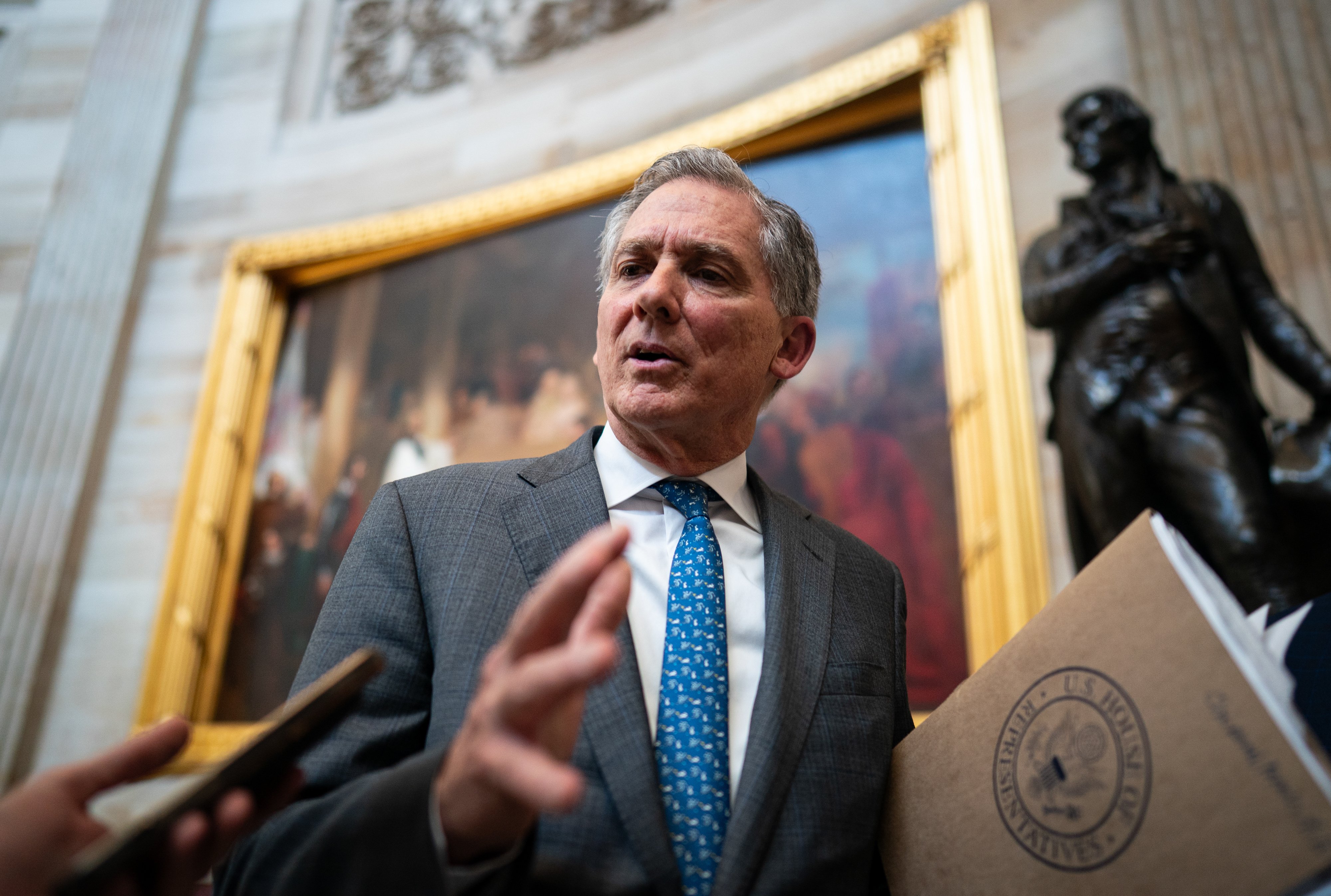
A bipartisan housing provision has emerged as a critical negotiating point for passage of an uncommonly bank-relevant defense authorization bill. View the full article
-
New products tend to add features, not take them away. That isn't always the case with Apple, however. The company has a long history of removing functions from one generation of devices to the next, whether that's removing the disc drive from its MacBooks back in 2012, or taking away the iPhone's Home button in 2017. Some of these changes are good, some are controversial, while others are undone altogether: MagSafe and HDMI both found their way back to MacBooks after all. It's not often I hear about Apple removing software features from one generation of product to the next, however. So, imagine my surprise when I saw a number of headlines this morning asserting that the iPhone 17 Pro, Apple's latest and greatest flagship, is missing a feature found in the last five generations of Pro iPhones—and nobody noticed for nearly three months. Night mode is missing from Portrait mode on the iPhone 17 Pro and 17 Pro Max. What happened to Night mode in Portrait?The short answer? We have no idea. This was not something Apple announced publicly, of course. In fact, Macworld spotted the change in an Apple support doc: If you scroll down to the section where it says "On supported models, you can take Night mode photos with Portrait mode," and click the hyperlink on "On supported models," you'll pull up a list of iPhones that, mysteriously, doesn't include the 17 Pro or 17 Pro Max. The list includes: iPhone 12 Pro iPhone 12 Pro Max iPhone 13 Pro iPhone 13 Pro Max iPhone 14 Pro iPhone 14 Pro Max iPhone 15 Pro iPhone 15 Pro Max iPhone 16 Pro iPhone 16 Pro Max For the uninitiated, Night mode and Portrait mode are technically two distinct features. Portrait mode was released first, all the way back on the iPhone 7 Plus, which utilized the dual-camera system to add a bokeh effect to shots of people. Those early shots were hit or miss, and were often no replacement for a true DSLR, but as Apple's tech and cameras have improved, so has Portrait mode. Part of the improvement was the introduction of Night mode. This feature, which Apple was a bit late to the game on, allowed you to take brighter images in low-light environments by lengthening the time the shutter stays engaged. Older iPhones without the feature would take images that were hard to see without the flash engaged, but Night mode could pull in details as long as there was just enough light present in the scene. Since the iPhone 12 Pro, Portrait mode came with the option of Night mode, as well. If you're trying to take a portrait shot in a dark environment, Night mode kicks in and gives the image a chance to turn out brighter and more detailed. But now, it seems, the 17 Pro and 17 Pro Max do not have this option. To be clear, these new iPhones still have Night mode: Per that previously mentioned support page, you can take brighter shots at night when taking standard photos, selfies, and time-lapse videos. It just seems Apple decided to remove the feature for Portrait mode shots on its latest Pros. Of course, this news started breaking on Dec. 3, nearly three months after the 17 Pros launched. If it took this long for someone to notice a missing feature, was it really all that important to begin with? I don't have a 17 Pro, so I really can't say, but I also can't say I take many Portrait mode shots in dark environments. I've reached out to Apple for comment, and will update this story if I hear back. View the full article
-
We may earn a commission from links on this page. Deal pricing and availability subject to change after time of publication. The latest AirPods 4 dropped to a record low price during Black Friday last week, and after restocking, they're back on Amazon (and even slightly cheaper). The ANC AirPods 4 are $99 (originally $179.99) after a 45% discount. This is the lowest price they've ever been, according to price-tracking tools. Apple AirPods 4 Active Noise Cancelling Wireless Earbuds $99.00 at Amazon $179.00 Save $80.00 Get Deal Get Deal $99.00 at Amazon $179.00 Save $80.00 The AirPods 4 have updated USB-C charging. Both models (the ANC and non-ANC) are powered by Apple's H2 chip, so you'll get Personalized Spatial Audio (so you can hear sounds seemingly coming from different directions as you move your head) and the ability to use head gestures to tell Siri "yes" or "no" and answer calls. Apple added a live translation feature to the ANC model when iOS 26 rolled out earlier this year. The biggest difference if you choose to go with the non-ANC is that you'll miss out on the charging case with a built-in speaker, which you can use with Find My to locate it if you lose them. You'll also miss features like Conversation Awareness, which lowers your music volume when your AirPods detect that you're talking to someone; Transparency Mode, which lets you better hear your surroundings while your earbuds are in; and Adaptive Audio (combines ANC and Transparency mode to adjust ANC levels based on the noise around you). Both versions are rated IP54 for dust and water resistance, offer up to five hours of listening per charge (up to 30 hours with the charging case), and can handle automatic switching with your other Apple devices. You can read more about the non-ANC AirPods in PCMag's "excellent" review, and more about the ANC AirPods in PCMag's "outstanding" review. View the full article
-
Delinquency trends split in Q3, with securitized and agency loans showing more strain while banks and life companies saw small improvements amid uneven vacancy and rent conditions. View the full article

-
Love it or hate it, there's one thing that ChatGPT avoids that many other tech products include right now: ads. Everything from websites, streaming services, and games ship with ads—either as a subsidized choice, or as a requirement. Chatbots like ChatGPT, however, have so far managed without this ad model, which is somewhat refreshing. The chatbot might lower your critical thinking skills, but it won't try to get you to buy something. That might not be the case for long, however. Over the past week, reports have been circulating about OpenAI's plans to incorporate ads into ChatGPT. These aren't just based on rumors and conjecture, either: Engineer Tibor Blaho spotted references in ChatGPT's Android app beta to an "ads feature," that included things like "bazaar content," "search ad," and "search ads carousel." More damning, a Wall Street Journal report indirectly confirms the company's work to bring ads to ChatGPT—though more on that later. This Tweet is currently unavailable. It might be loading or has been removed. If OpenAI were to actually roll out ads in its chatbot, it would have huge implications for the platform. Ads, of course, drive a huge amount of revenue for internet-based products, in large part because advertisers can target users with pinpoint precision. Nike doesn't want to pay for ads to show up on a random assortment of users' screens; they want to pay for ads to show up on users who are likely to buy Nike products. That's where all the data trackers collect about us across apps and websites comes into play—and ChatGPT knows a lot about its users. Imagine a scenario in which you ask ChatGPT for a lasagna recipe, and an accompanying shopping list. Where the current iteration of ChatGPT might suggest "tomato sauce," you've expressed an interest in high quality ingredients in the past. So, in between mozzarella cheese and lasagna noodles, ChatGPT plops an ad for Rao's. Perhaps you would've spend $3 on the generic brand at the store, but now you're spending potentially more than $10 on the sauce. Or, say you're asking ChatGPT for advice on getting into running. An important factor here is the shoe you use, as a low-quality or old sneaker can lead to injury. Along with tips like "taking it slow" and "eating right," you get a convenient link to Nike's latest running shoe. How thoughtful. ChatGPT ads might be delayed, but other tests are still ongoingBefore you get too worked up about this news, know that this isn't necessarily happening just yet. While OpenAI might have serious intentions to brings ads to ChatGPT, the company appears to be pausing those efforts for now. According to that Wall Street Journal piece, OpenAI CEO Sam Altman sent an internal memo to the company on Monday issuing a "code red." The key objective? Improve ChatGPT, in response to Google's latest Gemini models. Among the strategies here, which include improving personalization and performance, is to move resources away from lower priority efforts—including, most relevant to this discussion, advertisements. But ads aren't the only intrusion OpenAI is testing right now. As highlighted by TechCrunch, among the hullabaloo about traditional ad placements, critics are also going after the company for another test: app suggestions. Hyberbolic Labs co-founder Yuchen Jin posted on X about his experience here, where at the end of one response, ChatGPT presents a box to "Find a fitness class" and "Connect Peloton." Jin isn't a free user either: He's a Pro subscriber, which costs $200 per month. One user responded to the thread, sharing that ChatGPT was routinely recommending Spotify, even though the user already subscribed to Apple Music. This Tweet is currently unavailable. It might be loading or has been removed. At first glance, this seems like ChatGPT's much discussed ad test, but, according to OpenAI’s data lead Daniel McAuley, it isn't. McAuley responded to Jin with the full explanation, detailing how this feature is designed to suggest an app based on the context of the conversation. Importantly, OpenAI doesn't make any money off this app placement, so it's really not an ad in the traditional sense of the word. The goal seems to be to provide access to an external app when relevant—if you're talking about working out, maybe it'll recommend the Peloton app; if you're talking about finding new music, maybe it'll send a link to Spotify. That could be helpful, but it could also be annoying, especially if the bot is suggesting apps and services you don't actually use. Plus, the current implementation of this feature just feels like an ad, especially when it seems apparent the company is working on ad integrations for ChatGPT. At this time, there doesn't appear to be an imminent threat of ads in your ChatGPT experience, but just know you may see suggested apps as you chat with Chat. View the full article
-
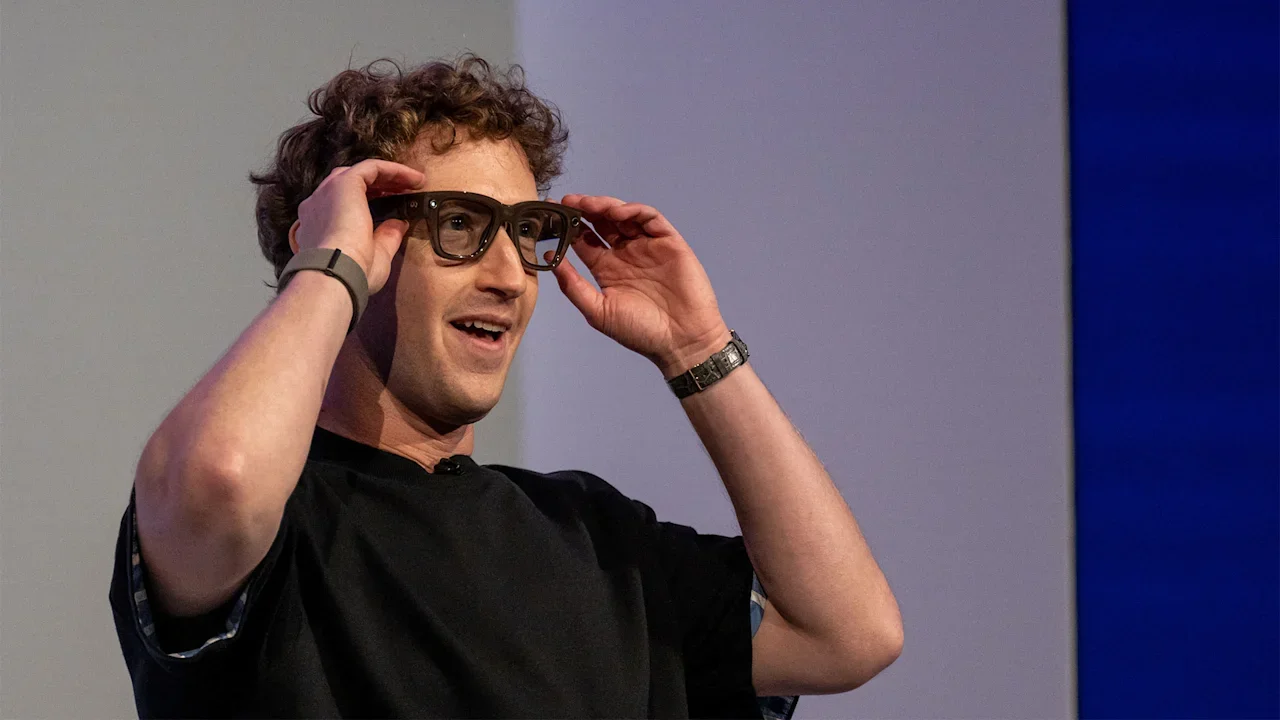
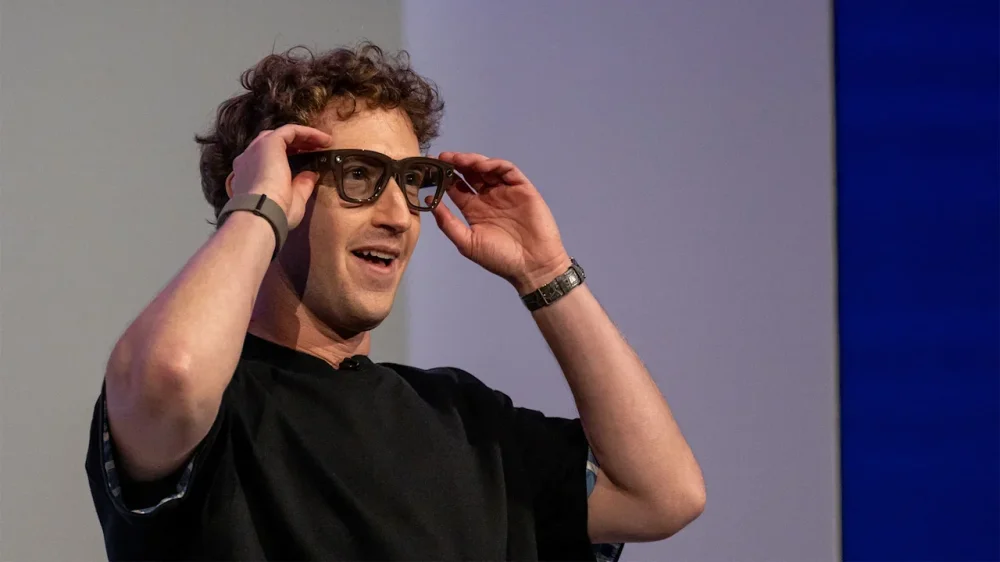
Shares of Meta Platforms, Inc. (META) rose on Thursday after Bloomberg reported the technology company was planning to cut spending across its division by 10%, with as much as 30% cuts to its virtual reality group, which includes the so-called metaverse. This could potentially include layoffs, which could come as early as January, and are part of the company’s 2026 budget, according to the article. Meta—the owner of Facebook, Instagram, Threads, Messenger, and WhatsApp—develops metaverse technologies, such as the Horizon Worlds platform. Fast Company has reached out to Meta for comment. Meta stock rose 5.7% in early trading Thursday, before settling up a few percentage points. At the time of this writing on Thursday afternoon, Meta’s stock price was up about just under 4%. Bloomberg cited anonymous sources and said Wall Street investors reportedly sees the division “as a drain on resources,” while internet watchers have concerns about the VR’s ability to safeguard children. The news is significant because the metaverse is widely considered a pet project of Meta CEO Mark Zuckerberg, who had previously identified it as the future of Meta, even changing Facebook’s name to Meta for that very reason. Zuckerberg has also reportedly spent billions and employed thousands to make this dream come to fruition, according to The New York Times. Ultimately, however, it seems critics and young consumers have not embraced the metaverse and Horizon Worlds, Meta’s flagship virtual-reality game, as the company had hoped. Meta financials Meta’s third-quarter earnings for 2025 beat analyst sales estimates, but it also reported a one-time $15.93 billion tax charge. The company’s revenue grew 26.2% year-over-year to $51.24 billion, beating the estimated $49.41 billion, with earnings per share coming in at $7.25 adjusted, beating analyst expectations of $6.69. In the earnings report, Meta said the company plans to spend up to $72 billion on artificial intelligence in 2025. View the full article
-
Bank impersonation is a popular scam tactic, and one I've written about a lot. Fraudsters prey on people's fear, confusion, and desire to protect their money, which may lead targets to hand over login credentials, make irreversible wire transfers, or provide other sensitive information without stopping to question their actions. Android users in the U.S. will soon have extra protection against scams targeting their financial apps, preventing threat actors impersonating bank representatives from accessing data on their devices. Google's in-call scam protection is designed to prevent users from sharing their screens with threat actors and help them avoid revealing their banking information. How Android in-call protection worksAndroid's scam protection kicks in if you are on a phone call with a number not saved in your contacts and attempt to open a participating financial app. You'll get a pop-up warning that the call is likely a scam with a reminder not to make payments or share personal information and a button to end the call (and stop screen sharing). There's also a 30-second delay on further action on your device, which Google says is designed to disrupt any sense of urgency. Note that financial institutions must opt into in this feature—at this time, Google has specifically named Cash App and JPMorganChase as partners, though it indicates expansion to other popular fintechs and banks. Google initially rolled out in-call protections for banking apps to UK users earlier this year as part of a larger package of security features announced ahead of Google I/O. That launch also included real-time scam detection alerts for calls and texts, improved theft protection via remote lock and identity check, key verifier for Google Messages, and device-level Advanced Protection (in addition to account-level settings). Alongside the US pilot, in-call scam protections will now cover most major banks in the UK as well as financial apps in Brazil and India. View the full article
-
Briefing to lawmakers over September 2 mission comes as The President and Hegseth seek to distance themselvesView the full article
-
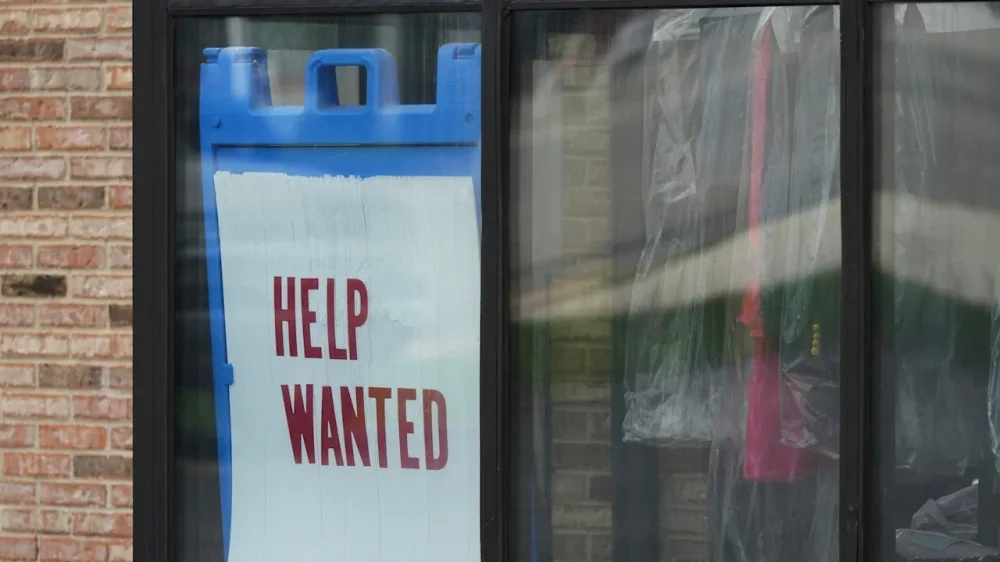
U.S. applications for unemployment benefits fell to their lowest level in more than three years during Thanksgiving week, potentially complicating the Federal Reserve’s upcoming decision on interest rates. The number of Americans applying for jobless benefits for the week ending Nov. 29 fell to 191,000 from the previous week’s 218,000, the Labor Department reported Thursday. That’s the lowest level since September 24, 2022, when claims came in at 189,000. Analysts surveyed by the data provider FactSet had forecast initial claims of 221,000. Kathy Bostjancic, chief economist at Nationwide, said that unemployment benefit filings are often distorted by the Thanksgiving holiday, which can cause some people who may have lost jobs to delay filing claims. Still, the low claims figure also suggests that overall layoffs remain muted, despite the high-profile announcements. Hiring is also sluggish, which makes finding a job for those out of work challenging. “The labor market is kind of frozen,” Bostjancic said. “Companies are in wait-and-see mode.” Applications for unemployment aid are viewed as a proxy for layoffs and are close to a real-time indicator of the health of the job market. The job cuts announced recently by large companies such as UPS, General Motors, Amazon, and Verizon typically take weeks or months to fully implement and may not be reflected in Thursday’s data. For now, the U.S. job market appears stuck in a “low-hire, low-fire” state that has kept the unemployment rate historically low. On Wednesday, private payroll data firm ADP estimated U.S. job losses of 32,000 in November. The surprisingly weak report may be discouraging for people looking for jobs, but it bolstered expectations that the Fed will cut its main interest rate next week. It’s not clear how much weight this week’s layoff figures will carry with the Fed as the numbers can be volatile and prone to revisions. Complicating the Fed’s upcoming decision is inflation, which remains above the central bank’s 2% target. The Fed’s preferred measure of inflation will be released in a government report on Friday and will also be factored into its rate call on Wednesday. Two weeks ago, the government said that hiring picked up a bit in September, when employers added 119,000 new jobs. That mixed report, which also showed employers had shed jobs in August, was delayed due to the government shutdown. The unemployment rate ticked up to 4.4%, its highest level in four years. November’s comprehensive jobs data has been delayed for release until later this month, after the Fed’s meeting, also due to the government shutdown. The government also recently reported that retail sales slowed in September after three months of healthy increases. Consumer confidence has plunged to its second-lowest level in five years, while wholesale inflation eased a bit. The data suggests that both the economy and inflation are slowing, which has boosted financial markets’ expectations that the Federal Reserve will reduce its key interest rate at its meeting next week. If the Fed does reduce its benchmark rate next week, it would be the third cut of the year as it attempts to support a job market that has been slowing for months. Thursday’s report from Labor also showed that the four-week average of claims, which evens out some of the week-to-week volatility, fell by 9,500 to 214,750. The total number of Americans filing for jobless benefits for the previous week ending Nov. 22 dipped by 4,000 to 1.94 million, the government said. –Matt Ott, AP business writer AP Economics Writer Christopher Rugaber contributed to this report. View the full article