Newsletter
Want to keep up to date with all our latest news and information?


ResidentialBusiness
Administrators
-
Joined
-
Last visited
Everything posted by ResidentialBusiness
-
Bullish forecasts come despite recent investor jitters over tech spending and potential bubble in AI sectorView the full article
-
Who are the people who shaped the world this year?View the full article
-
Conservative justices hand win to Donald The President ahead of midterm congressional votesView the full article
-
It’s been a tumultuous year for the legacy retailer, shaped by new tariffs, shifting consumer habits, and the constant flip between “wartime” and “peacetime” leadership. Tony Spring, Macy’s Inc. chairman and CEO, shares why his team is now on “version 27 of the plan,” and what it really means to court the next generation of shoppers. This is an abridged transcript of an interview from Rapid Response, hosted by the former Fast Company editor-in-chief Robert Safian. From the team behind the Masters of Scale podcast, Rapid Response features candid conversations with today’s top business leaders navigating real-time challenges. Subscribe to Rapid Response wherever you get your podcasts to ensure you never miss an episode. The Thanksgiving Day Parade, the sprint to Christmas, it’s like your Super Bowl. What’s waw distinctive about 2025? I mean, the economic and shopping environment has been pretty chaotic. I think the news certainly makes things more complicated. I think people are confused. We had a terrific second quarter. We talked about the back-to-school business being pretty healthy, and yet we all see potential storm clouds on the horizon. So we’re trying to be cautiously optimistic… You could stay up all night worrying… But in reality, our job is to make sure we create a better shopping experience for the customer. There’s plenty of things that are out of our control that we could obsess about, but it really doesn’t satisfy anything or make you feel any better. And for the parade, how do you keep it fresh? Making sure every year the parade has, again, newness: We have partnerships with Disney, Pokemon, Pop Mart, Labubus… We want to make sure that whatever is popular and whatever’s interesting weaves its way, not only into our merchandise strategy, but also into an iconic event like the Thanksgiving Day Parade. 32 million people approximately are going to watch it on TV, and we have several million more that come live in person in New York City on that day. Macy’s has an iconic place in American culture, although obviously it hasn’t been immune to the challenges in retail. You launched what you call a bold new chapter after becoming CEO in 2024. It’s showing traction in your financial results, but you’re still sort of in the midst of it. What’s working, what’s not? Well, let me break it into the three parts: The first was strengthening and reimagining Macy’s, and that included closing underproductive stores and betting on our future state stores, so putting more colleagues into the stores, putting new merchandise into the stores. We also improved our digital platform and doubled down on our luxury businesses, which include Bloomingdale’s and Blue Mercury. And then the final part of the strategy is end-to-end operations, and that’s making sure we’re utilizing automation and robotics and AI, and making sure the complexity that might exist in our business doesn’t affect the consumer. Your stores face pressure from everywhere, fast fashion and e-commerce and social shopping and live shopping. How do you think about in-person, human interaction, versus digital commerce? I talk to our team all the time about the word ‘balance’, and I don’t think the word gets enough volume or credit… There’s some reports out now that the next generation is longing for socialization, and in-person shopping is a big part of what they’re doing together. There is a place, I think, for all these types of businesses, as long as we pay attention to what the consumer wants. Almost 70% of our business still remains in physical retail, which is very consistent with the industry averages. That doesn’t mean we don’t love our digital business. If we were selling paper towels, who wants to go shopping for paper towels? I’d like to have those delivered to my house right before I run out of them. But I think there are other things that are fun to do in person. And by the way, when we have a DJ on a Saturday, when we do bottle engraving, when we, people show how to do flower arranging, you can get people to turn out to the stores because it becomes an extension of what they want to do for the weekend. I think a big part of our bold new chapter is stepping up to the fact that a good retail experience, people are looking for. A bad or mediocre retail experience. People, people can do digital. They don’t need to exhaust themselves with that experience. I want to ask you about planning and decision-making in 2025. One CEO I talked to recently told me that things change so fast that he’s been forced to update his plans as often as weekly. You get new data constantly. I’m curious what you look at and how fluid you have to be with your plans? You have to be very fluid. I mean, to be candid, in the age of tariffs and in the uncertainty of supply chains, plans are the guardrails, and the longer the plan, the less accurate it is. So you do deal with a rolling operating forecast, which is something that we update on a weekly and monthly basis, and that kind of gives us a greater visibility into how to allocate inventory, how to plan our staffing, how to change our marketing, so that we’re doing it in real time, not based on some plan that we developed three or six months ago, which may at this point be somewhat outdated. I think we’re on version number 27 of our forecast and plan, because of the interesting environment that we’re operating in 2025. There’s an analogy that people sometimes use, that sometimes you need a wartime leader and sometimes you need a peacetime leader, and there’s a different strategy for each one of them. And I’m curious whether you feel like for Macy’s, is today wartime or peacetime? And how would you cast yourself in that? I’d like to say it depends on the day of the week you ask me, and I think the challenge for our business is, on Tuesdays, I might have to be a peacetime leader, and on the first day of November, you may need to be a wartime leader. And in the environment we’re operating with, with unexpected tariffs by the middle of the year that didn’t exist at the beginning of the year, there is a lot of wartime philosophy. The same time, we are in a business for the long term. We are not trying to just have a great third quarter. We’re trying to have a great business that lasts decades, if not more. What matters tomorrow is going to be different than what mattered yesterday. I use a phrase, ‘graciousness and kindness… don’t cost money’. So, how do we make sure that we imbue and express those things on a regular basis? What’s your role when it comes to the Thanksgiving Day Parade itself? Stay out of the way. View the full article

-
The central African nations ink deals giving US companies access to Kinshasa’s minerals and seeking to end 30 years of conflictView the full article
-
Twenty years ago, not too long after Youtube itself launched, Ian Hecox and Anthony Padilla started uploading videos to the platform. What started as two teenagers trying to make each other laugh turned into the biggest channel on YouTube. It was the first ever to reach 10 million subscribers. Eventually Smosh was acquired by a company called Defy Media. The company would expand rapidly–more videos, more cast members, even a movie–but then came turmoil and uncertainty for Smosh. Padilla left the company in 2017, largely due to creative differences with Smosh’s parent company. He returned to the business in 2023, when he and Hecox purchased Smosh from YouTuber-led media company Mythical (which acquired the brand in 2019 following Defy Media’s abrupt collapse). Ian HecoxAnthony PadillaAle Catanese Alongside the purchase, Hecox and Padilla hired Alessandra Catanese—an executive with over a decade’s experience in digital media—as CEO. In the ensuing two years, the company has steadily expanded its content offering while picking up new subscribers across five YouTube channels. With more content in development than ever, and more than twice as many employees as it had in 2023, Smosh is moving into a 32,000-sq.-ft. Los Angeles studio that’s roughly twice the size of its current headquarters. Hecox, Padilla and Catanese joined me on the Most Innovative Companies podcast to talk about the company’s growth, its new space, and how they approached designing a space for the next generation of the company. This interview has been edited and condensed. Smosh is making a big move in 2026. Can you tell me why now is the right time to expand? Alessandra Catanese: We physically just could not launch another show or take on a new project, no matter how much we loved it. So in this new building, it’s both going to allow us to expand what we’re doing, and more appropriately house the employees that we have and create a little bit more of a structured environment. It’s really important to us to balance the structure with the startup vibe that we still feel we have today. We don’t feel this need to elevate ourselves to this corporate structure where there’s a lot more red tape and there’s a lot more rules. We do have a lot of guidelines, but we love that a lot of the things we have and processes we have in place here are very fluid. They have a sandbox in which they play in. And on the business side, I stay out of the creative decisions they do know to bring me things. So yeah, so we want to honor that. And then this building allows us to create more space and communal areas where we can celebrate what we do, but also be professional and feel a little bit more polished. What will the new space help achieve for Smosh? Ian Hecox: I think one of the major focuses for this is just working out a better flow for production and talent, getting talent to the stages, production knowing exactly where the talent is. I mean, we love our cast, but sometimes it is herding cats. Creating a space for them to feel comfortable in and to congregate in I think was really important. And then we have, we’ll have a private room. If there’s maybe a celebrity coming in that wants a little more privacy, we can have a room specifically for– AC: A proper green room with a closing door. Anthony Padilla: Not a weird little makeshift curtain. We wanted to level up the space and bring a level of professionality, but also we want it to feel fun and embody that element of creativity and working together as a team. Right now, a lot of our lights are big, fluorescent overhead lights and we wanted a lot more soft lighting and stuff that feels more comfortable. You’re hanging out with your friends, not at someone’s house, but you’re hanging out with your friends in a professional environment. Since the pandemic,office design has been moving towards a more living room, or lounge, feel. It sounds like you are embracing that as well. IH: I think we want it to be somewhere comfortable, but I also don’t want people falling asleep because I’ve seen some of these production companies and everything looks very calm. So I think it was striking a balance between comfortable, but also you’re going to stay awake, but also not hitting people with Nickelodeon greens. AC: We want it to feel grown up and mature, but in a way that still honors the comedy, the internet of it all. So I think we brought color in very intentionally. And Studio Keya obviously did an excellent job. It’s amazing to be able to intentionally design a space for where you are now. It’s been two and a half years since buying back Smosh, does this move feel like a completion of that transition or like you are officially making a home in the newest iteration of the company? IH: I don’t think we would’ve expected to be here this quickly. I think this was more of a five-year plan or a 10-year plan. We feel very grateful. We’re still doing this within our scope. We don’t have a giant backer. We’re trying to do everything in a sustainable way. AP: I think it’s really about continuing to hone in on what we do best. The “comedy rooted in friendship” element. You’ll probably start to see more faces on camera. There’ll be more people working behind the scenes. Really, we want to create an environment where people either in front of camera or behind camera get to live out some of those dreams that Ian and I got to experience in the early days. View the full article

-
Yesterday, Apple unveiled release candidates (RCs) for its slate of upcoming updates. An RC, as the name implies, is the version of a software update Apple intends to release to the general public. Before it rolls out, though, Apple sends the update out to beta testers to see if there are any bugs or glitches that need addressing. If not, these are the updates that will hit your Apple devices sometime this month. That includes watchOS 26.2, Apple's latest OS for its line of smartwatches. While there aren't nearly as many new features and changes in this update as there were in watchOS 26 proper, there are still some key things to highlight in this RC. In fact, as noted by 9to5Mac, there are three: Updates to Sleep ScorewatchOS 26 introduced Sleep Score, a feature that was sorely missing on the Apple Watch. Sleep Score analyzes a host of data collected while you slept, including sleep duration, the time you actually went to bed, and any wake-ups you might have had during the night, and gives you an overall score. The idea is to glance at the score and see how you slept that night, so you can either take steps to improve your sleep going forward, or know you're on the right track. The total score is out of 100: Duration gets you up to 50 points, bedtime gets up to 30, and sleep interruptions go up to 20. watchOS 26.2 refines the feature, by adjusting the final Sleep Score metrics. The feature had a tendency to give you higher scores than you might have otherwise felt you earned: A mediocre night's sleep might have have scored "High" on your chart, which wouldn't have made much sense to you. Going forward, the scoring is a bit more conservative. Here's what you can expect, and how the scores changed from the last update: Very Low: 0–40 (previously 0–29) Low: 41–60 (previously 30–49) OK: 61–80 (previously 50–69) High: 81–95 (previously 70–89) Very High: 96–100 (previously 90–100) You'll also noticed Apple changed the "Excellent" score to "Very High," which keeps the naming a bit more consistent. Music app glitch fixIf you've been using the Music app on your Apple Watch, but have been struggling to get your songs to actually, you know, play, good news: Apple says in the release notes for watchOS 26.2 RC that there is now a fix for an issue where the Music app doesn't move to the next song. Enhanced Safety AlertsFinally, watchOS 26.2, along with other Apple updates, introduces Enhanced Safety Alerts. According to Apple, this feature will warn you about "imminent threats," including floods, natural disasters, and other emergencies. The feature will also include data like maps and links to official safety advice. Apple has been positioning the Apple Watch to be an overall health and safety device, and this feature only seems to complement that. Recent Apple Watches have hypertension alerts, which can help you passively identify high blood pressure, while fall and crash protection can automatically call for help in emergencies when you can't reach the phone. When does watchOS 26.2 come out?Apple doesn't have a set date for watchOS 26.2, or iOS 26.2 and macOS 26.2 for that matter. However, now that the RCs are out, these updates are likely coming soon. As long as there aren't any glaring bugs or glitches in these RCs, Apple will likely ship the updates sometime this month. View the full article
-
A bipartisan housing provision has emerged as a critical negotiating point for passage of an uncommonly bank-relevant defense authorization bill. View the full article
-
New products tend to add features, not take them away. That isn't always the case with Apple, however. The company has a long history of removing functions from one generation of devices to the next, whether that's removing the disc drive from its MacBooks back in 2012, or taking away the iPhone's Home button in 2017. Some of these changes are good, some are controversial, while others are undone altogether: MagSafe and HDMI both found their way back to MacBooks after all. It's not often I hear about Apple removing software features from one generation of product to the next, however. So, imagine my surprise when I saw a number of headlines this morning asserting that the iPhone 17 Pro, Apple's latest and greatest flagship, is missing a feature found in the last five generations of Pro iPhones—and nobody noticed for nearly three months. Night mode is missing from Portrait mode on the iPhone 17 Pro and 17 Pro Max. What happened to Night mode in Portrait?The short answer? We have no idea. This was not something Apple announced publicly, of course. In fact, Macworld spotted the change in an Apple support doc: If you scroll down to the section where it says "On supported models, you can take Night mode photos with Portrait mode," and click the hyperlink on "On supported models," you'll pull up a list of iPhones that, mysteriously, doesn't include the 17 Pro or 17 Pro Max. The list includes: iPhone 12 Pro iPhone 12 Pro Max iPhone 13 Pro iPhone 13 Pro Max iPhone 14 Pro iPhone 14 Pro Max iPhone 15 Pro iPhone 15 Pro Max iPhone 16 Pro iPhone 16 Pro Max For the uninitiated, Night mode and Portrait mode are technically two distinct features. Portrait mode was released first, all the way back on the iPhone 7 Plus, which utilized the dual-camera system to add a bokeh effect to shots of people. Those early shots were hit or miss, and were often no replacement for a true DSLR, but as Apple's tech and cameras have improved, so has Portrait mode. Part of the improvement was the introduction of Night mode. This feature, which Apple was a bit late to the game on, allowed you to take brighter images in low-light environments by lengthening the time the shutter stays engaged. Older iPhones without the feature would take images that were hard to see without the flash engaged, but Night mode could pull in details as long as there was just enough light present in the scene. Since the iPhone 12 Pro, Portrait mode came with the option of Night mode, as well. If you're trying to take a portrait shot in a dark environment, Night mode kicks in and gives the image a chance to turn out brighter and more detailed. But now, it seems, the 17 Pro and 17 Pro Max do not have this option. To be clear, these new iPhones still have Night mode: Per that previously mentioned support page, you can take brighter shots at night when taking standard photos, selfies, and time-lapse videos. It just seems Apple decided to remove the feature for Portrait mode shots on its latest Pros. Of course, this news started breaking on Dec. 3, nearly three months after the 17 Pros launched. If it took this long for someone to notice a missing feature, was it really all that important to begin with? I don't have a 17 Pro, so I really can't say, but I also can't say I take many Portrait mode shots in dark environments. I've reached out to Apple for comment, and will update this story if I hear back. View the full article
-
We may earn a commission from links on this page. Deal pricing and availability subject to change after time of publication. The latest AirPods 4 dropped to a record low price during Black Friday last week, and after restocking, they're back on Amazon (and even slightly cheaper). The ANC AirPods 4 are $99 (originally $179.99) after a 45% discount. This is the lowest price they've ever been, according to price-tracking tools. Apple AirPods 4 Active Noise Cancelling Wireless Earbuds $99.00 at Amazon $179.00 Save $80.00 Get Deal Get Deal $99.00 at Amazon $179.00 Save $80.00 The AirPods 4 have updated USB-C charging. Both models (the ANC and non-ANC) are powered by Apple's H2 chip, so you'll get Personalized Spatial Audio (so you can hear sounds seemingly coming from different directions as you move your head) and the ability to use head gestures to tell Siri "yes" or "no" and answer calls. Apple added a live translation feature to the ANC model when iOS 26 rolled out earlier this year. The biggest difference if you choose to go with the non-ANC is that you'll miss out on the charging case with a built-in speaker, which you can use with Find My to locate it if you lose them. You'll also miss features like Conversation Awareness, which lowers your music volume when your AirPods detect that you're talking to someone; Transparency Mode, which lets you better hear your surroundings while your earbuds are in; and Adaptive Audio (combines ANC and Transparency mode to adjust ANC levels based on the noise around you). Both versions are rated IP54 for dust and water resistance, offer up to five hours of listening per charge (up to 30 hours with the charging case), and can handle automatic switching with your other Apple devices. You can read more about the non-ANC AirPods in PCMag's "excellent" review, and more about the ANC AirPods in PCMag's "outstanding" review. View the full article
-
Delinquency trends split in Q3, with securitized and agency loans showing more strain while banks and life companies saw small improvements amid uneven vacancy and rent conditions. View the full article

-
Love it or hate it, there's one thing that ChatGPT avoids that many other tech products include right now: ads. Everything from websites, streaming services, and games ship with ads—either as a subsidized choice, or as a requirement. Chatbots like ChatGPT, however, have so far managed without this ad model, which is somewhat refreshing. The chatbot might lower your critical thinking skills, but it won't try to get you to buy something. That might not be the case for long, however. Over the past week, reports have been circulating about OpenAI's plans to incorporate ads into ChatGPT. These aren't just based on rumors and conjecture, either: Engineer Tibor Blaho spotted references in ChatGPT's Android app beta to an "ads feature," that included things like "bazaar content," "search ad," and "search ads carousel." More damning, a Wall Street Journal report indirectly confirms the company's work to bring ads to ChatGPT—though more on that later. This Tweet is currently unavailable. It might be loading or has been removed. If OpenAI were to actually roll out ads in its chatbot, it would have huge implications for the platform. Ads, of course, drive a huge amount of revenue for internet-based products, in large part because advertisers can target users with pinpoint precision. Nike doesn't want to pay for ads to show up on a random assortment of users' screens; they want to pay for ads to show up on users who are likely to buy Nike products. That's where all the data trackers collect about us across apps and websites comes into play—and ChatGPT knows a lot about its users. Imagine a scenario in which you ask ChatGPT for a lasagna recipe, and an accompanying shopping list. Where the current iteration of ChatGPT might suggest "tomato sauce," you've expressed an interest in high quality ingredients in the past. So, in between mozzarella cheese and lasagna noodles, ChatGPT plops an ad for Rao's. Perhaps you would've spend $3 on the generic brand at the store, but now you're spending potentially more than $10 on the sauce. Or, say you're asking ChatGPT for advice on getting into running. An important factor here is the shoe you use, as a low-quality or old sneaker can lead to injury. Along with tips like "taking it slow" and "eating right," you get a convenient link to Nike's latest running shoe. How thoughtful. ChatGPT ads might be delayed, but other tests are still ongoingBefore you get too worked up about this news, know that this isn't necessarily happening just yet. While OpenAI might have serious intentions to brings ads to ChatGPT, the company appears to be pausing those efforts for now. According to that Wall Street Journal piece, OpenAI CEO Sam Altman sent an internal memo to the company on Monday issuing a "code red." The key objective? Improve ChatGPT, in response to Google's latest Gemini models. Among the strategies here, which include improving personalization and performance, is to move resources away from lower priority efforts—including, most relevant to this discussion, advertisements. But ads aren't the only intrusion OpenAI is testing right now. As highlighted by TechCrunch, among the hullabaloo about traditional ad placements, critics are also going after the company for another test: app suggestions. Hyberbolic Labs co-founder Yuchen Jin posted on X about his experience here, where at the end of one response, ChatGPT presents a box to "Find a fitness class" and "Connect Peloton." Jin isn't a free user either: He's a Pro subscriber, which costs $200 per month. One user responded to the thread, sharing that ChatGPT was routinely recommending Spotify, even though the user already subscribed to Apple Music. This Tweet is currently unavailable. It might be loading or has been removed. At first glance, this seems like ChatGPT's much discussed ad test, but, according to OpenAI’s data lead Daniel McAuley, it isn't. McAuley responded to Jin with the full explanation, detailing how this feature is designed to suggest an app based on the context of the conversation. Importantly, OpenAI doesn't make any money off this app placement, so it's really not an ad in the traditional sense of the word. The goal seems to be to provide access to an external app when relevant—if you're talking about working out, maybe it'll recommend the Peloton app; if you're talking about finding new music, maybe it'll send a link to Spotify. That could be helpful, but it could also be annoying, especially if the bot is suggesting apps and services you don't actually use. Plus, the current implementation of this feature just feels like an ad, especially when it seems apparent the company is working on ad integrations for ChatGPT. At this time, there doesn't appear to be an imminent threat of ads in your ChatGPT experience, but just know you may see suggested apps as you chat with Chat. View the full article
-
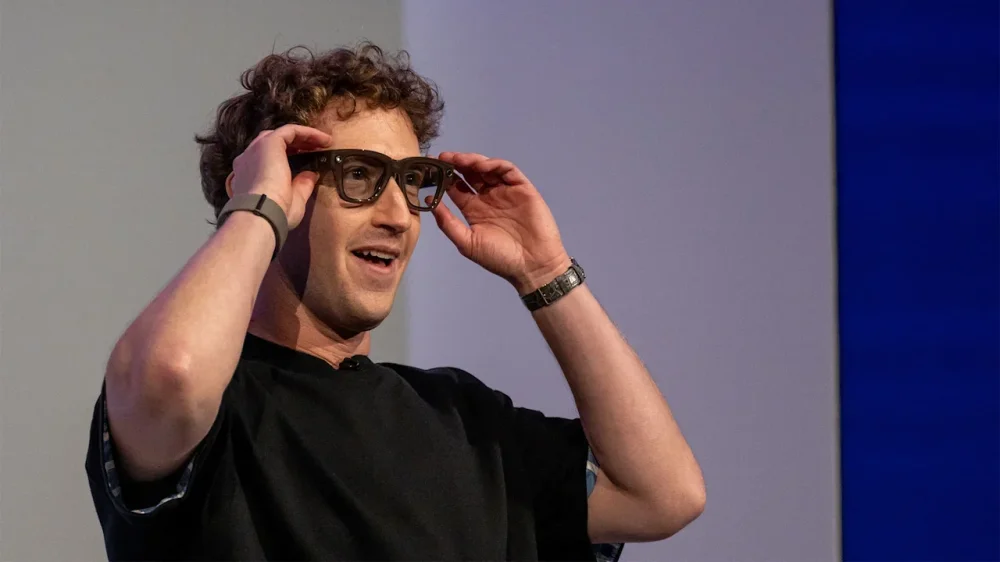
Shares of Meta Platforms, Inc. (META) rose on Thursday after Bloomberg reported the technology company was planning to cut spending across its division by 10%, with as much as 30% cuts to its virtual reality group, which includes the so-called metaverse. This could potentially include layoffs, which could come as early as January, and are part of the company’s 2026 budget, according to the article. Meta—the owner of Facebook, Instagram, Threads, Messenger, and WhatsApp—develops metaverse technologies, such as the Horizon Worlds platform. Fast Company has reached out to Meta for comment. Meta stock rose 5.7% in early trading Thursday, before settling up a few percentage points. At the time of this writing on Thursday afternoon, Meta’s stock price was up about just under 4%. Bloomberg cited anonymous sources and said Wall Street investors reportedly sees the division “as a drain on resources,” while internet watchers have concerns about the VR’s ability to safeguard children. The news is significant because the metaverse is widely considered a pet project of Meta CEO Mark Zuckerberg, who had previously identified it as the future of Meta, even changing Facebook’s name to Meta for that very reason. Zuckerberg has also reportedly spent billions and employed thousands to make this dream come to fruition, according to The New York Times. Ultimately, however, it seems critics and young consumers have not embraced the metaverse and Horizon Worlds, Meta’s flagship virtual-reality game, as the company had hoped. Meta financials Meta’s third-quarter earnings for 2025 beat analyst sales estimates, but it also reported a one-time $15.93 billion tax charge. The company’s revenue grew 26.2% year-over-year to $51.24 billion, beating the estimated $49.41 billion, with earnings per share coming in at $7.25 adjusted, beating analyst expectations of $6.69. In the earnings report, Meta said the company plans to spend up to $72 billion on artificial intelligence in 2025. View the full article
-
Bank impersonation is a popular scam tactic, and one I've written about a lot. Fraudsters prey on people's fear, confusion, and desire to protect their money, which may lead targets to hand over login credentials, make irreversible wire transfers, or provide other sensitive information without stopping to question their actions. Android users in the U.S. will soon have extra protection against scams targeting their financial apps, preventing threat actors impersonating bank representatives from accessing data on their devices. Google's in-call scam protection is designed to prevent users from sharing their screens with threat actors and help them avoid revealing their banking information. How Android in-call protection worksAndroid's scam protection kicks in if you are on a phone call with a number not saved in your contacts and attempt to open a participating financial app. You'll get a pop-up warning that the call is likely a scam with a reminder not to make payments or share personal information and a button to end the call (and stop screen sharing). There's also a 30-second delay on further action on your device, which Google says is designed to disrupt any sense of urgency. Note that financial institutions must opt into in this feature—at this time, Google has specifically named Cash App and JPMorganChase as partners, though it indicates expansion to other popular fintechs and banks. Google initially rolled out in-call protections for banking apps to UK users earlier this year as part of a larger package of security features announced ahead of Google I/O. That launch also included real-time scam detection alerts for calls and texts, improved theft protection via remote lock and identity check, key verifier for Google Messages, and device-level Advanced Protection (in addition to account-level settings). Alongside the US pilot, in-call scam protections will now cover most major banks in the UK as well as financial apps in Brazil and India. View the full article
-
Briefing to lawmakers over September 2 mission comes as The President and Hegseth seek to distance themselvesView the full article
-
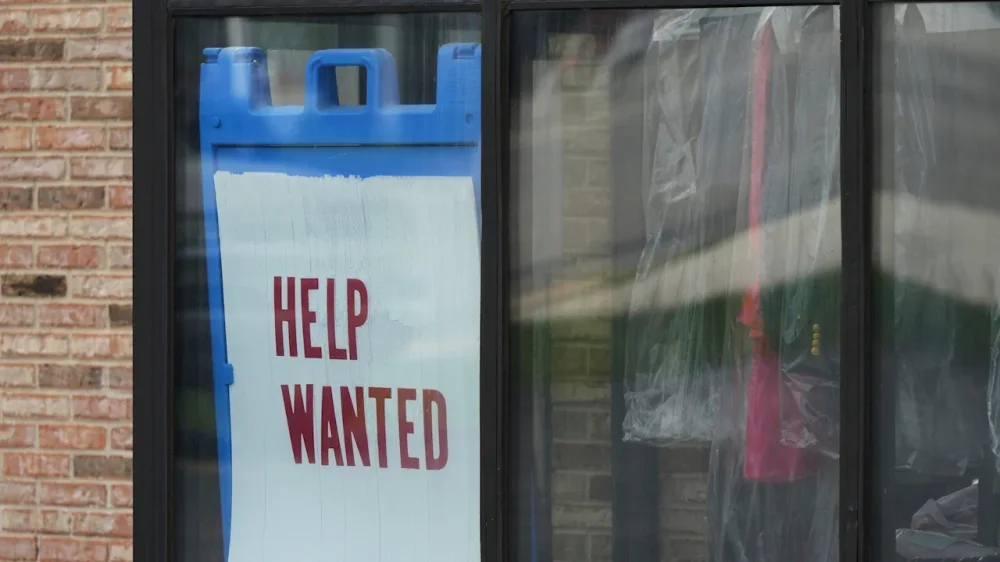
U.S. applications for unemployment benefits fell to their lowest level in more than three years during Thanksgiving week, potentially complicating the Federal Reserve’s upcoming decision on interest rates. The number of Americans applying for jobless benefits for the week ending Nov. 29 fell to 191,000 from the previous week’s 218,000, the Labor Department reported Thursday. That’s the lowest level since September 24, 2022, when claims came in at 189,000. Analysts surveyed by the data provider FactSet had forecast initial claims of 221,000. Kathy Bostjancic, chief economist at Nationwide, said that unemployment benefit filings are often distorted by the Thanksgiving holiday, which can cause some people who may have lost jobs to delay filing claims. Still, the low claims figure also suggests that overall layoffs remain muted, despite the high-profile announcements. Hiring is also sluggish, which makes finding a job for those out of work challenging. “The labor market is kind of frozen,” Bostjancic said. “Companies are in wait-and-see mode.” Applications for unemployment aid are viewed as a proxy for layoffs and are close to a real-time indicator of the health of the job market. The job cuts announced recently by large companies such as UPS, General Motors, Amazon, and Verizon typically take weeks or months to fully implement and may not be reflected in Thursday’s data. For now, the U.S. job market appears stuck in a “low-hire, low-fire” state that has kept the unemployment rate historically low. On Wednesday, private payroll data firm ADP estimated U.S. job losses of 32,000 in November. The surprisingly weak report may be discouraging for people looking for jobs, but it bolstered expectations that the Fed will cut its main interest rate next week. It’s not clear how much weight this week’s layoff figures will carry with the Fed as the numbers can be volatile and prone to revisions. Complicating the Fed’s upcoming decision is inflation, which remains above the central bank’s 2% target. The Fed’s preferred measure of inflation will be released in a government report on Friday and will also be factored into its rate call on Wednesday. Two weeks ago, the government said that hiring picked up a bit in September, when employers added 119,000 new jobs. That mixed report, which also showed employers had shed jobs in August, was delayed due to the government shutdown. The unemployment rate ticked up to 4.4%, its highest level in four years. November’s comprehensive jobs data has been delayed for release until later this month, after the Fed’s meeting, also due to the government shutdown. The government also recently reported that retail sales slowed in September after three months of healthy increases. Consumer confidence has plunged to its second-lowest level in five years, while wholesale inflation eased a bit. The data suggests that both the economy and inflation are slowing, which has boosted financial markets’ expectations that the Federal Reserve will reduce its key interest rate at its meeting next week. If the Fed does reduce its benchmark rate next week, it would be the third cut of the year as it attempts to support a job market that has been slowing for months. Thursday’s report from Labor also showed that the four-week average of claims, which evens out some of the week-to-week volatility, fell by 9,500 to 214,750. The total number of Americans filing for jobless benefits for the previous week ending Nov. 22 dipped by 4,000 to 1.94 million, the government said. –Matt Ott, AP business writer AP Economics Writer Christopher Rugaber contributed to this report. View the full article
-
The numbers are in for Spotify Wrapped: After the streaming music app dropped its popular year-in-review recap for 2025, the company said it has already seen a huge increase in user engagement, hitting 200 million users just 24 hours after the recap’s release, a 19% increase year-over-year (YOY). Compare that with last year, when it took 62 hours to hit that same number. Why the uptick in user engagement? One reason could be because the platform is growing. A look at the numbers shows Spotify’s monthly active users grew 11% YOY to 713 million in Q3 of 2025, according to the company’s third quarter earnings report. Spotify Wrapped is for sharing Sharing is caring, and this year’s Spotify Wrapped sharing features seem to be working. According to the company, 500 million users shared their stories all over social media in the first 24 hours, an overall increase of 41% YOY from 2024 (author’s note: I was, of course, one of them). Those shares included screenshots of different features, such as top songs (for me, it was “Promises, Promises”), top artist (“The Psychedelic Furs”), top albums (“The Life of a Showgirl”), top genres (“New Wave”), and listening minutes (“11,721”). While the numbers increased across the board globally, India, Indonesia, Japan, Colombia, Thailand and the U.S. saw the most growth. “This year, we pushed to make Wrapped bigger, bolder, and rooted in human creativity and connection,” Marc Hazan, senior vice president of marketing and partnerships at Spotify said. “That spirit drove the record numbers we’re celebrating. Spotify is where people proudly express who they are through the music, podcasts and books they love most.” Age is just a number One complaint, albeit a funny one, is that Spotify Wrapped’s “listening age” feature, which predicts your age based on your listening data, is making people older than they are. On Bluesky, people are posting screenshots of their Spotify “age,” which for some millennials and Gen Xers, is hitting upwards of 82. (Author’s note: At 61, it looks like I am in good company!) View the full article

-
President Donald The President plans to travel to Pennsylvania on Tuesday to highlight his efforts to reduce inflation even as fears mount about a worsening job market and amid signs that Americans are still feeling squeezed by high prices. A White House official said The President would be making the trip to discuss ending the inflation crisis that he says was inherited from his predecessor, Joe Biden. The official spoke on condition of anonymity because the trip has not been formally announced. It was not immediately clear where in Pennsylvania The President would be visiting. Last month’s off-year elections showed a shift away from Republicans as public concerns about affordability persist. White House officials said afterward that The President — who has done relatively few events domestically — would put a greater emphasis on talking directly to the public about his economic policies. The president has said that any affordability worries are part of a Democratic “hoax” and that people simply need to hear his perspective to change their minds — an approach also embraced by Biden, who in early 2024 went to the Pennsylvania borough of Emmaus to take credit for economic improvements after inflation spiked in 2022. The trip hints at the dilemma faced by The President. He wants to take credit for rewiring the U.S. economy with his large tariff hikes and extension of income tax cuts, but he also continues to blame Biden for the increase nationwide in inflation rates that occurred this year during his own presidency. Overall, inflation is tracking at 3% annually, up from 2.3% in April when The President rolled out a sweeping set of import taxes. “We fixed inflation, and we fixed almost everything,” The President said at Tuesday’s Cabinet meeting. He called affordability “a hoax” that was “started by the Democrats who caused the problem of pricing.” The President won Pennsylvania narrowly last year with 50.4%, besting Democrat Kamala Harris by roughly 120,000 votes. The win was part of a broader sweep in battleground states that helped return him to the White House after his 2020 loss. AP VoteCast, an extensive survey of voters in the 2024 election, found that 7 in 10 Pennsylvania voters were “very concerned” about the cost of food and groceries. Roughly half expressed the same degree of worry over health care costs and the price of gasoline. While The President can point to a decline in gasoline prices, he’s now facing inflationary pressures on utilities and a massive increase in insurance premiums for people who get their health care through the Affordable Care Act. Pennsylvanians who buy their own health insurance coverage are likely to see their costs increase on average by 21.5% because of the expiration of tax credits tied to the Affordable Care Act, the state said in October. Pennsylvania has yet to see the boom that The President promised would instantly happen with his return to the White House. The state has largely preserved its Biden era job growth under The President, but its unemployment rate has risen to 4% from 3.6% over the past 12 months, according to the Bureau of Labor Statistics. There has been an increase of roughly 24,000 people who say they’re unemployed. Annual inflation in the Philadelphia area is 3.3%, roughly the same as last year. The Philadelphia Federal Reserve’s Beige Book in November documented an economy in decline, saying that hiring has flattened, warehouse workers are getting fewer hours on the job, inflationary pressures are coming from tariffs and sales of existing homes are decreasing. Separately, the regional Fed branch’s manufacturing survey last month showed that factory activity weakened. The news outlet Axios first reported The President’s plans to travel to Pennsylvania. –Josh Boak, Associated Press View the full article

-
As the rest of the world speeds ahead toward an electrified future, the U.S. is doubling down on gas-powered cars. President The President announced a proposal this week to slash stricter fuel economy standards put in place during the Biden administration. By reversing the standards, the White House further aligns itself with the oil and gas industry, with some automakers happily going along for the ride. “We’re officially terminating Joe Biden’s ridiculously burdensome, horrible actually, CAFE standards that impose expensive restrictions,” The President said, referencing the Corporate Average Fuel Economy rules. “And all sorts of problems – all sorts of problems for automakers.” The president was joined by Ford CEO Jim Farley, Stellantis CEO Antonio Filosa and a representative from General Motors for the announcement, which took place at the White House on Wednesday. “Today is a victory for common sense and affordability,” Farley said at the event. “We believe that people should be able to make a choice, as you said, Mr. President, and we will invest more in affordable vehicles.” Regulations put in place during the Biden administration would require new cars sold in the U.S. to average more than 50 miles per gallon by 2031. That rule, designed to push automakers to reorient their business around EVs, will drop to 34.5 miles per gallon under The President’s proposal. The president also reiterated his plans to end a set of EPA rules that limit tailpipe pollution, a change that the oil and gas industry pushed for. Fuel rules tend to shift between presidential administrations, with Democrats pushing for environmentally-minded standards and Republicans stripping away regulations. The White House characterized the changes, designed to slow the U.S. shift toward electric vehicles, as a cost-saving measure for consumers. “The Biden standards would have compelled widespread shifts to EVs that American consumers did not ask for, accompanied by significant cost-of-living increases,” the administration wrote in a fact sheet on the changes. In 2025, high car prices are one part of a puzzle for Americans trying to make ends meet. High interest rates, persistent inflation and The President’s own tariffs on imported cars and car parts have created a perfect storm of unaffordability for car buyers. The high cost of driving Cars are really expensive right now. The average price for a new vehicle inched above $50,000 for the first time in September, according to a report from Kelley Blue Book. That average rose by almost $2,000 compared to 2024. The average price of EVs, which cost more up front and save drivers cash in the long run, was $8,000 higher during the same time frame. “The $20,000-vehicle is now mostly extinct, and many price-conscious buyers are sidelined or cruising in the used-vehicle market,” Cox Automotive Executive Analyst Erin Keating said in the report, which also noted the impact of cost pressure from tariffs. “Today’s auto market is being driven by wealthier households who have access to capital, good loan rates and are propping up the higher end of the market.” While auto makers secured some relief from the president’s flurry of tariffs, car makers didn’t make it through the year unscathed. In a mid-year earnings call, Ford estimated its tariff costs to total up to $2 billion for the year. The fuel economy changes are just the The President administration’s latest effort to unravel signature climate-friendly policies from the Biden years. The President’s Big Beautiful Bill, passed earlier this year, stripped away Biden era tax credits that lowered the price tag of eligible EVs by as much as $7,500. The death of those tax credits prompted a major short term boost in EV sales this summer, as buyers rushed to make their purchases in time to secure more affordable electric cars before the end of September. View the full article

-
Raycast is one of the best things to happen to Windows. It brings one of my favorite Mac apps to Microsoft's operating system. In fact, I've enjoyed using Raycast for Windows so much, I can't see myself going back to the non-Raycast life. This app is free to download and use, though there is an optional paid subscription for those who want certain additional features. What is Raycast? Credit: Pranay Parab At its heart, Raycast is an app that lets you search for apps and files stored in your computer. It stays hidden until you press its keyboard shortcut (Alt-Space on Windows). Once you do, Raycast appears as a floating search bar on the desktop. You can type anything you want to locate in the search bar, and Raycast forages through your computer to find it. I primarily use it as an app launcher since I have way too many apps on my Mac (and PC). Raycast helps me find the right app quickly and open it. That's just the surface layer of Raycast, though. You can use Raycast to search for files on your computer, retrieve items you've copied to the clipboard, send queries to ChatGPT (or other AI tools), convert currencies and units, and much more. All of these features are available under the same simple floating search bar. Set up keyboard shortcuts in Raycast Credit: Pranay Parab Raycast is designed for people who love keyboard shortcuts. You can totally use it without them, but you'll enjoy it a lot more if you set up a few shortcuts of your own. As an example, if you open Raycast and press Tab, it switches to AI mode, and you can directly send your questions and requests to ChatGPT from Raycast. Whenever you search for anything in Raycast, you'll probably see a button called Record hotkey next to the results. This is your cue to set up a keyboard shortcut for that action, and doing so will allow you to get to it faster. You can also go to Raycast settings to find commonly used actions and record your preferred keyboard shortcuts for all of them. Note that the Raycast app is still in beta on Windows, and during this trial period, you can use these AI features for free. Expect that to change, though, once it's out of beta. If you want to keep using these features, the pro tier costs $8 per month for most AI models, but certain advanced AI models are only available in the $16 per month subscription tier. What I use Raycast for on Windows Credit: Pranay Parab I use Raycast for a lot more than just launching apps on Windows. As someone who lives outside the US, converting units and currencies is a big part of my work day. Raycast's workflow is quite seamless for this task. You can just type "$499" or any other number after the dollar sign, and Raycast automatically converts it to your local currency. You can also type something like "EUR499 to USD" and it'll convert euros to the US dollar. I really like the fact that you don't even have to press the Enter/Return key to see the converted currency. The moment you type a currency number, the result shows up without any further prompts. You can also try other unit conversions with Raycast, eg: "100kg to lbs," "800ml to fl oz," "44 sqm to sqft," etc. This helps me a lot when I'm ordering things from international websites that don't always have dimensions, weight, or pricing available in units I'm used to. Beyond this, I like using Raycast to store and view clipboard history. You can search for Clipboard in Raycast to access items you've copied, and the app even categorizes these items for you. You can search just for links, images, files, or email address you've copied, which makes it easy to quickly find specific items from your clipboard history. Raycast also supports many other things such as window management, emptying the recycle bin, restarting your computer, locking your PC, bookmarking links and opening them in specific browsers, and text snippets—which let you quickly create or copy bits of text or code. You can open Raycast, and press Ctrl-, (comma) to open its settings and explore all its features. The limitations of Raycast for Windows Credit: Pranay Parab Raycast only recently launched on Windows, which means there are a few things still missing from the macOS version. This includes the AI Chat feature (more advanced than the quick AI search available now), focus timers, the built-in notes feature, and support for more extensions. Many of its extensions were originally built only for macOS, so it's going to take some time to bring them to Windows. The feature that I miss the most is the ability to sync your snippets, notes, chats, and other data across devices. This feature is yet to come to the Windows app, and I hope the developers change that soon. Raycast is available on the Mac, iPhone, and now, Windows. View the full article
-
In relation to background checks, you might be surprised at how thorough employers can be. They often look into criminal histories, verifying records that span up to seven years. Furthermore, they check your employment history and educational credentials. In certain fields, like finance and healthcare, they may even assess your credit history and professional licenses. Comprehending the extent of these checks can help you navigate the hiring process more effectively. What other factors might employers consider? Key Takeaways Employers typically conduct background checks covering criminal history, employment verification, education verification, credit history, and professional licenses. Criminal history checks generally review records for the past seven years, with felony convictions reportable indefinitely. Employment verification confirms job titles and durations, while education verification validates claimed degrees and institutions attended. Credit checks are common for financially responsible positions, covering the last seven years of credit history. Employers must comply with regulations like the Fair Credit Reporting Act, requiring written consent before conducting background checks. Understanding Background Checks When you’re applying for a job, it’s essential to understand that most employers conduct background checks to verify your qualifications and assess your suitability for the position. Typically, background checks cover seven years of criminal and court records, but some checks may go further, depending on federal and state laws. When considering how far back can a criminal background check go, it’s important to know that employers often look for convictions, pending cases, and offense types. Similarly, when pondering how far back do employment background checks go, they usually verify your employment history and educational qualifications within that same timeframe. Always keep in mind that employers must obtain your written consent before conducting these checks to comply with legal requirements. The Importance of Background Checks for Employers Comprehending the importance of background checks can greatly affect your hiring process. By verifying applicants’ criminal history, employment history, and educational qualifications, you improve workplace safety and mitigate potential risks. Moreover, complying with regulations guarantees that you handle sensitive information appropriately, which protects both your business and your reputation. Risk Mitigation Strategies Background checks are vital for employers looking to mitigate hiring risks and guarantee a safe workplace. They verify candidates’ claims about education, employment history, and criminal records, which helps reduce potential hiring risks. Comprehending how far back does a background check go is fundamental, as it varies by state and the type of position. Employers often ask, “How far do employers go on background checks?” to ascertain they identify red flags, especially in industries like healthcare and education where safety is paramount. Compliance With Regulations Employers must recognize the critical importance of compliance with regulations surrounding background checks to guarantee a fair and lawful hiring process. Adhering to the Fair Credit Reporting Act (FCRA) requires you to obtain written permission from candidates before conducting any checks. Comprehending how far back a background check can go is essential, as federal and state laws typically limit reporting criminal history to seven years, though some states impose stricter guidelines. Compliance with regulations not only safeguards your business from legal consequences, such as fines or lawsuits, but additionally helps reduce the risk of discrimination claims. Providing candidates with written notice of any adverse actions based on background check findings guarantees transparency and cultivates trust in your hiring process. Enhancing Workplace Safety To guarantee a safe work environment, conducting thorough background checks is essential for any business. These checks help you identify criminal records that could threaten workplace safety, especially in sensitive roles like healthcare or education. By asking how far do background checks go, you’ll find that they often cover significant periods, including criminal history and employment verification. The Fair Credit Reporting Act mandates you obtain written consent before conducting these checks, ensuring transparency. It’s vital to recognize that during federal background checks can go back several years, individual employers may choose to look further back based on their policies. In the end, utilizing background checks promotes a culture of safety, reducing incidents of workplace violence and theft, ensuring a secure environment for all. Types of Background Checks Employers Conduct When evaluating potential candidates, many companies utilize various types of background checks to guarantee they make informed hiring decisions. These checks often include criminal history checks, which typically reveal offenses over the past seven years. Employers also perform employment verification, confirming previous job titles and durations. Education verification is essential too, as it validates your claimed degrees—how far back does a school background check go? Typically, it checks your entire educational history. For positions involving financial responsibilities, credit checks are common, covering the last seven years. Moreover, professional license verification guarantees candidates possess necessary licenses for specific roles, often involving direct contact with licensing boards. Criminal History Checks: What Employers Look For When employers conduct criminal history checks, they focus on various types of records, including felony and misdemeanor convictions, pending charges, and sentencing details. It’s essential to recognize that in Texas, records can be accessed for up to seven years, but some industries may require a broader review period for specific roles. To guarantee compliance with the Fair Credit Reporting Act, employers must obtain your written consent before initiating these checks, making honesty about your criminal history on applications vital for securing a job. Types of Criminal Records Employers often explore various types of criminal records during background checks to make informed hiring decisions. They typically examine how far back your criminal history goes, usually covering the last seven years. Key records they look for include: Felony convictions: Serious offenses that can greatly impact hiring. Misdemeanor convictions: Lesser offenses that may still raise concerns. Pending charges: Current legal issues that could affect job responsibilities. Case details: Information like case numbers, offense types, and sentencing dates. In Texas, employers can view both arrests and convictions, and they must inform you if employment is denied based on these findings. Reporting Limitations and Rules Comprehending the reporting limitations and rules surrounding criminal history checks is crucial for both employers and applicants. Typically, employers conduct checks covering the last seven years, even though some positions, especially in transportation or healthcare, may require deeper investigations. The Fair Credit Reporting Act (FCRA) restricts non-conviction information to seven years, whereas felony convictions can be reported indefinitely based on state laws. Misdemeanor convictions older than seven years usually aren’t disclosed in background checks. Employers must inform applicants of their rights regarding these checks and provide a copy of the report if they take adverse action based on it. Furthermore, some jurisdictions have implemented Ban the Box laws, preventing employers from asking about criminal history on job applications, promoting fair opportunities. Employment and Education Verification Processes Verifying employment and education is a crucial step in the hiring process, as it helps guarantee that candidates possess the qualifications they claim. Employers typically follow these key steps: Contact Previous Employers: They confirm job titles, dates of employment, and reasons for leaving to verify accuracy in the applicant’s work history. Verify Educational Background: They reach out to educational institutions to check attendance, graduation dates, and degrees obtained, preventing resume fraud. Check Professional Licenses: For licensed positions, employers may contact licensing boards to verify candidates hold necessary credentials. Utilize Databases: Background check providers often use databases that aggregate records, streamlining the verification process during legal compliance. Documenting all these steps helps employers meet Fair Credit Reporting Act (FCRA) requirements and protects against disputes. Social Security Number and License Verification When you apply for a job, employers often verify your Social Security Number (SSN) to confirm its authenticity and trace your previous addresses or aliases. This process not just helps uncover discrepancies in your employment history but also identifies any potential criminal records linked to different names. Furthermore, license verification guarantees that you hold the necessary professional credentials for certain roles, which is especially critical in fields like healthcare, where improper licenses can pose safety risks. SSN Verification Process To guarantee the integrity of the hiring process, employers often implement a Social Security Number (SSN) verification process, which not just confirms the authenticity of an applicant’s SSN but also helps in preventing identity fraud. This process involves cross-referencing the SSN against records maintained by the Social Security Administration (SSA). Here are some key aspects: It verifies the legitimacy of the SSN, ensuring it’s valid. An SSN trace reveals the issuance date, associated names, and addresses. Employers can confirm an applicant’s identity and employment history. Third-party providers often conduct these checks to comply with regulations like the Fair Credit Reporting Act (FCRA). In Texas, employers must obtain written consent from applicants before carrying out these verifications. License Authenticity Checks Following the verification of Social Security Numbers, employers often focus on license authenticity checks as part of their thorough background screening. These checks confirm that you possess the necessary professional licenses required for specific roles, like medical, legal, or educational positions. They guarantee compliance with industry regulations, which is crucial for maintaining public safety and trust. License verification can reveal if your license is active, expired, or has any disciplinary actions against it. Employers typically contact the issuing authority or use third-party services to verify accuracy and legal compliance. Furthermore, SSN Trace may uncover previous names or addresses, providing an extensive view of your background and aiding in criminal history assessments. The Role of Pre-Employment Drug Testing Pre-employment drug testing plays a crucial role in many hiring processes, as employers aim to maintain a safe and productive work environment. Approximately 57% of U.S. employers implement drug testing policies. Here are key aspects of pre-employment drug testing: Methods: Common tests include urinalysis, hair follicle testing, and saliva tests, with urinalysis being the most widely used because of its reliability and cost-effectiveness. Substances: Employers typically test for substances like marijuana, cocaine, opiates, amphetamines, and benzodiazepines, depending on job requirements. Timing: Testing may occur at hiring, randomly during employment, or after workplace incidents. Regulations: Certain federal contractors and safety-sensitive industries must comply with the Drug-Free Workplace Act, highlighting the legal importance of drug testing. State-Specific Regulations Impacting Background Checks Comprehending state-specific regulations is essential for employers conducting background checks, as these laws can vary markedly and influence hiring practices. For instance, most states limit misdemeanor reporting to seven years, whereas felony convictions can be reported indefinitely in some cases. In Texas, employers can access criminal history for up to seven years, though certain industries may extend that to ten years. States like California and New York prohibit reporting non-convictions, ensuring applicants aren’t unfairly impacted by arrests without convictions. Furthermore, over 180 jurisdictions have enacted ban-the-box laws, which prevent inquiries about criminal history on job applications. Employers must likewise adhere to federal regulations under the Fair Credit Reporting Act, which restricts reporting on bankruptcies and civil suits older than seven years. Developing an Effective Background Check Policy When creating a background check policy, it’s crucial to clearly define the scope and procedures that align with the specific needs of your organization. Here are key elements to take into account: Types of Checks: Specify the checks, like criminal history, employment verification, and education verification, customized to each role. Lookback Period: Define the lookback period for criminal history, typically covering the last seven years, except when exceptions apply. Notification Procedures: Outline how you’ll notify applicants of adverse actions, including pre-adverse action notices and final adverse action letters. Staff Training: Confirm HR staff are trained on the policy and legal requirements to uphold compliance and protect applicants’ rights. This structured approach will help streamline your hiring process while maintaining fairness and transparency. Ensuring Compliance With Fair Credit Reporting Act Ensuring compliance with the Fair Credit Reporting Act (FCRA) is essential for any organization conducting background checks, as it not merely protects the rights of candidates but furthermore safeguards employers from potential legal issues. To comply with the FCRA, you must obtain written consent from candidates before conducting background checks. You must also need to inform candidates if any adverse action arises from these checks, providing them with a copy of the report and a summary of their rights. FCRA Requirement Description Written Consent Obtain written permission from candidates. Adverse Action Notification Inform candidates of adverse outcomes. Reporting Limits Exclude outdated information from checks. Dispute Process Allow candidates to dispute inaccuracies. Communicating With Candidates About Background Checks Effective communication with candidates about background checks is crucial for promoting transparency and trust in the hiring process. To guarantee candidates are well-informed, follow these guidelines: Notify in Writing: Legally, you must inform candidates in writing prior to conducting a background check and obtain their consent. Explain Adverse Actions: If any adverse action occurs, like a job denial, inform candidates and provide a copy of their report along with their rights summary. Specify Check Types: Clearly communicate the types of checks being conducted, such as criminal history, employment verification, or educational checks. Offer Dispute Opportunity: Provide a pre-adverse action notice, allowing candidates to dispute inaccuracies before final decisions are made. Keeping thorough records of all communications guarantees compliance and protects against potential disputes. Frequently Asked Questions How Far Do Most Employers Go for Background Checks? Most employers typically conduct background checks that cover a lookback period of seven years for criminal records. Nevertheless, this can vary based on state laws and the job’s requirements. For positions in finance or healthcare, checks may include credit history, in addition to looking back a minimum of seven years. Certain roles, especially those working with vulnerable populations, might necessitate a review of the entire criminal history, regardless of time elapsed. What Shows up on a Background Check in Arkansas? In Arkansas, a background check typically reveals your criminal history, including misdemeanor and felony convictions, pending charges, and arrest records from the past seven years. Employers can access detailed information like case numbers, offense types, and sentencing dates. For specific positions, such as those working with vulnerable populations, checks may extend to sex offender status and other sensitive data. What Would Cause a Red Flag on a Background Check? Several factors can cause red flags on a background check. If you have criminal convictions, particularly felonies, that can disqualify you from certain jobs. Inconsistencies in your application, like mismatched job titles or employment dates, can question your honesty. Furthermore, a poor credit history may raise concerns, especially for financial roles. Gaps in employment or frequent job changes without valid reasons may likewise lead employers to doubt your reliability and commitment. What Shows up on a NJ Background Check? In a New Jersey background check, you’ll see various components. Your criminal history will be reviewed, including any felony or misdemeanor convictions, pending charges, and relevant court records. Employers will likewise verify your employment history by checking past job titles and durations. Furthermore, educational credentials are confirmed to guarantee you possess the degrees claimed, in addition to professional licenses that may be checked if applicable. Certain records, like arrests without convictions, may not be disclosed after a specified period. Conclusion In summary, employers conduct thorough background checks to guarantee the suitability of candidates for positions. These checks typically cover criminal history, employment, and education verification, usually looking back up to seven years. It’s essential for employers to develop clear policies that comply with legal requirements, such as the Fair Credit Reporting Act, to protect candidate rights. By effectively communicating the background check process, employers promote transparency and build trust with potential hires, eventually leading to better hiring decisions. Image via Google Gemini This article, "How Far Do Employers Go in Background Checks?" was first published on Small Business Trends View the full article
-
We may earn a commission from links on this page. Deal pricing and availability subject to change after time of publication. The best deal of Cyber Monday is back: The Nintendo Switch 2 with Mario Kart World bundle, is back at Amazon after running out of stock very quickly. (It's also in stock at Walmart.) The deal includes the new console with the new Mario Kart for the same price as the standalone console. You can get this one for $449 (down from $499)—the lowest price it has reached yet, according to price-tracking tools. (Note that you can only see the price once you've signed in and it's in your cart, as Nintendo restricts retailers from promoting anything below the "minimum advertised price" of $499.) With Christmas on the way, this deal is likely to sell out fast again, so I'd advise ordering it sooner rather than later if you're considering it. Amazon Nintendo Switch 2 + Mario Kart World Console Bundle $0.00 at Amazon Get Deal Get Deal $0.00 at Amazon Walmart Nintendo Switch 2 + Mario Kart World Console Bundle $449.00 at Walmart $1,049.66 Save $600.66 Get Deal Get Deal $449.00 at Walmart $1,049.66 Save $600.66 SEE -1 MORE This bundle deal is great, and likely the best one you'll see for quite some time, judging by Nintendo's previous deals. To put it into perspective, the OLED edition of the original Nintendo Switch is $400 right now, meaning you can get the new Switch 2 with Mario Kart for $50 more. The new console is also an upgrade in every way, according to Associate Tech Editor Michelle Ehrhardt's Nintendo Switch 2 review. The ergonomics and design have improved, making it much better to hold and look at. The battery life has also improved, now with about 180 minutes of handheld playtime before the juice runs out. A big plus is that the Switch 2 is backwards compatible, meaning you can play your old Switch games. Some Switch games have the ability to upgrade to the Switch 2 Edition by buying that game's upgrade pack. This is especially worth it for games like The Legend of Zelda: Tears of the Kingdom, which will look better on the Switch 2. There aren't a lot of Switch 2 games out at the moment, but there are some classic Nintendo games to keep you busy until the library expands, like Donkey Kong Bananza, Kirby Air Riders, and Hyrule Warriors: Age of Imprisonment. View the full article
-
Grizzly Research claims that online review site pressured companies to subscribe to improve their ratings View the full article
-
In a major move set to redefine e-commerce experiences, PayPal has partnered with Perplexity to integrate its payment solutions directly into the AI-powered shopping platform. This innovation allows consumers to shop and purchase items seamlessly while engaging with Perplexity’s chat interface—a development that’s poised to benefit small business owners significantly. As of November 25, 2025, U.S. users can transition directly from product research to checkout within Perplexity. Merchants can now list their catalogs through PayPal, making their products easily discoverable while ensuring secure transactions. Michelle Gill, General Manager of Small Business and Financial Services at PayPal, emphasized the significance of this collaboration, stating, “We are building for the next era of commerce by connecting PayPal’s trusted payments and buyer protection directly to AI-powered shopping.” One of the most compelling aspects of this initiative is its potential to streamline the shopping journey for consumers. They can now browse and buy items from popular retailers such as Abercrombie & Fitch and Ashley Furniture without ever leaving the chat interface. This capability addresses a growing consumer demand for convenience in online shopping—an especially relevant factor for small businesses looking to compete in a market where consumer preferences are rapidly evolving. Small business owners can leverage this collaboration to tap into a new, AI-driven sales opportunity without facing complex technical requirements. PayPal’s “agentic commerce services” enable merchants to sync their product catalogs with the platform quickly. This means that once a small business establishes a presence on PayPal, it automatically becomes integrated into Perplexity’s search and shopping capabilities—an important advantage in today’s competitive retail landscape. The user experience has been enhanced further by PayPal’s payment security systems, which automatically screen transactions for fraud. This feature is vital for small businesses that may lack extensive resources for fraud prevention. By utilizing PayPal’s robust identity verification and risk management systems, merchants can build trust with their customers, ensuring a safer shopping environment. To entice new users to try this innovative shopping experience during the holiday season, PayPal has launched a limited-time incentive: customers who complete their first purchase via PayPal within Perplexity will receive 50% back, up to $50. This promotion, running from November 25 through December 1, 2025, could drive additional traffic to small businesses participating in this platform—especially during a time when many are trying to maximize their holiday sales. However, small business owners should remain aware of potential challenges. Adapting to this new platform will require time and effort. Businesses must ensure their product catalogs are up-to-date and fully integrated with PayPal’s system to capitalize on the increased discoverability. Additionally, as customers grow accustomed to swift and seamless shopping experiences through AI, small businesses may feel pressured to adapt quickly or risk losing ground to competitors that do. In the words of Dmitry Shevelenko, Chief Business Officer at Perplexity, “Shoppers and merchants demand a better e-commerce experience in the age of AI, one that’s as personalized as it is seamless.” This partnership marks a crucial evolution in the shopping experience, highlighting the imperative for smaller retailers to embrace technological advancements or risk falling behind. With the increasing consumer trend toward AI-driven solutions in retail, small businesses that engage with platforms like Perplexity could find themselves at a distinct advantage. Successfully integrating into this new paradigm may not only enhance sales during the holiday season but could also set the groundwork for sustained growth in the expanding agentic economy. As this collaboration unfolds, business owners should evaluate their readiness for such integrations and consider both the immediate benefits and the strategic adaptations required to thrive in this fast-evolving landscape. For more details on this initiative, check out the full announcement on PayPal’s newsroom here. Image via Google Gemini This article, "PayPal Powers Seamless Checkout for AI Shopping with Perplexity Integration" was first published on Small Business Trends View the full article