Newsletter
Want to keep up to date with all our latest news and information?


ResidentialBusiness
Administrators
-
Joined
-
Last visited
Everything posted by ResidentialBusiness
-
We may earn a commission from links on this page. Deal pricing and availability subject to change after time of publication. Black Friday sales officially start Friday, November 28, and run through Cyber Monday, December 1, and Lifehacker is sharing the best sales based on product reviews, comparisons, and price-tracking tools before it's over. Follow our live blog to stay up-to-date on the best sales we find. Browse our editors’ picks for a curated list of our favorite sales on laptops, fitness tech, appliances, and more. Subscribe to our shopping newsletter, Add to Cart, for the best sales sent to your inbox. Sales are accurate at the time of publication, but prices and inventory are always subject to change. Blink’s newest plug-in camera, the Blink Mini 2K+, is the third-generation model in the Mini series, and right now, it’s $24.99 (originally $49.99) for Black Friday, bringing it to its lowest price ever. At 50%, this upgraded version of the Blink Mini 2 provides strong value for anyone looking to level up their home security without breaking the bank. Blink Mini 2K+ $24.99 at Amazon $49.99 Save $25.00 Get Deal Get Deal $24.99 at Amazon $49.99 Save $25.00 Compared to the popular Blink Mini 2, this indoor and outdoor plug-in camera offers significantly sharper 2K resolution (2560×1440) instead of the previous 1080p. This translates to better details when it comes to capturing license plates and identifying faces. It also has improved night vision, has the added support of a built-in spotlight, and supports up to 4x zoom, which further improves clarity. The 2K+ features enhanced audio and noise-cancelling two-way talk, which is helpful for those who want to communicate with visitors (or potential intruders) via the camera, or for anyone who just wants clearer sound from the monitored area. By adding a $4-per-month subscription, you unlock more smart features, such as person and vehicle detection. If you plan to use the camera outdoors (and don’t mind shelling out an extra $10), you can get a weather-resistant adapter that allows you to do so. If you’re looking for an under-$30 camera that performs well with no hard-wiring required, the Blink Mini 2K+ is a solid option, and a 50% discount makes it even more attractive. Compared to the no-frills Blink Mini 2, the 2K+ offers a big step up in performance, including better clarity, sharper video, and more detail (especially at night), making it a more future-proof choice, especially when combined with add-ons like the subscription and weather-resistant adaptor. How long do Black Friday deals really last?Black Friday sales officially begin Friday, November 28, 2025, and run throughout “Cyber Week,” the five-day period that runs from Thanksgiving through Cyber Monday, December 1, 2025. But Black Friday and Cyber Monday dates have expanded as retailers compete for customers. You can get the same Black Friday sales early, and we expect sales to wind down by December 3, 2025. Does Apple do Black Friday?Yes, Apple participates in Black Friday, though you may want to compare their sales with other retailers like Best Buy and Walmart. Apple is offering an exclusive $250 gift card for eligible purchases, but so far, the best Black Friday sale on an Apple product is the M4 MacBook on sale for cheaper than ever. Does Amazon have Black Friday deals?Yes, Amazon has Black Friday sales, but prices aren’t always what they seem. Use a price tracker to make sure you’re getting the best deal, or refer to guides like our live blog that use price trackers for you. And if you have an Amazon Prime membership, make the most of it. Our Best Editor-Vetted Early Black Friday Deals Right Now Apple AirPods Pro 3 Noise Cancelling Heart Rate Wireless Earbuds — $219.99 (List Price $249.00) Apple iPad 11" 128GB A16 WiFi Tablet (Blue, 2025) — $274.00 (List Price $349.00) Amazon Fire HD 10 (2023) — $69.99 (List Price $139.99) Sony WH-1000XM5 — $248.00 (List Price $399.99) Blink Outdoor 4 1080p Wireless Security Camera (5-Pack) — $159.99 (List Price $399.99) Amazon Fire TV Stick 4K Plus — $24.99 (List Price $49.99) NEW Bose Quiet Comfort Ultra Wireless Noise Cancelling Headphones — $298.00 (List Price $429.00) Shark AI Ultra Matrix Clean Mapping Voice Control Robot Vacuum with XL Self-Empty Base — $249.99 (List Price $599.00) Apple Watch Series 11 (GPS, 42mm, S/M Black Sport Band) — $339.00 (List Price $399.00) WD 6TB My Passport USB 3.0 Portable External Hard Drive — $138.65 (List Price $179.99) Deals are selected by our commerce team View the full article
-
Lead generation marketing is a vital process that focuses on converting potential customers into leads by capturing their contact information. It involves various strategies, such as creating valuable content, optimizing for search engines, and utilizing social media. By comprehending how these methods work together, you can effectively guide prospects through the sales funnel. This sets the stage for nurturing these leads, but it raises the question: how do you measure the effectiveness of your lead generation efforts? Key Takeaways Lead generation marketing attracts and converts strangers into potential customers by capturing their contact information through various methods. It utilizes content marketing, social media, and targeted advertising to offer valuable resources in exchange for leads. The process involves stages from attracting visitors to nurturing leads until conversion, often using landing pages and forms. Leads are classified into categories like MQLs, SQLs, PQLs, and Service Qualified Leads based on their readiness to purchase. Continuous engagement and nurturing are essential for transforming leads into loyal customers and optimizing conversion rates. Understanding Lead Generation Marketing Comprehending lead generation marketing is essential for any business looking to grow its customer base. This process involves attracting and converting strangers into leads by capturing their contact information through various methods. You’ll create awareness and interest in your products or services using content marketing, social media engagement, and targeted advertising strategies. Effective lead generation marketing often includes offering valuable resources, such as eBooks or webinars, in exchange for potential customers’ details. The lead generation funnel consists of several stages, from attracting visitors to converting them into paying customers. By leveraging tools like analytics platforms, you can track performance and optimize your strategies based on data-driven insights, enhancing your efforts to generate advertising leads and eventually grow your business. The Importance of Lead Generation Lead generation is crucial for driving business growth and building long-term relationships with potential customers. By maintaining a steady flow of high-quality leads, you can nurture prospects effectively and increase your chances of conversion. Comprehending the importance of lead generation allows you to optimize your efforts and align them with your strategic business goals. Driving Business Growth Though many businesses recognize the importance of attracting new customers, comprehending the vital role of lead generation in driving growth is equally important. Here are three key reasons why lead generation is fundamental for your business: Building a Database: Effective lead generation helps you create a database of potential customers, which is indispensable as over 30% of B2B sales take one to three months to close. Maximizing ROI: By qualifying leads, you can focus your marketing efforts on contacts likely to convert, greatly influencing the sales cycle and maximizing your return on investment. Identifying Opportunities: Approximately 68% of companies fail to clearly define their lead generation funnel, leading to missed opportunities for optimizing sales processes and improving customer acquisition. Emphasizing lead generation can drive sustainable growth for your business. Building Long-Term Relationships In today’s competitive environment, businesses must prioritize building long-term relationships to thrive. Lead generation marketing is critical for this, as it promotes meaningful engagement with prospects through personalized communication and valuable content. Nevertheless, about 68% of companies haven’t identified their lead generation funnel, indicating a need for structured processes to nurture these relationships. Consistent lead nurturing can improve conversion rates by up to 50%, illustrating the importance of ongoing contact with potential customers. Companies that focus on lead generation and relationship-building experience a 47% higher purchase rate from leads. Moreover, strong relationships can boost customer retention by 27%, contributing to sustainable business growth and a loyal customer base. Building these connections is vital for long-term success. The Lead Generation Process Comprehending the lead generation process is vital for any business looking to grow its customer base effectively. This process involves several key steps: Attracting Visitors: Create and distribute valuable content like blogs, videos, and webinars during using SEO strategies to boost visibility. Capturing Information: Use dedicated landing pages and forms to collect leads’ contact details by offering incentives such as eBooks or free trials. Qualifying Leads: Assess leads using frameworks like BANT (Budget, Authority, Need, Timing) to determine their purchasing readiness, allowing you to prioritize follow-up efforts. Once you’ve qualified your leads, nurturing them with personalized communication is fundamental to keep their interest until they’re ready to convert into customers. This systematic approach improves your overall lead generation efforts. Different Types of Leads Comprehending the different types of leads is crucial for effective lead generation marketing. You’ll encounter four main classifications: Marketing Qualified Leads (MQL), Sales Qualified Leads (SQL), Product Qualified Leads (PQL), and Service Qualified Leads. Each type represents a distinct stage in the buyer’s progression, reflecting varying levels of engagement and readiness to move forward in the sales process. Lead Classification Categories Lead classification plays a pivotal role in marketing strategies by categorizing potential customers based on their readiness to engage with your product or service. Comprehending these categories helps tailor your approach for better engagement and conversion. The four main types of leads include: Marketing Qualified Leads (MQL): Interested but not ready to buy, often engaging with marketing content. Sales Qualified Leads (SQL): Have shown clear intent to purchase and are ready for direct sales interactions. Product Qualified Leads (PQL): Current users indicating interest in upgrading or purchasing additional features. Engagement Levels Explained Engagement levels among leads are vital for effectively guiding your marketing and sales efforts. Lead generation marketing categorizes leads into four main types: Marketing Qualified Leads (MQL), Sales Qualified Leads (SQL), Product Qualified Leads (PQL), and Service Qualified Leads. MQLs have shown early interest by engaging with marketing materials but aren’t ready for sales contact yet. SQLs, on the other hand, demonstrate clear intent to purchase, often by requesting demos or pricing information, making them primed for outreach. PQLs are current users indicating interest in upgrading to a paid version, reflecting a strong engagement with the product. Finally, Service Qualified Leads are existing customers who wish to expand their services, highlighting ongoing engagement and potential for increased revenue. Strategies for Effective Lead Generation To effectively generate leads, it’s crucial to implement strategies that not merely attract potential customers but moreover convert them into loyal clients. Here are three effective strategies to reflect on: Create High-Quality Content: Focus on producing relevant content that addresses your audience’s pain points. This can draw in potential customers and keep them engaged. Utilize SEO Best Practices: Improve your website’s visibility by optimizing for search engines. This will help prospects find your content more easily, leading to increased traffic and potential leads. Implement Clear Calls-to-Action (CTAs): Make sure your landing pages contain compelling CTAs. This increases the likelihood that visitors will submit their contact information in exchange for valuable resources, helping you convert them into leads. Nurturing Leads Through the Sales Funnel Generating leads is just the beginning; nurturing them through the sales funnel is where the real work lies. Engaging potential customers with personalized content and communication is essential, especially since 68% of companies haven’t identified their lead generation funnel. Effective lead nurturing can boost your chances of converting leads into sales by 50%. Implementing email drip campaigns keeps leads informed and engaged, potentially increasing sales opportunities by 20%. Utilizing lead scoring frameworks like BANT helps you prioritize nurturing efforts on leads that show higher engagement and readiness to buy. Research indicates that 79% of marketing leads never convert because of a lack of nurturing, highlighting the importance of continuous engagement in transforming leads into loyal customers. Measuring the Success of Lead Generation Efforts How can you effectively measure the success of your lead generation efforts? By tracking key performance indicators (KPIs), you gain valuable insights into your strategies. Consider these three crucial metrics: Conversion Rates: This indicates the percentage of visitors who become leads or customers, helping you gauge overall effectiveness. Engagement Metrics: Look at click-through rates (CTR) and time spent on site to comprehend how well your content resonates with potential leads. Lead Scoring: Implement systems to evaluate lead quality based on interactions and behaviors, allowing you to prioritize follow-ups. Utilizing analytics tools like Google Analytics can further improve your comprehension of traffic sources, user paths, and landing page performance, leading to continuous optimization of your lead generation strategies. Frequently Asked Questions What Is Lead Generation in Marketing? Lead generation in marketing is the process where you attract and engage potential customers, known as leads, to interest them in your product or service. This often involves collecting contact information through landing pages, web forms, or content offers, like eBooks. By doing this, you can nurture these leads and guide them in the direction of making a purchase. It’s essential for maintaining a steady flow of qualified prospects for your business’s growth. How Do Lead Generators Get Paid? Lead generators get paid through various models. You might encounter cost-per-lead (CPL), where they earn a fee for each qualified lead. Some operate on a commission basis, earning a percentage of revenue from converted leads. Pay-per-click (PPC) advertising is another option, paying based on clicks or impressions. Subscription models allow businesses to access lead databases for a recurring fee, whereas affiliate.com marketing rewards commissions for leads completing specific actions, like signing up or purchasing. How Much to Pay for Lead Generation? When determining how much to pay for lead generation, consider that B2B companies typically spend between $30 to $100 per lead. Your budget may need to be 7-15% of your revenue, depending on your industry. Pay-per-click advertising can increase costs to $40-$200 per lead, whereas organic strategies usually yield lower costs. Utilizing marketing automation can help optimize your spending, potentially reducing costs by 10-30% through improved targeting and nurturing techniques. What Are the Four Steps of Lead Generation? The four steps of lead generation start with attracting potential leads through relevant content that captures their interest. Next, you capture their information, often using forms or incentives like eBooks. After that, you’ll want to qualify these leads by evaluating their readiness to buy, using criteria such as budget and need. Finally, nurture these leads with targeted communication until they’re prepared to convert into paying customers, ensuring ongoing engagement throughout the process. Conclusion In conclusion, lead generation marketing is vital for converting potential customers into actual buyers. By comprehending the process and employing effective strategies, you can attract and nurture leads through the sales funnel. Different types of leads require customized approaches, and measuring your efforts is critical for continuous improvement. By focusing on creating valuable content and utilizing various channels, you can optimize your lead generation efforts to drive business growth and increase sales. Image via Google Gemini This article, "What Is Lead Generation Marketing and How Does It Work?" was first published on Small Business Trends View the full article
-
We may earn a commission from links on this page. Deal pricing and availability subject to change after time of publication. Black Friday sales officially start Friday, November 28, and run through Cyber Monday, December 1, and Lifehacker is sharing the best sales based on product reviews, comparisons, and price-tracking tools before it's over. Follow our live blog to stay up-to-date on the best sales we find. Browse our editors' picks for a curated list of our favorite sales on laptops, fitness tech, appliances, and more. Subscribe to our shopping newsletter, Add to Cart, for the best sales sent to your inbox. Sales are accurate at the time of publication, but prices and inventory are always subject to change. It's always good when you get to recommend a piece of tech you use every day, and that's the case with the Garmin Instinct 3 Solar: I've got one strapped to my wrist right now, as I do every day, and the 45 mm model is now on sale for $299.99 on Amazon. Garmin Instinct 3 Solar $299.99 at Amazon $399.99 Save $100.00 Get Deal Get Deal $299.99 at Amazon $399.99 Save $100.00 That's a hefty $100 drop for Black Friday—a quarter off, if you're doing the math—and based on what we've seen on price trackers, this watch is now the cheapest it's ever been on Amazon. I love the rugged look of this smartwatch, and the battery life that can easily go for a month—thanks in part to the solar charging capabilities (though you can use a regular charger, too). It'll track all the stats you need, and packs in a host of information on its monochrome screen (including sunrise and sunset times). Lifehacker Senior Health Editor Beth Skwarecki named the Garmin Instinct Solar 3 "best for hiking." You don't get the colors and brightness of a color display, but I think the battery life trade-off is more than worth it: It's not as if you're watching videos on your smartwatch. You can also send your phone notifications through the watch, and it even comes with a handy flashlight built right in. Does Amazon have Black Friday deals?Yes, Amazon has Black Friday sales, but prices aren’t always what they seem. Use a price tracker to make sure you’re getting the best deal, or refer to guides like our live blog that use price trackers for you. And if you have an Amazon Prime membership, make the most of it. Are Black Friday deals worth it?In short, yes, Black Friday still offers discounts that can be rare throughout the rest of the year. If there’s something you want to buy, or you’re shopping for gifts, it’s a good time to look for discounts on what you need, especially tech sales, home improvement supplies, and fitness tech. Of course, if you need to save money, the best way to save is to not buy anything. Are Cyber Monday deals better than Black Friday?Black Friday used to be bigger for major retailers and more expensive tech and appliances, while Cyber Monday was for cheaper tech and gave smaller businesses a chance to compete online. Nowadays, though, the distinction is almost meaningless. Every major retailer will offer sales on both days, and the smart move is to know what you want, use price trackers or refer to guides like our live blog that use price trackers for you, and don’t stress over finding the perfect timing. Our Best Editor-Vetted Early Black Friday Deals Right Now Apple AirPods Pro 3 Noise Cancelling Heart Rate Wireless Earbuds — $219.99 (List Price $249.00) Apple iPad 11" 128GB A16 WiFi Tablet (Blue, 2025) — $274.00 (List Price $349.00) Amazon Fire HD 10 (2023) — $69.99 (List Price $139.99) Sony WH-1000XM5 — $248.00 (List Price $399.99) Blink Outdoor 4 1080p Wireless Security Camera (5-Pack) — $159.99 (List Price $399.99) Amazon Fire TV Stick 4K Plus — $24.99 (List Price $49.99) NEW Bose Quiet Comfort Ultra Wireless Noise Cancelling Headphones — $298.00 (List Price $429.00) Shark AI Ultra Matrix Clean Mapping Voice Control Robot Vacuum with XL Self-Empty Base — $249.99 (List Price $599.00) Apple Watch Series 11 (GPS, 42mm, S/M Black Sport Band) — $339.00 (List Price $399.00) WD 6TB My Passport USB 3.0 Portable External Hard Drive — $138.65 (List Price $179.99) Deals are selected by our commerce team View the full article
-
The National Park Service said Tuesday it is going to start charging the millions of international tourists who visit U.S. parks each year an extra $100 to enter some of the most popular sites, while leaving them out of fee-free days that will be reserved for American residents. The announcement declaring “America-first entry fee policies” comes as national parks deal with the strain of a major staff reduction and severe budget cuts, along with recovering from damage during the recent government shutdown and significant lost revenue due to fees not being collected during that time. The fee change will impact 11 national parks, including the Grand Canyon, Yellowstone and Yosemite, according to the U.S. Department of the Interior. As part of the changes, which are set to take effect Jan. 1, foreign tourists will also see their annual parks pass price jump to $250, while U.S. residents will continue to be charged $80, according to the department’s statement. Interior Secretary Doug Burgum said in a post on the social platform X that the changes make sure U.S. taxpayers who support the park service “continue to enjoy affordable access, while international visitors contribute their fair share to maintaining and improving our parks for future generations!” A White House post on X laying out the increased fees ended with the phrase, “AMERICANS FIRST.” The announcement follows a July executive order in which President Donald The President directed the parks to increase entry fees for foreign tourists. “There’s a lot to unpack in this announcement, including many questions on its implementation – all which NPCA will raise with the Department of Interior,” Kati Schmidt, a spokesperson for National Parks Conservation Association, said in an email. The U.S. Travel Association estimated that in 2018, national parks and monuments saw more than 14 million international visitors. Yellowstone reported that in 2024, nearly 15% of its visitors were from outside the country, which was down from 30% in 2018. The money made off the new fees will help support the national parks, including with upgrading facilities for visitors and maintenance, according to the statement. The “resident-only patriotic fee-free days” next year include Veterans Day, which was one of the parks’ eight free days open to everyone in 2025. The Department of the Interior had announced those days by saying they wanted to ensure that “everyone, no matter their zip code, can access and enjoy the benefits of green spaces and our public lands.” Golden reported from Seattle. —Hallie Golden and Matthew Daly, Associated Press View the full article

-
Black Friday sales officially start Friday, November 28, and run through Cyber Monday, December 1, and Lifehacker is sharing the best sales based on product reviews, comparisons, and price-tracking tools before it's over. Follow our live blog to stay up-to-date on the best sales we find. Browse our editors' picks for a curated list of our favorite sales on laptops, fitness tech, appliances, and more. Subscribe to our shopping newsletter, Add to Cart, for the best sales sent to your inbox. Sales are accurate at the time of publication, but prices and inventory are always subject to change. There's an awful lot to like about the Google TV Streamer, especially when it's back down to its lowest price for Black Friday. You can now pick this versatile, reliable streaming box for $74.99 on Amazon, down from its original price of $99.99. Google TV Streamer $74.99 at Amazon $99.99 Save $25.00 Get Deal Get Deal $74.99 at Amazon $99.99 Save $25.00 Lifehacker's review of the device highlights the smoothness of the user interface, the wealth of onboard storage, the bonus of having an Ethernet port (for steady internet access), and the benefits of the improved remote control—which you can actually make sound an alarm if you lose it. (Invaluable!) I've been using and loving Google TV for years, and the Google Streamer is a great way to access it. I like its broad support for multiple streaming apps, and the way it combines all those apps together—making it easy to see what you're currently watching. You can add to your watchlist from all across Google apps and services too, including Google Search. The streaming box and its associated remote are available in either Porcelain or Haze, so you can pick whichever matches your personal taste and internal decor. This 25% Black Friday discount may not last, so if you're interested, I'd recommend getting this bought as soon as possible. Does Amazon have Black Friday deals?Yes, Amazon has Black Friday sales, but prices aren’t always what they seem. Use a price tracker to make sure you’re getting the best deal, or refer to guides like our live blog that use price trackers for you. And if you have an Amazon Prime membership, make the most of it. Are Black Friday deals worth it?In short, yes, Black Friday still offers discounts that can be rare throughout the rest of the year. If there’s something you want to buy, or you’re shopping for gifts, it’s a good time to look for discounts on what you need, especially tech sales, home improvement supplies, and fitness tech. Of course, if you need to save money, the best way to save is to not buy anything. Are Cyber Monday deals better than Black Friday?Black Friday used to be bigger for major retailers and more expensive tech and appliances, while Cyber Monday was for cheaper tech and gave smaller businesses a chance to compete online. Nowadays, though, distinction is almost meaningless. Every major retailer will offer sales on both days, and the smart move is to know what you want, use price trackers or refer to guides like our live blog that use price trackers for you, and don’t stress over finding the perfect timing. View the full article
-
Shares in Europe and Asia advanced on Wednesday after benchmarks on Wall Street surged on hopes the Federal Reserve will soon opt to cut interest rates. The future for the S&P 500 gained 0.3%, while that for the Dow Jones Industrial Average was up 0.2%. In early European trading, Germany’s DAX gained 0.2% to 23,500.98, while the CAC 40 in Paris also rose 0.2%, to 9,623.22. Britain’s FTSE 100 edged 0.1% higher. In Asia, Tokyo’s Nikkei 225 rose 1.9% to 49,559.07 in a broad rally that encompassed major exporters and technology shares. However, shares in Kioxia dropped 14.9% on reports that Bain Capital plans to sell $2.3 billion of the computer memory maker’s shares. In South Korea, the Kospi gained 2.7%, to 3,960.87, helped by a 3.5% gain for Samsung Electronics, the market’s biggest heavyweight. Computer chip maker SK Hynix climbed 1%. Taiwan’s Taiex surged 1.9%. Chinese markets were mixed. Hong Kong’s Hang Seng rose 0.1% to 25,928.08 and the Shanghai Composite index slipped 0.2%, to 3,864.18. Chinese e-commerce and technology giant Alibaba fell 1.9%. Its U.S.-traded shares fell 2.3% on Tuesday after its profit fell short of forecasts, though it reported stronger revenue than analysts had expected for the latest quarter. Australia’s S&P/ASX 200 climbed 0.8% to 8,606.50. In New Zealand, the S&P/NZX 50 added 0.6% after the central bank cut its official cash rate to 2.25% from $2.5%. U.S. markets will have a shortened trading week due to the Thanksgiving holiday, closing on Thursday and opening for shorter hours on Friday. On Tuesday, the S&P 500 rose 0.9% and the Dow Jones Industrial Average rallied 1.4%. The Nasdaq composite gained 0.7%. Easier interest rates can give particularly big boosts to smaller companies, because many of them need to borrow to grow. The Russell 2000 index of the smallest U.S. stocks jumped 2.1% to lead the market. Mixed economic data left traders betting on a nearly 83% probability that the Fed will cut in December, according to data from CME Group. Shoppers bought less at U.S. retailers in September than economists expected, while confidence among U.S. consumers worsened by more in November than expected, signals the economy could use help from lower interest rates. Easier rates can boost the economy by encouraging households and companies to borrow more and investors to pay higher prices for investments than they would otherwise. Another report said U.S. inflation at the wholesale level was a touch worse in September than expected, but a closely tracked underlying trend was slightly better. Lower interest rates can worsen inflation, and higher prices are the main reason the Fed has been holding back on rate cuts. Later Wednesday, the U.S. was due to release more data that had been delayed by the six-week long government shutdown. The Fed has already cut rates twice this year in hopes of shoring up the slowing job market. In other dealings early Wednesday, U.S. benchmark crude oil gained 5 cents to $58.00 per barrel. Brent crude, the international standard, picked up 8 cents to $61.88 per barrel. The U.S. dollar rose to 156.46 Japanese yen from 156.06 yen. The euro rose to $1.1575 from $1.1569. —Elaine Kurtenbach, AP Business Writer View the full article

-
Tax on dividends and savings will rise in unexpected moveView the full article
-
Loyalty programs play an essential role in retaining customers and driving engagement. Comprehending the five main types can help you choose the best strategy for your business. Always On Loyalty Programs provide immediate rewards, whereas Earn & Burn Programs let customers accumulate points for discounts. Tiered Programs offer escalating benefits for higher spending, and Premium Programs require a membership fee for exclusive perks. Finally, Gamified Programs incorporate game-like elements to improve customer interaction. Each type has its unique advantages, which can greatly impact customer loyalty and satisfaction. Key Takeaways Always On Loyalty Programs utilize instant rewards and conditional offers to boost customer loyalty, ideal for businesses with low purchase frequencies. Earn & Burn Loyalty Programs allow customers to accumulate points on purchases, promoting repeat business and enhancing satisfaction through redeemable rewards. Tiered Loyalty Programs reward customers based on spending, creating a structured system that offers increasingly valuable benefits, appealing to high-spending demographics. Premium Loyalty Programs charge a membership fee for exclusive benefits, targeting younger demographics with customized rewards and early access to products. Gamified Loyalty Programs engage customers through game-like elements, such as points and challenges, increasing retention rates by fostering community and competition. Always On Loyalty Programmes (Instant Reward Programmes) When you’re looking to improve customer loyalty, Always On Loyalty Programs, or Instant Reward Programs, can be a valuable tool. These types of loyalty programs utilize data insights to influence buying behavior through conditional rewards, encouraging actions like contract renewals and brand advocacy. They offer discounts across various sectors, including shopping, tech, and hospitality, making them ideal for businesses with low purchase frequencies. The simplicity of setup makes them particularly attractive for new businesses aiming to build customer loyalty efficiently. Nonetheless, a key challenge is establishing a partner network that provides compelling rewards, along with experienced personnel to manage the program effectively. Earn & Burn Loyalty Programmes Earn & Burn Loyalty Programs are designed to reward customers for their purchases by allowing them to accumulate points that can be redeemed for various rewards. These programs promote repeat purchases and improve customer satisfaction because of their simplicity. You can easily understand how to earn points and what rewards are available, which boosts engagement and loyalty. Here are three key features of Earn & Burn Loyalty Programs: Point Accumulation: You earn points based on your spending, encouraging more frequent purchases. Valuable Rewards: Points can be redeemed for exciting rewards, like discounts or exclusive items. Competitive Edge: Unique offerings are vital to stand out in a crowded market, ensuring customer retention and satisfaction. Tiered Loyalty Programmes Tiered loyalty programmes are designed to reward customers based on their spending and engagement, creating a structured system that improves the shopping experience. With these programmes, you earn points or status through your purchases, revealing increasingly valuable benefits as you move up the tiers. For example, the British Airways Executive Club rewards members with tier points for flights, granting them perks like upgrades and lounge access. This approach boosts customer engagement between high-value purchases, making it particularly effective in industries like hospitality and travel. Since around 62% of affluent consumers prioritize quality, tiered programmes resonate well with high-spending demographics. Premium Loyalty Programmes Premium loyalty programs offer a unique alternative to tiered systems, allowing dedicated consumers to access improved benefits by paying a membership fee. These programs are particularly effective in critical product categories and attract younger demographics. Here are three key features of premium loyalty programs: Exclusive Discounts: You receive special pricing on products or services, enhancing your overall value. Early Access to Products: Members often enjoy early access to new releases, allowing you to stay ahead of trends. Personalized Rewards: Customized benefits based on your shopping habits create a more engaging experience. Examples like Amazon Prime demonstrate strong customer retention and advocacy, showcasing the value of these programs. Regularly updating benefits is vital to meet expectations and justify membership fees. Gamified Loyalty Programmes As businesses seek innovative ways to engage customers, gamified loyalty programs have emerged as an influential tool to improve customer interaction and retention. These programs incorporate game-like elements such as points, badges, and challenges, encouraging repeat purchases. Features like progress tracking and leaderboards nurture a sense of community and competition, pushing you to reach higher statuses and rewards. Successful examples, like Starbucks Rewards, allow members to earn stars and reveal exclusive benefits, resulting in significant engagement. Studies show that gamification can increase customer retention rates by up to 30%, enhancing the experience and driving higher revenue. Feature Benefits Example Points System Encourages repeat purchases Earn stars at Starbucks Badges Recognizes customer achievements Revealing badges Challenges Engages customers with tasks Completing missions Leaderboards Promotes competition Ranking among peers Progress Tracking Visualizes customer experience Tracking earned rewards Frequently Asked Questions What Is the Most Popular Loyalty Program? The most popular loyalty program is the points-based system, where customers earn points for every dollar spent. This model is straightforward and encourages engagement. A leading example is Starbucks Rewards, with nearly 30 million members contributing considerably to store sales. Programs like Adidas‘ AdiClub and Sephora‘s Beauty Insider also illustrate the effectiveness of tiered rewards, motivating customers to spend more for better benefits. These programs create a strong incentive for repeat purchases and customer retention. What Are the 3 R’s of Loyalty? The 3 R’s of loyalty are Reward, Retain, and Refer. Reward involves giving incentives like points or discounts to encourage repeat purchases. Retain focuses on keeping customers satisfied and engaged to minimize churn, as retaining customers is often cheaper than acquiring new ones. Refer encourages satisfied customers to bring in new clients through bonuses or rewards, leveraging their positive experiences. Implementing these principles effectively can greatly increase customer lifetime value and overall sales. What Are the 4 C’s of Customer Loyalty? The 4 C’s of customer loyalty are Clarity, Consistency, Connection, and Community. Clarity means you clearly communicate the benefits of your loyalty program, so customers understand how to earn rewards. Consistency guarantees you deliver reliable experiences at every touchpoint, reinforcing trust. Connection involves building emotional ties through personalized interactions. Finally, Community nurtures belonging, encouraging customers to engage with your brand and each other, which improves their overall loyalty and strengthens relationships. What Are the 8 C’s of Customer Loyalty? The 8 C’s of customer loyalty are Clarity, Commitment, Consistency, Connection, Communication, Customer Experience, Community, and Customer-Centricity. Clarity guarantees customers understand your brand’s promises. Commitment encourages long-term relationships, whereas Consistency assures reliable service and rewards. Connection nurtures personal relationships with customers. Effective Communication keeps customers informed. A positive Customer Experience improves satisfaction. Building a strong Community creates a sense of belonging, and Customer-Centricity guarantees your strategies focus on the needs and preferences of your customers. Conclusion In conclusion, comprehending the five types of loyalty programs—Always On, Earn & Burn, Tiered, Premium, and Gamified—can help you choose the right strategy for your business. Each program has its unique advantages, whether it’s offering instant rewards, encouraging repeat purchases, or promoting competition among customers. By carefully selecting and implementing a program that aligns with your business goals and customer preferences, you can improve customer engagement, increase retention, and finally drive sales growth. Image via Google Gemini This article, "5 Types of Loyalty Programs You Should Know" was first published on Small Business Trends View the full article
-
We may earn a commission from links on this page. Deal pricing and availability subject to change after time of publication. Black Friday sales officially start Friday, November 28, and run through Cyber Monday, December 1, and Lifehacker is sharing the best sales based on product reviews, comparisons, and price-tracking tools before it's over. Follow our live blog to stay up-to-date on the best sales we find. Browse our editors’ picks for a curated list of our favorite sales on laptops, fitness tech, appliances, and more. Subscribe to our shopping newsletter, Add to Cart, for the best sales sent to your inbox. Sales are accurate at the time of publication, but prices and inventory are always subject to change. At $464.99, the Insta360 X5 has hit its lowest price on record, according to price trackers—$85 off its usual $549.99. That alone might tempt anyone looking to up their action cam game, but it’s the sheer versatility of the X5 that justifies a closer look. Insta360 X5 $464.99 at Amazon $549.99 Save $85.00 Get Deal Get Deal $464.99 at Amazon $549.99 Save $85.00 This is a 360-degree camera that gets you crisp 8K footage, buttery slow-mo at 4K120fps, and even 72MP stills, notes PCMag’s “outstanding” review of the Insta360 X5 (they also deemed it the best action cam of 2025). The camera is waterproof up to 49 feet, with a durable build that’s lighter and slightly taller than its predecessor. Insta360 also added user-replaceable lenses this time, a welcome upgrade for anyone who’s ever worried about scratching a $500-plus camera lens while hiking or biking. Still, this isn’t a pick-up-and-go kind of gadget, at least not if you want to get the most out of it. Yes, the large 2.7-inch touchscreen and upgraded app make basic shooting and editing pretty intuitive. But editing 360-degree video, even with presets, comes with a learning curve. It’s not impossible, just something to factor in. On the plus side, the editing tools now include AI-powered templates and a Highlights Assistant that helps you find key moments while shooting. That, plus the voice and gesture controls, shows Insta360 is clearly trying to bridge the gap between advanced features and ease of use. And if you’re already familiar with the X4, the changes here—better waterproofing, a bigger battery, wind reduction upgrades—feel meaningful, not cosmetic. The 2,400mAh battery clocks up to 185 minutes of footage in endurance mode, though real-world use will vary. There’s also a long list of shooting modes (Road, TimeShift, Starlapse, Bullet Time, and more) for anyone who likes getting creative. Audio is solid, with improved wind noise reduction and Bluetooth mic support, though serious creators might still prefer external recording gear. All told, this is the kind of device that rewards experimentation. It's ideal for travel vloggers, extreme sports fans, or just anyone willing to learn the ropes. It’s not cheap, and it’s not simple. But if you're looking to shoot outside the standard frame and maybe even underwater, this deal is worth considering. Does Amazon have Black Friday deals?Yes, Amazon has Black Friday sales, but prices aren’t always what they seem. Use a price tracker to make sure you’re getting the best deal, or refer to guides like our live blog that use price trackers for you. And if you have an Amazon Prime membership, make the most of it. What stores have the best sales on Black Friday?Nowadays, both large retailers and small businesses compete for Black Friday shoppers, so you can expect practically every store to run sales through Monday, December 1, 2025. The “best” sales depend on your needs, but in general, the biggest discounts tend to come from larger retailers who can afford lower prices: think places like Amazon, Walmart, Target, Best Buy, and Home Depot. You can find all the best sales from major retailers on our live blog. Are Black Friday deals worth it?In short, yes, Black Friday still offers discounts that can be rare throughout the rest of the year. If there’s something you want to buy, or you’re shopping for gifts, it’s a good time to look for discounts on what you need, especially tech sales, home improvement supplies, and fitness tech. Of course, if you need to save money, the best way to save is to not buy anything. Are Cyber Monday deals better than Black Friday?Black Friday used to be bigger for major retailers and more expensive tech and appliances, while Cyber Monday was for cheaper tech and gave smaller businesses a chance to compete online. Nowadays, though, distinction is almost meaningless. Every major retailer will offer sales on both days, and the smart move is to know what you want, use price trackers or refer to guides like our live blog that use price trackers for you, and don’t stress over finding the perfect timing. Our Best Editor-Vetted Early Black Friday Deals Right Now Apple AirPods Pro 3 Noise Cancelling Heart Rate Wireless Earbuds — $219.99 (List Price $249.00) Apple iPad 11" 128GB A16 WiFi Tablet (Blue, 2025) — $274.00 (List Price $349.00) Amazon Fire HD 10 (2023) — $69.99 (List Price $139.99) Sony WH-1000XM5 — $248.00 (List Price $399.99) Blink Outdoor 4 1080p Wireless Security Camera (5-Pack) — $159.99 (List Price $399.99) Amazon Fire TV Stick 4K Plus — $24.99 (List Price $49.99) NEW Bose Quiet Comfort Ultra Wireless Noise Cancelling Headphones — $298.00 (List Price $429.00) Shark AI Ultra Matrix Clean Mapping Voice Control Robot Vacuum with XL Self-Empty Base — $249.99 (List Price $599.00) Apple Watch Series 11 (GPS, 42mm, S/M Black Sport Band) — $339.00 (List Price $399.00) WD 6TB My Passport USB 3.0 Portable External Hard Drive — $138.65 (List Price $179.99) Deals are selected by our commerce team View the full article
-
House Democrats argue that HUD's cut to the Continuum of Care Program could push 170,000 people to homelessness. View the full article

-
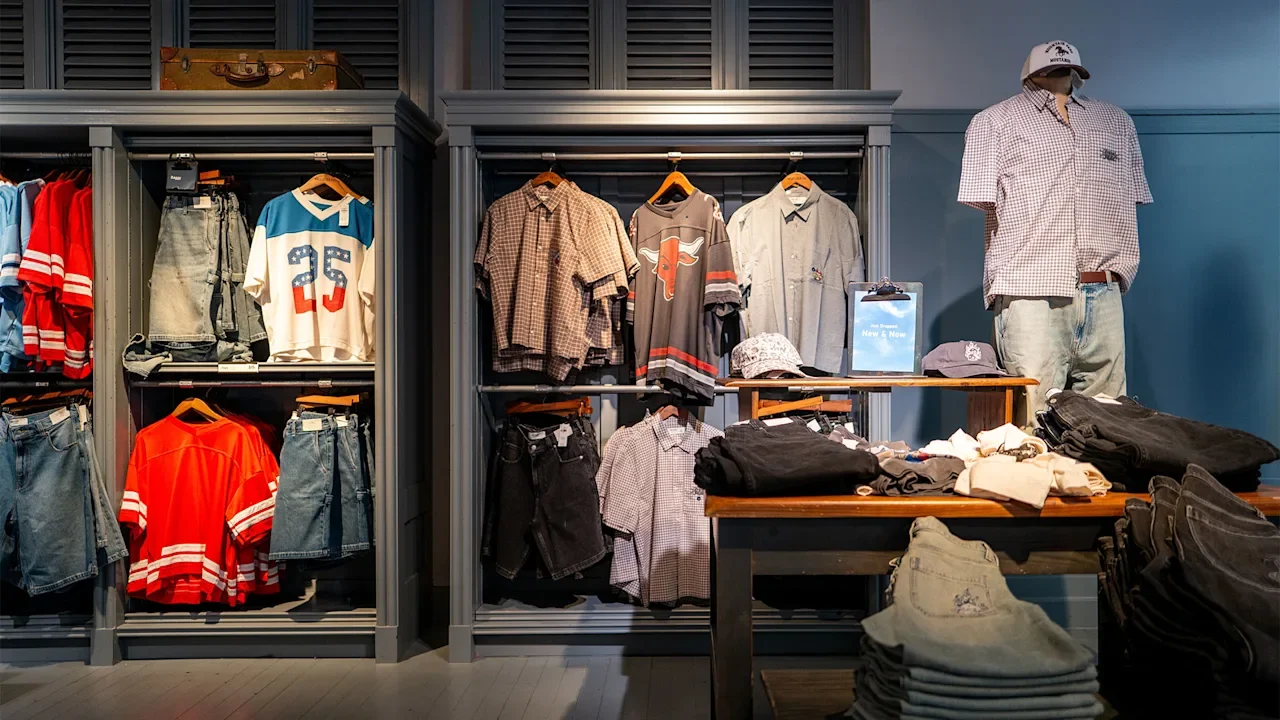
Since 2019, Abercrombie & Fitch Co. has undergone a resurrection from discarded early 2000s mall brand to a sought after brand for millennials and older Gen Zs. Abercrombie reported $1.29 billion in revenue for quarter three, up 7% year-over-year. The Tuesday, November 25 earnings report is the 12th in a row with consecutive growth between quarters. The company also beat Wall Street’s predicted $1.28 billion in revenue and reached earnings per share of $2.36 earnings, rather than the estimated $2.16, according to consensus estimates cited by CNBC. Abercrombie’s shares (NYSE:ANF) closed Tuesday up more than 37% on Tuesday, though the stock is still down 39.63% from the start of 2025. Notably, the most recent growth of Abercrombie (the company) hasn’t been fueled by Abercrombie (the brand). This quarter saw the retail store’s net sales sink 2% YOY to $617.35 million — a 7% decrease in comparable sales. It’s an improvement from quarters one and two, during which the brand also saw declines in net sales: a 4% reduction YOY to $547.95 million in quarter one and a 5% drop YOY to $551,868 in quarter two. Instead, it was another brand beloved by millennials as teens that has held up the once logo tee and low-rise jean-adorned fort. Abercrombie-owned Hollister reported $673.27 million in net sales for the most recent quarter. This figure represents a 16% increase YOY and a 15% jump in comparable sales. Hollister’s success left the company with a 7% improvement in net sales YOY. Hollister has maintained significant positive growth, reporting 19% and 22% increases in net sales YOY during quarters one and two, respectively. In an earnings call for quarter two, CEO Fran Horowitz attributed the Abercrombie brand’s decline to marking down and selling old inventory. This time around, Horowitz appeared happy enough to have made progress, stating, “Abercrombie brands made sequential progress in-line with our expectations, and we are tightly managing inventory as we aim for fourth quarter brand net sales to be approximately flat to last year’s record.” Abercrombie expects a 6% to 7% growth overall for net sales in fiscal 2025, remaining confident it will reach a new record high. View the full article
-
A quick guide to Rachel Reeves’ main policy announcements and official economic forecastsView the full article
-
The Thanksgiving travel period is in full swing. Today is the last day before Thanksgiving, which means millions of Americans will be taking to the skies to reach their holiday destinations. And myriad more will also be traveling to airports to pick up their incoming loved ones. But on one of the busiest travel days of the year, flight delays and cancellations are inevitable. Here are some tools to track delays, along with information on which airports are currently experiencing the worst delays and cancellations. FAA says this is the busiest Thanksgiving travel period in 15 years Earlier this week, Fast Company reported on the American Automobile Association (AAA)’s latest data, which revealed that this Thanksgiving travel period will be the busiest in six years. The AAA defines the 2025 Thanksgiving travel period as running from Tuesday, November 25, to Monday, December 1. During that time, the AAA says 81.83 million Americans will be traveling by road, air, or other means, including 6.07 million by plane. The Federal Aviation Administration (FAA) has released its own estimation, which largely concurs with the AAA’s data. Last Friday, the FAA announced that this Thanksgiving travel period will be the busiest in 15 years. The agency says that more than 360,000 flights will take place during the period, shuffling travelers to and from their Thanksgiving destinations. (It’s worth noting that the FAA’s Thanksgiving period differs slightly from the AAA’s period. The FAA says the Thanksgiving period runs from Monday, November 24, to Tuesday, December 2.) The FAA has also forecast the number of flights in the air for each day over the period, including: Monday, November 24: 48,173 Tuesday, November 25: 52,185 Wednesday, November 26: 50,130 Thursday, November 27 (Thanksgiving): 25,611 Friday, November 28: 41,560 Saturday, November 29: 46,288 Sunday, November 30: 51,268 Monday, December 1: 49,676 Tuesday, December 2: 47,423 The more flights scheduled, the greater the chance of delays and cancellations. This map reveals which airports currently have the most delays and cancellations Delays and cancellations happen for several reasons. According to the FAA, the top five causes of delays in the National Airspace System (NAS) include: Weather (which causes about 62.6% of all delay minutes) Volume (13.5%) Runway (8.3%) Equipment (1%) Other/Staffing (14.6%) In other words, even if it’s sunny and clear skies in the departure or arrival destinations, the sheer volume of scheduled flights, runway availability, equipment issues, and staffing issues can still cause delays. If you have to make a trip to the airport today for any reason, it’s a good idea to keep an eye on where delays are occurring, as they can not only cause flights to depart later than scheduled but also lead to increased crowds in terminals and parking lots. FlightAware.com offers an interactive map, aptly named the “Misery Map,” which shows the current delays at some of America’s busiest airports. As of the time of this writing, the Misery Map shows that between 10 a.m. and 2 p.m. today, 63 flights are currently delayed and 3 have been canceled (keep in mind, this information is updated regularly). The Misery Map shows that the highest number of delays during that time period is at Dallas Fort Worth International Airport (DFW), where nine delays are currently listed. Ronald Reagan Washington National Airport (DCA) currently has the next-most delays, at eight. All three presently listed cancellations for the period are from flights at Minneapolis–Saint Paul International Airport (MSP). For the day, FlightAware’s expanded data currently shows 549 delays for U.S. flights, as well as 25 cancellations. If you do need to head to the airport today, whether to catch a flight or pick someone up, the best practice is to track the relevant flight’s information directly in the airline’s app or on its website, and to contact the airline directly if you have any concerns about delays or cancellations. View the full article

-
We may earn a commission from links on this page. Deal pricing and availability subject to change after time of publication. Black Friday sales officially start Friday, November 28, and run through Cyber Monday, December 1, and Lifehacker is sharing the best sales based on product reviews, comparisons, and price-tracking tools before it's over. Follow our live blog to stay up-to-date on the best sales we find. Browse our editors’ picks for a curated list of our favorite sales on laptops, fitness tech, appliances, and more. Subscribe to our shopping newsletter, Add to Cart, for the best sales sent to your inbox. Sales are accurate at the time of publication, but prices and inventory are always subject to change. The PlayStation VR2 Horizon Call of the Mountain Bundle is currently down to $299 for Black Friday, the lowest price it's hit so far, according to price trackers. This $100 discount makes Sony’s next-gen VR headset feel a lot more accessible, especially for PS5 owners who’ve been on the fence. PlayStation VR2 $299.00 at Amazon $399.99 Save $100.99 Get Deal Get Deal $299.00 at Amazon $399.99 Save $100.99 The bundle includes the full VR2 setup and a copy of Horizon Call of the Mountain, a title built specifically to show off what the hardware can do. PCMag gave the PS VR2 an "outstanding" rating for good reason—this is a big leap from Sony’s first attempt at VR, with sharper visuals, better motion tracking, and more immersive gameplay. The PS VR2 runs at a resolution of 2,000 x 2,040 per eye, with a 120Hz refresh rate and full 6DOF (six degrees of freedom) tracking. Translation: It feels smooth and looks sharp, even during fast-paced movement. The eye-tracking tech is surprisingly useful, helping menus feel more intuitive and making foveated rendering possible (basically, games focus the highest resolution where you're actually looking). Setup is easy, and the build is lightweight, so it doesn’t take long to get going, and it doesn’t weigh your head down during longer sessions. The included Sense controllers are responsive and add physical feedback that makes everything from climbing to archery in Horizon feel a bit more tactile. That said, there are a few caveats. The PS VR2 only works with a PlayStation 5, and it isn’t backward-compatible with original PS VR games. So, if you already have a VR library from the first generation, you won’t be able to carry it over. The game library is growing, but it's still catching up to PC-based systems. Even so, for anyone new to VR or upgrading from older hardware, this bundle is one of the best values we’ve seen. At $299, you're getting one of the most polished VR experiences available right now, without diving into PC setups or spending double the price. How long do Black Friday deals really last?Black Friday sales officially begin Friday, November 28, 2025, and run throughout “Cyber Week,” the five-day period that runs from Thanksgiving through Cyber Monday, December 1, 2025. But Black Friday and Cyber Monday dates have expanded as retailers compete for customers. You can get the same Black Friday sales early, and we expect sales to wind down by December 3, 2025. Does Apple do Black Friday?Yes, Apple participates in Black Friday, though you may want to compare their sales with other retailers like Best Buy and Walmart. Apple is offering an exclusive $250 gift card for eligible purchases, but so far, the best Black Friday sale on an Apple product is the M4 MacBook on sale for cheaper than ever. Does Amazon have Black Friday deals?Yes, Amazon has Black Friday sales, but prices aren’t always what they seem. Use a price tracker to make sure you’re getting the best deal, or refer to guides like our live blog that use price trackers for you. And if you have an Amazon Prime membership, make the most of it. Our Best Editor-Vetted Early Black Friday Deals Right Now Apple AirPods Pro 3 Noise Cancelling Heart Rate Wireless Earbuds — $219.99 (List Price $249.00) Apple iPad 11" 128GB A16 WiFi Tablet (Blue, 2025) — $274.00 (List Price $349.00) Amazon Fire HD 10 (2023) — $69.99 (List Price $139.99) Sony WH-1000XM5 — $248.00 (List Price $399.99) Blink Outdoor 4 1080p Wireless Security Camera (5-Pack) — $159.99 (List Price $399.99) Amazon Fire TV Stick 4K Plus — $24.99 (List Price $49.99) NEW Bose Quiet Comfort Ultra Wireless Noise Cancelling Headphones — $298.00 (List Price $429.00) Shark AI Ultra Matrix Clean Mapping Voice Control Robot Vacuum with XL Self-Empty Base — $249.99 (List Price $599.00) Apple Watch Series 11 (GPS, 42mm, S/M Black Sport Band) — $339.00 (List Price $399.00) WD 6TB My Passport USB 3.0 Portable External Hard Drive — $134.99 (List Price $179.99) Deals are selected by our commerce team View the full article
-
Burden to reach 38% of GDP by end of parliamentView the full article
-
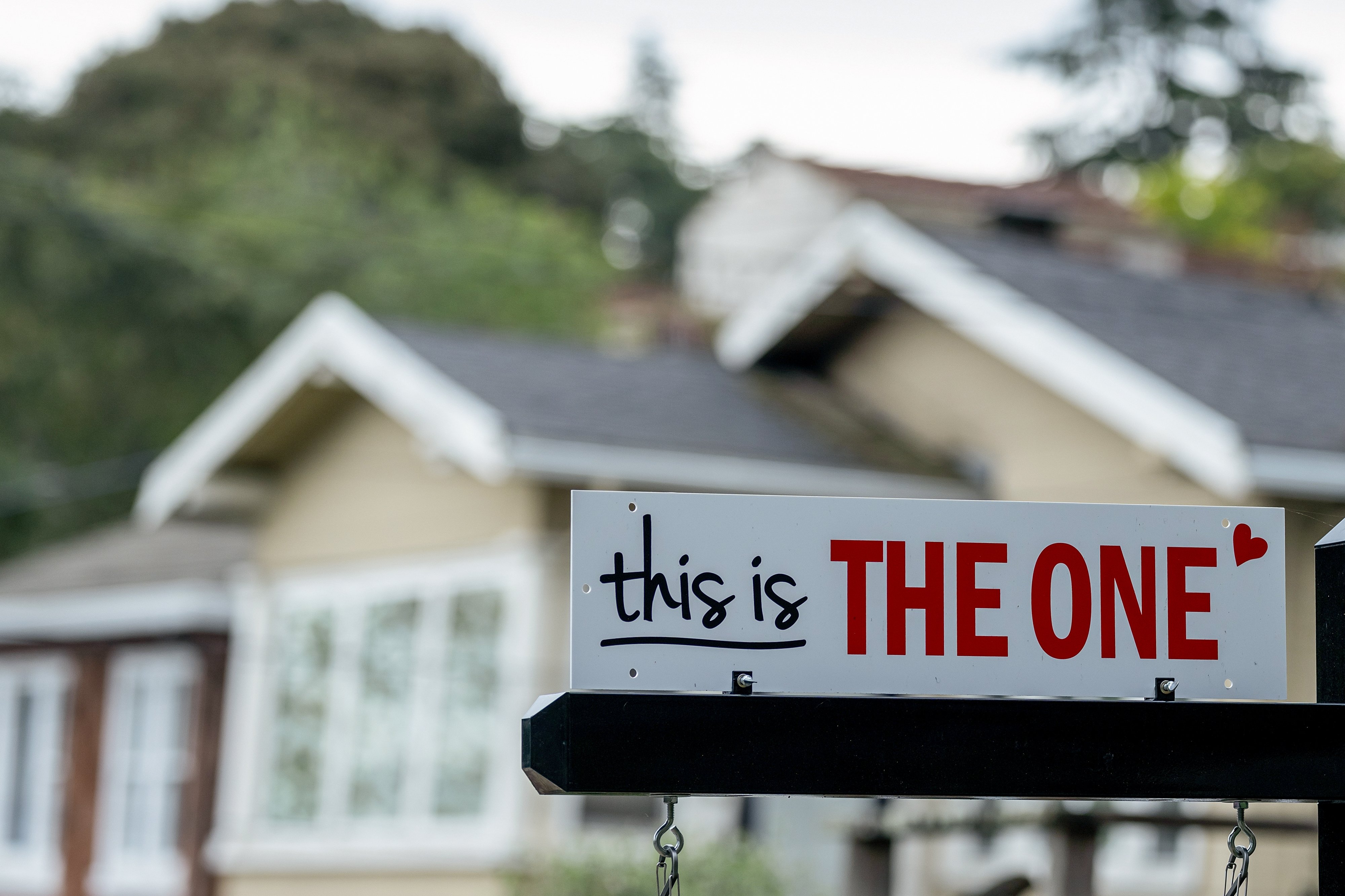
The Mortgage Bankers Association's index of home-purchase applications jumped 7.6% to 181.6 in the week ended Nov. 21, data from the group showed Wednesday. View the full article
-
Not so responsible, in retrospectView the full article
-
Kingdom to add liquor stores in Jeddah and Dhahran after outlet for non-Muslim foreigners opened in Riyadh last yearView the full article
-
One suspect accused of seeking information from corporate chiefs on ‘French economic interests’View the full article
-
In an age of high-turnover trends, ubiquitous screens, and fractured attention spans, a lengthy televised parade organized by a venerable department store sounds like a relic of a bygone era. But somehow, the Macy’s Thanksgiving Day Parade has in recent years proved itself to be startlingly popular and relevant. In 2024, the parade drew an estimated 31.7 million viewers on NBC’s broadcast and Peacock stream—an all-time record, and a bigger audience than the Oscars or any entertainment broadcast. This year’s parade will include, along with balloons featuring legacy characters like Snoopy and Minnie Mouse, a Pop Mart float with an oversized Labubu, a Stranger Things float featuring a Demogorgon, and performances by a singing trio from KPop Demon Hunters and Wicked: For Good star Cynthia Erivo. Macy’s is stubbornly unforthcoming on the economics of its parade, and a spokesperson told Fast Company that it was “unable to discuss and disclose financials” of the event. But it certainly appears to be a bright spot for the retailer, which over the past decade has closed scores of locations and laid off thousands of workers. Various reports suggest the 2024 version cost an estimated $13 million to produce, with longtime partner NBC paying $20 million for broadcast rights. Macy’s and NBC announced a new 10-year deal earlier this year, and while terms were not disclosed, The Wall Street Journal reported the new proposal was on the order of $60 million for annual rights to the Thanksgiving parade, a July 4 special, and a new event that’s to be determined. This reflects how valuable the parade, in particular, seems to have become for its ability to draw a mass audience, with NBC reportedly selling 30-second ad spots for $900,000. A successful, unchanged formula The parade dates back to 1924 and has been televised nationally on NBC since 1954. While Macy’s describes it as a “gift” to the nation, it’s one that has long since become a business in its own right. According to a report from 2019, a brand sponsoring a new balloon could expect to pay around $200,000 in construction and parade fees. But this, of course, yields a couple of minutes of on-air discussion of the brand or entertainment property’s balloon (or float or performance) from the broadcast hosts. This is how the parade has worked for decades—and maybe that essentially unchanged formula helps explain its success. By now it’s an iconic event, deeply embedded in pop culture via numerous appearances in movies and TV shows, and countless memories. Even if you haven’t watched the parade in years, you know the gist. So one theory of the event’s resilient popularity is that it is, like turkey and stuffing, an elevated variation on comfort food. A decade-plus ago, as many mainstream broadcast events began to see their audiences shrink, the parade held steady, in effect growing its influence simply by standing still. But in the last few years, that audience hasn’t just stood still but actually begun to grow, topping earlier viewer records. The Macy’s spokesperson credits “the talented Macy’s Studio team” of artisans and other experts who craft the event, and certainly the proceedings are as lavish as ever. Super Mario Bros. A more interesting theory, though, is that a broadcast parade is ideal for a fractional-attention world. There’s something new every few minutes and none of it requires deep concentration. This year’s event includes 34 balloons, 28 floats, 28 performers, 11 marching bands, and 33 clown crews, meaning the parade is nonstop novelty. It is essentially an analog, marching scroll. In a kind of virtuous circle, the audience attracts pop culture brands, which attracts a bigger audience. A Macy’s executive involved in producing the parade told the Freakonomics podcast last year that the goal is to balance “legacy characters” against “new characters,” in effect addressing an all-ages audience. Even better: All the content is basically escapist and certainly apolitical, providing an endless stream of excuses to change the subject to something benign when that cranky uncle starts looking for a squabble. And while Macy’s may be opaque about the business details that help shape the specific contents of any given year’s parade, achieving that balance between contemporary relevance and timeless tradition is likely a key to attracting its audience. And sure, the whole thing is essentially an intertwined marketing event—a series of pop culture and brand promotions, under the auspices of Macy’s own brand. But nobody really seems to mind. Perhaps on the eve of Black Friday this is exactly what many are looking for. A Macy’s spokesperson calls the parade “the official kickoff to the holiday season.” That seems to be truer than ever. View the full article

-
It’s long been the uniform of management consultants and finance bros, but now the humble quarter zip is being embraced by a rather unexpected demographic. Over the past few weeks, FYPs have become dominated by the workwear staple. Young men who previously might’ve been seen exclusively in Nike Tech, have now traded them in for quarter zip sweaters. Across social media, they are sharing styling tips and hosting meetups at malls, all clad in business-casual. The trend gained widespread attention when, in early November, TikToker @whois.jason shared a video of himself sipping a matcha (the beverage of choice for the ‘performative male’) with a friend. Both are wearing quarter zip sweaters. “We don’t do Nike Tech, we don’t do coffee. It’s straight quarter zips and matchas around here,” he says in the clip. “We upgraded in life; we wear glasses now.” Since it was posted, the clip has gained over 25 million views. “No more DMs we on outlook and teams,” one comment read. Another wrote: “We on linkedin not instagram.” The hashtag #quarterzip currently has over 55,000 posts on TikTok. There’s T-Pain in Louis Vuitton talking about “401k and a quarter zip.” Rapper Central Cee hung up his customary Nike Tech fleece for a cream Ralph Lauren one. “Nike tech’s most loyal person just switched up,” one comment read on his TikTok post. The basketball video game NBA 2K account announced the addition of quarter zips to 2K26 last week, not long after the topic started trending on TikTok. Even brands are jumping on, a sure sign as any that a trend has run its course. Some say the co-option of quarter zips signals a vibe shift that goes beyond fashion. Fortune calls it “a subtle signal of ambition and adaptation in a job market that feels almost insurmountably tough for many young adults today.” The New York Times described the shift as “an aesthetic pivot toward the expectations of the professional world.” It’s true, the quarter zip has long been a signal of soft professionalism. If a LinkedIn connection was an item of clothing, it would be the quarter zip (perhaps under a fleece vest to complete the uniform). Others have connected the trend to the history of Black dandyism, a cultural movement and fashion style intended to subvert racial stereotypes, inspiring last year’s Met Gala theme. While the lifecyle of a TikTok trend is often no more than a few days or weeks at most, retail data shows a 25% sales rise for quarter zips among 18- to 24-year-olds since mid-2024. Google Trends shows a 2,250% increase in searches for “1/4 zip pullover men’s business casual” over the past 12 months. Has anyone checked in on the finance bros? View the full article

-
Micro Strategy, major strifeView the full article
-
What do Marriott, Peloton, and Major League Baseball (MLB) have in common? Each has recently navigated a major crisis in the court of public opinion. Marriott’s licensing agreement termination with Sonder left guests stranded and fuming mid-stay. Peloton announced its second product recall in just two years. And the MLB is the latest major sports organization whose players have been swept up in sports betting scandals. Crisis is everywhere. And while big brands may dominate the headlines, smaller companies face equally urgent situations. Regardless of a company’s size, leaders must be prepared when the ever-turning wheel of misfortune lands on their spot—because it will. Despite this inevitability, less than half of U.S. companies have a formal crisis plan in place according to a 2023 report by Forbes. I see it in my workshops all the time. Fewer than a fourth of the countless leaders I’ve worked with have a dedicated crisis plan or team in place to help them navigate a crisis. Whether they are consciously kicking the can of crisis preparedness down the road or simply don’t know where to start, the consequences are the same. It’s not if you will ever experience a crisis, it’s when and how severe. Failing to prepare can shatter reputations, destroy careers, and cripple revenue in a matter of moments. Here are four actionable steps to ensure you aren’t caught off guard when crisis hits. 1. Create a crisis plan Planning is the most effective way to manage a crisis, yet many leaders find excuses to put it off. Some believe it will never happen to them; others underestimate the value of crisis planning because it does not generate revenue. In reality, crisis can happen to anyone, at any time, and facing a crisis without a plan is a major revenue drain, especially considering all the emergency expenses needed to manage it. A crisis plan is an essential tool that serves as a roadmap for navigating crisis response: In the same Forbes report, 98% of leaders who had activated their crisis communications plans found them to be effective. A plan doesn’t need to be long—30 pages is more than sufficient—and should include an introduction, lessons learned from past crises, company information, crisis team member information, the company’s risk profile, and key questions to ask during crisis to get as many details as possible. 2. Develop a crisis team The crisis team is a designated group of people from inside and outside an organization that assembles at a moment’s notice when crisis hits to help gather the facts and take appropriate action. This group of people will help leaders navigate the most sensitive moments of their careers, so it’s imperative to choose team members who will not only provide sound insight, but will also hold the company and its leaders accountable when necessary. A crisis team should be limited to no more than 12 people and should include representation from the President/CEO, senior VPs, division managers, IT, legal counsel, communications, HR, and finance. Each of these members brings valuable perspective from different departments and may represent different groups of stakeholders. Smaller companies can have as few as three individuals on their team—you should never try to navigate a crisis alone. 3. Get comfortable with the uncomfortable As disconcerting as it can be for leaders to address the myriad risks their company faces on a daily basis, envisioning worst-case scenarios and developing a risk profile enables the development of a crisis management strategy before one hits. Worst case scenarios can range from a data breach that compromises proprietary information to an on-the-job employee injury. As there is a virtually unending list of worst-case scenarios, a company’s risk profile will depend on the specific organization and industry. In the AI era, there’s no reason for leaders not to have a tailored risk profile. Getting started is as easy as typing in your company’s details. (Note: AI is not an appropriate tool to draft public-facing statements.) Once the risk profile has been established, you can predraft holding statements for each scenario that will serve as a guide during active crisis and save 20 to 30 minutes of precious time. 4. Learn how to recognize a crisis in your organization Crises often catch leaders off guard because the buildup that caused them goes unrecognized. Most crises are the result of an unsolved business problem. If the problem can be identified and addressed, it’s far less likely to snowball into a full-blown crisis. Take the example of Peloton—in 2023, it recalled 2 million bikes after broken seat posts led to multiple reported injuries. The business problem? Poor quality product posing a safety risk to riders. In November 2025, Peloton recalled nearly 900,000 more . . . for the exact same reason. This unresolved business problem created a crisis cycle that eroded consumer trust. Other business problems that commonly lead to crisis include weak security that invites cybercrime, failing to prioritize employee safety resulting in death or injury, or a lack of succession planning that leads to a company’s downfall in the event of a CEO’s death or departure. While leaders can’t prevent crisis, they can prepare for it. Crisis planning could be the most valuable investment a leader ever makes. Because in business it’s not if a crisis will ever happen, it’s whether you’ll be ready when it does. View the full article