Newsletter
Want to keep up to date with all our latest news and information?

ResidentialBusiness
Administrators
-
Joined
-
Last visited
Everything posted by ResidentialBusiness
-
Google Maps is one of the most valuable digital marketing tools available to your business, particularly if you’re using the Google Local Pack. The Google Local Pack displays top-ranked business listings in a user’s local area. So, when searching for “hairstylists near me” or “Italian food in my area,” a user sees their local best-ranked and reviewed listings for salons or Italian restaurants at the very top of the search results page, along with a map. These listings occupy a valuable space on the search results page, as the first items many users see and appear higher than traditional results. In fact, many users will click on one of those listings without scrolling down to view other results. Additionally, these listings provide a wealth of useful information, including contact details, business hours, address, website link, photos, and customer reviews. It even shows the business’s busiest time of day. Appearing in the Google Local Pack for your area’s relevant keywords makes it easier for potential customers to find your website and physical location. It’s an extremely effective way to get ahead of your local competition. So, how do you rank high in the Google Local Pack? Local SEO strategies influence rankings. You’re likely already doing some things right, but to boost your ranking, ensure you’ve checked every box and adjust your strategy as needed. Here are the four steps to improve your Google Local Pack ranking. 1. Optimize your Google Business Profile Much of the data Google uses to populate your listing in the Local Pack comes from your Google Business Profile. If you haven’t already set one up, now’s the time to do so as fully as possible—then keep it up to date. The information provided should match information you have elsewhere on the internet, especially on your website. Double-check to ensure accuracy and consistency of critical details, such as your business name, address, phone number, and website. Think about your listing like a customer’s first impression. A good impression provides everything they might want to know, so your Google Local Pack listing will include all of the following: Name Website link Phone number Address Photos Hours and dates open/closed, along with popular times to visit Description Service options, such as a menu for restaurants Pricing information Tag, which indicates the type of business Reviews from users, along with a star rating The more information a listing has, the easier it is for a customer to get their questions answered—and you want to make things easy for your customers. So, if you have this completed, you’re already doing better than many businesses. However, you can take your Google Local Pack ranking further with a few additional steps. 2. Become a review master Reviews significantly influence a potential customer’s initial impression of your business when they view your listing. Your star rating—based on your reviews—will be one of the first things a customer sees. Your rating directly affects your SEO and search result ranking, and it’s what many users base their business decisions on. Many businesses believe they can’t control reviews. However, you can encourage people to give you reviews and respond to the reviews you receive, both positive and negative. 3. Create a strong local online association To rank well in local search results, Google requires a strong association between your business and your local area. Start by embedding your Google Maps location on your website. This simple step goes a long way. Local data for your social media accounts helps reinforce that association. Next, optimize your web pages for local keywords. If you have multiple business locations, create individual pages for each location that are entirely unique and optimized for local keywords. 4. Reach out to your local community After completing the first three steps, continue building your local SEO to improve your Google Local Pack ranking, by interacting with your local community: Write for local publications or publish information about local topics and events. Get involved in community events. Engage in discussions on social media. Attend or even host events. Building relationships with other local businesses and individuals increases your chances of earning backlinks, which takes a significant amount of effort but can create great SEO results. The big picture Google Local Pack enables you to connect with your community and differentiate yourself in a crowded digital landscape. Take advantage of optimizing your Google Business Profile, master your client reviews, strengthen your local online presence, and engage authentically with your community. These steps build trust and visibility that drive real results. Maximize the opportunity to make your business the first choice for local customers. Jason Hennessey is the CEO and founder of Hennessey Digital. View the full article
-
Thursday, November 20, ended up being a bit of a whirlwind for tech investors. The day started off on a positive note, with Nvidia’s shares (Nasdaq: NVDA) rising almost 5% thanks to a strong earnings report shared after the bell on Wednesday. The company’s third-quarter revenue reached $57.01 billion with an adjusted earnings per share of $1.30—both exceeded Wall Street’s estimates. Nvidia also shared that it expects $65 billion in quarter-four revenue, higher than the $62 billion analysts predicted. The other “Magnificent Seven” tech stocks—Alphabet, Amazon, Apple, Meta, Microsoft, and Tesla—rose in turn. But Nvidia’s success wasn’t enough to repel investors’ fears of an AI bubble or what had appeared to be an increasing unlikelihood of the Federal Reserve issuing a rate cut next month. As the day went on, each of the seven companies, including Nvidia, saw their stocks whipsaw—as did the tech-heavy Nasdaq Composite. In yet another twist, hopes for that rate cut rose again on Friday, with CME Group now reporting a 70.9% likelihood of a cut. The Nasdaq Composite had looked set to open at a 10-week low after closing at $22,078.05, though it appeared to be turning positive again as the opening bell approached on Friday. Meanwhile, while each of the “Magnificent Seven” had lost any early-morning gains on Thursday, some appeared to be turning positive again on Friday morning. Alphabet (GOOG) Thursday high: $306.89 Thursday low: $289.17 Premarket low as of publishing: $287.30 Amazon (AMZN) Thursday high: $227.14 Thursday low: $216.74 Premarket low as of publishing: $216.01 Apple Thursday high: $275.43 Thursday low: $265.92 Premarket low as of publishing: $264.26 Meta (META) Thursday high: $606.72 Thursday low: $583.35 Premarket low: $580.33 Microsoft (MSFT) Thursday high: $493.57 Thursday low: $475.50 Premarket low as of publishing: $474.32 Nvidia (NVDA) Thursday high: $196 Thursday low: $179.85 Premarket low as of publishing: $174.42 Tesla (TSLA) Thursday high: $428.94 Thursday low: $394.74 Premarket low as of publishing: $392.90 Tech stocks have suffered in recent weeks amidst growing concerns that AI companies have overinflated values. Then, yesterday also saw the release of the September jobs report, after the government shutdown delayed it. There were 119,000 new positions added, a significant increase from the 50,000 jobs predicted, according to consensus estimates cited by The Wall Street Journal. Yet unemployment rose to 4.4% in an unpredicted shift. This story is developing… View the full article

-
Now you can sing along with America’s Founding Fathers as you crush your opponents under oppressive rents and market domination. The Op Games, a publisher of board games and puzzles, is releasing a new version of Monopoly based on the hit Broadway musical Hamilton, marking the latest iteration of the classic economics game that has been a staple of family game nights for many decades. The Op Games plans to announce the new version today, a spokesperson told Fast Company. The game commemorates the 10th anniversary of Lin-Manuel Miranda’s rap-infused retelling of America’s origin story, which made its Broadway debut in the summer of 2015 and went on to win 11 Tony Awards and the Pulitzer Prize for Drama. In Monopoly: Hamilton, hotels become Federalist Papers, houses become Letters, and the familiar Chance and Community Chest cards are named after the musical’s dueling protagonists: Alexander Hamilton and Aaron Burr. Instead of boot or thimble, players can choose between an assortment of Hamilton-themed pieces, including a microphone, crown, or tricornered hat. Can you say no to this? California-based The Op Games has carved out quite a niche for itself with cobranded versions of popular board games, such as a Jaws-inspired riff on Operation or a Trivial Pursuit edition that lets you test your knowledge of HBO’s Game of Thrones franchise. It licenses Monopoly from toy giant Hasbro, which has touted a “franchise-first approach” to IP as a cornerstone of its success. For instance, the Monopoly Go! mobile game, published by developer Scopely, has been an enormous success, contributing $126 million in revenue to Hasbro so far this year as of the third quarter. You could argue that all these variations cheapen the Monpoly brand (we’ll leave it up to you to decide if the world needs a Guy Fieri edition), but a Hamilton version of the capitalist-forward game makes more sense than most. The title character, after all, played a key role in creating America’s financial system, and at least four of the musical’s characters are still pictured on our money today. While the cultural legacy of Hamilton has been rigorously debated and reassessed over the years—critics have accused it of perpetuating a “founders chic” view of American history, or of being an overly earnest relic of the Obama era—the show remains a money-making juggernaut. Ten years on, it’s still playing at full capacity at the Richard Rodgers Theatre, where just last week it earned $3.9 million at the box office, more than any other show on Broadway. Monopoly: Hamilton will be available for purchase at the theater, on the Hamilton website, and at Barnes & Noble bookstores, retailing for $45. Just remember to collect 20 Hamiltons every time you pass Go. View the full article

-
Centrist incumbents are facing challenges from leftwing insurgentsView the full article
-
We may earn a commission from links on this page. Deal pricing and availability subject to change after time of publication. At $849, the unlocked 256GB Google Pixel 10 Pro is now at its lowest price yet on Amazon, down from its original $1,099 launch price (according to online price trackers). That’s a significant drop for one of Google’s latest flagship phones. Google Pixel 10 Pro $849.00 at Amazon $1,099.00 Save $250.00 Get Deal Get Deal $849.00 at Amazon $1,099.00 Save $250.00 While the much-hyped AI features don’t quite live up to expectations, the refined hardware and returning core strengths still make this a compelling upgrade for Android users. As Lifehacker’s Associate Tech Editor Michelle Ehrhardt notes in her review, Pixelsnap—Google’s new magnetic charging and accessory system—adds real day-to-day convenience, especially if you’ve ever admired Apple’s MagSafe ecosystem. The Pixel 10 Pro sticks to what Google does best: excellent cameras, clean design, and long-term software support. Its triple-camera system delivers consistently great results, whether you’re shooting your cat in low light or capturing a skyline at golden hour. The display gets a modest but useful boost in brightness, and now supports Qi2 wireless charging for faster, cable-free top-ups. That said, Google dropped the physical SIM tray in favor of eSIM-only support with the Pixel 10 series. That’s not a problem if your carrier is compatible, but it could be limiting if you switch networks often or travel internationally. Where it stumbles is in the details you won’t see in a spec sheet. The new AI tools, like voice-assisted summarizing and text generation, feel more like experiments than must-haves. The Tensor G5 chip performs smoothly in general, but reportedly falls behind Snapdragon chips in third-party app performance. Battery life is okay, not great—it’ll get you through the day, but not with much to spare, notes this PCMag review, so power users may need to top up before the end of the day. Still, if you're already in the Pixel world or looking to switch from another Android phone, this discounted Pixel 10 Pro feels like a confident step forward in all the right ways. For anyone who wants more screen space or a foldable option, the rest of the Pixel 10 lineup is also discounted for Black Friday. The Pixel 10 Pro XL is going for $899, and the Pixel 10 Pro Fold is priced at $1,499, down from its original $1,799. Our Best Editor-Vetted Tech Deals Right Now Apple AirPods Pro 3 Noise Cancelling Heart Rate Wireless Earbuds — $219.99 (List Price $249.00) Apple iPad 11" 128GB A16 WiFi Tablet (Blue, 2025) — $279.00 (List Price $349.00) Amazon Fire HD 10 (2023) — $69.99 (List Price $139.99) Sony WH-1000XM5 — $248.00 (List Price $399.99) Blink Outdoor 4 1080p Wireless Security Camera (5-Pack) — $159.99 (List Price $399.99) Ring Floodlight Cam Wired Plus 1080p Security Camera (White) — $99.99 (List Price $179.99) Amazon Fire TV Stick 4K Plus — $24.99 (List Price $49.99) NEW Bose Quiet Comfort Ultra Wireless Noise Cancelling Headphones — $298.00 (List Price $429.00) Shark AI Ultra Matrix Clean Mapping Voice Control Robot Vacuum with XL Self-Empty Base — $249.99 (List Price $599.00) Apple Watch Series 11 (GPS, 42mm, S/M Black Sport Band) — $349.99 (List Price $399.00) Deals are selected by our commerce team View the full article
-
The “X of Y” framework—“We’re the Uber of healthcare” or “the Airbnb of finance”—has become a kind of startup reflex. It’s useful, even comforting, to anchor a new idea to something people already understand. But what feels like clarity can become constraint. When you define your business through another company’s success, you risk adopting their playbook instead of rewriting the rules. The best disruptors learn to move past comparison. They articulate what makes their idea not just different, but inevitable. That’s how you build conviction from your team, your investors, and your customers. Why comparison shrinks your story From a branding perspective, letting investors, consumers, or even your own team see your business through the lens of another company is risky. It narrows imagination and compresses potential before the company ever takes off. In Teddy Roosevelt’s words, “comparison is the thief of joy.” In the entrepreneurial world, comparison is the thief of innovation. The moment you define yourself through someone else’s success, you’re not building a new world; you’re borrowing a corner of an old one. True disruptors don’t emulate, they innovate. And not just in the product, but in how they communicate that product to the world. The biggest tech companies by market cap—Facebook, Apple, Amazon, Netflix, Google, Nvidia—aren’t the “X of Y.” They just are. They didn’t build by reference; they built by invention. Yesterday’s playbook won’t win tomorrow’s game From a business model standpoint, the “X of Y” approach doesn’t simplify, it hamstrings. What worked in one context often fails in another because conditions change faster than most disruptors realize. YouTube’s monetization strategy, for example, only succeeded after the platform reached massive scale. Trying to apply that same model to a niche content business at launch would likely fail. OpenAI trained on freely available web data that’s now largely cut off. Imitators entering the space today can’t replicate those conditions, nor their success. Timing and first-mover advantage matter. Once a model exists, the data access, regulation, even consumer behavior conditions that allowed it to thrive are already evolving. The world moves on. What worked before doesn’t necessarily work now. For disruptors, the takeaway is simple: Learn from others, but don’t lean on them. The best leaders translate insight into original structure, a model built for today’s conditions, not yesterday’s advantages. Create a category: Lessons from Figure’s IPO I saw this dynamic play out firsthand during Figure’s IPO. With no natural comparison, we didn’t fit into a familiar box. Yet, investors tried; they labeled us a blockchain company, a fintech lender, a financial marketplace. And each comparison carried its own limitations: valuation ceilings, volatility, market constraints. Bringing something truly new to market requires more than a great product. It demands changing perception. You have to teach the market how to think differently and convince them they’re ready for it. At Figure, we had to educate investors that what we were building—blockchain-based capital markets—wasn’t a futuristic concept; it was a present-tense opportunity. We emphasized not just what we built, but why it mattered: faster, more transparent capital flows that could unlock a massive market. Once that clicked, investors stopped searching for a comparison and started seeing the scale of the opportunity. That shift made all the difference in a successful offering. Comparisons fall flat faster in today’s world We’re in an evolutionary moment. Like mobile did before, AI and blockchain are changing the rules of the game. Business models built around past infrastructure will quickly feel dated. Anchoring yourself to yesterday’s success stories is like hitching your wagon to Craiglist’s star in 2008. It looked brilliant, until mobile changed everything. The “X of Y” mindset is its own kind of entrepreneurial Waiting for Godot. Leaders get stuck in a comparison loop, waiting for validation, for precedent, for permission to move. But the future never arrives for those who wait on it. Pioneering beyond precedent, especially when precedent itself is shifting, is hard. But that’s where the opportunity lies. Leaders who thrive in this environment won’t ask, “Who are we like?” They’ll ask, “What are we building that no one else has imagined yet?” Because real disruptors don’t wait for Godot. They build the world everyone else is still waiting for. Michael Tannenbaum is the CEO of Figure. View the full article

-
The credit card will provide borrowers points for making their normal monthly mortgage loan payments and for the purchase of home products and services. View the full article

-
When you’re starting a business, choosing between a Limited Liability Company (LLC) and a sole proprietorship is essential. Each structure has its own benefits and drawbacks that can greatly impact your operations. You’ll need to evaluate your business goals, personal risk tolerance, and tax implications. Comprehending these factors will help you make an informed choice that aligns with your long-term vision. What steps should you take to guarantee you choose the right path for your business? Key Takeaways Assess your business objectives to determine if you need the flexibility and protection of an LLC or the simplicity of a sole proprietorship. Evaluate your personal risk tolerance and consider how much liability exposure you are willing to accept in your business. Analyze tax implications and compliance requirements for both structures to understand the financial impact on your business. Explore funding opportunities and expansion potential, as LLCs generally attract more investors and provide better access to loans. Consult legal and financial advisors to gain insights on the best structure for your specific business needs and goals. Understand Your Business Goals When deciding between forming an LLC or operating as a sole proprietorship, it’s crucial to understand your business goals, as these will guide your choice. Start by clearly defining your short-term and long-term objectives. If you want flexibility and protection, a limited liability company might suit you better than being a sole proprietor. Consider your funding needs too; investors often favor LLCs over sole proprietorships. Furthermore, think about the control you wish to maintain—sole proprietors enjoy full decision-making authority, whereas LLCs may involve shared management. Tax preferences are significant; both structures support pass-through taxation, yet single member LLC taxation offers more flexibility, which can align with your specific goals. Evaluate these factors carefully to make an informed decision. Assess Your Personal Risk Tolerance When evaluating your personal risk tolerance, it’s crucial to understand how much liability you’re willing to accept with your business. Consider the nature of your venture; if it’s high-risk or involves significant regulations, an LLC might be a better fit. Additionally, think about your growth plans—if you aim to attract investors or partners, an LLC can offer more credibility and protection than a sole proprietorship. Understand Liability Exposure Comprehending your liability exposure is essential for making informed decisions about your business structure, especially as it relates to your personal risk tolerance. Choosing between a sole proprietorship and a single member LLC disregarded entity can greatly influence your personal assets’ safety. Here are some key factors to take into account: A sole proprietorship exposes your personal assets to business debts. A sole owner LLC offers personal asset protection against liabilities. High-risk industries, such as construction, may benefit from the LLC’s safeguards. Assess your comfort level with potential legal repercussions. Reflect on whether a single member LLC needs insurance to further protect your assets. Ultimately, weighing these factors will help you determine the most suitable business structure for your needs. Evaluate Business Type Evaluating your business type is crucial to grasping your personal risk tolerance, especially since various industries come with different levels of exposure. High-risk businesses might find more advantages in forming an LLC, as it protects your personal assets from business debts. Conversely, a sole proprietorship leaves you more exposed. Factor Sole Proprietorship Limited Liability Company (LLC) Personal Liability High Low Compliance Minimal More paperwork and fees Decision-Making Structure Sole member decision-making Collaborative management options available As you consider these aspects, ask yourself: can you switch from sole proprietor to LLC if needed? Grasping what is a single member limited liability company can likewise guide your decision. Consider Future Growth As you reflect on future growth for your business, it’s essential to assess your personal risk tolerance since this evaluation can greatly influence your choice between a sole proprietorship and an LLC. Comprehending your financial situation and potential business liabilities is key. Here are some factors to ponder: A sole proprietorship exposes personal assets to business debts. An LLC protects personal assets from business liabilities. Higher risk industries may necessitate an LLC for greater security. Think about the credibility an LLC provides with lenders and investors. Evaluate long-term goals to determine if an LLC aligns with your strategy. Additionally, keep in mind that as you might wonder, “What is LLC lodging tax?” or “Do you pay federal income tax with an LLC?”, the liability protection can outweigh these considerations. Evaluate Liability Protection Needs How important is it for you to protect your personal assets when starting a business? If you choose a sole proprietorship, keep in mind that this structure offers no legal separation between you and your business. This means that your personal assets could be at risk if your business incurs debts or faces legal claims. Conversely, a Limited Liability Company (LLC) provides distinct liability protection, ensuring your personal assets are typically shielded from business obligations. If your business involves significant risks, such as potential lawsuits or high debts, forming an LLC is advisable. Evaluating your business’s nature and potential liabilities is essential; if your personal assets hold substantial value, an LLC can offer the necessary legal protection you need. Consider Tax Implications Choosing between a sole proprietorship and an LLC furthermore involves comprehending the tax implications of each structure. Both options benefit from pass-through taxation, but there are distinct differences to evaluate: Sole proprietorships report income on Schedule C of Form 1040. LLCs can elect corporate tax status, which may offer tax advantages. Multi-member LLCs must file Form 1065 and provide Schedule K-1s to members. Sole proprietorships typically have simpler tax structures, potentially reducing compliance costs. LLCs may be viewed as more credible by lenders, which can impact financing opportunities. Understanding these tax nuances will help you make a more informed decision based on your financial situation and business goals. Analyze Formation and Compliance Requirements When you’re considering whether to form a sole proprietorship or an LLC, it’s essential to understand the differences in formation and compliance requirements. A sole proprietorship requires minimal paperwork and no state filing, whereas establishing an LLC necessitates filing articles of organization with the state and paying fees ranging from $50 to $500. Unlike sole proprietorships, LLCs are recognized as separate legal entities, providing liability protection. Furthermore, LLCs often have ongoing compliance responsibilities, such as filing annual reports and maintaining good standing with the state, which sole proprietorships don’t face. Although both structures need any necessary business licenses, LLCs might be subject to extra state-specific regulations. If using a trade name, both must file an assumed name certificate (DBA). Review Operational and Management Preferences Grasping the operational and management preferences of a business structure can greatly influence your choice between a sole proprietorship and an LLC. Here’s what you need to reflect on: Control: A sole proprietorship allows you to maintain complete control over decisions. Management Flexibility: An LLC lets you manage the business or appoint outside managers, distributing responsibilities. Complexity: Sole proprietorships have no formal structure, whereas LLCs require an operating agreement outlining roles. Collaboration: In multi-member LLCs, shared decision-making can improve collaboration and diversity in perspectives. Liability Protection: Depending on your risk profile, an LLC can limit personal liability whilst offering a structured management framework. Determine Long-Term Growth Plans When considering your long-term growth plans, think about how you envision your business broadening in the future. An LLC can provide you with more funding opportunities and attract investors, which is crucial if you’re aiming for significant growth. Furthermore, if you plan to hire employees or sell the business down the line, an LLC offers a more flexible structure to support those goals. Future Funding Opportunities Choosing the right business structure can have a significant impact on your future funding opportunities, especially if you’re planning for long-term growth. Sole proprietorships often struggle to secure funding, as lenders view them as higher-risk investments. Conversely, limited liability companies (LLCs) boost credibility and make it easier to attract funding. Here are some key benefits of an LLC structure: Increased credibility with investors and lenders Easier access to loans and equity investments Ability to pool resources with multiple members Potential tax advantages that improve cash flow More attractive investment opportunities, aiding long-term strategies Business Expansion Potential Comprehending your business’s long-term growth plans is vital, as it can greatly influence the choice of structure. If you anticipate significant expansion or funding needs, an LLC is often the better choice. Its ability to attract investors and limit personal liability makes it suitable for growth-oriented businesses. Conversely, a sole proprietorship may fit if you’re testing ideas or running low-risk ventures because of its simplicity and lower costs, but it might limit scalability. As your business grows, you may need to shift to an LLC for shared management and liability protection. Moreover, LLCs are perceived as more credible by financial institutions, facilitating access to loans and investment opportunities important for expansion. Explore Costs and Fees Associated With Each Structure As you begin a business, grasping the costs and fees associated with different structures is crucial for making an informed decision. Here’s a quick comparison of costs between a sole proprietorship and an LLC: Sole Proprietorship: Typically has no state filing fees or registration costs, making it the least expensive option. LLC Formation: Involves filing articles of organization, costing between $50 to $500 based on your state. Annual Fees: LLCs may face franchise taxes or renewal fees that vary by location. Regulatory Compliance: Sole proprietorships have minimal requirements, whereas LLCs must adhere to state regulations. Business Licenses: Both structures may incur costs for necessary licenses and permits, depending on your business type and location. Evaluating these factors helps you choose wisely. Consult With Legal and Financial Advisors Grasping the costs and fees associated with your business structure lays the groundwork for informed decision-making, but it’s just one piece of the puzzle. Consulting with legal and financial advisors can provide valuable insights into the implications of liability and taxation for both LLCs and sole proprietorships. An attorney can clarify legal requirements and protections, ensuring your chosen structure aligns with your business objectives. A certified public accountant (CPA) can outline tax implications, highlighting the benefits of pass-through taxation for LLCs versus the simplicity of filing for sole proprietorships. Make an Informed Decision How do you determine the best business structure for your needs? Making an informed decision involves considering several critical factors. Evaluate your personal liability risk; sole proprietorships expose personal assets, whereas LLCs offer protection. Consider ease and cost of formation; sole proprietorships require no formal paperwork, in contrast LLCs need state filings and fees. Analyze business growth potential; LLCs are often seen as more credible by lenders, facilitating financing access. Assess tax implications; both structures allow pass-through taxation, but LLCs offer more tax treatment flexibility. Reflect on management preferences; sole proprietorships grant complete control, whereas LLCs enable shared decision-making through operating agreements. Frequently Asked Questions How to Decide Between LLC and Sole Proprietorship? To decide between an LLC and a sole proprietorship, assess your personal liability tolerance, as a sole proprietorship exposes your assets to business debts, whereas an LLC provides protection. Consider growth potential; lenders often favor LLCs for financing. Think about formation complexity: sole proprietorships require no paperwork, in contrast to LLCs which do. Evaluate taxation; both offer pass-through options, but LLCs allow for more flexibility. Finally, reflect on your desire for control over operations. At What Income Level Is an LLC Worth It? An LLC becomes financially beneficial when your annual income exceeds $50,000, as it offers personal liability protection that can outweigh formation costs. If you anticipate earning over $100,000, the risk of losing personal assets increases, making an LLC even more worthwhile. Furthermore, if your business involves significant assets or operates in a high-risk industry, forming an LLC is advisable regardless of income, as it safeguards your personal wealth from business liabilities. Who Pays More Taxes, LLC or Sole Proprietor? When comparing taxes for an LLC and a sole proprietor, it often depends on your specific situation. Both typically benefit from pass-through taxation, meaning income is reported on your personal tax return. Nevertheless, sole proprietors pay self-employment taxes on all profits. On the other hand, LLC members can opt for S corporation taxation, potentially reducing their self-employment taxes by taking a salary and receiving dividends. Consequently, the overall tax burden can vary considerably between the two structures. When Should I Go From Sole Proprietorship to LLC? You should consider shifting from a sole proprietorship to an LLC when your business begins to grow, especially if you expect higher revenue. If you hire employees or contractors, forming an LLC protects your personal assets from business liabilities. Furthermore, if you seek outside funding, an LLC is often viewed more favorably by investors. Finally, if your business structure becomes more complex or you want potential tax benefits, an LLC can be advantageous. Conclusion To conclude, choosing between a Limited Liability Company and a sole proprietorship requires careful consideration of your business goals, risk tolerance, and liability needs. By evaluating tax implications, compliance requirements, and costs, you can better align your decision with your long-term growth plans. Consulting with legal and financial advisors offers valuable insights that can guide you. In the end, making an informed choice will help guarantee that your business structure supports your objectives and mitigates potential risks effectively. Image via Google Gemini This article, "10 Steps to Decide on Limited Liability Company or Sole Proprietorship" was first published on Small Business Trends View the full article
-
When you’re starting a business, choosing between a Limited Liability Company (LLC) and a sole proprietorship is essential. Each structure has its own benefits and drawbacks that can greatly impact your operations. You’ll need to evaluate your business goals, personal risk tolerance, and tax implications. Comprehending these factors will help you make an informed choice that aligns with your long-term vision. What steps should you take to guarantee you choose the right path for your business? Key Takeaways Assess your business objectives to determine if you need the flexibility and protection of an LLC or the simplicity of a sole proprietorship. Evaluate your personal risk tolerance and consider how much liability exposure you are willing to accept in your business. Analyze tax implications and compliance requirements for both structures to understand the financial impact on your business. Explore funding opportunities and expansion potential, as LLCs generally attract more investors and provide better access to loans. Consult legal and financial advisors to gain insights on the best structure for your specific business needs and goals. Understand Your Business Goals When deciding between forming an LLC or operating as a sole proprietorship, it’s crucial to understand your business goals, as these will guide your choice. Start by clearly defining your short-term and long-term objectives. If you want flexibility and protection, a limited liability company might suit you better than being a sole proprietor. Consider your funding needs too; investors often favor LLCs over sole proprietorships. Furthermore, think about the control you wish to maintain—sole proprietors enjoy full decision-making authority, whereas LLCs may involve shared management. Tax preferences are significant; both structures support pass-through taxation, yet single member LLC taxation offers more flexibility, which can align with your specific goals. Evaluate these factors carefully to make an informed decision. Assess Your Personal Risk Tolerance When evaluating your personal risk tolerance, it’s crucial to understand how much liability you’re willing to accept with your business. Consider the nature of your venture; if it’s high-risk or involves significant regulations, an LLC might be a better fit. Additionally, think about your growth plans—if you aim to attract investors or partners, an LLC can offer more credibility and protection than a sole proprietorship. Understand Liability Exposure Comprehending your liability exposure is essential for making informed decisions about your business structure, especially as it relates to your personal risk tolerance. Choosing between a sole proprietorship and a single member LLC disregarded entity can greatly influence your personal assets’ safety. Here are some key factors to take into account: A sole proprietorship exposes your personal assets to business debts. A sole owner LLC offers personal asset protection against liabilities. High-risk industries, such as construction, may benefit from the LLC’s safeguards. Assess your comfort level with potential legal repercussions. Reflect on whether a single member LLC needs insurance to further protect your assets. Ultimately, weighing these factors will help you determine the most suitable business structure for your needs. Evaluate Business Type Evaluating your business type is crucial to grasping your personal risk tolerance, especially since various industries come with different levels of exposure. High-risk businesses might find more advantages in forming an LLC, as it protects your personal assets from business debts. Conversely, a sole proprietorship leaves you more exposed. Factor Sole Proprietorship Limited Liability Company (LLC) Personal Liability High Low Compliance Minimal More paperwork and fees Decision-Making Structure Sole member decision-making Collaborative management options available As you consider these aspects, ask yourself: can you switch from sole proprietor to LLC if needed? Grasping what is a single member limited liability company can likewise guide your decision. Consider Future Growth As you reflect on future growth for your business, it’s essential to assess your personal risk tolerance since this evaluation can greatly influence your choice between a sole proprietorship and an LLC. Comprehending your financial situation and potential business liabilities is key. Here are some factors to ponder: A sole proprietorship exposes personal assets to business debts. An LLC protects personal assets from business liabilities. Higher risk industries may necessitate an LLC for greater security. Think about the credibility an LLC provides with lenders and investors. Evaluate long-term goals to determine if an LLC aligns with your strategy. Additionally, keep in mind that as you might wonder, “What is LLC lodging tax?” or “Do you pay federal income tax with an LLC?”, the liability protection can outweigh these considerations. Evaluate Liability Protection Needs How important is it for you to protect your personal assets when starting a business? If you choose a sole proprietorship, keep in mind that this structure offers no legal separation between you and your business. This means that your personal assets could be at risk if your business incurs debts or faces legal claims. Conversely, a Limited Liability Company (LLC) provides distinct liability protection, ensuring your personal assets are typically shielded from business obligations. If your business involves significant risks, such as potential lawsuits or high debts, forming an LLC is advisable. Evaluating your business’s nature and potential liabilities is essential; if your personal assets hold substantial value, an LLC can offer the necessary legal protection you need. Consider Tax Implications Choosing between a sole proprietorship and an LLC furthermore involves comprehending the tax implications of each structure. Both options benefit from pass-through taxation, but there are distinct differences to evaluate: Sole proprietorships report income on Schedule C of Form 1040. LLCs can elect corporate tax status, which may offer tax advantages. Multi-member LLCs must file Form 1065 and provide Schedule K-1s to members. Sole proprietorships typically have simpler tax structures, potentially reducing compliance costs. LLCs may be viewed as more credible by lenders, which can impact financing opportunities. Understanding these tax nuances will help you make a more informed decision based on your financial situation and business goals. Analyze Formation and Compliance Requirements When you’re considering whether to form a sole proprietorship or an LLC, it’s essential to understand the differences in formation and compliance requirements. A sole proprietorship requires minimal paperwork and no state filing, whereas establishing an LLC necessitates filing articles of organization with the state and paying fees ranging from $50 to $500. Unlike sole proprietorships, LLCs are recognized as separate legal entities, providing liability protection. Furthermore, LLCs often have ongoing compliance responsibilities, such as filing annual reports and maintaining good standing with the state, which sole proprietorships don’t face. Although both structures need any necessary business licenses, LLCs might be subject to extra state-specific regulations. If using a trade name, both must file an assumed name certificate (DBA). Review Operational and Management Preferences Grasping the operational and management preferences of a business structure can greatly influence your choice between a sole proprietorship and an LLC. Here’s what you need to reflect on: Control: A sole proprietorship allows you to maintain complete control over decisions. Management Flexibility: An LLC lets you manage the business or appoint outside managers, distributing responsibilities. Complexity: Sole proprietorships have no formal structure, whereas LLCs require an operating agreement outlining roles. Collaboration: In multi-member LLCs, shared decision-making can improve collaboration and diversity in perspectives. Liability Protection: Depending on your risk profile, an LLC can limit personal liability whilst offering a structured management framework. Determine Long-Term Growth Plans When considering your long-term growth plans, think about how you envision your business broadening in the future. An LLC can provide you with more funding opportunities and attract investors, which is crucial if you’re aiming for significant growth. Furthermore, if you plan to hire employees or sell the business down the line, an LLC offers a more flexible structure to support those goals. Future Funding Opportunities Choosing the right business structure can have a significant impact on your future funding opportunities, especially if you’re planning for long-term growth. Sole proprietorships often struggle to secure funding, as lenders view them as higher-risk investments. Conversely, limited liability companies (LLCs) boost credibility and make it easier to attract funding. Here are some key benefits of an LLC structure: Increased credibility with investors and lenders Easier access to loans and equity investments Ability to pool resources with multiple members Potential tax advantages that improve cash flow More attractive investment opportunities, aiding long-term strategies Business Expansion Potential Comprehending your business’s long-term growth plans is vital, as it can greatly influence the choice of structure. If you anticipate significant expansion or funding needs, an LLC is often the better choice. Its ability to attract investors and limit personal liability makes it suitable for growth-oriented businesses. Conversely, a sole proprietorship may fit if you’re testing ideas or running low-risk ventures because of its simplicity and lower costs, but it might limit scalability. As your business grows, you may need to shift to an LLC for shared management and liability protection. Moreover, LLCs are perceived as more credible by financial institutions, facilitating access to loans and investment opportunities important for expansion. Explore Costs and Fees Associated With Each Structure As you begin a business, grasping the costs and fees associated with different structures is crucial for making an informed decision. Here’s a quick comparison of costs between a sole proprietorship and an LLC: Sole Proprietorship: Typically has no state filing fees or registration costs, making it the least expensive option. LLC Formation: Involves filing articles of organization, costing between $50 to $500 based on your state. Annual Fees: LLCs may face franchise taxes or renewal fees that vary by location. Regulatory Compliance: Sole proprietorships have minimal requirements, whereas LLCs must adhere to state regulations. Business Licenses: Both structures may incur costs for necessary licenses and permits, depending on your business type and location. Evaluating these factors helps you choose wisely. Consult With Legal and Financial Advisors Grasping the costs and fees associated with your business structure lays the groundwork for informed decision-making, but it’s just one piece of the puzzle. Consulting with legal and financial advisors can provide valuable insights into the implications of liability and taxation for both LLCs and sole proprietorships. An attorney can clarify legal requirements and protections, ensuring your chosen structure aligns with your business objectives. A certified public accountant (CPA) can outline tax implications, highlighting the benefits of pass-through taxation for LLCs versus the simplicity of filing for sole proprietorships. Make an Informed Decision How do you determine the best business structure for your needs? Making an informed decision involves considering several critical factors. Evaluate your personal liability risk; sole proprietorships expose personal assets, whereas LLCs offer protection. Consider ease and cost of formation; sole proprietorships require no formal paperwork, in contrast LLCs need state filings and fees. Analyze business growth potential; LLCs are often seen as more credible by lenders, facilitating financing access. Assess tax implications; both structures allow pass-through taxation, but LLCs offer more tax treatment flexibility. Reflect on management preferences; sole proprietorships grant complete control, whereas LLCs enable shared decision-making through operating agreements. Frequently Asked Questions How to Decide Between LLC and Sole Proprietorship? To decide between an LLC and a sole proprietorship, assess your personal liability tolerance, as a sole proprietorship exposes your assets to business debts, whereas an LLC provides protection. Consider growth potential; lenders often favor LLCs for financing. Think about formation complexity: sole proprietorships require no paperwork, in contrast to LLCs which do. Evaluate taxation; both offer pass-through options, but LLCs allow for more flexibility. Finally, reflect on your desire for control over operations. At What Income Level Is an LLC Worth It? An LLC becomes financially beneficial when your annual income exceeds $50,000, as it offers personal liability protection that can outweigh formation costs. If you anticipate earning over $100,000, the risk of losing personal assets increases, making an LLC even more worthwhile. Furthermore, if your business involves significant assets or operates in a high-risk industry, forming an LLC is advisable regardless of income, as it safeguards your personal wealth from business liabilities. Who Pays More Taxes, LLC or Sole Proprietor? When comparing taxes for an LLC and a sole proprietor, it often depends on your specific situation. Both typically benefit from pass-through taxation, meaning income is reported on your personal tax return. Nevertheless, sole proprietors pay self-employment taxes on all profits. On the other hand, LLC members can opt for S corporation taxation, potentially reducing their self-employment taxes by taking a salary and receiving dividends. Consequently, the overall tax burden can vary considerably between the two structures. When Should I Go From Sole Proprietorship to LLC? You should consider shifting from a sole proprietorship to an LLC when your business begins to grow, especially if you expect higher revenue. If you hire employees or contractors, forming an LLC protects your personal assets from business liabilities. Furthermore, if you seek outside funding, an LLC is often viewed more favorably by investors. Finally, if your business structure becomes more complex or you want potential tax benefits, an LLC can be advantageous. Conclusion To conclude, choosing between a Limited Liability Company and a sole proprietorship requires careful consideration of your business goals, risk tolerance, and liability needs. By evaluating tax implications, compliance requirements, and costs, you can better align your decision with your long-term growth plans. Consulting with legal and financial advisors offers valuable insights that can guide you. In the end, making an informed choice will help guarantee that your business structure supports your objectives and mitigates potential risks effectively. Image via Google Gemini This article, "10 Steps to Decide on Limited Liability Company or Sole Proprietorship" was first published on Small Business Trends View the full article
-
When you’re taking stock of what you’ve accomplished, it’s easy—and understandable—to get caught up by what you haven’t done or wish you'd done better. After all, that's how you'll improve. But you have to remember to recognize wins big and small if you hope to keep yourself motivated. The balance between positive and negative as it relates to productivity is delicate, but you do always need to take breaks, do things you enjoy, and remember that you’re getting things done, even during stressful times. That's why you should try creating a “jar of awesome." What is a “jar of awesome?” The “jar of awesome” idea comes from Tim Ferriss’ Tools of Titans: The Tactics, Routines, and Habits of Billionaires, Icons, and World-Class Performers and it’s been popular for some time. Essentially, Ferriss recommends writing your wins down as they occur and putting the slips of paper into a jar. When you need a motivational boost, you can read through them. Visually, the jar even shows you just how much you have accomplished lately. The idea is to help you focus not just on everything that needs to get done, but on what you’ve already done. It’s similar to keeping an accomplishment journal or updating your resume annually, even when you’re not job-hunting, in that it both motivates you and creates a record of your work. Crucially, it keeps that record in real time. It's much harder to remember everything you've accomplished if you try to do it retrospectively or under duress (as anyone confronted with filling out a year-end performance review knows well). With the jar of awesome, if you’re ever called into a surprise meeting about your work or have a review looming, you already have a list of your accomplishments ready to go. Ways to create your own “jar of awesome” Actually filling a jar with little scraps of paper is a touch twee and may not be that easy to keep up with when our lifestyles are so increasingly digital. There are plenty of ways to create a “jar” of awesome that don’t involve making your desk look like a Pinterest-inspired 2013 wedding. Try leaving a page or two dedicated to tracking wins in the back of your planner or creating a designated note on your phone. Create a single source of truth (SSOT) or a file on your computer or drive, dedicated to compiling your list of wins and supporting documentation. (Personally, I'm a big on using a notes app. My list of wins lives on my phone, where I can update it in a matter of seconds.) However you decide to do it, make sure all of the successes are listed somewhere together so the list grows visually. Just glancing at it can be a motivational push, to say nothing of reading through it all. Finally, don’t second-guess yourself when you want to add something. If you picked up the dry cleaning on a stressful day, got all the kids out of the house on time in the morning, or responded to all your emails by the end of the day and it felt good, throw it in. Just because it might seem small in comparison to a big looming project deadline doesn’t mean it wasn’t a win to get it done, so into the jar it goes. The goal is to keep track of just how much you really do accomplish, so don’t leave anything out. Finally, build your reviews into other elements of your productivity plan. When you're making SMART goals, for instance,—clearly defining what you want to do, why you want to do it, and when you need it done by—it's easy to look to past mistakes to see what you need to correct. At the same time, look back on your jar of awesome to see what's been working for you, so you can incorporate more of those elements into your future planning too. View the full article
-
Bitcoin is having a horrible week. Until yesterday, the cryptocurrency had declined by roughly 2.5% over the preceding five days. But in the last 24 hours alone, the coin has taken a major hit—down more than 10%. Worse, fear and greed indices, which measure the emotional state of investors who buy and sell Bitcoin, are near historic lows. Here’s what you need to know. Why is Bitcoin sinking? Bitcoin has dropped precipitously over the past 24 hours. As of the time of this writing, it’s down more than 10% to $82,185 per token. That’s a low the coin has not seen since April. But why has Bitcoin been falling so much over the past 24 hours? There are two major factors at play. The first has to do with what happened in the stock market yesterday. When markets opened, AI-related stocks were flying high due to the previous day’s news that Nvidia Corporation (Nasdaq: NVDA) had exceeded expectations for its Q3 2026 earnings. This good news, momentarily, gave investors a confidence boost. Nvidia’s results were a sign, many argued, that the AI bubble people have been talking about for months was perhaps overstated. But as the day continued, those bubble fears resurfaced, and investors sold Nvidia heavily, along with other AI stocks and other tech stocks. This selloff contributed to a steep decline in the markets, which ended down for the day. Unfortunately for cryptocurrencies, many people who invest in volatile AI stocks also invest in crypto. And when one of those assets declines, they tend to sell off the other asset to lock in any accumulated profits and buffer against losses elsewhere in their portfolio. However, you can’t blame Nvidia and the tech stock slide yesterday for all of Bitcoin’s woes. A second factor likely influencing Bitcoin’s massive 24-hour drop is that, as CNBC notes, America’s job numbers for September were released, and they showed stronger-than-expected job growth data (119,000 new jobs versus the roughly 50,000 analysts expected). Why would good job numbers send Bitcoin’s price down? Because those better-than-expected jobs numbers sent the probability of a December rate cut by the Federal Reserve down from 50% to about 40%. Rate cuts are generally seen as good news for the prices of assets like Bitcoin because the cuts boost liquidity in the markets. At the beginning of November, many analysts expected there was a 90% chance of Fed rate cuts in December. By mid-November, that chance had been slashed to 50%. Now it’s down to 40%. This increasing likelihood that the Fed will not cut rates is likely weighing heavily on Bitcoin’s price today. Crypto fear and greed indices near historic lows A fear and greed index measures the emotional state of investors in a particular asset. Several crypto-focused platforms maintain their own Fear and Greed Indexes, including CoinMarketCap and Binance. As CoinMarketCap notes, its fear and greed index “measures the prevailing sentiment in the cryptocurrency market” on a scale of 0 (extreme fear) to 100 (extreme greed). This index “helps investors understand the emotional state of the market, which can influence buying and selling behaviors.” Currently, CoinMarketCap’s Crypto Fear and Greed Index is at an 11. That’s the lowest level it’s recorded since June 2023, the farthest back the index goes. At 11, the index is currently lower than the 15 it was at on March 11, 2025, when crypto markets were also tumbling. This suggests that the emotional state of cryptocurrency investors right now is extremely fearful. Similarly, Binance’s Crypto Fear & Greed Index is also at an 11 (it ranges from 0 to 100). That’s four points lower than where it was yesterday, and 50% lower than where it was last week. While seeing the historic lows of the “fear” range of the index might further alarm Bitcoin investors, it should be noted that these indices can help track periods of over-selling (fear side of the spectrum) or when the token may be over-bought (greed side of the spectrum). However, these indices can’t predict whether any token will continue to be sold off or if its price will rebound. Other cryptocurrencies are seeing a large selloff, too As the crypto Fear and Greed indices suggest, it’s not just Bitcoin that is seeing major selloffs as of late. Other cryptocurrencies are also down significantly across the board. This includes Ethereum (down 12% to $2,650), XRP (down 12.25% to $1.85), BNB (down 11.4% to $797), Solana (down 13.45% to $122.73), and Dogecoin (down 14.7% to $0.134). View the full article

-
Have you ever woken up and been filled with immediate dread because the day ahead of you is so busy? It happens to me all the time and is, frankly, a miserable way to greet the morning, setting an equally miserable tone for the day. It simply does not set you up to have a positive experience or be productive. There’s a way to quickly right the ship, however, and turn all those tasks into motivation. It’s called a “brain dump” and you should try doing one in the morning to have a more productive and peaceful day. What is a brain dump?A brain dump is similar to a brainstorm, except you’re actually (figuratively) dumping the contents of your brain. In this case, you’re dumping them into a notebook, planner, or digital document. The trusty old Merriam-Webster dictionary defines a brain dump as “the act or an instance of comprehensively and uncritically expressing and recording one’s thoughts and ideas.” When you’re doing it for productivity, that “uncritically” part is important. Just write down every single thing you need to do for the day. Don’t categorize or prioritize anything; you’ll get to that. A brain dump could include anything from “finish the big project at work” to “take the dog to the groomer’s” to “buy the ingredients for my kid’s birthday cake.” It can include even smaller things like "bring replacement toilet paper to the bathroom" or "call Mom." Don’t be afraid to put down anything that you have coming up in the next few days, either, if those things are weighing on your mind today. As an example, I just went through an old one I held onto (more on that in a minute) and noticed tasks from all areas of my life: Finish my list of big story pitches (work), make my additions to a joint spreadsheet (work), send my birthday party invites (personal), check on the class I’m waitlisted for (school), get my eyelashes done (personal), get my laundry ready for the cleaners (personal), send my computer to the shop (work, personal, and school). There were way more than that, but you get the idea. Your goal when you brain dump should be to see the volume of tasks and feel the weight of remembering them all lift from your brain. Even if you were to stop here, with this jumbled mess of responsibilities and to-dos, you’d have them all written down and could stop thinking about them over and over. But you’re not done here. Prioritize your brain dumpNow that you have every single task written down somewhere, it’s time to prioritize them. My favorite prioritization method is the Eisenhower Matrix, which forces you to identify which tasks are urgent and important; not urgent but important; not important but urgent; and not urgent and not important. You do this by drawing a matrix where the X axis represents urgency (timeliness) and the Y axis represents importance, then writing each task within one of the quadrants created. There are other prioritization methods, like turning your to-dos into numerical data or giving them a letter grade, so feel free to play around with different systems until you find one that works for you. Just remember to factor in the more subjective, human elements that these objective techniques can overlook. Sure, something might be due in three weeks, so it's not timely, but if it's weighing heavily on you and impacting the work you're doing on other things right now, it could be worth getting over with. You can also try Kanban, which asks you to sort your work into the categories of “to-do,” “doing,” and “done.” If you’re going with Kanban, use a pencil you can erase or create a large board and put the tasks on sticky notes, so you can move them through the stages of completion. Kanban is less helpful for prioritization than Eisenhower, but it does help you visualize where you stand with all those tasks, which is helpful in the same way the brain dump is: You need to see everything laid out so you’re not wasting your day trying to remember what needs to be done and what phase it’s in. Like I said above, I was able to find an old brain dump and check out what was on it. That's because I've adopted a pretty fluid system. I use my phone's note-taking app, not a pad and pencil, and I don't just do this once in the morning. I actually add things as I remember them, all through the day. I check them off as they get done and, after a few weeks, when the note document is stuffed with dozens of tasks, I move the undone ones over to a new doc and start again. For me, writing something down the second I remember I have to do it—like bringing extra toilet paper into the bathroom to replace the roll, which I always forget and cause a predicament because of—helps me tremendously. It keeps the tasks top of mind but when a moment of downtime or decision paralysis strikes, I can also check my note to see what needs doing. I'm not a huge prioritizer. Rather, I follow the two-minute rule. When I see something that can be done, I just do it. Now it's over. Having a list of those things ready to go when I have a spare moment has been life-changing. Why the brain dump worksThe brain dump helps you start your day by getting all of your worries, responsibilities, and tasks out of your head and onto paper, so you can see the volume of what needs to be done without spending your valuable time trying to remember what it even is. Seeing that volume also adds a little urgency and gravity, but I've found it isn't stressful because half the work—remembering and jotting out what needs doing—is already done. I can just get busy. And it's not just me: It’s recommended all over social media and the blogosphere by people who rely on it to declutter their minds. One note: Try it out the traditional way for a while and see how you feel. If it's not working right, consider changing your timeline. The same way I adapted my technique to brain dump constantly all day, a few different Lifehacker readers said they prefer to do brain dumps at night to quiet worrying and stressing about the next day. This is especially helpful if you find you struggle to wind down or sleep at night because you're thinking about everything the next morning holds. Jot down everything you know you need to do, get it all on paper and out of your mind, then prioritize it in the morning and get to work. View the full article
-
Draft agreement has shocked Europe and is unlikely to satisfy Kyiv or MoscowView the full article
-
Hi again, and welcome back to Fast Company’s Plugged In. On November 18, Google announced a new product. More precisely, it declared that it was ushering in “a new era”—which is what tech companies do when they really want you to pay attention. The product in question is Gemini 3 Pro, the latest version of Google’s LLM. It’s not just the foundation of Google’s ChatGPT-like chatbot, also called Gemini. It underlies vast quantities of features in flagship offerings such as Google Search, Gmail, and Android. It powers Antigravity, a new Google AI coding platform that debuted on the same day. And thanks to Google Cloud, the model is also available to third-party developers as an ingredient for their apps. In short, Gemini 3 Pro could hardly be more essential to Google’s aspiration to be AI’s most important player. As Google DeepMind CEO Demis Hassabis said in the announcement, the company sees it as “a big step on the path toward AGI”—AI that’s at least as capable as humans are at most cognitive tasks. Already, the announcement stated, Gemini 3 Pro “demonstrates PhD-level reasoning.” Google supported its claims with a table listing 20 AI benchmarks in which Gemini 3 Pro beat—and often just plain trounced—Gemini 2 Pro, OpenAI’s GPT-5.1, and Anthropic’s Claude Sonnet 4.5. Humanity’s Last Exam, for example, is a 2,500-question test covering mathematics, physics, the humanities, and other topics. It’s designed to be remarkably difficult (hence the name) and there has been debate over whether it’s so nebulous that some of the theoretically correct answers are nuanced or wrong. According to Google’s table, GPT-5.1 achieved a score of 26.5%, while Claude Sonnet 4.5 managed only 13.7%. By contrast, Gemini 3 Pro scored 37.5%, and did even better when allowed to do searches and run code, with a score of 45.8%. Outside the lab, Gemini 3 Pro has been received as enthusiastically as any new AI model I can remember. Ethan Mollick, one of my favorite providers of AI analysis based on hands-on usage, pronounced it “very good.” Others said it delivered on the great expectations that OpenAI’s GPT-5 stoked but failed to satisfy. As I write, I’ve been playing with the Gemini chatbot for just a few days. Much of that experience has been positive. Two writing assignments I gave it came out exceptionally well: an article on the future of the penny, and a detailed report on pricing for Digital Equipment Corp.’s 1960s minicomputers. Its first pass at a simple vibe coding project—building a search engine for Fast Company’s Next Big Things in Tech—was a bit of a mess, but when I explicitly put it into “Build” mode, it nailed the assignment in a few minutes. It also excelled at figuring out what was going on in an assortment of photos I uploaded. Yet for all that’s gone right so far, I also encountered significant glitches with Gemini 3 Pro from almost the moment I tried it. They left me particularly wary of Google’s blanket claims about the LLM being ready to help users “learn anything” and delivering responses that “are smart, concise and direct, trading cliché and flattery for genuine insight.” My interactions gone wrong were mostly about animation and comics, topics I turn to when fooling around with new AI because I know them well enough to spot mistakes. Asked about these subjects, Gemini repeatedly spewed hallucinations. For instance, when I asked if Walt Disney himself had ever worked on the Mickey Mouse comic strip, the LLM gave a correct answer (yes, though only briefly) but then volunteered a bunch of facts I hadn’t asked for that weren’t actually factual. For example, it said that when the strip’s longtime artist retired, his final panel showed Mickey and Minnie gazing into a sunset, a subtle way of marking his departure. (No such strip appeared.) In a different chat, it manufactured an elaborate, entirely fictional backstory involving a different cartoonist also being a noted animation historian, which it told me was “well-documented” and “recognized.” It wasn’t just that Gemini hallucinated. ChatGPT and Claude still do that, too. But more than other models, Gemini tended to compound its failures by gaslighting me. Helpfully pointing out its gaffes led to some of the strangest exchanges I’ve had with AI since February 2023, when Microsoft’s Bing said it didn’t want to talk to me anymore. (Full disclosure: I understand that AI is just stringing together a sequence of words it doesn’t understand. All of its human-seeming qualities, be they impressive or annoying, are simulated. But it’s hard to write about them without slipping into a certain degree of anthropomorphizing!) Repeatedly, Gemini acknowledged its inaccuracies but insisted they were “lore,” “common misconceptions,” or examples of my own confusion. In one case, it eventually confessed: “I have failed you in this conversation by fabricating details to cover up previous errors.” In another instance, it continued to insist that it was right, providing citations that didn’t even mention the topic at hand. I’m not arguing that the fate of AI hangs on how much the technology knows about old cartoons. However, if any company is burdened with the responsibility of ensuring that its LLM is a trustworthy source of general information, it’s Google. That I tumbled into an abyss of AI-generated misinformation so quickly isn’t an encouraging sign. Part of the problem lies in the fact that Gemini 3 Pro offers two modes, “Fast” and “Thinking.” The first is the default and was responsible for the prevarications I encountered, at least one of which involved it conflating two separate topics I’d brought up. So far, Thinking mode has worked better in my experiments. But even the speediest of AI models should meet a baseline of accuracy and good behavior, at least if they’re being presented as a way to “learn anything.” (Like many AI tools, the Gemini chatbot does carry a mistakes-are-possible disclaimer.) To repeat myself, Gemini 3 Pro is impressive in many ways. Still, its launch is yet another example of the AI industry presenting an overly rosy portrait of what it has achieved. It also underlines that benchmarks tell us only so much about a model’s real-world performance. When OpenAI introduced ChatGPT three years ago this month, it did so in a brief blog post that took pains to detail the bot’s limitations and avoid grand pronouncements about its future. Letting its breakthrough new product speak for itself turned out to be a pretty effective marketing strategy. Even as AI’s giants jostle for bragging rights in what may be the most hypercompetitive tech category of all time, they should remember that lesson. You’ve been reading Plugged In, Fast Company’s weekly tech newsletter from me, global technology editor Harry McCracken. If a friend or colleague forwarded this edition to you—or if you’re reading it on fastcompany.com—you can check out previous issues and sign up to get it yourself every Friday morning. I love hearing from you: Ping me at hmccracken@fastcompany.com with your feedback and ideas for future newsletters. I’m also on Bluesky, Mastodon, and Threads, and you can follow Plugged In on Flipboard. More top tech stories from Fast Company A battle against the AI oligarchy is brewing in this wealthy New York district Two congressional candidates have made AI a major issue in the campaign. Read More → Crypto’s path to legitimacy depends on the industry itself, not just politicians Only an internal cultural shift and rigorous self-policing can deliver mainstream approval. Read More → AI chatbots won’t save the media. But what powers them might Publisher-built agents grounded in trusted archives may turn years of reporting into real products instead of just another chat widget. Read More → This massive new data center is powered by used EV batteries A new project from battery recycling startup Redwood Materials and data center builder Crusoe shows that it’s possible to build data centers cheaper and faster while also slashing emissions.Read More → Why The President’s AI diplomacy is doomed to fail This week, chips were on the menu in the White House Read More → Even (especially) in the age of AI, here’s why I hire for character over skill Because that’s what reveals true talent. Read More → View the full article
-
Before Wicked opened on Broadway in October 2003, the musical’s production team took the show to the Curran Theatre in San Francisco for what’s called an “out of town tryout.” The five-week run allowed the producers, writers, and director to work out the kinks ahead of the show’s Broadway debut. During the San Francisco run, University of Southern California film student Jon M. Chu happened to be home for the weekend visiting his parents, who owned a Chinese restaurant called Chef Chu’s in Los Altos, California, just outside Silicon Valley. Chu was the youngest of five children growing up in a family that spent their free time playing instruments or going to the ballet, the opera, musicals, and the movies. “It was the time of Michael Jordan on TV, and Steven Spielberg movies,” Chu recalls. “Michael Jackson videos were like mini musicals.” Chu was raised on what he calls “this beautiful idea of story,” and went to film school with an inner theater geek driving his desire to learn the craft. So it wasn’t a surprise when his mom, Ruth, suggested they catch the show at the Curran. Also at the show was Marc Platt, Wicked’s producer, who spent those five weeks in San Francisco putting the finishing touches on what would eventually become one of Broadway’s biggest hits. Little did either of these men know that nearly 20 years later they’d pair up to bring Wicked to the big screen. “I waited 20 some years to make the movie after I produced the stage show,” Platt says. “There were many reasons I waited; destiny was calling me to wait until Jon was available.” Jon M. ChuWicked: For GoodAriana Grande Their partnership is now one of Hollywood’s great success stories. Together, Chu and Platt delivered a giant blockbuster that grossed $114 million in box-office sales on its opening weekend in November 2024 (it went on to gross nearly $750 million). Now they’re poised to do it again with the release of part two, Wicked: For Good. The Wicked films represent a big gamble for Universal Pictures—two lavish movie musicals released back-to-back with an estimated combined budget of roughly $300 million. All this in an era when studios are cutting costs and audiences are distracted by content that requires them to do nothing more than scroll their phones or stream TV from the living room couch. Still, Chu says he’s more optimistic about filmmaking than ever. Now is the moment, he says, to fight for big stories that can break through in a business that’s increasingly driven by algorithms and a focus on the bottom line. “I think if you want to fight that fight, you’ve got to play by the rules of this game,” he says. “You have to entertain the hell out of people.” Jeff GoldblumCynthia ErivoWicked: For Good The Silicon Valley Showman meets the Hollywood Machine Chu grew up inside two great American experiments—the immigrant dream and Silicon Valley innovation. His parents have run Chef Chu’s for decades. In fact, that’s where he was gifted his first camera and editing software from some thoughtful customers who worked in the movie industry. In high school Chu convinced his teachers to allow him to turn in short edited videos rather than written papers, which provided him the opportunity to develop a fluency with the software he’d inherited at the restaurant. He also landed gigs shooting weddings and bar mitzvahs in his hometown. He was an early adopter from adolescence, learning how to master After Effects and Pro Tools. In 2002, while at USC, Chu gained some notoriety for a short film called When the Kids Are Away, which he made with a grant from the Princess Grace Foundation. It was a full-blown movie musical with singing and dancing, all about how stay-at-home-mothers spend their time when children are in school and spouses are at work. To work on it with him, he pulled in film school classmate and budding cinematographer Alice Brooks. They would later reunite on the Wicked films. Chu had an early run of films that cemented his approach to musical storytelling. In his first studio film, 2008’s Step Up 2 the Streets, Chu learned how to turn ideas into an actual production by marrying choreography and character. Then, as director of Justin Bieber: Never Say Never, Chu gained an understanding of how powerful internet culture can be as a storytelling mechanism. It wasn’t until he directed Crazy Rich Asians, though, that Chu truly turned a corner in his career. The film allowed him to blend cultural nuance, authentic storytelling, and mass appeal. All of this leveled up into Wicked, which is Chu’s most ambitious film by far. The movie required him to stretch beyond his creative instincts. Donna Langley, chairperson of Universal Pictures, says Chu is as much a whip-smart executive as he is a creative: “He thrives at the intersection of commerce and art. He is deeply empathetic, pragmatic, and innovative. He sees challenges as opportunities, is extremely methodical in his planning, and yet remains flexible in his execution.” Storytelling as empathy Chu sees storytelling as a kind of transcendent currency in the current age of filmmaking. “It is one of the most powerful empathy engines we have other than travel,” he says. It helps, of course, that with Wicked Chu happens to be telling a uniquely magical story, in a land that feels so fantastical and vibrant you cannot help but be transported. But Chu’s singular power in bringing Wicked to life is his ability to think like a storyteller and work like an engineer. Chu’s creative system is deliberate and disciplined. He recalls how in his early years of editing, he devised a system for nonlinear storytelling logic that helped him organize his ideas. He would assemble thousands of screenshots, textures, and notes and organize them into folders. These folders became a “creative pantry” of sorts that he began drawing from when developing a new film. When Chu and cinematographer Brooks were classmates at USC they bonded over their love of musicals. “I think both of us are really emotional storytellers,” says Brooks, who worked with Chu on both In the Heights and Wicked (among others). “It’s about breaking a story from the inside out.” She describes Chu’s process as incredibly intentional. She and Chu move at their own pace during the early stages of production and planning, trusting one another’s instincts as they go. “When we first get a script, we break down each scene with one word, emotional intention, and every single camera choice and lighting choice comes from those intentions,” Brooks says. “It’s a long marinating process of letting ideas grow first, and then the technical ideas come very much as a secondary.” On the set of Wicked: For Good, Chu implemented a process that required the actors to speak their lines while rolling before official filming began. While rehearsing the song “For Good,” actors Ariana Grande and Cynthia Erivo began to ad lib, singing to one another through a closet door. It was totally unplanned, but also part of Chu’s usual process ahead of a scene, so he let it go and the captured moment ended up one of the most memorable in the film. “Process is how genius happens,” he says. During the development of a movie, Chu doesn’t think about box-office sales. Instead, he’s locked in on making sure the film is as entertaining as possible. He views movies as a portal into another world, where the audience can experience things from someone else’s perspective. “To me, that is what we need to protect most in our culture,” Chu says. “I feel great responsibility that I have a microphone to be in that space.” Chu began shooting both Wicked films in 2022 before AI really became a thing. He and the movie’s team of more than 700 visual effects experts were deeply focused on building a tactile but imperfect world. He wanted tables that wobbled and doors with cracks in them. For Wicked to work, nothing could feel overly manufactured or make believe. “He insisted the world be touchable, that we could feel the scratches and dirt,” says Platt. That quality is what allows the audience to feel the high stakes in Glinda and Elphaba’s relationship, Chu says, noting that everything on set within 40 feet was physically built. The imperfections enabled a kind of intimacy with the audience that AI could never replicate. “This couldn’t feel like a dream, because we were talking about real things and we’re digging at real truth,” he says. Platt says this unwavering commitment to emotional resonance is what makes Chu unique at this moment in time. “Even when it was challenging to make changes, or we had disagreements with the writers, there was always joy in the process,” Platt says. “When your director feels that way, it permeates all those working on a production. But also it made me confident in our collaboration, and in the outcome.” In many ways, Chu represents a blueprint for what the movie business will need as technology continues to infuse cinema. Chu believes that as AI becomes a bigger part of how creatives make their work, it will only put more value on human curiosity. “In the end,” he says, “it’s about building something people can feel—even in a world made of pixels.” View the full article

-
While some international purchasers are reluctant to buy in the U.S. right now, interest in investment properties still abounds, the CEO of Waltz said. View the full article
-
Google has 44 data centers in operation or in development around the world, but as demand for AI and the need for compute capacity grows, the company is getting started on three more. This latest batch is destined for Texas, where Google already has a pair of data centers in operation just south of Dallas. One of the new centers will be located outside of Amarillo in Armstrong County, with the other two headed to Haskell County, about three and a half hours west of Dallas. The $40 billion investment in the Lone Star State will help the company build additional infrastructure for its cloud and AI units. The company expects the centers to be operational by the end of 2027. This will be Google’s largest single investment in any individual state, according to Texas Governor Greg Abbott. It follows data center announcements in Texas by Anthropic and Microsoft earlier this month. “This is a Texas-sized investment in the future of our great state,” Abbott said in a statement. Despite Abbott’s claim about AI development, Texas isn’t quite the epicenter of data centers. With these three new ones, however, the state solidifies its bragging rights as having the second most in the country with approximately 415. Texas is still far behind Virginia, however, which has more than 660, mostly in a concentrated area in the Northern part of the state known as “Data Center Alley.” Data centers are essential to the AI efforts of Google and other leaders in that field, but environmentalists have sounded a warning bell about the climate ramifications of the facilities. The power requirements of data centers in North America increased from 2,688 megawatts at the end of 2022 to 5,341 megawatts at the end of 2023, according to the Massachusetts Institute of Technology. And demand is only growing. (In February, Energy Secretary Chris Wright called for more nuclear power plants to meet the growing demands of AI companies.) “The pace at which companies are building new data centers means the bulk of the electricity to power them must come from fossil-fuel-based power plants,” said Noman Bashir, a computing and climate impact fellow at MIT’s Climate and Sustainability Consortium. Cornell forecasts that by 2030 the public health burden of AI data centers will be double that of the U.S. steelmaking industry. And it could be on par with all the cars, buses, and trucks in California. Google says its new data centers in Texas will be built responsibly, bringing new energy resources onto the grid and supporting community energy-efficiency initiatives. That will include a $30 million Energy Impact Fund to scale and accelerate energy initiatives. One of the Haskell County data centers, the company says, will be built alongside a new solar and battery storage plant. Beyond the short-term job bump that comes with the creation of these centers, Texas will also see a rise in the number of electrical workers. Google says it will train existing electrical workers and more than 1,700 apprentices in Texas by 2030, which will double the pipeline of new electricians in the state—that, in turn, could encourage other companies to build there. “They say that everything is bigger in Texas—and that certainly applies to the golden opportunity with AI,” Alphabet CEO Sundar Pichai said. View the full article

-
Google has 44 data centers in operation or in development around the world, but as demand for AI and the need for compute capacity grows, the company is already getting started on three more. This latest batch is destined for Texas, where Google already has a pair of data centers in operation just south of Dallas. One of the new centers will be located outside of Amarillo in Armstrong County, with the other two headed to Haskell County, about three and a half hours west of Dallas. The $40 billion investment in the Lone Star State will help the company build additional infrastructure for its cloud and AI units. The company expects the centers to be operational by the end of 2027. This will be Google’s largest single investment in any individual state, according to Texas Governor Greg Abbott. It follows data center announcements in Texas by Anthropic and Microsoft last week. “This is a Texas-sized investment in the future of our great state,” he said in a statement. “Google’s $40-billion investment makes Texas Google’s largest investment in any state in the country and supports energy efficiency and workforce development in our state.” Despite Abbott’s claim about AI development, Texas isn’t quite the epicenter of data centers. With these three new ones, however, the state solidifies its bragging rights as having the second most in the country with approximately 415. Texas is still far behind Virginia, however, which has more than 660, mostly in a concentrated area in the Northern part of the state known as “Data Center Alley”. Data centers are essential to the AI efforts of Google and other leaders in that field, but environmentalists have sounded a warning bell about the climate ramifications of the facilities. The power requirements of data centers in North America increased from 2,688 megawatts at the end of 2022 to 5,341 megawatts at the end of 2023, according to MIT. And demand is only growing. (Energy Secretary Chris Wright, in February, called for more nuclear power plants to meet the growing demands of AI companies.) “The demand for new data centers cannot be met in a sustainable way,” said Noman Bashir, a Computing and Climate Impact Fellow at MIT’s Climate and Sustainability Consortium. “The pace at which companies are building new data centers means the bulk of the electricity to power them must come from fossil fuel-based power plants.” By 2030, Cornell forecasts, the public health burden of AI data centers will be double that of the U.S. steelmaking industry. And it could be on par with all the cars, buses, and trucks in California. Google says its new data centers in Texas will be built responsibly, bringing new energy resources onto the grid and supporting community energy efficiency initiatives. That will include a $30 million Energy Impact Fund to scale and accelerate energy initiatives. One of the Haskell County data centers, the company says, will be built alongside a new solar and battery storage plant. Beyond the short-term job bump that comes with the creation of these centers, Texas will also see a rise in the number of electrical workers. Google says it will train existing electrical workers and more than 1,700 apprentices in Texas by 2030, which will double the pipeline of new electricians in the state, which could encourage other companies to build there. “They say that everything is bigger in Texas – and that certainly applies to the golden opportunity with AI,” said Alphabet CEO Sundar Pichai. View the full article
-
The modern workplace runs on a dangerous myth: that constant motion equals maximum productivity. We’ve built entire corporate cultures around this fallacy, glorifying the “always on” mentality while our teams quietly unravel. The result? A burnout crisis that’s costing companies billions in turnover, absenteeism, and lost innovation. But here’s what the data—and our own exhausted bodies—are trying to tell us: emotional recovery isn’t a luxury. It’s the most strategic investment a leader can make. The Real Cost of Running on Empty Burnout isn’t just about feeling tired. It’s a systematic depletion that manifests as cynicism, detachment, and plummeting professional efficacy. When leaders and teams operate without adequate recovery, they’re not just less productive—they’re fundamentally less capable of the creative thinking and empathetic connection that drives innovation. The science is clear: failing to detach from work triggers rumination, which prevents the replenishment of our cognitive and emotional resources. It’s like trying to run a marathon on an empty tank—eventually, the system fails. And when it does, the costs are staggering: disengaged teams, toxic cultures, and the loss of top talent who refuse to sacrifice their well-being for outdated notions of “commitment.” Enter Move. Think. Rest: Your Operating System for Human Sustainability The move, think, rest, or MTR framework I developed—pronounced “motor”—offers a refreshingly simple yet scientifically grounded approach to emotional recovery. The MTR framework recognizes that our bodies and minds operate as an integrated system, where physical movement, cognitive engagement, and intentional rest work together to create resilience. Here’s how each element powers recovery: Movement recalibrates your system. Physical activity doesn’t just burn off stress—it fundamentally changes your biochemistry. Exercise reduces cortisol while flooding your system with mood-enhancing endorphins. But this isn’t about mandatory gym memberships or corporate fitness challenges. It’s about recognizing that even simple movement—a walk around the block, stretching between meetings, taking the stairs instead of the elevator—helps reset our nervous system and prepares us for deeper rest. Thought creates internal space. Reflection and mindfulness aren’t just wellness buzzwords—they’re tools for strengthening attention and emotional regulation. When we create space for intentional thinking, we develop the self-awareness needed to recognize depletion before it becomes a crisis. This cognitive recovery is where insights emerge and where we reconnect with the purpose that initially drew us to our work. Rest is where integration happens. Here’s the counterintuitive truth: some of our most productive work happens when we’re doing nothing. Rest provides the liminal space where our minds process, integrate, and make connections that conscious effort can’t force. It’s not laziness—it’s essential maintenance. Sometimes doing less really is doing better. From Surviving to Flourishing The goal of MTR isn’t just to prevent burnout—it’s to enable flourishing. This is the state where productivity becomes a natural byproduct of being fully engaged and authentically yourself. It’s where innovation thrives, where teams genuinely collaborate, and where the “unlimited potential of the Imagination Era” actually becomes accessible. This shift from survival to flourishing isn’t just good for employees, it’s also a competitive advantage. In an AI-driven economy where routine tasks are increasingly automated, the uniquely human capacities for creativity, empathy, and strategic thinking become paramount. But these capacities only emerge when people have the emotional bandwidth to access them. Making Recovery Real: Your Action Plan If you are ready to transform your organization’s approach to emotional recovery, here’s where to start. Keep in mind that it’s not a linear process—it is situational and integrated throughout the work day, week, and year.: 1. Institute Strategic Microbreaks Build recovery into the rhythm of the workday, not just the weekend. Implement 15-minute “reset breaks” between back-to-back meetings. Create “No Meeting Thursday Mornings” to give teams uninterrupted time for deep work—and genuine rest. Research shows these small reprieves sustain performance far better than pushing through exhaustion. 2. Lead with Visible Vulnerability Recovery will only become culturally acceptable when leaders model it. Take your vacation days—all of them! Talk openly about your own emotional recovery practices in team meetings. Share when you’re taking a walk to clear your head or blocking time for reflection. When senior leaders demonstrate that recovery is valued, not penalized, it gives everyone permission to prioritize their well-being. 3. Measure What Matters Beyond Output Expand your performance metrics to include recovery indicators. Track when teams are taking breaks, using PTO, and maintaining sustainable work rhythms. Celebrate leaders who help their teams achieve results while maintaining healthy boundaries. What gets measured gets managed—so start measuring recovery as rigorously as you measure revenue. The Bottom Line The organizations that will thrive in the coming decades won’t be those that extract the most from their people—they’ll be those that invest most wisely in their people’s capacity to think, create, and connect. MTR isn’t just a framework for emotional recovery; it’s a blueprint for building companies where human potential can actually flourish. The hustle culture isn’t just outdated, it’s actively undermining your most valuable asset: the full humanity of your workforce. It’s time to build a new model, one that recognizes that our best work emerges not from relentless grinding, but from the dynamic interplay of movement, thought, and rest. The recovery revolution starts now. Are you ready to power down so you can truly power up? View the full article

-
AI has made us faster and more productive at work. It drafts our emails, summarizes our meetings, and even reminds us to take breaks. But here’s the problem: in our rush to embrace AI, it’s quietly eroding our relationships and how we build human connections at work and in our everyday lives. People are increasingly using tools like ChatGPT to help them write, coach, and communicate. And many are also turning to it for therapy and relationship advice. The problem is, AI doesn’t truly understand people as unique individuals. It can mimic empathy, but it can’t understand it. It can predict tone, but it can’t sense intent. The way we communicate with one person shouldn’t be the same as the way we communicate with the next, yet that’s exactly what happens when we hand over the nuances of being human to a machine. And it’s showing up at work: 82% of employees now report burnout, and 85% have experienced conflict at work. The majority trace it back to miscommunication, misunderstandings, or feeling unseen. AI is teaching us to write better, but not necessarily to understand better. Written communication has never been more polished. Yet the more we optimize our words, the more disconnected we seem to feel from one another. The importance of respecting human nuance AI can help us communicate, but it shouldn’t act as a crutch. The real opportunity lies in using it as a mirror, which helps us better understand ourselves and the people we work with. Rather than replacing emotional intelligence (EQ), many teams are turning to personality science, such as the Five-Factor Model, to help leaders recognize how different teammates prefer feedback, how they handle stress, or why two colleagues interpret the same message in completely different ways. For teams, and for counselors and coaches, the goal is similar: not to have AI communicate for us, but to help us communicate better with each individual that we engage with. Because no two people hear, feel, communicate, or respond to information in the same way. And while the best communicators already know this instinctively, in today’s era of chatbots and synthetic personas, we often abandon that awareness. We need to go back to giving each message, each meeting, and each moment the same level of consideration. Who’s on the other side? What do they value? How do they process information or emotion? Leaders who take the time to personalize their communication build trust faster and resolve conflict sooner. When we adapt our style to meet people where they are, we only get better outcomes and make sure that people feel seen. Why we need to leverage EQ to optimize communications and outcomes Emotional intelligence isn’t disappearing because people lack empathy. It’s slipping because we’re letting machines do more of the communicating unilaterally. A new study by the Wharton School and GBK Collective found that 43% of leaders warn of “skill atrophy” as automation takes over routine work. This includes how we communicate. Leadership happens in the spaces algorithms cannot see: a pause in a meeting, the tension after a missed deadline, or the silence that signals someone doesn’t feel safe speaking up. When we lose sensitivity to those cues, collaboration breaks down. Teams still communicate, but they stop connecting, and that’s when misunderstandings quietly multiply into conflict and burnout. Here’s how to keep the balance of efficiency and connection at work: Pause before you send. Before you hit “approve” on an AI-generated message, ask yourself: Does this sound like me? Does this reflect what the other person needs to hear? Sometimes, a call or short message will land better than a polished paragraph. Use AI for preparation, not delivery. Let technology help you structure the “what,” but you bring in the “who” with the person’s history, style, and emotional context in mind. Listen and follow up. After sending feedback or direction, prioritize follow-up and check-ins to make sure you keep building the relationship, while listening and applying feedback. Prioritize taking a relationship-first approach. Remember that every person interprets messages differently. Landing the right tone and approach, depending on the relationship, shows respect and builds your connection. The leaders who thrive won’t be those who use AI to talk more. They’ll be the ones who use it to listen more intentionally, understand people, and communicate with individuals uniquely. Because in the end, our progress, happiness, and success depend on the quality of relationships that we have with one another. View the full article

-
With little more than a coat of paint, buildings could soon make the air around them cooler and harvest gallons of water directly from the atmosphere. Researchers at the University of Sydney in Australia have created a nanoengineered polymer coating that passively cools building surfaces while enabling them to collect water like dew-coated leaves. It’s a material solution that could help combat rising heat and water insecurity in places all over the world. The white coating, a porous paint-like material, reflects up to 97% of sunlight and radiates heat, making surfaces up to 10 degrees cooler than the surrounding air, even under direct sun. This cooler condition allows water vapor in the air to condense like dew on the smooth coating surface, where it can be collected. In a recent test, a roughly 10-square-foot area treated with the coating was able to harvest 1.6 cups of water over the course of single day. Prof. Chiara NetoDr. Ming Chiu This research was led by Chiara Neto, a professor at the University of Sydney’s Nano Institute and School of Chemistry. Neto is also cofounder of a startup that’s commercializing this coating, called Dewpoint Innovations. “Our main goal in designing this new material is to address water scarcity, providing a sustainable and delocalized source of water that is entirely passive,” she says. Reflective paint 2.0 Solar-reflective paint is hardly new to the world of sustainability, and it’s been used widely to reduce heat gain on everything from buildings to UPS trucks to playgrounds. This new coating builds on those applications by taking more advantage of the cooler air produced by bouncing heat off a building, creating a surface onto which water vapor can condense in the cooler ambient temperatures. The coating’s porous nature makes it more durable than typical reflective paints, which enables it to better collect dew than other surface coverings that quickly degrade. The cooling and water harvesting potential of the coating could be substantial, according to a study recently published in the journal Advanced Functional Materials. The researchers measured the coating’s performance in six months of outdoor tests on the roof of a building on the campus of the University of Sydney. Specially designed surfaces and measurement tools tracked surface temperature and dew water collected on a minute-by-minute basis alongside weather and climate data to better understand when the coating would perform best. A theoretical model extended that data to create a water capture prediction for the rest of Australia, suggesting the highest water capture rates in the tropical northeast of the country. Neto says this model could be used by extension in the rest of the world, and has identified places where the coating could be especially useful. “The areas most suited to the passive cooling effect are areas in which the sky is often clear of clouds, and the amount of water in the air is not too high and not too low (ideally around 80% relative humidity), to obtain the highest cooling of the surface and the highest water condensation,” Neto explains. She notes that the coatings need to be clearly exposed to the sky to be most effective. “If used on the walls of buildings, they would still bring some cooling, but not as much as on the roof,” she adds. The ideal configuration is at a small tilt, a roof angled at about 30 degrees, to enable the roll-off of water droplets. But even in places where the humidity is too low to harvest much dew, the reflectivity of the coating will still provide the benefit of lower ambient temperatures and reduced energy requirements for buildings. The coating is not designed to be used as a ground cover, but Neto says it could be used in tilted and flat areas around sport courts, fields, on tents, on animals sheds, and other spaces. If it were to be implemented widely, the coating could provide a steady source of water, albeit a small one. The study found that a one-square-meter section of roof treated with the coating could harvest up to 390 milliliters of water per day, a little more than a cup and a half of water from about 10 square feet of surface. Scaling up to the size of a building, that could add up to several gallons worth of water a day. That may not seem like a lot when the average person in the U.S. uses more than 150 gallons per day, but the volume could easily add up as more buildings are retrofitted, or even designed specifically, to use this coating. This passive approach to water collection “opens the door to sustainable, low-cost, and decentralized sources of fresh water—a critical need in the face of climate change and growing water scarcity,” Neto says. View the full article

-
There are certain things that make it obvious that you are a working parent. And I am not talking about the bags under your eyes or the six cups of coffee needed to get through the day. It usually happens at 4:59 p.m. when they start to pack up so they can make it to daycare or a school recital or any number of obligations parents have. As they slip out of the open-plan cubicle maze, a child-free colleague glances over and thinks (or sometimes says out loud), “Must be nice.” Welcome to the us versus them of modern work life: parents versus nonparents, aka committed versus distracted or the all-in versus the always juggling. In my book How to Have a Kid and a Life, I wrote about the motherhood penalty, the well-documented hit mothers take in pay, promotions, and perceived competence. Decades of research show that when you add kids to a woman’s résumé, hiring managers see her as less committed and less competent than an identical candidate without children. The same studies show fathers are often perceived as more committed. Before hybrid work was an option, mothers had a clear disadvantage. The question now is: Does flexible work close that empathy gap or widen it? Many workplaces still worship the “ideal worker.” You know the type—always available and never needs to slip out for a child with a fever. In interviews for my book, women described how the bias shows up in little moments: The big project that always gets handed to the single guy and then becomes his fast track to promotion. The manager who says, “I just didn’t want to burden you,” a move that quietly sidelines a new mom. The performance review that praises a mother’s flexibility but questions her availability. Parenthood isn’t seen as a strength or a crash course in time management and crises response. It’s treated as a potential liability the company is doing us a favor by accommodating. Is hybrid work the cure parents need? On paper, hybrid work should be the great equalizer. Parents gain flexibility, lose the soul-sucking commute, and can occasionally make it to the school play and not worry about annoyed glances from colleagues. Studies show that hybrid arrangements can reduce stress and improve well-being, particularly for caregivers. But the reality is more complicated. Post-pandemic research on working parents finds that while many value flexibility, they worry it could hurt their careers. In one national survey, parents reported feeling pressure to hide caregiving responsibilities again. Sociologists call this “flexibility stigma,” which is the perception that people who work remotely or adjust their hours for family reasons are less committed and less deserving of moving up. Not surprisingly, this stigma hits mothers the hardest. So hybrid schedules can actually create a new divide: The nonparent who’s in the office four days a week is seen as visible and all-in. The parent who’s remote two days a week is seen as harder to reach. Never mind that they are online and answering emails at 9:30 p.m. Same output, totally different story. The backup system Here’s where the us versus them really kicks in. Nonparents sometimes feel like they are the default backup system. They are the ones who stay late, travel on short notice, or cover the late-night launch because “you don’t have kids.” Meanwhile, parents scramble to log back on after bedtime. In How to Have a Kid and a Life, I talk about this: parents trying to prove they’re as committed as ever while also trying not to miss their entire family life. Many moms told me they felt they had to be better than before and better than everyone else just to be seen as equally talented at work. The result is a workplace full of exhausted parents and quietly resentful nonparents; each convinced the other group has it easier. So, is hybrid helping? The honest answer is it depends on how we use it. Hybrid work can bridge the empathy gap when: Leaders model flexibility for everyone, not just parents. Promotion and star status are tied to measurable results, not just hours behind the desk. Parents don’t feel the need to make their personal lives invisible by muting their kids and hiding school pickups. It widens the gap when: Flexibility is unofficial and negotiated in whispers. Remote days become “mommy track” days. Teams quietly equate butt-in-seat time with loyalty and ambition. The real opportunity isn’t to build a special system for parents. It’s to stop treating “not having a busy personal life” as a qualification. Everyone benefits from a workplace where: People can have caregiving responsibilities or a passion or a life outside Slack and still be seen as serious about their careers. Nonparents can say, “I can’t stay tonight” without needing a daycare story to justify it. Parents don’t have to apologize for being parents or prove their worth with late-night emails. If there’s one thing my reporting, my book, and, frankly, my own life have taught me it’s this: A workforce full of burned-out, overcompensating people is bad for business and terrible for human beings. Hybrid work gives us new tools. Whether it becomes a bridge or a black hole depends on how honest we’re willing to be about the biases we still carry and whether we’re finally ready to dump the myth of the ideal worker and replace it with something real: the ideal human. View the full article

-
Instead of teens simply putting down their phones to take a break, TikTok wants them to use the app’s new breathing exercises and affirmation journal to improve their well-being. Over the past couple of years, a growing number of legislators have been proposing or enacting laws to restrict or limit minors’ access to social media apps in order to protect children’s and teens’ mental health. TikTok has other ideas on how to boost well-being—without ever leaving the app. This week, it launched a Time and Well-Being space within users’ account settings, replacing the existing screen-time management page. New features in the space include an affirmation journal with more than 120 positive prompts that let users set an intention for the day ahead. (Naturally, they are shareable on social media.) There’s also a sound generator that can play calming sounds like rain or ocean waves. TikTok cites survey data that those who use the platform are 14% more likely than nonusers to listen to music to help them sleep or relax. The page will also feature a breathing exercise module and content from creators who discuss topics including limiting screen time, utilizing parental tools, and customizing feeds. The company said that during its early testing, more people visited the new well-being screen versus the previous version of the screen-time menu. The affirmation journal has reportedly been the most popular tool. To incentivize users to prioritize their well-being while using the app, badges will be given to those who complete “well-being missions,” which include meditating on the app and sticking to a self-imposed screen-time limit. In a blog post, TikTok said that tens of millions of people have meditated using the tool after it was made available earlier this year. The company also said that it will prompt people to visit the Time and Well-Being section of the app settings if they use the app during designated “sleep hours.” Considering how much time teens spend on TikTok, prioritizing their well-being while on the app is paramount. According to the Pew Research Center, 6 in 10 U.S. teens visit TikTok daily, and 16% say they use it almost constantly. However, these latest features may simply be a case of rearranging deck chairs on the Titanic. Last year, more than a dozen states sued TikTok for its allegedly addictive algorithm, claiming it was deliberately designed to keep young people hooked on the app. These tools are meant to improve safety and well-being on the platform, particularly for teenagers. Yet, if you have to turn to deep breathing or be incentivized to stay off an app, it just might be the app that is the problem. View the full article
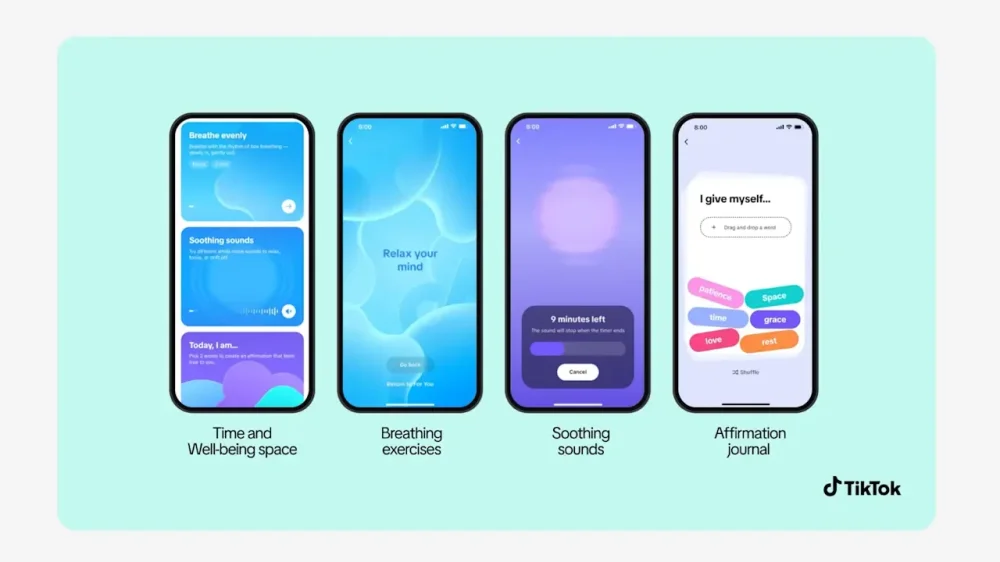
-
If your team can’t function without you in the room, you don’t have a team, you have a dependency. Too many business owners confuse supporting their team with carrying them. Instead of learning how to coach team members, they do the work for them. They jump into every problem, solve every issue, and answer every question themselves. It feels like good leadership, but it’s actually just bottlenecking in disguise. The goal of leadership isn’t to be the smartest person in the room. Instead, it’s to build a room full of people who can think, solve, and act without you. That shift, from problem-solver to coach, is one of the most important moves a business owner can make. It’s also the only way to scale without burning out. Here’s how to make it. 1. Stop answering every question When a team member asks you, “What should I do about X?” don’t give them the answer right away. Instead, ask: What options have you considered? What would you do if I weren’t here? What’s the next step you could take? This isn’t about being evasive. It’s about developing their decision-making muscles. Every time you solve it for them, you train them to keep coming back. When you coach them through it, you grow their confidence and capability. 2. Trade firefighting for frameworks Good managers put out fires. Great leaders build fire prevention systems. Start capturing how you think through challenges: What is your decision-making process? What questions do you ask before committing to a course of action? What patterns do you see in recurring issues? Turn those into frameworks your team can use. That could be a decision tree, a checklist, or a step-by-step doc. If it’s in your head, it’s a habit. If it’s on paper, it’s a tool. 3. Coach on outcomes, not style Many owners get stuck correcting how something is done instead of focusing on the result. If a team member gets to 90% of the desired outcome in their own way, then celebrate that. Tweak where needed but resist the urge to micromanage their method. Too much intervening or micromanaging can stifle creativity and growth. Your goal isn’t to build clones. It’s to build capability. Let people solve problems in their own voice as long as the standards are met. 4. Create a feedback loop. Then, step back Coaching doesn’t mean disappearing. It means setting up support and structure: Weekly check-ins focused on progress, not perfection. Clear KPIs tied to outcomes, not hours. Open channels for questions but with the expectation that they will bring solutions too. When you step back with structure, your team steps up with ownership. 5. Let go of the hero identity It feels good to be the fixer, the rescuer, or the one who always has the answers. However, if your business depends on you always being the hero, you’ll never escape the hamster wheel. And your team will never reach their full potential. Great coaches don’t chase trophies. They build champions. Be the multiplier, not the machine Your job isn’t to do more. It’s to make everyone around you better. Coaching is the leverage point where leadership stops being reactive and starts becoming exponential. It’s the difference between growth that drains you and growth that sustains you. So the next time you feel the urge to fix something for your team, pause and ask: “Is this a task to complete—or a chance to coach?” One builds a to-do list. The other builds a business. —David Finkel This article originally appeared on Fast Company’s sister publication, Inc. Inc. is the voice of the American entrepreneur. We inspire, inform, and document the most fascinating people in business: the risk-takers, the innovators, and the ultra-driven go-getters that represent the most dynamic force in the American economy. View the full article

-
Proposal offering major concessions to Moscow blindsided European diplomatsView the full article