Newsletter
Want to keep up to date with all our latest news and information?


ResidentialBusiness
Administrators
-
Joined
-
Last visited
Everything posted by ResidentialBusiness
-
We may earn a commission from links on this page. Just a few months ago, Oura won a lawsuit against rival smart ring makers Ultrahuman and RingConn. Now, they've initiated proceedings against four more companies—the makers of the Samsung Galaxy Ring, Reebok Smart Ring, Amazfit Helio Ring, and the Luna Ring. Oura announced on their website that they have filed an ITC complaint against those four companies. The ITC is the U.S. International Trade Commission, and Oura says its complaint is "for the unlawful importation and sale of products that infringe on several of Oura’s patents." Oura's previous win against Ultrahuman and RingConn resulted in a judgment that those companies had to stop selling and importing their smart rings. RingConn ultimately came to an agreement with Oura to license their patents and continue selling their rings. Circular and Omate have made similar agreements with Oura. Ultrahuman no longer sells their ring in the U.S., but is working on a new ring design that would sidestep the alleged patent infringement. You can read Ultrahuman's take on the situation in this blog post, which also includes a promise to continue supporting rings that they have already sold or that people may buy from resellers. The rings in the recent complaint should still be available for a while. Oura says on their blog: "So what’s next? The ITC process will run its course." There's no guarantee that Oura will win their case, although the fact they were able to get such a sweeping judgment against other companies suggests that it's not too much of a long shot. While Oura's communications around this issue use phrases like "respect for IP" (that is, intellectual property), as a consumer and a reviewer, I hate to see an exciting tech area get dominated by a single player or, worse, shut down by that player piece by piece. I'm working on a review of the Luna ring, which I've previously noted has some serious potential improvements over other rings on the market. Here's hoping the smart ring category remains a lively one going forward. View the full article
-
We may earn a commission from links on this page. Black Friday sales probably have you deep in your Christmas shopping already, but don't forget we've got another holiday to get through first. And while nothing gets you in the mood for the holidays like a good Christmas movie, there are a host (no pun intended) of Thanksgiving movies too. Now, there are plenty of films with Thanksgiving vibes (family gatherings and cozy fall colors), but you have to dig a bit deeper if you want that holiday specificity. Planes, Trains, and Automobiles gets mentioned overwhelmingly when people are asked about their favorite Turkey Day movie, in part because it's a legitimately good, but also because it's one of the few that people remember, but it's far from the only one. Here are 20 to stream while you're cooking, eating, or settling into a food coma this year. What’s Cooking? (2000) While movies and TV often portray a sameness in traditions, every culture, subculture, and family that celebrates brings its own sets of traditions and baggage to the holiday. What’s Cooking? brings together four ethnically and culturally diverse families (Latino, Vietnamese, Jewish, and African American...with a lesbian couple in the mix) who celebrate Thanksgiving together, with each contributing different foods (and family dramas) to the proceedings. Mercedes Ruehl, Kyra Sedgwick, Joan Chen, Lainie Kazan, Julianna Margulies, and Alfre Woodard lead the impressive cast. Stream What's Cooking on Prime Video and Tubi or rent it from Apple TV. What’s Cooking? (2000) at Prime Video Learn More Learn More at Prime Video Home for the Holidays (1995) Jodie Foster followed up her 1991 directorial debut Little Man Tate with this all-star holiday get-together. Holly Hunter stars as Claudia Larson, a just-fired single mom coming back to Baltimore to spend Thanksgiving with her family. Because what could be less stressful? Her old friends make her feel insecure about being divorced; her mom's sister Gladys, in the early stages of dementia, confesses her love for her father; her gay brother drops a turkey on the conservative sister; and a friendly after-dinner wrestling match gets serious. Sounds generally less explosive than my typical family gathering, but still. Robert Downey Jr., Anne Bancroft, Charles Durning, Dylan McDermott, Claire Danes, Austin Pendleton, and David Strathairn also star. Stream Home for the Holidays on Paramount+ or rent it from Prime Video and Apple TV. Home for the Holidays (1995) at Paramount+ Learn More Learn More at Paramount+ Planes, Trains, and Automobiles (1987) One of John Hughes’ best movies barely involves teenagers at all, instead serving as a two-hander between Steve Martin and John Candy, a pair of desperately mismatched travelers headed to their respective Thanksgiving gatherings. Only the most fortunate among us have been spared the torments of holiday travel, and Hughes captures those trials, even as the movie reaches more absurd heights as the protagonists near their destinations—with enough well-earned sweetness by the end to lift this one into the holiday pantheon. Stream Planes, Trains, and Automobiles on Paramount+ or rent it from Prime Video and Apple TV. Planes, Trains, and Automobiles (1987) at Paramount+ Learn More Learn More at Paramount+ A Charlie Brown Thanksgiving (1972) At only 25 minutes, this holiday special perhaps doesn't count as a movie, but it packs a lot of holiday spirit into its short runtime. As Charlie and Sally make plans to head off to their grandparents' for Thanksgiving dinner, Peppermint Patty finds herself adrift, her father out of town. So she goes ahead and invites herself, and the rest of the gang, over to the Brown place—with no dinner planned. Charlie's determined to do right by his friends, even if he doesn't know how to make much more than toast. Troubles naturally ensue. But what Thanksgiving prep doesn't involve drama? Between scenes of Snoopy's antics are some subtle lessons about managing expectations and finding the real meaning of gathering with friends. Stream A Charlie Brown Thanksgiving on Apple TV+. A Charlie Brown Thanksgiving (1972) at Apple TV+ Learn More Learn More at Apple TV+ Addams Family Values (1993) Say what you like about the Addams family (go ahead! They will not care); they’re one of the most loving and mutually supportive families in pop culture. I’d rather spend Thanksgiving dinner with them than almost any other fictional family (though I might bring my own food). The nod to the holiday here isn’t to a meal, though, but to the national mythology around which the holiday is built. When camp counsellors make the mistake of asking Wednesday and Pugsley to participate in a seasonal play, they turn it into a fiery indigenous revenge fantasy par excellence. Having white kids playing Native Americans doesn’t do much by way of indigenous representation, but at least the movie doesn’t glorify early contact. The Addams' are definitely screwed up, but they're doing better than most of us. Rent Addams Family Values from Prime Video and Apple TV. Addams Family Values (1993) at Prime Video Learn More Learn More at Prime Video The Ice Storm (1997) Perhaps not family viewing, precisely—though I'm hardly here to judge yours. Journey back to 1973 in Ang Lee’s Thanksgiving-set classic, as gathering for the annual dinner brings out dark secrets in the lives of two clans in a quiet, picture-perfect suburb. The meal gives way to a key party (ask your grandparents) weekend, which, if it had caught on, might have seen swinging and group sex with the neighbors become as much of a holiday tradition as green bean casserole. Alas. Rent The Ice Storm from Prime Video and Apple TV. The Ice Storm (1997) at Prime Video Learn More Learn More at Prime Video Pieces of April (2003) Katie Holmes stars as the title’s April Burns in this indy dramedy built around an unconventional Thanksgiving celebration for an extremely dysfunctional family. April lives in a tiny Lower East Side apartment but is nevertheless determined to gather the entire family for dinner—though she's estranged from her parents and her siblings, her mom Joy (Patricia Clarkson) has breast cancer, and there’s every chance that this will be her last holiday. But April's best intentions can’t make things go smoothly. Her broken stove is a problem, as is her drug-dealer ex. And her very suburban family members will have to get over their fear of THE CITY. Thankfully, there’s some holiday cheer to be had, even if it’s desperately hard won. Stream Pieces of April on Tubi and The Criterion Channel or rent it from Prime Video and Apple TV. Pieces of April (2003) at Tubi Learn More Learn More at Tubi Thanksgiving (2023) Another one that's probably not for the whole family, this grisly, satirical Thanksgiving-themed slasher from director Eli Roth kicks off with one of those early-morning Black Friday sales that are totally fun, and where nothing could ever possibly go wrong. Taking a cue from real-life events, a crowd lined-up outside of a Wal-Mart-esque big box store gets unruly when they see the owner's daughter inside early with her friends. A stampede ensues, and it's so horrific it's nearly funny; customers and staff are killed with abandon by out-of-control shoppers (though it doesn't feel that far removed from some of the Black Friday near-tramplings we've seen on the news). The following year? A mystery killer seeks holiday-themed revenge. Stream Thanksgiving on Hulu or rent it from Prime Video and Apple TV. Thanksgiving (2023) at Hulu Learn More Learn More at Hulu Lez Bomb (2018) A charming, if lesser-known suburban comedy about the very relatable experience of trying to come out at a family gathering, and the ensuing mixed reactions. Jenna Laurenzo writes, directs, and stars as Lauren, who’s all ready to introduce her girlfriend to the family at Thanksgiving...until her male roommate shows up, and everyone auumes he’s her boyfriend. Stream Lez Bomb on Tubi or rent it from Prime Video and Apple TV. Lez Bomb (2018) at Tubi Learn More Learn More at Tubi For Your Consideration (2006) What does any Thanksgiving gathering need but more lesbian coming-out drama? This essential Christopher Guest mockumentary follows the production of an arthouse movie initially called Home for Purim, starring Callie Webb (Parker Posey) as a young woman who brings her girlfriend to a holiday dinner during the 1940s. As the absolutely cursed production gains Oscar buzz, the studio takes things in hand, deciding that the setting of a movie called "Home for Purim," is way too Jewish. Soon, our cast and crew (played by Guest mainstays Catherine O'Hara, Harry Shearer, Michael McKean, Fred Willard, Bob Balaban, Jennifer Coolidge, and Jane Lynch) are promoting "Home for Thanksgiving," which is the relatively thin thread by which I'll hang the movie on this list. Watch it now, and then watch it again during Oscar season. Rent For Your Consideration from Prime Video and Apple TV. For Your Consideration (2006) at Prime Video Learn More Learn More at Prime Video Mistress America (2015) In this screwball-style holiday comedy, Greta Gerwig (who also co-wrote the film with director Noah Baumbach) plays Brooke, an unstoppable force who's some combination of influencer, interior designer, and fitness instructor—and who's nevertheless barely holding things together. Tracy (Lola Kirke), meanwhile, is a quiet, intense college freshman. Tracy's mom is about to marry Brooke's dad. The two women hit it off immediately, but their differences set off a sting of fairly zany happenings that all lead to a funny, poignant, and very New York Thanksgiving dinner. Rent Mistress America from Prime Video and Apple TV. Mistress America (2015) at Prime Video Learn More Learn More at Prime Video The Humans (2021) The past is very much present at nearly any family gathering, and that’s the case in this psychological drama, written and directed by Stephen Karam, who also wrote the Tony-winning and Pulitzer-nominated play on which it’s closely based. It begins with a father struggling with 9/11-related trauma at his adult daughter’s apartment, which is too close to ground zero for his comfort (and might also possibly be haunted). Everyone brings traumas and resentments to the holiday table—but the movie is smart and subtle enough to avoid obvious beats and easy answers. Stream The Humans on Tubi or rent it from Prime Video and Apple TV. The Humans (2021) at Tubi Learn More Learn More at Tubi The House of Yes (1997) Screwball dark comedy The House of Yes is, perhaps, not terribly representative of any particular American family at Thanksgiving—unless you too have a psychotic sister (Parker Posey) who believes that she’s Jackie Onassis. This is Posey in her wacky indie golden age, starring in a darkly funny seasonal comedy which, OK, includes incest and murder so, you know, maybe don't watch it with the kids. But as a heightened version of the kinds of wackiness that family members can bring to the dinner table, it rings true. Rent The House of Yes from Prime Video and Apple TV. The House of Yes (1997) at Prime Video Learn More Learn More at Prime Video The Daytrippers (1996) You could spend an entire afternoon watching classic ‘90s Parker Posey movies—which honestly sounds better than 80% of typical Thanksgiving activities. Here she’s crammed into a Buick with Hope Davis and Live Schreiber as they head out on a day-after-Thanksgiving road trip to track down Davis’ husband and confront him about his cheating ways. Stream The Daytrippers on HBO Max and The Criterion Channel or rent it from Prime Video and Apple TV. The Daytrippers (1996) at HBO Max Learn More Learn More at HBO Max The Myth of Fingerprints (1997) Upper-middle class white family dysfunction was a big topic in the 1990s, and this is a standout example of the form. On one level, it's another story of a family coming together over the holidays while grappling with resentments and secrets and abusive histories, but it's a big step up from the typical family drama, unravelling the various relationships with uncommon subtlety and a sense of humor. The entire family is extremely horny, and having various couples under one roof for the holidays makes it very hard for anyone to get any sleep. Blythe Danner, Roy Scheider, Noah Wyle, and Julianne Moore star. Stream The Myth of Fingerprints on Tubi. The Myth of Fingerprints (1997) at Tubi Learn More Learn More at Tubi The Gold Rush (1925) One of Charlie Chaplin's most memorable films isn't exactly full of images of Thanksgiving abundance, though there are reasons for gratitude by the movie's end. But one of the best remembered scenes (not just in the film, but in all of American cinema) takes place during an extremely unconventional Thanksgiving meal: Chaplin's Tramp cooks up one of his shoes for himself and Jim (Mack Swain), with whom he's trapped in a tiny snowbound cabin during the Klondike Gold Rush. Their Thanksgiving repast doesn't end there, as The Tramp hallucinates a giant chicken, leading to a round of fisticuffs, before a more discernibly tangible bear comes to investigate. It's a good reminder to appreciate whatever food winds up on your plate, assuming it isn't also made of laces and leather. Stream The Gold Rush on HBO Max and Prime Video or rent it from Apple TV. The Gold Rush (1925) at HBO Max Learn More Learn More at HBO Max Turkey Hollow (2015) There's hardly any modern technology at all in the town of Turkey Hollow, making it a great place for recently divorced Ron to take his two kids for the holiday. They're all off to the home of Ron's eccentric Aunt Cly (Mary Steenburgen) for some peace and quiet—until teens Tim and Annie get involved in the hunt for the "Howling Hoodoo," a 10-foot-tall monster of local legend. That leads them into a plot to take over Aunt Clay's farm, as well as some other delightfully Muppet-y weirdness; produced by the Jim Henson Company, the movie is based on one of his original stories. Definitely a fun family watch. Stream Jim Henson's Turkey Hollow on Prime Video. Turkey Hollow (2015) at Prime Video Learn More Learn More at Prime Video Spider-Man (2002) There's not a lot of Thanksgiving in the first Sam Raimi Spider-Man film, but this is about it if you're looking for a super-powered holiday. Here, the festivities occur at a key moment: Aunt May (Rosemary Harris) is having the whole gang over for turkey—Peter (Tobey Maguire) and pals Mary Jane (Kirsten Dunst) and Harry (James Franco), of course, but also Harry's dad Norman Osbourne (Willem Dafoe). He's secretly Spider-villain the Green Goblin, and it's during this meal that he notices that Peter has some suspicious injuries. The tension grows as the arch-nemeses gradually cotton to each other's dual identities. And what Thanksgiving dinner isn't filled with bubbling tension? Stream Spider-Man on Disney+ or rent it from Prime Video and Apple TV. Spider-Man (2002) at Disney+ Learn More Learn More at Disney+ The Last Waltz (1978) There's much that's poignant about The Last Waltz, the Martin Scorsese -directed concert film recorded during Thanksgiving 1976. The final performance of the Band feels like the end of a rock 'n' roll era, with the generation of musicians who exploded during Woodstock (Bob Dylan, Emmylou Harris, Dr. John, Joni Mitchell, and many others) saying goodbye to what had been in the face of disco, rap, new wave, and pop. But there's more here than just that sense of encroaching twilight: there are squabbles, there's real affection, and there's a lot of booze and more than a few drugs. In other words: not an atypical family Thanksgiving celebration. (The entire audience was given a Thanksgiving dinner before the concert, if that helps to sell you on the holiday connection.) Stream The Last Waltz on Tubi or rent it from Prime Video and Apple TV. The Last Waltz (1978) at Tubi Learn More Learn More at Tubi My Blue Heaven (1990) Once again, not a ton of explicit holiday here, but there is a sequence set at the mall during Thanksgiving—and the film is so charmingly goofy that it makes for solidly low-key seasonal viewing. Steve Martin plays Vinnie Antonelli, a mobster sent to live in the San Diego suburbs as part of the witness protection program—"Tod," as he's now called, struggles to give up his criminal ways, and doesn't even try to tone down his larger-than-life personality. This all makes life a bit of a blue hell for FBI agent Barney Coopersmith (Rick Moranis), assigned to keep an eye on Vinnie/Tod (they're joined by the reliably funny Joan Cusack). Herbert Ross (Steel Magnolias) directs a screenplay from Nora Ephron, and, if it's not the greatest use of all this assembled talent, it's still a very fun way to kill 90 minutes. Rent My Blue Heaven from Prime Video and Apple TV. My Blue Heaven (1990) at Prime Video Learn More Learn More at Prime Video View the full article
-
We may earn a commission from links on this page. Deal pricing and availability subject to change after time of publication. Giving the gift of tools for the holidays can be a great way to bring a smile to your favorite DIY enthusiast or home improvement weekend warrior, but quality tools can be expensive. However, you can still give a nice gift to someone who wants to do their own home maintenance or build their own shelves—you just have to know what to look for. Here are some of the best tools you can give for under $100, from someone who personally loves to wield a power drill. Best cordless tools under $100Cordless tools can be some of the most expensive for a home tool set because they need batteries and chargers in addition to the tool. Having batteries that work with multiple tools can be a big advantage because then you don’t necessarily need to have a different battery for each tool. Here are a few good deals on quality cordless tools that have battery platforms that work with hundreds of other tools and are durable as well. The Ryobi 18-volt driver set is $55.94 at Home Depot right now. The drill comes with a 1.5-amp-hour battery, a charger, and a 30-piece bit set, so it’s a good gift from someone starting a DIY tool kit because it has everything you need to start using it right out of the box. The Ryobi 18-volt battery platform includes over 300 cordless tools, so beginning with this battery set allows you to expand your kit in many directions. The Dremel 12-volt cordless multitool starter set is a good gift for a DIYer who is interested in metal smithing, wood carving, or even trimming a dog’s nails, and it’s $99 right now at Home Depot. The cordless feature makes a Dremel more portable, and easier to control because you don’t need to worry about dragging an extension cord around behind you. The starter set comes with a battery, a charger, and a small set of accessories, so it’s a good set as a gift because it’s ready to use right out of the box. The Ryobi 18-volt cordless brad nailer is a good gift for someone who is interested in installing trim or making woodworking projects like a birdhouse, and you can get it for $99 right now at Home Depot. It has a depth control and a built-in LED light that makes it more convenient in my experience when you’re working in tight spaces. While battery operated nailers used to be a little underpowered, improvements in battery technology and engineering have made them more functional in the last few years. This is a good gift for someone who already has an 18-volt Ryobi battery set or if you plan to buy batteries separately because it doesn’t come with a battery or a charger. Best tool sets under $100Quality hand tools like wrenches and pliers are an essential part of a home DIY set, and you might not even realize how important they are until you’re partway through taking your kitchen sink apart and you realize you don’t have the right wrench. Hand tools are a good gift for a DIYer because in my experience, you can never have too many. Here are a few quality tool sets you can give your favorite DIY home improvement expert for under $100. A set of Craftsman slip-joint pliers is a good gift for anyone who does vehicle maintenance, DIY appliance repair, or any DIY projects with mechanical parts, and you can get it on Amazon for $22.48 right now. I’ve used my slipjaw pliers on sink repair and also to fix wheels on rolling chairs. This set comes with one pair of 10-inch and one pair of eight-inch slip-jaw pliers with rubber handle grips for a more comfortable grip. The Klein 9-piece screwdriver set is a good quality starter set of drivers and a good gift to give someone interested in any type of DIY, and it’s $66.99 right now on Amazon. Klein screwdrivers are known for their durability, and are a popular choice for construction trades because they’re made with good quality steel and durable components. This set comes with eight flathead and Phillips head drivers in a range of lengths and a magnetizer/demagnetizer tool to allow you to magnetize your screw tip to hold hardware, or demagnetize it for work around sensitive electronic parts. The Craftsman 20-piece ratcheting wrench set is a good gift for anyone who works with mechanical parts, nut and bolts, auto-repair, or appliance repair. These wrenches are especially handy because they can fit in a much narrower place than a socket wrench would, so they can be indispensable for fitting into tight spaces. They’re $66.99 on Amazon right now, and the set includes ten SAE and ten metric wrenches in various sizes. CRAFTSMAN 20 Piece Ratcheting Combination Wrench Set, SAE/Metric (CMMT87220) $69.99 at Amazon $99.99 Save $30.00 Shop Now Shop Now $69.99 at Amazon $99.99 Save $30.00 Best bits and accessories under $100Bits, blades, and accessories for a tool set are sometimes the difference between being able to finish a project or not, but they can be more expensive than you might expect. If you’re shopping for someone with DIY dreams, bits and other accessories are almost always a useful choice because these things tend to be expendable, as they can wear out over time. I’ve never been sad to have extra bits in my tool kit. Here are a few of the best bits and accessories gifts under $100. The Bosch 15-piece router bit set is a good gift for a woodworker who likes to shape their own trim with a router. These bits are good quality, and made by one of the most popular router manufacturers around. They can be used for edge-trimming as well as cutting a molding profile or adding a decorative edge to shelves or cabinet doors. You can get this set for $94.99 on Amazon, and it comes with a wrench for swapping out the adapters and a carrying case. The Milwaukee 120-piece impact bit set is a good gift for anyone who uses a drill or impact driver for home repair or DIY projects, and it’s $29.88 at Home Depot right now. This set comes with a variety of driver bits as well as some drill bits and an extension bit holder. These bits will work with either an impact driver or a drill, so they’re versatile and interchangeable for convenient use. I like to use this type of bit because they tend to be more shatter resistant when you’re driving fasteners into tough material like the 110-year-old plaster walls in my house. The Milwaukee 23-piece impact compatible drill bit set is a good gift for anyone who installs shelving, builds home woodworking projects, or wants to hang storage in their home. It comes with drill bits that are cross compatible with a drill or impact driver in a variety of sizes, and you can get it for $29.97 at Home Depot right now. These bits are stranger than your average drill bit to accommodate the extra force that an impact driver exerts, and I find that they tend to be durable for woodworking projects. View the full article
-
Non-QM's rapid rise is reshaping how lenders underwrite and manage risk, setting a model the rest of the industry will follow, writes the founder of Prudent AI. View the full article

-
At this late stage in the streaming era, we're all overwhelmed by more digital subscriptions than we can keep track of, from fitness apps to cloud storage. Still, it certainly feels as though Netflix is one of the subscriptions that people are least likely to ditch—and that's backed up by the numbers. Perhaps it's because Netflix was the first company to really make streaming work, or perhaps it's the vast catalog of content it's amassed, or perhaps it's just because of Stranger Things and Squid Game. Whatever the reason, Netflix's churn rate is impressively low. Subscribers stick with it. Certainly it's always something I've long considered a mainstay on my streaming device. But recently, in the midst of reevaluating all of my monthly subs, I decided to save myself some money and actually cancel Netflix. It has gone so well, I'd suggest you do the same. Here's what I've noticed since my life became Netflix-free—and I have a strong suspicion this might be your experience too. (Full disclosure: I will eventually subscribe again, if only to finish Stranger Things, but there are benefits to quitting, even if only temporarily.) I didn't miss it as much as I thought I would Netflix content: There's a lot of it. Credit: Lifehacker I was quite a heavy Netflix user before I gave it up, and would often cycle through the recommended list of shows and movies in the evening and especially on weekends. I've recently binged my way through shows like The Diplomat, Dept Q., Departure, and The Glass Dome. I could always find something to watch on Netflix. But when I stopped being able to access Netflix, I realized didn't really miss it all that much. My viewing switched to other streaming services, and free, ad-supported channels in particular. There's actually more free content out there than you might have realized. I even did some fun rewatches of movies and shows I'd previously purchased on various platforms (because I don't always want to rent something for the evening). I've also been spending less time streaming video in general—more of my time has been put towards gaming and reading since I ditched my Netflix subscription. I've even been to an actual movie theater once or twice (not that you can see anything developed by Netflix on the big screen for the most part). The prices keep going up Need an extra member? That's an extra cost. Credit: Lifehacker Before I quit Netflix, I was on the most expensive plan: It's £18.99 a month here in the U.K., and $24.99 a month in the U.S. This gets you the best audio and 4K HDR video quality, spatial audio, four simultaneous streams, and six devices for downloading content. It's actually one of the most expensive streaming packages there is, and prices keep going up. After the great password crackdown of 2023, you can't even share the account with anyone who doesn't live with you either—at least not unless you pay an extra fee (£4.99 here in the UK, $8.99 in the US). By any measure, that's a significant chunk of money. If you're paying for the best plan plus an extra member and decide to take six months off Netflix, you'll saving yourself more than $200. There are cheaper plans available of course, if you want to sit through ads and put up with lower-resolution video—but I thought the whole point of paying for streaming was to avoid ads? It's hard to imagine Netflix ever dropping its prices, so this is a problem that's likely to get worse over time. Your account will be preserved for two years Netflix will hang on to all your viewing history for a while. Credit: Lifehacker One of the reasons you might be reluctant to cancel Netflix is because you think you'll lose years' worth of your viewing history and your personalized recommendations, and have to start again with a blank slate if you decide to sign back up. But in fact, Netflix stores your account information for 24 months—including ratings, game saves, and other account details. As long as you resubscribe again within a couple of years, you'll find everything as you left it (though you may need to scan some plot recaps for shows you were halfway through binge watching). This suggests Netflix is keen to leave the option to resubscribe open as long as possible. In my experience, it'll definitely send you lots of emails about rejoining in the meantime. I'm going to go back to Netflix someday—there's just too much stuff on there that I want to watch—but after years and years as a customer, it's been an interesting experiment to see what life is like without it. Certainly after this, I wouldn't be worried about taking another Netflix break in the future. When I decide I want to resubscribe, it'll only take a couple of clicks or taps. View the full article
-
We may earn a commission from links on this page. Deal pricing and availability subject to change after time of publication. Black Friday sales officially start Friday, November 28, and run through Cyber Monday, December 1, and Lifehacker is sharing the best sales based on product reviews, comparisons, and price-tracking tools before it's over. Follow our live blog to stay up-to-date on the best sales we find. Browse our editors’ picks for a curated list of our favorite sales on laptops, fitness tech, appliances, and more. Subscribe to our shopping newsletter, Add to Cart, for the best sales sent to your inbox. Sales are accurate at the time of publication, but prices and inventory are always subject to change. If there's a pantheon of digital notebooks, reMarkable has a place of pride. When the company released its reMarkable 2 tablet and stylus in 2020, it was a game changer for its sharp, professional design, innovative features, and especially its smooth, paper-like writing experience. Even years later, folks over in the r/reMarkableTablet subreddit consider it a best-in-class device, even if they've since upgraded to the newer reMarkable Paper Pro, which adds a backlight and a color screen. Either one of these tablets is an excellent choice for anyone looking for an e-ink digital notebook built for creativity: Unlike some competitors, reMarkable tablets don't run apps or try to replace your iPad. Like a paper notebook, they are designed to eliminate distractions and leave you alone with a blank page, but unlike a paper notebook, the work you do in them can be easily uploaded to the cloud, sent to your co-workers, and otherwise integrated into your workflow. If you've been looking to pick up one of these immensely useful gadgets, now is a good time: Though they rarely go one sale, you can currently pick up either one in a discounted Black Friday bundle that includes a cover and stylus. reMarkable Essentials Bundle $529.00 at Amazon $599.00 Save $70.00 Get Deal Get Deal $529.00 at Amazon $599.00 Save $70.00 reMarkable Paper Pro Bundle $749.00 at Amazon $799.00 Save $50.00 Get Deal Get Deal $749.00 at Amazon $799.00 Save $50.00 SEE -1 MORE reMarkable Essentials Bundle This bundle includes the reMarkable 2, a folio, and the Marker Plus stylus with eraser. You can choose between a leather folio for $529 on Amazon (down from the usual price of $599) or a cloth-bound folio. If you choose a cloth-bound folio instead, you'll pay $499—a less impressive $30 discount, but a discount all the same. reMarkable Paper Pro Bundle If you want a color screen and a front light, you'll need the upgraded reMarkable Paper Pro. For the tablet in a bundle with the Marker Plus with eraser and a cloth folio, you'll pay $729 (down from $779), or you can go with the leather folio option for $749 (down from ($799). Does Amazon have Black Friday deals?Yes, Amazon has Black Friday sales, but prices aren’t always what they seem. Use a price tracker to make sure you’re getting the best deal, or refer to guides like our live blog that use price trackers for you. And if you have an Amazon Prime membership, make the most of it. What stores have the best sales on Black Friday?Nowadays, both large retailers and small businesses compete for Black Friday shoppers, so you can expect practically every store to run sales through Monday, December 1, 2025. The “best” sales depend on your needs, but in general, the biggest discounts tend to come from larger retailers who can afford lower prices: think places like Amazon, Walmart, Target, Best Buy, and Home Depot. You can find all the best sales from major retailers on our live blog. Are Black Friday deals worth it?In short, yes, Black Friday still offers discounts that can be rare throughout the rest of the year. If there’s something you want to buy, or you’re shopping for gifts, it’s a good time to look for discounts on what you need, especially tech sales, home improvement supplies, and fitness tech. Of course, if you need to save money, the best way to save is to not buy anything. Our Best Editor-Vetted Early Black Friday Deals Right Now Apple AirPods Pro 3 Noise Cancelling Heart Rate Wireless Earbuds — $219.99 (List Price $249.00) Apple iPad 11" 128GB A16 WiFi Tablet (Blue, 2025) — $279.99 (List Price $349.00) Amazon Fire HD 10 (2023) — $69.99 (List Price $139.99) Sony WH-1000XM5 — $248.00 (List Price $399.99) Blink Outdoor 4 1080p Wireless Security Camera (5-Pack) — $159.99 (List Price $399.99) Amazon Fire TV Stick 4K Plus — $24.99 (List Price $49.99) NEW Bose Quiet Comfort Ultra Wireless Noise Cancelling Headphones — $298.00 (List Price $429.00) Shark AI Ultra Matrix Clean Mapping Voice Control Robot Vacuum with XL Self-Empty Base — $249.99 (List Price $599.00) Apple Watch Series 11 (GPS, 42mm, S/M Black Sport Band) — $349.99 (List Price $399.00) Western Digital 14TB Elements Desktop External Hard Drive — $169.99 (List Price $279.99) Deals are selected by our commerce team View the full article
-
Deal to sell events complex would mark latest exit by US private equity firm from UK leisure industryView the full article
-
Black Friday—once simply known as "the day after Thanksgiving"—has become a quasi-holiday in the United States, one marked by consumer discounts, ceaseless shopping, and occasional violence. Black Friday has grown and metastasized so much that it isn't a mere day anymore: It's a week, a month, a veritable state of mind. (Speaking of which, check out Lifehacker's Black Friday coverage. We got all the deals, baby!) While waking up early and shopping at physical stores on Black Friday is waning as online shopping grows, it’s still a big deal in the U.S.—it’s estimated that around 90 million Americans shopped online and 76.2 million Americans visited a brick-and-mortar store during Black Friday in 2023. But where did Black Friday come from and what does it all mean? When was the first Black Friday?“Black Friday” in the United States originally referred to the start of the Panic of 1869, when the collapse of the price of gold devastated the national economy. “Black Friday” as a description of the shopping day after Thanksgiving only dates back to 1951: The term first appeared in the journal Factory Management and Maintenance to refer to the number of employees who skipped work on the day after Thanksgiving. Around the same time, the police in Philadelphia and Rochester started informally using “Black Friday” to describe the traffic and crowds that appeared in their cities as shoppers hit the stores on the day after Thanksgiving. The phrase gradually caught on—it was picked up by national press in 1975 when the New York Times used the phrase to describe the day after Thanksgiving and the shopping and sales it brings. But even before it had a name, Black Friday was a thing. The day after Thanksgiving has been known by merchants as the start of the shopping season since the late 1800s. Back then and into the 20th century, retailers often sponsored Thanksgiving Day parades that traditionally ended with an appearance by Santa Claus, as if to say, “Now it’s time to shop for Christmas.” By unspoken agreement among retailers, Christmas-themed advertisements rarely appeared prior to Thanksgiving in our grandparents’ day. This informal bargain obviously no longer applies. Black Friday’s problematic nameReferring to a day as “black” traditionally denotes a period of calamity or tragedy, leading some to suggest different names for the day. In the early 1960s, the Philadelphia merchants suggested “Big Friday,” a name which did not catch on, leaving retailers with the weak explanation that the “black” in Black Friday refers to the black ink denoting profits in ledger (as if they aren’t making money the rest of the year). Oft-repeated lore suggests that retailers are "in the red" all year, and only start making an annual profit at the end of the year, but accounting doesn't really work like that—big retail chains generally report on their profits to investors every quarter. A more modern issue with the name is that Black Friday sales now lasts for days or even weeks, beginning in early to mid-November and bleeding over into the following Saturday, Sunday, “Cyber Monday,” Tuesday, and beyond, leading people to say things like, “Do you want to go Black Friday shopping this Sunday?” So far, alternative names like “Five-Day Frenzy” and “The day I get to trample someone to save $8 on a Nespresso” haven’t caught on. But here’s hoping. The failure of “Black Thursday” Beginning around 2011, an insatiable thirst for profits led many retailers to try to push the start of Black Friday shopping to Thursday (aka Thanksgiving Day). So some large retailers—Kmart, Toys R Us and others that haven't since gone out of business—began opening on Thanksgiving. The trend never really caught on, with many shoppers appalled that employees were forced to work on Thanksgiving or angry that consumerism was encroaching upon a holiday meant to celebrate colonialism. By 2021 most major retailers had acquiesced and remained closed on Thanksgiving. Cyber Monday is Black Friday’s bastard childThe term “Cyber Monday” describes the boost in online retail sales on the Monday after Thanksgiving, sparked by workers returning to the office and getting right to online shopping. The term first appeared on Nov. 28, 2005, in a Shop.org press release entitled “'Cyber Monday’ Quickly Becoming One of the Biggest Online Shopping Days of the Year," which may be the most influential press release ever written. Since its early 2000s birth, Cyber Monday has grown in popularity and is believed to have overtaken Black Friday in terms of sheer profit, although it's hard to tell exactly. In 2023, online sales on Cyber Monday topped $12.4 billion according to Adobe Analytics. Exact numbers for total in‑store Black Friday sales aren’t readily available, but growth data suggests brick‑and‑mortar spending is much smaller in comparison. None of this actually matters to retailers, of course, who mash everything into the category of "Black Friday–Cyber Monday," because a lot of people shop on Saturday and Sunday too. Buy Nothing Day is the inverse of Black FridayIf all this naked consumerism makes you a little squeamish, you're not alone. Anti-consumerists have named the day after Thanksgiving “Buy Nothing Day,” a day you can celebrate by doing charity work or simply not purchasing anything. Pioneered by artist Ted Dave for AdBusters magazine, the first Buy Nothing Day was celebrated in Canada in 1992. It’s hard to measure the success of the alternative holiday. Both online and brick-and-mortar retail sales have increased sharply since 1992, suggesting Buy Nothing Day’s effect is negligible. On the other hand, maybe big retailers are losing millions because someone on Bluesky reminded you not to shop. Sure. How many people has Black Friday killed?Depending to how you measure it, Black Friday has resulted in between one and 17 deaths. Jdimytai Damour is the only person killed directly due to a Black Friday sale: The 34-year-old stock clerk was trampled to death by a surging crowd at a Long Island Walmart on Black Friday in 2008. If you include car accidents, shootings, retail worker suicides, and fatal heart attacks, Black Friday’s death toll balloons to 17, with 125 reported injuries. Black Friday violence has even inspired a horror flick: Eli Roth's 2023 holiday-themed slasher Thanksgiving opens with a hilariously brutal Black Friday riot that inspires two of its victims to cook up a brutal plan for revenge alongside the next year's turkey. Is Black Friday a gigantic scam?I mean, yeah, of course. Critics of Black Friday point out that there is actually a better time to buy a new TV (the week before the Super Bowl) and other goods. Savings from Black Friday shopping are often largely illusory—big-ticket “doorbuster” items generally sell out quickly, leaving behind goods that are, by and large, priced the same as they would be at any other time of year, retailers often mark up products ahead of Black Friday so the discounts looks bigger, and if you're buying online, your browser history, location, and cart contents can tweak the prices you see on Black Friday like any other day. Despite protest holidays, the unpleasantness of shopping when stores are super crowded, and the frustration of hunting for bargains that often don’t exist, Black Friday remains an unofficial holiday, celebrated by over 100 million Americans in one way or another. What that says about our country and its relationship with capitalism is unclear, but personally, I’m going to continue my own day-after-Thanksgiving tradition of eating pie for breakfast and thinking about going for a walk but watching The Quick and the Dead instead. I'm not protesting anything; I just don't need the hassle. View the full article
-
Is this the beginning of the end for Bitcoin? A Bitcoin (BTC) sell-off on Thursday is sending the cryptocurrency down again today by 3% to $86,410.50 in midday afternoon trading, after a rally had it above $93,000 earlier in the day. It’s now hit its lowest level since April. It’s part of an overall decline in the crypto market that also saw closely watched digital asset XRP (XRP-USD) falling below $2.00 per token during the day, while Ethereum (ETH-USD) shed nearly 3% and was trading at $2,832 in the late afternoon at the time of this writing. Both stock market and Bitcoin investors were briefly riding high on chip maker Nvidia’s third-quarter earnings report, which came in after Wednesday’s market close and beat the street’s expectations. Revenue came in at $57.01 billion, and adjusted earnings per share (EPS) at $1.30, both well above Wall Street analyst estimates. But as the day progressed, stock markets turned negative again, and Nvidia (Nasdaq: NVDA) found its own stock falling down over 2% as investors remain spooked at the prospect of an AI bubble. Some experts, including Wall Street oracle Michael Burry, head of hedge fund Scion Asset Management, predict the bubble resulting from inflated valuations and inflated earnings. Burry, who both predicted and then shorted the 2008 housing bubble, has suggested that massive spending by tech companies like Meta, Nvidia, and OpenAI, which are pouring record-amounts of money into artificial intelligence (AI) while also laying off scores of employees, are overstating their profits by artificially boosting earnings through aggressive accounting practices. View the full article

-
Subscribe to Work LifeGet stories like this in your inbox Subscribe Making work visible is crucial for minimizing misalignment and maximizing efficiency. Indeed, a lack of visibility can lead to soul-crushing amounts of wasted time and energy. “I met with a car manufacturer who has several brands under their umbrella,” says Sven Peters, AI Evangelist at Atlassian. “Two different brands had their engineers developing essentially the same braking system for more than a month before they realized it.” Collectively, they would’ve accomplished twice as much if they hadn’t been duplicating efforts. And they’re not alone. Atlassian’s 2025 State of Teams report revealed that roughly half of knowledge workers say teams at their company tend to unknowingly work on the same things. In small companies, people keep their work aligned simply by talking to each other. But in larger companies, just figuring out who to talk to can be tough. And even then, that person may be several time zones away from you. Let’s examine some ways to improve visibility at enterprise scale, including methods that are only possible now because of AI. Moving beyond transparency toward visibility You might think that a culture of open work, and the psychological safety that underpins it, would solve the alignment problem. Although keeping records unlocked by default and encouraging cross-departmental collaboration fosters transparency, that isn’t the whole story – it’s certainly possible to have transparency without visibility. “Another customer, a bank, had integrated Jira with Jira Product Discovery and Jira Service Management,” Sven recalls. “Management thought the teams were aligned now because everyone could see everything.” In reality, however, the teams were still working in silos. They weren’t proactively surfacing goals or problems to each other, resulting in a frustrating cycle of do-overs and wasted work. Related Article The 5 commandments of information discoverability By Sarah Goff-Dupont In Productivity If transparency is the extent to which people can access the information they need, and discoverability is the extent to which people can find additional information via search, then visibility is the extent to which people intentionally share relevant information with others. It’s one thing to keep your project plan unlocked and easy to find (which you absolutely should do). It’s another thing to tag your collaborators on the page to bring them in, and flag it with adjacent teams. Four ways to make work in progress visible Open up and integrate team collaboration tools It probably goes without saying that systems should be integrated with each other as much as possible so it’s easy to trace a piece of work through all the various tools it might touch. This is where the value of standardization comes through. If some teams are using Jira to track work while others are on MS Project or just use a spreadsheet, that will limit the extent to which you can connect the tools, and therefore constrain visibility. From there, make sure Jira projects, Confluence spaces, and Bitbucket repos are unlocked for read access by default. That way, people can find and follow the work that relates to their own. Here’s Sven again: “I follow 50 different projects, which always blows people away. I get updates pushed to me every Monday morning, so I can get caught up on everything without attending status meetings or asking people for updates.” If that sounds overwhelming, you may find it easier to receive individual updates as they happen, rather than taking it all in at once. Announce important project milestones When a project kicks off, share an announcement with any team you’ll be collaborating with or whose work will be affected. Also consider teams who won’t be touched directly by the project, but might appreciate being informed in case it becomes relevant in the future. Include an invitation for feedback and comments. How could the project be tweaked to deliver a bigger impact? Are there potential synergies with other teams’ work? Or potential conflicts? Now is the time to raise issues and ideas, before you’re too deep into the work to change things up. For longer projects (say, those spanning more than a quarter or two), come back with updates as you hit major milestones. Repeat the call for feedback in case new opportunities or issues have come up. And be sure to call out your project team and thank them by name for their work thus far. Do this as an internal blog post, email, or video message (more on that later). Bonus points if your department head or CEO can give it a quick shout-out in the next all-hands, too. Tag collaborators on relevant artifacts “I’m always adding people to my projects and pages when I want them to stay informed for whatever reason,” says Sven. “People appreciate being looped in, even if they don’t follow the project closely.” Here’s what that looks like on a tactical level: High-level – Add collaborators as followers on Jira projects, Confluence spaces, and Bitbucket repos to give them visibility into that workstream as a whole. Mid-level – Surface roadmaps, strategy one-pagers, messaging docs, and technical designs to teams whose work intersects with yours or works “in the same neighborhood.” Granular – @mention or tag people on pages, commits, pull requests, issues, agile boards, and other records when you want them to get notified about updates to that specific artifact. Be sure to include your manager on those high- and mid-level artifacts, even if you’re sharing regular updates in team meetings. Giving them an easy way to look at your work (whenever it’s convenient for them) will make your 1-on-1 conversations more productive. Plus, making your work visible ensures they won’t overlook any highlights at annual review time. Use video to humanize and add context Consider using Loom to create and share updates via video. This works best for quick, ad-hoc project updates and longer, higher-level updates that cover a lot of different projects. For example, some leaders at Atlassian record weekly Looms that they share with their entire org. They cover goals, strategy, new work kicking off, customer anecdotes, big wins, small wins, losses, and emerging opportunities. Not only are these videos quick to create (just start talking!), team members can watch them at 2x speed. Video also offers the advantage of seeing faces and hearing tone of voice. That’s a win for good old-fashioned human connection and team cohesion. For distributed teams, recording a short Loom and popping it into your chat channel might be a richer and more enjoyable way to do daily stand-ups compared to conference calls or text-only methods. And because Loom generates a transcript, the contents of each video are discoverable via search. Sharing an update at the end of major projects has several benefits, too: Colleagues will know the work is complete and where they can find the retrospective notes for reference, should they need them in the future It’s a forum for acknowledging and thanking your teammates You get a chance to (not-so-)humbly brag about the results the project achieved Level up! Using AI to turn transparency into visibility Related Article 95 AI prompts for better teamwork By Shaina Rozen In Teamwork So far, we’ve been talking about making our own work more visible to others. But what about the other way around? Even if your colleagues haven’t proactively surfaced their work to you, you can still gain visibility into it using AI. A sales rep who wants to stay on top of the product development pipeline can configure an AI agent using Rovo that flags new user stories, for example. Similarly, you might use AI agents to: Summarize projects Flag new projects related to your work that you might want to follow Track specific Confluence spaces, repos, or shared network drives Generate a weekly summary of updates across the projects you follow and post it on a Confluence page, chat channel, or deliver via email Information from past projects can also be useful, thanks to the power of AI for search and analysis. Remember the car maker who accidentally developed the same brake system twice? They took that lesson to heart and now use Rovo to avoid running duplicate wind-tunnel tests, which are notoriously expensive. When the need for a test arises, Rovo scours company archives, which comprise multiple systems and file types, for past tests that used the same parameters. Every time a match is identified, the company saves both time and money. In less dramatic (but perhaps more relatable) fashion, the Jira project team at Atlassian uses Rovo’s AI agents to create a feedback analyzer, making customer sentiment and pain points more visible. AI also comes in handy when teams embark on a new project. It can look through information about past marketing campaigns and pull out lessons learned, or analyze repos and knowledge bases to summarize past development work in that area of the product and identify risks. Whether it means creating an AI agent to alert customer support whenever a new development epic is created, or sharing your project plan with adjacent teams, improving visibility requires intention and action. Fortunately, none of it is hard. Start your visibility journey by sharing these tips with the teams around you, and set yourselves on the path to less stressful and better-coordinated work. Subscribe to Work LifeGet stories like this in your inbox Subscribe The post How to make work visible and improve alignment (with or without AI) appeared first on Work Life by Atlassian. View the full article
-
Verizon is laying off more than 13,000 employees in mass job reductions that arrive as the telecommunications giant says it must “reorient” its entire company. The job cuts began on Thursday, per to a staff memo from Verizon CEO Dan Schulman. In the letter, which was seen by The Associated Press, Schulman said Verizon’s current cost structure “limits” the company’s ability to invest—pointing particularly to customer experiences. “We must reorient our entire company around delivering for and delighting our customers,” Schulman wrote. He added that the company needed to simplify its operations “to address the complexity and friction that slow us down and frustrate our customers.” Verizon had nearly 100,000 full-time employees as of the end of last year, according to securities filings. A spokesperson confirmed that the layoffs announced Thursday account for about 20% of the company’s management workforce, which isn’t unionized. Verizon has faced rising competition in both the wireless phone and home internet space—particularly from AT&T, T-Mobile, and other big market players. New leadership at the company has stressed the need to right the company’s direction. Schulman took the CEO seat just last month. In the company’s most recent earnings, he stated that Verizon’s trajectory was at a “critical inflection point”—and said, rather than incremental changes, Verizon would “aggressively transform” its operations. For its third quarter of 2025, Verizon posted earnings of $4.95 billion and $33.82 billion in revenue. The carrier reported continued subscriber growth for its prepaid wireless services, but it lost a net 7,000 postpaid connections. News of coming layoffs at Verizon was reported last week by The Wall Street Journal. The outlet says that the 13,000 job cuts mark the largest-ever round of layoffs at the company. Beyond the cuts across Verizon’s workforce, Schulman said that the New York company would also “significantly reduce” its outsourced and other outside labor expenses. It’s a tough time for the job market overall—and Verizon isn’t the only company to announce sizeable workforce reductions recently. More and more layoffs have piled up at companies like Amazon, UPS, Nestlé, and more. Some companies have pointed to rising operational costs spanning from U.S. President Donald The President’s barrage of new tariffs and shifts in consumer spending. Others cite corporate restructuring more broadly—or are redirecting money to artificial intelligence. Regardless, such cuts have raised worker anxieties across sectors. Schulman on Thursday recognized that “changes in technology and in the economy are impacting the workforce across all industries.” He said that Verizon had established a $20 million “Reskilling and Career Transition Fund” for workers departing the company. Shares of Verizon were essentially flat Thursday. —Wyatte Grantham-Philips, AP business writer View the full article
-
NBC recently debuted a new show: Stumble, a comedy about a former cheer coach leading a team of misfits. Some earlier reviews of the show, which premiered on November 7, called it “hilarious” and “full of sharp writing.” But the new sitcom, starring Kristin Chenoweth, Jenn Lyon, and Taran Killam, has audiences chuckling at more than just cheer squad antics. It also makes narcolepsy, a serious neurological disorder, into a recurring joke. Narcolepsy, a chronic condition that can lead to major challenges for sufferers, takes center stage in the show as a character named Madonna (Arianna Davis) has the condition. Due to the disorder, Madonna collapses without warning, sometimes even mid-routine, casting her as a talented-yet-awkward misfit due to the illness. The dramatic and tough-to-miss depiction may be similar to what many who know little about the condition believe it looks like. Per Johns Hopkins Medicine, a person with narcolepsy may experience symptoms like excessive daytime sleepiness, sleep paralysis, disrupted sleep, and sometimes, cataplexy (sudden muscle weakness). It can also lead to memory loss, difficulty concentrating, and depression. But according to experts, it doesn’t look at all the way it often is depicted onscreen—and that’s problematic for a number of reasons, they say. Julie Flygare, the founder of Project Sleep, is a leading narcolepsy spokesperson and award-winning author who also has been diagnosed with the condition. In an online petition to NBC, Flygare wrote that narcolepsy is not what Hollywood so often makes it out to be. “In reality, during an episode of sleepiness, a person with narcolepsy feels sleepy, has an urge to sleep, similar to an urge to use the bathroom,” Flygare wrote. “This sensation of sleepiness generally allows individuals some amount of time (from several to 30 minutes) to find a place to nap. Even in extreme moments, a person with narcolepsy would lay down, sit down, or support their head and body to avoid injury.” While the moments when Madonna collapses onscreen make for a laugh-out-lough character quirk, Flygare tells Fast Company that those very inaccurate depictions of neurological conditions can be dangerous, given they can lead to delays in real diagnoses, “by showing someone experiencing symptoms that are so other-worldly or not biologically possible.” Flygare says that depiction is part of the reason why it can take around eight to 15 years to get an accurate diagnosis. A missed opportunity for Hollywood As a person with narcolepsy, Flygare says NBC is missing an opportunity to show people what the condition actually looks like. “I believe Hollywood is our biggest public health educator, yet it’s not a role they always seem to want to take on,” says Flygare. “If you’re going to use a real condition name that impacts 200,000 Americans and 3 million people worldwide (including many children), I think it’s important to do your homework and work with medical experts and leading community groups.” That’s why Flygare’s petition calls on NBC to take a few steps to do better, like collaborating with the narcolepsy community to represent the real symptoms of narcolepsy, and even provide educational resources for viewers. Fast Company reached out to NBC to ask if it had seen the petition or had plans to address the concerns, but did not hear back by the time of publication. Flygare says that knowledge is massively important when it comes to living a productive life with the condition. According to the online petition, “Once diagnosed, people with narcolepsy manage their symptoms with medical treatments, lifestyle adjustments, naps, and social support.” But currently, she says, widespread misconceptions promoted in the mainstream can—and do—stand in the way. View the full article

-
We may earn a commission from links on this page. Deal pricing and availability subject to change after time of publication. Black Friday sales officially start Friday, November 28, and run through Cyber Monday, December 1, and Lifehacker is sharing the best sales based on product reviews, comparisons, and price-tracking tools before it's over. Follow our live blog to stay up-to-date on the best sales we find. Browse our editors’ picks for a curated list of our favorite sales on laptops, fitness tech, appliances, and more. Subscribe to our shopping newsletter, Add to Cart, for the best sales sent to your inbox. Sales are accurate at the time of publication, but prices and inventory are always subject to change. Rowing is my go-to workout these days. If you're like me and are fed up with waiting for one of the two rowing machines to open up at the gym, you need an at-home rowing machine. After a few months of testing the new Hydrow Arc Rowing Machine—which I reviewed in-depth—I trust Hydrow as a brand name. Right now, the Hydrow Origin Rowing Machine is available for $1,645 on Amazon for Black Friday, a 25% discount off its list price of $2,195. Hydrow Origin Rowing Machine $1,645.00 at Amazon $2,195.00 Save $550.00 Get Deal Get Deal $1,645.00 at Amazon $2,195.00 Save $550.00 The Hydrow Origin is the company's original model, but don't confuse "original" for "bare-bones." This machine still has a 22-inch screen and plenty of streaming content, which is where the real value lies. I've found these how-to videos and wide-ranging workouts are what make Hydrow such a great workout (much like how Peloton is so much more than just its bikes). Compared to a more basic rowing machine you might be used to at the gym, Hydrow machines have electromagnetic drag technology that really do mimic the feeling of rowing on water. And at today's $550 off, it's never been a better time to buy. If you're still shopping around, I recommend checking out guides like our live blog, where we use price trackers to make sure you're really getting the best deals this Black Friday. And if you have an Amazon Prime membership, make the most of it. How long do Black Friday deals really last?Black Friday sales officially begin Friday, November 28, 2025, and sales run throughout “Cyber Week,” the five-day period that runs from Thanksgiving through Cyber Monday, December 1, 2025. But Black Friday and Cyber Monday dates have expanded as retailers compete for customers. You can get the same Black Friday sales early, and we expect sales to wind down by December 3, 2025. Are Black Friday deals worth it?In short, yes, Black Friday still offers discounts that can be rare throughout the rest of the year. If there’s something you want to buy, or you’re shopping for gifts, it’s a good time to look for discounts on what you need, especially tech sales, home improvement supplies, and fitness tech. Of course, if you need to save money, the best way to save is to not buy anything. Are Cyber Monday deals better than Black Friday?Black Friday used to be bigger for major retailers and more expensive tech and appliances, while Cyber Monday was for cheaper tech and gave smaller businesses a chance to compete online. Nowadays, though, distinction is almost meaningless. Every major retailer will offer sales on both days, and the smart move is to know what you want, use price trackers or refer to guides like our live blog that use price trackers for you, and don’t stress over finding the perfect timing. Our Best Editor-Vetted Early Black Friday Deals Right Now Apple AirPods Pro 3 Noise Cancelling Heart Rate Wireless Earbuds — $219.99 (List Price $249.00) Apple iPad 11" 128GB A16 WiFi Tablet (Blue, 2025) — $279.99 (List Price $349.00) Amazon Fire HD 10 (2023) — $69.99 (List Price $139.99) Sony WH-1000XM5 — $248.00 (List Price $399.99) Blink Outdoor 4 1080p Wireless Security Camera (5-Pack) — $159.99 (List Price $399.99) Amazon Fire TV Stick 4K Plus — $24.99 (List Price $49.99) NEW Bose Quiet Comfort Ultra Wireless Noise Cancelling Headphones — $298.00 (List Price $429.00) Shark AI Ultra Matrix Clean Mapping Voice Control Robot Vacuum with XL Self-Empty Base — $249.99 (List Price $599.00) Apple Watch Series 11 (GPS, 42mm, S/M Black Sport Band) — $349.99 (List Price $399.00) Western Digital 14TB Elements Desktop External Hard Drive — $169.99 (List Price $279.99) Deals are selected by our commerce team View the full article
-
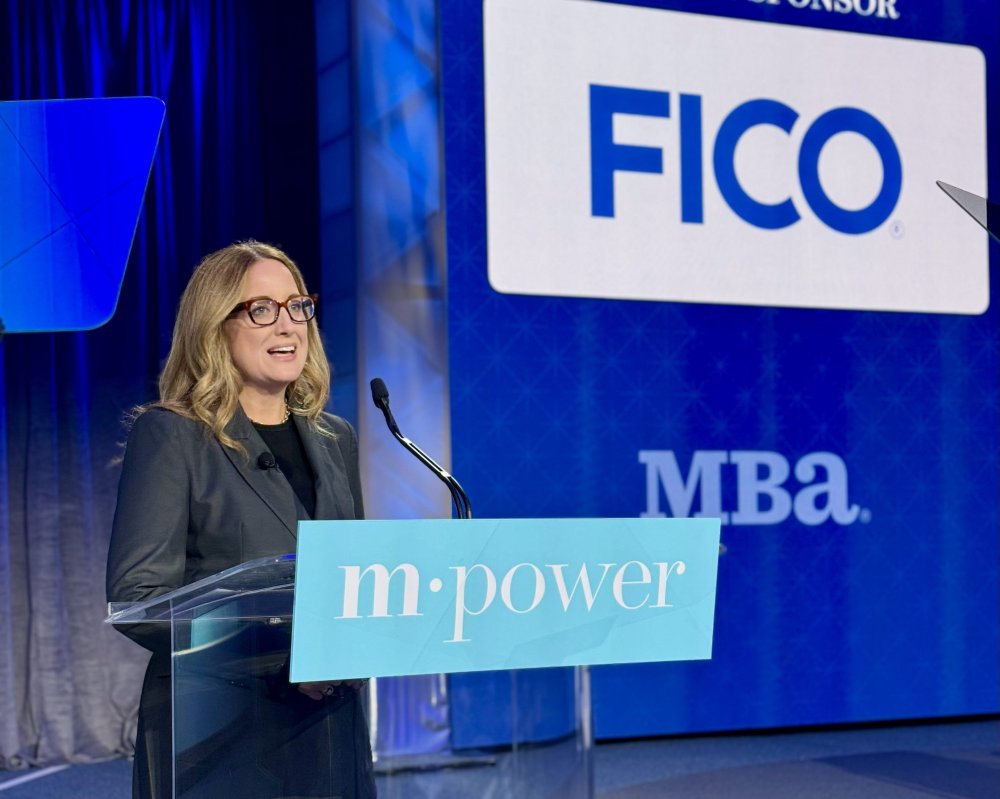
The credit score firm partnered with Plaid to bring additional cash-flow data into its previously released UltraFICO score. View the full article
-
While President Donald The President has struggled to settle on a way to address Americans’ concerns about high costs, Vice President JD Vance on Thursday offered a more direct and empathetic message, saying, “We hear you” and “there’s a lot more work to do.” But the American people need to have “a little bit of patience,” Vance said in remarks at an event hosted by Breitbart News. The vice president’s remarks come as the White House grapples with how to speak to voters about the cost of living, an issue that emerged as a vulnerability for Republicans in this month’s off-year elections in New Jersey and Virginia gubernatorial races. Vance said the The President administration has “made incredible progress” in tackling cost-of-living concerns as they worked to undo policies from former President Joe Biden. “As much progress as we’ve made, it’s going to take a little bit of time for every American to feel that economic boom, which we really do believe is coming. We believe that we’re on the front end of it,” Vance said. The President, whose tariffs have contributed to higher prices for many goods, has insisted that prices are down, pointing to gas and egg prices specifically. The president has said Democrats’ arguments about affordability during the election were “a con job,” and saying, “I don’t want to hear about the affordability, because right now, we’re much less.” However, in recent days he has shifted his response, acknowledging that there is room for consumer prices to drop further. Vance addresses Republican infighting Vance was asked about recent high-profile rifts within The President’s Make America Great Again coalition. The President broke with one of his most loyal backers, Georgia Rep. Marjorie Taylor Greene, over her complaints he was spending too much time on foreign policy and had dragged his feet on releasing files related to Jeffrey Epstein. The President also has been reluctant to disavow white nationalist Nick Fuentes and conservative commentator Tucker Carlson, who recently hosted Fuentes for a friendly interview, touching off turmoil on the right. Vance did not directly address the recent infighting, but said he thinks the debates within the party are healthy. “It’s totally reasonable for the people who make up this coalition to argue,” about issues, said Vance, who often publicly engages in online debates on his X account. But The President’s MAGA coalition needs to remember, “that we have a lot more in common than we do not in common” and that supporters are up against “a radical leftist movement.” “Have our debates — but focus on the enemy, so that we can win victories that matter for the American people,” Vance said. The vice president and former senator said Republicans have to keep their coalition united, especially heading into next year’s midterm elections that determine control of Congress. He said the working class voters who elected The President to the White House don’t necessarily turn out to vote in midterm elections and said Republicans need to motivate them. “I think that’s one of the lessons that we learned in Virginia and New Jersey is that when Donald The President is not on the ballot, you’ve got to give people something to actually believe in, something to be inspired by, to get out there and vote,” Vance said. “They’re not going to vote just because you have an ‘R’ next to your name.” —Michelle L. Price, Associated Press View the full article

-
This week, chips were on the menu in the White House. “When you ask about AI and chips, Saudi Arabia has a huge need for computing power,” Crown Prince Mohammed bin Salman (MBS) said at a press conference on Tuesday with President The President, where he floated a potential $50-billion purchase of American microchips. The President’s Commerce Department signed off on exporting 70,000 such advanced microchips made by Nvidia to state-owned AI firms in the United Arab Emirates (UAE) and Saudi Arabia. Little wonder why Jensen Huang, Nvidia’s high-flying CEO, joined a gaggle of tech moguls – including Elon Musk, Tim Cook, and Michael Dell – at a dinner honoring the Saudi royal. By the time MBS was on his flight back to Riyadh, he could tout a new data-center partnership with Musk’s xAI and fleshed-out joint ventures with firms like Amazon and Cisco. Silicon Valley’s bevy of deals with the oil-rich Gulf states are central to so-called “AI diplomacy”: a policy bet that the United States can leverage access to select tech to compete with China’s broader economic influence. “We’re leading by a lot on AI,” The President chimed in during the press conference. “China would be in second place, but we’re leading by a lot.” In his administration, this has been a constant refrain. David Sacks, his AI czar and a venture capitalist, has argued that chip sales could “shift the balance of power in the region,” as the White House’s AI diplomacy “boxes China out of the Middle East.” Yet the reality is that there’s no amount of chips that the United States can throw at Saudi Arabia, the UAE or other Gulf states, to persuade them to decouple from China. China-Gulf relations are already deeply entrenched, with Gulf rulers relying on Chinese supply chains to pursue ambitious visions of domestic economic transformation. So while offering access to Nvidia chips might be useful for securing Gulf-state investments in the United States, they are by no means a “killer app” that can easily re-establish U.S. market share — or geopolitical influence — in the region. Chips-based diplomacy It’s easy to see why the oil-rich Arab monarchies have emerged as the key test case for AI diplomacy. Saudi, Emirati, and other Gulf rulers want to transform their current resource wealth into post-oil sources of income and influence, amping up their strategic value to global powers by routing the flow of global data – not just oil – through the Persian Gulf. Washington, in turn, wants to capture that strategic value and use the Gulf as a beachhead for pushing back against China’s growing global influence, ensuring that American tech companies build out Gulf compute infrastructure and that Gulf capital, in turn, flows into U.S. markets. Withholding chips from the Gulf states, Sacks argues, would “drive [these states] into the arms of China,” helping to “create a Huawei Belt and Road” in the Gulf, a reference to the tech firm. China ties There’s a glaring problem with this argument, though: The building blocks of Gulf rulers’ AI visions are overwhelmingly manufactured in China. While the Gulf monarchies might downplay economic cooperation with China out of respect for American sensitivities, they are unlikely to go all-in on a second American century short of a monumental shift in what the United States can offer them. Since 2010, the Gulf states’ Chinese imports have nearly tripled, even as imports from the United States have barely increased – with little reason to expect these trends to reverse in the near future, owing to the fallout from The President’s tariffs and China’s continued manufacturing growth. This extends beyond cheap commercial goods, encompassing important pieces of digital or electrical infrastructure like cell-phone networks and solar panels. The Gulf states have ramped up imports of semi-conductors as part of investments in knowledge-economy industries, data centers, and government e-services. Semiconductor imports to the UAE, for example, grew from around $500 million in annual spending from 2015 to 2019 to over $730 million from 2020 to 2023, with over two-thirds of imports in the latter years sourced from Chinese firms. The UAE also expanded its annual imports of higher-end graphics chips to nearly $1 billion in 2023, with Chinese firms providing over half of that value. Geopolitical annoyance It’s little wonder, then, that the Gulf states have resisted pressure from Washington to “pivot from China” on matters of economic or even security cooperation. The UAE, for one, has repeatedly annoyed Washington through the closeness of its ties to China, facing allegations of leaking sensitive information about U.S. national-security capabilities to Chinese firms. While state-run AI firm G42 committed to severing ties with Chinese entity Huawei as a condition of partnering with Microsoft in 2024, it did so by selling off its Chinese holdings to yet another state-run Emirati firm – overseen by the same Emirati royal. Saudi Arabia, generally more sensitive to U.S. policymakers’ views on China, has likewise kept its options open with respect to Beijing. Saudi entities continue to partner with Hong Kong-based SenseTime in AI development and deployment, even as the company remains under U.S. sanctions for its role in surveillance of Chinese Uyghurs. This hedging also reflects Gulf rulers’ concerns about the staying power of present-day U.S. technological advantages. At a time when the United States is floating new restrictions on Chinese students and scholars, the UAE is welcoming them to its Mohamed bin Zayed University of Artificial Intelligence. The Gulf states will do what they need to keep the door open to U.S. technology – including outright bribery – but they’ll be building compute in partnership with China no matter what the United States does. Can they even build it? Set aside the “strategic-competition” framing, and more practical questions come up – like whether the Gulf states can even build and power these projects. While the UAE has pulled off complex projects before, its proposed 5 GW Stargate campus would be larger than the largest AI data center in the United States and around 50 times larger than the largest such in-country installation. Saudi Arabia’s proposed 500 MW data-center partnership with Elon Musk’s xAI is larger than the country’s entire installed capacity at present, and comes even as the monarchy is quietly abandoning its failed megaprojects of yester-year. To be sure, Silicon Valley firms will want these deals all the same, and – properly structured – such partnerships might shore up U.S. influence alongside China’s economic influence in the region. But at least for now, there’s no level of U.S. direct investment or degree of technology sharing that will get the Gulf states to pivot back away from China. And that means asking hard questions about how much the United States can afford to place critical digital infrastructure on a geopolitical fault line for generations to come. View the full article

-
We may earn a commission from links on this page. Deal pricing and availability subject to change after time of publication. Black Friday sales officially start Friday, November 28, and run through Cyber Monday, December 1, and Lifehacker is sharing the best sales based on product reviews, comparisons, and price-tracking tools before it's over. Follow our live blog to stay up-to-date on the best sales we find. Browse our editors’ picks for a curated list of our favorite sales on laptops, fitness tech, appliances, and more. Subscribe to our shopping newsletter, Add to Cart, for the best sales sent to your inbox. Sales are accurate at the time of publication, but prices and inventory are always subject to change. Black Friday and Cyber Monday are nearly here. Starting the day after Thanksgiving and extending through the weekend and into Monday, there will be deals at basically every major store in the country. You don't have to wait until then to score, though. Discounts have already started at places like Amazon, Walmart, and Target. If you're trying to do a little home improvement, this could be the time to load up on tools, decor, or whatever else you need. Here are the best early Black Friday deals we've found so far. The best early Black Friday deals on cordless drillsThe other night, someone came to buy a big piece of furniture I listed on Facebook Marketplace. It was bolted into the wall so I got out my drill which, stylishly, happens to be pink. He deadpanned, "That's adorable." Reader, it is adorable—but it's also functional. Everyone, from a sporadic little DIYer in a small rental apartment like me to a true weekend warrior on a suburban estate, needs a good drill. If you don't have one or need a new one, adorable or otherwise, start here: First up, my pink drill set, which includes not only the adorable drill, but a hammer, level, various screwdrivers, and a variety of other implements, is on sale for $30 instead of the $50 I paid. It's not as powerful as the others on this list, but it works surprisingly well. Now, some heavier hitters if you need them. The Milwaukee 18-volt cordless drill set in on sale for $99, 50% off its regular price. It comes with a 2-amp-hour battery, a charger, and a tool bag, and it’s a good tool for building a new cordless kit or to replace an existing Milwaukee drill. Since batteries are often the most expensive part of a cordless tool set, a quality set that comes with a battery and charger for under $100 is a good deal. More Milwaukee: The Milwaukee 18-volt cordless quarter-inch impact driver set is also on sale for $99, 50% off its typical price. This set comes with a 2-amp-hour battery, a charger, and a tool bag. This is a good companion to a Milwaukee drill, and a good addition to a tool set that uses 18-volt Milwaukee batteries—it can drive fasteners with more force than a regular drill, and can help you get through tougher materials like 2x4s more easily. Finally, a Ryobi 18-volt cordless drill set with three batteries is on sale for $148.97, 44% off its usual price. This set is an excellent starter set because it comes with a 1.5-amp-hour battery, 1 2-amp-hour battery, and a 4-amp-hour battery, as well as a charger. Extra batteries are an oft-overlooked, but essential, part of any new cordless tool collection. The best early Black Friday deals on saws and cutting toolsI recently made a shelf by hand, and I had to cut it with a hand saw—which, inexplicably, is something I have lying around in my tiny Manhattan apartment. I had to manually hack away at that piece of wood. I am a small woman. It took me 20 minutes. You know what I needed? A cordless saw. I don't have room for that, so I'm stuck like this, but you? You could get one. Do it for me. Here are two great options: The Ryobi 18-volt cordless 7 ¼-inch compound miter saw is on sale for $159, 52% off its regular price. This saw can cut compound angles for trim and woodworking projects without needing to be plugged into an outlet, so you have more flexibility in where and when you work. It comes with a 4-amp-hour battery and charger, which makes it a good addition to a Ryobi cordless tool set, as it can make up to 900 cuts per charge on the battery. The Milwaukee 18-volt oscillating multitool set is on sale for $99, 50% off its regular price. It comes with a 1.5-amp-hour battery and a charger. It can cut, shape, and trim things like pipe and plaster, plus sand everything for a fine finish. It's a hard worker for a good price. It's not a saw, but it's also not not a saw: Have you ever considered getting a mini chainsaw? This one from Greenworks can be operated with one hand and is on sale for $85 instead of $100. You can use it in the traditional way to cut some firewood or prune some bushes, but it comes in handy around the house, too. Cut PVC pipe when you're doing a little plumbing project, for instance. Again, it's operable with one hand but powerful enough to demonstrate usefulness in a variety of ways. The best early Black Friday deals on combo tool setsIf I had the space, I would want a whole work station for my silly little projects. I'd want every tool on the market and I'd start with the combo tools that pack a bunch of goodies into one. Here are two I'd consider if I were you: The Milwaukee 18-volt seven-tool combo set is on sale for $500, 50% off its regular price. It comes with a drill, an impact driver, a circular saw, a one-handed compact reciprocating saw, an oscillating multitool, an angle-grinder, a work light, two 3-amp-hour batteries, a charger, and a tool bag. This is a real all-in-one set that is as suitable for a first-timer as a regular DIY wizard. DeWalt's first appearance on our list is a good one: The DeWalt three-tool combo set is on sale for $399, 33% off its regular price. This set comes with a drill, a driver, an oscillating multitool, two 6-amp-hour batteries, a charger, and a tool bag. This is a solid set for most home maintenance projects and the batteries can last a long time. What stores have the best sales on Black Friday?Nowadays, both large retailers and small businesses compete for Black Friday shoppers, so you can expect practically every store to run sales through Monday, December 1, 2025. The “best” sales depend on your needs, but in general, the biggest discounts tend to come from larger retailers who can afford lower prices: think places like Amazon, Walmart, Target, Best Buy, and Home Depot. You can find all the best sales from major retailers on our live blog. Are Black Friday deals worth it?In short, yes, Black Friday still offers discounts that can be rare throughout the rest of the year. If there’s something you want to buy, or you’re shopping for gifts, it’s a good time to look for discounts on what you need, especially tech sales, home improvement supplies, and fitness tech. Of course, if you need to save money, the best way to save is to not buy anything. Are Cyber Monday deals better than Black Friday?Black Friday used to be bigger for major retailers and more expensive tech and appliances, while Cyber Monday was for cheaper tech and gave smaller businesses a chance to compete online. Nowadays, though, distinction is almost meaningless. Every major retailer will offer sales on both days, and the smart move is to know what you want, use price trackers or refer to guides like our live blog that use price trackers for you, and don’t stress over finding the perfect timing. Our Best Editor-Vetted Early Black Friday Deals Right Now Apple AirPods Pro 3 Noise Cancelling Heart Rate Wireless Earbuds — $219.99 (List Price $249.00) Apple iPad 11" 128GB A16 WiFi Tablet (Blue, 2025) — $279.99 (List Price $349.00) Amazon Fire HD 10 (2023) — $69.99 (List Price $139.99) Sony WH-1000XM5 — $248.00 (List Price $399.99) Blink Outdoor 4 1080p Wireless Security Camera (5-Pack) — $159.99 (List Price $399.99) Amazon Fire TV Stick 4K Plus — $24.99 (List Price $49.99) NEW Bose Quiet Comfort Ultra Wireless Noise Cancelling Headphones — $298.00 (List Price $429.00) Shark AI Ultra Matrix Clean Mapping Voice Control Robot Vacuum with XL Self-Empty Base — $249.99 (List Price $599.00) Apple Watch Series 11 (GPS, 42mm, S/M Black Sport Band) — $349.99 (List Price $399.00) Western Digital 14TB Elements Desktop External Hard Drive — $169.99 (List Price $279.99) Deals are selected by our commerce team View the full article
-
In today’s fast-paced business environment, choosing the right online HR system is essential for effective workforce management. Systems like Paycor and SAP SuccessFactors cater to different business sizes, offering features that streamline payroll and onboarding. Meanwhile, GoCo is customized for nonprofits and education sectors. Each platform has unique strengths, such as UKG for analytics and Rippling for automation. Identifying the best fit for your organization can greatly improve productivity and efficiency. What options will best suit your needs? Key Takeaways Paycor offers essential HR functionalities and onboarding software, ideal for small businesses seeking streamlined workforce management. SAP SuccessFactors provides AI-assisted applicant screening and payroll processing in 50 countries, perfect for midsize and large organizations. GoCo tailors its features for nonprofits and education, including payroll processing and an employee self-service portal for easy record management. UKG Pro excels in reporting and analytics, offering customizable dashboards and real-time data for informed decision-making in workforce management. Workday focuses on comprehensive benefits management and employee self-service, ensuring efficient HR processes and increased employee satisfaction. Paycor: Best HR Software for Small Businesses In relation to finding the best HR software for small businesses, Paycor stands out with its impressive 4.8-star rating. Its Core and Complete packages offer solid core HR functionalities, including payroll, which are crucial for managing your workforce effectively. Furthermore, Paycor provides onboarding software HR that simplifies the employee integration process, making it easier for you to bring new hires on board. Although services like time and attendance and benefits administration are sold separately, Paycor’s competitive pricing structure guarantees you receive good value for your investment. The platform likewise integrates seamlessly with other online HR systems, enhancing your existing business tools and improving implementation efficiency. Plus, strong customer support is a notable feature, as highlighted by user reviews. SAP SuccessFactors: Top Choice for Midsize and Large Businesses In relation to HR solutions for midsize and large businesses, SAP SuccessFactors emerges as a leading choice, boasting a perfect 5.0-star rating. Its AI-assisted applicant screening capabilities streamline your hiring process, ensuring you find the right talent efficiently. Supporting payroll processing in 50 countries, it simplifies global HR operations for diverse workforces. The platform also features a digital Work Zone, enhancing employee communication and collaboration, which boosts overall engagement and productivity. Designed for larger organizations, the Employee Central Service Center requires a minimum of 1,000 employees, making it ideal for thorough HR management. Furthermore, SAP offers a migration program for existing ERP Human Capital Management customers, ensuring a seamless shift to its advanced tools. GoCo: Ideal for Nonprofits and Education For nonprofits and educational institutions seeking an effective HR solution, GoCo stands out with a commendable 4.7-star rating. This platform offers vital features like payroll processing, benefits administration, and employee engagement tools particularly designed to cater to the unique needs of nonprofit organizations. You’ll appreciate the robust employee self-service portal, which allows your staff to manage their records and benefits easily, a significant advantage for organizations with limited HR resources. Moreover, GoCo seamlessly integrates with popular applications like QuickBooks and Slack, enhancing usability for your team. With competitive pricing starting at just $5 per employee per month, GoCo presents an affordable option for organizations operating on tight budgets, ensuring you can manage your HR needs effectively. UKG: Best for Reporting and Analytics How can organizations make informed decisions about their workforce? UKG Pro stands out for its exceptional reporting and analytics capabilities, empowering HR professionals to derive detailed insights into employee performance and workforce trends. With customizable dashboards and reporting tools, you can visualize key metrics and make data-driven decisions effectively. Key features include: Advanced Analytics for predictive modeling, allowing you to forecast workforce needs and optimize staffing levels. Real-time data reporting that improves your ability to respond swiftly to changing business conditions and employee requirements. Compliance tracking features that guarantee adherence to labor regulations, reducing the risk of penalties and boosting operational efficiency. Zoho People: Most Affordable Option Zoho People stands out as an exceptionally affordable HR solution, with pricing starting at just $1 per employee per month. This cost-effective platform offers crucial features like time tracking, employee onboarding, and performance management, making it ideal for small to midsize businesses. You can customize workflows and forms to suit your specific HR processes without incurring extra charges, ensuring that the software aligns with your organization’s needs. Furthermore, Zoho People integrates seamlessly with other Zoho applications and popular third-party tools, enhancing its functionality. Users appreciate the intuitive interface and user-friendly design, which simplify HR management tasks and boost employee engagement. Overall, Zoho People provides excellent value for organizations looking to streamline their HR functions. Rippling: Best for Workflow Automations Rippling stands out for its extensive automation capabilities, allowing you to design custom workflows that fit your HR needs with ease. You can seamlessly integrate various applications, like Google Workspace and Slack, to improve your efficiency as you reduce manual data entry. With features like automated onboarding and customizable reports, Rippling makes it simple to streamline processes, all starting at a competitive price of $8 per user per month. Comprehensive Automation Capabilities In today’s fast-paced business environment, automating HR processes is vital for enhancing efficiency and reducing administrative burdens. Rippling thrives in extensive automation capabilities, enabling you to streamline key functions like onboarding, payroll, and compliance management. Its intuitive workflow builder allows you to create custom automations using drag-and-drop features and conditional logic, making operations more efficient. Automate employee onboarding workflows for consistency and speed Integrate with popular apps like Google Workspace and Slack for seamless data syncing Utilize customizable reports for strategic headcount planning Customizable Workflow Design When seeking to improve your HR operations, customizable workflow design plays a crucial role in tailoring processes to fit your organization’s unique needs. Rippling’s workflow builder tool utilizes a drag-and-drop interface, allowing you to create custom automation processes effortlessly. You can set triggers and actions across different modules, streamlining tasks such as employee onboarding and performance tracking without needing extensive IT knowledge. This capability boosts productivity by automating repetitive tasks, greatly reducing your HR team’s manual workload. Additionally, since workflows can evolve as your business needs change, Rippling guarantees that your HR processes remain aligned with your overall goals. Feature Description Benefits Workflow Builder Drag-and-drop interface for custom processes Easy to use, no IT knowledge required Automation Triggers Set actions based on specific events Streamlines onboarding and tracking Flexibility Adapt workflows as business needs evolve Keeps HR aligned with business goals Seamless Integration Options Seamless integration options are essential for modern HR systems, and they enable you to connect various applications and tools without hassle. Rippling stands out for its exceptional integration capabilities, allowing you to link popular platforms like Google Workspace, Slack, and QuickBooks effortlessly. This integration boosts the efficiency of your HR processes, making tasks smoother and more streamlined. Key features include: A unique workflow builder tool that allows for custom automations using drag-and-drop functionality. Support for automated onboarding, payroll, and benefits management, which reduces manual tasks considerably. Custom APIs for advanced users, enabling customized integrations to meet specific business needs. These options enhance user satisfaction and create a unified experience across HR, payroll, and IT management. Workday: Leading Benefits Administration Software In the realm of benefits administration, Workday stands out as an all-encompassing solution that streamlines the management of employee benefits. Its seamless integration features allow you to connect finance and HR processes effortlessly, as employees self-service portals enable staff to access their benefits information easily. Comprehensive Benefits Management Thorough benefits management is vital for organizations aiming to improve employee satisfaction and streamline HR processes, and Workday stands out as a leading software solution in this area. With robust features, Workday enables you to manage employee benefits efficiently through customizable plans and enrollment processes. It provides real-time analytics and reporting on benefits utilization, allowing you to make informed decisions about offerings and compliance. Automates reporting requirements for ACA compliance Integrates seamlessly with core ADP and payroll systems Offers a user-friendly interface for self-service access Seamless Integration Features Effective benefits management is just one aspect of what makes Workday a standout solution in HR technology. With seamless integration capabilities, Workday connects effortlessly with over 300 third-party applications, ensuring compatibility with your existing systems. This improves functionality and user experience greatly. Custom APIs allow you to link Workday with your specific business tools, streamlining workflows to boost efficiency. Workday’s integration features enable real-time data synchronization, maintaining accuracy across HR and finance functions. Furthermore, the platform’s robust reporting capabilities are greatly enhanced by integrated data from various sources, providing you with thorough insights. Designed with user experience in mind, these integrations are intuitive, minimizing the need for extensive training and facilitating smooth adoption throughout your organization. Employee Self-Service Portals In today’s fast-paced work environment, having an Employee Self-Service Portal can greatly empower employees by giving them control over their HR-related tasks. Workday’s intuitive portal enables you to manage personal information, enroll in benefits, and request time off seamlessly, enhancing your engagement and autonomy. Key features include: Real-time access to paycheck information and tax documents, keeping you informed and reducing HR’s administrative load. Mobile capability, allowing you to manage HR needs on-the-go, ensuring access anytime and anywhere. Robust security measures that protect your data and maintain compliance, safeguarding sensitive information. With its user-friendly interface, Workday makes maneuvering through these tasks efficient, minimizing the need for extensive HR intervention and improving your overall experience. Frequently Asked Questions What Is the Best Workforce Management Software? When choosing the best workforce management software, consider your specific needs. For extensive solutions, Rippling offers HR, payroll, and IT integration starting at $8/user/month. If you’re managing global teams, Deel stands out in compliance and contract management. For hourly workers, Homebase provides real-time scheduling with a free plan. If you need headcount analytics, ChartHop features AI-powered dashboards. Finally, Agendrix specializes in mobile shift scheduling, enhancing communication and efficiency within your organization. What Are the Three Top HRIS Systems? The three top HRIS systems currently include Rippling, Gusto, and BambooHR. Rippling starts at $8 per user per month, offering an all-in-one platform for HR, payroll, and IT functions. Gusto focuses on small businesses, providing onboarding and payroll with excellent customer support. BambooHR is customized for small to medium-sized companies, facilitating data migration from spreadsheets and enhancing HR workflows with features like accurate reporting and applicant tracking, streamlining the HR process effectively. What’s the Best HR Management Software? The best HR management software depends on your business size and specific needs. For small businesses, Paycor, with its 4.8-star rating, offers crucial HR and payroll features. If you’re in a midsize or large company, SAP SuccessFactors stands out with a perfect rating of 5.0, providing advanced functionalities like AI-assisted applicant screening. GoCo is another solid option for small to midsize businesses, combining payroll and employee engagement tools effectively. What Are the 5 Types of HRIS Systems? There are five main types of HRIS systems you should know about. First, HR Management Software handles employee data and payroll. Next, Applicant Tracking Systems streamline recruitment processes. Performance Management Systems help track and improve employee performance. Learning Management Systems (LMS) provide training resources for employee development. Finally, Time and Attendance Systems monitor work hours and scheduling, ensuring compliance with labor laws. Each system plays an essential role in efficient workforce management. Conclusion In conclusion, selecting the right online HR system can greatly improve your workforce management. With options like Paycor for small businesses and SAP SuccessFactors for larger organizations, there’s a solution customized to your needs. GoCo shines in nonprofit and education sectors, whereas UKG and Rippling offer superior reporting and automation features. For affordability, consider Zoho People, and if benefits administration is a priority, Workday stands out. Each platform provides unique strengths to boost efficiency and productivity in your organization. Image via Google Gemini This article, "7 Top Online HR Systems for Streamlining Workforce Management" was first published on Small Business Trends View the full article
-
In today’s fast-paced business environment, choosing the right online HR system is essential for effective workforce management. Systems like Paycor and SAP SuccessFactors cater to different business sizes, offering features that streamline payroll and onboarding. Meanwhile, GoCo is customized for nonprofits and education sectors. Each platform has unique strengths, such as UKG for analytics and Rippling for automation. Identifying the best fit for your organization can greatly improve productivity and efficiency. What options will best suit your needs? Key Takeaways Paycor offers essential HR functionalities and onboarding software, ideal for small businesses seeking streamlined workforce management. SAP SuccessFactors provides AI-assisted applicant screening and payroll processing in 50 countries, perfect for midsize and large organizations. GoCo tailors its features for nonprofits and education, including payroll processing and an employee self-service portal for easy record management. UKG Pro excels in reporting and analytics, offering customizable dashboards and real-time data for informed decision-making in workforce management. Workday focuses on comprehensive benefits management and employee self-service, ensuring efficient HR processes and increased employee satisfaction. Paycor: Best HR Software for Small Businesses In relation to finding the best HR software for small businesses, Paycor stands out with its impressive 4.8-star rating. Its Core and Complete packages offer solid core HR functionalities, including payroll, which are crucial for managing your workforce effectively. Furthermore, Paycor provides onboarding software HR that simplifies the employee integration process, making it easier for you to bring new hires on board. Although services like time and attendance and benefits administration are sold separately, Paycor’s competitive pricing structure guarantees you receive good value for your investment. The platform likewise integrates seamlessly with other online HR systems, enhancing your existing business tools and improving implementation efficiency. Plus, strong customer support is a notable feature, as highlighted by user reviews. SAP SuccessFactors: Top Choice for Midsize and Large Businesses In relation to HR solutions for midsize and large businesses, SAP SuccessFactors emerges as a leading choice, boasting a perfect 5.0-star rating. Its AI-assisted applicant screening capabilities streamline your hiring process, ensuring you find the right talent efficiently. Supporting payroll processing in 50 countries, it simplifies global HR operations for diverse workforces. The platform also features a digital Work Zone, enhancing employee communication and collaboration, which boosts overall engagement and productivity. Designed for larger organizations, the Employee Central Service Center requires a minimum of 1,000 employees, making it ideal for thorough HR management. Furthermore, SAP offers a migration program for existing ERP Human Capital Management customers, ensuring a seamless shift to its advanced tools. GoCo: Ideal for Nonprofits and Education For nonprofits and educational institutions seeking an effective HR solution, GoCo stands out with a commendable 4.7-star rating. This platform offers vital features like payroll processing, benefits administration, and employee engagement tools particularly designed to cater to the unique needs of nonprofit organizations. You’ll appreciate the robust employee self-service portal, which allows your staff to manage their records and benefits easily, a significant advantage for organizations with limited HR resources. Moreover, GoCo seamlessly integrates with popular applications like QuickBooks and Slack, enhancing usability for your team. With competitive pricing starting at just $5 per employee per month, GoCo presents an affordable option for organizations operating on tight budgets, ensuring you can manage your HR needs effectively. UKG: Best for Reporting and Analytics How can organizations make informed decisions about their workforce? UKG Pro stands out for its exceptional reporting and analytics capabilities, empowering HR professionals to derive detailed insights into employee performance and workforce trends. With customizable dashboards and reporting tools, you can visualize key metrics and make data-driven decisions effectively. Key features include: Advanced Analytics for predictive modeling, allowing you to forecast workforce needs and optimize staffing levels. Real-time data reporting that improves your ability to respond swiftly to changing business conditions and employee requirements. Compliance tracking features that guarantee adherence to labor regulations, reducing the risk of penalties and boosting operational efficiency. Zoho People: Most Affordable Option Zoho People stands out as an exceptionally affordable HR solution, with pricing starting at just $1 per employee per month. This cost-effective platform offers crucial features like time tracking, employee onboarding, and performance management, making it ideal for small to midsize businesses. You can customize workflows and forms to suit your specific HR processes without incurring extra charges, ensuring that the software aligns with your organization’s needs. Furthermore, Zoho People integrates seamlessly with other Zoho applications and popular third-party tools, enhancing its functionality. Users appreciate the intuitive interface and user-friendly design, which simplify HR management tasks and boost employee engagement. Overall, Zoho People provides excellent value for organizations looking to streamline their HR functions. Rippling: Best for Workflow Automations Rippling stands out for its extensive automation capabilities, allowing you to design custom workflows that fit your HR needs with ease. You can seamlessly integrate various applications, like Google Workspace and Slack, to improve your efficiency as you reduce manual data entry. With features like automated onboarding and customizable reports, Rippling makes it simple to streamline processes, all starting at a competitive price of $8 per user per month. Comprehensive Automation Capabilities In today’s fast-paced business environment, automating HR processes is vital for enhancing efficiency and reducing administrative burdens. Rippling thrives in extensive automation capabilities, enabling you to streamline key functions like onboarding, payroll, and compliance management. Its intuitive workflow builder allows you to create custom automations using drag-and-drop features and conditional logic, making operations more efficient. Automate employee onboarding workflows for consistency and speed Integrate with popular apps like Google Workspace and Slack for seamless data syncing Utilize customizable reports for strategic headcount planning Customizable Workflow Design When seeking to improve your HR operations, customizable workflow design plays a crucial role in tailoring processes to fit your organization’s unique needs. Rippling’s workflow builder tool utilizes a drag-and-drop interface, allowing you to create custom automation processes effortlessly. You can set triggers and actions across different modules, streamlining tasks such as employee onboarding and performance tracking without needing extensive IT knowledge. This capability boosts productivity by automating repetitive tasks, greatly reducing your HR team’s manual workload. Additionally, since workflows can evolve as your business needs change, Rippling guarantees that your HR processes remain aligned with your overall goals. Feature Description Benefits Workflow Builder Drag-and-drop interface for custom processes Easy to use, no IT knowledge required Automation Triggers Set actions based on specific events Streamlines onboarding and tracking Flexibility Adapt workflows as business needs evolve Keeps HR aligned with business goals Seamless Integration Options Seamless integration options are essential for modern HR systems, and they enable you to connect various applications and tools without hassle. Rippling stands out for its exceptional integration capabilities, allowing you to link popular platforms like Google Workspace, Slack, and QuickBooks effortlessly. This integration boosts the efficiency of your HR processes, making tasks smoother and more streamlined. Key features include: A unique workflow builder tool that allows for custom automations using drag-and-drop functionality. Support for automated onboarding, payroll, and benefits management, which reduces manual tasks considerably. Custom APIs for advanced users, enabling customized integrations to meet specific business needs. These options enhance user satisfaction and create a unified experience across HR, payroll, and IT management. Workday: Leading Benefits Administration Software In the realm of benefits administration, Workday stands out as an all-encompassing solution that streamlines the management of employee benefits. Its seamless integration features allow you to connect finance and HR processes effortlessly, as employees self-service portals enable staff to access their benefits information easily. Comprehensive Benefits Management Thorough benefits management is vital for organizations aiming to improve employee satisfaction and streamline HR processes, and Workday stands out as a leading software solution in this area. With robust features, Workday enables you to manage employee benefits efficiently through customizable plans and enrollment processes. It provides real-time analytics and reporting on benefits utilization, allowing you to make informed decisions about offerings and compliance. Automates reporting requirements for ACA compliance Integrates seamlessly with core ADP and payroll systems Offers a user-friendly interface for self-service access Seamless Integration Features Effective benefits management is just one aspect of what makes Workday a standout solution in HR technology. With seamless integration capabilities, Workday connects effortlessly with over 300 third-party applications, ensuring compatibility with your existing systems. This improves functionality and user experience greatly. Custom APIs allow you to link Workday with your specific business tools, streamlining workflows to boost efficiency. Workday’s integration features enable real-time data synchronization, maintaining accuracy across HR and finance functions. Furthermore, the platform’s robust reporting capabilities are greatly enhanced by integrated data from various sources, providing you with thorough insights. Designed with user experience in mind, these integrations are intuitive, minimizing the need for extensive training and facilitating smooth adoption throughout your organization. Employee Self-Service Portals In today’s fast-paced work environment, having an Employee Self-Service Portal can greatly empower employees by giving them control over their HR-related tasks. Workday’s intuitive portal enables you to manage personal information, enroll in benefits, and request time off seamlessly, enhancing your engagement and autonomy. Key features include: Real-time access to paycheck information and tax documents, keeping you informed and reducing HR’s administrative load. Mobile capability, allowing you to manage HR needs on-the-go, ensuring access anytime and anywhere. Robust security measures that protect your data and maintain compliance, safeguarding sensitive information. With its user-friendly interface, Workday makes maneuvering through these tasks efficient, minimizing the need for extensive HR intervention and improving your overall experience. Frequently Asked Questions What Is the Best Workforce Management Software? When choosing the best workforce management software, consider your specific needs. For extensive solutions, Rippling offers HR, payroll, and IT integration starting at $8/user/month. If you’re managing global teams, Deel stands out in compliance and contract management. For hourly workers, Homebase provides real-time scheduling with a free plan. If you need headcount analytics, ChartHop features AI-powered dashboards. Finally, Agendrix specializes in mobile shift scheduling, enhancing communication and efficiency within your organization. What Are the Three Top HRIS Systems? The three top HRIS systems currently include Rippling, Gusto, and BambooHR. Rippling starts at $8 per user per month, offering an all-in-one platform for HR, payroll, and IT functions. Gusto focuses on small businesses, providing onboarding and payroll with excellent customer support. BambooHR is customized for small to medium-sized companies, facilitating data migration from spreadsheets and enhancing HR workflows with features like accurate reporting and applicant tracking, streamlining the HR process effectively. What’s the Best HR Management Software? The best HR management software depends on your business size and specific needs. For small businesses, Paycor, with its 4.8-star rating, offers crucial HR and payroll features. If you’re in a midsize or large company, SAP SuccessFactors stands out with a perfect rating of 5.0, providing advanced functionalities like AI-assisted applicant screening. GoCo is another solid option for small to midsize businesses, combining payroll and employee engagement tools effectively. What Are the 5 Types of HRIS Systems? There are five main types of HRIS systems you should know about. First, HR Management Software handles employee data and payroll. Next, Applicant Tracking Systems streamline recruitment processes. Performance Management Systems help track and improve employee performance. Learning Management Systems (LMS) provide training resources for employee development. Finally, Time and Attendance Systems monitor work hours and scheduling, ensuring compliance with labor laws. Each system plays an essential role in efficient workforce management. Conclusion In conclusion, selecting the right online HR system can greatly improve your workforce management. With options like Paycor for small businesses and SAP SuccessFactors for larger organizations, there’s a solution customized to your needs. GoCo shines in nonprofit and education sectors, whereas UKG and Rippling offer superior reporting and automation features. For affordability, consider Zoho People, and if benefits administration is a priority, Workday stands out. Each platform provides unique strengths to boost efficiency and productivity in your organization. Image via Google Gemini This article, "7 Top Online HR Systems for Streamlining Workforce Management" was first published on Small Business Trends View the full article
-
If the football games, boxing matches, and comedy specials weren’t indication enough that Netflix is making a bold move for the live television market, here’s another: Beginning in 2026, it will air live baseball for the first time. Major League Baseball announced a new three-year media rights agreement on Wednesday with NBC, ESPN, and Netflix that could see baseball fans channel surfing to find their games. The shakeups in the agreement mostly see NBC and its parent company, NBCUniversal, commanding a larger share of baseball coverage, picking up several key games and events previously aired by ESPN, including “Sunday Night Baseball.” And, for the first time in 26 years, NBC will once again air baseball games on its broadcast network. ESPN, meanwhile, opted out of its $550 million rights to “Sunday Night Baseball” games earlier this year, which it has aired since 1990. But the sports network will continue a nearly-four decade partnership with MLB as it will instead receive rights to a national midweek game package, along with MLB.TV. Finally, streaming giant Netflix is now up to bat with a limited number of special event games, including the T-Mobile Home Run Derby and an Opening Night exclusive. “Our new media rights agreements with ESPN, NBCUniversal, and Netflix provide us with a great opportunity to expand our reach to fans through three powerful destinations for live sports, entertainment, and marquee events,” MLB Commissioner Robert D. Manfred, Jr. said in a statement. INSIDE BASEBALL If all of this sounds like some inside baseball, it kind-of is: While diehard baseball fans aren’t likely to be so impacted, the new agreements may help the league expand its reach. But these rights do come at a price, according to reporting by CNBC: MLB is losing about $300 million for the rights to the same games previously paid for by ESPN. Still, the league says that much of its national broadcast rights remain unchanged, as Fox, TBS, and Apple TV will continue to air other games. But the MLB is trying to raise TV revenue at the end of the 2028 season, when the rights agreements announced this week expire, according to CNBC. There’s some optimism about keeping the momentum going in the wake of the World Series last month, which saw an average of 51 million viewers globally when the Los Angeles Dodgers ousted the Toronto Blue Jays, according to the league. And finding new ways to reach potential fans is key, especially as baseball is appealing to a younger demographic. The MLB saw double-digit increases in audiences this year among fans under the age of 17 and between the ages of 18 and 34, it reported.. View the full article

-
Federal Reserve Gov. Lisa Cook, citing several studies, outlined her concerns Thursday that generative AI could be used to manipulate markets, and regulators have not yet thought through how to police such activity. View the full article
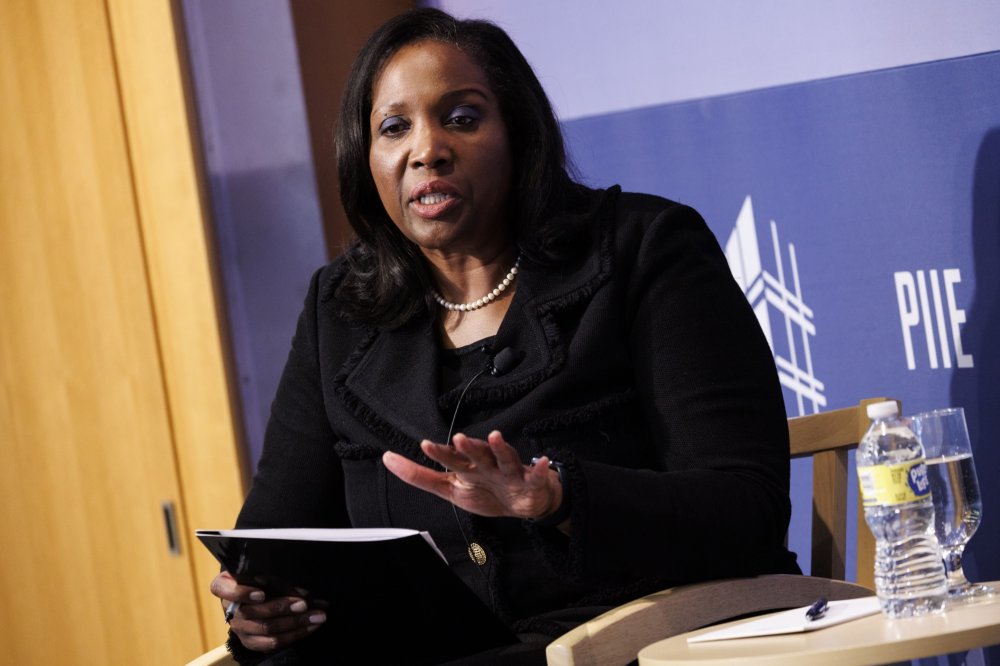
-
Salesforce is making a significant move in the realm of enterprise search by announcing its intention to acquire Doti, a company renowned for its innovative agentic search solutions. This acquisition is set to bolster Salesforce’s AI research and development initiatives in Israel and aims to create a more unified, intelligent search experience that small businesses can leverage for enhanced productivity. In a landscape where information overload can stiflе decision-making, the integration of Doti’s search capabilities stands to benefit small business owners by streamlining access to vital data. As organizations increasingly rely on technology to drive efficiency, the partnership between Salesforce and Doti promises to enhance how employees interact with information. Denise Dresser, CEO of Slack, underlined the significance of this acquisition, stating, “Doti’s expertise fast-tracks our vision to reinvent enterprise search across Salesforce. Together, we’re transforming how every employee finds, understands, and acts on information, through the power of AI and most importantly the conversational context that lives in Slack.” This integration is especially relevant for small businesses that utilize Slack for team communication and collaboration, allowing them to extract insights and take action based on connected data effortlessly. Matan Cohen, Co-Founder and CEO of Doti, echoed this sentiment, noting that their mission has been to make enterprise data “instantly accessible and actionable.” By joining forces with Salesforce, Doti aims to leverage the company’s extensive resources to expedite this vision. For small business owners, this means a potential reduction in the time spent searching for information, ultimately leading to more agile decision-making and improved operational efficiency. One potential application of this unified search capability is in customer relationship management (CRM) systems. Small businesses can expect improved insights into customer interactions and streamlined access to data that can drive sales strategies. With Doti’s technology, the information that employees need will become more interactive and contextually relevant, thanks to the integration with Slack. This will enhance collaboration, making it easier for teams to share knowledge and insights when they matter most. While the benefits seem promising, small business owners should also consider some challenges associated with adopting new technology solutions. Transitioning to a new system can require time and resources, and training employees to use these tools effectively is vital. It’s essential for small business leaders to weigh these factors against the expected productivity gains. Moreover, the acquisition is still pending closure in Salesforce’s fiscal year 2026, which means that immediate changes will not be in place just yet. Small businesses should keep an eye on the timeline and prepare for the potential shift in their workflows when the integration becomes available. Overall, the acquisition of Doti highlights Salesforce’s commitment to enhancing the way organizations access and utilize data. For small businesses, this could translate into a more streamlined workflow that not only saves time but also fosters a collaborative team environment. As the tools become available, business leaders can take advantage of the enhanced search capabilities to empower their teams and enhance overall productivity. For further details on this acquisition, visit the original announcement on Salesforce’s website here. Image via Google Gemini This article, "Salesforce Boosts AI with Doti Acquisition to Enhance Enterprise Search" was first published on Small Business Trends View the full article
-
Salesforce is making a significant move in the realm of enterprise search by announcing its intention to acquire Doti, a company renowned for its innovative agentic search solutions. This acquisition is set to bolster Salesforce’s AI research and development initiatives in Israel and aims to create a more unified, intelligent search experience that small businesses can leverage for enhanced productivity. In a landscape where information overload can stiflе decision-making, the integration of Doti’s search capabilities stands to benefit small business owners by streamlining access to vital data. As organizations increasingly rely on technology to drive efficiency, the partnership between Salesforce and Doti promises to enhance how employees interact with information. Denise Dresser, CEO of Slack, underlined the significance of this acquisition, stating, “Doti’s expertise fast-tracks our vision to reinvent enterprise search across Salesforce. Together, we’re transforming how every employee finds, understands, and acts on information, through the power of AI and most importantly the conversational context that lives in Slack.” This integration is especially relevant for small businesses that utilize Slack for team communication and collaboration, allowing them to extract insights and take action based on connected data effortlessly. Matan Cohen, Co-Founder and CEO of Doti, echoed this sentiment, noting that their mission has been to make enterprise data “instantly accessible and actionable.” By joining forces with Salesforce, Doti aims to leverage the company’s extensive resources to expedite this vision. For small business owners, this means a potential reduction in the time spent searching for information, ultimately leading to more agile decision-making and improved operational efficiency. One potential application of this unified search capability is in customer relationship management (CRM) systems. Small businesses can expect improved insights into customer interactions and streamlined access to data that can drive sales strategies. With Doti’s technology, the information that employees need will become more interactive and contextually relevant, thanks to the integration with Slack. This will enhance collaboration, making it easier for teams to share knowledge and insights when they matter most. While the benefits seem promising, small business owners should also consider some challenges associated with adopting new technology solutions. Transitioning to a new system can require time and resources, and training employees to use these tools effectively is vital. It’s essential for small business leaders to weigh these factors against the expected productivity gains. Moreover, the acquisition is still pending closure in Salesforce’s fiscal year 2026, which means that immediate changes will not be in place just yet. Small businesses should keep an eye on the timeline and prepare for the potential shift in their workflows when the integration becomes available. Overall, the acquisition of Doti highlights Salesforce’s commitment to enhancing the way organizations access and utilize data. For small businesses, this could translate into a more streamlined workflow that not only saves time but also fosters a collaborative team environment. As the tools become available, business leaders can take advantage of the enhanced search capabilities to empower their teams and enhance overall productivity. For further details on this acquisition, visit the original announcement on Salesforce’s website here. Image via Google Gemini This article, "Salesforce Boosts AI with Doti Acquisition to Enhance Enterprise Search" was first published on Small Business Trends View the full article
-
We may earn a commission from links on this page. Deal pricing and availability subject to change after time of publication. Black Friday sales officially start Friday, November 28, and run through Cyber Monday, December 1, and Lifehacker is sharing the best sales based on product reviews, comparisons, and price-tracking tools before it's over. Follow our live blog to stay up-to-date on the best sales we find. Browse our editors’ picks for a curated list of our favorite sales on laptops, fitness tech, appliances, and more. Subscribe to our shopping newsletter, Add to Cart, for the best sales sent to your inbox. Sales are accurate at the time of publication, but prices and inventory are always subject to change. Thanksgiving is a week away, but Black Friday sales are already here. This year, Amazon's Black Friday deal event is taking place from Nov. 20-28, and Lifehacker will be here with all the best deals throughout the mega-sale. Right now, one of them is on my absolute favorite headphones for running—the Shokz OpenRun Pro 2. They're currently $124.95, a 31% discount off their list price of $179.95. Shokz OpenRun Pro 2 $124.95 at Amazon $179.95 Save $55.00 Get Deal Get Deal $124.95 at Amazon $179.95 Save $55.00 If you're unfamiliar with the world of bone conduction headphones (BCH), let me try to convert you. I love noise-cancelling tech when I'm in the gym, sure. But when I'm exercising outside, I'm grateful for BCH technology to keep my ears open to traffic, other runners, and reckless cyclists—all without sacrificing audio quality. As my colleague Daniel Oropeza reviews in-depth here, the Shokz OpenRun Pro 2 are the best set of BCHs that either of us have ever tried. With these Shokz, I've experienced little to no ear fatigue, even during 20+ mile runs. I've worn these headphones for over a year now, through humid summer runs and unexpected downpours, and they're holding up great. Most important for me, their battery life holds up, lasting even my longest training runs. Even if I forget to charge the night before a run, a quick five-minute charge gives me around 1.5 hours of listening time. Shokz is a go-to brand for a reason, and this 31% discount could be the nudge you need to snag the OpenRun Pro 2 headphones for yourself. If you're still shopping around, I recommend checking out guides like our live blog, where we use price trackers to make sure you're really getting the best deals this Black Friday. And if you have an Amazon Prime membership, make the most of it. Our Best Editor-Vetted Early Black Friday Deals Right Now Apple AirPods Pro 3 Noise Cancelling Heart Rate Wireless Earbuds — $219.99 (List Price $249.00) Apple iPad 11" 128GB A16 WiFi Tablet (Blue, 2025) — $279.99 (List Price $349.00) Amazon Fire HD 10 (2023) — $69.99 (List Price $139.99) Sony WH-1000XM5 — $248.00 (List Price $399.99) Blink Outdoor 4 1080p Wireless Security Camera (5-Pack) — $159.99 (List Price $399.99) Amazon Fire TV Stick 4K Plus — $24.99 (List Price $49.99) NEW Bose Quiet Comfort Ultra Wireless Noise Cancelling Headphones — $298.00 (List Price $429.00) Shark AI Ultra Matrix Clean Mapping Voice Control Robot Vacuum with XL Self-Empty Base — $249.99 (List Price $599.00) Apple Watch Series 11 (GPS, 42mm, S/M Black Sport Band) — $349.99 (List Price $399.00) Western Digital 14TB Elements Desktop External Hard Drive — $169.99 (List Price $279.99) Deals are selected by our commerce team View the full article
-
Frank Cassidy, who is currently principal deputy assistant secretary at the Department of Housing and Urban Development, will soon face a full Senate vote. View the full article