All Activity
- Past hour
-
One of the most dependable ways to grow organic visibility was to publish more content. Expanding into the long tail and creating pages around different variations of a topic often led to steady traffic growth. Many SEO teams still operate with this mindset. Content calendars are built around search volume targets, and growth is often equated with how much new content is produced. The problem is the results no longer reflect the effort. In many cases, adding more pages doesn’t lead to increased visibility and can even dilute overall performance. Large content libraries are harder to maintain, compete internally, and often result in fewer pages surfacing in search results. The challenge is no longer producing more content, but understanding why much of it fails to contribute to visibility. Why content volume worked for SEO For a long time, increasing content volume was a rational and effective strategy. Search engines relied heavily on keyword matching and topical coverage, which meant expanding into the long tail created more opportunities to capture demand. Competition was also significantly lower, and many queries had limited high-quality results, so publishing across a wide range of keyword variations often led to quick visibility gains. In this environment, covering more topics translated directly into increased traffic. Publishing frequency also helped strengthen domain authority. Sites that consistently added new content signaled freshness and relevance, which improved their ability to compete in search results. This approach was further amplified by programmatic SEO. By creating scalable templates and targeting large keyword sets, companies generated thousands of pages and captured traffic at scale. Most importantly, this strategy worked because it aligned with how search engines evaluated content at the time. Expanding coverage increased the likelihood of ranking, and more pages meant more opportunities to be discovered. However, the conditions that made this approach effective have changed. As search ecosystems have evolved and competition has increased, the relationship between content volume and visibility has become less predictable. Dig deeper: Content marketing in an AI era: From SEO volume to brand fame Your customers search everywhere. Make sure your brand shows up. The SEO toolkit you know, plus the AI visibility data you need. Start Free Trial Get started with Why this model is breaking down Content saturation Most commercially relevant topics now have dozens of established pages competing for the same queries, many with years of accumulated links and behavioral data. A new page enters this environment at a disadvantage because the keyword spaces it targets are already consolidated around results with existing authority and signal history. Diminishing returns As sites expand into adjacent keyword variations, search engines increasingly route similar queries to the same URL rather than distributing traffic across multiple pages. This shows up in Google Search Console as two or three URLs splitting impressions on identical queries — neither ranking strongly because neither has consolidated authority. The intent overlap that content teams treat as coverage, Google treats as redundancy. Changes in search experience AI Overviews now appear across a significant and growing share of informational queries. Google has confirmed continued expansion of the feature across search types and markets. Informational content is the most affected by this shift, and it’s also the type most volume strategies produce. A site with a large number of blog articles is therefore more exposed than one focused on a smaller set of transactional pages. More ranked pages don’t produce proportional traffic when an increasing share of visible positions no longer generate a click. Indexing limits Google’s budget documentation states directly that low-value URLs drain crawl activity away from pages that matter. At scale, thin or redundant content is deprioritized — meaning a significant percentage of a site’s published pages may never meaningfully enter search competition regardless of how much continues to be added. Dig deeper: The authority era: How AI is reshaping what ranks in search The hidden mechanics behind content saturation What’s less understood is how content libraries behave at scale. These are system-level problems that compound over time and are difficult to reverse. Content debt Every page published creates an ongoing obligation. It needs to be monitored for ranking decay, updated when information changes, evaluated periodically for pruning or consolidation, and factored into crawl allocation. These costs are rarely accounted for at the point of creation. At low volumes, this is manageable. At scale, it becomes a compounding liability. A site with 2,000 articles isn’t sitting on 2,000 assets, it’s managing 2,000 maintenance commitments that depreciate at different rates. Editorial resources that could strengthen existing high-performing pages are instead absorbed by keeping a growing library from becoming a liability. The true cost of a volume-driven content strategy only becomes visible 18 to 24 months after the investment, when maintenance demands begin to outpace the capacity to meet them. Crawl inefficiency and cannibalization Google allocates a finite crawl budget to each domain. When a site scales content volume without proportional gains in quality or authority, Googlebot distributes that budget across a larger number of pages, many of which offer limited signal value. The result is that high-value pages are crawled less frequently, indexed less reliably, and are slower to reflect updates. This creates a compounding problem for sites with important transactional or evergreen pages that depend on frequent re-crawling to stay current and competitive. Beyond crawl distribution, similar pages targeting overlapping intent compete for the same ranking positions internally. Search engines consolidate these signals rather than rewarding each page individually, meaning two pages targeting near-identical queries often perform worse combined than one authoritative page targeting both would perform alone. Topical authority dilution Search engines evaluate whether a site is a genuinely deep and trustworthy resource within a defined topic space. Expanding into a wide range of loosely related subtopics can erode this signal rather than strengthen it. A site with 40 tightly interconnected, substantive pieces on a specific topic will consistently outperform one with 400 surface-level articles spread across adjacent themes. The depth and coherence of coverage within a defined area are what build the authority signal that drives durable rankings. Pursuing breadth at the expense of depth fragments that signal, making it harder for search engines to assign clear expertise to the domain on any individual topic, even the ones the site knows best. Weak content and behavioral signals Search engines use behavioral data such as dwell time, return-to-search rates, and click-through rates as quality signals at both the page and domain levels. When a site publishes high volumes of content that users engage with poorly, those signals accumulate and begin to affect how search engines evaluate the domain as a whole. This creates a negative reinforcement loop that’s difficult to detect and slow to reverse. Weak pages actively contribute to lower domain-level quality assessments, affecting the performance of pages that would otherwise rank well. More mediocre content compounds. Each low-engagement publish incrementally reduces the baseline trust that search engines extend to the domain’s better work. Get the newsletter search marketers rely on. See terms. The rise of citation-driven visibility The goal of SEO has traditionally been to rank. Increasingly, the more valuable outcome is to be cited or referenced in AI-generated summaries, pulled into knowledge panels, or sourced by other publishers as a primary reference. These two outcomes require fundamentally different content strategies. LLMs and AI Overviews are selective about which sources they draw from. The selection is weighted toward pages with strong E-E-A-T signals, high specificity, and clear authoritativeness within a defined domain. A site that has published hundreds of generic articles covering a topic broadly is less likely to be treated as a primary source than a site that has published fewer, more definitive pieces with clear depth and original perspective. Volume doesn’t increase citation probability — it may actively reduce it by signaling that the domain is a generalist content producer rather than a reliable primary reference. The long tail is saturated The accessible long tail that drove content volume strategies for the better part of a decade no longer exists in the same form. Between 2010 and 2020, there were genuinely underserved keyword opportunities across most industries. Today, in most commercial verticals, every remotely valuable query has multiple established pages competing for it, especially from high-authority domains with years of accumulated signals. New content entering this environment doesn’t find open space. It enters a war of attrition against incumbents with advantages it can’t easily overcome. The marginal SEO return on a new article targeting a long-tail keyword is a fraction of what it was five years ago. The economics only justify creation when there’s a genuinely differentiated angle, a proprietary data point, or a perspective that exists on your page that other pages can’t offer. A keyword existing is no longer a sufficient reason to publish. At scale, these factors turn content growth into diminishing returns rather than compounding gains. The library becomes harder to maintain, harder for search engines to evaluate clearly, and harder to extract meaningful visibility from — regardless of how much is added to it. Dig deeper: How to keep your content fresh in the age of AI How to shift from content volume to impact The implication is to change what publishing is for. Volume targets made sense when more pages meant more opportunities. In the current environment, they measure the wrong thing. The more useful question isn’t how much content a team is producing, but how much of what already exists is actively contributing to visibility, and what is quietly working against it. For most sites, that audit reveals the same pattern. A relatively small number of pages generate the majority of organic traffic. A larger number generates little to none, and a significant portion actively drains crawl allocation, fragments topical authority, or dilutes the behavioral signals that stronger pages depend on. You need to move from expansion to consolidation. Existing pages that cover overlapping intent are stronger merged than competing. Thin pages that rank for nothing and engage no one are more valuable removed than retained. The energy going into producing new content at volume is often better spent deepening the pages that already have authority and signal history behind them. New content earns its place when it: Addresses something genuinely unaddressed. Offers a perspective that existing pages can’t. Targets an intent the site currently lacks. In practice, this means retiring a few default assumptions: That publishing for every keyword variation is coverage. That indexing is the same as performance. That output volume is a proxy for strategic progress. None of these were ever true measures of content effectiveness. They were convenient ones. Dig deeper: Content strategy in 2026: What actually changed (and what didn’t) A new model for content-driven growth The replacement for volume isn’t simply better content. It’s a different definition of what content is trying to achieve. Depth over breadth Focus coverage on a smaller number of topics and develop them thoroughly. A single piece that addresses a topic with specificity, original perspective, and clear authorial expertise will outperform multiple pieces covering adjacent variations of the same theme. Depth is what builds authority signals, drives engagement, and increases citation potential. Prioritize what the site can say with the most credibility. Distribution as a multiplier Allocate more effort to distribution. Publishing less creates capacity to deliver strong content to the right audiences. Distribution is a core part of SEO performance in a citation-driven environment. Being citation-worthy Create content that can serve as a primary source. Focus on clear points of view, verifiable expertise, and specific insights that other pages can’t replicate. The goal is to be referenced in AI-generated summaries, cited by other publishers, and included in the knowledge systems search engines rely on. Dig deeper: Content alone isn’t enough: Why SEO now requires distribution See the complete picture of your search visibility. Track, optimize, and win in Google and AI search from one platform. Start Free Trial Get started with The uncomfortable truth Sites that rely on frequency and broad coverage are being outperformed by sites that are clearly authoritative on a defined topic, consistently useful to a specific audience, and structured in a way that search systems can evaluate with confidence. Prioritize depth, clarity of expertise, and consistency within a focused topic area. Treat each published page as a long-term asset that requires ongoing maintenance, evaluation, and improvement. The content factory model is no longer effective. The approach that replaces it requires more effort, stronger editorial standards, and a higher bar for what gets published. View the full article
-
In leaked remarks, Christian Turner also says it is ‘extraordinary’ that Epstein scandal has not affected sex offender’s US associatesView the full article
-
AI skills are now embedded in most SEO roles. Learn how they influence salary and hiring expectations. The post The AI Skills Salary Premium appeared first on Search Engine Journal. View the full article
- Today
-
Move underlines long-running frustrations with group over production quotasView the full article
-
The The President administration seemed unlikely Tuesday to accept Iran’s offer to end the war and reopen the Strait of Hormuz if the U.S. lifts its blockade on the country. The proposal would postpone discussions on the Islamic Republic’s nuclear program, something that U.S. Secretary of State Marco Rubio appeared to rule out in a Fox News interview Monday. “We have to ensure that any deal that is made, any agreement that is made, is one that definitively prevents them from sprinting towards a nuclear weapon at any point,” he said of the proposal, which was delivered to the U.S. by Pakistan. The White House said U.S. President Donald The President’s national security team discussed the offer and The President would address it later. The offer emerged Monday as Iran Foreign Minister Abbas Araghchi visited Russia, which has long been a key backer of Tehran. It was unclear what, if any, assistance Moscow might offer now. Since the war began, at least 3,375 people have been killed in Iran and at least 2,521 people in Lebanon, where fighting between Israel and the Iran-backed Hezbollah militant group resumed two days after the Iran war started. Another 23 people have been killed in Israel and more than a dozen in Gulf Arab states. Sixteen Israeli soldiers in Lebanon, 13 U.S. service members in the region and six U.N. peacekeepers in southern Lebanon have been killed. —Associated Press View the full article

-
Keir Starmer’s former chief of staff gives evidence to Commons foreign affairs committeeView the full article
-
Back in August 2025, I shared the AI content process I had developed for the Ahrefs blog. It used ChatGPT projects and custom GPTs to speed up certain types of content creation from several days to a couple of hours,…Read more ›View the full article
-
If your paid social campaigns aren’t converting, you may be undervaluing their impact. Your brand’s exposure on social media can influence other parts of your marketing that platform metrics don’t capture. Here’s how to design and measure a test to understand how paid social influences your other marketing channels, including PPC. Step 1: Determine your hypothesis Start with what you want to learn, then define a hypothesis you can realistically evaluate with your data. For example, this is a common hypothesis for measuring paid search lift from social traffic: Search lift hypothesis: Increasing spend on social media will increase brand search volume and overall PPC CTRs. Logic: Social ads build brand awareness. As more people become familiar with our brand, they will search for it more often when making research and purchase decisions. As more people are exposed to our brand, they will increasingly click on our PPC ads regardless of their search term (i.e., increasing non-brand and brand CTRs). People exposed multiple times to our brand will have a higher trust factor in our products, and therefore, our conversion rates will increase. Measurement: Impression and click volume for our branded terms. CTR changes for brand and non-brand terms. Conversion rate changes for brand and non-brand terms. Your hypothesis could have a different scope, such as measuring paid and organic lift from social spend or an increase in direct traffic. Your customers search everywhere. Make sure your brand shows up. The SEO toolkit you know, plus the AI visibility data you need. Start Free Trial Get started with Step 2: The test The next step is to set up the test parameters. Generally, measuring before and after a change is a mistake, as seasonality or other factors can affect your test results. The most common test setup is a geographic split. In this test, we’ll increase social spend for only a set of geographies. Then we’ll examine the PPC data for the geographies where we ran the test and compare them with areas where we did not. As you choose geographies, you’ll want to control for other variables that may affect your test. Here are some common issues that companies have run into and need to control for in their tests and measurements: You sponsor a sports team, and they’re playing during your test. If the game is regionally televised, this can dramatically affect your test results. You’re running TV commercials in only certain regions. You choose experimental geographies with many out-of-region commuters, such as New York City, and include New Jersey and Connecticut in your control group. In these instances, grouping a region and its surrounding commuter areas together, and placing other cities with similar characteristics, such as Chicago and Philadelphia, in a different group, can help balance these tests. (Note: in this example, we’re splitting New Jersey in half.) Seasonal or local events. Large conferences, festivals, or major weather events can affect your data. Your control and experimental groups should be statistically similar across factors such as income levels, and urban versus rural regions. As you set up and measure your test, consider your budget. If you increase social spend and expect higher clicks and conversions for your PPC campaigns, ensure you have the budget to capture the increased demand. Examine your impression share and impression share lost to budget before and after the test to ensure budget limits won’t severely impact your results. Dig deeper: Why PPC tests in 2026 call for nuance, not winners Step 3: The measurement Measurement can go from very simple to extremely complex. At a simple level, you can compare platform data to see how your data changed. In this case, a Google Ads report shows how pausing social spending and influencer campaigns across all social platforms (TikTok, LinkedIn, Facebook, YouTube, etc.) affects performance. For this test, pausing social spending yielded mixed results for conversion rates. As brand searches decreased, conversion rates in some regions increased, while in others they fell. However, what was consistent was a dramatic drop in conversions. You can get more sophisticated in your testing. Depending on your analytics setup, some companies want to measure touchpoint differences for their conversions. Others will want to measure overlap rates between social and paid search visitors, or examine attribution touchpoints and models. Before you set up your test, ensure you have the measurement capabilities needed to understand and interpret the results. Get the newsletter search marketers rely on. See terms. Step 4: Evaluation beyond the test criteria As you run various tests, you want to measure the results against your hypothesis. However, it’s useful to list other variables worth evaluating beyond your test criteria. This is where search consoles, analytics tools, CRM, internal data, and even the paid and organic report can come into play. In one example, a company was running a test to see whether pausing several advertising channels, from social media to TV ads, would dramatically change its brand search volume. They hypothesized that their brand was so well known in the marketplace that they could cut back on several forms of brand advertising and reallocate that budget to other channels and non-brand advertising. While the simple paid and organic report in Google Ads won’t tell you the full story about in-store revenue and direct traffic changes, it can serve as a signal to form an overall picture of a very complex test. They had recently launched a new product line, and that line continued to see a large increase in traffic during the test. However, their most common brand terms saw significant declines from the test. This was a year-over-year comparison across a set of geographies, rather than a period-to-period comparison, to help correct for the increase in holiday traffic that would have occurred during the previous period. The results were by far the most dramatic I’ve ever seen in this type of test, to the point it was clear other variables had to be in play that could affect the test. This takes you to the sniff test. Rely on your experience with data to make common sense adjustments. If you look at the data and it just doesn’t seem right, ask yourself whether this makes sense, if it’s a math quirk (common with low data), or if other unforeseen variables are in play. In this example, no one believed the results should be this dramatic. The company stopped running the test and began an internal evaluation of its organic presence, including Google’s recent updates, changes to AI Overviews, AI engagement, and other factors affecting its web presence beyond its usual marketing channels. Dig deeper: Are your PPC ads still authentic in the age of AI creative? See the complete picture of your search visibility. Track, optimize, and win in Google and AI search from one platform. Start Free Trial Get started with What to do with your social impact tests The test setup is simple: Determine your hypothesis. Decide how you will test. The easiest setup is a geographic split. Make sure you can measure the results. Launch the tests. Evaluate the metrics for your hypothesis. Examine other metrics for insight or additional testing ideas. For some companies, Facebook and other social channels are their top conversion channels, and these tests won’t be applicable. For others, social media advertising results often look poor when evaluated in isolation. In these examples, the companies were already running many social media campaigns, so the test was to reduce social media spend. If you don’t run much social media, your test will be to increase your social media spend to see how it affects your data. I’ve seen a lot of these tests, and the results are highly inconsistent across companies. Many companies will increase their social media spend and see little change in their data. Others will increase their spend and see a nice lift in overall performance. These are tests you need to run yourself, as your results will vary by company. Running geographic split tests in your social media campaigns and then measuring the results on paid or organic search traffic can give you insights into how to leverage social media campaigns for other marketing channels. View the full article
-
We may earn a commission from links on this page. Deal pricing and availability subject to change after time of publication. The Bose QuietComfort Ultra Headphones (2nd Gen) are down to $399 (originally $449), which is the lowest price they’ve hit so far, according to price trackers. That drop makes them easier to consider, even with stronger competition this year from models like Sony’s WH-1000XM6. Bose has not changed the formula much in this second generation—you still get an over-ear design with plush padding and a firm but comfortable clamp for a secure fit. The only noticeable tweak is that the frame now uses a glossy metal finish instead of a matte one, which gives it a slightly more premium feel without changing how it wears. Bose QuietComfort Ultra (2nd Gen) Wireless over-ear headphones $399.00 at Amazon $449.00 Save $50.00 Get Deal Get Deal $399.00 at Amazon $449.00 Save $50.00 The feature set is broad and mostly well-executed—these headphones support Bluetooth 5.4 with multipoint pairing, so you can stay connected to a laptop and phone at the same time without juggling settings. There is also a USB-C connection for wired listening, which unlocks lossless audio, something many competitors still skip. Plus, they power on automatically when you put them on and slip into a low-power mode when left flat, which is a small quality-of-life upgrade you notice quickly in daily use. Battery life is rated at 30 hours with active noise cancellation turned on, which is in line with most premium options. Bose also lets you charge and listen through USB-C at the same time, a practical addition for long work sessions. Performance-wise, noise cancellation holds up well across different environments, taking the edge off airplane rumble, muting bus engines, and pushing most café chatter into the background, so you don’t have to keep adjusting volume just to stay immersed, notes this PCMag review. As for the sound, these headphones deliver a rich, bass-forward profile while keeping vocals and detail intact. Tracks with heavy low-end, like electronic or hip-hop, come through with depth and punch without overwhelming the mix, and vocals sound full, though the slightly recessed midrange means guitars and some instruments don’t cut through as sharply. Also, while you do get presets and noise control modes in the companion app, its simple three-band EQ does not give you much room to fine-tune the sound. Our Best Editor-Vetted Tech Deals Right Now Apple AirPods 4 Active Noise Cancelling Wireless Earbuds — $148.99 (List Price $179.00) Apple Watch Series 11 [GPS 46mm] Smartwatch with Jet Black Aluminum Case with Black Sport Band - M/L. Sleep Score, Fitness Tracker, Health Monitoring, Always-On Display, Water Resistant — $329.00 (List Price $429.00) Apple iPad 11" 128GB A16 WiFi Tablet (Blue, 2025) — $319.97 (List Price $349.00) Fire TV Stick 4K Plus Streaming Player With Remote (2025 Model) — $29.99 (List Price $49.99) Fitbit Versa 4 Fitness Smartwatch (Black) — $149.95 (List Price $199.95) Deals are selected by our commerce team View the full article
-
Google announced they are testing a new “conversational search experience to complement how you already search on YouTube.” It is called “Ask YouTube” and it lets you “dive deeper into the topics you’re curious about in a more interactive way,” Dave from YouTube wrote. What it looks like. Here is a GIF of it in action: How can I try it. If you want to try it out, you can go to youtube.com/new and try to opt into it. This experiment is currently available for YouTube Premium members 18+ in the US who opt-in. Google is working on expanding the experiment to non-Premium users in the future. What it does. Dave from YouTube posted this example: “If you’re in the experiment, you can try it out by selecting “Ask YouTube” in the search bar. For example, you can ask for help planning a 3-day road trip from San Francisco to Santa Barbara, and you’ll get a structured, step-by-step itinerary instead of a list of videos. The response will bring together a new mix of long-form videos, Shorts, and informative text featuring local tips and must-see stops. You can ask follow-up questions like, “where can I find good coffee?” to explore local spots along your route. We’ll surface videos and relevant video segments, accompanied by their titles and channel details, to make it easy to discover new creators and jump into the most helpful content from your search.” Why we care. AI search is creeping into every search interface across Google’s properties. YouTube is no exception. Expect more and more AI search experiences in more Google surfaces and expect them to change and adapt over time. You can find more coverage of this across Techmeme. View the full article
-
Shares of Bed Bath & Beyond Inc (NYSE: BBBY) are surging this morning, a day after the company reported its Q1 2026 results. Despite the company reporting a loss for the quarter, BBBY stock is significantly higher, as many investors see evidence that the once-iconic home goods retailer’s turnaround efforts are finally showing results. Here’s what you need to know. What’s happened? Yesterday, Bed Bath & Beyond reported first-quarter results for its fiscal year 2026. While many will recognize the company due to its “Bed Bath & Beyond” name, the firm actually owns several businesses under its corporate umbrella, including Bed Bath & Beyond, Overstock, buybuy BABY, Kirkland’s, and Kirkland’s Home. It is also in the process of merging with The Container Store. In the early 2000s, Bed Bath & Beyond was a suburban staple, but in the decades that followed, the company struggled with declining foot traffic as customers shifted their buying habits online. The chain ultimately filed for bankruptcy in 2023, and its IP was bought by Overstock.com shortly after. In early August 2025, the retail partner of Overstock owner Beyond Inc announced that it was reopening the Bed Bath & Beyond chain with a store in Nashville. Shortly after, Beyond Inc changed its name to Bed Bath & Beyond Inc, going all-in on the brand as it worked to turn around its fortunes. Now, it seems that the company’s initiative may be working. In its Q1 earnings report, Bed Bath & Beyond announced that it had achieved its first “significant revenue growth in 19 quarters.” The revenue growth signaled “strong brand awareness among customers,” according to the company. But it also appears to have motivated investors, who have poured money into the company’s shares this morning. Bed Bath & Beyond still didn’t make a profit Announcing the company’s surprising Q1 revenue growth, which totaled $248 million, up 6.9% year-over-year, CEO Marcus Lemonis said that its results “show that the work we’ve been doing to stabilize and rebuild the business is taking hold.” “We delivered real year-over-year revenue growth, something we haven’t seen meaningfully in several years, while continuing to take costs out of the business and operate more efficiently,” Lemonis continued. “That combination matters.” However, while the company is right to call out its revenue growth—and investors are clearly buoyed by the results—it’s important to note that Bed Bath & Beyond still racked up losses for the quarter. The company achieved a net revenue of $248 million, but it had a net loss of $16 million for the quarter. That equated to a loss per share of 24 cents. At the same time, losses marked a $24 million improvement over the same period a year ago. More stores and a larger retail footprint Despite the better-than-expected Q1 earnings, investors will now likely shift their focus to Bed Bath & Beyond’s immediate future, which is expected to usher in a growing retail footprint for the company’s goods. First up, Bed Bath & Beyond Inc is expected to close its merger with The Container Store this summer. Once that happens, 30% of retail space in Container Store locations will be dedicated to selling Bed Bath & Beyond’s wares, expanding the reach and awareness of the once-beloved, Millennial-nostalgic chain. Additionally, the company will open a dozen combined Container Store and Bed Bath & Beyond locations in California, further expanding its retail footprint, and in a state where the brand once had one of its most loyal customer bases. Whether these moves will have a material impact on Bed Bath & Beyond’s future earnings remains to be seen. But as for today, the company’s stock price is surging, thanks to its Q1 results. As of this writing, BBBY stock is currently up nearly 24% to $6.63 in premarket trading. That is a high the company stock price has not seen since January. As of yesterday’s close at $5.34 per share, BBBY stock had declined by about 2.2% since the year began. But with its nearly 24% jump this morning, the company’s stock price is now significantly in the green for 2026. Over the past 12 months, as of yesterday’s close, BBBY shares had risen 30%. View the full article

-
Fragmentation, local engines, and bundled AI tools are redefining competition in APAC, making multi-system visibility the new benchmark for search success. The post APAC Search Strategy Goes Beyond Google & Baidu appeared first on Search Engine Journal. View the full article
-
Understanding the ins and outs of paid media can seem like an overwhelming process when you’re first entering the field. As AI has rapidly changed ad platforms in recent years, keeping up can feel challenging. Thankfully, you’re not alone. You’re part of a supportive industry with a wealth of content and knowledge to share. Here are seven tips to help you learn and become a more confident PPC manager. 1. Be curious Curiosity is foundational to growth in PPC. You’ll learn best by taking initiative to understand ad platforms, how campaigns are structured, and what options are available on the backend. Of course, be careful about tweaking settings you’re not familiar with, but don’t be afraid to dig in on your own. If you’re part of a team, ask your colleagues why they use a particular setup. If you’re not familiar with a platform and have a team member who frequently uses it, ask if they can walk you through it. Your customers search everywhere. Make sure your brand shows up. The SEO toolkit you know, plus the AI visibility data you need. Start Free Trial Get started with 2. Absorb content and find community There are countless industry professionals producing content to teach PPC. Whether you learn best from reading, listening to podcasts, or watching videos, you’ll find options that fit your style. Looking up the authors of articles on this site is a great starting point to build a list to follow. Block out time in your schedule for education. Even setting aside a couple of hours a week helps you gain perspective from others in the industry and keep up with constant platform updates. The PPC industry has long been known for its welcoming, supportive community. Seek out individuals and organizations who are actively sharing, and don’t be afraid to engage with them on social media. Conferences are also a great way to network with other PPC professionals and sometimes discuss their approaches in a more informal setting. A brief word of caution: Vet recommendations you see from others against your own experience in ad accounts. Just because a “best practice” worked for one account doesn’t mean it’ll work for every account. Depending on the tactic, you may want to test it as an experiment to measure impact, or compare results before and after. Dig deeper: What 10 years of PPC testing reveals about breaking best practices 3. Take industry certifications with a grain of salt While ad platform certifications can serve as a starting point for demonstrating basic functionality, be cautious about relying on them as the end-all proof of PPC expertise. Certifications often lean heavily on platform-recommended best practices, which may conflict with tactics that align with a brand’s goals. Academic knowledge can’t match the insight gained from practical, hands-on experience in accounts. 4. Don’t chase what’s new and shiny While I’d encourage staying aware of ad platform updates and current tactics, I’d discourage implementing a new campaign type or expanding into a new platform just because it’s new. Make sure you have sufficient budget and a clear reason to test. Additionally, avoid making adjustments without a rationale. If campaigns are performing and driving qualified leads or sales, keeping the status quo may be best. Basic marketing principles still apply, such as knowing your target audience, addressing their problem with a solution, and presenting a clear call to action. Focus on aligning your channel choices with these goals, and the rest will follow. Dig deeper: 10 keys to a successful PPC career in the AI age Get the newsletter search marketers rely on. See terms. 5. Translate jargon for stakeholders As you become more embedded in PPC, you may naturally use industry terms and acronyms such as CTR, CPC, ROAS, and CPA. However, these metrics are often meaningless to stakeholders who aren’t immersed in your world. One of the most vital skills for a paid media professional is translating abstract metrics into language that connects with what stakeholders care about. For instance, I often default to “conversions,” even though the term can be ambiguous in reports. Referencing the actual action being tracked (such as account open, form fill, or purchase) is more concrete and ties directly to what stakeholders are tasked with driving. 6. Use AI, but don’t neglect the human touch AI is an inevitable part of a future-forward career, and ignoring it will be detrimental to career development. However, don’t lose the human oversight that sets a seasoned PPC practitioner apart. When writing ad copy, LLMs can offer a strong starting point and help refine wording. But don’t rely on AI to produce all your copy, as it may pull irrelevant content from your site (or elsewhere), and may not reflect your brand’s voice and perspective. Also, learn where AI can save time on “busy work” tasks, such as reviewing search terms and placements for exclusions, while still reviewing the output for accuracy. While most ad platforms default to automated campaign setups and encourage a hands-off approach, a standout PPC manager understands the levers they can pull to maintain control when needed. Examples include: Setting target bids or cost caps. Excluding irrelevant keywords, placements, and audiences. Pinning headlines and descriptions in responsive search ads. Restricting geographic targeting to avoid unwanted locations. Tailoring creative to specific demographics. Dig deeper: The new PPC playbook: From media buyer to profit engineer 7. Don’t change things for the sake of showing activity One common temptation for both new and seasoned paid media practitioners is to make changes just to appear busy. The motivation may be valid, as you want to prove to your client or boss that you’re attentive to PPC account management. However, particularly with campaigns that rely heavily on data to drive automated bidding, too many changes in a short period are often detrimental. Be sure to allow for data significance and enough time before pausing ads and keywords or tweaking bid targets. If you can show positive performance trends and provide readouts on which campaigns and channels are driving those results, you can validate your decisions to take or not take action when presenting to stakeholders. See the complete picture of your search visibility. Track, optimize, and win in Google and AI search from one platform. Start Free Trial Get started with Keep learning, start sharing Becoming a confident PPC manager requires mastering a blend of technical, interpersonal, and marketing skills. As you build your knowledge, look for opportunities to share what you’re learning with peers. It’s one of the fastest ways to reinforce what you know and keep improving. Dig deeper: 7 power moves to accelerate your PPC career View the full article
-
When Malibu launched its “Get Ready With Malibu Pink” campaign this spring, the rum brand had all the necessary ingredients for a modern influencer campaign. Creator partnerships with Sabrina Brier and other influencers, on-trend “get ready with me” style videos, all centered on the debut of a new flavored rum with guava, coconut, and pineapple. But there was also one element that was surprisingly new terrain for Malibu’s parent company Pernod Ricard: its first major campaign designed specifically for TikTok. A platform once off-limits Until very recently, alcohol brands like Malibu were completely absent from TikTok. But over the past two years, TikTok’s stronger age-gating protocols, which help guarantee to marketers like Malibu that the content they publish is only seen by legal-age users, have opened the platform for greater experimentation. The growing, cross-generational popularity of TikTok, with four in ten U.S. adults active on the platform and 80% over the age of 21, was also heralded as a key factor. “It’s important for us to connect with Zillennials,” Caroline Begley, Pernod Ricard’s vice president of marketing, tells Fast Company of the importance of the microgeneration of younger millennials and older Gen Z. “Malibu has been around for decades, but it’s always important to introduce new consumers to the brand.” The rush to catch up Boozy TikTok campaigns have proliferated, including Grey Goose vodka’s “Devil Wears Prada 2” content starring supermodel Heidi Klum, Espolòn Tequila’s “Shot Kings Week” celebration with actor and comedian Ken Jeong, St-Germain liqueur’s spritz-making session with actress Sophie Turner, and a behind-the-scenes look at a commercial for the ready-to-drink brand -196 with content creator Pooja Tripathi. Heidi KlumKen Jeong They are now playing catch-up to connect with the highly coveted Gen Z crowd that dominates the cultural conversation and trends on an app that’s already almost a decade old and generates more than $14 billion in U.S. advertising spending annually, according to data from market researcher eMarketer. How the rules changed Pernod Ricard and Bacardi were early adopters, launching limited pilots beginning in 2024. At the same time, TikTok was in active discussions with the Distilled Spirits Council of the United States (DISCUS), the liquor trade advocacy group responsible for setting the protocols for advertising across television, print media, out-of-home advertising, and social platforms including Facebook and Instagram. Liquor brands were allowed to create their own TikTok branded accounts in July 2024, when paid ads were also authorized to target users above 25. Organic brand pages and content were fully “age gated” beginning in July 2025, according to DISCUS, and influencer-related alcohol content began to flow by early 2026. There are still a few restrictions, including most notably that TikTok Shop doesn’t permit the sale of alcohol. “Social media companies have gotten really good at also identifying when somebody is misreporting their age using signal data,” says Courtney J. Armour, chief legal officer of DISCUS, in an interview with Fast Company. TikTok’s advertising policies for alcohol include never featuring people below the age of 25, avoiding the portrayal of excess drinking or intoxication, stating the alcoholic content level, and carrying a responsible drinking disclaimer. One sticking point that was recently resolved involved user comments left on a brand’s TikTok page. DISCUS wanted more guardrails to ensure age verification before allowing brands to turn that feature on. Learning TikTok’s language While most liquor brands still have minuscule TikTok follower counts, they’re actively setting up pages and developing unique strategies for the platform that they say cannot mirror what works on Instagram. “It’s more raw, it’s imperfect, and I think that’s what people gravitate to,” Ned Duggan, global CMO and president of Bacardi Global Brands, tells Fast Company. He adds that TikTok users are more motivated to discover new products and be entertained, while Instagram is more curated and polished. “TikTok is more like behind the scenes, whereas Instagram and other platforms are more front-of-stage,” he adds. TikTok says that 42% of users have discovered a new alcohol brand on the platform. Users over the age of 21 are 1.6 times more likely to buy alcohol or try a new cocktail recipe versus those not using TikTok, the company says. Speed, volume, and experimentation Italian liquor maker Campari Group debuted on TikTok in June 2025 and has since rolled out several campaigns for brands including Espolòn Tequila, Wild Turkey bourbon, and the aperitif Aperol. “When we jumped into TikTok, we quickly learned that it plays by a totally different set of rules than other platforms,” Brian Chang, Campari’s head of consumer marketing and ecommerce, tells Fast Company. Karrueche Tran Liquor marketing executives have quickly learned the need for speed when it comes to effective TikTok storytelling. “We wanted to make a point where the zoom-in mouth effect will be the first few seconds that people would see on TikTok, so that they’re not consistently doomscrolling past the content,” says Chang, of the “Bring Your Own Courvoisier” content that began with a close-up of actress Karrueche Tran’s mouth. Last year, Suntory piloted content centered on -196 with STEM-focused videos that explained how the company uses whole fruits that are frozen in liquid nitrogen, then crushed and infused into vodka. “The category as a whole lends itself, I think, to TikTok as a channel, given the Gen Z connectivity with RTDs,” Davin Nugent, president of global RTD at Suntory Global Spirits, tells Fast Company. Turning views into sales The benchmarks that Suntory is monitoring include ad recall, a marketing metric that measures how many consumers remember seeing an ad, as well as awareness, favorability, and, of course, sales. “If we have great campaigns, but we aren’t getting new purchase intent, then we’re just creating new work and making people smile,” says Nugent. “It has to result in an uptick in consumer purchases.” The ecommerce platform ReserveBar is one of the key players that helps enable brands like Bacardi and Campari to link campaigns to direct sales, as liquor manufacturers aren’t allowed to directly sell to consumers due to the three-tier system in the U.S. that mandates that alcohol flows from producers, to distributors and then retailers before reaching consumers. ReserveBar’s links are now allowed on TikTok and the brand set up its own organic handle a couple of months ago. “There’s not a playbook, because everyone in the industry, we’re starting from scratch,” ReserveBar Chief Marketing Officer Kate Zaman tells Fast Company. But she says the industry can take some cues from lessons learned from non-alcoholic consumer product brands that have had more time to cultivate their TikTok strategies. Success on TikTok isn’t just about speed and cultural tie-ins; there’s also a thirst for volume. “The pure amount of content that you really need to be successful on TikTok is much more than I think what you need on Meta,” says Zaman. View the full article

-
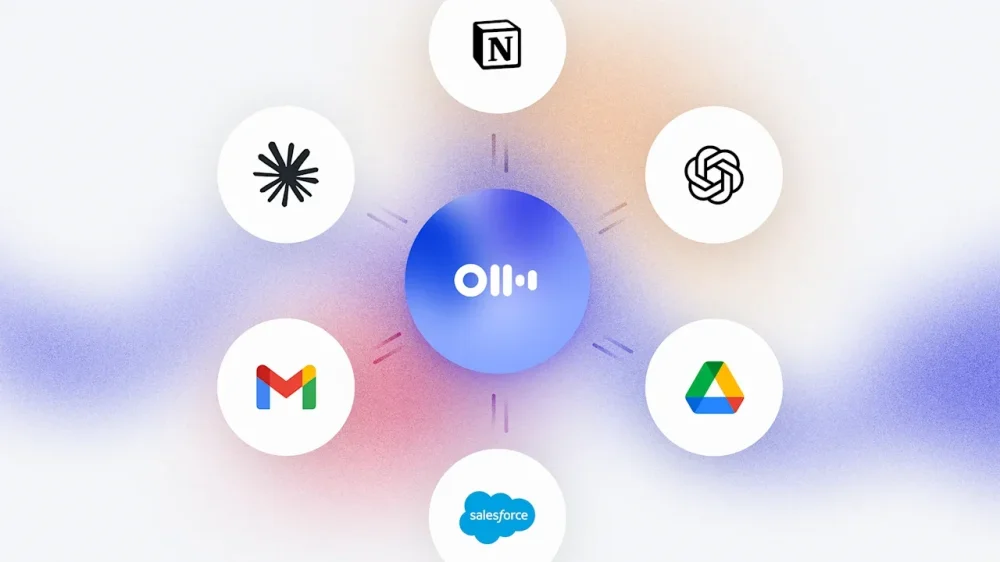
Otter wants to turn your work meetings into institutional knowledge. The company is known for its audio transcription tool, which has evolved over the years to be able to join and transcribe online meetings in real time and answer questions about them via an AI chat tool. It’s now adding additional AI features to make it easier to integrate knowledge from those recorded meetings with other information, including integrations with other software like Google Drive, Jira, Salesforce, and Notion. Those will let Otter’s AI access live data from those apps, so it can pull data from an email or customer database as needed to best answer a follow-up question from a recorded meeting. Otter has also now added server functionality that lets other AI tools, including ChatGPT and Claude, connect to it via the popular model context protocol (MCP), so other AI agents can also access data from Otter with permission. Additionally, enhancements to the AI chat feature itself will make it easier for users to specify when to pull insight from particular meetings, from multiple meetings, and from other data sources to which they have access. The aim is to help unlock knowledge that’s primarily or exclusively shared in meetings and make it available to both human workers and AI agents, says Otter cofounder and CEO Sam Liang. One challenge for corporate knowledge bases, he says, is that information stored in written documents can lag behind reality. “People create documents, but documents become obsolete really fast,” he says, with the latest updates presented via meetings. But even when that’s known to be the case, and even as research repeatedly shows white-collar workers spend a big portion of their time attending meetings, information from those meetings often isn’t easy to access in a systematic way. Even AI-generated transcripts can end up stored in the accounts of individual users rather than broadly available. Otter has already developed what it calls channels—essentially groups of users who have shared access to meeting recordings and transcripts—and the company suggests its AI agents will be able to surface new insights from collections of meetings, like aggregating trends from multiple sales calls or departmental meetings. An improved Otter desktop client for Mac and Windows will also make it easier to record more meetings from a computer, Liang says, though he says many companies do prefer Otter’s AI agent which can conspicuously join calls on platforms like Zoom, giving everyone clear notice the meeting is being recorded. In general, broader recording of meetings and harnessing AI notes may raise privacy and legal concerns at some organizations. But Liang emphasizes that Otter’s channels allow companies to control who has access to meetings internally and that it gives organizations control over how long both audio and transcripts are retained. “We provide a data retention mechanism so that enterprises can decide how long they want to keep the audio recording,” he says, and users can also pause recording—and even eject Otter’s AI notetaker entirely—if they want some of a meeting to be off the record. The new Otter features come as a growing number of companies vie to become an organization’s central AI hub, with AI labs like OpenAI and Anthropic, workplace productivity businesses from Slack to Asana, and office software makers like Google and Microsoft all offering tools to command AI agents and regulate their access to corporate data. Otter also faces no shortage of competition in the meeting transcription market, with comedy website Clickhole noting earlier this month that “all the random AI programs on your computer are desperately fighting for permission to summarize your meeting” and even pasta sauce maker Prego looking to record household dinner table conversations. But Liang says Otter still has features that competitors don’t, like the ability for AI to cleanly separate opinions of different speakers in a meeting, and the option to set up custom templates for how meetings are summarized. Additionally, Liang says, Otter’s AI is optimized to be able to reliably answer questions using information from hundreds of meetings, letting users quickly analyze what took place in sales calls they didn’t personally conduct or get up to speed on what’s already been discussed about a particular project. “You get intelligence from hundreds or thousands [of] meetings, even though you didn’t attend them,” he says. View the full article
-
Cancer has a way of touching lives without warning. Nearly everyone in our community has a story—someone they love, someone they’ve lost, or someone still fighting. At MG2, that shared reality is why Swing for the Cure to benefit the Fred Hutchinson Cancer Center has become so deeply meaningful to us. It isn’t just a charity event. It’s a collective response to something that has affected so many of us personally. Swing for the Cure began as a golf tournament, but it quickly became much more. Driven by the loss of his first wife, Patricia, our former CEO Jerry Lee believed that no one should lose a friend, family member, or loved one to breast cancer. That conviction helped our firm shape the heart of the event from the very beginning. Jerry and his wife Charlene, herself a breast cancer survivor for more than 25 years, continue to inspire us through their resilience, optimism, and unwavering commitment to this mission. What makes Swing for the Cure special is the common bond it creates. People come together not as job titles or companies, but as individuals with shared experiences and deeply personal reasons for being there. Some are survivors. Some are caregivers. Some are honoring those they’ve lost. That sense of connection transforms a day on the golf course into something far more powerful: a community united around a clear goal, which is to support research and move closer to a cure. A SENSE OF PURPOSE MATTERS Over the years, MG2 has intentionally worked to make Swing for the Cure bigger, deeper, and broader. What started as a standalone experience has grown into a purposeful annual gathering that reflects our values. We challenged ourselves to think beyond a traditional fundraiser and create something hopeful—an experience where people feel connected, motivated, and part of something meaningful. Clients, partners, and colleagues come together not out of obligation, but because they believe in what the event represents. That sense of purpose matters. When people gather with intention and when they know why they’re there and what they’re working toward, then good things happen. Energy builds. Conversations deepen. Commitment follows. Swing for the Cure demonstrates that goodwill is not abstract; it’s something that grows when people are aligned around a shared cause. And goodwill, when cultivated thoughtfully, benefits everyone. IMPACT FROM SHOWING UP CONSISTENTLY For MG2, this commitment mirrors how we approach our work. Just as strong design is rooted in care, collaboration, and long-term thinking, meaningful community engagement requires the same. Swing for the Cure, going strong for almost a quarter century, has raised more than $2 million to date, and it reminds us that real impact comes from showing up consistently, staying focused on the goal, and inviting others to take part. Last year was by far our biggest year. Our 2025 Swing for the Cure raised $250,000. Thanks to our close ties with Fred Hutch, we can choose the specific research we want to fund. That adds a personal touch to the entire experience. This year we awarded the total amount raised to one radiation oncologist, whose upcoming trial will work to improve how physicians deliver concurrent radiation and chemotherapy and enhance outcomes for high-risk patients. Grants like this are important for the larger health community, and it’s an emotional moment for researchers—and for us—to push for cures. When we come together with purpose, we can honor those we’ve lost, support those still fighting, and move closer to a future where fewer families face this journey alone. Mitch Smith AIA, LEED AP, is the CEO and chairman of MG2, an affiliate of Colliers Engineering & Design. View the full article

-
Krishna Madhavan from Microsoft Bing demo'ed some new AI reporting features that should launch within Bing Webmaster Tools soon. They include citation share, grounding query intent, semantic topic label, and GEO-focused recommendations. View the full article
-
As you know, Google announced a new search spam penalty for back button hijacking. Site owners have until June 15, 2026 to remove any such functionality from its site or it will be subject to a manual action and/or automated algorithmic adjustment. Now, Google is sending email notifications through Search Console as reminders.View the full article
-
Google is now showing the number of reviews that were deleted on a specific Google Business Profile due to defamation complaints. This seems to be live in Germany and not other countries right now.View the full article
-
If you’re managing a trading business, choosing the right accounting software can greatly affect your efficiency and financial management. Wave Accounting offers a free starter plan with unlimited invoicing, making it a great choice for budget-conscious traders. Conversely, Xero provides robust inventory management features, which can streamline your stock handling. Comprehending these options and their unique benefits is essential, as it can help you make an informed decision customized to your specific needs. Key Takeaways Wave Accounting: Offers a free starter plan with unlimited invoicing, making it cost-effective for small trading businesses. Xero: Provides excellent inventory management features and integrates with over 1,000 apps for seamless operations. QuickBooks Online: Ideal for complex financial needs, it supports multi-user access and robust financial management tools. Zoho Books: Scalable solution with a free plan, suitable for managing inventory and multiple bank accounts efficiently. FreshBooks: Excellent for invoicing and expense tracking, designed specifically for service-based trading businesses. Top Accounting Software Options for Trading Businesses Regarding managing finances in trading businesses, selecting the right accounting software is crucial. You’ll find several top accounting software options that cater to your specific needs. QuickBooks Online, highly rated for its extensive capabilities, is perfect if you require robust financial management tools and multi-user access. Xero, starting at $15 per month, shines in inventory management and integrates seamlessly with over 1,000 apps, providing real-time data management and multi-currency support. Sage 50 Accounting stands out for its strong desktop capabilities, ideal for businesses needing thorough reporting and advanced inventory tracking. If your trading business is service-oriented, FreshBooks, starting at $19, offers excellent invoicing and expense tracking. Finally, for very small businesses, Wave Accounting provides a free starter plan, allowing unlimited invoicing and access to a mobile app. These accounting packages in India represent some of the best accounting software for trading businesses. Key Features to Consider in Accounting Software When selecting accounting software for your trading business, it’s essential to focus on features that align with your operational needs. Look for multi-currency support, as trading often involves transactions across different countries, requiring effective management of various currencies. Robust inventory management features are critical to track stock levels, orders, and supplier information, which directly impact your trading activities. Automated invoicing and receipt management can greatly improve efficiency by minimizing manual data entry and speeding up billing processes. Furthermore, consider integration capabilities with other tools like CRM systems and e-commerce platforms to guarantee seamless operations and consistent data management. Finally, thorough reporting features are indispensable; they provide insights into sales, expenses, and cash flow, empowering you to make informed decisions. To conclude, these key features will help your trading business thrive when using a trading ERP solution. Pricing and Subscription Models Pricing for accounting software can vary widely, making it crucial to comprehend the options available to find what fits your trading business best. Here’s a quick overview of some popular choices: Software Starting Price QuickBooks Online $35/month FreshBooks $19/month Xero $15/month (50% off for first 3 months) Wave Accounting Free Starter plan, $16/month for Pro plan Zoho Books Free for micro businesses, paid plans start at $0/month Subscription models often offer tiered pricing based on features, user access, and the number of invoices handled. This flexibility allows you to choose a plan that meets your specific accounting needs. Whether you’re a small trader or managing larger transactions, comprehending these options will help you make a more informed decision for your business. User Experience and Customer Support User experience and customer support are critical factors to evaluate when choosing accounting software for your trading business. QuickBooks Online stands out with its live support and user-friendly interface, making it ideal for complex accounting needs. If you run a service-based trading company, FreshBooks may be a better fit, as it emphasizes customer service and offers an intuitive dashboard for easier navigation. Xero also shines with its user-friendly design and context-sensitive settings, which simplify financial management while providing extensive reporting features. For small trading businesses, Wave Accounting offers a free, straightforward mobile app and reporting dashboard, ensuring accessibility without financial strain. Finally, Zoho Books caters to diverse trading enterprises with exceptional customer support and multi-lingual invoicing, allowing for thorough accounting solutions customized to your business’s specific needs. Evaluating these aspects will help you choose the right software for your trading operation. Recommendations for Different Business Needs If invoicing and expense tracking are your priorities, FreshBooks offers an excellent user experience starting at $19 per month. On the other hand, Zoho Books provides a scalable solution with a free plan, perfect for managing inventory and multiple bank accounts. Finally, for small trading businesses on a tight budget, Wave Accounting is an ideal option, offering unlimited invoicing and estimates for free. Each software serves unique needs, so assess your business requirements carefully. Frequently Asked Questions What Is the Best Accounting Software for a Small Business? When considering the best accounting software for your small business, QuickBooks Online stands out because of its extensive features, including inventory management and multi-user access. FreshBooks is excellent for service-oriented businesses, offering easy invoicing and expense tracking. Xero provides strong multi-user support and real-time data management. If you’re looking for a cost-effective solution, Wave Accounting offers free invoicing, whereas Zoho Books delivers robust tools at competitive prices. Evaluate these options based on your specific needs. What Is the Best Accounting Software for Sole Traders? When choosing accounting software as a sole trader, consider options like Wave for free unlimited invoicing and bookkeeping, or FreshBooks, which starts at $19 per month and offers time tracking. Xero is another option, allowing 20 invoices monthly for $15. QuickBooks Online provides robust tools from $35, and Zoho Books offers a free plan for those earning less than $50,000, allowing up to 1,000 invoices annually. Each has unique features customized to your needs. Is Quickbooks Good for Sole Traders? Yes, QuickBooks is good for sole traders. It offers customizable features like invoicing, expense tracking, and tax assistance, starting at $35 per month. The platform supports multiple sales channels and provides live support, simplifying financial management. With integration options for over 750 apps, including PayPal and Square, you can improve functionality. Its user-friendly interface and mobile app access allow you to manage accounting efficiently, ensuring you stay organized and up-to-date. Is Xero or Quickbooks Better for Small Business? When deciding between Xero and QuickBooks for your small business, consider your specific needs. Xero starts at $15 per month and outshines in user-friendliness and integrations, whereas QuickBooks, starting at $35, offers robust features like tax assistance and extensive user support. If you need multi-user access and advanced functionalities, QuickBooks may serve you better. For straightforward accounting and lower costs, Xero could be the right choice. Evaluate both based on your business requirements. Conclusion In summary, selecting the right accounting software is essential for trading businesses to streamline financial management. Wave Accounting offers a cost-effective solution with its free starter plan, whereas Xero stands out with its advanced inventory management capabilities. By considering key features, pricing models, and user experience, you can find software that best suits your needs. In the end, investing in the right tools can help you manage your finances more effectively and support your business growth in a competitive market. Image via Google Gemini This article, "Best Accounting Software for Trading Businesses" was first published on Small Business Trends View the full article
-
If you’re managing a trading business, choosing the right accounting software can greatly affect your efficiency and financial management. Wave Accounting offers a free starter plan with unlimited invoicing, making it a great choice for budget-conscious traders. Conversely, Xero provides robust inventory management features, which can streamline your stock handling. Comprehending these options and their unique benefits is essential, as it can help you make an informed decision customized to your specific needs. Key Takeaways Wave Accounting: Offers a free starter plan with unlimited invoicing, making it cost-effective for small trading businesses. Xero: Provides excellent inventory management features and integrates with over 1,000 apps for seamless operations. QuickBooks Online: Ideal for complex financial needs, it supports multi-user access and robust financial management tools. Zoho Books: Scalable solution with a free plan, suitable for managing inventory and multiple bank accounts efficiently. FreshBooks: Excellent for invoicing and expense tracking, designed specifically for service-based trading businesses. Top Accounting Software Options for Trading Businesses Regarding managing finances in trading businesses, selecting the right accounting software is crucial. You’ll find several top accounting software options that cater to your specific needs. QuickBooks Online, highly rated for its extensive capabilities, is perfect if you require robust financial management tools and multi-user access. Xero, starting at $15 per month, shines in inventory management and integrates seamlessly with over 1,000 apps, providing real-time data management and multi-currency support. Sage 50 Accounting stands out for its strong desktop capabilities, ideal for businesses needing thorough reporting and advanced inventory tracking. If your trading business is service-oriented, FreshBooks, starting at $19, offers excellent invoicing and expense tracking. Finally, for very small businesses, Wave Accounting provides a free starter plan, allowing unlimited invoicing and access to a mobile app. These accounting packages in India represent some of the best accounting software for trading businesses. Key Features to Consider in Accounting Software When selecting accounting software for your trading business, it’s essential to focus on features that align with your operational needs. Look for multi-currency support, as trading often involves transactions across different countries, requiring effective management of various currencies. Robust inventory management features are critical to track stock levels, orders, and supplier information, which directly impact your trading activities. Automated invoicing and receipt management can greatly improve efficiency by minimizing manual data entry and speeding up billing processes. Furthermore, consider integration capabilities with other tools like CRM systems and e-commerce platforms to guarantee seamless operations and consistent data management. Finally, thorough reporting features are indispensable; they provide insights into sales, expenses, and cash flow, empowering you to make informed decisions. To conclude, these key features will help your trading business thrive when using a trading ERP solution. Pricing and Subscription Models Pricing for accounting software can vary widely, making it crucial to comprehend the options available to find what fits your trading business best. Here’s a quick overview of some popular choices: Software Starting Price QuickBooks Online $35/month FreshBooks $19/month Xero $15/month (50% off for first 3 months) Wave Accounting Free Starter plan, $16/month for Pro plan Zoho Books Free for micro businesses, paid plans start at $0/month Subscription models often offer tiered pricing based on features, user access, and the number of invoices handled. This flexibility allows you to choose a plan that meets your specific accounting needs. Whether you’re a small trader or managing larger transactions, comprehending these options will help you make a more informed decision for your business. User Experience and Customer Support User experience and customer support are critical factors to evaluate when choosing accounting software for your trading business. QuickBooks Online stands out with its live support and user-friendly interface, making it ideal for complex accounting needs. If you run a service-based trading company, FreshBooks may be a better fit, as it emphasizes customer service and offers an intuitive dashboard for easier navigation. Xero also shines with its user-friendly design and context-sensitive settings, which simplify financial management while providing extensive reporting features. For small trading businesses, Wave Accounting offers a free, straightforward mobile app and reporting dashboard, ensuring accessibility without financial strain. Finally, Zoho Books caters to diverse trading enterprises with exceptional customer support and multi-lingual invoicing, allowing for thorough accounting solutions customized to your business’s specific needs. Evaluating these aspects will help you choose the right software for your trading operation. Recommendations for Different Business Needs If invoicing and expense tracking are your priorities, FreshBooks offers an excellent user experience starting at $19 per month. On the other hand, Zoho Books provides a scalable solution with a free plan, perfect for managing inventory and multiple bank accounts. Finally, for small trading businesses on a tight budget, Wave Accounting is an ideal option, offering unlimited invoicing and estimates for free. Each software serves unique needs, so assess your business requirements carefully. Frequently Asked Questions What Is the Best Accounting Software for a Small Business? When considering the best accounting software for your small business, QuickBooks Online stands out because of its extensive features, including inventory management and multi-user access. FreshBooks is excellent for service-oriented businesses, offering easy invoicing and expense tracking. Xero provides strong multi-user support and real-time data management. If you’re looking for a cost-effective solution, Wave Accounting offers free invoicing, whereas Zoho Books delivers robust tools at competitive prices. Evaluate these options based on your specific needs. What Is the Best Accounting Software for Sole Traders? When choosing accounting software as a sole trader, consider options like Wave for free unlimited invoicing and bookkeeping, or FreshBooks, which starts at $19 per month and offers time tracking. Xero is another option, allowing 20 invoices monthly for $15. QuickBooks Online provides robust tools from $35, and Zoho Books offers a free plan for those earning less than $50,000, allowing up to 1,000 invoices annually. Each has unique features customized to your needs. Is Quickbooks Good for Sole Traders? Yes, QuickBooks is good for sole traders. It offers customizable features like invoicing, expense tracking, and tax assistance, starting at $35 per month. The platform supports multiple sales channels and provides live support, simplifying financial management. With integration options for over 750 apps, including PayPal and Square, you can improve functionality. Its user-friendly interface and mobile app access allow you to manage accounting efficiently, ensuring you stay organized and up-to-date. Is Xero or Quickbooks Better for Small Business? When deciding between Xero and QuickBooks for your small business, consider your specific needs. Xero starts at $15 per month and outshines in user-friendliness and integrations, whereas QuickBooks, starting at $35, offers robust features like tax assistance and extensive user support. If you need multi-user access and advanced functionalities, QuickBooks may serve you better. For straightforward accounting and lower costs, Xero could be the right choice. Evaluate both based on your business requirements. Conclusion In summary, selecting the right accounting software is essential for trading businesses to streamline financial management. Wave Accounting offers a cost-effective solution with its free starter plan, whereas Xero stands out with its advanced inventory management capabilities. By considering key features, pricing models, and user experience, you can find software that best suits your needs. In the end, investing in the right tools can help you manage your finances more effectively and support your business growth in a competitive market. Image via Google Gemini This article, "Best Accounting Software for Trading Businesses" was first published on Small Business Trends View the full article
-
I am seeing new signs of the Google search ranking volatility heating up. When I reported on it last week, the tools began to show volatility trend upwards. But now, while some of the tools are calm, the chatter within the forums has spiked over the past 24 hours or so.View the full article
-
Tehran has a strong incentive to keep the conflict goingView the full article
-
Let me tell you my trick for remembering the names of people I meet: I don’t. It’s not for lack of caring. It’s just that my stupid brain seems to only excel at remembering trivial things, like my family’s exact food orders at a random restaurant we went to in 2023. That same brain is largely worthless at matching names to faces, especially when it’s been a while. So a couple years ago, I swallowed my pride and started maintaining a “People” note on my phone, which is basically just a list of folks I’ve met with some basic descriptions to help me remember them. It’s not fancy, but it’s already spared me from potential embarrassment on several occasions. This story first appeared in Advisorator, Jared’s weekly tech advice newsletter. Sign up for free here. Here’s how it works: In Obsidian (my note taking app of choice) I have a note called “People.” The note has a series of headings for various social contexts, like “Neighborhood” and “School Parents.” Each heading has a list of people that I’ve met in those contexts, along with enough basic details to help me identify them in the future. I’ll try to glance over the list before heading into certain social scenarios, and will take a minute afterwards to add more people if needed, while the information is still fresh in my mind. I’m not building entire dossiers here. Most of my notes are one-liners like “Steve: Tall dude, likes baseball,” which along with how I met this is usually enough to remember who’s who. Occasionally I’ll fill in some extra details to help with future conversations, but not so many that I can’t easily scan through the notes later. You don’t have to use Obsidian for this purpose. Apple Notes, Google Keep, or any other note taking app will work. The important thing is being able to access your People note quickly and easily, even on your phone. You shouldn’t have to open a laptop to log your notes or dig through numerous menu layers to reference them. It’s worth noting that an entire class of apps exist for the purpose of remembering details about people, such as Clay, Dex, and Monica. These “Personal CRM” apps, named after the Customer Relationship Management software that business use to keep track of clients, have extra features such as contact reminders, relationship mapping, and activity logging. But these apps have always struck me as being overly heavy for the task. They might work for some folks, but I just wanted a fast and easy way to write down basic details, not an entire system for managing my social life. Besides, the important birthdays are already in my calendar, while the phone numbers and emails are in my contacts app. Sometimes, instead of another app, all you really need is a note, plus a clear sense of what it’s for. If your brain is as bad at remember folks as mine is, maybe it’s time for a People note of your own. This story first appeared in Advisorator, Jared’s weekly tech advice newsletter. Sign up for free here. View the full article

-
Google is testing using a superscript font for the cents portion of the pricing in the Shopping Ads. So when you see a price for a product and it is listed for $99.99, the 99 cents is in superscript.View the full article