All Activity
- Past hour
-
Disruptive? We’re OK with that. By Jody Padar Radical Pricing - By The Radical CPA Go PRO for members-only access to more Jody Padar. View the full article
-
Disruptive? We’re OK with that. By Jody Padar Radical Pricing - By The Radical CPA Go PRO for members-only access to more Jody Padar. View the full article
-
Don’t concentrate on some and breeze through others. By R. Peter Fontaine NewGate Law Go PRO for members-only access to more Peter Fontaine. View the full article
-
AI citations in ChatGPT are far more concentrated than citation distributions in traditional search. Roughly 30 domains capture 67% of citations within a topic. That’s according to Kevin Indig’s latest study, which also found that broad topical coverage, long-form pages, and cluster-based models outperform the old “one keyword, one page” approach. The details. Citation visibility wasn’t evenly distributed. In product comparison topics, the top 10 domains accounted for 46% of citations; the top 30, 67%. AI visibility was slightly less concentrated than classic organic search, but still highly centralized. Indig’s conclusion: you’re effectively shut out unless you build enough authority to win one of a limited number of citation “seats.” What changed. Ranking No. 1 in Google still matters, but it’s not enough. Of pages ranking No. 1, 43.2% were cited by ChatGPT — 3.5x more often than pages beyond the top 20. ChatGPT retrieved far more pages than it cited. AirOps found that it retrieved ~6x as many pages as it cited, and 85% of the retrieved pages were never cited. A third of the cited pages came from fan-out queries, and 95% of those had zero search volume. Why we care. Publishing the “best answer” for one keyword isn’t enough. ChatGPT rewards domains that cover a topic from multiple angles, not pages optimized for isolated terms. And discovery often happens outside the keyword universe you track. The patterns. Longer pages generally earned more citations, with variation by vertical. The biggest lift appeared between 5,000 to 10,000 characters. Pages above 20,000 characters averaged 10.18 citations vs. 2.39 for pages under 500. This pattern broke in Finance, where shorter, denser pages often outperformed long guides. In Education, Crypto, and Product Analytics, longer pages continued to gain citation value with little drop-off. 58% of cited URLs were cited only once. Pages that recurred across prompts were usually category roundups, comparison pages, or broad guides answering multiple related questions. On-page behavior. ChatGPT cited heavily from the upper part of a page. The 10% to 20% section performed best across all industries. The bottom 10% earned just 2.4% to 4.4% of citations. Conclusions were largely ignored. Finance had the steepest ramp, with 43.7% of citations in the first 30%. Healthcare and HR Tech were flatter. Education peaked later, around 30% to 40%. About the data. Indig analyzed ~98,000 citation rows from ~1.2 million ChatGPT responses (Gauge), isolating seven verticals. The study used structural page parsing, positional mapping, and entity and sentiment analysis to identify which pages earned citations and where they come from. The study. The science of how AI picks its sources View the full article
-
How to reframe that word accountants dislike. By Martin Bissett Winning Your First Client Go PRO for members-only access to more Martin Bissett. View the full article
-
How to reframe that word accountants dislike. By Martin Bissett Winning Your First Client Go PRO for members-only access to more Martin Bissett. View the full article
-
Another day, another Ford Motor Co. recall. This time, the company is recalling 254,640 vehicles due to a potential issue with the rearview camera image. According to the National Highway Traffic Safety Administration (NHTSA), the affected cars all have an Image Processing Module A (IPMA) that might reset unexpectedly. This reset can cause people to lose the rearview camera image and their advanced driver assistance features. The latter includes tools such as blind-spot monitoring, lane-keeping assist, and pre-collision assist. The NHTSA warns that a person might have a greater risk of crashing without these features. Ford has not learned of any related incidents due to this defect. Do you own a Ford? Here’s what you need to know about the recall. What Ford vehicles are included in the latest recall? Starting tomorrow, March 25, you will be able to search specific vehicle identification numbers (VINS) on NHTSA to see if your car is included in the recall. A notification letter should also be mailed to you by next Monday, March 30. In the meantime, the NHTSA has provided a breakdown of affected Ford vehicles and their production dates: 2022-2025 Lincoln Navigator: Produced April 15, 2021 to November 26, 2025 2024-2025 Lincoln Nautilus: Produced September 4, 2022 to August 26, 2025 2025 Ford Explorer: Produced November 29, 2023 to July 16, 2025 2025 Lincoln Aviator: Produced November 29, 2023 to May 21, 2025 How will the Ford recall take place? Ford plans to use an Over-The-Air (OTA) update to fix the IPMA software. However, owners with affected cars can also go to a Ford or Lincoln dealer to get the software update. Both options will incur no cost and dealers should be made aware starting tomorrow, March 25. Ford has a record-breaking number of recalls In 2025 alone, Ford issued 153 recalls for over 12 million vehicles—a record-number of recalls for any car company, Forbes reports. Less than three months into 2026, Ford already has a number of other recalls under its belt. For instance, Ford recalled almost 413,000 Explorer SUVs last month due to a faulty rear suspension component. View the full article

-
The majority of President The President’s tariffs were struck down earlier this year by the Supreme Court, but a number remain in place, with the threat of higher tariffs still to come. While the importers of tariffed goods are the ones who pay the actual tariff costs up front, they generally pass the cost of those tariffs onto you, the consumer, through higher prices. But just how much extra can you expect to pay this year based on the current tariff situation? That depends heavily on several factors, including your income level, your household size, and where you live in the country. The average household will pay around $600 in 2026 due to tariffs The good news is that the amount the average household will pay out during 2026 due to The President’s tariffs is down from their 2025 levels, reports CNBC. In 2025, the average US household incurred about $1,000 in tariff-related expenses, according to an analysis by the nonpartisan Tax Foundation. But in 2026, that number is expected to shrink to about $600 per household on average. That figure is in the same range as what an analysis by Yale University’s Budget Lab found: that in 2026, the average household will pay around $570 in tariff-related costs. However, as CNBC notes, the additional costs a household will bear from tariffs can vary widely depending on several factors. The most significant factor is family size. After all, a household with six family members needs to buy a lot more goods throughout the year than a household with a family of three. These goods encompass everything from food to electronics. But CNBC also notes that another important factor in how much an individual household will pay is where that household is based. Households in high-cost states like California will inevitably pay more in tariff expenses than those in lower-cost states like Alabama. This is because the cost of goods in high-cost states is generally higher than in low-cost states, so the impact of tariff-related cost rises is greater. Wealthier households pay more in tariff costs, but low-income households are more impacted The more tariffed goods a household buys, the more exposure they’ll have to increased prices. And since wealthier households tend to buy more goods, those households will naturally pay more in tariff-related price rises than lower-income households. However, unfortunately, it is lower-income households who will see a greater impact on their overall finances than wealthier ones. That’s because while wealthy households may incur a higher dollar value in tariff costs, lower-income households will incur more of a loss as a percentage of their entire income. For example, as CNBC points out, Yale Budget Lab found that the bottom 10% and top 10% of households by income are expected to incur around $315 and $1,325 in tariff costs, respectively. But $1,325 in tariff costs for a wealthy household amounts to just a 0.3% reduction in after-tax income on average, whereas $315 in tariff costs for low-income households amounts to an after-tax income reduction of 0.8%. In short, while tariffs will affect nearly every American, they will have a greater negative impact on those who live in larger households in high-cost states and are on the lower end of the income spectrum. View the full article

- Today
-
Comprehending the Franchise Disclosure Document (FDD) is crucial for making informed investment decisions in franchising. This document outlines critical information about the franchisor, including financial obligations and potential profitability. Key sections, like Item 19, detail financial performance, whereas others reveal costs and support systems. By analyzing these factors, you can better gauge the viability of your investment. Nevertheless, identifying red flags in the FDD can greatly impact your choice. What should you look for next? Key Takeaways Review the FDD thoroughly to understand franchisor history, financial obligations, and franchisee rights before making investment decisions. Analyze Item 19 for Financial Performance Representations to gauge potential profitability and earnings variability of the franchise. Identify and evaluate all initial and ongoing costs outlined in the FDD, including franchise fees and royalties, for effective financial planning. Look for red flags such as high costs, vague operational support, or unclear financial performance that may indicate potential risks. Engage with current franchisees for insights into support effectiveness and satisfaction, ensuring a well-rounded understanding of the franchise opportunity. The Importance of the Franchise Disclosure Document (FDD) When you consider investing in a franchise, grasp of the Franchise Disclosure Document (FDD) is crucial. This legal document must be provided to potential franchisees at least 14 days before any agreements are signed. The FDD comprises 23 key items that cover critical aspects, including franchisor history, financial obligations, and franchisee rights. Item 19 of the FDD directly addresses Financial Performance Representations (FPR), offering insights into profitability and earning potential. Key Sections of the FDD Every Franchisee Should Know When reviewing the FDD, you’ll want to pay close attention to the sections that provide insights into the franchisor’s background and financial performance data. These parts help you assess the brand’s reliability and comprehend potential profitability, which are essential for making informed decisions. Grasping these key areas sets the stage for a successful franchise investment. Franchisor Background Insights Grasping the franchisor’s background is crucial for anyone considering a franchise investment, as it provides insights into the stability and reputation of the business. The Franchise Disclosure Document (FDD) includes critical information about the franchisor’s history, helping you assess their market presence and reliability. You should review the management team’s experience and industry track record, which can indicate their capability to support franchisees effectively. Moreover, the FDD discloses any litigation history from the past ten years, revealing potential risks. Instances of bankruptcy are significant to note, as they highlight the franchisor’s financial health. Comprehending these aspects allows you to gauge the brand’s longevity and adaptability, ultimately aiding in making informed investment decisions. Financial Performance Data Grasping the financial performance data in the Franchise Disclosure Document (FDD) is essential for evaluating a franchise opportunity. This data, found in Item 19, includes Financial Performance Representations (FPR) that reveal the profitability and earning potential of the franchise. You should carefully review both historical financial data and any projections, as discrepancies may indicate variability in earnings potential. The FDD often includes earnings claims from existing franchisees, serving as benchmarks to assess potential profitability. Moreover, pay attention to the disclaimers with the financial data, as they highlight the variability of results based on individual performance. Comprehending this information helps you compare potential returns against the required initial and ongoing costs, guiding your investment decisions effectively. Evaluating Franchise Costs and Financial Commitments When evaluating franchise costs, it’s crucial to take into account both initial fees and ongoing royalty expenses. The Franchise Disclosure Document (FDD) outlines these financial commitments, typically ranging from $10,000 to $50,000 for startup costs, which can greatly impact your budget. Comprehending these obligations will help you make informed decisions about your investment and guarantee your financial plans align with the demands of running a franchise. Initial Franchise Fees Grasping initial franchise fees is fundamental for anyone considering entering the franchise business, as these fees typically range from $10,000 to $50,000 and represent the upfront investment needed to access the franchise system and brand. The Franchise Disclosure Document (FDD) details these costs in Item 6, which includes franchise fees, equipment purchases, and startup expenses. Comprehending this breakdown is critical for effective financial planning, ensuring potential franchisees are aware of all necessary investments before launching their operations. Evaluating initial franchise fees helps you align your financial commitments with your investment goals. Cost Component Estimated Range Purpose Franchise Fee $10,000 – $50,000 Access to brand and system Equipment Purchases Varies by franchise Key for operations Startup Expenses Varies by location Initial operating costs Ongoing Royalty Expenses After grasping the initial franchise fees, the focus shifts to ongoing royalty expenses, which play a crucial role in the financial framework of a franchise. Typically, these expenses range from 4% to 12% of gross sales, depending on the industry and brand. These fees are essential for the franchisor to maintain brand development, marketing, and ongoing support for franchisees. As a potential franchisee, you must evaluate these ongoing costs against your estimated revenues to guarantee the franchise’s financial viability. Franchise agreements often outline how royalties are calculated—whether based on gross sales, net sales, or other metrics—which can considerably impact your overall expenses. Comprehending these implications helps you plan your long-term financial commitments effectively. Identifying Red Flags in the FDD Identifying red flags in the Franchise Disclosure Document (FDD) is crucial for potential franchisees, as it can help you avoid costly mistakes. Look for high initial fees or ongoing costs that exceed industry standards, which may indicate financial strain. Vague language about operational support or franchisee obligations can reveal a lack of commitment from the franchisor. Furthermore, a lack of clarity in financial performance representations may signal unreliable earnings potential. Be cautious of numerous litigation cases or recent bankruptcies, as these indicate operational instability. Finally, unclear or overly restrictive territorial rights can limit your growth opportunities. Red Flag Type Warning Sign Potential Impact High Fees Initial costs exceed industry standards Financial strain Vague Language Unclear support or obligations Franchisor commitment Lack of Transparency Unclear financial performance Unreliable earnings Litigation History Numerous cases or recent bankruptcy Increased operational risk Restrictive Territorial Rights Unclear growth opportunities Unnecessary competition Understanding Franchisee Support and Training Opportunities When you consider investing in a franchise, grasping the support and training opportunities offered by the franchisor is vital to your success. Initial training programs typically cover fundamental operations, brand guidelines, and marketing strategies, preparing you to run your business effectively. Ongoing support often includes access to updated training resources, field representatives, and networking opportunities with other franchisees, which help maintain best practices. The Franchise Disclosure Document (FDD) outlines the specific training obligations of both you and the franchisor, ensuring clarity on available support. Be sure to inquire about ongoing training beyond the initial setup, as this can greatly impact your long-term success. Engaging with current franchisees during the FDD review process can provide valuable insights into the effectiveness of the support provided. Assessing Brand Reputation and Franchisee Satisfaction Evaluating brand reputation and franchisee satisfaction is crucial for anyone considering a franchise investment, as these factors can greatly influence your business’s potential for success. Start by reading online reviews and checking franchisee satisfaction surveys to understand the brand’s market perception. Investigate the franchisor’s track record for longevity and adaptability, which can reveal system stability. Speaking with current and former franchisees about their experiences can provide valuable insights into support and profitability levels. Furthermore, assess the frequency and nature of litigation against the franchisor, as this can indicate possible risks impacting franchisee satisfaction. A strong reputation, coupled with high franchisee satisfaction, often reflects a franchisor’s commitment to ongoing support and brand integrity, critical for long-term success. Frequently Asked Questions What to Look for in an FDD? When reviewing an FDD, focus on key sections. Start with Item 1 to comprehend the franchisor’s background and stability. Look at Item 6 for the initial fees and ongoing costs, as this affects your financial commitment. Item 19 provides insights into profitability, whereas Item 15 outlines your obligations as a franchisee. Finally, assess Item 12 to identify any potential risks associated with the franchise. Each section contributes to a well-rounded comprehension of the opportunity. How to Determine if a Franchise Is Good? To determine if a franchise is good, analyze the Franchise Disclosure Document (FDD) carefully. Focus on Item 19 for financial performance insights, and review Item 3 to check for any litigation history. Evaluate the costs in Items 6 and 8 to guarantee they fit your budget. Speak with current franchisees about their experiences, and consider the brand’s reputation and management team’s strength, as these factors are essential for long-term success. When Should a Potential Franchisee Receive the FDD? You should receive the Franchise Disclosure Document (FDD) at least 14 days before signing any agreements or paying fees. This waiting period allows you to review the document thoroughly, ensuring you understand the franchise’s risks and benefits. The FDD is provided after you submit an application, and franchisors are legally required to deliver it prior to any financial commitments. Be aware that state laws may impose additional disclosure requirements or waiting periods. What Is the Importance of FDD in Franchising? The Franchise Disclosure Document (FDD) is vital for anyone considering a franchise investment. It provides fundamental information about the franchisor’s operations, including fees, obligations, and financial performance. Conclusion In summary, comprehension of the Franchise Disclosure Document (FDD) is crucial for making informed investment decisions in franchising. By carefully analyzing key sections such as financial performance, costs, and support systems, you can gauge the viability of a franchise. Pay attention to any red flags and research brand reputation to guarantee your investment aligns with your financial goals. A thorough evaluation of the FDD will empower you to choose a franchise that meets your expectations and improves your potential for success. Image via Google Gemini and ArtSmart This article, "How to Understand FDD Franchise Meaning for Better Investment Decisions" was first published on Small Business Trends View the full article
-
We may earn a commission from links on this page. Deal pricing and availability subject to change after time of publication. Think smart lighting is limited to basic bulbs and LED strips? Govee proves otherwise with its unique, space-saving take on floor lamp smart lighting that actually brightens an entire room rather than acting as accent lighting. Available in three different colors, the Govee Floor Lamp 2 does everything from play music to set the mood—and right now, it's at its lowest price ever ahead of Amazon’s Big Spring Sale, dropping 25% to $119.99 (originally $159.99). Govee Floor Lamp 2 $119.99 at Amazon $159.99 Save $40.00 Get Deal Get Deal $119.99 at Amazon $159.99 Save $40.00 At 1,725 lumens, the sleek and minimalist Govee Floor Lamp 2 is one of the brightest smart lighting options around. It supports Matter, making it compatible with Apple HomeKit, Alexa, Google Assistant, and SmartThings. Lighting is highly customizable, with over 80 preset scenes and DIY modes that let you fine-tune colors, effects, and gradients. It uses RGBIC tech, which lets users display multiple colors at once, and it can sync with other Govee lights. It also has Bluetooth speakers in the base that pair with audio, creating a more immersive experience, whether you’re hosting a party or gaming. CNET notes that the lamps are designed so that light faces the wall, making them ideal for corners where you want to “paint” your wall with a glow of the almost infinite colors available for an accent wall effect. There are LEDs in the base as well as the main lights, and they can be controlled independently in the Govee app, where users can unlock most features. You can also control the lights via voice control or the included remote. It’s worth noting that the light only supports 2.4GHz wifi. If you’re looking for a stylish smart light that integrates with any smart-home setup, has a built-in speaker, and brings all the vibes, the Govee Floor Lamp 2 is an easy way to boost your ambiance and jazz up small spaces with customizable lighting, music sync and other features that punch above its price point, especially when it’s at an all-time low in this early Amazon Big Spring Sale deal. Our Best Editor-Vetted Amazon Big Spring Sale Deals Right Now Apple AirPods 4 Active Noise Cancelling Wireless Earbuds — $149.00 (List Price $179.00) Apple iPad 11" 128GB A16 WiFi Tablet (Blue, 2025) — $299.00 (List Price $349.00) Sony WH1000XM6- Best Wireless Noise Canceling Headphones — $398.00 (List Price $459.99) Apple Watch Series 11 (GPS, 42mm, S/M Black Sport Band) — $299.00 (List Price $399.00) Blink Video Doorbell Wireless (Newest Model) + Sync Module Core — $35.99 (List Price $69.99) Ring Indoor Cam Plus 2K Wired Security Camera (White) — $39.99 (List Price $59.99) Fire TV Stick 4K Max Streaming Player With Remote — $34.99 (List Price $59.99) Amazon Kindle Colorsoft 16GB 7" eReader (Black) — $169.99 (List Price $249.99) Deals are selected by our commerce team View the full article
-
As soon as new AI products are released, security researchers and pranksters begin probing them for weaknesses, trying to push systems to violate their own safety precautions and coax them into producing anything from offensive content to instructions for building weapons. After all, AI risks are not just theoretical. In recent months, various AI companies have faced criticism for their software allegedly contributing to mental illness and suicide, nonconsensual fake nude images of real people, and aiding hackers in cybercrime. At the same time, techniques for bypassing safeguards also continue to evolve, with recent methods including everything from malicious prompts disguised with poetry to surreptitiously planting ideas in AI assistant memories via innocuous-looking online tools. But long before new models reach the public, internal security teams are already stress-testing them. At Microsoft, that responsibility largely falls to the company’s AI Red Team, a group that since 2018 has worked with product teams and the broader AI community to pressure-test models and applications before bad actors can. In cybersecurity parlance, a red team focuses on simulating attacks against a system, while a blue team focuses on defending it. Microsoft’s AI Red Team is no exception, exploring a wide range of safety and security concerns—from loss-of-control situations where AI evades human oversight to issues around chemical, biological, and nuclear threats—across an assortment of AI software. “We see a really, really diverse set of tech,” says Tori Westerhoff, principal AI security researcher on the Microsoft AI Red Team. “Part of the kind of magic of the team is that we can see anything from a product feature to a system to a copilot to a frontier model, and we get to see how tech is integrated across all of those, and how AI is growing and evolving.” In one case, says Pete Bryan, principal AI security research lead on the Red Team, members worked with other Microsoft researchers to test whether AI could be manipulated into assisting with cyberattacks, including generating or refining malware. They experimented with framing questions in benign ways, such as describing a student project or security research scenario, then pushing systems to produce increasingly detailed outputs. The effort went beyond simple prompt testing. Researchers evaluated whether the AI could generate code that actually compiled and ran, and whether certain programming languages increased the likelihood of harmful outputs. In the worst case, Bryan says, the systems produced code comparable to what a low- to mid-level hacker might already create, but the team still refined detection systems to better flag such behavior. “In the future, if a more capable model comes along that could add value, we’ve already gotten ahead of this,” Bryan says. Today, the Red Team includes several dozen specialists with backgrounds ranging from software testing to biology. The group also works closely with external experts and peer teams across the AI industry. Bryan and Westerhoff gave a talk at the RSAC conference on March 24, and the team has released open-source tools including an automated testing framework called PyRIT (which stands for Python Risk Identification Tool), along with guidance for evaluating AI systems. The team’s efforts have recently been cited in Microsoft’s own work, including the announcement of an image generation AI model unveiled on March 19, and in third-party releases, like the “system card” explaining the functionality and testing of OpenAI’s GPT-5 model. Microsoft has also recently published AI safety research exploring potential risks around AI fine-tuning and methods for spotting hidden backdoors, or purposely hidden security and safety flaws, in open-weight models. As AI ecosystems expand to include more advanced copilots, autonomous agents, and multimodal systems capable of generating text, images, audio, and video, the Red Team’s mandate has grown more complex. Many of today’s use cases, from automated coding to AI-driven shopping and video generation, would have sounded like science fiction only a few years ago. “For my team, I think that’s part of the fun, that you see so many diverse things,” Westerhoff says. “It’s not just that we’re testing models day in and day out, but we’re actually testing how models go through the entire technological ecosystem.” View the full article

-
Negative online reviews can have a profound impact on your business, affecting everything from sales to reputation. Research shows that potential customers often avoid businesses with low ratings, which can lead to significant revenue losses. Furthermore, these reviews can damage your brand’s trustworthiness and hinder your visibility in search engine results. Comprehending these effects is crucial for steering through today’s digital environment. So, how can you effectively manage and respond to negative feedback? Key Takeaways Negative online reviews can deter up to 80% of potential customers, significantly impacting sales and revenue. A single negative review can decrease purchase intent by 42%, affecting consumer behavior. Ratings below three stars lead to 81% of consumers avoiding the business, damaging brand reputation. Negative reviews harm search engine rankings, reducing online visibility and traffic to the business. Effective engagement with negative feedback can enhance customer trust and improve overall business credibility. Impact on Sales and Revenue When negative online reviews appear, they can profoundly impact a business’s sales and revenue. Research shows that about 80% of potential customers might be deterred by bad reviews. For instance, a furniture store could lose 160 sales out of 200 viewers when faced with negative feedback, translating to an annual revenue loss of around $80,000 if their average sale is $500. Furthermore, a single negative review can decrease purchase intent by 42%, further emphasizing the direct impact of such feedback. It’s important to note that negative reviews often rank higher in search results, diverting traffic away from your website. If your business has a star rating of 3 or lower, expect reduced foot traffic and lower sales. Knowing how to reply to negative feedback is essential, as addressing concerns can mitigate some of these detrimental effects and help restore consumer trust. Damage to Brand Reputation Negative online reviews can lead to serious damage to your brand’s reputation, impacting both trust and visibility. When potential customers see a pattern of poor feedback, they’re likely to avoid your business, which can erode loyalty and trust. Furthermore, these reviews can hurt your online presence, making it harder for new customers to find you and potentially leading to financial losses. Financial Consequences for Businesses The impact of negative online reviews on a business’s financial health can be profound, often translating into significant losses. Studies show that negative reviews can deter up to 80% of potential customers, resulting in substantial financial hits; for example, a furniture store might lose around $80,000 annually because of just a few adverse comments. One negative review can cut purchase intent by 42%, directly affecting sales. Furthermore, businesses with a star rating of 3 or lower face reduced foot traffic and online engagement, impacting revenue generation. In addition, negative reviews can harm search engine rankings, lowering visibility and traffic to your website. If you don’t respond to these reviews, you risk eroding customer trust and may experience long-term financial repercussions. Erosion of Trust Online reviews play a vital role in shaping consumer trust, and a single negative review can have lasting consequences for a brand’s reputation. Studies show that 42% of potential customers are less likely to purchase after reading just one bad review. Businesses with ratings under three stars often lose 81% of prospects, indicating a direct link between star ratings and consumer trust. Moreover, 96% of consumers consult online reviews before making a decision, so a pattern of negative feedback can severely affect your brand’s perception. Responding to reviews can help rebuild trust; 88% of consumers prefer businesses that address negative feedback. In this digital age, maintaining a positive online reputation is vital for sustaining customer confidence and loyalty. Impact on Visibility When consumers come across a business with a series of unfavorable reviews, they often choose to take their patronage elsewhere, greatly impacting the brand’s visibility. Negative reviews can notably deter potential customers, with 80% of viewers avoiding businesses with poor feedback. A single negative review can reduce purchase intent by 42%, whereas businesses with a star rating of 3 or lower face diminished foot traffic. Additionally, negative reviews adversely affect search engine rankings, lowering overall online visibility. To combat this, companies that actively engage with reviews enjoy higher consumer trust, as shown below: Factor Impact on Visibility Percentage Negative Reviews Deters Consumers 80% Reduced Purchase Intent Lowers Sales 42% Star Ratings ≤ 3 Decreased Foot Traffic Notable Search Engine Rankings Reduced Online Visibility Critical Engaging with Reviews Higher Consumer Trust 88% Erosion of Customer Trust When you encounter negative online reviews, your perception of a business’s trustworthiness likely declines. This erosion of customer trust can lead to significant consequences, including damage to reputation and the loss of loyal customers. As you weigh your options, even a single bad review can prompt you to contemplate alternatives, which highlights the critical role that customer feedback plays in shaping trust and influencing purchasing decisions. Trustworthiness Perception Decline Negative online reviews greatly impact the perception of trustworthiness for businesses, often leading to an erosion of customer trust. When you consider how consumers rely on reviews, it’s clear that negative feedback carries weight. Here are some key points: 42% of consumers trust online reviews as much as personal recommendations, making negativity particularly harmful. A single negative review can reduce purchase intent by 42%, showing a direct link to trust erosion. 81% of consumers avoid businesses with ratings below three stars, indicating low ratings can deter potential customers. Unanswered negative reviews create skepticism about a business’s commitment to customer satisfaction, further diminishing trust. Maintaining positive reviews is crucial for credibility and customer loyalty. Reputation Damage Consequences The consequences of reputation damage can be severe, often leading to a significant erosion of customer trust. Negative reviews can deter up to 80% of potential customers, which drastically impacts your sales and revenue. Even a single bad review can cut purchase intent by 42%, clearly showing how quickly consumer trust can wane. If your business has a star rating of 3 or lower, you’ll likely notice reduced foot traffic and sales, as customers perceive you as unreliable. Moreover, 84% of consumers consult online reviews before buying, making a positive reputation crucial. If you don’t address negative feedback, you risk losing customer loyalty, as 88% of consumers prefer businesses that engage with all reviews, regardless of sentiment. Loyalty Erosion Factors Erosion of customer loyalty often stems from the trust issues created by negative online reviews. When potential customers see poor feedback, they hesitate to engage, impacting their loyalty. Here are key factors that contribute to this erosion: High dependence on reviews: 84% of consumers check online reviews before purchasing. Significant impact of negative feedback: A single negative review can decrease purchase intent by 42%. Avoidance of low-rated businesses: 81% of consumers steer clear of companies with fewer than three stars. Unresolved complaints breed skepticism: Unanswered negative reviews can create doubt about a business’s reliability. Influence on Consumer Behavior As consumers increasingly rely on online reviews when making purchasing decisions, their behavior is markedly shaped by the feedback they encounter. A significant 84% of you consult online reviews before buying, underscoring their influence. Just one negative review can decrease your purchase intent by 42%, showcasing how damaging a single piece of negative feedback can be. In fact, 80% of viewers may be deterred by negative reviews, which can lead to substantial revenue losses for businesses. Furthermore, if a business holds fewer than three stars, 81% of you’re likely to steer clear. On the flip side, businesses that actively respond to reviews can boost consumer trust, as you’re 88% more likely to choose them. This engagement is essential in shaping your perception and trust in a brand, demonstrating the significant role online reviews play in your consumer behavior. SEO and Online Visibility Effects Negative online reviews don’t just affect consumer perception; they too greatly impact a business’s search engine optimization (SEO) and online visibility. When a business accumulates negative reviews, it can severely harm its search engine rankings. This pattern leads to decreased visibility in search results, which can result in: A drop in online traffic owing to lower click-through rates on negative reviews. A 42% reduction in purchase intent linked to a single negative review. 81% of consumers avoiding businesses with fewer than three stars. Engagement with feedback, signaling to search engines that the business is responsive, which can improve overall online presence. These factors underline the critical role that online reviews play in shaping a business’s digital footprint. Strategies for Handling Negative Reviews When you encounter negative reviews, it’s vital to approach them strategically, as how you respond can greatly influence your business’s reputation. Responding swiftly shows that you value customer feedback; 88% of consumers prefer businesses that engage with all reviews. Personalize your responses by using the reviewer’s name and addressing their specific concerns; this illustrates attentiveness. If mistakes were made, acknowledge them and offer solutions like refunds or discounts, which can improve customer satisfaction. Additionally, highlighting improvements made in response to past complaints reassures potential customers about your commitment to quality. Implementing a review management system can streamline monitoring and responding to feedback, making the process more efficient. Positive Aspects of Negative Reviews Although it may seem counterintuitive, negative reviews can actually serve as valuable assets for businesses. They offer insights that can lead to improvements in various areas. Here are some positive aspects of negative reviews: Identify Weaknesses: They highlight areas needing improvement, prompting you to enhance products or services. Build Credibility: A balance of positive and negative feedback can make your business appear more trustworthy to potential customers. Transform Loyalty: Addressing complaints effectively can turn dissatisfied customers into loyal advocates who appreciate your commitment to service recovery. Improve Public Perception: Transparent responses to negative feedback can evoke empathy and improve how potential customers view your business. The Role of Customer Service in Reputation Management Customer service plays a crucial role in managing a business’s reputation, especially in the age of online reviews. Timely and effective customer support can mitigate the impact of negative reviews, as 70% of dissatisfied customers are willing to collaborate to resolve their issues before posting publicly. Proactive engagement through customer support systems, like AI chatbots, greatly improves resolution times and helps prevent negative feedback from surfacing. When you acknowledge faults and express empathy in responses to negative reviews, you improve brand perception and rebuild customer trust, leading to potential repeat business. Companies that consistently respond to feedback, both positive and negative, show attentiveness and are 88% more likely to attract new customers. Finally, utilizing review management systems to monitor and address complaints enables you to identify and rectify issues, ultimately enhancing service quality and improving your business’s reputation in the competitive marketplace. Turning Negative Feedback Into Opportunities Negative feedback can serve as a critical tool for businesses looking to improve and evolve. By effectively addressing negative reviews, you can turn complaints into opportunities for growth. Here’s how to leverage that feedback: Identify Improvement Areas: Analyze reviews to pinpoint specific issues in your products or services that need attention. Engage with Customers: Respond publicly to negative feedback, showing your commitment to customer service, which can boost your brand’s reputation. Transform Dissatisfied Customers: Over 70% of customers may change their opinion after a positive response, potentially turning them into loyal advocates. Boost Customer Loyalty: Businesses that actively manage their reviews often see an 88% increase in customer retention by demonstrating responsiveness. Utilizing negative feedback not just refines your practices but also elevates overall customer experience, leading to better retention rates and increased revenue. Frequently Asked Questions How Do Negative Reviews Impact a Business? Negative reviews can markedly impact your business’s success. They deter up to 80% of potential customers, leading to decreased sales and revenue. A single negative review may reduce purchase intent by 42%, causing you to lose valuable opportunities. Moreover, such feedback can harm your search engine ranking, reducing online visibility. Responding to negative reviews is crucial, as businesses that engage with their customers are 88% more likely to attract new clients and build trust. Do Bad Google Reviews Hurt Business? Yes, bad Google reviews can greatly hurt your business. They deter around 80% of potential customers and reduce purchase intent by up to 42%. If your business has a star rating of 3 or lower, you might see decreased foot traffic and online visibility. This decline can directly affect your search engine rankings, harming your overall online presence. Engaging quickly with negative reviews can help regain customer trust and improve your brand’s reputation. Can I Be Sued for Posting a Negative Review? Yes, you can be sued for posting a negative review if it contains false statements. Defamation laws protect businesses from untrue claims that damage their reputation. Although you have the right to express your opinion, it’s essential your review is based on factual information. Exaggerated claims or personal attacks increase the risk of litigation. Always aim for constructive criticism to avoid potential legal consequences that could arise from a misleading review. What Are the Disadvantages of Online Reviews? Online reviews can have significant disadvantages for businesses. They can shape public perception, as potential customers often rely on these opinions before making purchases. A few negative reviews can deter many buyers, impacting sales and foot traffic. Furthermore, negative feedback can harm a business’s online visibility and search rankings. Ignoring these reviews can further damage reputation, as customers prefer businesses that engage with all feedback. This can lead to a cycle of accumulating negative comments. Conclusion In summary, negative online reviews can greatly affect your business, from lowering sales and damaging your reputation to eroding customer trust. They influence consumer behavior and can hurt your SEO rankings, reducing online visibility. Nonetheless, by proactively managing these reviews and using them as opportunities for improvement, you can improve customer service and build a stronger brand. Comprehending these impacts is vital for maintaining credibility and encouraging long-term customer loyalty in an increasingly digital marketplace. Image via Google Gemini and ArtSmart This article, "What Are the Real Impacts of Negative Online Reviews on Business?" was first published on Small Business Trends View the full article
-
A new creative feature has been spotted inside Google Ads Performance Max campaigns — and it could change how advertisers without video budgets approach animated display advertising. What was found. Vice President of Search at JumpFly, Inc. Nikki Kuhlman spotted an option to generate animated video clips directly within PMax asset groups, using AI to enhance and animate a single source image. How it works. Upload a source image — a logo, a product shot, a property photo AI generates several “enhanced” versions of that image Each enhanced image produces two animated clips Select up to five animated clips per asset group Note: faces cannot be used in source images, though AI may generate people in enhanced versions Early results from testing. A logo generated a spinning animation of the image element. A house with a sold sign produced a slow cinematic pan. Simple inputs, but the output quality appears usable for display advertising without any video production required. Where the ads appear. Google hasn’t provided in-product documentation on placement, but early testing shows animated clips surfacing in Display ad previews when added to an asset group. Why we care. Video assets continue to be a strong creative option on Paid Media — but producing video has always required time, budget, and resources many advertisers don’t have. This feature effectively removes that barrier — turning a single product photo or logo into animated display creative in seconds, at no additional production cost. For advertisers who’ve been running PMax on static images alone, this could be a meaningful and easy win. The bottom line. This feature is still unconfirmed by Google, but advertisers running PMax should check their asset groups now. If it’s available in your account, it’s worth testing — especially for campaigns that have been running on static images alone. First seen. Kuhlman shared spotting this new feature on LinkedIn. View the full article
-
Facebook Marketplace is revolutionizing online selling with the introduction of new Meta AI-powered features aimed at enhancing the experience for both buyers and sellers. As small business owners increasingly seek cost-effective avenues to reach customers, these innovations promise to simplify the selling process and open up new opportunities for engagement on the platform. With over 3.5 million listings posted daily in the U.S. and Canada alone, Facebook Marketplace is already a favored destination for those looking to buy or sell a myriad of products—from home decor to vintage clothing. The recent enhancements are designed to make it even easier to navigate this bustling marketplace, particularly for small business owners who may not have dedicated resources for sales. One of the standout features is the ability to list items more efficiently. Sellers can now upload images of their products, and Meta AI will automatically generate a draft listing that includes key details and pricing suggestions based on similar items in the area. This streamlined process allows vendors to focus on other aspects of their business, making it particularly attractive for those juggling multiple responsibilities. Shipping logistics are also more user-friendly now. Sellers can expand their reach by offering shipping options, thanks to simplified management tools that allow for the generation of prepaid shipping labels in just a few clicks. Keeping track of shipped orders is centralized within a dashboard, eliminating the headaches often associated with delivery logistics. Communication barriers between sellers and buyers are also lowered with the introduction of AI auto replies. When potential buyers inquire about item availability, sellers can enable auto replies that pull information directly from their listings. This feature speeds up interaction and helps to ensure consistent communication, an essential element for customer satisfaction and trust. Building a trustworthy online presence is crucial for small business owners, and Meta AI aims to assist in this area as well. The platform now provides AI-generated profile summaries, displaying an overview of the seller’s Facebook profile. This summary includes how long the seller has been on Facebook, the number of friends they have, and a snapshot of their Marketplace activities. Such transparency could enhance buyer trust, as customers often gravitate toward sellers with established profiles and positive ratings. However, while these tools represent significant advancements, small business owners should also be aware of potential challenges. As with any automation, there’s the possibility of errors in generated content, which means sellers must still take care to review listings before they go live. The reliance on AI for auto replies may also lead to generic responses that lack the personal touch, potentially alienating some buyers who appreciate more direct engagement. Moreover, as sellers leverage these new capabilities, the increased activity on the platform could lead to stiffer competition. Business owners must remain agile, continuously adapting their strategies to distinguish themselves from others employing similar tools. In embracing these innovations, small business owners can capitalize on an expanding customer base while simultaneously reducing the time and effort spent on listing and selling items. The potential for broader market reach combined with enhanced buyer-seller communication makes Facebook Marketplace an increasingly attractive option for small businesses looking to thrive in a competitive digital landscape. As Meta continues to roll out these features, staying informed about updates and best practices will be crucial for small business owners aiming to maximize their presence on this growing platform. For more detailed insights, visit the original press release at Facebook News. Image via Google Gemini This article, "Facebook Marketplace Unleashes AI Tools for Effortless Selling and Buying" was first published on Small Business Trends View the full article
-
I’m so tired. However, the reasons are good: A fun weekend away A growing business Lots of time with family and friends Still, sometimes sleep suffers. I’m well-aware of what the research says that can entail—health risks and effects on productivity and memory. The idea is that sleep is when the brain has a chance to “clean” itself at night. A recent study in Nature Neuroscience takes a more precise look at something many people have experienced: those brief, frustrating moments after a bad night’s sleep when you simply can’t focus. Instead of looking at sleep deprivation over years or even days, the researchers focused on what’s happening inside the brain at the moment attention slips. The scope of the study Researchers at MIT and Boston University recruited 26 healthy adults between the ages of 19 and 40. Each participant went through the same testing protocol twice: once after a full night of sleep and once after staying awake all night under supervision. During both sessions, the researchers tracked what was happening in real time using several methods at once: Functional MRI to monitor blood flow and fluid movement in the brain EEG to measure brain activity Eye tracking to measure pupil size Heart rate and breathing sensors Reaction-time attention tests Because the same people were tested in both conditions, the researchers could compare each person’s performance and physiology when rested versus sleep deprived. What they found It’s well-known that sleep deprivation makes it harder to concentrate. The question behind this study was narrower: What exactly is happening inside the brain when attention slips? The team suspected that the answer might involve processes that normally take place during sleep. When participants were sleep-deprived, their reaction times slowed and they missed more cues during attention tests. The most striking discovery involved what was happening at the exact moments when those mistakes occurred. Normally, during sleep, waves of cerebrospinal fluid move through the brain, helping clear away waste products that build up during the day. In this study, after a night without sleep, similar fluid surges began appearing while participants were still awake, and these events tended to line up with brief attention failures. At the same time, a coordinated set of changes unfolded across the body: Pupils constricted Breathing slowed Heart rate dropped Brain-wave patterns shifted A few seconds later, as attention returned, those signals reversed. “It’s this kind of very sleeplike moment,” study co-author Laura Lewis told the Wall Street Journal. “The person is awake, but at the same time, there’s clearly this brief breakdown of ability to focus on the outside world.” A brain trying to do two jobs at once The study suggested that the brain is juggling competing priorities. During sleep, it performs what amounts to internal housekeeping, including fluid movement linked to clearing metabolic waste. During waking hours, it prioritizes attention and responsiveness. When sleep is cut short, those maintenance processes don’t disappear. Instead, they begin to intrude into waking life in short bursts, and attention drops at the same time. Researchers observed that these lapses were tied to a coordinated shift across the brain and body that looked remarkably similar to the early stages of falling asleep. “This suggests that there’s really some very urgent function of sleep the brain is trying to get to that’s worth this cost,” Lewis told the Journal. The brain appears to be forcing essential maintenance even when we’re trying to stay awake and engaged. Why this matters Most busy adults live with at least some degree of sleep deprivation. It’s easy to assume you can power through a rough night and function close to normal the next day. However, this research suggests the effects may show up in short, subtle interruptions in attention that happen whether you intend them to or not. After just one sleepless night, participants reacted more slowly and missed more signals, alongside measurable physiological changes suggesting the brain was temporarily shifting its focus inward. In situations where attention matters—driving, decision making, managing complex tasks, or even just trying to stay present in a conversation—those brief lapses can carry real consequences. Outside experts see the findings as part of a much larger picture. “Sleep disturbances precede most neurodegenerative diseases by up to decades,” University of Rochester neuroscientist Maiken Nedergaard told the Journal. “We really start to look at sleep as an opportunity to prevent many of the diseases of aging.” The practical lesson The broader takeaway lines up with decades of sleep research. Sleep supports essential processes that can’t simply be postponed. When the brain doesn’t get enough time to perform those functions overnight, it starts making room for them during the day. When that happens, attention becomes less stable. For people balancing work, family, and everything else, the implication is straightforward. Lost sleep doesn’t just leave you feeling tired. It changes how the brain operates moment to moment, sometimes in ways you don’t fully notice until focus slips at exactly the wrong time. Enjoy your life, build your business, spend time with your family and friends. However, don’t sleep on sleep. It’s part of what makes everything else possible. —Bill Murphy Jr. This article originally appeared on Fast Company’s sister website, Inc.com. Inc. is the voice of the American entrepreneur. We inspire, inform, and document the most fascinating people in business: the risk-takers, the innovators, and the ultra-driven go-getters that represent the most dynamic force in the American economy. View the full article

-
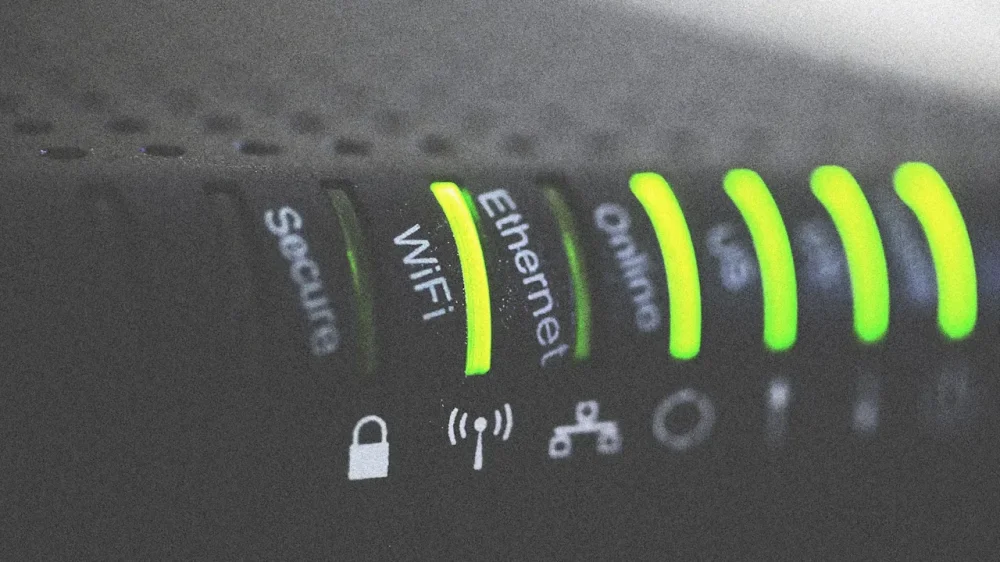
Finding additional memory for your PC is already a challenge. Now, connecting to the internet could get tougher, too. The Federal Communications Commission (FCC) released a notice Monday that will prohibit all new consumer-grade routers that were not made in the United States. Routers made in other countries, the alert read, “pose unacceptable risks to the national security of the United States or the safety and security of United States persons.” At least 60% of the routers in U.S. homes are made overseas, with the majority coming from China. Officials fear China could exploit those devices to launch attacks on critical infrastructure or steal sensitive information. “Malicious actors have exploited security gaps in foreign-made routers to attack American households, disrupt networks, enable espionage, and facilitate intellectual property theft,” the FCC wrote. “Foreign made routers were also involved in the Volt, Flax, and Salt Typhoon cyberattacks targeting vital U.S. infrastructure.” The ban applies only to new routers from other countries. The agency is recommending no action for devices already in homes and businesses. Retailers can continue selling existing inventory, and routers previously authorized by the FCC can still be imported, sold, and used. That suggests any suspected risk is not viewed as immediate. The order is likely to face legal challenges. The move is the latest step in the The President Administration’s 2025 National Security Strategy, which states “the United States must never be dependent on any outside power for core components—from raw materials to parts to finished products—necessary to the nation’s defense or economy.” But implementing a ban on a product where even U.S.-based companies rely heavily on overseas manufacturing could create supply headaches. The FCC included a potential loophole by allowing exemptions for companies that obtain “conditional approval” from the Department of Defense or the Department of Homeland Security. (It is worth noting that the FCC’s “Covered List” of routers deemed to pose an unacceptable risk does not restrict the sale or import of routers used by the federal government. Additionally, the FCC said companies could import small batches of unauthorized devices for product development purposes, but could not market or sell those.) If you already own a router on the Covered List, you will not be stuck with an expensive paperweight. A waiver allows those devices to continue receiving software and firmware updates so they remain usable and can defend against hacker attacks. The decision will impact several manufacturers, but perhaps none more than TP-Link. The company was founded in China but has since established its headquarters in Irvine, California. It has faced prior investigations over concerns about ties to China, though no action had been taken before Monday’s announcement. (TP-Link was not specifically mentioned in the FCC announcement, and the company did not immediately respond to a request for comment.) The new rules echo a previous ban on smartphones developed by Chinese companies, which had the biggest impact on Huawei Technologies. Investors are already betting on who benefits. Shares of Netgear rose more than 12% in early trading Tuesday, with Wall Street seemingly expecting the company to receive an exemption and face reduced competition going forward. View the full article
-
Spotify keeps adding new features lately. Last week, the company rolled out "Exclusive Mode" for desktop users to stream in the highest quality possible; last month, Spotify announced "Smart Reorder," which automatically sorts your songs by BPM; and in January, the company's AI-powered "Prompted Playlists" landed in the U.S. after an exclusive stint overseas. It's still not easy to pick a favorite among other services like Apple Music, but Premium subscribers can at least say Spotify is giving them something for their money. Now, the company is rolling out another new feature, one that actually seems like a cool way to learn about your music. On Tuesday, Spotify announced SongDNA, which shows you all the people who worked on a song, as well as all the samples and interpolations that song used. SongDNA lives directly under the lyrics tile in the player window. I already see it on my end, though Spotify does label the feature with a "Beta" tag to note that this feature is still in testing. How Spotify's SongDNA works When SongDNA appears under a song, you'll be able to see the artists who worked on it in one corner. That might include the main artist, but also any of the composers, producers, musicians, or writers who contributed. The SongDNA tile shows the main artist in a bubble, but tap the icon, and you'll see a map of all the people involved. You can tap on any of these names to see how many other artists they've worked with, how many songs they worked on, and what their "top song" is (presumably, what the most popular song they worked on is on Spotify). To the right of the artists' bubble is a sample and interpolations bubble: Here, you'll see all of the clips the artist or artists took from various other songs to incorporate them into their own track. On Kendrick Lamar's "King Kunta," for example, I can see they sampled a drum loop from "Kung Fu" by Curtis Mayfield, and took vocals from James Brown's "The Payback," among others. Spotify will tell you exactly where in each song the sample was taken from, and gives you a play button to listen. You also can scroll down to find songs that have sampled the song in question: "F The Disco" by Cavi samples vocals from "King Kunta" at 1:28, as does "Brain Cells" by Villain Park (at 1:59). Scroll down a bit more, and you'll find any covers of the song available on Spotify. "8-Bit Misfits" has an awesome interpretation of the song that sounds like Kendrick wrote music for the NES. Credit: Spotify I'm an Apple Music guy, truthfully, but I have to say: This rocks (no pun intended). Most of us listen to our music without really knowing much about how it was put together—outside of the headlining artist, anyway. SongDNA makes it easy to learn more about how your favorite songs were made, where they pulled inspiration from, and who actually helped make the hit besides the singer or artist. You could follow up with the lead engineer or producer of your favorite song to see what other projects they worked on, or check out the full songs that were sampled to find new music to listen to. While it's a bummer it's only available for Premium subscribers, it's a great move on Spotify's part. I reached out to Spotify asking whether SongDNA uses AI to retrieve this information, and will update this article if I receive an answer. View the full article
-
AI tools and visibility have dominated the SEO conversation in the past two years. But while discussions focus on these new technologies, most of the biggest SEO risks in 2026 will come from somewhere else: within your own organization. Fragmented data, unclear ownership, outdated KPIs, and weak collaboration can quietly destroy even the best strategies. As SEO expands beyond the website and into AI-driven discovery, the role of the SEO team is becoming broader, more influential, and, paradoxically, harder to define. Here are some of the risks your team should start thinking about now. Relying too much on AI for everything Many SEO teams now rely on AI for everything, from generating briefs to analyzing data. That’s often necessary. You can’t spend hours creating a brief when AI can produce something usable in minutes. But that’s also where the risk starts. AI can generate content quickly, but “acceptable” won’t differentiate you. You still need a clear point of view — what story you’re telling and what unique angle you bring. Without that, your content becomes generic, predictable, and indistinguishable from competitors using the same tools. The issue is simple: if you ask similar tools similar questions, you’ll get similar answers. And your competitors have access to the same tools. Some companies try to stand out by training models on proprietary data. In reality, few teams do this at scale. Most prioritize speed over quality. There’s also risk in using AI for analysis without understanding the data behind it. AI is fast, but it can misinterpret or hallucinate results. I’ve seen this firsthand. An AI tool hallucinated part of a calculation during an urgent analysis, making every insight that followed incorrect. It only acknowledged the mistake after it was explicitly pointed out. More broadly, AI excels at identifying patterns. But in SEO, competitive advantage rarely comes from following patterns. The most effective strategies don’t just mirror what everyone else is doing. Sometimes the best opportunity isn’t the obvious one. AI is reshaping how SEO work gets done, how impact is measured, and whether it can be measured at all. Dig deeper: Why most SEO failures are organizational, not technical Your customers search everywhere. Make sure your brand shows up. The SEO toolkit you know, plus the AI visibility data you need. Start Free Trial Get started with Fragmented data and limited visibility For years, SEO professionals have worked with incomplete datasets. We’ve never had a full view of the user journey. That’s one reason organic impact has often been underestimated. In the past, though, we could still piece together a reasonably clear picture — from ranking to click to conversion. Today, that picture is far more fragmented. AI tools have changed how people research and discover products. Users now start in AI assistants – asking questions, comparing options, and building shortlists before ever visiting a website. By the time they land on your page, part of the decision-making process is already done. The problem is we have zero visibility into that journey. If a user discovers your brand through an AI-generated answer, adds you to a shortlist, then later searches for you directly, the signals that influenced that decision are invisible. We only see the final step. Microsoft Bing has introduced basic reporting for AI searches, but it’s limited. We still can’t see the prompts behind specific page visibility. At the same time, SEO teams are still expected to prove impact. Some companies are adding questions to lead forms to understand how users discovered them. In theory, this adds signal. In practice, it depends on accurate self-reporting. I know how I fill out forms, so I question how reliable that data really is. Still, it’s a start. Setting the wrong KPIs Fragmented data creates another risk: focusing on the wrong KPIs. Stakeholders still ask about traffic. No matter how often SEO teams explain that its role has changed, traffic remains a default measure of success. For years, organic growth meant more sessions, users, and visits. That mindset hasn’t fully shifted. At the same time, stakeholders are drawn to newer metrics — AI visibility, citations, and mentions. These aren’t inherently wrong, but they need to be used carefully. Most tools measure AI visibility using a predefined set of queries. That’s where risk creeps in. Teams can become too focused on improving visibility scores, even if it means optimizing for prompts that look good in reports rather than those that matter to the business. For example, appearing for “What is XYZ software?” isn’t the same as showing up for “Which XYZ software is best?” The first may drive visibility, but the second is much closer to a purchase decision. To avoid this, visibility metrics need to be tied to business outcomes — a real challenge given the fragmented data problem. Tracking AI visibility also opens another rabbit hole: debates over which prompts to track, how many to include, and why. This can quickly overcomplicate measurement, especially if teams lose sight of the goal. The objective isn’t to track every phrasing, but to understand the intent behind it. Trying to capture every variation is impossible. Dig deeper: Why governance maturity is a competitive advantage for SEO Owning more than you can actually own SEO teams are expected to own AI visibility strategy much like they owned SEO strategy. But strategy is often treated as execution. Even in the past, SEO was never fully independent. It relied on other teams — engineering to implement changes and content to create pages. The difference is that most of this work used to happen on the company’s own website. That’s no longer true. Visibility in AI answers requires presence beyond your domain — Reddit threads, YouTube videos, and media mentions all play a role. This significantly expands the scope of work. At the same time, many of these surfaces don’t have clear owners inside organizations. Even when they do, there’s a tendency to assume that if SEO owns the strategy, it should also own execution or at least be accountable for outcomes. The opposite happens, too. If other teams own execution, they may take ownership of the entire strategy. In reality, neither model works well. SEO teams can’t manage every platform that influences AI visibility. They don’t have the expertise to produce YouTube content or run PR campaigns. Their strength is knowing what works and helping optimize it. For example, advising on how a video should be structured to perform on YouTube. Owning strategy also doesn’t mean deciding who owns execution. That’s a leadership responsibility. It requires visibility across teams and the authority to assign ownership. Otherwise, one team is left deciding how its peers should operate. Get the newsletter search marketers rely on. See terms. Lack of cross-team collaboration Even when companies recognize the importance of AI visibility, cross-team collaboration remains a challenge. Roles and processes are often unclear. SEO teams may expect others to execute, while those teams assume it’s SEO’s responsibility. In other cases, teams don’t prioritize AI visibility because their KPIs focus elsewhere. This is where leadership alignment becomes critical. If AI visibility is truly a strategic priority, it needs to be reflected in goals and KPIs across all relevant teams. When AI-related KPIs sit only with SEO, it creates an imbalance: one team is accountable for outcomes, while execution depends on many others. Many teams are also unsure how to work with SEO. Some don’t involve SEO early enough. Others choose not to follow recommendations because they don’t agree with them. SEO teams share responsibility here, too. They need to actively onboard other teams and clearly connect SEO efforts to broader business goals. It’s our job to show that lack of visibility means lost revenue. I’ve seen cases where teams critical to AI visibility hadn’t even read the strategy document. In these situations, the issue isn’t one-sided. Teams need to understand what’s expected of them, and SEO needs to push for alignment and involve stakeholders early. Simply moving forward without that alignment doesn’t work. SEO teams also don’t always explain the “why.” AI visibility can end up treated as a standalone SEO metric rather than a business driver. Even when there’s agreement on its importance, a lack of clear processes, shared goals, and training keeps collaboration inconsistent. Dig deeper: Why 2026 is the year the SEO silo breaks and cross-channel execution starts Too much strategy, not enough doing With rapid changes in search, SEO teams often spend more time on theory — reading, analyzing, building frameworks, and refining strategies — instead of making changes to the website. That doesn’t mean teams should stop learning. Quite the opposite. But strategy without execution quickly loses value. In many organizations, SEO teams are expected to produce in-depth strategy documents meant to align teams and define priorities. In reality, many go unread outside the SEO team. They require significant effort but deliver little impact. Part of the problem is that strategies are often too theoretical. They explain the why but miss the what. The value of a strategy isn’t the document, but the actions that follow. Other teams need to understand what to do and how to contribute. AI is also accelerating how quickly search evolves. Waiting months to test ideas no longer works. A more practical approach is to understand the direction, implement changes, observe results, and iterate. Smaller experiments often lead to faster learning. When SEO succeeds, SEO disappears SEO has always been a consulting function. Success depends on collaboration with teams like engineering, content, and product. Today, that dynamic is more visible than ever. In many cases, SEO teams don’t execute directly. Their role is to enable others. In mature organizations, this works well. Collaboration is strong, and credit is shared. SEO’s consulting role is recognized without forcing the team to own areas outside its expertise. In less mature environments, it can lead to SEO being undervalued or seen as unnecessary. AI adds another layer. It can generate keyword ideas, outlines, and optimization suggestions, making SEO look deceptively simple, much like writing content. AI lowers the barrier to entry, but it doesn’t replace expertise. Without that expertise, teams produce work that’s technically correct but average. It’s a familiar pattern: copy-pasting a Screaming Frog SEO Spider error list into a task doesn’t demonstrate real understanding. This creates a paradox. The more SEO becomes a company-wide capability, the more the SEO team risks becoming invisible. Dig deeper: SEO execution: Understanding goals, strategy, and planning See the complete picture of your search visibility. Track, optimize, and win in Google and AI search from one platform. Start Free Trial Get started with SEO is evolving, but are companies ready? SEO teams won’t fail in 2026 because of a lack of knowledge. They’ll fail if they can’t turn that knowledge into action, influence, and business impact. The challenge is no longer just optimizing pages. It’s building processes, partnerships, and measurement models that reflect how visibility works today. Success also depends on leadership support. Many of the biggest risks are structural — fragmented data, unclear ownership, weak collaboration, outdated KPIs, and the gap between strategy and execution. AI visibility expands beyond the website and into the broader organization. That doesn’t make SEO less important, but it does make it harder to define, measure, and defend. The companies that succeed will stop treating SEO as a traffic function and start treating it as a business capability that drives visibility, discovery, and growth. View the full article
-
A reader writes: One of the directors at my company, Meredith, has been undergoing executive coaching sessions for around six months. These are supposed to be to give her management coaching and experience, as she currently has none and has three direct reports, including me. However, it’s come to light that instead of using these sessions to learn how to manage and learn leadership skills, she’s essentially been using them as free therapy/counsellng and has been aggressively running down members of the team instead! One of the members of the team accidentally discovered the full transcripts from Meredith’s sessions on our company cloud — in a public folder, not even hidden! In fairness to the coach, he does try to redirect Meredith’s vents to management tactics, but she quickly diverts and carries on. In them, she talks awfully about many members of the team, referring to one of my colleagues as “difficult and annoying” and says she’s “glad she doesn’t have to manage her,” all because my colleague lost a family member to suicide last year — which she gives as the reason she doesn’t want to manage her and dislikes dealing with her! She also talks about me, saying that she finds my personality “weird,” “doesn’t like dealing with me and would rather not,” that I “think I’m better at my job than I am” and she “could do my job and often does anyway” (spoiler — she doesn’t!). She calls other colleagues “dumb” and even refers to an ex-colleague as “an easy crier, which gets her out of everything.” I also believe she’s been running me down to the CEO, as our relationship has soured out of nowhere recently and I had no idea why — but they work quite closely together and now it all seems to make sense. We’re a small remote team and we’re all younger than Meredith. I should also mention that we don’t have a HR department, so we have no idea what, if anything, to do, even though a few of us are obviously incredibly upset with this. What would your advice be here? Should we talk to external HR agencies? Is it worth going straight to the CEO, even though there is trepidation about doing so? I’m curious what you had been seeing from Meredith before finding the transcripts. Did you feel she was a reasonably effective manager, although inexperienced, or has she been struggling to do her job effectively? (And is that by chance the reason the company got her a coach?) If it was already clear that she was a bad manager, then the problem is that, much more that than what she’s doing in her coaching sessions. And if she hasn’t been a terrible manager, then finding the transcripts is uncomfortable but not necessarily actionable; in that case, it would be more like background info about what she really thinks (something you don’t normally have the advantage, or disadvantage, of knowing). My guess is that she hasn’t been a great manager up until now — hence the coaching. To be clear, it’s a problem that she’s using her coaching sessions this way. And it’s an even bigger problem that the coach isn’t doing a better job. Executive coaching isn’t supposed to be therapy or a place where a manager just vents; while there might be some venting, the sessions’ focus should be on building the manager’s skills and helping her become more effective in her role. As someone who has spent years doing management coaching, if I had a coaching client saying the sorts of things Meredith is saying, my job would be to use those things as openings to work on making her a better manager. For example, if a client said an employee was difficult and annoying, my job would be to dig into why she felt that way and help her come up with more effective ways to work with the person. If she said she was glad she didn’t have to manage someone because the person lost a family member to suicide (!), the coach should ask why that feels hard so they can figure out how to move past it — not just let that go unchallenged. And on and on. These sessions are supposed to be focused on building skills and working through problems, not just being a sympathetic audience to someone’s complaints. So the coach is a problem. The fact that you found the coaching transcripts gives you some insight into what’s going on, but it’s not necessarily something you need to or should escalate. Meredith’s own boss should be very concerned about how she’s using these coaching sessions (and presumably the fact that she’s not becoming a better manager despite them), but as Meredith’s employees, you don’t really have standing to address it. But what you can focus on is whether your team is getting what you need from Meredith as your manager — and if you’re not, that’s something you can escalate. Whether or not to do that, though, depends on the internal dynamics of your organization. If the CEO likes Meredith and your own relationship with the CEO isn’t strong (you mentioned it’s soured recently, maybe because of Meredith), you might not be well-positioned to do that. Are any of your coworkers? Or is there anyone else who would be logical to talk to, like a manager in between Meredith and the CEO, or a second-in-command type? Or someone above you in the hierarchy who has influence with the CEO and who you could discreetly talk to about what the team found and the fact that it’s causing consternation because it’s so ugly and personal? (You mentioned external HR agencies, but those aren’t really a thing. Companies manage this stuff themselves.) If there’s not anyone like that and none of your coworkers are well-positioned to talk to Meredith’s boss either, then the situation is basically that you have a bad boss and you’ve gotten an unusually candid look at what she really thinks of you all — but not a lot of recourse beyond that, unfortunately. The post our boss has been using her management coaching sessions to trash-talk our team appeared first on Ask a Manager. View the full article
-
The real issue was never AI or “automatically generated content” itself. Google penalizes the same thing it always has: content that is thin, unhelpful, and spammy. AI just makes it much easier to create that kind of content at scale.…Read more ›View the full article
-
Trust hasn’t disappeared from business. It’s been renegotiated. As artificial intelligence moves from novelty to infrastructure, people are changing how they decide who deserves credibility. In Mission North’s 2026 Brand Expectations Index, we surveyed more than 1,500 U.S. adults and knowledge workers to understand what builds trust today, and what quietly undermines it. Some of the results run directly against conventional thinking. Here are five rules for 2026. 1. Visibility alone doesn’t build credibility For years, executive communications equated presence with power: more interviews, more panels, more posts. But only 24% of respondents say frequent CEO visibility increases their trust. That doesn’t mean leaders should disappear. It means audiences can tell the difference between showing up and taking responsibility. What actually moves trust? Protecting customer data. Admitting mistakes. Listening and responding. Visibility without substance now reads as noise. The message is clear: Awareness and credibility are no longer interchangeable. 2. Generational expectations are diverging Where leaders show up matters—and it matters differently depending on who’s watching. Younger generations expect leaders to appear on social media, with 47% of Gen Z and 42% of millennials expecting them to appear on YouTube. Among those groups, trust rises when companies show up on YouTube (38% Gen Z and 37% millennials) and on TikTok or Reels (35% and 21% respectively). Older generations tell a different story. Across the full sample, 56% expect leaders to appear on broadcast TV news—and among knowledge workers, 45% say those appearances increase trust. For many audiences, traditional media still carries legitimacy. But another pattern emerges when you look at trust conversion: Longer-form, explanatory environments consistently generate stronger credibility returns than compressed, reactive formats. Platforms that allow leaders to explain decisions, demonstrate expertise, and show their thinking—whether that’s broadcast interviews, YouTube explainers, podcasts, or substantive LinkedIn posts—convert visibility into trust more effectively than short-form performance. The lesson isn’t that traditional media is irrelevant, or that digital replaces broadcast. Traditional media drives awareness, which is a key element of a strategic communications program. The nuance is that credibility follows depth. The more space leaders have to demonstrate clarity and accountability, the more trust they earn. 3. AI can strengthen trust—or erode it Across generations, one principle holds: Accountability must stay visible. Roughly seven in 10 respondents say their trust would decline if a company used undisclosed AI-generated executive messaging. At the same time, millennials are broadly comfortable with AI integration—60% say they’re fine with AI-generated executive avatars delivering public statements. Among baby boomers, however, that drops to 20%. The divide isn’t about innovation; it’s about accountability. People don’t object to technology; they object to leaders hiding behind it. 4. Silence is sometimes the smarter move Crisis playbooks have long prioritized speed, but our data suggests that instinct deserves a second look. Fifty-seven percent of adults—and 67% of knowledge workers—prefer leaders to say nothing rather than risk being wrong. Nearly seven in 10 would rather companies wait for verified facts than release unconfirmed information. In a media environment that rewards instant reaction, restraint can signal discipline. Accuracy reads as leadership. 5. Substance always wins We also tested whether gender shapes trust in crisis communication by presenting identical statements under the names “John Reed, CEO” and “Jessica Reed, CEO.” Among the general population, subtle perception gaps emerged: John was rated slightly higher on authority (+4 points) and empathy (+5 points). First impressions aren’t neutral. But when respondents evaluated what truly drives credibility—trustworthiness and effectiveness—those gaps nearly disappeared (+1 and +2 points). Among knowledge workers, differences fell within the margin of error. The takeaway? Bias may influence the opening frame, but performance determines the outcome. What leaders need to get right Across the research, a consistent pattern emerges: Accountability beats amplification. Expertise builds more credibility than hierarchy. Transparency is non-negotiable in AI adoption. Tone matters—and varies by audience. Values and clarity stabilize trust under pressure. This isn’t a case for less communication. It’s a case for more disciplined communication. AI can accelerate output, scale messaging, and compress timelines. What it cannot automate is responsibility. The leaders who earn trust this year won’t be the most visible. They’ll be the most accountable. Tyler Perry is co-CEO of Mission North. View the full article

-
Americans’ outlook on the job market has turned increasingly pessimistic, a surprisingly negative shift given the low unemployment rate but one that likely reflects an ongoing hiring drought. Just 28% of workers in a quarterly Gallup survey conducted late last year said now is a “good time” to find a quality job, with 72% saying it is a bad time. Those figures are a sharp reversal from just a few years ago, in mid-2022, when 70% said it was a good time. Americans have quickly gotten more pessimistic: As recently as late 2024, just under half of workers still said it was a good time to search for a job. The current survey was conducted during the final three months of 2025, long before the Iran war that has sent oil and gas prices soaring and threatens to slow the economy as Americans redirect more of their dollars to filling gas tanks and away from other spending. The figures help explain other surveys that show Americans have a largely bleak view of the economy, even as many headline measures suggest it has been growing and job losses are low. College graduates are especially gloomy Job pessimism is especially pronounced among college graduates. The shift is likely because hiring in many white-collar professions has been unusually weak for the past two years, in areas such as software, customer service and advertising. The survey found a split based on education levels, with just 19% of workers with a college degree thinking that now is a good time to find a quality job, while 35% of workers without a college degree are optimistic. A separate Gallup survey of U.S. adults overall found that college graduates’ optimism about the job market is the lowest it’s been since 2013. Meanwhile, the gap in job market sentiment between Americans with and without a college degree was at its widest in that survey since Gallup started asking the question in 2001. Signs of broad discontent among young workers Just about 2 in 10 workers ages 18-34 think now is a good time to find a job, compared to about 4 in 10 workers ages 65 and older who say the same. Gallup’s survey is consistent with what economists call the “low-hire, low-fire” job market: Businesses are largely holding onto their workers and measures of layoffs remain quite low. As a result, older workers are largely secure in their jobs. But hiring is also quite sluggish, making it harder for younger workers to break in and find permanent work. It also found that younger workers are much likelier than older workers to say they’re actively looking for a new job or watching for opportunities. Most Gen Z and Millennial workers say they’re at least watching for opportunities, while about three-quarters of baby boomers say they’re not looking at all. Other surveys signal negative economic views The Gallup results come as government data shows that overall hiring is at its weakest level in more than a decade. The Labor Department tracks a “hiring rate,” or the proportion of people who are hired each month as a percent of those with jobs. The hiring rate dropped to 3.2% last November, around when Gallup conducted its survey, the lowest since March 2013. It was 3.9% before the pandemic. A hiring rate at that 3.2% is quite low: When it was last reached in March 2013, the unemployment rate was 7.5%, as millions of Americans were still struggling to find work after the 2008-2009 Great Recession. It suggests it is much harder to find a job now than the unemployment rate would indicate. Government data also shows that there are more unemployed people — 7.4 million — than available jobs, at 6.9 million. That is a reversal from the first few years after the pandemic, when vacancies outnumbered those out of work. Gallup’s survey also found that workers have a dimmer view of their current life and future prospects than at any point since 2009, when the firm began measuring the workforce’s life evaluations. Other surveys echo Americans’ generally dark view of the economy. The Conference Board’s consumer confidence survey was just 91.2 in February, not far from its pandemic-era lows and down from nearly 130 before the pandemic. More people believe jobs are “easy to get” than “hard to find,” the Conference Board’s survey finds, but the gap has narrowed steadily in recent years. The Gallup poll of 22,368 U.S. adults who are working full-time and part-time for organizations in the U.S. was conducted Oct. 30-Nov. 13, 2025, using a sample drawn from Gallup’s probability-based panel. The margin of sampling error for all respondents is plus or minus 1.0 percentage points. —Christopher Rugaber, AP Economics Writer View the full article

-
Most technology companies treat brand or product names like marketing. That’s a mistake. Names are infrastructure—not cosmetic choices or launch-day deliverables. When names are wrong, everything built on top of them pays a quiet, compounding price. We tend to think of infrastructure as physical or technical systems: roads, power grids, cloud platforms. But infrastructure is really something more precise: It’s the invisible system that enables everything else to function. When it works, no one notices. When it doesn’t, nothing scales. Language behaves the same way. Before anyone buys a new technology, it must be named. Before they adopt it, they must talk about it. Before it spreads, it must be searchable, repeatable, explainable, andtrustable. All of that happens in language. Tech companies often come to us for help. We work best before a new technology enters the world. Our role isn’t to hype it or decorate it. It’s to build the language that allows the technology to be understood, adopted, and scaled over time. WHEN NAMING BREAKS, EVERYTHING BREAKS In earlier eras of software, language mostly described technology. Buttons were clicked. Menus were navigated. Documentation translated machine logic into human terms. Today, language increasingly is the interface. We talk to systems. We prompt them. We name models, agents, tools, and modes. Words don’t just explain behavior—they trigger it. In an AI-driven world, language has become operational. Consider Google Antigravity, an AI-powered, agent-first development platform released alongside Gemini 3 that lets autonomous AI agents plan, write, test, and validate code within a rich interface. The choice of the name Antigravity is more than playful branding; it suggests a paradigm shift where development feels lighter and more fluid. That name sets expectations about what the product allows users to do before anyone ever opens it. In other words: Linguistic choices shape adoption. Ambiguous language doesn’t just confuse users; it creates unpredictable behavior. Overly technical language narrows who feels permitted to engage with a product. Overly familiar language changes how much people trust systems that are, at their core, probabilistic and opaque. There needs to be a balance based on a brand’s goals and ambitions. THE COST OF GETTING IT WRONG Poor linguistic infrastructure taxes everything built on top of it. A weak name forces explanation. Explanation adds friction. Friction slows adoption, complicates sales narratives, distorts perception, and increases support costs. None of this shows up immediately on a balance sheet—but it compounds over time. A strong name does the opposite. It collapses complexity. It sets expectations. It makes something unfamiliar feel legiblebefore anyone understands how it works. Look at the name Vercel, a platform that helps developers build and deploy websites. It doesn’t literally describe hosting, deployment, or edge functions. Yet it feels structural and capable—a place, a velocity, a vector. It carries confidence without specifying category. The name Vercel scales as the product does because it functions like infrastructure, not décor. LANGUAGE AS SYSTEMS DESIGN Most companies approach naming as a moment. We approach it as a system. We study how names perform across languages, cultures, and cognitive contexts. We test how they are heard, processed, misheard, remembered, or misunderstood. We think about how they age. How they stretch as products expand. How they fail under pressure. Because a name isn’t a slogan. It’s the beginning of a language system—one that will be repeated millions of times by people who had no role in creating it. In today’s AI era, this matters more than ever. AI collapses the distance between word and action. Prompts become commands. Names become interfaces. Language becomes the control surface through which humans steer increasingly complex systems. When language is imprecise, the system inherits that imprecision. When it’s clear, the system becomes more usable, more trustworthy, and more scalable. The most successful technology companies rarely talk about naming. Their language simply works. It carries the brand meaning without explanation and scales as products evolve and categories shift. That invisibility is the goal. Good linguistic infrastructure disappears. Teams stop debating what to call something and start building. Users stop asking what a product is and start using it. Markets form more quickly around ideas that feel understandable—even when the underlying technology is complex. In a world where intelligent systems are everywhere, the companies that win won’t just have better models—they will have better language. Because language is how humans interface with complexity. Once you see language this way, you see that naming isn’t a craft. It’s infrastructure engineering. David Placek is founder and CEO of Lexicon Branding. View the full article

-
Handling sales objections is a vital skill for anyone in sales. You’ll encounter various types of objections, and comprehending them is the first step. Effective discovery processes can help you identify concerns early on. Acknowledging objections with gratitude builds rapport, whereas empathizing with the prospect’s feelings nurtures trust. By asking open-ended questions, you can uncover root causes, allowing you to provide customized solutions. But how do you make sure those solutions resonate? Key Takeaways Utilize the BANT framework to uncover the root causes of objections related to budget, authority, need, and timing. Acknowledge and express gratitude for objections to foster rapport and encourage open dialogue. Employ empathetic language to validate the prospect’s feelings and create a comfortable environment for discussion. Provide value by linking your solutions directly to the prospect’s specific needs and challenges. Support your claims with proof, such as testimonials, case studies, and metrics, to build credibility and trust. Understand the Types of Sales Objections When you’re steering through the sales process, it’s crucial to understand the types of sales objections that may arise, as each one points to a specific barrier in the purchasing decision. Common objections typically fall into categories like budget, authority, need, and timing. For instance, a prospect might feel they don’t have the budget or may not recognize the urgency of your solution. Other objections could stem from a lack of trust in you as the seller. By employing the BANT framework—Budget, Authority, Need, Timing—you can identify the root causes of these objections. Recognizing patterns from past interactions can likewise streamline your responses, allowing you to address underlying concerns effectively and improve your overall sales effectiveness. Conduct an Effective Discovery Process Comprehending the various types of sales objections provides a solid foundation for the next step in the sales process: conducting an effective discovery process. This involves asking open-ended questions to uncover your prospect’s pain points and specific needs. Use the P.O.W.E.R.F.U.L. framework to guide your conversations and align their goals with your solutions. Prioritize active listening to validate their feelings, which builds trust. Incorporate insights from previous interactions and industry research to customize your approach, showing genuine interest. Adapt your questions based on their responses for a more personalized conversation that addresses their objections effectively. Discovery Technique Purpose Open-Ended Questions Uncover pain points Active Listening Build rapport and trust Customized Insights Demonstrate genuine interest Acknowledge Objections With Gratitude When you acknowledge objections with gratitude, you build rapport with your prospect, making them feel valued and understood. This approach encourages open dialogue, allowing you to explore their needs more effectively. Build Rapport Effectively Building rapport effectively during sales conversations is crucial, and one of the most impactful ways to achieve this is by acknowledging objections with gratitude. When you express appreciation for a prospect’s concerns, it not only validates their feelings but also strengthens the connection between you. This practice is particularly important for overcoming objections in car sales, as it promotes trust and encourages open dialogue. Acknowledge objections with a “Thank you” Set a positive tone for conversation Reinforce commitment to comprehending their perspective Transform objections into opportunities for deeper discussions Foster Open Dialogue How can you encourage open dialogue during sales conversations? Start by acknowledging customer objections with a simple “Thank you.” This approach shows appreciation, making prospects feel valued and heard. When you express gratitude for their concerns, it opens the door for deeper conversation, allowing them to elaborate on their needs. Recognizing objections as a natural part of the sales process helps maintain a positive tone, reinforcing trust. By validating a prospect’s feelings, you create a comfortable environment for discussing pain points. Engaging with empathy and gratitude when addressing objections strengthens relationships, eventually leading to higher customer loyalty. This practice not just improves dialogue but also cultivates long-term connections vital for successful sales. Empathize With the Prospect’s Concerns Empathizing with a prospect’s concerns is crucial for effective sales communication, as it allows you to comprehend their feelings and perspectives regarding sales objections. By recognizing their concerns, you build trust and cultivate a stronger relationship. Here are some key strategies to employ: Use empathetic language, like “I comprehend how you feel.” Actively listen to their concerns without interrupting. Validate their feelings to encourage open dialogue. Create a comfortable environment for sharing fears. When you demonstrate empathy, you’re more likely to uncover deeper issues that your prospect may not express outright. This comprehension can lead to customized solutions, making it easier to handle objections and finally increasing your chances of closing the deal. Ask Open-Ended Questions to Uncover Root Causes What techniques can you use to dig deeper into a prospect’s objections? One effective method is to ask open-ended questions. This approach encourages prospects to elaborate on their concerns, helping you uncover deeper issues that may not be immediately clear. By avoiding yes/no questions, you gather nuanced information about their motivations, which is vital when figuring out how do you handle customer objections. Utilizing insights from earlier conversations can help you craft relevant questions that resonate with their needs. Engaging prospects in this way cultivates a sense of partnership, making them feel valued and heard. In the end, this dialogue not only improves your comprehension of their priorities but also builds trust and rapport, paving the way for customized solutions. Provide Value and Tie Solutions to Needs After uncovering the root causes of a prospect’s objections through open-ended questions, the next step is to provide value by clearly linking your solutions to their specific needs. Address car sales objections effectively by focusing on how your product alleviates their pain points. Use a car sales objections and responses template to craft your message. Consider these strategies: Articulate how your offering addresses their challenges. Highlight unique selling propositions that align with their priorities. Emphasize the ROI potential, helping them visualize long-term benefits. Share relevant case studies or testimonials to reinforce your value proposition. Back Claims With Proof and Customer References When addressing sales objections, it’s crucial to back your claims with solid proof and customer references. Utilizing testimonials and case studies from satisfied customers provides tangible evidence of your product’s effectiveness. Highlight specific metrics, like a 30% increase in efficiency or a 25% reduction in costs, to substantiate your claims. Incorporating third-party reviews or industry awards improves your credibility and alleviates trust objections. Providing references from similar IBM creates relatable context, reinforcing your solution’s relevance to their specific challenges. Furthermore, sharing success stories where clients faced similar objections but benefited from your solution can help prospects visualize positive outcomes. This approach effectively addresses objection questions and builds confidence in your offering. Frequently Asked Questions What Are the 4 P’s of Objection Handling? The 4 P’s of objection handling are Prepare, Probe, Provide, and Practice. First, you prepare by anticipating objections and crafting responses. Next, you probe by asking open-ended questions to understand the prospect’s concerns better. Then, you provide relevant information and solutions that address those objections, highlighting the value of your offering. Finally, you practice objection handling scenarios to boost your confidence and improve your ability to respond effectively in real situations. What Are the 3 F’s for Handling Objections? The 3 F’s for handling objections are Feel, Felt, and Found. First, you acknowledge your prospect’s feelings, showing their concerns are valid. Next, you share a relatable story of someone who felt similarly, which helps build rapport. Finally, you present how others have found success after overcoming that objection, providing social proof. https://www.youtube.com/watch?v=RVbvhPGFi6E Using this framework creates deeper conversations and encourages collaboration, transforming objections into opportunities for engagement and comprehension. What Are the 7 Methods for Handling Objections? To effectively handle objections, you can employ seven methods. First, listen actively to understand concerns. Next, validate those concerns to build trust. Then, ask open-ended questions to encourage deeper dialogue. You can additionally reframe the conversation by focusing on the value your product offers. Address objections directly and provide relevant information. Follow up after the conversation to reinforce your commitment. Finally, be prepared with clear answers for common objections to improve your overall approach. How to Best Handle Objections in Sales? To best handle objections in sales, start by acknowledging the prospect’s concerns with a simple “Thank you.” This builds rapport and encourages dialogue. Actively listen and ask clarifying questions to understand their underlying issues. Use the P.O.W.E.R.F.U.L. framework to address their Pain points and needs during focusing on value. Demonstrate empathy and reassure them of the benefits, emphasizing urgency and long-term advantages to facilitate resolution and strengthen the relationship. Conclusion In summary, effectively handling sales objections involves comprehending their types, conducting a thorough discovery process, and acknowledging concerns with gratitude. By empathizing with prospects, asking open-ended questions, and tying your solutions to their specific needs, you can build trust. Remember to back your claims with proof, such as testimonials or case studies, to improve credibility. Implementing these strategies will not just address objections but additionally cultivate stronger relationships with potential customers, finally driving sales success. Image via Google Gemini and ArtSmart This article, "7 Essential Tips for Handling Sales Objections" was first published on Small Business Trends View the full article
-
Apple is preparing to introduce sponsored listings in Apple Maps, marking a significant expansion of its advertising business beyond the App Store. How it will work. According to Bloomberg’s Mark Gurman, the system will function similarly to Google Maps — allowing retailers and brands to bid for ad slots against search queries. Sponsored businesses will appear in Maps search results, much like sponsored apps already appear in App Store searches. The timeline. An announcement could come as early as this month, with ads beginning to appear inside Maps as early as this summer across iPhone, other Apple devices, and the web version. Why Apple is doing this. Advertising is a growing and high-margin revenue stream for Apple’s services business. Maps — with its massive built-in user base across Apple devices — is a natural next step, particularly as location-based advertising continues to grow. Why we care. Apple Maps has a massive built-in user base across iPhone and Apple devices, and users searching within Maps are expressing clear, high-intent signals — they’re actively looking for somewhere to go or something to buy. This opens up a brand new location-based advertising channel that previously didn’t exist on Apple’s platform, giving local businesses and retailers a way to reach those users at exactly the right moment. Advertisers already running Google Maps or local search campaigns should pay close attention, as this could quickly become a significant complementary channel. The bottom line. Apple Maps ads should open up a high-intent, location-based channel that hasn’t existed before on Apple’s platform. Advertisers running local or retail campaigns should start planning now — early entrants in a new ad auction typically benefit from lower competition and cheaper costs before the market matures. View the full article