All Activity
- Past hour
-
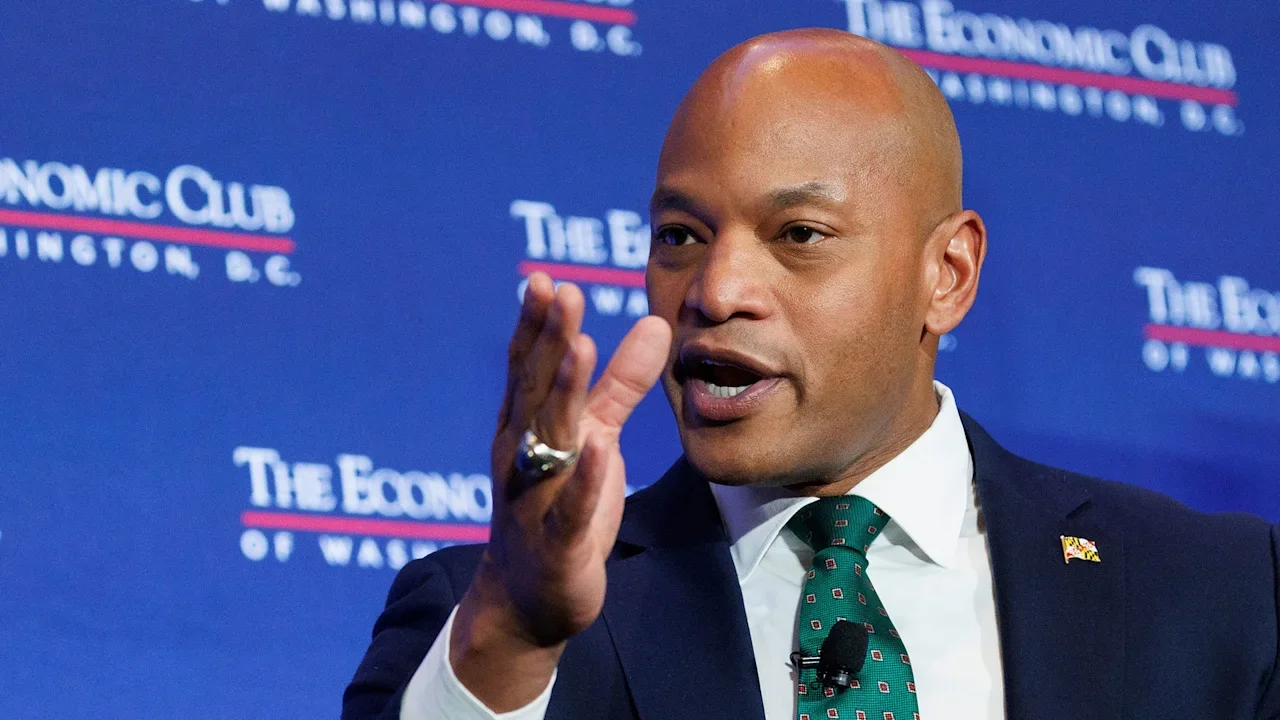
 The National Governors Association is pulling out of an annual meeting at the White House after President Donald The President declined to invite two Democratic governors, undercutting one of Washington’s few remaining bipartisan gatherings. The President is still expected to meet with governors at the White House on Friday but the event will not be facilitated by an organization founded more than a century ago to help state leaders from both parties advocate for their interests in Washington. The Republican president had refused to include Democratic Govs. Jared Polis of Colorado and Wes Moore of Maryland and recently blasted them on social media as “not worthy of being there.” In a brief interview Thursday, Polis said he does not have “any ability to get in (The President’s) head.” Polis said he was nonetheless meeting with governors from both parties while he is in the nation’s capital. “I’ve spent quality time with my colleagues this morning and really learning from one another and taking best practices that Republican or Democratic governors have launched in their state,” he said. “It’s really what these meetings are about.” The episode underscores the confrontational approach The President has taken during his second term toward state leaders he does not like. He has at times threatened to withhold federal money or send in troops over the objections of local leaders. Now, even a ceremonial White House dinner has become a flashpoint and fellow Republicans openly acknowledge that The President’s aim as president is not to unify the country. “He’s not putting his mind to it,” Gov. Spencer Cox, R-Utah, said at an event sponsored by Politico. “He’s said very clearly that that’s not who he is.” In an interview Wednesday, Moore said he has “no desire to have beef with the president of the United States.” “I didn’t run for governor like, man, I can’t wait so me and the president can go toe to toe,” said Moore, the NGA’s vice chair. “But the fact that he is waking up in the middle of the night and tweeting about me, I just, I pray for him and I just feel bad for him because that has just got to be a really, really hard existence.” Governors try to stay above the partisan fighting The dynamics are a far cry from the air of bipartisanship that Moore and Oklahoma Gov. Kevin Stitt, a Republican who chairs the NGA, sought to portray as governors began to assemble in Washington. Moore and Stitt shared a stage several times this week swapping jokes and praise. “I have gotten, through the National Governors Association, a really good chance to know the heart of this man and how much he is a great American, loves his country, loves his citizens and is just trying to do the best he can for Maryland,” Stitt said Thursday at the Politico event. After Stitt tried to resolve the standoff between the White House and the Democratic governors last week, The President blasted him as a “RINO,” short for Republican In Name Only, and accused him of misrepresenting his position. Stitt struck a conciliatory tone Thursday, noting he would participate in White House events. “Politics has a way of just beating you down over time so I can’t imagine being president of the United States,” Stitt said. “He’s got a tough job to do.” Former Maryland Gov. Larry Hogan, a Republican who occasionally disagreed with The President, said it was a “mistake” for the White House not to include all governors. “There never was a huge amount of real work that got accomplished but it was a nice thing annually to bring all the governors — Republicans and Democrats — together,” he said in an interview. “I know there’s a lot of friction but it just seems in everybody’s best interest even if you passionately disagree and you don’t like the other person or you’re mad about whatever, it can’t hurt to be in the same room together.” Beyond the White House meeting, some governors also shared pointed criticisms of the administration’s ever-expanding power. They bemoaned the unwillingness of the Republican-controlled Congress to limit The President’s ambitions and they cast themselves as counterweights to the executive. “Presidents aren’t supposed to do this stuff,” Cox said. “Congress needs to get their act together. And stop performing for TikTok and actually start doing stuff. That’s the flaw we’re dealing with right now.” Cox added that “it is up to the states to hold the line.” Presidential buzz runs alongside the conference As governors cycled through panels and interviews, one question hovered: Who among them might seek the presidency in 2028? Moore and Gov. Josh Shapiro of Pennsylvania were among the potential Democratic presidential contenders in Washington this week. Other Democrats, including Govs. Gavin Newsom of California and JB Pritzker of Illinois, were not in town. Stitt and Moore, during a panel discussion, both declined to rule out a future bid and emphasized their focus on their home states. Gov. Andy Beshear, D-Ky., took a more open approach. He arrived in Washington days after announcing he would release a book this fall and fielded questions at a Center for American Progress event about how he might campaign for president if he enters the race. Asked afterward about his timeline for a decision, Beshear said his focus this year remains on Kentucky and “then after that, I’ll sit down with my family and we’ll consider it.” —Joey Cappelletti and Steven Sloan, Associated Press View the full article
-
A practical explanation of vector space models, transformers, and cosine similarity, and what modern information retrieval means for SEO and AI search. The post Information Retrieval Part 3: Vectorization And Transformers (Not The Film) appeared first on Search Engine Journal. View the full article
-
On episode 352 of PPC Live The Podcast, I spoke to Emina Demiri Watson, Head of Digital at Brighton-based Vixen Digital, where she to shared one of the most candid stories in agency life: deliberately firing a client that accounted for roughly 70% of their revenue — and what they learned the hard way in the process. The decision to let go The client relationship had been deteriorating for around three months before the leadership team made their move. The decision wasn’t about the client being difficult from day one — it was a relationship that had slowly soured over time. By the end, the toxic dynamic was affecting the entire team, and leadership decided culture had to come first. The mistake they didn’t see coming Here’s where it got painful. When Vixen sat down to run the numbers, they realized they had a serious customer concentration problem — one client holding a disproportionately large share of total revenue. It’s the kind of thing that gets lost when you’re busy and don’t have sophisticated financial systems. A quick Excel formula later, and the reality hit harder than expected. Warning signs agencies should watch for Emina outlined the signals that a client relationship is shifting — beyond the obvious drop in campaign performance. External factors inside the client’s business matter too: company restructuring, team changes, even a security breach that prevents leads from converting downstream. The lesson? Don’t just watch your Google Ads dashboard — understand what’s happening on the client’s side of the fence. How they clawed back Recovery came down to three things: tracking client concentration properly going forward, returning to their company values as a decision-making compass, and accepting that rebuilding revenue simply takes time. Losing the client freed up the mental bandwidth to pitch new business and re-engage with the industry community — things that had quietly fallen by the wayside. Common account mistakes still haunting audits in 2026 When asked about errors she sees in audited accounts, Emina didn’t hold back. Broad match without proper audience guardrails remains a persistent problem, as does the absence of negative keyword lists entirely. Over-narrow targeting is another — particularly for clients chasing high-net-worth audiences, where the data pool becomes too thin for Smart Bidding to function. The right way to think about AI Emina’s take on AI is pragmatic: the biggest mistake is believing the hype. PPC practitioners are actually better positioned than most to navigate AI skeptically, given they’ve been working with automation and black-box systems for years. Her preferred approach — and the one she quietly enforces with junior team members via a robot emoji — is to treat Claude and other LLMs as a first stop for research, not a replacement for critical thinking. The takeaway If you’re sitting on a deteriorating client relationship and nervous about pulling the trigger, Emina’s advice is simple: go back to your values. If commercial survival sits at the top of the list, keep the client. If culture and team wellbeing matter more, it might be time. View the full article
- Today
-
The latest SEO Pulse examines how AI interfaces reshape link visibility, redirect clicks, and filter sources before rankings apply. The post Google AI Mode Link Update, Click Share Data & ChatGPT Fan-Outs – SEO Pulse appeared first on Search Engine Journal. View the full article
-
We may earn a commission from links on this page. Deal pricing and availability subject to change after time of publication. The Arlo Pro 5S 2K four-camera kit with solar panel is down to $229.99 at Woot, compared to $299.99 for the same bundle on Amazon. That price includes a full outdoor setup with four weather-resistant outdoor home security cameras, four rechargeable batteries, mounting hardware, and a solar panel with an eight-foot magnetic cable. For a full-home setup, the math works out to under $60 per camera with solar support included. Arlo Pro 5S 2K Four-Camera Kit $229.99 at Woot $299.99 Save $70.00 Get Deal Get Deal $229.99 at Woot $299.99 Save $70.00 The Pro 5S records in 2K resolution, which is 2,560 by 1,440 pixels. In plain terms, it captures sharper footage than standard 1080p cameras. The camera has a wide 160-degree field of view, so it can cover a driveway or backyard without constant repositioning, and you can zoom in up to 12x digitally to read a license plate or see a face more clearly. At night, it uses both infrared LEDs for black-and-white footage and a motion-activated spotlight for color night vision. The color clips look good for a battery camera, though daytime footage still looks better, notes this PCMag review. You also get two-way audio, an 80-decibel siren, and fast motion alerts sent through the Arlo app. The camera connects over dual-band wifi and works with Alexa, Google Assistant, SmartThings, and IFTTT. It does not support Apple HomeKit. Local storage requires a separate Arlo Smart Hub. Otherwise, you will need an Arlo Secure subscription starting at $9.99 per month for one camera (or $19.99 per month for unlimited cameras) to access cloud recordings and advanced detection for people, pets, vehicles, and packages. Without a subscription or hub, you are limited to live viewing and basic alerts. Battery life can stretch up to eight months in Low Power mode (or more with the included solar panel), but that setting captures snapshots instead of full video clips. Our Best Editor-Vetted Tech Deals Right Now Apple AirPods 4 Active Noise Cancelling Wireless Earbuds — $139.99 (List Price $179.00) Apple iPad 11" 128GB A16 WiFi Tablet (Blue, 2025) — $329.00 (List Price $349.00) Google Pixel 10a 128GB 6.3" Unlocked Smartphone + $100 Gift Card — $499.00 (List Price $599.00) Apple Watch Series 11 [GPS 46mm] Smartwatch with Jet Black Aluminum Case with Black Sport Band - M/L. Sleep Score, Fitness Tracker, Health Monitoring, Always-On Display, Water Resistant — $329.00 (List Price $429.00) Amazon Fire TV Stick 4K Plus — $29.99 (List Price $49.99) Bose QuietComfort Noise Cancelling Wireless Headphones — $229.99 (List Price $349.00) Samsung Galaxy Tab A9+ 64GB Wi-Fi 11" Tablet (Silver) — $159.99 (List Price $219.99) Deals are selected by our commerce team View the full article
-
Asana’s built-in automation handles a significant portion of project management busywork. Rules assign tasks automatically when they’re created. Status changes trigger notifications to stakeholders. Due dates approaching prompt reminders without anyone manually setting them up. For teams working primarily within Asana, these features eliminate repetitive work that used to require manual effort. But project work rarely stays contained in a single tool. Engineering uses Jira. Sales works in Salesforce. Customer success operates from HubSpot. The product roadmap lives in a separate platform entirely. Asana’s automation works well for what happens inside Asana. The challenge emerges when workflows span multiple tools and the handoffs between them require visibility that Asana’s native features don’t provide. Understanding what Asana’s automation can and can’t do helps teams make informed decisions about when native features suffice and when external integration becomes necessary. What Asana’s workflow automation does Asana’s Rules engine enables trigger-action automation within the platform. When a specified event occurs, Asana automatically executes one or more actions in response. Available triggers include: Task created or added to a project Task moved to a specific section Custom field changed to a particular value Due date approaching or passed Task marked complete Subtask added Assignee changed Available actions include: Assign the task to a team member Move the task to a different section Update a custom field value Add a comment to the task Add the task to another project Set or change the due date Mark the task as a milestone Automation TypeWhat It HandlesExample UseTask routingAutomatic assignment based on criteriaNew bugs assigned to QA leadStatus updatesField changes trigger notificationsHigh priority tasks notify channelSection managementMove tasks through workflow stagesCompleted reviews move to approvalTemplatingApply standard fields to new tasksCustomer requests get standard fields The Rules Gallery provides pre-built templates for common workflows. Teams can also build custom rules combining multiple triggers and actions. For many internal workflows, these capabilities handle the automation needs without additional tools. Asana’s AI Studio, introduced more recently, adds intelligent automation. The system can suggest rules based on observed team patterns, automatically categorize tasks, and generate summaries. These AI features work within Asana’s existing automation framework rather than replacing it. The limits of native automation Asana’s automation operates within boundaries that become apparent as workflows grow more complex. LimitationImpactWorkaroundAction quotasHigh-volume teams hit limitsExternal automation toolsShallow conditionalsComplex logic requires multiple rulesBuild in external platformNo delaysCan’t schedule workflow pausesZapier or Make for timingSingle-project focusCross-project workflows manualIntegration platform Action quotas constrain usage. Starter plans include 250 automation actions per month. Advanced plans allow 25,000 monthly actions. Individual rules can trigger up to 20 actions per event. Teams with high task volumes or complex workflows can reach these limits, especially when automation runs on frequently modified tasks. Conditional logic stays shallow. Rules support basic if-then conditions, but nested logic isn’t available. You can’t build automation that says “if priority is high AND assignee is from engineering AND status changed to review, then do X.” Each condition requires a separate rule. No delay or scheduling within workflows. Rules execute immediately when triggered. There’s no native way to build in waiting periods. You can’t create a rule that waits 48 hours after task completion before sending a follow-up. Time-based triggers exist for due dates, but arbitrary delays in workflows require external tools. Cross-project visibility is limited. Rules work best within a single project. Workflows that span multiple projects, particularly when those projects have different structures or custom fields, require manual coordination or external integration. Reporting and analytics stay basic. Asana provides project dashboards and workload views, but advanced analytics like custom KPIs, formula-based metrics, or cross-project reporting require exporting data to external tools. When workflows span multiple tools The more significant limitation isn’t what Asana’s automation can’t do within Asana. It’s that workflows rarely stay contained in a single tool. Consider a feature development workflow. Product defines requirements in their roadmap tool. Engineering implements in Jira. QA tracks testing in a separate system. Customer success monitors in the CRM for customer communication. Asana might coordinate the overall project, but the actual work happens across multiple platforms. Asana’s native integrations offer partial solutions. Rules can trigger Slack notifications. Tasks can link to Google Drive files. Jira issues can appear in Asana. But these integrations are typically one-directional and shallow. A Jira ticket linked in Asana doesn’t automatically update when the Jira status changes. The Asana task becomes a static reference rather than a live connection. Teams needing deeper connectivity often look at options for Asana and Jira integration that maintain bidirectional updates. The result is manual synchronization. Someone has to check Jira, update Asana, notify stakeholders, and repeat the cycle for every status change. The automation that works so well within Asana breaks down at the tool boundaries. Tool BoundaryWhat BreaksManual Work CreatedAsana to JiraStatus updates don’t syncEngineers update both toolsAsana to CRMCustomer context stays siloedSuccess checks multiple systemsAsana to roadmapPriority changes require copyingPMs duplicate updatesAsana to supportEscalations need manual routingTickets get forwarded manually The overhead compounds with team size. Small teams can absorb the manual synchronization. Larger organizations with multiple departments, each in their preferred tools, find that coordination becomes a significant time cost. Research shows knowledge workers spend 62% of their time on repetitive work rather than skilled tasks. A meaningful portion of that time involves moving information between disconnected systems. The frustration isn’t just about time. It’s about information lag. When the product manager doesn’t know engineering finished a feature until days later because someone forgot to update Asana, decisions get made on stale information. The automation that’s supposed to keep everyone informed stops working at tool boundaries. Extending automation with integration External integration platforms address the gap between what Asana automates internally and what cross-tool workflows require. Trigger-action platforms like Zapier and Make extend Asana’s automation reach. When something happens in Asana, these tools can trigger actions in hundreds of other applications. A completed Asana task can update a Salesforce record, send an email through Gmail, and log a row in a spreadsheet simultaneously. The automation spans tools rather than staying within Asana. These platforms work well for one-directional workflows where Asana is the source of truth. Task created in Asana triggers record creation elsewhere. Task completed in Asana notifies external stakeholders. The logic flows from Asana outward. The limitation appears with bidirectional workflows. When changes need to flow both directions, trigger-action platforms require building multiple automations that can conflict. A Zap that updates Asana when Jira changes plus a Zap that updates Jira when Asana changes can create loops where updates ping back and forth indefinitely. True two-way sync requires a different approach. Rather than trigger-action pairs, integration platforms built for bidirectional sync maintain relationships between records across tools. An Asana task and a Jira ticket become linked objects. Changes in either system reflect in the other without triggering cascading updates or conflicts. Integration TypeDirectionBest ForTrigger-action (Zapier, Make)One-wayAsana as source of truthTwo-way syncBidirectionalCross-tool collaboration For teams where product management, engineering, and other functions work in different tools but need shared visibility, two-way sync between work management platforms provides the bidirectional data flow that trigger-action automation can’t replicate. Evaluating if native automation is enough The decision between native Asana automation and external integration depends on workflow patterns. Native automation likely suffices when: Most work happens within Asana External tools are reference-only (documents, files) One-directional updates to other systems work Team size keeps manual synchronization manageable Action quotas aren’t a concern External integration becomes necessary when: Multiple teams work in different primary tools Status and priority changes need to flow bidirectionally Manual synchronization consumes meaningful time Workflows span development, CRM, support, and project management Cross-project visibility matters for reporting Questions to assess your situation: How often do team members update multiple tools with the same information? If the answer is “regularly,” integration reduces that duplication. What breaks when synchronization lapses? If stale data causes problems, real-time sync matters more than batch updates. How much time goes to coordination that could be automated? Integration has a cost. That cost should be less than the manual work it eliminates. FactorFavors NativeFavors IntegrationTool countOne to two toolsThree or more toolsData directionAsana outwardBidirectionalTeam structureSingle teamCross-functionalChange frequencyOccasionalContinuousSync timingDaily is fineReal-time needed Making Asana work in a multi-tool environment Asana’s automation handles internal workflows well. The platform was designed for project management, and its automation reflects that focus. Rules, templates, and AI features address the coordination that happens within Asana projects. The challenge is that modern work doesn’t stay in one tool. Engineering, sales, support, and product management each have legitimate reasons for their tool choices. Forcing everyone into Asana creates resistance and workarounds. Accepting the multi-tool reality and integrating appropriately respects team preferences while maintaining visibility. The practical approach combines both strategies. Use Asana’s native automation for what happens inside Asana. Use integration platforms for what needs to cross tool boundaries. The combination provides comprehensive automation without forcing tool consolidation that teams will resist. This layered approach also scales better than trying to make one solution do everything. Asana’s native automation improves continuously as Asana adds features. Integration platforms handle the cross-tool complexity that Asana isn’t designed to address. Each component does what it’s built for. For teams coordinating between Asana and tools like Jira, Salesforce, or HubSpot, two-way sync platforms enable bidirectional data flow that keeps everyone working in their preferred environment while maintaining the shared visibility that effective collaboration requires. View the full article
-
Automation has long been part of the discipline, helping teams structure data, streamline reporting, and reduce repetitive work. Now, AI agent platforms combine workflow orchestration with large language models to execute multi-step tasks across systems. Among them, n8n stands out for its flexibility and control. Here’s how it works – and where it fits in modern SEO operations. Understanding how n8n AI agents are deployed If you think of modern AI agent platforms as an AI-powered Zapier, you’re not far off. The difference is that tools like n8n don’t just pass data between steps. They interpret it, transform it, and determine what happens next. Getting started with n8n means choosing between cloud-hosted and self-hosted deployment. You can have n8n host your environment, but there are drawbacks: The environment is more sandboxed. You can’t recode the server to interact with n8n workflows in custom ways, such as de-sandboxing the saving of certain file types to a database. You can’t install or use community nodes. Costs tend to be higher. There are advantages, too: You don’t have to be as hands-on managing the n8n environment or applying patches after core engine updates. Less technical expertise is required, and you don’t need a developer to set it up. Although customization and control are reduced, maintenance is less frequent and less stressful. There are also multiple license packages available. If you run n8n self-hosted, you can use it for free. However, that can be challenging for larger teams, as version control and change attribution are limited in the free tier. Your customers search everywhere. Make sure your brand shows up. The SEO toolkit you know, plus the AI visibility data you need. Start Free Trial Get started with How n8n workflows run in practice Regardless of the package you choose, using AI models and LLMs isn’t free. You’ll need to set up API credentials with providers such as Google, OpenAI, and Anthropic. Once n8n is installed, the interface presents a simple canvas for designing processes, similar to Zapier. You can add nodes and pull in data from external sources. Webhook nodes can trigger workflows, whether on a schedule, through a contact form, or via another system. Executed workflows can then deliver outputs to destinations such as Gmail, Microsoft Teams, or HTTP request nodes, which can trigger other n8n workflows or communicate with external APIs. In the example above, a simple workflow scrapes RSS feeds from several search news publishers and generates a summary. It doesn’t produce a full news article or blog post, but it significantly reduces the time needed to recap key updates. Dig deeper: Are we ready for the agentic web? Building AI agent workflows in n8n Below, you can see the interior of a webhook trigger node. This node generates a webhook URL. When Microsoft Teams calls that URL through a configured “Outgoing webhook” app, the workflow in n8n is triggered. Users can request a search news update directly within a specific Teams channel, and n8n handles the rest, including the response. Once you begin building AI agent nodes, which can communicate with LLMs from OpenAI, Google, Anthropic, and others, the platform’s capabilities become clearer. In the image above, the left side shows the prompt creation view. You can dynamically pass variables from previously executed nodes. On the right, you’ll see the prompt output for the current execution, which is then sent to the selected LLM. In this case, data from the scraping node, including content from multiple RSS feeds, is passed into the prompt to generate a summary of recent search news. The prompt is structured using Markdown formatting to make it easier for the LLM to interpret. Returning to the main AI agent node view, you’ll see that two prompts are supported. The user prompt defines the role and handles dynamic data mapping by inserting and labeling variables so the AI understands what it’s processing. The system prompt provides more detailed, structured instructions, including output requirements and formatting examples. Both prompts are extensive and formatted in markdown. On the right side of the interface, you can view sample output. Data moves between n8n nodes as JSON. In this example, the view has been switched to “Schema” mode to make it easier to read and debug. The raw JSON output is available in the “JSON” tab. This project required two AI agent nodes. The short news summary needed to be converted to HTML so it could be delivered via email and Microsoft Teams, both of which support HTML. The first node handled summarizing the news. However, when the prompt became large enough to generate the summary and perform the HTML conversion in a single step, performance began to degrade, likely due to LLM memory constraints. To address this, a second AI agent node converts the parsed JSON summary into HTML for delivery. In practice, a dual AI agent node structure often works well for smaller, focused tasks. Finally, the news summary is delivered via Teams and Gmail. Let’s look inside the Gmail node: The Gmail node constructs the email using the HTML output generated by the second AI agent node. Once executed, the email is sent automatically. The example shown is based on a news summary generated in November 2025. Dig deeper: The AI gold rush is over: Why AI’s next era belongs to orchestrators Get the newsletter search marketers rely on. See terms. n8n SEO automations and other applications In this article, we’ve outlined a relatively simple project. However, n8n has far broader SEO and digital applications, including: Generating in-depth content and full articles, not just summaries. Creating content snippets such as meta and Open Graph data. Reviewing content and pages from a CRO or UX perspective. Generating code. Building simple one-page SEO scanners. Creating schema validation tools. Producing internal documents such as job descriptions. Reviewing inbound CVs, or resumes, and applications. Integrating with other platforms to support more complex, connected systems. Connecting to platforms with API access that don’t have official or community n8n nodes, using custom HTTP request nodes. The possibilities are extensive. As one colleague put it, “If I can think it, I can build it.” That may be slightly hyperbolic. Like any platform, n8n has limitations. Still, n8n and competing tools such as MindStudio and Make are reshaping how some teams approach automation and workflow design. How long that shift will last is unclear. Some practitioners are exploring locally hosted tools such as Claude Code, Cursor, and others. Some are building their own AI “brains” that communicate with external LLMs directly from their laptops. Even so, platforms like n8n are likely to retain a place in the market, particularly for those who are moderately technical. Drawbacks of n8n There are several limitations to consider: It’s still an immature platform, and core updates can break nodes, servers, or workflows. That instability isn’t unique to n8n. AI remains an emerging space, and many related platforms are still evolving. For now, that means more maintenance and oversight, likely for the next couple of years. Some teams may resist adoption due to concerns about redundancy or ethics. n8n shouldn’t be positioned as a replacement for large portions of someone’s role. The technology is supplementary, and human oversight remains essential. Although multiple LLMs can work together, n8n isn’t well-suited to thorough technical auditing across many data sources or large-scale data analysis. Connected LLMs can run into memory limits or over-apply generic “best practice” guidance. For example, an AI might flag a missing meta description on a URL that turns out to be an image, which doesn’t support metadata. The technology doesn’t yet have the memory or reasoning depth to handle tasks that are both highly subjective and highly complex It’s often best to start by identifying tasks your team finds repetitive or frustrating and position automation as a way to reduce that friction. Build around simple functions or design more complex systems that rely on constrained data inputs. See the complete picture of your search visibility. Track, optimize, and win in Google and AI search from one platform. Start Free Trial Get started with SEO’s shift toward automation and orchestration AI agents and platforms like n8n aren’t a replacement for human expertise. They provide leverage. They reduce repetition, accelerate routine analysis, and give SEOs more time to focus on strategy and decision-making. This follows a familiar pattern in SEO, where automation shifts value rather than eliminating the discipline. The biggest gains typically come from small, practical workflows rather than sweeping transformations. Simple automations that summarize data, structure outputs, or connect systems can deliver meaningful efficiency without adding unnecessary complexity. With proper human context and oversight, these tools become more reliable and more useful. Looking ahead, the tools will evolve, but the direction is clear. SEO is increasingly intertwined with automation, engineering, and data orchestration. Learning how to build and collaborate with these systems is likely to become a core competency for SEOs in the years ahead. Dig deeper: The future of SEO teams is human-led and agent-powered View the full article
-
The biggest drama in Hollywood in recent months hasn’t been on the silver screen but in the boardrooms of two of the most powerful companies in the industry. In December, streaming giant Netflix announced its intention to acquire legendary Hollywood studio Warner Bros. after its planned separation from Discovery Global. The proposed merger has sparked heated debate in Hollywood about the future of the cinema industry, and now, one of the most successful filmmakers in the world, James Cameron, has entered the fray. ‘Titanic’ director calls proposed merger ‘disastrous’ Many in Hollywood have not publicly spoken out against the proposed Netflix-Warner Bros. merger, fearing it could hurt their future employment prospects should it go through. However, as one of the most successful and profitable filmmakers of all time, James Cameron doesn’t have to worry about any potential blacklisting. On February 10, Cameron sent a letter to Republican Senator Mike Lee of Utah, who is chairman of the U.S. Senate Judiciary Subcommittee on Antitrust, Competition Policy, and Consumer Rights, and thus has significant sway over mergers the size of the one proposed by Netflix. In the letter, which was first reported by CNBC, the Avatar director did not mince words, saying “the proposed sale of Warner Bros. Discovery to Netflix will be disastrous for the theatrical motion picture business that I have dedicated my life’s work to.” Cameron’s three main arguments against the megamerger Cameron’s letter is comprehensive in detailing his opposition to a Netflix-Warner Bros. merger, but most of his points center around three main arguments. First, Cameron says that if the Netflix-WB deal goes through, it will significantly harm the cinema industry. “The business model of Netflix is directly at odds with the theatrical film production and exhibition business, which employs hundreds of thousands of Americans,” he points out. He noted that Netflix co-CEO Ted Sarandos has in the past called cinemas “an outdated concept.” Cameron argues that if Netflix acquires Warner Bros. and, as a result, pushes more of WB’s films to streaming instead of a theatrical release, that will result in movie theaters having fewer films to show, which will not only hurt theater chains but also their employees and thus local communities. Cameron notes that while Netflix has committed to maintaining a theatrical window for releases for 17 days, that timeframe “is ridiculously short” compared to historic norms. Second, Cameron says the merger would likely result in fewer motion pictures being made, which would dramatically impact those who work in the film industry, from PAs to visual effects (VFX) artists to caterers. For instance, on a major film like Avatar, Cameron said that he frequently employs 3,000 people for up to four years. These types of job-creating big-budget films are “highly dependent on a healthy exhibition community.” “If such films are no longer green-lit because the market contracts further, which the Netflix acquisition of Warner Brothers will certainly accelerate, then many jobs will be lost,” Cameron wrote. “Theaters will close. Fewer films will be made. Service providers such as VFX companies will go out of business. The job losses will spiral.” Finally, the Aliens director contends that the Netflix-WB deal would hurt America’s soft power and cultural impact across the globe. “At a time when the US trade deficit is a major concern, one of America’s largest export sectors will be negatively impacted,” Cameron wrote. “Which is to say nothing of the cost to our greatest cultural export: movies.“ “The US may no longer lead in auto or steel manufacturing, but it is still the world leader in movies,” he added. “That will change for the worse.” Fast Company has reached out to Netflix and Warner Bros. Discovery for comment. As industry awaits outcome, Netflix stock continues to sink While Cameron’s letter opposing the Netflix-WB merger likely gives a lot of weight to those who share his arguments, the outcome of the proposed merger is still far from certain—not least of which because Netflix isn’t the only one interested in acquiring Warner Bros. Paramount Skydance has launched a hostile bid for Warner Bros. that would also include Discovery Global. Any final agreement would of course need to be approved by regulators. Yet one thing is clear: Since the proposed Netflix-WB merger was announced in December, Netflix’s stock price (Nasdaq: NFLX) has taken a beating. On December 5, the day the deal was announced, Netflix stock closed at just above $100 per share. As of market close yesterday, NFLX shares were trading at $77. That’s a 23% drop. On the other hand, shares of Warner Bros. Discovery, Inc. (Nasdaq: WBD) have leapt in the same timeframe. The day before the proposed merger was announced, WBD shares were trading at around $24.55. As of yesterday’s close, those shares are sitting at $28.53, a jump of more than 16%. View the full article

-
In a stretch of Louisiana with about 170 fossil fuel and petrochemical plants, premature death is a fact of life for people living nearby. The air is so polluted and the cancer rates so high it is known as Cancer Alley. “Most adults in the area are attending two to three funerals per month,” said Gary C. Watson Jr., who was born and raised in St. John the Baptist Parish, a majority Black community in Cancer Alley about 30 miles outside of New Orleans. His father survived cancer, but in recent years, at least five relatives have died from it. Cancer Alley is one of many patches of America — mostly minority and poor — that suffer higher levels of air pollution from fossil fuel facilities that emit tiny particles connected to higher death rates. When the federal government in 2009 targeted carbon dioxide and other greenhouse gases as a public health danger because of climate change, it led to tighter regulation of pollution and cleaner air in some communities. But this month, the The President administration’s Environmental Protection Agency overturned that “endangerment finding.” Public health experts say the change will likely mean more illness and death for Americans, with communities like Watson’s hit hardest. On Wednesday, a coalition of health and environmental groups sued the EPA over the revocation, calling it unlawful and harmful. “Not having these protections, it’s only going to make things worse,” said Watson, with the environmental justice group Rise St. James Louisiana. He also worries that revoking the endangerment finding will increase emissions that will worsen the state’s hurricanes. The The President administration said the finding — a cornerstone for many regulations aimed at fighting climate change — hurts industry and the economy. President Donald The President has called the idea “a scam” despite repeated studies showing the opposite. Growing evidence shows that poor and Black, Latino and other racial and ethnic groups are typically more vulnerable than white people to pollution and climate-driven floods, hurricanes, extreme heat and more because they tend to have less resources to protect against and recover from them. The EPA, in a 2021 report no longer on its website, concluded the same. The finding’s reversal will affect everyone, but “overburdened communities, which are typically communities of color, Indigenous communities and low-income communities, they will, again, suffer most from these actions,” said Matthew Tejada, senior vice president for environmental health at the Natural Resources Defense Council and a former deputy with the EPA’s office for environmental justice. Hilda Berganza, climate program manager with the Hispanic Access Foundation, said: “Communities that are the front lines are going to feel it the most. And we can see that the Latino population is one of those communities that is going feel it even more than others because of where we live, where we work.” Research shows the unequal harms of pollution, climate change A study published in November found more than 46 million people in the U.S. live within a mile of at least one type of energy supply infrastructure, such as an oil well, a power plant or an oil refinery. But the study found that “persistently marginalized” racial and ethnic groups were more likely to live near multiple such sites. Latinos had the highest exposure. The EPA, in that 2021 report, estimated that with a 2-degree Celsius (3.6 Fahrenheit) rise in global warming, Black people were 40% more likely to live in places with the highest projected rise in deaths because of extreme heat. Latinos, who are overrepresented in outdoor industries such as agriculture and construction, were 43% more likely to live where labor hour losses were expected to be the highest because of heat. Julia Silver, a senior research analyst at the University of California, Los Angeles’ Latino Policy and Politics Institute, found in her own research that California Latino communities had 23 more days of extreme heat annually than non-Latino white neighborhoods. Her team also found those areas have poor air quality at about double the rate, with twice as many asthma-related emergency room visits. Other research shows that Latino children are 40% more likely to die from asthma than white children in part because many lack consistent health care access. “What we’re risking with a rollback like this at the federal level is really human health and well-being in these marginalized groups,” Silver said. Experts say the disparate impacts will be significant Armando Carpio, a longtime pastor in Los Angeles, has seen firsthand how vulnerable his mostly Latino parishioners are. Many are construction workers and gardeners who work outside, often in extreme heat. Others live and work near polluting freeways. He sees children with asthma and elders with dementia, both linked to exposure to air pollution. “We’re regressing,” he said. “I don’t know how many years back, but all of this really affects us.” It is difficult to quantify how much more communities of color could be impacted by the finding’s revocation, but experts who spoke with The Associated Press all said it would be significant. “You will see statistically significant increases in excess morbidity and mortality when it comes to climate impacts and health impacts associated with co-pollutants” in communities of color, said Sacoby Wilson, a University of Maryland professor and executive director of the nonprofit Center for Engagement, Environmental Justice and Health INpowering Communities. Beverly Wright, founding director of the Deep South Center for Environmental Justice in New Orleans, said at least four Black communities in Cancer Alley no longer exist because of the expansion of industrial facilities. The repeal will bring more pollution, higher cancer rates, more extreme weather and the disappearance of more historic communities, she said. “It has us going in the wrong direction, and our communities are now at greater risk,” she said. The Associated Press receives support from the Walton Family Foundation for coverage of water and environmental policy. The AP is solely responsible for all content. For all of AP’s environmental coverage, visit https://apnews.com/hub/climate-and-environment —Dorany Pineda and Seth Borenstein, Associated Press View the full article

-
Google is updating how it attributes conversions in app campaigns, shifting from the date of the ad click to the date of the actual install. What’s changing. Previously, conversions were logged against the original ad interaction date. Now, they’re assigned to the day the app was actually installed — bringing Google’s methodology closer in line with how Mobile Measurement Partners (MMPs) like AppsFlyer and Adjust report data. Why this helps: It should meaningfully reduce discrepancies between Google Ads and MMP dashboards — a persistent headache for mobile marketers reconciling two different numbers. Google’s default 30-day attribution window meant many conversions were being reported too late to be useful for campaign learning, effectively starving Smart Bidding of timely signals. Tying conversions to install date gives the algorithm fresher, more accurate data — which should translate to faster optimization cycles and more stable performance. Why we care. The change sounds technical, but its impact is significant. Attribution timing directly affects how Google’s machine learning optimizes campaigns — and a 30-day lag between ad click and conversion credit has long been a silent drag on performance. This change means Google’s machine learning will finally receive conversion signals at the right time — tied to when a user actually installed the app, not when they clicked an ad weeks earlier. That shift should lead to smarter bidding decisions, faster campaign optimization, and fewer frustrating discrepancies between Google Ads and MMP reporting. If you’ve ever wondered why your Google numbers don’t match AppsFlyer or Adjust, this update is a direct response to that problem. Between the lines. Most advertisers never touch their attribution window settings, leaving Google’s 30-day default in place. That default has quietly been working against them — delaying the conversion signals that machine learning depends on to make better bidding decisions. The bottom line. A small change in attribution logic could have an outsized impact on app campaign performance. Mobile advertisers should monitor their data closely in the coming weeks for shifts in reported conversions and optimization behavior. First spotted. This update was first spotted by David Vargas who shared receiving a message of this post on LinkedIn. View the full article
-
Figure hit by drop in government spending during federal shutdown is far below analysts’ expectationsView the full article
-
This week’s PPC Pulse covers Google’s new Meridian Scenario Planner and Microsoft’s hands-on Performance Max training updates. The post New Meridian Tool, Performance Max Learning Path – PPC Pulse appeared first on Search Engine Journal. View the full article
-
If you’re looking to upgrade your home and lifestyle without breaking the bank, there are seven must-have items on sale right now that you shouldn’t overlook. From energy-efficient lighting solutions to stylish accessories and cozy necessities, these products cater to various needs and tastes. Each item combines quality with affordability, making them ideal choices for savvy shoppers. Keep an eye out for these deals; you might find something you didn’t know you needed. Key Takeaways Grab the Google Nest Thermostat at $89.99, featuring voice control and energy-saving capabilities, now at a 31% discount. Snag the Ring Battery Doorbell for just $49.99, offering HD video and smartphone control with a 50% discount. Enjoy cozy days in the Parachute Waffle Robe for $89, originally priced at $149, perfect for lounging. Elevate your listening experience with Sennheiser Momentum 4 Wireless Headphones at $200, now 55% off, delivering high-quality sound. Don’t miss the Instant Pot Duo 7-in-1 for $79.99, versatile for pressure and slow cooking, currently at a 20% discount. Incredible Tech Gadgets on Sale When you’re looking to upgrade your home with the latest technology, there are several incredible gadgets currently on sale that can improve your everyday life. The GE Cync A19 Smart LED Light Bulbs, priced at $17.98, offer a 25% discount and come with energy-efficient, dimmable, and color-changing features, perfect for any smart home. You can additionally find the Google Nest Thermostat for $89.99, a 31% discount, which provides voice control and energy-saving capabilities. For improved security, the Ring Battery Doorbell is available for $49.99, reflecting a 50% discount, featuring HD video and smartphone control. If you’re an avid reader, consider the Amazon Kindle Paperwhite at $124.99, a 22% reduction, offering a high-resolution display. Finally, don’t miss the Charmast Portable Charger at $28.48, featuring a 29% discount with a 20,000 mAh capacity. These items on sale can truly enhance your tech experience. Stylish Fashion Finds at Discounted Prices You’ll find a range of stylish fashion finds at discounted prices that can enhance your wardrobe without breaking the bank. From trendy apparel discounts to chic accessories and versatile shoes for every occasion, there’s something for everyone. Keep an eye out for quality items like the J.Crew Organza Bow Hair Clip and the handwoven Jayson Home Jamil Tote Bag, both offering significant savings. Trendy Apparel Discounts As fashion trends evolve, scoring stylish apparel at discounted prices becomes increasingly appealing for savvy shoppers. If you’re wondering what stores are having sales right now, check out these trendy finds at discount clothing websites: J.Crew’s Organza Bow Hair Clip – Now just $17 with a 50% discount, this accessory enhances any outfit. Hanna Andersson’s Dusen Dusen Pajamas – Perfect for comfort and style, these pajamas are half off at $79. Parachute‘s Waffle Robe – Available for $89, providing a chic loungewear option at a 40% discount. Don’t miss the summer apparel clearance and the best clothing sales right now, as these offer fantastic apparel discounts on discount name brand clothes. Shoes for Every Occasion Finding the right pair of shoes for every occasion can improve your wardrobe in addition to ensuring comfort and style. With the growing trend for stylish yet comfortable footwear, you’ll find sneakers and boots are must-haves. If you’re asking, “Is there a sale?” check discount apparel stores or clearance sale online for the best clearance deals. Whether you need activewear shoes for fitness or fashionable boots for winter, you’ll find options that suit your needs. Don’t forget to explore cheap name brand clothes online for matching outfits. This weekend’s clothing sales could be the perfect opportunity to snag stylish shoes at discounted prices. Stay trendy and comfortable without breaking the bank with these apparel deals and summer clothes clearance options. Chic Accessories on Sale Accessorizing can improve any outfit, making chic accessories a key component of your wardrobe. Right now, you can find some stylish options at discount fashion stores online, perfect for elevating your style as you save money. Here are three must-have items on sale: J.Crew Organza Bow Hair Clip – Now only $17, down by 50%. A great choice for personal use or holiday gifting. Jayson Home Jamil Tote Bag – Priced at $75, this handwoven rattan bag is versatile and stylish, marked down from $150. Sennheiser Momentum 4 Wireless Headphones – Enjoy high-quality sound for $200, a 55% discount from $450. Explore clearance items and affordable name brand clothes to snag extreme clearance deals on chic accessories! Cozy Home Essentials Worth Snagging When you’re looking to create a cozy atmosphere at home, investing in warm accessories and stylish decor can make a significant difference. Consider snagging necessities like the Parachute Waffle Robe or the Staub 4-Quart Dutch Oven, both now at impressive discounts. These items not just improve your comfort but additionally raise the overall aesthetic of your living space. Essential Warmth Accessories As the colder months approach, investing in essential warmth accessories becomes important for maintaining comfort at home and on the go. You’ll find some fantastic deals that offer both style and functionality, making your winter experience cozy. Parachute Waffle Robe – Originally $149, now $89, this robe is perfect for lounging on chilly days. Staub 4-Quart Dutch Oven – Discounted from $370 to $150, it’s ideal for creating hearty meals that warm you up. Dagne Dover Kyoto Pet Carrier – With a price drop from $340 to $142, your pet stays cozy during outings. Explore discount clothing stores online for affordable warmth accessories, including women’s clearance clothes and other cheap stuff for sale that fit your budget. Don’t miss these best clearance sales! Stylish Comfort Decor Creating a cozy atmosphere at home can greatly boost your comfort, especially during the colder months. Stylish decor items, like the Pooky Cordless Light, improve your space while offering convenience with long-lasting battery life. For a chic kitchen upgrade, consider the Staub 4-Quart Dutch Oven, now $150, reflecting a 59% discount. You’ll likewise love the Fable Wine Glasses, available for $83, perfect for your home bar. Don’t overlook the Parachute Waffle Robe, which is now just $89, making it a must-have cozy home necessity. For the audiophiles, the Sonos Era 300 Smart Speaker, discounted to $379, delivers impressive sound quality. Check out discount clothing sites for clearance deals and the best online sales right now clothing to raise your home’s style. Unique Gift Ideas for Everyone Finding unique gift ideas for everyone on your list can often feel overwhelming, especially with so many options available. Luckily, there are several standout items on sale that cater to diverse tastes and interests. Here are three unique gifts to contemplate: J.Crew Organza Bow Hair Clip – Originally $35, now merely $17, it’s a chic accessory perfect for any outfit or a thoughtful Secret Santa gift. Staub 4-Quart Dutch Oven – A stylish kitchen necessity, this French-designed oven is now $150, down from $370, ideal for culinary enthusiasts. Parachute Waffle Robe – Now $89 (originally $149), this cozy robe is perfect for relaxation lovers. These unique gift ideas aren’t merely on sale but additionally offer something special for everyone. Don’t miss out on these fashion sales and clearance clothes, especially during the summer clothes clearance sale for extra off clearance items. Must-Have Kitchen Appliances on Sale In regard to equipping your kitchen, having the right appliances can make a significant difference in both efficiency and cooking quality. Currently, the Instant Pot Duo 7-in-1 is on sale for $79.99, providing a 20% discount and offering versatility for pressure cooking and slow cooking. If you’re looking to improve your cooking experience, Le Creuset cookware is discounted by up to 40%, making it a great time to invest in durable kitchen necessities. The Ninja Foodi Grill is likewise marked down to $149.99, combining air frying and grilling at a 25% savings. Don’t overlook Cuisinart‘s 14-Cup Food Processor, on sale for $129.99, perfect for meal prep with a 30% discount. Plus, air fryers are trending, with some models seeing discounts up to 71%. These deals are the best clothing sales for your kitchen, providing you with the best kitchen deals available now. Trendy Accessories for Your Wardrobe As you look to refresh your wardrobe, incorporating trendy accessories can improve your outfits considerably. These pieces can boost your style without breaking the bank, especially during those upcoming clothing sales. Here are three must-have accessories you should consider: J.Crew Organza Bow Hair Clip – This chic hair accessory is on sale for $17 (50% off), making it a perfect low price name brand clothes option for personal use or gifts. Jayson Home Jamil Tote Bag – Crafted from handwoven rattan, this versatile bag is priced at $75 (50% off), ideal for both casual and formal looks. Sennheiser Momentum 4 Wireless Headphones – At $200 (55% off), these high-quality headphones are crucial for audio enthusiasts looking for comfort and style. Don’t miss out on the women clearance at your local closeout store or during fall clothing sales and summer apparel sales. Keep an eye out for things for sale near me, and happy shopping! Essential Beauty Products at Reduced Prices When you’re looking to improve your beauty routine without overspending, exploring essential beauty products at reduced prices can lead to significant savings and quality results. For instance, the Foreo Bear 2 Microcurrent Device is now $356, offering a 44% discount, perfect for toning and lifting your skin. The Highbrow Hippie Instant Silk indispensable Mask, paired with a Daily Reset Tea, provides eco-friendly skincare for relaxation, ideal for your self-care days. If you’re after sound quality, check out the Sennheiser Momentum 4 Wireless Headphones, now at $200 with a 55% discount. For an affordable luxury, Boy Smells Candles and Perfumes are priced at $31, offering a 30% reduction. Furthermore, Masha Tea Matcha is available for $29, reflecting a 30% drop. Look for these items during summer end sales or fall sales at close out stores near me and find stuff for sale near me. Frequently Asked Questions What Products Are in Demand Right Now? Currently, activewear, particularly leggings and shorts, are in high demand because of a growing focus on fitness and wellness. Consumers are furthermore investing in home decor, favoring eco-friendly materials like wall art and pillows. Portable chargers are popular for on-the-go convenience, whereas CeraVe products, especially moisturizers with unique ingredients, attract attention for self-care. Moreover, smart home devices, such as energy-efficient lighting and voice-controlled thermostats, are becoming increasingly sought after for their practicality. What Is the Most Profitable Item to Sell? The most profitable item to sell currently is activewear, particularly leggings and shorts. This sector benefits from the rising interest in fitness and wellness, making it a lucrative choice. Skin care products, especially those featuring unique ingredients like snail mucin, in addition show high demand because of the emphasis on self-care. Moreover, pet products have surged in popularity, particularly supplements, appealing to dedicated pet owners seeking health solutions for their animals. What Sells Quickly for Cash? When you’re looking for items that sell quickly for cash, focus on high-demand categories. Electronics like earbuds and portable chargers tend to move swiftly because of their popularity and necessity. Kitchen appliances, particularly versatile ones like multi-cookers, attract home enthusiasts. Furthermore, fitness gear, including yoga mats and resistance bands, often sells fast, propelled by health trends. Fashion accessories, especially those on sale, can likewise see rapid turnover as shoppers seek stylish deals. What Is the Best Merchandise to Sell? To determine the best merchandise to sell, focus on trending categories. Seasonal clothing items like sweatshirts and dance dresses are in high demand. Home decor, especially unique lighting and eco-friendly materials, attracts consumers. Kitchen appliances, particularly air fryers and multi-cookers, continue to rise in popularity. Furthermore, fitness equipment, such as resistance bands, is sought after because of health trends. Finally, tech gadgets, including smart home devices, consistently draw consumer interest. Conclusion In conclusion, these seven must-have sale items offer a range of options for tech enthusiasts, fashion lovers, and homebodies alike. From energy-efficient smart bulbs to stylish hair accessories and cozy robes, there’s something for everyone. High-quality headphones and unique candles further improve your lifestyle or make thoughtful gifts. Don’t miss out on these valuable deals, as they provide both practicality and style at reduced prices, making them worthwhile additions to your collection or perfect for gifting. Image via Google Gemini and ArtSmart This article, "7 Must-Have Sale Stuff Items Right Now" was first published on Small Business Trends View the full article
-
We may earn a commission from links on this page. Deal pricing and availability subject to change after time of publication. The 65-inch Samsung S95D TV is selling refurbished for $1,449.99 at Woot, compared to $2,247.95 on Amazon. The lowest tracked price for a new unit has been $1,997.99, so this undercuts that by a wide margin. As for its refurbished status, all it means is that it may show minor cosmetic wear, but it has been tested and cleared to work like new. 65-inch Samsung S95D TV $1,449.99 at Woot $2,247.95 Save $797.96 Get Deal Get Deal $1,449.99 at Woot $2,247.95 Save $797.96 This is a 4K OLED panel with a 120Hz refresh rate and HDR10 and HDR10+ support. OLED means each pixel lights up on its own, so blacks look truly black and bright highlights pop without washing out the rest of the screen. PCMag gave it an “excellent” rating, noting its standout color and contrast. Samsung also pushes brightness higher than many OLEDs, which helps in rooms that aren't completely dark. For gaming, it is hard to fault. All four HDMI ports support 4K at 120Hz, and it can handle up to 144Hz variable refresh rate from a compatible PC. Input lag in Game Mode is measured at under one millisecond, so controls feel immediate. That said, there is no official AMD FreeSync or Nvidia G-Sync support. The TV runs Samsung’s Tizen smart platform, with major streaming apps like Netflix, Disney+, YouTube, and Apple TV built in. You can stream from an iPhone or iPad using AirPlay, and it supports cloud gaming services like Xbox Game Pass and Nvidia GeForce Now if you connect a controller over Bluetooth. On the downside, Tizen can feel cluttered. Basic picture controls sit deeper in the menus than they need to, and switching inputs requires a few extra clicks. It works fine once you get used to it, but it isn't the most intuitive system out there. There is also no Dolby Vision support, and the TV lacks an ATSC 3.0 tuner for next-gen over-the-air broadcasts. Also, its wireless connectivity is limited to Wi-Fi 5 instead of the newer Wi-Fi 6 or 6E standards. Our Best Editor-Vetted Tech Deals Right Now Apple AirPods 4 Active Noise Cancelling Wireless Earbuds — $139.99 (List Price $179.00) Apple iPad 11" 128GB A16 WiFi Tablet (Blue, 2025) — $329.00 (List Price $349.00) Google Pixel 10a 128GB 6.3" Unlocked Smartphone + $100 Gift Card — $499.00 (List Price $599.00) Apple Watch Series 11 [GPS 46mm] Smartwatch with Jet Black Aluminum Case with Black Sport Band - M/L. Sleep Score, Fitness Tracker, Health Monitoring, Always-On Display, Water Resistant — $329.00 (List Price $429.00) Amazon Fire TV Stick 4K Plus — $29.99 (List Price $49.99) Bose QuietComfort Noise Cancelling Wireless Headphones — $229.99 (List Price $349.00) Samsung Galaxy Tab A9+ 64GB Wi-Fi 11" Tablet (Silver) — $159.99 (List Price $219.99) Deals are selected by our commerce team View the full article
-
To effectively personalize customer service, it’s vital to understand that customers expect customized interactions based on their preferences and behaviors. By leveraging customer data, businesses can create detailed profiles that improve engagement. Implementing strategies like seamless omnichannel experiences and humanizing communication can greatly boost customer satisfaction. But there’s more to take into account, including how to train staff and utilize feedback for continuous improvement. Explore these important strategies to raise your customer service approach. Key Takeaways Leverage customer data to create detailed profiles and tailor interactions based on individual preferences and previous interactions. Implement a seamless omnichannel experience to ensure consistent messaging and engagement across all platforms. Utilize conversational language and personalize communication by using customer names to foster trust and connection. Encourage staff training focused on emotional recognition and active listening to enhance customer engagement and satisfaction. Regularly gather and analyze customer feedback to identify improvement areas and adapt services to meet evolving customer expectations. Understand Customer Expectations for Personalization As technology continues to evolve, it’s vital for businesses to comprehend that a significant 73% of customers now expect better personalization in their interactions. This expectation underscores the significance of personalized customer service. When customers feel treated as individuals rather than merely numbers, they’re more likely to engage with your brand. Shockingly, over 60% of consumers stop engaging with brands because of poor customer service, highlighting the need to meet these personalization expectations. Furthermore, 61% of customers believe that companies still fail to deliver personalized experiences, creating a clear gap in service quality. By investing in personalization customer service strategies, you not only improve customer satisfaction but additionally potentially increase business value by 43%. Brands that focus on personalized experiences enhance their reputations, as customers appreciate empathetic communication. Grasping these dynamics is vital for your business’s success in today’s competitive environment. Leverage Customer Data for Tailored Interactions To create personalized interactions, you need to analyze customer interaction histories and segment them based on their preferences. By comprehending past behaviors and preferences, you can tailor your approach, making each communication more relevant and engaging. This strategic use of customer data not just improves the quality of your service but likewise boosts customer satisfaction. Analyze Interaction Histories Analyzing interaction histories is essential for businesses aiming to develop personalized customer service strategies that resonate with individual consumers. By creating thorough customer profiles, you can uncover preferences, behaviors, and pain points that inform your service approach. Utilizing CRM systems to track previous interactions enables your agents to reference past purchases, enhancing the relevance of their recommendations. Data-driven insights gleaned from these histories can improve first contact resolution rates, as your team is better equipped to address specific customer needs from the outset. Moreover, comprehending customer sentiment and feedback allows you to proactively adjust service strategies, meeting evolving expectations. Leveraging historical data likewise helps anticipate future needs, nurturing timely communications that strengthen customer relationships. Segment Based on Preferences Grasping your customers’ preferences is a transformative factor for personalizing interactions. By segmenting customers based on their unique preferences, you can create customized experiences that resonate with their individual needs. Analyzing data like purchase history and communication styles allows you to craft personalized messages and offers. Research shows that 73% of customers expect such interactions, meaning effective segmentation can considerably boost satisfaction and loyalty. Identifying distinct segments through behavioral data helps you address specific challenges and desires. Implementing a robust customer data platform (CDP) can unify and analyze this information, enabling more efficient segmentation. In the end, this leads to improved service delivery, ensuring that your customers feel valued and understood in their interactions with your business. Create a Seamless Omnichannel Experience Creating a seamless omnichannel experience is essential for modern businesses aiming to meet customer expectations effectively. This approach allows customers to interact across various platforms like social media, websites, and in-store, ensuring they engage where they feel most comfortable. By integrating customer data from all channels into a unified dashboard, you can access previous interactions, reducing the need for customers to repeat themselves and improving personalization. Research shows that companies with strong omnichannel engagement retain 89% of their customers, whereas those with weak engagement only retain 33%. A well-executed omnichannel strategy provides consistent messaging and support, which boosts customer satisfaction and loyalty, as 73% of consumers prefer a uniform experience across all channels. Humanize Your Communication Style To truly connect with your customers, it’s crucial to use conversational language and address them by name during interactions. This approach not only promotes a friendly atmosphere but likewise makes your communication feel more genuine and less scripted. Use Conversational Language When customers reach out for assistance, using conversational language can greatly improve their experience. About 75% of customers prefer authentic human voices over scripted messages, so avoid jargon and technical terms to guarantee clarity. When you speak plainly, it helps customers feel more comfortable and understood. Personalizing communication by addressing their specific needs can elevate their overall experience and build trust. Encourage your customer service representatives to learn about customers’ backgrounds and preferences, allowing for more meaningful conversations. This approach cultivates genuine dialogue instead of relying solely on scripts, creating emotional connections. In the end, these connections drive customer loyalty and retention, leading to higher satisfaction rates for your business. Address by Name Addressing customers by name during interactions markedly improves engagement and promotes a personal connection. When you use a customer’s name, it signals recognition and respect, making them feel valued rather than just another transaction. Research shows that 75% of customers prefer authentic human voices over scripted messages, and incorporating names encourages a relatable and genuine communication style. By utilizing CRM systems, you can seamlessly access customer names, enhancing your conversations and overall customer experience. Personalizing interactions not only increases customer satisfaction but additionally leads to better service outcomes, as customers are more likely to respond positively when they feel acknowledged. Utilize Customer Names for Connection Frequently incorporating customers’ names into your interactions can greatly improve the overall experience they’ve with your service. Using names not just captures attention but additionally increases their likeability for your brand, making them feel recognized and valued. Here are some strategies to effectively utilize customer names: CRM Systems: Use customer relationship management systems to access names easily and personalize interactions across communication channels. Authentic Communication: Aim for authentic human voices instead of scripted messages, as 75% of customers prefer genuine interactions. Follow-Up: Regularly use names in follow-ups and communications to cultivate deeper emotional connections. Customer Satisfaction: Remember, 71% of customers feel frustrated with impersonal experiences, so addressing them by name can improve satisfaction and loyalty. Offer Customized Solutions Based on Preferences Offering customized solutions based on customer preferences is essential for improving the overall experience and satisfaction. By utilizing customer data, like purchase history and browsing behavior, you can create personalized recommendations that meet individual needs. In fact, 80% of consumers are more likely to buy when brands offer individualized experiences. Implementing AI tools can likewise help predict customer needs and suggest solutions proactively, leading to improved engagement. Here’s a quick overview of effective strategies: Strategy Benefits Example Personalized Promotions Encourages repeat purchases Exclusive discounts Customized Recommendations Boosts customer satisfaction Product suggestions based on past purchases Regular Feedback Updates Keeps offerings relevant Adapting solutions based on surveys Implement VIP or Loyalty Programs for Engagement Implementing VIP or loyalty programs can greatly improve customer engagement and retention. By offering personalized incentives, you can keep customers coming back, as satisfied customers are more likely to return for repeat purchases. Here are four strategies to evaluate: Tailored Rewards: Create rewards based on individual preferences, enhancing their loyalty to your brand. Exclusive Offers: Regularly update your program to include special promotions or early access, encouraging ongoing participation. Encourage Referrals: Implement incentives for customers who refer others, as referred customers are four times more likely to purchase. Monitor Spending: Track spending patterns, as loyalty members typically spend 12-18% more per transaction than non-members. Train Staff on Personalization Techniques Training staff on personalization techniques is essential for improving customer interactions and elevating overall service quality. By equipping your team with the skills to recognize customer emotions and preferences, you create a more engaging experience. Roleplay exercises help employees practice active listening and adapt their communication style to meet individual customer needs. Access to customer history through CRM systems enables staff to provide relevant, personalized interactions. Emphasizing human connections in customer service is significant, as 75% of customers prefer authentic voices over scripted responses. Continuous training keeps your team updated on best practices, driving customer satisfaction and loyalty. Here’s a summary of effective training strategies: Strategy Benefit Roleplay Exercises Improves active listening CRM System Access Provides personalized context Emotional Recognition Training Cultivates deeper connections Human Connection Emphasis Increases customer satisfaction Ongoing Education Keeps skills and knowledge fresh Seek Customer Feedback for Continuous Improvement To improve your customer service strategies, it’s essential to encourage open communication with your customers. By actively seeking and analyzing their feedback, you can identify specific areas for improvement, which will help you make informed changes quickly. Implementing these adjustments not just boosts service efficiency but furthermore strengthens customer loyalty, as they feel their opinions matter. Encourage Open Communication Encouraging open communication with customers is essential for any organization aiming to improve its services. By actively seeking feedback, you can better understand their experiences and expectations. Here are some effective strategies: Utilize Surveys: Regularly send out surveys to gather insights into customer satisfaction and areas for improvement. Engage on Social Media: Use social platforms for direct interactions, allowing customers to voice their opinions and suggestions. Communicate Changes: Inform customers about advancements made in response to their feedback, reinforcing that their input is valued. Foster a Culture of Improvement: Continuously revisit and refine your strategies, adapting to the latest customer feedback to boost personalization in interactions. Implementing these strategies helps create a more responsive and customer-focused service environment. Analyze Insights for Improvement How can you effectively utilize customer feedback to drive continuous improvement in your service delivery? Regularly gathering feedback through surveys and direct conversations is crucial for comprehending customer needs and identifying improvement areas. By analyzing this feedback, you can uncover patterns that highlight both strengths and weaknesses in your interactions. This insight allows you to refine your strategies effectively. Furthermore, implementing changes based on customer suggestions not only improves your service offerings but additionally shows that you value their input, nurturing loyalty and trust. Communicating the improvements made in response to feedback reinforces the idea that customer opinions matter, leading to increased satisfaction and engagement. In the end, nurturing a culture of continuous improvement based on these insights is critical for staying competitive. Implement Changes Promptly When you prioritize implementing changes based on customer feedback, you not just improve your service delivery but also align your offerings with customer expectations. To effectively implement changes, consider these steps: Regularly collect feedback through surveys, social media, and direct interactions to pinpoint areas for improvement. Act quickly on customer suggestions; remember, 70% of customers expect timely responses to their feedback. Communicate improvements transparently to build trust and show your commitment to customer satisfaction. Monitor key metrics like customer satisfaction scores and Net Promoter Scores (NPS) to evaluate the impact of changes and refine your strategies. Embrace Proactive Customer Engagement Strategies Proactive customer engagement strategies are essential for businesses that want to improve customer satisfaction and loyalty. By anticipating customer needs, you can greatly improve their experience. For instance, implementing data-driven insights can lead to a 10-15% increase in sales. Regular communication, such as personalized reminders, can reduce churn rates by 25%, keeping your customers engaged. Strategy Benefit Impact on Metrics Anticipating Needs Improves Customer Experience 20% increase in satisfaction Personalized Follow-ups Boosts Repeat Purchases 30% increase in loyalty Regular Communication Reduces Churn Rates 25% decrease in cancellations Engaging customers through feedback additionally builds trust, boosting loyalty by 40%. By embracing these proactive strategies, you not only improve service effectiveness but also cultivate lasting relationships with your customers. Frequently Asked Questions How Do You Personalize Customer Service? To personalize customer service, you can start by gathering and analyzing customer data to understand preferences and behaviors. Use this information to tailor interactions, addressing customers by name and using their preferred pronouns. Implementing omnichannel support allows you to provide a seamless experience across various platforms. Furthermore, proactively engaging with customers by anticipating their needs can improve their experience, making them feel valued and enhancing satisfaction levels considerably. What Are the 4 D’s of Personalization? The 4 D’s of personalization are Data, Design, Delivery, and Dynamic. First, you collect and analyze customer data to understand their preferences. Next, you design customized experiences that resonate with individuals. Timely delivery of personalized messages is essential, as customers expect relevant communication. Finally, dynamic personalization adapts based on real-time interactions and feedback, ensuring experiences stay relevant. Together, these elements create a thorough personalization strategy that improves customer satisfaction and loyalty. What Are the 7 Essentials to Excellent Customer Service? To provide excellent customer service, focus on seven fundamentals: responsiveness, empathy, knowledge, clarity, consistency, personalization, and follow-up. You should respond swiftly to inquiries, show comprehension of customer issues, and possess in-depth product knowledge. Guarantee clear communication and maintain consistent service across all channels. Tailor your approach to individual needs and follow up to confirm satisfaction. What Are the 7 R’s of Customer Service? The 7 R’s of customer service are crucial principles guiding effective interactions. They include the Right Product, ensuring customers get what they need; the Right Time, delivering support without delay; the Right Place, offering assistance through preferred channels; and the Right Information, providing accurate data for decision-making. Furthermore, the Right Person connects customers with knowledgeable representatives, whereas the Right Attitude nurtures a positive experience. Finally, Right Feedback helps organizations improve service by valuing customer input. Conclusion Incorporating these ten crucial strategies into your customer service approach can greatly improve personalization. By comprehending customer expectations, leveraging data, and creating an omnichannel experience, you can cultivate stronger connections. Humanizing communication, utilizing names, and implementing loyalty programs further engage customers. Training staff on personalization techniques and seeking feedback guarantees continuous improvement, as proactive engagement anticipates customer needs. Together, these strategies can boost satisfaction and loyalty, eventually leading to a more successful business. Image via Google Gemini This article, "10 Essential Strategies for Personalizing Customer Service" was first published on Small Business Trends View the full article
-
You can put a lot of different things in fried rice, but certainly not glass. Unfortunately, that might be an ingredient in certain packages of Trader Joe’s chicken fried rice. Frozen food manufacturer Ajinomoto Foods North America is recalling more than 3 million pounds of chicken fried rice products due to potential glass contamination. The recall includes products with both Ajinomoto and Trader Joe’s branding. The manufacturer, based in Portland, Oregon, notified the U.S. Department of Agriculture’s (USDA) Food Safety and Inspection Service (FSIS) after it received four customer complaints of glass in the rice. As of Thursday, February 19, no related injuries have been reported. Here’s what you need to know. USDA What products are affected? The recall concerns two types of frozen not ready-to-eat (NRTE) chicken fried rice. They were produced between September 8, 2025, and November 17, 2025, with each item containing establishment number P-18356 in its USDA inspection mark. Below are their full names and best-by dates: 1.53-kilogram cardboard packages with six bags of frozen “Ajinomoto Yakitori Chicken with Japanese-Style Fried Rice.” Their best by dates range from September 9, 2026 to November 12, 2026. 20-ounce (1 pound and 4 ounce) plastic bag packages with frozen “Trader Joe’s Chicken Fried Rice with stir fried rice, vegetables, seasoned dark chicken meat and eggs.” Their best by dates range from September 8, 2026 to November 17, 2026. Pictures of the impacted products are available here. Where and when was the product sold? Ajinomoto’s fried rice was exported exclusively to Canada and not sold in U.S. stores. The Trader Joe’s fried rice was sent to retail locations across the United States. What should I do if I have this product? The FSIS stresses that anyone who has this product should not consume it. Instead, the item should be thrown away or returned to the store. Fast Company has reached out to Trader Joe’s for comment and will update this post if we hear back. This is far from the first recall to impact Trader Joe’s. Products sold by the popular retailer have seen everything from rocks in cookies to risks of food-borne pathogens like listeria. View the full article

-
For the original iTunes version, click here. This week...View the full article
-
Cardio and strength training are both important, but it's easy to end up only doing one of those and conveniently forgetting to get around to the other. I’ve been on both sides of the fence. As a runner, I would go months without lifting a weight or doing any purposeful strength training, because who has the time? And in my more recent life as a lifter, I’d join in the joking about how more than 10 reps is cardio, har har. But here’s the truth: we all need strength training and real cardio. I think it’s easy to gravitate to one type of exercise because we find it fun or convenient. Then, when we feel like we’re sufficiently challenged, there’s no need to look further, right? I’m already an athlete, I remember thinking during both of my extreme phases. But both times, I was missing something. What strength training does for youMost obviously, strength training makes you stronger. That means you’re better able to lift weights, but it also means you build the strength reserves to do better in other sports. Strong legs to help you run up hills, for example. Strength training also means you’ll be stronger in everyday life, and chores like carrying groceries or shoveling snow will feel easier. Strength training can mean lifting weights, but it can also include other types of resistance training. It’s called “resistance” because you’re literally working against some kind of force. Maybe you’re working with dumbbells or resistance bands, or maybe you’re creating a force to resist with your own body, as in pushups or air squats. Our muscle mass decreases with age, but the more muscle you have to start with, the better off you’ll be. (There’s no such thing as “too old” to train, and in fact, the older you are the more important it is.) Loss of muscle, called sarcopenia, contributes to the likelihood of falls and fractures. Exercise slows and can possibly reverse that loss. So if longevity is one of your fitness interests, that's all the more reason to prioritize strength training. Strength training also helps bone health and joint flexibility. People who strength train also tend to have better balance and may have an easier time controlling their weight. What cardio does for youCardiovascular exercise includes steady-state endurance work like jogging, as well as interval training where you alternate between harder and easier work but keep moving the whole time. Ideally, you should do both kinds of cardio, since they each have slightly different benefits. If you're confused about which activities count as cardio, I have an explainer here. Think hiking, running, cycling, or gym machines like the elliptical. Cardio exercise is great for your heart health, as the name suggests. Regular cardio helps to reduce your blood pressure, reduce your “bad” cholesterol, and increase your “good” cholesterol. It may help you maintain a healthy weight, since burning more calories gives you a little more leeway for extra calories you might want to consume. Both cardio and strength training increase your insulin sensitivity, which is especially important if you have type 2 diabetes or are considered prediabetic. Besides those benefits, cardio also helps with the other activities you do. With better cardio fitness, you’ll be able to recover more quickly between sets of heavy lifting exercises, and you’ll have an easier time of everyday physical activities like yard work. You’ll also be able to enjoy yourself more if you end up doing physical activities for fun, like going on a hike or walking around a new city when you travel. How much cardio and strength training is enough?So now you know that lifting will benefit your ability to cardio activities, and cardio will benefit your lifting. There are also definitely activities that combine both. (If you do Crossfit, for example, or strongman training, you may well have most of your bases covered.) But for simplicity, the physical activity guidelines for Americans break out the two different types. These guidelines (which agree with those from other major public health organizations) suggest at least 20-30 minutes of strength training, at least twice a week. Most beginner lifting programs will have you work out three times a week, which is great. The minimum is two sessions for each muscle group, so if you prefer to do split your workout into upper-body and lower-body days, make sure you to two of each. If you work your full body in each strength training day, you only need two or three of those workouts per week. As you get used to strength training, you may want to do more—which is great, as long as you work up to it gradually. While you can do one-off videos or make up a routine out of exercises you like, you’re better off in the long run with a program that gives you a way to progress as you get stronger. There are some great listings of programs at the subreddits r/fitness and r/bodyweightfitness, if you’d like a few to choose from. For cardiovascular exercise, the recommended minimum is 150 minutes of light exercise like walking, or 75 minutes of vigorous exercise. So if you take a 30-minute walk every weekday at lunchtime, you’ll meet the guidelines. If you use that time to run instead, you’ll exceed the guidelines within three sessions. While the guidelines use minutes of exercise, researchers have calculated that if you prefer step counting, 7,000 to 9,000 steps will get you in the right ballpark. Again, more is better, so long as you work up to it over time. I started working an evening walk into my routine one summer, and once the weather started to cool down I went for a lunchtime walk and an evening walk. Then, little by little, I replaced some of the evening walks with run/walk sessions, and eventually runs. I felt like my lifting sessions went better than they did before, but I was also happy to know I’m setting myself up for better health in the long term than if I just stuck with one type of exercise. View the full article
-
Data isn’t just a report card. It’s your performance marketing roadmap. Following that roadmap means moving beyond Google Analytics 4’s default tools. If you rely only on built-in GA4 reports, you’re stuck juggling interfaces and struggling to tell a clear story to stakeholders. This is where Looker Studio becomes invaluable. It allows you to transform raw GA4 and advertising data into interactive dashboards that deliver decision-grade insights and drive real campaign improvements. Here’s how GA4 and Looker Studio work together for PPC reporting. We’ll compare their roles, highlight recent updates, and walk through specific use cases, from budget pacing visualizations to waste-reduction audits. GA4 vs. Looker Studio: How they differ for PPC reporting GA 4 is your source of truth for website and app interactions. It tracks user behavior, clicks, page views, and conversions with a flexible, event-based model. It even integrates with Google Ads to pull key ad metrics into its Advertising workspace. However, GA4 is primarily designed for data collection and analysis, not polished, client-facing reporting. Looker Studio, on the other hand, serves as your one-stop shop for reporting. It connects to more than 800 data sources, allowing you to build interactive dashboards that bring everything together. Here’s how they compare functionally in 2026. Data sources GA4 focuses on on-site analytics. In late 2025, Google finally rolled out native integration for Meta and TikTok, allowing automatic import of cost, clicks, and impressions without third-party tools. However, the feature is still rigid. It requires strict UTM matching and lacks the ability to clean campaign names or import platform-specific conversion values, such as Facebook Leads vs. GA4 Conversions. Looker Studio excels here, allowing you to blend these data sources more flexibly or connect to platforms GA4 still doesn’t support natively, such as LinkedIn or Microsoft Ads. Metrics and calculations GA4’s reporting UI has improved significantly, now allowing up to 50 custom metrics per standard property, up from the previous limit of five. However, these are often static. Looker Studio allows calculated fields, meaning you can perform calculations on your data in real time, such as calculating profit by subtracting cost from revenue, without altering the source data. Data blending Looker Studio lets you blend multiple data sources, essentially joining tables, to create richer insights. While enterprise users on Looker Studio Pro can now use LookML models for robust data governance, the standard free version still offers flexible data blending capabilities to match ad spend with downstream conversions. Sharing and collaboration Sharing insights in GA4 often means granting property access or exporting static files. Looker Studio reports are live web links that update automatically. You can also schedule automatic email delivery of PDF reports for free. Enterprise features in Looker Studio Pro add options for delivery to Google Chat or Slack, but standard email scheduling is available to everyone. Dig deeper: How to use GA4 predictive metrics for smarter PPC targeting Your customers search everywhere. Make sure your brand shows up. The SEO toolkit you know, plus the AI visibility data you need. Start Free Trial Get started with Why you need Looker Studio Here’s where Looker Studio moves from helpful to essential for PPC teams. 1. Unified, cross-channel view of PPC performance You don’t rely on just one ad platform. A Looker Studio dashboard becomes your single source of truth, pulling in intent-based Google Ads data and blending it with awareness-based Meta and Instagram Ads for a holistic view. Instead of just comparing clicks, use Looker Studio to normalize your data. For instance, you might discover that X Ads drove 17.9% of users, while Microsoft Ads drove 16.1%, allowing you to allocate budget based on actual blended performance. 2. Visualizing creative performance In industries like real estate, the image sells the click. A spreadsheet saying “Ad_Group_B performed well” means nothing to a client. Use the IMAGE function in Looker Studio. If you use a connector that pulls the Ad Image URL, you can display the actual photo of that luxury condo or HVAC promotion directly in the report table alongside the CTR. This lets clients see exactly which creative is driving results, without translation. 3. Deeper insight into post-click behavior Reporting shouldn’t stop at the click. By bringing GA4 data into your Looker Studio report, you connect the ad to the subsequent action. You might discover that a Cheap Furnace Repair campaign has a high CTR but a 100% bounce rate. Looker Studio lets you visualize engaged sessions per click alongside ad spend, proving lead quality matters more than volume. 4. Custom metrics for business goals Every business has unique KPIs. A real estate company might track tour-to-close ratio, while an HVAC company focuses on seasonal efficiency. Looker Studio lets you build these formulas once and have them update automatically. You can even bridge data gaps to calculate return on ad spend (ROAS) by creating a formula that divides your CRM revenue by your Google Ads cost. 5. Storytelling and narrative Raw data needs context. Looker Studio allows you to add text boxes, dynamic date ranges, and annotations that turn numbers into narratives. Use annotations to explain spikes or drops. Highlight the so what behind the metrics. If cost per lead spiked in July, add a text note directly on the chart, “Seasonal demand surge + competitor aggression.” This preempts client questions and transforms a static report into a strategic tool. Dig deeper: How to leverage Google Analytics 4 and Google Ads for better audience targeting Get the newsletter search marketers rely on. See terms. Use cases: PPC dashboards that drive real insights These dashboards go beyond surface metrics and surface insights you can act on immediately. The budget pacing dashboard Anxious about overspending? Standard reports show what you’ve spent, but not how it relates to your monthly cap. Use bullet charts in Looker Studio. Set your target to the linear spend for the current day of the month. For example, if you’re 50% through the month, the target line is 50% of the budget. This visual instantly shows stakeholders whether you’re overpacing and need to pull back, or underpacing and need to push harder, ensuring the month ends on budget. The zero-click audit report High spend with zero conversions is the silent budget killer in service industries. Create a dedicated table filtered for waste. Set it to show only keywords where conversions = 0 and cost > $50, or whatever threshold makes sense for you, sorted by cost in descending order. This creates an immediate hit list of keywords to pause. Showing this to a client proves you’re actively managing their budget and cutting waste, or you can use it internally. Geographic performance maps For local services, location is everything. GA4 provides location reports, but Looker Studio visualizes them in ways that matter. Build a geo performance page that shades regions by cost per lead rather than traffic volume. You might find that while City A drives the most traffic, City B generates leads at half the cost. This allows you to adjust bid modifiers by ZIP code or city to maximize ROI. Dig deeper: 5 things your Google Looker Studio PPC Dashboard must have Getting the most out of GA4 and Looker Studio in 2026 To ensure success with this combination, keep these final tips in mind. Watch your API quotas One of today’s biggest technical challenges is GA4 API quotas. If your dashboard has too many widgets or gets viewed by too many people at once, charts may break or fail to load. If you have heavy reporting needs, consider extracting your GA4 data to Google BigQuery first, then connecting Looker Studio to BigQuery. This bypasses API limits and significantly speeds up your reports. Enable optional metrics Different clients have different needs. In your charts, enable the “optional metrics” feature. This adds a toggle that lets viewers swap metrics, for example, changing a chart from clicks to impressions, without editing the report each time. Validate and iterate When you first build a report, spot-check the numbers against the native GA4 interface. Make sure your attribution settings are correct. Once you’ve established trust in the data, treat the dashboard as a living product, and keep iterating on the design based on what your stakeholders actually use and need. See the complete picture of your search visibility. Track, optimize, and win in Google and AI search from one platform. Start Free Trial Get started with From reactive reporting to proactive PPC strategy Master Looker Studio to unlock GA4’s full potential for PPC reporting. GA4 gives you granular behavioral metrics; Looker Studio is where you combine, refine, and present them. Move beyond basic metrics and use advanced visualizations — budget pacing, bullet charts, and ad creative tables — to deliver the transparency that builds real trust. The result? You’ll shift from reactive reporting to proactive strategy, ensuring you’re always one step ahead in the data-driven landscape of 2026. Dig deeper: Why click-based attribution shouldn’t anchor executive dashboards View the full article
-
As the Winter Olympic and Paralympic Games unfold, something is unmistakable: Women are driving the moment. They’re leading highlight reels. Headlining broadcasts. Powering the storylines fans are sharing and following in real time. From figure skating to freestyle skiing to hockey, women athletes aren’t a side stage to the Games—they are the main event. And the data backs up what we’re all seeing. In new international research from Parity and SurveyMonkey surveying nearly 12,000 adults across the U.S., Canada, the UK/Ireland, and Australia, women’s events are as popular as—or more popular than—men’s events in the majority of Winter Olympic sports. High-profile women athletes, including Lindsey Vonn, Eileen Gu, and Marie-Philip Poulin, account for 55% of named competitors fans say they’re most excited to follow. And 25% of adults who are excited about the Olympic Games plans to follow more women’s events this year than they have in the past. This raises a more nuanced question: If fans say women’s sports matter, why is the U.S. less emphatic about demanding equal treatment for women athletes? And why is the U.S. defining equality differently than the rest of the world? FANS AREN’T ASKING FOR PARITY, THEY EXPECT IT The most striking finding from the research isn’t just interest. It’s expectation. Across political affiliations and demographics, a majority of U.S. adults say it’s important that men and women athletes be treated equally at the Olympic and Paralympic Games. That includes everything from sponsorship investment and marketing dollars to media coverage, resources, and overall visibility. But here’s where the U.S. story gets complicated. When we compared attitudes internationally, Americans lagged behind their peers in the strength and depth of their conviction. In the UK and Ireland, nearly 80% of adults say equal treatment is important. In the U.S., that drops to 59%. And the real gap is among adults across countries who describe it as “very important” that men and women athletes are treated equally. That gap matters. At a time when women athletes are delivering some of the most compelling performances of the Games, that hesitation matters. In Canada, the UK/Ireland, and Australia, adults most often felt that equal funding support from their countries exemplified equality—a structural, institutional commitment that ensures women athletes have the same resources to train, compete, and win. In the U.S., however, the top measure wasn’t funding. It was the amount of media coverage. Globally, equality is viewed as an investment decision. In the U.S., it’s still often treated as a visibility problem. Across every country, equal rules or judging criteria and offering the same sports for men and women rounded out the top four ways to achieve equality at the Games. However it manifests, audiences want equality—and they expect brands to reflect that standard. Fifty-one percent of U.S. adults say Olympic and Paralympic sponsors should invest marketing dollars equally between men and women athletes. Yet 43% believe Olympic and Paralympic brands aren’t spending enough on women’s sports today. Consumers see the gap. And when expectations outpace action, trust erodes. THIS IS NO LONGER A “GROWTH BET,” BUT A GROWTH ENGINE For years, women’s sports were framed as something brands should support, after the audience showed up. That argument doesn’t hold anymore. The audience is already here. Women’s events are matching—and often exceeding—men’s in popularity. Women athletes are generating outsized engagement and cultural relevance. And younger fans, especially, expect brands to reflect their values. At Parity, we have the privilege of working with more than 1,400 professional women athletes, including hundreds of Olympians and Paralympians, and over 50 of our athletes are in action in Milan-Cortina. We consistently see that partnerships with women athletes drive stronger trust, deeper community connection, and more authentic storytelling. In a fragmented world where attention is scarce, trusted voices matter more than ever. Women athletes are some of the most credible and relatable storytellers in sports. Brands that recognize this are gaining share of heart, and share of market. THE GAMES ARE A GLOBAL STAGE—LEADERSHIP IS VISIBLE The Olympics and Paralympics aren’t just sporting events. They’re cultural mirrors and megaphones. They show the world what we value, and who we value. When coverage, sponsorship, and storytelling skew unequal, it sends a message. So does equal investment. Audiences outside the U.S. are expressing stronger expectations around gender equality. As the world’s largest sports and advertising market—and with the 2028 Summer Olympics coming to Los Angeles—the U.S. should be setting the standard, not trailing it. Especially when women athletes are already delivering some of the most electric moments of the Games. THE OPPORTUNITY Progress doesn’t require patience, it requires priority. Today, brands can choose to fund women athletes equally, tell their stories more prominently, and show up where fans already are. Because the audience has spoken. The momentum is real. The upside is obvious. And midway through these Games, one thing is undeniable: Women’s sports aren’t catching up. They’re leading. And it’s time for the rest of the ecosystem—especially here in the U.S.—to lead with them. Leela Srinivasan is CEO of Parity. View the full article

-
Google's John Mueller said that he discourages large sites from force indexing its pages to Google Search. He said on a comment on LinkedIn, "I strongly recommend not relying on trying to force indexing."View the full article
-
As I noted in my story yesterday about Google reviews dropping out, Google has updated the Google Business Profiles review policies, the Prohibited & restricted content section.View the full article
-
Google Ads is now displaying examples of how “Landing Page Images” can be used inside Performance Max (PMax) campaigns — offering clearer visibility into how website visuals may automatically become ad creatives. How it works. If advertisers opt in, Google can pull images directly from a brand’s landing pages and dynamically turn them into ads. Now when creating your campaigns, before setting it live, Google Ads will show you the automated creatives it plans on setting live. Why we care. For PMax campaigns your site is part of your asset library. Any banner, hero image, or product visual could surface across Search, Display, YouTube, or Discover placements — whether you designed it for ads or not. Google Ads is now showing clearer examples of how Landing Page Images may be used inside those PMax campaigns — giving much-needed visibility into what automated creatives could look like. Instead of guessing how Google might transform site visuals into ads, brands can better anticipate, audit, and control what’s eligible to serve. That visibility makes it easier to refine landing pages proactively and avoid unwanted surprises in live campaigns. Between the lines: Automation is expanding — but so is creative risk. Therefore this is a very useful update that keeps advertisers aware of what will be set live before the hit the go live button. Bottom line: In PMax, your website is no longer just a landing page. It’s part of the ad engine. First seen. This update was spotted by Digital Marketer Thomas Eccel who showed an example on LinkedIn. View the full article
-
Google sent out an email to some Google Ads advertisers about changes coming to Google Ads budget pacing for ad scheduling. These changes go into effect on March 1, 2026.View the full article
-
Hello again, welcome to Fast Company’s Plugged In, and a quick note: A couple of weeks ago, I mentioned a game I was vibe-coding using Claude Code, and said I would share it once I finished it. Here it is, along with more thoughts on the uncanny experience of collaborating with AI on a programming project. Late Show host Stephen Colbert and his network, CBS, are still at odds over why his planned interview with James Talarico, a Democratic candidate for a Texas U.S. Senate seat, didn’t air last Monday. In Colbert’s account, CBS lawyers forbid the broadcast after Federal Communications Commission chair Brendan Carr said talk show interviews might trigger the FCC’s equal time rule, which requires broadcasters to give equivalent airtime to competing candidates if requested. For its part, CBS maintained that its lawyers didn’t quash the interview but rather informed Colbert of the equal-time issue. Either way, Colbert had a problem on his hands—but an easily solvable one. The Late Show simply put the interview on YouTube, which—like all streaming services—is not subject to the equal time rule. It’s since racked up more than eight million views, well over three times the typical live/DVR viewership of Colbert’s program in its classic form. For CBS, the incident was particularly touchy. Its parent company, Paramount Skydance, is currently trying to engineer a takeover of Warner Bros. Discovery, a deal that would require approval by the The President administration’s Department of Justice. Given that the FCC was already investigating ABC’s The View over a Talarico interview, Carr—the guy who managed to get Jimmy Kimmel knocked off the air for four nights last September—could have seized on a Late Show interview as a provocation. Bumping the segment to YouTube eliminated it as grist for his mill. (For the record, Carr claimed to be “entertained” by the whole affair.) Along with the The Presidenty intrigue, the Colbert-Talarico-Carr drama provides more evidence that YouTube has eaten TV—a topic I explored last October in an oral history titled, well, “How YouTube Ate TV.” Once Colbert concluded he couldn’t run the Talarico interview on his broadcast show, it’s tough to believe he spent much time figuring out where to put it. What about Paramount+, Paramount Skydance’s own streaming contender? Well, maybe, if Colbert had wanted to reach its 77.5 million subscribers. But releasing it on YouTube, which has two billion logged-in watchers a month, was the surest way to make the interview available to the largest possible audience. The fact that YouTube is now the U.S.’s largest video service, period, only makes the equal time rule—and its focus on media brought into homes by antennas—look more antiquated. It’s certainly possible to see noble intentions in the FCC mandate, which predates the agency’s 1934 establishment and happens to be almost exactly the same age as CBS. (Both will mark their respective centenaries next year.) Radio, the medium that inspired it, used public airwaves, was greatly constrained by available spectrum, and exerted tremendous power over political candidates’ ability to reach voters. So did TV, once it arrived in force in the late 1940s. But just a decade after that, the equal time rule was already regarded as counterproductive if not faintly ridiculous. A Chicago kook/perennial candidate named Lar Daly—who campaigned in an Uncle Sam suit—seized it to secure TV airtime in his 1959 campaign for mayor of Chicago. The following year, when he ran for president, he even forced his way onto The Tonight Show. His antics helped prompt Congress to carve out exemptions protecting many broadcasts from having to comply with the rule, including the 1960 Kennedy-Nixon debates. By the 1980s, so many types of programming were exempt—including newscasts and news interview shows such as Meet the Press—that when the equal time rule came into play, it was often in edge cases such as stations choosing not to run old Ronald Reagan movies during his presidential campaigns. (Sorry, Bedtime for Bonzo fans.) As recently as 2006, the FCC told a California gubernatorial candidate that incumbent governor Arnold Schwarzenegger’s appearance on The Tonight Show did not entitle him to equivalent time. (Carr’s recent stance that talk shows may be subject to the rule is at odds with that ruling.) Maybe there was an argument for the rule when streaming video did not yet exist, and even cable TV reached a minority of U.S. households. But according to the Pew Research Center, 78% of American households have broadband. Another study, from Nielsen, found that only 18% of homes had an antenna rigged up for over-the-air broadcasts, and that most of those also had access to streaming services such as Hulu and Netflix. That’s not accounting for people who watch internet video on a phone via a cellular connection. Bottom line: Very few people are watching broadcast TV solely because they don’t have other options. Indeed, it’s old-school TV that’s become a niche. Which helps explain why Paramount Skydance is so eager to scarf up Warner Bros. Discovery’s colossal back catalog but so disinterested in Colbert that it canceled his show. (The company maintains the cancellation was a prudent financial decision, not a token of goodwill to The President as his DoJ was preparing to sign off on Paramount’s merger with Skydance; regardless of the motivation, it’s a sign of traditional TV’s diminished relevance.) YouTube is hardly immune to government interference in its political content. On Wednesday, attorneys general from 16 states sent a letter to Alphabet Chief Legal Officer Kent Walker claiming it had censored videos from conservative political commentators such as Glenn Beck and Ben Shapiro. Still, as far as I know, nobody argues that anything resembling the equal time rule should apply on YouTube. Given that there are millions of YouTubers, it would hard to know where to start. But with millions of YouTubers of wildly different predilections posting videos to the platform, a powerful form of equal time is built in. Meanwhile, broadcast media’s control by a shrinking number of giant companies is a bigger problem than ever, and Carr doesn’t seem to care, at least as long as it might tilt in a The President-friendly direction. On Wednesday, he said he supports lifting an ownership cap on TV stations to allow the right-leaning media company Nexstar to acquire its rival Tegna. Carr will presumably continue to wield the equal time rule as a cudgel against The President critics, particularly if it leads media companies to obey in advance, as CBS seems to have done. I don’t discount the possibility of some future Democratic FCC chair abusing it in a similar fashion. But it’s nice to think that the mandate—which, in our lifetimes, always seemed both impotent and misguided—might continue to fade away along with the 20th-century forms of media that inspired it. You’ve been reading Plugged In, Fast Company’s weekly tech newsletter from me, global technology editor Harry McCracken. If a friend or colleague forwarded this edition to you—or if you’re reading it on fastcompany.com—you can check out previous issues and sign up to get it yourself every Friday morning. I love hearing from you: Ping me at hmccracken@fastcompany.com with your feedback and ideas for future newsletters. I’m also on Bluesky, Mastodon, and Threads, and you can follow Plugged In on Flipboard. More top tech stories from Fast Company AI’s biggest problem isn’t intelligence. It’s implementation Culture, workflows, and human habits may set the real pace of the AI economy. Read More → Viral sleuths are turning the Nancy Guthrie case into content True-crime enthusiasts are spreading theories, chasing clout, and complicating an active missing-person investigation. Read More → What it’s really like to use the ‘Tesla of induction stoves’ We tried testing Charlie, a sleek induction range that can outperform its gas counterparts. Read More → Palantir is caught in the middle of a brewing fight between Anthropic and the Pentagon The Defense Department is threatening to blacklist Anthropic over limits on military use, potentially putting one of its top contractors in a bind. Read More → New AI models are losing their edge almost immediately Competitors can now match state-of-the-art systems in weeks, raising fears about distillation and shrinking advantages. Read More → Meta patents AI that lets dead people post from the great beyond Meta’s latest patent outlines AI that could mimic dead users’ activity across Facebook and Instagram, but the company says there are no plans to use the technology. Read More → View the full article