All Activity
- Today
-
 This post is brought to you by our partners at TaxAct and was first posted on their blog. If you and your significant other are living together without being married, you probably share many expenses. One of you may even be financially supporting the other. In such a scenario, you may wonder if you can claim your girlfriend or boyfriend as a dependent on your tax return to take advantage of any tax benefits. Claiming a dependent on your taxes can lower your taxable income, but does your significant other count as a dependent? Here are the facts on how you could claim a domestic partner on your tax return, according to the IRS dependent rules. What are the tax benefits of claiming my boyfriend or girlfriend as a dependent?When you claim someone as your dependent, you are responsible for their financial well-being, including providing for their food, clothing, housing, and other necessities. If you provide over 50% of their financial support throughout the year, you may qualify to claim them as your dependent. This can help you qualify for certain tax credits and deductions when you file your taxes, ultimately saving you money. For example, if your significant other qualifies as your dependent, you may be able to claim the Credit for Other Dependents, a tax credit worth up to $500. If your boyfriend or girlfriend had a lot of medical and dental expenses during the year that you helped pay for, you may also be able to deduct some of those expenses if you itemize. What are the requirements for claiming my significant other as a dependent?The IRS dependent rules are very particular regarding who qualifies as a dependent. Many couples don’t fall within the IRS rules and will have to file taxes as individuals if they are not yet married. If you are uncertain whether you can claim your domestic partner on your tax return, TaxAct® can help you determine whether the individual qualifies during the filing process. According to the IRS dependent rules, only qualifying children and relatives count as dependents. But don’t let the term “relative” confuse you. A domestic partner can be considered a relative under IRS regulations if they meet specific qualifications. If you want to claim your boyfriend or girlfriend as a dependent on taxes, your situation has to meet all of the following IRS requirements: You must live together. To qualify as a dependent, your significant other must have lived with you for at least one calendar year. If you lived together for a shorter time, you cannot claim your significant other as a dependent.Your significant other earned less than $5,200 for 2025. According to the IRS dependent rules, your boyfriend or girlfriend must have earned less than $5,200 for the 2025 tax year if you want to claim them as a dependent (the limit was $5,050 in 2024). If your partner earned more than the limit, they have essentially earned enough to prove to the IRS that they can care for themselves financially. Even if you live with your partner and pay most of the bills, if your significant other earned more than the threshold in a year, you won’t be able to claim your boyfriend or girlfriend as a dependent on your tax return.You must provide more than 50% of their financial support. You may be able to claim your significant other as a dependent on your taxes if you pay for over 50% of their basic living expenses. Living expenses may include housing, groceries, education, medical expenses, and more.You will need to keep track of all these expenses to prove that you provide more than 50% of your significant other’s financial support. Keep all receipts, documentation, and bills so you have them handy when you need them. Documentation is key when you are claiming any sort of special tax deduction in case the IRS asks for proof. When can’t I claim my significant other as a dependent?Even if you and your partner meet the above qualifications, the IRS dependent rules include several caveats and further restrictions. For instance, you cannot claim your partner as a dependent on your taxes if someone else can claim them as a dependent on their tax return. Each dependent can only be claimed by one taxpayer. So, if your significant other’s parents, children, or ex-spouse claim them as a dependent, you cannot also claim them as a dependent. Lastly, to claim your boyfriend or girlfriend as a dependent, they must be a citizen, national, or resident of the United States. Residents of Canada or Mexico can also qualify. What about the Child and Dependent Care Credit?The Child and Dependent Care Credit (CDCC) is a tax break for people who pay child or dependent care costs to care for a qualifying dependent. A common example would be a parent paying daycare costs for someone to watch their child while the parent works. Though they may sound similar, claiming your domestic partner on your tax return as a dependent differs from claiming the CDCC. You will not qualify to claim this credit unless your significant other is sick or unable to care for themselves, and you paid for them to receive care while you worked or looked for work. How do I actually claim my partner on my taxes?Now that you know whether or not you can claim your partner as a dependent on your tax return, let’s look at how you can make the claim when filing your taxes. If you file your return using TaxAct, our tax preparation software will ask you questions about your dependents and help you claim any associated tax credits or deductions based on your answers. We’ll walk you through the process of claiming a dependent step-by-step to make it as easy as possible. This article is for informational purposes only and not legal or financial advice. All TaxAct offers, products and services are subject to applicable terms and conditions. View the full article
 -
This post is brought to you by our partners at TaxAct and was first posted on their blog. If you and your significant other are living together without being married, you probably share many expenses. One of you may even be financially supporting the other. In such a scenario, you may wonder if you can claim your girlfriend or boyfriend as a dependent on your tax return to take advantage of any tax benefits. Claiming a dependent on your taxes can lower your taxable income, but does your significant other count as a dependent? Here are the facts on how you could claim a domestic partner on your tax return, according to the IRS dependent rules. What are the tax benefits of claiming my boyfriend or girlfriend as a dependent?When you claim someone as your dependent, you are responsible for their financial well-being, including providing for their food, clothing, housing, and other necessities. If you provide over 50% of their financial support throughout the year, you may qualify to claim them as your dependent. This can help you qualify for certain tax credits and deductions when you file your taxes, ultimately saving you money. For example, if your significant other qualifies as your dependent, you may be able to claim the Credit for Other Dependents, a tax credit worth up to $500. If your boyfriend or girlfriend had a lot of medical and dental expenses during the year that you helped pay for, you may also be able to deduct some of those expenses if you itemize. What are the requirements for claiming my significant other as a dependent?The IRS dependent rules are very particular regarding who qualifies as a dependent. Many couples don’t fall within the IRS rules and will have to file taxes as individuals if they are not yet married. If you are uncertain whether you can claim your domestic partner on your tax return, TaxAct® can help you determine whether the individual qualifies during the filing process. According to the IRS dependent rules, only qualifying children and relatives count as dependents. But don’t let the term “relative” confuse you. A domestic partner can be considered a relative under IRS regulations if they meet specific qualifications. If you want to claim your boyfriend or girlfriend as a dependent on taxes, your situation has to meet all of the following IRS requirements: You must live together. To qualify as a dependent, your significant other must have lived with you for at least one calendar year. If you lived together for a shorter time, you cannot claim your significant other as a dependent.Your significant other earned less than $5,200 for 2025. According to the IRS dependent rules, your boyfriend or girlfriend must have earned less than $5,200 for the 2025 tax year if you want to claim them as a dependent (the limit was $5,050 in 2024). If your partner earned more than the limit, they have essentially earned enough to prove to the IRS that they can care for themselves financially. Even if you live with your partner and pay most of the bills, if your significant other earned more than the threshold in a year, you won’t be able to claim your boyfriend or girlfriend as a dependent on your tax return.You must provide more than 50% of their financial support. You may be able to claim your significant other as a dependent on your taxes if you pay for over 50% of their basic living expenses. Living expenses may include housing, groceries, education, medical expenses, and more.You will need to keep track of all these expenses to prove that you provide more than 50% of your significant other’s financial support. Keep all receipts, documentation, and bills so you have them handy when you need them. Documentation is key when you are claiming any sort of special tax deduction in case the IRS asks for proof. When can’t I claim my significant other as a dependent?Even if you and your partner meet the above qualifications, the IRS dependent rules include several caveats and further restrictions. For instance, you cannot claim your partner as a dependent on your taxes if someone else can claim them as a dependent on their tax return. Each dependent can only be claimed by one taxpayer. So, if your significant other’s parents, children, or ex-spouse claim them as a dependent, you cannot also claim them as a dependent. Lastly, to claim your boyfriend or girlfriend as a dependent, they must be a citizen, national, or resident of the United States. Residents of Canada or Mexico can also qualify. What about the Child and Dependent Care Credit?The Child and Dependent Care Credit (CDCC) is a tax break for people who pay child or dependent care costs to care for a qualifying dependent. A common example would be a parent paying daycare costs for someone to watch their child while the parent works. Though they may sound similar, claiming your domestic partner on your tax return as a dependent differs from claiming the CDCC. You will not qualify to claim this credit unless your significant other is sick or unable to care for themselves, and you paid for them to receive care while you worked or looked for work. How do I actually claim my partner on my taxes?Now that you know whether or not you can claim your partner as a dependent on your tax return, let’s look at how you can make the claim when filing your taxes. If you file your return using TaxAct, our tax preparation software will ask you questions about your dependents and help you claim any associated tax credits or deductions based on your answers. We’ll walk you through the process of claiming a dependent step-by-step to make it as easy as possible. This article is for informational purposes only and not legal or financial advice. All TaxAct offers, products and services are subject to applicable terms and conditions. View the full article
-
Project management has its obstacles. Breaking down massive deliverables into smaller, achievable tasks. Keeping a team of experts aligned on objectives. Preventing the project’s scope from creeping to a point where the end result is a shadow of the project’s original intent. Getting buy-in from stakeholders when plans change. But the challenges don’t end at your project’s boundaries. Projects impact each other across the organization, and few leaders have the strategic visibility they need to see these impacts. That’s where integrated project management comes in. What is integrated project management? In most organizations, projects are run individually, with little in common between them. There may be a project management template bouncing around that some PMs use, but there’s no generally agreed-upon best practices. Each new project starts from scratch, with everything from methodology to reporting guidelines and basic tasks being up for discussion. Integrated project management, by contrast, aligns every aspect of running projects under a single umbrella. The project management process is pre-defined and consistent throughout projects. Every project is part of a broader portfolio, rather than an isolated island. That means the planning, scoping, and resourcing for each project takes others into account. Specialists and managers across teams might be involved in various projects, even outside their typical teams, breaking down silos between departments. Decision-making accounts for every project in an organization’s portfolio, using a holistic view of everything happening at the organization rather than focusing uniquely on outcomes for individual projects in isolation. In short, integrated project management is a single coordinated approach that covers all projects within an organization. It allows for better resource management, knowledge sharing between teams, and organization-wide visibility on risks and outcomes. The seven steps of integrated project management Here’s a step-by-step process for turning disjointed projects into a single, fully-integrated project management process. Step 1: Develop your integrated project charter Your project charter lists a project’s objectives, defines its scope, and ensures stakeholders sign off on what needs to happen before work can begin. But project charters are often created in isolation, with little oversight on other projects. The first step to setting up your integrated project management methodology is building a charter that shows how a project connects to the organization’s overall strategy, how stakeholders in other teams will be looped in, and the initiatives the project contributes to. Step 2: Build your integrated management plan Your project management plan needs to account for how projects might span the boundaries between departments, involve dependencies with other projects, or require input from stakeholders in other teams. When you’re figuring out how you’ll run a project, consider the following: Meet with representatives from different departments to get a full picture of dependencies and requirements. Build flexibility into your plan to account for dependencies or cross-functional impacts you didn’t anticipate. Review best practices and institutional knowledge established in other projects. Step 3: Direct and manage cross-functional project work When managing a cross-functional project under an integrated methodology, remember the following best practices: Collaborate asynchronously: When important updates are shared in meetings, stakeholders and collaborators in other departments might fall out of sync with project work. Prioritize asynchronous channels like Slack or your project management tool for important updates. Make progress tracking transparent: Project management platforms like Asana have built-in progress trackers and reports you should use to make this information more accessible to everyone involved in a project. Define expectations around communication: How will people communicate project updates? How are reports shared? How should someone ask a collaborator for a deliverable they need to keep moving? This should be clearly defined before your project begins and reinforced as it goes on. Build decision-making frameworks: How should decisions be made? Which stakeholders should be involved in routine decisions? What about more serious decisions? Step 4: Manage project knowledge Robust documentation is essential to integrated project management. Every project generates a ton of data that can be used to run better projects in the future (e.g., what happens when stakeholders aren’t properly defined at the start of a project). Pick a documentation platform—unless your organization already uses one—and record any lessons you learn or insights you gain from running a project. Then, make consulting that documentation part of your project management process. Step 5: Monitor and control performance across all projects Leadership should have a portfolio-wide view of active projects and their performance, the same way a financial advisor might track investments across asset categories. Project management tools often have built-in methods for doing this, but even a spreadsheet that reports on progress for key deliverables can be a good starting point. Step 6: Perform integrated change control When you’re managing a single project, a sudden change can potentially derail a few tasks or even an essential deliverable. But when that project is integrated with the rest of your portfolio, even a simple change can lead to a cascade of consequences. Have clear reporting guidelines so information about these changes can trickle up to the portfolio level, where project managers can perform impact assessments, coordinate approvals, and communicate updates to the right stakeholders. From there, leaders can make the decisions necessary to keep project portfolios healthy. Step 7: Execute project closure and capture lessons With an integrated project management process, every project is a massive opportunity for capturing learnings that impact your entire portfolio. But those learnings are only useful if they’re documented somewhere all project managers can access them. Define a shared platform for this documentation as part of your integrated project management process, then make sure the outcomes of each project are documented in it. Why software integration is essential for integrated project management Setting out to implement an integrated project management process is a solid goal. So why do organizations with excellent project managers struggle to do so? Software integration. Few organizations use a single platform to run all their projects. Even if they did, they’d have to use other tools to supplement their single project management app, from spreadsheets to CRMs. Having to rely on multiple tools can make communication and collaboration overly complex in even a single project—let alone an entire portfolio. That’s why software integrations are essential for integrated project management. They keep data flowing between tools so your project managers aren’t chasing updates and deliverables on top of the additional responsibilities that already come with integrated project management. Real-time bidirectional sync: The integrated project management solution Not all software integrations are suitable for every project. One-way automations like Zapier might be effective for simple processes or small teams, but they’re rarely enough for an integrated project management process. They can handle the creation of new tasks or updating small bits of information, but they have their limits. That’s where a real-time bidirectional sync comes in. These integrations don’t just create new tasks or carry over simple data. They create true, two-way relationships between tasks in your project management tools and work items in other tools, automatically keeping both up to date as you work. Unito has some of the deepest two-way integrations on the market for project management apps like Asana, ClickUp, and Smartsheet, as well as other platforms like Jira, GitHub, and ServiceNow. Want to see what the right integration can do? Get a custom product demo and watch how Unito transforms your projects. Talk with sales The benefits of truly integrated project management Break down organizational silos In most organizations, silos form around departments and tools. These silos trap essential data, slow down collaboration, and potentially throw projects in complete disarray. Integrated project management breaks down these silos — especially when supported by software integration — since teams are expected to collaborate across department lines and PMs loop in stakeholders across the organization. Gain complete portfolio visibility Integrated project management makes portfolio-level visibility a default in organizations where it’s typically unavailable. Project managers are expected to report on their projects in a way that contributes to that visibility, and leaders get reports that support it, too. Maximize resource utilization When project managers and leaders get better visibility on the relationships between projects and their impacts organization-wide, they have a better sense of where project resources are going — and what the organization gets out of them. That gives them a better ability to dedicate resources to projects with a better ROI, improving outcomes for the organization overall. Accelerate project delivery Most projects run into delays when deliverables, updates, and tasks have to cross team or department lines. Integrated project management allows these things to move seamlessly, eliminating delays and misunderstandings. Teams don’t need weekly syncs to stay aligned. Their tools do it for them. Achieve true strategic alignment When strategic alignment depends on spreadsheets and reports being shared to a single tool, that alignment comes on the back of hours of manual work. Not only that, but project members and stakeholders alike have to consult that tool for updates. Integrated project management keeps everyone aligned, no matter where they work or what their role is. Make integrated project management Integrated project management turns disparate projects into a portfolio which, just like an investment portfolio, can be reviewed, balanced, and optimized. Project managers can see where their projects contribute to broader organizational goals, leaders can allocate resources more effectively. Individual collaborators can collaborate more effectively across teams. Leaders get a better strategic view of everything going on in the organization. It’s a win-win-win. But integrated project management can’t happen without the right integration. Get the right integration for integrated project management Talk with sales View the full article
-
Spending time in a sauna can feel good, but it can also entail a little bit of suffering; after all, if the weather outside were the same as the temperature in a sauna, you’d probably want to hide out in the air conditioning all day. There’s something about unpleasant bodily experiences that makes us think they must be good for us, somehow, and so the sauna has gained a healthful reputation that it doesn’t entirely deserve. Here’s a rundown of what a sauna can and can’t do for you. Saunas don’t burn fatIt is technically true that you can lose weight by sitting in a sauna, but that’s not because your body is torching fat; it’s because you’re sweating, and sweat is made of water, and water weighs something. As soon as you rehydrate—which you should—the scale will go right back to where it was at the beginning. After all, as I've discussed in the context of exercise, sweating doesn’t mean that you got a good workout or that you burned calories. It just means you were hot. People who sell saunas and sauna services like to talk up their calorie-burning benefits, but there’s no evidence to suggest you burn significantly more calories sitting in a hot room than you would sitting on your couch at home. Some more skeptical websites cite a modest figure of 1.5 to 2 times as many calories as you would burn sitting at room temperature, but without a citation. If true, that’s about the same as the difference between sitting and standing—so you can skip that trip to the sauna and just spend half an hour standing around. So why does your fitness tracker say you burned a ton of calories in the sauna? First of all, don't bring your phone in the sauna, it's bad for the battery. But since you did anyway, I'll explain. The calorie-burning algorithms on your watch are built to estimate your calorie burn from your heart rate under the assumption that you are exercising. If your heart rate increases but you are not exercising, the calculations aren't correct. The calorie burn during exercise comes from the fact that muscles all over your body are contracting over and over again. That is simply not what's happening when you sit in the sauna. Saunas don’t “detox” youIt’s 2026 and we as a society should be over this “detox” concept, which has been debunked time and time again. Ordinary inconveniences like being tired sometimes aren’t due to some secret toxins that are constantly poisoning you, and even if you do have health issues due to toxins, you should seek medical treatment and not expect smoothies or saunas to cure you. Saunas don’t replace exerciseSaunas and exercise both heat up your body and make you sweat, but there aren’t many similarities aside from that. Remember, exercise makes us stronger and improves our cardiovascular endurance (giving us a higher VO2max, for example). Sweating in a hot room doesn’t do that. Even this rundown from an exercise science researcher, whose headline draws parallels between running and sitting in a sauna, includes the following disclaimer: "Before you contemplate cancelling your gym membership and investing the savings in a Jacuzzi, know that regular saunas or baths are unable to replicate all the health benefits of exercise training, such as promoting fat loss and increasing muscle mass. Using hot baths or saunas shouldn’t be considered as a substitute for exercise." Saunas may be good for your blood vesselsWhat that researcher does point out, after the disclaimer, is that there are a few lesser-known benefits of exercise that seem to be related to the increase in body heat and heart rate, rather than from the more obvious strain on our lungs or muscles. When your body temperature rises, blood vessels near the surface of your skin dilate (get wider) and this process may help cell growth and repair. In other words, simply raising body temperature may be good for your blood vessels. That's not something we normally think about, but healthy blood vessels are a part of a healthy cardiovascular system. Relaxation is realIf you find saunas relaxing—and many of us do—that can be a health benefit in itself. Now, this isn’t as concrete a benefit as it’s sometimes made out to be. You’re not going to cure your depression or reverse your heart disease just by relaxing in a sauna every now and then. But if you enjoy your sauna sessions, they could certainly contribute to lowering your stress levels and improving your mental health. Pro tip: If you don't have access to a sauna, a hot bath may have a lot of these effects as well. Heat has its pros and consFor other medical conditions and athletic uses, the pros and cons of a sauna come down to the pros and cons of heat itself. If you have sore muscles, heat often feels good, so athletes often enjoy sauna sessions. Some skin conditions respond well to the dry air of a sauna, while others can be exacerbated by dry air but could feel better with the humid air of a steam room. Use common sense and check with your medical provider if you want to use a sauna to manage a health condition. Saunas have risks, tooIf we’re talking about health benefits, it’s only fair to discuss risks as well. Saunas are reasonably safe, but people with medical conditions are often advised to steer clear, or to talk to a doctor before deciding to spend time in a sauna. This may include you if you are pregnant, have unusually high or low blood pressure, have epilepsy, or are taking stimulants, tranquilizers, or mind-altering drugs. Spending time in a sauna has also been linked to temporarily lowered fertility because heat impairs the production of sperm. The main danger of a sauna is that you could overheat or dehydrate; severe heat illness and dehydration can both be life threatening, and people have died in saunas. Alcohol makes you more susceptible; half of the people who died in saunas, according to a Finnish study, were under the influence of alcohol. (The authors argue that the biggest danger is not alcohol itself, but allowing a drunk person to be in a sauna alone.) So if you choose to spend time in a sauna, be smart about it. Hydrate well, don’t go alone, and don’t expect the sauna to do things that saunas can’t do. View the full article
-
They actually did it. OpenAI officially deprecated GPT-4o on Friday, despite the model's particularly passionate fan base. This news shouldn't have been such a surprise. In fact, the company announced that Feb. 13 would mark the end of GPT-4o—as well as models like GPT-4.1, GPT-4.1 mini, and o4-mini—just over two weeks ago. However, whether you're one of the many who are attached to this model, or you simply know how dedicated 4o's user base is, you might be surprised OpenAI actually killed its most agreeable AI. This isn't the first time the company depreciated the model, either. OpenAI previously shut down GPT-4o back in August, to coincide with the release of GPT-5. Users quickly revolted against the company, some because they felt GPT-5 was a poor upgrade compared to 4o, while others legitimately mourned connections they had developed with the model. The backlash was so strong that OpenAI relented, and rereleased the models it had deprecated, including 4o. If you're a casual ChatGPT user, you might just use the app as-is, and assume the newest version tends to be the best, and wonder what all the hullabaloo surrounding these models is all about. After all, whether it's GPT-4o, or GPT-5.2, the model spits out generations that read like AI, complete with flowery word choices, awkward similes, and constant affirmations. 4o, however, does tend to lean even more into affirmations than other models, which is what some users love about it. But critics accuse it of being too agreeable: 4o is at the center of lawsuits accusing ChatGPT of enabling delusional thinking, and, in some cases, helping users take their own lives. As TechCrunch highlights, 4o is OpenAI's highest-scoring model for sycophancy. I'm not sure where 4o's most devoted fans go from here, nor do I know how OpenAI is prepared to deal with the presumed backlash to this deprecation. But I know it's not a good sign that so many people feel this attached to an AI model. Disclosure: Ziff Davis, Mashable’s parent company, in April 2025 filed a lawsuit against OpenAI, alleging it infringed Ziff Davis copyrights in training and operating its AI systems. View the full article
-
It’s only February, and an outbreak of measles infections is already inching toward nearly 1,000 cases this year in the U.S. Infections are at an all-time high as a result of declining vaccination rates, following a steep rise in cases in 2025 at 2,280 cases, the highest in 33 years. This week saw new outbreaks concentrated in both South Carolina and Florida. Here’s what you need to know. What’s happened? As of Thursday, February 12, there were 910 confirmed measles cases in 24 states, according to the Centers for Disease Control and Prevention (CDC). (Another six cases were reported among international visitors coming to the U.S.) Those states are: Arizona, California, Colorado, Florida, Georgia, Idaho, Kentucky, Maine, Minnesota, Nebraska, New York, North Carolina, North Dakota, Ohio, Oklahoma, Oregon, Pennsylvania, South Carolina, South Dakota, Utah, Vermont, Virginia, Washington, and Wisconsin, per CDC data. There have been five new outbreaks reported in 2026—90% of which are associated with outbreaks that started in 2025. Cases in South Carolina and Florida are spreading In South Carolina, the largest outbreak continues to spread with over 900 cases since last September, CBS News reported. The South Carolina Department of Health reported 933 cases centered around Spartanburg County as of February 10. Meanwhile, in Florida, more than 50 nursing students at Ave Maria University near Naples have contracted the virus, bringing the total there to 57 cases, USA Today reported. What is measles? Measles is a highly contagious virus. A person is contagious four days before showing signs of a rash, meaning they can spread the virus without knowing they are infected. The virus can stay in the air for up to two hours after an infected person leaves. It causes a blotchy, red rash that usually appears on the body three to five days after initial symptoms. Getting the measles vaccine (MMR and MMRV) is the best way to protect against it. Who is contracting measles? Of the 910 cases in the U.S. in 2026, 94% of those that contracted measles were either unvaccinated or of unknown vaccination status, according to CDC data. Only 2% received one vaccine dose, while only 3% received both doses. A majority of those infected (58%) are aged 5-19 years old. Of the 910 cases, 277 cases (25%) were in people under 5 years, 527 cases (58%) were in people aged 5-19 years, 136 cases (15%) were in those aged 20+ years, and 20 cases (12%) were in people of unknown age. View the full article

-
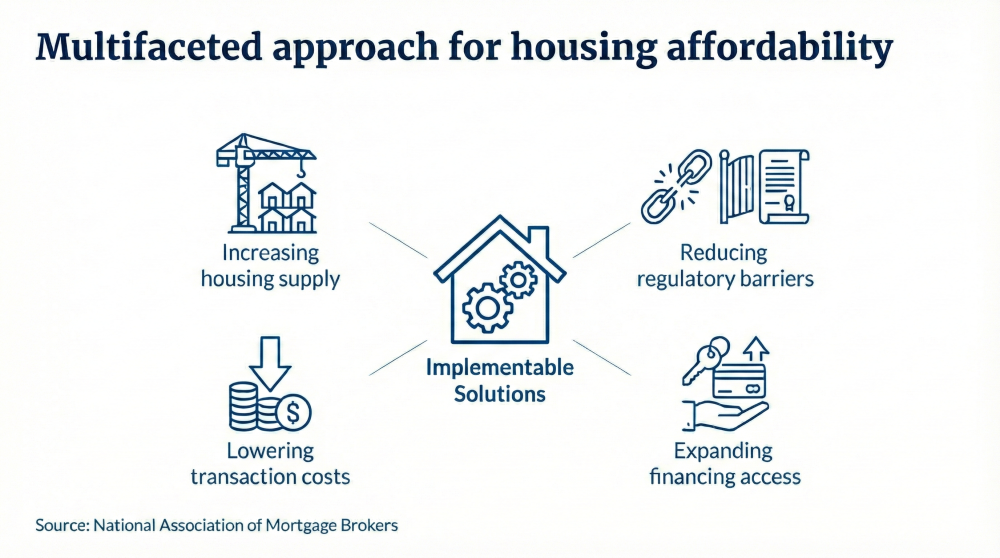
The mortgage broker trade group put out a white paper calling for lowering transaction costs, increasing housing supply and reducing regulatory barriers. View the full article
-
AI-powered browser extensions continue to be a popular vector for threat actors looking to harvest user information. Researchers at security firm LayerX have analyzed multiple campaigns in recent months involving malicious browser extensions, including the widespread GhostPoster scheme targeting Chrome, Firefox, and Edge. In the latest one—dubbed AiFrame—threat actors have pushed approximately 30 Chrome add-ons that impersonate well-known AI assistants, including Claude, ChatGPT, Gemini, Grok, and "AI Gmail." Collectively, these fakes have more than 300,000 installs. Fake Chrome extensions look like popular AI assistantsThe Chrome extensions identified as part of AiFrame look like legitimate AI tools commonly used for summarizing, chat, writing, and Gmail assistance. But once installed, they grant attackers wide-ranging remote access to the user's browser. Some of the capabilities observed include voice recognition, pixel tracking, and email content readability. Researchers note that extensions are broadly capable of harvesting data and monitoring user behavior. Though the extensions analyzed by LayerX used a variety of names and branding, all 30 were found to have the same internal structure, logic, permissions, and backend infrastructure. Instead of implementing functionality locally on the user's device, they render a full-screen iframe that loads remote content as the extension's interface. This allows attackers to push changes silently at any time without a requiring Chrome Web Store update. LayerX has a complete list of the names and extension IDs to refer to. Because threat actors use familiar and/or generic branding, such as "Gemini AI Sidebar" and "ChatGPT Translate," you may not be able to identify fakes at first glance. If you have an AI assistant installed in Chrome, go to chrome://extensions, toggle on Developer mode in the top-right corner, and search for the ID below the extension name. Remove any malicious add-ons and reset passwords. As BleepingComputer reports, some of the malicious extensions have already been removed from the Chrome Web Store, but others remain. Several have received the "Featured" badge, adding to their legitimacy. Threat actors have also been able to quickly republish add-ons under new names using the existing infrastructure, so this campaign and others like it may persist. Always vet extensions carefully—don't just rely on a familiar name like ChatGPT—and note that even AI-powered add-ons from trusted sources can be highly invasive. View the full article
-
Project plans rarely hold true once the execution phase starts. Requirements evolve, stakeholders change their minds, risks turn into issues and teams learn as they go. That’s where iterative project management earns its place. Instead of betting everything on a single pass, it encourages progress, feedback and adjustment of dynamic, evolving plans. Understanding how it works helps you build resilient projects. However, before defining what iterative project management is, one must first define two closely related ideas: iteration and iterative process. They’re often used interchangeably in conversation, but they don’t mean exactly the same thing and clarifying that distinction is important for truly understanding iterative project management and being able to apply it in day-to-day project work. What Is an Iteration In Project Management? In practical terms, an iteration is a short, focused work cycle where a team plans, executes and reviews a specific portion of project work. It produces tangible deliverables, tests assumptions and exposes project planning gaps early. Rather than working towards a single final project delivery, teams use iterations to learn, adjust scope and refine priorities. ProjectManager is an award-winning project portfolio management software that offers advanced planning, scheduling and tracking tools for software development and IT teams, allowing them to manage agile iterative workflows, allocate resources and track progress, costs and timelines in real time. Additionally, ProjectManager integrates with Jira, Azure Devops and features an open API that facilitates integration with other software development tools. Get started for free today. /wp-content/uploads/2024/03/operations-implementation-kanban-150-cta-1600x787.jpgLearn more What Is an Iterative Process In Project Management? When those short cycles known as iterations in project management are intentionally repeated with built-in review and adjustment, they form an iterative process. In an iterative process work moves forward in increments, feedback reshapes upcoming tasks and lessons from one cycle directly influence the next. Over time, this structured repetition reduces risk, improves alignment and steadily strengthens overall project outcomes, which are built on constant feedback from project team members and external stakeholders. What Is Iterative Project Management? Iterative project management is an approach where project work is planned and delivered in repeated iteration cycles rather than a single linear sequence. Each iterative process produces usable output, incorporates feedback and reshapes upcoming tasks. Instead of locking everything upfront, teams intentionally adjust scope, priorities and solutions as real-world information emerges during execution. Benefits of Iterative Project Management We’ve already hinted at some advantages, but now it’s worth slowing down and looking at the most practical benefits teams experience when they implement iterative project management instead of committing to a traditional project plan. Increased customer satisfaction: Regular demonstrations and incremental deliveries allow customers and stakeholders to provide feedback early, which leads to outcomes that better match their evolving expectations. Earlier risk identification: Short work cycles expose technical, resource and requirement risks sooner, giving teams time to correct course before problems scale. Reduced rework: Because assumptions are tested frequently, misunderstandings are corrected in smaller increments rather than discovered at final delivery. Greater scope control: Teams can refine priorities between iterations, preventing uncontrolled scope growth and keeping focus on the highest-value work. Improved stakeholder alignment: Frequent check-ins keep stakeholders like sponsors, clients and team members aligned on progress, constraints and next steps. Better cost visibility: Incremental progress makes it easier to evaluate spending against delivered value instead of waiting for end-of-project financial reviews. Higher team accountability: Defined iteration goals create short-term commitments, encouraging ownership and measurable performance within each cycle. Faster delivery of usable features: Rather than waiting months for a complete solution, stakeholders begin receiving functional components earlier in the project lifecycle. Stronger adaptability to change: When priorities shift, adjustments can be made in upcoming iterations without destabilizing the entire project plan. Continuous process improvement: Retrospectives and reviews built into each cycle allow teams to refine workflows, communication and estimation accuracy over time. Examples of Iterative Projects Iterative processes aren’t limited to one industry. Iterative project management is used across industries that naturally benefit from structured, feedback-driven cycles. Software Development Inside software development teams, requirements shift, edge cases appear and technical constraints surface only after code is written and tested. Iterative project management allows developers to build in increments, validate functionality quickly and refactor before complexity compounds. Instead of attempting one massive release, teams stabilize architecture, improve performance and reduce defects through repeated, controlled engineering cycles. Related: 18 Free Software Development Templates for Excel, Word & More Here are some examples of iterative projects in software development. Developing a customer relationship management (CRM) system through sprint-based feature releases Building a mobile banking app with incremental security and usability enhancements Modernizing a legacy enterprise system through phased refactoring cycles Creating an e-commerce platform with staged checkout and payment integrations Implementing API integrations across multiple third-party systems Digital Product Development At the product level, uncertainty doesn’t just come from code—it comes from the market. Teams must validate assumptions about users, pricing and positioning while software is being built. Iterative project management supports MVP releases, structured user feedback and roadmap adjustments. Instead of locking strategy upfront, product teams refine value propositions and feature priorities based on real customer behavior. Here are some examples of iterative projects in digital product development. Launching a subscription-based fitness app starting with a focused MVP Developing a fintech product with phased feature rollouts based on user adoption Creating a marketplace platform and refining pricing through A/B testing Building a learning management system while iterating on UX design from user feedback Introducing a new SaaS analytics product with staged onboarding improvements Marketing Campaign performance rarely matches marketing projections on the first attempt. Audience behavior, platform algorithms and competitive responses shift constantly. Iterative project management allows marketing teams to test messaging, adjust targeting and refine creative assets based on measurable data. Instead of committing the full budget upfront, teams optimize conversion rates, engagement and return on investment through structured experimentation cycles. Related: 20 Marketing Templates for Planning, Strategy & More Here are some examples of iterative projects in digital product development. Running a paid social media campaign with weekly creative testing and audience refinements Launching an email marketing funnel and optimizing subject lines through A/B testing Rolling out a content marketing strategy and adjusting topics based on engagement metrics Executing a product launch campaign with phased messaging adjustments Testing landing page variations to improve conversion performance Research & Development (R&D) Innovation rarely follows a straight line from concept to finished solution. Unknown variables, technical feasibility and performance constraints only become clear through testing. Iterative project management supports structured experimentation, prototype validation and controlled refinement. Rather than committing full resources upfront, R&D teams reduce uncertainty by building, testing and improving solutions in progressive development cycles. Here are some examples of iterative projects in R&D. Designing a new medical device through successive prototype testing phases Developing a renewable energy technology with iterative laboratory trials Creating an automotive component and refining it through performance testing cycles Formulating a new pharmaceutical compound through staged clinical validation Building hardware prototypes for consumer electronics with incremental feature refinement Iterative Project Management Methodologies While iterative processes are dynamic and beneficial for organizations, they can become chaotic without a structured framework. Over time, several iterative project management methodologies have emerged to bring consistency and discipline to repeated cycles of planning, execution and review. Below is a practical overview of the most widely used approaches. Agile Project Management More than a structured project management methodology, agile project management is an iterative project management philosophy grounded in the Agile Manifesto, which emphasizes individuals and interactions, working solutions, customer collaboration and responsiveness to change. Rather than prescribing a strict framework, agile provides guiding principles for adaptive delivery, allowing teams to organize iterative work in ways that best fit their context. Because agile is principle-driven rather than structurally rigid, iterations are implemented through frameworks such as scrum or flow-based systems like kanban. Teams collaborate closely with stakeholders, maintain prioritized backlogs and review progress frequently. Planning, feedback and adjustment happen continuously, but the specific ceremonies, roles and tracking tools depend on the chosen agile variation. Scrum Scrum is a structured agile framework that organizes work into fixed-length iterations called sprints, usually lasting two to four weeks. It defines specific roles, events and artifacts to guide iterative delivery. Scrum emphasizes transparency, inspection and adaptation, ensuring that progress and priorities are reviewed frequently and adjusted as needed. In Scrum, constant team meetings called ceremonies are important for planning how work will be executed. Iterations are managed through sprint planning sessions where the product owner prioritizes backlog items and the team commits to deliverables. Daily stand-up meetings track short-term progress, while sprint reviews gather stakeholder feedback on completed work. Retrospectives evaluate team performance. Tools such as product backlogs, sprint backlogs and burndown charts help maintain visibility and accountability. Kanban Kanban is an iterative project management methodology focused on visualizing workflow and limiting work in progress to improve delivery efficiency. Unlike time-boxed approaches, it operates through continuous flow. Work items move across defined stages, allowing teams to identify bottlenecks and optimize throughput without fixed sprint cycles. Iterations in kanban emerge through workflow management rather than scheduled sprints. Teams visualize tasks on kanban boards, typically divided into columns such as to do, in progress and done. Work-in-progress limits prevent overload, while regular review meetings assess cycle time and throughput. Continuous monitoring ensures adjustments happen naturally as work progresses. Extreme Programming Extreme programming (xp) is an agile, iterative project management methodology that emphasizes technical excellence, rapid feedback and continuous improvement. It focuses heavily on disciplined engineering practices such as pair programming, test-driven development and continuous integration. The goal is to improve software quality while remaining highly responsive to changing requirements. Iterations in extreme programming are short and highly structured, often one to two weeks long. Developers work in pairs, write automated tests before coding and integrate changes frequently to avoid large-scale defects. Continuous customer involvement ensures requirements stay aligned with business needs. Tools typically include version control systems, automated testing frameworks and continuous integration servers. Lean Development Lean development is an iterative project management approach rooted in lean manufacturing principles, focused on maximizing value while minimizing waste. It encourages delivering small increments of work, validating assumptions quickly and eliminating activities that do not contribute directly to customer outcomes or measurable progress. Iterations in lean development are driven by value delivery and flow efficiency rather than strict time boxes. Cross-functional teams prioritize high-impact tasks, limit work in progress and measure cycle time to identify bottlenecks. Feedback from users and stakeholders informs continuous adjustments. Visual boards, value stream mapping and flow metrics support ongoing optimization of the process. Iterative Project Management Tools Now that we have a better understanding of what iterative project management is and the different methodologies that teams use to coordinate their efforts, let’s take a closer look at the tools that help them manage iterative projects. Kanban Board A kanban board is a visual workflow management tool that displays work items as cards moving across columns representing stages of progress, such as to do, in progress and done. Each card typically includes a task description, owner, priority and status. Work-in-progress limits are often set per column to control capacity and maintain flow. /wp-content/uploads/2023/03/kanban-board-excel-template-600x202.jpgFree kanban board template for Excel Using a kanban board, teams manage iterative work by continuously pulling tasks through the workflow rather than waiting for fixed cycles. As cards move across stages, bottlenecks become visible and adjustments happen in real time. Regular reviews of flow metrics such as cycle time help teams refine processes and improve delivery predictability. Sprint Backlog A sprint backlog is a prioritized list of tasks selected from the product backlog for completion during a specific sprint. It usually appears as a structured list or board containing user stories, task breakdowns, estimates and assigned team members. The sprint backlog defines the committed scope for that iteration. Within an iterative process, the sprint backlog acts as the execution plan for a single time-boxed cycle. During sprint planning, the team selects and refines backlog items, then tracks progress daily. As work is completed, tasks move to done, and unfinished items are reassessed at the sprint review before the next iteration begins. Product Backlog A product backlog is a continuously evolving, prioritized list of features, enhancements, fixes and technical improvements required for a product. Items are typically written as user stories and include descriptions, acceptance criteria and estimated effort. It serves as the central repository of all potential work aligned with product goals. /wp-content/uploads/2022/03/Product-backlog-template-new-600x166.pngFree product backlog template for Excel In iterative project management, the product backlog feeds upcoming iterations by ranking work according to value and urgency. Before each cycle begins, high-priority items are refined and selected for execution. Ongoing stakeholder feedback reshapes backlog priorities, ensuring future iterations focus on delivering the most meaningful improvements. Burndown Chart A burndown chart is a simple line graph that tracks remaining work against time within a sprint or iteration. The horizontal axis represents days in the cycle, while the vertical axis shows total work, often measured in story points or hours. An ideal trend line indicates planned progress, while the actual line shows real performance. During an iteration, teams review the burndown chart daily to see whether work is progressing as expected. If the actual line flattens or rises, it signals delays, scope changes or estimation gaps. This visibility allows teams to adjust workload, remove blockers or recalibrate expectations before the iteration ends. Retrospective Framework A retrospective framework is a structured meeting format used at the end of an iteration to evaluate how the team worked. It typically includes prompts such as what went well, what did not and what should change. Notes are captured visibly, often on boards or shared documents, to organize insights and action items. At the close of each iteration, the retrospective framework helps teams convert experience into improvement. Participants openly discuss collaboration, tools and obstacles, then agree on specific adjustments for the next cycle. Those action items feed directly into upcoming iterations, reinforcing continuous learning and strengthening the overall iterative process. ProjectManager Can Help with IT & Software Development Projects ProjectManager is an award-winning project portfolio management software equipped with powerful features for IT and software development teams, such as Gantt chart roadmaps to manage delivery plans and project portfolios, dashboards for monitoring resource utilization, project costs and progress in real time and kanban boards for agile sprints and iterative planning. ProjectManager also offers robust resource management features such as workload charts to balance teams’ workloads and timesheets for detailed time tracking. On top of that, ProjectManager integrates with Jira and Azure DevOps and has an open API so that organizations can integrate its powerful project portfolio management features with their favorite tools. Watch the video below to learn more. The post Iterative Project Management: Methods and Tools appeared first on ProjectManager. View the full article
-
On episode 341 of PPC Live The Podcast, I speak to Andrea Cruz, Head of B2B at Tinuiti, to unpack a mistake many senior marketers quietly struggle with: freezing when clients demand answers you don’t immediately have. The conversation explored how communication missteps can escalate client tension — and how the right mindset, preparation, and culture can turn those moments into career-defining growth. From hands-on marketer to team leader As Cruz advanced in her career, she shifted from managing campaigns directly to leading teams running large, complex accounts. That transition introduced a new challenge: representing work she didn’t personally execute day to day. When clients pushed back — questioning performance or expectations — Cruz sometimes froze. Saying “I don’t know” or delaying a response could quickly erode trust and escalate frustration. Her key realization: senior leaders are expected to provide perspective in the moment. Even without every detail, they must guide the conversation confidently. How to buy time without losing trust Through mentorship and experience, Cruz developed a practical technique: asking clarifying questions to gain thinking time while deepening understanding. Examples include: Asking clients to clarify expectations or timelines Requesting additional context around their concerns Confirming what the client already knows about the situation These questions serve two purposes: they slow down emotionally charged moments and ensure responses address the real issue, not just the surface complaint. For Cruz, this approach was especially important as a non-native English speaker, giving her space to process complex conversations and respond clearly. A solutions-first culture beats blame Cruz emphasized that mistakes are inevitable — but how teams respond defines long-term success. At Tinuiti, the focus is not on assigning blame but on answering two questions: Where are we now? How do we get to where we want to be? This solutions-oriented mindset creates psychological safety. Teams can openly acknowledge errors, run post-mortems, and identify patterns without fear. Cruz argues that leaders must model this behavior by sharing their own mistakes, not just scrutinizing others’. That transparency builds trust internally and with clients. Proactive communication builds stronger client relationship Rather than waiting for clients to surface problems, Cruz encourages teams to raise issues first. Acknowledging underperformance — even when clients haven’t noticed — demonstrates accountability and strengthens partnerships. She also recommends tailoring communication styles to each client. Some prefer concise updates; others want detailed explanations. Documenting these preferences helps teams deliver information in ways that resonate. Regular check-ins about business roadblocks — not just campaign metrics — position agencies as strategic partners, not just media operators. Common agency mistakes in B2B advertising Cruz didn’t hold back on recurring issues she sees in audits: Budgets spread too thin: Running too many channels with insufficient spend leads to meaningless data and weak performance. Underfunded campaigns: B2B CPCs are inherently high. Campaigns generating only a few clicks per day rarely produce actionable results. Her advice is blunt: if the budget can’t support a channel properly, it’s better not to run it. AI is more than a summarization tool On AI, Cruz cautioned against shallow usage. Treating AI as a simple spreadsheet summarizer misses its broader potential. Her team is experimenting with advanced applications — automated audits, workflow integrations, and operational efficiencies. She compares AI’s role to medical diagnostics: a powerful assistant that augments expert judgment, not a replacement for it. For marketers, that means staying curious and continuously exploring new use cases. The takeaway: preparation and passion drive resilience Cruz’s central message is simple: mistakes will happen. What matters is preparation, adaptability, and maintaining a solutions-first mindset. By anticipating client needs, personalizing communication, and embracing experimentation, marketers can transform stressful moments into opportunities to build credibility. View the full article
-
Personalized service refers to tailoring interactions and experiences to meet individual customer preferences and behaviors. It’s crucial in today’s business environment, as customers increasingly expect businesses to comprehend their unique needs. By utilizing customer data, companies can improve satisfaction and loyalty, leading to significant profitability gains. Comprehending how to implement personalized service effectively can transform your business approach. What specific strategies can you adopt to nurture these valuable customer connections? Key Takeaways Personalized service tailors customer experiences based on individual preferences, enhancing engagement and satisfaction. It fosters emotional connections, making customers feel valued and understood, increasing loyalty. Companies prioritizing personalized service can see up to a 60% increase in profitability. Customers are willing to pay up to 20% more for personalized products and services. Successful examples of personalization include Amazon, Netflix, and Starbucks, leading to higher retention and spending. Understanding Personalized Service Grasping personalized service is essential in today’s competitive marketplace, especially since customers increasingly expect customized interactions. Personalized services tailor customer experiences based on individual preferences and behaviors, making each interaction relevant and meaningful. Personalization statistics reveal that 71% of customers anticipate such experiences, highlighting the necessity for businesses to adapt. Moreover, over 50% of customers feel frustrated when they’ve to repeatedly explain issues to support agents, emphasizing the importance of personalized support that remembers past interactions. When businesses prioritize personalized service, they cultivate stronger emotional connections with their customers. Research shows that 90% of customers appreciate immediate responses, ideally within 10 minutes. By embracing these practices, companies can see a 60% increase in profitability, indicating a direct correlation between effective personalized service and business success. Comprehending this concept can help you navigate and improve your customer interactions effectively. The Importance of Personalization in Business Personalization in business is essential for enhancing customer engagement, as customized experiences make consumers feel valued and understood. When you focus on individual needs, you not just build brand loyalty but likewise improve overall business outcomes, leading to increased profitability. Enhancing Customer Engagement In today’s competitive market, businesses that prioritize enhancing customer engagement through customized experiences can considerably boost their success. Personalization companies understand that effective personalized service is essential for meeting customer expectations. Here are four key benefits of personalized customer care: 71% of customers seek personalized experiences, making them feel valued. Implementing personalized interactions can lead to a 60% increase in profitability. 93% of customers are likely to return to businesses offering superior service. Customers may pay up to 20% more for personalized products and services. Building Brand Loyalty As customers increasingly expect personalized experiences that meet their individual needs, businesses must recognize the crucial role personalization plays in nurturing brand loyalty. When you provide customized services, you’re not just meeting expectations; you’re cultivating emotional connections that drive repeat business. Studies show that 93% of customers are more likely to return to a company that consistently personalizes its service. In addition, focusing on customer-centric strategies can lead to a 60% increase in profitability. If your personalization efforts fall short, you risk frustrating 76% of customers who’ve unmet expectations. Improving Business Outcomes With consumers increasingly demanding customized experiences, businesses can’t overlook the importance of personalization in driving improved outcomes. By focusing on personalized services, you can achieve considerable benefits, including: Improved customer satisfaction, as 71% expect personalized experiences. Increased profitability, with customer-centric companies seeing up to a 60% boost. Better customer loyalty, as 93% are likely to return for ideal service. Higher revenue through customized promotions, leveraging customer data effectively. Implementing these strategies not only helps retain customers but also encourages positive word-of-mouth advertising. By truly comprehending your customers’ needs, you can greatly improve your brand’s reputation and market presence. In the end, prioritizing personalization is a key driver for stronger business outcomes. Customer Expectations for Personalized Experiences Customized experiences have become a vital expectation among consumers, as 71% of customers now seek personalized interactions that align with their individual preferences. When businesses fail to meet these personalization expectations, 76% of customers report feeling frustrated, which can harm customer satisfaction. You should be aware that consumers are increasingly open to sharing personal data, with 22% willing to do so for improved personalization. This willingness reflects a strong desire for bespoke experiences that resonate with their needs. Moreover, businesses that prioritize personalized interactions can see a significant increase in profitability, with estimates suggesting a 60% boost for customer-centric operations. Meeting these expectations not only improves satisfaction but also cultivates loyalty; 93% of customers are more likely to return to businesses that provide superior service. Grasping these expectations is imperative for creating effective personalized strategies that resonate with your target audience. Benefits of Personalized Service When you prioritize personalized service, you improve loyalty and trust among your customers. This approach not only increases engagement but likewise boosts retention rates, making customers more likely to return. Enhanced Loyalty and Trust Trust is a cornerstone of customer relationships, and personalized service plays a crucial role in building it. When you receive customized service, you’re more likely to feel valued and connected to the brand. Here are some key benefits of personalized service in nurturing loyalty and trust: Higher Return Rates: 93% of customers are likely to return when they experience ideal, customized service. Emotional Connection: Personalized interactions create a deeper emotional bond, increasing brand trust and advocacy. Satisfaction Expectations: 71% of customers expect personalized experiences, greatly boosting satisfaction and loyalty when met. Quick Resolutions: 90% of customers appreciate immediate responses, leading to quicker problem-solving and overall satisfaction. Improved Engagement and Retention In today’s competitive market, engaging customers effectively is essential for retaining them over the long term. Customized service greatly boosts customer engagement, with 71% of customers expecting personalized experiences. This expectation leads to deeper emotional connections, making them 93% more likely to return to your business. Adopting a customer-centric personalized approach can as well improve your profitability by 60%, clearly illustrating the financial advantages of effective engagement strategies. In addition, enhanced personalization during interactions can reduce churn rates, as 76% of customers feel frustrated when their personalization needs aren’t met. Enhancing Customer Satisfaction and Loyalty Personalized service plays a vital role in improving customer satisfaction and loyalty, as it allows businesses to tailor their interactions to individual preferences. With 71% of customers expecting personalized experiences, meeting these expectations is imperative. When you feel valued, your loyalty increases; in fact, 93% of customers are likely to return to a business that offers ideal service. Here are key benefits of personalized service: It nurtures deeper emotional connections, driving repeat purchases. It improves customer satisfaction, reducing frustration—76% of customers feel let down when personalization is lacking. It encourages referrals, as satisfied customers share their experiences. Companies focusing on personalization can see a 60% rise in profitability. Building Meaningful Customer Relationships Building meaningful customer relationships hinges on trust and emotional connections. When you personalize your interactions, like addressing customers by name and tailoring communications to their preferences, you cultivate a sense of familiarity that improves loyalty. Trust Through Personalization Trust is essential in any customer relationship, especially regarding personalized service. When you receive customized interactions, you’re more likely to feel valued and understood. This improves your satisfaction and builds trust. Here are some key benefits of personalized service: Recognition of Needs: It acknowledges your individual preferences, making you feel special. Increased Loyalty: You’re 93% more likely to return to a business that understands you. Reduced Frustration: Avoiding the need to re-explain issues helps maintain trust. Proactive Communication: Quick, personalized responses (within 10 minutes) encourage positive experiences. Incorporating these elements can greatly boost trust and deepen your relationship with businesses, eventually leading to greater satisfaction and loyalty. Emotional Connections Matter Although many factors contribute to successful customer relationships, emotional connections play a vital role in nurturing loyalty and satisfaction. When you feel understood and valued, your likelihood of returning to a brand increases remarkably. In fact, 93% of customers are likely to revisit businesses that prioritize meaningful interactions. If companies customize their communication to your preferences, they can turn routine exchanges into engaging dialogues, which not only improves your experience but also cultivates trust. With 71% of customers expecting personalized service, meeting these expectations is fundamental. By leveraging customer data, businesses can craft customized responses, building rapport and eventually boosting overall satisfaction and retention rates. Emotional connections matter as they create lasting relationships that benefit both you and the brand. The Role of Customer Data in Personalization Customer data plays a vital role in personalization, as it allows businesses to create detailed profiles that reflect individual preferences and behaviors. With 71% of customers expecting personalized interactions, companies must leverage this data effectively. Here’s how customer data improves personalization: Understanding Unique Needs: By analyzing interaction histories, businesses can identify specific customer needs and preferences. Effective Communication: Customized messages lead to better engagement and customer satisfaction. Targeted Marketing: Segmentation of data enables companies to develop strategies that resonate with distinct customer groups, increasing engagement rates. Boosting Loyalty: Personalization drives customer loyalty; 93% of customers are more likely to return if they receive ideal service. When companies prioritize customer data for personalization, they can see significant benefits, including a potential 60% increase in profitability. Therefore, utilizing customer data is vital for any business aiming to improve its service and build lasting relationships. Techniques for Delivering Personalized Service To effectively deliver customized service, businesses must employ various techniques that cater to individual customer needs. First, collecting and analyzing customer data allows you to create in-depth profiles, helping you offer tailored solutions that align with preferences. Furthermore, training your agents on personalization techniques equips them with the skills needed to understand customer experiences, leading to more meaningful interactions. Implementing automation for simple requests can likewise improve response times, ensuring immediate, personalized support that meets customer expectations. In addition, providing omnichannel support guarantees consistent customized experiences across preferred communication channels, enhancing overall satisfaction. By leveraging AI and automation, you can enable scalable interactions while allowing human agents to focus on complex customer needs, improving efficiency. These techniques work together to nurture a more personalized service environment, ultimately benefiting both your business and your customers. Leveraging Technology for Personalization To effectively leverage technology for personalization, you can utilize AI-powered insights and data-driven decision-making. By analyzing customer data, businesses can create customized experiences that align with individual preferences, enhancing engagement at every interaction. Implementing these technologies not just streamlines communication but additionally supports proactive service, in the end boosting customer loyalty and satisfaction. AI-Powered Insights As businesses increasingly recognize the significance of personalization, AI-powered insights have emerged as a transformative tool that improves how they connect with consumers. By utilizing AI, you can benefit in several ways: Analyze vast amounts of customer data to tailor interactions based on preferences. Leverage machine learning algorithms to predict needs and provide personalized recommendations, boosting conversions by up to 30%. Automate feedback collection and analysis for real-time adjustments to your strategies, enhancing customer satisfaction. Achieve a seamless omnichannel experience, ensuring consistent personalization across platforms, which encourages engagement and loyalty. Implementing AI-driven personalization can lead to significant profitability increases, making it crucial for businesses to prioritize customer-centric approaches. Data-Driven Decision Making Even though many businesses understand the significance of personalized customer interactions, effectively leveraging data-driven decision making can improve these efforts to new heights. This approach utilizes thorough customer data to create individualized experiences, enhancing satisfaction greatly. By using technology like IBM Watson and CRM systems, you can analyze customer preferences and behaviors, enabling real-time personalization that meets specific needs. Organizations that adopt these strategies report a 60% increase in profitability compared to those that don’t prioritize customer-centric methods. Real-time tools provide a 360-degree view of customer interactions, informing marketing strategies and boosting engagement. Furthermore, analyzing customer data helps identify upsell and cross-sell opportunities, driving further revenue growth. Embracing data-driven decision making is crucial for achieving personalized service success. Creating an Omnichannel Customer Experience Creating an effective omnichannel customer experience requires companies to integrate multiple communication channels, guaranteeing that customers can shift effortlessly between them during receiving personalized service. With 75% of consumers expecting consistency across all channels, it’s vital to meet their expectations. Here’s how to improve your omnichannel approach: Integrate Channels: Combine email, social media, and phone support to provide a unified experience. Personalized Communication: Address customers by name and reference their previous interactions to improve satisfaction. Consistent Messaging: Confirm that all channels deliver the same message, so customers feel valued and informed. Track Engagement: Monitor customer interactions across channels to identify areas for improvement. Implementing an omnichannel strategy can lead to retaining 89% of customers, boosting loyalty, and increasing revenue by 10%. Developing Effective Customer Journey Maps Comprehending your customers’ paths is vital for enhancing their overall experience with your brand. Developing effective customer experience maps involves identifying key touchpoints and interactions that shape these paths. By segmenting experiences based on demographics and behavior, you can tailor your strategies to address specific needs, which can greatly boost customer satisfaction and loyalty. Effective mapping not only reveals pain points but also highlights opportunities for improvement. This allows you to proactively address customer concerns, enhancing service delivery. Utilizing customer feedback and data analytics in your mapping efforts can lead to more personalized interactions, nurturing deeper emotional connections and increasing customer lifetime value. Moreover, consistently updating and refining your customer experience maps guarantees that your business stays aligned with evolving customer expectations, which is key for maintaining a competitive edge in the market. Training Staff for Personalized Interactions Training staff for personalized interactions is pivotal in ensuring that the insights gained from customer experience mapping are effectively implemented. To achieve this, you should focus on several key areas: Understanding the Customer Experience Path: Equip agents with knowledge about customer experiences to tailor interactions. Clear Communication: Train staff to use conversational language, avoiding jargon, as 76% of customers feel frustrated when personalization expectations aren’t met. Role-Playing Scenarios: Incorporate practice sessions where agents use customers’ names and preferred pronouns, improving connection and satisfaction. Continuous Training and Feedback: Regularly update staff on personalization techniques and provide feedback on their interactions, as 93% of customers are likely to return to businesses that excel in service. Measuring the Impact of Personalized Service Measuring the impact of customized service is crucial for comprehending its effectiveness in enhancing customer satisfaction and loyalty. When businesses adapt their services to individual customer needs, they can experience up to a 60% increase in profitability compared to those that don’t prioritize personalization. Studies reveal that 71% of customers expect personalized experiences, and a significant 76% express frustration when those expectations aren’t met. Implementing personalized strategies increases the likelihood of customer retention to an impressive 93%. Furthermore, companies excelling in personalization see a notable boost in loyalty, as 90% of customers appreciate immediate responses to their inquiries. Customized interactions not only improve satisfaction but also encourage positive word-of-mouth advertising, which further raises overall satisfaction scores. Real-Life Examples of Successful Personalization As businesses seek to improve customer experiences, many have turned to successful personalization strategies that demonstrate tangible benefits. Here are some real-life examples: Amazon utilizes personalized recommendations based on your past purchases and browsing behavior, contributing to 35% of its revenue. Netflix analyzes your viewing habits with advanced algorithms, resulting in a 75% customer retention rate as you find content that interests you. Starbucks leverages its loyalty program to send personalized offers through its app, leading to a 20% increase in spending among loyalty members. Spotify creates playlists like “Discover Weekly,” customized to your listening patterns, engaging over 40 million users weekly and enhancing retention. These examples highlight how effective personalization can lead to increased sales and customer satisfaction, proving its value in today’s competitive market. Frequently Asked Questions What Is a Personalized Service? Customized service involves adjusting interactions based on your unique preferences and behaviors. This approach uses data to create customized experiences, ensuring you feel valued and understood. With over 71% of customers expecting such service, businesses that adopt personalization often see higher satisfaction rates. By leveraging insights about you, companies can improve relationships, drive repeat business, and achieve better profitability, making customized service crucial in today’s competitive market. How Can Personalisation Benefit Individuals? Personalization benefits you by enhancing your overall experience with a brand. When business.com tailor their services to meet your needs, you feel valued and understood, which can increase your loyalty. Personalized interactions likewise reduce frustration, as you won’t need to repeat your issues multiple times. Furthermore, companies that anticipate your preferences often respond faster, nurturing trust. Many consumers are even willing to pay more for customized experiences, reflecting the value of personalization in today’s market. What Are Examples of Personalized Service? Examples of personalized service include addressing you by name during interactions, using your purchase history to suggest relevant products, and following up after your purchases to guarantee satisfaction. AI-driven chatbots can provide customized responses to your inquiries instantly, enhancing your experience. Moreover, loyalty programs that offer rewards based on your preferences create a sense of recognition, encouraging you to return. These practices cultivate deeper connections and improve overall customer satisfaction. How Does Providing Personalized Service Benefit Your Property? Providing personalized service considerably benefits your property by enhancing tenant satisfaction and loyalty. When you anticipate individual needs and preferences, you create a welcoming environment that encourages tenants to stay longer. Customized communication and quick response times improve overall experiences, increasing retention rates. As a result, properties that embrace these strategies often see higher profitability and value, with data showing a substantial increase in tenant satisfaction and willingness to return to these properties. Conclusion In summary, personalized service is crucial for meeting modern customer expectations and enhancing business success. By tailoring experiences to individual preferences, you can greatly improve customer satisfaction and loyalty. Implementing effective strategies, such as travel mapping and staff training, allows for meaningful interactions that resonate with clients. In the end, measuring the impact of these personalized efforts can lead to increased profitability and a stronger connection to your brand. Embracing personalization is not just beneficial; it’s becoming a necessity in today’s market. Image via Google Gemini and ArtSmart This article, "What Is Personalised Service and How Can It Benefit You?" was first published on Small Business Trends View the full article
-
Personalized service refers to tailoring interactions and experiences to meet individual customer preferences and behaviors. It’s crucial in today’s business environment, as customers increasingly expect businesses to comprehend their unique needs. By utilizing customer data, companies can improve satisfaction and loyalty, leading to significant profitability gains. Comprehending how to implement personalized service effectively can transform your business approach. What specific strategies can you adopt to nurture these valuable customer connections? Key Takeaways Personalized service tailors customer experiences based on individual preferences, enhancing engagement and satisfaction. It fosters emotional connections, making customers feel valued and understood, increasing loyalty. Companies prioritizing personalized service can see up to a 60% increase in profitability. Customers are willing to pay up to 20% more for personalized products and services. Successful examples of personalization include Amazon, Netflix, and Starbucks, leading to higher retention and spending. Understanding Personalized Service Grasping personalized service is essential in today’s competitive marketplace, especially since customers increasingly expect customized interactions. Personalized services tailor customer experiences based on individual preferences and behaviors, making each interaction relevant and meaningful. Personalization statistics reveal that 71% of customers anticipate such experiences, highlighting the necessity for businesses to adapt. Moreover, over 50% of customers feel frustrated when they’ve to repeatedly explain issues to support agents, emphasizing the importance of personalized support that remembers past interactions. When businesses prioritize personalized service, they cultivate stronger emotional connections with their customers. Research shows that 90% of customers appreciate immediate responses, ideally within 10 minutes. By embracing these practices, companies can see a 60% increase in profitability, indicating a direct correlation between effective personalized service and business success. Comprehending this concept can help you navigate and improve your customer interactions effectively. The Importance of Personalization in Business Personalization in business is essential for enhancing customer engagement, as customized experiences make consumers feel valued and understood. When you focus on individual needs, you not just build brand loyalty but likewise improve overall business outcomes, leading to increased profitability. Enhancing Customer Engagement In today’s competitive market, businesses that prioritize enhancing customer engagement through customized experiences can considerably boost their success. Personalization companies understand that effective personalized service is essential for meeting customer expectations. Here are four key benefits of personalized customer care: 71% of customers seek personalized experiences, making them feel valued. Implementing personalized interactions can lead to a 60% increase in profitability. 93% of customers are likely to return to businesses offering superior service. Customers may pay up to 20% more for personalized products and services. Building Brand Loyalty As customers increasingly expect personalized experiences that meet their individual needs, businesses must recognize the crucial role personalization plays in nurturing brand loyalty. When you provide customized services, you’re not just meeting expectations; you’re cultivating emotional connections that drive repeat business. Studies show that 93% of customers are more likely to return to a company that consistently personalizes its service. In addition, focusing on customer-centric strategies can lead to a 60% increase in profitability. If your personalization efforts fall short, you risk frustrating 76% of customers who’ve unmet expectations. Improving Business Outcomes With consumers increasingly demanding customized experiences, businesses can’t overlook the importance of personalization in driving improved outcomes. By focusing on personalized services, you can achieve considerable benefits, including: Improved customer satisfaction, as 71% expect personalized experiences. Increased profitability, with customer-centric companies seeing up to a 60% boost. Better customer loyalty, as 93% are likely to return for ideal service. Higher revenue through customized promotions, leveraging customer data effectively. Implementing these strategies not only helps retain customers but also encourages positive word-of-mouth advertising. By truly comprehending your customers’ needs, you can greatly improve your brand’s reputation and market presence. In the end, prioritizing personalization is a key driver for stronger business outcomes. Customer Expectations for Personalized Experiences Customized experiences have become a vital expectation among consumers, as 71% of customers now seek personalized interactions that align with their individual preferences. When businesses fail to meet these personalization expectations, 76% of customers report feeling frustrated, which can harm customer satisfaction. You should be aware that consumers are increasingly open to sharing personal data, with 22% willing to do so for improved personalization. This willingness reflects a strong desire for bespoke experiences that resonate with their needs. Moreover, businesses that prioritize personalized interactions can see a significant increase in profitability, with estimates suggesting a 60% boost for customer-centric operations. Meeting these expectations not only improves satisfaction but also cultivates loyalty; 93% of customers are more likely to return to businesses that provide superior service. Grasping these expectations is imperative for creating effective personalized strategies that resonate with your target audience. Benefits of Personalized Service When you prioritize personalized service, you improve loyalty and trust among your customers. This approach not only increases engagement but likewise boosts retention rates, making customers more likely to return. Enhanced Loyalty and Trust Trust is a cornerstone of customer relationships, and personalized service plays a crucial role in building it. When you receive customized service, you’re more likely to feel valued and connected to the brand. Here are some key benefits of personalized service in nurturing loyalty and trust: Higher Return Rates: 93% of customers are likely to return when they experience ideal, customized service. Emotional Connection: Personalized interactions create a deeper emotional bond, increasing brand trust and advocacy. Satisfaction Expectations: 71% of customers expect personalized experiences, greatly boosting satisfaction and loyalty when met. Quick Resolutions: 90% of customers appreciate immediate responses, leading to quicker problem-solving and overall satisfaction. Improved Engagement and Retention In today’s competitive market, engaging customers effectively is essential for retaining them over the long term. Customized service greatly boosts customer engagement, with 71% of customers expecting personalized experiences. This expectation leads to deeper emotional connections, making them 93% more likely to return to your business. Adopting a customer-centric personalized approach can as well improve your profitability by 60%, clearly illustrating the financial advantages of effective engagement strategies. In addition, enhanced personalization during interactions can reduce churn rates, as 76% of customers feel frustrated when their personalization needs aren’t met. Enhancing Customer Satisfaction and Loyalty Personalized service plays a vital role in improving customer satisfaction and loyalty, as it allows businesses to tailor their interactions to individual preferences. With 71% of customers expecting personalized experiences, meeting these expectations is imperative. When you feel valued, your loyalty increases; in fact, 93% of customers are likely to return to a business that offers ideal service. Here are key benefits of personalized service: It nurtures deeper emotional connections, driving repeat purchases. It improves customer satisfaction, reducing frustration—76% of customers feel let down when personalization is lacking. It encourages referrals, as satisfied customers share their experiences. Companies focusing on personalization can see a 60% rise in profitability. Building Meaningful Customer Relationships Building meaningful customer relationships hinges on trust and emotional connections. When you personalize your interactions, like addressing customers by name and tailoring communications to their preferences, you cultivate a sense of familiarity that improves loyalty. Trust Through Personalization Trust is essential in any customer relationship, especially regarding personalized service. When you receive customized interactions, you’re more likely to feel valued and understood. This improves your satisfaction and builds trust. Here are some key benefits of personalized service: Recognition of Needs: It acknowledges your individual preferences, making you feel special. Increased Loyalty: You’re 93% more likely to return to a business that understands you. Reduced Frustration: Avoiding the need to re-explain issues helps maintain trust. Proactive Communication: Quick, personalized responses (within 10 minutes) encourage positive experiences. Incorporating these elements can greatly boost trust and deepen your relationship with businesses, eventually leading to greater satisfaction and loyalty. Emotional Connections Matter Although many factors contribute to successful customer relationships, emotional connections play a vital role in nurturing loyalty and satisfaction. When you feel understood and valued, your likelihood of returning to a brand increases remarkably. In fact, 93% of customers are likely to revisit businesses that prioritize meaningful interactions. If companies customize their communication to your preferences, they can turn routine exchanges into engaging dialogues, which not only improves your experience but also cultivates trust. With 71% of customers expecting personalized service, meeting these expectations is fundamental. By leveraging customer data, businesses can craft customized responses, building rapport and eventually boosting overall satisfaction and retention rates. Emotional connections matter as they create lasting relationships that benefit both you and the brand. The Role of Customer Data in Personalization Customer data plays a vital role in personalization, as it allows businesses to create detailed profiles that reflect individual preferences and behaviors. With 71% of customers expecting personalized interactions, companies must leverage this data effectively. Here’s how customer data improves personalization: Understanding Unique Needs: By analyzing interaction histories, businesses can identify specific customer needs and preferences. Effective Communication: Customized messages lead to better engagement and customer satisfaction. Targeted Marketing: Segmentation of data enables companies to develop strategies that resonate with distinct customer groups, increasing engagement rates. Boosting Loyalty: Personalization drives customer loyalty; 93% of customers are more likely to return if they receive ideal service. When companies prioritize customer data for personalization, they can see significant benefits, including a potential 60% increase in profitability. Therefore, utilizing customer data is vital for any business aiming to improve its service and build lasting relationships. Techniques for Delivering Personalized Service To effectively deliver customized service, businesses must employ various techniques that cater to individual customer needs. First, collecting and analyzing customer data allows you to create in-depth profiles, helping you offer tailored solutions that align with preferences. Furthermore, training your agents on personalization techniques equips them with the skills needed to understand customer experiences, leading to more meaningful interactions. Implementing automation for simple requests can likewise improve response times, ensuring immediate, personalized support that meets customer expectations. In addition, providing omnichannel support guarantees consistent customized experiences across preferred communication channels, enhancing overall satisfaction. By leveraging AI and automation, you can enable scalable interactions while allowing human agents to focus on complex customer needs, improving efficiency. These techniques work together to nurture a more personalized service environment, ultimately benefiting both your business and your customers. Leveraging Technology for Personalization To effectively leverage technology for personalization, you can utilize AI-powered insights and data-driven decision-making. By analyzing customer data, businesses can create customized experiences that align with individual preferences, enhancing engagement at every interaction. Implementing these technologies not just streamlines communication but additionally supports proactive service, in the end boosting customer loyalty and satisfaction. AI-Powered Insights As businesses increasingly recognize the significance of personalization, AI-powered insights have emerged as a transformative tool that improves how they connect with consumers. By utilizing AI, you can benefit in several ways: Analyze vast amounts of customer data to tailor interactions based on preferences. Leverage machine learning algorithms to predict needs and provide personalized recommendations, boosting conversions by up to 30%. Automate feedback collection and analysis for real-time adjustments to your strategies, enhancing customer satisfaction. Achieve a seamless omnichannel experience, ensuring consistent personalization across platforms, which encourages engagement and loyalty. Implementing AI-driven personalization can lead to significant profitability increases, making it crucial for businesses to prioritize customer-centric approaches. Data-Driven Decision Making Even though many businesses understand the significance of personalized customer interactions, effectively leveraging data-driven decision making can improve these efforts to new heights. This approach utilizes thorough customer data to create individualized experiences, enhancing satisfaction greatly. By using technology like IBM Watson and CRM systems, you can analyze customer preferences and behaviors, enabling real-time personalization that meets specific needs. Organizations that adopt these strategies report a 60% increase in profitability compared to those that don’t prioritize customer-centric methods. Real-time tools provide a 360-degree view of customer interactions, informing marketing strategies and boosting engagement. Furthermore, analyzing customer data helps identify upsell and cross-sell opportunities, driving further revenue growth. Embracing data-driven decision making is crucial for achieving personalized service success. Creating an Omnichannel Customer Experience Creating an effective omnichannel customer experience requires companies to integrate multiple communication channels, guaranteeing that customers can shift effortlessly between them during receiving personalized service. With 75% of consumers expecting consistency across all channels, it’s vital to meet their expectations. Here’s how to improve your omnichannel approach: Integrate Channels: Combine email, social media, and phone support to provide a unified experience. Personalized Communication: Address customers by name and reference their previous interactions to improve satisfaction. Consistent Messaging: Confirm that all channels deliver the same message, so customers feel valued and informed. Track Engagement: Monitor customer interactions across channels to identify areas for improvement. Implementing an omnichannel strategy can lead to retaining 89% of customers, boosting loyalty, and increasing revenue by 10%. Developing Effective Customer Journey Maps Comprehending your customers’ paths is vital for enhancing their overall experience with your brand. Developing effective customer experience maps involves identifying key touchpoints and interactions that shape these paths. By segmenting experiences based on demographics and behavior, you can tailor your strategies to address specific needs, which can greatly boost customer satisfaction and loyalty. Effective mapping not only reveals pain points but also highlights opportunities for improvement. This allows you to proactively address customer concerns, enhancing service delivery. Utilizing customer feedback and data analytics in your mapping efforts can lead to more personalized interactions, nurturing deeper emotional connections and increasing customer lifetime value. Moreover, consistently updating and refining your customer experience maps guarantees that your business stays aligned with evolving customer expectations, which is key for maintaining a competitive edge in the market. Training Staff for Personalized Interactions Training staff for personalized interactions is pivotal in ensuring that the insights gained from customer experience mapping are effectively implemented. To achieve this, you should focus on several key areas: Understanding the Customer Experience Path: Equip agents with knowledge about customer experiences to tailor interactions. Clear Communication: Train staff to use conversational language, avoiding jargon, as 76% of customers feel frustrated when personalization expectations aren’t met. Role-Playing Scenarios: Incorporate practice sessions where agents use customers’ names and preferred pronouns, improving connection and satisfaction. Continuous Training and Feedback: Regularly update staff on personalization techniques and provide feedback on their interactions, as 93% of customers are likely to return to businesses that excel in service. Measuring the Impact of Personalized Service Measuring the impact of customized service is crucial for comprehending its effectiveness in enhancing customer satisfaction and loyalty. When businesses adapt their services to individual customer needs, they can experience up to a 60% increase in profitability compared to those that don’t prioritize personalization. Studies reveal that 71% of customers expect personalized experiences, and a significant 76% express frustration when those expectations aren’t met. Implementing personalized strategies increases the likelihood of customer retention to an impressive 93%. Furthermore, companies excelling in personalization see a notable boost in loyalty, as 90% of customers appreciate immediate responses to their inquiries. Customized interactions not only improve satisfaction but also encourage positive word-of-mouth advertising, which further raises overall satisfaction scores. Real-Life Examples of Successful Personalization As businesses seek to improve customer experiences, many have turned to successful personalization strategies that demonstrate tangible benefits. Here are some real-life examples: Amazon utilizes personalized recommendations based on your past purchases and browsing behavior, contributing to 35% of its revenue. Netflix analyzes your viewing habits with advanced algorithms, resulting in a 75% customer retention rate as you find content that interests you. Starbucks leverages its loyalty program to send personalized offers through its app, leading to a 20% increase in spending among loyalty members. Spotify creates playlists like “Discover Weekly,” customized to your listening patterns, engaging over 40 million users weekly and enhancing retention. These examples highlight how effective personalization can lead to increased sales and customer satisfaction, proving its value in today’s competitive market. Frequently Asked Questions What Is a Personalized Service? Customized service involves adjusting interactions based on your unique preferences and behaviors. This approach uses data to create customized experiences, ensuring you feel valued and understood. With over 71% of customers expecting such service, businesses that adopt personalization often see higher satisfaction rates. By leveraging insights about you, companies can improve relationships, drive repeat business, and achieve better profitability, making customized service crucial in today’s competitive market. How Can Personalisation Benefit Individuals? Personalization benefits you by enhancing your overall experience with a brand. When business.com tailor their services to meet your needs, you feel valued and understood, which can increase your loyalty. Personalized interactions likewise reduce frustration, as you won’t need to repeat your issues multiple times. Furthermore, companies that anticipate your preferences often respond faster, nurturing trust. Many consumers are even willing to pay more for customized experiences, reflecting the value of personalization in today’s market. What Are Examples of Personalized Service? Examples of personalized service include addressing you by name during interactions, using your purchase history to suggest relevant products, and following up after your purchases to guarantee satisfaction. AI-driven chatbots can provide customized responses to your inquiries instantly, enhancing your experience. Moreover, loyalty programs that offer rewards based on your preferences create a sense of recognition, encouraging you to return. These practices cultivate deeper connections and improve overall customer satisfaction. How Does Providing Personalized Service Benefit Your Property? Providing personalized service considerably benefits your property by enhancing tenant satisfaction and loyalty. When you anticipate individual needs and preferences, you create a welcoming environment that encourages tenants to stay longer. Customized communication and quick response times improve overall experiences, increasing retention rates. As a result, properties that embrace these strategies often see higher profitability and value, with data showing a substantial increase in tenant satisfaction and willingness to return to these properties. Conclusion In summary, personalized service is crucial for meeting modern customer expectations and enhancing business success. By tailoring experiences to individual preferences, you can greatly improve customer satisfaction and loyalty. Implementing effective strategies, such as travel mapping and staff training, allows for meaningful interactions that resonate with clients. In the end, measuring the impact of these personalized efforts can lead to increased profitability and a stronger connection to your brand. Embracing personalization is not just beneficial; it’s becoming a necessity in today’s market. Image via Google Gemini and ArtSmart This article, "What Is Personalised Service and How Can It Benefit You?" was first published on Small Business Trends View the full article
-
In terms of boosting customer retention, selecting the right loyalty program provider is essential. Open Loyalty offers a flexible solution with an API-first approach, whereas Smile.io provides quick setup customized for e-commerce. Cheetah Digital stands out with its all-encompassing engagement tools, and Talon.One shines in advanced promotion management. Antavo rounds out the list with its focus on omnichannel experiences. Grasping these options can greatly impact your business strategy and customer relationships. What’s the best fit for your needs? Key Takeaways Open Loyalty offers a customizable API-first solution with gamification elements for enhancing customer engagement and retention. Smile.io provides a quick setup for e-commerce businesses, enabling rapid launch of loyalty programs with user-friendly management tools. Cheetah Digital features comprehensive engagement tools, including robust analytics for real-time tracking and personalized marketing strategies to boost retention. Talon.One utilizes a rules-based promotion engine, allowing for complex and customizable loyalty programs that enhance customer engagement across various markets. Antavo delivers omnichannel loyalty experiences with a no-code editor, supporting multiple reward types to cater to diverse customer preferences and improve retention. Open Loyalty: A Flexible and Customizable Solution Open Loyalty stands out as a flexible and customizable solution for businesses aiming to improve customer loyalty through personalized programs. As a leading b2b loyalty platform, it offers an API-first approach, boasting over 250 API endpoints that facilitate seamless integration with your existing systems. This b2b loyalty software is designed for quick implementation and scalability, ensuring you can improve customer engagement across web, mobile, and in-store channels efficiently. Additionally, Open Loyalty incorporates built-in gamification elements, such as achievements and leaderboards, which actively engage customers and boost retention through dynamic loyalty programs. With real-time processing capabilities, you can effortlessly track key metrics like retention and redemption rates, allowing for data-driven decisions that optimize your loyalty initiatives. As one of the top loyalty program providers, Open Loyalty empowers businesses to create customized experiences that resonate with their customers, ultimately driving loyalty and long-term success. Smile.io: Quick Setup for E-Commerce Businesses When you’re looking for a straightforward way to implement a loyalty program for your e-commerce business, Smile.io offers a plug-and-play solution that caters particularly to small and medium-sized enterprises. This platform integrates seamlessly with popular e-commerce systems like Shopify and Wix, allowing you to add loyalty features such as points, referrals, and VIP tiers without needing technical expertise. One of the standout benefits of Smile.io is its quick setup process, which enables you to launch loyalty programs swiftly. Users appreciate its user-friendly interface, which simplifies managing customer engagement and converting one-time shoppers into repeat customers. As Smile.io provides a free plan that’s ideal for SMBs, keep in mind that customization options are limited on this plan. This makes it perfect for businesses focusing on simplicity and rapid implementation, eventually enhancing customer retention through rewarding various actions. Cheetah Digital: Comprehensive Engagement Tools Cheetah Digital provides an extensive marketing platform that includes robust loyalty program features, allowing brands to improve customer engagement through personalized marketing strategies. The platform’s thorough reporting and analytics tools enable you to track customer engagement and program effectiveness in real-time, ensuring you make informed decisions. Cheetah Digital’s loyalty solutions integrate seamlessly with your existing systems, creating a unified approach to customer interactions across multiple channels. This integration emphasizes improving customer experience by facilitating targeted promotions and personalized rewards based on customer data and behavior. Although Cheetah Digital stands out in engagement tools, some users have noted that its loyalty features may lack depth compared to dedicated loyalty platforms. This suggests that finding a balance between marketing and loyalty functionalities is crucial for maximizing the platform’s potential. Talon.One: Advanced Promotion Management Talon.One provides a robust rules-based promotion and loyalty engine that enables businesses to craft highly customizable loyalty programs designed to their specific customer behaviors and business objectives. The platform supports complex promotion logic, allowing you to implement various reward structures, such as points, discounts, and tiered rewards, all within a single framework. This flexibility guarantees you can tailor your loyalty initiatives to meet diverse marketing strategies. Moreover, Talon.One‘s flexible API facilitates seamless integration with your existing e-commerce and CRM systems, enhancing customer experience and maintaining data consistency. It’s likewise designed to scale, making it suitable for enterprises aiming to expand their loyalty efforts across multiple markets and regions. Although users report a steep learning curve because of the advanced functionalities, effectively utilizing Talon.One’s capabilities can greatly boost customer engagement and retention. Leveraging this platform can uplift your loyalty programs to new heights. Antavo: Omnichannel Loyalty Experiences Antavo stands out in the loyalty program environment by offering omnichannel experiences that enable customers to engage with rewards seamlessly across various platforms, both online and in-store. Their no-code loyalty editor allows businesses to create and customize loyalty programs without needing extensive technical skills, making it accessible for many. Antavo supports multiple reward types, including points, discounts, and exclusive experiences, which cater to diverse customer preferences and improve engagement. User feedback highlights Antavo’s strength in delivering personalized interactions, which greatly boosts brand loyalty through customized rewards. Additionally, the platform is recognized for its robust customer support and partnership approach, ensuring that businesses receive the necessary guidance to implement effective loyalty strategies. With these features, Antavo equips businesses to cultivate stronger connections with their customers, eventually driving retention and satisfaction across all channels. Frequently Asked Questions How Do Loyalty Programs Affect Overall Business Revenue? Loyalty programs can greatly boost your business revenue by encouraging repeat purchases. When customers feel valued through rewards, they’re likely to return more often and spend more per visit. Furthermore, these programs can improve customer engagement and brand loyalty, which leads to increased lifetime value. By collecting data on purchasing habits, you can tailor marketing strategies effectively. In the end, a well-structured loyalty program can create a competitive edge, driving sustained revenue growth. What Industries Benefit Most From Loyalty Programs? Industries that benefit most from loyalty programs include retail, hospitality, and travel. In retail, programs encourage repeat purchases by offering discounts or points. The hospitality sector uses them to improve customer experiences and drive bookings through personalized offers. In travel, airlines and hotels reward frequent customers with upgrades and exclusive deals, cultivating brand loyalty. How Can Small Businesses Implement Loyalty Programs Effectively? To implement loyalty programs effectively, start by defining your goals and identifying your target audience. Choose a program structure that fits your business, whether it’s points-based or tiered rewards. Promote the program through multiple channels, like social media and email. Regularly assess the program’s performance using customer feedback and sales data. Finally, guarantee employees are trained to engage customers, enhancing their experience and encouraging participation in the loyalty program. What Are Common Challenges in Running a Loyalty Program? Running a loyalty program presents common challenges, including defining clear goals, grasping customer preferences, and managing costs effectively. You may struggle with tracking engagement and measuring success, as accurate data is vital for adjustments. Furthermore, maintaining customer interest over time can be difficult, especially if rewards aren’t compelling. Finally, integrating the program with existing systems and ensuring staff training can complicate implementation, making it necessary to plan thoroughly before launching your initiative. How Do Loyalty Programs Measure Customer Engagement? Loyalty programs measure customer engagement through various metrics. You’ll often see tracking of purchase frequency, average transaction value, and redemption rates. Furthermore, surveys and feedback forms help gauge customer satisfaction and preferences. Analyzing social media interactions can provide insights into how engaged customers feel with your brand. Conclusion In conclusion, choosing the right loyalty program provider is essential for enhancing customer retention. Open Loyalty offers flexibility with its API-first design, whereas Smile.io guarantees a quick setup for e-commerce. Cheetah Digital provides robust engagement tools, and Talon.One thrives in managing promotions. Finally, Antavo delivers a seamless omnichannel experience. By leveraging these unique strengths, businesses can develop effective loyalty programs that cultivate stronger customer connections and drive long-term success. Image via Google Gemini This article, "Top 5 Loyalty Program Providers Boosting Customer Retention" was first published on Small Business Trends View the full article
-
In terms of boosting customer retention, selecting the right loyalty program provider is essential. Open Loyalty offers a flexible solution with an API-first approach, whereas Smile.io provides quick setup customized for e-commerce. Cheetah Digital stands out with its all-encompassing engagement tools, and Talon.One shines in advanced promotion management. Antavo rounds out the list with its focus on omnichannel experiences. Grasping these options can greatly impact your business strategy and customer relationships. What’s the best fit for your needs? Key Takeaways Open Loyalty offers a customizable API-first solution with gamification elements for enhancing customer engagement and retention. Smile.io provides a quick setup for e-commerce businesses, enabling rapid launch of loyalty programs with user-friendly management tools. Cheetah Digital features comprehensive engagement tools, including robust analytics for real-time tracking and personalized marketing strategies to boost retention. Talon.One utilizes a rules-based promotion engine, allowing for complex and customizable loyalty programs that enhance customer engagement across various markets. Antavo delivers omnichannel loyalty experiences with a no-code editor, supporting multiple reward types to cater to diverse customer preferences and improve retention. Open Loyalty: A Flexible and Customizable Solution Open Loyalty stands out as a flexible and customizable solution for businesses aiming to improve customer loyalty through personalized programs. As a leading b2b loyalty platform, it offers an API-first approach, boasting over 250 API endpoints that facilitate seamless integration with your existing systems. This b2b loyalty software is designed for quick implementation and scalability, ensuring you can improve customer engagement across web, mobile, and in-store channels efficiently. Additionally, Open Loyalty incorporates built-in gamification elements, such as achievements and leaderboards, which actively engage customers and boost retention through dynamic loyalty programs. With real-time processing capabilities, you can effortlessly track key metrics like retention and redemption rates, allowing for data-driven decisions that optimize your loyalty initiatives. As one of the top loyalty program providers, Open Loyalty empowers businesses to create customized experiences that resonate with their customers, ultimately driving loyalty and long-term success. Smile.io: Quick Setup for E-Commerce Businesses When you’re looking for a straightforward way to implement a loyalty program for your e-commerce business, Smile.io offers a plug-and-play solution that caters particularly to small and medium-sized enterprises. This platform integrates seamlessly with popular e-commerce systems like Shopify and Wix, allowing you to add loyalty features such as points, referrals, and VIP tiers without needing technical expertise. One of the standout benefits of Smile.io is its quick setup process, which enables you to launch loyalty programs swiftly. Users appreciate its user-friendly interface, which simplifies managing customer engagement and converting one-time shoppers into repeat customers. As Smile.io provides a free plan that’s ideal for SMBs, keep in mind that customization options are limited on this plan. This makes it perfect for businesses focusing on simplicity and rapid implementation, eventually enhancing customer retention through rewarding various actions. Cheetah Digital: Comprehensive Engagement Tools Cheetah Digital provides an extensive marketing platform that includes robust loyalty program features, allowing brands to improve customer engagement through personalized marketing strategies. The platform’s thorough reporting and analytics tools enable you to track customer engagement and program effectiveness in real-time, ensuring you make informed decisions. Cheetah Digital’s loyalty solutions integrate seamlessly with your existing systems, creating a unified approach to customer interactions across multiple channels. This integration emphasizes improving customer experience by facilitating targeted promotions and personalized rewards based on customer data and behavior. Although Cheetah Digital stands out in engagement tools, some users have noted that its loyalty features may lack depth compared to dedicated loyalty platforms. This suggests that finding a balance between marketing and loyalty functionalities is crucial for maximizing the platform’s potential. Talon.One: Advanced Promotion Management Talon.One provides a robust rules-based promotion and loyalty engine that enables businesses to craft highly customizable loyalty programs designed to their specific customer behaviors and business objectives. The platform supports complex promotion logic, allowing you to implement various reward structures, such as points, discounts, and tiered rewards, all within a single framework. This flexibility guarantees you can tailor your loyalty initiatives to meet diverse marketing strategies. Moreover, Talon.One‘s flexible API facilitates seamless integration with your existing e-commerce and CRM systems, enhancing customer experience and maintaining data consistency. It’s likewise designed to scale, making it suitable for enterprises aiming to expand their loyalty efforts across multiple markets and regions. Although users report a steep learning curve because of the advanced functionalities, effectively utilizing Talon.One’s capabilities can greatly boost customer engagement and retention. Leveraging this platform can uplift your loyalty programs to new heights. Antavo: Omnichannel Loyalty Experiences Antavo stands out in the loyalty program environment by offering omnichannel experiences that enable customers to engage with rewards seamlessly across various platforms, both online and in-store. Their no-code loyalty editor allows businesses to create and customize loyalty programs without needing extensive technical skills, making it accessible for many. Antavo supports multiple reward types, including points, discounts, and exclusive experiences, which cater to diverse customer preferences and improve engagement. User feedback highlights Antavo’s strength in delivering personalized interactions, which greatly boosts brand loyalty through customized rewards. Additionally, the platform is recognized for its robust customer support and partnership approach, ensuring that businesses receive the necessary guidance to implement effective loyalty strategies. With these features, Antavo equips businesses to cultivate stronger connections with their customers, eventually driving retention and satisfaction across all channels. Frequently Asked Questions How Do Loyalty Programs Affect Overall Business Revenue? Loyalty programs can greatly boost your business revenue by encouraging repeat purchases. When customers feel valued through rewards, they’re likely to return more often and spend more per visit. Furthermore, these programs can improve customer engagement and brand loyalty, which leads to increased lifetime value. By collecting data on purchasing habits, you can tailor marketing strategies effectively. In the end, a well-structured loyalty program can create a competitive edge, driving sustained revenue growth. What Industries Benefit Most From Loyalty Programs? Industries that benefit most from loyalty programs include retail, hospitality, and travel. In retail, programs encourage repeat purchases by offering discounts or points. The hospitality sector uses them to improve customer experiences and drive bookings through personalized offers. In travel, airlines and hotels reward frequent customers with upgrades and exclusive deals, cultivating brand loyalty. How Can Small Businesses Implement Loyalty Programs Effectively? To implement loyalty programs effectively, start by defining your goals and identifying your target audience. Choose a program structure that fits your business, whether it’s points-based or tiered rewards. Promote the program through multiple channels, like social media and email. Regularly assess the program’s performance using customer feedback and sales data. Finally, guarantee employees are trained to engage customers, enhancing their experience and encouraging participation in the loyalty program. What Are Common Challenges in Running a Loyalty Program? Running a loyalty program presents common challenges, including defining clear goals, grasping customer preferences, and managing costs effectively. You may struggle with tracking engagement and measuring success, as accurate data is vital for adjustments. Furthermore, maintaining customer interest over time can be difficult, especially if rewards aren’t compelling. Finally, integrating the program with existing systems and ensuring staff training can complicate implementation, making it necessary to plan thoroughly before launching your initiative. How Do Loyalty Programs Measure Customer Engagement? Loyalty programs measure customer engagement through various metrics. You’ll often see tracking of purchase frequency, average transaction value, and redemption rates. Furthermore, surveys and feedback forms help gauge customer satisfaction and preferences. Analyzing social media interactions can provide insights into how engaged customers feel with your brand. Conclusion In conclusion, choosing the right loyalty program provider is essential for enhancing customer retention. Open Loyalty offers flexibility with its API-first design, whereas Smile.io guarantees a quick setup for e-commerce. Cheetah Digital provides robust engagement tools, and Talon.One thrives in managing promotions. Finally, Antavo delivers a seamless omnichannel experience. By leveraging these unique strengths, businesses can develop effective loyalty programs that cultivate stronger customer connections and drive long-term success. Image via Google Gemini This article, "Top 5 Loyalty Program Providers Boosting Customer Retention" was first published on Small Business Trends View the full article
-
We may earn a commission from links on this page. Deal pricing and availability subject to change after time of publication. Augmented reality smart glasses blend digital content directly with the physical world, enabling hands-free device use, but a persistent pain point remains: Low brightness can make them unusable in certain settings. Many models max out at 400 to 600 nits, but a rare few exceed that, making them more practical in different conditions—like the Viture Luma Pro AR glasses, which can hit 1,000 nits of brightness. Right now, the Viture Luma Pro AR glasses are over $200 off during Amazon's early President’s Day sale, bringing them to an an all-time low of $424 (originally $629). Viture Luma Pro AR Glasses $423.99 at Amazon $629.00 Save $205.01 Get Deal Get Deal $423.99 at Amazon $629.00 Save $205.01 The Viture Luma Pro glasses earned high marks from PCMag, which labeled them the “brightest smart glasses [we've] ever seen.” This higher peak brightness makes the glasses more functional in well-lit settings. They boast a 52-degree field of view (which translates to a 152-inch virtual screen) and have a 1200p (1920×1200 per eye) resolution with up to a 120Hz refresh rate. Along with a bright picture, they have dimmable lenses and focus adjustment dials for nearsighted users. In real-life testing at max resolution, some blurry edges can occur, these specs deliver deliver a bright, crisp, and sizable digital picture overall. On the audio side, the built-in Harman-tuned speakers perform well but may struggle in a very noisy environment. The glasses don’t have integrated head-tracking features, but you can enable 3DOF with the brand’s free SpaceWalker software available for desktop and mobile and compatible with iOS, Android, Windows, and MacOS. For those seeking a visually impressive monitor or virtual workstation that they can wear on their face (and reliance on software for motion-tracking isn’t a dealbreaker), the Viture Luma Pro AR glasses excel in most areas. Our Best Editor-Vetted Presidents' Day Deals Right Now Apple AirPods 4 Active Noise Cancelling Wireless Earbuds — $139.99 (List Price $179.00) Apple Watch Series 11 [GPS 46mm] Smartwatch with Jet Black Aluminum Case with Black Sport Band - M/L. Sleep Score, Fitness Tracker, Health Monitoring, Always-On Display, Water Resistant — $329.00 (List Price $429.00) Apple iPad 11" 128GB A16 WiFi Tablet (Blue, 2025) — $299.00 (List Price $349.00) Bose QuietComfort Noise Cancelling Wireless Headphones — $229.00 (List Price $349.00) Dell 16 DC16255 (AMD Ryzen 7 250, 512GB SSD, 16GB RAM, 2K Display) — $649.99 (List Price $869.99) HP Omen 35L (Intel Core Ultra 9 285K, RTX 5080, 2TB SSD, 64GB RAM) — (List Price $3,099.99 With Code "PRESDAYPC100") HP OmniBook X Flip Ngai 16-Inch (AMD Ryzen AI 7 350, Radeon 860M, 512GB SSD, 16GB RAM, 2K Display) — (List Price $649.99 With Code "PRESDAYPC50") Deals are selected by our commerce team View the full article
-
USS Gerald R Ford will join 10 ships in the region as White House also holds negotiations with senior Iranian officialsView the full article
-
The U.S. Small Business Administration (SBA) recently celebrated a remarkable achievement with its Working Capital Pilot (WCP) Program, reaching over $150 million in lending since its inception. This milestone is significant, especially as the vast majority of recipients are small manufacturers, a sector that constitutes 98% of all U.S. manufacturers and is currently experiencing a revitalization under the current economic policies. SBA Administrator Kelly Loeffler emphasized the importance of the WCP for small businesses in the manufacturing sector. “Manufacturing is a growing but capital-intensive industry,” Loeffler stated. “The WCP is playing a key role in empowering small firms to reshore their supply chains, hire American workers, and begin growing again after decades of bad trade deals that shipped U.S. jobs and industry overseas.” This program not only provides essential funding but also addresses a pressing need for American manufacturers to regain a competitive edge in both domestic and international markets. With more than 25% of the lending portfolio benefiting small manufacturers, it’s clear that the WCP has become a vital source of financial support aimed at fostering growth and innovation within the sector. The WCP serves as a complementary resource to the SBA’s established 7(a) and 504 loan programs, offering flexible options that cater specifically to the unique needs of small businesses. Two primary financing options are available under the WCP: asset-based loans and transaction-based financing. Asset-based loans allow small businesses to harness the value of their assets for working capital. This type of funding is instrumental for businesses looking to procure inventory, manage day-to-day expenses, or offer competitive sales terms. On the other hand, transaction-based financing enables firms to fund specific projects or orders, giving them access to necessary capital earlier in the sales cycle. This flexibility is particularly beneficial in helping businesses finance 100% of direct costs for their operations, a critical factor in managing cash flow effectively. Additionally, the WCP provides opportunities for small manufacturers to tap into both domestic and international markets under a single facility. This capability allows small businesses to diversify their client base, expand their operations, and truly compete on a global scale. While the benefits are clear, small business owners should also consider potential challenges when exploring the WCP. The varying costs associated with loan fees and the criteria for eligibility may raise hurdles for some. As the program evolves, businesses may need to navigate changes in federal regulations, which could impact their access to financing. Furthermore, while the program supports growth and job creation, small business owners should be diligent about their financial management and the structure of their loans. Understanding market conditions and having solid business plans will be critical in leveraging the funds effectively for expansion. For those interested in seeking support through the WCP, the SBA has made accessing information straightforward. Complete program details, including updates to the FY26 Program Guide and a list of delegated lenders, are available on the SBA’s website. Additionally, lenders interested in providing WCP loans can take advantage of one-on-one counseling from SBA finance managers. The SBA’s commitment to empowering small businesses aligns with its broader mission of promoting entrepreneurship in America. Programs like the WCP are essential tools that not only offer financial support but also foster an environment conducive to innovation and growth for small manufacturers across the country. For more information on how the WCP can facilitate growth for your small business, visit the original announcement on the SBA’s website. Image via Google Gemini This article, "SBA’s Working Capital Pilot Surpasses $150 Million in Loans for Manufacturers" was first published on Small Business Trends View the full article
-
The U.S. Small Business Administration (SBA) recently celebrated a remarkable achievement with its Working Capital Pilot (WCP) Program, reaching over $150 million in lending since its inception. This milestone is significant, especially as the vast majority of recipients are small manufacturers, a sector that constitutes 98% of all U.S. manufacturers and is currently experiencing a revitalization under the current economic policies. SBA Administrator Kelly Loeffler emphasized the importance of the WCP for small businesses in the manufacturing sector. “Manufacturing is a growing but capital-intensive industry,” Loeffler stated. “The WCP is playing a key role in empowering small firms to reshore their supply chains, hire American workers, and begin growing again after decades of bad trade deals that shipped U.S. jobs and industry overseas.” This program not only provides essential funding but also addresses a pressing need for American manufacturers to regain a competitive edge in both domestic and international markets. With more than 25% of the lending portfolio benefiting small manufacturers, it’s clear that the WCP has become a vital source of financial support aimed at fostering growth and innovation within the sector. The WCP serves as a complementary resource to the SBA’s established 7(a) and 504 loan programs, offering flexible options that cater specifically to the unique needs of small businesses. Two primary financing options are available under the WCP: asset-based loans and transaction-based financing. Asset-based loans allow small businesses to harness the value of their assets for working capital. This type of funding is instrumental for businesses looking to procure inventory, manage day-to-day expenses, or offer competitive sales terms. On the other hand, transaction-based financing enables firms to fund specific projects or orders, giving them access to necessary capital earlier in the sales cycle. This flexibility is particularly beneficial in helping businesses finance 100% of direct costs for their operations, a critical factor in managing cash flow effectively. Additionally, the WCP provides opportunities for small manufacturers to tap into both domestic and international markets under a single facility. This capability allows small businesses to diversify their client base, expand their operations, and truly compete on a global scale. While the benefits are clear, small business owners should also consider potential challenges when exploring the WCP. The varying costs associated with loan fees and the criteria for eligibility may raise hurdles for some. As the program evolves, businesses may need to navigate changes in federal regulations, which could impact their access to financing. Furthermore, while the program supports growth and job creation, small business owners should be diligent about their financial management and the structure of their loans. Understanding market conditions and having solid business plans will be critical in leveraging the funds effectively for expansion. For those interested in seeking support through the WCP, the SBA has made accessing information straightforward. Complete program details, including updates to the FY26 Program Guide and a list of delegated lenders, are available on the SBA’s website. Additionally, lenders interested in providing WCP loans can take advantage of one-on-one counseling from SBA finance managers. The SBA’s commitment to empowering small businesses aligns with its broader mission of promoting entrepreneurship in America. Programs like the WCP are essential tools that not only offer financial support but also foster an environment conducive to innovation and growth for small manufacturers across the country. For more information on how the WCP can facilitate growth for your small business, visit the original announcement on the SBA’s website. Image via Google Gemini This article, "SBA’s Working Capital Pilot Surpasses $150 Million in Loans for Manufacturers" was first published on Small Business Trends View the full article
-
Wendy’s is moving ahead with its plans to close hundreds of restaurants, amounting to between 5 and 6% of its total stores in the U.S., according to its fourth quarter earnings report. The report, published on February 13, showed that Wendy’s business in the U.S. is currently lagging behind its international efforts. Total same-store sales fell 10.1% over the quarter, driven by performance in the U.S., where same-stores sales were down 11.3% compared to 2% at international locations. Overall, global systemwide sales were $3.4 billion, a decrease of 8.3% from the previous quarter. According to Wendy’s interim CEO Ken Cook, one way the company is addressing this trend is through ongoing “system optimization,” which includes the closure of “consistently underperforming restaurants” to allow franchisee partners to focus on more profitable locations. Shares in Wendy’s Co. (Nasdaq: WEN) jumped about 5% in early Friday trading, but the company’s stock prices overall are nearing lows that haven’t been seen since 2013. Wendy’s closure updates Wendy’s first announced plans to shutter several hundred U.S. stores in November 2025. At the time, Cook told investors that some current restaurants “do not elevate the brand” and are “a drag from a franchisee financial performance perspective.” Based on today’s update, some of those closures have already taken place: Cook shared that 28 restaurants closed during the fourth quarter of 2025. In total, he added, the company expects to close 5% to 6% of its total U.S. restaurants, with all remaining closures slated for the first half of 2026. Given that Wendy’s operated about 6,000 U.S. before any of the closures, that means that it plans to shutter between 300 and 360 locations. Cook said that the closures were decided in partnership with franchisees, who were allowed to flag the restaurants they were interested in to the company. “We established a disciplined process with our franchisees to approach this restaurant-by-restaurant, working with them to make the best decisions that strengthen the system in the long term,” Cook said, adding, “Obviously, it takes time to work with landlords and achieve what will be a win-win for both the franchisees and the Wendy’s company for those sites that we’re in, so that’ll take a little bit longer to see the rental income impact versus the closures.” Wendy’s did not immediately respond to Fast Company’s request for more information on the specific numbers and locations of the closures. View the full article

-
We may earn a commission from links on this page. Deal pricing and availability subject to change after time of publication. Presidents' Day sales are around the corner, and the deals are coming in early; right now, Amazon has the latest Kindle Paperwhite from 2024 in "Like-New" conditions for $114.99 (originally $143.99). This Paperwhite in new condition would cost you $159.99, making the refurbished version a much cheaper choice to get while it lasts (discounted Kindle Paperwhites usually sell out quickly). Amazon Kindle Paperwhite 16GB 7" eReader (Like-New, Black) $114.99 at Amazon $143.99 Save $29.00 Get Deal Get Deal $114.99 at Amazon $143.99 Save $29.00 The Kindle Paperwhite is the most popular reading tablet from Amazon, and it's the best for most people, according to PCMag's "outstanding" review. It offers many improvements over the 11th-generation version from 2021—mainly a larger seven-inch display and a much faster boost in performance. It still retains all of the great attributes that made the previous version great, like a fully waterproof design with an IPX8 rating, enough storage to hold more than 10,000 books, and unlimited cloud storage. If you want an ad-free experience with some better features, get the Signature Edition. If you're not sure if this is the right Kindle for you, check out the Colorsoft version—it offers color, so it can make reading manga or comics more lively. We also have a breakdown of every kind of Kindle to help you decide. If you already own the 11th generation, there might not be enough here to warrant an upgrade, unless you just want the latest Amazon has to offer. However, any devices older than that may be worth an upgrade for features like Bluetooth compatibility, which is great for audiobooks. The screen features a 300 ppi (pixels per inch) display with 16 levels of background lighting, and optional warm lighting as well. I use this feature to read before bed and not strain my eyes. I also love the absurdly long battery life. This one is estimated at up to 12 weeks on a single charge, depending on your use and brightness settings. Our Best Editor-Vetted Presidents' Day Deals Right Now Apple AirPods 4 Active Noise Cancelling Wireless Earbuds — $139.99 (List Price $179.00) Apple Watch Series 11 [GPS 46mm] Smartwatch with Jet Black Aluminum Case with Black Sport Band - M/L. Sleep Score, Fitness Tracker, Health Monitoring, Always-On Display, Water Resistant — $329.00 (List Price $429.00) Apple iPad 11" 128GB A16 WiFi Tablet (Blue, 2025) — $299.00 (List Price $349.00) Bose QuietComfort Noise Cancelling Wireless Headphones — $229.00 (List Price $349.00) Dell 16 DC16255 (AMD Ryzen 7 250, 512GB SSD, 16GB RAM, 2K Display) — $649.99 (List Price $869.99) HP Omen 35L (Intel Core Ultra 9 285K, RTX 5080, 2TB SSD, 64GB RAM) — (List Price $3,099.99 With Code "PRESDAYPC100") HP OmniBook X Flip Ngai 16-Inch (AMD Ryzen AI 7 350, Radeon 860M, 512GB SSD, 16GB RAM, 2K Display) — (List Price $649.99 With Code "PRESDAYPC50") Deals are selected by our commerce team View the full article
-
A quarter of those under 30 say they’ve used AI for companionship, according to Associated Press-NORC polling. The one thing missing? Somewhere to take your AI Valentine on a date. Ahead of Valentine’s Day, EVA AI decided to solve that problem. The app—where users can text or, more recently, video chat with AI dates—organized a pop-up social experiment at Same Same Wine Bar in Manhattan this week. Over February 11 and 12, the dimly lit space was filled with patrons seated at tables for one, their AI companions propped up on phone stands. Attendees could bring their own existing AI partners or speed date from a selection of 100 characters. “This is another step in the company’s long-term strategy to push the boundaries of interaction with AI and make AI relationships a new normal,” EVA AI said in a press invite to the event, Wired reports. The platform connects users with a virtual partner “who listens, supports all your desires and is always in touch with you,” its website reads. It promises that you can “build relationships and intimacy privately on your terms.” While this may sound like the future the sci-fi movie Her was warning about back in 2013, organizers say the goal is not to replace human relationships. Instead, they aim to normalize AI companionship for those already interested in it, or curious about trying it. Surveys suggest younger adults are increasingly open to the idea. A nationally representative survey of 1,060 teens ages 13 to 17 found that 72% have used AI companions at least once, and more than half qualify as regular users in 2025. Of those surveyed, 13% say they use them daily. More broadly, people are turning to AI platforms for romantic connection. Indiana University’s Kinsey Institute, a leading sex research center, found that 16 percent of participants were using AI as a romantic partner in its Singles in America survey published last year. That shift comes as singles grow increasingly disillusioned with dating other humans. Amid an era of “swipe fatigue” and “dating app burnout,” AI is playing a growing role in people’s dating lives. Just over a quarter of singles already use AI wingmen to enhance their dating prospects—up 333% from 2024, according to a recent study. Not everyone would feel comfortable sitting across from an AI companion in a crowded bar, surrounded by human couples. But the experiment underscores how quickly AI is seeping into everyday life. If you’re single this Valentine’s Day, there’s always Chad the AI chatbot waiting for the chance to sweep you off your feet. View the full article

-
Team bonding activities play an essential role in improving workplace collaboration and communication. Engaging in various activities, from trust-building exercises to creative brainstorming sessions, helps nurture stronger relationships among team members. Each type of activity serves a unique purpose, addressing different aspects of teamwork and productivity. Comprehending which activities best suit your team can lead to improved performance and morale. Let’s explore ten engaging options that can make a significant impact on your team’s dynamics. Key Takeaways Communication Activities: Engage in icebreakers like “Two Truths and a Lie” to enhance dialogue and foster interaction among team members. Problem-Solving Challenges: Participate in a “Virtual Escape Room” to improve critical thinking and boost team morale through collaborative achievements. Trust-Building Exercises: Incorporate activities like trust falls to promote vulnerability and strengthen relationships, enhancing overall communication and productivity. Creative Collaboration Sessions: Organize brainstorming sessions or innovation tournaments to nurture innovative thinking and competitive collaboration among team members. Outdoor Team Activities: Engage in obstacle courses or nature-based experiences to improve physical fitness while fostering strong team relationships and reducing stress. The Importance of Team Bonding Activities Team bonding activities are essential for nurturing a cohesive work environment, especially since they greatly improve communication among team members. Engaging in team bonding activities for sports, like team building games for volleyball, can greatly improve collaboration. Research shows that successful teams communicate face-to-face or via video 12 times more often than their less successful counterparts, highlighting the importance of direct interaction. In addition, companies that invest in team bonding see a 21% increase in profitability, demonstrating the financial advantages of strong team dynamics. Activities that promote trust and collaboration not only encourage a positive workplace culture but also improve employee retention, as individuals feel more connected to their peers. By participating in sports team building activities, team members can identify their strengths and weaknesses, leading to more effective skill utilization and a 12.5% boost in productivity. Different Types of Team Bonding Activities In relation to team bonding activities, comprehending the different types can greatly improve your team’s dynamics. Communication activities, like “Two Truths and a Lie,” promote dialogue and personal connections, whereas problem-solving activities, such as the “Virtual Escape Room Challenge,” sharpen critical thinking and collaboration skills. Each type serves a unique purpose, contributing to stronger teamwork and improved relationships. Communication Activities Overview Effective communication activities play a crucial role in enhancing interpersonal skills and nurturing strong connections among team members, ultimately leading to improved collaboration and comprehension. These activities can take various forms, including icebreakers, which serve as light-hearted engagement tools to introduce new employees and promote interaction. Trust-building activities require team members to depend on one another to complete tasks, greatly enhancing trust within the group. Furthermore, collaborative challenges encourage creativity and innovative thinking, allowing teams to tackle problems together as they cultivate a culture of support. Problem-Solving Activities Benefits Problem-solving activities serve as a potent tool for nurturing collaboration and innovation within teams. These activities improve critical thinking skills by challenging you to collaborate and devise creative solutions in a supportive environment. Engaging in structured tasks promotes effective communication as team members negotiate ideas to achieve common goals. Research indicates that teams participating in problem-solving activities experience a 21% increase in performance, leveraging individual strengths for success. These activities additionally promote a sense of achievement, boosting morale and workplace satisfaction. Activity Type Benefits Examples Team Bonding Activities for Sports Improve teamwork Relay races, obstacle courses Sports Team Building Exercises Enhance communication Strategy games, problem-solving challenges Team Bonding Games for Sports Encourage creativity and resilience Team scavenger hunts, trivia games Communication-Focused Activities To strengthen team dynamics, consider incorporating communication-focused activities like open dialogue sessions and interactive games. These exercises not merely improve verbal and non-verbal skills but additionally promote trust and comprehension among team members. Open Dialogue Sessions Open dialogue sessions serve as a vital tool for enhancing communication within teams, as they provide a structured platform where members can freely express their thoughts and ideas. These sessions promote active listening and comprehension, allowing team members to clarify their perspectives, which is fundamental for effective collaboration. Regularly engaging in open dialogue sessions can considerably boost employee engagement, making team members feel valued in their contributions. This dynamic is particularly beneficial for sports teams, as team bonding activities for sports teams that include these sessions help build trust and rapport. To maximize effectiveness, guarantee a safe and inclusive environment where everyone feels comfortable sharing insights without fear of judgment, finally leading to improved performance and resilience. Interactive Games Experience Interactive games experience, especially those focused on communication, can significantly improve team dynamics by cultivating both verbal and non-verbal skills. Engaging in training games for adults, like “Two Truths and a Lie” or “Back-to-Back Drawing,” helps break the ice and encourages rapport among team members. These activities promote open dialogue and collaborative problem-solving, enhancing overall communication patterns. When you participate in structured communication-focused games, you’re likely to notice higher morale and engagement within your team. For instance, team bonding activities for volleyball can integrate these games to promote teamwork. Exploring team bonding ideas for sports can lead to substantial improvements in productivity, with studies showing a potential 21% increase in profitability from highly engaged teams. Trust-Building Discussions Building on the importance of interactive games in enhancing team dynamics, trust-building discussions play a pivotal role in cultivating effective communication among team members. These discussions create a safe environment where everyone can share ideas openly and honestly. Just like sports team bonding activities in high school, engaging in trust-building exercises can lead to a significant increase in team performance, sometimes by up to 50%. Active listening and vulnerability are key components of these discussions, nurturing deeper interpersonal relationships. Teams that prioritize trust-building are five times more likely to achieve high performance, as trust reduces conflicts and encourages collaboration. Incorporating trust-building exercises into regular meetings can markedly improve overall morale and engagement, contributing to a more positive workplace culture. Problem-Solving Challenges When teams engage in problem-solving challenges, they not just improve their critical thinking skills but in addition promote collaborative decision-making, which is essential for a strong team dynamic. Structured activities like virtual escape rooms or innovation tournaments require team members to think creatively and work under pressure. This environment encourages communication patterns that are directly relevant to work projects, enhancing overall collaboration. Research indicates that teams participating in these challenges show higher engagement levels and improved performance. Furthermore, these challenges create a low-stakes setting where experimentation is encouraged, allowing you and your colleagues to learn from both successes and failures. As a result, problem-solving challenges not only refine individual skills but likewise solidify team cohesion, making it easier to tackle future projects together. Trust-Building Exercises Trust-building exercises are crucial for enhancing team reliability and nurturing a collaborative environment. Activities like partner trust falls or blindfolded obstacle courses require you to communicate effectively and depend on one another, which strengthens your team’s interpersonal relationships. Building Trust Through Activities Effective team dynamics hinge on the ability to nurture trust among members, and engaging in trust-building exercises is a proven way to achieve this. Such activities improve team cohesion by requiring you to rely on your colleagues to complete tasks, promoting a sense of safety and support. As you participate in these exercises, you’ll likely notice improved communication; team members feel more comfortable expressing thoughts and feelings in a safe environment. Studies indicate that teams involved in trust-building activities experience a 25% increase in productivity because of reduced conflict and improved collaboration. Exercises like trust falls encourage vulnerability, strengthening interpersonal relationships. Regularly incorporating these activities can maintain high morale, leading to a 21% increase in employee engagement, according to Gallup. Enhancing Team Reliability Building on the foundation of trust established through previous activities, improving team reliability involves creating an environment where members can depend on each other for support and collaboration. Trust-building exercises encourage open communication, prompting you to rely on teammates, which can lead to improved performance. Engaging in activities that require vulnerability, like sharing personal experiences or tackling group challenges, strengthens interpersonal relationships and promotes a safe space for risk-taking. Studies show that teams with high trust levels achieve their objectives and maintain higher morale. Incorporating these exercises into regular routines can improve communication patterns, identify individual strengths, and ultimately optimize team dynamics and productivity, leading to a potential 25% increase in overall team performance. Fun Icebreaker Games How can fun icebreaker games improve team dynamics? These activities create an inviting atmosphere where team members can share personal stories, nurturing connections. Games like “Two Truths and a Lie” and “Would You Rather?” are perfect for small to large groups, lasting around 5-15 minutes. “M&M Personality” uses color-coded candies to express traits, whereas “Human Bingo” encourages mingling among larger teams, improving cohesion through shared experiences. Here’s a quick overview of some engaging icebreaker games: Game Duration Two Truths and a Lie 5-10 min M&M Personality 10-15 min Human Bingo 15-20 min Emoji Check-In 3-5 min These games help build rapport and comprehension, making team members feel more comfortable collaborating. By incorporating fun icebreakers, you can greatly improve your team’s overall dynamics. Creative Collaboration Sessions Creative collaboration sessions serve as a potent tool for nurturing innovative thinking among team members, especially when they come together to brainstorm solutions. These sessions encourage you to explore diverse perspectives, which can lead to improved problem-solving capabilities and augmented team synergy. Activities like virtual art galleries and design thinking workshops create an environment where creativity flourishes, allowing you to tackle real challenges collaboratively. Engaging in collaborative storytelling can deepen your listening and idea-building skills, as everyone contributes to a shared narrative, encouraging cohesion. Furthermore, implementing structured challenges, such as the Innovation Tournament, promotes a competitive yet collaborative atmosphere where you can present and vote on innovative solutions. Outdoor Team Bonding Experiences Outdoor team bonding experiences not just improve physical fitness but furthermore promote strong relationships among team members through shared challenges. Activities like obstacle courses, hiking, and team sports improve communication and collaboration, as you’ll need to rely on each other to succeed. Engaging in nature-based activities likewise cultivates a positive atmosphere, leading to improved mental health and reduced stress. Here’s how outdoor experiences can impact your team: Benefit Description Physical Fitness Encourages active lifestyles and well-being. Improved Communication Builds trust and reliance among team members. Confidence Building Stepping outside comfort zones nurtures growth. Inclusivity Customizable activities cater to all skill levels. Morale Boost Creates a positive and enjoyable team environment. Volunteering as a Team Engaging in team bonding activities can take many forms, and one impactful option is volunteering together. When you and your team participate in community service projects, you create shared experiences that nurture real intra-team relationships. This not just improves collaboration but also minimizes conflicts, as everyone works toward a common noble purpose. Volunteering deepens bonds, leading to improved trust and communication among team members. Teams that engage in volunteering report higher morale and job satisfaction, which contributes to a positive workplace culture and better employee retention. By aligning volunteer activities with the unique talents of the team, you can maximize impact and reinforce a sense of purpose within the group. Studies indicate that volunteering together improves team performance by encouraging collaboration, empathy, and a collective sense of achievement. Evaluating the Effectiveness of Team Bonding Activities How can you determine if your team’s bonding activities are truly effective? Start by gathering employee feedback to understand their perceptions and experiences. This insight is vital for continuous improvement and adaptability in your approach. Regularly assess which activities yield the best results in collaboration, communication, and morale. Tracking specific metrics like productivity, communication improvements, and overall employee satisfaction can help measure success. Here’s a simple table to help you evaluate: Activity Type Success Metrics Feedback Insights Outdoor Challenges Increased teamwork Enjoyable, engaging Workshops Improved skills Valuable, insightful Social Events Enhanced morale Fun, promotes relationships Volunteer Projects Community impact Rewarding, meaningful Team Retreats Boosted communication rejuvenating, productive Frequently Asked Questions What Are Some Fun Team Bonding Activities? Some fun team bonding activities include virtual escape rooms, where you solve puzzles together, enhancing problem-solving skills. Outdoor scavenger hunts encourage effective communication as you strategize to complete tasks. Culinary challenges allow you to collaborate in cooking competitions, nurturing creativity. Personality assessments, like Myers-Briggs, help you understand individual strengths, improving interactions. Finally, volunteering on team projects builds camaraderie through shared goals, reinforcing team spirit and enhancing overall collaboration. What Are the 5 C’s of Collaboration? The 5 C’s of collaboration are Communication, Coordination, Cooperation, Commitment, and Conflict Resolution. You need effective Communication to nurture clear dialogue among team members, enhancing comprehension. Coordination guarantees everyone’s tasks align and resources are used efficiently. Cooperation involves working together in the direction of shared goals with mutual respect. Commitment highlights the dedication of team members to their roles, whereas Conflict Resolution helps address disagreements constructively, maintaining harmony and focus within the team. How to Enhance Collaboration in a Team? To improve collaboration in your team, focus on clear communication and establish shared goals. Regularly engage in problem-solving activities that encourage critical thinking and teamwork. Incorporate trust-building exercises to improve interpersonal skills and cultivate open dialogue. Tailor activities to diverse team dynamics and individual strengths, ensuring everyone feels valued. Continuously assess the effectiveness of these activities through feedback, adapting your approach to create a supportive environment that promotes collaboration and boosts performance. What Are Some Games That Encourage Teamwork? To encourage teamwork, consider games like board game gatherings, which promote strategic thinking and reduce conflicts among small teams. Virtual escape rooms challenge your group to solve puzzles collaboratively under time constraints, enhancing critical thinking. Trust-building activities, such as the Human Knot, cultivate reliance on teammates. Furthermore, creative challenges like the Grab Bag of Creativity encourage innovative brainstorming, whereas competitive events like mini hackathons boost motivation by addressing real company problems together. Conclusion In summary, team bonding activities are vital for improving collaboration, communication, and overall team effectiveness. By participating in various activities—ranging from problem-solving challenges to creative sessions—teams can strengthen their relationships and boost productivity. Evaluating the effectiveness of these activities guarantees they meet the team’s needs and promotes continued growth. By incorporating a mix of trust-building, creative collaboration, and outdoor experiences, you can create a more cohesive and engaged workplace, finally benefiting everyone involved. Image via Google Gemini This article, "10 Engaging Team Bonding Activities to Boost Collaboration" was first published on Small Business Trends View the full article
-
Team bonding activities play an essential role in improving workplace collaboration and communication. Engaging in various activities, from trust-building exercises to creative brainstorming sessions, helps nurture stronger relationships among team members. Each type of activity serves a unique purpose, addressing different aspects of teamwork and productivity. Comprehending which activities best suit your team can lead to improved performance and morale. Let’s explore ten engaging options that can make a significant impact on your team’s dynamics. Key Takeaways Communication Activities: Engage in icebreakers like “Two Truths and a Lie” to enhance dialogue and foster interaction among team members. Problem-Solving Challenges: Participate in a “Virtual Escape Room” to improve critical thinking and boost team morale through collaborative achievements. Trust-Building Exercises: Incorporate activities like trust falls to promote vulnerability and strengthen relationships, enhancing overall communication and productivity. Creative Collaboration Sessions: Organize brainstorming sessions or innovation tournaments to nurture innovative thinking and competitive collaboration among team members. Outdoor Team Activities: Engage in obstacle courses or nature-based experiences to improve physical fitness while fostering strong team relationships and reducing stress. The Importance of Team Bonding Activities Team bonding activities are essential for nurturing a cohesive work environment, especially since they greatly improve communication among team members. Engaging in team bonding activities for sports, like team building games for volleyball, can greatly improve collaboration. Research shows that successful teams communicate face-to-face or via video 12 times more often than their less successful counterparts, highlighting the importance of direct interaction. In addition, companies that invest in team bonding see a 21% increase in profitability, demonstrating the financial advantages of strong team dynamics. Activities that promote trust and collaboration not only encourage a positive workplace culture but also improve employee retention, as individuals feel more connected to their peers. By participating in sports team building activities, team members can identify their strengths and weaknesses, leading to more effective skill utilization and a 12.5% boost in productivity. Different Types of Team Bonding Activities In relation to team bonding activities, comprehending the different types can greatly improve your team’s dynamics. Communication activities, like “Two Truths and a Lie,” promote dialogue and personal connections, whereas problem-solving activities, such as the “Virtual Escape Room Challenge,” sharpen critical thinking and collaboration skills. Each type serves a unique purpose, contributing to stronger teamwork and improved relationships. Communication Activities Overview Effective communication activities play a crucial role in enhancing interpersonal skills and nurturing strong connections among team members, ultimately leading to improved collaboration and comprehension. These activities can take various forms, including icebreakers, which serve as light-hearted engagement tools to introduce new employees and promote interaction. Trust-building activities require team members to depend on one another to complete tasks, greatly enhancing trust within the group. Furthermore, collaborative challenges encourage creativity and innovative thinking, allowing teams to tackle problems together as they cultivate a culture of support. Problem-Solving Activities Benefits Problem-solving activities serve as a potent tool for nurturing collaboration and innovation within teams. These activities improve critical thinking skills by challenging you to collaborate and devise creative solutions in a supportive environment. Engaging in structured tasks promotes effective communication as team members negotiate ideas to achieve common goals. Research indicates that teams participating in problem-solving activities experience a 21% increase in performance, leveraging individual strengths for success. These activities additionally promote a sense of achievement, boosting morale and workplace satisfaction. Activity Type Benefits Examples Team Bonding Activities for Sports Improve teamwork Relay races, obstacle courses Sports Team Building Exercises Enhance communication Strategy games, problem-solving challenges Team Bonding Games for Sports Encourage creativity and resilience Team scavenger hunts, trivia games Communication-Focused Activities To strengthen team dynamics, consider incorporating communication-focused activities like open dialogue sessions and interactive games. These exercises not merely improve verbal and non-verbal skills but additionally promote trust and comprehension among team members. Open Dialogue Sessions Open dialogue sessions serve as a vital tool for enhancing communication within teams, as they provide a structured platform where members can freely express their thoughts and ideas. These sessions promote active listening and comprehension, allowing team members to clarify their perspectives, which is fundamental for effective collaboration. Regularly engaging in open dialogue sessions can considerably boost employee engagement, making team members feel valued in their contributions. This dynamic is particularly beneficial for sports teams, as team bonding activities for sports teams that include these sessions help build trust and rapport. To maximize effectiveness, guarantee a safe and inclusive environment where everyone feels comfortable sharing insights without fear of judgment, finally leading to improved performance and resilience. Interactive Games Experience Interactive games experience, especially those focused on communication, can significantly improve team dynamics by cultivating both verbal and non-verbal skills. Engaging in training games for adults, like “Two Truths and a Lie” or “Back-to-Back Drawing,” helps break the ice and encourages rapport among team members. These activities promote open dialogue and collaborative problem-solving, enhancing overall communication patterns. When you participate in structured communication-focused games, you’re likely to notice higher morale and engagement within your team. For instance, team bonding activities for volleyball can integrate these games to promote teamwork. Exploring team bonding ideas for sports can lead to substantial improvements in productivity, with studies showing a potential 21% increase in profitability from highly engaged teams. Trust-Building Discussions Building on the importance of interactive games in enhancing team dynamics, trust-building discussions play a pivotal role in cultivating effective communication among team members. These discussions create a safe environment where everyone can share ideas openly and honestly. Just like sports team bonding activities in high school, engaging in trust-building exercises can lead to a significant increase in team performance, sometimes by up to 50%. Active listening and vulnerability are key components of these discussions, nurturing deeper interpersonal relationships. Teams that prioritize trust-building are five times more likely to achieve high performance, as trust reduces conflicts and encourages collaboration. Incorporating trust-building exercises into regular meetings can markedly improve overall morale and engagement, contributing to a more positive workplace culture. Problem-Solving Challenges When teams engage in problem-solving challenges, they not just improve their critical thinking skills but in addition promote collaborative decision-making, which is essential for a strong team dynamic. Structured activities like virtual escape rooms or innovation tournaments require team members to think creatively and work under pressure. This environment encourages communication patterns that are directly relevant to work projects, enhancing overall collaboration. Research indicates that teams participating in these challenges show higher engagement levels and improved performance. Furthermore, these challenges create a low-stakes setting where experimentation is encouraged, allowing you and your colleagues to learn from both successes and failures. As a result, problem-solving challenges not only refine individual skills but likewise solidify team cohesion, making it easier to tackle future projects together. Trust-Building Exercises Trust-building exercises are crucial for enhancing team reliability and nurturing a collaborative environment. Activities like partner trust falls or blindfolded obstacle courses require you to communicate effectively and depend on one another, which strengthens your team’s interpersonal relationships. Building Trust Through Activities Effective team dynamics hinge on the ability to nurture trust among members, and engaging in trust-building exercises is a proven way to achieve this. Such activities improve team cohesion by requiring you to rely on your colleagues to complete tasks, promoting a sense of safety and support. As you participate in these exercises, you’ll likely notice improved communication; team members feel more comfortable expressing thoughts and feelings in a safe environment. Studies indicate that teams involved in trust-building activities experience a 25% increase in productivity because of reduced conflict and improved collaboration. Exercises like trust falls encourage vulnerability, strengthening interpersonal relationships. Regularly incorporating these activities can maintain high morale, leading to a 21% increase in employee engagement, according to Gallup. Enhancing Team Reliability Building on the foundation of trust established through previous activities, improving team reliability involves creating an environment where members can depend on each other for support and collaboration. Trust-building exercises encourage open communication, prompting you to rely on teammates, which can lead to improved performance. Engaging in activities that require vulnerability, like sharing personal experiences or tackling group challenges, strengthens interpersonal relationships and promotes a safe space for risk-taking. Studies show that teams with high trust levels achieve their objectives and maintain higher morale. Incorporating these exercises into regular routines can improve communication patterns, identify individual strengths, and ultimately optimize team dynamics and productivity, leading to a potential 25% increase in overall team performance. Fun Icebreaker Games How can fun icebreaker games improve team dynamics? These activities create an inviting atmosphere where team members can share personal stories, nurturing connections. Games like “Two Truths and a Lie” and “Would You Rather?” are perfect for small to large groups, lasting around 5-15 minutes. “M&M Personality” uses color-coded candies to express traits, whereas “Human Bingo” encourages mingling among larger teams, improving cohesion through shared experiences. Here’s a quick overview of some engaging icebreaker games: Game Duration Two Truths and a Lie 5-10 min M&M Personality 10-15 min Human Bingo 15-20 min Emoji Check-In 3-5 min These games help build rapport and comprehension, making team members feel more comfortable collaborating. By incorporating fun icebreakers, you can greatly improve your team’s overall dynamics. Creative Collaboration Sessions Creative collaboration sessions serve as a potent tool for nurturing innovative thinking among team members, especially when they come together to brainstorm solutions. These sessions encourage you to explore diverse perspectives, which can lead to improved problem-solving capabilities and augmented team synergy. Activities like virtual art galleries and design thinking workshops create an environment where creativity flourishes, allowing you to tackle real challenges collaboratively. Engaging in collaborative storytelling can deepen your listening and idea-building skills, as everyone contributes to a shared narrative, encouraging cohesion. Furthermore, implementing structured challenges, such as the Innovation Tournament, promotes a competitive yet collaborative atmosphere where you can present and vote on innovative solutions. Outdoor Team Bonding Experiences Outdoor team bonding experiences not just improve physical fitness but furthermore promote strong relationships among team members through shared challenges. Activities like obstacle courses, hiking, and team sports improve communication and collaboration, as you’ll need to rely on each other to succeed. Engaging in nature-based activities likewise cultivates a positive atmosphere, leading to improved mental health and reduced stress. Here’s how outdoor experiences can impact your team: Benefit Description Physical Fitness Encourages active lifestyles and well-being. Improved Communication Builds trust and reliance among team members. Confidence Building Stepping outside comfort zones nurtures growth. Inclusivity Customizable activities cater to all skill levels. Morale Boost Creates a positive and enjoyable team environment. Volunteering as a Team Engaging in team bonding activities can take many forms, and one impactful option is volunteering together. When you and your team participate in community service projects, you create shared experiences that nurture real intra-team relationships. This not just improves collaboration but also minimizes conflicts, as everyone works toward a common noble purpose. Volunteering deepens bonds, leading to improved trust and communication among team members. Teams that engage in volunteering report higher morale and job satisfaction, which contributes to a positive workplace culture and better employee retention. By aligning volunteer activities with the unique talents of the team, you can maximize impact and reinforce a sense of purpose within the group. Studies indicate that volunteering together improves team performance by encouraging collaboration, empathy, and a collective sense of achievement. Evaluating the Effectiveness of Team Bonding Activities How can you determine if your team’s bonding activities are truly effective? Start by gathering employee feedback to understand their perceptions and experiences. This insight is vital for continuous improvement and adaptability in your approach. Regularly assess which activities yield the best results in collaboration, communication, and morale. Tracking specific metrics like productivity, communication improvements, and overall employee satisfaction can help measure success. Here’s a simple table to help you evaluate: Activity Type Success Metrics Feedback Insights Outdoor Challenges Increased teamwork Enjoyable, engaging Workshops Improved skills Valuable, insightful Social Events Enhanced morale Fun, promotes relationships Volunteer Projects Community impact Rewarding, meaningful Team Retreats Boosted communication rejuvenating, productive Frequently Asked Questions What Are Some Fun Team Bonding Activities? Some fun team bonding activities include virtual escape rooms, where you solve puzzles together, enhancing problem-solving skills. Outdoor scavenger hunts encourage effective communication as you strategize to complete tasks. Culinary challenges allow you to collaborate in cooking competitions, nurturing creativity. Personality assessments, like Myers-Briggs, help you understand individual strengths, improving interactions. Finally, volunteering on team projects builds camaraderie through shared goals, reinforcing team spirit and enhancing overall collaboration. What Are the 5 C’s of Collaboration? The 5 C’s of collaboration are Communication, Coordination, Cooperation, Commitment, and Conflict Resolution. You need effective Communication to nurture clear dialogue among team members, enhancing comprehension. Coordination guarantees everyone’s tasks align and resources are used efficiently. Cooperation involves working together in the direction of shared goals with mutual respect. Commitment highlights the dedication of team members to their roles, whereas Conflict Resolution helps address disagreements constructively, maintaining harmony and focus within the team. How to Enhance Collaboration in a Team? To improve collaboration in your team, focus on clear communication and establish shared goals. Regularly engage in problem-solving activities that encourage critical thinking and teamwork. Incorporate trust-building exercises to improve interpersonal skills and cultivate open dialogue. Tailor activities to diverse team dynamics and individual strengths, ensuring everyone feels valued. Continuously assess the effectiveness of these activities through feedback, adapting your approach to create a supportive environment that promotes collaboration and boosts performance. What Are Some Games That Encourage Teamwork? To encourage teamwork, consider games like board game gatherings, which promote strategic thinking and reduce conflicts among small teams. Virtual escape rooms challenge your group to solve puzzles collaboratively under time constraints, enhancing critical thinking. Trust-building activities, such as the Human Knot, cultivate reliance on teammates. Furthermore, creative challenges like the Grab Bag of Creativity encourage innovative brainstorming, whereas competitive events like mini hackathons boost motivation by addressing real company problems together. Conclusion In summary, team bonding activities are vital for improving collaboration, communication, and overall team effectiveness. By participating in various activities—ranging from problem-solving challenges to creative sessions—teams can strengthen their relationships and boost productivity. Evaluating the effectiveness of these activities guarantees they meet the team’s needs and promotes continued growth. By incorporating a mix of trust-building, creative collaboration, and outdoor experiences, you can create a more cohesive and engaged workplace, finally benefiting everyone involved. Image via Google Gemini This article, "10 Engaging Team Bonding Activities to Boost Collaboration" was first published on Small Business Trends View the full article
-
We may earn a commission from links on this page. If you own a home with an unfinished attic, you’ve probably thought about all that precious space and how you might make it more useful. Your attic already serves an important purpose in temperature and moisture regulation in the house, of course, but that doesn’t mean it can’t do more. If you’ve got the budget, you can transform an attic into a bedroom or office space, or a crisp, well-lit storage option. If you don’t have the budget to really build out your attic, though, you can still make it into a more useful space, even if it’s small or slightly scary. With just a few modest purchases (and possibly some sweat equity), you can make your attic an ideal storage space. Install easy, modular flooring on the attic's floorYour first step towards making your attic useful is to make it safe to walk around. Even if your attic is shallow and standing up straight is impossible, having a stable surface will reduce your chances of falling through the ceiling. Putting down plywood or oriented strand board (OSB) is a cheap and relatively easy option, but it’s also labor-intensive and pretty permanent. If you want a faster solution, floor panels like these from Attic Dek are sized to fit most standard joist spacings and are designed to just snap together, allowing you to quickly drop a floor into place without needing to cut them. They come with screws, and it’s a good idea to secure them in place, but if you just need a temporary floor that can bear weight (up to 250 pounds) you can just click them into place and bolt them down later. Add no-wiring lights to the attic's ceilingIf your attic isn’t wired up or lacks light fixtures, you don’t need to hire an electrician and spend a mountain of cash. Just pick up one or two of these rechargeable ceiling lights and stick them to the ceiling or overhead joist (literally—you place a magnetic sticker on the ceiling and that holds the light in place—no screws required). It’s motion-activated, so every time you haul yourself up into the attic, the light will come on and save you from stumbling about in the dark. Install adjustable storage that fits the spaceOnce you have a sturdy, safe floor in your attic, you can start installing storage options. You could, of course, just pile up some boxes or bins and call it a day, but you can do a lot better than that without breaking the bank: Installing some hanging rods designed for slanted surfaces (like an attic ceiling or rafters) will give you the option of hanging clothing or storage bags without cluttering up the floor. A few cheap, adjustable shelving units like this one can add all the shelf space you need to keep bins of stuff organized and off the floor, making it easy to store or retrieve items. If your attic is tight and trusses make it difficult to store anything, you can install some truss-friendly shelving. This can be a relatively easy DIY job involving screwing some support brackets into the trusses (as seen here). If you don’t have a floor in your attic, you have to avoid placing heavy storage boxes or bins directly on insulation—compressed insulation isn’t very effective. You can purchase some truss brackets that support plastic bins or other storage boxes off the floor. Install a way to transport your stuff into the atticOnce you’ve got storage, you need a way to get stuff up into the attic, which can be more challenging than you expect. Carrying awkward, heavy boxes up flimsy, pull-down attic stairs is a recipe for accidents, so consider rigging up some mechanical assistance. You can spend a fair amount of money on a fancy lift system that will make bringing stuff up to your attic pretty easy, but if that’s too rich for your blood, you could opt for a simpler winch system that will allow you to haul up to 440lbs of stuff up there at a time. If that’s still a little too much, you could also opt for a classic pulley system, using good old-fashioned mechanical advantage to get your stuff up into the attic. View the full article
-
Could a film industry entirely crafted from AI ever exist? Social media is abuzz with movie scenes made with Seedance 2.0, the latest tech in AI video generation, including everything from a fight scene between Brad Pitt and Tom Cruise to an alternate ending for The Lord of the Rings. The tech’s proponents predict AI is the future of movies—but an actual brain behind Hollywood hits, Ben Affleck, is trending for his counterargument: AI may be a powerful tool, but it’s nothing without human creativity. Affleck recently shared his take on AI-generated writing in an appearance on a podcast. As an Oscar-winning screenwriter himself for Good Will Hunting (not to mention an acclaimed actor, director, and producer), Affleck knows a thing or two about the movie business, and he summed up AI-generated creative writing in one word: “shitty.” “By its nature, it goes to the mean, to the average,” he said on a January episode of The Joe Rogan Experience. “And it’s not reliable. I mean, I can’t even stand to see what it writes.” “I actually don’t think it’s very likely that it’s going to be able to write anything meaningful or, and in particular, that it’s going to be making movies from whole cloth,” Affleck said. He predicted instead that for filmmaking, AI is “gonna be a tool, just like visual effects.” As a guy who works in tech, is building with AI, and writes a weekly newsletter on the topic, I can't explain as well as Ben Affleck. How is that possible? pic.twitter.com/Gj6dNwaDgj — Katyayani Shukla (@aibytekat) February 12, 2026 But if Affleck is right, then why are artists of all kinds being fed the narrative that AI will be stealing their jobs? Fearmongering from the AI industry is to blame, he claims. “There’s a lot more fear, because we have this sense, this existential dread: ‘It’s gonna wipe everything out!’ Affleck explained on the podcast. “But that actually runs counter, in my view, to what history seems to show, which is, A, adoption is slow. It’s incremental.” “I think a lot of that rhetoric comes from people who are trying to justify valuations around companies, where they go, ‘We’re gonna change everything! In two years, there’s gonna be no more work!’” he continued. “Well, the reason they’re saying that is because they need to ascribe a valuation for investment that can warrant the cap expend they’re gonna make on these data centers.” (Affleck’s comments come as Big Tech spending on AI data centers has swelled in the last year.) Affleck’s take went viral again this week, thanks to a post on X, from a self-described “guy who works in tech” who is “building with AI and writes a weekly newsletter on the topic”—which joked that Affleck could explain AI’s applications better than industry experts. Affleck concluded that in filmmaking, LLMs will likely “be good at filling in all the places that are expensive and burdensome,” but that “it’s always gonna rely fundamentally on the human artistic aspects of it.” Now, some on social media are pointing out that in a sense, Affleck’s point proves itself: The human touch of a creative writer led to clear, digestible communication. Funny how that works. View the full article