All Activity
- Past hour
-
 Now, with smarter search, deeper analysis, more detailed responses (v.2.7). Go PRO for members-only access to more CPA Trendlines Research. View the full article
 -
Now, with smarter search, deeper analysis, more detailed responses (v.2.7). Go PRO for members-only access to more CPA Trendlines Research. View the full article
-
The Senate-approved bill that hadn't yet cleared the House at the time of this writing would fund agencies like HUD through the end of the fiscal year. View the full article

-
The one thing N. Lee Plumb knows for sure about being laid off from Amazon last week is that it wasn’t a failure to get on board with the company’s artificial intelligence plans. Plumb, his team’s head of “AI enablement,” says he was so prolific in his use of Amazon’s new AI coding tool that the company flagged him as one of its top users. Many assumed Amazon’s 16,000 corporate layoffs announced last week reflected CEO Andy Jassy’s push to “reduce our total corporate workforce as we get efficiency gains from using AI extensively across the company.” But like other companies that have tied workforce changes to AI — including Expedia, Pinterest, and Dow last week — it can be hard for economists, or individual employees like Plumb, to know if AI is the real reason behind the layoffs or if it’s the message a company wants to tell Wall Street. “AI has to drive a return on investment,” said Plumb, who worked at Amazon for eight years. “When you reduce head count, you’ve demonstrated efficiency, you attract more capital, the share price goes up.” “So you could potentially have just been bloated in the first place, reduce head count, attribute it to AI, and now you’ve got a value story,” he said. Amazon said in an emailed statement that AI was “not the reason behind the vast majority of these reductions.” “These changes are about continuing to strengthen our culture and teams by reducing layers, increasing ownership, and helping reduce bureaucracy to drive speed and ownership,” it said. Plumb is atypical for an Amazon worker in that he’s also running what he describes as a “long shot” bid for Congress in Texas, on a platform focused on stopping the tech industry’s reliance on work visas to “replace American workers with cheaper foreign labor.” But whatever it was that cost Plumb his job, his skepticism about AI-driven job replacement is one shared by many economists. “We just don’t know,” said Karan Girotra, a professor of management at Cornell University’s business school. “Not because AI isn’t great, but because it requires a lot of adjustment and most of the gains accrue to individual employees rather than to the organization. People save time and they get their work done earlier.” If an employer works faster because of AI, Girotra said it takes time to adjust a company’s management structure in a way that would enable a smaller workforce. He’s not convinced that’s happening at Amazon, which he said is still scaling back from a glut of hiring during the COVID-19 pandemic. A report by Goldman Sachs said AI’s overall impact on the labor market remains limited, though some effects might be felt in “specific occupations like marketing, graphic design, customer service, and especially tech.” Those are fields involving tasks that correlate with the strengths of the current crop of generative AI chatbots that can write emails and marketing pitches, produce synthetic images, answer questions, and help write code. But the bank’s economic research division said in its most recent monthly AI adoption tracker that, since December, “very few employees were affected by corporate layoffs attributed to AI,” though the report was published Jan. 16, before Amazon, Dow and Pinterest announced their layoffs. San Francisco-based Pinterest was the most explicit in asserting that AI drove it to cut up to 15% of its workforce. The social media company said it was “making organizational changes to further deliver on our AI-forward strategy, which includes hiring AI-proficient talent. As a result, we’ve made the difficult decision to say goodbye to some of our team members.” Pinterest echoed that message in a regulatory disclosure that said the company was “reallocating resources to AI-focused roles and teams that drive AI adoption and execution.” Expedia has voiced a similar message but the 162 tech workers the travel website cut from its Seattle headquarters last week included several AI-specific roles, such as machine-learning scientists. Dow’s regulatory disclosures tied its 4,500 layoffs to a new plan “utilizing AI and automation” to increase productivity and improve shareholder returns. Amazon’s 16,000 corporate job cuts were part of a broader reduction of employees at the ecommerce giant. At the same time as those cuts, all believed to be office jobs, Amazon said it would cut about 5,000 retail workers, according to notices it sent to state workforce agencies in California, Maryland and Washington, resulting from its decision to close almost all of its Amazon Go and Amazon Fresh stores. That’s on top of a round of 14,000 job cuts in October, bringing the total to well over 30,000 since Jassy first signaled a push for AI-driven organizational changes. Like many companies, in technology and otherwise, but particularly those that make and sell AI tools and services, Amazon has been pushing its workforce to find more efficiencies with AI. Meta CEO Mark Zuckerberg said last week that 2026 will be when “AI starts to dramatically change the way that we work.” “We’re investing in AI-native tooling so individuals at Meta can get more done, we’re elevating individual contributors, and flattening teams,” he said on an earnings call. “We’re starting to see projects that used to require big teams now be accomplished by a single very talented person.” So far, Meta’s layoffs this year have focused on cutting jobs from its virtual reality and metaverse divisions. Also driving job impacts is the industry shifting resources to AI development, which requires huge spending on computer chips, energy-hungry data centers and talent. Jassy told Amazon employees last June to be “curious about AI, educate yourself, attend workshops and take trainings, use and experiment with AI whenever you can, participate in your team’s brainstorms to figure out how to invent for our customers more quickly and expansively, and how to get more done with scrappier teams.” Plumb was fully on board with that and said he demonstrated his proficiency in using Amazon’s AI coding tool, Kiro, to “solve massive problems” in the company’s compensation system. “If you weren’t using them, your manager would get a report and they would talk to you about using it,” he said. “There were only five people in the entire company that were a higher user of Kiro than I was, or had achieved more milestones.” Now he’s shifting gears to his candidacy among a field of Republicans in the Houston area looking to unseat U.S. Rep. Dan Crenshaw in the March primary. Cornell’s Girotra said it’s possible that increasing AI productivity is leading companies to cut middle management, but he said the reality is that those making layoff decisions “just need to cut costs and make it happen. That’s it. I don’t think they care what the reason for that is.” Not all companies are signaling AI as a reason for cuts. Home Depot confirmed on Thursday that it was eliminating 800 roles tied to its corporate headquarters in Atlanta, though most of the affected employees worked remotely. Home Depot’s spokesman George Lane said that Home Depot’s cuts were not driven by AI or automation but “truly about speed, agility” and serving the needs of its customers and front-line workers. And exercise equipment maker Peloton confirmed on Friday that it is reducing its workforce by 11% as part of a broader cost-cutting move to pare down operating expenses. —Matt O’Brien, AP technology writer AP Retail Writer Anne D’Innocenzio contributed to this report. View the full article
-
An outbreak of Nipah virus outbreak in India is currently causing alarm for health officials and travelers across a number of countries in Asia. On January 26, health officials from India notified the World Health Organization (WHO) of two laboratory-confirmed cases of Nipah virus (NiV) infection in West Bengal State. No additional NiV cases have been detected. Following news of the outbreak, authorities in some Asian countries, including Hong Kong, Thailand, Malaysia, and Singapore, have ramped up airport health screening efforts. However, according to Reuters, the screenings are more for “reassurance” than a tactic to stop the spread. The WHO says risk of spread at the national, regional, and global levels is low. The latest developments Both recent West Bengal cases involved healthcare workers who began showing typical NiV symptoms in late December 2025. The cases were confirmed by “Reverse Transcription Polymerase Chain Reaction (RT-PCR) and Enzyme-Linked Immunosorbent Assay (ELISA) testing,” according to the WHO. Local health officials identified 196 contacts, all of whom tested negative for NiV and showed no symptoms. NiV is serious, but rare. It is a zoonotic virus, meaning it usually spreads from animals to humans. Fruit bats or flying foxes are natural hosts for the virus. However, the virus can also be transmitted through contaminated food and from person to person through close contact with an infected person’s bodily fluids, such as saliva or urine. Person-to-person contact is less common, according to the National Emerging Special Pathogens Training & Education Center (NETEC). Person-to-person transmission is most commonly reported in hospital or healthcare settings. According to the WHO, the case fatality rate is estimated to be 40% to 75%. There are no licensed medications or vaccines for NiV infection, but early supportive care can improve survival. Additional details can be found in the WHO’s January 30 disease outbreak news report. A brief history of the virus NiV was first identified in 1998 in Malaysia during an outbreak among pig farmers. Since then, cases have been reported in less than a handful of countries—Bangladesh, India, Malaysia, and Singapore. The most recent outbreak marks the third NiV infection outbreak reported in West Bengal. View the full article

-
Although investor properties, which are prone to higher chances of default, account for 58% of the pool, the strong borrower and collateral quality mitigate the credit stress. View the full article

- Today
-
Want more housing market stories from Lance Lambert’s ResiClub in your inbox? Subscribe to the ResiClub newsletter. Back in 2023, this single-family home at 19374 Rizzuto St. in Venice, FL (34293 ZIP Code) was purchased for $565,000. By the time the transaction closed, the housing market had already begun to enter a period of cyclical cooling—with Florida seeing a sharper power swing to buyers and some pockets of Southwest Florida moving into what ResiClub considers “correction mode.” By February 2025, the homeowner listed the property above for sale at $519,000. After 4 subsequent price cuts and a brief delisting, the home finally sold in December 2025 for $455,000—or -19.5% below its 2023 sales price. While that’s certainly a material home price correction from its Pandemic Housing Boom peak, we should note that the December 2025 sales price ($455K) was still +38.7% above the $328,000 price the same property fetched in 2017. As we’ve closely documented for ResiClub readers for the past few years (here’s our past feature on just Punta Gorda), Southwest Florida has been one of the two weakest regional chunks of the U.S. housing market. Among major U.S. metros, only Austin, Texas metro area (-27.3% since its 2022 peak) has seen a larger overall price drop this cycle than metros in Punta Gorda, FL (-25.3% from its 2022 peak), Cape Cape Coral-Fort Myers, FL (-18.8% from its 2022 peak), and North Port-Sarasota-Bradenton, FL (-17.4% from its 2022 peak). The North Port-Sarasota metro is where the home highlighted above is located. Pulling from the ResiClub Terminal, single-family home prices in the ZIP Code highlighted in today’s article (34293) are down -11.3% year-over-year. Pulling from the ResiClub Terminal, single-family home prices in the highlighted ZIP Code (34293) are down -21.5% from their 2022 peak. That’s broadly in line with the -19.5% decline at which the highlighted property sold relative to its 2023 price. Pulling from the ResiClub Terminal, single-family home prices in the highlighted ZIP Code (34293) are still up +37.3% above March 2020 levels. That’s broadly similar to the +38.7% increase the highlighted property sold for in December 2025 relative to its pre-pandemic sale in 2017 ($328,000). Again, today’s ResiClub article is not about a property in a market performing anywhere near the U.S. average right now. Instead, it highlights a market that has been among the weakest since the Pandemic Housing Boom fizzled out. Indeed, U.S. home prices, as measured by the Zillow Home Value Index, entered 2026 at +1.9% above their July 2022 levels. Meanwhile, home prices in the North Port–Sarasota metro—where the home in the 34293 ZIP Code is located—entered 2026 at -17.4% below their July 2022 levels. Click here to view an interactive of the chart below There are several factors that have come together to tilt the supply-demand balance in Southwest Florida more decisively toward homebuyers since the Pandemic Housing Boom ended. One key factor is that home prices in Southwest Florida rose too far, too fast—stretching housing fundamentals well beyond what local incomes could reasonably support in a region that also happened to have relatively lower building costs and ample entitled land. When the Pandemic Housing Boom’s domestic migration surge—particularly the influx of retirees and near-retirees—began to decelerate, the Southwest Florida market experienced an even bigger demand shock. With fewer in-migrants, Southwest Florida increasingly had to rely on local incomes to support prices—in a market that already had strained fundamentals. At the same time, as market conditions shifted, elevated levels of new single-family and multifamily supply came online across parts of Southwest Florida. Builders and landlords were forced to offer larger incentives to move product, which pulled some marginal demand away from the resale market and added another layer of cooling. Put more simply: Pockets of Southwest Florida had overshot, and the market needed a period of mean reversion. Click here to view an interactive of the chart below There are other factors, of course. Following the Surfside condo collapse in June 2021, which killed 98 people, Florida passed new structural safety rules, requiring more inspections and additional funds for repairs to be set aside by the end of 2024. That has led to Florida HOAs issuing sky-high special assessments and monthly HOA fee increases to cover these costs. This has had a greater impact on older coastal Florida condo buildings. Looking ahead, one big question is whether home prices in markets like Punta Gorda and Cape Coral (and metro area Austin, TX) have fallen enough to recapture the attention of homebuyers, mom-and-pop single-family investors, and single-family acquisition capital? It’s worth noting that while many pockets of Southwest Florida still have inventory/months of supply levels above the national average, the pace of inventory growth has slowed significantly over the past year—and some areas in SWFL have even begun to see modest year-over-year declines in active listings. Back in spring 2022, while working at Fortune, I suggested that pockets of Southwest Florida could be at greater risk of a home price correction. At the time, Moody’s Analytics’ model believed Punta Gorda, for example, was “overvalued” by 57.8%. The correction Punta Gorda has gone through since then—coupled with additional income gains—means the market is now only “overvalued” by 9.0%, according to Moody’s model. In other words, the ongoing correction in Southwest Florida has significantly reduced downside risk going forward relative to where things stood a few years ago. View the full article

-
A reader writes: A colleague and I were recently interviewing candidates for an entry-level position and, at the beginning of one of the interviews, the candidate asked if they could disclose something before we got started, then said that they were on the autism spectrum. My colleague jumped in and explained that while they appreciated the candidate’s desire for transparency, we shouldn’t know that up-front because legally we cannot deny employment to someone on the basis of any kind of medical diagnosis, and including that information during an interview makes everything much more complicated. My colleague and I debriefed after the interview, and we ultimately decided not to move forward with this candidate because the role didn’t match up well with their career plans in the near future, and the type of work environment that they said they were interested in was at odds with the environment we offer (they wanted something fairly independent and structured, whereas our environment relies heavily on collaboration, and schedules/workflows can change pretty quickly). I feel like we did our best to base our hiring decision solely on what the candidate was looking for and whether or not they’d be able to perform the required tasks, and not on their stated diagnosis, but I was uneasy. I was wondering if you had any suggestions on how to handle this situation if it comes up again in the future. I answer this question — and two others — over at Inc. today, where I’m revisiting letters that have been buried in the archives here from years ago (and sometimes updating/expanding my answers to them). You can read it here. Other questions I’m answering there today include: How can I signal that I’m not the bottleneck? Who should initiate a LinkedIn connection, manager or employee? The post how to respond when a candidate discloses a disability in an interview appeared first on Ask a Manager. View the full article
-
People inspecting ChatGPT responses are spotting references to ads in the page source. One line reads: “InReply to user query using the following additional context of ads shown to the user.” The reference appears even when no ad is actually displayed. Driving the news. Digital Marketer Glenn Gabe first flagged the issue on X after noticing the ad-related language in ChatGPT’s source code. Others have since replicated it while testing commercial queries like auto insurance. Why we care. Ads in ChatGPT have been talked about for weeks. This piece of code spotted signals that ChatGPT ads are moving from concept to near-launch, creating a new, high-intent advertising channel. The presence of ad logic in the system suggests targeting and eligibility are already being tested, favoring early advertisers. With limited inventory and ads likely woven into conversational responses rather than shown as banners, this could become premium, high-impact real estate that directly competes with organic answers. Between the lines. The ads aren’t visible, but the logic appears to be live. That suggests OpenAI may already be testing ad eligibility, suppression rules for paid tiers, or internal triggers ahead of a broader rollout. Context. OpenAI confirmed in January that ads are coming to ChatGPT for some users. The company said ads would be sold on an impression basis, and early indications suggest they won’t be cheap. Bottom line. ChatGPT may not be showing ads yet — but the infrastructure is already in place. Dig deeper. Glenn Gabe spots code that shows ChatGPT ads is imminent. View the full article
-
President claims New Delhi will buy more than $500bn of American goodsView the full article
-
In the early 20th century, sociologist Max Weber noted that sweeping industrialization would transform how societies worked. As small, informal operations gave way to large, complex organizations with clearly defined roles and responsibilities, leaders would need to rely less on tradition and charisma, and more on organization and rationality. He also foresaw that jobs would need to be broken down into specialized tasks and governed by a system of hierarchy, authority, and responsibility. This would require a more formal mode of organization—a bureaucracy—in which roles and responsibilities were clearly defined. Power would be entrusted to institutions, not individuals. Yet today, according to Gallup, our faith in institutions has been shattered. From political institutions to schools to big business, support has fallen precipitously, and now only the military and small business enjoy majority support. In essence, the process Weber described has been reversed: we’ve discarded institutions and embraced individuals. It is not serving us well. How Institutions Shape Societies In 1776, Adam Smith published The Wealth of Nations. Today, regarded as the seminal work of capitalism, it wasn’t seen that way at the time (the term did not exist in common usage). Rather, it was a powerful critique of mercantilism, the dominant economic model at the time, which sought to accumulate a country’s resources through promoting exports and minimizing imports. Yet Smith pointed out that the wealth of a nation lies in what it produces, not what it can sock away in vaults. Moreover, he argued that when wealthy merchants have the opportunity, they tend to corrupt political systems in order to extract more wealth for themselves, and that free markets are the most effective way to allocate resources productively. More recently, economists Daron Acemoglu and James Robinson build on Smith’s ideas in Why Nations Fail. They explain why the fate of nations rests less on innate factors such as geography, culture, or climate and more on the quality and types of institutions they build: inclusive institutions or extractive institutions. Inclusive institutions protect property rights broadly across society, establish fair competition, and reward innovation. Extractive institutions, on the other hand, concentrate wealth in the hands of a small elite who exploit the broader population. These elites control resources and use state power to enrich themselves at society’s expense. In other words, the wealth of nations is linked to the well-being of their people and this is largely a function of institutions. We depend on schools to educate, corporations to produce, governments to serve, and the media to inform. The health of a society is inextricably tied up in the health of its institutions. Institution Building And Institutional Capture Great leaders are remembered for the institutions they create. Napoleon is remembered for his civic code as much as for his military victories. Franklin Roosevelt will always be associated with the New Deal and Lyndon Johnson with the Great Society. We recognize great industrialists like Walt Disney not just for their individual deeds, but for the organizations they left behind. Autocrats understand that their power is directly a function of their ability to control or influence institutions. Many of these, of course, are political institutions, such as ministries, parliaments, and courts. Many others, such as corporations, religious organizations, educational institutions, and the media, are not. That’s why when Vladimir Putin assumed the presidency in Russia, he moved quickly to consolidate private media under Gazprom, install his own oligarchs and cultivate a close partnership with the Orthodox Church. Power is never monolithic, but distributed across institutions. To control a society, you need to control its institutions. Pro-democracy activists often employ a similar strategy. They target institutions that are important to the regime. For example, the Serbian activist group Otpor targeted the police with an elaborate strategy that both hampered their efforts and gradually recruited them to join the cause. When major protests broke out after an attempt to steal an election, the key security forces defected and joined the protestors. As Dostoevsky explained in The Grand Inquisitor, there will always be a conflict between churches and their messiahs. If people truly love the messiah, they won’t need priests to provide mystery and authority. They would be free to pursue truth for themselves. The Erosion of Institutional Authority In his first inaugural address, Ronald Reagan declared, “Government is not the solution to our problem, government is the problem,” and vowed to unleash the private sector. What followed was not a renaissance of institutional strength, but a steady erosion of it. His deregulation led to the Savings and Loan crisis. Then came the dot-com bubble and crash, two long and destructive wars, the Great Financial Crisis, and the Covid pandemic. Each time there was a villain to execrate: Big Business, Wall Street, Neocons, the Military-Industrial Complex, Big Banks, Big Pharma, the media, and of course, nameless government bureaucrats (sometimes also known as public servants). As the Gallup data clearly shows, we no longer trust our institutions. It is, in a strange sort of way, like The Grand Inquisitor in reverse. With no more churches to worship, we’ve gone in search of messiahs: demagogues, tech billionaires, podcast hosts, and many others. We’re not craving altars. We seek parasocial relationships, hoping that our personal saviors will free us from institutional authority. The difference today is that we are often interacting with institutions without even knowing it. As the Filipino activist Maria Ressa has long documented, nation states are fighting an active information war, seeding our conversations on social media with divisive messaging, then amplifying the response with massive bot farms. Those tech oligarchs and podcast hosts aren’t just passive observers, but often actively pursuing an agenda for their own benefit. What we’re left with is the worst of both worlds: less freedom and less prosperity. The End Of History All Over Again In the 1990s, Western-style liberal democracy was triumphant. The Berlin Wall had fallen and the Cold War had been won. Teams of diplomats and consultants rushed to spread the Washington Consensus, an agreed-upon set of reforms that poor countries were pressured to undertake by their richer brethren. Francis Fukuyama noted at the time that we had reached an endpoint in history, when one model had achieved dominance over all others. Yet even as he laid out the rational case, he invoked the ancient Greek concept of thymos, or “spiritedness,” to warn that even at the end of history, some would insist on going their own way, no matter the consequences. The truth is that every revolution inspires its own counterrevolution and the pendulum will continue to swing until there can be some agreement about shared values and how to move forward. Today, we can see the consequences. Populists aren’t so much “anti-elite” as they are anti-institution, and today’s media environment rewards those who attack them. The result is a world that feels far more divided and dangerous than it did even during the Cold War. Our mistake was that we were far too triumphant about a “unipolar world” to recognize that we needed to redesign our institutions to adapt to a new era. We are still largely living in a society governed by postwar institutions designed for how the world was nearly 80 years ago—no Internet, no cheap air travel, global GDP roughly five percent of what it is today. Today, much like after World War II and in 1989, we are in the midst of a fundamental realignment. To build a different future, we need to rethink our institutions—what values we want to embed in them and what our relationship to them should be. How should schools educate? Corporations produce? Governments serve? And the media inform? We don’t need saviors or messiahs. We need to redesign and rebuild institutions that can serve and sustain us for the 21st century. View the full article

-
In the rapidly evolving landscape of artificial intelligence, small businesses are at a pivotal crossroads. As the number of AI agents is set to surge globally, expectations are high for enhanced operational efficiency. Salesforce’s latest announcement regarding the MuleSoft Agent Fabric offers small business owners promising solutions to leverage AI while avoiding common pitfalls, ushering in what they describe as the era of the “Agentic Enterprise.” The challenges associated with the deployment of AI agents have increased significantly, particularly in terms of visibility and governance. Analyst firm IDC predicts that by 2029, there will be over 1 billion deployed AI agents worldwide. However, as small businesses harness these tools, they may face agent sprawl—where numerous specialized agents proliferate across teams without coherent tracking. This can lead to shadow AI risks—unverified agents operating without organizational oversight. Salesforce’s MuleSoft Agent Fabric aims to address these issues with its innovative enhancements. By utilizing new Agent Scanners, the platform offers automated detection and cataloging of AI agents across multiple environments—including Salesforce Agentforce, Amazon Bedrock, and Google Cloud’s Vertex AI. This consolidated approach not only simplifies management but also streamlines integration for custom agents and Model Context Protocol (MCP) servers. According to Andrew Comstock, SVP & GM of MuleSoft, “The most successful organizations of the next decade will be those that harness the full diversity of the multicloud AI landscape.” For small business owners, the practical applications of this technology are manifold. With Agent Scanners doing the heavy lifting, AI engineers can save time that would otherwise be spent manually combing through cloud environments. For instance, if a small business creates an inventory forecasting agent on Google Cloud, it can be automatically registered alongside customer support agents built within Salesforce, reducing the likelihood of oversight and operational inefficiencies. MuleSoft’s capabilities go even further. The platform enables comprehensive metadata extraction, ensuring that users have insights into what each agent can access and control. This is particularly important in regulated industries such as finance, where understanding data access is crucial for compliance. However, small business owners should also be aware of potential challenges. As organizations begin to adopt these new systems, there may be a learning curve associated with integrating them into existing workflows. Staff may need training to navigate the new visibility tools and understand how to optimize their AI investments effectively. Moreover, while the automated registration of AI agents enhances accountability, it’s essential for businesses to develop internal compliance policies to safeguard against risks associated with deploying unverified shadow AI. As Brad Ringer, Enterprise & Integration Architect at AT&T, noted, “MuleSoft is a massive accelerator for our long-term AI roadmap. With AI moving so fast, MuleSoft Agent Fabric provides the framework we need to scale.” Beyond automation, the MuleSoft Agent Visualizer offers an advanced view of all deployed agents, enabling small businesses to filter and audit their AI landscape easily. For example, identifying redundant agents across different regions allows organizations to strategically consolidate resources and cut unnecessary costs. Salesforce contends that this cohesiveness is not merely administrative but a strategic imperative. By maintaining a unified view of all AI assets, small businesses can harness greater collective intelligence, ensuring that innovative solutions built by various teams remain interconnected and effective. The enhancements introduced by MuleSoft Agent Fabric will begin to roll out in January 2026, making it a timely prospect for small businesses looking to modernize their operations. With capabilities aimed at fostering collaboration, driving accountability, and optimizing investments, this platform represents a significant advancement for businesses hoping to capitalize on their AI strategies. For further details about MuleSoft’s latest offerings, interested parties can explore the full press release here: Salesforce Press Release. Image via Google Gemini This article, "Salesforce Unveils Agent Scanners to Tame Rising AI Agent Sprawl" was first published on Small Business Trends View the full article
-
But when potential customers search “pizza near me” or “plumber in London,” you’re nowhere to be found in the top three results. Your competitors are stealing your customers. Here’s the reality: just having a Google Business Profile doesn’t mean Google…Read more ›View the full article
-
Over the past two decades, the concept of mindfulness has become hugely popular around the world. An increasingly ubiquitous part of society, it’s taught everywhere from workplaces and schools to sports programs and the military. On social media, television, and wellness apps, mindfulness is often shown as one simple thing—staying calm and paying attention to the moment. Large companies like Google use mindfulness programs to help employees stay focused and less stressed. Hospitals use it to help people manage pain and improve mental health. Millions of people now use mindfulness apps that promise everything from lowering stress to sleeping better. But as a professor of religious studies who has spent years examining how mindfulness is defined and practiced across different traditions and historical periods, I’ve noticed a surprising problem beneath the current surge of enthusiasm: Scientists, clinicians, and educators still don’t agree on what mindfulness actually is—or how to measure it. Because different researchers measure different things under the label “mindfulness,” two studies can give very different pictures of what the practice actually does. For someone choosing a meditation app or program based on research findings, this matters. The study you’re relying on may be testing a skill like attention, emotional calm, or self-kindness that isn’t the one you’re hoping to develop. This makes it harder to compare results and can leave people unsure about which approach will genuinely help them in daily life. From ancient traditions to modern science Mindfulness has deep roots in Buddhist, Hindu, Jain, Sikh, and other Asian contemplative lineages. The Buddhist “Satipatthana Sutta: The Foundations of Mindfulness” emphasizes moment-to-moment observation of body and mind. The Hindu concept of “dhyāna,” or contemplation, cultivates steady focus on the breath or a mantra; Jain “samayika,” or practice of equanimity, develops calm balance toward all beings; and Sikh “simran,” or continuous remembrance, dissolves self-centered thought into a deeper awareness of the underlying reality in each moment. In the late 20th century, teachers and clinicians began adapting these techniques for secular settings, most notably through mindfulness-based stress reduction and other therapeutic programs. Since then, mindfulness has migrated into psychology, medicine, education, and even corporate wellness. It has become a widely used—though often differently defined—tool across scientific and professional fields. Why scientists disagree about mindfulness In discussing the modern application of mindfulness in fields like psychology, the definitional challenge is front and center. Indeed, different researchers focus on different things and then design their tests around those ideas. Some scientists see mindfulness mainly in terms of emphasizing attention and paying close attention to what’s happening right now. Other researchers define the concept in terms of emotional management and staying calm when things get stressful. Another cohort of mindfulness studies emphasizes self-compassion, meaning being kind to yourself when you make mistakes. And still others focus on moral awareness, the idea that mindfulness should help people make wiser, more ethical choices. These differences become obvious when you look at the tests researchers use to measure mindfulness. The Mindful Attention Awareness Scale, or MAAS, asks about how well someone stays focused on the present moment. The Freiburg Mindfulness Inventory—FMI—asks whether a person can notice thoughts and feelings as they come and accept them without judgment. The Comprehensive Inventory of Mindfulness Experiences—CHIME—adds something most other tests leave out: questions about ethical awareness and making wise, moral choices. As a result, comparative research can be tricky, and it can also be confusing for people who want to be more mindful but aren’t sure which path to take. Different programs may rely on different definitions of mindfulness, so the skills they teach and the benefits they promise can vary a lot. This means that someone choosing a mindfulness course or app might end up learning something very different from what they expected unless they understand how that particular program defines and measures mindfulness. Why different scales measure different things John Dunne, a Buddhist philosophy scholar at the University of Wisconsin–Madison, offers a helpful explanation if you’ve ever wondered why everyone seems to talk about mindfulness in a different way. Dunne says mindfulness isn’t one single thing, but a “family” of related practices shaped by different traditions, purposes, and cultural backgrounds. This explains why scientists and people trying to be mindful often end up talking past each other. If one study measures attention and another measures compassion, their results won’t line up. And if you’re trying to practice mindfulness, it matters whether you’re following a path that focuses on calming your mind, being kind to yourself, or making ethically aware choices. Why this matters Because mindfulness isn’t just one thing, that affects how it’s studied, practiced and taught. That’s important both at the institutional and individual level. Whether for places like schools and health care, a mindfulness program designed to reduce stress will look very different from one that teaches compassion or ethical awareness. Without clarity, teachers, doctors, and counselors may not know which approach works best for their goals. The same rough idea applies in business for organizational effectiveness and stress management. Despite the disagreements, research does show that different forms of mindfulness can produce different kinds of benefits. Practices that sharpen attention to the moment are associated with improved focus and workplace performance. Approaches oriented towards acceptance tend to help people better manage stress, anxiety, and chronic pain. A focus on compassion-based methods can support emotional resilience. Programs that emphasize ethical awareness may promote more thoughtful, prosocial behavior. These varied outcomes help explain why researchers continue to debate which definition of “mindfulness” should guide scientific study. For anyone practicing mindfulness as an individual, this is a reminder to choose practices that fit your needs. Ronald S. Green is a professor and chair of the Department of Philosophy and Religious Studies at Coastal Carolina University. This article is republished from The Conversation under a Creative Commons license. Read the original article. View the full article
-
Sometimes “quick and easy” isn’t, but it’s still worthwhile. By Ed Mendlowitz Tax Season Opportunity Guide Go PRO for members-only access to more Edward Mendlowitz. View the full article
-
Sometimes “quick and easy” isn’t, but it’s still worthwhile. By Ed Mendlowitz Tax Season Opportunity Guide Go PRO for members-only access to more Edward Mendlowitz. View the full article
-
“The goal is to become disgustingly educated,” dozens of videos have proclaimed across social media over the new year. On platforms like TikTok and Instagram, instead of sharing clothing hauls or skincare routines, creators are sharing their book stacks or media diets promising to make their viewers “disgustingly educated” in a matter of minutes. For further optimization potential, take note of these brain hacks to improve memory (so that your time cracking open Plato’s Republic won’t go to waste). While this trend that champions being erudite is marketed as an antidote to braintrot content, its origins on the internet date back as far back as 2022: “I have two aspirations in life: to be beautiful and to be disgustingly overeducated,” a viral X post read. Since then, subreddits like r/booksuggestions and r/selfimprovement started to fill with questions and answers on different ways to become disgustingly educated—from reading the classics to consuming video summaries of various topics. (Maybe even just consuming video summaries of the classics.) The trend has since found its way to TikTok, where it mirrors other self-improvement trends that crop up on the platform like clockwork every couple months. Last year, it was the curriculum trend, in which creators came up with monthly “curricula” based on new skills they want to learn, creative projects they want to tackle, and books on subjects they want to focus on for the month. After all, self-development is one of social media’s favorite subjects. In an era where many are outsourcing their brains to artificial intelligence, it’s encouraging, of course, to see people embrace a trend that reclaims curiosity and engages with learning just for fun. Especially since it’s widely documented that social media does have a real deleterious impact on our memory, focus, and attention spans, which are all key tools in the pursuit of becoming disgustingly educated. Still, scratch beneath the surface, and the pursuit of education for education’s sake—and the pursuit of education to appear educated to others—are two very different things. As Substack becomes the new social media platform in vogue, and intellectualism becomes another aesthetic to be sold, any trend that hopes to hook you with promises of lower screen time, while simultaneously keeping you on the algorithmic hamster wheel, should be taken with a pinch of salt. In many ways, the “disgustingly educated” trend is yet another example of the intelligence Olympics online. But what is the internet, if not a bunch of people on their soap boxes, lecturing others on topics they are underqualified to speak on? And with America sliding towards anti-intellectualism, as the current administration wages war on the arts, science, and the nature of truth, pseudointellectualism is the lesser evil here. If the most insufferable person you know has taken it upon themselves to become disgustingly educated in 2026 . . . honestly, more power to them. View the full article

-
Eight questions to check. By Domenick J. Esposito 8 Steps to Great Go PRO for members-only access to more Dom Esposito. View the full article
-
Eight questions to check. By Domenick J. Esposito 8 Steps to Great Go PRO for members-only access to more Dom Esposito. View the full article
-
Adobe has launched an exciting upgrade to its creative AI studio, Firefly, allowing subscribers to generate unlimited images and videos. This new feature caters specifically to small business owners and creative professionals looking to streamline their creative processes and enhance their output. With the majority of creators—86%—already integrating creative AI into their daily workflows, the introduction of unlimited generations promises to reshape how these individuals approach their projects. Firefly subscribers can now leverage industry-leading AI models, including Google Nano Banana Pro, GPT Image Generation, and Runway Gen-4 Image, alongside Adobe’s own Firefly models. This gives small business owners the flexibility to explore various creative avenues without the constraints of limited outputs. One of the standout advantages of this unlimited generation capability is the opportunity for continuous creative exploration. Small business owners can now experiment with different styles, variations, and concepts, ensuring they capture the essence of their ideas effectively. The average prompt length for Firefly users has doubled, indicating a growing trend of deeper engagement with AI tools. As creativity flourishes, so do the possibilities for innovative marketing campaigns, product designs, and branding initiatives. Firefly also facilitates collaboration through its Firefly Boards, where teams can gather inspiration, references, and generated assets in a shared space. This collaborative environment allows for quick iterations and feedback, which is vital for small businesses that thrive on agility and creativity. The ability to refine ideas collectively enhances the overall creative output, ensuring that the final products align with the business’s vision. Moreover, the integration of Firefly’s features with Adobe Creative Cloud applications like Photoshop and Premiere means that small business owners can take their raw creations and refine them into polished, professional-grade outputs. This seamless transition from concept to finished work allows for a more efficient workflow, minimizing the chances of creative burnout. However, while the benefits are substantial, there are challenges that small business owners should consider. The unlimited generation feature is only available to subscribers on specific plans, including Firefly Pro and Firefly Premium. Businesses must evaluate whether the investment aligns with their budget and creative needs. Additionally, the learning curve associated with effectively using AI tools may require time and training, which could pose a barrier for some users. As for practical applications, small business owners can utilize Firefly to create seasonal marketing materials, with Adobe offering themed presets for events like Valentine’s Day. Users can select a preset, add their images, and generate variations, making it easier to align with current trends. The ability to transform photos into unique designs, such as Lunar New Year paper-cut graphics, further illustrates the versatility of Firefly. To take full advantage of these capabilities, small business owners are encouraged to sign up for Firefly before March 16 to unlock unlimited generations at up to 2K resolution. This limited-time offer is aimed at businesses ready to elevate their creative strategies and explore new avenues of expression. As the landscape of creative tools continues to evolve, Adobe Firefly stands out as a comprehensive solution for small business owners eager to harness the power of AI in their creative endeavors. Embracing these advancements could very well redefine how businesses approach their marketing and creative processes, paving the way for innovative and impactful ideas. What will you create next with Firefly? Dive in and discover the potential of unlimited creativity today at firefly.adobe.com. This article, "March 16 Cutoff: Firefly Opens Unlimited AI Images and Videos" was first published on Small Business Trends View the full article
-
We may earn a commission from links on this page. Speaking as someone who almost pulled the trigger on one this weekend, if you're planning on buying a new MacBook Pro right now, don't do it. According to inside information seen by Bloomberg's Mark Gurman, new models are right around the corner. The news came in the latest edition of Gurman's Power On newsletter, a frequent and usually correct source on all things Apple. According to the reporter's sources at the company, new models of MacBook Pro are currently set to come out sometime during the macOS 26.3 release cycle, which will last from February through March. The new laptops will supposedly keep the same form factor, but will feature newer chips, likely the M5 Pro and M5 Max. That means more performance for power users. Currently, you can only buy a MacBook Pro with either an entry-level M5 chip, and if you want a little bit more power, you'll have to settle for either the M4 Pro or M4 Max, both of which are last gen. Also, the base M5 chip is not available on the 16-inch MacBook Pro, although that's unlikely to change in the new release. If Gurman's sources are correct, the new MacBooks would be coming out a bit earlier in the year than you might expect, at least going by the last time the MacBook Pro got pro-level chips, which was in October of 2024. However, if you try to buy a MacBook Pro with an M4 Max chip on Apple's website right now, you'll notice shipping delays into the end of February and, in some cases, early March. Gurman also says that his sources are also reporting that the current MacBook Pro is starting to sell out at Apple Stores around the world. Both of these points seem to show that Apple isn't bothering to restock dwindling inventory anymore, which would hint towards a new launch being imminent. That's great news for Apple power users who want to eke a bit more performance out of their machines, but I'm a little disappointed that there's no mention of OLED or touchscreens in this report, both of which were rumored to potentially start production this year. Still, even going by those earlier rumors, the start of 2026 would be an optimistic timetable for these features—we might expect them closer to either the end of year or early next year. Apple users might be concerned about the new models releasing during the ongoing RAM crisis, which could theoretically see prices go up. However, according to a separate report from other famed Apple leaker Ming-Chi Kuo, it seems the company is planning to eat rising RAM costs itself rather than pass them on to consumers, at least for its next iPhone. I can't say whether that'll also be the case for the next MacBook, but as Apple will likely stop selling the previous models once the new ones are out, it seems likely to me. Speaking of previous models, even if you don't necessarily need Apple's latest and greatest chips, I would still hold off on buying until the new models are announced. That's because existing M4 Pro and M4 Max units that are already in stock at sites like Amazon are likely to go down in price immediately afterwards. According to price-tracking sites, these seem to have been unaffected by the RAM crisis so far, and are favorite discounts during deals events like Prime Day. No longer being the latest and greatest means discounts are likely to become even more common, as these stores push to move their remaining stock and give customers a compelling reason to not opt for Apple's slightly newer chips instead. View the full article
-
If you’re a minority entrepreneur looking to secure funding, knowing the right startup business loans can make a significant difference. Options like the SBA 7(a) Loan Program, SBA Microloans, and Community Advantage Loans cater particularly to your needs. Moreover, Union Bank‘s Business Diversity Lending Program and CDFI loans provide valuable resources. Comprehending these loans’ terms and eligibility will help you navigate the funding terrain effectively. Next, let’s explore these options in detail. Key Takeaways The SBA 7(a) Loan Program offers loans up to $5 million with favorable repayment terms for minority-owned businesses. SBA Microloans provide up to $50,000 through nonprofit lenders, featuring a streamlined application process for easier access. The SBA Community Advantage Loans target underserved markets, providing loans up to $250,000 to support minority entrepreneurs. Union Bank’s Business Diversity Lending Program provides loans and lines of credit up to $2.5 million tailored for minority-owned businesses. CDFI loans cater specifically to minority-owned businesses and offer flexible eligibility criteria to foster growth in underserved communities. Understanding Minority-Owned Businesses Minority-owned businesses play a vital role in the U.S. economy, constituting over 35% of all enterprises with more than 12 million active businesses. Defined as those at least 51% owned by individuals from specific ethnic backgrounds, these businesses include Black, Hispanic, Asian-Pacific, Asian-Indian, Native American, and Alaskan Native owners. In spite of their significant growth from 22% in 2007 to today, minority business owners face unique challenges, particularly in accessing capital. You might find that loans for minority business owners often come with higher rejection rates and less favorable terms compared to their white counterparts. To improve your chances, consider applying for minority business grants or seeking out grants for black-owned businesses, which can provide fundamental funding. Furthermore, obtaining certification as a Minority Business Enterprise (MBE) or Disadvantaged Business Enterprise (DBE) can open doors to specific funding opportunities, even though not all grants require this certification. Top 5 Minority Startup Business Loans When seeking funding for your startup, exploring options particularly customized for minority entrepreneurs can greatly improve your chances of success. Here are five top minority startup business loans worth considering. The SBA 7(a) Loan Program offers up to $5 million with favorable terms, making it ideal for minority-owned businesses. For smaller needs, SBA Microloans provide up to $50,000, streamlining the application process via nonprofit lenders. SBA Community Advantage Loans cater to underserved markets, allowing loans up to $250,000 with substantial SBA backing. Union Bank‘s Business Diversity Lending Program provides loans and lines of credit up to $2.5 million, featuring relaxed qualification requirements. Lastly, CDFI loans focus on underserved communities, ensuring flexible eligibility for minority entrepreneurs. As these options primarily involve loans, don’t forget to explore minority grants and business grants for minority women, which can supplement your funding for minority business initiatives. Online Lending Options for Minority Entrepreneurs Accessing funding through online lending options can be an efficient way for entrepreneurs to secure the capital they need, particularly for those in minority communities. Many online lenders, like OnDeck and Fundation, provide minority startup business loans with accessible credit score requirements starting around 600. This flexibility encourages minority business owners to apply in spite of previous financial challenges. For those with annual revenues of $100,000 or more, BlueVine offers short-term loans and invoice financing up to $250,000. Furthermore, many lenders provide flexible repayment terms, allowing you to manage your cash flow effectively as you grow your business. Although these options are beneficial, bear in mind that high demand and limited capital can still pose challenges. As a result, it’s crucial to research multiple lenders to find the best fit. Consider exploring grants for minority women and grant money for minority business owners to supplement your funding options. Alternative Funding Sources for Minority-Owned Businesses For entrepreneurs seeking financial support, exploring alternative funding sources can reveal various options beyond traditional bank loans. Nonprofit lenders like Accion provide microloans from $300 to $1 million, particularly aiding low- to moderate-income minority entrepreneurs. If you’re looking for larger sums, the Union Bank Business Diversity Lending Program offers loans and credit lines up to $2.5 million with more lenient qualification criteria. Online lenders, such as OnDeck and BlueVine, in addition cater to minority-owned businesses, providing quick funding up to $500,000 with flexible terms. Community Development Financial Institutions (CDFIs) focus on minority-owned businesses, often requiring particular certifications. Moreover, Kiva presents a unique funding approach, offering up to $10,000 in no-interest loans supported by personal networks. Don’t forget to explore grants for black business owners, minority grants for small businesses, and small business grants for black women to bolster your funding options. Tips for Securing Minority Business Financing Securing financing for your minority-owned business requires careful preparation and a strategic approach. To increase your chances, confirm your business is at least 51% minority-owned. A thorough business plan and solid financial statements demonstrate your viability and stability. Explore various funding sources, such as SBA loans, CDFIs, and nonprofit lenders, which often offer customized options for minority entrepreneurs. Utilize local SBA offices and mentorship programs for guidance through the application process. Stay informed about grant opportunities, which typically have fewer barriers. These can be an essential funding source, including business grants for black men, free grants for small minority businesses, and black female small business grants. Funding Source Key Benefits SBA Loans Low interest rates, flexible terms CDFIs Community-focused, customized options Nonprofit Lenders Support for underserved markets Business Grants for Black Men No repayment, accessible funding Black Female Small Business Grants Encourages female entrepreneurship Frequently Asked Questions Are There Small Business Loans for Minorities? Yes, there are small business loans particularly for minorities. Programs like the SBA 7(a) loan offer up to $5 million, with favorable terms. Community Advantage Loans provide up to $250,000, targeting underserved markets. Nonprofit lenders such as Accion offer microloans ranging from $300 to $1 million. Moreover, online platforms like OnDeck and Fundation provide alternative financing options, though competition for these loans can be intense. Explore these options to find what suits your needs. Can You Get a Loan of $50,000 for a Startup Business? Yes, you can get a loan of $50,000 for your startup business. Various funding options exist, including the SBA Microloan Program and online lenders that streamline the application process. Community Development Financial Institutions (CDFIs) often support startups in underserved areas, whereas traditional banks may additionally offer loans. To improve your chances, prepare a solid business plan, financial projections, and necessary documentation, as these elements considerably influence your loan approval. What Is the $25 K Grant for Black Entrepreneurs? The $25,000 grant for Black Entrepreneurs Initiative is part of the “Black Entrepreneurs Initiative.” It supports Black-owned businesses by addressing funding gaps. To qualify, you need to be at least 18, identify as Black or African American, and own at least 51% of your business, which must be registered and operational for some time. The grant helps with startup costs, operational expenses, and business expansion, plus provides mentorship and networking opportunities to improve your success. Is It Harder for Minorities to Get Loans? Yes, it’s typically harder for minorities to get loans. Studies show that minority applicants often face higher rejection rates and receive less favorable terms compared to their white counterparts. They furthermore deal with systemic barriers, such as increased scrutiny and limited access to information during the loan process. As a result, minority-owned businesses struggle to secure adequate funding, impacting their growth potential in a competitive market, even though they represent a significant portion of all businesses. Conclusion In summary, grasping the various funding options available is vital for minority entrepreneurs. Programs like the SBA 7(a) Loan and Community Advantage Loans provide important financial support customized for underserved markets. Furthermore, exploring online lending options and alternative funding sources can broaden your capital access. By familiarizing yourself with these resources and following effective strategies for securing financing, you can improve your chances of successfully launching and growing your business in today’s competitive environment. Image via Google Gemini and ArtSmart This article, "5 Essential Minority Startup Business Loans to Know" was first published on Small Business Trends View the full article
-
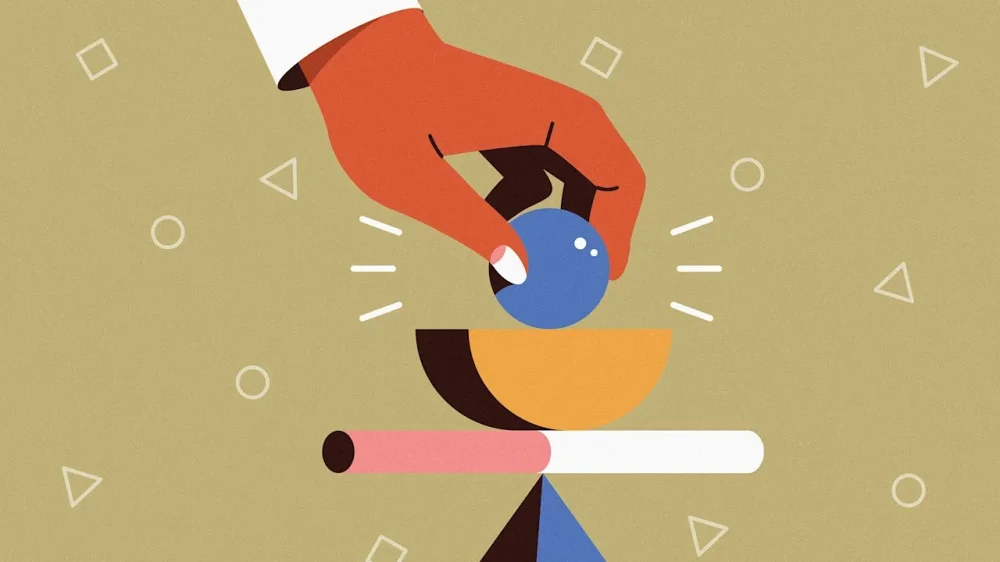
Biographies of exceptional achievers tend to explain their success through personality traits, highlighting the “killer psychological weapons” that made them great. So, Steve Jobs’s abrasiveness is reframed as visionary perfectionism, Elon Musk’s impulsivity as bold risk-taking, and Jeff Bezos’s relentlessness as uncompromising customer obsession. The same retrospective alchemy applies to women: Oprah Winfrey’s emotional intensity becomes radical empathy and authenticity; Indra Nooyi’s discipline and conscientiousness are recast as values-driven, long-term strategic leadership; and Diane Hendricks’s toughness and impatience with incompetence are celebrated as decisive execution and operational rigor. In every case, traits that might once have seemed problematic are retrofitted into virtues once success makes the story worth telling. The reality, as always, is a lot more nuanced than our limited patience and attention span appears to tolerate these days, namely all human traits or behavioral patterns can be both good and bad depending on the context, level, or outcome examined. So, for instance, confidence is generally good but when it’s decoupled from actual competence or extremely high, it may impede learning, make people look foolish and arrogant, and lead to significant underestimation of risks, delusional grandiosity, and reality distortion. To add yet another caveat: this is more likely in certain cultures (collectivistic, self-critical, humble) than others (individualistic, optimistic, and arrogant). All things in moderation This is why Aristotle wisely argued (as did Confucius before him) that virtue lies in moderation: the sweet midpoint between two equally problematic extremes. Courage, for example, sits between cowardice and recklessness; generosity between stinginess and wastefulness; ambition between apathy and obsession. Modern science quietly (because few people seem to listen or be interested in grasping this) agrees with him: too little of a good thing leaves potential unrealized, but too much turns strength into liability. One of the traits that illustrates this nicely is perfectionism, which evokes both positives and negatives in the general public—so much so, that it’s often suggested as a universal answer to the dreaded (and not very useful) “what’s your biggest weakness” job interview question. At low levels, perfectionism may reflect carelessness or disengagement. At moderate levels, it can signal high standards, diligence, and pride in one’s work. But once it crosses a certain threshold, perfectionism stops being about excellence and becomes about fear: fear of mistakes, fear of judgment, fear of falling short. At that point, it no longer improves performance. Instead, it fuels anxiety, indecision, micromanagement, burnout, and strained relationships. The challenge for organizations is that perfectionism often looks like commitment, especially in cultures that reward overwork, self-criticism, and constant busyness. But the real leadership task is not to eliminate high standards, but to prevent standards from hardening into self-punishment or control over others. Thus, as with confidence, ambition, or drive, the goal is not “more” or “less,” but enough (or “the right amount”), and knowing when enough has tipped into too much. A new approach In line, a new academic review synthesizes decades of research into perfectionism, defined as a stable tendency to set excessively high standards for oneself or others, combined with overly critical self-evaluation and a chronic concern with mistakes, evaluation, and failure. This research distinguishes between striving for excellence and being driven by fear of imperfection; a distinction that helps explain why perfectionism so often undermines well-being and collaboration while delivering only fragile or short-lived performance gains. More specifically, the review highlights both the pros and cons of being a perfectionist, evaluating its broad impact on individuals, teams, leadership, and organizations. Three pros (when it’s the “right” kind) Higher engagement and goal attainment (under narrow conditions) Perfectionistic strivings (high personal standards driven internally) are associated with greater work engagement, persistence, goal achievement, and satisfaction, especially in structured, predictable roles where quality and precision matter. This can translate into diligence and follow-through rather than brilliance. Attention to detail and decision thoroughness in leaders Leaders high in self-oriented perfectionism tend to pay closer attention to detail and, in some contexts, make more comprehensive strategic decisions. In relatively stable environments, this has been linked to better decision quality and organizational resilience. Short-term performance signaling and credibility Perfectionism can function as a reputational signal, conveying conscientiousness, reliability, and seriousness, particularly early in careers or in performance-pressured environments. This may support initial career progression, even if the advantages fade over time. Three cons (and these are generally more robust) Worse well-being with little performance payoff Across studies and meta-analyses, perfectionism shows weak or no association with job performance, but moderate to strong associations with burnout, stress, anxiety, depression, sleep disturbance, and poor recovery. In short, it reliably depletes people without reliably improving output. Workaholism, rumination, and inability to switch off Perfectionistic concerns are consistently linked to overcommitment, presenteeism, procrastination, and difficulty psychologically detaching from work. Even breaks become cognitively exhausting because perfectionists continue to ruminate about mistakes and unfinished tasks. Toxic leadership and downstream harm to others When perfectionism shows up as socially prescribed or other-oriented (imposing flawlessness on others), leaders are more likely to micromanage, punish mistakes, undermine psychological safety, trigger deviance, and reduce creativity and well-being in followers. This is one of the strongest and most consistent findings in the leadership section of the review. Try “excellencism” instead In short, perfectionism is not a performance or self-presentational strategy, but a personality trait linked to a fragile motivational style that works under limited conditions; at worst, it is a scalable mechanism for burnout, toxic leadership, and self-sabotage. The authors explicitly point to “excellencism” (very high but flexible standards without fear of failure) as a healthier and more sustainable alternative. For leaders and organizations, the implication is clear: the goal is not to hire, promote, or reward perfectionists, but to cultivate excellence without fear. High standards are essential, but only when paired with flexibility, learning, and psychological safety. In an economy that increasingly rewards speed, adaptation, and collaboration over flawless execution, the most effective leaders are not those who never err, but those who know when precision matters and when “good enough” is not a compromise but a strategic choice. Perfectionism mistakes control for quality. Excellence optimizes for impact. View the full article
-
Regional powers brokering meeting in bid to avert new conflict in Middle East View the full article
-
Dan Sogorka is leaving Rocket to be with his family in San Diego, while Austin Niemiec's title is unchanged but he will no longer be responsible for retail. View the full article