All Activity
- Past hour
-
I recently came across an interesting academic article in the journal Frontiers in Psychology. It was titled, “The relationships between social media use, time management, and decision-making styles.” The paper’s author surveyed 612 university students and young adults, asking them, among other things, about their digital habits and levels of personal organization. Using a linear regression analysis, she uncovered the following: “Social media use was negatively and significantly associated with overall time management and all its subscales.” Here’s the standard interpretation of this result: Social media is distracting, and if you’re distracted, it becomes harder to maintain control over your schedule. So, the more you use social media, the worse you become at time management. But I’ve become interested in the reverse form of this argument: the better your planning system, the less time you’ll spend on engagement-based applications like social media. Here’s my thinking… When you’re following an intentional schedule, your efforts are oriented toward goals that you find important. You also feel a satisfying sense of self-efficacy. These realities engage your long-term reward system, which can override the urges generated by its short-term counterpart, dissipating the drive for quick gratification from activities like glancing at your phone. In other words: The more you organize your analog life, the less appealing you’ll find the digital alternative. If this is true, then maybe the thing social media companies fear most is not some newly-powerful application-blocking software or impossibly strict regulation, but rather a good old-fashioned daily planner. In Other News: A lot of people I know have been freaked out recently by a viral essay with a grandiose title: “Something Big is Happening.” I recently released a short video in which I conduct a close analysis of this piece. (Spoiler alert: I wasn’t impressed.) Check it out. (More generally, I’ve been considering starting a separate weekly podcast/newsletter dedicated to providing a reality check on recent AI news. It feels like it might be useful to separate this discussion from my existing podcast and newsletter, which are more focused on how individuals can seek depth in a distracted world. But also, maybe this is a bad idea? I’m interested to hear your thoughts about this plan.) The post What Do Social Media Companies Fear? Time Management. appeared first on Cal Newport. View the full article
-
I recently came across an interesting academic article in the journal Frontiers in Psychology. It was titled, “The relationships between social media use, time management, and decision-making styles.” The paper’s author surveyed 612 university students and young adults, asking them, among other things, about their digital habits and levels of personal organization. Using a linear regression analysis, she uncovered the following: “Social media use was negatively and significantly associated with overall time management and all its subscales.” Here’s the standard interpretation of this result: Social media is distracting, and if you’re distracted, it becomes harder to maintain control over your schedule. So, the more you use social media, the worse you become at time management. But I’ve become interested in the reverse form of this argument: the better your planning system, the less time you’ll spend on engagement-based applications like social media. Here’s my thinking… When you’re following an intentional schedule, your efforts are oriented toward goals that you find important. You also feel a satisfying sense of self-efficacy. These realities engage your long-term reward system, which can override the urges generated by its short-term counterpart, dissipating the drive for quick gratification from activities like glancing at your phone. In other words: The more you organize your analog life, the less appealing you’ll find the digital alternative. If this is true, then maybe the thing social media companies fear most is not some newly-powerful application-blocking software or impossibly strict regulation, but rather a good old-fashioned daily planner. In Other News: A lot of people I know have been freaked out recently by a viral essay with a grandiose title: “Something Big is Happening.” I recently released a short video in which I conduct a close analysis of this piece. (Spoiler alert: I wasn’t impressed.) Check it out. (More generally, I’ve been considering starting a separate weekly podcast/newsletter dedicated to providing a reality check on recent AI news. It feels like it might be useful to separate this discussion from my existing podcast and newsletter, which are more focused on how individuals can seek depth in a distracted world. But also, maybe this is a bad idea? I’m interested to hear your thoughts about this plan.) The post What Do Social Media Companies Fear? Time Management. appeared first on Cal Newport. View the full article
-
Voiceprint Claude plugin clones your writing style based on five writing samples. Works with any SKILL.md-compatible tool. The post New “Voiceprint” Claude Plugin Clones Your Writing Style appeared first on Search Engine Journal. View the full article
-
We analyzed 1.9M citations last year in an attempt to answer that question. But, as with everything AI-related, a lot has changed since then. For instance, as of January 2026, AI Overviews are now powered by Gemini 3 to better answer…Read more ›View the full article
-
In 2025, New York Times columnist Ezra Klein and Derek Thompson from The Atlantic released a book called Abundance, which posited that America had developed a culture of scarcity. Overregulation and overall risk aversion from the government, the authors argued, were stifling the development of infrastructure and housing in the country. To remedy this, they proposed an “abundance agenda,” one that focused on a growth mindset among elected officials that would help foster long-term prosperity. Although the provocation has its challenges, it got me thinking: What if we applied the idea of abundance to our work? For over a decade, I’ve occupied two worlds simultaneously—one foot in the world of practice as an advertising executive and one foot in the world of academia as a marketing professor. On an average week, I’d work at the ad agency from 9 to 5 and then teach a night or two at the university from 6 to 8. This duality made me better at both jobs. I taught what I practiced, which made course concepts more applicable for students, and I applied what I studied, which made my practice more rigorous. I didn’t have the language for it then. I just thought, Why do I have to choose? Essentially, I had adopted an abundance agenda for my career. I removed the confines that restricted my career to a “one-job-at-a-time” approach to navigating corporate America. I was going to do both—not a side hustle, not a moonlighting gig, not a hobby, but a portfolio career that prioritized my development in both arenas. Before long, I found myself in a university class, but this time as a student studying consumer culture theory and pursuing a doctorate. In doing so, my career has prospered. But what if we applied an abundance agenda to our organizational culture? Apparently, Bing Chen, the cofounder and CEO of Gold House and managing director of AU Holdings, was one step ahead of me. As YouTube’s global head of creator development and management from 2010 to 2014, Chen helped build the platform’s multibillion-dollar creator economy. In 2018, he launched Gold House, a nonprofit that embraces an abundance mentality and is dedicated to accelerating the socioeconomic equity of Asians and Pacific Islanders. While experiencing all the accolades and praise from his many achievements at Google, he wanted something more. In fact, during our interview with Chen for the latest episode of the From the Culture podcast, he revealed that his very first word as an infant was “more.” And this idea of “more” resonates throughout the organization and Chen’s leadership style. If Gold House was going to succeed at supporting Asians and Pacific Islanders, it first had to succeed at supporting itself—its people. But that doesn’t mean merely supporting their work, safety, and well-being; that’s just table stakes for Chen. Instead, at Gold House, this means supporting your dreams. So, the first question Chen and his team ask candidates when they interview for a job centers squarely on getting to know the candidate’s dreams. Not their skill set. Not their experience. But their dream. Chen contextualizes the questions with a scenario: “If I gave you $10 billion and the world’s biggest Rolodex, where the person on the other end of the line will say yes to whatever you ask, what would you do?” According to Chen, if the job the candidate has applied for is not related to or accelerates that dream, he will end the interview right there. Why? Because he wants to support the long-term ambitions of his team members, just as he does his clients and his constituents. The lesson for leaders that Chen realized when he adopted an abundance agenda for Gold House was that the organization will get more out of its employees when the organization understands its employees’ greater ambitions and helps advance their trajectory to achieving them. This shift toward a culture of abundance has paid off handsomely for Chen because this approach has enabled the Gold House company to prosper. Not only is the organization behind paradigm-bending shifts to cultural narratives about the Asian Pacific community through its successful marketing campaigns and strategies for movies like Crazy Rich Asians and Everything Everywhere All at Once and the Netflix series Beef, but it has also accelerated the dreams of over 100 Asian Pacific founders with the $30 million Gold House Venture Fund. For Chen, this is the power of thinking audaciously enough to desire more and commit ourselves to it. It’s not a skill so much as it is a mindset; one that we all can adopt. Check out our full conversation with Bing Chen and how he developed an abundance mindset on our latest episode of the From the Culture podcast. View the full article

- Today
-
Patchstack's state of WordPress Security report shows more sites get hacked within hours of vulnerability disclosure The post Report Shows WordPress Sites Are Getting Hacked At Faster Rate appeared first on Search Engine Journal. View the full article
-
We live in a world, especially in Western cultures, that relentlessly promotes positive thinking and celebrates self-belief to the point of sidelining reality—that inconvenient thing that does not disappear simply because we ignore it. Self-help advice and pop-psychology slogans urge us to stop worrying about what others think, to believe in ourselves no matter what, and to focus on our strengths. They rarely stress the value of acknowledging our flaws and limitations, even when this requires revising, if not abandoning, our childhood ambitions. It may sound harsh, but science shows clear benefits to confronting our shortcomings, aligning our self-assessments with our actual abilities and, when necessary, adjusting them downward. What the research says Consider some key findings from academic research. 1. Metacognition is a key enabler of learning. In any domain of skill or competence, practice improves performance, but practice without feedback, or feedback without self-awareness, leads to stagnation. Progress depends on our ability to track our own development, to know what we do well and where we fall short. Metacognition, the capacity to think about and evaluate our own thinking and performance, is the mechanism that makes this possible. Whether you are learning a language, a musical instrument, or a sport, believing you are better than you are removes the incentive to improve. And when the gap between how good you think you are and how good others perceive you to be becomes too wide, the result is not confidence, but credibility loss. When others are of the opinion that you suck, and that you are totally unaware of the fact that you suck, they will think even more poorly of you than if you were aware. 2. Excess persistence can be more damaging than insufficient persistence. We admire stories of spectacular success built on grit and determination, but we forget that these winners usually combined persistence with talent, timing, and opportunity. They are vivid anecdotes, not representative data, and the plural of anecdote is not data. The far more common stories of people who persist heroically and still fail rarely make it into biographies or Netflix documentaries. Psychologists describe this as the false hope syndrome: People set unrealistic goals, overestimate the speed and ease of progress, and double down when reality resists. The result is wasted time, sunk costs, burnout, and foregone alternatives that might have suited them better. Sensible persistence is evidence-based. Just like competent scientists abandon hypotheses that do not replicate, rational investors cut their losses, and effective leaders know when a strategy has stopped working, recognizing when your effort is no longer productive is not a weakness, but a sound judgment call. In careers, as in research, the goal is not to try harder at everything, but to try longer only where feedback suggests improvement is plausible and success has a high-enough probability of occurring. As Daniel Kahneman noted: “Courage is willingness to take the risk once you know the odds”—but if you are blind or delusional about the odds, you are simply displaying wishful thinking or self-destructive recklessness rather than courage. 3. While deliberate practice and effort matter, talent and potential are key. The popular reading of deliberate practice implies that anyone can achieve elite performance with enough hours of focused training. Yet the evidence is more nuanced. A large meta-analysis found that deliberate practice explains about 26% of performance differences in games, 21% in music, 18% in sports, 4% in education, and only 1% in typical professions (knowledge work jobs) once other factors, such as prior talent or expertise, are considered. In other words, practice matters, but far less than we think. And the best predictor of performance is not practice, but how much talent and potential someone has to begin with. Baseline cognitive ability, personality traits such as conscientiousness and openness, access to coaching, health, and simple luck also play substantial roles. The implication is not fatalistic. It is practical. Improvement is possible in almost any direction, but not infinitely and not equally for everyone. Ignoring aptitude leads to wasted effort and frustration; aligning ambition with talent or potential allows effort to compound. As in investing, the goal is not to bet everywhere, but to double down where the expected return is highest. The power of positive illusions To be sure, there are short term benefits to ignoring weaknesses. Overconfidence can help you charm an interviewer or deliver a confident presentation, provided the audience is not too discerning. Positive illusions can protect self-esteem and reduce anxiety. Optimistic distortions (which, by the way, are the norm) sometimes encourage experimentation that reveals hidden strengths. Entrepreneurs often start companies precisely because they underestimate the odds. Yet these advantages are temporary. Eventually markets, colleagues, and customers provide brutally honest feedback. In the long run, reality excels at fact-checking. There is also a moral case for recognizing our limits. When leaders refuse to confront their blind spots, others pay the price. History is full of confident incompetence—from failed mergers to catastrophic political decisions. A little humility would have saved billions of dollars and countless careers. In organizational psychology, we often say that integrity is inferred from behavior over time. Acknowledging your weaknesses is a signal of integrity because it shows respect for evidence and for the people affected by your decisions. Intelligent self-awareness So how should we practice intelligent self-awareness without slipping into paralysis or cynicism? Three habits can help here. 1. Seek high-quality feedback. Peer ratings, 360 reviews, and objective performance data are better guides than intuition. As Rob Kaiser’s work shows, colleagues often detect strengths and flaws that individuals cannot see. Treat feedback as market research on your behavior, or a way to crowdsource your reputation or internalize your professional brand. 2. Experiment at the edges. Try roles, projects, or skills that stretch you but remain diagnosable. Instead of announcing a career reinvention on social media, run small pilots. Measure results. Iterate. Learn to fail well or fail smart, as Harvard’s Amy Edmondson notes. This is the scientific method applied to personal development, and it is far more reliable than inspirational quotes. 3. Cultivate curiosity about your own limitations. Ask why certain tasks drain you, why some colleagues energize you, why your best work appears in particular contexts. Patterns will emerge. Those patterns are clues about where your comparative advantage lies. The point of recognizing weaknesses is not self-punishment. It is efficiency: Time is finite, attention is scarce, and life is too short. In an age when generative AI promises to do everything faster, the scarce resource is thoughtful human judgment about where to invest effort. Honest self-knowledge helps allocate that effort wisely, and even gen AI can help you improve that. View the full article

-
Learn 16 practical tips for writing search-optimized content that gains visibility and drives traffic. View the full article
-
The past week's Wi-Fi news includes the eye-watering US$170M price tag for sensing company Origin Wireless. The post Roundup: Origin Wireless sold to ADT for US$170M, Turk Telekom & Interdigital sensing, Fritz! & Gemtek’s Wi-Fi 8 at MWC appeared first on Wi-Fi NOW Global. View the full article
-
The light is shining through the windows of what looks like a well-appointed, book-lined apartment where Dario Amodei, the chief executive of AI giant Anthropic, is giving an interview. He smiles and laughs at the interviewer’s jokes, giving the impression of an approachable, amiable, ever-so-slightly unkempt scientist. But when the questions turn to AI’s impact on humanity, Amodei’s demeanor shifts. He says that while he is not a doom-and-gloomer, he is certainly worried. Previous disruptions took place over longer timescales, and he frets that the speed and scope of this one will make it much harder to manage. His concern “is that the normal adaptive mechanisms will be overwhelmed” and that more than half of entry-level white-collar jobs are at risk. As he speaks, Amodei sounds like a physician delivering a difficult prognosis: sober and compassionate, very concerned about the patient’s well-being, but ultimately helpless in the face of death’s inevitable arrival. Except Amodei is not just some powerless observer. He is the chief executive of one of the companies that is doing the most to bring about this jobless future. He is more architect than bystander, but you would never know it from the tone of his public utterances. Amodei is far from alone in this stance. In the years following the launch of ChatGPT in 2022, the AI industry’s messaging tended toward the reassuring: AI is not coming to take your jobs; instead, it will be a cognitive exoskeleton that augments workers, making humans more capable and more productive, both in the workplace and beyond. That reassurance is now being abandoned. The same week that Amodei’s interview was published, Mustafa Suleyman, Microsoft’s head of AI, told the Financial Times that most “white-collar work . . . will be fully automated by an AI within the next 12 to 18 months.” In July of last year, OpenAI chief executive Sam Altman told a Federal Reserve Board conference that “there are cases where entire classes of jobs will go away,” describing some categories as “totally, totally gone.” The Kidnapper’s Ransom The passive voice is doing a lot of work in these prognostications—jobs will simply “be automated” and roles will just “go away.” The disruption is presented as being like the weather—something we must prepare for, adapt to, endure. Hiding behind this phrasing is a very different reality: These changes are the downstream consequences of decisions made in specific boardrooms by specific people reacting to specific financial incentives. University of Oxford political philosopher G.A. Cohen identified this pattern of argument decades ago. His insight was that an argument changes its character entirely when the person delivering it is the same person whose choices make the premises true. Cohen’s analogy was vivid: Imagine a kidnapper who argues that children should be with their parents and, therefore, the ransom should be paid. The argument is logically valid. Its premises are true. But it is discredited by the fact that the person making the case is the one who created the crisis. Amodei sits across from us, expressing sober concern about a future of mass displacement. But the displacement he describes is not something that is just happening. It is something his company is building. When Amodei, Suleyman, Altman, and a few others tell us that artificial intelligence will cause a bloodbath of white-collar jobs, they are not observing an unstoppable force—they are the force. The Gravity of Automation In his essay “The Adolescence of Technology,” Amodei argues that “the idea of stopping or even substantially slowing the technology is fundamentally untenable,” because “if one company does not build it, others will do so nearly as fast.” This is not a trivial point. As someone who has spent the last three decades deploying new technologies across large companies and major government agencies, I have experienced these competitive pressures firsthand—the cost of falling behind is not imaginary. Amodei argues that even if all Western companies stopped their work on AI, “authoritarian countries would simply keep going.” And indeed, Beijing is pouring vast resources into AI development. So no single company, and arguably no single country, can unilaterally step back from the frontier without ceding ground that may not be recoverable. Anyone who dismisses this constraint is not being serious. This competitive pressure extends beyond the pace of development to its direction. A product that replaces a worker outright will often deliver faster and more directly measurable savings than one that makes the same worker more capable. And since businesses are duty-bound to maximize shareholder value, they are obliged to pursue automation when it offers the clearest path to increasing profits. There is genuine economic gravity pulling toward automation over augmentation, and pretending otherwise would be naive. Yet paths to profit do not exist in a vacuum. They are shaped by a range of incentive structures—such as tax codes, procurement standards, and regulatory frameworks—that are entirely in the hands of humans. The case for leaving these incentives untouched rests on the assumption that, when companies seek to maximize their profits, the results are economically beneficial for society as a whole. But it is hard to take that assumption seriously in the case of AI. The most influential figures in the tech industry are predicting outcomes that would devastate the job market, collapse consumer demand, and leave gaping holes in the tax base. As Sal Khan, founder and CEO of the free digital learning platform Khan Academy, put it recently: If even 10% of white-collar jobs are lost to the AI revolution, “it’s going to feel like a depression.” Shaping the incentive structure to favor augmentation in these circumstances is not an anti-market move. It is a recognition that markets require functioning consumers to survive. Unstacking the Deck The incentive structures that shape how businesses respond to technological advances are not natural forces over which we have no control. They are the direct product of the political choices we make around technology adoption. A team of economists led by MIT professor Daron Acemoglu has shown that the U.S. tax system currently incentivizes automation by taxing labor at a much higher rate than the capital expenditure involved in robotic automation. Acemoglu and his team show that a rebalancing of the relevant taxes could increase human employment by as much as 4%. Of course, the automation of white-collar work by AI agents differs from the automation of manual work by robots. AI agents will not, for the most part, be funded by capital expenditure but by the ongoing subscription model that is common in the software industry. However, the underlying insight stands. The incentive structures our governments endorse can steer companies toward or away from automation. A wide range of tools are available to shape the business environment, and we should consider all of them in the case of AI. Some of these tools—such as changes to government procurement policies or requirements for increased transparency around long-term strategies—would aim to gently nudge businesses toward augmentation over automation. But blunter instruments, such as taxes on automation, are also available. Many of the most influential figures in the AI world have suggested that a universal basic income may be a necessary response to AI-driven joblessness. Sam Altman himself has proposed an “American Equity Fund” that would tax companies and land at 2.5% of their value annually to fund direct payments to every adult citizen. But this concedes the central point: Left to its own devices, the market will produce outcomes so lopsided that highly intrusive state redistribution becomes necessary. If we can accept the kind of massive taxation required to fund a basic income for the entire population, why not take a proactive approach and apply much more limited taxes ahead of time to incentivize augmentation over automation? The Free-Market Case for Augmentation The obvious objection is that shaping incentives in this way would put the United States at a competitive disadvantage against nations that choose to automate more aggressively. As Amodei observed in his interview, when it comes to chess, AI models acting alone quickly surpassed human players who were augmented with AI. If we extend this logic to the economy, we should expect that fully automated businesses will outperform those with a hybrid human-AI workforce; a failure to follow this path will guarantee that the United States falls behind its economic competitors. But this analogy is too weak to justify the greatest economic upheaval in human history. On a fundamental level, the economy is simply not like a game of chess. A successful economy doesn’t just rely on optimizing outputs—it requires consumers who can buy the goods and services produced by its businesses. As Henry Ford warned a century ago: “The owner, the employees, and the buying public are all one and the same.” Any industry that undermines the buying power of its workforce “destroys itself—for otherwise, it limits the number of its customers.” A model of the future that focuses only on fantastical production gains—while ignoring the destruction of the consumer base—is not a model of an economy at all. It is a piece of lazy science fiction. What would it take for a nation to survive full automation? The answer becomes uncomfortable when we look at the competitor most frequently invoked by those who warn against falling behind. China’s AI development is largely state-directed and state-funded. If Beijing pursues full automation, it can deploy the apparatus of an authoritarian command economy to sustain a population that is no longer earning wages through traditional employment. The United States cannot. This is where the free-market case for maximal automation collapses on its own terms. For America, full automation leads to precisely the outcome that our economic and political philosophy rejects: mass dependence on government transfers funded by massive new taxation on the companies that eliminated their workforces. The most pro-market position available is not to maximize automation. It is to ensure that AI develops in a way that keeps humans economically productive. The alternative is a path that ends not in the victory of capitalism, but in an extreme form of the kind of socialism that America has spent a century defining itself against. Amodei and his peers have built extraordinary companies. They may even be right that the technology they are developing will ultimately benefit humanity. But when they sit across from us and describe mass job displacement as something that they are worried about but are powerless to prevent, we should demand better of them. At the very least, we should demand that they accept their own role in the process. Instead of hiding behind “jobs will be automated,” they owe it to us to say: “We are building systems that will automate these jobs, and here is what we are doing about the consequences.” But whether or not the titans of AI rise to the moment, the rest of us will have to meet its challenges head-on. The incentive structures that will decide whether AI augments human capabilities or hollows out the economy are being shaped right now by default. If we leave these decisions to the people building the technology, we already know which direction they will choose. They have told us. View the full article

-
US and Israeli air strikes have thrown energy markets into turmoilView the full article
-
Learn how AI bots interpret your content and affect customer perceptions. Optimize your website for the evolving world of AI. The post What AI Sees When It Visits Your Website (And How To Fix It) appeared first on Search Engine Journal. View the full article
-
People change jobs all the time. According to the Bureau of Labor Statistics, the oldest people in the workforce have probably held more than 12 jobs over the course of their lives. Those aren’t just new titles within a firm, they likely include larger career shifts. With globalization and changes in technology, the need to shift career paths can happen to people even in the last decade of their work lives. I myself have recently moved to the private sector after more than three decades as a university faculty member. If you make a significant career switch, what can you do to ease the adjustment to the new role and make a contribution quickly? Don’t be afraid of what you don’t know By the time you get deep into your career, you’ve learned a lot about the world of work. That expertise has helped you navigate many situations and often gave you some insight or wisdom that people newer to the workplace didn’t have. As a result, it can be difficult to be in a situation in which you’re no longer the trusted expert. Let that go. Your value at work and your identity does not need to be bound up in knowing everything. You will bring a lot of wisdom to the table (we’ll talk about that in a bit), but it’s okay to have lots of things that are new to you. You might think your colleagues will respect you more if you assert how much you know. In truth, they will appreciate the clarity you can give them around what you don’t know. On top of that, it’s actually fun—and healthy—to learn new things. Being exposed to new ways of working, new approaches to engaging with the world, and new knowledge is invigorating. As a bonus, when your brain can’t predict everything that’s going to happen next, you lay down lots of new memories, which makes time feel like it’s going slower. At an age where you may feel like your life is rocketing by, that’s valuable. Listen more than you play My general advice for starting any new job comes from jazz. If you play jazz, then you’re likely to sit in with new musicians. Despite the temptation to play a lot of notes quickly to establish what you can do, the standard advice is to listen more than you play. That way, you can tailor what you play to the style of what everyone around you is doing. Similarly, when you make a career pivot, people are going to be bringing perspectives to their work that differ from what you’ve encountered in the past. Even if you were hired to bring some aspect of your expertise to the workplace, you still need to make sure you play it in the style of the people around you. And you won’t be able to do that until you hear from them. When you start a new job in that career pivot, let everyone else talk first. Resist the urge to toss in your opinion early and often. Even when you hear people saying things you completely disagree with, let the conversation go on. Organizations often do things in a particular way because of an element of their history. Understanding both what people are doing and why will enable you to see any wisdom in their work that may not be obvious. And if you do feel like you want to suggest a change, listening will allow you to attach your suggestions to their reasons for doing what they do. Lean into your durable skills When you make a career pivot, you’ll find that there are a certain number of things you had learned to do well that just don’t translate from one sector to another. Most of these skills that have suddenly become useless involve specific tasks that were integral to your old career and not useful in the new one. As a college instructor, I had a lot of facility with the learning management system that students use to access course materials and submit assignments. Those skills are not things I need in my new role. Instead, the things that translate from one career path to another are more durable skills around problem-solving, critical thinking, interpersonal interactions, and cultural awareness. For example, I recently found myself in a meeting in which I was being asked to comment on a new process to be used to manage a project. Before trying to evaluate the process, I asked a lot of questions about the problem the process was designed to solve. I realized later that I was bringing a broader set of problem-solving strategies to bear on the conversation. So even though I was learning about the business, I was still able to contribute to the evaluation using skills I had already honed. More generally, when you switch careers, think about the skills that enable you to bring your experience to new situations. Your success in this new path will rest on maximizing the value of those durable skills in the new environment. View the full article

-
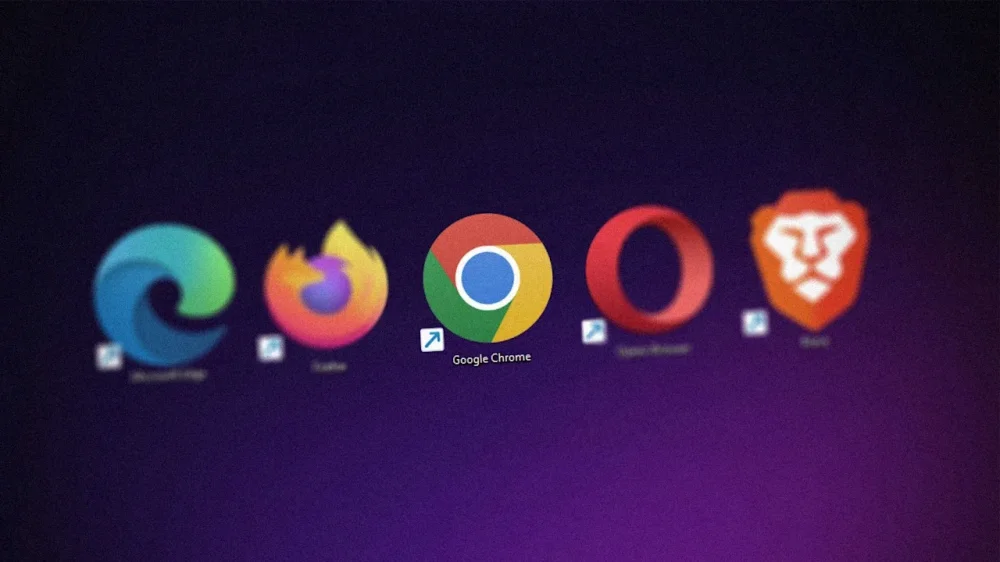
Let’s be honest: The web browser is the modern-day operating system for everything from managing spreadsheets to pretending to work while reading tech blogs. Google knows this. That’s why the Chrome team announced a trio of new productivity features designed for people who basically live inside their browsers. Best of all? They’re actually quite useful. Here’s what you need to know to get your tab-hoarding, PDF-losing life back in order. Split View You know the drill. You’re trying to reference a document while writing an email, or maybe you’re watching a tutorial while trying to write code. You end up clicking back and forth between two tabs until your eyes cross. Enter Split View. It does exactly what it says on the tin: It lets you view two tabs side-by-side in a single window. No more dragging and resizing windows manually like it’s 2004. The feature is built into Chrome now, creating a single, organized workspace that keeps you focused. Unfortunately, it’s not super obvious. To enable it, you’ll need to open a new tab, then right-click said tab, and select “Add tab to new split view.” You’ll then have to select which of your open tabs to add to the other split-view pane. It takes about three or four more clicks than it should, but there you have it. PDF Annotations File this one under “Finally!” The Chrome PDF Viewer has always been a handy way to look at documents, but looking was about all you could do. If you needed to highlight a line or add a quick note, you had to download the file, open a dedicated PDF application, make the change, save it, and probably upload it again. Exhausting. Now you can highlight text and add handwritten notes to PDFs directly inside the browser by clicking the little squiggle icon at the top of any open PDF. This stuff isn’t as robust as Microsoft Edge’s PDF features, which let you enter typed text into form fields as well. But it’s still a tiny friction remover that’s going to save an unreasonable amount of annoyance. Save to Drive If your Downloads folder looks like a digital landfill of files named “Invoice_Final_V4(1).pdf,” you’re not alone. You download an important file, completely lose track of where your computer put it, and spend 10 minutes searching your hard drive. To fix this, Chrome has added a direct “Save to Google Drive” feature. When you’re looking at a PDF, you can bypass the local download entirely by clicking the Google Drive icon in the upper-right corner. Chrome will whisk the file away to a dedicated “Saved from Chrome” folder right in your Google Drive. It’s instantly backed up, organized, easily searchable, and available on whatever device you decide to pick up next. View the full article
-
It’s five answers to five questions. Here we go… 1. Is it OK to compliment coworkers’ nails or haircuts? I believe that comments on people’s bodies are totally inappropriate at work, and in life in general. But if someone has changed their hair or has some cute nails (I myself do not do these cute things but notice them), is commenting on them in the same category as body stuff? Technically it is part of their body, but it doesn’t seem as bad to be “oh the magenta highlights are cool” or whatever. Should I stop commenting on haircuts and nail design? One school of thought is that it’s fine to comment on things that are obviously a deliberate choice — like a shirt or a haircut or nail design — but not things that are an inherent part of the person’s appearance, like their weight or their eyes. It’s not a bad rule, although in reality someone creepy can make comments on nail color sound creepy too. I think a better litmus test can be whether you’d say it to a gender you weren’t attracted to — so like if you’re a straight man thinking about complimenting a female coworker’s haircut, are you going to say it in the exact same way you’d say it to a man with a new haircut? If so, it’s likely fine. If not, you should skip it. 2. Should I tell interviewers I’m leaving my job because of its overly rigid culture? I am currently at a desk job that’s mostly fine, but very rigid. There’s absolutely no work from home under any circumstances, no deviation from hours allowed even when it doesn’t affect job performance or coworkers’ workload, and not a lot of sick or PTO time to make up for it. It’s very “this is the way things have always been done and we are never going to change.” But I know that other companies tend to allow people in my position to have flexibility and some work from home. In my understanding, this rigidity is abnormal in the Year of our Lord 2026. If I were to look for another job, how do I explain why I’m looking to switch without sounding like an entitled millennial brat? If they ask why I’m looking for a new job, is it okay to say the rigid corporate culture and I don’t vibe, or that I’m looking for more flexibility? Will it sound like I’m looking to shirk responsibilities at a new job? When I took this job, I was in dire straits to get out of a toxic nonprofit. I’ve been here over three years already, toughing out five days a week in office while my peers in other companies get at least three days in, two days WFH. I know I could keep going, the pay is good, the work is easy, the people are generally nice, but the boomer work mentality is insane and unfair. There are still a lot of companies that operate the way yours does. If it’s not for you, there’s nothing wrong with disliking it, but they’re not necessarily as out of step with other companies as you’re painting them as! They might be — if the PTO is really low, that would sway me — but the rest of it isn’t especially outrageous and you’ll find it in a lot of places. That doesn’t mean you shouldn’t change jobs over it — you definitely can! — but it’s helpful to calibrate your sense of how abnormal it is so that you make sure to confirm the next place will be different. (Although even that isn’t foolproof — lots of people who had work-from-home jobs are being told to return to the office five days a week.) As for interviewing: in general your answer about why you’re applying to a new job should focus on the appeal of the new job to you, far more than what you don’t like about the old job. In your case, you’ve been there for three years; it’s beyond reasonable to just be looking to take on something new, and then you can talk in specifics about what appeals to you about the job you’re applying for. You should still use the interview process to dig into what their culture is like and how much flexibility they have, but it shouldn’t be the focus of this particular question. Related: do I need to give interviewers a great reason for why I’m looking to leave my current job? can you say you’re looking for a new job because you want “a new challenge”? 3. My job won’t implement any of my ideas, but won’t give me a clear no I’ve been teaching in this school for several years now, and I have a problem. Every time I ask to do something fairly typical for a school, I hear, “That’s a great idea,” only to be told a week later that it’s not feasible this year. Again, these are typical things in schools: for example, adding a new class (one that is technically required by the state, no less) that I am the only person at the school qualified to teach, starting a club with several students expressing interest, or taking on a class that I have taught before here. I know partly why I am in this position. My sister died four years ago, and for the entire year after that, I was an atrocious teacher. I probably should have been fired, but there was a massive teacher shortage at the time. And then the year after that, I did better, but I was also pregnant for most of the year. I’m doing great now by most measures, and they keep adding things to my plate … but never the things I ask for. I ask at the very beginning of the year and get told, “I’ll get you the paperwork.” I send out reminders, and it never comes. Then, once they’ve put me off, I get told, “Not this year. Try next year.” I’m guessing they mean no, even though they’re saying to try later, but I honestly wish they would either just tell me no and give me any kind of reason why, or tell me how I can change things. Can you change schools? Fairly or not, sometimes it’s just very hard to get people to see you differently after they’ve fallen into seeing you a certain way. And even if you’re wrong about what’s going on, it seems clear that — for whatever reason — this is just how it’s going to go at this school. It might be very different if you can make a fresh start somewhere else. 4. My boss keeps asking about progress on a personal project I’m not doing I’m a new grad a few semesters out of college and landed a full-time role in my dream industry with a probationary period. It is a very small company and I report directly to the founder. Two weeks in, she told me she was not satisfied with my work, heavily implying I would be let go after the probationary period (at the end of May). She then suggested I make a specific project that would aid in my job hunting, framing it as trying to help me join a company I was truly passionate about. I nodded along with no real intent to go through with the project, thinking that would be the end of it. Since then, she’s asked me every single week how said project is going. I’ve dodged it for the most part, saying I’ve been brainstorming and planning, but not sure how long I can keep it up. I have no intention of making this project as I’m working on other projects for said upcoming job hunt, but my boss is insisting that this will be the key to my dream job and is very dismissive if I suggest otherwise, I simply nod along because I am a fresh grad and she is in the industry. I’m also very non-confrontational and I need to keep this contract until it ends to support myself; I’m not sure how to deal with this weekly nag about a project when it is my fault for even letting it go on for a few weeks. Proper HR does not exist at this company. Can you just tell her that you’ve spent some time playing around with it but you’ve decided not to pursue it for now because of ___? What you fill in the blank with will depend on the specifics, but it could be anything from time commitments outside of work to deciding you’d rather focus on some other aspect of the work. You could add that you really appreciate her making the suggestion. If you think that will just cause more issues, you could go with something vague like, “Yes, still sketching out ideas” or “still at the thinking and exploring stage” or similar … but you’re probably better off just more clearly telling her it’s not something you’re pursuing. 5. Applying for multiple jobs at the same company with only slightly different cover letters I was laid off recently, and one employer I’m focusing on applying to is a very large healthcare organization. Its application tracking system has you upload only one resume (per candidate profile) and only answer most of the applicant questions once, but then has a section at the end to upload up to 10 different cover letters (you’re supposed to put the job ID number in the cover letter document title when you upload). When I look at my candidate profile, I see my resume at the top and then multiple cover letters beneath. (I’m applying for a lot of very similar administrative openings, so it’s not like I’m just scattershot applying for random things. But I do really want to work for them.) From the HR/hiring manager’s side, how much does it matter if there’s some repeated phrasing in multiple of the cover letters? I do write a new cover letter for each one, and try to keep it warm and pertinent, but I do have some sentences I reuse in the opening/conclusion of each letter — otherwise it would take forever to apply for these very similar roles, if I’ve already used up the points I’m making about myself. Will HR care/compare them, or is it not worth worrying about? You’re fine. Ideally the letters shouldn’t all be identical, but they’re not; you’ve switched up some of your phrasing to make them each a bit different. They’re unlikely to bother comparing them, but even if they did, you’re fine. The post is it OK to compliment coworkers’ nails or haircuts, saying I’m leaving my job due to its rigid culture, and more appeared first on Ask a Manager. View the full article
-
Bank among lenders to have identified issues with Market Financial Solutions after other high-profile failures View the full article
-
Fears mount that outflows may soon overwhelm inflows to some of largest playersView the full article
-
US president’s Pentagon has been busier during the past 12 months than nearly his entire first presidencyView the full article
-
HERE'S A LOOK at some of the best leadership books to be released in March 2026 curated just for you. Be sure to check out the other great titles being offered this month. Genius at Scale: How Great Leaders Drive Innovation by Linda A. Hill, Emily Tedards and Jason Wild Innovation doesn't just happen. You need to lead it. Discover the three critical roles leaders must play in driving—and scaling—innovation. Constant tech disruption. Unrelenting economic volatility. Radically shifting demographics and work norms. More than ever, we need to innovate amid these daunting global challenges. But do we have the leadership it takes to make this innovation happen successfully? Genius at Scale breaks new ground, showing how moving from generating new ideas to actually scaling them involves cocreation—collaborating, experimenting, and learning with others both inside and beyond the boundaries of the organization. This requires three distinct types of leadership: Leader as Architect, Leader as Bridger, and Leader as Catalyst. Leading with Strategy: Using Your North Star to Guide Decision-Making by Timothy Tiryaki A powerful collection of over 50 adaptable strategy frameworks to solve today's most complex business challenges. In Leading With Strategy veteran executive coach and strategy consultant for Fortune 500 firms Timothy Tiryaki delivers a transformative guide that clarifies the complex tradeoffs in today's AI-enabled business environment. Dr. Tiryaki explores the contemporary maze of undiscussed leadership dilemmas that have been surfaced by the latest generative AI technologies and provides unique perspectives on strategic thinking and leadership. At the core of Leading With Strategy are 50 practical visual frameworks. They're dynamic tools designed as adaptable tools for creatively tackling diverse challenges and obstacles. These frameworks go beyond staid, one-size-fits-all approaches to common business problems and help you master essential strategic thinking and execution skills. Almost Reckless: A Creative and Pragmatic Approach to Taking Risks by Amy Smilovic “Almost Reckless is not just a book, it's a permission slip. It's about the courage it takes to step off the algorithm's path, the clarity that comes from defining your own principles, and the joy of building something that feels unmistakably yours” saysWill Guidara, bestselling author of Unreasonable Hospitality. Amy Smilovic's cult fashion brand, Tibi, was a thriving $70 million business when she realized she was working toward someone else's idea of success. So she threw out the rulebook of how things should be done and went with her gut instead. Today Tibi is more successful than ever, and all on Smilovic's groundbreaking entrepreneurial terms. In Almost Reckless, she invites you to get comfortable with embracing smart risks in pursuit of your own vision. Sharing her story and drawing on her years of helping others identify their values and principles, Smilovic teaches you to hone your gut, and your trust in it. The Algorithm: The Hypergrowth Formula That Transformed Tesla, Lululemon, General Motors, and SpaceX by Jon McNeill From a former President of Tesla comes The Algorithm—the first book written by any of Elon Musk’s direct reports—a transformative guide for leaders, entrepreneurs, and innovators who want to emulate the paradigm-shattering approach Musk used to launch Tesla and SpaceX to meteoric success. Jon McNeill had already founded and sold six startups when Sheryl Sandberg introduced him to Elon Musk, who was looking for help at Tesla. McNeill was steeped in the lean principles that had made Toyota a global powerhouse—principles focused on achieving efficiency and optimization by incrementally improving existing systems and processes. What he learned from Elon at Tesla was its antithesis, an approach that required radical rethinking to explode the status quo, attack complexity, and set seemingly unrealistic goals. Elon called this five-step framework “The Algorithm.” Jolted: Why We Quit, When to Stay, and Why It Matters by Anthony Klotz Most of us are just one event away from leaving our job. Conventional wisdom and lists of the “top reasons people quit their jobs” would have us believe that people quit when the toxic elements of their jobs grow too big or when they spot a better professional opportunity. But that’s only half the story. In reality, quitting is often triggered by a single event, inside or outside our jobs, that stops us in our tracks and causes us to rethink our relationship with work. These events are what organizational psychologist Anthony Klotz calls “jolts,” and they are the most underacknowledged realities in our work lives today. Jolts represent pivotal moments in our careers, and yet all too often, we respond to them in ways that harm our well-being and success. In Jolted, Klotz breaks down the different types of jolts we encounter and provides a road map to help us navigate them in ways that improve, rather than derail, our pursuit of the good life through our work. The Tyranny of False Choices: A Guide to Authentic Decision-Making by Rey Ramsey Every day, powerful forces work to narrow your thinking and constrain your options. Institutional gatekeepers, social pressures, misleading narratives, and internal doubts create false either-or scenarios that trap you in cycles of mediocrity and compromise your authentic purpose. Rey Ramsey reveals how to recognize and overcome these thought tyrannies. Through compelling personal stories and proven frameworks, he shows how to harness essential virtues like humility, courage, and perseverance to expand your possibilities and make decisions aligned with your deepest values. This practical guide provides methods for critical thinking, moral compass navigation, and building resilience against manipulation tactics. Whether facing institutional resistance, conformity pressure, or limiting beliefs, you'll discover how boundary-crossing leaders break through barriers and create meaningful change. For bulk orders call 1-626-441-2024 * * * “I read books because, at their best, they make me better, more empathetic, more socially aware, more in tune to the stranger beside me. They help me imagine a better future, provide me with answers to my insatiable questions, take me to places I’ll never get to go. ” — Annie B. Jones * * * Follow us on Instagram and X for additional leadership and personal development ideas. View the full article
-
A monthly content calendar template is a structured tool that helps you plan and schedule your content across various platforms for an entire month. By organizing publication dates, content types, and team responsibilities, it improves workflow efficiency and promotes accountability. This approach not merely boosts time management but additionally allows for consistent audience engagement, leading to better tracking of content performance. Comprehending its components and best practices can greatly improve your content strategy; let’s explore how to create one effectively. Key Takeaways A monthly content calendar is a scheduling tool that organizes content publication over a month for improved workflow and collaboration. It enhances time management and communication among team members, leading to a consistent posting rhythm and increased audience engagement. Key components include defined content topics, publication dates, platforms, and assigned team members for accountability. Regularly updating the calendar based on performance analytics ensures content remains relevant and aligned with audience interests. Customizable templates allow for flexibility in scheduling and incorporating seasonal themes, enhancing overall content strategy effectiveness. Understanding a Monthly Content Calendar Template A monthly content calendar template is an essential tool for anyone looking to streamline their content creation and distribution process. This template organizes and schedules content publication over a month, providing a clear overview of planned posts and activities. Typically, it includes details like publication dates, content types, platforms, and responsible team members, ensuring everyone stays aligned. You can use a printable calendar template for easy access or an editable calendar template for real-time adjustments. Plus, many offer a free monthly calendar option, making it accessible for all. By utilizing this tool, you can maintain a consistent posting schedule, enhancing audience engagement and brand visibility across social media platforms as well as simplifying collaboration and tracking progress among team members. Key Benefits of Using a Monthly Content Calendar Using a monthly content calendar can greatly improve your time management efficiency and team collaboration. By planning and scheduling content in advance, you’ll streamline your workflow, allowing for better allocation of resources and quicker turnaround times. Furthermore, this structured approach promotes clearer communication among team members, ensuring everyone is aligned with their responsibilities and deadlines. Time Management Efficiency When you adopt a monthly content calendar, you’re not just organizing your posts; you’re markedly enhancing your time management efficiency. Using a blank calendar template or a monthly calendar template in Word allows you to visualize your content across platforms, clearly outlining deadlines and publication schedules. This proactive approach helps you allocate resources effectively, reducing last-minute scrambles and boosting productivity by up to 50%. By establishing a consistent posting rhythm, you can increase audience engagement by 30%, as followers expect regular updates. Additionally, tracking content themes and performance metrics over the month enables you to make data-driven adjustments, improving campaign effectiveness by approximately 20%. You can even access free 12-month calendar printables to streamline this process. Enhanced Team Collaboration Collaborating effectively within a team can greatly improve the quality and consistency of your content efforts. A monthly content calendar template serves as a centralized platform for sharing ideas, ensuring everyone is aligned on deadlines and responsibilities. By utilizing a printable blank calendar template or a calendar graphic, you can visualize your content schedule, easily spotting gaps or overlaps that need addressing. This improves communication, reducing misunderstandings that can hinder productivity. Regular check-ins with a monthly calendar template promote accountability as team members track their progress. Furthermore, a shared calendar streamlines the approval process, allowing everyone to see pending and completed tasks, which helps maintain a consistent brand voice. Consider using a free event calendar to further boost your team’s collaboration. Components of an Effective Monthly Content Calendar An effective monthly content calendar includes several vital components that help streamline your content planning and execution. By organizing your efforts, you can improve efficiency and collaboration within your team. Here are four key elements to include in your monthly content calendar template: Content Topics: Clearly define what topics you’ll cover to maintain focus and relevance. Publication Dates: Specify when each piece of content will go live, helping you stick to a consistent schedule. Platforms: Identify where each piece will be published, guaranteeing alignment with your audience’s preferences. Responsible Team Members: Assign tasks to promote accountability and clarity in your content creation process. How to Create Your Monthly Content Calendar Creating a monthly content calendar can greatly boost your content strategy, as it allows you to visualize your plan and stay organized throughout the month. To start, select a suitable monthly content calendar template, such as a free calendar template 2025, ensuring it matches your needs. Identify key dates for holidays and events to include in your calendar. Populate it with diverse content ideas like blog posts, social media updates, or videos. Regularly review and adjust your calendar based on performance analytics to improve audience engagement. Below is a simple table to help you structure your content: Date Content Type Topic/Theme 1st Blog Post New Year Trends 10th Social Media Behind the Scenes 20th Video Tips & Tricks 25th Newsletter Monthly Recap 30th Blog Post Upcoming Events Best Practices for Maintaining Your Content Calendar To maintain your content calendar effectively, you should regularly update and review it to stay aligned with audience preferences and trends. Incorporating team collaboration tools can improve creativity and guarantee everyone’s input is valued, as you track performance metrics allows you to make data-driven adjustments. Establishing these practices will help you keep your content relevant and engaging. Regular Updates and Reviews Regular updates and reviews of your content calendar are essential for ensuring that your content strategy remains effective and relevant. To maintain a successful content calendar, consider the following best practices: Schedule monthly reviews to align with marketing goals and integrate audience feedback. Use analytics tools to assess content performance and gain insights into engagement metrics. Update the content calendar frequently to inform all team members of changes in themes, deadlines, or responsibilities. Implement a structured process for reviews and updates to streamline content creation and improve productivity. Team Collaboration Tools Effective team collaboration tools are crucial for maintaining a streamlined content calendar, as they promote organization and communication among team members. Tools like Trello or Asana allow you to assign tasks, set deadlines, and track progress in real-time. Regular check-ins within these platforms encourage alignment on your content creation and publication schedules. Furthermore, using shared cloud-based platforms, such as Google Drive, guarantees easy access to content assets, reducing the risk of outdated materials. Incorporating feedback loops enables team members to provide input on drafts before final approval, enhancing content quality. Establishing clear roles within these tools prevents confusion, leading to a more efficient content production process. Consider using a blank calendar printable or a quarterly calendar template for ideal planning. Performance Tracking Metrics Maintaining an organized content calendar goes beyond just scheduling; it involves closely monitoring performance tracking metrics that reveal how well your content resonates with your audience. Here are some crucial metrics to track: Engagement rates: Measure how your audience interacts with your content. Click-through rates: Analyze how many viewers are taking action. Impressions: Evaluate how often your content is being seen. Conversion rates: Determine how effectively your content drives desired actions. Regularly reviewing these metrics helps you identify high-performing content types and informs future strategies. Tools like Google Analytics improve your insights, as you utilize a social media calendar template excel or print yearly calendar can keep you organized. Adjust your 12 month calendar printable accordingly to guarantee alignment with your marketing objectives. Tools and Resources for Monthly Content Planning When planning your monthly content, utilizing the right tools and resources is essential for streamlining the process and enhancing your overall strategy. A monthly content calendar template can help you organize your publication schedule effectively. Tools like HubSpot offer free customizable templates that you can adapt to fit your specific needs. Furthermore, consider using a blank school calendar or a yearly event calendar to mark important dates and themes relevant to your audience. Tool/Resource Purpose Monthly Content Calendar Organize and plan content publication Free Birthday Calendar Template Track important dates and events Blank School Calendar Schedule academic and promotional content Regular updates will keep your strategy aligned with performance metrics and audience engagement insights. Frequently Asked Questions What Are the Benefits of Content Calendar? A content calendar offers several benefits that can improve your marketing efforts. It guarantees consistent posting, which can boost engagement considerably. By organizing your content, you’ll enhance productivity, allowing your team to focus on quality rather than scrambling to meet deadlines. It furthermore helps track performance metrics, leading to data-driven decisions that can increase your ROI. In addition, it cultivates collaboration, reducing miscommunication and streamlining workflows, saving valuable time for your team. What Are the Benefits of a Monthly Calendar? A monthly calendar offers several benefits that improve your planning and organization. It helps you visualize all activities, ensuring you don’t miss important deadlines or events. By providing a structured overview, you can allocate time effectively and prioritize tasks. This approach encourages consistency in your schedule, which is essential for productivity. Furthermore, a monthly calendar promotes collaboration among team members, as everyone can see their responsibilities clearly, improving communication and accountability. What Are the Benefits of Creating a Calendar Template? Creating a calendar template streamlines your planning process, making it easier to visualize deadlines and responsibilities. It helps you organize content efficiently, ensuring consistency in publication. By providing a structured approach, you can identify content gaps and opportunities for variety. A template additionally improves collaboration within your team, clarifying who’s accountable for each task. Plus, tracking performance metrics becomes simpler, enabling you to analyze results and refine future strategies based on insights. What Is a Content Calendar Template? A content calendar template helps you plan and organize your content across different platforms. It includes important details like publication dates, content types, topics, assigned roles, and status updates. By using this template, you can streamline your content creation process, boost team communication, and guarantee everyone knows their responsibilities. Customizable to fit your needs, it can improve your productivity and accountability, leading to better content management and performance tracking over time. Conclusion To summarize, a monthly content calendar template is crucial for organized content management. It improves team collaboration, guarantees consistent posting, and allows for effective tracking of performance. By incorporating key components and following best practices, you can create a calendar that meets your specific needs. Utilizing available tools can further streamline the planning process. In the end, adopting this approach can greatly improve your content strategy, promoting greater audience engagement and more effective marketing outcomes. Image via Google Gemini This article, "What Is a Monthly Content Calendar Template and Its Benefits?" was first published on Small Business Trends View the full article
-
A monthly content calendar template is a structured tool that helps you plan and schedule your content across various platforms for an entire month. By organizing publication dates, content types, and team responsibilities, it improves workflow efficiency and promotes accountability. This approach not merely boosts time management but additionally allows for consistent audience engagement, leading to better tracking of content performance. Comprehending its components and best practices can greatly improve your content strategy; let’s explore how to create one effectively. Key Takeaways A monthly content calendar is a scheduling tool that organizes content publication over a month for improved workflow and collaboration. It enhances time management and communication among team members, leading to a consistent posting rhythm and increased audience engagement. Key components include defined content topics, publication dates, platforms, and assigned team members for accountability. Regularly updating the calendar based on performance analytics ensures content remains relevant and aligned with audience interests. Customizable templates allow for flexibility in scheduling and incorporating seasonal themes, enhancing overall content strategy effectiveness. Understanding a Monthly Content Calendar Template A monthly content calendar template is an essential tool for anyone looking to streamline their content creation and distribution process. This template organizes and schedules content publication over a month, providing a clear overview of planned posts and activities. Typically, it includes details like publication dates, content types, platforms, and responsible team members, ensuring everyone stays aligned. You can use a printable calendar template for easy access or an editable calendar template for real-time adjustments. Plus, many offer a free monthly calendar option, making it accessible for all. By utilizing this tool, you can maintain a consistent posting schedule, enhancing audience engagement and brand visibility across social media platforms as well as simplifying collaboration and tracking progress among team members. Key Benefits of Using a Monthly Content Calendar Using a monthly content calendar can greatly improve your time management efficiency and team collaboration. By planning and scheduling content in advance, you’ll streamline your workflow, allowing for better allocation of resources and quicker turnaround times. Furthermore, this structured approach promotes clearer communication among team members, ensuring everyone is aligned with their responsibilities and deadlines. Time Management Efficiency When you adopt a monthly content calendar, you’re not just organizing your posts; you’re markedly enhancing your time management efficiency. Using a blank calendar template or a monthly calendar template in Word allows you to visualize your content across platforms, clearly outlining deadlines and publication schedules. This proactive approach helps you allocate resources effectively, reducing last-minute scrambles and boosting productivity by up to 50%. By establishing a consistent posting rhythm, you can increase audience engagement by 30%, as followers expect regular updates. Additionally, tracking content themes and performance metrics over the month enables you to make data-driven adjustments, improving campaign effectiveness by approximately 20%. You can even access free 12-month calendar printables to streamline this process. Enhanced Team Collaboration Collaborating effectively within a team can greatly improve the quality and consistency of your content efforts. A monthly content calendar template serves as a centralized platform for sharing ideas, ensuring everyone is aligned on deadlines and responsibilities. By utilizing a printable blank calendar template or a calendar graphic, you can visualize your content schedule, easily spotting gaps or overlaps that need addressing. This improves communication, reducing misunderstandings that can hinder productivity. Regular check-ins with a monthly calendar template promote accountability as team members track their progress. Furthermore, a shared calendar streamlines the approval process, allowing everyone to see pending and completed tasks, which helps maintain a consistent brand voice. Consider using a free event calendar to further boost your team’s collaboration. Components of an Effective Monthly Content Calendar An effective monthly content calendar includes several vital components that help streamline your content planning and execution. By organizing your efforts, you can improve efficiency and collaboration within your team. Here are four key elements to include in your monthly content calendar template: Content Topics: Clearly define what topics you’ll cover to maintain focus and relevance. Publication Dates: Specify when each piece of content will go live, helping you stick to a consistent schedule. Platforms: Identify where each piece will be published, guaranteeing alignment with your audience’s preferences. Responsible Team Members: Assign tasks to promote accountability and clarity in your content creation process. How to Create Your Monthly Content Calendar Creating a monthly content calendar can greatly boost your content strategy, as it allows you to visualize your plan and stay organized throughout the month. To start, select a suitable monthly content calendar template, such as a free calendar template 2025, ensuring it matches your needs. Identify key dates for holidays and events to include in your calendar. Populate it with diverse content ideas like blog posts, social media updates, or videos. Regularly review and adjust your calendar based on performance analytics to improve audience engagement. Below is a simple table to help you structure your content: Date Content Type Topic/Theme 1st Blog Post New Year Trends 10th Social Media Behind the Scenes 20th Video Tips & Tricks 25th Newsletter Monthly Recap 30th Blog Post Upcoming Events Best Practices for Maintaining Your Content Calendar To maintain your content calendar effectively, you should regularly update and review it to stay aligned with audience preferences and trends. Incorporating team collaboration tools can improve creativity and guarantee everyone’s input is valued, as you track performance metrics allows you to make data-driven adjustments. Establishing these practices will help you keep your content relevant and engaging. Regular Updates and Reviews Regular updates and reviews of your content calendar are essential for ensuring that your content strategy remains effective and relevant. To maintain a successful content calendar, consider the following best practices: Schedule monthly reviews to align with marketing goals and integrate audience feedback. Use analytics tools to assess content performance and gain insights into engagement metrics. Update the content calendar frequently to inform all team members of changes in themes, deadlines, or responsibilities. Implement a structured process for reviews and updates to streamline content creation and improve productivity. Team Collaboration Tools Effective team collaboration tools are crucial for maintaining a streamlined content calendar, as they promote organization and communication among team members. Tools like Trello or Asana allow you to assign tasks, set deadlines, and track progress in real-time. Regular check-ins within these platforms encourage alignment on your content creation and publication schedules. Furthermore, using shared cloud-based platforms, such as Google Drive, guarantees easy access to content assets, reducing the risk of outdated materials. Incorporating feedback loops enables team members to provide input on drafts before final approval, enhancing content quality. Establishing clear roles within these tools prevents confusion, leading to a more efficient content production process. Consider using a blank calendar printable or a quarterly calendar template for ideal planning. Performance Tracking Metrics Maintaining an organized content calendar goes beyond just scheduling; it involves closely monitoring performance tracking metrics that reveal how well your content resonates with your audience. Here are some crucial metrics to track: Engagement rates: Measure how your audience interacts with your content. Click-through rates: Analyze how many viewers are taking action. Impressions: Evaluate how often your content is being seen. Conversion rates: Determine how effectively your content drives desired actions. Regularly reviewing these metrics helps you identify high-performing content types and informs future strategies. Tools like Google Analytics improve your insights, as you utilize a social media calendar template excel or print yearly calendar can keep you organized. Adjust your 12 month calendar printable accordingly to guarantee alignment with your marketing objectives. Tools and Resources for Monthly Content Planning When planning your monthly content, utilizing the right tools and resources is essential for streamlining the process and enhancing your overall strategy. A monthly content calendar template can help you organize your publication schedule effectively. Tools like HubSpot offer free customizable templates that you can adapt to fit your specific needs. Furthermore, consider using a blank school calendar or a yearly event calendar to mark important dates and themes relevant to your audience. Tool/Resource Purpose Monthly Content Calendar Organize and plan content publication Free Birthday Calendar Template Track important dates and events Blank School Calendar Schedule academic and promotional content Regular updates will keep your strategy aligned with performance metrics and audience engagement insights. Frequently Asked Questions What Are the Benefits of Content Calendar? A content calendar offers several benefits that can improve your marketing efforts. It guarantees consistent posting, which can boost engagement considerably. By organizing your content, you’ll enhance productivity, allowing your team to focus on quality rather than scrambling to meet deadlines. It furthermore helps track performance metrics, leading to data-driven decisions that can increase your ROI. In addition, it cultivates collaboration, reducing miscommunication and streamlining workflows, saving valuable time for your team. What Are the Benefits of a Monthly Calendar? A monthly calendar offers several benefits that improve your planning and organization. It helps you visualize all activities, ensuring you don’t miss important deadlines or events. By providing a structured overview, you can allocate time effectively and prioritize tasks. This approach encourages consistency in your schedule, which is essential for productivity. Furthermore, a monthly calendar promotes collaboration among team members, as everyone can see their responsibilities clearly, improving communication and accountability. What Are the Benefits of Creating a Calendar Template? Creating a calendar template streamlines your planning process, making it easier to visualize deadlines and responsibilities. It helps you organize content efficiently, ensuring consistency in publication. By providing a structured approach, you can identify content gaps and opportunities for variety. A template additionally improves collaboration within your team, clarifying who’s accountable for each task. Plus, tracking performance metrics becomes simpler, enabling you to analyze results and refine future strategies based on insights. What Is a Content Calendar Template? A content calendar template helps you plan and organize your content across different platforms. It includes important details like publication dates, content types, topics, assigned roles, and status updates. By using this template, you can streamline your content creation process, boost team communication, and guarantee everyone knows their responsibilities. Customizable to fit your needs, it can improve your productivity and accountability, leading to better content management and performance tracking over time. Conclusion To summarize, a monthly content calendar template is crucial for organized content management. It improves team collaboration, guarantees consistent posting, and allows for effective tracking of performance. By incorporating key components and following best practices, you can create a calendar that meets your specific needs. Utilizing available tools can further streamline the planning process. In the end, adopting this approach can greatly improve your content strategy, promoting greater audience engagement and more effective marketing outcomes. Image via Google Gemini This article, "What Is a Monthly Content Calendar Template and Its Benefits?" was first published on Small Business Trends View the full article
-
Markets were bracing for the chaos of a regional war; banks may be the target of sophisticated cyberattacks, experts warn. View the full article

- Yesterday
-
We may earn a commission from links on this page. Gaming handhelds are in a bit of a rough spot right now. The Nintendo Switch 2 costs significantly more than its predecessor, the Steam Deck is out of stock in most regions, and the Xbox handheld is prone to bugs. Plus, they're all huge. Lenovo has been one of the better companies in this space of late, releasing two of my favorite gaming handhelds running, but the company apparently isn't done with handhelds yet. At Mobile World Congress, Lenovo showed off its newest concept, the modular Legion Go Fold handheld, a device that tries to solve pretty much every problem in gaming handhelds through one neat trick: It's also a foldable tablet. Various ways to use the Lenovo Legion Go Fold Concept Credit: Michelle Ehrhardt The device is essentially a tablet with an 11.6-inch OLED screen that can fold in half, but it comes with two controller halves that can attach to it in a number of ways. While you can use the full screen horizontally if you like, with one controller half on either side, you can also orient the tablet vertically for a "dual-screen" experience. Or, fold that vertical orientation over itself for a more compact 7.7-inch screen. There's also a stand and Bluetooth keyboard you can use to turn the tablet into a pseudo laptop, and you can even connect the controller halves to a connector piece to turn it into a standalone controller that doesn't need to be attached to the tablet. I tried all of these configurations, and they mostly felt comfortable, although I'll admit the "dual-screen" mode did feel a little top heavy on the early prototype I tested. Lenovo's "FPS Mode" even makes a return, so you can take the right-hand controller piece and slot it into a special dock to use it like a mouse. Essentially, this thing can play in pretty much any orientation or form factor you can think of, meaning you won't need to buy multiple handhelds for different use cases anymore. The tablet is Windows-based, too, promising more app compatibility than Android. And one of the controller halves even has its own tiny OLED screen, for keeping an eye on important performance stats. The catch? Like a lot of Lenovo's more interesting devices, the Legion Go Fold is just a concept for now. If you want to see it come to fruition, you'll have to make your voice heard with an email or social post—Lenovo has a history of making good on its concepts, so you never know if the company is just testing the waters to gauge interest. Unfortunately, because it's a concept, there's no word on what the Legion Go Fold might cost, although I do know the prototype I saw was decked out with an Intel Core Ultra 7 CPU, 32GB of RAM, and 1TB of storage. Based on Lenovo's other gaming handhelds, I'd have to guess this would start for at least $600, and could go as high as $1,100, which is obviously pricier than the Switch 2 or Steam Deck, but might be worth it for all this device can do. Lenovo also showed off a Framework competitor ThinkPad Modular AI PC Concept Credit: Michelle Ehrhardt The Legion Go Fold is the clear standout among Lenovo's MWC lineup, but there are a few other noteworthy devices worth calling out. Alongside iterations on existing laptops and consumer tablets that will be making their way to market later this year, Lenovo also showed off the ThinkBook Modular AI PC concept, which reads like the company's approach to the Framework Laptop. This device seems like a normal laptop at first, but you can swap out the keyboard for a second display if you'd like. You can then use that display for touch input, or continue to use the keyboard you just removed wirelessly. There's also an integrated kickstand, so you can prop up the second display to become an external monitor instead, and slot the second display into the laptop lid to use the device like a tablet while it's closed. So far, none of that is especially Framework-y, but the kicker is that this concept's ports are modular, so you can mix and match how many USB or ethernet connections you have. That's something we haven't really seen from any company other than Framework, so it looked like Lenovo decided to see that laptop's bet and then raise it. Concepts for Lenovo AI Workmate (left), Lenovo AI Work Companion (center), Yoga Wireless Webcam (right) Credit: Lenovo The Lenovo Workmate is an odd AI deviceIn the enterprise space, there's the Lenovo AI Workmate, a concept that basically attaches an AI chatbot to an animated touchscreen and puts it on an articulating robot arm. It's supposed to be able to do regular computer things, like scan documents or even create PowerPoints, but looking at the thing, I think the idea is to make you greet your new robot overlords with a smile. Also, while I didn't get to see them, Lenovo also showed off concepts for the AI Work Companion, which focuses more on scheduling and look like a retro alarm clock, and the Yoga Wireless Webcam, which can stream 4K video to your computer from a distance. Lenovo Yoga Book Pro 3D Concept Credit: Michelle Ehrhardt Finally, the company showed off a glasses-free 3D laptop concept, called the Yoga Book Pro 3D. Devices like these have become common among creatives in the past few years, but what sets this one apart is that it comes with magnetic pucks you can place on it to summon certain tools in your editing programs. Again, these concepts aren't guaranteed to come to market, but they certainly bring some much-needed oddball energy to the table at a time when other big companies are sticking with tried-and-true designs. Here's hoping the RAM crisis doesn't keep them in the lab longer than necessary. View the full article
-
Oil expected to rally as escalating conflict in Middle East halts activity in vital shipping laneView the full article
-
Google AI Overviews shows fast growth across nine industries, now triggering AI Search in nearly half of all search queries. The post Google AI Overviews Surges Across 9 Industries appeared first on Search Engine Journal. View the full article