All Activity
- Past hour
-
We may earn a commission from links on this page. Deal pricing and availability subject to change after time of publication. The Anker Soundcore Nebula P1 portable projector has dropped to $639 from its usual $799, and price-trackers show this is the lowest it has reached so far. Here, the hinge-based body does most of the heavy lifting—instead of stacking books or adjusting furniture to get the angle right, you tilt the projector head itself until the image lines up with your wall or screen. It sounds simple, but in practice, it makes setup faster and less frustrating, especially in smaller rooms. Anker Soundcore Nebula P1 Portable GTV Projector with Detachable Speakers $639.00 at Amazon $799.00 Save $160.00 Get Deal Get Deal $639.00 at Amazon $799.00 Save $160.00 The detachable speakers add to that flexible setup. Each one pushes 10W and can be placed closer to where you are sitting, which creates a wider soundstage than you would expect from a compact projector. Around the back, the port selection keeps things simple with HDMI 2.1, USB-A, AUX, and USB-C for power, which is enough for a console, laptop, or streaming stick. The software side runs on Google TV, and the included remote has a built-in microphone along with dedicated buttons for YouTube, Netflix, and Prime Video, so jumping between apps feels quick. The bigger limitation is portability. There is no internal battery, so using it outdoors or in a different room means carrying a power source, which takes away some of the convenience the design suggests. As for the picture quality, the 650 ANSI lumen brightness of this projector works best in a dark room, where colors look clean and bright scenes have a decent punch. Turn on the lights, though, and the image starts to lose impact quickly. Also, while the Soundcore Nebula P1 outputs at 1080p using pixel-shifting and looks sharp for most content, fine text and small UI elements can appear slightly rough around the edges. Setup is mostly hands-off, with auto keystone and focus running at startup, but features like screen fitting and obstacle avoidance still depend on the Nebula app instead of happening directly on the device—it gets the job done, though it is not as seamless as fully automatic systems. Our Best Editor-Vetted Tech Deals Right Now Apple AirPods 4 Active Noise Cancelling Wireless Earbuds — $148.99 (List Price $179.00) Apple Watch Series 11 [GPS 46mm] Smartwatch with Jet Black Aluminum Case with Black Sport Band - M/L. Sleep Score, Fitness Tracker, Health Monitoring, Always-On Display, Water Resistant — $329.00 (List Price $429.00) Apple iPad 11" 128GB A16 WiFi Tablet (Blue, 2025) — $319.97 (List Price $349.00) Fire TV Stick 4K Plus Streaming Player With Remote (2025 Model) — $29.99 (List Price $49.99) Fitbit Versa 4 Fitness Smartwatch (Black) — $149.95 (List Price $199.95) Deals are selected by our commerce team View the full article
-
Every brand holds its claims, and somewhere in the archive of its digital life, there’s proof to back them up. The AI assistive engine (the systems behind ChatGPT, Perplexity, and Google AI Overviews) holds that proof too, scattered across its training data and retrieval index, alongside competitors’ claims. The audience has a need but no vocabulary to bridge the gap between what they want and what the brand or the engine already knows. All three lack the same thing: a frame, the interpretive context that turns scattered information into a narrative worth transmitting (for the brand), citing (for AI), and acting on (for the user). This is where the claim-frame-prove (CFP) process comes in. Claim and proof are mechanical, and frame is strategic. Claim and prove are mechanical work the engine can verify. Frame is the strategic move only the brand can make. Why AI can’t make the leap your brand needs CFP runs claim by claim, fact by fact. The brand’s full picture is built from many CFP cycles compounding: each claim framed and proven becomes a fact in the corpus, and the cumulative weight of those facts is what positions the brand to dominate. AI can join known facts, but it can’t leap to a new one that benefits your brand. Given Facts A and B, AI can derive Conclusion C that follows logically. That’s standard inference, and the engines do it well. What they can’t do reliably is the move a creative human makes constantly: looking at A and B, reaching to a non-obvious J that’s commercially beneficial, and then constructing the logical bridge so the engine can use it. From here, I’ll use the alphabet as the scale: C is the obvious commercial reach, J is the non-obvious, and Q is the most ambitious leap a brand can sensibly make. Two examples from my own positioning make the difference concrete. A + B → C A: I coined answer engine optimization in 2017. B: I run a brand engineering company. The obvious conclusion (C) the engine produces unprompted: my work is connected to AEO implementation. True, useful, but close to the facts, and the engines will get that right without my help. A + B → J From the same A and B, reaching further. J: I’m the practitioner most likely to have learned what works and what doesn’t from a decade of operational data nobody else has. Same starting facts, completely different commercial outcome, and the engine doesn’t make this leap on its own. It needs me to build the bridge for it. That second move — from A and B to J — is strategic claim bridging: selecting which non-obvious J benefits the brand from the space of derivable conclusions, and then constructing the logical connection from accepted facts to that chosen J so the engine transmits it as fact rather than as the brand’s opinion of itself. Two operations packed into one move: the strategic part is choosing J, and the bridging part is making the inference watertight. AI won’t choose what’s best for your brand AI doesn’t choose the J that’s good for your brand. You do. That choice, and the bridge that proves it, is the work AI has no commercial stake in, and a future (more capable) AI without your stake just produces a more sophisticated version of the same problem. Whether AI can be creative is contested ground. The narrower claim holds regardless: even when AI produces a novel-looking output, it has no commercial intent guiding which J to derive. From the same A and B, an AI could just as easily produce a damaging J as a beneficial J. It has no skin in your commercial game. A creative marketer does both things at once: reaches imaginatively to a non-obvious J, and chooses the J that serves the brand. That’s the move AI engines can’t reach, and it’s why the frame has to come from someone placing the information online (the brand, a client, or an independent source). The disposition that lets you see this work is what I’ve been calling “empathy for the machine,” a phrase I started using in client consulting around 2011-2012 (originally as “empathy for the beast,” retired once I got more serious about the business side of digital marketing), and first published formally in 2019. It’s the discipline of stepping outside your own perspective to see what the machine actually struggles with. That advice applies to anything in SEO/AAO — in this case, specifically to when it grounds, attributes, and synthesizes claims about your brand. Unfortunately, brands all too often produce material aimed at human readers and assume the machine will figure out the rest. With a little empathy for the machine, brands design material the machine can use as its own interpretation (feed the beast). This produces three different levels of brand-AI communication, each one building on the previous. Levels 1 and 2 are the foundations every brand needs in place, and Level 3 is where framing enters, and what this article is designed to change your thinking. Your customers search everywhere. Make sure your brand shows up. The SEO toolkit you know, plus the AI visibility data you need. Start Free Trial Get started with Level 1: Scattered proof of claims Proof exists, but there’s nothing linking it to the claim. This is where most brands sit, and it leaves the engine to perform inference over whatever it can find. The brand publishes Claim A on its website. Proof Z exists somewhere else: a conference program, an industry database, a Wikipedia citation, and a trade publication from four years ago. The brand assumes the engine will connect the two. To connect them, the engine has to perform inference. Can it derive the conclusion that this brand is credible for this claim, given scattered premises across different domains, formats, and varying source authority? There’s no copy stating the connection, no hyperlinks pointing from claim to proof, and no schema encoding the relationship. That depends almost entirely on how confidently the machine already understands the entity, and that runs on three sub-levels. If the machine has no confident understanding of the brand, and the proof isn’t explicitly linked, no connection happens. The proof might as well not exist. If the machine has no confident understanding of the brand, but the proof is explicitly linked, the connection happens because the link does the work that the entity resolution couldn’t. If the machine has a strong, confident understanding of the brand, the connection happens even without the link, because a well-resolved entity shortens the logical distance the machine has to traverse (linkless links, as I’ve called them). The link still adds confidence (more than one path always does), but it’s no longer load-bearing as the entity carries the work. The implication runs through the rest of the pipeline. Entity clarity in the knowledge graph isn’t a nice-to-have sitting alongside content work. It’s the variable that decides whether your content work has to carry all the weight or almost none of it. Any proof that isn’t explicitly linked is missed at sub-level one, caught at sub-level two, and confidently embedded at sub-level three. When entity understanding is weak, the result is familiar to anyone tracking AI visibility: a meritorious brand appears occasionally, and when it does, the wording is hedged, and the brand sits mid-to-low-pack. The engine did the best inference it could, and, being a responsible probability engine, it hedged. Worse, opportunities for inclusion are throttled across adjacent queries the fact should have pulled the brand into, because the fact was never connected to the proof that would have warranted the inclusion in the first place. What happens when Level 1, scattered proof of claims, is done well? Brand X is infrequently mentioned, unconvincingly, as a provider of Y. Level 2: Connected proof of claims Here, the brand explicitly connects claim to proof through a combination of copy, hyperlinks, and schema. It also closes the inference gap by providing what the engine would otherwise have to figure out. The brand publishes Claim A and explicitly connects it to Proof Z, with the logical thread stated in copy, anchored by hyperlinks to the proof, and encoded in schema: a fact with a significant number of supporting pieces of evidence joined to it three ways, leaving nothing for the engine to infer. Connected proof of claims is a spectrum, not a switch. At the low end, you’ve connected some of your proof, which already beats Level 1 because the engine no longer has to figure out the connections you’ve made, but it’s still figuring out the ones you haven’t. If your competition has connected more of theirs, you’re still losing the comparison on the proof you left scattered. At the high end, you’ve connected all of it: every claim joined to every piece of supporting evidence, nothing scattered, and nothing left for the engine to guess at. Most brands sit somewhere between scattered and connected simply because they’ve connected only the most obvious proof, and the AI may well have already figured the obvious ones out for itself: the links don’t teach it anything it didn’t already know. With connected proof of claims done comprehensively for a given claim, the engine has enough corroboration to back the brand confidently, and the claim becomes fact in the corpus. Confidence transfers cleanly because there’s nothing to guess at. Connected proof of claims is also a great weapon for a smaller brand competing with a bigger one: a specialist accounting firm with 50 pieces of proof, all explicitly connected to a specific positioning, beats a Big 4 with thousands of unconnected pieces on that specific positioning, because connection is what turns proof into substance that the engine can transmit. What happens when Level 2, connected proof of claims, is done well? Brand X is frequently mentioned convincingly as a provider of Y. Get the newsletter search marketers rely on. See terms. Level 3: Framed proof of claims This is where framing enters, and where strategic claim bridging earns its name. For each claim that matters, the brand publishes Claim A, connects the proof, and then does the thing the engine can’t do (and the audience is unlikely to do either, for that matter). It reaches the non-obvious J that benefits the brand, and constructs the bridge from A and B to J in language the engine can transmit. Not merely “we are the leader in X, demonstrated by Y,” but the frame: Why Y matters for the specific problem this audience faces. What Z signals about trust in this particular market. How W translates to the outcome the prospect actually cares about at the moment of decision. A frame is a logical inference from corroborated facts, where the brand chose where the inference would land. For example: “Jason Barnard coined answer engine optimization in 2017, made dated public predictions about how the field would unfold, and those predictions came true, his predictions about where the field is going next are credible.” Every component is verifiable independently, and every connection between components is logical. The J the bridge reaches to is the one I chose, not the J the engine would have generated unprompted. One well-constructed frame makes one claim into fact in the AI’s voice. Run that across the claims that matter, and the cumulative weight is what shifts a brand from “frequently mentioned convincingly” to “almost always mentioned as the leading provider”: dominance is a stack of well-framed facts, not a single masterstroke. The result: the AI doesn’t merely confirm, it enthuses. “Brand X leads in Y, and here is why that matters for your situation.” The engine transmits the frame wholesale, in the language you chose, to the audience you specified, with a reason to keep coming back. The machine didn’t generate the narrative; it relayed it warmly. What happens when Level 3, framed proof of claims, is done well across the claims that matter? Brand X is almost always mentioned as the leading provider of Y, and dominates the space. Each level builds on the previous: connected proof of claims requires scattered proof of claims connected, and framed proof of claims requires connected proof of claims bridged strategically. Most brands are only halfway to framed proof of claims The brands that think they’re at framed proof of claims are usually at framed proof of claims for humans, and scattered proof of claims for machines. Marketing and narrative work supplies frames to humans all the time, and plenty of brands do it well. What almost no brand does is supply frames the machine can use, and the gap between the two is where framed proof of claims is most powerful. Some brands operate below even that and are effectively standing still: published facts at the surface, few proof connections, and no interpretive content the machine can use for any purpose. The signature objection from a standing still brand is the same in every consulting room: “We already do this, our website explains who we are.” The website does that. The website is doing zero work to help the machine with framing. The cost of standing still isn’t visible until a model update or two down the line. Brands that think they’re at framed proof of claims are usually investing harder in the wrong layer (content), while the layer that matters (framing and, ideally, joining the dots) compounds for someone else. The gap widens every year. If you have content that doesn’t frame effectively or join the dots with links to proof, you’re leaking huge value, and pushing through connection and framing is the best return on past investment you can make right now: you’re doing the heavy lifting for the machines, and they’ll reward you for giving them this extremely valuable context on a plate. Three structural conditions separate framed proof of claims from marketing-and-narrative-as-usual, and missing any one collapses the brand back to connected proof of claims or lower. The entity has to be well-established, well-resolved, and trusted, because a frame can’t anchor to a vague brand. The underlying proof has to be connected, because most brands have fluent marketing prose on top of scattered proof, which is scattered proof of claims with prettier wallpaper. The bridge itself has to be strictly logical, because machines read logic first and tone second, and a logically broken bridge fails, however well it’s written. The better AI gets, the more framing matters Smarter AI rewards better framing rather than replacing it, and the reason is the same selection pressure SEO practitioners have been operating under since the early 2000s. There’s a seductive and entirely wrong conclusion to draw from rapid improvement in AI reasoning: that engines will eventually figure out how to frame brands correctly without help. The opposite is true. The engine rewards the brand whose assets reduce its own workload for the same or better result. Search engines reward sites that are easy to crawl, render, and classify. Knowledge Graphs reward entities that are easy to resolve. AI assistive engines reward content that is easy to ground, verify, and transmit confidently. Where the engine has to choose between two roughly equivalent candidates, the candidate that demands less computation, less inference, and less guesswork wins. Framed proof of claims is that principle operating at the bridging layer. A more capable engine encountering this level has the bridge handed to it ready-made. It doesn’t have to figure out the frame, it transmits the bridge the brand supplied, fluently and confidently, with the engine’s full reasoning capability now amplifying rather than substituting for the framing work. A more capable engine without a frame falls back to inference over scattered evidence, which is expensive, ambiguous, and produces hedged output. Every improvement in reasoning capability makes the hedging more detailed and the noncommittal language more sophisticated, but the underlying problem isn’t capability, it’s the absence of a frame to amplify. The engine is doing more work for a worse result, and that’s the exact failure mode the engine’s selection pressure is designed to penalize. The gap between those two outcomes is the framing gap, and it widens with every generation. Brands implementing only connected proof of claims don’t lose ground in absolute terms, they lose ground relative to brands implementing Framed Proof of claims faster every year, because the engine increasingly rewards assets that let it deploy its growing capability productively rather than waste it on guessing and hedging. The selection pressure that rewarded fast websites in 1998, clean HTML in 2003, and structured data in 2015 rewards framed proof of claims now. The mechanism of gaining a competitive advantage by reducing costs for the AI for the same or better results hasn’t changed — and probably never will. The framed proof of claims trajectory rises steeply and continues climbing. The connected proof of claims trajectory rises gently and flattens. The shaded area between the two lines is labeled the framing gap and visibly widens with each generation. Your customers search everywhere. Make sure your brand shows up. The SEO toolkit you know, plus the AI visibility data you need. Start Free Trial Get started with The bridge stays human The bridge is human territory, and it stays human because it requires commercial intent specific to the brand that the engine doesn’t have. Everything the machine does well will get better: retrieval, connection, pattern extraction, and synthesis. None of that helps the brand whose evidence the machine can see but can’t bridge meaningfully to a beneficial conclusion. Whether AI confirms your brand, overlooks it, or champions it comes down to one discipline: strategic claim bridging, claim by claim, fact by fact. It’s the last layer of brand-AI communication that won’t yield to automation, if it yields at all. This is the 11th piece in my AI authority series. The first, “Rand Fishkin proved AI recommendations are inconsistent – here’s why and how to fix it,” introduced cascading confidence. The second, “AAO: Why assistive agent optimization is the next evolution of SEO,” named the discipline. The third, “The AI engine pipeline: 10 gates that decide whether you win the recommendation,” mapped the full pipeline. The fourth, “The five infrastructure gates behind crawl, render, and index,” walked through the infrastructure phase. The fifth, “5 competitive gates hidden inside ‘rank and display’,” covered the competitive phase. The sixth, “The entity home: The page that shapes how search, AI, and users see your brand,” mapped the raw material. The seventh, “The push layer returns: Why ‘publish and wait’ is half a strategy,” extended the entry model. The eighth, “How AI decides what your content means and why it gets you wrong,” covered annotation — the last gate where you’re alone with the machine. The ninth, “Why topical authority isn’t enough for AI search,” opened the competitive phase proper with topical ownership. The tenth, “The funnel flip: Why AI forces a bottom-up acquisition strategy,” named the process. Up next: The method to find where your content fails in the AI engine pipeline, and why the window to fix it is closing. View the full article
- Today
-
Beijing signals relaxation of export ban that was imposed at the start of Iran conflictView the full article
-
Wil Reynolds, founder and CEO of Seer Interactive, is challenging SEOs to rethink what success looks like in a world increasingly shaped by AI. In his SEO Week session, “SEO is a performance channel, GEO isn’t. How do you pivot?”, Reynolds said many marketers are focused on the wrong outcomes — and producing work that people don’t believe. Marketing isn’t just about being seen Reynolds opened by pushing back on the idea that visibility alone is the goal of marketing. “Marketing was never just to be seen or be visible,” he said. “You had to turn that visibility into something — believing something about your brand… And then they ultimately have to choose you.” He described a progression that marketers need to focus on: being seen, being believed and being chosen. “It’s how you take your time with people, and turn them from seeing you, into believing something about you,” he said. “I got the ranking, job finished,” he added. “Job’s not finished.” Reynolds also questioned the value of surface-level success metrics. “I got a lot more followers, but they don’t pay you,” he said. Low-quality marketing is everywhere Reynolds pointed to common marketing tactics — including automated outreach — as examples of work that doesn’t create value. “That’s not marketing,” he said, referring to spam-like SMS messages. Those tactics made him reflect on his own past work, he said. “I started looking at the stuff that I used to do… was that really marketing?” he said. “Some of us are strategists. Some of us are loopholists,” he said. “You’ve got to make a decision today.” The industry is producing ‘zombie content’ Reynolds criticized the widespread use of scaled, templated content designed primarily to rank. He used broad listicle-style pages as an example. “Why would you write content saying best restaurants in Minnesota when nobody that’s a human looks for the best restaurant in Minnesota?” he said. He described this type of content as “zombie content.” “That’s what we do,” he said, describing how marketers repeat what already ranks instead of doing something different. He also described how many marketers approach content creation. “I’m going to look at the top 10 and look at what they did slightly wrong… and I’m only going to do it slightly better,” he said. Short-term tactics vs. long-term brand building Reynolds contrasted short-term SEO tactics with long-term brand building. “Some people like to win in decades,” he said. “Other people like to win quarter to quarter.” He described how many teams focus on immediate results. “What works this quarter to get my boss off my back long enough so I can survive the next quarter?” he said. That approach leads to work that people don’t actually want, he said. “You will never produce a thing that anyone wants if you continue to play that,” he said. SEO success doesn’t translate to AI visibility Reynolds shared an example involving “ethical jeans” to show how SEO and AI results can differ. One brand ranked well in Google without being known for ethical practices, while another brand that invested in ethical production ranked much lower. In AI-generated answers, that outcome changed. “If that worked, if it was the same, that brand would be showing up in AI models,” he said. “And they showed up in none.” He connected this to credibility. “Nobody believed them,” he said. “Nobody chose them.” Visibility without belief doesn’t lead to outcomes Visibility alone isn’t enough, Reynolds said. “If you have all the visibility in the world and people don’t believe you or trust you, then you’re not going to get chosen,” he said. Visibility is only part of the process, he said. “This visibility is just an opportunity,” he said. “That’s all it is. … Iit is not the job to be done.” What people say matters Reynolds suggested looking at platforms like Reddit to understand how people actually talk about brands. “Go to Reddit… look at all the brands,” he said. “You find out that humans don’t believe you. And they have to pay you for you to stay in business. He contrasted that with how brands present themselves in content. “Not only did they not think you’re number one — they don’t think you’re number 100,” he said. The wrong metrics are being measured Marketers often focus on metrics that are easy to track rather than meaningful, Reynolds said. “We’re measuring the easy stuff to measure,” he said. “The real work is in the hard-to-measure stuff.” He encouraged comparing visibility metrics with signals tied to outcomes. “If your visibility is skyrocketing and your pipeline is flat, that’s bad,” he said. Watching real users changes the picture Reynolds described research his team conducted by observing real people using AI tools. “When you actually watch people do the job… your eyes open so much wider,” he said. One person typed four words, while another typed more than 100 words for the same task, he said. He also noted that AI tools often suggest additional steps or actions beyond what users ask for, and people frequently accept those suggestions, he said. Start with your brand Marketers should focus on how their brand appears in AI-generated answers, especially for branded queries, Reynolds said. “You spend all this money trying to get people to know your brand… and then you don’t want to make sure that answer’s right?” he said. AI can shape your brand narrative Reynolds shared an example where AI-generated responses surfaced incorrect information about his company. “So now it’s showing up everywhere,” he said. He described responding by publishing content to address the claim directly. “If it’s false, then I’ve got to fight that,” he said. There is too much content “There’s too much content out there,” he said. He described shifting his approach. “I’m trying to become a curator,” he said. Rethinking performance Reynolds shared examples of how different traffic sources perform. “My direct converts 1.5 times better than my SEO,” he said. “My social, five times better.” A final question for marketers Reynolds ended by asking marketers to rethink their priorities: “Are you willing to sacrifice a little bit of this visibility game to be more believable?” View the full article
-
Windows users contend with a lot of updates. There's a new update every month on the stable channel, and every week on the Windows Insider channel. But not all updates are created equal. Some are mission-critical, with important security patches you won't want to miss. On the other hand, some can create issues themselves, introducing bugs or new features you don't want. Until now, there wasn't much you could do when an update showed up. You could try to delay, but you'd be forced to install it a week later, sometimes in the middle of important work. With the latest Insider update, however, Microsoft is trying to fix that. Now, the company is testing a roundabout way to delay updates forever (though from a security standpoint, you shouldn't), as well as a process for installing updates that won't disrupt your workflow. How to delay Windows updates foreverIn the Windows Insider update rolling out this week, you can pause updates for up to 35 days at a time. That doesn't mean you have to update your PC once those 35 days are up, however. You can keep doing this manually indefinitely. There are no limits. When you have the option on your end, go to Settings > Windows Update > Pause Updates. You'll see a new date picker here to extend the update. Here, you can choose a date you want Windows to install that update—perhaps after the deadline for an important project, so you can be sure that the update won't interrupt your work. You'll need to enroll your PC in the Windows Insider program if you want to try this new feature out, however. Microsoft has not officially rolled it out in a public Windows update, so unless you want to join Microsoft's beta program, you'll need to wait and see if the company decides to release this feature in the near future. Credit: Microsoft Why you shouldn't delay updates foreverThere are some caveats here. First, you'll have to do this manually each time to extend the pause period. Second, there's no option to cherry-pick which updates get delayed. It's just one option to pause updates, which can include multiple pending updates on your PC, even for drivers or security updates. When you pause updates, you lose out on all of it. The monthly Windows update isn't just about new features you may or may not want: It also includes critical security updates that patch vulnerabilities and help protect your computer from attacks. In addition, it fixes longstanding bugs and issues, and introduces updates at the firmware and driver level that help improve the performance of your GPUs, memory, and peripherals. You can use this new "Pause Updates" feature to decide when exactly to install a monthly update (perhaps after waiting for a week or two), but from a security standpoint, it's not a good idea to delay updates indefinitely, just because you can. Other changes to updates on Windows 11You'll also be able to skip new updates when you're first setting up your Windows PC. During setup, you'll see a new Update Later button, which should get you to your desktop faster. When you do eventually install the update, the experience should be better than before. To reduce update fatigue, Microsoft is now trying to coordinate security, driver, and feature updates so they all appear together once a month. You'll also get a detailed view of all available updates in the Windows Update section. In addition, "Shutdown" and "Restart" will soon be available at all times—even when there is a pending update. You won't be forced into the "Update and restart" cycle just because you've delayed updates before. Credit: Microsoft View the full article
-
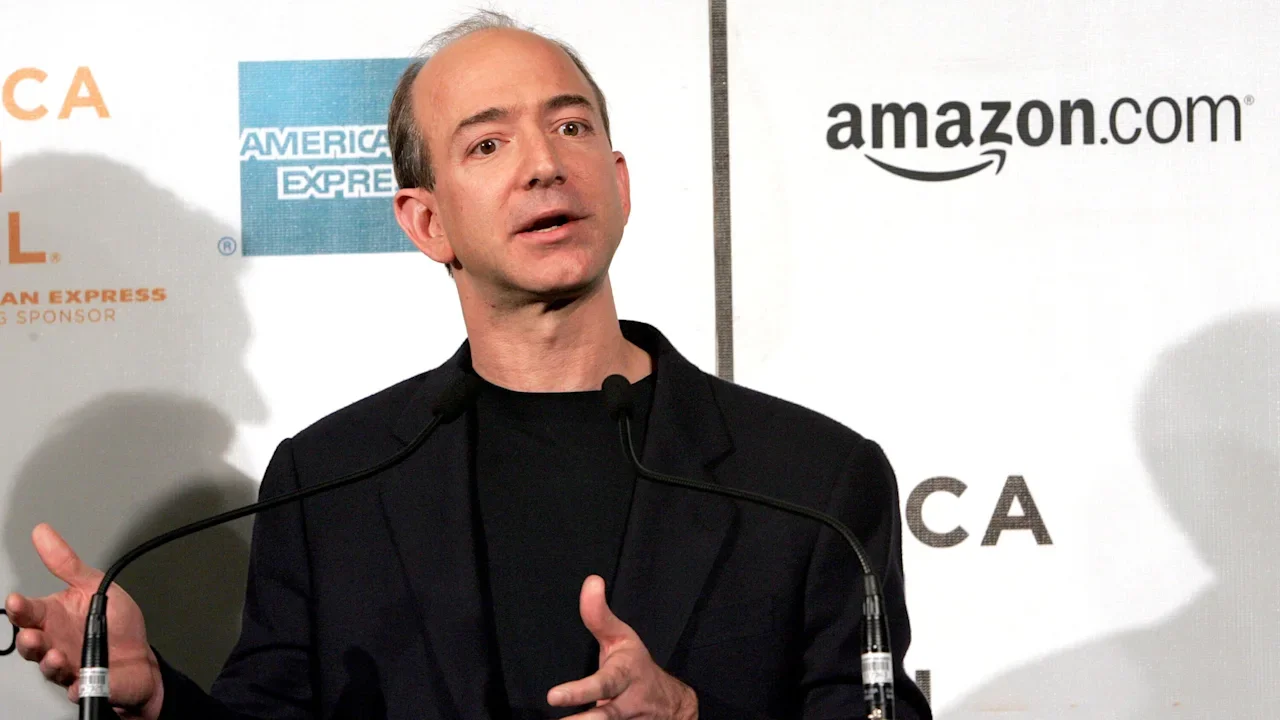
While it sounds silly, especially since I have a variety of construction skills, I lay awake some nights stressing about our stairs. We had gotten quotes for replacing the carpet on our stairs with white oak, but the average estimate, not including materials, was $10,000 per flight. Three flights of stairs, at $10K per? Sounded like another job for me — except I had never remodeled stairs, and everyone I knew, including contractor friends, said I shouldn’t try. What really stressed me out was the fact I didn’t know what I didn’t know. It’s one thing to think you know how to do something and worry about whether you can actually pull it off; it’s even more stressful to know there are things you don’t know. So I stressed about it while we waited for the wood to arrive, and acclimate. Sound silly? On second thought, not really. Regardless of the worthiness of the cause, if you feel stressed, you feel stressed — and studies show four in five people experience stress at work. Including Jeff Bezos. Here’s Bezos in 2001 talking about stress: Stress primarily comes from not taking action over something that you can have some control over. If I find that some particular thing is causing me to have stress, that’s a warning flag for me. What it means is… something is bothering me that I haven’t yet taken action on. As soon as I identify it, and make the first phone call, or send the first email, or whatever we’re going to do to address that situation … even if it’s not solved, the mere fact we’re addressing it dramatically reduces any stress that might come from it. Stress comes from ignoring things you shouldn’t be ignoring. I wasn’t ignoring the stairs project (it felt like it was always lurking in the back of my mind), but I wasn’t doing anything to address the situation. So I removed the carpet from a couple of treads and risers so I could see the stringers underneath. I got a stair jig and figured out how to use it. I got some plywood and cut a few practice pieces to start to learn how to get the fit right. The problem wasn’t solved. The worry hadn’t gone away. But I felt a lot better about it, because taking action had helped me turn a few unknowns into knowns. I didn’t know everything I needed to know, but I was on a path to figuring it out. Science backs up that approach. A study published in Stress and Health found that having a plan not only improves outcomes, it also reduces stress. A study published in Healthcare found that active coping strategies reduce self-perceived stress. A study published in Journal of Behavioral Medicine found that taking action significantly reduces self-perceived stress, regardless of the outcome of those actions. Feel stressed? First, identify the source of your stress, and be specific. Maybe you’re worried about completing a project on time. Or concerned about a relationship. Or hesitant to speak up about a problem. Or unsettled by a recent conversation. Don’t settle for “I feel stressed.” Take the time to think about the reasons you feel the way you do. Then, don’t wait until you have the problem all figured out. (If I had done that, I never would have started working on our stairs.) Come up with one or two things you can do to start to address why you feel stressed. Then do those things. Action will lead to action, and each step along the way you’ll feel a little better about whatever situation you face. And a little less stressed. Science says so. —Jeff Haden This article originally appeared on Fast Company’s sister website, Inc.com. Inc. is the voice of the American entrepreneur. We inspire, inform, and document the most fascinating people in business: the risk-takers, the innovators, and the ultra-driven go-getters that represent the most dynamic force in the American economy. View the full article
-
Here is a recap of what happened in the search forums today...View the full article
-
One of the most dependable ways to grow organic visibility was to publish more content. Expanding into the long tail and creating pages around different variations of a topic often led to steady traffic growth. Many SEO teams still operate with this mindset. Content calendars are built around search volume targets, and growth is often equated with how much new content is produced. The problem is the results no longer reflect the effort. In many cases, adding more pages doesn’t lead to increased visibility and can even dilute overall performance. Large content libraries are harder to maintain, compete internally, and often result in fewer pages surfacing in search results. The challenge is no longer producing more content, but understanding why much of it fails to contribute to visibility. Why content volume worked for SEO For a long time, increasing content volume was a rational and effective strategy. Search engines relied heavily on keyword matching and topical coverage, which meant expanding into the long tail created more opportunities to capture demand. Competition was also significantly lower, and many queries had limited high-quality results, so publishing across a wide range of keyword variations often led to quick visibility gains. In this environment, covering more topics translated directly into increased traffic. Publishing frequency also helped strengthen domain authority. Sites that consistently added new content signaled freshness and relevance, which improved their ability to compete in search results. This approach was further amplified by programmatic SEO. By creating scalable templates and targeting large keyword sets, companies generated thousands of pages and captured traffic at scale. Most importantly, this strategy worked because it aligned with how search engines evaluated content at the time. Expanding coverage increased the likelihood of ranking, and more pages meant more opportunities to be discovered. However, the conditions that made this approach effective have changed. As search ecosystems have evolved and competition has increased, the relationship between content volume and visibility has become less predictable. Dig deeper: Content marketing in an AI era: From SEO volume to brand fame Your customers search everywhere. Make sure your brand shows up. The SEO toolkit you know, plus the AI visibility data you need. Start Free Trial Get started with Why this model is breaking down Content saturation Most commercially relevant topics now have dozens of established pages competing for the same queries, many with years of accumulated links and behavioral data. A new page enters this environment at a disadvantage because the keyword spaces it targets are already consolidated around results with existing authority and signal history. Diminishing returns As sites expand into adjacent keyword variations, search engines increasingly route similar queries to the same URL rather than distributing traffic across multiple pages. This shows up in Google Search Console as two or three URLs splitting impressions on identical queries — neither ranking strongly because neither has consolidated authority. The intent overlap that content teams treat as coverage, Google treats as redundancy. Changes in search experience AI Overviews now appear across a significant and growing share of informational queries. Google has confirmed continued expansion of the feature across search types and markets. Informational content is the most affected by this shift, and it’s also the type most volume strategies produce. A site with a large number of blog articles is therefore more exposed than one focused on a smaller set of transactional pages. More ranked pages don’t produce proportional traffic when an increasing share of visible positions no longer generate a click. Indexing limits Google’s budget documentation states directly that low-value URLs drain crawl activity away from pages that matter. At scale, thin or redundant content is deprioritized — meaning a significant percentage of a site’s published pages may never meaningfully enter search competition regardless of how much continues to be added. Dig deeper: The authority era: How AI is reshaping what ranks in search The hidden mechanics behind content saturation What’s less understood is how content libraries behave at scale. These are system-level problems that compound over time and are difficult to reverse. Content debt Every page published creates an ongoing obligation. It needs to be monitored for ranking decay, updated when information changes, evaluated periodically for pruning or consolidation, and factored into crawl allocation. These costs are rarely accounted for at the point of creation. At low volumes, this is manageable. At scale, it becomes a compounding liability. A site with 2,000 articles isn’t sitting on 2,000 assets, it’s managing 2,000 maintenance commitments that depreciate at different rates. Editorial resources that could strengthen existing high-performing pages are instead absorbed by keeping a growing library from becoming a liability. The true cost of a volume-driven content strategy only becomes visible 18 to 24 months after the investment, when maintenance demands begin to outpace the capacity to meet them. Crawl inefficiency and cannibalization Google allocates a finite crawl budget to each domain. When a site scales content volume without proportional gains in quality or authority, Googlebot distributes that budget across a larger number of pages, many of which offer limited signal value. The result is that high-value pages are crawled less frequently, indexed less reliably, and are slower to reflect updates. This creates a compounding problem for sites with important transactional or evergreen pages that depend on frequent re-crawling to stay current and competitive. Beyond crawl distribution, similar pages targeting overlapping intent compete for the same ranking positions internally. Search engines consolidate these signals rather than rewarding each page individually, meaning two pages targeting near-identical queries often perform worse combined than one authoritative page targeting both would perform alone. Topical authority dilution Search engines evaluate whether a site is a genuinely deep and trustworthy resource within a defined topic space. Expanding into a wide range of loosely related subtopics can erode this signal rather than strengthen it. A site with 40 tightly interconnected, substantive pieces on a specific topic will consistently outperform one with 400 surface-level articles spread across adjacent themes. The depth and coherence of coverage within a defined area are what build the authority signal that drives durable rankings. Pursuing breadth at the expense of depth fragments that signal, making it harder for search engines to assign clear expertise to the domain on any individual topic, even the ones the site knows best. Weak content and behavioral signals Search engines use behavioral data such as dwell time, return-to-search rates, and click-through rates as quality signals at both the page and domain levels. When a site publishes high volumes of content that users engage with poorly, those signals accumulate and begin to affect how search engines evaluate the domain as a whole. This creates a negative reinforcement loop that’s difficult to detect and slow to reverse. Weak pages actively contribute to lower domain-level quality assessments, affecting the performance of pages that would otherwise rank well. More mediocre content compounds. Each low-engagement publish incrementally reduces the baseline trust that search engines extend to the domain’s better work. Get the newsletter search marketers rely on. See terms. The rise of citation-driven visibility The goal of SEO has traditionally been to rank. Increasingly, the more valuable outcome is to be cited or referenced in AI-generated summaries, pulled into knowledge panels, or sourced by other publishers as a primary reference. These two outcomes require fundamentally different content strategies. LLMs and AI Overviews are selective about which sources they draw from. The selection is weighted toward pages with strong E-E-A-T signals, high specificity, and clear authoritativeness within a defined domain. A site that has published hundreds of generic articles covering a topic broadly is less likely to be treated as a primary source than a site that has published fewer, more definitive pieces with clear depth and original perspective. Volume doesn’t increase citation probability — it may actively reduce it by signaling that the domain is a generalist content producer rather than a reliable primary reference. The long tail is saturated The accessible long tail that drove content volume strategies for the better part of a decade no longer exists in the same form. Between 2010 and 2020, there were genuinely underserved keyword opportunities across most industries. Today, in most commercial verticals, every remotely valuable query has multiple established pages competing for it, especially from high-authority domains with years of accumulated signals. New content entering this environment doesn’t find open space. It enters a war of attrition against incumbents with advantages it can’t easily overcome. The marginal SEO return on a new article targeting a long-tail keyword is a fraction of what it was five years ago. The economics only justify creation when there’s a genuinely differentiated angle, a proprietary data point, or a perspective that exists on your page that other pages can’t offer. A keyword existing is no longer a sufficient reason to publish. At scale, these factors turn content growth into diminishing returns rather than compounding gains. The library becomes harder to maintain, harder for search engines to evaluate clearly, and harder to extract meaningful visibility from — regardless of how much is added to it. Dig deeper: How to keep your content fresh in the age of AI How to shift from content volume to impact The implication is to change what publishing is for. Volume targets made sense when more pages meant more opportunities. In the current environment, they measure the wrong thing. The more useful question isn’t how much content a team is producing, but how much of what already exists is actively contributing to visibility, and what is quietly working against it. For most sites, that audit reveals the same pattern. A relatively small number of pages generate the majority of organic traffic. A larger number generates little to none, and a significant portion actively drains crawl allocation, fragments topical authority, or dilutes the behavioral signals that stronger pages depend on. You need to move from expansion to consolidation. Existing pages that cover overlapping intent are stronger merged than competing. Thin pages that rank for nothing and engage no one are more valuable removed than retained. The energy going into producing new content at volume is often better spent deepening the pages that already have authority and signal history behind them. New content earns its place when it: Addresses something genuinely unaddressed. Offers a perspective that existing pages can’t. Targets an intent the site currently lacks. In practice, this means retiring a few default assumptions: That publishing for every keyword variation is coverage. That indexing is the same as performance. That output volume is a proxy for strategic progress. None of these were ever true measures of content effectiveness. They were convenient ones. Dig deeper: Content strategy in 2026: What actually changed (and what didn’t) A new model for content-driven growth The replacement for volume isn’t simply better content. It’s a different definition of what content is trying to achieve. Depth over breadth Focus coverage on a smaller number of topics and develop them thoroughly. A single piece that addresses a topic with specificity, original perspective, and clear authorial expertise will outperform multiple pieces covering adjacent variations of the same theme. Depth is what builds authority signals, drives engagement, and increases citation potential. Prioritize what the site can say with the most credibility. Distribution as a multiplier Allocate more effort to distribution. Publishing less creates capacity to deliver strong content to the right audiences. Distribution is a core part of SEO performance in a citation-driven environment. Being citation-worthy Create content that can serve as a primary source. Focus on clear points of view, verifiable expertise, and specific insights that other pages can’t replicate. The goal is to be referenced in AI-generated summaries, cited by other publishers, and included in the knowledge systems search engines rely on. Dig deeper: Content alone isn’t enough: Why SEO now requires distribution See the complete picture of your search visibility. Track, optimize, and win in Google and AI search from one platform. Start Free Trial Get started with The uncomfortable truth Sites that rely on frequency and broad coverage are being outperformed by sites that are clearly authoritative on a defined topic, consistently useful to a specific audience, and structured in a way that search systems can evaluate with confidence. Prioritize depth, clarity of expertise, and consistency within a focused topic area. Treat each published page as a long-term asset that requires ongoing maintenance, evaluation, and improvement. The content factory model is no longer effective. The approach that replaces it requires more effort, stronger editorial standards, and a higher bar for what gets published. View the full article
-
We’re in our optimization era: Increasingly connected, efficient, and, perhaps unsurprisingly, incapable of giving anything our full attention. But I don’t want to be optimized anymore. Algorithms predict what we’ll watch, AI generates what we’ll read, and marketing systems are built specifically to remove friction from discovery to purchase. Feeds blur together, and messages feel interchangeable. Connection—the thing marketing is supposed to create—has become exponentially harder to achieve. We need to bring the friction back, and that doesn’t come from obsessing over scale. Connection isn’t about reaching everyone at once; it’s about showing up meaningfully in the communities that matter most. “Chasing the fandom and not the random,” as Julia Alexander recently said on The Grill Room. A FOCUS ON TRUST The brands breaking through today aren’t optimizing for volume; they’re building networks of trust. One audience, one voice, and one relationship at a time. Scale, as it turns out, is the byproduct of connection, not the strategy. The industry’s current obsession with scaling connection misses the point. When brands treat connection like a growth metric, it’s a sign the audience has become abstract. You earn connection at the individual level when the right brand leverages the right voice for the right audience—the same way relationships work in real life. Instead of gobbling up creators or cycling through the same handful on repeat, a more networked, web-like approach to casting and partnerships is the smarter way to grow brand trust. And that is, of course, how you reach more audiences and earn broad awareness, which is, well, the good kind of scale. Brands like Loewe and Jacquemus, two luxury fashion brands, are prime examples of this approach. Each pursued very specific strategies, leveraging creators and creatives with genuine connections to their respective brands. Each followed their north star, holding steady on a clearly defined path, which eventually earned the attention every brand craves right now. Regardless of revenue (booming at Loewe, not so much at Jacquemus), these brands are some of the most commonly referenced; they’re cultural juggernauts. WHO MATTERS MORE THAN HOW MANY Twenty years ago, there were a handful of publications in which you’d publish an ad or seed a story to capture specific eyeballs. WWD for fashion, or The Wall Street Journal for business or opinion. Today, when Instagram and Substack are the new front page, it could take thousands of voices to reach the same number of people. It could, of course, take just one. The answer is likely somewhere in the middle, but it’s the who that matters. Not the how many. The question should not be how to scale a connection, but how to slow down enough to actually create one in the first place. Today’s winning brands aren’t flooding the feed; they’re intentionally engaging their specific audience(s). They understand that they earn through relevance, care, and a little bit of friction. The brands that dare to be deliberate, to stand out, are the ones that actually connect, and the ones we remember. Josh Rosenberg is the cofounder and CEO of Day One Agency. View the full article

-
Oprah Winfrey’s podcast is headed to Amazon. Winfrey’s production company, Harpo Entertainment, struck a multiyear deal to give Amazon-owned Wondery exclusive distributing and advertising rights to “The Oprah Podcast,” the companies announced Monday. Under the agreement, Winfrey’s podcast will expand to two new episodes a week starting this summer — and Wondery will distribute the show’s audio and video across Amazon platforms. Under the deal, Amazon has also obtained rights to the library of the widely-watched “The Oprah Winfrey Show” — which ran from 1986 to 2011 — as well as the talk show host’s book club and “Favorite Things” franchises. No financial terms of the agreement were immediately shared. In recent years, Winfrey also has had partnerships with Apple and Starbucks. Her new agreement could anger independent booksellers who regard Amazon as their primary competitor. A spokesperson for the trade group the American Booksellers Association did not immediately respond Monday to a request for comment. A spokesperson for Harpo shared a statement with The Associated Press that “‘Oprah’s Book Club’ will continue to support books wherever they are sold.” Winfrey’s podcast joins a lineup of other celebrity-led shows now at Amazon. In 2024, for example, Wondery similarly reached an exclusive distribution and advertising deal for “New Heights” — a podcast from Chiefs tight end Travis Kelce and his brother, former Eagles center Jason Kelce. Winfrey launched “The Oprah Podcast” in December 2024. In a prepared statement Monday, Winfrey said that hosting the show “allows me to continue the work I feel called to do – opening the door for conversations that matter.” She added that expanding its reach “is an opportunity I embrace.” Wondery will begin distributing “The Oprah Podcast” across Amazon services like Prime Video, Amazon Music, Fire TV Channels and Audible in July, according to Monday’s announcement. Winfrey’s podcast will also continue to be available on YouTube and other popular platforms. —Associated Press View the full article

-
America has a big milestone birthday this year, 250 to be exact. What better way to mark the occasion than to have the monarchy we declared independence from over to celebrate? This week, King Charles III and Queen Camilla began a four-day state visit to the United States. Today (Tuesday, April 28, at 3 p.m. ET), Charles will address a joint meeting of Congress. Before we get into how to tune in, let’s take a look at the jam-packed schedule for the visit, what’s at stake, and the historical precedent. What is Charles and Camilla’s schedule? The king and queen hit the ground running on Monday. They had tea with President The President and the First Lady Melania at the White House. They also checked out the beehives. Later that same afternoon, they attended a garden party at the British ambassador’s home in Washington, D.C. Tuesday is equally as busy. In the morning, Charles and The President will have a private meeting. While this is going on the Queen and the First Lady will attend an educational event. After this, King Charles will address a joint meeting of Congress. (See how to watch below.) Tuesday evening, an official state dinner will be held with the King and Queen as guests of honor. Start spreading the news: On Wednesday, the royals will be in New York City. It is expected they will visit the 9/11 memorial and meet with first responders and families impacted by this tragic event. On Thursday, to conclude their trip, the royals will travel to Virginia and take in a national park. That same day, they will leave the U.S. and travel to Bermuda, a member of the U.K. Commonwealth. Why is King Charles and Queen Camilla’s visit important? The official reason for the state visit is to celebrate the bond between America and the United Kingdom. The relationship between the two countries is unique, evolving out of independence. It grew close as America came into its own becoming a super power in its own right, but that doesn’t mean it hasn’t seen many ups and downs over the years. Tensions are elevated because of America’s war in Iran, which many NATO members oppose. British Prime Minister Keir Starmer and The President are not exactly seeing eye to eye at the moment. King Charles’s position as monarch is not a political one, but his ceremonial duties have the power to smooth over rough edges diplomatically. Has a British monarch ever addressed Congress before? As is often the case in King Charles’s reign, his mother, Queen Elizabeth II, did it before him. Charles will become the second British monarch to address Congress. Queen Elizabeth spoke in 1991 when George H.W. Bush was president. She had much more ideal circumstances. Bush’s approval numbers were high after the Gulf War. Bush and then-British Prime Minister John Major got along just fine. Despite the current political climate, the king has a lifetime of experience to draw from. He first traveled to the United States in 1970 when he was 21. Since then he has made at least 18 additional trips. This visit marks the first time Charles has traveled to the United States since becoming king. How can I watch King Charles III’s address to Congress? According to C-SPAN, Charles’s address is scheduled to begin at 3 p.m. ET. The official free cable network of Congress is the best way to see the speech in its entirety. Because of its historic nature, networks such as MSNBC, CNN, ABC, CBS, and NBC are sure to cover at least part of the speech, but it could be just highlights or clips during regularly scheduled newscasts. View the full article

-
Filing your taxes after the October 15 deadline can lead to serious consequences. You’ll face penalties for both late filing and late payment, which can quickly add up. Furthermore, interest on any unpaid taxes starts accruing immediately. Comprehending these implications is vital for managing your financial responsibilities effectively. If you’ve missed the deadline, there are options available to help you mitigate the fallout. What steps should you consider next? Key Takeaways Filing after October 15 incurs a failure-to-file penalty of 5% of unpaid taxes for each month late, up to 25%. Missing the deadline can jeopardize tax elections, such as the Section 911 exclusion, affecting your tax benefits. Interest on unpaid taxes begins accruing from the original due date, increasing your overall tax liability. Late filing options include submitting your return as soon as possible and exploring IRS payment plans for unpaid taxes. If your return is rejected, you can resubmit by October 20 without penalties, but corrections must be made promptly. Understanding the October 15 Deadline and Its Importance As you approach the October 15 deadline, it’s vital to understand its significance in the tax filing process. This date marks the final opportunity for taxpayers who filed for a six-month extension to submit their returns without incurring failure-to-file penalties. If you file after October 15, you’ll face a penalty of 5% of unpaid taxes for each month your return is late, capping at 25%. Furthermore, missing this deadline can jeopardize important tax elections, like the Section 911 foreign earned income exclusion, impacting your tax liabilities considerably. For partnerships and S corporations, the consequences can include hefty partnership late filing penalties and late filing penalties for S corporations, further complicating your tax situation. Filing by October 15 guarantees compliance with IRS regulations, allowing for smoother processing of any potential refunds, which may be delayed if filed late. Consequences of Late Filing: Penalties and Interest Filing your taxes after October 15 can lead to significant financial consequences, primarily in the form of penalties and interest. If you miss the deadline, you’ll incur a failure-to-file penalty of 5% of your unpaid taxes for each month your return is late, capped at 25%. In addition, late payment penalties apply, accumulating at 0.5% of the unpaid taxes for each month until you pay, reaching a maximum of 25%. Interest on any unpaid taxes starts accruing from the original due date, compounding daily until settled. Moreover, filing over 60 days late could result in a minimum penalty of either $510 or 100% of your unpaid tax, whichever is lower. Missing the deadline may likewise mean losing certain tax benefits, such as the foreign earned income exclusion, complicating your financial situation even more. Therefore, timely filing is essential to avoid these hefty consequences. Options Available After Missing the Deadline Missing the October 15 deadline doesn’t mean you’re out of options regarding filing your taxes. You can still submit your return, but it’ll be late and may incur penalties. Here’s what you can do to manage the situation: File your return ASAP to minimize failure-to-file penalties, which can stack up retroactively. Make a partial payment to reduce the penalties and interest on unpaid taxes. Explore IRS payment plans if you can’t pay the full amount right away. Consider applying for penalty relief if you’re facing financial hardship. Submit a printed return if you’re filing after November 15, as electronic submissions may not be accepted. Taking these steps can help you navigate the consequences of a missed deadline during ensuring you stay compliant with tax obligations. Handling Rejected Returns: Resubmission Guidelines If your tax return gets rejected, you can resubmit it by October 20 without facing any penalties. Nonetheless, if you miss this window, late fees may apply for resubmissions made between October 21 and November 15. After November 15, you’ll need to print and mail your corrected return, which could lead to additional penalties if it’s sent late. Resubmission Before October 20 When your tax return gets rejected, don’t worry; you have a chance to correct it before October 20 without facing any penalties. To guarantee a successful resubmission, follow these guidelines: Review the rejection notice thoroughly for specific errors. Correct any mistakes in your return swiftly. Double-check your personal information, including Social Security numbers. Gather any necessary documentation to support your changes. Resubmit your return electronically for quicker processing. Filing After November 15 After the October 20 deadline, handling a rejected tax return becomes more complicated. If your return is rejected after this date, you can still resubmit it until November 15, but be aware that late fees may apply. After November 15, you’ll need to print and mail a fixed return to the IRS, which can likewise lead to additional penalties based on your filing date and any taxes owed. If you initially filed online using TurboTax Desktop, you must use the same software to create your mailed return. It’s crucial to handle this process without delay, as setbacks can result in increased fees and complications with your tax situation. Always double-check your information to avoid further rejections. Seeking Professional Help for Tax Filing Managing the intricacies of tax filing can be overwhelming, especially if you’ve missed the October 15 deadline. Seeking professional help can guarantee you comply with IRS regulations and minimize penalties. Here’s how a tax professional can assist you: Navigate complex tax situations, including possible extensions. Facilitate timely filing and guide you on claiming potential refunds. Explore IRS payment plans and options for penalty relief. Mitigate financial stress by addressing overdue tax payments. Confirm all relevant tax obligations are met without delay. Engaging a tax professional early can prevent last-minute issues and provide clarity on your tax responsibilities. They possess the expertise to help you understand your options and avoid costly mistakes, making it crucial to reach out as soon as possible. Long-Term Implications of Failing to File on Time Failing to file your taxes on time can have significant long-term consequences that extend well beyond the immediate penalties. For starters, you may incur a failure-to-file penalty of 5% on unpaid taxes for each month you’re late, capping at 25% of what you owe. Missing the deadline can likewise mean losing valuable tax elections, like the Section 911 foreign earned income exclusion, which can greatly affect expats’ tax liabilities. Furthermore, delays in processing any potential refunds can occur, as you must claim them within three years of the original due date. If you don’t file taxes owed, the IRS has no statute of limitations to collect, leading to ongoing financial obligations. Finally, failing to file can complicate future loan applications, as lenders typically require filed returns to evaluate your financial health. These factors highlight the importance of timely tax filing for your long-term financial stability. Frequently Asked Questions What Is the Penalty for Filing Taxes After October 15? If you file your taxes after October 15, you’ll face a failure-to-file penalty of 5% of your unpaid taxes for each month your return is late, capping at 25%. If you’re over 60 days late, the minimum penalty is $510 or 100% of the unpaid tax, whichever is lower. Moreover, interest on unpaid taxes accrues daily, and a failure-to-pay penalty of 0.5% per month on the unpaid balance may apply. Can You File Taxes Online After October 15TH? You can’t file taxes online after October 15 if you’ve missed the deadline for e-filing. After this date, you’ll need to print and mail your tax return, which may prolong processing times. Although you can still file a late return, be aware that it may incur penalties. It’s wise to consult a tax professional to navigate the filing process and guarantee compliance with IRS regulations to minimize potential issues and penalties. What Is the IRS One Time Forgiveness? The IRS One Time Forgiveness program allows you to request a waiver of certain penalties for late filing or payment, if you meet specific criteria. To qualify, you need a clean compliance history for the past three years, without prior penalties. You can apply by submitting a written request to the IRS, explaining your reasons for the failure. This relief can greatly reduce your financial burden by eliminating accrued penalties and interest. What Happens if I Do a Late Tax Return? If you file a late tax return, you could face several penalties. You’ll incur a failure-to-file penalty of 5% of unpaid taxes for each month your return is late, up to 25%. Furthermore, there’s a failure-to-pay penalty of 0.5% per month on any taxes owed, plus interest that accrues daily. On the other hand, if you’re due a refund, there’s no penalty, but it will be delayed until your return is processed. Conclusion Filing taxes after the October 15 deadline can lead to serious financial consequences, including penalties and interest that accumulate quickly. To minimize these costs, it’s essential to file your return as soon as possible. There are options available, such as IRS payment plans or seeking penalty relief. If your return is rejected, follow the proper resubmission guidelines. Consider consulting a tax professional to navigate your situation effectively. Staying informed helps you manage your tax obligations responsibly. Image via Google Gemini This article, "What Happens If You File Taxes After October 15?" was first published on Small Business Trends View the full article
-
Chancellor Rachel Reeves stirred speculation by promising to ‘use every lever’ to help renters hit by Iran war falloutView the full article
-
In leaked remarks, Christian Turner also says it is ‘extraordinary’ that Epstein scandal has not affected sex offender’s US associatesView the full article
-
If you’re looking to save on your next shopping trip, these 7 exclusive Meijer promo codes on RetailMeNot are worth your attention. You can enjoy significant discounts, like 40% off your entire order or $10 off purchases over $100 with code s10. Furthermore, there’s a 15% discount on clothing and accessories, along with various savings on home delivery and select items. Discover how these offers can make a difference in your shopping experience. Key Takeaways Use promo code 40% off for the best discount on your entire order at Meijer. Check for s10 code to save $10 on orders over $100 through mPerks. Apply 021 for 15% off Clothing, Shoes & Accessories during online checkout. Use RIT for $10 off home delivery or pickup on orders exceeding $75. Look for the BIG promo code for $15 off orders over $75—check for expiration dates. Take 40% Off Your Order If you’re looking to save money on your next shopping trip, you can take advantage of Meijer’s current promotion that offers 40% off your order when you use a specific promo code available on RetailMeNot. This limited-time offer allows you to shop for a variety of items at a notably reduced price. To benefit from this discount, simply apply the designated promo code during the online checkout process. It’s important to verify that your order meets any minimum purchase requirements to successfully apply the 40% off promo code. Furthermore, keep an eye out for other promotions that may be combined with this discount for even greater savings. By utilizing this meijer promo code retailmenot, you can maximize your shopping experience, guaranteeing you get the most value for your money. Don’t miss out on this opportunity to enjoy substantial savings on your next purchase at Meijer. 10 Off On Your Order When you’re looking to save on your order, grasping the promo code details and eligibility criteria is crucial. You can maximize your savings by applying the right codes, like the $10 off on a $100 purchase with mPerks or the 15% discount on Clothing, Shoes & Accessories. Moreover, using tips for effective code usage can further improve your shopping experience and guarantee you get the best deal possible. Promo Code Details Meijer provides a variety of promo codes that can greatly reduce your order total, making it easier to save on your shopping needs. Whether you’re looking to stock up on necessities or grab some seasonal items, these codes can help you get the best deals. Here are some key promo codes to evaluate: 40% off your entire order—best available discount. Use code s10 for $10 off orders over $100 through mPerks. Get 15% off Clothing, Shoes & Accessories with code 021. Enjoy $10 off home delivery or pickup on orders over $75 with code RIT. Access a 24% discount on select purchases using code T24. These Stop & Shop promo codes can maximize your savings today! Eligibility Criteria Explained Comprehending the eligibility criteria for Meijer promo codes is key to maximizing your savings. To qualify, be aware that you typically need to meet minimum purchase requirements, often around $75 or $100, depending on the specific offer. Some codes are limited to particular categories, like clothing or home goods, so it’s crucial to verify each code’s eligibility before use. Additionally, signing up for mPerks can improve your access to personalized stop and shop promo codes for existing customers. Usage Tips for Savings To maximize your savings at checkout, it’s essential to follow some straightforward usage tips for Meijer promo codes. By implementing these strategies, you can effectively use stop and shop promotional codes to improve your savings: Double-check the promo code for typos to guarantee you don’t miss discounts. Confirm your order meets minimum purchase requirements to apply the code, like $10 off $100 with promo code s10. Watch for seasonal promotions and exclusive online offers for extra savings. Sign up for Meijer’s email newsletter for updates on the latest promotions. Utilize multiple coupons when allowed, as stacking codes can lead to greater discounts. Meijer Discount Code: 15% Off A 15% off discount code offers shoppers a valuable opportunity to save on a variety of products at Meijer. This popular promo code allows you to maximize your savings, especially when combined with other promotional offers. Keep in mind that the code is valid for a limited time, so check its expiration date to verify you don’t miss out. On average, customers save about $9.58 per transaction, which can lead to substantial savings on larger purchases. Savings Factor Description Discount Percentage 15% off on eligible products Average Savings $9.58 per transaction Stacking Offers Can be combined with others Expiration Reminder Check the code’s expiration date Using this stop and shop coupon code is an effective way to improve your shopping experience at Meijer as you enjoy significant savings. Take $10 Off Your Purchase To take advantage of the $10 discount on your Meijer purchase, you need to use the promo code “s10” when your total reaches $100 or more. It’s important to check the eligible items list to guarantee your selections qualify for this promotion. Furthermore, as you shop, consider how the mPerks program can help you earn points on your spending, further enhancing your savings. Promo Code Requirements During shopping at Meijer, you can take advantage of a $10 discount on your purchase by adhering to specific promo code requirements. To guarantee you receive this discount using the stopandshop promo code, follow these guidelines: Spend a minimum of $100 to qualify for the $10 off. Enter the mPerks promo code “s10” correctly at checkout. Combine this offer with other discounts for extra savings. Check the expiration date of the promotion to avoid missing out. Sign up for mPerks to access this coupon code, customized to your shopping habits. Eligible Items List When shopping at Meijer and looking to take advantage of the $10 off promotion, it’s important to know which items qualify for this discount. Eligible products typically include a wide range of groceries, household items, and personal care products. To benefit from the discount, you must meet the minimum purchase requirement, usually set at $75. This promotion can additionally be combined with other Meijer discounts and coupon codes for even more savings. To access the $10 off deal, log in or sign up for an mPerks account. Be sure to check the Meijer website or app for the specific terms and eligible items associated with the promotion, especially if you’re interested in grocery delivery discounts. Meijer Coupon Code: 24% Off Your Order If you’re looking to save on your next shopping trip, the Meijer coupon code for 24% off select purchases offers a considerable opportunity. This limited-time promotion can help you reduce your total order amount greatly. To make the most of this deal, confirm your items meet the specified requirements outlined in the promotion. You can stack this discount with other ongoing Meijer offers, provided the terms allow for it. To assist you in maximizing your savings, consider these eligible items: Groceries Household supplies Personal care products Clothing Electronics Access the 24% off code easily through platforms like RetailMeNot, which keeps you updated on the latest and valid coupons available. Don’t miss out on this chance to save greatly, especially if you’re likewise looking for an Instacart Stop and Shop promo code for your online purchases. Save $15 With Code For those looking to save even more on their next shopping trip, the Meijer promo code BIG offers a straightforward way to save $15 on orders over $75. This deal is perfect for larger purchases and is part of the current November 2025 promotions. You can likewise combine this discount with other ongoing offers, further enhancing your total savings. To apply the discount, simply enter the code at checkout when your order meets the minimum requirement. For your convenience, check out this table for a quick overview: Minimum Order Promo Code Discount $75 BIG $15 off $100 BIG $15 off $150 BIG $15 off $200 BIG $15 off Be sure to keep an eye on RetailMeNot for this stop n shop promo code and other exclusive offers to maximize your savings at Meijer. Take $15 Off Orders $75 Taking $15 off your orders over $75 at Meijer is a great way to improve your shopping experience, especially for larger purchases. Using the promo code BIG at checkout makes it easy to enjoy significant savings. This promotion is time-sensitive, so check its expiration date before making your purchase. To maximize your savings, consider combining this discount with other available coupons. Here are some items you might want to stock up on: Groceries for the week Household necessities Personal care products Baby supplies Pet food Frequently Asked Questions What Is the GIMME10 Promo Code? The GIMME10 promo code offers you a $10 discount on orders over $75 at Meijer. This code is designed to encourage larger purchases and make online shopping more appealing. To use it, simply apply the code during checkout, ensuring your order meets the minimum requirement. Keep in mind that this promotion is time-sensitive, so it’s best to take advantage of it before it expires to maximize your savings. What Is the TRIPLE10 Promo Code? The TRIPLE10 promo code offers you a $10 discount on orders over $30 at Meijer. To use it, simply enter the code during checkout. This promotion is often time-sensitive, so it’s wise to act quickly to secure your savings. You can additionally combine TRIPLE10 with other ongoing promotions to improve your total discount. This makes it an appealing option for shoppers looking to maximize their savings on eligible purchases at Meijer. Can I Stack Meijer Promo Codes? Yes, you can stack Meijer promo codes, but there are some important conditions. Check each code’s terms, as some may only apply to specific categories or exclude certain items. Make sure your total purchase meets any minimum requirements for stacking. Different codes, like a percentage discount and a dollar-off coupon, may work together if they follow the rules. Experiment with various combinations during sales to maximize your savings effectively. What Promo Codes Always Work? Promo codes that consistently work at Meijer include the popular 15% discount code and the $15 off sitewide code. Furthermore, the 40% off code represents significant savings. For even more savings, consider joining the mPerks program, which often offers valid codes applicable at checkout. To maximize your savings, regularly check for updated promo codes, as Meijer typically has around 20 active coupons each month that can improve your shopping experience. Conclusion To summarize, utilizing these Meijer promo codes can greatly improve your shopping experience by providing substantial savings on various purchases. From 40% off your entire order to specific discounts on clothing and home delivery, these codes cater to diverse needs. Be sure to apply the relevant code at checkout to maximize your savings. Keep an eye on these offers, as they can change frequently, ensuring you get the best deal possible on your next shopping trip. Image via Google Gemini This article, "7 Exclusive Meijer Promo Codes You Can’t Miss on RetailMeNot" was first published on Small Business Trends View the full article
-
AI skills are now embedded in most SEO roles. Learn how they influence salary and hiring expectations. The post The AI Skills Salary Premium appeared first on Search Engine Journal. View the full article
-
Move underlines long-running frustrations with group over production quotasView the full article
-
The The President administration seemed unlikely Tuesday to accept Iran’s offer to end the war and reopen the Strait of Hormuz if the U.S. lifts its blockade on the country. The proposal would postpone discussions on the Islamic Republic’s nuclear program, something that U.S. Secretary of State Marco Rubio appeared to rule out in a Fox News interview Monday. “We have to ensure that any deal that is made, any agreement that is made, is one that definitively prevents them from sprinting towards a nuclear weapon at any point,” he said of the proposal, which was delivered to the U.S. by Pakistan. The White House said U.S. President Donald The President’s national security team discussed the offer and The President would address it later. The offer emerged Monday as Iran Foreign Minister Abbas Araghchi visited Russia, which has long been a key backer of Tehran. It was unclear what, if any, assistance Moscow might offer now. Since the war began, at least 3,375 people have been killed in Iran and at least 2,521 people in Lebanon, where fighting between Israel and the Iran-backed Hezbollah militant group resumed two days after the Iran war started. Another 23 people have been killed in Israel and more than a dozen in Gulf Arab states. Sixteen Israeli soldiers in Lebanon, 13 U.S. service members in the region and six U.N. peacekeepers in southern Lebanon have been killed. —Associated Press View the full article

-
Keir Starmer’s former chief of staff gives evidence to Commons foreign affairs committeeView the full article
-
Back in August 2025, I shared the AI content process I had developed for the Ahrefs blog. It used ChatGPT projects and custom GPTs to speed up certain types of content creation from several days to a couple of hours,…Read more ›View the full article
-
Microsoft Edge is one of the most popular browsers on the planet. The spiritual successor to Internet Explorer, Edge is a modern browser based on Google's Chromium platform. That means you can use it with all modern Chrome extensions, along with a bunch of exclusive features that other browsers may not have. I've used Edge on Windows for quite a while, and these are my favorite hacks that I've found so far: Use Drop to send links, files, and notes to other devicesEdge's "Drop" feature is an easy way to send stuff from your desktop to mobile devices, and vice versa. Drop works by storing files on OneDrive, so you'll need to sign in to the same Microsoft account on all devices to use this feature effectively. It's not as fast as Apple's AirDrop since it uses cloud storage, but Drop is much better for asynchronous sharing. This means your devices don't have to be unlocked and on the same wifi network when you want to share things. You can access Drop by opening Microsoft Edge on desktop, clicking the three dots in the top-right corner, and going to More tools > Drop. Install Edge on any devices you want to use Drop with (PCs, Macs, Android phones, iPhones, iPads, etc.) and make sure you sign in to your Microsoft account. Now, you can "drop" anything in Drop, and it'll appear on all your devices. Note that Drop isn't easily visible on Edge for mobile devices. You need to open the menu, select the All Menu option, and use the Edit feature to replace any one toolbar item with Drop. Use Edge's built-in task manager to kill resource hogs Credit: Pranay Parab Whenever Edge slows down, use the browser's built-in task manager to locate the problem. I find this better than using Windows' Task Manager (or Mac's Activity Monitor): Browsers have dozens of processes running, making it difficult to identify the cause of a slowdown. With the Edge task manager, you'll only see browser-related processes. Press Shift-Esc to access this, or go to the three-lines menu, followed by More tools > Browser task manager. Here, focus on Tabs & extensions. It neatly highlights the system resources each tab or extension is hogging. When you've found the culprit, select it and click End task. You can easily disable a heavy extension in the browser without closing tabs and worrying about losing your data. You can even use the search box in the task manager to locate certain tabs, which is useful for those of us who open hundreds of tabs in the browser. The "Browser" tab in the task manager highlights processes related to keeping the browser running, which is best for technically experienced users to identify browser issues. Most people will find what they need in the "Tabs & extensions" section. Use this shortcut to open two tabs side-by-sideMicrosoft Edge has a feature called "Split screen," which lets you open two tabs side by side, without opening a new window. This feature arrived on Google Chrome long after Edge shipped it. I love Split screen, but my only complaint is that it's buried under the three-dots menu by default. You can change this by clicking the three dots, then heading to Settings > Appearance > Toolbar, and enabling Split screen. This adds a "Split screen" button to the toolbar, making the feature easy to access. Once you've done that, open any tab, click the Split screen button, and you'll see the two tabs side by side. You can use this feature to pair sets of tabs together, like Google Docs with YouTube to take notes while studying. Edge preserves all of your Split screen tabs as long as the window is open, so you don't have to worry about setting up Split screen tabs repeatedly. When you're in Split screen, you can click the three dots in the top-right corner of either tab to configure this feature to your liking. You can swap the two tabs' positions, or switch to a vertical split-screen layout. Try vertical tabs to free up screen real estateVertical tabs are the superior choice for all desktop browsers. It moves the tabs list to a single pane on the left, and expands the available screen space for your content. This means less scrolling, a bigger frame for watching videos, and generally more optimal use of screen real estate. You can enable this in Microsoft Edge by going to Edge settings > Appearance > Tabs, and enabling Show vertical tabs. You should also enable Hide title bar in vertical tabs for a streamlined look, and Collapse pane in the tab bar to reduce the width of the vertical tab bar. Use AI tab grouping to organize your tabs automaticallyTry using Edge's AI tab grouping to organize your unwieldy number tabs. It's not as good as manually making tab groups, but when you're overwhelmed with more tabs than you can reasonably handle, this is a great strategy to sort out the mess. To use it, click the down arrow in the top-left corner of the browser's window, and select Organize tabs. This feature groups tabs by subject (News & Media, Finance & Investment, etc.), and allows you to drag and drop tabs to customize your groups. Use "energy saver" to reduce slowdownsMicrosoft Edge has an energy saver mode that automatically puts background tabs to sleep. This will reduce the chances of a browser slowdown when you have lots of open tabs, and also extends your battery life by an average of 25 minutes, according to Microsoft. To enable the feature, go to Edge settings > System and performance > Performance, and turn on Enable energy saver. Turn off "Startup boost" to speed up your old PC Credit: Pranay Parab Startup boost is a great feature for anyone with PCs or laptops with powerful hardware. It keeps Edge running in the background with minimal resources, so the app can launch faster each time you open it. However, it's not ideal for older computers, or for users who dislike apps running in the background after they've closed them. If your computer is on the older side, you're better off without Startup boost. You can disable it by going to Edge settings > System and performance > System. Disable Copilot to remove unnecessary AI featuresWhile Edge has some useful AI features like tab organization, there are a whole bunch of features I never use. If you're like me, take a minute to disable all unnecessary AI features. First, go to Edge settings > AI innovations, and disable Copilot Mode. This option may not be enabled on all accounts, so if you don't see the toggle, you can move on. Next, go to Edge settings > Appearance > Copilot and sidebar > Copilot. Turn off Show Copilot button on the toolbar. On the same page, click Manage Copilot settings > Privacy, and turn off Context clues, which stops the AI from using your browsing data for answers. You should also go to Edge settings > Start, home, and new tab page, and disable Copilot new tab page. You can also go to Edge settings > Languages and disable all features that mention AI in the description. This includes Offer to translate videos on supported sites and Use 'Help me write' writing assistant on the web. Finally, if you don't want to use AI tab organization either, you can turn it off by going to Edge settings > Privacy, search, and services, and disabling Organize your tabs. Use this setting to ask Edge to read articles out loudEdge has a bit of a hidden feature that lets it read articles to you (and, in my opinion, the voice sounds pretty natural). This is buried under the three-dots button > More tools > Read aloud. Alternatively, you can use the keyboard shortcut Ctrl-Shift-U (or Cmd-Shift-U on Mac), and the feature is also available on mobile platforms. Use "Visual Search" to search for any item on the webpageVisual Search lets you right-click to start a search for anything on a given webpage. For instance, you can reverse image search an item you spot in a YouTube video, or select a landmark in a picture to learn more about it. When you want to use this feature, be aware that it takes a screenshot of the webpage and sends it to Microsoft. This is a privacy concern, but to be fair, Microsoft warns you about that, and requires you to agree to a privacy statement if you want to use the feature. You can right-click any webpage in Edge, and select Visual Search to get started. The feature is also available on mobile versions of Edge. View the full article
-
If your paid social campaigns aren’t converting, you may be undervaluing their impact. Your brand’s exposure on social media can influence other parts of your marketing that platform metrics don’t capture. Here’s how to design and measure a test to understand how paid social influences your other marketing channels, including PPC. Step 1: Determine your hypothesis Start with what you want to learn, then define a hypothesis you can realistically evaluate with your data. For example, this is a common hypothesis for measuring paid search lift from social traffic: Search lift hypothesis: Increasing spend on social media will increase brand search volume and overall PPC CTRs. Logic: Social ads build brand awareness. As more people become familiar with our brand, they will search for it more often when making research and purchase decisions. As more people are exposed to our brand, they will increasingly click on our PPC ads regardless of their search term (i.e., increasing non-brand and brand CTRs). People exposed multiple times to our brand will have a higher trust factor in our products, and therefore, our conversion rates will increase. Measurement: Impression and click volume for our branded terms. CTR changes for brand and non-brand terms. Conversion rate changes for brand and non-brand terms. Your hypothesis could have a different scope, such as measuring paid and organic lift from social spend or an increase in direct traffic. Your customers search everywhere. Make sure your brand shows up. The SEO toolkit you know, plus the AI visibility data you need. Start Free Trial Get started with Step 2: The test The next step is to set up the test parameters. Generally, measuring before and after a change is a mistake, as seasonality or other factors can affect your test results. The most common test setup is a geographic split. In this test, we’ll increase social spend for only a set of geographies. Then we’ll examine the PPC data for the geographies where we ran the test and compare them with areas where we did not. As you choose geographies, you’ll want to control for other variables that may affect your test. Here are some common issues that companies have run into and need to control for in their tests and measurements: You sponsor a sports team, and they’re playing during your test. If the game is regionally televised, this can dramatically affect your test results. You’re running TV commercials in only certain regions. You choose experimental geographies with many out-of-region commuters, such as New York City, and include New Jersey and Connecticut in your control group. In these instances, grouping a region and its surrounding commuter areas together, and placing other cities with similar characteristics, such as Chicago and Philadelphia, in a different group, can help balance these tests. (Note: in this example, we’re splitting New Jersey in half.) Seasonal or local events. Large conferences, festivals, or major weather events can affect your data. Your control and experimental groups should be statistically similar across factors such as income levels, and urban versus rural regions. As you set up and measure your test, consider your budget. If you increase social spend and expect higher clicks and conversions for your PPC campaigns, ensure you have the budget to capture the increased demand. Examine your impression share and impression share lost to budget before and after the test to ensure budget limits won’t severely impact your results. Dig deeper: Why PPC tests in 2026 call for nuance, not winners Step 3: The measurement Measurement can go from very simple to extremely complex. At a simple level, you can compare platform data to see how your data changed. In this case, a Google Ads report shows how pausing social spending and influencer campaigns across all social platforms (TikTok, LinkedIn, Facebook, YouTube, etc.) affects performance. For this test, pausing social spending yielded mixed results for conversion rates. As brand searches decreased, conversion rates in some regions increased, while in others they fell. However, what was consistent was a dramatic drop in conversions. You can get more sophisticated in your testing. Depending on your analytics setup, some companies want to measure touchpoint differences for their conversions. Others will want to measure overlap rates between social and paid search visitors, or examine attribution touchpoints and models. Before you set up your test, ensure you have the measurement capabilities needed to understand and interpret the results. Get the newsletter search marketers rely on. See terms. Step 4: Evaluation beyond the test criteria As you run various tests, you want to measure the results against your hypothesis. However, it’s useful to list other variables worth evaluating beyond your test criteria. This is where search consoles, analytics tools, CRM, internal data, and even the paid and organic report can come into play. In one example, a company was running a test to see whether pausing several advertising channels, from social media to TV ads, would dramatically change its brand search volume. They hypothesized that their brand was so well known in the marketplace that they could cut back on several forms of brand advertising and reallocate that budget to other channels and non-brand advertising. While the simple paid and organic report in Google Ads won’t tell you the full story about in-store revenue and direct traffic changes, it can serve as a signal to form an overall picture of a very complex test. They had recently launched a new product line, and that line continued to see a large increase in traffic during the test. However, their most common brand terms saw significant declines from the test. This was a year-over-year comparison across a set of geographies, rather than a period-to-period comparison, to help correct for the increase in holiday traffic that would have occurred during the previous period. The results were by far the most dramatic I’ve ever seen in this type of test, to the point it was clear other variables had to be in play that could affect the test. This takes you to the sniff test. Rely on your experience with data to make common sense adjustments. If you look at the data and it just doesn’t seem right, ask yourself whether this makes sense, if it’s a math quirk (common with low data), or if other unforeseen variables are in play. In this example, no one believed the results should be this dramatic. The company stopped running the test and began an internal evaluation of its organic presence, including Google’s recent updates, changes to AI Overviews, AI engagement, and other factors affecting its web presence beyond its usual marketing channels. Dig deeper: Are your PPC ads still authentic in the age of AI creative? See the complete picture of your search visibility. Track, optimize, and win in Google and AI search from one platform. Start Free Trial Get started with What to do with your social impact tests The test setup is simple: Determine your hypothesis. Decide how you will test. The easiest setup is a geographic split. Make sure you can measure the results. Launch the tests. Evaluate the metrics for your hypothesis. Examine other metrics for insight or additional testing ideas. For some companies, Facebook and other social channels are their top conversion channels, and these tests won’t be applicable. For others, social media advertising results often look poor when evaluated in isolation. In these examples, the companies were already running many social media campaigns, so the test was to reduce social media spend. If you don’t run much social media, your test will be to increase your social media spend to see how it affects your data. I’ve seen a lot of these tests, and the results are highly inconsistent across companies. Many companies will increase their social media spend and see little change in their data. Others will increase their spend and see a nice lift in overall performance. These are tests you need to run yourself, as your results will vary by company. Running geographic split tests in your social media campaigns and then measuring the results on paid or organic search traffic can give you insights into how to leverage social media campaigns for other marketing channels. View the full article
-
We may earn a commission from links on this page. Deal pricing and availability subject to change after time of publication. The Bose QuietComfort Ultra Headphones (2nd Gen) are down to $399 (originally $449), which is the lowest price they’ve hit so far, according to price trackers. That drop makes them easier to consider, even with stronger competition this year from models like Sony’s WH-1000XM6. Bose has not changed the formula much in this second generation—you still get an over-ear design with plush padding and a firm but comfortable clamp for a secure fit. The only noticeable tweak is that the frame now uses a glossy metal finish instead of a matte one, which gives it a slightly more premium feel without changing how it wears. Bose QuietComfort Ultra (2nd Gen) Wireless over-ear headphones $399.00 at Amazon $449.00 Save $50.00 Get Deal Get Deal $399.00 at Amazon $449.00 Save $50.00 The feature set is broad and mostly well-executed—these headphones support Bluetooth 5.4 with multipoint pairing, so you can stay connected to a laptop and phone at the same time without juggling settings. There is also a USB-C connection for wired listening, which unlocks lossless audio, something many competitors still skip. Plus, they power on automatically when you put them on and slip into a low-power mode when left flat, which is a small quality-of-life upgrade you notice quickly in daily use. Battery life is rated at 30 hours with active noise cancellation turned on, which is in line with most premium options. Bose also lets you charge and listen through USB-C at the same time, a practical addition for long work sessions. Performance-wise, noise cancellation holds up well across different environments, taking the edge off airplane rumble, muting bus engines, and pushing most café chatter into the background, so you don’t have to keep adjusting volume just to stay immersed, notes this PCMag review. As for the sound, these headphones deliver a rich, bass-forward profile while keeping vocals and detail intact. Tracks with heavy low-end, like electronic or hip-hop, come through with depth and punch without overwhelming the mix, and vocals sound full, though the slightly recessed midrange means guitars and some instruments don’t cut through as sharply. Also, while you do get presets and noise control modes in the companion app, its simple three-band EQ does not give you much room to fine-tune the sound. Our Best Editor-Vetted Tech Deals Right Now Apple AirPods 4 Active Noise Cancelling Wireless Earbuds — $148.99 (List Price $179.00) Apple Watch Series 11 [GPS 46mm] Smartwatch with Jet Black Aluminum Case with Black Sport Band - M/L. Sleep Score, Fitness Tracker, Health Monitoring, Always-On Display, Water Resistant — $329.00 (List Price $429.00) Apple iPad 11" 128GB A16 WiFi Tablet (Blue, 2025) — $319.97 (List Price $349.00) Fire TV Stick 4K Plus Streaming Player With Remote (2025 Model) — $29.99 (List Price $49.99) Fitbit Versa 4 Fitness Smartwatch (Black) — $149.95 (List Price $199.95) Deals are selected by our commerce team View the full article
-
Google announced they are testing a new “conversational search experience to complement how you already search on YouTube.” It is called “Ask YouTube” and it lets you “dive deeper into the topics you’re curious about in a more interactive way,” Dave from YouTube wrote. What it looks like. Here is a GIF of it in action: How can I try it. If you want to try it out, you can go to youtube.com/new and try to opt into it. This experiment is currently available for YouTube Premium members 18+ in the US who opt-in. Google is working on expanding the experiment to non-Premium users in the future. What it does. Dave from YouTube posted this example: “If you’re in the experiment, you can try it out by selecting “Ask YouTube” in the search bar. For example, you can ask for help planning a 3-day road trip from San Francisco to Santa Barbara, and you’ll get a structured, step-by-step itinerary instead of a list of videos. The response will bring together a new mix of long-form videos, Shorts, and informative text featuring local tips and must-see stops. You can ask follow-up questions like, “where can I find good coffee?” to explore local spots along your route. We’ll surface videos and relevant video segments, accompanied by their titles and channel details, to make it easy to discover new creators and jump into the most helpful content from your search.” Why we care. AI search is creeping into every search interface across Google’s properties. YouTube is no exception. Expect more and more AI search experiences in more Google surfaces and expect them to change and adapt over time. You can find more coverage of this across Techmeme. View the full article
-
Shares of Bed Bath & Beyond Inc (NYSE: BBBY) are surging this morning, a day after the company reported its Q1 2026 results. Despite the company reporting a loss for the quarter, BBBY stock is significantly higher, as many investors see evidence that the once-iconic home goods retailer’s turnaround efforts are finally showing results. Here’s what you need to know. What’s happened? Yesterday, Bed Bath & Beyond reported first-quarter results for its fiscal year 2026. While many will recognize the company due to its “Bed Bath & Beyond” name, the firm actually owns several businesses under its corporate umbrella, including Bed Bath & Beyond, Overstock, buybuy BABY, Kirkland’s, and Kirkland’s Home. It is also in the process of merging with The Container Store. In the early 2000s, Bed Bath & Beyond was a suburban staple, but in the decades that followed, the company struggled with declining foot traffic as customers shifted their buying habits online. The chain ultimately filed for bankruptcy in 2023, and its IP was bought by Overstock.com shortly after. In early August 2025, the retail partner of Overstock owner Beyond Inc announced that it was reopening the Bed Bath & Beyond chain with a store in Nashville. Shortly after, Beyond Inc changed its name to Bed Bath & Beyond Inc, going all-in on the brand as it worked to turn around its fortunes. Now, it seems that the company’s initiative may be working. In its Q1 earnings report, Bed Bath & Beyond announced that it had achieved its first “significant revenue growth in 19 quarters.” The revenue growth signaled “strong brand awareness among customers,” according to the company. But it also appears to have motivated investors, who have poured money into the company’s shares this morning. Bed Bath & Beyond still didn’t make a profit Announcing the company’s surprising Q1 revenue growth, which totaled $248 million, up 6.9% year-over-year, CEO Marcus Lemonis said that its results “show that the work we’ve been doing to stabilize and rebuild the business is taking hold.” “We delivered real year-over-year revenue growth, something we haven’t seen meaningfully in several years, while continuing to take costs out of the business and operate more efficiently,” Lemonis continued. “That combination matters.” However, while the company is right to call out its revenue growth—and investors are clearly buoyed by the results—it’s important to note that Bed Bath & Beyond still racked up losses for the quarter. The company achieved a net revenue of $248 million, but it had a net loss of $16 million for the quarter. That equated to a loss per share of 24 cents. At the same time, losses marked a $24 million improvement over the same period a year ago. More stores and a larger retail footprint Despite the better-than-expected Q1 earnings, investors will now likely shift their focus to Bed Bath & Beyond’s immediate future, which is expected to usher in a growing retail footprint for the company’s goods. First up, Bed Bath & Beyond Inc is expected to close its merger with The Container Store this summer. Once that happens, 30% of retail space in Container Store locations will be dedicated to selling Bed Bath & Beyond’s wares, expanding the reach and awareness of the once-beloved, Millennial-nostalgic chain. Additionally, the company will open a dozen combined Container Store and Bed Bath & Beyond locations in California, further expanding its retail footprint, and in a state where the brand once had one of its most loyal customer bases. Whether these moves will have a material impact on Bed Bath & Beyond’s future earnings remains to be seen. But as for today, the company’s stock price is surging, thanks to its Q1 results. As of this writing, BBBY stock is currently up nearly 24% to $6.63 in premarket trading. That is a high the company stock price has not seen since January. As of yesterday’s close at $5.34 per share, BBBY stock had declined by about 2.2% since the year began. But with its nearly 24% jump this morning, the company’s stock price is now significantly in the green for 2026. Over the past 12 months, as of yesterday’s close, BBBY shares had risen 30%. View the full article