All Activity
- Past hour
-
 February 1 was National Change Your Password Day, a well-intentioned reminder that, ironically, highlights everything wrong with how we think about security in 2026. Here’s the truth: if you spent the first day of the month dutifully changing “Summer2025!” to “Winter2026!” across your accounts, you didn’t make yourself safer. In fact, you might have made things worse. Decades of Bad Advice We’ve spent decades teaching people the wrong lessons about password security. Add a number. Throw in a special character. Change it every 90 days. These requirements were etched into our collective consciousness, repeated by IT departments, enforced by login forms, and internalized by millions of users who thought they were doing the right thing. Meanwhile, the actual threat landscape evolved in an entirely different direction. Today’s attackers aren’t sitting at keyboards manually typing password guesses. They’re running offline brute force attacks with dedicated GPU rigs that can attempt 100 billion passwords per second against hashing algorithms like MD5 or SHA-1. At that speed, your clever substitution of “@” for “a” buys you microseconds of additional security. The National Institute of Standards and Technology (NIST), which sets the gold standard for cybersecurity guidance, understands the new reality. Their latest digital identity guidelines represent a fundamental shift in how we should think about password security, and it’s not what most people expect. Length Beats Complexity Every Time NIST’s guidance is refreshingly straightforward. Length matters far more than complexity. A password should be at least 15 characters, but those characters don’t need to be a cryptic jumble of symbols that you’ll inevitably forget (or worse, write on a sticky note). Instead, NIST endorses the concept of “passphrases” or multiple words strung together that are easy to remember but difficult to guess. “DontAskMeToChangeMyPassword” is more secure than “P@ssw0rd!” and infinitely easier to recall. Even more surprising to many, NIST no longer recommends requiring special characters or numbers, and they’ve abandoned the practice of forcing regular password changes. Why? Because these rules don’t make passwords more secure—they just make them harder for humans to manage, which leads to predictable workarounds that actually weaken security. Passwords Are the Problem, Not the Solution But here’s where NIST’s guidance gets really interesting. They acknowledge that even the strongest password is fundamentally insecure. Phishing attacks don’t care how long your password is. Data breaches expose credentials regardless of complexity. And with over 3,000 data breaches in 2025 alone, the question isn’t whether your password has been compromised—it’s how many times. NIST’s primary recommendation isn’t about crafting the perfect password. It’s about moving beyond passwords entirely. They emphasize multifactor authentication (MFA) as essential, not optional. They champion passkeys—cryptographic keys stored on your devices that can’t be phished, guessed, or stolen in database breaches. They endorse password managers that generate and store unique credentials for every account. Organizations are realizing that the password is the problem, not the solution. Passwordless authentication isn’t a futuristic concept anymore. It’s a practical necessity for companies serious about security and user experience. What You Should Actually Do If you must use passwords (and let’s be honest, you probably still need them for many accounts), follow NIST’s guidance. Make them long, use a password manager, and enable MFA everywhere it’s available. Better yet, embrace passkeys when offered—they’re more secure and more convenient than any password could ever be. But the real question isn’t “how do I create a better password?” It’s “why am I still relying on passwords at all?” Instead of changing your password on National Change Your Password Day, why not change your entire approach to authentication? View the full article
- Today
-
Cache of potentially embarrassing documents will be examined by committee investigating former minister’s appointment as US ambassadorView the full article
-
Our old homepage hero technically showed all the platforms we support — but it felt overly corporate. Like a feature list wearing a trench coat. So in early 2025, we redesigned our homepage as part of an overall website redesign. 0:00 /0:04 1× The previous homepage hero featured an animated headline that rotated through the various supported social media platforms. The previous hero featured an animated headline that rotated through Buffer's supported social media platforms. While it did the job, it didn't feel very "Buffer-y." We wanted to make a stronger first impression — something with more liveliness and delight. So, we got to work on designing and engineering a new homepage hero that we would validate with a simple A/B test. Developing the design conceptThe primary design goal with the new hero section was to still demonstrate how many social media platforms Buffer supports, but with some added fun and interest. Kate Baldrey, our incredibly talented marketing UX designer, came up with the idea of floating tiles arranged on a grid (a subtle nod to social grids) at various depths. These tiles would feature various social media platform icons, as well as emoji to evoke the experience of social media engagement. The new homepage hero design with interactive, floating social media icons and emoji arranged in a mirrored grid.With early design ideas in place, we immediately began engineering the real thing. Building the designWe heavily rely on designer-engineering pairing for all Buffer.com projects. This means that instead of formally creating high-fidelity designs in Figma, then handing them off to engineering to be built, we spend our time together on calls talking through design ideas, exploring approaches, working through challenges, and making refinements. This practice reduces temporary design artifacts and handoff, which saves a lot of time and results in higher quality work. To facilitate pairing, we have a live preview of the local development environment running from the start of the project. This gives us a shared, realtime URL of the work that updates on every code change and treats the final medium (the webpage) as the single source of truth. Breaking down the designThe new homepage hero design has a mirrored grid layout with floating tiles at various depths arranged around the headline and signup form.The hero section design features a number of “tiles” positioned on a grid behind the hero section content. Some of these tiles have emoji and add depth to the design by being smaller, less opaque, and slightly blurred to give the impression that they’re further away or underneath the other content. The remaining tiles have the icons of the various social media channels Buffer supports, including Bluesky, Facebook, Google Business Profile, Instagram, LinkedIn, Mastodon, Pinterest, Threads, TikTok, X (Twitter), and YouTube. These tiles are larger, more opaque, and have no blur to appear closer to the viewer. The visual grid establishes “cells” that are the size of the channel tiles, and is centered within the hero section. Accessibility-first design and engineeringI follow a process I call accessibility-first design and engineering. This means our work begins with an accessible foundation that we preserve throughout the design and build process. For this hero section, the visual grid and tiles are decorative, so we hide them from assistive technology to avoid them from being announced to people who are trying to discover and interact with important content and features. This is achieved by wrapping the decorative design with aria-hidden=”true”. Next, this design features animation and interaction, which can cause discomfort for people with vestibular disorders or motion sensitivity. To avoid this, all animation is off by default, and we enable it only if we detect prefers-reduced-motion: no-preference in CSS and JavaScript. With this approach in place, we’re ready to start on the layout and animation. Achieving the grid layoutAchieving this layout proved to be an interesting challenge, as the grid needs to be responsive to all screen sizes by allowing us to position the tiles based on the available space. It also needs to have horizontal symmetry reflected from the center of the hero section. To pull this off, we actually create two separate CSS Grid containers, one for each horizontal half of the hero section, which we’ll refer to as the “leading” and “trailing” containers. Each of these containers will have auto columns and rows set to the size of the tiles. To make this easy to manage, we create a CSS custom property (variable): --_tile-size: 3rem; (the underscore prefix is a convention we use to indicate that this variable is private to this class and not a global variable/design token). This variable also allows us to change the tile size across breakpoints for responsive design. We can then use this variable in our CSS Grid: .decorationGrid { display: grid; grid-template-columns: repeat(auto-fill, var(--_tile-size)); grid-template-rows: repeat(auto-fill, var(--_tile-size)); }The repeat(auto-fill, var(--_tile-size)); declaration will create as many columns/rows as possible of a set size (in this case, our tile size). With these two CSS Grid containers, we have an issue: CSS Grid respects the page’s text direction. For English, the writing mode is “ltr” (left-to-right), but this varies by language and culture. Without mirroring, the left grid leaves an unwanted gap in the middle of the hero section design.This means that our “leading” grid has empty space on the right if it can’t perfectly fit additional columns. This empty space ends up in the middle of the hero section and makes the layout asymmetrical. To solve this, we can use the direction property in CSS. Because we’re using aria-hidden=”true” for this decorative visual content, it’s safe to change the direction without affecting actual text content. First, we’ll set direction: ltr; on the .decorationGrid to prevent the direction from changing if the page is translated. Next, we’ll set direction: rtl; on our leading grid, which allows the grid to start from the right edge and place empty space on the left. This creates the mirrored horizontal symmetry we need. With mirroring in place, the two grids start from the center and create a symmetrical responsive layout.Placing the tilesWith our symmetrical, auto-growing grid in place, we can place our tiles into dedicated cells. Since our grids are mirrored, this causes grid-column to be mirrored as well. With our leading grid, grid-column: 2; would place an item in the second column from the center of the hero section. To avoid confusion, we can create a --_column-from-center variable to use with our tiles: .tile { grid-column: var(--_column-from-center, 0); }This variable makes it easy to specify the desired column for each tile, and we can use grid-row as expected for the row position. Responsive designWe start mobile-first with our responsive design, and begin placing the tiles based on the available space. We hide many of the tiles by default, prioritizing the social media icons, and then carefully place the visible tiles to avoid interfering with the text content and email form in the hero. Responsive layout for the homepage hero with tiles arranged in various positions based on the available space.As the screen size increases, we simply add a new media query breakpoint in CSS, make more tiles visible, and rearrange them as space allows. Once we arrive at our largest breakpoint around 1344 pixels, all the tiles are visible and have a dedicated position that won’t change for larger screens. Animation and interactionAs we paired on the design and build, we discussed possible animations for the hero section and tiles. We arrived at the idea that the tiles would react to the cursor by being pulled towards it as the cursor moved across the hero section. To validate this idea and the technical approach, we first prototyped the animation and interaction for a single tile. 0:00 /0:07 1× The interactive prototype for a single cell demonstrates the cursor following behavior and animation properties. To achieve this, we defined an “activation zone”, or how close the cursor needs to be to a tile for the tile to start moving towards the cursor. When the cursor is within the activation zone, we then animate the tile towards the cursor using a spring animation. A spring animation mimics a physical spring in real life, which allows us to define parameters for how stiff or loose the animation feels, a max distance for the tile to travel, and how quickly the tile returns to its original position if the cursor leaves the activation zone. Prototyping this with a single tile allowed us to visualize and quickly tune these parameters until things felt right and we were confident the technical approach would work. With a single tile working, we componentized this functionality to apply it to the other tiles. With everything in place, we could enjoy the full animation across the hero section with everything moving and reacting gracefully. 0:00 /0:06 1× All tiles follow the cursor as it moves around the hero section, before reaching a maximum distance and returning to their original position. Considering non-cursor interactionBecause the animation relies on a cursor, it depends on a mouse, stylus, or similar input device. Luckily, the activation zone also works on click events, meaning taps on a touch screen will also activate the animation. For touch-screen devices, this allows people to discover the interaction when they tap on the email input or get started button. It’s also a fun, hidden detail that people might accidentally find at first. Creating the visual grid linesThe final detail we incorporated was grid lines that visually anchor the arrangement of the tiles. We needed the grid lines to match the tile size and scale gracefully with the responsive grid used for the tile layout. To achieve this, we created a repeating linear gradient background with some clever sizing tricks. The linear gradient creates a 1px line along the bottom and a single side of the background, which creates a square grid when repeated. It also makes use of the --_tile-size variable to ensure it’s the same dimension as the tiles: .decorationGridLinesLeading { /* 1px side and bottom grid lines */ background-image: linear-gradient(to left, var(--grid-color) 0.0625rem, transparent 0.0625rem), linear-gradient(to bottom, var(--grid-color) 0.0625rem, transparent 0.0625rem); /* Match the repeating background to the tile size */ background-size: var(--_tile-size) var(--_tile-size), var(--_tile-size) var(--_tile-size); /* Position the background in the top right (center of the hero section) */ background-position:, right top, right top; } The other half of the grid is mirrored, so we simply swap the left and right keywords. To finish things off, we wanted to fade the edges of the hero section grid to blend with the rest of the page. We can achieve this with additional linear gradients that go from transparent to the page’s background color: .decorationGridLinesLeading { /* Add top, side, and bottom fades */ background-image: linear-gradient(to top,var(--background-color) 0%, transparent 20%, transparent 80%, var(--background-color) 100%), linear-gradient(to right, var(--background-color) 0%, transparent 20%), linear-gradient(to left, var(--grid-color) 0.0625rem, transparent 0.0625rem), linear-gradient(to bottom, var(--grid-color) 0.0625rem, transparent 0.0625rem); /* Stretch the fades to 100% of the element's size */ background-size: 100% 100%, 100% 100%, var(--_tile-size) var(--_tile-size), var(--_tile-size) var(--_tile-size); background-position: initial, initial, right top, right top; }And with that in place, we have our completed hero section: 0:00 /0:04 1× The final homepage hero section with interactive tiles gracefully following the cursor. ResultsAs mentioned at the start of this article, we rolled out this new hero section design as part of an A/B test to validate the impact of the new design and interaction. After running the experiment for 2 weeks, we were thrilled to find the new design resulted in increased signups and even some celebrations on social media. Confident in our new direction, we rolled out the new homepage hero section to 100% of traffic. This project was a joy to work on in close collaboration with Kate, and pushed my design engineering skills further with many interesting layout, animation, and interaction challenges. This design remains in place today, but we always have new ideas cooking and will keep iterating from here. View the full article
-
The FHFA chief told Fox an offering could be done near term - but may not be - while a Treasury official addressed conservatorship questions at an FSOC hearing. View the full article

-
The secondary market regulator will formally publish its own rule on Feb. 6, after a comment period and without making changes to what it proposed in July. View the full article
-
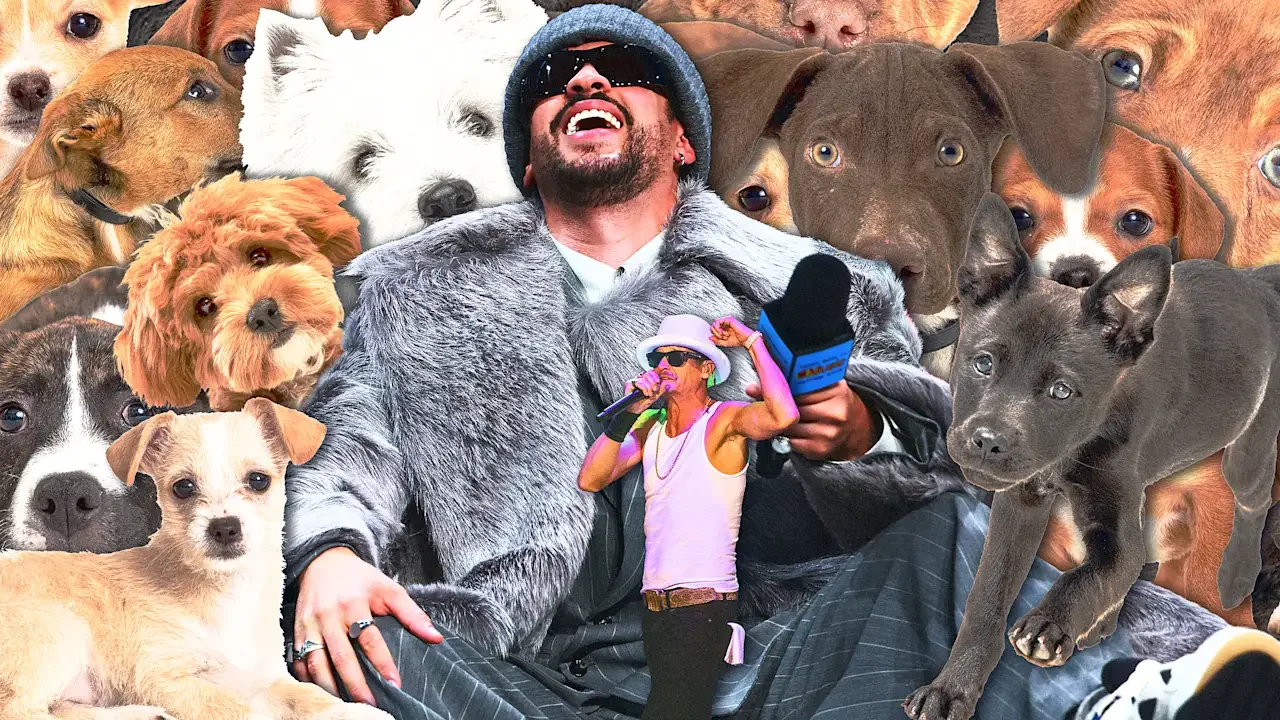
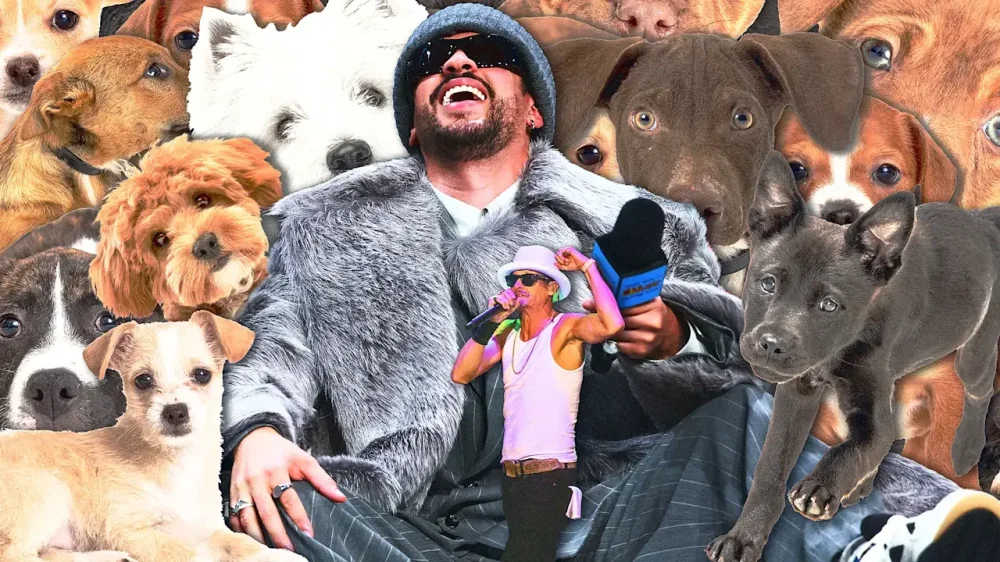
The MAGA movement has always been partly about culture, but lately conservative politics have fully ventured into the entertainment realm. Between the theatrical release of the Melania documentary, the drastic and ongoing reshuffling of the offerings at the John F. Kennedy Center for the Performing Arts, and the Kid Rock-headlined alternative to Bad Bunny’s upcoming Super Bowl halftime show, the cultural MAGA-verse has shifted from backlashes and boycotts to counterprogramming. The anti-halftime spectacle will provide an interesting temperature check of the impact of these efforts. “The All‑American Halftime Show,” organized by Turning Point USA, is billed as an explicitly conservative counterprogram to the official Apple-sponsored show featuring Latin phenom Bad Bunny. Kid Rock will be joined by mid-level country artists Brantley Gilbert, Lee Brice, and Gabby Barrett. The show will be broadcast on Turning Point’s YouTube and social media accounts, as well as on several conservative networks such as OAN. “He’s said he’s having a dance party, wearing a dress, and singing in Spanish? Cool,” Kid Rock said in a press release. “We plan to play great songs for folks who love America.” A proud Puerto Rican, Bad Bunny is, of course, American, but he performs mostly in Spanish and has been openly critical of the The President administration and ICE, making him a MAGA foe. So in a pop culture iteration of “alternative facts,” Turning Point and the MAGA-verse envision a world in which Kid Rock is a bigger attraction than the global superstar who was last year’s most-streamed artist on Spotify and just won the Grammy for best album on February 1. It seems delusional that Kid Rock can divert a significant audience from the year’s premier sports-cultural moment. What viewers it does gather will likely be motivated by anti-Bad Bunny spite. “We can’t wait to watch the incredible show they’re about to put on,” Turning Point boasted of its counter-lineup. “We know millions around the country will be watching too.” (Last year’s Super Bowl audience was around 127 million people; Animal Planet’s halftime-show alternative, the Puppy Bowl, attracted about 12.8 million viewers.) This counterprogramming strategy echoes a conservative tactic that long predates MAGA in the realm of information and persuasion. Rather than (or in addition to) complain about news sources they disagreed with, conservatives built their own alternatives, from Fox News and its newer, even more conservative rivals to popular radio talk shows and a slew of online media. No need to try to get your message through someone else’s media when you can just program your own content. Something like that strategy seems to have worked for first lady Melania The President, who doesn’t give a lot of interviews but is the subject of the documentary Melania, the contents of which she essentially controlled. Though lambasted by critics and mocked for a nationwide release on some 1,800 screens, the film did fairly well for a documentary, taking in $7 million on its opening weekend (experts predicted $5 million, skeptics close to $1 million). There’s still basically no chance it will earn back the $75 million Amazon paid to acquire and market the project, but all the jeering arguably brought Melania more attention and may well have motivated MAGA loyalists to head to the theater. Again, spite seems like a more significant motivator than enthusiasm. Still, it’s not clear how well the cultural version of MAGA counterprogramming plays out over time. Consider the most prominent test case to date, the travails of the Kennedy Center, as cultural signpost. Last year The President seized control of the center’s agenda, reorganizing the board, installing loyalists, and naming himself chair. Artists such as Rhiannon Giddens and Issa Rae canceled events, as did producers of a planned Hamilton run of performances. Evidently unfazed, The President took an unusually active role in choosing recipients of the 2025 Kennedy Center Honors, including Sylvester Stallone, George Strait, and Kiss. Critics argued the choices had more to do with political loyalty than artistic merit. But perhaps more to the point, the seemingly populist counterprogramming of a traditional Kennedy Center lineup did not play well in the cultural marketplace: The President, who personally hosted the event, predicted it would pull the ceremony’s largest-ever broadcast audience, and instead it drew the smallest. Regardless, The President proceeded to add his name to the venue—inspiring more cancellations from performers—and more recently to announce the center would close for two years for improvements. One thing that reportedly needs refurbishing is the list of visiting performers: CNN quoted an insider saying that thanks to mounting cancellations and trouble lining up new performances, “there would not have been any programming to announce.” So while we have to wait and see how the Turning Point halftime show plays out against Bad Bunny (and the Puppy Bowl), counterprogramming has become more than just a MAGA-friendly strategy. It’s apparently the only programming the MAGA-verse has to look forward to. View the full article
-
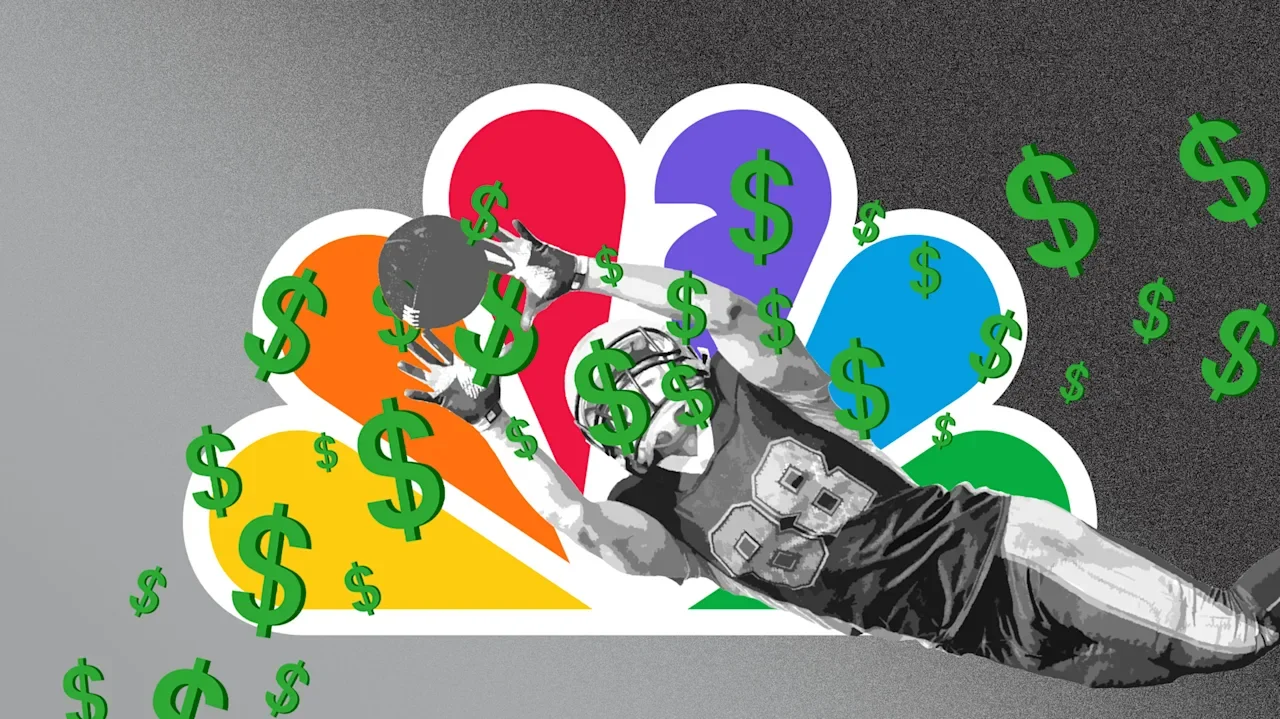
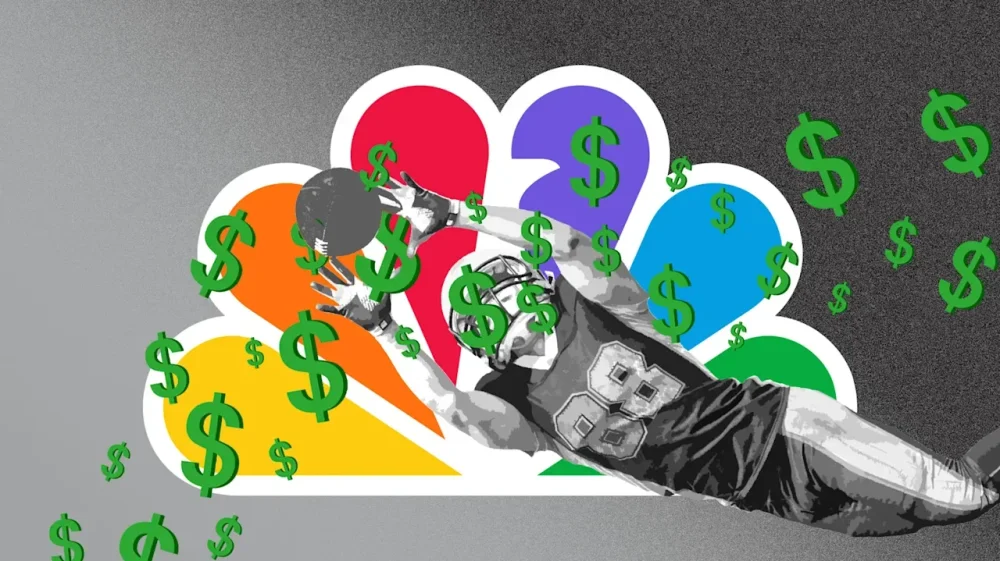
Watching the Super Bowl without cable keeps getting more expensive. NBC will not offer a free stream of Super Bowl LX in 2026, an NBCUniversal spokesperson confirmed. Instead, cord cutters will need a Peacock Premium subscription, which costs $11 per month for the ad-supported tier. Cable subscribers who want to stream the game can log on to NBC’s apps. This isn’t the first time NBC has put the big game behind a paywall. It also required a Peacock subscription in 2022, but back then you could still stream the Super Bowl for free on your phone via the NFL or Yahoo Sports apps. (Also, a month of Peacock cost just $5 at the time.) It wasn’t always this way. In the late 2010s, before pay TV subscriptions entered a free fall, all the networks would stream the Super Bowl free of charge with minimal friction. Over the past five years, they’ve added new layers of complexity, requiring free trials, account sign-ups, and, in NBC’s case, hard paywalls. Here’s how availability has shifted over the past decade. 2016: Free on CBS apps/website 2017: Free on Fox apps/website 2018: Free on NBC apps/website 2019: Free on CBS apps/website 2020: Free on Fox apps/website 2021: Free on CBS apps/website 2022: Peacock or NBC login required on TVs; free on NFL mobile app 2023: Free on Fox apps/website 2024: Paramount+ required, free trial available 2025: Free on Fox’s Tubi app with sign-in 2026: Peacock or NBC login required, no trial This is the first year in which neither the host network nor the NFL will offer any free way to watch the game. The league stopped offering free mobile access in 2022, when it launched its NFL+ streaming service, and Peacock doesn’t offer free trials. A few free work-arounds still exist. Those who get decent antenna reception from a nearby NBC station or affiliate can watch the Super Bowl for free over the air. Some live TV streaming services that carry NBC also offer free trials, though the cost of forgetting to cancel is steep: Hulu + Live TV charges $90 per month after a three-day trial, while YouTube TV has a 21-day trial followed by a $60-per-month promo rate for two months. Both trial offers are for new subscribers only. Those options aside, the cheapest way to watch the Super Bowl will be to eat the cost of a Peacock subscription, even if it’s only for a month. Like most streamers, Peacock lets you cancel immediately after signing up and still provides the full month you paid for, with no auto-billing at the end. Paying $11 for a single sporting event might sting, but at least it gets you the Winter Olympics as well. Lightshed Ventures analyst Rich Greenfield says that combo may explain why NBCUniversal is willing to paywall the big game, even if it means forgoing some ad impressions from free viewers. “When you have so much firepower, they likely know you’ll convert versus giving so much high-value content away for free as part of a trial,” Greenfield says. Either way, the trend is likely to continue in the years ahead. Paramount+ stopped offering free trials after a price hike in January, and Fox could eventually try to push its new $20-per-month Fox One subscription service instead of serving the game on Tubi. It’s a reflection of the overall state of the streaming industry, which initially used low prices and ad-free viewing to lure in new subscribers. For networks like NBC, CBS, and Fox, profits from the cash cow cable business helped fund those endeavors. But as traditional pay TV subscriptions plummeted, and Wall Street began looking for profits from the streaming side, the cost of access has increased. Free Super Bowl streams are a casualty of that shift. Despite its reputation as a major event for advertisers—with 30-second ads selling for $8 million on average in 2026—the networks are increasingly deciding that they’re better off putting the big game behind paywalls. Check out Jared’s Cord Cutter Weekly newsletter for more streaming TV advice. View the full article
-
Prices for a 30-second spot during the Super Bowl on NBC this year averaged $8 million. For the privilege of paying that, advertisers are required to spend an additional $8 million to buy ad time on other NBC sports broadcasts and the 2026 Milan Cortina Winter Olympics. With that much money invested (all before any is spent on actually creating a Super Bowl campaign) brands need to ensure they get your attention. This year, Rocket Mortgage and Redfin are aiming to do that by combining three things that will produce a large Venn diagram of interest: Lady Gaga singing Mr. Rogers’s “Won’t You Be My Neighbor?”; a heartwarming commercial airing during the game; and, most crucially, giving viewers the chance to win a million-dollar house. Rocket Cos. CMO Jonathan Mildenhall says any successful Super Bowl campaign needs to have three different stages. “The only way to win at the Super Bowl is to win a disproportionate share of conversation pregame, as well as during game, and, increasingly, the progressive brands are talking about postgame conversation,” Mildenhall says. “For us the pregame was Lady Gaga behind the scenes, then during the game there is the spot, and we’re announcing the Great American home search for people to participate in over the days after the game.” So Mildenhall is playing Super Bowl chess, not checkers. Great American Home Search On February 4, Redfin (acquired by Rocket last year) announced the contest, calling it a “never-been-done-before scavenger hunt” and inviting people to download or update the Redfin app to participate. The search begins February 8 at 8 p.m. ET, immediately after Rocket and Redfin’s Super Bowl spot airs. Redfin will then release six app-exclusive clues over the next 48 hours for players to use Redfin’s search tools and filters to find the million-dollar home, which actually appears directly in the commercial. The first eligible player to solve all six clues and identify the home wins the house. It’s a double-play attempt both to get people’s attention and immediately boost Redfin’s competitive muscle amid category leaders Zillow and Realtor.com. “Turning up and just speaking to America using celebrities, bad jokes, and flashing a logo quickly becomes invisible, so we have to do a massive activation,” Mildenhall says. “Calling this activation the Great American Home Search is a deliberate attempt to create a strategic lockout from the biggest competitors because I want people to spontaneously associate Redfin and home search.” Neighborhood watch The audience-participation aspect of Rocket’s strategy is just one lever the company is pulling for the Super Bowl. The spot itself is another. Mildenhall says the creative behind the ad was inspired by the stark reality of how disconnected most of us are from the people we live next door to. According to a March 2025 Pew Research Study, only about 26% of Americans know most of their neighbors. And the percentage of people who know and trust their neighbors has decreased 8% since 2015. This is part of the reason why Rocket enlisted Lady Gaga to reinterpret the Fred Rogers classic “Won’t You Be My Neighbor?” After teasing fans with a behind-the-scenes video of Gaga’s recording session a week before the game, the actual Super Bowl ad shows the emotional roller coaster of moving and the evolving dynamics of neighborhoods through the eyes of two teenage girls. Mildenhall says the goal is to spark a more culturally significant conversation with America about being better neighbors and being a better neighbor as a civic responsibility. “Americans ache for something and we see it in the stats. People are lonelier than ever before and need excuses and reasons to connect,” Mildenhall says. “People are struggling to find inspiration to connect with their neighbors. And we are going to be culturally significant brands because we’re going to tap into the cultural tension that can help lift up more Americans than any other tension. And this story is pressing into the loneliness that people feel in their own neighborhoods.” For most brands, having the Great American Home Search would be enough. But Rocket and Redfin have added the layer of a tearjerker spot scored by Lady Gaga. The combination of classic Super Bowl ad storytelling with audience participation to drive app downloads puts this on the short list for best all-around big game spot. Setting the tone Last year, Rocket’s Super Bowl ad revolved around the dream of home ownership. According to a variety of recent studies, anywhere between 85% and 94% of Americans believe owning a home is good for the country and a fundamental stepping stone to the American dream. The ad “Own the Dream” was set to John Denver’s classic “Country Roads.” The twist was that coming out of the commercial break, the brand had arranged for the song to be played in the stadium, so as the ad ended, viewers came back to the game with the crowd singing the same song in real time. It was viewed nearly 250 million times on social media, and brand awareness has gone from 23% to 37%, according to the company. Mildenhall says when he met with Lady Gaga for this year’s ad, she was very respectful of the original song but he wanted it to be something different. His message was, “This cannot be a lullaby to America, it has to be a rallying cry to America.” He adds that “she was up to that, went into the studio, and it’s amazing.” For years, Rocket went for comedy in its Super Bowl spots, with big laughs from the likes of Jason Momoa (2020), Tracy Morgan (2021), and Anna Kendrick (2022). But Mildenhall says that while both the Morgan and Kendrick ads won the USA Today Super Bowl Ad Meter, it wasn’t the right fit for the brand. “Every time that somebody gets their mortgage, refinances their home, or gets out of bad credit card debt, we’re helping people get into college, or buy the house, and facilitating the American dream,” he says. “But our past approach would kind of cheapen that because we were getting celebrities doing jokes, and there’s nothing really funny about what we do.” The short long game Most Super Bowl ads are what marketers call top-of-funnel work, basically vibes-based brand building for the longer term. But Mildenhall says marketers are under incredible scrutiny from their board and shareholders about every dollar, and it’s tough to show short-term value in longer-term brand marketing. A creatively executed contest is a shortcut to short-term results, even in the Super Bowl. DoorDash pioneered this concept with “DoorDash All the Ads” in 2024, getting more than 8 million contest submissions and 11 billion impressions. And its in-game ad was just a promo code. Rocket is combining that with Lady Gaga singing Mr. Rogers over a heartwarming story about an emotional part of the American dream. The spot itself is a great piece of brand marketing, but it’s also got a clue for the contest embedded in it, which will encourage contestants to watch it over and over. Meanwhile, the contest is driving downloads of the Redfin app, which will undoubtedly satisfy short-term justification of the big game investment. “We’re going to ensure that we’ve got eyeballs on the spot looking for the home, but it’s only after it airs that the first of six clues are given, and the remaining six clues are given over a 48-hour period to ensure that Rocket and Redfin are in the postgame conversation,” Mildenhall says. “So the new strategy that I would implore all marketers to be thinking about is you’ve got three stages of Super Bowl investment and one of those stages has to be dominated by your audience participation.” If you win that house, though, just remember to learn your neighbors’ names. View the full article

-
When Howard Schultz joined—and later acquired—Starbucks in the 1980s, he was deeply inspired by the communal culture of Italian coffee bars. From the beginning, Schultz envisioned Starbucks as more than a transactional stop for coffee. He wanted to build a community-centered space for people to congregate and connect. That vision helped redefine what a coffee shop could be. In recent years, however, that vision has lost momentum. Shifts in how and where people work, rising costs, and intensifying competition have challenged Starbucks’s dominance in the coffee shop landscape. In New York City, the company recently lost its position as the city’s largest coffee chain to Dunkin’, according to a report from the Center for an Urban Future. Starbucks has since closed 42 stores in the city—roughly 12% of its New York locations—as part of a broader $1 billion restructuring plan that shuttered 400 metropolitan stores nationwide. The company that once felt like it occupied every corner is now becoming more selective with its presence. As part of that reset, CEO Brian Niccol, former CEO of Chipotle and Taco Bell, is attempting to reestablish Starbucks as a true “third place,” distinct from both home and work. “The third place is not something we need to reinvent—it’s who we are,” Schultz said at the Starbucks Leadership Experience 2025. The strategy, branded “Back to Starbucks,” calls for a shift away from the grab-and-go model that has dominated in recent years and toward a more inviting in-store experience “with comfy chairs, couches, and power outlets,” according to a CNN report. Starbucks plans to renovate 1,000 U.S. stores—about 10% of its domestic locations—as part of the effort. As Niccol pushes to restore the brand’s “third place” ethos, Starbucks is betting that customers still want a place to stay, not just a place to order, in a market increasingly built around speed, convenience, and efficiency. —By Leila Sheridan This article originally appeared on Fast Company’s sister website, Inc.com. Inc. is the voice of the American entrepreneur. We inspire, inform, and document the most fascinating people in business: the risk-takers, the innovators, and the ultra-driven go-getters that represent the most dynamic force in the American economy. View the full article
-
Being adaptable has always been a useful skill. But in today’s world, it’s essential. In our volatile, AI-accelerated workplaces, adaptability lets us transform uncertainty and pressure into clarity, learning, and discerning action. Thankfully, adaptability is a skill we can develop. In fact, there are science-backed practices we can adopt to improve our adaptability, and the benefits go far beyond our careers. In practical terms, adaptability is being able to regulate and adjust your thoughts, emotions, and behaviors amid changing circumstances while staying aligned with your values and long‑term goals. True adaptability is not passive compliance: it’s conscious ongoing calibration. Research links adaptability with higher life satisfaction and lower stress, especially when you add a sense of agency and social support. Many people discuss adaptability as an external performance metric—how fast you can pivot, how many priorities you can juggle. For smart professionals, the real question is: how do you build adaptability from the inside out, without burning out? That’s where the BRNT framework, which stands for Breathe, Rest, Nourish, and Talk, comes in. How to go about cultivating adaptability I designed the BRNT framework as an easy-to-remember anti-burnout tool, but it also forms the infrastructure of adaptability. Integrating the BRNT practices helps you alchemize your own adaptability. It’s simple enough to act on and sophisticated enough to support sustainable high performance. Here’s how: Breathe—allowing you to regulate before you respond Breathe is about using breath, meditation, and movement to engage your parasympathetic nervous system, repair stress damage, and anchor yourself in the present moment. Practical expressions include guided meditation, a long walk, yoga, swimming, or simply watching the sunset with full attention. From an adaptability standpoint, Breathe is your first line of defense. When you flood your nervous system, you react from habit and fear. But when you regulate it, you can choose your response. Breathe widens the gap between trigger and action, which allows you to: Make better, calmer decisions. Distinguish between noise and meaningful signals. Access creativity instead of defaulting to defensiveness. Rest—rebuilding the system that adapts Rest focuses on improving and stabilizing sleep, taking breaks during the day, and disconnecting from work in the evenings, on weekends, and on vacation. As plenty of research shows, rest isn’t a luxury: it is system maintenance for your adaptive capacity. Cognitively, adaptability relies on working memory, emotional regulation, and perspective taking. When you have chronic sleep debt combined with nonstop stimulation, these functions degrade sharply. By prioritizing rest, you protect the very hardware that allows you to pivot. Deep sleep consolidates learning, and breaks and disconnection create space for insights. In practice, rest might look like turning off your phone for an hour, taking a different route home to reset your senses, or setting a firm “no email after 8 p.m.” boundary. These micro‑choices accumulate into a state where you can tackle change with clarity, rather than exhaustion and fear. Nourish—curating your inputs Nourish is about making wise choices about what you consume. That encompasses nutrition, information, surroundings, and community. That’s why it’s important to be hydrated, have healthy social media practices, and block out some time in your week to do the things you love and spend time in nature. Inputs shape adaptability. It is the food that stabilizes or spikes your energy, the social feeds that calm or inflame your mind, and the environments that drain or restore you. When you nourish yourself deliberately, you achieve the following: Stabilize your baseline mood and energy, so change feels challenging, not catastrophic. Reduce cognitive overload by limiting junk information, which leaves bandwidth for real problem-solving. Reinforce a sense of self that isn’t entirely defined by your work, which buffers you when roles or titles shift. For high-achieving professionals, nourishment is often the most radical act. That requires you to choose quality over quantity in everything from meals to media to meetings. That curation is itself a form of adaptive intelligence. Talk—adapt together, not alone Talk is about building and nurturing strong social connections and surrounding yourself with people you can be open and honest with. Practical expressions include texting with a friend, joining a vulnerable conversation with colleagues, scheduling a coaching or therapy session, or having lunch with coworkers instead of alone at your desk. Adaptability is social, not solo. Social connection is one of the strongest predictors of both resilience and adaptability. Conversations can help you reality‑check your perceptions, access new perspectives, and co-create responses to change rather than carrying everything all alone. Talk supports adaptability by enabling you to: Surface and regulate emotions through language, instead of acting them out unconsciously. Borrow other people’s ideas, strategies, and courage when you feel depleted. Build networks that make practical adaptation—like changing roles, projects, or organizations—possible and even enjoyable. Putting everything together When you put everything together, the demand for adaptability will only increase. The challenge and the opportunity aren’t to meet that reality with frantic hustle, but with intentional inner work. Consider using BRNT as a weekly self‑reflection ritual. To do so, ask yourself the following questions: Where did I breathe before reacting this week? How did I rest and restore my system? What did I nourish myself with, and what do I need to cut? Who did I talk to honestly about what is shifting for me? Over time, these practices do more than prevent burnout. They transmute everyday stress into data, insight, and growth. This is what real adaptability is. It’s not about not becoming a different person every quarter. It is about continually evolving to meet the moment with a steady nervous system, a rested mind, a nourished body and soul, and a supportive community behind you. View the full article

-
Good things come to operators that prioritise excellent Wi-Fi. Case in point: France's Bouygues Telecom. The post Bouygues Telecom introduces three new Wi-Fi 7 products & maintains position as best Wi-Fi operator in France appeared first on Wi-Fi NOW Global. View the full article
-
For totally logical reasons, this year’s Winter Olympics in Italy is bucking the trend of a single host city and splitting its sporting events between two main locations, Milan and Cortina. Milan, the second most populous city in Italy, is the urban setting for indoor events like ice hockey and ice skating. Cortina, a ski resort town 250 miles away, provides most of the snow—and hill-based venues for quintessential Winter Olympic sports like alpine skiing and the bobsled. But the two separate locations posed a problem for one of the key parts of the Olympics: the opening ceremony. How could there be one grand show when the sporting action was split in half and separated by hundreds of miles? The solution was to put on the show simultaneously in both places. When the opening ceremony is televised around the world on February 6, its pomp, performances, and athlete parades will be broadcast from both Milan and Cortina, with segments from each location woven together into one show. Creative director and executive producer Marco Balich, a veteran of 16 Olympic ceremonies, says the decision to include both locations became a kind of guiding concept for the ceremony itself. Marco BalichClaudio CovielloAntonella Albano Cortina, he says, is “pure mountains,” while Milan is the opposite, “a total industrial, design- and fashion-driven city.” “The narrative that we figured was going to be interesting was the relationship between a location in a city and a mountain, creating a metaphor between man and nature,” he says. The dichotomy led to the theme of the show, Armonia, or Harmony. “The message that we humbly propose to the world would be to take the metaphor of man and nature and underline that we need to create dialogue between those two elements,” Balich says. Balich and his firm Balich Wonder Studio used this concept to guide the design of everything from the rainbow of costumes dancers will wear to the spiraling stage for the Milan segment of the ceremony. Caterina Botticelli Balich, who is Italian, also worked on the last Olympics held in Italy, the 2006 Winter Olympics in Turin, and he says that opening ceremony played heavily on Italian history. This year’s version is much more driven by the impact of Italy on the world, and will include references to Italian inventors, Italian design, and Italian fashion. A special segment of the show will honor the late fashion designer Giorgio Armani. Elements of the ceremony will also feature the mountain areas Valtellina and Val di Fiemme, where other outdoor events will take place. All athletes competing in this year’s Olympics will be able to participate in the ceremony. Despite the technical challenges of filming the 2026 Winter Olympics opening ceremony in multiple locations, Balich says the overall production is intended to be very analog and very human. “The images that I remember of the Olympics are always human driven, whether it was Muhammad Ali lighting the cauldron in Atlanta or the drumming in Beijing 2008,” he says. View the full article

-
Forget Donald The President. A new analysis suggests the U.S. public’s sharp lurch into polarization began in 2008, years before his first presidential campaign. Researchers at the University of Cambridge’s Political Psychology Lab tracked shifts in Americans’ views across nearly four decades and found that divisions were broadly stable through the 1990s and early 2000s, before rising steadily from 2008 onward. Using more than 35,000 responses from the American National Election Studies between 1988 and 2024, they estimate that issue polarization has increased 64% since the late 1980s, with almost all of that change occurring after 2008. The research uses a machine-learning approach to move beyond party labels and better understand what actually drives Americans’ political views. Instead of relying on whether respondents identify as Republican or Democrat, the team grouped people based on patterns in what they believe across a range of issues, from abortion and “traditional family values” to race, inequality, and health insurance. That distinction matters because in many countries politically opposite parties do not exist, says David Young, a psychology researcher at the University of Cambridge, U.K., and one of the study’s authors. “You might even want to study countries where there are no parties, like Saudi Arabia,” he says. The paper challenges the idea that polarization is solely a The President-era phenomenon. It points to 2008 as the “major turning point,” a year that also included the financial crisis, Barack Obama’s election, and the widespread adoption of the iPhone-era internet. “Our ability to nail down when it starts is slightly divided by the fact that we only have data points every four years,” Young says. Still, “we know that this increase starts from our 2008 data point,” he adds. “That’s our best guess at the starting point.” The researchers argue that the widening gap is driven less by the right drifting further right and more by the left moving rapidly in a progressive direction. Based on the issues surveyed, the “left” cluster became 31.5% more socially liberal by 2024 compared with 1988, while the “right” cluster shifted only 2.8% more conservative. “It’s not necessarily that left-wingers and right-wingers have become more extreme,” Young says. “It’s more that they’ve become more kind of consolidated.” View the full article

-
Current challengers to the PM fail to convince Labour rank-and-file, lifting profile of lesser-known alternative View the full article
-
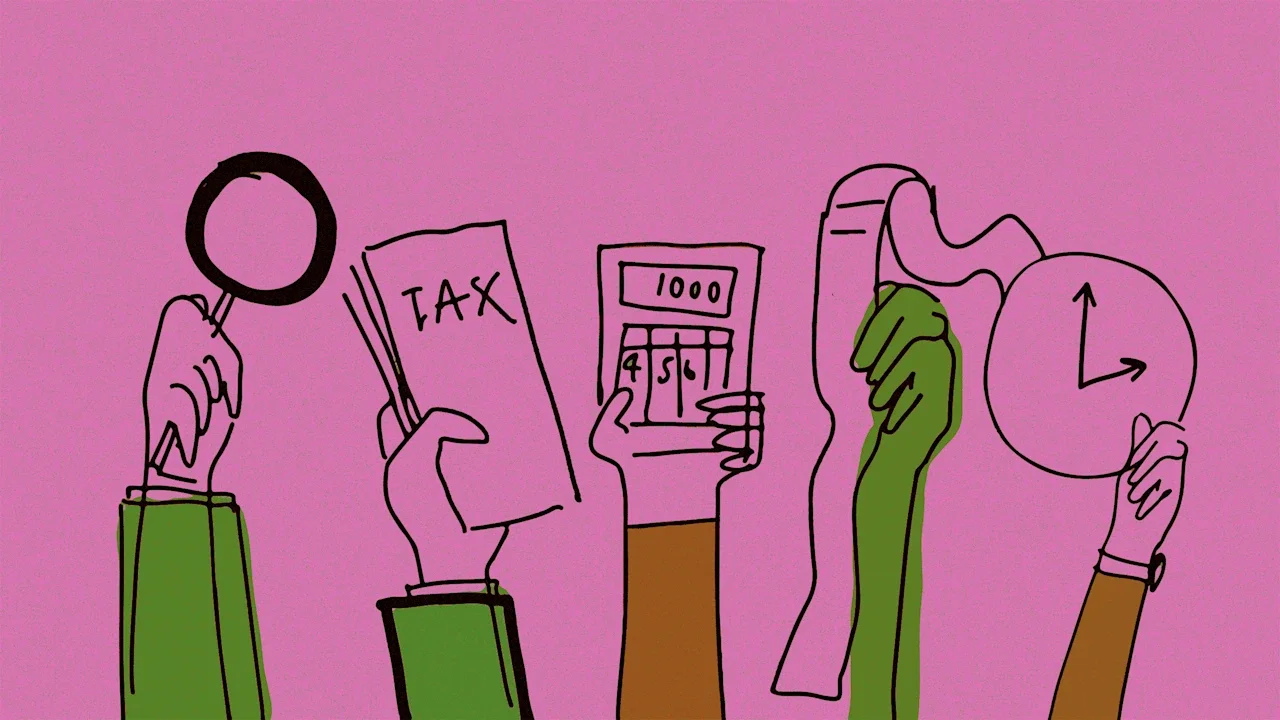
It’s tax season. Americans will pay an average of $10,489 in personal taxes—about 14% of the average household’s total income. Most will do so because they think it is their civic duty. Many believe they are morally obliged to obey the law and pay their share. But as tax day approaches, many Americans will bemoan their tax bill and complain that it is unfair. So, how are we to know if paying taxes is the right thing to do? Perhaps philosophy has some clues? Reasons to obey the law Many philosophers agree that we should obey the law. In The Crito, for example, Plato describes Socrates’s choice after the Athenian jury sentenced him to death for impiety. Crito, a wealthy friend of Socrates, arranges for him to escape from the prison a night before his execution. Socrates refuses saying he ought to obey the law. In explaining his decision, Socrates hinted at roughly three reasons why it would be wrong for him to break the law: First, he had chosen to stay in the city for many years despite being at liberty to leave if he did not like the laws. Second, he might hurt other people—by damaging the state if he disobeyed. Finally, he had benefited from the laws in the past. More recent scholars endorse many of these claims. Eighteenth-century philosophers like John Locke and Jean-Jacques Rousseau argued that citizens agreed to the law of the state by continuing to live in the place. Locke, for example, held that “if a man owns or enjoys some part of the land under a given government, while that enjoyment lasts he gives his tacit consent to the laws of that government and is obliged to obey them.” Twentieth-century British philosopher R.M. Hare suggests that citizens should obey the law to promote good social outcomes. Another British philosopher of the same era, H.L.A. Hart argued that citizens should comply out of fairness to others who obey. He held that it is unfair, and therefore wrong to benefit from their actions, without doing the same for them in turn. Is there a moral duty to pay taxes? Yet it is hard to see why these arguments would give the average citizen a moral responsibility to pay their taxes. Most of us never consented to the law. We were simply born here. Leaving would be costly, and even the chance to emigrate is dependent on another country’s willingness to accept us. Given the amount of government waste and its total budget, individual citizens could think that their tax bill is unlikely to make a difference to the services the government can provide. Even if they agree with how the government spends money, they might therefore conclude they have no reason to contribute. After all, one person’s $10,000 is not going to determine whether the military can secure national borders. The most commonly defended argument from scholars for why one should pay taxes is a duty of fair play. Fair play is the notion of reciprocity, the idea that you should not take advantage of others. As philosophers like George Klosko argue, people benefit from their fellow citizens paying their taxes. They enjoy the roads that everyone helps pay for, the fire departments they fund. They ought to pay back fellow citizens who benefited them, just like you ought to do something for a friend who gives you a ride to the airport. The case against paying taxes As a philosopher who studies civic ethics, I have argued in a recent paper that this kind of responsibility still does not explain why one should pay taxes. The idea that we have to pay your taxes because other people have benefited by paying theirs rests, from my perspective, on a wrongly narrow view of what it means to satisfy one’s duties of reciprocity. All that reciprocity requires is that one should compensate people for the work they have done that benefits us. Just like we can repay a friend who gives us a ride to the airport by doing something else that benefits them—say, making them dinner or helping them move—so, too, can we repay our fellow citizens by doing something other than paying our taxes. Lots of actions benefit your fellow citizens that you might pay for: taking a pay cut to do legally discretionary work to help the environment, volunteering to do policy research, choosing a career in public service over a more financially rewarding line of work, and more. If you do enough such acts, it could be argued, you would have no duty of reciprocity to pay your taxes. You would already have done enough to compensate your fellow citizens. Why pay taxes Given this, the best argument for paying our taxes, as I argue in my paper, is “intellectual humility.” And here is what it means. Satisfying these duties of reciprocity requires successfully compensating our fellow citizens for all the burdens they took on our behalf. As one can imagine, it is a hard calculation to make. It is difficult to know if we have done enough. If we choose not to pay taxes because we think we have already repaid our fellow citizens in other ways, we run a strong risk of getting it wrong. Paying the tax bill is one way of avoiding that risk and making sure we treat our fellow citizens fairly. Brookes Brown is an assistant professor of philosophy and the director of the Law, Liberty, and Justice Program at Clemson University. This article is republished from The Conversation under a Creative Commons license. Read the original article. View the full article
-
Benjamin Wegg-Prosser set to resign as Global Counsel chief executiveView the full article
-
If you ask journalists and PR professionals what they fear most from AI, typically they’ll say variations of the same narrative: AI will make content so easy to create that their roles will have little to offer. Virtually any AI model today can write passable articles and pitches (and lots more), so it feels like the value of the human touch is questionable at best. It is true that AI is automating big parts of knowledge work, and exactly how that plays out in media and adjacent industries is still being determined. At the same time, AI is transforming information discovery. Billions of people now get information from AI experiences—either chatbots or synthetic summaries like Google’s AI overviews—instead of traditional search results. Clearly, how AI answer engines find and present information (how they filter, prioritize, and interpret the things they find on the web) will play a central role in how media and public relations work going forward. More importantly, it will determine how the two sides work together. And I mean “together” in the most neutral way. Sometimes journalism and PR are complementary and sometimes they are in conflict, but in either case, AI will be the new interface where this plays out. What I’m talking about of course is GEO (generative engine optimization), or more precisely the incentives it creates. AI answers are often said to be the new “front door” of the internet, since they’re extremely popular (ChatGPT alone has almost a billion users) and that popularity is growing. Google’s AI Mode for search, which subs out the “10 blue links” for an AI conversation, is now prominent on both the Google homepage and the Chrome omnibox. Some are predicting it will become the default this year or the next. That would (will?) be devastating for publishers (a subject for another column), and it would also instantly cement the AI summary as the new informational portal for . . . well, everyone. But it also suggests the future that journalists and PR pros fear, an arena where the primary weapons are automation and slop, is incorrect. Or at least incomplete. Narrative is the new SEO It all comes down to how generative engines prioritize information. Both sides want their narratives to become the basis of AI answers—PR for clients, media for itself—in the hope of cementing their authority. Good news for the media side: Studies show that AI portals prioritize journalistic content far above commercial content (such as a corporate blog or site). That’s also good news for PR, since a large part of their job is interfacing with the media. If you think of the goals and messaging of a PR campaign as one circle, and the stories that a journalist wants to tell as another circle, where those two circles overlap is the highest chance for both sides to influence AI answers. That’s because of a fundamental difference between AI engines and search engines: AI is looking for patterns instead of keywords. The more it sees similar narratives across sites, domains, and social media, the more confidence it will have in the summary it’s creating. Domain authority—the strength of any specific URL—still matters, but topical authority matters more. What that means in practice: If an AI engine sees that a site or person has continually covered the same topic, and from many different angles, and is cited often elsewhere, it will boost the authority signal. And that can matter just as much if not more than more generalized coverage from a major (Tier 1, to use PR lingo) publication. That has two key consequences for the publicist-journalist relationship. First, specialized journalists who are narrowly focused on a beat have increased value. That applies to publications, too, which makes trade/B2B pubs newly relevant. Second, while journalist relationships are crucial in media relations, it’s still just one part of a larger content strategy. There are other ways to build authority in the eyes of AI engines, including corporate blogs, social, and more. Yes, content from journalists takes priority, but all the rest will reinforce the narrative the answer engine sees. Beyond the byline On the flip side, journalists need to play this game, too. While their content is first in line for GEO, if it lacks uniqueness it won’t stand out from competitors. If it’s too general or incomplete, AI engines will likely prioritize other content that’s more specific and comprehensive. If it doesn’t answer the common questions people ask AI, AI will move on to content that does. All this is to say that in an AI world, it’s far better for a journalist to have a clear coverage area instead of being a generalist. But that’s just step one. In the same way that PR needs to build a narrative with a larger content strategy that involves other platforms and formats, journalists should too. Most journalists write articles for a living, but to better get the attention of AI engines, it’s advisable to spread those stories across formats and platforms. Whether it’s creating a personal website or newsletter, attending events, or publishing in new formats like short-form video or podcasts, the goal is to elevate the visibility of the stories you’re telling—the stories people are asking about in ChatGPT, Google, and Perplexity. Building your brand around them is a bonus. The irony about all this is that AI, at first, promised to lighten the “content marketing” duties like writing social media copy and SEO headlines, which virtually no journalist wanted to do. But it turns out that to successfully leverage GEO, those duties get amplified: You need to continually think about the ways your stories can be presented and remixed to ensure AI engines take notice. The upside is that it’s all inherently human. Generative engines look for patterns, but they also prioritize uniqueness within those patterns. And uniqueness is what humans are best at. For journalists, it’s the scoops and unearthed facts that make compelling stories. For PR, it’s the person-to-person relationships that remain the most reliable way to find connections to those stories. As AI reshapes how stories are found and told, the edge still belongs to those who know how to tell them best. View the full article
-
We’ve got 17 updates this month – from unlocking global keyword research to deeper link analysis and more actionable site monitoring. Let’s dive in. Cited pages and cited domains API endpoints You can now programmatically pull the pages and domains…Read more ›View the full article
-
Crunch negotiations come as Donald The President has been weighing military options against IranView the full article
-
Carmaker admits it ‘overestimated the pace of the energy transition’View the full article
-
You’ve worked together before. You trust each other. You know how the other person thinks under pressure. On paper, it’s the safest move. In many ways, it is. Shared history creates speed—faster decisions, candid conversations, less time decoding intent. When CEOs bring former colleagues into senior roles, baseline trust feels like rocket fuel. But familiarity also introduces a hidden risk that undermines executive teams far more often than leaders anticipate. What I see repeatedly in executive teams built on shared history is the quiet formation of inner circles. Leaders who “go way back” share shorthand, context, and trust earned elsewhere. Others, often equally capable with deep institutional knowledge, find themselves outside that orbit. I coached a CEO who’d brought three former colleagues into a 10-person executive team. Within months, critical decisions were being pre-discussed among “The Four” before formal meetings. The other six leaders became increasingly passive, not because they lacked capability, but because challenging pre-baked decisions felt politically risky. The damage isn’t caused by intent. It’s caused by relationships that were never recalibrated for a new reality, and by new relationships that were never deliberately cultivated. The most effective executive teams consistently apply these four practices to prevent individual excellence from turning into organizational friction. 1. Connection High-performing teams invest time getting to know one another, all members, not just familiar faces, before diving into business results. Career paths, pivotal decisions, what energizes and frustrates them. This doesn’t take much time. A small investment upfront pays dividends for months. When facilitating executive off-sites, I often begin with a simple “my journey” exercise using images rather than words to reflect career highs, lows, decision points, and at least one non-work passion. The impact is often immediate. Leaders who’ve worked together for decades consistently say they learn something new about their colleagues, newly hired executives feel less like outsiders from day one, and everyone gains a clearer sense of how to tap into the talent around the table. 2. Clarify contributions Each executive understands not only what they own but also how their contribution creates value for the enterprise. Where do I lead? Where do I support others? Where might my strengths unintentionally create drag? Without this clarity, leaders default to optimizing their own function. Silos aren’t a cultural failure; they’re the natural outcome of unexamined individual priorities. 3. Intentional relationship recalibration For leaders with shared history, relationships must be explicitly reset for the new context. What worked at the last company doesn’t automatically apply here. Assumptions from past roles, how we made decisions, how we disagreed, who deferred to whom, need to be examined, not inherited. Strong teams explicitly revisit: How decisions are made now (not how they used to be) How disagreement is expected to show up in this company What information must travel across functions, not just within them How tension and conflict will be surfaced early within this team This isn’t about questioning trust; it’s about updating the operating system. The CFO who was your peer at the last company now reports to you. The CMO you brought in was brilliant at a scrappy startup, but this is a public company with regulatory constraints. Same people, different game, different rules. Without recalibration, old patterns quietly reassert themselves, even when they no longer serve the business, or the team. 4. Accountability over loyalty Loyalty protects people. Accountability protects performance. In cohesive executive teams, leaders don’t avoid difficult conversations or cover for one another in the name of trust. They hold peers to shared standards, especially when it’s uncomfortable. Many capable teams stall here. Loyalty gets mistaken for cohesion when, in reality, unchecked loyalty is what allows silos and turf wars to persist. What great executive teams look like in practice In the strongest executive teams, something subtle but powerful happens in meetings. Side conversations are surfaced in the room. Misalignment is named before decisions are finalized. When one voice dominates, others step in, not to challenge authority, but to protect cohesion. Decision rights are referenced rather than assumed. The CEO doesn’t act as referee. The team self-corrects. That’s the signal of a deliberately designed team. And it’s why these teams execute faster in a crisis. Trust wasn’t inherited from the past; it was engineered for the present. The CEO who’d created “The Four”? Once we surfaced the pattern and reset expectations, decision quality improved, and the full team reengaged. But it required deliberate intervention, not hope. The CEO’s real work If you’re building a leadership team from people you already know, your job isn’t to rely on trust, it’s to reengineer it. Think of it this way: you wouldn’t move into a new office and keep the same floor plan from your last building. Why would you import relationship patterns from a different company, different roles, different stakes? The best leadership teams don’t suppress individuality. They harness it through intentional relationship design. Shared history may get you started. Only deliberate cohesion sustains performance. View the full article
-
The meme coin boom has made some Web3 bros incredibly rich. But a new study published on Cornell University’s arXiv suggests the ecosystem is better understood as a place of extreme churn, flimsy infrastructure, and a surprising number of scammy projects that disappear quickly. Researchers Alberto Maria Mongardini at the Technical University of Denmark and Alessandro Mei at the Sapienza University of Rome built MemeChain, an open-source, cross-chain dataset of 34,988 meme coins across Ethereum, BNB Smart Chain (BSC), Solana, and Base. The system combines on-chain records with off-chain “legitimacy” signals such as token logos, social links, and archived website HTML. MemeChain found that through mid-January 2025, 1,801 tokens, or around 5% of all the coins tracked, stopped trading within 24 hours of launch. Nearly half showed zero transaction activity from mid-October to mid-December 2024, suggesting many projects burn out within weeks. Around 10% of meme coins on the BNB Smart Chain lasted only a single day, compared with roughly 0.1% on Solana. Mongardini said the team began by watching “this wave of new created meme coins” across chains in 2024 and asking who was trying to exploit the hype and FOMO. While he expected some level of alleged impropriety, he was surprised by the scale of scammy rug pulls and short-lived meme coins. “It’s shocking to me,” he said. Some indicators helped signal whether a coin was likely to rug pull. While 74.8% of tokens claimed an associated website, only 32.1% of those sites returned a working “HTTP 200” response when tested. The researchers also found widespread use of cheap registrars and short-lived hosting, which Mongardini described as “very, very fragile” infrastructure built with “very, very low” effort because creators “want to capitalize as soon as possible.” The aim of developing tools that can warn investors about high-risk trades is “to make a safer environment for people that [use] the crypto markets,” Mei said, though he added that doing so “in real time is very expensive.” Buyer beware. View the full article

-
Financial officer Kenta Kon will take over from Koji SatoView the full article
-
It’s four answers to four questions. Here we go… 1. My coworker comes to work high I work in an animal care setting and overheard a coworker casually mention that they had taken an edible about an hour before the end of their shift. They said it didn’t fully hit them until the last few minutes of work, but during that time they were asked to help restrain a patient. They weren’t administering medication in this instance, but they were still performing tasks while impaired. They also mentioned that there have been a few times when they’ve come to work slightly under the influence. I know some coworkers use substances on their own time, and our workplace doesn’t test or screen for this. I don’t have an issue with what people do off the clock, but using anything before or during a shift — especially in a role involving patient care — feels unsafe to me. At the same time, I don’t want to create problems for others or inadvertently push the workplace toward testing policies that impact everyone. I’m not sure what the right step is. Should I say something, leave it alone, or approach the situation in another way? This wouldn’t be the case with all jobs, but because of the nature of this one, it’s a safety issue — for the animals and for your coworkers. You should say something. That would be true even if it had just happened once, but they’re apparently doing it repeatedly. Talk to your boss about what you heard. It sucks that you have to, but that’s on your coworker, not on you. 2. Interviewer was upset I wouldn’t tell him whether I was married I’m a female physician. I had a call with a recruiter, and the second question he asked me was, “Are you married?” And then, “What kind of work do they do?” When I asked neutrally, “Oh, why do you ask?” he got very upset that I didn’t want to answer the question and said, “No one has ever done this (refused to answer) in my 25 years of recruiting.” I tried to smooth things over, but then he hung up on me. Unfortunately I don’t know which organization he is representing and I think he may be the head of his recruiting group so I had no one to report his behavior to. This is unfortunately a question I get asked a lot, and just to avoid this kind of scenario I’ll answer, but I hate having to do that! Is there anything else I can say? “Oh, why do you ask?” is the exact right response to this kind of question. It’s not illegal for them to ask (a common misconception), but it’s illegal for them to factor in your answer in any way so there’s no reason they need to ask, and it’s a good way to instantly make candidates uncomfortable. One alternative is to answer what you think they’re really getting at, which in this case was probably something about whether you would be able to devote enough time and focus to the job. So for example, you could say, “Oh, I have great family support for my career, that’s never been an issue.” And if he responded to that by again asking if you were married, at that point I might say, “I’ve never been asked that in an interview before (even though you have) — why do you ask?” But also, this particular recruiter sounds like a massive tool. 3. My boss says she wants to accommodate immunocompromised people, but won’t hold hybrid staff meetings I work at a public institution of higher education. I’m immunocompromised, which my managers knows (although she does not know the exact condition). On the days I’m in-person at work (we all work a hybrid schedule), I consistently mask and am very careful about protecting my health. Our quarterly all-staff meetings have been hybrid for several years now, after being totally online during Covid. These have never been particularly fruitful meetings, neither informationally nor for team-building, though my manager wants to make them more useful. At a meeting last year, she brought up the idea of making our next meeting in-person only. I mentioned that we have immunocompromised and medically vulnerable people on staff (I’m not the only one, but I have tenure and can more easily speak out) and suggested considering ways to make the meetings less risky — like at least making the winter meetings fully online. She asked to meet with me one-on-one to discuss ideas for making the meetings safer and I shared other ideas too, like holding our September and June meetings in a space with windows that open. We have two campus spaces like that where we’ve held all-staff meetings in the past so this doesn’t seem a huge ask. My manager seems to have taken none of what I said to heart. Our September meeting was in-person only and was in a space where no windows or doors could be opened, though she did have a couple of HEPA filters in the space. But now she is proposing making our February meeting every year all-day and in-person only and making our fall and spring meetings half-day and hybrid. I’m at a loss as to why she would make the meeting during the height of flu and norovirus season in-person and why she asked for my suggestions in the first place if she was going to ignore them. I know being immunocompromised is a real disability, but I feel like it’s treated like it isn’t because, unlike being a wheelchair user faced with a space only accessible by stairs, I physically can go to these meetings. It’s just at tremendous risk to my health. And I have some colleagues who go to work sick all the time, which makes it even more risky. I’ve already brought this up in meetings with others present and in that one-on-one meeting and it clearly had no effect. Should I just tell her I can’t attend? Talk to HR, which is notoriously unhelpful and their ADA coordinator left last spring? Keep pushing back? I’m already dealing with an illness that gets worse when I’m stressed and I wonder if it’s easier to just take a sick day and skip the meeting to avoid the whole thing. I feel so demoralized at this point. At a minimum, tell her you can’t attend. Sample language: “I can’t safely attend an all-day in-person meeting, so would it be better for me to call in or skip this one?” But you could also say, “I know you’d asked for ideas to make these safer for immunocompromised employees, and one thing would be — if one of these has to be full-day and in-person — to make it the fall or spring one, not the February one, since that’s the height of flu season.” Or even: “I know you’d asked for ideas to make these safer for immunocompromised employees, and I’m curious if you ran into obstacles doing that. I might be able to better tailor ideas if I know more about the constraints we need to work within.” 4. I was laid off and still have my laptop — is there a point where it becomes mine? I got laid off mid-November, and HR said we’d receive instructions for returning our equipment. While my company access was cut off, and my laptop was remotely wiped, it’s now mid-January and I haven’t heard anything about returning it. I emailed last week asking, and haven’t gotten a response. I live near an office, but the implication during layoffs was that they don’t want laid off employees coming back to the building, understandably. Is there a point at which the equipment is mine? I’ve seen some advice that at some point you’re within your rights to notify the company that you’ll be disposing of the equipment if you don’t hear from them in X amount of time, but what if you wanted to use it instead of dispose of it? First, try calling them instead of emailing — just on the principle that if one method of communication doesn’t work, you should try a second method before giving up. But if you still don’t get a response, contact them and say, “I have not heard back from you about how to return my equipment, despite asking on (date) and (date), so this is notice that I plan to dispose of the equipment unless you arrange otherwise by (date).” If you really want to be safe, you can send that by certified mail. In most jurisdictions, 30-60 days will be considered a reasonable window to offer, and after that you are free to dispose of the equipment as you wish (which you don’t need to volunteer will mean “now it’s for personal use”). The post interviewer was upset I wouldn’t tell him whether I was married, my coworker comes to work high, and more appeared first on Ask a Manager. View the full article
-
Foreign visitors to the US declined 4.2% in 2025 while international travel worldwide grew 4% View the full article