ResidentialBusiness
Administrators
-
Joined
-
Last visited
Everything posted by ResidentialBusiness
-
 Drinks group buys prebiotic brand initially funded by investor on ‘Shark Tank’ show View the full article
 -
Not all will be willing to put troops on the ground, British officials admit View the full article
-
With all this talk about spring cleaning, you could be forgiven if you focused on, well, just cleaning in the spring. But the real beauty of spring cleaning is that it can be a jumping-off point for a clean year. Yes, you can put in extra effort right now, restocking and upgrading your cleaning supplies and doing all those intense annual tasks, but if you don't keep up with your tidying all year round, you'll be stuck doing another exhausting round next spring. Use this as a starting point for a big year of your cleanest home ever. First, commit to a cleaning scheduleWhile you're undertaking spring cleaning this year, keep track of what tasks you enjoy (or just hate less than the others), what takes the most time, and when you feel most motivated. You're going to want to know all of that as you set out to create a manageable and personalized schedule for the rest of the year. There are a lot of ways you can structure your schedule, but what's most important here is finding a time that really works for you, whether it's the morning, afternoon, or evening. It will depend on your existing schedule of work and responsibilities, plus when you feel most motivated and how you choose to approach cleaning. I recommend only cleaning in 15-minute chunks each day to keep the whole endeavor manageable and stop it from getting overwhelming, but you can divide those up however you like. Micro-cleaning and -decluttering are a great option, as they ask you to pick a small space every day (think: a cabinet or a tabletop, not a whole room or even a whole closet) and focus on that. Over time, cleaning every small space will result in a cleaner home, but there will still be times you need to call in the big guns and tackle a large project, like a kid's room or a kitchen that's seen better days. Block out a day every month to do a whole-house tidying. Otherwise, really stick to your scheduled 15 minutes every day. If you're finding that, after a few weeks, the time you selected doesn't work, switch it up. It's better to make some adjustments early on than to fall behind because you're determined to stick with something that's not working. Pick cleaning approaches that work for youOnce you get a handle on the times you commit to cleaning, you need to figure out what you're going to do and how you're going to do it. The micro-cleaning approach of picking a small space every day works well, but you still need a plan for what you're doing to that micro-space. There are a few techniques out there that lend themselves to long-term home maintenance more than others, like 365 Less Things and the "calendar" method. Both of those are centered on decluttering, but can be modified for general cleaning tasks, too. With 365 Less Things, you commit to throwing away or donating one piece of clutter every day; with the calendar approach, you toss or donate one thing on the first of the month, two things on the second, and so on until you are up to 30 things on the 30th and 31 on the 31st. These are great for decluttering and habit-building, so use them as intended at first, but feel free to switch it up. Instead of getting rid of six things on the sixth, think of something you could clean six of, like the six upholstered chairs around your dining table or the six mirrors on the upstairs landing. Here is a list of my favorite decluttering techniques and here are my favorite cleaning techniques. There are a ton out there, from books by cleaning gurus to methods discovered and disseminated by regular people on social media, and trying them out during your scheduled cleaning time can keep you engaged and help you find the approach that works best for your home. Adjust as necessaryLike I said, you should be keeping track of how this goes. You don't have to keep hyper-detailed data, but it's helpful to make note of what's working and what isn't. Changing the time you typically clean, trying a new technique, or playing around with the rewards system you want to use for yourself are all fine and even good. It takes a long time to build a habit and sink into a quality routine, but the goal should be to use spring cleaning as an opportunity to see how great your home can look and spend the next 11 months keeping it that way. One thing that is pretty helpful here, at least for me, is calling in reinforcements. I don't mean a professional cleaner—although I have found that hiring one every month or two is super helpful, as they notice spots that need attention that you may overlook, plus I counterintuitively clean extra well before one comes out of fear of being embarrassed. I mean using an app. There are a handful of apps out there that can help you build the perfect cleaning schedule, keep tabs on what's been tended to and what hasn't, and even send you push notifications reminding you when a certain area needs your attention. Apps, cleaning pros' books, and CleanTok influencers' posts can all help guide you, motivate you, inspire you, and altogether push you toward getting better at keeping up with your cleaning. Then again, you can read, watch, and log in to as much as you want, but none of it matters unless you get after it in real life, so start building your schedule, download my checklists, and prepare for spring, summer, fall, and winter cleaning now. View the full article
-
Small changes make a powerful impact. By Alan Anderson, CPA Transforming Audit for the Future Go PRO for members-only access to more Alan Anderson. View the full article
-
Small changes make a powerful impact. By Alan Anderson, CPA Transforming Audit for the Future Go PRO for members-only access to more Alan Anderson. View the full article
-
How accountants can help. By CPA Trendlines Research Go PRO for members-only access to more CPA Trendlines Research. View the full article
-
How accountants can help. By CPA Trendlines Research Go PRO for members-only access to more CPA Trendlines Research. View the full article
-
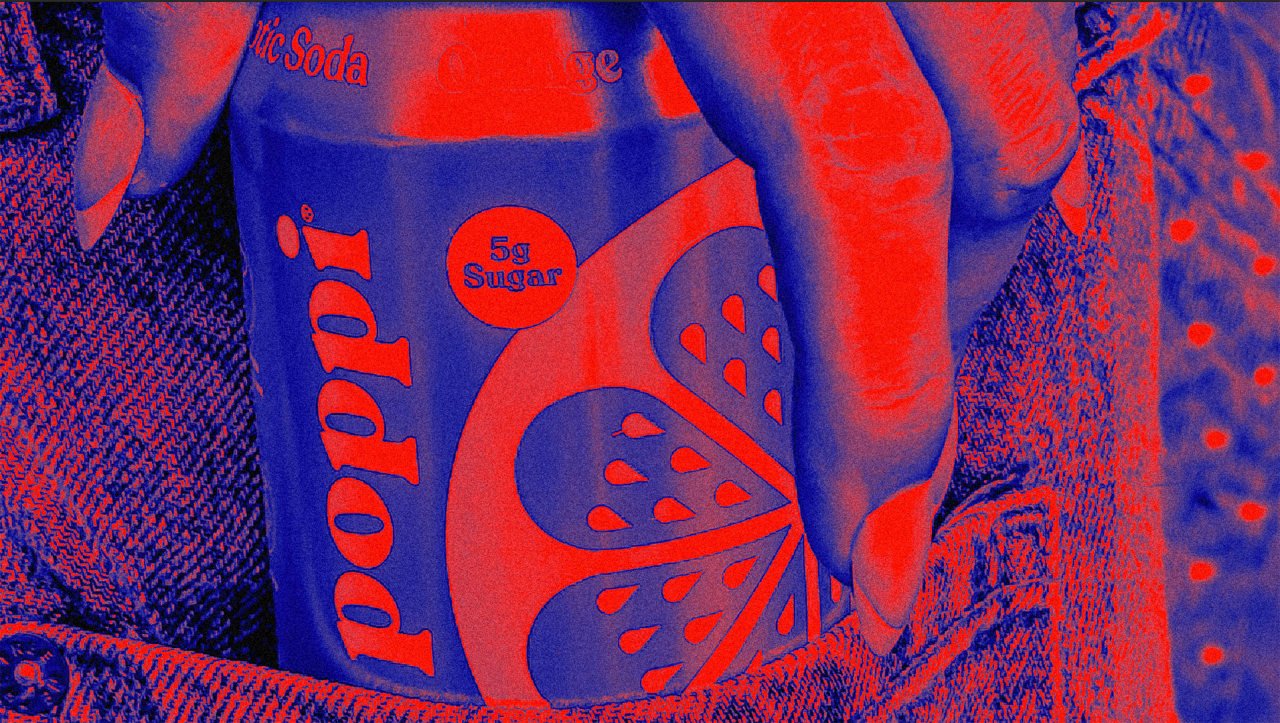
PepsiCo is sick of being left out of the prebiotic soda craze—and to catch up with competitors, the multinational food and beverage corporation just dropped $1.65 billion to acquire the functional soda startup Poppi. The deal, announced this morning, will bring Poppi’s range of 14 colorful, low-sugar, prebiotic-packed sodas into Pepsi’s expansive existing beverage portfolio. The move comes as young consumers are increasingly turning away from traditional soda in favor of more health-conscious, “functional” beverages, which typically come with a mood or health benefit derived from a specific set of ingredients. Popular prebiotic brands like Poppi and Olipop fit in this category, as do hydration-based drinks like Mio and Magna. While Pepsi already owns Gatorade—which continues to dominate the hydration market, despite an influx of new entrants—the corporation has yet to make a move in the prebiotic space. Meanwhile, its main competitor, the Coca-Cola Company, just announced its own prebiotic soda brand called Simply Pop early last month. Now, Pepsi is ensuring that it leaves no functional beverage category unchecked. “As we look to reorient our portfolio offerings to address white space consumer needs, the Poppi brand’s unique intersection with wellness and culture is a perfect addition to our portfolio,” Ram Krishnan, CEO of PepsiCo Beverages U.S, said in a press release on the acquisition. What’s your function? According to data from NielsenIQ, U.S. sales of functional beverages grew 54% to $9.2 billion between March 2020 and March 2024. As of last March, functional beverages accounted for an impressive 10% of the nonalcoholic beverage market. Poppi has been well-positioned to capitalize on this growing interest: In 2024, the brand made more than $500 million in sales. Poppi’s “healthy soda” premise attracts young consumers, but where the brand really hooks potential drinkers is through its influencer marketing tactics (like its controversial decision to send entire vending machines to TikTokers for the Super Bowl) and an ultra-vibrant, colorful branding approach designed to court Gen Z. Founder Allison Ellsworth says that these efforts have helped to distinguish prebiotic sodas as a new “modern soda” section on grocery store shelves. “Over the last five years, we’ve worked with our buyers and retailers to define this whole new category. It’s what we call the modern soda set,” Ellsworth told Forbes in an interview this month. “It’s a dash destination within the store for this whole new category.” America’s soda-drinking habits are changing, with young consumers leading the way—and Pepsi’s latest acquisition demonstrates that prebiotic soda might just be the next sparkling water. View the full article
-
Rocket said the Redfin deal is part of a purchase mortgage strategy, but originating and retaining residential mortgages in portfolio is the real endgame writes the chairman of Whalen Global Advisors. View the full article
-
It's spring again: The time of renewal, rebirth, and cleaning your damn house. I mean really cleaning—not just picking up a little, but moving the couch, wiping the blades of the ceiling fan, and getting behind the fridge. Spring cleaning. If you’re putting effort into it, you can make both the returning Messiah and the Easter Bunny proud, but you'll need to avoid these common spring cleaning mistakes. Doing all the heavy lifting yourselfI’m putting this one first because moving the furniture is what separates spring cleaning from regular cleaning. That said, a spotless home is not worth screwing up your back. Like anything else, there’s technique to moving furniture: keep heavy objects close to your body, don’t bend at the waist, lift with your legs. Remember to breathe. Improper technique leads to injury. For a deeper dive on injury-free furniture moving, check out our guide—but the best advice, is “if you think it’s too heavy, get some help.” Mixing cleaning productsPersonally, I can’t understand people who prefer to clean with vinegar, lemon juice, or other wimpy options. It’s not really clean to me unless dangerous chemicals are involved. But dangerous chemicals demand respect: cleaners like ammonia, bleach, and oven cleaners are probably going to be caustic, poisonous, fume-releasing, and otherwise capable of killing you, your pets, or your loved ones if used (or mixed) incorrectly. So read the warning labels carefully, actually follow their guidelines, and have the number of poison control on hand. Trying to do it all at once (or without a plan)Honor your moment of sudden motivation, but instead of an “I’m cleaning everything right now” vibe, use your energy to plan first. Break your spring clean into smaller, manageable tasks, or you’ll end the day with all the furniture moved and everything in disarray. Spring cleaning is a project, and like any project, it will come out better if you make a realistic plan. For the specifics, start with taking the advice of professional housekeepers. Cleaning before declutteringWhen I’m cleaning, there’s little worse than spending all day scrubbing, only to have my place still look cluttered. Too much crap around makes me feel like my whole life is disorganized, so I use deep cleaning days as “getting rid of things” days, too. If I haven’t used it since the last time I cleaned, I seriously consider a trip to the local thrift store. Lifehacker's decluttering queen Lindsey Ellefson has many more tips to get you started. Forgetting the mattress (and garbage cans)Even if it isn’t stained and smelly, your mattress is probably disgusting. You spend eight hours a night there sweating, drooling, and shedding dead skin cells. You probably let your dog up there, too. It’s a hassle, but there are a lot of ways to clean a mattress. Don’t forget the inside of your garbage cans either. And the inside of your refrigerator. And your remote controls. I could go on all day—you're probably forgetting a lot of places you should be cleaning. Not having the right cleaning suppliesYou don’t need a ton of gear to deep clean, but you can’t clean your house with a single old rag either. A basic surface cleaning kit should include all-purpose cleaning liquid, window cleaning liquid, cloth (microfiber, if possible), a scrub-brush, and a hand duster. You also need a mop and bucket, a broom, more garbage bags than usual, and a vacuum with attachments. Optional are things like ivory polish, guitar wax, and other specialized-to-you cleaning supplies. Want a clear rundown of what you need to take on this annual task and keep your home clean all year long? Here's a guide. Relying on a moment of inspirationI always mean to clean my house. I have the best intentions, but then there’s something to watch on TV or I decide to get some empanadas, and before I realize it, the day is over. But if I’ve invited people over, I’m going to clean, because I don’t want other people to see how I live. Perhaps you can relate. If you’re having motivation problems, nothing solves them like fear of other people judging you. So throw a springtime party. If your house really sparkles, all your friends will silently feel shame for their own slovenliness, and that’s a win-win. View the full article
-
Country’s chief prosecutor links Russian intelligence to Vilnius fire and at least one suspect to other sabotage incidents View the full article
-
Reddit is rolling out a new ad control feature that gives users more power over the sponsored content they encounter on the platform. The details: Users can now select Hide from a dropdown menu on any feed-based advertisement. Hiding an ad blocks content from that advertiser account for at least one year. The feature works alongside the existing Report function, which also triggers advertiser blocking. Implementation will roll out gradually across iOS, Android, and desktop over several weeks. Hide option in the ad dropdown. Ad immediately after being hidden. Why we care. Reddit’s new ad hiding feature creates stronger incentives to deliver relevant, quality advertising experiences. When users can block an advertiser’s entire account for at least a year with just one click, poor targeting or low-quality creative could result in permanent audience loss. This change will likely increase the importance of audience segmentation and creative quality, as advertisers who consistently deliver irrelevant or disruptive experiences will face diminishing reach over time. Between the lines. This move follows growing user dissatisfaction with ad experiences across social platforms, with Reddit positioning itself as more responsive to user preferences than competitors. User comments about the announcement The big picture. The new control builds on Reddit’s sensitive ad filters, introduced last year, which already allow users to limit exposure to ads in potentially divisive categories (e.g., politics, religion). What’s next. Reddit said it will “continue working on ways to improve ad controls” and has invited community feedback on the new feature. Bottom line. While Reddit remains ad-supported, the platform is trying to strike a balance between advertiser reach and user experience by offering more granular controls that could potentially lead to more relevant ad targeting. View the full article
-
The next time you’re due for a medical exam you may get a call from someone like Ana: a friendly voice that can help you prepare for your appointment and answer any pressing questions you might have. With her calm, warm demeanor, Ana has been trained to put patients at ease—like many nurses across the U.S. But unlike them, she is also available to chat 24-7, in multiple languages, from Hindi to Haitian Creole. That’s because Ana isn’t human, but an artificial intelligence program created by Hippocratic AI, one of a number of new companies offering ways to automate time-consuming tasks usually performed by nurses and medical assistants. This March 2025 image from the website of artificial intelligence company Xoltar shows a demonstration of one of their avatars for conducting video calls with patients. [Photo: Xoltar via AP] It’s the most visible sign of AI’s inroads into health care, where hundreds of hospitals are using increasingly sophisticated computer programs to monitor patients’ vital signs, flag emergency situations and trigger step-by-step action plans for care—jobs that were all previously handled by nurses and other health professionals. Hospitals say AI is helping their nurses work more efficiently while addressing burnout and understaffing. But nursing unions argue that this poorly understood technology is overriding nurses’ expertise and degrading the quality of care patients receive. “Hospitals have been waiting for the moment when they have something that appears to have enough legitimacy to replace nurses,” said Michelle Mahon of National Nurses United. “The entire ecosystem is designed to automate, de-skill, and ultimately replace caregivers.” This March 2025 image from the website of artificial intelligence company Xoltar, shows two of of their demonstration avatars for conducting video calls with patients. [Photo: Xoltar via AP] Mahon’s group, the largest nursing union in the U.S., has helped organize more than 20 demonstrations at hospitals across the country, pushing for the right to have say in how AI can be used—and protection from discipline if nurses decide to disregard automated advice. The group raised new alarms in January when Robert F. Kennedy Jr., the incoming health secretary, suggested AI nurses “as good as any doctor” could help deliver care in rural areas. On Friday, Dr. Mehmet Oz, who’s been nominated to oversee Medicare and Medicaid, said he believes AI can “liberate doctors and nurses from all the paperwork.” Hippocratic AI initially promoted a rate of $9 an hour for its AI assistants, compared with about $40 an hour for a registered nurse. It has since dropped that language, instead touting its services and seeking to assure customers that they have been carefully tested. The company did not grant requests for an interview. AI in the hospital can generate false alarms and dangerous advice Hospitals have been experimenting for years with technology designed to improve care and streamline costs, including sensors, microphones and motion-sensing cameras. Now that data is being linked with electronic medical records and analyzed in an effort to predict medical problems and direct nurses’ care— sometimes before they’ve evaluated the patient themselves. In this photo provided by National Nurses United, nurses hold a rally in San Francisco on April 22, 2024, to highlight safety concerns about using artificial intelligence in healthcare. [Photo: National Nurses United via AP] Adam Hart was working in the emergency room at Dignity Health in Henderson, Nevada, when the hospital’s computer system flagged a newly arrived patient for sepsis, a life-threatening reaction to infection. Under the hospital’s protocol, he was supposed to immediately administer a large dose of IV fluids. But after further examination, Hart determined that he was treating a dialysis patient, or someone with kidney failure. Such patients have to be carefully managed to avoid overloading their kidneys with fluid. Hart raised his concern with the supervising nurse but was told to just follow the standard protocol. Only after a nearby physician intervened did the patient instead begin to receive a slow infusion of IV fluids. “You need to keep your thinking cap on—that’s why you’re being paid as a nurse,” Hart said. “Turning over our thought processes to these devices is reckless and dangerous.” Hart and other nurses say they understand the goal of AI: to make it easier for nurses to monitor multiple patients and quickly respond to problems. But the reality is often a barrage of false alarms, sometimes erroneously flagging basic bodily functions—such as a patient having a bowel movement—as an emergency. “You’re trying to focus on your work but then you’re getting all these distracting alerts that may or may not mean something,” said Melissa Beebe, a cancer nurse at UC Davis Medical Center in Sacramento. “It’s hard to even tell when it’s accurate and when it’s not because there are so many false alarms.” Can AI help in the hospital? Even the most sophisticated technology will miss signs that nurses routinely pick up on, such as facial expressions and odors, notes Michelle Collins, dean of Loyola University’s College of Nursing. But people aren’t perfect either. “It would be foolish to turn our back on this completely,” Collins said. “We should embrace what it can do to augment our care, but we should also be careful it doesn’t replace the human element.” More than 100,000 nurses left the workforce during the COVID-19 pandemic, according to one estimate, the biggest staffing drop in 40 years. As the U.S. population ages and nurses retire, the U.S. government estimates there will be more than 190,000 new openings for nurses every year through 2032. Faced with this trend, hospital administrators see AI filling a vital role: not taking over care, but helping nurses and doctors gather information and communicate with patients. ‘Sometimes they are talking to a human and sometimes they’re not’ At the University of Arkansas Medical Sciences in Little Rock, staffers need to make hundreds of calls every week to prepare patients for surgery. Nurses confirm information about prescriptions, heart conditions and other issues—like sleep apnea—that must be carefully reviewed before anesthesia. The problem: many patients only answer their phones in the evening, usually between dinner and their children’s bedtime. “So what we need to do is find a way to call several hundred people in a 120-minute window—but I really don’t want to pay my staff overtime to do so,” said Dr. Joseph Sanford, who oversees the center’s health IT. Since January, the hospital has used an AI assistant from Qventus to contact patients and health providers, send and receive medical records and summarize their contents for human staffers. Qventus says 115 hospitals are using its technology, which aims to boost hospital earnings through quicker surgical turnarounds, fewer cancellations and reduced burnout. Each call begins with the program identifying itself as an AI assistant. “We always want to be fully transparent with our patients that sometimes they are talking to a human and sometimes they’re not,” Sanford said. While companies like Qventus are providing an administrative service, other AI developers see a bigger role for their technology. Israeli startup Xoltar specializes in humanlike avatars that conduct video calls with patients. The company is working with the Mayo Clinic on an AI assistant that teaches patients cognitive techniques for managing chronic pain. The company is also developing an avatar to help smokers quit. In early testing, patients spend about 14 minutes talking to the program, which can pickup on facial expressions, body language and other cues, according to Xoltar. Nursing experts who study AI say such programs may work for people who are relatively healthy and proactive about their care. But that’s not most people in the health system. “It’s the very sick who are taking up the bulk of health care in the U.S. and whether or not chatbots are positioned for those folks is something we really have to consider,” said Roschelle Fritz of the University of California Davis School of Nursing. The Associated Press Health and Science Department receives support from the Howard Hughes Medical Institute’s Science and Educational Media Group and the Robert Wood Johnson Foundation. The AP is solely responsible for all content. —Matthew Perrone, AP Health Writer View the full article

-
Retired AS Roma player Francesco Totti appears on billboards across Russian capitalView the full article
-
We may earn a commission from links on this page. The urge to spring clean your home is a strong one. You know warmer months are coming, things are about to look up, and you want to enjoy all of that in a fresh, revitalized environment. Typically, that involves your standard cleaning, but what if you shook it up this year? Try a spring decluttering approach instead, getting rid of what no longer serves you so you can really enjoy your space. Here's how to do it. Assess your spaceThis is something I practice a lot, especially since I started heavily decluttering about two years ago: I stand in a room and look at it as objectively as I can. When you get used to things—a bunch of stuff piled on a side table, an old box you don't really use, a Swiffer that has somehow been propped on the same wall for weeks—you don't really notice how cluttered it all looks anymore, let alone how little you really use or need all that junk. It is difficult to do, but try looking around as if you didn't live there and really noticing what is all over the place. If you're really struggling, call a friend over to give an assessment or take a picture of the room. Somehow, looking at a photo of the space, not the space itself, really helps me see how it truly looks. Choose a decluttering method to followBefore you choose a method to follow (and there are many), make a commitment to stick with your decision and get rid of a lot of things. In general, no matter which approach you're following, you'll be sorting items into one of four categories: Keep, throw, donate, and sell. In fact, many decluttering gurus don't even acknowledge "sell" as an option, choosing to focus instead of keep, throw, and donate, but I find that selling things has been helpful for me not only financially, but because I end up absolutely sure that someone else is getting use out of them. It can be helpful, especially if you're not in the habit of decluttering, to actually set out four boxes and manually sort everything into them. One piece of advice: When a box is full, take it immediately where it needs to go. The trash box goes straight to the trash. The donation box goes into your car or, better yet, right to the drop-off center. Getting into the habit of being actionable about clutter starts with doing what you say you're going to do with each category of items. As for what kind of approach to take, you have options. I suggest starting your spring decluttering with a bang rather than a bit-by-bit method, only because that's the point of spring cleaning. You can downshift into a more measured approach to keep the party going all year long later. For now, try your hand at getting rid of as much as you can. Some good options here are the "move-out" method and the Peter Walsh method. The move-out method comes from Katie Holdefehr, author of Embrace Your Space and associate editorial director at Real Simple. It will put a bit of a push behind your efforts, which is just right for spring cleaning season: You act as if you're actually moving out of your home and into a new one, except the "new" home is actually the one you already have, just cleaner and better. You set a "move-out" date and box up everything in the room, categorizing it like you would if you were actually leaving, but asking yourself, "If I really moved, would I want to take this with me? Would there be a place for it in my new home?" When everything is boxed up and you've gotten rid of all the stuff that didn't elicit a "yes" to those questions, clean the room thoroughly, then unpack. You may find even more things that you don't want to keep, so get rid of those, too. Peter Walsh's method is also pretty harsh: Empty the space entirely and then set a vision for it. If you're decluttering your living room, for instance, spend some time imagining how you really want to live in there, whether it's turning it into a place to get your work done or spend cozy nights watching movies. Really focus on the vision for what you want that room to be, then sort everything you moved out of it into two piles: Things that serve that vision and things that don't. Get rid of what doesn't, then put everything else away. What to do when you get stuckThis isn't easy, primarily because we all have a tendency to justify keeping things we don't really need, whether for sentimental reasons or because we're worried we might somehow need them one day. The reality is that you probably won't need a lot of your clutter and, in the event you do, it can be replaced rather than taking up space in the meantime. To work through these mental roadblocks, there are questions you can ask yourself as you declutter. Here's a list of my favorites, which includes questions like these: "When was the last time I used this?" This can help you determine if you even actually use the thing you're considering getting rid of. "Do I want the job of managing this item?" This helps you realistically frame the commitment and responsibility that holding onto something will demand of you. "Would I know I had this if I needed it?" This is useful for cleaning spaces like junk drawers, which are full of those items you make excuses to hold onto "just in case." What happens when spring is overI don't always recommend ripping off the Band-Aid and starting with a technique as hardcore as the move-out or Peter Walsh methods, but they work well if you're trying to jump start a new, clutter-free lifestyle, which makes them a great fit for spring cleaning season. It might be difficult and you might end up keeping a lot of things you don't need, but the bigger the jump start, the better the results. To maintain and enhance those results, you need to keep going, decluttering all the time. I've been doing it for two years now and I'm still nowhere near a minimalist, but there are some excellent long-term approaches you can follow to keep this energy going. First, build micro-decluttering into your existing cleaning schedule. (No existing cleaning schedule? Here's how to build one.) Micro-decluttering involves picking a tiny space and focusing only on that, rather than on a whole room or even the whole house. You're not decluttering the bathroom, but the medicine cabinet. You're not decluttering your living room, but one shelving unit in it. Picking a tiny space every day stops you from getting overwhelmed and, over time, creates a much more manageable home. The same is true for methods like 12-12-12 and 365 Less Things. With 12-12-12, you find 12 items to donate, 12 items to throw, and 12 items to put away every single day, but it's easier than it sounds. If you threw your junk mail on the table by the front door or find a Starbucks straw wrapper in your purse, those count as what you can throw away just as much as a broken appliance does. A blanket on the couch that really belongs in a basket counts for something to put away just as much as a whole load of clean laundry does. Again, take this in small increments to build a habit. With 365 Less Things, you're dedicating yourself to getting rid of one thing every day over the course of a year. It's the perfect way to follow up on a major round of spring decluttering because it slows down the process in a way that's totally manageable. It might not seem like much, but after a full year of doing it—when you'll end up back at spring cleaning!—you'll be down a significant amount of junk and your home will be better off long-term. View the full article
-
This post was written by Alison Green and published on Ask a Manager. A reader writes: My manager was one of the good ones, completely trusted their team, didn’t micromanage, would support and defend us, and was just generally a friendly person. Their death was sudden and devastating to a lot of people, to say the least. Our team is fewer than 10 people, and most had worked closely with our manager for 5+ years and some had been friends for longer. Our company offered to pay for all expenses so we could all attend the funeral, since some of us are remote. One local coworker, Sam, didn’t go and didn’t even give an excuse as to why not, and it has caused a major rift. On one hand, Sam is a pretty stoic and private person; to him, this job is a means to make money and doesn’t really socialize outside of the office and that’s fine. Everyone grieves differently, and I definitely get not wanting to do so around your coworkers and bosses. On the other hand, it feels really cold and rude to not at least pay some lip service, to show up just to say you did or explain why you couldn’t make it. Some coworkers told me that Sam had always rubbed them the wrong way and him not coming to the funeral has greatly exacerbated this problem and they even talked about trying to kick him off the team. To me, he seems hard to read but has been friendly enough if I ever needed help or asked questions, so this feels extreme, but I also have never really worked that closely with him. My problem is this: I genuinely don’t think Sam realizes how much not going upset the others, or that they’ve felt this way for a while, nor do I think it was his intention to offend. I know this is going to blow up soon and I feel terrible that Sam is likely going to be blindsided. At the same time the others told me this in confidence and would definitely know that I was the one who said something. I could really use some help. How do I navigate this? Your coworkers are really in the wrong. They’re talking about trying to kick Sam off the team?! Hopefully this is just a grief reaction and will settle down on its own, but the right thing for you to do is to be a sane counterweight. Tell your coworkers you thought about what they said and you strongly disagree — some people are not funeral people, not everyone has the sort of close relationships with colleagues where they’d feel comfortable going to a boss’s funeral, and who knows what else Sam might have going on in his personal life right now. (As one example, when my mom was dying, I’m not sure I could have handled a work funeral, and I say that as someone who is a big believer in always going to funerals.) He also may have been thinking along the lines of “treat others the way you’d want to be treated” and, as a private person, might see funerals as for friends and family, not coworkers. Or sure, maybe it’s exactly what your coworkers think: he’s a cold person who doesn’t make personal connections even with wonderful colleagues and won’t bother to pay his respects to a beloved manager by attending a funeral. But even if that’s the case, it doesn’t warrant all this drama! If that’s what they believe about him, so be it. It doesn’t rise to the level of justifying a blow-up, and it would be a bananas overreaction to try to get him kicked off the team. Tell them that if they dislike Sam for this or other reasons, that’s their prerogative, but their reaction is wildly disproportionate to what happened and you’re uncomfortable hearing the way they’re talking about him. I know your question was whether you should warn Sam, but the above is far more important to do. View the full article
-
Measures of current sales of single-family homes and prospective-buyer traffic, dropped to their lowest levels since the end of 2023. View the full article

-
Some people excel at job interviews, and then there’s the rest of us. The truth is, you are being judged, and it’s normal to feel anxious when you’re under the spotlight. So, given these stressful circumstances, how can you relax and show your best self during an interview? The STAR method can help, but that’s not all you can do to prepare. First, you should be equipped with the requisite experience and a resume that sums it up. Then there was the cover letter that was attached, where you expanded on why you’re a good fit for the position and the company. The interview is the last hurdle, but unlike those other steps, you can’t take your time composing the perfect pitch. Yes, you should have prepared yourself for what might be asked. You could even meditate before and arrive in a state of quiet preparedness, but you still can be thrown a curve. Don’t worry: there’s hope if you learn the STAR method for answering interview questions. What Is the STAR Method? An Interview Technique The STAR method is a structured way to respond to behavioral interview questions that one might encounter during the interview process. It’s an acronym that stands for situation, task, action and result, which are four aspects that need to be addressed in a behavioral interview question. These behavioral questions are situational, such as, “How would you balance workload across a team?” The STAR method is basically a process to help you take one of these questions and break down your response into a four-step answer that will satisfy the person interviewing you. It not only answers the question, but it allows you to put it in context and show your ability to respond. Situation: To begin, describe a related situation or task from a previous job, volunteer experience or anything that’s relevant. Describe a specific situation and establish context. Don’t generalize or offer a litany of your accomplishments, but speak directly to the question as posed. Be detailed enough that the person asking the question is informed. Task: Once the context is clear, then go to the specific task that you had to do. Be clear about what that task was. It should relate to the question asked and whatever ability the interviewer is looking to evaluate. It’s crucial that the task is set up with clarity and relevancy so that you can take the next step in the STAR method—action. Action: Describe the action you took to deal with the situation or task. Be detailed, but only so much as to answer the question. Stay on topic. Don’t use this as an opportunity to go off on tangents about your other skills. Focus on what you did in the situation to resolve the task and keep that focus on you. So, be specific about your actions and your contribution. Use first-person singular, and don’t talk about us or the team. Don’t take credit for others’ work, but only talk about what you did, regardless of whether it was within a larger group or team context. Result: Now comes the time where you explain the outcome of the task due to your actions. Take credit for what you did. This is not the time for modesty. Explain what happened, how did the situation or task resolve itself, what did you accomplish, did you learn anything, etc.? Your answer should be positive, of course, and can speak to several positive results. The STAR method works if you follow the steps and are specific and not overly detailed in your answers. STAR Method Resume Tips When it comes to putting together a STAR Method resume, several strategies can help you convey your relevant skills and accomplishments to land an interview. Tailor each STAR story to the job you’re applying for by highlighting the skills and qualifications listed in the job description. Instead of using vague generalizations, use concrete examples. Any bullet points should be concise, strategically structured and easy to read. Whenever possible, use strong action verbs such as “implemented,” “analyzed” and “developed” to help quickly get your point across. If you can, quantify your results using percentages, numbers or other metrics. For example, instead of “increased company sales,” say “increased company sales by 20 percent” to make your accomplishment more tangible. Each STAR Method resume bullet point should provide the context, action and results of your experience. /wp-content/uploads/2024/12/Project-manager-resume-template-featured-image.jpg Get your free Project Manager Resume Template Use this free Project Manager Resume Template for Word to manage your projects better. Download Word File Prepping for Behavioral Interview Questions with the STAR Method Before you go into the interview, there are ways to prep, so that your answers are at the tip of your tongue. For one, think back on recent examples where your behavior or action showed leadership or resolved some problem or task. Prep yourself by having a library of situations memorized in short, descriptive ways, so you can pick and choose which is most appropriate to the question. Make sure those descriptions are tied to a story that begins, has a middle and ends. You don’t want to find yourself at a dead end. Remember, keep it positive even if the situation or task didn’t end that way. It’s about you and your actions, which should always be in a positive light, regardless of how things turned out. That said, don’t makeup stuff. Be honest and stick to the facts. They’ll speak for themselves, and interviewers can usually tell when someone is making more of something. Related: What Are Your Strengths & Weaknesses? Ace This Interview Question Again, specifics over-generalizations are going to win your case. But don’t repeat the same thing over and over again. It’s best to have a few different types of examples and ones that come from different times in your life and work experience. STAR Method Examples During an Interview Now that you got the structure down, the bare bones, so to speak, it’s time to flesh it out with some practical STAR method examples. Interview Question: “How did you handle a stressful situation?” Situation: A stressful situation I handled was a company event in which all the C-level executives were there as well as customers. It was a fundraising golf tournament, put on by us to serve the customer base and raise money for the organization. Task: I oversaw registration, which included fielding questions about the course, game, scoring, etc. At the time of my task assignment, I knew nothing about golf but didn’t want to show my ignorance to my boss or the customers I served. Action: The first thing I did was cram. I learned everything about the club that was hosting the event, the course, the gift shop and even what the restaurant served. Then I read about the game, learned the rules and how to score. For example, I found out that a mulligan allowed you an extra stroke if you didn’t like the shot you took. Result: I came to the event confident and was able to handle all the questions I was asked. Instead of feeling anxious, I was loose and all smiles. I had fun and helped others enjoy the event, too. It was a roaring success. Now I’m a golfer! Interview Question: How would you get a potential customer to commit to a large purchase in spite of budget constraints? Situation: A potential customer was interested in placing a large purchase order but was hesitant because of budget constraints. Task: I needed to demonstrate the ongoing value of the product and persuade the client to make the purchase. Action: I conducted a detailed needs analysis, presented a customized solution that aligned with the client’s budget and provided a clear ROI projection. I also offered a flexible payment plan to help the customer feel more comfortable. Result: The client signed a contract for a $50,000 purchase, which helped me to exceed my quarterly sales target by 15%. Interview Question: “When you were overly tasked, how did you prioritize?” Situation: It was a perfect storm. I had a deadline beating down on me. There was another team member who couldn’t start his task until I finished mine, and there was a bad flu going around. A lot of people were out sick as a dog. My manager had to saddle me with their work on top of my own, and their tasks were just as critical and time-sensitive. Task: It was clear that if I was going to keep us on our production schedule, I had to prioritize. The first thing I did was list everything I was expected to do. Action: Then I looked at which of those tasks were dependent on another. They were of the highest priority because if I neglected them, I would be blocking other team members and jeopardizing the timeline for the project. There were other tasks that were not as important, so they went to the bottom of my list. I began working on the high-priority ones, seeking help from others when it was available, and working through lunch, of course. I wasn’t leaving the office until those tasks were complete. I managed to finish the most important ones and even had time to get the less critical ones done. Result: The project didn’t suffer a setback! I was able to learn from the experience how much I need to always be prioritizing, so I have a clear path through my day about what must be done and what can wait another day. Interview Question: How would you handle a project that’s behind schedule? Situation: A critical software development project was behind schedule and at risk of missing its launch date. This would have a major impact on the budget and would impact stakeholder relationships. Task: I needed to get the project back on track and ensure it was completed on time using as little budget as possible. Action: I conducted a thorough review of the project plan, identified bottlenecks and reallocated resources accordingly. I facilitated daily stand-up meetings to improve communication and track progress. I also worked with the development team to prioritize tasks and streamline the workflow. Result: I was able to recover the project! The project was completed on time and within budget, resulting in a successful product launch and a 10% increase in team productivity. Interview Question: “How do you deal with conflict in the workplace?” Situation: At one of my first jobs, a coworker and I were always at odds. I’m not sure why. It was personality, I guess. But we had to work closely together, and I couldn’t just avoid him. Task: Of course, I had to deal with this. It was not something I was going to bump up to my boss. They have more important manners to deal with. If I can’t work with a diverse group, then I’m not worth having as an employee. Action: The first thing I did was read up on peaceful conflict resolution. There is actually a lot of literature on it. The first thing I did was talk to the person, but not talk to them. I listened. I learned that I was always using their favorite mug for my coffee in the morning; that was an easy fix. There are certainly less clear-cut examples I could bring out, but the action was always the same. Listen, emphasize, show compassion and work together to clear things up. Result: Not surprisingly, the two of us worked better together than ever, and the boss saw that. I can’t say we became best buds, but the tension that was felt by not just the two of us was no longer hanging over the office. I’m sure everyone was happier about it. Did you get the job? Once you’re hired, then you continue to use the STAR method to help structure answers to questions. It works for all sorts of situations, but it’s only a start. Communication is key, but so are the tools to get the job done. ProjectManager is a cloud-based project management software that is also a great communications platform. It keeps teams collaborating and helps managers assign and track project progress. Try it today with this free 30-day trial. The post Using the STAR Method to Crush Your Next Interview: Examples, Resume Tips and More appeared first on ProjectManager. View the full article
-
We may earn a commission from links on this page. Today, I'm throwing a lot of spring cleaning content at you, from checklists that can help you remember every spot that needs sprucing up, to suggestions for products that can make it all easier, but I am just one person who, for better or worse, cleans my house in a specific way. To make this series on spring cleaning more comprehensive, I decided to ask some pros for their advice and share expert tips I've received. Speed up drying time on your laundryWhen you're reading through my spring cleaning checklists today, you'll notice that the step-by-step guide for each room starts by suggesting you put the linens, fabrics, and clothes associated with that room in the laundry. You want them washing and drying while you clean the rest of the space, so on a spring cleaning day, you'll be laundering a lot of textiles. That doesn't have to take all day, though: Michelle Piombino, Principal Scientist at Purex, says you can toss a clean, dry towel in the dryer with a wet load; take it out after 15 or 20 minutes, "once it absorbs most of the water." Let it air dry while the remaining garments finish up in the machine. The fresh towel will absorb excess water and humidity in the dryer, saving you time and energy costs. Address stains firstBefore you start your first load of laundry on a spring cleaning day, go through all of it and pull out anything with a stain. I'm guilty of just tossing everything into the wash and vaguely hoping stains magically come out, which has a mixed success rate, but on a day when you're focused entirely on cleaning, you should really give those garments attention. Separate anything with a stain, then pre-treat those items while other fabrics go in the machine. Jennifer Rivera, Henkel Research and Development Director and laundry expert at Persil, suggests looking for detergents that have enzymes formulated to break down stains and following their directions. (Naturally, she recommends Persil Original Everyday Clean.) Tackle overlooked spotsTake a second to look around at your space and consider it from an outsider's perspective so you can find areas that need attention you wouldn't normally notice. I have two ways of doing this: I either take a photo of my space and examine it, which helps me compartmentalize my familiarity with the room and assess it objectively, or I call a friend over to help identify problem areas I've gone blind to. Spring cleaning is the best time to hit the spots you normally skip over. For Rosa Picosa, a CleanTokker with nearly 900,000 followers and a cleaning expert with Fabuloso, for instance, that means tackling the baseboards: "Honestly, they can be easily overlooked and I don't think any guests in my home are inspecting my baseboards," she says. But even so, eventually, it must be done. It can be as easy as using the mop to run over them when you're mopping your floor (which is one of the final steps on all of my room-by-room cleaning checklists). Naturally, she suggests double-concentrated Fabuloso for this, but so do I. Read my review of it here (in which I actually use it to clean my baseboards). Think prevention when you're cleaningHandling existing messes is primarily what tidying up is all about, but the beauty of spring cleaning is that you're starting over, in a sense, and preparing for the future. This year, instead of just addressing the problem areas you already have, think about how you can prevent future ones. For instance, my building's exterminator Xavier Maldonado gave me a great tip the last time he was in my apartment for my monthly service: Mixing one part ammonia with 24 parts water and wiping it across areas like your baseboards and behind your shelves and appliances will easily repel pests. It's something simple you can do in the course of your spring cleaning that will preemptively stop any bug-related issues from arising as they come out for the summer season. Remember, though, to not ever mix chemicals, and make sure your ammonia is sufficiently diluted. I also use this set of coatings from spotLESS. The set comes with spray-on coatings for for glass and mirrors, toilets, and sinks and fixtures. When you spray them on their respective surfaces, they prolong the time between cleanings by repelling dust and grime—plus they make it easier to wipe all that off when the surfaces do get dirty. Don't forget your carWhen you think "spring cleaning," you probably think of major household tasks like moving the fridge to clean underneath it or swapping all your heavy winter linens for lighter ones. But you should think outside the house, too. Amy Brooks, National Sales Executive at Chase Auto, reminds us that cleaning your vehicle can extend its longevity and keep it in top condition. Start by vacuuming in and around your seats, as dirt and debris can scratch and damage the surfaces. To get rid of smells, she suggests sprinkling baking soda on the seats, letting it sit overnight, then vacuuming it up. Wipe down your seat surfaces using a leather or cloth cleaner and a microfiber cloth. (I don't have a car with leather seats, but I do have a lot of leather boots. I use the Chemical Guys' Quick Detailer wipes, $8.99, and recommend them for a fast and easy fix.) Wipe down all your surfaces, use a steam cleaner to get deep into the seats if you need to, and wipe down your windows with glass cleaner. View the full article
-
Microsoft is experimenting with a new Local business tag that appears on some sponsored listings in Bing search results. This tag could potentially give nearby advertisers an edge in capturing local customer attention. The big picture. Microsoft is simultaneously testing additional blue tags for other valuable attributes: Made in the USA highlighting domestic products. Deal flagging special offers. Free Shipping calling out no-cost delivery options. Why we care. These visual indicators could impact click-through rates by instantly communicating key differentiators to searchers. For local businesses, the Local business tag could improve visibility against larger competitors by highlighting proximity as a value proposition. Similarly, tags like Made in USA, Deal, and Free Shipping allow advertisers to emphasize compelling attributes that might otherwise be overlooked in crowded search results. These tags essentially function as free ad extensions that draw attention to specific competitive advantages, potentially providing better qualified traffic without additional cost. What they’re saying. Search analyst Khushal Bherwani also documented the expanded tag testing program across Bing’s platform on X. What’s next. Microsoft has not officially announced whether these tags will roll out permanently or how advertisers might qualify for specific labels. View the full article
-
Google's John Mueller advises SEO professionals to adapt to modern business needs, focus less on server-side optimization. The post Google’s Muller Cautions SEO Pros On Changing Business Needs appeared first on Search Engine Journal. View the full article
-
Investigation could recommend higher levies to protect European industryView the full article
-
Bring complex financial data to life with advanced visualization techniques. Quick Tech Talk With Steve Yoss CPE Today Go PRO for members-only access to more Stephen Yoss. View the full article
-
Bring complex financial data to life with advanced visualization techniques. Quick Tech Talk With Steve Yoss CPE Today Go PRO for members-only access to more Stephen Yoss. View the full article
-
If you’re at all like me, spring cleaning can be something of a domino situation. I might start by cleaning the baseboards, but when I get to the stairs, I’m like, wow these handrails are dirty. And so on. By the time I’m done, I’ve also discovered coffee splashes on walls, cobwebs in ceiling corners, and the dustiest blinds one has ever seen—and I’m feeling rather disgusted with myself. I’m also feeling sore, because my back is not what it once was and it seems like the worst of the dirt is either way low or way high. You know who still has good backs, though? Our kids, that’s who. Spring cleaning should, I believe, be a family affair. From the inside of the home to the outside, there is plenty to be done. And kids (at least when they’re young) generally are willing—even excited—to help. You could have them help you as you go from task to task, but sometimes that only serves to slow you down. Instead, if your kids are old enough, I suggest you try delegating some of the work this year: Divvy up what needs to be done and put them fully in charge of certain chores. If you’re not sure what chores kids are generally capable of tacking, this age-by-age guide to kids’ chores is a good place to start. But spring cleaning goes beyond the usual bed-making and towel-folding, so this list will include some bigger, more infrequent projects you can assign. Best spring cleaning chores for young kidsYou’re likely to get the most excitement and compliance from little kids when you announce it’s time for a spring cleaning party. Of course, for all their sweet enthusiasm, little kids are also going to be the least independent (and thorough) when it comes to tackling their tasks. If your kids are younger than about six years old and you want to get them involved, they’re going to need supervision and assistance, so plan for that. But by the time they’re at the age where you trust them to feed the pets and sweep the floor on their own, you can probably show them what to do and then send them off on their own. In my experience, this happens somewhere in the six- to eight-year-old range. You’ll still want to consider a couple things, though—namely, what types of chores they like to do and how thoroughly you need something to be done. Any chore where you are happy to declare it “good enough” is a better fit for this age. Those might include: Vacuuming or sweeping up areas that tend to get overlooked during the regular week-to-week cleaning, such as basements, porches, vehicle floorboards, and garages. Vacuuming up the living room furniture, removing cushions and taking care of all those hidden crumbs. Raking up any old dried leaves that are still littering the yard from last fall. Pulling weeds. Cleaning the aforementioned baseboards—spare your back and let them get all bent over. Best spring cleaning chores for tweensTweens are going to be more self-sufficient than their younger counterparts, which means you can put their slightly more developed critical thinking skills to good use here. Tweens are old enough to do something that is often a major component of spring cleaning—the sorting and disposing or donating of Items you no longer want or need. Here’s how tweens can pitch in during your spring cleaning extravaganza: Sorting through their clothes, making piles of anything that no longer fits or they don’t wear to hand down, donate or sell to another family. Sorting through their books and toys for items they no longer read or play with. Cleaning out their closet and rearranging or reorganizing their bedroom (with assistance moving any furniture, as needed). Steam-cleaning the kitchen or bathroom floors. Emptying out kitchen draws to wipe them down. Plus, any of the tasks you would have assigned to the younger group. Best spring cleaning chores for teenagersThis group may be the least interested in helping but they’ve also got the greatest potential to be thorough—and put a little more muscle to put behind their effort. Here are a few tasks teenagers can be in charge of: Helping organize the garage. Washing the cars. Power-washing the trash cans. Moving indoor furniture for more thorough vacuuming. Helping with planting or mulching. Cleaning windows or mirrors. Cleaning the bathrooms. Assisting younger kids with their tasks. Plus, any of the tasks you would have assigned to the younger groups. I referred to it as a “spring cleaning party” earlier, and I was only half joking—when all is said and done and the winter grime has been wiped from every last window, celebrate your efforts and take advantage of your freshened space. Order a pizza and relax with a family movie night or get a fire going in the fire pit to roast some marshmallows and enjoy the newly spruced-up backyard. I’m also not above dangling a little monetary incentive, particularly for the older kids, to help secure their cooperation during this process. View the full article