ResidentialBusiness
Administrators
-
Joined
-
Last visited
Everything posted by ResidentialBusiness
-
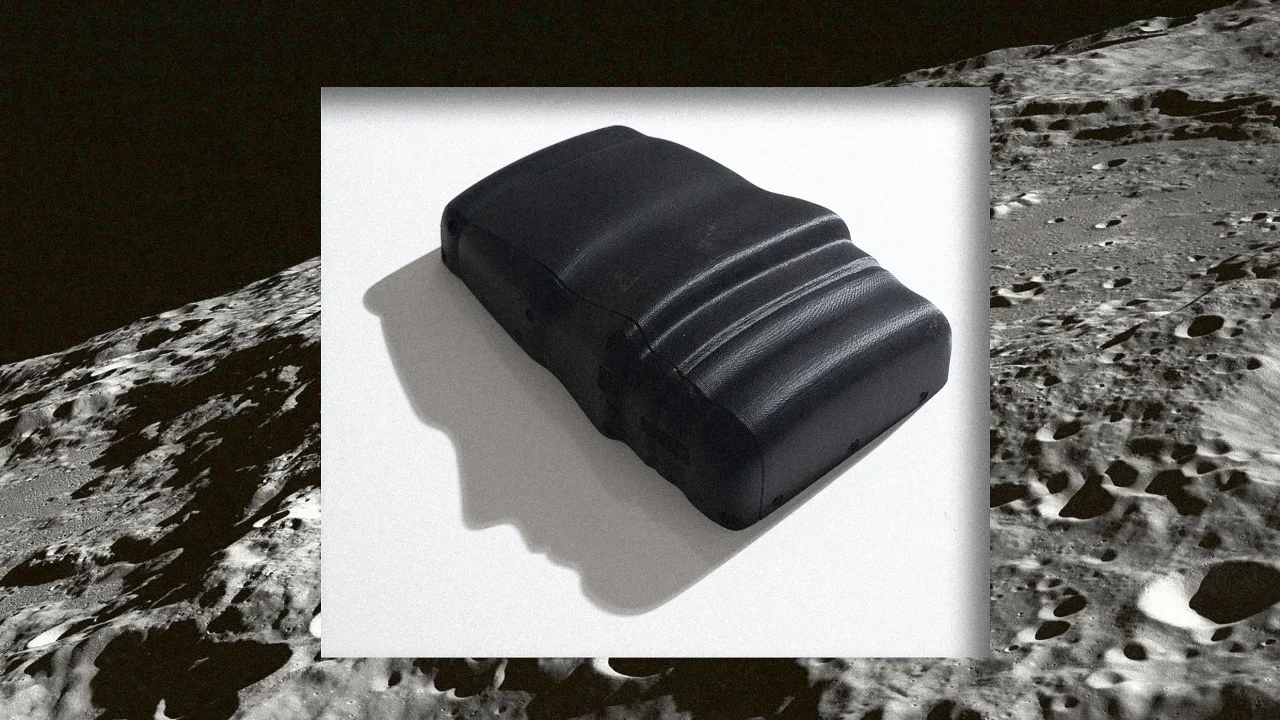
 Starchitecture is heading to the moon. A lunar design from the international architecture and design firm Bjarke Ingels Group (BIG) is part of a just-launched rocket mission that expects to land on the moon in early March. Not architecture per se, the design encases a shoebox-size data storage center that’s attempting to prove the concept of off-world disaster recovery services. Commissioned by Florida startup Lonestar Data Holdings, the solar-powered 8-terabyte data storage device is tacked onto the side of the lunar lander now making its way to the moon. A thin, 3D-printed object with sleek curves and a matte-black finish, BIG’s design sets a higher bar than the wire-jumbled scientific instruments typically seen on space missions. “As we prepare to return to the moon to stay, it is important that everything we do these coming years of lunar settlement is done with intention and care,” Bjarke Ingels, BIG founder and creative director, tells Fast Company. “We are laying the cornerstones of the lunar society we are about to establish. As such, every step of the way holds significance for the future.” [Image: Lonestar Data Holdings]The 10-by-7-inch device’s exterior is designed to cast shadows of the silhouetted faces of NASA astronauts Charlie Duke and Nicole Stott as the sun passes overhead. This may end up more of a design intention than a reality, as a photo of the lander shows the device crammed alongside other wiring and instruments with limited open space to cast those shadows. [Image: Lonestar Data Holdings]The data storage device is attached to the side of Athena, a lander developed by Houston startup Intuitive Machines (IM), through NASA’s Commercial Lunar Payload Services initiative. IM’s first lunar lander, Odysseus, made history in February 2024 by becoming the first commercial spacecraft ever to land on the moon. This new mission, IM-2, launched February 26 from NASA’s Kennedy Space Center in Florida on a Falcon 9 rocket from Elon Musk-owned SpaceX. Transit will take about one week, and the lander is expected to attempt lunar contact around March 6. The Athena lander is carrying NASA science investigations and technology demonstrations, including a drill and mass spectrometer that will measure the potential presence of volatiles or gases in the lunar soil, and a laser retroreflector array that can give future spacecraft a navigational reference point on the lunar surface. Also aboard the rocket carrying Athena is NASA’s Lunar Trailblazer, an orbiter that will map the different forms of water that exist on the surface of the moon, providing key information for future settlement and exploration. The data storage device has more modest implications for humanity. As a proof of concept for backing up data in case of terrestrial disaster, the solar-powered data center will operate for just one lunar day, or about two weeks here on Earth. Ingels argues that the project still merits a level of attention to design. “Even if modest in scale, this data center is one of very few artifacts designed to remain part of the lunar landscape for years to come,” he says. So while BIG’s design won’t actually be functional for very long, the device will become the first piece of high design to make it to the moon. It probably won’t be the last. View the full article
-
Decision comes as ministers bet on expansion of London’s airports to boost economic growth View the full article
-
Yope is the latest photo-sharing app vying to take on Instagram and TikTok. The pitch? A hybrid of a private Instagram and a group chat. While WhatsApp and Snapchat allow for group messaging and Instagram offers private accounts, Yope blends the best of both—creating a space where users can share photos exclusively with their chosen circles. Launched in September 2024, Yope has grown exponentially over the past six months, now boasting 2.2 million monthly active users and 800,000 daily active users, many of whom are in the investor-coveted Gen Z demographic. The company also claims that 40% of users are still active on the app seven days after installing it. According to TechCrunch, Yope has raised an initial seed round of $4.65 million on a valuation of $50 million. Users can create and name groups, invite friends, and post photos exclusively within those spaces. Each group features a wall where Yope’s machine-learning technology stitches images into a continuously evolving photo collage. The app also offers a lock screen feature similar to the app Locket, displaying the most recent shared photos. A Snapchat-like streak function boosts engagement, while the “recap” feature—akin to Google Photos and Apple’s Photos app—compiles shared images into a slideshow. Videos posted by Yope ambassadors on TikTok and Instagram have racked up more than 56 million views, and the company told TechCrunch that 70% to 80% of its users join through invites from friends. The app’s user base currently skews young, with an average age of 18. “Instagram and Snapchat have become platforms for curated content. While Gen Z users take a lot of photos, only 1% of them are shared,” Bahram Ismailau, Yope’s cofounder and CEO, told TechCrunch. Yope is betting on a shift away from public platforms like Instagram and X in favor of private, closed-group sharing—reminiscent of an earlier internet era. Other apps have tried to capture this nostalgia. BeReal (RIP) had its moment, while Poparazzi and Locket also attempted—and failed—to redefine social media’s halcyon days. The question is: Can Yope succeed where others have fizzled out, or is it just another fleeting challenger to Instagram and TikTok? View the full article

-
Right-wing influencer and his brother were being held on multiple charges including sexual exploitationView the full article
-
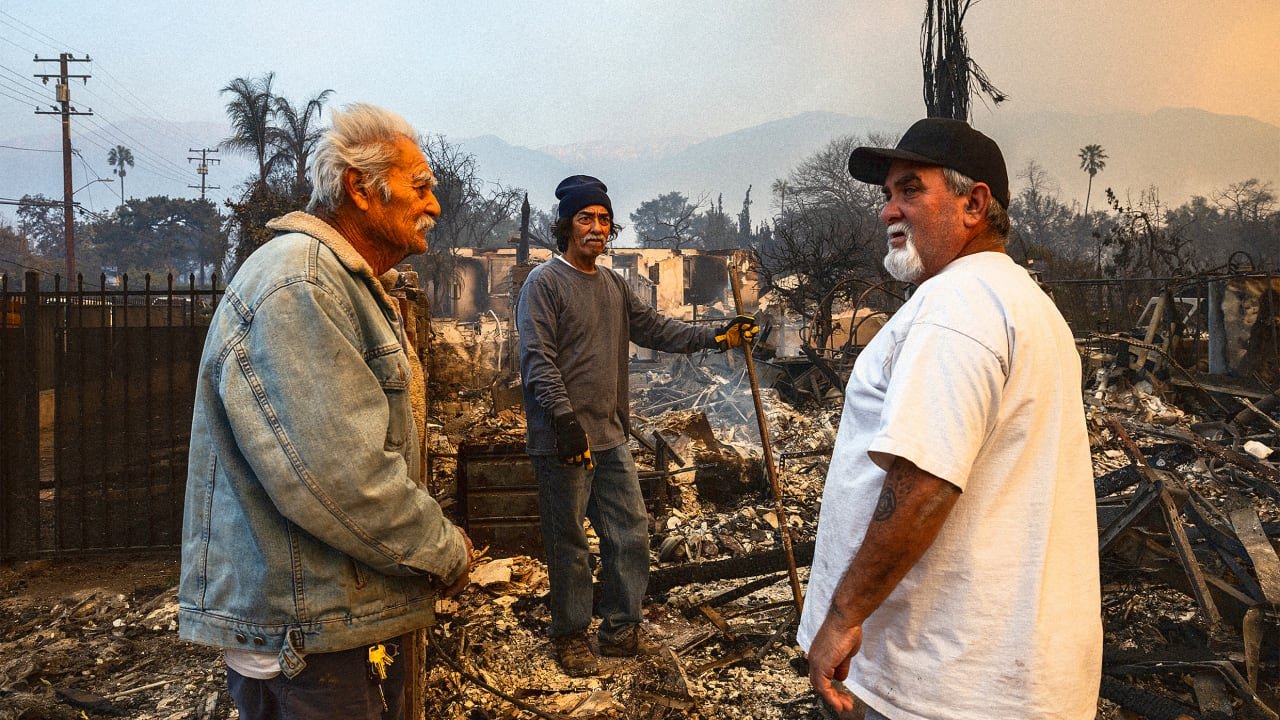
The dramatic images of wealthy neighborhoods burning during the January 2025 Los Angeles wildfires captured global attention, but the damage was much more widespread. Many working-class families lost their homes, businesses, and jobs. In all, more than 16,000 structures—most of them homes—were destroyed, leaving thousands of people displaced. The shock of this catastrophic loss has been reverberating across Southern California, driving up demand for rental homes and prices in an already unaffordable and competitive housing market. Many residents now face rebuilding costs that are expected to skyrocket. Climate-related disasters like this often have deep roots in policies and practices that overlook growing risks. In the Los Angeles area, those risks are now impossible to ignore. As the region starts to recover, communities have an opportunity to rebuild in better ways that can protect neighborhoods against a riskier future, but at the same time don’t price out low-income residents. Research shows that low-income residents struggle the most during and after a disaster. Disaster assistance also tends to benefit the wealthy, who may have more time and resources to navigate the paperwork and process. This can have long-term effects on inequality in a community. In Los Angeles County, where one-third of even moderate-income households spend at least half their income on housing, many residents may simply be unable to recover. My research at the University of San Diego focuses on managing risk in the face of climate change. I see several ways to design solutions that help low- and moderate-income residents recover while building a safer community for the future. Better building policies that recognize future risk Before a disaster, communities trying to adapt to climate change often prioritize protecting high-risk, high-value property, such as a beachfront or hillside neighborhood with wealthy homes. My own research also shows a trend toward incremental climate adaptations that don’t disturb the status quo too much and, as a result, leave many risks unaddressed. Climate risks are often underestimated, in part because of policy limitations and a political reluctance to consider unpopular solutions, such as restricting where people can build. Yet disasters once considered unimaginable, such as the Los Angeles wildfires, are occurring with increasing frequency. Making communities safer from these risks requires communitywide efforts. And that can mean making difficult decisions. Policy changes, such as updating zoning laws to prevent rebuilding in highly vulnerable areas, can avoid costly damage in the future. So can not building in risky areas in the first place. California already has some of the strictest wildfire-prevention codes in the country, but the same rules for new homes don’t apply to older homes. Communities can invest in programs to help these property owners retrofit their homes by offering grants or incentives to remove highly flammable landscaping or to “harden” existing homes to make them less vulnerable to burning. Research shows that resilience efforts can spur “climate gentrification,” or displacement due to increases in property values. So, focusing on affordability in resilience efforts is important. For long-term affordability and resilience, governments can collaborate with communities to develop strategies such as supporting Community Land Trusts through grants, low-interest loans, or land transfers; implementing zoning reforms to enable higher-density, climate-resilient affordable housing; and incentivizing green infrastructure to strengthen community resilience. In some cases, communities may have to consider managed retreat (moving people out of high-risk areas) but with adequate compensation and support for displaced residents to ensure that they can rebuild their lives elsewhere. [Image: Beverly Hills Fired Department] Making the risks clear through insurance Insurance rates can also encourage residents and communities to lower their risks. Yet in many places, insurance policies have instead obscured the risks, leaving homeowners less aware of how vulnerable their property may be. For years, insurers underpriced wildfire risk, driven by market competition. California policies also capped the premiums they could charge. As fire damage and rebuilding costs soared in recent years, insurers unwilling to shoulder more of the risk themselves pulled out of the state. That left countless Californians uninsured and hundreds of thousands reliant on the state-run insurance known as the FAIR Plan. The plan imposes caps on payouts and is now struggling to stay solvent, resulting in higher costs that insurers are expected to pass on to consumers. Insurance reforms could help reduce the financial burden on vulnerable populations while also lowering overall risk. To achieve this, the reforms could incentivize building more resilient homes in less risky areas. As seen with the L.A. fires, what your neighbor does matters. Reducing fire risk in each home can make entire neighborhoods safer. Insurers can provide a road map for how to reduce those risks, while state and local governments can provide assistance to retrofit homes and help ensure that insurance premiums remain affordable. There are also innovative approaches to fund resilience efforts that can include insurers. One example is New York’s Climate Change Superfund Act, which requires fossil fuel companies to finance climate adaptation efforts. Equipping communities with resilience hubs When disasters strike, local groups and neighbors play critical roles in stabilizing neighborhoods. But residents also need more specialized help to find housing and apply for disaster aid. Building resilience hubs in communities could help support residents before, during, and after disasters. The resilience hub in the Boyle Heights neighborhood of Los Angeles provides one model for what these spaces can achieve. It’s anchored in a community arts center with solar power and backup energy storage. Residents can drop in to cool down during heat waves or charge their phones during power outages. It also hosts community classes, including in disaster preparedness. During and after a disaster, resilience hubs can serve as central organizing points. They can provide crucial information, resources, and assistance with completing paperwork to access aid. Having access to skilled help in navigating what can be a complicated, time-consuming process is often critical, particularly for people who aren’t native English speakers. Getting assistance is also often critical for displaced renters, who may have little certainty about when or if they will be able to return to their homes. Understanding their legal rights can be confusing, and rising costs as rental housing is rebuilt can price them out of the market. Research shows that building a supportive community can provide a crucial social safety net when dealing with disasters and also boost the community’s social and economic well-being. Reframing policies for everyone The catastrophic L.A. wildfires were a powerful reminder that governments and communities need to think carefully about the risks they face and the role policies may play as they learn to live with greater fire risk. Building a resilient future in a warming world will require bold, innovative, and collective strategies that support communities while advancing equitable solutions. Nichole Wissman is an assistant professor of management at the University of San Diego. This article is republished from The Conversation under a Creative Commons license. Read the original article. View the full article

-
US president has threatened 25% duties on EU importsView the full article
-
It used to be that if you asked a classroom of kids what they want to be when they grow up, you’d get answers like “firefighter” and “astronaut.” These days, Gen Alpha dreams of becoming content creators. A survey of 910 U.S. Gen Alpha kids (ages 12 to 15) by social commerce platform Whop found that nearly a third want to be YouTubers, while one in five aspire to become TikTok creators. Content creation isn’t their only ambition—19.1% also expressed interest in becoming mobile app or video-game developers. While the “iPad kid” generation is learning plenty from screen time, many feel their schools aren’t keeping up with the rise of digital careers. More than half of Gen Alpha say they feel unprepared by their education when it comes to building a personal brand and online presence—key components of a successful online career. “Everyone wants to be a content creator, especially kids who have grown up online. They can see the opportunities that exist to make money, find a community, and build a following,” says Cameron Zoub, Whop cofounder and chief growth officer. “[For] a 15-year-old today, if you have a laptop, there’s a million ways to make money on the internet.” Long gone are the days of lemonade stands and car washes. Gen Alpha sees real earning potential in streaming video games, selling products online, reviewing brands, securing sponsorships, and even competing in esports tournaments. Entrepreneurship is also on the rise. More than one in six Gen Alpha kids aspire to start their own business, with many already earning hundreds of dollars annually, despite being too young for traditional jobs. Brands are taking notice too: Nearly a quarter of Gen Alpha report that either they or someone they know has been approached for a sponsorship deal. With mid-tier YouTubers charging $5,000 to $10,000 per brand partnership, that’s some serious pocket change. View the full article

-
This post was written by Alison Green and published on Ask a Manager. It’s five answers to five questions. Here we go… 1. My boss told me to bring my sick four-year-old to work with me I want to start off by saying I am the absolute backbone of our store and everyone, including my boss, knows it. My boss has the flu right now and my four-year-old has been sick. She woke up crying, feverish, snotty, etc. I texted my boss at 4 am (I was scheduled to open at 10:30 am) explaining that my child’s sickness had taken a turn for the worse and asked if there was a possibility that anyone else could cover. She responded that there was no one besides me who could work and I would just have to bring my sick daughter with me. I’d been up all night with my child as well, which I also stated to my boss. I don’t feel like this is fair. My sales are the highest, I feel I work the hardest, and I’m often told how great I am. Even corporate has reached out to me about my amazing sales. Am I overreacting? No, you’re not overreacting. It’s not reasonable to expect to you bring a sick child to work (nor would customers be likely to appreciate it). I think where you erred, though, was in asking if you could take a sick day. If we had a time machine, I’d send you back in it to instead say, “Jane is very sick and I’ve been up all night with her, so I won’t be able to open the store today.” Don’t ask, which implies you’re open to hearing “no” — say you wouldn’t be there and why (just like you’d presumably do if you yourself were throwing up or in the ER or so forth). There are some situations where you simply cannot come to work because of sickness, period. In those cases, it’s better not to cloud the situation by presenting it as optional. 2. My coworkers saw porn on my phone’s lock screen I graduated from college last May and got my first office job. I have my work iPhone and my personal phone. I only ever use my work phone for work things, of course, but my problem came from my personal phone. I downloaded something on my personal phone so that every time I turn on the screen, the lock screen background is an AI porn pic. A new pic comes up every time. Aside from obvious benefits, this motivates me to never take out my phone at work. I won’t even check my phone until I get to my car. (The reduced phone use was my New Year’s resolution, and it has made me noticeably mentally sharper.) But today, my phone was ringing from my backpack while I had three coworkers in my cubicle talking about a project. I usually keep it on silent but forgot this time. It kept ringing, and one of them asked if I needed to get it. I said no, and tried to turn my phone on silent with my hand still in the backpack while I peeked inside it. One asked why I didn’t just take my phone out, and I said it was fine. But I was struggling to hold the backpack and unlock my phone at the same time, and the backpack slid down and fell on the floor with my phone still in my hand. The porn was only there for a split second, but everyone there saw it. Everyone went dead silent, and they were looking between me and each other. I put the phone away immediately and tried to start up the previous conversation again, but everyone was giving minimal answers. The meeting ended shortly after that. After half an hour of silently panicking in my cubicle, I said I was sick and left to work from home the rest of the day. I’m working from home the rest of the week. I have no idea what to do. I hate how everyone is judging me for something that is not deontologically bad, but I never would’ve shown it at work. Everyone is looking at me like they think something’s wrong with me, and I’m terrified it will get to my manager. Will I lose my job? Does everyone hate me? What do I do now!? First and foremost, you should take the porn off your phone’s lock screen. Yes, you didn’t intend to have it out at work but, as this experience showed, there are ways that can still happen and the consequences are too severe if it does. Moreover, even if you never intended to bring your phone out while you were there, you were bringing pornographic material into your workplace! Find another way to reduce your phone use. (That’s before we even get into the reality that as you go about your non-work life and are using your personal phone, you’re probably exposing other people to pornography against their will, which really isn’t okay to do.) As for work … all you can really do is to make a point of being scrupulously professional from here on out. It’s unlikely that people hate you, although some of them might feel a little icky around you for a while until that impression gets overridden. You’re probably not going to get fired (although you might get spoken to about what is and isn’t appropriate to have at work). But yeah, you made people really uncomfortable because you exposed them to something sexual against their will! Demonstrate through your actions that it was out of character and that you’re professional and respect boundaries, and it shouldn’t be impossible to live down. 3. Can my out-of-office messages say that emails sent while I’m out will be deleted? I am going on vacation for just over two weeks with my husband — our first decent holiday since before the pandemic. Given the amount of emails I normally receive (about 100 daily), I want to leave an out-of-office that will politely say that I will not be reading my emails and therefore they will effectively be deleted. I will give details of a team member who can handle urgent requests (which she is happy to do) but beyond that I would just want to ask people to resend anything non-urgent on the date after my return. I have seen OOO emails along these lines but sometimes they come across as a bit aggressive. What is your advice on how to word this? This will be the first time in 17 years I haven’t taken work or my laptop away with me and I so need the break. And also not to come back to several hundred emails to wade through! There are jobs and companies where you could do this and jobs and companies where you couldn’t, so the first thing to figure out is whether this will be okay in your job and in your company. In some jobs, this would be seen as off-putting to clients (since it puts the burden on them to remember to contact you again in X days, which won’t necessarily be seen as reasonable or client-friendly) and/or out of sync with your company’s culture, or it might result in you missing things you really needed to know (if someone doesn’t bother to resend later as instructed, which is highly likely in some cases, especially since a lot of people don’t pay attention to the actual content of OOO messages). So you really need to know if it’s going to be been seen as reasonable in your office. If you’re not sure, ask your boss. But if you’re confident it’s fine in your particular context, then I’d word it the message way: “Emails sent to this address March 10-21 will not be read. For anything urgent during that time, please contact X at Y. Otherwise, please resend your message after March 21.” Related: my colleague’s auto-reply says she might never answer your email 4. Using an inhaler during a job interview For reasons I won’t go into, my employer is in the process of downsizing. I am currently a full-time, salaried employee, but within the next month I will either be changed to a part-time hourly employee or let go. I am actively looking for a new full-time role, and my employer is supportive of my job search. My issue is that recent cold winter weather, work stress, and other stressors have caused my asthma to flare up. Currently, it is difficult for me to speak more than a few words before I start wheezing. My doctor’s advice has been to continue my daily medication and use my rescue inhaler as needed, which I have been doing. This is a flare-up, it will eventually pass. Do you have any tips on how to navigate job interviews when I will likely start wheezing and need to use my inhaler in the middle of the interview? Is it appropriate to let the hiring manager know ahead of time via email that I’m okay, I’m healthy, I’m just having a temporary flare-up and they shouldn’t be alarmed if I have to use my inhaler during the interview? At the level I’m at in my career, interviews could easily last up to an hour. You can absolutely let them know that. At the start of the interview, you could say, “I’m having a temporary asthma flare-up from the weather. It’s nothing to worry about, but I might need to use my inhaler at some point while we’re talking and I don’t want you to be alarmed if that happens.” People will generally take their cues from you on this kind of thing, so the more your vibe is “I have this under control,” the more likely they are to take it that way. 5. Should my resume have an objective at the top? I am applying for an internal department director position at my organization. I’m doing a redesign of my resume since it’s been a while. Is it appropriate to put “Objective” at the top? I’m seeing this in a lot of templates, but it seems like overkill to me – I mean, the objective to get the position, is it not? Objectives at the top of resumes were outdated 15 years ago, and it’s bizarre that they’re still showing up in resume templates. You do not need one, and should not use one. They’re unnecessary, take up valuable real estate that’s better spent on something more important, and will look dated. View the full article
-
US president’s taunts galvanise governing party and upend Conservative opposition’s strategyView the full article
-
Error fed into data set used by watchdog in review of UK’s cash savings marketView the full article
-
The suspension of billions in US aid has brought the global development sector to its knees. The fight against Aids was hit hardest View the full article
-
US asset manager previously managed all of The People’s Pension’s £33bn in assets View the full article
-
IRS Chief Operating Officer Melanie Krause will assume the role of acting IRS Commissioner following the retirement of Doug O’Donnell, the Internal Revenue Service’s acting Commissioner since January, the U.S. Department of the Treasury announced. O’Donnell, who has spent 38 years at the IRS, plans to retire on Friday after serving in multiple leadership roles, including as Acting Commissioner from November 2022 to March 2023. “On behalf of the Treasury Department, I want to thank Doug O’Donnell for his decades of public service and dedication to the nation’s taxpayers,” said Treasury Secretary Scott Bessent. “He has been a remarkable public servant, and I wish him the best in retirement. At the same time, Melanie Krause and the agency’s leadership team are well positioned to serve during this critical period for the nation in advance of the April tax deadline.” O’Donnell expressed confidence in his successor, saying, “The IRS has been my professional home for 38 years. I care deeply about the institution and its people and am confident that Melanie will be an outstanding steward of the Service until a new Commissioner is confirmed.” Krause has served as the IRS Chief Operating Officer since April 2024, overseeing operations that include finance, risk management, facilities, human resources, procurement, privacy, and research. Before taking on this role, she was the IRS Deputy Commissioner of Operations Support, where she led key operational functions. Krause joined the IRS in October 2021 as Chief Data & Analytics Officer, overseeing research, applied analytics, and statistics and advancing AI and analytical research initiatives. She later served as Acting Deputy Commissioner for Services and Enforcement from November 2022 to March 2023. Prior to her tenure at the IRS, Krause spent 12 years in the federal oversight community, including positions at the Government Accountability Office and the Department of Veterans Affairs Office of Inspector General. In addition to her work in tax administration, Krause is a licensed registered nurse and holds bachelor’s, master’s, and doctoral degrees from the University of Wisconsin-Madison. As acting Commissioner, Krause will manage the agency’s priorities leading up to the April tax deadline while maintaining oversight of its operational functions. The IRS has yet to announce a timeline for appointing a permanent Commissioner. O’Donnell’s departure marks the end of a career spanning nearly four decades. Krause will serve as acting Commissioner until a new appointment is confirmed. This article, "Krause Appointed Acting IRS Commissioner as O’Donnell Retires" was first published on Small Business Trends View the full article
-
IRS Chief Operating Officer Melanie Krause will assume the role of acting IRS Commissioner following the retirement of Doug O’Donnell, the Internal Revenue Service’s acting Commissioner since January, the U.S. Department of the Treasury announced. O’Donnell, who has spent 38 years at the IRS, plans to retire on Friday after serving in multiple leadership roles, including as Acting Commissioner from November 2022 to March 2023. “On behalf of the Treasury Department, I want to thank Doug O’Donnell for his decades of public service and dedication to the nation’s taxpayers,” said Treasury Secretary Scott Bessent. “He has been a remarkable public servant, and I wish him the best in retirement. At the same time, Melanie Krause and the agency’s leadership team are well positioned to serve during this critical period for the nation in advance of the April tax deadline.” O’Donnell expressed confidence in his successor, saying, “The IRS has been my professional home for 38 years. I care deeply about the institution and its people and am confident that Melanie will be an outstanding steward of the Service until a new Commissioner is confirmed.” Krause has served as the IRS Chief Operating Officer since April 2024, overseeing operations that include finance, risk management, facilities, human resources, procurement, privacy, and research. Before taking on this role, she was the IRS Deputy Commissioner of Operations Support, where she led key operational functions. Krause joined the IRS in October 2021 as Chief Data & Analytics Officer, overseeing research, applied analytics, and statistics and advancing AI and analytical research initiatives. She later served as Acting Deputy Commissioner for Services and Enforcement from November 2022 to March 2023. Prior to her tenure at the IRS, Krause spent 12 years in the federal oversight community, including positions at the Government Accountability Office and the Department of Veterans Affairs Office of Inspector General. In addition to her work in tax administration, Krause is a licensed registered nurse and holds bachelor’s, master’s, and doctoral degrees from the University of Wisconsin-Madison. As acting Commissioner, Krause will manage the agency’s priorities leading up to the April tax deadline while maintaining oversight of its operational functions. The IRS has yet to announce a timeline for appointing a permanent Commissioner. O’Donnell’s departure marks the end of a career spanning nearly four decades. Krause will serve as acting Commissioner until a new appointment is confirmed. This article, "Krause Appointed Acting IRS Commissioner as O’Donnell Retires" was first published on Small Business Trends View the full article
-
eBay has introduced a series of user experience (UX) enhancements designed to help shoppers find local listings and fast-shipping items more efficiently. The updates include improved delivery estimates, new search filters, and clearer retail standards, making it easier for customers to make informed purchasing decisions. eBay has leveraged artificial intelligence to improve the accuracy of delivery estimates, addressing the challenges posed by its decentralized seller network. By analyzing factors such as a customer’s proximity to an item, the chosen shipping service, the seller’s shipping history, and real-time data synchronization, eBay has enhanced its predictive capabilities for delivery times. Search item cards now prominently display estimated delivery ranges for both free and paid fast shipping options. This allows customers to quickly identify items that can arrive within their desired timeframe. To further streamline the shopping experience, eBay has introduced a “Shipping and pickup” filter. This feature enables customers to easily locate items with fast delivery options, categorized as: U.S.: 2-4 days UK & Germany: 1-3 days By consolidating multiple shipping options into a single filter, eBay aims to simplify the search process and provide greater transparency on delivery times. Recognizing the growing demand for local pickup and same-day options, eBay has enhanced its local pickup feature by displaying precise driving distance on item cards. This update helps buyers assess whether a local purchase is convenient before committing to a transaction. The Shipping and pickup filter, introduced earlier this year, has also been updated to integrate various delivery options, including Free shipping, Local pickup, and Click & Collect, into a single streamlined search tool. In an effort to simplify the shopping experience, eBay has launched the eBay Top-Service badge in Germany. This new designation highlights listings that meet high-quality retail standards, such as fast and free shipping, free returns, and trusted sellers. The initiative replaces overlapping labels like “eBay Plus” and “eBay Garantie,” providing clearer signals to buyers. This article, "eBay Enhances Local and Fast-Shipping Shopping Experience with New UX Updates" was first published on Small Business Trends View the full article
-
eBay has introduced a series of user experience (UX) enhancements designed to help shoppers find local listings and fast-shipping items more efficiently. The updates include improved delivery estimates, new search filters, and clearer retail standards, making it easier for customers to make informed purchasing decisions. eBay has leveraged artificial intelligence to improve the accuracy of delivery estimates, addressing the challenges posed by its decentralized seller network. By analyzing factors such as a customer’s proximity to an item, the chosen shipping service, the seller’s shipping history, and real-time data synchronization, eBay has enhanced its predictive capabilities for delivery times. Search item cards now prominently display estimated delivery ranges for both free and paid fast shipping options. This allows customers to quickly identify items that can arrive within their desired timeframe. To further streamline the shopping experience, eBay has introduced a “Shipping and pickup” filter. This feature enables customers to easily locate items with fast delivery options, categorized as: U.S.: 2-4 days UK & Germany: 1-3 days By consolidating multiple shipping options into a single filter, eBay aims to simplify the search process and provide greater transparency on delivery times. Recognizing the growing demand for local pickup and same-day options, eBay has enhanced its local pickup feature by displaying precise driving distance on item cards. This update helps buyers assess whether a local purchase is convenient before committing to a transaction. The Shipping and pickup filter, introduced earlier this year, has also been updated to integrate various delivery options, including Free shipping, Local pickup, and Click & Collect, into a single streamlined search tool. In an effort to simplify the shopping experience, eBay has launched the eBay Top-Service badge in Germany. This new designation highlights listings that meet high-quality retail standards, such as fast and free shipping, free returns, and trusted sellers. The initiative replaces overlapping labels like “eBay Plus” and “eBay Garantie,” providing clearer signals to buyers. This article, "eBay Enhances Local and Fast-Shipping Shopping Experience with New UX Updates" was first published on Small Business Trends View the full article
-
Every quarter is a new nail-biter for the chipmakerView the full article
-
The AI start-up’s models are being rapidly adopted by state-owned enterprises, hospitals and local governments View the full article
-
The Fast Company Impact Council is a private membership community of influential leaders, experts, executives, and entrepreneurs who share their insights with our audience. Members pay annual membership dues for access to peer learning and thought leadership opportunities, events and more. AI and energy are two of the most critical forces shaping the future of our planet—and their relationship is impossible to ignore today. From the significant power consumption of data centers to the growing energy requirements of AI-driven applications, the rapid adoption of AI is driving a surge in global energy demand that is outpacing the growth of renewable energy sources. This presents a crucial challenge: How to balance the environmental impact of this technology with the transformative potential it holds? The solution is more AI. Transform the environmental impact of energy production As I explored in my recent article, technologies like cloud, edge computing, and AI are reducing the carbon intensity of oil and gas production today while helping to advance the new energy systems of tomorrow. For example, consider the parallels between data intelligence for energy operations and autonomous vehicles. Much like how self-driving cars interpret real-time data about other drivers and traffic conditions to make decisions, AI-enabled devices in the oil field interpret data from wells and facilities in the network to take proactive and autonomous actions. This ensures that operations stay in the “sweet spot,” unlocking significant productivity gains while reducing costs and carbon emissions. This is only the beginning. Soon, AI will enable optimization throughout the entire production life cycle—from subsurface exploration to field development and production operations. This will allow us to optimize assets in real time, marking a significant step forward in energy production while maximizing performance and sustainability. But to realize this vision, we must unleash the full potential of AI across our industry. It must evolve from a digital tool that supports individual tasks into a fundamental capability set woven into the very fabric of our planning, decision making, and operations. AI will be the X factor for our industry. It has the potential to fundamentally transform the environmental impact of energy production. But for this to happen, we can’t rely on traditional AI and machine learning workflows. We need tailor-made solutions to meet the unique demands of the energy industry. Enter engineered AI. Engineered AI: AI for the energy industry The AI lexicon is constantly expanding and now includes everything from narrow AI to general AI to superintelligent AI, alongside the now ubiquitous generative AI. However, the unique challenges of the energy industry demand a specialized approach. To address them effectively, we at SLB propose “engineered AI”—a specialized approach to AI development focused on solving the energy sector’s most pressing challenges. Now, you may ask, “Do we really need more AI?” Well, consider this: Before a single barrel of oil or cubic foot of gas is produced, vast amounts of data are generated, analyzed, and acted upon. In fact, a single well can produce more than 10 terabytes of data per day, roughly equivalent to half of the text content in the U.S. Library of Congress. Engineered AI is purpose-built to address these complexities. It combines machine learning and generative AI with energy-specific data, physics-based modeling, and the deep domain expertise of the scientists and engineers across our industry. With open, secure, and adaptable architectures, we can unlock decades of historical data to drive innovation across the industry. As engineered AI evolves, it will enable the industry to rapidly accelerate and derisk processes such as reservoir design and management, construction of wells and facilities, and asset maintenance and performance. Ultimately, this will result in greater efficiency, reduced costs, and lower carbon emissions across the entire energy value chain. AI for the energy transition While engineered AI will be critical for improving performance and reducing emissions in the oil and gas industry today, it will also play a key role in scaling the low carbon solutions of tomorrow. Leveraging decades of subsurface data, we are already developing engineered AI solutions to identify optimal locations for carbon capture and storage and geothermal energy developments. This represents a significant step forward in reducing industrial emissions and accelerating the transition to clean, renewable energy systems. And as engineered AI capabilities mature, its impact will continue to accelerate. So, while the rapid growth of AI undoubtedly introduces new complexities to the global energy mix, I believe AI will unlock new opportunities, becoming one of our most valuable tools in delivering secure, affordable, and sustainable energy for all. When we get it right, AI isn’t just technology. It’s the key to a world with more energy and less emissions. Rakesh Jaggi is president of Digital & Integration at SLB. View the full article

-
Pixel users will soon get an extra layer of protection against malicious calls and texts, as Google's AI-powered, real-time scam detection is rolling out widely next month. The Gemini Nano feature, which is coming to both Google Messages and Phone by Google, runs in the background and will alert you mid-call if it identifies "conversation patterns commonly associated with scammers." You'll hear a beep at the beginning of possible scam calls to indicate that the conversation is being monitored, with subsequent beeps sounding every few minutes. You'll also see an on-screen prompt when suspicious activity has been detected, with options to "End call" or mark "Not a scam." For messages, possible scam texts will be automatically moved to your Spam & blocked folder. Google says that the feature works on-device only and will not save or record any call or message content. Google rolled out live threat detection for spotting malicious apps on your Pixel late last year (the same time that Scam Detection launched in a public beta). That feature alerts you to suspicious apps—specifically, "stalkerware" that scrapes your personal data—in real time so you can evaluate and delete them if needed. How to enable scam detection on your PixelOnce scam detection is widely available in March, you can activate the feature for calls in your settings. Open Phone by Google Settings > Scam Detection and toggle scam detection on. To enable detection and filtering for spam texts in Google Messages, go to Messages Settings > Spam protection. Of course, threat and scam detection features don't absolve users of the responsibility to follow basic security best practices when it comes to calls, messages, and apps. Be wary of calls and texts from numbers you don't know, and don't engage with anyone requesting urgent action, such as providing sensitive information, sending money, or downloading software or apps to your devices. Don't click links in suspicious texts or emails, and always go directly to the website for the bank or institution to locate contact information. View the full article
-
Research suggests that Google doesn't index over 50% of pages, though indexing rates are improving The post Data Suggests Google Indexing Rates Are Improving appeared first on Search Engine Journal. View the full article
-
Do you remember a time when the internet was a more chaotically personal place? When the experience of using social media wasn't so uniform? SkySpace seeks to recapture those days. The site transforms your Bluesky profile into a Myspace-esque page, complete with backgrounds, music, and a section for your top eight friends. I kind of love it. "I miss when social media was more about being social and less about media," wrote Ste Curran, who built the site, in the project's FAQ. "I miss the personality, the ugliness, the chaos, the feeling of planting a flag in tiny part of the internet and saying 'this is mine'." And SkySpace certainly delivers there, allowing you to customize basically every aspect of your profile page. Choose any image on the web as your background—including animated GIFs—and tweak the fonts, color scheme, and borders. Add a song to your profile using a Spotify, Soundcloud, or Apple Music link. List your interests. There's even a version of MySpace "friends"—complete with an optional top eight. You can view the SkySpace version of any Bluesky profile, but most of them are boring. To make yours interesting you need to sign in—head to the Skyspace homepage, type your Bluesky handle in the top-right corner, then click "Log In". You will be asked by Bluesky to authorize SkySpace; do that, and you're in. You can now click the various edit buttons to really tweak your profile. Credit: Justin Pot You can link to any image on the web to add it to the background, then choose how the image will be positioned. You can choose the color of each panel, and its transparency. You can choose the thickness and style of the line around each panel. You can even change the text font and color. Hit Submit, and the change will stick. (The way this happens is pretty interesting. Your options are actually turned into a Bluesky post as a reply. SkySpace doesn't store any of your settings on its own servers—the service just scans profiles for relevant posts and renders the page using them. As the FAQ explains it: "When you edit a section the site creates a new post tagged with #skyspace and sends it as a reply to a dead account, @skyspacenull. That effectively hides each post from your followers but SkySpace can see them, parse them and turn them into something beautiful/horrific/beautiful to you.") Explore the rest of your page and tweak everything you can. You can add a quote, a location, blurbs, a song, and even a list of interests. All of this will feel vary familiar to MySpace veterans, as will the friends section at the bottom: Credit: Justin Pot This is populated entirely from your mutuals on Bluesky—people you follow who also follow you back. You can optionally choose which eight people show up here, bringing back the most important decisions one could make on the internet in 2005: Who deserves a spot in your top eight? This site doesn't really return us to the friendlier, simpler internet of two decades ago—if only!—but it's a nice reminder of the chaos and customization we once took for granted. I recommend checking it out. View the full article
-
Treasuries gained for a sixth straight session. Morgan Stanley say the 10-year has scope to fall back below 4% if the prevailing view on the Fed shifts. View the full article

-
Suzy Levian, founder of Suzy Levian New York, has announced the launch of EmpowerHer, a new initiative designed to provide financial and mentorship support to female entrepreneurs. Timed to coincide with Women’s History Month, the program aims to remove financial barriers and help women grow their businesses through grants, scholarships, and networking opportunities. Breaking Barriers for Women in Business Levian, a self-made entrepreneur in the jewelry industry, created EmpowerHer to give back to women facing the same challenges she once overcame. “Amidst the hardships of founding my own business while raising my six children, I found strength in the confidence of all the women who supported me and had faith in my success,” said Suzy Levian. “Now, I want to do the same for others.” The initiative goes beyond financial assistance, offering mentorship programs, business development resources, and networking support to women across various industries. Whether launching a startup, expanding a business, or pursuing financial independence, EmpowerHer seeks to equip women with the resources they need to succeed. A Commitment to Lasting Change EmpowerHer reflects Levian’s broader mission of empowering women to embrace their strength, pursue their goals, and overcome industry barriers. By fostering a network of female entrepreneurs, the program aims to encourage collaboration, create business growth, and inspire the next generation of women leaders. For more information on EmpowerHer, including application details, visit www.suzylevian.com. About Suzy Levian Levian, the first woman in her family’s 500-year-old jewelry legacy to establish her own business, has built a brand centered on empowerment and resilience. Known for her designs featuring The Secret Diamond, a hidden gem symbolizing inner beauty and strength, Levian’s work extends beyond jewelry into home décor and fashion. Her brand, Suzy Levian New York, is available in major department stores and top retailers nationwide. This article, "Suzy Levian Launches EmpowerHer to Support Women Entrepreneurs" was first published on Small Business Trends View the full article
-
Suzy Levian, founder of Suzy Levian New York, has announced the launch of EmpowerHer, a new initiative designed to provide financial and mentorship support to female entrepreneurs. Timed to coincide with Women’s History Month, the program aims to remove financial barriers and help women grow their businesses through grants, scholarships, and networking opportunities. Breaking Barriers for Women in Business Levian, a self-made entrepreneur in the jewelry industry, created EmpowerHer to give back to women facing the same challenges she once overcame. “Amidst the hardships of founding my own business while raising my six children, I found strength in the confidence of all the women who supported me and had faith in my success,” said Suzy Levian. “Now, I want to do the same for others.” The initiative goes beyond financial assistance, offering mentorship programs, business development resources, and networking support to women across various industries. Whether launching a startup, expanding a business, or pursuing financial independence, EmpowerHer seeks to equip women with the resources they need to succeed. A Commitment to Lasting Change EmpowerHer reflects Levian’s broader mission of empowering women to embrace their strength, pursue their goals, and overcome industry barriers. By fostering a network of female entrepreneurs, the program aims to encourage collaboration, create business growth, and inspire the next generation of women leaders. For more information on EmpowerHer, including application details, visit www.suzylevian.com. About Suzy Levian Levian, the first woman in her family’s 500-year-old jewelry legacy to establish her own business, has built a brand centered on empowerment and resilience. Known for her designs featuring The Secret Diamond, a hidden gem symbolizing inner beauty and strength, Levian’s work extends beyond jewelry into home décor and fashion. Her brand, Suzy Levian New York, is available in major department stores and top retailers nationwide. This article, "Suzy Levian Launches EmpowerHer to Support Women Entrepreneurs" was first published on Small Business Trends View the full article