ResidentialBusiness
Administrators
-
Joined
-
Last visited
Everything posted by ResidentialBusiness
-
 Pending sales of existing US homes slumped to a record low in January as severe winter weather slowed activity and consumers balked at high prices and mortgage rates ahead of the vital spring selling season. View the full article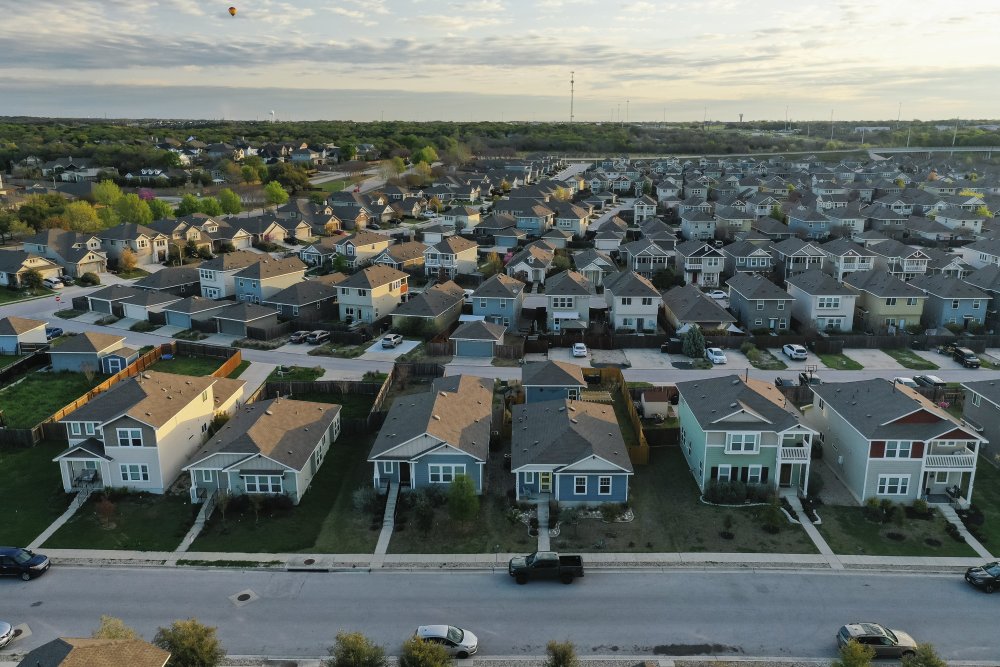
-
The grandson of the PulteGroup founder did not elaborate on plans for a much-anticipated government-sponsored enterprise exit from conservatorship. View the full article
-
We may earn a commission from links on this page. Sony's PlayStation VR 2 headset is getting a permanent price price drop this March, down to $400 from $550. That'll include the headset, the controllers, and a pair of wired earbuds—but is that a deal worth getting excited over? Well, for Sony, maybe. The price cut comes a year after Bloomberg reported that Sony had stopped making new PSVR 2 units and shifted efforts towards getting rid of excess stock. That points to lower-than-expected sales for the peripheral, and it's easy to see why. Sony's VR loyalists were surprised to hear when the headset came out, for instance, that it would not work with the existing library of games built for PSVR 1. That's because the PSVR 2 uses improved tracking technology and controllers compared to Sony's first crack at virtual reality, but still, the difference meant gamers had to rebuy their entire libraries, or just ditch games that hadn't been ported to the new headset altogether. This means PSVR 2 gamers have a slightly smaller selection of games than on other systems, with little assurance that their games will continue to work as hardware gets upgraded. Even Sony mascot Astro Bot has yet to come to the new system, with Astro Bot Rescue Mission still being stuck on the PSVR 1. That doesn't mean the headset is totally unworthy of the upgrade, though. It has a higher resolution than the PSVR 1, with a higher field-of-view, more precise controllers, and the addition of eye tracking. Having tried it myself, I was pretty happy with the experience, but I didn't see much to use it on with the PS5. Luckily, in the time sense its release, Sony has made the PSVR 2 available for PC, with the release of a $60 adapter. That just about fixes the library issue, assuming you have a VR-compatible PC, but it also opens the headset up to increased competition. Namely, while the PSVR 2 is well-priced compared to luxury PCVR headsets like the Valve Index (which can reach upwards of $930), it still has to compete with the likes of the Meta Quest 3 and 3S, which also work with PC. Compared to those other devices, whether this price drop is a good deal comes down to your priorities. It's still more expensive than the Quest 3S ($300), but it has higher-resolution displays and a built-in halo strap, something that I find more comfortable than the default Quest strap. On the other hand, it doesn't have a processor for standalone gaming and loses out on Meta exclusives like Batman: Arkham Shadow. The PSVR 2 is cheaper than the regular Quest 3 ($500), but you do get those same downsides plus slightly lower-resolution screens. However, the PSVR 2's screens are OLED, and again, it's pretty comfortable right out of the box (I've swapped the default Quest 3 strap for an aftermarket halo strap, which cost me $50). Personally, I'd prefer to see another $50 chopped off before I start recommending it, but it could work in the niche case where you don't care about standalone play and just want a comfortable PCVR headset that can occasionally also come to the living room to play the odd Sony exclusive, like Horizon Call of the Mountain. Bloomberg has also reported that Apple might soon adopt the PSVR 2's controllers for use with the Apple Vision Pro, so getting a set now could get you ahead of the game if you plan to upgrade later on. Note that the exact start date for the price drop might vary based on region, according to Sony's blog, so be sure to check your local retailer before purchasing. View the full article
-
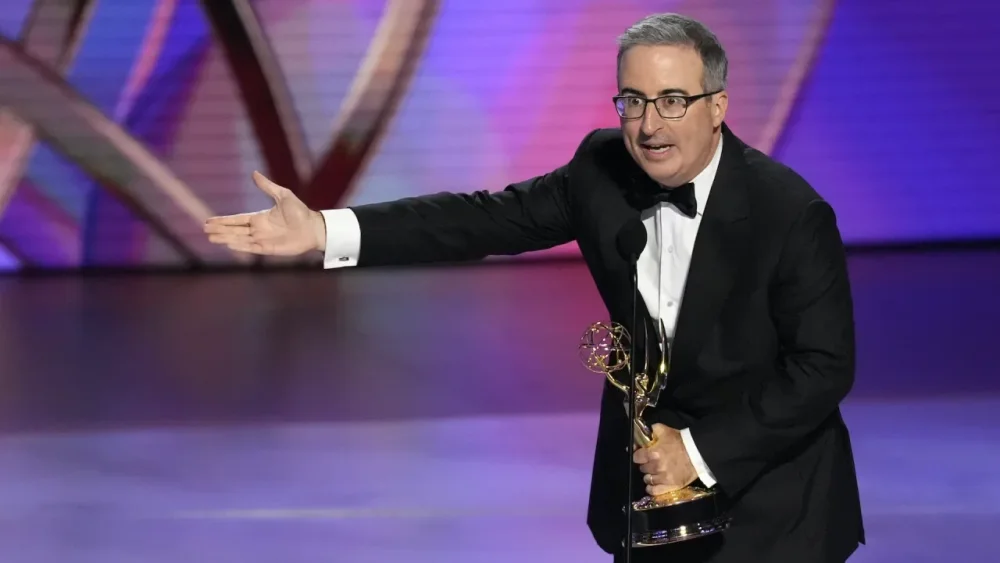
The deadly Los Angeles wildfires had just begun when Comic Relief U.S.’s new CEO took the helm at the charity that uses entertainment to combat poverty. Michele Ganeless noticed Hollywood’s response all the way from New York. She saw late-night TV host Jimmy Kimmel turn his show’s backlot into a donation center. The Largo, an intimate nightclub featuring A-list comedians, hosted benefit performances. Inspired, Ganeless saw an opportunity to help out from the nation’s other cultural hub through “Stand-Up for LA.” “The goal was to help the New York comedy community give back,” Ganeless said of the March 3 comedy event including Jon Stewart, John Oliver, Ramy Youssef and Hannah Berner at The Town Hall in Manhattan. “Everybody has their own special connection,” she added. “But, obviously, in the entertainment community and the comedy community, there is a New York-LA connection.” Disasters tend to elicit widespread support for those impacted and researchers say meaningful relationships drive charitable donations. The six weeks since Los Angeles’ most destructive wildfires have proven no different. FireAid raised an estimated $100 million with performances from dozens of popular musical acts. But the unique relationship between the United States’ two largest cities has been evident in the fundraisers organized by New York’s entertainment, creative and hospitality industries — motivated by their professions’ bicoastal ties. Comic Relief US’ grantees on the ground — including actress Taraji P. Henson’s foundation dedicated to marginalized communities’ mental health, youth homelessness nonprofit Covenant House and The Boys & Girls Club — are helping the nonprofit determine the areas of greatest need. Berner, a former reality show cast member who has become a fixture of internet comedy, promised a fun night at “Stand-Up for LA” and called it “a joy” to also fundraise for families. “I was born and raised in New York and have seen others rally for us when we needed it,” Berner said in a statement. “And now it’s our turn to show up for L.A. during their difficult time.” TV personality Andy Cohen is offering fans the chance to be guests at a New York taping of Bravo’s “Watch What Happens Live.” With a donation of at least $10 until April 6, entrants could win a behind-the-scenes experience, airfare and lodging. The beneficiary is the SoCal Fire Fund, which works with vulnerable students, school employees and families recovering from the blazes. “As completely different as they are, New York and Los Angeles are inexorably connected; when a calamity happens on either coast it’s just instinctual that we support each other,” Cohen said in a statement to The Associated Press. It isn’t just celebrities getting involved. Over 170 people bought tickets for a benefit show on a recent Friday night in Brooklyn. The organizers, artist manager Heather de Armas and music publicist Ava Tunnicliffe, donated the $3,275 in proceeds to Mutual Aid LA. The wildfires felt more present as the two watched the devastation unfold through social media posts. The majority of Tunnicliffe’s clients and coworkers are based in the Los Angeles area. Alt-pop vocalist B.Miles told the crowd “this is a very special thing to be a part of” because the Pasadena native still has family there. “It was easy to get people on board to help out what I would call our sister city,” Tunnicliffe said. “And I think they would do the same for us.” Carlos Quirarte, co-founder of Ray’s Bar, wasn’t sure anyone would pitch in for a clothing drive he organized at his locations in Greenpoint and the Lower East Side. But people overwhelmed their “tiny, little” spaces, he said, and local movers Piece of Cake dropped off 300 boxes for shipping. Skateboarder Mark Gonzales, a longtime Supreme collaborator, donated six boxes of the streetwear brand’s merchandise. Customers again showed up for a Jan. 18 fundraiser. Guests’ $20 entry fees and $1 of every drink purchase went to World Central Kitchen. Quirarte said the event, co-sponsored by dating app Bumble, garnered more than $20,000. It wasn’t the first time that he and his business partner have rallied their clientele around communities impacted by disasters. A 2012 “power-on party” after Hurricane Sandy stands out as the “craziest example,” he said. But he’s still blown away by the response. “We just have so many regulars at both locations that are transplants. So, you were hearing stories at the bar,” Quirarte said. “Aside from that, and aside from having a mass bunch of friends from the area, you couldn’t help but feel. And it’s here. It’s at home.” A seven-hour “fundraiser bridging coasts” brought together runners, cooks, artists, musicians and yogis on January 25. Gina Bruno, a classically trained chef from New York who runs a food-focused event space, said the idea began as just a bake sale. But the concept snowballed into something more ambitious after she texted Luke Haverty, the founder of a creative studio called “A Supper Series.” The bake-off continued with participants including lifestyle photographer Chloé Crane-Leroux and James Beard Award winner Sophia Roe — who have a combined 1.8 million Instagram followers — as well as viral spots L’Appartement 4F and Leon’s Bagels. A 5K run took participants across the Williamsburg Bridge. There was live music, a bouquet workshop and yoga classes. “For LA” raised $52,000 for California Community Foundation and World Central Kitchen, according to Haverty. A silent auction supported a GoFundMe for Los Angeles artists. Haverty said they felt a responsibility to provide as many ways as possible for people to put their individual talents toward something “bigger than one small donation.” “Once there was a platform for people to be able to invest into, that ultimately is what connected the coast,” he said. “You kind of put your hands up in the air until there’s something to dump your time and your energy into,” Bruno added. “I needed to do something because I was able to do something.” Associated Press coverage of philanthropy and nonprofits receives support through the AP’s collaboration with The Conversation US, with funding from Lilly Endowment Inc. The AP is solely responsible for this content. For all of AP’s philanthropy coverage, visit https://apnews.com/hub/philanthropy. —James Pollard, Associated Press View the full article
-
Lukewarm response to Nvidia’s earnings left market vulnerable to drop in consumer and business sentimentView the full article
-
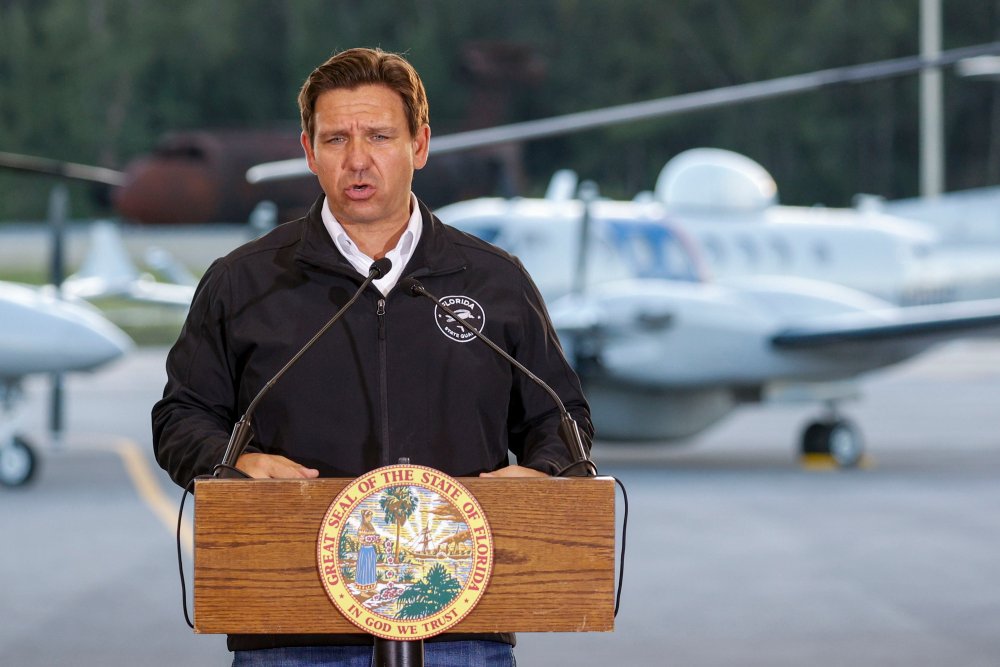
Any rollback in property taxes would require enough signatures to place a question on the ballot and pass with at least 60% of support from Florida voters. View the full article
-
Prada opened its runway show during Milan Fashion Week on Thursday with its take on the little black dress, reflecting what Miuccia Prada called “a very black moment” in world affairs. “To work in this difficult moment is really tough,” Prada said backstage. Sidestepping overtly political discussion, she added: ”What we try to do are clothes that make sense for women today.” Liberating women Prada’s Fall-Winter 2025-26 collection is aimed to liberate women from strictly feminine forms. In that way the little black dress series and other runway looks were loosely constructed, not body-hugging. Co-creative director Raf Simons said liberation was in itself an act of resistance. “You cannot be liberated if you don’t take a risk. There needs to be more resistance,” he said. The black numbers gave way to girlish knit dresses in Alice-in-Wonderland oversized proportions, layered over trousers for winter days on the playground. Pajamas made a now-familiar shift to daywear, with button tops tucked into sleeper skirts. Raw seams were intentionally revealed on garments. Waistlines were gathered as if by basting, and could be moved from the waist for a midi-skirt or over the bust for a minidress. “I would also say that we have rejected a lot of construction,” Simons said, specifically construction that restricts movement. Gestures of glamour It’s a mix-and-match world at Prada and just about any of the pieces work as separates: Short-sleeve and tube knitwear tops were bedecked with baubles, like found treasures. Men’s shirts scrunched messily at the waist, as if they came untucked. Staples were glammed up with faux fur stoles and fur lapels on coats, blazers and a striking lime green poncho. Prada VIPs American actress Hunter Schafer was among the front-row guests, invited in a show of support, the designers said. The trans actress posted recently that her new passport had been issued with a male gender marker. As usual, crowds of fans waited opposite the Fondazione Prada show space to shower adoration on VIPs. Other front-row stars included actresses Juliette Binoche, Gal Gadot, Maya Hawke and Chen Haoyu, along with Japanese singers Jo and Harua and Korean singer Karina. Is Prada shopping? Milan is abuzz with speculation over whether an Italian company might step forward to buy the rival fashion house Versace. Market speculation has focused on the Prada Group, which besides its namesake brand owns Miu Miu, the footwear brands Church’s and Car Shoe, and Marchesi 1824 pastry shops. “I think it is on everybody’s table,” Prada said with a chuckle when asked about the Prada Group’s interest. —Colleen Barry, AP fashion writer View the full article

-
John Mueller suggested causes for a seemingly false 'noindex detected' error in Search Console The post Google On Search Console Noindex Detected Errors appeared first on Search Engine Journal. View the full article
-
Obsidian is the Winamp of productivity tools. If you're as ancient as I am, you might remember that the best part of that once-ubiquitous music player extension was the massive number of plugins and themes you could install to make it better, all of them built by enthusiasts. Obsidian is a good note-taking application on its own, stuffed with all kinds of features: You can organize notes in folders, link to notes from other notes, and even use advanced options like Mermaid diagrams. But like Winamp, Obsidian truly shines once you dig into its extensive plugin ecosystem. There are over 2,000 Obsidian plugins available as of this writing, and you can use them to basically turn Obsidian into whatever you can dream up. Many of these plugins are small in scope, granted, but not all of them. Some of the extensions are extensive enough to replace entire applications you might otherwise be using. Here's how I used Obsidian plugins to replace four different productivity tools. Your kanban app My real kanban board is full of secrets so enjoy this fake one. Credit: Justin Pot I used to be a big fan of Trello, once a humble personal kanban planner. Fifteen years of bloat and upselling mean that application is unrecognizable today, which I'm fine with, because Obsidian works better for me than Trello ever did. I owe it all to the Obsidian Kanban plugin. Install it, and you can create as many Kanban boards in Obsidian as you like. Every card can include as much text as you want, formatted the same way you would anything else in Obsidian. That includes links—every card can link to the pages you're using to manage your projects. I'm a freelance journalist who writes for a handful of publications, including the one you're reading now. I typically write around 20 articles a month, meaning I always have multiple projects on the go. I use an Obsidian Kanban board to keep track of everything. I have columns for "Plan to write this month," "Plan to write this week," "Outlined," "Submitted need edits," "Edited not invoiced," "Invoiced not paid," and, finally, "Paid." This system allows me to see everything I'm working one in one place, and track my progress on all of them. I honestly don't know if I could manage my workflow without it. And, because I also do all of my writing directly in Obsidian, I can jump straight to a project from my dashboard. This is just one example—I'm sure you can think of other uses. But perhaps my favorite part of this system is that every kanban board in Obsidian is, in reality, just a markdown document that combines a few lists, meaning I can export them and keep an archive, even if I stop using Obsidian. Your journaling app Credit: Khamosh Pathak Lifehacker has written a lot about journalling apps over the years, and I personally have extensively tested every example you can think of, multiple times. All of them have pros and cons, and I'm not going to pretend that Obsidian is the best tool for everyone. What I will say is that I use Obsidian for my personal journal, and I can't imagine using anything else. My colleague Kamosh has already written about using Obsidian as a journalling app, so I'll refer you to him for more on how to get started. But I'll add that I recommend installing the journal review plugin so that you can regularly look back at previous entries. You can also look into Obsidian's templates feature if you want to use the same outline for your journal every day. I used it to create something similar to a bullet-journal, with questions about my day. Your read-it-later app Credit: Justin Pot A few months ago, Obsidian launched Obsidian Clipper, which saves webpages to your personal "vault." This is an extension for every major browser that allows you to save entire articles from the web. This is useful for research, but it also means you can use Obsidian as a replacement for read-it-later applications like Pocket or Instapaper. Just set up a dedicated vault for articles you want to read later, point the plugin toward that vault, and open your read-it-later vault every time you want to catch up on your backlog. You can even do things like highlight or add your own notes while you read, all without having to pay for a subscription. Your to-do app Credit: Obsidian Tasks The problem with many to-do apps—and the reason Lifehacker will seemingly never stop writing about them—is that everyone has different productivity needs and no single app can serve them all. If you have never found a to-do system that's perfect for you, that's understandable. But if that's you, and you're a fan of Obsidian generally, look into the tasks plugin. This tool goes through every single note in your vault and collects all of the markdown task lists you've created. It's a perfect add-on if you already use Obsidian to outline your projects. The extension also allows you to add due dates, including recurring tasks, and set your priorities. View the full article
-
Remarks are a significant win for Sir Keir Starmer as he visits the White House for talks over UkraineView the full article
-
A joint venture with Sixth Street will give Figure more liquidity to scale Figure Connect, a blockchain-based private capital marketplace. View the full article

-
We may earn a commission from links on this page. Deal pricing and availability subject to change after time of publication. GoPro is the indisputable king of small outdoor action cameras. Its latest flagship camera, the GoPro Hero13 Black came out this past September, but the older GoPro Hero12 (released in 2023) has a good bundle deal you should consider. The Black Creator Edition bundle offers the Volta pack, a media and light mod, extra battery, and carrying case all for just $55 more than the camera alone. You can get the bundle for $399 (originally $499), its lowest price yet, according to price-tracking tools. GoPro HERO12 Black Creator Edition Color: Black, Brand: GoPro, Item Weight: 454 Grams, Maximum Weight Recommendation: 5E+2 Grams. $399.00 at Amazon $499.00 Save $100.00 Get Deal Get Deal $399.00 at Amazon $499.00 Save $100.00 GoPro releases a new camera just about every year, so the changes aren't always ground-breaking. There's not much you can do with just a GoPro, since they heavily rely on their accessories, so the bundles are usually where the best offers are. That's what makes the GoPro HERO12 Black Creator Edition a great deal in 2025. Here is what you get: HERO12 Black, Carrying Case, Enduro Battery, Curved Adhesive Mount, Mounting Buckle + Thumb Screw, USB-C Cable, Volta, USB-C Pass-Through Door, Lanyard, Media Mod, Vertical Mounting Buckle, Light Mod, Light Diffuser, and 2-Finger Adapter. The Volta handle is arguably the most valuable item. The handle is a portable battery, has built-in buttons for easier control, lets you use the GoPro wirelessly with a remote, and doubles as a tripod. The media mod and light mod also offer useful tools, giving you a microphone with audio ports and an LED light so you can see better in the dark. The GoPro Hero 12 Black received an "outstanding" review from PCMag upon its 2023 release, and the bundle is almost the same price as the GoPro Hero 13 Black, so it makes it a great deal for anyone looking to get a good GoPro with all the important accessories at a discounted price. View the full article
-
Stripe on Thursday announced a tender offer for employees and shareholders that valued the company at $91.5 billion, nearly 41% higher than its valuation a year ago, potentially delaying the fintech firm’s ambitions of going public. The deal signals the strong recovery of the global venture capital sector, as central banks have started to cut interest rates amid subdued inflation and strong economic data. “Stripe was profitable in 2024, and we expect to be so in 2025 and beyond,” co-founders John Collison and Patrick Collison said in their annual letter published on Thursday. The payments processing company was valued at $65 billion in a deal last year, which allowed employees to cash out their stock. At its peak, Stripe was valued at $95 billion in 2021. The company serves a variety of high-profile customers, including Elon Musk-led social media platform X, Amazon, car rental firm Hertz Global and grocery delivery app Instacart. Stripe, which has headquarters in San Francisco and Dublin, allows companies to accept payments, send payouts and automate financial processes. —Pritam Biswas and Jaiveer Shekhawat, Reuters View the full article
-
Searchers are twice as likely to click on a brand they know than a top-ranked result, according to a survey from link building agency Page One Power. 59% of Americans click on search results of brands they know. Less than one-third click on the top-ranked result. Why we care. Trust remains critical for brands in SEO. Yes, “build a brand” has become a cliche, but it’s also true. You need to build a brand that your audience recognizes and connects with. But that doesn’t mean you must be a global brand the size of Apple or Google. Paid vs. organic. 49% of Americans trust organic search results more than paid results, while another 46% trust organic and paid results equally. Only 5% trust paid results more than organic. 54% of men and 56% of Millennials trust organic search results more. 50% of women and 52% of Gen X trust organic and paid results equally. The top frustration for many searchers is “too many ads.” Why people click. Beyond the brand, the reason Americans click on search results varied by generation, according to the survey. Compelling headlines were important to Baby Boomers (50%) and Gen X (52%). High star ratings and positive reviews mattered more to Millennials (55%) and Gen Z (63%). People trust search results. Just 12% of Americans “fully trust” search engine results. However, 52% of Americans also said search engines (e.g., Google/Bing) were their most trusted source for information. Google was America’s first choice, regardless of age or gender. Baby boomers: 44%; Gen X: 55%; Millennials: 64%; Gen Z: 64%. Search engine trust is stable-ish. Trust in search engines is “relatively stable,” according to the survey – with trust in search engines increasing for 28% of Americans and decreasing in trust for another 27% of Americans. Google monopoly concerns. Somewhat surprisingly, only 25% of Americans consider Google to be a monopoly that wields too much influence online. But also: 40% believe there are enough Google alternatives. 33% think “Google’s clout is appropriate given its reach and performance.” Diversity vs. personalization. Almost half (47%) of Americans would prefer a wider range of viewpoints in their search results. Meanwhile, 28% would prefer personalized content based on things like preferences, past searches, and viewing activity. About the data. The survey is based on answers from 1,000 people across 49 states and Washington, D.C. The survey. Shaping Trust Online: How Search Engines, Influencers, and Media Sources Impact Our Digital Behavior and Beliefs. Dig deeper. Branded search and SEO: What you need to know View the full article
-
Most European broadband service providers are still stuck with legacy Wi-Fi CPEs, which undermine the benefits of multi-gigabit fibre. The post OOKLA report: Slow legacy Wi-Fi CPEs thwart the gigabit fibre experience in Europe appeared first on Wi-Fi NOW Global. View the full article
-
A stakeholder is any individual, group or organization directly or indirectly affected by a project. That means they are interested in its success and can influence its outcome. This can include the project manager, project team, customers, suppliers, executives, regulatory bodies and sometimes the community impacted by the project. Stakeholder engagement helps manage these various influencers. To understand how to manage stakeholders, we’ll begin by defining stakeholder engagement and a stakeholder engagement plan. Then we’ll outline what should be included in the stakeholder engagement plan and how the process is played out in project management. Then download a few free related templates to help when managing stakeholders What Is Stakeholder Engagement? Stakeholder engagement in project management refers to the process of identifying, communicating with and managing relationships with individuals or groups who have an interest in or influence over a project. These stakeholders may include clients, sponsors, team members, regulatory bodies and end users. Effective engagement ensures that their expectations, concerns and contributions are considered throughout the project lifecycle. Engaging stakeholders involves active communication, collaboration and feedback mechanisms to align project goals with their needs and priorities. It helps prevent misunderstandings, reduce risks and increase project buy-in. This engagement can take various forms, including regular meetings, status updates, surveys and workshops. By prioritizing stakeholder engagement, project managers can enhance decision-making, improve project outcomes and increase overall satisfaction among those impacted by the project. A well-executed stakeholder engagement strategy ensures smoother project execution, fosters trust and minimizes resistance to change. Project management software is critical to successful stakeholder engagement. ProjectManager is award-winning project and portfolio management software with multiple project views to plan, manage and track projects in real time and keep stakeholders informed. The project manager is a stakeholder and can use robust Gantt charts to schedule tasks, resources and costs. But our Gantt charts go the extra mile. They can link all four types of task dependencies to avoid delays and cost overruns, filter for the critical path to identify essential tasks and set a baseline to track progress in real time. Stakeholders can execute their tasks on the tool they prefer, such as kanban boards or task lists. Other stakeholders can get guest passes to see the calendar view and stay updated on progress or their responsibilities. Get started with ProjectManager today for free. /wp-content/uploads/2024/04/critical-path-light-mode-gantt-construction-CTA.pngProjectManager’s Gantt charts help manage stakeholder engagement. Learn more What Is a Stakeholder Engagement Plan? A stakeholder engagement plan is a strategic document that outlines how a project will identify, communicate with and manage relationships with stakeholders throughout its lifecycle. It helps ensure that stakeholders’ interests, concerns and expectations are actively considered, minimizing risks and increasing project success. This plan defines the key stakeholders, their level of influence, communication preferences and the engagement strategies to use. It also establishes a structured approach to keeping stakeholders informed and involved through meetings, reports, feedback sessions and collaboration tools. A well-designed stakeholder engagement plan helps build trust, enhance transparency and improve decision-making by fostering positive relationships with those who impact or are impacted by the project. What Should Be Included in a Stakeholder Engagement Plan? A stakeholder engagement plan provides a structured approach to identifying, analyzing and managing relationships with project stakeholders. It ensures that stakeholders remain informed, engaged and aligned with project objectives. Below are key components that should be included. Stakeholder Register A detailed list of all stakeholders, including their roles, contact information, level of influence and interest in the project. This helps track and manage stakeholder relationships effectively. Stakeholder Map (Power-Influence Matrix) A visual representation that categorizes stakeholders based on their level of power and influence over the project. This helps determine the appropriate level of engagement for each stakeholder group. Stakeholder Engagement Matrix A table that outlines how, when and with whom engagement efforts should take place. It helps project teams tailor communication strategies for different stakeholder groups. Salience Model Chart A model that classifies stakeholders based on their power, legitimacy and urgency, allowing project managers to prioritize engagement efforts with the most critical stakeholders. Current and Desired Stakeholder Engagement Levels This section assesses where stakeholders currently stand in terms of engagement and where they need to be for project success, which is as follows. Unaware: Stakeholders unaware of the project. Resistant: Stakeholders opposed to the project. Neutral: Stakeholders neither supporting nor opposing the project. Supportive: Stakeholders in favor of the project. Leading: Stakeholders actively engaged in and championing the project. Stakeholder Engagement Objectives Defines the goals of engagement based on stakeholder needs and project requirements: Inform: Keep stakeholders updated with relevant information. Consult: Gather stakeholder feedback to refine project decisions. Collaborate: Work together with stakeholders to co-develop solutions. Empower: Give stakeholders decision-making authority in specific areas. Communication Plan The communication plan outlines how information will be shared with stakeholders, including the communication channels, frequency and responsible parties to ensure timely and effective engagement. Stakeholder Engagement Metrics Defines key performance indicators (KPIs) to measure engagement success, such as stakeholder feedback scores, participation rates and response times to communications. Related: 10 Free Stakeholder Management Templates for Excel & Word Stakeholder Engagement Process in Project Management The stakeholder engagement process ensures that all relevant parties are properly identified, analyzed, and involved throughout the project life cycle. Effective engagement helps manage expectations, minimize risks and increase stakeholder support. Below are the key steps in the process. 1. Identify Project Stakeholders The first step is to create a list of all individuals, groups or organizations that have an interest in or can impact the project. This includes internal stakeholders (e.g., project team, executives) and external stakeholders (e.g., clients, suppliers, regulatory bodies). 2. Use Stakeholder Management Charts to Analyze and Prioritize Stakeholder Engagement Efforts Tools like a stakeholder analysis, stakeholder map and stakeholder register help categorize stakeholders based on their level of interest, influence and urgency. This prioritization allows project managers to focus engagement efforts on the most critical stakeholders. 3. Define Stakeholder Expectations and Requirements Engaging with stakeholders early in the project helps uncover their specific needs, concerns and success criteria. Understanding these expectations ensures project goals align with stakeholder interests and helps prevent conflicts later. 4. Identify Stakeholders’ Communication Preferences Different stakeholders require different levels of communication. Some may prefer detailed reports, while others need brief email updates or face-to-face meetings. Defining the right communication approach ensures that stakeholders remain informed and engaged without unnecessary overload. 5. Keep Stakeholders Informed on Project Status Periodically Regular updates through status reports, meetings and presentations help maintain transparency and trust. Keeping stakeholders engaged throughout the project ensures that their concerns are addressed promptly and that they remain supportive of the project’s progress. Why Is It Important to Build a Stakeholder Engagement Strategy? A well-defined stakeholder engagement strategy ensures all project stakeholders are properly identified, analyzed and involved throughout the project. It helps align stakeholder expectations with project objectives, reducing risks and increasing the likelihood of project success. Without a clear engagement strategy, misunderstandings and misalignment can lead to delays, conflicts and resistance to change. Engaging stakeholders effectively enhances collaboration and decision-making by fostering open communication and transparency. When stakeholders feel heard and involved, they are more likely to support project initiatives and contribute valuable insights. A structured engagement strategy ensures stakeholders receive relevant updates, provide timely feedback and remain engaged throughout the project life cycle. A strong stakeholder engagement strategy also helps build long-term relationships and trust between the project team and key stakeholders. By proactively managing concerns and addressing expectations, organizations can create a positive reputation and increase stakeholder buy-in for future projects. This not only improves the success of the current project but also strengthens partnerships for future collaboration. Stakeholder Management Templates We’ve mentioned tools that are part of the process of stakeholder engagement. Those tools can be found among our over 100 free project management templates for Excel and Word. These free templates cover all aspects of managing projects across multiple industries. Here are a few that can help when managing stakeholders. Stakeholder Map Template Stakeholder engagement begins with identifying the stakeholders of a project. Use this free stakeholder map template for Excel to find and identify stakeholders’ impact and influence, whether individuals, groups or organizations. Stakeholder Register Template Use this free stakeholder register template for Excel to understand how each stakeholder influences the project. This will inform how to communicate and manage them better. This free template helps address stakeholders’ needs and plans to effectively communicate with them. Stakeholder Analysis Template Another free template that can identify and manage stakeholders is the stakeholder analysis template for Excel. This free template collects the key stakeholders by group, which is determined by their level of participation, interest and power or influence on the project. How ProjectManager Helps With Stakeholder Engagement While templates can help identify stakeholders and help determine what stakeholder engagement should look like, they fall short when it comes to managing them during the planning and execution of the project. Managing stakeholders is dynamic and Excel spreadsheets are static documents. Project managers need real-time project management software. ProjectManager is award-winning project and portfolio management software with multiple project views and all the features needed to manage, track and report on progress to manage stakeholder expectations. Robust Resource Management Stakeholders have a vested interest in the project’s success. Project managers set the stage for this by scheduling resources, both human and nonhuman, on Gantt charts. Before assigning teams to tasks, project managers can set their availability, such as PTO, vacation, global holidays and skill sets, to ensure the right person is assigned the right task at the right time. This leads to a smoother execution. However, it’s also important to have an overview of resource allocation to ensure no one is overallocated or underutilized. The color-coded workload chart gives this information with only a glance, and can also balance the workload to keep teams working at capacity and productive without burnout. The team page provides a daily or weekly summary of the team’s activities, which can also be filtered by priority, progress and more. /wp-content/uploads/2023/01/Team-Light-2554x1372-1.png Real-time Project Management Dashboards and Reports The key to stakeholder engagement is providing them with updates to manage their expectations. Our software has many ways to monitor the project, from the high-level overview of the real-time project or portfolio dashboards to customizable reports. All reports can be filtered to highlight the data stakeholders care about and then shared with them across several different formats. Even our secure timesheets help by tracking labor costs to help deliver the project on budget. /wp-content/uploads/2022/07/Dashboard-light-mode.jpg Related Stakeholder Management Content Stakeholder engagement is part of the larger stakeholder management, and for those who are curious about this subject, there is much more to read. We publish multiple blogs per week, as well as free templates, eBooks and tutorial videos. Below are some links to recent pieces we’ve published regarding stakeholders. Free Stakeholder Management Templates for Excel & Word What Is Stakeholder Theory? Stakeholder Analysis 101 (Examples & Template Included) Stakeholder Mapping 101: How to Make a Stakeholder Map Stakeholder Salience Model in Project Management How to Manage Stakeholder Expectations ProjectManager is online project and portfolio management software that connects teams and stakeholders, whether they’re in the office, out in the field or anywhere in the world. They can share files, comment at the task level and stay updated with email and in-app notifications. Join teams at Avis, Nestle and Siemens who are using our software to deliver successful projects. Get started with ProjectManager today for free. The post Stakeholder Engagement in Project Management appeared first on ProjectManager. View the full article
-
The San Francisco-based company said its latest product has fewer so-called ‘hallucinations’View the full article
-
I like watching Reels and TikToks about cleaning because in addition to getting some good tips, I find them relatable. Why, yes, Algorithm, I do often find myself in a position where friends are coming over but my home isn't exactly spotless. How did you know? One Instagram user has a suggestion for how to turn that exact situation into a cleaning win: Called the "GFD bin," it's gained some traction on the app as a quick decluttering method worth trying. What is a "GFD bin?"A "GFD bin" is a "guests for dinner" bin, according to its creator, Holly Blakey. The organizing and interior decorating guru shared this video last December explaining the idea: Essentially, before guests come over, you grab a big basket (or even a bag) and take it around the house, tossing anything out of place inside. Then, stash it somewhere, like a closet, committing to putting its contents away the next day. By doing this, you accomplish a few things at once: Obviously, you get your home ready for guests quickly, but you also set yourself up for cleaning success by segmenting the work into two parts. It might seem like a cop-out to just run around and hide all the dirty parts of your home, but it draws on two techniques I really stand by. The first is the idea of segmentation, like you employ when you follow the "magic basket" approach. The magic basket, for its part, involves going around your home every night and depositing out-of-place items into said basket, then putting everything away the next day. The goal here is to space out your labor so it never gets overwhelming. You wake up the next day feeling good about the work you did do the night before, put everything away, then get motivated by that effort, creating a looping cycle instead of one longer, dread-worthy task. The second approach the GFD bin calls on is the idea of rewarding yourself to create further cleaning motivation. You need breaks when you do anything productive or you'll get burned out eventually, but when you're doing a task that is especially unpleasant or tedious, like cleaning, you should also make sure those breaks are fun and enjoyable. In the same way I've recommended eating a favorite candy or watching a favorite show while cleaning, incorporating the arrival of friends as an enjoyable activity mid-cleaning can be motivating, too. Rather than getting down on yourself for letting a mess pile up and being in a rush before someone gets to your place, think of this as a built-in motivational scheme. There's no shame in hiding away the mess as long as you follow through on the commitment to putting it away the next day. View the full article
-
January's median payment also grew at its fastest pace since October as volatile interest rates hit homebuyers' wallets, the Mortgage Bankers Association said. View the full article
-
We may earn a commission from links on this page. They don't make movie stars like they used to, but they only made a movie star like Gene Hackman once. Born in 1930, Hackman served as a marine and studied journalism in college before dropping out to work as an actor, earning acclaim on Broadway and in television roles but not breaking out in films until his late 30s, when he earned a Best Supporting Actor Oscar nomination for playing Warren Beatty's brother in the crime classic Bonnie and Clyde. It proved to be the start of an eclectic big-screen career that would see him earn four more Oscar nominations (and two wins, for 1971's The French Connection and 1992's Unforgiven). With hangdog looks and an ability to project gravitas and heroism and weakness and villainy in equal measure, he gave one indelible performance after another, always bettering the films he appeared in. To honor his recent death—and celebrate his truly remarkable career—here are 20 of his most iconic performances. Bonnie and Clyde (1967) Bonnie and Clyde is best remembered today as a harbinger of the auteur era that would transform Hollywood in the 1970s. Filled with dark humor and visceral violence, and borrowing techniques from the French New Wave, Arthur Penn's film overcame tepid early reviews to become a counter-cultural sensation and a major awards contender. Though Warren Beatty and Faye Dunaway are iconic as the title criminals, then-newcomer Gene Hackman made his mark (and earned a Best Supporting Actor Oscar nomination) playing Clyde Barrow's ill-fated brother Buck. You can rent Bonnie and Clyde from Prime Video. Bonnie and Clyde (1967) at Prime Video Learn More Learn More at Prime Video Downhill Racer (1969) The first of a string of memorable movies in which Gene Hackman plays a coach, Downhill Racer is a quintessentially '70s affair—a moody, heady sports drama led by one of Hollywood's biggest stars (Robert Redford) that critic Roger Ebert called "the best movie ever made about sports—without really being about sports at all." Redford commands the spotlight as a cocky, self-centered skiing champ, but it's Hackman who grounds the film as the teamwork-minded coach hoping to lead his athletes to Olympic gold. You can stream Downhill Racer free with ads on Pluto TV or rent it from Prime Video. Downhill Racer (1969) at Prime Video Learn More Learn More at Prime Video The French Connection (1971) Watching The French Connection today, we recognize a certain formula: big-budget, well-choreographed shoot-outs, chases, and car crashes given gravitas by a complex and troubled lead, usually a cop. But it only became a formula because so many other films tried to copy what director William Friedkin accomplished here with Hackman in the lead. All of the action beats land because of his performance as antihero Popeye Doyle, one that landed him his single Best Actor Oscar. You can rent The French Connection from Prime Video. The French Connection (1971) at Prime Video Learn More Learn More at Prime Video The Poseidon Adventure (1972) Poseidon rests firmly in the very ‘70s disaster-movie style: an all-star cast faces doom and soapy drama, this time on a cruise ship turned upside down. These casts were always blends of older, more familiar faces and relatively younger stars, of which top-billed Hackman was representative. These movies aren’t really about the acting, but this one wasn’t received as a dumb action movie: it received multiple Academy Award nominations and earned Hackman a Best Actor BAFTA, a single award given for two performances in two very different movies. The first was his performance as earnest reverend Frank Scott in this one, and as Popeye Doyle in The French Connection. Even way back in 1972 it was clear that Hackman had range. You can stream The Poseidon Adventure on Starz or rent it from Prime Video. The Poseidon Adventure (1972) at Prime Video Learn More Learn More at Prime Video Scarecrow (1973) A little-known entry in the filmographies of both Hackman and costar Al Pacino, this character drama is worth seeking out. Hackman plays a drifter and ex-con who hooks up with a simple-minded sailor (Pacino). The pair set off across the country with plans to open a business together, but get into trouble along the way and wind up doing a stint in prison—and experience that will have a profound effect on both their lives. Though it won the top award at the Cannes Film Festival, it is little discussed today, and that's too bad—it's not often you get to enjoy the likes of Hackman and Pacino playing opposite one another. You can rent Scarecrow from Prime Video. Scarecrow (1973) at Prime Video Learn More Learn More at Prime Video The Conversation (1974) Francis Ford Coppola’s film didn’t do much in the way of business on its initial release, but the critics and the years have been extremely kind to the film, no small accomplishment given that much of its plot hinges on 1970s-era technology. The movie’s themes about the dangers of the surveillance state and ambivalence about our need to know everything about everyone are as relevant now as ever. Hackman plays yet another iconic character in Harry Caul, brilliant at his job but also, himself, a deeply secretive and haunted man. His performance here is simply one of the finest in an era full of brilliant performances. You can stream The Conversation on The Criterion Channel or rent it from Prime Video. The Conversation (1974) at The Criterion Channel Learn More Learn More at The Criterion Channel Night Moves (1975) An absolutely essential neo-noir, Hackman stars here as retired football player Harry Moseby, now a private investigator but with a personal life that’s crumbling around him. Like other noir films before it, the plot thread grow increasingly convoluted and dense, building toward an impressively unexpected ending, but Harry remains the glue that holds it all together. Even as a depressed and sullen character who you wouldn’t want to spend five minutes with in real life, he’s riveting. You can rent Night Moves from Prime Video. Night Moves (1975) at Prime Video Learn More Learn More at Prime Video A Bridge Too Far (1977) Though it received mixed reviews at the time, war film A Bridge Too Far was a box office hit, and stands today as the kind of epic adult drama Hollywood rarely makes anymore. With a screenplay by William Goldman, it depicts a doomed military operation in the Nazi-occupied Netherlands in 1944. Hackman is part of a stacked cast that includes James Caan, Michael Caine, Sean Connery, Elliott Gould, Anthony Hopkins, Laurence Olivier, Ryan O'Neal, and Robert Redford. You can stream A Bridge Too Far on MGM+ or rent it from Prime Video. A Bridge Too Far (1977) at Prime Video Learn More Learn More at Prime Video Superman (1978) For at least a generation, Hackman was the definitive Lex Luthor in the definitive superhero movie. Director Richard Donner promised a level verisimilitude in his Super-saga, which Christopher Reeve and Margot Kidder deliver. Hackman, though, is the third point on that triangle, alternately delivering comic relief and a sense of real menace—even with a full head of hair. Today’s movie supervillains are all about conquering the universe, which feels like a distraction from this movie’s more real and present threat: a ruthless real-estate mogul willing to watch millions die for a few extra bucks. You can stream Superman on Max or rent it from Prime Video. Superman (1978) at Max Learn More Learn More at Max Hoosiers (1986) A sleeper hit at the box office that has come to be recognized as one of the most inspiring sports movies ever made, this 1986 drama gave Hackman one of his best-loved roles. He plays Norman Dale, a teacher at a poor high school in rural Indiana who leads a team of misfits to glory on the court. Though Hackman was overlooked, Dennis Hopper earned a Best Supporting Actor Oscar nod for his turn as the town drunk who finds new purpose serving as Dale's assistant coach. You can rent Hoosiers from Prime Video. Starting Feb. 28 you can also stream it free on Prime Video With Ads. Hoosiers (1986) at Prime Video Learn More Learn More at Prime Video No Way Out (1987) Simultaneously smart and trashy, No Way Out pays tribute to noir movies past while steering more firmly into erotic thriller territory—not that big a leap. Hackman here plays Secretary of Defense David Brice, the type of role that’s just window dressing in many other movies. Here, though, Hackman is having a grand time playing Brice as a thoroughly nasty bit of business—duplicitous, murderous, and sharing a mistress (Sean Young) with lead Kevin Costner. It’s not Hackman’s finest performance, but it’s definitely one of his juiciest. You can stream No Way Out with ads on Pluto TV or rent it from Prime Video. No Way Out at Pluto TV Learn More Learn More at Pluto TV Mississippi Burning (1988) Though its politics don't seem quite as progressive 37 years on, there's no arguing the fact that Gene Hackman commands the screen in this racially charged crime thriller, set amid the 1960s civil rights movement and inspired by true events. Hackman and Willem Dafoe play FBI agents investigating the murders of three civil rights workers in a southern town that is cozy with the KKK. Hackman was nominated for Best Actor for his turn as a former good-ol'-boy sheriff turned federal agent, who knows all too well how racism and prejudice operate in the town, and is willing to bend the rules to bring the killers to justice. You can stream Mississippi Burning free with ads on Pluto TV, catch it on Prime Video, or rent it from Apple TV. Mississippi Burning (1988) at Apple TV Learn More Learn More at Apple TV Unforgiven (1992) Unforgiven was seen as a valedictory for Clint Eastwood, but the movie’s sole acting Oscar went to Hackman. He plays Sheriff Little Bill Daggett, whose rejection of vigilantism puts him at odds with Eastwood’s William Munny, in town to avenge the disfiguring of a sex worker. Munny may be the movie’s center, but Little Bill provides all the conflict, and it offers a later-career return to the types of complicated, morally grey characters of his earlier days. You can stream or rent Unforgiven from Prime Video. Unforgiven (1992) at Prime Video Learn More Learn More at Prime Video The Quick and the Dead (1995) Everyone says Unforgiven is a revisionist western, but it looks wildly traditional next to Sam Raimi’s deliberately over-the-top take on the genre. Hackman plays John Herod, the ruthless and endlessly greedy ruler of the Old West town of Redemption. Herod arranges a round-robin style contest of champions in town, in which gunfighters are to fight for cash, win, yield, or die. This isn’t a subtle or insightful performance, but a delightfully hammy one. Even when playing a very recognizable Gene Hackman type, the actor could still be awfully fun to watch. You can stream The Quick and the Dead on Hulu or rent it from Prime Video. The Quick and the Dead (1995) at Hulu Learn More Learn More at Hulu Crimson Tide (1995) Though sometimes dismissed as a spin on The Hunt for Red October, this submarine thriller is impressively smart, pitting Hackman’s experienced sub commander against Denzel Washington as his first officer, both men in conflict over interpretation of an order to launch missiles, the outcome of which could have devastating consequences. You don’t necessarily come to a Tony Scott action thriller for the acting, but the movie is a real showcase for its leads, and a fascinating juxtaposition of two brilliant actors from different generations. You can rent Crimson Tide from Prime Video. Crimson Tide (1995) at Prime Video Learn More Learn More at Prime Video Get Shorty (1995) Gene Hackman's range encompassed all types of characters, but he rarely seemed to be having more fun than when playing a sleazeball—something he does with gusto in this satire of mid-'90s Hollywood excess, directed by Barry Sonnenfeld and based on the novel by Elmore Leonard. He plays a B-movie director in debt with the mob who gets in way over his head when he get involved with a movie-obsessed loan shark (John Travolta) in an attempt to get out a tight spot. Unsurprisingly, things don't go smoothly. You can stream Get Shorty free with ads on the Roku Channel or rent it from Prime Video. Get Shorty (1995) at The Roku Channel Learn More Learn More at The Roku Channel The Birdcage (1996) An indisputable crowd-pleaser, The Birdcage sees Hackman as a thoroughly conservative senator (in stark contrast to the actor’s real-life politics) who heads to South Beach to meet the EXTREMELY GAY family of his daughter’s fiancée. It’s a fun villain-esque role for Hackman, one that memorably sees him in full drag for the final act. You can rent The Birdcage from Prime Video. The Birdcage (1996) at Prime Video Learn More Learn More at Prime Video Enemy of the State (1998) This surveillance-state thriller isn’t nearly as smart as its 1970s influences, but it’s entirely entertaining in the way it approaches many of the same themes with a more action-heavy style. Opposite Will Smith, Hackman here plays Brill Lyle, a paranoid surveillance expert who has so much in common with The Conversation’s Harry Caul that you might consider Enemy of the State a blockbuster take on the earlier film. You can rent Enemy of the State from Prime Video. Enemy of the State (1998) at Prime Video Learn More Learn More at Prime Video Heist (2001) The same year Steven Soderbergh's Ocean's Eleven pulled off a box office cash grab on the backs of (almost) a dozen of Hollywood hottest stars, David Mamet built his own crime caper around a band of aging thieves. Hackman plays the leader of a gang of professional smash-and-grabbers whose face is captured by security cameras during a job, forcing him to go on the run and attracting the ire of his partners in the "business." Hackman handles Mamet's mouthfuls of dialogue with practiced ease, elevating what Roger Ebert described as "the kind of caper movie that was made before special effects replaced wit, construction, and intelligence." You can rent Heist from Prime Video. Heist (2001) at Prime Video Learn More Learn More at Prime Video The Royal Tenenbaums (2001) Though he'd appear in a few more movies before retiring in 2004, Wes Anderson's The Royal Tenenbaums was Hackman's last standout performance, and one of his very best. He's hateable and irresistible in equal measure as the deeply flawed patriarch of a deeply neurotic, Salinger-inspired New York family who assembles his estranged wife (Anjelica Huston) and deeply resentful children (played by Luke Wilson, Ben Stiller, and Gwyneth Paltrow) to tell them he only has weeks to live. You can rent The Royal Tenenbaums from Prime Video. The Royal Tenenbaums (2001) at Prime Video Learn More Learn More at Prime Video View the full article
-
Housing finance players accused of wronging consumers slammed the lawsuits as politically motivated efforts by former Biden-era bureau director Rohit Chopra. View the full article

-
Company president Brad Smith warns the new rules will force American allies to buy Chinese products View the full article
-
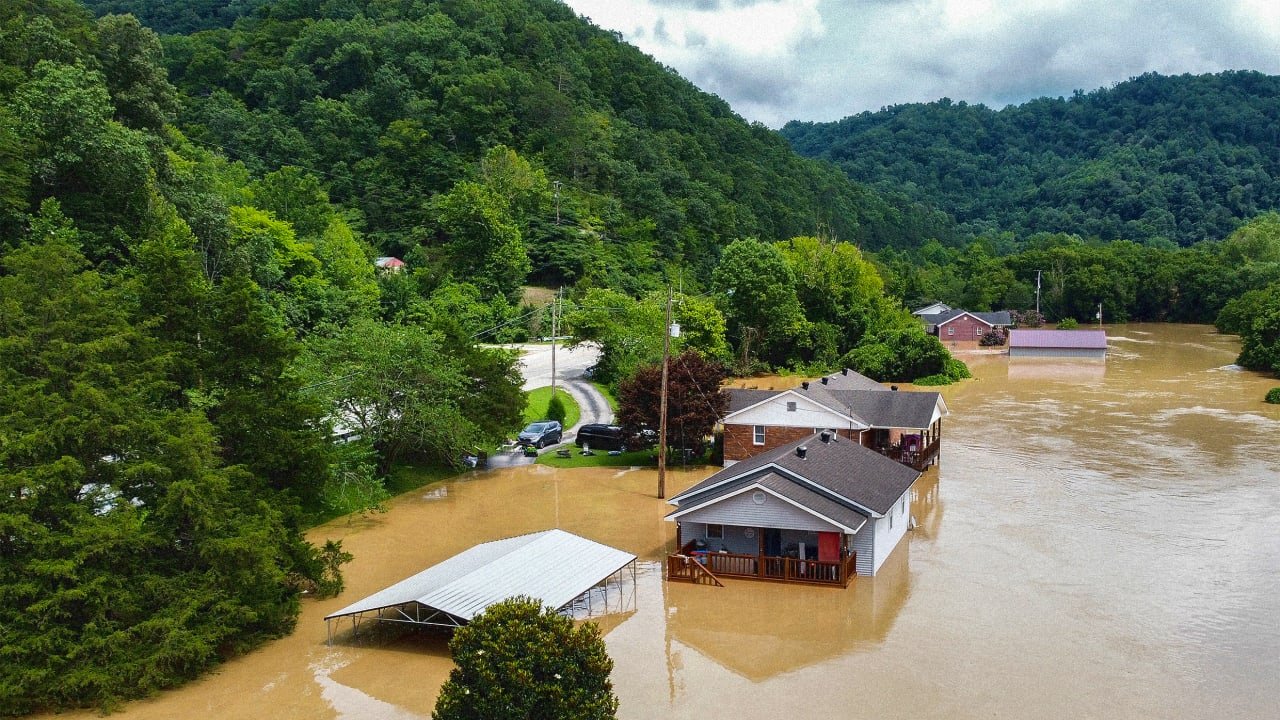
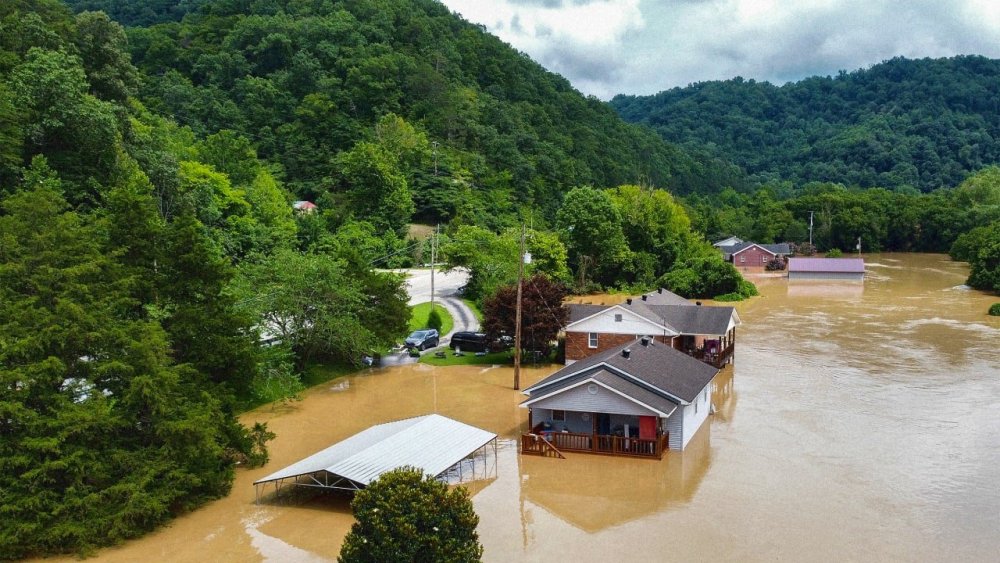
On Valentine’s Day 2025, heavy rains started to fall in parts of rural Appalachia. Over the course of a few days, residents in eastern Kentucky watched as river levels rose and surpassed flood levels. Emergency teams conducted over 1,000 water rescues. Hundreds, if not thousands of people were displaced from homes, and entire business districts filled with mud. For some, it was the third time in just four years that their homes had flooded, and the process of disposing of destroyed furniture, cleaning out the muck and starting anew is beginning again. Historic floods wiped out businesses and homes in eastern Kentucky in February 2021, July 2022 and now February 2025. An even greater scale of destruction hit eastern Tennessee and western North Carolina in September 2024, when Hurricane Helene’s rainfall and flooding decimated towns and washed out parts of major highways. Each of these events was considered to be a “thousand-year flood,” with a 1-in-1,000 chance of happening in a given year. Yet they’re happening more often. The floods have highlighted the resilience of local people to work together for collective survival in rural Appalachia. But they have also exposed the deep vulnerability of communities, many of which are located along creeks at the base of hills and mountains with poor emergency warning systems. As short-term cleanup leads to long-term recovery efforts, residents can face daunting barriers that leave many facing the same flood risks over and over again. Exposing a housing crisis For the past nine years, I have been conducting research on rural health and poverty in Appalachia. It’s a complex region often painted in broad brushstrokes that miss the geographic, socioeconomic and ideological diversity it holds. Appalachia is home to a vibrant culture, a fierce sense of pride and a strong sense of love. But it is also marked by the omnipresent backdrop of a declining coal industry. There is considerable local inequality that is often overlooked in a region portrayed as one-dimensional. Poverty levels are indeed high. In Perry County, Kentucky, where one of eastern Kentucky’s larger cities, Hazard, is located, nearly 30% of the population lives under the federal poverty line. But the average income of the top 1% of workers in Perry County is nearly US$470,000 – 17 times more than the average income of the remaining 99%. This income and wealth inequality translates to unequal land ownership – much of eastern Kentucky’s most desirable land remains in the hands of corporations and families with great generational wealth. When I first moved to eastern Kentucky in 2016, I was struck by the grave lack of affordable, quality housing. I met families paying $200-$300 a month for a small plot to put a mobile home. Others lived in “found housing” – often-distressed properties owned by family members. They had no lease, no equity and no insurance. They had a place to lay one’s head but lacked long-term stability in the event of disagreement or disaster. This reality was rarely acknowledged by local and state governments. Eastern Kentucky’s 2021 and 2022 floods turned this into a full-blown housing crisis, with 9,000 homes damaged or destroyed in the 2022 flood alone. “There was no empty housing or empty places for housing,” one resident involved in local flood recovery efforts told me. “It just was complete disaster because people just didn’t have a place to go.” Most homeowners did not have flood insurance to assist with rebuilding costs. While many applied to the Federal Emergency Management Agency for assistance, the amounts they received often did not go far. The maximum aid for temporary housing assistance and repairs is $42,500, plus up to an additional $42,500 for other needs related to the disaster. The federal government often provides more aid for rebuilding through block grants directed to local and state governments, but that money requires congressional approval and can take months to years to arrive. Local community coalitions and organizations stepped in to fill these gaps, but they did not necessarily have sufficient donations or resources to help such large numbers of displaced people. With a dearth of affordable rentals pre-flood, renters who lost their homes had no place to go. And those living in “found housing” that was destroyed were not eligible for federal support for rebuilding. The sheer level of devastation also posed challenges. One health care professional told me: “In Appalachia, the way it usually works is if you lose your house or something happens, then you go stay with your brother or your mom or your cousin. … But everybody’s mom and brother and cousin also lost their house. There was nowhere to stay.” From her point of view, “our homelessness just skyrocketed.” The cost of land – social and economic After the 2022 flood, the Kentucky Department for Local Government earmarked almost $300 million of federal funding to build new, flood-resilient homes in eastern Kentucky. Yet the question of where to build remained. As another resident involved in local flood recovery efforts told me, “You can give us all the money you want; we don’t have any place to build the house.” It has always been costly and time-intensive to develop land in Appalachia. Available higher ground tends to be located on former strip mines, and these reclaimed lands require careful geotechnical surveying and sometimes structural reinforcements. If these areas are remote, the costs of running electric, water and other infrastructure services can also be prohibitive. For this reason, for-profit developers have largely avoided many counties in the region. The head of a nonprofit agency explained to me that, because of this, “The markets have broken. … We have no [housing] market.” There is also some risk involved in attempting to build homes on new land that has not previously been developed. A local government could pay for undeveloped land to be surveyed and prepared for development, with the prospect of reimbursement by the U.S. Department of Housing and Urban Development if housing is successfully built. But if, after the work to prepare the land, it is still too cost-prohibitive to build a profitable house there, the local government would not receive any reimbursement. Some counties have found success clearing land for large developments on former strip mine sites. But these former coal mining areas can be considerable distances from towns. Without robust public transportation systems, these distances are especially prohibitive for residents who lack reliable personal transportation. Another barrier is the high prices that both individual and corporate landowners are asking for properties on higher ground. The scarcity of desirable land available for sale, combined with increasingly urgent demand, has led to prices unaffordable for most. Another resident involved in local flood recovery efforts explained: “If you paid $5,000 for 30 acres 40 years ago, why won’t you sell that for $100,000? Nope, [they want] $1 million.” That makes it increasingly difficult for both individuals and housing developers to purchase land and build. One reason for this scarcity is the amount of land that is still owned by outside corporate interests. For example, Kentucky River Properties, formerly Kentucky River Coal Corporation, owns over 270,000 acres across seven counties in the region. While this landholding company leases land to coal, timber and gas companies, it and others like it rarely permit residential development. But not all unused land is owned by corporations. Some of this land is owned by families with deep roots in the region. People’s attachment to a place often makes them want to stay in their communities, even after disasters. But it can also limit the amount of land available for rebuilding. People are often hesitant to sell land that holds deep significance for their families, even if they are not living there themselves. One health care professional expressed feeling torn between selling or keeping their own family property after the 2022 flood: “We have a significant amount of property on top of a mountain. I wouldn’t want to sell it because my papa came from nothing. … His generation thought owning land was the greatest thing. … And for him to provide his children and his grandchildren and their great-grandchildren a plot of land that he worked and sweat and ultimately died to give us – people want to hold onto that.” She recognized that land was in great demand but couldn’t bring herself to sell what she owned. In cases like hers, higher grounds are owned locally but still remain unused. Moving toward higher ground, slowly Two years after the 2022 flood, major government funding for rebuilding still has not resulted in a significant number of homes. The state has planned seven communities on higher ground in eastern Kentucky that aim to house 665 new homes. As of early 2025, 14 houses had been completed. Progress on providing housing on higher ground is slow, and the need is great. In the meantime, when I conducted interviews during the summer and fall of 2024, many of the mobile home communities that were decimated in the 2022 flood had begun to fill back up. These were flood-risk areas, but there was simply no other place to go. Last week, I watched on Facebook a friend’s live video footage showing the waters creeping up the sides of the mobile homes in one of those very communities that had flooded in 2022. Another of my friends mused: “I don’t know who constructed all this, but they did an unjustly favor by not thinking how close these towns was to the river. Can’t anyone in Frankfort help us, or has it gone too far?” With hundreds more people now displaced by the most recent flood, the need for homes on higher grounds has only expanded, and the wait continues. Kristina P. Brant is an assistant professor of rural sociology at Penn State. This article is republished from The Conversation under a Creative Commons license. Read the original article. View the full article
-
We may earn a commission from links on this page. Deal pricing and availability subject to change after time of publication. Projectors are a great option for some evening entertainment inside and outdoors (once the weather warms up a bit), but they can be a little bulky. If you're looking for a smaller projector you can take with you to a party or a friend's house, consider the Nebula Capsule 3 GTV projector, currently $379.99 (originally $499.99), the lowest price it has been according to price-tracking tools. Nebula Capsule 3 GTV Projector Resolution: 1080p, Streaming: Google TV, Brightness: 200 lumens, Engine: DLP. $379.99 at Amazon $499.99 Save $120.00 Get Deal Get Deal $379.99 at Amazon $499.99 Save $120.00 The Nebula Capsule 3 came out this past September to an "excellent" review from PCMag. It has an 8-watt speaker, which is decent for a portable projector, but it won't fill a room with sound. Luckily, it does have an eARC port for a home theater setup. What sets this projector apart is its small size of 4.7 inches by 2.7 inches (height by diameter), which is about the size of a tall beer can. The image correction is fast, responsive, and works well—an important feature since you're likely going to be moving the projector often. The auto focus will adjust to the distance and angle of whatever surface you're casting it on. The brightness is 200 lumens, which is not a lot. You'll be limited to darker rooms to get a good image. The resolution is just 1080p with a maximum screen size of 120-inches, which is decent. This is enough for casual watching in a bedroom, but you won't get the same picture quality, colors, or blacks that home projectors offer. With Google TV, you'll be able to use Chromecast to mirror your phone on the screen, download apps, and watch free live TV. The battery life is up to two and a half hours, long enough to watch most movies. At its current price, it's even with the weaker Nebula Capsule Air, making it a great deal. View the full article
-
Some good news for all the tired parents out there: Having and raising kids may unexpectedly boost your brain and protect your mind from aging over the long run, according to a new study published in the Proceedings of the National Academy of Sciences. The research from Rutgers Health and Yale University found parents developed higher brain-wide functional connectivity as they aged, especially in networks associated with movement and sensation, if they had more children. Those same networks typically show lower functional connectivity associated with greater age, meaning parenthood may protect against “functional brain aging.” The study findings apply to both moms and dads, which suggests the benefits come from parenthood caregiving, rather than pregnancy alone. This study looked at data from 37,000 adults including 19,964 females and 17,607 males from the UK Biobank, using the largest population-based neuroimaging data set to date to investigate the link between the number of children a parent had and age of brain function. It sheds new light on how adult human brains develop over the course of a lifespan, and is encouraging news for women who temporarily suffer from “Mommy brain,” or greater forgetfulness and difficulty concentrating during and after pregnancy. Overall, these results suggest that parenthood may be neuroprotective in later life, and are consistent with preliminary findings of previous studies that show “younger-looking” brain structures in animal parents. Check out the full study here. View the full article