ResidentialBusiness
Administrators
-
Joined
-
Last visited
Everything posted by ResidentialBusiness
-
 Former prime minister and ex-Tesla board member plan to approach Elon Musk to support struggling carmakerView the full article
 -
Retro gaming is experiencing a revival thanks in large part to people born after the Game Boy era. According to a new survey from Pringles, a popular gaming snack, 66% of Britons have bought retro tech of some kind in the past two years, with 24% of Gen Z now owning a retro games console. Popular retro consoles include Game Boy, first released in 1989 and discontinued in 2003; Super Nintendo Entertainment System, released in 1990 and also discontinued in 2003; and the Xbox original, first released in Europe in 2002 and discontinued in 2009. For 89% of gamers, retro games offer a welcome break from the internet, with 74% agreeing that “nostalgic games” are more relaxing. Of those surveyed, 77% had hung on to their retro tech for sentimental value. The rest, however, more recently purchased retro games that might have already been discontinued by the time they were born or certainly of gaming age. The youngest in Gen Z would’ve been born in 2012, the same year the Wii U was released; while the oldest of their generation were born in 1997, the same year the Nintendo 64 (N64) and Sony PlayStation were released. Earlier this month, Pringles was in the U.K. promoting a Retro Console Clinic in London, which offered free repairs for retro handheld and home consoles. The pop-up encouraged people to dig out all their retro consoles and bring them down, the Verge U.K. reported, plus gamers were invited to stop by to play classic games for free. “I think younger generations have got a lot more stress now; growing up in the social media world is mentally very challenging,” Luke Malpass, one of the event’s engineers, told the Guardian. “[Retro video gaming] is their safe place. It’s like their escape.” Low-tech holds nostalgic appeal and may even offer a solid antidote to our increasingly fast-paced tech-driven society. For 78% of those polled, one reason they enjoy using retro gadgets is because it means they’re not using their smartphone. According to a September 2024 survey conducted by the Harris Poll, 21% of Gen Z adults say they wish smartphones had never been invented. The nostalgia trend shows no sign of slowing down with #nostalgia amassing more than 12.6 million posts on TikTok, many featuring gadgets and games from the 1990s and 2000s. Perhaps it’s time to dig around for my pink Nintendo DS and see how my Nintendogs are doing. View the full article

-
This post was written by Alison Green and published on Ask a Manager. It’s four answers to four questions. Here we go… 1. My new job has so much drama it made the local news I started a job as an accounting manager less than a month ago. I had been out of work for a while. I was let go at my previous job, I think because my boss didn’t like or need me. I’m a quiet, anxious person and she was the opposite. I was still on probation there and it was a shock. So, I’ve been looking for a new position but also working contract and doing well. I interviewed for one particular job I thought was a good fit. The hiring manager and I hit it off right away. I felt she was an empathetic, kind leader. She offered me the position, but I also received an offer from the company I was contracting with (for more money). I’ve been in some really bad work situations in the past, and I have a bit of trauma from it. I declined the job with the contractor and accepted the other one based on my rapport with the boss and the mission of the organization, which appealed to me. On my first day, my boss was working from home. Then the rest of that week, she worked from home. I finally asked her about it, and she said there had been some accusations of a “toxic workplace” towards her and her boss and she was working from home for her “protection.” One night shortly after I started, I was watching the news and there was a news story about the accusations of toxicity and mishandling of clients from nine of the 15 or so workers in my organization. They were interviewed anonymously on the news. I’m wondering if I should just start looking elsewhere? I fear my boss, whom I still like, will be fired. Knowing she is mostly the reason I took this job (and a pay cut) what do you think would be my best option? Whoa, I can see why you’re alarmed! But before you decide on any action, ideally you’d get a lot more information. Luckily, there are a lot of people you can talk to, and none of them are going to be even slightly surprised that you want to; if anything, they assume it’s coming. Talk to your boss! Talk to your coworkers! If there are other senior leaders besides your boss, talk to them too. All you need to say is, “I saw the news story and hadn’t known anything about the situation previously. Can you fill me in on what’s going on?” Take everything you hear with grains of salt, since everyone will have their own agendas — but ask people to share their perspectives with you. What you know so far sounds pretty damning — but it’s possible there’s more to it that would paint a different picture. Then again, even if the people making the accusations are off-base, the organization is likely in for a rocky road for a while as it works through whatever is going on. If you think you’d want the other job you were offered, you can reach back out to that company and ask if the offer is still available. The sooner you do that, the higher the chances of it still being open … but once you do that, you should be ready to take it. (Also, never take a job based just on a good feeling about the hiring manager. This is true for everyone, but especially since you’re someone who’s actively trying to avoid another bad situation. Managers can come across very differently in interviews than what they’re actually like to work for. Here’s some advice on how to spot bad jobs ahead of time.) 2. Working from home while men’s bathroom is out of order If a company allows its male employees to work from home for a couple days while the men’s restroom in the office is closed for repairs, but does not offer a similar benefit to female employees (because their restroom still works), is this gender discrimination? Ordinarily, allowing men to work remotely but not women obviously would be very illegal, but in this case there’s a very good reason to allow the men to (in fact, forcing them to come in to the office when the bathroom is broken would probably violate OSHA) that doesn’t apply to the women. You’d need an employment lawyer to tell you for sure, but I wouldn’t think the company has much legal risk, given the set of facts. The remote work on those days isn’t being offered as a perk; it’s in place because there will be no available bathroom facilities for those employees. The most likely risk to them would be if they have denied intermittent work-from-home as a disability accommodation and claimed that it’s not possible for any of these roles; since it’s apparently possible when they see it as useful, this would be fodder for anyone who wanted to push back on that. 3. I get flooded with canned LinkedIn messages every time I post a job I lead a recruitment team in a mid-sized manufacturing firm. We are inundated with resumes for almost every role (which is a good problem to have!), but I dread posting IT openings, even though that is my favorite area to recruit for. Within minutes of posting developer roles, I will get 50+ canned LinkedIn messages that all say the same thing: “My X experience at Z makes me a great candidate for this role! Are you open to a call to discuss how I can help your company?” In fact, I am NOT open to a call. I have 400+ resumes sitting in our ATS to sift through and my limited interview spots will be given to candidates who have taken the time to apply online so that I can review their resume/application. I have always made a point to respond kindly to every LinkedIn message (other than spam) because I know how difficult and demoralizing a job search can be, but I am finding myself increasingly frustrated. How can I respond kindly in a way that lets them know that while they think they are giving themselves an edge by approaching recruiters with a canned message, 400 of their competitors have completed online applications for my recruitment team to review? To be clear, there are some occasions where I welcome these messages, such as roles that require a unique skill set or if they are having difficulty with the application, etc. These are not that. Suggestions? Relieve yourself of any feeling of obligation to respond to those messages and just delete them. They’re the hiring equivalent of spam and, just as you don’t reply to spammers to explain why their approach is ineffective, you don’t need to reply to these messages either. If you really want to reply, you could say, “Please submit an application on our website and we’d be glad to consider you” — but frankly I wouldn’t even do that, as it increases the likelihood that they’ll continue to use LinkedIn messages to try to pitch themselves outside of the system you’ve set up for considering candidates. You’ve told people how to apply. The ones who want to will follow those instructions. You don’t need to spend extra time funneling people over there when they’ve ignored that. 4. HR hasn’t kept up with local employment regulations I work in the New York office of a consulting company with 1,000 employees across more than 30 locations in the U.S., Europe, and Asia. At the end of December, I saw an article about how all private employers in New York, regardless of size, will be required to offer at least 20 hours of paid prenatal leave to all employees as of January 1, 2025. I had heard nothing about an update to my employer’s leave policies, so I emailed the HR department to ask how much paid prenatal leave the company would be offering, as well as more granular details about the policy’s implementation. The HR department replied saying they had no knowledge of this state regulation and would have to look into it. I was quite surprised by their admission of ignorance. They are now working on updating the company’s policies but told me it won’t “go live” on our internal site until February. HR has also consistently dodged my questions about how they are going to make people aware of this new policy, instead deflecting by saying they’ll update the internal policy site. I don’t think anyone is regularly checking that site, so I assume they are intending for this benefit to slip under the general radar. Is it reasonable to expect an HR department to (1) ensure the company is compliant with the laws of the places where it does business; (2) ensure that employees are made aware of updates to employment policies? I’ve never been impressed with our HR department – in my time at the company, they’ve been generally obstructive, misinformed current employees on immigration matters, and protected illegal behavior. I know all of that is coloring my view of their competence and of this particular interaction. But it seems wild that I should be informing HR of how to remain in compliance with state regulations! I’m also wondering how much I can do to make sure my colleagues – not only in New York, but also in other U.S. locations – are aware of this policy. I’ve been keeping my cohort informed, but would it be out of pocket to send an email with a link to the new policy (whenever it goes live) to my whole office if HR won’t? It is reasonable to expect an HR department to ensure the company is compliant with the law in the places where it does business. That is, in fact, a key responsibility of HR. It’s also reasonable to expect that they will share changes to employment policies. That said, it’s surprisingly common for companies to miss changes in employment law that will affect them, particularly if they have employees in multiple jurisdictions. It shouldn’t be common— at a minimum, there are subscription services that will alert employers to legal changes in the states where they operate, and any company with employees in multiple locations should be using those if they’re not monitoring on their own — but it happens way more than it should. Regardless, once your company became aware of the new requirement, they should have acted with more urgency; the law went into effect January 1, not a month later. A “good news — new benefit for New York employees” message to your coworkers wouldn’t be out of line. View the full article
-
The US president has hit the ground running, but he is dogged by stubborn inflation and tepid approval ratingsView the full article
-
The Department of Veterans Affairs ended a break for borrowers put at a disadvantage by a discontinuation of pandemic aid as they transitioned to a new program. View the full article

-
Criticism of agency’s travel costs and big pay rises comes as pressure grows on aid budgetView the full article
-
Gymkhana, Dorian and Hutong among capital’s eateries combating ‘reservation-squatting’View the full article
-
Independent body searches for ways to hold social media group to account over content moderation and hate speech changesView the full article
-
My father enjoyed a long retirement on a modest pension — here’s how he did itView the full article
-
Ultra-high rents were previously a rarity. Last year they became almost commonplaceView the full article
-
A new analysis of Occupational Safety and Health Administration (OSHA) data by Everly Life reveals that manual laborers and healthcare workers experience the highest rates of workplace injuries. The study, based on the most recent government data, highlights the risks associated with physically demanding jobs and underscores the need for improved safety measures. The study found that manual labor positions account for over 10% of all workplace injuries, while healthcare workers represent nearly 13% combined. The top 10 occupations with the highest injury rates include: Laborers and Material Movers – 77,755 cases (10.90%) Stockers and Order Fillers – 58,759 cases (8.30%) Registered Nurses – 58,411 cases (8.20%) Nursing Assistants – 33,215 cases (4.70%) Couriers and Messengers – 25,146 cases (3.50%) Heavy/Tractor-Trailer Truck Drivers – 21,948 cases (3.10%) Assemblers/Fabricators, Other – 16,861 cases (2.40%) Fast Food/Counter Workers – 15,478 cases (2.20%) Cashiers – 13,667 cases (1.90%) Retail Salespersons – 12,165 cases (1.70%) Manual Labor: The Highest Risk Category Laborers and material movers had the highest reported injuries, accounting for 10.90% of all workplace incidents. These jobs often involve heavy lifting, repetitive movements, and hazardous environments, contributing to high injury rates. “These workers often handle heavy loads in challenging environments,” said Meredith Bell, a life insurance expert at Everly Life. “The physical demands, combined with potential hazards from equipment and materials, create significant risks.” Healthcare Workers Face Rising Injury Rates Registered nurses and nursing assistants together reported 91,626 cases, representing 12.9% of total injuries. These injuries stem from patient lifting, exposure to infectious diseases, and high-stress work environments. “Healthcare workers face unique challenges,” Bell noted. “They deal with physical strain from patient handling, exposure to infectious diseases, and high-stress environments that can lead to accidents.” Transportation and Delivery Risks Couriers, messengers, and truck drivers combined accounted for 47,094 injury cases (6.6%), with risks stemming from road hazards, tight deadlines, and extreme weather conditions. “The pressure to meet delivery deadlines, combined with road hazards and weather conditions, creates substantial risks for these workers,” Bell said. Need for Better Safety Measures The study underscores the importance of workplace safety improvements. Bell emphasized that many injuries could be prevented with proper training and enhanced safety protocols. “A lot of these injuries could be prevented through better training and safety protocols,” Bell stated. “For example, implementing proper lifting techniques for material handlers or providing adequate staff support for healthcare workers can significantly reduce injury risks.” Workplace Safety Beyond Physical Risks Bell also stressed that mental health support is critical in reducing workplace accidents. High-pressure environments, long hours, and job-related stress contribute to fatigue and increased injury risks. “These OSHA statistics highlight how physical demands and workplace pressures affect worker safety across various industries,” Bell said. “While some risk is inherent in these occupations, many injuries are preventable through proper training and support systems. We see a clear need for improved safety protocols, particularly in manual labor and healthcare settings. This includes not just physical safety measures, but also mental health support. Working long hours under pressure increases accident risks substantially. Addressing both physical and psychological workplace safety means employers can better protect their workforce and reduce injury rates.” Image: Envato This article, "Manual Labor and Healthcare Workers Face Highest Workplace Injury Risks, Study Finds" was first published on Small Business Trends View the full article
-
A new analysis of Occupational Safety and Health Administration (OSHA) data by Everly Life reveals that manual laborers and healthcare workers experience the highest rates of workplace injuries. The study, based on the most recent government data, highlights the risks associated with physically demanding jobs and underscores the need for improved safety measures. The study found that manual labor positions account for over 10% of all workplace injuries, while healthcare workers represent nearly 13% combined. The top 10 occupations with the highest injury rates include: Laborers and Material Movers – 77,755 cases (10.90%) Stockers and Order Fillers – 58,759 cases (8.30%) Registered Nurses – 58,411 cases (8.20%) Nursing Assistants – 33,215 cases (4.70%) Couriers and Messengers – 25,146 cases (3.50%) Heavy/Tractor-Trailer Truck Drivers – 21,948 cases (3.10%) Assemblers/Fabricators, Other – 16,861 cases (2.40%) Fast Food/Counter Workers – 15,478 cases (2.20%) Cashiers – 13,667 cases (1.90%) Retail Salespersons – 12,165 cases (1.70%) Manual Labor: The Highest Risk Category Laborers and material movers had the highest reported injuries, accounting for 10.90% of all workplace incidents. These jobs often involve heavy lifting, repetitive movements, and hazardous environments, contributing to high injury rates. “These workers often handle heavy loads in challenging environments,” said Meredith Bell, a life insurance expert at Everly Life. “The physical demands, combined with potential hazards from equipment and materials, create significant risks.” Healthcare Workers Face Rising Injury Rates Registered nurses and nursing assistants together reported 91,626 cases, representing 12.9% of total injuries. These injuries stem from patient lifting, exposure to infectious diseases, and high-stress work environments. “Healthcare workers face unique challenges,” Bell noted. “They deal with physical strain from patient handling, exposure to infectious diseases, and high-stress environments that can lead to accidents.” Transportation and Delivery Risks Couriers, messengers, and truck drivers combined accounted for 47,094 injury cases (6.6%), with risks stemming from road hazards, tight deadlines, and extreme weather conditions. “The pressure to meet delivery deadlines, combined with road hazards and weather conditions, creates substantial risks for these workers,” Bell said. Need for Better Safety Measures The study underscores the importance of workplace safety improvements. Bell emphasized that many injuries could be prevented with proper training and enhanced safety protocols. “A lot of these injuries could be prevented through better training and safety protocols,” Bell stated. “For example, implementing proper lifting techniques for material handlers or providing adequate staff support for healthcare workers can significantly reduce injury risks.” Workplace Safety Beyond Physical Risks Bell also stressed that mental health support is critical in reducing workplace accidents. High-pressure environments, long hours, and job-related stress contribute to fatigue and increased injury risks. “These OSHA statistics highlight how physical demands and workplace pressures affect worker safety across various industries,” Bell said. “While some risk is inherent in these occupations, many injuries are preventable through proper training and support systems. We see a clear need for improved safety protocols, particularly in manual labor and healthcare settings. This includes not just physical safety measures, but also mental health support. Working long hours under pressure increases accident risks substantially. Addressing both physical and psychological workplace safety means employers can better protect their workforce and reduce injury rates.” Image: Envato This article, "Manual Labor and Healthcare Workers Face Highest Workplace Injury Risks, Study Finds" was first published on Small Business Trends View the full article
-
Google Ads just updated Responsive Search Ads to improve asset pairing and messaging consistency. Here’s what’s changing and how it could impact your PPC performance. The post Google Responsive Search Ads Just Got More Flexible appeared first on Search Engine Journal. View the full article
-
RingCentral has introduced RingCentral AI Receptionist (AIR), a generative AI-powered phone agent designed to automate customer communications by answering inquiries and directing callers without the need for complex IT setup. Unlike traditional intelligent virtual agents (IVAs) used in contact centers, RingCentral AIR is built for businesses of all sizes, offering an out-of-the-box solution to streamline call handling. Simplifying AI Call Automation RingCentral AIR enables businesses to automate routine phone interactions, reducing the need for human receptionists and improving efficiency. The AI-powered receptionist can answer frequently asked questions, provide business details such as hours and location, and transfer callers to the appropriate department. Key features include: Automated responses to routine customer questions. Smart knowledge base creation using generative AI. Scalable deployment for businesses with multiple locations. Intelligent call routing based on natural conversation. SMS confirmations providing requested information. Call transcripts and analytics for business insights. Customizable voice and language support, starting with English, with Spanish launching by the end of Q1 2025. Real-World Impact Early adopters have reported notable improvements in efficiency and customer experience: A security company resolved over 50% of inbound calls with AI automation. A home tech service company handled 60% of calls, capturing leads that would have otherwise been lost. A healthcare provider eliminated call wait times, reducing average answer time from 12 seconds to 0 seconds. Future Enhancements and Availability RingCentral plans to expand AIR’s capabilities, with AI-powered appointment scheduling set to launch in future updates. The solution is currently available to select U.S. businesses in a controlled availability phase, including a one-month 100-minute free trial. A broader rollout is expected in Q2 2025. For more details on availability and future updates, visit RingCentral’s website. This article, "RingCentral Launches AI Receptionist to Automate Business Call Handling" was first published on Small Business Trends View the full article
-
RingCentral has introduced RingCentral AI Receptionist (AIR), a generative AI-powered phone agent designed to automate customer communications by answering inquiries and directing callers without the need for complex IT setup. Unlike traditional intelligent virtual agents (IVAs) used in contact centers, RingCentral AIR is built for businesses of all sizes, offering an out-of-the-box solution to streamline call handling. Simplifying AI Call Automation RingCentral AIR enables businesses to automate routine phone interactions, reducing the need for human receptionists and improving efficiency. The AI-powered receptionist can answer frequently asked questions, provide business details such as hours and location, and transfer callers to the appropriate department. Key features include: Automated responses to routine customer questions. Smart knowledge base creation using generative AI. Scalable deployment for businesses with multiple locations. Intelligent call routing based on natural conversation. SMS confirmations providing requested information. Call transcripts and analytics for business insights. Customizable voice and language support, starting with English, with Spanish launching by the end of Q1 2025. Real-World Impact Early adopters have reported notable improvements in efficiency and customer experience: A security company resolved over 50% of inbound calls with AI automation. A home tech service company handled 60% of calls, capturing leads that would have otherwise been lost. A healthcare provider eliminated call wait times, reducing average answer time from 12 seconds to 0 seconds. Future Enhancements and Availability RingCentral plans to expand AIR’s capabilities, with AI-powered appointment scheduling set to launch in future updates. The solution is currently available to select U.S. businesses in a controlled availability phase, including a one-month 100-minute free trial. A broader rollout is expected in Q2 2025. For more details on availability and future updates, visit RingCentral’s website. This article, "RingCentral Launches AI Receptionist to Automate Business Call Handling" was first published on Small Business Trends View the full article
-
Elon Musk has objected to allegations that rocket maker unlawfully discriminated against asylum seekers and refugeesView the full article
-
As a former military officer turned sustainability-focused CEO, I often find myself reflecting on the intersection of two worlds that, on the surface, seem unlikely companions. The military and environmental activism may not share much in popular perception, but my time in service fundamentally shaped how I approach mission-driven leadership. It gave me the tools to tackle complex, seemingly insurmountable problems while galvanizing a team toward a higher purpose. If we are to solve the key challenges of our time—challenges as large as protecting our planet—leaders will need to adopt three key lessons I learned from the military. Lesson 1: Service before self The military’s core ethos revolves around serving a mission greater than oneself. For me, this meant uprooting my life every 2 years, enduring long deployments where my husband was gone for 320 days of the year, and working on classified missions I could never share. These sacrifices weren’t about personal glory but about contributing to something bigger: protecting the freedoms and safety of others. This same mindset is essential in mission-driven leadership. Building a values-driven company that prioritizes the health of people and the planet is an inherently uphill battle. But this work isn’t about personal comfort or short-term wins. It’s about serving a mission that has lasting value for future generations. One of the greatest leadership challenges is finding and motivating others who share this sense of purpose. In the military, what binds individuals together—even in life-or-death situations—is the shared passion for serving the mission. The same is true for leaders of purpose-driven companies. Surround yourself with people who are deeply committed to the cause. Their shared purpose will provide the resilience and determination needed to face setbacks and keep pushing forward. In the U.S., we tend to prioritize individual success over collective progress. For me, military service was a catalyst for this mindset shift, and it continues to shape how I approach sustainability: as a duty to serve the greater good. Lesson 2: Discipline and making excellence a habit At the United States Air Force Academy, I learned that excellence isn’t a singular act—it’s a habit. This lesson was ingrained in me through daily practices like making my bed with hospital corners, ironing uniforms to perfection, and pushing through grueling physical challenges. These seemingly small acts built the discipline to tackle larger, more complex tasks. The ability to consistently show up and meet high standards—even in the face of fatigue, doubt, or hardship—is the secret weapon that has helped me accomplish the greatest challenges in my life, from running a sub-3-hour marathon to leading a purpose-driven company. Shaping businesses that improve our health and planet often feels overwhelming. The statistics alone can make you want to throw up your hands: Humans generates over 400 million tons of plastic waste annually, much of which ends up in landfills or the ocean. So instead, focus on the small things laddering up into larger ones. Consider something as simple as making your bed every day. It’s not about the bed itself; it’s about starting the day with a small win, a signal to yourself that you’re committed to doing the work, no matter how small it seems. Discipline drives progress when motivation fades—because motivation will fade. For business leaders, building a culture of disciplined habits is critical. Tackling problems at scale requires a disciplined approach and a team that’s practiced in the excellence of laddering little disciplines up into larger ones. Are you modeling attention to detail and high standards in your daily work? If not, how can you expect your team to do so when tackling massive societal and environmental challenges? Leadership in the movement for conscious consumer goods and beyond, requires long-term thinking, consistency, and resilience—all of which are forged through disciplined action. Leaders must show up every day, no matter how difficult the path ahead may seem. Lesson 3: Integrity, even when no one is looking In the military, integrity isn’t just a buzzword—it’s a core value. We were trained to do what was right, even when it was inconvenient or when no one was watching. This principle was so critical that a breach of integrity, known as an “honor violation,” could lead to immediate discharge. A friend of mine once faced 6 months of probation because his homework was too similar to his roommate’s. In the business world, integrity often feels like a luxury rather than a necessity. Capitalism is not built this way—companies don’t just do the right thing to feel good. If it doesn’t drive the top or bottom line, it likely won’t make the cut, even when they know their actions are harmful to human health or the environment. However, I believe companies have the potential to be inherently good. Many companies treat sustainability initiatives as a cost center, doing the bare minimum to meet regulatory requirements or appease consumers. But real progress happens when sustainability is integrated into the business’s core objectives, showing measurable returns that drive the company’s growth. At my company, Novi, we work to build incentive structures that align sustainability efforts with revenue and cost-saving opportunities, ultimately driving both environmental progress, human health, and business success. For business leaders, integrity means pushing for solutions that don’t just check a box but create meaningful, measurable impact. It’s about holding yourself and your organization accountable to high standards—even when it’s inconvenient or costly—because the stakes for our planet are just as high as they are on the battlefield. Build a new kind of leadership The Fast Company Impact Council is a private membership community of influential leaders, experts, executives, and entrepreneurs who share their insights with our audience. Members pay annual membership dues for access to peer learning and thought leadership opportunities, events and more. As we face the monumental task of preserving our planet for future generations, leaders across disciplines must embrace a mission-first mindset, build the discipline to tackle daunting problems, and act with integrity, even when it’s inconvenient. These principles aren’t just relics of my time in uniform; they’re the guiding forces that help me navigate the complex, high-stakes challenges of mission-driven leadership. The military may have prepared me for battle, but it also prepared me to serve a different kind of mission: protecting the health of people and our planet. And for that, I’ll always be grateful. Kimberly Shenk is cofounder and CEO of Novi Connect. View the full article

-
YouTube clarifies how Google Search traffic impacts video recommendations, addressing creator concerns about external views and watch time. The post Does Google Traffic Affect YouTube Recommendations? What To Know appeared first on Search Engine Journal. View the full article
-
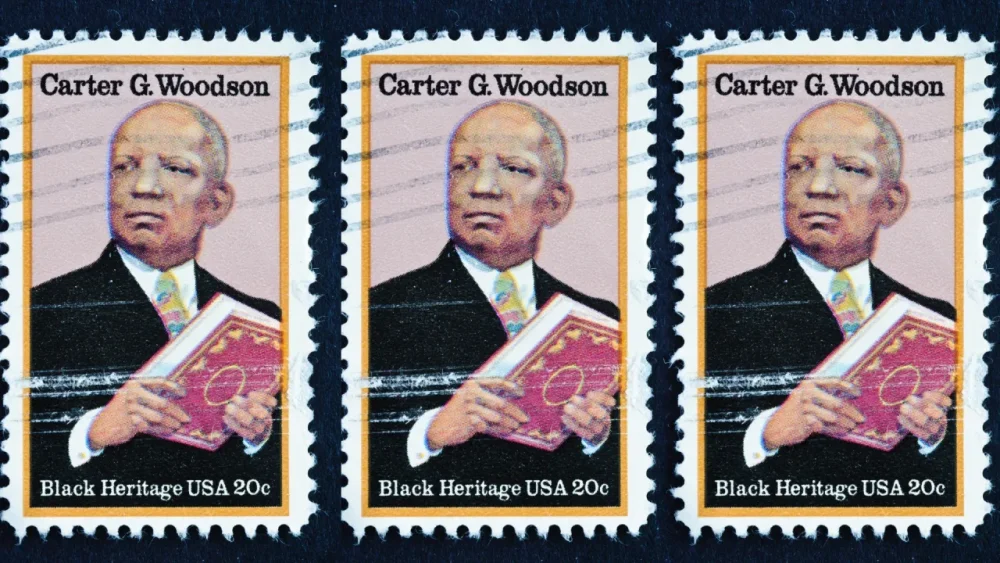
The Fast Company Impact Council is a private membership community of influential leaders, experts, executives, and entrepreneurs who share their insights with our audience. Members pay annual membership dues for access to peer learning and thought leadership opportunities, events and more. Carter G. Woodson is the reason we celebrate Black history this month, and every February. Not many people know him, but he was a scholar, a journalist, and an activist who decided in the early 1900s to document how formerly enslaved Africans and the broader African diaspora contributed to the prosperity and growth of this country and beyond. At the time, our nation’s narrative assumed that African Americans had no history or impact on the trajectory of the United States. Despite known and demonstrable evidence to the contrary, even among former enslavers, a national narrative asserting the biological and inherent inferiority of anyone with one drop of Black blood had to assert that Black people lacked any significant history or claim on shared humanity. “We hold these truths to be self-evident, that all men are created equal…” except for Black men and women. This narrative added further justification for the evils of Jim Crow segregation and decades of policy and actual violence to African Americans. Hidden figures Woodson and his colleagues changed all that. Together, they detailed the history of African-descended people in the Americas and beyond. Woodson educated the broader population about the Black contributions to their daily lives. Inventors like Thomas Jennings, the first African American to receive a patent, for a new form of dry cleaning. And, Lewis Howard Latimer, who worked with Alexander Graham Bell and Thomas Edison, where he improved the process for making carbon filaments in light bulbs and later invented a precursor to air conditioning. And, Granville T. Woods, who improved the operation of telegraphs. And, Alice H. Parker, who designed the first central heating system powered by natural gas. These hidden figures—and so many more—had been and would have been forgotten by history if not for Woodson and his colleagues. He began publication of the Journal of Negro History, now The Journal of African American History, in 1916, and it has been continuously publishing ever since, documenting the history of African American life and their contributions to society. After founding the Journal, Woodson decided to go further and start “Negro History Week” in 1926. He timed this for the second week in February, to coincide with the birthdays of both Frederick Douglas and Abraham Lincoln. In 1976, this grew into the Black History Month we now recognize every year. Contributions should be honored As we face current attempts at historical erasure, we recall that Woodson and his colleagues did not enjoy broad support. Policy violence and deep rhetorical contempt against Black Americans catalyzed the rise of attacks and intimidation by the KKK and other hate groups. Thus, Woodson strived without the accolades or endorsements from establishment leaders. He and his colleagues, many white, understood that in the shared understanding of all peoples’ contributions to civilization lay the seeds for a more fully flowering democracy. Woodson’s efforts certainly helped to raise the consciousness of Black Americans. It also gave whites the opportunity to cast aside the toxic mythology of white supremacy. Woodson became one of the leaders of the Black intellectual and cultural movements in the 20s and 30s, such as the Harlem Renaissance and the international Black Consciousness Movement led by individuals like Marcus Garvey. His work helped Black people all over the country and throughout the African diaspora recognize our contributions and envision our full potential in a society unfettered by racial hate, segregation, and discrimination. Black History Month rests on a big and bold legacy that Woodson created for us. We now have many different history months that celebrate all aspects of our nation’s heritage, not just a sanitized version. We have Women’s History Month; Jewish American History Month; Hispanic Heritage Month; LGBTQ+ Pride Month; and so much more. Because of the tireless work of Woodson, we can have a full picture of this country’s history. With a better understanding of our past, we can better navigate the future. Build on the legacy As we reflect on all of this work that brought us here, I want to ask: What is the work we are willing to do to build upon this legacy? What can we do to make the most of where we are now, every single day? Woodson was driven not by a desire for accolades or recognition. He wanted his people, and all people, to better connect with a rich history, rather than have that history erased. We are at a similar moment in time in our nation’s history where we risk losing the truth of how we got close to, and how we might strive to fulfill the promise of a more perfect union. How can we follow Woodson’s lead and do the work necessary to remember our past, and create a better future where all can thrive? Joe Scantlebury, JD, is CEO of Living Cities. View the full article
-
Fear of ‘trouble ahead’ because of low growth and sticky inflation outweighs relief brought by lower interest ratesView the full article
-
The Fast Company Impact Council is a private membership community of influential leaders, experts, executives, and entrepreneurs who share their insights with our audience. Members pay annual membership dues for access to peer learning and thought leadership opportunities, events and more. From a young age, feedback from authority figures shape our self-perception. Unfortunately, too many young people internalize the message that they should only pursue what comes easily to them. I know this firsthand. As a student, I was interested in STEM but found it challenging. After an educator told me to focus on what I was “good at,” I believed I could never succeed in science or technology—and I gave up. What happened to me isn’t unique. Too often, young people aren’t given the opportunity to fail safely, leading them to impose limits on their own potential. The consequences extend beyond the individual—industries suffer, too. Research shows that professionals with high confidence earn $8,000 more each year than their less self-confident peers, and 93% cite confidence as key to career success. Without a cultural shift that embraces safe failure—the opportunity to fail, learn, and try again—innovation will stagnate, and talent pipelines will weaken. As the leader of FIRST, a global robotics community dedicated to igniting young people’s passion for STEM, I’ve seen firsthand the impact that building confidence in kids as young as preschool age can have on students’ educational affinity and interpersonal skill development. The same principles we apply to students ages 4-18 are relevant for young adults entering the workforce. A thriving business environment depends on uplifting young talent and empowering them to navigate challenges. Celebrate failure, don’t fear it FIRST founder and prolific inventor Dean Kamen, who holds more than 1,000 patents, believes that yes—a project may fail—but never a person. He says, “A step backward is a failure, but what if, for every step backward, you take two steps ahead?” Learning from failure is a critical step in progress—something over 3.2 million FIRST participants and alumni understand well. Business leaders must foster environments where failure is not only accepted, but expected. Controlled, low-risk failures offer young workers invaluable learning experiences that allow them to iterate and improve. Teams should see failure not as a sign of incapability but as a tool for growth. If we expect young professionals to push through challenges, we must provide them with the safety net to do so. Use mentorship to model resiliency and offer guidance Mentorship is a powerful way to help young professionals build resilience. Whether they are learning a new skill or questioning whether they have what it takes to “go pro” in STEM, it is not at all uncommon at FIRST to see young people stepping outside of their comfort zones, seeking guidance, and needing reassurance. Our role as leaders is not just to teach but to help young people find their places of belonging, and mentorship is a key piece of that puzzle. Strong mentors—who have faced setbacks and persevered—offer support, model confidence, and help young people navigate obstacles. Mentorship doesn’t just benefit mentees; it strengthens the mentors’ leadership skills. Corporate leaders I’ve spoken with who invest in mentorship often report improved communication, problem-solving, and long-term employee commitment. Business leaders should consider structured mentorship programs, to cultivate a culture of support and professional development for their employees. Focus on flexibility and growth mindsets Career paths are rarely linear. Many young professionals pivot as they discover their passions and adapt to changing industries. Organizations that encourage continuous learning and skill development—not just technical expertise but also communication, teamwork, and adaptability—will retain talent and drive innovation. Looking back on my past experiences, I wish I had understood that I had a choice: I could either accept my teacher’s discouragement or cast her words aside and believe in my limitless potential. As business leaders, we must create spaces where young professionals are empowered to take risks, learn, and grow. Innovation requires risk taking and trial and error. And for innovation to flourish, we must give young professionals permission to jump, with the knowledge that they have a safety net beneath them. If we reframe failure as an opportunity, provide mentorship, and encourage resilience, we can ensure young professionals—and the businesses they power—reach their full potential. Chris Moore is CEO of FIRST. View the full article

-
Operations stepped up by Israel military in northern West Bank after public transport is targetedView the full article
-
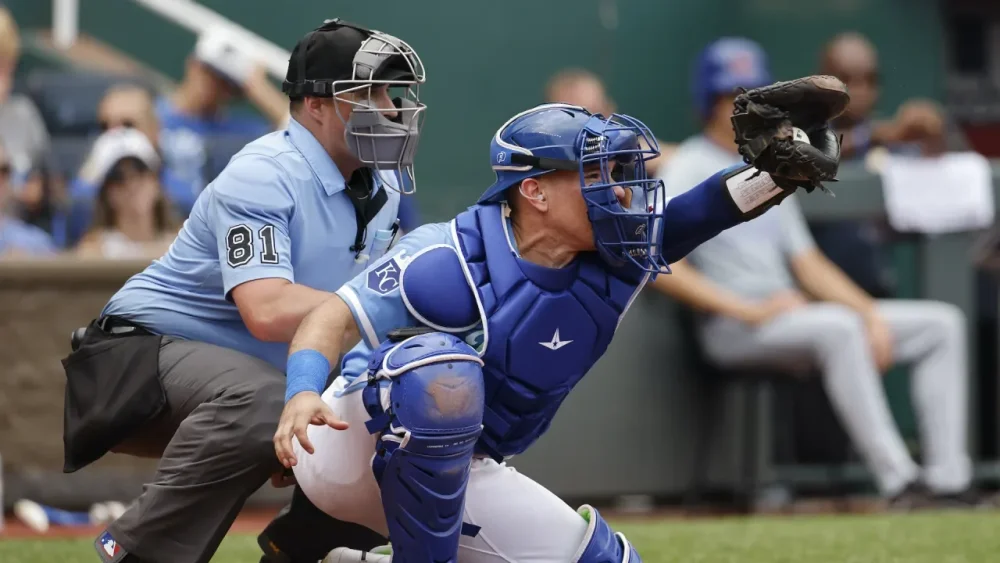
A computerized system that calls balls and strikes is being tested during Major League Baseball spring training exhibition games starting Thursday after four years of experiments in the minor leagues. Baseball Commissioner Rob Manfred is an advocate of the Automated Ball-Strike System, which potentially as early as 2026 could be used to aid MLB home plate umpires, but not replace them. Starting in 2024, MLB focused testing on a challenge system in which the human umpire makes each original call. Data from the spring training test could cause MLB to make alterations to the system for Triple-A games this season. How does the Automated Ball-Strike System work? Stadiums are outfitted with cameras that track each pitch and judge whether it crossed home plate within the strike zone. In early testing, umpires wore ear buds and would hear “ball” or “strike,” then relay that to players and fans with traditional hand signals. The challenge system adds a wrinkle. During spring training, human umps will call every pitch, but each team will have the ability to challenge two calls per game, with no additions for extra innings. A team retains its challenge if successful, similar to the regulations for big league teams with video reviews, which were first used for home run calls in August 2008 and widely expanded to many calls for the 2014 season. Only a batter, pitcher or catcher may challenge a call, signaling with the tap of a helmet or cap; and assistance from the dugout is not allowed. A challenge must be made within 2 seconds, and the graphic of the pitch and strike zone will be shown on the scoreboard and broadcast feed. The umpire then announces the updated count. MLB estimates the process averages 17 seconds. Where will ABS be tested? MLB has installed the system in 13 spring training ballparks that are home to 19 teams. The Florida stadiums, all in the Florida State League, are the stadiums of Detroit, Minnesota, the New York Mets, New York Yankees, Philadelphia, Pittsburgh and Toronto, plus the ballpark shared by Miami and St. Louis. Five test sites in Arizona all are shared: the Diamondbacks/Colorado, Chicago White Sox/Los Angeles Dodgers, Cleveland/Cincinnati, Kansas City/Texas and Seattle/San Diego. About 60% of spring training games are slated for trial, although teams could play vastly different numbers of games with ABS testing. The Diamondbacks are slated for 29 ABS games, while the Cubs have just seven. What is the technology? A Hawk-Eye pose-tracking system of cameras was installed and used to track pitches and whether they are within a strike zone based on the height of each batter, who is measured without shoes before a team’s first test game. MLB estimated the calibration process at less than one minute for each player. There are eight cameras at most of the spring training ballparks in the test and 12 at the Diamondbacks/Rockies stadium. While the strike zone actually called by big league umpires tends to be oval in shape, the ABS strike zone is a rectangle, as in the rule book. Developing a consensus on what a computer strike zone should be has been an issue. When did MLB first start using ABS? MLB started experimenting with ball/strike technology at the independent Atlantic League in 2019. A challenge system was tried in 2021 at eight of nine ballparks that make up the Florida State League. ABS was promoted to five Triple-A parks in 2022 and expanded to all Triple-A stadiums in 2023, the robot alone for the first three games of each series and a human with a challenge system in the final three. That system was in place at the start of 2024, but MLB switched to an all-challenge system last June 25. How successful were teams with challenges last year? Overall return rate over the full Triple-A season was 51%, with challenges by the defense winning 54% and by the offense winning 48%. Challenges with the two-challenge limit in place averaged 3.9 per game, including 2.2 by the offense. The success percentage has been slightly better for video reviews in the major leagues. Teams increased their success rate on video reviews to 53.7% last season, led by the Boston Red Sox at 67.9%. Just 1.6% of first pitches were challenges, but the figure increased to 3.9% for two-strike pitches, 5.2% for three-ball pitches and 8.2% for full counts. Challenge percentages were more likely later in the game. While 1.9% of pitches were challenged in the first three innings, 2.5% were challenged from the fourth through the sixth, 2.8% in the seventh and eighth and 3.6% in the ninth. How has the computer strike zone changed over time? MLB has changed the shape of the ABS strike zone several times. It started with a 19-inch width in 2022, then dropped it to 17 inches — matching the width of home plate. Narrowing the strike zone led to an increase in walks and only small changes in strikeout rates. The top of the striker zone was 51% of a batter’s height in 2022 and 2023, then raised to 53.5% in 2024 after pitchers’ complaints the top had been too low. The bottom of the strike zone has been 27% since 2022 after initially being set at 28%. A batter’s stance is not taken into account. ABS makes the ball/strike decision at the midpoint of the plate, 8 1/2 inches from the front and 8 1/2 inches from the back. The contrasts with the rule book zone called by umpires, which says the zone is a cube, and a strike is a pitch that crosses any part. Strikeout rates increased 0.5% and walk rates rose 1% in full ABS games and 0.8% in challenge games. How will ABS impact broadcasts? Concerned the strike zone box on broadcasts could tip whether to challenge and cause fans to yell at players to challenge, MLB plans to experiment with several broadcast alternatives, among them: show the box but not the ball; show the ball but not the box; and to show only corners of the box. How can players give feedback? Dugout iPads available to all teams will have an application called ProTABS that allows players to check pitches against their individual strike zone. Information will update after every plate appearance and players can give MLB comment on single pitches and the overall system. —Ronald Blum, AP baseball writer View the full article
-
Most employees will receive about 10% less equity this yearView the full article
-
Max's March slate includes the fourth and final season of original comedy series The Righteous Gemstones (March 9), featuring Danny McBride, Adam Devine, John Goodman, and Edi Patterson, among others, as members of the famous televangelist Gemstone family. Episodes will debut weekly on Sundays. At the end of the month, Max Original reality series Paul American (March 27) will premiere, with weekly episodes stretching into April and May. The eight-installment show gives an inside look into the lives of Jake and Logan Paul. HBO is also releasing a nine-part sports documentary, Celtics City (first episode premieres on March 3), about the NBA franchise from its origin to its 2024 championship. There are three A24 films slated for Max in March: Queer (March 28) stars Daniel Craig as an American expat who develops a relationship with a younger main (played by Drew Starkey). The film is based on a William S. Burroughs novella, and Craig was nominated for Golden Globe, Critics' Choice, and Screen Actors Guild awards. Heretic (March 7) is a horror film about two Mormon missionaries attempting to convert a reclusive man played by Hugh Grant, who also received numerous award nominations for his performance. Finally, Sing Sing (March 21) stars Oscar nominee Colman Domingo as an inmate imprisoned at Sing Sing for a crime he didn't commit who joins a theater group with other incarcerated men—the film is based on a true story. Max will also have live sports in March, including NBA and NHL games, 3x3 women's basketball, and the NCAA Men's Basketball Tournament from the first round through the Elite 8. Here's everything else coming to Max in March. What’s coming to Max in March 2025Available March 1A Lost Lady (1934) A Woman's Face (1941) AEW Special Events, 2020A (2020) AEW Special Events, 2021A (2021) AEW Special Events, 2022A (2022) AEW Special Events, 2023A (2023) AEW Special Events, 2024A (2024) Along the Great Divide (1951) Arrow in the Dust (1954) Assassin’s Creed (2016) Away We Go (2009) Big Eyes (2014) Captain Horatio Hornblower (1951) Carrie (1976) Carrie (2013) Child’s Play (1988) Child’s Play (2019) Executive Suite (1954) Ghostbusters (1984) Ghostbusters II (1989) Goodbye, My Fancy (1951) GoodFellas (1990) Jeopardy (1953) Ladies They Talk About (1933) Maggie (2015) Massacre River (1949) Men in Black (1997) Men in Black II (2002) Men in Black III (2012) My Reputation (1946) Night Nurse (1931) Paddy Chayefsky: Collector of Words (2024) Stand By Me (1986) Susan and God (1940) The Babe Ruth Story (1948) The Best Man Holiday (2013) The Burning Hills (1956) The Damned Don't Cry (1950) The Descendants (2011) The Forger (2015) The Mad Miss Manton (1938) The Man with a Cloak (1951) The Perks of Being a Wallflower (2012) The Purchase Price (1932) The Secret Bride (1934) The Two Mrs. Carrolls (1947) The Women (1939) This Woman Is Dangerous (1952) To Please a Lady (1950) When Ladies Meet (1941) White Chicks (2004) White Chicks: Unrated (2004) Why Him? (2016) Available March 3Celtics City (HBO Original) The Nut Job (2014) The Nut Job 2 (2017) Tournament of Champions, Season 6 (Food Network) Available March 4Smallfoot (2018) Available March 5Jay & Pamela, Season 1 (TLC) Road Rage, Season 3 (ID) Available March 6Dylan's Playtime Adventures, Season 1A (Max Original) Jellystone, Season 3B (Max Original) Available March 7Heretic (A24) When No One Sees Us (Cuando Nadie Nos Ve), Season 1 (Max Original) Available March 9The Righteous Gemstones, Season 4 (HBO Original) Available March 10Home Town Takeover, Season 3 (HGTV) Naked and Afraid, Season 18 (Discovery) Oh My God…Yes! A Series of Extremely Relatable Circumstances, Season 1 (Adult Swim) YOLO: Rainbow Trinity, Season 3 (Adult Swim) Available March 11Kobe: The Making of a Legend (CNN Original Series) Spring Baking Championship, Season 11 (Food Network) Available March 12Constables On Patrol, Season 1 (Discovery) Available March 13Battle of Culiacán: Heirs of the Cartel (Culiacanazo: Herederos del Narco) (Max Original) Expedition Bigfoot, Season 6 (Discovery) Married to Real Estate, Season 4 (HGTV) The Parenting (Max Original) Available March 14Beau Is Afraid (A24) Available March 15Bugs Bunny Builders, Season 2C (Cartoon Network) Ready to Love, Season 10 (OWN) Available March 17A Body in the Snow: The Trial of Karen Read, Season 1 (ID) A Clean Sheet: The Return of Gabe Landeskog, Season 1 (TNT Sports) TNT Sports Conversations, Season 1 (TNT Sports) Available March 19House of Knives, Season 1 (Food Network) Available March 21A Decent Man (Porządny Człowiek), Season 1 (HBO Original) Sing Sing (A24) Available March 22Tiny Toons Looniversity, Season 2C (Cartoon Network) Available March 23Girl Meets Farm, Season 14 (Food Network) Available March 24Signs of a Psychopath, Season 9 (ID) Available March 25Lockerbie: The Bombing of Pan Am 103, Season 1 (CNN Original) Available March 26Naked and Afraid: LatAm, Season 3 (discovery+) Available March 27Help! My House is Haunted, Season 5 (Travel Channel) Paul American, Season 1 (Max Original) Available March 28Bargain Mansions, Season 6 (Magnolia Network) Diners, Drive-Ins, Dives, Season 50 (Food Network) Queer (A24) Reformed (Le Sens Des Choses), Season 1 (Max Original) Available March 29The Pioneer Woman, Season 38 (Food Network) Available March 31Amityville: Where The Echo Lives (2024) Camp Hell (2010) Enter Nowhere (2011) View the full article