ResidentialBusiness
Administrators
-
Joined
-
Last visited
Everything posted by ResidentialBusiness
-
 US consulting firm in bet on in-person working in sign of hope for UK capital’s commercial property marketView the full article
 -
Report offers rare insight into how Moscow sees invasion of Ukraine harming ties with close alliesView the full article
-
German luxury-car maker to continue investing in combustion engine and hybrid technology alongside full EVs View the full article
-
Doge’s efforts to infiltrate the plumbing of the federal government should scare everyone View the full article
-
Weakened by war with Israel, the group is deploying a vast patronage network to strengthen its baseView the full article
-
Since COVID 19, we have seen a drastic redefinition of how people define work and employment in small business– and a new desire on how they want to make a living differently. As my guest on The Small Business Radio Show says in the title of his book – Is employment dead? Josh Drean is co-founder of the Work3 Institute. He is also a Web3 and Workforce Advisor at the Harvard Innovation Labs and co-founder of DreanMedia. Josh is an HR transformation expert who connects emerging technologies with workplace strategies. His work has been featured in Harvard Business Review, Forbes, Fast Company, and MIT Technology Review, and his YouTube channel has garnered millions of views. His new book declares “Employment is Dead”. Traditional Employment Models Are Obsolete Josh Drean argues that the conventional models of employment, characterized by rigid structures and hierarchical decision-making, are becoming increasingly obsolete. The COVID-19 pandemic has accelerated this shift, revealing the limitations of traditional employment models and highlighting the need for more flexible and adaptive approaches. The Rise of Autonomy and Flexibility Today’s workforce, particularly younger generations like Gen Z, is seeking more autonomy and flexibility in their work environments. This shift is not merely a trend; it reflects a deeper desire for purpose and engagement in their professional lives. Employees want to feel connected to their work and to the communities they are part of. Actionable Advice: Implement Flexible Work Policies: Allow employees to choose their work hours and locations to better align with their personal lives. Encourage Autonomy: Empower employees to make decisions and take ownership of their work, fostering a sense of responsibility and investment. The Role of Autonomy and Decision-Making A key theme in the discussion is the importance of autonomy in the workplace. When employees are given more decision-making power, they are more likely to feel invested in their work and motivated to contribute to their organization’s success. This shift towards a more decentralized approach to management can lead to increased innovation and productivity. Traditional management structures often stifle creativity and limit employees’ ability to take initiative. By contrast, organizations that empower their employees to make decisions and take ownership of their work can create a more dynamic and responsive workplace. Actionable Advice: Decentralize Decision-Making: Create smaller, autonomous teams that can make decisions quickly and efficiently. Foster a Culture of Innovation: Encourage employees to experiment and take risks, providing them with the resources and support they need to succeed. Impact of AI and Web3 Technologies Emerging technologies, particularly artificial intelligence (AI), are reshaping the way we think about employment and collaboration. AI can automate routine tasks, freeing up employees to focus on more strategic and creative aspects of their work. This shift can lead to a more fulfilling work experience, as employees can engage in tasks that align with their skills and interests. Web3 technologies, which emphasize decentralization and community-driven approaches, are also changing the employment landscape. These technologies enable new forms of collaboration and engagement, allowing individuals to connect and work together in ways that were not previously possible. Actionable Advice: Leverage AI for Routine Tasks: Implement AI tools to handle repetitive tasks, allowing employees to focus on higher-value activities. Explore Web3 Technologies: Investigate how blockchain and decentralized platforms can enhance collaboration and transparency within your organization. The Gig Economy and Evolving Roles Many workers are increasingly opting for freelance and contract work, seeking flexibility and autonomy over the security of a traditional job. This trend is particularly prevalent among younger generations, who prioritize work-life balance and the ability to pursue multiple interests. The gig economy presents challenges, such as the lack of benefits and job security that come with traditional employment. Organizations need to rethink their approaches to employment and consider how they can support gig workers and freelancers. Actionable Advice: Offer Inclusive Benefits: Create benefits packages that cater to both full-time employees and gig workers, such as access to healthcare and retirement plans. Build a Supportive Community: Foster a sense of belonging and community among gig workers by including them in company events and communications. Conclusion: Adapting to the Future of Work The episode highlights the urgent need for organizations to adapt to the changing landscape of work. As traditional employment models become less relevant, businesses must embrace new approaches that prioritize autonomy, community, and purpose. By doing so, they can create work environments that not only attract and retain talent but also foster innovation and growth. Key Takeaways Embrace Flexibility: Implement flexible work policies that allow employees to balance their personal and professional lives. Empower Employees: Decentralize decision-making and foster a culture of innovation to enhance employee engagement and productivity. Leverage Technology: Utilize AI and web3 technologies to streamline operations and enhance collaboration. Support Gig Workers: Offer inclusive benefits and build a supportive community for gig workers and freelancers. Listen to the entire episode on The Small Business Radio Show. This article, "Is Employment Dead for Small Businesses?" was first published on Small Business Trends View the full article
-
Since COVID 19, we have seen a drastic redefinition of how people define work and employment in small business– and a new desire on how they want to make a living differently. As my guest on The Small Business Radio Show says in the title of his book – Is employment dead? Josh Drean is co-founder of the Work3 Institute. He is also a Web3 and Workforce Advisor at the Harvard Innovation Labs and co-founder of DreanMedia. Josh is an HR transformation expert who connects emerging technologies with workplace strategies. His work has been featured in Harvard Business Review, Forbes, Fast Company, and MIT Technology Review, and his YouTube channel has garnered millions of views. His new book declares “Employment is Dead”. Traditional Employment Models Are Obsolete Josh Drean argues that the conventional models of employment, characterized by rigid structures and hierarchical decision-making, are becoming increasingly obsolete. The COVID-19 pandemic has accelerated this shift, revealing the limitations of traditional employment models and highlighting the need for more flexible and adaptive approaches. The Rise of Autonomy and Flexibility Today’s workforce, particularly younger generations like Gen Z, is seeking more autonomy and flexibility in their work environments. This shift is not merely a trend; it reflects a deeper desire for purpose and engagement in their professional lives. Employees want to feel connected to their work and to the communities they are part of. Actionable Advice: Implement Flexible Work Policies: Allow employees to choose their work hours and locations to better align with their personal lives. Encourage Autonomy: Empower employees to make decisions and take ownership of their work, fostering a sense of responsibility and investment. The Role of Autonomy and Decision-Making A key theme in the discussion is the importance of autonomy in the workplace. When employees are given more decision-making power, they are more likely to feel invested in their work and motivated to contribute to their organization’s success. This shift towards a more decentralized approach to management can lead to increased innovation and productivity. Traditional management structures often stifle creativity and limit employees’ ability to take initiative. By contrast, organizations that empower their employees to make decisions and take ownership of their work can create a more dynamic and responsive workplace. Actionable Advice: Decentralize Decision-Making: Create smaller, autonomous teams that can make decisions quickly and efficiently. Foster a Culture of Innovation: Encourage employees to experiment and take risks, providing them with the resources and support they need to succeed. Impact of AI and Web3 Technologies Emerging technologies, particularly artificial intelligence (AI), are reshaping the way we think about employment and collaboration. AI can automate routine tasks, freeing up employees to focus on more strategic and creative aspects of their work. This shift can lead to a more fulfilling work experience, as employees can engage in tasks that align with their skills and interests. Web3 technologies, which emphasize decentralization and community-driven approaches, are also changing the employment landscape. These technologies enable new forms of collaboration and engagement, allowing individuals to connect and work together in ways that were not previously possible. Actionable Advice: Leverage AI for Routine Tasks: Implement AI tools to handle repetitive tasks, allowing employees to focus on higher-value activities. Explore Web3 Technologies: Investigate how blockchain and decentralized platforms can enhance collaboration and transparency within your organization. The Gig Economy and Evolving Roles Many workers are increasingly opting for freelance and contract work, seeking flexibility and autonomy over the security of a traditional job. This trend is particularly prevalent among younger generations, who prioritize work-life balance and the ability to pursue multiple interests. The gig economy presents challenges, such as the lack of benefits and job security that come with traditional employment. Organizations need to rethink their approaches to employment and consider how they can support gig workers and freelancers. Actionable Advice: Offer Inclusive Benefits: Create benefits packages that cater to both full-time employees and gig workers, such as access to healthcare and retirement plans. Build a Supportive Community: Foster a sense of belonging and community among gig workers by including them in company events and communications. Conclusion: Adapting to the Future of Work The episode highlights the urgent need for organizations to adapt to the changing landscape of work. As traditional employment models become less relevant, businesses must embrace new approaches that prioritize autonomy, community, and purpose. By doing so, they can create work environments that not only attract and retain talent but also foster innovation and growth. Key Takeaways Embrace Flexibility: Implement flexible work policies that allow employees to balance their personal and professional lives. Empower Employees: Decentralize decision-making and foster a culture of innovation to enhance employee engagement and productivity. Leverage Technology: Utilize AI and web3 technologies to streamline operations and enhance collaboration. Support Gig Workers: Offer inclusive benefits and build a supportive community for gig workers and freelancers. Listen to the entire episode on The Small Business Radio Show. This article, "Is Employment Dead for Small Businesses?" was first published on Small Business Trends View the full article
-
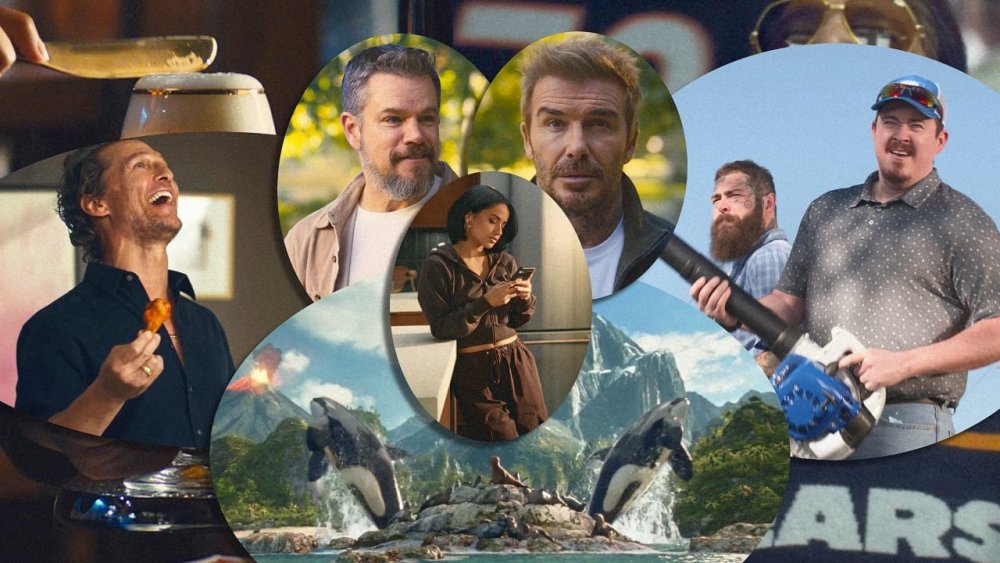
The Super Bowl is a magical time and place for brands. A rare and brief three-or-so hour moment when people want to see commercials. Every marketer’s Xanadu. What defines a great Super Bowl ad is obviously subjective, no matter what the Ad Meters, and any number of other measurement tech tells you. Hell, even your own brain might be lying to you. The real scorecard is unique to each brand and what it considers the worth of up to $40 million or more in investment around the game. My criteria for a good Super Bowl ad remains relatively simple: Is it fun or emotional in a way that is both entertaining and memorable? An easy question to ask, but as each year proves, much more difficult to answer. Before I get into my top 5 list, here are the honorable mentions. The coffee wars come to the Super Bowl! I’m a fan of Dunkin’s work with Ben Affleck, created by Artists Equity Advertising (the ad arm of Affleck and Matt Damon-founded Artists Equity). This year’s spot was a funny take on the coffee wars, using a part-Warriors, part-Anchorman dynamic to continue the adventures of the DunKings. I also really liked Starbucks’ “Hello Again,” by Anomaly, which aimed to remind us why we liked the brand in the first place. However, the spot could be used as a case study in how crucial the right song can be, because this ad wouldn’t hit nearly as hard without AC/DC’s classic “Thunderstruck.” After 27 years, it’s about time we saw another Nike commercial in the Super Bowl. “Hare Jordan” is arguably a Top 10 all-time Super Bowl commercial, so getting the swoosh back feels right. Now in “So Win,” the brand used Led Zeppelin and a murderers’ row of female superstars to stylishly continue its swing back to the ultra-competitive attitude Nike was built on. My admiration for what FanDuel has created with “Kick of Destiny” is well-documented, and continues this year. While the main event isn’t technically an in-game ad—this year cleverly embedding itself within the Fox pregame show—it remains one of the best-ever Super Bowl brand ideas. Speaking of all-time big game brand ideas, another shout-out to Doritos for bringing back “Crash The Super Bowl” after an eight-year hiatus. The spots were fun, funny, and the contest remains a benchmark in fan participation. And lastly, a shout-out to the brands that decided to go full emosh and actually pulled it off with impressive results. The NFL’s “Somebody,” Lay’s “Little Farmer,” and Google’s “Dream Job” all struck a nice balance for the brands and the moment. OK, now on to my top 5 ads of the 2025 Super Bowl. Stella Artois “David & Dave: The Other David” It’s a premise that could be explained in one line: David Beckham finds out he has a secret American twin named Dave. This is Artists Equity Advertising’s first Super Bowl spot for a brand that’s not Dunkin’, and here we have the company’s other co-founder Damon in a starring role. I spoke to execs at the agency for a story coming out later this week, and they told me the brief from the brand was to shift Stella’s image in the U.S. as an upscale beer to more of a quality everyday beer. Enter Dave Beckham. We’ve seen David pitch for the brand plenty of times, in ads, on Hot Ones, and beyond, but here we get to see a funnier side of the soccer legend. Mountain Dew “Kiss From A Lime” Mountain Dew has long-been one of the more experimental Super Bowl advertisers. In 2021, it enlisted John Cena to challenge viewers with a contest to be the first person to tweet the correct number of Mountain Dew Major Melon bottles that appeared in the ad for a chance to win $1 million. In 2018, it partnered with sibling brand Doritos for a surreal rap battle between Peter Dinklange and Morgan Freeman. And of course, 2016 gifted us the classic “Puppymonkeybaby.” This year the brand went all in on the big game version of unhinged. Seal as a seal? Directed by Taika Waititi, not only is this absurdity bullseye consistent with the soda’s identity when it comes to the Super Bowl, it delivers an on-brand ear-worm care of a 1994 love ballad. What’s not to like? (It’s still in your head, isn’t it?) Uber Eats “A Century of Cravings” Uber Eats made a relatively late decision in September to completely change its Super Bowl plans—a planning process that typically starts in July. A spot starring Matthew McConaughey, in which he floated a conspiracy theory that the function of all sports is to act as a catalyst for us to eat more food, got a great response. Could they continue that in the big game? Short answer: yep. Here it goes deeper. Not deep like finger-rolling a booger in your Lincoln deep; just different deep. A decade on, The McConaissance is still deep in its commercial era, and here the Oscar winner keeps the streak alive by giving us a history lesson of his earlier conspiracy. It’s a fun instalment of an overall celebrity-soaked ad strategy that manages to stand out, even as Pringles put up a strong challenge to its multi-celeb approach. “I think people now have a clearer understanding of our brand and tone because we’re consistently showing up with a very specific type of spot that is landing a specific type of humor,” Uber’s head of marketing for North America Georgie Jeffreys, told me last week. “Even if the message changes, the core tenets of our brand are the same.” Bud Light “Big Men on Cul-De-Sac” Just like at a bar, it was a close call between this and Bud Light’s blood rival Coors Light. Both ads are really funny and pretty much exactly what a light beer ad in the Super Bowl should aim for. What puts Bud Light over the line here is how it not only meets the above criteria, but does so with solid brand consistency. A great big game ad that doesn’t feel like a one-off is often a rare species. This isn’t the first time we’ve seen Post hit the field for Bud Light, and the work Gillis has done over the past year has completely reinvigorated the brand’s personality. Todd Allen, Bud Light’s senior vice president of marketing told me that it was a no-brainer for the brand to keep the momentum going and continue to lean into Gillis’ brand of humor. “There’s absolutely no bigger stage to deliver a laugh than the Super Bowl, and when you combine a comedic powerhouse like Shane with Bud Light, I think we have a winning formula,” said Allen. Liquid Death “Safe For Work” I mentioned the importance of the right song earlier with Starbucks, and here it applies just as much, but in a totally different way. Instead of relying on a classic song or new hit banger to tap into the audience’s existing affinity, Liquid Death crafted its own hilarious, pseudo-country jam about drinking on the job. The cops are drinking, the surgeons are drinking, the pilots are drinking, the court judges, the football refs, even the school bus drivers are all drinking on the job. Liquid Death is no stranger to celebrities. It’s worked with Martha Stewart, Bert Kreischer, Tony Hawk, and more. But here, the brand shrewdly avoided any big names knowing full well it’s exactly the opposite of what the majority of Super Bowl advertisers would do. The sharp contrast between the parade of celebrity pitchfolks and this lack of Hollywood star power, makes the ad stand out for all the right reasons. View the full article
-
For the first time in 27 years, we saw a Nike commercial in the Super Bowl. Has it really been that long? Hard to believe that one of—if not the—world’s greatest marketing brands hasn’t been on the big game stage for almost three decades. “Hare Jordan” is arguably a Top 10 all-time Super Bowl ad. Blame complacency, the fragmentation of media and culture, or whatever you like, but getting the swoosh back to the Super Bowl just feels right. Not only that, but the brand is using this opportunity to re-establish its hardcore athlete bonafides, in case anyone forgot. Created with Wieden+Kennedy, and narrated by Grammy winner Doechii, here we get a cranked up, black and white film, set to Led Zeppelin’s “Whole Lotta Love.” It features top athletes like ballers Caitlin Clark, A’ja Wilson, JuJu Watkins and Sabrina Ionescu; footballer Alexia Putellas, tennis star Aryna Sabalenka, sprinter Sha’Carri Richardson, and more, all showing the various ways they’re proving critics wrong. Chief marketing officer Nicole Hubbard Graham says the brand returned to the Super Bowl in order to tap into one of the very few mass, shared cultural experiences we have left. “Thinking about the Super Bowl and thinking about this moment, it felt very timely to tell this athlete story,” says Graham. “Women are just absolutely shattering records right now, selling out stadiums, ticket sales, commanding contracts like you’ve never seen before, and being placed with probably some of the harshest expectations of how you’re supposed to act. And I think they will redefine what it means to be athletes and personalities of the future.” Down on your luck. No one believes. The odds are stacked. Nike is using the most reliable premise in all epic sports stories to not only make a point about any individual athlete, and the state of women’s sports, but also to give a not-so subtle middle finger to all the shade the brand itself has been thrown over the past year or so. Attitude adjustment Soon after Graham took over as CMO, her first order of business was to talk to the brand’s elite stable of athletes. What she heard most often was the notion of winning had a losing reputation in the world. “The whole idea of being maniacally focused and obsessive and following your dreams to no end was sort of becoming a little bit taboo in society,” says Graham. “We thought that was a really interesting insight. And that led to the Olympic work.” “Winning Isn’t For Everyone” was an ode to the uncompromisingly competitive. Narrated by Willem Dafoe, the work was reminiscent of Nike’s campaign for the 1996 Olympic Summer Games in Atlanta that featured the tagline, “You don’t win silver, you lose gold.” As I wrote at the time, the new Olympic work marked a return of the “f**k you” attitude in Nike advertising that taps into its hardcore athlete pedigree. The Super Bowl campaign is the start of a larger campaign that will run into 2025, all looking to tap back into Nike’s connection to athletes by using the same foundations of style and emotion that built the brand in decades past. “This brand wasn’t built on Google ads or clicks, it was built on feelings, and big, disruptive, irreverent, emotional ideas.” says Graham. “That has been a really important strategy for us, and obviously with our partners at Wieden. How do we make sure that we are very much athletes over algorithms?” Bigger picture The brand will need all the emotional power it can get to counter the headwinds it’s been facing. Last summer, Nike saw its biggest stock drop since 2001. Second-quarter revenue dipped by 8%. The brand is up against steep competition across major sports like running, thanks to a resurgent Adidas and Brooks, as well as newer players like On and Hoka. Critics point to a lack of innovation, being more about streetwear Air Jordans and Dunks than performance products. Emarketer senior analyst Zak Stambor says that the brand has taken a lot of steps to identify its problems and to right the ship. Getting back to iconic advertising is just a piece of it. “For all of Nike’s challenges, the power of the brand remains incredibly strong,” says Stambor. “If the marketing can lean on that core strength, it likely will resonate. Then comes the need for everything else. You don’t want the marketing to drive the ship, it should be following the lead of the innovation, but it’s still a significant part of the puzzle.” Last year, particularly with the arrival of Graham, the brand started its mission to get back to the strategy co-founder Phil Knight espoused: “First capture the market for hard core athletes with innovative performance gear, and the casual consumer will follow.” Graham agrees and describes Nike’s biggest strength as a triangle that is built on its athlete partnerships. Unique insights lead to innovative products, which are then talked about through aspirational and inspiring ways. The work appears to be backing that up. Executives said on a recent earnings call that there are “truly transformative” sneakers coming for spring of 2025. Last week, the brand revealed A’ja Wilson’s long-awaited signature shoe, to much fanfare. “We’re getting back to that trifecta,” says Graham. “That is our winning playbook, and that’s what you’re going to see from us over and over and over again.” If Nike can’t be iconic, it’s going to push its hardest to be iconic. View the full article

-
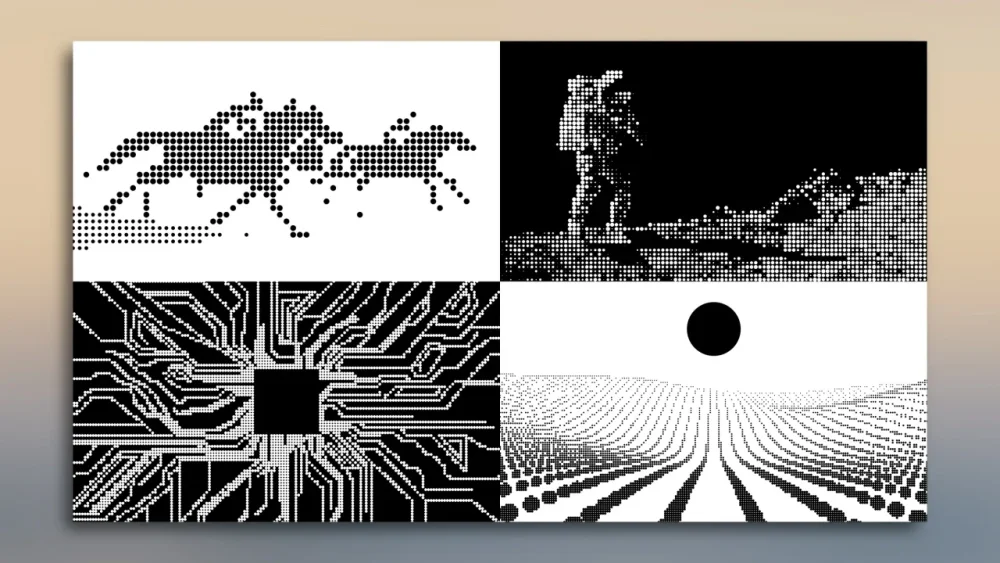
The challenge is formidable: Create an ad campaign that somehow shows a brand’s integral role in a pivotal moment of human history. But also, like, make it fun? When OpenAI’s ChatGPT hit 100 million users two months after its launch in November 2022, a UBS study declared it the fastest-growing consumer application in history. Now at upwards of 400 million users, ChatGPT might be the best-known consumer product to invest the least in advertising. Historic product awareness, zero brand awareness. For OpenAI chief marketing officer Kate Rouch, the Super Bowl was the perfect stage to start telling the world what the brand actually means. “Obviously, 130 million people are watching this,” says Rouch. “ChatGPT has 400 million users worldwide, so it’s not a niche technology. But we do have an opportunity to help them understand both the historical moment we’re in as well as the fact that they can participate today in this new movement and use these tools right now.” The ad cleverly uses ChatGPT’s cursor dot to show people how it “thinks.” Set to cheerful music, we see eras of human progress animated in the dots. From fire to the wheel to agriculture, trains, the lightbulb, air travel, space exploration, and computing, until we see the tagline, “All progress has a starting point.” It’s a conscious move to embed the product in the brand message. Rouch made a similar move back in the 2023 Super Bowl, when she was CMO at Coinbase. The crypto exchange’s floating QR code ad went viral and drove so many people to its platform that the app crashed. “When you ask ChatGPT a question, the dot comes up, and that is actually expressed in other OpenAI products as part of the brand design that we just refreshed,” says Rouch. “People are sitting around at Super Bowl parties, and they’re going to be like, ‘Whoa, hey do you use ChatGPT? How do you use it?’ And they’ll pull out their phones.” Building the brand The Super Bowl ad comes at a compelling time for the OpenAI and ChatGPT brand. Long the leader in awareness, the recent launch of DeepSeek has added a new element of competition for what AI tools will be in people’s pockets. Given its head start, Rouch’s focus is on talking to the 400 million people who have been using ChatGPT about what exactly it can do. While we all worry about the impending robot apocalypse or hail a new technological age, there’s a massive gray area between that existential level and using generative AI to help you write a better email. The brand’s job is to bridge that divide. “What we’re attempting to do here is two things,” says Rouch. “Find that middle ground, which is to say, on one hand it is important that people understand this isn’t status quo. This is the dawn of the intelligence age. There’s something important happening historically here that you should know about. But also that this is a tool in your pocket right now that can do tons of interesting things for you.” That’s where the Super Bowl ad comes in. Connecting the dots To create OpenAI’s first major brand ad, Rouch enlisted Accenture Song CEO David Droga and his agency, which have created many Super Bowl ads for brands. The agency’s approach—a peppy, product-first narrative—has a familiar connection to work Droga’s namesake agency Droga5 made for the original Google Pixel back in 2016. Back then, it was the search bar transforming into a phone. Here, it’s the dots illustrating the historical context of these new AI tools. In both cases, the message comes through loud and clear: This technology is about to change your life. Droga and Song have long been bullish on AI. In 2023, Song parent company Accenture announced it would spend $3 billion on AI over three years, and Droga has talked about the impact generative AI would have on advertising creative, emphasizing these tools would allow humans to create better ideas quicker and more often. Many brands start thinking about their Super Bowl work in the summer. Rouch started her job in December. She says the ad itself was created with humans, but the concepting and experimentation on ideas did utilize AI tools like OpenAI’s video GenAI tool Sora. “We use it as a concepting tool, so nothing you see in the ad was created by Sora,” says Rouch. “But because we made this on a pretty compressed timeline, it really helped the creatives prototype, experiment with camera angles, and things like that, all to speed up the process.” For OpenAI, the Super Bowl is an announcement of its ambition to go beyond a ubiquitous product and become the next iconic tech brand. It’s got the hype, now Rouch is looking to add the emotion to its brand. “At OpenAI, the mission is to create safe AGI, or advanced artificial intelligence, that benefits all of humanity,” says Rouch. “That’s a very intentional mission, so you will see that in our ambition and approach to build the brand and interact with people.” View the full article
-
Looking to recreate the buzz from its 2016 ad, Rocket leads spectators at the Superdome into a live version of 'Take Me Home Country Roads' during the big game. View the full article

-
Home secretary to release videos of people being deported as Labour tries to blunt attacks by Reform UKView the full article
-
KPMG/REC report points to impact of tax-raising measures in October Budget on employer confidenceView the full article
-
French president speaks ahead of AI summit in Paris involving executives such as OpenAI’s Sam AltmanView the full article
-
US president expands his campaign of trade protectionism to the metals sectorView the full article
-
Small businesses are advised to prepare for change. By CPA Trendlines Research Go PRO for members-only access to more CPA Trendlines Research. View the full article
-
Small businesses are advised to prepare for change. By CPA Trendlines Research Go PRO for members-only access to more CPA Trendlines Research. View the full article
-
Russell Vought, the Consumer Financial Protection Bureau's new acting director, ordered staff to stop all work and closed the agency's headquarters for a week. View the full article

-
On this week’s episode of Small Biz Breakdown, our expert panel of six discusses the impact of agentic AI on businesses. Watch the back-and-forth between our panel on how many decisions agentic AI will make in the future compared to what it’s making (or not making) now. The panel also discusses recent economic data and what it means for small businesses. Check out those discussions and more in this week’s episode of Small Biz Breakdown: Small Business News Roundup – Feb. 9, 2025 Here’s a look at the top stories LexisNexis Enhances Nexis+ AI with Conversational Search for Faster, Transparent Business Intelligence LexisNexis Legal & Professional has introduced an enhanced conversational search feature in its Nexis+ AI platform, aiming to accelerate research and business intelligence through generative AI-powered search capabilities. Small Business Acquisitions Rise 5% in 2024, Driven by Higher-Priced Deals Small business transactions in the U.S. increased by 5% in 2024, with 9,546 closed deals representing an enterprise value of $7.59 billion, 15% higher than in 2023, according to BizBuySell’s Insight Report. Private Sector Employment Rises by 183,000 in January Private-sector employment increased by 183,000 jobs in January, according to the latest ADP National Employment Report, produced in collaboration with the Stanford Digital Economy Lab. The report, based on payroll data from more than 25 million U.S. employees, also showed that annual pay grew by 4.7% year-over-year. Black-Owned Businesses Leverage Early Tech Adoption to Overcome Financial Barriers Black-owned small businesses are embracing digital tools at higher rates than their non-Black counterparts, helping them navigate financial challenges and drive long-term success, according to a new Intuit QuickBooks Black History Month Survey. Lenovo Study Finds ROI Concerns Remain Key Barrier to AI Adoption Despite Increased Investment A new Lenovo-commissioned study conducted by IDC reveals that global organizations are significantly increasing AI investments, but concerns over return on investment (ROI) remain a primary barrier to broader adoption. Meta Expands AI Transparency in Advertising with New Labeling System Meta has introduced an expanded labeling system for advertisements created or significantly edited using its in-house generative AI tools. The company says this initiative is part of its ongoing effort to increase transparency and accountability in digital advertising. Adobe Expands Acrobat AI Assistant with Contract Intelligence Features Adobe has introduced new generative AI capabilities in Acrobat AI Assistant aimed at simplifying contract analysis for businesses and consumers. The enhancements allow users to quickly understand complex terms, compare multiple agreements, and verify contract details with greater efficiency. Small Businesses Challenge Corporate Transparency Act in Federal Court The National Federation of Independent Business (NFIB) has filed an amicus brief urging the U.S. Court of Appeals for the Fourth Circuit to reject the Corporate Transparency Act (CTA), arguing that its reporting requirements impose unconstitutional burdens on small businesses. The brief was filed in Community Associations Institute, et al. v. U.S. Bluevine Partners with Xero to Enhance Small Business Banking and Accounting Bluevine has announced a new partnership with Xero, a global small business accounting platform, aimed at providing small business owners and accountants in the U.S. with improved financial management tools. The collaboration allows Bluevine customers to sync their banking data with Xero, enhancing efficiency, financial tracking, and overall business growth. SBFE and bluCognition Partner to Improve Small Business Lending Analytics Small Business Financial Exchange, Inc. (SBFE) and bluCognition have announced a strategic partnership aimed at enhancing small business lending analytics. By integrating bluCognition’s advanced bank transaction data analysis with SBFE’s extensive credit payment performance data, the collaboration seeks to provide lenders with a more comprehensive view of borrower financial health. X Introduces Video Tab, Expanding Platform’s Video Capabilities X has launched its new Video Tab. It’s a feature designed to enhance video discovery and engagement for users in the U.S. The update introduces a full-screen, immersive video experience, allowing audiences to explore trending content, top creators, and live events in a centralized feed. Aluminum Assoc. of Canada: US Tariffs on Canadian Aluminium WIll Disrupt Industry, Drive Up Costs The Aluminium Association of Canada has strongly criticized the 25% tariffs imposed by the U.S. administration on Canadian aluminium, warning of significant economic repercussions for American workers and consumers. The tariffs will immediately increase the cost of aluminium, affecting industries that rely on the metal for manufacturing. The U.S. US Residential Construction Market Projected to Grow by $242.9 Million from 2025 to 2029 The U.S. residential construction market is expected to expand by $242.9 million between 2025 and 2029, growing at a 4.5% compound annual growth rate (CAGR), according to a new report from Technavio. Rising household formation rates and a growing emphasis on sustainable construction practices are key factors driving market growth. Metricool’s 2025 Social Media Report Highlights LinkedIn and Pinterest Growth Amid TikTok’s Continued Dominance Metricool has released its 2025 Social Media Report, produced in collaboration with Statista, analyzing over 1 million social media accounts and 21 million posts across eight major platforms. The report identifies key trends shaping the digital landscape, from the growing influence of video content to shifting audience preferences across platforms. Small Biz Breakdown: DeepSeek and Its Impact on AI Technology and Small Business in the US This week our Small Biz Breakdown crew discusses the impact of DeepSeek and what, if any, impact it has on small business owners in the US. Detroit Pistons and Comerica Bank Launch SHOP313 Pop-Up Shops to Support Metro Detroit Small Businesses The Detroit Pistons and Comerica Bank have announced the launch of SHOP313 Pop-Up Shops presented by Comerica, a program designed to showcase and support 28 Michigan-based small businesses throughout the 2024-25 NBA season. This article, "Weekly RoundUp – February 6, 2025" was first published on Small Business Trends View the full article
-
On this week’s episode of Small Biz Breakdown, our expert panel of six discusses the impact of agentic AI on businesses. Watch the back-and-forth between our panel on how many decisions agentic AI will make in the future compared to what it’s making (or not making) now. The panel also discusses recent economic data and what it means for small businesses. Check out those discussions and more in this week’s episode of Small Biz Breakdown: Small Business News Roundup – Feb. 9, 2025 Here’s a look at the top stories LexisNexis Enhances Nexis+ AI with Conversational Search for Faster, Transparent Business Intelligence LexisNexis Legal & Professional has introduced an enhanced conversational search feature in its Nexis+ AI platform, aiming to accelerate research and business intelligence through generative AI-powered search capabilities. Small Business Acquisitions Rise 5% in 2024, Driven by Higher-Priced Deals Small business transactions in the U.S. increased by 5% in 2024, with 9,546 closed deals representing an enterprise value of $7.59 billion, 15% higher than in 2023, according to BizBuySell’s Insight Report. Private Sector Employment Rises by 183,000 in January Private-sector employment increased by 183,000 jobs in January, according to the latest ADP National Employment Report, produced in collaboration with the Stanford Digital Economy Lab. The report, based on payroll data from more than 25 million U.S. employees, also showed that annual pay grew by 4.7% year-over-year. Black-Owned Businesses Leverage Early Tech Adoption to Overcome Financial Barriers Black-owned small businesses are embracing digital tools at higher rates than their non-Black counterparts, helping them navigate financial challenges and drive long-term success, according to a new Intuit QuickBooks Black History Month Survey. Lenovo Study Finds ROI Concerns Remain Key Barrier to AI Adoption Despite Increased Investment A new Lenovo-commissioned study conducted by IDC reveals that global organizations are significantly increasing AI investments, but concerns over return on investment (ROI) remain a primary barrier to broader adoption. Meta Expands AI Transparency in Advertising with New Labeling System Meta has introduced an expanded labeling system for advertisements created or significantly edited using its in-house generative AI tools. The company says this initiative is part of its ongoing effort to increase transparency and accountability in digital advertising. Adobe Expands Acrobat AI Assistant with Contract Intelligence Features Adobe has introduced new generative AI capabilities in Acrobat AI Assistant aimed at simplifying contract analysis for businesses and consumers. The enhancements allow users to quickly understand complex terms, compare multiple agreements, and verify contract details with greater efficiency. Small Businesses Challenge Corporate Transparency Act in Federal Court The National Federation of Independent Business (NFIB) has filed an amicus brief urging the U.S. Court of Appeals for the Fourth Circuit to reject the Corporate Transparency Act (CTA), arguing that its reporting requirements impose unconstitutional burdens on small businesses. The brief was filed in Community Associations Institute, et al. v. U.S. Bluevine Partners with Xero to Enhance Small Business Banking and Accounting Bluevine has announced a new partnership with Xero, a global small business accounting platform, aimed at providing small business owners and accountants in the U.S. with improved financial management tools. The collaboration allows Bluevine customers to sync their banking data with Xero, enhancing efficiency, financial tracking, and overall business growth. SBFE and bluCognition Partner to Improve Small Business Lending Analytics Small Business Financial Exchange, Inc. (SBFE) and bluCognition have announced a strategic partnership aimed at enhancing small business lending analytics. By integrating bluCognition’s advanced bank transaction data analysis with SBFE’s extensive credit payment performance data, the collaboration seeks to provide lenders with a more comprehensive view of borrower financial health. X Introduces Video Tab, Expanding Platform’s Video Capabilities X has launched its new Video Tab. It’s a feature designed to enhance video discovery and engagement for users in the U.S. The update introduces a full-screen, immersive video experience, allowing audiences to explore trending content, top creators, and live events in a centralized feed. Aluminum Assoc. of Canada: US Tariffs on Canadian Aluminium WIll Disrupt Industry, Drive Up Costs The Aluminium Association of Canada has strongly criticized the 25% tariffs imposed by the U.S. administration on Canadian aluminium, warning of significant economic repercussions for American workers and consumers. The tariffs will immediately increase the cost of aluminium, affecting industries that rely on the metal for manufacturing. The U.S. US Residential Construction Market Projected to Grow by $242.9 Million from 2025 to 2029 The U.S. residential construction market is expected to expand by $242.9 million between 2025 and 2029, growing at a 4.5% compound annual growth rate (CAGR), according to a new report from Technavio. Rising household formation rates and a growing emphasis on sustainable construction practices are key factors driving market growth. Metricool’s 2025 Social Media Report Highlights LinkedIn and Pinterest Growth Amid TikTok’s Continued Dominance Metricool has released its 2025 Social Media Report, produced in collaboration with Statista, analyzing over 1 million social media accounts and 21 million posts across eight major platforms. The report identifies key trends shaping the digital landscape, from the growing influence of video content to shifting audience preferences across platforms. Small Biz Breakdown: DeepSeek and Its Impact on AI Technology and Small Business in the US This week our Small Biz Breakdown crew discusses the impact of DeepSeek and what, if any, impact it has on small business owners in the US. Detroit Pistons and Comerica Bank Launch SHOP313 Pop-Up Shops to Support Metro Detroit Small Businesses The Detroit Pistons and Comerica Bank have announced the launch of SHOP313 Pop-Up Shops presented by Comerica, a program designed to showcase and support 28 Michigan-based small businesses throughout the 2024-25 NBA season. This article, "Weekly RoundUp – February 6, 2025" was first published on Small Business Trends View the full article
-
President says ‘fraud and abuse’ at the Pentagon will be the next target of cost-cutting by Elon MuskView the full article
-
Mitigate risk by balancing technology’s significant benefits: How to overcome your three biggest concerns. By Randy Johnston The Holistic Guide to Wealth Management Go PRO for members-only access to more Rory Henry. View the full article
-
Mitigate risk by balancing technology’s significant benefits: How to overcome your three biggest concerns. By Randy Johnston The Holistic Guide to Wealth Management Go PRO for members-only access to more Rory Henry. View the full article
-
Ping. Pop-up. Knock at the door. Goodbye, productivity. It starts with something small. A Slack message. A calendar invite. A coworker who “just has one question.” You barely register the interruption because it’s just a few seconds, right? But then your brain stalls. What were you doing again? You stare at your screen, scrolling back through […] The post Your brain has left the chat (How you’re paying the price for workplace distractions) appeared first on RescueTime Blog. View the full article
-
Google is no longer showing the price of Bitcoin when you search for it in Google Search. Google's VP, Engineering for Search, Rajan Patel, said this is "Not intended" and he will investigate the issue.View the full article