ResidentialBusiness
Administrators
-
Joined
-
Last visited
Everything posted by ResidentialBusiness
-
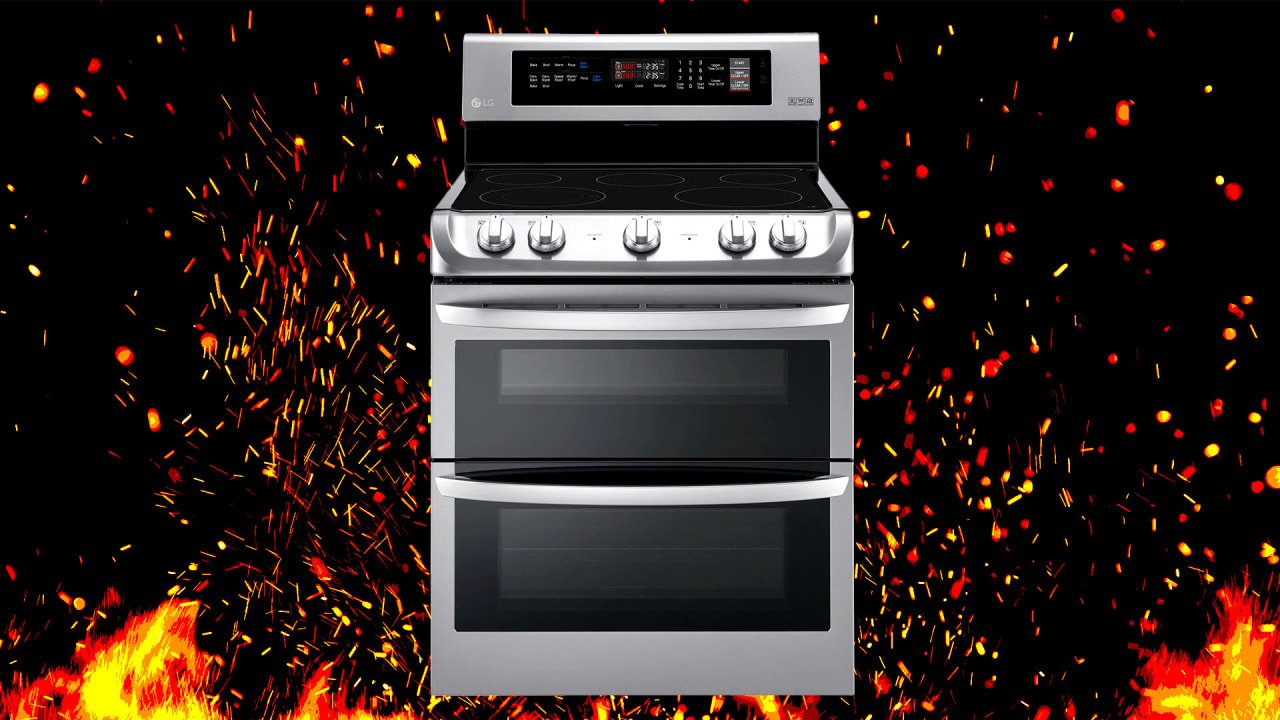
 LG Electronics USA is recalling half a million electric ranges that have been involved in at least 28 fires, resulting in numerous injuries and a few pet deaths. But instead of issuing a refund or replacement, the home appliance maker is sending customers warning label stickers. The Consumer Product Safety Commission (CPSC) posted an alert on Thursday that it received at least 86 reports of “unintentional activation of the front-mounted knobs” leading to “at least five fires,” which “caused extensive property damage totaling over $340,000” as well as burns and eight minor injuries, with three fires resulting in pet deaths. According to the announcement, customers and their pets can accidentally activate the front-mounted knobs on LG Slide-In Ranges and Freestanding Ranges, potentially causing fires. In response, LG is encouraging consumers to use the ranges’ “Lock Out” or “Control Lock” features, which “[lock] the cooktop . . . from being turned on even when the knob is turned, reducing the risk of accidental activation,” according to a statement from the company. “I’d like to clarify that this is not the usual kind of CPSC ‘recall,’ because the affected products have a proven safety feature built in,” John Taylor, senior vice president of LG Electronics USA Inc., told Fast Company in a statement. Consumers can find detailed instructions for using the Lock Out/Control Lock features at LGcares.com. Where were the ranges sold? According to the CPSC, the ranges were sold from 2015 to January 2025, for between $1,400 and $2,650, at the following stores: Best Buy Costco The Home Depot Lowe’s In addition, the recall notes the ranges were sold at other appliance stores nationwide and online at LG.com. The model and serial numbers of the affected products are listed here. LG told Fast Company on Friday that for 10 of the 11 models listed, only those units manufactured through 2023, as indicated by serial number, are affected. All units of model LDE4413 are affected. (The serial numbers can be found inside the oven door or storage drawer located on the bottom of the oven.) What should I do if I think my range was recalled? Consumers should contact LG through the company’s website for a free warning label and placement instructions, and use the Lock Out/Control Lock function on the range control panel to disable heating elements when the range is not in use. Here’s LG’s instructional video on how to use the Lock Out/Control Lock features. Consumers should also keep children and pets away from the knobs and check the range knobs to ensure they are off before leaving the house or going to bed, and should not leave objects on the range when it’s not in use. View the full article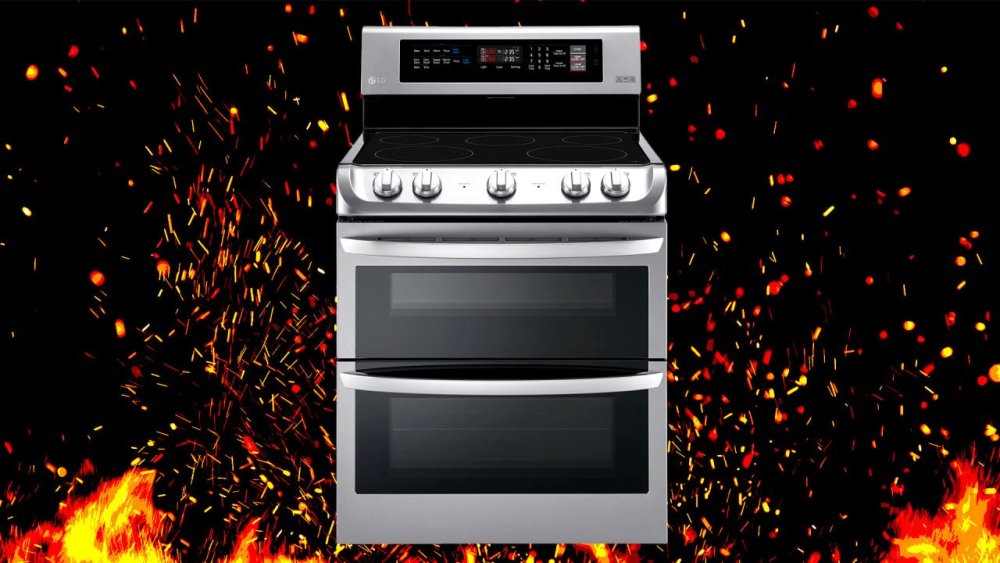
-
As convenient as the internet is, when big tech companies chase endless growth, that can mean bloat. Nowadays, it feels like every company wants to lure me into an algorithm trap, convince me to use their AI services, or try to make me pay a premium to browse like I used to. One of my favorite tools for fighting back against these trends is Tapestry. It's a timeline app for iPhone and iPad that lets you combine multiple feeds from blogs, YouTube, podcasts, and social media, then view them in chronological order, with a beautiful interface. Essentially, you can use it to make your own curated version of (nearly) the entire internet. Tapestry is designed by The Iconfactory, which also developed the excellent (but now-defunct) Twitter client Twitteriffic. What is a timeline app?Timeline apps are a new genre of app that lets you take back control from big tech's algorithms and decide what you want to see and when you want to see it. These apps allow you to create your own personalized timelines with posts from multiple websites. You could use these apps to follow a blog you like, a YouTuber you enjoy, and even a subreddit or social media feed that you like seeing. It's like using an RSS reader, but with support for content from many more types of sources. Making the most of Tapestry on your iPhoneInstalling Tapestry will start you off with a very useful sign-up flow. This shows you a list of various recommended feeds you can add to your timeline with just one tap, which allows you to populate the app in record time. If you're big on customization, you can also skip the recommendations and manually add your feeds to the app by going to the Settings tab and tapping the Add Feed button. After that, you can just paste the URL of the website, YouTube channel, podcast, or Mastodon/Bluesky account you want to follow, and Tapestry will look for the feed and add it to your timeline. There's a bit more than that going on in the back end, but Tapestry's Feed Finder feature is pretty good at locating and loading feeds for you from a simple URL. Once your feeds are added, you'll be able to view them all in a neat, chronological timeline. The app's free tier is quite generous. It allows you to add multiple feeds and follow them all on one infinite scrolling timeline. If you like a post, tap the flag icon below the post to mark it (aka bookmark it) or use the share button to send it to your friends or social media accounts. Without a subscription, Tapestry will show you ads in your timeline. However, these are some of the least intrusive ads I've come across. They follow the design language of the app, and most of the ads I saw were either asking me to add a feed to Tapestry or to install another app. The app is beautifully designed and reminds me a lot about the best of Twitteriffic. A unified timeline can easily get very messy, very fast, but Tapestry handles this well by color-coding posts from various sources and prominently displaying a logo for each feed. It picked up the logos of two newsletters I loaded, too, which is a very nice touch. You can customize this experience by going to the Appearance settings page within the app, where you can change the font and the length of post previews. This lets you make your timeline look neater, and you can make it even better by tapping the three-lines icon in the bottom-left corner of the timeline. That lets you choose different sizes for each post— I find the collapsed view is best for quickly browsing, but the expanded view is better for skimming through newsletters. Credit: Pranay Parab Each post in your timeline is truncated by default, and even the expanded view only shows a few paragraphs at most. However, you can tap the Read More button on any post to read it in full in a new page. This view is free of ads and clutter, loads quickly, and the background retains the color scheme Tapestry assigned to it on your timeline. Tapestry also has two types of filters to help you clean up your feeds—muffles and mutes. Muffles will collapse posts containing specific keywords and are useful when you want to avoid spoilers from a new movie or TV show. Mutes will hide posts containing certain keywords entirely—great for blocking politics, sports, or other subjects from your feed, as an example. The biggest limitation of Tapestry's free tier is that it lets you add just the one timeline. You do have access to certain timeline filters that let you view marked posts, only posts from today, or posts from a single feed at a time. However, if you want to create more than one timeline, you're going to have to upgrade to the paid tier, which costs $2/month or $20/year. There's also a one-time lifetime unlock option at $80, in case you want to avoid subscriptions. Once upgraded, you'll no longer see ads and you can create as many timelines as you like. I've used this to separate social media feeds, newsletters, and other types of feeds, but the good news is that you can craft a timeline to suit your needs. Some people would prefer to combine posts from Bluesky and Mastodon into one chronological feed, and Tapestry allows you to do that, too. One of my biggest complaints about Bluesky is that it doesn't save your reading position, which means that it refreshes to the top of the feed whenever I open the app. I like it when apps remember where I stopped reading and then allow me to scroll to catch up on all the posts that came after the last one I read. Tapestry shows you a nice counter in the top-right corner, which says how many posts are above what you're reading, and it remembers where I paused scrolling. This is great for timeline completionists like me, and I've been using Tapestry to read my Bluesky feed in chronological order, and to follow a few accounts from Bluesky. Credit: Pranay Parab Note that you can't use Tapestry to post anything to social media, to like posts, repost, or interact with them directly. You can tap a button to open the post in the site it's hosted on, and interact with it there. Still, Tapestry is great for creating a timeline and reading, watching videos, or listening to podcasts. This app lets you listen to entire podcast episodes without leaving it if you like, and it also loads YouTube videos in the company's own player. It's a fairly seamless experience if you want to follow a few of your favorite creators. You're going to enjoy Tapestry the most if you're careful about the feeds you add. If you add a high-volume news feed, it could drown out low-frequency feeds, but if you find the right balance, it could become your own cozy corner of the web. The Iconfactory has delivered a very polished app considering it's just version 1.0 at this point. I'm excited to see where Tapestry goes and I hope that it heads to desktop at some point, too. At the moment, there aren't too many timeline apps that do the job that Tapestry does. The best alternative I've come across is Reeder, which is another beautifully designed timeline app with a similar feature set and pricing model. Ideally, you'll try both apps and decide which one works best for you, and I suspect the decision will come down to which design language you like more. Tapestry's bright and colorful design appeals to me, while others may prefer Reeder's subtler tones and animations. View the full article
-
Meta is expanding its AI-powered advertising tools to help businesses get better results from their campaigns, with early tests showing significant cost reductions and performance improvements. Details. Meta is rolling out these new features: A streamlined Advantage+ campaign setup that automatically applies AI optimizations to sales, app, and leads campaigns — removing the need for marketers to choose between manual or automated campaigns New Advantage+ leads campaigns specifically designed to help advertisers find high-quality leads more efficiently. Early tests show a 10% lower cost per qualified lead compared to campaigns without these AI features An expanded opportunity score system that gives advertisers a 0-100 rating on their campaign setup and provides actionable recommendations for improvement Why we care. Meta is essentially democratizing its most advanced AI tools that were previously limited to specific campaign types, meaning you can now get the same powerful optimization features across all your campaigns (sales, app, and leads) without having to manually configure them. Also the new streamlined setup removes the complexity of choosing between manual and automated campaigns, making it easier for you to leverage Meta’s best-performing AI features, regarldess of skill level. The big picture. The company’s Advantage+ suite has become increasingly popular among marketers, with its shopping campaigns growing 70% year over year in Q4, according to Meta. What’s next. Meta plans to integrate these features into Ads Manager later this year, combining AI optimizations with personalized campaign recommendations. Between the lines. The move represents Meta’s continued push to automate and simplify its advertising platform while maintaining performance, as the company faces increasing competition in the digital ad space. View the full article
-
We may earn a commission from links on this page. Chances are good that if you've ever owned an e-reader, it was one of the many varieties of the Amazon Kindle. But though the Kindle is the most ubiquitous e-reader, that doesn't mean it's the best—nor does it mean that other companies haven't bettered Amazon at the game it more or less invented. One of the most interesting competitors in the space is Onyx International, a Chinese company that has been producing innovative e-readers for more than a decade under the brand name Boox, often including new features (like color e-ink displays) years before Amazon brought them to the Kindle. Though Boox makes my own favorite e-book device (that would be the phone-shaped Boox Palma, which I'll recommend every time I get the chance), they've expanded well beyond the e-reader market, launching multiple lines of e-ink notebooks. You can think of these devices as a cross between a Kindle and an iPad—they've typically got those familiar greyscale screens, but can run apps and work with a stylus, like a full-fledged tablet. I recently reviewed the Boox Note Air 4C, the latest model of the company's color e-ink digital notebook, and came away very impressed: While the price might be a deterrent for some, it's a fabulous option for anyone looking for a device with a writeable, paper-like screen and enough features and processing power to serve as as a truly versatile productivity tool. For the past two weeks, I've been testing out Boox's newest release in the space, and I think I like it even better than the Note Air 4C, for one simple reason: As the name implies, the Boox Note Max is freaking huge, in a good way. BOOX Note Mac 13.3" E-Ink Notebook $649.99 at Amazon /images/amazon-prime.svg Shop Now Shop Now $649.99 at Amazon /images/amazon-prime.svg BOOX Note Max Keyboard Cover $169.99 at Amazon /images/amazon-prime.svg Shop Now Shop Now $169.99 at Amazon /images/amazon-prime.svg BOOX Note Max Magnetic Cover $50.99 at Amazon /images/amazon-prime.svg Shop Now Shop Now $50.99 at Amazon /images/amazon-prime.svg SEE 0 MORE A truly massive deviceI know they make big iPads, but the biggest tablet I'd used prior to the Note Max had a 10-inch screen. This 13.3-inch device feels much larger. It's like that math equation that proves you should always order the bigger pizza, because it turns out there is quite a big difference between a 16-inch pizza and an 18-inch pizza. The Note Max is roughly the size of my laptop screen, but holding it, it feels a lot bigger—but it's also super thin, which makes it feel truly high-end (as befitting the price tag, I suppose). The included stylus, with a 4096-level pressure sensitivity, is also on par with the Apple Pencil in terms of the writing experience and the solidness of the build. Credit: Joel Cunningham For most of the stuff you'll want to do with this device, you'll truly appreciate the extra real estate. Whether you're marking up a PDF, paging through a recipe book, reading manga, or using split screen to read a book and take notes at the same time, it's wonderful for everything to be so big (and I say that as someone who prefers to read on an e-read the size of an iPhone). The 13.3" Note Max (left) is significantly larger than the 10.3" Note Air 4C, not to mention the iPhone-sized Boox Palma. Credit: Joel Cunningham The screen is an HD E Ink Carta 1300 screen with a resolution of 3,200 x 2,400 pixels (300ppi) that delivers impressive clarity—text looks especially sharp even blown up, and images are crisp enough that you'll have no problem reading the tiny dialogue bubbles in your comic. The Carta 1300 is supposed to look brighter and whiter than older e-ink displays, but to be honest, if you asked me what color the screen is, I'd still say gray. And that brings me to the one big love-it-or-hate-it caveat with this device. There's no front light, for a reasonSince at least the release of the first Nook Glowlight, a front lit e-ink screen has been a standard feature for most every e-reader—certainly any pricier model. So why, then, does the Boox Note Max lack a front light? It has to do with Boox's intended use case for this device. This is a digital notebook aimed at a user with specific and relatively sophisticated needs: reading and editing documents, organizing their calendar, and, most importantly, taking written notes. It turns out that putting a front light on an e-ink tablet involves putting an additional layer between the display and the outer glass. That also means that when you use the stylus, the tip of your pen is that much farther from the surface you actually appear to be writing on. It doesn't affect performance that much, but the effect is certainly a little less smooth—or so I've ascertained from comparing the Note Max to the Note Air 4C I mentioned earlier. Taking notes or doodling on the latter delivers a good approximation of putting pen to paper, but the Note Max really perfects it. Eliminating that little bit of extra distance adds that much more verisimilitude to the experience, which in turn makes the device very satisfying to write on—kind of fun, even, though I assume the novelty will wear off. Apparently the lack of a front light also improves overall clarity, which is a good thing, because you'll need it if you are trying to use the Note Max in anything but direct light. I'm old enough to already need to crank the brightness on my laptop just to read it comfortably, and I had a little trouble with smaller print on the note max unless I was sitting in a fairly bright room. Is the tradeoff worth it? I think if you plan to take a lot of handwritten notes on it, yes—the improved writing experience and larger screen will serve you well. But if you really want that front light, the significantly smaller but still very capable Note Air 4C is probably a better choice. A dream digital note-taking deviceIf a device has been optimized to best serve as a digital notebook, then it had better perform well enough at those tasks—note-taking, marking up PDFs, linking files, working on- and offline—to justify the loss of a useful feature like a front light. And it's here that the Note Max truly excels. It has basically the same functionality as the Note Air 4C, but with a larger screen. Using the Notes app is effortless, and there are a lot of options to customize, from the type of virtual writing instrument you're using to the thickness of the lines. You can zoom into a PDF and move it around with little lag time. The split screen mode allows you to run any two apps side-by-side, so you can, for example, read an online article while taking notes on it at the same time. Credit: Joel Cunningham Though I haven't used the the Kindle Scribe, Amazon's flagship e-notebook, I have read many user reviews filled with complaints about the difficultly in getting files on and off the device. The Note Max solves for that by integrating with most of the major cloud services, like Google Drive and Dropbox. Importing and exporting PDFs, notes, and anything else you are working on is a matter of a few taps (and, OK, mastering the not always intuitive file structure). Credit: Joel Cunningham In short, if you are looking for a digital notebook that can handle any planning, research, and organizational tasks you can throw at it, this one is it. Be prepared for a learning curveConsidering the native Boox apps were likely developed in Chinese and localized for the English-language version, I'm all the more impressed at how straightforward they are to use (this definitely hasn't been the case with every app-in-translation I've used). That isn't to say it's simple, however. The fact is that the Note Max can do so much, that figuring out how to make it work best for you is going to take a lot of poking around, experimentation, and trial and error. Multiple times throughout my testing, I'd have to google how to accomplish a particular task, from opening a PDF in splitscreen mode to linking a website directly from a particular word in my notes or a PDF. On the plus side, I never encountered a need the Note Max wasn't capable of handling—the native notes apps are truly feature-packed, and built with power users in mind—but it took some work to figure them all out. If you're used to Apple hand-holding you through using one of its apps, you might get frustrated, but I think the robust tool set and customization options are worth the tradeoff. A lot more than just a digital notebookWhile the digital notebook capabilities are definitely the reason to pick up the Note Max, that's not to suggest it doesn't excel as an e-reader, for many of the same reasons I praised both the Palma and the Note Air 4C. Like those devices, the Note Max runs on a fairly basic version of Android 13 that allows you to access the Google Play Store out of the box. This means you can install basically any apps you want, and the format agnosticism is great if you've amassed a collection of e-books from different sources over the years—Kindle, Nook, Kobo, and more. A great device for reading books, manga, and black and white comicsThe massive screen is nice to read on if you're sitting comfortably, though I do think the device is heavy enough to make it impractical for reading in bed or while commuting. Still, the size is particularly nice if you want to read anything with a lot of graphical elements, like comics or manga. Credit: Joel Cunningham Granted, black-and-white-only display means it takes some fiddling with the settings to make color images more legible, and certainly something is going to be lost in the translation. But reading manga or other black and white comics is a real joy, thanks to the size and crisp resolution. Use any apps you like (with mixed results)The app store access doesn't limit you to just e-reading apps, and you can definitely use the Note Max to access your Gmail, use Google Docs, play games, and even watch videos. Like Boox's other signature devices, the Note Max includes multiple screen modes, from "Normal" to "Regal" to "A2" that control how quickly the e-ink display will refresh. More than that, you can set how often the screen will perform a full refresh on a per-app basis, which is a good option considering not all tasks will put the same demands on the hardware. Credit: Joel Cunningham High resolution modes will offer super crisp text and images, but you're likely to see a lot of ghosting (afterimages are visible after you change what's onscreen), making them best for relatively static tasks like reading a print e-book. The faster modes allow for faster scrolling and far less ghosting, which is a must when trying to scroll through a website or watch a video, but there's a tradeoff: You'll lose a lot of detail. In short, this means that while the Note Max can technically do anything you'd ask of your iPad short of making FaceTime calls, those experiences won't necessarily be all that satisfying. It's great for reading Reddit, but you probably don't want to use it to watch Netflix. A note about reliabilityTo be clear, I've experienced no hardware issues in my time testing this device. It has continued to perform as you would expect a new device to perform. That said, Boox devices aren't exactly known to receive much in the way of customer support, and if you have a problem with yours—say, you drop it and the screen breaks, or you experience an unexplained screen failure like those I've read about on Reddit—it's likely you'll be footing the bill for a repair. Unhappy customers have reported having little luck getting what they believed were faulty devices repaired under warranty, and mailing it in involves shipping to China. That said, if you purchase the device from Amazon, instead of directly from the company, you'll be covered under Amazon's typically generous return and exchange policies. The optional keyboard case is nice-looking but not quite there yetIf you buy the Boox Note Max direct from Onyx, it comes with a relatively basic magnetic cover (which you can also pick up separately from Amazon, if you're not comfortable ordering from a China-based company with questionable customer service reviews), but you can also pay another $170 for a case with a built-in keyboard. I got one of them to test out alongside the Note Max, and I would say that, like the tablet itself, it's not for everyone. One thing the keyboard case has going for it is build quality: With a faux-leather look, a weight that feels substantial if not heavy, a large trackpad, and a keyboard that feels roughly as comfortable to use as the one on my MacBook Air, it definitely has premium trappings. Just look at it: Credit: Joel Cunningham Unfortunately, it's not nearly as nice to actually use—but I think that's mostly down to the peculiarities of e-ink. You can open up the Notes app or an email window and start typing away, but the lag time between your input and the character appearing onscreen is...not short. It's very noticeable, and if you're an awkward touch-typer like me, it will mean a lot more typos. The trackpad also gave me some trouble; again, the culprit was lag time. You feel less like you're moving the cursor and more like you're dragging it along. This makes it surprisingly hard to do things like select from a drop-down menu or click a button. It's very pretty though, and I've read anecdotal reports suggesting it has continued to improve through subsequent rounds of software updates. The bottom lineAfter spending more than a week testing out the Boox Note Max, I feel like I'm only just starting to realize its potential. Its premium build quality and massive size in comparison to other digital notebooks make it a joy to read (and write!) on, but the complex array of features and settings are far from intuitive, and it will take some effort to fully grasp, let alone make work for you. That's not really a negative—all those options mean you can basically configure it how you like—but it does suggest to me that this is a device for power users. That is to say: If your needs include a lot of text editing and digital note-taking, you're going to love it. If they don't, it's probably more device than you really need. BOOX Note Max E-Ink Notebook $649.99 at Amazon /images/amazon-prime.svg Shop Now Shop Now $649.99 at Amazon /images/amazon-prime.svg Onyx Boox Note Max specsDisplay: 13.3" E Ink Carta Plus (Carta1300), 300 ppi CPU: 2.8Ghz Qualcomm Octacore processor RAM: 6GB Storage: 128GB Connectivity: Wi-Fi 5 (2.4/5GHz), Bluetooth 5.0 Lighting: None Operating system: Android 13 Battery/charging: 3,700 mAh via USB-C Size: 287.5 x 243 x 4.6 mm SD card support: None Weight: 615g View the full article
-
The billionaire’s aggressive efficiency drive has critics warning of a constitutional crisis. Allies say he’s just getting started View the full article
-
If you scroll through your old photos from the mid-2010s—the golden era of Snapchat—chances are a fair number of those pictures feature a dog filter or a flower crown. Now, nearly a decade later, one TikToker has now been struck by a unique dilemma. “Your daughter wants to see her baby pictures, but she was born in 2016,” user @themkidzmama3 posted in a video that has since gone viral. As the Adele’s 2015 hit “Hello” plays, a slideshow of her daughter’s baby photos flashes across the screen. Each photo uses a different filter, from the dog ears to a Sia wig. It’s undeniable: Her daughter is a product of the Snapchat filter era. There was a time when baby photos were professionally staged and displayed proudly in parents’ homes. But with smartphones and social media parents now have the ability to snap hundreds of photos a day (not all of them keepsake-worthy). The TikTok video gained over 26.5 million views, with other parents’ relating to Snapchat filters of that era. “There’s gonna be money in defiltering apps in the future,” one user wrote in the comments. “Kids nowadays won’t get photo albums, they’ll get an icloud folder,” another added. Following the virality of @themkidzmama3’s video, another mom jumped on the trend, showing off her daughter’s baby photos from the same era. “I have nothing to say for myself apart from I’m sorry my princess. A true victim of the Snapchat era,” she wrote in the caption of the video. Her slideshow includes a face-swap photo featuring mom-and-daughter and a picture with the ever-present flower crown. “The flower crown was a universal baby photo for 2016-2017,” one person wrote in the comments. Another confessed: “The amount of photos I have of my baby as a chicken nugget.” View the full article

-
UK prime minister launches fresh attempt to reboot ailing government at six-hour cabinet meetingView the full article
-
We may earn a commission from links on this page. Like any surface, a wood floor can get stained and dirty, but you have to be really careful with how you clean it. You shouldn't use harsh chemicals, whether your floor is sealed or unsealed, because you don't want to damage the wood itself, but that leaves you with fewer options. I tried two—well, three, but we'll get to that—simple techniques that didn't require any intense chemicals today and they both worked well. Remove stains from wood floors with vinegarFirst, I assessed the stains I was dealing with, which I noticed while cleaning under my couch earlier in the week. They appeared to be leftover from a project I did a while back involving glue, newspaper, and paint, so I had a big selection of stain types to test my methods on. In general, whether you're working on sealed or unsealed floors, you want to dab, not drench, your stain, so liquid doesn't seep into any cracks and cause damage underneath, which I kept in mind while I got to work with my first test: vinegar. If you're not sure whether your floor is sealed or unsealed, place a few drops of water on the surface. If they stay beaded up on top, it's likely sealed, but if they absorb quickly, it likely isn't. I am a renter in my home and wasn't here when this floor was put down, which means I don't know anything about it for sure, so checking that was important. If your floor is unsealed, try these steps with soap and water before moving on to vinegar if you have to, but since mine is sealed, I went straight to the cupboard staple. I mixed equal parts vinegar and warm water, then dabbed it up and down on the stains, pausing every few seconds to give the stain I was working on a good scrub with my rag. The dilution here is important, as pure vinegar can be too acidic and can break down sealant if it's too strong. It definitely took some time (and smelled bad, of course) but slowly, darker stains started to lift up. Once I'd removed them most of the way, I went in with a melamine sponge and they basically disappeared—and with them went the fear I'd need to make an emergency Target run to get something stronger. Remove harder stains with baking soda paste The problem on the left. Baking soda paste and vinegar on the right. Credit: Lindsey Ellefson A few stains seemed more deeply set-in, but I knew I didn't want to leave them drenched in vinegar and risk the integrity of the floor. For those, I made a paste by filling a small bowl halfway with water, then adding and stirring in baking soda until it was thick. I'm a fan of the abrasive quality of baking soda when used to clean, but also its lack of acidity. I left the paste on the stains for about 20 minutes, wiped it off, and proceeded with my melamine sponge. These, too, came right up. You shouldn't use this technique to clean the whole floor. It's just not necessary. The best uses for baking soda paste on wood floors are these: When a stain is really set in there and regular cleaning doesn't budge it When the stain is oily or greasy Bonus: Glue and squished sticky stuff get the hair dryerThose two methods worked really well and thankfully didn't require harsh chemicals or cause any damage to my floors, but at the end of my experiment, I was still left with some splotches. They were raised, not technically "stains," but they deserve inclusion here nonetheless. I'd been afraid that those were made up of glue, but now I was sure. I tried prying them up with a knife and got nowhere; they were stuck. I read up on what to do and found that most pros suggested I trek to the hardware store for professional adhesive remover. For under $15, you can definitely do that, but before I spent hard-earned money on a solution I needed to use just once, I had the idea to try something else for free. Two weeks ago, I wrote about how easily you can remove stickers from household goods by blasting them with a hair dryer. It couldn't hurt to give that a shot on the floor, right? I directed the heat at all four glue spots, one at a time, for about 45 seconds. Each one peeled up like magic, despite being very firmly attached just a minute prior. Beyond not having to spend $15 on a product that would then clutter up my cleaning shelf for years to come, I didn't have to apply anything harsh to the floor. For messes that are gelled, stuck, or otherwise squished onto your wood floor, try the hair dryer first. Overall wood floor stain-removing tipsWhichever method you try, do a spot test first in an inconspicuous place, like under a big piece of furniture. As mentioned, dab, don't drench, and avoid using anything really acidic or harsh, like acetone (which I was close to doing for the glue before reconsidering what a nightmare that could be for my sealant). If baking soda paste isn't quite abrasive enough, don't reach for anything too stiff to scrape at stains. Instead, opt for a semi-sturdy sponge or an old toothbrush. The goal here should be spot-treating only, too. Don't distribute your vinegar or baking soda paste any farther than you have to. Just keep it on the stain and dab up and down. When I finished up and had all my stains removed, I definitely had some crusty baking soda left over, as well as some suds from using the Mr. Clean Magic Eraser Ultra Foamy, so the job didn't end there. I wiped the whole area down with some Fabuloso, the same as I would for normal cleaning, and then let it air dry. Unless you have great luck with the vinegar from the get-go, this isn't a quick process from spot testing to finishing, so make sure you allot enough time. View the full article
-
Google leads organic search with 94.8% traffic, but AI tools and smaller engines show growing competition. The post Google Market Share Slips, AI Referrals & Regional Search Engines Rise appeared first on Search Engine Journal. View the full article
-
Ride-hailing group is ‘one of the best managed and highest quality businesses in the world’, activist investor says View the full article
-
Construction companies have to do some heavy lifting, and that’s not just the steel and concrete they use to erect buildings, bridges and other structures. Many different types of materials and labor go into their work which requires their contracts to have construction specifications. There are many types of specifications in construction. We’ll explain what construction specifications are, why they’re so important and detail the different types. Then we’ll go a step further by offering free templates and software that can help with construction project management. What Are Construction Specifications? Construction specifications are the products, materials and work that are defined in a construction contract between a construction owner and the construction manager hired to deliver the project. They’re used in the construction industry as part of the larger group of construction documents that include quantities, schedules and drawings. Cost, quantity and drawn materials aren’t included in the construction specifications but serve as complementary assets. It’s through the construction specifications, as well as other construction documents, that the expectations and objectives of the client are matched with the project. Therefore, understanding what makes up the construction specifications is key to delivering a successful construction project. Related: Free Construction Project Management Templates for Excel Details in the construction service contract highlight what’s important to fulfilling the project to a client’s expectations. The construction document is referenced throughout the life cycle of the project by contractors and construction crews if they have questions. Some information in a construction specification includes the scope of work, materials, a timeline with milestones, methods of installation, quality of workmanship, testing requirements and safety standards. Construction specifications are critical to project planning. ProjectManager has multiple project views that map out the project plan and schedule. Everyone from construction managers to architects, engineers and construction workers can view plans on the tools most helpful to them. Managers can add tasks to a timeline, link all four dependencies and filter for the critical path on powerful Gantt charts. Others can view their work on kanban boards, task lists or calendar views. Once the plan is made, set a baseline on the Gantt chart and it’s easy to track your planned effort against your actual effort to help you stay on schedule and within budget. Get started with ProjectManager today for free. /wp-content/uploads/2022/07/construction-gantt-resources-costs-150-CTA-BUTTON-1.jpgProjectManager has Gantt charts to plan construction projects and more views for execution. Learn more When Are Construction Specifications Defined? Construction specifications are typically created during the design phase of the project, before the construction phase begins. They are developed in parallel with architectural and engineering drawings, and are finalized once the project design is complete. Who Should Manage Construction Specs? The construction specifications are usually created by the architect or designers of the project. Project engineers can also be involved. They can delegate the work or enlist professional specification writers, especially on more complicated, larger projects. All of this is done before the project to ensure that the design plan is properly executed. This process reduces risks in the project and helps to deliver the project on time and within its budget. Once the construction specifications are completed, contractors on the job will often use them to supplement the architectural drawings and blueprints. This helps them to describe and document information that might not be visually clear. What Should Be Included in Construction Specifications? Construction specifications are critical documents that outline the requirements and standard for a construction project. They provide clear instructions for contractors, suppliers and subcontractors to ensure quality, consistency and compliance throughout the construction process. Below are its key elements. 1. General Requirements This section outlines the project’s scope, goals and deliverables. It includes contract types, timelines, roles and responsibilities, and any pre-construction activities that need to be completed. It also defines the overall project framework and administration procedures. Project scope of work, overview, and objectives. Roles, responsibilities, and regulatory compliance. Submittal requirements (shop drawings, samples, and documentation). 2. Materials and Equipment Specifies the materials, products and equipment that must be used in the construction project. This section defines the quality, brand and type of materials required for each part of the project, ensuring consistency and durability. These parameters will guide the creation of a bill of quantities, which will further define the quantities of materials and resources needed. Detailed descriptions of materials and equipment. Grades, types, performance standards, and approved manufacturers. Specific units and dimensions for each element. 3. Workmanship and Execution Guidelines Provides detailed instruction on how tasks should be executed and what quality of workmanship is expected. This includes standards for installation, finishes and handling materials to ensure the work meets the required level of quality and performance. Standards for installation, tolerances, and quality. Construction methods, sequences, and special procedures. Cleanup and waste management. 4. Building Codes and Standards Lists the local, state and national building codes that govern the construction project. These codes ensure that the project meets safety, accessibility and environmental regulations, and adheres to industry standards and best practices. 5. Safety Protocols Specifies the safety measures that must be followed to protect workers, the public and the environment. This includes guidelines on protective equipment, safety training, hazard identification, emergency procedures and reporting requirements. Personal protective equipment (PPE) Safety training Emergency procedures 6. Environmental Considerations Outlines requirements for environmental protection, including waste management, pollution control, energy efficiency and sustainable building practices. This ensures the project minimizes its environmental impact and complies with relevant laws and regulations. Waste management Energy efficiency Pollution control 7. Quality Assurance and Control Guidelines Defines procedures for monitoring and ensuring the quality of materials, equipment and workmanship throughout the project. It outlines testing, inspection processes and how issues will be addressed to meet the required quality standards. Inspection requirements Testing protocols Deficiency corrections 8. Payment Terms Specifies how and when payments will be made to contractors and subcontractors. It includes details on payment schedules, conditions for payment releases, invoicing processes and penalties for delays or non-compliance. Payment schedule Invoice procedures Late payment penalties 9. Change Order Management Describes the process for handling changes to the project scope, cost or schedule. This includes how change orders should be documented, approved and implemented, as well as how costs and timelines will be adjusted. Approval process Cost adjustments Impact on schedule 10. Special Provisions Covers any unique requirements or conditions specific to the proejct that are not addressed in other sections. These provisions could include special construction methods, coordination with other contractors or particular site conditions that need to be considered during the project. Unique requirements Site conditions Additional contract terms Construction Specifications Example The construction specifications document below shows the specifications for a custom-home residential project. You may download this free sample by clicking the image below. /wp-content/uploads/2025/02/construction-specifications-sample.png Types of Construction Specifications There are a few types of specifications in construction project management. In general, you’ll find three main categories of construction specifications: prescriptive, performance and proprietary. Let’s take a closer look at each. Prescriptive Construction Specifications This is a step-by-step construction specification, providing details on materials and how the installation should be done. Prescriptive construction specifications can be divided into three categories: general provisions, required products and execution procedures. General provisions are building codes and standards for the state, but also nationally, and must be compiled by contractors. Required products are the materials and resources to meet the structural and performance requirements. Execution procedures are the best methods of installation and how to measure quality and effectiveness once the project is done. Performance Construction Specifications These are operational requirements for the project once it’s done. It’s not a step-by-step breakdown of each task as you’ll find in the prescriptive construction specifications. Instead, the details of how the work is done are left up to the contractor. The only caveat is that the delivery of the project meets the objective of the client. Proprietary Construction Specifications This type of construction specification is used by contractors when working on projects with very specific material and resource requirements. For example, proprietary construction specifications are often used in renovation or when a subcontractor has been hired to complete work on an existing structure. The construction specs will have information on the existing structure and list the other materials that are like that structure that’ll be used to finish the work. Standards for Construction Specifications There are various organizations that have created standards for construction specifications, which helps project owners and contractors ensure the construction specifications for their projects are comprehensive and no details will be omitted. CSI MasterFormat Purpose: The CSI MasterFormat is a widely adopted system for organizing construction specifications. It provides a standard structure for organizing all documents related to construction, including specifications, drawings, and other project details. Structure: The MasterFormat is organized into divisions and sections. The main structure is divided into 50+ divisions, each covering a specific aspect of construction work, such as sitework, concrete, masonry, electrical, mechanical, etc. Each division is further broken down into detailed sections that cover specific work results, processes, and materials used. Uniformat Purpose: Used for organizing project specifications based on systems and assemblies rather than materials or tasks. Structure: Divides projects into categories of work like substructure, shell, interiors, services, etc., which are further broken down into components. Use: Primarily used in the early design phases for conceptual cost estimation and cost planning. It provides a system for cost estimation, budgeting, and organizing design information. OmniClass Purpose: A classification system that supports a wide range of construction industry needs, including cost estimation, project planning, and information management. Structure: Organized into tables covering different aspects of a construction project like work results, spaces, products, and services. Use: Used for classifying construction information, especially for organizing detailed design and building components in the building lifecycle. MasterSpec Purpose: A product of The American Institute of Architects (AIA), MasterSpec is a comprehensive set of specifications for design professionals to use in creating detailed project specifications. Structure: Like the CSI MasterFormat, it is organized by divisions and sections, detailing specific materials, processes, and requirements. Use: Primarily used by architects and engineers to create construction documents for all types of projects. Why Are Construction Specifications Important? Naturally, a construction project can’t happen if there aren’t construction specifications to outline the materials and labor needed to deliver it. That’s the obvious reason, but there are more that make it critical to a project’s success to have thorough construction specifications. Improved Accuracy First, the more details, the better the final product. Details lead to greater accuracy and less room for mistakes that can cost a project time and money, let alone not deliver on a construction owner’s expectations. The construction specifications in the service contract will guide the construction crew as they execute their tasks. This means that the work is more likely to be done correctly and delivered on schedule. Set Expectations Construction specifications are also important in that they set up expectations between the construction company and its client. Before the project begins in earnest, both parties have a clear understanding of what’s to be done, which helps avoid delays due to miscommunications. Accurate Cost Estimations One of the most important aspects of construction specifications is money. That’s because construction specifications detail all the materials and labor required to execute the project, leading to a more accurate estimation of project costs. Contractors especially appreciate this as if they miss the financial forecast for the work they’ll be doing that difference will come out of their pockets. Free Construction Project Management Templates A construction specification is going to feed into your proposal, plan and schedule. You’ll need to make accurate estimates based on what’s included in the construction spec to bid and create a timeline for executing the project. ProjectManager is powerful construction project management software, which we’ll get to in a moment, but it’s also an online hub for free resources to help you through every phase of your project. We offer a variety of free construction project management templates for Excel you can use to manage all aspects of your project. Construction Estimate Template Knowing the materials and labor that will be required to construct whatever structure is being contracted is a big help, but you still have to accurately forecast those costs or pay for it out of your own bottom line. Using our free construction estimate template for Excel allows you to capture the direct, indirect, labor and material costs that are part of the construction job you’re bidding for. That way, you can put in a competitive bid that is accurate and profitable. Construction Schedule Template Knowing what you need and how much it’ll cost is only part of the job. You’re also going to have to deliver on time. In order to figure out how to get everything completed by your client’s deadline means you’re going to have to schedule the work carefully. Using our free construction schedule template is going to get you there by addressing everything from deliverables, resource management, milestones and even filters for the critical path. Construction Proposal Template Estimating and scheduling are all done to lead up to the proposal. They both give you more details so your proposal can be both competitive and financially in your interest. Our free construction proposal template for Word will help you in the bidding process for the construction job. Our free proposal template has everything you need to land that job, from detailing the scope of work, financial information to the project schedule and more. ProjectManager Helps You Keep Track of Construction Projects Once you have that job, you’ll need project management software to meet that budget and schedule. ProjectManager is award-winning construction project management that helps you plan, manage and track your work in real time. Plans can be easily shared across different tools that update together to keep everyone on the same page, plus there are features that help with tracking and resource management. Track Progress With Real-Time Dashboards To stay on your schedule and not overspend, you need to monitor your work and have metrics to let you know where you are actually compared to where you planned to be. Once you’ve set a baseline on the Gantt chart, simply toggle over to our real-time dashboards, which automatically collect project data and display it in easy-to-read graphs and charts. See everything from time to cost, workload and more. Best of all, unlike lightweight tools, there’s no time-consuming configuration required. Our dashboard is ready to report when you are. /wp-content/uploads/2024/05/portfolio-dashboard-screenshot-lightmode-1600x786.png Track Labor Costs With Workload Charts and Timesheets If your resources get out of hand, it’s going to cost you and eat into your profit. Being able to track labor costs allows you to catch issues quickly and resolve them. When you onboard your crew you can add their availability, including PTO, vacations and global holidays, which makes assigning easier. Then go to the color-coded workload chart and see if anyone is overallocated. If you notice anything is off, balance the workload right from that page. Then there are our secure timesheets where workers can log their hours from anywhere. You can also track the percentage of their tasks that are done to make sure they’re keeping to the schedule. /wp-content/uploads/2024/06/Gantt-chart-resource-allocation-features-1600x746.webp There are other features, such as reporting, to help you stay on schedule and keep to your budget. It’s easy to generate a project status, workload or variance report and filter the results to show only what you want to see. Reports aren’t only customizable but easy to share with stakeholders to keep them updated on progress. ProjectManager is online construction project management software that connects everyone on the project in real time. Whether you’re on the job site, in the office or anywhere in between you can comment, share files and more. Our collaborative platform leads to greater productivity and transparency. Get started with ProjectManager today for free. The post Construction Specifications: What to Include (Example Included) appeared first on ProjectManager. View the full article
-
There was a time when few people in the coastal Pakistani city of Gwadar understood what climate change was. After a decade of extreme weather, many more do. Rain battered Gwadar for almost 30 consecutive hours last February. Torrents washed out roads, bridges, and lines of communication, briefly cutting the peninsula town off from the rest of Pakistan. Homes look like bombs have struck them and drivers swerve to avoid craters where asphalt used to be. Gwadar is in Balochistan, an arid, mountainous, and vast province in Pakistan’s southwest that has searing summers and harsh winters. The city, with about 90,000 people, is built on sand dunes and bordered by the Arabian Sea on three sides, at a low elevation that makes it vulnerable to climate change in a country that has already seen its share of catastrophe from it. “It’s no less than an island nation situation,” warned Gwadar-based hydrologist Pazeer Ahmed. “Many low-lying areas in the town will be partially or completely submerged if the sea level continues to rise.” The sea, once a blessing for Gwadar’s fishing and domestic tourism sectors, has become an existential threat to lives and livelihoods. Warming oceans mean bigger and more powerful waves, and those waves get whipped higher by summer monsoon winds. Warmer air holds more moisture—about 7% more per degree Celsius (4% per degree Fahrenheit)—and that means more big rain events. “Waves have become more violent due to the rising sea temperatures and eroded beaches,” said Abdul Rahim, deputy environment director at Gwadar Development Authority. “The tidal actions and patterns have changed. Hundreds of homes have been washed away. It is very alarming.” Melting glaciers contribute to rising sea levels, another cause of coastal erosion. The sea level at Karachi rose almost 8 inches (almost 20 centimeters) between 1916 and 2016, according to data from the National Oceanic and Atmospheric Administration. It’s projected to rise another half-inch (about 1.3 centimeters) by 2040. In areas near Gwadar, like Pishukan and Ganz, waves have swallowed up mosques, schools, and settlements. There are gashes in the cliffs at the popular picnic spot of Sunset Park, and rocks have cascaded onto the shore. Beaches run flat for dozens of kilometers because no structures remain on it. Authorities have built seawalls from stone or concrete to hold back saltwater intrusion. But they’re a small solution to a massive problem as Gwadar’s people and businesses are fighting climate change on different fronts. Saltwater pools on government land, salt crystals glistening in the sunshine. In the Shado Band neighbourhood, former local councillor Qadir Baksh fretted about water seeping up through the ground and into his courtyard every day, held at bay only by regular pumping. Dozens of houses have the same problem, he said. Officials, including Ahmed and Rahim, said changes in land use and unauthorized building are worsening flooding. Locals said some major construction projects have destroyed traditional drainage pathways. Gwadar is the centerpiece of a massive Chinese-led initiative to create an overland route between its western Xinjiang region and the Arabian Sea through Gwadar. Hundreds of millions of dollars have poured into the town to create a deep seaport, an international airport, expressways and other infrastructure. The more sensitive projects, especially the port, are tightly secured by the Pakistani military, out of sight and off-limits to the public. But there is no proper sewage or drainage system for residents despite a decade of foreign investment, and Gwadar’s porosity, high water table, rising sea levels, and heavier rainfall are rocket fuel for the town’s vulnerability. There’s nowhere for the water to go. “In the past when it rained, the water disappeared up to 10 days later,” said Baksh. “But the rain that came last year hasn’t gone. The water rises from the ground with such speed it will reach the four walls of my home if we don’t run the generator every day to extract it. Officials say it’s because of climate change but, whatever it is, we’re suffering.” Gwadar’s fishing community is also hurting. Catches are smaller, native fish are disappearing, and migration patterns and fishing seasons have changed, said Ahmed and Rahim. There is also algae bloom and the invasion of unwanted marine species like pufferfish. Illegal fishing and foreign trawlers are responsible for a few of these things, but it’s mostly rising sea temperatures. People have migrated from places like Dasht and Kulanch because of water scarcity. What agriculture there was in Gwadar’s surrounding areas is vanishing due to loss of farmland and livestock deaths, according to locals. It’s part of a wider pattern in which Pakistan’s farmers are seeing declining crop yields and increasing crop diseases due to climate extremes, particularly floods, droughts and heat waves, according to the United Nations’ Intergovernmental Panel on Climate Change. “There are heat waves and dust storms in Gwadar,” said Ahmed. “But the main impact of climate change here is that there is too much water and not enough of it. If nothing is done to address this problem, we will have no option but to retreat.” The Associated Press’ climate and environmental coverage receives financial support from multiple private foundations. AP is solely responsible for all content. Find AP’s standards for working with philanthropies, a list of supporters and funded coverage areas at AP.org. —Riazat Butt, Associated Press Mary Katherine Wildeman, Associated Press data journalist, contributed to this report. View the full article

-
It’s peak season for fevers and runny noses, and when it comes to the flu, the illness has been rampant this year. In some areas, the flu has been so widespread, schools have even closed to help communities get well. This week, local news outlets have reported school closures in at least 10 states due to higher than normal flu numbers. Alabama, Kentucky, Indiana, Oklahoma, Iowa, Missouri, Texas, Ohio, Virginia, Georgia, and Tennessee, have all kept kids home in order to disinfect, and allow teachers and students time to get well. According to the U.S. Centers for Disease Control and Prevention’s most recent data, 27 states and Washington, D.C., are experiencing “very high” flu activity levels, while 14 states are seeing “high” flu activity levels. Hospitalizations have been soaring, too. Just last week, there were an estimated 38,255 hospitalizations from the flu. Over the entire flu season, there have been 20 million cases reported, as well as 11,000 flu-related deaths. Dr. Caitlin Rivers, an epidemiologist at the Johns Hopkins Bloomberg School of Public Health said, per NPR, the flu is peaking for the second time this season. “Influenza activity first peaked around the turn of the new year—late December, early January. Activity then declined for several weeks in a row, which is usually a sign that the season is on its way out,” Rivers says. “But then it really took an unusual turn and started to rise again. So activity is now at a second peak—just as high as it was at the turn of the new year. It’s unusual.” Still, even in rough flu seasons, school closures due to the flu are rare. However this year, it has felt unavoidable in certain locations, like Northeast Ohio, where a number of schools closed over a staggering number of flu cases. St. Hilary School in Fairlawn, Ohio, addressed its high flu numbers in a post on Facebook, announcing its closure this week, writing, “St. Hilary School will be closed Tuesday, February 4, with over 20% of students and 15% of staff out due to illness,” administrators wrote. “Unfortunately, we are experiencing many of the same illnesses currently prevalent in the general community. We will be disinfecting the building and expect to reopen Wednesday, February 5, but please watch for updates.” While the flu is raging, other illnesses have felt more mild this year. COVID transmissions have been at their lowest yet this season. According to the CDC, only about 4 per 100,000 have been hospitalized during its seasonal peak. Last year, it was twice that at 8 per 100,000. Compared to the winter of 2021-2022, when there were 35 per 100,000, it feels like COVID is taking a backseat to the flu, at least for now. View the full article

-
If you’re searching for unique, profitable, and trending items to sell online, you’ve come to the right place! In this article, we will share 30 of the best products to sell. Whether you’re interested in starting an eCommerce store or just want to know what’s hot right now, you’re sure to find something useful here. So without further ado, let’s get started! The Retail E-commerce Market Technology has made online shopping so easy and during COVID-19 online sales exploded. There are currently somewhere between 12 and 24 million e-commerce stores around the world with 58.4% of users buying online weekly. According to Statista, the e-commerce industry is anticipated to reach around $8.1 trillion in sales, increasing from $5.7 trillion in previous times. Insider Intelligence is predicting that global retail e-commerce sales will reach about $6.169 trillion, which would make up approximately 22.3% of total retail sales. READ MORE: How to Source Products to Sell Online Our Methodology for Choosing the Best Products to Sell Online Choosing the best products to sell online is a dynamic process largely influenced by market trends, consumer behavior, and economic factors. When we evaluate products for online sales potential, we consider several key factors to ensure that what we recommend to our entrepreneurial readers will not only pique interest but also sell successfully. Here are the factors we considered, rated on a one-to-ten scale of importance, with ten being reserved for the most essential factors: Market Demand (Importance Scale: 10/10) Products with high demand or trending in the market. Consider seasonal trends and ongoing consumer interests. Profit Margins (Importance Scale: 9/10) Products with a good balance between cost and potential selling price. Consider wholesale prices, shipping costs, and competitive pricing. Shipping Logistics (Importance Scale: 9/10) Products that are easy and cost-effective to ship. Avoid overly bulky, fragile, or perishable items if possible. Competition Analysis (Importance Scale: 8/10) Level of competition in the market for the product. Look for niche markets or products with less saturation. Supplier Reliability and Quality (Importance Scale: 10/10) Dependable suppliers with consistent product quality. Consider the ease of restocking and lead times. Scalability (Importance Scale: 7/10) Products that offer potential for business growth. Ability to expand product range or scale operations easily. Customer Interest and Engagement (Importance Scale: 8/10) Products that resonate with your target audience. Use social media and market research to gauge interest. Regulatory and Legal Considerations (Importance Scale: 9/10) Ensure products comply with legal and regulatory standards, especially for health, safety, and import/export restrictions. Product Longevity (Importance Scale: 7/10) Products with a longer shelf life or timeless appeal. Avoid overly trendy items that may quickly lose market relevance. Eco-friendliness and Sustainability (Importance Scale: 6/10) Growing consumer preference for sustainable and eco-friendly products. Consider the environmental impact and ethical sourcing. Popular Products to Sell Online Looking to find trending products online that you can sell to your target audience? Check out this list of products that are doing well in various online stores. Video Games Video games are always popular, but they’ve seen a particular surge in market demand recently. With people spending more time at home, they’re looking for ways to stay entertained, and video games are a great option. If you have a passion for gaming, this could be a great niche for you. Video Game Accessories In addition to games themselves, people are also buying a lot of video game accessories. This includes things like controllers, headsets, and other peripherals. Smartphone Accessories Smartphones are another popular category, and there’s a huge market for accessories. And shipping logistics tend to be fairly straightforward. This includes things like cases, screen protectors, chargers, and more. Pet Products People are passionate about their pets and constantly seek ways to pamper them. This high-demand market encompasses a variety of products, including food, toys, clothing, and more. If you are a pet lover, this could be an excellent niche for you to explore. Fashion Accessories Fashion is always changing, and people are always looking for new ways to express themselves. This includes things like jewelry, hats, belts, and more. If you have an eye for style, this could be a great niche for you to get involved in. Fitness Products With so many people looking to get in shape, there’s a huge market for fitness products. This includes things like workout gear, resistance bands, supplements, and more. If you’re passionate about fitness, this could be a great niche for you to get involved in. Maternity Wear As the population continues to grow, so does the market for maternity wear. This includes things like clothes, shoes, and more. If you’re looking for a niche that has a lot of potential, this is it. Subscription Boxes Subscription boxes are a popular way to get people to try new products. This can be used for various niches from food to makeup to clothes. The subscription model leads to ongoing revenue and can contribute to higher profit margins. If you have a good eye for what people want, this could be a great niche for you to get involved in. Digital Products Digital products are becoming more and more popular as people look for ways to save space. This includes things like e-books, online courses, and more. The more you sell, the higher your profit margins, and there’s no shipping and logistics to consider. If you have expertise in a particular subject, this could be a great way to make some money. Skincare Products Skincare is a billion-dollar industry that continues to grow. It encompasses a variety of items, including face masks, serums, and more. If you have a passion for skincare, this niche could be an excellent opportunity for you to explore. READ MORE: Do You Need a Business License to Sell Online? More Great Products For an Online Business to Sell If you’re looking to offer commoditized and niche products, then some of the ones below might be a good fit for you. You can use Google Trends data to verify the popularity of the product categories before deciding. Shapewear Shapewear is a popular niche product category of clothing that helps people to look their best. This includes things like body shapers, Spanx, and more. LEGOs LEGOs have a consistently high market demand with both children and adults. This can be a great niche for those who are looking to target a specific audience. Custom Jewelry Custom jewelry is a popular way to express oneself. This can be a great niche for those who are creative and have an eye for detail. Etsy would be a great place to sell almost anything custom-made. Power Tool Accessories Power tools are a popular way to get things done around the house. This can be a great niche for anyone interested in power tools. Baby Clothes Baby clothes are always in demand as the population continues to grow. If you love babies, this could be a great niche for you. Tumblers Tumblers are a popular way to drink beverages, and they can be used for both hot and cold drinks. What’s great about Tumblers is that they can be customized with logos or personal messages, making them great gift items. Model Train Sets Model train sets are a popular hobby for both children and adults. This can be a great niche for those who are passionate about trains. Smartwatches Smartwatches are a popular way to stay connected. This can be a great niche for those who are interested in technology. Beauty Products Beauty products are always in demand as people strive to look their best. There are also sustainable and eco-friendly options for those looking to invest in clean products. If you’re passionate about makeup and beauty, this could be a great niche for you. Men’s Grooming Products Men’s grooming products are a popular way for men to look their best. You can sell items like shaving cream, razors, and more. Home Office Supplies With the rise of remote work, home office supplies such as ergonomic chairs, desks, and productivity tools have become increasingly popular. This niche caters to the growing number of people working from home who seek to optimize their workspace. Sustainable Fashion Sustainable fashion items made from eco-friendly materials and processes are gaining traction. This includes clothing, shoes, and accessories that appeal to environmentally conscious consumers. DIY Craft Kits DIY craft kits for activities like knitting, pottery, or jewelry making are trending. These kits are perfect for people looking for creative hobbies and cater to a wide range of interests. Plant-Based Foods The demand for plant-based food products is soaring, driven by health and environmental concerns. Items like meat substitutes, dairy-free products, and vegan snacks offer significant market potential. Educational Toys for Children Educational toys that promote learning and development in children are always in demand. This includes puzzles, science kits, and language learning toys, catering to parents focused on educational enrichment. Drone Accessories As drones become more popular for both recreational and professional use, the market for drone accessories like batteries, carrying cases, and camera attachments is expanding. Home Security Gadgets Home security products, such as smart doorbells, security cameras, and alarm systems, are gaining popularity due to increasing safety concerns among homeowners. Eco-Friendly Cleaning Products Eco-friendly and sustainable cleaning products are gaining popularity as consumers become increasingly aware of environmental issues. This category includes products such as biodegradable cleaners, reusable wipes, and natural soaps. Health and Wellness Apps Digital products like health and wellness apps, offering meditation, fitness tracking, or diet planning are in high demand. These cater to the growing interest in personal health and well-being. Virtual Reality (VR) Gear Virtual reality gear, including headsets, controllers, and games, is a growing market with the rise in VR entertainment and educational experiences. READ MORE: Best Dropshipping Products to Sell Online Top Tips for Selling Products Online Are you looking to open your own online store? Then, you should consider the following five tips for selling products online to ensure you turn your potential customers into paying ones. Shipping costs. Shipping is often one of the biggest deterrents to shopping online, so make sure you offer free or flat-rate shipping. Delivery time. Be realistic about how long it will take to get the product to the customer. If you can’t ship quickly, make sure you let the customer know in advance. Product descriptions. Write clear and concise product descriptions that tell the customer everything they need to know. High-quality images. Use high-quality images that accurately represent the product. Low-quality images will turn customers away. Customer service. Offer excellent customer service to build trust and keep customers coming back. Tips for Selling Products OnlineDescription Shipping CostsShipping costs are a crucial factor for online shoppers. Offering free or flat-rate shipping can reduce shopping cart abandonment and make your store more attractive. Delivery TimeBeing transparent about delivery time is essential. Realistically estimate how long it will take to deliver the product, and communicate this information to customers. Product DescriptionsWell-crafted product descriptions are vital for informing customers about the product's features and benefits. Clear and concise descriptions enhance the buying experience. High-Quality ImagesVisuals play a significant role in online shopping. Use high-quality images that accurately represent the product to attract customers and showcase your products effectively. Customer ServiceExceptional customer service is essential for building trust and loyalty. Providing excellent support to customers can lead to repeat business and positive reviews. READ MORE: 100 Best Things to Make and Sell From Home What Is the Best Product to Sell Online? When considering the best products to sell online, it’s crucial to focus on items that align with your target audience’s interests and preferences. The following categories have proven to be consistently popular and in demand, making them excellent choices for your e-commerce business: Clothes and Fashion Accessories: Fashion is an ever-evolving industry, and people are always on the lookout for new styles and trends. Selling clothing, jewelry, hats, belts, and other fashion accessories can cater to shoppers’ desire for self-expression. Electronics: In the digital age, electronics remain a top-selling category. From smartphones and tablets to smartwatches and gadgets, electronic devices continue to captivate consumers. Home Goods: Home decor, kitchenware, and practical household items are sought after by homeowners and renters alike. Providing functional and aesthetically pleasing home goods can attract a wide range of customers. Beauty Products: The beauty industry has experienced significant growth, making skincare, makeup, and beauty tools essential in consumers’ lives. By providing a diverse range of beauty products, you can take advantage of this lucrative market. Health and Fitness Products: As more people prioritize their health and well-being, the demand for fitness equipment, supplements, and wellness items continues to grow. Targeting health-conscious consumers can be an effective strategy. Toys: While toys are always popular, their demand tends to spike during the holiday season. Selling a diverse range of toys can be a lucrative choice for your online store. By selecting products from these thriving categories and staying attuned to consumer preferences, you can position your online business for success this year and beyond. Remember to conduct market research and analyze trends to identify the best product opportunities that align with your business goals. What Are the Most Profitable Products to Sell in an Online Store? The most profitable products to sell in an online store are those that have high demand. This could be anything from clothing and accessories to electronics and home goods. By choosing a popular product category, a trending product, a target market, and having a solid marketing strategy, you can ensure that your store will be successful in attracting customers and generating sales. Frequently Asked Questions What is the current state of the retail e-commerce market? Technology has made online shopping incredibly easy, and recent events have led to a significant surge in online sales. There are currently between 12 and 24 million e-commerce stores worldwide, with 58.4% of users making online purchases weekly. The e-commerce industry is projected to reach approximately $8.1 trillion in sales in the near future, up from $5.7 trillion in the past. Insider Intelligence predicts that global retail e-commerce sales will reach about $6.169 trillion, comprising approximately 22.3% of total retail sales. Additionally, for those looking to start their online business, it’s crucial to identify the best products to sell online. What are the popular products to sell online? Some of the popular products to sell online include video games, video game accessories, smartphone accessories, pet products, fashion accessories, fitness products, maternity wear, subscription boxes, digital products (e-books, online courses), skincare products, shapewear, LEGOs, custom jewelry, power tool accessories, baby clothes, tumblers, model train sets, smartwatches, beauty products, and men’s grooming products. How can I find the right products to sell online? To find trending products that resonate with your target audience, consider using Google Trends data to verify the popularity of product categories before making a decision. Additionally, focus on products with high demand, choose a profitable niche, and have a solid marketing strategy in place. What are the top tips for selling products online? Here are five top tips for selling products online: Offer free or flat-rate shipping to reduce shopping cart abandonment. Set realistic delivery time expectations and communicate them clearly to customers. Write clear and concise product descriptions to inform potential buyers effectively. Use high-quality images that accurately represent the products to attract customers. Provide excellent customer service to build trust and encourage repeat business. What are the most profitable products to sell in an online store? The most profitable products to sell in an online store are those with high demand. This includes popular product categories such as clothing, accessories, electronics, home goods, beauty products, and health and fitness products. Toys can also be a profitable niche, particularly during the holiday season. By selecting trending products and targeting the right market, you can ensure the success of your online store. Final Word The world of e-commerce is thriving, presenting lucrative opportunities for entrepreneurs and online retailers. With the retail e-commerce market projected to reach unprecedented heights, it’s an ideal time to explore the most trending and profitable products for online selling. The product categories mentioned in this article reflect the current consumer preferences and market trends. From video games and electronic accessories to pet products, fashion accessories, and digital goods, there is a diverse range of options to cater to various target audiences. The key to a successful online store lies not only in the products you choose but also in your approach to selling them. Here are some overarching takeaways to guide your e-commerce venture: Stay Informed: Continuously monitor market trends and consumer behavior to adapt to evolving preferences. Customer-Centric Approach: Prioritize customer satisfaction by offering transparent shipping, clear product descriptions, high-quality images, and exceptional customer service. Niche Selection: Consider selecting a niche that aligns with your interests and expertise to enhance your ability to identify profitable products. Marketing Strategy: Develop a robust marketing strategy to promote your products effectively, reach your target audience, and drive sales. Data-Driven Decisions: Leverage tools like Google Trends and analytics to make informed decisions about product selection and marketing efforts. Adaptability: Stay prepared to adjust your strategy and seek out new product opportunities in response to market changes and customer insights. Competitive Pricing: Price your products competitively while ensuring profitability and value for customers. Remember that success in the world of e-commerce requires dedication, innovation, and a commitment to meeting customer needs. By embracing the insights provided in this article and remaining agile in your approach, you can position your online business for prosperity this year and beyond. As technology increasingly influences consumer shopping habits, capitalize on the opportunities presented by e-commerce and trending products to create a successful online retail business. Whether you’re starting a new e-commerce store or looking to diversify your product offerings, the possibilities are boundless in the dynamic world of online retail. Stay informed, stay customer-centric, and embark on your journey to e-commerce success. Image: Envato Elements This article, "The Best Products to Sell Online" was first published on Small Business Trends View the full article
-
If you’re searching for unique, profitable, and trending items to sell online, you’ve come to the right place! In this article, we will share 30 of the best products to sell. Whether you’re interested in starting an eCommerce store or just want to know what’s hot right now, you’re sure to find something useful here. So without further ado, let’s get started! The Retail E-commerce Market Technology has made online shopping so easy and during COVID-19 online sales exploded. There are currently somewhere between 12 and 24 million e-commerce stores around the world with 58.4% of users buying online weekly. According to Statista, the e-commerce industry is anticipated to reach around $8.1 trillion in sales, increasing from $5.7 trillion in previous times. Insider Intelligence is predicting that global retail e-commerce sales will reach about $6.169 trillion, which would make up approximately 22.3% of total retail sales. READ MORE: How to Source Products to Sell Online Our Methodology for Choosing the Best Products to Sell Online Choosing the best products to sell online is a dynamic process largely influenced by market trends, consumer behavior, and economic factors. When we evaluate products for online sales potential, we consider several key factors to ensure that what we recommend to our entrepreneurial readers will not only pique interest but also sell successfully. Here are the factors we considered, rated on a one-to-ten scale of importance, with ten being reserved for the most essential factors: Market Demand (Importance Scale: 10/10) Products with high demand or trending in the market. Consider seasonal trends and ongoing consumer interests. Profit Margins (Importance Scale: 9/10) Products with a good balance between cost and potential selling price. Consider wholesale prices, shipping costs, and competitive pricing. Shipping Logistics (Importance Scale: 9/10) Products that are easy and cost-effective to ship. Avoid overly bulky, fragile, or perishable items if possible. Competition Analysis (Importance Scale: 8/10) Level of competition in the market for the product. Look for niche markets or products with less saturation. Supplier Reliability and Quality (Importance Scale: 10/10) Dependable suppliers with consistent product quality. Consider the ease of restocking and lead times. Scalability (Importance Scale: 7/10) Products that offer potential for business growth. Ability to expand product range or scale operations easily. Customer Interest and Engagement (Importance Scale: 8/10) Products that resonate with your target audience. Use social media and market research to gauge interest. Regulatory and Legal Considerations (Importance Scale: 9/10) Ensure products comply with legal and regulatory standards, especially for health, safety, and import/export restrictions. Product Longevity (Importance Scale: 7/10) Products with a longer shelf life or timeless appeal. Avoid overly trendy items that may quickly lose market relevance. Eco-friendliness and Sustainability (Importance Scale: 6/10) Growing consumer preference for sustainable and eco-friendly products. Consider the environmental impact and ethical sourcing. Popular Products to Sell Online Looking to find trending products online that you can sell to your target audience? Check out this list of products that are doing well in various online stores. Video Games Video games are always popular, but they’ve seen a particular surge in market demand recently. With people spending more time at home, they’re looking for ways to stay entertained, and video games are a great option. If you have a passion for gaming, this could be a great niche for you. Video Game Accessories In addition to games themselves, people are also buying a lot of video game accessories. This includes things like controllers, headsets, and other peripherals. Smartphone Accessories Smartphones are another popular category, and there’s a huge market for accessories. And shipping logistics tend to be fairly straightforward. This includes things like cases, screen protectors, chargers, and more. Pet Products People are passionate about their pets and constantly seek ways to pamper them. This high-demand market encompasses a variety of products, including food, toys, clothing, and more. If you are a pet lover, this could be an excellent niche for you to explore. Fashion Accessories Fashion is always changing, and people are always looking for new ways to express themselves. This includes things like jewelry, hats, belts, and more. If you have an eye for style, this could be a great niche for you to get involved in. Fitness Products With so many people looking to get in shape, there’s a huge market for fitness products. This includes things like workout gear, resistance bands, supplements, and more. If you’re passionate about fitness, this could be a great niche for you to get involved in. Maternity Wear As the population continues to grow, so does the market for maternity wear. This includes things like clothes, shoes, and more. If you’re looking for a niche that has a lot of potential, this is it. Subscription Boxes Subscription boxes are a popular way to get people to try new products. This can be used for various niches from food to makeup to clothes. The subscription model leads to ongoing revenue and can contribute to higher profit margins. If you have a good eye for what people want, this could be a great niche for you to get involved in. Digital Products Digital products are becoming more and more popular as people look for ways to save space. This includes things like e-books, online courses, and more. The more you sell, the higher your profit margins, and there’s no shipping and logistics to consider. If you have expertise in a particular subject, this could be a great way to make some money. Skincare Products Skincare is a billion-dollar industry that continues to grow. It encompasses a variety of items, including face masks, serums, and more. If you have a passion for skincare, this niche could be an excellent opportunity for you to explore. READ MORE: Do You Need a Business License to Sell Online? More Great Products For an Online Business to Sell If you’re looking to offer commoditized and niche products, then some of the ones below might be a good fit for you. You can use Google Trends data to verify the popularity of the product categories before deciding. Shapewear Shapewear is a popular niche product category of clothing that helps people to look their best. This includes things like body shapers, Spanx, and more. LEGOs LEGOs have a consistently high market demand with both children and adults. This can be a great niche for those who are looking to target a specific audience. Custom Jewelry Custom jewelry is a popular way to express oneself. This can be a great niche for those who are creative and have an eye for detail. Etsy would be a great place to sell almost anything custom-made. Power Tool Accessories Power tools are a popular way to get things done around the house. This can be a great niche for anyone interested in power tools. Baby Clothes Baby clothes are always in demand as the population continues to grow. If you love babies, this could be a great niche for you. Tumblers Tumblers are a popular way to drink beverages, and they can be used for both hot and cold drinks. What’s great about Tumblers is that they can be customized with logos or personal messages, making them great gift items. Model Train Sets Model train sets are a popular hobby for both children and adults. This can be a great niche for those who are passionate about trains. Smartwatches Smartwatches are a popular way to stay connected. This can be a great niche for those who are interested in technology. Beauty Products Beauty products are always in demand as people strive to look their best. There are also sustainable and eco-friendly options for those looking to invest in clean products. If you’re passionate about makeup and beauty, this could be a great niche for you. Men’s Grooming Products Men’s grooming products are a popular way for men to look their best. You can sell items like shaving cream, razors, and more. Home Office Supplies With the rise of remote work, home office supplies such as ergonomic chairs, desks, and productivity tools have become increasingly popular. This niche caters to the growing number of people working from home who seek to optimize their workspace. Sustainable Fashion Sustainable fashion items made from eco-friendly materials and processes are gaining traction. This includes clothing, shoes, and accessories that appeal to environmentally conscious consumers. DIY Craft Kits DIY craft kits for activities like knitting, pottery, or jewelry making are trending. These kits are perfect for people looking for creative hobbies and cater to a wide range of interests. Plant-Based Foods The demand for plant-based food products is soaring, driven by health and environmental concerns. Items like meat substitutes, dairy-free products, and vegan snacks offer significant market potential. Educational Toys for Children Educational toys that promote learning and development in children are always in demand. This includes puzzles, science kits, and language learning toys, catering to parents focused on educational enrichment. Drone Accessories As drones become more popular for both recreational and professional use, the market for drone accessories like batteries, carrying cases, and camera attachments is expanding. Home Security Gadgets Home security products, such as smart doorbells, security cameras, and alarm systems, are gaining popularity due to increasing safety concerns among homeowners. Eco-Friendly Cleaning Products Eco-friendly and sustainable cleaning products are gaining popularity as consumers become increasingly aware of environmental issues. This category includes products such as biodegradable cleaners, reusable wipes, and natural soaps. Health and Wellness Apps Digital products like health and wellness apps, offering meditation, fitness tracking, or diet planning are in high demand. These cater to the growing interest in personal health and well-being. Virtual Reality (VR) Gear Virtual reality gear, including headsets, controllers, and games, is a growing market with the rise in VR entertainment and educational experiences. READ MORE: Best Dropshipping Products to Sell Online Top Tips for Selling Products Online Are you looking to open your own online store? Then, you should consider the following five tips for selling products online to ensure you turn your potential customers into paying ones. Shipping costs. Shipping is often one of the biggest deterrents to shopping online, so make sure you offer free or flat-rate shipping. Delivery time. Be realistic about how long it will take to get the product to the customer. If you can’t ship quickly, make sure you let the customer know in advance. Product descriptions. Write clear and concise product descriptions that tell the customer everything they need to know. High-quality images. Use high-quality images that accurately represent the product. Low-quality images will turn customers away. Customer service. Offer excellent customer service to build trust and keep customers coming back. Tips for Selling Products OnlineDescription Shipping CostsShipping costs are a crucial factor for online shoppers. Offering free or flat-rate shipping can reduce shopping cart abandonment and make your store more attractive. Delivery TimeBeing transparent about delivery time is essential. Realistically estimate how long it will take to deliver the product, and communicate this information to customers. Product DescriptionsWell-crafted product descriptions are vital for informing customers about the product's features and benefits. Clear and concise descriptions enhance the buying experience. High-Quality ImagesVisuals play a significant role in online shopping. Use high-quality images that accurately represent the product to attract customers and showcase your products effectively. Customer ServiceExceptional customer service is essential for building trust and loyalty. Providing excellent support to customers can lead to repeat business and positive reviews. READ MORE: 100 Best Things to Make and Sell From Home What Is the Best Product to Sell Online? When considering the best products to sell online, it’s crucial to focus on items that align with your target audience’s interests and preferences. The following categories have proven to be consistently popular and in demand, making them excellent choices for your e-commerce business: Clothes and Fashion Accessories: Fashion is an ever-evolving industry, and people are always on the lookout for new styles and trends. Selling clothing, jewelry, hats, belts, and other fashion accessories can cater to shoppers’ desire for self-expression. Electronics: In the digital age, electronics remain a top-selling category. From smartphones and tablets to smartwatches and gadgets, electronic devices continue to captivate consumers. Home Goods: Home decor, kitchenware, and practical household items are sought after by homeowners and renters alike. Providing functional and aesthetically pleasing home goods can attract a wide range of customers. Beauty Products: The beauty industry has experienced significant growth, making skincare, makeup, and beauty tools essential in consumers’ lives. By providing a diverse range of beauty products, you can take advantage of this lucrative market. Health and Fitness Products: As more people prioritize their health and well-being, the demand for fitness equipment, supplements, and wellness items continues to grow. Targeting health-conscious consumers can be an effective strategy. Toys: While toys are always popular, their demand tends to spike during the holiday season. Selling a diverse range of toys can be a lucrative choice for your online store. By selecting products from these thriving categories and staying attuned to consumer preferences, you can position your online business for success this year and beyond. Remember to conduct market research and analyze trends to identify the best product opportunities that align with your business goals. What Are the Most Profitable Products to Sell in an Online Store? The most profitable products to sell in an online store are those that have high demand. This could be anything from clothing and accessories to electronics and home goods. By choosing a popular product category, a trending product, a target market, and having a solid marketing strategy, you can ensure that your store will be successful in attracting customers and generating sales. Frequently Asked Questions What is the current state of the retail e-commerce market? Technology has made online shopping incredibly easy, and recent events have led to a significant surge in online sales. There are currently between 12 and 24 million e-commerce stores worldwide, with 58.4% of users making online purchases weekly. The e-commerce industry is projected to reach approximately $8.1 trillion in sales in the near future, up from $5.7 trillion in the past. Insider Intelligence predicts that global retail e-commerce sales will reach about $6.169 trillion, comprising approximately 22.3% of total retail sales. Additionally, for those looking to start their online business, it’s crucial to identify the best products to sell online. What are the popular products to sell online? Some of the popular products to sell online include video games, video game accessories, smartphone accessories, pet products, fashion accessories, fitness products, maternity wear, subscription boxes, digital products (e-books, online courses), skincare products, shapewear, LEGOs, custom jewelry, power tool accessories, baby clothes, tumblers, model train sets, smartwatches, beauty products, and men’s grooming products. How can I find the right products to sell online? To find trending products that resonate with your target audience, consider using Google Trends data to verify the popularity of product categories before making a decision. Additionally, focus on products with high demand, choose a profitable niche, and have a solid marketing strategy in place. What are the top tips for selling products online? Here are five top tips for selling products online: Offer free or flat-rate shipping to reduce shopping cart abandonment. Set realistic delivery time expectations and communicate them clearly to customers. Write clear and concise product descriptions to inform potential buyers effectively. Use high-quality images that accurately represent the products to attract customers. Provide excellent customer service to build trust and encourage repeat business. What are the most profitable products to sell in an online store? The most profitable products to sell in an online store are those with high demand. This includes popular product categories such as clothing, accessories, electronics, home goods, beauty products, and health and fitness products. Toys can also be a profitable niche, particularly during the holiday season. By selecting trending products and targeting the right market, you can ensure the success of your online store. Final Word The world of e-commerce is thriving, presenting lucrative opportunities for entrepreneurs and online retailers. With the retail e-commerce market projected to reach unprecedented heights, it’s an ideal time to explore the most trending and profitable products for online selling. The product categories mentioned in this article reflect the current consumer preferences and market trends. From video games and electronic accessories to pet products, fashion accessories, and digital goods, there is a diverse range of options to cater to various target audiences. The key to a successful online store lies not only in the products you choose but also in your approach to selling them. Here are some overarching takeaways to guide your e-commerce venture: Stay Informed: Continuously monitor market trends and consumer behavior to adapt to evolving preferences. Customer-Centric Approach: Prioritize customer satisfaction by offering transparent shipping, clear product descriptions, high-quality images, and exceptional customer service. Niche Selection: Consider selecting a niche that aligns with your interests and expertise to enhance your ability to identify profitable products. Marketing Strategy: Develop a robust marketing strategy to promote your products effectively, reach your target audience, and drive sales. Data-Driven Decisions: Leverage tools like Google Trends and analytics to make informed decisions about product selection and marketing efforts. Adaptability: Stay prepared to adjust your strategy and seek out new product opportunities in response to market changes and customer insights. Competitive Pricing: Price your products competitively while ensuring profitability and value for customers. Remember that success in the world of e-commerce requires dedication, innovation, and a commitment to meeting customer needs. By embracing the insights provided in this article and remaining agile in your approach, you can position your online business for prosperity this year and beyond. As technology increasingly influences consumer shopping habits, capitalize on the opportunities presented by e-commerce and trending products to create a successful online retail business. Whether you’re starting a new e-commerce store or looking to diversify your product offerings, the possibilities are boundless in the dynamic world of online retail. Stay informed, stay customer-centric, and embark on your journey to e-commerce success. Image: Envato Elements This article, "The Best Products to Sell Online" was first published on Small Business Trends View the full article
-
Court will decide whether to approve emergency £3bn loan for UK’s biggest water utilityView the full article
-
US president’s announcement comes days after he delayed the imposition of new levies on Canada and MexicoView the full article
-
László Toth, a Hungarian Jewish architect and Holocaust survivor, emigrates to the United States after World War II in search of a new life. After a rough start, a wealthy businessman recognises his talent and offers him a job that will change his life. This is a very brief summary of Brady Corbet’s film The Brutalist, which stars Adrien Brody as Toth. While the protagonist of this almost four-hour film is fictional, his story is inspired by many real figures. During the rise of Nazism in Germany, and especially after the de facto demise of the Weimar Republic in 1933, many intellectuals, scientists and other educated people chose to emigrate in search of a more favourable climate in which to work. For many, it was also a matter of life and death. The legacy of Bauhaus Many of these émigrés were architects associated with the Bauhaus, the famous school of design and architecture established in 1919 in Weimar. The institution, which later moved to Dessau and then to Berlin, left a legacy that endures to this day. Bauhaus directors were among those who left Germany in this period. This included architect and Bauhaus founder Walter Gropius, who headed the school in Weimar and then Dessau, and designed the new building there. His Dessau successor Hannes Meyer also left, as did Mies van der Rohe, who headed the school in Dessau and Berlin, where the school was closed by the Nazi government. The Bauhaus building in Dessau, designed by Walter Gropius. [Photo: Wikimedia Commons] The Bauhaus was an indisputable cornerstone of interwar Germany’s cultural, political and social development, and while its architecture course was not established until about halfway through its existence, the school is worth studying from an architectural perspective. While they each had different methods and priorities, the three aforementioned architects espoused a form of modern architecture that reflected a much broader movement that sought to change – with only partial success – the aesthetics and ethics of architecture, and even of life, at the time. All three taught their students to break with the styles of the past to offer a progressive architecture that met the era’s physical, aesthetic and cultural needs. Of course, these men were not the only émigrés from Nazi Germany, but their stories (and those of other Bauhaus figures), can help us better understand this emigration that is often widely misunderstood. The Bauhaus American dream? When we refer to this emigration of German architects and intellectuals (or those culturally linked to Weimar Germany), the first image that comes to mind is emigration to the US, the land of opportunity – The Brutalist’s fictitious architect László Toth does just this. This migration is the best known, certainly the most common, but not the only one. Moreover, it usually inspires images of the individualistic architect, a (male, of course) creative genius who puts his constructive ideals above everything else. This image was popularised by Ayn Rand’s 1943 novel The Fountainhead, and by the 1949 King Vidor film of the same title, starring Gary Cooper. Gary Cooper and Kent Smith in The Fountainhead, 1949. [Image: Warner Brothers] In truth, the picture is more complex and problematic. While our three architects all have elements in common – a commitment to modern and transformative architecture that shaped, and was shaped by, contemporary life – they did not all emigrate to the US. Nor did they go at the same time, or with the same aspirations, political and ethical commitment, or prizing their own architecture above all else. Walter Gropius, who was from a well-off family, initially left Germany in 1934 for the UK before settling in Boston, Massachusetts in 1937 as a prominent faculty member of the newly established Harvard University Graduate School of Design. There, in addition to teaching, he set up an architectural practice called The Architects’ Collaborative. Ludwig Mies van der Rohe, undoubtedly the most brilliant of the group, remained in Germany until 1938, where he continued to work in a not entirely hospitable political climate. He eventually settled in Chicago as director of the Illinois Institute of Technology, and began a brilliant career that would make him the US’ (an perhaps the world’s) defining post-war architect. His work was key to, among other things, developing the corporate office building that would epitomise American expansionist capitalism after the war. Portrait of Lilly Reich. [Photo: Wikimedia Commons, CC BY-SA] Here, it is worth mentioning his longstanding Berlin business partner, designer and architect Lilly Reich, who also taught at the Bauhaus. Until recently Reich was overlooked, both for her direct role in much of Mies van del Rohe’s work and her individual output. Fortunately, researchers such as Laura Martínez de Guereñu are now shining a light on her life and work. For her part, Reich opted to remain in her native Germany. Her status as a woman would undoubtedly have contributed to this decision, though it is difficult to say to what extent. Socialist architectural visions As we can see, there were indeed women architects working in Germany at the time, even if their gender rendered them all but invisible. There were also, undoubtedly, many architects whose profile did not fit the mould of the strong-willed creative genius, but rather that of the progressive, politically committed intellectual. In many cases, these people were very close to communism and the alternative offered by Soviet Russia at the time. Hannes Meyer in 1928 [Photo: Hermann Bunzel/Wikimedia Commons] Hannes Meyer, the least well-known of the three Bauhaus directors mentioned here, chose this other path. His search for the ideal place to work did not include the individualistic, commercialised society of American capitalism, but rather, following his own communist leanings, that of the USSR, where he arrived in the late 1930s. His model was that of the architect fully in service to society, and he shunned any aesthetic or artistic protagonism. He was convinced that this type of architecture could only be practised in a classless society where the means of production belonged to the proletariat. He remained in Moscow until 1936, when the country, under Stalin’s dictatorship, became increasingly closed off to foreign presence. After returning to Germany, he emigrated again to Mexico in 1939, and worked prolifically for ten years amidst the progressive social and political reform programmes of president Lázaro Cárdenas. He eventually returned to his native Switzerland, where he died in 1954. The émigrés who followed in Meyer’s footsteps not only wanted to avoid the US, but also sought refuge where they could (or believed they could) best pursue their ideals. Instead of beautiful buildings, they envisioned an architecture that would help forge a new society and a new humanity. In fact, as per the architect and scholar Daniel Talesnik, there was arguably a “Red Bauhaus” made up of modern architects who, following their escape from Nazi Germany, worked for the Soviet government. These other cases, whose trajectory we have barely sketched here, have been less well known to both the general public and, until recently, to academics. However, this does not diminish their significance, and they deserve a greater place in history than they seem to have been given. José Vela Castillo is a professor of theory, history and architectural projects at the IE School of Architecture and Design at IE University. This article is republished from The Conversation under a Creative Commons license. Read the original article. View the full article

-
Research shows the human brain can’t cope with doing too much at once, so don’t take that meeting while you dog walkView the full article
-
Washington is ill-prepared for the speed with which the president has been ‘flooding the zone’View the full article
-
Good news: Spring is around the corner. By the time the ground is warm enough to receive your flower, vegetable, and herb starts, it’s a race to see how much production you can get from these plants before the season is over. The bigger the plant you start with, the better. That’s why I give my plants a head start by growing seedlings inside. Here's everything I'm starting indoors this month, and a few seeds you can direct sow outside, too. (If you've never grown from seed indoors before, don't be intimidated. It's incredibly rewarding, saves money, and will give you the gardening high you need while the weather is still terrible.) Start long-germinating flowers todayIt might be hard to imagine summer flowers right now, but some take forever to germinate. In those cases, starting them inside in January or February makes sense. Tall, spiky flowers like lupines, snapdragons, foxglove, hollyhock, stock and delphiniums all need the extra time inside in order to be bloom-ready this summer. You can also start your perennials such as echinacea and coneflower now, so they’re big and healthy by the time you put them in the ground in late spring. Spring vegetables need to be ready in four to five weeksSometimes people forget there’s a whole season before summer tomatoes and eggplants go in. You can have a productive (if short) spring crop if you plan appropriately. Start veggies including cauliflower, broccoli, cabbage, hardy lettuce, chard, fennel, kale and kohlrabi right now. In many places, spinach and mustard greens only do well only in spring and fall, so get those seedlings started, too. All onions, leeks and celery should be started inside in February, as soon as possible, as they take a while to be ready to plant. While most people purchase three-year-old asparagus crowns and plant those, you can grow asparagus from seed. Growing delicate French varieties is only possible if you grow from seed, but be aware it will be years before you can harvest the spoils. Artichokes can also be grown from seed, although most people simply transplant a “pup” from an existing plant and grow it into a full-size start. In either case, artichokes and asparagus will go in the ground early in spring. Hardy herbs need a head start, tooTender herbs like basil and cilantro can wait, but herbs that have woody stems—like sage, lavender, winter thyme, and rosemary—need to be started now. These are possible to grow from seed, or you can take cuttings and attempt to establish them. These seedlings will go outside once the ground is warm enough, but next year they’ll overwinter outside. Direct-sow these seeds nowThere are a few seeds you can direct sow outside now. Poppies traditionally don’t transplant well, so the best course of action is to simply toss seeds around outside, and hope a small percentage of them germinate. You can also plant peas outside now—both edible and non-edible sweet peas. Don’t mix them together—sweet peas are highly toxic (though worthwhile for their smell and beauty). Edible peas should have their own area, and both will come up in early spring. You should be planting carrots while it is still raining, so they benefit from the help germinating, and beets, radishes, and turnips can be direct-sowed as soon as the ground is workable. Keep in mind, too, that tomato, pepper, and summer seeding gets underway next month. Make sure you’ve got the seeds you need now, so you’re ready. View the full article
-
Valuation of up to $15bn would make it one of the biggest listings this yearView the full article
-
Factors like increasing urbanization and a rise in disposable income have contributed to phenomenal growth in the laundromat industry. The market is highly competitive and demands efficient operations. One of the significant challenges faced by dry cleaning businesses is the effective management of operational expenses that directly impact their profitability. Here, a robust point-of-sale (POS) system can play a huge role in streamlining processes, thus reducing the time spent on repetitive tasks and boosting efficiency. Whether you are starting a laundry business or managing a large-scale laundromat, investing in POS technology is essential. The software leverages advanced automation to improve operational efficiency and customer satisfaction. With features like plug-and-play, cost-effectiveness, and ease of use, this technology is all set to revolutionize the laundromat and dry cleaning industry. This post shares the top laundromat POS platforms you can count on to boost productivity and customer satisfaction. Factors to Consider When Choosing an Ideal Laundromat POS Investing in a suitable POS can significantly improve operations and boost revenue for your laundromat business. Before we proceed to the list of platforms available today, here are a few features that will help you make an informed decision. Wash-and-Fold Order Management The POS you opt for should be able to manage wash-and-fold services efficiently. It should seamlessly track weight-based orders, order status, and special instructions. Look out for this feature to ensure order accuracy and automate time-intensive and error-prone tasks. Besides, it will help get clear visibility of the order status and accurately track the weight of the laundry items, necessary for inventory and financial accuracy. Seamless Payment Processing Look for a system that supports multiple payment methods like credit cards, mobile payments, and contactless transactions. This will ensure convenience, improve customer satisfaction, and boost efficiency. Pickup and Delivery Management A POS with integrated scheduling and route optimization streamlines business logistics and reduces operational inefficiencies. Look out for this feature to minimize delivery costs and ensure timely service. The feature can significantly reduce human error, allowing you to scale your services while maintaining high operational standards. Marketing Tools Tools like automated SMS notifications, promotional notifications, and reward programs improve customer satisfaction and loyalty. These features are central to building a lasting relationship with customers and increasing repeat business. The platform you opt for must have customer loyalty and marketing tools that can drive consistent revenue growth. Reporting and Analytics A laundromat POS and dry cleaning software powered with detailed reporting and analytics can give you real-time insights into metrics that matter to your business. Insights related to sales, labor costs, and customer trends can assist with data-driven decisions, optimize staffing levels, and inform pricing strategies. You can also identify high-performing services, allowing you to better plan your budget. Employee Management The POS software you choose should have employee management features like time tracking, commission handling, and performance monitoring. Such features simplify payroll processing, ensure accurate compensation, and allow you to track individual employee performance seamlessly. This can greatly reduce administrative overhead and boost profitability. Cloud-Based Accessibility The ability to track performance remotely and get access to real-time data from any location enhances flexibility for dry cleaning businesses and laundromats. This feature allows you to make smart decisions while being assured of enhanced data security. Now that you know what to look for in a laundromat POS, let’s look at the top platforms that fit the bill. 7 Best Laundromat POS and Dry Cleaning Software to Automate Your Business 1. Wash-Dry-Fold POS 一 The Best Laundromat POS System (Source: washdryfoldpos) Overview Wash-Dry-Fold POS is a leading point-of-sales solution tailored to overcome the challenges faced by laundromat owners. The platform is built from the ground up, based on feedback from more than hundreds of laundromat owners. It has several advanced features, earning it a strong reputation among laundry business owners. Key Features Wash-Dry-Fold boasts a user-friendly interface with an intuitive workflow, making it easy for users to work on it seamlessly, even during busy hours. The platform has robust reporting and analytics capabilities, thus offering in-depth insights into sales, operations, and future trends. It seamlessly integrates with payment processors, ensuring quick and secure transactions. Standout features include pickup and delivery management tools that streamline scheduling and order tracking. The system offers marketing features like customer loyalty programs and SMS notifications to enhance customer engagement and retention. With such comprehensive features tailored to the needs of a laundromat owner, Wash-Dry-Fold POS is the top choice for businesses looking to optimize front-end and back-end operations. When it comes to customer support, Wash-Dry-Fold has a whole page dedicated to helping its customers. From submitting a support ticket to software tutorials and FAQs, you can get all the information you need to take your business to the next level. How It Stands Out from Other POS The platform focuses on the specific needs of laundromats and dry cleaning businesses. Intuitive interface designed for high-speed transactions and ease of use. Robust reporting and analytics capabilities. Fully integrated hardware to cut down manual entry, minimize errors, prevent employee theft, and speed up transactions. Pricing and Customer Reviews Learn more about their pricing by scheduling a call with their team. They will offer you the best solution to elevate your drop-off process, decrease friction with staff, and boost revenue. Here’s why laundromat owners opt for Wash-Dry-Fold POS over other solutions. (Source: washdryfoldpos) 2. CleanCloud (Source: cleancloudapp) Overview CleanCloud POS is a cloud-powered solution designed to streamline laundromat operations. The platform is built to enhance flexibility and ease of use and access and is powered with modern functionalities. Key Features CleanCloud offers a mobile-friendly interface with a dedicated customer app. This makes it easy for the user to place orders, track, and make payments on the go. Besides, it offers route planning for pick-up and delivery, thereby optimizing the delivery schedule. CleanCloud offers subscription-based pricing, offering small business owners the flexibility to choose between monthly and annual subscription plans. Pricing and Customer Reviews They offer a separate plan for regular stores, scaling businesses, and laundromats with advanced workflows. For instance, businesses with advanced workflows and operating at a large scale are offered a pricing of €125/store per month. You can refer to their customer stories on their testimonials and user stories page. 3. SMRT Systems (Source:smrtsystems) Overview SMRT Systems is a cloud-based platform designed for dry cleaning businesses. It is an easy-to-use platform that operates in locations across the globe. The platform allows dry cleaning businesses to create efficient delivery routes and edit stops in real-time. The user can also manage employee hours and clock-in schedules. The platform is tailored for businesses that operate in multiple locations. SMRT Systems POS supports franchise models by offering centralized control. Key Features SMRT Systems offers features like pick up and delivery, point of sale, assembly, payments, and reporting to deliver exceptional experiences to dry cleaners. Their tailor-made scalable solutions allow businesses to scale, regardless of their size or scope. Besides, they boast of offering best-in-class customer service, offering 24/7 technical support globally. Pricing and Customer Reviews Know about their pricing model by getting in touch with their sales team. Check out what their customers have to say about their services on their testimonials page. 4. Xplor Spot (Source:spotpos) Overview Xplor Spot is a flexible POS solution for dry cleaning businesses and high-volume laundromats. It offers advanced features to streamline operations and boost efficiency through automation. It is a good choice for businesses seeking a scalable POS solution. Key Features The platform’s key features include, RFID and barcode tracking for precise garment management and reducing the risk of lost items. Their delivery suites eliminate logistical headaches. The system also allows easy integration with marketing tools for SMS or email campaigns. The platform is backed by sound customer service and ongoing assistance, ensuring seamless onboarding and implementation. Pricing and Customer Reviews To learn about their pricing, request a demo, where the team will understand your business needs and give you a walkthrough of the platform. They do not have a dedicated customer testimonial page, but here’s what their customers have to say about them. (Source:spotpos) 5. LaundroMax POS by ArbelSoft (Source:arbelsoft) Overview LaundroMax is a specialized POS system by ArbelSoft for enhancing the cash flow and inventory management of laundromat businesses. The platform features fingerprint recognition for staff attendance, integrates with leading POS scales, and supports barcode scanning for efficient operations. Key Features LaundroMax POS is designed to optimize cash flow and inventory management while enhancing security and employee accountability with features like fingerprint tracking. The platform seamlessly integrates with POS scales, making it easy for laundromat businesses to charge based on weight and offer precise calculations for transactions. Besides, their barcode scanning feature improves efficiency and allows employees to handle requests faster. Pricing and Customer Reviews LaundroMax offers customizable pricing and discount options, allowing businesses to create promotional offers with ease. You can find details of their pricing on this page. Here’s a review from one of their happy customers. (Source:arbelsoft) 6. Fabricare Manager (Source:fabricaresystems) Overview Fabricare Manager is a trusted laundromat POS offering management software and hardware solutions to dry cleaners and laundry services. They help businesses make the process of dropping off, picking up, and paying for services easy and convenient. Key Features With features like point-of-sale solutions, customer gateway, assemble manager, and piece manager, Fabricare Manager promises to boost the efficiency, effectiveness, and profitability of dry cleaning businesses. Their POS solution and intuitive interface make transactions easy and quick. The platform’s features are designed to eliminate errors and increase productivity. The POS works effectively for single stores and multiple locations. Pricing and Customer Reviews To learn about their pricing model, get in touch with their team and share your specific business needs. Here’s what one of their customers has to say about their platform. (Source:Fabricare review) 7. Enlite POS (Source:darkpos) Overvie Enlite POS is a specific cloud-based POS solution tailored for dry cleaners and laundromats. It comes under the parent company Dark POS which offers multiple POS systems. The platform optimizes operations with its POS bundle which includes, pickup and delivery, a custom mobile app, cloud-based software, and more. Key Features Their key features include faster drop-offs, an easy-to-use interface, multi-store management, live support, and a variety of loyalty programs. Pricing and Customer Reviews Enlite POS offers different packages for different types of customers based on their operations. Their Packages page offers detailed information on this matter. Here are a few reviews from their happy customers. (Source:darkpos) Summing Up A laundromat POS and dry cleaning software aren’t just tools一they are the must-haves for the smooth operations of a laundromat that aims to be profitable. When it comes to investing in an ideal POS, remember to prioritize factors like automation, customer convenience, and advanced integration capabilities. Such robust features will empower you to serve better, grow, and simplify your business operations. Now that you have all the information, it’s time to act. Don’t let legacy systems hold you back. Use the information here to choose a suitable POS for your laundromat and steer your business on the right path to success. Image: Envato This article, "7 Best Laundromat POS and Dry Cleaning Software" was first published on Small Business Trends View the full article
-
Factors like increasing urbanization and a rise in disposable income have contributed to phenomenal growth in the laundromat industry. The market is highly competitive and demands efficient operations. One of the significant challenges faced by dry cleaning businesses is the effective management of operational expenses that directly impact their profitability. Here, a robust point-of-sale (POS) system can play a huge role in streamlining processes, thus reducing the time spent on repetitive tasks and boosting efficiency. Whether you are starting a laundry business or managing a large-scale laundromat, investing in POS technology is essential. The software leverages advanced automation to improve operational efficiency and customer satisfaction. With features like plug-and-play, cost-effectiveness, and ease of use, this technology is all set to revolutionize the laundromat and dry cleaning industry. This post shares the top laundromat POS platforms you can count on to boost productivity and customer satisfaction. Factors to Consider When Choosing an Ideal Laundromat POS Investing in a suitable POS can significantly improve operations and boost revenue for your laundromat business. Before we proceed to the list of platforms available today, here are a few features that will help you make an informed decision. Wash-and-Fold Order Management The POS you opt for should be able to manage wash-and-fold services efficiently. It should seamlessly track weight-based orders, order status, and special instructions. Look out for this feature to ensure order accuracy and automate time-intensive and error-prone tasks. Besides, it will help get clear visibility of the order status and accurately track the weight of the laundry items, necessary for inventory and financial accuracy. Seamless Payment Processing Look for a system that supports multiple payment methods like credit cards, mobile payments, and contactless transactions. This will ensure convenience, improve customer satisfaction, and boost efficiency. Pickup and Delivery Management A POS with integrated scheduling and route optimization streamlines business logistics and reduces operational inefficiencies. Look out for this feature to minimize delivery costs and ensure timely service. The feature can significantly reduce human error, allowing you to scale your services while maintaining high operational standards. Marketing Tools Tools like automated SMS notifications, promotional notifications, and reward programs improve customer satisfaction and loyalty. These features are central to building a lasting relationship with customers and increasing repeat business. The platform you opt for must have customer loyalty and marketing tools that can drive consistent revenue growth. Reporting and Analytics A laundromat POS and dry cleaning software powered with detailed reporting and analytics can give you real-time insights into metrics that matter to your business. Insights related to sales, labor costs, and customer trends can assist with data-driven decisions, optimize staffing levels, and inform pricing strategies. You can also identify high-performing services, allowing you to better plan your budget. Employee Management The POS software you choose should have employee management features like time tracking, commission handling, and performance monitoring. Such features simplify payroll processing, ensure accurate compensation, and allow you to track individual employee performance seamlessly. This can greatly reduce administrative overhead and boost profitability. Cloud-Based Accessibility The ability to track performance remotely and get access to real-time data from any location enhances flexibility for dry cleaning businesses and laundromats. This feature allows you to make smart decisions while being assured of enhanced data security. Now that you know what to look for in a laundromat POS, let’s look at the top platforms that fit the bill. 7 Best Laundromat POS and Dry Cleaning Software to Automate Your Business 1. Wash-Dry-Fold POS 一 The Best Laundromat POS System (Source: washdryfoldpos) Overview Wash-Dry-Fold POS is a leading point-of-sales solution tailored to overcome the challenges faced by laundromat owners. The platform is built from the ground up, based on feedback from more than hundreds of laundromat owners. It has several advanced features, earning it a strong reputation among laundry business owners. Key Features Wash-Dry-Fold boasts a user-friendly interface with an intuitive workflow, making it easy for users to work on it seamlessly, even during busy hours. The platform has robust reporting and analytics capabilities, thus offering in-depth insights into sales, operations, and future trends. It seamlessly integrates with payment processors, ensuring quick and secure transactions. Standout features include pickup and delivery management tools that streamline scheduling and order tracking. The system offers marketing features like customer loyalty programs and SMS notifications to enhance customer engagement and retention. With such comprehensive features tailored to the needs of a laundromat owner, Wash-Dry-Fold POS is the top choice for businesses looking to optimize front-end and back-end operations. When it comes to customer support, Wash-Dry-Fold has a whole page dedicated to helping its customers. From submitting a support ticket to software tutorials and FAQs, you can get all the information you need to take your business to the next level. How It Stands Out from Other POS The platform focuses on the specific needs of laundromats and dry cleaning businesses. Intuitive interface designed for high-speed transactions and ease of use. Robust reporting and analytics capabilities. Fully integrated hardware to cut down manual entry, minimize errors, prevent employee theft, and speed up transactions. Pricing and Customer Reviews Learn more about their pricing by scheduling a call with their team. They will offer you the best solution to elevate your drop-off process, decrease friction with staff, and boost revenue. Here’s why laundromat owners opt for Wash-Dry-Fold POS over other solutions. (Source: washdryfoldpos) 2. CleanCloud (Source: cleancloudapp) Overview CleanCloud POS is a cloud-powered solution designed to streamline laundromat operations. The platform is built to enhance flexibility and ease of use and access and is powered with modern functionalities. Key Features CleanCloud offers a mobile-friendly interface with a dedicated customer app. This makes it easy for the user to place orders, track, and make payments on the go. Besides, it offers route planning for pick-up and delivery, thereby optimizing the delivery schedule. CleanCloud offers subscription-based pricing, offering small business owners the flexibility to choose between monthly and annual subscription plans. Pricing and Customer Reviews They offer a separate plan for regular stores, scaling businesses, and laundromats with advanced workflows. For instance, businesses with advanced workflows and operating at a large scale are offered a pricing of €125/store per month. You can refer to their customer stories on their testimonials and user stories page. 3. SMRT Systems (Source:smrtsystems) Overview SMRT Systems is a cloud-based platform designed for dry cleaning businesses. It is an easy-to-use platform that operates in locations across the globe. The platform allows dry cleaning businesses to create efficient delivery routes and edit stops in real-time. The user can also manage employee hours and clock-in schedules. The platform is tailored for businesses that operate in multiple locations. SMRT Systems POS supports franchise models by offering centralized control. Key Features SMRT Systems offers features like pick up and delivery, point of sale, assembly, payments, and reporting to deliver exceptional experiences to dry cleaners. Their tailor-made scalable solutions allow businesses to scale, regardless of their size or scope. Besides, they boast of offering best-in-class customer service, offering 24/7 technical support globally. Pricing and Customer Reviews Know about their pricing model by getting in touch with their sales team. Check out what their customers have to say about their services on their testimonials page. 4. Xplor Spot (Source:spotpos) Overview Xplor Spot is a flexible POS solution for dry cleaning businesses and high-volume laundromats. It offers advanced features to streamline operations and boost efficiency through automation. It is a good choice for businesses seeking a scalable POS solution. Key Features The platform’s key features include, RFID and barcode tracking for precise garment management and reducing the risk of lost items. Their delivery suites eliminate logistical headaches. The system also allows easy integration with marketing tools for SMS or email campaigns. The platform is backed by sound customer service and ongoing assistance, ensuring seamless onboarding and implementation. Pricing and Customer Reviews To learn about their pricing, request a demo, where the team will understand your business needs and give you a walkthrough of the platform. They do not have a dedicated customer testimonial page, but here’s what their customers have to say about them. (Source:spotpos) 5. LaundroMax POS by ArbelSoft (Source:arbelsoft) Overview LaundroMax is a specialized POS system by ArbelSoft for enhancing the cash flow and inventory management of laundromat businesses. The platform features fingerprint recognition for staff attendance, integrates with leading POS scales, and supports barcode scanning for efficient operations. Key Features LaundroMax POS is designed to optimize cash flow and inventory management while enhancing security and employee accountability with features like fingerprint tracking. The platform seamlessly integrates with POS scales, making it easy for laundromat businesses to charge based on weight and offer precise calculations for transactions. Besides, their barcode scanning feature improves efficiency and allows employees to handle requests faster. Pricing and Customer Reviews LaundroMax offers customizable pricing and discount options, allowing businesses to create promotional offers with ease. You can find details of their pricing on this page. Here’s a review from one of their happy customers. (Source:arbelsoft) 6. Fabricare Manager (Source:fabricaresystems) Overview Fabricare Manager is a trusted laundromat POS offering management software and hardware solutions to dry cleaners and laundry services. They help businesses make the process of dropping off, picking up, and paying for services easy and convenient. Key Features With features like point-of-sale solutions, customer gateway, assemble manager, and piece manager, Fabricare Manager promises to boost the efficiency, effectiveness, and profitability of dry cleaning businesses. Their POS solution and intuitive interface make transactions easy and quick. The platform’s features are designed to eliminate errors and increase productivity. The POS works effectively for single stores and multiple locations. Pricing and Customer Reviews To learn about their pricing model, get in touch with their team and share your specific business needs. Here’s what one of their customers has to say about their platform. (Source:Fabricare review) 7. Enlite POS (Source:darkpos) Overvie Enlite POS is a specific cloud-based POS solution tailored for dry cleaners and laundromats. It comes under the parent company Dark POS which offers multiple POS systems. The platform optimizes operations with its POS bundle which includes, pickup and delivery, a custom mobile app, cloud-based software, and more. Key Features Their key features include faster drop-offs, an easy-to-use interface, multi-store management, live support, and a variety of loyalty programs. Pricing and Customer Reviews Enlite POS offers different packages for different types of customers based on their operations. Their Packages page offers detailed information on this matter. Here are a few reviews from their happy customers. (Source:darkpos) Summing Up A laundromat POS and dry cleaning software aren’t just tools一they are the must-haves for the smooth operations of a laundromat that aims to be profitable. When it comes to investing in an ideal POS, remember to prioritize factors like automation, customer convenience, and advanced integration capabilities. Such robust features will empower you to serve better, grow, and simplify your business operations. Now that you have all the information, it’s time to act. Don’t let legacy systems hold you back. Use the information here to choose a suitable POS for your laundromat and steer your business on the right path to success. Image: Envato This article, "7 Best Laundromat POS and Dry Cleaning Software" was first published on Small Business Trends View the full article
-
From devastating climate change to ongoing wars to the dismantling of the globe’s largest aid agency, there’s no shortage of problems facing the world. And now we can add another one to the list: An asteroid could conceivably hit the planet in just under eight years. And while the chances of that happening are very small, they have now nearly doubled. In December, the Asteroid Terrestrial-impact Last Alert System (ATLAS) in Chile, developed by the University of Hawaii and funded by NASA, discovered the existence of an asteroid known as 2024 YR4. That ATLAS should discover an asteroid is no surprise—there are millions of them in our cosmic neck of the woods alone. However, 2024 YR4 triggered the alarm at ATLAS because there’s a not-insignificant chance that the asteroid, which is about the size of the Eiffel Tower, may slam into Earth in 2032. Impact odds are rising At the time of the object’s discovery, NASA calculated that the chance of the asteroid actually hitting Earth—what it calls the “Impact Probability”—was about 1.3%. That means there was a 98.7% chance that the asteroid would miss us. Or to put that another way, there was a 1 in 83 chance that 2024 YR4 would hit us. Unfortunately, the impact probability of 2024 YR4 has now risen. As a matter of fact, the probability of the asteroid hitting Earth has nearly doubled to 2.3%, according to Sentry: Earth Impact Monitoring, an online tool provided by NASA’s Center for Near Earth Object Studies. Now Sentry’s Impact Probability rating is classified as “2.3e-2,” which means there is now a 2.3% chance of 2024 YR4 slamming into the planet. NASA says this means the odds of impact are now 1 in 43. Yellow Zone warning NASA’s Sentry tool also reveals that the asteroid has a maximum hazard rating of 3 on the Torino Impact Hazard Scale. Torino is a scale that categorizes the effects an asteroid or comet’s impact would have on the Earth. The Torino Scale assigns both numeric ratings and color codes to such objects. The Torino Impact Hazard Scale runs from 0 to 10. A 0 rating means that a heavenly object poses no threat to the planet, while a 10 means, basically, we’re all going to die. (NASA is more tactful in its description of a level 10 event, stating, “A collision is certain, capable of causing global climatic catastrophe that may threaten the future of civilization as we know it, whether impacting land or ocean.”) Numerical classifications are further grouped into colors as well. A 0 is white, a 1 is green, 2-4 is yellow, 5-7 is orange, and 8-10 is red. A level 3 rating on the Torino Impact Hazard Scale means that 2024 YR4 is in the yellow zone, which the scale says “merits attention by astronomers.” “A close encounter, meriting attention by astronomers,” the Yellow Zone’s description reads. “Current calculations give a 1% or greater chance of collision capable of localized destruction.” However, there is some good news: A Yellow Zone warning doesn’t mean that impact is a certainty. “Most likely, new telescopic observations will lead to re-assignment to Level 0,” the zone’s description continues. But it also notes that “Attention by public and by public officials is merited if the encounter is less than a decade away.” The asteroid 2024 YR4 is less than a decade away. When might the 2024 YR4 asteroid hit Earth? Even though the odds of 2024 YR4 hitting Earth have risen, it is still much more likely than not that the asteroid will miss Earth entirely. However, if it were to impact Earth, it would likely do so on December 22, 2032. But that’s just its first chance to strike Earth. If it misses us then, 2024 YR4 gets more chances in 2039, 2043, 2047, and 2079. You can track NASA’s updates about the asteroid by using its Sentry: Earth Impact Monitoring tool. Should I worry about asteroid 2024 YR4? It seems pointless to worry because there’s not anything you as an individual can do about 2024 YR4. Besides, the odds are still in our favor that 2024 YR4 will miss Earth. And even if it hits us, it won’t be a civilization-ending event, though, depending on where it hits, it could devastate even a large city. And if it’s any consolation, NASA knows of no other asteroid that has the impact probability rating 2024 YR4 does. “Currently, no other known large asteroids have an impact probability above 1%,” NASA said in a January statement. So things will probably be fine in 2032 and beyond. Of course, even if we are spared an asteroid impact, we still have the zombie spiders to worry about. View the full article