ResidentialBusiness
Administrators
-
Joined
-
Last visited
Everything posted by ResidentialBusiness
-
A grassroots effort to track price gouging has emerged in the form of a Google Sheet that’s now circulating on social media. Community members have reported Zillow listings of rental properties with substantial price increases –upwards of thousands of dollars – just as 150,000 California residents found themselves displaced. View the full article

-
Troubled utility tells court hearing for emergency loan that restructuring costs could top £200mnView the full article
-
Desmond will be succeeding Pierre Naudé in leading the bank technology provider. View the full article
-
The idea of eating a pile of onions seems absolutely absurd—until you caramelize them and make them into soup. Suddenly, and your entire family is talking about an onion dinner with great reverence. You might think it’s the cheesy raft of bread floating on top that wins hearts, but students of umami know to credit the sweet, hearty, caramelized flavor from a mountain of slowly cooked sliced onions. Caramelizing onions is an annoying business, which is why I’d like to present you with a version that doesn’t demand helicopter babysitting. If you’ve ever successfully caramelized onions before, you know it takes at least 45 minutes to do it properly. In order to get silky-soft, deeply browned strands of onion in your average pot, you’ve got to cook them over low heat and stir them frequently to prevent burning. Knowing that you’re already signing up for a bit of a process regardless, why not make the technique less precarious with the mighty Dutch oven? French onion soup was made for the Dutch ovenThis method does take plenty of time to cook, but the weighty material of a Dutch oven allows for evenly distributed heat, allowing you to cook the onions slowly, without the dreaded hot spots that threaten scorched alliums. This method essentially braises them in their own buttery onion broth until they're extremely soft. The lid keeps the moisture in, so the flavors can fully blossom and the onions won't start browning too fast. Eight to 10 cups of sliced onions will cook down to less than half of this volume. Credit: Allie Chanthorn Reinmann Dutch ovens have the added benefit of being enamel glazed. When fond (the bits of food that stick to the bottom of the pot and brown) occurs in a regular pot, you have to scrape it up pretty quickly so it doesn’t scorch. The glass finish of a Dutch oven doesn’t seem to burn fond as quickly, and the slick surface easily releases it whenever you get around to stirring. With this low-maintenance method, you can basically chill for the first 45 minutes. You'll then face roughly 15 minutes of intermittent action in the middle, before letting the soup simmer away for another 20 minutes. (All the while, you’ll be enjoying the most intoxicating aroma of caramelized onions and butter.) Caramelized onions before adding any beef broth. Credit: Allie Chanthorn Reinmann This soup is broth-y but full of soft, velvety onions, and rich in umami. Plus a slab of cheesy bread never hurt anyone. (Though they seem like small additions, I must insist on the herbs—they elevate the dish, and once you let them simmer for 15 minutes you’ll smell the difference.) Low and Slow French Onion Soup RecipeIngredients: 4 tablespoons unsalted butter 8 to 10 cups sliced onions (use a variety or one type) 1 teaspoon salt A splash of sherry vinegar (about a tablespoon or so) A splash of dry red wine (about a tablespoon or so) 3 ½ cups of beef broth 6 sprigs of thyme 2 small bay leaves Slices of stale hearty bread for topping Semi-firm cheese for topping 1. Melt the butter in a Dutch oven over medium-low heat. Add the onions and salt, and give it all a thorough toss. Cover the pot with its lid and let it simmer and cook the onions for about 15 minutes. 2. Remove the lid and stir the onions. They should be very soft and they’ll have released a lot of water. If it’s bubbling viciously, reduce the heat for a steady simmer. Let them continue to cook, uncovered, for another 30 to 45 minutes, but come around and give them a stir every 10 minutes or so to check on things. The buttery onion water will reduce during this time. 3. At the end of this cooking time you’ll notice a few brown bits develop and the onions will become more golden. This is when you need to be more present. Continue cooking the onions, but scrape and stir them every three to five minutes. They’ll begin to darken. Do this until you’re happy with the color of your onions. If they ever become too dry, you can add a splash of water to help deglaze the fond on the bottom of the pot. 3. Stir in the sherry vinegar and wine, then add the broth and herbs. Let this simmer together for 20 minutes on low heat. You can cover the pot, but crack the lid. 4. Meanwhile, top the bread slices with cheese. (Classically a gruyère is used but you can use Swiss, pecorino, provolone, or anything with a little bite.) Broil the sliced bread to melt the cheese. 5. Remove the herbs from the soup. If you have extra stale bread, chop it up and drop some into the bottom of each soup bowl. Spoon the soup into the bowls and shave some cheese over it. Then top each serving with a slab of cheesy bread. View the full article
-
This post was written by Alison Green and published on Ask a Manager. A reader writes: I (a woman in my early 30s) work in a traditionally male environment, although there are a decent amount of women working there too. Recently my work has started focusing more on menopause support/awareness — there’s a menopause support group, “recognizing signs and symptoms” posters in the women’s toilets, etc. I think that’s great. My manager has been making comments about menopause that really, really bother me. Things like, “Well, I better write that down because as a woman of a certain age, if I don’t I’ll forget it” or “I must have forgotten to do that — it comes with the menopause,” and so on. She makes these comments in meetings with men and women present, and just in public around the office. I feel like she’s basically saying that she’s less able to do her job because she’s a woman. It gives license to men who hear it to make similar comments/assumptions about other women of her age group (who won’t all be experiencing the same issues she is), and I feel like I have to work harder to prove myself, too. I think that sort of comment should stay in the support group, and not be brought up so publicly. If it’s impacting her work, she might need to talk to her manager about it, but there’s no need to make the comments in meetings when she could just write whatever it is down and say nothing. Younger women in my workplace don’t blame their issues on their periods, they deal with it and move on. I’m not asking if I should say anything to her about this, I have absolutely no intention of doing so. I’m just wondering if I’m off the mark? I’ve obviously not experienced menopause, but I can imagine that it’s frustrating to suddenly struggle with something that you used to be fine with, and wanting to explain why. I wouldn’t normally think someone needed to keep a health issue secret at work unless they wanted to, but it’s the broadness of what she’s saying — “all menopausal women/women my age” — that bothers me so much. But then at the same time, I have male colleagues who’ve made similar “all men of my age” comments about being forgetful, and it’s not bothered me at all or made me look at other men as less able to do their jobs. So is it really fair of me to be holding her to a different standard because she’s a woman? You’re more bothered by your boss’s comments than by the men’s comments because hers come against a backdrop of women already being discriminated against at work and having to work harder to be taken seriously, as well as a long history of women being dismissed as overly controlled by their bodies. That changes the way it lands. It’s also true that age discrimination is a thing, and your male coworkers’ comments about themselves are landing against that backdrop … but I suspect that isn’t hitting you in the same way because, as a group, men have some built-in societal protections that women lack. It’s also true that people should be able to talk about what they’re experiencing, and in theory it’s a good thing for people to feel comfortable talking about challenges associated with health or aging or all sorts of other things. But realistically, we aren’t there yet; there is still stigma and bias associated with lots of health conditions (from ADHD to mental health and on and on) that often makes it safer not to share them at work. And it certainly doesn’t feel like we’re in a cultural moment where that’s about to get better. Part of the problem, too, is that your boss is talking about her experience with menopause as a universal experience for all women of a certain age. It’s like if you were both parenting young children and she kept writing off her forgetfulness as “I must have forgotten to do that — it comes with being a mom.” You’d rightly not appreciate how that reflected on fellow moms, who already face bias in the work world. So, no, I don’t think you’re off the mark in feeling uncomfortable with your boss’s comments. But I also think that’s very much about the culture we live in: it’s not that she’s doing something inherently wrong; it’s that we live in a sexist culture where women have to worry about this. View the full article
-
Education, technology, and software development websites have gotten a referral traffic boost from ChatGPT search – and ChatGPT sent more traffic to more than 30,000 unique domains by November. That’s according to new Semrush (disclosure: Search Engine Land is owned by Semrush) analysis of 80 million lines of global clickstream data from the second half of 2024. Search behavior changes. ChatGPT answered about 54% of queries with search turned off, with the remaining 46% of queries using search. The average ChatGPT prompt length was 23 words, with a high of 2,712 words. The average ChatGPT search length was much lower – just 4.2 words, with a high of 301 words. Search intent shift. In search, keywords have an intent – navigational, informational, commercial and transactional (though there are additional types of search intent). However, only 30% of ChatGPT prompts fell into any of these categories, the analysis found. That means 70% of the prompts are unique and rarely or never seen in classic search engines (e.g., Google, Microsoft Bing). ChatGPT vs. Google and Microsoft Bing. The types of sites getting more referral traffic from ChatGPT than Google include: OpenAI-related domains, tech, and AI-focused platforms. The types of sites getting more referral traffic from ChatGPT than Microsoft Bing include: Academic publishers and research, and education and technical resources. ChatGPT vs. Google users. Google had 6.5 billion unique worldwide visitors compared to ChatGPT’s 566 million in December. Semrush also compared audience demographics and found: ChatGPT users are younger and more male. ChatGPT wins with students; Google wins with full-time workers, homemakers and retirees. What Semrush is saying. According to the report’s author, Brenna Kelly: “For marketers and content creators, this data reveals an emerging reality: success in this new landscape requires a shift from traditional SEO metrics toward content that actively supports learning, problem-solving, and creative tasks. Why we care. SEO continues to evolve quickly. How people search and find answers is evolving. Making sure your brand’s content can be understood and cited by LLMs will only become more critical heading forward. Dig deeper. What is generative engine optimization (GEO)? The research. Investigating ChatGPT Search: Insights from 80 Million Clickstream Records View the full article
-
An inconsistent US is an unreliable partner — it’s that simpleView the full article
-
Art gallery, science exhibition and 21st century funhouse, Paradox Museum Miami takes guests on a tour through optical illusions and other enigmas geared for the age of Instagram. The 11,000 square-foot (1,000 square-meter) museum, housed in Miami’s trendy Wynwood arts and entertainment district, features more than 70 exhibits that challenge the imagination, executive director Samantha Impellizeri said. “It ebbs and flows between periods of highly tactile and interactive exhibit pieces and fully immersive photo opportunities where you yourself become the paradox and walk away with some really fun and unique social media content,” Impellizeri said. Paradox Museum has more than a dozen locations throughout North America, Europe and Asia. The Miami location, which opened in 2022, was the first in North America, followed by Las Vegas and New Jersey. “Each paradox is uniquely tied to its community,” Impellizeri said. “So as you walk throughout the experience, you’ll notice different themes and art installations that directly reflect not only Miami but the Wynwood community specifically.” Many of the exhibits at Paradox Museum harken back to old carnival funhouses, like the mirror maze, the spinning tunnel and the upside-down room. The difference is that Paradox Museum explains the math and science behind each illusion. “We’re a top field trip destination for pre-K all the way up through college students,” Impellizeri said. “We have a full curriculum of educational activities to do before, during and after the visit to expand upon that educational scope.” Like any museum, Paradox Museum plans to update its exhibits to keep visitors coming back. “We’re not going to be the same space in a year to three years from now,” Impellizeri said. “We’ll be engaging with new technology and layering additional discoveries on top of it.” Paradox Museum Miami introduced a new Zero Gravity Room this past fall. Guests step into a giant, slowly moving vertical wheel designed to look like the interior of a space station after placing their camera phones on a spinning mount. The spinning camera is synced to the spinning wheel, so the video appears to show the guests walking up the wall and ceiling, like something out of “2001: A Space Odyssey.” Paradox Museum is part of a large trend of immersive art experiences opening all over the world this past decade. Examples include a company called Meow Wolf with several locations in the western United States, as well as an immersive Van Gogh exhibit that has been touring North America, Europe and Asia since 2017. Superblue Miami opened in 2021, featuring interactive and experiential art. “Immersive experiences around the world are increasing in popularity and popping up more and more,” Impellizeri said. “And it’s exciting to see that this trend of interactive and immersive experiences taking off that allows guests to become part of the art, part of the installation itself.” Visitors generally take 60 to 90 minutes to make through way through Paradox Museum. Tickets normally cost $26 for adults and teens and $20 for children. Facundo Ildarraz, 17, and his family came to Miami from Argentina to catch a cruise and had a few days to check out the city. Ildarraz said his mom found Paradox Museum online, and it turned out to be a great chance to take fun photos with his family. “I’ve been laughing since I went inside,” Ildarraz said. “It’s really amazing.” Dennis Speigel, head of a consulting company called International Theme Park Services, Inc., said immersive experiences are a natural progression of location-based entertainment, like go-cart tracks, laser tag, paint ball, indoor skydiving, escape rooms and trampoline parks. They are smaller scale attractions that take visitors a few hours to go through, rather than an all-day activity like visiting an amusement park. “It’s a lot of little things that we’ve had in the industry for years, heightened by our new technology, like augmented reality and virtual reality, to make the experience new and something people haven’t seen,” Speigel said. “It’s kind of an evolution, everything that’s old is new again.” —David Fischer, Associated Press View the full article

-
Do you have a missing 401(k)? It’s more common than you might think. One U.S. Labor Department study suggests that people will have worked a dozen jobs by their mid-40s, with most of those barely lasting a few years. While you have a few options for handling an old 401(k), some strategies are better than others. The wisest path forward is typically to consolidate your old 401(k) into another qualified retirement plan. But what if you can't locate your old 401(k)? Did you forget which company was managing your retirement account? A new federal database should make it easier to track down. Use this new government databaseThis new tool been years in the making, as a part of 2022's SECURE 2.0 Act. According to the Department of Labor, the Retirement Savings Lost and Found Database "serves as a centralized location to find lost or forgotten benefits and get information on how to obtain those funds." Here’s how to use it: Use Login.gov to verify your identity: Create a Login.gov account and complete the identity verification process. Visit Login.gov/help and review the Login.gov verification process steps for more information. Enter your Social Security number: Re-enter it to verify and click “Search.” View your results: The website will display a list of retirement plans linked to your Social Security number and provides contact information for the plan administrators. Contact the plan administrators: They will verify your identity and help determine any retirement benefits you may be entitled to collect. On the flip side, if you don't want your retirement plans findable in this database, you can opt out by using this online form. Opting out prevents anyone from accessing any data linked to your name and Social Security number. Alternate methods to track down an old 401(k)If you don't find what you need through the database, there are other methods to find a rogue 401(k). Identify previous employers that offered 401(k) plansMake a list of all your past jobs, especially ones where you worked full-time for over a year. Large companies are very likely to have sponsored a 401(k). Contact the HR department of each previous employerCall or email the HR rep and ask them to confirm if you had an active 401(k) plan while working there. If so, ask them to provide the account and contact details. Search the National Registry of Unclaimed Retirement BenefitsThis database run by the U.S. Department of Labor lists workplaces that have lost contact with 401(k) holders. This should be your first stop search for your name and any previous employers. Try online 401(k) search toolsYou can also try any of these databases, like FreeErisa, to find lost accounts linked to your Social Security number. Look up old statements and paperworkDig through your email inbox and hard copy files for old enrollment paperwork, account statements, or tax documents showing 401(k) contributions. These often include account numbers and plan administrator contacts. Contact plan administrators directlyIf you find the name of the financial company that managed your old 401(k), get in touch to track down your account. Provide identifying details to access the account. Roll over the funds into a new accountOnce located, make arrangements to transfer the funds into a new IRA or your current employer's 401(k) to simplify management in the future. Finding your account was the hard part—from here it should be fairly easy to move your investments into the account of your choosing. Still, it’s worth talking to a financial advisor before moving your old 401(k) to make sure you understand any planning consequences that may arise. If you don’t have the option to rollover your old 401(k) into a new one, your next best choice is to let it be and let it continue to grow, rather than opting to cash out early and getting hit with a tax penalty. View the full article
-
Nintendo’s profits tumbled as sales of its Switch console lost momentum, prompting the Japanese video-game maker to lower its full-year forecasts. Kyoto-based Nintendo Co., which created the Super Mario franchise, reported Tuesday an April-December profit of 237 billion yen ($1.5 billion), down 42% from the same period the previous year. Nine-month sales dropped 31% to 956 billion yen ($6 billion), according to Nintendo, which did not break down quarterly results. The company now expects to rake in a 270-billion yen ($1.7 billion) profit for the fiscal year through March, down from the previous forecast for 300-billion yen ($1.9 billion). Sales of Nintendo machines for the nine-month period fell to 9.54 million units from 13.7 million last year. Nintendo now expects to sell 11 million Switch consoles for the full fiscal year, lower than its initial projection of 12.5 million. Game software sales in April-December declined to nearly 124 million from 164 million, although “Super Mario Party Jamboree,” remained popular, with 6.17 million units sold. The latest “Legend of Zelda” game software was also in demand, selling 3.4 million units globally after going on sale in September. Nintendo said, while demand has dwindled for the Switch, now in its eighth year after its debut, it was still being purchased by a significant number of people. The number of Switch players remains above 100 million, it said. Nintendo is banking on its successor, called Switch 2, which goes on sale later this year. Events where people can try it out are rolling out from April around the world. Nintendo also noted the opening of Super Nintendo World, an amusement facility, in May at Epic Universe in Orlando, Florida will help woo people to its content. Yuri Kageyama is on Threads: https://www.threads.net/@yurikageyama —Yuri Kageyama, AP Business Writer View the full article

-
Making a strong first impression on customers is essential for businesses aiming to differentiate themselves from the competition. Customized packaging solutions can assist businesses in reaching this objective. Consequently, it is no surprise that in recent years, the demand for custom packaging among small businesses has consistently increased. What is Custom Packaging? Unlike a one-size-fits-all packaging solution, custom packaging is uniquely tailored to a small business specific needs. The shape, size, materials, color, and style of the package are modified to reflect the business and to create a special buying experience. In addition to asking what custom packaging is, you should also ask what branding is in business because they go hand in hand in today’s eCommerce and shipping-centric business. How important is custom packaging? Growing competition means businesses have a harder time convincing prospects to buy from them. Custom packaging is an important tool to gain customer’s attention and elevate user experience. If done creatively, it can also help small business brands gain a sharp competitive edge. Custom Packaging for Small Businesses: Key Benefits With more businesses utilizing custom packaging to enhance their sales, is it time for you to consider this option as well? For small businesses, opting for custom retail packaging can create numerous opportunities. Let’s delve deeper into this topic. Excellent Customer Experience In many instances, the packaging of your product is the first glimpse customers get of your brand. With unique packaging, you can provide an excellent user experience from the get-go. If the many unboxing videos on social media are anything to go by, customers form an opinion and a bond with a business before they have even opened their package. This makes it useful to focus on customizing packaging to boost customer experience. And don’t forget to use the best shipping tape also, as this can improve the experience. Increased Brand Awareness with Customized Shipping Boxes A significant challenge for businesses today is standing out in a crowded market filled with similar products. Custom packaging can help overcome this obstacle by making a distinct impression. Custom packaging not only showcases the brand but also fosters a deeper connection with customers. Decreased Shipping Fees Choosing customized packaging makes good sense from a cost standpoint as well. By selecting this option, businesses can avoid using larger boxes they don’t need. This is a smart idea, especially because shipping companies charge for volume in addition to the weight of the package. So, make sure to look into the cheapest place to buy boxes to lower your overall cost. What Customizations Can Businesses Make to Their Packaging? Businesses have numerous avenues to explore when it comes to custom packaging. With options ranging from distinctive box designs to personalized sticker designs, the possibilities for customization are vast. Here are a few options to consider: Custom packaging options: There are numerous ways to customize boxes. You can adjust their shape, size, color, and material to align with your brand image. Customized stickers: A cost-effective way to customize packaging is to invest in tailor-made stickers. The advantage of customized stickers is they are water-resistant, which can be useful when shipping products. Customized rubber stamp: Another simple and inexpensive design option is to go for customized rubber stamps. The stamp can include the company logo or tagline to resonate with the customers. Customized packaging tape: Adhesive tapes help secure the boxes, but they can also be customized to reflect the brand. Customized bags: Customized bags can be helpful for businesses that produce sturdy products. How do I get Custom Packaging for my Product? Thanks to a host of business packaging solution providers, getting custom packaging for your business has become quite easy. There are many solution providers that specialize in customizing all elements of your packaging, including customized stickers, bags, and more. There are also some companies that let you design your packaging. They, in turn, take care of producing the elements for you. Let’s check out a few of them. Best Places to Order Custom Packaging: Brand the Inside and Outside of Your Product Boxes Packlane Packlane offers full customization and comes with a user-friendly 3D design tool. With Packlane, you will be able to choose from four types of custom boxes: mailer box, product box, shipping box, and econoflex shipping box. Another benefit of choosing this solution provider is they ship both in the U.S. and outside. UPrinting UPrinting is another option for end-to-end customized packaging solutions. They specialize in customizing a number of packaging elements such as stickers, labels, boxes, bags and pouches. UPrinting also has 24/7 customer service to address questions and concerns. Etsy Etsy offers a range of options for custom and handmade pieces for mailers and packages. Etsy is a good place to look for cost-effective options. Sticker Mule Sticker Mule specializes in custom stickers. Here, you can find a range of stickers, labels, and mailers. They offer free shipping and free online proofs all over the world. Pack Help Pack Help meets the needs of small businesses seeking affordable custom packaging solutions. They provide low minimum order quantities, quick turnaround times, and a user-friendly online editor. Paper Mart On Paper Mart, you can explore a variety of custom packaging options, including boxes, bags, mailers, and tape. Their easy-to-use online design studio allows you to create your own unique packaging. Plus, with same-day shipping, you can ensure timely delivery of your products. ShipBob ShipBob is a 3PL provider that combines its inventory management technology with nationwide in-house fulfillment. Unlike other solution providers, ShipBob doesn’t offer custom tapes and has size limitations on boxes. The Box Maker The Box Maker offers custom packaging solutions such as product labels and boxes tailored for small businesses. The company operates eight locations throughout Oregon, Washington, and Arkansas. Arka Arka offers custom-printed packaging for small businesses. Some of the products on offer include boxes, stickers, and tape. They have a simple process that involves choosing the products, dimensions, and quantity online. Businesses can offer their artwork to Arka and receive proof in just two days. Refine Packaging Refine Packaging provides free quotes, complimentary design assistance, low minimum order requirements, and outstanding customer service. The company also features live chat to provide immediate support for businesses. For large orders, Refine Packaging offers appealing discounts. The completed order is delivered within 8-10 business days. Packola Custom Boxes & Packaging: Design and Order Online | Packola Packola has a user-friendly interface that allows small businesses to design custom packaging in minutes. Its online design tool lets you create tailor-made mailer boxes, shipping boxes and product boxes. There are no minimum order quantities, and the site comes with live chat support. Brand in Color Customized Shipping Boxes for Everyone – brandINcolor Brand in Color offers mailer boxes, shipping boxes, and even pizza boxes for customization. The minimum order count is 25 boxes, and it offers fast shipping (3 days). The company provides examples of past work for inspiration. Custom Packaging Tips for Small Businesses Not all businesses are aware of how to start with custom packaging. Should they opt for a comprehensive set of customized solutions, or should they take a gradual approach with a few key elements, such as custom boxes and tailored packaging supplies? Here are some tips for small business owners considering this option: Focus on being functional: The packaging solution you choose should fit your purpose. That’s why it’s important to focus on being functional. For example, does the material of the box you’ve chosen adequately protect the product inside? It’s important to find the answer before making a business decision. Make it personal: The whole point of customized packaging is to help businesses add a personal touch to their branding. Think of ways to make the unboxing experience special for your customers. You can add a note or use packaging to offer discounts. Include samples: A simple way to make your packaging interesting and user-friendly is to add samples. This can be an effective promotional idea to please customers. Do your math: If you’re trying customized packaging for the first time, it’s important you do some calculations before deciding on one solution provider. Image: Depositphotos This article, "Brand Your Products with Custom Packaging" was first published on Small Business Trends View the full article
-
Making a strong first impression on customers is essential for businesses aiming to differentiate themselves from the competition. Customized packaging solutions can assist businesses in reaching this objective. Consequently, it is no surprise that in recent years, the demand for custom packaging among small businesses has consistently increased. What is Custom Packaging? Unlike a one-size-fits-all packaging solution, custom packaging is uniquely tailored to a small business specific needs. The shape, size, materials, color, and style of the package are modified to reflect the business and to create a special buying experience. In addition to asking what custom packaging is, you should also ask what branding is in business because they go hand in hand in today’s eCommerce and shipping-centric business. How important is custom packaging? Growing competition means businesses have a harder time convincing prospects to buy from them. Custom packaging is an important tool to gain customer’s attention and elevate user experience. If done creatively, it can also help small business brands gain a sharp competitive edge. Custom Packaging for Small Businesses: Key Benefits With more businesses utilizing custom packaging to enhance their sales, is it time for you to consider this option as well? For small businesses, opting for custom retail packaging can create numerous opportunities. Let’s delve deeper into this topic. Excellent Customer Experience In many instances, the packaging of your product is the first glimpse customers get of your brand. With unique packaging, you can provide an excellent user experience from the get-go. If the many unboxing videos on social media are anything to go by, customers form an opinion and a bond with a business before they have even opened their package. This makes it useful to focus on customizing packaging to boost customer experience. And don’t forget to use the best shipping tape also, as this can improve the experience. Increased Brand Awareness with Customized Shipping Boxes A significant challenge for businesses today is standing out in a crowded market filled with similar products. Custom packaging can help overcome this obstacle by making a distinct impression. Custom packaging not only showcases the brand but also fosters a deeper connection with customers. Decreased Shipping Fees Choosing customized packaging makes good sense from a cost standpoint as well. By selecting this option, businesses can avoid using larger boxes they don’t need. This is a smart idea, especially because shipping companies charge for volume in addition to the weight of the package. So, make sure to look into the cheapest place to buy boxes to lower your overall cost. What Customizations Can Businesses Make to Their Packaging? Businesses have numerous avenues to explore when it comes to custom packaging. With options ranging from distinctive box designs to personalized sticker designs, the possibilities for customization are vast. Here are a few options to consider: Custom packaging options: There are numerous ways to customize boxes. You can adjust their shape, size, color, and material to align with your brand image. Customized stickers: A cost-effective way to customize packaging is to invest in tailor-made stickers. The advantage of customized stickers is they are water-resistant, which can be useful when shipping products. Customized rubber stamp: Another simple and inexpensive design option is to go for customized rubber stamps. The stamp can include the company logo or tagline to resonate with the customers. Customized packaging tape: Adhesive tapes help secure the boxes, but they can also be customized to reflect the brand. Customized bags: Customized bags can be helpful for businesses that produce sturdy products. How do I get Custom Packaging for my Product? Thanks to a host of business packaging solution providers, getting custom packaging for your business has become quite easy. There are many solution providers that specialize in customizing all elements of your packaging, including customized stickers, bags, and more. There are also some companies that let you design your packaging. They, in turn, take care of producing the elements for you. Let’s check out a few of them. Best Places to Order Custom Packaging: Brand the Inside and Outside of Your Product Boxes Packlane Packlane offers full customization and comes with a user-friendly 3D design tool. With Packlane, you will be able to choose from four types of custom boxes: mailer box, product box, shipping box, and econoflex shipping box. Another benefit of choosing this solution provider is they ship both in the U.S. and outside. UPrinting UPrinting is another option for end-to-end customized packaging solutions. They specialize in customizing a number of packaging elements such as stickers, labels, boxes, bags and pouches. UPrinting also has 24/7 customer service to address questions and concerns. Etsy Etsy offers a range of options for custom and handmade pieces for mailers and packages. Etsy is a good place to look for cost-effective options. Sticker Mule Sticker Mule specializes in custom stickers. Here, you can find a range of stickers, labels, and mailers. They offer free shipping and free online proofs all over the world. Pack Help Pack Help meets the needs of small businesses seeking affordable custom packaging solutions. They provide low minimum order quantities, quick turnaround times, and a user-friendly online editor. Paper Mart On Paper Mart, you can explore a variety of custom packaging options, including boxes, bags, mailers, and tape. Their easy-to-use online design studio allows you to create your own unique packaging. Plus, with same-day shipping, you can ensure timely delivery of your products. ShipBob ShipBob is a 3PL provider that combines its inventory management technology with nationwide in-house fulfillment. Unlike other solution providers, ShipBob doesn’t offer custom tapes and has size limitations on boxes. The Box Maker The Box Maker offers custom packaging solutions such as product labels and boxes tailored for small businesses. The company operates eight locations throughout Oregon, Washington, and Arkansas. Arka Arka offers custom-printed packaging for small businesses. Some of the products on offer include boxes, stickers, and tape. They have a simple process that involves choosing the products, dimensions, and quantity online. Businesses can offer their artwork to Arka and receive proof in just two days. Refine Packaging Refine Packaging provides free quotes, complimentary design assistance, low minimum order requirements, and outstanding customer service. The company also features live chat to provide immediate support for businesses. For large orders, Refine Packaging offers appealing discounts. The completed order is delivered within 8-10 business days. Packola Custom Boxes & Packaging: Design and Order Online | Packola Packola has a user-friendly interface that allows small businesses to design custom packaging in minutes. Its online design tool lets you create tailor-made mailer boxes, shipping boxes and product boxes. There are no minimum order quantities, and the site comes with live chat support. Brand in Color Customized Shipping Boxes for Everyone – brandINcolor Brand in Color offers mailer boxes, shipping boxes, and even pizza boxes for customization. The minimum order count is 25 boxes, and it offers fast shipping (3 days). The company provides examples of past work for inspiration. Custom Packaging Tips for Small Businesses Not all businesses are aware of how to start with custom packaging. Should they opt for a comprehensive set of customized solutions, or should they take a gradual approach with a few key elements, such as custom boxes and tailored packaging supplies? Here are some tips for small business owners considering this option: Focus on being functional: The packaging solution you choose should fit your purpose. That’s why it’s important to focus on being functional. For example, does the material of the box you’ve chosen adequately protect the product inside? It’s important to find the answer before making a business decision. Make it personal: The whole point of customized packaging is to help businesses add a personal touch to their branding. Think of ways to make the unboxing experience special for your customers. You can add a note or use packaging to offer discounts. Include samples: A simple way to make your packaging interesting and user-friendly is to add samples. This can be an effective promotional idea to please customers. Do your math: If you’re trying customized packaging for the first time, it’s important you do some calculations before deciding on one solution provider. Image: Depositphotos This article, "Brand Your Products with Custom Packaging" was first published on Small Business Trends View the full article
-
Redefine how you hire and develop top accounting talent. The Disruptors With Liz Farr Go PRO for members-only access to more Liz Farr. View the full article
-
Redefine how you hire and develop top accounting talent. The Disruptors With Liz Farr Go PRO for members-only access to more Liz Farr. View the full article
-
Apple Music and Spotify are the two most popular streaming services in the world; most of us already have our favorite. Fans get into endless debates about which service is better, and for many people, that boils down to two factors: pricing and recommendation algorithms. However, there are many other factors that settle the Apple Music vs. Spotify debate—you could be after better sound quality, sharing features, support for your preferred platforms, and many other things. But which service is superior? It depends on what you're looking for. Apple Music vs. Spotify: pricingIf you're on a really tight budget and just cannot afford to pay for a music streaming service, Spotify's ad-supported free tier allows you to listen without paying a dime. Apple Music offers a three-month free trial, but once that's done, you will have to pay. It's worth noting, though, that Apple Music does not have any ads. Spotify Premium has four plans, with Premium Individual at $11.99/month, Premium Duo (for two accounts) at $16.99/month, Premium Family at $19.99/month (up to six accounts), and Premium Student at $5.99/month (only for students). Apple Music costs the same as Spotify, without a "Duo" option: $5.99/month for the student plan, $10.99/month for an individual plan, and $16.99 for family. The student plan comes with free access to Apple TV+; Spotify's equivalent plan lets you access Hulu's ad-supported plans. If you're all in on the Apple ecosystem, you can get the Apple One bundle for a great discount. Apple One Individual costs $19.95/month for four services—Apple Arcade, Apple Music, Apple TV+, and iCloud (50GB). The Apple One Family plan offers all of this with 200GB iCloud storage for $25.95/month for up to six people. The Premier plan includes all of the above for six people, plus Apple News and Apple Fitness, for $37.95/month. Both services have something to offer for seasoned deal hunters, but Apple Music's promotions generally let you get more for free (assuming you don't just stick to Spotify's ad-supported tier). There are plenty of discounts on Spotify Premium, with the best offer being a three-month free trial. But for example, while Apple Music's free trial usually caps out at three months, at the time of writing, new users can get six months of Apple Music for a one-time payment of $2.99. Apple Music offers better sound qualityIf you're after the best sound quality, then Apple Music is a better option than Spotify. Apple Music allows you to listen to lossless audio files at no extra charge. With the right kind of wired audio equipment, you'll be able to hear the difference in sound quality. Spotify doesn't allow you to play lossless audio files yet. To be clear, the sound quality in both services is quite good—most people will not feel like they're listening to inferior audio. Especially if you use a pair of cheap earbuds, there's no point in trying to pick one service over another based on sound quality. This matters only for those who have high-end audio gear rather than those with low quality or Bluetooth earbuds. However, Apple also offers lossless audio for certain AirPods when paired with an Apple Vision Pro headset, since that circumvents Bluetooth. The company says, "AirPods 4, AirPods 4 with Active Noise Cancellation, and AirPods Pro 2 with USB-C Charging Case provide Lossless Audio with ultra-low latency when paired with an Apple Vision Pro." Apple Music has another advantage in Spatial Audio, which is a form of virtual surround sound and creates a more immersive listening experience. Both services have a vast music librarySpotify and Apple Music both have over 100 million songs at the ready. Most people will find everything they need on either service, but some niche artists or genres may be better represented on either of these services. For example, Apple Music has a whole app dedicated to classical music. Playlists and recommendationsMusic streaming services live and die by their recommendation algorithms. Although Spotify started out with a huge advantage in this area, Apple Music has been slowly catching up. At the moment, Spotify's algorithm is still better at recommending music, but Apple Music has lots of excellent human-curated playlists that may appeal more to some people. This is a highly subjective debate that swings one way or another based on the genres you prefer. That's why it's best to give both services a shot and see if the playlists are recommendations work for you. UI and app experienceApple Music's apps are great on Apple platforms, but they're mediocre on other devices. The service has a web player, an Android app, a Windows app, and is available on other platforms too, but its experience remains sub-par on most of those. In my experience, and that of other users, Apple Music can be slow, laggy, and prone to crashing when used outside of Apple's own devices. If you're someone who's locked into the Apple ecosystem, you'll be pleased with Apple Music, but if you're more of a cross-platform person, Spotify is the better option. Unique featuresApple Music and Spotify both also come with unique features that could help you gravitate towards either one. Apple Music Sing lets you view song lyrics in a karaoke-style UI and syncs them with the song that's currently playing. This makes it easy to follow lyrics, especially on a large-screen device such as an Apple TV. The experience is far more robust than Spotify's synced lyrics feature. Apple Music also offers a great accessibility feature—Music Haptics—on your iPhone. It uses the iPhone's Taptic Engine to create haptic vibrations for your songs, ranging from barely discernible to long reverberations, depending on the part of the song that's playing. It enhances the listening experience for everyone and in particular, helps people who face hearing-related challenges. On the other hand, Spotify Connect makes it a lot easier to control music playback on other devices. Spotify also supports collaborative playlists—a feature that's still in beta on Apple Music. For collaboration, Spotify Blend automatically curates a playlist based on your and your friends' tastes and Spotify Jam makes it really easy to create party playlists. Non-music featuresSpotify includes podcasts and audiobooks in its service, which has been a polarizing addition. Some people want their music app to have just that, while others don't mind listening to other forms of audio in Spotify. However, almost everyone is annoyed by the fact that Spotify plays ads in podcasts, even for premium subscribers. The service also offers a few hours of audiobook listening for free, but it charges an additional sum if you want more. Sharing and social mediaAs hard as Apple Music is trying to catch up, Spotify is the service with the better sharing and social media options. Its year-end roundup—Spotify Wrapped—is simple to post to social media, and you also have neat options to share any song to Instagram Stories. Apple Music Replay's sharing options are rather limited, but you can load the roundup in the Music app itself and also view monthly recaps of your top songs. While you can share song lyrics to Instagram via Apple Music, in general, Apple's social media game isn't as good as Spotify's. View the full article
-
Here is a recap of what happened in the search forums today...View the full article
-
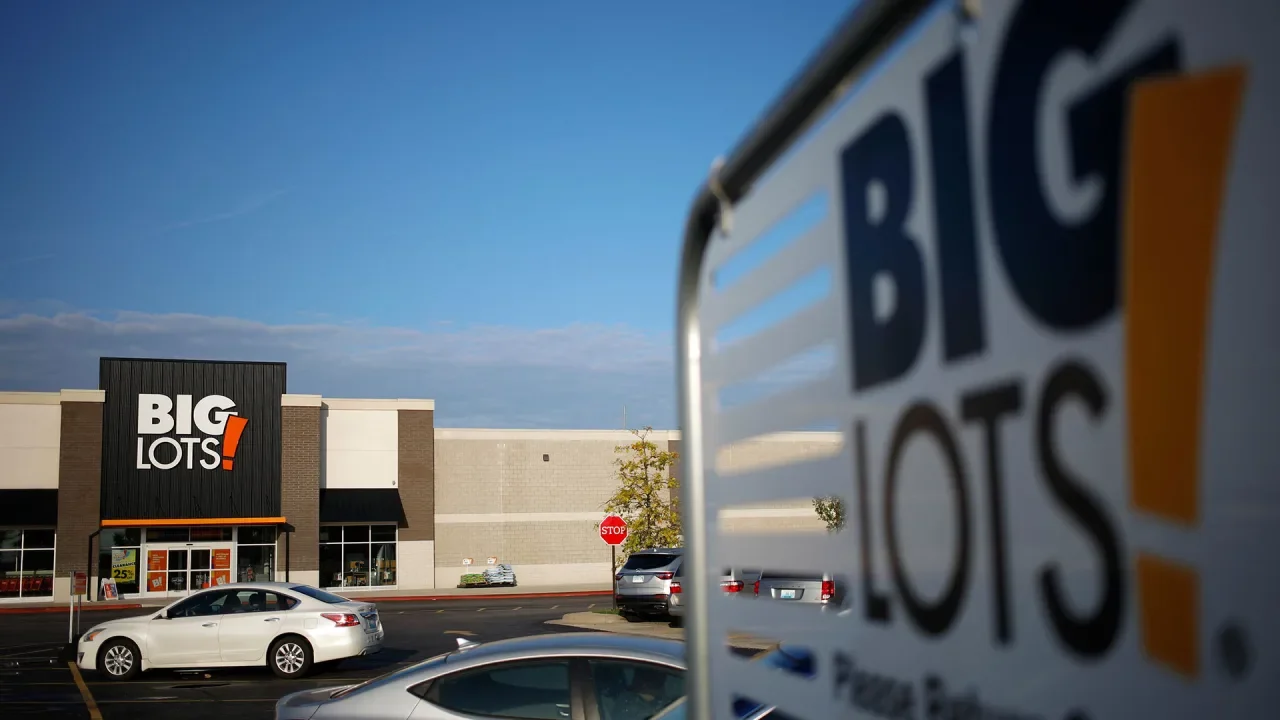
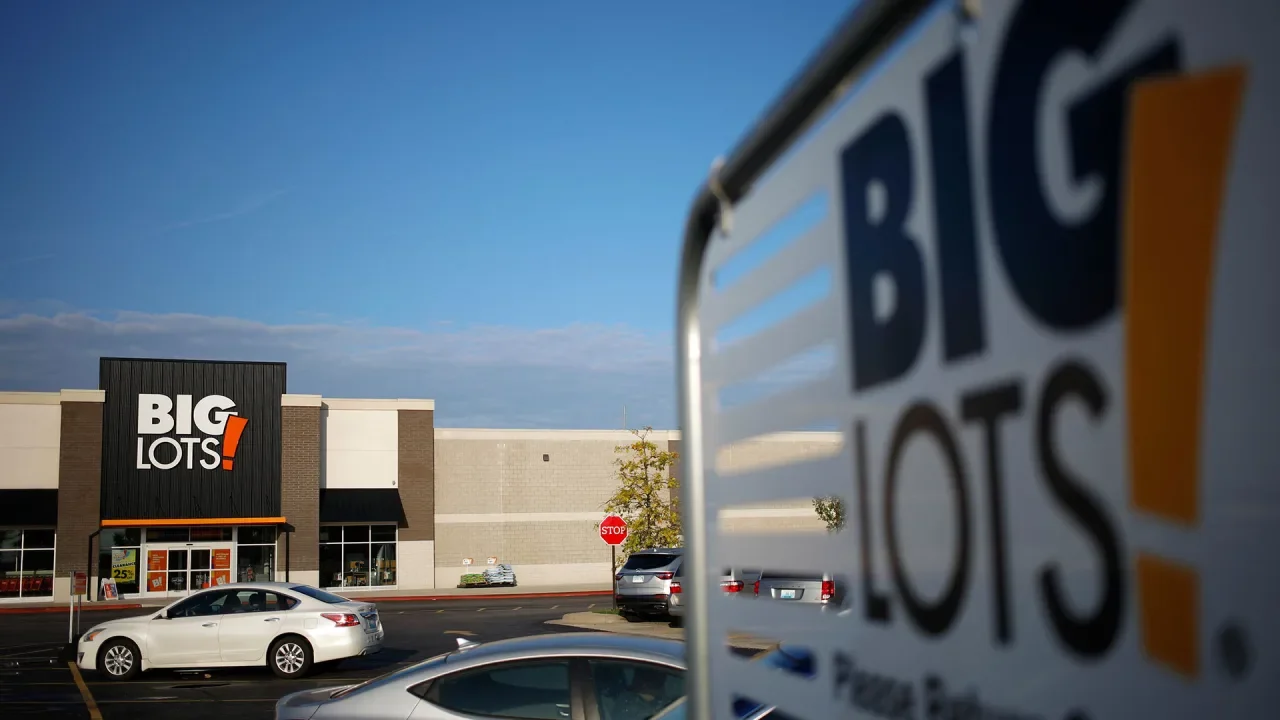
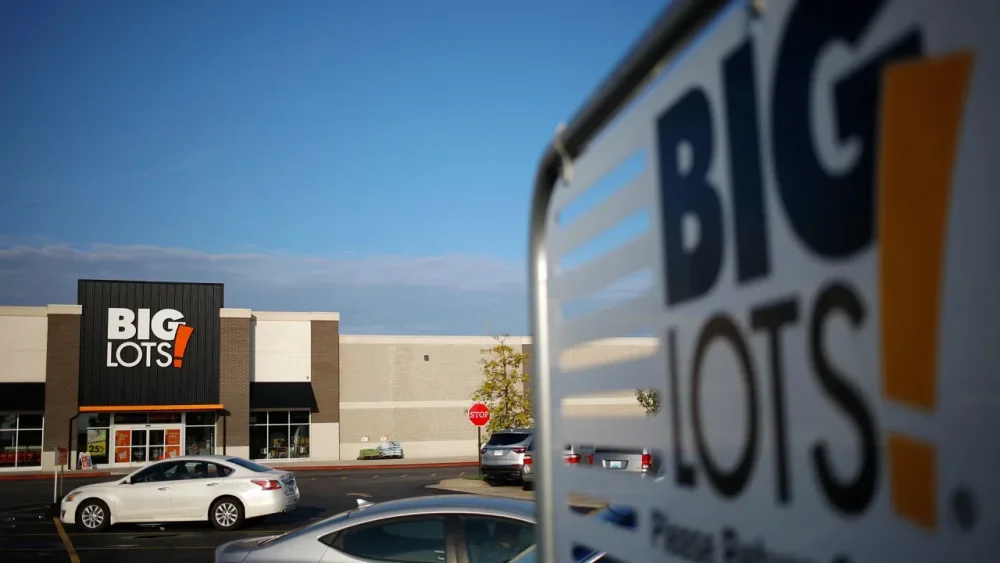
The discount retailer that plans to take over and operate hundreds of Big Lots stores is closer to deciding which locations it will save. Some 200 Big Lots leases have been designated to be transferred to Variety Wholesalers, the North Carolina-based owner of Roses and other discount chains, new court documents show. In a bankruptcy filing dated Monday, Big Lots said it will transfer the locations as part of its agreement with Gordon Brothers, the restructuring and investment firm that took control of the embattled retailer earlier this year. The list includes Big Lots locations across more than a dozen states, mostly in the South and Midwest regions. It’s unclear what Variety’s plans for the locations fully entail or if the stores will remain open continuously throughout the process. Concerned parties have until February 18 to object to the transfer of the leases. A spokesperson for Gordon Brothers confirmed with Fast Company that Variety intends to operate the leases as Big Lots stores, but said the list was not final and new locations could be added. Fast Company has also reached out to Variety Wholesalers. Variety had originally said it would take over between 200 to 400 Big Lots stores in an 11th-hour deal announced late last year that purportedly rescued the bankrupt brand from complete oblivion. Although Big Lots said the plan would potentially save thousands of jobs, workers have mostly been in the dark about which of the retailer’s more than 800 locations would be closing for good. The new list is likely to provide a modicum of closure for some employees who have been working under a lot of uncertainty for many weeks. States with Big Lots leases included on the list are Alabama, Florida, Georgia, Ohio, Michigan, Mississippi, Indiana, Kentucky, Pennsylvania, Louisiana, North Carolina, South Carolina, Tennessee, Virginia, and West Virginia. The parties have asked a court to give them until April 7 to make the final determination. Gordon Brothers has since listed hundreds of Big Lots leases for sale to retailers that want to take over the spaces. Here’s the full list of locations: Alabama 1619 TOWN SQ SW CULLMAN, AL 5363 HWY 90 W STE C MOBILE, AL 603 US HWY 72 W ATHENS, AL 1820 6TH AVE SE DECATUR, AL 1100 HWY 78 W JASPER, AL 5510 MCFARLAND BLVD NORTHPORT, AL Florida 3401 13TH ST STE 100 SAINT CLOUD, FL 146 SE US HIGHWAY 19 CRYSTAL RIVER, FL 4901 PALM BEACH BLVD STE 230 FORT MYERS, FL 13970 N CLEVELAND AVE NORTH FORT MYERS, FL 843 W BLOOMINGDALE AVE BRANDON, FL 122 S NOVA RD ORMOND BEACH, FL 9119 MERRILL RD STE 50 JACKSONVILLE, FL 3048 E COLLEGE AVE RUSKIN, FL 6247 HIGHWAY 90 MILTON, FL 2384 COMMERCIAL WAY SPRING HILL, FL 4700 HIGHWAY 90 MARIANNA, FL 225 S TYNDALL PKWY CALLAWAY, FL Georgia 127 COMMERCE AVE LAGRANGE, GA 110 E NORTHSIDE DR VALDOSTA, GA 2305 E 1ST ST VIDALIA, GA 3791 S COBB DR SE STE G SMYRNA, GA 3111 HIGHWAY 278 NW COVINGTON, GA 1803 KNIGHT AVE STE A2 WAYCROSS, GA 260 MERCHANTS SQUARE DALLAS, GA 13 LESTER RD STE C STATESBORO, GA 323 HABERSHAM VILLAGE CIR CORNELIA, GA 4420 ALTAMA AVE STE C2 BRUNSWICK, GA 2932 CANTON RD STE 210 MARIETTA, GA 4125 HIGHWAY 20, STE A-2 BUFORD, GA 558 BATTLEFIELD PKWY FORT OGLETHORPE, GA Ohio 2837 WINCHESTER PIKE COLUMBUS, OH 498 CADIZ RD WINTERSVILLE, OH 9025 OHIO RIVER RD WHEELERSBURG, OH 1965 W STATE ST ALLIANCE, OH 3961 HOOVER RD GROVE CITY, OH 3946 W ALEXIS RD TOLEDO, OH 408 BLUEBELL DR NW NEW PHILADELPHIA, OH 12588 ROCKSIDE RD CLEVELAND, OH 7100 SOUTH AVE YOUNGSTOWN, OH 400 SILVER BRIDGE PLZ GALLIPOLIS, OH 1336 WHIPPLE AVE NW CANTON, OH 4331 MAHONING AVE NW WARREN, OH 8489 MARKET ST MENTOR, OH 1890 W MARKET ST suite #500 AKRON, OH 405 HOWE AVE. CUYAHOGA FALLS, OH 426 EAST WATERLOO RD AKRON, OH 6300 E LIVINGSTON AVE REYNOLDSBURG, OH 1800 E STATE ST FREMONT, OH 3640 WERK RD. CINCINNATI, OH 56104 NATIONAL RD BRIDGEPORT, OH 367 COUNTY RD 406 STE B SOUTH POINT, OH 825 CLEVELAND ST, ELYRIA, OH 10560 HARRISON AVE HARRISON, OH 110 S 7TH ST MARIETTA, OH 2050 E DOROTHY LN KETTERING, OH 1700 E MAIN ST LANCASTER, OH 241 W WOOSTER RD BARBERTON, OH Michigan 659 24TH ST PORT HURON, MI 5112 MILLER RD FLINT, MI 7651 23 MILE RD SHELBY TOWNSHIP, MI 14333 EUREKA RD SOUTHGATE, MI 4157 E. COURT STREET BURTON, MI Mississippi 5778 HWY 80 E PEARL, MS 2605 W MAIN ST TUPELO, MS Indiana 195 S US HWY 231 JASPER, IN Kentucky 200 SYCAMORE ST STE 151 ELIZABETHTOWN, KY 472 EASTERN BYP RICHMOND, KY 86 APPALACHIAN PLZ SOUTH WILLIAMSON, KY 294 VILLAGE LN HAZARD, KY 1714 PERRYVILLE RD STE 400 DANVILLE, KY 1342 INDIAN MOUND DR MOUNT STERLING, KY 845 S MAIN ST LONDON, KY 400 CAMPBELLSVILLE BYP CAMPBELLSVILLE, KY 102 N 12TH ST MIDDLESBORO, KY Louisiana 755 VETERANS MEMORIAL BLVD METAIRIE, LA Pennsylvania 2611 ELLWOOD RD NEW CASTLE, PA 11628 PENN HILLS DR PITTSBURGH, PA 697 ALLEGHENY BLVD FRANKLIN, PA 1425 SCALP AVE STE 130 JOHNSTOWN, PA 750 OHIO RIVER BLVD ROCHESTER, PA 3437 SIMPSON FERRY RD CAMP HILL, PA 2444 PHILADELPHIA ST INDIANA, PA 467 W PENN AVE CLEONA, PA 820 WATER ST MEADVILLE, PA 2140 WHITE ST YORK, PA 2431 COLUMBIA BLVD BLOOMSBURG, PA 1010 ONEILL HWY DUNMORE, PA 1241 BLAKESLEE BOULEVARD DR E LEHIGHTON, PA 6041 STATE ROUTE 30 STE 20 GREENSBURG, PA 7405 WESTBRANCH HWY LEWISBURG, PA 1150 CARLISLE ST HANOVER, PA 156 EAGLES GLEN, PLZ STE 190 EAST STROUDSBURG, PA 5522 SHAFFER RD UNIT 7 DU BOIS, PA 500 LINCOLN HWY STE 4 FAIRLESS HILLS, PA 4717 MCKNIGHT RD PITTSBURGH, PA 866 SCRANTON CARBONDALE HWY EYNON, PA 389 N. READING RD. EPHRATA, PA North Carolina 1504 N BRIDGE ST ELKIN, NC 1811 S CHURCH ST BURLINGTON, NC 1328 CARTER ST, MOUNT AIRY, NC 4600 MAIN ST STE 1 SHALLOTTE, NC 526c US HIGHWAY 70 SW HICKORY, NC 100 WESTWOOD VILLAGE DR CLEMMONS, NC 838 WINSTON RD LEXINGTON, NC 1403 S POLLOCK ST SELMA, NC 2725 NORTHWEST BLVD NEWTON, NC 520 BERNE SQ NEW BERN, NC 1110 JULIAN R ALLSBROOK HWY ROANOKE RAPIDS, NC 3915 RAMSEY STREET FAYETTEVILLE, NC 376 WEST PLAZA DRIVE MOORESVILLE, NC 273 FRANKLIN PLAZA DR FRANKLIN, NC 1664 S MAIN ST STE B LAURINBURG, NC 280 CONCORD PKWY N CONCORD, NC 1176 RUSS AVE WAYNESVILLE, NC 1020 CROSSROADS DR STATESVILLE, NC 2531 EASTCHESTER DR HIGH POINT, NC 1432 E DIXIE DR ASHEBORO, NC 3718 BATTLEGROUND AVE GREENSBORO, NC 955 N WESLEYAN BLVD ROCKY MOUNT, NC 720 NC 24 27 BYP E ALBEMARLE, NC 609 GREENVILLE BLVD SE GREENVILLE, NC 685 S HUGHES BLVD ELIZABETH CITY, NC 1639 US HIGHWAY 74A BYP SPINDALE, NC 1371 N SANDHILLS BLVD ABERDEEN, NC 950 S CANNON BLVD STE A KANNAPOLIS, NC 2950 S. HORNER BLVD. SANFORD, NC 1700 RALEIGH RD PKWY W STE 104 WILSON, NC 1450 ANDREWS RD MURPHY, NC 2900 ARENDELL ST STE 19 MOREHEAD CITY, NC 630 LAKESTONE COMMONS AVE FUQUAY VARINA, NC 601 PARK ST BELMONT, NC 1110 WESTERN BLVD JACKSONVILLE, NC 1826 W US HWY 421 STE K WILKESBORO, NC 711 E. INNES ST. SALISBURY, NC 130 WEAVER BLVD WEAVERVILLE, NC 403 N GENERALS BLVD LINCOLNTON, NC 1677 WESTCHESTER DR HIGH POINT, NC 1251 BURKEMONT AVE MORGANTON, NC 2750C N ROBERTS AVE LUMBERTON, NC 12295 CAPITAL BLVD WAKE FOREST, NC 1728 E DIXON BLVD SHELBY, NC 4956 LONG BEACH RD SE, STE 8 SOUTHPORT, NC 1063 YADKINVILLE RD MOCKSVILLE, NC South Carolina 207 OCONEE SQUARE DR SENECA, SC 1000 N PINE ST SPARTANBURG, SC 1023A S PENDLETON ST EASLEY, SC 1370 S KINGS HWY MYRTLE BEACH, SC 339 BYPASS 72 NW GREENWOOD, SC 9221 TWO NOTCH RD STE 30 COLUMBIA, SC 710 HWY 17 S STE D NORTH MYRTLE BEACH, SC 1206 HIGHWAY 9 BYPASS W LANCASTER, SC 1641 CHURCH ST CONWAY, SC 3230 AUGUSTA RD WEST COLUMBIA, SC 2349 CHERRY RD STE 79 ROCK HILL, SC 431 SAINT JAMES AVE UNIT G GOOSE CREEK, SC 6169 ST. ANDREWS RD. COLUMBIA, SC 915 S ST STE A SIMPSONVILLE, SC 10150 DORCHESTER RD UNIT 227 SUMMERVILLE, SC 328 ROBERT SMALLS PKWY BEAUFORT, SC Tennessee 3110 E OAKLAND AVE JOHNSON CITY, TN 420 PARK BLVD ROGERSVILLE, TN 1301 S JAMES CAMPBELL BLVD COLUMBIA, TN 1041 S RIVERSIDE DR CLARKSVILLE, TN 840 25TH ST NW CLEVELAND, TN 4825 N BROADWAY ST KNOXVILLE, TN 2342 E ANDREW JOHNSON HWY MORRISTOWN, TN 220 DICKSON PLAZA DR DICKSON, TN 1475 E ANDREW JOHNSON HWY GREENEVILLE, TN 744 NASHVILLE PIKE GALLATIN, TN 201 FORKS OF THE RIVER PARKWAY SEVIERVILLE, TN 1262 NW BROAD ST MURFREESBORO, TN 1806 N JACKSON ST TULLAHOMA, TN Virginia 1090 MILLWOOD PIKE WINCHESTER, VA 1090 BYPASS RD VINTON, VA 4300 PORTSMOUTH BLVD CHESAPEAKE, VA 5260 OAKLAWN BLVD NORTH PRINCE GEORGE, VA 180 KENTS RIDGE RD RICHLANDS, VA 1851 E LITTLE CREEK RD NORFOLK, VA 2646 GREENSBORO RD MARTINSVILLE, VA 1971 S MILITARY HWY CHESAPEAKE, VA 4318 GEORGE WASHINGTON MEM HWY YORKTOWN, VA 2911 HERSHBERGER RD NW ROANOKE, VA 2660 WEIR PLACE CHESTER, VA 2715 W MAIN ST WAYNESBORO, VA 6610 MOORETOWN RD WILLIAMSBURG, VA 10001 HULL STREET RD NORTH CHESTERFIELD, VA 2318 W MERCURY BLVD HAMPTON, VA 260 REMOUNT RD FRONT ROYAL, VA 10611 COURTHOUSE RD FREDERICKSBURG, VA West Virginia 1350 STAFFORD DR PRINCETON, WV 104 THOMPSON DR BRIDGEPORT, WV 110 EAGLE SCHOOL RD MARTINSBURG, WV 710 BEVERLY PIKE ELKINS, WV 291 MALL RD OAK HILL, WV 4522 ROBERT C BYRD DR BECKLEY, WV 118 HILLS PLZ CHARLESTON, WV This story is developing… View the full article
-
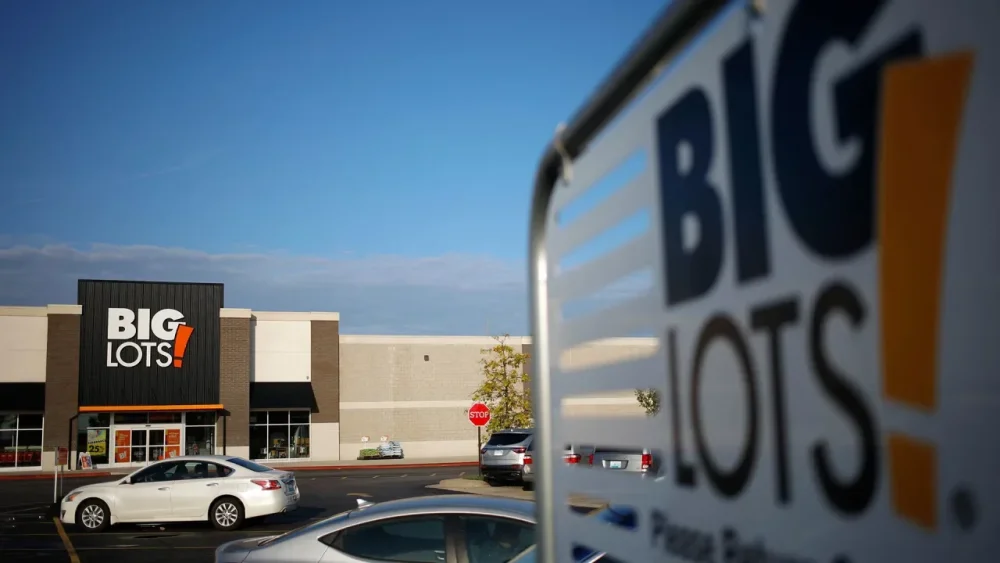
The discount retailer that plans to take over and operate hundreds of Big Lots stores is closer to deciding which locations it will save. Some 200 Big Lots leases have been designated to be transferred to Variety Wholesalers, the North Carolina-based owner of Roses and other discount chains, new court documents show. In a bankruptcy filing dated Monday, Big Lots said it will transfer the locations as part of its agreement with Gordon Brothers, the restructuring and investment firm that took control of the embattled retailer earlier this month. The list includes Big Lots locations across at least a dozen states, mostly in the South and Midwest regions. It’s unclear what Variety’s plans for the locations fully entail or if the stores will remain open continuously throughout the process. Concerned parties have until February 18 to object to the transfer of the leases. A spokesperson for Gordon Brothers confirmed with Fast Company that Variety intends to operate the leases as Big Lots stores, but said the list was not final and new locations could be added. Fast Company has also reached out to Variety Wholesalers. Variety had originally said it would take over between 200 to 400 Big Lots stores in an 11th-hour deal announced late last year that purportedly rescued the bankrupt brand from complete oblivion. Although Big Lots said the plan would potentially save thousands of jobs, workers have mostly been in the dark about which of the retailer’s more than 800 locations would be closing for good. The new list is likely to provide a modicum of closure for some employees who have been working under a lot of uncertainty for many weeks. The parties have asked a court to give them until April 7 to make the final determination. Gordon Brothers has since listed hundreds of Big Lots leases for sale to retailers that want to take over the spaces. This story is developing… View the full article
-
Search isn't what it used to be. With rising costs in rank tracking, do keywords still matter? It's time to rethink your SEO strategy. The post Death Of The Keyword: Why Aggregate Organic Traffic Is A Better Metric appeared first on Search Engine Journal. View the full article
-
Not long ago, much of the business world still ran on Rolodexes, fax machines and file cabinets. Today, most of those once indispensable tools have been rendered obsolete and replaced by modern technology that has redefined the way we work. This integration of technology into all facets of business operations is widely known as Digital Transformation (DX), and it’s happening across nearly every industry today. In fact, 74% of organizations now consider DX initiatives a top priority, with global spending projected to hit $3.9 trillion by 2027. While modern tech solutions offer significant benefits, the race to keep up with emerging trends can overwhelm decision-makers and lead to costly mistakes. But technology doesn’t have to be daunting. By asking the right questions of your team and vendors, you can identify, vet, and implement solutions that deliver real ROI for your business and customers. The following framework will guide you in developing a strategy to cut through the noise, mitigate risk, and empower your team to make technology investments that set you up for long-term success. So, whether you’re just starting, stuck in neutral, or somewhere in between, read on. The Wrong Solution Can Create New Problems This may sound elementary, but it’s critical to understand your problem before investing in a solution. For example, AI can drive efficiency by automating manual work, but it’s useless unless you know where to deploy it. So, audit how your team spends its time. Data is helpful here, but frontline team members can also provide invaluable anecdotal feedback on productivity bottlenecks that automation could solve. Plus, engaging your team early on builds the buy-in necessary for smooth implementation later. That audit might also reveal multiple issues, but that doesn’t mean you can or should try to solve them all at once. Instead, create a road map to help prioritize the most pressing challenges and then systematically work through others as time and resources allow. Once you’ve determined a problem, define the specific outcome you aim to achieve by implementing technology—like increasing role efficiency by 25 percent or decreasing cost per order by $1. Precision is key here, as vague objectives can lead to misguided investments in tools that fail to deliver results. Research Possible Solutions Now, you can start solutioning. Begin by reviewing potential vendor solutions and understanding their commonalities versus differentiation or even how industries outside your own address similar objectives. Though you work in fintech, you might be surprised by what you can learn about predictive analytics by studying how logistics service providers use data to lower shipping costs and improve efficiency or looking at how retail brands leverage AI to create hyper-personalized customer experiences. Keeping an open mind will always pay off. Make Data-Driven Decisions Next, conduct comprehensive due diligence on each potential solution. Go beyond the marketing materials—understand how the features apply to your specific problem, weigh costs against expected ROI, clarify what implementation support you’ll receive and consult team members who will use the tool. Arming yourself with all relevant data will help mitigate risk and drive buy-in across your organization. Product fit is just one part of the equation when investing in third-party technology. These solutions often address long-term opportunities, meaning you might work with a service provider for several years or more. If you sense any misalignment between your team and the service provider, trust your instincts and continue your search. Buying Versus Building You’ll also need to decide whether to buy off-the-shelf technology or develop a custom solution in-house. Enterprise-level organizations with extensive technology teams may have the resources to build in-house, while SMBs often find ready-made tools perfectly suitable and far more cost-effective. Regardless, factor in the total cost of these options, including employee onboarding, systems integration and tech support, as these expenses can add up quickly. Whether buying or building, most technology isn’t plug-and-play at scale. That’s why a detailed implementation and change management plan is essential. While making time for thorough employee training and troubleshooting may seem tedious, these steps are critical for achieving alignment and maximizing the solution’s impact, so don’t skip it. Continually Measure Success Once the initial implementation is complete, measure success against your goals. Ramp-up may take time, but if the solution doesn’t deliver results within six months, collaborate with your team and the service provider to identify issues and adjust course as needed. Tracking progress also helps maintain stakeholder support—providing updates on outcomes and celebrating milestones can keep the team engaged and help secure resources for further investment. Lastly, as your business evolves, don’t let this step slip by or stagnate your approach. Regularly revisiting and refining your review process as your needs change will ensure that a solution continues to deliver ongoing value over the long term or make clear when it’s time for something new. Investing in technology isn’t just about acquiring tools—it’s about solving problems that empower your team and deliver long-term results. If you’re new to this world, be patient with yourself and your team as you navigate the learning curve together. Mistakes are inevitable, but taking time to align solutions with clear objectives, evaluate vendors carefully and implement effectively will help mitigate potential risks and drive meaningful results for your team and business. View the full article

-
Follow these tips to improve your local SEO and reach nearby people looking for businesses like yours. View the full article
-
If you are someone with a green thumb and don’t mind getting your hands dirty, then commercial flower farming might be your special calling. Starting a flower farm is a great way to make money and provide beautiful blooms for your customers. It’s also an exciting venture that can be both rewarding and challenging. So, whether you’re just starting or have been flower farming for years, there are tips and tricks to help you maximize your output while keeping costs low. In this article, we will examine the best practices for flower farming, covering everything from selecting the appropriate plants to harvesting them at their optimal times. By implementing these strategies, you can transform your passion into a thriving business in no time! Flower Farming for Cut Flowers Flower farming is growing in popularity and can be very rewarding. People make money by growing cut flowers and selling them at farmers’ markets or to venues, flower stalls, and restaurants. You can also start small, which is financially stable for most cut flower farming. That means you can start with a small garden in your or your neighbor’s yard if they let you. You can also begin with just a few buckets of flowers. Once you get the hang of it, you can expand your cut flower garden and make more money. Simple Steps to Flower Farming Whether you’re a beginner flower farmer or looking to expand your business, there are certain steps you need to take to be successful. From choosing flower varieties to marketing your bouquets, here are simple steps you need to take to start and successfully run a flower farm: Benchmark Other Flower Farmers in the Area It is important to research flower growers in the area before you start a flower farm. This will help you understand better what flowers are most profitable, what growing seasons are best to plant in, what issues they run into and what methods other farmers use. It is also helpful to talk to other growers at the farmer’s market. Many of them will be glad to help you with growing tips and may even give you more agricultural business ideas. Plan Your Flower Business In this step, you are planning out the business aspects of your flower farm. From naming and branding to marketing your business to opening a business banking account, this is where you plan the groundwork that will ensure your flower business’s success. Create an action tracker – This will help you keep track of the tasks and goals you need to complete while starting and running your flower farm. Name and brand your flower business – This will help you create a more recognizable identity for your business. Develop a flower farming business plan – A business plan is essential for getting business loans and grants. Even acquiring a business partner or angel investor is easier with a good business plan. A solid business plan should, at the very least, contain: A summary of your business An overview of the market and industry Sales and marketing plans Financial projections Form a legal entity and register your business – This will help you protect your business and personal assets. Create a budget – This will help you manage your finances and better understand the costs of running a flower farm. Set up a business banking account – A business bank account is important for tracking and keeping separate the income, expenses, and other financials related to your business. Market and promote your flower business – You’ll need to figure out the best ways to reach potential customers and increase visibility for your business – such as by creating a website and engaging in social media. Sort out taxes and insurance – This will help you make sure your business complies with local, state, and federal laws. Choose the Type of Flower Farm You Want to Create Before you decide on specific flower varieties, you need to decide what type of farm you want to create. Are you looking to grow cut flowers for bouquets, or are you looking more toward potted plants? Do you want to specialize in one type of flower or grow a variety of flowers? Answering these questions will help you determine the types of flowers you want to start with. Set Aside Your Growing Area Once you have determined the type of flower farming operation you wish to establish, the next step is to designate a specific structure or area for your flowers. There are several options for this, including renting land or greenhouses, as well as cultivating and caring for fields and gardens in your own backyard. Begin Crop Planning Develop a crop plan for the year. This will help you determine what flowers to grow, when to plant them, and what supplies you need. You should also take into consideration things like weather patterns in your area, pest infestations, and soil conditions as well. Be sure to research any pests that are common in your area so that you can treat them accordingly. Buy Your Starting Seeds One of the best ways to ensure you have the tall varieties of flowers you need for cut flower bouquets is to buy and grow your own seeds. As far as bought seeds go, many nurseries don’t carry these types of flowers. So, if you want to create beautiful floral arrangements, you’ll need to take matters into your own hands and grow them from scratch. You can buy seeds from places like your local feed & seed store or highly-rated online bulk seed companies. Nurture and Grow Your Starter Flowers When starting your farm for your flowers, it is important to have the appropriate tools and equipment needed to successfully nurture and grow flowers. A heat mat, seed trays, grow lights, and quality seed starting mix are all essential items for any budding flower farmer. The heat mat will help keep the soil temperature at the optimal level for germination, while the grow lights will help stimulate and encourage more vigorous growth. Purchase any Supporting Structures and Materials Depending on the type of farm you’re running, you may need to purchase certain pieces of equipment. For example, if you’re growing potted plants, you’ll need some form of irrigation system to keep them hydrated. If you’re growing cut flowers for bouquets, you may need a greenhouse or cold frame and some cutting tools. You can purchase landscape fabric and other materials to create the environment you need for your plants. Also, if you are growing roses, which can be very profitable, you need to have excellent marketing facilities. Buy Farming Tools and Equipment If you’re looking to minimize your investment, starting small is an excellent option for new flower farmers. In this case, hand tools such as tillers, plows, and trowels are a fantastic initial investment. However, farming can be backbreaking work. If you plan on expanding your operation, it may be necessary to invest in larger equipment like electric tillers, tractors, and seed drills. You can also purchase a mule, wheelbarrow, and other items that will help make your job easier. Till the Growing Area After you have chosen your growing area, tilling the soil will help create a healthy and productive environment for your flowers. This process helps remove roots and weeds while breaking up large chunks of dirt and removing rocks. This way, air, water, and nutrients can better penetrate and enrich the soil. To till the soil, use either the double-dig gardening method or a hand-held or motorized rototiller to dig into the dirt. Make Any Soil Amendments Needed If you are planting in soil that is unsuitable for your chosen flowers, you may need to incorporate amendments like compost or mulch. This will help provide your flowers with the essential nutrients required for healthy and robust growth. Harden Your Plants There are some seeds you can plant directly in the soil – others you have to grow inside and transplant. Before transplanting your seedlings, be sure to harden them off. This process helps the plants become acclimated to outdoor conditions so they are better prepared for life in their new home. To do this, start by keeping the plants outside for a few hours during the day and then bring them back inside at night for a week or two. This process will help the plants adjust and grow stronger, resulting in better yields. Plant the Flowers and Take Care of Them Direct sow your seeds or plant the starter flowers in the soil in the area you have chosen and take care of them. Bear in mind that all flowers typically have different requirements when it comes to soil, water, and sun exposure. Consider special notes on your seed packages or in books. They give you helpful tips like the correct planting distances between plants, what plants grow well together, and when to plant your flowers (spring, late spring, fall /etc.). Additionally, fertilize regularly, water consistently, and remove any weeds that sprout around them. Pay careful attention to how your flowers are growing so that you can make adjustments as needed. Harvest the Flowers Once the flowers are ready, it’s time to harvest them. Harvesting and handling cut flowers is a process. Some general guidelines to follow: Before Harvesting Flowers: Flowers and other plants should appear healthy and turgid. Use white plastic buckets to hold your harvested plants. Plastic storage buckets and cutting tools such as knives or shears should be cleaned and sanitized inside before use. See the University of Massachusetts Amherst’s directions for cleaning and sanitizing here. Don’t stack buckets within each other if the inside is not as clean as the outside. Make sure all cutting tools are sharp. If you cut with dull tools, they will crush the stems and decrease their water intake. All plastic buckets used to harvest plants should contain clean water. Some floriculturists add biocide to the water To find out how to mix biocide and reference vendors that sell it, see “The Care and Handling of Cut Flowers” in the Further Reading for Successful Flower Farming section. During Harvesting: Harvest spike-type flowers when 1/4 to 1/2 of their individual florets open. Harvest daisy-type flowers when they are opened fully. To see a list of some commonly grown cut flowers and their development stages, see the fact sheet in “The Care and Handling of Cut Flowers” in the Further Reading for Successful Flower Farming section. Harvest in the cooler morning and evening hours. Remove any foliage on plant stems that will be underwater. Angle the cut flower stems to prevent them from resting flat on the bottom of the bucket, which will enhance water absorption. Don’t lay flowers on a dirty surface or the ground. Frequently disinfect your cutting tools – at least 2X each day. Grade and bunch plants and flowers immediately after you harvest. Bring flowers into the shade. Place them in plastic buckets of clean, acidified warm water and a biocide. Avoid overfilling containers with plants and flowers. Sell the Fresh Flowers Now that your flowers are harvested, you can enjoy the fruits of your labor and sell them! You can create beautiful bouquets to market and sell to local florists or even directly at a farmers’ market. By growing hardy annuals and other bouquet and vase-ready flowers, you have created a sustainable source of income for yourself and provided high-quality, freshly cut flowers for others. Save Some Seeds for Next Time Once you have finished harvesting your flowers, it’s a good idea to save some of the seeds for next season. This will help cut down on the cost of buying new plants and give you a head start in getting ready for planting season. You can store the seeds in a cool, dry place until springtime rolls around again. Expand or Diversify Your Business Once you have established yourself in the industry, it’s time to start thinking about diversifying your “flower portfolio.” You can start growing other varieties of flowers to offer your customers a larger selection or even venture into new realms altogether, such as creating wreaths and centerpieces or making rosewater out of leftover roses. With the right knowledge and ambition, you can turn your small-scale flower business into something much bigger! You can also teach flower farming classes to all the budding floriculturists out there. Here’s a summary table that brings all the steps together for easy reference: StepDescription Benchmark Local Flower Farmers- Understand profitable flowers and seasons. - Gain insights from local growers and farmers' markets. Plan Your Flower Business- Branding & naming. - Develop a business plan. - Legal registration, budgeting, banking, marketing, taxes, and insurance. Choose Your Flower Farm Type- Decide between cut flowers for bouquets or potted plants. - Specialize or diversify flower types. Set Aside Your Growing Area- Rent or allocate space for growing. Begin Crop Planning- Yearly crop plans. - Consider weather, pests, and soil conditions. Nurture Your Starter Flowers- Essential tools: heat mat, seed trays, grow lights, and seed starting mix. Purchase Supporting Structures- Depending on farm type: irrigation systems, greenhouse, or cold frame. Buy Farming Tools and Equipment- Basic tools: tillers, plows, and trowels. - Larger equipment if expanding. Till the Growing Area- Use rototiller or double-dig gardening to prepare the soil. Make Soil Amendments- Add compost or mulch for nutrient enrichment. Harden Your Plants- Acclimate plants to outdoor conditions for transplantation. Plant and Care for Flowers- Consider individual flower requirements. - Regularly fertilize and water. Harvest the Flowers- Harvest during cooler hours. - Use guidelines for flower types and stages. - Store harvested flowers appropriately. Sell the Fresh Flowers- Market bouquets to florists or at farmers' markets. Save Seeds for Next Time- Store seeds in a cool, dry place for the next planting season. Expand or Diversify- Grow other flower varieties or venture into related businesses. - Offer classes or workshops. Sustainable Flower Farming Practices Adopting Eco-Friendly Methods: In today’s environmentally conscious market, adopting sustainable practices can set your flower farm apart. Techniques such as composting, using organic pest control methods, and implementing water conservation strategies not only benefit the environment but can also attract customers looking for eco-friendly products. Explore options like rainwater harvesting and drip irrigation to minimize water usage and consider integrating beneficial insects for natural pest management. Renewable Energy Sources: Consider the use of renewable energy sources, such as solar panels, to power greenhouses or irrigation systems. This not only reduces your carbon footprint but may also lower operational costs in the long run. Additionally, promoting your use of renewable energy can enhance your brand’s appeal to environmentally conscious consumers. Diversifying Your Flower Farm Offerings Expanding Product Lines: In addition to selling cut flowers, there are many opportunities to diversify your product offerings and boost your revenue. Think about creating and selling value-added products like dried flower arrangements, natural potpourri, or floral-infused oils and candles. Hosting workshops on flower arranging or sustainable gardening can also draw a larger audience to your farm. Agrotourism Opportunities: Transform your flower farm into a destination for agrotourism. Hosting events like “pick-your-own” days, farm tours, or floral workshops can provide additional income and market your products directly to consumers. This not only generates revenue but also builds a loyal customer base that is engaged with your farming practices and product offerings. How Profitable is Flower Farming? The flower farming business is a lucrative one, as these specialty crops are one of the best cash crops you can grow. The flower experts at The Gardner’s Workshop say that farmers across the United States are reporting sales of $25K to $30K an acre on average. How much you are going to make is going to depend wholly on the region, the type of market you are selling into, and your skill at flower farming. What is a Flower Farmer Called? A flower farmer is generally referred to as a floriculturist. A floriculturist is someone who specializes in growing, harvesting, and marketing flowers. From selecting the right soil for planting to pruning for optimal growth and design, a floriculturist has many skills that are beneficial to running a successful flower farm. The Most Profitable Flowers to Grow The most profitable flowers to grow will be popular blooms for flower bouquets, flower crowns, and flower arrangements. Warm-season annuals are the easiest for beginning floriculturists to work with. You can sell them through the season, and they have a very broad appeal. The three best warm-season annuals you can try your hand at for the first time are celosia, sunflowers, and zinnias. In fact, many floriculturists only do sunflower farming since they are so popular and easy to grow. Other profitable flower varieties and plants to use for bouquets and bouquet fillers include: Ageratum: Thrives in full sun with well-drained soil, keep moist but not waterlogged. Scabiosa: Prefers full sun and well-draining soil; deadhead to promote continuous blooming. Larkspur: Requires full sun and rich, well-drained soil; benefits from staking in windy areas. Lavender: Loves full sun and dry, sandy soil; ensure good air circulation to prevent root rot. Eucalyptus: Grows best in full sun and well-drained soil; drought-tolerant once established. Carnations: Needs full sun and fertile, well-drained soil; pinch back to encourage bushier growth. Lilies: Thrive in full sun to partial shade with rich, well-drained soil; mulch to keep roots cool. Yarrow: Prefers full sun and well-drained soil; drought-tolerant and resistant to pests. Gladiolus: Loves full sun and sandy loam soil; plant corms in succession for continuous blooms. Snapdragon: Requires full sun to partial shade and rich, well-draining soil; pinch for business. Queen Anne’s lace: Grows best in full sun and well-drained soil; self-seeds prolifically. Holly: Prefers full sun to partial shade and well-drained slightly acidic soil. Lily of the Valley: Thrives in partial to full shade with moist, well-drained soil; spreads quickly. Dill: Needs full sun and rich, loose soil; water regularly and protect from strong winds. Tulips: Prefer full sun and well-draining soil; plant bulbs in fall for spring blooms. Baby’s breath: Loves full sun and well-drained alkaline soil; drought-tolerant once established. Roses: Require full sun and fertile, well-drained soil; regular pruning promotes healthy growth. Peonies: Thrive in full sun and well-drained soil; require cold winter period to bloom. Verbena bonariensis: Prefers full sun and well-drained soil; tolerates drought and poor soils. Heather: Grows best in full sun and acidic, well-drained soil; water regularly during dry spells. Ivy: Thrives in partial to full shade and moist, well-drained soil; great for ground cover. Stephanotis: Prefers bright, indirect light and well-drained soil; keep humid for best growth. Ammi/Daucus: Needs full sun and well-drained soil; resembles Queen Anne’s lace but taller. Strawflower: Loves full sun and well-drained soil; drought-resistant once established. Sweet pea: Requires full sun to partial shade and rich, moist soil; provides support for climbing. Cinnamon basil: Prefers full sun and rich, well-drained soil; water regularly for best flavor. Black-eyed Susans: Thrive in full sun and well-drained soil; drought-tolerant and self-seeding. Dahlias: Need full sun and rich, well-drained soil; stake tall varieties to support blooms. Bachelor’s buttons: Prefer full sun and well-drained soil; drought-tolerant once established. What to Grow for a Mixed Bouquet One of the most confusing things for a first-year flower farmer is planting for flower bouquets. When flower farming for a mixed bouquet, you want to choose flower varieties that will work together. Choose colors and flower types that not only look appealing but will also stand up well in a flower bouquet. Focal Flowers These flowers really stand out in a flower bouquet and draw your eyes to them. Focals should be unique, bold, and eye-catching. Zinnias are an example of a focal flower, and their vintage-like appearance makes them highly sought after. They come in a wide variety of colors and shapes and are considered workhorse flowers since the more you cut, the more they produce. Accent Flowers Accent flowers are smaller flower blooms that help fill out and support the flower bouquet. They should be bright, cheerful, and less expensive than focals. Examples of accent flowers are alstroemeria, lisianthus, and statice. These flowers can help add texture and color to the bouquet without breaking the budget. Hardy Annuals Hardy annuals tolerate a wide range of temperatures, humidity levels, and soil conditions. What’s more? They bring long-lasting color and texture to your flower bouquet and are a great option for the beginning flower farmer. The fast-growing black-eyed Susan is an example of a hardy annual. Susans radiate happiness and are especially suited for barn wedding bouquets. Daisies, sunflowers, and coneflowers can also be included in this group. Soft Annuals and Perennials Soft annuals and perennials are considered to be more delicate than hardy annuals and are often short-lived. Perennials come back year after year, creating the possibility of a continuous supply of flowers for your business. These flowers require more attention and care but can thrive in the right environment. Examples of soft annuals and perennials are cosmos, dahlia,s and snapdragons. Foliage Plants Foliage plants are essential for any flower bouquet and provide structure and texture to your arrangement. Ferns, eucalyptus, and ivy are great choices for foliage. These plants will add color, texture, and interest to your flower bouquet and won’t wilt as quickly as some of the softer flowers. Other Considerations In addition to the options above, you can also plant for desired characteristics. For example, if you want to have a good succession plant, try sunflowers. You only have to plant a bunch of them at the beginning of their growing season and one month following that. Plus, sunflowers produce more blooms the more often you cut them. You can also plant for vase life. The Oklahoma variety of zinnias has a great vase life. Also, be mindful of characteristics that aren’t ideal, such as sunflowers taking longer to go from seed to harvest than other single-stem flowers. Places to Sell Your Flowers If you’re seeking places to sell your flowers, numerous options are available. Begin by establishing a booth at local festivals and farmers’ markets. Once you have gained experience and confidence, you can explore mass marketing your flowers directly to garden centers, florists, and supermarkets that operate year-round. There are also pop-up stands, wholesalers, and online flower delivery services where you can build your floriculture sales. Another option is marketing your flowers and services toward wedding and other special event planners. After reading, be sure to check out Renee Nelson’s you-pick flower farm. The operation started making money in the first month and hasn’t stopped since. Will a Flower Farmer Make a Profit in The First Season? Yes, it is possible to make a profit in the first year of farming flowers. However, the first year of growing them has a steep learning curve. When starting out, it is best to focus on two or three types of flowers that are in high demand. It is also important to do your research, especially when it comes to growing best practices and competition. Researching the best-growing methods mitigates risk, and knowing the competition’s market prices helps you set pricing and earn a profit. How Much Capital Do You Need for a Cut Flower Farm? Starting a cut flower farm often requires more capital than the average garden or small business. The start-up costs often depend on the size of the operation and where it is located, but they generally include land, seeds or plants and bulbs, tools and supplies, labor, marketing expenses, and insurance. To give a ballpark figure, some floriculturists have started their businesses with as little as $1,000, and others spent $20,000 or more. Of course, there is some variability when it comes to start-up costs, with the figures largely dependent on your farm’s size or whether you invest in high-cost infrastructure (e.g., high tunnels, greenhouse, or irrigation systems). It’s also good to figure in any labor costs associated with keeping the farm going and any unexpected costs that may arise. Further Reading for Successful Flower Farming These books and online articles have inspired thousands to start growing flowers for sale locally. The Flower Farmer: An Organic Grower’s Guide to Raising & Selling Cut Flowers, by Lynn Byczynski DON’T PANIC: A Business Guide to Small Scale Cut Flower Farming Paperback, by Sarah Adams 8 Simple Steps to Arrange Flowers Like a Pro, by Better Homes & Gardens Postharvest Handling of Cut Flowers and Greens: A Practical Guide for Commercial Growers, Wholesalers, and Retailers, by John Dole et al. The New Organic Grower: A Master’s Manual of Tools & Techniques for the Home & Market Gardener, by Eliot Coleman Grow Organic: Over 250 Tips & Ideas for Growing Flowers, Veggie, Lawns & More, by Doug Oster & Jessica Walliser The Care and Handling of Cut Flowers, by the Oklahoma State University Extension Related Small Business Trends Articles for More Reading How to Start a Tree Farm How to Open a Flower Shop Flower Farming: The Bottom Line Starting a flower farm is more than just planting seeds; it’s about nurturing a vision, cultivating passion, and watching your entrepreneurial dreams bloom. Whether you’re inspired by the vibrant hues of petals or the prospect of turning a profit, here are the essential takeaways from our comprehensive guide: Start Small, Dream Big: Every flourishing field begins with a single seed. Launch your venture with a few flower types, focusing on those with high demand. Let your grand vision guide your growth. Research & Capital: Delving into best practices for growth and marketing is fundamental. Remember, an initial investment in land, labor, and supplies is crucial to getting your farm off the ground. Quality Over Quantity: A garden filled with thriving flowers is more valuable than one overflowing with struggling plants. Stay Updated: The realm of flower farming is constantly evolving. Be a perennial learner, absorbing new techniques, plant varieties, and market insights. Combat Challenges: A successful flower farm isn’t just about growth but also understanding how to tackle diseases and pests. Nurture Nature: As a flower farmer, your bond with the earth is sacrosanct. Respect and nourish this relationship, and nature will reciprocate in kind. With the right mix of passion, knowledge, and dedication, you’ll not only see your flowers flourish but also witness the blossoming of a profitable venture. So, here’s to planting the seeds of today and reaping the colorful rewards of tomorrow. Happy farming! Flower Farming FAQs We hope you enjoyed our beginner’s guide to flower farming and found it helpful! Here are some helpful FAQs for entrepreneurs wanting to know how to start a farm. How do flower farmers make money? Flower farmers make money by selling at farmers’ markets. They can also sell fresh cut flowers directly to florists, restaurants, or through flower delivery services. They can also offer workshops to teach others how to grow and care for their flowers. Also, if you have any leftover flowers after the harvest, give some away – it’s a wonderful way to spread the joy that flowers bring! Do florists buy from local flower farms? Yes, many florists buy locally grown flowers from flower farms. This helps support the local economy and provides customers with fresh-cut, high-quality blooms. What’s the difference between annual and perennial flowers? Annual flowers are those that complete their life cycle within one year, while perennial flowers can live multiple years. Annuals tend to be hardier and easier to grow, while perennials require more skill and knowledge. What’s the competition like in flower growing? The competition in growing and selling flowers can be quite high, especially if you are targeting a specific market. It is important to understand the local market and what makes your flowers stand out from the competition. Researching other flower farms in the area and understanding their pricing structures can also help inform your decision-making process. What flowers are best for a bouquet? It depends on what the bouquet will be used for. For instance, you’ll often see lilies, roses, and tulips used in weddings. Additionally, some hardy annuals, such as black-eyed Susans, work well in bouquets. When arranging bouquets, it’s important to consider the colors, shapes, and textures that you want when choosing flowers. What tips and tricks do professional flower farmers have? Professional flower farmers often employ a variety of strategies, such as rotating crops to reduce pest and disease risk, planting in succession to ensure a steady supply of flowers throughout the year, and using mulch and organic fertilizers to improve soil nutrient levels. Another important lesson in your first-year flower farming is that there is always more to do tomorrow. One specific tip is that heat mats are good for certain plants that thrive with heat. For instance, zinnias and basil will grow better inside if you use a heat mat. Image: Envato Elements This article, "How to Start a Flower Farm" was first published on Small Business Trends View the full article
-
If you are someone with a green thumb and don’t mind getting your hands dirty, then commercial flower farming might be your special calling. Starting a flower farm is a great way to make money and provide beautiful blooms for your customers. It’s also an exciting venture that can be both rewarding and challenging. So, whether you’re just starting or have been flower farming for years, there are tips and tricks to help you maximize your output while keeping costs low. In this article, we will examine the best practices for flower farming, covering everything from selecting the appropriate plants to harvesting them at their optimal times. By implementing these strategies, you can transform your passion into a thriving business in no time! Flower Farming for Cut Flowers Flower farming is growing in popularity and can be very rewarding. People make money by growing cut flowers and selling them at farmers’ markets or to venues, flower stalls, and restaurants. You can also start small, which is financially stable for most cut flower farming. That means you can start with a small garden in your or your neighbor’s yard if they let you. You can also begin with just a few buckets of flowers. Once you get the hang of it, you can expand your cut flower garden and make more money. Simple Steps to Flower Farming Whether you’re a beginner flower farmer or looking to expand your business, there are certain steps you need to take to be successful. From choosing flower varieties to marketing your bouquets, here are simple steps you need to take to start and successfully run a flower farm: Benchmark Other Flower Farmers in the Area It is important to research flower growers in the area before you start a flower farm. This will help you understand better what flowers are most profitable, what growing seasons are best to plant in, what issues they run into and what methods other farmers use. It is also helpful to talk to other growers at the farmer’s market. Many of them will be glad to help you with growing tips and may even give you more agricultural business ideas. Plan Your Flower Business In this step, you are planning out the business aspects of your flower farm. From naming and branding to marketing your business to opening a business banking account, this is where you plan the groundwork that will ensure your flower business’s success. Create an action tracker – This will help you keep track of the tasks and goals you need to complete while starting and running your flower farm. Name and brand your flower business – This will help you create a more recognizable identity for your business. Develop a flower farming business plan – A business plan is essential for getting business loans and grants. Even acquiring a business partner or angel investor is easier with a good business plan. A solid business plan should, at the very least, contain: A summary of your business An overview of the market and industry Sales and marketing plans Financial projections Form a legal entity and register your business – This will help you protect your business and personal assets. Create a budget – This will help you manage your finances and better understand the costs of running a flower farm. Set up a business banking account – A business bank account is important for tracking and keeping separate the income, expenses, and other financials related to your business. Market and promote your flower business – You’ll need to figure out the best ways to reach potential customers and increase visibility for your business – such as by creating a website and engaging in social media. Sort out taxes and insurance – This will help you make sure your business complies with local, state, and federal laws. Choose the Type of Flower Farm You Want to Create Before you decide on specific flower varieties, you need to decide what type of farm you want to create. Are you looking to grow cut flowers for bouquets, or are you looking more toward potted plants? Do you want to specialize in one type of flower or grow a variety of flowers? Answering these questions will help you determine the types of flowers you want to start with. Set Aside Your Growing Area Once you have determined the type of flower farming operation you wish to establish, the next step is to designate a specific structure or area for your flowers. There are several options for this, including renting land or greenhouses, as well as cultivating and caring for fields and gardens in your own backyard. Begin Crop Planning Develop a crop plan for the year. This will help you determine what flowers to grow, when to plant them, and what supplies you need. You should also take into consideration things like weather patterns in your area, pest infestations, and soil conditions as well. Be sure to research any pests that are common in your area so that you can treat them accordingly. Buy Your Starting Seeds One of the best ways to ensure you have the tall varieties of flowers you need for cut flower bouquets is to buy and grow your own seeds. As far as bought seeds go, many nurseries don’t carry these types of flowers. So, if you want to create beautiful floral arrangements, you’ll need to take matters into your own hands and grow them from scratch. You can buy seeds from places like your local feed & seed store or highly-rated online bulk seed companies. Nurture and Grow Your Starter Flowers When starting your farm for your flowers, it is important to have the appropriate tools and equipment needed to successfully nurture and grow flowers. A heat mat, seed trays, grow lights, and quality seed starting mix are all essential items for any budding flower farmer. The heat mat will help keep the soil temperature at the optimal level for germination, while the grow lights will help stimulate and encourage more vigorous growth. Purchase any Supporting Structures and Materials Depending on the type of farm you’re running, you may need to purchase certain pieces of equipment. For example, if you’re growing potted plants, you’ll need some form of irrigation system to keep them hydrated. If you’re growing cut flowers for bouquets, you may need a greenhouse or cold frame and some cutting tools. You can purchase landscape fabric and other materials to create the environment you need for your plants. Also, if you are growing roses, which can be very profitable, you need to have excellent marketing facilities. Buy Farming Tools and Equipment If you’re looking to minimize your investment, starting small is an excellent option for new flower farmers. In this case, hand tools such as tillers, plows, and trowels are a fantastic initial investment. However, farming can be backbreaking work. If you plan on expanding your operation, it may be necessary to invest in larger equipment like electric tillers, tractors, and seed drills. You can also purchase a mule, wheelbarrow, and other items that will help make your job easier. Till the Growing Area After you have chosen your growing area, tilling the soil will help create a healthy and productive environment for your flowers. This process helps remove roots and weeds while breaking up large chunks of dirt and removing rocks. This way, air, water, and nutrients can better penetrate and enrich the soil. To till the soil, use either the double-dig gardening method or a hand-held or motorized rototiller to dig into the dirt. Make Any Soil Amendments Needed If you are planting in soil that is unsuitable for your chosen flowers, you may need to incorporate amendments like compost or mulch. This will help provide your flowers with the essential nutrients required for healthy and robust growth. Harden Your Plants There are some seeds you can plant directly in the soil – others you have to grow inside and transplant. Before transplanting your seedlings, be sure to harden them off. This process helps the plants become acclimated to outdoor conditions so they are better prepared for life in their new home. To do this, start by keeping the plants outside for a few hours during the day and then bring them back inside at night for a week or two. This process will help the plants adjust and grow stronger, resulting in better yields. Plant the Flowers and Take Care of Them Direct sow your seeds or plant the starter flowers in the soil in the area you have chosen and take care of them. Bear in mind that all flowers typically have different requirements when it comes to soil, water, and sun exposure. Consider special notes on your seed packages or in books. They give you helpful tips like the correct planting distances between plants, what plants grow well together, and when to plant your flowers (spring, late spring, fall /etc.). Additionally, fertilize regularly, water consistently, and remove any weeds that sprout around them. Pay careful attention to how your flowers are growing so that you can make adjustments as needed. Harvest the Flowers Once the flowers are ready, it’s time to harvest them. Harvesting and handling cut flowers is a process. Some general guidelines to follow: Before Harvesting Flowers: Flowers and other plants should appear healthy and turgid. Use white plastic buckets to hold your harvested plants. Plastic storage buckets and cutting tools such as knives or shears should be cleaned and sanitized inside before use. See the University of Massachusetts Amherst’s directions for cleaning and sanitizing here. Don’t stack buckets within each other if the inside is not as clean as the outside. Make sure all cutting tools are sharp. If you cut with dull tools, they will crush the stems and decrease their water intake. All plastic buckets used to harvest plants should contain clean water. Some floriculturists add biocide to the water To find out how to mix biocide and reference vendors that sell it, see “The Care and Handling of Cut Flowers” in the Further Reading for Successful Flower Farming section. During Harvesting: Harvest spike-type flowers when 1/4 to 1/2 of their individual florets open. Harvest daisy-type flowers when they are opened fully. To see a list of some commonly grown cut flowers and their development stages, see the fact sheet in “The Care and Handling of Cut Flowers” in the Further Reading for Successful Flower Farming section. Harvest in the cooler morning and evening hours. Remove any foliage on plant stems that will be underwater. Angle the cut flower stems to prevent them from resting flat on the bottom of the bucket, which will enhance water absorption. Don’t lay flowers on a dirty surface or the ground. Frequently disinfect your cutting tools – at least 2X each day. Grade and bunch plants and flowers immediately after you harvest. Bring flowers into the shade. Place them in plastic buckets of clean, acidified warm water and a biocide. Avoid overfilling containers with plants and flowers. Sell the Fresh Flowers Now that your flowers are harvested, you can enjoy the fruits of your labor and sell them! You can create beautiful bouquets to market and sell to local florists or even directly at a farmers’ market. By growing hardy annuals and other bouquet and vase-ready flowers, you have created a sustainable source of income for yourself and provided high-quality, freshly cut flowers for others. Save Some Seeds for Next Time Once you have finished harvesting your flowers, it’s a good idea to save some of the seeds for next season. This will help cut down on the cost of buying new plants and give you a head start in getting ready for planting season. You can store the seeds in a cool, dry place until springtime rolls around again. Expand or Diversify Your Business Once you have established yourself in the industry, it’s time to start thinking about diversifying your “flower portfolio.” You can start growing other varieties of flowers to offer your customers a larger selection or even venture into new realms altogether, such as creating wreaths and centerpieces or making rosewater out of leftover roses. With the right knowledge and ambition, you can turn your small-scale flower business into something much bigger! You can also teach flower farming classes to all the budding floriculturists out there. Here’s a summary table that brings all the steps together for easy reference: StepDescription Benchmark Local Flower Farmers- Understand profitable flowers and seasons. - Gain insights from local growers and farmers' markets. Plan Your Flower Business- Branding & naming. - Develop a business plan. - Legal registration, budgeting, banking, marketing, taxes, and insurance. Choose Your Flower Farm Type- Decide between cut flowers for bouquets or potted plants. - Specialize or diversify flower types. Set Aside Your Growing Area- Rent or allocate space for growing. Begin Crop Planning- Yearly crop plans. - Consider weather, pests, and soil conditions. Nurture Your Starter Flowers- Essential tools: heat mat, seed trays, grow lights, and seed starting mix. Purchase Supporting Structures- Depending on farm type: irrigation systems, greenhouse, or cold frame. Buy Farming Tools and Equipment- Basic tools: tillers, plows, and trowels. - Larger equipment if expanding. Till the Growing Area- Use rototiller or double-dig gardening to prepare the soil. Make Soil Amendments- Add compost or mulch for nutrient enrichment. Harden Your Plants- Acclimate plants to outdoor conditions for transplantation. Plant and Care for Flowers- Consider individual flower requirements. - Regularly fertilize and water. Harvest the Flowers- Harvest during cooler hours. - Use guidelines for flower types and stages. - Store harvested flowers appropriately. Sell the Fresh Flowers- Market bouquets to florists or at farmers' markets. Save Seeds for Next Time- Store seeds in a cool, dry place for the next planting season. Expand or Diversify- Grow other flower varieties or venture into related businesses. - Offer classes or workshops. Sustainable Flower Farming Practices Adopting Eco-Friendly Methods: In today’s environmentally conscious market, adopting sustainable practices can set your flower farm apart. Techniques such as composting, using organic pest control methods, and implementing water conservation strategies not only benefit the environment but can also attract customers looking for eco-friendly products. Explore options like rainwater harvesting and drip irrigation to minimize water usage and consider integrating beneficial insects for natural pest management. Renewable Energy Sources: Consider the use of renewable energy sources, such as solar panels, to power greenhouses or irrigation systems. This not only reduces your carbon footprint but may also lower operational costs in the long run. Additionally, promoting your use of renewable energy can enhance your brand’s appeal to environmentally conscious consumers. Diversifying Your Flower Farm Offerings Expanding Product Lines: In addition to selling cut flowers, there are many opportunities to diversify your product offerings and boost your revenue. Think about creating and selling value-added products like dried flower arrangements, natural potpourri, or floral-infused oils and candles. Hosting workshops on flower arranging or sustainable gardening can also draw a larger audience to your farm. Agrotourism Opportunities: Transform your flower farm into a destination for agrotourism. Hosting events like “pick-your-own” days, farm tours, or floral workshops can provide additional income and market your products directly to consumers. This not only generates revenue but also builds a loyal customer base that is engaged with your farming practices and product offerings. How Profitable is Flower Farming? The flower farming business is a lucrative one, as these specialty crops are one of the best cash crops you can grow. The flower experts at The Gardner’s Workshop say that farmers across the United States are reporting sales of $25K to $30K an acre on average. How much you are going to make is going to depend wholly on the region, the type of market you are selling into, and your skill at flower farming. What is a Flower Farmer Called? A flower farmer is generally referred to as a floriculturist. A floriculturist is someone who specializes in growing, harvesting, and marketing flowers. From selecting the right soil for planting to pruning for optimal growth and design, a floriculturist has many skills that are beneficial to running a successful flower farm. The Most Profitable Flowers to Grow The most profitable flowers to grow will be popular blooms for flower bouquets, flower crowns, and flower arrangements. Warm-season annuals are the easiest for beginning floriculturists to work with. You can sell them through the season, and they have a very broad appeal. The three best warm-season annuals you can try your hand at for the first time are celosia, sunflowers, and zinnias. In fact, many floriculturists only do sunflower farming since they are so popular and easy to grow. Other profitable flower varieties and plants to use for bouquets and bouquet fillers include: Ageratum: Thrives in full sun with well-drained soil, keep moist but not waterlogged. Scabiosa: Prefers full sun and well-draining soil; deadhead to promote continuous blooming. Larkspur: Requires full sun and rich, well-drained soil; benefits from staking in windy areas. Lavender: Loves full sun and dry, sandy soil; ensure good air circulation to prevent root rot. Eucalyptus: Grows best in full sun and well-drained soil; drought-tolerant once established. Carnations: Needs full sun and fertile, well-drained soil; pinch back to encourage bushier growth. Lilies: Thrive in full sun to partial shade with rich, well-drained soil; mulch to keep roots cool. Yarrow: Prefers full sun and well-drained soil; drought-tolerant and resistant to pests. Gladiolus: Loves full sun and sandy loam soil; plant corms in succession for continuous blooms. Snapdragon: Requires full sun to partial shade and rich, well-draining soil; pinch for business. Queen Anne’s lace: Grows best in full sun and well-drained soil; self-seeds prolifically. Holly: Prefers full sun to partial shade and well-drained slightly acidic soil. Lily of the Valley: Thrives in partial to full shade with moist, well-drained soil; spreads quickly. Dill: Needs full sun and rich, loose soil; water regularly and protect from strong winds. Tulips: Prefer full sun and well-draining soil; plant bulbs in fall for spring blooms. Baby’s breath: Loves full sun and well-drained alkaline soil; drought-tolerant once established. Roses: Require full sun and fertile, well-drained soil; regular pruning promotes healthy growth. Peonies: Thrive in full sun and well-drained soil; require cold winter period to bloom. Verbena bonariensis: Prefers full sun and well-drained soil; tolerates drought and poor soils. Heather: Grows best in full sun and acidic, well-drained soil; water regularly during dry spells. Ivy: Thrives in partial to full shade and moist, well-drained soil; great for ground cover. Stephanotis: Prefers bright, indirect light and well-drained soil; keep humid for best growth. Ammi/Daucus: Needs full sun and well-drained soil; resembles Queen Anne’s lace but taller. Strawflower: Loves full sun and well-drained soil; drought-resistant once established. Sweet pea: Requires full sun to partial shade and rich, moist soil; provides support for climbing. Cinnamon basil: Prefers full sun and rich, well-drained soil; water regularly for best flavor. Black-eyed Susans: Thrive in full sun and well-drained soil; drought-tolerant and self-seeding. Dahlias: Need full sun and rich, well-drained soil; stake tall varieties to support blooms. Bachelor’s buttons: Prefer full sun and well-drained soil; drought-tolerant once established. What to Grow for a Mixed Bouquet One of the most confusing things for a first-year flower farmer is planting for flower bouquets. When flower farming for a mixed bouquet, you want to choose flower varieties that will work together. Choose colors and flower types that not only look appealing but will also stand up well in a flower bouquet. Focal Flowers These flowers really stand out in a flower bouquet and draw your eyes to them. Focals should be unique, bold, and eye-catching. Zinnias are an example of a focal flower, and their vintage-like appearance makes them highly sought after. They come in a wide variety of colors and shapes and are considered workhorse flowers since the more you cut, the more they produce. Accent Flowers Accent flowers are smaller flower blooms that help fill out and support the flower bouquet. They should be bright, cheerful, and less expensive than focals. Examples of accent flowers are alstroemeria, lisianthus, and statice. These flowers can help add texture and color to the bouquet without breaking the budget. Hardy Annuals Hardy annuals tolerate a wide range of temperatures, humidity levels, and soil conditions. What’s more? They bring long-lasting color and texture to your flower bouquet and are a great option for the beginning flower farmer. The fast-growing black-eyed Susan is an example of a hardy annual. Susans radiate happiness and are especially suited for barn wedding bouquets. Daisies, sunflowers, and coneflowers can also be included in this group. Soft Annuals and Perennials Soft annuals and perennials are considered to be more delicate than hardy annuals and are often short-lived. Perennials come back year after year, creating the possibility of a continuous supply of flowers for your business. These flowers require more attention and care but can thrive in the right environment. Examples of soft annuals and perennials are cosmos, dahlia,s and snapdragons. Foliage Plants Foliage plants are essential for any flower bouquet and provide structure and texture to your arrangement. Ferns, eucalyptus, and ivy are great choices for foliage. These plants will add color, texture, and interest to your flower bouquet and won’t wilt as quickly as some of the softer flowers. Other Considerations In addition to the options above, you can also plant for desired characteristics. For example, if you want to have a good succession plant, try sunflowers. You only have to plant a bunch of them at the beginning of their growing season and one month following that. Plus, sunflowers produce more blooms the more often you cut them. You can also plant for vase life. The Oklahoma variety of zinnias has a great vase life. Also, be mindful of characteristics that aren’t ideal, such as sunflowers taking longer to go from seed to harvest than other single-stem flowers. Places to Sell Your Flowers If you’re seeking places to sell your flowers, numerous options are available. Begin by establishing a booth at local festivals and farmers’ markets. Once you have gained experience and confidence, you can explore mass marketing your flowers directly to garden centers, florists, and supermarkets that operate year-round. There are also pop-up stands, wholesalers, and online flower delivery services where you can build your floriculture sales. Another option is marketing your flowers and services toward wedding and other special event planners. After reading, be sure to check out Renee Nelson’s you-pick flower farm. The operation started making money in the first month and hasn’t stopped since. Will a Flower Farmer Make a Profit in The First Season? Yes, it is possible to make a profit in the first year of farming flowers. However, the first year of growing them has a steep learning curve. When starting out, it is best to focus on two or three types of flowers that are in high demand. It is also important to do your research, especially when it comes to growing best practices and competition. Researching the best-growing methods mitigates risk, and knowing the competition’s market prices helps you set pricing and earn a profit. How Much Capital Do You Need for a Cut Flower Farm? Starting a cut flower farm often requires more capital than the average garden or small business. The start-up costs often depend on the size of the operation and where it is located, but they generally include land, seeds or plants and bulbs, tools and supplies, labor, marketing expenses, and insurance. To give a ballpark figure, some floriculturists have started their businesses with as little as $1,000, and others spent $20,000 or more. Of course, there is some variability when it comes to start-up costs, with the figures largely dependent on your farm’s size or whether you invest in high-cost infrastructure (e.g., high tunnels, greenhouse, or irrigation systems). It’s also good to figure in any labor costs associated with keeping the farm going and any unexpected costs that may arise. Further Reading for Successful Flower Farming These books and online articles have inspired thousands to start growing flowers for sale locally. The Flower Farmer: An Organic Grower’s Guide to Raising & Selling Cut Flowers, by Lynn Byczynski DON’T PANIC: A Business Guide to Small Scale Cut Flower Farming Paperback, by Sarah Adams 8 Simple Steps to Arrange Flowers Like a Pro, by Better Homes & Gardens Postharvest Handling of Cut Flowers and Greens: A Practical Guide for Commercial Growers, Wholesalers, and Retailers, by John Dole et al. The New Organic Grower: A Master’s Manual of Tools & Techniques for the Home & Market Gardener, by Eliot Coleman Grow Organic: Over 250 Tips & Ideas for Growing Flowers, Veggie, Lawns & More, by Doug Oster & Jessica Walliser The Care and Handling of Cut Flowers, by the Oklahoma State University Extension Related Small Business Trends Articles for More Reading How to Start a Tree Farm How to Open a Flower Shop Flower Farming: The Bottom Line Starting a flower farm is more than just planting seeds; it’s about nurturing a vision, cultivating passion, and watching your entrepreneurial dreams bloom. Whether you’re inspired by the vibrant hues of petals or the prospect of turning a profit, here are the essential takeaways from our comprehensive guide: Start Small, Dream Big: Every flourishing field begins with a single seed. Launch your venture with a few flower types, focusing on those with high demand. Let your grand vision guide your growth. Research & Capital: Delving into best practices for growth and marketing is fundamental. Remember, an initial investment in land, labor, and supplies is crucial to getting your farm off the ground. Quality Over Quantity: A garden filled with thriving flowers is more valuable than one overflowing with struggling plants. Stay Updated: The realm of flower farming is constantly evolving. Be a perennial learner, absorbing new techniques, plant varieties, and market insights. Combat Challenges: A successful flower farm isn’t just about growth but also understanding how to tackle diseases and pests. Nurture Nature: As a flower farmer, your bond with the earth is sacrosanct. Respect and nourish this relationship, and nature will reciprocate in kind. With the right mix of passion, knowledge, and dedication, you’ll not only see your flowers flourish but also witness the blossoming of a profitable venture. So, here’s to planting the seeds of today and reaping the colorful rewards of tomorrow. Happy farming! Flower Farming FAQs We hope you enjoyed our beginner’s guide to flower farming and found it helpful! Here are some helpful FAQs for entrepreneurs wanting to know how to start a farm. How do flower farmers make money? Flower farmers make money by selling at farmers’ markets. They can also sell fresh cut flowers directly to florists, restaurants, or through flower delivery services. They can also offer workshops to teach others how to grow and care for their flowers. Also, if you have any leftover flowers after the harvest, give some away – it’s a wonderful way to spread the joy that flowers bring! Do florists buy from local flower farms? Yes, many florists buy locally grown flowers from flower farms. This helps support the local economy and provides customers with fresh-cut, high-quality blooms. What’s the difference between annual and perennial flowers? Annual flowers are those that complete their life cycle within one year, while perennial flowers can live multiple years. Annuals tend to be hardier and easier to grow, while perennials require more skill and knowledge. What’s the competition like in flower growing? The competition in growing and selling flowers can be quite high, especially if you are targeting a specific market. It is important to understand the local market and what makes your flowers stand out from the competition. Researching other flower farms in the area and understanding their pricing structures can also help inform your decision-making process. What flowers are best for a bouquet? It depends on what the bouquet will be used for. For instance, you’ll often see lilies, roses, and tulips used in weddings. Additionally, some hardy annuals, such as black-eyed Susans, work well in bouquets. When arranging bouquets, it’s important to consider the colors, shapes, and textures that you want when choosing flowers. What tips and tricks do professional flower farmers have? Professional flower farmers often employ a variety of strategies, such as rotating crops to reduce pest and disease risk, planting in succession to ensure a steady supply of flowers throughout the year, and using mulch and organic fertilizers to improve soil nutrient levels. Another important lesson in your first-year flower farming is that there is always more to do tomorrow. One specific tip is that heat mats are good for certain plants that thrive with heat. For instance, zinnias and basil will grow better inside if you use a heat mat. Image: Envato Elements This article, "How to Start a Flower Farm" was first published on Small Business Trends View the full article
-
We may earn a commission from links on this page. Deal pricing and availability subject to change after time of publication. The Apple Watch Series 8 (GPS + Cellular, 45mm) is now $329.99 on Woot, down from its original price of $749—a $419 discount available for four days or until it sells out. This model comes in a silver stainless steel case with a white band that gives it a premium look and includes a one-year Apple limited warranty. Plus, Prime members get free standard shipping (while non-Prime users pay $6); note that shipping is not available to Alaska, Hawaii, PO boxes, or APO addresses. Apple Watch Series 8 (GPS + Cellular, 45mm) $329.99 at Woot $749.00 Save $419.01 Get Deal Get Deal $329.99 at Woot $749.00 Save $419.01 This PCMag Editors’ Choice and "Best of the Year 2022" winner smartwatch is built to handle real life, with its IP6X certification making it dustproof and its WR50 water resistance rating letting you swim with it or wear it in the shower. Additionally, its always-on OLED Retina display is reportedly bright at 1,000 nits, so it’s easy to read in any lighting. Swiping and tapping on the watch feel smooth and responsive, too (without any noticeable lag), even when you're running multiple apps at the same time. That said, its battery life is where you might pause—18 hours on a full charge is standard (you can push it to 36 hours in Low Power Mode), making it good enough for most people, but if you want multi-day battery life, this won’t cut it. Also, Apple doesn’t include a power adapter, so if you don’t have a spare plug, you’ll need to grab one, which might add to your overall cost. The model isn’t just about telling time. It’s got cellular connectivity, which means you can send texts, make calls, and stream music without having your iPhone on you. It also supports Family Setup, so you can manage an Apple Watch for someone who doesn’t own an iPhone. Now, onto the health perks. The Series 8 monitors heart rate, ECG readings, and blood oxygen levels. Plus, its dual-sensor temperature tracking helps with overnight body temperature monitoring and improves cycle tracking accuracy. Safety is another big plus. Crash Detection can alert emergency services if you’re in a severe car accident and Fall Detection does the same if you take a hard tumble. It’s one of those features you hope never to need—but it’s still great to have, notes this PCMag review. View the full article
-
Want more housing market stories from Lance Lambert’s ResiClub in your inbox? Subscribe to the ResiClub newsletter. When assessing home price momentum, it’s important to monitor active listings and months of supply. If active listings start to rapidly increase as homes remain on the market for longer periods, it may indicate potential future pricing weakness. Conversely, a rapid decline in active listings could suggest a market that is heating up. National active listings are on the rise (up 24.6% between January 2024 and January 2025). This indicates that homebuyers have gained some leverage in many parts of the country over the past year, with some markets even feeling like balanced or buyers’ markets on the ground. However, nationally, we’re still below pre-pandemic active inventory levels (25.3% below January 2019), and some resale markets still remain tight—but, that’s not the case anymore in many pockets of the Sun Belt and Mountain West. Here’s how the total January inventory/active listings (according to Realtor.com) compare to recent historic levels: January 2017: 1,154,120 January 2018: 1,043,951 January 2019: 1,110,636 January 2020: 951,675 January 2021: 531,775 January 2022: 376,970 January 2023: 616,865 January 2024: 665,569 January 2025: 829,376 Click here to view an interactive version of the map below. Among the states with the biggest inventory jumps is Florida. As ResiClub well documented: In Florida, the biggest inventory increases initially over the past two years were concentrated in sections of Southwest Florida. In particular, in markets like Cape Coral, Punta Gorda, and Fort Myers, which were hard-hit by Hurricane Ian in September 2022. This combination of increased housing supply for sale—the damaged homes coming up for sale—coupled with strained demand—the result of spiked home prices, spiked mortgage rates, higher insurance premiums, and higher HOAs—translated into market softening across much of Southwest Florida. However, the inventory increases in Florida now expands far beyond Southwest Florida. Markets like Jacksonville and Orlando are also above pre-pandemic levels, as are many coastal pockets along Florida’s Atlantic Ocean side. One reason being that Florida’s condo market is dealing with the after effects of regulation passed following the Surfside condo collapse in 2021. This is compounded by a slowdown in work-from-home migration to Florida and significant home insurance shocks. Click here to view an interactive version of the map below. In December 2024, nine states were back above pre-pandemic inventory levels: Arizona, Colorado, Florida, Idaho, Oklahoma, Tennessee, Texas, Utah, and Washington. In January 2025, just three states are above pre-pandemic levels: Colorado, Florida, and Texas. But the reason the figure shrank isn’t that inventory growth (after accounting for seasonality) has stalled. Instead, it’s due to a denominator effect—since inventory shrank over the course of 2019, January 2019 had a higher comparable denominator, while December 2019 had a lower one. Why are Sun Belt and Mountain West markets seeing a faster return to pre-pandemic inventory levels than many Midwest and Northeast markets? One factor is that some pockets of the Sun Belt and Mountain West experienced even greater home price growth during the pandemic housing boom, which stretched costs too far beyond local incomes. Once pandemic-fueled migration slowed, and rates spiked, it became an issue in places like Colorado Springs and Austin. Unlike many Sun Belt housing markets, many Northeast and Midwest markets have lower levels of homebuilding. As new supply becomes available in Southwest and Southeast markets, and builders use affordability adjustments like buydowns to move it, it has created a cooling effect in the resale market. The Northeast and Midwest don’t have that same level of new supply, so resale/existing homes are pretty much the only game in town. Big picture: Over the past few years we’ve observed a softening across many housing markets as strained affordability tempers the fervor of a market that was unsustainably hot during the Pandemic Housing Boom. While home prices are falling in some areas around the Gulf, most regional housing markets are still seeing positive year-over-year home price growth. The big question going forward is whether active inventory and months of supply will continue to rise and cause more housing markets to see outright price declines. Generally speaking, local housing markets where active inventory has returned to pre-pandemic levels have experienced softer home price growth (or outright price declines) over the past three years. Conversely, local housing markets where active inventory remains far below pre-pandemic levels have, generally speaking, experienced stronger home price growth over the past three years. View the full article