ResidentialBusiness
Administrators
-
Joined
-
Last visited
Everything posted by ResidentialBusiness
-
 Google is quietly giving advertisers more granular control over how data flows when consent is limited. Driving the news. A new feature called Data Transmission Control is appearing in Google Ads, adding an extra layer on top of Advanced Consent Mode that determines how advertising, analytics and diagnostic data are actually transmitted. What’s new. Advertisers can now independently restrict advertising data, behavioral analytics and diagnostic data. When ad_storage consent is denied, there are two options: allow limited advertising data with identifiers redacted (while still enabling conversion modeling), or block advertising data entirely until consent is granted. Behavioral analytics can still be allowed even if ad data is restricted, or blocked altogether if required. Where to find it. The setting is buried in Data Manager → Google Tag (Manage) → Manage data transmission — and it’s easy to miss. Why we care. Consent Mode has traditionally focused on signaling user choices. Data Transmission Control goes further by letting advertisers decide — at the tag level — what data is allowed to flow when consent is denied, offering more flexibility for privacy-first measurement strategies. It also gives advertisers more precision in balancing privacy compliance with performance, especially in regulated markets or regions with strict consent requirements. Key details. Consent Mode must already be active for the feature to work. Configuration is UI-only within Google Ads, Google Analytics or Campaign Manager 360, and it applies only to Google tags. If the feature isn’t enabled, nothing changes. Once a user grants consent, data transmission resumes automatically. First seen. This update was first spotted by Google Ads specialist Thomas Eccel and shared the option he saw on LinkedIn. The bottom line. Data Transmission Control adds a powerful — and subtle — new lever for advertisers who want tighter control over data collection without fully sacrificing measurement. View the full article
 -
Silicon Valley fintech giant Bilt announced an overhaul of its credit cards on Wednesday, which notably will include an introductory rate on all card users’ interest rates at 10% for one year. The promotion comes at a time of heightened political rhetoric around the cost of credit cards, with President Donald The President announcing last week that he also is seeking a one-year cap on credit card interest rates of 10%. New York-based Bilt, which originally built its business model around earning rewards on rent and other routine purchases, has been branching out into other financial products as it has grown. The Silicon Valley-backed startup was valued last year at $10.75 billion and has been expanding its partnerships with landlords, and is now starting to build in rewards programs for other routine transactions, like a customer’s mortgage payment. The company says roughly 1 in 4 landlords now accept Bilt. In an interview, Bilt CEO Ankur Jain said Bilt was deciding to cap its interest rates on credit cards for one year to meet the “bipartisan call for a solution” on the issues of affordability that he says many of his customers are facing. Candidly, Jain also said it could be a chance to lure in new customers. “If [a credit card rate cap] is going to happen, we’d rather be at the forefront,” Jain said. The 10% rate applies as an introductory annual percentage rate (APR) on new eligible purchases for the first 12 months for cardholders approved for one of Bilt’s three new cards. After that, purchases, balance transfers, and cash advances carry APRs that can run well above 20%, similar to other rewards cards. The credit card industry has long pushed back against any caps on interest rates on its products, with the average credit card interest rate hovering around 21%. They have faced their most serious challenge yet with The President, who has embraced the populist idea of capping credit card interest rates for one year. Researchers at Vanderbilt University estimated that The President’s proposal would cost the credit card industry $100 billion. Left-leaning politicians like Rep. Alexandra Ocasio-Cortez of New York and Vermont Sen. Bernie Sanders have long embraced capping credit card rates. Bilt is effectively offering its new and existing customers a promotional rate—not unlike other promotions the credit card industry does to attract new customers, like a zero percent APR or promotions for customers who transfer balances. But the announcement by Bilt, being small relative to the giants JPMorgan Chase, Capital One, and American Express, may have political ramifications. Politicians can now point to Bilt voluntarily capping interest rates for all its customers and ask why its larger competitors are unable or unwilling to embrace the same move. The new credit cards from Bilt follow the “good, better, best” model that other credit card companies have adopted. The center of the program is Bilt Cash, which is a points program that converts into cash back inside the Bilt ecosystem. These are often merchants that have signed up with Bilt to help attract customers in the local area. Bilt is also keeping its transfer partners with several airlines and hotels through its Bilt Rewards points program. At the top end of Bilt’s new credit card program is the Bilt Palladium Card, with a $495 annual fee, which will give $400 annual credits toward hotel stays as well as $200 in Bilt Cash. The middle-tier card will be the Bilt Obsidian Card, which focuses more of its rewards accumulation on dining out and grocery purchases and carries a $95 annual fee. The basic card will be called the Bilt Blue Card, which has no annual fee, but will also offer cash back and points accumulation, but at lower multiples compared to the annual fee cards. Bilt is trying to move beyond its “credit card for renters” identity and focus more on being a financial liaison between local merchants, landlords, and renters in the area. Bilt previously partnered with Wells Fargo on its credit card program, but that partnership is coming to an end in February in what appears to have been an acrimonious divorce. Wells Fargo apparently lost $10 million a month on the Bilt credit card, The Wall Street Journal previously reported, and chose to end its partnership several years before it was supposed to expire in 2029. The new card is being issued in a partnership with the credit card operations company Cardless, while the bank Column N.A. will be the issuing bank. —By Ken Sweet, AP business writer View the full article

-
Google Ads is experimenting with a quicker way for new advertisers to get up and running. Driving the news. Over the past few weeks, some users have seen a new setup option in Google Ads: “Create an account with campaign for faster setup.” The feature surfaced publicly after being spotted by Anthony Higman on X, with others noting it only appeared recently. Why we care. Account setup can be a friction point for new advertisers. By bundling account creation with an existing campaign, Google can shorten time-to-launch — and reduce the chances that advertisers stall before spending. The big picture. Google has been steadily streamlining onboarding, nudging advertisers toward automation and pre-configured structures. This latest test fits that pattern, prioritizing speed and simplicity over manual setup. Between the lines. While faster setup may help first-time advertisers, it could also mean less initial control over campaign structure, settings, and defaults — especially for those unfamiliar with Google’s automated recommendations. What to watch. Google hasn’t formally announced the feature, suggesting it’s either a limited test or a gradual rollout. Expect more guidance — or expansion — if Google sees improved activation and spend. The bottom line. Google is signaling that getting advertisers live quickly matters more than ever, even if it means abstracting away some early setup decisions. View the full article
-
The most dangerous people in a company are stressed leaders. I say that with full self-awareness. I’ve worked for a few and came uncomfortably close to becoming one myself. I’ve always had an impulsive temperament. On good days, it made me decisive. On bad days, reactive. Add long hours and the pressure of scaling a startup, and my emotional state began to spill onto the team. Focusing on mental health, rest, and mindfulness fundamentally changed how I build my company and how I see my role today. I’m still a CEO, but I’ve also become something else—the “chief energy officer.” What follows is everything I wish I’d known earlier about leading with emotional regulation and grounded energy. WHY EVERY CEO MUST ALSO BE A “CHIEF ENERGY OFFICER” We must stop seeing ourselves only through an operational lens. Gantt charts and product roadmaps matter, but not if you walk into a room as an emotional thunderstorm. Once you understand that, you start to see the full scope of the CEO role, including taking responsibility for the emotional climate of our workplace. The Workforce Institute at UKG found that 69% of employees feel their manager impacts their mental health as much as their spouses. Stress spreads in a domino effect, and the leader is the domino that knocks all the others over. Domino 1: Stressed leader. Research in organizational psychology shows that under stress, leaders are rated as less inspiring, less supportive, and less able to provide intellectual stimulation. Domino 2: Psychological safety. Teams sense tension and stop bringing ideas, feedback, or early warnings. They don’t want to add to your load or trigger a reaction. Domino 3: Innovation and creativity. Managing your emotional state drains the resources your team needs to experiment. Domino 4: Proactivity. When employees don’t feel safe, they avoid ownership and only wait for direction. HOW I LEARNED TO LEAD WITHOUT BRINGING STRESS WITH ME Culture is shaped by what leaders practice, not what they preach. Small, daily actions help you stay regulated and create a team environment that feels safe and energized. These habits made the biggest difference for me, specifically the Mind → Heart → Body method. I rely on this three-pillar system, which I call the “religion of awakening,” to reset before and after stressful moments. 1. Mind → Notice the tension I pause and look for micro-signals of stress: a tight jaw, shallow breathing, a sudden urge to move faster without any real reason. 2. Heart → Understand the emotion behind it I ask: What am I actually feeling—irritation, fear, fatigue? What is this reaction trying to tell me? Is this about the situation or about me? 3. Body → Move to reset your state Our nervous systems respond to movement faster than they respond to logic. A 10-minute walk or a few stretches can pull me out of fight-or-flight mode. DEVELOP MICRO-HABITS TO RESET YOUR ENERGY Micro-habits are simple, require no major cultural shifts, and have an almost immediate impact. These three have been a game-changer for me. 1. Set aside time to pause throughout the day Start meetings with one minute of breathing or quiet reflection. It helps everyone disconnect from whatever they were doing before and step into the conversation with a clear mind. Take regular two-minute reset pauses to notice your breath or posture. This calms your nervous system and prevents stress from building throughout the day. Pick one time block a day to step back from multitasking. Constant context switching keeps you in a low-level state of stress. Close your laptop for 30 seconds between tasks to reset your focus. 2. Set an energy baseline for the week Every Monday, I map out my energy like my schedule. This helps me spot red flags before they become stress triggers and make space for recovery. What’s likely to drain me this week? Which meetings require my best energy, and which ones can be lighter? Where do I need to build in recovery time? 3. Model healthy urgency Every Monday I label tasks by priority: what needs attention today, what must happen this week, and optional things that can easily roll into next week. This simple system forces me to prioritize intentionally instead of throwing everything into one “important” bucket. For the team, it removes unnecessary pressure and gives them the mental space to concentrate on what actually matters. WHAT A PEOPLE- AND ENERGY-FIRST WORKPLACE CAN LOOK LIKE When something helps me show up better, I bring it into the organization so everyone can benefit. As a CEO, I try to model the energy I want my team to feel. I lead Pilates sessions, share mindfulness tools and meditation techniques, and talk openly about moments when I need to reset. But to make well-being work at scale, we’ve also built structure around it. We rely on the same methods that underpin our BetterMe Business solution, a platform that supports practical wellness habits in the workplace, to make things like emotional training, mindful breaks, and movement part of our day-to-day routines. Here’s how that looks for our team: Office spaces for movement, like walking paths for meetings Training access, with in-office and online options Running clubs, tennis meetups, and outdoor activities instead of bar events for team-building Regular check-ins that create space for feedback and honest dialogue Access to a corporate wellness platform that provides stress management tools I believe that the future of work isn’t about squeezing more out of people. It’s about taking care of the energy that keeps them going. Victoria Repa is the CEO and founder of BetterMe. View the full article
-
Every workplace needs crucial employee rules and regulations to guarantee a productive environment. These guidelines include anti-harassment and discrimination policies, which promote respect among employees. Furthermore, safety and security protocols protect everyone on the job. It’s likewise important to have a clear code of conduct to prevent conflicts of interest. Comprehending attendance and leave policies helps maintain reliability. By establishing social media and acceptable use policies, companies can safeguard their reputation. What else should be considered to strengthen these frameworks? Key Takeaways Implement anti-harassment and discrimination policies to ensure a safe and fair workplace for all employees. Establish workplace safety and security guidelines, including compliance with OSHA regulations and emergency protocols. Develop a clear code of conduct that outlines acceptable behavior and consequences for violations. Create social media and acceptable use policies to protect company information and maintain professionalism online. Enforce attendance, punctuality, and leave policies to promote accountability and minimize disruptions in the workplace. Anti-Harassment and Discrimination Policies Anti-harassment and discrimination policies are essential for creating a fair and safe workplace, as they help you understand your rights and responsibilities. These policies comply with anti-discrimination laws and workplace discrimination laws, prohibiting forms of discrimination in the workplace based on protected characteristics such as race and gender. They define unlawful discrimination and outline various harassment policies, including verbal and physical behaviors that cultivate a hostile environment. Your organization must establish clear reporting processes for you to report incidents safely and confidentially, ensuring serious and prompt investigations. Additionally, effective policies detail the consequences for violators to deter inappropriate behavior. Regular training on these employee rules and regulations promotes fair employment practices, encouraging a respectful and compliant workplace culture. Workplace Safety and Security Guidelines Guaranteeing a safe and secure workplace is fundamental for both employee well-being and organizational productivity. Compliance with OSHA regulations is imperative for maintaining workplace safety. You should familiarize yourself with emergency protocols for situations like fires or active shooter incidents. Regular safety audits help identify potential hazards, guaranteeing adherence to safety policies. Additionally, it’s important to understand the use of Personal Protective Equipment (PPE) such as helmets, gloves, and safety glasses to minimize injuries. Employee training programs should be in place to improve awareness of workplace rules and reinforce safety measures. Aspect Description Importance OSHA Regulations Minimum safety standards Prevents workplace accidents Emergency Protocols Procedures for emergencies Protects employee safety Safety Audits Regular inspections Guarantees compliance Code of Conduct and Conflict of Interest A well-defined code of conduct is essential for nurturing a respectful and productive workplace, as it outlines the behaviors expected from all employees. This code should clearly define actions that may lead to disciplinary measures, such as theft or harassment. Furthermore, conflict of interest policies require you to disclose any personal interests that could interfere with your duties, ensuring decisions benefit the organization. Misconduct can harm a company’s reputation and expose it to legal liabilities, emphasizing the need for robust company rules. To maintain compliance with legal regulations, including anti-discrimination laws in the workplace, organizations must regularly review their codes of conduct and conflict of interest policies, promoting a fair work environment free from unfair workplace practices and workplace hiring discrimination. Social Media and Acceptable Use Policies While navigating the digital environment, it’s vital for employees to understand the guidelines set forth in social media and acceptable use policies. These policies outline expected employee behavior on various platforms, emphasizing the significance of protecting confidential company information. Maintaining professionalism online is imperative, especially when managing official company accounts. Employees shouldn’t disclose sensitive information on personal profiles, as this can lead to significant legal and financial consequences for the organization. An effective policy clearly defines violations consequences, ensuring employees are aware of the potential risks. Regular updates to these guidelines reflect changes in technology and societal norms, reinforcing the organization’s values and encouraging a safe and respectful digital environment for all. Attendance, Punctuality, and Leave Policies Maintaining reliable attendance and punctuality is crucial for nurturing a productive work environment and ensuring team cohesion. Attendance and punctuality policies set clear expectations for employee presence, defining acceptable reasons for absences and tardiness. You’re expected to report any absences swiftly to minimize disruption. Consequences for habitual lateness or unscheduled absences are in place to discourage negative behaviors and promote accountability. Compliance with the Family and Medical Leave Act (FMLA) is vital, allowing eligible employees up to 12 weeks of unpaid, job-protected leave for specific family and medical reasons. Furthermore, clear guidelines for vacation and leave requests improve employee satisfaction as well as ensuring adherence to state laws regarding payment for accrued vacation upon departure, preventing any unfair work practices. Frequently Asked Questions What Are the Rules and Regulations for Employees? Employee rules and regulations typically include guidelines on conduct, attendance, dress code, safety, and remote work. You’ll need to adhere to anti-harassment policies, ensuring a respectful environment. Punctuality is essential; notify your supervisor if you’re absent. Dress appropriately to reflect company culture. Follow safety protocols and use personal protective equipment when necessary. If working remotely, maintain clear communication and stay productive. Comprehending these rules helps create a positive and efficient workplace. What Are the 10 Basic Safety Rules? To guarantee a safe work environment, follow these ten basic safety rules: always wear appropriate personal protective equipment (PPE), keep work areas clean and organized, report hazards immediately, use equipment properly, and attend safety training regularly. Furthermore, avoid distractions during working, stay aware of your surroundings, maintain proper posture when lifting, adhere to safety signage, and never take shortcuts. What Should Every Workplace Have? Every workplace should have clear policies that guarantee a safe and respectful environment. This includes an anti-harassment policy defining unacceptable behavior and outlining reporting processes. A safety policy is crucial for preventing accidents and complying with regulations. Furthermore, attendance guidelines help maintain productivity by setting expectations for punctuality. Finally, a code of conduct clarifies acceptable behavior and outlines consequences for violations, promoting a professional atmosphere where everyone can thrive. What Are the 7 Safety Rules? To guarantee workplace safety, you should follow seven crucial rules. First, wear appropriate personal protective equipment (PPE) for your job. Second, keep your work area clean and organized to prevent accidents. Third, report unsafe conditions immediately. Fourth, adhere to safety protocols during all tasks. Fifth, use tools and equipment properly, maintaining them regularly. Sixth, attend safety training sessions. Finally, stay alert and focused to avoid distractions that could lead to accidents. Conclusion In summary, implementing vital employee rules and regulations is critical for creating a productive workplace. By establishing clear anti-harassment and discrimination policies, safety guidelines, and codes of conduct, you promote a respectful and ethical environment. Furthermore, attendance, punctuality, and leave policies set expectations for reliability, whereas social media guidelines protect company interests. Adhering to these standards not just improves employee well-being but likewise cultivates a cohesive work atmosphere, finally contributing to overall organizational success. Image via Google Gemini This article, "Essential Employee Rules and Regulations Every Workplace Should Have" was first published on Small Business Trends View the full article
-
Every workplace needs crucial employee rules and regulations to guarantee a productive environment. These guidelines include anti-harassment and discrimination policies, which promote respect among employees. Furthermore, safety and security protocols protect everyone on the job. It’s likewise important to have a clear code of conduct to prevent conflicts of interest. Comprehending attendance and leave policies helps maintain reliability. By establishing social media and acceptable use policies, companies can safeguard their reputation. What else should be considered to strengthen these frameworks? Key Takeaways Implement anti-harassment and discrimination policies to ensure a safe and fair workplace for all employees. Establish workplace safety and security guidelines, including compliance with OSHA regulations and emergency protocols. Develop a clear code of conduct that outlines acceptable behavior and consequences for violations. Create social media and acceptable use policies to protect company information and maintain professionalism online. Enforce attendance, punctuality, and leave policies to promote accountability and minimize disruptions in the workplace. Anti-Harassment and Discrimination Policies Anti-harassment and discrimination policies are essential for creating a fair and safe workplace, as they help you understand your rights and responsibilities. These policies comply with anti-discrimination laws and workplace discrimination laws, prohibiting forms of discrimination in the workplace based on protected characteristics such as race and gender. They define unlawful discrimination and outline various harassment policies, including verbal and physical behaviors that cultivate a hostile environment. Your organization must establish clear reporting processes for you to report incidents safely and confidentially, ensuring serious and prompt investigations. Additionally, effective policies detail the consequences for violators to deter inappropriate behavior. Regular training on these employee rules and regulations promotes fair employment practices, encouraging a respectful and compliant workplace culture. Workplace Safety and Security Guidelines Guaranteeing a safe and secure workplace is fundamental for both employee well-being and organizational productivity. Compliance with OSHA regulations is imperative for maintaining workplace safety. You should familiarize yourself with emergency protocols for situations like fires or active shooter incidents. Regular safety audits help identify potential hazards, guaranteeing adherence to safety policies. Additionally, it’s important to understand the use of Personal Protective Equipment (PPE) such as helmets, gloves, and safety glasses to minimize injuries. Employee training programs should be in place to improve awareness of workplace rules and reinforce safety measures. Aspect Description Importance OSHA Regulations Minimum safety standards Prevents workplace accidents Emergency Protocols Procedures for emergencies Protects employee safety Safety Audits Regular inspections Guarantees compliance Code of Conduct and Conflict of Interest A well-defined code of conduct is essential for nurturing a respectful and productive workplace, as it outlines the behaviors expected from all employees. This code should clearly define actions that may lead to disciplinary measures, such as theft or harassment. Furthermore, conflict of interest policies require you to disclose any personal interests that could interfere with your duties, ensuring decisions benefit the organization. Misconduct can harm a company’s reputation and expose it to legal liabilities, emphasizing the need for robust company rules. To maintain compliance with legal regulations, including anti-discrimination laws in the workplace, organizations must regularly review their codes of conduct and conflict of interest policies, promoting a fair work environment free from unfair workplace practices and workplace hiring discrimination. Social Media and Acceptable Use Policies While navigating the digital environment, it’s vital for employees to understand the guidelines set forth in social media and acceptable use policies. These policies outline expected employee behavior on various platforms, emphasizing the significance of protecting confidential company information. Maintaining professionalism online is imperative, especially when managing official company accounts. Employees shouldn’t disclose sensitive information on personal profiles, as this can lead to significant legal and financial consequences for the organization. An effective policy clearly defines violations consequences, ensuring employees are aware of the potential risks. Regular updates to these guidelines reflect changes in technology and societal norms, reinforcing the organization’s values and encouraging a safe and respectful digital environment for all. Attendance, Punctuality, and Leave Policies Maintaining reliable attendance and punctuality is crucial for nurturing a productive work environment and ensuring team cohesion. Attendance and punctuality policies set clear expectations for employee presence, defining acceptable reasons for absences and tardiness. You’re expected to report any absences swiftly to minimize disruption. Consequences for habitual lateness or unscheduled absences are in place to discourage negative behaviors and promote accountability. Compliance with the Family and Medical Leave Act (FMLA) is vital, allowing eligible employees up to 12 weeks of unpaid, job-protected leave for specific family and medical reasons. Furthermore, clear guidelines for vacation and leave requests improve employee satisfaction as well as ensuring adherence to state laws regarding payment for accrued vacation upon departure, preventing any unfair work practices. Frequently Asked Questions What Are the Rules and Regulations for Employees? Employee rules and regulations typically include guidelines on conduct, attendance, dress code, safety, and remote work. You’ll need to adhere to anti-harassment policies, ensuring a respectful environment. Punctuality is essential; notify your supervisor if you’re absent. Dress appropriately to reflect company culture. Follow safety protocols and use personal protective equipment when necessary. If working remotely, maintain clear communication and stay productive. Comprehending these rules helps create a positive and efficient workplace. What Are the 10 Basic Safety Rules? To guarantee a safe work environment, follow these ten basic safety rules: always wear appropriate personal protective equipment (PPE), keep work areas clean and organized, report hazards immediately, use equipment properly, and attend safety training regularly. Furthermore, avoid distractions during working, stay aware of your surroundings, maintain proper posture when lifting, adhere to safety signage, and never take shortcuts. What Should Every Workplace Have? Every workplace should have clear policies that guarantee a safe and respectful environment. This includes an anti-harassment policy defining unacceptable behavior and outlining reporting processes. A safety policy is crucial for preventing accidents and complying with regulations. Furthermore, attendance guidelines help maintain productivity by setting expectations for punctuality. Finally, a code of conduct clarifies acceptable behavior and outlines consequences for violations, promoting a professional atmosphere where everyone can thrive. What Are the 7 Safety Rules? To guarantee workplace safety, you should follow seven crucial rules. First, wear appropriate personal protective equipment (PPE) for your job. Second, keep your work area clean and organized to prevent accidents. Third, report unsafe conditions immediately. Fourth, adhere to safety protocols during all tasks. Fifth, use tools and equipment properly, maintaining them regularly. Sixth, attend safety training sessions. Finally, stay alert and focused to avoid distractions that could lead to accidents. Conclusion In summary, implementing vital employee rules and regulations is critical for creating a productive workplace. By establishing clear anti-harassment and discrimination policies, safety guidelines, and codes of conduct, you promote a respectful and ethical environment. Furthermore, attendance, punctuality, and leave policies set expectations for reliability, whereas social media guidelines protect company interests. Adhering to these standards not just improves employee well-being but likewise cultivates a cohesive work atmosphere, finally contributing to overall organizational success. Image via Google Gemini This article, "Essential Employee Rules and Regulations Every Workplace Should Have" was first published on Small Business Trends View the full article
-
It's not whoever gets to the flagpole first, but who does it with the most style. Following PlayStation and Steam, Nintendo has finally released an annual recap so you can pour over your Switch and Switch 2 stats for 2025, and as it turns out, even see your playtime data for as far back as when you first booted up a Nintendo Switch system. Mid-January is a bit of a late release for one of these annual recaps, and last year's Nintendo Switch Year in Review came out in mid-December. However, since Metroid Prime 4 came out pretty shortly before that, I can see why Nintendo might have opted to wait this year. Plus, the delay gave people who got Nintendo Switch 2 systems for the holidays some time to get some stats on the book before year's end. Like last year, Nintendo's 2025 recap is available via browsers rather than a dedicated app. Just head to the recap webpage, sign into your Nintendo Account, and scroll to see all your stats. If you started playing on a Nintendo Switch 2 system this year, you'll first see some congratulations for that, and then the real fun can begin. I'll post some examples from my Year in Review below, but be nice—I play most of my games on PC, and when I do play on Switch, it's mostly on my husband's profile. I swear I do more in my free time than just browse YouTube Shorts until I fall asleep, honest. Credit: Michelle Ehrhardt Anyway, you'll start off looking at how many games and hours you played in total, and then get a short list of the games you played the most. After that, you'll get breakdowns by genre and month, and then comes the coolest part of this whole thing. You'll be able to pick your own personal game of the year from the games you've played, which will show up on a card you can share with others. Credit: Michelle Ehrhardt In a bit of a different twist, though, Nintendo's data doesn't end at 2025. Instead, if you keep scrolling, you'll see when you first started playing on a Nintendo Switch system, as well as your most played games for each of the years you've been playing Switch. Mouse over a game to see stats for it, or click the "See Your Stats" button in the lower-right corner to see detailed stats for that year, with a breakdown of your most played games, favorite genres that year, and playtime broken down by month. Credit: Michelle Ehrhardt At the end, you'll get a short shareable video with a bite-sized look at your entire Switch history, showing when you first started playing a Switch and/or Switch 2, which games you've played the most, and how long you've played each. In that way, Nintendo's Year in Review is almost more of a Console in Review, but I suppose that makes sense—the original Switch hasn't been discontinued yet, but the Switch 2 did come out last year. At any rate, it's always fun to see these recaps come to more than just music. And Nintendo still managed to beat Xbox to a 2025 recap, as Microsoft is reportedly skipping one of those, based on sources who spoke to Windows Central. View the full article
-
Chancellor says a post-Budget retreat could include extension to other hospitality View the full article
-
In a significant shift for the U.S. Small Business Administration (SBA), William “Bill” Kirk has stepped into the role of Inspector General, following his recent confirmation by the U.S. Senate. This appointment signals a renewed commitment to combating fraud and ensuring that federal resources effectively support America’s small businesses. Administrator Kelly Loeffler expressed her enthusiasm over Kirk’s appointment, emphasizing the urgency of tackling fraud, particularly in the wake of pandemic response programs. “We will expose and end the fraud – to ensure our programs only benefit legitimate, eligible job creators,” Loeffler noted. This pronouncement paints a clear picture for small business owners: the SBA aims to create a safer and more supportive environment for entrepreneurs, protecting them from the fallout of misuse of federal funds. Kirk, who boasts over three decades of governmental and educational experience, pledges to bring his expertise to the forefront of fraud prevention at the SBA. He previously held key positions within the Environmental Protection Agency’s Office of Inspector General and has served in various capacities within the U.S. Department of Education. His extensive background in oversight and accountability positions him to be a vital player in safeguarding the interests of small business owners across the country. For small business owners, Kirk’s focus on eradicating waste and abuse brings multiple benefits. First, a robust fight against fraud ensures that federal funding and resources are allocated genuinely, rather than being siphoned off by illicit actors. This proactive stance may result in more reliable access to programs aimed at fostering growth, such as loans and grants designed to support startups and expansions. Moreover, as Kirk collaborates with law enforcement agencies, it might lead to heightened accountability among those who might misuse federal contracting programs. The potential for criminal action against fraudsters could deter others from engaging in similar activities, thus reducing the overall incidence of fraud that impacts legitimate businesses. While the aims are commendable, Kirk’s agenda does present challenges that small business owners must consider. The tightening of oversight measures may lead to increased scrutiny of federal aid applicants. Business owners must be fully prepared to comply with evolving guidelines and standards. In addition, as investigations ramp up, some small businesses might feel the effects of delayed funding or assistance while the SBA works to clean house. Kirk’s comment on his role highlights the goal of fostering “efficiency, effectiveness, and integrity” within SBA programs. This could lead to changes in how applications are processed or reviewed. Small business owners will need to stay informed and adapt quickly to any new requirements that emerge from this increased oversight. As Kirk settles into his new role, the collective actions taken by the SBA may instill greater confidence among small business owners. The commitment to promoting a transparent and accountable environment suggests that legitimate entrepreneurs could expect a more favorable landscape for securing the necessary support to build their businesses. The appointment of Inspector General Bill Kirk reflects a pivotal moment for the SBA, one that emphasizes a strong stance against fraud while remaining vigilant about the needs and aspirations of small business owners. Entrepreneurs would do well to keep abreast of developments that arise from this leadership change, as it could profoundly affect their access to resources and the overall health of the small business ecosystem. For more details, please refer to the original press release here. Image via Google Gemini This article, "Bill Kirk Sworn in as SBA Inspector General to Combat Fraud and Abuse" was first published on Small Business Trends View the full article
-
In a significant shift for the U.S. Small Business Administration (SBA), William “Bill” Kirk has stepped into the role of Inspector General, following his recent confirmation by the U.S. Senate. This appointment signals a renewed commitment to combating fraud and ensuring that federal resources effectively support America’s small businesses. Administrator Kelly Loeffler expressed her enthusiasm over Kirk’s appointment, emphasizing the urgency of tackling fraud, particularly in the wake of pandemic response programs. “We will expose and end the fraud – to ensure our programs only benefit legitimate, eligible job creators,” Loeffler noted. This pronouncement paints a clear picture for small business owners: the SBA aims to create a safer and more supportive environment for entrepreneurs, protecting them from the fallout of misuse of federal funds. Kirk, who boasts over three decades of governmental and educational experience, pledges to bring his expertise to the forefront of fraud prevention at the SBA. He previously held key positions within the Environmental Protection Agency’s Office of Inspector General and has served in various capacities within the U.S. Department of Education. His extensive background in oversight and accountability positions him to be a vital player in safeguarding the interests of small business owners across the country. For small business owners, Kirk’s focus on eradicating waste and abuse brings multiple benefits. First, a robust fight against fraud ensures that federal funding and resources are allocated genuinely, rather than being siphoned off by illicit actors. This proactive stance may result in more reliable access to programs aimed at fostering growth, such as loans and grants designed to support startups and expansions. Moreover, as Kirk collaborates with law enforcement agencies, it might lead to heightened accountability among those who might misuse federal contracting programs. The potential for criminal action against fraudsters could deter others from engaging in similar activities, thus reducing the overall incidence of fraud that impacts legitimate businesses. While the aims are commendable, Kirk’s agenda does present challenges that small business owners must consider. The tightening of oversight measures may lead to increased scrutiny of federal aid applicants. Business owners must be fully prepared to comply with evolving guidelines and standards. In addition, as investigations ramp up, some small businesses might feel the effects of delayed funding or assistance while the SBA works to clean house. Kirk’s comment on his role highlights the goal of fostering “efficiency, effectiveness, and integrity” within SBA programs. This could lead to changes in how applications are processed or reviewed. Small business owners will need to stay informed and adapt quickly to any new requirements that emerge from this increased oversight. As Kirk settles into his new role, the collective actions taken by the SBA may instill greater confidence among small business owners. The commitment to promoting a transparent and accountable environment suggests that legitimate entrepreneurs could expect a more favorable landscape for securing the necessary support to build their businesses. The appointment of Inspector General Bill Kirk reflects a pivotal moment for the SBA, one that emphasizes a strong stance against fraud while remaining vigilant about the needs and aspirations of small business owners. Entrepreneurs would do well to keep abreast of developments that arise from this leadership change, as it could profoundly affect their access to resources and the overall health of the small business ecosystem. For more details, please refer to the original press release here. Image via Google Gemini This article, "Bill Kirk Sworn in as SBA Inspector General to Combat Fraud and Abuse" was first published on Small Business Trends View the full article
-
The latest Lower acquisition comes after several previous mergers with lenders as well as two last year that incorporated technology and real estate platforms. View the full article

-
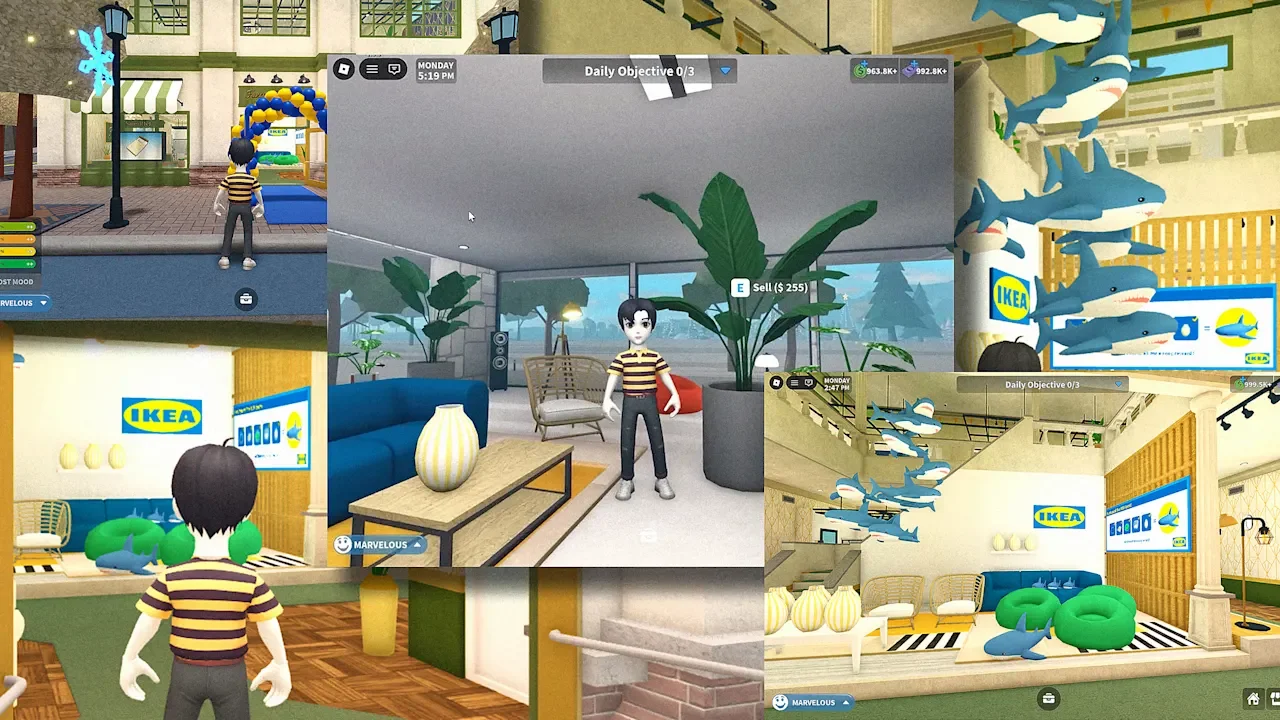
Ikea’s new store is in the metaverse. The company announced Wednesday it’s piloting a limited-edition pop-up in Roblox’s “Welcome to Bloxburg” game offering players Ikea products they can use to decorate virtual homes. This is the first time that the Swedish furniture retailer has entered gaming in a meaningful way, since an earlier Roblox game in 2024, according to the company. It comes after noticing for years how young adults and teens were building and designing homes in games and wondering why Ikea wasn’t a part of it. “Ikea wanted to better understand how Gen Z and Gen Alpha think about furnishing and self-expression, recognizing the need to meet them on platforms they already use and learn from how they interact with products and spaces in a digital environment,” Ikea’s chief digital officer Parag Parkekh tells Fast Company. “At Ikea we are always curious and eager to develop and connect with people where they are. Today many people are online, and many people are gaming,” he says. “This is an area where we want to see if there is an appetite for Ikea as a brand and our products also in the gaming world.” Ikea’s goal: better understand Gen Z and Gen Alpha The pilot is intentionally small, as its primary goal is to gather learnings for the company. For now it will be available only for people in Australia and Sweden from January 22 to February 5. Located inside the virtual Bloxburg Fancy Furniture Store, which players can access in the the game’s town center, people can choose from items like the Stockholm sofa, the Brännboll inflatable gaming chair, and Ikea’s shark toy named Blåhaj. The company says it chose its selection of products based on items that are less common in the game, are classic Ikea designs, or are items that the Bloxburg team suggested players might like. “Overall, the aim is less about ‘selling’ a catalogue and more about understanding how customers express home furnishing ideas and how Ikea products can support that in a digital world,” Parkekh says. Unboxing Ikea’s tech moves Ikea’s entry into gaming comes on the heels of other tech-forward moves. Last year the company relaunched its smart home line and opened branded kiosks selling Ikea products in select U.S. Best Buy locations. But it’s also late to the metaverse party. Brands including Gucci, Nike, and Walmart opened their own Roblox experiences in 2022—but the trend never caught on in a big way. Today, the dream of a widely used virtual metaverse has been declared effectively dead, and Meta laid off hundreds in its own virtual reality division Tuesday. There are signs of a possible resurgence, though, with examples like Ikea’s foray into the space and Coach’s collection on Sims 4 this week proving brands aren’t abandoning virtual worlds as spaces to show off their products completely. For Ikea, the challenge in translating its physical home furnishings for a virtual world was balancing recognizability and simplicity, since items needed to feel instantly like they had Ikea proportions, colors, and silhouettes while also working smoothly in a gaming context. Luckily, Ikea already has all its products created in 3D, and Bloxburg modified those same models with Ikea’s approval to turn them into gamified objects. “We are very pleased with the outcome,” Parkekh says. There will also an in-person component for Ikea’s Roblox experience, with hidden QR codes set to go up at Ikea locations in the two pilot countries that visitors can scan to unlock extra items. And an Ikea in the metaverse could one day come to other countries too. The company says its virtual shop pilot is a just starting point, and it believes we’ll see more of its home furnishings in games going forward. View the full article

-
DIY fixes around the house can save you a lot of money and headaches—with few basic skills and a few basic tools, you can tackle a wide range of home projects while other folks pay professionals enormous amounts of money to get the same work done. But sometimes, you get what you pay for. Professionals may be pricey, but they bring with them a wealth of experience and knowledge that helps them avoid simple mistakes that can lead to real trouble—including code violations. A lot of DIYers tend to skip steps like pulling permits and inspections on the assumption that they’re not necessary for minor fixes, but hacks that seem like clever solutions when you’re DIY-ing can actually be illegal. And code violations can and will come back to haunt you once you try to sell the house, if not sooner. Here are some of the most common DIY choices that could also cause code violations. Using the wrong electrical outletChanging electrical receptacles (also commonly, if incorrectly, referred to as outlets) is a relatively easy DIY project that just about anyone with a screwdriver can tackle, from upgrading to modern three-prong receptacles or adding USB capabilities. But even if your project is successful in the sense that you end up with working receptacles and you haven't electrocuted yourself or burned down the house, you can still wind up with a major code violation if you don’t use ground-fault circuit interruption (GFCI) receptacles in areas where water sources are present, such as bathrooms, kitchens, or laundry areas. The applicable codes can be exacting when it comes to minimum distances from water sources, daisy-chaining receptacles, and using GFCI breakers instead of individual outlets. If you’re just slapping any old outlet into place, you’re probably violating electrical codes, even if everything works. Handrails without proper returnsIf you have a set of stairs that lacks a handrail (or has an old handrail that’s loose and coming free from the wall), it’s easy to buy a new one, cut it to size, and attach it to the wall with fresh screws. But if your handrail isn’t at the correct height (typically somewhere between 30 and 38 inches from the stair tread), you’re in violation of most residential codes. And if your handrail doesn’t make a 90-degree turn toward the wall, floor, or a post at the end—known as a return—you’re also violating code. It’s a safety issue, because clothing and straps can loop over the handrail as you start up or down the stairs, leading to a potential fall and injury. Venting into a voidA few years after buying my house, I decided to replace the ugly ventilation fan in the bathroom. Imagine my surprise when I yanked that sucker out and discovered it was vented directly into the ceiling void. Ventilation fans in bathrooms, kitchens, or laundry rooms must vent outside the house, not into an attic or basement. Even if the fan you’re replacing currently vents into an interior space, you have make upgrades to vent it outside or your repair will also violate codes. Overloading your electrical box If you know that you need a metal electrical box when running wiring through your house, that’s great. If you cram way too many wires and clamps into that box, you’ll be in violation of the electrical code—and in real danger of burning down your house. Each electrical box is rated by volume—not the number of wires, but their total volume. Calculating this can be complex if you’re not deeply familiar with wiring, so a good rule of thumb is to avoiding adding wires to a box unless you’re absolutely certain you’re not breaking code by doing so. Cutting into beams Running electrical or plumbing work through walls, basements, or crawl spaces seems straightforward: You start at A, run the material to B, and close everything up. Except you will quickly run into a common problem when a beam or joist invariably blocks your wires or pipes from advancing. Drilling through studs to run wiring is pretty common, as is notching joists to squeeze pipes through. But if you cut into a load-bearing stud or beam with too large a notch, you can easily run into a code violation (and a dangerous one, at that). That’s because cutting into a load-bearing structure weakens it, and weakens everything it's supporting as a result. As with electrical work, the code for notching lumber in the house can be difficult to parse unless you’re experienced with it. You can usually use common sense here and be okay, but it’s also very easy to drill a hole or cut a notch that’s a little too large, setting yourself up for future headaches. Unmarked breakersDid you know that your breaker box is supposed to be clearly—and accurately—labeled? Unlabeled breakers (or, worse, incorrectly labeled breakers that don’t reflect changes to the wiring) are dangerous to anyone who works on them, because critical assumptions will be made based on those labels. If you did some DIY wiring in the house that’s otherwise up to code but you forgot to label or update your breakers, you’re violating code anyway. Overusing extension cordsEveryone uses extension cords, whether it’s to bring power to something that can’t be plugged into the wall or as a temporary solution to a problem. With stress on the word temporary, because extension cords are never supposed to be used as permanent wiring. That means if you’ve been powering something in your basement, yard, or even a bedroom for a long time, you’re probably violating your local fire code. Extension cords are simply not rated for constant use—if you’ve been using one to deliver power for a while, it’s time to call an electrician and have some proper wiring done. (If you want to double extra violate that code, go ahead and run an extension cord—or even an appliance cord—inside your walls.) Too-tall fencingNeighbors can be nosy (and annoying), and the old saying that “good fences make good neighbors” is all too true. Just don’t let the desire for privacy and dominion over your lands lead you into violating local codes, because privacy fences usually have strict upper height limits. Most building codes limit privacy fencing to about six feet at most, so if you build a 12-foot green monster in your backyard to block your neighbor’s view of your sunbathing area, you’re setting yourself up for a future problem. View the full article
-
A reader writes: I’m dealing with two issues from the same event with the same employee. I am the manager for a warehouse distribution center for a larger company. For our holiday party, I handed out RSVP cards with a choice of one of three dinners for the employee and a guest a few weeks ahead of the party so we knew of a count for the meals and we could pre-pay. The dinner was at a somewhat upscale location (a country club). I was somewhat surprised when one of my employees (Kyle) showed up not only with his wife, but also a 5-6 year old child/grandchild. After the meal and while I was making a speech about how the company was doing, work anniversaries, etc., the child started saying, “I’m bored, I want to leave,” getting louder each time they said it. So during my speech, Kyle, his wife, and the child left. Not a huge deal, but at the end of the party a member of the waitstaff handed me a bill for $18.75 for a chicken strip meal and a pop for the child. I had to pay (plus tip) out of my own pocket. How would you handle this? Ask for reimbursement from Kyle? Plus how to discuss not bringing a child (or an extra guest) to what was an adult event with an invite for only two people? The second issue with Kyle: all employees were given a ticket when they arrived and we had enough prizes/gifts for every employee at the party. We would draw a name and a prize/gift was given. Because Kyle had left, we just continued to the next name after his name was drawn. That meant we had an extra item at the end, so I put all the tickets back in the basket and announced that whichever employee’s name was drawn, their guest would get the prize. Yesterday I overheard some talk about how Kyle approached the employee whose wife had won the extra prize and is expecting them to give up the prize as Kyle should have received it, even if he wasn’t there. The employee hasn’t approached me (yet) about the situation. Do I step in now, or wait until something is said to me? Even though it wasn’t stated “must be present to win,” should I have held onto Kyle’s prize or was it okay to give it away? Some companies let employees win raffle prizes at parties even when they’re not there, but it’s not at all uncommon to confine prizes only to people who are in attendance — and Kyle was out of line in approaching his coworker and demanding the prize. In your shoes, I’d just talk to the employee who Kyle approached and let them know the prize is theirs and they don’t need to feel any pressure to hand it over to Kyle. Add that if Kyle causes any issues over that, they should let you know and you’ll handle it. There’s an argument for giving Kyle a heads-up too, particularly if your sense is that this is going to blow up into a problem. I’d say it this way: “Sorry you had to leave early! Please don’t ask Ralph to give up the prize his wife won; that was my call when you weren’t there when your name was drawn.” As for Kyle bringing his wife and a child when the invitation was only for one guest: let that go and just be clearer about the expectations next year. There are companies where employees are welcome to bring additional family members to holiday parties, and people don’t always scrutinize invitations enough to realize that one guest is okay but two wouldn’t be. (Should they read more carefully? Sure. But people don’t, and it’s usually not worth the hassle of making a big deal about it unless it truly causes significant problems.) Plus, who knows, maybe they had a last-minute child care emergency and thought bringing the kid along was the best solution, or just didn’t realize this was going to be a “company speeches” sort of event and not something more family-friendly. The $18.75 for the kid’s meal should be a business expense (one you get reimbursed for), just like if there were some other unexpected add-on to the charges for the event. As the host of the event, handing Kyle a bill would be really ungracious. And the point of company holiday parties is to build morale, not to leave people feeling bad or resentful or like they/their family were a burden. $18.75 is a small price for the company to pay to avoid that. But for future events, be clearer up-front on the invitation and when talking about the party — “one guest per employee,” “this is not a child-friendly event (there will be work speeches!) but you are welcome to bring an adult guest,” or whatever is right for the circumstances. Clearer is always kinder (but so is giving people some grace if they get it wrong, within reason). The post my employee showed up at a company party with a child, left early, then tried to claim someone else’s prize appeared first on Ask a Manager. View the full article
-
The State Department says it will suspend the processing of immigrant visas for citizens of 75 countries whose nationals are deemed likely to require public assistance while living in the United States. The State Department, led by Secretary Marco Rubio, said Wednesday it had instructed consular officers to halt immigrant visa applications from the countries affected in accordance with a broader order issued in November that tightened rules around potential immigrants who might become “public charges” in the U.S. The suspension will not apply to applicants seeking non-immigrant, or temporary tourist or business visas. “The The President administration is bringing an end to the abuse of America’s immigration system by those who would extract wealth from the American people,” the department said in a statement. “Immigrant visa processing from these 75 countries will be paused while the State Department reassess immigration processing procedures to prevent the entry of foreign nationals who would take welfare and public benefits.” The statement did not identify which countries would be affected by the pause, but President Donald The President’s administration has already severely restricted immigrant and non-immigrant visa processing for citizens of dozens of countries, many of them in Africa. The suspension will begin on Jan. 21. —Matthew Lee, AP diplomatic writer View the full article

-
To improve your social media presence, consider implementing five key post types that greatly boost interaction. Polls and surveys can provide valuable insights into your audience’s preferences, whereas user-generated content showcases authentic customer experiences. Behind-the-scenes content humanizes your brand, and interactive quizzes invite participation. Live Q&A sessions encourage real-time engagement. Each of these strategies can strengthen brand loyalty and visibility, making your social media efforts more effective. What’s the best way to implement these ideas? Key Takeaways Create interactive polls and surveys to gather insights and boost audience engagement with minimal effort from users. Share user-generated content to enhance brand visibility and trust, showcasing authentic experiences that resonate with consumers. Post behind-the-scenes content to humanize your brand, fostering transparency and encouraging audience loyalty through candid glimpses. Develop interactive quizzes that invite participation and promote community discussion while gathering insights on customer interests. Host live Q&A sessions to facilitate real-time interaction, building trust and generating valuable user-generated content for expanded reach. Polls and Surveys How can you effectively engage your audience and gather valuable insights? Using polls and surveys is a practical approach. These tools require minimal effort from users while providing significant feedback. Platforms like Instagram Stories, Twitter, Facebook, and LinkedIn make it easy to conduct polls in real-time, encouraging interaction. By asking engaging questions about product preferences or service features, you can boost interaction rates, as people enjoy sharing their opinions. According to a DemandGen report, interactive content like polls can double audience engagement compared to static posts. Additionally, the data you gather from polls and surveys can inform your future content and marketing strategies, ensuring you align your offerings with your audience’s preferences. User-Generated Content User-generated content (UGC) is an influential tool that not just improves brand visibility but also builds trust among consumers. By showcasing authentic customer experiences, UGC nurtures a sense of community and credibility. In fact, 79% of people say user-generated content greatly impacts their purchasing decisions. Brands that incorporate UGC into their marketing strategies can experience a 28% increase in engagement rates, as it resonates more with audiences than traditional advertising. Encouraging followers to share their content using branded hashtags can help you track contributions, boosting organic reach. Furthermore, featuring real customers in your marketing can strengthen customer loyalty, with 50% of consumers more likely to engage with such brands, creating a valued connection and sense of belonging. Behind-the-Scenes Content Behind-the-scenes content offers a unique glimpse into your brand’s operations, allowing you to showcase the people and processes that bring your products or services to life. This type of content humanizes your brand, nurturing transparency and authenticity with your audience. By sharing relatable insights into daily operations, you can considerably boost facebook engagement posts, creating a stronger emotional connection with your followers. In fact, 96% of consumers are more likely to remain loyal to brands that demonstrate authenticity. Incorporating casual, candid moments in behind-the-scenes posts encourages audience interaction, as people often feel more connected to brands that show their human side. This increased engagement not only improves loyalty but also enhances your social media visibility. Interactive Quizzes What makes interactive quizzes such an effective tool for social media engagement? These engaging posts invite participation, leading to higher interaction rates than static content. Quizzes can be shared across platforms like Instagram Stories, Facebook, and TikTok, helping brands reach wider audiences as they gather insights into user preferences. By incorporating fun, relevant questions related to your brand or industry, you promote community and encourage discussion among followers. Here’s a quick comparison of interactive quiz benefits: Benefits Details Increased Engagement Higher interaction rates than static posts Data Collection Gathers insights on customer interests Easy Sharing Shareable across multiple social platforms Community Building Sparks discussions among followers Utilizing quiz stickers on Instagram further boosts engagement, keeping users invested in your content. Live Q&A Sessions Live Q&A sessions offer a dynamic way for brands to interact with their audiences in real time, building community and trust. These sessions facilitate direct engagement, allowing followers to connect with company representatives or industry experts. Hosting a live Q&A can boost engagement rates considerably, with brands experiencing up to a 300% increase in comments and questions compared to regular posts. Utilizing platforms like Instagram Live, Facebook Live, and TikTok improves visibility, as these platforms notify followers when a session starts. Incorporating audience-submitted questions can tailor the content to their interests, making the experience more relevant. Furthermore, live Q&A sessions generate valuable user-generated content, amplifying brand reach as attendees share their experiences across social media interactive posts. Frequently Asked Questions What Is the 5 5 5 Rule on Social Media? The 5 5 5 rule on social media suggests you share five posts about your business, five posts from others, and engage with five posts from your audience. This balance helps nurture community and interaction. By following this strategy, you not just promote your brand but additionally build relationships with your followers. It encourages active participation, leading to increased engagement rates and a more authentic social media presence, which is particularly beneficial for small businesses. What Type of Social Media Posts Get the Most Engagement? To maximize engagement on social media, focus on interactive posts like polls and quizzes, as they encourage participation. User-generated content, such as testimonials and photos, builds trust and nurtures community. Visuals, including images and videos, attract more attention than text alone. Furthermore, seasonal and holiday-themed posts resonate well, whereas contests and giveaways incentivize users to engage more, leading to increased visibility and interaction with your brand. What Is the 70/20/10 Rule in Social Media? The 70/20/10 rule in social media suggests that 70% of your content should provide engaging and informative material, whereas 20% should share content from other sources or user-generated posts. Only 10% should be promotional. This strategy helps you maintain audience interest, builds your brand’s authority, and reduces the risk of overwhelming followers with constant sales pitches. How to Make Engaging Social Media Posts? To create engaging social media posts, start by using interactive elements like polls and quizzes, which encourage participation. Incorporate eye-catching visuals and concise captions, as they attract more views. Encourage user-generated content to promote community and brand loyalty. Connect your posts to trending topics or seasonal events for relevance. Finally, include clear calls to action, guiding your audience toward desired interactions, which can markedly improve engagement and drive conversions. Conclusion Incorporating engaging posts like polls, user-generated content, behind-the-scenes glimpses, interactive quizzes, and live Q&A sessions can greatly improve your social media interaction. These strategies not just encourage audience participation but additionally nurture a sense of community around your brand. By utilizing these techniques, you can gather valuable insights, showcase authentic experiences, and humanize your brand, in the end, strengthening brand loyalty. Implementing these approaches will create a lively and dynamic social media presence that resonates with your audience. Image via Google Gemini This article, "5 Engaging Posts That Boost Social Media Interaction" was first published on Small Business Trends View the full article
-
To improve your social media presence, consider implementing five key post types that greatly boost interaction. Polls and surveys can provide valuable insights into your audience’s preferences, whereas user-generated content showcases authentic customer experiences. Behind-the-scenes content humanizes your brand, and interactive quizzes invite participation. Live Q&A sessions encourage real-time engagement. Each of these strategies can strengthen brand loyalty and visibility, making your social media efforts more effective. What’s the best way to implement these ideas? Key Takeaways Create interactive polls and surveys to gather insights and boost audience engagement with minimal effort from users. Share user-generated content to enhance brand visibility and trust, showcasing authentic experiences that resonate with consumers. Post behind-the-scenes content to humanize your brand, fostering transparency and encouraging audience loyalty through candid glimpses. Develop interactive quizzes that invite participation and promote community discussion while gathering insights on customer interests. Host live Q&A sessions to facilitate real-time interaction, building trust and generating valuable user-generated content for expanded reach. Polls and Surveys How can you effectively engage your audience and gather valuable insights? Using polls and surveys is a practical approach. These tools require minimal effort from users while providing significant feedback. Platforms like Instagram Stories, Twitter, Facebook, and LinkedIn make it easy to conduct polls in real-time, encouraging interaction. By asking engaging questions about product preferences or service features, you can boost interaction rates, as people enjoy sharing their opinions. According to a DemandGen report, interactive content like polls can double audience engagement compared to static posts. Additionally, the data you gather from polls and surveys can inform your future content and marketing strategies, ensuring you align your offerings with your audience’s preferences. User-Generated Content User-generated content (UGC) is an influential tool that not just improves brand visibility but also builds trust among consumers. By showcasing authentic customer experiences, UGC nurtures a sense of community and credibility. In fact, 79% of people say user-generated content greatly impacts their purchasing decisions. Brands that incorporate UGC into their marketing strategies can experience a 28% increase in engagement rates, as it resonates more with audiences than traditional advertising. Encouraging followers to share their content using branded hashtags can help you track contributions, boosting organic reach. Furthermore, featuring real customers in your marketing can strengthen customer loyalty, with 50% of consumers more likely to engage with such brands, creating a valued connection and sense of belonging. Behind-the-Scenes Content Behind-the-scenes content offers a unique glimpse into your brand’s operations, allowing you to showcase the people and processes that bring your products or services to life. This type of content humanizes your brand, nurturing transparency and authenticity with your audience. By sharing relatable insights into daily operations, you can considerably boost facebook engagement posts, creating a stronger emotional connection with your followers. In fact, 96% of consumers are more likely to remain loyal to brands that demonstrate authenticity. Incorporating casual, candid moments in behind-the-scenes posts encourages audience interaction, as people often feel more connected to brands that show their human side. This increased engagement not only improves loyalty but also enhances your social media visibility. Interactive Quizzes What makes interactive quizzes such an effective tool for social media engagement? These engaging posts invite participation, leading to higher interaction rates than static content. Quizzes can be shared across platforms like Instagram Stories, Facebook, and TikTok, helping brands reach wider audiences as they gather insights into user preferences. By incorporating fun, relevant questions related to your brand or industry, you promote community and encourage discussion among followers. Here’s a quick comparison of interactive quiz benefits: Benefits Details Increased Engagement Higher interaction rates than static posts Data Collection Gathers insights on customer interests Easy Sharing Shareable across multiple social platforms Community Building Sparks discussions among followers Utilizing quiz stickers on Instagram further boosts engagement, keeping users invested in your content. Live Q&A Sessions Live Q&A sessions offer a dynamic way for brands to interact with their audiences in real time, building community and trust. These sessions facilitate direct engagement, allowing followers to connect with company representatives or industry experts. Hosting a live Q&A can boost engagement rates considerably, with brands experiencing up to a 300% increase in comments and questions compared to regular posts. Utilizing platforms like Instagram Live, Facebook Live, and TikTok improves visibility, as these platforms notify followers when a session starts. Incorporating audience-submitted questions can tailor the content to their interests, making the experience more relevant. Furthermore, live Q&A sessions generate valuable user-generated content, amplifying brand reach as attendees share their experiences across social media interactive posts. Frequently Asked Questions What Is the 5 5 5 Rule on Social Media? The 5 5 5 rule on social media suggests you share five posts about your business, five posts from others, and engage with five posts from your audience. This balance helps nurture community and interaction. By following this strategy, you not just promote your brand but additionally build relationships with your followers. It encourages active participation, leading to increased engagement rates and a more authentic social media presence, which is particularly beneficial for small businesses. What Type of Social Media Posts Get the Most Engagement? To maximize engagement on social media, focus on interactive posts like polls and quizzes, as they encourage participation. User-generated content, such as testimonials and photos, builds trust and nurtures community. Visuals, including images and videos, attract more attention than text alone. Furthermore, seasonal and holiday-themed posts resonate well, whereas contests and giveaways incentivize users to engage more, leading to increased visibility and interaction with your brand. What Is the 70/20/10 Rule in Social Media? The 70/20/10 rule in social media suggests that 70% of your content should provide engaging and informative material, whereas 20% should share content from other sources or user-generated posts. Only 10% should be promotional. This strategy helps you maintain audience interest, builds your brand’s authority, and reduces the risk of overwhelming followers with constant sales pitches. How to Make Engaging Social Media Posts? To create engaging social media posts, start by using interactive elements like polls and quizzes, which encourage participation. Incorporate eye-catching visuals and concise captions, as they attract more views. Encourage user-generated content to promote community and brand loyalty. Connect your posts to trending topics or seasonal events for relevance. Finally, include clear calls to action, guiding your audience toward desired interactions, which can markedly improve engagement and drive conversions. Conclusion Incorporating engaging posts like polls, user-generated content, behind-the-scenes glimpses, interactive quizzes, and live Q&A sessions can greatly improve your social media interaction. These strategies not just encourage audience participation but additionally nurture a sense of community around your brand. By utilizing these techniques, you can gather valuable insights, showcase authentic experiences, and humanize your brand, in the end, strengthening brand loyalty. Implementing these approaches will create a lively and dynamic social media presence that resonates with your audience. Image via Google Gemini This article, "5 Engaging Posts That Boost Social Media Interaction" was first published on Small Business Trends View the full article
-
After two years of declines, United States greenhouse gas emissions increased in 2025—a change driven by increased electricity use, due in part to data centers and cryptocurrency mining, as well as cold winter temperatures that meant homes required more heating. Emissions increased 2.4% in 2025, according to preliminary data from the research firm Rhodium Group. That’s higher than the country’s GDP growth, which increased by a projected 1.9%. That the country’s emissions grew more than its GDP is notable: Climate experts have long noted that it’s both possible and necessary to reduce emissions while still growing the economy. And for the past few years, the U.S. has done just that. (Multiple states have also individually reduced their emissions while growing their economies.) Now, though, 2025 has broken a three-year trend in which the economy’s growth outpaced our emissions growth. Heating, data centers, and crypto mining The main drivers of this emissions increase came from the buildings and power sectors. Colder temperatures meant more homes had to rely on natural gas and coal for heating. The winter of 2025 specifically “led to increased direct combustion of these fuels in buildings, driving up emissions by 56 million metric tons, or 6.8%, compared to 2024,” per Rhodium. Coal generation grew 13% compared to the year prior, making 2025 just the second year in the past decade in which coal generation increased. (Since its peak in 2007, coal generation has shrunk by 64%.) Coal use grew in part because natural gas prices increased. Utility companies also delayed planned retirements for coal plants in order to meet a growing demand for power, and due to Department of Energy orders. At the same time, electricity use increased. Total electricity generation grew 2.4% in 2025, mostly because of commercial buildings “where data centers, cryptocurrency mining operations, and other large load customers drove electricity demand,” according to Rhodium. The surge in electricity demand comes as AI has fueled a boom in data center construction. (Rhodium’s report also notes that investments in artificial intelligence infrastructure were a major source of U.S. economic growth, as well.) While transportation is responsible for the highest share of emissions, that sector only saw a 0.1% growth in greenhouse gases compared to 2024. Road traffic actually increased, but the growing share of battery electric vehicles and plug-in hybrids on the road meant gas consumption declined. How The President policies could impact emissions Though U.S. emissions increased in 2025, they’re still below pre-pandemic levels—6% below 2019’s emissions, and 18% below 2005’s emissions. But The President administration policies could mean greenhouse gas emissions grow even more. The The President administration has already made efforts to curtail climate progress, bolstering the use of fossil fuels, canceling clean energy products, and removing federal tax incentives that would get more people to buy EVs or other energy-efficient technologies. Despite those efforts, which began as soon as The President took office in January for his second presidential term, the emissions growth in 2025 wasn’t really impacted by recent The President or congressional policies, Rhodium says. “Apart from some modest contributions to increased coal generation from Department of Energy orders to keep a few plants running, we aren’t yet seeing the direct effects of these policy changes in U.S. emissions,” the report reads. That could change in the next year or two, though, the researchers note, “particularly if data center electricity demand continues to surge and the grid responds with more output from existing fossil generators instead of new, clean resources.” View the full article

-
American intervention in Iran carries far greater risks than in VenezuelaView the full article
-
Tehran’s Grand Bazaar, whose shopkeepers helped bring Islamist clerics to power in 1979, once again became a hotspot for anti-regime ralliesView the full article
-
Move is part of an effort to limit entries from foreigners who rely on government welfare View the full article
-
Short form videos are addicting. They're also often low quality, AI-generated, misinformation, or some combination of the bunch, and may have a negative impact on our attention spans and mental health. In short, they're just not that good for us. It's bad enough for grown adults to control their scrolling habits, but it's another thing entirely for children, which poses quite the a challenge. It's easy enough to ban short-form video apps entirely, like TikTok. But what about apps that have short-form content as just one pillar of the overall package? Take YouTube: You might not mind your child having limited access to the app or site to watch long-form content you approve of, but having Shorts always in the way throws a wrench in that system. Any type of short-form video feed would be an issue here, but YouTube Shorts is particularly egregious, allowing kids to watch some truly horrific content, often generated by AI. Choosing whether your kids watch YouTube ShortsLuckily, YouTube finally appears to be giving parents some control here. As spotted by TechCrunch, YouTube announced updates to its parental controls on Wednesday. While there are a few changes on the way, the headline for me concerns Shorts. Not only will YouTube let parents choose a timer for how often their kids can watch Shorts, they can choose to set the timer to zero—effectively blocking Shorts for their kids' and teens' accounts. This should be welcome news to any parents struggling to limit the short-form video content their kids are watching. You can let them watch other types of videos on YouTube Kids, or even standard YouTube if its a teen account, without worrying about them going down short-form video rabbit holes for hours. The control here can be even more granular than an outright ban, too. Since you're always in control of the timer, YouTube says you can customize timers based on the scenario: You could set the Shorts timer to zero during homework time, then offer 30 minutes of scrolling after dinner. You could bump that to 60 minutes on weekends, or when in the car. If your child is under a supervised account, you'll also be able to control both custom Bedtime and "Take a Break" reminders. This is not the first time YouTube has offered users more control over Shorts. Last week, the company rolled out a new search filter that lets you choose to only see long-form videos in any given result, and since October, you've been able to limit the number of shorts you can watch in a day. YouTube, and parent company Google, are also expanding parental controls and enhancing protections for kids and teens. YouTube now uses AI to guess your age, and, if it believes you're under 18, will add restrictions to your account. Google also gives parents more control over supervised accounts: Previously, teens could choose to remove supervision after turning 13, but now, they need their parents to sign off on it too. View the full article
-
The answers track firm size and practice focus. By CPA Trendlines Research Join theBusy Season Barometer survey here. Go PRO for members-only access to more CPA Trendlines Research. View the full article
-
The answers track firm size and practice focus. By CPA Trendlines Research Join theBusy Season Barometer survey here. Go PRO for members-only access to more CPA Trendlines Research. View the full article
-
Then, as now, Iranians took to the streets and risked their lives for free speech and economic prosperity View the full article