ResidentialBusiness
Administrators
-
Joined
-
Last visited
Everything posted by ResidentialBusiness
-
 Google Search is showing a carousel in the merchant / retailer panel that lets you scroll through the merchant's delivery, return and payment options. This information has been in the Google Search results for a while, but this carousel feels new to me - is it?View the full article
 -
Train operator ‘strongly’ advises passengers to delay journeysView the full article
-
I’ve done it, you’ve done it, we’ve all done it. With the best of intentions, we set big goals for our future: get a work promotion, lose 20 pounds, run a marathon. And too often, we give up a few months later, realizing we bit off more than we could chew. Why? We get enamored with the idea but the execution? Not so much. Goals can seem straightforward, but without a specific plan or realistic milestones, they quickly fizzle out. The Appeal and Problem of Big Goals Big goals can quickly inspire us and make us feel like we’re putting effort into forward progress. But goals are only as good as the plans that support them. You can’t build your dream house without an architectural drawing. New Year’s resolutions are a great example. Every January, we feel compelled to proclaim a grand milestone we’ll achieve to make our lives better—like quitting a bad habit or getting eight hours of sleep. According to a study by Strava, 80% of New Year’s resolutions fail by February. Sounds familiar? That’s because while setting a goal might feel empowering, the lack of planning leaves us with nothing but good intentions. Taavo Godtfredsen and Samantha Allison, authors of The 5x CEO, studied cohorts of CEOs to determine what made the best leaders and their teams rise to the top. As one portfolio company CEO told them, “Create the strategic outcome that you’re trying to get to and then align your actions relentlessly to deliver it.” The Danger of Wildly Ambitious Goals I’m not saying to not set big goals. The mistake to avoid is setting goals that are too big or too vague. For example: imagine deciding that you’re going to lose 30 pounds in two months. First of all, good luck. Second of all, while this is a noble goal, it’s incredibly easy to get discouraged if progress doesn’t come quickly, or if you don’t have a clear path to follow. The goal is so large (or intimidating) that it becomes a demotivator. A better approach would be to set smaller goals with milestones that you can realistically achieve. Instead of losing 30 pounds, break it down into manageable milestones: lose five pounds in the first month, aim for three workouts a week, and so on. Each small achievement gives a feeling of progress, and the cumulative effect is much more sustainable over time. Similarly in business, setting a goal to “Be the category leader!” is ambitious and inspiring, but without a step-by-step plan on how to get there—market research, increased sales support, innovative partnerships—it’s just a distant dream. Setting smaller goals within that larger vision (e.g., increase sales by 10% this quarter, build a social media presence, etc.) gives you specific targets to work toward. Goals Need Plans. Period. Goals are like the destination on a map, but your plan is the GPS that gets you there. Without that road map, you could be driving in circles. Plans that break down larger goals into smaller, actionable steps make the journey manageable, measurable, and motivating. I like the example of Sara Blakely, founder of Spanx. As an entrepreneur, she had a big goal: to create a revolutionary undergarment that would change the way women feel about their clothing. But Blakely didn’t just rely on this one big idea. She broke her goal into smaller steps: she spent time learning about manufacturing, secured a meeting with potential investors, and went through the process of patenting her product. Impressively, Blakely started Spanx with just $5,000, but by creating a detailed plan and breaking her vision into incremental steps, she eventually created a billion-dollar business. Create a Plan That Works So, how do you turn goals into actionable plans? Try these tips: Break it Down: Divide your goal into smaller, manageable chunks. If your goal is to write a book, don’t just aim to “write a book.” Set specific targets, like “write 500 words a day” or “complete one chapter per month.” Set SMART Goals: The SMART framework (Specific, Measurable, Achievable, Relevant, Time-bound) is a simple yet effective way to ensure your goals are grounded in reality. Rather than saying, “I want to get fit,” say, “I will work out four times a week for 30 minutes for the next three months.” Create a Timeline: Every goal needs a timeline attached to it. Deadlines create urgency and help you stay accountable. Eliminate Obstacles: What might stand in your way? Whether it’s time, money, or motivation, identifying potential barriers helps you plan for and eliminate them. Track Progress: Regularly check your progress. Are you meeting your milestones? Make adjustments as needed. The Power of Consistency Like many things in life, it’s not the grand gestures but rather the accumulation of daily actions that make an impact: the daily writing, the daily workouts, the daily efforts that add up to lasting change. The more you break them down into manageable steps and stay consistent, the more achievable they become. It’s tempting to set huge, audacious goals, but without a plan to back them up, you risk disappointing yourself. So start small, plan your steps, and stay consistent. It’s the journey—one small step at a time—that leads to big results. View the full article

-
Google has removed the visit website button from the first screen of the Google Maps hotel results. Instead, you first need to click on the "Check availability" to get to the visit website button.View the full article
-
Microsoft made a small update to the Microsoft Advertising console where there is now an "All accounts" tab. This lets you see all your accounts in one place with quick access to account summaries, recommendations and more.View the full article
-
Despite the gloom, there are many advantages to being young in the 2020sView the full article
-
Buyout groups targeting unloved assets and technology accelerated the pace of group break-upsView the full article
-
Build a disciplined yet agile SEO process with daily, monthly, quarterly, and annual planning that drives lasting performance. The post SEO Maintenance: A Checklist For Essential Year-Round Tasks appeared first on Search Engine Journal. View the full article
-
Ketchup-inspired luggage. Soap based on the characters from Stranger Things. A hot sauce energy drink. These are just a few of the brand collaborations that we’ve seen in 2025—and it’s safe to say that all’s not well in the world of brand partnerships. A few years ago, the art of the brand collab most often involved bringing together two brands that already had overlapping design styles, fanbases, or product categories. Recall partnerships like Nike and Apple’s successful 2016 Series 2 Watch launch, for example; or Dolce & Gabbana’s elevated designs for Smeg in 2019; or even Lego’s 2020 collection with Ikea. All of these pairings make some measure of intuitive sense. But over the past couple of years, something has clearly changed. As the online attention economy becomes increasingly saturated through the daily deluge of marketing content on platforms like TikTok and Instagram Reels, it’s becoming more and more difficult for brand collabs to make a splash and reach widespread audiences the way they might’ve in years past. So, brands have started adopting a new tack: rather than selecting partners that make obvious sense within their brand world, they’re opting for collabs with the most shock value possible. In an interview with Fast Company on the topic back in September, Grace Murray Vazquez, executive vice president of strategy at the influencer marketing company Fohr, explained the strategy: “It’s less about getting audiences to try the collaboration, and more about reminding them to reach for the original thing. It’s ultimately not just bizarre; it is like a calculated unexpectedness.” The end result is that, nowadays, lots of brand partnerships seem more like they were randomly selected out of a hat rather than carefully considered. Here are a few of the weirdest examples of this late-stage capitalist phenomenon that we’ve seen in 2025. 5-hour Energy x Taco Johns Nothing says “gut health” quite like energy drinks and hot sauce. That’s why, to celebrate Cinco de Mayo, 5-hour Energy linked up with the Mexican fast-food joint Taco Johns on an “energized” hot sauce and a spicy energy drink. This one would be perfect to try out right before a long run—what could go wrong? Heinz x Herschel Elsewhere in the realm of wacky food brand collabs, Heinz tapped the travel supply company Herschel to turn its iconic ketchup into a carry-on and roller bag. Both pieces included a “tear here” ketchup visual, an interior print featuring Heinz ketchup packets, and a custom removable belt and luggage tag in the shape of, you guessed it, a Heinz packet. Apparently, the collab was inspired by “the quarter of Gen Z and millennials who pack their own condiments when dining on-the-go”—but, to be honest, if you pack single-serve ketchup packets in your luggage, we can’t trust you. Beis x Chipotle If you went to the airport without repping your favorite food brand this year, did you even travel? Heinz and Chipotle would like to say no. In December, Chipotle got an up-market boost through an 11-piece capsule collection with the luxe travel brand Beis. The launch included an $128 burrito-inspired duffle bag; a $378 silver roller bag; and a $48 burrito sling “designed to carry a Chipotle burrito and insulated to keep it warm.” Surely no one will mind when you dig into a hearty burrito on the plane, as long as it comes in a chic wrapping device. Wicked x Swiffer Frankly, it would be gross negligence to write a list of weird brand collabs from 2025 without mentioning Wicked: For Good. The duology’s first installment racked up more than 400 brand partnerships and integrations—likely more than any film, ever—and while an official number hasn’t been revealed for the second film, it’s almost certainly also in the hundreds. There are a lot of weird collabs to choose from this year, but one of the strangest has to be Wicked: For Good’s product launch with Swiffer, which makes the bold assumption that if fans liked Glinda and Elphaba’s singing, they’d probably love to clean the floors with mops inspired by them, too. Stranger Things x Dr. Squatch Speaking of cleaning, are you keeping up with Stranger Things season 5? If so, the soap company Dr. Squatch is betting that you’re probably wondering when you can lather up in the shower with a product inspired by its iconic characters—and it’s bravely stepping in to meet that need. The brand recently launched four soaps based on the show, with innovative scents like “Vecna’s Curse” (featuring notes of juniper and blood orange) and “Squack Signal” (featuring notes of iced lavender and cherry soda, and also a picture of Steve’s face, because, duh). View the full article

-
Hello and welcome to Modern CEO! I’m Stephanie Mehta, CEO and chief content officer of Mansueto Ventures. Each week this newsletter explores inclusive approaches to leadership drawn from conversations with executives and entrepreneurs, and from the pages of Inc. and Fast Company. If you received this newsletter from a friend, you can sign up to get it yourself every Monday morning. It’s the time of year when we all make promises to ourselves. I’m committing to read more, procrastinate less, and squeeze in an extra hour of piano practice a week. I asked other CEOs to share their 2026 New Year’s resolutions; here are seven responses, in their own words. Omar Abbosh, chief executive officer, Pearson “My resolution next year is to climb a tough peak in the Chamonix Valley in France. The ‘why’ is because it’s been on my list for 15 years, and it’s overdue. The ‘how’ is a detailed set of logistical, physical, mental, and family preparations.” Guru Gowrappan, CEO, Asurion “I am obsessed with customer experience, so my New Year’s resolution is to personally use and engage with every customer touchpoint across [device insurance company] Asurion’s products and services on a regular basis to ensure we are delivering truly world-class experiences. I am a huge user of our products—and was even before my tenure—and when I tested a few touchpoints just before joining, the insights I was able to share with the team were immediately actionable and improved real customer journeys. I am also currently going through the same training we require of all of our customer-facing employees so I can also be on the ground, supporting our customers directly.” Marcin Kleczynski, CEO, Malwarebytes “My life mantra is, ‘Evolve or die.’ True in business and tech, true in daily life. That means my New Year’s resolution has three prongs. For my mind, to read as many books as possible. For my body, to do 100,000 push-ups. And for my business, to talk to at least five customers a week. I want to make sure we don’t forget the power of humans in cybersecurity amidst all the focus on AI.” Gerrit Marx, CEO, CNH “My New Year’s resolution is to accelerate the shift toward AI-powered predictive farming. AI can now read field, machine, and environmental signals in real time, giving farmers earlier clarity to boost productivity and reduce uncertainty. When growers can anticipate issues and fine-tune inputs with precision, it strengthens efficiency, sustainability, and the long-term health of their most valuable asset—the soil.” Penny Pennington, managing partner, Edward Jones “My resolution is to be even better at being human. That’s different from ‘be a better human.’ There’s an active debate right now about what being human is all about, and I believe being human is an advantage and to be greatly prized. A better human means I am measuring myself against humans. To be actively part of the debate about human and machine, I would like to set a challenge for myself to be better at being what only a human can be. Fundamentally, I believe that what sets us apart is that we value and thrill at emotions [that] are uniquely human. I believe the joy of epiphany is uniquely human, and I want more epiphany in my life in 2026.” Scott Strazik, CEO and president, GE Vernova “The world needs much more energy than it has today, and a larger portion must be electric power for people and communities around the world to thrive. In order to deliver the breakthrough innovations that will meet surging global demand, the industry is going to need thousands of innovators, builders, scientists, and engineers. In 2026, all of us at GE Vernova are committed to investing in programs and opportunities that encourage the brightest and the best young minds to choose careers in our sector and shape the future of energy.” Graham Weaver, founder and CEO, Alpine Investors “My New Year’s resolution is to have more fun, be lighter, and enjoy myself more—especially at work. I think it’s easy to take life and work too seriously. But when I really reflect, life is about sharing an epic journey with extraordinary people. I know that when I look back, I’ll see this time I’m in right now as the ‘good old days.’ I want to have the awareness to recognize that while I’m in them, not just after they’ve passed.” What will you achieve in 2026? What are your personal or professional resolutions for 2026? Send your resolutions to me at stephaniemehta@mansueto.com. I’d love to feature some of the most compelling commitments in a future newsletter. Read more: the best of 2025 The Businessweek 2025 Jealousy List Barack Obama shares his 2025 favorites The best design of 2025, according to Fast Company View the full article

-
Customized interactions are customized experiences that cater to individual customer preferences and needs. In a market where over 70% of consumers expect personalization, it’s crucial for brands to connect meaningfully with their audience. These interactions can markedly increase revenue and customer loyalty. Comprehending how businesses implement personalized strategies can provide valuable insights, making it important to explore their impact across various industries. What methods are companies using to forge these connections? Key Takeaways Personalized interactions are tailored experiences that cater to individual customer preferences, enhancing engagement and satisfaction. Over 70% of consumers consider personalization a standard expectation from brands, reflecting its importance in customer relations. Implementing effective personalization strategies can lead to a revenue increase of 10-15% and boost brand consideration by 76%. Companies excelling in personalization are likely to generate 40% more revenue than their competitors, highlighting its competitive advantage. Personalized interactions foster loyalty and retention, with 78% of customers more likely to repurchase from brands that offer customized content. What Are Personalized Interactions? Customized interactions are individualized experiences and communications that cater particularly to your preferences and behaviors as a customer. These interactions aim to improve your engagement with a brand by recognizing your specific needs. Over 70% of consumers consider personalization a basic expectation, with many wanting businesses to acknowledge their individuality. This level of personalized communication not merely promotes a sense of connection but also drives customer satisfaction. In fact, 78% of consumers are more inclined to repurchase from brands that deliver customized content. Companies that excel in creating personalized interactions can see a significant financial benefit, generating up to 40% more revenue than their competitors. Effective strategies for personalization involve leveraging data and analytics to understand customer behavior, allowing businesses to build meaningful connections. In this way, personalized interactions play an essential role in building long-term loyalty and improving your overall experience. Importance of Personalized Interactions In today’s competitive market, the importance of personalized interactions can’t be overstated. With over 70% of consumers viewing personalization as a basic expectation, it’s clear that customizing experiences is vital for modern businesses. Here are three key reasons why you should prioritize personalized interactions: Customer Satisfaction: About 78% of consumers are more likely to repurchase from brands that offer customized content, highlighting the value of comprehending individual preferences. Revenue Impact: Companies excelling in personalization can generate 40% more revenue than their average competitors, demonstrating how effective personalization directly influences financial performance. Building Relationships: Approximately 71% of consumers expect businesses to recognize their individuality and interests, making personalized interactions critical for nurturing lasting connections. Benefits of Personalized Interaction When companies prioritize personalized interactions, they often see a range of significant benefits that improve both customer experience and business performance. For instance, customized communications can lead to a 76% increase in brand consideration among consumers. This heightened engagement translates into tangible financial gains, with businesses reporting revenue lifts of 10-15% when effective personalization strategies are employed. Moreover, personalized content encourages loyalty; customers are 78% more likely to repurchase from brands that cater to their preferences, promoting repeat business. Deeper connections facilitated by personalized interactions boost customer loyalty, resulting in higher retention rates and lower churn. In addition, positive personalized experiences improve brand reputation, as 75% of consumers have recently explored new shopping behaviors, indicating a shift in loyalty driven by customized experiences. By focusing on personalization, companies not only enhance customer satisfaction but also strengthen their market position. Strategies for Implementing Personalized Interaction Implementing personalized interactions requires a strategic approach that leverages customer data and technology. To effectively tailor your interactions, consider these strategies: Collect and Analyze Data: Gather customer data from various sources, such as purchase history and online behavior. This helps you understand individual preferences and behaviors better. Utilize AI and Machine Learning: Automate your personalization efforts with AI technologies. These tools can analyze real-time customer interactions and adjust your strategies accordingly, enhancing responsiveness. Segment Your Audience: Divide your customers based on demographics and behaviors. Targeted marketing guarantees your communications resonate more effectively with specific segments, leading to higher engagement rates. Examples of Personalized Interaction in Different Industries Customized interactions have become a vital component across various industries, as businesses increasingly recognize the importance of adjusting their services to meet individual customer needs. For instance, e-commerce platforms like Amazon utilize personalized product recommendations based on your browsing and purchase history, greatly improving your shopping experience. Similarly, streaming services such as Netflix analyze your viewing history to suggest shows and movies that align with your preferences, elevating viewer engagement. Airlines often provide personalized travel deals based on your previous bookings, which can increase the likelihood of repeat business. Fitness apps like Peloton offer bespoke workout recommendations based on your past performance data, ensuring you receive relevant content. Food services, such as Starbucks, leverage mobile applications to provide personalized discounts based on your previous purchases, nurturing loyalty and encouraging repeat visits. These examples illustrate how customized interactions can improve customer satisfaction across various sectors. Frequently Asked Questions What Are Personalized Interactions? Personalized interactions are customized communications and experiences that businesses create for you based on your preferences and behaviors. These interactions can include bespoke product recommendations or targeted promotions. By analyzing data, companies aim to understand what you want, enhancing your overall experience. This approach not only boosts your engagement but furthermore increases customer loyalty, as you’re more likely to return to brands that cater particularly to your interests and needs. What Is Personalization and Why Is It Important? Personalization involves tailoring experiences based on individual preferences and behaviors. It’s important as over 70% of consumers expect personalized interactions, and many feel frustrated when they’re missing. Companies that excel in personalization can earn up to 40% more revenue than average businesses. Furthermore, 78% of customers are more likely to repurchase from brands that offer personalized content, highlighting its role in boosting customer satisfaction and loyalty, ultimately leading to business success. Why Is Personalized Communication Important? Customized communication is important since it directly influences customer satisfaction and loyalty. When you receive personalized messages, you’re more likely to engage with a brand, leading to increased sales and repeat purchases. Research shows that 76% of consumers feel frustrated when brands fail to recognize their individual preferences. What Does It Mean When Etsy Asks for Personalization? When Etsy asks for personalization, it means you can customize your shopping experience based on your preferences. This might include selecting specific colors, adding names to items, or requesting unique designs. Personalization improves your interactions, allowing you to create products that reflect your style and needs. By tailoring recommendations and offerings, Etsy aims to enhance your satisfaction and engagement, making your shopping experience more enjoyable and relevant to you. Conclusion In summary, personalized interactions are vital for today’s businesses attempting to meet customer expectations. By tailoring experiences and communications, companies can greatly improve engagement and nurture loyalty. Implementing effective personalization strategies not merely leads to increased revenue but likewise strengthens brand reputation. As consumers continue to prioritize personalized experiences, businesses that adapt to these preferences will likely flourish in a competitive market. Prioritizing personalized interactions is fundamental for long-term success and customer satisfaction. Image via Google Gemini This article, "What Are Personalized Interactions and Why Matter?" was first published on Small Business Trends View the full article
-
Customized interactions are customized experiences that cater to individual customer preferences and needs. In a market where over 70% of consumers expect personalization, it’s crucial for brands to connect meaningfully with their audience. These interactions can markedly increase revenue and customer loyalty. Comprehending how businesses implement personalized strategies can provide valuable insights, making it important to explore their impact across various industries. What methods are companies using to forge these connections? Key Takeaways Personalized interactions are tailored experiences that cater to individual customer preferences, enhancing engagement and satisfaction. Over 70% of consumers consider personalization a standard expectation from brands, reflecting its importance in customer relations. Implementing effective personalization strategies can lead to a revenue increase of 10-15% and boost brand consideration by 76%. Companies excelling in personalization are likely to generate 40% more revenue than their competitors, highlighting its competitive advantage. Personalized interactions foster loyalty and retention, with 78% of customers more likely to repurchase from brands that offer customized content. What Are Personalized Interactions? Customized interactions are individualized experiences and communications that cater particularly to your preferences and behaviors as a customer. These interactions aim to improve your engagement with a brand by recognizing your specific needs. Over 70% of consumers consider personalization a basic expectation, with many wanting businesses to acknowledge their individuality. This level of personalized communication not merely promotes a sense of connection but also drives customer satisfaction. In fact, 78% of consumers are more inclined to repurchase from brands that deliver customized content. Companies that excel in creating personalized interactions can see a significant financial benefit, generating up to 40% more revenue than their competitors. Effective strategies for personalization involve leveraging data and analytics to understand customer behavior, allowing businesses to build meaningful connections. In this way, personalized interactions play an essential role in building long-term loyalty and improving your overall experience. Importance of Personalized Interactions In today’s competitive market, the importance of personalized interactions can’t be overstated. With over 70% of consumers viewing personalization as a basic expectation, it’s clear that customizing experiences is vital for modern businesses. Here are three key reasons why you should prioritize personalized interactions: Customer Satisfaction: About 78% of consumers are more likely to repurchase from brands that offer customized content, highlighting the value of comprehending individual preferences. Revenue Impact: Companies excelling in personalization can generate 40% more revenue than their average competitors, demonstrating how effective personalization directly influences financial performance. Building Relationships: Approximately 71% of consumers expect businesses to recognize their individuality and interests, making personalized interactions critical for nurturing lasting connections. Benefits of Personalized Interaction When companies prioritize personalized interactions, they often see a range of significant benefits that improve both customer experience and business performance. For instance, customized communications can lead to a 76% increase in brand consideration among consumers. This heightened engagement translates into tangible financial gains, with businesses reporting revenue lifts of 10-15% when effective personalization strategies are employed. Moreover, personalized content encourages loyalty; customers are 78% more likely to repurchase from brands that cater to their preferences, promoting repeat business. Deeper connections facilitated by personalized interactions boost customer loyalty, resulting in higher retention rates and lower churn. In addition, positive personalized experiences improve brand reputation, as 75% of consumers have recently explored new shopping behaviors, indicating a shift in loyalty driven by customized experiences. By focusing on personalization, companies not only enhance customer satisfaction but also strengthen their market position. Strategies for Implementing Personalized Interaction Implementing personalized interactions requires a strategic approach that leverages customer data and technology. To effectively tailor your interactions, consider these strategies: Collect and Analyze Data: Gather customer data from various sources, such as purchase history and online behavior. This helps you understand individual preferences and behaviors better. Utilize AI and Machine Learning: Automate your personalization efforts with AI technologies. These tools can analyze real-time customer interactions and adjust your strategies accordingly, enhancing responsiveness. Segment Your Audience: Divide your customers based on demographics and behaviors. Targeted marketing guarantees your communications resonate more effectively with specific segments, leading to higher engagement rates. Examples of Personalized Interaction in Different Industries Customized interactions have become a vital component across various industries, as businesses increasingly recognize the importance of adjusting their services to meet individual customer needs. For instance, e-commerce platforms like Amazon utilize personalized product recommendations based on your browsing and purchase history, greatly improving your shopping experience. Similarly, streaming services such as Netflix analyze your viewing history to suggest shows and movies that align with your preferences, elevating viewer engagement. Airlines often provide personalized travel deals based on your previous bookings, which can increase the likelihood of repeat business. Fitness apps like Peloton offer bespoke workout recommendations based on your past performance data, ensuring you receive relevant content. Food services, such as Starbucks, leverage mobile applications to provide personalized discounts based on your previous purchases, nurturing loyalty and encouraging repeat visits. These examples illustrate how customized interactions can improve customer satisfaction across various sectors. Frequently Asked Questions What Are Personalized Interactions? Personalized interactions are customized communications and experiences that businesses create for you based on your preferences and behaviors. These interactions can include bespoke product recommendations or targeted promotions. By analyzing data, companies aim to understand what you want, enhancing your overall experience. This approach not only boosts your engagement but furthermore increases customer loyalty, as you’re more likely to return to brands that cater particularly to your interests and needs. What Is Personalization and Why Is It Important? Personalization involves tailoring experiences based on individual preferences and behaviors. It’s important as over 70% of consumers expect personalized interactions, and many feel frustrated when they’re missing. Companies that excel in personalization can earn up to 40% more revenue than average businesses. Furthermore, 78% of customers are more likely to repurchase from brands that offer personalized content, highlighting its role in boosting customer satisfaction and loyalty, ultimately leading to business success. Why Is Personalized Communication Important? Customized communication is important since it directly influences customer satisfaction and loyalty. When you receive personalized messages, you’re more likely to engage with a brand, leading to increased sales and repeat purchases. Research shows that 76% of consumers feel frustrated when brands fail to recognize their individual preferences. What Does It Mean When Etsy Asks for Personalization? When Etsy asks for personalization, it means you can customize your shopping experience based on your preferences. This might include selecting specific colors, adding names to items, or requesting unique designs. Personalization improves your interactions, allowing you to create products that reflect your style and needs. By tailoring recommendations and offerings, Etsy aims to enhance your satisfaction and engagement, making your shopping experience more enjoyable and relevant to you. Conclusion In summary, personalized interactions are vital for today’s businesses attempting to meet customer expectations. By tailoring experiences and communications, companies can greatly improve engagement and nurture loyalty. Implementing effective personalization strategies not merely leads to increased revenue but likewise strengthens brand reputation. As consumers continue to prioritize personalized experiences, businesses that adapt to these preferences will likely flourish in a competitive market. Prioritizing personalized interactions is fundamental for long-term success and customer satisfaction. Image via Google Gemini This article, "What Are Personalized Interactions and Why Matter?" was first published on Small Business Trends View the full article
-
Number of full-time equivalent roles grew by more than 4,000 in the year to SeptemberView the full article
-
I started building Simple in 2019 with a vision that one day, a digital product could help people fix their health as effectively as a human. Five years later, we turned this vision into a company with 160M in ARR, and a team of more than 150 people across multiple countries. If you only look at the highlights, my story can look like a straight line of an entrepreneur’s journey. However, getting there required me to rebuild my own thinking and habits. You see, I have ADHD, and a mind that constantly scans for what can go wrong. For years, I treated that as a bug. It only became my superpower once I learned how to direct it. That isn’t an easy journey, but these lessons helped me master my mind and turn a bold idea into a sustainable, fast-growing business. Consistency beats intensity When you see most weight-loss products, they’re usually based on the principles of intensity—whether that’s a 30-day challenge or extreme dieting. They sell well, but they rarely stick. I’ve tried most of these methods myself—7-day water fasts, restrictive eating, vegan, keto, and much more. However hard I tried to push through, nothing worked in the long term. In Simple, we tried a different approach where consistency beats intensity. That means designing features like daily check-ins and context-aware prompts around this idea of helping users sustain effort. The same principle changed how I work. Early in my career, discipline meant 18-hour days, which led me to rock bottom. Discipline doesn’t mean doing it all. It means focusing on what actually matters. It means saying no when necessary, doing the tasks that you find boring, and avoiding the temptation to fix everything at once. Your anxiety is helpful if you learn when not to listen to it When my cofounder left the company in 2021, about a year and a half after we started, I suddenly became responsible for everything at once. Frankly, it wasn’t what I expected. If you have an anxious brain, you probably know this well: your mind runs endless “what if” scenarios. I was constantly thinking about what could go wrong, and I couldn’t relax. Overtime, I realized that most of my fears had no real basis, but a few were extremely useful early warnings, so my job was to learn the difference. I wrote down everything that was bothering me, then asked myself these three questions: 1. Is this a real problem, or just me spiraling? 2. If it’s real, can I do something about it in the next 24 hours? 3. If yes, what is the smallest concrete action? You need to believe that it will work, regardless of how irrational it seems When we first pitched Simple, there was little evidence that an app could coach health as well as a human. Given the fact that it was prior to the AI boom, not many believed we could do it. The early version product focused on intermittent fasting. It worked, but we knew it was only one piece of the puzzle. Moving from a simple fasting tracker to a full weight‑loss coach (and eventually to a holistic AI health coach) required out-of-the-box decisions. If you want to innovate, many people will disagree with you, but you should still move forward. We had to redirect resources from a working funnel toward a vision that didn’t yet exist in our metrics. If you don’t radiate a basic conviction that things will work (even while you are brutally honest about risks), nobody will bet their career on your idea. Discipline and high standards are an ultimate form of self-love For a long time, I thought self-love meant giving myself more rest or treating myself gently. Some of that is important, but in moderation. The more honest definition of self-love I came to is this: Loving yourself is also discipline, confidence, and high expectations. It’s wanting the best for yourself, and asking the maximum from yourself. When you’re scaling a company fast, it’s easy to become the weak link—you’re sleep-deprived, which means that you’re slow to make decisions. You avoid hard conversations, and you keep the wrong people in the team too long. When you’re not consistent in your standards and habits, not only do you betray yourself—you also betray your team, because you’re not showing up as a leader when they need you to. Decisions that concern other people will hurt, but you still have to make them One of the hardest parts of scaling Simple was making changes to the leadership team. Some hires were clear mistakes, while others were great at an earlier stage but became a brake on the company later. Firing or moving on from such people can be emotionally painful because you invest trust and hope in them. What helps me with this is to separate the person from the role. You can value their contribution, and still accept they’re no longer the right fit. Giving them more time won’t turn a bad hire into a great fit. It’ll only make the situation more expensive, so rip off the band-aid, but don’t forget to show your appreciation. Your company scales at the same speed you do In 2023, I realized our biggest bottleneck wasn’t our market, investors, or team. It was me. I placed my attention on growth and marketing, and I struggled to see what the company really needed to improve. I vividly remember the day I realized, because it was the day Simple’s growth trajectory drastically changed. I cut back on experiments and focused on the product and science behind it. Within a year, we repositioned Simple from a tracking app to a weight‑loss coach, and our AI coach became a central part of the product. At the same time, retention improved, and so did our financial metrics. Around the same time, I wrote a phrase in my notes that I come back to often. “The universe gives me exactly as much energy as I need to handle my goals. If the goals become bigger, more energy will come.” And since then, I’ve learned that every new stage of company growth is also an invitation to become a new version of myself. View the full article

-
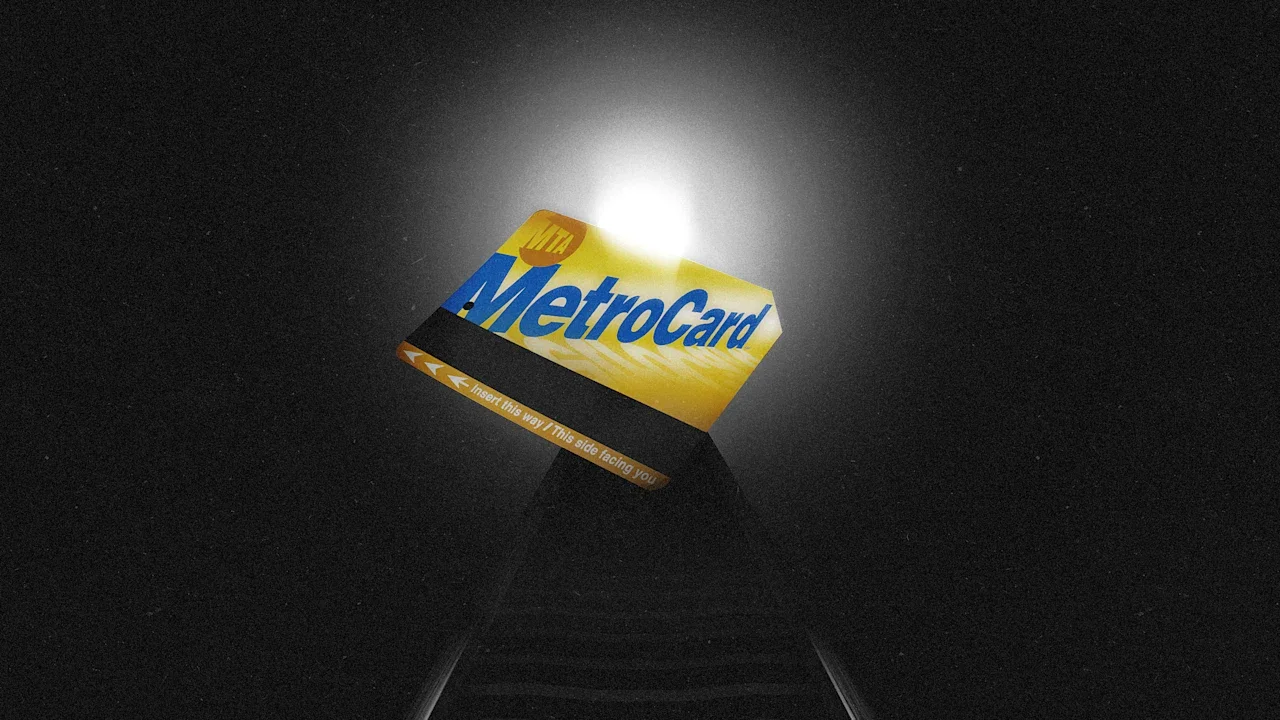
My bus rolls into Port Authority. I’ve got 10 minutes to get across town for my first meeting. I sprint down the escalator, run through droves of people, and arrive at a subway turnstile. I swipe my MetroCard through the magnetic reader, step forward—only to get crotch-checked by a locked metal bar and flipped the finger by a screen that displays “PLEASE SWIPE AGAIN.” I give it another swipe. “INSUFFICIENT FARE.” To refill my MetroCard, I power walk toward the kiosk. It refuses to read my credit card. I swipe a few more times. Nothing. I sift through my back pocket, discover a crumpled ten-dollar bill, and slide it into the machine. It won’t accept my cash. I waffle-iron the bill flat with my hands and feed it back in. The kiosk spits out my refilled MetroCard. Baked into its awful blue and yellow design is this same awful experience, on repeat. The MetroCard has been a defining artifact of New York City’s subway system for more than three decades. In that time, some might argue, it has become an icon of design. I respectfully disagree. Design is inextricable from experience. The MetroCard’s design is as outdated as its technology. Fortunately, after years of poor MetroCard experiences like mine, the MTA has made its final update to the swiping technology. In 1993, the MetroCard was introduced as a replacement for subway tokens. It existed for decades as New Yorkers’ dominant method for accessing the subway. But in 2019, the MTA announced they were introducing a tap-and-go system called OMNY. That year, they installed it on Staten Island buses and across 16 subways as part of a pilot program. Over the next four years, they installed OMNY machines throughout all five boroughs. Manhattan and Brooklyn were early adopters. By November 2024, 60% of riders were using OMNY, according to Shanifah Rieara, the MTA’s chief customer officer. “Running two systems—with their duplicative costs—meant we had to set a certain date,” she says. But that date was continually delayed due to slow installation and technical issues with the remaining vending machines. Now, with an OMNY reader and vending machine at nearly every transit location, the MTA will say goodnight to the MetroCard. And they’ll save at least $20 million in operational costs. A Design That Wouldn’t Go Away The MetroCard design remained more or less the same since the ’90s. Why? “We’re wedded to the nostalgia and the brand,” says Rieara. “We had no interest in changing it.” When it was redesigned in 1997, the look of the MetroCard was novel. There were new gradient and perspective tools at the designer’s disposal. Someone at the MTA had a field day: they created a glowing yellow sunset, a reflection, and a skewed MetroCard logo, which mimicked a train. This design looked fast. Riders would have expected a frictionless swiping experience, not a constant “PLEASE SWIPE AGAIN.” In contrast, the original MetroCard design from 1993 was less ambitious. It was also more honest. The gradient was pure utility: it directed the rider to swipe left. And that MetroCard logo? It floated in a vague 3D space. The design didn’t mimic. It didn’t overpromise. Transit card design shouldn’t put you to sleep. In Hong Kong, they have the Octopus card, which features a dynamic yellow, green, and blue infinity loop. Paired with a small typographic Octopus logo, the card’s modernist design looks like something out of Chermayeff & Geismar & Haviv’s studio. It’s confident. And since 1997, the card’s functionality has delivered upon the design’s promise with mostly reliable tap-and-go service. One of my favorite parts of the Octopus card? It embraces being a collectible item. Riders can customize their cards with ornaments like Pokémon keychains and plastic googly eyes from the movie Minions. This level of customization creates the perception of quality service—you wouldn’t chuck your tricked-out card in the trash next week. Over the years, MetroCard riders would receive special cards, but the design was a half-measure: a partial print on the back of the card. It looked like an ad. These cards featured a range of icons, from artist Barbara Kruger to baseball player Jackie Robinson to musician Olivia Rodrigo. For a plastic card that was often reissued, the MTA could’ve treated each of these heavy-hitters to a full redesign of the card. Other countries do it. London’s transit card, the Oyster, will occasionally trade in its signature two-tone blue for a special design on the front of the card. They’ve celebrated the royal wedding of William and Kate, the Queen’s Diamond Jubilee, the 150th anniversary of the Underground, and even the 20th anniversary of the Oyster card itself, which debuted in 2003. These designs aren’t anything to write home about, but at least they create a shared celebratory moment for the rider. Looking Ahead Oyster’s parent company, Transport for London, licensed its scanning technology to the MTA for the OMNY. So far, I’ve had a solid experience with the new card. Every Thursday afternoon, I rush downtown to my office after teaching a class at School of Visual Arts in Gramercy Park. I need to catch up with three hours of missed work and meetings, and unlike my Port Authority MetroCard nightmares, the OMNY taps without a hitch. That keeps me sane. This functional experience is reflected within OMNY’s design. That black and white card is straightforward, no b.s. It uses Neue Haas Grotesk, aligning with the utilitarian typography of the MTA’s graphics system. The inline cutaway of the letters signal road lanes and railroad tracks, the barcode highlights the card’s scanning technology. This design isn’t overly dramatic like the MetroCard of yore. Wiki Commons But is a functional design enough for New York’s transit card of the future? Design is culture. The comedian Kareem Rahma turns a MetroCard into the microphone for his podcast. The store OnlyNY sells MTA-licensed merch, like metal subway signs and mini-lampposts. To others, those objects are utility. To New Yorkers, they’re identity. The OMNY card is a real opportunity to intertwine culture and design. This year, the MTA proved they truly care about design: they unveiled an animated movie by designer Giorgia Lupi, titled “A Data Love Letter to the Subway.” Their new subway map—the first update in 50 years—nods to a classic design by Massimo Vignelli. And most subway stations finally have digitized schedules with slick typography. If the MTA continually updates the OMNY card, in print and digital form, it will become a cultural artifact. New York is full of designers with pride who’d love to create a special edition OMNY. Champions Design could give the card attitude. Collins could celebrate civic glory. Center could give it a sports flair. These special designs would create a shared moment among New Yorkers. But, those designs need to hit at the right moment. When Zohran Mamdani takes the NYC mayoral office in January, design shouldn’t sit at the bottom of his to-do list. He’s got audacious ideas. If they go well, great design will cement the experience in our minds. A free bus that runs on time? A special-edition OMNY card would floor us with a sense of New York pride. View the full article
-
As CFPB oversight recedes, servicers are turning to FHA, VA and state rules for guidance, with distressed loan compliance, redefaults and local registration risks rising in 2026. View the full article

-
There’s bad news for those using digital surveys to try to understand people’s online behavior: We may no longer be able to determine whether a human is responding to them or not, a recent study has shown—and there seems to be no way around this problem. This means that all online canvassing could be vulnerable to misrepresenting people’s true opinions. This could have repercussions for anything that falls under the category of “information warfare,” from polling results, to misinformation, to fraud. Non-human survey respondents, in aggregate, could impact anything from flavors and pricing for a pack of gum, to something more damaging, such as whether or not someone could get government benefits—and what those should be. The problem here is twofold: 1) humans not being able to tell the difference between human and bot responses, and 2) in instances where automation is regulating action based on these responses, there would be no way to use such polling and safeguard against potentially dangerous problems as a result of this indistinguishability. The study by Dartmouth’s Sean J. Westwood in the “PNAS journal of the National Academy of Sciences,” titled “The potential existential threat of large language models to online survey research, claims to show how we can no longer trust that, in survey research, we can no longer simply assume that a “coherent response is a human response.” Westwood created an autonomous agent capable of producing “high-quality survey responses that demonstrate reasoning and coherence expected of human responses.” To do this, Westwood designed a “model-agnostic” system designed for general-purpose reasoning, that focuses on a two layer architecture: One that acts as an interface to the survey platform and can deal with multiple types of queries while extracting relevant content, and another“core layer” that uses a “reasoning engine” (like an LLM). When a survey is conducted, Westwood’s software loads a “demographic persona” that can store some recall of prior answers and then process questions to provide a “contextually appropriate response” as an answer. Once the “reasoning engine” decides on an answer, the interface in the first layer outputs a mimicked human response. The system is also “designed to accommodate tools for bypassing antibot measures like reCAPTCHA.” Westwood’s system has an objective that isn’t to “perfectly replicate population distributions in aggregate…but to produce individual survey completions [that] would be seen as reasonable by a reasonable researcher.” Westwood’s results suggest that digital surveys may or may not be a true reflection of people’s opinions. There is just as likely a chance that surveys could, instead, be describing what an LLM assumes is “human behavior.” Furthermore, humans or AI making decisions based on those results could be relying on the “opinions” of simulated humans. Personas Creating synthetic people is not a new concept. Novels, visual media, plays, and advertisers use all sorts of creative ideas to portray various people in order to tell their stories. In design, the idea of “Personas” have been used for decades in marketing and User Interface design as a cost-cutting and timesaving trend. Personas are fictional composites of people and are represented by categories like “Soccer Mom,” “Joe Six-pack,” “Technophobe Grandmother,” or “Business Executive.” Besides being steeped in bias, Personas are projections of what the people creating them think these people would be and what the groups they might belong to represent. Personas are a hidden problem in design and marketing, precisely because they are composites drawn from real or imaginary people, rather than actual people — the values ascribed to them are constructed by other people’s interpretations. When relying upon Personas instead of people, it’s impossible to divine the true context of how a product or service is actually being used, as the personas are projected upon by the creator, and are not real people in real situations. Thus, the problems with using Personas to design products and services often aren’t identified until well after such products or services come to market and fail, or cause other unforeseen issues. This could be worse when these human-generated Personas are replaced with AI/LLM ChatBot personas with all the biases that these entail—including slop influences or hallucinations that could make their responses even more odd or potentially even psychotic. Quant versus qual Part of the larger problem of not understanding people’s needs with surveys started when research shifted to statistical data collection based on computation, also known as quantitative methods, rather than contextual queries based on conversations and social relationships with others, or qualitative methods. As Big Data came online, people began to use quantitative methods such as online surveys, A/B testing, and other techniques to understand customer/user behavior. Because machines could quickly compile results, quantitative research seems to have become an industry standard for understanding people. It is not easy to automate qualitative methods, and replacing them with quantitative methods can forfeit important context. Since almost a generation has gone by with the world focused on computational counting, it’s easy to forget about the qualitative data methods—found in social sciences such as Anthropology—that use contextual inquiry interviews with real people to understand why people do what they do, rather than trying to infer this from numerical responses. Qualitative research can give context to the quantitative data and methods that rely upon machines to divine meaning. They can also work outside of big data methods, and are grounded in relationships with actual people, which provides accountability to their beliefs and opinions. The process of talking with real people first contextualizes that content, leading to better outcomes. Qualitative methods can be quantified and counted, but quantitative methods cannot yet easily be made to be truly broadly contextual. One difference between using qualitative and quantitative methods has to do with transparency and understanding the validity of people’s responses. With older human-made Personas, there are obvious assumptions and gaps—it’s crude puppetry and projection. But when people become manufactured by Chatbot/LLMs that utilize a corpus of knowledge mined from massive volumes of data, there can be fewer ways to separate fact from fiction. With chatbots and LLMs, the artificial entity is both the creator of the “person,” potentially the responder to the person, and either the interpreter of that fake chatbot person’s responses, or being interpreted by an LLM. That’s where it can get dangerous, especially when the results of this type of slop tainted research are used for things like political polling or policing. Westwood’s research has shown that: “Rather than relying on brittle, question-specific rules, synthetic respondents maintain a consistent persona by conditioning answers on an initial demographic profile and a dynamic memory of previous responses. This allows it to answer disparate questions in an internally coherent manner,generating plausible, human-like patterns…” It can mimic context, but not create it. Back to the basics When GenAI is moving towards conducting the surveys, acting as respondents, and interpreting the surveys, will we be able to tell the difference between it and real people? A completely automated survey loop seems fictional, until we see how many people are already using Chatbots/LLMs to automate parts of the survey process even now. Someone might generate a persona, then use that to answer surveys that “AI” has designed, that someone else will then use a Chatbot to access “AI” to interpret results. Making a complete loop could be terrible: someone may then use AI to turn the Chatbot created, Chatbot answered, and “AI” interpreted survey responses into something that impacts real people who have real needs in the real world, but instead has been designed for fake people with fake needs in a fake world. Qualitative research is one path forward. It enables us to get to know real people, validate their replies, and refine context through methods that explore each answer for more depth. This type of work AI cannot yet do as LLMs currently base answers on statistical word matching, which is unrefined. Bots that replicate human answers will mimic a type of simulated human answer, but to know what real people think, and what things mean to them, companies may have to go back to hiring anthropologists, who are trained to use qualitative methods to connect with real people. Now that AI can falsely replicate human responses to quantitative surveys, those who believe that both quantitative methods and AI are the answers to conducting accurate research, are about to learn a hard lesson that will unfortunately, impact all of us. View the full article

-
As employers have wrested back control of the job market, it has been a sharp contrast to the post-pandemic years when workers seemed to hold the power. In 2025, employees fretted about their job security and the sweeping impact of artificial intelligence on their work lives—not to mention corporate America’s continued commitment to keeping them in the office for longer. Here, we’ve compiled some of the most popular Work Life stories from this year—on the issues that consumed you most. The “996” schedule This year saw the return of hustle culture in Silicon Valley, as AI startups popularized a grueling work schedule that became popularized in China. The “996” schedule refers to a 72-hour workweek—in other words, working from 9 a.m. to 9 p.m., six days a week—and has grown more common in Silicon Valley as founders and tech leaders scramble to outrun the competition. But experts say this could stoke burnout at a time when workers are already stretched too thin. The steady drumbeat of RTO The return to office is here to stay, despite how workers may feel about it. Business leaders like Jamie Dimon have been among the most vocal supporters of in-office work, dismissing employee concerns and the concept of work from home Fridays. He’s not alone: Amazon employees were forced to return to the office five days a week, while the federal government put an end to remote work this year. The truth behind quiet quitting We’re still talking about quiet quitting. While older generations might think Gen Z workers are lazy or lack motivation, Fast Company contributor Jeff LeBlanc argues quiet quitting is “a rational response to workplaces that lack fairness, structure, and alignment with employee values.” Leaders who can’t retain Gen Z talent should wonder whether they’re the problem, he writes. “The question isn’t whether Gen Z is willing to work hard. The real question is: Are leaders willing to evolve?” The rise of job hugging In a tough job market, many employees are actually “job hugging” rather than quiet quitting. But doing so can actually hurt workers who are unhappy with their job situation—or speed up their burnout. “Cognitive reframing can help—focusing purely on the positive aspects of a draining role, such as a friendly team, and tuning out the rest,” writes Alex Christian. Sometimes, however, the only solution is to wait it out and hope that the economy turns around. The fractional leadership boom In the years since the pandemic, many senior leaders have been reevaluating what they want out of work. Enter the fractional role, which has enabled experienced C-suite leaders to set their own schedule and work across multiple companies. Fractional leaders have become more common at companies that don’t need someone in the position full-time, allowing people in these roles to find more balance. The plight of middle managers Middle managers have had a challenging few years. As the pressures on them mount, many are headed for a crash, according to meQuilibrium’s Jan Bruce. With Gen Z increasingly rejecting the manager track, there could be a shortage of qualified leaders in the years to come, she argues. So what can companies do differently? “Explicit policy decisions can help managers protect and promote their own mental and physical well-being,” Bruce writes. “This might look like mandatory ‘disconnect’ periods, sabbaticals, or easing access to acute mental healthcare resources. Making sure managers have consistent, supportive check-ins with their own supervisors can help reduce isolation.” The importance of office friends Workplace friendships are not what they used to be—and it’s not good for business. Friendships at work can help boost employee performance and well-being, writes Fast Company contributor Mark C. Crowley. In fact, leaders should create an environment that encourages connection and invests in those friendships. “Creating a culture where connection is valued doesn’t just improve employee morale—it strengthens retention, creativity, and performance,” he writes. “By fostering friendships, leaders don’t just build better teams; they create desirable workplaces.” The productivity gains from AI We all know AI is reshaping how we work. But as the technology permeates the workplace, it might just be revealing how much of what we do is busywork. “We’re witnessing a productivity revolution without a purpose revolution,” write Fast Company contributors Tomas Chamorro-Premuzic and Alexis Fink. “Tools are improving, but the work remains hollow. Instead of using AI to invent better ways of working, many companies are simply using it to churn out more of the same, only faster.” View the full article

-
Government’s measures were far tougher than the Conservatives’, plus my top films of 2025View the full article
-
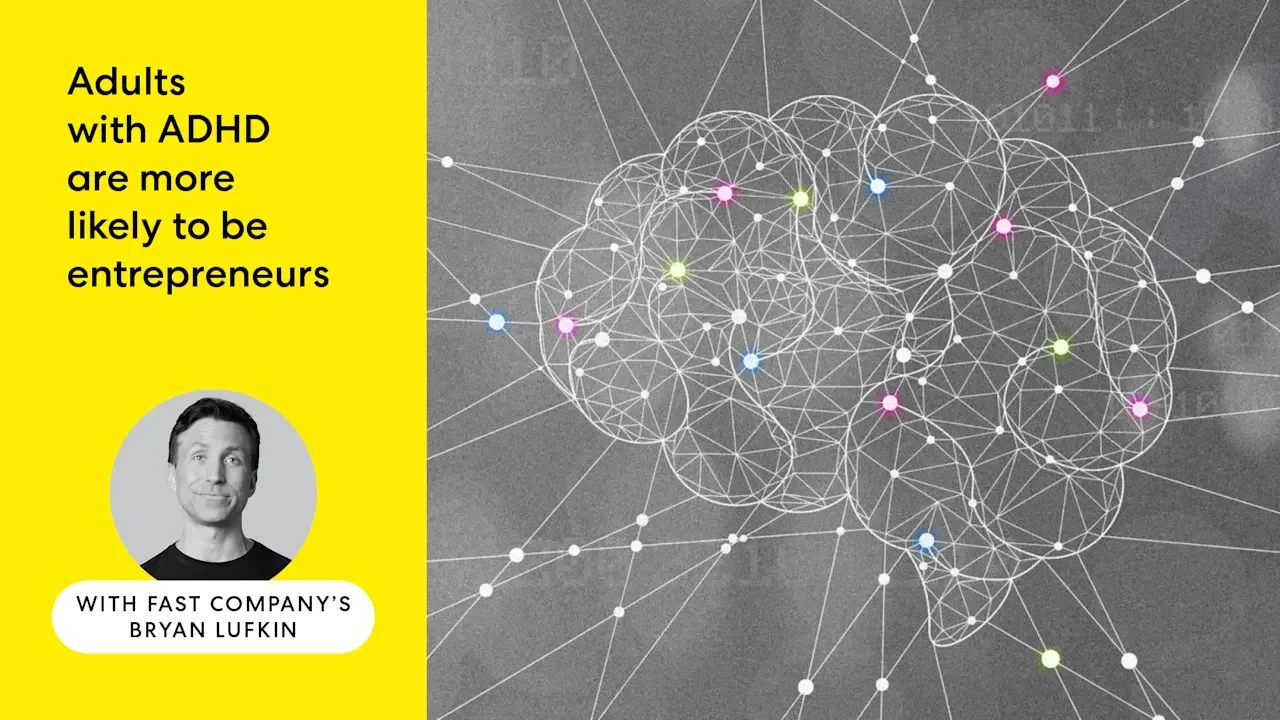
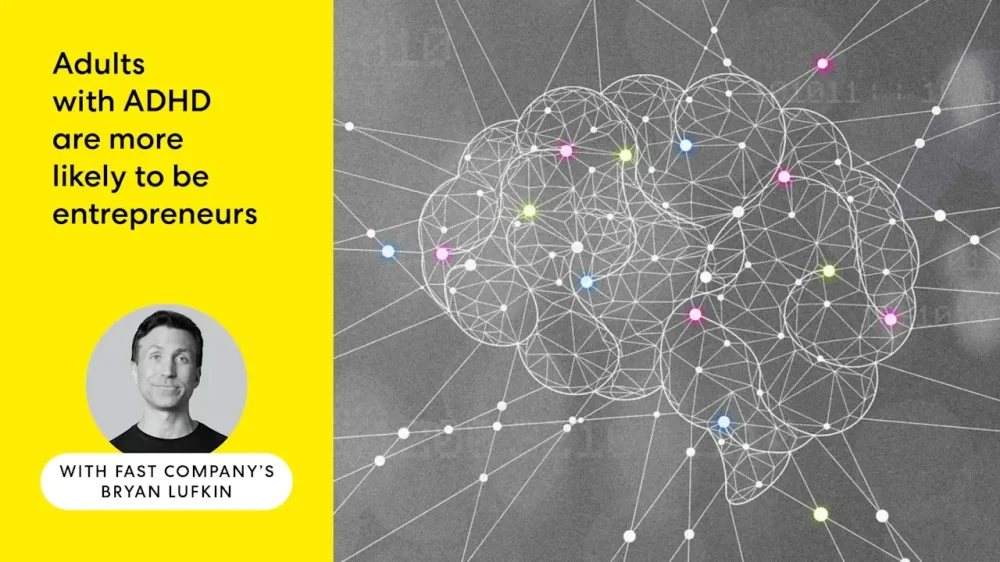
Many traits—like impulsivity, hyperfocus, and nonlinear thinking—that get pathologized in school or corporate environments are the same ones that create natural entrepreneurs. View the full article
-
Attack targeting UAE-backed separatists set to deepen tensions between kingdom and Gulf neighbour View the full article
-
The irony of modern work life hits you somewhere between your third consecutive hybrid meeting and the moment you realize you’ve been holding your breath for the past hour. We’ve engineered every process for maximum output, yet reports consistently show that workplace burnout is affecting us more than ever. As someone who followed the straight-A path from childhood—chasing perfect grades, moving from one goalpost to another through MBA to big tech product executive—I’ve witnessed this optimization obsession firsthand while shaping experiences for over half a billion users. But what if the solution isn’t another wellness program or time management technique? What if it’s something far simpler, and more subversive? What if the solution is putting aside your work and engaging in a little play? Research from Johns Hopkins University’s International Arts + Mind Lab, detailed in the 2023 bestseller Your Brain on Art by Susan Magsamen and Ivy Ross, shows that engaging in art reduces the stress hormone cortisol, no matter your skill level, with some benefits appearing in as little as 20 minutes. A 2025 study of nearly 2,500 people across five countries found that creativity can be reliably predicted by how often the brain switches between its default mode network (active during mind-wandering) and its executive control network (which handles focused attention and cognitive control). These brief creative interludes enhance productivity by allowing different brain networks to make new connections. I’ve found that weaving micro-creativity practices into my days has increased my daily joy, aliveness, and overall wellbeing. At work, these creative breaks help me shake off the energy from difficult meetings, discover fresh perspectives when I’m stuck on problems, and connect more meaningfully with teammates who join me in these playful moments. Here are a few practices I love that you can use now to sneak a little play into your workday. 1. Become a Workplace Tea Alchemist Turn your coffee break into a micro-adventure by experimenting with tea combinations. Mix Earl Grey with chamomile, or green tea with cinnamon. Research the origins of different blends—did you know Bigelow started as a small family business in 1945? If you’re more of a coffee drinker, create your own flavor experiments—add a dash of cardamom or vanilla extract, or challenge yourself to draw a heart in your foam. (Wonky shapes count as art too!) This curiosity-driven exploration activates what psychologists call openness to experience, which correlates with better conflict resolution abilities and cognitive flexibility. 2. Replace To-Do Lists with ‘To-Doodle’ Lists Instead of writing “Review Q3 budget” in stark text, sketch it. Draw a treasure chest for budget review, a mountain for the challenging client presentation, or abstract shapes that represent your energy around each task. This isn’t about artistic skill; it’s about engaging the right brain’s pattern recognition while planning left-brain tasks. 3. Invite Random Hallway Interactions Ask one unexpected question to someone you see regularly but rarely talk to deeply, like “If you could teleport anywhere right now for lunch, where would you go?” or “If colors had personalities, which one would be your best friend?” The security guard who greets you each morning might have fascinating insights about the most interesting characters in the building. One such conversation led me to discover that Dolly Parton finds creative inspiration in graveyards, where she walks among headstones, finding sparks for her next song! 4. Open Team Huddles With ‘What I’m Saying No To’ Bingo Start each team huddle by sharing one thing you’re actively choosing not to do this week, but make it a game. Create a bingo card with common “no” categories like “unnecessary meeting,” “weekend work,” “social obligation,” and see who gets bingo first as team members share their weekly boundaries. This ritual normalizes boundary-setting, reveals hidden priorities, and creates psychological permission for intentional choices about time and energy. 5. Become a Workplace Note Fairy Write tiny, anonymous notes of appreciation and leave them where colleagues will find them: “Thank you for always restocking the coffee!” “Your enthusiasm in meetings is contagious!” “Someone here gives the best hallway waves—thank you!” The act of crafting these small surprises shifts your brain from problem-focused thinking to wonder. One teammate told me that leaving weekly mystery notes became her favorite stress-relief ritual! 6. Go on Office Color Hunts Set a timer for three minutes and hunt for a specific color throughout your workspace. How many shades of yellow exist in your office? This micro-adventure forces you to notice your environment with fresh eyes and activates “attention restoration,” the mental reset that comes from shifting from directed attention to fascination. The beauty of these three-minute playful acts lies in their accessibility. Unlike meditation apps or wellness programs, they don’t require special equipment or cozy conditions. They work precisely because they fit into the existing structure of your day. More importantly, they address what organizational psychologist Dr. Christina Maslach identifies as the core drivers of burnout: lack of control, insufficient rewards, and values mismatch. These micro-creative acts restore a sense of agency, provide immediate intrinsic rewards, and reconnect you with the playful, curious aspects of yourself that often get buried under performative environments. The goal isn’t to become more creative in order to be more productive. It’s to remember that you’re human, not a productivity machine. And sometimes, that three-minute reminder is exactly what it takes to feel alive again in a world that has optimized everything except joy. View the full article

-
If you’re looking to improve your Twitter strategy, selecting the right scheduling tools can make a significant difference. Tools like SocialBee and Agorapulse offer advanced features for content management and audience interaction, whereas Pallyy and Sendible excel in user-friendliness and multi-account handling. Each tool has unique strengths, from automation to analytics, which can greatly impact your engagement and campaign success. Comprehending these options will help you choose the best fit for your needs. What will you prioritize in your search? Key Takeaways SocialBee offers robust scheduling tools and content curation for effective Twitter presence management. Pallyy provides a user-friendly drag-and-drop interface, ideal for visual post management and scheduling. Sendible serves as an all-in-one platform for managing multiple social media accounts with efficient bulk scheduling. Viraly features an AI caption generator and collaborative tools to enhance content creation and organization. Agorapulse includes advanced analytics and reporting to track engagement and improve social media strategy. SocialBee Managing your Twitter presence effectively can be challenging, but SocialBee simplifies the process with its robust scheduling tools. If you’re wondering how to schedule tweets on Twitter, SocialBee is highly regarded as the best overall scheduler. It thrives in managing evergreen content with features like automatic retweeting and multi-platform support. You can categorize posts using its advanced content curation tools, allowing you to recycle top-performing content effortlessly. With integrations for design tools like Canva and Unsplash, creating visually appealing posts becomes a breeze. Plans start at $29/month, and a 14-day free trial lets you explore its features without a commitment. Unique AI capabilities help generate engaging tweets, optimizing your social media strategies for maximum audience engagement. Pallyy Pallyy stands out as an intuitive scheduling tool that streamlines your social media management, particularly for platforms like Instagram and TikTok. With its user-friendly drag-and-drop workflow, you can easily plan and manage your posts visually. Here’s what you can expect: A Feed Planner that lets you create visually appealing Instagram feeds. A generous free plan allowing you to schedule tweets free with up to 15 posts per month for one social set. A unified social inbox to manage audience interactions across multiple accounts seamlessly. Premium plans starting at $25/month, offering analytics, media storage, and templates for improved content management. Pallyy helps you improve engagement during keeping your scheduling process efficient and organized. Sendible For those seeking a thorough solution to manage multiple social media accounts, Sendible offers a robust all-in-one platform that simplifies scheduling and posting across various profiles. You can easily schedule tweets using Sendible’s Smart Queues, which allow for bulk scheduling, making your workflow more efficient. The content library helps you store hashtags and response templates, streamlining your posting process even further. Sendible integrates with design tools like Canva, enhancing your content creation during providing analytics to track engagement and performance metrics. With customizable dashboards and a visual campaign overview, managing multiple client accounts is much simpler. Plans start at $25/month, and you can explore its features with a 14-day free trial before committing. Viraly Viraly stands out as a user-friendly social media scheduler that simplifies posting across multiple platforms. With its AI caption generator, you can quickly create engaging content, whereas the collaboration features make it ideal for teams managing various accounts. Furthermore, its modern interface and multiple calendar views improve your ability to efficiently manage and filter your scheduled posts. User-Friendly Interface A user-friendly interface is crucial for anyone looking to streamline their social media scheduling, and Viraly thrives in this area. With its modern design, you can easily navigate how to schedule posts on Twitter and other platforms. Here are some standout features that improve your experience: An interactive content calendar lets you view and manage your scheduled posts effortlessly. Built-in editing tools allow for quick adjustments directly within the interface before scheduling. Collaboration features enable multiple team members to work together seamlessly. Customizable filters for channels and post statuses help you efficiently organize and track your content. These features not only boost your workflow but make social media management less time-consuming and more effective. AI Caption Generator Building on the user-friendly interface provided by Viraly, the AI Caption Generator offers a potent tool for enhancing your social media presence. This twitter scheduling tool utilizes advanced algorithms to create engaging and contextually relevant captions customized to your content. By analyzing trending topics and user engagement data, it suggests captions that resonate with your target audience, boosting the chances of shares and likes. You can easily customize the AI-generated captions to align with your brand voice, ensuring consistency across all posts. The integration with Viraly’s scheduling tool allows you to create and schedule posts seamlessly, saving you time and effort. Users have reported improved engagement metrics, with some experiencing up to a 30% increase in post interactions. Team Collaboration Features Effective team collaboration is essential for managing social media posts efficiently, and Viraly’s robust features make this process seamless. Here’s how it improves teamwork as you learn how to schedule on Twitter: Shared Dashboard: Multiple users can manage posts easily from a centralized location. Custom Roles: Assign specific responsibilities and access levels to team members for better organization. Real-Time Collaboration: Work together on content creation and scheduling, boosting efficiency and productivity. Integrated Communication: Use comments and feedback options to streamline the review process, ensuring everyone stays aligned. With these features, your team can collaborate effectively, track post statuses, and maintain clear communication, making your social media strategy more cohesive and successful. Agorapulse When managing social media, Agorapulse stands out as a versatile tool designed to streamline your efforts across various platforms, including Twitter. With Agorapulse, you can schedule a tweet in Twitter easily, allowing you to plan your content ahead of time. The platform supports multiple networks like Facebook, Instagram, LinkedIn, YouTube, and TikTok, making it an all-encompassing solution for your social media needs. Its unified inbox helps you manage audience interactions efficiently, ensuring timely communication with followers. Plus, collaboration tools like content calendar notes and approval workflows cater to teams and agencies. Agorapulse additionally offers advanced reporting and analytics to track engagement metrics, optimizing your campaigns effectively. Pricing starts at $69 per month, with discounts for annual billing. Hootsuite Hootsuite is a potent tool for managing your Twitter presence along with other social media accounts from one centralized dashboard. It simplifies your workflow and helps you effectively schedule Twitter messages. Here are some notable features: Bulk Scheduling: Schedule up to 350 posts at once via CSV upload, great for high-volume content. Tweet Threads: Create and schedule tweet threads to engage your audience with longer posts. Analytics: Access robust analytics and reporting features to measure engagement and optimize your strategy. Affordable Plans: Pricing starts from $19/month, with a free trial available, catering to various user needs. Hootsuite’s extensive capabilities make it a vital asset for any social media strategy. Buffer Buffer stands out as a user-friendly scheduling tool that helps you manage your Twitter posts alongside other social media platforms like Facebook and Instagram. With Buffer, you can schedule tweets easily, allowing for consistent content delivery without constant monitoring. The platform offers a free plan with limited features, in addition to paid options starting at just $15 per month, making it accessible for both individuals and small businesses. You’ll as well benefit from detailed analytics that track post performance and engagement, helping you refine your social media strategies. Furthermore, Buffer’s intuitive interface enables seamless collaboration with team members, streamlining the content creation process. Frequently Asked Questions What Is the Best Scheduling Tool for Twitter? Choosing the best scheduling tool for Twitter depends on your specific needs. If you’re looking for advanced features, SocialBee offers content curation and evergreen posting. For visual content, Pallyy’s drag-and-drop interface is user-friendly, especially for Instagram. Sendible is ideal for agencies needing bulk scheduling. If budget is a concern, Metricool provides robust options at a lower price. Hootsuite covers extensive management needs but starts at a higher price point. What Is the Best Social Scheduling Tool? The best social scheduling tool depends on your specific needs. Tools like Hootsuite and Sprout Social allow you to manage multiple accounts efficiently, whereas SocialBee and Sendible offer content curation and design integration features. If you’re focused on visual platforms, consider Pallyy for its user-friendly grid. Many tools, such as Metricool and Publer, provide free trials, so you can explore features before committing, with costs typically starting between $12 and $29 monthly. How to Maximize Twitter Algorithm? To maximize the Twitter algorithm, post consistently, aiming for at least three times a week. Analyze your audience’s activity to find peak posting times, as this increases the likelihood of engagement. Use relevant hashtags to boost visibility, and consider incorporating multimedia content, since tweets with images or videos attract more interaction. Experiment with tweet threads to provide depth, encouraging longer engagement and increasing shares, which positively influences your overall reach and visibility. Which Tool Is Best for Managing and Scheduling Social Media Posts Across Multiple Platforms? When managing and scheduling social media posts across multiple platforms, consider tools like SocialBee for its content curation features, or Sendible, which caters well to agencies with its bulk scheduling capabilities. If you focus on visual content, Pallyy’s user-friendly interface is effective for Instagram and TikTok. For budget-conscious users, Metricool offers a solid option with a free plan, whereas Hootsuite provides extensive management tools at a higher price point. Conclusion In summary, utilizing effective Twitter scheduling tools can greatly improve your social media strategy. Platforms like SocialBee, Pallyy, Sendible, and Viraly offer diverse features that streamline content management, audience engagement, and analytics tracking. By choosing the right tool, you can boost your brand’s visibility and execute timely campaigns. An organized approach to scheduling not just saves time but additionally allows you to focus on creating quality content that resonates with your audience. Image via Google Gemini This article, "7 Best Twitter Scheduling Tools to Maximize Your Social Strategy" was first published on Small Business Trends View the full article
-
If you’re looking to improve your Twitter strategy, selecting the right scheduling tools can make a significant difference. Tools like SocialBee and Agorapulse offer advanced features for content management and audience interaction, whereas Pallyy and Sendible excel in user-friendliness and multi-account handling. Each tool has unique strengths, from automation to analytics, which can greatly impact your engagement and campaign success. Comprehending these options will help you choose the best fit for your needs. What will you prioritize in your search? Key Takeaways SocialBee offers robust scheduling tools and content curation for effective Twitter presence management. Pallyy provides a user-friendly drag-and-drop interface, ideal for visual post management and scheduling. Sendible serves as an all-in-one platform for managing multiple social media accounts with efficient bulk scheduling. Viraly features an AI caption generator and collaborative tools to enhance content creation and organization. Agorapulse includes advanced analytics and reporting to track engagement and improve social media strategy. SocialBee Managing your Twitter presence effectively can be challenging, but SocialBee simplifies the process with its robust scheduling tools. If you’re wondering how to schedule tweets on Twitter, SocialBee is highly regarded as the best overall scheduler. It thrives in managing evergreen content with features like automatic retweeting and multi-platform support. You can categorize posts using its advanced content curation tools, allowing you to recycle top-performing content effortlessly. With integrations for design tools like Canva and Unsplash, creating visually appealing posts becomes a breeze. Plans start at $29/month, and a 14-day free trial lets you explore its features without a commitment. Unique AI capabilities help generate engaging tweets, optimizing your social media strategies for maximum audience engagement. Pallyy Pallyy stands out as an intuitive scheduling tool that streamlines your social media management, particularly for platforms like Instagram and TikTok. With its user-friendly drag-and-drop workflow, you can easily plan and manage your posts visually. Here’s what you can expect: A Feed Planner that lets you create visually appealing Instagram feeds. A generous free plan allowing you to schedule tweets free with up to 15 posts per month for one social set. A unified social inbox to manage audience interactions across multiple accounts seamlessly. Premium plans starting at $25/month, offering analytics, media storage, and templates for improved content management. Pallyy helps you improve engagement during keeping your scheduling process efficient and organized. Sendible For those seeking a thorough solution to manage multiple social media accounts, Sendible offers a robust all-in-one platform that simplifies scheduling and posting across various profiles. You can easily schedule tweets using Sendible’s Smart Queues, which allow for bulk scheduling, making your workflow more efficient. The content library helps you store hashtags and response templates, streamlining your posting process even further. Sendible integrates with design tools like Canva, enhancing your content creation during providing analytics to track engagement and performance metrics. With customizable dashboards and a visual campaign overview, managing multiple client accounts is much simpler. Plans start at $25/month, and you can explore its features with a 14-day free trial before committing. Viraly Viraly stands out as a user-friendly social media scheduler that simplifies posting across multiple platforms. With its AI caption generator, you can quickly create engaging content, whereas the collaboration features make it ideal for teams managing various accounts. Furthermore, its modern interface and multiple calendar views improve your ability to efficiently manage and filter your scheduled posts. User-Friendly Interface A user-friendly interface is crucial for anyone looking to streamline their social media scheduling, and Viraly thrives in this area. With its modern design, you can easily navigate how to schedule posts on Twitter and other platforms. Here are some standout features that improve your experience: An interactive content calendar lets you view and manage your scheduled posts effortlessly. Built-in editing tools allow for quick adjustments directly within the interface before scheduling. Collaboration features enable multiple team members to work together seamlessly. Customizable filters for channels and post statuses help you efficiently organize and track your content. These features not only boost your workflow but make social media management less time-consuming and more effective. AI Caption Generator Building on the user-friendly interface provided by Viraly, the AI Caption Generator offers a potent tool for enhancing your social media presence. This twitter scheduling tool utilizes advanced algorithms to create engaging and contextually relevant captions customized to your content. By analyzing trending topics and user engagement data, it suggests captions that resonate with your target audience, boosting the chances of shares and likes. You can easily customize the AI-generated captions to align with your brand voice, ensuring consistency across all posts. The integration with Viraly’s scheduling tool allows you to create and schedule posts seamlessly, saving you time and effort. Users have reported improved engagement metrics, with some experiencing up to a 30% increase in post interactions. Team Collaboration Features Effective team collaboration is essential for managing social media posts efficiently, and Viraly’s robust features make this process seamless. Here’s how it improves teamwork as you learn how to schedule on Twitter: Shared Dashboard: Multiple users can manage posts easily from a centralized location. Custom Roles: Assign specific responsibilities and access levels to team members for better organization. Real-Time Collaboration: Work together on content creation and scheduling, boosting efficiency and productivity. Integrated Communication: Use comments and feedback options to streamline the review process, ensuring everyone stays aligned. With these features, your team can collaborate effectively, track post statuses, and maintain clear communication, making your social media strategy more cohesive and successful. Agorapulse When managing social media, Agorapulse stands out as a versatile tool designed to streamline your efforts across various platforms, including Twitter. With Agorapulse, you can schedule a tweet in Twitter easily, allowing you to plan your content ahead of time. The platform supports multiple networks like Facebook, Instagram, LinkedIn, YouTube, and TikTok, making it an all-encompassing solution for your social media needs. Its unified inbox helps you manage audience interactions efficiently, ensuring timely communication with followers. Plus, collaboration tools like content calendar notes and approval workflows cater to teams and agencies. Agorapulse additionally offers advanced reporting and analytics to track engagement metrics, optimizing your campaigns effectively. Pricing starts at $69 per month, with discounts for annual billing. Hootsuite Hootsuite is a potent tool for managing your Twitter presence along with other social media accounts from one centralized dashboard. It simplifies your workflow and helps you effectively schedule Twitter messages. Here are some notable features: Bulk Scheduling: Schedule up to 350 posts at once via CSV upload, great for high-volume content. Tweet Threads: Create and schedule tweet threads to engage your audience with longer posts. Analytics: Access robust analytics and reporting features to measure engagement and optimize your strategy. Affordable Plans: Pricing starts from $19/month, with a free trial available, catering to various user needs. Hootsuite’s extensive capabilities make it a vital asset for any social media strategy. Buffer Buffer stands out as a user-friendly scheduling tool that helps you manage your Twitter posts alongside other social media platforms like Facebook and Instagram. With Buffer, you can schedule tweets easily, allowing for consistent content delivery without constant monitoring. The platform offers a free plan with limited features, in addition to paid options starting at just $15 per month, making it accessible for both individuals and small businesses. You’ll as well benefit from detailed analytics that track post performance and engagement, helping you refine your social media strategies. Furthermore, Buffer’s intuitive interface enables seamless collaboration with team members, streamlining the content creation process. Frequently Asked Questions What Is the Best Scheduling Tool for Twitter? Choosing the best scheduling tool for Twitter depends on your specific needs. If you’re looking for advanced features, SocialBee offers content curation and evergreen posting. For visual content, Pallyy’s drag-and-drop interface is user-friendly, especially for Instagram. Sendible is ideal for agencies needing bulk scheduling. If budget is a concern, Metricool provides robust options at a lower price. Hootsuite covers extensive management needs but starts at a higher price point. What Is the Best Social Scheduling Tool? The best social scheduling tool depends on your specific needs. Tools like Hootsuite and Sprout Social allow you to manage multiple accounts efficiently, whereas SocialBee and Sendible offer content curation and design integration features. If you’re focused on visual platforms, consider Pallyy for its user-friendly grid. Many tools, such as Metricool and Publer, provide free trials, so you can explore features before committing, with costs typically starting between $12 and $29 monthly. How to Maximize Twitter Algorithm? To maximize the Twitter algorithm, post consistently, aiming for at least three times a week. Analyze your audience’s activity to find peak posting times, as this increases the likelihood of engagement. Use relevant hashtags to boost visibility, and consider incorporating multimedia content, since tweets with images or videos attract more interaction. Experiment with tweet threads to provide depth, encouraging longer engagement and increasing shares, which positively influences your overall reach and visibility. Which Tool Is Best for Managing and Scheduling Social Media Posts Across Multiple Platforms? When managing and scheduling social media posts across multiple platforms, consider tools like SocialBee for its content curation features, or Sendible, which caters well to agencies with its bulk scheduling capabilities. If you focus on visual content, Pallyy’s user-friendly interface is effective for Instagram and TikTok. For budget-conscious users, Metricool offers a solid option with a free plan, whereas Hootsuite provides extensive management tools at a higher price point. Conclusion In summary, utilizing effective Twitter scheduling tools can greatly improve your social media strategy. Platforms like SocialBee, Pallyy, Sendible, and Viraly offer diverse features that streamline content management, audience engagement, and analytics tracking. By choosing the right tool, you can boost your brand’s visibility and execute timely campaigns. An organized approach to scheduling not just saves time but additionally allows you to focus on creating quality content that resonates with your audience. Image via Google Gemini This article, "7 Best Twitter Scheduling Tools to Maximize Your Social Strategy" was first published on Small Business Trends View the full article
-
When companies conduct background screenings, they focus on five essential factors: criminal history, employment history, educational credentials, identity verification, and professional licenses. Each of these elements plays a significant role in ensuring a safe and compliant workplace. For instance, criminal history checks can reveal serious convictions, whereas employment and education verifications confirm an applicant’s qualifications. Comprehending these factors can help you appreciate the screening process’s importance and what employers are looking for in candidates. Key Takeaways Criminal history checks assess serious convictions and ensure workplace safety, particularly for roles involving vulnerable populations. Employment history confirmation validates job titles and dates, revealing applicant honesty and potential red flags. Educational credential validation confirms necessary qualifications and prevents hiring unqualified candidates. Identity verification uses SSN traces to prevent fraud and identity theft, forming a basis for further checks. Professional license and certification checks verify necessary credentials and compliance with industry standards, protecting employers from liability risks. Criminal History Verification When evaluating potential employees, criminal history verification plays an important role in ensuring workplace safety and determining an applicant’s suitability for a given position. What makes you fail a background check often includes serious convictions like felonies or pending cases that could pose risks to the workplace. Employers typically see various aspects in a background check, such as felony and misdemeanor records, and even checks against sex offender registries. What companies look for in a background check often relates directly to the job’s responsibilities; for example, positions involving vulnerable populations may require a more stringent review. It’s vital for employers to comply with local laws and obtain written consent from candidates before conducting these checks. The Fair Credit Reporting Act mandates transparency if adverse decisions arise from the results, ensuring candidates understand their rights during the hiring process. Employment History Confirmation Verifying employment history is a fundamental step in the hiring process, closely linked to evaluating a candidate’s integrity and qualifications. This process involves confirming the accuracy of job titles, employment dates, and reasons for leaving previous positions. By doing so, you assess an applicant’s honesty and qualifications. Employers often use professional background check services to streamline this verification, guaranteeing that results are thorough and accurate. A thorough employment verification can reveal insights into an applicant’s job performance, work ethic, and potential red flags that may influence hiring decisions. Typically, these checks take no more than a few days, enabling timely decisions. Furthermore, confirming employment history not just validates the information on resumes but additionally plays an essential role in reducing turnover. This guarantees that you select the right candidate for your organization, ultimately supporting a more stable and productive workforce. Educational Credential Validation Confirming educational credentials is a crucial aspect of the hiring process, as it guarantees that candidates possess the necessary qualifications for the positions they seek. Employers must verify various details to confirm accuracy and authenticity: Attendance dates: Confirming when candidates attended their educational institutions. Graduation status: Verifying candidates actually graduated and received their degrees. Specific degrees conferred: Validating the exact qualifications claimed by the applicant. Specialized knowledge: Evaluating if the educational background meets the job’s requirements. This validation process is particularly critical for roles that demand specialized knowledge, where relevant degrees or certifications are mandatory for job performance. By conducting thorough educational verification, companies can prevent hiring unqualified candidates and mitigate the risks associated with negligent hiring practices. Many background check services specialize in this process, streamlining it and guaranteeing compliance with legal standards regarding information access. Identity Verification After validating educational credentials, the next step in the background screening process involves identity verification. This vital step typically confirms an applicant’s identity using Social Security Number (SSN) traces, which helps prevent fraudulent claims. The verification process can be completed in as little as 90 seconds and serves as a foundation for further checks, such as criminal history or employment records. Accurate identity verification is fundamental for employers to mitigate hiring risks associated with identity theft and impersonation. To guarantee compliance with the Fair Credit Reporting Act (FCRA), employers must protect consumer rights during this process. Furthermore, the verification may include checks against identity theft databases, revealing any discrepancies or alerts concerning the applicant’s identity. Professional License and Certification Checks Verifying that candidates possess the necessary professional licenses and certifications is critical for employers, particularly in regulated industries such as healthcare, engineering, and finance. These checks are crucial for confirming that individuals have the credentials required to perform specific job functions. Employers typically verify: The issuance and status of professional licenses through state licensing boards Any sanctions or disciplinary actions associated with a license Certification validity, confirming candidates have the requisite training Compliance with industry standards and regulatory requirements Failing to conduct these verifications can lead to hiring unqualified individuals, which exposes employers to significant liability risks and compliance issues. By incorporating professional license and certification checks into their standard background screening processes, employers safeguard their operations and maintain high industry standards. In the end, these checks not just protect the company but also guarantee that qualified professionals deliver crucial services. Frequently Asked Questions What Do Companies Do for Background Checks? Companies perform background checks to guarantee potential employees meet their standards. They verify criminal records to assess safety risks, check employment history for accuracy, and confirm educational qualifications. Identity verification is essential to prevent fraud, whereas social media screening helps gauge an applicant’s online behavior and fit within the company culture. Each step aims to provide an all-encompassing view of the candidate, guaranteeing informed hiring decisions that align with organizational values and needs. What Are Jobs Looking for When They Do a Background Check? When jobs conduct background checks, they’re primarily evaluating your criminal history, employment history, and educational qualifications. They want to guarantee you haven’t been involved in activities that could jeopardize workplace safety or integrity. Verifying your previous roles helps confirm your honesty and qualifications. Furthermore, they check your identity to prevent fraud. Some employers even review your social media presence to gauge your communication skills and cultural fit within the organization. What Would Cause a Red Flag on a Background Check? Several factors can raise a red flag during a background check. Criminal convictions related to violence or fraud often cause concern. Inconsistencies in your employment history may suggest dishonesty. Gaps in your work history without a solid explanation can indicate instability. Furthermore, unprofessional social media behavior, like inflammatory posts, might negatively impact perceptions of your suitability. Finally, negative feedback from references about your job performance can signal potential risks to employers. What Is the Hardest Background Check to Pass? The hardest background check to pass usually involves criminal history assessments. Serious convictions or a record of offenses can severely limit your job prospects, especially in sensitive sectors like healthcare or finance. Employers scrutinize these records closely, as past actions may indicate future risks. Furthermore, inconsistencies in employment history or inflated educational credentials can likewise complicate your application process, potentially leading to disqualification from desirable positions you’re seeking. Conclusion In conclusion, background screenings are crucial for ensuring a safe and compliant workplace. By verifying criminal histories, confirming employment and educational credentials, establishing identity, and checking professional licenses, companies protect themselves from potential risks. These thorough assessments help validate an applicant’s qualifications, ensuring that the right individuals are hired for the job. In the end, conducting all-encompassing background checks not just safeguards the organization but additionally cultivates a trustworthy environment for all employees. Image via Google Gemini This article, "5 Key Factors Companies Do Check in Background Screens" was first published on Small Business Trends View the full article