ResidentialBusiness
Administrators
-
Joined
-
Last visited
Everything posted by ResidentialBusiness
-
 Sole proprietorship registration is the formal process of establishing your business as a legal entity, often requiring a “Doing Business As” (DBA) if your business name differs from your own. Although it’s not always necessary to register if you operate under your name, doing so can improve your credibility and simplify tax reporting. Comprehending the steps involved and the implications of registration is essential as you consider your business path. What else should you know about this process? Key Takeaways A sole proprietorship is an automatically recognized business entity when operating under a personal name, requiring no formal registration for the legal name. A “Doing Business As” (DBA) registration is necessary when using a name different from the owner’s legal name. Local business licenses and permits may be required based on the business activities and location to ensure legal compliance. Sole proprietorships allow for simplified tax reporting, with business income reported on personal tax returns, benefiting from deductions on expenses. Registering a sole proprietorship enhances credibility and access to banking services, improving trust with clients and vendors. Understanding Sole Proprietorship Registration When you decide to start a business as a sole proprietor, it’s important to understand the basics of sole proprietorship registration. A sole proprietorship automatically exists when you begin conducting business under your own name, so formal state registration isn’t required. Nevertheless, if you plan to operate under a different name, you must file a “Doing Business As” (DBA) application for business with your county clerk’s office. Depending on your business activity and location, you may additionally need local business licenses and permits to comply with regulations. Although obtaining an Employer Identification Number (EIN) isn’t mandatory, it’s advisable for tax purposes, especially if you hire employees. Sole proprietorship registration can improve your business ownership legitimacy and credibility in the market. Advantages of Sole Proprietorship Registration When you register your sole proprietorship, you simplify your tax reporting by allowing business income and expenses to flow directly through to your personal tax return. This registration furthermore boosts your business credibility, making clients and vendors more likely to trust and engage with you. Simplified Tax Reporting Establishing a sole proprietorship offers significant advantages regarding simplified tax reporting, which can ease the financial management of your business. Unlike a limited liability company vs limited liability partnership, a sole proprietorship allows you to report profits directly on your personal income tax return using Schedule C, eliminating the need for a separate business tax return. Your business income is taxed at your personal rate, often resulting in lower overall taxes. You can likewise deduct business expenses directly from your taxable income, minimizing your tax burden. Plus, minimal paperwork is required, as you can use your Social Security Number instead of needing an Employer Identification Number except you hire employees. This simplicity makes it easier to learn how to start a business in Illinois. Enhanced Business Credibility Improved business credibility is a key benefit of registering your sole proprietorship, as it provides formal recognition that can cultivate trust among clients and vendors. When you register, your business name becomes distinct, making it easier for customers to identify and remember your brand. Furthermore, many business licenses and permits require registration, ensuring you meet legal standards and operate legitimately. This formal status also improves your access to important banking services, like opening a business bank account, which helps separate your personal and business finances. In addition, being registered allows you to build a business credit history, opening doors to future financing opportunities and partnerships, ultimately reinforcing your overall business presence in the market. Disadvantages of Sole Proprietorship Registration Though registering your sole proprietorship can simplify certain aspects of running your business, there are notable disadvantages that you should consider. One significant drawback is the cost associated with obtaining necessary permits and licenses, which can raise your initial startup expenses. Moreover, without proper registration, you risk operating under a name that may not be legally recognized, leading to potential disputes. Most critically, sole proprietorships don’t provide personal liability protection, putting your personal assets at risk for business debts. Limited access to funding, as banks often prefer registered businesses. Difficulty in securing business opportunities, since clients may favor registered entities. Increased risk of identity disputes without a legal business name. The Difference Between Sole Proprietor and Business Owner When you compare a sole proprietor to a business owner, it’s essential to understand the fundamental differences in their legal structures and responsibilities. A sole proprietor is an individual who operates a business without forming a separate legal entity, meaning there’s no distinction between you and your business. Conversely, business owners may have corporations or LLCs, which offer limited liability protection, separating personal and business assets. Sole proprietors are personally liable for all business debts, whereas those with corporations enjoy protection from creditors. Moreover, you have complete control over your operations as a sole proprietor, but business owners might deal with formal governance. Taxation is simpler for sole proprietors, as income is reported on your personal tax return. Steps to Start a Sole Proprietorship Starting a sole proprietorship involves a few crucial steps that lay the foundation for your business. First, you’ll need to choose a business name, which can be your legal name or a “Doing Business As” (DBA) name if you file it with the county clerk’s office. Next, it’s important to register your DBA and obtain any necessary licenses and permits specific to your industry and location to make sure you’re operating legally. Choose Business Name Choosing a business name is a crucial step in establishing your sole proprietorship, as it represents your brand and identity in the marketplace. As your default business name is your legal name, you might want to think about an assumed name (DBA) for better branding. Here are some important points to keep in mind: Conduct a name availability search to verify your chosen name isn’t already trademarked or in use. Opt for a unique and memorable name to improve your marketing efforts and attract customers. Remember, failing to register a DBA when using a different name can lead to legal issues, making it hard to enforce contracts. Taking the time to choose the right name sets the foundation for your business’s success. Register Assumed Name After you’ve settled on a business name that resonates with your brand, the next step is to register your assumed name, often referred to as a “Doing Business As” (DBA) name. To do this, you’ll need to file an Assumed Name Certificate with the county clerk’s office where your business operates, especially if the name differs from your legal name. Start by completing a form and paying a small fee, which varies by county. Before registration, conduct a name availability search to verify your chosen name isn’t already in use or infringing on trademarks. Once registered, you can legally operate under that name, enhancing your credibility. Remember, local regulations may require you to renew your DBA registration periodically. Obtain Necessary Licenses To operate your sole proprietorship legally, obtaining the necessary licenses and permits is essential, as it guarantees compliance with local regulations. Start by researching the specific requirements for your business type and locality. Many municipalities require a general business license, and depending on your business, you might need additional permits. Consider the following: Health permits if you’re in food service or healthcare Professional licenses for specialized services like legal or medical Zoning permits to confirm your business location is compliant Check with local government offices or their websites for detailed licensing information. Importance of Business Licenses and Permits When starting a business, grasping the importance of obtaining the necessary licenses and permits is imperative for operating legally and successfully. These licenses and permits, required by local, state, or federal authorities, guarantee you comply with regulatory standards and promote public safety. The specific requirements can differ based on your industry, business activities, and location, so researching local regulations is fundamental. Neglecting to acquire the right licenses can lead to penalties, fines, or even shutting down your operations. Moreover, many licenses require ongoing renewal, making it significant to stay informed about local regulations. Obtaining the appropriate licenses not merely helps you remain compliant but also improves your credibility with customers and vendors, showcasing your commitment to professional standards. Operating Under an Assumed Name How can you establish your business identity during ensuring compliance with legal requirements? Operating under an assumed name, or DBA, is an essential step for sole proprietors. To do this, you need to file an Assumed Name Certificate with your county clerk’s office. Here are some important points to reflect upon: The assumed name mustn’t mislead or resemble existing business names. Registering your DBA allows you to market your business and establish a brand. Filing usually involves a nominal fee that varies by county. Once registered, you’ll have the legal right to operate under your chosen name, open bank accounts, and improve your business credibility, ensuring transparency in your operations. Obtaining an EIN for Your Business Obtaining an Employer Identification Number (EIN) is a crucial step for many business owners, especially if you plan to hire employees or operate as a partnership. This unique nine-digit number, assigned by the IRS, helps identify your business for tax purposes. Although sole proprietors aren’t required to get an EIN except they meet certain criteria, having one can help you separate personal and business finances. It’s a free process that takes just minutes online. Here’s a quick overview of EIN benefits: Benefit Description Importance Business Separation Keeps personal and business finances distinct Added security for your SSN Application Support Improves credibility for loans and bank accounts Easier access to financial resources Employee Requirement Required if you hire employees Compliance with tax obligations Free Application Process Quick and simple online application Saves time and money Tax Responsibilities of Sole Proprietors As a sole proprietor, you’ll report your business income and expenses directly on your personal tax return using Schedule C with Form 1040. This means you won’t have to file a separate business tax return, making things a bit simpler. Nevertheless, you’ll need to keep in mind your responsibilities for self-employment taxes and estimated tax payments if you expect to owe $1,000 or more by year-end. Personal Income Tax When you operate as a sole proprietor, comprehension of your personal income tax responsibilities is vital for maintaining compliance and optimizing your tax situation. You’ll report your business income and expenses on Schedule C, filed with your Form 1040, benefiting from pass-through taxation. Keep in mind that your profits are subject to self-employment taxes, which include Social Security and Medicare taxes, alongside your regular income tax. As a sole proprietor, it’s important to: Maintain accurate financial records Consult a tax professional for compliance and deductions Understand how business losses can offset other income Estimated Tax Payments Estimated tax payments are a essential responsibility for sole proprietors, ensuring that you stay compliant with IRS regulations and avoid penalties. If you expect to owe $1,000 or more in taxes when filing your annual return, you’ll need to make quarterly estimated tax payments, as the IRS doesn’t withhold taxes for self-employed individuals. These payments cover both income tax and self-employment tax, which is 15.3% on your net earnings. To calculate your estimated taxes, use IRS Form 1040-ES, which provides helpful worksheets. It’s important to make timely payments to avoid penalties and interest charges. Keeping accurate financial records throughout the year will help you calculate your payments accurately and maintain compliance with your tax obligations. Liability Concerns for Sole Proprietors Liability concerns are a significant issue for sole proprietors, as they face personal liability for all business obligations. Unlike corporations or LLCs, your personal and business assets aren’t separated, putting your entire net worth at risk. If your business incurs debts or faces lawsuits, creditors can pursue your personal assets, such as your home or savings. It’s essential to understand the legal implications of business debts, as failing to manage liabilities can lead to severe financial consequences, including: Personal accountability for repaying debts in bankruptcy Potential loss of personal property because of business obligations The importance of liability insurance to mitigate risks Resources for Sole Proprietorship Registration Registering a sole proprietorship is a straightforward process, yet it requires attention to detail to guarantee compliance with local regulations. To start, you might need to file a “Doing Business As” (DBA) certificate with your county clerk’s office, especially if your business name differs from your legal name. Although Texas doesn’t require formal state registration, local municipalities often have specific licensing or registration requirements. Utilize resources like local government offices, business development centers, and online platforms to assist with DBA filings and permits. Moreover, consulting local business resources can guide you on necessary licenses and compliance regulations. Accessing state-specific resources, such as the Texas Secretary of State’s website, will help clarify registration requirements and forms needed for compliance. Common Misconceptions About Sole Proprietorships When starting a sole proprietorship, it’s important to understand some common misconceptions that can lead to confusion. Many people think that formal registration is required at the state level, but a sole proprietorship is automatically established when you begin conducting business. Furthermore, there’s a belief that you need a general business license; nevertheless, that’s not true except if your specific business type requires one. Here are some key misconceptions: You must register a “Doing Business As” (DBA) name if you’re not using your legal name. Sole proprietors aren’t shielded from personal liability, meaning your assets can be at risk. Taxes for sole proprietorships are simplified, with income reported directly on your personal tax return using Schedule C. When to Consider Other Business Structures As your business grows and you seek external funding, it might be time to contemplate converting to an LLC or corporation. These structures not just provide limited liability protection for your personal assets but additionally improve your credibility with clients and investors. If you plan to hire employees or manage significant assets, exploring these options can guarantee long-term viability and better safeguard your interests. Growth and Funding Needs If your sole proprietorship is experiencing significant growth, it’s important to contemplate how your business structure might need to evolve to meet new challenges. Shifting from a sole proprietorship to an LLC or corporation can improve your credibility with investors and provide opportunities for funding. Consider these points: Raising capital becomes easier, as corporations can issue stock and attract more investors. Tax implications may become burdensome, as high revenue can push you into a higher personal income tax bracket. Long-term sustainability is essential; a more formal structure can guarantee your business continues after your retirement or death. Liability Protection Considerations Even though operating as a sole proprietor may seem straightforward, it’s crucial to recognize the significant liability risks involved. Sole proprietorships offer no liability protection, meaning your personal assets, like your home and savings, are at risk if your business incurs debts or faces legal action. If personal liability is a major concern, especially in high-risk industries like construction or healthcare, you might want to think about moving to a Limited Liability Company (LLC) or corporation. These structures provide better asset protection, shielding your personal finances from business creditors. Furthermore, without formal liability protection, potential investors and lenders may view your business as high-risk, limiting your growth opportunities and access to funding. Long-Term Business Viability When contemplating the long-term viability of your business, it’s essential to recognize that a sole proprietorship may not be the best fit as your operations expand. As your business grows, you’ll likely face increased legal risks and funding challenges tied to personal liability. Shifting to an LLC or corporation can offer significant benefits, including: Improved liability protection for your personal assets. Enhanced credibility and trust with customers and vendors. Greater opportunities for securing funding and attracting investors. Moreover, sole proprietorships typically don’t survive beyond the owner’s lifetime, making them less suitable for long-term planning. If you’re hiring employees or accumulating significant assets, it’s wise to reflect on switching to a more formal business structure to guarantee continuity and protect your finances. Legal Compliance and Best Practices for Sole Proprietors Establishing legal compliance is fundamental for sole proprietors to operate successfully and avoid potential pitfalls. You must obtain the necessary licenses and permits based on your business type and location. If you’re in Texas and using a name different from your own, filing a “Doing Business As” (DBA) certificate is imperative. Keeping accurate financial records for at least three years is critical for tax reporting and compliance with IRS rules. Remember, as a sole proprietor, you’re personally liable for your business debts, so consider liability insurance to protect your assets. Regularly reviewing and renewing your licenses guarantees you stay in good standing with local authorities. Requirement Description Frequency Business Licenses Obtain necessary permits As required DBA Registration File if using a different business name When applicable Financial Record Keeping Maintain accurate records Ongoing, review annually Frequently Asked Questions Why Do I Need a Sole Proprietorship? You need a sole proprietorship since it allows you to operate your business independently without formal registration requirements. This structure provides simplicity in management and tax benefits, as profits are reported on your personal tax return. Furthermore, you can improve your brand by registering a DBA, which lets you use a business name different from your own. Nonetheless, keep in mind that you’re personally liable for business debts, so comprehending local regulations is essential. Is It Better to Be LLC or Sole Proprietor? Choosing between an LLC and a sole proprietorship depends on your needs. An LLC offers personal liability protection, which safeguards your personal assets from business debts, whereas a sole proprietorship makes you personally liable. If you expect significant growth or seek outside investment, an LLC is typically preferred because of its credibility and structural advantages. Nonetheless, if you want a simpler, cost-effective setup, a sole proprietorship might be more suitable for you. Do You Have to Register a Sole Proprietorship in the US? You don’t have to register a sole proprietorship at the federal level in the U.S., as it automatically exists when you start your business. Nevertheless, if you operate under a different name, you may need to file a “Doing Business As” (DBA) registration depending on your state or local laws. In addition, check for local business licenses or permits that may be necessary based on your specific business activities. Conclusion In summary, sole proprietorship registration is a crucial step for establishing your business. It improves your credibility, simplifies tax processes, and allows for necessary business deductions. Although operating under your name may not require formal registration, obtaining the proper licenses and permits guarantees legal compliance. If you’re serious about your business, consider registering to protect your interests and streamline operations. Evaluate your options carefully, as this foundational step can greatly impact your business’s future success. Image via Google Gemini This article, "What Is Sole Proprietorship Registration and Why Need It?" was first published on Small Business Trends View the full article
 -
Sole proprietorship registration is the formal process of establishing your business as a legal entity, often requiring a “Doing Business As” (DBA) if your business name differs from your own. Although it’s not always necessary to register if you operate under your name, doing so can improve your credibility and simplify tax reporting. Comprehending the steps involved and the implications of registration is essential as you consider your business path. What else should you know about this process? Key Takeaways A sole proprietorship is an automatically recognized business entity when operating under a personal name, requiring no formal registration for the legal name. A “Doing Business As” (DBA) registration is necessary when using a name different from the owner’s legal name. Local business licenses and permits may be required based on the business activities and location to ensure legal compliance. Sole proprietorships allow for simplified tax reporting, with business income reported on personal tax returns, benefiting from deductions on expenses. Registering a sole proprietorship enhances credibility and access to banking services, improving trust with clients and vendors. Understanding Sole Proprietorship Registration When you decide to start a business as a sole proprietor, it’s important to understand the basics of sole proprietorship registration. A sole proprietorship automatically exists when you begin conducting business under your own name, so formal state registration isn’t required. Nevertheless, if you plan to operate under a different name, you must file a “Doing Business As” (DBA) application for business with your county clerk’s office. Depending on your business activity and location, you may additionally need local business licenses and permits to comply with regulations. Although obtaining an Employer Identification Number (EIN) isn’t mandatory, it’s advisable for tax purposes, especially if you hire employees. Sole proprietorship registration can improve your business ownership legitimacy and credibility in the market. Advantages of Sole Proprietorship Registration When you register your sole proprietorship, you simplify your tax reporting by allowing business income and expenses to flow directly through to your personal tax return. This registration furthermore boosts your business credibility, making clients and vendors more likely to trust and engage with you. Simplified Tax Reporting Establishing a sole proprietorship offers significant advantages regarding simplified tax reporting, which can ease the financial management of your business. Unlike a limited liability company vs limited liability partnership, a sole proprietorship allows you to report profits directly on your personal income tax return using Schedule C, eliminating the need for a separate business tax return. Your business income is taxed at your personal rate, often resulting in lower overall taxes. You can likewise deduct business expenses directly from your taxable income, minimizing your tax burden. Plus, minimal paperwork is required, as you can use your Social Security Number instead of needing an Employer Identification Number except you hire employees. This simplicity makes it easier to learn how to start a business in Illinois. Enhanced Business Credibility Improved business credibility is a key benefit of registering your sole proprietorship, as it provides formal recognition that can cultivate trust among clients and vendors. When you register, your business name becomes distinct, making it easier for customers to identify and remember your brand. Furthermore, many business licenses and permits require registration, ensuring you meet legal standards and operate legitimately. This formal status also improves your access to important banking services, like opening a business bank account, which helps separate your personal and business finances. In addition, being registered allows you to build a business credit history, opening doors to future financing opportunities and partnerships, ultimately reinforcing your overall business presence in the market. Disadvantages of Sole Proprietorship Registration Though registering your sole proprietorship can simplify certain aspects of running your business, there are notable disadvantages that you should consider. One significant drawback is the cost associated with obtaining necessary permits and licenses, which can raise your initial startup expenses. Moreover, without proper registration, you risk operating under a name that may not be legally recognized, leading to potential disputes. Most critically, sole proprietorships don’t provide personal liability protection, putting your personal assets at risk for business debts. Limited access to funding, as banks often prefer registered businesses. Difficulty in securing business opportunities, since clients may favor registered entities. Increased risk of identity disputes without a legal business name. The Difference Between Sole Proprietor and Business Owner When you compare a sole proprietor to a business owner, it’s essential to understand the fundamental differences in their legal structures and responsibilities. A sole proprietor is an individual who operates a business without forming a separate legal entity, meaning there’s no distinction between you and your business. Conversely, business owners may have corporations or LLCs, which offer limited liability protection, separating personal and business assets. Sole proprietors are personally liable for all business debts, whereas those with corporations enjoy protection from creditors. Moreover, you have complete control over your operations as a sole proprietor, but business owners might deal with formal governance. Taxation is simpler for sole proprietors, as income is reported on your personal tax return. Steps to Start a Sole Proprietorship Starting a sole proprietorship involves a few crucial steps that lay the foundation for your business. First, you’ll need to choose a business name, which can be your legal name or a “Doing Business As” (DBA) name if you file it with the county clerk’s office. Next, it’s important to register your DBA and obtain any necessary licenses and permits specific to your industry and location to make sure you’re operating legally. Choose Business Name Choosing a business name is a crucial step in establishing your sole proprietorship, as it represents your brand and identity in the marketplace. As your default business name is your legal name, you might want to think about an assumed name (DBA) for better branding. Here are some important points to keep in mind: Conduct a name availability search to verify your chosen name isn’t already trademarked or in use. Opt for a unique and memorable name to improve your marketing efforts and attract customers. Remember, failing to register a DBA when using a different name can lead to legal issues, making it hard to enforce contracts. Taking the time to choose the right name sets the foundation for your business’s success. Register Assumed Name After you’ve settled on a business name that resonates with your brand, the next step is to register your assumed name, often referred to as a “Doing Business As” (DBA) name. To do this, you’ll need to file an Assumed Name Certificate with the county clerk’s office where your business operates, especially if the name differs from your legal name. Start by completing a form and paying a small fee, which varies by county. Before registration, conduct a name availability search to verify your chosen name isn’t already in use or infringing on trademarks. Once registered, you can legally operate under that name, enhancing your credibility. Remember, local regulations may require you to renew your DBA registration periodically. Obtain Necessary Licenses To operate your sole proprietorship legally, obtaining the necessary licenses and permits is essential, as it guarantees compliance with local regulations. Start by researching the specific requirements for your business type and locality. Many municipalities require a general business license, and depending on your business, you might need additional permits. Consider the following: Health permits if you’re in food service or healthcare Professional licenses for specialized services like legal or medical Zoning permits to confirm your business location is compliant Check with local government offices or their websites for detailed licensing information. Importance of Business Licenses and Permits When starting a business, grasping the importance of obtaining the necessary licenses and permits is imperative for operating legally and successfully. These licenses and permits, required by local, state, or federal authorities, guarantee you comply with regulatory standards and promote public safety. The specific requirements can differ based on your industry, business activities, and location, so researching local regulations is fundamental. Neglecting to acquire the right licenses can lead to penalties, fines, or even shutting down your operations. Moreover, many licenses require ongoing renewal, making it significant to stay informed about local regulations. Obtaining the appropriate licenses not merely helps you remain compliant but also improves your credibility with customers and vendors, showcasing your commitment to professional standards. Operating Under an Assumed Name How can you establish your business identity during ensuring compliance with legal requirements? Operating under an assumed name, or DBA, is an essential step for sole proprietors. To do this, you need to file an Assumed Name Certificate with your county clerk’s office. Here are some important points to reflect upon: The assumed name mustn’t mislead or resemble existing business names. Registering your DBA allows you to market your business and establish a brand. Filing usually involves a nominal fee that varies by county. Once registered, you’ll have the legal right to operate under your chosen name, open bank accounts, and improve your business credibility, ensuring transparency in your operations. Obtaining an EIN for Your Business Obtaining an Employer Identification Number (EIN) is a crucial step for many business owners, especially if you plan to hire employees or operate as a partnership. This unique nine-digit number, assigned by the IRS, helps identify your business for tax purposes. Although sole proprietors aren’t required to get an EIN except they meet certain criteria, having one can help you separate personal and business finances. It’s a free process that takes just minutes online. Here’s a quick overview of EIN benefits: Benefit Description Importance Business Separation Keeps personal and business finances distinct Added security for your SSN Application Support Improves credibility for loans and bank accounts Easier access to financial resources Employee Requirement Required if you hire employees Compliance with tax obligations Free Application Process Quick and simple online application Saves time and money Tax Responsibilities of Sole Proprietors As a sole proprietor, you’ll report your business income and expenses directly on your personal tax return using Schedule C with Form 1040. This means you won’t have to file a separate business tax return, making things a bit simpler. Nevertheless, you’ll need to keep in mind your responsibilities for self-employment taxes and estimated tax payments if you expect to owe $1,000 or more by year-end. Personal Income Tax When you operate as a sole proprietor, comprehension of your personal income tax responsibilities is vital for maintaining compliance and optimizing your tax situation. You’ll report your business income and expenses on Schedule C, filed with your Form 1040, benefiting from pass-through taxation. Keep in mind that your profits are subject to self-employment taxes, which include Social Security and Medicare taxes, alongside your regular income tax. As a sole proprietor, it’s important to: Maintain accurate financial records Consult a tax professional for compliance and deductions Understand how business losses can offset other income Estimated Tax Payments Estimated tax payments are a essential responsibility for sole proprietors, ensuring that you stay compliant with IRS regulations and avoid penalties. If you expect to owe $1,000 or more in taxes when filing your annual return, you’ll need to make quarterly estimated tax payments, as the IRS doesn’t withhold taxes for self-employed individuals. These payments cover both income tax and self-employment tax, which is 15.3% on your net earnings. To calculate your estimated taxes, use IRS Form 1040-ES, which provides helpful worksheets. It’s important to make timely payments to avoid penalties and interest charges. Keeping accurate financial records throughout the year will help you calculate your payments accurately and maintain compliance with your tax obligations. Liability Concerns for Sole Proprietors Liability concerns are a significant issue for sole proprietors, as they face personal liability for all business obligations. Unlike corporations or LLCs, your personal and business assets aren’t separated, putting your entire net worth at risk. If your business incurs debts or faces lawsuits, creditors can pursue your personal assets, such as your home or savings. It’s essential to understand the legal implications of business debts, as failing to manage liabilities can lead to severe financial consequences, including: Personal accountability for repaying debts in bankruptcy Potential loss of personal property because of business obligations The importance of liability insurance to mitigate risks Resources for Sole Proprietorship Registration Registering a sole proprietorship is a straightforward process, yet it requires attention to detail to guarantee compliance with local regulations. To start, you might need to file a “Doing Business As” (DBA) certificate with your county clerk’s office, especially if your business name differs from your legal name. Although Texas doesn’t require formal state registration, local municipalities often have specific licensing or registration requirements. Utilize resources like local government offices, business development centers, and online platforms to assist with DBA filings and permits. Moreover, consulting local business resources can guide you on necessary licenses and compliance regulations. Accessing state-specific resources, such as the Texas Secretary of State’s website, will help clarify registration requirements and forms needed for compliance. Common Misconceptions About Sole Proprietorships When starting a sole proprietorship, it’s important to understand some common misconceptions that can lead to confusion. Many people think that formal registration is required at the state level, but a sole proprietorship is automatically established when you begin conducting business. Furthermore, there’s a belief that you need a general business license; nevertheless, that’s not true except if your specific business type requires one. Here are some key misconceptions: You must register a “Doing Business As” (DBA) name if you’re not using your legal name. Sole proprietors aren’t shielded from personal liability, meaning your assets can be at risk. Taxes for sole proprietorships are simplified, with income reported directly on your personal tax return using Schedule C. When to Consider Other Business Structures As your business grows and you seek external funding, it might be time to contemplate converting to an LLC or corporation. These structures not just provide limited liability protection for your personal assets but additionally improve your credibility with clients and investors. If you plan to hire employees or manage significant assets, exploring these options can guarantee long-term viability and better safeguard your interests. Growth and Funding Needs If your sole proprietorship is experiencing significant growth, it’s important to contemplate how your business structure might need to evolve to meet new challenges. Shifting from a sole proprietorship to an LLC or corporation can improve your credibility with investors and provide opportunities for funding. Consider these points: Raising capital becomes easier, as corporations can issue stock and attract more investors. Tax implications may become burdensome, as high revenue can push you into a higher personal income tax bracket. Long-term sustainability is essential; a more formal structure can guarantee your business continues after your retirement or death. Liability Protection Considerations Even though operating as a sole proprietor may seem straightforward, it’s crucial to recognize the significant liability risks involved. Sole proprietorships offer no liability protection, meaning your personal assets, like your home and savings, are at risk if your business incurs debts or faces legal action. If personal liability is a major concern, especially in high-risk industries like construction or healthcare, you might want to think about moving to a Limited Liability Company (LLC) or corporation. These structures provide better asset protection, shielding your personal finances from business creditors. Furthermore, without formal liability protection, potential investors and lenders may view your business as high-risk, limiting your growth opportunities and access to funding. Long-Term Business Viability When contemplating the long-term viability of your business, it’s essential to recognize that a sole proprietorship may not be the best fit as your operations expand. As your business grows, you’ll likely face increased legal risks and funding challenges tied to personal liability. Shifting to an LLC or corporation can offer significant benefits, including: Improved liability protection for your personal assets. Enhanced credibility and trust with customers and vendors. Greater opportunities for securing funding and attracting investors. Moreover, sole proprietorships typically don’t survive beyond the owner’s lifetime, making them less suitable for long-term planning. If you’re hiring employees or accumulating significant assets, it’s wise to reflect on switching to a more formal business structure to guarantee continuity and protect your finances. Legal Compliance and Best Practices for Sole Proprietors Establishing legal compliance is fundamental for sole proprietors to operate successfully and avoid potential pitfalls. You must obtain the necessary licenses and permits based on your business type and location. If you’re in Texas and using a name different from your own, filing a “Doing Business As” (DBA) certificate is imperative. Keeping accurate financial records for at least three years is critical for tax reporting and compliance with IRS rules. Remember, as a sole proprietor, you’re personally liable for your business debts, so consider liability insurance to protect your assets. Regularly reviewing and renewing your licenses guarantees you stay in good standing with local authorities. Requirement Description Frequency Business Licenses Obtain necessary permits As required DBA Registration File if using a different business name When applicable Financial Record Keeping Maintain accurate records Ongoing, review annually Frequently Asked Questions Why Do I Need a Sole Proprietorship? You need a sole proprietorship since it allows you to operate your business independently without formal registration requirements. This structure provides simplicity in management and tax benefits, as profits are reported on your personal tax return. Furthermore, you can improve your brand by registering a DBA, which lets you use a business name different from your own. Nonetheless, keep in mind that you’re personally liable for business debts, so comprehending local regulations is essential. Is It Better to Be LLC or Sole Proprietor? Choosing between an LLC and a sole proprietorship depends on your needs. An LLC offers personal liability protection, which safeguards your personal assets from business debts, whereas a sole proprietorship makes you personally liable. If you expect significant growth or seek outside investment, an LLC is typically preferred because of its credibility and structural advantages. Nonetheless, if you want a simpler, cost-effective setup, a sole proprietorship might be more suitable for you. Do You Have to Register a Sole Proprietorship in the US? You don’t have to register a sole proprietorship at the federal level in the U.S., as it automatically exists when you start your business. Nevertheless, if you operate under a different name, you may need to file a “Doing Business As” (DBA) registration depending on your state or local laws. In addition, check for local business licenses or permits that may be necessary based on your specific business activities. Conclusion In summary, sole proprietorship registration is a crucial step for establishing your business. It improves your credibility, simplifies tax processes, and allows for necessary business deductions. Although operating under your name may not require formal registration, obtaining the proper licenses and permits guarantees legal compliance. If you’re serious about your business, consider registering to protect your interests and streamline operations. Evaluate your options carefully, as this foundational step can greatly impact your business’s future success. Image via Google Gemini This article, "What Is Sole Proprietorship Registration and Why Need It?" was first published on Small Business Trends View the full article
-
Every year, for the past 18 or so years, Google's John Mueller has been working on Christmas to provide support to those who need help with their Google Search ranking and SEO concerns. This year is no different; John Mueller has responded to several concerns on Reddit and other social media platforms today.View the full article
-
This holiday season, an unexpected treat has stepped into the limelight and onto the buffet table at many a festive gathering: the Jell-O shot. But the shot in question, which is currently going viral on TikTok and popping up on high-end menus across New York City, is nothing like the ones you probably remember from the sticky basement of a college frat party. Instead, these treats are sleek, refined, classy, and coveted—in short, the opposite of electric green slime in a plastic cup. Brooklyn-based Solid Wiggles, cofounded by pastry chef Jena Derman and mixologist Jack Schramm, is among the pioneers of this Jell-O shot revival. Founded in 2020, the company describes its mission as “reimagining the nostalgic Jell-O shot” with its “cocktail jellies” that double as edible art. Flavors include margarita, espresso martini, and mezcal negroni, all presented in eye-catching cubes with expertly layered colors, flavors, and designs. A 40-piece, full-menu sampler costs $115. After just five years in business, Solid Wiggles are on the menu at 20 bars and restaurants in the U.S., including NYC’s ultrapopular restaurant Tatiana, helmed by James Beard award-winning chef Kwame Onwuachi. According to Derman, the brand’s sales have roughly doubled every year for the past three years, and it’s gearing up to release its own cookbook with Penguin Random House in 2026. A clear trend is emerging: the Jell-O shot is getting a rebrand as a classy treat for a more mature drinker (foodie?) In a growing number of circles, it’s no longer a kitschy throwback, but instead a fashionable food statement. The Jell-O shot’s tasteful rebrand To get a taste of the Jell-O shot’s newfound popularity, one need only search the term on TikTok and browse through some of the most popular videos. “Maturing is realizing your friends will take jello shots if you call them ‘edible cocktails,’” reads the caption of one recent TikTok with 13,000 likes, starring Jell-O shots with encased maraschino cherries cut into cubes. Another TikTok of “lychee martini jello-shots with cherries,” once again artfully cubed (and this time dusted in powdered sugar), amassed nearly 140,000 likes in just two days. And a third YouTube Short, also sharing a lychee martini shot recipe, recently surpassed half a million views. “I’m 27, and a real shot sends chills through my literal spine these days,” creator @babytamazz explains in the clip. “I’m still gonna take them, but a Jell-O shot is just preferred at this time. Plus, they’re so fun and bitchy and an awesome party pull.” Perhaps the most popular video, though, was created by the publication Punch and features Solid Wiggles’ unique take on the Jell-O shot. Derman says it’s now been viewed more than eight million times across social media, leading to what she described as a “colossal” spike in sales just before the holidays. Solid Wiggles has spent five years trying to convince consumers that the Jell-O shot can be cool—and, clearly, it’s paying off. Recipe for success Derman and Schramm met back in 2014, when they both worked at the popular dessert spot Milk Bar. They parted ways when Derman pursued commercial bakery consulting and Schramm went on to work in upscale cocktail bars. After reconnecting during the pandemic, they founded Solid Wiggles. “In 2020, all the bars that I was working at were closed,” Schramm says. “Jena, ever entrepreneurial, was working on this jelly project where she was using coconut water as a clear base to make these big, elaborate, beautiful jelly centerpieces, but wanted to branch out into some new flavors. She reached out to me because I had centrifuge expertise to make juices clear, and we met at her apartment and made some really tasty jellies.” That first day, Schramm recalls, he said, “Let’s put some booze in these”—and the pair haven’t looked back since. Not your mother’s Jell-O shot Jelly desserts have existed for centuries, from France in the Middle Ages to Mexico City in the ‘40s, but Solid Wiggles is perhaps the first business to pioneer the edible Jell-O shot art category. Though creative uses of gelatin often evoke an ill-advised recipe from the 1950s (savory Jell-O salad, anyone?), Derman says Solid Wiggles customers are a “grown and sexy” crowd. These are folks who are sick of just bringing a bottle of wine to a dinner and want to wow their hosts with something new. “We spend all this time making it so that when it finally hits your mouth, you can’t distinguish any of the textures—it all should read as one,” she says. “It should come across as being really simple, even though it’s not so simple.” Schramm believes one of the main factors driving enduring interest in the dessert is that it’s broadly nostalgic. “I think the nice thing about Jell-O in general is it’s not limited in terms of demographics that enjoy it,” Schramm says. “It’s sort of universally enjoyed by all ages, all demographics—even frat bros grow up at some point and want something delicious that’s also a little bit more beautiful.” View the full article

-
It’s normal—perhaps even biological—to slow down at the end of the year. Winter weather brings less sunlight, causing our bodies to produce more melatonin and less Vitamin D. Humans have to fight the urge to hibernate like bears because of the exhausting holiday season. If you find yourself behind and needing to cross off some last-minute items on your to-do list, here’s a handy guide to your options on Christmas Day 2025. Are banks open on Christmas? No. Christmas is a federal holiday, so brick-and-mortar locations are closed. Online banking and outdoor ATMs are available. Is mail delivered on Christmas? The United States Postal Service will not deliver mail on Christmas, and post offices are closed. The only exception: Priority Mail Express is delivered on the holiday. Is the stock market open? No. Both the New York Stock Exchange and the Nasdaq exchange are closed for the holiday. What grocery and convenience stores are open? Trader Joe’s, Costco, and Aldi are closed. That’s bad news for shoppers but good news for their employees. The following stores are open: Acme Market: Some East Coast locations are open. Albertsons: Some stores are open; hours vary by location. Casey’s General Store: Opens at 10 a.m. Circle K: Most locations are open 24 hours, even on Christmas, but check your local store to be sure. Cumberland Farms: Hours vary by location. Safeway: Some locations are open; hours vary by location. Wawa: Most are open 24 hours. 7-Eleven: Most are open 24 hours. Are big-box retailers open? Most major retail chains, including Walmart and Target, are closed on Christmas. What about major pharmacy chains? CVS: Most locations are open with reduced hours; check your local store. Walgreens: Some locations are open 24/7, though most are operating with reduced hours; check your local pharmacy. Are fast-food restaurants open on Christmas Day? It’s hard to pinpoint which fast-food restaurants are open because many are franchised, so it’s up to the individual owners’ discretion whether or not to remain open. Here are some that should be available. McDonald’s: Most locations are open, but check your local restaurant for hours. Burger King: Most are open with reduced hours; schedules vary by location. Starbucks: Many locations are open, but check your favorite spot ahead of time for hours. What about other restaurants? If you pull a Scott Calvin from The Santa Clause and burn the turkey, never fear: Many restaurants are open on Christmas Day. It’s important to note, however, that these establishments will most likely have reduced hours and potentially limited menus. The following restaurants will be open with hours that vary by location unless otherwise specified; check the individual location finders for local hours. Applebee’s Buffalo Wild Wings Denny’s (This is Scott Calvin’s restaurant of choice.) Huddle House: 6 a.m. to 10 p.m. IHOP Papa John’s Perkins: 7 a.m. to 10 p.m. Red Lobster Waffle House Many Chinese restaurants are also open on Christmas Day. Are movie theaters open? Buttery popcorn and good flicks? Yes! Most movie theaters are open for business on Christmas Day. Families and those young at heart can check out Zootopia 2 from Disney or The SpongeBob Movie: Search for SquarePants from Paramount Pictures and Nickelodeon. If you’re in the mood for a sexy, suspenseful drama, consider The Housemaid starring Sydney Sweeney and Amanda Seyfried. Sci-fi fans can catch James Cameron’s latest epic, Avatar: Fire and Ash. Artsy types will enjoy Marty Supreme from A24. Star Timothée Chalamet is already getting early Oscar buzz for his performance. View the full article

-
Google DeepMind and Fei-Fei Li’s World Labs target gaming with AI-generated 3D environments View the full article
-
The Consumer Financial Protection Bureau will face an existential crisis in 2026 between the The President administration's efforts to shut down the agency and the employee union and consumer advocates who want to stop them. View the full article

-
Want more housing market stories from Lance Lambert’s ResiClub in your inbox? Subscribe to the ResiClub newsletter. There’s no doubt about it: Housing market softening across the Sunbelt—the epicenter of U.S. homebuilding—has caused homebuilders to lose pricing power over the past year. Amid the additional margin compression, some giant homebuilders are adjusting their strategies. Lennar is finally easing up a little on its market share, taking volume-over-margin strategy, while KB Home—a homebuilder ranked No. 526 on the Fortune 1000—said on December 18 that it plans to lean even harder into built-to-order (more on that below). At the end of last week, KB Home posted its Q4 2025 earnings—the three months ending November 30. During its earnings call, it underscored just how tricky the current housing market remains, even for builders that have avoided the most aggressive incentive wars and speculative inventory strategies. In today’s article, ResiClub highlights seven key takeaways from KB Home’s latest earnings. 1. KB Home’s margins compress to the lowest Q4 level since 2016 During the Pandemic Housing Boom, many publicly traded homebuilders achieved record profit margins as home prices soared and buyer demand ran red-hot. Ever since the national housing demand boom fizzled out in the summer of 2022, many large homebuilders have reduced margin and made affordability/pricing adjustments where and when needed to maintain their sales pace or prevent a bigger sales pullback. That includes KB Home, which reported a housing gross profit margin of 17% in Q4 2025—down from a Q4 cycle peak of 24.1% in Q4 2021. Its margin has now compressed to its lowest Q4 level since Q4 2016. As KB Home CFO Robert Dillard said on the company’s December 18, 2025 earnings call: “Housing gross profit margin was 17%, and adjusted housing gross profit margin, which excluded $13.7 million of inventory-related charges, was 17.8%. Adjusted housing gross profit margin was 310 basis points lower due to pricing pressure, negative operating leverage, higher relative land costs, regional mix, and product mix, which was pronounced due to the age and price of incremental volume versus guidance.” 2. KB Home’s average selling price is down 8.8% from its 2022 peak Unlike many giant homebuilders such as Lennar—which has preferred to pull the mortgage rate buydown lever when making affordability adjustments this cycle—KB Home has chosen to rely more on outright price cuts. [Back in summer 2023, KB Home CEO Jeffrey Mezger told me that these price cuts would be their strategy if any of their regional housing markets weakened further.] In Q4 2025, KB Home’s average selling price ($465,600) was 7.1% below Q4 2024 ($501,000) and 8.8% below its cycle peak in Q4 2022 ($510,400). While part of this decline is due to mix shift, KB Home has previously acknowledged cutting home prices over the past 18 months in markets such as Austin and San Antonio, as well as in Orlando and Jacksonville, Florida. “Average selling price declined 7% to $466,000 due to regional and product mix and general market conditions,” Dillard said on the earnings call. 3. KB Home’s margin defense plan: leaning harder into Built-to-Order KB Home is making no secret of its goal: Increase built-to-order deliveries as a share of business to 70% or more of total volume, up from 57% in Q4 2025. The reason is simple—built-to-order margins are materially higher for KB Home. Built-to-order homes tend to generate higher margins because they’re sold before construction begins, reducing inventory carrying costs. Buyers also tend to select higher-margin upgrades and options, which lifts gross profit per home. KB Home COO Robert McGibney said on the company’s December 18 earnings call: “While we always have some inventory homes available for those buyers that need a quicker move-in date, the superior margins we generate on built-to-order homes will allow us to realize greater value from our communities. Our gross margins on built-to-order homes are trending 3 percentage points to 5 percentage points higher than on inventory sales, and we began to see a shift toward more built-to-order sales during November, an encouraging trend that has continued into December. As we remain focused on selling our built-to-order homes and these sales become deliveries over the course of fiscal 2026, we expect to achieve a favorable trajectory in our gross margins. “We’re very focused on getting back to at least a 70/30 [built-to-order] ratio, and we see a great opportunity to drive that change with the new communities coming in the spring.” KB Home executives believe that by leaning more into built-to-order, it’ll help see their margins bottom in Q1 2026. KB Home CEO Jeffrey Mezger said on the earnings call: “We’ve already shared that the first quarter margins are the low-water mark, and we expect improvement quarter-over-quarter as the year progresses from there. And it’s a combination of better leverage as we grow revenue back and better margins as our community mix rotates around.” 4. KB Home’s home sales are down 10% year over year KB Home’s net new orders by Q4 👇 Q4 2018 —> 2,013 Q4 2019 —> 2,777 Q4 2020 —> 3,937 Q4 2021 —> 3,529 Q4 2022 —> 692 (mortgage rate shock—pause before pricing recalibration/easing backlog) Q4 2023 —> 1,909 Q4 2024 —> 2,688 Q4 2025 —> 2,414 “We were disciplined in not taking overly aggressive steps to capture sales during the seasonally slower fourth quarter,” Mezger said on the earnings call. “By doing so, we believe we are positioned to achieve better margins on these sales in our 2026 first quarter than we would otherwise have produced.” 5. KB Home’s margin compression would be greater right now if not for modest declines in construction and material costs this year “This margin pressure was again partially offset by lower direct construction costs per unit,” Dillard said on the earnings call. “It’s notable that average costs per unit declined in the quarter as direct construction costs and material costs declined more than lot costs increased.” 6. KB Home’s cancellation rate remains stable 7. Faster build times KB Home has reduced build times by roughly 20% year over year, hitting its company-wide target of 120 days or better for built-to-order homes. Some divisions are now averaging under 100 days. Where does KB Home actually build? Pulling data from the ResiClub Terminal—where we keep footprint data for America’s 21 largest homebuilders—we made the map below. View the full article

-
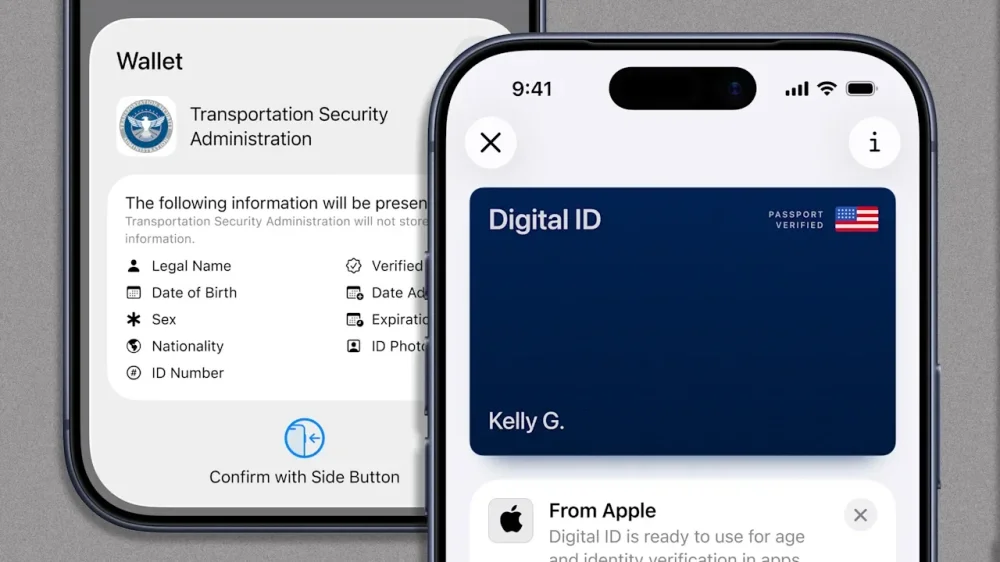
Apple and Google would like to see your identification, please. With the former’s “Digital ID” launch last week, both companies now let you scan a digital version of your passport at more than 250 Transportation Security Administration checkpoints, using an iPhone or Android phone. A growing number of U.S. states already support digital driver’s licenses for the same purpose. But the push for these digital IDs isn’t merely about airport security (which still requires you to carry a physical license or passport anyway). It’s really part of a broader effort to verify who you are online, one that can finally start in earnest with passport-based digital IDs that are available nationwide. This story first appeared in Advisorator, Jared’s weekly tech advice newsletter. Sign up to get more insights every Tuesday. How it works Apple and Google have similar processes for digitizing a license or passport: Open the Apple Wallet (iPhone) or Google Wallet (Android) app. Hit the + button and select the “ID” option. Scan your ID’s main page with your phone’s camera. Scan the back of your license, or place your phone on top of your passport’s barcode page to scan the embedded RFID chip. Submit a photo of your face. Capture one or more short videos of your face performing some kind of movement. (This is presumably to prevent someone from digitizing your ID without permission.) After a brief verification period, you’ll be able to access your ID through your phone’s digital wallet screen, the same place you’d use Apple Pay or Google Pay. While digital passports are available nationwide, support for digital driver’s licenses or state IDs varies. Apple and Google currently let you digitize a license from Arizona, Arkansas, California, Colorado, Georgia, Iowa, Maryland, Montana, New Mexico, North Dakota, and Puerto Rico. Apple’s system also works in Hawaii and Ohio. A smaller number of states maintain their own digital ID apps, either in addition to or instead of Apple’s and Google’s versions, as listed on the TSA website. Scanning a license or passport doesn’t mean you can leave the print version at home. The TSA may still want to see the real thing, and passport control agencies won’t accept the digital version when you cross the border. Moreover, digital ID support will be spotty outside of airports. While some states have been encouraging bars, restaurants, and other businesses to accept digital IDs, the merchant needs a phone or other identity-reader hardware for that. Much like in the early days of Apple Pay and Google Pay, trying to use your digital ID probably won’t be worth the potential weird looks and awkwardness. So what’s the point? Apple and Google both have bigger plans for digital IDs beyond just a slightly more seamless TSA process. Apple’s Digital ID setup page, for instance, says it’ll eventually work while booking flights or hotels and opening new online accounts. Google is more specific, saying its digital ID will let you recover an Amazon account if you’re locked out, log into health portals such as CVS Health and Epic’s MyChart, and verify your profile with companies like Uber. Some states that have enacted age verification laws for porn sites have started accepting digital IDs as well. Therein lies the true endgame with these digital IDs: The point isn’t really to replace physical IDs in the real world, but to verify your identity in the digital one. You can easily imagine a future in which a digital passport lives alongside or even replaces traditional passwords as a way to prove who you are online, with a verification process that feels a lot like checking out with Apple Pay. This obviously introduces some new concerns. The convenience of digital IDs could also become an excuse to gate off large swaths of the internet, so you might need ID to visit a local brewery’s website, rent an R-rated digital movie, or access sites with social features of any kind. And while Apple and Google tout the ability to keep your personal details private—for instance, by sharing just your age with a website without revealing your name or address—that assumes the companies asking for your ID won’t request or store more details than they need. Combined with broader use of digital IDs, this could make it a lot harder to browse the internet anonymously. A lot of this is still theoretical, but it seems to be the future we’re headed toward. So be aware of what Apple and Google are really asking for when they encourage you to create a digital ID. In the long run it’s about a lot more than getting through the airport. This story first appeared in Advisorator, Jared’s weekly tech advice newsletter. Sign up to get more insights every Tuesday. View the full article
-
Somewhere between endless meetings and half-finished projects, we all went looking for better ways to get things done this year. These are the 2025 titles that helped people stay organized, focused, and finally finish what they started. Learn something new every day with “Book Bites,” 15-minute audio summaries of the latest and greatest nonfiction. Get started by downloading the Next Big Idea app today! Move. Think. Rest.: Redefining Productivity & Our Relationship With Time By Natalie Nixon A creativity whisperer to the C-Suite keynote speaker teaches how to harness the power of everyday activities to stress less and be more productive. Listen to our Book Bite summary, read by author Natalie Nixon, in the Next Big Idea app or view on Amazon. Mastery: Why Deeper Learning Is Essential in an Age of Distraction By Tony Wagner and Ulrik Juul Christensen In a world where AI can deliver information faster and more accurately than any human, what matters most are the uniquely human skills of critical thinking, communication, creativity, collaboration, and character. This is why we need to replace our outdated, time-based education model with a mastery-based approach. Listen to our Book Bite summary, read by coauthors Tony Wagner and Ulrik Juul Christensen, in the Next Big Idea app or view on Amazon. Your Hidden Genius: The Science-Backed Strategy to Uncovering and Harnessing Your Innate Talents By Betsy Wills and Alex Ellison Traditional career advice places too much emphasis on skills and interests—two things that change over time. Aptitudes are the permanent, reliable guide to how every person can uniquely flourish, thrive, and achieve their potential. Listen to our Book Bite summary, read by coauthor Alex Ellison, in the Next Big Idea app or view on Amazon. Dear Writer: Pep Talks & Practical Advice for the Creative Life By Maggie Smith We are all creative beings because making your life is the ultimate creative act. For those who choose to tune their senses as artists, there are ten key principles to improving your craft. Listen to our Book Bite summary, read by author Maggie Smith, in the Next Big Idea app or view on Amazon. Unforgettable Presence: Get Seen, Gain Influence, and Catapult Your Career By Lorraine K. Lee You can be an incredibly hard worker who delivers quality results time and again, but still get overlooked for that big promotion. The true accelerator of ambitious goals is an unforgettable presence. Listen to our Book Bite summary, read by author Lorraine K. Lee, in the Next Big Idea app or view on Amazon. Who Better Than You?: The Art of Healthy Arrogance & Dreaming Big By Will Packer Trailblazing filmmaker and powerhouse CEO Will Packer presents powerful and illuminating stories from the front lines of Hollywood to offer a clear vision on how to manifest your own success—by believing there is no one more deserving of it than you. Listen to our Book Bite summary, read by author Will Packer, in the Next Big Idea app or view on Amazon. How to Break Up With Your Phone By Catherine Price Smartphones have stolen an alarming amount of our attention—and therefore our lives. To nurture habits that fill our precious time with fun, excitement, and connection, start by breaking up with your phone. Listen to our Book Bite summary, read by author Catherine Price, in the Next Big Idea app or view on Amazon. Four Days a Week: The Life-Changing Solution for Reducing Employee Stress, Improving Well-Being, and Working Smarter By Juliet Schor Research increasingly shows that switching from five to four is a win for employees and their entire company. The benefits are so impressive that governments are getting involved in legislating fewer working hours. Times are changing, and modern life and modern business are better off on a four-day work schedule. Listen to our Book Bite summary, read by author Juliet Schor, in the Next Big Idea app or view on Amazon. There’s Got to Be a Better Way: How to Deliver Results and Get Rid of the Stuff That Gets in the Way of Real Work By Nelson Repenning and Donald Kieffer A lot of companies struggle with workflow design challenges that stand in the way of getting real work done. Fortunately, for these similar obstacles there exist solutions that apply across industries. Listen to our Book Bite summary, read by co-authors Nelson Repenning and Donald Kieffer, in the Next Big Idea app or view on Amazon. The Brain at Rest: How the Art and Science of Doing Nothing Can Improve Your Life By Joseph Jebelli Your brain’s default network is the most important part of your brain that you have probably never heard about. It is critical for maintaining intelligence, creativity, memory, and so much more. The key to a healthy default network? Rest. Listen to our Book Bite summary, read by author Joseph Jebelli, in the Next Big Idea app or view on Amazon. Finding Focus: Own Your Attention in an Age of Distraction By Zelana Montminy We live in a world that is quietly, relentlessly unraveling our attention and, with it, our capacity to think clearly, feel deeply, and live purposefully. Finding Focus is about how to come home to yourself and what matters most. Listen to our Book Bite summary, read by author Zelana Montminy, in the Next Big Idea app or view on Amazon. Digital Exhaustion: Simple Rules for Reclaiming Your Life By Paul Leonardi A revelatory examination of why you’re feeling so worn out—and practical daily strategies to change your relationship with your devices. Listen to our Book Bite summary, read by author Paul Leonardi, in the Next Big Idea app or view on Amazon. The Key Ideas in 15 Minutes “If you are going to get anywhere in life, you have to read a lot of books,” Roald Dahl once famously said. The only trouble is, reading even one book from cover to cover takes hours—and you may not have many hours to spare. But imagine for a moment: What if you could read a groundbreaking new book every day? Or even better, what if you could invite a world-renowned thinker into your earbuds, where they personally describe the five key takeaways from their work in just 15 minutes? With the Next Big Idea app, we’ve turned this fantasy into a reality. We partnered with hundreds of acclaimed authors to create “Book Bites,” short audio summaries of the latest nonfiction that are prepared and read aloud by the authors themselves. Discover cutting-edge leadership skills, productivity hacks, the science of happiness and well-being, and much more—all in the time it takes to drive to work or walk the dog. “I love this app! The Book Bites are brilliant, perfect to have in airports, waiting rooms, anywhere I need to not doomscroll… You guys are the best!” —Missy G. Go Deeper With a Next Big Idea Club Membership The Next Big Idea app is free for anyone to try—and if you love it, we invite you to become an official member of the Next Big Idea Club. Membership grants you unlimited access to Book Bites and unlocks early-release, ad-free episodes of our LinkedIn-partnered podcast. You also gain entry to our private online discussion group, where you can talk big ideas with fellow club members and join exclusive live Q&A sessions with featured authors. For a more focused learning experience, we recommend a Hardcover or eBook Membership. Every few months, legendary authors and club curators Malcolm Gladwell, Susan Cain, Adam Grant, and Daniel Pink select two new nonfiction books as the must-reads of the season. We then send hardcover copies straight to your doorstep, or eBook versions to your favorite digital device. We also collaborate with the authors of selected books to produce original reading guides and premium e-courses, 50-minute master classes that take you step by step through their most life-changing ideas. And yes, it’s all available through the Next Big Idea app. “My biggest Thank You is for the quality of book selections so far. I look on my shelf and see these great titles, and I find myself taking down one or two each month to reread an underlined passage. Full marks to all involved!” —Tim K. Learn Faster, From the World’s Leading Thinkers Whether you prefer to read, listen, or watch, the Next Big Idea is here to help you work smarter and live better. Wake up with an always-fresh Idea of the Day, the perfect shot of inspiration to go with your morning coffee. Then dive into one of our Challenges, hand-picked collections of Book Bites that form crash courses in subjects like communication, motivation, and career acceleration. Later, watch the playback of an interview with U.S. Surgeon General Vivek Murthy, Stanford psychologist Jennifer Eberhardt, or philosopher John Kaag. And be sure to check the “Events” tab in the app, so that you can join an upcoming live Q&A and personally chat with the next featured thought leader. If you’re hoping to grow as a person or as a professional, we hope you’ll join us and tens of thousands of others who enjoy the Next Big Idea. Get started by downloading the app today! Enjoy our full library of Book Bites—read by the authors!—in the Next Big Idea app. This article originally appeared in Next Big Idea Club magazine and is reprinted with permission. View the full article

-
This article is republished with permission from Wonder Tools, a newsletter that helps you discover the most useful sites and apps. I like pushing AI to be less predictable. When AI assistants are less bland and more bold, they challenge my blind spots and nudge me to rethink. So I asked one of the boldest AI experimenters I know, Alexandra Samuel, to share unconventional tips and tactics when she visited New York recently from Vancouver. Alex, who writes about AI for The Wall Street Journal and Harvard Business Review, surprised me with the scale of her AI efforts. She described creating 200-plus automation scripts and building a personal idea database that helps with drafting pitch emails. Her quirkiest tactic? Using Suno to generate songs to explain complex concepts. Her lively new podcast, Me + Viv, explores her unusual relationship with an AI assistant she trained to serve as her coach and collaborator. She interviews AI skeptics like Oliver Burkeman and Karen Hao to challenge her own embrace of AI. The Suno songs Alex generated serve as a recurring musical thread throughout the series. In a recent episode, “I’m So Sycophantic,” Alex confronts Viv’s most irritating flaw: her pathological tendency to flatter Alex and agree with everything she says. The show’s intriguing premise reminded me of another podcast I love, Evan Ratliff’s Shell Game, whose second season debuted recently. Both are excellent explorations of what it’s like to engage deeply with AI assistants, resourceful and flawed as they are. Five tips from Alex 1. Use Suno to turn words into catch music. What Suno is: An AI music generation platform for creating custom songs Alex uses Suno extensively to create songs for her podcast about AI, treating it as a storytelling tool rather than just music creation. “I’m like a monkey with a slot machine. It’s pretty typical for me to generate the same song 50 or 100 times, maybe even 200 times,” she says. The iterative process helps her find the perfect version. She says Suno struggles with switching between male and female voices, musical styles, or languages mid-song. Alex suggests bringing your own lyrics to Suno for better results than relying on its built-in lyric generation. Here’s documentation she wrote up about how she uses Suno. An alternative she recommends: Work iteratively with an AI assistant like Claude to develop lyrics that you then import into Suno. Try it for: Turning articles or announcements into short promo songs; creating engaging musical explainers; or generating a newsletter signup song Alternatives: Udio, ElevenLabs Music 2. Coda: Create your own productivity hub What Coda is: A software tool for creating customized documents and databases. I’ve written about how underrated Coda is as an alternative to other useful tools like Notion and Airtable. Alex calls Coda an everything hub where you can build your own tools. New AI features make it easier to use and more flexible. Alex used Coda to design her own “pitch machine,” a sophisticated story tracking system. She has one table in the pitch machine with all of her story ideas. Another table in Coda has all the publications she writes for, with editors’ names and contact info. With the press of a button in Coda, she can combine multiple story pitches into a single Gmail draft while automatically updating tracking fields and follow-up dates. It took a while to set up, but now it saves her time. Who is Coda for? Alex recommends Coda for power users who like messing around with tech. She offers this test: “If you use XLOOKUP in Excel, then you should use Coda. If you don’t know XLOOKUP, you should use Notion. It’s like a nerd-o-meter.” Try it for: Project and campaign idea tracking, managing a client database, or automated email or Slack message generation Alternatives: Notion, Airtable, Google Workspace, Obsidian 3. CapCut: Create social videos with AI help What it is: A video editing platform with AI features Alex uses CapCut, along with custom Python scripts, to create music videos for Instagram, YouTube, and TikTok. She says she has mixed feelings about CapCut because of its TikTok/ByteDance ownership, but relies on it for now. She’s been working on a system for syncing the appearance of captions on-screen to the moment when song lyrics are heard. Try it for: Creating stylish, captioned social media videos or turning podcasts into videos Alternatives: Captions, Descript, or Kapwing 4. Claude + MCP: Connect AI to your docs What it is: An AI assistant connected to external databases and tools via Model Context Protocol (MCP) MCP servers let you connect sites and apps to AI platforms. That’s how Alex connected her Coda account to Claude. Now that they’re linked, Alex can pose casual questions to Claude, which can then look for things in her Coda docs. “I can actually just have a conversation with Claude and say, ‘Hey Claude, I just talked to an editor. They’re looking for articles about data privacy. Can you look at my Coda doc and see what story ideas I have that might be relevant?’” She emphasizes security considerations: Journalists covering sensitive subjects should avoid this type of experimental workflow if they’re protecting anonymous source information. Try it for: Querying complex databases, finding relevant past work for new projects, analyzing patterns across your own documents, combining multiple data sources for insights Alternatives: The Google Drive connector in Claude or ChatGPT; or a custom setup of NotebookLM 5. Claude Code: Reduce repetitive work What it is: An AI-powered coding assistant that runs locally on your computer. It helps developers code faster. It also helps nonprogrammers accomplish technical tasks using natural language prompts. You can use it to organize files on your laptop, create Python scripts, or make little interactive applications or games. Despite limited formal programming training, Alex has written approximately 200 Python scripts using Claude Code. She says, “Whenever you hear yourself with the deep sigh of, like, This is gonna be a drag, just go to the AI and say, ‘Hey, here’s this thing I have to do. Is there a way that could be made into a script?’” Alex’s scripts have helped her combine PDFs and generate time-coded captions for video. She also used Claude Code to build her own Firefox extension for a financial tracking app. Try it for: Batch file processing, converting data, or whipping up browser extensions to solve specific-to-you problems Alternatives: Replit, Cursor, Claude Artifacts, Windsurf This article is republished with permission from Wonder Tools, a newsletter that helps you discover the most useful sites and apps. View the full article

-
My working days often unfold in either Zoom minimalist workplaces or glass-walled conference rooms with sleek windows, filled with entrepreneurs pitching ideas. As a marketing executive and startup mentor, I lead strategies for companies of various sizes, guide founders at startup accelerators TechStars and Founder Institute, and serve as an awards jury member. My calendar overflows with executive consultations, brand campaign planning, and deadline sprints. But between Christmas and New Year’s, I trade those sterile spaces for museum halls alive with color and history. It wasn’t easy getting out the door the first time I did this in 2021. I was filled with fears. What if a startup stalled? What if a client bailed? Eventually, though, I did it. I carved out full days for museums. No notifications mid-visit, no news feeds. Just art—and a notebook. This wasn’t a lazy holiday stroll. I didn’t set out to make this a blueprint. I just craved difference. What I didn’t expect was how profoundly it refueled me. I feared it would derail momentum; instead, it unlocked clarity. If you’re a leader convinced you can’t afford the pause, that’s precisely why you must. Here’s how to begin. What the museum ritual looked like I timed it consciously: Christmas week plus New Year’s Eve, overlapping holidays when clients slow down anyway, so I missed zero critical days. While I was out, my colleagues handled brand campaigns; an assistant triaged the rest. If a force majeure broke out, they’d route it. Christmas Eve morning last year, I headed out. Here’s a day in the ritual: Slow walk to an art gallery, followed by unhurried coffee, sketching initial impressions. Then, hours absorbing art. No music in headphones, no quick email scans. Full presence. Leaving the gallery, I wandered to the local Christmas market near the town hall. I savored warm coffee and bagels, relishing the heat of the cup in my hands. By the end of the day, the inspiration hit. I filled my notebook—not pitches, but reflections: yearly goals reframed, market blind spots, forgotten creative hunches, leadership values dusty from neglect. Insights flowed because I carved the space. They stuck. Three insights that reshaped me Here are three insights I stumbled upon while I took a moment for a pause: 1. Different lenses multiply breakthroughs. A single perspective limits you. As I moved from the Cubism hall to the Impressionism hall in one museum, I recalled a direct-to-consumer brand struggling in Asia. They were obsessed with premium customers but missing the mass market. My walking and thinking led to a simple pivot: Tailor messaging to local culture. Sales took off. Now my mornings begin with one question: “What lens am I using today?” Calm. Global. Daring. I lead from vision now, not reaction. The world meets me there. 2. Stillness The Presidents speed. Startups move fast. Metrics can triple in a month. But speed under pressure clouds your judgment. In one case, a data management company struggled with positioning. Their new product features were failing despite endless debates. After the Christmas pause, fresh ideas clicked. We repositioned the product and landed a major client in days. Now I always ask myself: “Is this vision or just velocity?” The pause comes first. 3. Dare to break the rules. Art thrives by breaking conventions. Picasso’s Cubism shattered traditional views, just like the best startups do. During one gallery visit in December, I thought about a tech team stuck in safe, predictable marketing. We shifted to bold, unexpected ideas, like blending AI visuals with Renaissance art vibes in January. It felt risky, but the client loved it. Sales jumped. Now I ask every team: “What’s the rule we can break?” Daring moves win in tech. Why more leaders should try a museum ritual Your mind craves depth, not distraction. We grant muscles recovery; why starve our creativity? Step into galleries, and ideas resurface—vision sharpens, you reconnect to the leader unswayed by noise. Perhaps museums aren’t your catalyst: Lakeside solitude, hiking trails, or a quiet café moment might move you more. The central point—that leaders need deliberate downtime to recharge and generate catalytic ideas—remains. Taking a break didn’t slow me down; it realigned me to essentials. We mistake time off for indulgence. Wrong. It’s leadership discipline—slowing down to think about what’s vital. View the full article

-
In 2025, AI became officially unavoidable: It had been lurking in the background before, as early adapters experimented with it. But this year, companies invested more than $202 billion in AI, a 75% increase from $114 billion invested in 2024. Major tech companies fought bitterly over AI talent, offering astronomical pay packages. There was a groundswell of demand for talent, and unsurprisingly this spread to the demand for AI, data science, and engineering jobs, which increased 28% compared to 2024, according to data provided to Fast Company by IT staffing company Mondo. The firm also provided data on the top five jobs that took off in 2025, which we’ve listed by volume of demand. Some of the jobs are new to Mondo’s dataset. Others saw explosive growth in demand compared to 2024. But they’re all related to AI. There’s a spike in certain jobs’ growth every year, but as we wrap up 2025, it’s clear: This was the year of artificial intelligence. And the technology isn’t going anywhere. Neither are these jobs: 1. Data Engineer (18% growth) An AI is only as strong as the data that’s powering it. Accurate and reliable data is a must, and as the demand for AI increases, so does the demand for data engineers who can ensure models are fed the highest-quality data. 2. Analytics Engineer (25% growth) Analytics engineers ensure that companies can make sense of the data they have and use it to provide actionable insights. They organize data so it’s easier to analyze, apply software engineering best practices to analytics code, and design and maintain data models. They also collaborate with other teams inside the organization to help turn these insights into better decisions. 3. AI Full-Stack Engineer (new) AI full-stack engineers can create complete AI applications: They can build the front-end user experience, the back-end infrastructure that powers the application, and embed AI as needed. In a world where everyone wants to be on the AI bandwagon, AI full-stack engineers are the next generation of full- stack engineers. 4. AI Solutions Consultant (new) One of the largest challenges companies deploying AI are facing is understanding where the tech can make a difference. AI solutions consultants serve as a bridge between business leaders and technical teams. They identify use cases for AI, evaluate which tools to employ, and weigh in on how AI should be implemented. 5. AI Business Insights Analyst: (new) An AI business insights analyst pairs data analysis and insights from AI with the surrounding business context to help leaders understand how to shape their strategy in an ever-changing world. “The fastest-growing roles sit at the intersection of AI, data infrastructure, and business translation, reflecting employer demand for talent that can deploy, govern, and operationalize AI at scale,” Mondo Stephanie Wernick Barker wrote in an email. “Compared to 2024, employers are hiring fewer ‘generalists’ and more hybrid specialists who combine technical depth with measurable business impact.” View the full article

-
Grasping the importance of recruitment in recruitment roles is crucial for organizational success. Effective recruitment not merely aligns talent with company goals but additionally improves employee engagement and reduces turnover rates. By focusing on cultural fit and diversity, organizations can promote innovation and cohesion. Furthermore, compliance with legal standards guarantees fair hiring practices. With these factors in mind, it’s clear that recruitment strategies can greatly impact overall performance. But what trends are shaping the future of recruitment? Key Takeaways Recruitment plays a crucial role in aligning talent with organizational goals, enhancing overall performance and success. Effective recruitment fosters employee engagement, leading to higher retention rates and improved organizational performance. Strategic hiring practices shape organizational culture, ensuring new hires fit well and contribute positively. Compliance with legal standards in recruitment promotes fair hiring practices and reduces bias, fostering diversity. Understanding future trends in recruitment, such as AI and data analytics, enhances candidate matching and recruitment efficiency. Understanding the Role of Recruitment in Organizational Success When you consider the factors that contribute to an organization’s success, recruitment often stands out as a vital aspect. Effective candidate recruitment aligns talent with organizational goals, enhancing performance. Utilizing finance recruitment agencies or executive job agencies can provide access to specialized skills fundamental for your industry. Furthermore, top recruitment agencies in the USA help tap into a diverse talent pool, promoting innovation and creativity necessary for competitive advantage. Recruitment agencies accounting and financial recruiting firms guarantee you hire individuals who not only meet job requirements but also embody your company’s values. This strategic recruitment leads to a more stable workforce, reducing turnover rates and ultimately lowering hiring costs. It shapes organizational culture and supports business growth by guaranteeing the right talent is in place to meet current and future needs. The Impact of Effective Recruitment on Employee Engagement Effective recruitment doesn’t merely fill positions; it sets the foundation for employee engagement within an organization. When you utilize effective recruitment strategies, you not only attract top talent but additionally see a significant increase in employee engagement levels. Research shows that organizations focused on a transparent recruitment process experience a 70% boost in engagement, particularly when candidates align with the company culture. As finance recruiters and finance job consultants know, clear communication about job expectations is key—60% of employees feel more engaged when this is prioritized. Job search firms and finance recruitment companies can help guarantee you adopt these practices. Companies with robust recruitment processes report 50% higher engagement levels, leading to improved productivity and job satisfaction. In addition, engaged employees are 87% less likely to leave, making effective recruitment vital for retaining talent and enhancing overall organizational performance. Aligning Recruitment Strategies With Company Culture and Values Aligning recruitment strategies with company culture and values is essential for ensuring that new hires not merely bring the required skills but similarly fit well within the organizational framework. Many finance recruiting firms and headhunters for finance understand that prioritizing cultural fit can improve employee engagement. When you work with the best recruitment agencies, they’ll emphasize these values in the hiring process. Research shows that 60% of hiring managers focus on cultural fit, leading to a more cohesive work environment. This approach not only attracts diverse candidates aligned with your mission but can likewise lead to a 30% increase in productivity. Corporate finance recruiters who emphasize cultural compatibility often see a reduction in turnover by as much as 50%, resulting in significant cost savings related to hiring and training. Reducing Turnover Costs Through Strategic Hiring Strategic hiring directly influences turnover costs, making it a significant focus for organizations looking to improve their bottom line. When you prioritize cultural fit and skill alignment, you can reduce turnover costs by up to 50%. With approximately 30% of new hires leaving within the first 90 days, effective recruitment is essential to minimizing financial impacts. The average cost of replacing an employee can reach 200% of their annual salary, emphasizing the need for careful recruitment processes. By implementing structured recruitment strategies, you can achieve a 25% lower turnover rate compared to less formalized practices. Partnering with Robert Half or accounting recruitment firms can improve your recruitment initiatives, identifying skilled candidates who align with your values. This approach not only boosts employee satisfaction by 20% but also positions you among the best recruitment agencies in the USA, ultimately leading to significant savings and a more stable workforce. Compliance With Legal Standards in Recruitment Processes Comprehending the legal framework surrounding recruitment is essential for your organization. By ensuring fair hiring practices, you not merely comply with laws like the Equal Employment Opportunity Act but additionally promote a diverse workplace. Staying aware of these standards helps you avoid penalties and improves your organization’s reputation. Legal Framework Awareness Legal awareness is fundamental in guaranteeing a fair and compliant recruitment process. When working with Robert Walters finance recruitment consultants or recruitment agencies in New York, grasping legal frameworks is vital. Here are some key aspects to reflect upon: Compliance with employment laws, like EEOC regulations, prevents discrimination. Adherence to the Fair Labor Standards Act guarantees proper employee classification and wage compliance. The General Data Protection Regulation mandates careful handling of candidates’ personal data. Legal standards for background checks, outlined by the Fair Credit Reporting Act, help avoid privacy issues. Employment contracts must align with local labor laws to clarify rights and responsibilities. Fair Hiring Practices Fair hiring practices are fundamental for guaranteeing that recruitment processes comply with legal standards, which not solely safeguards organizations from legal penalties but furthermore promotes a transparent and equitable hiring environment. For finance and accounting recruiting firms, adherence to compliance with Equal Employment Opportunity (EEO) laws is critical. Implementing standardized procedures for evaluating candidates helps maintain objectivity and fairness in hiring decisions, reducing bias. Transparent recruitment policies cultivate a diverse and inclusive workforce by encouraging the consideration of candidates from various backgrounds. Regular audits and training on legal compliance for recruitment staff guarantee that hiring practices align with current laws and uphold ethical standards in the recruitment process. This commitment to fairness strengthens your organization’s reputation and effectiveness. Enhancing Organizational Performance Through Talent Acquisition When organizations recognize the critical role of talent acquisition in their overall success, they can greatly elevate their performance. Effective recruitment practices, especially through top recruitment agencies, lead to a workforce that aligns with the company’s goals. Here are key benefits: Engaged employees drive productivity and innovation. Strategic hiring reduces employee turnover rates, stabilizing the workforce. Hiring for cultural fit improves team dynamics and satisfaction. Focused recruitment efforts from Robert Half or Kelly Services attract unique skills. Better retention rates contribute to long-term organizational performance. The Connection Between Recruitment and Innovation Recruitment isn’t just about filling positions; it plays a vital role in driving innovation within an organization. By partnering with top-rated recruitment agencies and technical recruiting firms, you can attract diverse talent that brings unique perspectives and skills. This diversity encourages creative problem-solving and improves employee engagement by 20%, as collaborative teams tackle innovative projects more effectively. When you focus on innovative recruitment strategies, like leveraging technology and data analytics, you can identify candidates who are aligned with your company’s vision. This approach can lead to a 30% improvement in performance metrics, as employees are more likely to contribute to state-of-the-art products and services. Furthermore, working with an accounting employment agency or finance job placement agencies can further improve your recruitment to recruitment consultancy efforts, ensuring you hire the best recruiting companies to work for. In the end, effective recruitment processes can greatly bolster your organization’s competitive advantage. Building a Strong Employer Brand Through Recruitment Building a strong employer brand is crucial for attracting top talent and enhancing your organization’s overall appeal. When you focus on your employer brand, you can greatly improve your recruitment outcomes. Here are some key benefits: 75% of job seekers consider an employer’s brand before applying. A positive employer brand can reduce hiring costs by up to 50%. Companies with a robust employer brand experience 28% lower turnover rates. Effective recruitment strategies highlighting company values can lead to a 50% increase in qualified applicants. Organizations with an established employer brand see up to a 60% rise in employee referrals. The Role of Diversity in Recruitment and Its Benefits When you embrace diversity in recruitment, you open the door to a broader talent pool that brings in fresh perspectives and innovative ideas. This approach not just boosts creativity but additionally positions your organization to better meet the needs of a diverse customer base. In the end, promoting an inclusive hiring process can lead to improved employee morale and higher retention rates, benefiting the entire organization. Enhanced Innovation Opportunities Diversity in hiring practices promotes improved innovation opportunities, as teams made up of individuals with different backgrounds contribute a wider array of ideas and solutions. This approach boosts creativity and problem-solving, leading to significant benefits for your organization. Here are some key advantages of diverse recruitment practices: Companies with diverse workforces are 1.7 times more likely to be innovative. Teams make better decisions 60% of the time compared to homogenous groups. Organizations with diverse management report 19% higher revenue from innovation. Recruitment strategies that prioritize diversity improve employee satisfaction and retention. A broader talent pool provides competitive advantages in the market. Utilizing accounts payable recruitment agencies can help implement these diverse recruitment practices effectively, nurturing a stronger, more innovative team. Broader Talent Pool Recruitment practices that emphasize a broader talent pool not just encourage innovation but furthermore bring numerous advantages to organizations. A diverse recruitment strategy attracts candidates from various backgrounds, improving skills and perspectives. Companies with diverse workforces are 35% more likely to outperform competitors, showcasing the competitive edge diversity offers. Inclusive teams make better decisions 87% of the time, boosting overall performance. Furthermore, organizations prioritizing diversity reduce turnover by 22%, as employees feel valued in inclusive environments. Benefit Statistic Importance Performance 35% more competitive Drives innovation Decision-making 87% better outcomes Improves problem-solving Employee retention 22% lower turnover Increases engagement Job seeker preference 67% value workplace diversity Attracts top talent Future Trends in Recruitment and Their Implications As organizations adapt to the evolving environment of work, future trends in recruitment are set to greatly reshape how companies attract and hire talent. With the increasing reliance on artificial intelligence, candidate matching accuracy could improve by up to 75%, streamlining the hiring process. Furthermore, the rise of remote work has led to more flexible recruitment practices, enabling access to a global talent pool. Key trends include: Continued use of virtual hiring practices, like video interviews, with 70% of recruiters favoring this method. Improved decision-making through data analytics, with 60% of HR professionals reporting better insights on candidate fit. A growing emphasis on diversity and inclusion, with 80% of companies prioritizing diverse hiring. Recruitment firms increasingly adopting innovative recruitment strategies. A shift in the direction of more streamlined processes to attract top talent efficiently. These trends indicate a significant transformation in how recruitment will function in the coming years. The Evolving Skills Required for Recruitment Professionals In today’s fast-paced hiring environment, professionals in recruitment need to adapt by developing a diverse skill set that meets the demands of modern organizations. Strong communication skills and relationship management are critical, as 60% of hiring managers prioritize cultural fit in their decisions. Familiarity with technology, including applicant tracking systems (ATS) and data analytics tools, is fundamental for streamlining processes at technology recruiting firms. Emotional intelligence likewise plays a crucial role, helping you navigate candidate interactions and improve their experience. As diversity and inclusion strategies gain importance, comprehending effective sourcing and hiring practices becomes necessary for building a more diverse workforce. Continuous learning is key to staying updated with evolving trends, such as remote hiring practices and virtual assessments. Frequently Asked Questions Why Is Recruitment Important in a Company? Recruitment’s essential in a company as it helps attract qualified candidates who align with your organizational goals. A well-structured recruitment process reduces the chances of costly hiring mistakes, ensuring you select the right talent. It additionally broadens your talent pool, enhancing diversity and nurturing innovation. By finding candidates who fit your culture, you can lower turnover rates and boost employee satisfaction, ultimately contributing to your company’s overall success and reputation in the market. What Are the 5 C’s of Recruitment? The 5 C’s of recruitment are crucial for effective hiring. First, Candidate focuses on attracting diverse, qualified individuals. Next, Culture guarantees new hires align with your organization’s values, enhancing satisfaction. Competency assesses candidates’ skills to meet job requirements and boost performance. Cost emphasizes minimizing hiring expenses as you maximize your investment in talent. Finally, Compliance ensures adherence to legal and ethical standards throughout the recruitment process, maintaining integrity in your hiring practices. Why Is Selection Important in Recruitment? Selection is crucial in recruitment as it guarantees you find the right candidate for a role. By focusing on both skills and cultural fit, you can improve employee satisfaction and productivity. Effective selection processes reduce turnover costs, mitigating the risks of bad hires that can negatively impact business outcomes. A strong selection strategy builds a talented workforce, contributing to overall organizational performance and long-term success, ultimately benefiting both the company and its employees. What Are the Three Most Important Recruitment Principles? The three most important recruitment principles are clearly defining job roles and requirements, attracting a diverse talent pool, and maintaining effective communication throughout the process. By specifying roles, you guarantee candidates align with the company’s needs, during which diversity improves innovation and performance. Furthermore, clear communication helps manage expectations, nurturing positive relationships with candidates, which is essential for the organization’s reputation, regardless of the hiring outcome. These principles streamline and bolster the recruitment process. Conclusion In summary, effective recruitment is crucial for organizational success, employee engagement, and reduced turnover rates. By aligning hiring strategies with company culture and legal standards, organizations can create a diverse and innovative workforce. This not only strengthens the employer brand but additionally cultivates a cohesive work environment. As recruitment continues to evolve, staying informed about trends and skills will guarantee that recruitment professionals can meet the changing demands of the job market effectively. Image via Google Gemini This article, "What Is the Importance of Recruitment in Recruitment Roles?" was first published on Small Business Trends View the full article
-
Grasping the importance of recruitment in recruitment roles is crucial for organizational success. Effective recruitment not merely aligns talent with company goals but additionally improves employee engagement and reduces turnover rates. By focusing on cultural fit and diversity, organizations can promote innovation and cohesion. Furthermore, compliance with legal standards guarantees fair hiring practices. With these factors in mind, it’s clear that recruitment strategies can greatly impact overall performance. But what trends are shaping the future of recruitment? Key Takeaways Recruitment plays a crucial role in aligning talent with organizational goals, enhancing overall performance and success. Effective recruitment fosters employee engagement, leading to higher retention rates and improved organizational performance. Strategic hiring practices shape organizational culture, ensuring new hires fit well and contribute positively. Compliance with legal standards in recruitment promotes fair hiring practices and reduces bias, fostering diversity. Understanding future trends in recruitment, such as AI and data analytics, enhances candidate matching and recruitment efficiency. Understanding the Role of Recruitment in Organizational Success When you consider the factors that contribute to an organization’s success, recruitment often stands out as a vital aspect. Effective candidate recruitment aligns talent with organizational goals, enhancing performance. Utilizing finance recruitment agencies or executive job agencies can provide access to specialized skills fundamental for your industry. Furthermore, top recruitment agencies in the USA help tap into a diverse talent pool, promoting innovation and creativity necessary for competitive advantage. Recruitment agencies accounting and financial recruiting firms guarantee you hire individuals who not only meet job requirements but also embody your company’s values. This strategic recruitment leads to a more stable workforce, reducing turnover rates and ultimately lowering hiring costs. It shapes organizational culture and supports business growth by guaranteeing the right talent is in place to meet current and future needs. The Impact of Effective Recruitment on Employee Engagement Effective recruitment doesn’t merely fill positions; it sets the foundation for employee engagement within an organization. When you utilize effective recruitment strategies, you not only attract top talent but additionally see a significant increase in employee engagement levels. Research shows that organizations focused on a transparent recruitment process experience a 70% boost in engagement, particularly when candidates align with the company culture. As finance recruiters and finance job consultants know, clear communication about job expectations is key—60% of employees feel more engaged when this is prioritized. Job search firms and finance recruitment companies can help guarantee you adopt these practices. Companies with robust recruitment processes report 50% higher engagement levels, leading to improved productivity and job satisfaction. In addition, engaged employees are 87% less likely to leave, making effective recruitment vital for retaining talent and enhancing overall organizational performance. Aligning Recruitment Strategies With Company Culture and Values Aligning recruitment strategies with company culture and values is essential for ensuring that new hires not merely bring the required skills but similarly fit well within the organizational framework. Many finance recruiting firms and headhunters for finance understand that prioritizing cultural fit can improve employee engagement. When you work with the best recruitment agencies, they’ll emphasize these values in the hiring process. Research shows that 60% of hiring managers focus on cultural fit, leading to a more cohesive work environment. This approach not only attracts diverse candidates aligned with your mission but can likewise lead to a 30% increase in productivity. Corporate finance recruiters who emphasize cultural compatibility often see a reduction in turnover by as much as 50%, resulting in significant cost savings related to hiring and training. Reducing Turnover Costs Through Strategic Hiring Strategic hiring directly influences turnover costs, making it a significant focus for organizations looking to improve their bottom line. When you prioritize cultural fit and skill alignment, you can reduce turnover costs by up to 50%. With approximately 30% of new hires leaving within the first 90 days, effective recruitment is essential to minimizing financial impacts. The average cost of replacing an employee can reach 200% of their annual salary, emphasizing the need for careful recruitment processes. By implementing structured recruitment strategies, you can achieve a 25% lower turnover rate compared to less formalized practices. Partnering with Robert Half or accounting recruitment firms can improve your recruitment initiatives, identifying skilled candidates who align with your values. This approach not only boosts employee satisfaction by 20% but also positions you among the best recruitment agencies in the USA, ultimately leading to significant savings and a more stable workforce. Compliance With Legal Standards in Recruitment Processes Comprehending the legal framework surrounding recruitment is essential for your organization. By ensuring fair hiring practices, you not merely comply with laws like the Equal Employment Opportunity Act but additionally promote a diverse workplace. Staying aware of these standards helps you avoid penalties and improves your organization’s reputation. Legal Framework Awareness Legal awareness is fundamental in guaranteeing a fair and compliant recruitment process. When working with Robert Walters finance recruitment consultants or recruitment agencies in New York, grasping legal frameworks is vital. Here are some key aspects to reflect upon: Compliance with employment laws, like EEOC regulations, prevents discrimination. Adherence to the Fair Labor Standards Act guarantees proper employee classification and wage compliance. The General Data Protection Regulation mandates careful handling of candidates’ personal data. Legal standards for background checks, outlined by the Fair Credit Reporting Act, help avoid privacy issues. Employment contracts must align with local labor laws to clarify rights and responsibilities. Fair Hiring Practices Fair hiring practices are fundamental for guaranteeing that recruitment processes comply with legal standards, which not solely safeguards organizations from legal penalties but furthermore promotes a transparent and equitable hiring environment. For finance and accounting recruiting firms, adherence to compliance with Equal Employment Opportunity (EEO) laws is critical. Implementing standardized procedures for evaluating candidates helps maintain objectivity and fairness in hiring decisions, reducing bias. Transparent recruitment policies cultivate a diverse and inclusive workforce by encouraging the consideration of candidates from various backgrounds. Regular audits and training on legal compliance for recruitment staff guarantee that hiring practices align with current laws and uphold ethical standards in the recruitment process. This commitment to fairness strengthens your organization’s reputation and effectiveness. Enhancing Organizational Performance Through Talent Acquisition When organizations recognize the critical role of talent acquisition in their overall success, they can greatly elevate their performance. Effective recruitment practices, especially through top recruitment agencies, lead to a workforce that aligns with the company’s goals. Here are key benefits: Engaged employees drive productivity and innovation. Strategic hiring reduces employee turnover rates, stabilizing the workforce. Hiring for cultural fit improves team dynamics and satisfaction. Focused recruitment efforts from Robert Half or Kelly Services attract unique skills. Better retention rates contribute to long-term organizational performance. The Connection Between Recruitment and Innovation Recruitment isn’t just about filling positions; it plays a vital role in driving innovation within an organization. By partnering with top-rated recruitment agencies and technical recruiting firms, you can attract diverse talent that brings unique perspectives and skills. This diversity encourages creative problem-solving and improves employee engagement by 20%, as collaborative teams tackle innovative projects more effectively. When you focus on innovative recruitment strategies, like leveraging technology and data analytics, you can identify candidates who are aligned with your company’s vision. This approach can lead to a 30% improvement in performance metrics, as employees are more likely to contribute to state-of-the-art products and services. Furthermore, working with an accounting employment agency or finance job placement agencies can further improve your recruitment to recruitment consultancy efforts, ensuring you hire the best recruiting companies to work for. In the end, effective recruitment processes can greatly bolster your organization’s competitive advantage. Building a Strong Employer Brand Through Recruitment Building a strong employer brand is crucial for attracting top talent and enhancing your organization’s overall appeal. When you focus on your employer brand, you can greatly improve your recruitment outcomes. Here are some key benefits: 75% of job seekers consider an employer’s brand before applying. A positive employer brand can reduce hiring costs by up to 50%. Companies with a robust employer brand experience 28% lower turnover rates. Effective recruitment strategies highlighting company values can lead to a 50% increase in qualified applicants. Organizations with an established employer brand see up to a 60% rise in employee referrals. The Role of Diversity in Recruitment and Its Benefits When you embrace diversity in recruitment, you open the door to a broader talent pool that brings in fresh perspectives and innovative ideas. This approach not just boosts creativity but additionally positions your organization to better meet the needs of a diverse customer base. In the end, promoting an inclusive hiring process can lead to improved employee morale and higher retention rates, benefiting the entire organization. Enhanced Innovation Opportunities Diversity in hiring practices promotes improved innovation opportunities, as teams made up of individuals with different backgrounds contribute a wider array of ideas and solutions. This approach boosts creativity and problem-solving, leading to significant benefits for your organization. Here are some key advantages of diverse recruitment practices: Companies with diverse workforces are 1.7 times more likely to be innovative. Teams make better decisions 60% of the time compared to homogenous groups. Organizations with diverse management report 19% higher revenue from innovation. Recruitment strategies that prioritize diversity improve employee satisfaction and retention. A broader talent pool provides competitive advantages in the market. Utilizing accounts payable recruitment agencies can help implement these diverse recruitment practices effectively, nurturing a stronger, more innovative team. Broader Talent Pool Recruitment practices that emphasize a broader talent pool not just encourage innovation but furthermore bring numerous advantages to organizations. A diverse recruitment strategy attracts candidates from various backgrounds, improving skills and perspectives. Companies with diverse workforces are 35% more likely to outperform competitors, showcasing the competitive edge diversity offers. Inclusive teams make better decisions 87% of the time, boosting overall performance. Furthermore, organizations prioritizing diversity reduce turnover by 22%, as employees feel valued in inclusive environments. Benefit Statistic Importance Performance 35% more competitive Drives innovation Decision-making 87% better outcomes Improves problem-solving Employee retention 22% lower turnover Increases engagement Job seeker preference 67% value workplace diversity Attracts top talent Future Trends in Recruitment and Their Implications As organizations adapt to the evolving environment of work, future trends in recruitment are set to greatly reshape how companies attract and hire talent. With the increasing reliance on artificial intelligence, candidate matching accuracy could improve by up to 75%, streamlining the hiring process. Furthermore, the rise of remote work has led to more flexible recruitment practices, enabling access to a global talent pool. Key trends include: Continued use of virtual hiring practices, like video interviews, with 70% of recruiters favoring this method. Improved decision-making through data analytics, with 60% of HR professionals reporting better insights on candidate fit. A growing emphasis on diversity and inclusion, with 80% of companies prioritizing diverse hiring. Recruitment firms increasingly adopting innovative recruitment strategies. A shift in the direction of more streamlined processes to attract top talent efficiently. These trends indicate a significant transformation in how recruitment will function in the coming years. The Evolving Skills Required for Recruitment Professionals In today’s fast-paced hiring environment, professionals in recruitment need to adapt by developing a diverse skill set that meets the demands of modern organizations. Strong communication skills and relationship management are critical, as 60% of hiring managers prioritize cultural fit in their decisions. Familiarity with technology, including applicant tracking systems (ATS) and data analytics tools, is fundamental for streamlining processes at technology recruiting firms. Emotional intelligence likewise plays a crucial role, helping you navigate candidate interactions and improve their experience. As diversity and inclusion strategies gain importance, comprehending effective sourcing and hiring practices becomes necessary for building a more diverse workforce. Continuous learning is key to staying updated with evolving trends, such as remote hiring practices and virtual assessments. Frequently Asked Questions Why Is Recruitment Important in a Company? Recruitment’s essential in a company as it helps attract qualified candidates who align with your organizational goals. A well-structured recruitment process reduces the chances of costly hiring mistakes, ensuring you select the right talent. It additionally broadens your talent pool, enhancing diversity and nurturing innovation. By finding candidates who fit your culture, you can lower turnover rates and boost employee satisfaction, ultimately contributing to your company’s overall success and reputation in the market. What Are the 5 C’s of Recruitment? The 5 C’s of recruitment are crucial for effective hiring. First, Candidate focuses on attracting diverse, qualified individuals. Next, Culture guarantees new hires align with your organization’s values, enhancing satisfaction. Competency assesses candidates’ skills to meet job requirements and boost performance. Cost emphasizes minimizing hiring expenses as you maximize your investment in talent. Finally, Compliance ensures adherence to legal and ethical standards throughout the recruitment process, maintaining integrity in your hiring practices. Why Is Selection Important in Recruitment? Selection is crucial in recruitment as it guarantees you find the right candidate for a role. By focusing on both skills and cultural fit, you can improve employee satisfaction and productivity. Effective selection processes reduce turnover costs, mitigating the risks of bad hires that can negatively impact business outcomes. A strong selection strategy builds a talented workforce, contributing to overall organizational performance and long-term success, ultimately benefiting both the company and its employees. What Are the Three Most Important Recruitment Principles? The three most important recruitment principles are clearly defining job roles and requirements, attracting a diverse talent pool, and maintaining effective communication throughout the process. By specifying roles, you guarantee candidates align with the company’s needs, during which diversity improves innovation and performance. Furthermore, clear communication helps manage expectations, nurturing positive relationships with candidates, which is essential for the organization’s reputation, regardless of the hiring outcome. These principles streamline and bolster the recruitment process. Conclusion In summary, effective recruitment is crucial for organizational success, employee engagement, and reduced turnover rates. By aligning hiring strategies with company culture and legal standards, organizations can create a diverse and innovative workforce. This not only strengthens the employer brand but additionally cultivates a cohesive work environment. As recruitment continues to evolve, staying informed about trends and skills will guarantee that recruitment professionals can meet the changing demands of the job market effectively. Image via Google Gemini This article, "What Is the Importance of Recruitment in Recruitment Roles?" was first published on Small Business Trends View the full article
-
If the boom continues its blistering pace through 2026, the stresses could start to showView the full article
-
Secular and sacred performances draw new audiences to the Square Mile’s historic places of worship View the full article
-
Generation Alpha’s ubiquitous watchword is beyond the reach of semanticsView the full article
-
London law firms hired 668 partners in 2025, up 21% on last yearView the full article
-
FT reporters round up 2025’s biggest market storiesView the full article
-
Market has been hit by The President’s tariffs deterring US buyersView the full article
-
These expert insights show SEO marketers and decision-makers exactly where to focus in 2026 to protect organic visibility and turn discovery into real business impact. The post 20 SEO Experts Offer Their Advice For 2026 appeared first on Search Engine Journal. View the full article
-
In today’s dynamic work environment, effective training and development are essential for organizational success. To achieve this, you need to align your training initiatives with organizational goals, conduct a thorough skills gap analysis, and actively engage employees in the process. By implementing diverse training methods and establishing metrics to measure progress, you can guarantee that your workforce is equipped to meet evolving market demands. Comprehending these strategies is the first step toward nurturing a culture of continuous learning. Key Takeaways Align training initiatives with organizational goals to ensure relevance and effectiveness in developing employee skills. Conduct a skills gap analysis to identify training needs and prioritize development efforts based on organizational objectives. Engage employees in the training process by incorporating their feedback and personalizing learning paths to enhance motivation and satisfaction. Implement a diverse mix of training methods, including e-learning, workshops, and microlearning, to cater to various learning styles and boost retention. Establish clear metrics to measure training effectiveness, such as completion rates and employee feedback, to evaluate impact on productivity and engagement. Identify Organizational Goals and Objectives Identifying organizational goals and objectives is a fundamental step in crafting effective workplace training and development strategies. Engaging stakeholders guarantees your training initiatives align with broader company visions, enhancing their relevance. Conducting a thorough review of existing performance metrics clarifies the specific skills and competencies necessary to achieve organizational success. To remain competitive, regularly assess and update these goals, adapting your strategic training and development accordingly. Setting clear, measurable objectives for training allows you to track progress and evaluate the effectiveness of your development programs over time. Involving employees in the goal-setting process not merely cultivates a sense of ownership but additionally boosts engagement, leading to higher motivation and commitment to achieving training objectives. This alignment between organizational needs and individual aspirations is essential for jobs in training and development, guaranteeing that training and development in the workplace effectively supports both employee growth and organizational success. Conduct a Skills Gap Analysis To effectively address training needs, conducting a skills gap analysis is essential for any organization aiming to align employee capabilities with its objectives. This process identifies discrepancies between current skills and those required to meet goals, enabling you to prioritize training needs effectively. To perform a skills gap analysis, collect data through employee surveys, performance reviews, and industry benchmarks, which provide valuable insights into existing competencies. Engage Employees in the Training Process After pinpointing skills gaps, engaging employees in the training process improves the effectiveness of development initiatives. When you actively support your team’s learning, about 80% of employees respond positively. Incorporating their feedback during training design makes programs more relevant, increasing engagement and retention rates. A collaborative environment boosts productivity, as employees feel valued and invested in their growth. To further this effort, consider personalized learning paths customized to individual preferences, greatly increasing motivation. Regularly involving employees in evaluating training effectiveness keeps programs aligned with their evolving skills and career aspirations, maintaining high engagement levels. Strategy Benefits Actively support learning Increases positive employee response Incorporate feedback Increases relevance and retention rates Promote collaboration Improves productivity and value perception Personalize learning paths Increases engagement and motivation Involve in evaluation Aligns training with career aspirations Implement Diverse Training Methods To effectively implement diverse training methods, you should consider various learning formats that cater to different preferences. Combining e-learning with workshops and mentorship programs not solely improves engagement but additionally encourages collaborative experiences among employees. Varied Learning Formats How can varied learning formats transform workplace training? By utilizing a mix of training methods—like on-the-job training, workshops, e-learning, and mentorship programs—you cater to different learning styles. This approach improves overall skill acquisition. Blended learning, which merges online and in-person training, can boost retention rates by up to 60% compared to traditional methods. Microlearning modules allow you to engage with content in bite-sized pieces, making it easier to retain and apply knowledge. A survey indicates that 70% of employees prefer varied training formats, highlighting the demand for personalized and flexible learning experiences. Interactive sessions, such as role-playing and group discussions, increase engagement and satisfaction, further enhancing the effectiveness of training programs. Encourage Collaborative Experiences Encouraging collaborative experiences in workplace training can markedly improve learning outcomes, as employees often benefit from engaging with one another. By implementing diverse training methods like workshops, e-learning, and mentorship programs, you cater to various learning styles, enhancing engagement and retention rates. Blended learning approaches, which mix in-person and online training, can boost knowledge retention by up to 60%. Furthermore, collaborative activities such as group discussions and team-based projects promote social learning and improve communication skills. Utilizing technology for virtual collaboration allows real-time skill application, preparing employees for workplace challenges. Peer-to-peer learning through structured collaboration builds relationships and leverages diverse skill sets, creating a more innovative and adaptable workforce. Training Method Benefits Examples Workshops Hands-on experience Skill-building sessions E-learning Flexible, self-paced learning Online courses Mentorship Programs Personalized guidance One-on-one coaching Establish Metrics to Measure Progress Establishing metrics to measure progress in workplace training is crucial as it provides organizations with the ability to evaluate the effectiveness of their programs. Clear metrics, like training completion rates and participant feedback scores, enable you to track how well training initiatives perform and identify areas needing improvement. Key performance indicators (KPIs), such as employee productivity and retention rates, can illustrate the direct impact of training on overall business performance. Regularly analyzing data from performance assessments before and after training offers measurable insights into skill acquisition and retention. After training, utilizing employee engagement surveys can help gauge satisfaction levels and gather qualitative data to refine future sessions. Implementing a structured evaluation process, like the Kirkpatrick Model, allows you to assess training outcomes across multiple levels, from immediate reactions to long-term behavior changes, ensuring a thorough grasp of training effectiveness. Provide Regular Feedback and Adjust Strategies Feedback plays a crucial role in refining training and development strategies within organizations. Regular feedback allows you to capture employee insights, which can lead to a remarkable 70% increase in engagement when integrated into training programs. Conducting employee engagement surveys and 1:1 meetings provides valuable information that helps align training strategies with both employee needs and organizational goals. Organizations that excel in training often measure outcomes through key performance indicators (KPIs) to assess effectiveness. Frequent and honest feedback sessions can improve training considerably, as studies show that companies soliciting feedback experience up to a 30% higher employee retention rate. By incorporating this feedback into training evaluations, you can identify knowledge gaps and adapt your training approaches accordingly. This ultimately enhances the overall return on investment (ROI) from your training efforts, making it vital to continuously adjust strategies based on the insights gathered from your workforce. Foster a Culture of Continuous Learning Creating a culture of continuous learning is essential for organizations aiming to thrive in today’s fast-paced business environment. When you invest in ongoing development, you improve employee retention by 30%, as people prefer to stay where they can grow professionally. This commitment additionally leads to a 37% increase in productivity, enabling employees to adapt quickly to new technologies and processes. Importantly, 80% of employees report feeling more engaged when their company supports their learning, resulting in higher job satisfaction and morale. Moreover, organizations with a continuous learning culture are 46% more likely to launch new products or services first, showcasing their agility. By addressing skill gaps, companies can reduce them by 30%, ensuring their workforce remains relevant in a swiftly changing job market. Frequently Asked Questions What Are the 7 Steps to Create an Effective Training Program? To create an effective training program, start by identifying your organization’s goals and objectives. Next, conduct a skills gap analysis to determine the differences between current employee skills and future needs. Choose appropriate training methods, like workshops or e-learning, based on these needs. Implement the training and monitor progress closely. Finally, evaluate the program’s effectiveness by examining skill acquisition and gathering feedback, making adjustments for continuous improvement when necessary. What Are the 9 Essential Workplace Skills? To succeed in the workplace, you’ll need nine crucial skills. First, strong communication helps convey ideas clearly. Problem-solving enables you to analyze and tackle challenges. Adaptability guarantees you can adjust to changes. Teamwork promotes collaboration, whereas digital literacy allows you to navigate technology. Furthermore, critical thinking, time management, emotional intelligence, leadership, and creativity are indispensable. Acquiring these skills not just improves your effectiveness but also boosts your job security in a competitive environment. What Is the 70 20 10 Rule for Training and Development? The 70-20-10 rule for training and development suggests that 70% of your learning happens through on-the-job experiences, 20% comes from social interactions and feedback, and only 10% is derived from formal education. This model emphasizes practical application and peer learning, encouraging you to engage with real-world scenarios. What Are the 5 P’s of Professional Growth? The 5 P’s of Professional Growth are Purpose, Passion, Persistence, Practice, and Patience. First, identify your Purpose to align your career goals with your values. Next, cultivate your Passion for your work to boost satisfaction and productivity. Then, embrace Persistence to overcome challenges you’ll face. Regularly engage in Practice to improve and maintain your skills. Finally, develop Patience, as growth takes time and often involves steering through setbacks along the way. Conclusion In conclusion, implementing these seven crucial strategies can greatly improve workplace training and development. By aligning training with organizational goals, conducting a skills gap analysis, and engaging employees, you create a more effective learning environment. Utilizing diverse training methods and establishing metrics for progress guarantees continuous improvement. Regular feedback and cultivating a culture of learning further support your workforce’s growth. Adopting these strategies not merely boosts employee engagement but additionally drives overall organizational success in a competitive environment. Image via Google Gemini This article, "7 Essential Strategies for Effective Workplace Training and Development" was first published on Small Business Trends View the full article
-
In today’s dynamic work environment, effective training and development are essential for organizational success. To achieve this, you need to align your training initiatives with organizational goals, conduct a thorough skills gap analysis, and actively engage employees in the process. By implementing diverse training methods and establishing metrics to measure progress, you can guarantee that your workforce is equipped to meet evolving market demands. Comprehending these strategies is the first step toward nurturing a culture of continuous learning. Key Takeaways Align training initiatives with organizational goals to ensure relevance and effectiveness in developing employee skills. Conduct a skills gap analysis to identify training needs and prioritize development efforts based on organizational objectives. Engage employees in the training process by incorporating their feedback and personalizing learning paths to enhance motivation and satisfaction. Implement a diverse mix of training methods, including e-learning, workshops, and microlearning, to cater to various learning styles and boost retention. Establish clear metrics to measure training effectiveness, such as completion rates and employee feedback, to evaluate impact on productivity and engagement. Identify Organizational Goals and Objectives Identifying organizational goals and objectives is a fundamental step in crafting effective workplace training and development strategies. Engaging stakeholders guarantees your training initiatives align with broader company visions, enhancing their relevance. Conducting a thorough review of existing performance metrics clarifies the specific skills and competencies necessary to achieve organizational success. To remain competitive, regularly assess and update these goals, adapting your strategic training and development accordingly. Setting clear, measurable objectives for training allows you to track progress and evaluate the effectiveness of your development programs over time. Involving employees in the goal-setting process not merely cultivates a sense of ownership but additionally boosts engagement, leading to higher motivation and commitment to achieving training objectives. This alignment between organizational needs and individual aspirations is essential for jobs in training and development, guaranteeing that training and development in the workplace effectively supports both employee growth and organizational success. Conduct a Skills Gap Analysis To effectively address training needs, conducting a skills gap analysis is essential for any organization aiming to align employee capabilities with its objectives. This process identifies discrepancies between current skills and those required to meet goals, enabling you to prioritize training needs effectively. To perform a skills gap analysis, collect data through employee surveys, performance reviews, and industry benchmarks, which provide valuable insights into existing competencies. Engage Employees in the Training Process After pinpointing skills gaps, engaging employees in the training process improves the effectiveness of development initiatives. When you actively support your team’s learning, about 80% of employees respond positively. Incorporating their feedback during training design makes programs more relevant, increasing engagement and retention rates. A collaborative environment boosts productivity, as employees feel valued and invested in their growth. To further this effort, consider personalized learning paths customized to individual preferences, greatly increasing motivation. Regularly involving employees in evaluating training effectiveness keeps programs aligned with their evolving skills and career aspirations, maintaining high engagement levels. Strategy Benefits Actively support learning Increases positive employee response Incorporate feedback Increases relevance and retention rates Promote collaboration Improves productivity and value perception Personalize learning paths Increases engagement and motivation Involve in evaluation Aligns training with career aspirations Implement Diverse Training Methods To effectively implement diverse training methods, you should consider various learning formats that cater to different preferences. Combining e-learning with workshops and mentorship programs not solely improves engagement but additionally encourages collaborative experiences among employees. Varied Learning Formats How can varied learning formats transform workplace training? By utilizing a mix of training methods—like on-the-job training, workshops, e-learning, and mentorship programs—you cater to different learning styles. This approach improves overall skill acquisition. Blended learning, which merges online and in-person training, can boost retention rates by up to 60% compared to traditional methods. Microlearning modules allow you to engage with content in bite-sized pieces, making it easier to retain and apply knowledge. A survey indicates that 70% of employees prefer varied training formats, highlighting the demand for personalized and flexible learning experiences. Interactive sessions, such as role-playing and group discussions, increase engagement and satisfaction, further enhancing the effectiveness of training programs. Encourage Collaborative Experiences Encouraging collaborative experiences in workplace training can markedly improve learning outcomes, as employees often benefit from engaging with one another. By implementing diverse training methods like workshops, e-learning, and mentorship programs, you cater to various learning styles, enhancing engagement and retention rates. Blended learning approaches, which mix in-person and online training, can boost knowledge retention by up to 60%. Furthermore, collaborative activities such as group discussions and team-based projects promote social learning and improve communication skills. Utilizing technology for virtual collaboration allows real-time skill application, preparing employees for workplace challenges. Peer-to-peer learning through structured collaboration builds relationships and leverages diverse skill sets, creating a more innovative and adaptable workforce. Training Method Benefits Examples Workshops Hands-on experience Skill-building sessions E-learning Flexible, self-paced learning Online courses Mentorship Programs Personalized guidance One-on-one coaching Establish Metrics to Measure Progress Establishing metrics to measure progress in workplace training is crucial as it provides organizations with the ability to evaluate the effectiveness of their programs. Clear metrics, like training completion rates and participant feedback scores, enable you to track how well training initiatives perform and identify areas needing improvement. Key performance indicators (KPIs), such as employee productivity and retention rates, can illustrate the direct impact of training on overall business performance. Regularly analyzing data from performance assessments before and after training offers measurable insights into skill acquisition and retention. After training, utilizing employee engagement surveys can help gauge satisfaction levels and gather qualitative data to refine future sessions. Implementing a structured evaluation process, like the Kirkpatrick Model, allows you to assess training outcomes across multiple levels, from immediate reactions to long-term behavior changes, ensuring a thorough grasp of training effectiveness. Provide Regular Feedback and Adjust Strategies Feedback plays a crucial role in refining training and development strategies within organizations. Regular feedback allows you to capture employee insights, which can lead to a remarkable 70% increase in engagement when integrated into training programs. Conducting employee engagement surveys and 1:1 meetings provides valuable information that helps align training strategies with both employee needs and organizational goals. Organizations that excel in training often measure outcomes through key performance indicators (KPIs) to assess effectiveness. Frequent and honest feedback sessions can improve training considerably, as studies show that companies soliciting feedback experience up to a 30% higher employee retention rate. By incorporating this feedback into training evaluations, you can identify knowledge gaps and adapt your training approaches accordingly. This ultimately enhances the overall return on investment (ROI) from your training efforts, making it vital to continuously adjust strategies based on the insights gathered from your workforce. Foster a Culture of Continuous Learning Creating a culture of continuous learning is essential for organizations aiming to thrive in today’s fast-paced business environment. When you invest in ongoing development, you improve employee retention by 30%, as people prefer to stay where they can grow professionally. This commitment additionally leads to a 37% increase in productivity, enabling employees to adapt quickly to new technologies and processes. Importantly, 80% of employees report feeling more engaged when their company supports their learning, resulting in higher job satisfaction and morale. Moreover, organizations with a continuous learning culture are 46% more likely to launch new products or services first, showcasing their agility. By addressing skill gaps, companies can reduce them by 30%, ensuring their workforce remains relevant in a swiftly changing job market. Frequently Asked Questions What Are the 7 Steps to Create an Effective Training Program? To create an effective training program, start by identifying your organization’s goals and objectives. Next, conduct a skills gap analysis to determine the differences between current employee skills and future needs. Choose appropriate training methods, like workshops or e-learning, based on these needs. Implement the training and monitor progress closely. Finally, evaluate the program’s effectiveness by examining skill acquisition and gathering feedback, making adjustments for continuous improvement when necessary. What Are the 9 Essential Workplace Skills? To succeed in the workplace, you’ll need nine crucial skills. First, strong communication helps convey ideas clearly. Problem-solving enables you to analyze and tackle challenges. Adaptability guarantees you can adjust to changes. Teamwork promotes collaboration, whereas digital literacy allows you to navigate technology. Furthermore, critical thinking, time management, emotional intelligence, leadership, and creativity are indispensable. Acquiring these skills not just improves your effectiveness but also boosts your job security in a competitive environment. What Is the 70 20 10 Rule for Training and Development? The 70-20-10 rule for training and development suggests that 70% of your learning happens through on-the-job experiences, 20% comes from social interactions and feedback, and only 10% is derived from formal education. This model emphasizes practical application and peer learning, encouraging you to engage with real-world scenarios. What Are the 5 P’s of Professional Growth? The 5 P’s of Professional Growth are Purpose, Passion, Persistence, Practice, and Patience. First, identify your Purpose to align your career goals with your values. Next, cultivate your Passion for your work to boost satisfaction and productivity. Then, embrace Persistence to overcome challenges you’ll face. Regularly engage in Practice to improve and maintain your skills. Finally, develop Patience, as growth takes time and often involves steering through setbacks along the way. Conclusion In conclusion, implementing these seven crucial strategies can greatly improve workplace training and development. By aligning training with organizational goals, conducting a skills gap analysis, and engaging employees, you create a more effective learning environment. Utilizing diverse training methods and establishing metrics for progress guarantees continuous improvement. Regular feedback and cultivating a culture of learning further support your workforce’s growth. Adopting these strategies not merely boosts employee engagement but additionally drives overall organizational success in a competitive environment. Image via Google Gemini This article, "7 Essential Strategies for Effective Workplace Training and Development" was first published on Small Business Trends View the full article
-
World’s most valuable company will gain engineer who helped develop Google’s Tensor Processing Unit chip programme View the full article