ResidentialBusiness
Administrators
-
Joined
-
Last visited
Everything posted by ResidentialBusiness
-
 Discontent with the two main parties is boosting challengers on the left and rightView the full article
 -
Consumers are increasingly shunning the restaurant experience for the comfort and cost savings of their living roomsView the full article
-
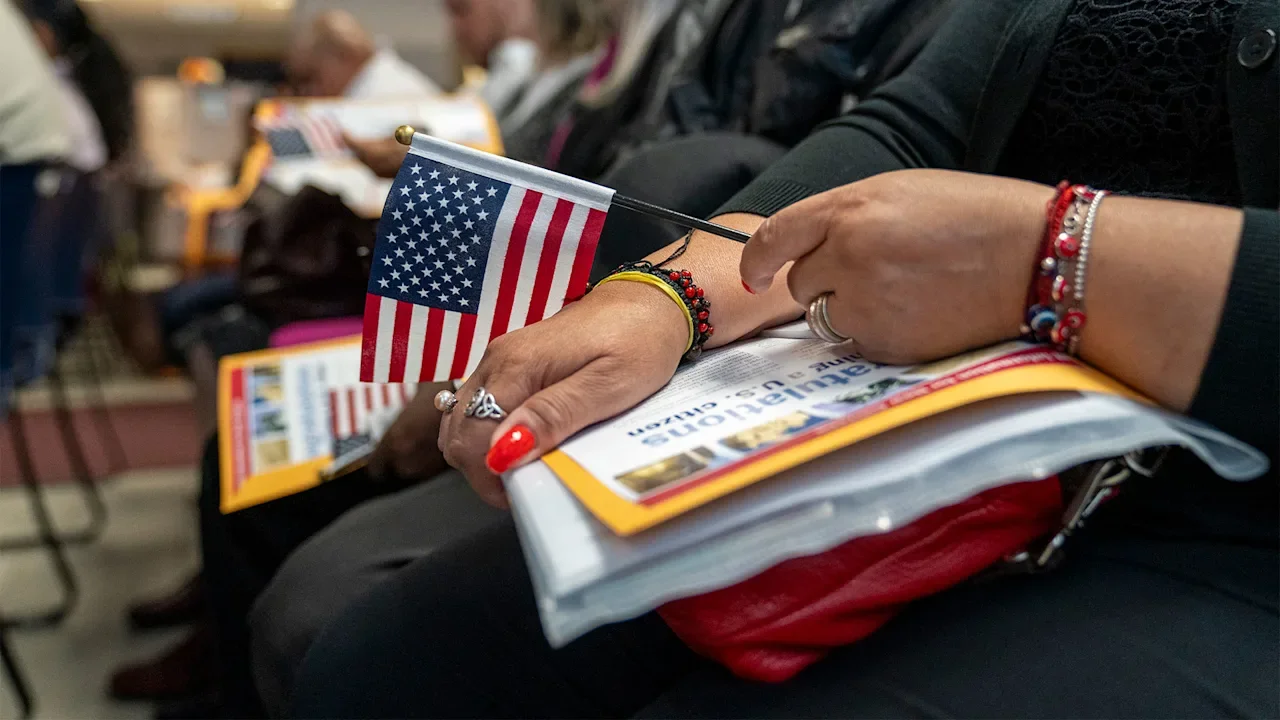
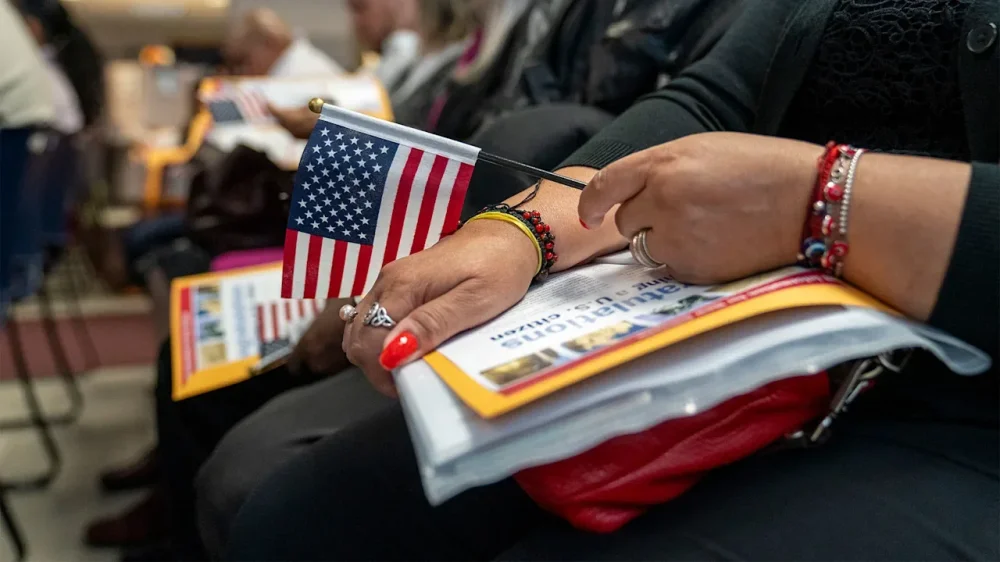
The The President administration is deliberately pulling up the welcome mat for people seeking legal status in the United States. This Monday, the federal government rolled out a new civics test for green card holders applying for U.S. citizenship—an exam that critics have said is needlessly more complex than its predecessor. Applicants who filed for naturalization prior to October 20 will continue to take the 2008 version of exam. However, those submitting applications after that date will be subject to the 2025 civics test, with special provisions extended to applicants 65 or older who have been permanent residents for at least 20 years. Matthew Tragesser, spokesperson for the United States Citizenship and Immigration Services (USCIS), endorsed the changes in a statement. The updated test, he said, “ensures only those aliens who meet all eligibility requirements, including the ability to read, write, and speak English and understand U.S. government and civics, are able to naturalize,” and that “the American people can be assured that those joining us as fellow citizens are fully assimilated and will contribute to America’s greatness.” How the new test differs from the old version The old test required 6 correct answers out of 10. While the new version asks for 12 correct out of 20. Meanwhile, the question pool has expanded from 100 to 128, with many questions now being more demanding. According to the immigration law firm Vega and Associates, roughly 75% of the 2025 test draws on prior material, and additional questions cover U.S. history and government in greater depth. Geography and holiday questions—such as “What ocean is on the West Coast?”—are replaced by more challenging ones, as NPR reported. Examples include, “Why did the United States enter the Persian Gulf War?” (Answer: “To force the Iraqi military from Kuwait.”) and “Why did the United States enter the Vietnam War?” (Answer: “To stop the spread of communism.”) The exam is also administered differently: Officers stop asking questions once an applicant either passes or fails. Nine incorrect answers and the assessment ends. Vega and Associates advises test takers to focus on understanding concepts rather than memorizing exact answers, as questions may be phrased differently during the exam. Civics knowledge isn’t the only new requirement Applicants must now demonstrate “good moral character.” Previously, a clean record sufficed, but applicants may now need to provide evidence of “positive contributions to American society,” with officers potentially interviewing coworkers, neighbors, or family members. According to The Washington Post, these changes are part of a broader initiative by the The President administration to make citizenship more difficult and to increase scrutiny of immigrants and visa holders. Immigration advocates worry that the updates could pose additional barriers, particularly for applicants with limited literacy or access to preparation courses. “It’s hard to imagine these changes don’t reduce the number of people who can complete the naturalization process,” Julie Mitchell, legal director at the Central American Resource Center in Los Angeles, told NPR. And this may only be the beginning. Officials are reportedly considering additional measures, such as essays demonstrating attachment to the U.S. Constitution. “They are opening the door for more biased decision-making based on arbitrary factors like race,” Eric Welsh, partner at Reeves Immigration Law Group, told Axios. “It’s extremely dangerous and a slippery slope.” View the full article
-
Prime minister begins first visit to Indo-Pacific since taking office as country seeks to double its trade with rest of worldView the full article
-
Robert Hartheimer's arrest comes at a time when the bank is trying to recover from a consent order and the Synapse mess. View the full article
-
Raising levies would go against party’s manifesto pledgesView the full article
-
US president heads for Xi Jinping summit after halting talks with OttawaView the full article
-
Some countries voiced concerns over Donald The President’s decision to name former UK prime minister to ‘board of peace’View the full article
-
Companies reported positive numbers but see challenges in a sluggish housing environment, as federal pressure ramps up to address affordability. View the full article

-
Nearly 90% of businesses are worried about losing organic visibility as AI transforms how people find information, according to a new survey by Ann Smarty. Why we care. The shift from search results to AI-generated answers seems to be happening faster than many expected, threatening the foundation of how companies are found online and drive sales. AI is changing the customer journey and forcing an SEO evolution. By the numbers. Most prefer to keep the “SEO” label – with “SEO for AI” (49%) and “GEO” (41%) emerging as leading terms for this new discipline. 87.8% of businesses said they’re worried about their online findability in the AI era. 85.7% are already investing or plan to invest in AI/LLM optimization. 61.2% plan to increase their SEO budgets due to AI. Brand over clicks. Three in four businesses (75.5%) said their top priority is brand visibility in AI-generated answers – even when there’s no link back to their site. Just 14.3% prioritize being cited as a source (which could drive traffic). A small group said they need both. Top concerns. “Not being able to get my business found online” ranked as the biggest fear, followed by the total loss of organic search and loss of traffic attribution. About the survey. Smarty surveyed 300+ in-house marketers and business owners, mostly from medium and enterprise companies, with nearly half representing ecommerce brands. Yes, but. While AI search is booming, multiple studies suggest that ChatGPT and LLM referrals convert worse than Google Search – and AI systems won’t have parity with organic search within the next year. The survey. SEO for AI (GEO) Statistics: 90% of Businesses Are Worried About the Future of SEO and Organic Findability Due to AI / LLMs View the full article
-
We may earn a commission from links on this page. I broke one of the biggest rules in the running book and lived to tell about it. Everybody knows you need to replace your running shoes after 300 to 500 miles to avoid injury (or 200 to 400, or whatever running companies are saying these days). Well, I put over 1,000 miles on mine, and I’m not sorry. I know it’s been over 1,000 miles because I’ve been tracking my shoes’ mileage in the Garmin Connect app. My watch logs the mileage, and I make sure the credit goes to the appropriate shoe in the app. I carefully ported my shoe miles to and from the Coros app when I switched ecosystems for a bit this past summer. Some of my runs are in a trail shoe, some in a water-resistant shoe, and the rest are in my Nike Downshifters. That four-digit number in the app is real, and I’m sure of it. What are these magic shoes? Some rips in the upper, but honestly looking pretty good for their age. Credit: Beth Skwarecki Meet the honored pair. These are the Nike Downshifter 12, in a women’s U.S. size 8.5. I bought them from Amazon in 2024 and paid $66.94 including tax. As I’m writing this, my records show I’ve worn them for 294 activities since June 25 of last year, and they’ve logged a total of 1,024 miles in running workouts. (That’s 6.5 cents per mile, surely a personal record.) For context I run about 20-30 miles most weeks, often but not always in these shoes. The Downshifter is a beginner-level running shoe from Nike, but I’m a lifelong runner, not a beginner. I bought my first pair of them out of frustration with other shoes. See, I always bought Nike Frees, but Nike kept changing the Free from year to year. Some I liked, some I didn’t. Over time, it seemed like the Frees were getting more expensive every year, and wearing out sooner. Often within a few months of purchase, the foam underfoot would wear unevenly and I’d be running on uncomfortable lumps. So one day in 2023, I decided I needed to find a shoe that would either last longer, or would be cheap enough that I wouldn’t care. (I ended up with a shoe that checked both boxes.) I browsed sales and bought two pairs, including a purple pair of Downshifter 12’s. I didn’t love them right out of the box, but over the season, they became my favorites. I ran in them all spring and summer, and then ran a half-marathon in them that fall. Afterward, I looked up some reviews of the Downshifters, just for fun. One said that the Downshifter is “not the shoe for runners regularly going over four miles.” I laughed. I replaced those purple Downshifters with a new (black) pair in 2024, just because it had been a while and they were probably close to the oft-advised 500-mile limit. That’s what you’re supposed to do, right? Why did I put 1,000 miles on these shoes? Fate had something different in mind for these new Downshifters. I was curious how long they would last, so I entered them into the gear logging section of my Garmin app. When you add a new shoe, Garmin asks you to set a mileage target so it can let you know when to replace them. I put 500. After every run, Garmin would automatically add up my miles. (If I ran in a different pair of shoes, I’d make sure to note that—I’ve put about 200 miles each on two other pairs of shoes within this timeframe.) When I had over 400 miles on the black Downshifters, I ordered a new pair, which still sits untouched in its shoebox to this day. At 500, I ignored the notification to replace my shoes. At 600, “I wonder if I can get these to 1,000” was a dumb thought that entered my head and did not leave. For comparison, here is how they looked at 500 miles: How they looked at 500 miles. There's still some tread on the heel, and the upper is in OK shape. Credit: Beth Skwarecki I kept tracking my shoe mileage carefully. This dumb thought is why I was so particular about keeping the miles-per-shoe numbers accurate even when I switched apps. The day I hit 1,000 was an anti-climax. I remember them being at 998 miles before joining my husband for an early morning run a few weeks ago. I mentioned to him during the run that the shoes were probably crossing 1,000 miles at that exact moment. “Nice!” he said, and we jogged on. I’ve kept running in them since then. I ran in them today. They feel fine. Why I think these shoes lasted so longI’m no shoe-construction expert, but judging from the feel, it seems there’s just a simple slab of foam under my foot. My previous pairs, the less-durable ones, may have had lighter foams and they usually had more complicated shapes, with cutouts and grooves and such. The running shoes on the market are all so different that I don’t think it’s fair to come up with a blanket mileage recommendation that applies to everything. I’ve had running shoes that felt awful to run in after probably less than 100 miles. And then there are others that can go, apparently, 10 times as long. These Downshifters are the first pair where I confirmed the exact mileage, but I can think of two other pairs that seemed to last forever: an original 2004 Free 5.0, and a “Free RN Distance” from sometime in the 2010s. I replaced the 2004s when I realized I needed to go a half size bigger to avoid black toenails during marathon training. (No idea of the mileage, but I’d been using them off-and-on for eight years at that point.) I got rid of the RN Distance shoes during a decluttering binge because I hated the color. I soon regretted that decision. Neither pair actually wore out. My unscientific opinion is that these shoes lasted so long because they were simple. Just a slab of foam, no fancy shaping, and certainly no high-performance foam technology that might give better dynamics at the cost of longevity. Or maybe I was just lucky. Who knows. What I think of shoe mileage rules in generalThe advice to replace your shoes after 300 to 500 miles originated with a 1985 study that only tested shoes up to 500 miles, no further. It used a machine to simulate the effects of running. After 50 miles, shoes from several manufacturers only had 75% of their initial shock absorption capability. Between 250 and 500 miles, they were down to 60%. (The machine was harder on the shoes than actual runners; after 500 miles, human-worn shoes still had 70% of their initial shock absorption.) Surely shoe foams in 2025 are not the same as in 1984. And surely the various shoe models on the market are all different from each other in construction and foam type. But still the 300 to 500 mile rule has persisted, and I have to wonder if shoe makers are designing their shoes to meet the expectation of a 300 to 500 mile lifespan. A fascinating article at Runner’s World gets into detail about the different foams that are used these days and what we know about how long they last. Some “super shoes” lose their peak performance after just 100 miles, but even a worn-out super shoe may still perform better than a brand new budget shoe. The article doesn’t make any mileage recommendations, instead landing on advice to “listen to your body, rather than relying on arbitrary yardsticks.” I’ve also collected some advice from experienced runners on Reddit on how often they actually switch out their shoes, and as you might expect, the answers are all over the place. There are people who set a hard cap on the mileage they’ll allow a shoe to accrue, and others who go based on vibes. Some people only get 300 miles out of each pair; others say they routinely take theirs into the quadruple digits. Ultimately I don’t think much of any rule, and I’m skeptical of the idea that worn-out shoes are a recipe for injury. Running itself is a recipe for injury—I dare you to find an experienced runner who hasn’t dealt with some type of overuse injury, even if they follow every rule in the book. I think some runners use a shoe mileage cap as sort of a good-luck talisman. But injury isn’t that predictable, and neither our bodies nor our shoes will always behave in a predictable way over the years. Some shoes agree with our bodies better than others, and some last longer than others. When you find a pair that works for you, you might as well stick with it. View the full article
-
Usefulness of the yellow metal as a hedge against inflation is flakyView the full article
-
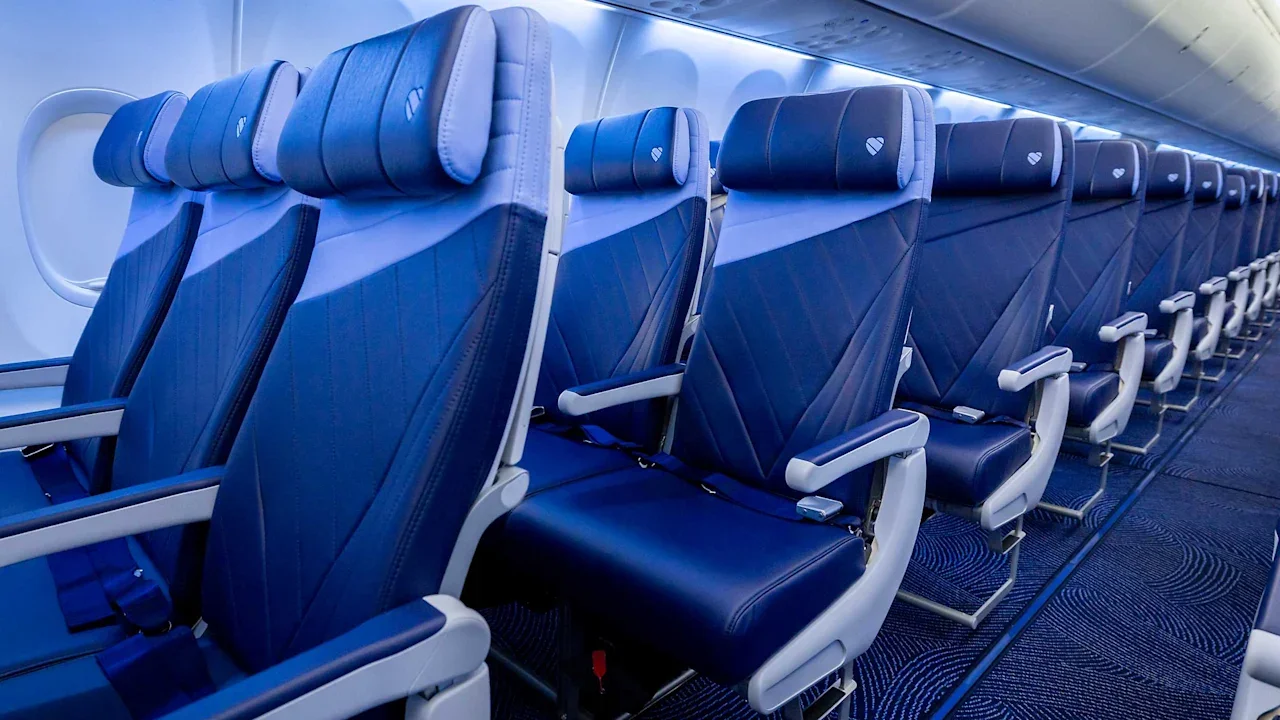
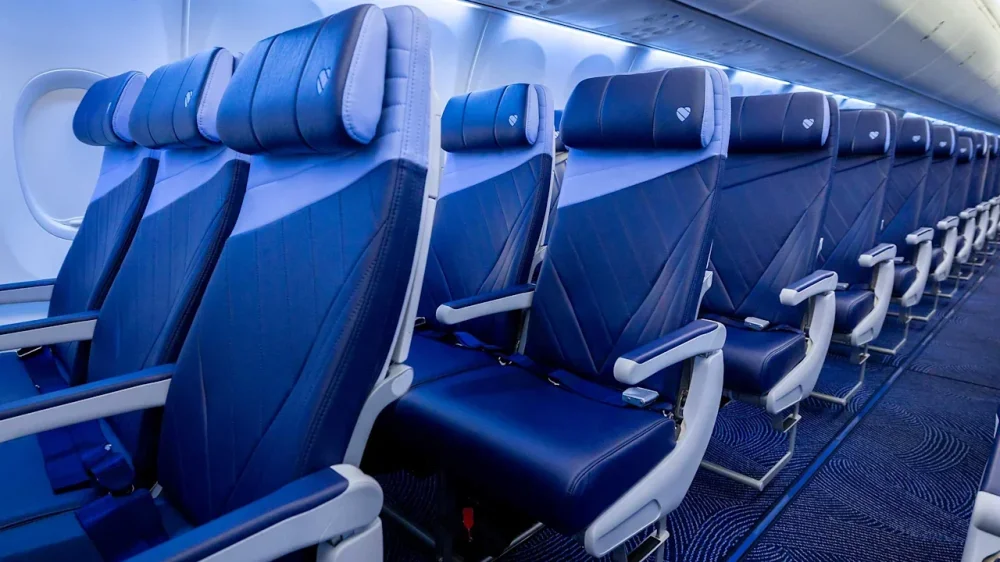
This month, Southwest Airlines unveiled a new cabin design that’s already rolling out in new planes across its fleet. It includes slimmer seats, updated amenities, and lots and lots of blue. The new cabin was revealed on October 14, and there are currently six aircrafts in operation with the revamped design. For Southwest, this design is part of what it calls a larger “transformational plan.” So far, that plan has included nixing some of its most iconic brand features—like its “bags fly free” policy and flat cost open seating arrangement—in order to compete in an airline industry that’s increasingly reliant on charging ancillary, “premium” fees to drive up profits. Starting in January 2026, Southwest will offer a new, pricier seating option that comes with extended leg room (ELR). These ELR seats are expected to take up one-third of each aircraft’s total seating—and in order to implement the new tiered assigned seating process, the airline is replacing seating across its fleet. In the coming months, every new aircraft that Southwest receives from Boeing will be fitted with the fully updated cabin, while older planes will be retrofitted with new seats. According to Julia Melle, Southwest’s director of brand and content, the new cabin design is intended to offer new experiences for a broadening “affluent” consumer base, while still keeping core customers in mind. “After the pandemic, we took a look at the data, and there is a more affluent audience that is growing across the category,” Melle says. “We wanted to be able to make sure we offered our core customers and an affluent customer more choices than ever before, and that includes an elevated experience within our cabin.” A very blue cabin design The main change that guests might notice when they enter an updated Southwest cabin is a whole lot of blue. Throughout the customer research process, Melle says, her team found that passengers are primarily looking for a “calming, relaxing, and friendly environment.” To achieve that, the design team filled the cabin with an array of complimentary blue tones, from sky blue on the headrests to navy blue on the seats and a swirling, atmospheric blue on the carpet. Even the lighting scheme has been adjusted to all-blue tones. “We had a red that would appear at a certain portion of the flight along with the blues, and now it’s a completely a blue color scheme,” Melle says. She adds that the new lighting system also has fewer options available, simplifying the process for flight crew when they’re selecting a light setting for takeoff, cruising, and landing. A slimmer seat Southwest’s new seats are a model designed by Recaro Aircraft Seating, which faced some backlash earlier this year when internet critics nicknamed them the “Ozempic seat” for their skinny profiles. Melle says the seats are engineered for “maximum comfort” through customer feedback and product testing, from the way they “maximize seat width” to the specific upholstery material. Each seat comes with a personal electronic device holder on the back and a headrest that can be adjusted up and down or folded in toward the face. The new ELR seats will offer up to five inches of additional pitch for passengers to stretch out, while the seating redesign will maintain a standard seat pitch for those in economy, according to a Southwest spokesperson. To make this work in older planes, Southwest is removing six seats from its Boeing 737-700 aircraft. Boeing MAX 8 and 737-800 planes will keep the same number of seats. In addition to these aesthetic changes, the new cabins also include larger overhead bins, an added cupholder on tray tables, and USB-A and USB-C port on each seatback. And, for passengers sitting in the ELR tier, Southwest will now serve an exclusive new snack of either honey roasted or salted pistachios (luxurious!). Overall, the updated cabin isn’t exactly reinventing the wheel. Still, for Southwest, customer reactions to the design will serve as a crucial data point for the reception of the airline’s broader brand transformation. View the full article
-
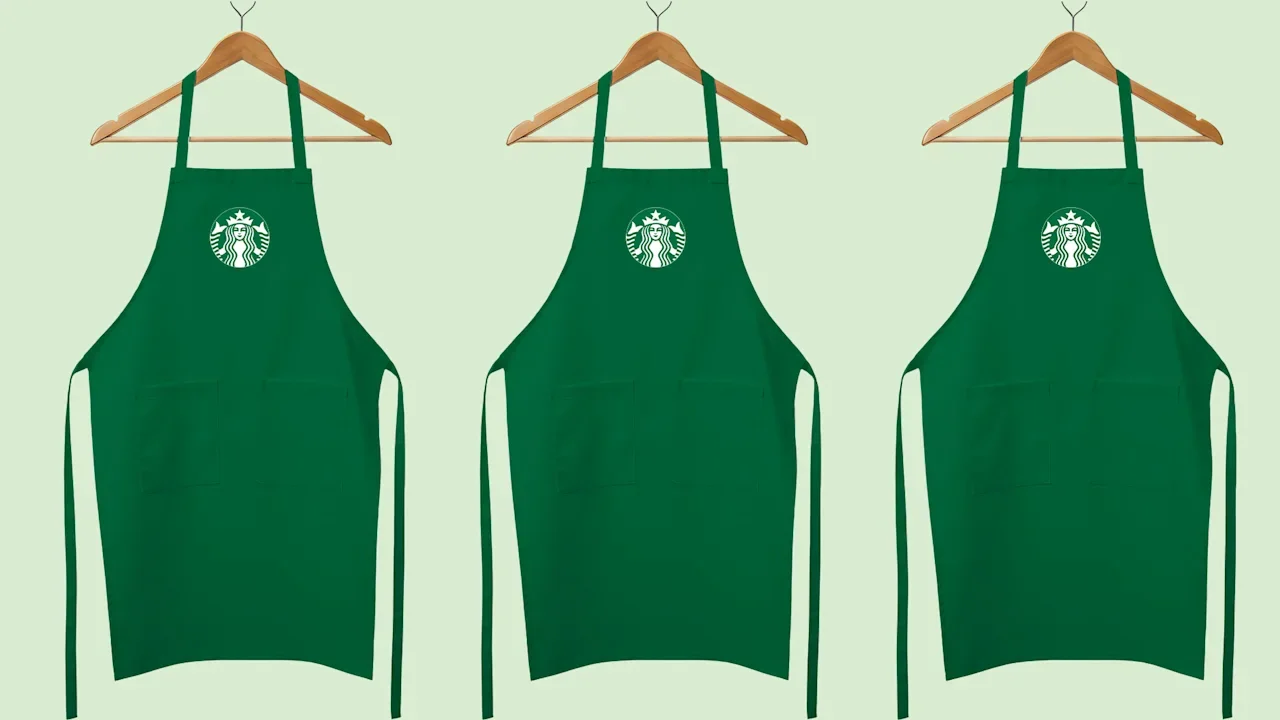
You might have a tough time getting your hands on a pumpkin spice latte over the next few days. Starbucks Workers United, the union representing more than 12,000 workers across 650 stores nationwide, is planning to picket and stage rallies outside 60 locations of the coffee chain this weekend. Seventy rallies and pickets will take place from today through November 1, the union said. Today the union will begin voting on a work strike authorization, stemming from demands for new contracts that address better staffing hours, higher pay, and “resolution for hundreds of outstanding unfair labor practice charges,” according to the union. Starbucks has faced a myriad of challenges in the past year, including store closings, layoffs, and uniform changes that many employees seemed to hate. All of this happened under the purview of Brian Niccol, who has been CEO of Starbucks since September 2024. Niccol implemented the “Back to Starbucks” plan, which encourages baristas to be warm and engaging with customers in a bid to turn Starbucks visits into a repeat occurrence. Meanwhile, in September of this year, Niccol announced a $1 billion dollar restructuring plan which involves closing 500 of Starbucks retail stores—of which 59 are unionized. When reached for comment, Starbucks spokesperson Jaci Anderson had this to say: “Workers United only represents around 4% of our partners but chose to walk away from the bargaining table. If they’re ready to come back, we’re ready to talk. Any agreement needs to reflect the reality that Starbucks already offers the best job in retail including more than $30 an hour on average in pay and benefits for hourly partners. We’re investing over $500 million to put more partners in stores during busy times. The facts show people like working at Starbucks.” View the full article
-
Chancellor Rachel Reeves is looking at adding employer national insurance to UK businesses operating as LLPsView the full article
-
On a year-over-year basis, Waterstone's mortgage business was able to grow pretax profits to $1.3 million in the third quarter, compared with $144,000 in 2024. View the full article
-
China‘s leaders are vowing to reduce reliance on foreign advanced technology and spur stronger domestic demand as it weathers “high winds” amid elevated trade tensions with the U.S. An outline of the ruling Communist Party’s blueprint for the next five years was laid out in a 5,000-word communique released Thursday after a four-day top level meeting in Beijing, just days ahead of planned talks between Chinese leader Xi Jinping and U.S. President Donald The President. Five-year plans are a throwback to the days of Soviet-style central planning. China still relies heavily on them to map out policy priorities and decide on funding. Party “plenum” meetings like the one held this week are also used to rally the party rank-and-file around Xi’s leadership. Thursday’s announcement signaled no major policy shifts. Despite mounting trade tensions, China intends to remain a global manufacturing power while building stronger economic growth at home. China gains confidence in the trade war The communique does not refer directly to the trade war between Beijing and Washington, but warns of rising “uncertainties and unforeseen factors.” Han Wenxiu, a senior party official in financial and economic policy, told reporters Friday that China is well placed to handle such risks in an era when great-power competition is becoming more complex and “the international balance of power is undergoing profound adjustments.” He predicted China’s strength and international status would grow in the next five years. “There is always opportunity in crisis and crisis can be turned into opportunity,” Han said. Chi Lo, an Asia Pacific senior market strategist at BNP Paribas Asset Management, said an emphasis in the communique on substantial improvements in scientific and technological self-reliance likely reflects confidence that China is less vulnerable to pressure from the trade war. The party vowed to achieve “markedly stronger” international influence by 2035 and to safeguard the multilateral trading system, portraying Beijing as a defender of free trade, noted Leah Fahy, a China economist at Capital Economics. Domestic economic challenges remain A downturn in the property sector that began while China was still in the midst of disruptions from the COVID-19 pandemic has sapped consumer confidence, reducing household wealth and leading to widespread layoffs. China’s communique emphasized the strategic need to expand domestic demand. The government has already encouraged investment to modernize factories and paid subsidies to people who replace old appliances and vehicles with new ones. “The economies of major countries are all driven by domestic demand and the market is the most scarce resource in today’s world,” said Zheng Shanjie, head of the National Development and Reform Commission, Beijing’s main planning agency. But manufacturing capacity exceeds demand in many industries. That has caused damaging price wars and led companies to boost exports, adding to trade tensions with the U.S., the European Union and others. Even with strong government support, the economy grew 4.8% in the last quarter, the slowest pace in a year. Factory activity shrank for the sixth consecutive month in September, as domestic demand remained sluggish. China’s leaders have stuck to their goal of attaining the status of a “mid-level developed country” and doubling the size of the economy in 2020 by 2035. That implies an average annual growth rate of about 4-5% in the next decade, said Lynn Song, chief economist for Greater China at ING Bank. China will remain a manufacturing juggernaut China is the world’s biggest manufacturer, accounting for roughly 30% of global production and about a quarter of its overall economy. The new 5-year plan calls for keeping manufacturing at an “appropriate level” with advanced industries as the backbone. China’s focus on the manufacturing sector “will remain a top priority, even in the face of overcapacity (and) price wars,” said Fahy of Capital Economics. Over the years, Chinese manufacturing has progressed from labor-intensive, low-cost production to higher-value products including electric vehicles, robots and batteries. In coming years, the emphasis will be on advanced manufacturing, said Robin Xing, chief China economist at Morgan Stanley. That includes areas such as quantum technology, biomanufacturing, hydrogen and nuclear fusion energy, artificial intelligence and next-generation mobile communications, said Zheng, the planning agency chief. “These industries are ready to take off,” he said. “It means that in the next 10 years we will build another high-tech industry in China and this will inject continued impetus to our efforts to achieve Chinese modernization.” It’s unclear if China’s commitment to catalyzing more consumer spending and domestic investment will make much of a dent in its exports. Chinese companies like BYD and CATL have become global leaders in EV battery technology and production. China plays a pivotal role in global supply chains and has shown it can control access to rare earths, materials used in many products. “The Chinese government sees manufacturing as a core issue in security and geopolitical leverage over other countries,” added Gary Ng, a senior economist at Natixis. Xi continues to centralize power The four-day plenum was marked by relatively low attendance. Out of 205 full members in the elite Communist Party central committee, only 168 were there, according to the communique. Many have been purged in anti-corruption campaigns that also enforce loyalty to Xi within the party. An “unprecedented proportion of central committee members are in political trouble,” said Neil Thomas, a fellow at the Asia Society Policy Institute’s Center for China Analysis. The meeting appointed Gen. Zhang Shengmin as China’s second highest ranking general. He replaced He Weidong, who was ousted from the party along with eight other senior officials in a recent anti-corruption drive. As the party continues to centralize power, “the political position faced by Xi and his dominance within the party is still relatively secure” said Xin Sun, a senior lecturer in Chinese and East Asian business at King’s College London. —Chan Ho-Him, Huizhong Wu, and Ken Moritsugu, Associated Press Associated Press researchers Yu Bing and Shihuan Chen in Beijing contributed. View the full article

-
"You can’t build an advisory practice overnight, but you can begin it today." By Hitendra Patil Client Accounting Services: The Definitive Success Guide Go PRO for members-only access to more Hitendra Patil. View the full article
-
"You can’t build an advisory practice overnight, but you can begin it today." By Hitendra Patil Client Accounting Services: The Definitive Success Guide Go PRO for members-only access to more Hitendra Patil. View the full article
-
The pandemic proved that a lot of us can do our jobs just fine out of the office. Nevertheless, companies continue to push for workers to return to their cubicles—whether in a hybrid arrangement, or five-days-a-week mandatory attendance. In both cases, many companies are looking for ways to hold employees accountable: Since many of our jobs can be done anywhere with an internet connection, if your boss doesn't have eyes on you, it's not always easy to tell where you're working from. Perhaps your company has rolled out initiatives meant to encourage office attendance. Maybe your boss counts your badge swipes, to ensure that you're meeting your weekly in-office quota, or you are obligated to attend in-person meetings. But it's not just the companies themselves that are working on these kinds of measures. Even Microsoft is trying to make it harder for remote employees to continue working from where they want to. How Teams will track where you're working fromAs spotted by Tom's Guide, Microsoft Teams will roll out an update in December that will have the option to report whether or not you're working from your company's office. The update notes are sparse on details, but include the following: "When users connect to their organization's [wifi], Teams will soon be able to automatically update their work location to reflect the building they're working from. This feature will be off by default. Tenant admins will decide whether to enable it and require end-users to opt-in." The language suggests that Microsoft intends for this feature to be focused more on helping workers locate fellow employees in large office complexes, and less on snitching on employees working from home when they shouldn't be. That's fair enough: If I worked for a company with multiple buildings on campus, it'd be helpful to know where someone I needed to talk to happened to be working that day. But let's be real. This feature is also going to be used by companies to track their employees, and ensure that they're working from where they're supposed to be working from. Your boss can take a look at your Teams status at any time, and if it doesn't report you're working from one of the company's buildings, they'll know you're not in the office. No, the feature won't be on by default, but if your company wants to, your IT can switch it on, and require that you enable it on your end as well. As someone who has worked remotely for most of my professional career, I find the return-to-office mandates generally silly. I understand there are jobs that cannot be done remotely, and aspects of others that are made better by in-person collaboration. But if the vast majority of your work is done on a laptop connected to the internet, it makes no sense for you to be forced to work from an office. It also seems demoralizing to treat employees like children, tracking their whereabouts to ensure they're doing their jobs from a pre-approved location. If you're getting your work done, who cares where that work is happening? View the full article
-
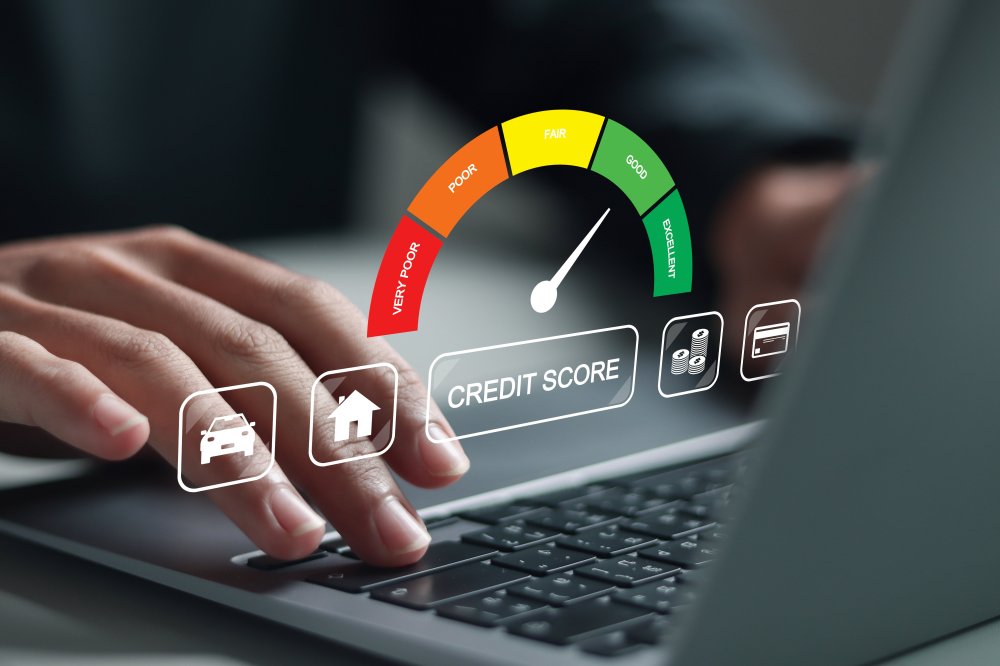
Several claims in a recent Loan Think column misrepresented how credit scores and resellers work in mortgage lending, according to the president of the National Consumer Reporting Association. View the full article
-
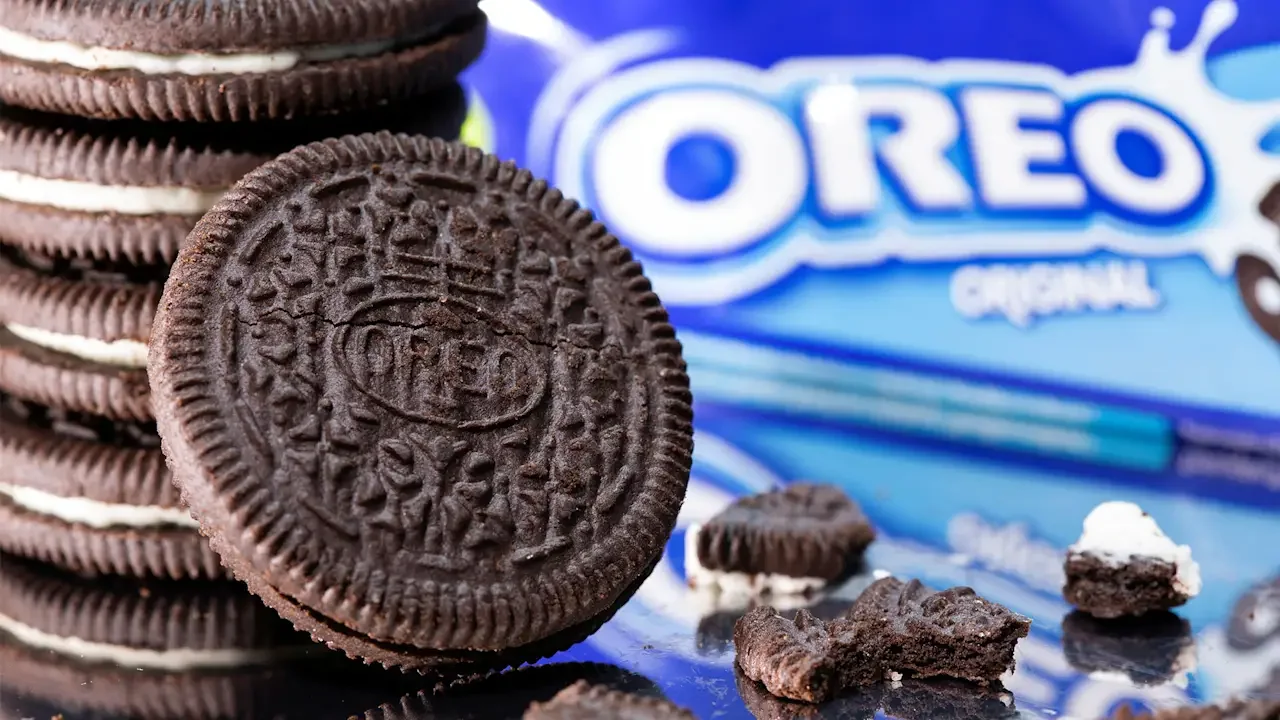
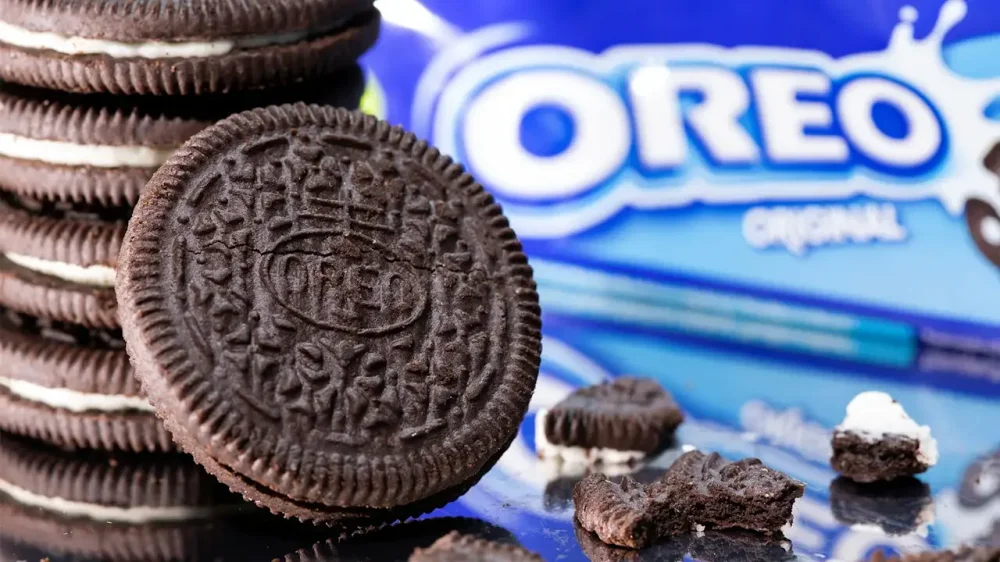
Snack maker Mondelez is using a new generative AI tool to cut costs for the production of marketing content by 30% to 50%, a senior executive told Reuters. The packaged food manufacturer began developing the tool last year with IT firm Accenture and expects that it will be capable of making short TV ads that would be ready to air as soon as next year’s holiday season, and potentially for the 2027 Super Bowl, said Jon Halvorson, Mondelez’s global senior vice president of consumer experience. The Cadbury chocolate producer has invested more than $40 million in the tool, Halvorson said, adding that savings would grow if the tool is able to make more elaborate videos. Faced with tariffs and shrinking shopper budgets, Mondelez, like other consumer goods companies, is looking to adopt AI to slash fees paid to advertising agencies, and speed up how long it takes to develop and sell new products. Rivals such as macaroni-and-cheese maker Kraft Heinz and Coca-Cola have also been trying out AI for ads. Coke in 2024 ran AI-created holiday ads, though the computer-created people in them were ridiculed by some consumers for lacking real emotion. Mondelez is not yet putting human likenesses in its AI-created content. It is using content generated by the new tool on social media for its Chips Ahoy cookies in the U.S. and Milka chocolate in Germany. An eight-second Milka video shows waves of chocolate rippling over a wafer, along with different backgrounds depending on which consumer Mondelez is targeting. The cost to do animations “is in the hundreds of thousands,” Halvorson said. “This type of set-up is orders of magnitude smaller.” In the U.S., Oreo will use the tool for product pages on Amazon and Walmart in November. Mondelez plans to use the tool in the coming months for Lacta chocolate and Oreo in Brazil, and Cadbury in the UK, Halvorson said. Tina Vaswani, vice president of digital enablement and data for the company, said humans will always check what the tool produces to avoid any mishaps. Mondelez has rules prohibiting highlighting unhealthy eating habits, vaping, over-consumption, emotionally manipulative language and the use of offensive stereotypes, according to a document shared by the Chicago-based company. —Jessica DiNapoli, Reuters View the full article
-
In a groundbreaking move for small businesses, Salesforce has expanded its partnership with OpenAI, integrating its powerful CRM tools with the widely-used ChatGPT platform. This initiative promises to streamline operations, enhance customer relationships, and reshape how businesses engage both employees and consumers. The integration, highlighted in a recent announcement, allows the seamless use of Salesforce’s Agentforce 360 within ChatGPT, revolutionizing daily workflows. Small business owners can now instantly query sales records, analyze customer conversations, and even create visualizations from Tableau—all just by typing a command in ChatGPT. With capabilities like these, companies can harness the combined might of Salesforce’s leading CRM tools and OpenAI’s frontier models, including the latest version, GPT-5. “By uniting the world’s leading frontier AI with the world’s #1 AI CRM, we’re creating the trusted foundation for companies to become Agentic Enterprises,” said Marc Benioff, Chair and CEO of Salesforce. This partnership presents a significant opportunity for small businesses to leverage the same advanced AI infrastructure that larger enterprises are using, leveling the playing field. For small businesses aiming to enhance productivity and customer engagement, the practical applications of this integration are vast. Teams using ChatGPT can easily pull up important data, draft customer communications, and even summarize complex reports—all without switching platforms. Consider a project manager who can instantly turn a team’s quarterly metrics into a high-level summary to share within Slack channels, improving efficiency and collaboration. Despite these promising developments, small business owners should consider potential challenges as well. The reliance on integrated systems like these can introduce complications around data governance and security. Businesses must ensure they maintain control over customer data and comply with privacy regulations as they adopt these advanced tools. Moreover, the technical learning curve associated with new AI capabilities may require training and adaptation, which may stretch resources for smaller teams. Another crucial aspect is the integration of commerce capabilities through Agentforce Commerce and the Instant Checkout feature in ChatGPT. This enables small businesses to connect with a broad audience of potential customers directly within their preferred conversational channels. For instance, an emerging sportswear retailer can easily present its latest product line to consumers browsing hiking gear in ChatGPT, facilitating seamless transactions without losing control of vital customer relationships. As the SaaS landscape evolves to favor multi-surface, agent-driven conversations, small businesses can benefit from staying savvy about these advancements. “Our partnership with Salesforce is about making the tools people use every day work better together, so work feels more natural and connected,” noted Sam Altman, co-founder and CEO of OpenAI. This philosophy reflects a growing need for small businesses to rethink their operational strategies in the context of AI integration to improve overall productivity and customer satisfaction. The partnership also aims to enhance employee experiences by embedding powerful AI tools directly into environments where teams already collaborate. For example, integrating ChatGPT into Slack helps teams summarize complex discussions or quickly draft responses, enabling smoother workflows. With features like tagging OpenAI’s Codex to manage programming tasks seamlessly, businesses can save both time and effort, focusing on growth rather than administrative burdens. While the initial rollout of this integration is expected later this year, with OpenAI’s frontier models already available within Agentforce, business owners should act proactively. As these tools become available, they provide an invaluable resource for driving more intelligent, data-driven initiatives, and capturing market demand efficiently. As small businesses continue to navigate the complexities of technology adoption, understanding these new solutions can equip them with the strategies needed to stay competitive. Those interested can learn more about the integration and its full potential on Salesforce’s announcement page here. The incorporation of these advanced AI tools stands to redefine how small businesses operate, emphasizing a need for careful evaluation and adaptation to harness their full potential. Image via Envato This article, "Salesforce and OpenAI Unite to Transform Workflows in ChatGPT" was first published on Small Business Trends View the full article
-
In a groundbreaking move for small businesses, Salesforce has expanded its partnership with OpenAI, integrating its powerful CRM tools with the widely-used ChatGPT platform. This initiative promises to streamline operations, enhance customer relationships, and reshape how businesses engage both employees and consumers. The integration, highlighted in a recent announcement, allows the seamless use of Salesforce’s Agentforce 360 within ChatGPT, revolutionizing daily workflows. Small business owners can now instantly query sales records, analyze customer conversations, and even create visualizations from Tableau—all just by typing a command in ChatGPT. With capabilities like these, companies can harness the combined might of Salesforce’s leading CRM tools and OpenAI’s frontier models, including the latest version, GPT-5. “By uniting the world’s leading frontier AI with the world’s #1 AI CRM, we’re creating the trusted foundation for companies to become Agentic Enterprises,” said Marc Benioff, Chair and CEO of Salesforce. This partnership presents a significant opportunity for small businesses to leverage the same advanced AI infrastructure that larger enterprises are using, leveling the playing field. For small businesses aiming to enhance productivity and customer engagement, the practical applications of this integration are vast. Teams using ChatGPT can easily pull up important data, draft customer communications, and even summarize complex reports—all without switching platforms. Consider a project manager who can instantly turn a team’s quarterly metrics into a high-level summary to share within Slack channels, improving efficiency and collaboration. Despite these promising developments, small business owners should consider potential challenges as well. The reliance on integrated systems like these can introduce complications around data governance and security. Businesses must ensure they maintain control over customer data and comply with privacy regulations as they adopt these advanced tools. Moreover, the technical learning curve associated with new AI capabilities may require training and adaptation, which may stretch resources for smaller teams. Another crucial aspect is the integration of commerce capabilities through Agentforce Commerce and the Instant Checkout feature in ChatGPT. This enables small businesses to connect with a broad audience of potential customers directly within their preferred conversational channels. For instance, an emerging sportswear retailer can easily present its latest product line to consumers browsing hiking gear in ChatGPT, facilitating seamless transactions without losing control of vital customer relationships. As the SaaS landscape evolves to favor multi-surface, agent-driven conversations, small businesses can benefit from staying savvy about these advancements. “Our partnership with Salesforce is about making the tools people use every day work better together, so work feels more natural and connected,” noted Sam Altman, co-founder and CEO of OpenAI. This philosophy reflects a growing need for small businesses to rethink their operational strategies in the context of AI integration to improve overall productivity and customer satisfaction. The partnership also aims to enhance employee experiences by embedding powerful AI tools directly into environments where teams already collaborate. For example, integrating ChatGPT into Slack helps teams summarize complex discussions or quickly draft responses, enabling smoother workflows. With features like tagging OpenAI’s Codex to manage programming tasks seamlessly, businesses can save both time and effort, focusing on growth rather than administrative burdens. While the initial rollout of this integration is expected later this year, with OpenAI’s frontier models already available within Agentforce, business owners should act proactively. As these tools become available, they provide an invaluable resource for driving more intelligent, data-driven initiatives, and capturing market demand efficiently. As small businesses continue to navigate the complexities of technology adoption, understanding these new solutions can equip them with the strategies needed to stay competitive. Those interested can learn more about the integration and its full potential on Salesforce’s announcement page here. The incorporation of these advanced AI tools stands to redefine how small businesses operate, emphasizing a need for careful evaluation and adaptation to harness their full potential. Image via Envato This article, "Salesforce and OpenAI Unite to Transform Workflows in ChatGPT" was first published on Small Business Trends View the full article
-
Though it brings me no pleasure, it's once again time to discuss the viral apps Tea and TeaOnHer. You may remember them from the summer, when Tea—where women could anonymously rate and discuss men under the pretense of helping each other safely navigate dating—was the target of data breaches that exposed users' personal information. From there, an app called TeaOnHer was launched for men and Tea faced a class action from users who were upset about their private data being easily accessible to hackers. Whether you remember them or not, they're gone now—sort of. Apple has yanked them from the App Store. The App Store removal of Tea and TeaOnHerTea was around for about two years before it unexpectedly went viral in July, which led to at least two distinct data breaches, the second of which occurred when a data expert discovered that not only were some users' pictures stored in an unsecured manner, but some private DMs were, too. Part of the reason the app went so viral in the first place was that a lot of people were uncomfortable with its premise. It functioned like Yelp, but instead of reviewing businesses, women could review men. The men had no recourse or due process; they couldn't even access the app, let alone respond to anything said about them. (Women were granted access by uploading ID photos or verification selfies and it was the trove of ID photos that was originally hacked and leaked.) Some people found that unfair and others saw an opportunity to cash in on the discontent. TeaOnHer, an app with the same premise but aimed at men, hit the App Store about two weeks after the Tea hack. The privacy discourse continued, but both apps remained up in the Apple App Store anyway. Until now. Apple confirmed to TechCrunch that the apps were pulled because they failed to meet the company's requirements for user privacy and content moderation. Sure enough, if you search the apps on the App Store, nothing comes up. Well, except a bunch of imposters looking to make the most of Tea and TOH's absence. Something called "Tea On Her & Him - Overheard" is the second-most-downloaded free app in the Lifestyle category right now. Can you still use Tea?Tea hasn't been pulled from Google Play yet, so you can still access it on Android. Moreover, if you already had Tea on your iPhone, it still functions—for now. When the DM breach was made public over the summer, Tea responded by shutting down DMs and making that clear within the app. Over the course of the news cycle at the time, the app posted public communications to its Instagram page. Within the app and on its social media, there is no mention of the App Store removal, but a rep did email me this: "We are aware that the Tea App has been removed from the App Store and we are working to address Apple's feedback. We know what this app means to our more than six million users and remain deeply committed to our mission of helping women navigate dating with confidence." View the full article