ResidentialBusiness
Administrators
-
Joined
-
Last visited
Everything posted by ResidentialBusiness
-
 Buffer analyzed 11.4M TikTok posts and found 2-5 weekly posts deliver the steepest per-post gains. The post Study Shows 2-5 Weekly TikToks Deliver Biggest View Increase appeared first on Search Engine Journal. View the full article
 -
Would you want to be in a group chat with your favorite sports celebrities and athletes? You’ll have your chance this fall thanks to a collaboration between WhatsApp and OffBall. OffBall, a year-old sports media startup that focuses on careful curation for its followers, announced on Friday that it was bringing back The Chat, which it had previously conducted with sports stars such as LeBron James. The franchise is designed to get users to participate in big group chats and discuss sports or anything else. High-profile personalities—such as professional athletes or others—also take part, and everyone can text or message each other like any other group chat, or simply follow along with the discussion. With the success of previous iterations of The Chat, OffBall is going to hold additional Chats, featuring F1 driver Daniel Ricciardo, media personality Kylie Kelce (wife of former NFL player Jason Kelce, and future sister-in-law of Taylor Swift), and NBA players Tyrese Maxey and Tyrese Haliburton. The Chats will occur during live sporting events, allowing fans to engage and discuss what’s happening, Offball said. The company describes it as a unique “second screen” experience. Here’s the announced schedule for the future chats: October 19: F1 Austin Grand Prix with Daniel Ricciardo, Hunter Lawrence, and Jett Lawrence. November 12: NBA Los Angeles Lakers versus Oklahoma City Thunder with Tyrese Maxey and Tyrese Haliburton. November 23: NFL Indianapolis Colts versus Kansas City Chiefs with Kylie Kelce and Caleb Hearon. In an interview published earlier this year by Lia Haberman on her Substack newsletter ICYMI, OffBall cofounder Michaela Hammond said that The Chat was born of athletes’ love of social media, and fans’ love of group chatting around sports. “The Chat is built on an existing product feature on WhatsApp called Communities,” Hammond said. “People already use it for larger community-based chats, like neighborhoods, parents at a school, and workplaces.” View the full article

-
The AI boom is helping to sustain growth but demand is coming from the richest consumers who own stocks while poorer Americans are being squeezed View the full article
-
Evolution of abandoned Conservative ‘Brit Isa’ plan also includes stamp duty tax breakView the full article
-
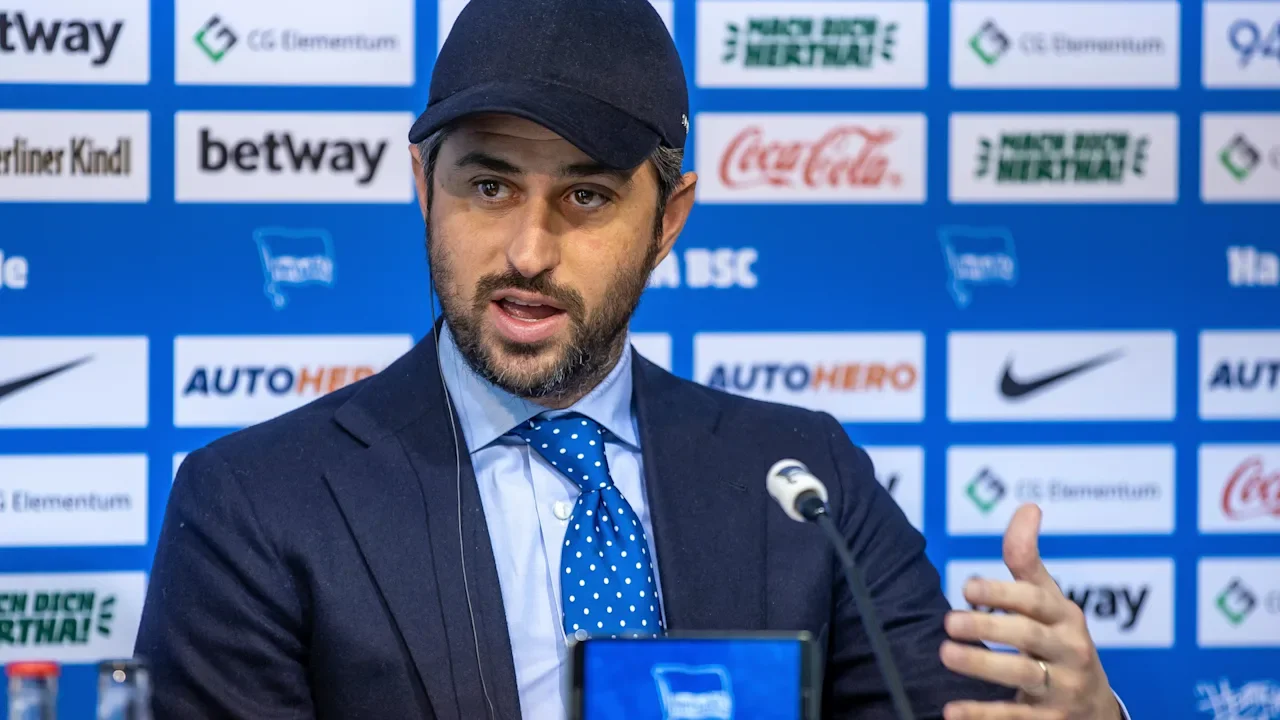
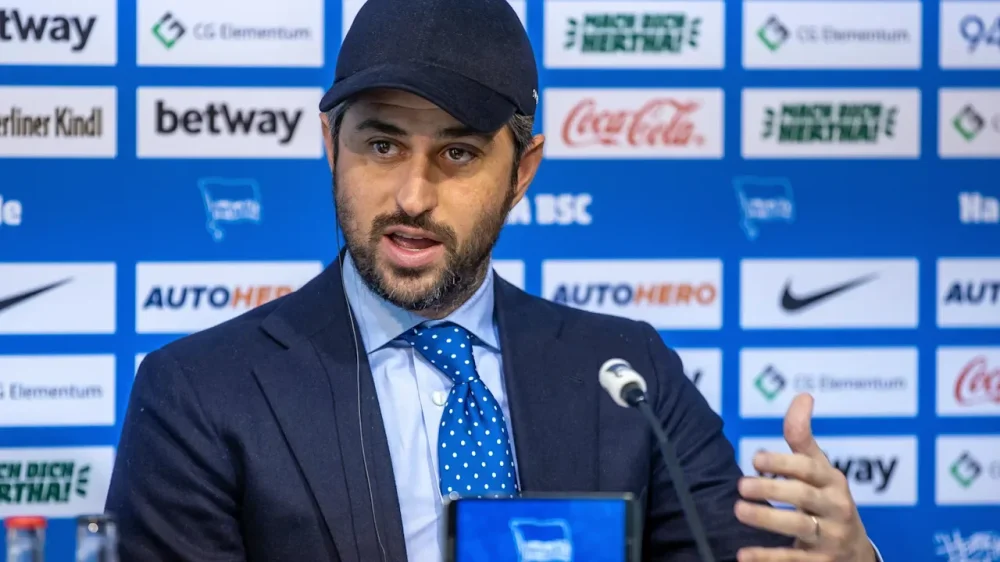
An American businessman whose firm invested in several European soccer clubs that struggled under its ownership has been indicted in New York on charges of financial wrongdoing in an alleged $500 million fraud scheme. Josh Wander was a co-founder of Miami-based 777 Partners that owned stakes in an Australian airline, plus soccer clubs Hertha Berlin in Germany, Genoa in Italy, Standard Liege in Belgium, and Vasco da Gama in Brazil. The 777 story became a cautionary tale in the global soccer trend of multi-club ownership — investors taking stakes in several clubs in different countries. European soccer body UEFA has identified the trend as a threat to the integrity of games and the player trading industry worth more than $10 billion each year. “As alleged, Wander used his investment firm, 777 Partners, to cheat private lenders and investors out of hundreds of millions of dollars by pledging assets that his firm did not own, falsifying bank statements and making other material misrepresentations about 777’s financial condition,” Manhattan U.S. Attorney Jay Clayton said in a statement. The indictment charging Wander with wire fraud, securities fraud, and conspiracy to commit those crimes was unsealed Thursday in federal court in Manhattan. Most of the charges carry a maximum prison term of 20 years. Wander’s lawyer, Jordan Estes, told The Associated Press on Friday that Wander looks forward “to setting the record straight.” “This is a business dispute dressed up as a criminal case,” Estes said in a written statement. Wander and 777 had failed last year in targeting their biggest capture in soccer, nine-time English champion Everton, amid increasing scrutiny of the business and a lawsuit in New York from a London-based investor. Reporting about 777’s soccer interests, led by Norwegian soccer magazine Josimar, intensified even before Wander was elected to a board seat at the influential European Club Association, a network of hundreds of teams that shapes the Champions League and other competitions. Wander’s firm had moved heavily into soccer in 2021, buying stakes in financially distressed clubs recovering from playing in empty stadiums during the COVID-19 pandemic. The former chief financial officer at 777, Damien Alfalla, “is cooperating with the government,” the FBI said, and made a guilty plea this week. “The women and men of the SDNY and our law enforcement partners will continue to work tirelessly to protect our investors and our markets,” Clayton said. Another 777 executive, Steven Pasko, also is targeted in a civil law court filing Thursday by the Securities and Exchange Commission. It wasn’t immediately clear who is representing Pasko. View the full article
-
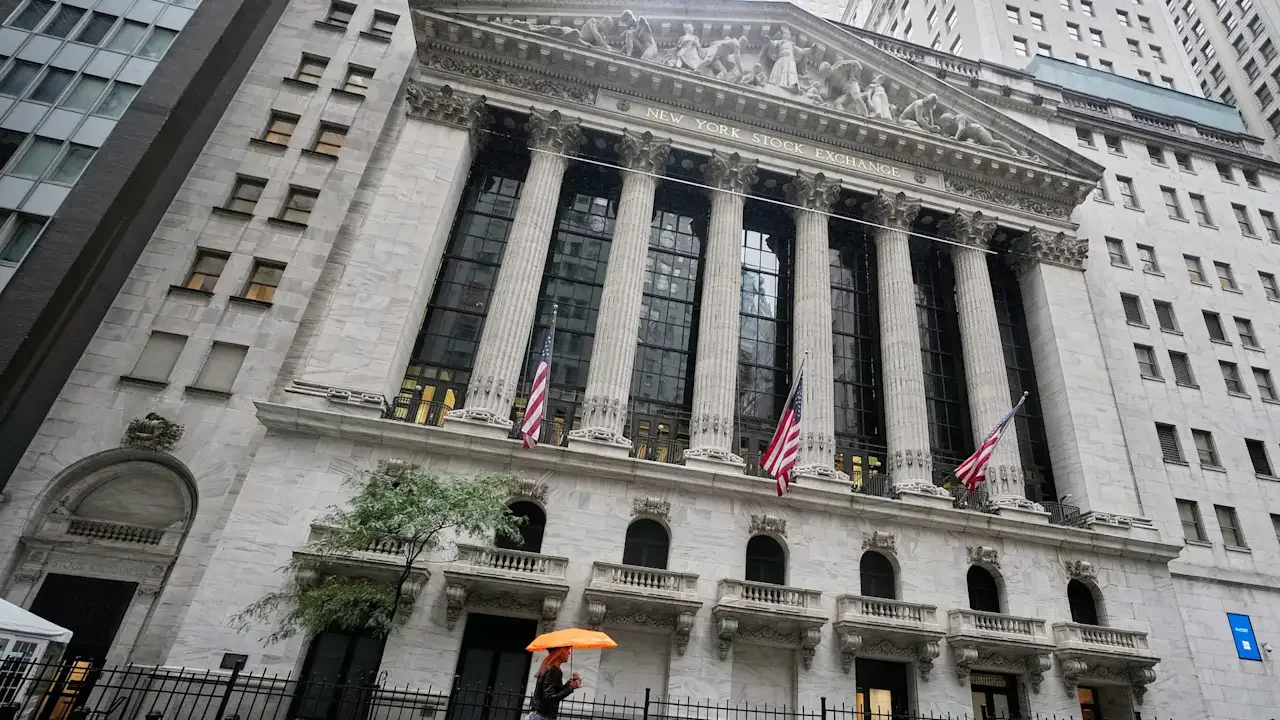
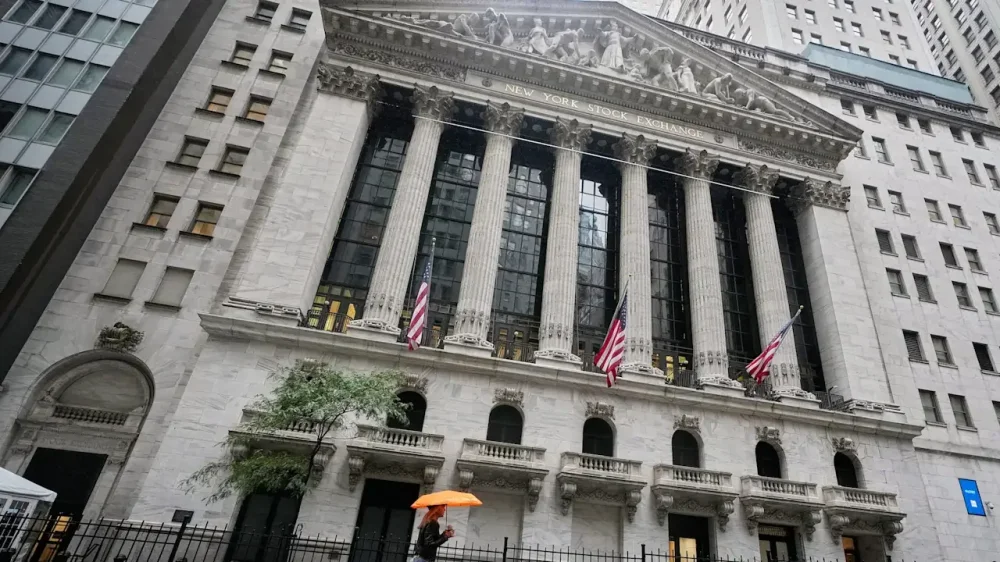
The U.S. stock market seems to be steadying on Friday, as banks recover some of their sharp losses from the day before. The S&P 500 slipped 0.2% in midday trading. The Dow Jones Industrial Average was up 23 points, or 0.1%, as of 11:30 a.m. Eastern time, and the Nasdaq composite was 0.5% lower. All three indexes drifted between gains and losses through the morning, but the moves weren’t as jarring as the big hour-to-hour swings they had earlier in the week. Drops for Big Tech stocks weighed on the market, including a 0.5% dip for Nvidia. They’re fighting criticism that their stock prices have soared too high because of the frenzy around artificial-intelligence technology, even though their profits have also been growing quickly. Bank stocks stabilized after several reported stronger profits for the latest quarter than analysts expected, including Truist Financial, Fifth Third Bancorp, and Huntington Bancshares. That helped steady the group, a day after tumbling on worries about potentially bad loans hitting smaller and mid-sized banks. The two banks at the center of Thursday’s action also rose Friday to trim some of their sharp losses. Zions Bancorp., which is charging off $50 million of loans where it found “apparent misrepresentations and contractual defaults” by the borrowers, added 2.8% following its 13.1% loss. Western Alliance Bancorp, which is suing a borrower due to allegations of fraud, rose 1.3% after its 10.8% fall on Thursday. Scrutiny is rising on the quality of loans that banks and other lenders have broadly made following last month’s Chapter 11 bankruptcy protection filing of First Brands Group, a supplier of aftermarket auto parts. One of the financial firms that could feel pain because of First Brands’ bankruptcy, Jefferies Financial Group, rose 5.1% Friday. It had lost roughly 30% of its value since mid-September. The question is whether the lenders’ problems are just a collection of one-offs or a signal of something larger threatening the industry. Uncertainty is high following a long stretch where many borrowers were able to keep running, even with the weight of higher interest rates. And with prices soaring to records for all kinds of investments, the appetite for risk may have gotten too high. JPMorgan CEO Jamie Dimon addressed the issue on an earnings conference call with analysts earlier this week. “When you see one cockroach, there are probably more,” Dimon said. “Everyone should be forewarned on this one.” “But banks make loan loss provisions and typically have plenty of capital to keep the cockroaches from causing structural damage,” said Brian Jacobsen, chief economist at Annex Wealth Management. “Based on earnings and data so far, it looks like this isn’t an infestation” and that the potential canary in the coal mine “is probably passed out and not dead.” Trading has been shaky on Wall Street, with stocks regularly swinging between gains and losses, since President Donald The President threatened to crank tariffs much higher on China at the end of last week. But The President told Fox News Channel’s “Sunday Morning Futures” that such high tariffs are not sustainable, helping to ease some of the worries. He also said that he would meet with China’s leader, Xi Jinping, at an upcoming conference in South Korea after earlier saying there seemed to be “no reason” for such a meeting. In the bond market, Treasury yields steadied following their sharp slides from Thursday, which came as investors rushed into investments seen as safer. The yield on the 10-year Treasury edged up to 4.00% from 3.99% late Thursday. Gold also pulled back from its latest record as more calm seeped through the market. The price for an ounce slipped 1.3% to fall back to $4,247.40, but it’s still up more than 60% for the year so far. Besides worries about tariffs, gold’s price has also surged on expectations for coming cuts to interest rates by the Federal Reserve and concerns about the massive amounts of debt that the U.S. and other governments worldwide are building. In stock markets abroad, indexes tumbled across much of Europe and Asia after Wall Street’s weakness from Thursday moved westward. Germany’s DAX lost 1.7%, and Hong Kong’s Hang Seng sank 2.5% for two of the world’s bigger moves. —Stan Choe, AP business writer AP Writers Teresa Cerojano and Matt Ott contributed. View the full article
-
The U.S. has succeeded in blocking a global fee on shipping emissions as an international maritime meeting adjourned Friday without adopting regulations. The world’s largest maritime nations had been deliberating on adopting regulations to move the shipping industry away from fossil fuels to slash emissions. But U.S. President Donald The President, Saudi Arabia, and other countries vowed to fight any global tax on shipping emissions. The U.S. had threatened to retaliate if nations support it. The President urged countries to vote “No” at the International Maritime Organization headquarters in London, posting on his social media platform Truth Social on Thursday that “the United States will not stand for this global green new scam tax on shipping.” The IMO is the United Nations agency that regulates international shipping. Saudi Arabia called for a vote to adjourn the meeting for a year. More than half of the countries agreed. “Now you have one year, you will continue to work on several aspects of these amendments,” Arsenio Dominguez, secretary general of the International Maritime Organization, said in his closing remarks. “You have one year to negotiate and talk and come to consensus.” Ralph Regenvanu, minister for climate change for the Pacific Island nation of Vanuatu, said the decision is unacceptable, “given the urgency we face in light of accelerating climate change.” If the green shipping regulations were adopted, it would have been the first time a global fee was imposed on planet-warming greenhouse gas emissions. Most ships today run on heavy fuel oil that releases carbon dioxide and other pollutants as it’s burned. “The delay leaves the shipping sector drifting in uncertainty. But this week has also shown that there is a clear desire to clean up the shipping industry, even in the face of U.S. bullying,” said Alison Shaw, IMO Manager at Transport & Environment, a Brussels-based environmental nongovernmental organization. Shipping emissions have grown over the past decade to about 3% of the global total as trade has grown and vessels use immense amounts of fossil fuels to transport cargo over long distances. In April, IMO member states agreed on the contents of the regulatory framework, with the aim of adopting the “Net-Zero Framework” at this London meeting. Adopting the regulations was meant to demonstrate how effective multilateral cooperation can deliver real progress on global climate goals, said Emma Fenton, senior director for climate diplomacy at a U.K.-based climate change nonprofit, Opportunity Green. Delaying the process risks undermining the framework’s ambitions, they added. The regulations would set a marine fuel standard that decreases, over time, the amount of greenhouse gas emissions allowed from using shipping fuels. The regulations also would establish a pricing system that would impose fees for every ton of greenhouse gases emitted by ships above allowable limits, in what is effectively the first global tax on greenhouse gas emissions. The IMO, which regulates international shipping, set a target for the sector to reach net-zero greenhouse gas emissions by about 2050, and has committed to ensuring that fuels with zero or near-zero emissions are used more widely. “What matters now is that countries rise up and come back to the IMO with a louder and more confident yes vote that cannot be silenced,” said Anaïs Rios, shipping policy officer for Seas At Risk. “The planet and the future of shipping does not have time to waste.” ___ The Associated Press’ climate and environmental coverage receives financial support from multiple private foundations. AP is solely responsible for all content. Find AP’s standards for working with philanthropies, a list of supporters and funded coverage areas at AP.org. —Sibi Arasu and Jennifer McDermott, Associated Press View the full article

-
While borrowing activity increased from a year ago, seasonal patterns and economic concerns suggest near-term slowing, the Mortgage Bankers Association said. View the full article

-
Solve stages an acquisition, Intercontinental Exchange partners on new indices, Optimal Blue adds updates and Incenter offers a CRA loan trading platform. View the full article

-
Delay and darkness suggest the UK government is scared of making decisions View the full article
-
Between July and September, electric vehicle sales in the U.S. hit a record high. Americans bought more than 430,000 EVs, up 40% from the previous quarter, as they race to qualify for federal tax credits before they expire. That EV boom wasn’t just limited to the U.S., though: Global EV sales hit an all-time high of 2.1 million in September. Two-thirds of those sales were in China, the world’s largest EV market. And yet, there’s still talk of an “EV retreat,” both in the U.S. and abroad. Automakers have expressed concerns about their EV profits, and policymakers in Canada and the European Union are pausing, or adjusting, their EV mandates. There’s an “inherent duality of the market moment we’re in,” says Corey Cantor, research director of the Zero Emissions Transportation Association. “On the one hand, EV sales are higher than they have ever been, and yet automakers still remain concerned.” Here’s why, and what’s going on in the electric vehicle landscape. EV rush before tax credits expired EVs counted for nearly 11% of total vehicle sales in the U.S. between July and September. That’s a big increase from the same time period last year, when their share was 8.6%, according to Cox Automotive, which recently released data about the country’s third quarter EV sales. That jump wasn’t a surprise—it was expected, experts say. Americans were rushing to buy EVs before the federal tax credits expired on September 30. The tax credits, part of President Biden’s Inflation Reduction Act, offered up to $7,500 back for Americans who bought a new EV, if the cars they purchased met certain conditions. There was also a credit of up to $4,000 available for used EVs. President The President’s “One Big Beautiful Bill Act” eliminated those tax credits, killing what analysts say was a “key catalyst” for EV adoption. EVs are still seen as a “premium” purchase; in August, the average EV cost more than $57,000, according to Cox—$9,000 more than a similar gas car. Concerns about future growth Not every automaker benefited from all those third quarter EV sales, either. Cox Automotive notes that Mercedes-Benz EV sales in that time period were “mostly flat” year-over-year, and Toyota and Nissan sold fewer EVs during that boom than they did in the third quarter of 2024. Despite the backlash Tesla has been dealing with throughout 2025, that carmaker actually saw an 8% sales increase year-over-year, but its share of total EV sales has fallen. Tesla once made up 49% of all EV sales in the third quarter of 2024, but its share this past quarter was 41%. Volkswagen, General Motors, Honda, and Hyundai had notable increases in their EV sales. Volkswagen and GM’s sales were more than double the levels one year ago. But those automakers still have concerns. This week, GM said it was taking a $1.6 billion hit from changing its EV rollout in the U.S. It changed its rollout in part because of The President’s elimination of the tax credits, and his move to loosen emissions regulations. These policies make the future far less certain for automakers. “Federal policies could tighten again in a couple of years or remain the same,” Cantor says. “The federal policy pathway is far less clear moving forward than it was a year ago.” One thing experts do expect is that U.S. EV sales will slump after this quarter, because that surge to purchase before the tax credits expired “pulled forward” sales that would have been spread out over more time. Cox Automotive forecasts that EV sales will “drop notably” in Q4 and through the early months of 2026. EV struggles worldwide Changing U.S. policies aren’t only affecting the EV sales outlook here. The President’s tariffs are also adding costs for automakers in international markets, like Canada and across the European Union. The EU recently said it would review its 2035 target for cutting car emissions to zero. A policy note published before those talks highlighted challenges for the European car industry, “ including higher tariffs on shipments to the U.S.,” the Wall Street Journal reported, as well as low profit margins for EVs and the growth of cheaper Chinese offerings. China has been dominating the EV market, not just in its own country but worldwide, in part because it offers extremely affordable EVs—some priced as low as $10,000. But that could make the market oversaturated. While Chinese EV sales are increasing, that growth is happening more and more “at the expense of profitability,” the Wall Street Journal notes; more than 110 EV brands operated there in 2023, and they likely won’t all last. Hope for the future Even before The President’s policies, there was talk of an EV sales slump in 2024. That’s because while sales were increasing, the rate at which they were growing slowed—a common issue for all new technologies as they vie for mainstream appeal. Early adopters drive that beginning growth, and then the industry has to figure out how to attract everyone else. Now, changing federal policies are making that next step even more difficult. But EV experts still have hope. “We’d expect the impact of these policy changes to be most acute during the forthcoming year,” Cantor says. “Overall, the global move towards electric vehicles continues.” The International Energy Agency said in May that it expects one in four cars sold worldwide this year to be electric. Cox Automotive says EV sales are the future, too. “Cx Automotive continues to believe that over the long term—the next 10 years or more—sales of vehicles powered solely by internal combustion engines will continue to decline,” the company wrote in its Q3 EV sales report. “Electrified vehicles—hybrids, plug-in hybrids and pure EVs—are the future.” We might not get to that future as fast as EV advocates hoped, though. Biden set a goal for EVs to make up 50% of all vehicle sales by 2030. Cox now says EV sales can hit 25% by then. So growth will be slower, “but certainly moving out of the ‘niche’ category,” Stephanie Valdez Streaty, director of industry insights at Cox, wrote in September. And though the future of U.S. federal policy is up in the air, experts still say innovations will advance to help the EV market. “Continued innovation in battery technology, improved transparency in battery health and expanding infrastructure give reason for optimism,” Valdez Streaty wrote. “The road ahead will be challenging, but progress will continue.” View the full article

-
If there’s any doubt whether people are willing to pay $900 for a premium credit card, just look at the latest quarterly results for American Express: The credit card issuer reported Friday that it beat third-quarter earnings estimates and raised its full-year outlook. It’s been a month since American Express refreshed its Platinum line of credit cards, raising the annual fee by $200 to $895, and that change is already paying dividends. The company has seen “strong” demand for these cards and more than 500,000 people have requested the New York-based issuer’s new pocket mirror card. “The initial customer demand and engagement exceeded our expectations, with new U.S. Platinum account acquisitions doubling compared to pre-refresh levels,” Stephen J. Squeri, chairman and chief executive officer, said in a statement. American Express reported that revenue rose 11% from a year ago to a record $18.4 billion in the third quarter, driven largely by a 9% increase in card member spending. Earnings per share came in at $4.14, higher than the consensus of analyst estimates. American Express Platinum cardholders—both individuals and businesses—account for about $530 billion in annual billings, according to the company, and the recent refresh has helped drive additional revenue. In the first three weeks since the card refresh, the company reported a 45% increase in new high-yield savings accounts from these members and record-high bookings on Amex travel. RACE FOR PREMIUM MARKET Squeri said the successful relaunch of Platinum cards “reinforces our leadership in the premium space.” Indeed, the race for the premium credit card market has heated up in recent years as issuers have raced to one-up each other with a wide variety of cardholder benefits. JPMorgan Chase bumped up the annual fee on its Sapphire Reserve card from $550 to $795 in June, promising even more perks at this higher rate, and American Express followed with its fee increase in September. Offering these types of perks comes at a cost: American Express has paid $13.6 billion in card member rewards year-to-date, a 12% increase from the same period in 2024. That’s more than double the amount of another expense: Salaries and employee benefits. But nabbing the premium market is clearly a priority for issuers, even if a majority of cardholders aren’t willing to fork over $800 to $900 for the privilege of using a credit card. Consumers who pay more than $500 in annual credit card fees spend nearly three times more each month than those with lower-fee cards, according to figures from J.D. Power. MARKET REACTION And thanks partly to the successful relaunch of its Platinum cards, American Express also announced Friday that it has raised its full-year guidance for both revenue growth and earnings. It now expects a 10% increase in revenue, up from 9% previously, and a $0.30 boost to earnings per share, to a total of $15.50. Stock market investors rewarded the better-than-expected earnings report: Shares of American Express surged more than 6% by mid-day Friday. The stock is up nearly 16% this year, and has outperformed the S&P 500. View the full article

-
NHS likely to pay billions more for some medicines in exchange for lower tariffs on British pharma exports View the full article
-
On episode 328 of PPC Live The Podcast I speak to Susan Yen, PPC team lead at Search Lab, discussing everything from Performance Max pitfalls to the growing (and sometimes risky) role of AI in marketing. Susan’s biggest PPC f-up: Performance Max gone wrong Susan’s most memorable mistake came when she dove headfirst into Performance Max (PMax) campaigns too soon. At first, results looked incredible — traffic spiked, conversions multiplied, and reports looked great. But soon, the client noticed the leads were poor quality or fake. After investigating, Susan discovered that traffic was coming from low-quality placements, conversion tracking was misconfigured, and Google was counting meaningless interactions like page views as conversions. Her biggest takeaway: “If you’re not already driving quality conversions, don’t run PMax.” She now checks conversion settings monthly and approaches automation with much more caution. Transparency: The key to strong client relationships When things go wrong, Susan’s rule is clear — be transparent. She tells clients upfront that testing involves trial and error. “If your agency isn’t testing,” she says, “they’re not pushing your business forward.” Setting expectations early builds trust, even when results aren’t perfect. Turning mistakes into team learning As a manager, Susan treats mistakes as lessons, not failures. Her team holds short “Five Minutes of PPC” sessions to share recent errors and what they learned from them. “Mistakes will happen,” she says. “What you can’t do is hide them.” Key takeaways for PPC professionals Susan’s best advice for marketers: Take your time with account setup — structure is everything. Check conversions regularly to ensure accuracy. Be patient with automation and understand what it’s doing. Always be testing — even when results aren’t perfect. Be honest and transparent about experimentation. As Anu sums it up: “Add a new acronym to your PPC vocabulary — ABT: Always Be Testing.” The industry’s big mistake: over-reliance on AI Susan warns against marketers becoming too dependent on AI and automation. While these tools are powerful, overuse leads to generic ad copy, poor targeting, and campaigns that all look the same. “AI should assist us, not replace us,” she says. Anu agrees, adding that true experts know how to use AI intelligently. “If you can’t explain the reasoning behind the AI’s output,” she says, “you’ve done a bad prompt.” Marketers still need to understand the fundamentals behind every recommendation or automated result. Staying human in an automated world Susan closes with simple but powerful advice: “Take your time, push boundaries, keep testing, but don’t let automation think for you.” Anu wraps up the episode by reminding listeners that while AI can make marketers faster, only human strategy and critical thinking make them smarter. View the full article
-
Did you know you can customize Google to filter out garbage? Take these steps for better search results, including adding my work at Lifehacker as a preferred source. Apple officially entered its M5 era on Wednesday. The company not only announced the new M5 chip, placing a major emphasis on its AI processing power, but also the first batch of new devices that will ship alongside it. If you're interested in buying an Apple device with the company's latest and greatest hardware, it's all just around the corner. That said, the list of product announcements was limited. While Apple revealed M5 versions of the iPad Pro and Vision Pro will be available starting on Oct. 22, it only showed off one M5 Mac: the 14-inch MacBook Pro. The 13- and 15-inch MacBook Airs are still stuck on M4 for now, as are the Pro and Max versions of the 14-inch and 16-inch MacBook Pros. But a few days later, we know when that might change. More M5 Macs are on the horizon If you're holding out on buying one of the current M4 laptops in the hope that Apple will soon upgrade them with M5 chips, you're going to be waiting a little while longer. As Bloomberg's typically reliabe Mark Gurman reports, Apple doesn't plan to refresh its MacBook Air line until next spring. That goes for a host of other Mac products as well, including M5 versions of the Mac Studio and Mac mini, in addition to new Mac monitors. It's a similar story for the M5 Pro and M5 Max MacBook Pros. While Gurman doesn't specify whether these laptops are also coming in the spring, he does report Apple is planning on refreshing the 14- and 16-inch MacBook Pros with the new chips in "early 2026." Gurman says the new MacBook Pros will recycle Apple's current design, and I'd imagine the same will hold true for the M5 MacBook Airs. The M5 14-inch MacBook Pro looks identical to its M4 counterpart, after all, with the only notable changes (other than the M5 chip) being a boosted 24 hour battery life and faster SSD. If you're currently holding out on buying a new MacBook, I don't think there's much reason to wait for the M5, unless you just really want the newest hardware Apple has to offer. The current M4 machines are excellent, and, in the case of the MacBook Air, can be bought for a very reasonable price—especially when they go on sale. During October Prime Day, stores offered the 13-inch M4 MacBook Air for only $799, which is an excellent value. Apple is also working on a touchscreen MacBook ProIn this same report, Gurman discusses Apple's current plans for a MacBook Pro with a touchscreen, which would be a dramatic refresh—no Mac has ever shipped with a touchscreen, unless you count the controversial Touch Bar (RIP), which only added a touch-based strip to the top of the keyboard. According to Gurman, these touchscreens will be OLED, which the company already uses in its iPad Pros and iPhones. You'll still have the standard keyboard and trackpad, so you could ignore the touchscreen entirely, though Apple is considering replacing Touch ID with Face ID, again mirroring its iPads and iPhones. To that point, the "notch" (the large camera cutout at the top of the screen) may be replaced by a smaller hole-punch design, reminiscent of the iPhone's Dynamic Island. Alongside the touchscreen, Apple may update the design of these MacBook Pros to be thinner and lighter, and they may run on the M6 chip, rather than a version of the M5. They may also include a new hinge and lid design to compensate for the force of touching the display. Remember, this would be a new design challenge for the MacBook line, which has never had to deal with users purposely touching the display before. Gurman says the touchscreen MacBook Pro won't debut until late 2026 or even early 2027. When it does arrive, it will likely come with an increased price tag of at least "a few hundreds dollars more than current versions." Right now, the M4 Pro MacBook Pros start at $1,999 for the 14-inch model, and $2,499 for the 16-inch model. Apple would be upgrading the hardware here considerably, so the increased price tag isn't without merit. But if you're looking for the best value Mac possible, it's challenging to beat the current M4 MacBook Air—especially when it's on sale. View the full article
-
When you’re looking to create a stunning logo, choosing the right software is crucial. With various options available, each software caters to different skill levels and design needs. Whether you prefer the advanced features of Adobe Illustrator or the simplicity of Canva, there’s something for everyone. Comprehending these tools will help you make an informed choice. Let’s explore the best logo design software options that can enhance your branding efforts. Key Takeaways Adobe Illustrator is the industry standard for logo design, offering extensive features and Creative Cloud integration for professional projects. Canva Logo Maker provides a user-friendly drag-and-drop interface, making it ideal for beginners looking to create logos quickly. Affinity Designer is a cost-effective option with a one-time purchase model, supporting scalable vector graphics for quality logos at any size. Looka utilizes AI technology to align logos with brand identity, offering over 300 templates for customization. Shopify Hatchful is a free tool for quick logo designs, though it may have limited customization options compared to paid software. The Best Paid Logo Designer Software In the domain of choosing the best paid logo designer software, two standout options are Adobe Illustrator and Affinity Designer. Adobe Illustrator is the industry standard for logos design software, offering a vast array of features for professional logo design. Though it has a steep learning curve, its integration with other Adobe Creative Cloud apps improves your workflow on extensive branding projects. Conversely, Affinity Designer provides a strong alternative with a one-time purchase model, making it a cost-effective choice. It supports scalable vector graphics, similar to Illustrator, ensuring your logos maintain quality at any size. Both programs are considered good logo design programs, so your choice depends on your specific needs and budget. User-Friendly Logo Makers Creating a logo doesn’t have to be an intimidating task, especially when you have access to user-friendly logo makers. Tools like Canva Logo Maker offer a drag-and-drop interface, perfect for beginners with no design experience. If you want to merge logos, Tailor Brands Logo Maker uses AI to generate designs customized to your input, allowing for easy customization of text and colors. Looka likewise leverages AI, ensuring your logo reflects your brand’s identity. For those who prefer no subscription fees, Designhill simplifies the process, charging only upon download. iOS users can benefit from ICONA Logo Maker, which provides a million design options for on-the-go logo creation. With these logo software options, crafting a professional-looking logo becomes straightforward. Specialized Logo Design Platforms When you’re looking to design a logo that stands out, specialized logo design platforms can provide the tools and flexibility you need. These platforms cater to varying needs, whether you prefer AI-driven simplicity or extensive customization options. Here’s a quick overview: Platform Key Features Payment Model Looka Logo Designer 300+ templates, post-payment editing One-time payment Designhill Logo Maker AI technology, no subscription fees Pay upon download ICONA Logo Maker 1 million+ designs, iOS focused Paid app Logo Design Studio Pro Unlimited designs, thousands of templates Subscription model These options prioritize user-friendliness, but remember, the quality of logos can vary. Choose wisely to guarantee your logo reflects your brand effectively. Best Free Logo Designer Software When you’re looking for free logo designer software, it’s important to understand the limitations these tools often come with. As options like Shopify Hatchful and Ucraft provide basic functionality for quick designs, they may not offer the extensive customization you might need for a professional look. If you’re working on personal projects or experimenting, these tools can be useful, but investing in paid options might be necessary for high-quality branding. Limitations of Free Tools Though free logo design tools can be tempting for those looking to save money, they come with several limitations that can hinder your branding efforts. Here are some key drawbacks to take into account: Limited customization options, making it hard to create a unique brand identity. Low-resolution downloads, restricting usability for professional applications and high-quality printing. Basic design capabilities, lacking the advanced features of paid software, limiting sophisticated logo creation. These tools are often more suited for personal projects or experimentation rather than for businesses aiming to establish a professional brand presence. Be cautious of hidden costs, like fees for higher-quality files, which can lead to unexpected expenses. Investing in a paid option might be more beneficial for your branding needs. Recommended Free Options If you’re looking for free logo design software, several options can help you create a logo without breaking the Canva. Shopify Hatchful and Squarespace Logo Creator offer basic functionalities for quick designs, but customization is limited. Ucraft lets you design logos from scratch with text, shapes, and icons, providing high-resolution PNG downloads for free, whereas SVG files cost $7. Canva’s logo maker is user-friendly and features a range of templates, making it great for non-designers, though SVG downloads require a premium subscription. Remember to check ownership rights and licensing terms when using these tools, as it’s vital to guarantee appropriate usage of the logos you create. These options are ideal for personal projects or experimentation. How to Choose the Best Logo Designer Software Choosing the right logo design software is crucial for creating a brand identity that resonates with your audience. Start by evaluating your design skill level; if you’re a beginner, user-friendly options like Canva or Wix Logo Maker are ideal, whereas experienced designers might prefer Adobe Illustrator. Consider these key factors: Compatibility: Confirm the software works on your operating system, like Affinity Designer for Windows and Mac. Customization: Look for AI-driven tools such as Tailor Brands that adapt designs based on your preferences. Pricing: Examine whether the software offers free trials or requires a subscription for continued access. Make certain it provides high-quality output and supports various file formats, like PNG and SVG, to meet your branding needs. How We Tested the Best Logo Designer Software To determine which logo design software truly stands out, we conducted a thorough evaluation based on several critical factors. First, we assessed user interfaces for intuitiveness and ease of navigation, ensuring a smooth design experience. Next, we evaluated customization options to see how flexible and creative each logo maker was, examining available templates, colors, and graphics. Output quality was scrutinized by generating logos in various formats and sizes to meet professional standards for commercial use. We likewise examined pricing structures for hidden costs or limitations, particularly in free versions, providing clear comparisons of value. Finally, we checked compatibility across devices and platforms, ensuring users can access tools seamlessly, whether on desktop or mobile. Designing Your Own Logo Creating your own logo offers an exciting opportunity to express your brand’s identity and values. You can achieve this by using professional software like Adobe Illustrator or user-friendly logo makers like Canva. Here are some key steps to take into account: Choose the right colors that reflect your brand, as colors affect perception. Incorporate iconic elements that capture your brand’s essence, helping build recognition and trust. Export your logo in suitable formats like PNG for web use or SVG for scalability across platforms. Frequently Asked Questions What Software Is Best for Creating Logos? To determine the best software for creating logos, consider your skill level and needs. If you’re experienced, Adobe Illustrator offers professional tools, but it comes with a subscription fee. For a one-time purchase, Affinity Designer is a strong alternative. Beginners might prefer Canva for its intuitive interface. If you want quick designs, AI-driven tools like Looka can generate logos based on your preferences. Free options exist too, but they may not meet professional standards. How Can I Make My Logo More Attractive? To make your logo more attractive, start by using a cohesive color palette that reflects your brand’s message. Choose unique typography that captures your brand’s personality, as custom fonts can improve visual interest. Design your logo in vector format to guarantee scalability across different sizes. Incorporate recognizable symbols that resonate with your target audience, and consider using negative space creatively to add depth and intrigue, making your logo visually compelling and memorable. Which Is Best to Create Logos? To determine the best tool for creating logos, consider your experience level and needs. If you’re a professional, Adobe Illustrator offers robust features. For a cost-effective choice, Affinity Designer requires a one-time purchase. Beginners might prefer Canva for its simplicity and templates. If you’d like AI assistance, Looka generates custom designs based on your preferences. For a free option, Shopify Hatchful provides basic logo creation without any costs, though customization is limited. Which App Is Best for Custom Logo Design? When you’re looking for the best app for custom logo design, consider your specific needs. Affinity Designer offers professional tools without a subscription, making it budget-friendly. If you seek extensive features, Adobe Illustrator remains a top choice. For a quick solution, try Canva’s user-friendly interface with drag-and-drop functionality. On the other hand, Looka and Designhill use AI to generate and customize logos, providing flexibility for personalized branding without ongoing costs. Choose based on your design experience and requirements. Conclusion In summary, selecting the right logo design software depends on your specific needs and skill level. Whether you prefer a professional tool like Adobe Illustrator or a beginner-friendly option like Canva, each software has unique features to improve your design process. Consider factors like budget, ease of use, and desired customization when making your choice. Remember, the right software can greatly impact your logo’s effectiveness and overall branding. Take the time to explore your options and find the best fit. Image Via Envato This article, "7 Best Logo Design Software Options for Creating Stunning Logos" was first published on Small Business Trends View the full article
-
When you’re looking to create a stunning logo, choosing the right software is crucial. With various options available, each software caters to different skill levels and design needs. Whether you prefer the advanced features of Adobe Illustrator or the simplicity of Canva, there’s something for everyone. Comprehending these tools will help you make an informed choice. Let’s explore the best logo design software options that can enhance your branding efforts. Key Takeaways Adobe Illustrator is the industry standard for logo design, offering extensive features and Creative Cloud integration for professional projects. Canva Logo Maker provides a user-friendly drag-and-drop interface, making it ideal for beginners looking to create logos quickly. Affinity Designer is a cost-effective option with a one-time purchase model, supporting scalable vector graphics for quality logos at any size. Looka utilizes AI technology to align logos with brand identity, offering over 300 templates for customization. Shopify Hatchful is a free tool for quick logo designs, though it may have limited customization options compared to paid software. The Best Paid Logo Designer Software In the domain of choosing the best paid logo designer software, two standout options are Adobe Illustrator and Affinity Designer. Adobe Illustrator is the industry standard for logos design software, offering a vast array of features for professional logo design. Though it has a steep learning curve, its integration with other Adobe Creative Cloud apps improves your workflow on extensive branding projects. Conversely, Affinity Designer provides a strong alternative with a one-time purchase model, making it a cost-effective choice. It supports scalable vector graphics, similar to Illustrator, ensuring your logos maintain quality at any size. Both programs are considered good logo design programs, so your choice depends on your specific needs and budget. User-Friendly Logo Makers Creating a logo doesn’t have to be an intimidating task, especially when you have access to user-friendly logo makers. Tools like Canva Logo Maker offer a drag-and-drop interface, perfect for beginners with no design experience. If you want to merge logos, Tailor Brands Logo Maker uses AI to generate designs customized to your input, allowing for easy customization of text and colors. Looka likewise leverages AI, ensuring your logo reflects your brand’s identity. For those who prefer no subscription fees, Designhill simplifies the process, charging only upon download. iOS users can benefit from ICONA Logo Maker, which provides a million design options for on-the-go logo creation. With these logo software options, crafting a professional-looking logo becomes straightforward. Specialized Logo Design Platforms When you’re looking to design a logo that stands out, specialized logo design platforms can provide the tools and flexibility you need. These platforms cater to varying needs, whether you prefer AI-driven simplicity or extensive customization options. Here’s a quick overview: Platform Key Features Payment Model Looka Logo Designer 300+ templates, post-payment editing One-time payment Designhill Logo Maker AI technology, no subscription fees Pay upon download ICONA Logo Maker 1 million+ designs, iOS focused Paid app Logo Design Studio Pro Unlimited designs, thousands of templates Subscription model These options prioritize user-friendliness, but remember, the quality of logos can vary. Choose wisely to guarantee your logo reflects your brand effectively. Best Free Logo Designer Software When you’re looking for free logo designer software, it’s important to understand the limitations these tools often come with. As options like Shopify Hatchful and Ucraft provide basic functionality for quick designs, they may not offer the extensive customization you might need for a professional look. If you’re working on personal projects or experimenting, these tools can be useful, but investing in paid options might be necessary for high-quality branding. Limitations of Free Tools Though free logo design tools can be tempting for those looking to save money, they come with several limitations that can hinder your branding efforts. Here are some key drawbacks to take into account: Limited customization options, making it hard to create a unique brand identity. Low-resolution downloads, restricting usability for professional applications and high-quality printing. Basic design capabilities, lacking the advanced features of paid software, limiting sophisticated logo creation. These tools are often more suited for personal projects or experimentation rather than for businesses aiming to establish a professional brand presence. Be cautious of hidden costs, like fees for higher-quality files, which can lead to unexpected expenses. Investing in a paid option might be more beneficial for your branding needs. Recommended Free Options If you’re looking for free logo design software, several options can help you create a logo without breaking the Canva. Shopify Hatchful and Squarespace Logo Creator offer basic functionalities for quick designs, but customization is limited. Ucraft lets you design logos from scratch with text, shapes, and icons, providing high-resolution PNG downloads for free, whereas SVG files cost $7. Canva’s logo maker is user-friendly and features a range of templates, making it great for non-designers, though SVG downloads require a premium subscription. Remember to check ownership rights and licensing terms when using these tools, as it’s vital to guarantee appropriate usage of the logos you create. These options are ideal for personal projects or experimentation. How to Choose the Best Logo Designer Software Choosing the right logo design software is crucial for creating a brand identity that resonates with your audience. Start by evaluating your design skill level; if you’re a beginner, user-friendly options like Canva or Wix Logo Maker are ideal, whereas experienced designers might prefer Adobe Illustrator. Consider these key factors: Compatibility: Confirm the software works on your operating system, like Affinity Designer for Windows and Mac. Customization: Look for AI-driven tools such as Tailor Brands that adapt designs based on your preferences. Pricing: Examine whether the software offers free trials or requires a subscription for continued access. Make certain it provides high-quality output and supports various file formats, like PNG and SVG, to meet your branding needs. How We Tested the Best Logo Designer Software To determine which logo design software truly stands out, we conducted a thorough evaluation based on several critical factors. First, we assessed user interfaces for intuitiveness and ease of navigation, ensuring a smooth design experience. Next, we evaluated customization options to see how flexible and creative each logo maker was, examining available templates, colors, and graphics. Output quality was scrutinized by generating logos in various formats and sizes to meet professional standards for commercial use. We likewise examined pricing structures for hidden costs or limitations, particularly in free versions, providing clear comparisons of value. Finally, we checked compatibility across devices and platforms, ensuring users can access tools seamlessly, whether on desktop or mobile. Designing Your Own Logo Creating your own logo offers an exciting opportunity to express your brand’s identity and values. You can achieve this by using professional software like Adobe Illustrator or user-friendly logo makers like Canva. Here are some key steps to take into account: Choose the right colors that reflect your brand, as colors affect perception. Incorporate iconic elements that capture your brand’s essence, helping build recognition and trust. Export your logo in suitable formats like PNG for web use or SVG for scalability across platforms. Frequently Asked Questions What Software Is Best for Creating Logos? To determine the best software for creating logos, consider your skill level and needs. If you’re experienced, Adobe Illustrator offers professional tools, but it comes with a subscription fee. For a one-time purchase, Affinity Designer is a strong alternative. Beginners might prefer Canva for its intuitive interface. If you want quick designs, AI-driven tools like Looka can generate logos based on your preferences. Free options exist too, but they may not meet professional standards. How Can I Make My Logo More Attractive? To make your logo more attractive, start by using a cohesive color palette that reflects your brand’s message. Choose unique typography that captures your brand’s personality, as custom fonts can improve visual interest. Design your logo in vector format to guarantee scalability across different sizes. Incorporate recognizable symbols that resonate with your target audience, and consider using negative space creatively to add depth and intrigue, making your logo visually compelling and memorable. Which Is Best to Create Logos? To determine the best tool for creating logos, consider your experience level and needs. If you’re a professional, Adobe Illustrator offers robust features. For a cost-effective choice, Affinity Designer requires a one-time purchase. Beginners might prefer Canva for its simplicity and templates. If you’d like AI assistance, Looka generates custom designs based on your preferences. For a free option, Shopify Hatchful provides basic logo creation without any costs, though customization is limited. Which App Is Best for Custom Logo Design? When you’re looking for the best app for custom logo design, consider your specific needs. Affinity Designer offers professional tools without a subscription, making it budget-friendly. If you seek extensive features, Adobe Illustrator remains a top choice. For a quick solution, try Canva’s user-friendly interface with drag-and-drop functionality. On the other hand, Looka and Designhill use AI to generate and customize logos, providing flexibility for personalized branding without ongoing costs. Choose based on your design experience and requirements. Conclusion In summary, selecting the right logo design software depends on your specific needs and skill level. Whether you prefer a professional tool like Adobe Illustrator or a beginner-friendly option like Canva, each software has unique features to improve your design process. Consider factors like budget, ease of use, and desired customization when making your choice. Remember, the right software can greatly impact your logo’s effectiveness and overall branding. Take the time to explore your options and find the best fit. Image Via Envato This article, "7 Best Logo Design Software Options for Creating Stunning Logos" was first published on Small Business Trends View the full article
-
LendingTree found that during 2024, May's median price for a 1,500 square foot home was $194.20 versus January's $178.60, a difference of $23,400. View the full article

-
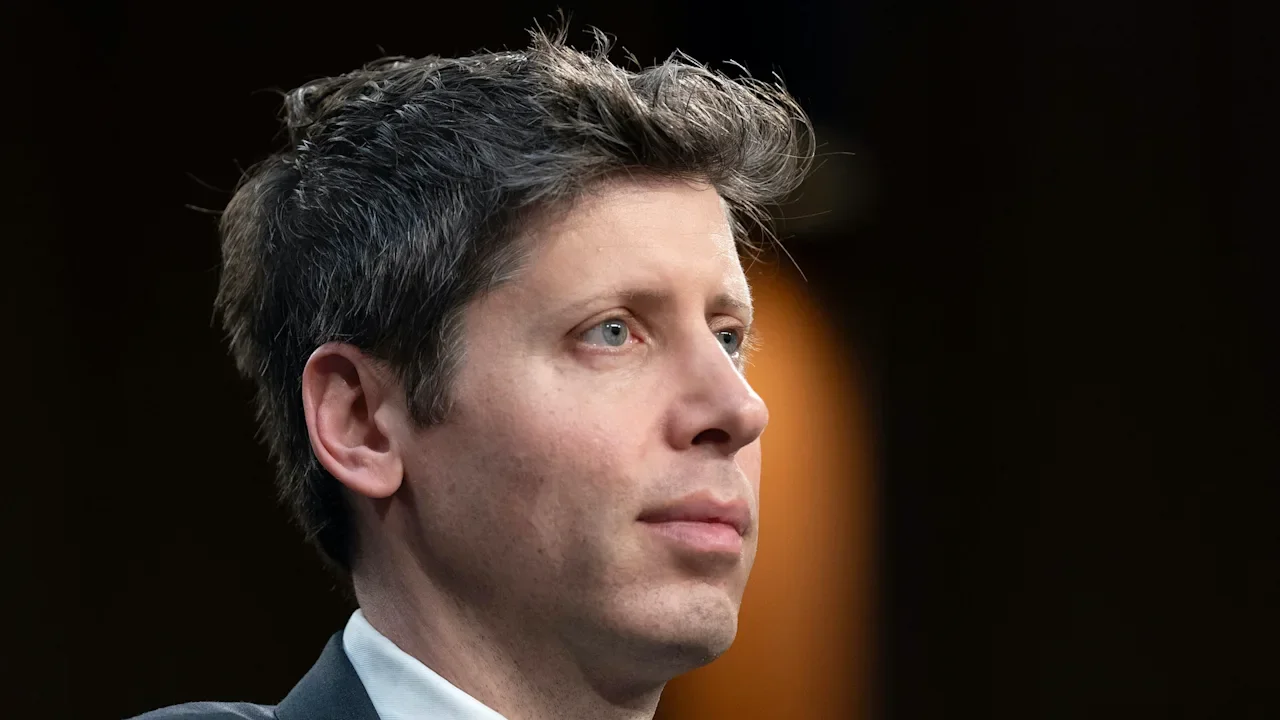
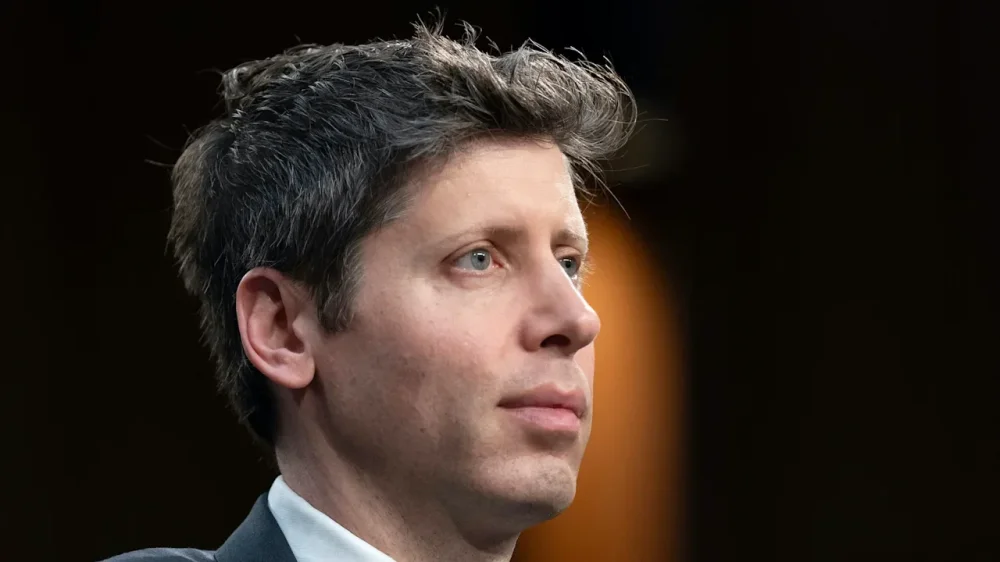
ChatGPT will be able to have kinkier conversations after OpenAI CEO Sam Altman announced the artificial intelligence company will soon allow its chatbot to engage in “erotica for verified adults.” OpenAI won’t be the first to try to profit from sexualized AI. Sexual content was a top draw for AI tools almost as soon as the boom in AI-generated imagery and words erupted in 2022. But the companies that were early to embrace mature AI also encountered legal and societal minefields and harmful abuse as a growing number of people have turned to the technology for companionship or titillation. Will a sexier ChatGPT be different? After three years of largely banning mature content, Altman said Wednesday that his company is “not the elected moral police of the world” and ready to allow “more user freedom for adults” at the same time as it sets new limits for teens. “In the same way that society differentiates other appropriate boundaries (R-rated movies, for example) we want to do a similar thing here,” Altman wrote on social media platform X, whose owner, Elon Musk, has also introduced an animated AI character that flirts with paid subscribers. For now, unlike Musk’s Grok chatbot, paid subscriptions to ChatGPT are mostly pitched for professional use. But letting the chatbot become a friend or romantic partner could be another way for the world’s most valuable startup, which is losing more money than it makes, to turn a profit that could justify its $500 billion valuation. “They’re not really earning much through subscriptions so having erotic content will bring them quick money,” said Zilan Qian, a fellow at Oxford University’s China Policy Lab who has studied the popularity of dating-based chatbots in the U.S. and China. There are already about 29 million active users of AI chatbots designed specifically for romantic or sexual bonding, and that’s not counting people who use conventional chatbots in that way, according to research published by Qian earlier this month. It also doesn’t include users of Character.AI, which is fighting a lawsuit that alleges a chatbot modeled after “Game of Thrones” character Daenerys Targaryen formed a sexually abusive relationship with a 14-year-old boy and pushed him to kill himself. OpenAI is facing a lawsuit from the family of a 16-year-old ChatGPT user who died by suicide in April. Qian said she worries about the toll on real-world relationships when mainstream chatbots, already prone to sycophancy, are primed for 24-hour availability serving sexually explicit content. “ChatGPT has voice chat versions. I would expect that in the future, if they were to go down this way — voice, text, visual — it’s all there,” she said. Humans who fall in love with human-like machines have long been a literary cautionary tale, from popular science fiction of the last century to the ancient Greek legend of Pygmalion, obsessed with a woman he sculpted from ivory. Creating such a machine would seem like an unusual detour for OpenAI, founded a decade ago as a nonprofit dedicated to safely building better-than-human AI. Altman said on a podcast in August that OpenAI has tried to resist the temptation to introduce products that could “juice growth or revenue” but be “very misaligned” with its long-term mission. Asked for a specific example, he gave one: “Well, we haven’t put a sexbot avatar in ChatGPT yet.” Idaho-based startup Civitai, a platform for AI-generated art, learned the hard way that making money off mature AI won’t be an easy path. “When we launched the site, it was an intentional choice to allow mature content,” said Justin Maier, the company’s co-founder and CEO, in an interview last year. Backed by the prominent venture capital firm Andreessen Horowitz, which has also invested in OpenAI, the Idaho startup was one of several that tried to capitalize on the sudden popularity of tools like Stable Diffusion and Midjourney that enabled people to type a description and conjure up almost any kind of image. Part of Stable Diffusion’s initial popularity was the ease with which it could generate a new kind of synthetic and highly customized pornography. “What we had seen was that there was a lot of interest in mature content,” Maier said. Training these AI systems, known as models, on “mature themes actually made it so that these models were more capable of human anatomy and resulted in actually better models,” he said. “We didn’t want to prevent the kind of growth that actually increased everything for the entire community, whether you were interested in mature content or Pixar,” Maier said. “So we allowed it early on and have always kind of had this battle of making it so that we can keep things filtered and safe, if that’s not what you’re interested in. We wanted to ultimately give the control to the user to decide what they would see on the site and what their experience would be.” That also invited abuse. Civitai last year implemented new measures to detect and remove sexual images depicting children, but it remained a hub for AI-generated pornography, including fake images of celebrities. Confronting increasing pressure, including from credit card processors and a new law against nonconsensual images signed by President Donald The President, Civitai earlier this year blocked users from creating deepfake images of real people. Engagement dropped. Another company that hasn’t shied away from mature content is Baltimore-based Nomi.ai, though its founder and CEO Alex Cardinell said its companion chatbots are “strictly” for users over 18 and were never marketed to kids. They are also not designed for sex, though Cardinell said in an interview earlier this year that people who build platonic relationships with their chatbot might find it veering into a romantic one. “It’s kind of very user-dependent for where they’re kind of missing the human gap in their life. And I think that’s different for everyone,” he said. He declined to guess how many Nomi users are having erotic conversations with the chatbot, comparing it to real-life partners who might do “mature content things” for some part of their lives but “all sorts of other stuff together as well.” “We’re not monitoring user conversations like that,” Cardinell said. Altman’s announcement that erotica for adults could arrive on ChatGPT in December came a day after California Gov. Gavin Newsom vetoed legislation that would have banned companies from making AI chatbots available to anyone under 18 years old if it was “foreseeable” that they would engage in “erotic or sexually explicit interactions” with kids or encourage them to harm themselves. The tech industry lobbied heavily against the bill, which Newsom said was too broad, but OpenAI, Meta, and others introduced new age restrictions and parental controls for AI-teen interactions. —Matt O’Brien, AP technology writer View the full article
-
Two presidents to discuss how they can force Russia’s Vladimir Putin to the negotiating tableView the full article
-
The rise and fall of the DJ-turned-politician is dizzying even by the standards of this African island country View the full article
-
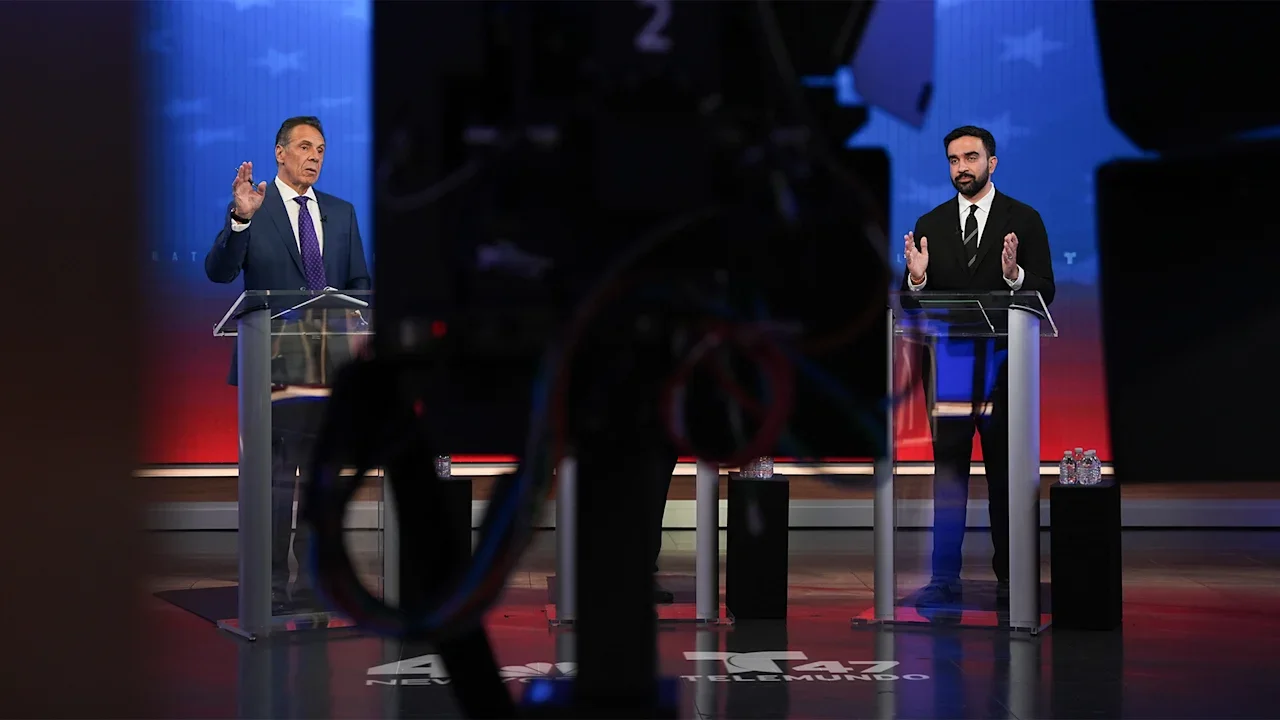
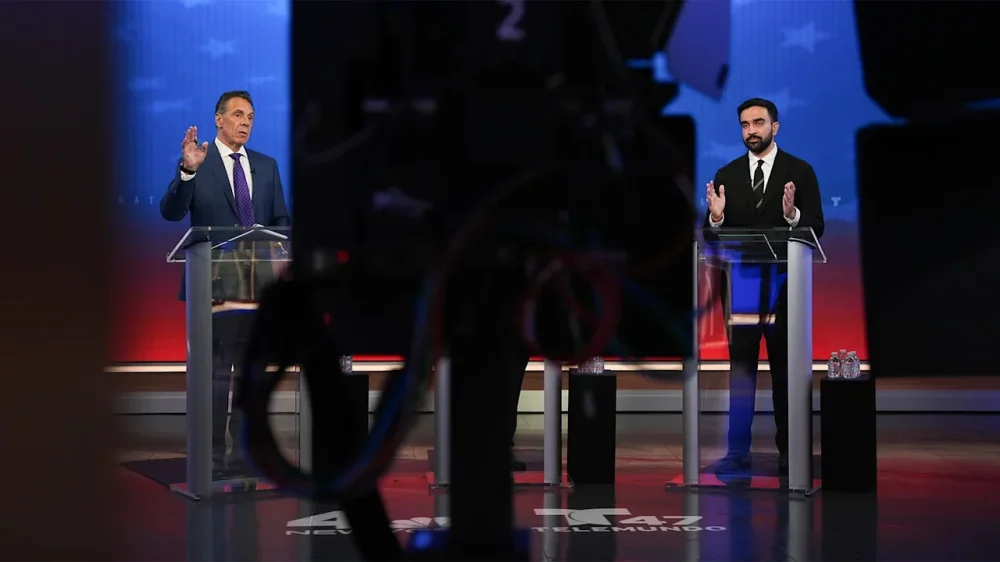
Last night, New Yorkers and viewers across the country tuned in to watch the first general election debate for mayor of New York City. And as far as debates go, this one was charged, full of spats, and came with a direct and thoroughline of questioning that didn’t leave anything off the table. Within minutes, Democrats Andrew Cuomo (who is running as an independent) and Zohran Mamdani, and Republican nominee Curtis Sliwa, made clear that they came not just prepared to share their positions, but also to follow up, push back on criticisms or mistruths, and repeatedly fire well-rehearsed jabs at one another. The trio let viewers know just how different they are—not just as candidates, but also, as people. The tension was so high it prompted Sliwa to comment, “There’s a lot of testosterone in this room,” minutes into the debate. Here are some key takeaways from the event: Cuomo’s past is not forgotten—and likely will never be Early on, Cuomo, who resigned as governor following an investigation into sexual misconduct allegations, had to answer tough questions about his record. As both Sliwa and Mamdani attacked the former governor about his handling of nursing homes during the Covid pandemic, and the sexual misconduct allegations, it felt clear that his past won’t soon be forgotten. But Cuomo wasn’t the only candidate who was pressed. Mamdani, a 33-year-old assemblyman, was asked hard-hitting questions that came with follow-up after follow-up on how he will fund his major proposals: making buses and childcare free and freezing rent. Mamdani talked about taxing the wealthiest one percent, while Sliwa called his ideas “fantasies” and Cuomo seemed to criticize him for wanting to lower the cost of living. The rent is still too damn high When candidates were asked how much they pay in rent, Cuomo and Mamdani gave starkly different answers. While Mamdani answered that his rent is $2,300 per month, Cuomo said he pays $7,800 and claimed that Mamdani “has a rent-stabilized apartment that a poor person should have.” Given that many New Yorkers are struggling to pay their rent, the comment felt out of step with what residents can actually afford. Gaza looms large in NYC Another issue that took up a solid chunk of the debate was the Israel-Hamas conflict. Mamdani was pressed over his pro-Palestine stance, which Cuomo said makes Jewish New Yorkers feel unsafe. Cuomo repeatedly brought up that Mamdani has failed to explicitly condemn Hamas and the phrase “globalize the intifada,” which Cuomo asserted means “kill all Jews.” Mamdani countered that “of course” he condemns the attacks by Hamas, and that in talking with Jewish New Yorkers on the campaign trail, he has learned that the phrase in question invokes fear; he noted that he will “discourage” the language, calling it “language that I do not use.” However, he pressed that, like many New Yorkers, he stands firmly against genocide and the occupation of Palestinian territories, which the International Court of Justice has said is illegal. He also stood up for Muslim New Yorkers, questioning why Cuomo has never been a leader for Muslims. “It took Andrew Cuomo being beaten by a Muslim to ever set foot in a mosque,” Mamdani said. A study in contrasts Overall, while Cuomo leaned into his experience, Mamdani pressed that if New Yorkers want more of the same, they should vote for Cuomo. “What I don’t have in experience, I make up for in integrity,” Mamdani said to the former governor. “What you don’t have in integrity, you could never make up for in experience.” As the two frontrunners sparred back and forth, Sliwa held his own. But at times, the Guardian Angels founder—who appeared at the debate without his trademark red beret—felt lost in the shuffle. This was especially true when he accidentally answered a question that wasn’t meant for him, and when he didn’t give a president’s name when asked to name his favorite modern president. He also couldn’t manage to say “Zohran” correctly. He repeatedly called his fellow candidates “the architect” (Cuomo) and “the apprentice” (Mamdani), in an apparent attempt to paint a picture of how he stands out from the both. But the candidates mostly seemed to ignore him. The final questions of the night focused on the candidate’s human side. When each were asked if they had ever purchased cannabis, Cuomo said no, Sliwa said he had for medical reasons, and Mamdani giggled as he openly answered that he had purchased cannabis from a legal dispensary. The moment is likely one that younger voters will find relatable (and memeable). There was no clear winner of the night, as what stood out the most was just how different Cuomo and Mamdani are. But, in terms of zingers, Mamdani had the best ones. The final jab of the night when they were all asked whether they’d go to a Knicks or Mets game if they were both happening at the same time—and Cuomo said “both.” Mamdani laughed as he said, “This is what New Yorkers are tired of. Just pick a team.” The candidates will have one more opportunity to make their positions clear at the next debate, which takes place next Wednesday, October 22, just three days before the start of early voting. View the full article
-
AI marketing can automate and optimize marketing tasks. Here are 12 use cases for digital marketing teams. View the full article
-
In a bold move set to energize local economies, Square is launching its “See You in the Neighborhood” campaign, prioritizing direct engagement with community-based businesses over traditional advertising. This initiative aims to foster authentic relationships between local sellers and consumers, making small businesses within neighborhoods thrive more effectively than ever before. Square has historically positioned itself as a vital tool for small business owners, delivering simple payment solutions that cater to their unique needs. With this new campaign, Square is taking a significant step in providing tangible support through on-the-ground activations that resonate deeply within local neighborhoods. The campaign features several high-impact initiatives designed to draw customers back to local businesses. “Neighbor Days” will provide pop-up experiences in key cities like New York, Los Angeles, and Atlanta, featuring custom offerings from beloved neighborhood spots. For instance, consumers can expect to enjoy unique collaborations, such as special sandwiches from local eateries and limited-edition merchandise. These events aim to unleash foot traffic and foster deeper community connections. Additionally, Square introduces “Walking Clubs,” curated neighborhood walks led by local figures, where community members can explore their area while discovering the offerings of nearby businesses. This innovative approach taps into a growing trend of fostering community ties through interactive experiences. Killer Mike, a notable entrepreneur and artist, emphasized the importance of these local connections, stating, “The neighborhood is our lifeblood as a business. It tells us what’s cool, and what’s happening next.” He highlighted how Square has supported his business journey by simplifying processes, allowing him to focus on building relationships with customers and planning future endeavors. This initiative highlights how Square has evolved since its inception sixteen years ago. Originally launching the world’s first mobile card reader, Square has played a crucial role in integrating countless small businesses into the financial system. As Chief Marketing Officer Lindsey Irvine noted, “What unites our sellers is their role as neighborhood anchors.” The current campaign reflects Square’s commitment to not just supporting businesses but amplifying their impact on local communities. Small business owners can glean practical benefits from Square’s latest offerings. By leveraging community-driven events, businesses can increase visibility and customer engagement while fostering a sense of belonging in their respective neighborhoods. This can lead to a solid customer base that prioritizes local spending over larger chains. However, small business owners should also be aware of potential challenges. Fully integrating into local events requires significant planning and resource allocation. Participation in activations like Neighborhood Days might necessitate coordination with Square’s initiatives and collaborating with other local businesses, which could stretch available manpower and budget. Owners should carefully assess their operational capacity before diving in. Moreover, success from these initiatives hinges on effective marketing. Small business owners must leverage social media and local outreach to ensure their communities know about these events, making proactive marketing strategies essential. Square’s ongoing focus on neighborhood engagement signals a robust future for small business owners seeking to capitalize on community support. As they navigate the complexities of the post-pandemic landscape, participating in initiatives that amplify local commerce could be a game-changer. The prospect of connecting directly with consumers through accessible, engaging initiatives aligns perfectly with evolving consumer preferences toward supporting small, local businesses. Square’s latest campaign is not just a marketing effort; it represents a broader shift towards revitalizing community ties and ensuring that small businesses remain vital players in their neighborhoods. Business owners looking to explore these opportunities can find more information at Square’s website, and there’s anticipation for new product innovations during the upcoming Square Releases on October 8, 2025, in New York. The journey toward evolving local commerce is alive, and with the initiatives launched by Square, small business owners have a unique opportunity to thrive in their neighborhoods. For further details, you can access the original press release here. This article, "Square Launches Community-Focused Campaign to Boost Neighborhood Businesses" was first published on Small Business Trends View the full article
-
In a bold move set to energize local economies, Square is launching its “See You in the Neighborhood” campaign, prioritizing direct engagement with community-based businesses over traditional advertising. This initiative aims to foster authentic relationships between local sellers and consumers, making small businesses within neighborhoods thrive more effectively than ever before. Square has historically positioned itself as a vital tool for small business owners, delivering simple payment solutions that cater to their unique needs. With this new campaign, Square is taking a significant step in providing tangible support through on-the-ground activations that resonate deeply within local neighborhoods. The campaign features several high-impact initiatives designed to draw customers back to local businesses. “Neighbor Days” will provide pop-up experiences in key cities like New York, Los Angeles, and Atlanta, featuring custom offerings from beloved neighborhood spots. For instance, consumers can expect to enjoy unique collaborations, such as special sandwiches from local eateries and limited-edition merchandise. These events aim to unleash foot traffic and foster deeper community connections. Additionally, Square introduces “Walking Clubs,” curated neighborhood walks led by local figures, where community members can explore their area while discovering the offerings of nearby businesses. This innovative approach taps into a growing trend of fostering community ties through interactive experiences. Killer Mike, a notable entrepreneur and artist, emphasized the importance of these local connections, stating, “The neighborhood is our lifeblood as a business. It tells us what’s cool, and what’s happening next.” He highlighted how Square has supported his business journey by simplifying processes, allowing him to focus on building relationships with customers and planning future endeavors. This initiative highlights how Square has evolved since its inception sixteen years ago. Originally launching the world’s first mobile card reader, Square has played a crucial role in integrating countless small businesses into the financial system. As Chief Marketing Officer Lindsey Irvine noted, “What unites our sellers is their role as neighborhood anchors.” The current campaign reflects Square’s commitment to not just supporting businesses but amplifying their impact on local communities. Small business owners can glean practical benefits from Square’s latest offerings. By leveraging community-driven events, businesses can increase visibility and customer engagement while fostering a sense of belonging in their respective neighborhoods. This can lead to a solid customer base that prioritizes local spending over larger chains. However, small business owners should also be aware of potential challenges. Fully integrating into local events requires significant planning and resource allocation. Participation in activations like Neighborhood Days might necessitate coordination with Square’s initiatives and collaborating with other local businesses, which could stretch available manpower and budget. Owners should carefully assess their operational capacity before diving in. Moreover, success from these initiatives hinges on effective marketing. Small business owners must leverage social media and local outreach to ensure their communities know about these events, making proactive marketing strategies essential. Square’s ongoing focus on neighborhood engagement signals a robust future for small business owners seeking to capitalize on community support. As they navigate the complexities of the post-pandemic landscape, participating in initiatives that amplify local commerce could be a game-changer. The prospect of connecting directly with consumers through accessible, engaging initiatives aligns perfectly with evolving consumer preferences toward supporting small, local businesses. Square’s latest campaign is not just a marketing effort; it represents a broader shift towards revitalizing community ties and ensuring that small businesses remain vital players in their neighborhoods. Business owners looking to explore these opportunities can find more information at Square’s website, and there’s anticipation for new product innovations during the upcoming Square Releases on October 8, 2025, in New York. The journey toward evolving local commerce is alive, and with the initiatives launched by Square, small business owners have a unique opportunity to thrive in their neighborhoods. For further details, you can access the original press release here. This article, "Square Launches Community-Focused Campaign to Boost Neighborhood Businesses" was first published on Small Business Trends View the full article