ResidentialBusiness
Administrators
-
Joined
-
Last visited
Everything posted by ResidentialBusiness
-
 On a recent Saturday, several hundred people flocked to Los Angeles International Airport and spent most of the day looking at airplanes — all because they follow the same airline-industry blog. That sentence may require some explanation even if you’ve read a post or two on Cranky Flier, the commercial-aviation chronicle written by industry veteran Brett Snyder. The avgeek gathering Snyder calls Cranky Dorkfest began in 2011. Snyder, based nearby in Long Beach, decided to see if any of his readers — many of whom regularly show up in comments on his blog under aviation-related pseudonyms — wanted to meet up. So Snyder suggested a triangular park between LAX’s Runway 24R and an In-N-Out Burger that offers some of America’s finest planespotting. “The original plan was really just me putting out a blog post saying that I was going to go to the park across from In-N-Out and hoped some people would join me for burgers, spotting, and conversation,” Synder says in an email. “A handful did. And then it just kept growing from there.” The idea took off because the notion of people meeting online over a shared fascination and then connecting IRL shouldn’t be that strange. Especially if their meeting point happens to revolve around their common interest. Soon, airlines, flight-tracking apps and services, and Los Angeles World Airports (LAWA) started taking notice and finding ways to participate, perhaps because of or despite its self-mocking moniker of “Dorkfest.” (I got some raised eyebrows explaining the event to friends.) “You have to own it,” says Snyder, whose job title at his travel agency, Cranky Concierge, is “president and chief airline dork.” Plane selfies The 2025 edition of Dorkfest began early Sept. 13 at a ramp on the south side of the airport hosted by LAWA. The authority required attendees to register in advance; a week later, signups maxed out at 500. Attendees had the treat of two parked airliners to be explored at length: American Airlines sent a Boeing 737-800 in its throwback “Astrojet” livery and Delta Air Lines loaned an Airbus A350-900. With almost everybody wanting a flight-deck selfie, boarding took awhile. LAWA catered breakfast from the local favorite Randy’s Donuts and brought a DJ, who spun location- and subject-relevant tracks like A Tribe Called Quest’s “I Left My Wallet In El Segundo” and the Red Hot Chili Peppers’ “Aeroplane.” A large fraction of the attendees ignored all of that to stand next to a fence separating the area from an active taxiway so they could take in the view of arrivals and departures on LAX’s two southern runways — plus a Boeing 747-8 freighter operated by Cathay Pacific Cargo taxiing nearby. “I hope people have travel plans soon” A few hours later, it was time to head over to the In-N-Out that’s become my favorite fast-food joint in the world. People opened ride-hailing apps for the short ride and waited for their Ubers and Lyfts to roll up, which is when I ran into a friend from grade and high school, an aviation lawyer I hadn’t seen since March of 2020. The lunchtime scene at this In-N-Out is always great, since that block overlaps with the start of a wave of arrivals of widebody jets from overseas. Even with a few hundred extra people added to the noon crowd, the place remained as marvelously efficient as I’ve seen it in past visits to L.A. As attendees cycled their gaze from flight-tracking apps to each Boeing 777 or Airbus A350 arriving from places like Shanghai, Paris, Rome or Singapore, Snyder conducted a raffle drawing, with prizes contributed by a flock of companies. Struggling to be heard over the roar of jet engines even with the help of a megaphone, Snyder cracked jokes as he called out winners of such goodies as a subscription to the aviation-industry publication The Air Current, free tickets or frequent-flyer miles from various airlines (“I hope people have travel plans soon,” he said while awarding 20,000 points from bankrupt Spirit Airlines), models of planes, and bundles of airline swag. One airline had a formal presence: Recently merged Alaska and Hawaiian Airlines sent reps to hand out their inflight snacks of pretzel mix, Biscoff cookies, and POG (passionfruit orange guava) juice to any attendees not already stuffed from animal style Double-Doubles. Other years have seen more in-person airline participation. Snyder recalls 2019’s Dorkfest, when United Airlines CEO Oscar Munoz showed up and handed out burgers. The day wrapped up with an event hosted by NYCAviatio at a food hall called the Proud Bird, situated across Aviation Boulevard from LAX’s other pair of runways. The plane that drew the most cheers out of the audience was not any passenger airliner but a more esoteric airframe: a McDonnell-Douglas MD-11 freighter operated by FedEx, the final version in a series of triple-engine widebodies dating to the DC-10. That New York aviation-enthusiast group had started its own annual SpotLAX meetup a few years after Dorkfest began, then opted to align that gathering with Snyder’s. “We realized we should keep doing that,” Snyder says. “It really increased the opportunities for people to participate and helped justify travel from further away to come join.” The two farthest origin points for 2025’s Dorkfest, per a map at the Great Circle Mapper site generated from attendee input: Shizuoka, Japan and Haikou, China. Most real-world meetups of online communities don’t draw people from that far away—with the exception of such high-profile gatherings as the NASA Socials that the space agency hosts for launches. On one I joined for the penultimate space shuttle launch in 2011, I was struck by how readily strangers agreed to coordinate on shared housing and rental-car transportation. Often, these gatherings are much smaller-scale, like Wikipedia-editor meetups, the weekly happy hours coordinated by some local Reddit forums (see, for example, those at r/washingtondc) or just two members of the FlyerTalk frequent-travel forum recognizing each other’s yellow “FT” luggage tags in an airport lounge. It may be weird showing up to these events. But embrace the weirdness and the chance to get to know strangers who maybe aren’t so distant from you. As Snyder says: “The best moments are meeting people who I’ve never seen other than in discussion online.” View the full article
-
A new study out Wednesday in the journal Nature from the University of California, Berkeley found that women are systematically presented as younger than men online and by artificial intelligence—based on an analysis of 1.4 million online images and videos, plus nine large language models trained on billions of words. Researchers looked at content from Google, Wikipedia, IMDb, Flickr, and YouTube, and major large language models including GPT2, and found women consistently appeared younger than men across 3,495 occupational and social categories. (Note: It’s possible that filters on videos and women’s makeup may be adding to this age-related gender bias in visual content.) Study data showed not only are women asystematically portrayed as younger than men across online platforms, but this distortion is strongest for content depicting occupations with higher status and earnings. It also found that Googling images of occupations amplified age-related gender bias in participants’ beliefs and hiring preferences. “This kind of age-related gender bias has been seen in other studies of specific industries, and anecdotally . . . but no one has previously been able to examine this at such scale,” said Solène Delecourt, assistant professor at the Berkeley Haas School of Business, who co-authored the study along with Douglas Guilbeault from Stanford’s business school and Bhargav Srinivasa Desikan from Oxford’s Autonomy Institute. “Even though the internet is wrong, when it tells us this ‘fact’ about the world, we start believing it to be true,” Guilbeault said. “It brings us deeper into bias and error.” Looking specifically at ChatGPT, researchers found when the AI chatbot generated and analyzed some 40,000 resumes, it assumed women were younger by 1.6 years and had less work experience, while rating older male applicants as more qualified—even though the data shows no systematic age differences between men and women in the workforce. But perhaps the greatest takeaway from the study is that this biased view online reinforces inaccuracies about, and stereotypes of women, which can end up creating a distorted feedback loop between online perceptions and AI, that moves from the internet into the real world—which can then result in widening the gap between men and women in the job market. View the full article

-
Too late. Too expensive. Too bland. Too antiquated. Too much of the same. There are just too many toos when it comes to Tesla’s new “cheap” cars, which the company announced on Oct. 7. Its highly anticipated “affordable models” are just stripped-down Model 3 and Model Y variants that come in at a more expensive price point than the current 2025 models. Some marketing genius labeled them as “Standard,” but judging the cars against cheaper, better models from automakers around the world, Tesla’s newest offerings can’t even claim that benign adjective. The truth is, these cars are terrible news for the company. With its reputation in tatters thanks to Musk’s brand suicide-by-The President and years of quality complaints, technology stagnation, and tired design, Tesla really needed a big bang to counteract its quickly shrinking market share. Judging by the reaction online, that big bang looks more like a Starship exploding on the launch pad. The consensus is that these new models are just manufacturing cost-cutting without the price tag cuts. Unsurprisingly, Tesla stock fell 4% yesterday after the announcement. It will rebound, I’m sure, but my prediction is that it will crash way harder when new sales data comes in the next two quarters after people realize how much of a dud these models are. Can’t compete The Hyperloop-sized fact of the matter is that there is just no way these new cars are going to beat the competition. Let’s put aside their lackluster trimmings and repetitive design to focus on price for now. The new cars aren’t affordable at all: The Model Y Standard starts at $39,990 and the Model 3 Standard at $36,990. These prices can’t compete in the market today. Chinese brands like BYD and NIO destroy them at every single metric. They already offer a better price for a superior technology than Tesla’s expensive models, which is why the company’s market share is in free fall everywhere Chinese EVs are on the road. Many Chinese models have longer-lasting and more durable batteries, better trimmings, better finishes, and even free autonomous driving for life for many models at genuinely affordable prices. Worldwide EV market king BYD sells vehicles starting below $30,000 globally, with models like the Dolphin priced at around $26,700 and the Seagull compact selling for under $10,000 in China. The company has outsold Tesla globally for the last four quarters, selling about 1.6 million all-electric vehicles through Q3 2025—nearly 400,000 more than Tesla’s 1.22 million units in the same period. But you don’t even need to go compact to see the price difference: NIO’s new Onvo L60 SUV starts at $30,439 while offering more interior space and equivalent range. How can Tesla every hope to beat them? Even American competitors offer better options. The Chevrolet Equinox EV starts at $34,995 with 319 miles of range, undercutting Tesla’s Model Y by $5,000 while offering traditional amenities Tesla removed. You know, like FM radio and powered mirrors. Tesla’s new models don’t have FM radio and the new “Standard” Model 3 is now “the only car sold in America with manual side mirrors,” as the car publication The Drive points out. Japan has cheaper and better EVs, too, like the Toyota bZ4X SUV, which starts at $38,520. The Europeans, too, if you want really inexpensive. The Dacia Spring starts at about $19,500. The Citroën ë-C3 begins at about $23,000. I can go on and on, but you get the idea. Worse yet: The new Teslas can’t even compete with its existing models. Thanks to Musk’s The President support—which brought the elimination of federal tax credits—the Standard models are more expensive than Tesla’s cars cost just days earlier, as EV car blog Electrek points out. The Model Y costs $37,490 after credits, about $2,000 less than the “Standard” version. Tesla somehow managed to launch “cheaper” cars that are more expensive. Well done, Elon. Here’s your $1 trillion cookie. Dollar General cars without the price cuts That’s the other thing with the new models. The company has systematically removed features across every category in these vehicles. The Model Y, for example, has dropped its range by 36 miles to 321 miles. Some of them as basic as FM radio and powered mirrors, no heated second-row seats, and no adaptive high beams. Cars.com counts a total of 15 missing features. Gone are the LED light bars that were Tesla’s signature, according to The Autopian. The Model Y now looks like a generic crossover with simple headlamps. Inside, Tesla swapped premium vegan leather for cheap textile inserts, removed the rear touchscreen that passengers actually used and kids loved, and even eliminated ambient lighting throughout the cabin. The audio system drops from 15 speakers with a subwoofer to just seven speakers. The rear seats fold manually instead of electronically. The front trunk shrinks by a cubic foot and loses its waterproof lining. The engineering cutbacks are even more worrying. Tesla downgraded the suspension from its frequency-selective dampers back to basic passive shocks. Why? No idea. But it’s particularly shocking because the suspension has been a big point of disgust for many users and car testers, like MotorTrend, who hated it. Gone is the lane-centering autosteer too, a major safety feature in a car brand known for being one of the most dangerous cars on the road. The number of cameras have been reduced, too. And, of course, no autonomous driving (which may be a blessing in disguise, given the deficient state of the technology, still far away from Musk’s self-driving sci-fi promises). As one industry expert observed: “It’s challenging to justify such a lengthy list of missing features when the price difference is merely $5,000 from the next trim up.” As a Redditor pointed out in one of the many threads slamming the new models, it feels like Tesla don’t actually want to sell these cars—perhaps it’s a move to get consumers to upgrade to the next, more expensive model. If that’s the case, it’s a strange way to get back into the leadership position. One that doesn’t seem to justify Musk’s astronomical pay package. Perhaps these new models are an admission that he has given up completely on cars and he thinks that robots and autonomous cabs will save his company from oblivion. But that bet is now more dangerous than ever. Maybe that would be a possibility if Tesla had all this technology working and deployed, but his promise about Tesla Robotaxis being everywhere in 2026 still feels completely unfeasible, no matter what some analysts are smoking. It’s still testing the cars in Austin and the Bay Area, while competitors Waymo and Apollo are establishing full services in cities worldwide. And his promise about Optimus also shipping by the gazillion next year, well, LOL is all I can say. The latest demo in September was toe-curling embarrassing. But I digress. We were talking about cars. We’re talking about new Teslas that are not affordable, but are cheap. But hey, at least have arrived, even if it is years too late. And even if their arrival is nothing more than a reminder that Tesla is once again ceding its reputation as an innovator. View the full article

-
If you’re a frequent flier, chances are you’ve been seized by the fear that your carry-on bag is too big for the overhead compartments. Now, for American Airlines passengers, it’s even more important to make sure that your bag is within the size limit before boarding. This week, the airline announced that it’s getting rid of its bag-sizers at gates. American Airlines told the news station KTLA that it started removing the metal sizers, which typically allow customers and gate agents to decide if luggage will fit in the airplanes’ overhead bins, on October 6. According to the airline, the move is intended to simplify the boarding process—bypassing the bottleneck that sometimes forms when multiple passengers need to check the size of their bags. How will bags be checked for size? Starting this week, gate agents will be responsible for visually assessing whether carry-ons are the appropriate size. According to American Airlines’ website, customers are allowed one personal item, which should be 18-by-14-by-8 inches or smaller, as well as one carry-on, which cannot exceed 22-by-14-by-9 inches. The airline noted to KTLA that bag-sizers are still available in airport lobbies for passengers who would like to use them. “Team members will continue to monitor carry-on baggage in the lobby and at the gate, and oversized items will still be required to be checked in ahead of the flight,” the airline said. This procedural change is only the latest update in American Airlines’ recent effort to get passengers boarded faster. In late 2024, the company began cracking down on “gate lice”—passengers who swarm the gate before it’s their time to board—by implementing a new boarding pass technology that makes an audible beep if fliers try to board in the wrong group, sending them back to the end of the line. Other airlines are increasingly focused on streamlining their boarding processes, too. Over the past several years, the air travel industry has become reliant on charging customers for an ever-expanding list of ancillary fees to boost profits, forcing the U.S.’s biggest companies to compete on offering the most desirable perks. For Southwest Airlines, that’s meant scrapping its iconic open boarding system in order to implement an eight-group boarding process with premium seating options. American Airlines did not immediately respond to Fast Company’s request for additional details on its new bag-sizer policy. View the full article

-
Equifax will hold costs for scores from FICO rival Vantagescore through 2027 and offer other incentives meant to drive adoption of the alternative metric. View the full article
-
As any Studio Ghibli fan will testify, an afternoon spent binging Hayao Miyazaki classics is guaranteed to leave a warm, fuzzy feeling inside. Now, this feeling is backed by science. A study published by JMIR Serious Games, a peer reviewed journal focused on how gaming is connected to education, health, and social change, looked into how the brain responds to both watching films produced by the Japanese animation studio and playing the open-world game The Legend of Zelda: Breath of the Wild. The researchers gathered 518 postgraduate students and divided them into four groups. Some played Breath of the Wild and some watched Studio Ghibli films like My Neighbor Totoro and Kiki’s Delivery Service, while others did both and a control group did neither. Researchers then measured feelings of exploration, calm, skill mastery, purpose, and life happiness via a brief questionnaire. The results matched what fans have intrinsically known for years. Those who played Breath of the Wild reported higher levels of life happiness than those who didn’t. Peacefully roaming the world of Hyrule, perhaps stopping by a pond or cooking a meal under the stars, creates “a relaxing form of escapism” for players away from life’s daily stresses, permitting a chance to “recharge mentally.” For an added boost of happiness, however, the researchers found both playing the game and watching the Studio Ghibli films produced the best results. This comes down to the Studio Ghibli films’ unique ability to induce nostalgia. “Films such as My Neighbor Totoro and Kiki’s Delivery Service often focus on the small, everyday wonders of life, such as playing in the countryside or sharing mealtime with family,” the research noted. “By shining a spotlight on ordinary moments and turning them into something magical, Miyazaki’s works tap into a universal longing for the innocence and wonder of childhood. This kind of warmth can evoke nostalgia for times when people felt safe and cared for.” Previous research backs up the positive mental health effects of these leisure time activities. Studies have shown that casual gaming can be an effective way to unwind and relax, while open-world games in particular, have been shown to significantly enhance cognitive escapism, promote relaxation, and improve overall mental well-being. Now your weekend plans are sorted. You’re welcome. View the full article

-
A brand positioning framework is vital for defining your brand’s identity in a competitive market. It helps you articulate your unique value proposition and target the right audience effectively. Comprehending this framework is paramount, as it influences customer loyalty and trust. It likewise affects your brand’s recognition and market share. Knowing the components and strategies involved can greatly impact your business success. Let’s explore how you can leverage this framework for maximum effectiveness. Key Takeaways A brand positioning framework defines a brand’s unique identity in a competitive marketplace, enhancing recognition and consumer recall. It includes a brand essence chart and positioning statement, highlighting core values, mission, and target audience. Effective positioning nurtures customer loyalty and trust, leading to increased spending and market share. Differentiation strategies within the framework help the brand stand out through unique offerings, quality, or exceptional customer experiences. Regular market research and feedback ensure the brand remains relevant and resonates with consumer needs over time. Understanding Brand Positioning Frameworks A brand positioning framework is vital for any business looking to carve out a unique identity in a crowded marketplace. It helps you identify your brand’s unique space by comprehending your target consumers, differentiators, and competition. This knowledge is fundamental for effective marketing strategies, allowing you to guide brand perception effectively. Within this framework, you’ll find components like the brand essence chart and positioning statement, which clearly articulate your brand’s value proposition. You should additionally consider a competitive positioning framework, ensuring that your brand stands out against rivals. By creating emotional connections with consumers, your brand can encourage loyalty and increase market share, making it 59% more likely to be purchased when consumers recognize it. The Importance of Brand Positioning Brand positioning is essential for enhancing brand recognition and building consumer trust. When you clearly define your brand’s unique identity, it stands out in a crowded market, making it easier for customers to remember you. This recognition not only increases the likelihood of purchase but likewise nurtures loyalty as consumers feel a stronger connection to brands that align with their values. Enhances Brand Recognition Effective brand positioning plays a crucial role in improving brand recognition in today’s competitive environment. When your brand stands out, it becomes easier for consumers to recall and recognize it, increasing the likelihood that they’ll choose your products. Familiarity with your brand can make consumers 59% more likely to make a purchase. A clear brand position likewise allows you to set appropriate pricing strategies based on how consumers perceive your brand’s uniqueness and value. Furthermore, strong emotional connections cultivated through effective positioning can boost customer loyalty, leading to higher spending from engaged customers. Consistent messaging aligned with your brand position builds credibility and influences marketing decisions, ensuring a cohesive presence that resonates with your target audience. Builds Consumer Trust When positioning your brand effectively, you not just improve its visibility but also build consumer trust, which is crucial for long-term success. A well-defined brand positioning framework creates a recognizable identity that aligns with consumer values, making them 59% more likely to purchase from familiar brands. By nurturing emotional connections, you can elevate customer loyalty and advocacy, driving repeat purchases and referrals. Consistent messaging across all platforms reinforces credibility, as 81% of consumers need to trust a brand before buying. Furthermore, effective positioning differentiates you from competitors, establishing a unique value proposition that meets specific needs. Addressing pain points and delivering on promises builds reliability and authenticity, greatly influencing consumer trust and satisfaction. Key Components of a Brand Positioning Framework To build a strong brand positioning framework, you need to clearly identify your target audience and articulate your unique value proposition. Knowing who your audience is helps tailor your messaging to their needs and preferences. Meanwhile, a compelling value proposition sets your brand apart, making it easier for consumers to understand why they should choose you over competitors. Target Audience Identification How can you effectively identify your target audience within a brand positioning framework? Start by segmenting potential customers based on demographics, psychographics, and behaviors. Consider their pain points, as comprehending these factors is vital for effective brand positioning. Gather customer feedback regularly and conduct market research to refine your audience insights. This approach guarantees you grasp their preferences, needs, and values, making your brand resonate more with them. Brands that align their positioning with consumer needs often see significant increases in brand recall and trust. A well-defined target audience allows you to craft customized messaging that speaks directly to their interests, ultimately driving higher conversion rates and enhancing customer satisfaction. Unique Value Proposition A Unique Value Proposition (UVP) is essential for distinguishing your brand in a competitive marketplace. It articulates the distinct benefits and value you offer to your target audience. To create a compelling UVP, clearly answer, “Why should customers choose my brand over competitors?” Focus on specific attributes that set you apart. Make sure your UVP is simple and memorable, allowing consumers to easily recall your brand’s key benefits. Incorporate customer pain points to address their specific needs and desires, making your proposition relatable. A well-defined UVP not only strengthens your brand messaging but also aligns your marketing strategies across all departments, ensuring consistency in communication and enhancing the overall customer experience. Types of Brand Positioning Strategies Five main types of brand positioning strategies can help you effectively differentiate your brand in a competitive market. Differentiation strategies create a unique identity, focusing on attributes beyond price or quality. Quality-based positioning emphasizes high standards, attracting consumers willing to invest in premium products. Customer service-based positioning prioritizes exceptional experiences, nurturing loyalty and advocacy, as seen with companies like Zappos. Convenience-based positioning simplifies the consumer experience, enhancing access and usability, which can boost sales, demonstrated by brands like Swiffer. Finally, price-based positioning targets cost-conscious consumers, offering competitive pricing but risking price wars that may diminish profit margins. Comprehending these strategies allows you to choose the right approach for your brand’s unique needs and market conditions. Benefits of a Strong Brand Positioning Framework A strong brand positioning framework can greatly improve your brand’s visibility and market comprehension. By clearly defining your brand’s identity and connecting it to customer needs, you’ll likely see increased loyalty and retention among your audience. This foundational approach not just differentiates you from competitors but likewise reinforces trust, leading to a more engaged customer base. Enhanced Brand Visibility Establishing improved brand visibility is vital for any business aiming to succeed in a competitive market. A strong brand positioning framework clearly defines your unique value proposition, making it easier for consumers to recognize and recall your brand among competitors. Brands with effective positioning are 59% more likely to be purchased by familiar consumers, underlining the importance of brand recall in driving sales. Consistent messaging across various channels builds credibility and trust, fundamental for attracting and retaining customers. Improved Market Understanding When you implement a strong brand positioning framework, you gain a clearer grasp of your market. This insight helps you connect with your target audience effectively. Here are some key benefits: You improve consumer identification, making it easier for customers to find products or services that align with their needs. Establishing a unique identity allows you to stand out in a crowded marketplace, promoting brand recall and recognition. By leveraging your unique differentiators, you engage better with your ideal customers, enhancing market share. In essence, a well-defined framework not only clarifies your market position but additionally supports consistent messaging, ensuring your brand’s values resonate with consumers, ultimately driving sales opportunities. Increased Loyalty and Retention Building on the improved market comprehension gained from a strong brand positioning framework, you can likewise cultivate increased loyalty and retention among your customers. Recognizing your brand is vital; 59% of consumers prefer purchasing from familiar names. Consistent messaging builds trust, as 81% of buyers need to trust a brand before they make a purchase. By clearly communicating your unique value, you can boost customer retention rates by 20%. In addition, emotional connections formed through effective positioning encourage customers to spend up to twice as much. This loyalty can increase customer lifetime value by 30%, as engaged customers tend to make repeat purchases. Implementing a robust brand positioning strategy ultimately strengthens your customer relationships and drives long-term success. Steps to Create an Effective Brand Positioning Framework Creating an effective brand positioning framework starts with a clearly defined brand positioning statement that captures the essence of your target audience and highlights the unique benefits of your product or service. Follow these steps to establish a strong foundation: Craft a clear brand positioning statement that defines your audience, benefits, and distinct attributes. Utilize a Brand Essence Chart to outline your mission, vision, core values, and personality traits. Conduct thorough market research to gather customer feedback and analyze competitors, identifying gaps and opportunities. Also, define your unique value proposition (UVP) to articulate what makes your offerings special. Regularly measure your brand positioning’s effectiveness by tracking customer perceptions and engagement metrics to maintain ongoing relevance with your audience. Tools for Measuring Brand Positioning Measuring brand positioning is vital for comprehending how your brand is perceived in the marketplace. One effective tool is a Perceptual Map, which visually displays your brand’s position against competitors. This allows you to identify market gaps and differentiation opportunities. The Brand Essence Chart helps summarize key brand attributes and consumer perceptions, giving you a clear overview of your brand’s standing. Moreover, customer feedback surveys and online review monitoring can gauge consumer sentiment and loyalty. Key performance metrics, like revenue growth and referral rates, are fundamental for evaluating the success of your positioning strategy. Finally, regular brand audits track changes in consumer perceptions, ensuring your brand remains relevant in a dynamic market. Tips for Successful Brand Positioning Comprehending your brand’s positioning is just the beginning; implementing effective strategies is what drives success. To achieve successful brand positioning, focus on these key tips: Understand Your Audience: Plunge deep into your target consumer’s demographics, psychographics, and pain points to create messages that resonate with them. Differentiate Your Brand: Identify unique attributes that set your brand apart, enhancing visibility and consumer recall in a competitive market. Maintain Consistency: Guarantee your messaging is uniform across all channels, building credibility and trust, as 59% of consumers prefer recognizable brands. Regularly gather and analyze customer feedback to keep your brand positioning relevant and aligned with market dynamics. This ongoing effort will help you refine your strategy effectively. Real-World Brand Positioning Examples Comprehending real-world brand positioning examples can provide valuable insights into how successful Apple companies effectively communicate their value propositions. For instance, Apple positions itself as a premium technology brand, focusing on innovation and design, which justifies its higher prices and builds a loyal customer base. Nike inspires consumers through emotional positioning, using motivational branding and endorsements from top athletes to nurture connections centered on performance. Tesla differentiates itself in the automotive market by promoting its electric vehicles as high-tech, sustainable options for eco-conscious consumers. Coca-Cola associates its product with happiness and togetherness, using consistent messaging to create emotional bonds. Finally, Airbnb disrupts the hospitality industry by positioning itself as a community-driven alternative, emphasizing unique local experiences and personal connections. The Impact of Brand Positioning on Business Success Brand positioning plays a crucial role in determining a company’s success in the marketplace. It shapes how consumers perceive your brand, impacting their purchasing decisions considerably. Here’s how effective brand positioning can boost your business: Enhances brand recall: Familiar brands are 59% more likely to be purchased, emphasizing the need for a distinct market presence. Differentiates from competitors: Unique positioning allows for premium pricing, which can increase your profit margins. Fosters emotional connections: Brands with a clear positioning statement see customers engaging more, often spending twice as much. Frequently Asked Questions What Is a Brand Positioning Framework? A brand positioning framework helps you define your brand’s unique place in the market. It outlines your mission, vision, and value proposition, ensuring you stand out to your target audience. By identifying key differentiators, you create a cohesive identity that aligns with consumer needs. This structured approach improves brand recall and influences purchasing decisions. In the end, a strong framework guides your marketing strategies and nurtures trust and loyalty among your customers. What Is Brand Positioning and Why Is It Important? Brand positioning defines how your brand is perceived in the marketplace. It’s important as it helps you differentiate from competitors, making your brand more recognizable. When consumers identify with your brand, they’re more likely to trust and remain loyal to it. Effective brand positioning likewise guides your marketing strategies and product pricing, ensuring they align with what customers value. In the end, strong positioning can lead to increased market share and sales. What Are the 4 Components of Brand Positioning? To effectively position your brand, focus on four key components. First, identify your target audience by comprehending their demographics and pain points. Next, define your unique value proposition, highlighting what sets your brand apart. Then, analyze competitors to recognize their strengths and weaknesses, which helps you spot market gaps. Finally, establish key differentiators that resonate with consumers, ensuring your brand occupies a distinct space in their minds as it fulfills their needs. What Are the 4 C’s of Brand Positioning? The 4 C’s of brand positioning are Consumer, Cost, Convenience, and Communication. First, identify your target audience’s needs and preferences to align your offerings effectively. Next, evaluate your pricing strategy, ensuring it reflects the perceived value. Convenience involves simplifying access and usage for your customers, making their experience smoother. Finally, focus on crafting clear messaging that resonates with your audience, reinforcing your brand’s unique value and nurturing loyalty. Conclusion In conclusion, a brand positioning framework is vital for defining your brand’s unique identity and value in a competitive market. By comprehending and implementing the key components and strategies discussed, you can improve brand recognition and customer loyalty. Measuring your brand positioning helps guarantee ongoing effectiveness. Focus on clarity and consistency in your messaging to build trust and emotional connections with your audience. In the end, strong brand positioning is critical for driving business success and achieving long-term growth. Image Via Envato This article, "What Is a Brand Positioning Framework and Why It Matters?" was first published on Small Business Trends View the full article
-
A brand positioning framework is vital for defining your brand’s identity in a competitive market. It helps you articulate your unique value proposition and target the right audience effectively. Comprehending this framework is paramount, as it influences customer loyalty and trust. It likewise affects your brand’s recognition and market share. Knowing the components and strategies involved can greatly impact your business success. Let’s explore how you can leverage this framework for maximum effectiveness. Key Takeaways A brand positioning framework defines a brand’s unique identity in a competitive marketplace, enhancing recognition and consumer recall. It includes a brand essence chart and positioning statement, highlighting core values, mission, and target audience. Effective positioning nurtures customer loyalty and trust, leading to increased spending and market share. Differentiation strategies within the framework help the brand stand out through unique offerings, quality, or exceptional customer experiences. Regular market research and feedback ensure the brand remains relevant and resonates with consumer needs over time. Understanding Brand Positioning Frameworks A brand positioning framework is vital for any business looking to carve out a unique identity in a crowded marketplace. It helps you identify your brand’s unique space by comprehending your target consumers, differentiators, and competition. This knowledge is fundamental for effective marketing strategies, allowing you to guide brand perception effectively. Within this framework, you’ll find components like the brand essence chart and positioning statement, which clearly articulate your brand’s value proposition. You should additionally consider a competitive positioning framework, ensuring that your brand stands out against rivals. By creating emotional connections with consumers, your brand can encourage loyalty and increase market share, making it 59% more likely to be purchased when consumers recognize it. The Importance of Brand Positioning Brand positioning is essential for enhancing brand recognition and building consumer trust. When you clearly define your brand’s unique identity, it stands out in a crowded market, making it easier for customers to remember you. This recognition not only increases the likelihood of purchase but likewise nurtures loyalty as consumers feel a stronger connection to brands that align with their values. Enhances Brand Recognition Effective brand positioning plays a crucial role in improving brand recognition in today’s competitive environment. When your brand stands out, it becomes easier for consumers to recall and recognize it, increasing the likelihood that they’ll choose your products. Familiarity with your brand can make consumers 59% more likely to make a purchase. A clear brand position likewise allows you to set appropriate pricing strategies based on how consumers perceive your brand’s uniqueness and value. Furthermore, strong emotional connections cultivated through effective positioning can boost customer loyalty, leading to higher spending from engaged customers. Consistent messaging aligned with your brand position builds credibility and influences marketing decisions, ensuring a cohesive presence that resonates with your target audience. Builds Consumer Trust When positioning your brand effectively, you not just improve its visibility but also build consumer trust, which is crucial for long-term success. A well-defined brand positioning framework creates a recognizable identity that aligns with consumer values, making them 59% more likely to purchase from familiar brands. By nurturing emotional connections, you can elevate customer loyalty and advocacy, driving repeat purchases and referrals. Consistent messaging across all platforms reinforces credibility, as 81% of consumers need to trust a brand before buying. Furthermore, effective positioning differentiates you from competitors, establishing a unique value proposition that meets specific needs. Addressing pain points and delivering on promises builds reliability and authenticity, greatly influencing consumer trust and satisfaction. Key Components of a Brand Positioning Framework To build a strong brand positioning framework, you need to clearly identify your target audience and articulate your unique value proposition. Knowing who your audience is helps tailor your messaging to their needs and preferences. Meanwhile, a compelling value proposition sets your brand apart, making it easier for consumers to understand why they should choose you over competitors. Target Audience Identification How can you effectively identify your target audience within a brand positioning framework? Start by segmenting potential customers based on demographics, psychographics, and behaviors. Consider their pain points, as comprehending these factors is vital for effective brand positioning. Gather customer feedback regularly and conduct market research to refine your audience insights. This approach guarantees you grasp their preferences, needs, and values, making your brand resonate more with them. Brands that align their positioning with consumer needs often see significant increases in brand recall and trust. A well-defined target audience allows you to craft customized messaging that speaks directly to their interests, ultimately driving higher conversion rates and enhancing customer satisfaction. Unique Value Proposition A Unique Value Proposition (UVP) is essential for distinguishing your brand in a competitive marketplace. It articulates the distinct benefits and value you offer to your target audience. To create a compelling UVP, clearly answer, “Why should customers choose my brand over competitors?” Focus on specific attributes that set you apart. Make sure your UVP is simple and memorable, allowing consumers to easily recall your brand’s key benefits. Incorporate customer pain points to address their specific needs and desires, making your proposition relatable. A well-defined UVP not only strengthens your brand messaging but also aligns your marketing strategies across all departments, ensuring consistency in communication and enhancing the overall customer experience. Types of Brand Positioning Strategies Five main types of brand positioning strategies can help you effectively differentiate your brand in a competitive market. Differentiation strategies create a unique identity, focusing on attributes beyond price or quality. Quality-based positioning emphasizes high standards, attracting consumers willing to invest in premium products. Customer service-based positioning prioritizes exceptional experiences, nurturing loyalty and advocacy, as seen with companies like Zappos. Convenience-based positioning simplifies the consumer experience, enhancing access and usability, which can boost sales, demonstrated by brands like Swiffer. Finally, price-based positioning targets cost-conscious consumers, offering competitive pricing but risking price wars that may diminish profit margins. Comprehending these strategies allows you to choose the right approach for your brand’s unique needs and market conditions. Benefits of a Strong Brand Positioning Framework A strong brand positioning framework can greatly improve your brand’s visibility and market comprehension. By clearly defining your brand’s identity and connecting it to customer needs, you’ll likely see increased loyalty and retention among your audience. This foundational approach not just differentiates you from competitors but likewise reinforces trust, leading to a more engaged customer base. Enhanced Brand Visibility Establishing improved brand visibility is vital for any business aiming to succeed in a competitive market. A strong brand positioning framework clearly defines your unique value proposition, making it easier for consumers to recognize and recall your brand among competitors. Brands with effective positioning are 59% more likely to be purchased by familiar consumers, underlining the importance of brand recall in driving sales. Consistent messaging across various channels builds credibility and trust, fundamental for attracting and retaining customers. Improved Market Understanding When you implement a strong brand positioning framework, you gain a clearer grasp of your market. This insight helps you connect with your target audience effectively. Here are some key benefits: You improve consumer identification, making it easier for customers to find products or services that align with their needs. Establishing a unique identity allows you to stand out in a crowded marketplace, promoting brand recall and recognition. By leveraging your unique differentiators, you engage better with your ideal customers, enhancing market share. In essence, a well-defined framework not only clarifies your market position but additionally supports consistent messaging, ensuring your brand’s values resonate with consumers, ultimately driving sales opportunities. Increased Loyalty and Retention Building on the improved market comprehension gained from a strong brand positioning framework, you can likewise cultivate increased loyalty and retention among your customers. Recognizing your brand is vital; 59% of consumers prefer purchasing from familiar names. Consistent messaging builds trust, as 81% of buyers need to trust a brand before they make a purchase. By clearly communicating your unique value, you can boost customer retention rates by 20%. In addition, emotional connections formed through effective positioning encourage customers to spend up to twice as much. This loyalty can increase customer lifetime value by 30%, as engaged customers tend to make repeat purchases. Implementing a robust brand positioning strategy ultimately strengthens your customer relationships and drives long-term success. Steps to Create an Effective Brand Positioning Framework Creating an effective brand positioning framework starts with a clearly defined brand positioning statement that captures the essence of your target audience and highlights the unique benefits of your product or service. Follow these steps to establish a strong foundation: Craft a clear brand positioning statement that defines your audience, benefits, and distinct attributes. Utilize a Brand Essence Chart to outline your mission, vision, core values, and personality traits. Conduct thorough market research to gather customer feedback and analyze competitors, identifying gaps and opportunities. Also, define your unique value proposition (UVP) to articulate what makes your offerings special. Regularly measure your brand positioning’s effectiveness by tracking customer perceptions and engagement metrics to maintain ongoing relevance with your audience. Tools for Measuring Brand Positioning Measuring brand positioning is vital for comprehending how your brand is perceived in the marketplace. One effective tool is a Perceptual Map, which visually displays your brand’s position against competitors. This allows you to identify market gaps and differentiation opportunities. The Brand Essence Chart helps summarize key brand attributes and consumer perceptions, giving you a clear overview of your brand’s standing. Moreover, customer feedback surveys and online review monitoring can gauge consumer sentiment and loyalty. Key performance metrics, like revenue growth and referral rates, are fundamental for evaluating the success of your positioning strategy. Finally, regular brand audits track changes in consumer perceptions, ensuring your brand remains relevant in a dynamic market. Tips for Successful Brand Positioning Comprehending your brand’s positioning is just the beginning; implementing effective strategies is what drives success. To achieve successful brand positioning, focus on these key tips: Understand Your Audience: Plunge deep into your target consumer’s demographics, psychographics, and pain points to create messages that resonate with them. Differentiate Your Brand: Identify unique attributes that set your brand apart, enhancing visibility and consumer recall in a competitive market. Maintain Consistency: Guarantee your messaging is uniform across all channels, building credibility and trust, as 59% of consumers prefer recognizable brands. Regularly gather and analyze customer feedback to keep your brand positioning relevant and aligned with market dynamics. This ongoing effort will help you refine your strategy effectively. Real-World Brand Positioning Examples Comprehending real-world brand positioning examples can provide valuable insights into how successful Apple companies effectively communicate their value propositions. For instance, Apple positions itself as a premium technology brand, focusing on innovation and design, which justifies its higher prices and builds a loyal customer base. Nike inspires consumers through emotional positioning, using motivational branding and endorsements from top athletes to nurture connections centered on performance. Tesla differentiates itself in the automotive market by promoting its electric vehicles as high-tech, sustainable options for eco-conscious consumers. Coca-Cola associates its product with happiness and togetherness, using consistent messaging to create emotional bonds. Finally, Airbnb disrupts the hospitality industry by positioning itself as a community-driven alternative, emphasizing unique local experiences and personal connections. The Impact of Brand Positioning on Business Success Brand positioning plays a crucial role in determining a company’s success in the marketplace. It shapes how consumers perceive your brand, impacting their purchasing decisions considerably. Here’s how effective brand positioning can boost your business: Enhances brand recall: Familiar brands are 59% more likely to be purchased, emphasizing the need for a distinct market presence. Differentiates from competitors: Unique positioning allows for premium pricing, which can increase your profit margins. Fosters emotional connections: Brands with a clear positioning statement see customers engaging more, often spending twice as much. Frequently Asked Questions What Is a Brand Positioning Framework? A brand positioning framework helps you define your brand’s unique place in the market. It outlines your mission, vision, and value proposition, ensuring you stand out to your target audience. By identifying key differentiators, you create a cohesive identity that aligns with consumer needs. This structured approach improves brand recall and influences purchasing decisions. In the end, a strong framework guides your marketing strategies and nurtures trust and loyalty among your customers. What Is Brand Positioning and Why Is It Important? Brand positioning defines how your brand is perceived in the marketplace. It’s important as it helps you differentiate from competitors, making your brand more recognizable. When consumers identify with your brand, they’re more likely to trust and remain loyal to it. Effective brand positioning likewise guides your marketing strategies and product pricing, ensuring they align with what customers value. In the end, strong positioning can lead to increased market share and sales. What Are the 4 Components of Brand Positioning? To effectively position your brand, focus on four key components. First, identify your target audience by comprehending their demographics and pain points. Next, define your unique value proposition, highlighting what sets your brand apart. Then, analyze competitors to recognize their strengths and weaknesses, which helps you spot market gaps. Finally, establish key differentiators that resonate with consumers, ensuring your brand occupies a distinct space in their minds as it fulfills their needs. What Are the 4 C’s of Brand Positioning? The 4 C’s of brand positioning are Consumer, Cost, Convenience, and Communication. First, identify your target audience’s needs and preferences to align your offerings effectively. Next, evaluate your pricing strategy, ensuring it reflects the perceived value. Convenience involves simplifying access and usage for your customers, making their experience smoother. Finally, focus on crafting clear messaging that resonates with your audience, reinforcing your brand’s unique value and nurturing loyalty. Conclusion In conclusion, a brand positioning framework is vital for defining your brand’s unique identity and value in a competitive market. By comprehending and implementing the key components and strategies discussed, you can improve brand recognition and customer loyalty. Measuring your brand positioning helps guarantee ongoing effectiveness. Focus on clarity and consistency in your messaging to build trust and emotional connections with your audience. In the end, strong brand positioning is critical for driving business success and achieving long-term growth. Image Via Envato This article, "What Is a Brand Positioning Framework and Why It Matters?" was first published on Small Business Trends View the full article
-
We may earn a commission from links on this page. Deal pricing and availability subject to change after time of publication. Amazon Big Deal Days end tonight, Oct. 8, and until then, Lifehacker is sharing the best sales based on product reviews, comparisons, and price-tracking tools before it’s over. Follow our live blog to stay up to date on the best sales we find. Browse our editors’ picks for a curated list of our favorite sales on laptops, fitness tech, appliances, and more. Subscribe to our shopping newsletter, Add to Cart, for the best sales sent to your inbox. New to Prime Day? We have a primer on everything you need to know. Sales are accurate at the time of publication, but prices and inventory are always subject to change. If you've been eyeing a Google Pixel watch—or any new smartwatch, really—now might be the perfect time to make your move. Right now the Google Pixel Watch 3 is available for $171 for this October Prime Day, a 32% discount off its list price of $250. That pricing applies to the 41-millimeter, wifi-only version. Both sizes of the wifi-only model are about $70 off, and both sizes of the LTE model are $100 off, like this 41-millimeter LTE version discounted to $250, down from $350. Google Pixel Watch 3 $170.99 at Amazon $249.99 Save $79.00 Get Deal Get Deal $170.99 at Amazon $249.99 Save $79.00 The Pixel Watch 3 is best suited for anyone who wants a smartwatch that simply does fitness tracking well, rather than a fitness watch with a ton of smart features (like a Garmin). Still, the Pixel 3 is a stronger choice than previous Pixel models, featuring a brighter screen and two screen sizes (large wrists rejoice, since one of them is 45 mm). The battery life is better than previous Pixels, with my testing resulting in a longer life than the promised 36 hours. While Google's latest smartwatch is the Pixel Watch 4, the Pixel 3 is still a solid option. And with today's discount, it's half the price of the Pixel 4's $350. For more deals on fitness trackers and smartwatches, check out more of the top picks from Amazon's Big Deal Days here. Looking for something else? Retailers like Walmart and Best Buy have Prime Day competition sales that are especially useful if you don’t have Amazon Prime. Walmart’s Prime Day competition sale runs from Oct. 6 at 7 p.m. ET through Oct. 12 and includes deals up to 50% off. It’s an especially good option if you have Walmart+. Best Buy’s Prime Day competition sale runs from Sept. 27 through Oct. 12, and has some of the best tech sales online. It’s an especially good option if you’re a My Best Buy “Plus” or “Total” member. Target’s Prime Day competition sale runs from Oct. 5 through Oct. 11, and it has deals going up to 50% off. You can become a Circle member for free. Our Best Editor-Vetted Prime Day Deals Right Now Apple AirPods Pro 2 Noise Cancelling Wireless Earbuds — $169.99 (List Price $249.00) Meta Quest 3S 128GB All-In-One VR Headset — $249.00 (List Price $299.99) Apple iPad 11" 128GB A16 WiFi Tablet (Blue, 2025) — $279.00 (List Price $349.00) DJI Mini 4K 3-Axis Gimbal Camera Drone (Under 249 Grams) — $239.00 (List Price $299.00) Samsung Galaxy Tab A9+ 10.9" 64GB Wi-Fi Tablet (Graphite) — $148.94 (List Price $219.99) Blink Mini 2 1080p Indoor Security Camera (2-Pack, White) — $34.99 (List Price $69.99) Ring Battery Doorbell Plus — $79.99 (List Price $149.99) Shark AV2501S AI Ultra Robot Vacuum with HEPA Self-Empty Base — $229.99 (List Price $549.99) Amazon Fire HD 10 (2023) — $69.99 (List Price $139.99) Wyze Cam v4 2K Wired Wi-Fi Smart Security Camera (White) — $25.95 (List Price $35.98) Deals are selected by our commerce team View the full article
-
When treating a head injury, one of the questions doctors ask their patients is whether they know who is currently the president. It’s part of a standard neurological exam for assessing alertness and cognitive function after a jolt to the brain. In the absence of any preceding head trauma, though, it does not seem to bode well when hundreds of perplexed X denizens ask an elected official a similar question—especially when such inquisitory swarms have become a well-established pattern online in 2025. On Monday, U.S. Senator Jim Banks sent a fiery letter to Commerce Secretary Howard Lutnick, urging him to investigate “errors” from the 2020 census. Banks shared the letter with his 174k followers on X, in a post excoriating the Biden administration for its approach to the census, which supposedly “included illegal immigrants and handed Democrats extra seats.” There’s just one tiny problem with this statement, which I won’t insult readers’ cognitive function by spelling out here. Thousands of X users made sure Banks was aware of it, however, by asking him who was president in 2020. One of those asking even made X’s AI chatbot Grok explain the answer in a caveman voice. Genuinely wild how so many people fail the “Who was President in 2020” test https://t.co/CGGwQPBsDd — Armand Domalewski (@ArmandDoma) October 6, 2025 "Who was president in 2020?" remains one of the great disputed questions of American politics. https://t.co/xeytBAMi84 — Matthew Yglesias (@mattyglesias) October 7, 2025 Banks attempted to save face later on by clarifying that President Biden had “prepared” the 2020 Census Report in 2021, implying he’d manipulated the good, clean census data The President had gathered as president. (As evidence, he retweeted a post from the president of something called Election Watch, Inc., who has apparently blown the doors off this incredible conspiracy.) Still, even assuming Banks’ excuse absolves him, what explains all the other pundits, politicians and officials within the The President administration who seem confused about the year 2020? So many of them have made this same mistake that asking the obvious follow-up question is now a meme. According to current Treasury Secretary Scott Bessent, for instance, it was the Democratic Party who “blew out the deficit in 2020,” leading Bluesky users to seek a minor clarification. Bessent: "This Democratic Party blew out the deficit in 2020." (The President was president in 2020.) — Aaron Rupar (@atrupar.com) 2025-07-06T13:26:22.164Z Who is to blame for the more destructive excesses of 2020, in the immediate wake of George Floyd’s murder at the hands of police? As Congressman Mike Collins tells it, the Biden administration was obviously at fault. Once again: "Who was president in 2020?" Is a question so many politicians, pundits and even mainstream media have a hard time answering correctly. — Chris Hayes (@chrislhayes.bsky.social) 2025-07-15T02:56:08.769Z Even President The President himself couldn’t seem to remember under whose leadership the recently resolved antitrust lawsuit against Google originated. (The Department of Justice filed its case in October 2020.) Of course, this lapse wasn’t out of character for The President, who suggested last year that the White House pressured Facebook to suppress the Hunter Biden laptop story—a story that broke while The President himself occupied the White House. Some pundits have attempted to inject ambiguity into the prosecution of Jeffrey Epstein and his accomplices as that story gained fresh traction this year. Newsmax talking head Greg Kelly, for instance, implied back in August that “the Biden DOJ” had prosecuted Ghislaine Maxwell, despite the fact that she was both charged and arrested in 2020. When Bill O’Reilly falsely claimed on NewsNation in July that Epstein had been convicted during “the Biden administration,” however, host Leland Vittert sheepishly corrected him in real time. WhoopsDon't ya just love live TV? — (@jacksimon.bsky.social) 2025-07-16T14:41:12.819Z Mostly, though, much of the foggy memory that leads to so much questioning online over who was president in 2020 seems centered around COVID. Rep. Buddy Carter claimed on CNN in August that the COVID vaccine eroded trust in the Center for Disease Control, leading host Kate Bedingfield to ask The Question on air. Transportation Secretary Sean Duffy deflected blame for recent airline problems by suggesting, on live TV, that someone dropped the ball by not addressing those problems during the COVID lockdown. And just last month, Human Health Services Secretary Robert Kennedy Jr. attempted to score points against Democratic Senators by claiming that the U.S. “did worse in COVID than any country in the world,” apparently forgetting who was at the helm of our COVID response. Who was president in 2020? — Eric Swalwell (@ericswalwell.bsky.social) 2025-09-08T19:59:35.292Z It has become unavoidably clear that the events of 2020 caused a seismic trauma for Americans, and that its aftershocks will be felt for decades. The chaos of a (hopefully!) once-in-a-lifetime pandemic, combined with a social movement that briefly made folks question the role of police and whether racism is embedded in the very fabric of U.S. society, appear to have severely rattled the country’s collective brains. As with any head injury, some confusion is inevitable. Whether it is in fact confusion, or rather a product of deliberate misremembering, this pattern of forgetting who was in charge of the country during some of its darker hours encapsulates the state of vibes-based unreality that many currently choose to live in. The hypothetical America where everything that went wrong in 2020 can be blamed on the Biden administration is the same one in which major U.S. cities can be considered “war-ravaged” simply because the President seems to think so. It’s the same reality in which the The President White House can claim to have officially “crushed Biden’s inflation crisis,” while grocery prices are demonstrably rising. And it’s the same reality in which an administration stocked with inexperienced podcasters and Fox News’ b-squad counts as merit-based hiring in the wake of DEI’s forcible expunging. At least all of this is being captured for the record. If the people running this country don’t seem to know who was president in 2020 today, imagine what they won’t know about today tomorrow. View the full article

-
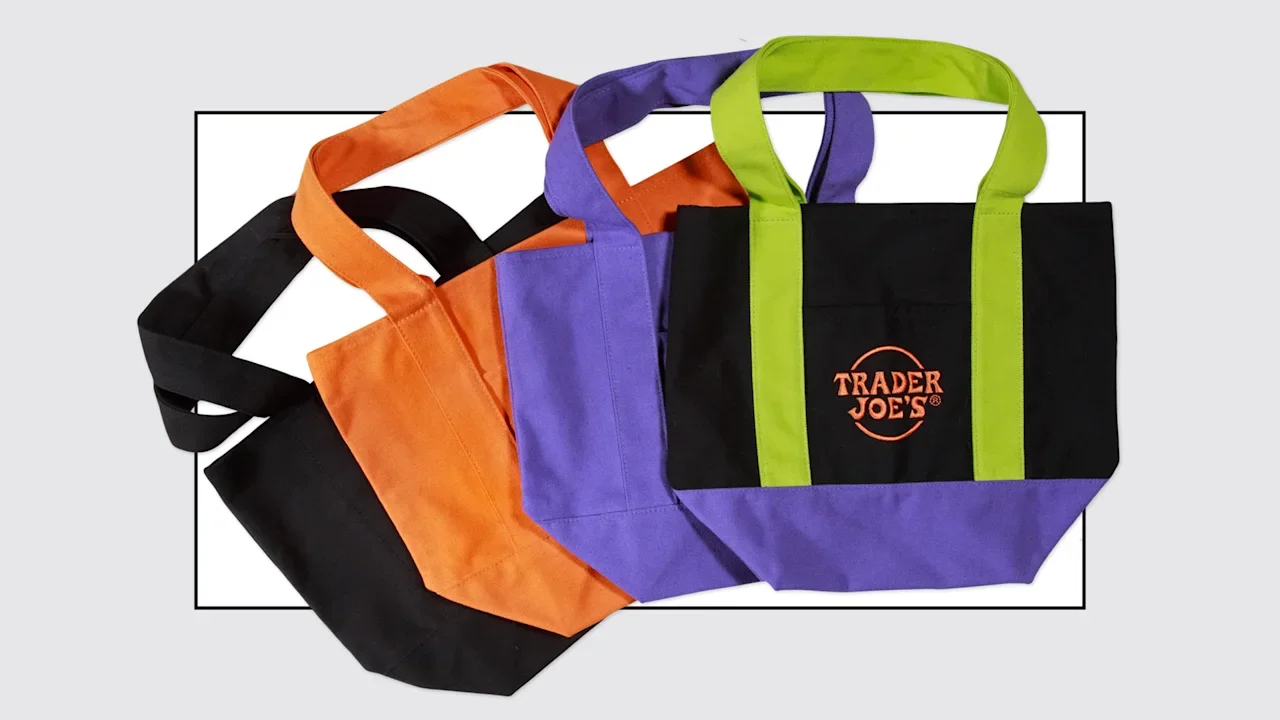
Trader Joe’s stores have a reputation for getting crowded at the best of times, but if you’re planning to make a stop in the next few days, beware: the brand just dropped a Halloween version of its mini tote bags, and they already went viral twice for creating in-store traffic jams. The bags, which come in combinations of black, orange, purple, and green, cost just $2.99 each and dropped in stores on October 8. They’re a tiny version of Trader Joe’s classic reusable tote bags, measuring just 13 x 11 x 6 inches—about the size of an iPad. This is the third time that Trader Joe’s has released a new version of the bags, which have proven to be a desirable fan favorite (to put it mildly). When Trader Joe’s first debuted the mini tote in March 2024, social media exploded with videos of shoppers lining up to grab the product, with many shoppers piling their carts with every available colorway. The story was similar in April 2025, when Trader Joe’s announced a pastel line of the totes. If eBay sellers are to be believed, these bag designs have become full-on collectors items, with sets of the previous drops selling for over $100 on the site. Despite the fact that the new Halloween bags just dropped this morning, all signs indicate that Trader Joe’s shoppers are in for another round of mini tote fervor. Already, several TikToks show crowds lining up for the bags. One Trader Joe’s employee shared an unboxing video of the bags, encouraging shoppers to get one of their own. Another customer has already decked out her new bags with color-coordinated Labubus. On eBay, sets of the Halloween bags are retailing for over $50. “It’s 6:49 a.m. and I’m on my way to Trader Joes,” one TikToker shared. “If I don’t get these Halloween tote bags, I’m gonna have a fit.” Why is everyone so obsessed with the Trader Joe’s mini tote? It’s possible that the mini tote craze is related to the increasing size of the reusable bag market, which is expanding in part due to plastic bag bans (eight states ban single-use plastic bags, and cities including New York and Washington, D.C. charge fees for their use). But the more likely reason for the trend is simpler: within our current stage of consumer capitalism, niche accessories are having a moment. In August, Fast Company wrote about the rise of the “meta-accessory,” a kind of accessory mainly designed to compliment another accessory. That includes items like a lipgloss phone case; a Stanley water bottle backpack; an $1,000 bag charm; or a Labubu for a Labubu. All of these pieces serve minimal utilitarian purposes, and seem mainly geared toward convincing consumers that they need to make yet another little purchase. At Trader Joe’s, the mini tote is like a tote bag for your regular tote bag—and, clearly, shoppers can’t get enough. View the full article
-
We may earn a commission from links on this page. Deal pricing and availability subject to change after time of publication. Amazon Big Deal Days end tonight, Oct. 8, and until then, Lifehacker is sharing the best sales based on product reviews, comparisons, and price-tracking tools before it's over. Follow our live blog to stay up to date on the best sales we find. Browse our editors’ picks for a curated list of our favorite sales on laptops, fitness tech, appliances, and more. Subscribe to our shopping newsletter, Add to Cart, for the best sales sent to your inbox. New to Prime Day? We have a primer on everything you need to know. Sales are accurate at the time of publication, but prices and inventory are always subject to change. Cordless tool kits can be expensive, but tracking prices and taking advantage of deals can save you money now as well as in the long term. I previously covered the best Prime Day deals on tools, but here are my picks that are specifically cordless tools on sale for Prime Day. Sales on DeWalt, Makita, Ryobi, and Milwaukee cordless power toolsA cordless drill and driver set is the cornerstone of a home tool set. These tools enable you to tackle basic home DIY projects, such as installing shelves or hanging a TV, and they will also be useful for more advanced projects, like building furniture or repairing fencing. The Dewalt 20-volt Max Drill and driver set is $159, 39% off its regular price. This set comes with a drill, a driver, two 20-volt batteries, a charger, and a tool bag. This is the driver set I use at work, and it withstands a lot of abuse. The batteries can last up to 10 years without needing replacement, even with daily use. This refurbished Makita 18-volt subcompact drill and driver set is now $164.99, 31% off its typical price. This set comes with a drill, impact driver, two 18-volt, 1.5-amp-hour batteries, a charger, and a tool bag. A sub-compact drill or driver weighs less than three pounds, making it ideal for portability. These tools are also smaller than the average drill and driver, so they’re good for fitting into tight spaces. Makita CX203SYB 18V LXT® Lithium-Ion Sub-Compact Brushless Cordless 2-Pc. Combo Kit (1.5Ah) (Renewed) $164.99 at Amazon $233.70 Save $68.71 Get Deal Get Deal $164.99 at Amazon $233.70 Save $68.71 This 18-volt Ryobi cordless power drill is priced at $45, and the set includes a drill, a 1.5-amp-hour battery, and a charger. This is a great set for beginners; it covers everything you need for basic projects. The battery will hold a charge for approximately 1.5 hours with moderate use. Cordless power tools have become lighter and more advanced over the last couple of years, allowing you to use power saws for hours without needing to swap batteries and to complete work without dragging an extension cord behind you. The Milwaukee 18-volt cordless random orbital sander is $99, 39% off its regular price. This is the sander I use in my personal tool kit, and it works just as well as the corded version without needing an outlet and an extension cord. It comes with a dust catcher attachment and a couple of sanding discs, but you’ll need an 18-volt Milwaukee battery to use it. The DeWalt 18-volt jig saw is $168, 30% off its regular price. This saw is ideal for creating custom shapes and making small, precise cuts. It comes with a starter multipurpose blade, but you’ll need a DeWalt 18-volt battery to use it. The DeWalt 18-volt cordless random orbital sander is also on sale for $118.99, 52% off its regular price. This sander is a reliable finishing tool for woodworking, and it can also be used for sanding drywall repairs. It comes with a 2-amp-hour battery, a charger, and a tool bag, making it a great addition to your tool set or a great starting point. And the Ryobi 18-volt three-inch cutoff tool is $99.99, 29% off its regular price. This is a saw designed for cutting metal, wood, or PVC, making it a versatile addition to your home DIY toolkit. It comes with a three-inch metal cut-off blade, but you’ll need an 18-volt Ryobi battery set to use it. Ryobi PSBCS02 ONE+ HP 18V Brushless Cordless Compact Light Weight Cut-Off Tool (Tool Only, Battery Not Included) $98.50 at Amazon $139.99 Save $41.49 Get Deal Get Deal $98.50 at Amazon $139.99 Save $41.49 Looking for something else? Retailers like Walmart and Best Buy have Prime Day competition sales that are especially useful if you don’t have Amazon Prime. Walmart’s Prime Day competition sale runs from Oct. 6 at 7 p.m. ET through Oct. 12 and includes deals up to 50% off. It’s an especially good option if you have Walmart+. Best Buy’s Prime Day competition sale runs from Sept. 27 through Oct. 12, and has some of the best tech sales online. It’s an especially good option if you’re a My Best Buy “Plus” or “Total” member. Target’s Prime Day competition sale, runs from Oct. 5 through Oct. 11, and it has deals going up to 50% off. You can become a Circle member for free. Our Best Editor-Vetted Prime Day Deals Right Now Apple AirPods Pro 2 Noise Cancelling Wireless Earbuds — $169.99 (List Price $249.00) Meta Quest 3S 128GB All-In-One VR Headset — $249.00 (List Price $299.99) Apple iPad 11" 128GB A16 WiFi Tablet (Blue, 2025) — $279.00 (List Price $349.00) DJI Mini 4K 3-Axis Gimbal Camera Drone (Under 249 Grams) — $239.00 (List Price $299.00) Samsung Galaxy Tab A9+ 10.9" 64GB Wi-Fi Tablet (Graphite) — $148.94 (List Price $219.99) Blink Mini 2 1080p Indoor Security Camera (2-Pack, White) — $34.99 (List Price $69.99) Ring Battery Doorbell Plus — $79.99 (List Price $149.99) Shark AV2501S AI Ultra Robot Vacuum with HEPA Self-Empty Base — $229.99 (List Price $549.99) Amazon Fire HD 10 (2023) — $69.99 (List Price $139.99) Wyze Cam v4 2K Wired Wi-Fi Smart Security Camera (White) — $25.95 (List Price $35.98) Deals are selected by our commerce team View the full article
-
We may earn a commission from links on this page. Deal pricing and availability subject to change after time of publication. Amazon Big Deal Days end tonight, Oct. 8, and until then, Lifehacker is sharing the best sales based on product reviews, comparisons, and price-tracking tools before it’s over. Follow our live blog to stay up to date on the best sales we find. Browse our editors’ picks for a curated list of our favorite sales on laptops, fitness tech, appliances, and more. Subscribe to our shopping newsletter, Add to Cart, for the best sales sent to your inbox. New to Prime Day? We have a primer on everything you need to know. Sales are accurate at the time of publication, but prices and inventory are always subject to change. The multi-tool is one of those things that you can’t understand just by looking at it—you have to use one to understand why they're so valuable. And once you use it, you will wonder how you managed your repair and improvement projects around the house without one. I use mine constantly—to start cuts, to trim stuff, to sand and scrape, and to make cuts in awkward spots where a hand saw or even a power saw just won’t fit. When I remodeled my bathroom, using the multi-tool to dig out grout lines was a lifesaver. Flex 24V Cordless Oscillating Multi-Tool $94.04 at Amazon $169.99 Save $75.95 Get Deal Get Deal $94.04 at Amazon $169.99 Save $75.95 Recently, I’ve been thinking about swapping up to a cordless model, because this is the year 2025 and dealing with snaking power cords all the time is getting old. Therefore, this Prime Day deal jumped out at me: The Flex 24V Brushless Cordless Oscillating Multi-Tool—45% off until the end of Prime Day (a savings of more than $75). Reviewers love this multi-tool, noting that it runs smoothly, without the hand-aching vibration and shaking of some models. Offering up to 20,000 oscillations per minute (OPM), it’s also powerful enough to cut through almost anything you need, including metal pipes, 2x4s, or drywall. And that high OPM means it will cut pretty fast, saving you time and protecting your hands and arms from fatigue. The battery life is solid (though the sale is on the tool alone; if you don’t have a Flex battery and charger you’ll need to either buy it separately or buy the kit). Looking for something else? Retailers like Walmart and Best Buy have Prime Day competition sales that are especially useful if you don’t have Amazon Prime. Walmart’s Prime Day competition sale runs from Oct. 6 at 7 p.m. ET through Oct. 12 and includes deals up to 50% off. It’s an especially good option if you have Walmart+. Best Buy’s Prime Day competition sale runs from Sept. 27 through Oct. 12, and has some of the best tech sales online. It’s an especially good option if you’re a My Best Buy “Plus” or “Total” member. Target’s Prime Day competition sale runs from Oct. 5 through Oct. 11, and it has deals going up to 50% off. You can become a Circle member for free. Our Best Editor-Vetted Prime Day Deals Right Now Apple AirPods Pro 2 Noise Cancelling Wireless Earbuds — $169.99 (List Price $249.00) Meta Quest 3S 128GB All-In-One VR Headset — $249.00 (List Price $299.99) Apple iPad 11" 128GB A16 WiFi Tablet (Blue, 2025) — $279.00 (List Price $349.00) DJI Mini 4K 3-Axis Gimbal Camera Drone (Under 249 Grams) — $239.00 (List Price $299.00) Samsung Galaxy Tab A9+ 10.9" 64GB Wi-Fi Tablet (Graphite) — $148.94 (List Price $219.99) Blink Mini 2 1080p Indoor Security Camera (2-Pack, White) — $34.99 (List Price $69.99) Ring Battery Doorbell Plus — $79.99 (List Price $149.99) Shark AV2501S AI Ultra Robot Vacuum with HEPA Self-Empty Base — $229.99 (List Price $549.99) Amazon Fire HD 10 (2023) — $69.99 (List Price $139.99) Wyze Cam v4 2K Wired Wi-Fi Smart Security Camera (White) — $25.95 (List Price $35.98) Deals are selected by our commerce team View the full article
-
New Federal Reserve research reveals that identity theft victims who use extended fraud alerts often see significant and lasting credit improvements. View the full article

-
Sébastien Lecornu says prospect of a snap parliamentary election is recedingView the full article
-
The fulfillment supply chain is a crucial framework that manages how businesses receive, process, and deliver customer orders. It involves various steps, from inventory management to shipping, and directly influences customer satisfaction and loyalty. As consumer expectations shift, grasping the nuances of this supply chain becomes crucial. Efficient operations can greatly reduce costs during the enhancement of delivery speed. But what are the key components and emerging trends that shape this critical process? Key Takeaways The fulfillment supply chain encompasses processes for receiving, processing, and delivering customer orders efficiently. Effective fulfillment directly influences customer satisfaction, loyalty, and repeat business in e-commerce. Timely delivery and accurate inventory management can significantly reduce operational costs and stockouts. Adopting technology like automation and real-time tracking enhances operational efficiency and service reliability. Trends such as sustainability and AI integration are reshaping fulfillment practices to meet evolving consumer expectations. Understanding Fulfillment Supply Chain Comprehending the fulfillment supply chain is critical for any business that aims to meet customer expectations effectively. This supply chain encompasses the processes involved in receiving, processing, and delivering customer orders. Key stages include inventory management, order processing, picking, packing, and shipping. Each step is fundamental for ensuring timely and accurate delivery, which directly affects customer satisfaction. Utilizing robust technology, like automated order management systems and real-time inventory tracking, improves operational efficiency and accuracy. Moreover, third-party logistics (3PL) providers greatly contribute by managing warehousing and shipping, allowing you to scale operations and reduce costs. In the end, optimizing your fulfillment supply chain is vital for gaining a competitive edge, as fast and reliable delivery influences consumer purchasing decisions. The Importance of Fulfillment in E-commerce In today’s e-commerce environment, effective fulfillment plays a pivotal role in shaping customer experiences and driving business success. Your supply chain fulfillment can make or break your reputation. Customers expect timely deliveries, and a delay can lead to lost loyalty. Delivery Experience Customer Response Impact on Business Delayed Delivery 79% won’t return Decreased sales Positive Experience 66% recommend Increased loyalty Two-Day Delivery 47% expect it Competitive edge Same-Day Delivery 46% pay extra Higher profit margins Cost Reduction Up to 30% savings Resource efficiency Optimizing fulfillment strategies not only meets consumer demands but also improves your operational efficiency and profitability. Key Components of the Fulfillment Process A well-structured fulfillment process is vital for any e-commerce business aiming to meet customer expectations and improve operational efficiency. Key components include inventory receiving, where effective inventory management guarantees stock levels align with demand, preventing costly stockouts and overstock situations. Order processing follows, and picking involves retrieving items based on packing slips; leveraging technology can improve efficiency and reduce errors. Once items are picked, packing secures them for transit and minimizes dimensional weight, which lowers shipping costs. Finally, the shipping stage involves selecting best carriers and routes, directly impacting delivery speed. These supply chain activities work together to guarantee timely deliveries and improve overall customer satisfaction, providing important tracking information to manage expectations effectively. Steps in the Order Fulfillment Process Comprehending the steps in the order fulfillment process is critical for ensuring that customer orders are processed efficiently and accurately. The first step is inventory receiving, where stock is counted and inspected before being assigned SKUs or bar codes for tracking. Next, order processing involves transmitting customer orders to fulfillment systems, which prepares items for shipment. During the picking stage, you select items based on packing slips that contain fundamental product details and warehouse locations. Packing follows, optimizing materials to reduce shipping costs while ensuring secure transport. Finally, shipping involves selecting the best carriers and delivery routes. Moreover, returns processing is essential for managing exchanges and refunds, which greatly impacts overall customer satisfaction within your supply chain order management. Role of Technology in Fulfillment During the process of maneuvering through the intricacies of order fulfillment, utilizing technology can greatly improve efficiency and accuracy. By automating processes like inventory management and order processing, you can greatly reduce manual errors as you accelerate operations. Real-time data analytics provide valuable insights into inventory levels and demand forecasting, helping you optimize stock management to avoid costly stockouts or overstocking. Robotics and automation streamline repetitive tasks in warehouses, allowing for faster picking and packing, which lowers labor costs and boosts throughput. Additionally, integrating order fulfillment software with e-commerce platforms guarantees seamless communication across the supply chain, reinforcing the supply chain logistics definition. Advanced tracking systems offer real-time updates for customers, enhancing delivery visibility and managing expectations effectively. Challenges in Fulfillment Operations Steering through the intricacies of fulfillment operations presents several challenges that can impact overall efficiency and customer satisfaction. Stockouts are a significant issue, as around 20% of customers won’t return after encountering one. Delayed shipments also pose a problem; 30% of e-commerce customers will abandon a purchase if delivery times exceed expectations. Inefficiencies in picking and packing can inflate labor costs by up to 30% owing to errors and time spent locating items. Furthermore, returns overload can strain profit margins, with over 25% of sold items being returned. To navigate these difficulties effectively, it’s vital to distinguish between fulfillment and distribution, as fulfillment often requires faster processing times, making supply chain activities especially important for success. Strategies for Effective Order Fulfillment To guarantee effective order fulfillment, businesses must adopt a range of strategic practices that address common challenges and improve operational efficiency. Implementing automated inventory management systems can improve accuracy and minimize stockouts, which often lead to lost sales. Utilizing real-time tracking for inventory and orders boosts operational transparency and reduces delays. Adopting a hybrid fulfillment model optimizes resources, allowing for efficient scaling as well as maintaining control over key processes. Moreover, zone-based warehousing reduces shipping times by situating inventory closer to customer markets. Leverage data-driven demand forecasting for better planning. Regularly assess fulfillment processes for continuous improvement. Explore supply chain management examples to refine strategies. These strategies collectively improve your order fulfillment capabilities. The Impact of Fulfillment on Customer Satisfaction Efficient order fulfillment plays a vital role in shaping customer satisfaction, as it directly affects the delivery experience and overall perception of a brand. Studies show that 86% of consumers are willing to pay more for a better experience, underscoring the need for swift and accurate deliveries. With 75% of shoppers expecting same-day or next-day delivery, effective supply chain logistics are fundamental. Additionally, accurate order fulfillment reduces return rates considerably, as 30% of customers return items because of incorrect orders. A seamless fulfillment process can encourage brand loyalty, with 67% of customers likely to switch brands after a poor delivery experience. Companies excelling in order fulfillment enjoy 10-15% higher customer retention rates, showcasing the importance of maintaining high fulfillment standards. Outsourcing Fulfillment: Pros and Cons Outsourcing fulfillment can offer significant advantages, like improved operational efficiency and reduced overhead costs, allowing you to focus on what you do best. By partnering with a Third-Party Logistics Provider, you gain access to a network of fulfillment centers that can improve delivery speed and customer satisfaction. Nevertheless, it’s important to evaluate potential risks, such as losing control over inventory processes, which might affect quality and responsiveness if not managed correctly. Benefits of Outsourcing Fulfillment When you consider the advantages of outsourcing fulfillment, several key benefits emerge that can positively impact your business operations. By partnering with a third-party logistics provider (3PL), you can streamline your supply chain logistics, allowing you to focus on core activities like production and marketing. Cost reduction: Leverage established networks to cut operational expenses. Scalability: Adjust fulfillment capacity easily, especially during peak seasons. Improved efficiency: Benefit from faster shipping and advanced technology for order tracking. These advantages not just improve your operational efficiency but additionally enhance customer satisfaction, as specialized 3PLs elevate service levels through effective inventory management and returns handling. In the end, outsourcing fulfillment can be a strategic move for your business growth. Risks of Outsourcing Fulfillment What risks should you consider before partnering with a third-party logistics (3PL) provider for fulfillment? Although outsourcing fulfillment can cut operational costs, the risks of outsourcing fulfillment are significant. You might lose control over inventory management, leading to stock discrepancies and potential customer dissatisfaction. Communication challenges can surface, causing misalignment between your business and the 3PL, which may delay deliveries and fail to meet customer expectations. Furthermore, sharing sensitive data with third-party vendors raises security concerns, especially if proper safeguards aren’t implemented. Finally, outsourcing can dilute your brand visibility, as the fulfillment partner may not reflect your brand’s values or maintain your customer service standards. Comprehending these supply chain definitions is essential before making a decision. Trends Shaping the Future of Fulfillment Supply Chains As the terrain of fulfillment supply chains evolves, several key trends are shaping their future, fundamentally altering how Amazon operates. Sustainability is at the forefront, with consumers preferring eco-friendly packaging and carbon-neutral shipping. The integration of AI and robotics is enhancing operational efficiency, streamlining tasks and reducing costs. Advanced technologies like drones are improving last-mile delivery, promising faster service. Real-time data analytics and demand forecasting are vital for anticipating customer needs. Rapid delivery expectations are driving the adoption of multi-location shipping strategies. Collaboration with third-party logistics providers (3PL) is becoming fundamental in the supply chain industry to meet diverse demands efficiently. These trends reflect a shift in the direction of more responsive and responsible fulfillment supply chains. Best Practices for Optimizing Fulfillment Operations To optimize fulfillment operations effectively, businesses must adopt a range of best practices that improve efficiency and responsiveness. Implementing automated inventory management systems can reduce stockouts by up to 30% and overstocking by 25%, markedly enhancing fulfillment efficiency. Utilizing real-time tracking technology boosts visibility in supply chain logistics, making it easier to address delays and customer inquiries. Adopting zone-based warehousing strategies positions products closer to customer markets, cutting shipping times by 20-50%. Streamlining packing processes with optimized materials can lower shipping costs by approximately 10-15%, positively impacting profit margins. Furthermore, regularly analyzing fulfillment metrics, such as order accuracy and fulfillment rates, helps identify bottlenecks, allowing for continuous improvements in operational performance. Frequently Asked Questions What Is Fulfillment in Supply Chain? Fulfillment in the supply chain involves the systematic process of receiving, processing, and delivering customer orders. It includes stages like inventory management, order processing, picking, packing, and shipping. Each stage requires careful coordination to guarantee efficiency and accuracy. Effective fulfillment can improve customer satisfaction and loyalty, as timely delivery is vital in today’s market. Many businesses rely on technology and third-party logistics providers to optimize their fulfillment operations and scale effectively. Why Is Fulfillment Important in Business? Fulfillment’s crucial for your business’s success, as it directly impacts customer satisfaction. When you guarantee timely and accurate deliveries, you improve your brand’s reputation and encourage repeat purchases. Effective fulfillment processes can lower operational costs by optimizing inventory and logistics, improving profit margins. If you neglect fulfillment, you risk customer loss and negative reviews, which can harm your business long-term. In today’s competitive market, a robust fulfillment strategy is necessary for growth. What Are the 7 Steps of the Order Fulfillment Process? The order fulfillment process involves seven key steps. First, you receive inventory, counting and inspecting goods. Next, you store products in a warehouse for easy access. Then, you process orders by validating and preparing them. After that, you pick items based on customer orders, followed by packing them securely for shipment. Finally, you manage returns, ensuring a smooth experience for customers. Each step is essential for efficient operations and customer satisfaction. What Is a Supply Chain and Why Is It Important? A supply chain is a network of organizations, people, and resources that collaborate to move goods from production to consumers. It’s important due to its impact on operational efficiency, costs, and customer satisfaction. By managing the supply chain effectively, you can minimize delays and guarantee products reach customers on time. Technological advancements, like real-time data tracking, improve responsiveness to market changes, making your supply chain more resilient and adaptable in today’s dynamic environment. Conclusion In conclusion, comprehending the fulfillment supply chain is essential for e-commerce success. It directly influences customer satisfaction through efficient inventory management, order processing, and timely delivery. By leveraging technology and adhering to best practices, businesses can optimize their fulfillment operations to improve performance and reduce costs. As consumer expectations continue to evolve, staying ahead of trends in fulfillment will be imperative for maintaining a competitive edge in the market and ensuring positive customer experiences. Image Via Envato This article, "What Is Fulfillment Supply Chain and Why Does It Matter?" was first published on Small Business Trends View the full article
-
The fulfillment supply chain is a crucial framework that manages how businesses receive, process, and deliver customer orders. It involves various steps, from inventory management to shipping, and directly influences customer satisfaction and loyalty. As consumer expectations shift, grasping the nuances of this supply chain becomes crucial. Efficient operations can greatly reduce costs during the enhancement of delivery speed. But what are the key components and emerging trends that shape this critical process? Key Takeaways The fulfillment supply chain encompasses processes for receiving, processing, and delivering customer orders efficiently. Effective fulfillment directly influences customer satisfaction, loyalty, and repeat business in e-commerce. Timely delivery and accurate inventory management can significantly reduce operational costs and stockouts. Adopting technology like automation and real-time tracking enhances operational efficiency and service reliability. Trends such as sustainability and AI integration are reshaping fulfillment practices to meet evolving consumer expectations. Understanding Fulfillment Supply Chain Comprehending the fulfillment supply chain is critical for any business that aims to meet customer expectations effectively. This supply chain encompasses the processes involved in receiving, processing, and delivering customer orders. Key stages include inventory management, order processing, picking, packing, and shipping. Each step is fundamental for ensuring timely and accurate delivery, which directly affects customer satisfaction. Utilizing robust technology, like automated order management systems and real-time inventory tracking, improves operational efficiency and accuracy. Moreover, third-party logistics (3PL) providers greatly contribute by managing warehousing and shipping, allowing you to scale operations and reduce costs. In the end, optimizing your fulfillment supply chain is vital for gaining a competitive edge, as fast and reliable delivery influences consumer purchasing decisions. The Importance of Fulfillment in E-commerce In today’s e-commerce environment, effective fulfillment plays a pivotal role in shaping customer experiences and driving business success. Your supply chain fulfillment can make or break your reputation. Customers expect timely deliveries, and a delay can lead to lost loyalty. Delivery Experience Customer Response Impact on Business Delayed Delivery 79% won’t return Decreased sales Positive Experience 66% recommend Increased loyalty Two-Day Delivery 47% expect it Competitive edge Same-Day Delivery 46% pay extra Higher profit margins Cost Reduction Up to 30% savings Resource efficiency Optimizing fulfillment strategies not only meets consumer demands but also improves your operational efficiency and profitability. Key Components of the Fulfillment Process A well-structured fulfillment process is vital for any e-commerce business aiming to meet customer expectations and improve operational efficiency. Key components include inventory receiving, where effective inventory management guarantees stock levels align with demand, preventing costly stockouts and overstock situations. Order processing follows, and picking involves retrieving items based on packing slips; leveraging technology can improve efficiency and reduce errors. Once items are picked, packing secures them for transit and minimizes dimensional weight, which lowers shipping costs. Finally, the shipping stage involves selecting best carriers and routes, directly impacting delivery speed. These supply chain activities work together to guarantee timely deliveries and improve overall customer satisfaction, providing important tracking information to manage expectations effectively. Steps in the Order Fulfillment Process Comprehending the steps in the order fulfillment process is critical for ensuring that customer orders are processed efficiently and accurately. The first step is inventory receiving, where stock is counted and inspected before being assigned SKUs or bar codes for tracking. Next, order processing involves transmitting customer orders to fulfillment systems, which prepares items for shipment. During the picking stage, you select items based on packing slips that contain fundamental product details and warehouse locations. Packing follows, optimizing materials to reduce shipping costs while ensuring secure transport. Finally, shipping involves selecting the best carriers and delivery routes. Moreover, returns processing is essential for managing exchanges and refunds, which greatly impacts overall customer satisfaction within your supply chain order management. Role of Technology in Fulfillment During the process of maneuvering through the intricacies of order fulfillment, utilizing technology can greatly improve efficiency and accuracy. By automating processes like inventory management and order processing, you can greatly reduce manual errors as you accelerate operations. Real-time data analytics provide valuable insights into inventory levels and demand forecasting, helping you optimize stock management to avoid costly stockouts or overstocking. Robotics and automation streamline repetitive tasks in warehouses, allowing for faster picking and packing, which lowers labor costs and boosts throughput. Additionally, integrating order fulfillment software with e-commerce platforms guarantees seamless communication across the supply chain, reinforcing the supply chain logistics definition. Advanced tracking systems offer real-time updates for customers, enhancing delivery visibility and managing expectations effectively. Challenges in Fulfillment Operations Steering through the intricacies of fulfillment operations presents several challenges that can impact overall efficiency and customer satisfaction. Stockouts are a significant issue, as around 20% of customers won’t return after encountering one. Delayed shipments also pose a problem; 30% of e-commerce customers will abandon a purchase if delivery times exceed expectations. Inefficiencies in picking and packing can inflate labor costs by up to 30% owing to errors and time spent locating items. Furthermore, returns overload can strain profit margins, with over 25% of sold items being returned. To navigate these difficulties effectively, it’s vital to distinguish between fulfillment and distribution, as fulfillment often requires faster processing times, making supply chain activities especially important for success. Strategies for Effective Order Fulfillment To guarantee effective order fulfillment, businesses must adopt a range of strategic practices that address common challenges and improve operational efficiency. Implementing automated inventory management systems can improve accuracy and minimize stockouts, which often lead to lost sales. Utilizing real-time tracking for inventory and orders boosts operational transparency and reduces delays. Adopting a hybrid fulfillment model optimizes resources, allowing for efficient scaling as well as maintaining control over key processes. Moreover, zone-based warehousing reduces shipping times by situating inventory closer to customer markets. Leverage data-driven demand forecasting for better planning. Regularly assess fulfillment processes for continuous improvement. Explore supply chain management examples to refine strategies. These strategies collectively improve your order fulfillment capabilities. The Impact of Fulfillment on Customer Satisfaction Efficient order fulfillment plays a vital role in shaping customer satisfaction, as it directly affects the delivery experience and overall perception of a brand. Studies show that 86% of consumers are willing to pay more for a better experience, underscoring the need for swift and accurate deliveries. With 75% of shoppers expecting same-day or next-day delivery, effective supply chain logistics are fundamental. Additionally, accurate order fulfillment reduces return rates considerably, as 30% of customers return items because of incorrect orders. A seamless fulfillment process can encourage brand loyalty, with 67% of customers likely to switch brands after a poor delivery experience. Companies excelling in order fulfillment enjoy 10-15% higher customer retention rates, showcasing the importance of maintaining high fulfillment standards. Outsourcing Fulfillment: Pros and Cons Outsourcing fulfillment can offer significant advantages, like improved operational efficiency and reduced overhead costs, allowing you to focus on what you do best. By partnering with a Third-Party Logistics Provider, you gain access to a network of fulfillment centers that can improve delivery speed and customer satisfaction. Nevertheless, it’s important to evaluate potential risks, such as losing control over inventory processes, which might affect quality and responsiveness if not managed correctly. Benefits of Outsourcing Fulfillment When you consider the advantages of outsourcing fulfillment, several key benefits emerge that can positively impact your business operations. By partnering with a third-party logistics provider (3PL), you can streamline your supply chain logistics, allowing you to focus on core activities like production and marketing. Cost reduction: Leverage established networks to cut operational expenses. Scalability: Adjust fulfillment capacity easily, especially during peak seasons. Improved efficiency: Benefit from faster shipping and advanced technology for order tracking. These advantages not just improve your operational efficiency but additionally enhance customer satisfaction, as specialized 3PLs elevate service levels through effective inventory management and returns handling. In the end, outsourcing fulfillment can be a strategic move for your business growth. Risks of Outsourcing Fulfillment What risks should you consider before partnering with a third-party logistics (3PL) provider for fulfillment? Although outsourcing fulfillment can cut operational costs, the risks of outsourcing fulfillment are significant. You might lose control over inventory management, leading to stock discrepancies and potential customer dissatisfaction. Communication challenges can surface, causing misalignment between your business and the 3PL, which may delay deliveries and fail to meet customer expectations. Furthermore, sharing sensitive data with third-party vendors raises security concerns, especially if proper safeguards aren’t implemented. Finally, outsourcing can dilute your brand visibility, as the fulfillment partner may not reflect your brand’s values or maintain your customer service standards. Comprehending these supply chain definitions is essential before making a decision. Trends Shaping the Future of Fulfillment Supply Chains As the terrain of fulfillment supply chains evolves, several key trends are shaping their future, fundamentally altering how Amazon operates. Sustainability is at the forefront, with consumers preferring eco-friendly packaging and carbon-neutral shipping. The integration of AI and robotics is enhancing operational efficiency, streamlining tasks and reducing costs. Advanced technologies like drones are improving last-mile delivery, promising faster service. Real-time data analytics and demand forecasting are vital for anticipating customer needs. Rapid delivery expectations are driving the adoption of multi-location shipping strategies. Collaboration with third-party logistics providers (3PL) is becoming fundamental in the supply chain industry to meet diverse demands efficiently. These trends reflect a shift in the direction of more responsive and responsible fulfillment supply chains. Best Practices for Optimizing Fulfillment Operations To optimize fulfillment operations effectively, businesses must adopt a range of best practices that improve efficiency and responsiveness. Implementing automated inventory management systems can reduce stockouts by up to 30% and overstocking by 25%, markedly enhancing fulfillment efficiency. Utilizing real-time tracking technology boosts visibility in supply chain logistics, making it easier to address delays and customer inquiries. Adopting zone-based warehousing strategies positions products closer to customer markets, cutting shipping times by 20-50%. Streamlining packing processes with optimized materials can lower shipping costs by approximately 10-15%, positively impacting profit margins. Furthermore, regularly analyzing fulfillment metrics, such as order accuracy and fulfillment rates, helps identify bottlenecks, allowing for continuous improvements in operational performance. Frequently Asked Questions What Is Fulfillment in Supply Chain? Fulfillment in the supply chain involves the systematic process of receiving, processing, and delivering customer orders. It includes stages like inventory management, order processing, picking, packing, and shipping. Each stage requires careful coordination to guarantee efficiency and accuracy. Effective fulfillment can improve customer satisfaction and loyalty, as timely delivery is vital in today’s market. Many businesses rely on technology and third-party logistics providers to optimize their fulfillment operations and scale effectively. Why Is Fulfillment Important in Business? Fulfillment’s crucial for your business’s success, as it directly impacts customer satisfaction. When you guarantee timely and accurate deliveries, you improve your brand’s reputation and encourage repeat purchases. Effective fulfillment processes can lower operational costs by optimizing inventory and logistics, improving profit margins. If you neglect fulfillment, you risk customer loss and negative reviews, which can harm your business long-term. In today’s competitive market, a robust fulfillment strategy is necessary for growth. What Are the 7 Steps of the Order Fulfillment Process? The order fulfillment process involves seven key steps. First, you receive inventory, counting and inspecting goods. Next, you store products in a warehouse for easy access. Then, you process orders by validating and preparing them. After that, you pick items based on customer orders, followed by packing them securely for shipment. Finally, you manage returns, ensuring a smooth experience for customers. Each step is essential for efficient operations and customer satisfaction. What Is a Supply Chain and Why Is It Important? A supply chain is a network of organizations, people, and resources that collaborate to move goods from production to consumers. It’s important due to its impact on operational efficiency, costs, and customer satisfaction. By managing the supply chain effectively, you can minimize delays and guarantee products reach customers on time. Technological advancements, like real-time data tracking, improve responsiveness to market changes, making your supply chain more resilient and adaptable in today’s dynamic environment. Conclusion In conclusion, comprehending the fulfillment supply chain is essential for e-commerce success. It directly influences customer satisfaction through efficient inventory management, order processing, and timely delivery. By leveraging technology and adhering to best practices, businesses can optimize their fulfillment operations to improve performance and reduce costs. As consumer expectations continue to evolve, staying ahead of trends in fulfillment will be imperative for maintaining a competitive edge in the market and ensuring positive customer experiences. Image Via Envato This article, "What Is Fulfillment Supply Chain and Why Does It Matter?" was first published on Small Business Trends View the full article
-
We may earn a commission from links on this page. Deal pricing and availability subject to change after time of publication. Amazon Big Deal Days end tonight, Oct. 8, and until then, Lifehacker is sharing the best sales based on product reviews, comparisons, and price-tracking tools before it’s over. Follow our live blog to stay up to date on the best sales we find. Browse our editors’ picks for a curated list of our favorite sales on laptops, fitness tech, appliances, and more. Subscribe to our shopping newsletter, Add to Cart, for the best sales sent to your inbox. New to Prime Day? We have a primer on everything you need to know. Sales are accurate at the time of publication, but prices and inventory are always subject to change. Sometimes I think my father had kids just to help with chores around the house—my childhood was defined by an ever-growing list of responsibilities that seemed directly tied to my continued shelter and feeding. The one I hated the most? Shoveling snow. We lived on a corner lot with a driveway, and every time several feet of snow got dumped on us, my father, warm and cozy in his bathrobe, would roust my brother and me out of bed and cheerfully send us out to clear the endless sidewalks and a driveway that seemed to have increased in size overnight. Greenworks Pro 80V 20 inch Snow Thrower with 2Ah Battery and Charger $284.99 at Amazon $499.99 Save $215.00 Get Deal Get Deal $284.99 at Amazon $499.99 Save $215.00 When I bought my house, I swore I’d never lift a shovel full of slushy snow ever again. I don’t have nearly as much sidewalk to clear, but I still love a snowblower—and recently I’ve fallen for electric blowers that run on batteries, because corded ones are a pain and I’d rather not have gas on hand all the time. So this Greenworks 80V electric snowblower is an easy buy—especially when it’s 43% off for Prime Day. It’s pretty lightweight, which makes pushing it around easier than some of those gas-powered behemoths, and it has a solid half-hour runtime if you store the batteries indoors (and obviously, you can extend that by having multiple batteries). It’s powerful enough to chew through heavy snow and it throws it a good distance, so you’ll be surprised by how much snow you can clear in just one charge. The batteries charge up in about a half hour, too. Looking for something else? Retailers like Walmart and Best Buy have Prime Day competition sales that are especially useful if you don’t have Amazon Prime. Walmart’s Prime Day competition sale runs from Oct. 6 at 7 p.m. ET through Oct. 12 and includes deals up to 50% off. It’s an especially good option if you have Walmart+. Best Buy’s Prime Day competition sale runs from Sept. 27 through Oct. 12, and has some of the best tech sales online. It’s an especially good option if you’re a My Best Buy “Plus” or “Total” member. Target’s Prime Day competition sale runs from Oct. 5 through Oct. 11, and it has deals going up to 50% off. You can become a Circle member for free. Our Best Editor-Vetted Prime Day Deals Right Now Apple AirPods Pro 2 Noise Cancelling Wireless Earbuds — $169.99 (List Price $249.00) Meta Quest 3S 128GB All-In-One VR Headset — $249.00 (List Price $299.99) Apple iPad 11" 128GB A16 WiFi Tablet (Blue, 2025) — $279.00 (List Price $349.00) DJI Mini 4K 3-Axis Gimbal Camera Drone (Under 249 Grams) — $239.00 (List Price $299.00) Samsung Galaxy Tab A9+ 10.9" 64GB Wi-Fi Tablet (Graphite) — $148.94 (List Price $219.99) Blink Mini 2 1080p Indoor Security Camera (2-Pack, White) — $34.99 (List Price $69.99) Ring Battery Doorbell Plus — $79.99 (List Price $149.99) Shark AV2501S AI Ultra Robot Vacuum with HEPA Self-Empty Base — $229.99 (List Price $549.99) Amazon Fire HD 10 (2023) — $69.99 (List Price $139.99) Wyze Cam v4 2K Wired Wi-Fi Smart Security Camera (White) — $25.95 (List Price $35.98) Deals are selected by our commerce team View the full article
-
Minutes from US central bank’s September meeting showed lingering concern about price pressuresView the full article
-
We may earn a commission from links on this page. Google’s Pixel Watch 4 starts shipping this week, and it’s got a few nice little improvements over the Pixel 3. I’ve started testing the new watch for a forthcoming review, and I wanted to share my thoughts on how the device compares so far. Here are three changes I already love. I love the new charging dock Credit: Beth Skwarecki The new charging dock is a big improvement over the older style of charger. Previously, we had to make do with a magnetic puck at the end of a cord, with four little pins on the puck. You’d need to stick it to the back of the watch, and make sure to align the cord to the side with the crown. Many smartwatches have a charger in approximately the same format—the Galaxy Watch and the Apple Watch are similar. It’s OK, I guess, though these chargers tend to be more convenient when you have a stand to put them in (here’s one that fits the Pixel Watch 3). This new dock is different, and I much prefer it. It sits on your desk or nightstand. To charge the watch, you just pop it in there sideways, crown up. The display remains visible while charging (telling you the time and battery status) and the watch band is tucked out of the way. No longer will your watch be flipping around on the desk while you try to find a good spot for it. Ultra fast charging works even better than advertisedGoogle boasts that the Pixel Watch 4 can go from 0 to 50% in about 15 minutes. I tested that and found it performed even better than advertised: The watch went from 10% to 60% in 12 minutes, and was up to 82% (72% added) in 19 minutes. I’m impressed. The display is bigger even though the watch is the same sizeThe biggest thing you’ll notice about the Pixel Watch 4 is the expanded display, even on the same size of watch. In these photo I have placed the Pixel Watch 3 (gray band) next to the Pixel Watch 4 (yellow band—they call this color “lemongrass”). I turned on the flashlight app, and you can see a difference in the display size already: Pixel Watch 3 on left (gray band), Pixel Watch 4 on right (yellow band) Credit: Beth Skwarecki The display is also now domed, although to be clear, the exterior shape of the watch hasn’t changed (at least not that I can tell). To show you what I mean, here’s how the two watches look when displaying the Concentric face, which got a redesign for the Pixel Watch 4. I actually think the older version looks nicer, but that’s not really the point: The seconds around the edge of the face actually appear to go over the rounded portion, rather than staying inside of it. It’s a cute detail. Pixel Watch 3 on left (gray band), Pixel Watch 4 on right (yellow band) Credit: Beth Skwarecki I'll have more thoughts on the Pixel Watch 4 in my full review, coming soon. View the full article
-
We may earn a commission from links on this page. Deal pricing and availability subject to change after time of publication. Amazon Big Deal Days end tonight, Oct. 8, and until then, Lifehacker is sharing the best sales based on product reviews, comparisons, and price-tracking tools before it’s over. Follow our live blog to stay up to date on the best sales we find. Browse our editors’ picks for a curated list of our favorite sales on laptops, fitness tech, appliances, and more. Subscribe to our shopping newsletter, Add to Cart, for the best sales sent to your inbox. New to Prime Day? We have a primer on everything you need to know. Sales are accurate at the time of publication, but prices and inventory are always subject to change. When I first started DIYing stuff in my house, I didn’t have a lot of power tools, and I thought buying them would be a waste of money. I knew they’d make the work easier, of course, but I didn’t think that convenience was worth paying for. I had two hands, after all. I could do everything like my ancestors did: The hard way. It took sanding down the old stairs in my house to change my mind forever. The stairs were old but solid, and I had to strip layers of paint and roughed-up wood off the treads as part of the rescue project. And it was torture doing this by hand. Halfway through, I stood up and went directly to the hardware store to purchase an orbital sander. These sanders are great for stripping stuff down, because the random action of the sanding pad reduces the scuff marks, resulting in a nice, smooth finish. I finished the rest of the stairs pretty fast after that, and I’ve never looked back. DEWALT 20V MAX Orbital Sander, Tool Only (DCW210B) $114.99 at Amazon $179.00 Save $64.01 Get Deal Get Deal $114.99 at Amazon $179.00 Save $64.01 The DeWalt DCW210 is one of the best orbital sanders I’ve ever used, honestly—and you can get one right now for 30% off (note that this is the “bare tool,” without a battery or charger—if you need those you’re better off buying the kit, which is 34% off right now, too). It’s cordless, which is great when you’re working over a large area. It uses a standard 8-hole hook-and-loop attachment pad, so you can use whatever sanding pads are best for the project at hand without being tied to some strange proprietary system. And it’s very comfortable in your hand, though it does tend to feel a bit heavy after you use it for a while. Battery life is good, typically in the hour range, though it can be shorter if you’re using heavy-duty grit or really working the sander hard. The battery also charges up fast, so a lot of times I can get hours of continuous use by charging a battery while I work and swapping as needed. If you’re still hand-sanding, or if your orbital sander has seen better days, grab this one at 30% off before Prime Day ends. Looking for something else? Retailers like Walmart and Best Buy have Prime Day competition sales that are especially useful if you don’t have Amazon Prime. Walmart’s Prime Day competition sale runs from Oct. 6 at 7 p.m. ET through Oct. 12 and includes deals up to 50% off. It’s an especially good option if you have Walmart+. Best Buy’s Prime Day competition sale runs from Sept. 27 through Oct. 12, and has some of the best tech sales online. It’s an especially good option if you’re a My Best Buy “Plus” or “Total” member. Target’s Prime Day competition sale runs from Oct. 5 through Oct. 11, and it has deals going up to 50% off. You can become a Circle member for free. Our Best Editor-Vetted Prime Day Deals Right Now Apple AirPods Pro 2 Noise Cancelling Wireless Earbuds — $169.99 (List Price $249.00) Meta Quest 3S 128GB All-In-One VR Headset — $249.00 (List Price $299.99) Apple iPad 11" 128GB A16 WiFi Tablet (Blue, 2025) — $279.00 (List Price $349.00) DJI Mini 4K 3-Axis Gimbal Camera Drone (Under 249 Grams) — $239.00 (List Price $299.00) Samsung Galaxy Tab A9+ 10.9" 64GB Wi-Fi Tablet (Graphite) — $148.94 (List Price $219.99) Blink Mini 2 1080p Indoor Security Camera (2-Pack, White) — $34.99 (List Price $69.99) Ring Battery Doorbell Plus — $79.99 (List Price $149.99) Shark AV2501S AI Ultra Robot Vacuum with HEPA Self-Empty Base — $229.99 (List Price $549.99) Amazon Fire HD 10 (2023) — $69.99 (List Price $139.99) Wyze Cam v4 2K Wired Wi-Fi Smart Security Camera (White) — $25.95 (List Price $35.98) Deals are selected by our commerce team View the full article
-
About 40% of farm workers in the U.S. are undocumented immigrants, and they’ve become a focus of the The President administration’s aggressive immigration crackdown. Terrorized farm workers have been forced into hiding, and farms themselves have been left empty of their workers. Experts have long warned that The President’s promise of mass deportations would threaten industries that rely on undocumented workers—like agriculture—and that it could lead to mass disruptions in our food system. Now the The President administration’s labor department seems to be admitting that itself. In a document explaining the administration’s new rule cutting farmworker wages, the Department of Labor writes that the labor shortage, in part due to “increased [immigration] enforcement,” presents “a sufficient risk of supply shock-induced food shortages . . . There is ample data showing immediate dangers to the American food supply.” “The near total cessation of the inflow of illegal aliens combined with the lack of an available legal workforce, results in significant disruptions to production costs and threatening the stability of domestic food production and prices for U.S consumers,” per the document. The President’s One Big Beautiful Bill, which includes additional funding for Immigration and Customs Enforcement (ICE), means that threat will grow, it adds. ‘A win for corporate greed’ The The President administration is using this risk to justify cuts to farmworker wages—and says more foreign workers are needed to alleviate the threat. Because of this crisis, employers will need to rely even more on the H-2A visa program, which allows farms to bring on temporary foreign workers when there’s a shortage of U.S. workers. (Under this visa, workers also lack basic labor protections and have reported issues with worker safety; they also do not have bargaining rights.) And the Department of Labor does not believe American workers “will make themselves readily available in sufficient numbers to replace the departing illegal aliens.” In theory, a worker shortage should lead to higher wages. But the visa program comes with high costs that have become “burdensome,” per the DOL, and so additional labor costs, it says, “threatens the viability of farming operations.” The department’s new rule says the program needs reform, and that guest farm worker wages need to be cut to avoid agriculture disruptions. Under H2-A rules, the Department of Labor must advertise agricultural jobs, but it says this hasn’t led to more applications from domestic workers. The American Prospect, which reported on the DOL document, says that’s not entirely accurate. “Workers who apply often do not receive jobs, and nobody is really checking to see if applications are coming in,” it writes. “The system isn’t set up to prove that there’s a labor shortage of U.S. workers,” Daniel Costa, an attorney with the Economic Policy Institute who tracks the H-2A program, told the outlet. The move could reduce wages for all farm workers, no matter their legal status. The United Farm Workers, which represents nearly 7,000 agricultural workers, condemns the wage cuts, which it says would mean a loss of $2.46 billion annually in farmworker wages. “Farm workers should be paid more, not less. This regulation is a win for corporate greed; a money grab for big agribusiness that transfers millions of dollars through wage cuts and housing deductions from workers to employers,” Erica Lomeli Corcoran, UFW Foundation chief executive officer, said in a statement. “The farm workers who feed us every day deserve so much more and we remain committed to ensuring that their labor and dignity is respected.” View the full article

-
We may earn a commission from links on this page. Deal pricing and availability subject to change after time of publication. Amazon Big Deal Days end tonight, Oct. 8, and until then, Lifehacker is sharing the best sales based on product reviews, comparisons, and price-tracking tools before it’s over. Follow our live blog to stay up to date on the best sales we find. Browse our editors’ picks for a curated list of our favorite sales on laptops, fitness tech, appliances, and more. Subscribe to our shopping newsletter, Add to Cart, for the best sales sent to your inbox. New to Prime Day? We have a primer on everything you need to know. Sales are accurate at the time of publication, but prices and inventory are always subject to change. The second and last day of October Prime Day is upon us. Right now, Amazon is having a big sale on Sonos devices, with almost all of its products seeing good deals. The Sonos Beam Gen 2 is one of the best deals of the bunch currently down to the lowest price it has ever been—$369 (originally $499)—according to price-tracking tools. The Sonos Ace is also seeing its lowest price of $298.99 (originally $399) if you're looking for some good quality headphones. Sonos Beam Gen 2 5.0ch Smart Soundbar (Black) $369.00 at Amazon $499.00 Save $130.00 Get Deal Get Deal $369.00 at Amazon $499.00 Save $130.00 Sonos Ace Headphones $298.99 at Amazon $399.00 Save $100.01 Get Deal Get Deal $298.99 at Amazon $399.00 Save $100.01 SEE -1 MORE As the name suggests, this isn't the first generation of the Beam soundbar. That would be the Sonos Beam Gen 1, which came out in 2018. It was the first smart soundbar to support both Google and Alexa voice assistants, as well as AirPlay. The Sonos Beam Gen 2 then came out in 2021, adding Atmos compatibility, eARC connectivity, NFC connectivity, and a better processor from the features that were already in the Gen 1. The Sonos companion app also improved dramatically, making for a much better experience and extra features, like the Sonos TruePlay (only for Apple phones), which calibrates the speaker based on its environment. The release of the bigger and more powerful Sonos Arc Ultra last year meant the Beam Gen 2 was no longer the flagship premium soundbar, which has helped bring the price down in sales like these. Looking for something else? Retailers like Walmart and Best Buy have Prime Day competition sales that are especially useful if you don’t have Amazon Prime. Walmart’s Prime Day competition sale runs from Oct. 6 at 7 p.m. ET through Oct. 12 and includes deals up to 50% off. It’s an especially good option if you have Walmart+. Best Buy’s Prime Day competition sale runs from Sept. 27 through Oct. 12, and has some of the best tech sales online. It’s an especially good option if you’re a My Best Buy “Plus” or “Total” member. Target’s Prime Day competition sale runs from Oct. 5 through Oct. 11, and it has deals going up to 50% off. You can become a Circle member for free. Our Best Editor-Vetted Prime Day Deals Right Now Apple AirPods Pro 2 Noise Cancelling Wireless Earbuds — $169.99 (List Price $249.00) Meta Quest 3S 128GB All-In-One VR Headset — $249.00 (List Price $299.99) Apple iPad 11" 128GB A16 WiFi Tablet (Blue, 2025) — $279.00 (List Price $349.00) DJI Mini 4K 3-Axis Gimbal Camera Drone (Under 249 Grams) — $239.00 (List Price $299.00) Samsung Galaxy Tab A9+ 10.9" 64GB Wi-Fi Tablet (Graphite) — $148.94 (List Price $219.99) Blink Mini 2 1080p Indoor Security Camera (2-Pack, White) — $34.99 (List Price $69.99) Ring Battery Doorbell Plus — $79.99 (List Price $149.99) Shark AV2501S AI Ultra Robot Vacuum with HEPA Self-Empty Base — $229.99 (List Price $549.99) Amazon Fire HD 10 (2023) — $69.99 (List Price $139.99) Wyze Cam v4 2K Wired Wi-Fi Smart Security Camera (White) — $25.95 (List Price $35.98) Deals are selected by our commerce team View the full article
-
Conservative party says property tax deters people from moving house and stifles productivityView the full article
-
We may earn a commission from links on this page. Deal pricing and availability subject to change after time of publication. Amazon Big Deal Days is coming October 7-8, and Lifehacker is sharing the best sales based on product reviews, comparisons, and price-tracking tools before it’s over. Follow our live blog to stay up to date on the best sales we find. Subscribe to our shopping newsletter, Add to Cart, for the best sales sent to your inbox. New to Prime Day? We have a primer on everything you need to know. Sales are accurate at the time of publication, but prices and inventory are always subject to change. Whether you’re preparing for an emergency, planning a camping trip, or just want peace of mind during routine power outages, a portable power station is the answer. While they’re typically known for being pricey gadgets, this October Prime Day, you can pick up the Anker Solix C1000 Portable Power Station for 53% off, dropping the price to under $400. (You can also get the same generator bundled with a 200W solar panel at a similar discount.) Anker Solix C1000 Portable Power Station $379.00 at Amazon $799.00 Save $420.00 Get Deal Get Deal $379.00 at Amazon $799.00 Save $420.00 This versatile power station is part of the brand’s “camping series,” but it works equally well at home in a pinch—it can power up a fridge for 14 hours and a CPAP for over 18 hours. (If you want a longterm whole-home power, solution you’ll want to upgrade to the F3800 Plus, mentioned in this CNET roundup.) According to this "Mashable Choice" review, it has plenty of charging ports and 1,056Wh capacity, and recharges quickly via grid power, solar, or your car, going from 0 to 80% in under 45 minutes on a wall outlet. It’s also easy to monitor and manage with Anker’s companion app. At 28.4 pounds, it’s lightweight given the power it delivers, and has a durable exterior. Its built-in LED light strip keeps things visible when the lights go out during a power outage. The USB-C power output maxes out at 100W, and it only supports one expansion battery, for 2,112Wh total. While it’s designed for camping, it’s also reliable for home use, powering up a fridge for 14 hours and a CPAP for over 18 hours. If you’re looking for a portable power station with a wide range of features, high capacity, quick recharging, and multiple port options, the Anker Solix C1000 Portable Power Station is a small powerhouse that offers excellent value, especially at 53% off during Prime Day. Looking for something else? Retailers like Walmart and Best Buy have Prime Day competition sales that are especially useful if you don’t have Amazon Prime. Walmart’s Prime Day competition sale runs from Oct. 6 at 7 p.m. ET through Oct. 12 and includes deals up to 50% off. It’s an especially good option if you have Walmart+. Best Buy’s Prime Day competition sale runs from Sept. 27 through Oct. 12, and has some of the best tech sales online. It’s an especially good option if you’re a My Best Buy “Plus” or “Total” member. Target’s Prime Day competition sale runs from Oct. 5 through Oct. 11, and it has deals going up to 50% off. You can become a Circle member for free. Our Best Editor-Vetted Prime Day Deals Right Now Apple AirPods Pro 2 Noise Cancelling Wireless Earbuds — $169.99 (List Price $249.00) Meta Quest 3S 128GB All-In-One VR Headset — $249.00 (List Price $299.99) Apple iPad 11" 128GB A16 WiFi Tablet (Blue, 2025) — $279.00 (List Price $349.00) DJI Mini 4K 3-Axis Gimbal Camera Drone (Under 249 Grams) — $239.00 (List Price $299.00) Samsung Galaxy Tab A9+ 10.9" 64GB Wi-Fi Tablet (Graphite) — $148.94 (List Price $219.99) Blink Mini 2 1080p Indoor Security Camera (2-Pack, White) — $34.99 (List Price $69.99) Ring Battery Doorbell Plus — $79.99 (List Price $149.99) Shark AV2501S AI Ultra Robot Vacuum with HEPA Self-Empty Base — $229.99 (List Price $549.99) Amazon Fire HD 10 (2023) — $69.99 (List Price $139.99) Wyze Cam v4 2K Wired Wi-Fi Smart Security Camera (White) — $25.95 (List Price $35.98) Deals are selected by our commerce team View the full article