ResidentialBusiness
Administrators
-
Joined
-
Last visited
Everything posted by ResidentialBusiness
-
 Meta is rolling out a paid option for Facebook and Instagram users in the UK to opt out of ads, marking a major shift in how its platforms operate under local regulation. Starting in the coming weeks, UK users over 18 will be offered the choice to keep using Facebook and Instagram for free with personalized ads, or subscribe to avoid them. Pricing is set at £2.99/month on the web or £3.99/month on iOS and Android for the first account, with additional accounts costing £2 or £3, respectively. Why we care. The move responds to guidance from the UK’s Information Commissioner’s Office (ICO), giving users more control over how their data is used while keeping advertising as the default. Meta’s UK no-ads subscription creates two distinct audiences – one still reachable through personalized ads, and another opting out entirely – which could shrink available inventory, shift targeting accuracy, and change how budgets need to be allocated for maximum ROI. The big picture. Users who subscribe will stop seeing ads, and their personal data won’t be used for advertising. Those who stick with free accounts will continue to see personalized ads and have access to controls like ad preferences and “Why am I seeing this ad?” tools. Meta says the UK’s pro-innovation regulatory environment allowed for a clear choice model, unlike in the EU where regulators are pushing stricter limits on personalization. By the numbers. Meta pegs the subscription price as “one of the lowest in the market.” In 2024, Meta claims its ad tech generated £65 billion in economic activity and supported 357,000 UK jobs. On average, every £1 spent on Meta ads yields £3.82 in revenue for UK businesses. What’s next. Notifications will begin rolling out to UK users in the coming weeks, though initially dismissible to give people time to decide whether to subscribe. View the full article
 -
The The President administration's exploration of a public offering tied to the government-sponsored enterprises spurred debate at a Bipartisan Policy Center event. View the full article

-
Pinterest adds Top of Search ads in beta, expands local inventory ads, and launches Media Network Connect for retailer data integrations. The post Pinterest Launches “Top of Search” Ads In Beta appeared first on Search Engine Journal. View the full article
-
Inventory management is essential for small businesses looking to streamline operations and minimize costs. With various software options available, you can find solutions that fit your specific needs. For instance, Zoho Inventory offers real-time tracking, whereas Square integrates POS features for mobile transactions. Comprehending the unique features and benefits of each option can help you make an informed decision about the best tools for your business. Let’s explore the top seven inventory management software apps available this year. Key Takeaways Zoho Inventory offers real-time tracking and multi-channel integration, ideal for small businesses looking for efficient inventory management. Square provides a free mobile inventory app with built-in POS features, making it accessible for small retailers. Sortly is user-friendly, with a free plan that includes photo uploads and offline access, perfect for straightforward tracking needs. Katana is tailored for manufacturing businesses, featuring automatic stock updates and order prioritization for operational efficiency. Cin7 features extensive integrations and comprehensive operational tools, suitable for small businesses seeking end-to-end inventory management solutions. Why Inventory Management Software Is Essential As you consider the operational needs of your small business, it’s crucial to recognize that inventory management software plays a key role in streamlining your processes. An inventory management software app automates tracking inventory levels, orders, and sales, providing real-time data that improves your operational efficiency. By preventing overstocking and stockouts, these systems optimize your capital use, allowing you to allocate resources effectively. Many inventory control software open source solutions offer thorough reporting features, enabling you to make informed decisions based on historical sales data. Furthermore, these systems integrate seamlessly with existing platforms like POS and accounting software, enhancing data accuracy across sales channels. In the end, utilizing inventory management software greatly boosts customer service by ensuring timely product availability. How We Chose the Top Inventory Management Software To identify the top inventory management software for small businesses, we conducted a thorough evaluation that prioritized essential features and user needs. We assessed various apps for inventory tracking based on their ability to prevent overstocking and stockouts, improve order accuracy, and provide real-time data. Each solution was scrutinized for ease of use, scalability, and integration capabilities with existing systems. We additionally considered customizable inventory management software that could adapt to different business models. User reviews and expert opinions were fact-checked, focusing on customer support responsiveness and setup processes. Our evaluation included a range of products, covering free, paid, and open-source options, ensuring a diverse selection that meets the specific needs of small businesses. The 7 Top Inventory Management Software in 2025 For Small Business Now that you know how we selected the top inventory management software, let’s explore the seven standout options for small businesses in 2025. Each software, from Zoho Inventory to Sortly, has unique features that cater to various industry needs. Comprehending their key functionalities, pricing, and integration capabilities will help you choose the best fit for your business. Key Features Overview In 2025, small businesses have a range of inventory management software options that cater to diverse needs, ensuring efficient stock control and streamlined operations. For instance, Zoho Inventory offers real-time tracking and multi-channel integration, making it a great choice for small and medium-sized businesses. If you’re just starting, Square provides a mobile inventory app free of charge with built-in POS features and unlimited items. Lightspeed caters to retailers with advanced tools like low-stock alerts and detailed reporting. For manufacturers, Katana includes automatic stock updates and order prioritization. Ultimately, Sortly stands out as a user-friendly app to keep track of inventory, allowing photo uploads and offline access, all during offering a free plan for basic management. Pricing Comparison Grasping the pricing structures of various inventory management software options can greatly impact your decision-making process as a small business owner. For instance, BlueTally offers a flexible free plan and tiered pricing starting at $59/month, suitable for managing up to 50 assets. InFlow Inventory caters to diverse needs with plans ranging from $89/month for the Entrepreneur plan to $1,055/month for the Enterprise plan. Cin7’s Standard plan begins at $295/month, ideal for multi-location management. Sortly features a free plan with advanced options starting at $29/month, perfect for intuitive inventory tracking. Finally, Katana’s pricing starts at $179/month, particularly designed for manufacturing businesses. Choosing the right inventory keeping app or inventory for business app is essential for effective management. Integration Capabilities How can effective integration capabilities improve your inventory management experience? Seamless integrations can streamline your operations, making it easier to manage inventory across various platforms. Here’s what to evaluate: Connect your app to track inventory and sales with e-commerce platforms like Shopify and Amazon for efficient order processing. Utilize mobile inventory management software to access real-time data from anywhere. Integrate with accounting tools like QuickBooks to sync financial data and minimize manual entry errors. Improve logistics efficiency by linking with third-party providers, especially if you manage multiple warehouses. Features to Consider in an Inventory Management Software When selecting inventory management software, it’s vital to evaluate several key features that can greatly influence your business operations. Look for extensive reporting and analytics capabilities, as they help you gain insights into stock levels and sales trends, which aids in informed decision-making. Customization options are important, allowing you to tailor the software to your unique processes. Verify the software is scalable, so it can grow with your business as complexity increases. Integration capabilities with existing systems like accounting software and e-commerce platforms are likewise significant for seamless operations. Finally, prioritize user-friendly interfaces to accommodate varying levels of technical expertise among your staff, making it easier to adopt the best app for inventory tracking or inventory software for property management. How to Choose an Inventory Management Software Selecting the right inventory management software can feel overwhelming, especially with so many options available. Here are key considerations to help you make a decision: Scalability: Verify the software can grow with your business and adapt to changing inventory needs. Reporting and Analytics: Look for features that provide insights into stock levels and sales trends. Integration: Confirm compatibility with existing systems like Square and accounting software to streamline operations. Pricing Structure: Evaluate plans from free versions to subscriptions based on user numbers and features. Moreover, consider a mobile inventory management system to manage stock on the go, or a stock check app for quick inventory assessments. Customer support is also essential for resolving issues efficiently. Benefits of Inventory Management Software Inventory management software offers numerous benefits that can greatly improve the operations of small businesses. By automating stock tracking, orders, and deliveries, you greatly reduce manual errors and improve operational efficiency. With real-time data insights, you can prevent overstocking and stockouts, optimizing inventory levels and capital use effectively. Features like barcode scanning and automated purchase ordering streamline order fulfillment processes, ensuring accuracy. Utilizing extensive reporting and analytics allows you to make informed decisions, forecasting inventory needs based on historical sales data. Additionally, using an android inventory app or computer inventory management software open source can improve customer service by ensuring timely product availability, essential for maintaining customer satisfaction and loyalty. Final Verdict Choosing the right inventory management software is crucial for small businesses seeking to improve their operational efficiency and streamline processes. Here are some top choices to evaluate: Zoho Inventory: Best overall for its robust features and affordability. Cin7: Ideal for end-to-end operations with extensive integrations. Sortly: User-friendly option with a free plan perfect for straightforward tracking. Katana: Customized for manufacturing, offering real-time management in spite of lacking a dedicated mobile app. If you’re looking for an iOS inventory app or a photo inventory app, these solutions can meet diverse needs. Assess each option based on your specific requirements, and you’ll find the right fit to boost your inventory management capabilities effectively. Frequently Asked Questions What Is the Best Inventory App for Small Business? To find the best inventory app for your small business, consider options like Zoho Inventory, inFlow Inventory, and Sortly. Zoho offers features like real-time tracking and multi-channel integrations, whereas inFlow is user-friendly with thorough order management. Sortly’s intuitive mobile app allows you to manage up to 100 items for free. Each option caters to different needs, so evaluate their features and pricing to determine which aligns best with your business requirements. Which Inventory Management System Is Best? Choosing the best inventory management system depends on your specific needs. For real-time tracking and integration, consider Zoho Inventory. If you prioritize a user-friendly interface, inFlow Inventory is a solid option. For omnichannel capabilities, Cin7 thrives with its integrations, whereas Sortly offers an intuitive design with a free plan for basic management. If you’re in manufacturing, Katana provides specialized features. Assess your business requirements to find the most suitable solution. What Is the Free Inventory Management Software for Small Businesses? You’ve got several free inventory management software options customized for small businesses. Sortly allows you to track up to 100 items, featuring barcode scanning and mobile access for on-the-go management. Zoho Inventory offers a free plan with crucial functionalities and integrates well with other Zoho applications. Square POS provides a free online store with built-in inventory management, ideal for businesses wanting to sell online without upfront costs. Evaluate your specific needs before selecting a tool. Which Inventory System Is the Most Commonly Used? The most commonly used inventory systems among small businesses include Zoho Inventory, Square, and inFlow Inventory. Each system offers distinct features that cater to different needs. For instance, Zoho Inventory thrives in functionality and integration, whereas Square is popular for its free plan and user-friendly interface. inFlow Inventory stands out with its versatility and offline capabilities. These systems effectively streamline inventory tracking, making them crucial for managing stock efficiently in your business. Conclusion In summary, selecting the right inventory management software can greatly improve your small business operations. By considering your specific needs and the features offered by top options like Zoho Inventory, Square, and Cin7, you can streamline inventory tracking and enhance efficiency. Effective inventory management not just helps prevent stockouts and overstock situations but additionally aids in better decision-making. Ultimately, the right software can lead to increased profitability and smoother operations, allowing you to focus on growing your business. Image Via Envato This article, "Top 7 Inventory Management Software Apps for Small Businesses" was first published on Small Business Trends View the full article
-
Inventory management is essential for small businesses looking to streamline operations and minimize costs. With various software options available, you can find solutions that fit your specific needs. For instance, Zoho Inventory offers real-time tracking, whereas Square integrates POS features for mobile transactions. Comprehending the unique features and benefits of each option can help you make an informed decision about the best tools for your business. Let’s explore the top seven inventory management software apps available this year. Key Takeaways Zoho Inventory offers real-time tracking and multi-channel integration, ideal for small businesses looking for efficient inventory management. Square provides a free mobile inventory app with built-in POS features, making it accessible for small retailers. Sortly is user-friendly, with a free plan that includes photo uploads and offline access, perfect for straightforward tracking needs. Katana is tailored for manufacturing businesses, featuring automatic stock updates and order prioritization for operational efficiency. Cin7 features extensive integrations and comprehensive operational tools, suitable for small businesses seeking end-to-end inventory management solutions. Why Inventory Management Software Is Essential As you consider the operational needs of your small business, it’s crucial to recognize that inventory management software plays a key role in streamlining your processes. An inventory management software app automates tracking inventory levels, orders, and sales, providing real-time data that improves your operational efficiency. By preventing overstocking and stockouts, these systems optimize your capital use, allowing you to allocate resources effectively. Many inventory control software open source solutions offer thorough reporting features, enabling you to make informed decisions based on historical sales data. Furthermore, these systems integrate seamlessly with existing platforms like POS and accounting software, enhancing data accuracy across sales channels. In the end, utilizing inventory management software greatly boosts customer service by ensuring timely product availability. How We Chose the Top Inventory Management Software To identify the top inventory management software for small businesses, we conducted a thorough evaluation that prioritized essential features and user needs. We assessed various apps for inventory tracking based on their ability to prevent overstocking and stockouts, improve order accuracy, and provide real-time data. Each solution was scrutinized for ease of use, scalability, and integration capabilities with existing systems. We additionally considered customizable inventory management software that could adapt to different business models. User reviews and expert opinions were fact-checked, focusing on customer support responsiveness and setup processes. Our evaluation included a range of products, covering free, paid, and open-source options, ensuring a diverse selection that meets the specific needs of small businesses. The 7 Top Inventory Management Software in 2025 For Small Business Now that you know how we selected the top inventory management software, let’s explore the seven standout options for small businesses in 2025. Each software, from Zoho Inventory to Sortly, has unique features that cater to various industry needs. Comprehending their key functionalities, pricing, and integration capabilities will help you choose the best fit for your business. Key Features Overview In 2025, small businesses have a range of inventory management software options that cater to diverse needs, ensuring efficient stock control and streamlined operations. For instance, Zoho Inventory offers real-time tracking and multi-channel integration, making it a great choice for small and medium-sized businesses. If you’re just starting, Square provides a mobile inventory app free of charge with built-in POS features and unlimited items. Lightspeed caters to retailers with advanced tools like low-stock alerts and detailed reporting. For manufacturers, Katana includes automatic stock updates and order prioritization. Ultimately, Sortly stands out as a user-friendly app to keep track of inventory, allowing photo uploads and offline access, all during offering a free plan for basic management. Pricing Comparison Grasping the pricing structures of various inventory management software options can greatly impact your decision-making process as a small business owner. For instance, BlueTally offers a flexible free plan and tiered pricing starting at $59/month, suitable for managing up to 50 assets. InFlow Inventory caters to diverse needs with plans ranging from $89/month for the Entrepreneur plan to $1,055/month for the Enterprise plan. Cin7’s Standard plan begins at $295/month, ideal for multi-location management. Sortly features a free plan with advanced options starting at $29/month, perfect for intuitive inventory tracking. Finally, Katana’s pricing starts at $179/month, particularly designed for manufacturing businesses. Choosing the right inventory keeping app or inventory for business app is essential for effective management. Integration Capabilities How can effective integration capabilities improve your inventory management experience? Seamless integrations can streamline your operations, making it easier to manage inventory across various platforms. Here’s what to evaluate: Connect your app to track inventory and sales with e-commerce platforms like Shopify and Amazon for efficient order processing. Utilize mobile inventory management software to access real-time data from anywhere. Integrate with accounting tools like QuickBooks to sync financial data and minimize manual entry errors. Improve logistics efficiency by linking with third-party providers, especially if you manage multiple warehouses. Features to Consider in an Inventory Management Software When selecting inventory management software, it’s vital to evaluate several key features that can greatly influence your business operations. Look for extensive reporting and analytics capabilities, as they help you gain insights into stock levels and sales trends, which aids in informed decision-making. Customization options are important, allowing you to tailor the software to your unique processes. Verify the software is scalable, so it can grow with your business as complexity increases. Integration capabilities with existing systems like accounting software and e-commerce platforms are likewise significant for seamless operations. Finally, prioritize user-friendly interfaces to accommodate varying levels of technical expertise among your staff, making it easier to adopt the best app for inventory tracking or inventory software for property management. How to Choose an Inventory Management Software Selecting the right inventory management software can feel overwhelming, especially with so many options available. Here are key considerations to help you make a decision: Scalability: Verify the software can grow with your business and adapt to changing inventory needs. Reporting and Analytics: Look for features that provide insights into stock levels and sales trends. Integration: Confirm compatibility with existing systems like Square and accounting software to streamline operations. Pricing Structure: Evaluate plans from free versions to subscriptions based on user numbers and features. Moreover, consider a mobile inventory management system to manage stock on the go, or a stock check app for quick inventory assessments. Customer support is also essential for resolving issues efficiently. Benefits of Inventory Management Software Inventory management software offers numerous benefits that can greatly improve the operations of small businesses. By automating stock tracking, orders, and deliveries, you greatly reduce manual errors and improve operational efficiency. With real-time data insights, you can prevent overstocking and stockouts, optimizing inventory levels and capital use effectively. Features like barcode scanning and automated purchase ordering streamline order fulfillment processes, ensuring accuracy. Utilizing extensive reporting and analytics allows you to make informed decisions, forecasting inventory needs based on historical sales data. Additionally, using an android inventory app or computer inventory management software open source can improve customer service by ensuring timely product availability, essential for maintaining customer satisfaction and loyalty. Final Verdict Choosing the right inventory management software is crucial for small businesses seeking to improve their operational efficiency and streamline processes. Here are some top choices to evaluate: Zoho Inventory: Best overall for its robust features and affordability. Cin7: Ideal for end-to-end operations with extensive integrations. Sortly: User-friendly option with a free plan perfect for straightforward tracking. Katana: Customized for manufacturing, offering real-time management in spite of lacking a dedicated mobile app. If you’re looking for an iOS inventory app or a photo inventory app, these solutions can meet diverse needs. Assess each option based on your specific requirements, and you’ll find the right fit to boost your inventory management capabilities effectively. Frequently Asked Questions What Is the Best Inventory App for Small Business? To find the best inventory app for your small business, consider options like Zoho Inventory, inFlow Inventory, and Sortly. Zoho offers features like real-time tracking and multi-channel integrations, whereas inFlow is user-friendly with thorough order management. Sortly’s intuitive mobile app allows you to manage up to 100 items for free. Each option caters to different needs, so evaluate their features and pricing to determine which aligns best with your business requirements. Which Inventory Management System Is Best? Choosing the best inventory management system depends on your specific needs. For real-time tracking and integration, consider Zoho Inventory. If you prioritize a user-friendly interface, inFlow Inventory is a solid option. For omnichannel capabilities, Cin7 thrives with its integrations, whereas Sortly offers an intuitive design with a free plan for basic management. If you’re in manufacturing, Katana provides specialized features. Assess your business requirements to find the most suitable solution. What Is the Free Inventory Management Software for Small Businesses? You’ve got several free inventory management software options customized for small businesses. Sortly allows you to track up to 100 items, featuring barcode scanning and mobile access for on-the-go management. Zoho Inventory offers a free plan with crucial functionalities and integrates well with other Zoho applications. Square POS provides a free online store with built-in inventory management, ideal for businesses wanting to sell online without upfront costs. Evaluate your specific needs before selecting a tool. Which Inventory System Is the Most Commonly Used? The most commonly used inventory systems among small businesses include Zoho Inventory, Square, and inFlow Inventory. Each system offers distinct features that cater to different needs. For instance, Zoho Inventory thrives in functionality and integration, whereas Square is popular for its free plan and user-friendly interface. inFlow Inventory stands out with its versatility and offline capabilities. These systems effectively streamline inventory tracking, making them crucial for managing stock efficiently in your business. Conclusion In summary, selecting the right inventory management software can greatly improve your small business operations. By considering your specific needs and the features offered by top options like Zoho Inventory, Square, and Cin7, you can streamline inventory tracking and enhance efficiency. Effective inventory management not just helps prevent stockouts and overstock situations but additionally aids in better decision-making. Ultimately, the right software can lead to increased profitability and smoother operations, allowing you to focus on growing your business. Image Via Envato This article, "Top 7 Inventory Management Software Apps for Small Businesses" was first published on Small Business Trends View the full article
-
Google Ads will change how automatically created customer conversion goals are set as account-default starting Nov. 17, aiming to reduce wasted spend from campaigns optimizing toward irrelevant goals. How it works now. New conversion actions created via the API automatically generate customer conversion goals. Those goals are set as account-default by default, making them biddable across campaigns. The result: campaigns may target unnecessary goals, diluting performance. What’s changing. Under the new rules, a newly created goal will only default to account-level bidding if every other goal in that category is already account-default. Example: If an account has a non-default “Purchase” goal from website conversions, any new “Purchase” goals won’t default to account-default. Advertisers who still want a goal prioritized will need to set CustomerConversionGoal.biddable = true manually. Why we care. When a new conversion action is created through the API, it automatically becomes an account-default goal, making it biddable across campaigns. While convenient, this often causes campaigns to chase irrelevant goals and hurt performance. The update ensures the account-default goal set stays lean, relevant, and performance-driven – reducing the risk of bidding against the wrong signals. Bottom line. Advertisers and API users should review workflows ahead of the November rollout to avoid surprises in how new conversion goals are applied. View the full article
-
Investment purchases surged to their highest share in five years in the second quarter, even though total volume decreased from 12 months earlier. View the full article

-
Strategic planning is an essential process that helps you define your organization’s goals and direction. It allows you to prioritize efforts and allocate resources effectively. By enhancing decision-making and nurturing adaptability, strategic planning guarantees you stay aligned with long-term objectives. Comprehending its significance can lead to improved communication and operational efficiency. As you explore the steps involved, you’ll discover how to implement this process effectively and what tools can aid your efforts. Key Takeaways Strategic planning is an ongoing process that defines an organization’s direction and priorities, aligning efforts across teams. It enhances decision-making by establishing clear goals and objectives for operational efficiency and adaptability. Effective strategic planning promotes collaboration and communication among employees, fostering a unified approach to achieving organizational goals. It utilizes analytical tools like SWOT and PEST analyses to inform strategies and navigate external challenges. Strategic planning ultimately drives improved organizational performance by ensuring resource allocation aligns with long-term objectives. Understanding Strategic Planning When you think about strategic planning, it’s important to recognize that it’s more than just a one-time event; it’s an ongoing process that shapes the future direction of your organization. The strategic planning definition encompasses documenting intended direction, prioritizing efforts, and allocating resources effectively. The purpose of strategic planning is to align employees and shareholders with your organization’s goals. By utilizing strategic planning tools and resources, you can improve decision-making and adapt to changes in the business environment. The benefits of strategic planning include anticipating opportunities and threats as well as reducing wasted resources. Engaging in corporate strategic planning establishes a structured framework to track progress with Key Performance Indicators, ensuring that all activities contribute positively to your overall business performance. The Importance of Strategic Planning Strategic planning plays a pivotal role in guiding organizations toward their long-term goals. Comprehending the importance of strategic planning helps you align your priorities and actions effectively. By establishing clear strategic planning goals and objectives, you create a structured framework that improves operational efficiency. This process supports proactive decision-making, allowing you to anticipate changes in the business environment and respond accordingly. Furthermore, effective resource allocation guarantees that your organization prioritizes areas that yield the greatest impact. Engaging in strategic planning also promotes communication and collaboration among teams, encouraging shared responsibility. In the end, a well-executed strategic plan equips your organization to identify opportunities and threats, helping you maintain a competitive advantage in a swiftly changing environment. Key Benefits of Strategic Planning When you engage in strategic planning, you improve decision-making clarity, giving you a structured framework to align your actions with your organization’s mission. This clarity streamlines resource allocation, ensuring that efforts are prioritized effectively for maximum efficiency. Enhances Decision-Making Clarity Clarity in decision-making is crucial for any organization aiming for long-term success. Strategic planning improves decision-making clarity by aligning daily operations with your long-term organizational goals. It encourages diverse perspectives, allowing you to examine strategic options thoroughly as it reduces cognitive biases that can lead to poor choices. By defining measurable objectives and tracking progress through key performance indicators, you can make informed, data-driven decisions that adapt to market changes. Furthermore, effective strategic planning nurtures communication and collaboration among teams, ensuring everyone understands their roles in achieving organizational objectives. This unified approach minimizes counterproductive decisions and helps you navigate challenges more efficiently, finally leading to improved organizational performance. Promotes Resource Allocation Efficiency Effective resource allocation is vital for any organization working to achieve its goals efficiently. Strategic planning improves resource allocation efficiency by aligning resources with measurable objectives, helping you reduce waste. Here are some ways it can benefit your organization: Identify Priority Areas: Focus on initiatives that drive your organizational goals. Utilize Performance Metrics: Monitor resource utilization to guarantee ideal impact on business performance. Proactive Resource Reallocation: Adjust resources in response to market changes, maintaining operational efficiency. Maintain Competitive Advantage: Anticipate external trends to maximize resource deployment effectively. Steps in the Strategic Planning Process Strategic planning is a systematic process that helps organizations define their direction and make informed decisions. The first step in the strategic planning process is to analyze your current position using tools like SWOT analysis and gather stakeholder feedback. Next, you’ll define your mission, vision, and goals, ensuring they align with long-term objectives. Documentation, such as strategy maps and execution roadmaps, will detail how you plan to achieve your strategic goals. You’ll then create action plans outlining specific steps and responsibilities, during establishing Key Performance Indicators (KPIs) to monitor progress. Finally, continuous evaluation of outcomes allows for necessary revisions, ensuring adaptability and responsiveness to changing circumstances and performance results. Addressing Biases in Decision-Making In the domain of strategic planning, recognizing and addressing biases in decision-making is crucial for achieving favorable outcomes. Cognitive biases can skew your decision-making processes and negatively impact organizational outcomes. To tackle these biases effectively, consider the following strategies: Cultivate open dialogue to encourage diverse opinions. Use strategic planning tools to analyze data-driven decisions. Promote accountability among team members to guarantee collaborative efforts. Dedicate time for critical thinking sessions to challenge prevailing strategies. Companies Excelling in Strategic Planning When you look at companies excelling in strategic planning, Apple and Amazon stand out for their unique approaches. Apple focuses on design innovation and user experience, setting its products apart and building customer loyalty. Meanwhile, Amazon prioritizes a long-term vision and customer obsession, which allows it to innovate continuously and expand its offerings effectively. Apple’s Design Innovation Design innovation serves as a cornerstone of Apple’s success and strategic planning efforts. By prioritizing design, Apple improves its business strategy and sets itself apart in a competitive market. Here are some key aspects of Apple’s approach: User-Centric Design: Each product, like the iPhone and MacBook, focuses on user experience and aesthetics, leading to high satisfaction. R&D Investment: With approximately $27 billion allocated in 2022, Apple utilizes strategic planning methods to drive innovation. Retail Experience: Apple Stores are designed to engage customers, showcasing products effectively. Market Capitalization: Successful strategic planning and design innovation contributed to Apple’s market cap of over $2.5 trillion in 2023, highlighting the importance of strategic planning for business growth. Amazon’s Long-Term Focus Amazon exemplifies a company that thrives in strategic planning through its unwavering long-term focus. Its approach to business planning and strategy emphasizes customer obsession, innovation, and data-driven decision-making. By investing in infrastructure and technology, Amazon improves operational efficiency, allowing for scalability. This long-term strategic planning methodology encourages calculated risks, enabling the company to explore new markets and services. Here’s a quick overview of Amazon’s strategic planning tools: Focus Area Tools Used Outcome Customer Experience Surveys, Feedback Loops Improved Satisfaction Market Trends Analytics, AI Predictions Anticipated Changes Operational Efficiency Automation, Streamlining Enhanced Productivity Innovation R&D, Pilot Programs New Offerings Risk Management Testing, Iterative Learning Sustainable Growth The importance of strategic planning is evident in Amazon’s adaptability and resilience in a competitive environment. Tools and Techniques for Effective Strategic Planning Effective strategic planning hinges on the use of various tools and techniques that can elevate decision-making and guide organizations toward their goals. Here are four crucial strategic planning tools you should consider: SWOT Analysis: Identifies your organization’s strengths, weaknesses, opportunities, and threats, enabling informed decisions. PEST Analysis: Examines Political, Economic, Social, and Technological factors affecting your external environment. Balanced Scorecard: Measures performance across financial and non-financial perspectives, aligning daily operations with strategic goals. Porter’s Five Forces: Analyzes competitive forces in your industry, helping you understand market dynamics. Incorporating these tools into your strategic process improves your effectiveness as a strategic planner, allowing you to navigate uncertainties with confidence through methods like Scenario Planning. Conclusion In summary, strategic planning is vital for guiding your organization toward its long-term goals. By setting clear objectives and utilizing KPIs, you can improve decision-making and adapt to changes in the business environment. Following a structured planning process helps address biases and guarantees alignment of resources. Companies that excel in strategic planning often experience improved performance and operational efficiency. Embrace these principles to create a focused approach that drives success and nurtures effective communication within your team. Image Via Envato This article, "What Is Strategic Planning and Why It Matters?" was first published on Small Business Trends View the full article
-
Strategic planning is an essential process that helps you define your organization’s goals and direction. It allows you to prioritize efforts and allocate resources effectively. By enhancing decision-making and nurturing adaptability, strategic planning guarantees you stay aligned with long-term objectives. Comprehending its significance can lead to improved communication and operational efficiency. As you explore the steps involved, you’ll discover how to implement this process effectively and what tools can aid your efforts. Key Takeaways Strategic planning is an ongoing process that defines an organization’s direction and priorities, aligning efforts across teams. It enhances decision-making by establishing clear goals and objectives for operational efficiency and adaptability. Effective strategic planning promotes collaboration and communication among employees, fostering a unified approach to achieving organizational goals. It utilizes analytical tools like SWOT and PEST analyses to inform strategies and navigate external challenges. Strategic planning ultimately drives improved organizational performance by ensuring resource allocation aligns with long-term objectives. Understanding Strategic Planning When you think about strategic planning, it’s important to recognize that it’s more than just a one-time event; it’s an ongoing process that shapes the future direction of your organization. The strategic planning definition encompasses documenting intended direction, prioritizing efforts, and allocating resources effectively. The purpose of strategic planning is to align employees and shareholders with your organization’s goals. By utilizing strategic planning tools and resources, you can improve decision-making and adapt to changes in the business environment. The benefits of strategic planning include anticipating opportunities and threats as well as reducing wasted resources. Engaging in corporate strategic planning establishes a structured framework to track progress with Key Performance Indicators, ensuring that all activities contribute positively to your overall business performance. The Importance of Strategic Planning Strategic planning plays a pivotal role in guiding organizations toward their long-term goals. Comprehending the importance of strategic planning helps you align your priorities and actions effectively. By establishing clear strategic planning goals and objectives, you create a structured framework that improves operational efficiency. This process supports proactive decision-making, allowing you to anticipate changes in the business environment and respond accordingly. Furthermore, effective resource allocation guarantees that your organization prioritizes areas that yield the greatest impact. Engaging in strategic planning also promotes communication and collaboration among teams, encouraging shared responsibility. In the end, a well-executed strategic plan equips your organization to identify opportunities and threats, helping you maintain a competitive advantage in a swiftly changing environment. Key Benefits of Strategic Planning When you engage in strategic planning, you improve decision-making clarity, giving you a structured framework to align your actions with your organization’s mission. This clarity streamlines resource allocation, ensuring that efforts are prioritized effectively for maximum efficiency. Enhances Decision-Making Clarity Clarity in decision-making is crucial for any organization aiming for long-term success. Strategic planning improves decision-making clarity by aligning daily operations with your long-term organizational goals. It encourages diverse perspectives, allowing you to examine strategic options thoroughly as it reduces cognitive biases that can lead to poor choices. By defining measurable objectives and tracking progress through key performance indicators, you can make informed, data-driven decisions that adapt to market changes. Furthermore, effective strategic planning nurtures communication and collaboration among teams, ensuring everyone understands their roles in achieving organizational objectives. This unified approach minimizes counterproductive decisions and helps you navigate challenges more efficiently, finally leading to improved organizational performance. Promotes Resource Allocation Efficiency Effective resource allocation is vital for any organization working to achieve its goals efficiently. Strategic planning improves resource allocation efficiency by aligning resources with measurable objectives, helping you reduce waste. Here are some ways it can benefit your organization: Identify Priority Areas: Focus on initiatives that drive your organizational goals. Utilize Performance Metrics: Monitor resource utilization to guarantee ideal impact on business performance. Proactive Resource Reallocation: Adjust resources in response to market changes, maintaining operational efficiency. Maintain Competitive Advantage: Anticipate external trends to maximize resource deployment effectively. Steps in the Strategic Planning Process Strategic planning is a systematic process that helps organizations define their direction and make informed decisions. The first step in the strategic planning process is to analyze your current position using tools like SWOT analysis and gather stakeholder feedback. Next, you’ll define your mission, vision, and goals, ensuring they align with long-term objectives. Documentation, such as strategy maps and execution roadmaps, will detail how you plan to achieve your strategic goals. You’ll then create action plans outlining specific steps and responsibilities, during establishing Key Performance Indicators (KPIs) to monitor progress. Finally, continuous evaluation of outcomes allows for necessary revisions, ensuring adaptability and responsiveness to changing circumstances and performance results. Addressing Biases in Decision-Making In the domain of strategic planning, recognizing and addressing biases in decision-making is crucial for achieving favorable outcomes. Cognitive biases can skew your decision-making processes and negatively impact organizational outcomes. To tackle these biases effectively, consider the following strategies: Cultivate open dialogue to encourage diverse opinions. Use strategic planning tools to analyze data-driven decisions. Promote accountability among team members to guarantee collaborative efforts. Dedicate time for critical thinking sessions to challenge prevailing strategies. Companies Excelling in Strategic Planning When you look at companies excelling in strategic planning, Apple and Amazon stand out for their unique approaches. Apple focuses on design innovation and user experience, setting its products apart and building customer loyalty. Meanwhile, Amazon prioritizes a long-term vision and customer obsession, which allows it to innovate continuously and expand its offerings effectively. Apple’s Design Innovation Design innovation serves as a cornerstone of Apple’s success and strategic planning efforts. By prioritizing design, Apple improves its business strategy and sets itself apart in a competitive market. Here are some key aspects of Apple’s approach: User-Centric Design: Each product, like the iPhone and MacBook, focuses on user experience and aesthetics, leading to high satisfaction. R&D Investment: With approximately $27 billion allocated in 2022, Apple utilizes strategic planning methods to drive innovation. Retail Experience: Apple Stores are designed to engage customers, showcasing products effectively. Market Capitalization: Successful strategic planning and design innovation contributed to Apple’s market cap of over $2.5 trillion in 2023, highlighting the importance of strategic planning for business growth. Amazon’s Long-Term Focus Amazon exemplifies a company that thrives in strategic planning through its unwavering long-term focus. Its approach to business planning and strategy emphasizes customer obsession, innovation, and data-driven decision-making. By investing in infrastructure and technology, Amazon improves operational efficiency, allowing for scalability. This long-term strategic planning methodology encourages calculated risks, enabling the company to explore new markets and services. Here’s a quick overview of Amazon’s strategic planning tools: Focus Area Tools Used Outcome Customer Experience Surveys, Feedback Loops Improved Satisfaction Market Trends Analytics, AI Predictions Anticipated Changes Operational Efficiency Automation, Streamlining Enhanced Productivity Innovation R&D, Pilot Programs New Offerings Risk Management Testing, Iterative Learning Sustainable Growth The importance of strategic planning is evident in Amazon’s adaptability and resilience in a competitive environment. Tools and Techniques for Effective Strategic Planning Effective strategic planning hinges on the use of various tools and techniques that can elevate decision-making and guide organizations toward their goals. Here are four crucial strategic planning tools you should consider: SWOT Analysis: Identifies your organization’s strengths, weaknesses, opportunities, and threats, enabling informed decisions. PEST Analysis: Examines Political, Economic, Social, and Technological factors affecting your external environment. Balanced Scorecard: Measures performance across financial and non-financial perspectives, aligning daily operations with strategic goals. Porter’s Five Forces: Analyzes competitive forces in your industry, helping you understand market dynamics. Incorporating these tools into your strategic process improves your effectiveness as a strategic planner, allowing you to navigate uncertainties with confidence through methods like Scenario Planning. Conclusion In summary, strategic planning is vital for guiding your organization toward its long-term goals. By setting clear objectives and utilizing KPIs, you can improve decision-making and adapt to changes in the business environment. Following a structured planning process helps address biases and guarantees alignment of resources. Companies that excel in strategic planning often experience improved performance and operational efficiency. Embrace these principles to create a focused approach that drives success and nurtures effective communication within your team. Image Via Envato This article, "What Is Strategic Planning and Why It Matters?" was first published on Small Business Trends View the full article
-
Did you know you can customize Google to filter out garbage? Take these steps for better search results, including adding my work at Lifehacker as a preferred source. The nearly universal adoption of smartphones in the late 2000s changed more than how we waste time while waiting in lines. With nearly everyone carrying a high-quality camera and microphone in their pocket—and the ability to instantly broadcast anything to a potential audience of millions—our collective concept of privacy has been permanently altered. If you’re not a little concerned with how what you do in public would play on YouTube, you’re not paying attention. As smart glasses equipped with cameras and mics edge closer to mainstream adoption, we’re facing another, subtler shift. Unlike smartphones, where it’s obvious when someone is recording, smart glasses can capture video or audio nearly invisibly—raising fresh legal, ethical, and moral concerns. Here's what you should be aware of, whether you’re currently rocking smart glasses or plan to in the future. The legality of filming in publicWhat the general public thinks of as “privacy” may have shifted, but the law may not have kept pace. “Current laws do not provide the protection that most people would probably expect that they should,” says David B. Hoppe, an international transactional lawyer who specializes in emerging legal issues in media and technology. Some statutes have been written to account for new technology—prohibitions on revenge porn, for instance—but the overarching legal framework concerning privacy was developed for a pre-smartphone, pre-smart glasses world. So let's dig into it. A primer on public photographyState and federal laws have criminalized some kinds of recordings in public, like shooting videos up people's skirts, but in general, the First Amendment provides broad protection of people's right to take photos and videos of whatever they can see. "In general, our presumption is that capturing photos, videos, or other data from public spaces is unrestricted," says Eric Goldman, a professor at Santa Clara University School of Law and Co-Director of the High Tech Law Institute. That presumption applies to smart glasses, so if you're in a public space, you can usually record what you'd like. “As a general matter, the video function could be used in a public setting,” Hoppe says. How you use a recording matters, though. “An issue that could arise is whether or not there's a commercial aspect to its use,” Hoppe says. “In many states there could be an obligation to have cleared the publicity rights from any individuals who are identifiable in the video.” The meaning of "commercial,” though, can be tricky. Something like filming an advertisement would likely be considered commercial speech and have less legal protection, in terms of privacy, than something like making an art movie for your film class. Somewhere in the middle is earning money from a social media video. Monetizing doesn't automatically remove legal free speech protection, but it could shift content toward commercial speech, and local filming laws could apply to what you shoot as well. It's complicated, so if you have any doubts, talk to a lawyer. Private businesses are a bit different, thoughCourts have largely held that a patron in a private business that is open to the public, like a store or a restaurant, can expect more privacy than they have while on a public sidewalk, but less than they’d have if they were somewhere really private, like their home. "It gets into expectations of privacy," explains Goldman. "A restaurant could be anywhere from family-seating, where that expectation would be unreasonable, to a private booth that has 50 feet in any direction from any other seat, which might be a more reasonable expectation of privacy." While a person can generally legally capture images in a business that’s open to the public, it’s within the owners’ rights to prohibit filming. "Normally businesses can set rules for how their customers engage with each other," Goldman says. "The recourse would be banning you from their premises." So if you turn on your Ray-Ban Metas in the gym, you probably won’t be arrested, but the gym could/should have a “no photography” policy that it could enforce by having you banned from the premises and calling the cops if you won't leave. Of course, recording in private areas of any business, like the locker room of said gym, is illegal everywhere in the U.S. Video vs. audio recordingRecording sound from a pair of smart glasses could expose you to legal risks that shooting video may not. While images taken in public of anything in plain view are generally legal, audio is a different story. Just like a conversation in a restaurant, the key factor is the "reasonable expectation of privacy." Two people having a quiet conversation on a park bench likely expect a level of privacy that a guy shouting on a street corner does not. Courts have largely agreed that recording conversations in public is protected by the Constitution, as long as everyone in the conversation knows they are being recorded and agrees to it. The opposite situation—a third party recording a private conversation without the participants’ knowledge—would often be considered “eavesdropping,” and that’s often a crime. It gets tricky when only one party consents to a recording. "In general, there are some states that have required that any recording of a conversation between two parties requires the consent of both parties," Goldman says. "So if the glasses are being used in those conversations, without consent from the other party, that would be a violation in those states." Here’s a breakdown of one-party consent states and all-party consent states. If you have any doubts about the legality of a recording, consult with a lawyer, or just don't hit record. The other side of the coin: what about the users' privacy?Maybe you bought a pair of smart glasses to record your life, but make no mistake: you are the one being recorded. When you click "agree" on that terms of service screen, you could be allowing a big data company to collect your GPS data, biometric data (like eye movements and health information), contact lists, messages, political views, what you see, what you say, who you talk to, and more. And it's legal because you agreed to it. Usually. "Some [data collected by your smart glasses] is controlled by contract," Goldman says. "So Meta would disclose its privacy policies in some disclosure to the consumer, and then those might be the rules that apply. There are some places where there may be limits on the ability of Meta to access that data," Goldman says. Bottom line: you have some protections over your personal data that aren't necessarily signed away with a click. A patchwork of federal laws provide specific protections: HIPAA protects the privacy of your medical records, FCRA protects your credit reports, and other federal laws protect financial information children's privacy. But more meaningful consumer privacy protection comes from California state law. In the last 10 years, Cali has enacted relatively robust privacy protection laws that give Californians the right to know what personal data companies collect, the right to delete that data, and the right to opt out of their data being sold. "But I live in Ohio," you might be saying. First, sorry about that. Secondly, we have your back anyway! Big tech companies have largely adopted California's privacy laws as their baseline for data collection. So while the amount of data being collected from your glasses isn't ideal, at least you can claw some of it back. Exciting new frontiers in privacy invasionCheck out this video of a recent concert from O.G. trip hop band Massive Attack: The band is turning facial recognition technology on its audience, displaying audience members along with what seems to be their professions. The technology to instantly identify a stranger and scrape publicly available databases on that person is possible with existing technology in smart glasses, and is, in theory, perfectly legal. Even if the person being filmed doesn't know you’re doing it. Again, how you use information you collect might not be legal. According to Hoppe, the laws in place just weren’t written with smart glasses in mind. “The basic standard, that comes from common law times, was that if you’re in a public place, you don’t have a reasonable expectation of privacy, but at that point in time—and up until the last two decades—being in a public place meant you could be observed, but that you would simply be a memory in a human mind somewhere. It wouldn't be recorded in video format that could immediately be published to the entire world.” Hoppe said. Where does the law go from here?Right now, privacy laws in the U.S. are largely reactive and evolve after new technology has reshaped how we live. But what might it look like if we got ahead of the curve (or at least tried harder to catch up?) Like everything, it's complicated. Hoppe imagines one extreme: a “privacy maximalist” set of laws, where no one could be recorded without their consent, even in public. "That would make sense, right? But the challenge you then have is things like security cameras and other stationary devices that are simply recording everything. Is that really a privacy threat?" Hoppe says. "And if so, isn't it outweighed by the beneficial effects to society as as a whole, in terms of protection of crime prevention and protection of property and so forth?" And there's that whole "freedom" thing. "The idea that there is a public sphere where we are free to capture and record and share our views about what we see, is an essential part of free speech," Goldman says. "And if privacy laws were to overly restrict that, it would take our away our ability not only to express ourselves and and react to the world that we see, but it would have significant power implications on the ability of people to control conversations in a way that would ultimately take power away from us as people...We cannot let the concerns about people's desire to control what people know about them override the ability of people to have organic, healthy, pro-social conversations." The social norms of smart glasses recordingIf you’re living your life in a halfway ethical manner (and you’re not providing cultural commentary in concert form like Massive Attack) you probably aren’t keen to privately dox everyone on the bus, and social norms are probably more important to you than potential legal penalties. Maybe you won’t be hauled away in cuffs for recording people eating dinner on the outdoor patio of a restaurant, but you will be met with scorn from just about every diner—especially if you’re sticking a phone in their face. Smart glasses, being less obvious than iPhones, change the equation somewhat. The etiquette around their use is evolving, leaving us all in a gray area where what’s legal and what’s socially acceptable don’t always line up. Even if they’re not encoded in law, we’ve (mostly) collectively agreed upon some norms when it comes to cell phones—don’t film others in the gym, don’t stick your phone in a stranger’s face, etc.—and we’re getting there with smart glasses, but until we arrive, it’s going to be a bit tricky. Smart glasses make recording less obtrusive and more natural-feeling, but they also make it easier to cross lines without realizing it. So it’s best to err on the side of courtesy: respect people in public, respect private spaces, and be cautious of what you’re recording in private/public spaces—taking pictures of your meal and friends is cool; taking pictures of strangers is not. Getting it wrong probably won’t end up with being thrown into jail, but being known as “that creep with the damn Meta glasses” might ultimately be a worse fate. View the full article
-
President Donald The President signed an executive order approving a proposed $14 billion deal to keep TikTok operating in the U.S., with a new joint-venture company overseeing its U.S. business. ByteDance, TikTok’s China-based parent, would retain under 20% ownership if China signs off. Why we care. This deal ends a years-long national security fight that nearly got TikTok banned in the U.S., where it has more than 150 million users. For advertisers, that means continued access to one of the fastest-growing platforms for reaching younger audiences. But political and regulatory uncertainty still hangs over TikTok, leaving questions about ad budgets and brand safety. The details. Oracle, Silver Lake, and MGX will control ~45% of TikTok U.S. ByteDance investors and new holders will own 35%. Oracle CEO Larry Ellison and possibly Rupert and Lachlan Murdoch are linked to the ownership group. The U.S. government will not hold an equity stake or “golden share.” The President said Chinese President Xi Jinping gave the deal a “go ahead,” though Beijing has not publicly confirmed. The catch. Analysts say TikTok’s U.S. business is worth between $30 billion and $35 billion — more than twice the $14 billion figure cited by Vice President JD Vance. That gap raises questions about the price and what concessions were made to seal the deal. What’s next. The deal still needs approval from China. For now, the DOJ has paused enforcement of the national security law until Dec. 16, giving TikTok time to finalize details. Bottom line. The TikTok saga isn’t over, yet brands and advertisers can breathe easier – for now – as questions remain about stability, ad spend, and brand safety. View the full article
-
Washington Federal Bank and Planet Home Lending are both off the hook for the remainder of their consent orders, which the bureau quietly terminated. View the full article

-
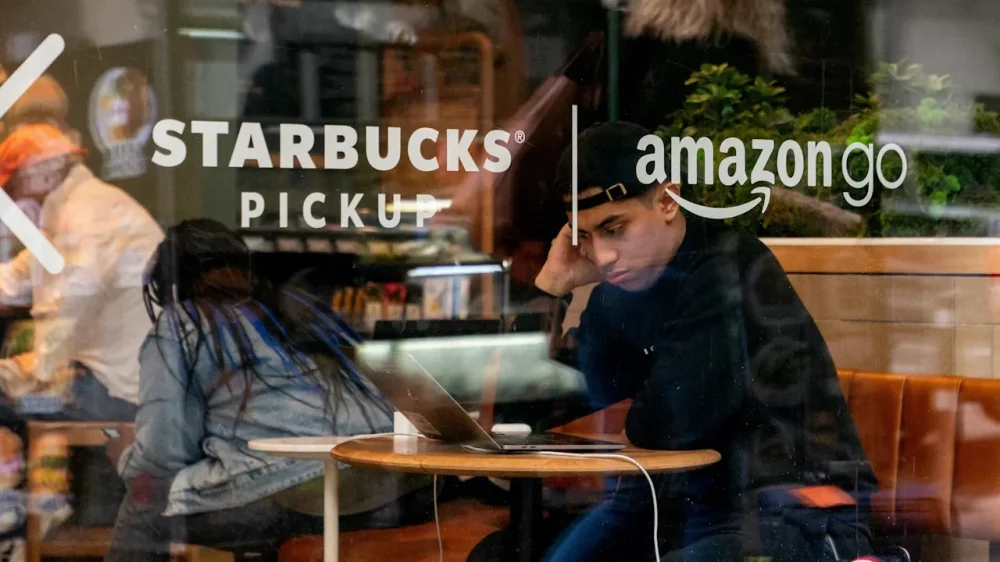
Starbucks‘ chief technology officer Deb Hall Lefevre resigned without a permanent replacement, according to an internal memo sent to corporate staff on Monday, seen by Reuters. The memo, written by Chief Financial Officer Cathy Smith, named Ningyu Chen, previously senior vice president of global experience technology, as interim chief technology officer. Lefevre’s resignation comes as Starbucks announced its second round of deep cuts in corporate roles, effective Friday, as CEO Brian Niccol pushes a tech revamp in stores to make labor more efficient, part of a turnaround strategy to revive flagging sales after six consecutive quarters of decline. Using AI to revamp how cafes operate The revamp includes an AI-powered automated inventory counter that is in the process of being rolled out to all company-owned stores in North America by the end of September. Other initiatives include an AI assistant for baristas, a new point-of-sales system, and a queuing algorithm meant to help baristas sequence orders during rush hour. Lefevre, a former McDonald’s executive, was hired in May 2022 as part of the chain’s focus on improving its drive-through, mobile ordering, and other systems. The memo said she planned to retire. “Our tech priorities aren’t changing,” the memo said. “We’re focused on the tech work needed to deliver our Back to Starbucks plan.” Lefevre didn’t respond to a request for comment Thursday night. On Thursday, the company said it would close underperforming stores in the United States. Its overall company-owned U.S. and Canada store count is expected to drop by 1%, with several hundred stores expected to close by the end of the 2025 fiscal year. It also said 900 non-retail roles would be eliminated, with affected employees being notified Friday. The technology initiatives are part of a corporate turnaround called “Back to Starbucks” being pursued by CEO Brian Niccol, who took the helm last year to revive the chain’s fortunes. He has aimed to revive the chain’s “coffeehouse” appeal following six consecutive quarters of sales declines. Starbucks’ February layoffs of 1,100 corporate employees hit the IT team particularly hard, a source familiar with the matter said Thursday. They said an outside contractor named Tata Consultancy Services, based in India, has been given an increasing role in Starbucks IT division. Starbucks in a statement Friday said the company will “continue to have a very significant in-house technology team, but the focus is on the most important capabilities and the most important work.” Shares have lost more than 12% of their value over the last 12 months, compared with a 16% increase in the broad-market Standard & Poor’s 500 Index. —Waylon Cunningham, Reuters View the full article
-
The US president is dialling up his radical agenda and escalating personal vendettas in a bid to dominate America’s attentionView the full article
-
Larger trends in time management can help you better understand your own team's focus and productivity habits. Here are 22 statistics that illustrate current trends to help you improve productivity and time management on your project team. The post 22 Time Management Statistics to Help Ease Your Workload appeared first on The Digital Project Manager. View the full article
-
Starting next week on Tuesday, September 30, the Social Security Administration (SSA) will no longer issue paper checks for benefit payments, and instead move exclusively to electronic payments: either direct deposit or a pre-paid debit card. The change is part of a broader government-wide initiative to modernize its services and improve efficiency and security, to ensure some 70 million Americans receive their monthly benefits promptly. However, this could mean trouble for some older Americans who do not know how to set up direct deposit or will have trouble using a pre-paid debit card. In March, President The President issued Executive Order 14247, which mandates the transition to electronic payments for all federal disbursements by September 30. “Less than one percent of Social Security Administration beneficiaries currently receive paper checks,” a Social Security spokesperson told Fast Company in an email on Friday. “SSA is proactively contacting those beneficiaries to alert them about the change and the process to enroll in direct deposit or receive Direct Express cards.” In cases where a beneficiary has no other means to receive payment, the SSA said it will continue to issue paper checks. According to the Treasury Department, this shift could save the federal government millions of dollars each year. Issuing a paper check costs about 50 cents, while an electronic payment (or EFT) costs less than 15 cents. Electronic payments are also more secure. Paper checks are 16 times more likely to be lost or stolen compared to electronic payments, thus increasing the risk of fraud, according to the agency. How do I sign up for Social Security direct deposit or a pre-paid debit card? For more details, and to learn how to enroll in direct deposit or obtain a Direct Express pre-paid debit card, visit www.ssa.gov/deposit/. To enroll in direct deposit, go online to your personal “my Social Security account” (or create an account, if you don’t have one) on the Social Security Administration’s website. Enrollment in direct deposit and Direct Express Debit Mastercard are also available through the Treasury’s Go Direct website, or via phone at 1-877-874-6347. For additional questions, call the Social Security Administration at 1-800-772-1213. View the full article

-
Most U.S. stocks are rising Friday after a report showed that inflation is behaving roughly as economists expected, even if it’s still high. The S&P 500 added 0.2%, as four out of every five stocks within the index climbed. The Dow Jones Industrial Average was up 211 points, or 0.5%, as of 11:45 a.m. Eastern time, and the Nasdaq composite was 0.1% lower because of drops for a handful of influential Big Tech stocks. All three indexes are near their all-time highs set at the start of the week. Stocks got some help from a report showing that inflation in the United States accelerated to 2.7% last month from 2.6% in July, according to the measure of prices that the Federal Reserve likes to use. While that’s above the Fed’s 2% target, and it’s more painful than any household would like, it was precisely what economists had forecast. That offered some hope that the Fed could continue cutting interest rates in order to give the economy a boost. That’s critical for Wall Street because it’s already sent U.S. stocks on a blistering run to records from a low in April in large part because of expectations for a string of rate cuts. Without them, growing criticism that stock prices have become too expensive by rising too quickly would become even more powerful. The S&P 500 is on track for a 0.7% loss for this week, which would be one of its worst since its rally took off in April but only relatively modest compared with history. The Fed just delivered its first rate cut of the year last week, and officials had penciled in more through the end of next year. Fed Chair Jerome Powell has warned, though, that plans may have to change quickly. That’s because cuts to rates carry the risk of worsening inflation. One factor threatening to push inflation higher is President Donald The President’s tariffs, and he announced a set of more late Thursday. They include taxes on imports of some pharmaceutical drugs, kitchen cabinets and bathroom vanities, upholstered furniture and heavy trucks starting on Oct. 1. Details were sparse about the coming tariffs, as is often the case with The President’s pronouncements made on his social media network. That left analysts unsure of their ultimate effects, and the announcement created ripples in the U.S. stock market instead of huge waves. Paccar, the company based in Bellevue, Washington, that’s behind the Peterbilt and Kenworth truck brands, revved 5% higher, for example. Big U.S. pharmaceutical companies nudged higher. Eli Lilly rose 0.9%, and Pfizer added 0.2%. Several companies that sell home furnishings, which could be hurt by higher prices for imports, swung between gains and losses. Williams-Sonoma went from an initial loss of 2.5% to a modest gain and back to a loss of 1.1%, for example. RH dropped 3.8% following a similar back and forth. On the losing end of Wall Street was Costco Wholesale, which fell 1.9% even though it reported a stronger profit for the latest quarter than analysts expected. Renewal rates for its membership slowed a touch, while an important measure of underlying revenue growth at its stores fell short of analysts’ expectations. In stock markets abroad, indexes rose in Europe after slumping in Asia. France’s CAC 40 climbed 0.9%, while South Korea’s Kospi tumbled 2.5% for two of the world’s bigger moves. Japan’s Nikkei 225 fell 0.9% as Sumitomo Pharma Co.’s shares lost 3.5% and Chugai Pharmaceutical sank 4.8%. In the bond market, the yield on the 10-year Treasury held steady at 4.18%, where it was late Thursday. A report said sentiment among U.S. consumers was weaker than economists expected. The survey from the University of Michigan said consumers are frustrated with high prices, but their expectations for inflation over the coming 12 months also ticked down to 4.7% from 4.8%. One notable exception was among Americans who own plenty of stocks, who have benefited from Wall Street’s run to records even as the job market slows. Sentiment for them held steady in September, while decreasing for households with smaller or no stock investments. The next big event for Wall Street could be a looming shutdown of the U.S. government, with a deadline set for next week. But investors have experience with such political impasses, and they’ve had limited impact on the market before. “The market and broader macroeconomic effects of a shutdown, even lengthy ones, are often mere blips on the charts,” according to Brian Jacobsen, chief economist at Annex Wealth Management. —Stan Choe, AP business writer AP Writers Teresa Cerojano and Matt Ott contributed. View the full article

-
Seven filings were submitted in response to President Donald The President's request for the Supreme Court to remove barriers from ousting Federal Reserve Gov. Lisa Cook before litigation proceeds. Most filings argued for the Court to deny the president's application. View the full article

-
The Federal Reserve’s favored inflation gauge accelerated slightly in August from a year earlier. The Commerce Department reported Friday that its personal consumption expenditures (PCE) price index was up 2.7% in August from a year earlier, a tick higher from a 2.6% year-over-year increase in July and most since February. Excluding volatile food and energy prices, so-called core PCE inflation showed a 2.9% increase in prices from August 2024, the same as in July. The increases were what forecasters had expected. Prices rose 0.3% from July, compared to a 0.2% increase the month before. Core prices rose 0.2%, the same as in July. Separately, the report showed that inflation-adjusted consumer spending rose a healthy 0.4% from July, same as the month before, largely on a 0.7% increase in spending for goods; spending on services such as travel and dining out rose just 0.2%. “The resilience of the US consumer was on show once again,” Michael Pearce of Oxford Economics wrote, though he cautioned that spending ”is being driven by households at the top of the income distribution.” Incomes rose 0.4%, same as the month before inflation. Income for the self-employed and business owners rose 0.9% for the second straight month. Wages and salaries rose 0.3% from July, dipping from a 0.5% increase the month before. Inflation has come down since rising prices prompted the Fed to raise its benchmark interest rate 11 times in 2022 and 2023. But annual price gains remain stubbornly above the central bank’s 2% target. Last week, the Fed went ahead and reduced the rate for the first time this year, lowering borrowing costs to help a deteriorating U.S. job market. But it’s been cautious about cutting, waiting to see what impact President Donald The President’s tariffs have on imports have on inflation and the broader economy. For months, The President has relentlessly pushed the Fed to lower rates more aggressively, calling Fed Chair Jerome Powell “Too Late” and a “moron” and arguing that there is “no inflation.” Last month, The President s ought to fire Lisa Cook, a member of the Fed’s governing board, in an effort to gain greater control over the central bank. She has challenged her dismissal in court, and the Supreme Court will decide whether she can stay on the job while the case goes through the judicial system. The Fed tends to favor the PCE inflation gauge that the government issued Friday over the better-known consumer price index. The PCE index tries to account for changes in how people shop when inflation jumps. It can capture, for example, when consumers switch from pricier national brands to cheaper store brands. —Paul Wiseman, AP economics writer View the full article

-
Mega-deals, such as Nvidia’s plan to invest $100bn in OpenAI, need more scrutinyView the full article
-
Did you know you can customize Google to filter out garbage? Take these steps for better search results, including adding my work at Lifehacker as a preferred source. The next Amazon Prime Day—or at least the Prime Day-like fall event known as "Prime Big Deal Days"—will take place Oct. 7–8. As you're checking out all the best deals, you might be tempted by Amazon's "affordable monthly payment system." Also known as "buy now, pay later" (BNPL), its pitch is alluring: Buy what I need now, and pay later, "on your own timeline." But as convenient as it sounds, you should think twice before using buy now, pay later options for Prime Day. While BNPL plans can allow you to pay for purchases in installments without interest, they come with a cost that can easily outweigh any Prime Day discounts. Let's take a look at the hidden costs of BNPL, and why you're better off paying upfront for all your Prime Day deals. How do Amazon's buy now, pay later options work?Amazon doesn't actually have its own buy now, pay later program. Instead, they've partnered up with major BNPL provider Affirm. When you're checking out on Amazon, you can select Affirm as a payment. The process is straightforward: you choose your items, select Affirm at checkout, complete a quick application, and receive an instant decision on your loan terms. Individual transactions initiated through Affirm are limited to $25,000, with a daily maximum of $100,000 across multiple purchases—but hopefully that won't come up in a single Prime Day splurge, right? (Right?!) The main draw of these programs is the ability to "pay at your own pace." If you are required to pay a down payment, that is due at the time of the transaction. From there, your first monthly payment is usually due one month after your purchase is processed. Each following payment will be due one month later, on the same day of the month. You can choose your own timeline, usually spanning 3, 6, 12, or 24 months, depending on the purchase amount and your creditworthiness. Unlike traditional credit cards, Affirm shows you the exact payment amount and total cost upfront, and claims no hidden fees or compound interest. (More on that below.) Of course, you need a separate Affirm account in addition to your Amazon Prime membership. The application process requires basic information including your name, mobile phone number, date of birth, and the last four digits of your Social Security number. Affirm performs a soft credit check initially, which doesn't impact your credit score, though they may conduct a hard inquiry for some loans. Now let's take a look at four major risks to consider before you hit that BNPL button: It makes impulse spending easierThe ease of this sort of financing can make expensive purchases feel more affordable than they actually are. When you can buy a $999.99 tablet for "just $67 per month," it's easy to lose sight of the total cost, as well as your overall financial picture. In turn, this makes it all too easy to overspend on items you might not have purchased otherwise. You're better off taking a breath, stepping away from your shopping cart, and setting alerts to be notified when a product hits a price you can stomach. You may be hit with unexpected interest charges The biggest danger with BNPL is missing one of the recurring payments. Sure, the plans are marketed as interest-free financing. However, in many cases, that 0% interest offer only applies if you pay off the full balance by a specific due date. So buyer beware—it's easy to inadvertently end up with large interest charges if you're not vigilant about paying off the balance before the promotional period ends. Soon that discounted Prime Day deal won't look so affordable. It can impact your credit scoreAs of this summer, BNPL purchases can now affect your credit score. So if you miss payments or default on the installment plan, it will cause damage to your credit score—making it even harder to get approved for mortgages, auto loans, credit cards, and other financing down the road. None of that risk is worth the Prime Day savings. You'll have limited purchase protections When you use a credit card, you get valuable purchase protections like extended warranty coverage, price protection, and the ability to dispute fraudulent charges. BNPL plans generally don't come with these safeguards. This means you're on the hook if something goes wrong with your Prime Day purchase and the retailer doesn't make things right. The smarter move is to only buy what you can afford during Amazon's Prime Day event, no matter how tempting those deals may seem. Although installment plans are helpful if you really need to finance something major, it’s best to avoid taking on debt for everyday expenses. Better to wait for a good price for something you truly need and can afford to pay for right now. To that end, keep checking back for more of Lifehacker's Prime Day coverage to find the best deals available during this fall's sales event. Apple AirPods Pro 2 Noise Cancelling Wireless Earbuds — $199.00 (List Price $249.00) Samsung Galaxy Tab A9+ 10.9" 64GB Wi-Fi Tablet (Graphite) — $159.00 (List Price $219.99) Blink Mini 2 1080p Indoor Security Camera (2-Pack, White) — $34.99 (List Price $69.99) Blink Outdoor 4 XR + Mini 2 — Wireless and plug-in security cameras, motion detection, extended range. Sync Module XR included — 2 camera system + Mini 2 (Black) — $89.98 (List Price $219.98) Ring Battery Doorbell Plus — $79.99 (List Price $149.99) Ring Indoor Cam (2nd Gen, 2-pack, White) — $49.98 (List Price $79.99) Roku Streaming Stick Plus — $29.99 (List Price $39.99) Blink Video Doorbell Wireless (Newest Model) + Sync Module Core — $34.99 (List Price $69.99) Amazon Fire TV Stick 4K (2nd Gen, 2023) — $24.99 (List Price $49.99) Shark AV2501S AI Ultra Robot Vacuum with HEPA Self-Empty Base — $229.99 (List Price $549.99) Deals are selected by our commerce team View the full article
-
The allure of US exceptionalism and AI is still drawing investors despite concerns over The President’s policiesView the full article
-
Labour mayor and potential leadership challenger lays out plan to use public assets to boost growthView the full article
-
Christine Renauld, CEO and Co-founder of Braindate, discusses how her app is revolutionizing networking by turning it into purposeful, meaningful conversations. View the full article

-
Brand identity creation is fundamental for shaping how consumers perceive your brand. It involves defining unique characteristics like your name, story, and visual elements. These aspects help you stand out in a crowded market. A strong brand identity not just promotes customer loyalty but additionally influences purchasing decisions. Comprehending its importance can guide you in building a reliable and recognizable brand. Nevertheless, there are challenges to contemplate as you move forward. Key Takeaways Brand identity creation involves defining unique characteristics like name, story, and visual elements to shape consumer perception and experience. It differentiates the brand from competitors, establishing a unique position in the marketplace and fostering emotional connections with consumers. Consistent branding enhances customer loyalty and engagement, reinforcing recognition and reliability across all touchpoints. Strong brand identity can significantly increase revenue, with 77% of consumers making purchases based on brand identity. Effective brand identity aids in navigating market challenges, reducing customer acquisition costs and driving sales growth. Understanding Brand Identity Creation Brand identity creation is an fundamental process that defines what sets your brand apart in the marketplace. To effectively define brand identity, you need to identify your brand’s unique characteristics, such as its name, story, personality, and visual elements. These components shape how consumers perceive and experience your brand. Comprehending brand identity importance is vital, as it helps differentiate you from competitors in a crowded marketplace. A strong brand identity nurtures emotional connections, enhancing customer loyalty and engagement. Guarantee consistency across all touchpoints, aligning visual and verbal elements with your core values. Regularly evaluate and adapt your brand identity to remain relevant and meet evolving customer expectations. This proactive approach can lead to long-term success and improved financial performance. The Significance of Brand Identity Comprehending the significance of brand identity is fundamental for any business aiming to thrive in a competitive market. A strong brand identity definition not only distinguishes you from competitors but also establishes a unique market position that nurtures credibility and trust. The brand identity elements, such as visuals and messaging, create emotional connections with customers, enhancing loyalty and increasing their lifetime value. Consistency in branding and brand identity across all platforms reinforces recognition and reliability, vital for retaining customers. Furthermore, a well-defined identity can amplify your advertising efforts, improving marketing performance and driving sales growth. Businesses with a robust brand identity often navigate market downturns more effectively, as loyal customers help minimize acquisition costs. Key Elements of Brand Identity Grasping the key elements of brand identity is essential for shaping how consumers view and connect with your brand. You’ll want to focus on crafting a compelling brand story, along with defining your brand’s visual identity components, such as logo and color palette. These elements not just reflect your brand’s values and personality but additionally improve recognition and cultivate trust among your target audience. Brand Storytelling Essentials Though many aspects contribute to a brand’s identity, storytelling stands out as a crucial element that shapes how consumers perceive and connect with a brand. Brand storytelling creates a unique narrative, defining your brand’s origins, path, and values. Key elements include your brand’s purpose, founder profiles, significant milestones, and challenges overcome. Integrating these elements consistently across marketing channels reinforces your brand identity description and aligns with your audience’s expectations. Key Element Description Brand Purpose Your brand’s core mission and values Founder Profiles Stories about key individuals involved Significant Milestones Major achievements in your brand’s history Challenges Overcome Obstacles faced and solutions found Utilizing brand storytelling effectively leads to meaningful connections and memorable experiences, exemplified by the best brand identity examples like Nike and Patagonia. Visual Identity Components Visual identity components form the backbone of your brand’s overall identity, making them essential for effective marketing. As you approach branding step by step, consider key elements like logos, color palettes, typography, and imagery. A well-designed logo serves as the visual centerpiece, instantly identifying your brand. The color palette influences consumer perception; different colors evoke varying emotions and communicate your brand values. Typography conveys your brand’s tone and personality, ensuring consistent font usage strengthens brand coherence. Remember, what’s a business brand identity derived from isn’t just these elements but also their consistency across platforms. This consistency builds trust and recognition, making it easier for consumers to identify your brand and reinforcing its overall identity. Brand Story: Crafting a Unique Narrative Your brand story is crucial for establishing a strong emotional connection with your audience. By incorporating cultural and historical context, you can make your narrative more relatable and relevant to your target market. This unique narrative not just highlights your brand’s origins and expedition but additionally helps differentiate you in a competitive environment. Importance of Brand Story A strong brand story is vital for creating an emotional connection with consumers, making your brand memorable and relatable. To effectively craft your brand story, consider these key points: Emotional Connection: Engage consumers by addressing their feelings and aspirations, which influences their purchase decisions. Unique Identity: Articulate your reasons for establishment and key milestones, differentiating your brand in a crowded marketplace. Values and Mission: Communicate your core values and mission clearly, which helps build trust and improves your brand’s perception. Inspiration: Use storytelling to inspire your audience, similar to how Nike does, nurturing customer loyalty and improving marketing efforts. Cultural and Historical Context Crafting a brand story that resonates with consumers involves integrating cultural and historical context into your narrative. Start by including your brand’s origins and significant milestones, as these elements improve memorability. Highlight the founder’s expedition and any geographic influences that relate to your target audience. This connection can strengthen emotional ties, especially for local consumers who appreciate shared cultural heritage. Successful brands like Nike and Patagonia exemplify this approach by showcasing their cultural commitments and historical roots. By weaving these aspects into your brand story, you create a unique narrative that appeals to consumers’ beliefs and backgrounds. In the end, this strategy nurtures brand loyalty, as people are more likely to connect with brands that reflect their values and experiences. Choosing the Right Brand Name How can you guarantee your brand name stands out in a crowded market? Start by focusing on these key factors: Memorability: Choose a name that’s easy to pronounce and remember, as this can boost consumer preference and recall by up to 50%. Relevance: Verify the name reflects your brand’s values and essence, like Google and Apple, which evoke innovation and simplicity. Market Research: Conduct thorough research to find names that resonate with your target audience, potentially increasing customer engagement and loyalty by 20%. SEO Impact: Opt for a unique name to improve online visibility and website traffic, making it easier for consumers to find you. Lastly, protect your brand name through trademarks to establish ownership and safeguard your identity. Defining Brand Personality Defining your brand personality is essential for creating a strong identity that resonates with your audience. Start by identifying key traits like sincerity or excitement that align with your brand’s values and behaviors. This consistency across all platforms shapes consumer perception and builds trust, eventually influencing their loyalty and engagement. Characteristics of Brand Personality Brand personality consists of the distinct human-like traits that brands embody, shaping how consumers perceive and engage with them. Comprehending these characteristics is essential for effective brand identity creation. Here are four key dimensions of brand personality you should consider: Sincerity: Brands that appear genuine and trustworthy often nurture strong emotional connections. Excitement: Energetic and innovative brands attract consumers looking for adventure and novelty. Competence: Reliable and efficient brands appeal to consumers who value expertise and dependability. Sophistication: Elegant and prestigious brands attract consumers desiring luxury and exclusivity. Aligning Values and Behavior When creating a strong brand identity, it’s essential to align your values with your brand personality. This connection establishes human traits and characteristics that resonate with your audience. By ensuring your brand values reflect your personality, you maintain consistency across all customer interactions, which nurtures trust and loyalty. A well-defined brand personality sets you apart from competitors and creates memorable experiences, boosting recognition. Research indicates that 64% of consumers prefer brands that share their values, emphasizing the importance of alignment. When your brand values and personality align, you can improve customer loyalty and lifetime value, as emotional connections often lead to repeat purchases and brand advocacy. Focus on these alignments to amplify your brand’s overall impact. Impact on Consumer Perception Comprehending the impact of brand personality on consumer perception is vital for any business aiming to build a strong identity. A well-defined brand personality nurtures emotional connections, influencing purchasing decisions. Here are four key points to reflect on: Consumers are more loyal to brands that resonate emotionally, leading to repeat purchases. Consistency in brand personality across all touchpoints improves recognition and builds trust. Shared values are significant; 64% of consumers cite them as a reason for strong brand relationships. Brands that use storytelling and visuals effectively engage consumers, with 92% preferring personalized experiences. Communication Style and Tone of Voice Creating a distinct communication style and tone of voice is crucial for any brand looking to connect meaningfully with its audience. Your brand’s language should be clear, relatable, and consistent across all platforms. This consistency builds trust and improves recognition, encouraging long-term loyalty. The tone of voice must reflect your brand’s personality, whether it’s friendly, authoritative, or humorous. Here’s a simple table to help clarify different styles: Tone of Voice Example Purpose Friendly “Hey there!” Builds rapport Professional “We advise…” Instills confidence Humorous “Oops!” Engages and entertains The Role of Visual Identity Visual identity plays a vital role in how your brand is perceived by consumers. It encompasses graphic elements such as logos, color palettes, typography, and imagery. Here’s why it’s important: Immediate Recognition: A strong visual identity helps consumers identify your brand instantly. Consistency Builds Trust: Maintaining a cohesive visual brand across platforms can improve consumer trust, potentially increasing revenue by up to 23%. Emotional Influence: Colors can greatly affect emotions, with research showing that they can boost brand recognition by 80%. Differentiation: An effective visual identity sets your brand apart from competitors as it reinforces your values and messaging, eventually promoting brand loyalty. Investing in your visual identity is fundamental for long-term success and consumer engagement. Sensory Identity: Enhancing Brand Experience To create a memorable brand experience, incorporating sensory identity is essential. Sensory identity involves using elements like sight, sound, taste, touch, and smell to engage consumers emotionally. When you consistently apply sensory branding, you can boost brand recognition by up to 80%. For example, think about how Starbucks uses its distinct aroma and ambiance to cultivate emotional connections. This approach not only improves brand loyalty but also encourages repeat visits. Research shows that 95% of purchasing decisions are influenced by sensory perceptions, often subconsciously. By engaging multiple senses, you create a more immersive experience, leading to higher customer satisfaction. In the end, this strategy can increase the likelihood of brand advocacy and positive word-of-mouth recommendations. Building Trust and Credibility Building trust and credibility is vital for establishing a strong brand identity that resonates with consumers. To achieve this, focus on these key strategies: Consistency: Guarantee your brand values and promises are reflected across all customer touchpoints. This builds familiarity and trust. Clear Communication: Articulate your brand identity and values effectively. This can increase consumer trust by up to 87%. Quality Engagement: Encourage interactions that improve customer loyalty. Brands with strong identities achieve 3.5 times greater loyalty. Visual Recognition: Maintain consistent branding across platforms to boost brand recognition by up to 80%, increasing consumer confidence. Common Challenges in Brand Identity Development During developing a strong brand identity, you may encounter several common challenges that can hinder your efforts. Inconsistent execution across different channels can confuse consumers and undermine brand integrity. Moreover, a promise-capability gap occurs when your claims exceed what you can actually deliver, leading to customer dissatisfaction. Insufficient employee training on brand values can result in poor customer experiences, misrepresenting your brand and eroding trust. In addition, failing to adapt to market shifts may cause your brand to decline. Finally, focusing solely on superficial elements like logos, without addressing core customer experiences, can backfire, as seen in past rebranding failures. Recognizing these challenges is the first step toward overcoming them and building a robust brand identity. Strategies for Successful Brand Identity Creation Creating a strong brand identity requires a strategic approach that addresses the common challenges outlined earlier. To build a successful brand identity, consider these strategies: Conduct thorough market analysis to identify customer needs and competitive gaps, ensuring your brand stands out. Define your brand’s visual, verbal, and experiential components, aligning them with the values of your target audience for effective communication. Maintain consistency across all branding touchpoints, including logos, color palettes, and messaging, to reinforce brand recognition and build trust. Utilize storytelling techniques to cultivate emotional connections, making your brand more relatable and memorable. Regularly assess and refine your brand identity based on audience feedback and market shifts, ensuring relevance in a competitive environment. Measuring the Impact of Brand Identity on Business Performance Measuring the impact of brand identity on business performance is crucial for comprehending how your branding efforts translate into tangible results. A strong brand identity can boost customer retention rates by 20%, enhancing your profitability by reducing acquisition costs and increasing customer lifetime value. Companies with cohesive brand identities often see a 33% revenue increase, as consistent branding promotes consumer trust and recognition. Significantly, 77% of consumers make purchases based on brand identity, indicating its influence on buying decisions. In addition, brands that communicate their identity effectively can command a price premium of 20% or more. Consistency in brand identity can likewise cut customer acquisition costs by up to 50%, making conversions easier from potential customers. Frequently Asked Questions What Is a Brand Identity and Why Is It Important? A brand identity consists of your brand’s unique traits, including its name, values, and visual elements. It’s essential since it differentiates you from competitors and shapes how consumers perceive your brand. A strong brand identity nurtures recognition and builds trust, leading to customer loyalty. Consistency across all marketing channels improves this recognition, making it easier for customers to connect with you. Regularly evaluating and adapting your brand identity guarantees you stay relevant in a competitive market. Why Is It Important to Create a Strong and Consistent Brand Identity? Creating a strong and consistent brand identity is essential for your business. It improves recognition, helping you stand out in competitive markets. When customers trust your brand, they’re more likely to make a purchase. Consistency across all platforms builds loyalty, reducing acquisition costs and increasing customer lifetime value. A well-defined brand can likewise justify premium pricing, enhancing perceived value. In the end, cohesive brand experiences lead to higher customer satisfaction and potentially increased revenue. Which of the Following Reasons Explains Why Brand Identity Is Important? Brand identity is important as it differentiates your business from competitors. A strong identity promotes consumer recognition and loyalty, which leads to increased trust and credibility. This trust can improve customer lifetime value, as satisfied customers are likely to return. In addition, a consistent brand identity across all marketing channels boosts the effectiveness of your advertising, driving sales and revenue growth. Regularly reassessing your brand identity helps maintain its relevance in a changing market. What Is the Primary Goal of Brand Identity? The primary goal of brand identity is to establish a unique and recognizable image for your brand. This image differentiates you from competitors, promoting trust and loyalty among consumers. By creating a strong brand identity, you improve customer recognition, which can lead to increased awareness and higher sales. Furthermore, a well-defined brand identity serves as a foundation for your marketing strategies, guiding decisions related to product development and customer engagement effectively. Conclusion In conclusion, effective brand identity creation is crucial for distinguishing your brand in the marketplace. By focusing on key elements like your brand story, name, and visual components, you can cultivate trust and credibility with consumers. Recognizing the challenges and employing strategic approaches can improve your brand’s presence and impact. In the end, measuring the effects of your brand identity on business performance will help you refine your strategies and strengthen customer loyalty for long-term success. Image Via Envato This article, "What Is Brand Identity Creation and Its Importance?" was first published on Small Business Trends View the full article