ResidentialBusiness
Administrators
-
Joined
-
Last visited
Everything posted by ResidentialBusiness
-
 We may earn a commission from links on this page. The Oura ring is great at tracking sleep and keeping tabs on your healthy habits, but as I noted in my review of the Oura ring 4, it’s really not great at activity tracking. That may be changing with a rollout of new activity-tracking features that the company has announced today. These still aren't enough to replace, say, a proper sports watch, but they do look like a significant improvement on Oura’s previous abilities. I’m going to test these features over the coming days and weeks to let you know how much of an improvement they really are. Here’s what Oura says is included: Step counting will use a new algorithm that is supposed to be more accurate. Calorie burn for activities will take heart rate into account (allowing Oura to estimate how intense your workout was). Split times will now be available for runs automatically tracked with Oura. Heart rate data will be included when Oura pulls in workouts from other sources (for example, if you track a workout with your Apple Watch or Garmin). You can add or edit activities from the past week, not just the current day. Past readiness scores will update accordingly. Automatic activity detection will now work at any time of day or night, removing the previous limitation where activities would only be detected during the day. There will be a new trend view for activities, showing your daily, weekly, and monthly active time. You will finally be able to edit your max heart rate. This will change your zones and your heart rate trends accordingly. That last one is a biggie, and makes Oura’s heart rate zone reporting a lot more useful. Previously they used an age-based formula, even though people’s max heart rates vary too much for any one-size-fits-all formula to be accurate. (Oura previously thought my easy runs were done mostly in zone 5. I promise you, Oura, they are not.) Oura has also announced integrations with several apps that can pull in data like HRV from the Oura app, and use those to inform your workouts or analysis in those apps. The new integrations include CorePower Yoga, The Sculpt Society, Technogym, and meditation app Open. View the full article
 -
Right-leaning comedy podcasts are a gateway to conspiracy theories and misogynistic content, a new study has found. While these podcasts may seem harmless at first—often discussing sports like the NFL and MMA and featuring guests such as Ben Affleck and David Goggins—a new report reveals that engaging with their content online can open a Pandora’s box of aliens and Andrew Tate, the former professional kickboxer who built his platform by promoting misogynistic ideas. In a study published this week, the nonprofit Media Matters for America examined five comedy shows that platformed Donald The President during the 2024 presidential election while claiming to be nonpolitical: Full Send, The Joe Rogan Experience, Impaulsive With Logan Paul, This Past Weekend w/ Theo Von, and Flagrant. Using a brand-new TikTok account created solely for research, Media Matters interacted with accounts affiliated with these shows or their hosts. (In the case of Rogan, who does not have an official TikTok, a fan account exclusively posting show clips was used.) After Media Matters watched and “liked” the 10 most recent videos from each account, TikTok’s algorithm began delivering a stream of content that included conspiracy theories, toxic masculinity, misinformation, doomsday prepping, racism, right-wing media, and transphobia. Among the first 425 videos shown on the Media Matters account’s “For You” page, 28% contained conspiracy theories and 16% promoted toxic masculinity. These included claims that recent plane crashes were orchestrated to “make sure people won’t leave.” Other videos featured phrases like “get rich and disappear,” set to montages of luxury watches, boats, cars, and planes—many soundtracked by Tate. “TikTok’s recommendation algorithm fed our account with misogynistic content and fringe conspiracy theory videos that can lead users down a right-wing rabbit hole of misinformation and more extreme content, which has the potential to radicalize them,” Media Matters senior investigative researcher Olivia Little tells Fast Company. The concern grows when considering the reach of these shows. Right-leaning podcasts far surpass their left-leaning counterparts in audience size. According to a Media Matters report published in March, 9 of the 10 most-followed online shows across all platforms are right-leaning, with a combined total following of more than 197 million. These shows extend their influence through social media, where they post full streams, short clips, and links. While left-leaning online shows have a collective following of 48 million across platforms, right-leaning shows have amassed more than 225 million followers. “TikTok is so popular because of its focus on hyper-tailoring a user’s recommendation feed to their content preferences, which has the potential to throw users down hard-to-escape rabbit holes,” Little says. “Engaging with right-wing or right-wing-adjacent content appears to signal to the recommendation algorithm that you’re interested in that content and your feed will quickly reflect that.” View the full article

-
Speaker overcomes key sticking point on taxes as he presses to deliver cornerstone of president’s legislative agendaView the full article
-
Countless Rite Aid customers and employees are still waiting to learn the fate of their local pharmacies as the bankrupt drugstore chain sells off its assets and winds down operations. Now, at least three Rite Aid landlords are asking for more transparency into the process. Last week, Rite Aid announced that it has reached agreements to sell its prescription files for most of its 1,200 retail pharmacies, with successful bidders including CVS, Walgreens, and Albertsons, among others. Perhaps most notably, CVS agreed to buy prescription files for 625 of those pharmacies, even as it said it would only take over 64 physical Rite Aid locations in three states: Washington, Oregon, and Idaho. However, neither Rite Aid nor CVS has said which pharmacy locations were involved in the bid. Now three landlords—HVP2 LLC, New Hartford Holdings LLC, and Gallashea Properties LLC—have filed a limited objection to the asset sales on the grounds that they have no idea if their own leases were included, according to a court filing earlier this week. “Conspicuously absent from the notice is any particular and critical information regarding who bought what and for how much?” the filing states. Privacy concerns as prescription data changes hands The landlords say they are not seeking the disclosure of sensitive customer data, which carries special privacy and regulatory considerations when prescription files are transferred from one company to another. Rather, they just want to know which Rite Aid locations were successfully bid upon, saying a more transparent process might allow them to secure better deals for their leases. Reached for comment by Fast Company, a spokesperson for CVS said store specific information has not yet been released but offered no timeline for when that might happen—other than to say more details will be released following a hearing on the sale. The company did not respond to a question about the landlords’ objection. “We’re working closely with Rite Aid on plans to ensure that the transition will be seamless for patients and customers and access to pharmacy care is not interrupted,” the spokesperson said. CVS is already the country’s largest pharmacy chain, with its pharmacy unit generating $124.5 billion in revenue and filling 1.7 billion prescriptions last year. A Rite Aid spokesperson told Fast Company that the sale of its assets to CVS and other pharmacies “will be implemented on a rolling basis and will take some time.” The spokesperson emphasized that Rite Aid pharmacies will remain open during this process, but court documents show the company is already planning to close more than 200 locations, as Fast Company previously reported. Plenty of anxiety to go around All Rite Aid locations will eventually either close or be sold to other companies. An auction for the bankrupt company’s remaining assets is planned for June. In the meantime, landlords aren’t the only one impacted by the uncertainty. On Reddit and other online forums, Rite Aid employees have expressed no shortage of frustration about not knowing the fate of their local stores. The CVS spokesperson told Fast Company that once the sale is finalized, “we look forward to welcoming Rite Aid colleagues who are interested in applying to join the CVS team.” For their part, the landlords have asked as part of their objection that Rite Aid disclose the “specific identities” of companies that successfully bid on its assets, along with which specific assets they won and how much they paid. Fast Company has reached out to the landlords’ lawyer for an update. The sale of Rite Aid’s assets is still subject to court approval, with a hearing scheduled for today. View the full article

-
We may earn a commission from links on this page. Deal pricing and availability subject to change after time of publication. Streaming services have basically come full circle: What started as a cheap alternative to cable TV has become an expensive monthly cost in its own right, as price hikes and crackdowns on password sharing have made subscribing to multiple streaming services just as expensive, if not more so, than some conventional cable plans. Luckily, there are often discounts, deals, and loopholes to exploit that can make streaming more affordable—and sometimes even free. Here are the best streaming deals you can get right now. This month's best streaming deal Credit: Peacock The very best streaming deal right now is for Peacock. You can get an annual Peacock Premium plan for $24.99 (saving you $55) with code SPRINGSAVINGS and get all caught up on Poker Face. (Look for more Peacock deals down below.) Here are the best of the rest of the streaming deals right now: Amazon Prime VideoYou can try a 30-day free trial. Check out what's new on Prime Video this month, as well as the best Prime Video Original movies to watch. Prime Video is also available on its own for $8.99 a month, so if you’re only in it for the shows and movies, you can skip the full Prime membership and save yourself six bucks a month. AMC+You can try AMC+ for $5 for the first month (regular price is $9.99/month) through Sling TV (scroll down to see the deal). You do not need to have a Sling plan to get this deal. If you do sign up for a Sling subscription, you’ll get your first month of AMC+ for free. You can also try a seven-day free trial. You can get an annual subscription to ad-free AMC+ through Verizon's +play for $83.88 (saves you $3 per month). You can bundle AMC+ with STARZ on Prime Video for $13.99 (save $6.99/month). You can sign up through Roku for just $2.99 for the first two months. Apple TV+You can get a 7-day free trial of Apple TV+. You can get a free subscription if you’re a T-Mobile customer with a Go5G Plus or Go5G Next plan. You get three months of free Apple TV+ when you buy an Apple product. You can get a free month of Apple TV+ when you sign up through Roku. You can get Apple Music for just $5.99/month with a student discount—and it comes with free access to Apple TV+. Check out the best original series from Apple TV. The Criterion ChannelThis arthouse streamer is the best service for true movie buffs, and you can sign up for a free trial before being charged the $99.99 annual fee (which already represents a savings over the $10.99 cost of a monthly plan). Curiosity StreamSave $20 when you sign up for a Standard Curiosity Stream annual plan, and $50 when you sign up for the Smart Bundle annual plan. New users can also score $250 off a lifetime subscription to Curiosity Stream’s Standard plan. DirecTV StreamYou can get two years of Max, Paramount+ with Showtime, Starz, MGM+, and Cinemax with the purchase of the Premier package starting at $124.99 per month (it saves $10 per month, or $240 over two years). Or can try a five-day free DirecTV Stream trial. You can also unlock 105+ free live channels just by signing up for MyFree DirecTV with your email and downloading the app. Discovery+You can subscribe to Discovery+ ($9.99/month) as an add-on through Sling TV—no base plan required. If you bundle it with Sling Blue or Sling Orange, you’ll get the first month free. There's also a seven-day free trial if you just want to test it out. Disney+You can get the Disney+, Hulu, and Max bundle with ads for $16.99 (a 43% discount off its original 29.97/mo price) Or you can get the Disney+, Hulu, and Max bundle without ads for $29.99 (a 42% discount off its original $51.97/mo price) You can get Disney+ and Hulu (with ads) for $10.99 per month (save 44% per month). You can get Disney+ and Hulu (no ads) for $19.99 per month (save 42% per month). You can get Disney+, Hulu, and ESPN+ (with ads) for $16.99 per month. You can get Disney+, Hulu, and ESPN+ (no ads) for $26.99 per month. Verizon subscribers who have an Unlimited Ultimate plan have the option to include a Disney package, which provides them with Disney+, Hulu, and ESPN+ (with ads) for just $10 monthly (save $6.99 per month). Check out what's new on Disney+ this month. FuboTVTry a seven-day free trial of FuboTV. If you’re a new subscriber, you get 30 days free of FuboTV Pro if you’re a My Best Buy Plus or Total member (save $84.99). New subscribers also get $20 off the first month. HuluYou can get the Disney+, Hulu, and Max bundle with ads for $16.99. Or you can get the Disney+, Hulu, and Max bundle without ads for $29.99. Get an annual plan of Hulu (with ads) for $99.99 instead of $9.99 monthly (save $19.89) You can get Disney+, Hulu, and ESPN+ (with ads) for $16.99 per month. Get Hulu + Live TV, Disney+, and ESPN+ (all three with ads) for $82.99 per month. T-Mobile members can get Hulu at no cost through Hulu on Us with their Go5G Next plan. Students can get Hulu for $1.99 per month after an 80% discount. Check out what's new on Hulu this month. MaxYou can get the new Disney+, Hulu, and Max bundle with ads for $16.99 (save $12.98/month). Or you can get the Disney+, Hulu, and Max bundle without ads for $29.99 (save $21.98/month) You can get Max (with ads) for $99.99 per year (save $19.89 per year over the monthly cost). You can get Max (with no ads) for $169.99 per year. You can get Max Premium (with no ads) for $209.99 per year (save $41.89 per year). Verizon subscribers who have myPlan have the option to include a Netflix and Max bundle package with ads for just $10 monthly per line (save $7.98 per month). Cricket Wireless includes Max (with ads) in its $60/month plan. Or if you use DoorDash regularly, you could sign up for a DashPass Annual Plan, and you’ll get Max (with ads) included at no extra cost for a year. Check out what's new on Max this month, and the best movies and TV shows to stream on Max. MGM+You can get six free months when you buy a Fire TV device from Amazon. Try for free with a seven-day trial on Amazon Prime. Or get two months of MGM+ for 99 cents/month on the Roku Channel if you join before May 22. NetflixIf you’re a Verizon customer, you can get a year of Netflix for free when you buy certain annual subscriptions through +play. If you’re a Verizon customer, you can get Netflix for a year if you buy an annual subscription to STARZ or AMC+ through +play. Read the FAQ here. Verizon subscribers who have myPlan have the option to include a Netflix and Max bundle package with ads for just $10 monthly per line (save $7.98 per month). You can save on Netflix (Standard with ads) if you’re a T-Mobile customer with a Go5G Plus or Next plan. Check out what's new on Netflix this month and the best movies and TV shows to stream this week. NFL+If you’re a Verizon customer, you can get an annual subscription to NFL+ Premium through +play for $99.99 (saving you around $80 over monthly billing) Or you could get the NFL+ for $6.99/mo or $49.99/season. Get NFL Sunday Ticket for $40 per month. Paramount+Get a year of Paramount+ Essential for $59.99 (save $2.99 per month compared to the monthly plan). You can get Paramount+ with SHOWTIME for free for a week, then it's $12.99 monthly. You can get Paramount+ for free when you sign up for a Walmart+ membership (or if you already have one) as part of your subscription. Students can get a Paramount+ Essential for $5.99 monthly. Or if you have a Hulu subscription, you can add Paramount+ with Showtime for $12.99/month Check out what's new on Paramount+ and Showtime this month. PeacockYou can get the annual Premium Peacock plan for $24.99 (save $55 with code SPRINGSAVINGS). Students can get Peacock Premium for $2.99 per month for 12 months. Xfinity internet customers who sign up for NOW TV for $20 a month, which includes 40 live TV and on-demand channels, can get Peacock Premium for free. Instacart+ members get a free Peacock Premium annual membership Here are the best original Peacock shows worth watching. PhiloYou can try a seven-day free trial of Philo. ShowtimeYou can try it free for seven days with Paramount+. Get it bundled with Paramount+ across streaming services, including Hulu and Sling TV. Sling TVYou can get the Orange or Blue service for $20 for the first month, which is 50% off the regular monthly price. You can also save $38 by prepaying for the first 3 months of Sling TV. StarzYou can get a Starz subscription for $5 for three months. You can get Starz for $2.99/month for two months on Prime Video through May 27, then it's $10.99/month after. Or you can get it for $1.99 for two months if you sign up through Roku. VuduNo current deals for Vudu. YouTube TVYou can get two months of YouTube TV for $59.99 if you're a new subscriber. $59.99 for your first two months (save $46 for two months), then $82.99 per month. Get YouTube TV and NFL Sunday Ticket for $31.50 per month (plus $59.99/month for the YouTube TV base plan during the first two months) You can also try YouTube TV for free for 10 days. View the full article
-
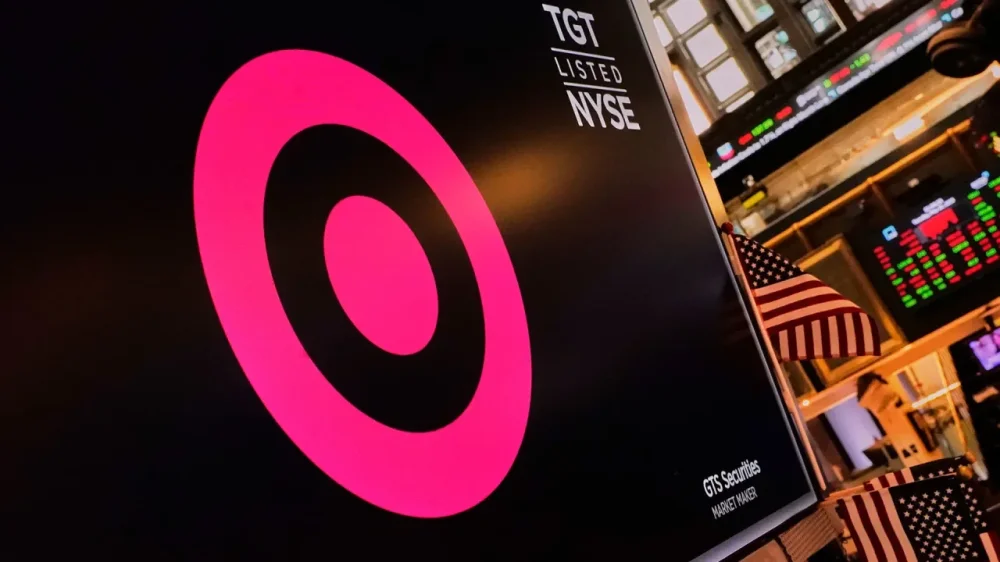
Sales at Target fell more than expected in the first quarter and the retailer warned they will slip for all of 2025 year as its customers, worried over the impact of tariffs and the economy, pull back on spending. Target also said that customer boycotts have also done some damage. The company scaled back many diversity, equity and inclusion initiatives in January after they came under attack by conservative activists and the White House. Target’s retreat created another backlash, with more customers angered by the retailer’s reduction of LGBTQ+-themed merchandise for Pride Month in June of 2023. Shares fell more than 4% before the opening bell Wednesday. Sales fell 2.8% to $23.85 billion in the quarter, and that was short of the $24.23 billion Wall Street expected, according to FactSet. Sales are also down from the $24.53 billion the company reported during the same period last year. Target said Wednesday that it now expects a low-single digit decline in sales for 2025, and earnings per share, which excludes the gains from the litigation settlements in the first quarter, to be anywhere from $7 to $9. For the year, analysts expect earnings per share of $8.34 on sales of $106.7 billion. Comparable store sales, those from established stores and online channels, fell 3.8%. That includes a 5.7% drop in store sales and a 4.7% increase in online sales. That reverses a comparable store sales increase of 1.5% in the previous quarter. The number of transactions across online and physical stores fell 2.4%, and the average ticket dropped 1.4%. Target said Tuesday that it couldn’t reliably estimate the individual impact of each of the factors that were hurting its business. Target is setting up a new office to be led by Chief Operating Officer Michael Fiddelke would focus on making faster decisions to help accelerate sales growth. Current Chief Strategy and Growth Officer Christina Hennington will move into a strategic adviser role. Target is also intensifying efforts to entice customers who are nervous about the economy and inflation. The retailer says it is offering 10,000 new items starting at $1—with the majority under $20. “I want to be clear,” Target CEO Brian Cornell told reporters on a call Tuesday. “We’re not satisfied with these results, so we’re moving with urgency to navigate through this period of volatility . . . We’ve got to drive traffic back into our stores or visits to our site.” Out of 35 merchandise categories including discretionary and essentials that the company tracks, it’s gaining or maintaining market share in only 15, the company said. Target rival Walmart reported strong quarterly sales last week. The nation’s largest retailer said it’s already raised prices on some items due to tariffs and that more price hikes are on the way this summer when the back-to-school shopping season goes into high gear. For example, car seats made in China that currently sell for $350 at Walmart will likely cost customers another $100, executives said. Target didn’t offer specifics on tariffs’ impact on prices, but said that it was looking at different ways to offset those costs. “We look at competition,” Cornell told reporters. “We make adjustments literally each and every week, so we’re constantly adjusting pricing. Some are going up. Some will be reduced.” President Donald The President’s threatened 145% import taxes on Chinese goods were reduced to 30% in a deal announced May 12, with some of the higher tariffs on pause for 90 days. Yet Americans were already pulling back on spending as they grow increasingly uneasy over the state of the U.S. economy. Companies including toy manufacturer Mattel, toolmaker Stanley Black & Decker and consumer products giant Procter & Gamble have announced higher prices or plans to raise prices because of the trade war kicked of by the U.S. Walmart was able to dodge some of the tariff damage other retailers are suffering because groceries account for about 60% of its U.S. business. Target is more reliant on discretionary items like clothing and accessories, with less than a quarter of its sales coming from groceries. Target has reduced the number of its store-label products sourced from China to 30% now from 60% in 2017. The company is on its way to reducing that number to 25% by the end of next year, the company said. Target is shifting sourcing to Guatemala and Honduras and is looking to sourcing in the U.S. Target is being pressured on other fronts as well. The company in January said it would phase out a handful of DEI initiatives, including a program designed to help Black employees advance their careers and promote Black-owned businesses. Conservative activists and President Donald The President have sought to dismantle DEI policies in the federal government, schools, and at private businesses. The pastor of a Georgia megachurch who led a nationwide 40-day boycott of Target stores in response called last month for a continuation of that effort. The Rev. Jamal Bryant is seeking a reinvigorated commitment from Target on diversity, and he wants more support from Target for Black-owned banks and businesses. Target earned $1.04 billion, or $2.27 per share, for the period ended May 3. That compares with $942 million, or $2.03 per share, in the year-ago period. Target operates nearly 2,000 stores nationwide and employs more than 400,000 people. —Anne D’Innocenzio, AP Business Writer View the full article
-
Artificial intelligence is reshaping how marketing teams operate—but not through vague promises or futuristic scenarios. In 5 Ways Marketers Are Using AI to Increase Efficiency from Acoustic, marketers will find five tangible, proven ways AI is being applied to improve segmentation, enhance personalization, monitor performance, support content creation, and retarget audiences more effectively. This resource is designed for marketing professionals seeking to reduce manual workload, streamline campaign execution, and deliver more relevant, timely experiences—without compromising quality or oversight. Download the guide to explore how AI is being used to make everyday marketing tasks smarter, faster, and more strategic. View the full article
-
Your customers are searching across ChatGPT, Reddit, Pinterest, and more. Is your brand showing up where it counts? The post Stop Focusing On Google, It’s Time to Focus On Being Visible appeared first on Search Engine Journal. View the full article
-
Google Gemini is an advanced, deeply integrated AI model that can help you reshape how you approach content creation, technical audits, reporting, and beyond. Gemini is built into Google Search and Google Workspace (including Docs and Sheets). It reflects Google’s evolving approach to understanding, ranking, and displaying information, especially in an AI-dominated search landscape. As zero-click searches become more common and traditional blue links get pushed further down the page, Gemini offers a powerful opportunity: real-time guidance from within the ecosystem you’re optimizing for. While tools like ChatGPT remain highly capable, Gemini’s integration with Google tools makes it an essential co-pilot for many day-to-day SEO workflows. This guide explores four key areas where Gemini gives you a competitive edge: On-page optimization and content creation. Local SEO at scale. AI-assisted reporting and data analysis. Competitive analysis and technical SEO guidance. Important reminder: Gemini is still evolving. Despite its direct connection to Google’s ecosystem, it isn’t immune to hallucinations, outdated references, or overconfident claims. Always validate AI-generated outputs using your SEO expertise before acting on them. On-page optimization and content creation On-page SEO and content creation have become even more tightly connected to user intent and content quality, not just keyword usage. Google prioritizes content that: Answers real questions. Demonstrates expertise. Keeps users engaged. In 2025, Gemini seamlessly supports this process. Now fully integrated into Google Workspace, Gemini isn’t just a standalone tool. It’s embedded into the places you already work, like Docs and Sheets. Gemini acts like an always-on assistant, helping streamline workflows while aligning your content with what Google actually wants to see, whether you’re: Writing optimized content. Analyzing page-level SEO elements. Summarizing strategy documents. Generating content: Writing smarter and faster Gemini’s integration into Google Docs has made it a powerful writing assistant, especially for agencies managing multiple clients or large-scale campaigns. Rather than hopping between tools, you can now ideate, edit, and refine content in real time, right inside your documents. Gemini can help with: Generating first-draft content briefs. Writing intro paragraphs, FAQ sections, or meta descriptions. Rewording or rewriting existing copy for clarity, tone, or keyword integration. Example prompt inside Docs: “Create a content brief for a blog post targeting the keyword “best indoor birthday party ideas.” Include the primary intent, suggested H1/H2 structure, relevant internal links, and FAQs.” Whether you’re writing from scratch or updating outdated content, Gemini in Docs helps speed up the planning process and ensures each piece is strategically aligned with SEO goals. Please note: this connection to Google Workspace is only available in Gemini Advanced. Analyze your webpage Beyond content creation, Gemini can also assist with auditing and refining your existing pages. It doesn’t fully crawl websites like a traditional SEO crawling tool, but it can retrieve and evaluate publicly accessible web pages. Gemini can analyze your page structure, tags, keyword usage, content quality, and any technical issues to help identify opportunities for improvement. Example prompt: “Analyze the on-page optimization of [INSERT WEBPAGE URL] for the keyword [“KEYWORD”] with the goal of increasing the page’s ranking in the SERP for this keyword. Provide an analysis of the page’s title/description, header tag structure, content depth, and keyword alignment, and any technical suggestions.” Use this analysis as a starting point to fine-tune your pages. Pair it with your own tools and expertise to ensure every change aligns with broader SEO strategy. Craft compelling titles and descriptions in Google Sheets One of the most critical aspects of on-page optimization is creating compelling titles and meta descriptions that entice users to click on your page in search engine results. Gemini can help you perfect these elements by generating creative, keyword-rich suggestions. Simply provide Gemini with your target keyword, and it will generate catchy titles and meta descriptions that include your keyword and captivate your audience. Example prompt: “Craft a captivating title and meta description for [INSERT WEBPAGE URL] optimized for the keyword [“KEYWORD”] with the goal of increasing the page’s ranking in the SERP for this keyword. Title should be no more than 60 characters. Meta description should be no more than 160 characters.” This workflow can also be scaled by uploading a spreadsheet of URLs to Gemini. Simply format your file to include columns for page URL, current title and description, and the target keyword. In your prompt, include your formatting guidelines and character limits, and ask Gemini to return an updated version as a downloadable .csv with optimized metadata. With Gemini now integrated into Google Sheets, the potential for seamless, large-scale metadata optimization is within reach. Bulk in-sheet editing is still evolving. Still, it’s easy to imagine a near future where Gemini can directly update cells in real time – eliminating the need for manual uploads and downloads entirely. Build a header tag strategy The overall analysis by Gemini can also provide a high-level review of the header tags on your webpage. With an individual prompt, you can dig deeper and reveal specific recommendations for this important piece of on-page optimization. Example prompt: “Create a detailed header tag analysis of [INSERT WEBPAGE URL] for the keyword [“KEYWORD”] with the goal of increasing the page’s ranking in the SERP for this keyword.” Using Gemini for local SEO insights and scale For multi-location businesses, success in local SEO comes down to how well you can scale relevant, location-specific content across your website and Google Business Profiles (GBP). But not all AI is equally equipped for that task. Gemini, built by Google and deeply integrated into its ecosystem, offers a unique edge when creating content that aligns with how Google surfaces local search results. Gemini understands how Google surfaces local content – from GBP listings and map pack rankings to localized landing pages and Q&A entries. That alignment helps ensure that the content it generates fits Google’s format, tone, and local intent expectations right from the start. Deeper insights for local SEO recommendations Both Gemini and ChatGPT are capable of generating local content. But the difference becomes clear when you dig into the depth of insight and alignment with real search behavior. Gemini consistently delivers more structured, actionable recommendations – not just because it’s well-trained, but because it’s built by the very company that defines the local search ecosystem. Take this real-world prompt, for example: “Generate a completely optimized Google Business Profile recommendation for a new roofing business for Boston, MA. Include all fields that should be optimized to perform well in the Google Map Pack. Also make any additional recommendations for enhancing local SEO performance.” ChatGPT’s response offered a basic list of optimizations: Name. Category. Business hours. A couple of generic suggestions like “get reviews” or “add photos.” It read more like a general SEO tip sheet. Gemini’s response, on the other hand, provided a structured breakdown of every GBP field, such as: Primary and secondary categories. Photo types. Service areas. Suggested services (like “emergency roof repair” and “storm damage assessment”). Every recommendation was backed by why it would make an impact in the Google Business Profile. After the GBP overview, Gemini followed up with broader local SEO recommendations, including: Content ideas for location pages. Local link building. Online reviews. This level of detail doesn’t just sound smarter – it’s better aligned with how Google surfaces local businesses in the Map Pack and AI Overviews. Gemini doesn’t stop at “optimize your listing.” It explains how, why, and what to prioritize based on the expectations of the search engine it was built by. That’s the real advantage: when you use Gemini for local SEO, you’re getting strategic direction from the same system that evaluates your content. Get the newsletter search marketers rely on. Business email address Sign me up! Processing... See terms. AI-powered data analysis in Google Sheets One of the most time-consuming parts of SEO is translating raw data into clear, actionable insights. Gemini’s integration with Google Workspace, particularly Google Sheets, offers a powerful way to streamline this process. Rather than manually combing through rows of Search Console exports or keyword ranking data, Gemini can help summarize, interpret, and organize the most important takeaways, making your reporting faster and more strategic. Case study: Gaining quick, actionable insights from keyword ranking data In the example above, I imported Semrush keyword rankings to Google Sheets, including position, search volume, CPC, and keyword difficulty. A manual review of this dataset could take hours, but by prompting Gemini with a simple request to analyze rankings in Positions 4–10 (prime for optimization) and 11–20 (striking distance), the AI instantly generated: A list of top opportunity keywords sorted by traffic potential. Contextual explanations for why certain keywords were high priority. Clear segmentation between “ready-to-rank” and “on-the-cusp” opportunities. Instead of spending hours dissecting spreadsheets or building out manual reports, Gemini delivers the insights that matter – instantly and in context. For SEO teams juggling large datasets and fast-moving priorities, this kind of in-Sheets analysis turns raw ranking data into clear next steps. Bonus: Go beyond keywords Gemini in Sheets isn’t just about identifying keywords. You can use it to: Summarize traffic drops across a group of URLs. Find common patterns in declining CTR. Generate formulas or filters to segment page groups by category or performance levels Suggest action items based on historical data trends. Prompt example: “Analyze this GSC export to find the top 5 underperforming URLs by CTR, and suggest 3 actions to improve click-through rate.” Regardless of the activity, Gemini takes the heavy lifting out of data interpretation, helping you move from spreadsheet to strategy without slowing down your workflow. Harnessing competitive analysis with Gemini’s Deep Research Consider Gemini your competitive research companion, guiding you through the labyrinth of SEO strategies employed by your rivals. With the introduction of Deep Research, Gemini now takes this a step further, offering a full, structured competitive analysis from just a single prompt. Instead of manually reviewing each competitor’s site, keyword profile, and content strategy piece by piece, you can now generate a detailed report that covers: SEO competitors. Keyword themes. Content gaps. Even on-page tactics in one cohesive response. This shift saves hours of analysis time and brings strategic clarity into focus faster than ever. Get general technical SEO guidance Technical SEO issues can be elusive, hiding beneath the surface and quietly sabotaging your site’s ability to rank. While Bard previously offered only general best practices, Gemini has caught up significantly, becoming a much more capable tool for: Interpreting audit data. Spotting technical issues. Recommending fixes. Where ChatGPT once had the edge (especially with plugins and external tool integrations), Gemini now makes up for it with its tight connection to Google’s ecosystem and, importantly, its integration into Google Sheets. This means you can now analyze technical SEO issues like canonicalization errors, indexing problems, or metadata inconsistencies directly within your working spreadsheet. No exports, plugins, or back-and-forth required. Technical SEO insights – directly in Sheets By importing a complete site crawl from Screaming Frog, you can prompt Gemini to help identify and prioritize issues across your entire site – without needing to switch tools or manually filter through thousands of rows. Here are just a few of the technical issues Gemini can help analyze from a Screaming Frog export: Canonical tag problems: Identify pages missing canonicals, using incorrect canonical targets, or pointing to redirect/non-200 URLs. Indexing issues: Flag pages blocked from indexing due to noindex, improper robots.txt rules, or unexpected meta robots directives. Title and description errors: Find missing, duplicate, or overlength titles and meta descriptions that need to be rewritten or consolidated. Header tag structure: Spot pages missing <H1> tags, using duplicate headers, or lacking a clear header hierarchy for accessibility and SEO. Thin content and word count gaps: Highlight pages with low word counts or little main content, often a signal for quality or E-E-A-T improvement. Real example: Identifying canonical tag errors In the audit shown here, we imported the full HTML page list from a Screaming Frog crawl into Google Sheets and asked Gemini to identify canonicalization issues. With a single prompt, Gemini reviewed the canonical tag column and returned a set of structured insights, including: Missing canonical tags: 209 pages were flagged as missing canonical tags entirely, risking duplicate content issues and diluted ranking signals. Mismatched canonical URLs: Gemini found 62 pages with canonicals pointing to a different URL than the page itself – a common issue on websites with copied templates or inconsistent tagging. Broken canonical targets: 45 of the mismatched canonicals were pointing to URLs returning 404s or other non-200 status codes – an easy-to-miss error that can quietly undermine indexing and trust signals. Gemini didn’t just point out the problems – it offered clear recommendations to resolve each issue. Gemini has moved beyond giving generic technical advice, now delivering real, actionable technical insights directly inside your workflow. If you manage large sites and complex audits, Gemini is no longer just helpful – it’s a serious asset. Where Gemini still falls short: Schema markup and code-based tasks For every standout feature Gemini has added – from deep research to in-Sheets technical SEO analysis – there are still areas where it hasn’t quite kept up. Schema markup generation is one of them. Early versions of Bard excelled at creating clean, standards-compliant schema based on content context. However, Gemini now struggles to generate schema markup reliably – especially when prompted with a URL. In some cases, it simply refuses to attempt it. That’s a clear step back for if you regularly use AI to scaffold Product, FAQ, or LocalBusiness schema. But this is exactly why you shouldn’t rely on just one model. ChatGPT continues to be a strong option for schema generation, especially with its ability to analyze live URLs and return valid structured markup. Claude also performs well for code-based tasks like schema, producing clean, well-formatted output with minimal prompting. Gemini’s strategic SEO advantage – with some caveats Gemini has made real strides since its Bard days, especially in how it supports strategic SEO tasks like: Content planning and technical audits directly with Google Workspace. Competitor analysis with Deep Research. Its ability to interpret data, align with search behavior, and provide insights rooted in Google’s own logic makes it an increasingly valuable SEO tool. That said, not every update has moved in the right direction. Some previously reliable capabilities, like schema generation, have taken a step back. And for code-heavy or markup-specific tasks, tools like ChatGPT and Claude still offer more consistent performance. That’s why the real advantage isn’t just using Gemini – it’s knowing when to use the right LLM for the job. In 2025, effective SEO isn’t about relying on a single AI assistant. It’s about building a toolkit that leverages each model’s strengths, backed by your own expertise and judgment. Test their limits. Compare outputs. Let AI save you time – but make sure you stay in the driver’s seat. View the full article
-
We may earn a commission from links on this page. Deal pricing and availability subject to change after time of publication. Just in time for Memorial Day grilling, barbecuing, and smoking, the thoughtful folks over at ThermoWorks have put together a sale that you won’t want to miss. Starting today, you can get my favorite meat thermometer 30% off. It’s the Thermapen One, and I like it so much, I even bought one for my dad. ThermoWorks Thermapen ONE, No. 1 Recommended Instant-Read Thermometer - Cayenne Pepper Red $119.00 at Amazon /images/amazon-prime.svg Get Deal Get Deal $119.00 at Amazon /images/amazon-prime.svg I’ve been using the Thermapen One for about eight months now, and I don’t know how I ever hosted a Friendsgiving without it. I’d rather forget those days when I nearly roasted my own arm because some other crummy meat thermometer took forever to measure the temperature of my oven-roasted turkey. Though I primarily use the Thermapen One for meat, don’t limit yourself—this handy probe thermometer can be used to check the doneness of breads, cakes, and casseroles too. The Thermapen One gives you an accurate reading in one second (hence the name). While that is absolutely fantastic, it’s the other features that set it apart. It has a hinged probe, so you can collapse it when it’s not in use. (It automatically shuts off when you fold the end in.) When you open it up, the digital display is backlit so you can easily see the reading. Best of all, the numbers rotate with the screen orientation. This sounds like an “okay, who cares” feature, but you’d be surprised how many weird angles you have to use to get to the center of a thigh or avoid hitting a turkey bone while trying to keep your knuckles from getting burned on a grill grate. A temperature reading that orients automatically right-side-up is extremely helpful. My dad’s the grill guy in our family, and the quick reading is the main feature that drew him to this thermometer in the first place: No more waiting around for the temperature to finish climbing while you lose heat from your grill with the lid open. In fact, if you want to get ahead of Father’s Day shopping, this is a great opportunity to grab a deal, and you'll feel proud of yourself for being so organized and thoughtful. The Thermapen One is on sale through May 27, so if shipping times won't get it to you by this weekend, at least you'll have it to get you through the rest of grilling season. View the full article
-
Google has built a massive business selling ads that appear around search results: In its 2024 10-K filing with the Securities and Exchange Commission, the company reported roughly $198 billion under “Google Search & Other,” its largest profit segment and more than half of its parent company Alphabet’s total revenue. But search is undergoing a foundational shift toward accessing the web’s information with the help of powerful AI models, and nobody has yet found a winning model for placing ads around AI search results. At the same time, new generative AI models can now handle much of the cognitive efforts users typically expend to arrive at their intended web content—and they’re doing it faster. This shift was evident in the search products and features that Google unveiled at this week’s I/O developer event, many of which are powered by this very reasoning capability. Fast Company spoke to Liz Reid, Google’s head of search, and Nick Fox, SVP of knowledge and information product, about how the company is navigating this seismic shift. This interview has been edited for length and clarity. How are you thinking about where search is heading? Nick Fox: What [AI] means for search is probably the biggest shift in search ever. We’re talking about a shift from basic information retrieval to intelligence. These models enable a much deeper understanding of information [and] the ability to transform information. If we rewind a year, some of this was just theory. Liz Reid: One of the exciting things with AI Mode is that while it’s our cutting-edge AI search, it also provides a glimpse of what we think can be more broadly available. Our current belief is that we will take the things that work well in AI Mode and bring them right to the core of search and AI Overviews. We’ve started doing this with technology like query fan-out [in which the AI calls for a number of sources for information related to the user’s search], so you can just ask whatever question you have right in the search box. When we think about the future of search, we consider a few different areas: AI could be the most powerful engine for discovery because the ability for you to specify what you want means we can connect you to that really interesting niche page or artist that has something different to say that you’re interested in. We think it can end up transforming the web and people’s ability to connect. LLM technology allows multimodality both in inputs and in outputs. Humans speak in different ways—conversationally, looking at images, seeing things before us. This is how we like to talk, describe our needs, and understand. AI allows you to say how you would really like to consume this information and makes that possible. What does the introduction of reason agents mean for search? LR: [Google] has been thinking about agentic work for a while [but] oftentimes that’s been confined by API integrations. The goal is to make search gather information, pull it together, and make it easy for you to take action on your information needs. This will be really exciting. We’re starting with bringing a lot of the Project Mariner (AI agent) technologies into search. This was something that was once easy to talk about, but now it feels like it’s actually going to be possible. This is related to the new reasoning aspect of LLMs and the tool calling ability to do tasks as opposed to just searching for a static piece of information. Thinking about traditional search with the “10 blue links,” my brain was doing the work to figure out which link to click and to process all the information. It seems like with the new AI approach, AI is doing some of that mental work for me. NF: While a lot of the narrative out there is “AI or the web,” we don’t view it as AI or the web, but rather the two of those really in concert together, building a holistic experience. A big part of that is exactly what you said, which is AI can help contextualize the web. AI can help organize, contextualize, and bring some of the simpler parts, and then you’re going to go deeper, often in a web page. Robby Stein, VP of search products, mentioned giving AI Mode permission to look into search history, Gmail, and other Google services to personalize search results. What are the privacy concerns about accessing that kind of data? LR: A key part of this is that it is genuinely an opt-in thing; we really want people to actively decide that they want to do it. We’re really starting with business messaging and recommendations. It’s not about personalizing something like a health response based on email content, but using information like the type of brands you like to shop for to make shopping queries easier, or the type of restaurants you order takeout from to recommend places in a new country. We’re going to start in Labs (for experimental products) to see what the feedback is and focus on recommendation spaces where there’s an overwhelming number of choices and it can be hard to express what you want, to specify your taste. NF: My own usage has been super useful for recommendations, especially restaurant recommendations based on OpenTable confirmations in Gmail. Search understands some of this already, but the notion of which restaurant I actually liked is a particularly useful piece of information. LR: Our UX research shows people have very different views. Some people really don’t want it, which supports the opt-in. But a lot of younger users actually expect apps to be very personalized, and they assume we’re already doing a lot of personalization in search. For some users, we’re not meeting their expectations in that space, and we should do more. Others may just never want it, and that’s fine. It’s like you have to get a sense of the zeitgeist around privacy expectations, and it’s a generational thing. I always think of it in a transactional way: I would be happy to expose my information if the return was obvious, and if you earn and keep my trust, and don’t start doing something with my data that I didn’t know you were going to do. NF: Yes, the user value of it has to be really high. We believe it can be and will be, but this is what we’ll learn with our users. It must be rooted in whether there is truly compelling user value by getting highly personalized, highly relevant recommendations for the things people are really looking for. You built this huge business on showing search ads to people, and now we’re talking about this foundational shift in the way we’re doing search. Has your thinking around how you’re going to monetize AI search evolved as you’ve learned more about what it is and how people use it? LR: We still see that a critical class of information is commercial information, where people are still often making [product] choices. So there’s still a large opportunity for ads. AI is expanding what’s possible. People are asking more queries, sometimes more specific queries. They’re telling more about what the intent is, which allows us to do more useful ads; you’re not just guessing, you can get more explicit. That is a real opportunity [for Google] from a business perspective, with more various opportunities. It’s also really important for [businesses] that there are these opportunities for ads. If you’re a small merchant, often the only way you have a chance to break out is with ads. Otherwise, you just cement the brands everybody knows. That is how new brands come in and new merchants stand out, advertising to people looking for something they don’t know by name. If people get more specific about what they want, it gives more space for small merchants to show up and meet niche needs. NF: What I’d add is the hallmark of our approach to advertising and search has been showing ads when they’re relevant and highly useful for the user, and showing very few or no ads when they aren’t relevant or the query wouldn’t benefit. I’m looking for a Mother’s Day present or gift ideas, which can be tricky. Having an AI response that gives ideas, and then ads that provide specific places to go buy them, is highly useful. Because we have a baseline understanding of how to monetize and thoughtfully display ads or not display ads on a search results page, it gives us the ability to get this right and what the user is looking for while also creating the opportunity for advertisers and driving the business forward. Have you been talking to brands? Are they looking at this new mode of discovery and thinking about what they need to be doing to optimize for visibility and searchability in AI search? NF: The ecosystem is figuring it out; we’re all figuring this out together. Historically, it’s all been about clicks—someone searches, do I get a click? That’s going to continue to be important for conversions. But there’s an additional piece: Brands themselves want visibility in that experience even if they’re not the place the user is going to go to buy. There’s value to the impression or the mention, which is something search hasn’t focused on as much historically. This is something we’re going to be talking to advertisers and businesses about. It’s interesting that the total number of searches is increasing with the introduction of AI search. NF: There’s been this narrative out there that the web is dying for 25 years or something. What’s interesting is that if you actually look at the data, the web is thriving. We were looking at data recently, and Google’s crawler, which crawls a lot of the web, is seeing way more content than ever before. Our crawlers are seeing 45% more content this year—in April versus April two years ago. More content is being created, more domains are being registered, and third-party data shows visits to the web increasing over time. Liz talked about AI being an engine of discovery; discovery also leads to creation. Google is an optimistic company that cares a lot about the web. We truly believe this will be an expansionary moment for the internet and the web, and the data seems to indicate this reality. Maybe you’re just making it a little bit more fun to search, more fun to shop. LR: It’s certainly the case that if you reduce the drudgery and the effort, people search more. People have limited time, and if it’s just easier to do, if it feels like a joy and you don’t have to do the hard parts but get to do the fun parts, then people will do it more often. We’ve seen this repeatedly, from the web overall to images, Lens, and AI Overviews. Lower the difficulty, make it more enjoyable with the response you get, and then people just do more of it because it’s worth their time. View the full article
-
The startup, which emerged from Y Combinator in 2023, has deployed its software at a long list of community banks and fintechs, including Grasshopper Bank and First Internet Bank. View the full article

-
Google had a lot of news out of Google I/O, as you would expect. The big item, which we predicted, was that AI Mode is now available to all US searchers without having to opt into it within Search Labs. Plus, Google is testing a number of new features in AI mode including Deep Search, Live Search, personal context, custom charts, AI shopping and yes - Agentic features.View the full article
-
Surprise, surprise, as I called it, Google is expanding AI Overviews into more regions. I mean, we saw this being leaked a couple of weeks ago, so it is not shocking news. But at I/O, Google said AI Overviews are "now available in more than 200 countries and territories and in more than 40 languages, with support added for Arabic, Chinese, Malay, Urdu and more."View the full article
-
Google Search seems to be super volatile today and yesterday, so I will call this the Google I/O 2025 Google unconfirmed update. I am seeing a spike in chatter within the SEO community along with many of the tools showing super heated volatility within the Google search results.View the full article
-
Google seems to be testing hiding the citations, link icons, for the AI Overviews default view. So when the AI Overview first loads in the Google Search results, the link icon is hidden.View the full article
-
UK prime minister says government will change unpopular policy this yearView the full article
-
For the past few weeks or so, Google has a bug where the right side knowledge panel goes missing for business owners when you try to bring up your business listing in Google Search. This is not impacting everyone and it can be random but Google is supposedly aware of the issue and is fixing it.View the full article
-
Google seems to be testing showing author names and website citations in the AI Overviews. I am honestly not sure if this is new but Christian Kunz said it was and posted about it on his blog and on X.View the full article
-
Like a poorer Switzerland, the UK will never find a happy balance of independence and accessView the full article
-
Welcome to Pressing Questions, Fast Company’s workplace advice column. Every week, deputy editor Kathleen Davis, host of The New Way We Work podcast, will answer your biggest and most pressing workplace questions. Q: What should I do if my coworker is using AI unethically? A: This is a question that feels new but is actually just an evolution of a classic workplace issue. You can slot any number of issues in the place of “AI” and the problem is essentially the same: What’s the best way to handle misconduct at work? The answer for all situations, including this one, comes down to a few factors: 1. Do you know (or just suspect) your coworker is doing something they shouldn’t? 2. Does the misconduct violate company policy or is it something you just don’t agree with? 3. How severe is the misconduct? And is it a pattern or a one-off? 4. What is your relationship with the coworker? Let’s take this scenario through those checkpoints. Are they actually doing something wrong? The use of AI at work can be a contentious topic. Your first step should be to check your company’s AI policy and make sure that the way you suspect your colleague to be using AI is actually in violation of the policy. Typically companies have varying degrees of comfort around using AI for workflow and administrative tasks, including email, scheduling, and note-taking. If your company is okay with AI use for these purposes, there might also be a clause that the use of AI tools needs to be disclosed (for example: letting meeting participants know that you are using an AI notetaker). Companies should also have guidance on using AI to complete the work itself (like in written reports or presentations, creating images, etc.). Again, at the very least, the policy should ask that employees credit and acknowledge work that was created by or with the help of AI. If your company doesn’t have an AI policy or it’s too vague, your first stop should be with company leadership to suggest the need for clearer guidelines. While your coworker should have basic ethics and know better than to submit work that’s false or fabricated or pass off AI work as their own, they can’t be blamed for violating a policy that doesn’t exist. How severe is it? Assuming the AI use is in violation of company policy, there are a couple of approaches depending on how severe it is and your relationship with your coworker. Using AI to help write email responses is a lot different than passing off work that you didn’t create or outsourcing quotes and data to AI without fact-checking. If it’s a workflow process that you don’t agree with but that comes down to a personal preference, you can either bring it up directly with your coworker or go to their manager. As long as you feel comfortable and have a good relationship, going directly to the person should be your first step. Assume good intentions. Say something like “I noticed you are using AI notetakers for our weekly staff meeting. I think that’s against our AI policy because of privacy concerns. You might want to check with John about it and see if we can have an intern take notes instead.” If you suspect someone is passing off AI work as their own, or submitting work with AI-produced errors, it’s more of a delicate situation. If you aren’t the person’s boss, it’s not for you to litigate, but before you make a potentially career-damaging accusation, do a little fact-checking. If you have proof that the work is in violation of company policy, take it to their manager, express your concerns, and let them take it from there. If you are in a leadership position and you are sure that an employee’s work is unethical or contains false information, confront the employee with proof. The degree of the deception should dictate whether the employee can be trusted again after a warning or if it’s a fireable offense. More on AI at work: Nearly half of workers using AI at work admit to doing so inappropriately How to learn to work with your new AI coworker Bots, agents, and digital workers: AI is changing the very definition of work View the full article

-
On a recent weekend in April, data consultant Shane Kessler wasn’t at the grocery store to panic-buy eggs, but rather to scour the tall, narrow aisles of the the H Mart in Manhattan’s K Town for the viral Korean pastry known as a crungji, basically a flattened croissant. He hadn’t found one yet, but his basket was filled with popular Melona ice cream, from South Korea, and two bottles of his favorite Japanese soy sauce from among the more than 100 varieties on offer. He was worried about tariffs raising the prices of his favorite goods. “I never thought I’d be stockpiling soy sauce, but here we are,” he shrugged. “I’ve come to H Mart every weekend this month.” Kessler’s transformation from casual fan to hoarder of once-niche pantry items is symbolic of a broader shift in America. Last year, sales of Asian groceries grew almost four times faster than overall grocery sales in the U.S., according to data analytics company Circana, and topped $55 billion here, per research firm IBISWorld. Korean instant ramyun exports alone surpassed $100 million last year, thanks to the popularity of products like Nongshim’s Chapagetti noodles (seen in Parasite) and BTS-endorsed Buldak from Samyang Foods, which was the official “hot sauce partner” of this year’s Coachella. Leading that boom in the U.S. is H Mart, the 43-year-old Korean grocery chain that stocks thousands of brands from across Asia in what have become almost Walmart-size stores. Since its founding with a single outpost in Woodside, Queens, in 1982, H Mart has grown into the largest specialty grocer in America. Over the past three years alone, it’s expanded from 77 stores in 12 states to around 100 across 16 states, plus seven in Canada and one in London, generating $2 billion in annual sales, according to reporting by the New York Times. H Mart’s cultural reach has risen alongside its physical footprint, which in New York recently included a Squid Mart collaboration with Netflix for season two of Squid Game. The company has benefitted from the ascendance of K-dramas, K-pop, and the broader “Korean wave,” as well as TV-famous Korean fusion chefs, like David Chang and Roy Choi. Other celebrities have put an even finer point on it: Musician Michelle Zauner’s 2021 memoir, Crying in the H Mart, catapulted the grocery store’s name onto the New York Times bestseller list. Nearly a third of H Mart’s customers are now non-Asian, it has said—a significant pivot from the early days, when its original name (“Han Ah Reum”) appeared only in Korean characters. (Privately run by the Kwon family since 1982, H Mart largely shuns the media and eschews national advertising. It didn’t respond to Fast Company’s interview request.) Since early April, when President The President held his “Liberation Day” press conference, hooked American consumers have been worried that their new obsession with Asian groceries could become a casualty of the administration’s trade war. The roller coaster of tariff rate changes so far is dizzying. But unless new trade agreements are struck before the 90-day suspension expires, “retaliatory” tariffs will be imposed on July 9—of around 25% on Japanese and Korean products, and up to 48% on Vietnamese items. Tariffs on Chinese goods, currently at 30%, could snap back to 145% by mid-August. Surveys show most Americans expect grocery prices to get hit the hardest, with half already adjusting their spending habits. On a recent earnings call, Walmart CEO Doug McMillon signaled that the rising price of imported food is a particular concern for the retailer. (The President responded by telling Walmart to “eat the tariffs.”) Online, reactions have ranged from people copping to panic-buying Kewpie mayo and Fly by Jing chili crisp to grimly joking “how skinny I’m going to be” once the tariffs hit their go-to specialty grocer’s aisles. “We’re all going to be crying in H Mart,” one TikTok user commented. But the truth is more complex. H Mart, which has grown into a U.S. grocery powerhouse by stocking items from around the globe, appears hitched to such a remarkable growth trajectory that it may be less vulnerable than people fear. Asian brands, made in America Specialty foods are particularly vulnerable to tariffs. They rely on regional ingredients and techniques that are hard—even impossible—to replicate elsewhere. Champagne and Parmigiano Reggiano, for example, simply can’t be produced on American soil. The same is true for many Asian food brands. Fly by Jing, for example, only uses ingredients from China’s Sichuan province for its line of sauces and spices that launched in 2019. Founder and CEO Jing Gao says that the tariffs for her products stood at 160% prior to the 90-day negotiation period. Though Fly by Jing isn’t sold at H Mart, it is carried by Whole Foods, Kroger, Walmart, and other major U.S. supermarket chains, which gives it some padding to absorb the extra costs. Even so, it’s an independent food brand, and Gao worries how the tariffs will impact food companies like hers—and American culture, along with them. “Sharing authentic ingredients and flavors is one of the most powerful ways to explore the nuances of other cultures,” she tells Fast Company. Tariffs “not only threaten our brand’s prosperity,” she adds, “but rob Americans of an accessible way to connect with and appreciate cultures at a time when we need it most.” Large companies, as well, are wrestling with the operational unknowns that The President’s tariffs have unleashed. Last month, at an international ramyun conference in Seoul, the CEO of Samyang Foods noted that his company was forming a task force to study U.S. tariff policy more closely. Samyang has been focused on wooing American consumers. Its U.S. sales hit $280 million last year, growing 127%, thanks to its Buldak ramyun sales. For its pop-up experiences at Coachella this year, the company enlisted influencers, K-pop stars, and even American rapper GloRilla to drive awareness. But Samyang doesn’t have any manufacturing facilities here, at least not yet. Some Asian food brands are in a very different position. Shoppers might be relieved to learn many of H Mart’s top brands outsourced production of their U.S. products years ago—to right here in America. Though industry analysts say it’s difficult to ascertain what proportion of products H Mart imports versus sources domestically, a fair number of the brands that it stocks have manufacturing facilities in the U.S. Nongshim, the maker of Chapagetti, already manufactures the ramyun products for its North American market just outside of Los Angeles, in Rancho Cucamonga. Pulmuone, the world’s largest tofu maker and a popular H Mart brand, produces tofu in the same area. Kikkoman, Ajinomoto, and CJ Foods also maintain extensive U.S. production facilities. Some are even expanding: CJ Foods, which aims to become “the No. 1 provider of ethnic cuisine in the United States,” is building a 700,000-square-foot manufacturing plant in Sioux Falls, South Dakota. (It will be one of the world’s largest when it comes online in 2027.) H Mart stocks more than a hundred items made by these companies, from packaged noodles and frozen foods to bottled sauces. None of these brands would talk tariff strategy with Fast Company, or even discuss their own recent cultural momentum within this context, underscoring the general sense of confusion about what comes next. (As one high-level PR professional who works with retail food brands put it: “Our clients can’t get far enough away from this right now.”) But last fall CJ Foods CEO Misook Pak explained the company’s U.S. strategy to Bloomberg, sounding very Made in America, “If you look at something like mandu [Korean dumplings], we’re able to take this product and localize it for consumers in the U.S.,” he explained. Indeed, the company’s Bibigo dumplings, which are sold at H Mart and produced domestically nowadays, are available in special American flavors like chicken and cilantro. H Mart’s community hubs H Mart, for the moment, seems to be shrugging off any obstacles. The grocer has been on an expansion tear, and there are no signs yet that it’s slowing. In San Francisco last May, it paid $32 million to buy a strip mall in Ingleside, going from tenant to owner. It now rents storefronts in the space to Korean bakery chain Paris Baguette, a Vietnamese coffee shop, and a boba tea outpost. The largest H Mart in existence—a 100,000-square-footer—opened last summer in the Salt Lake City suburbs, between a Mormon church and a sporting goods store. Next, H Mart debuted its own dining hall at the country’s second-largest mall, New Jersey’s American Dream, where diners can try a dozen different eateries offering create-your-own hot pots, bulgogi heroes by a Michelin-star chef, and a self-serve beer bar. Dallas will soon have a $42 million, 16-acre H Mart Plaza, set to hold 50 stores and restaurants. People in Orlando are counting the days until the state of Florida’s first location opens. Las Vegas welcomed its first outlet just last week. “I’ve heard about it, I’ve seen it, there are books about it,” an excited local raved to ABC 13. These locations aren’t just larger than their predecessors. They’re also taking over spaces where rivals crashed and burned—a fallen Super Target in Orlando, a closed Save A Lot in Illinois, a former Kmart in Salt Lake City. H Mart recently swallowed up two underperforming Albertsons stores in Los Angeles. Where H Mart thrives, it seems to refigure sterile supermarkets into vibrant community hubs. H Mart’s shoppers aren’t after Tide pods, after all. They’re there for the food court, the live lobster tank, the wagyu ribeye bulgogi free samples, the cotton candy dispenser near the row of Korean claw machines full of stuffed Pokémon toys. The grocer’s immersive experience could help it continue to reel in shoppers even amid rising prices. That sense of discovery and connection expands beyond the stores themselves. According to data provided by market research firm Datassential, the proportion of restaurants within a half-mile of H Mart that are Korean, Chinese, Japanese, or another type of Asian food is anywhere from 200% to 1,500% higher than average nationwide. That reflects H Mart’s strategy of putting its stores in enclaves where the demographics closely match the offerings on aisles. But in some instances, H Mart itself is luring in other Asian-focused businesses. Almost a third of Paris Baguette’s 191 U.S. cafés are within a half-mile of an H Mart, and about a quarter of all Bb.q Chicken outposts are. Both brands are frequently inside the H Mart food court. (Neither company agreed to comment for this story.) For the brand-new Las Vegas location, formerly a Savers thrift store, H Mart CEO Brian Kwon offered a rare public statement predicting, “H Mart will become a place to experience the best of what communities have to offer, providing a convenient one-stop shopping place for diverse cultures and to the neighborhood, where different ethnicities of friends and neighbors can come, gather, and enjoy.” Already, other Korean establishments are flocking to join H Mart in its shopping plaza. Daeho Kalbijjim, which draws hourlong waits for its short-rib stews in San Francisco, just opened its first Vegas location in the H Mart shopping center. The new location’s manager told local media that the proximity to the grocer “is going to really help us a lot.” Between H Mart carrying good food and his restaurant cooking good food, he said, “we thought the combination was really good.” Even as tariffs threaten costs, H Mart’s real edge might be something much harder to manufacture than a trade war: fierce devotion, tougher to break than any supply chain. View the full article

-
Russians seeking an online window to the outside world are finding their options rapidly diminishing as Vladimir Putin’s government strips app stores of VPNs. Last week, Roskomnadzor, Russia’s internet authority, ordered three major app stores to remove virtual private networks (VPNs) from public availability. Roughly one in four Russians report using VPNs to avoid detection by Russia’s pervasive internet monitoring tools—systems designed to suppress dissent within the country. The VPN bans are the latest in a long series of similar crackdowns. According to TechRadar, more than 50 VPNs available elsewhere are inaccessible in the Russian Google Play Store. This is despite Google showing more resistance than many other app store providers to Russia’s censorship demands. Still, the trend signals a worrying shift toward sweeping digital restrictions. “Russia’s increasing push to remove VPN apps from major app stores is part of a coordinated strategy to cut citizens off from uncensored information and secure communication tools,” warns Alexey Kozliuk, chair of the VPN Guild, an industry group. According to Yevgeniy Golovchenko, a researcher specializing in online censorship at the University of Copenhagen, Russia’s efforts to block VPNs represent one of the final and most extreme steps in a long campaign to control the internet. He likens online censorship to a ladder, suggesting that the country is now reaching its upper limits in terms of how far it can go to restrict digital freedom. “We’re reaching the top of the censorship ladder,” he says. While this crackdown on VPNs represents the regime’s most aggressive action yet, Golovchenko sees it as part of a long-standing effort by the Kremlin to eliminate online dissent entirely. “The Russian authorities have been trying to establish control over the internet during the last two decades,” he says. That effort intensified after Russia’s spring 2022 invasion of Ukraine, as public discontent over Putin’s decisions grew. The Russian president is determined to extinguish opposition to his actions in Ukraine and prevent any potential uprising. Those most likely to be drafted—and most opposed to the war—tend to be frequent internet users. Thus, controlling the web is viewed as key to maintaining total authority. “The Russian government is definitely trying to splinter the internet,” Golovchenko says. “They’ve been passing the so-called sovereign internet law with a clear goal of trying to splinter the Russian internet.” In this way, Russia is emulating its ally China, Golovchenko says, “not just through censorship, but through efforts to push users away from Western platforms toward Russian platforms that are more likely to comply with Russian law.” Russia’s broader approach to censorship is also telling. The government has allocated 60 billion rubles (around $600 million) in its 2025–2027 budget to expand its censorship infrastructure. This includes the deployment of advanced Deep Packet Inspection systems known as TSPU. “These systems are capable of blocking entire VPN protocols and have been tested during regional internet shutdowns to suppress encrypted traffic,” adds VPN Guild’s Kozliuk, who says that some VPN providers have created robust technologies specifically designed to function in heavily censored countries such as Russia, Belarus, and Iran. However, he notes that the Russian government is increasingly countering these efforts by blocking information about VPNs and pressuring tech companies to halt their distribution. “For ordinary Russians, the consequences are severe,” Kozliuk says. Citizens are increasingly cut off from the outside world, as the tools they once used to circumvent state censorship are being dismantled through tighter enforcement. These actions, he says, mark another step toward a “splinternet,” reflecting the Kremlin’s enduring aim to build a self-contained, tightly regulated Russian web modeled on China’s. “What we’re witnessing is not just censorship, but the systematic construction of digital borders,” he tells Fast Company, “enforced by the state and increasingly by complicit global tech companies.” View the full article

-
Whether you're building your personal brand or running social media marketing for a business, choosing the right social media platforms matters. It’s not just about being where everyone is — it’s about being where your audience already shows up. That’s why we put together this guide: a look at the top social media platforms in 2025, ranked by monthly active users and updated with insights on what each platform is best for. From familiar giants like Facebook and Instagram to rising players like Threads and Bluesky, this list will help you make smarter decisions about where to show up and what kind of content to create. And remember: you don’t need to be on every social media site to grow a strong social media presence. A focused strategy that aligns with your target audience, content strengths, and available time will always beat being spread too thin. But first, an overview of the most popular social media platforms Platform Monthly Active Users (MAU) Top Content Formats Best For Facebook 3.07B Text, Images, Video, Reels, Stories, Groups General brand presence YouTube 2.53B Long-form video, Shorts, Live Video content & SEO WhatsApp 2B Messaging, Voice notes, Product catalogues Customer support & updates Instagram 2B Reels, Stories, Posts, Lives Visual storytelling TikTok 1.59B Short-form video, Duets, Lives Short-form video & trends WeChat 1.38B Messaging, Mini apps, Payment Chinese market reach Telegram 950M Channels, Chats, Bots Broadcast and private messaging Snapchat 850M Snaps, Stories, AR filters, Spotlight Direct engagement with Gen Z Douyin 766M Short videos, Livestream, In-app shopping Short-form video + E-commerce Kuaishou 700M Short/long video, Livestream Live commerce & rural China Reddit 632M Text, Links, Comments Community insights & trends Weibo 598M Images, Hashtags, Stories Trend-driven content in China Pinterest 570M Pins, Boards, Idea Pins Product discovery & planning QQ 554M Chat, Games, Avatars File sharing, messaging LinkedIn 350-400M Articles, Carousels, Video, Posts B2B marketing & personal brand Threads 350M Text, Carousels, Links, Images Conversational, casual posting X (Twitter) 335.7M Text, Images, Video Real-time updates & engagement Quora 300M Q&A, Text, Links Educational content & SEO RedNote (Xiaohongshu) 300M+ Photos, Mini vlogs, Captions Reviews & lifestyle content Twitch 240M Live video, Chat, Replays Livestream entertainment Discord 150M Text, Voice, Video, Channels Private communities Tumblr 135M Text, GIFs, Images, Audio Creative self-expression Bluesky 30M (total users) Text posts, Replies, Reposts Decentralized social networking Mastodon 8.1M (total users) Text, Media, Audio Federated communities 💡Source: StatistaJump to a social media platform: Jump to a section: 1. Facebook 2. WhatsApp 3. YouTube 4. Instagram 5. TikTok 6. WeChat 7. Telegram 8. Snapchat 9. Douyin 10. Kuaishou 11. Reddit 12. Weibo 13. Pinterest 14. QQ 15. LinkedIn 16. Threads 17. X (Twitter) 18. Quora 19. RedNote (Xiaohongshu) 20. Twitch 21. Discord 22. Tumblr 23. Bluesky 24. Mastodon The top 24 social media apps and platforms for 2025This list is ranked by the latest data on monthly active users (MAUs)*. While it's useful to see the sheer volume of users each site has, it doesn't necessarily mean the one with the biggest user base is the best for your brand. If your target audience is not active there, the platform isn't worth the time and effort it will take to manage it. Start your social media marketing strategy by pinpointing where your ideal customers are active to get the best return on investment (ROI) for your business. 1. Facebook3.065 billion MAU Source: MetaFacebook remains the largest social media platform in the world, with more than 3 billion monthly active users — that’s over one-third of the global population. It continues to be a core part of most social media marketing strategies, thanks to its broad audience reach and support for nearly every type of content format. More than 200 million businesses use Facebook’s tools, and over seven million brands advertise on the platform — making it one of the most popular social media sites for business. Why Facebook still matters: Works well for text, images, video content, stories, and live streamsFeatures like Facebook Groups and Facebook Messenger allow deeper community building and customer engagementFacebook Ads Manager gives precise targeting for paid social media campaignsPro tip: Here’s how to grow your Facebook following and make the most of the algorithm — it rewards content that sparks conversations between friends, families, and communities. ⚡Best time to post on Facebook: We analyzed 1 million+ posts to help you find the best times for engagement.2. WhatsApp2.95 billion MAU WhatsApp is the world’s most popular messaging app, used in over 180 countries and by nearly 3 billion people every month. Originally built for personal messaging, it has since evolved into a valuable social media platform for customer service, community updates, and business marketing. Why use WhatsApp: WhatsApp is designed for small businesses to share updates, showcase products, and answer questions directlyLarger teams can use the WhatsApp Business app to automate responses and integrate customer communication at scaleWhether you're updating customers on orders, offering real-time support, or broadcasting limited-time deals, WhatsApp is a great platform to reach users where they're most engaged, especially in regions where text messaging is the primary form of communication. WhatsApp’s end-to-end encryption and no-algorithm feed make it ideal for direct communication, not discovery. But when used well, it builds trust and loyalty with your target audience. 3. YouTube2.5 billion MAU YouTube is more than a video sharing platform — it’s the second-largest search engine in the world (after Google, its parent company). With users watching over a billion hours of video daily, it’s a must-have platform for any brand investing in video content. Why YouTube matters for your marketing strategy: Supports both long-form and short-form videos (including YouTube Shorts)Great for evergreen content, tutorials, behind-the-scenes, and storytellingWorks well for search-driven discovery and subscriber growthSEO plays a huge role in visibility here. Optimizing your videos with the right keywords, thumbnails, and engagement strategies can help your content reach the right viewers over time. Whether you’re new to YouTube or refining your current presence, here’s how to grow on YouTube and start building a community through content. Learn more about YouTube SEO, the YouTube algorithm, and how to grow your audience. ⚡Best time to post on YouTube: We analyzed over 1 million videos to find the best publishing times.4. Instagram2.04 billion MAU Source: MetaInstagram is one of the most visual social media platforms, built for sharing photos, videos, Stories, and short-form video content like Reels. With over 2 billion monthly active users, it’s especially popular with millennials and Gen Z — making it a top choice for brands looking to connect through visual storytelling. Why brands love Instagram: A wide range of formats — including Reels, Stories, and Live video — keeps content freshStrong discovery tools like the Explore tab and hashtags help grow reachEncourages user-generated content through mentions, tags, and branded campaignsYou can switch to an Instagram business profile to unlock in-depth analytics and scheduling tools. It’s also easy to cross-post to Facebook, Threads, and Messenger since they’re all part of the Meta family of platforms. Want to grow? The Instagram algorithm favors content that gets quick engagement — likes, saves, shares, and comments. Here’s a complete guide to Instagram growth in 2025. ⚡Best time to post on Instagram: Based on 5 million posts, we found the times most likely to drive engagement.5. TikTok1.5 billion MAU TikTok has quickly become the go-to short-form video content platform, especially among younger audiences. With 1.5 billion monthly active users and a global reach, it’s one of the most engaging social media platforms out there — and a top choice for creators, small businesses, and brands looking to show up in a more personal, creative way. What makes TikTok unique: Users can create videos up to 10 minutes long (which we’ve found get more views) with built-in music, voice effects, and editing toolsThe algorithm is laser-focused on user behavior — meaning anyone can go viralChallenges, duets, and trends help brands participate in culture, not just broadcast messagesIf your target demographic includes Gen Z or younger millennials, TikTok can be a powerful place to connect through authentic, fast-moving content. Concerned about the TikTok ban? We’ve got you covered — here’s everything we know about the potential TikTok ban in the U.S., and how to prepare just in case. Want to grow? Learn how the TikTok algorithm works and how to get more followers — from content hooks to posting strategy. ⚡Best time to post on TikTok: Our research breaks down the best posting windows for reach and engagement.6. WeChat1.34 billion MAU Interested in expanding your social media presence internationally? WeChat could be your gateway to one of the largest online markets in the world. WeChat, developed by Chinese tech giant Tencent, is one of the most versatile social media platforms in the world — especially across China and parts of Asia. Originally a messaging app, WeChat has grown into an all-in-one platform where users can send messages, make payments, shop online, book rides, and more. Why WeChat stands out: One of the only major social networking sites not blocked in ChinaOffers branded WeChat Official Accounts for businesses, which act like mini-websitesEnables businesses to run ads, build mini-programs (apps within WeChat), and reach audiences directly through WeChat MomentsIf you’re trying to reach users in China — where platforms like Facebook, X (formerly Twitter), and Instagram are restricted — WeChat is the dominant option for both personal and business communication. You can also partner with Chinese influencers to promote your brand through stories and content within the WeChat ecosystem. 7. Telegram900 million MAU Telegram is a fast-growing messaging app known for its privacy-first approach and flexibility. While it started as a simple chat tool, it’s evolved into a full-fledged social media platform with channels, communities, bots, and broadcast tools — all of which make it a powerful option for creators and brands. What sets Telegram apart: End-to-end encryption for messages and filesMassive group and channel support — with channels accommodating up to 200,000 subscribersBots and automation for delivering content, collecting feedback, or even processing purchasesBecause of its minimal algorithmic interference, Telegram is ideal for direct audience communication — perfect for newsletters, product updates, and community building without the noise. While not designed for discovery like TikTok or Instagram, Telegram excels at deepening engagement with an already interested target audience. You can even build mini ecosystems on Telegram using its bots and API integrations — useful for tech-savvy brands and creators. 8. Snapchat800 million MAU Source: The VergeSnapchat pioneered the idea of disappearing content and vertical video — both of which have become staples across other social media platforms like Instagram and TikTok. With 800 million monthly active users globally, Snapchat remains a powerful messaging app and visual content platform, especially among younger audiences. Why Snapchat should have a place in your strategy: Strong engagement with Gen Z and U.S. teens (nearly 70% use the app)Features like Lenses, Bitmoji, and private Stories make it highly interactiveNewer tools like My AI and Spotlight aim to keep users engaged and creators supportedWhile Snapchat may not be as central to social media marketing strategy as Instagram or TikTok, it still plays a key role in reaching specific target demographics — especially if your brand skews younger or lifestyle-driven. 9. Douyin (TikTok China)766.5 million monthly active users Douyin is the Chinese version of TikTok — developed by ByteDance and launched before its global counterpart. While they share the same interface and video-first format, Douyin operates separately from TikTok and has its own ecosystem, rules, and user behavior. With around 766 million monthly active users, Douyin is a leading social media platform in China and a powerhouse in short-form video content and social commerce. Why Douyin stands out: Advanced in-video e-commerce integrations — users can buy directly from videos and livestreamsRich data and AI-driven recommendations for hyper-personalized feedsPopular for tutorials, product reviews, behind-the-scenes content, and shopping haulsFor brands and creators targeting the Chinese market, Douyin offers a highly engaged, transaction-friendly audience — and a glimpse into the future of video-led commerce. 💡While access for international brands may require local partnerships or agencies, understanding Douyin could be the key to understanding where TikTok may be headed.10. Kuaishou735.6 million MAU Kuaishou is one of China’s largest video-focused social media platforms, and a key competitor to TikTok (known as Douyin in China). With around 735 million monthly active users, it’s especially popular in lower-tier cities and rural regions of China — offering a unique space for creators and brands to reach underserved audiences. What makes Kuaishou different: Strong emphasis on authentic, everyday storytelling over high-gloss trendsSupports long-form video, short-form content, and live streamingLeans heavily on e-commerce revenue, with built-in tools for product discovery and purchasingKuaishou has a reputation for being more community-driven and less algorithmically intense than TikTok or Douyin, the Chinese version of TikTok. This gives smaller creators more room to grow and makes the platform an interesting option for social commerce. If you’re targeting the Chinese market or exploring cross-border e-commerce, Kuaishou is worth exploring as part of a broader social media marketing strategy. 11. Reddit632 million MAU Source: TechCrunchReddit is a hybrid discussion platform and social network made up of thousands of niche communities called subreddits. With 632 million monthly active users, it’s a go-to platform for in-depth conversations, advice, crowd-sourced knowledge, and cultural commentary. Why Reddit is different: Forums exist for virtually every topic — from skincare to startups to AISocial media users engage anonymously, which encourages honest discussionSubreddits like r/beauty or r/entrepreneur are hubs of trusted peer insightReddit isn’t about polished content — it’s about showing up with value. That makes it ideal for brands and creators who want to listen before posting and engage with communities thoughtfully. Keep in mind that most subreddits don’t allow blatant self-promotion. Your best bet for success on the platform is to offer insights, ask smart questions, and share content that’s genuinely useful to your target audience. 💡Learn how to find content ideas from Reddit trends.12. Sina Weibo590 million MAU Sina Weibo is a Chinese microblogging platform that combines features of Twitter and Instagram. With about 590 million monthly active users, Weibo remains one of the largest social networking sites in China and a powerful channel for trend discovery, influencer marketing, and brand visibility. Why Weibo is a top choice: Content includes images, videos, Stories, live streams, and hashtagsHighly active around entertainment, news, beauty, fashion, and techOffers official and verified business accounts, plus ad placementsCompared to WeChat, Weibo’s audience is younger and more trend-focused. It’s the platform where many viral movements and conversations start — and where brands can join cultural conversations in real time. Interested in going viral in China? The New York Times once called Weibo “the place to be” — and for good reason. 13. Pinterest570 million MAU Pinterest is where inspiration meets action. With 570 million monthly active users, it’s a visual social media platform that functions more like a discovery engine than a traditional feed. Users “pin” images and videos linked to blogs, products, and landing pages — making it a strong driver of traffic and purchases. Why Pinterest works for brands: Pinterest users are 7x more likely to purchase products they’ve savedEspecially popular for niches like fashion, home decor, wellness, DIY, and foodIdeal for user-generated content and evergreen posts with long shelf livesWhether you’re promoting blog content, e-commerce listings, or tutorials, Pinterest helps you show up when people are actively searching for ideas — making it a valuable addition to your social media marketing strategy. 💡Just getting started? Here’s how to use Pinterest for business and grow your following from zero.14. QQ554 million MAU QQ, also developed by Tencent, was once China’s top instant messaging app before WeChat took the lead. Today, with over 550 million monthly active users, QQ still holds strong — especially among younger users, gamers, and professionals looking for lightweight communication and file sharing. Why QQ has a loyal user base: Popular for its desktop-friendly interface and ability to transfer large files (over 25 MB)Offers a social feed, avatar customization, and built-in online gamesDoesn’t require a phone number to sign up — appealing to students and users without smartphonesQQ is more than a messaging tool — it’s a full social experience, especially in China’s youth culture. For brands targeting the Chinese workforce or teen audience, QQ can be a lower-pressure alternative to flashier social media platforms like WeChat or Douyin. While it’s not a major channel for global marketing, QQ is still a key part of China's broader social media landscape — and a reminder that different markets often respond to very different tools. 15. LinkedIn~350-400 million MAU LinkedIn is the leading professional networking platform, originally built for job seekers and recruiters — but now just as valuable for creators, small business owners, and brands. With between 350-400 million monthly active users, LinkedIn has become a hub for sharing ideas, building authority, and nurturing your personal brand. Why LinkedIn is a must for professionals and brands: Ideal for B2B marketing, industry insights, and employer brandingA powerful space to establish thought leadership through articles, carousels, and video contentThe algorithm rewards consistency and meaningful engagement (especially comments)Whether you're building a business presence or growing as a solo creator, LinkedIn offers one of the highest ROIs for content visibility — especially if your target audience includes decision-makers or professionals. Learn how the LinkedIn algorithm works, how to grow your followers, and how to build a standout personal brand. ⚡Best time to post on LinkedIn: Our data shows the top times for engagement and visibility based on millions of posts.16. Threads350 million MAU Source: CNN BusinessThreads, developed by Meta as a companion to Instagram, launched in mid-2023 and quickly became one of the fastest-growing social media apps in history — reaching 100 million sign-ups in just a few days. As of early 2025, it now has over 350 million monthly active users. What makes Threads different: A text-first platform for short-form updates, commentary, and casual conversationIntegrated with Instagram — your username, following, and cross-posting carry overAn alternative to its counterpart X, with regular feature rolloutsThreads is still evolving, but it’s quickly become a space for creators, founders, and brands to build connections through short-form content without pressure. Many use it for behind-the-scenes updates, audience questions, and less polished thoughts. Want to grow on Threads? We broke down the platform’s best features and how to use them to build community and brand visibility. 💡Pro tip: If you’re already active on Instagram, Threads offers a natural extension to reach your target audience through quick, conversational content.17. X (formerly Twitter)335.7 million MAU X, formerly known as Twitter, continues to be a major player in social media, with over 335 million monthly active users. While the platform has undergone significant changes since its rebrand in 2023, it still thrives on real-time audience interaction, trending topics, and short-form updates. What makes X unique: Emphasis on timely content — from breaking news to live commentaryA home for text-first content, making it ideal for thought leadership, humor, and hot takesStill a powerful customer service channel, used by brands for fast, public supportDespite fluctuating user trust and platform changes, X remains useful for brands with a fast-moving content strategy or a desire to connect directly with niche communities. Learn how the X algorithm works and how to grow your following on X, whether you’re building a personal brand or managing a business account. ⚡Best time to post on X: Our analysis of millions of posts shows when engagement is highest.18. Quora400 million MAU Quora is a discussion platform built around questions and answers — where users share knowledge, give advice, and rank responses through upvotes and views. With 400 million monthly active users, Quora continues to be a valuable space for brands and creators to build trust and reach users during the research phase of decision-making. Why Quora works: High intent audience — many users are actively researching purchases or trying to solve a problemEvergreen visibility — a great answer can rank in Google search and stay visible for yearsA space to showcase subject-matter expertise and link back to your site, product, or contentAs part of your social media marketing strategy, Quora can help you reach your target audience with content that feels helpful, not promotional. You can answer industry-relevant questions, create a Quora page for your business, or even run ads through Quora’s ad platform. 💡Pro tip: Use employee advocates or founders to answer questions on behalf of your brand — it adds a personal touch and builds credibility.19. RedNote (Xiaohongshu/Little Red Book)300+ million MAU Xiaohongshu, also known as RedNote or Little Red Book, is a fast-growing social media platform based in China that blends lifestyle content, product discovery, and e-commerce. With over 300 million monthly active users, it’s often described as a hybrid of Instagram, Pinterest, and Amazon reviews — especially popular among Gen Z and Millennial women. Why RedNote is a rising star: Combines user-generated content with product recommendations, tutorials, and reviewsBuilt-in shopping and affiliate links allow for seamless conversion from content to purchaseEspecially influential in beauty, fashion, wellness, travel, and luxury nichesRedNote has gained international attention in light of uncertainty around platforms like TikTok, with some creators exploring it as a new content channel. It’s also one of the most trusted sources of peer-to-peer product reviews in China. If you’re targeting the Chinese market or exploring social commerce trends, RedNote is a platform to watch closely. 20. Twitch240 million monthly active users Twitch is the world’s leading live streaming platform, best known for gaming but increasingly home to creators in music, art, tech, fitness, and more. With 240 million monthly active users, Twitch enables direct, real-time audience interaction through live chat and subscriber communities. Why Twitch works for brands and creators: Live content builds strong viewer relationships through real-time engagementMonetization options include subscriptions, donations, sponsorships, and adsA dedicated culture around creators, from emotes to channel raids to “Just Chatting” streamsIf your brand or product fits naturally into entertainment, gaming, education, or behind-the-scenes content, Twitch can be a powerful space to grow your presence with video content that feels personal and participatory. 💡For creators and businesses new to live streaming, Twitch offers a loyal audience, but it’s best approached with consistency and interaction in mind.21. Discord200 million monthly active users Discord started as a communication platform for gamers — but today, it powers communities across everything from entrepreneurship and crypto to education and creator spaces. With 200 million monthly active users, Discord offers real-time messaging, voice chat, video calls, and deep customization for brands looking to build close-knit audiences. Why Discord stands out: Fully customizable servers with private and public channelsGreat for building a sense of belonging through shared spaces, events, and exclusive contentCan be used for product feedback, customer support, or behind-the-scenes accessWhile not a traditional social media platform, Discord is increasingly used by creators, businesses, and brands to deepen their social media presence through community-led conversations. 💡Buffer runs a Discord community where creators and marketers connect — proof that it's not just for gamers anymore.22. Tumblr191 million monthly website visits Tumblr is a long-running microblogging platform known for its creative freedom, highly engaged subcultures, and customizable blog layouts. With 191 million monthly website visits, Tumblr has maintained a loyal community — particularly among artists, writers, fandoms, and younger users seeking a more expressive online space. Why Tumblr still resonates: Supports nearly every media format: text, images, GIFs, video, audio, and linksAllows deep blog customization — many users treat their Tumblr as a personal website or aesthetic diaryIdeal for moodboarding, visual storytelling, and niche interests that don’t always fit mainstream platformsTumblr isn’t a must-use for every brand — but for those in creative industries or with strong visual and cultural identities, it can be a low-pressure way to build a unique social media presence. 💡Curious how Tumblr works today? Here’s a guide to get started and navigate the platform’s current ecosystem.23. Bluesky30 million total users Bluesky is a decentralized social media platform originally incubated by Twitter and launched as an independent app in 2023. With a focus on transparency and user control, Bluesky reached over 30 million total users by the end of 2024 — and continues to attract tech-savvy creators, developers, and community builders. Learn how to get started here. What makes Bluesky unique: Built on the AT Protocol — an open-source network that allows users to control their data and algorithmsFeels familiar to X/Twitter, with posts, replies, reposts, and likesAttracts a niche but growing user base interested in decentralization, creator ownership, and moderation transparencyBluesky is still in early stages and not yet a mainstream platform, but it holds promise for creators and brands who want to engage in smaller, values-aligned communities or experiment with new distribution models. 💡Here’s what I learned after six months on Bluesky — and how to decide if it’s right for your target audience.24. Mastodon8.1 million total users Mastodon is a decentralized, open-source social media platform that gained traction in late 2022 as an alternative to mainstream networks. With around 8.1 million total users, Mastodon is organized around independently hosted servers — or “instances” — that interconnect to form a broader network known as the Fediverse. Why Mastodon appeals to niche audiences: No central authority — users join or create communities based on shared interests or valuesPrioritizes privacy, moderation transparency, and algorithm-free feedsPosts can be up to 5,000 characters and include images, video, or audioMastodon isn’t built for mass appeal — it’s designed for intentional communities and slower, more thoughtful real-time audience interaction. If your brand leans toward transparency, activism, or ethical tech, it could be a good fit for reputation-building. 💡Want to explore decentralized networks? Here’s a beginner’s guide to Mastodon and how to decide whether to build a presence there.Be selective with your social media presenceWith so many social media platforms out there, it can be tempting to try them all — but the most effective social media marketing strategy isn’t about being everywhere. It’s about showing up intentionally, where your target audience already spends time, and where your content performs best. Instead of managing five or six platforms halfway, pick two or three that align with your strengths, your goals, and your audience — then commit to showing up consistently and experimenting over time. And if you’re managing multiple platforms, Buffer makes it easier to plan content, track performance, and stay organized — no matter how many accounts you run. FAQs about social media platformsWhat are social media platforms?Social media platforms are online networks or apps where users create and share content, connect with others, and engage in communities. They range from messaging apps like WhatsApp to visual platforms like Instagram and video-sharing platforms like YouTube. What are the top 5 social media platforms?As of 2025, the top 5 social media platforms by monthly active users are: Facebook – 3.07 billion MAUsYouTube – 2.5 billion MAUsWhatsApp – 2 billion MAUsInstagram – 2 billion MAUsTikTok – 1.59 billion MAUsThese platforms offer the widest reach and broadest social media usage globally. What are the top 5 popular apps in social media?The most popular social media apps right now are: TikTok (short-form video)Instagram (visual storytelling)YouTube (long-form and short-form video)Facebook (broad content sharing and community)Threads (fast-growing text-first app from Meta)Popularity can depend on audience age, region, and content format — so consider where your target audience is most active. What is the hottest social media right now?TikTok continues to dominate short-form video and cultural trends. But Threads and Xiaohongshu (RedNote) are quickly gaining traction in 2025, with younger audiences and creators exploring new ways to share, connect, and monetize. Unless otherwise stated, these numbers are from Statista's report, 'Most popular social networks worldwide as of October 2024'. View the full article
-
“Follow your dreams.” It’s the first piece of advice most of us are ever given: as kids in the classroom, as students on campus, as graduates preparing to enter the workforce, and as working adults. We are told that jobs are for pursuing passions, not just paychecks. If we do what we love, money and success will follow. If we love what we do, we’ll never work a day in our lives. And the corollary to all that dreaminess? If we don’t find employment doing whatever we find most fulfilling, we’re somehow failures. We don’t have to follow our dreams to end up with our dream jobs. In fact, I’d argue the opposite. When it comes to careers, “follow your dreams” can be nightmare advice. That’s because most of us enter the working world without knowing what those dreams are. Instead, I’d suggest it’s better to follow your opportunities. A culture of dreams We might think we know what our dreams are. We might even feel certain of them. After all, Americans are spoon-fed a diet high in dreams. They’re the cornerstone of our cultural canon, the basis of fairy tales, superhero stories, and countless Disney and DreamWorks movies. And they aren’t just relegated to fiction and fantasy. Phrases like “I’m living the dream,” “It’s a dream come true,” “The man (or woman) of my dreams,” and “Beyond my wildest dreams” are part of our lexicon. Athletes say these words in post-game interviews after winning big and making it to the finals. Actors repeat them in acceptance speeches as they clutch a shiny statuette. Even contestants on dating shows utter them after receiving a rose and surviving for another week. From our youngest years, we are asked about our career dreams: “What do you want to be when you grow up?” Obviously, we have no experience at being anything other than a kid. So why not aspire to be a pro athlete or a pop star? A grab bag of options As we get older and prepare to enter the workplace, some of us still hold on to our childhood or teenage dreams, or we find new ones. Certainly, we are more mature and thoughtful at age twenty-two than we were at age five or fifteen. The sources influencing us are likely to be more logical: our favorite course in college, the recruiter we talked to at an on-campus career fair, or a summer internship that stimulated us intellectually or socially. But like our younger selves, we’re still picking from a grab bag of options largely chosen for us by others or offered from limited experiences. Even if we have a better understanding of what work is, our understanding of who we are is still limited. Consequently, most of us don’t have a clear idea of what we truly want to be when we grow up—especially not at the start of our careers. And that’s a cause for celebration! The point of living is to learn as we go (and grow). That should be the point of working, too: to try new things, to meet different people, to understand ourselves better—what we like and what we can’t stand, what excites us and what bores us, what fills us with joy on a Monday morning and what fills us with dread on a Sunday night. We spend a third of our lives on the job. It just makes sense that whatever we fantasized about doing while dozing off in Econ 101 probably isn’t what we’ll want to be doing thirty years later. But instead of understanding how lucky this makes us, how much freedom we have, all too often we just feel lost. Because we’ve been taught to find direction in our dreams—that they should be like a North Star to guide us. We may feel envious of people who seem to have a fixed dream to follow to help them on their way. Missed opportunities Here’s the thing: Professional dreams can be incredibly limiting. When we enter the workplace convinced that we already know what we want to do—and are committed to doing it at all costs—what we’re saying, in essence, is that there’s nothing left for us to learn or be curious about, nothing that could change our minds, nothing else that would make us happier or more fulfilled. We’re saying that even though our careers are only just beginning, we already know what we want out of them. With that mindset, we risk sleepwalking through life and hitting snooze on a host of bigger, better opportunities that come our way, opportunities that we never could have dreamed up. Just like we can’t be what we can’t see, we can’t dream what we don’t know. So, at any one time, our wants and wishes for the future have a near-infinite number of blind spots. They include every industry we haven’t yet worked in, every company we haven’t yet encountered, and every job we haven’t tried doing ourselves. Unfamiliar territory The world of “I don’t know” is big and always getting bigger. New industries emerge all the time. New companies launch every day. The newer they are, the less likely we are to know about them. Even if we do, the more entrenched we are in our dreams, the less likely we are to want to step foot on unfamiliar territory. Instead, we live in the comfort of a decision we made years ago. But what feels like a seatbelt keeping us secure can also be a trap confining us. Those of us who aren’t committed to a specific dream, on the other hand, have the opportunity to follow new opportunities. Where the dreamers close themselves off, the non-dreamers stay open. Our culture likes to think of them—of us—as lost, but the best way to make one’s way has always been to stay alert and be willing to turn left, right, or back to try a new route when necessary. We can’t do that when our eyes are closed and we are dreaming about something else. Possessing dreams versus allowing them to possess us Does that mean we should discard dreams wholesale? Of course not. There’s nothing wrong with having them and holding on to them, even when they seem unlikely, and the odds are stacked against them coming true. Dreams can motivate us, guide us, and serve as reminders of what’s most important to us. And achieving them feels great in a way that’s hard to top. But there’s a difference between possessing dreams and allowing dreams to possess us. There’s a difference between keeping a dream alive while remaining open to other opportunities and closing ourselves off to everything other than our capital-D dream. All of us—and all our careers—would be better off if we did way more of the former and way less of the latter. Life’s most exciting and least expected adventures are found when we refuse to be restricted and restrained by what we’ve previously imagined. Maybe the random opportunity we say yes to gets us nowhere. Or maybe we’re great at it. Maybe it makes us truly happy. Maybe it ends up exceeding our wildest dreams. Maybe it becomes our wildest dream. Only now, unlike our childhood fantasies, we’ll be equipped with a real understanding of what it entails, what it requires of us, and whether we’re up for it—which makes it a whole lot more likely to become our reality and, quite literally, a dream come true. Excerpted with permission from 15 Lies Women Are Told at Work. Copyright @ 2025 by Bonnie Hammer. Reproduced by permission of Simon Element, an imprint of Simon & Schuster. All rights reserved. View the full article