ResidentialBusiness
Administrators
-
Joined
-
Last visited
Everything posted by ResidentialBusiness
-
 Has this ever happened to you? You're totally invested in a video—maybe the punchline to a great joke is about to hit, or you're finally about to learn the answer to some big mystery—and right as it's getting good, bam: an annoying ad grinds everything to a disappointing halt. Ads are a necessary element of the free internet, but that doesn't excuse how irritating they can be. Nobody wants an ad to cut them off from a video right as the interest levels are peaking—though that's exactly what's going to happen on all of your YouTube videos. As reported by Mashable, it's all part of a new feature called Peak Points, which YouTube announced during its Upfront presentation on Wednesday. Peak Points employs Google's AI model Gemini to find "the most meaningful, or 'peak,' moments" to interrupt a video with ads. It's not clear what data Gemini will use to make its determinations, but assume your behaviors are being watched by Google's AI whenever you tune into a YouTube video. YouTube knows that viewers are going to be most invested in the video during these points, and by strategically placing ads there, the chances are higher that a viewer will engage with that ad—making more money for both YouTube and the creator. And there's some logic there. But it also means that ad placement on YouTube videos is about to get really annoying. Every interesting, funny, frustrating, or otherwise emotional video on the site is going to have ads placed at their "peak." I wouldn't be surprised if, after a while, you could simply sense these ad breaks coming. Getting around annoying YouTube adsThere are a couple of workarounds to this. YouTube's solution, of course, is to subscribe to YouTube Premium. For $13.99 per month, you can watch videos largely ad-free, among other subscriber-only perks. On the other hand, you could use an ad blocker to, well, block these ads. YouTube can employ any AI model it wants to place ads in the most strategic moments possible, but it'll be in vain if you simply block those ads from appearing. The situation, however, is not quite as simple as it once was. YouTube and Google have gone to war against ad blockers, neutering popular options like uBlock Origin on Chrome, and finding new ways to stop users who are using ad blockers from watching YouTube. Even still, there are always ways around YouTube's tactics. View the full article
 -
Since its inception in 2015, the Search Engine Land Awards have recognized exceptional marketers on an annual basis — showcasing outstanding work, providing well-earned exposure in coverage and interviews, and bestowing upon them the highest honor in search. But the road between deciding to begin an application and winning the award can be a long one. Although the submission process is exceptionally streamlined — it’s never been faster or easier to apply — there’s still a story that has to be told. The way you tell that story is entirely up to you… but why not bear in mind some first-hand advice from select 2025 judges while you’re at it? Keep reading for a roundup of fresh insights from some of our judges. (And see the complete list of 2025 judges here!) “Tell us how you used paid search to solve a real problem. Define your goal and KPIs, show what you did to drive meaningful improvement, and how you measured success. A short slide deck goes a long way in showing your work and results.” – Amy Hebdon, Founder, Paid Search Magic “I look for innovative strategies that solve advertiser problems – what was the problem, and how did you solve it? What metrics did you use to evaluate success? What were the business results of your strategy? What insights can you draw from the results and what additional actions did you take as a result of these insights? What was different about your overall approach?” – Melissa Mackey, Director of Paid Search, Compound Growth Marketing “Evidence: charts, analytics, screenshots. Be detailed, specific, and share data.” – Barry Schwartz, Editor, Search Engine Land “I want to learn more about the why, not the what. I want to see the strategic thinking that led to why you structured your campaigns the way you did, the decisions you made, and how you adapted when AI-driven automations weren’t aligned with your goals. I believe what sets great paid media managers apart from the herd is their intentionality. Did you allow the machine to run wild, or did you deliberately build a campaign that allowed you (or your client) to scale smartly, profitably, and transparently? I want to hear the story!” – Ameet Khabra, Founder, Hop Skip Media “The two main things all award-winning entries share are that they explain the whys behind the hows, and they bring receipts (data to back up claims). If you can’t share the data behind your entry (budgets, revenue, etc.), you are putting yourself at a distinct disadvantage and may end up wasting the entry fee. A lot of people submit the same practices – if you can distinguish yourself by showing innovative thinking, you’ll do well!” – Navah Hopkins, Brand Evangelist, Optmyzr “Clarity and evidence. Make sure your entry clearly outlines what you did, why, what the results were, and backs each claim with real data. Visualizations of that data are helpful. And don’t be afraid to share something unique or innovative, originality can help your submission stand out just as much as results can.” – Celeste Gonzalez, SEO Strategist, RicketyRoo “Remember: data gets you noticed, but personality makes you memorable. Let your real voice and personality shine through. The most compelling entries aren’t just case studies with good numbers, they’re stories told with heart, clarity, and originality. Don’t be afraid to show us what makes your approach different.” – Adam Tanguay, Head of Growth, Jordan Digital Marketing “I am looking for an approach or strategy that challenges the norm of SEM. A unique approach that focuses on achieving the business goals by way of campaign structure across Brand, Non-Brand, Performance Max, Conquesting, and general upper-funnel tactics. An advanced way of thinking about the target audience, messaging, conversion goals, etc. that helps show a sophisticated way of managing the campaigns & overall strategy to exceed business goals.” – Matt Devinney, Director, Client Partner, Tinuiti “I am looking for projects that break new ground with innovative takes on SEO, and are backed up by data and numbers-driven insights every step of the way.” – Olya Ianovskaia, Founder and Lead Consultant, MycoMinds SEO “Make sure you match the metrics you quote in the premises and objective of your award entry to the results. If you mention how the aim was to improve revenue and CPA, clearly talk about how those metrics were improved in a before-and-after scenario. Extra points for a graph representation of that before and after the testing period.” – Anu Adegbola, Paid Media Editor, Search Engine Land “My #1 piece of advice is to showcase strategy that truly breaks new ground. Award-winning applications demonstrate innovation that anticipates where SEM is heading, whether that’s leveraging AI in novel ways, pioneering audience-targeting approaches, or developing unique cross-channel integration. But innovation alone isn’t enough. The most compelling entries connect these forward-thinking strategies directly to measurable business outcomes, providing clear evidence of how your work translated to client growth metrics that matter. We’re looking for that perfect balance: creative execution that pushes boundaries while delivering documented ROI that proves your approach wasn’t just innovative—it was transformative.” – Joseph Kerschbaum, Senior Vice President, Search & Growth Labs, DEPT And there you have it! Submit your entry today to be considered by this year’s esteemed judges! View the full article
-
If brands want to reach the shoppers of the future, they’ll need to meet them where they already are: playing video games. For this youngest generation, the coolest places to hang out aren’t the local mall or park but inside virtual worlds. While Millennials had Sega Mega Drives and Mario Kart, and Gen Z grew up on The Sims and Angry Birds, Gen Alpha — born between 2010 and 2024 and still under 17 — is coming of age in a world even more seamlessly integrated with technology. Gaming is no longer fringe culture; it’s where they socialize. Analysts at investment bank UBS recently found that while older generations still spend about two more hours per week on social platforms than on games, Gen Alpha splits their time evenly between the two. Their engagement with digital platforms goes far beyond passive scrolling. For them, gaming is a medium for creativity and self-expression. If Gen Z and Millennials were the social generations, raised on MySpace, Facebook, and Instagram, Gen Alpha is the gaming generation. Now, brands are stepping further into these virtual spaces. Just today, Roblox announced it’s opening its Commerce APIs to eligible creators and brands, with Shopify as the first integrated partner. That means Shopify merchants can now sell physical goods directly within their Roblox experiences. It also works the other way. Through Roblox’s new Approved Merchandiser Program, users can buy physical items in the real world that unlock digital content in-game. Among popular gaming platforms, Roblox reaches one of the youngest audiences, with 60% of its users under the age of 16. “These digital worlds have replaced group chats and casual hangouts, with avatars serving as extensions of personality and style,” Liv Burke, associate director of social at social media agency Superdigital, recently wrote in an op-ed for Variety. In these spaces, Gen Alpha is building and personalizing virtual worlds with limited-edition skins and viral emotes—and inviting their friends to join. For a generation that grew up with iPads in hand, their entertainment ecosystems exist largely beyond the reach of traditional advertising. As a result, advertisers’ investment in gaming is projected to nearly double over the next five years, according to Futurescape. After all, this generation already accounts for an estimated $50 billion in annual spending—a figure expected to reach $5.5 trillion by 2029. For brands looking to connect with the next wave of consumers, it’s game on. View the full article

-
A growing supply of unsold inventory applied downward pressure on prices, offering home buyers some relief, the Mortgage Bankers Association said. View the full article

-
Exciting news for anyone who’s already burned through the entirety of Netflix: there’s a new online movie rental platform coming to town. Letterboxd, the movie tracking app and the preferred social media of your most insufferable film-loving friend, announced this week that a Letterboxd Video Store is on the way. The announcement was made Tuesday at the Cannes Film Festival. While the company hasn’t revealed too many specifics just yet, we do know the upcoming streaming service will be called the Letterboxd Video Store and will feature curated “shelves” of handpicked titles. Like other services such as Prime Video, Apple TV, or Google Play, users will be able to rent films on demand or during specified release windows. But don’t expect the usual lineup. These selections will be carefully curated by Letterboxd, spotlighting lesser-known films, emerging filmmakers, and titles from the festival circuit. By showcasing movies that haven’t yet secured wide distribution, Letterboxd aims to position its transactional video-on-demand (TVOD) service as a “potential new path to audience connection for filmmakers and sales agents seeking visibility and momentum.” Details around launch dates, availability by territory, and specific titles will be announced in the coming months. However, the company has confirmed that selections will be informed by “behavioral insight” drawn from its 20 million-strong community of dedicated film lovers. Launched in 2011, the platform, often dubbed the “Goodreads for film,” remained a niche hub for cinephiles for nearly a decade. By mid-2020, it had only 1.8 million members. Today, Letterboxd has gone fully mainstream. Top reviewers enjoy micro-celebrity status, its “Four Favorites” trend routinely goes viral on TikTok, and users gleefully speculate about celebrities’ burner accounts. “Every day, we see members recommending films to each other, adding to their watchlists and hungry to discover more,” Letterboxd CEO Matthew Buchanan said, per The Hollywood Reporter. “Letterboxd Video Store is our way of delivering for those film lovers, creating a dedicated space for films that deserve an audience.” View the full article

-
Banks scored well in the tax bill out of Ways and Means this week, with wins on S Corps and rural lending, but have so far lost out on credit union taxes and additional burdens on payments competitors. View the full article

-
The government-sponsored enterprise is retiring a technology platform used for loan workout reporting and giving mortgage companies a deadline for leaving it. View the full article

-
Sometimes, you need to make a couple of quick edits before you send off a photo on WhatsApp or Gmail. Perhaps you need to crop out something in the background, or enhance an image to make it clearer. If you're on Android 14 or higher, Google's new Quick Edits feature is here to help. It works kind of like editing screenshots before sharing them, but for everything in your Google Photos library. How to quickly edit photos before sharing them Credit: Khamosh Pathak To use Quick Edits, first update the Google Photos app on your Android smartphone to the latest available version. Then, choose a photo and tap the Share button. Now, instead of directly seeing the Share menu, you'll see a new screen called Quick Edits. As it stands, this screen is simple. Around the photo, you'll see the familiar crop feature. You can grab the handles on any corner of the image to crop out anything outside of them. This is a free form crop, too, so you won't be limited by aspect ratio. The only other feature here is the Enhance button. This feature performs an auto-enhance edit on your image. There are no customization options here, but it can be useful to quickly brighten up a dull image. When you're ready, tap the Share button below to open the familiar Share menu. Here, you can choose any app to share the image to. A unique aspect of using the Quick Edits feature is that it's limited to the sharing menu. The crop and the enhancement won't be carried back to the original image in the Google Photos app. That could be annoying if you plan to re-share later, but it also keeps your edits nondestructive. How to disable the Quick Edits featureWhile the Quick Edits feature is certainly useful, it's still quite limited. All you can do is crop or perform an auto-enhancement. It would be nice to see some more image editing features added in down the line, similar to those in the screenshot editing tool. Credit: Khamosh Pathak Adding in cropping based on aspect ratio, a blur tool, and custom editing options could go a long way. In the meantime, if seeing this limited screen every time you go to share a photo is getting on your nerves, there is a way to disable it. When you're in the Quick Edits screen, tap the Settings icon in the top-right corner. Then, from the popup menu, choose the Turn off option. Now, when you share an image, you'll skip directly to the Share menu. You can enable Quick Edits again anytime from Google Photos Settings > Sharing > Quick Edit Before Sharing. View the full article
-
Stock in Coinbase (COIN), the largest U.S.-based cryptocurrency exchange, fell over 8% Thursday on news it was the victim of a cyberattack, in which hackers successfully bribed overseas contractors to leak important information so they could steal customer data. The company estimates it could cost $400 million to resolve the situation. While investors may be concerned, Coinbase customers undoubtedly are, too. Here’s what users of the crypto exchange need to know. What happened? Coinbase reported in a Securities and Exchange Commission (SEC) filing that on May 11, it received an email from an entity claiming to have obtained information about certain Coinbase customer accounts and internal Coinbase documentation—including materials relating to customer-service and account-management systems. The filing said hackers sent an email threatening to publish customers’ personal data if Coinbase did not pay a $20 million ransom, which CEO Brian Armstrong confirmed on X was specifically for “$20 million in Bitcoin.” According to the SEC filing, Coinbase learned the cyber criminals obtained the data by paying off multiple overseas contractors or employees working in support roles. Once detected, Coinbase immediately terminated those involved. Coinbase said it did not pay the ransom and has been working with law enforcement to investigate the breach. It’s establishing a $20 million reward for information leading to the arrest and conviction of those responsible for the attack. Was my Coinbase password or private key leaked in the attack? No. The SEC filing said the data breach did not compromise customer passwords or private keys. Were my Coinbase funds exposed in the attack? According to the SEC filing, neither “targeted contractors” nor “employees” were able to access customer funds. What about Coinbase customer data like my email, address, and phone number? Yes, according to Coinbase’s blog, the following personal information was compromised: Name, address, phone, and email Masked Social Security (last 4 digits only) Masked bank‑account numbers and some bank account identifiers Government‑ID images (e.g., driver’s license, passport) Account data (balance snapshots and transaction history) Limited corporate data (including documents, training material, and communications available to support agents) How can I protect myself? Coinbase told Fast Company: “Expect imposters. Scammers—related to this incident or not—may pose as Coinbase employees and try to pressure you into moving your funds.” Additionally, the company outlined what customers can do in this post. What should I do if I receive a phone call, text, or request from Coinbase? A Coinbase spokesperson told Fast Company, “if you receive this call, hang up the phone. Coinbase will never ask you to contact an unknown number to reach us.” Again, remember, Coinbase will never call or text, or ask for your password or 2FA codes, or for you to transfer assets to a specific or new address, account, vault, or wallet. I think my Coinbase information was leaked in the cyberattack. What should I do? Coinbase said it will reimburse customers who were tricked into sending funds to the attacker due to social engineering attacks. If your data was accessed, you should have already received an email; notifications were sent Wednesday, May 15 at 7:20 a.m. ET to affected customers. Flagged accounts now require additional ID checks on large withdrawals and include mandatory scam‑awareness prompts. As Coinbase monitors high-risk transactions, customers may experience delays. The company said it is opening a new support hub in the U.S., adding stronger security controls, and monitoring across all locations, and will keep the community updated as the investigation progresses. View the full article
-
Most people stop reading a Google AI Overview after skimming the top third of an AI-generated answer – the median scroll depth is just 30%. That’s one of many insights from a new UX study conducted by Kevin Indig and Eric van Buskirk. By the numbers. The study confirms what many SEOs have suspected and/or feared: AI Overview citations get few clicks: Just 19% of mobile searchers and 7.4% of desktop searchers clicked on a citation. AI Overviews decrease clicks to websites: Desktop CTR drops in half when an AI Overview is present; mobile clicks fall by a third. Skimming rules: The median scroll depth inside AI Overviews is 30%; most users never read past the top third. Reddit wins for validation: When users leave the AI Overviews, a third go to Reddit, YouTube, or forums. Yes, but. The study’s sample size is clearly small compared to Google Search’s massive scale. This study’s insights are super interesting, but hardly enough to make broad, definitive conclusions. Trust matters. As Indig shared on LinkedIn, SEOs need to think about how to foster trust: “It’s -> ‘Do I trust that this domain / brand / company can answer my question truthfully?’ Not -> ‘Can this result answer my question?'” Why we care. Google has evolved. Online visibility is increasingly shifting from clicks to visibility. You’re optimizing in the hopes of being seen and trusted – even if no one clicks at all. About the study. It is based on the screen, scroll, click, and commentary recordings of 70 U.S. searchers (42 mobile, 27 desktop) who completed eight Google queries (six of which triggered an AI Overview and two that did not). The study. The first-ever UX Study of Google’s AI Overviews: The Data We’ve All Been Waiting For View the full article
-
The move was necessary for Dark Matter in order for it to align the size of its workforce with current mortgage market realities, CEO Sean Dugan said. View the full article
-
Noodles & Company, the fast-casual chain known for serving an array of noodle-based dishes, will shutter up to 21 restaurants. The brand, founded in Denver, Colorado in 1995, has already closed at least nine locations over the past year. In a conference call last week, chief financial officer Michael Hynes said, “We expect to close 13 to 17 company-owned and four franchise restaurants in 2025.” The most recent count is up from a previous estimate of 12 to 15 company-owned closures. Noodles & Company currently has 380 company-owned restaurants and 89 franchised locations in 31 states. According to the brand’s website, the impending closures are due to higher food costs and increased marketing expenses. Recently, Noodles & Company revamped its menu, and according to QSR, saw revenue tick upward, rising 2% in Q1, with same-store sales increasing 4.4% and a 4.7% gain at company-owned locations. And despite the looming closures, Noodles & Company maintains a positive outlook. In a May 7 press release announcing first-quarter financial results, chief executive officer Drew Madsen explained that the company has actually been growing. “We are very pleased with the strong comparable restaurant sales and traffic performance we achieved during the first quarter despite a challenging macroeconomic environment,” Madsen said. “Our momentum is being driven by our fully reimagined new menu that launched on March 12, supported by increased marketing investment and a new brand strategy. Since the new menu introduction, comparable sales have increased by approximately 5% through April.” Nation’s Restaurant News also reported that according to documents filed with the Securities & Exchange Commission, Noodles & Company is opening at least two new restaurants this year. Fast-casual restaurants have been struggling amid higher food costs and slower foot traffic. In 2024, TGI Fridays, Bloomin’ Brands, Hooters, and Denny’s all closed underperforming locations, while other chains BurgerFi, Red Lobster, and Sticky Fingers filed for bankruptcy. Most recently, fast-casual and fast-food chains Chipotle and McDonalds have seen weaker sales. Noodles & Company has not released a list of the closing restaurant locations and did not immediately respond to a Fast Company inquiry. View the full article

-
You know how, on old TV shows, important people will have a wall of televisions so they can keep track of everything going on in the world? It's a ridiculous concept and totally impractical. It's also something you can do. TV Wall is a free website that shows nine random TV news stations from around the world. This could be useful during an election or other unfolding international event, allowing you to see how news organizations in different countries are covering things. But I'm not going to pretend this is a practical tool. It's mostly just kind of fun to play around with. Head to the site and you'll be presented with nine channels arranged in a three-by-three grid. A panel on the left side lets you customize the size of the grid, if you want, and you can also turn off the weird Matrix-style framing around all the TVs. A shuffle button allows you to see all new channels or you can scroll down in the left side panel to filter the channels by language or country. Credit: Justin Pot Scroll further down and you'll find the point to unmute feature, which will unmute whatever channel is currently under your mouse cursor—this makes it easy to quickly keep track of what's being said on all channels. Or, if you want to be more passive, you can have the audio randomly jump from channel to channel. You can also manually change the channels—just hover over a video to see a top bar. You can use the drop down to choose a specific channel. You can also unmute the audio or make the current channel full screen. Credit: Justin Pot The actual channels offered are all ones you could stream legally on the web if you wanted. This includes the BBC, Bloomberg, Australia's ABC, and a number of U.S. network TV channels. What this site offers is the ability to monitor a bunch of these channels at the same time. I find it fascinating how easy it has become to watch TV on the web, for free. If you're looking for similar sites, I recommend checking out our list of TV channels you can stream for free or our roundup of retro TV sites. You'll never be bored again. View the full article
-
The title insurance industry, highly dependent on mortgage origination volume, recovered after watching volume fall 31% in 2023 and 16% in 2022. View the full article

-
Ukrainian national Roman Lavrynovych will appear in court on Friday over attacks on properties linked to UK prime ministerView the full article
-
Netflix didn’t used to have the best reputation when it came to anime. The service would buy up the rights to distribute shows, only to air them on a significant delay from when they came out in Japan. That's to say nothing of its selection, which was hit or miss. Well, this anime fan is pleased to say that’s no longer the case. In the last few years, Netflix has gone all-in on distributing anime in a timely fashion, sometimes even funding shows itself. A good number of modern hits are now Netflix exclusives. Even outside of what’s exclusive to the platform, you can currently find a number of all-time classics on the service. I used to recommend subscribing to other platforms if anime was your thing, but now, whether you prefer shōnen (think Naruto), shōjo (think Sailor Moon), mysteries, comedies, dramas, or romances, Netflix can be your one-stop shop—look no further than these 18 series for an example of the breadth of material on offer. Delicious in Dungeon Credit: Netflix If I could only recommend one anime on this list, it would be Delicious in Dungeon. Distributed exclusively by Netflix in the U.S., this adaptation of Ryoko Kui’s hit manga lovingly brings the author’s clear adoration for old-school RPGs and tantalizing feasts to life. Following broke monster fanatic Laios and his party as they venture deeper and deeper into the eponymous dungeon, it starts out seeming like your typical D&D fare before quickly veering into Food Network or even National Geographic territory: Because they can’t afford supplies, Laios and his crew must instead turn to cooking up the dungeon’s monsters to keep their journey going, giving the audience a fascinating look at the ecosystems that prop up the Moria-like locale around them. The result is hilarious and heartfelt, while still giving viewers enough action and drama to keep coming back for more adventures. And the animation, provided by the deft hands at Studio Trigger (famous for shows like Little Witch Academia and Kill La Kill), is a great match: equally warm and ferocious, depending on the scene. Devilman Crybaby Credit: Netflix One of Netflix’s earlier successes with distributing anime, Devilman Crybaby is still just as impressive today. An adaptation of Go Nagai’s classic manga, this streamlined ten-episode epic is a great introduction to the characters and themes that inspired much of the modern shōnen and tokusatsu (think Power Rangers) landscape. That said, don’t go in expecting something kid-friendly. Under the direction of industry legend Masaaki Yuasa, studio Science Saru lovingly dedicates itself to depicting gritty sex and violence in almost every other scene, and yet it all feels tasteful within the tight runtime—more HBO prestige than exploitation. A hellish treatise on human nature, love, and cycles of pain, this story ends in some truly biblical places, and the ride there is well worth it. JoJo’s Bizarre Adventure Credit: Netflix Netflix picked up the distribution rights for new JoJo’s Bizarre Adventure episodes ahead of the anime’s most recent part, Stone Ocean, and with the next part, Steel Ball Run, now officially announced, it’s a great time to get caught up. Originally starting in the late ‘80s as a supernatural spin on the tropes set by classic manga and anime Fist of the North Star, the series has since morphed into its own beast, drawing inspiration from high fashion, classic rock, the author’s own travels, and more. It’s known for its exaggerated physical proportions and audacious high concepts (one episode sees our protagonist pick a fight with a sentient plate of spaghetti). To be honest, I’d recommend it to both battle anime and Drag Race fans alike. And yet as bizarre as it gets, it’s always got a sense of earnestness that truly helps you stay attached to the Joestar family amid its generations-long conflicts with vampires, serial killers, and mob bosses alike. Neon Genesis Evangelion Credit: Netflix When Netflix financed a new dub of Neon Genesis Evangelion in 2019, there was a good deal of uproar online. It makes sense: The metatextual mecha anime, originally released in 1995, was a formative text for many American fans. And yet regardless of how you watch it (personally, I really like the new cast), Neon Genesis Evangelion remains well worth your time. Set after the apocalyptic “Second Impact,” the series follows teenager Shinji Ikari as he gets swept into the machinations of shadowy government organization NERV, led by his aloof and distant father Gendo Ikari. Because of his rare aptitude piloting one of NERV’s few Evangelion (think giant robot, but not quite) units, Shinji must do battle with kaiju-like “angels” as they attack NERV and the city its HQ is located in one-by-one, each trying to trigger the apocalyptic Third Impact. If that setup sounds familiar, that’s intentional. Series creator Hideaki Anno grew up watching plenty of mecha shows about young boys bonding with or piloting robots for secret societies dedicated to protecting the Earth, and Evangelion feels both like a loving tribute to and harsh deconstruction of that premise. Sort of like Watchmen did for superheroes, the show asks “how would children really react in this situation?” Guided by Anno’s knowledgeable hand, the result is a complex and avant garde breakdown of pop culture obsession, real world mythology, and perhaps most importantly, teenage anxiety. A bunch of Gundam Credit: Netflix A personal favorite of mine, and often held up as the prototypical mecha anime, Mobile Suit Gundam is at its heart just as transgressive as Neon Genesis Evangelion. The series has been around in some form since 1976, and while Netflix doesn’t have every Gundam under the sun, it does have enough to get you started. You can start with the movie trilogy, which expertly condenses and recaps the first Gundam show into a few afternoons’ worth of content, telling the story of a military ship staffed by war orphans as it navigates a devastating conflict between Earth and its economically distressed space colonies. If you like Evangelion, you’ll see a lot of the same themes on display here, as supernaturally talented teenage pilot Amuro Ray is forced into battle after battle for a distant government that only sees him as a tool for war. If that sounds depressing, don’t worry. The angst is balanced out by a disco-tastic score and the devilishly charming machinations of Amuro’s rival, a magnificent bastard by the name of Char Aznable. When you’re done with that, you can see how that relationship pays off in the movie Char’s Counterattack, which itself has its own follow-up on Netflix called Hathaway’s Flash. Ah, generational trauma. (Unfortunately, you’ll have to turn to other services to see what comes in between these entries). If all of that sounds more intense than you expected, I don’t blame you. While often compared to Transformers overseas, Gundam is credited in Japan for kicking off the “real robot” genre, which reimagined the already thriving but frequently more toyetic mecha genre into a more grounded, Game of Thrones style political drama. It’s been around long enough that it’s now got a little something for everyone, and the selections on Netflix are a perfect entry point into the long-running series. Dorohedoro Credit: Netflix Another series exclusively distributed by Netflix, this is the entry on this list most likely to get you to say “hell yeah.” Like JoJo’s Bizarre Adventure, Dorohedoro is an unapologetically weird show, following the exploits of a man with the head of a lizard as he and his favorite restauranteur navigate the seedy, magical underworld of the Hole, the slum where they live. As it turns out, the Hole is used as a testing ground for a society of sorcerers, who teleport into it from their much more affluent but distinctly mafia-flavored world to conduct their experiments. The resulting adventure gets a lot more dramatic than you might expect, as you quickly get attached to both sides of the situation, meeting lovable Hole residents like Nikaido and equally likeable sorcerers like Noi and Shin. It’s heartbreaking to see these two sides clash, but even so, Dorohedoro never forgets its outlandish premise and still packs in plenty of comedy. Class conflict is all over this show, regardless of which side you’re watching, but a good plate of gyoza is never too far out of reach. Fullmetal Alchemist Brotherhood Credit: Netflix A remake of the Fullmetal Alchemist anime from 2004, which was produced before the manga by Hiromu Arakawa had finished its run, Fullmetal Alchemist Brotherhood has replaced its predecessor in the eyes of many fans. Personally, I think both are worth watching, but with more characters and a more fleshed out finale, there’s certainly a lot that gives this more faithful adaptation the edge. Following two brothers, Edward and Alphonse Elric, in an industrial era world where alchemists are able to use special sigils called transmutation circles to instantly reform compatible ingredients into whatever shape or form they wish, the show is a darkly comic treatise on war, the value of a human life, and what we’re willing to trade for our desires. It also has a guy who can summon explosions with a snap and a ghost-kid who’s stuck possessing a suit of armor. It holds up for all ages, but it also stands out as one of the more thoughtful shounen out there, and is a great choice for teenagers who feel like they want a bit more to chew on alongside their over-the-top anime battles. Hunter X Hunter Credit: Netflix Another shōnen classic, Hunter x Hunter adapts the still running manga from Yoshihiro Togashi, author of my personal favorite series in the genre, Yu Yu Hakusho (the live action adaptation of that is on Netflix, but the anime recently left the service). Generally, though, I’m a bit of an outlier there: YYH is beloved in its own right, but HxH is generally seen as Togashi’s magnum opus. The story follows a 12-year-old boy named Gon Freecs as he seeks to follow in the footsteps of his absentee father Ging to become what his world calls a “hunter.” Rather than focusing on big game, though, a hunter in this world is better described as anyone who is at the top of their field. You could be a treasure hunter, sure, but if you’re an expert chef, you could also be a “gourmet hunter.” And given the world Gon lives in, being at the top of your field is an especially impressive feat. Hunters require a license to be officially recognized, and getting one is a perilous task that unlocks a bunch of new possibilities for the license holder. It’s a fascinating bit of worldbuilding, and as you’ll quickly learn, getting a hunter’s license is just the first step in a true hunter’s journey. The resulting adventure is one of the most emotionally gripping you’ll find in the genre, as Gon quickly realizes there’s a lot more he cares about in life than copying his dad. A standout is his relationship with fellow hunter Killua, who has his own family issues to work through. It’s one of the best bromances of all time, folks. Technically, the story is unfinished, as the manga it’s based on still hasn’t wrapped up, but the anime picks a strong spot to end, and the manga releases infrequently enough that it’s unclear how much more of it we’ll actually get. That shouldn’t deter you from checking out what we have—as Gon learns, sometimes it’s more about the journey than the destination. The Apothecary Diaries Credit: Netflix Anime isn’t all about fighting. Sometimes, you’re looking for a good mystery. Set in a fictional country heavily inspired by Imperial China, The Apothecary Diaries follows Maomao, a young girl who grew up in the royal capital’s red-light district after she gets kidnapped and sold into the Imperial court. Starting off as an ordinary servant girl, her skills with medicine—honed under her adoptive father, a former court physician—quickly get her noticed by the court’s higher-ups, and she eventually becomes a go-to problem solver for a mysterious court official named Jinshi. With a sometimes distant but always just attitude and an unwavering dedication to her special interest, Maomao becomes indispensable in solving poisonings, urban legends, and other courtly political drama, all while growing reluctantly closer to the more jovial Jinshi. The romance is spicy and the episodic mysteries have shades of Columbo to them, but as it turns out, there’s also bigger secrets at play—both Maomao and Jinshi have more to their pasts than you might think at first blush, and the slow burn reveals about who they really are are a fascinating reason to come back week after week. Ranma ½ Credit: Netflix Half martial arts punch-em-up, half romcom, Ranma ½ has a little something for everybody. Inspired by Rumiko Takahashi’s classic manga, the version on Netflix is actually a remake, and not the well-remembered original anime from the late ‘80s. Don’t let that stop you, though. While the original was deeply influential in its day, the remake features gorgeously redone animation courtesy of Attack on Titan’s Studio MAPPA, plus tightened up pacing that’s more faithful to the original manga. The show follows a boy who turns into a girl whenever he gets splashed with cold water—a premise that's still as great a set up for gags as it ever was—but there’s also a good bit of drama to be pulled from Ranma’s double-life. The remake also has the potential to do something the original never did—actually finish the story. Dan Da Dan Credit: Netflix A critical darling from last year, right up there with Delicious in Dungeon, Dan Da Dan is another Science Saru joint, and like Devilman Crybaby, is similarly unafraid of breaking taboos. Following a young, nerdy UFO conspiracy theorist as he gets involved with a delinquent girl who has a history in the occult, the show asks the question: what if they’re both right? What follows is an off-the-wall odyssey that is, on the surface, about fighting aliens, cryptids, and ghosts, but is mostly really about puberty. Sex and violence are on full display here, but like in Devilman, it all feels more tasteful than shock jock-y. The characters are deeply lovable, and underneath all the high concept flash, the story is one of the most relatable and vulnerable depictions of teenage awkwardness I’ve seen in a while. Frieren Credit: Netflix In an unusual premise for a fantasy anime, Frieren, subtitled “Beyond Journey’s End,” asks the question “what happens after you save the world?” Where other shows would roll credits, Frieren begins its journey, following a nigh-immortal elf years after her adventuring party has defeated the Demon King. While she’s still relatively young, her human companions have all either hit old age or even passed away, and the show follows her as she learns the true value of what she took for granted all those years ago. It’s a melancholic look at legacy, regret, living in the moment, and being there for younger generations, and while those of us in the real world may not live for thousands of years, it’s sure to be relatable to anyone who sometimes looks back at their past and thinks “if only.” Vinland Saga Credit: Netflix Set in the 11th century and following a fictionalized version of real-life historical figure Thorfinn Karlsefni, Vinland Saga is a brutal historical epic that follows our protagonist as he grows from a violent, vengeful teenager into an explorer in search of peace in the faraway land of Vinland (an island off the coast of Canada). His story is contrasted against that of Danish prince Canute, whose ambitions encroach on Thorfinn’s homeland. Based on historical accounts including the Flateyjarbók and the Saga of Erik the Red, the story is nonetheless also influenced by modern conflicts, and provides a nuanced depiction of the trauma of war and the limits of revenge. Mob Psycho 100 Credit: Netflix Written by the same author behind One Punch Man, Mob Psycho 100 explores a lot of similar themes, following a young psychic who has, but is not particularly interested in having, immense power. Instead of training to be the strongest around, like many of his shōnen contemporaries, Mob instead is more interested in living a normal life, spending his time working for conman Arataka Reigen and working out with his school’s Body Improvement Club. Nonetheless, trouble comes looking for him, and forces Mob to reluctantly use his power to stop it. With fluid and often psychedelic animation by Studio Bones, Mob Psycho 100 will scratch your battle anime itch, while also making you laugh, cry, and never forget about the little guy. One Piece Credit: Netflix You could watch every other anime on this list and still have seen fewer overall episodes than are in One Piece. At over 1,100 episodes and counting, this long-running pirate epic has been airing since 1999. Ostensibly about a young boy named Luffy as he navigates an unusually dangerous ocean called the Grand Line in search of a treasure called the One Piece, it’s also been around long enough that it’s covered everything from class conflict to shadowy world governments. I’m told the beauty of the show is seeing elements get set up early on only to get unexpectedly paid off years later, really making use of the long-form story telling and rewarding viewers for their dedication. In truth, I’m still only in the Arabasta Saga, so I’ve barely scratched the surface. Please forgive me; I only have so much free time. Still, even early on, there’s plenty of standout moments, from Buggy the Clown’s ridiculous powerset to Nami’s heartfelt cry for help during the Arlong Park arc. This is the top-selling manga in Japan for a reason, and if you’ve got the dedication, now is as good a time to jump onboard as ever (or you could wait for the eventual remake by Studio Wit, The One Piece, which promises to tighten up the pacing). Aggretsuko Credit: Netflix An office comedy that my husband stopped watching because it was “too real,” Aggretsuko is a shockingly relatable show, considering it’s about anthropomorphic animals living in Sanrio’s Hello Kitty world. Following an adorable red panda named Retsuko, the gimmick is that while she’s mild-mannered and put-upon during the day, she heads to the karaoke booth at night to let out her frustrations by belting out death metal. Slowly, over the course of the show, these two parts of her life start to collide, as her coworkers get to know, and much to her surprise, like the real her. While Retsuko definitely faces a lot of stressors in her life, this show is also just as much a fantasy about the power of sticking up for yourself. If you’ve ever felt the urge to yell at your boss, this is the anime for you. Oh, there are also boys. So. Many. Boys. The Disastrous Life of Saiki K. Credit: Netflix Stop me if you’ve heard this one before: A young boy with immense psychic power whose only goal is to live a normal life keeps getting pulled into supernatural shenanigans against his will. Yes, on the surface, The Disastrous Life of Saiki K. seems a lot like Mob Psycho 100, but while Mob isn’t unfunny, it really isn’t fair to Saiki to compare the two. The former is a serialized mix of action, comedy, and coming-of-age, while the latter is a pure gag show. And it’s hilarious. Have you ever seen that viral meme pitching an anime about a character who notices they have colored hair and are destined to be the protagonist, but all they want to do is stay home and play video games? Saiki is that. The character is essentially omnipotent, and will do everything in his power to keep typical anime plots from popping up around him, from battle to romance. His utter dedication to being boring is surprisingly fascinating to watch, as are his begrudging friendships with his colorful cast of sidekicks, who can’t help but get drawn in by his pure main character energy. There’s also a short sequel series, The Disastrous Life of Saiki K.: Reawakened, that picks up where the original leaves off. Cyberpunk: Edgerunners Credit: Netflix From Castlavana to Arcane, Netflix is kind of known for video game adaptations that are way better than they have any right to be, and Cyberpunk is an especially interesting example of that. Coming out two years after the game’s initial, disastrous launch, Edgerunners was one of the earlier wins in CD Projekt Red’s efforts to rehabilitate its game’s reputation, well before the critically acclaimed Phantom Liberty DLC would change most minds in 2023. It’s also one of the few “Netflix Original” anime actually funded by the platform, as opposed to simply distributed on it. The story, animated by the same studio behind Delicious in Dungeon, follows broke but talented kid David Martinez as sudden tragedy brings him into contact with a group of edgerunners, which you can think of as sci-fi mercenaries, fixers, dealers, etc. His new ties quickly bring him far more agency and power than he’s ever had before, but also put him on the wrong side of the law and frequently push him to the edge of death. He’s forced to augment himself more and more just to survive, and the series does a great job examining how the edgerunner lifestyle affects him, both positively and negatively, over the course of his life. Themes of addiction, longing, and class inequality are strong here, definitely putting the “punk” in Cyberpunk. View the full article
-
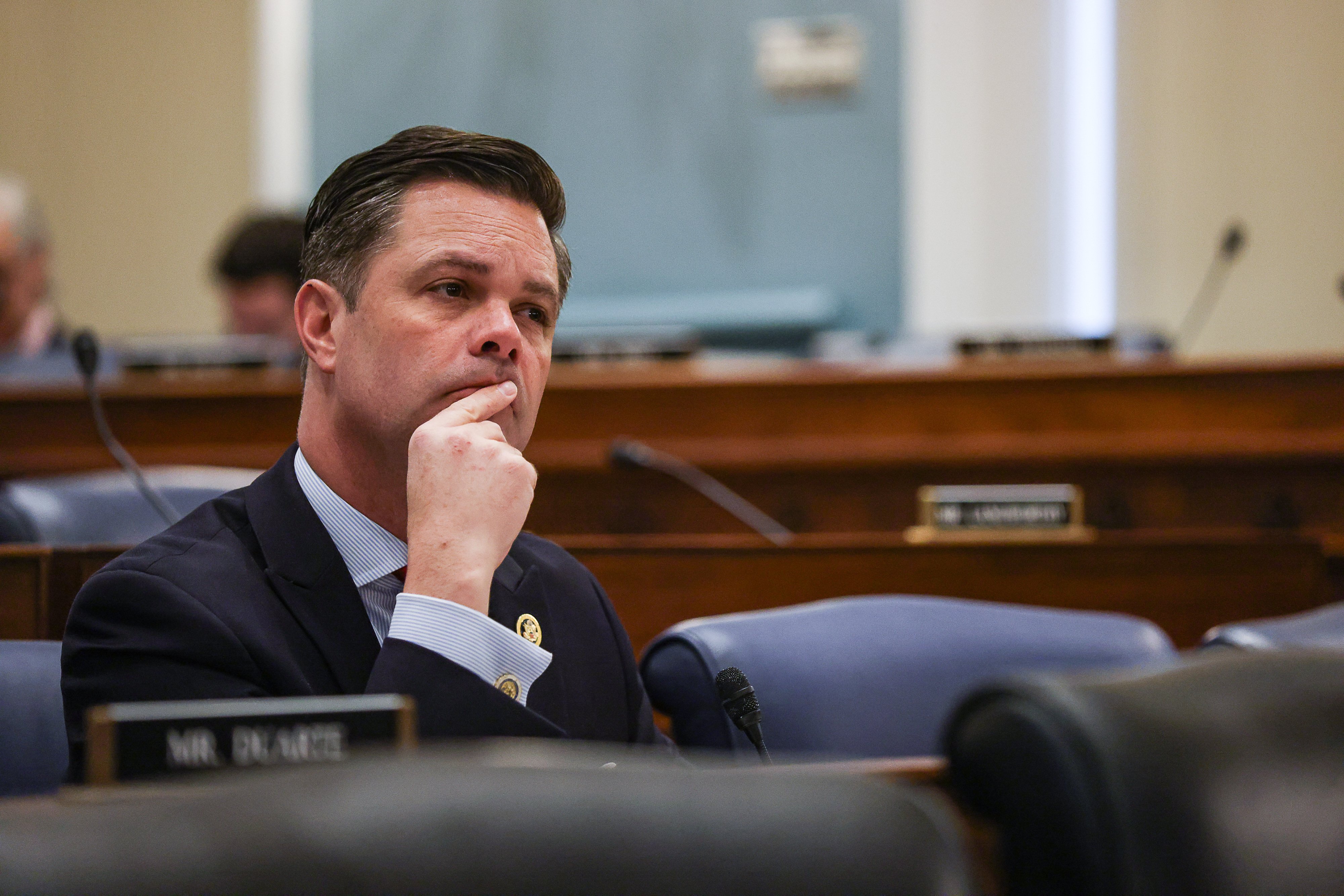
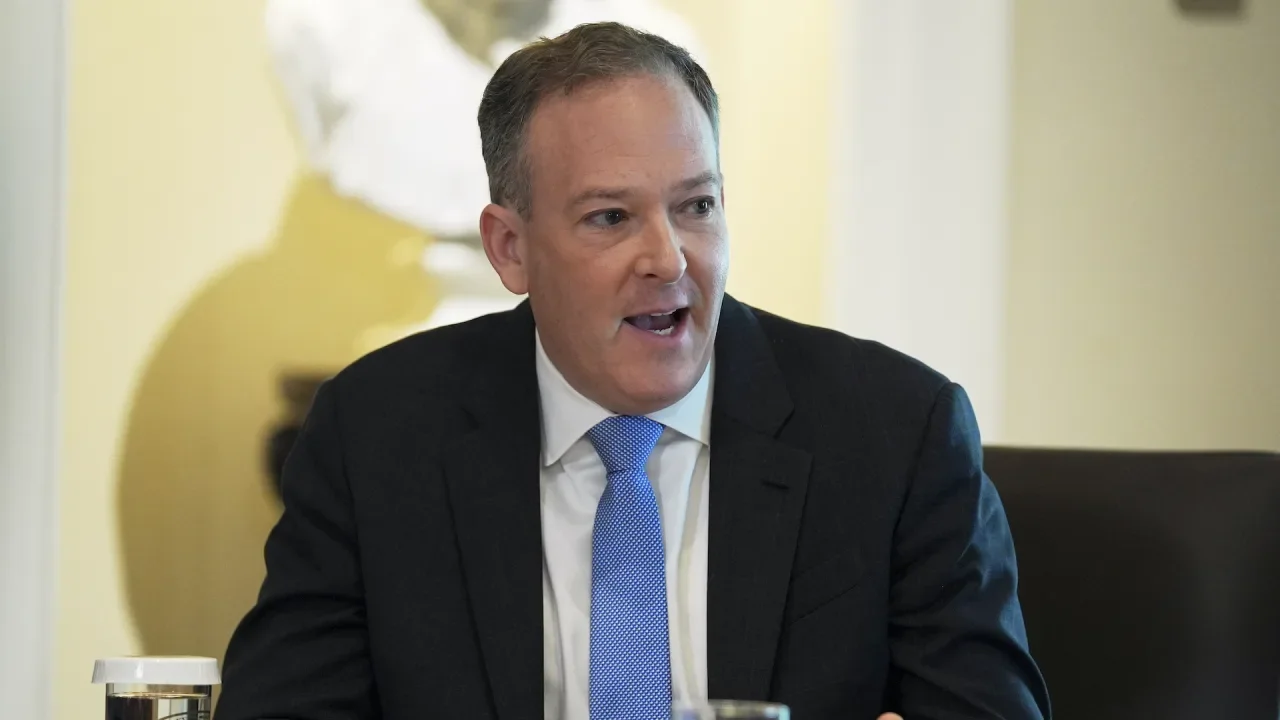
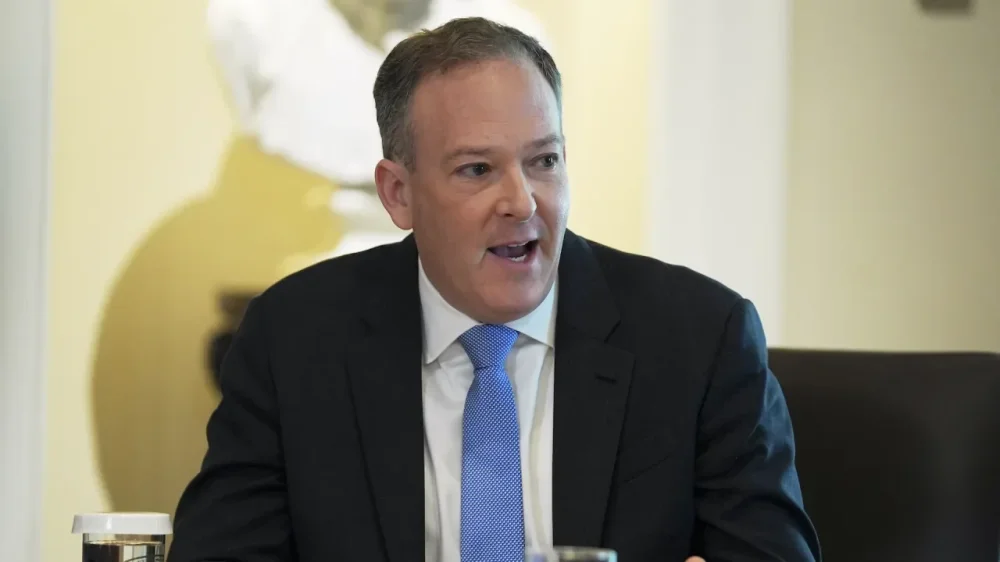
The head of the Environmental Protection Agency came under bipartisan criticism Wednesday over his agency’s actions to cancel billions of dollars in congressionally approved spending to address chronic pollution in minority communities and jump-start clean energy programs across the country. Nearly 800 grants were awarded by former President Joe Biden’s administration under the 2022 climate law, which directed the EPA to spend $3 billion on grants to help low-income and minority communities improve their air and water and protect against climate change. The law allocated another $20 billion under a so-called green bank program to finance clean energy and climate-friendly projects nationwide. Funding for both programs was abruptly terminated by the The President administration in actions that Democrats have denounced as illegal and unconstitutional. Oregon Sen. Jeff Merkley, a Democrat, said EPA Administrator Lee Zeldin has illegally withheld, or impounded, climate-law funding despite a decades-old law that explicitly prohibits such actions by the executive branch. Repeated court rulings, including by the Supreme Court, support the power of Congress to set federal spending levels. Zeldin’s budget maneuvers “endanger communities by making it harder to address pollution and climate chaos,” Merkley said at a hearing Wednesday. Varied approaches to questioning the EPA chief Republican Sen. Lisa Murkowski of Alaska, chair of a Senate Appropriations subcommittee on the environment, also criticized Zeldin, saying funding freezes approved by his agency — including to grants intended for rural communities in Alaska — were “somewhat indiscriminate.″ Murkowski questioned whether severe budget cuts proposed by President Donald The President were “serious.” Many of the proposals, such as an 88% cut to a state revolving fund for clean water, are likely to be reversed by Congress, she said. The EPA’s approach under Zeldin is “problematic,” Murkowski added. “EPA has not adhered to our guidelines and has been largely unresponsive to questions,” she said. Zeldin told Murkowski she has a special phone number for his office and can call him any time. His exchanges with Democrats were less friendly. “So you understand that when you impound funds, you’re violating the law?” Merkley asked Zeldin, a former New York congressman who took over at EPA in January. “No, Senator, we are going to follow all statutory obligations,” Zeldin replied. “We absolutely disagree with you very strongly.” Asked under what authority the money was being withheld, Zeldin cited “policy priorities” under The President that differ from Biden-era views. “But it wasn’t the Biden administration that passed this law. It was Congress,” Merkley shot back. ”And so, this is in the law as written, and it’s signed by the president, and yet you’re defying it.” Zeldin said he rejected Merkley’s premise, adding, “We couldn’t possibly disagree more strongly with what you’re saying.” If he can’t follow his oath of office, Zeldin should resign, Merkley said, a suggestion Zeldin immediately rejected. Accused of trying to ‘burn it down’ Democratic Sen. Patty Murray of Washington state said Zeldin and The President shared an approach when it comes to EPA: “Burn it down.” Money being withheld by EPA would pay for things like heat pumps to reduce energy costs and pollution, wildfire preparedness and infrastructure upgrades to protect drinking water from floods and earthquakes, Murray said. “Blocking this funding is hurting communities everywhere,” she said. Georgia Sen. Jon Ossoff asked Zeldin why he had canceled a $19.8 million grant to Thomasville, Georgia, to replace a wastewater collection system and build a community health clinic. “Is a new health clinic for Thomasville woke?” Ossoff asked, noting that the grant was approved under an environmental justice program the EPA has terminated. Zeldin again cited policy priorities before Ossoff, a Democrat, cut him off. “You hurt my constituents,” he said. Zeldin later said grants to Thomasville and towns in Alaska and Washington state may be restored if language about environmental justice and diversity is removed, in accordance with an executive order by The President. Zeldin declined to provide specific goals for EPA staffing under his tenure, but appeared to acknowledge claims by Merkley and Murray that staff totals could return to a level last seen under former President Ronald Reagan. The EPA had fewer than 11,000 employees in 1983, compared to more than 15,100 in 2024. The agency has laid off hundreds of employees and offered voluntary retirement or deferred resignations to thousands more as part of a broader effort by The President and adviser Elon Musk to downsize the federal workforce. —Matthew Daly, Associated Press View the full article
-
The Consumer Financial Protection Bureau (CFPB), under acting director Russell Vought, canceled proposed new rules this week that would have protected Americans’ sensitive private data—including financial data, credit history, and Social Security numbers—from being collected by data brokers without consent and sold to advertisers and other third parties. The proposed rules, which were crafted in December by the Biden administration’s CFPB director, Rohit Chopra, were aimed at protecting consumers from commercial surveillance practices that “threaten our personal safety and undermine America’s national security.” (Wired, for example, reported in February that U.S. data brokers were using Google’s ad-tech tools to sell access to information about devices linked to military service members and national security decision-makers.) Proposed rules clarified that many data brokers are in fact “consumer reporting agencies,” like the credit bureaus, which already must comply with the privacy and accuracy rules in the Fair Credit Reporting Act (FCRA). For example, under those requirements, data brokers would have to get explicit consent from consumers before collecting and selling their data. But on Tuesday, the Vought-led CFPB quietly announced in the Federal Register that it was withdrawing the proposed rules, stating that they are “not necessary or appropriate at this time.” The CFPB’s argument against the proposed rules revolved around a single comment left during the public comment period about the proposed rules’ “propriety under the plain text of the FCRA.” Data privacy advocates have been fighting for years to make data brokers subject to the FCRA’s privacy rules. The withdrawal of the proposal is a victory for large data brokers such as Acxiom and Epsilon, for the consumer websites that sell data brokers, and for the vast digital advertising ecosystem that uses the data to target ads. While many consumers are unaware of the vast personal data marketplace centered around data brokers, privacy advocates immediately saw the death of the proposed rules as a major setback. “The data broker industry is out of control—data brokers threaten our privacy, national security, physical safety, and economic security every day,” said Electronic Privacy Information Center law fellow Caroline Kraczon in a statement Tuesday. “The CFPB’s withdrawal of the proposed rules is another attack in the administration’s war against consumers on behalf of corporate interests.” At the state level, California, New Jersey, and Vermont have passed legislation giving consumers the right to demand that data brokers delete sensitive personal information about them. View the full article

-
Searchers can now find out who paid for the ads they see, as Google is beginning to roll out its Ads Transparency policy. This update makes ad funding more visible to users. This new label could impact how consumers perceive and trust advertisements. Advertisers now have less ability to obscure financial relationships. What it looks like. Google’s My Ad Center now features a new transparency section labeled Ads funded by. Anthony Higman, CEO of ADSQUIRE, spotted the implementation and shared screenshots on LinkedIn. Why we care. Google’s new Ads funded by labels expose previously hidden agency-client relationships and parent company connections. Advertisers must now carefully align their payment profile names with their branding strategy, as consumers will see exactly who’s funding each ad. This could significantly impact consumer trust and perception, especially for advertisers who operate through complex corporate structures or prefer to keep certain financial relationships less visible. Between the lines. Google’s policy update stated: “In May 2025, Google will display the payment profile name as the payer name for verified advertisers, if that name differs from their verified advertiser name.” Initial observations suggest Google may be showing the section even when the payer and advertiser names match. This could indicate a broader transparency push beyond what was initially communicated. View the full article
-
Wix has announced the release of Wixel, a standalone AI-powered visual design platform intended to make high-quality design tools accessible to everyone. The platform, now available in English, integrates advanced artificial intelligence with an intuitive interface to deliver a seamless and user-friendly design experience. According to Wix, Wixel aims to democratize visual design by empowering users—regardless of their creative expertise—to bring their ideas to life quickly and professionally. Wixel offers end-to-end design capabilities, enabling tasks such as background removal, image editing, layout customization, and brand-aligned image generation. The platform selects the most effective AI models for each design task behind the scenes, ensuring optimal results. A jewelry designer, for example, can upload a product photo, place it in a new setting, adjust contrast and saturation, and insert it into a professional template in minutes—all within the Wixel interface. Users can then add text, customize layout elements, and download their completed visuals for use on social media or e-commerce platforms. “AI is the foundation of Wixel,” said Avishai Abrahami, Co-Founder and CEO of Wix. “Design is in our DNA, and simplifying complex experiences is what we do best. We’re now determined to revolutionize design by democratizing access to powerful and creative tools for everyone, regardless of their design expertise. This version is just the beginning, and I am excited to explore the limitless creative possibilities that Wixel will unlock as we continue to innovate and refine our platform.” Colin Jarvis, Head of Forward Deployed Engineering at OpenAI, also highlighted the integration of OpenAI’s image generation technology into the platform. “We’re always excited to see how our API can create new user experiences and Wix is making it easier than ever for people to create professional-looking visuals, fast. By integrating our image generation technology into Wixel, they’ve built a simple, powerful tool that helps anyone—from small business owners to creators—to bring their ideas to life with just a few clicks.” Wixel includes free access with an option to upgrade to a Pro Plan, which offers enhanced usage and additional premium design elements and templates. Wix indicates that additional features, such as video and story creation, are currently in development. This article, "Wix Launches Wixel, an AI-Powered Visual Design Platform" was first published on Small Business Trends View the full article
-
Wix has announced the release of Wixel, a standalone AI-powered visual design platform intended to make high-quality design tools accessible to everyone. The platform, now available in English, integrates advanced artificial intelligence with an intuitive interface to deliver a seamless and user-friendly design experience. According to Wix, Wixel aims to democratize visual design by empowering users—regardless of their creative expertise—to bring their ideas to life quickly and professionally. Wixel offers end-to-end design capabilities, enabling tasks such as background removal, image editing, layout customization, and brand-aligned image generation. The platform selects the most effective AI models for each design task behind the scenes, ensuring optimal results. A jewelry designer, for example, can upload a product photo, place it in a new setting, adjust contrast and saturation, and insert it into a professional template in minutes—all within the Wixel interface. Users can then add text, customize layout elements, and download their completed visuals for use on social media or e-commerce platforms. “AI is the foundation of Wixel,” said Avishai Abrahami, Co-Founder and CEO of Wix. “Design is in our DNA, and simplifying complex experiences is what we do best. We’re now determined to revolutionize design by democratizing access to powerful and creative tools for everyone, regardless of their design expertise. This version is just the beginning, and I am excited to explore the limitless creative possibilities that Wixel will unlock as we continue to innovate and refine our platform.” Colin Jarvis, Head of Forward Deployed Engineering at OpenAI, also highlighted the integration of OpenAI’s image generation technology into the platform. “We’re always excited to see how our API can create new user experiences and Wix is making it easier than ever for people to create professional-looking visuals, fast. By integrating our image generation technology into Wixel, they’ve built a simple, powerful tool that helps anyone—from small business owners to creators—to bring their ideas to life with just a few clicks.” Wixel includes free access with an option to upgrade to a Pro Plan, which offers enhanced usage and additional premium design elements and templates. Wix indicates that additional features, such as video and story creation, are currently in development. This article, "Wix Launches Wixel, an AI-Powered Visual Design Platform" was first published on Small Business Trends View the full article
-
Google search impressions are up 49% year-over-year, but click-through rates (CTR) are down 30%, according to new data from BrightEdge. For that, all credit goes to AI Overviews, Google’s AI-generated summaries that launched one year ago. Why we care. Google’s AI Overviews have impacted SEO in a big way. For so long, the focus has been on rankings, which generally tended to drive traffic that could then be monetized. Today, we’re forced to focus on reach – visibility in AI Overviews – even though there is no guarantee you’ll get a click or that your content will be properly credited if you get cited by AI. By the numbers. Here are some additional findings about how AI Overviews have evolved in the past year, per BrightEdge: 7x increase queries of 8+ words. 48% rise in technical terminology in search queries. 400% increase in citations from results in positions 21–30. 200% increase in citations from results positions 31-100 89% of citations come from beyond the top 100 organic listings. AI Overviews impact by industry. Healthcare and education are approaching 90% query coverage. Meanwhile, ecommerce queries still rarely show AI Overviews, and actually declined from 29% to 4%. Other industries that saw big increases in AI Overviews in the last year: B2B tech grew from 36% to 70%. Insurance grew from 17% to 63%. Entertainment queries grew 2% to 37%. What they’re saying. According to BrightEdge: “SEO is no longer just about ranking – it’s about being recommended and cited. … The new rules of search are not about abandoning what worked before—they’re about evolving it.” View the full article
-
We may earn a commission from links on this page. Deal pricing and availability subject to change after time of publication. We're living in the best time in history for bringing karaoke to your home. I've had the pleasure of using the new Soundcore Rave 3S karaoke speaker, which turns any song into a karaoke track with the push of a button, and Ikarao's ultra-portable Shell S1 karaoke speaker to host many house parties. But if you're looking for a great deal on a more powerful speaker that is still compact and portable, consider the Break X2, also from Ikarao, currently $349.98 (originally $469.99), the lowest price it has been, according to price-tracking tools. You can read about it in more detail in Lifehacker staff writer Stephen Johnson's review. Break X2 Smart Karaoke Machine 64GB Karaoke Tablet, 2 Wireless Mics, Professional Karaoke System, 300W Peak Power. $349.98 at Amazon $469.99 Save $120.01 Get Deal Get Deal $349.98 at Amazon $469.99 Save $120.01 The Break X2 is the most powerful out of the three karaoke speakers I've mentioned in terms of watts, which means it'll sound the best at max volumes with the least distortion. It's perfect for those looking to have a stand-alone karaoke machine in their living room. It comes with two wireless Bluetooth microphones that store inside and automatically charge. The microphones are of good quality and sound much better than Soundcore's Rave 3S's. The screen is a 10-inch Android touchscreen display that has some apps pre-installed, although you'd likely mainly use the YouTube widget. (You can find virtually any song in karaoke for free on YouTube.) But if you're looking for a more premium experience, the speaker comes with six months of Karafun, a karaoke app that is incredibly fun (read more about it in my Shell S1 review). The battery will give you about eight hours of juice, but you can always plug it in. You can also hook up an HDMI cable so you can see the lyrics on your TV to really make it a party. View the full article
-
Republicans in Congress have been making behind-the-scenes efforts to pass major domestic legislation via the federal budget process. They include potential cuts to Medicaid and extending the 2017 The President tax cuts. But even though it’s Congress’ job to pass a budget and set tax policy, most media outlets have been content to frame key elements of the legislation as being driven not by Congress, but by the president. So the news media say that the purpose of the bill is to “deliver The President’s agenda” or to pass the “The President tax cuts.” Many have even adopted President Donald The President’s trademark name for the legislation: his “big, beautiful bill.” Along with Casey Burgat and SoRelle Wyckoff Gaynor, I am co-author of a textbook titled Congress Explained: Representation and Lawmaking in the First Branch. In that book, it was important to us to highlight Congress’ clear role as the preeminent lawmaking body in the federal government. But since The President’s inauguration, Congress has ceded huge swaths of its policymaking responsibility to the president. That makes the media’s focus on The President unsurprising. And there’s no denying that The President has had enormous impact during his first 100 days in office. During that time, Congress has been unwilling to assert itself as an equal branch of government. Beyond policymaking, Congress has been content to hand over many of its core constitutional powers to the executive branch. As a Congress expert who loves the institution and profoundly respects its constitutionally mandated role, this renunciation of responsibility has been difficult to watch. And yet, Congress’ path to irrelevance as a body of government did not begin in January 2025. It is the result of decades of erosion that created a political culture in which Congress, the first branch of government listed in the Constitution, is relegated to second-class status. The Constitution puts Congress first The 18th-century framers of the Constitution viewed Congress as the foundation of republican governance, deliberately placing it first in Article 1 to underscore its primacy. Congress was assigned the pivotal tasks of lawmaking and budgeting because controlling government finances was seen as essential to limiting executive power and preventing abuses that the framers associated with monarchy. Alternatively, a weak legislature and an imperial executive were precisely what many of the founders feared. With legislative authority in the hands of Congress, power would at least be decentralized among a wide variety of elected leaders from different parts of the country, each of whom would jealously guard their own local interests. But The President’s first 100 days turned the founders’ original vision on its head, leaving the “first branch” to play second fiddle. Like most recent presidents, The President came in with his party in control of the presidency, the House, and the Senate. Yet despite the lawmaking power that this governing trifecta can bring, the Republican majorities in Congress have mostly been irrelevant to The President’s agenda. Instead, Congress has relied on The President and the executive branch to make changes to federal policy and in many cases to reshape the federal government completely. The President has signed more than 140 executive orders, a pace faster than any president since Franklin D. Roosevelt. The Republican Congress has shown little interest in pushing back on any of them. The President has also aggressively reorganized, defunded, or simply deleted entire agencies, such as the U.S. Agency for International Development and the Consumer Financial Protection Bureau. These actions have been carried out even though Congress has a clear constitutional authority over the executive branch’s budget. Again, Congress has shown little to no interest in reasserting its power, even during recent budget talks. Many causes, no easy solutions Even so, Congress’ weakening did not begin with The President. There’s no one culprit but instead a collection of factors that have provided the ineffectual Congress of today. One overriding factor is a process that has unfolded over the past 50 or more years called political nationalization. American politics have become increasingly centered on national issues, parties, and figures rather than more local concerns or individuals. This shift has elevated the importance of the president as the symbolic and practical leader of a national party agenda. Simultaneously, it weakens the role of individual members of Congress, who are now more likely to toe the party line than represent local interests. As a result, voters focus more on presidential elections and less on congressional ones, granting the president greater influence and diminishing Congress’ independent authority. The more Congress polarizes among its members on a party-line basis, the less the public is likely to trust the legitimacy of their opposition to a president. Instead, congressional pushback—sometimes as extreme as impeachment—can thus be written off not as principled or substantive but as partisan or politically motivated to a greater extent than ever before. Congress has also been complicit in giving away its own power. Especially when dealing with a polarized Congress, presidents increasingly steer the ship in budget negotiations, which can lead to more local priorities—the ones Congress is supposed to represent—being ignored. But rather than Congress staking out positions for itself, as it often did through the turn of the 21st century, political science research has shown that presidential positions on domestic policy increasingly dictate—and polarize—Congress’ own positions on policy that haven’t traditionally been divisive, such as funding support for NASA. Congress’ positions on procedural issues, such as raising the debt ceiling or eliminating the filibuster, also increasingly depend not on bedrock principles but on who occupies the White House. In the realm of foreign policy, Congress has all but abandoned its constitutional power to declare war, settling instead for “authorizations” of military force that the president wants to assert. These give the commander-in-chief wide latitude over war powers, and both Democratic and Republican presidents have been happy to retain that power. They have used these congressional approvals to engage in extended conflicts such as the Gulf War in the early 1990s and the wars in Iraq and Afghanistan a decade later. What’s lost with a weak Congress Americans lose a lot when Congress hands over such drastic power to the executive branch. When individual members of Congress from across the country take a back seat, their districts’ distinctly local problems are less likely to be addressed with the power and resources that Congress can bring to an issue. Important local perspectives on national issues fail to be represented in Congress. Even members of the same political party represent districts with vastly different economies, demographics, and geography. Members are supposed to keep this in mind when legislating on these issues, but presidential control over the process makes that difficult or even impossible. Maybe more importantly, a weak Congress paired with what historian Arthur Schlesinger called the Imperial Presidency is a recipe for an unaccountable president, running wild without the constitutionally provided oversight and checks on power that the founders provided to the people through their representation by the first branch of government. Charlie Hunt is an assistant professor of political science at Boise State University. This article is republished from The Conversation under a Creative Commons license. Read the original article. View the full article

-
Remember the letter-writer wondering how long should it take for HR to tell her if her accommodation request would be granted? Here’s the update. I wrote you a couple of weeks ago wanting to know how long it should take my employer to get back to me about an accommodation request. I have an update: My request was granted! I decided to talk to my boss (even though HR said not to – don’t know why) after a commenter suggested asking my boss if we could do 2-days-in-office as a test while I was waiting to hear back from HR. He didn’t agree to the test idea, but after I told him what was going on, he said he would tell HR that they should give me whatever I need. He’s very supportive, and I really appreciate that. The day after you ran my letter, I emailed HR using your suggested wording. I heard from them the next day, and they set up a meeting. They apologized for the delay and said that it was because people who needed to weigh in on the letter they gave me outlining the accommodation (which is a common accommodation for people with ADHD and also exactly what I asked for) were out of the office. They seemed very concerned about confirming that in case there was some sort of emergency, I would come to the office more than 2 days in a given week. I had already offered that, so I confirmed it. I’m very relieved that I can go back to the schedule that worked for me for 2+ years, but at the same time, it’s difficult to get excited about it. I’m resentful about how long I had to wait for an answer or at least a discussion about my request, while I struggled and worked really hard for longer hours to keep up my work quality. I just realized that I’m also offended by their worry that I might not ever come in >2 days/week, even if there was an urgent need. The people involved know me and my work well enough to know that I would never do that. I’ll eventually get over my sour feelings about this (just writing this out actually helps a bit). I really like my job, and I’m very glad that I can go back to doing it without added stress. The post update: how long should it take for HR to tell me if my accommodation request will be granted? appeared first on Ask a Manager. View the full article