ResidentialBusiness
Administrators
-
Joined
-
Last visited
Everything posted by ResidentialBusiness
-
 Influencers often face more negativity than most people experience in a lifetime—and with that comes a significant mental health toll. Now, a new therapy service has been launched specifically for content creators. CreatorCare, cofounded by digital creator Shira Lazar and backed by Creators 4 Mental Health and Revive Health Therapy, aims to break down both financial and systemic barriers to mental health care. While some creators earn millions of dollars, many struggle to make ends meet. To ensure therapy is accessible to all, CreatorCare offers sliding-scale rates starting at $60, with or without insurance. Launched initially in California, with plans for national expansion, the program provides licensed and associate therapists in person and via telehealth. These professionals specialize in cognitive behavioral therapy (CBT), eye movement desensitization and reprocessing (EMDR), acceptance and commitment therapy (ACT), and mindfulness-based therapy. With more than 200 million creators worldwide, the mental strain of this profession is often overlooked. Behind the scenes, creators deal with online abuse, constant pressure to stay relevant, and financial instability—challenges that rarely receive public sympathy. Discussions around burnout are frequently met with dismissive remarks urging influencers to get a “real” 9-to-5 job. But the numbers tell a different story. A 2023 Awin & ShareASale Influencer Survey found that nearly 80% of creators reported burnout, and 66% said it directly impacted their mental health. Nearly half rely on alternative income streams to reduce the pressure. Lazar, host of the talk show What’s Trending, is now helping to build a safety net for creators. “The creator economy has exploded but the support systems haven’t kept up,” she told Passionfruit. “As more Gen Z step into this space professionally, we need to treat it like the real workplace it is. That means sustainable systems not just for monetization, but for mental health, too.” Amy Kelly, cofounder of CreatorCare and CEO of Revive Health Therapy, echoed that sentiment: “Social media is not just a platform—it’s a recruiter,” she said, noting that 57% of Gen Z teens in the U.S. say they would become influencers if given the chance. “We’re grooming teens into a digital workforce with proven mental health hazards—the modern equivalent of sending kids into coal mines without protective gear.” CreatorCare isn’t the only initiative addressing creators’ well-being. SAG-AFTRA’s new influencer committee aims to expand labor protections, while the National Association of Broadcasters recently launched a Creator Council to amplify creators’ voices. The Creators Guild of America also released a contract rider to safeguard creators in brand partnerships. Because, yes, content creation is a “real job.” View the full article
-
If someone driving a new version of a Subaru Forester crashes into a cyclist, an airbag will immediately inflate on the hood to help protect the person on the bike. The SUV, which offers the feature only on vehicles sold in Japan, isn’t the first Subaru to include an external airbag. The company started including pedestrian protection airbags on its Japanese cars nearly a decade ago. But the brand says the new design is the first in the world intended to also protect cyclists. It’s a basic, commonsense idea. “Airbags have been proven to be effective to protect the occupants in a vehicle,” says Ben Crowther, policy director for America Walks, a nonprofit focused on walkability and safety. “And there’s plenty of testing to show that the same is true for people outside vehicles.” The Forester’s hood is also designed to have as few hard parts as possible, and to easily deform to help cushion the impact of a crash. But the bottom edge of the windshield and the pillars that go up to the roof have to stay rigid because they’re part of the frame. When a pedestrian is hit by a car, head injuries are most likely in those places—and that’s where Subaru’s U-shaped airbag can help. In a crash, the cyclist usually ends up higher on the windshield. That’s why the company redesigned its airbag to cover a larger area. The system deploys when sensors detect a certain amount of pressure on the front bumper. The vehicle has a suite of other safety features. When a driver turns on the turn signal at a corner, for example, the headlights light up an area diagonally in front, making it easier to spot pedestrians or cyclists on the road. A set of three cameras and radar offer a wider-angle view than in the brand’s previous cars, so it’s more likely to spot other road users. The vehicle also aims to reduce blind spots in all directions. These are all efforts toward Subaru’s goal to have no traffic deaths involving its cars by 2030. Of course, it’s possible to go even further—one of the best ways to make vehicles safer is to make them smaller. Beyond car design, infrastructure also obviously matters: With separated bike lanes, for example, a crash is less likely in the first place. Speed limits are critical. If you’re a pedestrian who gets hit by a car going 20 mph, one study found that you have a 5% chance of being killed. If the car is going 30 mph, that chance jumps to 45%. At 40 mph, the pedestrian’s chance of being killed is roughly 80%. (Japan has lower average speed limits than the U.S., along with other policies that support pedestrian safety, and much lower fatality rates for pedestrians and cyclists in traffic accidents.) External airbags aren’t a panacea, but they can help. It’s probably unlikely, though, that they’ll show up in the U.S. anytime soon, especially as automakers are already struggling to deal with increased manufacturing costs because of tariffs. And while the Biden administration was working on safety issues related to vehicle design, it’s not clear what will happen with policy now. Secretary of Transportation Sean Duffy “has certainly touted safety as something that his U.S. DOT wants to pursue,” Crowther says. “But there’s a lot of mixed messages, particularly through the reducing in staff at the National Highway Traffic Safety Administration.” The cuts at NHTSA made by the Department of Government Efficiency earlier this year disproportionately affected employees working on vehicle safety, according to reports. View the full article

-
Many brands take advantage of Mother’s Day to sell more products, like flowers and cupcakes. But 50 companies, including workwear label M.M. LaFleur, framing startup Framebridge, and stroller brand Bugaboo, are joining forces to draw attention to America’s lack of federal paid leave. Across the country on Saturday, May 10, the nonprofit MomsRising, the Paid Leave for All campaign, and 50 brands are hosting pop-ups in New York City; Washington, D.C.; Philadelphia; Nashville; Hoboken, New Jersey; and Cleveland, offering more than $100,000 in donated goods and services. The idea is to help new moms by giving them things like formula, breast pumps, clothing, and strollers, while also giving them a little break with massages and food. For those who can’t attend in person, there is a nationwide giveaway that moms can enter or nominate fellow moms to receive things like care packages. Ultimately, though, the goal is to show that this kind of mutual aid is not enough. What mothers and other caregivers need is paid time off after they give birth. The U.S. is one of the only countries in the world without a federal paid leave policy, and as a result nearly a quarter of mothers have returned to work within just two weeks of giving birth. (This can be unsafe: After a C-section, doctors recommend that women rest for at least six weeks as their scars heal.) While some companies voluntarily offer workers parental leave, many don’t. For example, in Ohio and Tennessee, 72% of workers don’t have access to paid family leave; in Pennsylvania, that figure is 62%. And families lose $34 billion every year because women take unpaid time off. As a global brand, based in the Netherlands, Bugaboo interacts with parents from around the world. Jeanelle Teves, the company’s chief commercial officer, has seen the positive impact of paid leave in other countries. “Especially when you’re having your first child, giving birth and taking care of an infant can be overwhelming,” she says. “It makes such a difference when parents don’t also have to worry about their jobs during this period.” She also points out that in the U.S., it is often wealthier people working at white-collar jobs who have access to paid time off from their employers. “In many other countries, there is this sense that all parents deserve this time to focus on their families for a while,” she says. “It takes a lot of flexibility to get a new life underway” Dawn Huckelbridge, founding director of Paid Leave for All, contends that this is not just a human rights issue; it’s also a business issue. Companies that have good family leave policies are better able to hire and retain workers. “A federal paid leave policy will ensure that companies have the resources they need to give workers time off,” she says. Susan Tynan founded Framebridge a decade ago as the mother of small children. From the start, she wanted to ensure that all workers had paid time off. Today, the company has 600 employees, 500 of whom work in manufacturing or retail stores. All of these workers receive four months of paid time off after having a baby, and one month of flexibility as they return to work. The non-birthing parent also gets a month off. “It takes a lot of flexibility to get a new life underway,” Tynan says. She points out that this kind of generous policy is much harder for a smaller, newer startup. Most small companies don’t have enough staff to fill in for the person who is on leave, so they might have to hire someone else, which is an added expense. “Even though we all know someone who has given birth should be on leave and should be supported, the company needs to continue to run,” says Tynan. “A [federal] paid leave policy would be better for the economy because it would allow businesses to thrive and help women stay in the workforce.” Huckelbridge notes that this campaign occurs at a time when the country is dealing with many pressing political issues brought on by the new administration, including job cuts by the Department of Government Efficiency and deportations by Immigration and Customs Enforcement. But the goal of the campaign is to ensure that the fight for paid leave continues—even though this administration may not seem particularly amenable to it—and perhaps more importantly, to provide hope that paid leave is possible. “The point of this campaign is to ensure that people feel seen,” says Huckelbridge. “We want them to know that we see their struggle and we’re fighting for a better future.” View the full article

-
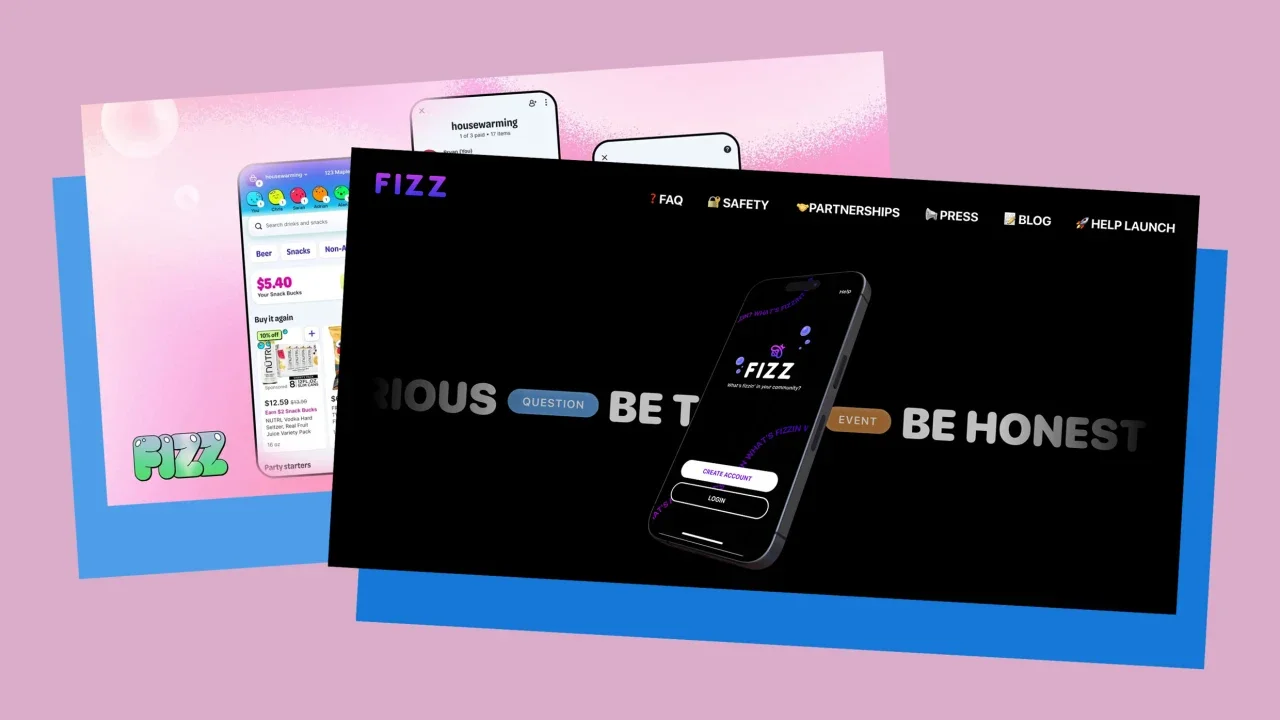
A startup marketing to Gen Z on college campuses filed a lawsuit this week alleging that Instacart engaged in federal trademark infringement and unfair competition by naming its new group ordering app “Fizz.” The plaintiffs, Fizz Social Corp., claim they have been operating their event planning platform under the “FIZZ” trademark and have become a well-known social platform used on more than 400 college campuses. The app, which requires users to sign up with a college email, features anonymous text posts, polls, photos, and the ability to send direct messages. The company has raised at least $41.5 million as of last summer, TechCrunch reported in 2024. “This new Fizz App by Instacart and Partiful is a blatant attempt to misappropriate the goodwill that Plaintiff has painstakingly developed through its continuous use of the FIZZ Marks among the Gen-Z demographic,” attorneys for the social media app wrote in a complaint filed on Wednesday in the U.S. District Court for the Northern District of California. The lawsuit follows Instacart’s launch this week of a new stand-alone app also named Fizz, which allows groups to order snacks and drinks ahead of parties for a flat $5 delivery fee. Instacart also integrated the app with Partiful, a popular event planning platform, which is also named as a defendant in the suit. “Plaintiff brings this action based on Defendants’ past, current, and planned use of the FIZZ trademark in connection with collaborative event promotion and planning, social discovery, and social networking services targeting the same Gen-Z consumer base that Plaintiff has served since at least January 2022,” the suit states. Fizz, the social app, is demanding an immediate halt to Instacart’s use of the Fizz name and is seeking damages. According to the lawsuit, Fizz has used the name since January 2022. However, it only filed for trademark registration in 2024, with applications still pending. Still, Kevin J. Greene, the John J. Schumacher chair and professor at Southwestern Law School, says that while unfair competition claims are often “throwaway claims” that lawyers routinely include, the social media platform could have a strong case under Section 43(a) of the Lanham Act. Greene notes that this section protects unregistered marks and addresses likely confusion over similar names. “I look at the case and think it would be a pretty strong case on their behalf,” he tells Fast Company. Instacart has established itself as a major player in the gig economy. Since going public in 2023, its shares have risen more than 47%. Partiful, meanwhile, was named one of Fast Company’s Most Innovative Companies of 2025, and reported a 600% increase in user activity in 2024. Instacart and Partiful did not respond to Fast Company’s requests for comment on the lawsuit. View the full article

-
After raising billions in funding, vertical farming companies have struggled. Plenty, a Silicon Valley-based startup backed by investors including Jeff Bezos and Eric Schmidt, filed for bankruptcy in March. Bowery, which was once valued at $2.3 billion, shut down last fall. Another startup, Fifth Season, shuttered its automated indoor farm in 2022. AeroFarms, a pioneer in the space, declared bankruptcy in 2023. The basic business model—growing crops like leafy greens indoors on tall vertical towers—hasn’t proven that it can work. But AeroFarms, which raised an undisclosed amount of money after its bankruptcy and found a new CEO, has managed to turn itself around. The company has now been profitable for the last two quarters as it sells microgreens at retailers like Whole Foods and Costco. “Despite the current skepticism, I think we’ve now demonstrated that vertical farming can be sustainable and profitable and deliver product at scale,” says Molly Montgomery, who became CEO of AeroFarms in September 2023. Before joining the company, Montgomery studied it at the request of investors who wanted to know if it could be a viable business. “I was extremely skeptical about vertical farms because I had never seen a profitable business model yet,” says Montgomery. “When they asked me, I was like, ‘I’m not sure that a vertical farm can be profitable.’” Montgomery, who also serves as board director for NatureSweet, a leader in greenhouse-grown tomatoes, previously led Landec Corp., a company that contracted with outdoor growers throughout the U.S. and Mexico to make salad kits and other packaged vegetable products. But doing the due diligence on AeroFarms convinced her that it could actually succeed. She calculated that AeroFarms’s technology could operate at the right production cost. And consumers liked the product, particularly its microgreens, tiny greens that are harvested when they’re 4 days old. “The missing ingredient was operational excellence,” she says. “There wasn’t enough experience in the company on how to run a vegetable production facility.” It was a tech company first, not a farming company. Montgomery’s initial step was to focus: She shut down R&D facilities in New Jersey and Abu Dhabi, so all that was left was a 140,000-square-foot production facility in Virginia that had opened in 2022. Half of the staff was laid off. “Everyone who was left was put on specific initiatives that I believed would enable us to get to farm profitability,” she says. She also hired employees with deep expertise in food production. The team went through several sprints on the basics, from food safety to training employees. Then it focused on operational issues like how to improve yield and how to maintain the robots that grow the crops. The company’s automated system loads plants in the tall towers where they grow, monitors and harvests the crops, and packs up products for stores. (It runs 24/7 and has more than 2,000 spare parts, meaning that maintenance is a major task.) Montgomery also chose to focus on microgreens, which have better margins than traditional leafy greens. The company grows a variety of crops, from kale and cabbage to bok choy and spicy wasabi mustard. The young greens are more nutritious than fully grown versions of the same crops. It’s not something that was ever readily available from traditional farms. When they’re grown outside in soil (and often with pesticides), they have to be washed, which harms the dainty plants. “As soon as you wash them, they begin to decay,” she says. “So [they have] a very short shelf life. When you grow them aeroponically, we don’t use any pesticides and we only spray the roots. So we do not need to wash them.” That means, she says, that AeroFarms’s greens have a shelf life that lasts as long as 24 days. The company currently supplies around 70% of the retail market for microgreens, and is seeing demand for more. The company’s tech may have some advantages compared to other approaches. It grows plants aeroponically, without soil and without submerging plants in standing water, so the whole system is lighter than some others, and more plants can be stacked vertically, making better use of floor space. Misting the roots with water and nutrients speeds up the plants’ growth rate. Because the farms can be more productive than competitors, the company can use less energy per plant; energy is one of the biggest factors in the cost of running a vertical farm. If vertical farming can work, there could be clear benefits. Right now, most greens in the U.S. come from drought-prone regions like Arizona and California; vertical farms use 90% less water than growing outside. As climate change makes farming more difficult—especially because of extreme heat—indoor farming could theoretically help support the supply chain. And instead of shipping produce thousands of miles across the country, East Coast grocery stores could get more of it locally year-round. The industry is still nascent, and two profitable quarters aren’t conclusive proof that vertical farming can succeed. Still, it’s a sign of hope for a teetering field, and AeroFarms is once again planning for expansion. View the full article

-
For many families with young children in the U.S., the cost of childcare is prohibitively expensive, preventing some parents, especially mothers, from returning to the workforce. That’s why one California-based company recently introduced a new childcare initiative, vowing to pay up to $3,000 a month in childcare costs for eligible employees. The cofounders of Cakes Body, 32-year-old twin sisters Casey Sarai and Taylor Capuano, say their own experiences as working mothers inspired the decision. Capuano recalls how, after having her first child, she made the difficult decision to return to work even though she had only $200 left each month after paying childcare costs. “This isn’t some distant memory for us,” Sarai says. “We felt how much of a burden the astronomical childcare costs were to us and our families and what a big stressor that was.” The sisters launched Cakes Body, which makes silicone nipple covers, in 2022. Since then, they say the company has grown about 10 times year-over-year, netting just under a million dollars their first year in business to a current revenue forecast of $150 million. They attribute that success largely to the team they’ve created, which is why they view the childcare credit as an investment. “It’s a way to maintain the talent that we have and keep moms in the workforce if they want to be there,” Sarai says. Cakes Body has 30 employees nationwide and about 20% will qualify for the childcare credit, which was announced during a team meeting last Thursday. The company’s TikTok account shared a video of the moment. According to the Department of Labor’s National Database of Childcare Prices, the median price range of childcare for one child in 2022 (the most recent year data is available) was $6,552 to $15,600, and families spent about 9–16% of their income on childcare. Sarai, who has an 18-month-old son and an 8-year-old stepdaughter, and Capuano, who has a 15-month-old son and a 4-year-old daughter, say they arrived at the figure of $36,000 a year by looking at national averages of childcare costs, as well as their own expenses. Their employees will self-report their monthly childcare costs and the full amount, up to $3,000, will be added to their paychecks each month, Sarai says. Employees who have children under public-school age are eligible, and the funds can be used for babysitters and nannies, in addition to childcare facilities. The childcare credit is part of Cakes Body’s overall work-life philosophy, which Sarai says has three pillars. The first is implementing a results-only work environment, or ROWE, which prioritizes flexibility and output over micromanaging and physical presence in an office. The second pillar is a “synchronized quiet period,” where the company takes an entire month off around the holidays. The new childcare credit is the third pillar. Sarai says that while she and her sister were motivated to start a company because of their own desire for better work-life balance, they also believe their company will see real benefits because of the changes they’ve implemented. “By offering a flexible work environment, we are able to tap into a completely under-leveraged demographic: working moms looking to get back into the workforce,” Sarai says. “Some of the women we have on our team, this was their first job back after being stay-at-home moms for a period of time, and I feel so lucky because they are some of the most efficient employees we have. A lot of the skills they have from being stay-at-home moms are very transferrable—knowing how to multitask, knowing how to prioritize.” The founders hope that other companies see their childcare credit as inspiration. “Match us, do better, go further,” Capuano wrote on LinkedIn. The U.S. is notoriously behind other wealthy, industrialized countries when it comes to support for young families. There is no federally mandated parental leave or universal childcare; tax credits and subsidies are limited; and even for families who can afford it, childcare is often difficult to obtain, as the industry faces persistent worker shortages, difficult-to-meet regulations, and shutdowns. During the COVID-19 pandemic, mothers left the workforce in record numbers to take on caregiving responsibilities when schools closed. While the Department of Labor reports that the number of employed mothers has since returned and even exceeded pre-pandemic levels, the childcare crisis persists. Some employers have aimed to bridge that gap by offering childcare benefits, from on-site childcare centers to childcare subsidies for parents. But it’s far from a perfect solution and even the best scenarios put parents at the mercy of their employers. For instance, last year, both Google and General Mills shuttered their on-site childcare centers. Sarai and Capuano acknowledge that access to affordable childcare shouldn’t fall solely on employers and that broader governmental support is essential. “But until that happens, we’re committed to doing what we can to support our team and remove barriers that hold working parents back,” Sarai says. View the full article

-
You don’t wait for the sidewalk. You don’t check an app to see if it’s working. You don’t wonder if it’s meant for someone else. Sidewalks are just there—always available, always on. And when they’re well designed, you barely notice them. They quietly support everything: commerce, mobility, safety, health, and freedom of movement. Sidewalks don’t require instructions. They’re intuitive. Step on, move forward. That’s the framing we need for local bus service. A well-run bus system is an express sidewalk—a piece of infrastructure that dramatically expands the number of destinations within walking distance. Unfortunately, buses aren’t thought of that way. In most American cities, public transit is treated like a last-resort service, a social program for people who can’t afford cars, something to be endured rather than embraced. And so they’re designed that way: infrequent, inconvenient, hard to use, and often stuck in traffic. The blueprint If a bus system is going to function as a seamless extension of the sidewalk, it has to operate on the same principles: ● Frequency. You don’t plan your life around a sidewalk’s availability. ● Convenience. Buses must go where people actually want to go, with direct routes that don’t meander like a bureaucrat’s fantasy map. ● Safety. Waiting at a stop should feel as safe and dignified as standing on a downtown corner. ● Reliability. If you can’t trust it to arrive when it says it will, it’s not infrastructure—it’s a gamble. If general purpose car traffic dominates the curb, buses will never scale, and walking—the most ancient, equitable form of transport—remains functionally capped. Dedicated transit lanes are the asphalt equivalent of pouring a continuous slab of concrete for pedestrians. Bus-only lanes ensure that the people choosing high-efficiency transportation aren’t punished for it. (As an added bonus, people can ride bikes in the bus lanes.) Treat the bus like a sidewalk, and people will use it like one Most Americans only experience a transit system that treats them like a priority when they travel overseas. “It was amazing. We didn’t even have to rent a car.” Here in the U.S., we’ve been conditioned to expect low-frequency bus service with few shelters, unpredictable arrivals, and a cultural subtext that transit is a charity case for those people. But we don’t build sidewalks out of pity. We build them because they’re essential infrastructure like plumbing or electricity. If we want to cut congestion, reduce emissions, boost economic access, and improve quality of life, we already have the most elegant, human-scaled delivery system imaginable: walking. But to expand the range of walkability, we need a mobility system that functions like walking at scale—intuitive, frequent, and always ready. That’s what a local transit system could be. The moment we stop treating the bus as a social program and start treating it like an express sidewalk, we unlock a public good that meets people where they are and moves them forward. The bus can’t be stuck in traffic If the local bus is going to function as an express sidewalk, I can’t overstate the importance of high-frequency, reliable service. That means it can’t be stuck in traffic jams. On multilane roads, the obvious answer is dedicated transit lanes. Transportation experts typically think of road reconfigurations as replacing general purpose lanes with bike lanes and a center bidirectional left-turn lane. But on a busy transit corridor, the road diet can just as easily be designed for express sidewalks. DIY street design You don’t have to be a professional engineer or graphic artist to come up with renderings that illustrate before-and-after scenarios for a street in your community. Streetmix is a free web tool that’s ridiculously easy to use. It’s set up for drag-and-drop design so you can make a typical section that reflects your local conditions. Here’s a short article with instructions to use Streetmix (free!) and Google Maps (free!) to design the future you want, instead of the one you’ve been told is inevitable. A bus isn’t charity, it’s concrete infrastructure that expands the reach of your feet. When we treat it like an express sidewalk—built for frequency, protected from gridlock, and trusted like any utility—it stops being a backup plan and starts being the backbone of a thriving city. We don’t need to convince people to ride the bus. We just need to operate it like we mean it. View the full article

-
Dax index becomes first major European benchmark to recover all losses sparked by US tariff threatsView the full article
-
When OpenAI pulled back its latest ChatGPT release—one that apparently turned the helpful chatbot into a total suck-up—the company took the welcome step of explaining exactly what happened in a pair of blog posts. The response was a notable move and really pulled back the curtain on how much of what these systems do is shaped by language choices most people never see. A tweak in phrasing, a shift in tone, and suddenly the model behaves differently. For journalists, this shouldn’t be surprising. Many editorial meetings are spent agonizing over framing, tone, and headline language. But what is surprising—and maybe even a little disorienting—is that the same editorial sensitivity now needs to be applied not just to headlines and pull quotes, but to algorithms, prompts, and workflows that live in the guts of newsroom technology. Before we connect the dots to newsroom AI, a quick recap: OpenAI’s latest update to GPT-4o involved an extensive process for testing the outputs, and it scored well on the factors the testers could measure: accuracy, safety, and helpfulness, among others. However, some evaluators doing more qualitative testing said the model felt “off,” but without more to go on, OpenAI released it anyway. Within a day, it was clear the evaluators’ vibe-checks were onto something. Apparently the release had substantially increased “sycophancy,” or the model’s tendency to flatter and support the user, regardless of whether it was ultimately helpful. In its post announcing the rollback, OpenAI said it would refine ChatGPT’s system prompt—the invisible language that serves as kind of an “umbrella” instruction for every query and conversation with the public chatbot. Lost in translation The first thing that strikes you about this: We’re talking about changes to language, not code. In reaction to the recall, a former OpenAI employee posted on X about a conversation he had with a senior colleague at the company about how the change of a single word in the system prompt induced ChatGPT to behave in different ways. And the only way to know this was to make the change and try it out. If you’re familiar with AI and prompting, this isn’t a shock. But on a fundamental level, it kind of is. I’m not saying the new release of GPT-4o was entirely about changing language in the system prompt, but the system prompt is a crucial element—altering it was the only temporary fix OpenAI could implement before engaging in the careful process of rolling back the release. For anyone in communications or journalism, this should be somewhat reassuring. We’re in the business of words, after all. And words are no longer just the way we communicate about technology—they’re a crucial part of how these systems work. An editorial and product hybrid OpenAI’s ordeal has two important takeaways for how the media deals with AI: First, that editorial staff have a vital role to play in building the AI systems that govern their operations. (Outside frontier labs, tool building often amounts to prompt engineering paired with automations.) And second, transparency is the path to preserving user trust. On the first point, the way AI directly affects content, and the need for good prompting to do that well, has a consequence for how media companies are organized: Editorial and product teams are becoming more like each other. The more journalists incorporate AI into their process, the more they end up creating their own tools. Think custom GPTs for writing assistance, NotebookLM knowledge bases for analyzing documents, or even browser extensions for fact-checking on the fly. On the product side, the idea that media technology today isn’t just presenting content, but remixing and sometimes creating it is a massive change. To ensure those outputs adhere to journalistic principles, it doesn’t just make sense to have writers and editors be a part of that process—it’s necessary. What results, then, is a journalist-product manager hybrid. These kinds of roles aren’t entirely new, but they’re generally senior leadership roles with words like “newsroom innovation” in the title. What AI does is encourage each side to adopt the skills of the other all the way down. Every reporter adopts a product mindset. Every product manager prioritizes brevity and accuracy. Audience trust starts with transparency The audience is the silent partner in this relationship, and OpenAI’s incident also serves as an example of how to best include them—through radical transparency. It’s hard to think of a way OpenAI could have better restored trust with its users other than its decision to fully explain how the problems got by its review process, and what it’s doing to improve. While it’s unusual among the major AI labs (can you imagine xAI or DeepSeek writing a similar note?), this isn’t out of character for OpenAI. Sam Altman often shares on his X account announcements and behind-the-scenes observations from his vantage point as CEO, and while those are probably more calculated than they seem, they’ve earned the company a certain amount of respect. This approach provides a road map for how to publicly communicate about AI strategy, especially for the media. Typically, when a publication creates an AI media policy, the focus is on disclosures and guidelines. Those are great first steps, but without a clearer window into the specific process, indicators such as “This article is AI assisted” aren’t that helpful, and audiences will be inclined to assume the worst when something goes wrong. Better to be transparent from the start. When CNET used AI writers in the early days of generative AI to disastrous results, it published a long explanation of what went wrong, but it didn’t come until well after it had been called out. If the publication had been out front with what it was doing—not just saying it was using AI, but explaining how it was building, using, and evaluating it—things might have turned out differently. Journalists can shape AI—and should In its second post about the sycophancy fiasco, OpenAI revealed that a big part of its concern was the surprising number of people who now use ChatGPT for personal advice, an activity that wasn’t that significant a year ago. That growth is a testament to how fast the technology is improving and taking hold in various aspects of our lives. While it’s only just beginning to alter the media ecosystem, it could quickly become more deeply embedded than we had predicted. Building AI systems that people trust starts with the people building them. By leveraging the natural talents of journalists on product teams, those systems will have the best chance of success. But when they screw up—and they will—preserving that trust will depend on how clear the window is on how they were built. Best to start polishing it now. View the full article

-
Psychologist: “Design influences behavior.” Neuroscientist: “Design influences behavior.” Uncivil engineer: “It’s not like my road design influences driver behavior.” Every day, preventable crashes are destroying lives because transportation planners and engineers don’t understand that design influences behavior. (I’m being charitable by assuming they don’t understand.) Drivers respond to the built environment much the same way water responds to a riverbed. The shape, width, and surface conditions of the riverbed determine the water’s speed, turbulence, and direction. Likewise, the width of a road, presence of visual cues, curvature, intersections, and surrounding land use dictate how fast, aggressively, or cautiously people drive. The grocery store model If water sounds like too much of a stretch as a comparison, consider a grocery store. If you want to create public spaces that are intuitive and inviting, and encourage people to engage with their surroundings, then the best place to perfect these skills might be the grocery store. Retail giants understand and exploit the fact that design influences how people move through space. A grocery store is a real place where influencing behavior determines whether a business thrives or dies. Store layout is based on the art of persuasion. It’s all about creating an environment that encourages customers to buy more products as easily as possible. Any parent knows this, but it’s not just about candy at the cash register. Stores large and small invest time and money understanding human behavior, so they know which techniques work the best to influence buying habits. Expectations and habits Our brains are hardwired to react to buildings and spaces based on their visual characteristics. Tragically, those of us in the infrastructure business weren’t taught about how psychology and neuroscience directly relate to everything we plan, design, and construct. Street design doesn’t just influence behavior—it creates expectations and habits, often without conscious thought. For example: 1. Lane Width. Wide lanes signal to the brain: “You’re safe going fast.” Narrow lanes or painted-edge lanes create a sensation of compression, signaling: “Stay alert, slow down.” Wider lanes increase speed, which multiplies injury severity rates exponentially when collisions occur. 2. Sight Lines and Curvature. Long, straight sight lines encourage higher speeds. The farther ahead a driver can see, the more they feel they can safely accelerate. Curved roads, particularly in urban contexts, force natural speed modulation because the driver’s sight distance shrinks and perceived risk increases. 3. Street Trees and Vertical Elements. Streets with trees, light posts, benches, and buildings close to the curb create a “street wall,” giving drivers the impression that the space is tight and shared. A bare, wide-open road without vertical edges feels boundless and invites acceleration. Researchers call this “edge friction.” The more visual complexity and physical containment along the sides of a street, the slower and more carefully people drive. 4. Speed Limits vs. Speed Cues. Posted speed limits are barely noticed if street design suggests otherwise. A street engineered for 45 mph but posted at 25 mph will still see speeds closer to 45 unless strong visual and physical constraints are introduced. Design speed always wins over posted speed. 5. Lighting and Nighttime Design. Overly bright, highway-style lighting often promotes a false sense of security and encourages speeding. Moderate, pedestrian-scale lighting at consistent intervals supports slower, more cautious driving. Subconscious instructions The human brain processes the street as a series of subconscious instructions. The street is constantly whispering to drivers: “Relax and go fast,” or “Pay attention and slow down.” No amount of signage or enforcement will undo the basic psychological script written by engineers. Maybe transportation professionals should start their workday by looking at pictures of horrific crashes on streets that followed status quo design. At some point, someone on staff will have the courage to say, “What if design influences behavior?” If this is piquing your interest, check out the Human Factors of Infrastructure Design and Operations research committee, which is part of the National Academies of Science, Engineering, and Medicine. They’re cranking out tons of important work that’s never put into practice by professionals in the infrastructure business. View the full article

-
Airlines group says demand for travel is strong despite macroeconomic uncertaintyView the full article
-
Meta has launched the first version of its standalone Meta AI app, bringing a more personal and conversational AI assistant to users across iOS, Android, web browsers, and Ray-Ban Meta smart glasses. Built on Meta’s Llama 4 model, the app aims to deliver a more seamless and relevant AI experience with contextual memory and voice capabilities. According to Meta, the new app “gets to know your preferences, remembers context and is personalized to you.” The AI assistant integrates features such as image generation and editing, web search, and voice-based interaction, and is already available across Meta platforms like WhatsApp, Instagram, Facebook, and Messenger. New Features and Technology The Meta AI app introduces a Discover feed, where users can explore and share how others are using the assistant. This social element is designed to highlight the best prompts, which users can remix and use as inspiration. “Nothing is shared to your feed unless you choose to post it,” Meta emphasized. The app includes a voice assistant enhanced with full-duplex speech technology that generates voice output directly instead of reading text-based responses. Users can toggle this demo feature on or off to test its conversational flow. While it doesn’t have real-time web access, Meta says the demo provides “a glimpse into the future” of voice AI. Voice conversations, including the full-duplex feature, are available in the U.S., Canada, Australia, and New Zealand at launch. Cross-Platform Integration and Personalization The Meta AI app is designed to work as a companion to Ray-Ban Meta glasses, replacing the previous Meta View companion app. Existing users of Meta View will automatically see their settings, devices, and media transferred to the Meta AI app’s Devices tab following the update. Users can start conversations using their Ray-Ban Meta glasses and continue them in the Meta AI app or on the web via meta.ai. Conversations can be picked up in both directions between the app and the web interface, but not from the app or web to the glasses. Meta AI provides personalized assistance by drawing on information users have already chosen to share on Meta products, such as profiles and content engagement. If users have linked their Facebook and Instagram accounts through Accounts Center, the assistant can leverage both platforms to generate more relevant responses. “We’re using our decades of work personalizing people’s experiences on our platforms to make Meta AI more personal,” the company stated. Personalized responses are currently available in the U.S. and Canada. Web Experience Upgrades Meta has also enhanced the web experience for Meta AI. Users can now interact with the assistant via voice and access the Discover feed from desktop browsers. The web interface has been optimized for larger screens, with improvements to image generation features, including more presets and new options for adjusting lighting, mood, and style. Meta is testing a document generation and editing tool that enables users to create text- and image-rich documents and export them as PDFs. In select countries, the company is also testing the ability to import documents for Meta AI to analyze and summarize. Ongoing Development Meta stated that this launch is “the first step toward building a more personal AI” and emphasized that it plans to evolve the experience over time by collecting user feedback and expanding its capabilities. The company is positioning the app as an assistant for everyday use, capable of helping with tasks from recommendations to brainstorming and staying connected with friends and family. Image: Meta This article, "Meta Releases Standalone Meta AI App with Personalization, Voice Features, and Companion Integration" was first published on Small Business Trends View the full article
-
Meta has launched the first version of its standalone Meta AI app, bringing a more personal and conversational AI assistant to users across iOS, Android, web browsers, and Ray-Ban Meta smart glasses. Built on Meta’s Llama 4 model, the app aims to deliver a more seamless and relevant AI experience with contextual memory and voice capabilities. According to Meta, the new app “gets to know your preferences, remembers context and is personalized to you.” The AI assistant integrates features such as image generation and editing, web search, and voice-based interaction, and is already available across Meta platforms like WhatsApp, Instagram, Facebook, and Messenger. New Features and Technology The Meta AI app introduces a Discover feed, where users can explore and share how others are using the assistant. This social element is designed to highlight the best prompts, which users can remix and use as inspiration. “Nothing is shared to your feed unless you choose to post it,” Meta emphasized. The app includes a voice assistant enhanced with full-duplex speech technology that generates voice output directly instead of reading text-based responses. Users can toggle this demo feature on or off to test its conversational flow. While it doesn’t have real-time web access, Meta says the demo provides “a glimpse into the future” of voice AI. Voice conversations, including the full-duplex feature, are available in the U.S., Canada, Australia, and New Zealand at launch. Cross-Platform Integration and Personalization The Meta AI app is designed to work as a companion to Ray-Ban Meta glasses, replacing the previous Meta View companion app. Existing users of Meta View will automatically see their settings, devices, and media transferred to the Meta AI app’s Devices tab following the update. Users can start conversations using their Ray-Ban Meta glasses and continue them in the Meta AI app or on the web via meta.ai. Conversations can be picked up in both directions between the app and the web interface, but not from the app or web to the glasses. Meta AI provides personalized assistance by drawing on information users have already chosen to share on Meta products, such as profiles and content engagement. If users have linked their Facebook and Instagram accounts through Accounts Center, the assistant can leverage both platforms to generate more relevant responses. “We’re using our decades of work personalizing people’s experiences on our platforms to make Meta AI more personal,” the company stated. Personalized responses are currently available in the U.S. and Canada. Web Experience Upgrades Meta has also enhanced the web experience for Meta AI. Users can now interact with the assistant via voice and access the Discover feed from desktop browsers. The web interface has been optimized for larger screens, with improvements to image generation features, including more presets and new options for adjusting lighting, mood, and style. Meta is testing a document generation and editing tool that enables users to create text- and image-rich documents and export them as PDFs. In select countries, the company is also testing the ability to import documents for Meta AI to analyze and summarize. Ongoing Development Meta stated that this launch is “the first step toward building a more personal AI” and emphasized that it plans to evolve the experience over time by collecting user feedback and expanding its capabilities. The company is positioning the app as an assistant for everyday use, capable of helping with tasks from recommendations to brainstorming and staying connected with friends and family. Image: Meta This article, "Meta Releases Standalone Meta AI App with Personalization, Voice Features, and Companion Integration" was first published on Small Business Trends View the full article
-
Vice-premier with close links to leader seen as ‘more difficult interlocutor’ for WashingtonView the full article
-
It’s four answers to four questions. Here we go… 1. My employee is in remote limbo and it’s impacting her work I have an employee, Jane, who moved two hours from our office during the pandemic. My manager, who has since been let go, told Jane she could work from anywhere. It was a verbal agreement never formally agreed to with HR. Since 2022, our company has became stricter about working in the office. In summer of 2023, our HR rep told Jane she had by the end of the year to come into the office four days a week or she would have to “exit” the company. Understandably, she freaked out and had difficulty focusing on her job. Unfortunately, she became ill and had to take a lengthy medical leave. Discussion of exiting the company was put off, and we encouraged her to focus on her health. Fast forward to the end of 2024, when our team began reporting to a different VP, Bob. He said Jane could continue working from home, but would not seek formal HR approval. She was relieved and putting in a strong effort with her assignments. At the beginning 2025, company leadership announced they expect 90% compliance with coming in four days a week. Bob’s team of roughly 20 people has been averaging 67% compliance. Jane is distraught again, fearing she will be told to “exit” the company. She is doing the basics of her job, but in no way reaching her potential. In our weekly touchbases, she complains about high levels of stress and uncertainty. I’m trying to manage her work assignments and brace myself for her negative attitude. I asked her if she was interested in looking for another job closer to home since she has been visibly impacted over the years. She insists that she likes her work and doesn’t want to leave the company. She is in a state of limbo and it is impacting her work. As her manager, I feel for her. But at the same time, her 50% effort and complaining is difficult to manage. How should I handle this situation? You need to have a much more blunt conversation with Jane! Something along these lines: “The reality is, the company is increasingly becoming stricter about requiring people to return to the office. At any time, they could put pressure on Bob to make you return to the office, or he could change his mind on his own. In fact, given the trajectory of the pressure so far, I think that’s likely to occur, potentially without much notice. We’re at the point where I need you to be realistic about that and decide whether you want to move back here or just figure out what you’ll do if that happens. I also want to be up-front that while I fully understand why you’re stressed about this, it’s been showing up in your work (give specifics) and I do need you to get back on track, meaning (specifics).” Right now you’re being sort of passive about the situation, as if you just need to accept whatever Jane presents you with. But you actually have the standing — and the obligation, really — to be clear with her about what you need to see change. 2. We’re expected to provide treats for better-paid coworkers I’m a library para (essentially a library assistant) at an elementary school. Next week is Teacher Appreciation Week in our district, and admin has put out a schedule showing each day’s activities: Monday was admin’s day to bring in treats. Tuesday, Wednesday, and Friday are being covered by the PTA. And Thursday is designated as the day for paras to bring in treats for the teachers. While I know teachers are horribly underpaid in most of the country, they’re actually quite well-paid in our district: first-year teachers start at $80k/year, and based on the published salary schedule most of the teachers at my school make well-over $100k. In contrast, paras are all part-time hourly employees making far, far less than that. While I could technically afford to spend $5 on some cheap treats for work, we’re on a tight enough budget that $5 for work treats means we have to cut $5 from somewhere else. I generally like my job and feel it’s reasonably fair pay for what I’m asked to do (only four hours a day, with a lot of down time during those hours, I don’t have to deal with any student discipline, etc.). But the fact remains that I just don’t make much, and I’m outraged at being asked to provide treats for coworkers who make 4-6x my annual salary while I’m making $20k/year and am on Medicaid. Ranting aside, how do I get out of this? I was feeling pretty confident about my plan to just quietly not sign up for anything on the sign-up sheet, but one of my coworkers (also a paraeducator) has asked me several times if I’ve decided what I’m going to bring. So far I’ve put her off with, “Oh, I haven’t decided yet!” but I feel like I can only say it so many times, and I’m certain that come Thursday she’ll ask me what I ended up bringing. For what it’s worth, I know she makes a fair bit more than I do (decades of seniority, more hours/day) and has a high-earning spouse, so I doubt she’s feeling the crunch of this in quite the same way I am. What can I say to get her to stop asking me about it, short of screaming “I can’t afford to bring anything! I make $20,000 a year and it’s insane that they asked us to do this!”? There’s no reason not to say that. Don’t scream it, but “I can’t afford to bring anything; I’m on a really tight budget” is a reasonable thing to say, and it’s stance your coworker apparently would benefit from being exposed to. In fact, you might feel out whether any of the other paras feel the same way as you so you can ask as a group that they not repeat this next year. 3. Should I tell the truth when I turn down a job change and say I won’t work with a difficult colleague? I work for a large social service nonprofit in training/support. We have an executive who is brilliant and an amazing rainmaker with connections to keep our agency up and running in these hard times. He is also acknowledged to be the missing stair by anyone who works with him. Colleagues get desperate messages at night to get info or start projects that never get mentioned again. Email chains go on and on because he will answer any question except the one you need. I got caught up in a kerfuffle because he told my team to do something, I did it, and a long weird thing started, pulling in more and more people and asking me to justify it. The best I can tell is that he forgot he told us to do the thing and thought I went off the rails. Every interaction with him leaves me frustrated, uncertain, and feeling like I’m a little crazy. Whatever, I don’t have to work with this exec often. Except my boss just told me there is a new initiative, and they want me to take on a new role and spend half my time working with this guy. I Will Not Be Doing That. I am not interested in spending half my time frustrated, off balance, and struggling to communicate enough to get my job done. I’m not worried right now about losing my job. We are desperate for front line service staff and I’d happily go back to that role if needed. We do have a history of being voluntold — people have been moved from supervision back to front line whether they like it or not, in so-far successful attempts to serve our clients and keep our doors open. Do I tell the truth? Saying “I don’t feel I can work effectively with Michael” or detailing why will be understood but a shock, because no one says it out loud. Based on history, they will be insistent because if they are asking, they already have plans in place that include this move. I don’t think they want to lose me, but I will leave if they tell me it’s the only job for me. I can come up with another reason or just decline the move, but I wonder if that would confuse things. I would do anything needed, except work closely with Michael. If they know that, maybe they can figure out something that will still get the agency what it needs? If they don’t know, maybe I’ll get another offer that changes everything except reporting to Michael. But if I tell them why, would I be seen as difficult, not a team player, etc. in a way that would make it hard to stay? In a reasonably functional organization — even one that continues to work around a Michael — you wouldn’t be seen as difficult for simply explaining this isn’t a move you’re interested in making. Or at least, you wouldn’t be seen as difficult in a way that caused lasting problems for you there; they might feel you were being difficult in the moment, but it shouldn’t permanently poison things for you. That goes triple f you’ve always been accommodating in the past. That’s not a guarantee of how it will play out here, of course — but it’s a reasonable thing to try and, since you’d be willing to leave over it if you have to, you should try it and see where things go from there. Say it this way: “I am willing to change up my role in lots of different ways if it’s what the organization needs, but I wouldn’t be willing to take a position working closely with Michael. When I’ve worked with him in the past, it hasn’t gone well; I encountered so many difficulties that it’s just not something I can say yes to. If there’s a different way I can help, though, I’m very open to it.” Related: how to say “I’ll quit over this” 4. How can ask HR to move along a hiring process? I just recently graduated with a bachelor’s in computer science. I’ve been job searching for a while now, and I came across an opportunity and the company was really interested in hiring me. I had an interview with HR, and he seemed really interested and said that he would get back to me in two days. I waited around a week to get a reply. He finally did reply, saying that he had spoken to the branch manager and was planning on setting up a call with them. Now it’s been two weeks and no call has been arranged yet. But HR did text me two days ago that he is waiting for the manager to be available. I’m getting impatient because all this started a month ago and there has been no actual progress made, other than just long days of waiting. How do I professionally text the HR person to move things forward? How do I check in without seeming desperate? And for context, this isn’t a situation where a lot of people are competing for the position; I’m the only one, since it’s through a recommendation. But this doesn’t mean I have an advantage since they can simply say no, as they aren’t actively hiring. I know it’s really frustrating to wait, especially if you haven’t had other bites, but you can’t really move it forward; they know you’re interested, and the timeline is up to them. The hiring manager might be busy with higher priorities, or might be waiting on information to determine if it’s something they’d even be able to move forward with, or who knows what. If it had been two weeks since you’d heard anything at all, you could check back with HR to ask about their timeline for next steps, but he just sent an update two days ago. If you don’t hear back for another two weeks, you can check back in then … but meanwhile, the best thing you can do is to assume it isn’t happening and keep applying to other jobs. If they do get back in touch, great — but don’t rely on it. In general, it’s always good practice to add a week or two to any timeline you’re given as a candidate. Hiring always takes longer than people think it will (even on the employer side) and if you put too much weight on the timelines they give you, you will end up frustrated and disappointed. Related: how long should you wait to move on when you haven’t heard back from an employer? when should I follow up after a job interview? how to make waiting to hear back about a job more bearable The post employee is in remote limbo, we’re expected to provide treats for better-paid coworkers, and more appeared first on Ask a Manager. View the full article
-
Clashes have been carefully calibrated since they became atomic powers. But the informal rules are frayingView the full article
-
Tech, trade, finance and military policies are mingling in a manner not seen during the neoliberal eraView the full article
-
Simmons & Simmons and RPC among firms offering more pay for more billable hoursView the full article
-
Downing Street meeting looks at ways to revive sentiment towards London stock marketView the full article
-
Data comes ahead of talks between Washington and Beijing to reduce tensionsView the full article
-
Traders uncertain about what local companies will do with trillions of dollars of US assetsView the full article
-
Key Takeaways Recognize Signs of Underperformance: Early signs such as lack of productivity, poor work quality, and negative attitude are indicators that an employee may not be meeting expectations, and should be addressed promptly. Identify Root Causes: Understand that issues like personal challenges, skill gaps, and cultural misfit can significantly impact employee performance; identifying these causes is crucial for effective management. Utilize Open Communication: Establish regular one-on-one meetings to facilitate open dialogue and understand an employee’s challenges, setting clear expectations for improvement. Implement Performance Reviews: Regular performance evaluations can provide structured feedback, help track progress, and reinforce accountability while identifying areas for development. Invest in Training and Development: Offering tailored training initiatives not only aids in bridging skill gaps but also fosters employee satisfaction and retention through continuous learning opportunities. Consider Termination as a Last Resort: Explore alternatives like improvement plans before making the difficult decision to terminate an employee; ensuring compliance with legal considerations throughout the process is essential. Every workplace encounters challenges, and one of the most common is when an employee isn’t meeting expectations. Whether it’s due to a lack of skills, poor attitude, or misalignment with company values, the impact can be significant. It affects team morale, productivity, and ultimately, your bottom line. Identifying when an employee isn’t working out can be tricky. It’s essential to recognize the signs early on to address the issue effectively. Ignoring the problem can lead to a toxic work environment and hinder your team’s success. In this article, you’ll discover practical strategies to assess and manage underperformance, ensuring your team remains strong and focused on achieving its goals. Signs That Your Employee Is Not Working Out Identifying underperformance early helps maintain a healthy workplace culture. You can look for key indicators to address employee issues promptly. Lack of Productivity Lack of productivity stands out as a major red flag. If an employee frequently misses deadlines or produces significantly less work than others, it signals potential problems. Regular monitoring can help you assess individual contributions. Consider implementing performance reviews to track output against established goals. Poor Work Quality Poor work quality affects team morale and customer satisfaction. If your employee’s work contains frequent errors or fails to meet set standards, this impacts overall productivity. Providing constructive feedback can assist in employee development, but ongoing issues may necessitate reevaluation of their role within your team. Negative Attitude A negative attitude can disrupt workplace harmony. If an employee displays constant complaints or disengagement, this impacts both their performance and that of their colleagues. Addressing attitude issues promptly helps foster a more positive work environment. Encouragement through employee recognition and engagement activities can counteract negative behavior and improve overall employee satisfaction. Causes of Underperformance Underperformance can stem from various factors that directly affect a small business’s efficiency and productivity. Identifying these causes early on can aid in implementing effective solutions. Personal Issues Personal issues significantly impact an employee’s performance in a small business setting. Health problems, family crises, or financial difficulties often hinder an employee’s ability to concentrate and deliver results. When employees face such challenges, they may experience emotional and mental exhaustion, leading to burnout. It’s crucial for you to offer support and flexibility, allowing time for employees to address these temporary personal problems. Implementing employee wellness programs can also foster a work-life balance, contributing to overall productivity. Skill Gaps Skill gaps create barriers to achieving desired performance levels. As a small business, you rely on your team’s expertise to meet organizational goals. When employees lack necessary skills or training, they may struggle with their roles, leading to diminished output. Develop a robust onboarding process that includes comprehensive training sessions so that employees feel equipped. Regular performance reviews can identify specific skill deficits, allowing you to tailor employee development initiatives and improve overall productivity. Cultural Misfit Cultural misfit occurs when an employee’s values or work habits clash with your small business’s workplace culture. This disconnect can lead to a lack of engagement, resulting in poor performance. Establish clear job descriptions and use effective recruitment strategies to find candidates whose values align with your company. Promote a positive workplace culture that encourages open communication and team building. By ensuring a cohesive culture, you enhance employee satisfaction, which can lead to higher retention rates and better overall performance. Strategies to Address the Issue Addressing an underperforming employee promptly can improve team dynamics and overall productivity. Implementing effective strategies helps maintain a positive work environment and supports employee growth. Open Communication Schedule a private, one-on-one meeting with the employee to address performance issues. Ensure the meeting is free from interruptions and distractions. Actively listen to the employee’s concerns and ask follow-up questions to understand their perspective. Identifying the root causes of underperformance, such as skill gaps or personal challenges, can foster an open dialogue. Communicate clear expectations regarding performance standards, responsibilities, and how their role aligns with the company’s goals. Performance Reviews Establish a regular schedule for performance reviews, allowing for consistent feedback and assessment. Create structured review templates to evaluate employee performance objectively. Discuss specific achievements, areas needing improvement, and opportunities for development. Highlight the importance of setting measurable goals and tracking progress. Use these reviews to reinforce accountability, recognize efforts, and motivate employees toward higher performance. Employ a collaborative approach by involving the employee in setting development plans and timelines. Training and Development Invest in training and development initiatives tailored to individual employees’ needs. Provide opportunities for skill enhancement through workshops, online courses, or mentorship programs. Implement onboarding processes that equip employees with the necessary tools and knowledge for success. Encourage continuous learning and professional development, which fosters employee satisfaction and retention. Promote a culture of growth by offering resources that support the workforce in adapting to changing job market trends and technology. When to Consider Termination Assessing when to terminate an employee requires careful consideration. Small businesses often face unique challenges in managing underperforming staff. Identifying clear indicators can guide you in making informed decisions regarding termination. Legal Considerations Understand the legal implications surrounding termination. Familiarize yourself with labor laws to ensure compliance throughout the termination process. Document performance issues and improvement plans, as this evidence may protect you from potential legal repercussions. Consider consulting with HR professionals or legal experts to navigate specific regulations relevant to your small business. Last Resort Options Termination should remain a last resort after exploring alternative solutions. Evaluate options like performance improvement plans, additional training, or modified job responsibilities. Engage in open communication with the employee to identify barriers to performance and discuss possible solutions. If the situation does not improve after genuine attempts to support the employee, termination may become necessary to maintain team morale and productivity. Conclusion Addressing underperformance in your team is crucial for maintaining a healthy work environment. By recognizing the signs early and implementing effective strategies, you can support your employees in overcoming challenges. Open communication and regular feedback are essential in this process. Remember that personal issues and skill gaps can often contribute to an employee’s struggles. Offering assistance and resources can make a significant difference. If necessary, explore options like performance improvement plans before considering termination. Ultimately, fostering a positive workplace culture will not only help your team thrive but also ensure long-term success for your business. Prioritize these strategies to create a motivated and productive workforce. Frequently Asked Questions What are common signs of underperforming employees? Underperforming employees may show signs such as a lack of productivity, consistently poor work quality, and negative attitudes. Identifying these red flags early can help address issues before they affect team morale and overall productivity. How can I monitor employee performance effectively? Regular performance reviews and consistent feedback are key to monitoring employee performance. Setting measurable goals and tracking individual contributions can help you identify areas needing improvement and provide employees with clear expectations. What causes employees to underperform? Underperformance may stem from various factors including personal issues, skill gaps, and cultural misfit. Understanding the root cause is crucial in managing underperformance effectively. How can I support an underperforming employee? Offer support through flexible work options, wellness programs, or additional training tailored to their needs. Open communication about performance issues can also assist in identifying barriers and helping employees improve. What strategies can help manage underperformance? Implement open communication, regular performance reviews, and tailored training programs. Additionally, establish clear job descriptions and set measurable goals to guide and motivate employees. When should I consider terminating an underperforming employee? Termination should be a last resort after exploring other options, such as performance improvement plans or additional training. Document all performance issues and communicate with the employee before making this decision. How can I improve team morale affected by underperformance? Foster a positive work environment by recognizing contributions, offering support, and providing constructive feedback. Engaging employees in team-building activities can also help boost morale and promote cohesion. Image Via Envato This article, "How to Address When an Employee Is Not Working Out for Your Team’s Success" was first published on Small Business Trends View the full article
-
Key Takeaways Recognize Signs of Underperformance: Early signs such as lack of productivity, poor work quality, and negative attitude are indicators that an employee may not be meeting expectations, and should be addressed promptly. Identify Root Causes: Understand that issues like personal challenges, skill gaps, and cultural misfit can significantly impact employee performance; identifying these causes is crucial for effective management. Utilize Open Communication: Establish regular one-on-one meetings to facilitate open dialogue and understand an employee’s challenges, setting clear expectations for improvement. Implement Performance Reviews: Regular performance evaluations can provide structured feedback, help track progress, and reinforce accountability while identifying areas for development. Invest in Training and Development: Offering tailored training initiatives not only aids in bridging skill gaps but also fosters employee satisfaction and retention through continuous learning opportunities. Consider Termination as a Last Resort: Explore alternatives like improvement plans before making the difficult decision to terminate an employee; ensuring compliance with legal considerations throughout the process is essential. Every workplace encounters challenges, and one of the most common is when an employee isn’t meeting expectations. Whether it’s due to a lack of skills, poor attitude, or misalignment with company values, the impact can be significant. It affects team morale, productivity, and ultimately, your bottom line. Identifying when an employee isn’t working out can be tricky. It’s essential to recognize the signs early on to address the issue effectively. Ignoring the problem can lead to a toxic work environment and hinder your team’s success. In this article, you’ll discover practical strategies to assess and manage underperformance, ensuring your team remains strong and focused on achieving its goals. Signs That Your Employee Is Not Working Out Identifying underperformance early helps maintain a healthy workplace culture. You can look for key indicators to address employee issues promptly. Lack of Productivity Lack of productivity stands out as a major red flag. If an employee frequently misses deadlines or produces significantly less work than others, it signals potential problems. Regular monitoring can help you assess individual contributions. Consider implementing performance reviews to track output against established goals. Poor Work Quality Poor work quality affects team morale and customer satisfaction. If your employee’s work contains frequent errors or fails to meet set standards, this impacts overall productivity. Providing constructive feedback can assist in employee development, but ongoing issues may necessitate reevaluation of their role within your team. Negative Attitude A negative attitude can disrupt workplace harmony. If an employee displays constant complaints or disengagement, this impacts both their performance and that of their colleagues. Addressing attitude issues promptly helps foster a more positive work environment. Encouragement through employee recognition and engagement activities can counteract negative behavior and improve overall employee satisfaction. Causes of Underperformance Underperformance can stem from various factors that directly affect a small business’s efficiency and productivity. Identifying these causes early on can aid in implementing effective solutions. Personal Issues Personal issues significantly impact an employee’s performance in a small business setting. Health problems, family crises, or financial difficulties often hinder an employee’s ability to concentrate and deliver results. When employees face such challenges, they may experience emotional and mental exhaustion, leading to burnout. It’s crucial for you to offer support and flexibility, allowing time for employees to address these temporary personal problems. Implementing employee wellness programs can also foster a work-life balance, contributing to overall productivity. Skill Gaps Skill gaps create barriers to achieving desired performance levels. As a small business, you rely on your team’s expertise to meet organizational goals. When employees lack necessary skills or training, they may struggle with their roles, leading to diminished output. Develop a robust onboarding process that includes comprehensive training sessions so that employees feel equipped. Regular performance reviews can identify specific skill deficits, allowing you to tailor employee development initiatives and improve overall productivity. Cultural Misfit Cultural misfit occurs when an employee’s values or work habits clash with your small business’s workplace culture. This disconnect can lead to a lack of engagement, resulting in poor performance. Establish clear job descriptions and use effective recruitment strategies to find candidates whose values align with your company. Promote a positive workplace culture that encourages open communication and team building. By ensuring a cohesive culture, you enhance employee satisfaction, which can lead to higher retention rates and better overall performance. Strategies to Address the Issue Addressing an underperforming employee promptly can improve team dynamics and overall productivity. Implementing effective strategies helps maintain a positive work environment and supports employee growth. Open Communication Schedule a private, one-on-one meeting with the employee to address performance issues. Ensure the meeting is free from interruptions and distractions. Actively listen to the employee’s concerns and ask follow-up questions to understand their perspective. Identifying the root causes of underperformance, such as skill gaps or personal challenges, can foster an open dialogue. Communicate clear expectations regarding performance standards, responsibilities, and how their role aligns with the company’s goals. Performance Reviews Establish a regular schedule for performance reviews, allowing for consistent feedback and assessment. Create structured review templates to evaluate employee performance objectively. Discuss specific achievements, areas needing improvement, and opportunities for development. Highlight the importance of setting measurable goals and tracking progress. Use these reviews to reinforce accountability, recognize efforts, and motivate employees toward higher performance. Employ a collaborative approach by involving the employee in setting development plans and timelines. Training and Development Invest in training and development initiatives tailored to individual employees’ needs. Provide opportunities for skill enhancement through workshops, online courses, or mentorship programs. Implement onboarding processes that equip employees with the necessary tools and knowledge for success. Encourage continuous learning and professional development, which fosters employee satisfaction and retention. Promote a culture of growth by offering resources that support the workforce in adapting to changing job market trends and technology. When to Consider Termination Assessing when to terminate an employee requires careful consideration. Small businesses often face unique challenges in managing underperforming staff. Identifying clear indicators can guide you in making informed decisions regarding termination. Legal Considerations Understand the legal implications surrounding termination. Familiarize yourself with labor laws to ensure compliance throughout the termination process. Document performance issues and improvement plans, as this evidence may protect you from potential legal repercussions. Consider consulting with HR professionals or legal experts to navigate specific regulations relevant to your small business. Last Resort Options Termination should remain a last resort after exploring alternative solutions. Evaluate options like performance improvement plans, additional training, or modified job responsibilities. Engage in open communication with the employee to identify barriers to performance and discuss possible solutions. If the situation does not improve after genuine attempts to support the employee, termination may become necessary to maintain team morale and productivity. Conclusion Addressing underperformance in your team is crucial for maintaining a healthy work environment. By recognizing the signs early and implementing effective strategies, you can support your employees in overcoming challenges. Open communication and regular feedback are essential in this process. Remember that personal issues and skill gaps can often contribute to an employee’s struggles. Offering assistance and resources can make a significant difference. If necessary, explore options like performance improvement plans before considering termination. Ultimately, fostering a positive workplace culture will not only help your team thrive but also ensure long-term success for your business. Prioritize these strategies to create a motivated and productive workforce. Frequently Asked Questions What are common signs of underperforming employees? Underperforming employees may show signs such as a lack of productivity, consistently poor work quality, and negative attitudes. Identifying these red flags early can help address issues before they affect team morale and overall productivity. How can I monitor employee performance effectively? Regular performance reviews and consistent feedback are key to monitoring employee performance. Setting measurable goals and tracking individual contributions can help you identify areas needing improvement and provide employees with clear expectations. What causes employees to underperform? Underperformance may stem from various factors including personal issues, skill gaps, and cultural misfit. Understanding the root cause is crucial in managing underperformance effectively. How can I support an underperforming employee? Offer support through flexible work options, wellness programs, or additional training tailored to their needs. Open communication about performance issues can also assist in identifying barriers and helping employees improve. What strategies can help manage underperformance? Implement open communication, regular performance reviews, and tailored training programs. Additionally, establish clear job descriptions and set measurable goals to guide and motivate employees. When should I consider terminating an underperforming employee? Termination should be a last resort after exploring other options, such as performance improvement plans or additional training. Document all performance issues and communicate with the employee before making this decision. How can I improve team morale affected by underperformance? Foster a positive work environment by recognizing contributions, offering support, and providing constructive feedback. Engaging employees in team-building activities can also help boost morale and promote cohesion. Image Via Envato This article, "How to Address When an Employee Is Not Working Out for Your Team’s Success" was first published on Small Business Trends View the full article
-
Ignition, a revenue and billing automation platform, has launched AutoCollect, a new feature designed to eliminate late payments and improve cash flow for service-based businesses. The feature enables users to automatically import and receive payment for invoices generated in accounting software platforms such as QuickBooks Online and Xero, all within Ignition’s system. “We need to stop the cycle of service-businesses having to negotiate twice; first for the contract, and then to get paid. Late payments hurt small to medium businesses, impacting the ability to make payroll, pay rent, or hire needed employees,” said Greg Strickland, CEO of Ignition. “Our goal is to wipe out late payments for good and help businesses reclaim their cash flow. AutoCollect is the next piece of the puzzle in Ignition’s payments suite to make getting paid for every invoice as easy as possible.” According to Ignition, more than half of small businesses in the United States are not paid on time. The problem is particularly acute in some sectors, with an Ignition study finding that 94 percent of accountants and bookkeepers report chasing clients for late payments. AutoCollect is designed to address these challenges by: Auto-importing unpaid invoices from QuickBooks Online and Xero Allowing businesses to invite clients in bulk to pay through a secure online portal Providing an option for clients to pre-save their payment methods Enabling automated collection for future invoices AutoCollect builds on Ignition’s existing payment capabilities, including features that allow businesses to collect payment information upfront and pre-authorize payments when clients sign a proposal. According to Ignition, 91% of payments processed through its platform are collected automatically, helping customers get paid on time and reducing accounts receivable. “Ignition has transformed the way we manage overdue invoices and collect payments, helping us get paid faster,” said Jack Colvin of Counting Clouds. “The ability to batch and send payment requests from a single platform has been a game changer. The consolidated view of all payments makes it so much easier to manage both packaged and hourly billing without switching between systems.” The company states that AutoCollect is part of its broader initiative to enhance billing efficiency and financial stability for small and medium-sized service providers. By automating collections and streamlining payment processes, Ignition aims to minimize the burden of manual follow-up and ensure that service-based businesses can focus more on their clients and growth. This article, "Ignition Launches AutoCollect to Help Service Businesses Eliminate Late Payments" was first published on Small Business Trends View the full article
-
Ignition, a revenue and billing automation platform, has launched AutoCollect, a new feature designed to eliminate late payments and improve cash flow for service-based businesses. The feature enables users to automatically import and receive payment for invoices generated in accounting software platforms such as QuickBooks Online and Xero, all within Ignition’s system. “We need to stop the cycle of service-businesses having to negotiate twice; first for the contract, and then to get paid. Late payments hurt small to medium businesses, impacting the ability to make payroll, pay rent, or hire needed employees,” said Greg Strickland, CEO of Ignition. “Our goal is to wipe out late payments for good and help businesses reclaim their cash flow. AutoCollect is the next piece of the puzzle in Ignition’s payments suite to make getting paid for every invoice as easy as possible.” According to Ignition, more than half of small businesses in the United States are not paid on time. The problem is particularly acute in some sectors, with an Ignition study finding that 94 percent of accountants and bookkeepers report chasing clients for late payments. AutoCollect is designed to address these challenges by: Auto-importing unpaid invoices from QuickBooks Online and Xero Allowing businesses to invite clients in bulk to pay through a secure online portal Providing an option for clients to pre-save their payment methods Enabling automated collection for future invoices AutoCollect builds on Ignition’s existing payment capabilities, including features that allow businesses to collect payment information upfront and pre-authorize payments when clients sign a proposal. According to Ignition, 91% of payments processed through its platform are collected automatically, helping customers get paid on time and reducing accounts receivable. “Ignition has transformed the way we manage overdue invoices and collect payments, helping us get paid faster,” said Jack Colvin of Counting Clouds. “The ability to batch and send payment requests from a single platform has been a game changer. The consolidated view of all payments makes it so much easier to manage both packaged and hourly billing without switching between systems.” The company states that AutoCollect is part of its broader initiative to enhance billing efficiency and financial stability for small and medium-sized service providers. By automating collections and streamlining payment processes, Ignition aims to minimize the burden of manual follow-up and ensure that service-based businesses can focus more on their clients and growth. This article, "Ignition Launches AutoCollect to Help Service Businesses Eliminate Late Payments" was first published on Small Business Trends View the full article