ResidentialBusiness
Administrators
-
Joined
-
Last visited
Everything posted by ResidentialBusiness
-
 Key Takeaways Comprehensive Resource: Manta Business Directory serves as a vital tool for small businesses, enhancing visibility and streamlining customer acquisition efforts. User-Friendly Interface: The platform features an intuitive design that simplifies navigation, allowing users to find and manage business listings effectively. Enhanced Visibility: By listing your business across 70+ directories, Manta significantly increases your exposure and chances of being discovered by potential customers. Valuable Insights: Manta offers analytics tools and customer reviews, facilitating informed decision-making and improving overall business strategies. Networking Opportunities: The platform fosters connections among entrepreneurs, promoting collaboration and community engagement that can drive business growth. Competitive Advantage: Manta’s customized features set it apart from competitors, focusing on the unique needs of small businesses to optimize marketing and customer engagement. In today’s digital age, finding the right business resources can feel overwhelming. That’s where the Manta Business Directory comes in. This powerful tool connects you with local businesses, helping you discover new opportunities and expand your network. Whether you’re a small business owner or a consumer looking for services, Manta makes it easy to find what you need. With a user-friendly interface and a wealth of listings, Manta offers a comprehensive platform for businesses to showcase their products and services. You’ll gain access to valuable insights and reviews, making informed choices simpler than ever. Dive into the world of Manta and unlock the potential of your business connections. Overview of Manta Business Directory Manta Business Directory serves as a crucial resource for small businesses looking to enhance their visibility and connect with potential customers. It simplifies the process of locating relevant services and opportunities through a user-friendly platform filled with informative listings. What is Manta Business Directory? Manta Business Directory is an online platform designed specifically for small businesses. It helps you promote your business, connect with consumers, and establish a solid online presence. The directory includes various categories, allowing you to find businesses based on location or service type. By utilizing Manta, you can streamline your customer acquisition efforts and improve overall brand management. Key Features of Manta Business Directory Manta Business Directory offers several key features that support small business management, including: Business Listings: Create detailed listings to showcase your products or services, enhancing customer insight. Search Functionality: Users can easily search for businesses by category and location, increasing your chances of customer engagement. Customer Reviews: Receive valuable feedback from consumers, helping you enhance your customer service and build credibility. Analytics Tools: Access business analytics to track your performance and make data-driven decisions for business growth. Marketing Solutions: Utilize marketing campaigns to target specific audiences, boosting visibility and customer engagement. Each of these features contributes to operational efficiency, allowing you to optimize your business processes and improve your competitive advantage in the market. Benefits of Using Manta Business Directory Manta Business Directory provides essential advantages for small businesses, enhancing visibility and facilitating networking opportunities crucial for growth. Visibility for Small Businesses Manta’s Business Profile Management boosts your online presence by listing your business across 70+ online directories and data aggregators, including Yellow Pages and BBB. This extensive reach ensures potential customers find your business easily. Manta optimizes your listings for search engines, increasing your chances of appearing in search engine results pages (SERPs) and driving more traffic to your website. Premium Business Listings offer Verified Listings to protect your information from unauthorized changes and Preferred Search Placement that positions you at the top of search results, maximizing exposure. Networking Opportunities Manta fosters a community of like-minded entrepreneurs allowing you to connect and collaborate with others. Networking through Manta can lead to valuable business partnerships, enhance decision-making, and support your strategic planning efforts. Engaging with this community creates opportunities for exchanging ideas, which can improve your business operations and contribute to overall business growth. Leveraging these networking opportunities equips you to scale your business effectively and improve customer service through shared insights and collaboration. Manta Business Directory vs. Competitors Manta Business Directory stands out among competitors by focusing on small businesses and their unique needs. The platform’s features cater specifically to improving visibility and facilitating customer connections for small enterprises. Comparison with Yelp Yelp primarily targets consumers, providing user reviews and ratings for various businesses, mainly in the food and service industries. While Yelp emphasizes consumer experiences, Manta’s focus lies in empowering small business owners through business profile management, marketing strategies, and listing optimization. Manta helps you enhance your online presence across over 70 directories, unlike Yelp, which mainly showcases reviews. For small businesses, Manta’s comprehensive analytics tools enable you to track performance, fostering more informed decision-making. Comparison with Yellow Pages Yellow Pages serves as a traditional business listing service without the same level of user engagement and functionality that Manta provides. Yellow Pages lists businesses primarily in a static format, focusing on phone numbers and addresses. In contrast, Manta supports dynamic profile customization, enabling you to outline business operations extensively, showcase offerings, and gather customer feedback effectively. Manta’s emphasis on digital marketing solutions, like Google AdWords and premium placements, allows for improved customer acquisition, making it a more strategic option for your business growth compared to Yellow Pages. By utilizing Manta, you leverage a platform designed for modern business needs, enhancing operational efficiency and ultimately laying the groundwork for scaling your business successfully. User Experience and Interface Manta’s user experience emphasizes a user-friendly interface, essential for small business operations. The platform offers features that enable you to update listings, respond to customer feedback, and manage your online presence efficiently. Ease of Navigation Manta ensures ease of navigation, allowing you to find vital business information quickly. Intuitive menus and a clear layout help you access various features without confusion. You can seamlessly browse through business categories and filter searches based on specific needs, enhancing your workflow. This simplicity supports your business management efforts, enabling better time management and increased productivity. Search Functionality Manta’s search functionality provides robust tools for discovering and connecting with potential customers. Advanced filters allow you to refine searches by location and service type, crucial for customer acquisition. You can analyze data from listings and reviews, aiding in strategic planning and informed decision-making. With this focused search capability, you enhance your approach to marketing strategies and improve cash flow management through targeted outreach. Conclusion Utilizing the Manta Business Directory can significantly elevate your small business’s visibility and connectivity. Its tailored features are designed to meet your unique needs and help you navigate the competitive landscape effectively. By leveraging Manta’s tools for profile management and marketing, you can optimize your online presence and attract more customers. The platform not only simplifies the search for local services but also fosters a community where entrepreneurs can connect and share valuable insights. Embracing Manta means empowering your business to grow and thrive in today’s digital marketplace. Make the most of this resource to enhance your operational efficiency and drive your success forward. Frequently Asked Questions What is the Manta Business Directory? Manta Business Directory is an online platform designed to connect small businesses with consumers. It provides extensive listings, insights, reviews, and marketing solutions to help users find local services and enhance their online presence. How does Manta help small businesses? Manta helps small businesses by improving their visibility through detailed business listings, analytics tools, and customer reviews, allowing them to connect with potential customers and optimize their operations. What features does Manta offer? Manta offers features like business profile management, easy search functionality, customer reviews, analytics tools, and marketing solutions, all designed to enhance operational efficiency and visibility for small businesses. How does Manta compare to competitors? Manta differs from competitors like Yelp and Yellow Pages by focusing on small business needs, offering dynamic profile customization and digital marketing solutions instead of just static listings and consumer reviews. Is Manta easy to use? Yes, Manta is designed with a user-friendly interface, making it easy for users to navigate, manage their listings, respond to feedback, and efficiently find important business information. Can Manta help with customer acquisition? Yes, Manta features robust search functionality with advanced filters for location and service type, which helps businesses attract new customers and improve their marketing strategies. How does Manta support networking? Manta fosters a community of entrepreneurs by allowing businesses to connect, leading to potential partnerships, improved decision-making, and shared insights that contribute to overall business growth. Image Via Envato This article, "Unlock Your Business Potential with the Manta Business Directory: A Comprehensive Guide" was first published on Small Business Trends View the full article
 -
Key Takeaways Comprehensive Resource: Manta Business Directory serves as a vital tool for small businesses, enhancing visibility and streamlining customer acquisition efforts. User-Friendly Interface: The platform features an intuitive design that simplifies navigation, allowing users to find and manage business listings effectively. Enhanced Visibility: By listing your business across 70+ directories, Manta significantly increases your exposure and chances of being discovered by potential customers. Valuable Insights: Manta offers analytics tools and customer reviews, facilitating informed decision-making and improving overall business strategies. Networking Opportunities: The platform fosters connections among entrepreneurs, promoting collaboration and community engagement that can drive business growth. Competitive Advantage: Manta’s customized features set it apart from competitors, focusing on the unique needs of small businesses to optimize marketing and customer engagement. In today’s digital age, finding the right business resources can feel overwhelming. That’s where the Manta Business Directory comes in. This powerful tool connects you with local businesses, helping you discover new opportunities and expand your network. Whether you’re a small business owner or a consumer looking for services, Manta makes it easy to find what you need. With a user-friendly interface and a wealth of listings, Manta offers a comprehensive platform for businesses to showcase their products and services. You’ll gain access to valuable insights and reviews, making informed choices simpler than ever. Dive into the world of Manta and unlock the potential of your business connections. Overview of Manta Business Directory Manta Business Directory serves as a crucial resource for small businesses looking to enhance their visibility and connect with potential customers. It simplifies the process of locating relevant services and opportunities through a user-friendly platform filled with informative listings. What is Manta Business Directory? Manta Business Directory is an online platform designed specifically for small businesses. It helps you promote your business, connect with consumers, and establish a solid online presence. The directory includes various categories, allowing you to find businesses based on location or service type. By utilizing Manta, you can streamline your customer acquisition efforts and improve overall brand management. Key Features of Manta Business Directory Manta Business Directory offers several key features that support small business management, including: Business Listings: Create detailed listings to showcase your products or services, enhancing customer insight. Search Functionality: Users can easily search for businesses by category and location, increasing your chances of customer engagement. Customer Reviews: Receive valuable feedback from consumers, helping you enhance your customer service and build credibility. Analytics Tools: Access business analytics to track your performance and make data-driven decisions for business growth. Marketing Solutions: Utilize marketing campaigns to target specific audiences, boosting visibility and customer engagement. Each of these features contributes to operational efficiency, allowing you to optimize your business processes and improve your competitive advantage in the market. Benefits of Using Manta Business Directory Manta Business Directory provides essential advantages for small businesses, enhancing visibility and facilitating networking opportunities crucial for growth. Visibility for Small Businesses Manta’s Business Profile Management boosts your online presence by listing your business across 70+ online directories and data aggregators, including Yellow Pages and BBB. This extensive reach ensures potential customers find your business easily. Manta optimizes your listings for search engines, increasing your chances of appearing in search engine results pages (SERPs) and driving more traffic to your website. Premium Business Listings offer Verified Listings to protect your information from unauthorized changes and Preferred Search Placement that positions you at the top of search results, maximizing exposure. Networking Opportunities Manta fosters a community of like-minded entrepreneurs allowing you to connect and collaborate with others. Networking through Manta can lead to valuable business partnerships, enhance decision-making, and support your strategic planning efforts. Engaging with this community creates opportunities for exchanging ideas, which can improve your business operations and contribute to overall business growth. Leveraging these networking opportunities equips you to scale your business effectively and improve customer service through shared insights and collaboration. Manta Business Directory vs. Competitors Manta Business Directory stands out among competitors by focusing on small businesses and their unique needs. The platform’s features cater specifically to improving visibility and facilitating customer connections for small enterprises. Comparison with Yelp Yelp primarily targets consumers, providing user reviews and ratings for various businesses, mainly in the food and service industries. While Yelp emphasizes consumer experiences, Manta’s focus lies in empowering small business owners through business profile management, marketing strategies, and listing optimization. Manta helps you enhance your online presence across over 70 directories, unlike Yelp, which mainly showcases reviews. For small businesses, Manta’s comprehensive analytics tools enable you to track performance, fostering more informed decision-making. Comparison with Yellow Pages Yellow Pages serves as a traditional business listing service without the same level of user engagement and functionality that Manta provides. Yellow Pages lists businesses primarily in a static format, focusing on phone numbers and addresses. In contrast, Manta supports dynamic profile customization, enabling you to outline business operations extensively, showcase offerings, and gather customer feedback effectively. Manta’s emphasis on digital marketing solutions, like Google AdWords and premium placements, allows for improved customer acquisition, making it a more strategic option for your business growth compared to Yellow Pages. By utilizing Manta, you leverage a platform designed for modern business needs, enhancing operational efficiency and ultimately laying the groundwork for scaling your business successfully. User Experience and Interface Manta’s user experience emphasizes a user-friendly interface, essential for small business operations. The platform offers features that enable you to update listings, respond to customer feedback, and manage your online presence efficiently. Ease of Navigation Manta ensures ease of navigation, allowing you to find vital business information quickly. Intuitive menus and a clear layout help you access various features without confusion. You can seamlessly browse through business categories and filter searches based on specific needs, enhancing your workflow. This simplicity supports your business management efforts, enabling better time management and increased productivity. Search Functionality Manta’s search functionality provides robust tools for discovering and connecting with potential customers. Advanced filters allow you to refine searches by location and service type, crucial for customer acquisition. You can analyze data from listings and reviews, aiding in strategic planning and informed decision-making. With this focused search capability, you enhance your approach to marketing strategies and improve cash flow management through targeted outreach. Conclusion Utilizing the Manta Business Directory can significantly elevate your small business’s visibility and connectivity. Its tailored features are designed to meet your unique needs and help you navigate the competitive landscape effectively. By leveraging Manta’s tools for profile management and marketing, you can optimize your online presence and attract more customers. The platform not only simplifies the search for local services but also fosters a community where entrepreneurs can connect and share valuable insights. Embracing Manta means empowering your business to grow and thrive in today’s digital marketplace. Make the most of this resource to enhance your operational efficiency and drive your success forward. Frequently Asked Questions What is the Manta Business Directory? Manta Business Directory is an online platform designed to connect small businesses with consumers. It provides extensive listings, insights, reviews, and marketing solutions to help users find local services and enhance their online presence. How does Manta help small businesses? Manta helps small businesses by improving their visibility through detailed business listings, analytics tools, and customer reviews, allowing them to connect with potential customers and optimize their operations. What features does Manta offer? Manta offers features like business profile management, easy search functionality, customer reviews, analytics tools, and marketing solutions, all designed to enhance operational efficiency and visibility for small businesses. How does Manta compare to competitors? Manta differs from competitors like Yelp and Yellow Pages by focusing on small business needs, offering dynamic profile customization and digital marketing solutions instead of just static listings and consumer reviews. Is Manta easy to use? Yes, Manta is designed with a user-friendly interface, making it easy for users to navigate, manage their listings, respond to feedback, and efficiently find important business information. Can Manta help with customer acquisition? Yes, Manta features robust search functionality with advanced filters for location and service type, which helps businesses attract new customers and improve their marketing strategies. How does Manta support networking? Manta fosters a community of entrepreneurs by allowing businesses to connect, leading to potential partnerships, improved decision-making, and shared insights that contribute to overall business growth. Image Via Envato This article, "Unlock Your Business Potential with the Manta Business Directory: A Comprehensive Guide" was first published on Small Business Trends View the full article
-
Biggest bank merger since 2008 to go aheadView the full article
-
Marquis Murray is a global Asana Solutions Partner and CEO of Cirface, a process improvement consultancy with clients like PayPal, Wealthsimple, and MLB. He also has a YouTube channel where he shares his expertise in all things Asana and workflow management. We interviewed Marquis to learn more about the work he does with his clients, how optimizing Asana processes can help prevent burnout, and how leaders can measure their Asana workspace’s efficacy. How did you become such an expert in Asana? I kind of stumbled into both Asana and workflow optimization. I used to run a marketing agency and had to onboard a lot of team members, and found myself repeating the same things as I trained them. It was really out of frustration that I started to write down the steps I was prescribing over and over again. Eventually, I started using Loom, and would send videos to new team members. As I created more videos, I realized I should probably organize them. The need for a knowledge base became apparent to me. Over time, I started improving on how we did things, but I needed to document the changes I was making as well. That’s really how I fell into this space. My marketing agency took a huge hit during the COVID lockdowns, and we were setting up Asana, Slack, and Zoom for lots of teams. I just kind of morphed into an expert in Asana. What sort of work do you do for your clients? We’re a process improvement consultancy. We partner with Asana, Unito, Fellow, and HubSpot. Because of my background, we help many of the customers we attract to better understand Asana. We train them in the basics of the tool but we also help them improve how their teams use the tool by showing them opportunities to integrate it with other tools so different teams across their organization can work better together and have better visibility into their projects. Basically, we come up with a strategy, implement it, and help our clients get more out of their investments in their tool stack. How does a messy Asana workspace lead to problems like burnout? A few years ago, I was on a sales call with a prospect who broke down and got really vulnerable with me. This was a director of a Fortune 500 company, from a company where you’d think everyone has it together. But their people are suffering. There’s no standardized way of working and very little support from leadership. Their leaders often don’t even recognize it’s a problem. Think of that person who’s on their couch on a random Wednesday night who’s dreading going back to work the next day. We want to improve their life at work and at home. And I know what being that person is like. I suffer from anxiety. I’m medicated and I’ve been in and out of therapy, but there was a time when I was just so overwhelmed by all the work I had and never felt like I could catch up. When it comes to improving the way we work, everyone’s suffering with this. We’re addressing this global epidemic, and one of our goals is to eliminate workplace burnout by enabling leaders and their teams to optimize the way they work together. It’s not easy, but if we recognize the signs we can take the opportunity to step back, reevaluate, realize something’s broken, then start putting a strategy in place to fix things. Walk us through using the process improvement framework in Asana It starts where we sit with customers to understand their current work, what their pain points are, and what they see as opportunities for improvement. From there, we get into designing what their future state will look like by mapping it out visually in Miro so every customer gets a flow chart of their processes. In those discovery sessions, a lot of customers will see it almost as therapy, because they never get to talk about these processes. Then we go into the deployment and change management aspects. After all, even if we train them on a new tool and a new process, if it’s not widely adopted and understood, then you can improve all you want to, add all the integration you want, but it’s going to fall flat. The last step is documentation. We always leave our customers with standard operating procedures that describe what we built, why it matters, and what everyone’s role is in the new process. It’s a step I think a lot of teams miss. There’s that sense of empowerment we give our customers. Where do teams usually go wrong when setting up their Asana instance? The most common pitfall I see is people coming to their organization with their experience, being used to doing things a certain way. One might bring Trello, another uses monday.com, and one’s comfortable in Asana. But there’s never a point where they come together and realize this approach doesn’t work. Some of our customers are still using emails and sticky notes, and they have no visibility into what the rest of their team is doing. They’ve set up digital and physical silos, they’re struggling to meet deadlines, and there’s duplication of work. There’s no central point for the status of a project and they have no reporting at all because no one knows what metrics they should be tracking and if they’re even accurate. Leadership puts more on them, they’re overworked, and they have no way to prove it. What are some examples of impactful outcomes from successfully implementing integrations? We worked with a large multinational brand that used both Salesforce and Asana. Their entire marketing and branding organization is in Asana, while their sales and partnerships team is in Salesforce. We were able to create a live two-way sync between the teams to improve visibility on their opportunities as they move through the pipeline. Marketing needs to support sales at various stages and so we’re able to bring together teams that are not used to working in each other’s tools. It’s improved handoffs, improved how teams work together, and improved delivery time for a lot of teams. They’re not having to spend hours backtracking or trying to find information across disparate tools. How can someone get buy-in when trying to pitch integrations to their team? When I’m on sales calls, I’m rarely speaking with the decision maker. I’m speaking to frustrated, disgruntled individual contributors or team leaders who want to improve how things are. My advice to them is to start small. In those conversations, I’m trying to help them find a way to prove the validity of the improvements they’re trying to make by changing little things. If we can change this one little thing and make a case for improving how we work to leadership or another team, whether it’s implementing a new tool or plugging in something like Unito, that’s often a good place to start. Do something really small, plug it in, test it out, record it, put it in a pitch deck, and make your case that way. What are some metrics teams can use to see the results of optimizing their Asana workspace? Aside from status updates, and outstanding tasks, teams and leadership want to know how much time they’ve saved. How much time did we save with this new process? How many hours of meetings did we save? I also look at metrics like team happiness. Are our customers content? Happy? Frustrated? Eliminating burnout is one of our things, so if we can reduce the amount of stress people feel, that speaks to our mission. What’s your vision for the future of Asana? Asana already has AI that summarizes tasks, gives task statuses, and the like. I think what we’re missing is sentiment-related information. Like, if someone keeps pushing a task back, getting some insights into why, or what’s going on. Based on the tone of a task or comments, are collaborators stressed or approaching burnout? Maybe Asana can then send a notification to their manager to have a one-on-one or a check-in. Or maybe it could recommend a book or other mental health resources through a sub-task. I think an evolution of the tool would be like yeah, work’s important, but the people and their state of mind is important as well. If we have the information there and we’re willing to look into it and dissect it a little bit more. Want to see how integrations can bring teams together? Check out Marquis's video guide comparing Asana's native Jira integration and Unito's integration. Watch the video Thank you for sharing your insights with us Marquis! This interview was edited for length and clarity. View the full article
-
A lack of audible protest against The President’s tariff chaos is one of the biggest failures of leadership in corporate historyView the full article
-
Fueled by “impressive YoY growth,” paid search advertising revenues hit a new high in 2024, according to a new report. In total, search accounted for $102.9 billion of a record $258.6 billion in U.S. digital advertising revenues, according to the IAB Internet Advertising Revenue Report: Full Year 2024, conducted by PwC. That is a $14.1 billion increase compared to 2023. Why we care. Paid search becomes more expensive and challenging every year, with less transparency. But advertisers continue to pour money into paid search because it drives results for brands and businesses. Paid search is still king. Search continues to own the largest market share of advertising – 39.8%. That is up from 39.5% last year, but down from 40.2% in 2022, 41.4% in 2021 and 42.2% in 2020. YoY growth of search advertising was three times the YoY growth seen in 2023, according to the report. By the numbers. Of note from the IAB report: 2024 was a year of consistent YoY growth (15.7% in Q1; 15.2% in Q2; 14.7% in Q3, and 14.3% in Q4) – though the growth rate slowed as the year went on. Social media ad revenue rose to $88.8 billion in 2024, a 36.7% YoY increase. Video advertising increased to $62.1 billion, up 19.2% from 2023. It now accounts for 24% of all internet advertising revenue. Display advertising revenues jumped to $74.3 billion, which is YoY growth of 12.4%. Retail media networks reached $53.7 billion, a 23% YoY increase. The state of digital advertising. Robust. Helped by the presidential election and Olympics, advertising spend returned its strongest level of growth since 2021. This despite ongoing issues like inflation, high interest rates and job cuts. 2025 outlook. Advertisers will have to adapt to a more complex and “outcomes-focused” marketplace, where agility, accountability and relevance are king, according to the IAB. The report. You can read the Internet Advertising Revenue Report Full-year 2024 results here (PDF). View the full article
-
If you thought you’d heard the last of the viral “Apple” dance, think again. The TikToker behind it is now suing Roblox over its unauthorized use. Last year, during the height of Brat summer, Roblox partnered with singer Charli XCX to feature her music and likeness in an in-game concert within “Dress to Impress,” a fashion game on the platform. In a lawsuit filed last week in Los Angeles, Kelley Heyer—the creator of the dance set to Charli XCX’s hit song—alleges that Roblox used her choreography in the update before finalizing negotiations to officially license the dance, as first reported by Polygon. Heyer first posted the “Apple” dance on June 15, 2024, and submitted a copyright application on August 30. That was after Roblox reached out to her about licensing the dance as an emote for players to purchase. Roblox added the dance emote, an in-game action used to express a character’s personality, in mid-August to coincide with the update. According to the lawsuit, Heyer expressed her willingness to license the dance on August 12, but alleges that Roblox has “refused to finalize a license agreement” and that she has received no compensation for the use of her choreography. Roblox removed the emote from the game in November 2024—but not before it was sold over 60,000 times, earning an estimated $123,000 from the copyrighted work, per the lawsuit. Heyer hasn’t seen any of that revenue, and since the dance is entirely separate from the Charli XCX song, she’s suing to claim her share (Charli XCX is not named in the lawsuit). “Roblox moved forward using Kelley’s IP without a signed agreement,” attorney Miki Anzai said in a statement to Polygon. “Kelley is an independent creator who should be compensated fairly for her work and we saw no other option than to file suit to prove that. We remain willing and open to settle and hope to come to a peaceful agreement.” Roblox has since responded. A spokesperson told Polygon: “As a platform powered by a community of creators, Roblox takes the protection of intellectual property very seriously and is committed to protecting intellectual property rights of independent developers and creators to brands and artists both on and off the platform.” They continued: “Roblox is confident in its position and the propriety of its dealings in this matter and looks forward to responding in court.” View the full article
-
Key Takeaways Explore Diverse Jewelry Types: Handmade jewelry ranges from beaded pieces to metalwork, offering ample creative opportunities and avenues for profitability in the artisan market. Invest in Quality Materials: Sourcing high-quality tools and sustainable materials is critical in creating unique jewelry items that resonate with customers and reflect your brand commitment. Leverage Online Platforms: Utilize platforms like Etsy and social media to effectively market and sell your handmade jewelry, enhancing visibility and customer engagement. Participate in Local Events: Engaging in craft fairs and local markets can help build community connections, foster customer loyalty, and provide first-hand customer interaction. Implement Strategic Pricing: Use cost-plus, competitive, and customization pricing strategies to ensure profitability while meeting market demands and customer expectations. Highlight Unique Craftsmanship: Emphasizing the artistry and uniqueness of your handmade jewelry can attract niche buyers seeking original and ethically produced products. Are you ready to turn your passion for crafting into a profitable venture? Creating and selling jewelry can be an exciting way to express your creativity while earning extra income. With countless styles and materials to choose from, the possibilities are endless. Whether you’re a seasoned artisan or just starting out, there’s a niche for everyone in the jewelry market. From handmade bracelets to unique earrings, you can design pieces that reflect your personal style and resonate with buyers. Let’s dive into the world of jewelry making and discover how you can transform your hobby into a thriving business. Overview of Jewelry Making Jewelry making involves transforming raw materials into beautiful, unique items. You can explore various styles, techniques, and materials, allowing for endless creativity. Whether you focus on metalwork, beadwork, or using upcycled products, the process combines artistry and craftsmanship in every piece. Handmade jewelry appeals to a broad audience, from those seeking personalized gifts to customers looking for one-of-a-kind artisan products. You’ll discover that the market for handmade jewelry is thriving, with platforms like Etsy providing avenues to showcase your work. Craft fairs and local artisan markets also present excellent opportunities to connect with potential buyers. Your creative business can thrive on the uniqueness of each piece you design. By emphasizing quality craftsmanship and sustainable practices, like using eco-friendly materials, you can attract a clientele that values originality and ethical production. Engaging with the craft industry allows you to highlight your skills and possibly collaborate with other makers. Workshops can expand your skill set and provide networking opportunities, helping you strengthen your brand and product offerings. As you delve deeper into jewelry making, consider how to define your niche market, whether through custom designs, small-batch production, or bespoke items. Invest in quality craft supplies to ensure that your handmade jewelry meets high standards. Pay attention to product quality and presentation, as these factors play a crucial role in attracting customers. Embrace the journey of building your handmade business by sharing your passion for craftsmanship and creativity with the world. Types of Jewelry to Make and Sell Different types of jewelry offer various avenues for creativity and income in a small business setting. Focusing on popular categories can help you establish a solid niche within the artisan market. Handmade Beaded Jewelry Handmade beaded jewelry stands out for its versatility and appeal. You can create everything from simple bracelets to intricate necklaces, using materials like glass, wood, or stones. Basic tools like beading boards, pliers, and wire cutters make it easy to get started. Customization plays a vital role; mixing colors, shapes, and sizes allows you to design unique items tailored to customer preferences. Beaded jewelry can serve as personalized gifts, making it a sought-after option in local markets and online platforms like Etsy. Metalwork Jewelry Metalwork jewelry showcases your craftsmanship through various techniques, such as soldering and forging. Using materials like silver, gold, and copper, you can create bold pieces featuring rings, pendants, and earrings. Metalwork requires specific tools, including saws, files, and hammers. The process also encourages the creation of bespoke items, which appeal to buyers looking for unique, handcrafted accessories. By emphasizing the durability and timelessness of metalwork jewelry, you can attract eco-conscious customers interested in sustainable business practices. Wire Wrapped Pieces Wire wrapped pieces offer a unique approach to jewelry making through intricate designs that combine artistry and functionality. Using tools like pliers and wire cutters, you can create stunning pendants and rings. Copper and sterling silver wires lend flexibility and durability to your creations. Wire wrapping allows for endless possibilities in product design, from minimalist styles to complex patterns. This type of jewelry appeals to those seeking handmade goods with a personal touch, enhancing your small business’s appeal in the competitive craft industry. Tools and Materials Needed To effectively create and sell handmade jewelry, you require essential tools and quality materials. The right tools facilitate craftsmanship and enhance creativity, while sourcing high-standard materials ensures your products stand out in the artisan market. Essential Tools for Beginners Pliers and Cutters: A basic set of pliers, including round nose pliers, flat nose pliers, and bent nose pliers, supports you in creating loops, closing eye loops, and manipulating pieces. Side cutters or flush cutters are vital for cutting wire and other materials. Sawing and Cutting Tools: A jeweler’s saw frame and specific blades are crucial for cutting metal tubing, thick wire, and sheet metal into unique shapes. Anvil and Bench Peg: An anvil paired with a bench peg offers a flat, steel surface ideal for tasks like hammering and drilling. Soldering Tools: A gas torch, flux, and safety pickle are necessary for soldering jewelry pieces. Insulated tweezers become crucial for handling hot items and ensuring safety. Sourcing Quality Materials Sourcing high-quality materials is critical for your handmade jewelry business. Consider the following options: Local Suppliers: Connect with local artisans for sustainably sourced materials, enhancing the eco-friendly aspect of your handmade products. Craft Supply Stores: Visit craft supply stores for a diverse range of beads, wires, and findings tailored for jewelry making. Online Marketplaces: Explore online platforms like Etsy for unique items and materials that resonate with your brand’s aesthetic, including bespoke items and specialized tools. Upcycled Products: Utilize upcycled materials to create eco-conscious pieces, which appeal to buyers seeking sustainable, handcrafted goods. Sourcing top-notch materials ensures your handmade items not only meet customer expectations but also reflect your brand’s commitment to quality and craftsmanship. Marketing Your Jewelry Effective marketing is crucial for successfully promoting your handmade jewelry. Understanding your audience, leveraging online platforms, and participating in local markets shapes your overall strategy. Online Platforms for Selling Utilizing online marketplaces maximizes your reach. Platforms like Etsy enable you to showcase your handmade jewelry to a broad audience. High-quality images, detailed descriptions, and SEO-optimized wording attract potential buyers. Incorporate your unique design story to enhance the emotional connection with customers. Consider using social media platforms like Instagram and Pinterest to visually engage your audience. Posting regular updates on custom products and behind-the-scenes content builds interest. Collaborating with influencers can expand your visibility and credibility, encouraging more sales. Craft Fairs and Local Markets Participating in craft fairs and local markets allows you to connect directly with your community. These events provide an opportunity to showcase your handcrafted goods and engage with potential customers face-to-face. Set up an appealing booth to highlight your unique items. Offering personalized gifts or bespoke items can attract buyers looking for special purchases. Network with other local artisans and small business owners to share resources and collaborate on future projects. These interactions foster customer loyalty and enhance your reputation in the craft industry, driving sales for your handmade jewelry. Pricing Strategies Understanding effective pricing strategies is crucial for your handmade jewelry business. Here are key approaches to consider: Cost-plus Pricing Cost-plus pricing involves calculating your total production costs—materials, labor, shipping, marketing, and overhead. You then add a fixed percentage markup to set your selling price. For instance, if your total production cost is $45, a 35% markup results in a selling price of $60.75. This straightforward method ensures you cover expenses while earning a profit, which is vital for small businesses. Competitive Pricing Competitive pricing requires you to analyze competitors’ prices for similar handmade jewelry items. This strategy works best if your products share similarities, making price a key differentiator. Continuous market research helps you adjust pricing to remain competitive, which is important for small-scale production. Keep in mind that smaller artisan businesses may face thinner profit margins, demanding strategic planning. Customization Pricing Offering personalized gifts or bespoke items creates an additional pricing opportunity. Determine the value in customization for your customers. If you provide unique accessories that reflect individual preferences, charge accordingly. Consider factors like the complexity of the design and time involved in crafting these custom products, ensuring your pricing reflects the craftsmanship invested. Local Market Pricing Selling at craft fairs or local artisan markets requires understanding your target audience. The willingness to pay varies based on the market’s demographics. Compare your handmade jewelry to local products available in these settings, adjusting your pricing strategy to cater to your specific audience. This attention to pricing perceptions strengthens your brand and attracts more potential customers. Implementing these pricing strategies effectively enhances your handmade business marketing. They help you maintain profitability, compete with others in the craft industry, and position your handmade goods as valuable products in a crowded marketplace. Conclusion Embracing your passion for jewelry making can lead to a fulfilling and profitable journey. By tapping into your creativity and focusing on quality craftsmanship you can create pieces that resonate with buyers. The handmade jewelry market is thriving and offers numerous opportunities for you to showcase your unique style. As you explore different techniques and materials remember to engage with your audience and promote your work effectively. Whether you choose to sell online or at local markets building a brand around your creations can set you apart. With dedication and the right strategies you can turn your hobby into a successful business that reflects your artistic vision. Frequently Asked Questions What is the main focus of the article? The article focuses on how to turn a passion for crafting into a profitable business by creating and selling handmade jewelry. It emphasizes creativity, the importance of quality craftsmanship, and the potential for success in the jewelry market. How can someone start making jewelry? To start making jewelry, gather essential tools and materials, choose a style that resonates with you, and learn basic techniques through online tutorials or workshops. Experiment and refine your skills as you create unique pieces. What types of jewelry can be made and sold? You can create various types of jewelry, including handmade beaded jewelry, metalwork pieces, and wire-wrapped designs. Each type caters to different customers and showcases unique crafting skills. How can I market my handmade jewelry? Market your handmade jewelry by using online platforms like Etsy and social media sites like Instagram and Pinterest. High-quality images, engaging content, and participation in craft fairs can significantly increase your visibility and customer reach. What pricing strategies should I use for my jewelry? Consider several pricing strategies like cost-plus pricing, competitive pricing, and customization pricing. Setting the right price covers costs and appeals to customers, ensuring profitability while positioning your jewelry favorably in the market. Why is quality craftsmanship important in jewelry making? Quality craftsmanship is crucial as it reflects the skill and dedication behind each piece. High-quality products attract customers looking for originality and ethical production, helping build a loyal client base. How can I define my niche in the jewelry market? To define your niche, consider your personal style, target audience, and current market trends. Analyze what unique qualities your jewelry offers and tailor your designs to meet the specific needs and preferences of your ideal customers. Image Via Envato This article, "Unlock Your Creativity: Discover Jewelry to Make and Sell for Profit" was first published on Small Business Trends View the full article
-
Key Takeaways Explore Diverse Jewelry Types: Handmade jewelry ranges from beaded pieces to metalwork, offering ample creative opportunities and avenues for profitability in the artisan market. Invest in Quality Materials: Sourcing high-quality tools and sustainable materials is critical in creating unique jewelry items that resonate with customers and reflect your brand commitment. Leverage Online Platforms: Utilize platforms like Etsy and social media to effectively market and sell your handmade jewelry, enhancing visibility and customer engagement. Participate in Local Events: Engaging in craft fairs and local markets can help build community connections, foster customer loyalty, and provide first-hand customer interaction. Implement Strategic Pricing: Use cost-plus, competitive, and customization pricing strategies to ensure profitability while meeting market demands and customer expectations. Highlight Unique Craftsmanship: Emphasizing the artistry and uniqueness of your handmade jewelry can attract niche buyers seeking original and ethically produced products. Are you ready to turn your passion for crafting into a profitable venture? Creating and selling jewelry can be an exciting way to express your creativity while earning extra income. With countless styles and materials to choose from, the possibilities are endless. Whether you’re a seasoned artisan or just starting out, there’s a niche for everyone in the jewelry market. From handmade bracelets to unique earrings, you can design pieces that reflect your personal style and resonate with buyers. Let’s dive into the world of jewelry making and discover how you can transform your hobby into a thriving business. Overview of Jewelry Making Jewelry making involves transforming raw materials into beautiful, unique items. You can explore various styles, techniques, and materials, allowing for endless creativity. Whether you focus on metalwork, beadwork, or using upcycled products, the process combines artistry and craftsmanship in every piece. Handmade jewelry appeals to a broad audience, from those seeking personalized gifts to customers looking for one-of-a-kind artisan products. You’ll discover that the market for handmade jewelry is thriving, with platforms like Etsy providing avenues to showcase your work. Craft fairs and local artisan markets also present excellent opportunities to connect with potential buyers. Your creative business can thrive on the uniqueness of each piece you design. By emphasizing quality craftsmanship and sustainable practices, like using eco-friendly materials, you can attract a clientele that values originality and ethical production. Engaging with the craft industry allows you to highlight your skills and possibly collaborate with other makers. Workshops can expand your skill set and provide networking opportunities, helping you strengthen your brand and product offerings. As you delve deeper into jewelry making, consider how to define your niche market, whether through custom designs, small-batch production, or bespoke items. Invest in quality craft supplies to ensure that your handmade jewelry meets high standards. Pay attention to product quality and presentation, as these factors play a crucial role in attracting customers. Embrace the journey of building your handmade business by sharing your passion for craftsmanship and creativity with the world. Types of Jewelry to Make and Sell Different types of jewelry offer various avenues for creativity and income in a small business setting. Focusing on popular categories can help you establish a solid niche within the artisan market. Handmade Beaded Jewelry Handmade beaded jewelry stands out for its versatility and appeal. You can create everything from simple bracelets to intricate necklaces, using materials like glass, wood, or stones. Basic tools like beading boards, pliers, and wire cutters make it easy to get started. Customization plays a vital role; mixing colors, shapes, and sizes allows you to design unique items tailored to customer preferences. Beaded jewelry can serve as personalized gifts, making it a sought-after option in local markets and online platforms like Etsy. Metalwork Jewelry Metalwork jewelry showcases your craftsmanship through various techniques, such as soldering and forging. Using materials like silver, gold, and copper, you can create bold pieces featuring rings, pendants, and earrings. Metalwork requires specific tools, including saws, files, and hammers. The process also encourages the creation of bespoke items, which appeal to buyers looking for unique, handcrafted accessories. By emphasizing the durability and timelessness of metalwork jewelry, you can attract eco-conscious customers interested in sustainable business practices. Wire Wrapped Pieces Wire wrapped pieces offer a unique approach to jewelry making through intricate designs that combine artistry and functionality. Using tools like pliers and wire cutters, you can create stunning pendants and rings. Copper and sterling silver wires lend flexibility and durability to your creations. Wire wrapping allows for endless possibilities in product design, from minimalist styles to complex patterns. This type of jewelry appeals to those seeking handmade goods with a personal touch, enhancing your small business’s appeal in the competitive craft industry. Tools and Materials Needed To effectively create and sell handmade jewelry, you require essential tools and quality materials. The right tools facilitate craftsmanship and enhance creativity, while sourcing high-standard materials ensures your products stand out in the artisan market. Essential Tools for Beginners Pliers and Cutters: A basic set of pliers, including round nose pliers, flat nose pliers, and bent nose pliers, supports you in creating loops, closing eye loops, and manipulating pieces. Side cutters or flush cutters are vital for cutting wire and other materials. Sawing and Cutting Tools: A jeweler’s saw frame and specific blades are crucial for cutting metal tubing, thick wire, and sheet metal into unique shapes. Anvil and Bench Peg: An anvil paired with a bench peg offers a flat, steel surface ideal for tasks like hammering and drilling. Soldering Tools: A gas torch, flux, and safety pickle are necessary for soldering jewelry pieces. Insulated tweezers become crucial for handling hot items and ensuring safety. Sourcing Quality Materials Sourcing high-quality materials is critical for your handmade jewelry business. Consider the following options: Local Suppliers: Connect with local artisans for sustainably sourced materials, enhancing the eco-friendly aspect of your handmade products. Craft Supply Stores: Visit craft supply stores for a diverse range of beads, wires, and findings tailored for jewelry making. Online Marketplaces: Explore online platforms like Etsy for unique items and materials that resonate with your brand’s aesthetic, including bespoke items and specialized tools. Upcycled Products: Utilize upcycled materials to create eco-conscious pieces, which appeal to buyers seeking sustainable, handcrafted goods. Sourcing top-notch materials ensures your handmade items not only meet customer expectations but also reflect your brand’s commitment to quality and craftsmanship. Marketing Your Jewelry Effective marketing is crucial for successfully promoting your handmade jewelry. Understanding your audience, leveraging online platforms, and participating in local markets shapes your overall strategy. Online Platforms for Selling Utilizing online marketplaces maximizes your reach. Platforms like Etsy enable you to showcase your handmade jewelry to a broad audience. High-quality images, detailed descriptions, and SEO-optimized wording attract potential buyers. Incorporate your unique design story to enhance the emotional connection with customers. Consider using social media platforms like Instagram and Pinterest to visually engage your audience. Posting regular updates on custom products and behind-the-scenes content builds interest. Collaborating with influencers can expand your visibility and credibility, encouraging more sales. Craft Fairs and Local Markets Participating in craft fairs and local markets allows you to connect directly with your community. These events provide an opportunity to showcase your handcrafted goods and engage with potential customers face-to-face. Set up an appealing booth to highlight your unique items. Offering personalized gifts or bespoke items can attract buyers looking for special purchases. Network with other local artisans and small business owners to share resources and collaborate on future projects. These interactions foster customer loyalty and enhance your reputation in the craft industry, driving sales for your handmade jewelry. Pricing Strategies Understanding effective pricing strategies is crucial for your handmade jewelry business. Here are key approaches to consider: Cost-plus Pricing Cost-plus pricing involves calculating your total production costs—materials, labor, shipping, marketing, and overhead. You then add a fixed percentage markup to set your selling price. For instance, if your total production cost is $45, a 35% markup results in a selling price of $60.75. This straightforward method ensures you cover expenses while earning a profit, which is vital for small businesses. Competitive Pricing Competitive pricing requires you to analyze competitors’ prices for similar handmade jewelry items. This strategy works best if your products share similarities, making price a key differentiator. Continuous market research helps you adjust pricing to remain competitive, which is important for small-scale production. Keep in mind that smaller artisan businesses may face thinner profit margins, demanding strategic planning. Customization Pricing Offering personalized gifts or bespoke items creates an additional pricing opportunity. Determine the value in customization for your customers. If you provide unique accessories that reflect individual preferences, charge accordingly. Consider factors like the complexity of the design and time involved in crafting these custom products, ensuring your pricing reflects the craftsmanship invested. Local Market Pricing Selling at craft fairs or local artisan markets requires understanding your target audience. The willingness to pay varies based on the market’s demographics. Compare your handmade jewelry to local products available in these settings, adjusting your pricing strategy to cater to your specific audience. This attention to pricing perceptions strengthens your brand and attracts more potential customers. Implementing these pricing strategies effectively enhances your handmade business marketing. They help you maintain profitability, compete with others in the craft industry, and position your handmade goods as valuable products in a crowded marketplace. Conclusion Embracing your passion for jewelry making can lead to a fulfilling and profitable journey. By tapping into your creativity and focusing on quality craftsmanship you can create pieces that resonate with buyers. The handmade jewelry market is thriving and offers numerous opportunities for you to showcase your unique style. As you explore different techniques and materials remember to engage with your audience and promote your work effectively. Whether you choose to sell online or at local markets building a brand around your creations can set you apart. With dedication and the right strategies you can turn your hobby into a successful business that reflects your artistic vision. Frequently Asked Questions What is the main focus of the article? The article focuses on how to turn a passion for crafting into a profitable business by creating and selling handmade jewelry. It emphasizes creativity, the importance of quality craftsmanship, and the potential for success in the jewelry market. How can someone start making jewelry? To start making jewelry, gather essential tools and materials, choose a style that resonates with you, and learn basic techniques through online tutorials or workshops. Experiment and refine your skills as you create unique pieces. What types of jewelry can be made and sold? You can create various types of jewelry, including handmade beaded jewelry, metalwork pieces, and wire-wrapped designs. Each type caters to different customers and showcases unique crafting skills. How can I market my handmade jewelry? Market your handmade jewelry by using online platforms like Etsy and social media sites like Instagram and Pinterest. High-quality images, engaging content, and participation in craft fairs can significantly increase your visibility and customer reach. What pricing strategies should I use for my jewelry? Consider several pricing strategies like cost-plus pricing, competitive pricing, and customization pricing. Setting the right price covers costs and appeals to customers, ensuring profitability while positioning your jewelry favorably in the market. Why is quality craftsmanship important in jewelry making? Quality craftsmanship is crucial as it reflects the skill and dedication behind each piece. High-quality products attract customers looking for originality and ethical production, helping build a loyal client base. How can I define my niche in the jewelry market? To define your niche, consider your personal style, target audience, and current market trends. Analyze what unique qualities your jewelry offers and tailor your designs to meet the specific needs and preferences of your ideal customers. Image Via Envato This article, "Unlock Your Creativity: Discover Jewelry to Make and Sell for Profit" was first published on Small Business Trends View the full article
-
We may earn a commission from links on this page. Deal pricing and availability subject to change after time of publication. Apple users have Apple Watches, but it's not so simple for Android users. Depending if you have a Pixel or a Samsung phone, there's a smartwatch that will work seamlessly better with your phone. If you have a Samsung, there's no doubt that a Samsung Galaxy Watch is the option. For most people, that watch is the Samsung Galaxy Watch 7 (and yes, it works with any Android phone). Right now, you can get it for $289.99 (originally $379.99), the lowest price it has been according to price tracking tools. Samsung Galaxy Watch 7 $289.99 at Amazon /images/amazon-prime.svg $379.99 Save $90.00 Get Deal Get Deal $289.99 at Amazon /images/amazon-prime.svg $379.99 Save $90.00 The Samsung Galaxy Watch 7 came out in 2024 to an "excellent" review from PCMag for its incredibly accurate heart rate measurement, detailed sleep monitoring data tracking, AI health insights, and overall smooth user experience. You get a Super AMOLED screen of 44 mm or 40mm, the latter running for $259.99 (originally $349.99) right now. This LTE version means you're not dependent on wifi to use the internet and can receive calls or listen to music without depending on your phone. The main downside you'll see with this smartwatch (and most Galaxy watches) is the short battery life. It lasts about 22 hours, depending on use, according to PCMag's tests (it can last up to 28 hours if you don't use the GPS). This means you'll likely need to charge it overnight or during the day, making the sleep tracking hard to use. However, the watch does charge pretty quickly, reaching max battery in 88 minutes. If you care about fitness and sleep tracking, it's hard to beat the Wear OS, especially at its current price. You can have metrics from its Heart Rate Monitor, Blood Oxygen Monitor, Pedometer, Barometer, Temperature Sensor, Gyroscope, and others, and they're accurate. However, if you can't get over the short battery, consider the ONEPLUS Watch 2 for $245.34. View the full article
-
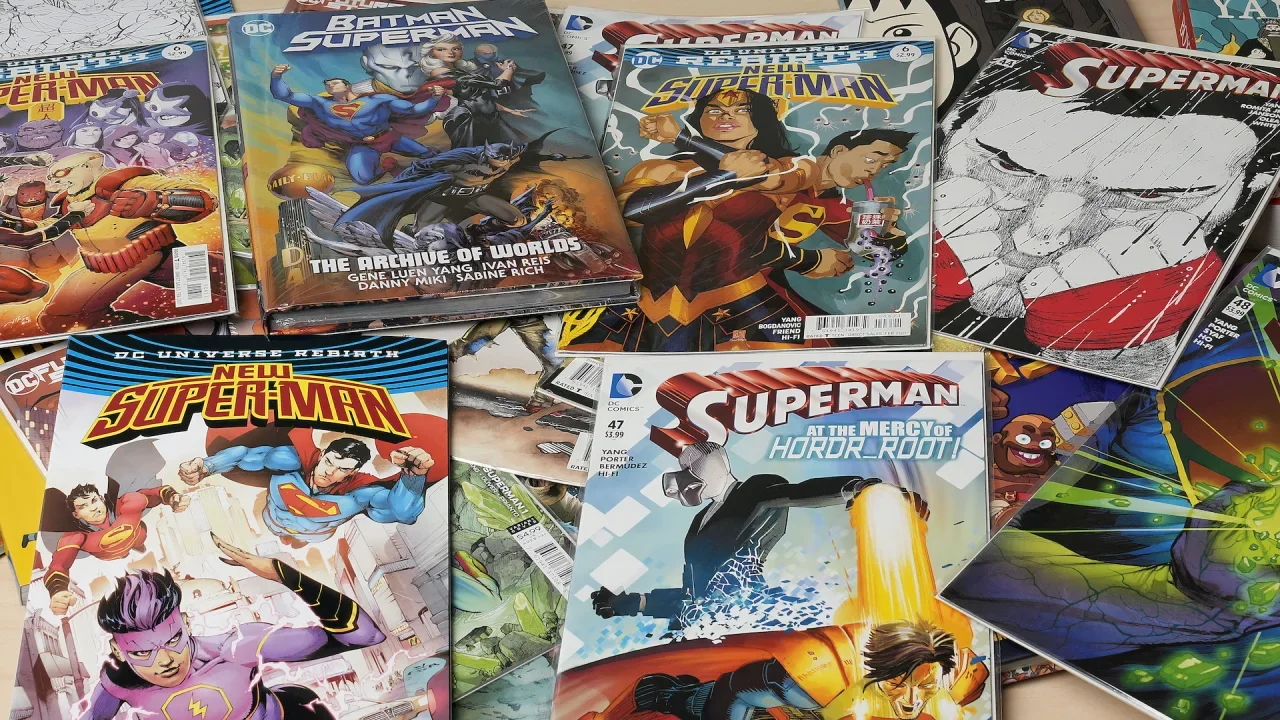
Superman was born Kryptonian, raised Methodist, and sketched into existence by two Jewish teens in 1930s Cleveland. Faith and morality are his DNA. There are no overt religious references in Superman comics. But over eight decades, he’s been viewed as a divine entity, a savior figure—his sacrifice Christlike, his will to lead as strong as Moses parting the Red Sea, and his compassion akin to a bodhisattva, an enlightened being who guides Buddhists on the spiritual path. While scholars, comic book writers, and fans alike are struck by the religious undertones in Superman comics, they say what separates Superman from the ever-growing pack of superheroes is his singular ability to bring hope in a hopeless world. James Gunn’s ‘Superman’ sparks conversation As fans celebrate Superman Day on Friday, marking the 87th anniversary of the original superhero’s birth, they are also eagerly anticipating James Gunn’s film Superman set for release on July 11. This version starring David Corenswet, the first Jewish actor to play Superman in a major film, promises a return to a version of a vulnerable Man of Steel who is rooted in values espoused by most faiths—goodness, compassion, and hope. The film has sparked a conversation about the place of Superman in the world and his personal code of ethics after several recent depictions of superheroes as antiheroes. Corenswet said in a recent interview to Fandango that what captivates him about Superman is how he chooses to see good in people and not dwell on the negative. “Why think about all the terrible things when we can focus on the good things we did today?” he said. In the same interview, Gunn said his Superman will reinforce the character’s core value of preserving life at any cost. “He believes that the sanctity of life is of the utmost importance,” Gunn said, noting the contrast with Superman’s archnemesis Lex Luthor, who values scientific advancement over life. Symbol of hope and positive masculinity It was precisely this benevolent, hopeful version of Superman that inspired Robert Revington, who teaches at the Vancouver School of Theology at the University of British Columbia, to go skydiving in a Superman costume on his 28th birthday. And yet Revington, a Christian, balks at Christlike portrayals of his favorite superhero. “I like Superman and I like Jesus,” he said. “I don’t necessarily want to conflate the two. To me, the best depiction of Superman is as a symbol of hope.” Revington also sees Superman’s relevance today as “an example of positive masculinity.” “He’s this version of strong, but compassionate masculinity, which several prominent figures don’t necessarily embody,” he said. Revington and many others’ beloved iteration of Superman appeared in All-Star Superman, a 12-issue series published by DC Comics between 2005 and 2008. The superhero saves a young person who is about to take their own life with the endearing message: “You are stronger than you think you are.” Grant Morrison, who wrote those comics, has said his view of Superman was shaped by Giovanni Pico della Mirandola’s Oration On The Dignity of Man, which argues that humans ought to be more virtuous than angels. Superman speaks to our better angels Humans, Morrison said in a 2008 interview, become what they imitate, which is why he made Superman an inspirational character. “We live in the stories we tell ourselves,” he told Newsarama, a comic book website, and can choose to be “the astronaut or the gangster. The superhero or the super villain. The angel or the devil. It’s entirely up to us.” As a result, said Matthew Brake, founder and editor of Pop Culture and Theology, Superman “is an idea that can inspire us to be our best selves.” Superman’s character is also shaped by his upbringing as a Kansas farm boy, raised by kindly parents—Jonathan and Martha Kent. They are portrayed as Methodists in the comics. Superheroes, in recent decades, have received less-than-flattering treatment. In The Boys, a comic book turned Amazon Prime series, the Superman-like character, Homelander, is a government-sponsored hero whose smiling exterior conceals the heart of a sadist. Invincible, a comic turned television series from Robert Kincaid, author of the Walking Dead, features Omni-man, a Superman-like character who turns out to be an alien invader bent on conquest. The main character, Invincible, is Omni-man’s son, and must choose between protecting the Earth or taking his father’s side. Dune, the famed sci-fi book adapted into blockbuster movies, warns of superheroes’ frailty “Heroes are painful, superheroes are a catastrophe,” Dune‘s author Frank Herbert once wrote. “The mistakes of superheroes involve too many of us in disaster.” A relatable superhero But Superman has cemented his place in pop culture not just as a beacon of hope, but also as a character relatable to many, regardless of race or ethnicity. Gene Luen Yang, who has written several Superman comics, is best known for his 2020 graphic novel Superman Smashes the Klan, a story about a Chinese American family moving to Metropolis in 1946 and facing discrimination from the Klan. The story follows the Lee family as they confront the white supremacist group with Superman’s help. Yang sees his own experience as a Chinese American mirrored in Superman’s story. “The idea that you have to hide who you are or that you’re caught in between cultures,” he said. “Superman has two names—Kal-El, his Kryptonian name and Clark Kent, his American name. I had a Chinese name at home and an American name in school. So even though I’m a practicing Catholic, I was more drawn to his Jewish roots because that’s where I could relate more.” Yang sees Superman as the original superhero who inspired almost religious fervor in the geekdom, featuring cosplayers who reenact scenes as a Christian might reenact biblical episodes around Christmas or Easter. A trip to a comic convention is like a pilgrimage where followers collect original art and “all kinds of relics.” Stories in pop culture also draw from older storytelling traditions, often rooted in religions. “In some ways, you can think of religions as communities that are built around stories that last centuries,” Yang said. “The idea of self-sacrifice, the idea that you do good deeds without the desire to gain recognition. That’s the whole point of secret identities.” While his Catholic faith is an important facet of his life, Yang said he never forced religion into his Superman comics. “I write more about my life and my lived experience of faith, with the doubts and the ragged edges,” he said. Characters like Superman, while not themselves religious, provide a portal to the sacred through the profane, said A. David Lewis, a Boston-based graphic novelist and comic book writer. “I love that people take something from popular culture and find some level of spirituality or find a greater connection to some divine source through it,” he said. “But I would never say Superman is just of the Jewish or Christian people. Like some of the best narratives out there, Superman gives us access to something transcendent.” Superman’s strong Jewish roots Samantha Baskind, professor of art history at Cleveland State University, is Jewish; she sees numerous parallels between Superman’s story and the history of Jews. Superman’s solitary flight from Krypton in a little spacecraft is reminiscent of how Moses’ mother placed him in a papyrus basket and left him on the Nile, seeing it has his best chance of survival. Some also compare Superman’s backstory to the Kindertransport, she said, referring to a rescue program that transported nearly 10,000 children, mostly Jewish, from Nazi-controlled territories to Great Britain in 1938 and 1939. In Superman’s Kryptonian name, Kal-El, chosen by his original Jewish creators Jerry Siegel and Joe Shuster, the “El” in Hebrew connotes God. In DC Comics, Superman also frequents the “Bottle City of Kandor,” a Kryptonian city shrunk down and placed in a bottle, representing a fragmented piece of Krypton’s history. Baskind said to her it is reminiscent of how diaspora Jews visit Israel. “There’s also the thinking that Siegel and Shuster created Superman because they were these two, skinny, young Jewish men who couldn’t go out and fight Hitler, but Superman fought Nazis on the cover of their comic books,” she said. In some early editions, Superman held Hitler by his Nazi uniform as he begged for mercy. Appeal to the religiously unaffiliated Despite the religious undertones, Superman’s appeal to those growing religiously unaffiliated remains strong, said Dan Clanton, professor of religious studies at Doane University in Nebraska. He says it’s because Superman’s story “truly encapsulates American civil religion.” “This idea that there are practices and beliefs that provide all, regardless of religious identity, with a sense of being part of something bigger than themselves,” he said. Neal Bailey, a contributor for over a decade to Superman Homepage and an atheist, believes Superman at his best is a “philosophical pragmatist” solving the most complex problems with the least amount of harm. “He actually goes beyond religion to see our commonalities,” he said. “Superman wouldn’t care about people’s religious beliefs. He would care more about whether they are living up to their human potential.” ___ Associated Press religion coverage receives support through the AP’s collaboration with The Conversation US, with funding from Lilly Endowment Inc. The AP is solely responsible for this content. —Deepa Bharath of The Associated Press and Bob Smietana of Religion News Service View the full article
-
We may earn a commission from links on this page. Deal pricing and availability subject to change after time of publication. If you’re in the middle of upgrading your home setup—or just trying to dodge monthly subscriptions—this $45.97 deal on StackSocial might catch your eye. It’s a bundle that gives you a lifetime license for Microsoft Office Professional Plus 2019 and Windows 11 Pro. And not some limited trial or stripped-down version either. You get full access to the classic Office suite—Word, Excel, PowerPoint, Outlook, and even the lesser-used ones like Publisher and Access. These are the 2019 versions, so not the very latest, but still more than enough for most work or school needs. And it’s not Microsoft 365, so there's no cloud-based storage or collaboration features, but it is a one-time purchase you install directly on your PC. What you’re getting with Office 2019 is pretty straightforward. You install it on one Windows machine, and it stays there forever. Features like Excel’s new data analysis tools, PowerPoint’s improved animations, and Outlook’s updated contact handling are all included. Just keep in mind, this license isn’t tied to your Microsoft account but rather to your device, so transferring it to another PC later might not be possible. Also worth noting: it won’t work on older systems like Windows 7 or 8. You’ll need Windows 10 or 11 to run it smoothly. And that’s where the Windows 11 Pro part of the bundle comes in. If your machine can handle it (and yes, you should double-check that TPM 2.0 and UEFI are a go), this gives you the Pro version—ideal for work use or heavier productivity. It supports features like BitLocker for encryption and all the snap layouts and desktops you’d expect from Windows 11. It’s designed to work on up to two devices, which is helpful if you’re running both a laptop and desktop. Gamers might appreciate the DirectX 12 Ultimate compatibility too. But again, if your PC is too old to support the upgrade natively, this won’t work as a shortcut past that. Bottom line: this is a solid bundle for anyone who wants essential tools and OS access without monthly fees—as long as your hardware is ready. View the full article
-
Help your clients run their businesses better. By Hitendra Patil Client Accounting Services: The Definitive Success Guide Go PRO for members-only access to more Hitendra Patil. View the full article
-
Help your clients run their businesses better. By Hitendra Patil Client Accounting Services: The Definitive Success Guide Go PRO for members-only access to more Hitendra Patil. View the full article
-
Key Takeaways Proven Business Model: Hot dog franchises offer a solid entry into the food industry with an established franchise model, maximizing your chances of success due to high customer demand. Diverse Franchise Options: There’s a variety of hot dog franchises to choose from, including classic stands like Nathan’s Famous and gourmet chains like Dog Haus, catering to different market preferences. Low Startup Costs: Many hot dog franchises have lower startup costs compared to other food businesses, making it a more accessible investment for aspiring entrepreneurs. Strong Brand Recognition: Joining a hot dog franchise provides immediate brand recognition, facilitating easier customer acquisition and aiding marketing efforts. Operational Challenges: Be prepared to navigate financial and regulatory challenges, including initial investment costs and local licensing regulations, which can impact profitability. Growth Opportunities: Successful hot dog franchises demonstrate how innovative strategies and strong operational planning can lead to significant growth and profitability in a competitive market. If you’ve ever dreamed of running your own food business, a hot dog franchise might just be your ticket to success. With their irresistible appeal and quick service, hot dogs have become a staple in the fast-food industry. Whether it’s a bustling city street or a local festival, these delicious treats attract hungry customers looking for a satisfying meal on the go. Overview of Hot Dog Franchise A hot dog franchise presents a solid small business opportunity within the fast-food industry. As a franchisee, you gain access to a proven franchise model that capitalizes on the consistent popularity of hot dogs. Quick service and high customer appeal make them ideal for urban areas and local events. The franchise system typically offers significant brand recognition, which attracts a steady customer base. You can expect initial investments to vary based on factors like location and equipment. Franchise fees often include ongoing royalty fees, contributing to the support you receive from the franchisor. The franchise agreement lays out the terms and expectations, while the franchise disclosure document provides crucial insights into the financial performance of existing units. To succeed in this competitive environment, consider franchise training and marketing strategies that help you build a strong local presence. Examining the franchise operations manual clarifies operational procedures and compliance with franchise laws. Engaging in multi-unit franchising can amplify your business growth, allowing you to expand your exclusive territory efficiently. Franchise consultants can assist in conducting franchise research, ensuring you select the right opportunity that aligns with your goals. Overall, investing in a hot dog franchise opens doors to a rewarding career within a thriving sector of the franchise industry. Types of Hot Dog Franchises Exploring hot dog franchises reveals various types catering to different preferences and markets. Understanding these categories helps identify the right franchise opportunity for you. Classic Hot Dog Stands Classic hot dog stands focus on traditional offerings and benefit from established brand recognition. Examples include: Hot Dog on a Stick: Founded in 1946, Hot Dog on a Stick specializes in hot dogs and cheese dogs dipped in cornbread batter and fried. The menu features turkey, beef, and veggie options, accompanied by fries and hand-stomped lemonade. With startup costs ranging from $349,200 to $582,000, candidates require a net worth of $250,000 and $100,000 in liquid assets. This franchise provides a proven franchise model, which enhances your potential for success. Nathan’s Famous: Established in 1916, Nathan’s is among the oldest and largest hot dog franchises. Its long-standing history contributes to strong brand loyalty, making it a popular choice within the franchise industry. Gourmet Hot Dog Chains Gourmet hot dog chains elevate the hot dog experience by offering unique toppings, flavor combinations, and upscale environments. Examples include: Frankie’s: Featured in various locations, Frankie’s provides gourmet hot dogs with artisanal ingredients and creative toppings. You can find options like truffle aioli and fig preserves, appealing to food enthusiasts seeking niche experiences. Dog Haus: Focused on high-quality meats and fresh ingredients, Dog Haus offers gourmet hot dogs and specialty sausages. With a strong brand identity, it emphasizes craft and innovation, targeting customers eager for unique flavors. Choosing the right type of hot dog franchise can significantly impact your franchise growth and success. Conduct thorough franchise research and analyze location factors to maximize your investment. Benefits of Starting a Hot Dog Franchise Starting a hot dog franchise offers distinct advantages, making it an appealing small business opportunity. Franchisees benefit from several key elements that ensure success in the fast-food industry. Low Startup Costs Hot dog franchises typically present low startup costs compared to many other food businesses. For instance, Crave Hot Dogs & Barbecue charges a franchise fee of $45,000 for a brick-and-mortar location and just $30,000 for a food truck. This affordability allows franchisees to enter the market with manageable initial investments, paving the way for potential rapid returns with proper franchise support. Established Brand Recognition Joining a hot dog franchise affords franchisees immediate brand recognition, which is critical for attracting customers. Franchises like Hot Dog on a Stick, established in 1946, have built a loyal customer base across over 70 locations. Such brand names come with the right to utilize distinguished trademarks and service marks, simplifying your marketing efforts. Additionally, The Original Hot Dog Factory offers a well-known name that enhances the credibility of new franchises, driving a steady stream of customers from day one. These factors collectively make hot dog franchises a smart choice for aspiring small business owners looking to capitalize on a proven franchise model in a thriving market. Challenges in the Hot Dog Franchise Industry Navigating the hot dog franchise industry involves facing specific challenges that can impact your success as a franchisee. Financial and Operational Challenges Initial Investment and Conversion Costs: The initial investment for a hot dog franchise can be significant. For instance, conversion costs for a Hot Dog Shoppe franchise may reach under $400,000 per location. Traditional remodels for other franchises can exceed $800,000, affecting your budgeting and funding strategies. Operating Costs: You might encounter higher-than-expected operating costs that affect profitability. However, franchises with streamlined business models, such as Wienerschnitzel, maintain lower costs through limited menus and efficient operations. Balancing these costs is crucial to the sustainability of your franchise business. Regulatory and Licensing Issues Permits and Licensing: Obtaining the necessary permits and licenses poses a complex challenge. Different municipalities impose varying regulations that can delay business operations. Familiarizing yourself with franchise laws and local regulations is essential to ensure compliance and avoid costly setbacks. Addressing these challenges head-on is vital for thriving in the hot dog franchise market. You can better prepare for operational hurdles and financial demands with thorough research and effective planning, allowing for a smoother franchise journey. Success Stories in Hot Dog Franchising Hot dog franchising presents numerous success stories that highlight effective strategies and significant growth within the industry. Two notable examples include the 1901 Hot Dog franchise and Hot Dog Shoppe. 1901 Hot Dog Franchise (Malaysia) 1901 Hot Dog, founded by Rozidar and Zakir during the Asian financial crisis, started with a single pushcart. The franchise grew to 84 outlets in Malaysia, five in Singapore, and three in Indonesia by 2008. Achieving an estimated annual turnover of RM 45 million, 1901 Hot Dog received the Superbrand status twice. Their success stems from a strong commitment to quality, innovative marketing strategies, and effective relationship-building with franchisees. This franchise showcases the potential of a small business to flourish even in challenging conditions. Hot Dog Shoppe (USA) Hot Dog Shoppe, established in 1946 by Paul Trevelline, experienced revitalization after Greg Vojnovic acquired it in 2021. Vojnovic’s franchise strategy involves converting terminated or expired licenses of other fast-food restaurants into Hot Dog Shoppe locations. This approach leverages existing infrastructure and capitalizes on franchise growth opportunities. By recognizing and acting upon unique market situations, Vojnovic demonstrates how innovative thinking within your franchise model can lead to success. Both franchises exemplify how strategic planning, strong brand recognition, and effective franchise marketing plans contribute to achieving franchise success in the competitive hot dog industry. Conclusion Starting a hot dog franchise can be an exciting venture that taps into a beloved food option with broad appeal. With the right research and planning you can navigate the challenges and leverage the benefits of this thriving industry. Choosing the right franchise model and understanding the financial landscape will set you up for success. Whether you opt for a classic stand or a gourmet chain your investment can yield substantial rewards. By focusing on effective marketing and operational excellence you’ll not only attract customers but also build a lasting presence in your community. Embrace the opportunity and watch your hot dog franchise flourish in the fast-paced food market. Frequently Asked Questions What are the benefits of starting a hot dog franchise? Starting a hot dog franchise offers benefits like low startup costs, established brand recognition, and a proven business model. With franchises like Crave Hot Dogs & Barbecue charging reasonable fees, aspiring business owners can manage their investments effectively. Furthermore, hot dogs are popular in various markets, ensuring a steady customer base. What types of hot dog franchises are available? There are various types of hot dog franchises, including classic stands like Nathan’s Famous and gourmet chains such as Dog Haus. Classic stands focus on traditional offerings, while gourmet franchises elevate the dining experience with unique toppings and ingredients, catering to different customer preferences. What challenges might I face with a hot dog franchise? Challenges in the hot dog franchise industry can include high initial investments, unexpected operating costs, and regulatory hurdles. Licensing and permits can also vary by location, potentially delaying operations. Planning and thorough research are essential to mitigate these challenges for a successful franchise venture. How can I choose the right hot dog franchise? To choose the right hot dog franchise, conduct thorough research on existing brands and their market presence. Analyze location factors, initial investment costs, and unique offerings to determine which franchise aligns with your business goals and customer preferences for optimal growth. Is franchise training important for success? Yes, franchise training is crucial for success as it provides essential operational knowledge, marketing strategies, and support from the franchisor. Proper training helps new franchisees understand the business model and customer service standards, increasing the chances of successful operations. Can multi-unit franchising enhance my business growth? Yes, multi-unit franchising can significantly enhance business growth by allowing franchisees to operate multiple locations. This strategy can increase brand visibility, streamline operations, and boost overall profitability when managed effectively. Proper planning and market analysis are key to maximizing this opportunity. How do I find a franchise consultant? To find a franchise consultant, search online directories, ask for referrals from other franchisees, or visit franchise expos. Look for licensed professionals with experience in the fast-food industry and a strong track record of helping aspiring franchise owners choose the right opportunities. Image Via Envato This article, "The Ultimate Guide to Starting a Successful Hot Dog Franchise" was first published on Small Business Trends View the full article
-
Key Takeaways Proven Business Model: Hot dog franchises offer a solid entry into the food industry with an established franchise model, maximizing your chances of success due to high customer demand. Diverse Franchise Options: There’s a variety of hot dog franchises to choose from, including classic stands like Nathan’s Famous and gourmet chains like Dog Haus, catering to different market preferences. Low Startup Costs: Many hot dog franchises have lower startup costs compared to other food businesses, making it a more accessible investment for aspiring entrepreneurs. Strong Brand Recognition: Joining a hot dog franchise provides immediate brand recognition, facilitating easier customer acquisition and aiding marketing efforts. Operational Challenges: Be prepared to navigate financial and regulatory challenges, including initial investment costs and local licensing regulations, which can impact profitability. Growth Opportunities: Successful hot dog franchises demonstrate how innovative strategies and strong operational planning can lead to significant growth and profitability in a competitive market. If you’ve ever dreamed of running your own food business, a hot dog franchise might just be your ticket to success. With their irresistible appeal and quick service, hot dogs have become a staple in the fast-food industry. Whether it’s a bustling city street or a local festival, these delicious treats attract hungry customers looking for a satisfying meal on the go. Overview of Hot Dog Franchise A hot dog franchise presents a solid small business opportunity within the fast-food industry. As a franchisee, you gain access to a proven franchise model that capitalizes on the consistent popularity of hot dogs. Quick service and high customer appeal make them ideal for urban areas and local events. The franchise system typically offers significant brand recognition, which attracts a steady customer base. You can expect initial investments to vary based on factors like location and equipment. Franchise fees often include ongoing royalty fees, contributing to the support you receive from the franchisor. The franchise agreement lays out the terms and expectations, while the franchise disclosure document provides crucial insights into the financial performance of existing units. To succeed in this competitive environment, consider franchise training and marketing strategies that help you build a strong local presence. Examining the franchise operations manual clarifies operational procedures and compliance with franchise laws. Engaging in multi-unit franchising can amplify your business growth, allowing you to expand your exclusive territory efficiently. Franchise consultants can assist in conducting franchise research, ensuring you select the right opportunity that aligns with your goals. Overall, investing in a hot dog franchise opens doors to a rewarding career within a thriving sector of the franchise industry. Types of Hot Dog Franchises Exploring hot dog franchises reveals various types catering to different preferences and markets. Understanding these categories helps identify the right franchise opportunity for you. Classic Hot Dog Stands Classic hot dog stands focus on traditional offerings and benefit from established brand recognition. Examples include: Hot Dog on a Stick: Founded in 1946, Hot Dog on a Stick specializes in hot dogs and cheese dogs dipped in cornbread batter and fried. The menu features turkey, beef, and veggie options, accompanied by fries and hand-stomped lemonade. With startup costs ranging from $349,200 to $582,000, candidates require a net worth of $250,000 and $100,000 in liquid assets. This franchise provides a proven franchise model, which enhances your potential for success. Nathan’s Famous: Established in 1916, Nathan’s is among the oldest and largest hot dog franchises. Its long-standing history contributes to strong brand loyalty, making it a popular choice within the franchise industry. Gourmet Hot Dog Chains Gourmet hot dog chains elevate the hot dog experience by offering unique toppings, flavor combinations, and upscale environments. Examples include: Frankie’s: Featured in various locations, Frankie’s provides gourmet hot dogs with artisanal ingredients and creative toppings. You can find options like truffle aioli and fig preserves, appealing to food enthusiasts seeking niche experiences. Dog Haus: Focused on high-quality meats and fresh ingredients, Dog Haus offers gourmet hot dogs and specialty sausages. With a strong brand identity, it emphasizes craft and innovation, targeting customers eager for unique flavors. Choosing the right type of hot dog franchise can significantly impact your franchise growth and success. Conduct thorough franchise research and analyze location factors to maximize your investment. Benefits of Starting a Hot Dog Franchise Starting a hot dog franchise offers distinct advantages, making it an appealing small business opportunity. Franchisees benefit from several key elements that ensure success in the fast-food industry. Low Startup Costs Hot dog franchises typically present low startup costs compared to many other food businesses. For instance, Crave Hot Dogs & Barbecue charges a franchise fee of $45,000 for a brick-and-mortar location and just $30,000 for a food truck. This affordability allows franchisees to enter the market with manageable initial investments, paving the way for potential rapid returns with proper franchise support. Established Brand Recognition Joining a hot dog franchise affords franchisees immediate brand recognition, which is critical for attracting customers. Franchises like Hot Dog on a Stick, established in 1946, have built a loyal customer base across over 70 locations. Such brand names come with the right to utilize distinguished trademarks and service marks, simplifying your marketing efforts. Additionally, The Original Hot Dog Factory offers a well-known name that enhances the credibility of new franchises, driving a steady stream of customers from day one. These factors collectively make hot dog franchises a smart choice for aspiring small business owners looking to capitalize on a proven franchise model in a thriving market. Challenges in the Hot Dog Franchise Industry Navigating the hot dog franchise industry involves facing specific challenges that can impact your success as a franchisee. Financial and Operational Challenges Initial Investment and Conversion Costs: The initial investment for a hot dog franchise can be significant. For instance, conversion costs for a Hot Dog Shoppe franchise may reach under $400,000 per location. Traditional remodels for other franchises can exceed $800,000, affecting your budgeting and funding strategies. Operating Costs: You might encounter higher-than-expected operating costs that affect profitability. However, franchises with streamlined business models, such as Wienerschnitzel, maintain lower costs through limited menus and efficient operations. Balancing these costs is crucial to the sustainability of your franchise business. Regulatory and Licensing Issues Permits and Licensing: Obtaining the necessary permits and licenses poses a complex challenge. Different municipalities impose varying regulations that can delay business operations. Familiarizing yourself with franchise laws and local regulations is essential to ensure compliance and avoid costly setbacks. Addressing these challenges head-on is vital for thriving in the hot dog franchise market. You can better prepare for operational hurdles and financial demands with thorough research and effective planning, allowing for a smoother franchise journey. Success Stories in Hot Dog Franchising Hot dog franchising presents numerous success stories that highlight effective strategies and significant growth within the industry. Two notable examples include the 1901 Hot Dog franchise and Hot Dog Shoppe. 1901 Hot Dog Franchise (Malaysia) 1901 Hot Dog, founded by Rozidar and Zakir during the Asian financial crisis, started with a single pushcart. The franchise grew to 84 outlets in Malaysia, five in Singapore, and three in Indonesia by 2008. Achieving an estimated annual turnover of RM 45 million, 1901 Hot Dog received the Superbrand status twice. Their success stems from a strong commitment to quality, innovative marketing strategies, and effective relationship-building with franchisees. This franchise showcases the potential of a small business to flourish even in challenging conditions. Hot Dog Shoppe (USA) Hot Dog Shoppe, established in 1946 by Paul Trevelline, experienced revitalization after Greg Vojnovic acquired it in 2021. Vojnovic’s franchise strategy involves converting terminated or expired licenses of other fast-food restaurants into Hot Dog Shoppe locations. This approach leverages existing infrastructure and capitalizes on franchise growth opportunities. By recognizing and acting upon unique market situations, Vojnovic demonstrates how innovative thinking within your franchise model can lead to success. Both franchises exemplify how strategic planning, strong brand recognition, and effective franchise marketing plans contribute to achieving franchise success in the competitive hot dog industry. Conclusion Starting a hot dog franchise can be an exciting venture that taps into a beloved food option with broad appeal. With the right research and planning you can navigate the challenges and leverage the benefits of this thriving industry. Choosing the right franchise model and understanding the financial landscape will set you up for success. Whether you opt for a classic stand or a gourmet chain your investment can yield substantial rewards. By focusing on effective marketing and operational excellence you’ll not only attract customers but also build a lasting presence in your community. Embrace the opportunity and watch your hot dog franchise flourish in the fast-paced food market. Frequently Asked Questions What are the benefits of starting a hot dog franchise? Starting a hot dog franchise offers benefits like low startup costs, established brand recognition, and a proven business model. With franchises like Crave Hot Dogs & Barbecue charging reasonable fees, aspiring business owners can manage their investments effectively. Furthermore, hot dogs are popular in various markets, ensuring a steady customer base. What types of hot dog franchises are available? There are various types of hot dog franchises, including classic stands like Nathan’s Famous and gourmet chains such as Dog Haus. Classic stands focus on traditional offerings, while gourmet franchises elevate the dining experience with unique toppings and ingredients, catering to different customer preferences. What challenges might I face with a hot dog franchise? Challenges in the hot dog franchise industry can include high initial investments, unexpected operating costs, and regulatory hurdles. Licensing and permits can also vary by location, potentially delaying operations. Planning and thorough research are essential to mitigate these challenges for a successful franchise venture. How can I choose the right hot dog franchise? To choose the right hot dog franchise, conduct thorough research on existing brands and their market presence. Analyze location factors, initial investment costs, and unique offerings to determine which franchise aligns with your business goals and customer preferences for optimal growth. Is franchise training important for success? Yes, franchise training is crucial for success as it provides essential operational knowledge, marketing strategies, and support from the franchisor. Proper training helps new franchisees understand the business model and customer service standards, increasing the chances of successful operations. Can multi-unit franchising enhance my business growth? Yes, multi-unit franchising can significantly enhance business growth by allowing franchisees to operate multiple locations. This strategy can increase brand visibility, streamline operations, and boost overall profitability when managed effectively. Proper planning and market analysis are key to maximizing this opportunity. How do I find a franchise consultant? To find a franchise consultant, search online directories, ask for referrals from other franchisees, or visit franchise expos. Look for licensed professionals with experience in the fast-food industry and a strong track record of helping aspiring franchise owners choose the right opportunities. Image Via Envato This article, "The Ultimate Guide to Starting a Successful Hot Dog Franchise" was first published on Small Business Trends View the full article
-
Today, Apple’s streaming service, Apple TV Plus, has done something unheard of in streaming television. The company has now rereleased the final episode of the canceled sitcom Mythic Quest with a new, re-edited ending. The re-edit removes the original season cliffhanger and replaces it with a new ending that acts to resolve the show’s lingering plot point, thus wrapping up the series by giving the show’s supporters, and characters, closure. But while the re-edit may please fans, it raises some interesting issues concerning the entertainment historical record. A first in TV streaming On March 26, Apple TV Plus released the 10th episode of Mythic Quest season four. Titled “Heaven and Hell,” this episode was initially designed to be the season’s finale, and, as most season finales do, it ended on a cliffhanger. However, after the season finale aired, Apple announced that it was canceling Mythic Quest. With no season five, the show’s cancellation meant that the series ended on a cliffhanger that would never be resolved—just like so many streaming series that were canceled before it. But then Apple did something unexpected and unheard of in the world of streaming television. It allowed Mythic Quest’s producers to go back and re-edit the season four finale by swapping out the cliffhanger ending for one that better aligns with a series finale—in other words, one that wraps up the show’s loose threads. Mythic Quest’s creators and executive producers, Megan Ganz, David Hornsby, and Rob McElhenney, announced the unusual move last week, stating, “Because endings are hard, with Apple’s blessing we made one final update to our last episode—so we could say goodbye, instead of just game over.” And now, the re-edited Mythic Quest episode is available. How the original and re-edited endings are different If you navigate to the Mythic Quest listing on Apple TV Plus now, you’ll see that the episode shows a new original airdate of April 18, 2025, signaling that Apple has now released the re-edit. As the entertainment website Pajiba points out, the re-edited episode features a relatively small change. In the original episode, the show’s two main characters, Ian and Poppy, who have always had a platonic and professional work relationship throughout the show’s run, kissed. The repercussions of that cliffhanger kiss ending were originally meant to be fully explored in Mythic Quest’s season five. Yet the re-edited episode now removes the kiss ending entirely. As Pajiba notes, “It’s the same episode, only this time, the two agree to repair their working relationship, but it remains platonic. They hug, and that’s it.” It’s likely that since work had already ceased on the series, this new hugging scene had already been previously shot, which is what allowed the creatives to alter the episode so quickly within just weeks of its original release. Altering the historical record While fans of the show will no doubt be grateful that Apple gave the creatives permission to go back and change the final “Heaven and Hell” episode to provide closure for them and the show’s characters, how Apple has handled it is worth pointing out. There are television shows that have been canceled before that were later brought back on a new network or revived on streaming, but never, to my knowledge, has there been a show that has had its last episode aired before cancellation, changed, and then re-released. But it seems like Apple has chosen to go about its fan-pleasing move by not caring too much about the entertainment historical record. That’s because there is nothing left on Apple TV Plus’s platform that suggests the “Heaven and Hell” episode available now is anything but the one that originally aired. Mythic Quest’s season four finale has now been relabeled as the “Series Finale” in Apple TV Plus’s show listing. Apple has chosen to make only the re-edited version of the show available to watch. (We’ve reached out to Apple to ask if it plans to also release the original version at some point.) Furthermore, its original release date has also been changed from March 26 to April 18, 2025. It is also not mentioned anywhere in the episode that the episode has been re-edited from its original version—nor is there an option to view the original ending. In other words, it seems like Apple has taken the George Lucas approach to changing the historical entertainment record. In the late 1990s, Lucas released a version of the original Star Wars trilogy with new scenes and effects inserted. Lucasfilm then essentially wiped the trilogy as it originally was from existence. To this day, Lucasfilm (and now its owner, Disney) only makes the re-edited version of the Star Wars trilogy available for consumption. When it comes to a less culturally relevant show like Mythic Quest (compared to Star Wars), is this that big of a deal? Probably not—at least not to general streaming subscribers. But the wiping of the original episode highlights how, in this digital world of ours, anything can be altered at any time—and the original may not always be preserved for posterity. View the full article

-
If you're eager for the new Nintendo Switch 2, the current preorder situation should make you a bit nervous. Nintendo's upcoming console is scheduled to launch on June 5, but without a preorder, there's no telling how difficult it'll be to buy one. Fortunately, things are improving. On Friday, Nintendo finally announced the new date fans can expect to preorder a Switch 2, as well as some good and bad news regarding price increases. Here's the latest. Switch 2 preorders open next weekIt's official: If you live in the United States or Canada, you can preorder a Nintendo Switch 2 on Thursday, April 24. The new date replaces the original April 9 preorder schedule Nintendo announced earlier this month. The company delayed preorders following the The President administration's unpredictable array of tariffs imposed on countries around the world. As the administration rolled back certain tariffs and paused imposing new ones (at least for the time being), it seems Nintendo feels confident enough to commit to preorders in the U.S. Part of the reason for the delay (or, perhaps the entire reason for the delay) was likely to assess whether the company should hike the price of the Switch 2. Fortunately, the calculation hasn't swung in that direction: The Switch successor will cost $449.99, the same price Nintendo revealed at the beginning of April. Likewise, Mario Kart World will still cost $79.99, and Donkey Kong Bananaza will cost $69.99. While those games are more expensive than one might expect from Nintendo titles, at least they aren't going to cost even more. Switch 2 price increasesThe bad news, however, is that not all the previously announced prices will remain the same. Nintendo says Switch 2 accessories will jump up in cost. Those prices are as follows: Switch 2 Pro Controller: $84.99 (was $79.99) Left and Right Joy-Con 2 controllers: $94.99 (was $89.99) Switch 2 camera: $54.99 (was $49.99) It seems the three affected units are all $5 more expensive, which isn't an enormous price increase, but these accessories were already pricey to begin with. (Seeing Joy-Cons at nearly $100 is really something.) Fortunately, the MSRPs for other Switch 2 accessories remain unchanged. Those include: Joy-Con 2 charging grip: $34.99 Joy-Con 2 strap: $12.99 Joy-Con 2 wheel (two-pack): $19.99 Switch 2 dock: $109.99 Switch 2 carrying case (with screen protector): $34.99 Switch 2 all-in-one case: $79.99 Switch 2 AC adapter: $29.99 Nintendo isn't the only one raising prices, either. Earlier this week, Sony announced MSRP bumps for PS5s across the world. At the moment, the U.S. was spared from those cost adjustments, but we'll see if that holds. View the full article
-
This post was written by Alison Green and published on Ask a Manager. It’s the Friday open thread! The comment section on this post is open for discussion with other readers on any work-related questions that you want to talk about (that includes school). If you want an answer from me, emailing me is still your best bet*, but this is a chance to take your questions to other readers. * If you submitted a question to me recently, please do not repost it here, as it may be in my queue to answer. View the full article
-
We may earn a commission from links on this page. Deal pricing and availability subject to change after time of publication. There’s something nostalgic about holding a printed photo in your hand, especially in a world full of scrolling and swiping. That’s probably why the Kodak Step Instant Smartphone Photo Printer has been getting so much attention—it's small enough to fit in a bag, quick enough to use on the go, and doesn’t rely on ink or toner. Right now, it’s down to $69.99 on StackSocial in black, white, or blue. And if awards matter to you, PCMag named it their Best Photo Printer of the Year for 2023 and gave it their Editor’s Choice stamp. Not bad for something made of lightweight plastic with a matte finish, weighing less than your phone and fitting neatly in your pocket. This little gadget pairs with your smartphone—iOS or Android—via Bluetooth or NFC and spits out 2x3-inch prints in under a minute. There’s no ink involved—just ZINK (zero ink) photo paper that uses embedded dye crystals. That said, the starter pack includes just five sheets of photo paper, so you’ll need to stock up early if you plan on using it often. The prints aren’t pro-lab quality (but you’re not expecting that either), but they’re colorful, smudge-proof, water-resistant, come with a peel-and-stick backing, and are great for scrapbooks, mood boards, or slapping on your fridge. You can print up to 25 photos on a single charge, and everything runs through the Kodak app. The app isn’t mind-blowing, but it lets you do the basics—crop, add filters, toss in a few stickers, maybe a frame or two. It also comes with a one-year manufacturer’s warranty, which is good peace of mind for a portable printer at this price. Shipping is limited to the contiguous US, so keep that in mind if you're browsing from outside. But overall, this is a straightforward little printer that doesn’t overpromise, doesn’t overcomplicate, and actually delivers on the fun of printing your memories in real time. View the full article
-
A known data breach affecting a major insurance administrator may have compromised the personal information of nearly twice as many people as previously reported. A May 2024 cyberattack on Landmark Admin is believed to include at least 1.6 million people's data, according to an updated filing with the Maine attorney general's office. Landmark Admin is a Texas-based third-party administrator (TPA) for life insurance and annuity companies like Liberty Bankers Life and American Benefit Life, which offer policies nationwide. A TPA offers insurers support with accounting, regulatory reporting, reinsurance, and IT. That means that while you may not ever have dealt directly with Landmark Admin, your information could still have been leaked. What happened with Landmark AdminLandmark Admin suffered a security breach on May 13, 2024, when suspicious activity was detected on the company's networks. It was originally reported in October 2024 that the breach exposed the data of just over 806,00 individuals, but the company now believes that at least 1,613,773 people—and possibly more—may have been impacted. The compromised information varies by individual may include the following: Full name Home address Social Security number Tax identification number Driver's license number State-issued identification card Passport number Financial account number Medical information Date of birth Health insurance policy number Life and annuity policy information What affected consumers can do As always, you can't retroactively protect leaked information, but you can (and should) continue to follow security best practices when it comes to your browsing, communication, and financial habits to mitigate the risk of identity theft. Review activity on your banking and credit accounts and check your credit report regularly. You can also freeze your credit, place a fraud alert on your file, and lock down your Social Security number. To avoid falling victim to common phishing tactics, never click links or download attachments in emails or messages, don't engage with unknown callers, and go directly to websites by typing in URLs (rather than relying on search results). If you've been impacted by the Landmark Admin breach specifically, you're eligible for 12 months of credit monitoring and identity protection services through IDX, which includes a $1,000,000 insurance reimbursement policy and ID theft recovery services. Landmark is currently notifying consumers and has a help line at 844-428-5109 that is open from 8 a.m. to 8 p.m ET Monday through Friday to address concerns. View the full article
-
Morningside Park, a beloved neighborhood park in Miami with sweeping views of Biscayne Bay, will soon pilot an innovative approach to coastal resilience. BIOCAP tiles, a 3D-printed modular system designed to support marine life and reduce wave impact along urban seawalls, will be installed on the existing seawall there in spring 2025. BIOCAP stands for Biodiversity Improvement by Optimizing Coastal Adaptation and Performance. Developed by our team of architects and marine biologists at Florida International University, the uniquely textured prototype tiles are designed to test a new approach for helping cities such as Miami adapt to rising sea levels while simultaneously restoring ecological balance along their shorelines. The project receives funding from the National Science Foundation and the Environmental Protection Agency. Ecological costs of traditional seawalls Seawalls have long served as a primary defense against coastal erosion and storm surges. Typically constructed of concrete and ranging from 6 to 10 feet in height, they are built along shorelines to block waves from eroding the land and flooding nearby urban areas. However, they often come at an ecological cost. Seawalls disrupt natural shoreline dynamics and can wipe out the complex habitat zones that marine life relies on. Marine organisms are crucial in maintaining coastal water quality by filtering excess nutrients, pollutants, and suspended particles. A single adult oyster can filter 20–50 gallons of water daily, removing nitrogen, phosphorus, and solids that would otherwise fuel harmful algal blooms. These blooms deplete oxygen levels and damage marine ecosystems. Filter-feeding organisms also reduce turbidity, which is the cloudiness of water caused by suspended sediment and particles. Less water turbidity means more light can penetrate, which benefits seagrasses that require sunlight for photosynthesis. These seagrasses convert carbon dioxide into oxygen and energy-rich sugars while providing essential food and habitat for diverse marine species. Swirling shapes, shaded grooves Unlike the flat, lifeless surfaces of typical concrete seawalls, each BIOCAP tile is designed with shaded grooves, crevices, and small, water-holding pockets. These textured features mimic natural shoreline conditions and create tiny homes for barnacles, oysters, sponges, and other marine organisms that filter and improve water quality. The tile’s swirling surface patterns increase the overall surface area, offering more space for colonization. The shaded recesses are intended to help regulate temperature by providing cooler, more stable microenvironments. This thermal buffering can support marine life in the face of rising water temperatures and more frequent heat events driven by climate change. Another potential benefit of the tiles is reducing the impact of waves. When waves hit a natural shoreline, their energy is gradually absorbed by irregular surfaces, tide pools, and vegetation. In contrast, when waves strike vertical concrete seawalls, the energy is reflected back into the water rather than absorbed. This wave reflection—the bouncing back of wave energy—can amplify wave action, increase erosion at the base of the wall, and create more hazardous conditions during storms. The textured surfaces of the BIOCAP tiles are designed to help diffuse wave energy by mimicking the natural dissipation found on undisturbed shorelines. The design of BIOCAP takes cues from nature. The tile shapes are based on how water interacts with different surfaces at high tide and low tide. Concave tiles, which curve inward, and convex tiles, which curve outward, are installed at different levels along the seawall. The goal is to deflect waves away from the seawall, reduce direct impact, and help minimize erosion and turbulence around the wall’s foundation. How we’ll measure success After the BIOCAP tiles are installed, we plan to assess how the seawall redesign enhances biodiversity, improves water quality and reduces wave energy. This two-year pilot phase will help assess the long-term value of ecologically designed infrastructure. To evaluate biodiversity, we will use underwater cameras to capture time-lapse imagery of the marine life that colonizes the tile surfaces. These observations will aid in documenting species diversity and habitat use over time. To assess water quality, we have developed a specialized prototype tile with sensors that can measure pH, dissolved oxygen levels, salinity, turbidity, and temperature in real time. This data will provide insight into how the tiles affect local water conditions. Finally, to measure wave attenuation and the reduction of wave force, we will mount pressure sensors on both the BIOCAP tiles and the adjacent traditional seawall sections. This comparison will allow us to quantify differences in wave energy across varying tidal conditions and storm events. As coastal cities confront the dual challenges of increasing threats from climate change and environmental degradation, the BIOCAP project offers what we hope will be an example of a resilient, nature-based solution that benefits both humans and the environment. In the coming year, we’ll be watching with hope as the new BIOCAP tiles begin to welcome marine life, offering a glimpse into how nature might reclaim and thrive along our urban shorelines. Sara Pezeshk is a postdoctoral fellow in architecture at Florida International University and Shahin Vassigh is a professor of architecture at Florida International University. This article is republished from The Conversation under a Creative Commons license. Read the original article. View the full article

-
Rice, the world’s most consumed grain, will become increasingly toxic as the atmosphere heats and as carbon dioxide emissions rise, potentially putting billions of people at risk of cancers and other diseases, according to new research published Wednesday in The Lancet. Eaten every day by billions of people and grown across the globe, rice is arguably the planet’s most important staple crop, with half the world’s population relying on it for the majority of its food needs, especially in developing countries. But the way rice is grown—mostly submerged in paddies—and its highly porous texture means it can absorb unusually high levels of arsenic, a potent carcinogenic toxin that is especially dangerous for babies. Lewis Ziska, a plant physiologist and associate professor at Columbia University, has studied rice for three decades and has more recently focused his research on how climate change reduces nutrient levels across many staple crops, including rice. He teamed up with researchers from China and the U.S. to conduct a first-of-its-kind study, looking at how a range of rice species reacted to increases in temperature and carbon dioxide, both of which are projected to occur as more greenhouse gas emissions are released into the atmosphere as a result of human activities. The new study was published in The Lancet Planetary Health. “Previous work has focused on individual responses—some on CO2 and some on temperature, but not both, and not on a wide range of rice genetics,” Ziska said. “We knew that temperature by itself could increase levels, and carbon dioxide by a little bit. But when we put both of them together, then wow, that was really something we were not expecting. You’re looking at a crop staple that’s consumed by a billion people every day, and any effect on toxicity is going to have a pretty damn large effect.” For six years, Ziska and a large team of research colleagues in China and the U.S. grew rice in controlled fields, subjecting it to varying levels of carbon dioxide and temperature. They found that when both increased, in line with projections by climate scientists, the amount of arsenic and inorganic arsenic in rice grains also went up. Arsenic is found naturally in some foods, including fish and shellfish, and in waters and soils. Inorganic arsenic is found in industrial materials and gets into water—including water used to submerge rice paddies. Rice is easily inundated with weeds and other crops, but it has one advantage: It grows well in water. So farmers germinate the seeds, and when the seedlings are ready, plant them in wet soil. They then flood their fields, which suppresses weeds, but allows the rice to flourish. Rice readily absorbs the water and everything in it—including arsenic, either naturally occurring or not. Most of the world’s rice is grown this way. The new research demonstrates that climate change will ramp up those levels. “What happens in rice, because of complex biogeochemical processes in the soil, when temperatures and CO2 go up, inorganic arsenic also does,” Ziska said. “And it’s this inorganic arsenic that poses the greatest health risk.” Exposure to inorganic arsenic has been linked to cancers of the skin, bladder and lung, heart disease and neurological problems in infants. Research has found that in parts of the world with high consumption of rice, inorganic arsenic increases cancer risk. Ziska and his colleagues took the data from their field trials and then, based on per capita consumption data in seven of the top rice-consuming countries in Asia, projected how disease risk could also increase. They found that in those seven countries—Vietnam, Indonesia, China, Bangladesh, the Philippines, Myanmar, and India—disease risk rose across the board. “There is a toxicological effect of climate change relative to one of the most consumed staples in the world,” Ziska said, “and the consumption is one of the hallmarks of whether you’re going to be vulnerable to that effect.” Researchers have known that rice can contain high levels of arsenic and regulators have suggested exposure limits, especially for infants who are particularly vulnerable and tend to eat a lot of rice. This new research should put extra pressure on regulators to set more stringent thresholds, the authors say. The U.S. Food and Drug Administration has never set limits for arsenic in foods. The researchers also point to the potential of various interventions that could limit exposure to inorganic arsenic from rice, including developing strains of rice that are less absorbent and educating consumers about alternatives to rice. “Rice has always been a food where arsenic is an issue, and climate change is making it worse,” said Keeve Nachman, one of the report’s authors, a professor at Johns Hopkins University and a longtime researcher of health risks related to food production and consumption. “This is one more reason to intervene—to control people’s exposure. The number one thing we can do is everything in our power to slow climate change.” —Georgina Gustin, Inside Climate News This article originally appeared on Inside Climate News. It is republished with permission. Sign up for their newsletter here. View the full article

-
When Chinese automaker BYD announced plans to build a massive factory in the hardscrabble city of Camacari, in Brazil’s northeastern Bahia state, locals saw a new beginning. After years of economic stagnation following Ford’s exit from the region in 2021, there was hope that the global leader in electric vehicles would bring back well-paying jobs and a brighter future. The timing seemed right. Brazil, the world’s sixth-largest auto market, is seeing a surge in EV sales—and BYD is leading the charge. For Camacari, the deal promised to fill the economic vacuum left by the American company, which had once been the city’s largest employer. Then plans went off track. A December raid led by Brazilian authorities rescued 163 Chinese nationals said to be working in “slavery-like” conditions at the site. A video from the Labor Prosecutor’s Office showed dormitories with beds lacking mattresses and makeshift cooking facilities. The company postponed plans to begin its first production line in March and has not established a new timeline, spreading fears among Camacari workers. “When BYD announced it was coming here, it sparked a lot of hope in us,” said Luizmar Santana Pereira, a metalworker and former Ford employee, who has been working as a taxi driver. “We’ve been waiting for this job opportunity, but so far, we haven’t seen it.” After the raid, a spokesperson based at BYD’s China headquarters denied wrongdoing, saying in a post on the Weibo social media site that the accusations were an attempt at “smearing” Chinese brands and China. The post also blamed “foreign forces” for the allegation and criticized media reports. In a statement disseminated in Brazil, the carmaker adopted a more conciliatory tone. The company said it “does not tolerate disrespect for Brazilian law and human dignity” and rescinded the contract with Chinese construction company Jinjiang, which had brought the workers. In Brazil, ample room for BYD to grow EVs are spreading fast in Brazil, Latin America’s most populous nation. Sales jumped 85% in 2024, reaching over 170,000 units, including fully electric and hybrid vehicles, according to the Brazilian Association of Electric Vehicles. That accounted for about 7% of new car sales in the country. The growth is spearheaded by BYD. Seven out of 10 EVs sold in the country are from the brand, which also leads hybrid sales. In major cities such as Sao Paulo and Brasilia, imported BYD cars and dealerships have become a common sight. In Brazil’s capital, it’s the best-selling brand, whether EV or gas-powered. Another Chinese EV maker, GWM, also recently announced plans to open a factory in Brazil after acquiring a shuttered Mercedes-Benz facility in the industrialized state of Sao Paulo. BYD’s inroads in Brazil are in tandem with the company’s global growth. The world’s leading EV company logged a record $107 billion in revenue in 2024 as its sales of electric and hybrid vehicles jumped 40%, surpassing American rival Tesla. This year, plans include the inauguration of its first car factory in Europe, currently under construction in Hungary. Brazil’s policies are driving EV sales and production, according to Adalberto Maluf, national secretary of Urban Environment and Environmental Quality. In an interview with the Associated Press in Brasilia, Maluf cited incentives enacted in 2024 that favor electric motors, tax reductions for lower-emission cars, and a new air quality program with nationwide monitoring and pollution reduction goals. Brazil is the one of the top 10 emitters of greenhouse gases, contributing around 3% of global emissions, according to nonprofit Climate Watch. However, pollution from energy does not play a big role, as about half of greenhouse gas emissions come from deforestation, mostly in the Amazon, followed by agriculture. About 85% of the country’s electricity comes from renewable sources. For Maluf, who worked for almost nine years at BYD Brazil, the country is attractive to Chinese electric car makers for reasons ranging from the size of its market to the presence of several auto parts suppliers and the strong political relationship between the two countries. “Brazilians have no geopolitical issues with China. If you ask, ‘Are you against China?’ most people won’t have a strong opinion about it,” he said. “In the U.S., however, they do, because it’s part of the president’s rhetoric,” he added, referring to President Donald The President’s frequent comments about China “ripping off” America on trade. It’s unclear what is next for BYD factory Since the raid, BYD has not allowed press visits inside its Camacari premises, citing concerns about trade secrets. It’s unclear if BYD is still on track to turn the former Ford site into its largest plant outside China by the end of 2026. When AP journalists visited in March for several days, they saw only a few construction workers at the large site. And one day, while standing on the street adjoining the premises, three BYD guards, one who kept his hand on his gun, incorrectly accused the journalists of flying a drone inside factory boundaries and demanded to see identification. Minutes later, security guards on motorcycles approached, honking and ordering the journalists to stop filming workers. BYD said its security guards acted appropriately and declined to answer other questions about its operations in Brazil. While the future of the factory is unclear, the raid and the presence of Chinese workers have gotten the attention of labor unions. “The Metalworkers Union will not tolerate Chinese workers on the production line. If that happens even in the beginning of the production, we will call for a work stoppage,” Júlio Bonfim, the union president, told AP. Bonfim added that there were no objections with BYD employing Chinese technicians and managers, but the factory floor must employ only Brazilians. It was unclear if BYD had agreed to that. Despite the raid and seemingly slow pace of construction, in the Camacari region the shift from Ford to BYD is increasingly visible. A three-decades-old dealership for the American brand named Indiana, in tribute to the U.S. state, now shares space with a BYD reseller, Mandarim. A local hotel started distributing instructions specifically to Chinese guests, asking them not to hang washed clothes in common areas. And a state lawmaker introduced a bill to rename the city’s Henry Ford Avenue, where the plant is located, to BYD Avenue. —Fabian Maisonnave, Associated Press View the full article

-
Raids on Friday were deadliest in The President administration’s bombing campaign against Iran-backed movementView the full article