ResidentialBusiness
Administrators
-
Joined
-
Last visited
Everything posted by ResidentialBusiness
-
 It really is mind-blowing how much incredible stuff we can do with images these days. ’Twasn’t long ago, after all, that advanced image adjustments required pricey desktop-computer software and super-specific knowledge. These days, we’ve got an endless array of awesome options at our fingertips for making practically any image look amazing—without investing a single dime or ounce of energy. And what’s especially cool is when you encounter a new image-enhancing power tool that transforms old photos in a way you never dreamed possible. Unearth all sorts of transformative tech treasures with my free Cool Tools newsletter from The Intelligence. A new useful discovery in your inbox every Wednesday! Your new image unblurring superpowerAllow me to introduce you to a supremely simple and surreal-seeming web app called Unblur Image Online—or just Unblur Image for short. Don’t let its unimaginative name fool you: This tool works wonders. And it’s laughably easy to use. ➜ Unblur Image lets you upload any photo free, and with the click or tap of a single button, it sharpens it and—well, y’know, unblurs it almost instantly. ⌚ No exaggeration: You’ll need maybe 20 seconds, start to finish, for the service to work its magic. All you do is open up the site, smack the big “Upload Image” button, and select any photo on your device. Then, a mere blink or two later—voilà: You’ve got your result, unblurred and also upsized to look as crisp, clear, and contemporary as possible, even if the original photo was fairly ancient (like this old picture of my desk from back in my TV news days—just look at that monitor!). The difference can really be astounding. Here’s an old blurry concert photo I found in my personal library—before and after its near-instant unblurring: Pretty wild, no? While some phones do now come with their own built-in image-unblurring equivalents, Unblur Image really does give ’em a run for their money when it comes to quality—and it’s available to use on any device, phone or computer, right within whatever browser you prefer. I’ve already had several readers comment to me that the quality is almost indistinguishable from the universally praised image-editing tools provided on Google’s top-of-the-line Pixel devices. Add in the fact that it’s free, and this is one Cool Tool well worth embracing. Unblur Image is available on the web—no downloads or installations needed. It’s completely free for an unspecified number of uses per day, which the site says “should suffice” for most “regular needs.” I’ve yet to run into a limit when trying several within a single day. If you do need more, Unblur Image offers paid credits for purchase. But really, how many images are you gonna be unblurring?! The service’s privacy policy says it doesn’t store or share any manner of personal data. My special thanks to Android Intelligence reader Michelle T. for bringing this one to my attention! Ready for more tantalizing tech treasures? Check out my free Cool Tools newsletter for an instant introduction to an incredible audio app that’ll tune up your days in some truly delightful ways—and a new off-the-beaten-path gen in your inbox every Wednesday! View the full article
-
I couldn’t tell you what my very first purchase from Amazon was—although I know it was a book and that I purchased it on my 7-pound laptop using a dial-up modem that took several minutes to connect me to Al Gore’s internet. I’m certain I was delighted to receive my purchase about a week later, even though I was paying for shipping. Not only does this memory prove that I have officially reached my “back-in-my-day!” old codger years, but it also shows how quickly consumer expectations can shift. In less than 30 years, online shopping has gone from an occasional novelty that required some consumer effort (waiting on that modem connection was not for the faint of heart) to a rapid process so seamless that even next-day delivery can feel a bit slow. Much of Amazon’s success lies in its promise of fast shipping all across the country (and world). The online marketplace can deliver on that promise because of its massive delivery infrastructure, the logistics of which are truly mind-bending to contemplate. But Amazon would not have become the dominant shopping method if not for one simple thing: free shipping. The expectation of free shipping has helped solidify Jeff Bezos as one of the richest men in the world (with his own marital-aid shaped rocket, which seems to be standard issue for modern oligarchs). Unfortunately, that means free shipping has cost us a lot more than we could have ever imagined. Here’s why I’ve decided to pay for shipping moving forward–and would encourage you to do the same. ‘Free’ scrambles our brains In his 2008 bestselling book Predictably Irrational, behavioral psychologist Dan Ariely breaks down how Amazon’s sales increased when it began offering free shipping for purchases over $30. After instituting this policy in the early 2000s, Amazon customers would willingly spend more money to buy an additional item they didn’t necessarily want or need—just to save themselves $4 in shipping costs. This is not a rational reaction, and yet most (if not every single one) of us has blithely spent more money on two items, one of which we didn’t really want, to avoid paying for shipping. What’s more, when Amazon in France originally rolled out a similar shipping offer for purchases over a certain amount, there was no sales increase. That’s because the French division of Amazon offered shipping for one franc rather than free shipping if you spent more than the purchase minimum. Since one franc was equal to about 20 cents, you’d think that French online shoppers would also jump at the chance to reduce their shipping costs—but pricing the shipping at one franc allowed consumers to recognize the true cost of adding an unwanted item to their shopping carts. Yet once Amazon in France switched to free shipping to match the rest of the company, sales increased dramatically. Prime suspicion Amazon is certainly not the only company to offer free shipping over a certain dollar amount–and there are definitely times when that kind of shipping deal is good for the customer. But the introduction of the Amazon Prime membership in 2005 altered the calculation. For an annual fee of $139, Amazon customers get unlimited, free one-day shipping—with some same-day delivery available. If free shipping over a dollar threshold is a brain-scrambler, Prime membership makes it nigh impossible to recognize how much you’re really paying. Think of it this way: More than 200 million people across the globe pay Amazon $139 annually for the privilege of buying stuff more conveniently from Amazon. That’s $27.8 billion we pay to Bezos’s company—so that we can pay more money to the company when we need books, diapers, clothes, or anything else our little hearts desire. The true cost of free shipping It may seem that I’m just ragging on a successful business vision that truly does save most consumers money. If you’re going to buy things online, you probably would spend more than $139 per year in shipping fees, so why not take advantage of Prime membership? But money is not the only cost worth considering. By making free shipping an expectation, Amazon has also cost us the following: Workers’ rights: One of the ways to cut costs to offer free shipping is to underpay and overwork the workers who make it happen. Fast, free shipping comes with a serious cost to the warehouse workers and delivery drivers tasked with fulfilling that promise. Resourcefulness: When something is cheap and convenient, we tend to ignore other solutions. For example, when I realized my kid had outgrown his swim trunks the day before summer camp, I ordered several new swimsuits from Amazon—even though his older brother probably had something that would fit him. Small businesses: Any small or independent business can’t afford to offer free shipping. Patience: American consumers have been taught to expect immediate gratification in a world where you can order something while sitting on the toilet and receive it within a few hours. Quality: Good things come to those who wait, but mediocre stuff can arrive on your doorstep via next-day delivery. Connection: Commerce used to require interaction with other people. I dislike talking to strangers as much as the next misanthrope, but reducing our need to connect with others can also reduce our ability to do so. The environment: If it’s cheap, easy, and quick to buy something, then it’s also easy to discard it–not to mention the environmental impact of shipping the item to you. The subversive politics of paying for shipping Many Americans have been troubled by the rise of oligarchs (to put it mildly) and have been working on divesting from them. That’s an admirable goal that can be difficult to pull off. But simply committing to paying for shipping will offer many of the same benefits. Specifically, recognizing that shipping is part of the cost of online purchases helps to level the e-tailer playing field. Amazon can afford to give their shipping away for free since the company is raking in your Prime membership dollars and knows that you’ll buy everything from their handy-dandy storefront and app. Small businesses that don’t sell everything under the sun can’t possibly compete. You can support small businesses by including the cost of shipping in your purchase expectations. Paying for shipping also forces you to think about your purchases in a way that one-click overnight free shipping does not. If you’re not willing to pay the $4 required to ship a purchase to your home, do you really want or need that purchase? Additionally, when we look at shipping as a line item that can be cut, the loss of that money will most likely affect the workers responsible for delivering products to you. Deciding that you will pay for shipping helps to protect their jobs and rights and lowers their likelihood of injury. Finally, paying for shipping is a way to reject the culture of constant consumerism on which oligarchs have built their empires. We don’t need to always buy-buy-buy to have a robust economy or a satisfying life–and that is much easier to remember when we’re paying for shipping. Free shipping isn’t free We’re living through the consequences of cheap and convenient online shopping. We can take back our agency with one little change—paying for the cost of shipping. View the full article

-
Thermal pools, hammams, banyas, onsens, shvitzes, cold plunges, steam rooms, and saunas: Hot and cold water, and the communal experience of steam and sweat, has been a pillar of social and wellness cultures across millennia. Now a new crop of brighter and busier spaces known as social bathhouses seek to re-create the benefits of communal bathing with a callout to today’s overstressed, always-connected culture. As one bathhouse owner says, “You’re half naked, your phone’s in the locker, everyone’s going through something together.” There isn’t a comprehensive count of social bathhouse openings, but there’s a sense that it’s a nascent category in American fitness culture that is ripe for expansion. Market research firm Technavio predicts the sauna market in the U.S. will grow from $390 million in annual sales in 2023 to $526 million by 2028, with similar growth trends predicted for cold-plunge tubs. New spaces from Maine to Seattle are opening to offer modern twists on traditional bathing culture alongside social events, DJ nights, and coffee tastings. A place where your phone will melt Matthew and Gabriella Khalil’s renovations of the old AIG building in New York City into a hip coterie of startups and exclusive parties includes a two-story urban bathhouse. The Schvitz in Detroit resurrected an old Jewish bathhouse that used to host the machinations of Al Capone’s gang. Drip Nordic Sauna in Asheville, North Carolina, is a portable wood-fired sauna that can be rented for events and chill-out sessions. They’ve been dispatched to Airbnbs on mountaintops and a local music festival. Austin has two spa experiences opening soon: Bathe, and Submersive, an immersive spa from the founder of Meow Wolf. This past January, New York City hosted the first Culture of Bathing Conference, with more than 100 attendees, many of whom were opening their own venue. “This is something that wasn’t here five years ago, and a lot of people are jumping on the bandwagon,” says Don Genders, founder and CEO of Design for Leisure, an established player in the spa and wellness worlds. “It surprised me that some of the veterans in the industry haven’t seen this opportunity, or if they have, they haven’t read it properly. A lot of people are missing out.” Often described as another example of the post-COVID 19 push for socializing and community, social bathhouses have been described as “friend-making boxes.” That isn’t wrong, but there’s much more pushing Americans into ice-filled tubs and saunas. Genders attributes it, in part, to the younger generation’s pursuit of experiences and comfort with alcohol-free socialization. There’s also a desire for digital detox; nearly everyone interviewed for this article said the appeal of spaces where phones would literally melt is significant. “The dopamine hit you get from a real Finnish sauna, and the hot-cold relax cycle, is unmistakable,” says Andrew Lachlan, cofounder and CEO of Sauna House, which has four locations in the Southeast. “It’s a healthy form of dopamine, and we’re all dopamine fiends now.” More than a bath Significant credit is due to wellness influencers. During the COVID-19 pandemic, everyone suddenly had a lot of time to do their own research, or at least listen to the podcasts of those who had. Personalities like Andrew Huberman, Rhonda Patrick, and Susanna Søberg, author of Winter Swimming—all PhDs—helped stoke the attraction to tradition, authenticity, primal health and fitness, and the scientific evidence backing up contrast bathing. “It was hot and cold,” says Othership cofounder Harry Taylor, recounting how he and his partner and cofounder, Amanda Laine, decided to start their international chain, which has a new location opening in the Williamsburg neighborhood of Brooklyn this summer. “Why is this not more of a thing? This is something the world needs.” Today’s new bathhouse concepts—often bathed in light and light-colored wood—are a reaction to a new generation of sauna fans visiting traditional Russian and Jewish bathhouses and deciding that they wanted something that aligned more closely with the high-design spaces they’re accustomed to in other parts of their lives. Genders says that some of today’s founders thought they could do it better themselves. In the U.S. in particular, where there was once a strong bathhouse culture in the 19th century, modern cultural aversion to the bathhouse as a dirty space—often directly linked to homophobia and a reaction to the AIDS crisis—held back the growth of the industry for decades. These new bathhouse concepts aim for something bigger, says Matt Aspiotis Morley, founder and director of Biofilico, a design studio focused on this industry. Saunas that fit a handful of people have now been built for 40, with staircase and stadium seating to encourage conversation. Small, subterranean enclaves are making way for bright, lofted, open-air venues with natural light. Operators ask for unisex changing areas and smaller entryways to maximize the space for pools, plunges, saunas, and customers. Elements like conversation pits and communal spaces, says Morley, get extra focus in social bathing sites. “It’s kind of a wild, wild west” A key challenge remains finding a space. Communal bathhouses don’t necessarily require an urban storefront with curb appeal, but they do need a location with high ceilings and a lack of columns breaking up the floor plate. Sauna House COO Jen Richter, whose firm is operating and opening a handful of spaces across the Southeast, says the real estate hunt is tough, and they often find winners with old industrial buildings, including an auto shop and fencing academy, both of which they’ve turned into new facilities. There’s also the challenge of doing things right, as far as health and safety are concerned (see the recent conversation around the sanitary issues of NYC’s Bathhouse). Keeping cold plunges clean and sanitary, without the benefit of heat, remains difficult, says Richter, especially with startup owners improvising larger and larger setups, and the challenges of navigating varied local ordinances. She predicts there’s going to be “flush out” of some locations as this concept becomes a long-lasting trend. “It’s kind of a wild, wild west,” says Othership’s Taylor. They made their own cold plunges from scratch, since he says they couldn’t find a commercial grade version of what they needed. Their saunas were so big they basically daisy-chained heathers together to warm the space. Users often pay monthly fees, and unless they come daily, the per-visit cost remains relatively high. For many operators, it’s sort of like being a spa without the expensive-to-provide services; saunas and bathhouses have lower labor costs, and most of the expenses come from the fixed cost of labor, water, and power. Once the pools and saunas hit a certain number of visitors, everything else is profit (a 10-pack of classes for Othership’s NYC location is $510, though there are other, cheaper monthly membership options). A new tradition Traditional saunas have been around for millennia in cultures from Japan to Finland—even the upper Midwest has an established culture from Scandinavian immigrants—but the settings are often more austere. Finland has 3 million saunas for a population of 5.5 million, and they tend to be small spaces at private homes. The ceremonial aufguss, a European tradition, brings a bit of showmanship to the sauna, with an aufguss master utilizing towels, essential oils, and music to create a more ceremonial experience. There’s no doubt the American version—the first U.S. Aufguss competition is scheduled for late June at Bathhouse in Brooklyn—will be a bit more flamboyant. Taylor says that Othership’s spaces include music, patterned light, guided meditations, and essential oils on snowballs, all meant to be sensory activating and entertaining. He considers it both an evolution of tradition and a new experience altogether. The overlap between psychedelics, spirituality, and what’s being done with hot and cold is all about a state shift, says Taylor, who calls the regulars at his locations “Shipheads.” Mental health can be a magnet for visitors, says Sauna House’s Richter, noting that members of the recovery community often frequent the space, bringing along journals and books. Perhaps the biggest challenge for the industry’s growth remains funding. Big institutional lenders and private equity firms want tried-and-tested business models, not startups and passion projects without a track record. Genders sees a big opening for someone with industry experience to start a mid-market chain with dozens of locations across the country as a magnet for funding and more expansion. But that may change soon. The German Therme Group recently announced plans to open a 15-acre resort of spas and saunas in Washington, D.C. Genders expects some of the Canadian chains to start making moves, and Morley, the designer, says he’s working on projects that seek to incorporate more space for saunas and cold plunges in traditional health clubs and gyms. Why not incorporate this experience at a place you’re already paying to attend every month? The boom in bathhouses, which remains heavily fragmented, has gained critical mass. The challenge may be avoiding the typical American fitness hype cycle where trends quickly get commercialized and co-opted. “This isn’t a trend,” says Drip Sauna cofounder Daniel Ratner. “This is something that’s existed forever and will continue to exist. It’s just a matter of, how can we continue to make this an accessible part of our day-to-day?” View the full article

-
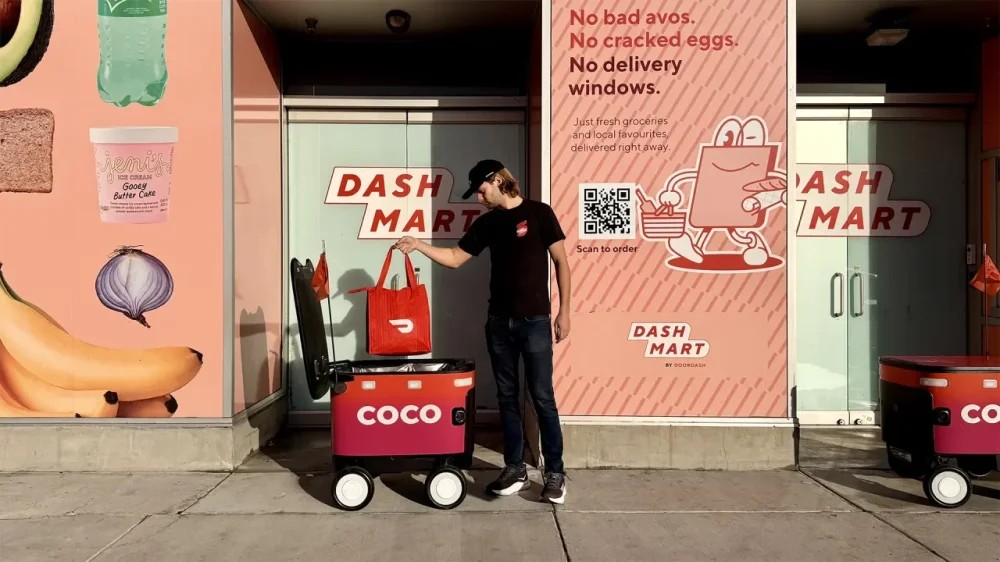
DoorDash has a new delivery partner: Coco the robot. Starting this week, some customers in Los Angeles and Chicago have the option to select robot delivery from hundreds of participating merchants in the DoorDash app. The bots, which resemble small coolers on wheels, deliver goods from specific stores inside a tight radius. DoorDash piloted the tech for months ahead of this rollout, completing more than 100,000 deliveries. DoorDash isn’t the only delivery company taking advantage of this new, mostly autonomous tech. Others, including rival service Uber Eats, have partnered with multiple robotics companies, including for deliveries in certain locations. It’s not DoorDash’s first bot deal either; the company introduced airborne drone delivery with Alphabet-owned Wing in a handful of U.S. markets. This “multimodal approach,” according to a DoorDash spokesperson, should help the company make efficient and effective deliveries using the best method for any given order. Still, bot deliveries are a comparatively small part of DoorDash’s overall business; last year, it processed 2 billion-plus orders. According to data from the National Restaurant Association, about a third of adults say they’d order food delivered by robots, including about half of millennials and Gen Z adults surveyed. Delivery companies have signaled plans to move ahead with even more delivery deals—DoorDash says these partnerships will help the company meet increasing consumer demand while lowering costs. Should we expect our future meals to be delivered autonomously? Probably. But any sort of large-scale rollout is still likely years, or potentially decades away. And like any emerging technology, there’s some good—and some bad—involved. Even if delivery bots are paving the next frontier for the food industry, they’ve also hit some speed bumps along the way. Here are the pros and cons of these automated couriers. Pro: Zero emissions A fleet of electrified robots is objectively more eco-friendly than a fleet of cars. They take up less space on the road, and don’t use gas. “Not every delivery needs a 2-ton car just to deliver two chicken sandwiches,” Harrison Shih, senior director of DoorDash Labs, the company’s automation and robotics arm, said in a statement. (A particularly bold statement from a company that makes its money delivering chicken sandwiches in cars, I’d say.) Con: Potentially questionable judgment Two years ago, a Serve Robotics sidewalk delivery robot rolled through a crime scene in Los Angeles. (A nearby TV cameraman lifted the crime scene tape so the robot could get through.) Luckily, this story has a happy ending: No crime actually took place (it was found to be a hoax), and as a company exec told me at the time, the robot eventually delivered its payload. Incidents like this are rare, and companies have safeguards in place to prevent them. “Every safe autonomous machine has some sort of fallback mode where it needs a human to take over,” says Jonah Bliss, founder of Curbivore, a conference focused on the future of delivery and mobility. “This is true whether you’re thinking about robotaxis or other brands of sidewalk bots.” Pro: Precise technology Robots can be scary accurate. Airborne drone delivery company Zipline can drop a pizza onto a backyard picnic table. That’s a remarkable—and highly convenient—feat. Sidewalk robots can be easily positioned outside a restaurant, ready to accept orders, meaning food is delivered faster, and probably fresher, than it would be after waiting on a human driver. Con: Regulatory hurdles and disgruntled neighbors Not everyone delights in flying drones. Residents of College Station, Texas, successfully grounded Amazon’s Prime Delivery drones, filing more than 100 complaints in opposition to Amazon’s plan to expand its drone delivery program in the area. (The Federal Aviation Administration ultimately decided that most complaints were meritless or outside its purview, but Amazon decided to end its College Station lease later this year.) Regulatory standards vary from state to state and city to city, which could complicate a broad rollout of any type of delivery robot. But the sidewalk bots and flying drones perform best under highly specific circumstances: dense urban neighborhoods, self-contained areas like college campuses, or, in the case of robots in the air, sprawling suburbs. Pro: No tipping Tip creep is real. Nearly 9 out of 10 Americans think tipping culture has gotten out of control, according to recent survey data from WalletHub. Diners who opt to have robots deliver their dinner don’t have to tip. In fact, delivery apps will generally refund any tips promised during the initial order. Delivery services don’t have the best record on tipping. Uber and DoorDash have settled with delivery couriers over the distribution of tips on the platform. Most recently, DoorDash paid close to $17 million in New York to settle claims that it unfairly used tips to subsidize worker pay from 2017 to 2019. Con: No humans In a January interview, Uber CEO Dara Khosrowshahi said that human drivers will be replaced by robots in about a decade. He spoke in the context of Uber’s ride-hailing business, but the company has made plenty of delivery deals, too. Uber Eats launched its own partnership with Coco last year in Los Angeles; earlier this month it expanded to Miami. In Phoenix, Uber uses autonomous Waymo vehicles—the same ones it uses to drive passengers—to ferry some Eats orders to diners. But the robots can’t ring the doorbell; diners still need to go to the curb to collect their food. View the full article
-
Almost 23 years ago, an employee at Apple described Steve Jobs to me as one of the world’s few “rock star CEOs.” At the time, I didn’t understand why anyone would talk about the head of a company in that way. A rock star was an artist who defined the cultural moment and attracted a legion of rabid fans. A CEO was just a CEO, right? In my defense, I was young. I knew little about Jobs’s personal background or his impact on tech sector—this was just over a year after Apple had introduced the original iPod, and the device hadn’t yet completely taken over the world. Still, I smiled and nodded appropriately. After all, the rockstar CEO’s company had just hired me in a sales role. However, over the next five years that I worked for Apple, I came to understand what that person meant. My job at Apple was low-level and non-technical—nothing anyone would find too interesting. Yet when someone discovered that I worked for the company, their eyes lit up, and one of their first questions was, inevitably, “So, what is Steve Jobs like?” I never met Jobs personally, but I once saw him inside Caffe Macs—Apple’s employee cafeteria at 1 Infinite Loop. I recall relaying this mere fact to someone who had asked me if I met him, and to this day, I remember their reply: “Count yourself lucky. Very few people will ever be in the same room with a historical figure.” They went on to explain that listening to their iPod mini was often the best part of their day—and asked me to tell Jobs, if I ever did meet him, that they were thankful there was someone like him inventing such cool devices. That’s when I realized that Jobs really was a rock star—revered even by complete strangers. Now, 20 years after that encounter, having witnessed how technology has infiltrated every facet of our lives in ways even he probably couldn’t have foreseen, I have come to believe Steve Jobs will likely be the last nearly universally beloved tech leader the world will ever have. And that’s probably a good thing. The Musk Factor This realization didn’t just come out of the blue. I’d been thinking about tech CEOs a lot lately—one in particular: Elon Musk. I’ll fully admit that back in the early 2010s, I was a big fan of Musk. I admired how he was bringing electric vehicles to the masses and popularizing more climate-friendly means of transportation and energy distribution. It seemed that his products could genuinely change the world for the better. It also struck me that he was, in my then-opinion, the most charismatic tech leader since Jobs. When he spoke, people listened. Like Jobs, he appeared to be a visionary—and that was inspiring. During the early 2010s, I was convinced that he would be the world’s next Steve Jobs—a tech luminary who would change the world just as Jobs did and, like Jobs, be nearly universally beloved for it. Boy, was I wrong. I’ve never been in the same room as Musk, much less met him, so I won’t try to explain what has seemingly happened—why he changed so much over the past few years (or decided to reveal his true self). However, seeing furious people across the world picketing at his stores, I am certain that he will never be the next Steve Jobs. And there is no other tech CEO in the running, either. And I believe there are two main reasons for this. Big Tech—and its role in the world—has changed For one thing, Big Tech has become fairly toxic since Steve Jobs died in 2011. Silicon Valley used to inspire the general public. Every month in the early 2000s, it seemed like some new product or service was launched that truly improved our lives. However, in the last 15 years, many people feel that Big Tech has begun to cause more harm than good For all their convenience, e-commerce giants like Amazon undermine small businesses, which can be a contributing factor in their closure. When that happens, local communities become more barren, and people struggle to pay the bills. That breeds resentment towards Big Tech—not love of their billionaire CEOs. Similarly, while social media was once touted as a democratizing force that would unite people and facilitate the sharing of ideas, it is now widely recognized to have negative implications for individuals’ mental health, serve as a breeding ground for bullying, and is today a significant way misinformation and political polarization spreads. As Pew Research noted, most people also think social media giants have too much influence in politics. Again, none of this is going to endear the CEOs of these companies to the population at large. And the latest tech revolution—artificial intelligence—isn’t generating a lot of love from the general public, either. AI is likely to eliminate millions of jobs over the next three years alone. It’s also taking the humanity out of art. No wonder a YouGov poll last year found that the majority of Americans were cautious, concerned, and skeptical of AI. If you’re the CEO of a company that works on a technology that most people are leery of, you’re not going to find a lot of universal adoration. Yet there’s another reason why today’s tech leaders will likely never achieve Jobsian status. Big Tech is now inextricably entwined with politics and power in a way it never was in Jobs’s time. Elections are fought and won on social media, wars are carried out with the help of the hardware and software Silicon Valley builds, and Big Tech is spending tens of millions of dollars a year in political contributions and lobbying efforts in an attempt to influence government policy on everything from taxes to regulations—not to mention curry favor with politicians. Politics and power are, by their very nature, divisive. And America is more polarized today by orders of magnitude than during Jobs’s early-2000’s professional prime. If you love that Jeff Bezos, Elon Musk, and Mark Zuckerberg were honored guests at President Trump’s latest inauguration, you can bet that at least half the nation hates it. The Steve Jobs legacy All this is not to suggest that Steve Jobs was a saint, of course. It’s been well-documented that he could be difficult to work with and short-tempered in his pursuit of creative perfection. He was beloved as much as he was because he operated in a world before Big Tech was viewed as a Big Villain. And, unlike many of today’s tech leaders, Jobs chose to—or could afford to—keep his politics private. And he was beloved because nearly all of the products he helped unleash seemed to bring joy to the majority of their users, like the individual I met two decades ago who was grateful to Jobs for the simple everyday pleasure he derived from using his iPod mini. Given how the world—and Big Tech’s role in it—has changed since Jobs’s passing, I don’t believe we’ll ever have another tech leader as beloved as he was. And, again, I think that is probably a good thing. As much of a fan as I was of Jobs, the deification of any one individual is dangerous—especially in today’s environment, where modern tech leaders already wield significant influence over the platforms we use, the narratives we encounter, and even public policy itself. But in Jobs’ time, it was much more palatable—and harmless. The person who explained to me that Steve Jobs was a historical figure is now correct. Jobs was a product of a bygone era: a beloved leader in tech. View the full article

-
Rasmus Hougaard is the founder and managing partner of Potential Project. In 2019 he was nominated by Thinkers50 as one of the eight most important leadership thinkers in the world. He writes for Harvard Business Review, Forbes, Fast Company, and Fortune and is the coauthor, with Jacqueline Carter, of Compassionate Leadership and The Mind of the Leader. Jacqueline Carter is a senior partner at Potential Project. She has more than 20 years of experience working with leaders in large global companies to unlock potential. She writes regularly for Harvard Business Review and Fast Company and is a sought-after keynote speaker and facilitator. She is the coauthor, with Rasmus Hougaard, of Compassionate Leadership and The Mind of the Leader. What’s the big idea? AI has the power to transform leadership and work, but whether it enhances or erodes the human experience depends on how we use it. In More Human, Rasmus Hougaard and Jacqueline Carter argue that AI, when harnessed wisely, can strengthen leadership by enhancing awareness, wisdom, and compassion. Drawing on insights from top executives, AI experts, and global research, they reveal how leaders can delegate tasks to AI while amplifying human connection and performance. With deep insight and practical strategies, this book offers a road map for making AI a force for more meaningful and human-centered work. Below, Hougaard and Carter share five key insights from their new book, More Human: How the Power of AI Can Transform the Way You Lead. Listen to the audio version—read by Hougaard—in the Next Big Idea App. 1. AI won’t replace leaders—but AI-augmented leaders will replace those who don’t adapt. In essence, AI is reshaping leadership, but not in many ways that people fear. It’s not that machines will replace humans—it’s that leaders who use AI will replace those who don’t. Take Ellyn Shook, the chief leadership and human resources Officer of Accenture, as an example. When AI started generating performance reviews, some leaders worried it would dehumanize the process. But Shook saw the real opportunity: Instead of spending 45 minutes compiling feedback, AI did the heavy lifting in seconds, freeing her up to have more meaningful, human-centered conversations with employees. This is what it means to be an AI-augmented leader. AI can automate repetitive tasks, analyze vast amounts of data, and offer insight that leaders might not have time to find on their own. But the best leaders will use AI to elevate their human leadership—not replace it. Imagine having AI summarize your team’s well-being trends, highlight potential burnout risks, or even suggest how to tailor your leadership approach to different individuals. These insights don’t diminish leadership—they enhance it. The future of leadership really belongs to those who can blend the best of AI and human strengths. The choice is clear: Leaders who embrace AI will thrive. Those who ignore it will be left behind. 2. AI generates answers. Wisdom asks the right questions. In today’s world, leaders aren’t struggling to find answers—they’re drowning in them. AI can analyze billions of data points, generate instant insights, and predict trends with incredible accuracy. But here’s the catch: It can’t ask the right questions. That’s where wisdom comes in. Take Cameron Hedrick, Citibank’s chief learning officer. He wanted to understand his own blind spots, so he created an AI-powered version of himself—a digital model that analyzed his leadership approach. The AI provided feedback without bias, fear, or hesitation—something many human colleagues might hesitate to do. But AI alone wasn’t enough. Cameron had to use wisdom—to ask deeper questions, interpret the insights, and apply them in a way that made sense. AI provided the data. He provided the discernment. This is what AI-augmented wisdom looks like. AI is a powerful thought partner, but it’s up to leaders to challenge its outputs, explore what’s missing, and ensure decisions are grounded in both data and human judgment. 3. Awareness is the antidote to AI’s blind spots. AI can see patterns, but it can’t see the bigger picture. It can process billions of data points, but it doesn’t understand meaning. That’s where human awareness comes in. Many of our clients’ leaders use AI-powered tools to analyze employee well-being. AI helps identify stress patterns, flagging teams that may be at risk of burnout. But here’s the catch: AI can’t understand why employees feel the way they do. It lacks context. For example, imagine AI detects that a team has had a 15% drop in engagement. Without awareness, a leader might assume their employees are losing motivation. But a truly aware leader asks: What else is happening here? Maybe the drop is due to a company-wide restructuring. Or a major project deadline. AI might flag the problem, but only human awareness can interpret it correctly. That’s why AI-augmented leaders develop deep awareness—so they don’t just act on AI’s insights blindly. Instead, they combine AI’s speed with human perspective. AI can provide content, but only humans can provide context. AI can highlight patterns, but only leaders can apply meaning, ethics, and judgment. The leaders who thrive in an AI-powered world won’t just accept AI’s answers at face value—they’ll bring the bigger picture into focus. 4. Compassion is leadership’s greatest differentiator in an AI-driven world. Some people believe AI will eventually replace human leadership. But here’s what AI will never do: truly care. AI can simulate empathy—it can recognize emotional cues, adjust its tone, and even predict human responses. But it doesn’t actually feel anything. It doesn’t experience human emotions. And it doesn’t understand the weight of its actions. True compassion isn’t just about responding to emotions; it’s about genuinely understanding and caring about people. That’s why AI can’t replace human leadership. But it can help make compassionate leaders even more effective. Imagine a leader who uses AI to analyze employee well-being data, but instead of just reviewing the numbers, they use those insights to have deeper, more meaningful conversations. Imagine a leader who lets AI flag burnout risks but then personally checks in with their team to see how they’re feeling. Compassion is what makes leadership human. AI can assist in making decisions, but it takes a human leader to make people feel seen, valued, and understood. The best leaders will leverage AI to enhance, not replace, their ability to care. In a world increasingly shaped by technology, compassion is the ultimate competitive advantage. 5. The future of leadership isn’t either/or. It’s both/and. For too long, leadership has been framed as an either/or choice. Either data or intuition. Either efficiency or empathy. Either technology or human wisdom. But the truth is, the best leaders will embrace both/and thinking. Take Sage, a fictional leader in More Human, who finds herself drowning in information, moving too fast, and unable to see clearly. Her breakthrough comes at a leadership retreat called Mountain Wisdom, where she learns the power of awareness and reflection. She realizes AI can offer answers, but she must provide clarity, meaning, and vision. The best leaders won’t choose between AI and human leadership—they’ll combine them. They’ll use AI to process vast amounts of information—but they’ll apply human wisdom to interpret it. They’ll let AI enhance efficiency—but they’ll bring compassion to decision-making. They’ll trust AI to challenge their thinking—but they’ll have the awareness to question its conclusions. The future belongs to leaders who can toggle between AI’s intelligence and human intuition, leveraging both to lead in a way that’s more human than ever before. This article originally appeared in Next Big Idea Club magazine and is reprinted with permission. View the full article

-
As the old folklore goes, if you are feeling extra tired and cranky this week, the upcoming full moon might be to blame. And while you definitely won’t turn into a werewolf, there is some data to suggest the old folklore is true, even if the scientific research on the topic is limited: A 2013 sleep study found that during a full moon, participants spent 30% less time in deep sleep and lost out on 20 minutes of slumber on average. However, skywatchers are in for a treat this weekend, even if they may be missing a little sleep, as a full moon will rise on Saturday night. Here’s what to know about the full moon, and how best to see it. What is the name of the full moon? Typically there are 12 full moons a year, one for every month. Each of these has a nickname given to it by the Old Farmer’s Almanac, based on Native American culture and other traditional North American historical sources. April’s full moon is known as the Pink Moon, but this does not refer to the color of the orb. It is based on the flowers that begin to bloom in spring. There are other names for April’s full moon that celebrate the season. The Algonquin called it the Breaking Ice Moon, while the Lakota dubbed it the Moon When the Ducks Come Back. Even within the same tribe, there were different preferred monikers. The Dakota referred to it as both the Moon When the Streams Are Again Navigable, and the Moon When the Geese Lay Eggs. Anything else to know about the full Pink Moon? Beyond its colorful name, the full Pink Moon will occur just before apogee—this fancy NASA vocab word means the moon is the farthest away from Earth during its elliptical orbit. Because of the distance, the full Pink Moon is considered a “micromoon,” as it is smaller and dimmer to the human eye compared to a normal full moon or a supermoon. How does Easter play into the full pink micromoon? Full moons are also a tool used by the Christian Church to determine when the Easter holiday will occur. Christmas is always December 25, but Easter is on the Sunday after the so-called Paschal Full Moon. So this year, the full Pink Moon and the Paschal Full Moon happen to be two names for the same celestial event, depending on your religious preferences. This is not always the case. How can you best view April’s full moon? To catch a glimpse of this cosmic wonder, head outside on April 12. According to the Old Farmer’s Almanac, the moon will rise at 8:22 p.m. EDT. For best viewing, find a location away from bright city lights. A pair of binoculars or a telescope will help you see more details of the moon. What’s the next celestial event to look forward to? If you need something to look forward to, the night sky has your back. On the evenings of April 21 and 22, the annual Lyrid meteor shower will reach its peak. More to come on this cosmic wonder. View the full article

-
Tax Day is right around the corner—an annual reminder that without the option to file jointly, singles pay more per dollar earned than married people. Tax advantages are just one of more than 1,000 legal and economic benefits married couples enjoy, a disparity worsened by marketplace and employer practices. Despite its disadvantages, single living is on the rise. While the average age of first marriage was just 21 in 1960, today it has risen to 29. Half the adults in the U.S. are unmarried, and half of them aren’t seeking a relationship. As many as a third of Zoomers may never tie the knot. But this shift is more than cultural—it’s redefining the rules of personal finance. Freed from the constraints of shared decision-making, single people are earning, spending, and investing on their own terms. And as a behavioral economist who studies single living, I think this could mean big things for the future of money. As more people opt out of marriage, I expect that governments, businesses, and financial systems will adapt—just as they did in response to women’s economic independence. The price of singlehood As a lifelong bachelor, I have a cheeky response when filing my taxes: “That’s the price of freedom.” For many singles, the price is too steep. More than half of singles over 30 feel financially insecure, one survey found, and their economic reality backs it up. For example, singles spend about $5,500 more annually than their married peers—which adds up to more than $200,000 over a 40-year career. Some of the challenge is mathematical. Married couples split major expenses like housing, transportation, and travel, and rely on dual incomes as a buffer against job loss or disability. Policy amplifies the financial burdens. One-person households are the most common type in the U.S., yet developers still prioritize building large single-family houses—driving up apartment and condo costs. Retirement presents another stark contrast. Singles can’t claim spousal or survivor Social Security benefits and solely fund their retirement. Employers design benefits around families, offering spousal coverage, dependent tax breaks and family leave. Single employees tend to shoulder more responsibilities yet receive 3.6 fewer paid days off per year than their married peers. In the marketplace—from travel to tech and insurance—businesses often price goods and services with couples and families in mind. Solo travelers often pay single supplements on cruises and tours. Streaming, phone, and retail memberships offer “family plans” with no option for solo users subscribing as part of a group. Even auto insurance penalizes solo drivers—two-door cars cost 16% more to insure. The costs add up. But the news for singles isn’t all bad. The financial upside of going solo I study how singles build financial security through the hallmarks of single living: autonomy and adaptability. An obvious financial factor is the cost of children. While some singles are parents, they’re far less likely than married couples to shoulder the expense of raising a child—an outlay of more than $300,000 per child before college. A key advantage: Singles have complete financial control. They choose how to earn, save and spend. There’s less risk of absorbing a partner’s credit card or student loan debt, covering for reckless spending, or facing the financial fallout of divorce. Career flexibility is another key advantage. Singles can more easily relocate for higher-paying jobs or lower-cost locales , freedom that enables powerful financial arbitrage. Many digital nomads, most of them single, choose countries with lower costs and better quality of life. Singles also have greater control over when and how they retire. Unlike couples, who must coordinate timing and strategies, singles have more freedom to retire early, ride out a down market, or ease into semiretirement. Building a financial system for everyone As a business school professor, I’ve seen how slow business and government can be to respond to demographic shifts. The tax system won’t change overnight—governments have long used the tax code to promote marriage—but other policies and practices will evolve. I believe the rise of singles, and the power of their votes and dollars, will make the status quo unsustainable. Scandinavia and parts of Asia are setting precedents. In Sweden, solo adults are recognized as a “family of one,” with access to housing support, parental leave, and pension benefits—no marriage required. Smart companies will also adapt to recruit and retain singles, who make up a large portion of the labor force. I expect to see an expansion of single-inclusive offerings like caregiving leave, flexible work arrangements, and individual-friendly health plans. Singles also build lifelong support systems outside marriage. Sweden again offers a glimpse of what might be: A landmark court case recently granted life insurance benefits to a platonic partner, proving that legal protections don’t have to hinge on romance. Housing remains another legacy system built for couples. While most new developments still prioritize single-family homes, markets like Japan and Hong Kong have embraced lower-cost “micro-apartments” with shared community spaces—an appealing model for solo dwellers. Some U.S. cities are beginning to experiment with similar designs, signaling a shift toward more inclusive urban housing. China’s celebration of solo living, Singles’ Day (held every year on 11/11) is now the world’s largest e-commerce holiday, generating more sales than Black Friday and Cyber Monday combined. The company that created it, Alibaba, promotes deals on single-serve appliances, one-way flights, and self-care bundles. Western companies are catching on: Travel brands are waiving singles supplements, restaurants are welcoming solo diners with dedicated seating, and telecom companies are rolling out “friends and family” plans that don’t require a romantic partner. Finally, I believe wealth management will respond to the rise of singles. While I’ve found that most financial advice still assumes that people will eventually marry, solo earners need different strategies, such as bigger emergency funds, flexible housing options, and proactive estate planning. Expect a wave of financial products designed for solo living, from retirement tools to mortgages built for one. As singles become the majority in many countries, governments, businesses, and financial institutions will adapt by necessity. The bottom line As an advocate for singles, I am an optimist. Yes, singles pay more on Tax Day, among other challenges. But they also have one undeniable advantage: financial freedom. Singles can do more than survive in a system built for two—they can thrive. Americans are not going back to the 1960s. As solo living becomes the norm, financial systems will evolve. Governments will face pressure to modernize policy, businesses will launch products and services for one-person households, and financial professionals will adapt to better serve solo earners. The institutions that recognize this shift first will shape the future—for everyone. Peter McGraw is a professor of marketing and psychology at the University of Colorado Boulder This article is republished from The Conversation under a Creative Commons license. Read the original article. View the full article

-
Envoy Steve Witkoff travels to Oman as American president increases threats over Tehran’s nuclear programme View the full article
-
Erratic policymaking and rising trade barriers are jeopardising confidence in the currencyView the full article
-
Living parallel lives, they counselled presidents and changed the course of the cold war. How would they steer America today? View the full article
-
Why the middle years are better than youth and old ageView the full article
-
A big question hanging over Britain’s prospects is whether the prime minister can grow on the jobView the full article
-
Donald Trump’s tariff war adds pressure to Russian economyView the full article
-
The Internal Revenue Service is reminding self-employed individuals, retirees, investors, businesses, and corporations that the deadline for making first quarter estimated tax payments for the 2025 tax year is Monday, April 15. Federal income taxes operate on a pay-as-you-go system, and the law requires that taxes be paid as income is earned throughout the year. While many taxpayers meet this obligation through withholding from their wages, pensions, Social Security benefits, or other government payments such as unemployment compensation, others must submit quarterly estimated payments. This includes individuals who are self-employed or working in the gig economy, as well as retirees and investors who receive income not typically subject to withholding. “Taxpayers who are self-employed or in the gig economy are generally required to make estimated tax payments,” the IRS stated in a news release. “Likewise, retirees, investors and others frequently need to make these payments because a significant portion of their income is not subject to withholding.” When calculating these payments, taxpayers should account for all earned income, including part-time work, side jobs, or the sale of goods and services, which are often reported on Form 1099-K. Other forms of income that may require estimated tax payments include interest, dividends, capital gains, alimony, and rental income. By submitting estimated payments quarterly, taxpayers can avoid penalties and stay compliant with federal tax obligations. However, exceptions to penalties are available for certain groups, such as farmers and fishers, recent retirees, individuals with disabilities, those with irregular income, and victims of disasters or terrorist attacks. To compute estimated taxes, taxpayers can consult Form 1040-ES, Estimated Tax for Individuals, which provides detailed instructions. For added convenience, the IRS encourages taxpayers to use its Online Account service, where they can make payments, review their payment history, monitor pending payments, and access other important tax information. Payment options include traditional methods such as mailing a check, as well as electronic methods like IRS Direct Pay, debit or credit card, digital wallet, or the Treasury Department’s Electronic Federal Tax Payment System. Taxpayers paying by check should make it payable to the “United States Treasury.” Additional guidance can be found in IRS Publication 505, Tax Withholding and Estimated Tax. This publication is especially useful for individuals dealing with dividend or capital gains income, the alternative minimum tax, or self-employment tax, or who have other special tax circumstances. The IRS also recommends using the agency’s Tax Withholding Estimator tool. This online resource helps taxpayers determine the proper amount of tax to withhold from their paychecks, which can prevent underpayment and minimize the risk of penalties. Regularly adjusting withholding can also result in larger paychecks throughout the year and potentially smaller tax refunds when filing. For more information or to make a payment, taxpayers can visit the IRS website and navigate to the “Make a Payment” section. This article, "IRS Reminds Taxpayers of April 15 Deadline for First Quarter Estimated Payments" was first published on Small Business Trends View the full article
-
The Internal Revenue Service is reminding self-employed individuals, retirees, investors, businesses, and corporations that the deadline for making first quarter estimated tax payments for the 2025 tax year is Monday, April 15. Federal income taxes operate on a pay-as-you-go system, and the law requires that taxes be paid as income is earned throughout the year. While many taxpayers meet this obligation through withholding from their wages, pensions, Social Security benefits, or other government payments such as unemployment compensation, others must submit quarterly estimated payments. This includes individuals who are self-employed or working in the gig economy, as well as retirees and investors who receive income not typically subject to withholding. “Taxpayers who are self-employed or in the gig economy are generally required to make estimated tax payments,” the IRS stated in a news release. “Likewise, retirees, investors and others frequently need to make these payments because a significant portion of their income is not subject to withholding.” When calculating these payments, taxpayers should account for all earned income, including part-time work, side jobs, or the sale of goods and services, which are often reported on Form 1099-K. Other forms of income that may require estimated tax payments include interest, dividends, capital gains, alimony, and rental income. By submitting estimated payments quarterly, taxpayers can avoid penalties and stay compliant with federal tax obligations. However, exceptions to penalties are available for certain groups, such as farmers and fishers, recent retirees, individuals with disabilities, those with irregular income, and victims of disasters or terrorist attacks. To compute estimated taxes, taxpayers can consult Form 1040-ES, Estimated Tax for Individuals, which provides detailed instructions. For added convenience, the IRS encourages taxpayers to use its Online Account service, where they can make payments, review their payment history, monitor pending payments, and access other important tax information. Payment options include traditional methods such as mailing a check, as well as electronic methods like IRS Direct Pay, debit or credit card, digital wallet, or the Treasury Department’s Electronic Federal Tax Payment System. Taxpayers paying by check should make it payable to the “United States Treasury.” Additional guidance can be found in IRS Publication 505, Tax Withholding and Estimated Tax. This publication is especially useful for individuals dealing with dividend or capital gains income, the alternative minimum tax, or self-employment tax, or who have other special tax circumstances. The IRS also recommends using the agency’s Tax Withholding Estimator tool. This online resource helps taxpayers determine the proper amount of tax to withhold from their paychecks, which can prevent underpayment and minimize the risk of penalties. Regularly adjusting withholding can also result in larger paychecks throughout the year and potentially smaller tax refunds when filing. For more information or to make a payment, taxpayers can visit the IRS website and navigate to the “Make a Payment” section. This article, "IRS Reminds Taxpayers of April 15 Deadline for First Quarter Estimated Payments" was first published on Small Business Trends View the full article
-
Key Takeaways Growing Demand: The senior population is rapidly increasing, creating substantial opportunities for businesses focused on providing essential services tailored to older adults. Diverse Service Options: Entrepreneurs can explore various service categories, including in-home care, transportation, and companionship, to meet the specific needs of seniors. Importance of Quality Care: Building a business based on compassionate, high-quality service not only ensures customer satisfaction but also positively impacts the lives of seniors. Navigating Regulations: Understanding and complying with the complex regulatory environment in the senior service industry is crucial for operational success and legal adherence. Staffing Challenges: Hiring and retaining skilled employees is a significant challenge; offering competitive benefits and ongoing training can enhance workforce stability. Marketing Strategies: Effective digital marketing, including SEO and social media engagement, is vital for reaching potential clients and establishing a strong online presence. As the population ages, the demand for senior services is skyrocketing. You might be surprised to learn that this sector not only offers essential support but also presents lucrative business opportunities. Whether you’re considering starting a new venture or expanding an existing one, tapping into the senior service market can be both rewarding and impactful. Navigating this landscape requires understanding the unique needs of seniors. From in-home care to transportation and companionship services, there’s a wide range of possibilities. By focusing on quality and compassion, you can build a business that not only thrives but also enhances the lives of older adults in your community. Let’s explore how you can make a difference while achieving your entrepreneurial goals. Overview of Senior Service Business The senior service business targets a growing demographic that requires specialized care and support. Entrepreneurs can leverage this opportunity to create essential services for older adults, including in-home care, transportation, and companionship services. Understanding your target audience is crucial; seniors often value personalized, compassionate care and reliable services. Starting a business in this sector requires a solid business plan. Conduct market research to identify specific needs within your community. Focus on creating a business model that addresses these needs effectively while ensuring scalability. Choose the right legal structure for your business, be it an LLC, sole proprietorship, partnership, or corporation. Each structure has different implications for taxes and liability, so consulting legal advice can streamline your setup process. Register your business to comply with local regulations, obtaining necessary licenses and permits. Funding options for a senior service business are diverse. You might explore bootstrapping, crowdfunding, or seeking angel investors. Each option comes with its own requirements for a compelling pitch, so be prepared to articulate your vision and how your services will generate a profit margin. Marketing plays a vital role in reaching your potential clients. Utilize digital marketing strategies like SEO, social media, and email marketing to connect with families seeking services for their loved ones. A strong online presence, including a well-structured website, enhances customer acquisition efforts. Team building becomes essential as your business grows. Focus on hiring compassionate, skilled employees who can provide quality care. Consider offering employee benefits to enhance retention rates, ensuring a stable workforce committed to your business goals. As you develop your business, keep a close eye on cash flow and expenses. Effective budgeting helps maintain profitability while allowing for innovation and product development. By implementing a well-thought-out growth strategy, you can establish a successful senior service business that positively impacts your community. Types of Senior Services Understanding types of senior services helps you tailor your offerings to meet the demands of the aging population. Here are key service categories for your senior service business: Home Care Services Home care services support seniors in maintaining their independence at home. These services encompass: Personal Care: Assist with bathing, dressing, grooming, using the toilet, eating, and moving around. Home Health Care: Provide nursing care, medication management, wound care, and physical therapy, either part-time or full-time, based on seniors’ needs. Household Chores: Offer help with housecleaning, yard work, laundry, and other household tasks. Nutrition Services: Deliver meal preparation and cater to specific dietary requirements. Transportation Services Transportation services create accessibility for seniors who may struggle to travel independently. Key aspects include: Scheduled Rides: Arrange transport for medical appointments, social outings, or grocery shopping. Safety Protocols: Implement safety measures to assist seniors during travel, ensuring a comfortable experience. Partnerships: Collaborate with local transportation firms or build your own network to maximize efficiency. Senior Living Communities Senior living communities provide a range of options for seniors seeking housing and social interaction. Main offerings involve: Independent Living: Design neighborhoods where seniors can live autonomously while enjoying supportive amenities. Assisted Living: Create environments where services such as personal care and meal provision enhance residents’ quality of life. Memory Care: Develop specialized facilities focusing on seniors with cognitive impairments, ensuring safety and specialized care. By focusing on these essential service categories, you address varied needs within your target audience and build a strong business model with growth potential in the senior service sector. Key Benefits of Senior Service Business Senior service businesses significantly enhance the quality of life for older adults, addressing their unique needs with tailored solutions. Improved Quality of Life Senior service businesses offer vital assistance with daily tasks. Non-medical in-home care, senior home care, and senior concierge services enable seniors to manage daily activities such as meal preparation, medication management, and personal hygiene. Providing such services helps seniors live comfortably and maintain health in their own homes, contributing positively to their overall well-being. Increased Independence Senior services promote increased independence among older adults. By facilitating access to healthcare and transportation, these services empower seniors to schedule and attend medical appointments, engage in social activities, and participate in community events. Reliable transportation services alleviate isolation, reinforcing a sense of autonomy while improving mental and emotional health. You can capitalize on this growing demand by developing a business model that prioritizes these essential services, ensuring your venture addresses the specific needs of your target audience. Challenges in the Senior Service Business The senior service business faces significant challenges that can impact operational efficiency and growth potential. Understanding these hurdles is crucial for entrepreneurs in the field. Regulatory Hurdles The senior care industry operates within a complex regulatory environment. Federal, state, and local laws govern care provision, licensing, and quality standards. This complexity requires constant compliance efforts to mitigate legal and financial risks. Engaging legal advisors can provide clarity on necessary licensing and permits, ensuring adherence to regulations. In addition, the completion of detailed forms, like the National Aging Program Information System (NAPIS) form, poses logistical challenges, particularly in rural areas, impacting overall efficiency and service delivery. Staffing Issues Staffing represents another critical challenge for small business owners in the senior service sector. Finding compassionate, skilled employees is vital for maintaining high service quality. High turnover rates often occur due to demanding working conditions and low wages. Implementing effective hiring and employee engagement strategies can enhance retention and build a strong team. Investing in employee training and offering competitive benefits contribute to a positive work environment, fostering loyalty and better service quality. Focusing on team building is essential to create a workforce that reliably meets the needs of your target audience. Future Trends in the Senior Service Business The senior service business is transforming rapidly. Driven by demographic changes, technological advancements, and shifting consumer preferences, these trends significantly impact your potential market. Increasing Demand and Demographic Shifts By 2030, the U.S. senior population is expected to exceed 75 million, an increase from nearly 50 million today. This growth creates a robust demand for senior services, presenting opportunities for entrepreneurs. A successful business model in this sector must be informed by comprehensive market research to identify senior needs effectively. Preference to Age in Place Seniors increasingly prefer to remain in their homes as they age. This trend boosts the demand for non-medical home care services. Services such as personal care, companionship, and meal preparation represent viable business ideas. These offerings often come at lower costs and provide a personalized touch, making them attractive to potential clients. To capitalize on these trends, consider the following strategies: Focus on Customer Acquisition Develop targeted marketing strategies to reach your audience. Utilize digital marketing, social media, and content marketing to connect with seniors and their families. SEO practices can enhance your website’s visibility, attracting more potential clients. Utilize Diverse Funding Options Explore funding options like bootstrapping, crowdfunding, or approaching angel investors. Writing a solid business plan will help articulate your vision and potential for profitability, securing necessary financial backing. Build a Strong Brand Creating a recognizable brand can foster trust among clients. Ensure your branding reflects compassion and quality care. Collaborations with local healthcare providers can enhance your credibility and reach. Implement Effective Team Building Hiring skilled and compassionate staff significantly impacts your service quality. Establishing a positive work environment through competitive employee benefits and ongoing training can reduce turnover rates. Monitor Finances Closely Understanding accounting and finance principles is crucial for maintaining profitability. Focus on managing cash flow, budget effectively, and ensure compliance with legal structures and regulatory requirements. By aligning your business efforts with these emerging trends, you can craft a successful venture that meets critical needs within the senior service sector. Conclusion Starting a senior service business offers a unique opportunity to make a meaningful impact while achieving your entrepreneurial goals. By focusing on the specific needs of seniors and providing compassionate care, you can create a thriving enterprise that enhances their quality of life. As you navigate the challenges of this industry, remember that a solid business plan and effective marketing strategies will be your allies. Emphasizing team building and employee engagement will help you build a dedicated workforce. With the senior population on the rise, now’s the perfect time to explore this rewarding field. Embrace the journey ahead and make a difference in your community while securing your business’s future. Frequently Asked Questions What are senior services? Senior services include various forms of assistance designed to support older adults. These services range from in-home care and transportation to companionship and meals. The goal is to enhance the quality of life for seniors, promote independence, and help them live safely in their communities. Why is there a growing demand for senior services? The demand for senior services is growing due to the aging population. By 2030, over 75 million people in the U.S. will be seniors. Many prefer to age in place, increasing the need for supportive services like home care, transportation, and social engagement. How can I start a senior service business? To start a senior service business, begin by developing a solid business plan and researching community needs. Choose a suitable legal structure, obtain necessary licenses, and explore funding options. Additionally, implement effective marketing strategies to reach seniors and their families. What types of senior services can I offer? You can offer various types of senior services, including home care, companionship, transportation, and assistance with daily activities like meal preparation and medication management. Tailoring your offerings to meet the unique needs of seniors in your community can greatly enhance your business. What are the challenges in the senior service industry? Challenges in the senior service industry include regulatory compliance, staffing issues, and high turnover rates. It’s essential to stay updated with local regulations, implement effective hiring strategies, and invest in employee training to foster a supportive work environment. How can I ensure profitability in a senior service business? To maintain profitability, monitor cash flow and expenses closely. Focus on quality service delivery, hire compassionate staff, and engage in continuous marketing efforts. Building a strong brand and effectively responding to community needs will also contribute to your business’s success. What future trends should I consider in the senior services market? Future trends include the increasing preference for seniors to age in place and the anticipated growth in the senior population. Entrepreneurs should focus on non-medical home care services, develop targeted marketing strategies, and prepare to adapt their services to meet evolving needs in the market. Image Via Envato This article, "Unlocking Opportunities in the Senior Service Business: A Guide for Aspiring Entrepreneurs" was first published on Small Business Trends View the full article
-
Key Takeaways Growing Demand: The senior population is rapidly increasing, creating substantial opportunities for businesses focused on providing essential services tailored to older adults. Diverse Service Options: Entrepreneurs can explore various service categories, including in-home care, transportation, and companionship, to meet the specific needs of seniors. Importance of Quality Care: Building a business based on compassionate, high-quality service not only ensures customer satisfaction but also positively impacts the lives of seniors. Navigating Regulations: Understanding and complying with the complex regulatory environment in the senior service industry is crucial for operational success and legal adherence. Staffing Challenges: Hiring and retaining skilled employees is a significant challenge; offering competitive benefits and ongoing training can enhance workforce stability. Marketing Strategies: Effective digital marketing, including SEO and social media engagement, is vital for reaching potential clients and establishing a strong online presence. As the population ages, the demand for senior services is skyrocketing. You might be surprised to learn that this sector not only offers essential support but also presents lucrative business opportunities. Whether you’re considering starting a new venture or expanding an existing one, tapping into the senior service market can be both rewarding and impactful. Navigating this landscape requires understanding the unique needs of seniors. From in-home care to transportation and companionship services, there’s a wide range of possibilities. By focusing on quality and compassion, you can build a business that not only thrives but also enhances the lives of older adults in your community. Let’s explore how you can make a difference while achieving your entrepreneurial goals. Overview of Senior Service Business The senior service business targets a growing demographic that requires specialized care and support. Entrepreneurs can leverage this opportunity to create essential services for older adults, including in-home care, transportation, and companionship services. Understanding your target audience is crucial; seniors often value personalized, compassionate care and reliable services. Starting a business in this sector requires a solid business plan. Conduct market research to identify specific needs within your community. Focus on creating a business model that addresses these needs effectively while ensuring scalability. Choose the right legal structure for your business, be it an LLC, sole proprietorship, partnership, or corporation. Each structure has different implications for taxes and liability, so consulting legal advice can streamline your setup process. Register your business to comply with local regulations, obtaining necessary licenses and permits. Funding options for a senior service business are diverse. You might explore bootstrapping, crowdfunding, or seeking angel investors. Each option comes with its own requirements for a compelling pitch, so be prepared to articulate your vision and how your services will generate a profit margin. Marketing plays a vital role in reaching your potential clients. Utilize digital marketing strategies like SEO, social media, and email marketing to connect with families seeking services for their loved ones. A strong online presence, including a well-structured website, enhances customer acquisition efforts. Team building becomes essential as your business grows. Focus on hiring compassionate, skilled employees who can provide quality care. Consider offering employee benefits to enhance retention rates, ensuring a stable workforce committed to your business goals. As you develop your business, keep a close eye on cash flow and expenses. Effective budgeting helps maintain profitability while allowing for innovation and product development. By implementing a well-thought-out growth strategy, you can establish a successful senior service business that positively impacts your community. Types of Senior Services Understanding types of senior services helps you tailor your offerings to meet the demands of the aging population. Here are key service categories for your senior service business: Home Care Services Home care services support seniors in maintaining their independence at home. These services encompass: Personal Care: Assist with bathing, dressing, grooming, using the toilet, eating, and moving around. Home Health Care: Provide nursing care, medication management, wound care, and physical therapy, either part-time or full-time, based on seniors’ needs. Household Chores: Offer help with housecleaning, yard work, laundry, and other household tasks. Nutrition Services: Deliver meal preparation and cater to specific dietary requirements. Transportation Services Transportation services create accessibility for seniors who may struggle to travel independently. Key aspects include: Scheduled Rides: Arrange transport for medical appointments, social outings, or grocery shopping. Safety Protocols: Implement safety measures to assist seniors during travel, ensuring a comfortable experience. Partnerships: Collaborate with local transportation firms or build your own network to maximize efficiency. Senior Living Communities Senior living communities provide a range of options for seniors seeking housing and social interaction. Main offerings involve: Independent Living: Design neighborhoods where seniors can live autonomously while enjoying supportive amenities. Assisted Living: Create environments where services such as personal care and meal provision enhance residents’ quality of life. Memory Care: Develop specialized facilities focusing on seniors with cognitive impairments, ensuring safety and specialized care. By focusing on these essential service categories, you address varied needs within your target audience and build a strong business model with growth potential in the senior service sector. Key Benefits of Senior Service Business Senior service businesses significantly enhance the quality of life for older adults, addressing their unique needs with tailored solutions. Improved Quality of Life Senior service businesses offer vital assistance with daily tasks. Non-medical in-home care, senior home care, and senior concierge services enable seniors to manage daily activities such as meal preparation, medication management, and personal hygiene. Providing such services helps seniors live comfortably and maintain health in their own homes, contributing positively to their overall well-being. Increased Independence Senior services promote increased independence among older adults. By facilitating access to healthcare and transportation, these services empower seniors to schedule and attend medical appointments, engage in social activities, and participate in community events. Reliable transportation services alleviate isolation, reinforcing a sense of autonomy while improving mental and emotional health. You can capitalize on this growing demand by developing a business model that prioritizes these essential services, ensuring your venture addresses the specific needs of your target audience. Challenges in the Senior Service Business The senior service business faces significant challenges that can impact operational efficiency and growth potential. Understanding these hurdles is crucial for entrepreneurs in the field. Regulatory Hurdles The senior care industry operates within a complex regulatory environment. Federal, state, and local laws govern care provision, licensing, and quality standards. This complexity requires constant compliance efforts to mitigate legal and financial risks. Engaging legal advisors can provide clarity on necessary licensing and permits, ensuring adherence to regulations. In addition, the completion of detailed forms, like the National Aging Program Information System (NAPIS) form, poses logistical challenges, particularly in rural areas, impacting overall efficiency and service delivery. Staffing Issues Staffing represents another critical challenge for small business owners in the senior service sector. Finding compassionate, skilled employees is vital for maintaining high service quality. High turnover rates often occur due to demanding working conditions and low wages. Implementing effective hiring and employee engagement strategies can enhance retention and build a strong team. Investing in employee training and offering competitive benefits contribute to a positive work environment, fostering loyalty and better service quality. Focusing on team building is essential to create a workforce that reliably meets the needs of your target audience. Future Trends in the Senior Service Business The senior service business is transforming rapidly. Driven by demographic changes, technological advancements, and shifting consumer preferences, these trends significantly impact your potential market. Increasing Demand and Demographic Shifts By 2030, the U.S. senior population is expected to exceed 75 million, an increase from nearly 50 million today. This growth creates a robust demand for senior services, presenting opportunities for entrepreneurs. A successful business model in this sector must be informed by comprehensive market research to identify senior needs effectively. Preference to Age in Place Seniors increasingly prefer to remain in their homes as they age. This trend boosts the demand for non-medical home care services. Services such as personal care, companionship, and meal preparation represent viable business ideas. These offerings often come at lower costs and provide a personalized touch, making them attractive to potential clients. To capitalize on these trends, consider the following strategies: Focus on Customer Acquisition Develop targeted marketing strategies to reach your audience. Utilize digital marketing, social media, and content marketing to connect with seniors and their families. SEO practices can enhance your website’s visibility, attracting more potential clients. Utilize Diverse Funding Options Explore funding options like bootstrapping, crowdfunding, or approaching angel investors. Writing a solid business plan will help articulate your vision and potential for profitability, securing necessary financial backing. Build a Strong Brand Creating a recognizable brand can foster trust among clients. Ensure your branding reflects compassion and quality care. Collaborations with local healthcare providers can enhance your credibility and reach. Implement Effective Team Building Hiring skilled and compassionate staff significantly impacts your service quality. Establishing a positive work environment through competitive employee benefits and ongoing training can reduce turnover rates. Monitor Finances Closely Understanding accounting and finance principles is crucial for maintaining profitability. Focus on managing cash flow, budget effectively, and ensure compliance with legal structures and regulatory requirements. By aligning your business efforts with these emerging trends, you can craft a successful venture that meets critical needs within the senior service sector. Conclusion Starting a senior service business offers a unique opportunity to make a meaningful impact while achieving your entrepreneurial goals. By focusing on the specific needs of seniors and providing compassionate care, you can create a thriving enterprise that enhances their quality of life. As you navigate the challenges of this industry, remember that a solid business plan and effective marketing strategies will be your allies. Emphasizing team building and employee engagement will help you build a dedicated workforce. With the senior population on the rise, now’s the perfect time to explore this rewarding field. Embrace the journey ahead and make a difference in your community while securing your business’s future. Frequently Asked Questions What are senior services? Senior services include various forms of assistance designed to support older adults. These services range from in-home care and transportation to companionship and meals. The goal is to enhance the quality of life for seniors, promote independence, and help them live safely in their communities. Why is there a growing demand for senior services? The demand for senior services is growing due to the aging population. By 2030, over 75 million people in the U.S. will be seniors. Many prefer to age in place, increasing the need for supportive services like home care, transportation, and social engagement. How can I start a senior service business? To start a senior service business, begin by developing a solid business plan and researching community needs. Choose a suitable legal structure, obtain necessary licenses, and explore funding options. Additionally, implement effective marketing strategies to reach seniors and their families. What types of senior services can I offer? You can offer various types of senior services, including home care, companionship, transportation, and assistance with daily activities like meal preparation and medication management. Tailoring your offerings to meet the unique needs of seniors in your community can greatly enhance your business. What are the challenges in the senior service industry? Challenges in the senior service industry include regulatory compliance, staffing issues, and high turnover rates. It’s essential to stay updated with local regulations, implement effective hiring strategies, and invest in employee training to foster a supportive work environment. How can I ensure profitability in a senior service business? To maintain profitability, monitor cash flow and expenses closely. Focus on quality service delivery, hire compassionate staff, and engage in continuous marketing efforts. Building a strong brand and effectively responding to community needs will also contribute to your business’s success. What future trends should I consider in the senior services market? Future trends include the increasing preference for seniors to age in place and the anticipated growth in the senior population. Entrepreneurs should focus on non-medical home care services, develop targeted marketing strategies, and prepare to adapt their services to meet evolving needs in the market. Image Via Envato This article, "Unlocking Opportunities in the Senior Service Business: A Guide for Aspiring Entrepreneurs" was first published on Small Business Trends View the full article
-
Stoic defiance in ‘trinket town’ echoes Beijing’s insistence that nation can prevail against Donald Trump’s tariff blitzView the full article
-
Key Takeaways Rapid Success: Subway’s monthlong sandwich subscription sold out within hours, indicating high consumer demand for innovative meal solutions.Value Proposition: Priced at $15 for 30 days, the subscription offers daily sandwiches at an attractive cost, appealing to budget-conscious customers and showcasing the potential for small businesses to adopt similar models.Menu Diversity: Featuring a rotating selection of popular and new sandwiches keeps customers engaged, highlighting the importance of diverse menu options for subscription services.Effective Marketing: Targeted promotions and the urgency of a limited-time offer played key roles in driving sales, showcasing the impact of strategic marketing in amplifying consumer interest.Customer Engagement: Positive feedback underscores the importance of understanding customer preferences and utilizing social media to enhance interaction and loyalty.Future Opportunities: Subway’s success suggests that small businesses can leverage subscription models to create steady revenue streams while fostering customer relationships through personalized offerings. In a bold move that shook the fast-food landscape, Subway recently launched a monthlong sandwich subscription service, and it sold out within hours. This innovative concept has captured the attention of sandwich lovers everywhere, offering fans a chance to savor their favorite subs without the hassle of ordering each time. With its unique approach to customer engagement, Subway’s subscription model not only highlights the brand’s adaptability but also reflects the growing trend of subscription services in the food industry. If you’re curious about how this initiative took off and what it means for the future of fast food, you’re in the right place. Let’s dive into the details behind this remarkable success and what it reveals about consumer preferences today. Overview of Subway’s Monthlong Sandwich Subscription Subway’s monthlong sandwich subscription service attracted significant attention and quickly sold out within hours, revealing strong demand among consumers. This subscription model allows customers to enjoy a variety of sandwiches daily for an entire month, showcasing the potential for innovative retail strategies in the food industry. Subway’s approach reflects a broader trend among small businesses to adopt subscription services. These models can enhance customer engagement and foster loyalty. By offering consistent value and convenience, you can encourage repeat visits to your storefront, making it easier for you to build a steady revenue stream. The success of Subway’s initiative emphasizes the importance of adapting to consumer preferences. As your small business considers subscription opportunities, look for ways to personalize offers and improve customer experiences. This strategy not only meets demand but positions your brand for future growth in a competitive market. Highlights of the Subscription Offer Subway’s monthlong sandwich subscription attracted attention for its competitive pricing and diverse menu options. This success demonstrates the potential for small businesses to embrace similar models for customer retention and engagement. Pricing and Value Subway’s subscription priced at $15 for 30 days delivers significant value, allowing you to enjoy one sandwich daily for less than 50 cents per meal. This economical offer appeals to cost-conscious customers while positioning Subway favorably against competitors. Small businesses can consider implementing subscription models like this to drive revenue and foster customer loyalty through perceived savings. Menu Selection The subscription features a rotating selection of popular sandwiches, including classics like the Italian BMT and new options tailored to evolving customer tastes. The variety ensures that customers remain engaged and excited throughout the subscription period. Small businesses can benefit by curating diverse menu options in subscription services, enhancing customer satisfaction and encouraging repeat purchases. Factors Behind the Quick Sellout The rapid sellout of Subway’s monthlong sandwich subscription reflects key factors that resonate with consumers and amplify marketing effectiveness. Consumer Demand Consumer demand for innovative eating options drives the popularity of subscription services. You crave convenience and variety in your meals, especially when these offerings come at a fraction of the regular cost. The quick sellout indicates a strong appetite for budget-friendly solutions in an era where many enjoy dining out but seek to save money. Such a model meets the needs of price-sensitive customers while also catering to individuals who appreciate the allure of trying multiple sandwich flavors. Marketing Strategies Effective marketing strategies enhance visibility and engagement for subscription offers. Subway utilized targeted promotions through social media channels, effectively reaching sandwich enthusiasts in a competitive market. The time-limited nature of the offering generated urgency, prompting customers to act quickly to secure their subscription. Engaging visuals, promotional emails, and limited-time offers contributed to the buzz, showcasing the value proposition to potential subscribers. For small businesses looking to expand their retail or storefront success, these strategies demonstrate the importance of leveraging concise marketing tactics to amplify consumer interest and drive immediate sales. Customer Reactions and Feedback Customer reactions to Subway’s monthlong sandwich subscription highlight a strong demand for innovative meal solutions. Many customers expressed excitement about the affordability and convenience of receiving a daily sandwich for just $15. The price points made the offer especially attractive for budget-conscious individuals, reinforcing the value of subscription services in the current retail landscape. Feedback on social media platforms indicates that consumers appreciate the variety within the sandwich selection. Subscribers shared their preferences for popular items like the Italian BMT, as well as newer offerings that cater to evolving tastes. This resonates with small businesses interested in fostering customer loyalty through diverse product ranges. Customers also noted the urgency created by effective marketing strategies. Limited-time offers and targeted promotions contributed to the rapid sellout. For small business owners, understanding these dynamics can inform future marketing efforts, emphasizing the importance of creating buzz around new offerings. Overall, customer feedback showcases a successful model that other retail storefronts might want to consider adopting. The blend of affordability, variety, and compelling marketing strategies can drive engagement and create lasting customer relationships. Future Implications for Subway’s Subscription Models Subway’s success with its monthlong sandwich subscription highlights the potential for small businesses to adopt subscription models. Subscriptions can create a steady revenue stream while engaging customers more effectively. Offering limited-time or rotating meal options resonates with consumers who seek value and variety, making this approach ideal for innovative retail strategies. Retail storefronts can emulate Subway’s model by pricing subscriptions affordably, thus attracting price-sensitive customers. Consider tailoring your offerings based on customer preferences to enhance the experience. Like Subway, featuring popular items alongside new creations can keep your menu engaging and encourage repeat visits. Marketing plays a pivotal role in the success of subscription models. Employ concise strategies, like time-limited promotions and social media outreach, to generate urgency. Successful marketing cultivates excitement around new products while driving sales, which can significantly benefit small businesses looking to expand their reach. Customer feedback provides invaluable insights into preferences and expectations. Engaging with customers on social media allows you to gather opinions and adapt your offerings. By focusing on affordability, variety, and strong marketing efforts, your business can foster lasting customer relationships and thrive in a competitive marketplace. Conclusion Subway’s monthlong sandwich subscription sold out in record time, highlighting a strong consumer demand for affordable and convenient meal options. This innovative model not only showcases Subway’s ability to adapt but also sets a precedent for other businesses looking to engage customers effectively. By offering value through variety and affordability, Subway has tapped into a growing trend that resonates with price-sensitive diners. The excitement generated by this subscription reflects a shift in how consumers approach dining out. As you consider your own business strategies, take note of the lessons from Subway’s success. Emphasizing unique offerings and employing strategic marketing can create buzz and foster loyalty, ensuring you stay competitive in today’s dynamic market. Frequently Asked Questions What is Subway’s new sandwich subscription service? Subway’s sandwich subscription service allows customers to enjoy one sandwich daily for a month for just $15. It features a rotating selection of popular and new sandwiches, catering to customer preferences and promoting variety. Why did the subscription sell out quickly? The high demand for affordable and convenient meal options contributed to the quick sellout. Effective marketing strategies, including targeted social media promotions and limited-time offers, also created urgency among consumers. How much does the Subway subscription cost? The subscription costs $15 for 30 days, making it an economical option of less than 50 cents per sandwich, appealing to cost-conscious customers. What types of sandwiches are included in the subscription? The subscription includes a rotating selection of popular sandwiches like the Italian BMT, as well as new offerings tailored to evolving customer tastes, ensuring excitement for subscribers. How can small businesses benefit from Subway’s subscription model? Small businesses can adopt similar subscription strategies to enhance customer engagement and loyalty. Offering limited-time or rotating meal options can attract price-sensitive customers seeking variety and value. How does customer feedback reflect the success of the subscription? Customer reactions indicate strong demand for innovative meal solutions that are affordable and convenient. Feedback suggests subscribers appreciate the variety and value, contributing to the service’s popularity. What marketing strategies helped Subway’s subscription succeed? Concise marketing tactics, including time-limited promotions and social media outreach, amplified consumer interest and urgency, driving rapid sales and engagement. How can businesses tailor their offerings to improve customer experience? By personalizing meal options based on customer preferences and gathering insights through social media engagement, businesses can enhance customer experiences and build lasting relationships in a competitive market. Image Via Envato This article, "Subway’s Monthlong Sandwich Subscription Sells Out Fast, Highlighting Growing Consumer Demand" was first published on Small Business Trends View the full article
-
Key Takeaways Rapid Success: Subway’s monthlong sandwich subscription sold out within hours, indicating high consumer demand for innovative meal solutions.Value Proposition: Priced at $15 for 30 days, the subscription offers daily sandwiches at an attractive cost, appealing to budget-conscious customers and showcasing the potential for small businesses to adopt similar models.Menu Diversity: Featuring a rotating selection of popular and new sandwiches keeps customers engaged, highlighting the importance of diverse menu options for subscription services.Effective Marketing: Targeted promotions and the urgency of a limited-time offer played key roles in driving sales, showcasing the impact of strategic marketing in amplifying consumer interest.Customer Engagement: Positive feedback underscores the importance of understanding customer preferences and utilizing social media to enhance interaction and loyalty.Future Opportunities: Subway’s success suggests that small businesses can leverage subscription models to create steady revenue streams while fostering customer relationships through personalized offerings. In a bold move that shook the fast-food landscape, Subway recently launched a monthlong sandwich subscription service, and it sold out within hours. This innovative concept has captured the attention of sandwich lovers everywhere, offering fans a chance to savor their favorite subs without the hassle of ordering each time. With its unique approach to customer engagement, Subway’s subscription model not only highlights the brand’s adaptability but also reflects the growing trend of subscription services in the food industry. If you’re curious about how this initiative took off and what it means for the future of fast food, you’re in the right place. Let’s dive into the details behind this remarkable success and what it reveals about consumer preferences today. Overview of Subway’s Monthlong Sandwich Subscription Subway’s monthlong sandwich subscription service attracted significant attention and quickly sold out within hours, revealing strong demand among consumers. This subscription model allows customers to enjoy a variety of sandwiches daily for an entire month, showcasing the potential for innovative retail strategies in the food industry. Subway’s approach reflects a broader trend among small businesses to adopt subscription services. These models can enhance customer engagement and foster loyalty. By offering consistent value and convenience, you can encourage repeat visits to your storefront, making it easier for you to build a steady revenue stream. The success of Subway’s initiative emphasizes the importance of adapting to consumer preferences. As your small business considers subscription opportunities, look for ways to personalize offers and improve customer experiences. This strategy not only meets demand but positions your brand for future growth in a competitive market. Highlights of the Subscription Offer Subway’s monthlong sandwich subscription attracted attention for its competitive pricing and diverse menu options. This success demonstrates the potential for small businesses to embrace similar models for customer retention and engagement. Pricing and Value Subway’s subscription priced at $15 for 30 days delivers significant value, allowing you to enjoy one sandwich daily for less than 50 cents per meal. This economical offer appeals to cost-conscious customers while positioning Subway favorably against competitors. Small businesses can consider implementing subscription models like this to drive revenue and foster customer loyalty through perceived savings. Menu Selection The subscription features a rotating selection of popular sandwiches, including classics like the Italian BMT and new options tailored to evolving customer tastes. The variety ensures that customers remain engaged and excited throughout the subscription period. Small businesses can benefit by curating diverse menu options in subscription services, enhancing customer satisfaction and encouraging repeat purchases. Factors Behind the Quick Sellout The rapid sellout of Subway’s monthlong sandwich subscription reflects key factors that resonate with consumers and amplify marketing effectiveness. Consumer Demand Consumer demand for innovative eating options drives the popularity of subscription services. You crave convenience and variety in your meals, especially when these offerings come at a fraction of the regular cost. The quick sellout indicates a strong appetite for budget-friendly solutions in an era where many enjoy dining out but seek to save money. Such a model meets the needs of price-sensitive customers while also catering to individuals who appreciate the allure of trying multiple sandwich flavors. Marketing Strategies Effective marketing strategies enhance visibility and engagement for subscription offers. Subway utilized targeted promotions through social media channels, effectively reaching sandwich enthusiasts in a competitive market. The time-limited nature of the offering generated urgency, prompting customers to act quickly to secure their subscription. Engaging visuals, promotional emails, and limited-time offers contributed to the buzz, showcasing the value proposition to potential subscribers. For small businesses looking to expand their retail or storefront success, these strategies demonstrate the importance of leveraging concise marketing tactics to amplify consumer interest and drive immediate sales. Customer Reactions and Feedback Customer reactions to Subway’s monthlong sandwich subscription highlight a strong demand for innovative meal solutions. Many customers expressed excitement about the affordability and convenience of receiving a daily sandwich for just $15. The price points made the offer especially attractive for budget-conscious individuals, reinforcing the value of subscription services in the current retail landscape. Feedback on social media platforms indicates that consumers appreciate the variety within the sandwich selection. Subscribers shared their preferences for popular items like the Italian BMT, as well as newer offerings that cater to evolving tastes. This resonates with small businesses interested in fostering customer loyalty through diverse product ranges. Customers also noted the urgency created by effective marketing strategies. Limited-time offers and targeted promotions contributed to the rapid sellout. For small business owners, understanding these dynamics can inform future marketing efforts, emphasizing the importance of creating buzz around new offerings. Overall, customer feedback showcases a successful model that other retail storefronts might want to consider adopting. The blend of affordability, variety, and compelling marketing strategies can drive engagement and create lasting customer relationships. Future Implications for Subway’s Subscription Models Subway’s success with its monthlong sandwich subscription highlights the potential for small businesses to adopt subscription models. Subscriptions can create a steady revenue stream while engaging customers more effectively. Offering limited-time or rotating meal options resonates with consumers who seek value and variety, making this approach ideal for innovative retail strategies. Retail storefronts can emulate Subway’s model by pricing subscriptions affordably, thus attracting price-sensitive customers. Consider tailoring your offerings based on customer preferences to enhance the experience. Like Subway, featuring popular items alongside new creations can keep your menu engaging and encourage repeat visits. Marketing plays a pivotal role in the success of subscription models. Employ concise strategies, like time-limited promotions and social media outreach, to generate urgency. Successful marketing cultivates excitement around new products while driving sales, which can significantly benefit small businesses looking to expand their reach. Customer feedback provides invaluable insights into preferences and expectations. Engaging with customers on social media allows you to gather opinions and adapt your offerings. By focusing on affordability, variety, and strong marketing efforts, your business can foster lasting customer relationships and thrive in a competitive marketplace. Conclusion Subway’s monthlong sandwich subscription sold out in record time, highlighting a strong consumer demand for affordable and convenient meal options. This innovative model not only showcases Subway’s ability to adapt but also sets a precedent for other businesses looking to engage customers effectively. By offering value through variety and affordability, Subway has tapped into a growing trend that resonates with price-sensitive diners. The excitement generated by this subscription reflects a shift in how consumers approach dining out. As you consider your own business strategies, take note of the lessons from Subway’s success. Emphasizing unique offerings and employing strategic marketing can create buzz and foster loyalty, ensuring you stay competitive in today’s dynamic market. Frequently Asked Questions What is Subway’s new sandwich subscription service? Subway’s sandwich subscription service allows customers to enjoy one sandwich daily for a month for just $15. It features a rotating selection of popular and new sandwiches, catering to customer preferences and promoting variety. Why did the subscription sell out quickly? The high demand for affordable and convenient meal options contributed to the quick sellout. Effective marketing strategies, including targeted social media promotions and limited-time offers, also created urgency among consumers. How much does the Subway subscription cost? The subscription costs $15 for 30 days, making it an economical option of less than 50 cents per sandwich, appealing to cost-conscious customers. What types of sandwiches are included in the subscription? The subscription includes a rotating selection of popular sandwiches like the Italian BMT, as well as new offerings tailored to evolving customer tastes, ensuring excitement for subscribers. How can small businesses benefit from Subway’s subscription model? Small businesses can adopt similar subscription strategies to enhance customer engagement and loyalty. Offering limited-time or rotating meal options can attract price-sensitive customers seeking variety and value. How does customer feedback reflect the success of the subscription? Customer reactions indicate strong demand for innovative meal solutions that are affordable and convenient. Feedback suggests subscribers appreciate the variety and value, contributing to the service’s popularity. What marketing strategies helped Subway’s subscription succeed? Concise marketing tactics, including time-limited promotions and social media outreach, amplified consumer interest and urgency, driving rapid sales and engagement. How can businesses tailor their offerings to improve customer experience? By personalizing meal options based on customer preferences and gathering insights through social media engagement, businesses can enhance customer experiences and build lasting relationships in a competitive market. Image Via Envato This article, "Subway’s Monthlong Sandwich Subscription Sells Out Fast, Highlighting Growing Consumer Demand" was first published on Small Business Trends View the full article
-
Key Takeaways Convenience and Personalization: Holiday gift cards combine ease of use with the ability for recipients to choose their desired gifts, making them an ideal option for holiday shopping. Versatile Formats: Available in physical and digital forms, gift cards cater to various shopping preferences and occasions, simplifying the gifting process for both givers and receivers. Enhanced Customer Satisfaction: Offering gift cards improves customer experiences and fosters brand loyalty, as they allow recipients to select what they truly want. Budget Considerations: Establishing a reasonable budget for gift cards helps streamline buying decisions and can optimize business cash flow while engaging customers effectively. Thoughtful Presentation: Enhancing gift card appeal via creative wrapping, personalization, and bundling with additional products can elevate customer experiences and encourage brand loyalty. Marketing Opportunities: Holiday gift cards present a unique promotional avenue, allowing businesses to tie them to seasonal themes, loyalty programs, and exclusive offers, further driving customer engagement. The holiday season is just around the corner, and that means it’s time to start thinking about gifts. If you’re feeling overwhelmed by the endless options, holiday gift cards might just be your best bet. They offer the perfect blend of convenience and personalization, allowing your loved ones to choose what they truly want. Gift cards come in various forms, from physical cards to digital ones, making them versatile for any occasion. Whether it’s for a favorite store, a cozy restaurant, or an online retailer, you can find a gift card that fits everyone on your list. Plus, they eliminate the stress of guessing sizes and preferences, making your holiday shopping a breeze. The Appeal of Holiday Gift Cards Holiday gift cards offer an appealing solution for small businesses looking to enhance their customer service and streamline their sales during the holiday season. By providing customers with the flexibility to choose their gifts, you improve customer satisfaction and foster brand loyalty. Versatility and Convenience Gift cards accommodate a wide range of shopping preferences and occasions. You can promote them for various holidays, birthdays, or special events, making them versatile options for your customers. With physical and digital formats available, gift cards also simplify the purchasing process. Customers appreciate the convenience of selecting and gifting without worrying about sizing or personal preferences. Popular Retailers Offering Gift Cards Many popular retailers provide gift cards, making it easier for you to stock your inventory with sought-after options. You can include local businesses and well-known brands in your offerings, appealing to a broader audience. Consider featuring gift cards for stores with strong customer bases, fostering a sense of community while driving sales for your business. Collaborating with various retailers can enhance your product range and support customer acquisition and retention efforts. Benefits of Using Holiday Gift Cards Holiday gift cards offer several advantages that can boost your small business operations. They enhance customer satisfaction, streamline shopping experiences, and support marketing strategies during peak seasons. Flexibility for Recipients Flexibility defines the appeal of gift cards for recipients. Customers appreciate the freedom to choose their preferred products or services, ensuring that the gift suits their needs. By offering gift cards, you cater to diverse tastes and preferences, improving overall customer satisfaction. As a small business, this approach enhances customer acquisition, making your brand more appealing to new shoppers. Simplified Holiday Shopping Simplifying the holiday shopping experience is crucial for increasing sales during busy periods. Gift cards eliminate the guesswork associated with selecting the perfect gift, allowing customers to shop with confidence. This ease of use can drive foot traffic to your store, improving cash flow and contributing to business growth. Additionally, a streamlined purchasing process boosts operational efficiency, enabling you to better manage inventory and meet customer demands without logistical hiccups. How to Choose the Right Holiday Gift Card Choosing the right holiday gift card involves assessing the recipient’s preferences and setting a budget. This thoughtful approach ensures that your gift card resonates with your clients or employees, enhancing customer service and relationship-building. Consider the Recipient’s Preferences When you select a holiday gift card, consider the recipient’s preferences and shopping habits. Generation and Age: Each generation has different preferences. For example, 79% of Generation Z recipients use gift cards during the holiday season. Understanding the demographics of your client base helps tailor your offerings. Type of Gift Card: While 75% of consumers prefer physical gift cards, digital gift cards are on the rise. Approximately 39% of Millennials favor eGift cards over physical ones. Offering both options can enhance customer satisfaction and improve your gift card sales. Retailer Preference: Identify favorite retailers for your customers. Gift cards from preferred brands lead to better engagement and customer retention. Set a Budget Setting a budget for gift cards is vital for effective financial planning. Determine Gift Card Value: Decide on a spending range that aligns with your financial strategy. Consider common values like $10, $25, or $50 to streamline decision-making. Monitor Cash Flow: Keep an eye on your cash flow while planning your budget. Allocate funds for gift cards without straining your other business operations. Evaluate Purchase Volume: If you’re buying multiple gift cards for employees or customers, bulk purchases might offer discounts. Investigate vendor management to find cost-effective options for your business. Making informed decisions about holiday gift cards enhances your operational efficiency, marketing strategy, and overall business goals. This thoughtful approach positions you to foster stronger relationships with your clients or employees while benefiting your small business. Tips for Giving Holiday Gift Cards Holiday gift cards serve as a practical and appreciated gift option. Incorporating some thoughtful strategies can enhance their appeal. Presentation Ideas Innovative Wrapping: Use themed gift bags or boxes that reflect the holiday spirit. Consider incorporating elements that represent your brand to strengthen brand management. Creative Cards: Add a personal touch with handwritten notes expressing warm wishes. This approach builds customer retention by creating memorable experiences. Bundle Options: Combine gift cards with small products or services. This serves as a marketing strategy, encouraging customers to explore additional offerings and increasing sales. Themed Promotions: Tie gift cards to seasonal themes or promotions. Crafting unique marketing campaigns around gift cards fosters greater customer engagement. Personalizing Your Gift Recipient Preferences: Tailor gift cards to match the recipient’s favorites. Understanding customer feedback enhances your decision-making regarding suitable gift offerings. Unique Experiences: Consider including options for experiences, such as classes or events, alongside standard gift cards. This strategy expands your business model, catering to diverse customer interests. Custom Values: Allow flexibility in gift card amounts. Customizing values helps with budgeting and encourages customers to balance their spending during the holiday season. Loyalty Integration: Link gift cards with loyalty programs. By incorporating elements of employee management, you can enhance customer service and encourage repeat business through rewards or discounts. These tips help you make holiday gift cards an effective part of your business strategy, simplifying the gifting process while boosting operational efficiency and sales growth. Conclusion Holiday gift cards are more than just a convenient option; they’re a powerful tool for enhancing customer satisfaction and driving sales. By offering flexibility and personalization, you can cater to diverse tastes and preferences, making gift cards a win-win for both you and your customers. As you approach the holiday season, consider the various strategies to present and personalize these gifts. Thoughtful touches can elevate the experience and strengthen customer relationships. Embracing holiday gift cards not only simplifies the shopping process but also supports your business’s growth. With careful planning and creativity, you can turn gift cards into a key element of your holiday strategy, ensuring a successful season ahead. Frequently Asked Questions What is the significance of holiday gift cards? Holiday gift cards are significant as they offer a convenient and personalized gift option. They remove the guesswork of choosing the right size or type of gift, allowing recipients to select what they truly want. How do gift cards benefit small businesses? Gift cards enhance customer satisfaction and streamline the shopping experience. They attract foot traffic, improve cash flow, and help with inventory management during peak shopping seasons. What should I consider when choosing a holiday gift card? When choosing a holiday gift card, consider the recipient’s preferences and your budget. Understanding the recipient’s favorite retailers can also enhance their experience. How can I personalize a holiday gift card? You can personalize a holiday gift card by using themed wrapping, adding a handwritten note, or bundling it with small products. Tailoring it to the recipient’s interests makes it more special. What are the format options for gift cards? Gift cards are available in both physical and digital formats. Digital gift cards offer immediate delivery, while physical cards can be wrapped and presented personally. Why are gift cards popular among younger generations? Gift cards are popular among younger generations like Generation Z because they provide flexibility and choice, allowing them to select products or services they genuinely want. What are some tips for marketing holiday gift cards? To market holiday gift cards effectively, create themed promotions, integrate them with loyalty programs, and emphasize their convenience through social media and in-store displays. Image Via Envato This article, "The Ultimate Guide to Holiday Gift Cards: Simplify Your Gifting Experience" was first published on Small Business Trends View the full article
-
Key Takeaways Convenience and Personalization: Holiday gift cards combine ease of use with the ability for recipients to choose their desired gifts, making them an ideal option for holiday shopping. Versatile Formats: Available in physical and digital forms, gift cards cater to various shopping preferences and occasions, simplifying the gifting process for both givers and receivers. Enhanced Customer Satisfaction: Offering gift cards improves customer experiences and fosters brand loyalty, as they allow recipients to select what they truly want. Budget Considerations: Establishing a reasonable budget for gift cards helps streamline buying decisions and can optimize business cash flow while engaging customers effectively. Thoughtful Presentation: Enhancing gift card appeal via creative wrapping, personalization, and bundling with additional products can elevate customer experiences and encourage brand loyalty. Marketing Opportunities: Holiday gift cards present a unique promotional avenue, allowing businesses to tie them to seasonal themes, loyalty programs, and exclusive offers, further driving customer engagement. The holiday season is just around the corner, and that means it’s time to start thinking about gifts. If you’re feeling overwhelmed by the endless options, holiday gift cards might just be your best bet. They offer the perfect blend of convenience and personalization, allowing your loved ones to choose what they truly want. Gift cards come in various forms, from physical cards to digital ones, making them versatile for any occasion. Whether it’s for a favorite store, a cozy restaurant, or an online retailer, you can find a gift card that fits everyone on your list. Plus, they eliminate the stress of guessing sizes and preferences, making your holiday shopping a breeze. The Appeal of Holiday Gift Cards Holiday gift cards offer an appealing solution for small businesses looking to enhance their customer service and streamline their sales during the holiday season. By providing customers with the flexibility to choose their gifts, you improve customer satisfaction and foster brand loyalty. Versatility and Convenience Gift cards accommodate a wide range of shopping preferences and occasions. You can promote them for various holidays, birthdays, or special events, making them versatile options for your customers. With physical and digital formats available, gift cards also simplify the purchasing process. Customers appreciate the convenience of selecting and gifting without worrying about sizing or personal preferences. Popular Retailers Offering Gift Cards Many popular retailers provide gift cards, making it easier for you to stock your inventory with sought-after options. You can include local businesses and well-known brands in your offerings, appealing to a broader audience. Consider featuring gift cards for stores with strong customer bases, fostering a sense of community while driving sales for your business. Collaborating with various retailers can enhance your product range and support customer acquisition and retention efforts. Benefits of Using Holiday Gift Cards Holiday gift cards offer several advantages that can boost your small business operations. They enhance customer satisfaction, streamline shopping experiences, and support marketing strategies during peak seasons. Flexibility for Recipients Flexibility defines the appeal of gift cards for recipients. Customers appreciate the freedom to choose their preferred products or services, ensuring that the gift suits their needs. By offering gift cards, you cater to diverse tastes and preferences, improving overall customer satisfaction. As a small business, this approach enhances customer acquisition, making your brand more appealing to new shoppers. Simplified Holiday Shopping Simplifying the holiday shopping experience is crucial for increasing sales during busy periods. Gift cards eliminate the guesswork associated with selecting the perfect gift, allowing customers to shop with confidence. This ease of use can drive foot traffic to your store, improving cash flow and contributing to business growth. Additionally, a streamlined purchasing process boosts operational efficiency, enabling you to better manage inventory and meet customer demands without logistical hiccups. How to Choose the Right Holiday Gift Card Choosing the right holiday gift card involves assessing the recipient’s preferences and setting a budget. This thoughtful approach ensures that your gift card resonates with your clients or employees, enhancing customer service and relationship-building. Consider the Recipient’s Preferences When you select a holiday gift card, consider the recipient’s preferences and shopping habits. Generation and Age: Each generation has different preferences. For example, 79% of Generation Z recipients use gift cards during the holiday season. Understanding the demographics of your client base helps tailor your offerings. Type of Gift Card: While 75% of consumers prefer physical gift cards, digital gift cards are on the rise. Approximately 39% of Millennials favor eGift cards over physical ones. Offering both options can enhance customer satisfaction and improve your gift card sales. Retailer Preference: Identify favorite retailers for your customers. Gift cards from preferred brands lead to better engagement and customer retention. Set a Budget Setting a budget for gift cards is vital for effective financial planning. Determine Gift Card Value: Decide on a spending range that aligns with your financial strategy. Consider common values like $10, $25, or $50 to streamline decision-making. Monitor Cash Flow: Keep an eye on your cash flow while planning your budget. Allocate funds for gift cards without straining your other business operations. Evaluate Purchase Volume: If you’re buying multiple gift cards for employees or customers, bulk purchases might offer discounts. Investigate vendor management to find cost-effective options for your business. Making informed decisions about holiday gift cards enhances your operational efficiency, marketing strategy, and overall business goals. This thoughtful approach positions you to foster stronger relationships with your clients or employees while benefiting your small business. Tips for Giving Holiday Gift Cards Holiday gift cards serve as a practical and appreciated gift option. Incorporating some thoughtful strategies can enhance their appeal. Presentation Ideas Innovative Wrapping: Use themed gift bags or boxes that reflect the holiday spirit. Consider incorporating elements that represent your brand to strengthen brand management. Creative Cards: Add a personal touch with handwritten notes expressing warm wishes. This approach builds customer retention by creating memorable experiences. Bundle Options: Combine gift cards with small products or services. This serves as a marketing strategy, encouraging customers to explore additional offerings and increasing sales. Themed Promotions: Tie gift cards to seasonal themes or promotions. Crafting unique marketing campaigns around gift cards fosters greater customer engagement. Personalizing Your Gift Recipient Preferences: Tailor gift cards to match the recipient’s favorites. Understanding customer feedback enhances your decision-making regarding suitable gift offerings. Unique Experiences: Consider including options for experiences, such as classes or events, alongside standard gift cards. This strategy expands your business model, catering to diverse customer interests. Custom Values: Allow flexibility in gift card amounts. Customizing values helps with budgeting and encourages customers to balance their spending during the holiday season. Loyalty Integration: Link gift cards with loyalty programs. By incorporating elements of employee management, you can enhance customer service and encourage repeat business through rewards or discounts. These tips help you make holiday gift cards an effective part of your business strategy, simplifying the gifting process while boosting operational efficiency and sales growth. Conclusion Holiday gift cards are more than just a convenient option; they’re a powerful tool for enhancing customer satisfaction and driving sales. By offering flexibility and personalization, you can cater to diverse tastes and preferences, making gift cards a win-win for both you and your customers. As you approach the holiday season, consider the various strategies to present and personalize these gifts. Thoughtful touches can elevate the experience and strengthen customer relationships. Embracing holiday gift cards not only simplifies the shopping process but also supports your business’s growth. With careful planning and creativity, you can turn gift cards into a key element of your holiday strategy, ensuring a successful season ahead. Frequently Asked Questions What is the significance of holiday gift cards? Holiday gift cards are significant as they offer a convenient and personalized gift option. They remove the guesswork of choosing the right size or type of gift, allowing recipients to select what they truly want. How do gift cards benefit small businesses? Gift cards enhance customer satisfaction and streamline the shopping experience. They attract foot traffic, improve cash flow, and help with inventory management during peak shopping seasons. What should I consider when choosing a holiday gift card? When choosing a holiday gift card, consider the recipient’s preferences and your budget. Understanding the recipient’s favorite retailers can also enhance their experience. How can I personalize a holiday gift card? You can personalize a holiday gift card by using themed wrapping, adding a handwritten note, or bundling it with small products. Tailoring it to the recipient’s interests makes it more special. What are the format options for gift cards? Gift cards are available in both physical and digital formats. Digital gift cards offer immediate delivery, while physical cards can be wrapped and presented personally. Why are gift cards popular among younger generations? Gift cards are popular among younger generations like Generation Z because they provide flexibility and choice, allowing them to select products or services they genuinely want. What are some tips for marketing holiday gift cards? To market holiday gift cards effectively, create themed promotions, integrate them with loyalty programs, and emphasize their convenience through social media and in-store displays. Image Via Envato This article, "The Ultimate Guide to Holiday Gift Cards: Simplify Your Gifting Experience" was first published on Small Business Trends View the full article
-
Key Takeaways Robust Local Marketing Tools: Surefire Local Marketing Platform provides essential tools tailored to small businesses for enhancing customer acquisition and retention through effective local marketing strategies. User-Friendly Interface: The platform features an intuitive design that simplifies management tasks, allowing businesses to navigate and implement marketing strategies quickly and efficiently. Increased Visibility: By managing business listings across over 70 channels, the platform ensures consistent online presence and boosts SEO for improved search engine rankings, directly aiding customer discoverability. Enhanced Customer Interaction: Surefire offers content marketing and collaboration tools that foster engagement with the target audience, promoting trust and loyalty while improving customer retention rates. Flexible Pricing Plans: Multiple subscription options cater to various business needs and budgets, ensuring small businesses can select plans aligned with their operational requirements. 24/7 Customer Support: Access to round-the-clock support and personalized training equips users to optimize their marketing strategies and improve overall business operations effectively. In today’s fast-paced digital world, connecting with your local audience is more crucial than ever. You need a marketing platform that not only understands your unique needs but also empowers you to stand out in your community. That’s where a surefire local marketing platform comes into play. Overview of Surefire Local Marketing Platform Surefire Local Marketing Platform provides robust tools designed for small businesses to effectively engage with their local audience. This platform focuses on enhancing marketing strategies that lead to greater customer acquisition and retention. It offers comprehensive solutions that streamline business operations and improve project management. Utilizing Surefire, you can manage workflows efficiently. Features include budgeting options that facilitate financial planning, ensuring optimal cash flow for your business. By leveraging business analytics, you can analyze customer feedback and adjust your marketing campaigns accordingly, leading to enhanced communication skills and better customer service. Employee management becomes easier with Surefire’s automation capabilities, allowing for effective delegation and conflict resolution within your team. It supports performance reviews and employee training, fostering employee development and contributing to overall productivity. Integrating technology solutions strengthens your marketing strategy while improving operational efficiency. The tools provided assist in scaling your business, creating a solid foundation for business growth and expansion. You can implement business systems that enhance quality control and boost your brand management efforts. Overall, Surefire Local Marketing Platform equips you with the necessary resources for effective marketing and operational success, ultimately supporting your business goals and fostering lasting relationships with your customers. Features of Surefire Local Marketing Platform The Surefire Local Marketing Platform provides essential tools for small businesses aiming to enhance their online presence and streamline operations. Explore its key features below. Comprehensive Marketing Tools You gain access to a wide array of comprehensive marketing tools designed to boost customer acquisition and retention. The platform connects your business to over 70 sites, including Google and Bing. Accurate business listing management ensures your brand appears consistently across major directories, improving visibility. Additionally, content marketing capabilities allow you to create and distribute engaging content such as photos, articles, and videos. This automation of marketing processes saves time and increases productivity, enabling you to focus on core business operations. User-Friendly Interface You’ll appreciate the user-friendly interface that simplifies management tasks. The platform streamlines workflows, making it easy to navigate through various features. Its intuitive design minimizes the learning curve, so you can implement effective marketing strategies quickly. Accessing data analytics and customer feedback is straightforward, helping you understand and improve your business strategy. Enhanced communication skills within the platform facilitate collaboration with your team, ensuring everyone works toward your business goals efficiently. Benefits of Using Surefire Local Marketing Platform The Surefire Local Marketing Platform provides small businesses with powerful tools to enhance their marketing efforts and streamline operations, fostering growth and customer satisfaction. Increased Visibility and Reach Unified Business Listings: You can update your business information across over 70 channels, such as Google, Bing, and Yahoo, ensuring consistent and accurate online presence. This synchronization boosts your overall visibility, making it easier for potential customers to find you. SEO Optimization: You benefit from built-in features that help optimize your website for higher search engine ranking. The platform automatically publishes blog posts and tracks SEO performance across keywords, enhancing your discoverability in search results. Hyper-Localized Content: Premium and Pro packages include Geo-Location Check-ins, enabling you to post localized content about completed jobs. This targeted marketing helps search engines recognize your specific services and locations, increasing local visibility and attracting more customers. Enhanced Customer Engagement Content Marketing Tools: You can create and distribute engaging content that resonates with your target audience. By sharing valuable information, you improve customer interaction and build trust, contributing to higher customer retention rates. Collaboration Features: The platform facilitates seamless communication and collaboration among your team members. Enhanced teamwork boosts project management efficiency, helping you meet deadlines and optimize workloads. Customer Feedback Integration: You can collect and analyze customer feedback directly through the platform. This data informs your business strategies, allowing for better decision-making and tailored marketing campaigns that address customer needs. By leveraging the Surefire Local Marketing Platform, you position your small business for success in a competitive landscape, enhancing both visibility and customer engagement. Pricing and Plans Surefire Local offers flexible pricing plans tailored for small businesses. The pricing structure adapts to various needs, ensuring your business can select an option that aligns with your budget and operational goals. Basic Plan: This plan typically costs around $499 per month, providing a solid foundation for your marketing efforts. You can choose from a variety of subscription options, including yearly, monthly, and a one-time perpetual license, accommodating differing financial planning preferences. Comprehensive Plan: This larger package includes advanced features designed to boost productivity and enhance your management capabilities. Key offerings include: Social Media Management: Automate and manage your content creation across multiple channels, improving your team’s efficiency in communication and brand engagement. SEO Optimization: Elevate your website’s visibility by automatically publishing blog posts and implementing strategies for better ranking in search results, crucial for customer acquisition. Online Advertising: Initiate targeted ad campaigns across platforms like Google, Facebook, and Instagram, streamlining your marketing strategy and maximizing reach. By utilizing these features, you enhance your workflow, focusing on strategic planning and performance reviews to drive business growth while managing team productivity effectively. Customer Support and Resources Surefire Local offers 24/7 customer support, ensuring you can access assistance whenever you need it. This support helps you effectively manage your business operations, guiding you through the platform’s tools to enhance customer service and engagement. With expert help readily available, optimizing your marketing strategy becomes streamlined. Surefire acts as a marketing partner by keeping you informed about software updates and broader marketing trends. Staying updated helps in making informed decisions that align with your business goals. When getting started with the Surefire Local Marketing Platform, you receive personalized, walk-through training sessions. These sessions ensure you’re comfortable navigating the interface, covering essential features like keyword tracking and competitive insights. As a result, you improve your time management and project management skills, leading to better workflow efficiency. Access to comprehensive resources empowers you to manage your marketing campaigns effectively and drive customer acquisition and retention. The training enhances your communication skills, equipping you to collaborate more effectively with your team for successful project execution and business growth. Conclusion Embracing the Surefire Local Marketing Platform can transform the way you connect with your local audience. With its comprehensive tools and features designed specifically for small businesses, you’ll find it easier to engage customers and streamline your operations. The platform not only enhances your visibility but also supports your marketing strategies through automation and analytics. You’ll be empowered to make informed decisions that drive customer acquisition and retention. By leveraging Surefire’s resources, you can focus on what truly matters—growing your business and fostering strong relationships within your community. The right marketing platform can be a game-changer, and Surefire is here to help you succeed. Frequently Asked Questions What is the Surefire Local Marketing Platform? The Surefire Local Marketing Platform is a marketing solution designed to help small businesses connect with their local audience. It offers tools for managing business listings, content marketing, and customer engagement to enhance visibility and customer acquisition. How does the platform improve customer engagement? Surefire enhances customer engagement through its content marketing tools, which allow businesses to create and distribute compelling content. The platform also integrates customer feedback, helping businesses tailor their strategies to meet local needs. What are the pricing plans for Surefire Local? Surefire Local offers flexible pricing plans tailored for small businesses. The Basic Plan costs around $499 per month and provides essential marketing features, while the Comprehensive Plan includes advanced options for social media management and SEO optimization. Can Surefire help with online visibility? Yes, Surefire improves online visibility by managing accurate business listings across over 70 platforms, including Google and Bing. It also focuses on SEO optimization to enhance discoverability in search results. Is there customer support available for users? Yes, Surefire Local provides 24/7 customer support to assist users at any time. This service ensures businesses can optimize their marketing strategies and receive help with any issues they encounter on the platform. What unique features does Surefire offer? Surefire includes unique features like Geo-Location Check-ins for localized content, efficient workflow management, budgeting options, and employee management tools that support performance reviews and training, promoting overall productivity. Image Via Envato This article, "Unlock Success with the Surefire Local Marketing Platform for Your Business" was first published on Small Business Trends View the full article
-
Key Takeaways Robust Local Marketing Tools: Surefire Local Marketing Platform provides essential tools tailored to small businesses for enhancing customer acquisition and retention through effective local marketing strategies. User-Friendly Interface: The platform features an intuitive design that simplifies management tasks, allowing businesses to navigate and implement marketing strategies quickly and efficiently. Increased Visibility: By managing business listings across over 70 channels, the platform ensures consistent online presence and boosts SEO for improved search engine rankings, directly aiding customer discoverability. Enhanced Customer Interaction: Surefire offers content marketing and collaboration tools that foster engagement with the target audience, promoting trust and loyalty while improving customer retention rates. Flexible Pricing Plans: Multiple subscription options cater to various business needs and budgets, ensuring small businesses can select plans aligned with their operational requirements. 24/7 Customer Support: Access to round-the-clock support and personalized training equips users to optimize their marketing strategies and improve overall business operations effectively. In today’s fast-paced digital world, connecting with your local audience is more crucial than ever. You need a marketing platform that not only understands your unique needs but also empowers you to stand out in your community. That’s where a surefire local marketing platform comes into play. Overview of Surefire Local Marketing Platform Surefire Local Marketing Platform provides robust tools designed for small businesses to effectively engage with their local audience. This platform focuses on enhancing marketing strategies that lead to greater customer acquisition and retention. It offers comprehensive solutions that streamline business operations and improve project management. Utilizing Surefire, you can manage workflows efficiently. Features include budgeting options that facilitate financial planning, ensuring optimal cash flow for your business. By leveraging business analytics, you can analyze customer feedback and adjust your marketing campaigns accordingly, leading to enhanced communication skills and better customer service. Employee management becomes easier with Surefire’s automation capabilities, allowing for effective delegation and conflict resolution within your team. It supports performance reviews and employee training, fostering employee development and contributing to overall productivity. Integrating technology solutions strengthens your marketing strategy while improving operational efficiency. The tools provided assist in scaling your business, creating a solid foundation for business growth and expansion. You can implement business systems that enhance quality control and boost your brand management efforts. Overall, Surefire Local Marketing Platform equips you with the necessary resources for effective marketing and operational success, ultimately supporting your business goals and fostering lasting relationships with your customers. Features of Surefire Local Marketing Platform The Surefire Local Marketing Platform provides essential tools for small businesses aiming to enhance their online presence and streamline operations. Explore its key features below. Comprehensive Marketing Tools You gain access to a wide array of comprehensive marketing tools designed to boost customer acquisition and retention. The platform connects your business to over 70 sites, including Google and Bing. Accurate business listing management ensures your brand appears consistently across major directories, improving visibility. Additionally, content marketing capabilities allow you to create and distribute engaging content such as photos, articles, and videos. This automation of marketing processes saves time and increases productivity, enabling you to focus on core business operations. User-Friendly Interface You’ll appreciate the user-friendly interface that simplifies management tasks. The platform streamlines workflows, making it easy to navigate through various features. Its intuitive design minimizes the learning curve, so you can implement effective marketing strategies quickly. Accessing data analytics and customer feedback is straightforward, helping you understand and improve your business strategy. Enhanced communication skills within the platform facilitate collaboration with your team, ensuring everyone works toward your business goals efficiently. Benefits of Using Surefire Local Marketing Platform The Surefire Local Marketing Platform provides small businesses with powerful tools to enhance their marketing efforts and streamline operations, fostering growth and customer satisfaction. Increased Visibility and Reach Unified Business Listings: You can update your business information across over 70 channels, such as Google, Bing, and Yahoo, ensuring consistent and accurate online presence. This synchronization boosts your overall visibility, making it easier for potential customers to find you. SEO Optimization: You benefit from built-in features that help optimize your website for higher search engine ranking. The platform automatically publishes blog posts and tracks SEO performance across keywords, enhancing your discoverability in search results. Hyper-Localized Content: Premium and Pro packages include Geo-Location Check-ins, enabling you to post localized content about completed jobs. This targeted marketing helps search engines recognize your specific services and locations, increasing local visibility and attracting more customers. Enhanced Customer Engagement Content Marketing Tools: You can create and distribute engaging content that resonates with your target audience. By sharing valuable information, you improve customer interaction and build trust, contributing to higher customer retention rates. Collaboration Features: The platform facilitates seamless communication and collaboration among your team members. Enhanced teamwork boosts project management efficiency, helping you meet deadlines and optimize workloads. Customer Feedback Integration: You can collect and analyze customer feedback directly through the platform. This data informs your business strategies, allowing for better decision-making and tailored marketing campaigns that address customer needs. By leveraging the Surefire Local Marketing Platform, you position your small business for success in a competitive landscape, enhancing both visibility and customer engagement. Pricing and Plans Surefire Local offers flexible pricing plans tailored for small businesses. The pricing structure adapts to various needs, ensuring your business can select an option that aligns with your budget and operational goals. Basic Plan: This plan typically costs around $499 per month, providing a solid foundation for your marketing efforts. You can choose from a variety of subscription options, including yearly, monthly, and a one-time perpetual license, accommodating differing financial planning preferences. Comprehensive Plan: This larger package includes advanced features designed to boost productivity and enhance your management capabilities. Key offerings include: Social Media Management: Automate and manage your content creation across multiple channels, improving your team’s efficiency in communication and brand engagement. SEO Optimization: Elevate your website’s visibility by automatically publishing blog posts and implementing strategies for better ranking in search results, crucial for customer acquisition. Online Advertising: Initiate targeted ad campaigns across platforms like Google, Facebook, and Instagram, streamlining your marketing strategy and maximizing reach. By utilizing these features, you enhance your workflow, focusing on strategic planning and performance reviews to drive business growth while managing team productivity effectively. Customer Support and Resources Surefire Local offers 24/7 customer support, ensuring you can access assistance whenever you need it. This support helps you effectively manage your business operations, guiding you through the platform’s tools to enhance customer service and engagement. With expert help readily available, optimizing your marketing strategy becomes streamlined. Surefire acts as a marketing partner by keeping you informed about software updates and broader marketing trends. Staying updated helps in making informed decisions that align with your business goals. When getting started with the Surefire Local Marketing Platform, you receive personalized, walk-through training sessions. These sessions ensure you’re comfortable navigating the interface, covering essential features like keyword tracking and competitive insights. As a result, you improve your time management and project management skills, leading to better workflow efficiency. Access to comprehensive resources empowers you to manage your marketing campaigns effectively and drive customer acquisition and retention. The training enhances your communication skills, equipping you to collaborate more effectively with your team for successful project execution and business growth. Conclusion Embracing the Surefire Local Marketing Platform can transform the way you connect with your local audience. With its comprehensive tools and features designed specifically for small businesses, you’ll find it easier to engage customers and streamline your operations. The platform not only enhances your visibility but also supports your marketing strategies through automation and analytics. You’ll be empowered to make informed decisions that drive customer acquisition and retention. By leveraging Surefire’s resources, you can focus on what truly matters—growing your business and fostering strong relationships within your community. The right marketing platform can be a game-changer, and Surefire is here to help you succeed. Frequently Asked Questions What is the Surefire Local Marketing Platform? The Surefire Local Marketing Platform is a marketing solution designed to help small businesses connect with their local audience. It offers tools for managing business listings, content marketing, and customer engagement to enhance visibility and customer acquisition. How does the platform improve customer engagement? Surefire enhances customer engagement through its content marketing tools, which allow businesses to create and distribute compelling content. The platform also integrates customer feedback, helping businesses tailor their strategies to meet local needs. What are the pricing plans for Surefire Local? Surefire Local offers flexible pricing plans tailored for small businesses. The Basic Plan costs around $499 per month and provides essential marketing features, while the Comprehensive Plan includes advanced options for social media management and SEO optimization. Can Surefire help with online visibility? Yes, Surefire improves online visibility by managing accurate business listings across over 70 platforms, including Google and Bing. It also focuses on SEO optimization to enhance discoverability in search results. Is there customer support available for users? Yes, Surefire Local provides 24/7 customer support to assist users at any time. This service ensures businesses can optimize their marketing strategies and receive help with any issues they encounter on the platform. What unique features does Surefire offer? Surefire includes unique features like Geo-Location Check-ins for localized content, efficient workflow management, budgeting options, and employee management tools that support performance reviews and training, promoting overall productivity. Image Via Envato This article, "Unlock Success with the Surefire Local Marketing Platform for Your Business" was first published on Small Business Trends View the full article