ResidentialBusiness
Administrators
-
Joined
-
Last visited
Everything posted by ResidentialBusiness
-
 The Consumer Financial Protection Bureau said it will not enforce or supervise nonbank financial firms that miss upcoming compliance deadlines for the nonbank registry of repeat offenders. View the full article
-
Senators including Elizabeth Warren of Massachusetts and Chuck Schumer of New York signed a letter on Friday asking the Securities and Exchange Commission (SEC) to investigate President Trump. The move comes after the president’s April 9 Truth Social post in which he told followers it was a “GREAT TIME TO BUY”—just hours before announcing a 90-day pause on the sweeping international tariffs that he’d enacted just days earlier. The letter urges the SEC to determine if any administration officials or insiders engaged in “insider trading, market manipulation, or other securities laws violations.” It also comes following a video filmed in the Oval Office of Trump explaining how much several of his guests made in the market on Wednesday. “He made $2.5 billion today and he made $900 million. That’s not bad,” Trump said in the video, posted by More Perfect Union on X, pointing out his friend and investor Charles Schwab as one of the beneficiaries of the intense gains the stock market made on Wednesday. U.S. stocks rose at record-breaking speeds on Wednesday as Trump paused some of his tariffs. The S&P 500 surged 9.5% in response to his announcement, marking the third-best day for the index since 1940. Questions around SEC’s ability to pursue enforcement The senators’ letter, addressed to SEC Chairman Paul Atkins, also poses a series of questions, including about cutbacks in staff and enforcement activity at the SEC. The questions ask explicitly about the SEC’s ability to “monitor and respond to large-scale market events” and “investigate and pursue enforcement actions.” Warren posted a tweet Friday morning concerning the investigation request. “Did President Trump tip off big donors or family to cash in on his tariff chaos?” she wrote. “Today with @SenSchumer and Senate Democrats, I officially called for an SEC investigation to find out. Presidents are not kings.” Jordan Belfort, a former Wall Street stockbroker and convicted financial criminal known as the “Wolf of Wall Street,” told Sky News that there’s “no way” Trump is guilty of illegal insider trading. “I personally don’t find it overly suspicious. Especially since he’s told it to everybody at once,” Belfort said in a segment of The World. White House spokesperson Kush Desai responded to Fast Company’s inquiry with the following statement: “It is the responsibility of the President of the United States to reassure the markets and Americans about their economic security in the face of nonstop media fearmongering,” Desai said. “Democrats railed against China’s cheating for decades, and now they’re playing partisan games instead of celebrating President Trump’s decisive action [Wednesday] to finally corner China.” A spokesperson for the SEC declined to comment. On Thursday, Senators Adam Schiff of California and Ruben Gallego of Arizona also sent a letter, this one to White House Chief of Staff Susan Wiles and U.S. Office of Government Ethics Acting Director Jamieson Greer, requesting an “urgent inquiry into whether President Trump, his family, or other members of the administration engaged in insider trading or other illegal financial transactions.” A list of questions requesting information about alleged ethical violations by White House administration or members of Trump’s family follows, with a deadline of April 18. View the full article

-
President Donald Trump unleashes an all-out assault on global trade, the status of Treasury bonds as the world's safe haven is increasingly coming into question. View the full article

-
Senior Fed official helps ease market jitters by signalling readiness to act if market strains grow View the full article
-
A version of the Neighborhood Homes Investment Act has been introduced in three prior sessions of Congress, but has never made it through the process. View the full article

-
On a panel this week, U.S. secretary of education Linda McMahon, the former WWE CEO who is now charged with making sweeping decisions for 100 million American school children, repeatedly referred to AI technology as “A1.” For McMahon, who was speaking at the ASU+GSV Summit for educators, it was an embarrassing mistake. But for Kraft Heinz’s A.1. steak sauce, it was basically free product placement—and the brand didn’t hesitate to take its cut. McMahon’s first slip-up occurred when she shared an anecdote with the audience about “a school system that’s going to start making sure that first graders, or even pre-Ks, have A1 teaching in every year.” Matters only got worse when she continued, “Kids are sponges. They just absorb everything. It wasn’t all that long ago that it was, ‘We’re going to have internet in our schools!’ Now let’s see A1 and how that can be helpful.” Maybe it can make the cafeteria meatloaf tastier? A.1. was thinking along the same lines. The brand jumped on Instagram yesterday with a spoofed ad for a McMahon-inspired A.1. bottle, complete with a photoshopped version of the sauce with the label “For educational purposes only” accompanied by the slogan, “Agree, best to start them early.” The post was captioned, “You heard her. Every school should have access to A.1.” Heinz is no stranger to thinking up limited-edition novelty goods, from its neon pink Barbie-cue sauce to a Taylor Swift-inspired ranch and portable Velveeta packets. However, this is the first time (to Fast Company’s knowledge) that the company has used its stunt marketing resumé to make a jab at a political figure. So far, A.1.’s loyal fans seem to be in support of its “new sauce.” “My husband wants a bottle for his desk,” one commenter wrote under the brand’s post. “He teaches middle school, at least until they replace him with A.1.” View the full article

-
This week's roundup of news from the world of Wi-Fi. Enjoy. The post Roundup: New research from Parks Associates, Karrier One offloads AT&T traffic, Pavlov Media partners with Asset Living appeared first on Wi-Fi NOW Global. View the full article
-
But only now are asset managers beginning to reconsider the story of America as an inexhaustible well of safe betsView the full article
-
Projects are expensive. Project financing is how they acquire the funding to pay for the project. To understand this process, one must begin with the meaning of project financing and then work towards the various methods of getting it. We’ll go over that, explore various project financing sources, explain the process of getting that financial support and provide an example to see how this plays out in the real world. We’ll end by sharing some free templates to help estimate costs, budget and more. What Is Project Financing? Project financing refers to the process of securing and managing the financial resources needed to execute a project. It involves structuring funding arrangements, identifying financial sources and ensuring the project remains financially viable. Unlike traditional funding, project financing often relies on future project revenue as collateral. The financial plan directly impacts project scheduling and the creation of a Gantt chart by dictating timelines, resource allocation and milestone planning. The availability of funds influences project start dates and the scheduling of different phases within the Gantt chart. It also ensures that sufficient liquidity is available throughout the project life cycle to cover expenses and maintain financial stability. ProjectManager has award-winning Gantt charts that can improve various aspects of project financing. The Gantt chart is the ideal way to visualize the timeline and cash flow in one place, making it seamless to determine when costs are likely to be incurred and when payments are expected. As the project progresses, see how the budget is distributed across different phases and activities to keep an eye on potential overruns. Schedule tasks, resources and their associated costs in one convenient location Link all four types of task dependencies to avoid cost overruns and filter for the critical path Set a baseline to track planned resource costs against actual resource costs in real time to stay on budget. Try it free /wp-content/uploads/2025/03/Gantt-CTA-2025.jpgLearn more Project Financing Methods Project financing methods refer to how projects secure the necessary funds to cover costs and ensure successful execution. Most projects utilize a combination of financing methods, including bank loans, government grants, private investments and crowdfunding, to mitigate risks and maintain financial stability. The choice of financing method depends on factors such as project size, industry and risk tolerance. Understanding these financing methods helps project managers plan budgets effectively and align funding with project timelines. Below are common project financing methods. Debt Financing Debt financing involves borrowing funds from external sources such as banks, financial institutions or capital markets, with a commitment to repay the principal plus interest over a defined period. It’s commonly used in project financing when the project has predictable revenue streams. Lenders may require collateral, such as project assets or future cash flows. This method allows project sponsors to retain full ownership, but increases financial risk due to required repayment regardless of the project’s success. Bank Loans/Term Loans: Most common for medium-to-large projects; often secured by project assets. Bonds (Project Bonds): For large-scale public infrastructure (e.g., toll roads, hospitals). Investors buy bonds expecting repayment from project revenue. Syndicated Loans: A group of banks lends together for large projects to spread risk. Government-backed Loans/Development Bank Loans: Offered by institutions like the World Bank, IFC or national development banks—often for infrastructure or emerging markets. Equity Financing Equity financing refers to raising capital by offering ownership stakes in the project to investors, typically in exchange for funding. Investors become shareholders and are entitled to a portion of profits, usually through dividends or capital gains. Unlike debt, equity doesn’t require fixed repayments, making it less risky for cash flow in the early stages. However, it dilutes control and potential returns for original sponsors. It’s often used for high-risk or early-stage projects lacking steady income. Sponsor Equity: The project owner or developer puts up their own capital. Private Equity/Institutional Investors: Especially common in energy, infrastructure and real estate. Public-Private Partnerships (PPPs): Government and private firms co-invest, often with shared control and benefits. Hybrid Methods Hybrid financing combines debt and equity to balance financial risk and control. It allows sponsors to access larger capital pools while limiting dilution of ownership and controlling leverage. Typically, debt is used for predictable income segments of the project, while equity absorbs early-stage risks. This mix helps optimize capital structure by reducing the cost of capital and attracting different types of investors. Common in large-scale infrastructure and energy projects, this approach aligns stakeholders’ interests while enhancing financial sustainability. Project Finance Model (non-recourse or limited-recourse): This is where the project’s cash flow repays the debt, not the parent company’s assets. It’s a hybrid setup with both equity and long-term debt. Alternative or Complementary Financing Alternative financing includes non-traditional sources like government grants, public subsidies, vendor financing, lease arrangements or crowdfunding. These methods often supplement primary funding sources and can make a project more financially feasible or socially attractive. Grants and subsidies lower capital costs, while vendor financing defers payments for equipment or services. Lease financing spreads out expenses for major assets. These options are especially useful when conventional funding is insufficient or too costly, and they help reduce upfront capital requirements for sponsors. Grants or Subsidies: Especially for public or social-impact projects (e.g., renewable energy, education). Vendor/Supplier Financing: Contractors or equipment providers allow deferred payment over time. Lease Financing: Equipment or property is leased rather than purchased up front. Project Financing Sources Project financing sources typically come from a mix of debt, equity and government support, with risks allocated among various stakeholders. Below are key financing sources that enable project developers to secure the necessary capital for successful execution. Commercial Banks: Traditional lenders that provide debt financing, often in the form of loans or credit lines. They typically require strong creditworthiness and collateral. Development Banks and Multilateral Institutions: Entities like the World Bank, European Investment Bank (EIB) and Asian Development Bank (ADB) provide long-term financing, particularly for large-scale or sustainable projects in emerging markets. Export Credit Agencies (ECAs): Government-backed institutions that offer loans, guarantees or insurance to support the export of goods and services related to infrastructure. Institutional Investors: Pension funds, insurance companies and sovereign wealth funds that invest in large-scale, long-term projects with stable returns, such as production and distribution infrastructure. Project Sponsors: Companies or consortia that initiate and finance projects, often through a combination of equity investment and strategic partnerships. Government or Public Sector Agencies: National and local governments provide grants, subsidies, tax incentives and loan guarantees to encourage adoption and development. Venture Capitalists (VCs): Investors specializing in high-risk, high-reward opportunities, typically funding innovative startups and early-stage technologies. Crowdfunding Platforms: Digital platforms that enable small investors and the general public to contribute capital to projects, often in exchange for equity or rewards. Each of these financing sources plays a critical role in the growth of the economy, ensuring the sector receives the necessary capital to scale up and become a mainstream energy solution. Project Financing Process Project financing follows a structured approach to secure the necessary capital while mitigating risks. It involves defining the project, assessing its feasibility and securing funding from suitable sources. Each step ensures that investors and lenders have confidence in the project’s viability and potential returns. Below are the key steps involved in the project financing process: Define the Project Purpose, Goals and Objectives: Clearly outline what the project aims to achieve, its strategic importance and expected outcomes. Define the Project Scope and Resource Requirements: Determine the project’s scale, technical requirements, timeline and necessary resources such as capital, technology and workforce. Write a Business Case: Develop a structured business case document that justifies the project by detailing its benefits, costs, risks and alignment with strategic goals. Conduct a Feasibility Study: Assess technical, economic, environmental and legal factors to determine if the project is feasible and sustainable. Perform a Cost-Benefit Analysis: Compare expected costs against anticipated benefits to evaluate financial viability and return on investment. Choose a Project Funding Method: Decide on the financing structure, such as debt financing, equity investment, public-private partnerships or a combination of sources. Identify Potential Project Funding Sources: Explore various funding options, including commercial banks, government grants, venture capital and institutional investors. Prepare a Funding Proposal and Submit to Funders: Develop a detailed proposal outlining the project’s value, risks and financial projections, then present it to potential investors or lenders. Finalize Agreements and Secure Funds: Negotiate terms, sign agreements and secure the necessary funds to initiate the project’s implementation. This structured process ensures that projects are well-planned, financially sustainable and attractive to investors and lenders. Project Financing Example The best way to understand project financing is to analyze an example. Let’s imagine a large city that needs to build a subway system to benefit 1.5 million residents. Because of the size and complexity of the project, it requires a hybrid financial model with funding from both public and private funding sources. Project Overview Name: MetroLink Underground Subway Line (Phase 1) Location: Midville City Scope: 15 kilometers of new underground subway track, 12 stations and 20 trains Estimated Cost: $1.2 billion Timeline: 5 years (including design, construction and testing) Revenue Model: Fare collections and government subsidies Funding Structure (Hybrid Financing Model) Source Type Amount % of Total Government Grant Public Funds $300 million 25% Development Bank Loan Debt $500 million 41.7% Private Equity Investors Equity $200 million 16.7% Municipal Bonds Debt $200 million 16.7% Project Financing Activities A Special Purpose Vehicle (SPV) named MetroLink Transit Co. is created to manage the project. The government provides an upfront grant to cover initial planning and early construction phases. A development bank loans $500 million at a favorable interest rate, to be repaid over 25 years using revenue from ticket sales. Private equity investors contribute $200 million in exchange for partial ownership and a share of future profits. The city issues municipal bonds to raise $200 million in long-term debt, which will be repaid through a portion of local transit taxes. Revenue and Repayment Plan Estimated annual fare revenue: $100 million. Government subsidies will support operations during the first five years after launch. All debt obligations (loans and bonds) are scheduled to be repaid over 20–25 years from fare revenue and designated tax allocations. Equity investors receive dividends once the project becomes cash-flow positive. Related Project Management Templates Some templates can help with project financing. Of the over 100 free project management templates we offer for download on our site, which cover all aspects of managing a project across multiple industries, here are some that can help with the financial part of the project. Cost Benefit Analysis Template Download this free cost-benefit analysis template for Excel to compare the costs and benefits of a project, investment or decision. It helps stakeholders determine whether the benefits outweigh the costs and assess financial viability. Project Estimate Template Use this free project estimate template for Excel to forecast the total costs, resources and time required to complete a project. It helps stakeholders plan budgets, allocate resources and choose the right bid for the project. Project Budget Template A project budget is used to outline and track all estimated and actual costs associated with a project. This free project budget template for Excel helps project managers allocate funds, monitor expenses and ensure financial control throughout the project lifecycle. How to Manage Projects With ProjectManager Project financing sets the field for the planning, managing and tracking of the project. But one must not be penny-wise, pound-foolish. In other words, don’t think using templates will save the project money. It won’t. Templates are static documents not designed to deal with the dynamic nature of a project. Project management software is made for the work. But not all project management software is equal. ProjectManager is award-winning project and portfolio management software that has multiple project views. Managers can schedule costs and more on Gantt charts, while teams execute their work on kanban boards and task lists. The calendar view is ideal for getting a monthly overview of the project. Use Resource Planning to Stay on Budget Scheduling resources and their associated costs on the Gantt chart is just the beginning. Next, when onboarding teams, set their availability, including PTO, vacation and global holidays, but also pay rates and skill sets. This allows project managers to assign the right resources to the right tasks at the right time and avoid cost overruns. Project managers can also get an overview of the resource allocation for one or more projects by viewing the color-coded workload chart. It shows who is overallocated or underutilized. The team workload can be balanced to keep everyone productive, which saves money. For a summary of team activity, use the team page, which can show daily or weekly activity and edit tasks without leaving the page. /wp-content/uploads/2023/01/Team-Light-2554x1372-1.png Track Costs and More on Real-Time Dashboards and Reports To ensure that the project is keeping to its budget, project managers can get a high-level overview of key metrics on the real-time dashboards. The portfolio summary dashboard, for example, automatically collects data on project pipelines, costs, budgets and more. This unique and personalized view can improve planning at an organizational level. To go deeper into the data, customizable reports on status, variance, workload, timesheets and more can be filtered to focus on specific data points or a more general view of progress that can then be shared with stakeholders. Secure timesheets do more than streamline payroll, they monitor labor costs to keep projects on budget. /wp-content/uploads/2024/04/Portfolio-Summary-Dashboard-Home-Screen-Light-Mode.png Related Project Management Content Project financing is only a part of the larger project management process. For readers who care to learn more about this, below are links to recently published articles on capital projects, managing cash flow and more. Project Financial Management Capital Projects: Capital Planning, Budgeting and Funding How to Manage Project Cash Flow Budget Templates for Business & Project Budgeting What Is a Cost Baseline in Project Management? Cost-Benefit Analysis: A Quick Guide with Examples and Templates ProjectManager is online project and portfolio management software that connects teams whether they’re in the office or out in the field. They can share files, comment at the task level and stay updated with email and in-app notifications. Join teams at Avis, Nestle and Siemens who use our software to deliver successful projects. Get started with ProjectManager today for free. The post Project Financing Basics: How to Fund a Project appeared first on ProjectManager. View the full article
-
The Consumer Financial Protection Bureau had accused the Dallas bank of "deliberately disconnecting 24 million customer service calls" among other "unfair" acts. But the motion to dismiss allows the CFPB to refile the case again. View the full article

-
The Federal Housing Finance Agency ended comments on expanded suspended counterparties list criteria in December and has done nothing with it since. View the full article

-
When people talk about how AI might reshape media, the term “hyper-personalization” comes up a lot. In broad terms, it means that AI can tailor the experience around your preferences—assuming it has enough data about you. To some extent, algorithms and ad tech have been doing this for years, recommending links and stories based on your clicks and browsing behavior. What generative AI brings to the table is the ability to adapt the content itself. A large language model could, in theory, understand the kinds of stories I care about and modify what I’m reading—maybe by adding an angle relevant to my region. It could even offer up different lengths or even formats. If I’m about to go for a run, maybe I want that feature article as a podcast. Or if I’m in a hurry, a short video in TikTok style might do. But this frames AI as a kind of Santa Claus: a magical benefactor dropping content “presents” on demand. In the AI courses I teach, I often explain that a key unlock of AI is that, once you use it enough, you start to realize the value is often more in the conversation—the questions you ask and the answers it gives—than the so-called output. Verbal features such as ChatGPT’s Advanced Voice Mode are ideal for this. If you haven’t engaged in a brainstorming session while driving or walking, you’re missing out. AI can be an excellent brainstorming partner when you need to think through something. Even better: it can be a superb writing assistant, helping you develop ideas, stay on track, and fill in the holes in your arguments—without taking over the writing itself. Rethinking how we read the news Now apply that same idea to how we consume news. When you hit a point in the story you’re reading where you want to go deeper, you can instantly do that. If, say, you were reading a story about bringing the dire wolf back from extinction, you could ask about whether the same technique could be applied to other extinct species, how ethicists are responding, or how the news is affecting the biotech sector. The AI could bring in all that context without needing to “navigate” anything. We’re already seeing early signs of this behavior. On X, for example, people often tag Grok—a chatbot built into the platform—to ask follow-up questions about trending stories. It’s a small but telling behavior: instead of passively reading the news, users are instinctively treating it as a jumping-off point for a deeper conversation. Most news stories aim to deliver the latest facts, often with only a perfunctory amount of background—usually tucked into a paragraph or two at the end. For exotic topics like crypto, this often leaves the subject impenetrable to casual readers. With AI, however, a news story can be a conversation—one that explains things at exactly your level. In other words, the most powerful personalization tool isn’t data—it’s your words. This is the eureka moment in Joshua Rothman’s recent New Yorker essay that contemplates how AI might improve the news. The only catch? It requires a mindset shift—from AI giving you things to AI helping you discover things for yourself. There needs to be some education in the use of AI on the part of the reader. AI still needs a map But for that vision of AI and news to work, context is everything: In other words, the machines still need a map. For AI to bring you the absolute best information for whatever news rabbit hole you want to go down, you need a data set that’s oriented towards news topics. The massive data sets in today’s large language models are probably overkill, since they bring noise or generic knowledge when specificity is what’s needed. However, restricting the context to just the stories on the site you’re reading would be too limiting. A better idea would be something like a “general news corpus” of vetted sources that publishers could opt into, which other sites could access to bring a wide-ranging context into their AI experiences. ProRata and NewsGuard are building these kinds of products, but their best use case might not be general search engines like Perplexity or ProRata’s own Gist. Context is arguably more important when a reader has already clicked on an article and begun to go down a path. With AI, that path doesn’t have to be on rails—the reader can go in any direction, and the right context will follow. The most compelling thing about this vision of personalized news is that it doesn’t require Big Tech to be part of it, at least outside of building the large language models themselves. Journalists provide the raw information, product designers can build the experiences, and third-party content brokers assemble the context. Participation, not prediction For the past two decades, media organizations have optimized their platforms by trying to anticipate what audiences would respond to. But AI may be rendering that approach obsolete. Imagine a news experience where every reader gets the background they need, the angles they care about, and the context to go deeper—all just by asking. That’s not personalization by prediction. That’s personalization by participation. View the full article

-
Attending the Masters for the first time was a new experience for Thomas Abraham, and it wasn’t just about the golf. The 16-year-old from Houston had the rare opportunity to use a public telephone for the first time. “It was kind of cool,” said Abraham, who phoned a friend while attending the Masters Par 3 competition on Wednesday with his father, Sid. “I’ve never used one before. I figured it out. If I had to use one of those (rotary) phones I probably would’ve had to ask my dad.” Augusta National requires its patrons to leave their cellphones and other electronic devices behind. In place of those security blankets, there are several public telephone banks of those throwback devices from days gone by. They are a foreign sight for many in the younger generation who’ve never seen a phone with an attached cord. Abraham is not unlike most teenagers — or adults, for that matter — who are very much attached to the world through their cellphones. At some point, chances are, patrons check for their phone — patting their pockets, reaching for the clip on their belts, wherever it usually is. And when they can’t find it, well… “It’s kind of panic mode,” Abraham said. “We were at 18th (hole) and I went to reach in my pocket and it wasn’t there. Then I remembered it’s in the car.” He wasn’t alone. “I’ve checked my pockets for my phone no less than 10 times today,” said Ryan O’Connor from Little Rock, Arkansas. “I was sitting in the bleachers on the 16th green and someone dropped a water bottle and it made a loud noise and I instinctively reached for my phone. Not there.” The line at the public phone bank can stretch up to 10 people deep at the height of the Masters. And while they provide an outlet for those looking to touch base with the world outside of Augusta National’s gates, there are some issues that come with them. Like, remembering phone numbers. Bill Kehoe, 50, from Raleigh, North Carolina came prepared. As he approached the public phones, Kehoe whipped out a sheet of paper with a handful of names and numbers written on them with a black Sharpie. He picked up the receiver on the phone, punched in the number “1” to start the call and then looked down at the paper and entered the remaining numbers to complete the free call. “I can’t even remember my own phone number, let alone anyone else’s number,” Kehoe joked. “They’re all saved in my phone.” One of the calls he made was to his 14-year-old son Connor, who was on a school fieldtrip to Washington. D.C. Connor had asked his dad to call at a prearranged time while he was on a bus, and his 8th grade classmates were shocked when his caller ID popped popped up as “Augusta National Golf Club.” “You could hear all of the kids like, ‘Oh, that’s so cool!,” Kehoe said with a laugh. “But then they all started asking for merchandise so I had to hang up.” The reasons patrons disrupt their round of watching professional golf to make a call. One person was calling to hear about the day’s dramatic movement in the stock market. Another said he was checking in with work. And several others were simply touching base with family or loved ones. Tyler Johnson and his wife Lauren called home to Roswell, Georgia to check on their 5-year-old son, who is staying with his grandparents, “just to make sure there’s no blood,” Tyler said with a laugh. As mom and dad alternated talking to their son, they took pictures of each other talking on the odd-looking black public phone. “I think the last time I used one of these was 1999, before Y2K, I think,” Tyler joked. While not having a cellphone is an inconvenience for some, others have come to relish the liberating feeling of being disconnected from the world for a little while. Fletcher Lord from Little Rock texted his wife after he arrived at the course around 6 a.m. and reminded her not to expect to hear from him all day. He then set out to enjoy a few refreshments on a sunny, 70-degree day amid the serene backdrop of blooming azaleas and tall pines. “Once you get over the anxiety of not having your phone, it’s a very freeing feeling because it forces you to just be here in the moment,” Lord said. O’Connor agreed. He phoned one of his old friends from high school just to see if he’d pick up. He did. “He didn’t recognize the number obviously, but when he saw Augusta National pop up he said I better pick this one up,” O’Connor said. Then it was off to enjoy the day. “Is not having a phone a pain?” O’Connor said. “No, I think it’s actually good for me. Those emails will be there when I get back home.” —Steve Reed, AP sports writer View the full article

-
International visitors stay away as political and economic tension and fears of a hostile border rise View the full article
-
Another major data breach has compromised the sensitive health records of more than 1.6 million patients—including minors under 18—who received care at Planned Parenthood in more than 30 states. Laboratory Services Cooperative (LSC), which provides lab testing services to reproductive health clinics across the U.S., is notifying individuals who may have been affected by a security incident that took place in October 2024. Planned Parenthood itself has been the target of cyberattacks in 2021 and 2024. What happened with LSC?According to LSC's filing with the Maine attorney general's office, hackers accessed its systems on Oct. 27, 2024—the breach was identified the same day—and stole the data of 1.6 million individuals. The information compromised varies from patient to patient but may include the following: Personal information: Name, address, email, phone number Medical information: Date(s) of service, diagnoses, treatment, medical record and patient numbers, lab results, provider name, treatment location Insurance information: Plan name and type, insurance company, member/group ID numbers Billing information: Claim numbers, bank account details, billing codes, payment card details, balance details Identifiers: Social Security number, driver's license or ID number, passport number, date of birth, demographic data, student ID number LSC employee data may also have been leaked, including details about dependents and beneficiaries. What patients can do if their information was compromisedIf you (or someone whose medical bills you pay) have received care at a Planned Parenthood center, you can check to see if clinics in your state are partnered with LSC for lab testing. LSC has a list on its FAQ site, and you can call the company's service center at 855-549-2662 to verify specific clinic locations. While you can't undo the potential damage of a data breach, you can take steps to secure your information and accounts, like keeping an eye out for suspicious activity and reviewing your credit report regularly (you can request a free copy every week from each of the three major credit bureaus). Freeze your credit, place a fraud alert, and lock down your Social Security number to protect against identity theft. LSC's website about the breach has information about reporting identity theft to federal and state agencies. LSC is also offering 12–24 months of credit monitoring to affected individuals via CyEx Medical Shield Complete. To register, call the customer support number listed above between 9 a.m. and 9 p.m. ET Monday to Friday to request an activation code, which you'll need to enroll online. Affected minors and those without an SSN or credit history are eligible for a separate service called Minor Defense, which has a similar enrollment process. The deadline to sign up is July 14, 2025. View the full article
-
Officials around the world are dashing to diversify their economies. But the fight between the US and China casts a long shadowView the full article
-
The notes will get credit enhancement from balances on the subordinate bonds, which are permitted to amortize. View the full article

-
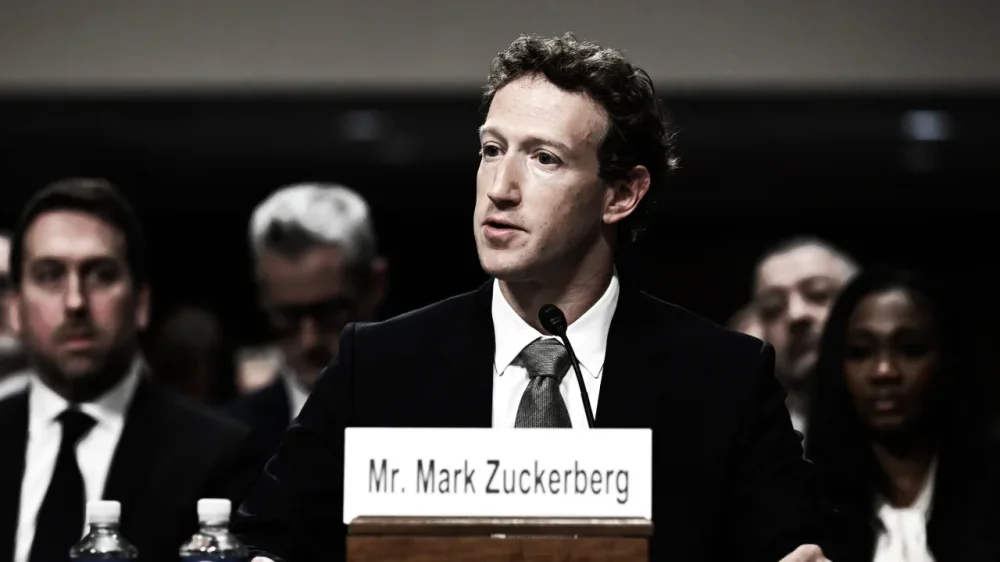
Meta is set to face off against the U.S. Federal Trade Commission on Monday in an antitrust trial that could force the social media giant to divest Instagram and WhatsApp. The closely watched trial carries high stakes for Meta’s $1.3 trillion market value. The company depends heavily on advertising revenue from Instagram, and losing control of the platform could deal a significant blow to its business. Here’s what to know about the FTC trial. The case focuses on decade-old acquisitions Meta acquired Instagram for $1 billion in 2012 and WhatsApp for $19 billion in 2014. The government argues that Meta didn’t buy these companies for their products or technology, but rather to eliminate potential competition. Prosecutors say it reflects CEO Mark Zuckerberg’s well-known strategy of buying rivals instead of competing with them. “Acquiring these competitive threats has enabled Facebook to sustain its dominance—to the detriment of competition and users—not by competing on the merits, but by avoiding competition,” the FTC wrote in a complaint. That strategy, they allege, has led to a decrease in quality of Meta’s products. The government wants Meta to divest Instagram and WhatsApp The FTC wants Meta to breakup with Instagram and WhatsApp. That would mean the tech giant would have to spin off the two highly popular platforms into their own companies. Such a move could be detrimental to its broader advertising business. Instagram this year is expected to bring in more than half of Meta’s total U.S. ad revenue, or more than $32 billion, Adweek reported. Meta is standing its ground To no surprise, Meta is maintaining its innocence. “The FTC’s lawsuit against Meta defies reality,” Meta said in a statement shared with Fast Company. “The evidence at trial will show what every 17-year-old in the world knows: Instagram, Facebook and WhatsApp compete with Chinese-owned TikTok, YouTube, X, iMessage and many others. More than 10 years after the FTC reviewed and cleared our acquisitions, the Commission’s action in this case sends the message that no deal is ever truly final. Regulators should be supporting American innovation, rather than seeking to break up a great American company and further advantaging China on critical issues like AI.” The case is being tried before a familiar judge The FTC first brought this case before the courts in 2020. But Judge James Boasberg of the U.S. District Court in Washington dismissed it, saying that the government didn’t have enough evidence. The agency amended its suit in 2022 and Boasberg allowed it to move forward. Boasberg is already a well known judge among the public during this second Trump administration. He’s presiding over both the White House’s deportations to Venezuela and the fallout of top U.S. officials and advisors discussing imminent war plans over the Signal messaging app. Meta recently met with Trump Meta has reportedly been lobbying President Donald Trump and other White House officials to agree to a settlement ahead of the trial. The Wall Street Journal reported that Zuckerberg has visited the White House a handful of times since Trump’s inauguration. Former FTC leader Lina Khan expressed concerns in January that she hoped the Trump administration wouldn’t give Meta a “sweetheart deal.” View the full article
-
If you’ve talked to any senior citizens lately, there’s a good chance they’ve brought up their concerns about looming changes to the anti-fraud policies of the Social Security Administration (SSA). Many seniors are worried that the changes may mean that they will stop receiving their Social Security payments, or that there could be a delay in receiving them. The messaging around Social Security’s anti-fraud changes has been a bit confusing, not to mention constantly evolving. Here’s what you need to know about the latest information available. What’s happened? As Fast Company reported last month, the Trump administration is implementing changes to the SSA’s anti-fraud policies. At the time, it was stated that from March 31, any individuals who began a Social Security benefits claim would be required to travel to a Social Security Administration office to verify their identity in person. This raised grave concerns from lawmakers and senior citizen rights groups since some seniors either have mobility issues, which make it hard to travel, or they live in rural areas, meaning they would need to travel great distances just to verify their identity. After significant public blowback to the requirement, the Trump administration backtracked. In a March 26 statement, the Social Security Administration said it was exempting “individuals applying for Social Security Disability Insurance (SSDI), Medicare, or Supplemental Security Income (SSI) who cannot use a personal my Social Security account” from the in-person requirement, allowing them to complete their claim over the phone. But some other individuals would still need to appear in person at an office to verify their identity, including those who need “to change their direct deposit information for any benefit” if they could not use the online “my Social Security” portal. However, the SSA moved the date back two weeks, from March 31 to April 14. The rules have changed—again Yet now the SSA has announced further changes, likely due to continued concerns from lawmakers and the public. While the April 14 date—next Monday—still holds, not everyone who was originally required to appear in person will now have to, reports NPR. Individuals will now still be able to apply for certain changes over the phone. However, if those individuals are flagged for anti-fraud checks, they will then need to appear in person at a SSA office. According to an unnamed White House official who spoke with NPR, the change was made because the SSA anti-fraud team “implemented new technological capabilities so quickly.” What the new changes mean For now, the bottom line appears to be a less strict stance: From April 14, most people will still be able to manage their Social Security accounts online and on the phone. However, you may still be flagged with a fraud alert. If that happens, you will then need to appear in person at an SSA office. As the SSA posted on its official X account on April 8: “Beginning on April 14, #SocialSecurity will perform an anti-fraud check on all claims filed over the telephone and flag claims that have fraud risk indicators.” In a follow-up post, the agency said that “Individuals that are flagged would be required to perform in-person ID proofing for the claim to be further processed,” adding that “Individuals who are not flagged will be able to complete their claim without any in-person requirements.” Addressing the administration’s reversal of its policy, Max Richtman, president and CEO of the National Committee to Preserve Social Security and Medicare, told NPR that the change was “a victory for Social Security beneficiaries across the country.” He went on to say, “The Trump administration did not change the policy out of the goodness of their hearts. They responded to public pressure.” The reversal will be welcome to the millions of American senior citizens who rely on their Social Security payments to pay the bills. But it’s understandable that the chaotic nature and messaging surrounding the changes have caused so much alarm. View the full article

-
US central bank prepared to act with ‘various tools’, Susan Collins saysView the full article
-
Fairway promotes top producer to national leadership role, NMB adds industry veteran to head sales and operations and Finance of America grows C-suite. View the full article

-
For many, Microsoft Edge's only purpose is to download another browser entirely, like Chrome or Firefox. But this isn't Internet Explorer: Edge is a competent browser in its own right, whether you have a Mac or a PC. If you do use the browser, you might be pleasantly surprised by how snappy it feels after you update it—at least, according to Microsoft. Edge 134 and newer's performance gains In a Thursday post on Windows Blogs, Microsoft confirmed that, starting with version 134, Microsoft Edge is a tad faster than previous iterations. In fact, Edge 134 is up to 9% faster, when you run it through Speedometer 3.0, a benchmarking tool for web browsers. Microsoft says that when testing Edge version 134 on an Intel i5-13500 running Windows 11, the browser scores a 32.7 on the Speedometer 3.0 benchmark. The company compares it to Edge 133, which scored 29.6, and Edge 132, which scored 28.8. Edge 132 (left), Edge 133 (center), and Edge 134 (right). Credit: Microsoft In addition to this raw benchmark score, Microsoft touted some Edge 134 stats: The company says the latest version of the browser can navigate the web 1.7% faster; browser start is 2% faster; and web pages are 5% to 7% more responsive when compared to Edge 133. Microsoft based their results from its "field telemetry," which simulates how someone may use the web on various devices and sites. Microsoft didn't point to any specific changes in Edge 134 that could contribute to this performance boost. However, the company credits code changes to Edge and Chromium (the underlying engine that powers many webs browser, Chrome included) to improved browser speeds. Microsoft does say that these improvements may differ depending on your setup, which should go without saying: Edge 134 may vary in performance between a PC running Windows 11 and a Mac running macOS Sequoia. Similarly, an older Intel Mac may perform slower than the latest Intel chip on PC, and it's not clear how well a Mac running Apple silicon compares to other devices. Whatever your setup, you can likely expect this latest version of Microsoft Edge to perform at least slightly better after the update. There's a bit more to the storyIf you're an avid Edge user, you might know that Edge 134 isn't actually the latest version. That would be Edge 135, which dropped earlier this month. Edge 134 came out on March 6, but Microsoft didn't acknowledge these performance gains until April 10. If you regularly keep Edge updated, you might have already been living with the speed boosts for over a month. However, not all of us are so on it: When checking my own version of Edge, I found it to still be on a version of Edge 133. Now, I'm on 135—I never even had the chance to run 134! In my own very unofficial test running Speedometer 3.0, 135 only scored 24.4, plus or minus 0.67. That might sound low when compared to Microsoft's tests, but the latest version of Chrome scored 22.1, plus or minus 0.28, while Safari scored 21.5, plus or minus 0.92. I suspect my various extensions could affect the scores, but I did quit all other open applications to run the test (I'm on an M1 Mac). Performance gains aren't the only improvements to Edge this year. Back in February, Microsoft started testing a feature that can block fullscreen pop-ups. Shortly after, the company rolled out a RAM management feature for gamers that had been in beta testing for some time. View the full article
-
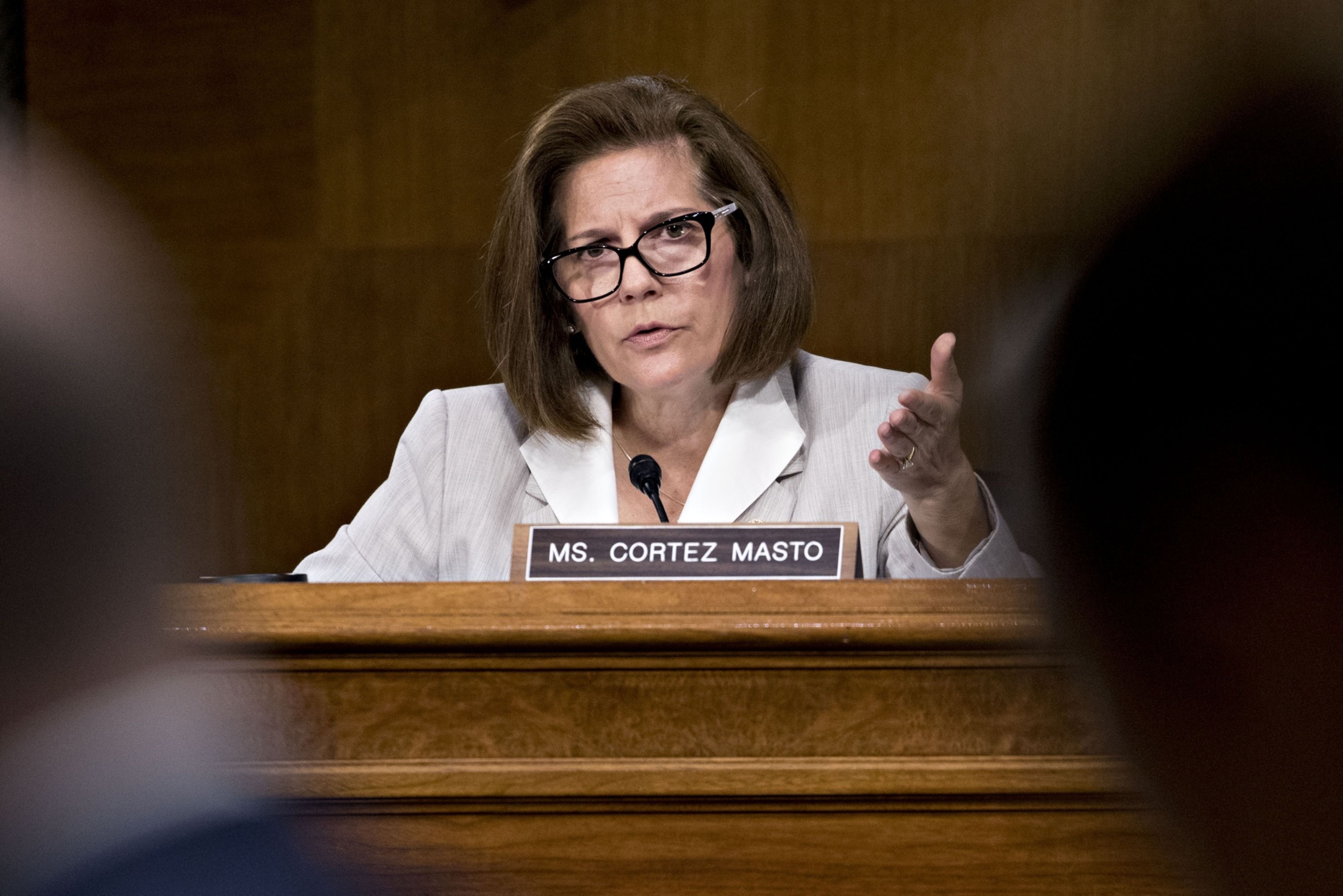
A bill being introduced by Sen. Catherine Cortez Masto, D-Nev., would compel the Federal Home Loan Bank system to contribute 30%, or a minimum of $200 million, of each bank's net earnings into affordable housing or other community development programs. View the full article

-
Many companies are acutely aware that a notable portion of their workers are struggling with burnout. The data makes that much clear: A Mercer report from last year found that 82% of workers said they were at risk of burnout. In another study conducted by the National Alliance on Mental Illness and Ipsos, over half of the workers surveyed said they had experienced burnout because of their job in 2023. Even so, it seems that employers may be underestimating just how widespread burnout really is among the workforce. A new report by the online marketplace Care.com indicates that while the vast majority of companies surveyed—84%—know that burnout can noticeably impact retention, they don’t fully understand the scope of the issue. While employers believed only about 45% of their workers were at risk of burnout, 69% of employees said they were at moderate to high risk of burnout. The Care.com report, which polled 600 human resources executives and 1,000 rank-and-file employees, points to caregiving responsibilities as a driving factor behind burnout. Of the respondents who pay for family care, most of them say caregiving puts them at higher risk of burnout, and that their stress in the workplace is amplified by the burden of managing work expectations alongside caregiving. For many working parents, particularly those in their forties, caregiving responsibilities can take the form of both eldercare and childcare. What helps with burnout What does seem to help, at least according to Care.com’s findings, are workplace benefits that help support caregivers—an offering that has become increasingly common at companies that have invested in more niche employee benefits. Mental health resources have become some of the most popular benefits, along with fertility and family-building support. A number of companies also provide caregiver support in the form of subsidies or backup care coverage, which can help families manage gaps in childcare and offset the exorbitant cost of care. Despite the popularity of these employee benefit, companies don’t always see high rates of utilization across the board. But according to the Care.com report, when employers provide benefits tailored to caregivers, there can be a clear correlation with retention and stronger performance. The benefits that employees want About one in five employees said that they have quit jobs over a lack of caregiver benefits—or that they would leave for a role that offers those benefits. Among employees who have access to those benefits, 45% say that their productivity increased while 40% report lower rates of absenteeism. The emotional impact, too, can be significant: Over half of employees said caregiver benefits boosted their quality of life, improved their work-life balance, and reduced stress levels. According to the report, it seems that employees and employers alike are largely aligned on the expectation that companies can and should help families manage the cost of caregiving. What’s not always clear is the form that assistance should take. Narrow benefits like on-site childcare may not be the right solution for all parents, or companies may find that many of their employees are actually looking for help with eldercare—which is why it’s important that employers actually take the time to understand what their workforce really needs. View the full article

-
Jared Isaacman, billionaire, CEO and nominee to become the next NASA administrator, faced questions on April 9, 2025, from members of the Senate Committee on Commerce, Science, and Transportation during his confirmation hearing for the position. Should the Senate confirm him, Isaacman will be the first billionaire—but not the first astronaut—to head NASA. Perhaps even more significant, he will be the first NASA administrator with significant ties to the commercial space industry. As a space policy expert, I know that NASA leadership matters. The head of the agency can significantly shape the missions it pursues, the science it undertakes and, ultimately, the outcome of America’s space exploration. An unconventional background At 16 years old, Isaacman dropped out of high school to start a payment processing company in his basement. The endeavor succeeded and eventually became known as Shift4. Though he found early success in business, Isaacman also had a love for aviation. In 2009, he set a record for flying around the Earth in a light jet, beating the previous record by more than 20 hours. While remaining CEO of Shift4, Isaacman founded another company, Draken International. The company eventually assembled the world’s largest fleet of privately owned fighter jets. It now helps to train U.S. Air Force pilots. In 2019, Isaacman sold his stake in Draken International. In 2020, he took Shift4 public, making him a billionaire. Isaacman continued to branch out into aerospace, working with SpaceX beginning in 2021. He purchased a crewed flight on the Falcon 9 rocket, a mission that eventually was called Inspiration4. The mission, which he led, represented the first private astronaut flight for SpaceX. It sent four civilians with no previous formal space experience into orbit. Following the success of Inspiration4, Isaacman worked with SpaceX to develop the Polaris Program, a series of three missions to help build SpaceX’s human spaceflight capabilities. In fall 2024, the first of these missions, Polaris Dawn, launched. Polaris Dawn added more accomplishments to Isaacman’s resume. Isaacman, along with his crewmate Sarah Gillis, completed the first private spacewalk. Polaris Dawn’s SpaceX Dragon capsule traveled more than 850 miles (1,367 kilometers) from Earth, the farthest distance humans had been since the Apollo missions. The next adventure: NASA In December 2024, the incoming Trump administration announced its intention to nominate Isaacman for the post of NASA administrator. As NASA administrator, Isaacman would oversee all NASA activities at a critical moment in its history. The Artemis program, which has been in progress since 2017, has several missions planned for the next few years. This includes 2026’s Artemis II mission, which will send four astronauts to orbit the Moon. Then, in 2027, Artemis III will aim to land on it. But, if Isaacman is confirmed, his tenure would come at a time when there are significant questions about the Artemis program, as well as the extent to which NASA should use commercial space companies like SpaceX. The agency is also potentially facing funding cuts. Some in the space industry have proposed scrapping the Artemis program altogether in favor of preparing to go to Mars. Among this group is the founder of SpaceX, Elon Musk. Others have suggested canceling NASA’s Space Launch System, the massive rocket that is being used for Artemis. Instead, they argue that NASA could use commercial systems, like SpaceX’s Starship or Blue Origin’s New Glenn. Isaacman has also dealt with accusations that he is too close to the commercial space industry, and SpaceX in particular, to lead NASA. This has become a larger concern given Musk’s involvement in the Trump administration and its cost-cutting efforts. Some critics are worried that Musk would have an even greater say in NASA if Isaacman is confirmed. Since his nomination, Isaacman has stopped working with SpaceX on the Polaris Program. He has also made several supportive comments toward other commercial companies. But the success of any of NASA’s plans depends on having the money and resources necessary to carry them out. While NASA has been spared major cuts up to this point, it, like many other government agencies, is planning for budget cuts and mass firings. These potential cuts are similar to what other agencies such as the Department of Health and Human Services have recently made. During his confirmation hearing, Isaacman committed to keeping the Artemis program, as well as the Space Launch System, in the short term. He also insisted that NASA could both return to the Moon and prepare for Mars at the same time. Although Isaacman stated that he believed NASA had the resources to do both at the same time, the agency is still in a time of budget uncertainty, so that may not be possible. About his relationship with Musk, Isaacman stated that he had not talked to Musk since his nomination in November, and his relationship with SpaceX would not influence his decisions. Additionally, he committed to carrying out space science missions, specifically to “launch more telescopes, more probes, more rovers.” But since NASA is preparing for significant cuts to its science budget, there is some speculation that the agency may need to end some science programs, like the Hubble space telescope, altogether. Isaacman’s future Isaacman has received support from the larger space community. Nearly 30 astronauts signed a letter in support of his nomination. Former NASA administrators, as well as major industry groups, have signaled their desire for Isaacman’s confirmation. He also received the support of Senator Ted Cruz, the committee chair. Barring any major development, Isaacman will likely be confirmed as NASA administrator by the Senate in the coming weeks. The Committee on Commerce, Science, and Transportation could approve his nomination once it returns from a two-week break at the end of April. A full vote from the Senate would follow. If the Senate does confirm him, Isaacman will have several major issues to confront at NASA, all in a very uncertain political environment. Wendy Whitman Cobb is a professor of strategy and security studies at Air University. This article is republished from The Conversation under a Creative Commons license. Read the original article. View the full article