Newsletter
Want to keep up to date with all our latest news and information?


ResidentialBusiness
Administrators
-
Joined
-
Last visited
Everything posted by ResidentialBusiness
-
Whether you run recurring webinars in Seattle, Washington, a nail salon in Duluth, Minnesota, handling sales for an organization, or a barber shop in Atlanta, Georgia, scheduling appointments remains the core of your business. Despite this fact, many businesses continue to use emails and phone calls or something even more prehistoric to handle the most important aspect of their operations. “Businesses continue to rely on pen and paper to jot down details and schedule meetings, which really doesn’t help in scaling up,” says Surekha Jagadish, head of Marketing for Zoho Bookings. Zoho’s automated scheduling software offers a way to cut down on no-shows and integrate other software for payments, marketing, customer experience and more. But first, take a look at the alternatives. Scheduling Alternatives and Bottlenecks Writing down appointments on registers when customers stop by or call on the phone, seems easy enough. But this system requires you to dedicate a manager or receptionist to those duties. Or you need to ask employees to take out time to manage appointments, the time they should be using to serve customers. Consider our barber shop and nail salon examples.Imagine leaving someone with shaving cream all over their face or only one hand pedicured to go and deal with scheduling issues. The alternative involves leaving the customer who wants to schedule the appointment in a limbo while you finish with your current customer. Either choice divides your staff’s and your own attention. But even options like email or chat platforms like Whatsapp fall short. Consider when customers ask for appointments via emails or chat platforms, someone must take time to corral all those incoming requests. Surekha points out how all these scheduling systems: Leave your prospects without a clear response about whether the appointment is scheduled or not. Fail to capitalize on the moment your prospects are most motivated to schedule an appointment with your business. Lead to additional complications when prospects need to cancel or reschedule an appointment. Lead to prospect frustration because of lack of a prompt response. Lead to additional work for you and your staff. Limit your appointment scheduling to business hours even though this may not be the period of peak customer interest. “These are all the challenges that come even when they use normal email, your WhatsAppor any chat platform to schedule appointments,” says Surekha “Because there is a lot of communication happening back and forth, and figuring out who’s available and who’s not.” How Zoho Bookings Addresses These Pain Points Fortunately, Zoho’s software engineers devised a solution to all these problems – plus some you may not have even considered. Visit Zoho Bookings for a view of how scheduling should be. Once you embed the booking page on your website, prospects use the intuitive dashboard above to schedule, reschedule or cancel their own appointments. Consider the problems this solves. Scheduling now takes up next to none of your staff’s time. Forget sending confirmation emails or returning phone calls to confirm appointments. Most importantly, prospects now schedule appointments when they are most motivated – perhaps immediately upon seeing a marketing message. And that happens even if your staff has already closed up shop for the day and gone home to be with their families. Prospects see their appointments have been scheduled. And when you and your staff check the next day, you know it too. But the tool offers much more than a simple online calendar and appointment scheduling platform. Zoho calls Bookings its end to end appointment scheduling software. This comes from the fact that Zoho Bookings handles the process from the time a prospect enters your business through the time services are delivered. And, this process extends to helping understand what the customer thought of your service and how they can be made a return customer. To accomplish all this, Zoho Bookings interacts with payment providers, CRMs and other solutions both inside and outside Zoho, where necessary. But first, take a look at how Zoho Bookings works – and how this helps a wide variety of businesses with their scheduling needs. Zoho Bookings: An Overview To begin with, Zoho Bookings offers a simple and intuitive way to set up your scheduling for various services and prompts you to add details specific to your business. First, fill in the required details in the screen below. You begin by adding your business name and website. You also add the preferred currency for your business. Then move on to a page where you will be asked for relevant details about your company. All the while, a progress bar shows the number of tasks you’ve completed – and those still needing completion to fully set up and get you meeting ready. The above page asks for the industry that best describes your business. Select from a variety of options including HR, sales, marketing, finance, and more. Then select the specific customer needs you will be addressing with your services. This is AI-generated based on the industry you select. For example, suppose you run a software as a service solution. You need to set up appointments to walk clients through account setup. You might select “customer support” and then “technical support” as shown above. On the other hand, if you offer personalized Zumba training and want to use Zoho Bookings to set up one-on-one tutorials, you might choose “fitness” and then “personalized service.” Cool, huh? Now, look how Zoho Bookings helps you set up your availability. This allows customers and clients to pick times that work best for them. In the screen above, first set your time zone. For instance, if your business calls the U.S home, you might set the time zone to Eastern Standard Time for New York City or Pacific Standard Time for San Francisco. Next set hours and days of availability. Do you and your staff limit availability to weekdays and standard office hours – say 9 a.m. to 5 p.m.? Or do you offer some availability to customers or clients after hours or on weekends? Whatever the case, Zoho Bookings allows you to effortlessly plug in your availability, allowing customers to simply choose a day and time that works for them. “So once the app is set up, we would create a one-on-one service relevant to the industry they choose so they can book a sample appointment and get started,” explains Yogesh S., Senior Product Manager for Zoho Bookings. Types of Booking Services In addition to setting the business availability , Zoho Bookings also permits you to offer various types of meetings to customers or clients. This allows you to further customize your appointment options based on your business needs. One-On-One First, Zoho Bookings offers One-On-One meetings. “The one-on-one meeting is the most widely used while schedulingmeetings,” Yogesh S. explains. This session allows a single host to meet with one participant virtually or in person. Consider again our Atlanta barber shop. Use the setup screens above to establish your regular hours. Customers access the application and set appointments based on your availability. Imagine other virtual and in person uses for the app. A local podiatrist offers patients a simple way to set up appointments, for example. Or a life coach presents the opportunity to set up virtual consultations. Group Booking The group booking feature allows a single host to offer multiple clients or customers the opportunity to sign up for a class or other group interaction. Remember our Seattle-based webinar presenter? Use Zoho Bookings to set up times when you will be available to present your webinars, that are scheduled repetitively. Interested participants then use the application to choose and schedule a time that fits their availability too. If you’re a university department head, think about the options of using group booking to set up – say – online Spanish or math classes for the summer semester. Collective Booking “The collective booking is the reverse of group booking,” Yogesh S. says. Here, Zoho Booking offers the option of multiple hosts and a single participant or customer. Think about how this booking option might work when setting up panel interviews for screening job applicants. Or use it to set up a board meeting or similar group discussion. Consider this option also when your sales team needs to meet with a customer or client for a product demo or other sales call. Resource This last option offers a simplified method of booking anything from conference rooms to equipment rental, says Zoho. Use the resource booking feature to schedule use of offices or meeting rooms at your coworking space. Or automate the scheduling of space at businesses and organizations ranging from bars to churches to banquet halls for special events. Other Features Of course, Zoho Bookings offers many other features as well. For example, on the Zoho Bookings landing page above, you see how businesses can create various services. Customers visiting your landing page schedule appointments based on the type of service they want. In the case of the hypothetical sales organization above, we see clients initially have the opportunity to schedule discovery calls where sales people learn about their needs. Another option involves a more general sales meeting. Switching to the healthcare sector, imagine a family medical practice offering appointments for complete physicals, wellness visits or follow-up visits, for instance. Above, Zoho Bookings also offers several methods of sharing links to its appointment page with clients and customers. Consulting businesses, as one example, routinely send emails to their lists. Zoho Bookings offers the opportunity for them to add a link for prospects to click through and sign up for a one-time consulting session. But the software also offers another choice. Whether you are promoting your services as a periodontist or a web designer, simply allow patients or clients to book appointments through an embedded widget on your site. The company also offers a white label option so that your scheduling page need not look like it comes from a separate provider. The customizable booking page allows you to incorporate your own branding elements so that your customers recieve a seamless experience. AI integration helps match your embedded scheduling widget with your site’s overall appearance and branding. Zoho says more options for getting clients to the booking page are on the way. The software also offers email, SMS and calendar invite notifications. These remind your customer or client of upcoming appointments and hopefully reduce the incidence of no-shows. Zoho Bookings also offers interaction with a raft of other services both native and from other providers. For example, the software integrates with Zoho Calendar, Google Calendar and Outlook Calendar. Integration with Zoho Meeting, Google Meet, Microsoft Teams and Zoom offer flexibility when setting up online meetings. The software also integrates with payment and CRM options. These services allow you to take payments for virtual appointments and to send followup email marketing in the hopes of turning clients who book a call into repeat customers, for example. A few interesting Zoho Bookings’ features, are an in-built calendar that can showcase staff availability across days and weeks. Businesses can pick and choose the timeslot they want to share with specific customers, with the ability to copy and paste these timeslots across all email providers. Staff will also be able to send notifications and reminders via WhatsApp to their clients, shortly. Zoho prices its Bookings service at $6 per user per month for its basic package and $9 per user per month for companies with up to three locations or departments. Additional workspaces for more teams or locations can be paid for as add ons. And Zoho offers custom plans based on a business’s specific needs. Final Thoughts With 14 million appointments already scheduled, Zoho Bookings enjoys the trust of 29,000 plus customers thus far, the company says. Large concentrations of these clients inhabit the healthcare and education sectors as well as real estate. But the software lends itself to businesses of all kinds. Since Zoho created Bookings to accommodate the needs of healthcare businesses as well, they also made the software HIPAA compliant. Among companies proudly relying on Bookings, Zoho counts Spaghetti Agency, a UK digital marketing firm. Prior to using Zoho Bookings, Spaghetti Agency complained of too much back and forth with clients delaying the scheduling of calls. After adopting Bookings, the company reports saved time scheduling thanks to customers being able to see real-time availability while setting up appointments. Whether you operate a medical office in Poughkeepsie, New York, an online sales team In Toronto, Ontario or a beauty salon in Detroit, Michigan, you need scheduling software that works for you. Stop wasting time taking calls by phone or email. Adopt a booking application you can customize to fit your business. Learn more about Zoho Bookings and the whole Zoho ecosystem today. This article, "Schedule For Success with Zoho Bookings" was first published on Small Business Trends View the full article
-
Adobe will be giving its priciest subscription tier an AI-first rebrand—and adding an even higher price tag. Adobe’s Creative Cloud All Apps subscription, which includes access to more than 20 Adobe apps, will soon be known as “Creative Cloud Pro,” the company announced last week. The renamed subscription plan will give users expanded access to Adobe’s AI-powered tools and apps, but for a price: For subscribers on an annual plan, the cost will increase from $59.99 to $69.99 monthly, or from $659.88 to $779.99 annually. Beginning on June 17th, any members of Creative Cloud All Apps will be automatically opted into Creative Cloud Pro. According to Adobe’s announcement of the plan, Creative Cloud Pro pricing will be effective at your next renewal on or after June 17. Currently, these changes are only rolling out in North America. This follows better-than-expected first quarter 2025 financial results for the software company, which reported a record revenue of $5.71 billion, equal to 10% year-over-year growth. Still, Adobe’s shares dropped after the report, as several experts and investors noted concerns that the company might be falling behind competitors with its AI efforts. Creative Cloud Pro appears to be the next step for Adobe to monetize its newly robust suite of AI tools by making them a mandatory investment for the company’s most dedicated users, even as it rolls out “made without generative AI” image labels. Here’s what to know about the new plan. What’s new on Creative Cloud Pro? To start, Creative Cloud Pro comes with all of the features that were included under the Creative All Apps umbrella. The plan includes a portfolio of more than 30,000 fonts, unlimited Creative Cloud libraries, millions of stock photos and videos, and 100GB of cloud storage. In addition to these perks, the upgraded plan will include several new AI features. First, users will gain unlimited access to “standard generative tools” like Photoshop’s Generative Fill, which can essentially “deep fake” anything within a composition, and Lightroom’s Generative Remove, which eliminates unwanted details in a photo. Creative Cloud Pro users will also have 4,000 monthly credits to use for Adobe’s class of “premium generative features,” like Premiere Pro’s Generative Extend, which uses AI to add frames to the beginning or end of any video. The rebranded subscription also includes the most recent Firefly app, which Adobe bills as its “one-stop shop for exploration and ideation with creative AI.” The app comes with Adobe’s new text-to-image generator Image Model 4, as well as its Firefly Video Model, which first entered public beta last month. Another feature called Firefly Boards allows teams to do some Pinterest-style moodboard brainstorming. For any Creative Cloud Pro users who have a different AI model of choice, they can also choose to import Google Imagen 3 and Veo 2, OpenAI image generation, or Flux 1.1 Pro into Firefly. More details on Creative Cloud Pro features are available here. How much will it cost for different kinds of users? Prices are set to rise across the board for all kinds of Creative Cloud All Apps users. For rolling subscribers (those not on an annual plan), prices will rise from $89.99 to $104.99. For teams, prices will jump from $89.99 to $99.99 per month. And for student and teacher plans, renewal prices are set to increase from $34.99 to $39.99 monthly. What if I don’t want to join this new plan? If you’re a current Creative Cloud All Apps user but don’t want to be automatically shuffled into Creative Cloud Pro, Adobe has created another subscription tier called “Creative Cloud Standard.” This tier is the same price as the former Creative Cloud All Apps ($54.99/month for annual users), but it comes with a bit less value. Whereas All Apps included 1,000 monthly credits for the aforementioned standard generative features, Creative Cloud Standard only includes 25 credits. It also limits access to premium features on mobile and web apps, and, of course, does not include premium generative features or Firefly. While Adobe’s webpage states that Creative Cloud Standard is “only available to existing customers,” an Adobe spokesperson clarified that new users can actually join this tier by contacting customer support. It’s a trade-off that essentially means you’ll be paying the same amount for a subscription with fewer bonuses, but it might be the option that makes the most sense for users who have no interest in Adobe’s AI features. On Reddit, plenty of users have already expressed displeasure with the new plan. It’s easy to see why. Adobe is automatically upgrading subscriptions to the more expensive Creative Cloud Pro tier, a UX pattern that makes it less likely for users to opt-out than if they had to make an active choice and tick a subscribe box, for instance. Both this and the Creative Cloud Standard journey for new users could be seen as dark patterns, which are UX pathways that manipulate users into taking actions that they may not have intended but are in the business interests of the company. The U.S. sued Adobe over its hard-to-cancel subscriptions last year. The goal of the auto upgrade, in combination with the decreased appeal of the Creative Cloud Standard tier due to its reduced features, seems to be to draw more daily active users into the company’s existing AI products. That’d be in close keeping with its recent focus on monetizing gen AI tools following its last earnings report, anyway, which was plagued with fears that Adobe isn’t staying ahead in the AI race. An Adobe spokesperson declined to comment on the reasoning behind the subscription tier rebrand and whether users will be personally notified before the change takes place. View the full article

-
Google I/O's 2025 keynote could have more reasonably been called The Google AI Show. Almost everything the company talked about was AI-powered, some of which is promised to arrive in the future, and some of which is available today. Features were spread across Google's whole range of products, but here are some of the ones you're actually likely to see. It's tough to talk about Gemini because it simultaneously refers to a set of models (like Gemini Flash, Gemini Pro, and Gemini Pro Deep Research), different versions of those models (the latest seems to be 2.5 for most of these), and different apps that these models are available through. There's the dedicated Gemini app, the voice assistant in things like Pixel phones and watches, as well as Gemini tools built into apps like Google Docs, Gmail, or Search. I'll do my best to specify which features are coming to what products, but keep in mind that sometimes Google tends to announce the same thing a few times. Agent Mode is coming to Gemini, Search, and moreThe Gemini app is getting a new Agent Mode that can perform tasks for you while you do something else. Google showed off an example of asking Gemini to find apartments in a city. The app then searches listings online, filters them by the criteria you set, and can offer to set up apartment tours for you. The most interesting aspect of this is that Google pitches this as a task you can have Gemini repeat regularly. So, for example, if you want Gemini to search for new apartments every week, the app can repeat the process, continuing with the information in previous iterations of the search. Agent Mode is similarly coming to Google Search for certain requests. Google uses the example of asking for tickets to an upcoming event. Google scours ticket listing sites, cross-references against your preferences, and presents the results. Gmail will pretend to be you when it replies to your emailsGmail has had smart replies for a while, but they can sound pretty generic (without intervention, anyway). It's a dead giveaway to your recipient that you're not really paying attention. To help you get away with quietly ghosting your friends, Gmail will soon be able to tailor its responses to you by referring to your past emails and even Drive documents. Google uses the example of a friend asking how you planned your recent vacation, a common thing we all email each other all the time. In this case, Gmail can draft a response based on your email history, with the advice you would be likely to give, and even write it how the AI thinks you would write it. Thought summaries will summarize how AI summarizes its thought processYes, you read that right. AI "reasoning" models typically work by taking your query, generating text that breaks it down into smaller parts, sending those parts to the AI again, then carrying out each step. That's a lot of instructions happening behind the scenes on your behalf. Usually, reasoning models (including Gemini) will have a little drop down to show you the steps it took in the interim. If even that is too much reading for you, Gemini will now summarize the summary of the thought process. In theory, this is to make it easier to understand why Gemini arrived at the answers it gives you. Native audio output will whisper to you (in your nightmares)This is technically a new feature of the Gemini API, which means developers can build on these tools in their apps. Native audio output will let developers generate natural-sounding speech. In its demo, Google showed off voices that could switch between multiple languages, which was pretty cool. What isn't so cool, however, is the model can also whisper. I do not yet know what the practical use-cases are for an AI-generated voice that can whisper, but I do know I won't be able to get it out of my head for a week. At best. Jules will fix your code's bugs in the background while you workLast year, Google announced Jules, a coding agent that can help you with your code, similar to Github's Copilot. Now, the public beta of Jules is available. Google says Jules can fix bugs while you're working on other tasks, bump dependency versions, and even provide an audio summary of the changes that it's made to your code. Google Search will let you virtually try on clothes while shopping onlineI'm not great at visualizing what a piece of clothing will look like on my particular body, so this new try-on feature might actually be useful. Google is launching a Search Labs experiment that lets you upload a full-length photo of yourself that Google will alter to show what the clothing will look like on you. The company is also integrating shopping tools that can buy items for you and even track for the best price. It will then be able to buy stuff for you via Google Pay, using your saved payment and shipping info. This one isn't available quite yet, and frankly we'd want to learn a little more about how the process works and how to prevent purchases you don't want before we'd recommend using it. New Veo and Imagen models will generate audio and videoVideo is, definitionally, a series of images played at a fast enough speed to convey a sense of motion. With that definition, I can confidently say that the demos of Google's new Veo 3 model does, in fact, show video. Whether that video is any good is in the eye of the beholder, I suppose. Google seems to be betting on users finding the video generated by Veo 3 (and, by association, the images from Imagen 4) to be worthwhile, because the company is also building a video editing suite around it. Flow is a video editing tool that ostensibly lets editors extend and re-generate clips to get the right look. Google also says that Veo 3 can generate sounds to go along with its video. For example, in the owl scene linked above, Veo also generates forest sound effects. We'll have to see how it generates these elements (can you edit individual sounds distinctly, for example?) but for now the demos speak for themselves. Veo 3 is now available in the Gemini app for Ultra subscribers. View the full article
-
Sometimes you need to quickly convert an image, audio file, or video, so you search for an online tool. The problem: many online conversion tools aren't safe to use, putting you at risk from malware or mining your data. Vert isn't like that. This is an open source, browser-based tool that can convert the most common image, audio, video, and document formats. It isn't clogged with ads and you don't need to create an account to use it. More importantly: the tool works (almost)entirely in your browser, meaning your files are never actually uploaded anywhere (save for video files, as I'll explain below). I tested this by opening the website, turning off my WiFi, and converting a large batch of images and documents. It worked. Converting files without uploading them is great from a privacy perspective, but it's also faster—you're not waiting for files to transfer back and forth from your machine to a server. To get started with Vert, head to the website and add the files you need to covert by dragging them from your file manager or using the upload button. (The homepage lists all of the supported file types, if you're curious—there are more than five dozen of them.) Next, you can choose a format and run the conversion, then click the download button to grab the converted file. Credit: Justin Pot You can alternatively convert all of your files to a single format and grab them all in a single ZIP file. Note that this will only work if all files dropped into the tool are of the same type—that is, video, image, document, or audio files. A mix of images and videos can't all be converted at once, for example, because there's no one format you could convert them to. It's also worth noting that video files cannot be converted without uploading them to a server, mostly because of how resource intensive doing so in a browser would be. The tool will warn you before uploading anything. According to the website, videos are deleted from the server after you download your file or an hour after you upload them, whichever comes first. It's possible to set up your own server, if this really concerns you. I think Vert is a very easy to use tool. I tested it with an EPUB file and was able to make both a Word document and a website. I also tested it with various images, audio files, and videos—it all worked well, and quickly. There are a few caveats. PDF files are not supported, for importing or exporting. And some of my older Word documents resulted in error messages, which was odd but not entirely unexpected (the files in question were over 20 years old). Overall, though, this is a very handy tool—one well worth bookmarking. View the full article
-
There are some real-world use cases out there where AI could genuinely be a useful tool that doesn't just act as a shortcut to something you could do on your own. Case in point: Google's new 'try it on' feature, which allows you to see how various outfits look on your body over your phone or computer. The company announced the feature at Google I/O 2025, and it uses a photo you upload to generate images of you in different clothes. This feature is available via Google Search Labs starting today. How to use Google's 'try it on' featureTo try out this new feature, go to Google's Search Labs page, sign in to your account, and opt in to the "try on" experiment. The next time you're using Google to shop, you'll see a 'try it on' icon next to different product listings. Tap this to get started. Google will ask you to upload a full-length photo of yourself, and once you do, the AI will generate images of you wearing the outfits you're checking out. It's worth noting that this will work best if you upload a photo of you that's been shot in good lighting and while you're wearing fitted clothing. Otherwise, Google's AI's will have a hard time mapping out your body's proportions, which may distort the final results. Once you've seen how you look in various outfits, you can share those photos with others for their opinions, or go right ahead and buy the clothes you liked. The catch here is that you're relying on the product photos themselves to be accurate. No matter how good Google's AI is, it can't really show you how something will look on you if the listing has misleading or inaccurate photos. Ask Google's AI to track prices and buy products for youDuring a demo at Google I/O 2025 showing off the "try it on" feature, the company also revealed that you'' eventually be able to ask Google's AI to buy products for you. Once you've selected an outfit you like, you can ask Google's shopping AI to track its price. When it hits the price you're looking for, Google will send you an alert, and you can ask the AI to buy it for you using information in your Google Wallet (or you can buy it manually). Google is calling this feature "agentic checkout," and the company said it'll roll out in the coming months. View the full article
-
The last time we talked about 23andMe’s bankruptcy sale, we suggested you might want to delete your genetic data from the site, since we didn’t know who would end up owning it. Now, a buyer has been announced, and they’re promising to “prioritize the privacy, security and ethical use” of customer data and to keep offering the company’s services uninterrupted. This is all—probably—good news. I'm feeling cautiously optimistic, anyway. Regeneron will be 23andMe’s new owner23andMe’s new buyer, paying $256 million for the company’s assets, is Regeneron. Regeneron is a biotech company perhaps best known for developing an antibody treatment for COVID early in the pandemic. (Donald The President was given a dose when he first came down with the virus.) That treatment never made it all the way to market, but the company does market other antibody- and protein-based treatments for conditions like Ebola virus, genetic disorders, and cancers. Regeneron’s website states that they “are shaping the next frontier of medicine with data-powered insights from the Regeneron Genetics Center® and pioneering genetic medicine platforms, enabling us to identify innovative targets and complementary approaches to potentially treat or cure diseases.” That explains why they’re interested in 23andMe, since it provides a trove of genetic data. Many 23andMe users had also signed up to provide more of their personal medical information for research purposes (this was a separate thing that you would have had to opt in to provide). Regeneron says they plan to “continue all consumer genome services uninterrupted,” rather than shut down the company. Lemonaid health, also owned by 23andMe, is not included in the sale. What this means for your data and privacyImportantly, Regeneron says they will respect the company’s privacy policy (“and applicable laws”) and the 23andMe press release also says that Regeneron will not be making any changes to the privacy policy. The sale, which still needs to be approved by a bankruptcy court, will also include a court-appointed “consumer privacy ombudsman” whose job is to make sure that everyone’s data is treated appropriately. Regeneron says that they’re ready to work with this ombudsman and will detail all their privacy-related plans. While we don’t yet know what the future holds, this all has me tentatively optimistic. Yes, a corporation has your data and intends to profit from it; but that was also true of 23andMe in its heyday. The policies about privacy and consent that you agreed to when contributing your data will still be in effect. The 23andMe community seems to be cautiously optimistic. In a r/23andme Reddit thread about the sale, one redditor, who identifies themselves as an academic biomedical researcher, says “I would rather [Regeneron] have my data than an insurance provider or just random [venture capitalist].” Another redditor says, “So there really is not [a] best case scenario here, there's just ‘wait and see’ and bad. And this is more of a ‘wait and see’ than a bad.” And another says “I know people side eye big pharma (rightfully in most circumstances) but this is a much better outcome than many other situations.” View the full article
-
Discrepancies between servicer and investor systems have been rare recently but the dollar amounts involved magnify the impact, according to PMSI's CEO. View the full article
-
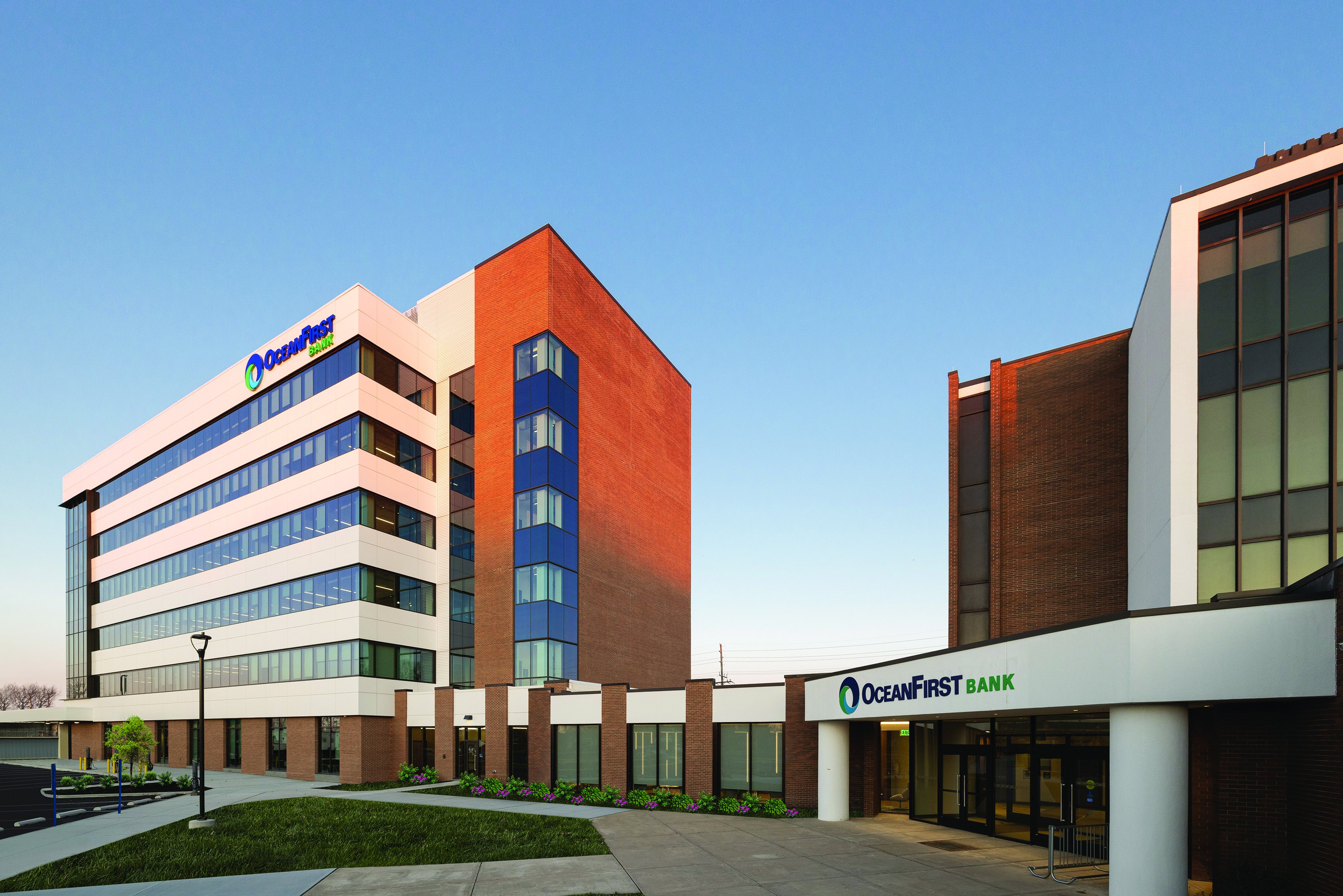
Months after OceanFirst Financial settled federal redlining allegations, it received the highest possible Community Reinvestment Act rating from the Office of the Comptroller of the Currency. CEO Christopher Maher said the bank made a "significant effort" to introduce its lending products to markets it had recently entered via acquisition. View the full article
-
At Google I/O 2025, the company announced that Gemini Live Camera and Screen Sharing is rolling out to iPhone starting today. This means that you'll be able to use your phone's camera to live stream a feed to Gemini, and have a conversation about with the AI agent about what it sees. This feature has been available on Android for some time, but it's coming to iPhone for the first time starting today. This could be useful for many things, such as showing Gemini a video of something in your neighborhood and asking it to identify the item. In theory, you could ask it to identify cars, trees, or important landmarks in your neighborhood, or ask it general knowledge questions about historical landmarks while you're on holiday. Unfortunately though, Google chose an unbelievably cringey video to demonstrate what the Gemini Live Camera can do. It featured a person being deliberately obtuse and asking exceptionally...dumb...questions to the AI, presumably to demonstrate that Gemini isn't a complete idiot (or, as Google said, that it's not afraid to tell you when you're wrong). They pointed the camera at a garbage truck while calling it a "convertible," but Gemini was able to clarify that it was indeed, a garbage truck. They repeated the same routine by calling a light pole a "tall skinny building" and a shadow "someone following" them. If you were to only go by the demo to figure out the extent of Gemini Live's Camera Sharing capabilities, it'd be pretty hard to know how it holds up to stress testing. Fortunately, there are much better examples of what you can do with Gemini Live Camera on the Android blog. You can ask Gemini Live for advice on a color palette for your home, gift ideas, and much more. As long as the AI doesn't hallucinate, this could a genuinely useful tool, since it also works with screen sharing, too. Just… don't ask it if your shadow is a real person. View the full article
-
Secretary of state defends Donald The President’s handling of call with Vladimir Putin View the full article
-
Google's Smart Replies are getting an AI-themed, and to me, slightly creepy update. At its Google I/O 2025 keynote, Google announced a new feature called Personalized Smart Replies. This feature uses Gemini AI, alongside the data in your Gmail and Google Drive, to reply to emails in a way that sounds like you. Google promises is can write like you would, using your tone and writing style, as learned by your Gmail history. With this new update, the Smart Replies option that shows up when you reply to an email will be a lot more powerful and a lot more contextual. On stage, Google CEO Sundar Pichai used planning a trip as an example. Let's say a friend emails you asking for details about a trip you two are going on. To manually collate everything you need to send, like your hotel stays, driving plans, rest stops, and restaurant recommendations would take a lot of time. Instead, you can use the Personalized Smart Replies feature, which has access to all your emails, your Google Maps location history, and your photos and files in Google Drive, to do the work for you. It can collate hotel bookings from your email, locations from Google Drive history, and present it all in an email that matches your writing style. According to an interview with The Verge, Google Workspace’s VP of product, Blake Barnes, says that the new Smart Replies feature will be available in English at first, on the web, Android, and iOS. It will roll out in Alpha in Google Labs in July, and will be available for public use in Q3 of this year. Unfortunately, it will be only available for paid subscribers at first. Barnes sees the feature eventually rolling out to all Gmail users, but there's no timeline for that yet. Of course, like with all AI, there's a risk that what Gemini generates might have elements of hallucination, so I'd recommend checking your replies before sending them. Plus, the feature will definitely need access to a lot of personal data to work. I'll keep an eye out for how to protect your data as the feature comes out, and update accordingly. View the full article
-
It's that time again, for Google to announce that real-time translation has come to one of its communication apps. This time, it's Google Meet, which can translate between English and Spanish as you speak in a video call. If that sounds familiar, it's because it's not the first time Google has announced something like this. Google Translate has had features that let you speak to someone in another language in real time for a while. For example, back in 2019, there was a real-time translation feature called Interpreter Mode built into Google Assistant. It's also been possible on Pixel phones for a while (and even Samsung phones). Most of these, however, have been either text-to-text, or speech-to-text. You can use the Google Translate app for a speech-to-speech experience, but like with Google Assistant's Interpreter Mode, that only works in person. So, what's different here? Well, during its I/O keynote, Google demoed two users in a video chat speaking in their native languages. Google Meet then translates and speaks the translation back in a relatively human-sounding voice. This new feature is available now for Google Workspace subscribers (plans start at $7/month), but unfortunately, it's not in the free version. On the plus side, additional languages are promised to start coming out in just a few weeks. While I haven't tested it out yet, it does seem to be a more convenient way to access a feature that you might otherwise have to hack together with another tab, or by opening your phone and holding it up to a speaker. Plus, it can be a bit more natural to hear translations spoken out for you, rather than having to rely on translated captions. I do wonder whether it can keep up with the natural speed and flow of a conversation, though—nobody likes to feel interrupted. View the full article
-
We may earn a commission from links on this page. Motorola is set to release its latest wearable, the Moto Watch Fit, on May 22 with a price tag of $199 in the U.S. ($249 in Canada). The new smartwatch, which was initially unveiled alongside updated Razr flip phones last month, will be available through Motorola's official website at launch, with availability expanding to Amazon and Best Buy in the coming weeks. What to know about the Moto Watch FitUnlike most Android smartwatches on the market, the Moto Watch Fit runs on a proprietary operating system rather than Google's Wear OS. While this might raise some concerns for potential buyers wary of an untested system, there are a few features that could sway you in its direction. DesignThe Moto Watch Fit features a sleek design with a 1.9-inch OLED display housed in an aluminum frame. In terms of durability, the watch has 5ATM water resistance and IP68 ratings—meaning it should hold up for swimming and other water-based activities. At just 25 grams, the Moto Watch Fit offers a lightweight design that won't weigh you down during workouts or daily wear. (For comparison, most versions of the Apple Watch Series 10 sit around 30 grams). Impressive battery lifeWhere Motorola claims the watch truly stands out is its battery life. It says users can expect up to 16 days of use on a single charge and under normal conditions. However, something like constant GPS usage would naturally drain your battery much faster. However, the company promises a quick 5-minute charge can provides a full day of usage. The Watch Fit focuses on delivering reliable fitness tracking, making it best for someone prioritizing battery life and comfort over extensive app ecosystems. Limited smart featuresOn that note, it looks like the Moto Watch Fit does not support third-party apps and lacks smart assistant functionality. While this may be a dealbreaker users who want the full smartwatch experience, it's likely these limitations contribute to the device's extended battery life, not to mention it's price point—at under $200, it's one of the more affordable smartwatches. For context, the most popular versions of Galaxy, Google Pixel, or Apple watches will typically cost at least $299. So, if you're looking for heart rate monitoring, GPS tracking, and basic smartwatch functions, and you're tired of power-hungry options on the market that struggle to last even a week between charges, the Moto Watch Fit could be the right fit for you. View the full article
-
Chief Sundar Pichai also reveals autonomous agents at annual event as tech giant seeks to re-establish AI leadershipView the full article
-
Google is rapidly expanding its AI search capabilities, as reflected in the announcements it made Tuesday at its Google I/O developer conference. The search giant announced the general availability of AI Mode, its chatbot-format AI search product; some changes to its AI Overviews search results; and its plans to add new visual and agentic search features this summer. Google’s biggest announcement in the realm of search was the general availability of its AI Mode, a chatbot-style search interface that allows users to enter a back-and-forth with the underlying large language model to zero in on a complete and satisfying answer. “AI Mode is really our most powerful version of AI search,” Robby Stein, Google’s VP of Product for Search, tells Fast Company. The tool had been available as an experimental product from Google Labs. Now it’s a real product, available to all users and accessible within various Google apps, and as a tab within the Google mobile app. AI Mode is powered by Gemini 2.5, Google’s most formidable model, which was developed by DeepMind. The model can remember a lot of data during a user interaction, and can reason its way to a responsive answer. Because of this, AI Mode can be used for more complex, multipart queries. “We’re seeing this being used for the more sophisticated set of questions people have,” Stein says. “You have math questions, you have how-to questions, you want to compare two products—like many things that haven’t been done before, that are probably unique to you.” The user gets back a conversational AI answer synthesized from a variety of sources. “The main magic of the system is this new advanced modeling capability for AI Mode, something called a query fan-out where the model has learned to use Google,” Stein says. “It generates potentially dozens of queries off of your single question.” The LLM might make data calls to the web, indexes of web data, maps and location data, product information, as well as API connections to more dynamic data such as sports scores, weather, or stock prices. New shopping tools Google also introduced some new shopping features in AI Mode that leverage the multimodal and reasoning capabilities of the Gemini 2.5 models. Google indexes millions of products, along with prices and other information. The agentic capability of the Gemini model lets AI Mode keep an eye out for a product the user wants, with the right set of desired features and below a price threshold that the user sets. The AI can then alert the user with the information, as well as a button that says “buy for me.” If the user clicks it the agent will complete the purchase. Google is also releasing a virtual clothing try-on function in AI Mode. The feature addresses perhaps the biggest problem with buying and selling apparel online. “It’s a problem that we’ve been trying to solve over the last few years,” says Lilian Rincon, VP of Consumer Shopping Products. “Which is this dilemma of [where] users see a product but they don’t know what that product will look like on them.” Virtual Try-on lets a user upload a photo of themself, then the AI shows the user what they’d look like in any of the billions of clothing products Google indexes. The feature is powered by a new custom image generation model for fashion that understands the nuances of the human body and how various fabrics fold and bend over the body type of the user, Rincon says. Google has released Virtual Try-on as an experimental feature in Google Labs. New features coming to AI Mode this summer Google says it intends to roll out further enhancements to AI Mode over the summer. For starters, it’s adding the functionality of its previously announced Project Mariner (an AI agent prototype that works with the Chrome browser) to AI Mode. So the LLM will be able to control the user’s web browser to access information from websites, fill out and submit forms, and use websites to plan and book tasks. Google is going to start by enabling the AI to do things like book event tickets, make restaurant reservations, and set appointments for local services. The user can give the AI agent special instructions or conditions, such as “buy tickets only if less than $100, and only if the weather (if its an outdoor event) forecast looks good.” The AI will not only find the best ticket prices to a show, but will also submit the data needed to buy the ticket for the user. (The user gets final sign-off, of course.) Google will be adding a new “deep search” function in which the model might access, and reason about, hundreds of online, indexed, or AI data sources. The model might spend several minutes thinking through the completeness of its answer, and perhaps make additional data queries. The end result is a comprehensive research report on a given topic. At last year’s I/O, Google revealed its Project Astra, a prototype of a universal AI assistant that can see, hear, and reason, and converse with the user, out loud, in real time. The assistant taps into search in several ways. A user could show the assistant an object in front of the phone camera and ask for more information about it, which the agent would get from the web. Or the assistant might be shown a recipe, and help the user shop for the ingredients. Google also plans to launch enhanced personalization features to AI search as a way of delivering more relevant search results. “The best version of search is one that knows you well,” Stein says. For example, AI Mode and AI Overviews soon might consult a user’s search history to use past preferences to inform the content of current queries. That’s not all. Google also intends to consult user data from other Google services, including Gmail, to inform searches, subject to user opt-in. Finally, the company will add data visualizations to search results, which it believes will help users draw meaning from data returned in search results. It will start by modeling sports and financial data this summer, Stein says. AI Overviews now reaches almost all Google users AI Overviews is Google’s original AI search experience. For some types of search queries, users see an AI-generated narrative summary of information synthesized from various web documents and Google’s information graphs. Stein says Google is now making AI Overviews available to 95 more countries and territories, bringing the total to around 200, and in 40 languages. Google claims that AI Overviews, its generative AI search experience, now has 1.5 billion users. Where search is concerned, Google is a victim of the “inventor’s dilemma.” It built a massive business placing ads around its search results, so it has a good reason to keep optimizing and improving that experience, rather than pivoting toward new AI-based search, which nobody has reliably monetized with ads yet. Indeed Google’s core experience still consists of relatively short queries and results consisting of ranked websites and an assortment of Google-owned content. But development of AI search products and functions seems to be accelerating. Google is protecting its cash cow (traditional search with ads) while keeping pace with the chatbot search experiences offered by newcomers like OpenAI’s ChatGPT. But it’s more than that. Google’s VP and Head of Search Liz Reid suggests that we may be looking at the future of Google Search—full stop. “I think one of the things that’s very exciting with AI Mode is not just that it is our cutting-edge AI search, but it becomes a glimpse of what we think can be more broadly available,” Reid tells Fast Company. “And so our current belief is that we’re going to take the things that work really well in AI Mode and bring them right to the core of search and AI Overviews.” View the full article
-
If the US president is walking away from Ukraine, other allies must step up View the full article
-
I never considered myself a walking girl. I never engaged in the "hot girl walk" trends on social media or went on "mental health walks" during the pandemic lockdown. In fact, I long thought walking—the milestone most of us reach as babies, the activity the majority of us do each day to accomplish all the other basic tasks of living—had a little too much PR hype, especially after learning that the much-ballyhooed "10,000 steps" we're supposed to take every day relied on an arbitrary, made-up figure for marketing pedometers. If I am going to do cardio, I reasoned, I'm going to do cardio: cycling, running, swimming, or playing sports with my friends. If I'm not sweating, what's the use? After trying out Peloton's guided walks, available in the at-home fitness giant's incredibly versatile app, I have learned the use. I am now, finally, a walking girl. Is walking good cardio?The reductive view I formerly held of cardio—that I have to be sweaty and tired for it to matter—is and was always false, which I knew, intellectually. As Lifehacker senior health editor Beth Skwarecki has explained before, walking is cardio—and it's actually a pretty good form of it, too. How fast you walk can even be used to measure your health and capacity. Different intensities of cardio do different things for your body, but at its most basic level, walking still burns calories. It's also a great, easy way to work a little extra movement into your life, especially if you're a fitness beginner or have an injury. The catalyst for me checking out Peloton's walking offerings was actually my mom being "prescribed" walking as a treatment for an issue she's been having with her back. The issue prevented her from walking long periods of time or walking fast, so after addressing it medically with doctors and physical therapists, her at-home assignment was to walk longer and longer durations on a walking pad in the living room. As an able-bodied person living in a walkable city (by which I mean a city where I am basically forced to hit my arbitrary 10,000 steps per day whether I want to or not), I have definitely taken the ability to walk for granted. I decided to check out Peloton's walking workouts to see if they'd be useful for my mom—but they ended up being useful for me. What are Peloton's walking workouts all about?To find walking workouts on the Peloton app, select Walking from the top of your home screen or type "walking" into the search bar. Peloton's walking workouts are designed for use on their Tread treadmills (or any treadmill, really)—but I've found that I enjoy them just as much if I go outside, although I obviously can't control the incline if I do that. The guided walks available in the app are like any class Peloton offers: They come in a variety of lengths and formats, are led by a certified instructor who encourages you and reminds you of safety cues, and feature playlists of music that keep the energy going. I start off nearly every weekday morning by walking to Dunkin' Donuts and then to the post office to drop off whatever I've sold on resale apps, so I queue up a Peloton walk for my journey. While I don't necessarily need to have an instructor in my ears reminding me to, well, walk, it encourages me to keep my pace up; I just ignore whatever they're saying about messing with incline and resistance buttons, as I'm not on a treadmill. This morning, I walked along with a five-minute warmup walk routine from instructor Logan Aldridge, who shared encouraging reminders that walking, even if it feels easy, is "massively worth it" for a person's health. He also gave speed cues using practical, real-world examples instead of just relying on cues built around treadmill functions. At one point, he described the pace goal as "not Manhattan walking, not New York City walking," which was funny because I was, in fact, Manhattan-walking my way to a Dunkin', so I slowed down a bit. You can enable location sharing for more accurate measurements and, of course, I have my Apple Watch paired with my Peloton app to give me better data on my heart rate, output, and speed, too. I forgot to enable my location tracking at the beginning of the walk (I don't have it set to automatically track that, though you can), so at the end, it prompted me to enter in my distance walked for better measurements. I glanced at my watch, which told me how far I'd walked, entered in that number, and was taken to a screen where I could review my output. You can absolutely do this on a treadmill, too, and the workouts are more or less designed for you to. There are live classes available, which enter the on-demand archive when they're finished, and you can choose from cool-down walks, power walks, hikes, walks set to certain kinds of playlists (like '90s music or EDM), or even "walk & talk" walks that have two instructors if you like that chatty, podcast kind of feel. Some classes feature walking and running and their titles tell you that upfront. As you're scrolling the options, you'll mostly see title cards with instructors on Treads in the Peloton studio, but you'll also see a few where the instructors are outside. These guided walks are designed more for outdoor walks and the instructors will call out the half-way point so you always know when to turn around and head home (or back to the office or whatever). The workouts come in all kinds of lengths, from five minutes up to 75, with the longer ones often incorporating both walking and running. Why I like Peloton's walking workoutsThese workouts are an easy way to slot some extra intentional movement into my day. I'm already walking around a lot, but I'm not always doing it with purpose. Having an instructor reminding me to connect with my steps and a playlist designed to keep me on a certain pace turns a standard coffee run into a mindful exercise. Walking is also low-impact and accessible, so even on a day you're tired or even if other forms of cardio are beyond your reach, this opens up a whole world of fitness opportunities. Perhaps most importantly, this is the most accessible kind of workout on the app because you really don't need anything special. You don't need a floor mat, yoga blocks, or weights, let alone a fancy treadmill. As long as you have some good shoes, you can walk around all you want while still getting the company's signature encouragement and guidance from trained pros. View the full article
-
The Centers for Disease Control and Prevention (CDC), Food and Drug Administration (FDA), and health officials in several states are investigating a multistate Salmonella infection outbreak linked to whole cucumbers grown in Florida and shipped around the country. As a result of the ongoing investigation, health officials have recalled whole cucumbers grown by Bedner Growers Inc. and distributed by Fresh Start Produce Inc. between April 29, 2025, and May 19, 2025. As of Monday, 26 people have been infected with the outbreak strain of Salmonella. Cases have been reported in 15 states. Nine people have been hospitalized; no deaths have been reported. Several people reported feeling ill after being on cruises that departed from Florida. Which products were impacted? The outbreak is linked to whole, nonorganic varieties. Cucumbers may have been sold individually or in smaller packages and may be within shelf life for the rest of this week. Cucumbers were distributed to stores, restaurants, and other facilities. The FDA is working to determine where potentially contaminated products were distributed. Businesses that purchased whole cucumbers grown by Bedner Growers Inc. and distributed by Fresh Start Produce Inc. between April 29 and May 19 should not sell or serve them and should notify their customers of the potential health concern, health officials said. Illnesses were reported in the following states: Alabama California Colorado Florida Illinois Kansas Kentucky Michigan New York North Carolina Ohio Pennsylvania South Carolina Tennessee Virginia Additional information regarding the outbreak can be found here. What if I bought whole cucumbers recently? If you have whole cucumbers at home and don’t know where they’re from, throw them out. You should also wash and sanitize surfaces and items that they may have come in contact with. If you experience severe symptoms of Salmonella, such as diarrhea and a fever higher than 102°F, or diarrhea that doesn’t improve after three days, contact a healthcare provider. Most people recover within a few days. Why does this sound familiar? This is not the first time that produce grown by Bedner Growers, Inc. has been linked to a Salmonella outbreak. A 2024 investigation found that cucumbers from Bedner Growers, Inc. and Thomas Produce Company, of Boca Raton, Florida, were likely sources of a Salmonella outbreak that resulted in 551 illnesses across 34 states and the District of Columbia. As part of a follow-up investigation, the FDA said it collected an environmental sample from Bedner Growers, Inc. in April 2025. The sample was positive for Salmonella and matched recent clinical samples of sick individuals impacted by the current outbreak. Fast Company has reached out to Bedner Growers for comment. We will update this post if we receive a response. View the full article

-
We may earn a commission from links on this page. Deal pricing and availability subject to change after time of publication. For anyone looking for a straightforward, budget laptop for school, writing, or browsing, this open-box Microsoft Surface Laptop SE sale is worth a look. It’s priced at $189.99 right now on StackSocial, down from its original $378.99 listing. Even Amazon has it for about $20 more at the moment. Being an open-box item means you're not getting the out-of-the-plastic wrap experience—these units were likely returned, displayed, or pulled from shelves—so the box might be bruised or have a sticker or two, but the product itself is tested, verified, repackaged, and it still comes with a one-year warranty. This 11.6-inch model runs on the Intel Celeron N4120 chip and comes preloaded with Windows 11 SE—a version of the OS designed for school environments. It's lightweight and compact, making it ideal for students or anyone looking for something they can carry around all day. The screen isn’t high-res and you’re not getting a touchscreen here, but for folks who don’t need that and prefer typing on a traditional keyboard, it does the job. Battery life is rated at up to 16 hours, which sounds great on paper, though real-world use is probably a few hours shy of that if you’ve got multiple tabs or videos going. It's not a powerhouse, but with 8GB RAM and 128GB SSD, it should hold up fine for most basic tasks like video calls, typing assignments, or streaming. That said, it’s not ideal for anyone needing apps outside the Microsoft Store or planning to multitask heavily. You’re not getting premium design or high-end specs, but you are getting a lightweight, functional machine with solid battery life and basic performance. For under $200, that’s not a bad trade-off. View the full article
-
Want more housing market stories from Lance Lambert’s ResiClub in your inbox? Subscribe to the ResiClub newsletter. This week, Zillow economists published their updated 12-month forecast, projecting that U.S. home prices—as measured by the Zillow Home Value Index—will fall by 0.9% between April 2025 and April 2026. After a series of downward revisions—beginning in January, when Zillow’s 12-month national home price forecast was +2.9%, and subsequently lowered each month until reaching -1.7% last month—Zillow has finally stopped downgrading its outlook. That said, it’s fair to call the Zillow economist bearish, given that for this forecast to be correct, 2025 would mark the first calendar-year home price decline since 2011. Why did Zillow downgrade its forecast for national home prices so many times this year? “The rise in [active] listings is fueling softer price growth, as greater supply provides more options and more bargaining power for buyers,” Zillow economists wrote in March. “Potential buyers are opting to remain renters for longer as affordability challenges suppress demand for home purchases.” Zillow thinks strained housing affordability—caused by U.S. home prices rising over 40% during the pandemic housing boom and mortgage rates spiking from 3% to 6% in 2022—is weighing on price growth. “Affordability is still challenging buyers. A mortgage payment on a typical home in March required about 35.3% of median household income nationwide when using a 20% down payment,” wrote Zillow chief economist Skylar Olsen last month. “That’s a slight improvement over last year, but is still unaffordable. Spending more than 30% of income on housing is considered a financial burden, and a 20% down payment is a steep entry fee, coming out to about $72,000 on the typical U.S. home.” According to Zillow’s home price model, the listing site also believes that weakening and softening housing markets across the Sun Belt will weigh on nationally aggregated home prices this year. Among the 300 largest U.S. metro area housing markets, Zillow expects the strongest home price appreciation between April 2025 and April 2026 to occur in these 10 areas: Atlantic City, NJ: 3.2% Kingston, NY: 2.6% Torrington, CT: 2.4% Knoxville, TN: 2.3% Rochester, NY: 2.2% Syracuse, NY: 2.0% Vineland, NJ: 2.0% Fayetteville, AR: 1.9% Concord, NH: 1.9% Hilton Head Island, SC: 1.8% And these are the 10 housing markets where Zillow expects the weakest home price appreciation over that time period: Houma, LA: -10.2% Lake Charles, LA: -8.4% Alexandria, LA: -7.5% New Orleans, LA: -7.1% Lafayette, LA: -7.0% Shreveport, LA: -6.9% Beaumont, TX: -6.2% Midland, TX: -6.1% Monroe, LA: -5.5% Odessa, TX: -5.3% Below is what the current year-over-year rate of home price growth looks like for single-family and condo home prices. Florida is currently the epicenter of housing market weakness right now. View the full article

-
On April 14, 2025, Blue Origin launched six women—Aisha Bowe, Amanda Nguyễn, Gayle King, Katy Perry, Kerianne Flynn and Lauren Sánchez—on a suborbital journey to the edge of space. The headlines called it a historic moment for women in space. But as a tourism educator, I paused—not because I questioned their experience, but because I questioned the language. Were they astronauts or space tourists? The distinction matters—not just for accuracy, but for understanding how experience, symbolism and motivation shape travel today. In tourism studies, my colleagues and I often ask what motivates travel and makes it a meaningful experience. These women crossed a boundary by leaving Earth’s surface. But they also stepped into a controversy about a symbolic one: the blurred line between astronaut and tourist, between scientific achievement and curated experience. This flight wasn’t just about the altitude they flew to—it was about what it meant. As commercial space travel becomes more accessible to civilians, more people are joining spaceflights not as scientists or mission specialists, but as invited guests or paying participants. The line between astronaut and space tourist is becoming increasingly blurred. In my own work, I explore how travelers find meaning in the way their journeys are framed. A tourism studies perspective can help unpack how experiences like the Blue Origin flight are designed, marketed and ultimately understood by travelers and the tourism industry. So, were these passengers astronauts? Not in the traditional sense. They weren’t selected through NASA’s rigorous training protocols, nor were they conducting research or exploration in orbit. Instead, they belong to a new category: space tourists. These are participants in a crafted, symbolic journey that reflects how commercial spaceflight is redefining what it means to go to space. Space tourism as a niche market Space tourism has its origins in 1986 with the launch of the Mir space station, which later became the first orbital platform to host nonprofessional astronauts. In the 1990s and early 2000s, Mir and its successor, the International Space Station, welcomed a handful of privately funded civilian guests—most notably U.S. businessman Dennis Tito in 2001, often cited as the first space tourist. Space tourism has since evolved into a niche market selling brief encounters to the edge of Earth’s atmosphere. While passengers on the NS-31 flight did not purchase their seats, the experience mirrors those sold by commercial space tourism providers such as Virgin Galactic. Like other forms of niche tourism—wellness retreats, heritage trails or extreme adventures—space travel appeals to those drawn to novelty, exclusivity and status, regardless of whether they purchased the ticket. These suborbital flights may last just minutes, but they offer something far more lasting: prestige, personal storytelling and the feeling of participating in something rare. Space tourism sells the experience of being somewhere few have visited, not the destination itself. For many, even a 10-minute flight can fulfill a deeply personal milestone. Tourist motivation and space tourism’s evolution The push-and-pull theory in tourism studies helps explain why people might want to pursue space travel. Push factors—internal desires such as curiosity, an urge to escape or an eagerness to gain fame—spark interest. Pull factors—external elements such as wishing to see the view of Earth from above or experience the sensation of weightlessness—enhance the appeal. Space tourism taps into both. It’s fueled by the internal drive to do something extraordinary and the external attraction of a highly choreographed, emotional experience. These flights are often branded—not necessarily with flashy logos, but through storytelling and design choices that make the experience feel iconic. For example, while the New Shepard rocket the women traveled in doesn’t carry a separate emblem, it features the company’s name, Blue Origin, in bold letters along the side. Passengers wear personalized flight suits, pose for preflight photos and receive mission patches or certificates, all designed to echo the rituals of professional space missions. What’s being sold is an “astronaut-for-a-day” experience: emotionally powerful, visually compelling and rich with symbolism. But under tourism classifications, these travelers are space tourists—participants in a curated, short-duration excursion. Representation and marketing experience The image from the Blue Origin flight of six women boarding a rocket was framed as a symbolic victory—a girl-power moment designed for visibility and celebration—but it was also carefully curated. This wasn’t the first time women entered space. Since its inception, NASA has selected 61 women as astronaut candidates, many of them making groundbreaking contributions to space science and exploration. Sally Ride, Mae Jemison, Christina Koch and Jessica Meir not only entered space—they trained as astronauts and contributed significantly to science, engineering and long-duration missions. Their journeys marked historic achievements in space exploration rather than curated moments in tourism. Recognizing their legacy is important as commercial spaceflight creates new kinds of unique, tailored experiences, ones shaped more by media performance than by scientific milestones. The Blue Origin flight was not a scientific mission but rather was framed as a symbolic event. In tourism, companies, marketers and media outlets often create these performances to maximize their visibility. SpaceX has taken a similar approach with its Inspiration4 mission, turning a private orbital flight into a global media event complete with a Netflix documentary and emotional storytelling. The Blue Origin flight sold a feeling of progress while blending the roles between astronaut and guest. For Blue Origin, the symbolic value was significant. By launching the first all-female crew into suborbital space, the company was able to claim a historic milestone—one that aligned them with inclusion—without the cost, complexity or risk associated with a scientific mission. In doing so, they generated enormous media attention. Tourism education and media literacy In today’s world, space travel is all about the story that gets told about the flight. From curated visuals to social media posts and press coverage, much of the experience’s meaning is shaped by marketing and media. Understanding that process matters—not just for scholars or industry insiders, but for members of the public, who follow these trips through the narratives produced by the companies’ marketing teams and media outlets. Another theory in tourism studies describes how destinations evolve over time—from exploration, to development, to mass adoption. Many forms of tourism begin in an exploration phase, accessible only to the wealthy or well connected. For example, the Grand Tour of Europe was once a rite of passage for aristocrats. Its legacy helped shape and develop modern travel. Right now, space tourism is in the exploration stage. It’s expensive, exclusive and available only to a few. There’s limited infrastructure to support it, and companies are still experimenting with what the experience should look like. This isn’t mass tourism yet, it’s more like a high-profile playground for early adopters, drawing media attention and curiosity with every launch. Advances in technology, economic shifts and changing cultural norms can increase access to unique destinations that start as out of bounds to a majority of tourists. Space tourism could be the next to evolve this way in the tourism industry. How it’s framed now—who gets to go, how the participants are labeled and how their stories are told—will set the tone moving forward. Understanding these trips helps people see how society packages and sells an inspirational experience long before most people can afford to join the journey. Betsy Pudliner is an associate professor of hospitality and technology innovation at the University of Wisconsin-Stout. This article is republished from The Conversation under a Creative Commons license. Read the original article. View the full article

-
Profits for Big Four firm come in ‘below our original plan’, says internal memoView the full article
-
President tells members of congress they will face significant increase in taxes if they fail to pass the legislation View the full article
-
DoorDash has announced the launch of its new Preferred Integrations Program (DPIP), a tool designed to help restaurants make better-informed decisions about their technology partners. The program, unveiled on May 19, gives merchants clearer visibility into how well different point-of-sale (POS) and middleware providers perform on the DoorDash platform, aiming to streamline tech selection and improve restaurant operations. According to DoorDash, DPIP is part of its larger effort to support restaurant partners by offering increased operational transparency. The program highlights high-performing providers based on real-time metrics and available features that directly affect restaurant workflows. “We created the DoorDash Preferred Integrations Program to make life easier for restaurants,” said Ruth Isenstadt, Head of U.S. Restaurants at DoorDash. “Merchants have told us that choosing the right tech partner can be overwhelming, especially when trying to understand which integrations will work best for their store, team, and customers. Whether you’re a single-store location, or a growing brand, we want every merchant to feel confident in the decisions they make and to know they’re supported by a reliable, high-performing integration provider.” To earn the Preferred status, integration partners must meet stringent performance benchmarks, including maintaining order and error rates below 1%, as well as offering key features. These include self-serve onboarding, real-time menu synchronization, live item availability, and order ready notifications, all of which are intended to streamline order processing and improve customer service. The initial list of 2025 Preferred Integration Partners includes: Checkmate Chowly ChowNow Deliverect Otter PAR Qu Square Stream Toast UrbanPiper These companies represent what DoorDash calls some of the most reliable integration providers currently available on its platform. The DPIP not only aims to save time for restaurant operators but also to promote partnerships that drive efficiency and accuracy. DoorDash says the program will continue to evolve in real time, expanding its list of recognized providers as more companies meet or exceed performance expectations. Merchants can explore and compare integration providers through DoorDash’s integrations resource hub, which also includes information on tools like POS Order Manager, allowing restaurants to manage DoorDash orders within their existing POS systems. DoorDash emphasized that the program was developed in close collaboration with its integration partners and shaped by direct feedback from merchants. The company sees this as a proactive step toward simplifying complex tech decisions for restaurants of all sizes. This article, "DoorDash Launches Preferred Integrations Program to Help Restaurants Choose Better Tech Partners" was first published on Small Business Trends View the full article
-
DoorDash has announced the launch of its new Preferred Integrations Program (DPIP), a tool designed to help restaurants make better-informed decisions about their technology partners. The program, unveiled on May 19, gives merchants clearer visibility into how well different point-of-sale (POS) and middleware providers perform on the DoorDash platform, aiming to streamline tech selection and improve restaurant operations. According to DoorDash, DPIP is part of its larger effort to support restaurant partners by offering increased operational transparency. The program highlights high-performing providers based on real-time metrics and available features that directly affect restaurant workflows. “We created the DoorDash Preferred Integrations Program to make life easier for restaurants,” said Ruth Isenstadt, Head of U.S. Restaurants at DoorDash. “Merchants have told us that choosing the right tech partner can be overwhelming, especially when trying to understand which integrations will work best for their store, team, and customers. Whether you’re a single-store location, or a growing brand, we want every merchant to feel confident in the decisions they make and to know they’re supported by a reliable, high-performing integration provider.” To earn the Preferred status, integration partners must meet stringent performance benchmarks, including maintaining order and error rates below 1%, as well as offering key features. These include self-serve onboarding, real-time menu synchronization, live item availability, and order ready notifications, all of which are intended to streamline order processing and improve customer service. The initial list of 2025 Preferred Integration Partners includes: Checkmate Chowly ChowNow Deliverect Otter PAR Qu Square Stream Toast UrbanPiper These companies represent what DoorDash calls some of the most reliable integration providers currently available on its platform. The DPIP not only aims to save time for restaurant operators but also to promote partnerships that drive efficiency and accuracy. DoorDash says the program will continue to evolve in real time, expanding its list of recognized providers as more companies meet or exceed performance expectations. Merchants can explore and compare integration providers through DoorDash’s integrations resource hub, which also includes information on tools like POS Order Manager, allowing restaurants to manage DoorDash orders within their existing POS systems. DoorDash emphasized that the program was developed in close collaboration with its integration partners and shaped by direct feedback from merchants. The company sees this as a proactive step toward simplifying complex tech decisions for restaurants of all sizes. This article, "DoorDash Launches Preferred Integrations Program to Help Restaurants Choose Better Tech Partners" was first published on Small Business Trends View the full article