Newsletter
Want to keep up to date with all our latest news and information?


ResidentialBusiness
Administrators
-
Joined
-
Last visited
Everything posted by ResidentialBusiness
-
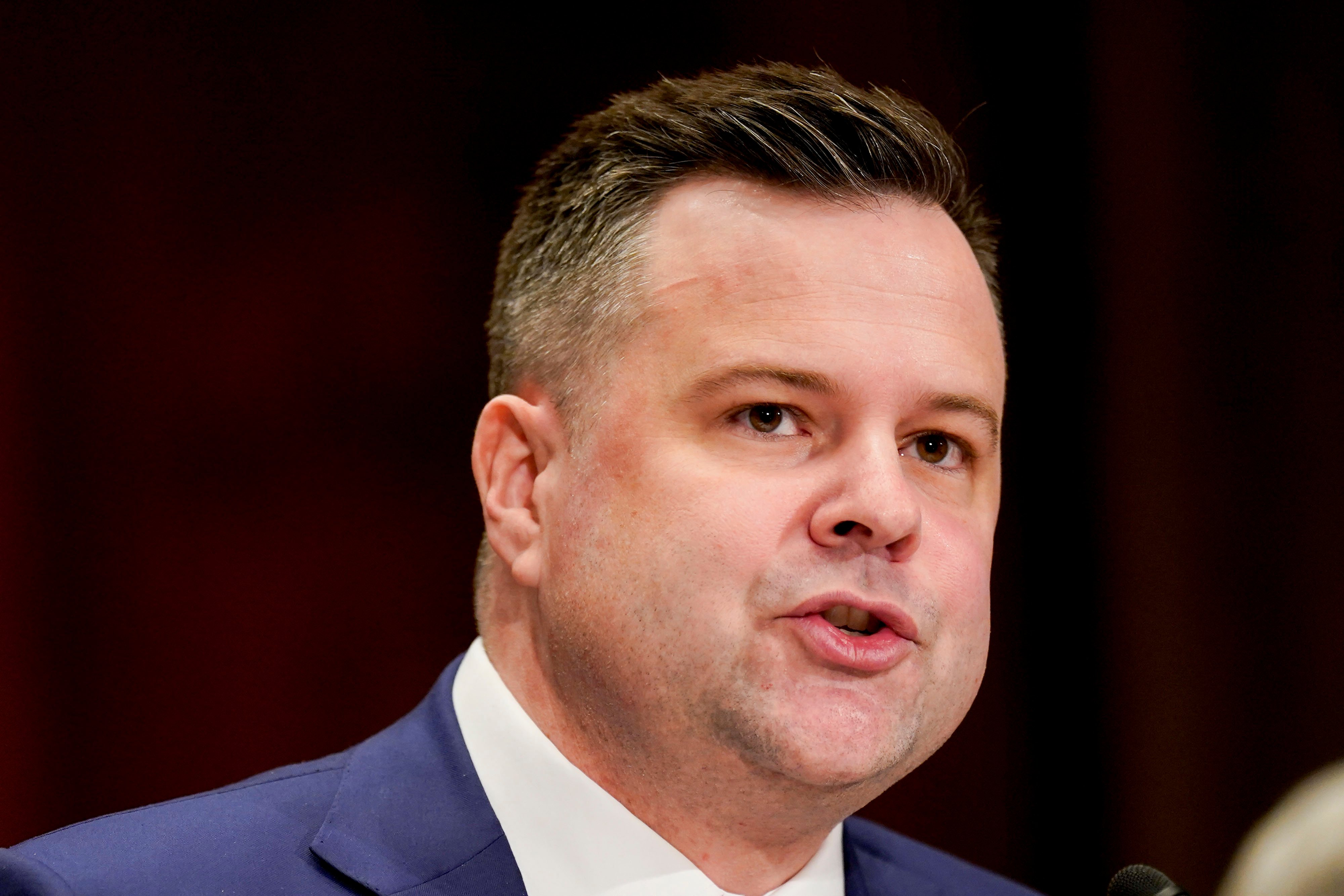
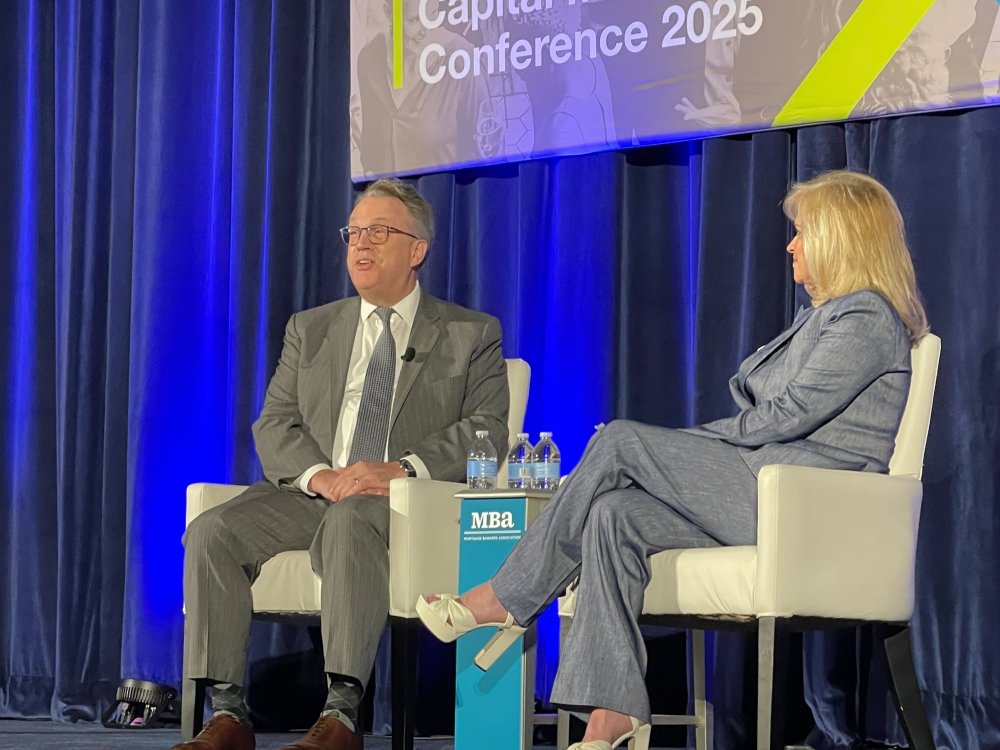
The Federal Housing Finance Agency chief also explained an alternate name he's used for the agency in his first speech at a Mortgage Bankers Association event. View the full article
-
Leaders of the government mortgage programs suggest they're back to business as usual following the The President administration's initial disruption. View the full article

-
Reports that prominent American national security officials used a freely available encrypted messaging app, coupled with the rise of authoritarian policies around the world, have led to a surge in interest in encrypted apps like Signal and WhatsApp. These apps prevent anyone, including the government and the app companies themselves, from reading messages they intercept. The spotlight on encrypted apps is also a reminder of the complex debate pitting government interests against individual liberties. Governments desire to monitor everyday communications for law enforcement, national security and sometimes darker purposes. On the other hand, citizens and businesses claim the right to enjoy private digital discussions in today’s online world. The positions governments take often are framed as a “war on encryption” by technology policy experts and civil liberties advocates. As a cybersecurity researcher, I’ve followed the debate for nearly 30 years and remain convinced that this is not a fight that governments can easily win. Understanding the ‘golden key’ Traditionally, strong encryption capabilities were considered military technologies crucial to national security and not available to the public. However, in 1991, computer scientist Phil Zimmermann released a new type of encryption software called Pretty Good Privacy (PGP). It was free, open-source software available on the internet that anyone could download. PGP allowed people to exchange email and files securely, accessible only to those with the shared decryption key, in ways similar to highly secured government systems. Following an investigation into Zimmermann, the U.S. government came to realize that technology develops faster than law and began to explore remedies. It also began to understand that once something is placed on the internet, neither laws nor policy can control its global availability. Fearing that terrorists or criminals might use such technology to plan attacks, arrange financing or recruit members, the Clinton administration advocated a system called the Clipper Chip, based on a concept of key escrow. The idea was to give a trusted third party access to the encryption system and the government could use that access when it demonstrated a law enforcement or national security need. Clipper was based on the idea of a “golden key,” namely, a way for those with good intentions – intelligence services, police – to access encrypted data, while keeping people with bad intentions – criminals, terrorists – out. Clipper Chip devices never gained traction outside the U.S. government, in part because its encryption algorithm was classified and couldn’t be publicly peer-reviewed. However, in the years since, governments around the world have continued to embrace the golden key concept as they grapple with the constant stream of technology developments reshaping how people access and share information. Following Edward Snowden’s disclosures about global surveillance of digital communications in 2013, Google and Apple took steps to make it virtually impossible for anyone but an authorized user to access data on a smartphone. Even a court order was ineffective, much to the chagrin of law enforcement. In Apple’s case, the company’s approach to privacy and security was tested in 2016 when the company refused to build a mechanism to help the FBI break into an encrypted iPhone owned by a suspect in the San Bernardino terrorist attack. At its core, encryption is, fundamentally, very complicated math. And while the golden key concept continues to hold allure for governments, it is mathematically difficult to achieve with an acceptable degree of trust. And even if it was viable, implementing it in practice makes the internet less safe. Security experts agree that any backdoor access, even if hidden or controlled by a trusted entity, is vulnerable to hacking. Competing justifications and tech realities Governments around the world continue to wrestle with the proliferation of strong encryption in messaging tools, social media and virtual private networks. For example, rather than embrace a technical golden key, a recent proposal in France would have provided the government the ability to add a hidden “ghost” participant to any encrypted chat for surveillance purposes. However, legislators removed this from the final proposal after civil liberties and cybersecurity experts warned that such an approach would undermine basic cybersecurity practices and trust in secure systems. In 2025, the U.K. government secretly ordered Apple to add a backdoor to its encryption services worldwide. Rather than comply, Apple removed the ability for its iPhone and iCloud customers in the U.K. to use its Advanced Data Protection encryption features. In this case, Apple chose to defend its users’ security in the face of government mandates, which ironically now means that users in the U.K. may be less secure. In the United States, provisions removed from the 2020 EARN IT bill would have forced companies to scan online messages and photos to guard against child exploitation by creating a golden-key-type hidden backdoor. Opponents viewed this as a stealth way of bypassing end-to-end encryption. The bill did not advance to a full vote when it was last reintroduced in the 2023-2024 legislative session. Opposing scanning for child sexual abuse material is a controversial concern when encryption is involved: Although Apple received significant public backlash over its plans to scan user devices for such material in ways that users claimed violated Apple’s privacy stance, victims of child abuse have sued the company for not better protecting children. Even privacy-centric Switzerland and the European Union are exploring ways of dealing with digital surveillance and privacy in an encrypted world. The laws of math and physics, not politics Governments usually claim that weakening encryption is necessary to fight crime and protect the nation – and there is a valid concern there. However, when that argument fails to win the day, they often turn to claiming to need backdoors to protect children from exploitation. From a cybersecurity perspective, it is nearly impossible to create a backdoor to a communications product that is only accessible for certain purposes or under certain conditions. If a passageway exists, it’s only a matter of time before it is exploited for nefarious purposes. In other words, creating what is essentially a software vulnerability to help the good guys will inevitably end up helping the bad guys, too. Often overlooked in this debate is that if encryption is weakened to improve surveillance for governmental purposes, it will drive criminals and terrorists further underground. Using different or homegrown technologies, they will still be able to exchange information in ways that governments can’t readily access. But everyone else’s digital security will be needlessly diminished. This lack of online privacy and security is especially dangerous for journalists, activists, domestic violence survivors and other at-risk communities around the world. Encryption obeys the laws of math and physics, not politics. Once invented, it can’t be un-invented, even if it frustrates governments. Along those lines, if governments are struggling with strong encryption now, how will they contend with a world when everyone is using significantly more complex techniques like quantum cryptography? Governments remain in an unenviable position regarding strong encryption. Ironically, one of the countermeasures the government recommended in response to China’s hacking of global telephone systems in the Salt Typhoon attacks was to use strong encryption in messaging apps such as Signal or iMessage. Reconciling that with their ongoing quest to weaken or restrict strong encryption for their own surveillance interests will be a difficult challenge to overcome. Richard Forno is a teaching professor of computer science and electrical engineering, and assistant director of the UMBC Cybersecurity Institute at the University of Maryland, Baltimore County. This article is republished from The Conversation under a Creative Commons license. Read the original article. View the full article

-
Rocket Companies and Redfin argue in court filings that a lawsuit seeking to delay their merger is motivated by the plaintiff's personal gain, not concern for investors. View the full article

-
Earlier this week, TikTok user CatGPT posted a video of a woman in line at a store seemingly scrolling on a completely transparent phone. The caption reads "I'm sorry, WTF IS THAT???" Check it out: The video quickly took off, with over 52 million people having viewed it on TikTok in only four days. So WTF is it? A techie casually breaking an NDA by openly rocking a prototype transparent phone? The new "Plex from Nokia" (as the top comment suggests)? A casual time-traveler caught in the act? The real story behind the "transparent phone"Sorry, it's none of the above. It's exactly what it looks like: a transparent piece of acrylic shaped like a phone. Specifically, it's a "Methaphone." The idea is that people who are dependent upon their devices might be placated by a phone-like slab. "If we're all so addicted to our phones," CatGPT says in a follow-up video, "then could you potentially curb somebody's addiction by replacing the feeling of having a phone in your pocket with something that feels exactly the same?" If you're thinking, "well, no," you're not alone. The general consensus is "this is dumb," and CatGPT herself confirms in her video: "Have I used my phone less in the entire week I've been carrying this around? Probably not." She goes on to say it's empowering anyway, and that the device is currently sold out. If you want your own Methaphone for some reason, here's the link, Will we ever have real transparent phones?Although CatGPT categorizes the views on her video as evidence that people feel alienated by their devices, I think the real reason it went viral is that people think a transparent phone would be pretty cool. It would have some interesting uses too, particularly in terms of augmented reality, but clear phones seem unlikely to be a thing any time soon. You can buy a transparent television already. The last CES featured more than one transparent display screen. Transparent batteries exist. Samsung has been registering patents related to transparent phones for at least the last decade. But bringing a transparent phone to market would mean making all the components transparent, which is probably impossible, and if it isn't, it would be very expensive: That glass TV is $60,000. Also, you'd lose it the first day and never find it again. How to replace your cellphone without paying $25If you're intrigued by the idea of replacing your handset with something that's like a handset, here are a few suggestions that are better than a Methaphone: An old cellphone: I'm sure you have some older handsets in your house that are permanently dark. Just carry that with you. A battery: Many charging batteries are roughly the size of a phone, and you can use them to charge your phone when you're done pretending you don't care about your phone. A notebook: When paired with a pen, a small notebook can be used for writing and drawing. A deck of cards: Unlike a Methaphone, cards have games built-in, both solo and multiplayer, and even have a built-in photo on the front. View the full article
-
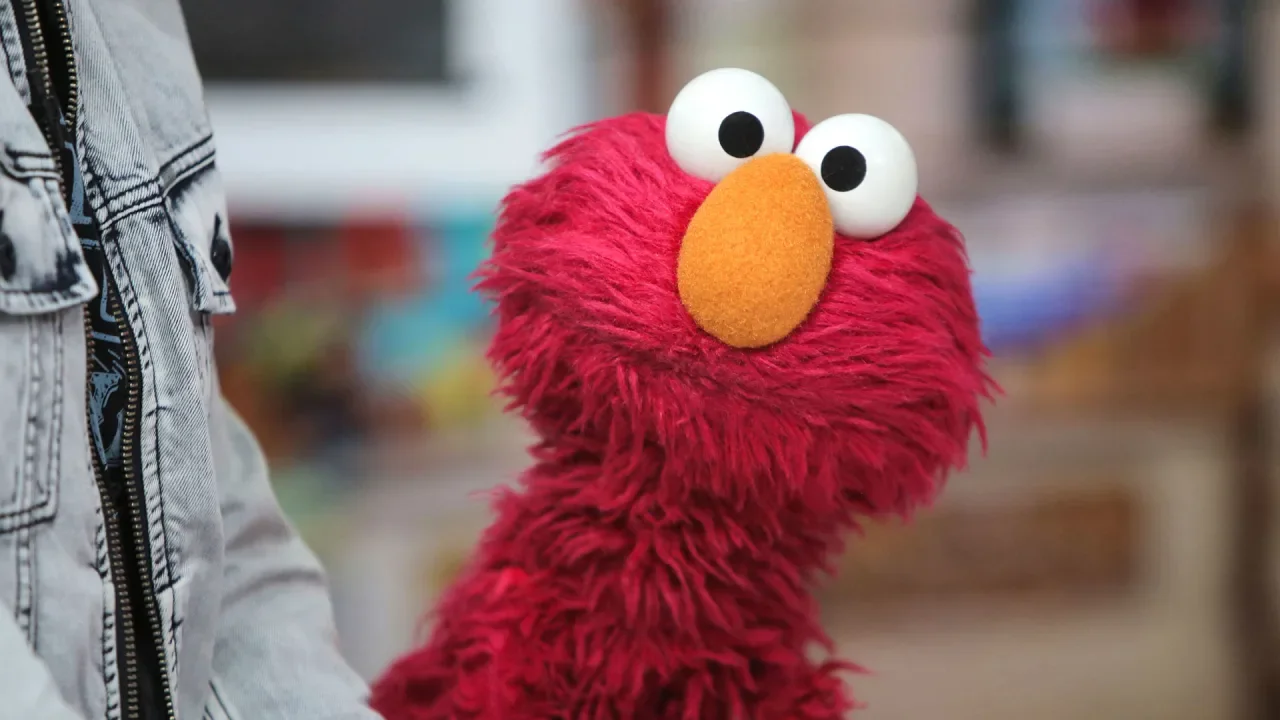
Anyone asking how to get to Sesame Street will have a new answer as of this morning: Just log on to Netflix. The industry leader in streaming, which topped 300 million global subscribers last December and reported revenue of $10.5 billion for the first quarter in 2025, just picked up Sesame Street ahead of its 56th season. That’s after HBO wound down its deal with the beloved children’s institution last December. Although financial details about Netflix’s new arrangement are not yet publicly available, HBO reportedly paid $30–$35 million annually for rights to the edutainment lodestar. Whatever price Netflix is paying to add the series to its robust slate of children’s programs, which includes Cocomelon, it’s likely a bargain, considering the intangibles. With this deal, Netflix created a lot more than just a new home for Big Bird, Cookie Monster and the rest of the gang; by allowing the embattled PBS network to freely air new episodes as they roll out, Netflix just elegantly orchestrated the feel-good corporate PR coup of the year. We are excited to announce that all new Sesame Street episodes are coming to @netflix worldwide along with library episodes, and new episodes will also release the same day on @PBS Stations and @PBSKIDS platforms in the US, preserving a 50+ year relationship. The support of… pic.twitter.com/B76MxQzrpI — Sesame Street (@sesamestreet) May 19, 2025 Sesame Workshop, the nonprofit that produces Sesame Street, has faced rough headwinds in recent months. After losing its lucrative contract with HBO last December, amid a pronounced reduction in children’s programming on the network, the fate of the show was uncertain. Making matters worse, The President recently moved to cut federal funding to PBS, which has aired Sesame Street for over half a century–and only did so after his administration’s cuts to the U. S. Agency for International Development abruptly deprived Sesame Workshop of valuable grants. The venerable children’s show needed a champion, and into the void stepped the entertainment company whose branding is the color of Elmo. “I strongly believe that our educational programming for children is one of the most important aspects of our service to the American people, and Sesame Street has been an integral part of that critical work for more than half a century,” said Paula Kerger, president and CEO of PBS, in a statement. “We’re proud to continue our partnership in the pursuit of having a profound impact on the lives of children for years to come.” The new deal will involve a mild cosmetic overhaul. According to The Washington Post, Sesame Street had intended to start a new format of two 11-minute stories, along with a new five-minute animated segment called “Tales from 123,” but the show will now instead feature a single 11-minute story, followed by “Tales from 123,” and then some revived fan favorites such as “Elmo’s World.” The most profound change in the new deal, though, will have nothing to do with the content, but in how it’s delivered. When HBO began airing episodes of Sesame Street in 2016, the show continued to run on PBS, but new episodes only reached the public channel nine months later. This arrangement continued after 2020, when the show transitioned to HBO Max, and remained in place until HBO announced its intention to drop the show last December. In contrast, Netflix’s deal ensures that new episodes will be available on PBS stations and PBS KIDS digital platforms the day they’re released, honoring the creators’ commitment to free, fun educational material for children. “This unique public-private partnership will enable Sesame Workshop to bring our research-based curriculum to young children around the world with Netflix’s global reach, while ensuring children in communities across the U.S. continue to have free access on public television to the Sesame Street they love,” Sesame Workshop CEO Sherri Westin added in the announcement. What makes the deal such a savvy PR move is that it’s a win for the company on several levels. Not only does it provide a sharp contrast between Netflix and the once and future HBO Max, and what might be considered a subtle rebuke to this administration’s attack on publicly funded channels, it also offers a counterpoint to some recent perceptions of Netflix. Over the past couple years, Netflix has made some moves that helped foster an image of the company as more profit-focused and less consumer-friendly. Between the crackdown on password-sharing, multiple price hikes, and sunsetting of the popular Basic ad-free plan, pushing users toward either higher-priced tiers or an ad-based option, the company seemed driven by a shrewd quest to leave no money on the table, no matter who got left behind. By ensuring that American families will be able to access new episodes of Sesame Street for free for the first time in a decade, however, Netflix has demonstrated it has more on its mind than the bottom line. It’s the kind of message that resonates with would-be subscribers, and it should go a long way toward keeping the clouds away from Netflix’s reputation for some time. View the full article

-
Since President Donald The President excitedly announced that he would be accepting a US$400 million plane from the Qatari government to serve as the next Air Force One, even members of his own party have expressed alarm. There’s the price tag of refurbishing the plane with top-secret systems – upward of $1 billion, according to some estimates. Then there are the conflicts of interest from accepting such a large present from a foreign nation – what some say would be the most valuable gift ever given to the U.S. But it would also mark a striking departure from tradition. While they’re often variants of commercial planes, presidential planes have almost always been U.S. military aircraft, flown and maintained by the Air Force. The first White Houses in the sky I’m an aviation historian who once worked in the United States Air Force’s history program for three years, so I’m well-acquainted with the history of presidential aircraft. Franklin D. Roosevelt became the first president to fly while in office. In January 1943, he boarded the Navy-owned, civilian-operated Boeing Dixie Clipper – a sea plane – for a trip to Casablanca to meet with Allied leaders. The security measures needed to safely transport the president – especially during wartime – spurred the creation of the first custom-built aircraft for presidential use, a heavily modified VC-54 Skymaster. Though officially named “The Flying White House,” the new presidential aircraft became better known by its nickname, the “Sacred Cow.” President Harry Truman used the Sacred Cow as his presidential aircraft through much of his first term in office. In late 1947, the U.S. Air Force ordered a second custom-built presidential aircraft, a modified DC-6, which Truman named the Independence. During Dwight D. Eisenhower’s two terms, the president flew on two different planes operated by the Air Force: the Columbine II, which was a customized, military version of Lockheed’s commercial airliner the Constellation, and the Columbine III, which was a Super Constellation. Embracing the jet age In the 1960s, the use of jet engine technology in U.S. commercial aircraft revolutionized air travel, allowing planes to fly higher, farther and faster. Jet travel became associated with the glamorous and the elegant lifestyles of the “jet set” crowd. So it’s fitting that President John F. Kennedy – who was sometimes called the “the first celebrity president” – was the first White House occupant to fly in a jet, the Boeing 707. Kennedy’s aircraft was also the first painted in the distinctive light blue-and-white scheme that’s still used today. First lady Jacqueline Kennedy developed it with the help of industrial designer Raymond Loewy. It would go on to serve eight presidents before leaving the presidential fleet in 1990, when Boeing delivered the first of two modified Boeing 747s. These are the aircraft that continue to serve as the president’s primary plane. Boeing signed a contract to provide two new aircraft in 2017, during The President’s last term. In 2020, the company decided to refurbish two existing aircraft that were originally built for another customer. The refurbishment has been more cumbersome and expensive than building a new aircraft from scratch. But it’s the only option because Boeing closed its 747 assembly line in late 2022. A nickname sticks On a trip to Florida, the crew of Columbine II first used “Air Force One” as the plane’s call sign to clearly distinguish the plane from other air traffic. While the public has associated the name Air Force One with the modified Boeing 707s and 747s and their distinctive colors, any plane with the president aboard will carry that call sign. They include several smaller aircraft, also operated by the Air Force, such as the North American T-39 Sabreliner used to transport Lyndon B. Johnson to his ranch in Texas and the Lockheed VC-140B JetStars, the fleet of backup planes used by several presidents, which Johnson jokingly called “Air Force One Half.” A cultural and political symbol Air Force One has long served as a symbol of the power and prestige of the presidency. It became an indelible part of U.S. history in November 1963, when Johnson took his oath of office from Air Force One’s cabin while Kennedy’s body lay in rest in the back of the aircraft. Air Force One carried President Richard M. Nixon to China and the Soviet Union for historic diplomatic missions. But it also famously flew him from Andrews Air Force Base in Maryland to his home state, California, after he resigned from office. On that day, the plane took off as Air Force One. But it landed as SAM 27000, the plane’s call sign used when the president wasn’t on board. The President has been compared to Nixon in more ways than one. And The President’s complaint that Arab leaders have bigger and more impressive airplanes than the current Air Force One is reminiscent of Nixon’s own concerns of being outclassed on the world stage. When president, Nixon strongly advocated for American supersonic transport – a 270-passenger plane designed to be faster than the speed of sound – that he hoped could be modified to serve as a new Air Force One. He feared the failure to develop supersonic transport would relegate the U.S. to second-tier status, as other world leaders – particularly those from England, France and the USSR – traversed the globe in sleeker, better performing aircraft. The President’s concerns about Air Force One seem less focused on safety and security and more on size and opulence. His longing for a “palace in the sky” is befitting for a president drawn to soaring skyscrapers, lavish parades and gold ornamentation. Janet Bednarek is a professor of history at the University of Dayton. This article is republished from The Conversation under a Creative Commons license. Read the original article. View the full article

-
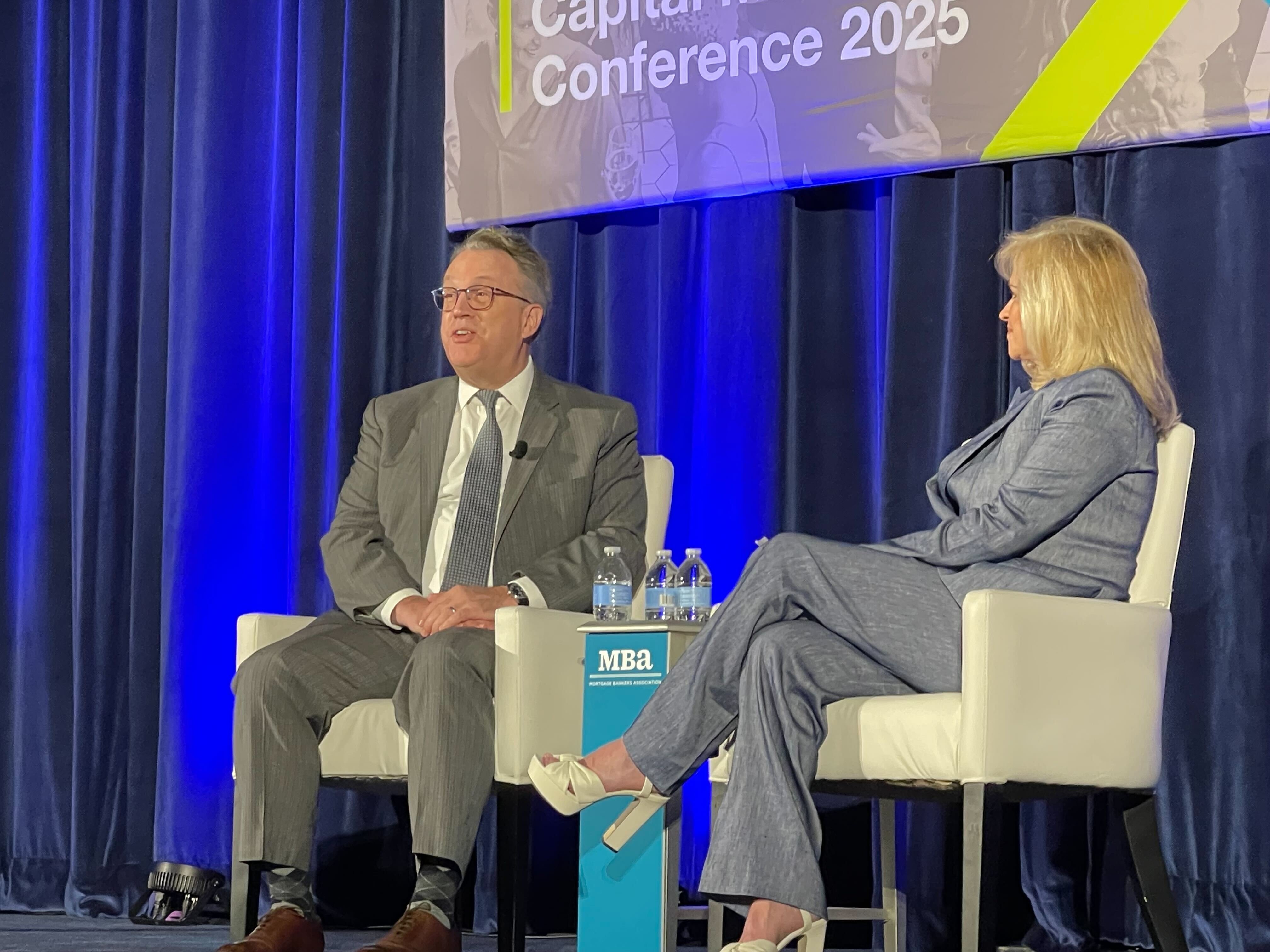
Despite data pointing to overall health, concerns about the direction of the economy are raised among consumers, businesses and investors alike, the Fed governor said. View the full article
-
Key Takeaways Understand the Demographic: Grandparents significantly influence holiday gift-giving and family traditions, making them a vital target for holiday marketing efforts. Recognize Their Buying Power: A large portion of holiday spending is attributed to grandparents, highlighting the importance of tailoring marketing campaigns to resonate with their needs and preferences. Emphasize Connection: Effective marketing strategies should focus on products and experiences that foster meaningful connections between grandparents and their grandchildren, such as personalized gifts and shared experiences. Utilize Effective Channels: Engage with grandparents through popular social media platforms like Facebook, as well as traditional marketing methods such as print advertising and community events to enhance outreach. Implement Engaging Content: Create visually appealing and interactive content, including videos and social media posts, that encourages grandparents to share their holiday experiences and stories. Learn from Success Stories: Analyze successful campaigns from family-oriented brands and experiential service providers to derive inspiration for developing your marketing strategies targeting this demographic. As the holiday season approaches, it’s time to think about a unique and often overlooked demographic—grandparents. This group plays a crucial role in family traditions and gift-giving, making them a key target for your holiday marketing efforts. By understanding their preferences and needs, you can create campaigns that resonate deeply and drive engagement. Grandparents often seek meaningful ways to connect with their grandchildren, whether through thoughtful gifts or shared experiences. Tapping into their desire for connection not only boosts your sales but also fosters lasting relationships. Let’s explore effective strategies to capture their attention and make your brand a go-to choice this holiday season. Understanding Holiday Marketing Targeting Grandparents Grandparents play a crucial role in holiday traditions, influencing family dynamics and gift-giving patterns. Targeting this demographic can enhance your marketing strategies and drive sales for your small business. Importance of This Demographic Understanding the buying power of grandparents is essential for retail businesses. Grandparents often purchase gifts for their grandchildren, making them key players in holiday spending. In fact, a significant percentage of household expenditures during the holiday season comes from this group. By recognizing their influence, your marketing campaigns can focus on meaningful products that facilitate family connections and enhance their experiences. Key Trends in Grandparent Involvement Analyzing current trends reveals how grandparents enhance family traditions. Many grandparents seek to create lasting memories and choose gifts that promote togetherness. Popular items include experiential gifts like outings, educational products, and technology that helps them communicate with their grandchildren. Furthermore, social media’s growth allows grandparents to stay connected with family, influencing their purchasing decisions. Recognizing these trends enables you to tailor your offerings and messaging effectively, ensuring you meet this demographic’s unique needs. Effective Strategies for Holiday Marketing Targeting grandparents during the holiday season involves strategic marketing that resonates with their values and preferences. Implementing these strategies can enhance your retail business’s outreach and connection with this pivotal demographic. Personalized Messaging Personalized messaging creates strong emotional bonds. Tailor your marketing materials by addressing grandparents directly, highlighting their unique role in family traditions. Use phrases like “Gifts for your grandkids” to make your promotions relatable. Consider incorporating names, family stories, or experiences to strengthen connections. Utilize email campaigns to deliver personalized recommendations based on past purchases, enhancing the likelihood of engagement. Engaging Content Formats Engaging content formats capture attention and inspire action. Use visually appealing videos showcasing products in use with grandchildren, demonstrating joy and connection. Create social media posts that encourage sharing experiences or traditions related to your offerings. Offer blog posts or newsletters that provide gift ideas, activity suggestions, or special family moments. Interactive formats, such as polls or contests, encourage participation and enhance community engagement, allowing grandparents to share their unique holiday experiences. Channels for Reaching Grandparents Connecting with grandparents through effective marketing channels enhances your holiday campaigns. Understanding where they engage online and offline can significantly boost your outreach efforts. Social Media Platforms Utilize social media platforms where grandparents frequently participate. Facebook leads as the primary platform for older adults, making it ideal for connecting with this demographic. Utilize targeted ads and engaging content that resonates with their familial connections. Share heartwarming stories or testimonials that grandparents can relate to, encouraging them to engage and share with their networks. Instagram also offers an opportunity to showcase visually appealing products. You can create nostalgic posts that evoke warmth and family traditions, prompting grandparents to consider your offerings for holiday gifting. Traditional Marketing Methods Incorporate traditional marketing methods to effectively reach grandparents who may prefer offline engagement. Print advertising in local newspapers or community newsletters can effectively capture attention. Consider direct mail campaigns featuring special offers tailored to grandparents and their families. Hosting events or workshops at local retail businesses can create a community-focused experience, allowing you to interact directly and form relationships. Engage with local senior centers or organizations to share information about your offerings, fostering a sense of trust and community involvement. Case Studies on Successful Campaigns Examining successful campaigns targeting grandparents can provide valuable insights for small businesses. These cases reveal how to effectively connect with this demographic during the holiday season. Example 1: Family-Oriented Brands Family-oriented brands like Hallmark excel in marketing to grandparents. Their campaigns emphasize the emotional connection between grandparents and grandchildren. Hallmark uses personalized greeting cards and gift options that allow grandparents to share memories. For instance, they promoted customized photo gifts that highlight family experiences. This strategy resonates with grandparents’ desire to maintain strong family ties and foster traditions. Small businesses can adopt similar approaches, offering personalized products that evoke emotions and create lasting memories. Example 2: Travel and Adventure Services Travel and adventure services successfully engage grandparents seeking experiences with their grandchildren. Companies like Road Scholar provide educational travel programs designed for multigenerational families. Their marketing focuses on creating unforgettable adventures that bring families closer. For example, they offer trips that allow grandparents to explore new cultures alongside their grandchildren. This approach appeals to grandparents’ increasing interest in experiential gifts. Small businesses in the travel sector can leverage this trend, promoting unique adventure packages that encourage bonding between grandparents and grandchildren. Conclusion Targeting grandparents in your holiday marketing can open up new avenues for connection and sales. By understanding their unique role in family traditions and their preferences for meaningful gifts, you can craft campaigns that resonate deeply. Utilizing personalized messaging and engaging content formats will strengthen your bond with this demographic. Remember to leverage both online and offline channels to reach them effectively. As you implement these strategies, you’ll not only boost your holiday sales but also create lasting relationships that extend beyond the season. Embrace the opportunity to celebrate the special bond between grandparents and their grandchildren, and watch your business flourish. Frequently Asked Questions Why should businesses target grandparents in holiday marketing? Targeting grandparents in holiday marketing is crucial because they play a significant role in gift-giving and family traditions. Their purchasing power for gifts, especially for grandchildren, can significantly impact sales. Understanding their preferences helps create effective campaigns that resonate emotionally and drive engagement. What do grandparents typically prefer when buying gifts? Grandparents often prefer experiential gifts, like trips or activities, that foster connections with their grandchildren. They also value meaningful, personalized items that reflect family relationships and traditions. These preferences can guide businesses in developing appealing products and marketing strategies. How can businesses effectively reach grandparents? Businesses can reach grandparents by utilizing targeted marketing strategies, such as personalized messaging and relatable content. Engaging formats like videos, social media posts, and community events can create emotional connections. It’s essential to know where they spend their time online, particularly on platforms like Facebook and Instagram. What types of marketing channels work best for grandparents? Effective marketing channels for grandparents include social media platforms like Facebook for targeted ads, Instagram for visual products, and traditional methods like print advertising. Direct mail campaigns and community events also help in building trust and relationships with this demographic. Can you share examples of successful marketing campaigns targeting grandparents? Yes! Notable examples include Hallmark, which focuses on personalized greeting cards and gifts that highlight emotional connections. Similarly, travel services like Road Scholar offer educational adventures for multigenerational families, showcasing how brands can connect meaningfully with grandparents and enhance their holiday experiences. Image Via Envato This article, "Transform Your Holiday Marketing to Engage Grandparents and Boost Sales" was first published on Small Business Trends View the full article
-
Half a century after the Apollo astronauts left the last bootprints in lunar dust, the Moon has once again become a destination of fierce ambition and delicate engineering. This time, it’s not just superpowers racing to plant flags, but also private companies, multinational partnerships and robotic scouts aiming to unlock the Moon’s secrets and lay the groundwork for future human return. So far in 2025, lunar exploration has surged forward. Several notable missions have launched toward or landed on the Moon. Each has navigated the long journey through space and the even trickier descent to the Moon’s surface or into orbit with varying degrees of success. Together, these missions reflect both the promise and difficulty of returning to the Moon in this new space race defined by innovation, competition and collaboration. As an aerospace engineer specializing in guidance, navigation and control technologies, I’m deeply interested in how each mission – whether successful or not – adds to scientists’ collective understanding. These missions can help engineers learn to navigate the complexities of space, operate in hostile lunar environments and steadily advance toward a sustainable human presence on the Moon. Why is landing on the Moon so hard? Lunar exploration remains one of the most technically demanding frontiers in modern spaceflight. Choosing a landing site involves complex trade-offs between scientific interest, terrain safety and Sun exposure. The lunar south pole is an especially attractive area, as it could contain water in the form of ice in shadowed craters, a critical resource for future missions. Other sites may hold clues about volcanic activity on the Moon or the solar system’s early history. Each mission trajectory must be calculated with precision to make sure the craft arrives and descends at the right time and place. Engineers must account for the Moon’s constantly changing position in its orbit around Earth, the timing of launch windows and the gravitational forces acting on the spacecraft throughout its journey. They also need to carefully plan the spacecraft’s path so that it arrives at the right angle and speed for a safe approach. Even small miscalculations early on can lead to major errors in landing location – or a missed opportunity entirely. Once on the surface, the landers need to survive extreme swings in temperature – from highs over 250 degrees Fahrenheit (121 degrees Celsius) in daylight down to lows of -208 F (-133 C) at night – as well as dust, radiation and delayed communication with Earth. The spacecraft’s power systems, heat control, landing legs and communication links must all function perfectly. Meanwhile, these landers must avoid hazardous terrain and rely on sunlight to power their instruments and recharge their batteries. These challenges help explain why many landers have crashed or experienced partial failures, even though the technology has come a long way since the Apollo era. Commercial companies face the same technical hurdles as government agencies but often with tighter budgets, smaller teams and less heritage hardware. Unlike government missions, which can draw on decades of institutional experience and infrastructure, many commercial lunar efforts are navigating these challenges for the first time. Successful landings and hard lessons for CLPS Several lunar missions launched this year belong to NASA’s Commercial Lunar Payload Services program. CLPS is an initiative that contracts private companies to deliver science and technology payloads to the Moon. Its aim is to accelerate exploration while lowering costs and encouraging commercial innovation. The first Moon mission of 2025, Firefly Aerospace’s Blue Ghost Mission 1, launched in January and successfully landed in early March. The lander survived the harsh lunar day and transmitted data for nearly two weeks before losing power during the freezing lunar night – a typical operational limit for most unheated lunar landers. Blue Ghost demonstrated how commercial landers can shoulder critical parts of NASA’s Artemis program, which aims to return astronauts to the Moon later this decade. The second CLPS launch of the year, Intuitive Machines’ IM-2 mission, launched in late February. It targeted a scientifically intriguing site near the Moon’s south pole region. The Nova-C lander, named Athena, touched down on March 6 close to the south pole. However, during the landing process, Athena tipped over. Since it landed on its side in a crater with uneven terrain, it couldn’t deploy its solar panels to generate power, which ended the mission early. While Athena’s tipped-over landing meant it couldn’t do all the scientific explorations it had planned, the data it returned is still valuable for understanding how future landers can avoid similar fates on the rugged polar terrain. Not all lunar missions need to land. NASA’s Lunar Trailblazer, a small lunar orbiter launched in February alongside IM-2, was intended to orbit the Moon and map the form, abundance and distribution of water in the form of ice, especially in shadowed craters near the poles. Shortly after launch, however, NASA lost contact with the spacecraft. Engineers suspect the spacecraft may have experienced a power issue, potentially leaving its batteries depleted. NASA is continuing recovery efforts, hoping that the spacecraft’s solar panels may recharge in May and June. Ongoing and future missions Launched on the same day as the Blue Ghost mission in January, Japanese company ispace’s Hakuto-R Mission 2 (Resilience) is on its way to the Moon and has successfully entered lunar orbit. The lander carried out a successful flyby of the Moon on Feb. 15, with an expected landing in early June. Although launched at the same time, Resilience took a longer trajectory than Blue Ghost to save energy. This maneuver also allowed the spacecraft to collect bonus science observations while looping around the Moon. The mission, if successful, will advance Japan’s commercial space sector and prove an important comeback for ispace after its first lunar lander crashed during its final descent in 2023. The rest of 2025 promises a busy lunar calendar. Intuitive Machines plans to launch IM-3 in late 2025 to test more advanced instruments and potentially deliver NASA scientific experiments to the Moon. The European Space Agency’s Lunar Pathfinder will establish a dedicated lunar communications satellite, making it easier for future missions, especially those operating on the far side or poles, to stay in touch with Earth. Meanwhile, Astrobotic’s Griffin Mission-1 is scheduled to deliver NASA’s VIPER rover to the Moon’s south pole, where it will directly search for ice beneath the surface. Together, these missions represent an increasingly international and commercial approach to lunar science and exploration. As the world turns its attention to the Moon, every mission – whether triumph or setback – brings humanity closer to a permanent return to our closest celestial neighbor. Zhenbo Wang is an associate professor of mechanical and aerospace engineering at the University of Tennessee. This article is republished from The Conversation under a Creative Commons license. Read the original article. View the full article

-
If you get a text or voice message from someone claiming to be a U.S. government official, they probably aren't who they say they are. The FBI is warning the public about an ongoing campaign in which scammers are using AI-generated voice messages to impersonate senior government staff in an attempt to gain access to personal accounts and, by extension, sensitive information or money. Many of those targeted have been other current and former government officials—both federal and state—and their contacts, but that doesn't mean this scam or something like it won't land in your inbox or on your phone sooner or later. Here's how these AI-powered attacks work, and how to avoid falling victim. How the AI impersonation scam worksThe current scam can take the form of smishing, which targets individuals via SMS or MMS, or vishing, which uses voice memos. Either way, bad actors are sending AI-generated voice messages and/or texts that appear to be from senior U.S. government officials. The goal is to build trust before directing targets to a separate messaging platform via a malicious link, which ultimately ends with you entering login credentials or downloading malware to your device. Scammers may also use the information gathered to target additional contacts, perpetuating the campaign. These scams are believable on some level thanks to voice cloning and generative AI tools that allow anyone to easily impersonate public figures. Bad actors can also spoof phone numbers so that messages in smishing schemes appear to be from family, friends, or trusted contacts. How to spot fake vishing messagesWhile AI-generated speech can be convincing, there are ways to identify these messages as fake. Listen for pronunciation and pacing that sound off as well as the presence (or lack) of emotion and variation in the speaker's voice—for example, AI tends to sound slightly flatter and have less inflection than a real human, and you may detect odd pauses. Of course, you should be wary of any communication—voice or otherwise—from anyone claiming to represent an organization, including a government agency, especially if they send unsolicited links, request money or personal information, or promote a sense of urgency. If you do receive a message that sounds convincing, verify the caller's identity by searching for official contact information and calling back, or hang up and reach out directly if it's someone you know. You should always independently confirm any request to send money or provide information, and never click links or download attachments sent via email or text. The FBI also suggests selecting a secret word or phrase with your close contacts that you can use to verify their identities from AI. View the full article
-
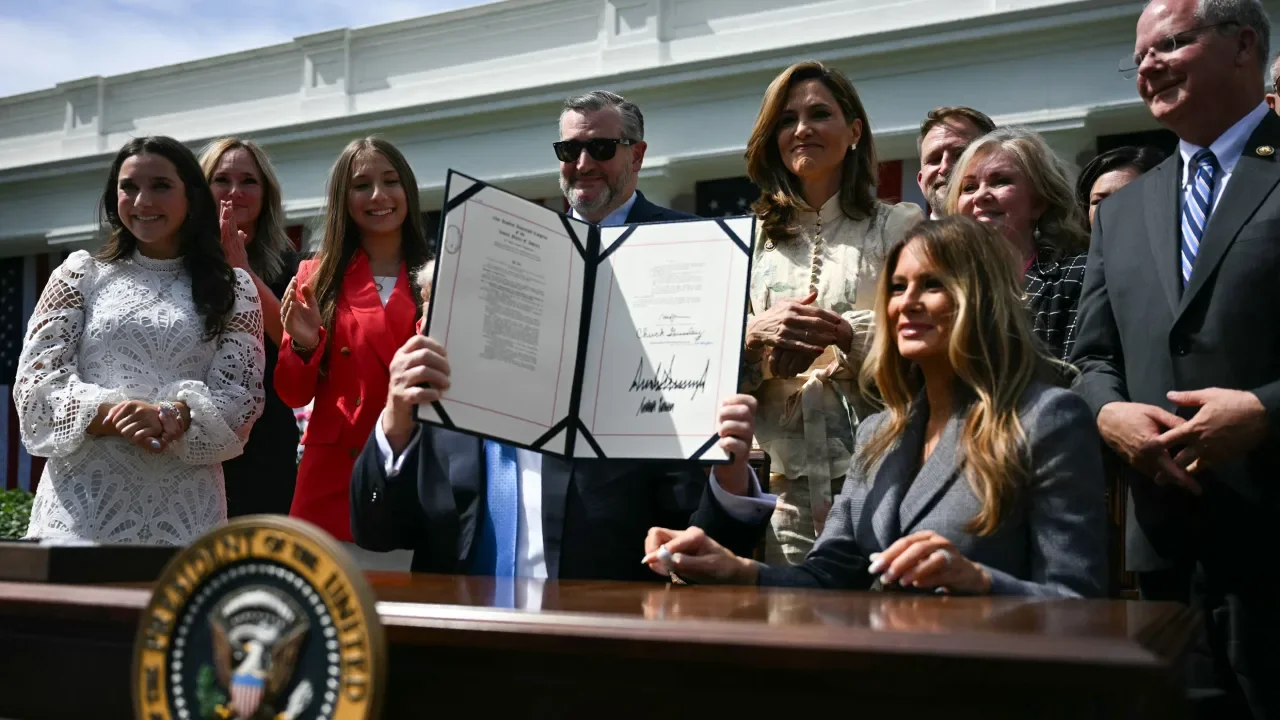
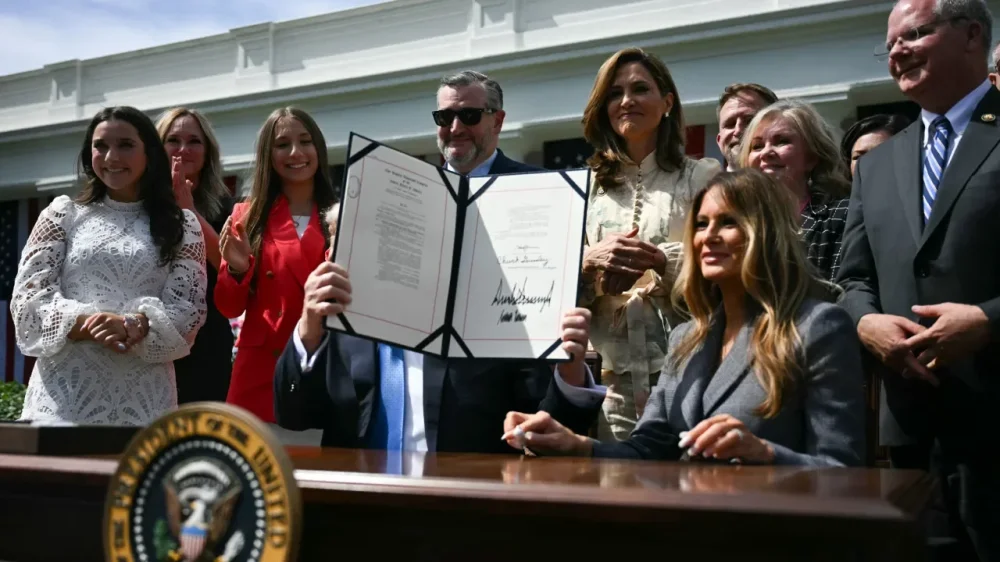
President Donald The President signed the TAKE IT DOWN Act into law on Monday, strengthening federal protections for victims of revenge porn and AI-generated sexual images. The bill, introduced by Sen. Ted Cruz and Sen. Amy Klobuchar, makes it illegal to “knowingly publish” or threaten to share nonconsensual intimate imagery—whether real or generated by artificial intelligence—without the person’s consent. It also requires tech platforms to remove such images within 48 hours of being notified and to take steps to eliminate duplicate content. Previously, federal law only banned the creation or distribution of realistic, AI-generated explicit images of children, while protections for adults varied by state. As a result, laws differed in how the crime was classified and penalized, leading to inconsistent criminal prosecutions. Some victims also struggled to have images taken down from websites. This legislation, which garnered overwhelming bipartisan support, marks the first federal law aimed at protecting adult victims. Now, people who post such content and are convicted could face penalties and prison time. The Federal Trade Commission could also sue tech companies for not complying with the law, Axios reports. “We must provide victims of online abuse with the legal protections they need when intimate images are shared without their consent, especially now that deepfakes are creating horrifying new opportunities for abuse,” Klobuchar said in a statement after the bill passed in Congress. “These images can ruin lives and reputations, but now that our bipartisan legislation is becoming law, victims will be able to have this material removed from social media platforms and law enforcement can hold perpetrators accountable.” Tech giants have expressed broad support for the bill. Meta, which owns Instagram and Facebook, joined Snap, Google, Microsoft, TikTok, X, Amazon, Bumble, and Match Group in backing the legislation. “Having an intimate image—real or AI-generated—shared without consent can be devastating and Meta developed and backs many efforts to help prevent it,” Meta spokesman Andy Stone said in a statement in March. First Lady Melania The President has also championed the TAKE IT DOWN Act, lobbying lawmakers and speaking with teenage victims. She appeared alongside The President at the bill’s signing. “It’s heartbreaking to witness young teens, especially girls, grappling with the overwhelming challenges posed by malicious online content like deepfakes,” the First Lady said in March. “Every young person deserves a safe online space to express themselves free without the looming threat of exploitation or harm.” View the full article
-
We may earn a commission from links on this page. I used to regularly read more than 125 books a year, each meticulously logged on my Goodreads profile. I read during my commute and to wind down at night. I always had a paperback in my bag or an audiobook in my ears. Then I got a smartphone. Then I got on Twitter. Then the 2016 presidential election happened. Then there was a pandemic, and for a while I stopped commuting altogether. With every year, it seemed like there were more things to spiral about online, and less hours in the day to relax with a novel or read some stimulating non-fiction. Suddenly I found it hard to meet my much more modest reading goals, which dropped to 75, then 50, then 30 books a year. In 2023 and 2024, I set my sights on finishing just 20 books (including graphic novels and stuff I read aloud to my kids). I still had to cram at the end of the year to manage even that comparatively sluggish pace. But things are different in 2025. It's May, and I've already met my 20-book reading goal (which I'll soon be increasing), and I owe it all to my Boox Palma 2, a phone-shaped e-reader I can easily carry with m3 wherever I go. Boox Palma 2 E-Reader $299.99 at Amazon /images/amazon-prime.svg Shop Now Shop Now $299.99 at Amazon /images/amazon-prime.svg A device so good it has a cult followingAs I noted in my review of the Boox Palma—the now discontinued, nearly identical predecessor to the Palma 2—it's one of the most lovable electronic devices I have ever owned. It's a near perfect marriage of form (the easy-on-the-eyes e-ink screen popularized by Amazon's Kindle, a compact size) and function—with an open Android operating system and access to the Google Play store, you can use it to run reading apps from a variety of retailers, listen to audiobooks with Bluetooth headphones, or get a little work done on productivity apps like Gmail and Google Docs. At a time when increasing numbers of people are opting to make the switch to a "dumb phone" to escape the pull of their screen addictions, the Palma occupies a rather unique spot in the market: While it can do a great deal more than your standard Kindle, it still feels clunky and slow in comparison to your smartphone, but in the best way. It doesn't have a cellular connection, so if you aren't on wifi, you'll be unable to use the internet or update your social feeds. The black and white display means using it is soothing instead of stimulating, while still scratching that "gotta pull out my device" itch. Its quirky qualities have garnered it a cult following of sorts (ironically, adherents gather to discuss the device on Reddit and TikTok, two places to avoid if you want to get any reading done). The perfect form factorLeaving aside all the things social media and app developers do to make their products addictive, I struggle with regulating my phone use for the sole reason that my phone is always with me. It's how I keep in touch with my spouse and kids and it has effectively replaced my wallet, therefore it must be in my pocket at all times and hey, I might as well pull it out at every idle moment to check my notifications. Yes, I could carry a book or a standard-sized e-reader to look at instead, but that requires carrying a bag of some kind (or large pockets), and it's hard to beat the convenience of something you can shove into any pair of jeans. Well, the Palma 2 can be shoved into any pair of jeans. It has basically the identical form factor to a most smartphones, and can even occupy the same pocket as my iPhone 14. This means that when I'm standing in line at the post office, or waiting for the train, or trying to maintain my balance on the train, I can effortlessly pull out my e-reader instead of my phone, and absorb a few pages rather than frantically trying to refresh my Bluesky feed at subway stops. Slow and kinda clunky (in a good way)If the Palma 2 can access the Google Play store, what's to keep you from loading it up with all of the apps that already make your smartphone so addictive? Nothing! Go for it—stick Bluesky on there. Add Facebook and Instagram if you've yet to flee Meta's ecosystem. You can even load up video-based apps like YouTube and Netflix and time-wasting games like Subway Surfers. If you do, though, you'll quickly find that none of them are that enjoyable to use. Though Boox readers' e-ink displays employ variable refresh rate tech that makes them infinitely faster than early generation Kindles (where you could pause for a heartbeat between pressing a key on the virtual keyboard and actually seeing the text appear on the screen), even in the fastest modes they are only a fraction as responsive as a phone or tablet's LED screen. So while you certainly can use your Palma 2 to scroll social media or watch a few TikToks, you won't particularly want to, because it's kind of bad at them, but in a way I love: The device is optimized for reading text or comics (particularly black and white manga), and it presents that material so well, and so conveniently, that I want to carry it around with me everywhere so I can read on it all the time. So far, it's going well: As I said, I've already hit my 20-book reading goal for the year. In the meantime, if you're looking for a series you can binge to get you out of a doomscrolling funk, I recommend the Dungeon Crawler Carl series by Matt Dinniman. After picking up the first one in February, I blew through its seven thus released books (ranging in length from 400 to 800 pages) in about six week. And yes, I read every word of them on my Palma 2. View the full article
-
Klarna just announced its first quarter 2025 financial results, and they show that a larger chunk of customers are buying now and not paying later. This morning, the Swedish “buy now, pay later” (BPNL) fintech company gave consumers a look at its performance for the first three months of 2025. The news came in the form of a press release and an accompanying AI-generated video of CEO Sebastian Siemiatkowskim (likely as a play to emphasize Klarna’s all-in approach to AI.) In the video, Siemiatkowski’s look-alike shared that Klarna has “started the year strong,” hitting 100 active users in Q1 and $701 million in revenue, a 15% year-over-year increase. But there’s a caveat: Although Klarna has grown this year, it’s also doubled its net losses from $47 million in Q1 2024 to $99 million in Q1 2025. One factor driving the spike in losses appears to be the fact that more of Klarna’s consumer base, which relies on the company’s fast-credit loans to pay for goods in bite-sized installments, is failing to pay off their purchases. The results come as, amidst a global trade war and increasing economic uncertainty, U.S. consumers are turning to BPNL services to pay for everything from electronics to groceries. Buy now, don’t pay later? A University of Michigan survey, released last week, found that U.S. consumer sentiment dropped to its second-lowest reading on record this month amidst fears that the The President administration’s tariffs will lead to a spike in inflation. Between both tariff concerns and the current elevated cost of living, it’s been a difficult few months for American consumers. Now, it seems, Klarna’s customers are beginning to show the strain. According to a press release detailing its Q1 results, Klarna’s consumer credit losses have jumped 17%—from $117 million last year to $136 million this year—as more users fail to make their payments on time. That data is on track with an April survey from LendingTree, which found that 41% of BPNL users in the U.S. paid late over the last 12 months, up from 34% a year ago. Still, for BPNL providers like Klarna, it’s not a bad time to be in the business. A report from Grand View Research found the U.S. BPNL market is expected to see a 26.1% annual compound growth rate between 2023 and 2030. And, based on the aforementioned LendingTree data, that market prediction is already beginning to play out: Consumers are increasingly relying on BPNL services for quotidian purchases like groceries and food delivery (as of that survey, 25% of users had purchased groceries with a BPNL loan; up 14% from 2024.) Klarna, specifically, has recently announced major deals with DoorDash, Walmart, and eBay to cash in on the growing demand for BPNL services. Experts warn that this reliance on BPNL is a worrisome sign. Last month, Matt Schulz, LendingTree’s chief consumer finance analyst, told CNBC that high interest rates, inflation, and tariff uncertainty were leading consumers to look “for ways to extend their budget however they can.” Still, in the fintech world, Klarna is becoming a more prominent player. Investors are waiting with bated breath for the company to move ahead with an IPO, a process that Klarna moved to begin in March but ultimately put on hold to await a clearer tariff outlook. View the full article

-
The Consumer Financial Protection Bureau has withdrawn guidance that allowed states to bring enforcement actions broadly under federal consumer protection laws. View the full article

-
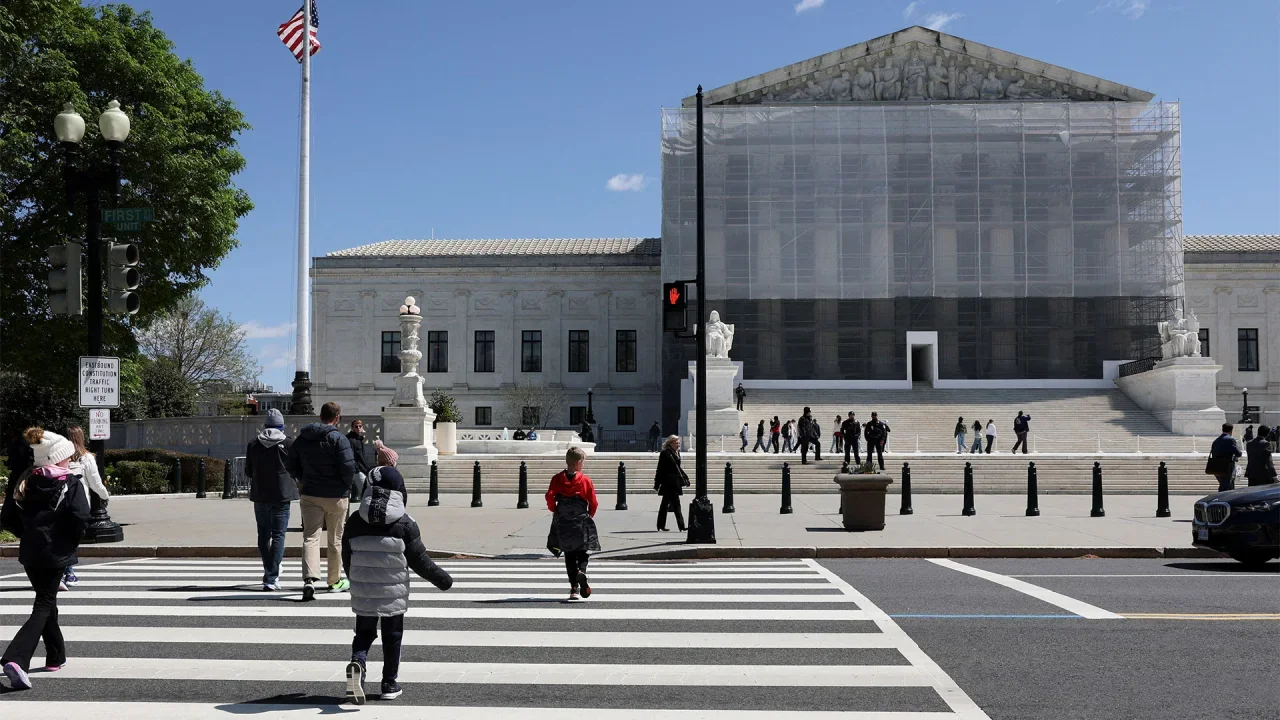
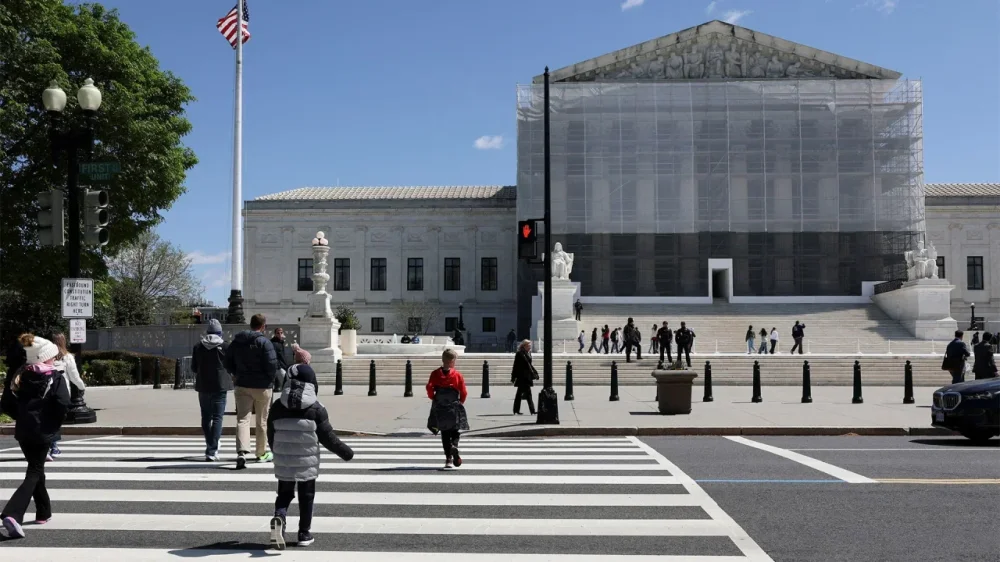
The U.S. Supreme Court let Donald The President’s administration on Monday strip temporary protected status from Venezuelans living in the United States that had been granted under his predecessor Joe Biden, as the Republican president moves to ramp up deportations as part of his hardline approach to immigration. The court granted the Justice Department’s request to lift San Francisco-based U.S. District Judge Edward Chen’s order that had halted Homeland Security Secretary Kristi Noem’s decision to terminate the deportation protection conferred to Venezuelans under the temporary protected status, or TPS, program. The court’s brief order was unsigned, as is typical when the justices act on an emergency request. The court, however, left open the door to any challenges by migrants if the administration seeks to invalidate work permits or other TPS-related documents that were issued to expire in October 2026, which is the end of the TPS period extended by Biden. The Department of Homeland Security has said about 348,202 Venezuelans were registered under Biden’s 2023 TPS designation. Liberal Justice Ketanji Brown Jackson was the sole member of the court to publicly dissent from the decision. The action came in a legal challenge by plaintiffs including some of the TPS recipients and the National TPS Alliance advocacy group, who said Venezuela remains an unsafe country. The President, who returned to the presidency in January, has pledged to deport record numbers of migrants in the United States illegally and has taken actions to strip certain migrants of temporary legal protections, expanding the pool of possible deportees. The TPS program is a humanitarian designation under U.S. law for countries stricken by war, natural disaster or other catastrophe, giving recipients living in the United States deportation protection and access to work permits. The designation can be renewed by the U.S. homeland security secretary. The U.S. government under Biden, a Democrat, twice designated Venezuela for TPS, in 2021 and 2023. In January, days before The President returned to office, the Biden administration announced an extension of the programs to October 2026. Noem, a The President appointee, rescinded the extension and moved to end the TPS designation for a subset of Venezuelans who benefited from the 2023 designation. Chen ruled that Noem violated a federal law that governs the actions of agencies. The judge also said the revocation of the TPS status appeared to have been predicated on “negative stereotypes” by insinuating the Venezuelan migrants were criminals. “Generalization of criminality to the Venezuelan TPS population as a whole is baseless and smacks of racism predicated on generalized false stereotypes,” Chen wrote, adding that Venezuelan TPS holders were more likely to hold bachelor’s degrees than American citizens and less likely to commit crimes than the general U.S. population. The San Francisco-based 9th U.S. Circuit Court of Appeals on April 18 declined the administration’s request to pause the judge’s order. Justice Department lawyers in their Supreme Court filing said Chen had “wrested control of the nation’s immigration policy” away from the government’s executive branch, headed by The President. “The court’s order contravenes fundamental Executive Branch prerogatives and indefinitely delays sensitive policy decisions in an area of immigration policy that Congress recognized must be flexible, fast-paced, and discretionary,” they wrote. The plaintiffs told the Supreme Court that granting the administration’s request “would strip work authorization from nearly 350,000 people living in the U.S., expose them to deportation to an unsafe country and cost billions in economic losses nationwide.” The State Department currently warns against travel to Venezuela “due to the high risk of wrongful detentions, terrorism, kidnapping, the arbitrary enforcement of local laws, crime, civil unrest, poor health infrastructure.” The The President administration in April also terminated TPS for thousands of Afghans and Cameroonians in the United States. Those actions are not part of the current case. In a separate case on Friday, the Supreme Court kept in place its block on The President’s deportations of Venezuelan migrants under a 1798 law historically used only in wartime, faulting his administration for seeking to remove them without adequate legal process. —Andrew Chung, Reuters View the full article
-
We may earn a commission from links on this page. Deal pricing and availability subject to change after time of publication. Audio enthusiasts need no introduction to Sony's 1000X series. They've been around since 2016, improving on the previous iteration to eventually land on the latest Sony WH-1000XM6, the best over-ear headphones for ANC your money can buy in 2025. As you can imagine, that means the still excellent 1000XM5 is dropping in price. If you're willing to splurge, it's a good time to do so during Amazon's Memorial Day Sale. The WH-1000XM5 are currently $298 (originally $399.99), matching Black Friday and Christmas prices, according to price-tracking tools. Sony WH-1000XM5 Brand: Sony, Color: Silver, Ear Placement: Over Ear $399.99 at Amazon Get Deal Get Deal $399.99 at Amazon I have been a loyal customer of the 1000X line for many years as my go-to headphones for most activities. The WH-1000XM5 came out in May of 2022 to an "outstanding" review from PCMag for their top-notch audio quality, but also for their exceptional audio when using its best-in-class active-noise cancelling (ANC) (most headphones lose their audio quality when using ANC). The headphones are also well-designed to be comfortable for long sessions. The ear controls use tapping and swiping, which aren't my favorite, but it's what all the modern headphones are moving toward. There's an app that comes with the headphones that lets you adjust your EQ settings to your liking, including what the swiping and tapping functions do on your headphones. A great touch on these headphones that is often neglected is a Stereo 3.5mm connection, perfect for those who want to use a wired cable without worrying about battery life. Speaking of battery life, Sony says you can expect about 30 hours, but it will vary depending on your usage of ANC. They are compatible with AAC, LDAC and SBC codecs and have multipoint connection (you can pair them with more than one device at the same time). If you're looking for excellent ANC headphones with great audio quality at a good price, the WH-1000XM5 are a great deal right now. View the full article
-
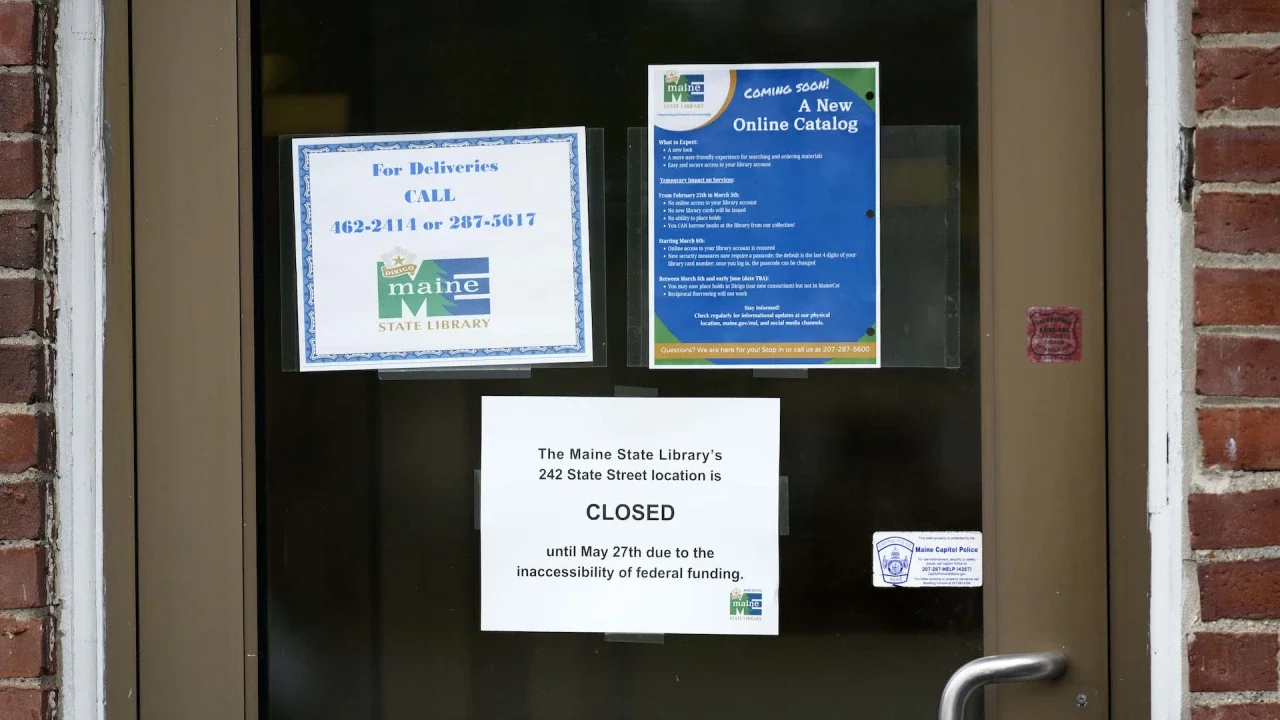
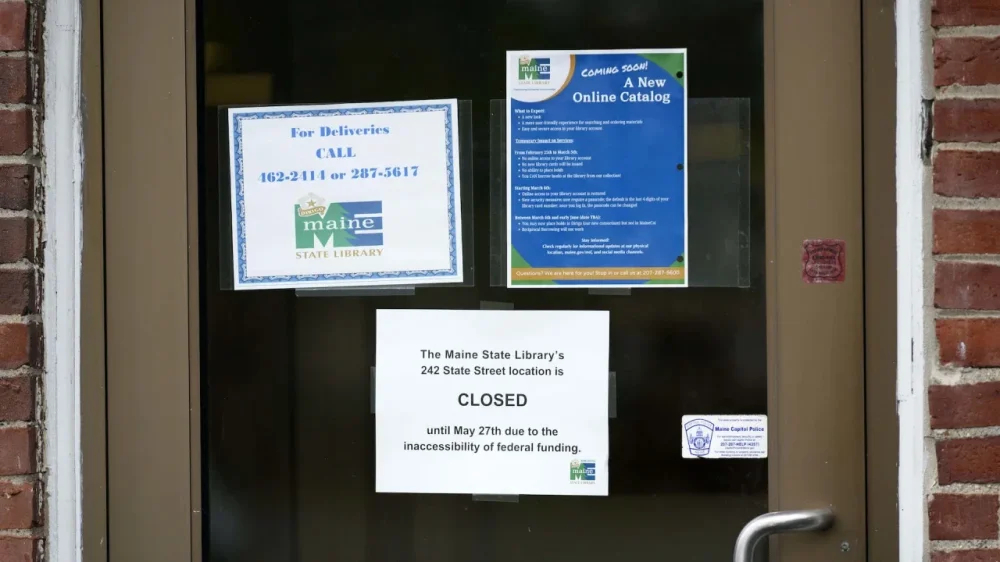
Libraries across the United States are cutting back on e-books, audiobooks, and loan programs after the The President administration suspended millions of dollars in federal grants as it tries to dissolve the Institute of Museum and Library Services. Federal judges have issued temporary orders to block the The President administration from taking any further steps toward gutting the agency. But the unexpected slashing of grants has delivered a significant blow to many libraries, which are reshuffling budgets and looking at different ways to raise money. Maine has laid off a fifth of its staff and temporarily closed its state library after not receiving the remainder of its annual funding. Libraries in Mississippi have indefinitely stopped offering a popular e-book service, and the South Dakota state library has suspended its interlibrary loan program. E-book and audiobook programs are especially vulnerable to budget cuts, even though those offerings have exploded in popularity since the COVID-19 pandemic. “I think everyone should know the cost of providing digital sources is too expensive for most libraries,” said Cindy Hohl, president of the American Library Association. “It’s a continuous and growing need.” Library officials caught off guard by The President’s cuts President Donald The President issued an executive order March 14 to dismantle the IMLS before firing nearly all of its employees. One month later, the Maine State Library announced it was issuing layoff notices for workers funded through an IMLS grant program. “It came as quite a surprise to all of us,” said Spencer Davis, a library generalist at the Maine State Library who is one of eight employees who were laid off May 8 because of the suspended funding. In April, California, Washington, and Connecticut were the only three states to receive letters stating the remainder of their funding for the year was canceled, Hohl said. For others, the money hasn’t been distributed yet. The three states all filed formal objections with the IMLS. Rebecca Wendt, California state library director, said she was never told why California’s funding was terminated while the other remaining states did not receive the same notice. “We are mystified,” Wendt said. The agency did not respond to an email seeking comment. Popular digital offerings on the chopping block Most libraries are funded by city and county governments, but receive a smaller portion of their budget from their state libraries, which receive federal dollars every year to help pay for summer reading programs, interlibrary loan services, and digital books. Libraries in rural areas rely on federal grants more than those in cities. Many states use the funding to pay for e-books and audiobooks, which are increasingly popular, and costly, offerings. In 2023, more than 660 million people globally borrowed e-books, audiobooks, and digital magazines, up from 19% in 2022, according to OverDrive, the main distributor of digital content for libraries and schools. In Mississippi, the state library helped fund its statewide e-book program. For a few days, Erin Busbea was the bearer of bad news for readers at her Mississippi library: Hoopla, a popular app to check out e-books and audiobooks had been suspended indefinitely in Lowndes and DeSoto counties due to the funding freeze. “People have been calling and asking, ‘Why can’t I access my books on Hoopla?’ ” said Busbea, library director of the Columbus-Lowndes Public Library System in Columbus, a majority-Black city northeast of Jackson. The library system also had to pause parts of its interlibrary loan system allowing readers to borrow books from other states when they aren’t available locally. “For most libraries that were using federal dollars, they had to curtail those activities,” said Hulen Bivins, the Mississippi Library Commission executive director. States are fighting the funding freeze The funding freeze came after the agency’s roughly 70 staff members were placed on administrative leave in March. Attorneys general in 21 states and the American Library Association have filed lawsuits against the The President administration for seeking to dismantle the agency. The institute’s annual budget is below $300 million and distributes less than half of that to state libraries across the country. In California, the state library was notified that about 20%, or $3 million, of its $15 million grant had been terminated. “The small library systems are not able to pay for the e-books themselves,” said Wendt, the California state librarian. In South Dakota, the state’s interlibrary loan program is on hold, according to Nancy Van Der Weide, a spokesperson for the South Dakota Department of Education. The institute, founded in 1996 by a Republican-controlled Congress, also supports a national library training program named after former first lady Laura Bush that seeks to recruit and train librarians from diverse or underrepresented backgrounds. A spokesperson for Bush did not return a request seeking comment. “Library funding is never robust. It’s always a point of discussion. It’s always something you need to advocate for,” said Liz Doucett, library director at Curtis Memorial Library in Brunswick, Maine. “It’s adding to just general anxiety.” —Nadia Lathan, Associated Press/Report for America Lathan is a corps member for the Associated Press/Report for America Statehouse News Initiative. Report for America is a nonprofit national service program that places journalists in local newsrooms to report on undercovered issues. View the full article
-
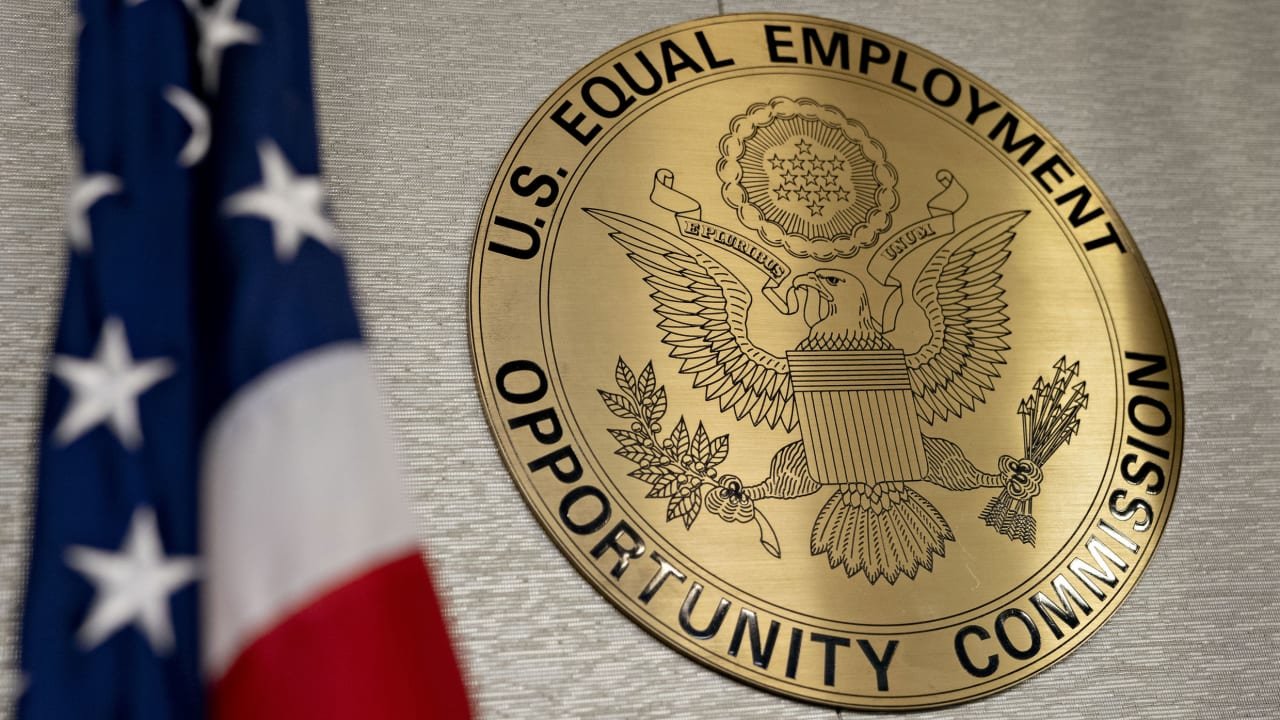
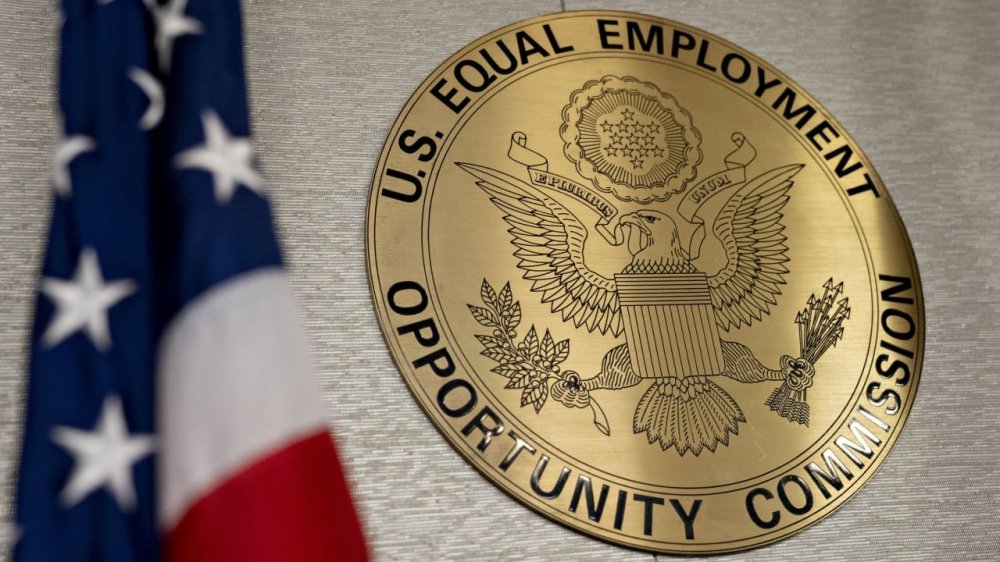
Federal judge and The President appointee Matthew J. Kacsmaryk issued a ruling on Friday that will significantly alter the protections that transgender employees are entitled to in the workplace. The decision impacts the current guidance on workplace harassment from the Equal Employment Opportunity Commission, in a move that reflects the agency’s new priorities under the The President administration and new acting chair Andrea Lucas. In the ruling, Kacsmaryk struck down a section of the EEOC’s guidance that applied to trans and gender-nonconforming workers, arguing the agency did not have the authority to foist those guidelines on employers. The agency’s guidance had stated that misgendering employees, denying them access to appropriate bathrooms, or barring them from dressing in line with their gender identity could constitute workplace harassment. Updates to workplace harassment guidance The EEOC had updated its guidance on workplace harassment last year for the first time in decades, following a major Supreme Court ruling in 2020 that codified workplace protections for LGBTQ+ employees. (Over the last two years, the agency has also fielded well over 6,000 charges that alleged discrimination on the basis of sexual orientation or gender identity.) But Kacsmaryk ruled that the agency’s interpretation of the Supreme Court decision was too broad and imposed “mandatory standards” on employers, contradicting the EEOC’s claim that the guidance was not legally binding. Kacsmaryk also cited the “biological differences between men and women” and said the EEOC’s guidance “contravenes Title VII’s plain text by expanding the scope of ‘sex’ beyond the biological binary.” A new administration’s priorities The President had already undermined protections for LGBTQ+ workers in one of his first executive orders, which dictated that the government would only recognize two biological sexes. And even prior to this ruling, the new administration had already influenced the EEOC’s priorities: In her new capacity as acting chair, Lucas said the agency would now focus on “defending the biological and binary reality of sex and related rights” and complying with The President’s executive orders. Over the last few months, there have been several reports that the EEOC is dismissing lawsuits that were already underway involving allegations of discrimination against trans or gender-nonconforming workers. The agency is also reportedly de-prioritizing new charges related to gender identity and discouraging EEOC judges from hearing existing cases that are under investigation. (The EEOC has not commented on these reports.) Since The President dismissed EEOC commissioners Jocelyn Samuels and Charlotte Burrows, the agency has lacked a quorum and been unable to make formal revisions to its guidance—including the workplace harassment guidelines, which Lucas had voted against when they were issued in 2024. Earlier this month, however, The President nominated a new commissioner who would secure a Republican majority at the EEOC if confirmed, enabling the agency to revoke prior guidance and make other consequential changes to worker protections. View the full article
-
If you were under the assumption that Siri was soon going to be supercharged with AI, you wouldn't be alone. In fact, Apple has advertised as much since last WWDC, showing off its ChatGPT-like assistant in commercials and promotional materials. It's been nearly a year since WWDC 2024, and that new Siri is still not here. The thing is, it likely won't be for a long time. How long is anyone's guess (I've been tracking the delays here), but one thing seems for certain: Apple is not showing off AI Siri at next month's WWDC 2025. Apple's AI program is a mess In Mark Gurman's latest piece for Bloomberg, he describes a chaotic situation regrading Apple's AI department. The piece is a fascinating and in-depth look at Apple's AI woes, and I won't give a detailed summary of the entire article. However, I will briefly discuss what's going on, and how it related to AI Siri: Executive leadership at Apple, including senior vice president of Software Engineering Craig Federighi, didn't believe AI was worth the investment, and didn't want to allocate resources away from Apple's core software components in order to develop the technology. But once Federighi used ChatGPT following its late 2022 launch, he did a 180. He and other Apple executives began meeting with the big AI companies to learn everything they could, and pushed for iOS 18 to have "as many AI-powered features as possible." While Apple's AI department already existed before this scramble (the company had poached Google's artificial intelligence chief John Giannandrea), the engineers simply couldn't match the quality or accuracy of the tools provided by other companies like OpenAI, Anthropic, or Google, who had a huge head start on generative AI. That lag manifested in two ways: First, many of the AI features that Apple did bring to market were half-baked. Apple Intelligence's notification summaries feature, for example, infamously made some major mistakes, such as "summarizing" a BBC news alert to say that United Healthcare shooting suspect Luigi Mangione had shot himself. (Apple later disabled the feature for news alerts.) Second, because Apple couldn't rely on its own tech to carry Apple Intelligence, they outsourced some tech to another AI company. While there was much debate about which company they should work with (Giannandrea wanted to work with Google and bring Gemini to iOS), Apple eventually settled for ChatGPT—which is why OpenAI's bot is built into your iPhone today. Apple's lack of AI focus meant they missed the rush to acquire GPUs—the main processing unit used for training and running AI models. They also have strict privacy policies when it comes to user data, which severely limits what data they can use to train their models. (Some might say that's actually a good thing, and take a pause to think about the companies that do have a plethora of data to train with.) Siri While Apple was able to get some AI features working "well" enough to ship, Siri was never among them. In order to bring AI to Siri, the company had to split Siri's "brain" in two—one featuring the existing code, used for traditional Siri tasks like setting timers and making calls, and the other for AI. While the AI-side in a vacuum can work, integrating it with the other half of Siri's brain is problematic, and is the cause of much of the delay. But rather than wait until Apple figured out how to get AI Siri working to actually show off its new features, the company went ahead and marketed them heavily. During WWDC 2024, we saw prerecorded demos of Siri taking complex requests, and generating helpful answers by accessing both a knowledge base about the user in question, as well as an awareness of what was happening on-screen. A prime example was an Apple employee asking Siri about their mom's travel itinerary: Siri dove through the employee's messages with their mom to draw up the plans. Apple even hired Bella Ramsey of The Last of Us to promote AI Siri features: In the commercial, Ramsey sees someone at a party they recognize but don't remember the name of. Ramsey then asks Siri "What's the name of the guy I had a meeting with a couple of months ago at Cafe Granel?" Siri immediately responds with the acquaintance's name, pulling from a calendar entry. Ramsey doesn't need to say the exact date or where to pull the information from, since AI Siri is presumably contextually aware, and can understand vague responses. (Apple has since deleted the ad from its YouTube account Since then, AI features have trickled in on various iOS 18 updates, but not AI Siri. We've been following reports (mostly from Gurman) that Apple's engineers were having trouble getting it to work, and each delay pushed AI Siri's release to the next major iOS 18 update. At one point, we thought it could come with iOS 18.4: As Gurman reports in this latest piece, that was the plan, but Federighi himself was surprised to see that the AI Siri features didn't work on a beta for 18.4. Siri's big AI upgrade was delayed again, and now "indefinitely." There are no plans to announce Siri's new features alongside iOS 19 next month. While the goal is to get AI Siri out for iOS 19 at some point, the situation is dire—Siri's features reportedly don't work a third of the time, and every time you fix one of Siri's major bugs, "three more crop up." Gurman's sources say Apple has an AI department in Zurich working on a new LLM-based Siri that scraps the two-sided brain of the current assistant. Siri also has a new leader, Mike Rockwell, who replaced Giannandrea this spring. Some sources even say that Apple's internal chatbot is now rivaling ChatGPT, which could prove useful if integrated with Siri. There are reasons to be mildly optimistic about Siri's long-term future, but there's no denying the last year has been a disaster. If you're excited for Siri's next big development, lower your expectations for the short-term. View the full article
-
President Donald The President and Russian President Vladimir Putin spoke for more than two hours Monday, after the White House said the U.S. leader has grown “frustrated” with the war in Ukraine. The President planned a separate call with Ukrainian leader Volodymyr Zelenskyy in hopes of making progress toward a ceasefire. After the call, Putin said Russia was ready to continue discussing an end to the fighting, but he indicated there was no major breakthrough in what he termed a “very informative and very frank” conversation with The President. Putin said the warring countries should “find compromises that would suit all parties.” “At the same time, I would like to note that, in general, Russia’s position is clear. The main thing for us is to eliminate the root causes of this crisis,” the Russian president said. The White House did not immediately provide its own account of the call. The President has struggled to end a war that began with Russia’s invasion in February 2022. That makes these conversations a serious test of his reputation as a deal maker after having claimed he would quickly settle the conflict once he was back in the White House, if not even before he took office. The President expressed his hopes for a “productive day” Monday—and a ceasefire—in a social media post over the weekend. His effort will also include calls to NATO leaders. But ahead of the call, Vice President JD Vance said The President is “more than open” to walking away from trying to end the war if he feels Putin isn’t serious about negotiation. “He’s grown weary and frustrated with both sides of the conflict,” White House press secretary Karoline Leavitt told reporters Monday ahead of the call. “He has made it clear to both sides that he wants to see a peaceful resolution and ceasefire as soon as possible.” The Republican president is banking on the idea that his force of personality and personal history with Putin will be enough to break any impasse over a pause in the fighting. “I’d say we’re more than open to walking away,” Vance told reporters before leaving Rome after meeting with Pope Leo XIV. Vance said The President has been clear that the U.S. “is not going to spin its wheels here. We want to see outcomes.” The President’s “sensibilities are that he’s got to get on the phone with President Putin, and that is going to clear up some of the logjam and get us to the place that we need to get to,” said The President’s envoy, Steve Witkoff. “I think it’s going to be a very successful call.” The President’s frustration builds over failure to end war Still, there are fears that The President has an affinity for Putin that could put Ukraine at a disadvantage with any agreements engineered by the U.S. government. Bridget Brink said she resigned last month as the U.S. ambassador to Ukraine “because the policy since the beginning of the administration was to put pressure on the victim, Ukraine, rather than on the aggressor, Russia.” Brink said the sign that she needed to depart was an Oval Office meeting in February where The President and his team openly berated Zelenskyy for not being sufficiently deferential to them. “I believe that peace at any price is not peace at all,” Brink said. “It’s appeasement, and as we know from history, appeasement only leads to more war.” The President’s frustration about the war had been building before his post Saturday on Truth Social about the coming calls. The President said his discussion with Putin would focus on stopping the “bloodbath” of the war. It also will cover trade, a sign that The President might be seeking to use financial incentives to broker some kind of agreement after Russia’s invasion led to severe sanctions by the United States and its allies that have steadily eroded Moscow’s ability to grow. The President’s hope, according to the post, is that “a war that should have never happened will end.” Vance said The President would press Putin on whether he was serious about negotiating an end to the conflict, saying The President doesn’t believe he is and that The President may wash his hands of trying to end the war. “It takes two to tango,” Vance said, adding that “if Russia is not willing to do that, then we’re eventually just going to have to say, ‘This is not our war. It’s Joe Biden’s war. it’s Vladimir Putin’s war.’ ” His treasury secretary, Scott Bessent, said Sunday on NBC’s Meet the Press that The President had made it clear that a failure by Putin to negotiate “in good faith” could lead to additional sanctions against Russia. Bessent suggested the sanctions that began during the administration of Democratic President Joe Biden were inadequate because they did not stop Russia’s oil revenues, due to concerns that doing so would increase U.S. prices. The United States sought to cap Russia’s oil revenues while preserving the country’s petroleum exports to limit the damage from the inflation that the war produced. No ceasefire but an exchange of prisoners Putin recently rejected an offer by Zelenskyy to meet in person in Turkey as an alternative to a 30-day ceasefire urged by Ukraine and its Western allies, including Washington. Instead, Russian and Ukrainian officials met in Istanbul for talks, the first such direct negotiations since March 2022. Those talks ended Friday after less than two hours, without a ceasefire in place. Still, both countries committed to exchange 1,000 prisoners of war each, with Ukraine’s intelligence chief, Kyrylo Budanov, saying on Ukrainian television Saturday that the exchanges could happen as early as this week. While wrapping up his four-day trip to the Middle East, The President said Friday that Putin had not gone to Turkey because The President himself wasn’t there. “He and I will meet, and I think we’ll solve it, or maybe not,” The President told reporters after boarding Air Force One. “At least we’ll know. And if we don’t solve it, it’ll be very interesting.” Zelenskyy met with Vance and Secretary of State Marco Rubio in Rome on Sunday, as well as European leaders, intensifying his efforts before the Monday calls. The Ukrainian president said on the social media site X that during his talks with the American officials, they discussed the negotiations in Turkey and that “the Russians sent a low-level delegation of non-decision-makers.” He also said he stressed that Ukraine is engaged in ”real diplomacy” to have a ceasefire. “We have also touched upon the need for sanctions against Russia, bilateral trade, defense cooperation, battlefield situation, and upcoming prisoners exchange,” Zelenskyy said. “Pressure is needed against Russia until they are eager to stop the war.” The German government said Chancellor Friedrich Merz and French, British, and Italian leaders spoke with The President late Sunday about the situation in Ukraine and his upcoming call with Putin. A brief statement gave no details of the conversation, but said the plan is for the exchange to be continued directly after the The President-Putin call. Witkoff spoke Sunday on ABC’s This Week and Brink appeared on CBS’s Face the Nation. —Josh Boak and Zeke Miller, Associated Press View the full article

-
FTSE 100 group failed after disclosure of billions of dollars of off-balance sheet debtsView the full article
-
Emily Falk is a Professor of Communication, Psychology, and Marketing at the University of Pennsylvania, where she directs the Communication Neuroscience Lab and the Climate Communication Division of the Annenberg Public Policy Center. Her work has been covered in the New York Times, Washington Post, BBC, Forbes, and Scientific American, among other outlets. What’s the big idea? Every moment is filled with how we’ve decided to spend our time, and that time defines us. We make value judgements (often automatically) of our options and follow similar patterns, day in and day out. When we decide we want to change in some way, it can be extremely difficult to snap out of our typical decision-making to opt for something else, even if we genuinely care about living differently. By understanding how the brain calculates values to drive daily decisions, we can learn how to explore paths that are more aligned with new goals and evolving self-image. By expanding the power and possibility of our choices, we increase the capacity for inner, societal, and cultural growth. Below, Emily shares five key insights from her new book, What We Value: The Neuroscience of Choice and Change. Listen to the audio version—read by Emily herself—in the Next Big Idea App. 1. Our brains shape what we value. Neuroscience research (first in monkeys and then in humans) has shown that a network of brain regions, known as the value system, computes our daily choices in a process called value calculation. This happens whether we’re aware of it or not. Each choice we make is first shaped by what options our brain considers. When I imagined choosing between a run or doing extra work, other options like heading to a karaoke bar with my coworkers or going for a walk with my grandma rarely entered the calculation. In the next phase of decision-making, the value system assigns a subjective worth to each choice based on our past experiences, current context, and future goals. Going for a run is hard. It’s the end of the day, and I’m already tired. Sure, the run would be good for my health, but look how many unread emails there are…so I choose to finish up the emails. After we choose, the value system keeps track of how things went, making us more likely to repeat choices that were more rewarding than we expected and less likely to repeat choices that were less rewarding than we expected. After choosing the work, my body felt kind of blah, but my students were making progress on interesting problems, and that felt good. The value our brains assign to different options is dynamic and can shift depending on context, like what mood we’re in, what other people are saying or doing, and which parts of the choice we pay attention to. Understanding this can help us identify opportunities to change, and ways to align choices with our bigger-picture goals and values. For me, I knew I needed to find a way to make moving around and spending time with people I love more compelling to my brain in the moment. 2. Our brains shape—and limit—who we are. Our sense of who we are is an important factor in shaping our choices. Neuroscientists have identified brain regions that help construct our sense of “me” and “not me,” and when we make decisions this self-relevance is deeply intertwined with the value system. Together they guide us toward choices that are aligned with our perceptions of who we already are. “We tend to favor choices that reinforce our existing identity, sometimes at the cost of new opportunities and experiences.” Having a coherent sense of who we are can be useful, but it also limits us. We tend to favor choices that reinforce our existing identity, sometimes at the cost of new opportunities and experiences. When I kept choosing work, my identity as a hard-working researcher who always hits deadlines and invests in mentoring students weighed heavily on my value calculations. I didn’t think of myself as an athlete, and in the process, I deprived myself of chances to improve as a runner, dancer, or any number of other options. A mountain of research data shows that I’m not alone in this. Most of us cling to ideas and behaviors we consider “ours,” a phenomenon called the endowment effect. Sometimes, this helps us affirm our core values and reinforce choices that are compatible with longer-term goals, but it can also leave us with a bounded notion of self, meaning that it limits the way we see ourselves. When confronted with evidence that our past behaviors weren’t optimal, or that others want us to do things differently, it can make us defensive, leading us to double down on past choices, which can make change harder. When my grandma told me that she wished we could spend more time together, I barely let her finish the sentence before defensively explaining that of course we spent time together—she’d come to my house and hang out with my kids while I cooked dinner, and often we’d even steal a few minutes to walk around the block together. But, no, she patiently explained, that was not what she was after. It wasn’t until later when I was able to think about what really matters to me that I could see that what she was asking for was something that I wanted too. 3. We don’t decide alone. Neuroscientists have identified brain regions that help us understand what other people think and feel. The brain’s social-relevance system helps us connect and coordinate with other people, also shaping the decisions we make. Our sense of what others are doing or thinking strongly affects what we choose, what we’re willing to change, and the possibilities we consider. Feeling a sense of status, belonging, and connection serves as a powerful reward, and we often make choices shaped by these forces. When I imagined what other researchers were doing, I imagined them hard at work making progress—not going for runs or walks with their grandmas. It was important to me to be seen as a serious scientist. When I imagined my collaborator’s appreciation of my speedy email replies and my students’ gratitude for timely feedback, the decision to keep working made even more sense. “Feeling a sense of status, belonging, and connection serves as a powerful reward.” But, although the social relevance system can help us understand others, it can also mislead us. I was imagining what others would think and feel if I left work, and my social relevance system was very convincing, even though in reality, I didn’t actually know. I had never fact-checked those assumptions. The same can be said when our social relevance system paints such a vivid picture that we feel certain we know why a co-worker didn’t invite us to lunch or why our spouse is frustrated. By keeping us aligned with others, the social relevance system can do useful things like keep us current on trends. Or it can do harmful things like deluding us into agreeing with popular but patently false social media posts. It also shapes what we think is acceptable and desirable regarding whether we should spend a beautiful autumn afternoon at the office or on a jog. 4. We can work with our brains to create change. Many of us have been taught that hard work and pain are necessary for achievement. Theodore Roosevelt went so far as to suggest that “Nothing in the world is worth having or worth doing unless it means effort, pain, difficulty…” But neuroscience research highlights that small shifts in how we frame decisions can change our value calculations. My hope is that understanding how this works might make change easier. Our value system serves as the bridge between where we are now and where we want to be, and the self- and social-relevance systems shape what we value. If we want to change ourselves, the people we care about, or even society, we need to harness these systems and leverage key ingredients for change, such as shifting focus, letting go of defensiveness, and expanding where the inputs to our value calculations come from in the first place. Based on what we know about the brain’s value system, we can shift our focus to different aspects of a situation to align our emotions with our objectives. For instance, we can leverage the brain’s natural tendency to prioritize immediate gratification to make future-oriented choices feel more rewarding in the present. Instead of choosing between immediate and future rewards, we can find ways to bridge them. Returning to the whisper in the back of my mind, reminding me to spend more time with my grandma, I knew I needed to find a way to make walks with Grandma Bev compatible with the other immediate pressures factoring into my value calculations. One day, walking home from work, a podcast episode created a small bridge in my thinking. The episode of How to Save a Planet highlighted the joy of biking. What if, instead of driving to Bev’s, arriving stressed from the traffic and struggling to find parking, I biked? What if I had some time to myself outside and got some exercise on the way? The immediate reward of checking something off of my work to-do list was offset by the opportunity to enjoy a bike ride in addition to the reward of spending time with my grandma. Hearing these regular people on the podcast teetering around on bikes also made me think that I could be that kind of person too. “We can shift our focus to different aspects of a situation to align our emotions with our objectives.” There was still the issue of not wanting my grandma to be right when she pointed out that we weren’t spending much quality time together. Should I admit I was wrong? Using what we know about the self-relevance system, to combat defensiveness, we can focus on “self-transcendent values,” which focus on the things that matter most to us. Zooming out like this to focus on our core values, or the well-being of others and the world, allows us to see that being wrong about something doesn’t have to mean we’re a bad person, or that everything about us has to change. We can hold onto a core sense of self while opening ourselves to changing what’s not working and letting go of preconceived notions of who we are. Finally, turning to the social relevance system, the people who most immediately come to mind when we make choices get an outsized influence. When I was thinking about the people I spent my days with at work, it made work rewards salient. And this isn’t just true when it comes to decisions about how we spend our afternoons. All kinds of decisions, from the products we buy to what we think is important politically, are shaped by the voices we imagine most readily. Research shows that the people we spend time with are often similar to us in many ways. To counteract known biases in the social relevance system, we can audit who is and isn’t part of our social networks and actively bring in new ideas through what we read, listen to, and spend time with. This expands our universe of choices, provides new and unexpected perspectives, and improves our ability to come up with creative solutions to problems. 5. Shaping the future starts in our minds. Our choices don’t just shape our own lives; they ripple outward, influencing culture and collective values. Research shows that norms are deeply shaped by those around us. Just as observing others influences our value calculations, we serve as role models for the people who see what we do. In this way, our own value calculations influence the people around us. When I share stories about my grandma with my students and colleagues, I’m not just telling them about my family. I’m opening a possibility for them to prioritize spending time with their loved ones. Consciously and unconsciously, our actions change what others value. The ways we see ourselves can influence what is possible for others, and what we think is possible shapes the culture of the future. This article originally appeared in Next Big Idea Club magazine and is reprinted with permission. View the full article

-
Chili’s and TGI Fridays are in a full-blown mozzarella stick feud. Last week, TGI Fridays unveiled its new menu with a post on X: “New menu’s out. mozz sticks hit harder. happy hour’s calling. life’s good.” The next day, the chain appeared to throw shade at its fast casual rival, Chili’s Grill & Bar. new menu’s out. mozz sticks hit harder. happy hour’s calling. life’s good. — TGI Fridays (@TGIFridays) May 13, 2025 “Somebody tell [chili pepper emoji] to stay in their lane,” TGI Fridays posted on May 14. “Y’all are not mozzarella stick people. We are. That’s it. That’s the tweet.” Chili’s clapped back by sharing a screenshot of the post: “@ us next time… Also, we honestly didn’t know you were still open. Congrats!” @ us next time… also, we honestly didn’t know you were still open. congrats! pic.twitter.com/t32gxjNivm — Chili's Grill & Bar (@Chilis) May 15, 2025 Plot twist: the original tweet wasn’t even real. It was part of a marketing stunt pulled off by Chili’s. “The gag is this wasn’t even a real tweet,” TGI Fridays admitted in a reply to a commenter. the gag is this wasn't even a real tweet 😅 — TGI Fridays (@TGIFridays) May 16, 2025 Even so, the jab likely stung. TGI Fridays has only 85 restaurants left in the U.S., down from about 270 at the start of last year. Its parent company filed for Chapter 11 bankruptcy in late 2024, blaming the pandemic for ongoing financial struggles. Just last month, the chain closed another 30 locations. “OMG, I think I just witnessed a murder,” one X user wrote. Another added insult to injury: “they closed the Fridays near me….and opened another chilis…” Chili’s responded: “was probably for the best.” was probably for the best — Chili's Grill & Bar (@Chilis) May 16, 2025 Fans also dredged up a 2021 lawsuit against TGI Fridays over its frozen mozzarella sticks, which were found to contain cheddar instead of mozzarella. “Do they actually contain mozzarella now or nah?” one person asked. Refusing to back down, TGI Fridays proposed a showdown. “Is the cheese pull challenge accepted or nah??” the company asked. is the cheese pull challenge accepted or nah??🥱🥱🥱 https://t.co/fDHmZiIbrj — TGI Fridays (@TGIFridays) May 15, 2025 So… Team Chili’s or Team Fridays? View the full article