Newsletter
Want to keep up to date with all our latest news and information?


ResidentialBusiness
Administrators
-
Joined
-
Last visited
Everything posted by ResidentialBusiness
-
We may earn a commission from links on this page. Deal pricing and availability subject to change after time of publication. Building your DIY home maintenance or repair kit can get expensive quickly. If you have some big summer plans for home improvement projects, you might be looking for savings on tools and materials to bring your DIY dreams to life. Luckily, there are some deals on Craftsman tools on Amazon right now that you can check out to help you get your projects finished under budget. Tools setsIf you’re building a new toolbox from scratch, Craftsman makes a few sets that are invaluable for DIY projects, and a few of them are on sale on Amazon right now: The Craftsman 230-piece mechanics tool set is on sale for $99, 50% off its regular price. This set includes a ¼, ⅜, and ½ -inch standard American imperial ratchets and socket sets, a set of box wrenches, a hand-held screwdriver, and several specialty bits. This is a great start for any type of project where you might use wrenches, like DIY appliance repair. The Craftsman 7-piece SAE wrench set is on sale for $14.98, 39% off its usual price. This set includes seven box wrenches in standard American imperial sizes. This is a good basic wrench set for any type of project where you might be using nuts and bolts, like installing heavy-duty shelving. The Craftsman 14-piece ¼-inch SAE ratchet and socket set is on sale for $14.98, 44% off its typical price. This set comes with deep sockets that are good for any project where you might need a ratchet for tightening nuts and bolts. Cordless driverThe Craftsman 20-volt, ¼ inch drive cordless impact driver is on sale for $49, 60% off its regular price. This impact driver comes with a 20-volt battery and charger, and can be used with impact drill bits to drill holes as well as drive screws and other fasteners. This is a good basic tool for beginner home maintenance because it comes with the necessary components to get you started, although you will need to buy bits separately. Hand toolsCraftsman hand tools are known for being durable and well-made, making them a good investment for your DIY toolkit. Here are some deals on hand tools for your home maintenance tool kit. The Craftsman ratcheting screwdriver is on sale for $14.99, 38% off its regular price. It comes with six double-ended bits in various sizes to fit most standard Phillips head, flat head, star drive, and square drive hardware. This is a great driver for small jobs around the house, like door hardware maintenance. Craftsman folding SAE hex wrench is on sale for $4.98, 40% off its usual price. This set of hex wrenches is useful for DIY home maintenance like tightening the set screws on furniture and knobs. BladesAn oscillating multitool is rapidly becoming the most essential tool for home DIY projects because of its versatility and speed. If you rushed out to get one, you might have gotten it home only to realize you don’t have the right blade for it. Here are some deals on Craftsman oscillating tool blades from Amazon to cover a variety of DIY applications. The Craftsman wood and metal oscillating tool blade 3-pack is on sale for $16.99, 58% off its typical price. These blades are rated for cutting wood or metal and are perfect for trimming out parts of wood furniture that could have nails or screws in them, and can be used to trim the corners on circular saw cuts in the corners where a curved saw blade can’t make a clean cut. The Craftsman 3-piece multipack of oscillating tool blades is on sale for $13.99, 57% off its regular price. The set comes with one wood and metal blade, one PVC blade, and one scraper blade. This set will cover you for a wide variety of projects from cutting PVC for a DIY drip irrigation system to trimming screw tips that poke through your fencing. View the full article
-
High electricity prices undermining competitiveness of British businesses, official figures showView the full article
-
US president’s son Eric The President to visit Ho Chi Minh City for talks on projectView the full article
-
Epic Games‘s Fortnite video game was not available on Apple’s iPhone devices in the European Union and the United States on Friday. Access to Fortnite via Apple’s iPhone Operating System and through its App Store will be unavailable worldwide until Apple unblocks it, Epic Games said. Epic Games did not give a reason why Fortnite was blocked, but Apple said it had asked Epic Sweden to resubmit the app update without including the U.S. storefront so as not to impact Fortnite in other geographies. “We did not take any action to remove the live version of Fortnite from alternative distribution marketplaces,” an Apple spokesperson said. Epic, a U.S.-based studio, backed by China’s Tencent, is the world’s largest game studio. It was launched in 2017 and its last-player-standing, “battle royale” format became an instant hit, drawing millions of players. Since 2020, it has been in a legal battle with Apple, after the gaming firm alleged that Apple’s practice of charging a commission of up to 30% on in-app payments violated U.S. antitrust rules. Late on Friday, Epic Games asked a U.S. judge in California to hold Apple in contempt for blocking the return of Fortnite to the App Store in the U.S. In a court filing, Epic said Apple should be required, as part of a prior court ruling to allow the distribution of Fortnite. Apple’s blocking of the app was “blatant retaliation against Epic for challenging Apple’s anticompetitive behavior and exposing its lies to the court,” Epic’s filing added. Apple did not immediately respond to a request for comment on the filing outside regular business hours. Apple banned Fortnite from its store in 2020 but allowed the game back last year following pressure from European Union authorities for Big Tech companies to comply with the bloc’s Digital Markets Act. Last year, it also approved Epic Games’s marketplace app on iPhones and iPads in Europe. Epic Games also won a case against Apple earlier this month. —Supantha Mukherjee, Akash Sriram, Mike Scarcella and Gursimran Kaur, Reuters View the full article

-
The Gboard interface can be a lot. In addition to the keyboard, there are so many features stuffed inside this little utility that there's a whole customizable toolbar on top of the keyboard to help you navigate them. And this kind of maximalist interface applies to the Emoji keyboard as well... or at least, it used to. Now, Google is finally doing something about it. Google has starting rolling out a new beta redesign to the Emoji menu that makes it simpler to use, with a more categorized layout. Gone is the old "All" screen that showed all of your recently used emojis, customized Emoji Kitchen stickers, and GIFs all in one long, confusing list. And, with a little bit of sign up, you can experience this new approach right now. The old Emoji screen in Gboard. Credit: 9to5Google How to try out the new Emoji layout Google's new Gboard layout is currently in beta, which anyone on Android can sign up for (unfortunately, there is no beta for the iOS version of the app). Just head over to this Gboard beta link and click Become a Tester. Once you're signed up, open the Play Store on your Android phone and go to the Gboard app. You'll now have access to beta updates. Update the app and, once it's installed, you're good to go. You'll have the new Emoji layout and all the new features that Gboard is testing. How to use the new Emoji layoutNow, instead of opening the All screen, tapping Gboard's Emoji button directly opens the new Emoji tab, which is just one of many. You can easily switch to other tabs like GIF and Stickers by tapping on them. To go back to the keyboard, you can either use the Back icon or the "ABC" button in the tab bar. Here's what the tabs look like. Credit: Khamosh Pathak The Emoji tab, which is the default, integrates both your regular Emojis and your Emoji Kitchen. You can choose two emojis to see automatic Emoji Kitchen suggestions at the top. Tap the Arrow icon to view more suggestions. Credit: Khamosh Pathak Next, you'll see the GIF tab. This tab shows suggested GIFs by default, but you can tap the Clock icon to view your recently used GIFs. You can also use the Search bar to search for any GIF. Credit: Khamosh Pathak The next tab is dedicated to Stickers. This is where you can explore sticker packs, view stickers that you've installed, and access your recently used stickers. Credit: Khamosh Pathak The last two tabs are reserved for Kaomoji and the Bitmoji app. Credit: Khamosh Pathak The Kaomoji tab shows you a list of text based, simplified emojis, which you can use as an alternative to stickers or emojis. The Bitmoji tab, meanwhile, will only work if you have the Bitmoji app installed and have configured your Bitmoji avatar. View the full article
-
Last week, anticipated price hikes at Walmart attracted headlines across the country after CEO Doug McMillon warned that certain items would become more expensive as a result of President Donald The President’s tariff policies. During the company’s first-quarter earnings call for fiscal 2026, McMillon emphasized the retail giant’s commitment to keep priced competitive. “We will do our best to keep our prices as low as possible,” he said. However, he warned that it would be difficult for Walmart to absorb all costs. He continued,” “Given the magnitude of the tariffs, even at the reduced levels announced this week, we aren’t able to absorb all the pressure given the reality of narrow retail margins.” According to McMillon, the company would do its best to keep food and consumable costs as low as possible, but some food items—like coffee, bananas, and avocados, typically imported from countries like Costa Rica, Peru, and Colombia—would likely be more at risk of higher prices. The President weighs in over the weekend On Saturday, The President took to Truth Social to lash out at the big box retailer. He posted: “Between Walmart and China they should, as is said, “EAT THE TARIFFS,” and not charge valued customers ANYTHING. I’ll be watching, and so will your customers!!!” Officials for the United States and China announced earlier this month that an agreement had been reached to pause most tariffs for 90 days. However, uncertainty remains among retailers, given that The President has frequently flip-flopped on his approach to tariffs. On Sunday, during an interview with NBC’s Meet the Press, Treasury Secretary Scott Bessent told moderator Kristen Welker that he had talked to McMillon on a phone call and was told that Walmart is going to “eat some of the tariffs, just as they did in ‘18, ‘19, and ‘20.” When asked about the retailer’s stance on the potential for price increases, a Walmart spokesperson gave Fast Company the following statement: “We have always worked to keep our prices as low as possible and we won’t stop. We’ll keep prices as low as we can for as long as we can given the reality of small retail margins.” Walmart stock slips on Monday Either way, investors are likely feeling on edge because of the tariff turmoil. On Monday morning, Walmart shares (NYSE: WMT) were down more than 2% in early trading. Markets were mostly down on Monday morning in the wake of Friday’s credit-rating downgrade from Moody’s, although not as sharply. The S&P 500 was down 0.73% while the Dow Jones Industrial Average was down 0.42%. View the full article

-
Welcome back to The Out of Touch Adult’s Guide to Kid Culture, your weekly reminder that the internet is raising children in ways no one understands. This week, we've got kids setting their laptops on fire for clicks, a clueless millennial stepping into a cultural and linguistic minefield, and chicken Alfredo (but make it R&B). "Low GPA Activity" trend sees kids burning their laptopsIn last week's column, I explained the "low GPA activity" trend that was taking off on TikTok. To quote me: "It's the kind of trend that went from funny to a little harmful quickly, so check out these videos now, before TikTok bans the entire genre." I must be psychic, because the trend that started with cafeteria sculptures has literally caught on fire: Kids are setting their school-issued Chromebooks alight, then posting videos like this: Unlike many past sensationalized reports of dangerous online trends, this one seems real. Kids burning their laptops have been reported all over the country, and there are at least two cases of laptop arsonists facing charges. It's important to note, though, that this is a small number of kids we're talking about. There are three flavors of laptop destruction: The more gentle kind involves "stress testing" a laptop by throwing it around some. Kids took that further by forcing staples, paperclips, or other metal objects into their Chromebook's ports to short it out and produce smoke. The trend's final form is puncturing the lithium batteries in their laptops to release toxic smoke and/or start a fire. Despite the news reports, I don't think it's entirely accurate to blame these fires on an "online challenge" or a meme. I still vaguely remember how the last days of a teenage school year felt; when things slowed down enough for you to start seeing what a sham everything is, back when that was a dismal revelation instead of something you'd learned to deal with. My response was putting on some Alice Cooper or watching Rock 'n Roll High School, but only because I didn't have a laptop to burn. Gen A slang speech stirs online controversyXiaomanyc is a 34 year old YouTuber best known for videos where he speaks different languages with fans and followers all over the world. But a recent speech at a high school proved contentious for this non-controversial streamer. Xiaomanyc chose to deliver the speech about the "Gen Alpha dialect of English." It was clearly meant to be lighthearted, as you can see from the video below: This Tweet is currently unavailable. It might be loading or has been removed. But he's inadvertently touched a cultural third rail, particularly to young people. Most of the kids there seemed to like the speech, but some definitely did not. Online types weighed in with their own disapproval. As @hennytwote put it on X: This Tweet is currently unavailable. It might be loading or has been removed. He went on to lay out the issue: "Being a polyglot who studies linguistics and failing to recognize the sociological overlaps of your field that basically have you micro-aggressing Black members of your audience is actually so fucking funny to me. White people are insane.” "It’s literally just Black slang. What is it with ⚪️ people and erasure? It’s so off putting," posted X user @Santawave. It's certainly a fair point, but a lot of the slang used by Xiaomanyc (and Gen A itself) didn't originate with AAVE. For instance, "giga-chad" and "mog" come from very-online communities' message-board speak. "Chud" comes from the movie C.H.U.D., and I doubt any Black person wants to take credit for "Skibidi Toilet." More importantly, even if you have valid concerns about how other people use words, language doesn't care; it's a magpie that takes whatever's shiny. (If you want to translate some Alpha-speak with both AAVE and other origins, check out my glossary: 'Aura Farming,' 'Huzz,' and Other Gen Z and Gen Alpha Slang You Might Need Help Decoding.) What is a "paypig?""Paypig" is slang that originated from the BDSM community. It refers to the submissive in a financially dominant lifestyle. So basically submissive dudes (usually) who are aroused by giving money to people who are financially dominant, aka "findoms." (Capitalism calls them "consumers.") I bring this up to point to a growing niche of TikTok users who are teaching each other how to find paypigs, giving out their Cash App name for anyone who wants to send a few ducats, and populating hashtags like #findomme and #paypig. What is "chicken Alfredo boomerang" music?This phrase is only understood by hyper-online music stans. It needs to be taken apart to be understood by mortals/people who have to work. "Boomerang" here refers to the looping feature on Instagram of that name. Chicken Alfredo refers to the meal, but when you put them together, "chicken Alfredo boomerang" music refers to the weakass R&B someone might put behind an Instagram post of their dinner at a mid-scale restaurant. Referring to commercially released music like this is, obviously, an insult. Other extremely-specific musical insults include "reheating your own nachos," "co-worker music" (music a lame co-worker might be playing), and "Love Island music," (the music that plays when a couple fights during an episode of Love Island). What is "The 2020 effect?"The 2020 effect is a TikTok meme where users post videos that seems to show a brighter, more colorful world, as if the darkness of the pandemic years that began in 2020 is finally lifting and the angels in heaven or whatever turned up the saturation. There's often a reference to the graphics being corrected, but in a metaphorical sense, as you can see in this video: Or a reference to the last time things looked so bright: I don't know if it means anything, but it's nice that a hopeful, optimistic trend is catching on. Viral video of the week: I spent $10,000 on Kickstarter Tech In this week's viral video, genial tech streamer Mrwhosetheboss illustrates the hope and heartbreak of anyone who is into cutting edge gear. It's one of those YouTube video where someone does a ridiculous thing that we all want to do, before good sense prevents us from actually doing it. Like, say, buying over-promised tech items on Kickstarter just to see what they send. Like the title says, Mr. Whose spent ten grand on products so advanced they didn't even exist when he bought them, like a solar powered charging base, an AI-assisted pillow, and a USB powered, robotic desk-pet. No spoilers, but the results are mixed, with some products being flat-out vapor-scams, some being kind of OK, I guess, and some delivering on the promises of their Kickstarter campaigns. View the full article
-
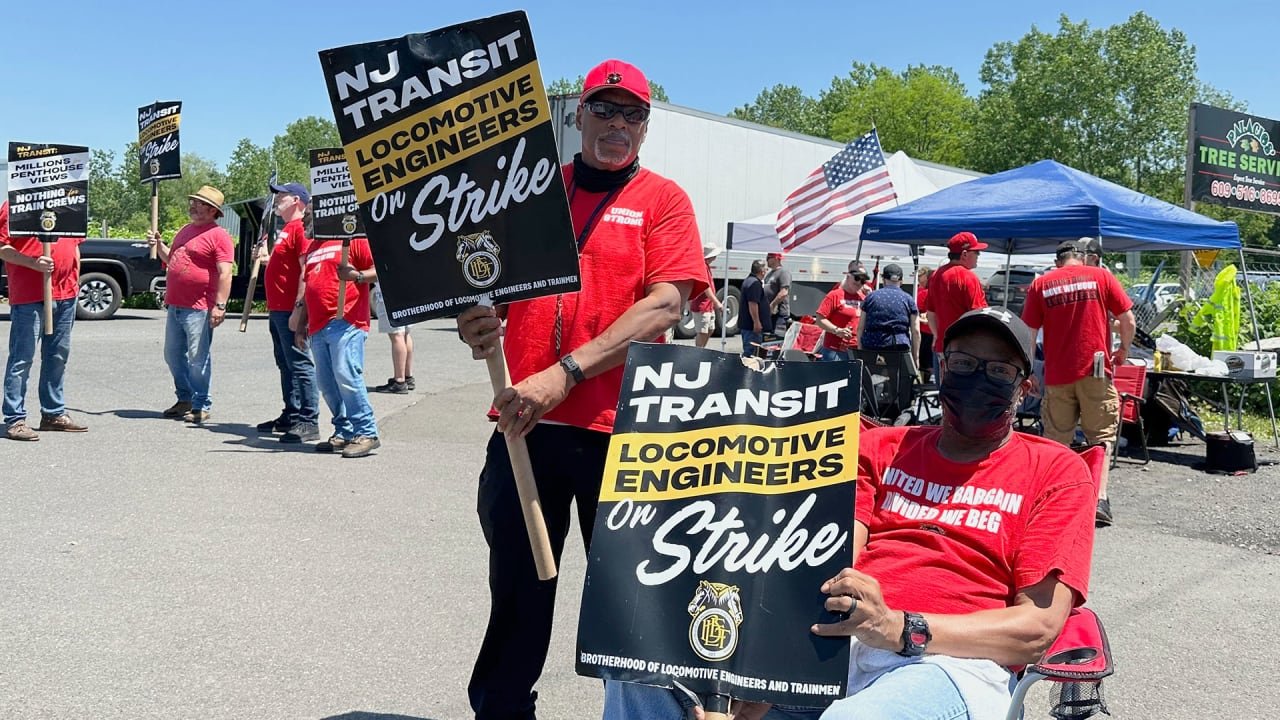
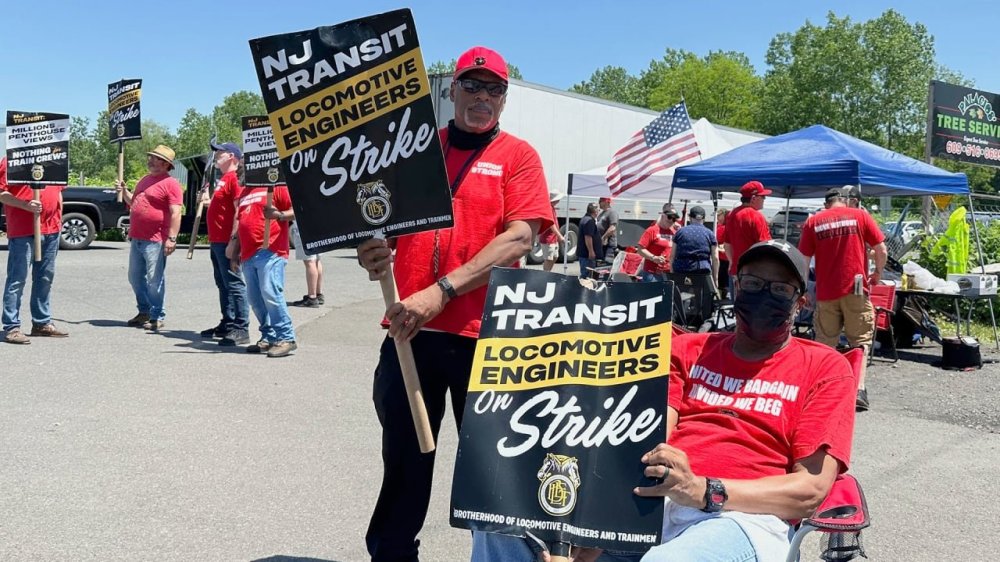
New Jersey Transit’s train engineers reached a tentative deal Sunday to end their three-day strike that had halted service for some 100,000 daily riders, including routes to Newark airport and across the Hudson River to New York City. The union said its members would return to work on Tuesday, when trains would resume their regular schedules. The walkout that began Friday was the state’s first transit strike in over 40 years, forcing people who normally rely on New Jersey Transit to take buses, cars, taxis and boats instead or consider staying home. The main sticking point had been how to accomplish a wage increase for the engineers without creating a financially disastrous domino effect for the transit agency. The Brotherhood of Locomotive Engineers and Trainmen initially announced regular train service would begin again Monday, but moments later, union spokesperson Jamie Horwitz said NJ Transit informed them that it would be Tuesday at 12:01 a.m. instead. A transit agency statement said the Tuesday start was necessary because “it takes approximately 24 hours to inspect and prepare the infrastructure before returning to full scheduled service.” A union statement sent by email said the terms of the agreement would be sent to the union’s 450 members who work as locomotive engineers or trainees at the passenger railroad. “While I won’t get into the exact details of the deal reached, I will say that the only real issue was wages and we were able to reach an agreement that boosts hourly pay beyond the proposal rejected by our members last month and beyond where we were when NJ Transit’s managers walked away from the table Thursday evening,” said Tom Haas, the union’s general chairman at NJ Transit. He added that the union was able to show management “ways to boost engineers’ wages … without causing any significant budget issue or requiring a fare increase.” The union statement also said the deal would be submitted for a ratification vote by the national union and would require a vote of the New Jersey Transit board at its next regularly scheduled meeting on June 11. NJ Transit’s board also has to approve the deal. “To offer the understatement of the year, this is a very good outcome,” New Jersey Gov. Phil Murphy said at a Sunday evening news conference. He commended the two sides for finding an agreement that is “both fair to NJ Transit’s employees while also being affordable for our state’s commuters and taxpayers.” NJ Transit CEO Kris Kolluri didn’t provide details of the deal, but said it was “fair and fiscally responsible.” He thanked the union for negotiating in good faith. “The deal itself reflects a series of concessions that came together by way of a work bill that will eventually end up paying for this fair wage that the union has asked for,” Kolluri said at the news conference. Buses would be provided on Monday, but Murphy and Kolluri both urged commuters, if possible, to work from home for one more day. “Please do that tomorrow so we can move essential employees through the system,” Kolluri said. A month earlier, members of the union had overwhelmingly rejected a labor agreement with management. NJ Transit — the nation’s third-largest transit system — operates buses and rail in the state, providing nearly 1 million weekday trips, including into New York City. The walkout halted all NJ Transit commuter trains, which provide heavily used public transit routes between New York City’s Penn Station on one side of the Hudson River and communities in northern New Jersey on the other, as well as the Newark airport, which has grappled with unrelated delays of its own recently. Mark Wallace, the union’s national president, had said NJ Transit needs to pay engineers a wage that’s comparable to Amtrak and Long Island Railroad because some are leaving for jobs on those other railroads for better pay. The union had said its members have been earning an average salary of $113,000 a year and it wanted to see an agreement for an average salary of $170,000. NJ Transit leadership, though, disputed the union’s data, saying the engineers have average total earnings of $135,000 annually, with the highest earners exceeding $200,000. Weber reported from Los Angeles. Associated Press writer Josh Funk contributed from Omaha, Nebraska. —Bruce Shipkowski and Christopher Weber, Associated Press View the full article
-
Key Takeaways Understand the Business Model: Grasp the unique aspects of the B&B business, including personalized service, homestyle meals, and community engagement, to create an inviting guest experience. Conduct Market Research: Analyze local competition and tourist demographics to identify gaps and opportunities for your B&B, ensuring it meets market needs. Develop a Solid Business Plan: Outline your business model, target audience, marketing strategies, and financial forecasts to guide your operations and secure funding. Navigate Legal Requirements: Familiarize yourself with zoning laws, health and safety standards, and licensing requirements specific to your location to ensure compliance. Design for Guest Comfort: Focus on creating a welcoming atmosphere through thoughtful interior design and essential amenities that enhance guest experiences. Implement Effective Marketing Strategies: Build a strong online presence using SEO techniques and social media to attract potential guests and promote your B&B effectively. Dreaming of running your own bed and breakfast? You’re not alone. Many people are drawn to the charm of hospitality and the joy of welcoming guests into a cozy, inviting space. A bed and breakfast offers a unique opportunity to combine your passion for cooking, home design, and customer service while generating income from your property. Opening a B&B can be incredibly rewarding, but it also comes with its own set of challenges. From choosing the right location to understanding local regulations, you’ll need to navigate various aspects to create a successful venture. Whether you’re looking to turn your home into a quaint getaway or start a new business from scratch, this guide will help you explore everything you need to know to make your bed and breakfast dreams a reality. Understanding the Bed and Breakfast Business Model Understanding the bed and breakfast (B&B) business model is crucial for any entrepreneur venturing into this sector. This model combines hospitality, service, and effective management to provide guests with a welcoming experience while generating revenue. History of Bed and Breakfasts B&Bs originated in Europe, offering travelers a way to find food and lodging in private homes. This model evolved in the 20th century, catering to a demand for personalized lodging experiences. Entrepreneurs saw opportunities in hospitality, enhancing their service with local flavors and charm. Today’s B&Bs often reflect their owners’ unique branding and target audience, creating a blend of tradition and modern marketing techniques. Key Characteristics of Bed and Breakfasts B&Bs display essential characteristics that distinguish them from other accommodations: Personalized Service: B&Bs focus on individual attention, often establishing a loyal customer base through exceptional guest relations. Homestyle Meals: Many B&Bs offer home-cooked breakfasts, capitalizing on local cuisine and dietary preferences, which creates a memorable experience. Unique Ambiance: Each B&B typically features distinct decor and charm, appealing to niche markets and enhancing customer appeal. Limited Capacity: B&Bs often have fewer rooms than hotels, creating an intimate atmosphere ideal for relaxation and connection. Community Engagement: Successful B&Bs engage with local businesses and attractions, promoting community ties and enhancing customer experience. When developing a business plan for a B&B, factor in these characteristics to identify your unique selling proposition. Conduct market research to understand your target audience and refine your branding strategy. Establish a legal structure, whether a sole proprietorship, LLC, or partnership, and ensure compliance with local regulations, including permits and licenses. This model not only emphasizes customer service but also highlights the need for sound financial management, including budgeting for expenses, profit margins, and cash flow. Utilize marketing strategies such as SEO, social media, and digital marketing to attract guests and foster growth. Understanding these key aspects positions you for success in this rewarding venture. Steps to Open a Bed and Breakfast Opening a bed and breakfast (B&B) involves several essential steps to ensure your venture is successful. Focus on market research and crafting a solid business plan. Conducting Market Research Conducting thorough market research is crucial for ensuring your B&B’s viability. Assess key statistics, such as tourist stays and occupancy rates, for B&Bs and hotels in your area. Gather data on average guest demographics and preferences to detect trends. Engage with local B&B owners to gain insights into daily operations, competition, and challenges. Make a comprehensive list of accommodation options nearby, including hotels, campsites, and Airbnbs. This competitive analysis helps identify gaps in the market and potential target audiences. Crafting a Business Plan Crafting a detailed business plan lays the groundwork for your B&B’s success. Include sections on your business model, target audience, marketing strategies, and estimated startup costs. Define your legal structure, whether it’s a sole proprietorship, LLC, or corporation, to comply with local regulations. Incorporate a growth strategy outlining how you’ll attract customers, sustain operations, and manage finances. Detail your funding options, such as loans, crowdfunding, or angel investors, to secure necessary capital for your startup. Make budgeting a priority to manage expenses and maintain a healthy profit margin. Lastly, develop a marketing plan that covers branding, social media presence, and SEO strategies to increase visibility. Ensure your online presence includes a professional website and utilizes digital marketing techniques for customer acquisition. Legal Requirements and Licenses Understanding the legal landscape is crucial for small business owners before opening a bed and breakfast (B&B). Compliance with applicable laws ensures smooth operations and successful guest experiences. Zoning Laws and Regulations Zoning laws dictate where you can operate your B&B. Check local zoning codes to confirm your property qualifies for this type of business. In Loudoun County, Virginia, for example, you must comply with the Revised 1993 Loudoun County Zoning Ordinance. This ordinance includes specific licensing and permit requirements from both state and local authorities. Contact your local zoning office for accurate information relevant to your location, ensuring your business model aligns with these regulations. Health and Safety Standards Adhering to health and safety standards protects guests and your business. In Florida, B&B establishments must secure two licenses from the Department of Business and Professional Regulation. One license pertains to lodging, while the other covers food service if you serve meals beyond prepackaged items. In Ontario, Canada, a Food Handler licence is mandatory if you provide food. Understanding and implementing these health standards enhances customer service experiences and safeguards your venture against potential liabilities. Navigating these requirements lays the foundation for your B&B’s success. Completing necessary business registration with state and local authorities further strengthens your position as a responsible entrepreneur. Designing Your Bed and Breakfast Creating an inviting bed and breakfast involves thoughtful design choices that enhance guest experiences. Focus on key aspects to ensure a functional and welcoming atmosphere. Choosing the Right Location Selecting the right location establishes the foundation of your B&B. Consider proximity to attractions and accessibility for potential guests. Analyze local market research to identify tourist demand and capturing the target audience effectively. Neighborhood safety and amenities also influence guest decisions. Prioritize locations that attract visitors year-round to maximize occupancy rates. Interior Design Tips Theme: Choose a theme for your B&B that reflects your personality or regional culture. Consistent colors and furniture styles create a cohesive experience. Furniture: Invest in high-quality furnishings, including durable beds, comfortable seating, and practical storage. Use inviting colors and textures that appeal to various guest preferences. Bathrooms: Feature en-suite or designated bathrooms stocked with essential toiletries. Clean, modern fixtures enhance the guest experience. Common Spaces: Create welcoming common areas, such as lounges or dining rooms. Arrange seating to encourage conversation and relaxation. Safety Features: Install smoke detectors and fire extinguishers for guest safety. Address any electrical or plumbing issues before opening. Cleaning Efficiency: Use white linens and towels for easy cleaning and a fresh appearance. Ensure regular maintenance and cleanliness to build positive reviews and encourage repeat bookings. These design considerations not only attract guests but also strengthen your business model, contributing to customer acquisition and loyalty. Marketing Your Bed and Breakfast Effective marketing strategies are vital for attracting guests to your bed and breakfast. Focus on building an online presence and utilizing social media to enhance visibility. Building an Online Presence Create a user-friendly website that showcases your B&B. Include high-quality photos and detailed descriptions of your accommodations. Implement a simple booking engine to streamline reservations. Ensure your website is mobile-friendly, as 61% of users prefer browsing on mobile devices. Employ Search Engine Optimization (SEO) techniques to improve your site’s visibility on search engines. Use relevant keywords, optimize page titles, and regularly update your content to engage visitors. Listing your B&B on popular Online Travel Agencies (OTAs) like Booking.com and Expedia further increases your reach and attracts potential customers. Utilizing Social Media Harness the power of social media platforms to connect with your target audience. Use platforms like Instagram and Facebook to share stunning images of your property, local attractions, and guest experiences. Engage with followers by responding to comments and messages promptly. Posting regularly, at least 3-4 times a week, helps maintain visibility. Consider running targeted ad campaigns on social media to reach specific demographics interested in travel and hospitality. Encourage guests to share their experiences online, amplifying your brand reach and strengthening customer loyalty. Integrate these efforts as part of your overall marketing strategy to drive bookings and build a thriving small business. Conclusion Opening a bed and breakfast can be a fulfilling journey that allows you to share your passion for hospitality with others. By creating a warm and inviting atmosphere guests will remember you for more than just a place to stay. Focus on the details that make your B&B unique and memorable. From your interior design choices to your marketing strategies every aspect plays a vital role in attracting visitors and ensuring their satisfaction. Stay informed about local regulations and maintain high standards for health and safety. This not only protects your guests but also establishes your credibility in the industry. With careful planning and dedication you can turn your dream of running a successful B&B into a reality. Frequently Asked Questions What are the key characteristics of a bed and breakfast (B&B)? A B&B typically offers personalized service, homestyle meals, a unique ambiance, and limited capacity. They create a welcoming experience for guests, often featuring community engagement and individual attention that sets them apart from hotels. What steps should I take to open a B&B? Start by conducting thorough market research to understand local tourist statistics and competition. Craft a detailed business plan, define your legal structure, and develop a marketing strategy. Ensure compliance with local regulations, and seek necessary licenses before opening your doors. How do I choose the right location for my B&B? Select a location close to attractions, safe neighborhoods, and areas with year-round visitor appeal. Research local demand, accessibility, and neighborhood amenities to ensure your B&B attracts guests throughout the year. What marketing strategies are effective for promoting my B&B? Build a strong online presence through a user-friendly website with attractive photos and easy booking. Use SEO techniques, list your B&B on OTAs, and leverage social media to showcase your property. Encourage guest sharing for increased visibility. What are the legal requirements for opening a B&B? Compliance with local zoning laws is essential, as regulations may dictate where a B&B can operate. Additionally, you may need licenses related to lodging and food service, depending on your location. Ensure all legalities are addressed before starting your business. Image Via Envato This article, "How to Open a Bed and Breakfast: A Guide to Success in Hospitality" was first published on Small Business Trends View the full article
-
Key Takeaways Understand the Business Model: Grasp the unique aspects of the B&B business, including personalized service, homestyle meals, and community engagement, to create an inviting guest experience. Conduct Market Research: Analyze local competition and tourist demographics to identify gaps and opportunities for your B&B, ensuring it meets market needs. Develop a Solid Business Plan: Outline your business model, target audience, marketing strategies, and financial forecasts to guide your operations and secure funding. Navigate Legal Requirements: Familiarize yourself with zoning laws, health and safety standards, and licensing requirements specific to your location to ensure compliance. Design for Guest Comfort: Focus on creating a welcoming atmosphere through thoughtful interior design and essential amenities that enhance guest experiences. Implement Effective Marketing Strategies: Build a strong online presence using SEO techniques and social media to attract potential guests and promote your B&B effectively. Dreaming of running your own bed and breakfast? You’re not alone. Many people are drawn to the charm of hospitality and the joy of welcoming guests into a cozy, inviting space. A bed and breakfast offers a unique opportunity to combine your passion for cooking, home design, and customer service while generating income from your property. Opening a B&B can be incredibly rewarding, but it also comes with its own set of challenges. From choosing the right location to understanding local regulations, you’ll need to navigate various aspects to create a successful venture. Whether you’re looking to turn your home into a quaint getaway or start a new business from scratch, this guide will help you explore everything you need to know to make your bed and breakfast dreams a reality. Understanding the Bed and Breakfast Business Model Understanding the bed and breakfast (B&B) business model is crucial for any entrepreneur venturing into this sector. This model combines hospitality, service, and effective management to provide guests with a welcoming experience while generating revenue. History of Bed and Breakfasts B&Bs originated in Europe, offering travelers a way to find food and lodging in private homes. This model evolved in the 20th century, catering to a demand for personalized lodging experiences. Entrepreneurs saw opportunities in hospitality, enhancing their service with local flavors and charm. Today’s B&Bs often reflect their owners’ unique branding and target audience, creating a blend of tradition and modern marketing techniques. Key Characteristics of Bed and Breakfasts B&Bs display essential characteristics that distinguish them from other accommodations: Personalized Service: B&Bs focus on individual attention, often establishing a loyal customer base through exceptional guest relations. Homestyle Meals: Many B&Bs offer home-cooked breakfasts, capitalizing on local cuisine and dietary preferences, which creates a memorable experience. Unique Ambiance: Each B&B typically features distinct decor and charm, appealing to niche markets and enhancing customer appeal. Limited Capacity: B&Bs often have fewer rooms than hotels, creating an intimate atmosphere ideal for relaxation and connection. Community Engagement: Successful B&Bs engage with local businesses and attractions, promoting community ties and enhancing customer experience. When developing a business plan for a B&B, factor in these characteristics to identify your unique selling proposition. Conduct market research to understand your target audience and refine your branding strategy. Establish a legal structure, whether a sole proprietorship, LLC, or partnership, and ensure compliance with local regulations, including permits and licenses. This model not only emphasizes customer service but also highlights the need for sound financial management, including budgeting for expenses, profit margins, and cash flow. Utilize marketing strategies such as SEO, social media, and digital marketing to attract guests and foster growth. Understanding these key aspects positions you for success in this rewarding venture. Steps to Open a Bed and Breakfast Opening a bed and breakfast (B&B) involves several essential steps to ensure your venture is successful. Focus on market research and crafting a solid business plan. Conducting Market Research Conducting thorough market research is crucial for ensuring your B&B’s viability. Assess key statistics, such as tourist stays and occupancy rates, for B&Bs and hotels in your area. Gather data on average guest demographics and preferences to detect trends. Engage with local B&B owners to gain insights into daily operations, competition, and challenges. Make a comprehensive list of accommodation options nearby, including hotels, campsites, and Airbnbs. This competitive analysis helps identify gaps in the market and potential target audiences. Crafting a Business Plan Crafting a detailed business plan lays the groundwork for your B&B’s success. Include sections on your business model, target audience, marketing strategies, and estimated startup costs. Define your legal structure, whether it’s a sole proprietorship, LLC, or corporation, to comply with local regulations. Incorporate a growth strategy outlining how you’ll attract customers, sustain operations, and manage finances. Detail your funding options, such as loans, crowdfunding, or angel investors, to secure necessary capital for your startup. Make budgeting a priority to manage expenses and maintain a healthy profit margin. Lastly, develop a marketing plan that covers branding, social media presence, and SEO strategies to increase visibility. Ensure your online presence includes a professional website and utilizes digital marketing techniques for customer acquisition. Legal Requirements and Licenses Understanding the legal landscape is crucial for small business owners before opening a bed and breakfast (B&B). Compliance with applicable laws ensures smooth operations and successful guest experiences. Zoning Laws and Regulations Zoning laws dictate where you can operate your B&B. Check local zoning codes to confirm your property qualifies for this type of business. In Loudoun County, Virginia, for example, you must comply with the Revised 1993 Loudoun County Zoning Ordinance. This ordinance includes specific licensing and permit requirements from both state and local authorities. Contact your local zoning office for accurate information relevant to your location, ensuring your business model aligns with these regulations. Health and Safety Standards Adhering to health and safety standards protects guests and your business. In Florida, B&B establishments must secure two licenses from the Department of Business and Professional Regulation. One license pertains to lodging, while the other covers food service if you serve meals beyond prepackaged items. In Ontario, Canada, a Food Handler licence is mandatory if you provide food. Understanding and implementing these health standards enhances customer service experiences and safeguards your venture against potential liabilities. Navigating these requirements lays the foundation for your B&B’s success. Completing necessary business registration with state and local authorities further strengthens your position as a responsible entrepreneur. Designing Your Bed and Breakfast Creating an inviting bed and breakfast involves thoughtful design choices that enhance guest experiences. Focus on key aspects to ensure a functional and welcoming atmosphere. Choosing the Right Location Selecting the right location establishes the foundation of your B&B. Consider proximity to attractions and accessibility for potential guests. Analyze local market research to identify tourist demand and capturing the target audience effectively. Neighborhood safety and amenities also influence guest decisions. Prioritize locations that attract visitors year-round to maximize occupancy rates. Interior Design Tips Theme: Choose a theme for your B&B that reflects your personality or regional culture. Consistent colors and furniture styles create a cohesive experience. Furniture: Invest in high-quality furnishings, including durable beds, comfortable seating, and practical storage. Use inviting colors and textures that appeal to various guest preferences. Bathrooms: Feature en-suite or designated bathrooms stocked with essential toiletries. Clean, modern fixtures enhance the guest experience. Common Spaces: Create welcoming common areas, such as lounges or dining rooms. Arrange seating to encourage conversation and relaxation. Safety Features: Install smoke detectors and fire extinguishers for guest safety. Address any electrical or plumbing issues before opening. Cleaning Efficiency: Use white linens and towels for easy cleaning and a fresh appearance. Ensure regular maintenance and cleanliness to build positive reviews and encourage repeat bookings. These design considerations not only attract guests but also strengthen your business model, contributing to customer acquisition and loyalty. Marketing Your Bed and Breakfast Effective marketing strategies are vital for attracting guests to your bed and breakfast. Focus on building an online presence and utilizing social media to enhance visibility. Building an Online Presence Create a user-friendly website that showcases your B&B. Include high-quality photos and detailed descriptions of your accommodations. Implement a simple booking engine to streamline reservations. Ensure your website is mobile-friendly, as 61% of users prefer browsing on mobile devices. Employ Search Engine Optimization (SEO) techniques to improve your site’s visibility on search engines. Use relevant keywords, optimize page titles, and regularly update your content to engage visitors. Listing your B&B on popular Online Travel Agencies (OTAs) like Booking.com and Expedia further increases your reach and attracts potential customers. Utilizing Social Media Harness the power of social media platforms to connect with your target audience. Use platforms like Instagram and Facebook to share stunning images of your property, local attractions, and guest experiences. Engage with followers by responding to comments and messages promptly. Posting regularly, at least 3-4 times a week, helps maintain visibility. Consider running targeted ad campaigns on social media to reach specific demographics interested in travel and hospitality. Encourage guests to share their experiences online, amplifying your brand reach and strengthening customer loyalty. Integrate these efforts as part of your overall marketing strategy to drive bookings and build a thriving small business. Conclusion Opening a bed and breakfast can be a fulfilling journey that allows you to share your passion for hospitality with others. By creating a warm and inviting atmosphere guests will remember you for more than just a place to stay. Focus on the details that make your B&B unique and memorable. From your interior design choices to your marketing strategies every aspect plays a vital role in attracting visitors and ensuring their satisfaction. Stay informed about local regulations and maintain high standards for health and safety. This not only protects your guests but also establishes your credibility in the industry. With careful planning and dedication you can turn your dream of running a successful B&B into a reality. Frequently Asked Questions What are the key characteristics of a bed and breakfast (B&B)? A B&B typically offers personalized service, homestyle meals, a unique ambiance, and limited capacity. They create a welcoming experience for guests, often featuring community engagement and individual attention that sets them apart from hotels. What steps should I take to open a B&B? Start by conducting thorough market research to understand local tourist statistics and competition. Craft a detailed business plan, define your legal structure, and develop a marketing strategy. Ensure compliance with local regulations, and seek necessary licenses before opening your doors. How do I choose the right location for my B&B? Select a location close to attractions, safe neighborhoods, and areas with year-round visitor appeal. Research local demand, accessibility, and neighborhood amenities to ensure your B&B attracts guests throughout the year. What marketing strategies are effective for promoting my B&B? Build a strong online presence through a user-friendly website with attractive photos and easy booking. Use SEO techniques, list your B&B on OTAs, and leverage social media to showcase your property. Encourage guest sharing for increased visibility. What are the legal requirements for opening a B&B? Compliance with local zoning laws is essential, as regulations may dictate where a B&B can operate. Additionally, you may need licenses related to lodging and food service, depending on your location. Ensure all legalities are addressed before starting your business. Image Via Envato This article, "How to Open a Bed and Breakfast: A Guide to Success in Hospitality" was first published on Small Business Trends View the full article
-
We may earn a commission from links on this page. Deal pricing and availability subject to change after time of publication. There are a lot of phones that promise top-tier performance for under a grand, but not many manage to deliver it quite like the Motorola Moto Edge+ (2023). Now available for just $399.99—down from its original $649.99—this unlocked model is sitting at its lowest price ever, according to price-trackers. That’s a steep drop for a phone that PCMag named an Editor’s Choice. It comes in Interstellar Black with 8GB RAM and a generous 512GB of storage. The design lives up to its name with curved edges that wrap around a nearly bezel-less 6.7-inch display with a matte Gorilla Glass Victus back that helps with grip and doesn’t pick up fingerprints—and the whole package is IP68-rated, meaning you don’t have to stress about rain or dust. Motorola Edge+ | 2023 | Unlocked | Made for US 8/512 | 50 MPCamera | Intersteller Black $399.99 at Amazon /images/amazon-prime.svg $649.99 Save $250.00 Get Deal Get Deal $399.99 at Amazon /images/amazon-prime.svg $649.99 Save $250.00 Performance-wise, it’s solid across the board, thanks to the Snapdragon 8 Gen 2 chip. Everyday tasks are smooth, multitasking feels effortless, and even demanding games like Genshin Impact can run well (just not at maxed-out settings). It also helps that the screen refreshes at 165Hz, which makes scrolling smoother and gaming more responsive. That said, you’re not getting the sharpest display out there (1080p, pOLED, 395ppi), and you might feel the difference if you’re coming from a 1440p screen like the one on the Pixel 7 Pro, but it’s still bright (1300 nits peak) and colorful. There’s no headphone jack, but the stereo speakers surprise with actual depth and clarity (according to this PCMag review), and it supports Bluetooth 5.3, so connecting your wireless headsets shouldn't be an issue. Call quality is also top-notch, with strong signal support across major 5G and 4G networks in the U.S. The camera system of this phone includes a 60MP front camera that delivers social-ready selfies with detail, while the rear trio (50MP wide, 50MP ultra-wide, 12MP telephoto) captures clean, sharp photos and stable 4K or 8K videos. Features like Night Vision, Pro mode, and Motorola’s surprisingly good portrait mode make it easy to get more out of each shot. Add to that Motorola’s clean Android skin, fun gesture controls (My UX), and enterprise-level ThinkShield support, and you’re looking at a phone that works just as well for daily users as it does for businesses. If you’re OK with the display not being top resolution, this is one of the best deals on a flagship-level Android phone right now. View the full article
-
The President’s commerce secretary will not pay any immediate tax on the gains as he also shifts Cantor ownership to a trustView the full article
-
UK legislation will reduce uncertainty and create an additional barrier to entry for would-be rivalsView the full article
-
I am a huge fan of Peloton's various at-home workout offerings, especially the company's classic Bike and its incredibly versatile mobile app. Both of those offer me a gigantic archive of on-demand classes as well as access to live ones, all of which come in various lengths, intensity levels, and structures. Because I am an iPad baby in an adult's body, I can get bored pretty easily when I do any one thing for too long, so I rely on the 10- and 15-minute classes to spice up my life and keep me engaged. On days when I have enough time, I like to take these back-to-back—especially because Peloton offers warm-up and cool-down rides in the 10-minute length—but it's always thrown me off my rhythm to stop one class, spend time looking for another, and then start that one up. This week, I discovered a feature I've somehow overlooked and it solves this problem handily: stacked classes. What are stacked classes?Think of Peloton's stacked classes as a playlist. Just like you might pre-plan your perfect music playlist before heading to the gym, you can create a playlist of classes using Peloton's app, which is accessible on your phone or the touchscreen tablet of your Bike, Bike+, or Tread. (Unfortunately you can't stack classes on streaming devices like the Roku or on the Peloton Row.) The goal here is to create the full workout upfront so you avoid the decision paralysis that accompanies having to choose each class right before it starts. When you've just finished a 15-minute ride and are looking for one of Peloton's "extra 10" rides or post-ride stretches, it can pull you out of the zone to have to sort through the hundreds of options available. If you add them to your stack, however, they're queued up and ready to go. They just play one after the other. Here are some things to keep in mind before you build your first stack: You can stack any combination of cycling, running, strength, yoga, meditation, and stretching classes as well as Lanebreak game levels and scenic rides or runs. That means you can stretch, warm up, complete a run, cool down, and then finish with some yoga, if you'd like. You can put together a series of strength classes for a full-body workout day. Live classes can't be stacked, but once they hit the archive and become on-demand, they can be. You can't put the same class in your stack twice and you can only have one stack active at a time, but it's easy to customize and modify. That leads me to... How to create and modify your Peloton class stackCreating the stack is really easy. Under the Start button for any class, you'll see an icon with two stacked rectangles and a plus sign that pretty clearly represents Stack. Tap that to add the class to your stack. Once you add all the classes that you want, find the Stack icon on the Home screen. You'll start the first class as normal and, when it finishes, will see a pop-up prompting you to enter the second one you've lined up. It works basically the same on the mobile app. Once you create a stack, navigate to the home page and you'll see the stack icon—but instead of having a plus sign in the middle, it will have a rightward facing arrow to indicate "play." When you tap that icon, you can then hit a big orange play button to start your queue from the beginning or tap the Modify button, which will allow you to edit the order of the stack or remove a class you added by accident, for example. Once you complete a class, it's removed from the stack automatically, so keep that in mind. If you want to take it again, you have to go back and re-add it. Why I like this featureI like this feature because, as I said, it keeps your head in the game. When working through a stack, I don't have to pause in between workouts. Instead, my heart rate stays up, I stay focused, and I don't have to think about what I want to do next. After each class in your stack is over, you're given the choice to keep going, so you can stop or make modifications if you want to, but you don't need to do anything but hit Play if you want to keep on. I also appreciated that this worked so seamlessly. You can go from a ride to a stretch easily, which is pretty important for your safety and cooldown, but most Peloton cycling classes only feature a small stretch at the end with the expectation you'll load up a more involved stretching class after. I also appreciated that each class still counts individually toward the amount of workouts I've completed; I was worried that if I took classes back-to-back-to-back in a stack, they'd show up as one megaworkout in my Peloton account history or in my Apple Health data. I'm very particular about keeping my health data granular and accurate (and am trying to complete 28 cycling classes this month because that's the "May Challenge" my Apple Health app set for me) so this was important to me. Finally, this keeps you motivated to complete a more well-rounded workout. It's easy to hop on the bike, sort by class length, and call it a day after taking a 10-minute ride. I won't lie: I do that sometimes! But even on days I only want to do 10 minutes, I know I should do more. The stacking feature makes it very easy to do that and gives you fewer opportunities to quit just because your class is over. View the full article
-
House Republicans narrowly advanced President Donald The President’s big tax cuts package out of a key committee during a rare Sunday night vote, but just barely, as conservative holdouts are demanding quicker cuts to Medicaid and green energy programs before giving their full support. Speaker Mike Johnson met with Republican lawmakers shortly before the meeting and acknowledged to reporters that there are still details to “iron out.” He said some changes were being made, but declined to provide details. It’s all setting up a difficult week ahead for the GOP leadership racing toward a Memorial Day deadline, a week away, to pass the package from the House. The Budget Committee, which just days ago failed to advance the package when four conservative Republicans objected, was able to do so Sunday on a vote of 17-16, with the four hold-outs voting “present” to allow it to move ahead, as talks continue. “The bill does not yet meet the moment,” said Rep. Chip Roy, R-Texas, a leader of the House Freedom Caucus, in a social media post immediately after the late-night session. “We can and must do better before we pass the final product.” The path ahead for Johnson is unclear as he tries to hold his narrow House majority together to pass the president’s top domestic priority of extending the tax breaks while pumping in money for border security and deportations—all while cutting spending. Republicans criticizing the measure argued that the bill’s new spending and the tax cuts are front-loaded in the bill, while the measures to offset the cost are back-loaded. In particular, they are looking to speed up the new work requirements that Republicans want to enact for able-bodied participants in Medicaid. Johnson indicated he wants to impose the the work requirements “as soon as possible” but acknowledged it may take states longer to change their systems. Those requirements would not kick in until 2029 under the current bill. “There will be more details to iron out and several more to take care of,” Johnson, R-La., said outside the hearing room. “But I’m looking forward to very thoughtful discussions, very productive discussions over the next few days, and I’m absolutely convinced we’re going to get this in final form and pass it.” More talks are ahead, but Johnson is looking to put the bill on the House floor before the end of the week. Democrats have decried the cuts Republicans are proposing to Medicaid and food stamps to offset the costs of the tax breaks. “This spending bill is terrible, and I think the American people know that,” Rep. Jim Clyburn, D-S.C., told CNN’s “State of the Union” on Sunday. “There is nothing wrong with us bringing the government in balance. But there is a problem when that balance comes on the back of working men and women. And that’s what is happening here.” The first time that Republicans tried advancing the bill out of the House Budget Committee last week, the deficit hawks joined with Democratic lawmakers in voting against reporting the measure to the full House. Those same four Republicans—Roy and Reps. Ralph Norman of South Carolina, Josh Brecheen of Oklahoma and Rep. Andrew Clyde of Georgia—cast their “present” votes Sunday. Norman pointed to a recent downgrade of the nation’s credit rating in making his arguments for steeper reductions. “We’ve got a lot more work to do,” Norman said. “We’re excited about what we did. We want to move the bill forward.” At its core, the sprawling legislative package permanently extends the existing income tax cuts that were approved during The President’s first term in 2017 and adds temporary new ones that the president campaigned on in 2024, including no taxes on tips, overtime pay and auto loan interest payments. The measure also proposes big spending increases for border security and defense. The Committee for a Responsible Federal Budget, a nonpartisan fiscal watchdog group, estimates that the House bill is shaping up to add roughly $3.3 trillion to the debt over the next decade. Johnson is not just having to address the concerns of the deficit hawks in his party. He’s also facing pressure from centrists who will be warily eyeing the proposed changes to Medicaid, food assistance programs and the rolling back of clean energy tax credits. Republican lawmakers from New York and elsewhere are also demanding a much larger state and local tax deduction. As it stands, the bill proposes tripling what’s currently a $10,000 cap on the state and local tax deduction, increasing it to $30,000 for joint filers with incomes up to $400,000 a year. Rep. Nick LaLota, one of the New York lawmakers leading the effort to lift the cap, said they have proposed a deduction of $62,000 for single filers and $124,000 for joint filers. Rep. Jodey Arrington, the chairman of the House Budget Committee, said the bill remained under negotiation. “Deliberations continue at this very moment,” Arrington said. “They will continue on into the week, and I suspect right up until the time we put this big, beautiful bill on the floor of the House.” If the bill passes the House this week, it would then move to the Senate, where Republican lawmakers are also eyeing changes that could make final passage in the House more difficult. —Kevin Freking, Lisa Mascaro and Leah Askarinam, Associated Press View the full article

-
Key Takeaways Flexibility in Space Management: Small business self-storage provides customizable solutions that adapt to fluctuating inventory levels and seasonal demands, allowing businesses to maintain an organized workspace. Cost-Effective Solution: Renting a self-storage unit can be more economical than expanding office space, enabling businesses to allocate resources effectively for growth. Enhanced Security Features: Self-storage facilities offer advanced security measures, including surveillance and controlled access, ensuring that valuable assets remain protected. Strategic Location Selection: Choosing a conveniently located storage facility within a reasonable distance from your business can enhance accessibility for customers and streamline operations. Best Practices for Efficiency: Implementing organization techniques like shelving, clear labeling, and an inventory management system ensures optimal use of storage space and easy retrieval of items. Adaptability for Growth: Self-storage solutions enable small businesses to scale operations up or down as needed, supporting sustainable growth without the clutter of excess inventory on-site. Running a small business often means juggling multiple responsibilities, and managing space can become a challenge. Whether you’re a retailer needing extra room for inventory or a contractor seeking secure storage for tools, self-storage can be a game changer. It offers flexibility and convenience, allowing you to focus on growing your business without the clutter. With various options tailored to your specific needs, self-storage can help streamline your operations. You’ll find units that fit everything from seasonal stock to important documents, ensuring you have what you need when you need it. Discover how small business self-storage can simplify your life and boost your productivity. Overview Of Small Business Self Storage Small business self-storage provides a practical solution for space management. You face many challenges, from limited square footage to seasonal inventory fluctuations. Utilizing self-storage helps keep your workspace organized and focused on growth. Self-storage facilities offer various unit sizes, ensuring you find the right fit for your specific needs. You can store excess inventory, equipment, or important documents in a secure environment. This flexibility allows you to access items when necessary without cluttering your business premises. Benefits extend beyond just space. Cost-effectiveness is a primary advantage; renting a storage unit often costs less than increasing your office or retail space. Moreover, many facilities provide 24/7 access, enabling you to retrieve or store items at your convenience. Consider the convenience factor as well. Many self-storage locations offer drive-up access, making loading and unloading more efficient. You also eliminate logistical challenges by choosing a facility close to your business location. With the right self-storage solution, you can streamline your operations, maintain an organized workspace, and enhance productivity. Small business self-storage simplifies space management, creating an environment where you can thrive. Benefits Of Small Business Self Storage Self-storage provides vital advantages for small businesses, enhancing efficiency and supporting growth. Cost-Effectiveness Self-storage presents a cost-effective solution compared to traditional warehousing. You pay only for the space you need, which eliminates the burden of long-term leases and unused square footage. This expense management allows you to allocate resources towards business growth and operational improvements. Flexibility Self-storage offers you the flexibility to adapt to seasonal demand shifts. You can easily adjust your storage space as necessary, ensuring your workspace remains functional throughout the year. This adaptability is particularly beneficial for seasonal businesses or those experiencing rapid growth, as it allows you to manage inventory levels efficiently. Security Features Self-storage facilities prioritize security with robust measures like surveillance systems, access control, and secure locks. These features protect your valuable assets and sensitive information, providing peace of mind as you run your small business. Knowing your items are secure allows you to focus on other core aspects of your operations. Choosing The Right Storage Facility Selecting the right storage facility is crucial for your small business success. A well-planned approach considers several key factors, including location, size, and accessibility. Location Considerations Location impacts your storage facility’s effectiveness. Aim for areas with high population density and significant commercial or residential activity. These locations enhance visibility and make access more convenient for your customers. Ensure your facility is within a 3- to 5-mile radius of your target customer base to maximize usage. Favor locations with stable demand rather than relying solely on projections. Areas with population and job growth often sustain higher demand, making them ideal for your small business. Size And Accessibility Facility size and shape contribute significantly to operational efficiency and customer appeal. Opt for square or rectangular parcels to maximize rentable space and promote smooth operational flow. Wide driveways, ample parking, and easy access to units—like drive-up options—enhance customer experience. Offering various unit sizes, along with features such as climate control and secure keypad entry, accommodates diverse customer needs. These aspects can differentiate your small business in a competitive market and attract more clientele. Best Practices For Using Small Business Self Storage Maximizing the efficiency of your small business storage is crucial for maintaining productivity and organization. Implementing best practices helps streamline operations and keeps your workspace clutter-free. Organization Tips Shelving Solutions: Invest in industrial shelving to maximize vertical space and keep items off the floor. This prevents damage and increases accessibility for inventory. Labeling and Tracking: Use clear labels and inventory management tools like barcodes or apps to efficiently track items. A systematic approach aids in quick retrieval and minimizes errors. Climate-Controlled Storage: Consider climate-controlled units for sensitive items. These units protect goods from temperature fluctuations, ensuring they remain in optimal condition. Inventory Management Inventory List: Create a comprehensive inventory list categorized by type or demand cycle. This organization helps manage stock levels and reduces the likelihood of overstocking. FIFO Rotation: Implement a First In, First Out (FIFO) system. Use older items before newer ones to minimize waste and maintain product quality. Regular Cleaning and Reorganization: Schedule regular cleaning sessions to evaluate inventory and adjust storage needs. This practice keeps your storage organized and adapts to changing business demands. Conclusion Embracing self-storage can be a game changer for your small business. It not only helps you manage space more effectively but also allows you to focus on what really matters—growing your business. With flexible options available, you can find the perfect unit to meet your unique needs without breaking the bank. By streamlining operations and improving organization, self-storage supports your efforts to enhance productivity and efficiency. As you navigate the challenges of running a small business, consider how the right storage solution can empower you to thrive in a competitive landscape. Make the most of your resources and create a workspace that fosters success. Frequently Asked Questions What challenges do small business owners face in managing space? Small business owners often struggle with clutter, limited storage, and the need for efficient space management. These challenges can distract from growth and operational efficiency, making it vital to find solutions that streamline organization and logistics. How can self-storage benefit small businesses? Self-storage offers flexibility, cost-effectiveness, and convenience for small businesses. It provides additional space for inventory and important documents, allowing owners to focus on growth rather than clutter. 24/7 access and various unit sizes further enhance operational efficiency. Why is self-storage more cost-effective than traditional warehousing? Renting self-storage units is typically less expensive than expanding office or retail spaces. Business owners can pay only for the space they need, allowing better allocation of resources towards growth and operational improvements without unnecessary expenses. What features should a small business consider when choosing a storage facility? When selecting a storage facility, consider location, size, and accessibility. Look for facilities in high-traffic areas for better visibility, ensure the size accommodates your needs, and check for features like wide driveways for efficient operation. How can small businesses maximize efficiency with their self-storage units? Businesses can enhance efficiency by investing in industrial shelving, using clear labeling for quick retrieval, and creating an inventory list. Implementing a First In, First Out (FIFO) system helps minimize waste, while regular cleaning schedules keep storage organized. Are there security features in self-storage facilities? Yes, most self-storage facilities offer robust security measures. These might include surveillance cameras, secure locks, and sometimes even controlled access, ensuring that valuable assets and sensitive information are well protected. How does self-storage help with seasonal demand shifts? Self-storage provides the flexibility to adapt to seasonal changes by allowing businesses to store excess inventory during slower periods. This ensures that workspaces remain functional year-round and can easily accommodate fluctuations in demand. What are the best practices for organizing a self-storage unit? Best practices include using shelving for vertical storage, clearly labeling boxes, and maintaining a thorough inventory list. Regularly scheduled cleanings and the FIFO system help keep the unit organized and efficient for business needs. Image Via Envato This article, "Maximize Space with Small Business Self Storage Solutions for Growth" was first published on Small Business Trends View the full article
-
Key Takeaways Flexibility in Space Management: Small business self-storage provides customizable solutions that adapt to fluctuating inventory levels and seasonal demands, allowing businesses to maintain an organized workspace. Cost-Effective Solution: Renting a self-storage unit can be more economical than expanding office space, enabling businesses to allocate resources effectively for growth. Enhanced Security Features: Self-storage facilities offer advanced security measures, including surveillance and controlled access, ensuring that valuable assets remain protected. Strategic Location Selection: Choosing a conveniently located storage facility within a reasonable distance from your business can enhance accessibility for customers and streamline operations. Best Practices for Efficiency: Implementing organization techniques like shelving, clear labeling, and an inventory management system ensures optimal use of storage space and easy retrieval of items. Adaptability for Growth: Self-storage solutions enable small businesses to scale operations up or down as needed, supporting sustainable growth without the clutter of excess inventory on-site. Running a small business often means juggling multiple responsibilities, and managing space can become a challenge. Whether you’re a retailer needing extra room for inventory or a contractor seeking secure storage for tools, self-storage can be a game changer. It offers flexibility and convenience, allowing you to focus on growing your business without the clutter. With various options tailored to your specific needs, self-storage can help streamline your operations. You’ll find units that fit everything from seasonal stock to important documents, ensuring you have what you need when you need it. Discover how small business self-storage can simplify your life and boost your productivity. Overview Of Small Business Self Storage Small business self-storage provides a practical solution for space management. You face many challenges, from limited square footage to seasonal inventory fluctuations. Utilizing self-storage helps keep your workspace organized and focused on growth. Self-storage facilities offer various unit sizes, ensuring you find the right fit for your specific needs. You can store excess inventory, equipment, or important documents in a secure environment. This flexibility allows you to access items when necessary without cluttering your business premises. Benefits extend beyond just space. Cost-effectiveness is a primary advantage; renting a storage unit often costs less than increasing your office or retail space. Moreover, many facilities provide 24/7 access, enabling you to retrieve or store items at your convenience. Consider the convenience factor as well. Many self-storage locations offer drive-up access, making loading and unloading more efficient. You also eliminate logistical challenges by choosing a facility close to your business location. With the right self-storage solution, you can streamline your operations, maintain an organized workspace, and enhance productivity. Small business self-storage simplifies space management, creating an environment where you can thrive. Benefits Of Small Business Self Storage Self-storage provides vital advantages for small businesses, enhancing efficiency and supporting growth. Cost-Effectiveness Self-storage presents a cost-effective solution compared to traditional warehousing. You pay only for the space you need, which eliminates the burden of long-term leases and unused square footage. This expense management allows you to allocate resources towards business growth and operational improvements. Flexibility Self-storage offers you the flexibility to adapt to seasonal demand shifts. You can easily adjust your storage space as necessary, ensuring your workspace remains functional throughout the year. This adaptability is particularly beneficial for seasonal businesses or those experiencing rapid growth, as it allows you to manage inventory levels efficiently. Security Features Self-storage facilities prioritize security with robust measures like surveillance systems, access control, and secure locks. These features protect your valuable assets and sensitive information, providing peace of mind as you run your small business. Knowing your items are secure allows you to focus on other core aspects of your operations. Choosing The Right Storage Facility Selecting the right storage facility is crucial for your small business success. A well-planned approach considers several key factors, including location, size, and accessibility. Location Considerations Location impacts your storage facility’s effectiveness. Aim for areas with high population density and significant commercial or residential activity. These locations enhance visibility and make access more convenient for your customers. Ensure your facility is within a 3- to 5-mile radius of your target customer base to maximize usage. Favor locations with stable demand rather than relying solely on projections. Areas with population and job growth often sustain higher demand, making them ideal for your small business. Size And Accessibility Facility size and shape contribute significantly to operational efficiency and customer appeal. Opt for square or rectangular parcels to maximize rentable space and promote smooth operational flow. Wide driveways, ample parking, and easy access to units—like drive-up options—enhance customer experience. Offering various unit sizes, along with features such as climate control and secure keypad entry, accommodates diverse customer needs. These aspects can differentiate your small business in a competitive market and attract more clientele. Best Practices For Using Small Business Self Storage Maximizing the efficiency of your small business storage is crucial for maintaining productivity and organization. Implementing best practices helps streamline operations and keeps your workspace clutter-free. Organization Tips Shelving Solutions: Invest in industrial shelving to maximize vertical space and keep items off the floor. This prevents damage and increases accessibility for inventory. Labeling and Tracking: Use clear labels and inventory management tools like barcodes or apps to efficiently track items. A systematic approach aids in quick retrieval and minimizes errors. Climate-Controlled Storage: Consider climate-controlled units for sensitive items. These units protect goods from temperature fluctuations, ensuring they remain in optimal condition. Inventory Management Inventory List: Create a comprehensive inventory list categorized by type or demand cycle. This organization helps manage stock levels and reduces the likelihood of overstocking. FIFO Rotation: Implement a First In, First Out (FIFO) system. Use older items before newer ones to minimize waste and maintain product quality. Regular Cleaning and Reorganization: Schedule regular cleaning sessions to evaluate inventory and adjust storage needs. This practice keeps your storage organized and adapts to changing business demands. Conclusion Embracing self-storage can be a game changer for your small business. It not only helps you manage space more effectively but also allows you to focus on what really matters—growing your business. With flexible options available, you can find the perfect unit to meet your unique needs without breaking the bank. By streamlining operations and improving organization, self-storage supports your efforts to enhance productivity and efficiency. As you navigate the challenges of running a small business, consider how the right storage solution can empower you to thrive in a competitive landscape. Make the most of your resources and create a workspace that fosters success. Frequently Asked Questions What challenges do small business owners face in managing space? Small business owners often struggle with clutter, limited storage, and the need for efficient space management. These challenges can distract from growth and operational efficiency, making it vital to find solutions that streamline organization and logistics. How can self-storage benefit small businesses? Self-storage offers flexibility, cost-effectiveness, and convenience for small businesses. It provides additional space for inventory and important documents, allowing owners to focus on growth rather than clutter. 24/7 access and various unit sizes further enhance operational efficiency. Why is self-storage more cost-effective than traditional warehousing? Renting self-storage units is typically less expensive than expanding office or retail spaces. Business owners can pay only for the space they need, allowing better allocation of resources towards growth and operational improvements without unnecessary expenses. What features should a small business consider when choosing a storage facility? When selecting a storage facility, consider location, size, and accessibility. Look for facilities in high-traffic areas for better visibility, ensure the size accommodates your needs, and check for features like wide driveways for efficient operation. How can small businesses maximize efficiency with their self-storage units? Businesses can enhance efficiency by investing in industrial shelving, using clear labeling for quick retrieval, and creating an inventory list. Implementing a First In, First Out (FIFO) system helps minimize waste, while regular cleaning schedules keep storage organized. Are there security features in self-storage facilities? Yes, most self-storage facilities offer robust security measures. These might include surveillance cameras, secure locks, and sometimes even controlled access, ensuring that valuable assets and sensitive information are well protected. How does self-storage help with seasonal demand shifts? Self-storage provides the flexibility to adapt to seasonal changes by allowing businesses to store excess inventory during slower periods. This ensures that workspaces remain functional year-round and can easily accommodate fluctuations in demand. What are the best practices for organizing a self-storage unit? Best practices include using shelving for vertical storage, clearly labeling boxes, and maintaining a thorough inventory list. Regularly scheduled cleanings and the FIFO system help keep the unit organized and efficient for business needs. Image Via Envato This article, "Maximize Space with Small Business Self Storage Solutions for Growth" was first published on Small Business Trends View the full article
-
Key Takeaways Divas SnowGear uniquely combines fashion and functionality, empowering women to enjoy winter sports without sacrificing style.The brand offers a diverse range of outerwear and accessories, including jackets, bibs, and boots tailored for comfort and performance in cold weather.High-quality materials and innovative designs ensure durability, warmth, and a stylish appearance, catering specifically to the needs of women.Customer feedback highlights the exceptional warmth and comfort of Divas SnowGear products, with many users finding good value for their investment.Divas SnowGear utilizes effective social media marketing strategies, building community engagement through authentic storytelling and influencer partnerships. When winter rolls in, staying warm and stylish is a must. That’s where Divas SnowGear comes into play. This innovative brand has carved out a niche by combining fashion with functionality, ensuring you look fabulous while hitting the slopes or enjoying a snowy day outdoors. Divas SnowGear isn’t just about keeping you cozy; it’s about empowering women to embrace their love for winter sports without sacrificing style. With a range of vibrant colors and modern designs, you’ll find gear that reflects your personality and keeps you protected from the elements. Whether you’re an avid skier or just love to play in the snow, Divas SnowGear has something perfect for you. Overview of Divas SnowGear Divas SnowGear blends fashion and functionality in winter wear designed for women who love winter sports. The brand emphasizes both warmth and style, helping women feel empowered while they embrace their passion for outdoor activities. Offering a range of vibrant colors and modern designs, Divas SnowGear enables you to express your personality while staying insulated against the cold. The brand targets a community of winter sport enthusiasts, focusing on unique designs that cater to various preferences. You’ll find gear suitable for skiing, snowboarding, and other winter activities. Each piece is crafted to ensure maximum comfort and protection in chilly conditions. By building a strong online presence, Divas SnowGear effectively utilizes social media platforms like Instagram and Facebook. This engagement boosts brand awareness and facilitates stronger connections with potential customers. The brand employs content creation strategies that highlight user-generated content and influencer partnerships, increasing its reach through authentic storytelling. Divas SnowGear’s approach to marketing involves strategic planning, aligning its brand voice with customer expectations. The integration of social media trends optimizes audience targeting and enhances engagement rates. By observing social media analytics, Divas SnowGear refines its approach continuously, reinforcing community management and interaction. Product Range Divas SnowGear specializes in an extensive product range tailored for women who enjoy winter sports, merging style with functionality. Outerwear DSG features a diverse collection of outerwear, including jackets, bibs, pants, and monosuits. Notable items include: Trail Women’s Jackets: These jackets offer both warmth and mobility for outdoor activities. Performance Fleece Zip Up Women’s Jackets: Designed for layering, providing comfort and heat retention. 2.0 Women’s Monosuits: Full-body suits that combine insulation with flexibility, ideal for skiing and snowboarding. Arctic Appeal Outerwear: A redesigned line focusing on aesthetics and advanced insulation technology. Nova Rain Jackets and Pants: Lightweight and waterproof options perfect for wet conditions. Reversible Puffer Jackets and Vests: Versatile designs that offer two styles in one piece, enhancing your wardrobe options. Accessories DSG offers carefully curated accessories to complement its outerwear, enhancing your winter experience. Key accessory items include: Base Layers: Merino Wool Base Layer Shirts and Pants help retain warmth without bulk. Performance Fleece: Mid-layers designed for optimal heat retention and breathability. Boots: Rime Women’s Boots and Avid Technical Women’s Boots provide stability and insulation for various winter conditions. Rubber Boots: Available with different insulation levels, these boots cater to both light and harsh winter climates. With this extensive product range, Divas SnowGear empowers you to enjoy winter sports while maintaining your unique style. Their commitment to quality ensures that you can tackle any outdoor activity confidently. Features and Benefits Divas SnowGear offers an array of features aimed at enhancing your outdoor experience, particularly for winter sports enthusiasts. Quality and Durability Divas SnowGear employs high-performance materials to ensure durability and extend the life of your gear. Products like the Avid Technic Boa Boot feature an XR-Performance waterproof and breathable membrane, effectively keeping you dry and comfortable in wet conditions. Intuition closed cell foam insulation traps heat, providing warmth during chilly activities. These elements contribute to an overall reliable product that withstands the rigors of winter environments. Design and Style Divas SnowGear merges functionality with modern aesthetics, allowing you to express your unique style while enjoying winter sports. Features such as underarm vents and front zippers with magnetic snap closures facilitate ease of use and temperature regulation. The brand incorporates vibrant colors and contemporary designs, ensuring that you look fashionable on the slopes or in the snow. The MOZ quick lace closure system in their boots offers a secure fit, combining practicality with trendy style, enhancing your confidence in any winter activity. Customer Reviews Customer feedback plays a crucial role in shaping the perception of Divas SnowGear products. The following key points summarize customer experiences and insights regarding their boots. Warmth and Comfort Customers highlight the exceptional warmth of Divas SnowGear boots. Many reviews emphasize that feet stay “very warm and toasty while riding all day long.” This comfort level enhances the overall experience during winter activities. Break-In Period Some users report an initial stiffness with the boots but note that they become more comfortable after a break-in period. One reviewer shared that the boots felt “stiff my first season out,” but they experienced a significant improvement once broken in. Value for Money Despite initial concerns about pricing, many customers agree that the investment in Divas SnowGear boots pays off. One reviewer expressed satisfaction, stating they were “happy I bought these boots” and recognized them as a good value. Fit and Design Divas SnowGear prioritizes fit and function in their designs, tailored specifically for women. Reviews indicate that this focus on women’s needs enhances both comfort and performance in winter sports. The boots not only provide functionality but also reflect the brand’s commitment to style. Customer reviews continue to be an essential component of Divas SnowGear’s online presence. By engaging with customers through social media platforms, Divas SnowGear strengthens brand awareness and builds community, showcasing user-generated content and stories. Comparison with Competitors Divas SnowGear stands out in the winter sports gear market by focusing on women’s specific needs. Unlike many competitors, Divas emphasizes a women-centric design approach, merging style with performance without sacrificing fit or comfort. While brands may offer similar products, few cater exclusively to women’s diverse body types and sizes, ranging from petite to plus. Divas SnowGear’s commitment to quality materials sets it apart from its competitors. The use of high-performance fabrics ensures that their gear provides superior warmth and protection in harsh winter conditions. Competitors may prioritize aesthetics over functionality, but Divas combines both seamlessly to create trendy yet practical options. The brand differentiates itself through effective social media marketing. Platforms like Instagram and Facebook provide avenues for Divas to enhance brand awareness and engage with customers directly. Unlike competitors who rely heavily on traditional advertising, Divas leverages storytelling and user-generated content in their social media posts. This strategy builds community around the brand and drives organic reach without substantial paid ads. Divas SnowGear utilizes influencer partnerships to foster credibility among winter sports enthusiasts. Many brands employ social media ads, but Divas focuses on authentic engagement strategies, enhancing customer interaction through compelling content and real-life testimonials on platforms such as TikTok and Instagram stories. These campaigns cultivate a loyal following, as customers appreciate the relatable messaging aligned with their interests. Monitoring social media analytics aids Divas SnowGear in refining its content marketing strategy. By optimizing audience targeting, the brand maximizes its engagement rate, ensuring the right messages reach interested customers. Overall, Divas SnowGear’s approach to community management and brand consistency enhances its positioning against competitors within the winter gear market. Conclusion Divas SnowGear redefines winter sports apparel for women by blending style with performance. You can enjoy the thrill of skiing or snowboarding while looking fabulous in vibrant designs that reflect your personality. With a focus on comfort and quality, Divas ensures you stay warm and protected in even the coldest conditions. The brand’s strong online presence and community engagement highlight its commitment to empowering women in winter sports. By prioritizing your needs and preferences, Divas SnowGear stands out in the market, offering products that cater specifically to you. Whether you’re hitting the slopes or enjoying a winter hike, Divas SnowGear has the perfect gear to elevate your experience. Frequently Asked Questions What is Divas SnowGear? Divas SnowGear is a winter wear brand that combines fashion and functionality, specifically designed for women who love winter sports. The brand provides stylish and practical gear, allowing women to enjoy outdoor activities without sacrificing their personal style. What types of products does Divas SnowGear offer? Divas SnowGear offers a wide range of winter sports apparel, including jackets, monosuits, and pants. Additionally, they provide accessories like base layers and performance fleece mid-layers, as well as boots engineered for comfort and insulation. How does Divas SnowGear ensure comfort and warmth? Divas SnowGear uses high-performance materials, such as waterproof membranes, to enhance comfort and warmth. Features like underarm vents and magnetic closures also aid in temperature regulation, ensuring optimal performance during winter activities. Why is customer feedback important to Divas SnowGear? Customer feedback shapes the perception of Divas SnowGear products, particularly boots. Positive reviews highlight warmth and comfort, reinforcing brand loyalty and helping to refine product offerings based on user experiences. How does Divas SnowGear market its products? Divas SnowGear effectively utilizes social media platforms like Instagram and Facebook to boost brand awareness. Their marketing strategy includes influencer partnerships and user-generated content to foster community engagement and enhance authenticity. What sets Divas SnowGear apart from competitors? Divas SnowGear focuses exclusively on women’s needs, offering tailored designs that consider diverse body types. By prioritizing style and performance, the brand distinguishes itself in the competitive winter gear market, enhancing comfort and confidence for its users. Image Via Envato This article, "Elevate Your Winter Style with Divas SnowGear: Fashion Meets Functionality for Women" was first published on Small Business Trends View the full article
-
Key Takeaways Divas SnowGear uniquely combines fashion and functionality, empowering women to enjoy winter sports without sacrificing style.The brand offers a diverse range of outerwear and accessories, including jackets, bibs, and boots tailored for comfort and performance in cold weather.High-quality materials and innovative designs ensure durability, warmth, and a stylish appearance, catering specifically to the needs of women.Customer feedback highlights the exceptional warmth and comfort of Divas SnowGear products, with many users finding good value for their investment.Divas SnowGear utilizes effective social media marketing strategies, building community engagement through authentic storytelling and influencer partnerships. When winter rolls in, staying warm and stylish is a must. That’s where Divas SnowGear comes into play. This innovative brand has carved out a niche by combining fashion with functionality, ensuring you look fabulous while hitting the slopes or enjoying a snowy day outdoors. Divas SnowGear isn’t just about keeping you cozy; it’s about empowering women to embrace their love for winter sports without sacrificing style. With a range of vibrant colors and modern designs, you’ll find gear that reflects your personality and keeps you protected from the elements. Whether you’re an avid skier or just love to play in the snow, Divas SnowGear has something perfect for you. Overview of Divas SnowGear Divas SnowGear blends fashion and functionality in winter wear designed for women who love winter sports. The brand emphasizes both warmth and style, helping women feel empowered while they embrace their passion for outdoor activities. Offering a range of vibrant colors and modern designs, Divas SnowGear enables you to express your personality while staying insulated against the cold. The brand targets a community of winter sport enthusiasts, focusing on unique designs that cater to various preferences. You’ll find gear suitable for skiing, snowboarding, and other winter activities. Each piece is crafted to ensure maximum comfort and protection in chilly conditions. By building a strong online presence, Divas SnowGear effectively utilizes social media platforms like Instagram and Facebook. This engagement boosts brand awareness and facilitates stronger connections with potential customers. The brand employs content creation strategies that highlight user-generated content and influencer partnerships, increasing its reach through authentic storytelling. Divas SnowGear’s approach to marketing involves strategic planning, aligning its brand voice with customer expectations. The integration of social media trends optimizes audience targeting and enhances engagement rates. By observing social media analytics, Divas SnowGear refines its approach continuously, reinforcing community management and interaction. Product Range Divas SnowGear specializes in an extensive product range tailored for women who enjoy winter sports, merging style with functionality. Outerwear DSG features a diverse collection of outerwear, including jackets, bibs, pants, and monosuits. Notable items include: Trail Women’s Jackets: These jackets offer both warmth and mobility for outdoor activities. Performance Fleece Zip Up Women’s Jackets: Designed for layering, providing comfort and heat retention. 2.0 Women’s Monosuits: Full-body suits that combine insulation with flexibility, ideal for skiing and snowboarding. Arctic Appeal Outerwear: A redesigned line focusing on aesthetics and advanced insulation technology. Nova Rain Jackets and Pants: Lightweight and waterproof options perfect for wet conditions. Reversible Puffer Jackets and Vests: Versatile designs that offer two styles in one piece, enhancing your wardrobe options. Accessories DSG offers carefully curated accessories to complement its outerwear, enhancing your winter experience. Key accessory items include: Base Layers: Merino Wool Base Layer Shirts and Pants help retain warmth without bulk. Performance Fleece: Mid-layers designed for optimal heat retention and breathability. Boots: Rime Women’s Boots and Avid Technical Women’s Boots provide stability and insulation for various winter conditions. Rubber Boots: Available with different insulation levels, these boots cater to both light and harsh winter climates. With this extensive product range, Divas SnowGear empowers you to enjoy winter sports while maintaining your unique style. Their commitment to quality ensures that you can tackle any outdoor activity confidently. Features and Benefits Divas SnowGear offers an array of features aimed at enhancing your outdoor experience, particularly for winter sports enthusiasts. Quality and Durability Divas SnowGear employs high-performance materials to ensure durability and extend the life of your gear. Products like the Avid Technic Boa Boot feature an XR-Performance waterproof and breathable membrane, effectively keeping you dry and comfortable in wet conditions. Intuition closed cell foam insulation traps heat, providing warmth during chilly activities. These elements contribute to an overall reliable product that withstands the rigors of winter environments. Design and Style Divas SnowGear merges functionality with modern aesthetics, allowing you to express your unique style while enjoying winter sports. Features such as underarm vents and front zippers with magnetic snap closures facilitate ease of use and temperature regulation. The brand incorporates vibrant colors and contemporary designs, ensuring that you look fashionable on the slopes or in the snow. The MOZ quick lace closure system in their boots offers a secure fit, combining practicality with trendy style, enhancing your confidence in any winter activity. Customer Reviews Customer feedback plays a crucial role in shaping the perception of Divas SnowGear products. The following key points summarize customer experiences and insights regarding their boots. Warmth and Comfort Customers highlight the exceptional warmth of Divas SnowGear boots. Many reviews emphasize that feet stay “very warm and toasty while riding all day long.” This comfort level enhances the overall experience during winter activities. Break-In Period Some users report an initial stiffness with the boots but note that they become more comfortable after a break-in period. One reviewer shared that the boots felt “stiff my first season out,” but they experienced a significant improvement once broken in. Value for Money Despite initial concerns about pricing, many customers agree that the investment in Divas SnowGear boots pays off. One reviewer expressed satisfaction, stating they were “happy I bought these boots” and recognized them as a good value. Fit and Design Divas SnowGear prioritizes fit and function in their designs, tailored specifically for women. Reviews indicate that this focus on women’s needs enhances both comfort and performance in winter sports. The boots not only provide functionality but also reflect the brand’s commitment to style. Customer reviews continue to be an essential component of Divas SnowGear’s online presence. By engaging with customers through social media platforms, Divas SnowGear strengthens brand awareness and builds community, showcasing user-generated content and stories. Comparison with Competitors Divas SnowGear stands out in the winter sports gear market by focusing on women’s specific needs. Unlike many competitors, Divas emphasizes a women-centric design approach, merging style with performance without sacrificing fit or comfort. While brands may offer similar products, few cater exclusively to women’s diverse body types and sizes, ranging from petite to plus. Divas SnowGear’s commitment to quality materials sets it apart from its competitors. The use of high-performance fabrics ensures that their gear provides superior warmth and protection in harsh winter conditions. Competitors may prioritize aesthetics over functionality, but Divas combines both seamlessly to create trendy yet practical options. The brand differentiates itself through effective social media marketing. Platforms like Instagram and Facebook provide avenues for Divas to enhance brand awareness and engage with customers directly. Unlike competitors who rely heavily on traditional advertising, Divas leverages storytelling and user-generated content in their social media posts. This strategy builds community around the brand and drives organic reach without substantial paid ads. Divas SnowGear utilizes influencer partnerships to foster credibility among winter sports enthusiasts. Many brands employ social media ads, but Divas focuses on authentic engagement strategies, enhancing customer interaction through compelling content and real-life testimonials on platforms such as TikTok and Instagram stories. These campaigns cultivate a loyal following, as customers appreciate the relatable messaging aligned with their interests. Monitoring social media analytics aids Divas SnowGear in refining its content marketing strategy. By optimizing audience targeting, the brand maximizes its engagement rate, ensuring the right messages reach interested customers. Overall, Divas SnowGear’s approach to community management and brand consistency enhances its positioning against competitors within the winter gear market. Conclusion Divas SnowGear redefines winter sports apparel for women by blending style with performance. You can enjoy the thrill of skiing or snowboarding while looking fabulous in vibrant designs that reflect your personality. With a focus on comfort and quality, Divas ensures you stay warm and protected in even the coldest conditions. The brand’s strong online presence and community engagement highlight its commitment to empowering women in winter sports. By prioritizing your needs and preferences, Divas SnowGear stands out in the market, offering products that cater specifically to you. Whether you’re hitting the slopes or enjoying a winter hike, Divas SnowGear has the perfect gear to elevate your experience. Frequently Asked Questions What is Divas SnowGear? Divas SnowGear is a winter wear brand that combines fashion and functionality, specifically designed for women who love winter sports. The brand provides stylish and practical gear, allowing women to enjoy outdoor activities without sacrificing their personal style. What types of products does Divas SnowGear offer? Divas SnowGear offers a wide range of winter sports apparel, including jackets, monosuits, and pants. Additionally, they provide accessories like base layers and performance fleece mid-layers, as well as boots engineered for comfort and insulation. How does Divas SnowGear ensure comfort and warmth? Divas SnowGear uses high-performance materials, such as waterproof membranes, to enhance comfort and warmth. Features like underarm vents and magnetic closures also aid in temperature regulation, ensuring optimal performance during winter activities. Why is customer feedback important to Divas SnowGear? Customer feedback shapes the perception of Divas SnowGear products, particularly boots. Positive reviews highlight warmth and comfort, reinforcing brand loyalty and helping to refine product offerings based on user experiences. How does Divas SnowGear market its products? Divas SnowGear effectively utilizes social media platforms like Instagram and Facebook to boost brand awareness. Their marketing strategy includes influencer partnerships and user-generated content to foster community engagement and enhance authenticity. What sets Divas SnowGear apart from competitors? Divas SnowGear focuses exclusively on women’s needs, offering tailored designs that consider diverse body types. By prioritizing style and performance, the brand distinguishes itself in the competitive winter gear market, enhancing comfort and confidence for its users. Image Via Envato This article, "Elevate Your Winter Style with Divas SnowGear: Fashion Meets Functionality for Women" was first published on Small Business Trends View the full article
-
We may earn a commission from links on this page. If you’ve finally purchased your first air fryer, let me start by saying how happy I am for you. I've been cooking and crisping with mine for a few years now, and during this time I've put a lot of things in that basket. Not everything has worked out (it's not an appliance for steaming, friends), but many of my experiments have been so delicious and reliably repeatable that they're now staples in my household. Below are 12 of my favorites things to cook in the air fryer that either save me time, money, or both. (If you're still on the fence about whether to get an air fryer and you're reading this as research, allow me to recommend a few of my favorite air fryer models, and tell you why they might be the perfect fit for your kitchen. ) A giant crunchy potato Credit: Allie Chanthorn Reinmann Potatoes do particularly well in the air fryer. In fact, if you bought an air fryer solely for the purpose of reheating restaurant leftovers or to make freezer fries, no one would blame you. That’s smart. But don’t miss out on this, the king of air fried potatoes. It's a simple method of roughing up a russet potato so the starchy surface get golden and crispy in the air fryer. It is the best potato-crusted potato I've ever had. And it makes a great side dish for less than a dollar. Store-bought doughnutsI don't know exactly what I was thinking that day, but I put Entenmann's doughnuts into the air fryer and what came out was nothing short of a miracle. They changed from dusty and dry to crunchy and caramelized. While I prefer this texture off the bat, I think most folks can enjoy this hack as a way to revive their stale doughnuts after the box has been open for a few days. Gnocchi and meatballsYou can make an entire well-rounded meal in one air frying session. Not to mention that there are even dual basket air fryers made exactly for this purpose. (Here's one of my favorite dual-basket air fryers.) One of my go-to examples is air fryer packaged gnocchi and frozen meatballs. They happen to cook at the same rate so you don't have to be fussy about different temperatures and fan modes. Just throw them into a 385℉ air fryer for about 10 minutes, and toss the tasty morsels in some warm tomato sauce for a lovely meal. Ninja SL401 DoubleStack XL 2-Basket Air Fryer, DoubleStack Technology Cooks 4 Foods at Once, Compact Design, 10 QT, 6-in-1, Smart Finish & Match Cook, Air Fry, Broil, Bake, Easy Meals, Easy Clean,Grey $249.95 at Amazon /images/amazon-prime.svg Shop Now Shop Now $249.95 at Amazon /images/amazon-prime.svg Pork tenderloinA weeknight roast usually has “long cook time” written all over it, but the air fryer can make short work out of a bulky cut of meat in no time. Pork tenderloin is one of my favorite roasts to make because it’s an affordable cut, is relatively small (compared to a ham or a chicken), and it takes no time to whip up in that countertop convection oven. Simply marinate it a few hours prior to cooking, drop it into a 350℉ air fryer and roast it for about 20 minutes. A juicy and impressive pork roast is ready in the time it takes you to change from “work clothes” to “chill clothes.” PeppersI adore roasted red peppers. They’re great in dips, tossed in salads, or blended into soups. Sadly, roasting them in the oven for 40 minutes, or blistering them over the flame of my gas stove was all a complete chore. Luckily, the air fryer cooks up tender roasted peppers in a fraction of the time. Throw an entire pepper or two into your air fryer basket, no need to add oil or anything, and air fry it for five to seven minutes. You’ll have perfectly blistered peppers ready to use. Egg rolled leftovers Lasagna egg rolls. Credit: Allie Chanthorn Reinmann One of my favorite ways to make leftovers fun again is to roll them up in egg roll wrappers. Almost any type of leftover dish is a delicious egg roll filling and you can get a deep-fried crunch with the air fryer. Just fill and roll the egg rolls and swipe a thin layer of oil onto the outside of the shell. Air fry them at 375℉ for 12 to 15 minutes. Kielbasa and other sausagesI can’t say that hot dogs, kielbasa, and other sausages are difficult to make. The hard part is done for you, so you could boil them or even microwave them, but there's something to be said about air frying them. My partner and I have air fried both fridge-cold and near-frozen hot dogs, and they take about the same amount of time to warm up—roughly three minutes. Three. When making thicker sausages like air fryer kielbasa, I suggest making diagonal slices all around the sides and letting it get really brown and crispy in the air fryer for a solid 10 minutes. Most of the freezer aisleThis is no revelation, but air frying freezer snacks is the biggest time saver when I need it the most. The freezer aisle of any grocery store is packed with premade meal pockets, frozen veggies, breakfasts, and desserts. Many of which are perfectly sized to cook well in a standard oven. Well an air fryer is like a miniature oven on steroids. All those delicious midnight snacks cooks faster in the air fryer—but now I don't have to wait 40 minutes. I can have my air fried fish sticks, mini pizzas, tater tots, jalepeño poppers, mozzarella sticks (honestly, any frozen TGIFridays item), garlic bread, or tiny White Castle burgers promptly at the stroke of 12. Canned mushroomsMy favorite air fryer snack lately is the mushroom chip. They’re full of umami and as crispy as a pork rind. You can make a bowl of this crunchy, salty snack with a simple can of mushrooms. Just drain them and toss with a light coating of oil. Air fry them for a few minutes at 390℉ until crisp and brown. Seafood Credit: Claire Lower Seafood cooks well in the air fryer too, and I don’t just mean breaded shrimp (but of course, breaded shrimp). I can air fry frozen shrimp to tender, seasoned perfection in just a handful of minutes. Air fry a lobster tail in under 10 minutes for a weeknight treat. My Instant Vortex air fryer is a beast when it comes to cooking these sea creatures. It happens so quickly they don’t have time to dry out. But be sure to set the timer and check on them early, because they’ll be finished before you know it. If you're looking for a great, reasonably priced, medium-sized air fryer, the Instant Vortex is one of my favorites. Read my full review here. Instant Vortex 5.7-Quart 4-in-1 Air Fryer (Black) $119.99 at Amazon /images/amazon-prime.svg $139.99 Save $20.00 Shop Now Shop Now $119.99 at Amazon /images/amazon-prime.svg $139.99 Save $20.00 Soggy fried chickenTechnically, yes, soggy fried chicken can fit in the “leftover food” category, but it can also be a special case. If you’ve ever gotten takeaway or delivery from Popeye’s then you know some soggy fried chicken isn’t leftover or cold. It’s simply humid. Luckily the air fryer allows me to revive this nearly defeated chicken. Unwrap any disappointingly soft fried chicken (this includes sandwiches, just take the chicken out of the bun first) and drop it into the air fryer for five to ten minutes at 400℉. Your fried chicken will be better than ever. MeatloafAnother low-cost, satisfying, comfort food main course is a meatloaf, and (surprise!) the air fryer has this on my plate in record time. I make sure to shape the meatloaf into a size that fits within the confines of my basket or oven-style air fryer. Set the air fryer to 375℉ and roast for about 10 minutes (flipping halfway), or until the internal temperature matches the doneness for the meat mixture you used. Say hello to dinner for four, in record time. View the full article
-
Rite Aid is moving quickly to close additional store locations after selling a substantial chunk of its pharmacy business to other companies last week. The drugstore chain, which is winding down operations after seeking Chapter 11 bankruptcy protection for a second time earlier this month, has listed 95 store locations that it wants to close as it continues to seek buyers for its retail operations. The locations span six states, with Rite Aid’s home state of Pennsylvania being hit hardest. The list includes more than 70 Pennsylvania stores. Competitors scoop up Rite Aid’s pharmacy assets The move to close additional locations was disclosed in a court filing one day after Rite Aid announced that it has reached agreements to sell its prescription files for more than 1,000 pharmacy locations, most of Rite Aid’s fleet. CVS Pharmacy, Walgreens, Albertsons, Kroger, and Giant Eagle were among the successful bidders, the company said. The sale agreements still need to be approved by a court. Rite Aid also said that CVS will take over “many” pharmacy locations in Washington state, Oregon, and Idaho, although it did not name the locations. CVS, in its own announcement, said it planned to buy prescription files for 625 locations but that it was only taking over 64 physical Rite Aid stores. That leaves the immediate fate of many Rite Aid locations uncertain. Although all locations will cease to be Rite Aid stores eventually, Rite Aid is still seeking to sell some of them to other retailers. An auction is planned for June. In the meantime, expect the 95 stores listed below to close soon. Fast Company reached out to Rite Aid for a more specific timeline. The shuttering of these locations comes after previous Rite Aid filings revealed that it would close 47 initial stores followed by 68 additional stores last week, for a total of 210 closures so far. At the time of its bankruptcy filing, Rite Aid revealed that it had 1,277 pharmacies, three distribution centers, and more than 24,000 employees across 15 states. Rite Aid closures revealed on May 16: California 1583 Highway 99, Gridley, CA 95948 2140 Contra Costa Boulevard, Pleasant Hill, CA 94523 3105 Rancho Vista Boulevard, Palmdale, CA 93551 37435 Main Street, Burney, CA 96013 Delaware 38169 Dupont Boulevard, Selbyville, DE 19975 Maryland 2801 Foster Avenue, Baltimore, MD 21224 101 Marlboro Ave Ste 15, Easton, MD 21601 25 Jones Station Road West, Severna Park, MD 21146 Oregon 1900 Mcloughlin Blvd., Oregon City, OR 97045 16261 South Highway 101, Harbor, OR 97415 2336 North Coast Highway, Newport, OR 97365 4500 Commercial Street, S.E., Salem, OR 97302 1430 NW Garden Valley Blvd, Roseburg, OR 97471 Pennsylvania 1701 Duncan Avenue, Allison Park, PA 15101 2302 Sheffield Road, Aliquippa, PA 15001 3331 Pleasant Valley Blvd., Altoona, PA 16602 4400 Pennell Road, Aston, PA 19014 1799 Third Street, Beaver, PA 15009 5100 Library Road, Bethel Park, PA 15102 503 Clifton Road, Bethel Park, PA 15102 417 Chartiers Street, Bridgeville, PA 15017 139 South Main Street, Butler, PA 16001 1520 N Main Street Ext, Butler, PA 16001 200 Greater Butler Mart, Butler, PA 16001 3434 William Penn Highway, Churchill, PA 15235 412 Broadway Street, Coraopolis, PA 15108 20480 Route 19, Cranberry TWP, PA 16066 101 5th Street, Charleroi, PA 15022 300 Market Street, Elizabeth, PA 15037 4606 Admiral Peary Highway, Ebensburg, PA 15931 5430 Peach Street, Erie, PA 16509 4145 Buffalo Road, Erie, PA 16510 925 West Erie Plaza, Erie, PA 16505 700 Sharon New Castle Rd., Farrell, PA 16121 1020 Liberty Street, Franklin, PA 16323 335 Main Street, Greenville, PA 16125 9141 Ridge Road, Girard, PA 16417 1710 Mount Royal Blvd., Glenshaw, PA 15116 4155 Ewalt Road, Gibsonia, PA 15044 3730 Brighton Road, Pittsburgh, PA 15212 5633 Baum Boulevard, Pittsburgh, PA 15206 1800-1814 Morningside Avenue, Pittsburgh, PA 15206 1700 Murray Avenue, Pittsburgh, PA 15217 3210 Banksville Road, Pittsburgh, PA 15216 5504 Walnut Street, Pittsburgh, PA 15232 410 Cooke Lane, Pittsburgh, PA 15234 568 Caste Village, Pittsburgh, PA 15236 1130 Perry Highway Ste 35, Pittsburgh, PA 15237 1125 Freeport Road, Pittsburgh, PA 15238 2336 Ardmore Boulevard, Pittsburgh, PA 15221 7345 Saltsburg Road, Penn Hills, PA 15235 3434 William Penn Highway, Pittsburgh, PA 15235 1700 Pine Hollow Road, McKees Rocks, PA 15136 4185 Washington Road, McMurray, PA 15317 975 Market Street, Meadville, PA 16335 109 Allegheny River Blvd., Oakmont, PA 15139 3730 Brighton Road, Pittsburgh, PA 15212 300 Market Street, Elizabeth, PA 15037 135 South Market Street, New Wilmington, PA 16142 1501 Scalp Avenue, Johnstown, PA 15904 407 Central Avenue, Johnstown, PA 15902 4960 Bedford Street, Johnstown, PA 15904 113 West Main Street, West Newton, PA 15089 1236 Long Run Road, White Oak, PA 15131 6375 Library Road, South Park, PA 15129 2655 E Carson Street, Pittsburgh, PA 15203 1200 Pittsburgh Street, Cheswick, PA 15024 517 Beaver Street, Sewickley, PA 15143 221 Grove City Road, Slippery Rock, PA 16057 446 West Main Street, Monongahela, PA 15063 4111 William Penn Hwy., Monroeville, PA 15146 600 William Marks Drive, Munhall, PA 15120 1120 Philadelphia Avenue, Northern Cambria, PA 15714 8775 Norwin Avenue, North Huntingdon, PA 15642 3550 Route 130, Irwin, PA 15642 1440 East High Street, Waynesburg, PA 15370 201 Devine Drive, Wexford, PA 15090 100 Seven Fields Blvd, Seven Fields, PA 16046 334 Main Street, Greenville, PA 16125 1851 East State Street, Hermitage, PA 16148 811 East State Street, Sharon, PA 16146 802 Pennsylvania Avenue, Pittsburgh, PA 15233 880 Butler Street, Pittsburgh, PA 15223 900 Mount Royal Blvd., Pittsburgh, PA 15223 25 Jones Station Road West, Severna Park, MD 21146 1800-1814 Morningside Avenue, Pittsburgh, PA 15206 139 South Main Street, Butler, PA 16001 Virginia 2600 Weir Place, Chester, VA 23831 520 West Broad Street, Richmond, VA 23220 Warwick Shopping Center, Newport News, VA 23601 3701 Kecoughtan Road, Hampton, VA 23669 421 Wythe Creek Road, Poquoson, VA 23662 Cape Henry SC, Virginia Beach, VA 23451 View the full article
-
Russia has little interest in peace talks. It is hoping for battlefield breakthroughs and sanctions reliefView the full article
-
Key Takeaways Franchises offer a proven business model, brand recognition, and established support systems, reducing uncertainty for entrepreneurs.Independent businesses provide greater creative freedom and flexibility, allowing owners to tailor products and strategies to their unique market.Advantages of a franchise include strong brand awareness, operational training, and proven marketing strategies, which can enhance credibility and success.Disadvantages of franchising involve limited creativity and the burden of ongoing royalties and fees, impacting profit margins and overall autonomy.Independent businesses face challenges such as a lack of structured support and higher financial risks, making it crucial for owners to build their own networks and prepare for uncertainties.Evaluating personal goals, resources, and risk tolerance is essential in deciding between a franchise and an independent business to align with entrepreneurial aspirations. Deciding between a franchise and an independent business can shape your entrepreneurial journey. Each path offers unique advantages and challenges that can significantly impact your success. Franchises provide a proven business model and brand recognition, while independent businesses allow for creativity and flexibility. In this article, you’ll explore the key differences between these two options. Whether you’re drawn to the support of a franchise or the freedom of running your own venture, understanding what each choice entails is crucial. Let’s dive into the essential factors that will help you make an informed decision and set you on the right path to achieving your business goals. Overview of Franchise vs Independent Business Franchising and independent business ownership each present unique offerings for small business entrepreneurs. Franchises provide a tested business model, brand recognition, and established support systems. Franchise owners can tap into a network that assists with marketing, training, and operational procedures. For many, this reduces the uncertainty associated with launching a venture. On the other hand, independent businesses allow for greater creativity and flexibility. Business owners can design their products, services, and marketing strategies without franchise restrictions. Autonomy in decision-making fosters innovation and can lead to a more personalized customer experience. Independent entrepreneurs often face the challenge of developing brand identity and building recognition from scratch. When considering these options, think about your goals, resources, and risk tolerance. Assess how much control you desire over your operations and brand. Understanding these factors can guide your choice between a franchise and an independent business, allowing you to align your path with your small business aspirations. Advantages of Franchising Franchising offers distinct benefits that can support your journey in the small business landscape. Understanding these advantages can help you evaluate whether franchising aligns with your entrepreneurial objectives. Brand Recognition Franchises leverage established brand recognition, significantly enhancing your credibility in the market. You attract customers quickly, as they often prefer buying from recognizable brands. This strong pre-existing awareness reduces the time and effort you’d typically invest in building your own brand identity from scratch. Support and Training Franchisors provide valuable support and training for franchisees, essential for a successful small business. You receive operational guidance, marketing strategies, and access to industry expertise. This comprehensive support system minimizes risks that come with starting a business independently, increasing your chances of long-term success. Disadvantages of Franchising Franchising has distinct disadvantages that potential franchisees must consider. Understanding these drawbacks allows you to make an informed choice for your small business. Limited Creativity Franchising restricts your ability to innovate. You must adhere closely to the franchisor’s established business model, which limits your freedom to adapt to local market demands. Implementing new ideas or adjusting service offerings based on customer feedback often isn’t an option. This strict adherence can stifle your creativity as a small business owner, potentially impacting your business’s long-term growth. Ongoing Fees Franchisees face ongoing royalties and fees that can affect profit margins. These fees typically amount to a percentage of your business’s revenue, reducing your overall earnings. Constantly paying these costs can strain your finances, especially in the initial growth stages of your small business. Understanding the financial commitment involved is crucial before pursuing a franchise opportunity. Benefits of Independent Business Independent businesses offer distinct advantages that appeal to aspiring small business owners. These benefits include flexibility, control, and opportunities for unique branding. Flexibility and Control You enjoy complete autonomy over your independent business. You make all decisions regarding product offerings, marketing strategies, and operations without the restrictions typically found in franchises. This freedom enables you to pivot quickly and innovate to meet market demands or seize emerging opportunities. Unlike franchises that require adherence to predetermined guidelines, your independent business fosters creativity and adaptability. Unique Branding Creating a unique brand identity stands as a significant advantage of independent businesses. You can develop distinct branding, customer experiences, and messaging that set you apart from competitors. This creative freedom allows you to build a bespoke reputation, fostering a stronger connection with customers tailored specifically to your local market or niche. The emphasis on originality enhances your small business’s appeal and helps establish a loyal customer base. Challenges of Independent Business Starting an independent business comes with its own set of challenges. Understanding these obstacles helps you prepare and strategize effectively. Lack of Support Independent businesses lack the structured support system often found in franchises. You’ll need to establish your own network of contacts, resources, and mentors. This reliance on self-directed initiatives may lead to feelings of isolation, especially during tough times. Building your own support network takes time, effort, and experience— all crucial for longevity and success in a competitive market. Financial Risks Independent businesses face higher financial risks compared to franchises. Without a proven business model, the uncertainty can be daunting. You might experience fluctuating revenues, making it challenging to manage cash flow. In addition, initial investments often remain unproven until the business gains traction, placing considerable pressure on your financial resources. This risk increases the possibility of loss, especially if market conditions fluctuate or competition intensifies. Focusing on these challenges allows you to prepare strategies that enhance your resilience and adaptability in the marketplace. Conclusion Choosing between a franchise and an independent business is a pivotal decision that shapes your entrepreneurial journey. Each path has its distinct advantages and challenges. Franchises offer a safety net with established support and brand recognition while independent businesses grant you the freedom to innovate and create a unique identity. Your choice should reflect your personal goals and risk tolerance. If you value structure and support a franchise might be the right fit. On the other hand if you crave creativity and autonomy an independent venture may be more suitable. Weigh these factors carefully to align your business choice with your vision for success. Frequently Asked Questions What are the main advantages of choosing a franchise? Franchises offer a proven business model, brand recognition, and established support systems. This significantly reduces uncertainty for new business owners. Franchise owners also benefit from training, marketing assistance, and a network of fellow franchisees, which can lead to a higher chance of success compared to starting an independent business. What are the disadvantages of franchising? While franchising provides support and brand recognition, it also comes with limitations. Franchise owners often face reduced creativity due to strict operational guidelines and must pay ongoing royalties and fees, which can strain finances. Additionally, they may have less flexibility to adapt their business to local trends. What are the benefits of starting an independent business? Independent businesses offer complete creative freedom and flexibility. Owners can design their products, services, and marketing strategies without restrictions, fostering innovation. This autonomy allows for a unique brand identity and stronger connections with customers, enhancing the potential for a loyal customer base. What challenges do independent business owners face? Independent business owners often struggle with the lack of structured support systems that franchises provide. They need to build their own networks and resources, leading to potential feelings of isolation. Additionally, they face higher financial risks due to the absence of a proven business model, which can impact cash flow. How do I decide between a franchise and an independent business? Consider your personal goals, resources, and risk tolerance. If you prefer a structured environment with support, a franchise may be ideal. However, if you seek creative freedom and are willing to take on more risk, starting an independent business might be the right choice for you. Image Via Envato This article, "Franchise vs Independent Business: Which Model Suits You Best?" was first published on Small Business Trends View the full article
-
Key Takeaways Franchises offer a proven business model, brand recognition, and established support systems, reducing uncertainty for entrepreneurs.Independent businesses provide greater creative freedom and flexibility, allowing owners to tailor products and strategies to their unique market.Advantages of a franchise include strong brand awareness, operational training, and proven marketing strategies, which can enhance credibility and success.Disadvantages of franchising involve limited creativity and the burden of ongoing royalties and fees, impacting profit margins and overall autonomy.Independent businesses face challenges such as a lack of structured support and higher financial risks, making it crucial for owners to build their own networks and prepare for uncertainties.Evaluating personal goals, resources, and risk tolerance is essential in deciding between a franchise and an independent business to align with entrepreneurial aspirations. Deciding between a franchise and an independent business can shape your entrepreneurial journey. Each path offers unique advantages and challenges that can significantly impact your success. Franchises provide a proven business model and brand recognition, while independent businesses allow for creativity and flexibility. In this article, you’ll explore the key differences between these two options. Whether you’re drawn to the support of a franchise or the freedom of running your own venture, understanding what each choice entails is crucial. Let’s dive into the essential factors that will help you make an informed decision and set you on the right path to achieving your business goals. Overview of Franchise vs Independent Business Franchising and independent business ownership each present unique offerings for small business entrepreneurs. Franchises provide a tested business model, brand recognition, and established support systems. Franchise owners can tap into a network that assists with marketing, training, and operational procedures. For many, this reduces the uncertainty associated with launching a venture. On the other hand, independent businesses allow for greater creativity and flexibility. Business owners can design their products, services, and marketing strategies without franchise restrictions. Autonomy in decision-making fosters innovation and can lead to a more personalized customer experience. Independent entrepreneurs often face the challenge of developing brand identity and building recognition from scratch. When considering these options, think about your goals, resources, and risk tolerance. Assess how much control you desire over your operations and brand. Understanding these factors can guide your choice between a franchise and an independent business, allowing you to align your path with your small business aspirations. Advantages of Franchising Franchising offers distinct benefits that can support your journey in the small business landscape. Understanding these advantages can help you evaluate whether franchising aligns with your entrepreneurial objectives. Brand Recognition Franchises leverage established brand recognition, significantly enhancing your credibility in the market. You attract customers quickly, as they often prefer buying from recognizable brands. This strong pre-existing awareness reduces the time and effort you’d typically invest in building your own brand identity from scratch. Support and Training Franchisors provide valuable support and training for franchisees, essential for a successful small business. You receive operational guidance, marketing strategies, and access to industry expertise. This comprehensive support system minimizes risks that come with starting a business independently, increasing your chances of long-term success. Disadvantages of Franchising Franchising has distinct disadvantages that potential franchisees must consider. Understanding these drawbacks allows you to make an informed choice for your small business. Limited Creativity Franchising restricts your ability to innovate. You must adhere closely to the franchisor’s established business model, which limits your freedom to adapt to local market demands. Implementing new ideas or adjusting service offerings based on customer feedback often isn’t an option. This strict adherence can stifle your creativity as a small business owner, potentially impacting your business’s long-term growth. Ongoing Fees Franchisees face ongoing royalties and fees that can affect profit margins. These fees typically amount to a percentage of your business’s revenue, reducing your overall earnings. Constantly paying these costs can strain your finances, especially in the initial growth stages of your small business. Understanding the financial commitment involved is crucial before pursuing a franchise opportunity. Benefits of Independent Business Independent businesses offer distinct advantages that appeal to aspiring small business owners. These benefits include flexibility, control, and opportunities for unique branding. Flexibility and Control You enjoy complete autonomy over your independent business. You make all decisions regarding product offerings, marketing strategies, and operations without the restrictions typically found in franchises. This freedom enables you to pivot quickly and innovate to meet market demands or seize emerging opportunities. Unlike franchises that require adherence to predetermined guidelines, your independent business fosters creativity and adaptability. Unique Branding Creating a unique brand identity stands as a significant advantage of independent businesses. You can develop distinct branding, customer experiences, and messaging that set you apart from competitors. This creative freedom allows you to build a bespoke reputation, fostering a stronger connection with customers tailored specifically to your local market or niche. The emphasis on originality enhances your small business’s appeal and helps establish a loyal customer base. Challenges of Independent Business Starting an independent business comes with its own set of challenges. Understanding these obstacles helps you prepare and strategize effectively. Lack of Support Independent businesses lack the structured support system often found in franchises. You’ll need to establish your own network of contacts, resources, and mentors. This reliance on self-directed initiatives may lead to feelings of isolation, especially during tough times. Building your own support network takes time, effort, and experience— all crucial for longevity and success in a competitive market. Financial Risks Independent businesses face higher financial risks compared to franchises. Without a proven business model, the uncertainty can be daunting. You might experience fluctuating revenues, making it challenging to manage cash flow. In addition, initial investments often remain unproven until the business gains traction, placing considerable pressure on your financial resources. This risk increases the possibility of loss, especially if market conditions fluctuate or competition intensifies. Focusing on these challenges allows you to prepare strategies that enhance your resilience and adaptability in the marketplace. Conclusion Choosing between a franchise and an independent business is a pivotal decision that shapes your entrepreneurial journey. Each path has its distinct advantages and challenges. Franchises offer a safety net with established support and brand recognition while independent businesses grant you the freedom to innovate and create a unique identity. Your choice should reflect your personal goals and risk tolerance. If you value structure and support a franchise might be the right fit. On the other hand if you crave creativity and autonomy an independent venture may be more suitable. Weigh these factors carefully to align your business choice with your vision for success. Frequently Asked Questions What are the main advantages of choosing a franchise? Franchises offer a proven business model, brand recognition, and established support systems. This significantly reduces uncertainty for new business owners. Franchise owners also benefit from training, marketing assistance, and a network of fellow franchisees, which can lead to a higher chance of success compared to starting an independent business. What are the disadvantages of franchising? While franchising provides support and brand recognition, it also comes with limitations. Franchise owners often face reduced creativity due to strict operational guidelines and must pay ongoing royalties and fees, which can strain finances. Additionally, they may have less flexibility to adapt their business to local trends. What are the benefits of starting an independent business? Independent businesses offer complete creative freedom and flexibility. Owners can design their products, services, and marketing strategies without restrictions, fostering innovation. This autonomy allows for a unique brand identity and stronger connections with customers, enhancing the potential for a loyal customer base. What challenges do independent business owners face? Independent business owners often struggle with the lack of structured support systems that franchises provide. They need to build their own networks and resources, leading to potential feelings of isolation. Additionally, they face higher financial risks due to the absence of a proven business model, which can impact cash flow. How do I decide between a franchise and an independent business? Consider your personal goals, resources, and risk tolerance. If you prefer a structured environment with support, a franchise may be ideal. However, if you seek creative freedom and are willing to take on more risk, starting an independent business might be the right choice for you. Image Via Envato This article, "Franchise vs Independent Business: Which Model Suits You Best?" was first published on Small Business Trends View the full article
-
Regulations intended to prevent a repeat of bailouts after 2008 crisis View the full article