Newsletter
Want to keep up to date with all our latest news and information?


ResidentialBusiness
Administrators
-
Joined
-
Last visited
Everything posted by ResidentialBusiness
-
Charging a car, or electric vehicle, typically takes about 350 kilowatts. Charging an entire ocean freighter, or electric vessel, could take 20 megawatts, roughly 57 times more power. It’s a striking difference in power and generating capacity, and illuminates the challenges and opportunities behind greening the freighters and container ships crisscrossing the earth’s oceans. Across the Atlantic, maritime green energy provider NatPower Marine is developing the infrastructure to establish the world’s first operational electrified shipping corridor between Ireland and England. This includes electric boats and chargers and the renewable energy projects—which include wind, solar, and batteries—to power the vessels. Stefano Sommadossi, the firm’s CEO, said these kinds of advancements will help close a considerable gap in a clean-energy-powered supply chain. A handful of electric ships will start traversing this route in 2026. 3% of global emissions “This is important,” Sommadossi said. “Imagine getting your Tesla car delivered, and then realizing it was shipped to you over the ocean using diesel fuel. I’m bringing you an energy-efficient vehicle with the worst kind of energy use.” NatPower Marine’s $132 million investment with developer Peel Group will outfit eight ports—including Lancashire and Dublin—to create a network of electric vessels, as well as portside chargers, and electric cars and vans to transport goods once they’re unloaded. NatPower aims to create 120 clean ports by 2030, and plans to spend $4 billion in total to establish a global network. There has been concerted effort by advocates of cleaner global shipping to find more ways to cut the carbon emissions of this energy-hungry sector. Shipping is a vital link in the international economy, but it also contributes approximately 3% of global emissions, an amount roughly equivalent to the emissions of Germany. Unless they’re being made and used locally, or shipped via electric trucks, even the greenest items rack up considerable emissions on the journey overseas. The push to clean up ocean shipping has taken multiple pathways to success: electrifying very short routes, investing in cleaner fuels for cross-ocean trade, and electrifying port operations. The latter can make a big difference for those living near active ports, where port-related emissions can make up roughly a third of the city’s carbon footprint. Cleaning up the industry offers substantial benefits, said Sommadossi, including cutting port emissions, improving the health of those living nearby, and, as green shipping networks grow and encompass a larger portion of everyday commerce, offering companies seeking to reduce their carbon footprint a chance at having a truly zero-emission supply chain. Crossing the oceans on clean power Electrification, as of yet, isn’t quite feasible for journeys across the Atlantic or Pacific; too much battery weight, not enough places to stop and charge. Many proposals look at shorter routes with the ability to charge or swap batteries more often. But the power needed to do so would be immense: Sommadossi estimates that electrifying the entire shipping industry would use as much power every year as the U.S. currently consumes. For these journeys, new technology will need to be advanced and deployed, said Jesse Fahnestock, who leads decarbonization work at the Global Maritime Forum. The current vision involves creating sustainably produced liquid fuels, such as ammonia or methanol, and building out new infrastructure at ports, including fuel generation and storage. No current corridors exist, but there are a number of pilot and demonstration projects in the works, with the Global Maritime Forum helping to coordinate developments in order to establish international standards for power ships. The forum already counts 62 separate projects across the globe trying to determine greener shipping systems, with 15 electric corridors and the rest utilizing different variations of cleaner fuel. For many companies, the appeal of cutting out their ocean freight emissions is leverage that’s currently being used to fund the development of alternative fuels for longer ocean trips. The Zero Emission Maritime Buyers Alliance (ZEMBA), a global collective, gathers companies, including Amazon and Patagonia, to create what it calls tenders—requests for providing significantly reduced emission transit for their goods. Shipping companies bid on the routes and the winner gets new business; it’s a way of guaranteeing big shippers get compensated for their investments in cleaner fuels and ships. Biofuels on the high seas “The shipping industry is a complex and often overlooked, hard-to-abate sector that is only now starting to deploy zero and near-zero emission solutions,” said Ingrid Irigoyen, CEO of ZEMBA, which aims to accelerate the shift away from fossil fuels in the shipping industry. “This industry also faces the famous chicken and egg problem, referring to the idea that many cargo owners—the customers of the shipping industry—are hesitant to invest in newer, more expensive, more sustainable service offerings until low emission fuels and technologies reach scale and therefore significant cost reduction.” ZEMBA remains fuel-agnostic, just as long as the fuel and technology (be it green methanol, ammonia, or methane) can attain a 90% greenhouse gas reduction rate. Later this year, ZEMBA’s first tender will begin operating: Shipping line Hapag-Lloyd will service 20 freight buyers, including Meta, New Balance, Nike, and REI Co-op, shipping goods between Singapore and the port city of Rotterdam in the Netherlands on ships powered with waste-based biomethane, with an 80% reduction in carbon emissions. Irigoyen said there were challenges finding enough alternative fuel and figuring out the correct carbon accounting, but the launch is on track, and expects to abate 82,000 metric tons of CO2 over the next two years. ZEMBA is set to launch a second tender in 2027 that would focus more on hydrogen-based fuels. Irigoyen’s vision is a shipping sector where any company has the ability to decarbonize all its shipping activities if it so chooses, all at a competitive rate. The companies in the alliance represent the first movers, and their investment will hopefully kick-start a market for scalable sustainability solutions, she said, adding, “I find that kind of leadership and long-term thinking quite moving and inspiring.” View the full article

-
During Milan Design Week—which encompasses Salone del Mobile, a furniture fair now in its 63rd edition, and Fuorisalone, the exhibitions held off-site—the Lombardian city transforms into a spritz-fueled celebration of all things design. Historic villas open their doors to become showrooms for new products and furniture, interior designers and architects flex their creativity in site-specific installations, and emerging practitioners debut work to an international audience that is eager to discover fresh, exciting ideas. And let’s not forget the brands. Milan Design Week has transformed from an interiors-focused event into a significant platform for fashion, automotive, and tech companies to express (or prove) their creative creds. This year, the following five themes defined some of the most-visited (and most buzzed about) exhibitions and installations in the city. Luxury Fashion Goes Full Lifestyle If the hours-long lines, fully booked by-reservation-only events, and Instagram posts are any measure, then fashion brands ruled this year. They have always represented an aspirational lifestyle but have been inconsistent in their vision outside of apparel. In the past, a handful of niche companies, like COS, Marni, and Loewe (under Jonathan Anderson) have created interesting installations. This year, the cohort was especially strong as these brands defined a holistic design-led definition of luxury. Miu Miu (with its heady literary salon), Loewe (with its intricate artist-made teapots), Hermès (with its color-blocked glass furniture), the Row (with its monastic cashmere bedwear collection), and Jil Sander (with its monochromatic take on Marcel Breuer’s Cesca chairs for Thonet) colored in everything else that would be in the orbit of the person carrying their handbags. These installations also reflected a rigorous, research-based approach, including the sold-out Formafantasma-organized Prada Frames symposium that included talks on logistics and infrastructure and Gucci’s Bamboo Encounters exhibition. For the latter, curator Ippolito Pestellini Laparelli invited artists to work with the material (which has been a part of the brand’s history since the 1940s) and resulted in the Palestinian artist and architect Dima Srouji’s series of found baskets embellished with baubles by glassblowers in the West Bank, which create a dialog between unnamed artisans and a craft tradition that is at risk of disappearing. The Rise of Theatrical Experiences With so many exhibitors—more than 2,000 at Salone del Mobile and more than 1,000 at Fuorisalone—the bar for a memorable experience is higher than ever. An element of theater and performance defined the most ambitious of them, like Es Devlin’s revolving Library of Light, an installation that invited visitors to browse 3,000-plus books on illuminated shelves and essentially turned each visitor into a performer on a kinetic set. This included the Finnish textile company Marimekko’s All the Things We Do in Bed installation. Developed by the artist and lifestyle doyenne Laila Gohar, the exhibition invited visitors to lounge in a 30-foot-square bed covered in linens in an archival pattern by Maija Isola that Gohar reinterpreted. For Range Rover, the California-based Nuova Group staged an installation that brought visitors into a 1970s car showroom featuring actors that pretended to be salesmen. (While the salesmen were unconvincing on my visit, the Sleep-No-More-esque installation was a delight to step inside.) And a micro-trend within the highly immersive experiences? Borrowing from rave culture, as seen in Willo Perron’s trippy mirror-heavy light-and-sound installation for Vans (which launched a sneaker whose design is based on sound waves) and the fog-filled faux warehouse by Nike and the Berlin record label PAN built to launch a new Air Max 180. Sustainability Remained Urgent Designers have been beating the sustainability drum for a long time, and this year the theme emerged in ways big and small. Casa Cork, a collaboration between Rockwell Group and the Cork Collective, displayed the myriad ways that the natural, recyclable material can be transformed into furniture, flooring, wallcoverings, upholstery, and more. During a talk held in the installation, the industrial designer Yves Behar (who has designed a tower out of cork) spoke about how the material’s porosity, versatility, recyclability, and thermal and sound insulating qualities make it a wonder material, but that it needs more publicity, particularly amid the plastics industry’s propaganda over the last 50 years. “Design accelerates the adoption of new ideas,” he told the audience. “Selling sustainability doesn’t work.” That said, Muji made low-impact living look irresistible in its Manifesto House, a modular tiny home by Studio 5-5, and its exhibition of hacked objects like a birdhouse made from a Muji bookend and wood drawer. The installation debuted at Paris Design Week last year, and the fact that this continues to have a life as an exhibition is testament to its message of doing more with less. An honorable mention: Ikea launched a new foam-free sofa as part of its Stockholm collection, using natural latex and coconut fibers as cushioning within the wood-framed piece. And while not scalable, the Japanese studio At Ma presented a wildly creative project in circularity that involved reimagining what a broken Borge Mogensen J39 chair could become. After finding one with a missing leg in a thrift shop, the designers have become obsessed with collecting and reassembling unusable chairs into new designs, going so far as crushing the unusable wood components into pulp that can be woven into new paper cord for the seat so that there is zero waste. I also appreciated R100, an exhibition sponsored by the Norwegian aluminum and renewable energy company Hydro, that featured objects made from 100% postconsumer recycled materials sourced from a 60-mile radius of Milan. While the pieces—which included lamps, trash bins, and chairs—are one-offs, they were each labeled with their carbon footprint, like a Nutrition Facts for objects. That’s an idea that could be scaled to many products to help shoppers make more informed decisions about what they buy. Process and Materiality Storytelling, process, and materials has always been important to designers—especially those who cater to the collector market. After all, it’s through these elements that personal connections to objects are created. However, this trifecta seems all the more urgent amid the rise in AI and what people can do that is unique and specific to them versus an algorithm. Human experience was at the heart of many of the exhibitions and objects (and was also the official theme for Salone del Mobile). At Alcova, a fair of independent and emerging designers held in Varedo, a Milan suburb, Kiki Goti, a New York-based designer, exhibited Graces, a series of vases she created in collaboration with Murano glass blowers. Referencing matriarchs in her family and Greek mythology, Goti sketched the designs through a highly improvisational and physical process that involved sculpting small clay models which she photographed and then painted over. Glassmakers, with Goti working alongside them, then interpreted those images, which had no dimensions or measurements, into three-dimensional objects. Together, they adjusted the vessels spontaneously until they agreed that the pieces felt just right. Google’s installation Making the Visible Invisible included an interactive light and sound sculpture by Lachlan Turczan as well as a display of the company’s consumer hardware and the objects (and phenomena) that were starting points for their forms: a macaron for the Nest Mini, the surface tension of water for the Pixel watch’s face, and a river rock for the case of the Pixel Buds. The Shakti Residency, a new program that seeks to introduce Indian craftsmanship to a worldwide audience, debuted its inaugural collection at Alcova. Among the highlights were artist Duyi Han and Indian couturier Tarun Tahiliani’s ethereal embroidered fabric chandelier. Stitched by artisanal dressmakers and needleworkers, it borrows its aesthetics from traditional wedding garments. Modernism’s Lasting Influence Amid so many revivals of modernist design on view this year—including lamps by Tobia Scarpa by Flos, an Annie Hiéronimus sofa with a cult following by Ligne Roset, and the aforementioned Thonet chairs by Jil Sander—the level of execution in Cassina’s Staging Modernity exhibition and performance was peerless. Developed by Formafantasma and held in Teatro Lirico, a recently restored 18th-century theater, Staging Modernity celebrated the 60th anniversary of its collection by Le Corbusier, Charlotte Perriand, and Pierre Jeanneret. It featured vitrines filled with archival drawings and prototypes that told the technical history of the collection and a play based on its history performed on a set composed of the arm chairs, tables, and lounge chairs the trio designed. Meanwhile, the brand Dedar launched a new line of five textiles based on Bauhaus-trained weaver Anni Albers’s experimental compositions. It’s refreshing to see a new interpretation of fabrics join the long list of heritage designs that design brands want to align themselves with, and work by a pathbreaking woman in the field at that. View the full article

-
A new Marvel movie, The Fantastic Four: First Steps, is set to arrive in July, and fans are already invested in its marketing campaign. Earlier this month, the film’s Instagram account uploaded a promo poster, and people have been reacting. On the subreddit r/marvelstudios commenters praised the poster’s minimalistic design and color scheme. (“The art for this movie has been [to] die for. Man. Whoever is doing this graphic design should be proud,” read one comment.) The retro-futuristic design features only two colors: sky blue and white. Overlapping figure fours surround white silhouettes of Mr. Fantastic, Invisible Woman, Human Torch, and the Thing standing in the middle of the title-less poster, which includes only basic details about the release date (July 25) and the studio (Marvel, of course). The design is distinct in a world full of “floating head” movie posters (and a far cry from the Fantastic Four’s other, more provocative promotional poster). It calls to mind the art of Saul Bass, one of history’s most famous graphic designers. Who is Saul Bass Bass is the artist behind some of the most recognizable designs of the 20th century, including the title sequences for Alfred Hitchcock’s films and the logos of Quaker Oats and AT&T. Born in the Bronx in 1920, Bass took classes at Brooklyn College, where he studied under György Kepes (whose teachings influenced Bass’s entire career). Jan-Christopher Horak is the former director of the UCLA Film & Television Archive and the author of Saul Bass: Anatomy of Film Design. He said the influence of both the Bauhaus German design school and gestalt principles, which focus on how psychology changes the way we view designs, manifest in the simple construction and geometric arrangement common in Bass’s designs. Minimal construction is a key part of Bass’s title sequences, which he started developing for directors in the 1950s. One of his first iconic images is the twisted arm that opens Otto Preminger’s film The Man With the Golden Arm. “He breaks down the story, abstracts it into a kind of geometry,” Horak said. “In certain pre-credit sequences, you’ll have just lines moving through spaces. You’ll have figures just moving through space.” The Bass effect Horak recognizes Bass’s aesthetic in the design of the Marvel poster, beginning with the reduction to two primary colors. By limiting the color palette, the designer can create intense contrast in different elements. Horak points out that the design maintains its perception of depth despite its limited color scheme. The use of the figure fours layered on top of one another allows the design to be viewed as a tunnel with the characters’ monochromatic outlines inside. (This is especially true for the short video sequence also posted by the Fantastic Four Instagram.) “It’s a visualization of the title,” Horak said. “It’s focusing the eye and leading the eye.” Bass’s striking work greatly influenced American design in the 1960s; the 1960s retro-futuristic aesthetic of The Fantastic Four: First Steps makes perfect sense, according to Horak. In this period, Bass completed design campaigns for major corporations, creating one unified aesthetic of primary colors and abstraction. This aesthetic screams 1960s to viewers and, likely from Marvel’s perspective, Marvel fans. View the full article

-
If you were to drink improperly recycled toilet water, it could really hurt you—but probably not in the way you’re thinking. Advanced purification technology so thoroughly cleans wastewater of feces and other contaminants that it also strips out natural minerals, which the treatment facility then has to add back in. If it didn’t, that purified water would imperil you by sucking those minerals out of your body as it moves through your internal plumbing. So if it’s perfectly safe to consume recycled toilet water, why aren’t Americans living in parched Western states drinking more of it? A new report from researchers at the University of California, Los Angeles, and the Natural Resources Defense Council finds that seven Western states that rely on the Colorado River are on average recycling just a quarter of their water, even as they fight each other and Indigenous tribes for access to the river amid worsening droughts. Populations are also booming in the Southwest, meaning there’s less water for more people. The report finds that states are recycling wildly different proportions of their water. On the high end, Nevada reuses 85%, followed by Arizona at 52%. But other states lag far behind, including California (22%) and New Mexico (18%), with Colorado and Wyoming at less than 4% and Utah recycling next to nothing. “Overall, we are not doing nearly enough to develop wastewater recycling in the seven states that are part of the Colorado River Basin,” said Noah Garrison, a water researcher at UCLA and coauthor of the report. “We’re going to have a 2 million to 4 million acre-foot per year shortage in the amount of water that we’ve promised to be delivered from the Colorado River.” (An acre-foot is what it would take to cover an acre of land in a foot of water, equal to 326,000 gallons.) The report found that if the states other than high-achieving Nevada and Arizona increased their wastewater reuse to 50%, they’d boost water availability by 1.3 million acre-feet every year. Experts think that it’s not a question of whether states need to reuse more toilet water but how quickly they can build the infrastructure as droughts worsen and populations swell. At the same time, states need to redouble efforts to reduce their demand for water, experts say. The Southern Nevada Water Authority, for example, provides cash rebates for homeowners to replace their water-demanding lawns with natural landscaping, stocking them with native plants that flourish without sprinklers. Between conserving water and recycling more of it, western states have to renegotiate their relationship with the increasingly precious resource. “It’s unbelievable to me that people don’t recognize that the answer is: You’re not going to get more water,” said John Helly, a researcher at the Scripps Institution of Oceanography who wasn’t involved in the report. “We’ve lulled ourselves into this sense of complacency about the criticality of water and it’s just starting to dawn on people that this is a serious problem.” Yet the report notes that states vary significantly in their development and regulation of water recycling. For one, they treat wastewater to varying levels of purity. To get it ultra pure for drinking, human waste and other solids are removed before the water is treated with ozone to kill bacteria and viruses. Next the water is forced through fine membranes to catch other particles. A facility then hits the liquid with UV light, killing off any microbes that might remain, and adds back those missing minerals. That process is expensive, however, as building a wastewater-treatment facility itself is costly, and it takes a lot of electricity to pump the water hard enough to get it through the filters. Alternatively, some water agencies will treat wastewater and pump the liquid underground into aquifers, where the earth filters it further. To use the water for golf courses and nonedible crops, they treat wastewater less extensively. Absent guidance from the federal government, every state goes about this differently, with their own regulations for how clean water needs to be for potable or nonpotable use. Nevada, which receives an average of just 10 inches of rainfall a year, has an environmental division that issues permits for water reuse and oversees quality standards, along with a state fund that bankrolls projects. “It is a costly enterprise, and we really do need to see states and the federal government developing new funding streams or revenue streams in order to develop wastewater treatment,” Garrison said. “This is a readily available, permanent supply of water.” Wastewater recycling can happen at a much smaller scale, too. A company called Epic Cleantec, based in San Francisco, makes a miniature treatment facility that fits inside high-rises. It pumps recycled water back into the units for nonpotable use like filling toilets. While it takes many years to build a large treatment facility, these smaller systems come online in a matter of months and can reuse up to 95% of a building’s water. Epic Cleantec says its systems and municipal plants can work in tandem as a sort of distributed network of wastewater recycling. “In the same way that we do with energy, where it’s not just on-site rooftop solar and large energy plants, it’s both of them together creating a more resilient system,” said Aaron Tartakovsky, Epic Cleantec’s CEO and cofounder. “To use a water pun, I think there’s a lot of untapped potential here.” —By Matt Simon, Grist This article was originally published by Grist. Grist is a nonprofit, independent media organization dedicated to telling stories of climate solutions and a just future. Learn more at Grist.org. View the full article

-
Ralph Waldo Emerson once wrote that “a foolish consistency is the hobgoblin of little minds.” Despite the popular image of a strong leader as one who makes bold decisions and sticks with them, great leadership actually requires adapting to changing circumstances. A course of action that seemed like a great idea on one day may be a clear losing proposition when additional information becomes available. A complexity with changing your mind as a leader is that your previous choices and plans affect a number of other people’s lives. People who work for you are currently working to implement the plan you laid out. Others, like clients or suppliers, may be planning future engagements based on the initial plan you announced. Furthermore, your change of heart may have a negative impact on some of those people. Your decision may influence people’s jobs or the success of other companies. So it’s natural to feel some regret that your choice may hurt others. It might even feel humane to delay the impact of your decision to the last moment. Resist the urge to kick that can down the road. Why prompt communication is so important As a leader, you are responsible not only for the success of an organization but also for creating a trusted environment that enables people to thrive in their work. When you withhold key information about changes in plans, you may temporarily delay people’s disappointment, but you can have a more permanent impact on the overall environment you have created. The success of most plans is a self-fulfilling prophecy. As a leader, you chart a course of action, provide resources, and move forward. Trust in your leadership creates energy for people who work for you and with you to engage in the effort to turn that plan into a reality. When you delay an announcement about a change, you waste people’s time. They have invested themselves (and perhaps other resources) in your future vision. The longer you delay, the more of that investment they could have put elsewhere. That lost time will create a resentment that will likely affect how much work people want to put into future requests you make. So, kicking the can down the road rather than communicating quickly mortgages the success of future projects to avoid facing a hard conversation in the present. What happens when you do communicate effectively You may push off a difficult conversation to spare someone from having to get bad news, or perhaps to avoid having to deliver bad news. Ultimately, though, this delay does not avoid the problem—if anything, it magnifies it. When you change your mind, some people might be upset. But they are going to have to find out eventually. You may as well get it out of the way at a time when you avoid other complications like leading people to make future plans based on their (now mistaken) beliefs about the future. Finally, you may be surprised at how well most people take it when you tell them of a change of heart. Often, other people also have reservations about a course of action you have selected, and so the people you fear upsetting may instead be relieved you have reversed course. Even when you’re giving news that will genuinely disappoint someone else, they’re likely to recognize that not every decision in the workplace can go in their favor. Your colleagues are probably mature enough to handle bad news with grace and professionalism. So, your concerns about the consequences of difficult conversations ma be overblown. View the full article

-
President Donald The President has a long-standing grudge against wind power. So it wasn’t surprising that when he took office in January, he immediately started to fight the wind industry. In an executive order on his first day, The President paused leases for offshore wind projects in federal waters. He also paused approvals for wind projects on federal land. At a rally the same day, he said, “We’re not going to do the wind thing. Big, ugly windmills, they ruin your neighborhood.” He declared a national “energy emergency,” but didn’t include wind—the cheapest source of new energy, and an economic and job driver in red states like Oklahoma and Texas—as a possible solution. He previously said he doesn’t want any wind farms built while he is president. It’s a big shift from the Biden administration, which saw wind power as a key part of getting to a carbon-free energy system by 2035. But despite the policy change, some wind developers say their business is still booming. Tech companies are driving energy demand—and they still want renewables “Demand is huge,” says Jim Spencer, president and CEO of Exus Renewables North America, a company that develops, owns, and manages utility-scale renewable projects. The biggest reason: Tech companies are racing to build data centers as AI grows, and need an enormous amount of energy overall. By 2030, global data centers could require more than twice as much energy as they do now, with most of that demand coming from the U.S., according to the International Energy Agency. “I’ve been doing this for 35 years and I’ve never seen such high power demand—wind, solar, storage,” Spencer says. Tech companies were early adopters of large-scale wind and solar projects, and still want to source renewable energy to meet climate goals. But there are also practical and immediate reasons for the demand: Wind and solar are cheaper, in most locations, than building new gas power plants (or restarting closed coal plants, as The President wants to do). And renewable energy is faster to build. Because of supply chain problems, it can take as long as five years to get some parts needed to make gas turbines for gas power plants. Planning and building new power generation takes years, so new projects that are opening now have been in the works since long before The President took office—and they’re still mostly renewable. The majority of projects that are currently sitting in the interconnection queue, waiting for approval from grid operators, are also wind or solar. The wind industry still faces challenges That’s not to say that everything is easy for the wind industry now. Even before The President’s election, wind projects declined last year due to a variety of factors, from high interest rates and permitting delays to supply chain issues and rising turbine prices. Ironically, the Inflation Reduction Act, the landmark bill designed to support decarbonization, also slowed down new projects. Developers were waiting for guidance about which equipment would be considered American-made and qualify for tax credits under the IRA. Because the law was also supposed to keep tax credits in place longer than before, there was less urgency to build. “There was no immediate incentive for developers to start construction right now,” says Stephen Maldonado, research analyst at Wood Mackenzie. Wind installations in 2024 were the lowest in the U.S. in a decade, according to a recent report from Wood Mackenzie. The report also lowered its projections of new wind installations over the next five years by 40%. One part of the projected decline comes from offshore wind and projects on federal land that are now threatened by The President. Exus, like some other renewable energy developers, doesn’t work on either type of project. But the overall number of turbine orders was also low in the fourth quarter of 2024 and first quarter of 2025. Maldonado attributes that to uncertainty about federal policy. And though The President didn’t specifically target onshore wind projects on private land, his executive order includes a temporary pause on federal permits for any wind projects. That could affect permits from the Federal Aviation Administration or Fish and Wildlife Service, for example. (Exus says permits are still being issued, though the process is slow, and it’s not clear whether that’s due to policy or the fact that so many federal employees have lost their jobs.) No slowdown yet Despite the challenges, and analysts’ projections, Exus says it isn’t seeing a slowdown in its own work. New renewable projects continue to come online, from a massive solar and storage facility that will soon open in New Mexico to support a Meta data center, to a wind farm that recently opened in Pennsylvania. The company is now working on multiple RFPs for new projects. Buyers haven’t hesitated, Spencer says, even as tariffs have raised the potential for slight price increases. Tariffs will affect renewables less than some other industries, he says, because the industry has been onshoring manufacturing for a decade, and the Inflation Reduction Act accelerated that. During The President’s first term, wind power kept growing, with a record number of installations in 2020, despite a lack of support from the administration. (The solar industry also grew 128% during his first term.) More coal plants were also retired during The President’s first term than Barack Obama’s second term, even though The President had vowed to end the “war on coal.” It’s not inevitable that current policies will derail renewables now. View the full article

-
US vice-president says The President administration is ‘working very hard’ with Starmer government on tariffsView the full article
-
When Paige DeSorbo was applying to colleges, her mom suggested broadcast journalism school. “You would be a great news anchor,” she said. DeSorbo agreed; she always loved reading off a teleprompter and ended up attending journalism school in upstate New York. Today, the Bravo reality TV star, 32, isn’t exactly reading off a teleprompter, but she is constantly addressing the public. DeSorbo and her best friend and former Summer House castmate Hannah Berner parlayed their weekly Instagram Live musings into a podcast, Giggly Squad, in 2020. There, they bring comedic takes to everything from tariffs (chamoy pickles should have an extra tariff, they decided recently) to the appropriate level of closeness between adult men and their mothers. With more than 44 million downloads as of last year, DeSorbo and Berner have gone on tour, appeared on The Tonight Show, and are now translating their charming and satirical advice into book form, with How to Giggle: A Guide to Taking Life Less Seriously, out today. DeSorbo spoke with Fast Company about the strategy that’s propelled her career so far: Choose a business partner like you pick a spouse I met Hannah my first weekend on Summer House, and we immediately hit it off. Not to jinx it, but we don’t see what we do as work because it’s just talking to each other. Of course, we have to make [business] decisions, but we don’t have a scheduled time during the week for that. We’re talking constantly and bring up work things the way we would any topic. We also have a shared Google Doc and Notes app. When things come up that you’d normally text your friend about, we write it down and wait until the podcast. We call ourselves low-maintenance friends. We’re low-maintenance business partners, as well. Hannah and I have never gotten into a fight about anything business-related because we think of things the same way. There’s so many other areas where Hannah and I are completely opposite, but we feel like Giggly Squad is our baby, and we’re co-parenting. It’s like getting married. It’s the biggest decision of your life, and you have to choose wisely. Know when to sacrifice hair and makeup When we were about to start the Giggly Squad podcast, Hannah and I had to literally go open a Giggly Squad bank account. Doing that with her, I felt like I was 13 years old, but we were represented at agencies. We had to make sure Giggly Squad felt authentic, like the Instagram Lives we’d been making before, even though we were making it more professional. That’s why we love our tour so much. On Instagram Live, you’re in the comments. With podcasts, you never get to interact with listeners. Our live shows are almost like we’re back in our Instagram Live days, but in person. When we first started touring, Hannah and I wanted to get our hair and makeup done [for every show]. This is the most non-Paige-coded thing ever, but Hannah suggested we do our own hair and makeup so we could nap during the day. I was like, that’s the best idea. I need to nap before the show. I’ll sacrifice hair and makeup. Now, we’ve gotten so good at doing it ourselves. Use your own voice When Simon & Schuster came to us to write a book, any Bravo person I talked to said you get a ghostwriter. But both Simon & Schuster and Hannah said it needed to be in our voices, because it’s comedy. We wrote the book fifty-fifty. Some of the stories are the same, but one version is from Hannah’s view and the other’s mine. It starts with how Hannah and I met. I love seeing her perspective. Then we have different personalized stories from our childhoods that have to do with our moms and growing up. We were influenced by magazines from when we were younger, full of quizzes, graphs, and charts. We wanted that element in our book because it’s fun and nostalgic for us. Now, I can’t imagine our book being written by a ghostwriter. Giggly Squad is so nuanced—we have so many inside jokes. Explaining that to someone would take too much time. Be fully present At this point in my life, in my early thirties, I’ve got passion for my career. It is my number-one focus. Not to say that I don’t want to get married and have children—I absolutely do. But it’s slowly [becoming] okay for women to say, “I’m going to wait on that part because I want to give it my all.” When I’m doing something, I want to be fully present. With Giggly Squad, writing a book, and going on tour, I want to be fully present. The same goes for motherhood and being a wife. Don’t believe the haters . . . or your fans Before I was on Summer House, I watched a lot of Bravo. When you’re watching it, you see people do things and think, ‘That is so crazy! How do you not remember you’re being filmed?’ Then when you film a reality TV show, you forget there’s cameras there, and you become so close with production. When they’re in the room, you forget they’re producers. A producer told me, before my first season even aired—he was preparing me for it being on TV—50% of people will like you and 50% will not. You can’t believe either [group]. You can’t believe your hype, but you also can’t believe the meanest thing anyone’s ever said about you. That was really good advice because when I started, I didn’t have that many followers on Instagram and didn’t think about that aspect. That helped me with all the social media reactions and opinions. Trusting your gut is the biggest part—and not just with your career, but in your entire life. There have been so many times in my career where people have questioned Giggly Squad or what I was doing on Summer House—anything. Knowing yourself and believing in your decisions and power is the most important career advice. View the full article

-
International Energy Agency says situation ‘fluid and substantial risks remain’View the full article
-
Never learned to play chess and don't know where to start? Duolingo, the gamified education app most famous for its language learning lessons, is adding chess lessons to the iPhone application later this month. You can learn how each piece moves before eventually moving on to tactics, all in the familiar Duolingo user interface. A "limited number of learners" on iOS will get the chess feature on Tuesday, April 22; it will roll out to other English-speaking iPhone users "in weeks following." Other operating systems, along with versions for non-English speakers, are "planned in the months ahead," according to Duolingo. This isn't the first offering outside of language learning offered by the application—the application currently has offered math and music lessons since 2023. The math lessons, which I've tried, are a great way to refresh your multiplication tables, while the music lessons go over the basics of music theory while also featuring rhythm-game-link sequences built around actual pop songs. The chess lessons are a departure, though, by teaching you to play a game instead of a language or academic subject. “Chess is an ideal fit for Duolingo,” Luis von Ahn, co-founder and CEO of Duolingo, said in a press release. “It sharpens your brain, it’s packed with strategy, and like language learning, it’s a skill that gets better with practice.” The app is intended to make chess more accessible, so it should be no surprise that the lessons themselves are intended for beginners, starting from the mechanics about how each piece moves before moving on to tactics and strategy. The average lesson is built around short puzzles—you may, for example, be asked to checkmate the opposition in a single move. There are also mini-matches, and even full chess games, all played against Oscar (the cartoon mustachioed man with a memorable deep voice, long featured in Duolingo's language learning courses). View the full article
-
Payrolled employment falls even as wage growth remains strongView the full article
-
President acknowledges companies ‘need a little bit of time’ before they can manufacture in USView the full article
-
Planning, diversified markets and control of strategic materials potentially give Beijing leverage — if it can bear the painView the full article
-
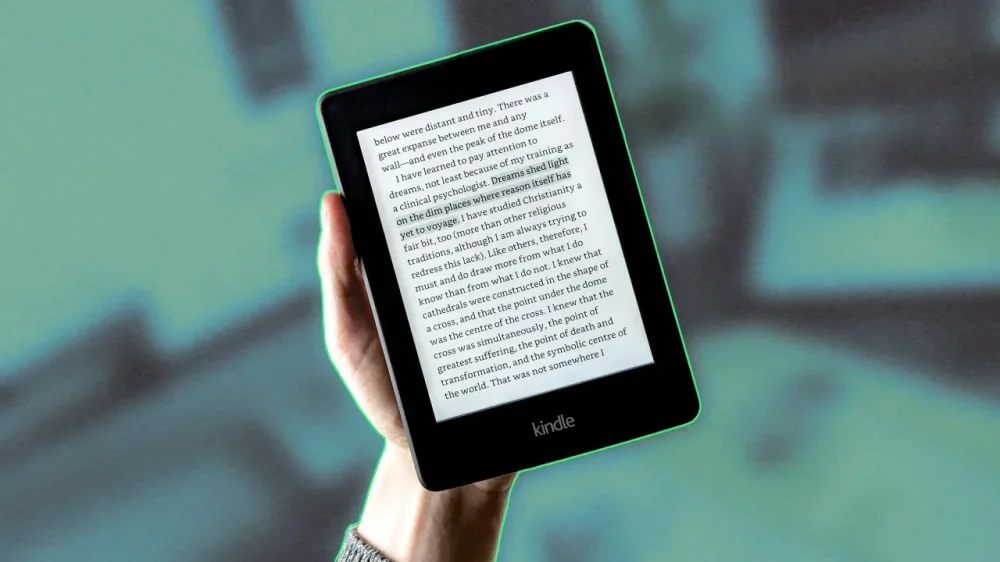
At first glance, your Kindle might seem like a no-frills reading device: straightforward, minimal, and focused on the basics. Kind of like an actual book, huh? But beneath its simple exterior lies a surprising range of features, tools, and tricks designed to make reading smoother, smarter, and more enjoyable. So, whether you’re a seasoned reader or new to Kindle, here are five hidden gems to take your reading experience to the next level. Double-Tap to Turn PagesAmazon may have killed off physical buttons, there’s a new feature that might help ease the pain. If you’ve got the most recent Kindle Paperwhite or the new Kindle Colorsoft, you now have access to double-tap functionality—available with the 5.18.1 update that dropped in March. It lets you turn pages with two quick taps to the side or back of your Kindle, making one-handed reading a far easier endeavor. Once your Kindle is updated to version 5.18.1, go to Settings > Device Options and toggle on “Double Tap to Page Turn.” Pinch to Adjust Font SizeI’m embarrassed that I didn’t know about this sooner and, frankly, shocked I never did it by accident. For the aging-eyed among us, there’s no need to dig track down your cheaters or dig through settings to change text size. Just pinch, baby. To try this, use two fingers to pinch or spread apart on the screen while reading. It’ll instantly adjusting the font size—easy as that. Send-to-Kindle for Easy File SharingOne of my favorite features lets you can transform your Kindle into an all-in-one reading hub by sending documents, PDFs, and even web articles directly to it. Locate your Kindle email address in Settings > Your Account > Send-to-Kindle Email, and then email files to that address. They’ll soon appear in your library after syncing. You can also use the Chrome browser extension for web articles to streamline the process. And you can go to Amazon.com/MyK to customize your Send-to-Kindle email address to make it easier to remember. Export Notes and HighlightsIf you make use of the note-taking and highlighting features, Kindle makes it easy to export your musings via email. To use this feature, tap the top of the screen while reading and select the Notes and Highlights icon in the upper-right corner, which looks like a little notebook. From there, tap the share icon in the upper-right corner and you’ll find the option to email your notes to yourself or someone else—just follow the prompts to complete the process. Whispersync for VoiceWhy choose between reading and listening when you can do both? Whispersync for Voice enables seamless transitions between the Kindle version of a book and its Audible counterpart. Purchase both versions of a book with Whispersync compatibility, open it, and tap “Switch to Audio” or let the Kindle automatically sync your position between formats. You can also use Amazon’s Matchmaker feature, which scans your Kindle library and offers a discount price for to add audio to audio-compatible books. View the full article
-
FCC chair Brendan Carr urges ‘western allies’ to pick Elon Musk’s Starlink satellite internet company View the full article
-
Brussels says invoking ‘force majeure’ clause would allow contract termination without penaltiesView the full article
-
Traders warn of ‘standstill’ as shipments through key hub of Antwerp drop 85 per centView the full article
-
Airlines and plane manufacturers are preparing to battle over who pays for the dutiesView the full article
-
The late Intel CEO proposed establishing a bank to back companies that scaled their factories in the USView the full article
-
Titans of finance and business are beginning to realise they misread the president’s second-term prioritiesView the full article
-
Move marks escalation in stand-off between White House and US universities View the full article
-
Key Takeaways Accessibility and Convenience: Start and manage your business anytime, anywhere using mobile apps designed for invoicing, customer service, and marketing. Cost-Effectiveness: Reduce overhead costs by leveraging digital tools and platforms, allowing for better cash flow and higher profit margins. E-commerce Opportunities: Easily launch mobile-optimized e-commerce stores to sell products globally, enhancing customer engagement and sales. Freelancing and Services: Utilize your smartphone to offer freelance services and connect with clients through various platforms, building a strong personal brand. Essential Tools for Management: Use project management and financial apps to streamline operations and monitor business performance directly from your phone. Effective Time and Work-Life Management: Implement time management strategies and establish boundaries to maintain a healthy work-life balance while you grow your business on the go. In today’s fast-paced world, starting a business has never been easier, especially with the power of your smartphone. Imagine launching a venture right from your pocket, managing everything from marketing to customer service without needing a traditional office. With just a few taps, you can turn your ideas into reality and tap into a global market. Benefits of Starting a Business on Your Phone Starting a business on your phone offers significant advantages in today’s fast-paced environment. You can manage nearly every aspect, from market research to customer service, effortlessly with just a few taps. Accessibility and Convenience You can access your business tools anytime, anywhere. Mobile applications provide essential functionalities, such as invoicing, accounting, and social media management. You can communicate with your target audience, handle customer inquiries, and conduct marketing campaigns directly from your device. Mobile platforms and e-commerce solutions enable you to launch your online store quickly, streamlining the sales process. Overall, the convenience of managing your business on the go enhances productivity and accelerates decision-making. Cost-Effectiveness Starting a business on your phone significantly reduces overhead costs. You avoid expenses related to leasing office space while utilizing cost-effective digital tools for branding and marketing. Many mobile apps provide free or low-cost options for critical services like website creation, social media management, and customer engagement. This environment enables bootstrapping and supports entrepreneurs who may seek funding options like crowdfunding or angel investors. By minimizing costs, you maintain a better cash flow, maximizing your profit margin early in your venture. Popular Business Ideas You Can Start on Your Phone Starting a small business from your phone has become increasingly accessible. Here are some viable options that can help you kickstart your entrepreneurial journey. E-commerce Stores Launching an e-commerce store through your phone simplifies the process of selling products online. Mobile-first design ensures your website is optimized for users, enhancing engagement and conversion rates. Platforms like BigCommerce enable you to create mobile-optimized storefronts, allowing for seamless integrations with payment methods like Apple Pay and Google Pay. Implementing a swift, secure checkout process that supports guest checkout, address lookup, and auto-fill minimizes barriers for customers and increases sales. Utilizing multiple currencies and localized experiences expands your reach to global customers, enhancing your market presence. Freelancing Services Offering freelance services directly from your phone can be a lucrative venture. You can find clients on platforms like Upwork and Fiverr, managing tasks like proposals and communication via mobile apps. Building a strong personal brand is crucial; utilize social media and content marketing to showcase your skills and attract a target audience. Pricing your services competitively while ensuring quality will lead to higher customer acquisition and repeat business. Mobile Apps Developing mobile apps is another innovative business idea you can pursue. If you identify a gap in the market, utilize app development platforms to create user-friendly applications. Consider networking with a business incubator or seeking mentorship to strengthen your business model. Focusing on user experience and incorporating feedback will help refine your app and increase its scalability. Monetization strategies like in-app purchases or subscriptions can help ensure steady cash flow and profitability. Tools and Apps for Mobile Business Management You can enhance your small business operations significantly by utilizing a variety of mobile tools and apps tailored for effective management. These applications streamline processes and improve productivity, enabling you to manage various aspects of your startup right from your phone. Project Management Tools Project management tools are vital for organizing tasks, tracking progress, and collaborating with your team. Consider these options: Trello: Offers a visual platform to manage projects through boards, lists, and cards. You can easily assign tasks and set deadlines. Asana: Facilitates managing projects and tracking team performance. You can customize workflows and integrations to fit your business needs. Slack: Serves as a communication hub, allowing for real-time messaging and file sharing. You can organize conversations into channels, improving team collaboration. Financial Management Apps Financial management apps help you monitor your business’s financial health on the go. Some recommended options include: QuickBooks Online: Tracks income and expenses in real-time, generates profit and loss statements, integrates with bank accounts, and automates invoicing. Zoho Books: Provides comprehensive accounting features, including sales tax automation, invoicing, and project management. A free version is available with limited features. Wave: A free app that tracks income, manages payroll, and generates unlimited invoices. Built-in accounting tools aid in tax preparation. These tools and apps equip you with essential resources to maintain a successful small business directly from your mobile device. Tips for Successfully Running a Business via Mobile Running a business from your phone offers convenience, but effective strategies are essential for success. Utilize these tips to enhance operations and achieve your business goals. Time Management Strategies Prioritize tasks daily by identifying high-impact activities that align with your business objectives. Focus on completing tasks that drive revenue, such as customer acquisition and product development. Set deadlines for each task to enhance accountability and maintain productivity. Use tools like calendars or task management apps to keep track of your schedule. Delegate responsibilities when possible. Assign tasks to team members or freelancers to ensure you focus on strategic aspects of your business, like growth strategy or marketing. Utilize productivity apps that streamline operations. Explore options for accounting, project management, and communication to minimize time spent on administrative tasks. Maintaining Work-Life Balance Establish boundaries to separate personal and professional time. Set specific work hours and avoid responding to business inquiries outside those times to ensure personal time remains productive. Incorporate breaks throughout your day. Short breaks can help you recharge, boost creativity, and support overall well-being. Leverage mobile technology to enhance flexibility. Use apps to handle customer service inquiries or market research while on the go, minimizing interruptions to your personal life. Stay connected with peers. Network with other entrepreneurs or consider joining a business incubator for mentorship and support. Engaging with a community can provide valuable insights for managing your business and work-life balance effectively. Conclusion Starting a business on your phone opens up a world of possibilities. You can turn your ideas into reality without the burden of traditional overhead costs. With the right tools and strategies at your fingertips, managing everything from marketing to customer service has never been easier. Embrace the flexibility that mobile entrepreneurship offers. Whether you’re launching an e-commerce store or providing freelance services, you can operate from anywhere and connect with a global audience. Remember to prioritize your time and maintain a healthy work-life balance as you navigate this exciting journey. With determination and the right resources, you can build a successful business right from your smartphone. The future of entrepreneurship is in your hands, so take that first step today. Frequently Asked Questions How has the smartphone changed the way we start businesses? Smartphones have made starting a business more accessible by allowing entrepreneurs to launch and manage their ventures directly from their mobile devices. This convenience enables handling marketing, customer service, and other tasks without needing a physical office. What are the benefits of running a business from a smartphone? Running a business from a smartphone offers increased accessibility and convenience. Entrepreneurs can manage various tasks like market research, invoicing, and customer communication from anywhere, significantly reducing overhead costs and maximizing profit margins. What types of businesses can be started from a smartphone? Popular business ideas that can be initiated from a smartphone include e-commerce stores, freelancing services, and mobile app development. These ventures leverage mobile technology for customer engagement and efficient management, making startup processes easier. What tools help manage a mobile business effectively? Various tools assist in mobile business management, such as project management apps like Trello and Asana and financial management tools like QuickBooks Online and Wave. These resources help organize tasks, track progress, and maintain financial health. What tips can improve success while running a business on mobile? Key tips for success include prioritizing high-impact tasks, setting deadlines, and delegating responsibilities. Maintaining a work-life balance and networking with peers are crucial for gaining insights and support in managing both business and personal life. Image Via Envato This article, "Start a Business on Your Phone: Unlocking Opportunities Anytime, Anywhere" was first published on Small Business Trends View the full article
-
Key Takeaways Accessibility and Convenience: Start and manage your business anytime, anywhere using mobile apps designed for invoicing, customer service, and marketing. Cost-Effectiveness: Reduce overhead costs by leveraging digital tools and platforms, allowing for better cash flow and higher profit margins. E-commerce Opportunities: Easily launch mobile-optimized e-commerce stores to sell products globally, enhancing customer engagement and sales. Freelancing and Services: Utilize your smartphone to offer freelance services and connect with clients through various platforms, building a strong personal brand. Essential Tools for Management: Use project management and financial apps to streamline operations and monitor business performance directly from your phone. Effective Time and Work-Life Management: Implement time management strategies and establish boundaries to maintain a healthy work-life balance while you grow your business on the go. In today’s fast-paced world, starting a business has never been easier, especially with the power of your smartphone. Imagine launching a venture right from your pocket, managing everything from marketing to customer service without needing a traditional office. With just a few taps, you can turn your ideas into reality and tap into a global market. Benefits of Starting a Business on Your Phone Starting a business on your phone offers significant advantages in today’s fast-paced environment. You can manage nearly every aspect, from market research to customer service, effortlessly with just a few taps. Accessibility and Convenience You can access your business tools anytime, anywhere. Mobile applications provide essential functionalities, such as invoicing, accounting, and social media management. You can communicate with your target audience, handle customer inquiries, and conduct marketing campaigns directly from your device. Mobile platforms and e-commerce solutions enable you to launch your online store quickly, streamlining the sales process. Overall, the convenience of managing your business on the go enhances productivity and accelerates decision-making. Cost-Effectiveness Starting a business on your phone significantly reduces overhead costs. You avoid expenses related to leasing office space while utilizing cost-effective digital tools for branding and marketing. Many mobile apps provide free or low-cost options for critical services like website creation, social media management, and customer engagement. This environment enables bootstrapping and supports entrepreneurs who may seek funding options like crowdfunding or angel investors. By minimizing costs, you maintain a better cash flow, maximizing your profit margin early in your venture. Popular Business Ideas You Can Start on Your Phone Starting a small business from your phone has become increasingly accessible. Here are some viable options that can help you kickstart your entrepreneurial journey. E-commerce Stores Launching an e-commerce store through your phone simplifies the process of selling products online. Mobile-first design ensures your website is optimized for users, enhancing engagement and conversion rates. Platforms like BigCommerce enable you to create mobile-optimized storefronts, allowing for seamless integrations with payment methods like Apple Pay and Google Pay. Implementing a swift, secure checkout process that supports guest checkout, address lookup, and auto-fill minimizes barriers for customers and increases sales. Utilizing multiple currencies and localized experiences expands your reach to global customers, enhancing your market presence. Freelancing Services Offering freelance services directly from your phone can be a lucrative venture. You can find clients on platforms like Upwork and Fiverr, managing tasks like proposals and communication via mobile apps. Building a strong personal brand is crucial; utilize social media and content marketing to showcase your skills and attract a target audience. Pricing your services competitively while ensuring quality will lead to higher customer acquisition and repeat business. Mobile Apps Developing mobile apps is another innovative business idea you can pursue. If you identify a gap in the market, utilize app development platforms to create user-friendly applications. Consider networking with a business incubator or seeking mentorship to strengthen your business model. Focusing on user experience and incorporating feedback will help refine your app and increase its scalability. Monetization strategies like in-app purchases or subscriptions can help ensure steady cash flow and profitability. Tools and Apps for Mobile Business Management You can enhance your small business operations significantly by utilizing a variety of mobile tools and apps tailored for effective management. These applications streamline processes and improve productivity, enabling you to manage various aspects of your startup right from your phone. Project Management Tools Project management tools are vital for organizing tasks, tracking progress, and collaborating with your team. Consider these options: Trello: Offers a visual platform to manage projects through boards, lists, and cards. You can easily assign tasks and set deadlines. Asana: Facilitates managing projects and tracking team performance. You can customize workflows and integrations to fit your business needs. Slack: Serves as a communication hub, allowing for real-time messaging and file sharing. You can organize conversations into channels, improving team collaboration. Financial Management Apps Financial management apps help you monitor your business’s financial health on the go. Some recommended options include: QuickBooks Online: Tracks income and expenses in real-time, generates profit and loss statements, integrates with bank accounts, and automates invoicing. Zoho Books: Provides comprehensive accounting features, including sales tax automation, invoicing, and project management. A free version is available with limited features. Wave: A free app that tracks income, manages payroll, and generates unlimited invoices. Built-in accounting tools aid in tax preparation. These tools and apps equip you with essential resources to maintain a successful small business directly from your mobile device. Tips for Successfully Running a Business via Mobile Running a business from your phone offers convenience, but effective strategies are essential for success. Utilize these tips to enhance operations and achieve your business goals. Time Management Strategies Prioritize tasks daily by identifying high-impact activities that align with your business objectives. Focus on completing tasks that drive revenue, such as customer acquisition and product development. Set deadlines for each task to enhance accountability and maintain productivity. Use tools like calendars or task management apps to keep track of your schedule. Delegate responsibilities when possible. Assign tasks to team members or freelancers to ensure you focus on strategic aspects of your business, like growth strategy or marketing. Utilize productivity apps that streamline operations. Explore options for accounting, project management, and communication to minimize time spent on administrative tasks. Maintaining Work-Life Balance Establish boundaries to separate personal and professional time. Set specific work hours and avoid responding to business inquiries outside those times to ensure personal time remains productive. Incorporate breaks throughout your day. Short breaks can help you recharge, boost creativity, and support overall well-being. Leverage mobile technology to enhance flexibility. Use apps to handle customer service inquiries or market research while on the go, minimizing interruptions to your personal life. Stay connected with peers. Network with other entrepreneurs or consider joining a business incubator for mentorship and support. Engaging with a community can provide valuable insights for managing your business and work-life balance effectively. Conclusion Starting a business on your phone opens up a world of possibilities. You can turn your ideas into reality without the burden of traditional overhead costs. With the right tools and strategies at your fingertips, managing everything from marketing to customer service has never been easier. Embrace the flexibility that mobile entrepreneurship offers. Whether you’re launching an e-commerce store or providing freelance services, you can operate from anywhere and connect with a global audience. Remember to prioritize your time and maintain a healthy work-life balance as you navigate this exciting journey. With determination and the right resources, you can build a successful business right from your smartphone. The future of entrepreneurship is in your hands, so take that first step today. Frequently Asked Questions How has the smartphone changed the way we start businesses? Smartphones have made starting a business more accessible by allowing entrepreneurs to launch and manage their ventures directly from their mobile devices. This convenience enables handling marketing, customer service, and other tasks without needing a physical office. What are the benefits of running a business from a smartphone? Running a business from a smartphone offers increased accessibility and convenience. Entrepreneurs can manage various tasks like market research, invoicing, and customer communication from anywhere, significantly reducing overhead costs and maximizing profit margins. What types of businesses can be started from a smartphone? Popular business ideas that can be initiated from a smartphone include e-commerce stores, freelancing services, and mobile app development. These ventures leverage mobile technology for customer engagement and efficient management, making startup processes easier. What tools help manage a mobile business effectively? Various tools assist in mobile business management, such as project management apps like Trello and Asana and financial management tools like QuickBooks Online and Wave. These resources help organize tasks, track progress, and maintain financial health. What tips can improve success while running a business on mobile? Key tips for success include prioritizing high-impact tasks, setting deadlines, and delegating responsibilities. Maintaining a work-life balance and networking with peers are crucial for gaining insights and support in managing both business and personal life. Image Via Envato This article, "Start a Business on Your Phone: Unlocking Opportunities Anytime, Anywhere" was first published on Small Business Trends View the full article
-
Bessent reiterated his interpretation of the decline being mainly a product of deleveraging, saying he had no evidence that sovereigns were behind the drop. View the full article

-
The Fast Company Impact Council is an invitation-only membership community of leaders, experts, executives, and entrepreneurs who share their insights with our audience. Members pay annual dues for access to peer learning, thought leadership opportunities, events and more. April is Earth Month and that means all I want to do is talk about plastic. Last August, I learned of a new study that revealed that the human brains studied were nearly 0.5% plastic by weight. Let that sink in. Plastic has infiltrated our bodies so thoroughly that it’s likely now a measurable part of our minds. Shouldn’t our brains just be, well, brain matter? How did we get here? For decades, we’ve been misled about plastic. Those blue recycling bins and chasing-arrow symbols gave us the illusion that the plastic we use is being recycled and repurposed. In reality, only 5-6% of plastic in the U.S. is actually recycled, depending on the municipality. The rest? Some of it is incinerated, releasing harmful emissions into the atmosphere. The majority is either buried in landfills or, worse, left to break down into microplastics and nanoplastics that now contaminate our environment—and our bodies. And even that small percentage of plastic that does get recycled? After just one or two cycles, it, too, ends up as waste. But the crisis isn’t just environmental anymore—it’s personal. Plastic pollution is now a major concern for our human health. Microplastics haven’t just been found in our brains; they’ve been found in our blood, breast milk, placentas, testicles, and arteries. These aren’t harmless splinters floating through our systems—they’re petrochemical-based materials that can leach toxins into our bodies, potentially increasing risks for serious health issues like heart disease, diabetes, and cancer. Recycling isn’t the answer When I decided to join Grove Collaborative, I had just read a book by William McCaskill that highlighted the importance of long-termism—how we should aspire to make decisions that are not just right today, but for future generations. This becomes more acute in parenthood (I’m a lucky father of three), where I quickly realized it’s not about me and us, but about kids—mine and others’—and future generations. We are surrounded by plastic, a petrochemical product that never biodegrades and instead breaks down into microplastics that live inside all of us—forever! As a business leader, I also feel an immense responsibility. The consumer products industry that I’m part of helped create this problem. For years, businesses assured consumers that plastic was fine and that recycling would solve the issue. But now we know that assurance turned out to be a lie. So what do we do now? A path forward First, we need to educate ourselves and others. The more we understand about how plastic affects our planet and our personal health, the more we can push for change. As each study comes out, we learn more about the impact of microplastics on our environment, but also our own health. Scientists, journalists, and researchers are increasingly sounding the alarm. Now it’s time for businesses and consumers alike to listen. Second, we must reduce our plastic consumption wherever possible. While going 100% plastic-free is nearly impossible (believe me, we’ve tried at Grove Collaborative), striving for progress rather than perfection is key. Small, mindful choices add up. When shopping for personal care, cleaning supplies, or food storage, opt for refillable or reusable formats, concentrated formulas, or materials with higher recycling rates, such as aluminum, glass, bamboo, or paper. Lean into the circular economy and repurpose items where you can by thrifting or shopping with Goodwill or ThredUp, and avoid companies like Temu and Shein that push fast fashion and consumerism. However, let’s be clear: This crisis cannot be solved by individuals alone. Industry must step up. As CEO of Grove Collaborative, I’m proud to lead a company committed to offering sustainable everyday essentials. Since our founding, we’ve focused on creating and curating brands that go beyond the norm—products are better for the planet without sacrificing performance. We’ve championed plastic reduction initiatives, but our mission is evolving. Packaging matters, but what’s inside the packaging matters just as much. We’ve long held ourselves to a higher standard when it comes to both ingredients and materials. Now, we’re deepening our commitment to educating consumers on why both are crucial—not just for environmental sustainability, but for human health as well. This approach goes against conventional business wisdom. The old saying goes, “You need to walk the walk before you talk the talk.” Too often, businesses master the art of talking without truly walking. We need more companies to be transparent—not just about their sustainability claims but about their actual impact. Consumers deserve to know what’s in their products, how they’re made, and the consequences of their production choices. This is not about corporate altruism. It’s about business—and the future of it. Millions of consumers are actively seeking healthier, more sustainable alternatives. The market is demanding change. We’re ready to meet that demand. Will you join us? Jeff Yurcisin is CEO of the Grove Collaborative. View the full article