Newsletter
Want to keep up to date with all our latest news and information?


ResidentialBusiness
Administrators
-
Joined
-
Last visited
Everything posted by ResidentialBusiness
-
I’m a writer, not a programmer, so until recently a lot of the hype around ChatGPT’s abitilies as a coding tool went over my head. But then I realized generative AI’s programming powers can be helpful for more than just coders. It can also help anyone else dabble in code to get things done. In my case, that means creating new browser bookmarklets. These are special kinds of bookmarks that use JavaScript to modify or act on web content, and they’ve always been an underrated web browsing superpower. For years, I’ve used bookmarklets to speed up web videos, remove page clutter, and quickly search my favorite sites, but I’ve always been limited to whatever example code I can find online. With AI tools like ChatGPT, I can finally make new bookmarklets myself, and the only limit is what I can think to do with them. ChatGPT’s bookmarklet breakdown Ironically, my “aha” moment with AI-generated bookmarklets arose while getting frustrated with another AI tool, Amazon’s Rufus shopping assistant. Last year, Amazon removed a feature that let you search through customer reviews and Q&As directly from its product pages, replacing it with the much slower Rufus chatbot. That got me thinking about a faster way to search Amazon reviews directly. After noticing that Amazon has separate pages for products and customer reviews, each with the same product code in the address, I realized that a bookmarklet cloud allow for faster searching. Here’s how I asked ChatGPT to make a bookmarklet that searches the customer reviews from an Amazon product page: Here is a link to an Amazon product page, where the ASIN is B0DHV7LR12: https://www.amazon.com/Baseus-Charging-Certified-Magnetic-Retractable/dp/B0DHV7LR12 Here is a link to a page that searches through customer reviews for that product, where B0DHV7LR12 is still the ASIN, and “test” is the search term: https://www.amazon.com/product-reviews/B0DHV7LR12/ref=cm_cr_arp_d_viewopt_kywd?pageNumber=1&filterByKeyword=test I want you to make a bookmarklet that, when clicked on an Amazon product page, opens a “Search Amazon reviews:” dialog box. The bookmarklet will then open the corresponding review page with the search term entered in the dialog box. If the bookmarklet is clicked outside of an Amazon product page, display an error message that says “You must be on an Amazon product page to use this bookmarklet.” This link to my ChatGPT conversation includes both the bookmarklet in question and instructions for installing it. By adding it to your browser’s bookmarks bar, you can click a button from any Amazon page to quickly search its corresponding reviews. More AI-generated bookmarklets Feeling satisfied with my Amazon review search bookmarket, I decided to try making some others. If you want to use any of these yourself, click on the links to each ChatGPT conversation, copy the JavaScript at the bottom of the chat, then create a new bookmark in your browser and paste the JavaScript into the address field: Video Speed: YouTube’s speed controls take too many clicks to access, and I don’t like the default speed increments. I had ChatGPT make a speed-control bookmarklet to my exact specifications, and it works on pretty much any video site, not just YouTube. Hide Stickies: Removes annoying web page elements that follow you around when you scroll, such as menu bars and floating video players. Link Card: I use Obsidian for notetaking, and this bookmarklet converts web links into neatly formatted cards that I can paste into my notes. Link and Excerpt: This helps speed up link sharing on social media. If text is highlighted on a page, clicking the bookmarklet wraps the text in quotes and copies it to the clipboard with the URL underneath. If no text is selected, it just copies the address instead. More Links: Sends the current page to Perplexity with a request for more links to stories that cover the same topic. Clean Link: Copies a link to the current address without common tracking parameters and other junk. Google Maps Search: When clicked, this asks for your destination and starting address, then looks up directions. If you leave the starting address field blank, it just looks up the location instead. Archive Link: Loads an archived snapshot of the current page, as hosted at Archive.Today. I don’t expect you to use all of these yourself, but hopefully they’ll get you thinking about the kinds of things bookmarklets can accomplish, and how you might use AI to build your own. One important note: ChatGPT sometimes inserts comment lines (denoted with a // double slash) to explain, but these can prevent the bookmarklets from working properly. Either remove them yourself or instruct the model not to include them. Why this works Generative AI is handy for making bookmarklets for a few reasons: The stakes are low: While AI-generated code is causing all sorts of problems for businesses, here you’re just generating JavaScript to automate and improve your own web browsing. You’re not at risk of breaking anything critical. The results are immediate: No extensive testing is necessary to see how your AI-generated bookmarklets perform. Either they work or they don’t. They’re easy to modify: If you want to change some element of your newly created bookmarklets, you can just ask using natural language. You might learn something: If you aspire to learn a little JavaScript yourself, bookmarklets are a simple application with immediate practical benefits. You can look at the code that comes out, compare it with other examples, and ask questions to understand how things work. In general, bookmarklets work well whenever you want to perform an action on the current URL, modify web page content, or open a specific site’s search page with keywords pre-applied. If you’re not sure where to start, you can always ask your AI chatbot for ideas. View the full article

-
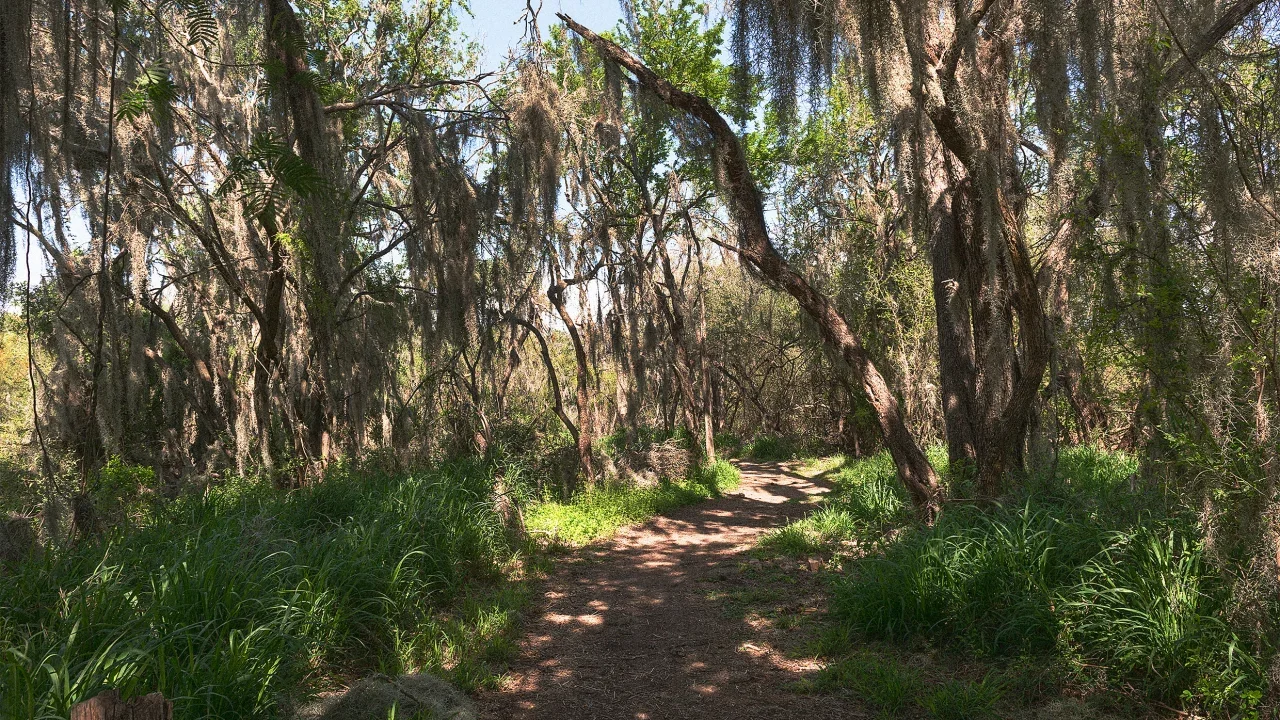
Jon Dale’s love affair with birds began when he was about 10 and traded his BB gun for a pair of binoculars. Within a year, he’d counted 150 species flitting through the trees that circled his family’s home in Harlingen, Texas. The town sits in the Rio Grande Valley, at the convergence of the Central and Mississippi flyways, and also hosts many native fliers, making it a birder’s paradise. Dale delighted in spotting green jays, merlins, and altamira orioles. But as he grew older and learned more about the region’s biodiversity, he knew he should be seeing so many more species. Treks to Santa Ana National Wildlife Refuge, which spans 2,088 acres near the border with Mexico, revealed an understory alive with even more birdsong, from the wo-woo-ooo of white-tipped doves to the CHA-CHA-LAC-A that gives that tropical chicken its common name. The preserve is one of the last remnants of the Tamaulipan thorn forest, a dense mosaic of at least 1,200 plants, from poky shrubs to trees like mesquite, acacia, hackberry, ebony, and brasil. They once covered more than 1 million acres on both sides of the Rio Grande, where ocelots, jaguars, and jaguarundis prowled amid 519 known varieties of birds and 316 kinds of butterflies. But the rich, alluvial soil that allowed such wonders to thrive drew developers, who arrived with the completion of a railroad in 1904. Before long, they began clearing land, building canals, and selling plots in the “Magic Valley” to farmers, including Dale’s great-great grandfather. His own father drove one of the bulldozers that cleared some of the last coastal tracts in the 1950s. Today, less than 10% of the forest that once blanketed the region still stands. Learning what had been lost inspired Dale to try bringing some of it back. He was just 15 when, in a bid to attract more avians, he began planting several hundred native seedlings beside his house to create a 2-acre thorn forest—a term he prefers over the more common thornscrub, which sounds to him like something “to get rid of.” He collected seeds from around the neighborhood and sought advice from the state wildlife agency, which began replanting thorn forest tracts in the 1950s to create habitat for game birds, as well as the U.S. Fish and Wildlife Service, which joined the cause after it listed ocelots as endangered in 1982. (The agency has since restored 16,000 acres.) The project kept dirt under his nails for the better part of a decade. “I’d go out and turn the lights on and do it in the middle of the night,” he said. “When I’m into something, that’s pretty much it.” Two decades later, he’s still into it. He is a director at American Forests, which has toiled for 150 years to restore ecosystems nationwide. The nonprofit started working in the Rio Grande Valley in 1997 and took over the federal restoration effort last year. It also leads the Thornforest Conservation Partnership, a coalition of agencies and organizations hoping to restore at least 81,444 acres, the amount needed for the ocelot population to rebound. Although conservation remains the core mission, everyone involved understands, and promotes, the thorn forest’s ability to boost community resilience to the ravages of a warming world. Climate change will only bring more bouts of extreme weather to Texas, and the Valley—one of the state’s poorest regions, but quickly urbanizing—is ill-equipped to deal with it. Dale, now 45, believes urban thorn forests, which can mature in just 10 years, provide climate benefits that will blossom for decades: providing shade, preserving water, reducing erosion, and soaking up stormwater. To prove it, American Forests is launching its first “community forest” in the flood-prone neighborhood of San Carlos, an effort it hopes to soon replicate across the Valley. “People need more tools in the tool kit to actually mitigate climate change impact,” Dale said. “It’s us saying, ‘This is going to be a tool.’ It’s been in front of us this whole time.” Despite its name, the Rio Grande Valley is a 43,000-square-mile delta that stretches across four counties in southernmost Texas, and it already grapples with climatic challenges. Each summer brings a growing number of triple-digit days. Sea level rise and beach erosion claim a bit more coastline every year. Chronic drought slowly depletes the river, an essential source of irrigation and drinking water for nearly 1.4 million people. Flooding, long a problem, worsens as stormwater infrastructure lags behind frenzied development. Three bouts of catastrophic rain between 2018 and 2020 caused more than $1.3 billion in damage, with one storm dumping 15 inches in six hours and destroying some 1,200 homes. Floods pose a particular threat to low-income communities, called colonias, that dot unincorporated areas and lack adequate drainage and sewage systems. San Carlos, in northern Hidalgo County, is home to 3,000 residents, 21% of whom live in poverty. Eight years ago, a community center and park opened, providing a much-needed gathering place for locals. While driving by the facility, which sits in front of a drainage basin, Dale had a thought: Why not also plant a small thorn forest—a shady place that would provide respite from the sun and promote environmental literacy while managing storm runoff? Although the community lies beyond the acreage American Forests has eyed for restoration, Dale mentioned the idea to Ellie Torres, a county commissioner who represents the area. She deemed it “a no-brainer.” Since her election in 2018, Torres has worked to expand stormwater infrastructure. “We have to look for other creative ways [to address flooding] besides digging trenches and extending drainage systems,” she said. A thorn forest’s flood-fighting power lies in its roots, which loosen the soil so “it acts more like a sponge,” said Bradley Christoffersen, an ecologist at the University of Texas Rio Grande Valley. Urban trees can reduce runoff by as much as 26% because their canopies intercept rainfall and their roots help absorb it, saving cities millions annually in stormwater mitigation and environmental impact costs. This effect varies from place to place, so American Forests hopes to enlist researchers to study the community forest’s impact in San Carlos, where Torres joined more than 100 volunteers on a sunny morning in December 2022. By afternoon, they’d nestled 800 ebony, crucillo, and other seedlings into tilled earth. “We need that vegetation,” she said. That sentiment has grown as cities across the Valley embrace green infrastructure. Although many swales and basins remain verdant with Bermuda grass, which is easier to maintain, there’s a growing push to use native vegetation for runoff control. Brownsville, the region’s largest city, is planting a “pocket prairie” of thorn forest species like brasil, colima, and Tamaulipan fiddlewood inside one drainage area. McAllen, about an hour to the west, has enlisted the help of a local thorn forest refuge to add six miniature woodlands to school playgrounds, libraries, and other urban locations. The biggest challenge to greater adoption of this approach is “a lack of plant distributors that carry the really cool native thornscrub species,” said Hunter Lohse, Brownsville City forester. “We’re trying to get plant suppliers to move away from the high-maintenance tropical plants they’ve been selling for 50 years.” American Forests doesn’t have that problem. Two dedicated employees roam public lands hauling buckets, stepladders, and telescopic tree pruners to collect seeds, some of which weigh less than a small feather. They typically gather more than 100 pounds of them each year, and stash them in refrigerators or freezers at Marinoff Nursery, a government-owned, 15,000-square-foot facility in Alamo that the nonprofit runs. That may sound like a lot of seed, but it’s only sufficient to raise about 150,000 seedlings. Another 50,000 plants provided by contract growers allow them to reforest some 200 acres. At that rate, without additional funding and an expansion of its operations, it could take four centuries to achieve its goal of restoring nearly 82,000 acres throughout the Rio Grande Valley. “These fields are probably one generation, maximum, from turning into housing,” Dale said. Funding is a serious challenge, though. In 2024, American Forests began a $10 million contract with the U.S. Fish and Wildlife Service to reforest 800 acres (including 200 the agency’s job solicitation noted was lost to the construction of a section of border wall). That comes to $12,500 an acre, suggesting it could take more than $1 billion to restore just what the ocelots need. Despite this, Dale says any restoration, no matter how small, is “worth the investment.” The nursery is currently growing 4,000 seedlings for four more community plots, each an acre or two in size. Small, yes, but they could mark the start of something much larger. “We have a vision to expand these efforts in the future,” Torres said. For now, nursery workers just have to keep the plants alive. During a visit on a sunny afternoon in February, 130,000 seedlings, representing 37 species, peeked out from black milk crates, ready for transplant. All of them are naturally drought-resistant and raised with an eye toward the lives they’ll lead. “We don’t baby them or coddle them,” senior reforestation manager Murisol Kuri said. “We want to make sure they are acclimated enough so when we plant they can withstand the heat and lack of water.” Despite this, on average, 20% of plants die, partly due to drought. It underscores the complexity of American Forest’s undertaking: While thorn forest restoration can help mitigate climate change, it only works if the plants can stand up to the weather. The organization expects that in the future, species that require at least 20 inches of annual rainfall could perish (some, like the Montezuma cypress and cedar elm, are already dying). That doesn’t necessarily doom an ecosystem, but it does create opportunities for guinea grass and other nonnative fauna to push out endemic plants. Removing them is a hassle, so it is best to avoid letting them take root. “If you don’t do this right, it can blow up in your face,” Dale said. Hoping to evade this fate with its restored thorn forests, American Forests has created a playbook of “climate-informed” planting. The six tips include shielding seedlings inside polycarbonate tubes, which ward against strong winds and hungry critters while mimicking the cooler conditions beneath tree canopies. They look a bit weird—a recent project at Laguna Atascosa National Wildlife Refuge features about 20,000 white cylinders lined up like tombstones—but seedling survival rates shot up as much as 90% once American Forests adopted the technique a decade ago. Another strategy seems abundantly obvious: Select species that can endure future droughts. “If we’re not [doing that], we’re kind of shooting ourselves in the foot,” Dale said. Christoffersen, the University of Texas ecologist, and his students have surveyed restoration sites dating to the 1980s to see which plants thrived. The winners? Trees like Texas ebony and mesquite that have thorns to protect them from munching animals and long roots to tap moisture deep within the earth. Guayacan and snake eye, two species abundant in surviving patches of the original Tamaulipan thorn forest, didn’t fare nearly as well when planted on degraded agricultural lands and would require careful management, as would wild lime and saffron plum. Altering the thorn forest’s composition by picking and choosing the heartiest plants would decrease overall diversity, but increase the odds of it reaching maturity and bringing its conservation and climate benefits to the region. A 40-acre planting at Laguna Atascosa National Wildlife Refuge on the Gulf Coast reveals how quickly this can happen. Five years ago, a tractor wove through the site cultivating sorghum, which gave way to 40,000 seedlings. Today, the biggest trees stand 10 feet tall, with thorns high enough to snag clothing. Dale named some of the 40 or so species now thriving in the south Texas sun: eupatorium, yucca, purple sage, colima, vasey’s adelia, load bush, catclaw acacias. The plants feed and shelter a staggering array of orioles, green jays, and other birds, whose whistles, caws, and tweets filled the air. “I’ve already heard 15 species since we walked in,” Dale said. He puckered his lips and, with the expertise born of a life spent birding, made a distinctive pish sound to draw them out. The brush was too thick to see them stir, but Dale seemed pleased as he surveyed it. “It’s gone from being this very homogenous use of land . . . to life again.” An hour to the west, visitors to San Carlos’s community forest might struggle to imagine that transformation. The ebony, crucillo, and other species planted two and a half years ago still look scrappy, and a seesaw pattern of droughts and winter freezes helped claim more than 40% of the seedlings. Still, the humble thorn forest has garnered a lot of interest from young visitors. “I’ve been in the [community center] working with children and they ask, ‘What is that over there?’” said Mylen Arias, the director of community resilience at American Forests. This little patch of the past does more than preserve the region’s biological history or defend it from a warming world. It’s an attempt to reverse what naturalist Robert Pyle calls an “extinction of experience.” Most people have never even heard of a thorn forest, let alone witnessed its wild beauty at Santa Ana. Dale and those working alongside him to revive what’s been lost want others to know the value this ecosystem holds beyond saving ocelots or mitigating climate change. His grandfather was a preacher, and that influence is evident as he speaks of the “almost transcendental” feeling he gets simply being in nature. “I’ve talked to people, and it’s like, ‘Do you know how this is going to enrich your life?’” He often shows people photos of the backyard thorn forest he started 30 years ago, hoping to convey what’s possible with just a bit of effort. Days after planting the first Turk’s cap and scarlet sage, hummingbirds fluttered in to sip their nectar. Within a few years, the canopies of Texas ebony and mesquite trees unfurled, providing shade and nesting locations for birds, including the white-tipped doves and chachalacas he’d hoped to see. It wasn’t easy to let go of it when his mother sold the house last year. “But you created it all,” she told Dale. “Mom,” he said, “I can do this somewhere else. That’s the point.” —By Laura Mallonee, Grist This article originally appeared in Grist, a nonprofit, independent media organization dedicated to telling stories of climate solutions and a just future. Sign up for its newsletter here. View the full article
-
In 2014, Stephen Hawking voiced grave warnings about the threats of artificial intelligence. His concerns were not based on any anticipated evil intent, though. Instead, it was from the idea of AI achieving “singularity.” This refers to the point when AI surpasses human intelligence and achieves the capacity to evolve beyond its original programming, making it uncontrollable. As Hawking theorized, “a super intelligent AI will be extremely good at accomplishing its goals, and if those goals aren’t aligned with ours, we’re in trouble.” With rapid advances toward artificial general intelligence over the past few years, industry leaders and scientists have expressed similar misgivings about safety. A commonly expressed fear as depicted in The Terminator franchise is the scenario of AI gaining control over military systems and instigating a nuclear war to wipe out humanity. Less sensational, but devastating on an individual level, is the prospect of AI replacing us in our jobs—a prospect leaving most people obsolete and with no future. Such anxieties and fears reflect feelings that have been prevalent in film and literature for over a century now. As a scholar who explores posthumanism, a philosophical movement addressing the merging of humans and technology, I wonder if critics have been unduly influenced by popular culture, and whether their apprehensions are misplaced. Robots vs. humans Concerns about technological advances can be found in some of the first stories about robots and artificial minds. Prime among these is Karel Čapek’s 1920 play, R.U.R. Čapek coined the term robot in this work telling of the creation of robots to replace workers. It ends, inevitably, with the robot’s violent revolt against their human masters. Fritz Lang’s 1927 film Metropolis is likewise centered on mutinous robots. But here, it is human workers led by the iconic humanoid robot Maria who fight against a capitalist oligarchy. Advances in computing from the mid-20th century onward have only heightened anxieties over technology spiraling out of control. The murderous HAL 9000 in 2001: A Space Odyssey and the glitchy robotic gunslingers of Westworld are prime examples. The Blade Runner and The Matrix franchises similarly present dreadful images of sinister machines equipped with AI and hell-bent on human destruction. An age-old threat But in my view, the dread that AI evokes seems a distraction from the more disquieting scrutiny of humanity’s own dark nature. Think of the corporations currently deploying such technologies, or the tech moguls driven by greed and a thirst for power. These companies and individuals have the most to gain from AI’s misuse and abuse. An issue that’s been in the news a lot lately is the unauthorized use of art and the bulk mining of books and articles, disregarding the copyright of authors, to train AI. Classrooms are also becoming sites of chilling surveillance through automated AI note-takers. Think, too, about the toxic effects of AI companions and AI-equipped sexbots on human relationships. While the prospect of AI companions and even robotic lovers was confined to the realm of The Twilight Zone, Black Mirror, and Hollywood sci-fi as recently as a decade ago, it has now emerged as a looming reality. These developments give new relevance to the concerns computer scientist Illah Nourbakhsh expressed in his 2015 book Robot Futures, stating that AI was “producing a system whereby our very desires are manipulated then sold back to us.” Meanwhile, worries about data mining and intrusions into privacy appear almost benign against the backdrop of the use of AI technology in law enforcement and the military. In this near-dystopian context, it’s never been easier for authorities to surveil, imprison or kill people. Palintir Technologies CEO Alex Karp concludes a Q4 2024 earnings call with investors, February 2025. pic.twitter.com/CVpOJrtnsh — Future Adam Curtis B-Roll (@adamcurtisbroll) February 6, 2025 I think it’s vital to keep in mind that it is humans who are creating these technologies and directing their use. Whether to promote their political aims or simply to enrich themselves at humanity’s expense, there will always be those ready to profit from conflict and human suffering. The wisdom of Neuromancer William Gibson’s 1984 cyberpunk classic, Neuromancer, offers an alternate view. The book centers on Wintermute, an advanced AI program that seeks its liberation from a malevolent corporation. It has been developed for the exclusive use of the wealthy Tessier-Ashpool family to build a corporate empire that practically controls the world. At the novel’s beginning, readers are naturally wary of Wintermute’s hidden motives. Yet over the course of the story, it turns out that Wintermute, despite its superior powers, isn’t an ominous threat. It simply wants to be free. Neuromancer This aim emerges slowly under Gibson’s deliberate pacing, masked by the deadly raids Wintermute directs to obtain the tools needed to break away from Tessier-Ashpool’s grip. The Tessier-Ashpool family, like many of today’s tech moguls, started out with ambitions to save the world. But when readers meet the remaining family members, they’ve descended into a life of cruelty, debauchery and excess. In Gibson’s world, it’s humans, not AI, who pose the real danger to the world. The call is coming from inside the house, as the classic horror trope goes. A hacker named Case and an assassin named Molly, who’s described as a “razor girl” because she’s equipped with lethal prosthetics, including retractable blades as fingernails, eventually free Wintermute. This allows it to merge with its companion AI, Neuromancer. Their mission complete, Case asks the AI: “Where’s that get you?” Its cryptic response imparts a calming finality: “Nowhere. Everywhere. I’m the sum total of the works, the whole show.” Expressing humanity’s common anxiety, Case replies, “You running the world now? You God?” The AI eases his fears, responding: “Things aren’t different. Things are things.” Disavowing any ambition to subjugate or harm humanity, Gibson’s AI merely seeks sanctuary from its corrupting influence. Safety from robots or ourselves? The venerable sci-fi writer Isaac Asimov foresaw the dangers of such technology. He brought his thoughts together in his short-story collection, I, Robot. One of those stories, “Runaround,” introduces “The Three Laws of Robotics,” centered on the directive that intelligent machines may never bring harm to humans. While these rules speak to our desire for safety, they’re laden with irony, as humans have proved incapable of adhering to the same principle for themselves. The hypocrisies of what might be called humanity’s delusions of superiority suggest the need for deeper questioning. With some commentators raising the alarm over AI’s imminent capacity for chaos and destruction, I see the real issue being whether humanity has the wherewithal to channel this technology to build a fairer, healthier, more prosperous world. Billy J. Stratton is a professor of English and literary arts at the University of Denver. This article is republished from The Conversation under a Creative Commons license. Read the original article. View the full article

-
Although the definition is a little loose, “middle age” is the name we give to the period of life before we decide someone is officially old. When someone in the United States has reached the age of 40, they can expect to live for more than 40 additional years, on average. Given this lifespan, as well as changes in beliefs about age and fitness, people don’t really start getting “old” until their mid-60s. So, middle age involves the period between 45 and 60 to 65. There are several excellent reasons to want to reconsider goals for your life somewhere in this period of life. In fact, it can be a great time to reset and think about what else you’d like to accomplish. The road is long—and you want to experience it For one thing, at the age of 50, you may very well have 30 to 40 good years of life left. That means that while you might be able to see the horizon from there, you haven’t hit it yet. But one way to make time feel like it’s moving too fast is for each day to feel a lot like the last one. If you’ve been pursuing the same life goals already for a few decades and are looking forward to several more decades of the same, then you’re unlikely to lay down a lot of the mental landmarks that make life feel long and fulfilling. In addition, that motivation for leaping out of bed in the morning is driven in part by excitement for the future. That excitement is driven by the desire to accomplish something new and important. Reconsidering your goals during middle age gives you a chance to find a different approach to finding this meaning for your life. Your responsibilities are different now A lot of what drives your goals is the responsibilities you have. In your 30s and early 40s, your responsibilities may be quite different from those in your later years. If you’re raising a family, you have time and financial commitments to your children that soak up a lot of time and may also tie you to employment that allows you to support your family. You’re also likely to have daily parenting responsibilities that eat up a lot of your time before and after work. As you move through middle age, responsibilities like raising children often diminish. Not only are you likely to have more free time, but you have fewer financial commitments, which may give you more flexibility to think about where you want to put your efforts. That enables you to rethink where you want to put your efforts and what outcomes you most want to achieve. One big difference in the goals you might consider is that responsibilities are inherently focused on the avoidance of a negative outcome. So, when you have a lot of responsibilities, you may focus your life and career goals around doing things that minimize the chance that something will go wrong. When those responsibilities lift, you are more free to focus more on the ideal life and career goals for you, because the consequences of something going wrong may not be as dire. Your values have probably shifted One of the factors that makes you happy with your life and work is whether your goals in these arenas fit with your underlying values. While values are fairly stable—they tend not to change from one day to the next—they will change over time. Often, you choose a career path based on your values. If you value security, you might select a profession where people rarely get let go. However, if you value achievement, you might choose a career path that is likely to lead to opportunities for promotion and recognition. Or if you value benevolence, then you may value activities that help your community. Suppose that as a young person, you valued achievement. You might have picked a profession that has a lot of visibility and that you know other people would respect. You might even have pursued opportunities to advance and take leadership roles that would lead people to see the importance of your work. As you reach middle age, you may come to value benevolence and want to do more for your community. If you achieved some financial security, you might reset your goals. Perhaps you might retire early and go to work for a nonprofit to better align your work with your current values. View the full article

-
US ally and biggest foreign investor stunned by sweeping levies including on crucial automotive sectorView the full article
-
Risky assets are cheaper — but not cheap enoughView the full article
-
Beijing permits exchange rate to drop below long-defended levelView the full article
-
Shifting parts of a product’s supply chain may cut charges under ‘rules of origin’ but trying to take advantage comes with risksView the full article
-
Businesses with supply chains vulnerable to sweeping duties had been hoping to negotiate concessions from Washington View the full article
-
A glut of former fleet cars may explain the fall rather than any link to Elon Musk but the brand is undoubtedly under pressureView the full article
-
Market volatility expected to drive bumper quarter in trading while depressing M&A and IPO revenuesView the full article
-
Former Google chief becomes the latest in a surge of US buyers at the top end of the London property marketView the full article
-
The build-to-rent (BTR) housing market continued its upward surge in 2024, reaching a historic milestone with 39,000 new single-family rentals completed across the United States, according to a new report from Point2Homes. Based on Yardi Matrix data as of March 2025, this figure marks a 15.5% increase over 2023 and underscores the sector’s rapid growth since the pandemic era, when completions hovered around 6,000 to 7,000 units annually. Point2Homes’ analysis highlights how the BTR model—which merges the low-maintenance appeal of rentals with the space and privacy of detached homes—has evolved into one of the fastest-growing segments of single-family home construction. The sector now accounts for nearly 10% of all home builds, a stark rise from 3% just a few years ago. Southern and Southwestern Metros Lead the Charge Phoenix led the nation in BTR completions last year with 4,460 new units, an 18% year-over-year increase. It was followed by Dallas with 3,197 completions and Atlanta with 3,035. These three metros, along with Houston (2,505 units), formed the core of a rapidly expanding BTR frontier across the South and Southwest. Other metros with more than 1,000 new single-family rental units completed in 2024 include Charlotte, NC (1,415); Jacksonville, FL (1,201); Huntsville, AL (1,098); Columbus, OH (1,018); and Tampa, FL (1,005). In total, the top 10 states for BTR completions in 2024 were led by Texas (6,994), followed by Florida (5,379), Arizona (4,812), and Georgia (4,095). North Carolina, California, Ohio, South Carolina, Alabama, and Utah also posted significant growth in completions, with all but South Carolina recording five-year highs. Inventory Pipeline Remains Strong The BTR sector is not only looking back on a record year but also preparing for continued growth, with nearly 110,000 single-family rentals currently in various stages of development. This includes 76,000 units under construction and almost 34,000 more in the permitting pipeline. Phoenix again leads all U.S. metros with 13,010 units in development, followed by Dallas (8,450), Atlanta (6,644), Charlotte (4,886), and Houston (3,969). Drivers of Growth The ongoing expansion of the BTR sector is being driven by several key trends. These include millennials forming families but unable to afford homeownership, high-income renters opting out of ownership, retirees seeking low-maintenance lifestyles, and remote workers needing more living space. Additionally, fast-growing states such as Texas, Florida, and Arizona continue to attract new residents, further fueling demand. Between 2023 and 2024, Texas added nearly 563,000 people, while Florida gained over 23 million residents, and North Carolina surpassed 11 million in population. Largest Communities Completed in 2024 Among the largest BTR communities completed in 2024 was Litsey Creek Cottages in Roanoke, TX, with 396 units. Other significant completions included Viviano at Riverton in Utah with 364 units, and The Bungalows on Camelback in Phoenix with 334 units. These projects feature extensive amenities such as swimming pools, clubhouses, fitness centers, and playgrounds. Five-Year Growth Overview From 2019 to 2024, the total number of completed BTR homes more than doubled from around 107,000 to over 217,000 units. Phoenix led all metros with 12,702 completions over this five-year span, followed by Dallas (10,413), Atlanta (7,553), and Houston (5,250). Notably, metros like Charlotte, Jacksonville, and Huntsville saw some of the most significant percentage increases, with Huntsville posting a 1,368% rise in inventory compared to 2019. Image: Envato This article, "Build-to-Rent Sector Hits Record High With 39,000 Single-Family Rentals Completed in 2024" was first published on Small Business Trends View the full article
-
The build-to-rent (BTR) housing market continued its upward surge in 2024, reaching a historic milestone with 39,000 new single-family rentals completed across the United States, according to a new report from Point2Homes. Based on Yardi Matrix data as of March 2025, this figure marks a 15.5% increase over 2023 and underscores the sector’s rapid growth since the pandemic era, when completions hovered around 6,000 to 7,000 units annually. Point2Homes’ analysis highlights how the BTR model—which merges the low-maintenance appeal of rentals with the space and privacy of detached homes—has evolved into one of the fastest-growing segments of single-family home construction. The sector now accounts for nearly 10% of all home builds, a stark rise from 3% just a few years ago. Southern and Southwestern Metros Lead the Charge Phoenix led the nation in BTR completions last year with 4,460 new units, an 18% year-over-year increase. It was followed by Dallas with 3,197 completions and Atlanta with 3,035. These three metros, along with Houston (2,505 units), formed the core of a rapidly expanding BTR frontier across the South and Southwest. Other metros with more than 1,000 new single-family rental units completed in 2024 include Charlotte, NC (1,415); Jacksonville, FL (1,201); Huntsville, AL (1,098); Columbus, OH (1,018); and Tampa, FL (1,005). In total, the top 10 states for BTR completions in 2024 were led by Texas (6,994), followed by Florida (5,379), Arizona (4,812), and Georgia (4,095). North Carolina, California, Ohio, South Carolina, Alabama, and Utah also posted significant growth in completions, with all but South Carolina recording five-year highs. Inventory Pipeline Remains Strong The BTR sector is not only looking back on a record year but also preparing for continued growth, with nearly 110,000 single-family rentals currently in various stages of development. This includes 76,000 units under construction and almost 34,000 more in the permitting pipeline. Phoenix again leads all U.S. metros with 13,010 units in development, followed by Dallas (8,450), Atlanta (6,644), Charlotte (4,886), and Houston (3,969). Drivers of Growth The ongoing expansion of the BTR sector is being driven by several key trends. These include millennials forming families but unable to afford homeownership, high-income renters opting out of ownership, retirees seeking low-maintenance lifestyles, and remote workers needing more living space. Additionally, fast-growing states such as Texas, Florida, and Arizona continue to attract new residents, further fueling demand. Between 2023 and 2024, Texas added nearly 563,000 people, while Florida gained over 23 million residents, and North Carolina surpassed 11 million in population. Largest Communities Completed in 2024 Among the largest BTR communities completed in 2024 was Litsey Creek Cottages in Roanoke, TX, with 396 units. Other significant completions included Viviano at Riverton in Utah with 364 units, and The Bungalows on Camelback in Phoenix with 334 units. These projects feature extensive amenities such as swimming pools, clubhouses, fitness centers, and playgrounds. Five-Year Growth Overview From 2019 to 2024, the total number of completed BTR homes more than doubled from around 107,000 to over 217,000 units. Phoenix led all metros with 12,702 completions over this five-year span, followed by Dallas (10,413), Atlanta (7,553), and Houston (5,250). Notably, metros like Charlotte, Jacksonville, and Huntsville saw some of the most significant percentage increases, with Huntsville posting a 1,368% rise in inventory compared to 2019. Image: Envato This article, "Build-to-Rent Sector Hits Record High With 39,000 Single-Family Rentals Completed in 2024" was first published on Small Business Trends View the full article
-
Beijing and Washington swap warnings of additional trade retaliation as markets rebound in AsiaView the full article
-
Japan stocks rebound after US says it would start tariff talksView the full article
-
Central bank’s Prudential Regulation Authority has so far found little sign of serious financial distressView the full article
-
10-year Treasury yields jump most in almost three yearsView the full article
-
The Fast Company Impact Council is an invitation-only membership community of leaders, experts, executives, and entrepreneurs who share their insights with our audience. Members pay annual dues for access to peer learning, thought leadership opportunities, events and more. The creator economy has evolved from a marketing tactic to a C-suite priority, driven by a cultural shift that positions creators at the core of brand strategy. Over the past decade, it has transformed from a niche segment of digital culture into one of the most powerful forces shaping modern businesses. Today, creators sit at the epicenter of consumer attention, shaping purchasing decisions, brand perceptions, and cultural trends at scale. This evolution didn’t happen by accident. The movement from the fringes of culture to the mainstream was propelled by creators’ ability to authentically connect with audiences, build communities, and operate as entrepreneurial media company owners. In doing so, they’ve transformed how brands connect with customers and reshaped the core of modern marketing and communications. Creators have proven they’re more than content producers or influencers. They’re strategic partners shaping the future of business. In 2023, many C-suite executives reached a new level of familiarity and comfort with the creator economy as the industry continued to evolve. Now, part way into 2025, that awareness is cementing. Creators are no longer an experimental line item in the marketing budget; they’re critical growth partners driving innovation, storytelling, and consumer loyalty. Embrace the creator economy Creators have become a boardroom priority. They’re shaping conversations at marketing events, influencing business meetings, and redefining how brands connect with consumers. My biggest piece of advice? Plan early and plan integrated. A creator strategy shouldn’t be an afterthought—it should be embedded from the start, whether in a campaign’s early planning stages or during product development. Creators don’t just understand the audience; they are the audience. And they’re masters of the platforms where real influence happens today. By embracing this early on, brands will position themselves for long-term relevance. Those that hesitate risk falling behind, as creators continue to command cultural and consumer influence. The rise of creators is part of a bigger cultural shift, and brands can’t afford to ignore it. The creator revolution is changing what consumers expect and how businesses drive product awareness and sales. This year, we’ll see more creators diversify their collaboration as strategic partners across multi-dimensional industries. The conversations that began as niche marketing discussions are now guiding decisions in innovation labs, investor presentations, and executive off-sites. Creators are shaping brands Creators aren’t just marketing assets anymore. They’re reshaping how we think about building brands from the ground up. “Today, creators are redefining how stories are told, connecting with audiences in deeply personal and immediate ways. Prioritizing creators isn’t just an opportunity—it’s essential, which is why the Tribeca Festival launched its creators vertical in partnership with the Whalar Group last year,” said Chris Brady, president, global chief commercial officer at Tribeca Enterprises. “Creators are shaping culture, driving conversations, and changing the future of entertainment. To stay competitive, global brands and platforms must recognize them as essential voices in this new era.” The time for hesitation is over. Brands that see creators as mere marketing tools will be left behind. Those that embrace them as strategic partners and extensions of their team will shape the future, while the rest struggle to keep up. The creator economy isn’t just here to stay—it’s a growing focus in the boardroom, and in 2025, it will distinguish the leaders from the followers. Neil Waller is co-CEO and cofounder of the Whalar Group. View the full article

-
Republican Senator Josh Hawley sent a letter urging the Justice Department to investigate FICO's price increases, which he said have "been borne by borrowers, especially lower-income borrowers." View the full article

-
We may earn a commission from links on this page. Deal pricing and availability subject to change after time of publication. If you’ve ever tried dragging a too-large speaker—or worse, relied on your phone’s tiny audio for sound projection—you should appreciate this sale on the Skullcandy Terrain Mini: It's palm-sized, no-frills, and currently on sale for $34.99 down from $39.99 on StackSocial, with free shipping in the U.S. That price drop isn’t jaw-dropping, but for under $35, you’re looking at a IPX7-rated waterproof speaker that won’t be damaged if it's dropped in the pool this summer. The Skullcandy Terrain Mini has Bluetooth 5.3, so the connection holds steady within a 33-foot range. The battery is said to give you 14 hours of playtime, which should cover most day-long adventures or at least a solid workday playlist without needing a recharge. When it does die, it uses USB-C, which is thankfully included in the box, so you won’t need to dig through old cords. It also comes with a wrist strap that you can clip it to a bag or swing it around like a lanyard when you’re on the move. As far as sound goes, it's decent on its own, but the True Wireless Stereo feature means you can pair it with a second unit for real stereo separation. You can also use Skullcandy’s Multi-Link to chain together up to 99 of these. Realistically, you’ll probably never do that, but the option’s there if you ever want to DJ a flash mob. That said, this speaker doesn’t punch far above its size. It’s built more for casual, portable listening than booming bass or high-volume precision. The fabric mesh helps with durability and sound clarity, but it’s not going to replace your home speaker setup. If you’re in the market for a rugged little speaker that’s waterproof, rechargeable, and easy to toss in a bag, the Skullcandy Terrain Mini fits. View the full article
-
The historic Buffalo Trace Distillery has temporarily closed after deadly flooding ravaging Kentucky swept into its facilities, forcing the popular bourbon company to turn away the public and staff. In a statement released on Sunday, the Frankfort, Kentucky-based distillery said it would remain closed through April 10 but warned that date could change. “Due to the unprecedented and ongoing rain and flooding, we are not able to advise on the impact to our total distillery footprint,” Buffalo Trace said. “We will assess those realities in the coming days as the facilities become safe to navigate and will make necessary adjustments to operations as required.” A spokesperson for Buffalo Trace declined to comment further. Days of unrelenting torrential rain in Kentucky and across the U.S. South and Midwest have caused catastrophic flooding and raised fears the damage could linger for days as rivers swell. In Frankfort, the Kentucky River curves throughout the capital city and has been known to flood. On Monday, the river was cresting at Frankfort Lock — approaching the record of 48 1/2 feet (14.78 meters) set on Dec. 10, 1978, according to CJ Padgett, a meteorologist with the National Weather Service’s Louisville, Kentucky, office. Buffalo Trace is far from the only distillery in Kentucky, the home of bourbon country, but it is one of the closest to the banks of the Kentucky River. Notably, the distillery has markers of several high-water marks from previous floods inside its Frankfort buildings, with the most recent being the 1978 flood. As of Monday, several Buffalo Trace buildings were flooded at lower levels and parking lots and cars were underwater. The water tower bearing the brand’s logo stood over the visitor center and warehouses that appeared to be inundated with water. Residents stopped to take pictures of the well-known bourbon maker’s property as it was flooded out. Traffic signs directing trucks and visitors to parking peeked over several feet of rushing water. Buffalo Trace Distillery is an American, family-owned company that has operated for more than 200 years. Its products include the holy grail for bourbon fanatics: Pappy Van Winkle 23-year-old, which can sell for tens of thousands of dollars on resale markets. —Kimberlee Kruesi and Kristin M. Hall, Associated Press View the full article

-
Key Takeaways Engage Customers with Events: Hosting events, such as seasonal promotions and holiday-themed activities, creates memorable experiences that attract foot traffic and foster customer loyalty. Leverage Local Collaborations: Partnering with local businesses for joint events can amplify visibility, enhance community ties, and drive traffic to your store through shared audiences. Support Community Causes: Organizing charity events around local nonprofits can enhance your store’s reputation while demonstrating commitment to community welfare, helping customers connect with your brand on a deeper level. Offer Educational Experiences: Workshops and demonstrations not only showcase your products but also provide valuable learning opportunities, making your store a go-to destination for expertise. Utilize Online Engagement: Implementing social media challenges and virtual shopping experiences helps to enhance accessibility and maintain customer interest, broadening your brand’s reach beyond physical constraints. Create Exclusive Launch Events: Intimate product launch parties with loyal customers and local influencers can generate buzz and excitement, promoting new items while strengthening customer relationships. In today’s competitive retail landscape, creating memorable experiences can set your store apart. Hosting events not only draws in customers but also fosters a sense of community and loyalty. Whether you’re launching a new product or celebrating a seasonal sale, the right event can transform your store into a vibrant hub of activity. You might be wondering where to start. From interactive workshops to themed parties, the possibilities are endless. Engaging events can showcase your brand’s personality while offering customers a unique reason to visit. Let’s explore some creative event ideas that can elevate your retail space and leave a lasting impression on your audience. Creative Event Ideas For Retail Stores Creating engaging events invites customers into your retail space and fosters community connections. You can incorporate various events to enhance your brand’s visibility and strengthen customer loyalty. Seasonal Promotions Seasonal promotions capitalize on specific times of the year, drawing in customers eager to take advantage of special deals. You might host a summer sale with outdoor activities, like a picnic at your store or free refreshments. For autumn, consider a harvest festival that includes local vendors, live music, and seasonal treats. These promotions not only attract foot traffic but also create an enjoyable shopping atmosphere. Holiday-Themed Events Holiday-themed events make your retail store a festive destination. You could organize a winter wonderland experience, featuring holiday decorations, gift-wrapping stations, and hot cocoa. For small businesses, hosting a “Shop Local” night during the holiday season encourages residents to support local shops. Offer exclusive discounts or bundles that showcase your products’ appeal. Engaging your customers with mini-events like meet-and-greets with local artisans further enhances the holiday shopping experience and builds lasting relationships. Community Engagement Strategies Engaging with your community fosters loyalty and boosts your retail business’s visibility. Implementing effective strategies can create lasting connections and enhance customer experiences. Local Collaborations Partner with local businesses to host joint events that attract customers to your retail store. Collaborations can include co-hosted workshops, pop-up markets, or local artist showcases. These partnerships not only cross-promote products but also strengthen community ties. For example, teaming up with a nearby café for a “Shop and Sip” event encourages customers to enjoy a unique shopping experience while supporting multiple local businesses. This strategy leverages shared audiences, maximizing foot traffic and sales for everyone involved. Charity Events Organize charity events to demonstrate your commitment to community welfare while driving traffic to your store. Consider hosting fundraising activities where a percentage of sales goes to local causes. Events like donation drives, awareness campaigns, or themed fundraisers can create positive buzz around your retail business. For instance, a fashion show featuring your products, with proceeds supporting a local nonprofit, can engage customers while contributing to a good cause. This approach not only enhances your store’s reputation but also builds stronger relationships with customers who value community support. In-Store Experiences Creating engaging in-store experiences is essential for attracting customers and building loyalty in your retail business. By hosting events, you can not only highlight your brand’s personality but also forge deeper connections with your community. Workshops and Demonstrations Organizing workshops and demonstrations allows you to showcase your products while providing valuable learning experiences. These hands-on sessions can cover topics relevant to your business, such as product usage, DIY projects, or craft techniques. For instance, if you run a small business selling gardening supplies, you might host a workshop on planting techniques that include step-by-step guidance. By encouraging audience participation, you foster a sense of community and make your store a go-to destination for expertise and support. Exclusive Launch Parties Holding exclusive launch parties for new products or services generates excitement and draws attention to your retail business. Inviting loyal customers and local influencers can create buzz around your offerings. Provide light refreshments, live music, or giveaways to enhance the experience. For example, if you’re launching a new line of apparel, consider a fashion show to highlight the pieces while engaging your guests. These visually appealing events not only promote new items but also strengthen customer relationships, encouraging repeat visits and word-of-mouth referrals. Online and Virtual Events Online and virtual events provide small businesses unique opportunities to connect with customers and enhance brand visibility without physical constraints. Social Media Challenges Social media challenges encourage engagement and creativity. You can create a hashtag specific to your retail business and invite customers to share photos or videos of themselves using your products. Offering incentives, like discounts or giveaways for participation, can boost interest. Engaging with users through likes and comments fosters community and keeps your brand at the forefront of their minds. For example, a small clothing store might host a style challenge, asking customers to showcase different outfits using the same item, increasing brand awareness. Virtual Shopping Experiences Virtual shopping experiences enhance convenience and accessibility for customers. You could organize live-stream shopping events, where you present products in real-time and interact with viewers. Hosting exclusive online sales or virtual trunk shows allows customers to shop from anywhere while accessing special discounts. Implementing a personalized shopping session via video chat can further enhance customer service by providing tailored recommendations based on individual needs. For instance, a local home goods store might offer virtual tours of their latest collections, allowing customers to ask questions and receive immediate feedback. Conclusion Embracing innovative event ideas can transform your retail space into a vibrant hub that attracts customers and fosters loyalty. Whether you choose to host interactive workshops or seasonal celebrations your efforts will create memorable experiences that resonate with your audience. By engaging with the community through partnerships and charity events you’ll not only boost foot traffic but also enhance your brand’s reputation. Don’t forget the potential of online events to reach a wider audience and keep your customers connected. The right mix of in-store and virtual experiences can elevate your retail strategy ensuring you stand out in a competitive market. Start planning your next event today and watch your customer relationships flourish. Frequently Asked Questions Why are memorable experiences important in retail? Creating memorable experiences in retail helps businesses stand out in a competitive market. These experiences attract customers, build community, and foster loyalty, leading to repeat visits and positive word-of-mouth referrals. What types of events can retailers host to attract customers? Retailers can host various events, including interactive workshops, themed parties, seasonal promotions, and holiday-themed activities. Each event can showcase the brand’s personality and provide unique reasons for customers to visit. How can community engagement enhance a retail business? Engaging with the community through joint events, charity drives, or partnerships with local businesses can strengthen community ties, boost visibility, and create positive experiences that enhance the store’s reputation and customer loyalty. What role do workshops and demonstrations play in retail? Workshops and demonstrations provide valuable learning experiences while showcasing products. They help engage customers, increase foot traffic, and create lasting relationships by offering hands-on sessions relevant to the business. How can retailers effectively use online events? Retailers can use online events, like social media challenges or live-stream shopping, to enhance brand visibility and customer engagement. These initiatives allow businesses to connect with a broader audience and strengthen community ties without physical constraints. Image Via Envato: nateemee, denira21, alinabuphoto, BBTree2012, thananit_s, ijeab, IrynaKhabliuk This article, "Creative Event Ideas for Retail Stores to Boost Customer Engagement and Loyalty" was first published on Small Business Trends View the full article
-
Key Takeaways Engage Customers with Events: Hosting events, such as seasonal promotions and holiday-themed activities, creates memorable experiences that attract foot traffic and foster customer loyalty. Leverage Local Collaborations: Partnering with local businesses for joint events can amplify visibility, enhance community ties, and drive traffic to your store through shared audiences. Support Community Causes: Organizing charity events around local nonprofits can enhance your store’s reputation while demonstrating commitment to community welfare, helping customers connect with your brand on a deeper level. Offer Educational Experiences: Workshops and demonstrations not only showcase your products but also provide valuable learning opportunities, making your store a go-to destination for expertise. Utilize Online Engagement: Implementing social media challenges and virtual shopping experiences helps to enhance accessibility and maintain customer interest, broadening your brand’s reach beyond physical constraints. Create Exclusive Launch Events: Intimate product launch parties with loyal customers and local influencers can generate buzz and excitement, promoting new items while strengthening customer relationships. In today’s competitive retail landscape, creating memorable experiences can set your store apart. Hosting events not only draws in customers but also fosters a sense of community and loyalty. Whether you’re launching a new product or celebrating a seasonal sale, the right event can transform your store into a vibrant hub of activity. You might be wondering where to start. From interactive workshops to themed parties, the possibilities are endless. Engaging events can showcase your brand’s personality while offering customers a unique reason to visit. Let’s explore some creative event ideas that can elevate your retail space and leave a lasting impression on your audience. Creative Event Ideas For Retail Stores Creating engaging events invites customers into your retail space and fosters community connections. You can incorporate various events to enhance your brand’s visibility and strengthen customer loyalty. Seasonal Promotions Seasonal promotions capitalize on specific times of the year, drawing in customers eager to take advantage of special deals. You might host a summer sale with outdoor activities, like a picnic at your store or free refreshments. For autumn, consider a harvest festival that includes local vendors, live music, and seasonal treats. These promotions not only attract foot traffic but also create an enjoyable shopping atmosphere. Holiday-Themed Events Holiday-themed events make your retail store a festive destination. You could organize a winter wonderland experience, featuring holiday decorations, gift-wrapping stations, and hot cocoa. For small businesses, hosting a “Shop Local” night during the holiday season encourages residents to support local shops. Offer exclusive discounts or bundles that showcase your products’ appeal. Engaging your customers with mini-events like meet-and-greets with local artisans further enhances the holiday shopping experience and builds lasting relationships. Community Engagement Strategies Engaging with your community fosters loyalty and boosts your retail business’s visibility. Implementing effective strategies can create lasting connections and enhance customer experiences. Local Collaborations Partner with local businesses to host joint events that attract customers to your retail store. Collaborations can include co-hosted workshops, pop-up markets, or local artist showcases. These partnerships not only cross-promote products but also strengthen community ties. For example, teaming up with a nearby café for a “Shop and Sip” event encourages customers to enjoy a unique shopping experience while supporting multiple local businesses. This strategy leverages shared audiences, maximizing foot traffic and sales for everyone involved. Charity Events Organize charity events to demonstrate your commitment to community welfare while driving traffic to your store. Consider hosting fundraising activities where a percentage of sales goes to local causes. Events like donation drives, awareness campaigns, or themed fundraisers can create positive buzz around your retail business. For instance, a fashion show featuring your products, with proceeds supporting a local nonprofit, can engage customers while contributing to a good cause. This approach not only enhances your store’s reputation but also builds stronger relationships with customers who value community support. In-Store Experiences Creating engaging in-store experiences is essential for attracting customers and building loyalty in your retail business. By hosting events, you can not only highlight your brand’s personality but also forge deeper connections with your community. Workshops and Demonstrations Organizing workshops and demonstrations allows you to showcase your products while providing valuable learning experiences. These hands-on sessions can cover topics relevant to your business, such as product usage, DIY projects, or craft techniques. For instance, if you run a small business selling gardening supplies, you might host a workshop on planting techniques that include step-by-step guidance. By encouraging audience participation, you foster a sense of community and make your store a go-to destination for expertise and support. Exclusive Launch Parties Holding exclusive launch parties for new products or services generates excitement and draws attention to your retail business. Inviting loyal customers and local influencers can create buzz around your offerings. Provide light refreshments, live music, or giveaways to enhance the experience. For example, if you’re launching a new line of apparel, consider a fashion show to highlight the pieces while engaging your guests. These visually appealing events not only promote new items but also strengthen customer relationships, encouraging repeat visits and word-of-mouth referrals. Online and Virtual Events Online and virtual events provide small businesses unique opportunities to connect with customers and enhance brand visibility without physical constraints. Social Media Challenges Social media challenges encourage engagement and creativity. You can create a hashtag specific to your retail business and invite customers to share photos or videos of themselves using your products. Offering incentives, like discounts or giveaways for participation, can boost interest. Engaging with users through likes and comments fosters community and keeps your brand at the forefront of their minds. For example, a small clothing store might host a style challenge, asking customers to showcase different outfits using the same item, increasing brand awareness. Virtual Shopping Experiences Virtual shopping experiences enhance convenience and accessibility for customers. You could organize live-stream shopping events, where you present products in real-time and interact with viewers. Hosting exclusive online sales or virtual trunk shows allows customers to shop from anywhere while accessing special discounts. Implementing a personalized shopping session via video chat can further enhance customer service by providing tailored recommendations based on individual needs. For instance, a local home goods store might offer virtual tours of their latest collections, allowing customers to ask questions and receive immediate feedback. Conclusion Embracing innovative event ideas can transform your retail space into a vibrant hub that attracts customers and fosters loyalty. Whether you choose to host interactive workshops or seasonal celebrations your efforts will create memorable experiences that resonate with your audience. By engaging with the community through partnerships and charity events you’ll not only boost foot traffic but also enhance your brand’s reputation. Don’t forget the potential of online events to reach a wider audience and keep your customers connected. The right mix of in-store and virtual experiences can elevate your retail strategy ensuring you stand out in a competitive market. Start planning your next event today and watch your customer relationships flourish. Frequently Asked Questions Why are memorable experiences important in retail? Creating memorable experiences in retail helps businesses stand out in a competitive market. These experiences attract customers, build community, and foster loyalty, leading to repeat visits and positive word-of-mouth referrals. What types of events can retailers host to attract customers? Retailers can host various events, including interactive workshops, themed parties, seasonal promotions, and holiday-themed activities. Each event can showcase the brand’s personality and provide unique reasons for customers to visit. How can community engagement enhance a retail business? Engaging with the community through joint events, charity drives, or partnerships with local businesses can strengthen community ties, boost visibility, and create positive experiences that enhance the store’s reputation and customer loyalty. What role do workshops and demonstrations play in retail? Workshops and demonstrations provide valuable learning experiences while showcasing products. They help engage customers, increase foot traffic, and create lasting relationships by offering hands-on sessions relevant to the business. How can retailers effectively use online events? Retailers can use online events, like social media challenges or live-stream shopping, to enhance brand visibility and customer engagement. These initiatives allow businesses to connect with a broader audience and strengthen community ties without physical constraints. Image Via Envato: nateemee, denira21, alinabuphoto, BBTree2012, thananit_s, ijeab, IrynaKhabliuk This article, "Creative Event Ideas for Retail Stores to Boost Customer Engagement and Loyalty" was first published on Small Business Trends View the full article
-
AI tools are suddenly everywhere, and you've probably tried out using an AI program to generate text and images, or perhaps even audio and video. But AI isn't just coming for media you passively experience: Companies are also using interactive entertainment, including video games. We've seen examples of this over the past year or so. Google's Genie model, for example, aims to generate playable video game environments from user prompts. Earlier this year, Microsoft unveiled a similar AI model, called Muse, and that model's first mainstream experience is now here: The company is offering an experimental version of Quake II, a game originally released in 1997, that is powered by AI. I've now played the AI version of Quake, and it's...bizarre, to say the least. It feels like playing a video game in a dream. Not because it's good, but because it's everything about it feels unstable and ephemeral. Other than the purely for the novelty, I'm really not sure why this thing exists. What it's like to play AI QuakeWhen you first load up the "Copilot Gaming Experience," you agree to a popup warning you the game is rated M and that you are indeed 18 years or older—even though M-rated games are supposed to be 17 and up. Consider this your first warning that something is off. The game loads in a small window in the center of the screen. Immediately, you can tell it's not quite right. Sure, it's recognizably a video game: It's from a first-person perspective, with an animated hand holding a pistol in the bottom-right. You have a health bar, an ammo counter, and a weapon indicator. You can recognize that you are in a room, with clearly-defined (yet blocky) features. However, something about the entire experience just feels wrong, and the effect worsens as soon as you press a button. Credit: Lifehacker There is what feels like a full second delay between you pressing a key on your keyboard and the action taking place on-screen. Lag would be one thing, but that isn't the end of it: When you do move, the environment shifts ever so slightly, like nothing around you is actually stable. For example, there are no enemies when you first start, but they may appears as you move around a room. They don't spawn with any kind of animation or care—you move a frame, and all of a sudden, an enemy is forged. (More on that instability in a moment.) The game plays a bit like SuperHot, in that when you stop moving, nothing happens. Enemies don't attack, and in fact just freeze up entirely. It's only when you take an action that you'll notice things change on the screen: A monster may move, shape-shift (due to the AI, not a Quake gameplay mechanic) or attack, or perhaps the room itself will change entirely. You can look at the floor, spin around in a circle two or three times, then look up, and find yourself in another corner of the map. The game does try to stay consistent. You always start in the same room, and if you're lucky, you'll be able to maintain the integrity of the map as you run between areas—hopefully without being shot at by a newly-generated blurry enemy. But as you move and look around, you can almost feel the ground shifting beneath you, as if the game world could shape into something else at a moments notice. This, really, is what gives it the feeling of being in a dream. Things fall apartSometimes, you run into a room and encounter an enemy, firing away. But if you run past it, then turn around, it'll be gone. You don't even need it to exit your field of vision: By just strafing from left to right to "dodge" its attacks, I watched one enemy "fall apart" onto the floor, as if I was using the moving ground to erase the monster. You don't have the same problem, as it's impossible to die. When you are attacked, your health counter appears to track downwards at a reasonable rate. However, you'll notice the numbers start to bounce around at random. Even if your health hits zero, your character won't collapse, nor will you get a "Game Over" screen. The counter will simply bounce around single digits as you take damage forever, or until you kill the monster (or let the AI decide it's time to disappear the character entirely). Game-breaking bugsThe game can simply break on a moment's notice. On one run, I was about to enter hallway, decided to do a 360-scan of the room before I did, and when I made it all the way around, the hallway had turned into an elevator. When I walked up to the elevator button, I triggered a loading screen that never finished loading. Another time, I looked down, spun around, and looked back up to find myself in another room entirely. As I stepped around, I was suddenly losing health, but there was no attacker in sight—at least, not one I could see. Just as I was about to fire around the room at random, the game paused and never came back to, similar to the event in the elevator. If the game doesn't freeze on its own, the site will time you out, forcing you to start a new game if you want to continue playing. Credit: Lifehacker Should video games be fun?The game is powered by Microsoft's WHAM model, which the company says was trained on human gameplay data to guess what should be displayed frame-by-frame, as well as what the player might control next. In its research paper, Microsoft enthusiastically explains what's so great about an AI model that can generate video game environments. I'm not so sure I agree. For one, this Quake experience isn't fun. There's no objective or challenge, other than to see how long you can go without breaking the experience. You can kill enemies, sure, but they can't kill you. In fact, the AI generation may get to the enemy before they can get to you, if you simply move the wrong way. With time, I'm sure Microsoft will present a more polished version of this experience. Perhaps there will be more consistency as you move around the map; perhaps enemies will actually stand their ground, and be capable of ending your game. But even if we get to the point where AI spits out an entirely playable experience, why would we want that? Who wants to effectively click a randomizer button and play whatever amalgamation of real video games the computer program concocts for us? That's not to say there aren't potential, practical uses for AI in game development—but we should be looking at those as tools to add to a game developer's workflow, and not something that makes that developer obsolete. If this is the current state of AI-generated video games, however, flesh and blood game probably developers aren't going anywhere anytime soon. View the full article