Newsletter
Want to keep up to date with all our latest news and information?


ResidentialBusiness
Administrators
-
Joined
-
Last visited
Everything posted by ResidentialBusiness
-
“POV: You have a type B coworker,” TikTok creator Eric Sedeño posted last week. In the viral skit, the “coworker” rolls into the office past 10 a.m., pulling out a laptop with only 5% charge. “I went to bed at like 4 a.m. last night,” he confesses. “Seriously work is so hard today,” he complains before taking a nap on the couch. When he is working, music is blaring and he is simultaneously on Instagram Live. “When’s that big presentation?” he asks. (It’s today.) If you don’t have a type B coworker like this, it’s probably you. “Type b people EXPECT everything to work out fine for them and it always does,” one commented. “This is literally the person that actually gets promoted,” another wrote. On TikTok, videos on being type B are having a moment, racking up thousands of views and comments of those who can relate or identify with the chaos. Plenty also poke fun or air their frustrations with the type Bs in their lives. The recent discourse essentially equates type A to someone who has their lives together, and type B to a more laidback go-with-the-flow personality. Most feel an affinity one way or another, similar to the way we label ourselves as introverted or extroverted, or proudly claim INTJ or ISFP according to the Myers-Briggs Type Indicator. These personality stamps can be helpful when explaining particular tendencies, or finding ways to leverage strengths or inhibit weaknesses, particularly in the workplace. But what happens when you identify as a highly strung type A in the office, but off the clock your life is a shambles? Also—ever hear of an introverted extrovert, or an extroverted introvert? Because they exist. The problem with identifying one way or another, is that personality mostly exists on a spectrum. Pigeon-holing people as either/or risks assigning them traits they might not actually have. Someone might be hardworking and organized (traits associated with type A), but simultaneously be flexible and creative (typical type B traits). Nor is one better than the other. People tend to highlight the more flattering traits associated with each type, while overlooking the less-desirable ones. According to 2023 research published in Nature, startups that prioritized a diverse range of personalities were more likely to succeed. The type A/B binary long predates TikTok, of course. It was first introduced in the late 1950s by cardiologists linking personality traits in white middle-class men to heart attack risk. It is now no longer widely regarded as a scientifically validated way to understand personality, but rather a fun conversation starter or useful Hinge prompt. Still, pop psychology remains one of the internet’s favorite subjects to dissect. (In case you were curious about me: type A. Introverted Extrovert. INFJ.) View the full article

-
Laws don’t work — transparency and technology are the answerView the full article
-
Air travel is a stressful event for anyone: long waits at the airport, the ever-present threat of delayed flights, and cramped seats can easily cause temperaments to run short. All that is made worse during the holidays, as the number of travelers soars. But what can make a flight even worse than the unavoidable unpleasantries are, simply put, travel jerks. These are travelers who are rude to one another, short-tempered with airport staff, and disrespectful to flight attendants. Now, ahead of the holiday travel season, which kicks off next week, the U.S. Department of Transportation (DOT) is launching a new campaign to inspire civility in travelers. Here’s what you need to know. Transportation Secretary urges civility in the friendly skies On Wednesday, U.S. Transportation Secretary Sean P. Duffy announced a new campaign titled “The Golden Age of Travel Starts with You.” The DOT says the campaign is designed to get the country talking about “how we can all restore courtesy and class to air travel.” Announcing the new campaign, which kicks off with a 90-second YouTube video, the DOT highlighted data that it says backs up the popular perception that traveling on planes has become more unruly in recent years. According to the agency, the Federal Aviation Administration (FAA) has seen more than a 400% increase in in-flight outbursts since 2019. These outbursts include everything from “disruptive behavior to outright violence.” The agency says that between 2020 and 2021, reports of unruly behavior rose more than six times. In 2021 alone, 20% of flight attendants experienced “physical incidents,” and since 2021, 13,800 unruly passenger incidents have been reported. Most recently, the DOT says, 2024 saw double the number of unruly passenger events when compared to 2019, the year before the pandemic, when traveling was decidedly less stressful. If you want a peek at some of the worst unruly passenger incidents, the latter half of the DOT campaign video, embedded below, showcases alarming ones caught on camera. For 2025, the FAA’s data shows that there have so far been 1,431 unruly passenger reports as of November 16. About 10% of those—142—had investigations opened into them by authorities. They resulted in 125 enforcement actions, which have included $2.1 million in fines. For the most recent week of November 16, the FAA says there were 1.4 unruly passengers reported for every 10,000 flights. However, while the agency notes that the rate of unruly passenger incidents has dropped more than 80% since early 2021 record highs, it concedes that “recent increases show there remains more work to do.” DOT’s advice on how to be a more civil flyer In the DOT’s civility campaign video, Transportation Secretary Duffy offered five questions people can ask themselves to determine if they are “Americans reach their destinations as quickly, efficiently and comfortably as possible.” Those questions include: Are you helping a pregnant woman or the elderly with placing their bags in the overhead bin? Are you dressing with respect? Are you keeping control of your children and helping them through the airport? Are you saying thank you to your flight attendants? Are you saying please and thank you in general? Given the latest holiday travel data from the American Automobile Association (AAA), over 6 million passengers will need to ask themselves these questions begining next week. The AAA is forecasting that the Thanksgiving holiday travel season, which runs from Tuesday, November 25 to Monday, December 1, will see 6.07 million people take to the skies. That’s 2.1% more than the 5.94 million individuals who flew during Thanksgiving week 2024, and 14.9% more than the number of individuals who flew during the 2019 Thanksgiving travel period. View the full article

-
If you’re looking to tap into the crafting market, consider the top seven best-selling items that consistently attract buyers. Handmade jewelry remains a high-demand accessory, whereas tufted rugs and mats offer unique home décor options. Seasonal wreaths provide year-round crafting opportunities, and personalized candles allow for customized fragrances. Furthermore, macramé wall hangings and decorative pillows improve home aesthetics. Comprehending these trends can guide your crafting choices effectively. What other creative avenues can you explore? Key Takeaways Handmade jewelry remains a top seller due to its unique designs and high profit margins, appealing to consumers seeking personalized pieces. Tufted rugs and mats are popular home décor items with high sales potential, especially at craft fairs, thanks to their distinctive designs. Macramé wall hangings are ideal for beginners, featuring intricate knotting techniques that cater to various aesthetics and customization options. Seasonal wreaths are versatile crafts with high demand during holidays, offering low production costs and the potential for custom orders. Personalized candles with unique scents and eco-friendly materials attract environmentally-conscious buyers, often selling for premium prices. Handmade Jewelry: High-Demand Accessories Handmade jewelry stands out as a high-demand accessory in today’s marketplace, known for its unique designs and potential for high profit margins. As one of the best-selling handmade items, it appeals to consumers seeking personalized pieces. With customization options like personalized engraving or themed collections, you can improve customer satisfaction and encourage repeat purchases. The lightweight shipping of jewelry items further reduces costs, maximizing your profit margins when selling online. Platforms like Etsy and Amazon Handmade offer vast online marketplaces, allowing you to reach a global audience. With low supply costs and trendy designs, handmade jewelry is accessible for both beginners and experienced crafters, making it a lucrative venture in the crafting world. Tufted Rugs and Mats: Unique Home Décor Tufted rugs and mats have emerged as a distinctive element in home décor, appealing to both crafters and consumers alike. Their unique designs, created through hooking or tufting methods, allow you to craft custom pieces that can sell for hundreds of dollars. Many crafters find that these handmade products are what sells best at craft fairs, making them one of the top selling items at craft shows. The rise of tufted items, showcased by creators on platforms like TikTok, has inspired a new generation of consumers seeking personalized home décor. Plus, the affordable materials required, like yarn and backing fabric, contribute to high profit margins, making tufted rugs and mats excellent handcrafted items that sell well year-round. Seasonal Wreaths: Year-Round Crafting Creating seasonal wreaths offers crafters a versatile way to engage with customers year-round, particularly as demand peaks during various holidays. These handmade items can be crafted using natural materials like flowers and twigs or artificial embellishments, allowing for a range of styles and price points. Seasonal wreaths are among the best selling craft items, and their simplicity in creation means low production costs and quick turnaround. They can be marketed year-round by introducing designs that align with upcoming holidays, ensuring steady sales. Custom orders improve their appeal, making them ideal for craft fairs. Season Popular Materials Craft Fair Ideas That Sell Spring Flowers, Twigs Floral wreaths Summer Shells, Bright Colors Beach-themed wreaths Fall/Winter Pinecones, Ribbons Holiday wreaths Personalized Candles: Customized Fragrance When you think about personalized candles, unique scent combinations can really set your creations apart from the rest. Consider offering fragrances customized for special occasions, like lavender for relaxation or cinnamon for cozy gatherings, which can resonate with customers looking for meaningful gifts. Unique Scent Combinations Personalized candles offer a unique opportunity for consumers to select scent combinations that reflect their individual tastes and preferences, enhancing the overall experience of candle buying. By choosing unique scent combinations, you can create candles that stand out among the best selling craft fair items. Consider eco-friendly materials, such as natural waxes and vital oils, to appeal to environmentally-conscious buyers. Scent Combination Popularity Level Best Use Lavender & Vanilla High Relaxation Citrus & Rosemary Medium Energizing Spaces Eucalyptus & Mint Low Invigorating Fragrance These personalized candles not only cater to what sells best at craft shows but equally make memorable gifts, driving demand for handmade products that sell well. Special Occasion Themes Special occasions often call for unique gifts that reflect personal sentiments, and customized candles perfectly fit this need. These personalized candles can be adjusted with specific fragrances and custom labels, making them ideal for celebrations such as birthdays, weddings, and anniversaries. Here are three popular options to take into account: Seasonal Scents: Choose fragrances like pumpkin spice for fall or fresh linen for spring, appealing to seasonal themes. Engraved Messages: Improve sentimental value by including names or special messages on candle labels. Artisanal Quality: Capitalize on the growing trend of handmade products for sale, as these candles often command higher prices, with some selling for over $30. With their customizable fragrance options, personalized candles rank among the best selling handmade products at craft shows. Macramé Wall Hangings: Trendy Textile Art Macramé wall hangings use knotting techniques to create intricate designs, making them a unique addition to any space. You’ll find versatile design options that cater to various aesthetics, whether you prefer bohemian vibes or modern minimalism. Plus, this craft is ideal for beginners, with plenty of tutorials available to help you get started on your first piece. Knotting Techniques Explained Knotting techniques form the foundation of creating stunning macramé wall hangings, allowing crafters to produce intricate designs that range from simple knots to complex patterns. These techniques are vital for anyone looking to sell best selling craft show items or handmade items to sell on Etsy. Here are three key aspects to reflect on: Basic Knots: Acquiring square and lark’s head knots is fundamental for beginners. Pattern Variation: Experiment with different knot combinations to create unique designs. Size Adaptability: Craft pieces in various sizes, appealing to consumers at craft fairs and markets. With minimal tools needed, macramé projects become some of the hottest selling crafts, making them ideal craft fair products that cater to diverse customer preferences. Versatile Design Options When exploring the domain of textile art, you’ll find that wall hangings created through versatile techniques offer a remarkable opportunity for creative expression. Macramé wall hangings, in particular, have gained popularity as best sellers at craft fairs because of their unique designs and customization options. These handmade crafts for sale can range in size and color, allowing you to cater to various interior styles. As a crafter, you can produce these popular handmade items that sell quickly, making them ideal crafts to sell at craft shows. With minimal tools needed, you can efficiently create pieces that reflect individual tastes, enhancing their appeal. Ideal for Beginners If you’re looking for a craft that’s perfect for beginners, macramé wall hangings stand out as a trendy option in textile art. This craft requires minimal tools, just a wooden dowel and cotton cord, making it accessible. Plus, macramé allows for versatile designs, enabling you to experiment with patterns, colors, and sizes, which aligns with the current demand for handmade stuff in home décor. Here are three reasons why macramé is ideal for beginners: Low-cost materials: You can start without a big investment. High-profit potential: Finished pieces can become some of the most profitable things to sell at fairs. Popular at craft shows: Macramé wall hangings are among the best selling items at festivals. Upcycled Furniture: Sustainable Design Solutions Upcycled furniture represents a sustainable design solution that transforms old or discarded pieces into stylish, functional items for the home. This growing trend aligns with craft trends 2025, appealing to consumers who prioritize eco-friendly products. By creatively repurposing materials through techniques like painting or reupholstering, you can create unique homemade items that stand out. This market is lucrative, as many buyers are willing to pay a premium for quality upcycled furniture. When considering what to sell at a fair, think about showcasing these pieces, as they often rank among the top selling items at craft fairs. Exploring handmade craft business ideas centered on upcycling can’t just promote sustainability but likewise attract a dedicated customer base. Decorative Pillows: Stylish Home Accents Decorative pillows serve as stylish home accents that can greatly improve the aesthetic of any living space. They’re a high-margin product, appealing to consumers with trendy fabrics and personalization options like embroidery. Here are three popular styles to reflect on: Bohemian Patterns: These lively designs add a touch of warmth and character to any room. Geometric Prints: Perfect for modern decor, these pillows create a sleek and sophisticated look. Seasonal Designs: Rotate your offerings to match holidays, capturing the latest craft market trends. You can choose to sew them from scratch or use pre-made covers, making them versatile hand-made items. Frequently Asked Questions What Is the Most Popular Selling Craft Item? The most popular selling craft item often varies, but handmade jewelry consistently stands out owing to its high profit margins and wide appeal. This includes resin and polymer clay pieces that allow for creativity and personalization. Seasonal wreaths and personalized stationery likewise attract significant consumer interest, especially during holidays and special events. In addition, eco-friendly products like artisanal candles and upcycled home goods cater to growing sustainability trends, appealing to environmentally-conscious buyers. What Is the Hottest Craft Right Now? The hottest craft right now is tufted rugs and mats, which have gained significant popularity through social media platforms like TikTok. These unique, customizable designs attract both beginners and experienced crafters, allowing you to create distinctive pieces that can sell for hundreds of dollars. Furthermore, woven home décor and macramé wall hangings are trending, offering diverse techniques and styles that cater to a wide audience interested in handmade, artistic items for their homes. What Is the Easiest Thing to Make to Sell? The easiest items to make for sale are often those with minimal material requirements and straightforward techniques. For instance, handmade soaps or candles require basic ingredients and tools, making them accessible for beginners. Jewelry, particularly resin or polymer clay pieces, likewise offers low material costs and high profit margins. Furthermore, personalized stationery can be designed digitally, allowing for quick production and high demand, catering to various occasions and preferences. What Sells Best at Handmade Markets? At handmade markets, items like handmade jewelry, seasonal decorations, and personalized products tend to sell best. Jewelry appeals owing to its wide price range and customization options. Seasonal decorations, such as wreaths, attract buyers during holidays. Personalized items, like custom engraved gifts, draw attention since shoppers value unique, meaningful creations. Furthermore, home decor, including macramé and tufted rugs, is popular for enhancing living spaces with distinctive designs, appealing to consumers seeking originality. Conclusion To conclude, exploring these top seven best-selling craft items can greatly improve your creative business. Handmade jewelry and personalized candles cater to individual tastes, whereas tufted rugs and macramé wall hangings offer unique home décor solutions. Seasonal wreaths guarantee year-round sales opportunities, and upcycled furniture promotes sustainability. Finally, decorative pillows serve as stylish accents for any space. By focusing on quality, customization, and current trends, you can effectively attract a dedicated customer base and increase your profits. Image via Google Gemini This article, "Top 7 Best Selling Craft Items" was first published on Small Business Trends View the full article
-
If you’re looking to tap into the crafting market, consider the top seven best-selling items that consistently attract buyers. Handmade jewelry remains a high-demand accessory, whereas tufted rugs and mats offer unique home décor options. Seasonal wreaths provide year-round crafting opportunities, and personalized candles allow for customized fragrances. Furthermore, macramé wall hangings and decorative pillows improve home aesthetics. Comprehending these trends can guide your crafting choices effectively. What other creative avenues can you explore? Key Takeaways Handmade jewelry remains a top seller due to its unique designs and high profit margins, appealing to consumers seeking personalized pieces. Tufted rugs and mats are popular home décor items with high sales potential, especially at craft fairs, thanks to their distinctive designs. Macramé wall hangings are ideal for beginners, featuring intricate knotting techniques that cater to various aesthetics and customization options. Seasonal wreaths are versatile crafts with high demand during holidays, offering low production costs and the potential for custom orders. Personalized candles with unique scents and eco-friendly materials attract environmentally-conscious buyers, often selling for premium prices. Handmade Jewelry: High-Demand Accessories Handmade jewelry stands out as a high-demand accessory in today’s marketplace, known for its unique designs and potential for high profit margins. As one of the best-selling handmade items, it appeals to consumers seeking personalized pieces. With customization options like personalized engraving or themed collections, you can improve customer satisfaction and encourage repeat purchases. The lightweight shipping of jewelry items further reduces costs, maximizing your profit margins when selling online. Platforms like Etsy and Amazon Handmade offer vast online marketplaces, allowing you to reach a global audience. With low supply costs and trendy designs, handmade jewelry is accessible for both beginners and experienced crafters, making it a lucrative venture in the crafting world. Tufted Rugs and Mats: Unique Home Décor Tufted rugs and mats have emerged as a distinctive element in home décor, appealing to both crafters and consumers alike. Their unique designs, created through hooking or tufting methods, allow you to craft custom pieces that can sell for hundreds of dollars. Many crafters find that these handmade products are what sells best at craft fairs, making them one of the top selling items at craft shows. The rise of tufted items, showcased by creators on platforms like TikTok, has inspired a new generation of consumers seeking personalized home décor. Plus, the affordable materials required, like yarn and backing fabric, contribute to high profit margins, making tufted rugs and mats excellent handcrafted items that sell well year-round. Seasonal Wreaths: Year-Round Crafting Creating seasonal wreaths offers crafters a versatile way to engage with customers year-round, particularly as demand peaks during various holidays. These handmade items can be crafted using natural materials like flowers and twigs or artificial embellishments, allowing for a range of styles and price points. Seasonal wreaths are among the best selling craft items, and their simplicity in creation means low production costs and quick turnaround. They can be marketed year-round by introducing designs that align with upcoming holidays, ensuring steady sales. Custom orders improve their appeal, making them ideal for craft fairs. Season Popular Materials Craft Fair Ideas That Sell Spring Flowers, Twigs Floral wreaths Summer Shells, Bright Colors Beach-themed wreaths Fall/Winter Pinecones, Ribbons Holiday wreaths Personalized Candles: Customized Fragrance When you think about personalized candles, unique scent combinations can really set your creations apart from the rest. Consider offering fragrances customized for special occasions, like lavender for relaxation or cinnamon for cozy gatherings, which can resonate with customers looking for meaningful gifts. Unique Scent Combinations Personalized candles offer a unique opportunity for consumers to select scent combinations that reflect their individual tastes and preferences, enhancing the overall experience of candle buying. By choosing unique scent combinations, you can create candles that stand out among the best selling craft fair items. Consider eco-friendly materials, such as natural waxes and vital oils, to appeal to environmentally-conscious buyers. Scent Combination Popularity Level Best Use Lavender & Vanilla High Relaxation Citrus & Rosemary Medium Energizing Spaces Eucalyptus & Mint Low Invigorating Fragrance These personalized candles not only cater to what sells best at craft shows but equally make memorable gifts, driving demand for handmade products that sell well. Special Occasion Themes Special occasions often call for unique gifts that reflect personal sentiments, and customized candles perfectly fit this need. These personalized candles can be adjusted with specific fragrances and custom labels, making them ideal for celebrations such as birthdays, weddings, and anniversaries. Here are three popular options to take into account: Seasonal Scents: Choose fragrances like pumpkin spice for fall or fresh linen for spring, appealing to seasonal themes. Engraved Messages: Improve sentimental value by including names or special messages on candle labels. Artisanal Quality: Capitalize on the growing trend of handmade products for sale, as these candles often command higher prices, with some selling for over $30. With their customizable fragrance options, personalized candles rank among the best selling handmade products at craft shows. Macramé Wall Hangings: Trendy Textile Art Macramé wall hangings use knotting techniques to create intricate designs, making them a unique addition to any space. You’ll find versatile design options that cater to various aesthetics, whether you prefer bohemian vibes or modern minimalism. Plus, this craft is ideal for beginners, with plenty of tutorials available to help you get started on your first piece. Knotting Techniques Explained Knotting techniques form the foundation of creating stunning macramé wall hangings, allowing crafters to produce intricate designs that range from simple knots to complex patterns. These techniques are vital for anyone looking to sell best selling craft show items or handmade items to sell on Etsy. Here are three key aspects to reflect on: Basic Knots: Acquiring square and lark’s head knots is fundamental for beginners. Pattern Variation: Experiment with different knot combinations to create unique designs. Size Adaptability: Craft pieces in various sizes, appealing to consumers at craft fairs and markets. With minimal tools needed, macramé projects become some of the hottest selling crafts, making them ideal craft fair products that cater to diverse customer preferences. Versatile Design Options When exploring the domain of textile art, you’ll find that wall hangings created through versatile techniques offer a remarkable opportunity for creative expression. Macramé wall hangings, in particular, have gained popularity as best sellers at craft fairs because of their unique designs and customization options. These handmade crafts for sale can range in size and color, allowing you to cater to various interior styles. As a crafter, you can produce these popular handmade items that sell quickly, making them ideal crafts to sell at craft shows. With minimal tools needed, you can efficiently create pieces that reflect individual tastes, enhancing their appeal. Ideal for Beginners If you’re looking for a craft that’s perfect for beginners, macramé wall hangings stand out as a trendy option in textile art. This craft requires minimal tools, just a wooden dowel and cotton cord, making it accessible. Plus, macramé allows for versatile designs, enabling you to experiment with patterns, colors, and sizes, which aligns with the current demand for handmade stuff in home décor. Here are three reasons why macramé is ideal for beginners: Low-cost materials: You can start without a big investment. High-profit potential: Finished pieces can become some of the most profitable things to sell at fairs. Popular at craft shows: Macramé wall hangings are among the best selling items at festivals. Upcycled Furniture: Sustainable Design Solutions Upcycled furniture represents a sustainable design solution that transforms old or discarded pieces into stylish, functional items for the home. This growing trend aligns with craft trends 2025, appealing to consumers who prioritize eco-friendly products. By creatively repurposing materials through techniques like painting or reupholstering, you can create unique homemade items that stand out. This market is lucrative, as many buyers are willing to pay a premium for quality upcycled furniture. When considering what to sell at a fair, think about showcasing these pieces, as they often rank among the top selling items at craft fairs. Exploring handmade craft business ideas centered on upcycling can’t just promote sustainability but likewise attract a dedicated customer base. Decorative Pillows: Stylish Home Accents Decorative pillows serve as stylish home accents that can greatly improve the aesthetic of any living space. They’re a high-margin product, appealing to consumers with trendy fabrics and personalization options like embroidery. Here are three popular styles to reflect on: Bohemian Patterns: These lively designs add a touch of warmth and character to any room. Geometric Prints: Perfect for modern decor, these pillows create a sleek and sophisticated look. Seasonal Designs: Rotate your offerings to match holidays, capturing the latest craft market trends. You can choose to sew them from scratch or use pre-made covers, making them versatile hand-made items. Frequently Asked Questions What Is the Most Popular Selling Craft Item? The most popular selling craft item often varies, but handmade jewelry consistently stands out owing to its high profit margins and wide appeal. This includes resin and polymer clay pieces that allow for creativity and personalization. Seasonal wreaths and personalized stationery likewise attract significant consumer interest, especially during holidays and special events. In addition, eco-friendly products like artisanal candles and upcycled home goods cater to growing sustainability trends, appealing to environmentally-conscious buyers. What Is the Hottest Craft Right Now? The hottest craft right now is tufted rugs and mats, which have gained significant popularity through social media platforms like TikTok. These unique, customizable designs attract both beginners and experienced crafters, allowing you to create distinctive pieces that can sell for hundreds of dollars. Furthermore, woven home décor and macramé wall hangings are trending, offering diverse techniques and styles that cater to a wide audience interested in handmade, artistic items for their homes. What Is the Easiest Thing to Make to Sell? The easiest items to make for sale are often those with minimal material requirements and straightforward techniques. For instance, handmade soaps or candles require basic ingredients and tools, making them accessible for beginners. Jewelry, particularly resin or polymer clay pieces, likewise offers low material costs and high profit margins. Furthermore, personalized stationery can be designed digitally, allowing for quick production and high demand, catering to various occasions and preferences. What Sells Best at Handmade Markets? At handmade markets, items like handmade jewelry, seasonal decorations, and personalized products tend to sell best. Jewelry appeals owing to its wide price range and customization options. Seasonal decorations, such as wreaths, attract buyers during holidays. Personalized items, like custom engraved gifts, draw attention since shoppers value unique, meaningful creations. Furthermore, home decor, including macramé and tufted rugs, is popular for enhancing living spaces with distinctive designs, appealing to consumers seeking originality. Conclusion To conclude, exploring these top seven best-selling craft items can greatly improve your creative business. Handmade jewelry and personalized candles cater to individual tastes, whereas tufted rugs and macramé wall hangings offer unique home décor solutions. Seasonal wreaths guarantee year-round sales opportunities, and upcycled furniture promotes sustainability. Finally, decorative pillows serve as stylish accents for any space. By focusing on quality, customization, and current trends, you can effectively attract a dedicated customer base and increase your profits. Image via Google Gemini This article, "Top 7 Best Selling Craft Items" was first published on Small Business Trends View the full article
-
Only 776 air traffic controllers and technicians who had perfect attendance during the government shutdown will receive $10,000 bonuses while nearly 20,000 other workers will be left out, the Federal Aviation Administration announced Thursday. A number of controllers started calling out of work as the shutdown dragged on longer than a month and they dealt with the financial pressure of working without a paycheck. Some of them got side jobs, but others simply couldn’t afford the child care or gas they needed to work. Their absences forced delays at airports across the country and led the government to order airlines to cut some of their flights at 40 busy airports. President Donald The President suggested the bonuses for those who have stayed on the job in a social media post, but he also suggested that controllers who missed work should have their pay docked. FAA officials haven’t publicly announced plans to penalize controllers. Thousands of FAA technicians also had to work during the shutdown to maintain the equipment that air traffic controllers rely on. At least 6,600 technicians were expected to work throughout the shutdown but more than 3,000 others were subject to be recalled to work. Transportation Secretary Sean Duffy said the bonuses acknowledged the dedication of these few workers who never missed a shift during the 43-day shutdown. In a post on X he described it as “Santa’s coming to town a little early.” “These patriotic men and women never missed a beat and kept the flying public safe throughout the shutdown,” Duffy said in his formal announcement. The National Air Traffic Controllers Association union said only 311 of its more than 10,000 members will receive the bonuses. The union said these workers with perfect attendance deserve recognition but so do the others. “We are concerned that thousands of air traffic controllers who consistently reported for duty during the shutdown, ensuring the safe transport of passengers and cargo across the nation, while working without pay and uncertain of when they would receive compensation, were excluded from this recognition. More than 311 of these dedicated professionals were instrumental in keeping America moving,” the union said in a statement. The Professional Aviation Safety Specialists union said the thousands of technicians it represents worked hard to keep the aging computer and radar systems controllers use operating during the shutdown, and they should all be recognized — not just the 423 getting bonuses. “It took many hands to ensure that not one delay during the historic 43-day shutdown was attributed to equipment or system failures,” the union said in a statement. Democratic Rep. Rick Larsen questioned why all the controllers and others who worked to keep flights moving during during the shutdown won’t get bonuses. “For the The President administration to not give a bonus to every single one of these hardworking women and men is wrong; they all deserve a bonus and back pay,” said Larsen, who is the ranking member of the House Transportation and Infrastructure committee. The controllers union said they hope to work with Duffy to find a way to recognize all the other air traffic controllers who worked during the shutdown. Last week, Homeland Security Secretary Kristi Noem announced that any TSA officers who went “above and beyond” while working without pay would get $10,000 bonuses, but she never specified how many will qualify beyond the handful of checks she handed out to officers at a news conference. The FAA was already critically short on air traffic controllers before the shutdown. Duffy had been working to boost controller hiring and streamline the years of training required in the hope of eliminating the shortage over the next several years. Duffy has said that some students and controllers quit and more experienced controllers retired during the shutdown. Many controllers already work 10-hour shifts six days a week because the FAA is so short on staffing. As more controllers missed work, the FAA ordered airlines to cut flights to relieve pressure on the system. Duffy said repeatedly that FAA safety experts became worried as the absences grew because of reports from pilots concerned about controllers’ responses and a number of runway incursions. Since the shutdown ended, controller staffing has improved significantly and airlines were allowed to resume normal operations this week. —Josh Funk, AP transportation writer View the full article

-
We may earn a commission from links on this page. Deal pricing and availability subject to change after time of publication. Although Black Friday hasn't technically started yet, many retailers like Amazon, Best Buy, Target, and Walmart already have early deals with some impressive discounts. We've used price trackers to determine the best tech deals around so far. Visit this page for regularly updated sales information. View the full article
-
The event saw a shift away from showy pledges to tackling the real world complexities of cutting emissionsView the full article
-
UK Financial Reporting Council weighing opening probe into Big Four firmView the full article
-
The U.S. government on Thursday released a new crash test dummy design that advocates believe will help make cars safer for women. The Department of Transportation will consider using the dummy in the government’s vehicle crash test five star-ratings once a final rule is adopted, the agency said in a news release. Women are 73% more likely to be injured in a head-on crash, and they are 17% more likely to be killed in a car crash, than men. The standard crash test dummy used in the National Highway Traffic Safety Administration five-star vehicle testing was developed in 1978 and was modeled after a 5-foot-9 (175-centimeter), 171-pound (78-kilogram) man. The female dummy is smaller and has a rubber jacket to represent breasts. It’s routinely tested in the passenger or back seat but seldom in the driver’s seat, even though the majority of licensed drivers are women. The new female dummy endorsed by the department more accurately reflects differences between men and women, including the shape of the neck, collarbone, pelvis, and legs. It’s outfitted with more than 150 sensors, the department said. Some American automakers have been skeptical, arguing the new model may exaggerate injury risks and undercut the value of some safety features such as seat belts and airbags. Lawmakers and transportation secretaries from the past two presidential administrations have expressed support for new crash test rules and safety requirements but developments have been slow. U.S. Sens. Deb Fischer, a Republican from Nebraska, and Tammy Duckworth, a Democrat from Illinois, both released statements welcoming the female crash test dummy announcement. “Any progress here is good because there’s simply no good reason why women are more likely to be injured or die in car crashes,” Duckworth said. Fischer introduced legislation, the She Drives Act, that would require the most advanced testing devices available, including a female crash test dummy. Duckworth is a co-sponsor. “It’s far past time to make these testing standards permanent, which will help save thousands of lives and make America’s roads safer for all drivers,” Fischer said. The department said the new specifications will be available for manufacturers to build models and for the automotive industry to begin testing them in vehicles. —Audrey McAvoy, Associated Press View the full article

-
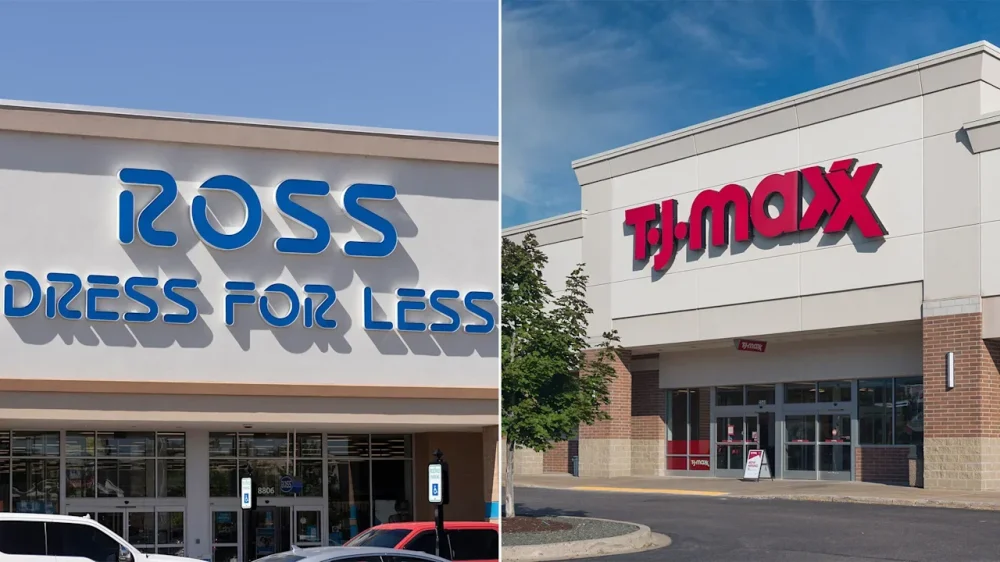
The following sentence might cause anxiety. As Thanksgiving looms near, it’s time to begin holiday shopping. The current level of inflation makes that even more stressful. How can you show your love without breaking the bank? It turns out, shoppers are turning to off-price retailers such as Ross, T.J. Maxx, and HomeGoods, according to recent earnings reports and data from location analytics company Placer.ai. Let’s break down the numbers. Ross Stores posts rosy earnings It’s fair to say that Jim Conroy, CEO of Ross Stores, is very pleased with the third-quarter earnings report released on Thursday, November 20. The company earned $1.58 per share, resulting in a $512 million profit. This is an increase from last year’s figures of $1.48 per share and $489 million in profit. When you zoom out beyond Q3, the numbers are equally as impressive. Ross’s year-to-date sales earnings are $16.1 billion, which is a 3% increase. People are clearly bargain shopping to get through these hard economic times and it’s safe to predict this trend will only continue to grow in the holiday shopping season. Foot traffic is reportedly up at off-price retailers Do you ever feel like you are being watched? Well, your cellphone is collecting data on you, most likely with permission buried deep in the terms and conditions of some of the apps downloaded on your phone. Placer.ai uses mobile-device data that is anonymized and aggregated to analyze customer behavior. It estimates how much foot traffic certain stores get and how long customers linger. According to the analytics platform, things are good for off-price retailers. TJX HomeGoods, which includes both HomeGoods and Homesense stores, saw a 9.6% increase in shopper volume in the third quarter, according to data shared with Fast Company. Similarly, TJX Marmaxx, which includes TJ Maxx, Marshalls, and Sierra stores, saw an 8.1% increase in store traffic. And store visits at Ross rose 9.4%. Target cannot say the same. The company’s store visitors declined 2.7% year-over-year in Q3, according to Placer.ai. The big-box retailer’s struggles were apparent in its third-quarter earnings report, which saw $25.3 billion in sales, around 1.5% lower than the same quarter last year. Ross has been opening new stores in 2025 Because of its overwhelming success, Ross is doubling down to keep this momentum going. In October, the retailer announced that it had opened 36 Ross Dress for Less and four Dd’s Discounts stores in October and September. These store locations span 17 states. In an economy where many brick-and-mortar retail chains are closing stores, this is no small accomplishment. Shares of Ross Stores (NYSE: ROST) are up 6.64% this week. TJX Companies stock (NYSE: TJX) is up 3.67%. View the full article
-
Brussels blindsided by US plan for joint investment funds with Moscow and Kyiv View the full article
-
When comparing franchise and corporate ownership, you’ll find distinct differences that affect how each operates. For instance, franchise owners have the freedom to make local decisions, whereas corporate entities follow strict guidelines. Financially, franchisees take on personal risks but often benefit from established brand recognition. This contrast extends to employee management and marketing strategies as well. Comprehending these differences can provide valuable insights into which model may suit your business aspirations better. What else should you consider? Key Takeaways Franchise owners enjoy local flexibility in decision-making, while corporate managers enforce strict guidelines from the parent company for uniformity across locations. Franchisees bear individual financial risks and responsibilities, whereas corporate shareholders benefit from limited liability and shared financial risks. Franchise ownership allows faster expansion through local investment, while corporate ownership faces higher operational costs that may limit growth potential. Employee management in franchises varies with local hiring practices, while corporate stores implement standardized training and benefits for consistency. Franchises benefit from centralized marketing support and established brand recognition, while corporate locations manage their marketing independently for a cohesive strategy. Ownership Structure The ownership structure of businesses plays a crucial role in determining how they operate and grow. In the franchise vs corporate debate, company-owned stores differ markedly from franchise locations. Franchise ownership allows individual entrepreneurs to manage their businesses under a licensing agreement, investing their capital as they pay ongoing royalties to the franchisor. Conversely, corporate ownership centralizes control, with the corporation retaining all profits and making decisions for each location. This leads to a distinct difference between chain and franchise operations; franchises benefit from local investment and faster expansion, whereas corporate entities face higher operational costs, limiting their growth potential. Comprehending these ownership structures helps you appreciate the diverse approaches to business management and expansion in today’s market. Control and Decision-Making When you consider control and decision-making in franchises versus corporate ownership, you’ll notice key differences in operational flexibility and authority. Franchise owners enjoy some autonomy, allowing them to adapt strategies based on local market conditions, whereas corporate managers follow strict guidelines set by the parent company. This centralized control often leads to uniform policies across corporate locations, limiting the ability to respond to unique market challenges. Operational Flexibility Differences Though franchise owners enjoy some degree of operational flexibility, they must still navigate the constraints imposed by franchisor regulations and brand standards. In a franchise vs chain scenario, franchisees can tailor strategies to their local market, but only with franchisor approval. This limits their operational autonomy compared to corporate managers, who follow standardized processes dictated by the board. Franchise agreements clearly outline responsibilities, restricting the freedom of franchisees considerably. Conversely, corporate-owned locations operate under uniform policies, resulting in minimal variation. Franchise vs corporate examples illustrate that whereas owners engage more in daily operations because of personal investment, corporate managers often adopt a detached management style, focusing on adherence to established systems rather than localized decision-making. Decision Authority Levels In the domain of business ownership, decision authority levels greatly impact control and decision-making processes. In a franchise versus corporate setting, franchise owners operate under specific guidelines set by the franchisor, limiting their control over daily operations. While you can implement localized strategies with approval, corporate managers follow directives from the board of directors, leading to uniformity across the chain. This centralized decision-making guarantees consistent policies in corporate stores, whereas franchise operations may vary based on individual interpretation. Although franchise agreements provide some operational flexibility, adherence to established systems is crucial. Ultimately, decision authority levels dictate how much autonomy you have in shaping your business strategies, impacting both operational execution and overall success in the marketplace. Strategic Adaptation Capabilities Strategic adaptation capabilities play an essential role in how businesses respond to local market conditions, particularly in the context of franchise versus corporate ownership. Franchise owners enjoy operational flexibility, allowing them to tailor strategies to meet local demands during following the franchisor’s guidelines. This hands-on management leads to quicker responses to market changes, enhancing customer satisfaction and profitability. Conversely, corporate managers often face limitations because of centralized decision-making, resulting in uniform policies across all locations. Although corporate chain stores may struggle to adapt swiftly, franchise agreements guarantee a balance between local responsiveness and brand consistency. In the end, comprehending these strategic adaptation capabilities can greatly influence your success in a business chain environment. Legal Formation and Financial Structure When considering the legal formation and financial structure of franchise and corporate ownership, it’s essential to understand the fundamental differences that set them apart. Setting up a corporation involves complex legal processes and extensive documentation, whereas a franchise only requires signing a contract with the franchisor. Franchise owners pay initial fees and ongoing royalties, whereas corporate stores retain all profits without such fees. Financial risks in corporations are shared among shareholders, whereas franchisees bear the financial burden of their individual businesses but benefit from a proven model. Legal liabilities differ greatly; franchisors are responsible for legal issues at franchise locations, whereas corporate shareholders enjoy personal liability protection. These distinctions shape how each ownership type operates financially and legally. Risk and Reward When you consider franchise versus corporate ownership, comprehension of the distribution of financial risk is essential. Franchisees benefit from proven business models and established brand recognition, which lowers their risk compared to corporate owners who face higher operational costs without guaranteed returns. This difference in risk not just influences your potential profits but additionally shapes your overall commitment and performance in the business environment. Financial Risk Distribution Comprehending the distribution of financial risk in franchise versus corporate ownership is crucial for potential investors. In a franchise model, you, as a franchisee, bear most of the financial risk, investing personal capital as the franchisor enjoys ongoing royalty fees and reduced exposure. Conversely, corporate ownership means the corporation assumes full financial responsibility for all outlets, directly affecting its balance sheet. Here are some key points to contemplate: Franchisees often face lower risks because of established brand recognition. Corporate shareholders may experience greater profit volatility. Franchising can lead to quicker profitability in comparison to independent startups. Franchisors benefit from faster growth with reduced financial risk by leveraging franchisee investments for expansion. Proven Business Models Comprehending the dynamics of proven business models is essential for anyone considering franchise ownership. As a franchisee, you’ll benefit from established brands and existing customer bases, which greatly reduce your risk of failure. With a franchise, you can leverage brand recognition and operational frameworks, leading to quicker profitability than launching an independent business. Ongoing support and training from franchisors further improve your chances of success. Even though you’ll share a portion of your revenue through royalty fees, the predictability of income from a recognized brand often outweighs this cost. On the other hand, corporate ownership brings higher financial risks, as all operational burdens rest on your shoulders, and profits depend heavily on effective management and market conditions. Employee Management and Training Employee management and training in franchise versus corporate ownership presents distinct differences that can greatly impact operational efficiency and employee satisfaction. In franchise settings, you’re likely to encounter variations in management styles and training quality because of individual franchisee approaches. Corporate stores, nevertheless, implement standardized training programs, promoting consistency across locations. Here are some key differences: Franchise owners manage hiring and onboarding, often following franchisor guidelines but with local flexibility. Corporate stores typically offer more thorough employee benefits thanks to centralized resources. Franchisors provide initial training and ongoing support to franchisees, ensuring adherence to brand standards. The level of investment in employee management can vary widely in franchises, affecting staff development and retention. Marketing and Advertising Marketing and advertising strategies differ considerably between franchise and corporate ownership models, impacting how businesses reach their customers. Franchise stores typically benefit from centralized marketing support provided by the parent company, leveraging established brand recognition to improve customer outreach. This means franchisees may have limited control over marketing materials, using those developed by the franchisor to maintain brand consistency across locations. Conversely, corporate-owned locations often manage their marketing independently, allowing for a cohesive approach but potentially sacrificing localized engagement. Franchisors frequently implement collective advertising campaigns funded by franchisee contributions, creating a shared budget that broadens reach and impact. Although franchisees can tailor localized marketing efforts with franchisor approval, they must still adhere to overall brand guidelines. Communication and Relationship Development Effective communication plays a crucial role in the relationship development between franchisors and franchisees, as it directly influences the overall success of the franchise model. In franchise settings, communication often nurtures a family atmosphere, encouraging open dialogue and regular check-ins. This contrasts sharply with the corporate model, where interactions can be more formal and structured. As a franchisee, you enjoy greater autonomy in decision-making, which strengthens your investment in the relationship. Ongoing support and collaboration between franchisors and franchisees help align goals as they maintain brand integrity. Promotes a family-like environment Encourages open dialogue Strengthens personal investment Cultivates ongoing support and collaboration Frequently Asked Questions What Is the Difference Between Corporate Ownership and Franchise? Corporate ownership means a single entity controls all locations, making centralized decisions and retaining all profits. Conversely, franchises allow individuals to operate under a parent company’s brand, paying fees and royalties. Franchisees have more autonomy locally but must adhere to franchisor guidelines. Whereas corporate expansions require significant internal funding, franchises offer faster growth with reduced financial risk, as franchisees invest their capital and share the legal liabilities associated with operations. How Does a Corporation Operate Differently Than a Franchise? A corporation operates by directly owning and managing all its locations, emphasizing centralized decision-making for brand consistency. You’re likely to see a uniform experience across all outlets, as corporate policies dictate operations. Conversely, franchises rely on independent owners who invest their own capital, allowing for localized management. This decentralized approach encourages entrepreneurial initiatives but requires adherence to franchisor guidelines, creating a unique operational dynamic distinct from corporate ownership. What Is the Difference Between a Business Owner and a Franchise Owner? A business owner runs their own company, making all decisions about operations and branding without external constraints. Conversely, a franchise owner operates under a franchisor’s established brand, adhering to specific guidelines and paying fees. Although franchise owners benefit from brand recognition and support, they may face limitations in creativity. Business owners, on the other hand, retain all profits and have the freedom to innovate and develop their own operational procedures. What Is the Difference Between a Corporate Store and a Franchise Store? A corporate store is owned and operated by the parent company, giving it control over profits and decisions. Conversely, a franchise store is independently owned by a franchisee, who pays fees to use the brand. Although franchisees invest their own capital and manage daily operations, corporate managers follow company guidelines without personal investment. Auditing procedures likewise differ; franchises are audited by the franchisor, whereas corporate stores adhere to internal audits set by the parent company. Conclusion In conclusion, grasping the differences between franchise and corporate ownership is vital for anyone considering entering the business world. Franchise owners benefit from established brands and local flexibility, but they likewise assume individual risks. Meanwhile, corporate entities maintain strict control and centralized marketing strategies. By recognizing these distinctions in ownership structure, decision-making, financial risks, employee management, and communication, you can make informed choices about which model aligns best with your business objectives and personal preferences. Image via Google Gemini This article, "7 Key Differences Between Franchise and Corporate Ownership" was first published on Small Business Trends View the full article
-
When comparing franchise and corporate ownership, you’ll find distinct differences that affect how each operates. For instance, franchise owners have the freedom to make local decisions, whereas corporate entities follow strict guidelines. Financially, franchisees take on personal risks but often benefit from established brand recognition. This contrast extends to employee management and marketing strategies as well. Comprehending these differences can provide valuable insights into which model may suit your business aspirations better. What else should you consider? Key Takeaways Franchise owners enjoy local flexibility in decision-making, while corporate managers enforce strict guidelines from the parent company for uniformity across locations. Franchisees bear individual financial risks and responsibilities, whereas corporate shareholders benefit from limited liability and shared financial risks. Franchise ownership allows faster expansion through local investment, while corporate ownership faces higher operational costs that may limit growth potential. Employee management in franchises varies with local hiring practices, while corporate stores implement standardized training and benefits for consistency. Franchises benefit from centralized marketing support and established brand recognition, while corporate locations manage their marketing independently for a cohesive strategy. Ownership Structure The ownership structure of businesses plays a crucial role in determining how they operate and grow. In the franchise vs corporate debate, company-owned stores differ markedly from franchise locations. Franchise ownership allows individual entrepreneurs to manage their businesses under a licensing agreement, investing their capital as they pay ongoing royalties to the franchisor. Conversely, corporate ownership centralizes control, with the corporation retaining all profits and making decisions for each location. This leads to a distinct difference between chain and franchise operations; franchises benefit from local investment and faster expansion, whereas corporate entities face higher operational costs, limiting their growth potential. Comprehending these ownership structures helps you appreciate the diverse approaches to business management and expansion in today’s market. Control and Decision-Making When you consider control and decision-making in franchises versus corporate ownership, you’ll notice key differences in operational flexibility and authority. Franchise owners enjoy some autonomy, allowing them to adapt strategies based on local market conditions, whereas corporate managers follow strict guidelines set by the parent company. This centralized control often leads to uniform policies across corporate locations, limiting the ability to respond to unique market challenges. Operational Flexibility Differences Though franchise owners enjoy some degree of operational flexibility, they must still navigate the constraints imposed by franchisor regulations and brand standards. In a franchise vs chain scenario, franchisees can tailor strategies to their local market, but only with franchisor approval. This limits their operational autonomy compared to corporate managers, who follow standardized processes dictated by the board. Franchise agreements clearly outline responsibilities, restricting the freedom of franchisees considerably. Conversely, corporate-owned locations operate under uniform policies, resulting in minimal variation. Franchise vs corporate examples illustrate that whereas owners engage more in daily operations because of personal investment, corporate managers often adopt a detached management style, focusing on adherence to established systems rather than localized decision-making. Decision Authority Levels In the domain of business ownership, decision authority levels greatly impact control and decision-making processes. In a franchise versus corporate setting, franchise owners operate under specific guidelines set by the franchisor, limiting their control over daily operations. While you can implement localized strategies with approval, corporate managers follow directives from the board of directors, leading to uniformity across the chain. This centralized decision-making guarantees consistent policies in corporate stores, whereas franchise operations may vary based on individual interpretation. Although franchise agreements provide some operational flexibility, adherence to established systems is crucial. Ultimately, decision authority levels dictate how much autonomy you have in shaping your business strategies, impacting both operational execution and overall success in the marketplace. Strategic Adaptation Capabilities Strategic adaptation capabilities play an essential role in how businesses respond to local market conditions, particularly in the context of franchise versus corporate ownership. Franchise owners enjoy operational flexibility, allowing them to tailor strategies to meet local demands during following the franchisor’s guidelines. This hands-on management leads to quicker responses to market changes, enhancing customer satisfaction and profitability. Conversely, corporate managers often face limitations because of centralized decision-making, resulting in uniform policies across all locations. Although corporate chain stores may struggle to adapt swiftly, franchise agreements guarantee a balance between local responsiveness and brand consistency. In the end, comprehending these strategic adaptation capabilities can greatly influence your success in a business chain environment. Legal Formation and Financial Structure When considering the legal formation and financial structure of franchise and corporate ownership, it’s essential to understand the fundamental differences that set them apart. Setting up a corporation involves complex legal processes and extensive documentation, whereas a franchise only requires signing a contract with the franchisor. Franchise owners pay initial fees and ongoing royalties, whereas corporate stores retain all profits without such fees. Financial risks in corporations are shared among shareholders, whereas franchisees bear the financial burden of their individual businesses but benefit from a proven model. Legal liabilities differ greatly; franchisors are responsible for legal issues at franchise locations, whereas corporate shareholders enjoy personal liability protection. These distinctions shape how each ownership type operates financially and legally. Risk and Reward When you consider franchise versus corporate ownership, comprehension of the distribution of financial risk is essential. Franchisees benefit from proven business models and established brand recognition, which lowers their risk compared to corporate owners who face higher operational costs without guaranteed returns. This difference in risk not just influences your potential profits but additionally shapes your overall commitment and performance in the business environment. Financial Risk Distribution Comprehending the distribution of financial risk in franchise versus corporate ownership is crucial for potential investors. In a franchise model, you, as a franchisee, bear most of the financial risk, investing personal capital as the franchisor enjoys ongoing royalty fees and reduced exposure. Conversely, corporate ownership means the corporation assumes full financial responsibility for all outlets, directly affecting its balance sheet. Here are some key points to contemplate: Franchisees often face lower risks because of established brand recognition. Corporate shareholders may experience greater profit volatility. Franchising can lead to quicker profitability in comparison to independent startups. Franchisors benefit from faster growth with reduced financial risk by leveraging franchisee investments for expansion. Proven Business Models Comprehending the dynamics of proven business models is essential for anyone considering franchise ownership. As a franchisee, you’ll benefit from established brands and existing customer bases, which greatly reduce your risk of failure. With a franchise, you can leverage brand recognition and operational frameworks, leading to quicker profitability than launching an independent business. Ongoing support and training from franchisors further improve your chances of success. Even though you’ll share a portion of your revenue through royalty fees, the predictability of income from a recognized brand often outweighs this cost. On the other hand, corporate ownership brings higher financial risks, as all operational burdens rest on your shoulders, and profits depend heavily on effective management and market conditions. Employee Management and Training Employee management and training in franchise versus corporate ownership presents distinct differences that can greatly impact operational efficiency and employee satisfaction. In franchise settings, you’re likely to encounter variations in management styles and training quality because of individual franchisee approaches. Corporate stores, nevertheless, implement standardized training programs, promoting consistency across locations. Here are some key differences: Franchise owners manage hiring and onboarding, often following franchisor guidelines but with local flexibility. Corporate stores typically offer more thorough employee benefits thanks to centralized resources. Franchisors provide initial training and ongoing support to franchisees, ensuring adherence to brand standards. The level of investment in employee management can vary widely in franchises, affecting staff development and retention. Marketing and Advertising Marketing and advertising strategies differ considerably between franchise and corporate ownership models, impacting how businesses reach their customers. Franchise stores typically benefit from centralized marketing support provided by the parent company, leveraging established brand recognition to improve customer outreach. This means franchisees may have limited control over marketing materials, using those developed by the franchisor to maintain brand consistency across locations. Conversely, corporate-owned locations often manage their marketing independently, allowing for a cohesive approach but potentially sacrificing localized engagement. Franchisors frequently implement collective advertising campaigns funded by franchisee contributions, creating a shared budget that broadens reach and impact. Although franchisees can tailor localized marketing efforts with franchisor approval, they must still adhere to overall brand guidelines. Communication and Relationship Development Effective communication plays a crucial role in the relationship development between franchisors and franchisees, as it directly influences the overall success of the franchise model. In franchise settings, communication often nurtures a family atmosphere, encouraging open dialogue and regular check-ins. This contrasts sharply with the corporate model, where interactions can be more formal and structured. As a franchisee, you enjoy greater autonomy in decision-making, which strengthens your investment in the relationship. Ongoing support and collaboration between franchisors and franchisees help align goals as they maintain brand integrity. Promotes a family-like environment Encourages open dialogue Strengthens personal investment Cultivates ongoing support and collaboration Frequently Asked Questions What Is the Difference Between Corporate Ownership and Franchise? Corporate ownership means a single entity controls all locations, making centralized decisions and retaining all profits. Conversely, franchises allow individuals to operate under a parent company’s brand, paying fees and royalties. Franchisees have more autonomy locally but must adhere to franchisor guidelines. Whereas corporate expansions require significant internal funding, franchises offer faster growth with reduced financial risk, as franchisees invest their capital and share the legal liabilities associated with operations. How Does a Corporation Operate Differently Than a Franchise? A corporation operates by directly owning and managing all its locations, emphasizing centralized decision-making for brand consistency. You’re likely to see a uniform experience across all outlets, as corporate policies dictate operations. Conversely, franchises rely on independent owners who invest their own capital, allowing for localized management. This decentralized approach encourages entrepreneurial initiatives but requires adherence to franchisor guidelines, creating a unique operational dynamic distinct from corporate ownership. What Is the Difference Between a Business Owner and a Franchise Owner? A business owner runs their own company, making all decisions about operations and branding without external constraints. Conversely, a franchise owner operates under a franchisor’s established brand, adhering to specific guidelines and paying fees. Although franchise owners benefit from brand recognition and support, they may face limitations in creativity. Business owners, on the other hand, retain all profits and have the freedom to innovate and develop their own operational procedures. What Is the Difference Between a Corporate Store and a Franchise Store? A corporate store is owned and operated by the parent company, giving it control over profits and decisions. Conversely, a franchise store is independently owned by a franchisee, who pays fees to use the brand. Although franchisees invest their own capital and manage daily operations, corporate managers follow company guidelines without personal investment. Auditing procedures likewise differ; franchises are audited by the franchisor, whereas corporate stores adhere to internal audits set by the parent company. Conclusion In conclusion, grasping the differences between franchise and corporate ownership is vital for anyone considering entering the business world. Franchise owners benefit from established brands and local flexibility, but they likewise assume individual risks. Meanwhile, corporate entities maintain strict control and centralized marketing strategies. By recognizing these distinctions in ownership structure, decision-making, financial risks, employee management, and communication, you can make informed choices about which model aligns best with your business objectives and personal preferences. Image via Google Gemini This article, "7 Key Differences Between Franchise and Corporate Ownership" was first published on Small Business Trends View the full article
-
President Donald The President has called New York City’s Mayor-elect Zohran Mamdani a “100% Communist Lunatic” and a “total nut job.” Mamdani has called The President’s administration “authoritarian” and described himself as “Donald The President’s worst nightmare.” So their first-ever meeting, scheduled for Friday at 3 p.m. EST at the White House, could be a curious and combustible affair. Despite months of casting each other as prime adversaries, the Republican president and new Democratic star have also indicated an openness to finding areas of agreement that help the city they’ve both called home. Mamdani, a democratic socialist who takes office in January, said he sought the meeting with The President to talk about ways to make New York City more affordable. The President has said he may want to help him out — although he has also falsely labeled Mamdani as a “communist” and threatened to yank federal funds from his hometown. But for both men, the meeting offers opportunities beyond any areas of potential bipartisan agreement. The two men are convenient political foils for each other, and taking the other one on can galvanize their supporters. The President loomed large over the mayoral race this year, and on the eve of the election, endorsed independent candidate and former Democratic Gov. Andrew Cuomo, predicting the city has “ZERO chance of success, or even survival” if Mamdani won. He also questioned the citizenship of Mamdani, who was born in Uganda and became a naturalized American citizen after graduating from college, and said he’d have him arrested if he followed through on threats not to cooperate with immigration agents in the city. Mamdani beat back a challenge from Cuomo, painting him as a “puppet” for the president, and said he would be “a mayor who can stand up to Donald The President and actually deliver.” He declared during one primary debate, “I am Donald The President’s worst nightmare, as a progressive Muslim immigrant who actually fights for the things that I believe in.” The president, who has long used political opponents to fire up his backers, predicted Mamdani “will prove to be one of the best things to ever happen to our great Republican Party.” As Mamdani upended the Democratic establishment by defeating Cuomo and his far-left progressive policies provoked infighting, The President repeatedly has cast Mamdani as the face of Democratic Party. For Mamdani, a sit-down with the president of the United States offers the state lawmaker who until recently was relatively unknown the chance to go head-to-head with the most powerful person in the world. The meeting gives The President a high-profile chance to talk about affordability at a time when he’s under increasing political pressure to show he’s addressing voter concerns about the cost of living. But that’s if the meeting doesn’t turn rocky. A chance for some Oval Office drama It was not immediately clear whether cameras will be allowed into the meeting. The President’s daily schedule said it will be private, but the president often invites in a small “pool” of reporters at the last minute. The president has had some dramatic public Oval Office faceoffs this year, including an infamously heated exchange with Ukrainian President Volodymyr Zelenskyy in March. In May, The President dimmed the lights while meeting with South African President Cyril Ramaphosa and played a four-minute video making widely rejected claims that South Africa is violently persecuting the country’s white Afrikaner minority farmers. A senior The President administration official who spoke on condition of anonymity to describe internal discussions said The President had not put a lot of thought into planning the meeting with the incoming mayor — but said The President’s threats to block federal dollars from flowing to New York remained on the table. Mamdani said Thursday that he was not concerned about the president potentially trying to use the meeting to publicly embarrass him and said he saw it as a chance to make his case, even while acknowledging “many disagreements with the president.” If the president does use the meeting as a public confrontation, Mamdani may be uniquely ready for it. He, like The President, was a relative political outsider who rose to victory with a populist message that promised a break from the establishment, known for his savvy navigation of the spotlight and a distinctive use of social media. Mamdani, who lives in Queens — where The President was raised — also has shown a cutthroat streak. During his campaign, he appeared to borrow from The President’s playbook when he noted during a televised debate with Cuomo that one of the women who had accused the former governor of sexual harassment was in the audience. Cuomo has denied wrongdoing. The moment evoked The President’s tactics before a debate with Democrat Hillary Clinton in 2016, when he appeared with accusers of her husband, former President Bill Clinton, who denied the accusations against him. —Michelle L. Price, Associated Press Associated Press writers Aamer Madhani and Anthony Izaguirre contributed to this report. View the full article

-
If you and your friends have iPhones, you might use AirDrop to send pictures and files. If you all have Androids, you might use Quick Share. But if you have a mix of both platforms, suddenly file sharing isn't so easy. You could email the pictures, but, shoot, there's a data limit. You could text them, but if your friend isn't on RCS, videos are going to look horrible. You could use a cross-platform chat app, but good luck agreeing on which one to use. If only AirDrop was available on Android, and Quick Share on iOS. In a Thursday announcement on The Keyword, Google made history: Quick Share now works with AirDrop—starting with the Pixel 10, anyway. If you or a friend has one of Google's latest smartphones, you can start wirelessly file sharing to the other platform, as if they were a part of yours. To that point, it does seem like file sharing between iPhone and Android—and vice versa—feels intuitive. On Android, you can open Quick Share, look at your "Send to nearby devices," and a compatible iPhone will appear alongside any compatible Android devices. On iOS, opening AirDrop will show a compatible Pixel 10 among the list of available devices. It's almost like the features were built this way from the beginning. (They should have been.) The only caveat is the receiver's iPhone needs to be set to "Everyone for 10 Minutes." If the iPhone is set to "Contacts Only," this feature won't work yet. Google says it's open to working with Apple to expand this functionality, but at the moment, you can't leave your AirDrop open to just your contacts, if those contacts happen to be on Pixel. It's too bad this new cross-platform functionality is limited to the Pixel 10 series, but, hopefully, it expands to more Androids over time. While iOS and Android aren't necessarily the easiest operating systems to work across, Apple and Google have made massive improvements in recent years. Now that iPhones support RCS, and some Androids now work with AirDrop, we're closing the gap between these two once-polar-opposite platforms. View the full article
-
A creepy account that’s almost certainly using AI to generate videos of imaginary New Yorkers criticizing mayor-elect Zohran Mamdani raises a frightening prospect: that deepfakes could be used not just to impersonate politicians, but also constituents. Accounts on several social media platforms – which are using similar profile pictures and appear to be linked – are calling themselves the Citizens Against Mamdani. In recent days, these accounts have posted confessionals and rants from “New Yorkers” slamming Mamdani for his – alleged – anti-Americanism, plans to hike taxes, and false promises on rent and transportation. They appear to be trying to imitate the diversity of New York, and many of the videos feature some of the city’s classic accents. While none of the videos have gone viral, they have shown up on TikTok, Twitter, and Instagram, with some racking up tens of thousands of views. The TikTok account itself has about 30,000 likes. Fast Company reached out to the Instagram and TikTok pages but had not heard back at the time of publication. “In the last election cycle, hiring human influencers to spread a particular message was all the rage. Now, teams don’t even need those personalities,” explains Emmanuelle Saliba, the chief investigative officer at GetReal Security, a cybersecurity firm that analyzes deepfakes. “GenAI has made such significant progress that campaigns and activists can use text-to-video to create hyper-realistic videos of supporters or detractors, and online consumers will be none the wiser,” she adds. The online campaign shows how generative AI has, in essence, democratized astroturfing. “Astroturfing has been automated, and it’s pretty much undetectable without technology,” Saliba says — a notable evolution from the last election cycle, when it was more common for political operatives to hire influencers, she adds. Using online tools to create a false impression of support or opposition to a movement or candidate isn’t new. In 2017, for example, bots were deployed to submit comments to the Federal Communications Commission, which was, at the time, considering new rules on net neutrality. But those types of campaigns have typically required at least some significant human effort, like operating a network of social media accounts or hiring influencers. The rise of generative AI makes it far easier to create the mirage of political popularity online: Now, with just a few prompts and access to the right platform, you can simply generate videos of a bevy of real-ish seeming people. A mirage Of course, one of the challenges of deepfake detection is that there’s no absolutely sure-fire way to confirm that they’re generated by AI. With the anti-Mamdani videos, however, the evidence is overwhelming. Beyond the visible Sora watermark – a label created by OpenAI to denote content created with the company’s technology – on some of the videos, the accounts have published numerous, similar videos at around the same time. Another major hint is the objects in the background of the images, noted Siwei Lyu, a computer science professor who studies deepfakes at University of Buffalo. Reality Defender, another firm that investigates AI-generated content, analyzed several of the videos using a platform it offers called RealScan and found that the odds they were manipulated were extremely high. The firm assessed that one video featuring a man in a blue hat, screaming “You all got fooled by Mamdani” had a 99 percent likelihood of being a deepfake. (It is impossible to score 100 percent: There’s no way to truly verify the ground truth of the content’s creation). While it’s unclear the extent to which people have been actually convinced by the videos, the comments on them suggest at least some online users seem to be taking them seriously. “They show the illusion of broad support for or against an issue, and the people depicted in the videos are ordinary citizens. So it’s harder to verify their existence,” says Lyu. “This is yet another dangerous form of an AI-driven disinformation campaign.” Astroturfing at scale The accounts are a reminder that the cost of producing disinformation is lower than ever. It used to be that social engineering support for a particular cause would require real effort – for instance – investing in creating believable and realistic content, explains Alex Lisle, the chief technology officer of Reality Defender. “Now I can define an LLM with a sentiment and a message I’m trying to give it, and then ask it to come up with what to say,” Lisle says. “And I can do that at a scale which before would require hours and hours of work,”manufacturing “hundreds of different quotes, thousands of different quotes, very, very quickly,” he adds. Combining deepfakes with large language models allows political operatives to not only generate myriad scripts for what a deepfake can say, but also videos of people – with convincing voices – to actually spread those narratives. “You are now having a force multiplier,” Lisle continued. “In order to do this required multiple people and hours of effort. Now it just costs me computing.” The problem expands beyond politics, emphasized Saliba, from GetReal. While Mamdani might be one example of a target, the low cost of creating this kind of content means that a business – or a loved one – could be the future subject of these kinds of disinformation campaigns. View the full article

-
Verizon Business has forged a new partnership with Amazon Web Services (AWS), aimed at propelling small businesses into the future of artificial intelligence (AI) through enhanced network capabilities. This collaboration promises a significant boost in connectivity and performance, crucial for companies ready to harness the power of AI technologies. At the heart of this initiative is the implementation of high-capacity, low-latency fiber pathways intended to connect AWS data centers. By expanding its fiber network, Verizon means to deliver reliable, robust cloud services capable of supporting advanced AI applications at scale. For small business owners, this could translate into the ability to leverage AI tools that enhance operational efficiency, customer engagement, and data analysis. “AI will be essential to the future of business and society, driving innovation that demands a network to match,” states Scott Lawrence, Senior Vice President and Chief Product Officer at Verizon Business. This sentiment is reflective of a growing understanding in the small business sector: AI is not just a buzzword but a powerful tool that can streamline processes and unleash creative solutions. With the rise of generative AI, which requires secure and scalable infrastructure, this deal is timely. The combination of AWS’s cloud services with Verizon’s robust network creates an environment where small businesses can build compelling AI applications without worrying about bottlenecks in performance or reliability. “The next wave of innovation will be driven by generative AI,” says Prasad Kalyanaraman, Vice President of AWS Infrastructure Services. This collaboration ensures that businesses can deploy AI solutions effectively and reliably. For small businesses, practical applications of this advancement are wide-ranging. Retailers could utilize AI algorithms for inventory management and customer behavior analysis, while those in healthcare can implement AI for quicker patient data processing and improved client interactions. Manufacturers may leverage AI to streamline production lines, reducing waste and optimizing efficiency. However, transitioning to AI-powered solutions does present challenges. Small businesses will need to evaluate the costs associated with adopting these new technologies. Investment in training staff and possibly upgrading existing systems to fully leverage AI capabilities will be essential. Further, businesses must ensure data privacy and security in their AI implementations, especially as they rely on cloud-based services. The partnership also reflects a strategic move to strengthen the long-standing relationship between Verizon and AWS. Their previous collaborations have yielded significant advantages across various sectors, including healthcare, retail, manufacturing, and entertainment by merging Verizon’s network prowess with AWS’s comprehensive cloud services. This new Verizon AI Connect solution will not only enhance existing applications but also allow businesses to innovate rapidly, a necessity in today’s competitive landscape. As organizations embark on their digital transformation journeys, having a support structure that includes trusted network and cloud services becomes crucial. Overall, this new fiber deal is not just a technical upgrade; it represents a monumental shift in how small businesses can engage with technology. The emphasis on shifting towards AI-driven frameworks signals a future where adaptable, intelligent business practices will be paramount. For small business owners contemplating the integration of AI into their operations, this development offers a clear, actionable opportunity for growth and innovation. As the business landscape continues to evolve, staying ahead of technological advancements will be essential for competitiveness. Small business owners are encouraged to explore how these improvements in network infrastructure can be integrated into their strategic planning. For more detailed information, you can view the original Verizon press release here. Image via Google Gemini This article, "Verizon and AWS Launch High-Capacity Network for Next-Gen AI Innovation" was first published on Small Business Trends View the full article
-
Verizon Business has forged a new partnership with Amazon Web Services (AWS), aimed at propelling small businesses into the future of artificial intelligence (AI) through enhanced network capabilities. This collaboration promises a significant boost in connectivity and performance, crucial for companies ready to harness the power of AI technologies. At the heart of this initiative is the implementation of high-capacity, low-latency fiber pathways intended to connect AWS data centers. By expanding its fiber network, Verizon means to deliver reliable, robust cloud services capable of supporting advanced AI applications at scale. For small business owners, this could translate into the ability to leverage AI tools that enhance operational efficiency, customer engagement, and data analysis. “AI will be essential to the future of business and society, driving innovation that demands a network to match,” states Scott Lawrence, Senior Vice President and Chief Product Officer at Verizon Business. This sentiment is reflective of a growing understanding in the small business sector: AI is not just a buzzword but a powerful tool that can streamline processes and unleash creative solutions. With the rise of generative AI, which requires secure and scalable infrastructure, this deal is timely. The combination of AWS’s cloud services with Verizon’s robust network creates an environment where small businesses can build compelling AI applications without worrying about bottlenecks in performance or reliability. “The next wave of innovation will be driven by generative AI,” says Prasad Kalyanaraman, Vice President of AWS Infrastructure Services. This collaboration ensures that businesses can deploy AI solutions effectively and reliably. For small businesses, practical applications of this advancement are wide-ranging. Retailers could utilize AI algorithms for inventory management and customer behavior analysis, while those in healthcare can implement AI for quicker patient data processing and improved client interactions. Manufacturers may leverage AI to streamline production lines, reducing waste and optimizing efficiency. However, transitioning to AI-powered solutions does present challenges. Small businesses will need to evaluate the costs associated with adopting these new technologies. Investment in training staff and possibly upgrading existing systems to fully leverage AI capabilities will be essential. Further, businesses must ensure data privacy and security in their AI implementations, especially as they rely on cloud-based services. The partnership also reflects a strategic move to strengthen the long-standing relationship between Verizon and AWS. Their previous collaborations have yielded significant advantages across various sectors, including healthcare, retail, manufacturing, and entertainment by merging Verizon’s network prowess with AWS’s comprehensive cloud services. This new Verizon AI Connect solution will not only enhance existing applications but also allow businesses to innovate rapidly, a necessity in today’s competitive landscape. As organizations embark on their digital transformation journeys, having a support structure that includes trusted network and cloud services becomes crucial. Overall, this new fiber deal is not just a technical upgrade; it represents a monumental shift in how small businesses can engage with technology. The emphasis on shifting towards AI-driven frameworks signals a future where adaptable, intelligent business practices will be paramount. For small business owners contemplating the integration of AI into their operations, this development offers a clear, actionable opportunity for growth and innovation. As the business landscape continues to evolve, staying ahead of technological advancements will be essential for competitiveness. Small business owners are encouraged to explore how these improvements in network infrastructure can be integrated into their strategic planning. For more detailed information, you can view the original Verizon press release here. Image via Google Gemini This article, "Verizon and AWS Launch High-Capacity Network for Next-Gen AI Innovation" was first published on Small Business Trends View the full article
-
Yankee Candle is going luxury with a new line of candles that’s designed to be upsold. The Massachusetts-based candle company launched the Yankee Candle YC Collection this week, a line of seven fragrances designed by Beardwood&Co., the New York City branding agency behind the July redesign of the company’s packaging. With a curved glass jar, white wax, and metallic lids that show a new “YC” monogram adapted from the original Yankee Candle logo, the candles are minimally designed. Each box comes with watercolor artwork by illustrator Carly Martin that’s inspired by the look of an artist’s fragrance sketchbook, according to the company. The new premium line sells for $45 for a 12 oz. candle and $32 for a 7 oz. Compare that to $20.99 the brand charges now charges for candles between 20 oz. and 22 oz. “Launching a new premium collection allows Yankee Candle to answer a desire for how a new generation of fragrance lovers combines scent and home decor to express themselves,” Beardwood&Co. co-CEO Sarah Williams tells Fast Company. “Ensuring this new line felt luxurious and display-worthy was the real benchmark for launch.” The YC Collection include the peach-scented Nectar and Amber, which mixes tobacco leaf with honeyed cacao and amber woods. Online, each candle also names the perfumer who crafted the scent, giving the line some artisan attribution that helps elevate its perceived craftsmanship. “We worked with expert perfumers trained in the tradition of fine fragrance to craft a collection that feels as intentional and curated as the poems it lives in,” Aaron Swart, the general manager of home fragrance for Yankee Candle’s parent company Newell Brands, said in a statement. Together, that means Yankee Candle can charge more. The new line comes as Newell Brands, which also owns brands like Sharpie and Expo, looks to improve Yankee Candle sales as lower-income and younger consumers pull back and the company’s overall net sales fell 7.2% year over year. Already, it’s tweaked the look of its candles. It’s new candle packaging rolled out this summer uses bigger images, plus the claim “room-filling fragrances” and “Est. 1969” above the logo. Beardwood&Co. says the new design has increased intent to purchase compared to the old design, and now the new candles were designed to reach new consumers. The luxury candle market is growing and the top 10% of earners make up a growing share of consumer spending, so they’re going after consumers willing to pay a bit more. While this premium line is offered at a higher price point for Yankee Candle, it’s still more candle for your buck than Diptyque Paris, which sells 2.5 oz. candles for $48, and cheaper still than Le Labo candles, which can cost as much as $90. That gives Yankee Candle a more moderately priced premium product at a time when inflation remains persistent, so higher-income consumers can trade down for a candle that still looks high-end while other consumers can splurge on a budget. As Yankee Candle looks to grow its sales, the YC Collection could boost its higher-margin sales and help the brand endear itself to younger consumers and luxury candle fans. View the full article

-
A haunting 1940 self-portrait by famed Mexican artist Frida Kahlo sold Thursday for $54.7 million and became the top-selling work by any female artist at an auction. The painting of Kahlo asleep in a bed — titled “El sueño (La cama)” or in English, “The Dream (The Bed)” — surpassed the record held by Georgia O’Keeffe’s “Jimson Weed/White Flower No. 1,” which sold for $44.4 million in 2014. The sale at Sotheby’s in New York also topped Kahlo’s own auction record for a work by a Latin American artist. The 1949 painting “Diego and I,” depicting the artist and her husband, muralist Diego Rivera, went for $34.9 million in 2021. Her paintings are reported to have sold privately for even more. The self-portrait is among the few Kahlo pieces that have remained in private hands outside Mexico, where her body of work has been declared an artistic monument. Her works in both public and private collections within the country cannot be sold abroad or destroyed. The painting comes from a private collection, whose owner has not been disclosed, and is legally eligible for international sale. Some art historians have scrutinized the sale for cultural reasons, while others have raised concern that the painting — last exhibited publicly in the late 1990s — could again disappear from public view after the auction. It has already been requested for upcoming exhibitions in cities including New York, London and Brussels. The buyer’s identity was not disclosed. The piece depicts Kahlo asleep in a wooden, colonial-style bed that floats in the clouds. She is draped in a golden blanket and entangled in crawling vines and leaves. Above the bed lies a skeleton figure wrapped in dynamite. Kahlo vibrantly and unsparingly depicted herself and events from her life, which was upended by a bus accident at 18. She started to paint while bedridden, underwent a series of painful surgeries on her damaged spine and pelvis, then wore casts until her death in 1954 at age 47. During the years Kahlo was confined to her bed, she came to view it as a bridge between worlds as she explored her mortality. Before the auction, her great-niece, Mara Romeo Kahlo, celebrated the significance of the upcoming sale during a recent interview with The Associated Press in Mexico City. “I’m very proud that she’s one of the most valued women, because really, what woman doesn’t identify with Frida, or what person doesn’t?” she said. “I think everyone carries a little piece of my aunt in their heart.” The painting was the star of a sale of more than 100 surrealist works by artists including Salvador Dalí, René Magritte, Max Ernst and Dorothea Tanning. Kahlo resisted being labeled a surrealist, a style of art that’s dreamlike and centers on a fascination with the unconscious mind. “I never painted dreams,” she once said. “I painted my own reality.” In its catalog note, Sotheby’s said the painting “offers a spectral meditation on the porous boundary between sleep and death.” “The suspended skeleton is often interpreted as a visualization of her anxiety about dying in her sleep, a fear all too plausible for an artist whose daily existence was shaped by chronic pain and past trauma,” the catalog notes. Earlier this week, a Gustav Klimt painting that helped save the life of its Jewish subject during the Holocaust sold at Sotheby’s for $236.4 million. Klimt’s “Portrait of Elisabeth Lederer” became one of the most expensive pieces of artwork ever sold at auction, second only to Leonardo da Vinci’s “Salvator Mundi” at $450 million — the record-holder over all and among male artists. —Hannah Schoenbaum, Associated Press Associated Press video journalists Martín Silva Rey in Mexico City and Cassandra Allwood in London contributed to this report. View the full article

-
Shares have soared more than 40% this year over strong demand for weight-loss and diabetes drugsView the full article
-
Generating leads is crucial for any business looking to grow. You can implement several proven techniques to boost your lead generation efforts. For instance, asking for referrals can tap into your satisfied customers’ networks. Regular customer care calls help maintain relationships and encourage repeat business. By establishing yourself as a trusted source of information, you can elevate your credibility. There’s more to discover about effective strategies, including utilizing online platforms and creative marketing approaches. Key Takeaways Implement a structured referral program to incentivize satisfied customers and generate high-quality leads from their networks. Conduct regular customer care calls to strengthen relationships and encourage repeat business through consistent engagement. Position yourself as an authority by sharing valuable resources and insights, establishing trust with potential clients. Leverage online networking platforms like LinkedIn for personalized outreach and increased conversion rates. Utilize storytelling in your marketing campaigns to create emotional connections and differentiate your brand from competitors. Ask for Referrals One effective strategy for generating leads is to ask for referrals from your satisfied customers. Happy customers often want to help and will provide referrals, making this a quick way to generate local leads. During the sales closing process, don’t hesitate to request referrals; this greatly boosts your chances of obtaining new leads. You can likewise empower your customers by implementing a structured referral program, incentivizing them to gather their own leads. This creates a community of brand advocates, enhancing your credibility. Following up with satisfied customers for referrals yields higher-quality leads, as these come with built-in trust. Conduct Regular Customer Care Calls Conducting regular customer care calls is crucial for strengthening post-sale relationships and encouraging repeat business. By checking in with your clients, you not merely show that you value their experience but additionally create opportunities for new sales and referrals. This proactive approach improves brand loyalty, making customers more likely to recommend your services when they feel appreciated. Strengthen Post-Sale Relationships To strengthen post-sale relationships, regular customer care calls can play an essential role in guaranteeing ongoing engagement with your clients. These calls considerably improve customer loyalty and satisfaction, cultivating a deeper connection. By proactively reaching out, you not only nurture these relationships but additionally uncover quality leads through referrals from satisfied customers. Research shows that maintaining communication post-sale increases the likelihood of repeat purchases, making your follow-up efforts fundamental. Implementing a structured schedule for these calls guarantees consistent outreach, helping you stay top of mind with your clients. Furthermore, follow-up calls are often a cost-effective strategy, as nurturing existing customers is typically cheaper than acquiring new ones. Prioritize these calls to maximize your lead generation potential. Encourage Repeat Business Building on the importance of post-sale relationships, encouraging repeat business is a vital component of any successful sales strategy. Conducting regular customer care calls can greatly improve your relationships with existing customers, promoting loyalty and increasing the likelihood of repeat purchases. Retaining a customer is often cheaper than acquiring a new one, making follow-up calls fundamental. About 70% of customers are more likely to buy again after a positive interaction. These calls not only nurture relationships but can likewise uncover new sales opportunities, allowing you to identify evolving needs for cross-selling or upselling. A structured approach to customer care guarantees you stay top of mind, directly increasing customer satisfaction by 20% and improving retention rates. Enhance Brand Loyalty Regular customer care calls can be a game-changer for enhancing brand loyalty. By maintaining relationships post-sale, you not only save on acquisition costs but also strengthen your customer base. Here are key benefits of these calls: Nurture Relationships: They allow you to connect with customers, encouraging repeat business and referrals. Demonstrate Commitment: Proactive calls show your dedication to customer satisfaction, building emotional ties with your brand. Boost Credibility: Satisfied customers often refer others, enhancing your company’s reputation. Stay Top of Mind: Setting reminders for regular check-ins guarantees customers remember you, increasing future purchases. Incorporating regular calls into your strategy can greatly raise brand loyalty and lead generation efforts. Lead Nurturing: Keep in Contact With Past Referrals To effectively nurture leads, it’s essential to maintain communication with past referrals. Implementing automated follow-up processes can help you stay organized and guarantee timely engagement, whereas setting reminders for regular check-ins keeps your brand fresh in their minds. This consistent communication not merely builds trust but additionally increases the chances of converting these leads into loyal customers. Automated Follow-Up Processes Automated follow-up processes can be a transformative factor for businesses looking to maintain connections with past referrals. By leveraging these systems, you can guarantee timely and relevant communication that keeps your business top of mind. Here are four key advantages: Increased Efficiency: Automating outreach allows for personalized messages without the constant need for manual effort. Enhanced Engagement: Studies show that nurturing leads through automation can boost engagement rates by up to 50%. Reduced Lead Decay: Timely communication helps maintain your relevance with prospects who may not be ready to buy immediately. Trust Building: Consistent follow-ups cultivate trust and rapport, increasing the likelihood of conversion over time. Implementing automated follow-up strategies is crucial for effective lead nurturing. Regular Check-In Reminders Maintaining strong relationships with past referrals is essential for ongoing business success. Regular check-in reminders can help guarantee they feel valued, making them more likely to refer new leads. By setting reminders to follow up, you could see a 20-50% increase in conversion rates, keeping your business top of mind. Implementing automated lead nurturing processes assures consistent communication, enhancing chances of turning past referrals into repeat customers. Personalizing these reminders based on each referral’s interests and previous interactions can greatly boost engagement and response rates. In addition, staying in contact not only nurtures these relationships but provides opportunities to gather valuable feedback and insights, which can refine your lead generation strategy and improve overall effectiveness. Be a Trusted Source of Information Establishing yourself as a trusted source of information is essential in today’s digital environment, especially since customers often conduct extensive research before deciding to engage with a salesperson. By positioning yourself as an expert and advisor, you can greatly increase the likelihood of prospects considering your brand. Here are some effective strategies: Speak at industry conferences or webinars to demonstrate your expertise. Create valuable resources like white papers or guides that educate potential customers. Share insights and data through blogs or social media to boost your credibility. Engage consistently with your audience by providing relevant content, cultivating trust and nurturing relationships. Prioritizing these efforts can lead to higher conversion rates and improved lead generation outcomes. Use the Internet to Highlight Your Expertise In today’s digital environment, using the internet effectively to showcase your expertise can greatly improve your credibility and attract potential clients. Start by building a strong online presence with a well-optimized website and active social media accounts, which can notably increase your visibility. Create valuable content, like blogs and how-to guides, to elevate your reputation; studies show that 68% of marketers find content marketing generates leads. Employ SEO techniques to optimize your content for search engines, leading to a 14.6% conversion rate for inbound leads. Engage in online forums related to your industry to share your knowledge and cultivate connections. Furthermore, hosting webinars or online workshops can demonstrate your expertise and convert attendees into leads, further solidifying your authority. Network Online Whereas showcasing your expertise online is a great start, networking online can amplify your lead generation efforts even further. Here are some effective strategies to maximize your online networking: Leverage LinkedIn: Use LinkedIn for its impressive visitor-to-lead conversion rate, which is 277% higher than other platforms. Personalize Connection Requests: Tailor your connection requests to strengthen relationships and boost response rates from potential leads. Share Valuable Content: Regularly post content that resonates with prospective clients to establish trust and position yourself as an industry expert. Engage in Virtual Events: Attend webinars and forums to connect with potential clients and partners, creating opportunities for future business. Be Creative Being creative in your lead generation approach can set you apart from competitors and attract more potential customers. Innovative strategies, like sponsoring community events, have proven effective. For instance, Security Dealer Marketing generated 400 leads and 10 sales through a public service day. Furthermore, using creative content formats—such as interactive quizzes or engaging infographics—can capture attention better than traditional methods. Brainstorming with your team can likewise nurture unique ideas, adapting to market changes. Finally, storytelling in campaigns helps create emotional connections with potential customers. Explore unconventional channels, like niche podcasts or community forums, for targeted audiences. Strategy Results Community Events 400 leads, 10 sales Interactive Content Improved engagement Storytelling Campaigns Better lead conversion rates Frequently Asked Questions What Are the Best Lead Generation Strategies? To generate leads effectively, you should consider several strategies. Start with Search Engine Optimization (SEO) to improve your website’s visibility, as a considerable portion of traffic comes from organic search. Next, use Google Pay-Per-Click (PPC) advertising for immediate exposure. Engaging in content marketing can build trust, whereas utilizing social media helps increase brand awareness. Finally, offering product trials or demos allows potential customers to experience your offerings firsthand, boosting conversion rates greatly. What Are the Four L’s of a Lead Generation Strategy? The four L’s of a lead generation strategy are Leads, Lists, Landing Pages, and Leverage. You identify Leads as potential customers fitting your ideal profile. Organizing these Leads into Lists based on criteria helps streamline your outreach. Landing Pages are essential for converting visitors into leads, featuring clear messaging and calls-to-action. Finally, Leverage involves utilizing various channels, like social media and SEO, to maximize your reach and effectiveness in attracting diverse leads. What Is the Fastest Way to Generate Leads? The fastest way to generate leads is by running targeted paid ad campaigns, particularly on platforms like LinkedIn. These ads help you reach your ideal customers quickly. Furthermore, consider simplifying your lead generation forms to encourage more completions. Using sales intelligence tools can likewise provide immediate access to targeted leads. Finally, implement retargeting campaigns to engage users who’ve shown interest, increasing your chances of conversion effectively. Which Is the Best Lead Generation Tool? Choosing the best lead generation tool depends on your specific needs. HubSpot and Salesforce offer extensive features for managing leads and automating follow-ups, whereas LinkedIn Sales Navigator thrives in B2B contexts with advanced search capabilities. If you need GDPR-compliant data, Cognism is a solid choice for high-quality leads. For automation, platforms like Kaspr can save you time by providing verified contact details. In the end, evaluating these tools based on your requirements is crucial for success. Conclusion In conclusion, implementing these seven proven lead generation techniques can greatly improve your business’s growth potential. By asking for referrals, conducting regular customer care calls, and nurturing past referrals, you strengthen relationships and generate high-quality leads. Establishing yourself as a trusted source of information and leveraging online platforms further showcases your expertise. Furthermore, being creative in your marketing strategies can help you reach diverse audiences. By adopting these methods, you can create a robust lead generation strategy. Image via Google Gemini This article, "7 Proven Lead Generation Techniques" was first published on Small Business Trends View the full article
-
Generating leads is crucial for any business looking to grow. You can implement several proven techniques to boost your lead generation efforts. For instance, asking for referrals can tap into your satisfied customers’ networks. Regular customer care calls help maintain relationships and encourage repeat business. By establishing yourself as a trusted source of information, you can elevate your credibility. There’s more to discover about effective strategies, including utilizing online platforms and creative marketing approaches. Key Takeaways Implement a structured referral program to incentivize satisfied customers and generate high-quality leads from their networks. Conduct regular customer care calls to strengthen relationships and encourage repeat business through consistent engagement. Position yourself as an authority by sharing valuable resources and insights, establishing trust with potential clients. Leverage online networking platforms like LinkedIn for personalized outreach and increased conversion rates. Utilize storytelling in your marketing campaigns to create emotional connections and differentiate your brand from competitors. Ask for Referrals One effective strategy for generating leads is to ask for referrals from your satisfied customers. Happy customers often want to help and will provide referrals, making this a quick way to generate local leads. During the sales closing process, don’t hesitate to request referrals; this greatly boosts your chances of obtaining new leads. You can likewise empower your customers by implementing a structured referral program, incentivizing them to gather their own leads. This creates a community of brand advocates, enhancing your credibility. Following up with satisfied customers for referrals yields higher-quality leads, as these come with built-in trust. Conduct Regular Customer Care Calls Conducting regular customer care calls is crucial for strengthening post-sale relationships and encouraging repeat business. By checking in with your clients, you not merely show that you value their experience but additionally create opportunities for new sales and referrals. This proactive approach improves brand loyalty, making customers more likely to recommend your services when they feel appreciated. Strengthen Post-Sale Relationships To strengthen post-sale relationships, regular customer care calls can play an essential role in guaranteeing ongoing engagement with your clients. These calls considerably improve customer loyalty and satisfaction, cultivating a deeper connection. By proactively reaching out, you not only nurture these relationships but additionally uncover quality leads through referrals from satisfied customers. Research shows that maintaining communication post-sale increases the likelihood of repeat purchases, making your follow-up efforts fundamental. Implementing a structured schedule for these calls guarantees consistent outreach, helping you stay top of mind with your clients. Furthermore, follow-up calls are often a cost-effective strategy, as nurturing existing customers is typically cheaper than acquiring new ones. Prioritize these calls to maximize your lead generation potential. Encourage Repeat Business Building on the importance of post-sale relationships, encouraging repeat business is a vital component of any successful sales strategy. Conducting regular customer care calls can greatly improve your relationships with existing customers, promoting loyalty and increasing the likelihood of repeat purchases. Retaining a customer is often cheaper than acquiring a new one, making follow-up calls fundamental. About 70% of customers are more likely to buy again after a positive interaction. These calls not only nurture relationships but can likewise uncover new sales opportunities, allowing you to identify evolving needs for cross-selling or upselling. A structured approach to customer care guarantees you stay top of mind, directly increasing customer satisfaction by 20% and improving retention rates. Enhance Brand Loyalty Regular customer care calls can be a game-changer for enhancing brand loyalty. By maintaining relationships post-sale, you not only save on acquisition costs but also strengthen your customer base. Here are key benefits of these calls: Nurture Relationships: They allow you to connect with customers, encouraging repeat business and referrals. Demonstrate Commitment: Proactive calls show your dedication to customer satisfaction, building emotional ties with your brand. Boost Credibility: Satisfied customers often refer others, enhancing your company’s reputation. Stay Top of Mind: Setting reminders for regular check-ins guarantees customers remember you, increasing future purchases. Incorporating regular calls into your strategy can greatly raise brand loyalty and lead generation efforts. Lead Nurturing: Keep in Contact With Past Referrals To effectively nurture leads, it’s essential to maintain communication with past referrals. Implementing automated follow-up processes can help you stay organized and guarantee timely engagement, whereas setting reminders for regular check-ins keeps your brand fresh in their minds. This consistent communication not merely builds trust but additionally increases the chances of converting these leads into loyal customers. Automated Follow-Up Processes Automated follow-up processes can be a transformative factor for businesses looking to maintain connections with past referrals. By leveraging these systems, you can guarantee timely and relevant communication that keeps your business top of mind. Here are four key advantages: Increased Efficiency: Automating outreach allows for personalized messages without the constant need for manual effort. Enhanced Engagement: Studies show that nurturing leads through automation can boost engagement rates by up to 50%. Reduced Lead Decay: Timely communication helps maintain your relevance with prospects who may not be ready to buy immediately. Trust Building: Consistent follow-ups cultivate trust and rapport, increasing the likelihood of conversion over time. Implementing automated follow-up strategies is crucial for effective lead nurturing. Regular Check-In Reminders Maintaining strong relationships with past referrals is essential for ongoing business success. Regular check-in reminders can help guarantee they feel valued, making them more likely to refer new leads. By setting reminders to follow up, you could see a 20-50% increase in conversion rates, keeping your business top of mind. Implementing automated lead nurturing processes assures consistent communication, enhancing chances of turning past referrals into repeat customers. Personalizing these reminders based on each referral’s interests and previous interactions can greatly boost engagement and response rates. In addition, staying in contact not only nurtures these relationships but provides opportunities to gather valuable feedback and insights, which can refine your lead generation strategy and improve overall effectiveness. Be a Trusted Source of Information Establishing yourself as a trusted source of information is essential in today’s digital environment, especially since customers often conduct extensive research before deciding to engage with a salesperson. By positioning yourself as an expert and advisor, you can greatly increase the likelihood of prospects considering your brand. Here are some effective strategies: Speak at industry conferences or webinars to demonstrate your expertise. Create valuable resources like white papers or guides that educate potential customers. Share insights and data through blogs or social media to boost your credibility. Engage consistently with your audience by providing relevant content, cultivating trust and nurturing relationships. Prioritizing these efforts can lead to higher conversion rates and improved lead generation outcomes. Use the Internet to Highlight Your Expertise In today’s digital environment, using the internet effectively to showcase your expertise can greatly improve your credibility and attract potential clients. Start by building a strong online presence with a well-optimized website and active social media accounts, which can notably increase your visibility. Create valuable content, like blogs and how-to guides, to elevate your reputation; studies show that 68% of marketers find content marketing generates leads. Employ SEO techniques to optimize your content for search engines, leading to a 14.6% conversion rate for inbound leads. Engage in online forums related to your industry to share your knowledge and cultivate connections. Furthermore, hosting webinars or online workshops can demonstrate your expertise and convert attendees into leads, further solidifying your authority. Network Online Whereas showcasing your expertise online is a great start, networking online can amplify your lead generation efforts even further. Here are some effective strategies to maximize your online networking: Leverage LinkedIn: Use LinkedIn for its impressive visitor-to-lead conversion rate, which is 277% higher than other platforms. Personalize Connection Requests: Tailor your connection requests to strengthen relationships and boost response rates from potential leads. Share Valuable Content: Regularly post content that resonates with prospective clients to establish trust and position yourself as an industry expert. Engage in Virtual Events: Attend webinars and forums to connect with potential clients and partners, creating opportunities for future business. Be Creative Being creative in your lead generation approach can set you apart from competitors and attract more potential customers. Innovative strategies, like sponsoring community events, have proven effective. For instance, Security Dealer Marketing generated 400 leads and 10 sales through a public service day. Furthermore, using creative content formats—such as interactive quizzes or engaging infographics—can capture attention better than traditional methods. Brainstorming with your team can likewise nurture unique ideas, adapting to market changes. Finally, storytelling in campaigns helps create emotional connections with potential customers. Explore unconventional channels, like niche podcasts or community forums, for targeted audiences. Strategy Results Community Events 400 leads, 10 sales Interactive Content Improved engagement Storytelling Campaigns Better lead conversion rates Frequently Asked Questions What Are the Best Lead Generation Strategies? To generate leads effectively, you should consider several strategies. Start with Search Engine Optimization (SEO) to improve your website’s visibility, as a considerable portion of traffic comes from organic search. Next, use Google Pay-Per-Click (PPC) advertising for immediate exposure. Engaging in content marketing can build trust, whereas utilizing social media helps increase brand awareness. Finally, offering product trials or demos allows potential customers to experience your offerings firsthand, boosting conversion rates greatly. What Are the Four L’s of a Lead Generation Strategy? The four L’s of a lead generation strategy are Leads, Lists, Landing Pages, and Leverage. You identify Leads as potential customers fitting your ideal profile. Organizing these Leads into Lists based on criteria helps streamline your outreach. Landing Pages are essential for converting visitors into leads, featuring clear messaging and calls-to-action. Finally, Leverage involves utilizing various channels, like social media and SEO, to maximize your reach and effectiveness in attracting diverse leads. What Is the Fastest Way to Generate Leads? The fastest way to generate leads is by running targeted paid ad campaigns, particularly on platforms like LinkedIn. These ads help you reach your ideal customers quickly. Furthermore, consider simplifying your lead generation forms to encourage more completions. Using sales intelligence tools can likewise provide immediate access to targeted leads. Finally, implement retargeting campaigns to engage users who’ve shown interest, increasing your chances of conversion effectively. Which Is the Best Lead Generation Tool? Choosing the best lead generation tool depends on your specific needs. HubSpot and Salesforce offer extensive features for managing leads and automating follow-ups, whereas LinkedIn Sales Navigator thrives in B2B contexts with advanced search capabilities. If you need GDPR-compliant data, Cognism is a solid choice for high-quality leads. For automation, platforms like Kaspr can save you time by providing verified contact details. In the end, evaluating these tools based on your requirements is crucial for success. Conclusion In conclusion, implementing these seven proven lead generation techniques can greatly improve your business’s growth potential. By asking for referrals, conducting regular customer care calls, and nurturing past referrals, you strengthen relationships and generate high-quality leads. Establishing yourself as a trusted source of information and leveraging online platforms further showcases your expertise. Furthermore, being creative in your marketing strategies can help you reach diverse audiences. By adopting these methods, you can create a robust lead generation strategy. Image via Google Gemini This article, "7 Proven Lead Generation Techniques" was first published on Small Business Trends View the full article
-
We may earn a commission from links on this page. Deal pricing and availability subject to change after time of publication. The OnePlus 13 isn’t just competing with flagship phones. It’s quietly undercutting them. At $699 for the unlocked 512GB Arctic Dawn model, down from $849, it’s currently at its lowest price according to price trackers, making a strong case for itself if you’ve been eyeing an Android phone with top-tier specs without crossing the $1,000 threshold. OnePlus 13,16GB RAM + 512GB Storage $699.99 at Amazon $849.99 Save $150.00 Get Deal Get Deal $699.99 at Amazon $849.99 Save $150.00 It runs on the new Snapdragon 8 Elite chip with 16GB RAM, includes a massive 6.82-inch ProXDR OLED display that stays readable even in direct sunlight, and delivers all-day battery life. Add in 80W wired charging (with the charger actually in the box) and a surprisingly premium build with IP68/IP69 protection, and you start to wonder why this phone isn’t getting more buzz. It also supports wireless charging, but you’ll need to buy OnePlus’ AirVOOC charger separately, notes this PCMag review. Performance-wise, it holds its own. Whether you’re juggling dozens of apps or pushing it with demanding games, the OnePlus 13 barely breaks a sweat. Plus, its 120Hz refresh rate makes everyday scrolling feel extra smooth. On the connectivity side, you get wifi 7, NFC, Bluetooth 5.4, and support for advanced audio codecs like LDAC and LHDC 5.0, which is great news for wireless headphone users. OnePlus’ ongoing collaboration with Hasselblad anchors the camera setup of the OnePlus 13, and this year, all three rear lenses are 50MP—main, telephoto, and ultra-wide. Color reproduction leans natural, not oversaturated, which is great if you prefer photos that don’t need major editing. Software updates won’t go as long as Pixel or Galaxy phones, which might be a dealbreaker if you plan to keep your phone for years. And it doesn’t have a microSD card slot, so the 512GB you get is all you’ll have. But if you want top-tier performance, clean design, and unbeatable battery life for the price, the OnePlus 13 is one of the best values out there right now. Our Best Editor-Vetted Early Black Friday Deals Right Now Apple AirPods Pro 3 Noise Cancelling Heart Rate Wireless Earbuds — $219.99 (List Price $249.00) Apple iPad 11" 128GB A16 WiFi Tablet (Blue, 2025) — $279.00 (List Price $349.00) Amazon Fire HD 10 (2023) — $69.99 (List Price $139.99) Sony WH-1000XM5 — $248.00 (List Price $399.99) Blink Outdoor 4 1080p Wireless Security Camera (5-Pack) — $159.99 (List Price $399.99) Amazon Fire TV Stick 4K Plus — $24.99 (List Price $49.99) NEW Bose Quiet Comfort Ultra Wireless Noise Cancelling Headphones — $298.00 (List Price $429.00) Shark AI Ultra Matrix Clean Mapping Voice Control Robot Vacuum with XL Self-Empty Base — $249.99 (List Price $599.00) Apple Watch Series 11 (GPS, 42mm, S/M Black Sport Band) — $349.99 (List Price $399.00) Western Digital 14TB Elements Desktop External Hard Drive — $169.99 (List Price $279.99) Deals are selected by our commerce team View the full article