ResidentialBusiness
Administrators
-
Joined
-
Last visited
Everything posted by ResidentialBusiness
-
 IDEAS shared have the power to expand perspectives, change thinking, and move lives. Here are two ideas for the curious mind to engage with: I. Bob Rosen on uncertainty: “Uncertainty can become our undoing if we are not open to what’s around the corner, whether new ideas and experiences or the latest resentments or disappointments. During a state of uncertainty, we must learn to be comfortable with being vulnerable. Although the idea may seem counterintuitive, vulnerability is a strength, not a weakness. Allowing yourself to be vulnerable says you are willing to take risks, be an imperfect person, and accept reality, whatever it may be.” Source: Detach: Ditch Your Baggage to Live a More Fulfilling Life II. Josh Linkner on walking and creativity: “Researchers isolated walking from all other factors to determine the impact of strolling on creativity. The results: creative output increased by an average of 60 percent when the person was walking compared to sitting. Not .6 percent, not 6 percent, but 60 percent.” Source: Big Little Breakthroughs: How Small, Everyday Innovations Drive Oversized Results * * * Look for these ideas every Thursday on the Leading Blog. Find more ideas on the LeadingThoughts index. * * * Follow us on Instagram and X for additional leadership and personal development ideas. View the full article
 -
The Fast Company Impact Council is an invitation-only membership community of leaders, experts, executives, and entrepreneurs who share their insights with our audience. Members pay annual dues for access to peer learning, thought leadership opportunities, events and more. When I was 12 years old, my parents enrolled me in a kids’ coding class at the YMCA. This was 1983—before the internet—typing code from magazines like Compute! into a computer with a green-on-black screen and seeing what it did. And the experience would go on to shape the course of my life. I’ve been in software for more than 30 years, most of them at Intuit. I started there as a software engineer in 1999 and today am its chief technology officer. In that time, so much has changed about this profession—from the way we mentor to the way we code. Today, agentic AI technology can take high-level directions, look at an existing code base, pull in the right set of data, do a web search to look at the current ecosystem, and then plan out and perform a sequence of actions normally expected from a junior engineer. This provides a true end-to-end “done-for-you” experience. Put simply, I can see why people might feel like everything is changing for software engineers. But even in this fast-changing field, there are throughlines. I may not be working in BASIC on the same Apple 2E from coding camp, but the foundational skills that help me break down complex problems, ask the right questions, and code durable solutions are as important as they’ve always been. No one needs me to describe how this industry has changed. Instead, here are three things that haven’t. 1. The “why” is as important as the “how” Strategic thinking has long been part of a software engineer’s job, to go beyond coding to building. Working in service of a larger purpose helps engineers develop more impactful solutions than simply coding to a set of specifications. With the rise in AI-assisted coding—and, thus, the ability to code and build much faster—the “why” remains at the forefront. We drive business impact by delivering measurable customer benefits. And you have to understand a problem before you can solve it with code. As machines tackle the parts of the job that deliver relatively standard pieces of a solution, the other part of an engineer’s role—that of a cognitive architect—takes on new weight. The key differentiator lies in the ability to effectively use AI to augment human capabilities. Time previously spent on routine coding tasks can now be devoted to strategic decisions, allowing engineers who are just starting out to practice critical thinking skills earlier in their careers and offering seasoned engineers more opportunities to leverage their expertise for competitive advantage. 2. Curiosity is key The best engineers are inherently curious, with an eye for detail and a desire to learn. Through the decades, that hasn’t really changed; a learning mindset continues to be important for technologists at every level. I’ve always been curious about what makes things tick. As a child, I remember taking things apart to see how they worked. I knew I wanted to be an engineer when I was able to put them back together again. The continuous advancement of technology makes it impossible for the day-to-day work of a junior engineer to look the same year over year. In the 1980s, an entry-level coder might have been tasked with writing simple programs in assembly language, but by the ‘90s this was made nearly obsolete by higher-level languages like C++. Similarly, in the early 2000s, we needed humans to manually parse and clean large files, and by the 2010s we could automate data cleaning with scripting and ETL tools. AI may be exponentially accelerating the pace of change in our day-to-day work, but those who enter the field with curiosity and a hunger to make things more efficient, effective, and intuitive will continue to find success, even as the way they apply that curiosity continues to shift. 3. Leadership skills aren’t just for managers Not every great coder aspires to be a people leader; I certainly didn’t. I was introverted growing up. But as I worked my way up at Intuit, I saw firsthand how the right leadership skills could deepen my impact, even when I wasn’t charged with leading anybody. I’ve seen how quick decision making, holistic problem solving, and efficient delegation can drive impact at every level of an organization. And these assets only become more important as we fold AI into the process. Communication skills, for example, have taken on new significance. When we convey all the relevant information needed for a counterpart to provide an adequate response—whether it’s a colleague, a customer, or AI—we reach better outcomes faster. It’s always been critical to understand the context around a problem in order to choose and code the right solution. But engineers now need to be able to adequately explain that context to AI in a clear, direct way to efficiently delegate portions of their work, in order to leverage AI to operate more efficiently and increase productivity internally. At Intuit, we see up to 40 percent faster coding using generative AI code assistants. Communication skills are key in getting these outcomes—and, as a result—driving faster innovation for customers. AI is changing the trajectory of software engineering. And as long as we continue to practice the foundational skills our industry was built on, it will be as rewarding and exciting a career in the future as it was for me 30 years ago. Alex Balazs is CTO at Intuit. View the full article

-
Perspective homebuyers with work visas, asylum seekers and DACA recipients seeking the government-backed mortgage will be impacted by this sweeping change. View the full article

-
We may earn a commission from links on this page. Deal pricing and availability subject to change after time of publication. If you’ve been meaning to try a VPN but keep putting it off because of price tags and commitment anxiety, this Surfshark deal might break your cycle. StackSocial is offering a three-year subscription to the Surfshark VPN Starter Plan for $83.99, but with code SURF20, it drops to $67.20 through today, March 27. That’s about $1.86 per month, which is a serious markdown compared to Surfshark’s heavily discounted $59.13 per year. The catch is that it’s for new users only, but if you qualify, it’s one of the cheapest ways to get solid privacy tools without skimping on performance. This isn’t one of those “starter” plans that’s stripped down to the bone: You still get AES-256 encryption (the stuff banks use), a kill switch for emergencies, and unlimited device connections, which means you can throw it on your phone, laptop, tablet, smart TV—go wild. There’s CleanWeb to block ads and malware, a cookie pop-up blocker, and even a tool called Bypasser so you can keep your bank app running normally while everything else goes through the VPN. The speeds are promising, too, thanks to upgraded 10 Gbps servers and support for WireGuard and OpenVPN protocols. You can access over 3,200 servers in 65 countries, so streaming or checking content abroad should be smooth. Still, there are a couple of things to note. This deal only gets you access to Surfshark’s Starter plan—not Surfshark One, which bundles in extras like antivirus and breach alerts. Also, if you forget to redeem the code within 30 days, you'll only get store credit instead of a refund. But for anyone mostly looking to bypass geo-restrictions, dodge trackers, and stop websites from following them around the internet, this is a good pick, especially considering you can set it up on FireTV, Linux, Chrome, and all the usual suspects. View the full article
-
We may earn a commission from links on this page. Deal pricing and availability subject to change after time of publication. Amazon's spring sale is halfway done, and we've done some work to single out the best deals available, but many other retailers—like Target and Best Buy—have been going tit for tat, matching prices and spinning up aggressive deals of their own. Amazon's ongoing buy-two-get-one-free sale closely resembles the same one from Target, each offering mix-and-match bundles of books, vinyls, and DVDs at discounted prices. Here's how each sale works, along with a few of the best items worth highlighting from both Target and Amazon. Sunrise on the Reaping (A Hunger Games Novel) (The Hunger Games) $19.59 at Amazon /images/amazon-prime.svg $27.99 Save $8.40 Get Deal Get Deal $19.59 at Amazon /images/amazon-prime.svg $27.99 Save $8.40 Hunger Games Box Set (Deluxe Edition with Stenciled Edges) (The Hunger Games) $36.74 at Amazon /images/amazon-prime.svg $69.96 Save $33.22 Get Deal Get Deal $36.74 at Amazon /images/amazon-prime.svg $69.96 Save $33.22 A Court of Thorns and Roses at Amazon Get Deal Get Deal at Amazon The Hobbit Illustrated by the Author: Illustrated by J.R.R. Tolkien (Tolkien Illustrated Editions) $37.03 at Amazon /images/amazon-prime.svg $75.00 Save $37.97 Get Deal Get Deal $37.03 at Amazon /images/amazon-prime.svg $75.00 Save $37.97 The Lord of the Rings Illustrated (Tolkien Illustrated Editions) $47.49 at Amazon /images/amazon-prime.svg $90.00 Save $42.51 Get Deal Get Deal $47.49 at Amazon /images/amazon-prime.svg $90.00 Save $42.51 Wicked: The Soundtrack[2 LP] $29.33 at Amazon /images/amazon-prime.svg $39.98 Save $10.65 Get Deal Get Deal $29.33 at Amazon /images/amazon-prime.svg $39.98 Save $10.65 Akira - Movie - Steelbook [4K UHD] $24.96 at Amazon /images/amazon-prime.svg $34.98 Save $10.02 Get Deal Get Deal $24.96 at Amazon /images/amazon-prime.svg $34.98 Save $10.02 Led Zeppelin IV $23.62 at Amazon /images/amazon-prime.svg $24.98 Save $1.36 Get Deal Get Deal $23.62 at Amazon /images/amazon-prime.svg $24.98 Save $1.36 The Dark Side of the Moon (50th Anniversary Remaster) $29.99 at Amazon /images/amazon-prime.svg $32.98 Save $2.99 Get Deal Get Deal $29.99 at Amazon /images/amazon-prime.svg $32.98 Save $2.99 SEE 6 MORE The prices for the books, vinyls, and DVDs are virtually the same at both retailers, but each store may have different items in stock. For both retailers, you can mix and match the different types of items—in other words, you could get one book, one vinyl, and one movie—so get creative. Here are the links to each category to help you decide what items to throw in your cart. Amazon's saleBooks DVDs Vinyls/CDs The Amazon items must be shipped together in a single order to receive the discount. You also don't need to be a Prime Member to get the deal (but you'll have to pay $6.99 for shipping). Target's saleBooks DVDs (movies and TV shows) Vinyls/CDs For Target, you can buy these products in person or online. You must add all three items to the cart to see the discount at checkout, and you must be a Target Circle member (which is free). The cheapest item of the three will be the free one. The Best Amazon Spring Sale Deals You Can Get Now Apple AirPods Pro 2 Wireless Earbuds — $169.99 (List Price $249.00) Ecobee Smart Thermostat Enhanced — $169.00 (List Price $189.99) soundcore by Anker Q30 Hybrid Active Noise Cancelling Headphones with Multiple Modes, Hi-Res Sound, Custom EQ via App, 40H Playtime, Comfortable Fit, Bluetooth Headphones, Multipoint Connection — $55.99 (List Price $79.99) Blink Mini 2 (White, 2-Pack) — $37.99 (List Price $69.99) 2024 Apple iPad mini A17 Pro chip, Built for Apple Intelligence, Wi-Fi 128GB - Blue — $399.00 (List Price $499.00) Apple Watch Series 10 (GPS, 42mm, Black, S/M 130-180mm, Sports Band) — $299.00 (List Price $399.00) Sonos Era 100 Wireless Speaker - White — $199.00 (List Price $249.00) Fire TV Stick 4K Max Streaming Player With Remote (2023 Model) — $39.99 (List Price $59.99) Fitbit Inspire 3 Health & Fitness Tracker (Midnight Zen/Black) — $69.95 (List Price $99.95) Roku Express 4K+ HDR Streamer with Voice Remote — $29.85 (List Price $39.99) Deals are selected by our commerce team View the full article
-
We may earn a commission from links on this page. Deal pricing and availability subject to change after time of publication. Getting my floor clean is not for the weak. There's the muddy paw prints, the mulch the dog tracks in, and I'm notoriously messy when cooking in my kitchen. I have created, unintentionally, the perfect lab for testing robot vacuums and mops, and not for nothing, but I'm rarely that impressed. Last year, that changed when Roborock released the S8 MaxV Ultra—it blew my mind. Right now, it's 45% off during Amazon's Big Spring Sale, knocking its price down to $999 (originally $1,799). Roborock S8 MaxV Ultra Robot Vacuum and Mop My favorite robot vacuum/mop combo $999.99 at Amazon /images/amazon-prime.svg $1,799.98 Save $799.99 Get Deal Get Deal $999.99 at Amazon /images/amazon-prime.svg $1,799.98 Save $799.99 Let's start with the basics: it is a fantastic vacuum. It will suck up not just the fine dust and dirt, but tackle larger debris as well, and rarely lets the rollers get stuck or gummed up. It has excellent LiDAR navigation and moves at a good clip, rarely needing to recharge mid run. Though many mops have moved to two, independently spinning mop heads, I think the singular vibrating mop pad (like the one on this device) is better for getting into grime on the floor. The MaxV Ultra was the first robot mop that did a truly great job getting my floor truly clean. The companion app is easy to navigate and packed with advanced features—I really like seeing stats on the wear and tear of the individual parts of the both the tower and the device itself, for example. Also, and I can not overstate how much I love the "Pin and Go" feature where you set a point on your map and the robot will go there and clean. The remote control function, so you can guide the robot from wherever it got stuck under the couch, is also really handy. While this model is already a year or so old, I would still choose it over many later releases, and I recommend it all the time. For a premium robot vacuum-mop combo like this one, anything under $1,000 is quite rare. The Best Amazon Spring Sale Deals You Can Get Now Apple AirPods Pro 2 Wireless Earbuds — $169.99 (List Price $249.00) Ecobee Smart Thermostat Enhanced — $169.00 (List Price $189.99) soundcore by Anker Q30 Hybrid Active Noise Cancelling Headphones with Multiple Modes, Hi-Res Sound, Custom EQ via App, 40H Playtime, Comfortable Fit, Bluetooth Headphones, Multipoint Connection — $55.99 (List Price $79.99) Blink Mini 2 (White, 2-Pack) — $37.99 (List Price $69.99) 2024 Apple iPad mini A17 Pro chip, Built for Apple Intelligence, Wi-Fi 128GB - Blue — $399.00 (List Price $499.00) Apple Watch Series 10 (GPS, 42mm, Black, S/M 130-180mm, Sports Band) — $299.00 (List Price $399.00) Sonos Era 100 Wireless Speaker - White — $199.00 (List Price $249.00) Fire TV Stick 4K Max Streaming Player With Remote (2023 Model) — $39.99 (List Price $59.99) Fitbit Inspire 3 Health & Fitness Tracker (Midnight Zen/Black) — $69.95 (List Price $99.95) Roku Express 4K+ HDR Streamer with Voice Remote — $29.85 (List Price $39.99) Deals are selected by our commerce team View the full article
-
The typical homebuyer's monthly mortgage payment reached a record high, up 5.3% year-over-year, but consumers are putting more money down, adding to equity. View the full article

-
Indian businessman would join an exodus of wealthy individuals prompted by Labour’s reform View the full article
-
CoreWeave plans to reduce the size of its U.S. initial public offering and price its shares below the indicated range, a person familiar with the matter told Reuters on Thursday, dampening expectations that the listing would boost investor appetite for IPOs. The Nvidia-backed cloud services provider is now looking to sell 37.5 million shares, 23.5% less than originally planned, and price them at $40 apiece, well below even the low end of the indicated range, the source added, requesting anonymity discussing confidential information. Nvidia will anchor the CoreWeave IPO at the price with a $250 million order, the source said. The sale would raise about $1.5 billion and value CoreWeave at about $23 billion on a fully diluted basis, according to Reuters’ calculations. The company did not immediately respond to Reuters’ request for comment. It is expected to price the IPO later on Thursday. CoreWeave’s roadshow, which began last week, received a weaker-than-expected reception as risk-averse investors in a volatile market weighed concerns over the company’s long-term growth, financial risks and capital intensity, according to four sources familiar with the matter. Among the concerns is CoreWeave’s heavy reliance on Microsoft, whose shifting AI datacenter strategy could impact long-term demand for chips known as graphics processing units, or GPUs. While investors appear comfortable with the company’s high leverage since it has strong free cash flow, the risk of commitments not being fulfilled remains a worry. Additionally, CoreWeave’s capital-intensive business model raises questions about sustainability, adding to broader market uncertainty. CoreWeave has been a significant customer for Nvidia, deploying over 250,000 of Nvidia’s GPUs by the end of 2024. Investors’ lukewarm reception to the CoreWeave IPO could signal reduced confidence in the AI infrastructure market, as the scaling of GPU assets in AI training slows down. “The business model doesn’t appear fundamentally flawed, but this suggests investors are recalibrating AI infrastructure valuations,” said Lukas Muehlbauer, research analyst at IPOX. CoreWeave and some existing investors had initially aimed to sell 49 million shares in the offering priced between $47 and $55 each to raise as much as $2.7 billion. That would have valued the company at up to $32 billion on a fully diluted basis. Mounting concerns CoreWeave’s stock market debut has been closely watched as a test of the strength of a recovery in the U.S. IPO market and whether investor enthusiasm for AI newcomers remains strong or has started to wane. The number of U.S.-listed equity capital markets deals, including both IPOs and block trades of shares, fell to 187 in the first three months of this year, down from 243 during the same period last year, according to Dealogic data through Wednesday. The total value of these transactions also dipped, falling from $74.02 billion to $63.48 billion. Despite the AI boom, there are growing concerns that data center spending will be uneven, with investments concentrated among a few giants while others struggle to keep pace. DeepSeek, China’s low-cost AI rival, has also emerged as a growing threat, fueling concerns about pressure on data center spending. CoreWeave had debt of about $8 billion as of last year. It also leases its 32 data centers and some equipment, instead of owning them, resulting in operating lease liabilities of $2.6 billion. In its offering filing, the company had said about $1 billion of the IPO proceeds would be used to pay down debt. The company has said it would continue to borrow. CoreWeave has yet to turn a profit, and IPO investors in the last few years have been wary of backing companies with no history of profitability. Ahead of its IPO, CoreWeave secured partnerships with major AI players, including Sam Altman’s OpenAI. Earlier this month, it signed an $11.9 billion infrastructure deal with the ChatGPT maker. The cloud services provider, which offers access to data centers and high-powered Nvidia chips for AI workloads, will also issue $350 million in shares to OpenAI through a private placement as part of the offering. Morgan Stanley, J.P. Morgan and Goldman Sachs are the lead underwriters of the IPO. The downsizing was first reported by Semafor on Thursday. —Echo Wang, Krystal Hu, Milana Vinn, Manya Saini, Niket Nishant, and Ateev Bhandari, Reuters View the full article

-
The most tangible concern is in the commercial real-estate market. But the rating agency's crystal ball is cloudy when it comes to single-family home loans. View the full article

-
We may earn a commission from links on this page. Deal pricing and availability subject to change after time of publication. Are you reading this article on a computer monitor? Typing away in the comments on a keyboard? Then why would you buy yet another MacBook when you could get the same power and convenience for much less by opting for a Mac Mini? Right now you can pick one up at Amazon for under $500, or $100 off the usual price. Apple Mac mini (2024, M4) $499.00 at Amazon /images/amazon-prime.svg $599.00 Save $100.00 Get Deal Get Deal $499.00 at Amazon /images/amazon-prime.svg $599.00 Save $100.00 Finally updated last year with Apple's latest chip, the M4, the new Mac Mini is a small computer that can actually fit in the palm of your hand. It's got pretty much everything you'd get from one of Apple's laptops—minus a screen and keyboard. Though thanks to a built-in fan, it's actually got one up on the MacBook Air, and is more analogous to an entry-level MacBook Pro. And even then, it's got more ports, including an ethernet port and two extra USB-C ports. About the only real downside to the new Mac Mini is the annoying button placement—the power button is on the bottom of the device—but that's what docks are for. Overall, this is a slick mini-computer, small and lightweight enough to be portable. If all you do is move from workstation to workstation, consider ditching the MacBook and saving both your wallet and your desk some space with this deal instead. Shopping for tech? Lifehacker can help you make the right decision. Browse our tech reviews and head-to-head comparisons for everything from laptops and smartwatches to e-bikes and home gyms. Subscribe to our deals newsletter, Add to Cart, for the best sales sent to your inbox, or browse our best-of lists directly on Amazon, including: The Best Over-Ear Headphones The Best Wireless Earbuds The Best Adjustable Dumbbell Sets The Best Projectors View the full article
-
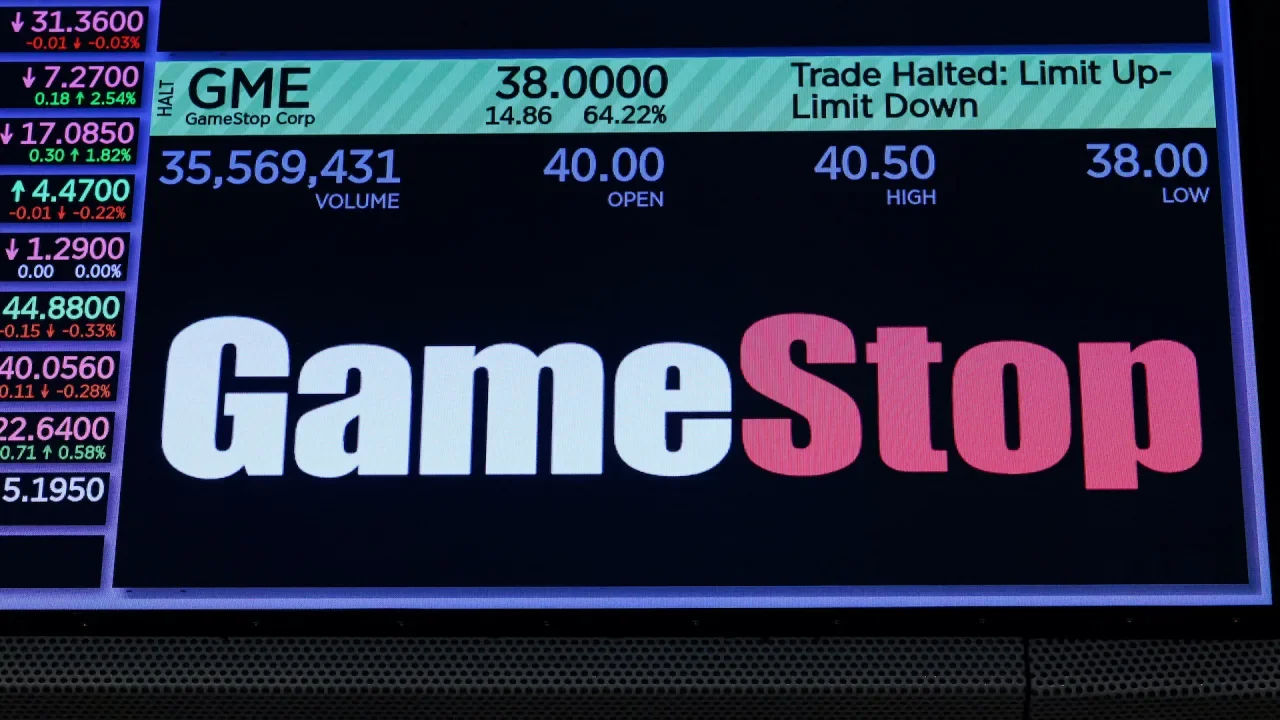
Shares of GameStop fell more than 15% on Thursday after the company’s plan to finance its bitcoin pivot raised questions about the timing of its move and its strategy to turn around its struggling retail business. The video game retailer’s shares also gave up all their gains from a day earlier and were on track for their biggest one-day fall since last June, after the company said it was offering $1.3 billion in 0% 2030 convertible bonds to amass the cryptocurrency. The company’s announcement that it would buy bitcoin to hold as a treasury reserve asset had created a mini euphoria among retail traders, who keenly track the so-called “meme stock.” However, GameStop also announced the closing of a “significant number” of additional stores this year, signalling that its retail business continued to flounder despite attempts to turn it around. “Investors are not necessarily optimistic on the underlying business,” said Bret Kenwell, U.S. investment analyst at eToro. “There are question marks with GameStop’s model. If bitcoin is going to be the pivot, where does that leave everything else?” The timing of GameStop’s decision to buy bitcoin is also in focus as the cryptocurrency’s price has gained nearly 27% since November’s presidential election, though they are sharply down from record highs due to uncertain economic conditions. “Why did (GameStop) wait so long if they were going to go down this road? Six months ago, nine months ago would have made a lot more sense,” Kenwell said. The debt offering to fund bitcoin purchases mimics the playbook of Strategy, one of the largest individual holders of bitcoin that is widely seen as a bitcoin proxy. The overall outlook for crypto markets was also contributing to declines as GameStop’s move has “failed to meaningfully boost market confidence,” said Agne Linge, head of growth at decentralized bank WeFi. With the day’s losses, GameStop shares have dropped more than 23% this year. —Lisa Pauline Mattackal, Reuters View the full article
-
Trading platform Robinhood, best known for introducing a new generation of traders to the stock market, crypto, and ETFs, is growing up alongside its customers, moving one step closer to becoming a full financial service company the likes of Fidelity or Charles Schwab. On Wednesday, the digital brokerage announced plans to launch Robinhood Banking this fall, a one-stop service that provides “traditional checking and savings accounts with luxury benefits,” as well as Robinhood Strategies, a wealth management product. Customers will need a Gold subscription, which runs $5 a month or $50 a year, to open those individual and joint checking accounts, which will allow users “to send money across the world in over 100 currencies, and even get cash delivered directly to you” (more on that below). Robinhood’s new financial products will include new tools for wealth-management, AI-powered investment advice, access to tax advisors, estate planning, and instant transfers between Robinhood accounts and FDIC partner institutions for up to $2.5 million. Robinhood said the idea is to give members “access to financial services such as private wealth management and private banking, which were once thought out of reach to many.” But perhaps the most unique perk offered is that customers will be able to have cash delivered to their door same-day, likely as a way to continue to capture younger investors with their smartphones. (Robinhood’s median customer age is now 35, up from 31 five years ago.) Cash deliveries would work similarly to, say, DoorDash, serving up cash instead of food. Other unconventional perks for new banking customers reportedly include discounted helicopter rides. “Our goal is for Robinhood to give you a world-class financial team in your pocket, with cutting-edge tools you can’t find elsewhere,” Vlad Tenev, Robinhood’s chairman said in a statement. Robinhood said in the statement that it would charge Gold members 0.25% annually on managed individual and retirement accounts up to $100,000, with a yearly cap of $250, “which means free management on every dollar over $100k and an effective management fee of 0.1% for portfolios with $250,000 or 0.05% for those with $500,000.” Unlike Robinhood Banking, Robinhood Strategies is already available to all Robinhood Gold members, and will begin rolling out to all customers in April, according to the company’s press release. View the full article

-
LinkedIn released automation updates that could help advertisers leverage advanced forecasting, automation, and insights to streamline ad creation and maximize ROI with new levels of efficiency. The big picture: The new Media Planner helps you forecast ad performance before launch. Ad Duplication and Dynamic UTMs simplify campaign creation and tracking. Marketing Overview, Measurement Insights, and AI-driven Performance Digest provide deeper measurement capabilities. What’s new: Media Planner. Forecast ROI before you launch What it does. Helps you test different audience segments, placements, and budgets to predict campaign outcomes. Key benefits. Estimates reach, impressions, and cost-per-result for various objectives like Brand Awareness and Lead Generation. Why we care. You can make data-driven decisions and easily share media plans with teams. Ad Duplication & Dynamic UTMs. Scale and track with ease Ad Duplication. Lets you copy ads across multiple campaigns and accounts, saving time and ensuring consistency. Dynamic UTMs. Automates URL tracking parameter generation to improve performance analysis. Why we care. You can execute campaigns faster while ensuring accurate performance tracking. Marketing Overview. A centralized dashboard for faster insights What it does. Provides a high-level view of campaign performance across multiple ad accounts. Key benefits. Displays key metrics like cost-per-result and return-on-ad-spend (ROAS), with drill-down insights available in one click. Why we care. Small teams can quickly analyze performance and make data-driven optimizations. Measurement Insights. A full-funnel view of your campaigns What it does. Tracks audience behavior and conversion trends beyond the marketing funnel. Key benefits. Helps you refine targeting with insights at the ad, campaign, and company levels. Why we care. Offers a deeper understanding of marketing impact across the buyer journey. AI-Driven Campaign Performance Digest. Smart insights at a glance What it does. Uses AI to summarize key performance highlights and suggest optimizations. Key benefits. Provides digestible insights on cost-per-result and click-through rates (CTR), along with competitive benchmarks. Why we care. Simplifies reporting and helps you quickly refine campaign strategies. By the numbers. There has been increase in ad spend and campaigns launched since the introduction of the tools, according to internal LinkedIn data: 26% month-over-month increase in creatives with ad spend since introducing Ads Duplication. 45% increase in campaigns launched after implementing Marketing Overview. 90% o f users found AI-driven insights valuable. What’s next. With smarter planning tools, scalable ad solutions, and AI-driven insights, LinkedIn Campaign Manager continues to evolve, helping you maximize ROI and efficiency with less effort. View the full article
-
X owner Elon Musk was privately messaging with Reddit CEO Steve Huffman while also putting public pressure on the social media company’s content moderation efforts, The Verge reported Thursday. Two months ago, several Reddit subreddits started to block links to X in protest of Musk appearing to give the Nazi salute. Musk called the efforts “insane,” while a Reddit spokesperson at the time clarified that Reddit itself wasn’t imposing a ban on the links. A few days later, Musk claimed that Reddit users who were calling for violence against members of his Department of Government Efficiency were breaking the law. Musk has been a vocal critic of content moderation on social platforms—particularly since buying Twitter, now X, in 2022—to where he’s rolled back many trust and safety policies. At the same time, unironically, he’s been known to restrict links to other platforms on X. And this certainly isn’t the first time Musk has gone after critics—journalists, users, even employees. Last month, Musk reportedly fired a Tesla manager who criticized Musk for a social media post that used the names of Nazis as wordplay. The Verge reported that “shortly after” Musk and Huffman talked, Reddit enacted its 72-hour ban on the r/WhitePeopleTwitter subreddit, saying it was “due to a prevalence of violent content.” Reddit also fully banned a subreddit called r/IsElonDeadYet for breaking rules “against posting violent content.” The r/WhitePeopleTwitter subreddit, which has more than three million followers, is mostly made up of users screenshotting posts from Bluesky and X. The r/IsElonDeadYet page consisted of a daily post asking whether he was, in fact, dead or not, according to an archived version of the site in December. Reddit moderators learned that the two leaders had spoken, according to The Verge, and discussed it. In response to a user who said Musk is allowed to call out death threats, another reportedly said: “Oh, I don’t have any problem with removing rule-breaking content (and taking the respective admin action on said accounts), but I find it a bit problematic that he’s able to exert influence on both public and private institutions.” Reddit has had ongoing tension with moderators and power users—especially after a policy change requiring some third-party developers to pay much more for its application programming interface led to widespread protests in mid-2023. The company, which went public last year, has struggled to maintain balance between changes from its leadership team and its hundreds of millions of monthly global users. View the full article

-
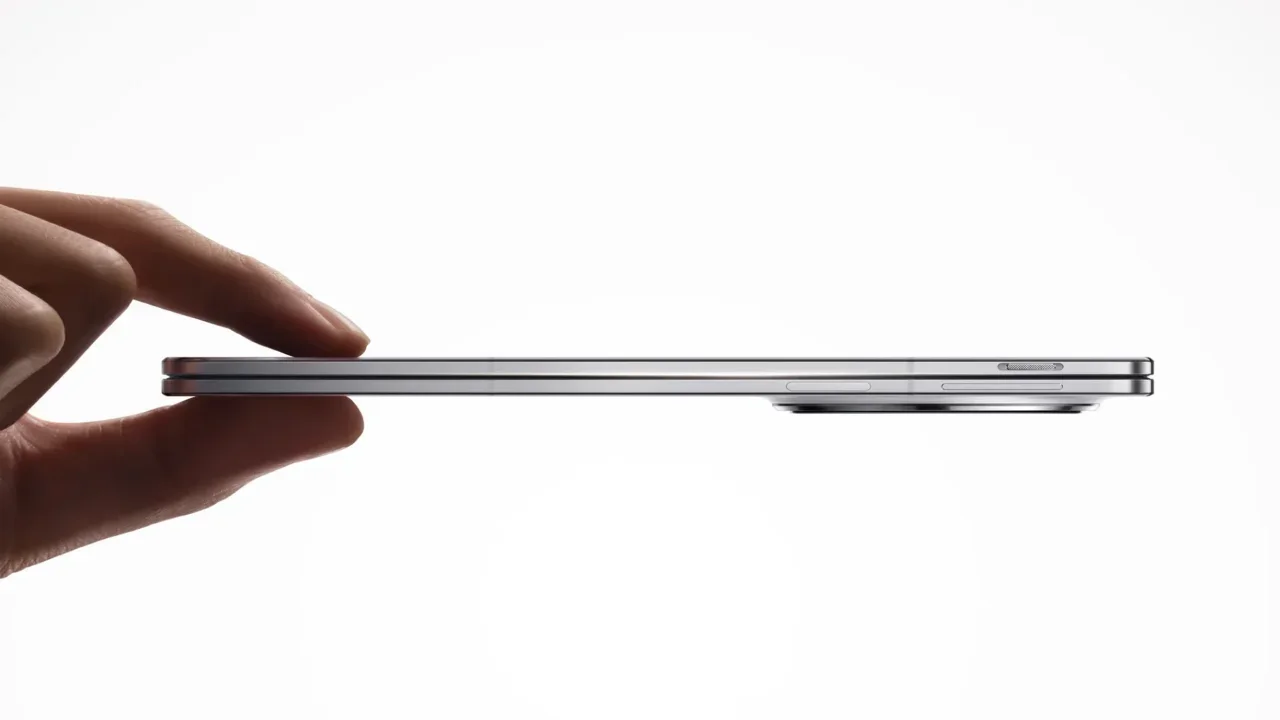
Smartphones have been around long enough that, to the casual observer, their designs seem to have hit a plateau. And on a functional level, that’s more or less true — we’re all essentially holding the same six-inch-ish rectangle, aside from the occasional foldable exception. But the maturity and ubiquity of smartphones have sparked a new phenomenon: the return of trends in cycles, much like fashion. For example, most phones released in the past few years have flat sides, like the iPhone 4 from 2010. Five years ago, almost all those sides would have been curved. Flat edges aren’t a new invention — they’re just what’s trending again. But this year brings a surprising twist, something many thought unlikely to return: for the first time in a while, major phone makers are prioritizing thinness. Samsung kicked off the year by announcing its Galaxy S25 lineup, which includes a slimline model, the Galaxy S25 Edge. Bloomberg’s Mark Gurman has reported that Apple is planning a thinner 2025 iPhone said to feature a single camera. And smaller brands like Tecno showed off unusually thin phones at last month’s Mobile World Congress. So, why now? Around a decade ago, it was common for companies to boast about how thin their phones were. “Here’s the real magic,” said Apple’s Phil Schiller when introducing the larger screens in 2014’s 6.9mm-thick iPhone 6. “Thinner than any phones we’ve ever made — that took an incredible amount of engineering.” A few months later, Oppo announced its R5 phone, which came in at a record-breaking 4.85mm. A Samsung Galaxy Edge smartphone next to the Samsung Galaxy 23 and Samsung Galaxy 24 smartphones at the Galaxy Unpacked event in San Jose, California, US, on Wednesday, Jan. 22, 2025. [Photo: Michaela Vatcheva/Bloomberg via Getty Images] Back then, it seemed inevitable that phones would just keep getting thinner. But then something curious happened: The iPhone 6S got thicker, bumping up to 7.1mm and switching to a stronger aluminum alloy. It was an unofficial but obvious response to the iPhone 6’s tendency to bend. (It happened to me.) No one complained much about the iPhone 6S’ structural integrity, but iPhones kept getting thicker, topping out at the 8.3mm we see with the current iPhone 16 Pro. By and large, people haven’t seemed to mind. Battery life is much less of a concern than it used to be, and today’s increasingly large camera hardware simply wouldn’t fit in thinner devices. The 2025 flurry of deliberately thin phones, then, is a clear break from recent trends. So why are manufacturers converging on the same idea? The primary answer may be technical. While we don’t yet know what Samsung or Apple are using in their upcoming devices, silicon-carbon batteries have become increasingly common in Chinese Android phones over the past year. Infusing silicon into the battery chemistry can provide a meaningful increase in capacity within the same volume. Oppo’s latest Find N5 folding phone, for example, is just 4.2mm thick when unfolded — barely thick enough to accommodate a USB-C port. But its 5,600mAh silicon-carbide battery represents a 17% increase in capacity over its predecessor, the Find N3, even though that phone was 38% thicker. Other companies like Xiaomi and Vivo have used the tech to similar ends. The other reason thinner phones might take off is more subjective. When was the last time a new phone truly wowed you? There will clearly be tradeoffs in battery life and performance with a significantly thinner device. But if you finish each day with more than half a charge, or if you rarely use your telephoto lens, it’s plausible you might prefer a slimmer, more attractive handset. Combine better battery technology with the fact that most people don’t need flagship-level performance, and suddenly a slim phone with few compromises seems pretty reasonable. It makes sense for companies to carve out space for design-forward devices in their lineups. Samsung has always been willing to experiment, and while Apple tends to be more conservative, it’s reportedly unimpressed with sales of its mid-tier Plus-not-Pro iPhones. Why not try something more distinctive between the entry-level and the high end? If anything, the question is whether these designs will go far enough. Samsung has yet to announce the Galaxy S25 Edge’s specs or let anyone in the media handle it, but I saw it suspended in the air at Mobile World Congress and wasn’t particularly blown away by its dimensions. Bloomberg’s Gurman has suggested the upcoming slim iPhone will be “about 2mm thinner than an iPhone 16 Pro,” putting it around 6.3mm — more in line with the iPhone 6 than today’s thicker models. Maybe that’s the right tradeoff. The goal here should be to create something like the MacBook Air of phones: impressive design with unspectacular specs that are good enough for most use cases. The Pro models can continue to be for people who really need them. Plenty of people will always want the most performant phone with the biggest battery and best cameras, of course. But when a phone’s selling point is its physical form, it can’t really be judged until you pick it up for yourself — and then find out how long its battery lasts. View the full article
-
Beverly Hills’ hottest club is California Pizza Kitchen. At least, that’s what someone unfamiliar with the brand might have taken away from its new “rebrand,” which debuted on Monday. On its website, California Pizza Kitchen replaced its friendly yellow logo and wordmark with a silver chrome logo and the shortened name “CPK.” [Photo: courtesy California Pizza Kitchen] Meanwhile, on socials, the brand posted several videos of its “new identity” that looked more fit for promoting a rave than a family friendly pizza restaurant. Shots of flashing lights, serious models, and slogans like “DEVOUR THE DOUBTERS” and “Fresh. To. Death” were cut with clips of harshly-lit pizzas and interspersed with the brand’s new all-caps wordmark. At first glance, one might have assumed these were assets for a new Liquid Death campaign or MSCHF launch. Many commenters on CPK’s socials were quick to question what was going on with the brand, including the official Little Caeser’s account, which commented, “Bestie what’s happening” on a particularly odd video. But, as it turns out, the whole edgelord rebrand was just a temporary marketing play to promote California Pizza Kitchen’s 40th anniversary. The restaurant just revealed the hoax through a partnership with actress Busy Phillips and restored its platforms to its original branding. The campaign shows that, amidst an influx of purposefully shocking brand moves like Jaguar’s totally unrecognizable rebrand or Duolingo’s decision to briefly kill off its mascot, we’ve reached a new stage of the trend cycle: full brand-on-brand parody. CPK’s midlife crisis Dawn Keller joined California Pizza Kitchen’s as its CMO about a year ago. Since then, she says, she’s learned that sentiment around the brand is overwhelmingly positive, given that many customers associate it with years of childhood dinners. The issue, though, is that many fans “just don’t think about CPK that often,” Keller says. Part of the problem is that the restaurant hasn’t made much of an investment in its marketing efforts to keep CPK top of mind. On socials, it has a staid strategy of essentially reposting traditional ad materials—an approach that’s less than ideal in a social media landscape that rewards brands who embrace big personalities and brain rot content. So, CPK decided to use the four decade milestone as an opportunity to shake things up by staging a “midlife crisis.” [Photo: courtesy California Pizza Kitchen] Leading up to the campaign, CPK conducted extensive brand research with its creative agency, Iris Worldwide, to decide how the company might grab consumers’ attention. That work led them to the conclusion that their existing brand positioning and visual identity was strong enough to exclude the possibility of an actual rebrand. Instead, Keller says, the 40-year anniversary campaign riffs on the tendency of other mature brands to “go into panic mode” and debut a rebrand that loses touch with their original purpose. “We were never of the opinion that we had to upend the apple cart and totally rebrand,” Keller says. “It was really more about, ‘How do we rejuvenate this brand, amplify it, but do it in a fresher way than we’ve done?’ [. . .] There was a bit of parody that we were doing, knowing that some brands evolve, and it’s great, but some, you feel like they jump the shark.” [Photo: courtesy California Pizza Kitchen] While CPK’s hypebeast look only lasted for a week, Keller says the intention of the move was to usher the brand into a more adventurous, “culturally relevant” marketing era on social media. For CPK, the marketing stunt surfaces an interesting tension between embracing a decades-old existing brand identity and parodying shock-value rebrands, while, at the same time, essentially benefitting from the shock-value strategy itself. Today, even brands who don’t actively embody what Fast Company has termed “DGAF branding” might still have to play into it to succeed online. [Photo: courtesy California Pizza Kitchen] So far, the campaign has resulted in a mixed bag of responses. Keller says her team was expecting some confusion and backlash, both of which have been proven out. What’s surprised them, though, is that many fans actually liked the new look. “You’ve got literally people who were giving it a thumbs up and supported it,” Keller says. “Maybe that’s the minority, but even to see people with positive reactions to the fake brand really made us laugh. I think it goes back to that brand equity that CPK has, which is, people want CPK to win. They really do. They love it. A lot of people grew up with it. Even when we do something that is—come on—objectively preposterous, they’re still celebrating it.” View the full article

-
Russian leader says he is open to co-operation in region as US vice-president heads to GreenlandView the full article
-
Ideas are essential to product development, but they’re intangible. Turning an idea into a product requires many steps. One of the first is to create a product prototype. If you want to know what product prototyping is, you’ve come to the right place. Below, we’ll define what a prototype is, why it’s important to make a product prototype and explore how to make a prototype. Along the way, we’ll offer tips, particularly on how project management software can help you realize your idea and turn a product prototype into a successful product launch. What Is a Prototype? A prototype is the physical manifestation of an idea, an important step in product management. That is, it takes the conceptual product and brings it into the real world. There are various ways that a prototype can be created, from a quick sketch to something three-dimensional, depending on the time and effort you want to spend. Paper sketches are the simplest type of product prototype, but you can also make a digital prototype. These mockups can help further the design, materialize your product vision and get feedback from the engineering team. Of course, you can make physical prototypes as well. There are four types of product prototypes. High-fidelity user prototypes test usability, live data prototypes test behavior with data, low-fidelity user prototypes test the value proposition and feasibility prototypes test technical limitations. A product prototype can even go through many stages, starting with a rough to a more functional, almost complete version of the product. It’s through these exercises that design and engineering departments communicate and develop the idea into a working product. Having a tool that can bridge the gap between design and engineering is essential to product prototyping. ProjectManager is project management software with multiple views that allow departments to work on the tools they prefer without hindering collaboration. Whether it’s a Gantt chart, task list or kanban board, all data updates in real time to always keep everyone working on the most current product prototype. Get started with ProjectManager today for free. /wp-content/uploads/2024/04/kanban-light-mode-manufacturing-order-process-150-zoom-collaboration-CTA-1600x786.pngProjectManager’s multiple project views, such as kanban boards, foster cross-functional productivity. Learn more Examples of Projects That Would Require a Prototype Many projects see significant benefits from prototyping, especially those that involve user interaction, complex designs or new technologies. Here are some examples across industries. Architecture Prototype Example In an architectural project, let’s say there’s a modern park pavilion being built. The initial prototype would consist of various architectural sketches of pavilion shapes and layouts on paper. Once the ideal sketch is chosen, a refined 3D digital model is created to help visualize the spatial flow and sunlight patterns. The final prototype would consist of a physical scale model showing the materials and how the pavilion fits within the park’s landscape. Engineering Prototype Example Engineering projects, such as creating a new bicycle pedal design, would start with an initial prototype consisting of a rough 3D-printed plastic model that helps test the size and shape. From there, a metal version would be created to test the pedal’s strength and durability. Finally, a working prototype with integrated sensors would be built to collect data to make any adjustments as needed. Manufacturing Prototype Example If a new type of kitchen spatula is being created, the initial prototype would consist of a clay model that’s sculpted to test the handle’s grip and shape. After collecting feedback, the next prototype would consist of a 3D-printed plastic version to test the spatula’s heat resistance and flexibility. The final prototype may consist of a small batch of food-grade silicone spatulas. Any user or market feedback will be implemented before the final product is released. Technology Prototype Example For this example, let’s say there’s a new mobile app being developed to learn a new language. The first step is to create an interactive wireframe to map out user flows and screen layouts. From there, a clickable mock-up with sample content can help test the app’s core functionality, such as conversation simulations and vocabulary quizzes. Then, a limited yet functional app version will be released to a group of beta testers, where they can submit feedback before the app becomes available. What Are the Benefits of Making a Product Prototype? The popularity of product prototyping stems from its importance in product management. The last thing you want to do is launch your product to the market and be inundated with complaints about how this, that or the other thing isn’t working. One benefit is being able to detect design problems early when they can be resolved cheaply, easily and without damaging your brand. There’s also the benefit of being able to make more accurate forecasts of the production costs, manufacturing time and the materials you’ll need to make the product. This includes the equipment or machinery you’ll need for production. It’s also a perfect time to test your product to figure out its usability and durability. Depending on the type of prototype, it could also be shared with customers or end-users to get feedback from them. The product prototype is a way to determine the function and final design of the product. However, it’s also a useful tool for attracting investors. Showing the product prototype can help you raise the necessary funds to produce and market your product. /wp-content/uploads/2021/08/Product-Launch-Template.png Get your free Product Launch Template Use this free Product Launch Template to manage your projects better. Get the template Who Should Be Involved in Making a Prototype? Different project roles will be looped into making a prototype depending on your industry, the project’s stage and its nature. Let’s consider a software project, for example. During the development and creation stages of a software project, UX and UI designers are central to the prototyping process as they create mockups and wireframes. Developers are also involved as they build functional prototypes and ensure they’re feasible with development constraints. The product manager is involved as they define the prototype’s goals and scope. They can also gather and incorporate feedback from stakeholders throughout these phases. Once the prototype is built, then comes the reporting phase. Here, roles such as subject matter experts (SMEs) will provide their expertise and ensure the prototype accurately reflects industry standards. End-users will help validate the prototype as well, offering usability testing and real-world feedback. If you work in a different industry, you’ll have other roles interact during the development of a prototype. How to Make a Prototype in 6 Steps Now that you see the importance of not jumping into production without first having tested a product prototype, it’s time to learn how to make one. As you might imagine, this is a time-consuming but essential process, it’s not to be overlooked. These six steps will ensure you do a thorough job. 1. Start With a Product Vision First comes the idea. You have to start somewhere. If you’re not inspired, don’t worry. Most product development doesn’t start with a lightning bolt. It’s best to begin by researching the market and competition. Brainstorming with your team is also a great way to generate ideas. But most of all, your idea should fill an unserved niche or respond to a problem that customers face. 2. Create a Sketch or Use Computer Aided Design (CAD) Now that you have the idea, you need to get it down on paper. This can be done as a simple sketch, but more common is the use of software such as CAD, which stands for computer-aided design. It can create a 3-D replica of your product idea. That includes dimensions but also shows the product in a virtual simulation, helping you refine the product. 3. Make a Proof of Concept Once you’ve sketched the idea, you need to create a proof of concept. That’ll show that the product can be developed and how it’ll be developed. It can also be when you test the product and explore its feasibility in a real-world scenario. 4. Make a Physical Product Prototype Once you’ve done the due diligence and have shown that the product is viable, you’ll want to build a physical product prototype. This should be very close if not exactly like the final product that you’ll market. To do this there are a couple of common approaches. One is 3-D printing, which has become more standard and can even be used in mass production. It’s cost-effective but tends to be fragile and as yet lacks functionality. The other is CNC prototyping, which is a machine that allows for almost perfect, functional copies of a product. However, they’re expensive to install, learn to operate and maintain. A third option would be virtually simulated prototypes, but this doesn’t fit all needs. 5. Test the Prototype Now that you have a product that you can hold in your hands you have to make sure it does what you created it to do. To validate the design decisions before mass production, you want to have real users try the product and identify issues that might arise. This way changes can be made to build a final product that meets users’ needs and expectations. 6. Create a Production-Ready Prototype Finally, once you’re certain the product prototype is ready and all the bugs have been worked out, build a production-ready prototype that fits your budget. Figure out the materials and check with reliable vendors to determine costs. At this stage, it’s advisable to create a product roadmap to keep track of any future improvements made to your product. Product Prototyping Tips Product prototyping can vary depending on what you’re prototyping, the product you’re manufacturing, etc. Regardless of what or how you use a product prototype, there are a few tips that are universal to the process. Protect Your Design Once you’ve designed your prototype and have identified its flaws, you need to protect your intellectual property. The process of filing for a patent should start at least a year before you disclose the work. That helps you avoid plagiarism and other companies copying the design. It’s best to hire a patent lawyer who has expertise and experience. Before filing for a patent, it’s a good idea to have your team, and anyone who is part of the evolution of the design, sign a nondisclosure agreement (NDA). Use Benchmarking and Competitive Analysis Benchmarking and competitive analysis are tools that help companies understand the market. Using the ongoing process of benchmarking to measure your product through its development is a way to gather data to improve your product. At the same time, it’s important to understand the market your product will be introduced into and the competitors that your product will need to differentiate itself from. You do this by figuring out their strengths and weaknesses so your product can exploit them. Consider Costs While Designing Your Product Prototype Last, but certainly not least, you must always consider cost when product prototyping. There are many stages to making a prototype, from concept to testing and more. Each of these has a related cost and they add up fast. The cost varies depending on the type of product you’re building, but you should research the typical cost for these activities in order not to create a money pit that buries your product under costly expenses. ProjectManager Helps With Product Prototyping There’s a lot to manage and track in product development. Just product prototyping alone is a major endeavor. Project management software can help make the process more efficient. ProjectManager is online project management software that helps you plan, manage and track your product prototyping. Our software can also be used throughout the development of your product through manufacturing and marketing. Manage Time, Cost and Resources Product prototyping involves the organization of many tasks and stages of development. Manage that work with our robust Gantt charts. Managers can assign tasks, link all four types of dependencies and set milestones on a visual timeline. When you set a baseline, you can benchmark your product against the plan to make sure your actual effort is aligned with your planned effort to help deliver your product on time. /wp-content/uploads/2022/03/Gantt_Manufacturing_Wide_Zoom-175_Focus-on-Tasklist_Spreadsheet.jpg Track Progress in Real Time To keep to your budget and schedule, you need metrics to measure your progress and the performance of your team. Using our real-time dashboards gives you a high-level view of everything from time on tasks to costs, workload and more. There’s no need to configure the live dashboard as with lightweight products; it’s ready when you are. /wp-content/uploads/2022/03/Dashboard_Construction_Wide_Zoom-150.jpg If you want to look more closely at the data, it’s easy to generate reports on status, variance, timesheets and more. Every report is customizable to show only the data you want to see. They can also be shared to keep your stakeholders updated and manage their expectations. ProjectManager is award-winning software that empowers teams to work more productively. Manage, risk, tasks and resources to keep your product on track and deliver success. Join teams at Avis, Nestle and Siemens who use our tool. Get started with ProjectManager today for free. The post How to Make a Prototype: Product Prototyping Basics appeared first on ProjectManager. View the full article
-
If all construction projects ran without a hitch, there’d be little need for project management software. However, we know that internal and external forces create construction delays that impact the project schedule. To have a successful project completion, general contractors rely on delay analysis. What is delay analysis and what should be included in a delay analysis report? We’ll get to that shortly. There’s also more than one way to analyze delays, and we’ll explore those different methods as well. Readers can download free templates to help with delay analysis or upgrade to project management software to better manage construction schedules. What Is Delay Analysis? Delay analysis refers to evaluating and determining the causes, extent and impact of delays during a construction project. It helps identify who or what is responsible for delays, whether due to contractor issues, design problems, weather or external factors. This analysis is often critical in resolving disputes and making decisions about schedule adjustments, costs and penalties. The key steps in delay analysis typically involve gathering all relevant project documentation, including contracts, schedules, progress reports and correspondence. First, understand when delays occurred, how long they lasted and which activities were affected. Then, categorize those delays into excusable (out of the contractor’s control), non-executable (contractor’s fault) or compensable (due to delays caused by others that impact the project). The impact is then assessed and causes are analyzed. Project management software can help with delay analysis in several ways. ProjectManager is award-winning project and portfolio management software with features to schedule, monitor and manage construction projects. For example, our real-time project or portfolio dashboards provide an overview of the project’s progress and performance to quickly catch the cause of construction delays and resolve them. Easy-to-read graphs and charts show key performance indicators (KPIs), such as time, cost and workload that allow general contractors to see how actual progress differs from planned progress, analyze the cause of the delay and get construction projects back on track. Get started with ProjectManager today for free. /wp-content/uploads/2024/04/Light-mode-portfolio-dashboard-CTA.pngProjectManager’s real-time dashboards help with delay analysis. Learn more What Is a Delay Analysis Report? A delay analysis report is a detailed document that outlines the findings of a delay analysis conducted on a construction project. It assesses the causes, effects and duration of delays, and explains how they impact the project schedule and overall completion. This report is usually used to resolve disputes, manage claims and make decisions about extensions of time or additional costs. General contractors and project managers can also use it to understand how delays affect the project and what actions need to be taken to minimize further disruptions. What Should Be Included in a Delay Analysis Report? A comprehensive delay analysis report should include the following key sections to provide a complete and clear picture of the delays in a construction project. Here’s the ideal way to structure these sections. Project Schedule Overview: Briefly describe the project, including its scope, location, key milestones and overall objective. The original baseline schedule, identifying key dates, such as start date, milestones and planned completion date. Provide any updated schedules that reflect changes to the timeline and summarize the critical path and how it relates to the project completion. Delay Events Description: List each significant delay chronologically, providing specific dates and duration. Describe the type of delay and categorize them. Where applicable, identify who was responsible for each delay. Delay Analysis Methodology: Specify which delay analysis method was used, the justification for using that method and detail the data sources used in the analysis, such as schedule updates, project logs and progress reports. Impact of Delay Events: Describe how each delay impacted the critical path and project milestones. Where possible, quantify the delays in terms of time and identify whether they caused an extension to the project timeline. If relevant, describe how the delays have impacted project costs, including potential cost overruns, additional labor, extended equipment rental or material costs. Discuss any effect the delays had on resource allocation and whether reallocation or downtime occurred as a result. Delay Mitigation Efforts: Detail any efforts made to mitigate or recover from delays. Assess the success of the mitigation efforts in reducing the delay or minimizing its impact on the overall project. Supporting Construction Documentation: Provide copies of the original and updated schedules, highlighting changes due to delays. Included progress reports, any relevant communications, visual documentation and, if available, construction site daily logs. Types of Delay Analysis Methods There are numerous delay analysis methods. Each is designed to assess and quantify delays in construction projects, but they take a different approach to evaluating the impact on the project schedules. Here’s an overview of some methods. As-Planned vs. As-Built Comparison This method compares the original baseline schedule with the actual progress. It identifies which activities were delayed or completed earlier and highlights any schedule discrepancies. This shows how a project deviated from the original plan and assesses the impact of delays. It’s typically used to demonstrate the overall variance between the planned schedule and actual progress. It’s simple to implement. Impacted As-Planned This method takes the original as-planned schedule and applies the delays to it to see how they would affect the project timeline if the delays hadn’t occurred. This estimates the effect of delays on the planned schedule without considering changes in the actual work completed, and is useful for understanding the potential impact of delays on the original project plan. Collapsed As-Built In this method, the as-built schedule is collapsed to fit into the as-planned schedule, essentially removing any delays that occurred and attempting to show how the project would have progressed had there been no disruptions. This estimates the time that could have been saved if no delays had occurred and how the schedule would have been affected. It helps show how delays impacted the overall project timeline by visually simplifying the impact of delays. Time-Impact Analysis The time-impact analysis is a method that evaluates the effect of delays on the schedule, predicting how specific delays will impact the project timeline. This forward-looking approach determines how a delay will impact future activities and the project’s completion data. This provides a detailed analysis of how delays affect the project and allows for proactive planning. As-Built Critical Path Method This method builds a schedule based on actual progress and analyzes the critical path based on the work completed up to the current point in time. This determines the current critical path of the project based on actual progress and shows how delays have affected the critical activities. It’s detailed and reflects the project’s current status, which gives an accurate view of how delays impact the timeline. Longest Path Analysis This method identifies the longest path through the project schedule, similar to the critical path method, but considers alternative paths that may not necessarily be critical in a traditional sense. It’s used to find the most time-consuming sequence of activities, which may not always be the critical path, but could still delay the project. The advantage of this is that it can uncover delays that are significant but not always part of the critical path. Why Is Schedule Delay Analysis Important in Construction? Schedule delay analysis is important in construction for several reasons. It helps all stakeholders, such as contractors, project owners, subcontractors and consultants, understand the causes, impacts and potential solutions for delays that arise during a project. It does this by identifying the cause of delays and understanding who is responsible for what. It’s a root-cause analysis that pinpoints whether delays are caused by poor planning, lack of resources, design changes or external disruptions. This can protect against legal disputes. Delay analysis helps document when and why delays occurred, which is vital for negotiating extensions of time, avoiding penalties or pursuing claims. A clear and well-documented process helps settle disputes before they escalate into costly and time-consuming legal battles. Using delay analysis helps manage construction schedules and project costs. It also improves future project planning by learning from the lessons of past delays and understanding the root causes of delays to later implement better strategies for managing risks in future projects. Also, through clear documentation and aligning expectations, general contractors can facilitate better communication among stakeholders as well as ensure that the project is completed on time and within budget. Free Construction Delay Analysis Templates Several free templates can be downloaded from our site can help with delay analysis for those who aren’t ready to upgrade to project management software. We have over 100 free project management templates for Excel and Word that cover all aspects of managing a project across numerous industries. Here are a few that can help figure out why a construction project is delayed. Construction Schedule Template To avoid delays, construction projects need accurate schedules. Our free construction schedule template provides the how and why of a project, detailing the timeline and providing a framework for project managers to keep it on schedule and within its budget. Critical Path Template Using the critical path is one method for delay analysis. Using this free critical path template for Excel is easier than having to do the calculations by hand. This free template allows project managers to visualize the longest, most important chain of tasks that must be completed to deliver a successful project. Project Dashboard Template This free project dashboard template for Excel provides a high-level overview of the construction project. Pie charts and bar charts make it easy to track tasks, workload, costs and more to ensure the project is progressing as scheduled. How ProjectManager Helps With Delay Analysis in Construction As useful as project templates can be, they will eventually be frustrating to users. That’s because construction projects are dynamic and Excel spreadsheets are static documents. Users are constantly taken away from their work to manually update these spreadsheets, which are poor substitutes for real collaborative tools. That’s why construction crews upgrade to construction project management software. ProjectManager is award-winning construction project and portfolio management software preferred by construction professionals. Real-time dashboards track project progress, but so do customizable reports on variance, status, workload, timesheets and more. These reports can be filtered and shared to keep stakeholders updated. Make Construction Schedules With Gantt Charts Before general contractors can monitor and track construction projects, they have to schedule them. Our robust Gantt charts can schedule all project tasks and subtasks, but also resources and their related costs. All four types of task dependencies can be linked to avoid delays and cost overruns. The critical path can be found faster than on a template. All a user has to do is filter for it and the timeline shows it instantly. Then, when the schedule is done, set a baseline to track progress in real time. /wp-content/uploads/2024/04/critical-path-light-mode-gantt-construction-1.png Reallocate Resources to Mitigate Construction Schedule Delays Resource management tools help keep projects moving forward as planned. First, when onboarding the team, set their availability, including PTO, vacation and global holidays and skill sets. This helps with assigning them tasks. Then, check out the color-coded workload chart for an overview of resource allocation. From there, balance the team’s workload to keep everyone working at capacity and avoid burnout. There’s even a team page for a daily or weekly summary of their activity, which can be filtered by progress, priority and more. /wp-content/uploads/2023/01/Team-Light-2554x1372-1.png Related Construction Scheduling Contents Delay analysis is only a part of construction project management. For those looking for more to read about construction scheduling, below are several recent articles that have been posted to our site on construction scheduling software, how to make a critical path method schedule, schedule variance and much more. Best Construction Scheduling Software How to make a CPM Schedule: CPM Scheduling Basics Why Use a Gantt Chart in Construction Project Management Schedule Management Plan: How to Make & Maintain One Schedule Variance: What Is It & How Do I Calculate It? What’s a Schedule Baseline & How Do I Make One? ProjectManager is online project and portfolio management software that connects teams whether they’re in the office or on the job site. They can share files, comment at the task level and stay updated with email and in-app notifications. Get started with ProjectManager today for free. The post Delay Analysis in Construction: A Quick Guide appeared first on ProjectManager. View the full article
-
Dugan is replacing Rich Gagliano, who is moving to executive chairman after 18 months in charge of the now stand-alone mortgage technology provider. View the full article

-
The Senate Banking Committee considered the nomination of Paul Atkins to lead the Securities and Exchange Commission, whose track record on deregulation in the lead up to the 2008 financial crisis was questioned by Democratic lawmakers. Lawmakers also considered the nomination of Jonathan Gould to lead the Office of the Comptroller of the Currency and Luke Pettit for a key bank regulatory role at Treasury. View the full article

-
BYD’s technological advances show where the centre of innovation now liesView the full article
-
Royal Bank of Canada executives said they plan to start originating more mortgages in the United States, and they indicated that they may ditch the City National Bank brand. View the full article

-
Email is more than just a communication tool. It serves as the backbone of first-party data, identity resolution, and personalized marketing strategies — all essential for success in today’s privacy-first, omnichannel landscape. In this new white paper from AtData, Is Email Dead? Exploring the Evolution and Vitality of Email, readers will find a data-backed look at why email continues to deliver — and how both brands and agencies can leverage it to power better targeting, engagement, and ROI. It covers: Why email remains one of the most cost-effective, high-impact tools in the marketing stack How validated, enriched email data supports identity resolution and personalization Ways to improve campaign performance through better deliverability and segmentation Download the white paper today to learn how email can continue to drive growth, engagement, and value in today’s marketing landscape. View the full article