ResidentialBusiness
Administrators
-
Joined
-
Last visited
Everything posted by ResidentialBusiness
-
 The U.S. Small Business Administration (SBA) has reinstated lender fees for its 7(a) loan program, reversing a Biden-era policy that the agency said contributed to financial instability and undermined the program’s zero-subsidy requirement. The action was announced Thursday as part of a broader effort to address what the SBA described as “gross financial mismanagement” under the previous administration. “Since its inception, the SBA’s 7(a) loan program has launched millions of small businesses, driving economic growth and job creation. But the Biden Administration’s actions to undermine the financial integrity of the program now threaten to leave taxpayers on the hook,” said SBA Administrator Kelly Loeffler. “To safeguard taxpayer-backed capital and small business formation, the SBA is taking immediate action to reverse these policies, starting with the restoration of lender fees to protect the future of the program.” The SBA’s 7(a) loan program, which offers federally guaranteed loans through private lending institutions to qualified small businesses, is required by law to operate at zero cost to taxpayers. This zero-subsidy mandate is maintained through the collection of lender fees. According to the SBA, the elimination of these fees under the Biden Administration, combined with looser underwriting standards, resulted in significant losses. From 2022 to 2024, the SBA estimates that more than $460 million in lender fees went uncollected due to the fee waiver. At the same time, the agency experienced rising loan defaults and delinquencies, a trend the SBA attributed to new underwriting guidelines such as “Do What You Do” and the inclusion of non-regulated, non-bank lenders in the program. These factors contributed to a projected $397 million negative cash flow in Fiscal Year 2024, marking the first deficit for the 7(a) loan program in over thirteen years. The SBA cited this financial shortfall as a key reason for the immediate reinstatement of lender fees, which take effect this week for Fiscal Year 2025. The agency emphasized that this move is essential to protect both taxpayers and the long-term viability of the program. “Waiving lender fees was one of the Biden-era practices that reduced the financial integrity of SBA lending programs at the expense of small businesses and taxpayers,” the SBA stated in its announcement. The 7(a) loan program serves as the SBA’s primary mechanism for supporting small businesses that cannot access capital through conventional means. The agency said it will unveil additional changes in the coming weeks to reinforce the program’s financial foundation and restore its zero-subsidy status. By reintroducing lender fees, the SBA aims to curb mounting losses and reaffirm its commitment to sustainable small business support. According to the agency, these steps are critical for ensuring that the program remains a dependable resource for entrepreneurs nationwide. This article, "SBA Reinstates Lender Fees to Restore Financial Integrity of 7(a) Loan Program" was first published on Small Business Trends View the full article
 -
The U.S. Small Business Administration (SBA) has reinstated lender fees for its 7(a) loan program, reversing a Biden-era policy that the agency said contributed to financial instability and undermined the program’s zero-subsidy requirement. The action was announced Thursday as part of a broader effort to address what the SBA described as “gross financial mismanagement” under the previous administration. “Since its inception, the SBA’s 7(a) loan program has launched millions of small businesses, driving economic growth and job creation. But the Biden Administration’s actions to undermine the financial integrity of the program now threaten to leave taxpayers on the hook,” said SBA Administrator Kelly Loeffler. “To safeguard taxpayer-backed capital and small business formation, the SBA is taking immediate action to reverse these policies, starting with the restoration of lender fees to protect the future of the program.” The SBA’s 7(a) loan program, which offers federally guaranteed loans through private lending institutions to qualified small businesses, is required by law to operate at zero cost to taxpayers. This zero-subsidy mandate is maintained through the collection of lender fees. According to the SBA, the elimination of these fees under the Biden Administration, combined with looser underwriting standards, resulted in significant losses. From 2022 to 2024, the SBA estimates that more than $460 million in lender fees went uncollected due to the fee waiver. At the same time, the agency experienced rising loan defaults and delinquencies, a trend the SBA attributed to new underwriting guidelines such as “Do What You Do” and the inclusion of non-regulated, non-bank lenders in the program. These factors contributed to a projected $397 million negative cash flow in Fiscal Year 2024, marking the first deficit for the 7(a) loan program in over thirteen years. The SBA cited this financial shortfall as a key reason for the immediate reinstatement of lender fees, which take effect this week for Fiscal Year 2025. The agency emphasized that this move is essential to protect both taxpayers and the long-term viability of the program. “Waiving lender fees was one of the Biden-era practices that reduced the financial integrity of SBA lending programs at the expense of small businesses and taxpayers,” the SBA stated in its announcement. The 7(a) loan program serves as the SBA’s primary mechanism for supporting small businesses that cannot access capital through conventional means. The agency said it will unveil additional changes in the coming weeks to reinforce the program’s financial foundation and restore its zero-subsidy status. By reintroducing lender fees, the SBA aims to curb mounting losses and reaffirm its commitment to sustainable small business support. According to the agency, these steps are critical for ensuring that the program remains a dependable resource for entrepreneurs nationwide. This article, "SBA Reinstates Lender Fees to Restore Financial Integrity of 7(a) Loan Program" was first published on Small Business Trends View the full article
-
Proxy adviser calls for shareholders to reject chief executive David Solomon and president John Waldron’s $80mn awardsView the full article
-
"Embrace change and keep filling your tool belt with the best technology out there." Accounting Influencers with Rob Brown Go PRO for members-only access to more Rob Brown. View the full article
-
"Embrace change and keep filling your tool belt with the best technology out there." Accounting Influencers with Rob Brown Go PRO for members-only access to more Rob Brown. View the full article
-
Swedish krona and Norwegian krone are best-performing of G10 group of developed market currenciesView the full article
-
The US president has billed April 2 as the moment for a sweeping escalation of his tariff policyView the full article
-
Life can be stressful. Work, bills, relationships, the economy, love, family… the list goes on! There are lots of things we can do to do to relax, like changing our diet, exercising more often, sleeping more, and improving our work-life balance. But sometimes we need to do more than just make changes at home. Sometimes we need a break. And one of the best ways to do that? You guessed it: travel! Travel can refresh us. It is like a time-out from life — like the ones you got in grade school, but this time more fun. It slows us down, makes us stop and smell the roses, and creates a little change in the normal patterns of our lives. It’s not so much “running away from your responsibilities” as it is taking the time to refresh yourself and give yourself a mental and physical break. Travel is a tried and true way to reset when you are feeling low or just need a new perspective. It’s an amazing tool for personal development and a wonderful vehicle for self-reflection and growth. Whether you take a weekend, a week, a month, or a year, just getting out and doing something different can recharge your batteries. The excitement, the fun, and the new places you’ll see can give you more energy and bring you back into focus. You’ll get a chance to meet some great people and even get offline and disconnect if you need to. Think about it: when you travel, you’re away from all the stress in your life. You are in a new environment. There are a lot of things to see and do, people to meet, places to go, and fun challenges to overcome. You can let go, relax, and embrace new habits or perspectives. In short, you can be a new you. And you have ultimate freedom when you travel — and freedom is the most liberating, stress-free experience there is. By focusing on your mental health when you travel you can return to work and your responsibilities with new focus and commitment, because you have cleared your head. But isn’t travel expensive? Doesn’t it require a ton of planning and savings? If you believe the advertisements on TV for fancy vacations, then sure. A vacation can cost a fortune. Fortunately, only a small fraction of travel is like that. Travel can be super affordable — you can even do it for less than $50 USD a day. With the rise of points and miles, credit cards that offer points/miles, cheap flight deals, and the sharing economy, it has never been cheaper to travel the world on a budget. Plus, you may find a new passion or opportunity that would never have presented itself otherwise. There are tons of job opportunities overseas, too, so you can even work while traveling if you want. In his book The Four Hour Workweek, Tim Ferriss talks about the idea of mini-retirements. Most of us work toward retirement — that time when we can sit back, relax, and do what we want instead of what we have to do. But by the time many of us get there, we might not have the money — or health — to do that. After all, there are no guarantees in life. We may never even make it to retirement. That’s why I say: don’t put off your dreams for a future that may never come. That’s why I say: now is the best time to travel — because you don’t know what the future holds. I’ve seen friends die, get sick and become bedridden, and businesses collapse. The past is not prologue and if COVID has taught us anything it’s that life and society can change at the drop of a hat. Don’t be reckless and rack up debt to travel. But if you need a change, look to the open road. The blank slate travel gives you allows you to work on yourself and enjoy life. No one looks back and says, “If only I had worked more.” We all want to make the most of our time here. Stop delaying all those things you really want to do and just do them. Don’t let your travel dreams remain just dreams — make them your goals. So, the next time you have visions of white-sand beaches or climbing Mt. Everest, start making them happen. Don’t let yourself wonder what might have been. Life is too short. How to Travel the World on $75 a DayMy New York Times best-selling book to travel will teach you how to master the art of travel so that you’ll get off save money, always find deals, and have a deeper travel experience. It’s your A to Z planning guide that the BBC called the “bible for budget travelers.” Click here to learn more and start reading it today! Book Your Trip: Logistical Tips and Tricks Book Your Flight Find a cheap flight by using Skyscanner. It’s my favorite search engine because it searches websites and airlines around the globe so you always know no stone is being left unturned. Book Your Accommodation You can book your hostel with Hostelworld. If you want to stay somewhere other than a hostel, use Booking.com as it consistently returns the cheapest rates for guesthouses and hotels. Don’t Forget Travel Insurance Travel insurance will protect you against illness, injury, theft, and cancellations. It’s comprehensive protection in case anything goes wrong. I never go on a trip without it as I’ve had to use it many times in the past. My favorite companies that offer the best service and value are: SafetyWing (best for budget travelers) World Nomads (best for mid-range travelers) InsureMyTrip (for those 70 and over) Medjet (for additional evacuation coverage) Want to Travel for Free? Travel credit cards allow you to earn points that can be redeemed for free flights and accommodation — all without any extra spending. Check out my guide to picking the right card and my current favorites to get started and see the latest best deals. Need a Rental Car? Discover Cars is a budget-friendly international car rental website. No matter where you’re headed, they’ll be able to find the best — and cheapest — rental for your trip! Need Help Finding Activities for Your Trip? Get Your Guide is a huge online marketplace where you can find cool walking tours, fun excursions, skip-the-line tickets, private guides, and more. Ready to Book Your Trip? Check out my resource page for the best companies to use when you travel. I list all the ones I use when I travel. They are the best in class and you can’t go wrong using them on your trip. The post Now is the Best Time to Travel appeared first on Nomadic Matt's Travel Site. View the full article
-
Disney might tout its rides and character IP when it looks to lure people to its theme parks around the world, but once visitors get there, the draw is an escape from reality. Fans call it the “Disney Bubble”: The day-to-day world melts away and you’re immersed in an environment that is carefully crafted (and controlled) by Disney. The Disney Bubble is designed to let vacationers to take one step away from the real world for the length of their stay. Distractions are minimized. You don’t even need to pull out your wallet. Paying for things like a souvenir or a snack can be done with just the tap of your phone or Magic Band. The Bubble is why many guests prefer to stay within the Disney ecosystem for the entirety of their trip, shopping, eating and sleeping at Disney-operated stores rather than less-expensive options just a few miles away. Disney’s customer service is an essential part of creating that Bubble, say executives. Interactions with staff, which Disney calls “cast members”— can make visitors feel appreciated, whether it’s the Disney bus driver or a costumed character in the park. “Our cast are the heart of the magic at Walt Disney World,” says Jason Kirk, senior vice president of operations, who oversees all four Disney theme parks in Orlando. “Of course, guests love the fireworks. Of course, they love Space Mountain. But those moments with the cast are the things that create lifetime memories.” The Bubble starts with ensuring guests have a seamless experience throughout their stay, says Allison Armor, vice president of resorts operations at Walt Disney World. In other words, the check-in process at the hotel can’t be separate from the park experience. The same level of service and helpfulness needs to be pervasive. The cleaning staff at hotels provide “hallway hospitality,” which covers everything from a smile and a greeting to guests to helping them solve any problem or fulfilling a request. And the park’s transportation workers, from bus drivers to boat captains, interact with guests, offering park tips and collectible trading cards. (Bus drivers, in fact, receive the highest ratings of any cast members, Kirk says.) [Photo: Gary Hershorn/Getty Images] “[Guests] walk away with a feeling of immersion from beginning to end,” says Armor. “It has to be cohesive and an elevated interaction. … Every cast member at every moment has to own that vacation experience for the guest.” Creating pixie dust moments One of the most important ways Disney creates its Bubble is by giving every employee the decision-making power to enhance a guest’s stay, even if it’s just in a small way. This can range from the “pixie dust” moments (where a food service worker announces that a Dole Whip or churro is “on Mickey” and free to guests or a ride operator asks if you had fun and, if so, offers to let you ride again without a wait in line) to attending to any challenges guests encounter. If the cast member can’t solve the problem, they’re trained to elevate it to someone who can. Customer service is one of the most-frequently cited perks of the parks. Part of creating the Bubble is ensuring that guest experiences while they’re at the parks are as smooth as possible. To ensure this, Disney leaders study guest feedback to streamline and upgrade systems that customers interact with. For example, after the parks reopened from the pandemic closure, Chelsea Filley, vice president of customer experience and commercial strategy, and her division launched a customer experience team, to understand and correct things that were making the Disney planning process complex for potential visitors. That led to a variety of changes, from how dining availability was displayed to the renaming of the Genie+ reservation system, which had been criticized as overly complex. Subsequent work by the company’s team of analytical engineers resulted in further refinement of that skip-the-line reservation system. Lightning Lane selection, for example, was recently changed from the day of a person’s park visit to prior to their arrival, letting them plan their trips in advance. “That was based on [guest] feedback … and it has played out so well,” says Kirk. “It has taken the stress out of the day for our guests, but also our guest are getting more out of Lighting Lane. They’re able to experience more attractions.” The Disney Bubble has become a big thing to maintain–and will get even bigger with upcoming park expansions. Walt Disney World, in Orlando, spans nearly 30,000 acres, houses 25 hotels, offers more than 115 attractions, over 40 forms of entertainment (including parades, fireworks and live performances) and more than 50 character experiences. By creating the Bubble, execs say they hope to make that choice not only less intimidating, but more welcoming. “Our breadth is our superpower,” says Filley. “The Bubble is what makes the magic, but you want that magic to feel like ‘I am making the most of my time here’.” View the full article

-
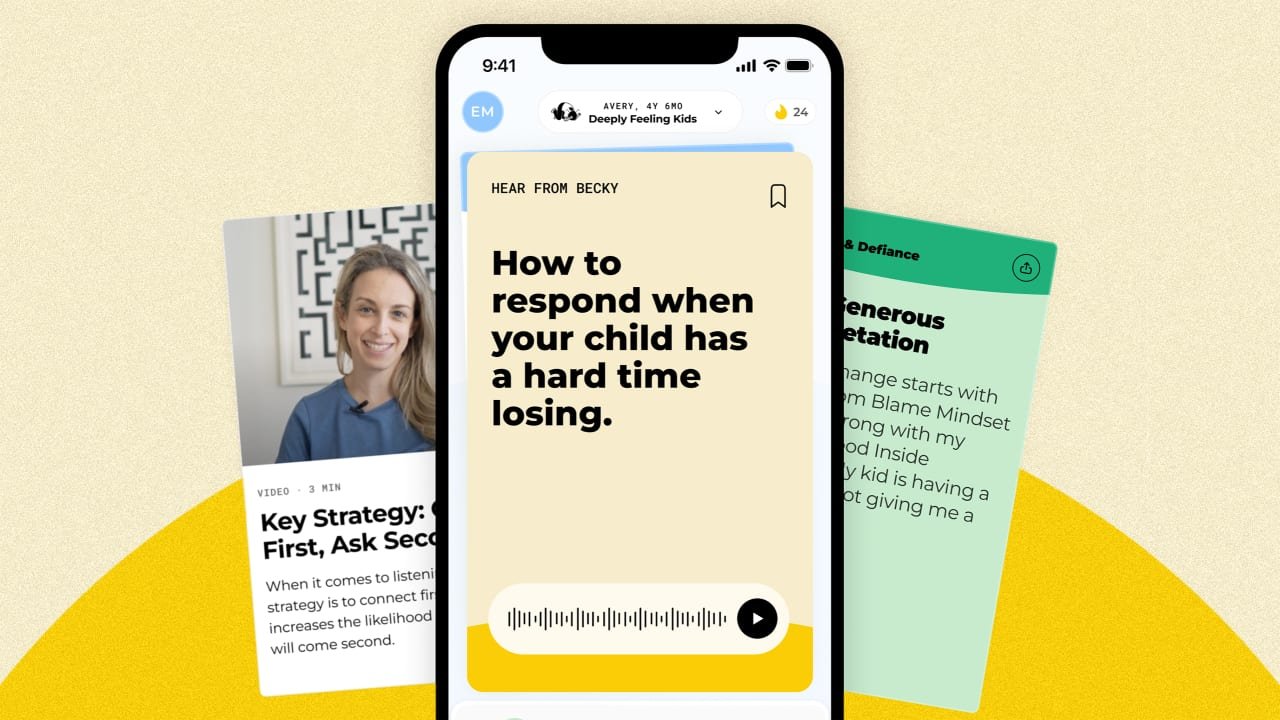
Dr. Becky Kennedy, a New York City-based clinical psychologist who coaches parents through difficult moments with their kids, has created a booming business centered on the notion that kids are, essentially, good people. The idea sounds simple, but to Kennedy, it’s profound—the key to unlocking healthy parent-child relationships. And that insight, which Kennedy has developed into the Good Inside method, has turned “Dr. Becky” from prominent psychologist into a celebrity-status parenting guru. [Image: Dr. Becky] Early in her career, Kennedy embraced what she calls a “behavior-first, reward-and-punishment” approach to parenting. But she came to understand that the method, which emphasizes discipline and consequences, doesn’t help children develop the skills they need to handle complicated emotional situations. So, Kennedy came up with an entirely new framework. The basic idea of Good Inside is that children act out when they feel misunderstood or their needs aren’t being met—that their bad behavior doesn’t reflect their inherent character. And parents who approach them through this perspective are better able to set boundaries and develop healthy relationships with their children. When COVID-19 hit in 2020, Kennedy joined Instagram to dispense advice to parents struggling with their suddenly trapped-at-home children. Dr. Becky soon became a social media sensation: She currently has more than 3 million Instagram followers and a growing presence on TikTok. In the meantime, she’s spun her Good Inside brand into a bestselling book, a podcast, and a subscription-based app, which launched last year and uses generative AI trained on Kennedy’s writing and videos to give parents personalized, specific advice to deal with situations in real time. The Good Inside app, which costs $276 a year, now counts more than 50,000 members. Fast Company spoke to Kennedy about her approach to empowering parents, using generative AI and social media to spread her message, and growing the Good Inside brand. What made you join Instagram in 2020? I started to see that we create issues in childhood and then we try to solve them in adulthood. When I noticed this, I couldn’t unthink it. I’m always focused on efficiency. I think what led me to Instagram was the thought that more people need to know this. More people need access to the type of education that you get in every other job. Parenting is the hardest job in the world, and we are sold this bullshit narrative that we should have a maternal instinct and that it should come naturally. The only thing that comes naturally in parenting is how you were parented. Technology is now being used to solve a lot of the world’s struggles and make certain things easier. Where’s the education and the technology for parents? I want parents to say, “I feel like I have the best parenting coach in the world in my pocket. I shouldn’t spiral after I yell at my kid. It shouldn’t be a mystery what to say when my kid comes home after getting in trouble at school.” [Image: Dr. Becky] Is that why you developed the Good Inside app? We grew completely organically on Instagram. Parents have basically told us along the way what they want, and we’re just serving it up for them. They want education. They want access to experts and access to each other so they know they’re not alone. With that kind of insight we’re like, okay, we are going to create this ongoing experience. The app has a subscription model because if you’re a parent with kids, they are often living in your home for 18 years. We just want to be with people on their journey. We have more than 50,000 members in over 108 countries, even though we’re still just English-speaking. We heard from parents during [the pandemic] that they wanted longer content. But now they are on the go and need advice for very specific situations, so it needs to be personalized. So when someone only has five minutes, they can feel productive. This is really a digital product, just like Duolingo. We want parents to have a way to learn the language of parenting. Parents can type in a specific situation, and get practical advice on what they can do tailored to them using generative AI. They can also delve deeper and learn more if they want to. What is the overarching theory behind Good Inside, and how did you come to it? This all came together in my private practice. I’d work with adults, and I felt like there was one thing that was true about everyone, regardless of what they came to talk about. It’s that the patterns and the circuitry that were put in our bodies to protect us and help us adapt early on in life start to work against us in adulthood. A lot of our early childhood adaptations ironically become symptoms in adulthood. [People wonder], Why don’t I trust people? I’m so hypervigilant. I don’t think I was born that way. So what did I learn early on that made me untrusting? I used to tell adults that the circuits that were put in place to protect us are hard to unwind because our body thinks it’s helping us. So I’d work with adults in helping them understand why they do things they do. That’s the first step, because we can’t intervene before we understand. How does this theory apply to parenting? I’d see parents of a four-year-old, they’d be like, “My kid is hitting, and I don’t know what to do.” I’d say to them what I was taught, which was to tell their kid, “We’re going to do a timeout.” Then take away their dessert and give them a sticker every time they don’t hit their friend. But then I pictured doing this with the adults I’d see in my practice: Them saying, “I yelled at someone at work,” and me being like, “Give me your phone, and by the way, you didn’t hit someone yesterday, so here’s a sticker.” In that scenario, they’d reply, “Why would taking away my phone help me stay calm? I think you just made me feel worse.” Nobody would come back to my office. No good CEOs make employees better by punishing them. But we’ve been doing this to kids for generations. We think, I’m punishing my kid and I tell myself that’s being in charge. But punishing is a sign of desperation, not authority. Good Inside is an approach for someone who can say, “I need to own my parental authority.” What do you advise parents to do in this scenario instead? First, I have to set a true boundary. I would go to my kid and say, “I’m not going to let you hit.” When I did that, I’d actually hold their wrist or get in between them and the other kid. This is the opposite of what a lot of us do as parents. Many parents might say, “Okay, stop hitting,” or we do something weird and say, “I’m going to count to three.” It doesn’t make any sense. I would never say, “I’m going to count to three and I hope you don’t run into oncoming traffic.” I would just not let my kid run into oncoming traffic. That is what I call setting a boundary and embodying your authority. After I set a boundary, I’d say something to stay connected to my kid and see the good inside them. Something like, “Hey, you’re allowed to be mad. Your sister’s playing with your favorite truck. But let’s figure out another way you can communicate that.” [Image: Dr. Becky] What does this method teach kids? Big picture: Nobody learns skills for better behavior by going to their room. I don’t know a four-year-old who’s like, “Oh, let me search on the internet what to do the next time I’m mad so I don’t hit.” A four-year-old is feeling ashamed. They feel like a bad kid. Ironically, their feelings are going to be harder to manage and they’re more likely to hit tomorrow. Good Inside separates who you are from what you do—not to let you off the hook, but to provide a foundation to build skills and to improve behavior. What if parents say, “I have a four-year-old, they’re not going to understand that”? They will understand. They’ll understand that you set a boundary to stop them from acting out. They finally feel like they have an adult in the room keeping them safe. And they’ll understand that you’re looking at them. They’re a good person having a hard time, not a bad kid doing bad things. That difference is massive. People often use the word “boundary” to express something that others should react to. But in your definition, it sounds like a boundary is something that requires nothing of the other person. Often we say we’re setting a boundary when in fact we’re just making a request. Parents say, “I set a boundary, and my kid’s not respecting it.” Whenever I hear that, I think someone has an incorrect definition of a boundary. My definition of a boundary, whether you’re a parent or not, is something you tell someone you will do. It requires the other person to do nothing. A boundary might look like you saying to your kid, “Hey, I’m going to walk over to you, and if things aren’t calm by the time I get there, I’m picking you up and I’m carrying you to your room. Because my No. 1 job is to keep you safe, and hitting isn’t safe and you’re clearly not capable of making good decisions right now.” When a parent says, “I’m going to literally hold you to stop hitting your friend,” other parents on the playground might watch that and think, what the hell are they doing? What’s the best way to respond in that scenario? I think you’re asking a bigger question: How much of my time do I spend in other people’s brains thinking about what they think about me? And how much of my time do I spend in my own brain gazing in and thinking about what I want and need? What’s really sad—and this is what happens to a lot of women because we’re trained to gaze out before we gaze in—is we don’t even really know what we want to do anymore. One of the biggest things we do at Good Inside is empower parents to be the sturdiest, most healed version of themselves, which is the most important thing they can do to help their kids. [Image: Dr. Becky] So how do parents use the app? For instance, what if I had a kid, and they spilled a glass or water and screamed about it for an hour. How would the app help me? Let’s do it right now. I’m typing the scenario into the app. Want me to read to you what it said? That sounds really intense. Kids often have big reactions to small accidents because they feel overwhelmed, and don’t know how to manage that. Your kid probably felt a mix of surprise, frustration, and maybe even fear of the mess, which led to that hour-long scream fest. In moments like this, start by just acknowledging what’s happening, acknowledge the surprise, not just the feeling, wow, that was a surprise. Then they’ll probably start to calm down and you can guide them through cleaning up together. This not only helps them learn to manage the situation, it also reinforces that mistakes happen and it’s okay to feel upset. Remember, you’re really helping your kid learn how to navigate big feelings. Then we have the next step for you if you want it. We have a primer to kids who are overly emotional. It’s a little bit longer, but it’ll take you one level deeper if that’s what you’re looking for. How did you develop AI tools that can deliver these kinds of responses? It took a year. I worked with an amazing clinical team of people who are trained in the Good Inside approach and our amazing machine-learning engineers. In terms of the content itself, I have a produced a lot, so it’s trained on that. The app costs almost $25 a month. How did you think about that pricing strategy? We think about things as expensive or cheap relative to what we’re comparing it to. If people compare our app to free reels on Instagram, they’d think it’s expensive. We have a lot of members who say, “This is transforming my life at $25 a month. I pay way more than that in copays for my in-network therapist. My copays add up to over a hundred dollars a month.” So, this actually feels incredibly reasonable. Nobody values their own mental health or their kids’ mental health as low on their list, and yet sometimes I think when we look at where we invest money, there’s a lot of other things we place above that. When you compare the price point to anything else that involves mental wellness, I think the value you get far exceeds the value you’re investing. Is it ever too late for someone to change their parenting style? Everything in our app, in our membership, in our company is based on the belief that it is not too late. We underestimate how much our bodies accept repair. We are all looking for the compassion and understanding that we never got. I think when parents say, “Is it too late?” They’re kind of saying, “Have I lost the ability to stay calm, to feel good about myself, to feel confident that I can handle hard challenges with uncertainty?” I want to give that person a hug. I know it sounds cheesy, but I want them to feel the strength of my conviction in saying, “No.” Will the journey be easy? Will everything change tomorrow? No way. But as long as it takes for our circuitry to build, it doesn’t take that same amount of time for it to unwind. We need a guide, we need some powerful ideas. We definitely need some practical, actionable strategies and many experiments. I think that’s what I’m most proud of. At Good Inside, we change a parent even more than their parenting. View the full article
-
Copenhagen points out that America has significantly pared back its military presence in the Arctic View the full article
-
When Todd Willing was 15, he entered a high school work experience program at Ford’s Australian Design Studio. His father owned a garage, and he’d always been around cars. “I had a loose understanding of what went into them because of that exposure, and I always had a creative bent I guess,” says Willing. “I would be drawing cars most of the time, to the frustration of my teachers.” The experience is still so vivid in Willing’s mind: the plane ride to Melbourne, the energy and feel of a space devoted to creativity, the culture and environment of a creative team. “That was it for me,” he says. “I wasn’t going to be doing anything else.” Now, 22 years later and still at Ford (though this time in Michigan), Willing is Head of Design, leading the design practice for Ford and Lincoln brand vehicles worldwide. Having been the chief exterior designer on the 2017 Ford GT and leading teams responsible for the F-150, Ranger, Bronco, Explorer, Expedition, and more, Willing has been a key part of shaping Ford vehicles around the world. And while his role is fairly big-picture, Willing says he feels a deep responsibility that ties back to his industrial design education: to create something new or improve on something, making people’s lives and experiences better. Willing says so much of that work is creative and connected with various disciplines across the design studio. Turns out, to prepare for that kind of work, Willing still somehow manages to hang around cars. When he isn’t working, he races vintage race cars. “When you’re in a race car, your safety depends on 101% concentration. It pushes everything else aside. Right after that, I feel freer to be creative.” As designers we make thousands of decisions on behalf of our customers . . . we need to be armed with deep insights. In our case, it’s motor vehicles and services. It should be done to make lives better in some way—with thoughtful design, desirability, and being straightforward. That’s really important. We have research groups that help us do that. We have ethnographic research, where we spend time with customers. You need to take that and apply a lot of care and attention to get it right. To solve for unmet needs. In many cases, it’s doing this before our customers or users even realize they are working around something, or that problem exists to solve. That’s where the real magic happens for me. I’m part of a bigger industrial system—market trends, legislation; these are constraints to pure creativity. Sometimes that might seem limiting, but also it’s an opportunity to innovate with purpose. You have something very specific to solve and there are obstacles in the way that forces innovation in a lot of cases. Sometimes when I need to clear my mind, I race vintage cars. That’s super helpful when I want to be creative. I did go karting as a kid, and later on, once I could afford to, I got back into racing cars. I have a few now and it’s definitely therapy for me. The 2017 Ford GT [Photo: Ford] I like things to be optimized. When things have a clear purpose, you can go deep into that purpose and make sure that the product delivers on that. It’s not enough to be visually appealing. If you look at our industry, there’s been a heavy bias toward styling and that chemical reaction people have in their brain when they see something that’s appealing. That’s critical, but doing it with more meaning and purpose and delivering on the function is critical to me. My personal philosophy, I like to edit things to the point where there’s nothing extraneous without function. It allows you to put more content or money into the things that mean something. I surround myself with creative talent as much as I can. This role requires me to be available for different aspects of the business. I make sure I build in the right amount of time to have conversations around creativity, and be with the creative team. I find it helpful to have some specific creative reviews where there is no hierarchy. The person with the most knowledge or the best idea holds the floor, and we park our stripes at the door. Being face-to-face with the team, and giving attention to the designers with the least experience—they are the ones faced with the challenges of design the most, too. It’s a catalyst for fresh and interesting design. I believe good design plays a prominent and positive role in daily life. It should talk to you. Good design should telegraph purpose, capability, proper use, and of course be highly attractive to those whom it is intended to serve. I encourage our teams to avoid false adornment. Having a clear and differentiated mission at the start of a project is a big enabler for success. When we were creating the latest generation of Ford GT, the ambition to race and win at Le Mans was the mission. Using this as a guide for decisions, if a proposed design element had a negative impact on the performance, then it wasn’t allowed on the car. Automotive design is part of a complicated ecosystem. The investment required for new products is very high, and the product cycles are much longer than most industries. This means that creating products that are meaningful and have longevity are important. There are many factors that influence our approach: different market trends, global politics, legislation, etc. Although on the surface constraints can seem limiting, they often drive innovation. Affordability is becoming ever more critical in the face of new competition and economic factors. This comes back to my point about the criticality of making the right choices on behalf of prospective customers. Our CEO talks about there being no space at Ford for “Vanilla Cars.” This means that everything needs to have a clear purpose that is attractive and useful to our customers. Our products should be focused and be the best at what they do. Ideas, until they are proven, can be fragile. But, it’s important to make sure we draw them out even if they are not obvious home runs. Making sure the ideas have time to breathe a little bit . . . usually that leads to a spark that has potential and it will invariably inspire the rest of the team to grow off of that initial idea. If the inspiration in the team is low, look at what you have and try to flesh it out. Then usually that inspires something in others. I have a motto for my team: Design is not an attribute. There is always a trade to be had—a way of spending money—what choices you make along the way. It’s an intentional product creation that marries purpose, function, and desirability—not necessarily in that order, but it needs to consider all of those things. I am frustrated when I hear design being referred to as the darling department. If we turn up around that motto, that perception disappears. View the full article

-
Google's John Mueller confirmed at Search Central Live NYC that they launch nearly 5,000 updates every year The post Google Says They Launch Thousands Of Updates Every Year appeared first on Search Engine Journal. View the full article
-
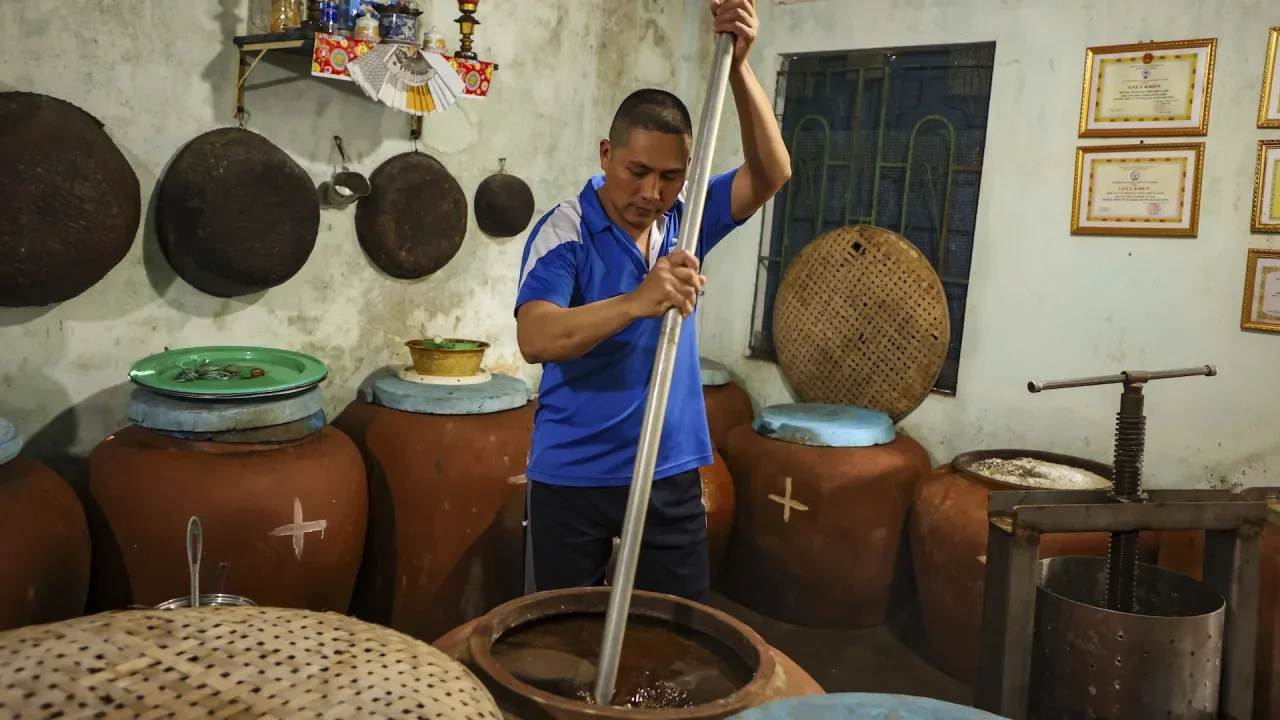
Bui Van Phong faced a choice when the Vietnam War ended 50 years ago: stay in his small village, helping his parents carry on the family’s centuries-old tradition of making fish sauce, or join the hundreds of thousands of people fleeing his country for a better life. Phong chose to stay behind and nurtured a business making the beloved condiment, known as nuoc mam in Vietnam, that is now in its fourth generation with his son, Bui Van Phu, 41, at the helm. Fish sauce from the village has been recognized by Vietnam as an indelible part of the country’s heritage and the younger Bui is acutely aware of what that means. “It isn’t just the quality of fish sauce. It is also the historical value,” he said. But that heritage is under threat, and not only from giant conglomerates that mass-produce fish sauce in factories. Climate change and overfishing are making it harder to catch the anchovies essential to the condiment that underlies so much of Vietnam and southeast Asia’s food. Anchovies thrive in large schools in nutrient-rich waters near the shore. But climate change is warming the oceans, depleting oxygen levels in the water. Scientists have long feared that this would lead to smaller fish, as large fish that need more oxygen may migrate or adapt over time by shrinking. Renato Salvatteci, who studies fisheries at the Christian-Albrecht University of Kiel in Germany, said his research into warmer periods millenia ago found support for this in the fossil record. “If we continue with this trend of deoxygenation, anchovies will not be OK with that,” he said. “Every species has a limit.” Breaching that limit will have global consequences. Warming oceans threaten the ocean ecology and the marine life that inhabits it. It may result in the proliferation of smaller, less nutritious fish and increase costs of fishing and consequently food. Anchovies, for instance, have an outsized role on marine ecology. They’re food for other fish that people eat, like mackerel. They are also vital to make fish meal, used to feed farmed fish. Overfishing compounds the problem, and geopolitical tensions in the contested waters of the South China Sea — responsible for about 12% of the global fish catch — make management difficult. The destructive industrial fishing practice of dragging large nets along the seabed, scooping up everything in a net’s path, has prevailed since the 1980s. But despite increased fishing, the amount of fish being caught has stagnated, according to a 2020 analysis of fishing trends. Even if the world can limit long-term global warming to 2.7 degrees Fahrenheit (1.5 degrees Celsius) above pre-industrial levels and halve fishing intensity, the South China Sea will still lose more than a fifth of its fish stocks, warned a 2021 assessment by scientists from the University of British Columbia in Canada. In the most pessimistic scenario — temperatures rising by 7.7 degrees Fahrenheit (4.3 degrees) — nearly all the fish disappear. Phu, who teaches information technology by day, also works hard to perfect the fish sauce art handed down by his ancestors. The anchovies are usually caught between January to March when they congregate off the coast of Da Nang. If they are the right species and size, they get mixed gently with sea salt and put in special tera cotta barrels. Sometimes worms or other ingredients are added to bring in different flavors. Phu ferments this for up to 18 months — stirring the mix several times a week — before it can be strained, bottled and sold to customers. The sea salt imparts different flavor depending on where it comes from. So does the amount of salt used, and makers have their own recipes; the Bui family uses three parts fish to one part salt. The time allowed for fermentation, and the potential addition of other fish, also affect the flavor of the final product. But it is harder to get the perfect anchovies. The fish catch has decreased — fishermen in markets across Vietnam rue the fact that much of the fish they sell now was considered bait-size in previous decades — and it’s only the good relationships he has with anchovy fishermen that allow him to get the fish directly, avoiding high market prices. The unmistakeable aroma of fermenting fish cloaks the homes of families that still make traditional fish sauce. But Phu said that many families are thinking of getting out of the business because of high anchovy prices. That may affect Vietnamese plans for a bigger share of the global fish sauce market — projected to increase in value from $18.5 billion in 2023 to nearly $29 billion by 2032, according to a report by Introspective Market Research. Vietnam, along with Thailand, is the world’s largest exporter of fish sauce and is hoping improvements in food safety to satisfy standards in lucrative markets like the U.S., Europe and Japan will help cement a national brand that helps advertise Vietnamese culture to the world. It’s hard to overemphasize how deeply the condiment is enmeshed in Vietnamese culture. Students living abroad speak of how its taste transports them back home and a top chef says it’s the foundation for flavor in the country’s cuisine. The varying taste of different brews also means everyone — from top businessmen to daily wage workers — has their own opinions about which is the best. Phu said that each family has their own secrets about making fish sauce. And, nearly fifty years since his father chose to stay back and take care of the family business, he’d like to pass those on to his own son. But he knows that it’ll depend on whether enough anchovies thrive in the sea for the craft to be viable. “Fish sauce to me is not just a condiment for cooking. But it is our craft, our culture, our tradition that need to be preserved, safeguarded and inherited,” he said. —Aniruddha Ghosal, Associated Press Associated Press journalist Hau Dinh contributed to this report. The Associated Press’ climate and environmental coverage receives financial support from multiple private foundations. AP is solely responsible for all content. Find AP’s standards for working with philanthropies, a list of supporters and funded coverage areas at AP.org. View the full article
-
The benefits of taking time off from work are well-documented. In previous coverage, Fast Company has detailed how vacations stave off burnout, promote engagement, and may even help you be healthier. There are a number of ways to get more out of your vacation days, says time-off expert Jackie Swayze, founder of Maximizing My PTO, a website that helps people use a number of tips and tricks to plan unusual getaways. She says that one size does not fit all when it comes to paid time off. “There’s so much more creativity to be had than the standard, you know, take one week off in the summer,” she says. Here are some ways others have made their time off distinctly their own. Honor your personal priorities Sundie Leigh Jones, a software development engineer, says she makes the most of her PTO by focusing on her priorities. One of the ways she does so is to use time off for her birthday and her daughter’s. “I’m big on spending my free time building up my relationships, and I like to do that by traveling to people I love or with people I love,” she says. Since her birthday typically falls around Labor Day and her daughter’s is during the summer, those are good times to take a day to celebrate, she says. And if they fall adjacent to a weekend, that’s an opportunity to make the celebration into a long weekend. Plan a speed getaway Swayze recommends checking your local airport’s flight schedules. There are likely direct flights that make getting to a particular destination convenient. That recipe for a quick trip may require little to no time off. For example, she recently flew to Ireland for St. Patrick’s Day. While some might balk at flying several hours to a destination for such a quick trip, she says that changing your thinking about doing short trips can open up new opportunities for adventure. “There’s never enough time in a place ever. I’d much rather go somewhere for just a couple of days than not ever go at all,” she says. Combine your PTO with flexible work time Swayze says remote work opportunities can open up other ways to extend your PTO options. While her husband’s job typically requires him to be in the office five days per week, he does have some flexibility to work remotely. When they found a great deal on a flight to Paris out of Detroit, they flew from Chicago to Detroit the night before. He worked out of the hotel the next day and then they boarded their flight to Europe. “Once in Europe, working East Coast hours tends to mean getting the morning to explore and working from 3 to 11 p.m.,” she says. “Play hard, then work hard.” (Of course, it’s important to check that your employer allows “work from anywhere” and to also ensure that working in other states or countries won’t create new tax obligations.) Work on your hobbies or side hustles Jones owns a number of income properties in other states, so she’ll schedule her PTO to be able to go tend to those properties, taking off a day or two on a given week to create a long weekend. She even planted an orchard during one of her breaks. Because her “day job” tends to make her sedentary, she says she relishes the opportunity to do physical labor when she takes time off. “I took two weeks off, and we transformed a part of my property . . . [into] a small fruit orchard,” she says. “We worked 10 hours a day on the orchard. Then, on the ‘off’ days, we explored the Pacific Northwest.” While that may not sound restful, she says that she enjoys the trips and the chance to build her property portfolio. Plus, all that physical activity leaves her eager to get back to her desk job, she says. Be strategic about when you take time off Cornia Leslie is the public relations manager at email verification service ZeroBounce. While her company has an unlimited PTO policy, she’s concerned about “how much is too much.” Still, she says she needs at least four to five days off to begin disconnecting from work, so she planned a long vacation last year, spending nearly a month in Europe. “It was my first ‘real’ vacation in seven years. I was able to fully relax and stop checking my email compulsively,” she says. To prepare, she made plans for her tasks to be covered and wrote some content in advance. Leslie says that she actually felt more secure about taking vacation time when she had a set amount of PTO. “I don’t want to abuse this policy, so I try to plan ahead: Batch my time off, use it less often, but make it count,” she says. “Longer vacations are more restorative for me than scattering single days here and there.” In addition to a longer-than-average vacation, it may also be possible to use your time off to plan a sabbatical to learn something new, travel, or work on a personal project. Swayze encourages people to think about being strategic and use the PTO that they are due. “I plan trips pretty far in advance, so I’m looking at my whole year of PTO all at once,” she says. By thinking through the time off you have available to you, as well as holidays and seasonal fluctuations in your work, you can create times for rest, experiences, and adventures throughout the year in the ways that best suit you. View the full article

-
Few apps are as inextricably linked to the iPhone as Apple’s Messages. Introduced with the original iPhone almost 18 years ago, the app (then called “Text”) has become the primary messenger for most iPhone users worldwide. It allows users to receive Apple’s proprietary iMessages, as well as RCS messages and old-school SMS messages. In recent years, Apple has introduced several new features to the Messages app and its iMessage protocol. Most recently, in iOS 18, the company allowed users to stylize text by bolding or underlining words, incorporated animated effects that make words shake or appear to explode, and enabled users to react to a message with any emoji. But while the above additions are nice, they’re mainly eye candy—and that only gets a messaging app so far. When it comes to being truly useful, Apple’s Messages still lacks some basic functionality—and reliability—other messaging apps like WhatsApp and Signal have had for years. Apple is expected to preview the iPhone’s next operating system, iOS 19, at its annual Worldwide Developers Conference (WWDC) on June 9. Here’s hoping the company adds the following improvements currently sorrowfully lacking in Messages today. iMessage needs to work when traveling internationally Apple needs to address how its iMessages work when a user is traveling internationally and using a temporary travel SIM—as anyone who has tried to text a friend who is traveling overseas, or who has traveled internationally themselves, knows too well. If an iPhone user removes their domestic SIM card and replaces it with a temporary travel SIM, they often will not receive messages sent to the iMessage account associated with that phone number. Instead, the messages will, more often than not, simply disappear into the ether, never to be received again—even after the domestic SIM card is reinstalled. It may be natural to think that, of course, a person won’t receive a text if they don’t have the SIM card with the phone number the text was sent to installed in their phone. But that’s not how iMessages work. When you send an iMessage, you’re not actually texting the user’s phone number. Instead, you’re using their phone number as a routing identifier to deliver a message to the associated iMessage account. This is why your Mac and iPad can receive and send messages to and from your phone number-linked iMessage account. In other words, it shouldn’t matter that the user’s normal SIM card isn’t in their iPhone—they should still be able to receive the iMessages. This is how it works with competing apps like WhatsApp and Signal, which also use phone numbers as routing identifiers. Indeed, whenever a friend travels internationally, and I don’t get a response to an iMessage I’ve sent, I follow up via Signal or WhatsApp. They immediately receive those messages despite not having their domestic SIM card installed. I reached out to Apple about why iMessages don’t work in a similar matter, and the company told me that it was a security measure. Apple says that the measure triggers when an iPhone is without its domestic SIM cards for a few weeks, until which time users can still receive iMessages sent to their usual phone number. However, in my experience, this two-week timeframe is not accurate, and as soon as a domestic SIM card is removed from the phone, iMessages sent to the number will not go through. Apple also says that users can keep getting iMessages with a travel SIM if they have their friends send the iMessage to their email address instead of their phone number. But this relies on everyone texting you knowing that you are traveling internationally and without your domestic SIM card. While I understand the security reason behind this problem, it would be great if it were accurate that it only kicks in after two weeks. Even better: Apple should give users the option to disable this security measure for a period of time that the user can designate whenever they switch from their default SIM to a travel one. Archiving would help reduce clutter But reliability isn’t the only issue that Messages faces. For some reason, Apple still hasn’t added a feature that allows users to archive chat threads. Archiving helps declutter your messaging app by letting you move chats with people you no longer or rarely interact with—like the plumber who fixed your sink last month—to a separate folder. This frees up screen space and allows you to keep your most important and active chats front and center. Archiving is a great intermediary option between keeping a chat thread forever or deleting it entirely. It has been a standard feature in nearly every major messaging app for years. Why Apple’s Messages still doesn’t support such a basic feature in 2025 is beyond me. Bookmarking would offer quick access Speaking of basic features—Apple’s Messages lacks another one: the ability to bookmark individual messages. Other messaging apps, like WhatsApp, have allowed users to do this for a long time (WhatsApp calls this “starring” messages). Bookmarked messages are saved to a smart folder that the user can easily access inside the app in order to view their most important messages. This is a great way to quickly access an old message that you would otherwise have to scroll through lengthy threads to find again. There are many reasons to bookmark a message, ranging from the sentimental to the practical. An example of the latter might be when you want to quickly access important information someone had previously texted you—like the PIN code to a friend’s smart door lock so you can enter their house to feed the cats while they’re away. Labeling forwarded messages would eliminate confusion Even when iMessage does offer basic features that most other messaging apps offer, they are sometimes poorly implemented. The most glaring example of this is message forwarding, which allows you to easily forward a text one person sent you to another person. Other apps clearly indicate that a message is forwarded—often with an arrow or label in front of the forwarded message. But with Apple’s Messages, the forwarded message simply looks as though it was written by the person forwarding it. Case in point: The other day, I received a message from a friend that had a very uncharacteristic tone and subject matter. It confused me quite a bit. While I was reading it a second time, I received a follow-up message stating that the first one was from another individual, and my friend was simply forwarding it to me. Without that additional text message from my friend clarifying that the first message was forwarded, I wouldn’t have known, because Apple’s Messages doesn’t give any visual indication distinguishing a regular message from a forwarded one. Will Apple implement any of these changes in Messages in iOS 19? I hope so, but we’ll just have to wait to see. Apple is expected to preview iOS 19 at WWDC25 in June. View the full article

-
Five years after the COVID-19 pandemic began, the United States finds itself in the midst of another public health crisis. This particular pandemic is a psychological one: widespread loneliness and isolation. About half of adults in the U.S. report feeling lonely—what former Surgeon General Vivek Murthy has characterized as an epidemic. The increase in social isolation has extensive costs for “schools, workplaces, and civic organizations, where performance, productivity, and engagement are diminished,” he wrote in 2023. As a business school professor who studies intergenerational relationships, I believe that our workplaces hold untapped potential for alleviating isolation. When colleagues do form friendships at work, they often gravitate toward people their own age. But fostering meaningful connections across generational lines can benefit not just organizations, but workers’ own sense of purpose and mental health. Working solo The COVID-19 pandemic affected all ages differently. Prior to 2020, it seemed that younger generations were leading a strong push away from working in the office. Once many Americans were working remotely, however, Generation Z—those born 1997-2012—reported the highest levels of loneliness. The problem, I’d argue, is how organizations’ early questions about working through the pandemic centered on efficiency. Was it possible to do our jobs remotely? Would we be as productive? Was remote work viable long term? For many jobs, the answer was yes, resulting in persistent work-from-home options even after it became physically safe to return to offices. Yet companies overlooked crucial elements that contribute to employees’ commitment and well-being, particularly strong relationships between colleagues. These factors are especially vital during early career years as young workers establish networks, learn their roles, and develop professional identities—all considerably more challenging in remote or hybrid environments. Just 31% of U.S. employees feel engaged on the job, according to January 2025 data from Gallup, a 10-year low. Only 39% of employees strongly feel that someone at work cares about them as a person, and only 30% strongly agree that someone cares about their development. Workers younger than 35, especially members of Gen Z, experienced a more significant decline in engagement than other age groups, dropping 5 points compared with the previous year. Five generations Since hybrid and remote work appear to be here to stay, we need innovative solutions to combat disconnectedness. One overlooked opportunity might lie in a demographic reality that many organizations view as a challenge. Today, there are five generations in the workplace, more than any other time in history. This increase in diversity is primarily due to older workers remaining in the workforce longer than in the past, whether because of economic necessity or increased longevity and health. In 2024, 18% of the U.S. workforce belonged to Gen Z. They’ve surpassed the baby boomers, born 1946-1964, who make up 15%. Gen X, meanwhile (the generation born 1965-1980) comprise 31%. The largest group are millennials, born 1981-1996, who represent 36% of workers. Finally, 1% of the workforce belong to the Silent Generation, born 1928-1945. While such age diversity presents challenges, it also holds unique potential. The importance of workplace friendships is well documented. Research has found positive workplace relationships are beneficial to teamwork, career development and building a sense of community, and they help employees find more meaning in their work. Workplace friendships can help offset job stress and exhaustion and contribute to mental health. The benefits of such relationships can reach beyond the workplace, increasing overall well-being. However, these friendships rarely cross generational lines. A phenomenon known as “age similarity preference” often causes us to gravitate toward people similar in age, including among our coworkers. This broader tendency to connect with people we deem most similar to ourselves is well documented, and age can be a particularly visible sign of surface-level difference—one that leads people to assume, often incorrectly, that they hold similar views. While natural, this tendency limits interactions and relationships, leading to higher levels of conflict. Not only do intergenerational connections at work bring professional benefits but they also can combat isolation. For example, relationships with colleagues from different generations tend to have fewer feelings of competition and pressure, as they likely occupy different life and career stages. An older colleague who has navigated office politics or balanced raising young children with career demands can provide valuable advice and support to coworkers facing these challenges for the first time. Forming intergenerational friendships can help break down negative stereotypes about people who are older or younger by revealing areas of common interest. Beyond Gen Z The benefits of these relationships extend beyond younger generations, especially given how widespread post-pandemic loneliness is. Adults in mid-to-late career stages—Gen Xers and baby boomers—are in their prime years for “generativity”: the life stage when people are most likely to be motivated to share knowledge and expertise, preparing the next generation for success. Generativity leads to benefits for the mentors too, such as higher self-esteem. People of all ages benefit from meaningful intergenerational relationships, but it takes an effort to create them. Employers can help by setting up opportunities to connect. For example, a mutual mentoring program can be a fantastic way to encourage not only learning, but unexpected friendships as well. Jonna, a Gen Xer I met through my generational consulting work, sought out a Gen Z mentor at her office and was grateful for her insight, as well as the chance to give advice. “I like to believe I am someone with a growth mindset and in touch with current realities, but I quickly learned that Hannah had perspectives on many things that stretched me and my thinking,” she said. “Our partnership has helped me approach every situation with curiosity instead of judgment.” Hannah, her mentor-mentee, found the partnership just as beneficial. The experience was “a reminder that regardless of age, we all have something to contribute, and bridging generational gaps can lead to innovative solutions and a richer understanding of the world.” Reaching out to colleagues who are significantly older or younger might seem unexpected. But it may also build a more connected, resilient workforce, where wisdom and innovation flow freely across generational divides. Megan Gerhardt is a professor of management at the Farmer School of Business at Miami University. This article is republished from The Conversation under a Creative Commons license. Read the original article. View the full article

-
USGS warns damage could exceed country’s GDP after 7.7 magnitude tremorView the full article
-
France, Ireland and Italy among a slew of objections to EU’s proposals to hit back at US View the full article
-
The real problem is one that hand-wringing over ‘toxic masculinity’ won’t solveView the full article
-
Stepping in to save the media outlet after US cuts could help European democracies develop a wider strategy for combating Russian disinformation, argues Peter PomerantsevView the full article
-
Katrina Armstrong exits a week after the institution agreed to a list of reforms to fend off funding cutsView the full article
-
The Colorado Office of Economic Development and International Trade (OEDIT) announced the launch of a new three-year Rural Jump-Start (RJS) Operating Grant program aimed at stimulating economic development and job creation in economically distressed rural counties. The initiative, approved by the Colorado Economic Development Commission (EDC), will distribute up to $630,000 in grants to support approximately 36 businesses and at least 120 new jobs across the state. “Colorado is committed to supporting the small businesses that drive our economy and these grants will support businesses in our rural communities around the state. Colorado is one of the best places to start and grow a business, and we look forward to building on this important work to strengthen our economy,” said Governor Jared Polis. Under the new grant structure, eligible businesses located in RJS-designated zones can receive either $15,000 or $25,000 in operating support, with higher awards available to companies in coal transition communities. These funds are intended to help cover business operating expenses, encouraging startups and business relocations to rural Colorado. “Companies in rural Colorado are creating incredible new technologies, enhancing our supply chain and creating valuable, good-paying jobs in their communities. Last year, the Rural Jump-start Program facilitated 212 new hires in our rural communities, and we are thrilled to continue the impact with these new operating grants,” said OEDIT Executive Director Eve Lieberman. The new grants replace the original RJS grant program, which is scheduled to sunset at the end of the current fiscal year. Alongside direct financial support, participating businesses remain eligible for a suite of tax relief benefits, including exemptions from state income tax, state sales and use tax, county personal property tax, and municipal personal property tax in participating areas. In addition, Qualified New Hires may also receive state income tax relief. “The Rural Jump-start program was initiated in partnership with rural communities and has a proven track record of supporting new businesses and new jobs across Colorado’s rural counties. Implementing these new grants will enable more rural businesses to benefit from the program and contribute to their local communities and economies,” said OEDIT Deputy Director Jeff Kraft. Originally established in 2016 as a tax incentive program, the RJS initiative expanded in 2021 to include both operating and new hire grants. To date, 35 counties have been designated as RJS Zones by the EDC, and 33 companies are participating in the program. The new operating grants aim to continue this momentum, providing essential support to businesses that contribute to the economic vitality of Colorado’s rural regions. This article, "Colorado Launches New Rural Jump-Start Operating Grants to Boost Business Development" was first published on Small Business Trends View the full article
-
The Colorado Office of Economic Development and International Trade (OEDIT) announced the launch of a new three-year Rural Jump-Start (RJS) Operating Grant program aimed at stimulating economic development and job creation in economically distressed rural counties. The initiative, approved by the Colorado Economic Development Commission (EDC), will distribute up to $630,000 in grants to support approximately 36 businesses and at least 120 new jobs across the state. “Colorado is committed to supporting the small businesses that drive our economy and these grants will support businesses in our rural communities around the state. Colorado is one of the best places to start and grow a business, and we look forward to building on this important work to strengthen our economy,” said Governor Jared Polis. Under the new grant structure, eligible businesses located in RJS-designated zones can receive either $15,000 or $25,000 in operating support, with higher awards available to companies in coal transition communities. These funds are intended to help cover business operating expenses, encouraging startups and business relocations to rural Colorado. “Companies in rural Colorado are creating incredible new technologies, enhancing our supply chain and creating valuable, good-paying jobs in their communities. Last year, the Rural Jump-start Program facilitated 212 new hires in our rural communities, and we are thrilled to continue the impact with these new operating grants,” said OEDIT Executive Director Eve Lieberman. The new grants replace the original RJS grant program, which is scheduled to sunset at the end of the current fiscal year. Alongside direct financial support, participating businesses remain eligible for a suite of tax relief benefits, including exemptions from state income tax, state sales and use tax, county personal property tax, and municipal personal property tax in participating areas. In addition, Qualified New Hires may also receive state income tax relief. “The Rural Jump-start program was initiated in partnership with rural communities and has a proven track record of supporting new businesses and new jobs across Colorado’s rural counties. Implementing these new grants will enable more rural businesses to benefit from the program and contribute to their local communities and economies,” said OEDIT Deputy Director Jeff Kraft. Originally established in 2016 as a tax incentive program, the RJS initiative expanded in 2021 to include both operating and new hire grants. To date, 35 counties have been designated as RJS Zones by the EDC, and 33 companies are participating in the program. The new operating grants aim to continue this momentum, providing essential support to businesses that contribute to the economic vitality of Colorado’s rural regions. This article, "Colorado Launches New Rural Jump-Start Operating Grants to Boost Business Development" was first published on Small Business Trends View the full article
-
The government conservatorship of Fannie Mae and Freddie Mac wasn't meant to last forever, but releasing the companies is complicated and should involve a diffident Congress, housing policy experts said during a Federal Reserve Bank of Atlanta housing panel. View the full article