ResidentialBusiness
Administrators
-
Joined
-
Last visited
Everything posted by ResidentialBusiness
-
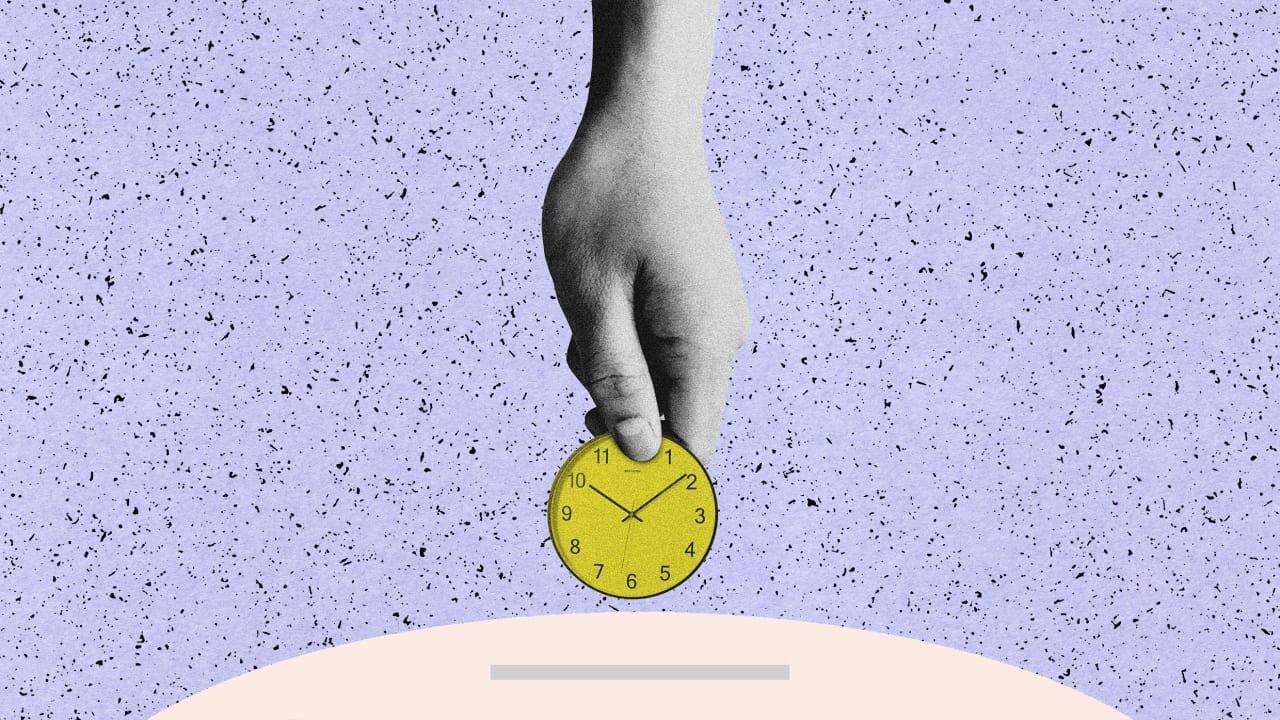
 As I’ve coached CEOs over the years, I’ve often been struck by how little they think about the way they deploy one of the company’s most valuable assets—their time. CEOs face unique time pressures. They have enormous responsibilities and a multitude of issues that need their attention. The way they allocate their time has major ramifications for the success of the business. However big and important your previous job may have been, as a CEO, you will confront a seemingly limitless array of new and varied stakeholders, each demanding (and often warranting) a place on your calendar. And each constituent group—the board, employees, customers, investors, governments, the media—includes within it numerous and distinct individuals and institutions, each with their own unique needs and goals. Over the years, I’ve learned (often the hard way) the importance of CEOs keeping control of their agenda in addition to the company’s. Along the way, I’ve identified three steps that help CEOs ensure that their priorities don’t get sidelined by the constant pull of stakeholder management. 1. Define your CEO agenda The CEO agenda is not a laundry list of every important initiative in the company; it is not the “goals and objectives” used for determining your bonus (although there can be overlap); it is not even necessarily something you share with anyone else. It is an expression of your personal priorities for some stated period. It determines how you will deploy to maximum effect a significant amount of that crucial and finite corporate asset: your time. Realistically, very few objectives are both achievable over a foreseeable horizon and important enough to warrant the CEO’s personal engagement. So, when working with new CEOs, I advise them to start by listing their top 10 priorities for the year—and then lopping the bottom six or seven off the list. Together, we pressure test what remains and ask: Does it move the needle? Will this goal meaningfully affect the success trajectory of the business as a whole? Is it non-delegable? Does achievement require the CEO’s personal engagement (as distinguished from periodic oversight of others)? Some examples: a major transaction, addressing a significant governmental threat or opportunity, shaping (or reshaping) the company’s mix of businesses or assets. For instance, during my tenure as CEO of Pfizer, two of my most significant priorities were completing a $70 billion acquisition that fundamentally reshaped the company, and—together with some of my industry colleagues—negotiating features of the Affordable Care Act, parts of which, as originally proposed, posed significant threats and opportunities for our business model. Both projects required my direct and ongoing personal involvement and neither could be fully delegated, although, of course, numerous leaders and teams within and outside the company provided essential support. The counterparties—such as other CEOs and members of Congress—understandably wanted to deal with the top decision maker. 2. Give yourself a reality check Once you’ve defined your agenda, it’s time for a reality check. Examine how you’re spending your time and compare it to your stated priorities. You may be surprised to find a significant mismatch. I often advise CEOs to have their assistants analyze their calendars retrospectively. Look at the past month or quarter and categorize the way your time was allocated. Were you truly focused on your top priorities, or did your days get consumed by routine meetings and stakeholder management? This isn’t a one-time exercise. Make it a habit to evaluate your calendar against your priorities frequently. You should regularly ask yourself: Am I deploying a significant amount of my time to accomplish things that only I can do and that will materially contribute to the company’s success? As CEO, you should devote substantial time to providing visibility and accessibility to key constituencies. This includes town halls with employees, meetings with investors, engaging with government officials, and much more. Each of these groups—and the various subgroups and individuals within them—want and deserve your attention and your guidance. Often, they will want you to make decisions (and sometimes you should). But, while crucial, these activities can easily consume your entire schedule if left unchecked. 3. Manage your time proactively Once you’ve audited your time and you understand how you’re spending it, be proactive about planning your schedule. Here’s how: Allocate a specific percentage of your time for stakeholder management—perhaps 30 to 40%—and distribute this time among your stakeholders. Establish a regular cadence for internal meetings, but recognize that not all direct reports need the same frequency of face time. Set clear expectations about what each stakeholder will get from you. For example: tell your investor relations team about how many conferences and non-deal roadshows you’ll attend annually; tell your head of Asia operations they get two weeks of your time each year to distribute as they see fit across the region. Carve out space for unstructured thinking and planning. This might mean blocking off your calendar from 7 to 9 a.m. each day or reserving Friday afternoons for strategic reflection. Make time for self-care. Do a far better job than I ever did of taking care of yourself, your family, and other sources of personal growth and satisfaction. The benefits of control Maintaining control of your agenda requires effective delegation. Ensure you have the right people in place and that they feel empowered to make decisions. If routine matters are constantly escalating to your desk, it’s a sign that either your team isn’t properly equipped, or they don’t feel authorized to act independently. While it’s important to guard your time zealously, you should, of course, maintain flexibility for true emergencies and unexpected opportunities. The key is to distinguish between genuine crises that require your involvement and routine fires that your team should handle. By rigorously defining your priorities, regularly evaluating the way you spend your time, and proactively managing stakeholder demands, you can ensure that your agenda as CEO doesn’t get derailed. Remember that the truest reflection of your priorities is how you spend your time. Make sure it aligns with what you believe is most critical for leading your organization forward. View the full article
-
Fast Company is the official media partner of Summit Detroit. For the past 17 years, Summit, an organization hosting conferences and immersive experiences around the world, has brought together entrepreneurs and creatives in lush settings that double as vacation destinations—think Tulum, Mexico; Palm Desert, Calif.; Powder Mountain, Utah; and even out on the open sea. This year marks the end of Summit’s larger-scale events as the company pivots toward more intimate gatherings. So it’s little surprise that more than a few eyebrows were raised when Summit announced Detroit as its last big hurrah this June 5-8. [Illustration: Summit] “We came together and decided to convene our community in a place that embodies the Summit spirit, that is filled with surprise and delight, and has abundant, beautiful spaces for us to activate and bring to life,” says Jody Levy, CEO and global director of Summit. “We have had an outpouring of excitement from people across the world that we are gathering in Detroit. Those who know know!” Founded in 2008, Summit is the brainchild of Elliott Bisnow, Brett Leve, Jeff Rosenthal, and Jeremy Schwartz, who coalesced around the idea of finding the connections between their personal interests and entrepreneurial endeavors. They set out to develop a community of like-minded people by hosting a series of events leaning into the intersection of work and play. At a Summit event, it’s not uncommon to hear a talk on the future of human longevity before heading to a poolside DJ set or a wearable balloon art dance party. That feeling of the unexpected also translates to Summit’s chosen location this year. “I’ve been watching [Detroit] really hit the stride of what everybody always wanted and saw for the city,” Levy says. “There’s so much happening here that’s being exported to the rest of the world that my partners and I [at Summit] decided to come to a place that’s a little unexpected, that’s got a little bit of that like grungy grit that we all as entrepreneurs have.” Summit Detroit will have much of what Summit has become known for: high-level speakers including Ev Williams, cofounder of Mozi and Twitter and the founder of Medium; futurist Pablos Holman; author and psychotherapist Lori Gottlieb; tracks focused on the future of transportation, next-gen entrepreneurship, and mental health; and live music sets. The event will also take advantage of being in downtown Detroit with design tours and a lineup of Detroit’s culinary arts. But what Levy is most excited for is the track on creative expression and storytelling. Featuring speakers including famed choreographer Bill T. Jones, artist and activist Shepard Fairey, and head of design at Google Ivy Ross, the track will explore how to apply design thinking to your pursuits, the importance of transient moments to the human experience, and more. [Photo: Amanda Demme] “As creative doers who are always pushing what comes next, there are many people globally feeling lonely and isolated,” Levy says. “It tells me that the Summit community and the creative community at large need to come up with new ways to support each other. With the rapid pace of technology, AI, and information, it is increasingly important for us all to be reminded of the space where our passion and purpose coalesce. That is the place that the Summit community has in common, and it is imperative to how we grow and evolve our companies and products.” Summit is an invite-only community composed mainly of referrals from existing members, some of whom have been part of the group since its inception. It’s not meant to be some secret society—it’s more about preserving the integrity of the company’s mission: bringing the best thinkers, creators, inventors, investors together to learn and support each other. Or, as Levy describes it: a mutual aid society for our time. “When there’s somebody that we know through Summit, there is a nod of credibility,” she says. “They’re probably a high-octane doer that has a certain way of operating that you trust because they’ve been invited into the Summit community.” Levy believes that Summit can have an especially meaningful impact at moments such as now, when the world is unstable and in transition. “When we, the Summit community, come together, we are able to explore all kinds of topics in a neutral space that allows our community to bump up against the outer edges of our belief systems,” Levy says. “People end up growing and learning from each other. Summit has always been highly effective in giving people new vantage points and opportunities for collaboration to make our endeavors more successful.” View the full article

-
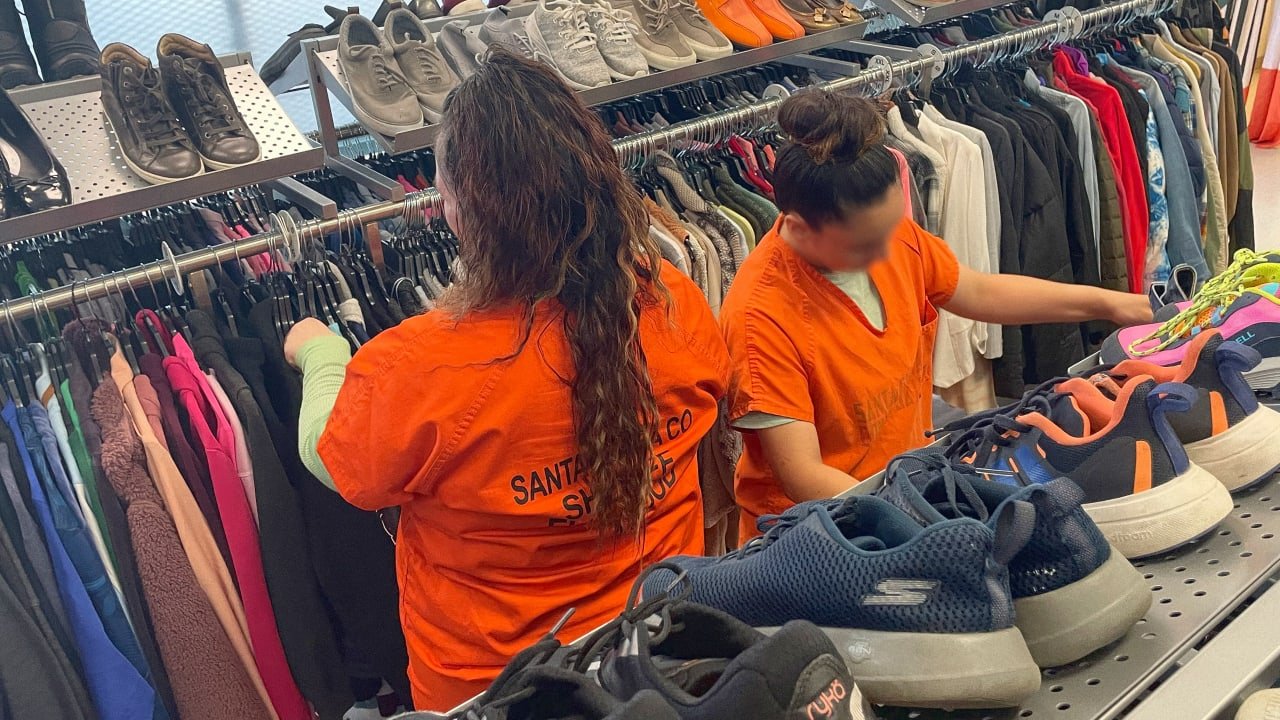
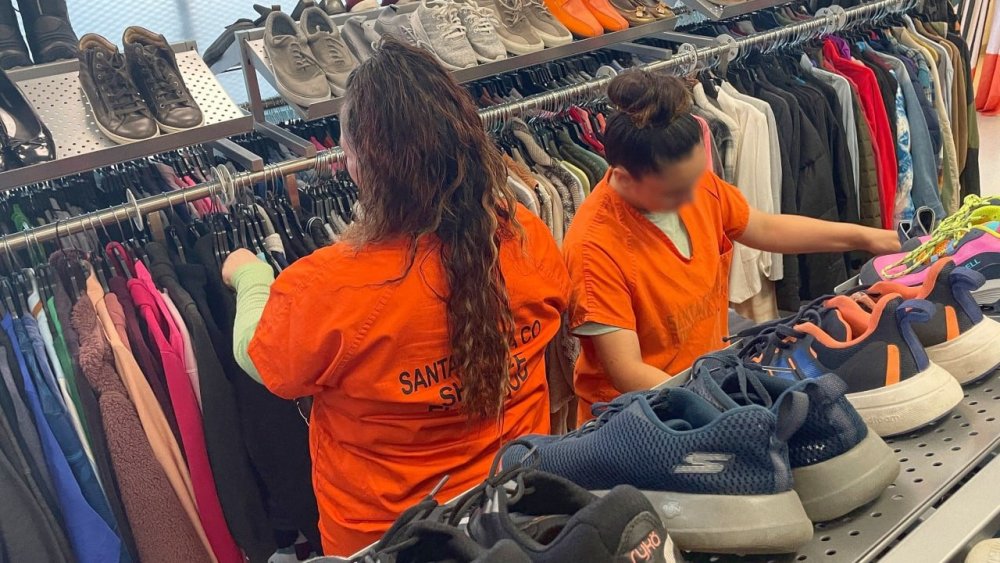
In a correctional facility just outside of Silicon Valley, a Goodwill store operates inside the prison walls. And the women who are incarcerated there are both the employees and the customers. This Goodwill store, which opened in October 2024, is the first of its kind, and the team behind it hopes that the program will help incarcerated women get back on their feet—whether it’s with a new job or new clothes—as quickly and easily as possible. [Photo: Santa Clara County Sheriff’s Department] The shoppers are women who are about to get released; typically about three people come in each day. Traditionally, when a woman is released from Elmwood Facility, she is given only the clothes she was arrested in. “We’re really here to try and help people get back into the community,” says Chris Baker, CEO of Goodwill of Silicon Valley. Nearly 75% of formerly incarcerated people remain unemployed a year after release despite looking for work, according to the American Civil Liberties Union. A new California law passed last year allows formerly incarcerated people to ask for their records to be cleared after completing a sentence. There are over 600 incarcerated women at Elmwood Facility, and eight operate the store at one time. The store is open three days a week for a few hours each day. Some participants had never had a job before, some had jobs that weren’t in the retail industry, and some had previously worked at Goodwill in e-commerce roles. Each woman works in the store for 60 hours total before completing the program with Goodwill. At the store, they take turns working behind the register and performing other tasks, like running inventory or logistics. This can be valuable career training for incarcerated women, who may face significant barriers to employment after leaving prison, according to Steve Preston, the CEO of Goodwill Industries International. “It builds skills, it builds competence, it builds dignity, it prepares people, and it gives them a smoother path when they leave,” says Preston. He says many business leaders and HR professionals across the country are unwilling to hire formerly incarcerated individuals and don’t recognize their potential. [Photo: Santa Clara County Sheriff’s Department] Prison employment The women who work in the Elmwood Facility Goodwill aren’t paid for their labor (most prison jobs in California pay only pennies per hour). Many prison rights activists have criticized prison work at large as exploitative, but the Goodwill program is entirely optional and the team behind it believes it prepares the participants for success outside prison. “[Goodwill] doesn’t get anything monetarily out of it. What we get is knowing that we are providing training to individuals so that they can enter our community and better our community as a whole,” says Castello. She adds that if the women want to work at a Goodwill after release, they would already be mostly trained, which results in less training responsibilities for a store manager. Working at the Elmwood Facility Goodwill doesn’t automatically guarantee employment after release, but participants can find employment through a separate Silicon Valley Goodwill reentry program called “NOW,” which has been operating for 12 years. Participants in the NOW Program work at a Goodwill retail shop for 90 days and have access to job readiness workshops. Goodwill declined to make any participants available to Fast Company, citing privacy concerns, but it shared one emailed comment from a woman who had both worked and shopped at the Elmwood Goodwill, who said: “This program was designed to serve someone like me.” Released with no clothes The Elmwood Goodwill operates similarly to Goodwill’s retail stores across the country, but swaps out cash and credit for pre-loaded gift cards, which Goodwill provides. The shoppers use gift cards to buy themselves two complete new outfits and a backpack for their release. Everything in the store is priced the same and comes in via regular donations to Goodwill dropoff facilities. Providing incarcerated women with new clothes can be just as powerful as providing them with jobs, says Trish Dorsey, VP of mission services at Goodwill of Silicon Valley. She told Fast Company how she’s seen the impact firsthand. In one instance, a woman was arrested inside a hospital, and so she was checked into prison with only a hospital gown, according to Dorsey. The only options she had for release were wearing that same hospital gown or exiting prison in a paper jumpsuit. But after visiting the Elmwood Goodwill, she was able to leave with two complete outfits—as well as shoes, socks, and a backpack, says Dorsey. “The training part is really impactful because it gets [the women] ready to work,” says Dorsey. “But I think just as impactful, if not more so, is the way they now are able to leave the county jail system with dignity.” View the full article
-
ONS pauses publication of two key indices after finding flawsView the full article
-
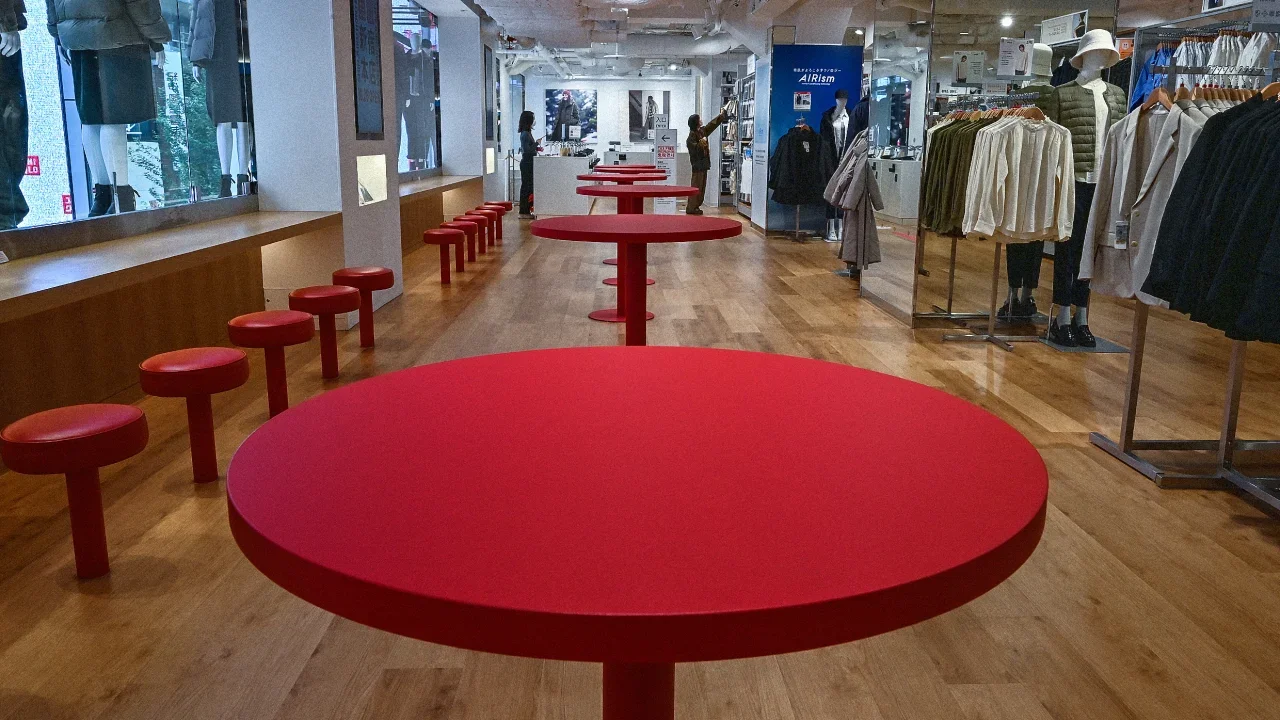
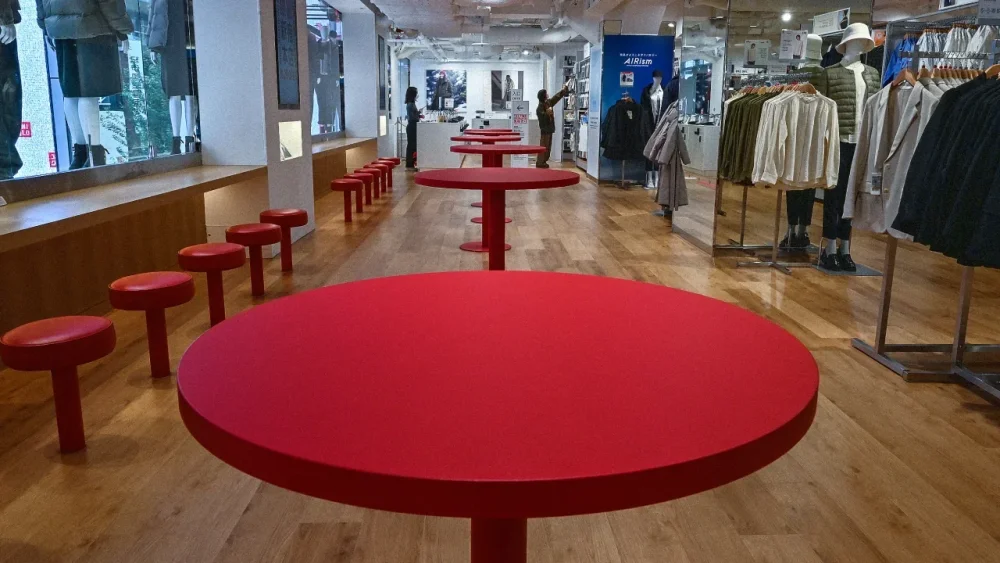
Shoppers at Uniqlo in New York City can now purchase a matcha and a cold brew alongside their new pair of work trousers. As of March 14, Uniqlo’s Midtown store is the first North American location of the Japanese-owned fashion brand to open a Uniqlo Coffee. The cafe, owned by Uniqlo, serves a standard beverage menu including coffee, espresso beverages, cold brew, and matcha, as well as hot chocolate and orange juice. It’s located inside the store itself, with the same sleek, monochromatic branding as the retail sections. Uniqlo is one of several other everyday luxury retailers—like Muji, Aritzia, and Ralph Lauren—that have likewise opened their own branded coffee shops. It’s the modern-day, status-signaling version of a Starbucks inside a Barnes & Noble; turning the store itself into a kind of third place for shoppers to gather in an attempt to earn the coveted reputation of a “lifestyle brand” rather than merely a clothing store. Why every retailer has a coffee shop now Uniqlo Coffee may be new in the U.S., but it’s already a staple at Uniqlo locations in Asia, including in Japan, Hong Kong, the Philippines, and Malaysia. These locations tend to have extended menus that also offer small snack foods with local touches. At the Manila global flagship store, for example, shoppers can find melon buns, hojicha gelato, strawberry mint tea, and a cookie butter cheesecake on top of the standard coffee offerings. Brands within Uniqlo’s niche of elevated basics have already found success in North America with starting their own coffee shops. Artizia’s A-OK Cafe, which serves coffee, tea, and pastries, has expanded to 11 locations in Canada and recently opened two new stores in Chicago and New York City. Ralph Lauren’s Ralph’s Coffee can be found in multiple New York locations as well as both Europe and Asia, where it sells sweet treats alongside merch like a Ralph’s-branded tumbler or a ball cap. And the Japanese retailer Muji recently opened a full-on food hall inside NYC’s Chelsea Market, where a robot barista named Jarvis will bring you a black sesame latte on wheels. The coffee shop trend is just another expression of many trendy retailers’ desire to become known as a “lifestyle brand,” or a brand that transcends its actual products to encompass a whole vibe or aesthetic—think Erewhon releasing a $335 sweatsuit, or Sweetgreen starting its own merch-based loyalty program. An added bonus to the physical coffee shop concept is that it plays into Gen Z’s desire to gather in third places post-pandemic, a trend that formerly DTC-only brands like Chamberlain Coffee have also embraced by debuting an actual in-person shop. Market calculation aside, it’s a well-known fact that shopping is simply more enjoyable with an ice-cold beverage in hand (and it might even keep you browsing those aisles a bit longer.) The A-OK Cafe website spells it out pretty clearly: “Don’t let snack-free shopping happen to you.” View the full article
-
It’s a story that sounds almost too outrageous to be true. Deel, a $12 billion company in the HR tech space, is facing serious allegations of corporate espionage, according to a lawsuit filed by its competitor, Rippling. The lawsuit—filed earlier this month in a California court—claims Deel orchestrated a “multi-month campaign to steal a competitor’s business information with help from a corporate spy.” Rippling alleges that Deel planted an employee to infiltrate its operations, targeting customers in an effort to lure them away. According to the suit, the alleged spying lasted over four months. During that time, the employee (identified in court documents only by the initials D.S.) is said to have “obsessively and systematically accessed Slack channels where he had no legitimate business interest,” conducting more than 6,000 searches. Rippling reportedly discovered the mole after setting a trap: a honeypot Slack channel filled with fake information suggesting it contained sensitive, potentially damaging details about Deel. The channel was irrelevant to the employee’s role in payroll operations, yet he accessed it—confirming suspicions. When confronted, the alleged spy reportedly hid in a bathroom at Rippling’s Dublin office. “The evidence in this case is undeniable,” said Alex Spiro, legal counsel for Rippling, which is valued at $13 billion. “The highest levels of Deel’s leadership are implicated in a brazen corporate espionage scheme, and they will be held accountable.” Deel, for its part, denies all allegations. “Weeks after Rippling is accused of violating sanctions law in Russia and seeding falsehoods about Deel, Rippling is trying to shift the narrative with these sensationalized claims,” a spokesperson said in a statement provided to the media. “We deny all legal wrongdoing and look forward to asserting our counterclaims.” Regardless of the outcome, the case underscores a growing concern around insider threats and corporate espionage—and raises questions about how well companies protect their sensitive information. “Insider threats are a huge problem for organizations,” says Alex Bomberg, chairman of Intelligent Protection International and an expert in security and counterespionage. “It’s really not uncommon.” He adds that while insider threats typically involve disgruntled employees taking proprietary information to new employers, the level of alleged coordination in this case is rare, but still a real risk. The situation might have been avoidable with better internal controls, says Alan Woodward, professor of cybersecurity at the University of Surrey. “If your documents are that sensitive, why aren’t they partitioned in some way?” he asks. “If you put something in a Slack channel and anyone has access . . . they’re going to be able to see it.” Even basic file management tools like Microsoft SharePoint offer permission-based access control, he notes. “Industrial espionage and stealing trade secrets is not exactly unknown, and recruiting somebody from another company isn’t either,” Woodward continues. But this case highlights a broader issue: Many organizations underestimate the risk posed by insider threats. “Most of a company’s assets walk out the door at 6 o’clock—because the knowledge lives in their heads,” he says. That’s why employee satisfaction and robust internal safeguards are crucial. “A lot of hacks are done because somebody—either maliciously or inadvertently—is compromised,” Woodward says. According to Intelligent Protection’s Bomberg, stronger internal security policies could have prevented the breach. “It’s about rule-setting, about creating a capable guardian, and making sure that one person doesn’t have access to everything,” he says. “That’s something that appears not to have happened here.” View the full article

-
Learn effective healthcare SEO tactics that help you stand out in search results and attract more patients. View the full article
-
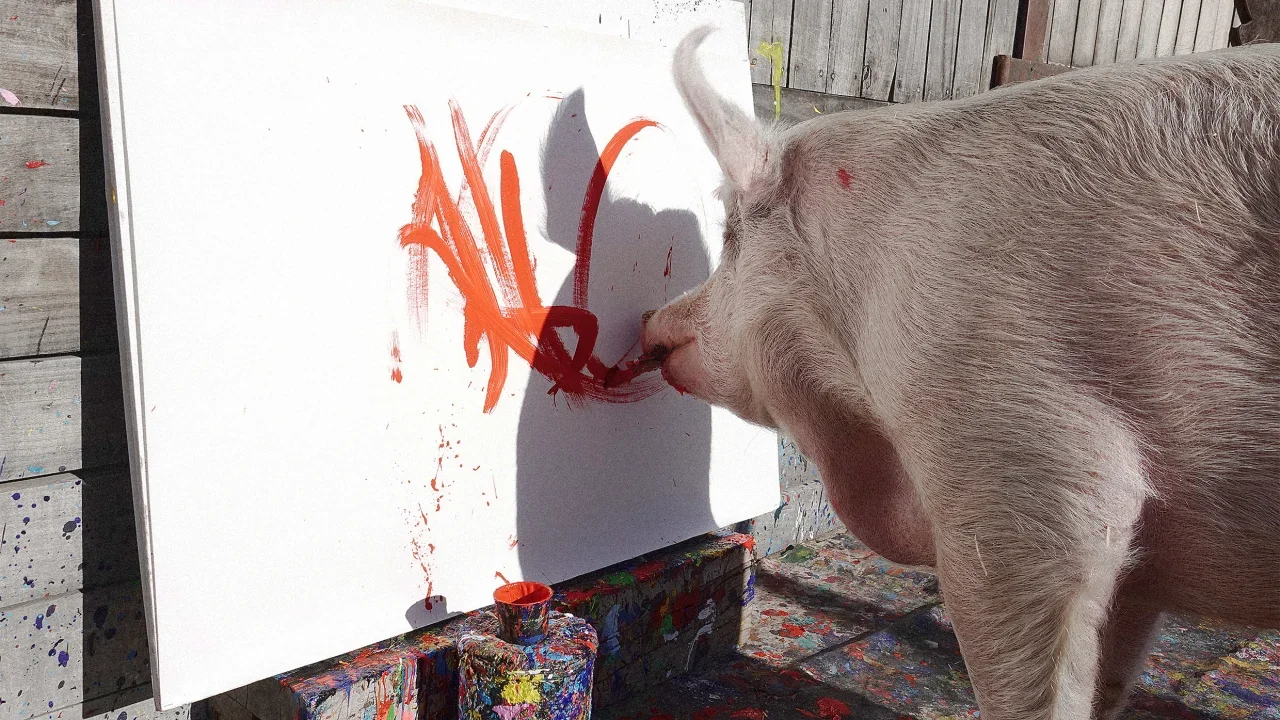
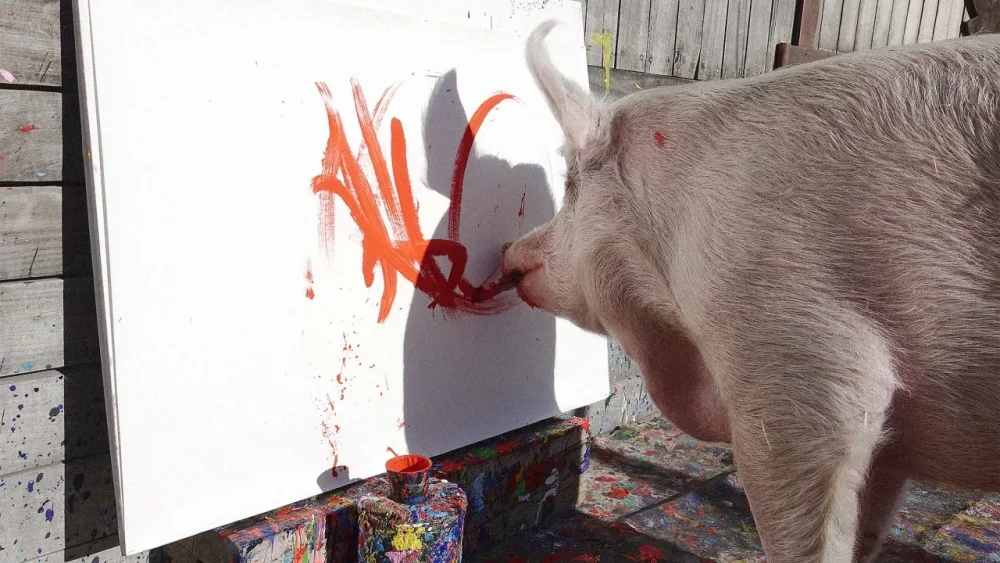
In the forests of eastern Australia, satin bowerbirds create structures known as “bowers.” The males gather twigs and place them upright, in two bundles, with a gap in the middle, resulting in what looks like a miniature archway. All around the bower the bird scatters small objects—shells, pieces of plastic, flower petals—which all possess the same property: the color blue. Studies suggest that the purpose of the bowers is to impress and attract females. But their beauty and intricacy has left some researchers wondering whether they shouldn’t be considered art. A male bower bird, left, stands by as two females inspect his work. [Photo: doug/Flickr] Of course, figuring out whether something is a work of art requires answering some tricky philosophical questions. Are animals even capable of creating art? And how can we tell whether something is a work of art rather than just a coincidentally beautiful object? As a philosopher and artist who’s interested in aesthetics and biology, I recently wrote about the evolution of behaviors in animals that could be seen as art. A contested concept First, it’s important to outline various theories of what makes something a work of art. There’s a general agreement that art must have some sort of producer and some possible or intended audience. In this way, it’s similar to other forms of communication. But the rest of the picture is unclear, and there’s no universally agreed-upon definition of art. In fact, art has proven so difficult to define that Scottish philosopher W.B. Gallie once suggested it might be an “essentially contested concept”—an idea for which there is no correct definition. That being said, some popular views have emerged. Leo Tolstoy famously suggested art is a conduit for emotion, writing in 1897 that “one man consciously, by means of certain external signs, hands on to others feelings he has lived through, and that other people are infected by these feelings and also experience them.” Plato and Aristotle emphasized the representational role of art: the idea that a work of art must in some way mimic, depict, or “stand in” as a sort of sign for something else. Some philosophers believe that creating art requires intention; for example, a sculptor will mold clay with the intention of having it look like Abraham Lincoln. And nonhuman animals, they’ll argue, simply don’t have the right kind of intentions for art-making. Art, beauty, and sex And yet, it’s not clear how much intention really does matter for art. Philosopher Brian Skyrms has pointed out that communication arises even in animals that plausibly do not have sophisticated intentions like our own. For example, fireflies signal to mates with flashes, and this seems to be largely an evolved behavior. Communication can even emerge via simple reinforcement learning, as when a dog learns to associate a certain call with dinner. These aren’t instances of art. But they reveal how meaningful signs or representations can operate without the need for complex intentions. Given that much art also serves a communicative role, I argue that there’s reason to think that art might be able to come about in less intention-demanding ways too. Ornithologist Richard Prum also takes a communicative view of art, but one where art is meant to be evaluated for its beauty. The beauty of a work functions as an indicator of the artist’s reproductive fitness, or their having “good genes,” and this can apply to both humans and animals. Charles Darwin, musing about birds in The Descent of Man, also thought at least some animals appreciate beauty: “When we behold a male bird elaborately displaying his graceful plumes or splendid colours before the female, whilst other birds, not thus decorated, make no such display, it is impossible to doubt that she admires the beauty of her male partner.” Some might not like an account like Prum’s, since it seems to allow creations like bowers to count as art. And yet, as philosopher Denis Dutton points out in his 2009 book The Art Instinct, mate attraction and fitness broadcasting can be the primary motivation behind many human works of art too: just consider the stereotype of the sex-hungry rock musician. Whale ballads and pig paintings I think it’s safe to say some animal creations don’t count as art. The webs of most spiders, though intricate and carefully designed, appear to exist for utilitarian purposes and serve no evaluative or communicative function. The same goes for most anthills. But what about animal songs? The structures of the songs of humpback whales are complex, featuring parts and repeated patterns that researchers often describe as “themes” and “verses.” The songs are long—sometimes up to 30 minutes. Because males perform these songs primarily during mating season, it’s plausible that female whales assess them for their beauty, which serves as a way to gauge the singer’s genetic fitness. Details of songs even vary from whale population to population, often changing over the course of a mating season. Then there are animals that have been trained to make art. Pigcasso was a pig in South Africa whose trainer taught her to paint on canvas via reinforcement learning. The trainer would pick out the colors for Pigcasso, and Pigcasso would do the brushing. Was Pigcasso really an artist? Were her paintings works of art? Pigcasso was plausibly making these paintings for reasons other than her own desire to communicate or make something beautiful; she was motivated, at least in part, by “piggy treats.” The trainer chose the colors. But Pigcasso did, in the end, have some aesthetic freedom: She had control over her brushstrokes. Off the coasts of Japan, male white-spotted puffer fish create impressive nests to attract females. The male puffer fish uses his mouth to remove rocks from the sand and his body to wiggle out long, strategically placed grooves. The finished product is a multi-ringed sand mandala about 6 feet in diameter. Like the bowers, the nests of the puffer fish are beautiful and involve mate attraction. Yet some researchers argue that since these sorts of works all look roughly the same (have the same shape, use the same materials, and so on) they’re more likely the result of evolved, inflexible dispositions than more creative processes. But it’s worth noting that many human works of art bear core similarities as well. Many paintings use flat surfaces, oils, or acrylics. Many songs follow the same chord patterns. And would we still consider human sculptures art if we discovered much about the motivation to build them could be explained by evolution? I wager we would. Birds bust a move Many human cases of art involve more than one person, sometimes even a large group. Think of all the people it takes to make a modern film. Does anything like that happen in animals? Consider the blue manakin bird of South America. Male blues will form groups, often of three or more, which then practice an elaborate song-and-dance routine to later perform in front of females. The practice is detailed and dutiful. The groups hone their moves. This involves learning and memorization, not just genetics. Flaws in the performance are challenged and corrected. Sometimes during practices, a juvenile male will even fill in as a mock female. It’s not the Beatles. But the similarity to music groups seems hard to deny. At the same time, it’s worth wondering whether, beyond conveying their eagerness to mate, the birds are trying to “say” or “express” anything more with their performance. And do they know it’s beautiful? All this leaves room for doubt about whether animals really make art. To me, a key question is whether there’s any animal art that doesn’t have to do with mating, and instead expresses something more complex or sentimental. Without being able to get into the heads of animals, it’s hard to say. But it’s plausible that humans aren’t alone in their artistic pursuits. Shawn Simpson is a visiting lecturer in philosophy at the University of Pittsburgh. This article is republished from The Conversation under a Creative Commons license. Read the original article. View the full article
-
After grabbing a handful of popcorn at an event held by California-based startup Savor, my fingers are left with a familiar sheen: the residue of the butter that coats the small kernels. When I later grab a blini (topped with lentils), the small pancake is so full of butter that it immediately coats my tongue in a velvety layer of fat. A mushroom “scallop,” grilled in butter, is rich and savory. The butter used in all these dishes is rich, creamy, indulgent. But it isn’t made from animals. It isn’t even made from plants, like avocado oil or coconut oil or olive oil. Instead, it’s made from energy—on this night specifically, methane. [Photo: courtesy Savor] Savor, a 3-year-old startup backed by Bill Gates, makes fats and oils without agriculture. Usually, the most basic formula to create any sort of fat goes like this: Energy (predominantly from the sun, though you could also use something like indoor grow lights) grows plants, which can then be turned into oils themselves, or be fed to livestock, which then produce milk that’s turned into butter. Savor skips all those in-between steps. Instead, energy—methane, captured carbon dioxide, or even green hydrogen—is turned into butter through a thermochemical process that turns carbon, hydrogen, and oxygen into fatty acids. Those fatty acids can then be composed and rearranged to form triglycerides that make up different fats like butter, palm oil, cocoa butter, and more. It’s “Earth’s most ancient chemistry,” says Kathleen Alexander, cofounder and CEO of Savor, explaining how billions of years ago, at the bottom of the ocean, hydrothermal vents created a chemical reaction between hydrogen and carbon dioxide to form fatty acids. [Photo: courtesy Savor] That means Savor’s butter eschews not only animals and plants but also the land associated with agriculture, hormones, antibiotics, and fertilizers—all of which have environmental impacts. All told, the current production of fats and oils makes up around 7% of global emissions, per a Savor calculation done in collaboration with environmental scientists. That’s more than double the global emissions of the aviation industry. Savor currently uses methane or carbon dioxide emitted from factories, and aims to work with companies focused on air capture, or extracting CO2 directly from the atmosphere. For so long, cofounder Ian McKay says, we’ve exploited nature to make all of our food. “I think Savor is considering, are there cases where you can leave nature out and still get what you want?” [Photo: Sara S. Wallach/courtesy Savor] Throughout the meal at Savor’s event, the butter was featured in a variety of ways. Served in a ramekin alongside bread and crudités, it had a clean taste, with a slightly earthy, peppery finish, thanks to the addition of rosemary. By itself, the butter wasn’t the richest or saltiest—it was formulated to be more of a “pastry” butter, the team explained, to laminate well into doughs; it was still creamy, and held up well while sitting out at the table. It was thick and spreadable, not melting too quickly like oil-based butter alternatives, but easily saturating the bread. (Savor’s butter is also allergen-free.) [Photo: Sara S. Wallach/courtesy Savor] A lion’s mane mushroom steak cooked in the butter was meaty, juicy, and comforting, and the Savor butter even appeared in the cherry gastrique atop the mushroom, giving it a silky depth. The chocolate tart had a dense but flaky crust, with Savor butter salted caramel and a melt-in-your-mouth ganache. [Photo: Sara S. Wallach/courtesy Savor] The meal was meant to show the variety of ways Savor’s butter can be used, fitting into chefs’ existing recipes and traditional cooking methods. It also marked Savor’s commercial launch. The startup’s first customers this year include Michelin-starred restaurants SingleThread and One65, and San Francisco’s Jane the Bakery. Savor has been working with chefs over the past year to test its butter and collaborate on creations. (The company is focused on launching as an ingredient supplier first, rather than direct to consumers on grocery store shelves.) In a video on Savor’s website, pastry chef Juan Contreras of three-Michelin-starred restaurant Atelier Crenn, uses Savor butter to make a classic brioche, a recipe he says is “inherently all about the butter.” It’s also a recipe the San Francisco restaurant took off its menu when it stopped serving dairy. “It’s gotten to the point now where it’s pretty much just like working with dairy-based butter,” he says in the Savor video. “If I got served that at a restaurant . . . I would think it’s just regular butter.” View the full article

-
A significant proportion of the U.S. workforce is pushing back against Artificial Intelligence adoption at their jobs. According to a new study by generative AI platform Writer, 31% of employees—including 41% of Gen Z workers—admit to “sabotaging” their company’s AI strategy by refusing to adopt AI tools and applications. As a result, roughly two-third of executives say Generative AI adoption has led to tension and division within their organization, with 42% suggesting it’s “tearing their company apart.” “There’s active resistance where it’s like, ‘I really don’t believe in this strategy whatsoever, and I’m either going to completely ignore it, or do my own thing,’” says Writer’s chief strategy officer Kevin Chung. “And the passive resistance is often, ‘I’ll give it a try, but I’m not going to put my hand up and say here’s how to improve it. I don’t want to waste my time and effort on it.’” Different reasons, same results As the technology matures, the most common fears associated with AI adoption have evolved, though the end result is still the same. “Two years ago, nine times out of 10 it was about ‘why am I training the robot that’s going to take my job away from me?’ and today maybe one or two out of 10 concerns I hear are about job displacement,” Chung says. Instead, he says workers are shying away from the technology because it hasn’t yet proven its usefulness. “Now that they’ve had a chance to play with it, [many employees] are quite disappointed in the results they’ve seen, and that’s why they are disillusioned by it.” That observation is consistent with another survey of 1,100 executives and managers from 2023. It was conducted by Leadership IQ, wherein just 10% said their employees were “excited” about the technology, and another 35% were “cautiously optimistic.” The remaining 55% were either “in denial,” “resistant,” “reluctant” or “indifferent.” Though the results haven’t yet been made public, the research and consulting firm’s founder and CEO Mark Murphy says a recent follow-up study (set to be published next month) found similar results. “The numbers [of those who are “excited” or “cautiously optimistic”] are looking mildly better, but not drastically. There was still a shocking amount of denial,” he says. “The percentage of people who have no experience with AI has dropped considerably, but we haven’t made a dent in [increasing the proportion on] the intermediate and advanced side of things. We’ve just shifted a lot of people from ‘no experience’ to ‘beginner.’” As more American workers utilize AI tools for the first time, Murphy has also found the most common motivations for pushing back have evolved from fear to disappointment. “We’re still playing with it as a one-off tool—something we depart from our normal job and play with for a few minutes, have it answer a question or two, rather than fully integrating it into our work,” he says. “We’re still in that early stage of AI use.” A tense time for employee-employer relationships At the same time, Murphy suggests the adoption push has coincided with a period of strained relationships between workers and their employers, which is likely making it harder for them to proceed with their AI plans. “A potential wrinkle in this right now is that there is . . . a little more of an adversarial dynamic between management and frontline employees,” he says. “You can see this with return-to-office initiatives, for example, and I think this is sort of a harbinger of things to come with AI.” Just as some employers are forcing staff back into the office under threat of losing their job, some are also taking a similarly harsh approach to AI adoption. That could explain some of the high rates of disengagement and active resistance. “There was a little bit less empathy for what employees might be going through,” Murphy says of RTO mandates. “My guess, based on everything else we’ve seen, that a similar mindset will be adopted—and already is, in some cases, being adopted—when it comes to AI.” Finding the right approach Murphy advises employers looking to make an AI push to really emphasize the benefits that adoption will have for the individual employee, as well as the broader organization. “The litmus test is, ‘what sort of training are you providing such that my AI skills are not just sufficient to implement your particular AI, but take me a level up?’” he says. “Getting people to the level where they can essentially train their replacement is one thing. There will also be an abundance of people that master AI to the point where they are fluent and can use it to pursue new strategies that add to their value.” The high rate of AI resistors may be a function of the high rate of AI beginners, who don’t feel like the skills they’ve developed really add anything to their personal value and employability. Getting more people excited about AI, Murphy argues, requires providing the kind of training that they can put on their résumé or showcase in a performance review. “If it feels like a black box that’s sprung on the frontline worker, they probably won’t trust it,” adds Sarah Elk, Bain & Company’s AI, insights and solutions practice leader for the Americas. “You’ll get results far faster if you take the time up front to engage in a thoughtful process with the people who will be impacted.” AI adoption is about people Elk says organizations looking to adopt AI solutions often run into challenges when they focus on the technology rather than the people who will use it, and ultimately determine its success. “If I’m just unleashing [an AI tool] to my entire population without any thought as to how that is helping them or helping the company, I shouldn’t expect dramatic outcomes,” she says. “I believe in broad access. But that has to be paired with leadership and sponsorship, top-down, around areas of value that we’re driving towards.” To make those integrations successful, Elk says organizations need to explain how the technology will solve specific problems for staff, while giving them some latitude to experiment and find new ways to use it to their advantage. “If you’re applying AI with brute force and not being thoughtful about how it relates to the work, to the process, to the outcome, to your competitive advantage—when that isn’t clear—then yes, I could understand why it might be confusing to a frontline worker,” she says. “When you’re doing it right, you don’t face resistance.” View the full article

-
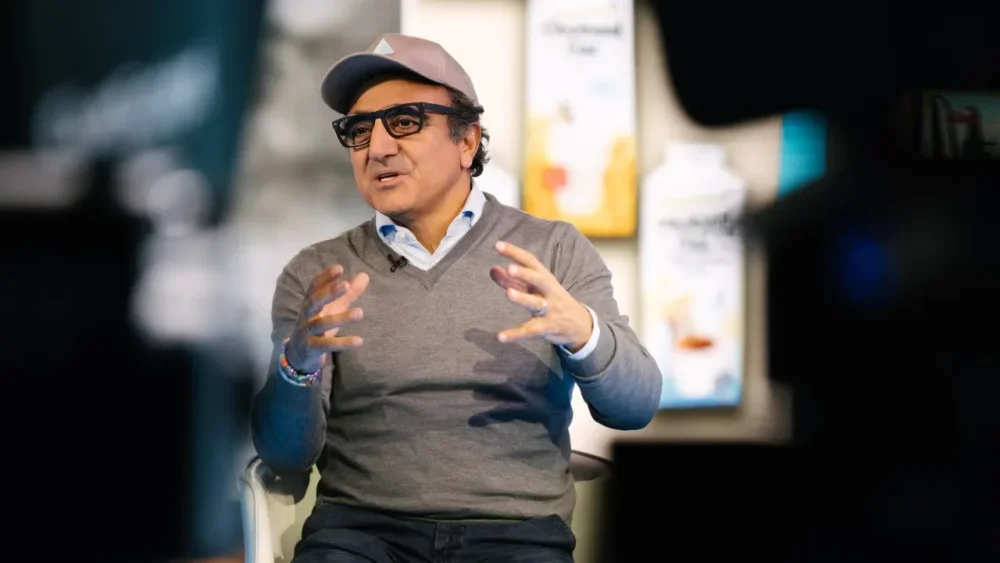
After Chobani owner and CEO Hamdi Ulukaya and his wife welcomed a baby in late 2015, he started to wonder whether his company was fully supporting its employees as they became parents. When he returned to work, he inquired about the company’s parental leave policy. “I asked, what happens at Chobani when someone has a baby or a new member of their families?” Ulukaya recalled. “The response was: We don’t have [a policy]. We have disability insurance. That insurance in New York offers up to 75% coverage for six weeks, basically. And that’s what we offered for birthing parents.” Ulukaya says he was “shocked” and immediately asked his team what they could do differently. That prompted a major change at Chobani: In 2016, the company started offering six weeks of fully paid leave for all full-time workers—including those in its manufacturing facilities—with the option of adding an additional six weeks at partial pay. Chobani’s new parental leave policy The company found that many birthing parents would take the full 12 weeks of leave, with some workers even tacking on an additional six weeks through short-term disability. As of this week, Chobani is expanding its leave policy further by offering 12 weeks of fully paid leave for all new parents, including those who are fostering or adopting a child. Birthing parents will have access to a total of 18 weeks paid leave, since Chobani will also cover six weeks of short-term-disability leave at 100% pay for any reason—and the new policies will apply to all full-time and part-time employees who work at least 24 hours per week. “Anything you do [for] your employees—anything—is an investment,” Ulukaya says. “It comes back 100% from my experience . . . People know that Chobani has been present on all kinds of social issues, but we start with our own people first. Investing in your people, recognizing the needs of your people, and being there with your people, especially frontline and factory [workers], is really the competitive advantage.” “This is good for business” Chobani has long been known for its progressive workplace policies, from hiring refugees and paying competitive wages to giving its employees a stake in the company’s future through an equity-sharing program. Even so, the parental leave policy has been one of the most popular benefits offered by Chobani, according to Ulukaya—and it has also helped the company attract new talent. “A lot of people come in and say, ‘I just got married, or I’m planning on [starting] a family,’” he says. “’Learning about your parenting policy, it was really attractive to come and join you.’ It’s massively important for a lot of people.” It’s a message Ulukaya also passes along to his peers in the business world. “I tell my colleagues and other CEOs: This is good for business,” he says. “It’s not just a handout. When you have policies like this, what it does to your company is magical.” The new update to its leave policy also makes Chobani somewhat of an outlier in the manufacturing space. A 2023 survey by the Institute for Women’s Policy Research found that a little more than half the respondents had some access to paid family leave. While a significant portion of people with young children (78%) reported having paid maternity leave, far fewer (46%) were entitled to paternity leave. More broadly, paid leave is still hard to come by at many workplaces in the country: As of 2024, only 31% of full-time employees and 14% of part-time employees had access to the benefit. “We could fix this” Some companies that offer more generous leave distinguish between corporate employees and hourly workers—though there are exceptions. Starbucks recently made a similar update to its policy, increasing paid leave for birthing parents to 18 weeks and 12 weeks for all other new parents. Amazon, on the other hand, provides 20 weeks of paid leave to all birthing parents (including hourly workers), though the company offers only six weeks of leave to other new parents or those who adopt. While there has been little progress on a federal paid leave policy since the pandemic, states have continued adopting legislation that has expanded coverage for many workers. Thirteen states and Washington, D.C., have now passed legislation that mandates paid leave. Still, most state laws only guarantee partial pay—and the onerous process of applying for leave stops many workers from taking advantage of those policies. Cultural norms also hold men back from taking leave, even when they’re entitled to do so. With the latest changes at Chobani, Ulukaya is hopeful that lawmakers and business leaders alike will take notice. “We do a lot of things at Chobani [that] I don’t really see the value of talking about,” he says. “I talk about this because I’m hoping that this could impact other businesses and policy makers and society. It doesn’t matter who you are and what kind of view you have when it comes to politics. This is something [where] we can all unite, and we could really fix this.” View the full article
-
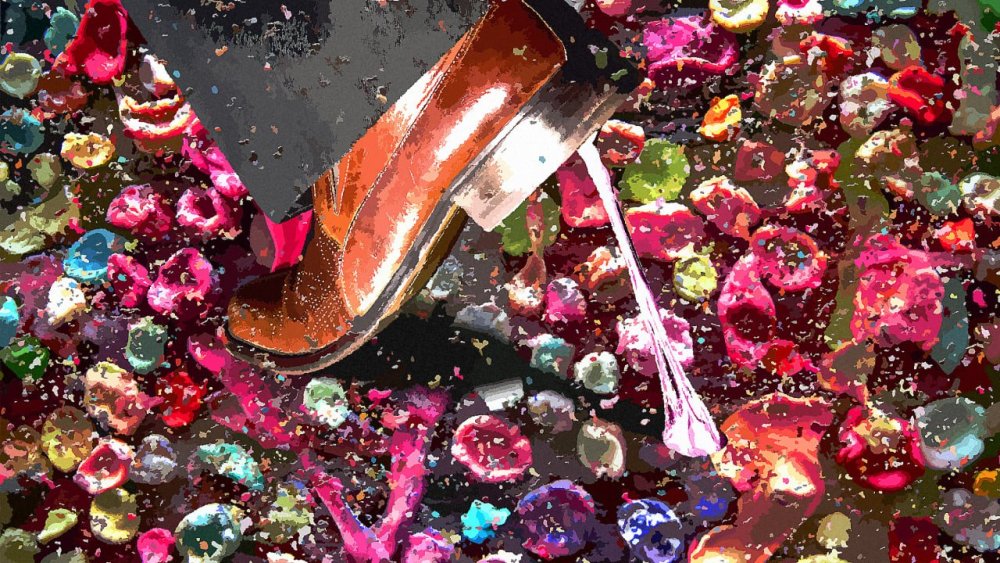
Thousands of tonnes of plastic pollution could be escaping into the environment every year . . . from our mouths. Most chewing gum on sale is made from a variety of oil-based synthetic rubbers—similar to the plastic material used in car tires. If you find that thought slightly unsettling, you are not alone. I have been researching and speaking about the plastic pollution problem for 15 years. The people I talk to are always surprised, and disgusted, when they find out they’ve been chewing on a lump of malleable plastic. Most manufacturers just don’t advertise what gum is actually made of—they dodge around the detail by listing “gum base” in the ingredients. There’s no strict definition of synthetic gum base. Chewing gum brand, Wrigley Extra partners with dental professionals around the world to promote the use of sugar-free chewing gum to improve oral health. The brand’s Wrigley Oral Health Program states that: “Gum base puts the “chew” in chewing gum, binding all the ingredients together for a smooth, soft texture. We use synthetic gum base materials for a consistent and safe base that provides longer-lasting flavor, improved texture, and reduced tackiness.“ It almost sounds harmless. But chemical analysis shows that gum contains styrene-butadiene (the durable synthetic chemical used to make car tyres), polyethylene (the plastic used to make carrier bags and bottles) and polyvinyl acetate (woodglue) as well as some sweetener and flavoring. The chewing gum industry is big business, worth an estimated $48.68 billion (37.7 billion pounds) in 2025. Three companies own 75% of the market share, the largest of which is Wrigley, with an estimated 35%. There are few reliable statistics available about the amount of gum being produced, but one peer-reviewed global estimate states 1.74 trillion pieces are made per year. I examined several types of gum and found that the most common weight of an individual piece of gum is 1.4 grams—that means that globally, a staggering 2.436 million tonnes of gum are produced each year. About a third (30%) of that weight, or just over 730,000 tonnes, is synthetic gum base. If the idea of chewing plastic isn’t disturbing enough, consider what happens after you spit it out. Most people have experienced discarded gum under bench seats, school desks, and on street pavements. But, like other plastics, synthetic chewing gum does not biodegrade and can persist in the environment for many years. In the environment, it will harden, crack, and break down into microplastics but this can take decades. Cleaning it up is not cheap because it is labor intensive. The average cost is $1.94 (1.50 pounds) per square meter, and estimates suggest that the annual cleanup cost for chewing gum pollution for councils in the U.K. is around 7 million pounds (that’s more than $9 million). There have been some efforts to address the problem. In many public locations around the U.K., gum collection pots supplied by Dutch company Gumdrop Ltd. have been installed to collect and recycle used gum. Signage provided by councils encouraging responsible disposal is also now a regular feature in some U.K. high streets, and there is a growing number of small producers offering plant-based alternatives. In the U.K., the environmental charity Keep Britain Tidy launched the chewing gum task force in 2021. This collaboration involves three major manufacturers who have committed to investing up to 10 million pounds in order to clean up “historic gum staining and changing behavior so that more people bin their gum.” But, here lies the crux of the issue. The first objective implies that cleaning up gum is a solution to this form of plastic pollution; it isn’t. Manufacturers making a financial contribution to cleanup efforts is like plastic manufacturers paying for litter pickers and bin bags at volunteer beach cleans. Neither addresses the root cause of the problem. Binning gum is not the solution either. Addressing gum as a plastic pollutant dictates that the prevention of gum pollution should include the well-known tenets, like all plastic pollution, of reduce, reuse, recycle and redesign. It is not only a disposal issue. Another issue that I have uncovered is definition. In the two annual reports published by the gum litter task force since its inception, there is no mention of the word pollution. The distinction between litter and pollution is important. By calling it chewing gum pollution, the narrative changes from an individual negligence issue to a corporate one. That places an onus for accountability on the producers rather than the consumers. Single-use solutions Like single-use plastic items, chewing gum pollution needs to be tackled from all angles—education, reduction, alternatives, innovation, producer responsibility, and legislation. Educating people about the contents of gum and the environmental consequences those ingredients have will reduce consumption and encourage better disposal habits. More transparent labeling on packaging would empower shoppers to make informed choices. Stricter regulations can hold manufacturers to account—a levy tax on synthetic gum can help pay for clean ups. In turn, this would incentivize more investment in plant-based gums and other sustainable alternatives. We can all reduce the environmental consequences of this plastic pollution by kicking the gum habit, calling on councils to enforce stricter pollution penalties, and encouraging governments to put a tax levy on manufacturers to fund cleanups and force them to list the contents of gum base. Throwing away any non-disposable, inorganic products is unsustainable. Chewing gum pollution is just another form of plastic pollution. It’s time we start treating it as such. David Jones is a sessional teaching fellow at the School of the Environment and Life Sciences at the University of Portsmouth. This article is republished from The Conversation under a Creative Commons license. Read the original article. View the full article
-
Official figures will add to pressure on chancellor as she prepares for her Spring Statement next weekView the full article
-
Live news: Heathrow closes after nearby fire causes power outageView the full article
-
The president appears determined to demolish the pillars of US liberalismView the full article
-
Appeal comes as organisation’s top humanitarian official says it is being forced to take ‘life and death choices’View the full article
-
Simultaneous sell-off in US equities and currency ends ‘virtuous cycle’ for fund managers in EuropeView the full article
-
Heavily subsidised fuels are being smuggled out of the country and sold abroad, helping sustain its rival political factionsView the full article
-
With some parents requiring a 50 per cent pay rise to mitigate the effects of the threshold, the trap is zapping productivity View the full article
-
This post was written by Alison Green and published on Ask a Manager. It’s four answers to four questions. Here we go… 1. My boss embarrassed me at a department meeting My company is being bought out for a larger organization. Our jobs will no longer exist in four months. We’ve been encouraged to review the job postings and apply to jobs for which we might qualify. I reviewed the postings and selected two to apply for — one that would be very easy for me to move to as it’s tasks I already complete daily. The other was a stretch position, something that I’ve done but haven’t dabbled much in while at my current organization. I got an interview for the stretch job and, while I didn’t hold out hope, I gave it my best shot. Thank goodness I didn’t hold out hope. My current boss was notified by the new org that I applied and interviewed. I was promptly told that I wasn’t a good fit (by my current org, mind you), and I haven’t heard from the new org. Then, in our departmental meeting with my entire department, my current boss told everyone they need to tell him what they’re applying for so he can tell them if they’re a “good fit” because “we don’t want a llama groomer thinking she can be a llama whisperer when she’s never been involved in llama whispering here!” And looked directly at me. (Job titles made up for anonymity, obviously.) I’m embarrassed. He could’ve just said, at that point, that I shouldn’t have applied for the job, but it’s a good next step in my career and something I’ve wanted to do for a while. I’m not sure how to even act around him now, because I know that was directed, embarrassingly, at me, and now all my coworkers do too and some have even come up to me to tell me how inappropriate it was. I know I need to leave the org because I can’t move up here and they have no interest in developing my career path, but I’m not sure how to act until I do leave. Your boss is an utter ass. First of all, it obviously wasn’t far-fetched for you to apply to that job because they interviewed you for it — which means that they reviewed your materials and thought you could be a plausible candidate. Second, and more importantly, there was zero cause for him to embarrass you that way at a department meeting. If he felt he needed to give you feedback (which is possible, given that the new org isn’t entirely separate from your org but is buying it out), he should have done it in private, and he should have offered something more constructive than to just essentially accuse you of hubris (which, again, wasn’t even grounded in reality, since the other org thought you worth interviewing). Your boss is a jackwagon, he revealed himself as a jackwagon to others at that meeting (although that probably wasn’t a new discovery for them, and I bet it’s not a new discovery for you either), and ideally you’d try to reframe your thinking to see it as much more embarrassing to him than to you. What he did is evidence of his lack of character/leadership/judgment, nothing else. 2. How to refer to a basketball sex scandal at work I was discussing the upcoming March Madness tournament with some coworkers, and the conversation turned to St. John’s coach Rick Pitino, and his previous stint at Louisville where he was stripped of a national championship due to supplying recruits with prostitutes to induce them to attend the school. My coworker was unaware Pitino’s team had been stripped of a title, only that he had won one (and that he had had similar success at other schools). I was unsure of how to reference the scandal in a way that was appropriate for work, but I eventually settled on saying that he offered the recruits “certain impermissible benefits” (which is more or less the official wording of the charges from the NCAA) and noted that even in today’s era, where you’re allowed to offer basically unfettered NIL (Name, Image, & Likeness) benefits to induce players to attend your school (which wasn’t the case at the time of the scandal), “that particular benefit that he offered is still not permitted, and I’ll just leave it at that.” Was this an appropriate way to reference what happened? It’s unnecessarily coy. It’s okay to just come out and say, “He supplied recruits with sex workers to try to induce them to attend the school.” That’s what happened, you’re alluding to it anyway, and it’s better to just say it rather than to dance around it with something mysterious sounding. Otherwise, it’s would probably be better to just say “unethical recruiting practices” rather than “certain impermissible benefits”; the latter just sounds very cryptic. 3. How should I handle a company’s pre-hire drug and alcohol testing? I am in the late stages of the interview process for an entry-level admin job at a manufacturing company. This company requires a pre-employment drug and alcohol test across the board for all new hires. Is there an appropriate way to inquire about this test? I would like to know the philosophy behind the request, particularly for an entry-level admin position, which is largely answering phones with some data entry. It is unclear to me how my nightly glass of wine would be any of their business. In addition, I have a prescription for a drug that is also recreationally legal in my state. I would like to inquire without giving too much information, but also not raise undue suspicion (I’m happy to say what my medical condition is in general, but overall it sounds like self declaring this stuff when you don’t otherwise need accommodations is a no-no). Or maybe I should just take the test and see what they say? Honestly, at this point I am wondering if this is a sign of a cultural mismatch. Unlike drug testing — which can pick up drug use days or, for some drugs, even weeks later — alcohol testing is testing for current impairment. So they’re not looking to see if you have a nightly glass of wine; they’re trying to catch people who are showing up to a daytime work appointment with alcohol in their system. It’s probably more relevant for their manufacturing jobs (for safety reasons), but they’ve made it part of their standard new hire testing. Marijuana testing is more complicated; those tests pick up longer-ago use (potentially weeks-old use if you’re a regular consumer). Some states that have legalized marijuana, but not all of them, have prohibited employers from taking action against employees who use it outside of work. Those laws vary in details; some bar employers from testing for it at all, while others permit the test but say employers can’t deny you a job based on a positive result. Some cover only medical use, while some cover recreational use as well; all make exceptions for safety-sensitive positions. This also gets more complicated for federal contractors, who are required to comply with drug-free workplace laws set at the federal level (where marijuana is still illegal). So in your shoes, I’d look up what your state law says about employment testing for marijuana and go from there. But as for inquiring about the philosophy behind the testing: they’ll almost certainly tell you that they want to have a drug-free workplace … which sounds like a perfectly reasonable stance for a manufacturing company, except that non-alcohol drug tests will detect private use in your own home in your off hours last weekend. Which is really why workplaces that care about safety should be using impairment tests instead; impairment tests check if you’re impaired for any reason, not just find out that you smoked a joint before bed a week ago. Performance tests measures things like hand-eye coordination and response time and are designed to catch multiple types of impairment, including legal ones like fatigue, and are used by NASA on astronauts and test pilots, and in other cases where safety matters more than drug testing theater. 4. Can I ask a nonprofit if they’re dependent on federal grants? I’m a displaced federal employee — I had exceptional performance reviews, but I was fired for “performance” with 28 days remaining in my first year. I’ve started my job search and have been frank about my situation with prospective employers — “I was terminated as part of recent mass firings, but I am happy to provide performance documentation as well as references from supervisors.” Now I have a possible interview. The position aligns with my abilities and interests, everything I’ve encountered feels positive, and it’s at a nonprofit with a mission that I would feel good about supporting. But after losing my beloved former position to the current administration, I’m nervous. Would it be appropriate for me to ask if/how their organization relies on federal grants? If so, would it be appropriate in the interview? How? (Additional complications I don’t even know where to start on: my former position might be reinstated, my former office might have a new opening that is exempted and also a good fit for me … but I don’t feel like I can count on either. I loved my workplace and the good we did, but I have to explore other options!) Yes, you can absolutely ask whether the organization, and this position in particular, rely on federal grants. That’s not an uncommon thing to ask about in nonprofit interviews, even before the current chaos, and it’s even more understandable right now. You can word it this way: “Do you rely on federal grants at all, and do you expect your budget, or this position itself, to be affected by what’s going on?” View the full article
-
San Antonio is launching a new $1.4 million grant program to support small businesses affected by city-led construction projects, according to the latest from San Antonio Report. The initiative, presented by the city’s Economic Development Department, includes three separate grants to provide assistance before, during, and after construction. The largest of the three, the Stabilization Construction Grant, is backed by $1 million and will offer up to $35,000 to eligible businesses along streets like South Alamo and within the Zona Cultural. To qualify, businesses must demonstrate net revenue losses from the past year. An estimated 266 businesses could benefit from this funding. The Mitigation Construction Grant targets businesses preparing for major upcoming projects. This round focuses on the Marbach Road Streets and Drainage Project, expected to begin this fall. Grants of $2,000 will be available for up to 40 businesses to help cover marketing and signage expenses. A total of $80,000 has been allocated for this effort. The third grant, the Accelerate Recovery Grant, supports businesses along roads where construction was recently completed, including Broadway Street and Bulverde Road. With $120,000 in funding, the program will offer $5,000 grants for up to 24 businesses to make exterior or interior improvements—such as painting, signage, or seating upgrades. Applications for the Stabilization and Recovery grants open by May 1, while the Mitigation Grant application period begins June 2. According to San Antonio Report, city data shows past construction-related grants improved small business survival rates, particularly in food and accommodation sectors. This article, "San Antonio Rolls Out $1.4M in Grants to Help Construction-Impacted Small Businesses" was first published on Small Business Trends View the full article
-
San Antonio is launching a new $1.4 million grant program to support small businesses affected by city-led construction projects, according to the latest from San Antonio Report. The initiative, presented by the city’s Economic Development Department, includes three separate grants to provide assistance before, during, and after construction. The largest of the three, the Stabilization Construction Grant, is backed by $1 million and will offer up to $35,000 to eligible businesses along streets like South Alamo and within the Zona Cultural. To qualify, businesses must demonstrate net revenue losses from the past year. An estimated 266 businesses could benefit from this funding. The Mitigation Construction Grant targets businesses preparing for major upcoming projects. This round focuses on the Marbach Road Streets and Drainage Project, expected to begin this fall. Grants of $2,000 will be available for up to 40 businesses to help cover marketing and signage expenses. A total of $80,000 has been allocated for this effort. The third grant, the Accelerate Recovery Grant, supports businesses along roads where construction was recently completed, including Broadway Street and Bulverde Road. With $120,000 in funding, the program will offer $5,000 grants for up to 24 businesses to make exterior or interior improvements—such as painting, signage, or seating upgrades. Applications for the Stabilization and Recovery grants open by May 1, while the Mitigation Grant application period begins June 2. According to San Antonio Report, city data shows past construction-related grants improved small business survival rates, particularly in food and accommodation sectors. This article, "San Antonio Rolls Out $1.4M in Grants to Help Construction-Impacted Small Businesses" was first published on Small Business Trends View the full article
-
The California Chamber of Commerce has announced the launch of the first Small Business Grant Awards, offering $20,000 in total funding to support small businesses across the state. In partnership with the Sacramento Host Committee, the California Retailers Association, the California Restaurant Association, the California New Car Dealers Association, Western Growers, and Visit California, CalChamber will award four $5,000 grants to selected recipients. Two of the grants will go to small businesses impacted by recent wildfires in Los Angeles—specifically one business affected by the Eaton Fire and another by the Palisades Fire. The remaining two grants will be awarded to small businesses from the Greater California area. In addition to the financial support, each recipient will receive a complimentary one-year Online Membership with CalChamber, valued at $499. To qualify, applicants must meet several eligibility criteria. They must be independently owned and operated, located in California, and have 100 or fewer employees. Additionally, they must have average annual gross receipts of $15 million or less over the previous three years and demonstrate alignment with CalChamber’s mission to enhance California’s economy and business environment. Applicants must also show how their business contributes in the areas of leadership, employee relations, community impact, and innovation. This includes efforts in job creation, financial growth, workforce development, sustainability, and the implementation of unique business solutions. Applicants affiliated with CalChamber’s board or employed by the organization are not eligible. All applicants must be available to attend the California Business Outlook Dinner in Sacramento on June 4, 2025, where the awards will be presented. Applications must be submitted via the official Small Business Grants Submission Form no later than April 11, 2025. The four grant recipients will be announced on May 5, 2025. Grant funds may be used to support business operations, recovery, growth, or other legitimate business needs, but may not be applied to political or lobbying activities. Recipients are solely responsible for any tax liabilities associated with the grant. Award recipients will also be expected to comply with all federal, state, and local regulations, and participate in promotional activities related to the program, such as interviews and testimonials. Failure to comply with the program’s terms may result in forfeiture of the grant and potential legal action. CalChamber and its partner organizations reserve the right to modify or cancel the grant program at any time. All decisions by the selection committee are final and not subject to appeal. Applicants are advised that information submitted will be used solely for program administration and evaluation. Confidential business information will remain protected unless disclosure is required by law. By applying, applicants consent to the use of their business name and general information for promotional purposes. Questions about the Small Business Grant Program can be directed to the Grant Awards Administrator at smallbizgrants@calchamber.com. This article, "CalChamber Launches Small Business Grant Program to Aid California Entrepreneurs" was first published on Small Business Trends View the full article
-
The California Chamber of Commerce has announced the launch of the first Small Business Grant Awards, offering $20,000 in total funding to support small businesses across the state. In partnership with the Sacramento Host Committee, the California Retailers Association, the California Restaurant Association, the California New Car Dealers Association, Western Growers, and Visit California, CalChamber will award four $5,000 grants to selected recipients. Two of the grants will go to small businesses impacted by recent wildfires in Los Angeles—specifically one business affected by the Eaton Fire and another by the Palisades Fire. The remaining two grants will be awarded to small businesses from the Greater California area. In addition to the financial support, each recipient will receive a complimentary one-year Online Membership with CalChamber, valued at $499. To qualify, applicants must meet several eligibility criteria. They must be independently owned and operated, located in California, and have 100 or fewer employees. Additionally, they must have average annual gross receipts of $15 million or less over the previous three years and demonstrate alignment with CalChamber’s mission to enhance California’s economy and business environment. Applicants must also show how their business contributes in the areas of leadership, employee relations, community impact, and innovation. This includes efforts in job creation, financial growth, workforce development, sustainability, and the implementation of unique business solutions. Applicants affiliated with CalChamber’s board or employed by the organization are not eligible. All applicants must be available to attend the California Business Outlook Dinner in Sacramento on June 4, 2025, where the awards will be presented. Applications must be submitted via the official Small Business Grants Submission Form no later than April 11, 2025. The four grant recipients will be announced on May 5, 2025. Grant funds may be used to support business operations, recovery, growth, or other legitimate business needs, but may not be applied to political or lobbying activities. Recipients are solely responsible for any tax liabilities associated with the grant. Award recipients will also be expected to comply with all federal, state, and local regulations, and participate in promotional activities related to the program, such as interviews and testimonials. Failure to comply with the program’s terms may result in forfeiture of the grant and potential legal action. CalChamber and its partner organizations reserve the right to modify or cancel the grant program at any time. All decisions by the selection committee are final and not subject to appeal. Applicants are advised that information submitted will be used solely for program administration and evaluation. Confidential business information will remain protected unless disclosure is required by law. By applying, applicants consent to the use of their business name and general information for promotional purposes. Questions about the Small Business Grant Program can be directed to the Grant Awards Administrator at smallbizgrants@calchamber.com. This article, "CalChamber Launches Small Business Grant Program to Aid California Entrepreneurs" was first published on Small Business Trends View the full article
-
Blaze at nearby electrical substation causes power outage at UK’s main transit hubView the full article