ResidentialBusiness
Administrators
-
Joined
-
Last visited
Everything posted by ResidentialBusiness
-
 We may earn a commission from links on this page. Deal pricing and availability subject to change after time of publication. The Beats Fit Pro are a solid choice for anyone who wants Apple’s seamless connectivity without shelling out for AirPods Pro. Right now, Woot is offering them for just $109.99 (down from $159.99), marking their lowest price ever, according to price trackers. This deal runs for the next six days or until stock runs out. Prime members get free shipping, while others pay $6. One catch—Woot only ships within the contiguous U.S. Beats Fit Pro $109.99 at Woot $159.99 Save $50.00 Get Deal Get Deal $109.99 at Woot $159.99 Save $50.00 Fit is the focus, here. The built-in earfins keep the earbuds secure without the need for extra attachments. The sound leans toward Beats’ signature style—deep bass, crisp highs, and a slightly recessed midrange. Noise cancellation does an above-average job with lower frequencies but struggles a bit with sharper sounds (like clinking dishes in a café), according to this PCMag review. Apple users get the most out of these earbuds, with their H1 chip making pairing seamless, along with access to features like Find My tracking, Spatial Audio with head tracking, Adaptive EQ, hands-free Siri, and automatic switching between Apple devices. Android users can still use the Beats app for features like the Ear Tip Fit Test (to get the best seal), firmware updates, and listening mode controls, but they miss out on Spatial Audio, Find My, and hands-free Siri. The IPX4 rating of the Fit Pro is less impressive for workout-ready earbuds—they’ll handle sweat and light rain, but they’re not exactly built for heavy downpours, and the case isn’t water-resistant. That’s a bit of a letdown for fitness buds. These earbuds support Bluetooth 5.0 and AAC/SBC codecs, but not AptX. That might not be a dealbreaker unless you’re really picky about audio quality. As for battery life, you get six to seven hours per charge (depending on ANC use), with up to 23 extra hours in the case. Overall, the Beats Fit Pro packs in a lot for the price, especially if you’re in the Apple ecosystem. But if you want something even more fitness-focused, the new Powerbeats Pro 2 promises heart rate monitoring during workouts. View the full article
 -
PPC marketing isn’t easy. Juggling campaigns across Google, Microsoft Bing, and social platforms while maximizing every click is a challenge – and those clicks aren’t cheap. That’s why Chrome extensions are PPC game-changers. They sit in your browser, ready to help without the hassle of switching tools. Imagine this: you’re analyzing competitors, tweaking ad copy, and tracking keywords – all without juggling tabs or draining your focus. The best part? Most top extensions are free. No budget approvals, no learning curve – just click, install, and start optimizing faster. Whether you’re a PPC pro or just starting out, the right Chrome extensions can give you the edge you need to stay ahead. 1. Wappalyzer: The technology detective every PPC marketer needs If you’ve ever been in a client pitch or needed to dig up intel on a competitor’s website, you know how valuable it is to understand what technology stack they’re using. Enter Wappalyzer – the technology profiler that gives you x-ray vision into any website’s tech foundation. Unlike surface-level tools that just scratch the tech surface, Wappalyzer dives deep to reveal the full technology stack powering any website. With a single click, you’ll uncover: Which CMS the site runs on (WordPress, Shopify, Wix, etc.). Ecommerce platforms and payment processors. Marketing automation tools and analytics. JavaScript frameworks and libraries. Server technologies and hosting solutions. Thousands of other technologies. Example results from a Wappalyzer analysis For PPC specialists, this information is pure gold. When pitching new clients, you can casually drop insights about their current tech setup and how your PPC strategies would complement their existing tools. Imagine saying, “I see you’re using Shopify with Klaviyo for email marketing. Here’s how we could optimize your Google Shopping campaigns to work seamlessly with that setup.” During competitive research, Wappalyzer lets you identify which ad platforms and tracking tools your competitors use. This intelligence helps you make smarter decisions about your own PPC strategy and tech stack. And for those PPC audits? Wappalyzer makes you look like a technical genius. You can quickly: Spot potential conversion tracking issues. Identify if the proper analytics tools are installed. Recommend technology upgrades that would improve campaign performance. Wappalyzer gives you the competitive edge that makes the difference between being just another PPC manager and being the insightful digital marketing expert clients can’t wait to work with. Dig deeper: 11 free tools for PPC campaign management 2. Google Ads Usability Booster: The time saver The Google Ads interface isn’t exactly winning any design awards. It’s functional but often frustrating, especially when you’re trying to make bulk changes or quickly scan critical information. That’s why the Google Ads Usability Booster extension deserves a permanent spot in your PPC toolkit. This add-on transforms the clunky Google Ads experience into something that actually feels designed for professionals who value their time and sanity. Usability Booster settings The Usability Booster tackles the most common Google Ads interface headaches: No more squinting: Say goodbye to cut-off content with automatically widened fields that show complete text without constant scrolling or hovering. Color-coded tables: Each color has a specific meaning, dramatically improving readability and making pattern recognition instant rather than requiring careful analysis. Reduced eye strain: Mouse tooltips deliver the information you need without constant eye movement across the screen. Click anywhere to select: A small but mighty feature: click anywhere in a row to select/deselect its checkbox, rather than precisely targeting the tiny box itself. The beauty of this extension is its seamless integration. Once installed, it automatically activates whenever you open the Google Ads interface. It injects helpful CSS modifications to improve field sizes and adds powerful keyboard shortcuts and click behaviors that should have been part of Google Ads from the beginning. For PPC managers handling multiple accounts and campaigns, these small improvements add up to hours saved weekly and significantly reduce frustration. When your entire workday revolves around the Google Ads platform, this extension isn’t just nice to have – it’s practically essential. Colored metrics by Usability Booster 3. Pixel Helper: Your tracking guarding angel Worried your conversion pixels aren’t firing? These platform-specific helpers act as real-time trackers, ensuring your ad spend isn’t wasted on glitches. They’re essential for setup, audits, and troubleshooting when campaign data doesn’t add up. Meta Pixel Helper Stop guessing if your Facebook and Instagram conversion events are working. Meta’s Pixel Helper instantly shows you which events are firing, highlights implementation errors, and confirms if your CAPI (Conversions API) setup works alongside your pixel. When clients ask why their campaign isn’t converting, you’ll know in seconds if tracking is the culprit. TikTok Pixel Helper TikTok‘s booming ad platform requires its own pixel verification. This extension confirms event tracking on your landing pages and ecommerce funnels. It shows exactly which events TikTok is receiving and if your pixel is capturing valuable information like purchase values and customer actions correctly. X Tag Helper X’s conversion tracking can be tricky, but this extension brings transparency to the process. It validates that your X tags are firing properly and shows you exactly which events are being tracked. This is particularly valuable for lead gen campaigns where tracking form completions is critical to measuring success. Reddit Pixel Helper Reddit‘s growing ad platform requires precise tracking. Its pixel helper ensures you’re capturing those valuable conversions from Reddit’s highly targeted communities. The extension verifies your pixel implementation and validates custom event tracking to help optimize your Reddit ad performance. UET Tag Helper (by Microsoft Advertising) Don’t let Microsoft Bing traffic go unmeasured. Microsoft’s UET (Universal Event Tracking) Tag Helper is indispensable for anyone running Microsoft Ads. This extension instantly: Validates that your UET tags are correctly implemented. Shows which conversion actions are firing. Helps diagnose tracking issues. It provides detailed insights into event parameters and timing, allowing you to optimize campaigns confidently, knowing your conversion data is accurate. For those running multi-platform campaigns, this tool ensures your Microsoft Ads performance is tracked as meticulously as your Google campaigns. Google Ads Tag Assistant Last but not least, the Google Ads Tag Assistant should be mentioned as a core Chrome extension. Tag Assistant does the heavy lifting when it comes to verifying your tracking setup: Instant tag detection: Simply navigate to any page, click the extension, and immediately see which Google tags are in a convenient side panel. No more guessing if tags are firing. Cross-platform validation: It verifies all your Google tracking implementations in one place: Google Analytics, Google Ads conversion tracking, Google Tag Manager containers, and more. Advanced debugging mode: The Troubleshoot button activates a powerful debug mode through tagassistant.google.com, giving you forensic-level insights into tag behavior. Deep diagnostic capabilities: Debug even the most complex setups, including iframes and cross-domain tracking, with session data saved for thorough analysis. The extension had some major updates over the last years, which resulted in versions that were not working properly or being buggy. However, Google acknowledged community feedback and promised to improve the extension to its former strength, so I still recommend installing it. Dig deeper: 5 underrated tools to boost your B2B PPC performance in 2025 Get the newsletter search marketers rely on. Business email address Sign me up! Processing... See terms. 4. GS Location Changer: See through others’ eyes Many use I Search From to monitor ads in other locations – a reliable and effective tool. For faster results and greater control, try GS Location Changer (stylized as gs location changer). It lets you switch locations directly from the extension menu and customize coordinates, language, and region settings. 5. Analytics Debugger Juggling multiple analytics platforms and pixels? Analytics Debugger is your all-in-one solution for tracking validation – a true “single source of truth.” Here’s what makes it stand out: Cross-platform support: Covers major systems like Google Tag Manager, GA4, Tealium, Adobe, and more. No more switching tools. Enhanced GTM preview: Unlocks deeper insights by improving GTM’s native preview mode. Robust debugging toolkit: Includes conversion blockers, ecommerce reports, real-time data views, and advanced filters. Privacy-focused design: Runs only after DevTools loads, protecting site performance and privacy. For PPC pros troubleshooting tracking issues, Analytics Debugger saves time by centralizing insights. Its hit-blocking feature is especially useful for testing without skewing campaign data. For those managing complex setups, this tool is more than a helper. It’s your command center for clear, accurate tracking. Dig deeper: Top AI tools and tactics you should be using in PPC 6. Google Ads API Web Navi: For tech marketers For PPC pros who work with developers or build automation, Google Ads API Web Navi is an invaluable tool. It’s simple yet powerful, solving a key problem easily. Some of its key benefits include: Context-aware documentation: Automatically links the Google Ads UI to relevant API documentation as you navigate. Faster research: Instantly surfaces the right API references, saving you hours of digging. Google Ads API support: Works with both legacy and current systems. This tool eliminates confusion for PPC managers collaborating with developers. Instead of explaining where to find data, you can share precise documentation links with a click. For tech-savvy PPC specialists, it’s a massive time-saver – allowing you to focus on building solutions instead of searching API libraries. A note on extensions and Chrome’s Manifest V3 Chrome’s recent Manifest V3 update impacts many extensions, changing data collection and functionality rules. Some PPC extensions may experience downtime, but most actively maintained tools (like those mentioned here) should resolve issues with updates. If an extension isn’t working, patience is often the best approach. Power up your PPC strategy with these essential Chrome extensions The right Chrome extensions can transform your PPC workflow – saving you time, improving accuracy, and giving you deeper insights. By adding these powerful tools to your arsenal, you’ll spend less time troubleshooting and more time driving results. Install, optimize, and watch your campaigns thrive. View the full article
-
Tory leader calls for Parliament to be given a vote on any military involvement View the full article
-
Quantum computing stocks got pummeled yesterday, with the four most prominent public quantum computing companies—IonQ, Rigetti Computing, Quantum Computing Inc., and D-Wave Quantum Inc.—falling anywhere from over 9% to over 18%. The reason? It has to do with AI chip giant Nvidia. Again. Stocks crash yesterday on Nvidia quantum news Yesterday was a bit of a bloodbath on the stock market for the four most prominent publicly traded quantum computing companies. Here’s a breakdown of how they performed, according to data from Yahoo Finance: IonQ, Inc. (NYSE: IONQ): down 9.27% to $21.14 per share Rigetti Computing, Inc. (Nasdaq RGTI): down 9.24% to $8.99 per share Quantum Computing Inc. (Nasdaq: QUBT): down 11.71% to $7.39 per share D-Wave Quantum Inc. (NYSE: QBTS): down 18.02% to $8.69 per share All four of these quantum computing stocks tumbled on the day that AI chip giant Nvidia kicked off its two-day Quantum Day event. In a blog post from January 14 announcing Quantum Day, Nvidia said the event “brings together leading experts for a comprehensive and balanced perspective on what businesses should expect from quantum computing in the coming decades — mapping the path toward useful quantum applications.” But that’s not all that Nvidia did. Besides bringing quantum experts together, the AI behemoth also announced that it will be launching a new quantum computing research center in Boston. Called the NVIDIA Accelerated Quantum Research Center (NVAQC), the new research lab “will help solve quantum computing’s most challenging problems, ranging from qubit noise to transforming experimental quantum processors into practical devices,” the company said in a press release. The NVAQC’s location in Boston means it will be near both Harvard University and the Massachusetts Institute of Technology (MIT). “Quantum computing will augment AI supercomputers to tackle some of the world’s most important problems, from drug discovery to materials development,” Nvidia’s CEO, Jensen Huang, said. “Working with the wider quantum research community to advance CUDA-quantum hybrid computing, the NVIDIA Accelerated Quantum Research Center is where breakthroughs will be made to create large-scale, useful, accelerated quantum supercomputers.” It’s not the first time stocks reacted to Nvidia’s CEO Nvidia’s announcement of the NVIDIA Accelerated Quantum Research Center apparently sent shivers down the spines of many quantum computing investors, with shares of QBTS, RGTI, IONQ, and QUBT all crashing. Before Nvidia’s announcement yesterday, IonQ, Rigetti, D-Wave, and Quantum Computing Inc. were the leaders in the nascent field of quantum computing. And while they still are right now (Nvidia’s quantum research lab hasn’t been built yet), the fear is that Nvidia could use its deep pockets to quickly buy its way into a leadership spot in the field. With its $2.9 trillion market cap, the company can easily afford to throw billions of research dollars into quantum computing. As noted by the Motley Fool, the location of the NVIDIA Accelerated Quantum Research Center in Boston will also allow Nvidia to more easily tap into top quantum talent from Harvard and MIT—talent that may have otherwise gone to IonQ, Rigetti, D-Wave, and Quantum Computing Inc. Nvidia’s announcement is a massive about-face from the company in regard to how it views quantum computing. It’s also the second time that Nvidia has caused quantum stocks to crash this year. Back in January, shares in prominent quantum computing companies fell after Huang said that practical use of quantum computing was decades away. Those comments were something quantum computing company CEOs like D-Wave’s Alan Baratz took issue with. “It’s an egregious error on Mr. Huang’s part,” Bartaz told Fast Company at the time. “We’re not decades away from commercial quantum computers. They exist. There are companies that are using our quantum computer today.” According to Investor’s Business Daily, Huang reportedly got the idea for Nvidia’s Quantum Day event after the blowback to his comments, inviting quantum computing executives to the event to explain why he was incorrect about quantum computing. How quantum computing stocks are trading today After Huang announced Nvidia’s intention to launch the NVIDIA Accelerated Quantum Research Center, quantum computing stocks tanked—and they aren’t doing much better today. As of the time of this writing, the four most prominent quantum computing stock prices are all down in premarket trading: IONQ: down 1.09% RGTI: down 3.00% QUBT: down 10.4% QBTS: down 4.83% Since the start of 2025, three of those four quantum computing stocks have been hit hard. As of yesterday’s close IONQ had lost more than 49% of its value, RGTI has lost 41%, and QUBT has lost 55%. Only QBTS has seen a modest gain of 3.45% for the year to date, though that gain has been wiped out in premarket trading this morning as of the time of this writing. However, despite these quantum computing stocks being in the red for 2025, over the past 12 months, all have shown impressive returns, with IONQ up over 120%, RGTI over 425%, QUBT over 495%, and QBTS over 323% as of yesterday’s close. As for Nvidia, investors seem not to care much about its quantum announcement. Yesterday, NVDA stock closed up just 0.86%, and today, the stock is currently down a paltry 0.76% in premarket trading. Since 2025 began, NVDA stock has been down almost 12%, while it has been up over 31% over the past 12 months, as of yesterday’s close. View the full article

-
Google confirmed that the volatility we saw prior to the core update was unrelated to this latest core update. I also posted status updates on the Google March 2025 core update. Google is testing AI Search features beyond the new AI Mode...View the full article
-
Learn how successful brands on Instagram engage their audience and drive loyalty and conversions through creative content. The post 12 Of The Most Engaged Brands On Instagram appeared first on Search Engine Journal. View the full article
-
Relying solely on Google for search visibility is no longer viable today. Search behavior is diversifying, particularly among younger demographics. Gen Z is increasingly turning to platforms like TikTok, Pinterest, and Reddit for information discovery. This shift highlights the need for brands to embrace a total search strategy – an approach that integrates multiple search and discovery channels to create a more holistic and resilient search presence. The risks of Google dependency Google’s algorithm changes frequently, and core updates can significantly impact website rankings overnight. Over-reliance on a single search engine makes brands vulnerable to fluctuations beyond their control. At the same time, a diversified approach allows businesses to mitigate risks while expanding their reach across multiple discovery platforms. How to develop a total search strategy To successfully implement a total search strategy, SEO practitioners should follow a structured framework, starting with audience research. 1. Audience research Before investing in alternative search platforms, you must first identify where your audience spends time online and how they search for information. Tools and data sources for audience research Google Analytics 4 (GA4): Navigate to Acquisition > Traffic Acquisition to analyze current referral sources. Similarweb: Gain insights into competitors’ referral traffic and social media engagement. SparkToro: Identify which websites, social accounts, and podcasts your audience engages with. First-party data and surveys: Gather direct insights from your audience through on-site surveys or CRM data. Ad platform data: If you have segmentation data on your current user base, you can scope out potential reach in more detail by setting up (but not activating) campaigns on various platforms. This will allow you to compare audience sizes across platforms. To do this, input targeting variables such as company size, job title, and industry to build an audience segment in the platform – after which you’ll be shown the audience size. 2. Strategy development Once audience research is complete and you have a clear picture of the platforms your audience uses for brand and product discovery, you can begin to map out your strategy. The decision over how much effort you’re able to put into each platform will depend on available resources and budget, so it’s a good idea to prioritize the channels that: Currently refer a decent portion of traffic to your website (GA4 data). Are referring a large portion of traffic to your competitors (Similarweb data). Have a large addressable audience (a large number of people in your ideal customer profile) – you can find this number by setting up a shell campaign, as shown above. You can service based on current resources. For example, do you have a large bank of videos available? If so, optimizing this content for video platforms such as YouTube and TikTok would be wise. Creating platform-specific content strategies The content required for each platform needs to be tailored to user behavior and platform norms. Research is critical in identifying content opportunities and topics your audience is actively searching for. Keyword research for YouTube and Pinterest You can conduct platform-specific keyword research in many cases. For example, there are methods of keyword research on YouTube to identify the most common searches directly within YouTube’s search bar. Other visual search platforms, such as Pinterest, allow you to conduct in-platform content (keyword) research. The easiest way to uncover high-traffic keywords on Pinterest is to use the Pinterest Ads keyword research tool, a free feature within the platform’s advertising section. While it’s accessed within the ad creation process, you don’t need to run ads to use it: Switch to a Business Account: You’ll need this to access the Ads section. Go to Ads > Create Campaign: Select Traffic as your campaign type and proceed. Find the keyword section: Enter a broad search term to see keyword suggestions along with search volume. Save and organize keywords: Click the + button to build a keyword list, but keep a separate record if you want to retain volume data. This tool will make it easier to optimize your profile, boards, and pins for greater visibility. You can then create content that matches what users are actively searching for, increasing engagement and discovery. Get the newsletter search marketers rely on. Business email address Sign me up! Processing... See terms. 3. Optimization Once you’re ready, it’s time to start optimizing your content for search on each platform. This process will vary based on your platform choices, but let’s focus on an example from TikTok to highlight how to optimize content for its search algorithm. Optimizing on TikTok takes a much different approach than optimizing for Google. On TikTok, you have limited levers to pull, but you can focus on: Saying your keywords aloud in the audio. Overlaying keywords as text in your video. Including keywords in your audio transcript. Using relevant keywords in your video caption. Incorporating keywords as hashtags. Just like with traditional search engines, balancing SEO and brand authenticity is crucial. Focusing on these foundational strategies will enhance your search visibility and improve content discoverability. 4. Measurement Success in total search requires a holistic approach to organic search measurement. To do this, focus on the following areas: In-platform traffic and engagement metrics: Analyze platform analytics (TikTok Insights, LinkedIn Analytics, etc.). These provide deeper insights than GA4. Total search referrals: Tracking visibility outside of traditional search relies on monitoring the volume of referrals each site delivers over time. At a basic level, a total search dashboard in GA4 can be achieved by filtering out specific sources into a singular view to assess performance over time. In-platform data (e.g., Pinterest) is more useful for granular performance insights. Getting started It’s clear that influencing customers beyond Google is essential to remain discoverable, adaptable, and competitive in the evolving search landscape. Now, it’s time to move from theory to practice. Start by focusing on the following steps to get things off the ground: Conduct an audit of your referral traffic using GA4. Identify top alternative platforms based on competitor and customer research. Develop platform-specific content tailored to trending topics and searches. Start testing and measuring impact beyond Google Search via a total search dashboard. View the full article
-
While ending mandated consumer rights, lenders can still ask for a reconsideration of value on FHA loans; plus, fair lending laws still apply in these cases. View the full article

-
What if everything you believe about leadership is holding you back? A 2024 study by Gartner found that 69% of HR leaders don’t think their leaders are fully equipped to lead. And according to Gallup, only 21% of employees strongly agree that their leaders actually inspire them to do their best. That’s a big gap between what leaders intend and what employees experience. The problem? A lot of leaders are following outdated advice. In the pursuit of excellence, they unknowingly buy into myths that hold them back, limit their teams, and stifle real innovation. Whether it’s the belief that speed always wins or that innovation is all about technology, these myths quietly shape decisions in ways that do more harm than good. Why do they stick around? Because they sound right. They’re reinforced by business schools, success stories, and corporate culture. But when leaders operate on these assumptions, they risk making bad calls, missing opportunities, and ultimately weakening their impact. Great leadership isn’t about sticking to the status quo—it’s about questioning the norm, challenging assumptions, and seeing opportunities where others don’t. The best leaders don’t think differently just to be contrarian; they do it because real progress requires breaking free from conventional wisdom. Let’s break down some of the most common leadership myths—and explore what actually works. Myth: Speed is the Ultimate Competitive Advantage Early in my career, I found myself caught in a speed trap. In a high-growth environment, I was constantly pressured to make quick decisions, launch initiatives fast, and drive results without hesitation. While this approach generated short-term wins, it also led to avoidable mistakes: hiring the wrong people, launching underdeveloped products, and missing deeper opportunities for sustainable growth. The real breakthrough came when I learned to balance urgency with thoughtfulness: taking the time to pause, gather diverse perspectives, and make decisions based on impact rather than just momentum. The belief that faster is always better dominates modern business thinking. Companies race to market, rush decisions, and glorify rapid execution. While speed has its place, it can also be a liability. Moving too fast often means overlooking critical insights, missing long-term opportunities, and making short-sighted decisions that sacrifice lasting value for immediate gains. Before defaulting to speed, ask yourself: Are we moving in the right direction? Are we building something that will stand the test of time? True competitive advantage doesn’t come from speed but from strategic timing and intentional execution. Create space for reflection and thoughtful decision-making. Myth: Innovation is All About Technology From my own experience working with leaders across industries, I have seen that the most impactful innovations often stem from cultural and operational shifts rather than technological advancements. It’s about how you think, not just what you build. To expand your definition of innovation, ask: How can we challenge conventional ways of doing business? What assumptions about our industry can we rethink? Encourage teams to innovate in ways that extend beyond digital tools through human-centered ideas, new business models, and cultural transformation. In an era dominated by AI, automation, and digital disruption, many leaders equate innovation with technological breakthroughs. While technology is a powerful enabler, it is not the only path to innovation. Some of the most groundbreaking shifts in business come from rethinking processes, reinventing customer experiences, and challenging outdated business models. Howard Schultz didn’t innovate by inventing a new coffee machine: He redefined the coffee experience by bringing the concept of Italian espresso culture to American consumers through Starbucks. Similarly, Southwest Airlines didn’t rely on cutting-edge technology to disrupt the airline industry: They revolutionized the business model by focusing on affordability, efficiency, and simplicity. Myth: The Best Leaders Have All the Answers Many leaders feel pressure to be the smartest person in the room, believing that credibility comes from having all the answers. But the most effective leaders are those who ask the best questions. Leadership isn’t about possessing infinite knowledge; it’s about creating an environment where curiosity thrives, where diverse perspectives are valued, and where new ideas can emerge. In one of my leadership roles, I learned this the hard way. Early on, I felt compelled to prove my expertise at every turn. However, I quickly realized that by focusing on answers rather than questions, I was limiting the creative potential of my team. The shift came when I embraced a more inquiry-driven approach, inviting team members to challenge assumptions, propose alternative solutions, and collaborate in ways that unlocked new thinking. Instead of defaulting to solutions, start with questions. What are we missing? Who else should be part of this conversation? What assumptions are we making? Foster a culture of inquiry where team members feel empowered to challenge the status quo. The best leaders don’t have all the answers; they create environments where the right questions lead to breakthrough solutions. The best leaders don’t follow conventional wisdom unthinkingly. They challenge assumptions, rethink outdated beliefs, and carve new paths forward. They understand that real leadership is not about speed alone but about direction. It’s not about technology alone but about vision. It’s not about projecting invincibility but about embracing curiosity and growth. If you’re a leader, the real question isn’t: What myths have I accepted as truth? It’s: What myths am I willing to challenge? View the full article

-
As a reminder, the Google March 2025 core update touched down on March 13th, and as Google said, not before. And while many sites were hit super hard in the early days, the net of this update didn't seem as wide as other core updates. Now, I am seeing the third-party tracking tools explode this morning - but is it a tool issue or real core update volatility being detected?View the full article
-
Google Ads now lets you quickly hide all recommendations with the click of a button. Previously you had to hide each recommendation one-by-one, but now you can hide them all with one click.View the full article
-
John Mueller from Google said on Bluesky that he sees some SEOs over-focusing on the tiniest SEO metrics and that they should spend their time focusing on more important things.View the full article
-
Berlin court has ordered parliamentary squad to lift ban on far-right lawmakersView the full article
-
Google Search Console's API will soon add support for the 24-hour hourly data view, plus, this will give you access to not just the past 24 hours but the past 8-days by hour. View the full article
-
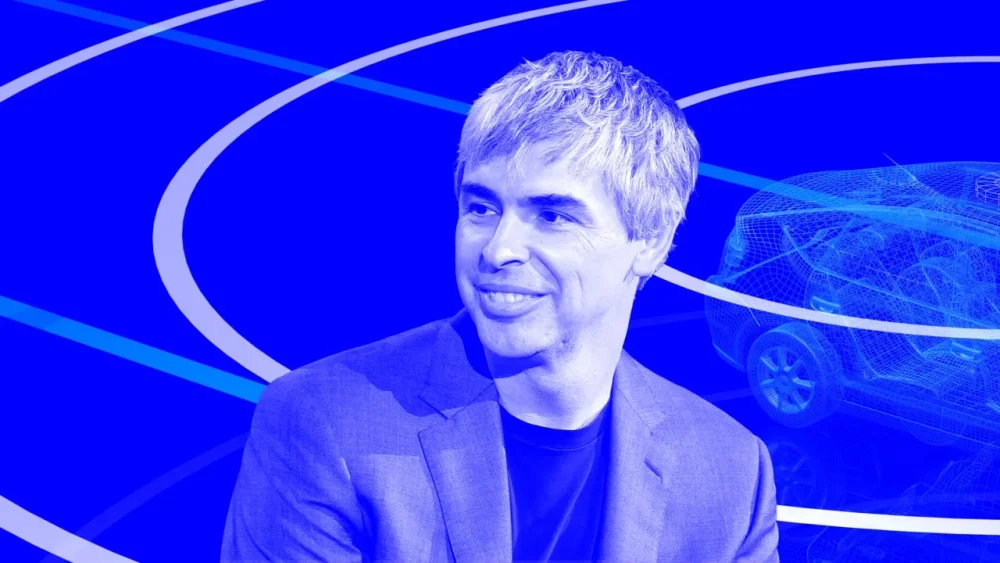
One more reminder about our upcoming online event: On Thursday, March 27, at 1 p.m. ET, my colleague Max Ufberg and I will host “The AI Tools We Love Right Now—and What’s Next,” exclusively for Fast Company Premium subscribers. We’ll discuss the AI-assisted productivity tools that are actually helping us get our jobs done, and where we’d like to see the whole category go. Fast Company Premium subscribers can RSVP here. And if you aren’t yet a subscriber, here’s where you can become one. Hope to see you there! It’s the World’s Most Innovative Companies week at Fast Company. Our annual ranking of organizations across 58 industries is live on our site, and bursting with bright ideas that are changing business, society, and, well, life. I hope you’ll take a look. My primary contribution to this massive undertaking was writing a cover story about our No. 1 company, Waymo. The feature looks at how the self-driving pioneer’s robotaxi service went from an unlikely skunkworks project at Google to a commercial service now serving 200,000 riders a week, and what might be next. Read it, and you’ll hear from Waymo’s co-CEOs, Tekedra Mawakana and Dmitri Dolgov, along with others inside and outside the company. But along with all the fresh interviews I did, I revisited one I conducted in September 2013. That’s when I sat down with Google cofounder and then-CEO Larry Page for a Time magazine story. The piece focused on the company’s “moonshot” strategy of assigning itself improbably ambitious projects—especially a division it had started, Calico, that was charged with investigating ways to extend the human life span. (It’s still at it.) At the time, Waymo wasn’t yet Waymo. Announced less than three years earlier, the effort was a mysterious research project within the Google X lab. The company was secretive enough about the whole thing that when I took a brief highway trip in one of its self-driving cars near the Googleplex in Mountain View, it was with the understanding that my Time article wouldn’t detail my impressions. (Almost a dozen years later, I can finally spill my guts: I thought it was incredible.) I knew that story should touch on Google’s autonomy project, and that speaking about it with Page was a rare opportunity. Even then, he granted as few press interviews as his PR team would let him get away with. My contacts at the company warned me that he might fall silent or even walk out in mid-conversation. When the day came, Page turned out to be both engaging and—as far as I could tell—engaged. But his handlers didn’t exaggerate his dislike of talking to the press. My interview turned out to be among the last he gave. After creating Alphabet as a new holding company optimized for managing moonshots and handing Google’s reins over to Sundar Pichai, he pretty much retired from public life altogether. What he thinks about Waymo’s present momentum, I’m not sure. Back in 2013, however, Page told me quite a bit about the origins and goals of Google’s self-driving initiative, explaining that it stemmed from his own interest in the technology, which had been percolating since the mid-1990s. He stressed—again and again—that he was in a hurry to see autonomous cars become an everyday reality. He might even have been happiest if someone had pulled off the feat before Google was in a place to give it a try. “I was at Stanford as a grad student when I became interested in that,” he told me. “Nothing really changed between [then] and when we started working on it. I’m sure computers got better, and sensors got better, but there’s no reason why people couldn’t have been working on it 10 years earlier, for real.” Now, it should be noted that Google’s self-driving project didn’t spring out of nowhere: Its founder, Sebastian Thrun, current co-CEO Dolgov, and others involved with the effort over the years contributed to Stanford’s entries in a series of “Grand Challenges” put on by the U.S. Department of Defense’s DARPA lab from 2004 to 2007. But those competitions were races among experimental autonomous vehicles conducted in the desert and other isolated environments. By moving quickly to test its self-driving cars on public roads, Google really did give the technology an abrupt shove toward reality. “Ten years earlier, it would’ve been harder,” Page allowed. “It would’ve cost twice as much as it does now. But that’s not a major cost. I’m sad that it didn’t get done earlier. My key insight is that there are just such opportunities out there to do things faster and do things that matter to people. What’s limiting those things getting done is people wanting to pursue them, and being organized about it, and understanding the opportunities.” According to Page, one of his primary roles as CEO was to identify moonshots such as teaching a car to drive itself—though he added that he considered his indispensability to this process as a limiting factor. “A bunch of these things we’re working on have come from me,” he said. “It actually kind of worries me, because I wish that we had a more scalable process to do that. That’s a big part of what [Google] X is doing, to both think about more possible ideas and also have a deep technological understanding of what’s possible.” Still, the question remained: Why Google? The company had made its bones and its fortune with its namesake search engine. Its most successful follow-ups, such as Gmail, were in closely related areas. Even the Google+ social network, which was in the process of flopping when Page and I spoke, wasn’t far removed from the company’s comfort zone. But on paper, it wasn’t obvious why a search company might be poised to disrupt the transportation industry in the most fundamental way imaginable. Page did point out that some of Google’s existing skills and intellectual property could be applied to the autonomy challenge: “We have a lot of technologies for 3D modeling of the world that we developed, to really make Street View work and to make all of Google Maps work.” Mostly, though, he argued that wildly disparate moonshots might be easier to get right than products requiring thoughtful integration with existing Google mainstays. More than anything else, it was his and cofounder Sergey Brin’s willingness to connect dots that other corporate leaders didn’t see that made something like self-driving cars make sense within the company. “What I’m saying is we have people who can apply [their expertise] to a variety of projects,” he said. “And I find that to be more scalable than some of what you might think of as our core businesses.” During our interview, Page noted that “in some industries, it takes 20 years to go from idea to something real,” bringing up the time span as a problem to be solved rather than an unavoidable fact. Rather than investing his full attention to steering Waymo and other new initiatives through to completion, he ended up stepping down as Alphabet CEO in 2019. He remains on the company’s board but is also launching an unaffiliated AI startup, The Information’s Jessica Lessin and Erin Woo report. Still available in only a few cities, Waymo is following the 20-year trajectory that Page found so frustrating. Yet it may remain the Alphabet moonshot with the biggest shot at changing the world. It’s a testament to his vision that its journey continues well after he moved on. You’ve been reading Plugged In, Fast Company’s weekly tech newsletter from me, global technology editor Harry McCracken. If a friend or colleague forwarded this edition to you—or if you’re reading it on FastCompany.com—you can check out previous issues and sign up to get it yourself every Friday morning. I love hearing from you: Ping me at hmccracken@fastcompany.com with your feedback and ideas for future newsletters. I’m also on Bluesky, Mastodon, and Threads, and you can follow Plugged In on Flipboard. More top tech stories from Fast Company A new Cybertruck recall is the umpteenth chapter in Tesla’s history of design issues Tesla’s woes don’t and won’t stop, as the Cybertruck once again highlights its poor quality and design. Read More → Do school phone bans actually work? Not really, a new study says Researchers found no improvement in student well-being or academic performance at schools that restrict cellphone use. Read More → ‘Dinosaur time’ is the viral new way to eat your greens Tired of smoothies and salads? One TikToker’s chaotic spinach hack is both unhinged and strangely effective. Read More → Google buys Wiz: How the cybersecurity startup went from $0 to $32 billion in just over 5 years Google’s acquisition of the cloud security unicorn marks its largest deal ever—and a historic milestone for Israel’s tech scene. Read More → Nvidia’s Vera Rubin represents a big bet on real-time AI reasoning The company’s new chips are built to meet generative AI’s growing demand for real-time reasoning capabilities. Read More → The rise of the AI manager As AI agents become high-performing digital teammates, the professionals who learn to lead them will define the future of work. Read More → View the full article
-
That’s where web archiving tools come in. They allow you to access saved versions of web pages, even if they get taken offline. The Wayback Machine is the best-known option, but it isn’t perfect—it’s slow, sometimes misses snapshots, and doesn’t…Read more ›View the full article
-
About a week ago, if you searched for mortgage related math questions in Google Search, Google stopped giving you the answer. Google first introduced its mortgage calculator features a decade ago but suddenly the features disappeared last weekend.View the full article
-
During one of the hardest nights of Rachel Platten’s life—amidst postpartum depression, debilitating chronic pain, and mental health challenges—she glimpsed the light at the end of the tunnel. “I was in my studio and reached the apex of I can’t take it anymore,” she says. “The bottom wasn’t there. I just kept falling. In that moment, this wail came out of me that turned into a song. I was crying, mercy to anyone who would hear me, to whatever God that was out there.” “Something was writing through me,” she continues. “I realized: Is there a purpose or meaning in all of this suffering? Am I being dragged down, like I was with ‘Fight Song,’ letting my roots go deep so that my rise can be tall again? I was in just as much pain the next morning. But that little seed of hope was planted that maybe there’s a future ahead of me that I’m living right now.” Today, that seed has flourished into Platten’s first album in seven years, I Am Rachel Platten, as well as an inspired mission of mental health advocacy. An award-winning singer-songwriter, Platten and her music is celebrated as a beacon of resilience, most notably with “Fight Song,” which has been streamed over a billion times. Her latest album captures her experience of parenthood, mental health, depression, and the strength discovered in the rising. She continues to bravely share her story through her North American “Set Me Free” tour, which began on March 17. Here, Platten shares how she alchemized pain into purpose, developed tools to gain agency over mindset, and discovered the question that transformed her creative process. This interview has been edited for length and clarity. It was illuminating to listen to Set Me Free and discover that it’s about self-liberation. What did you free yourself from and how do you keep doing so in your art and life? First, what is funny to me, is that I wrote that way before I could ever know what it felt like. My songs are often glimpses of what will be. It’s almost like I prescribe myself the medicine that I’ll need in the future or the feeling that I’ll feel. So, I didn’t know what that felt like at the time. I felt a little bit like an imposter. It’s almost like the song, when I wrote it in 2020, should have been: I don’t really care what you say or think about me — She says, caring deeply. Now I actually feel that, and that took an insane mental breakdown to get to. Freedom to me feels like exactly that: Knowing who I am and being in a place where I can speak my truth. I don’t feel like I have to hold back. I know how to have boundaries, protect my inner child, and carry myself in the world where I’m not apologizing for my existence. It’s not going along with what you say I should care about or what makes a happy life. That was a major wake-up for me. Think about how you feel when you get an award, approval, or recognition. For me, that feeling is buzzy, excited, and a little unstable. Think about how you feel when you are deeply proud of yourself. When you can recognize, put a hand on your heart and say, “I approve of you and I’m proud of you just for being you.” That feeling is calm and steady, solid, and stable. Why are we taught that we should chase the first one, when the second one is so much better? That’s my goal now: How do I get more and more of that second feeling? In discussing this album, you said: “I don’t need my beautiful body of work to be anything other than what it is.” How do you create from an intuitive space and silence the internal and external voices? My second record on Columbia Records was very much the latter and informed by how I wanted to change people’s minds about who they thought the “Fight Song” girl was. I was trying to prove something in the art. Other than a couple of songs on that record, I didn’t get to write from that freedom. I slowly stopped writing from a place of: What does anyone need from the “Fight Song” girl? I changed from that to: I’m hurting so much. How can my music serve me, the way it serves so many other people? When I wrote from that place, it removed any kind of outside expectation, because I was like a starving soul in there, desperate for some soothing. The music and creativity became like filling a dry well. It changed from a laborious process of overanalyzing the words or rhymes and became an intuitive songwriting where it flowed more. That hadn’t always been the case; “Fight Song” took me two years to write. I labored over that second verse so much. I wrote 10 different verses until I got the one that you hear on the radio. Now, I do create from a place of joy and freedom. Asking yourself—What do I need from my art?—and not—What does the world need from my art?—is the question that really shifts it. Robert Henri said, “The object isn’t to make art. It’s to be in that wonderful state which makes art inevitable.” What is that state for you? Do you do anything differently now that enhances your creative inspiration? Music is funny, because it goes from a deeply inward, private place to a very outward, extroverted place. We phase in between them. That’s what I do. Right now, I’m in the outward place and the creativity isn’t flowing like it was. But, I am also not asking it to. I know where I’m at in my cycle. I feel like I’m a volcano in a way. I erupt with creativity. Then, I’m dormant. I used to judge the dormancy and feel like there was something wrong with me if songs weren’t flowing. I have taken all the pressure off my creativity and songwriting. I know that I am privileged to do that because I had success that supports me and my family. I understand that when I was in my twenties, and struggling to come up as an artist, it might not have felt like that. But, I wish that I could go back to that girl who was suffering and trying so hard and say to her: Enjoy it a little more. Try to trust the wave and ocean of creativity and how it’s going to come and go. Don’t push it when it’s not. I’d certainly be disciplined. But, I’m a lot more patient with it. I trust now that if the muse wants to come, then I’ll start writing. You shared that “to actually change something has to start with radical acceptance of what is. Real change only happens once you say ‘yes’ to what is actually here.” What helps you choose the path of acceptance? First, I want to attribute that quote to Tara Brach, who is an amazing psychiatrist. She has a practice called RAIN, which is an acronym that helped me so much: Recognize, Allow, Investigate, Nurture. I don’t know if it’s a choice. It’s more of a shrug and dropping in, like: Yes, I’m suffering. Yes, I’m depressed. Yes, this hurts. This is a witness seat. Rather than the human seat, it’s choosing the seat behind you, who’s watching you, and saying: I’m watching a play. That’s what’s happening with this actor right now. It’s less of a choice and more changing your point of view. So much power and relief can come from that, because then you’re not having the second arrow of shame, grief, or guilt about what you’re experiencing. The first arrow is the pain that you’re feeling. The second arrow is the judgment of the experience that you’re having. It’s removing the second arrow and removing half the pain in a way. There is a lyric in “Bad Thoughts” that says: “Just because I think something doesn’t make it true.” How do you distinguish between the voices in your head? What has been most impactful in changing the dialogue and relationship that you have with yourself? I am a little ninja now when it comes to trying to get into my mind. I imagine myself with goggles and a headlamp, like: Who’s running the show today? There’s all these different competing voices, that’s inside all of us—all of these different selves. Here’s the most beautiful part: I don’t need to understand what all the mess is in there. It’s like changing the seat again into the witness. Sometimes, I just need to witness it to remember: If I’m watching it, then I’m not it. I imagine this visual idea of me getting on a bus and in the driver’s seat is whichever version of me that shouldn’t be driving. I imagine myself as the bus driver, being like: I’m going to take the wheel. You can still be on this bus, but you have to sit down and get your seatbelt on. You’re too young to drive. I’m calm and resourced. It helps me navigate my mind and remember that those are just waves. I’m the ocean. Mental health has become a driving part of your mission. What role do you want it to play in your life’s work? It feels like a narrowing, but it’s actually an expansion. It feels clear to me that this is where I’m going. Music feels like the vehicle. But, I feel like my life’s work is going to transcend music. Chasing the music industry, Grammys, and approval from tastemaker magazines is a fleeting thing. I’m not writing about how a guy hurt me. I’m writing about my mind and how I’m understanding it, the dark night of the soul, and the hero’s journey. It feels simple to me that I’m not supposed to try to fit in or be approved of by that anymore. I’m going to go in this direction and be of service. A theme of our conversation is the surprises on your journey these last six years, some from pain and others from joy. How do you feel about the surprises? Looking back, I feel a little bit of wonder that the thing that hurt so much—that I cursed, sobbed, and had panic attacks about—was the gift that led to my songs “Mercy” or “Bad Thoughts” or being able to speak about mental health in such an informed way. That’s the place I’m in now. If you catch me next week, I might be back in: This Earth school sucks. It really hurts. But right now, for whatever reason, we’re meant to talk on this day when I’m looking back with a sense of gratitude and deep awe at how all of those things that seemed so unfair were actually gifts—not happening to me, but for me. View the full article

-
Google hosts events around the world for SEOs, content creators, webmasters, site owners and marketers named Google Search Central Live. They've been doing it for years and I've attended many over the years. This is the first time the event was held in the new St. John's Terminal, which is made to impress - let me say.View the full article
-
If you’re trying to keep an eye on March Madness but you still need to get some actual work done, Google’s Picture-in-Picture Extension feels like a secret weapon. This free Chrome browser extension lets you move any video into a resizable, floating window that sits on top of anything else you’re doing. It’s perfect for keeping the games on in the background while still doing other things on your computer. How to use the Picture-in-Picture Extension Start by downloading the picture-in-picture extension from the Chrome Web Store. In addition to Google Chrome, it also works with most other Chromium-based browsers, including Brave, Vivaldi, Opera, Arc, and Microsoft Edge. Once you’ve installed the extension, here’s how to use it: Start playing a video. Click on the puzzle piece icon near the top-right corner of your browser. Click on the Picture-in-Picture Extension button. (You can also optionally click the pin icon so the extension appears right next to your address bar in the future.) Alternatively, you can skip the previous two steps by pressing Alt+P in Windows or Option+P on a Mac. Drag the floating video player to a convenient spot on your desktop, and drag the corners of the player to resize it. To exit picture-in-picture mode, click the “X” or “Back to tab” buttons in the floating window. Watch several games at once Chrome’s Picture-in-Picture Extension works only with one video at a time, which isn’t ideal for March Madness. The work-around is to use more than one web browser, each with its own Picture-in-Picture Extension. For instance, you can use Google Chrome to play one game, Microsoft Edge to play another, and Vivaldi to play a third. You’re limited only by the number of web browsers you’ve installed and how many simultaneous videos your computer can handle. What about Safari and Firefox? Apple’s Safari browser has its own picture-in-picture mode, no browser extension required: Right-click the audio icon on any tab that’s playing video. Select “Enter Picture-in-Picture.” This works only with one video at a time, so you’ll need to use additional browsers to watch multiple games. Mozilla Firefox has as built-in picture-in-picture mode as well, and it even works with multiple videos. Hover your cursor over any video, then click the small picture-in-picture icon that pops up. A word of advice, though: Keep the sound down, or you may have trouble getting anything done. View the full article

-
The institution has been downsizing its portfolio to address deposit runoff as it has shed fintech exposures and worked to gain release from a consent order. View the full article

-
Branded is a weekly column devoted to the intersection of marketing, business, design, and culture. Just a few years ago, iRobot, best known as the maker of the Roomba, was riding high, with annual revenue topping $1 billion; Amazon bid $1.7 billion to add it to the e-commerce giant’s home technology business. But that deal fell through, and now the Bedford, Massachusetts-based company has reported plunging revenue and steep losses, and recently warned investors of “substantial doubt” about its “ability to continue as a going concern.” With its share price down drastically, it’s now worth about $100 billion. How did the creator of the iconic round robot vacuum—which has sold more than 50 million units—get into this mess? Although there’s of course more than one answer to that question, a major factor seems to have been an ill-fated focus on dreaming up ways to move beyond the vacuum into new product categories—all the while failing to keep up with new competitors in its core business. Sometimes, those rivals competed on price, but Chinese brands like Roborock developed cutting-edge models praised for advanced technology such as a LIDAR sensor (generally recognized as more accurate than camera sensors) and other obstacle-avoidance and spatial-mapping tech. In short: as iRobot matured, it seems to have emphasized the wrong sort of innovation. (The company declined to comment beyond public statements about its earnings and recent new product announcements.) Founded in 1990, iRobot released its first Roomba model in 2002, essentially inventing a new “robotic floorcare” category: a relatively affordable robotic vacuum that whirred around on its own, sucking up dust. It was nobody’s vision of the future, but it caught on; some fans gave their Roombas names, treating them almost like techno-pets (and making endless cat-riding-a-Roomba memes). While it quickly attracted competition, the Roomba was long the clear leader, its name becoming a borderline-generic term for all robo-vacs. This popularity reached a peak in the COVID-19 lockdown era, when many consumers had way too much time to obsess about their domestic environments. By then iRobot had begun exploring (and pouring R&D into) new products, most notably a robo-mop, but also a lawn mower, air-purifying devices, and educational products. The company still looked like an innovator and its share price soared beyond $130 in early 2021, briefly giving the company a valuation of more than $4 billion. But the new experiments mostly didn’t catch on—while the robo-vac competition did. Several of the fastest-growing robotic-vacuum businesses are based in China, such as Anker, Ecovacs, and Roborock, all of which have eaten into iRobot’s share of the market. Lower prices were part of the equation, but competitors also brought design and technology innovations to the category, improving core functionality. While the whole category declined post-COVID, it’s growing again (in excess of 20 million units were distributed last year, up 11.2%)—but iRobot’s global share has shrunk to 13.7%, compared to 22.3% for Roborock. Amazon’s 2022 acquisition offer looked like a lifeline—but the deal fell apart in January 2024 under regulatory pressure over competitive and privacy concerns. Cofounder Colin Angle stepped down as CEO, replaced by Gary Cohen, appointed to oversee a recovery-and-turnaround mission. Since then, the company has scrubbed most of those new-category initiatives and cut staff by 50%. Fourth-quarter revenue dropped from $308 million to $172 million, with a loss of more than $44 million; sales fell 47% in the U.S. and almost as drastically in its various international markets. Full-year revenue for 2024 was down 23%. (Amazon CEO Andy Jassy has criticized regulators’ treatment of the deal, essentially blaming them for iRobot’s subsequent woes.) In its effort to save itself, the company has shifted focus (and more of its slimmed-down R&D resources) back to its core Roomba products. Earlier this year, iRobot said it expected to grow revenue through new (vacuum-focused) product launches, and has stated it is negotiating with lenders and actively exploring other options. This past week, it released eight new Roomba models, including mop-combo units—and its first versions equipped with LIDAR and “AI technology.” Prices, ranging from $300 to $1,000, seem more competitive with Chinese rivals. But as the company acknowledged in its earnings release, the fresh generation of Roombas isn’t guaranteed to save the day, depending on “consumer demand, competition, macroeconomic conditions, and tariff policies.” If the robovac pioneer can’t figure out how to navigate those obstacles, it may just get swept away. View the full article

-
Most people know Henry Ford as the founder of the Ford Motor Co. and creator of the trailblazing Ford Model T. But fewer are likely to be familiar with his side occupation as a hotelier. In 1931, Ford Motor Co.’s headquarters in Detroit was connected to other major cities by the now-defunct Ford Airport, an airline service for which Ford himself provided the necessary land and main investment. Ford realized that many of the travelers and business partners who flew in to the Dearborn airport would want somewhere convenient to stay after their long journeys. The thought led Ford to build one of the country’s first airport hotels. [Photo: Isaac Maiselman Photography] Today, the historic Georgian-style hotel, called the Dearborn Inn, is reopening its doors after undergoing a two-year-long renovation and restoration process. Its reopening returns the site to its roots as a hotel for Ford executives who these days travel from nearby Detroit Metro Airport. It also points to Ford Motor Co.’s larger strategy to attract business to its recently revitalized Michigan campus, giving the company more ownership over a traveler’s entire experience. [Photo: Isaac Maiselman Photography] Part of the automaker’s widespread revitalization plan Over the past several years, Ford Motor Co. has invested more than $1 billion in restoration projects in Detroit, including transforming the Michigan Central Station, a long-abandoned train hub, into a kind of Silicon Valley-esque innovation center. Now it’s working to revitalize some of the city’s oldest neighborhoods—as well as early relics of its own history, like the Dearborn Inn. The company plans to add another hotel at the top of the Michigan Central Station, signaling that Ford hopes to turn its Detroit-area campus into a kind of destination for business leaders that, rather than serving as a simple stopover, can act as an experience in itself. [Photo: Isaac Maiselman Photography] Like Michigan Central, Dearborn Inn focuses on restoration The Dearborn Inn’s renovations, which began back in February 2023, were overseen by the Ford family and carried out by a team of partners including AvroKO, Dash Design, and Kraemer Design Group, along with restoration architect Quinn Evans. The refreshed 135-room hotel, managed by Marriott International since 1989, is joining Marriott Bonvoy’s Autograph Collection of premium, independent hotels. Prices start at $350 a night and go up from there. The property has 19 suites and a grand Presidential Suite (which includes a living room, kitchenette, and dining area). [Photo: Isaac Maiselman Photography] While the hotel’s interiors have been updated with new fixtures, the project truly shines in its effort to restore many original features—details that were once enjoyed by guests such as Walt Disney, Orville Wright, Norman Rockwell, Eleanor Roosevelt, and Ronald Reagan. Interiors nod to local design history Thoughtful vintage touches mingle with modern, locally made designs, lending the whole space a fresh-yet-elegant ambience. The lobby’s Italian marble checkerboard flooring is a feature Ford selected personally. Also in the lobby is an original green marble fireplace, an antique clock fixture, and several vintage bar carts. Among the most intriguing additions is a photo booth, designed to look like the Ford Tri-Motor airplane (first manufactured in 1925), which produces vintage-style passport photos as a keepsake for guests. [Photo: Isaac Maiselman Photography] Other reminders of the hotel’s history, like a scrapbook of letters from former guests and examples of early menus, are sprinkled throughout the common areas. Even the carpets lining the halls echo local history, pulling inspiration from tapestries created by artist Loja Saarinen, who founded a renowned weaving department at Michigan’s Cranbrook Academy of Art in the late 1920s. Another subtle nod to the art academy appears in the bedrooms, in the form of furniture designed by Charles and Ray Eames. The Eameses first met at Cranbrook in 1940 before becoming one of the most recognizable forces in the furniture world. At the Inn, every guest room includes its own Eames Molded Plastic Chair. “From the moment guests step through our doors, we want them to feel inspired by the history that surrounds them and by the trailblazers who once walked these halls,” general manager Joleisha Bradley said in a press release. “The hotel is both a welcoming retreat and living museum, with historic artifacts woven throughout the property.” [Photo: Isaac Maiselman Photography] Plans to expand The hotel’s vintage features are complemented by more contemporary touches, like bespoke furniture from local artisans, an assortment of new lighting fixtures, and bathroom tiles made with Ford Motor Co.’s signature Pantone blue color code. A new restaurant called Clara’s Table (honoring Ford’s wife, Clara, who often hosted guests at the inn) and cocktail bar Four Vagabonds will complete the modern-day guest experience. According to the press release, the hotel’s restoration is only the first phase of the Dearborn Inn’s new lease on life. Later this year, Marriott plans to unveil five colonial-style homes on the property, “including suites inspired by the homes of literary icons such as Edgar Allan Poe and Walt Whitman.” For now, guests who book a room at the Dearborn Inn will be welcomed with an experience designed to feel like an icon of Ford’s era could be staying just down the hall. View the full article

-
As I’ve coached CEOs over the years, I’ve often been struck by how little they think about the way they deploy one of the company’s most valuable assets—their time. CEOs face unique time pressures. They have enormous responsibilities and a multitude of issues that need their attention. The way they allocate their time has major ramifications for the success of the business. However big and important your previous job may have been, as a CEO, you will confront a seemingly limitless array of new and varied stakeholders, each demanding (and often warranting) a place on your calendar. And each constituent group—the board, employees, customers, investors, governments, the media—includes within it numerous and distinct individuals and institutions, each with their own unique needs and goals. Over the years, I’ve learned (often the hard way) the importance of CEOs keeping control of their agenda in addition to the company’s. Along the way, I’ve identified three steps that help CEOs ensure that their priorities don’t get sidelined by the constant pull of stakeholder management. 1. Define your CEO agenda The CEO agenda is not a laundry list of every important initiative in the company; it is not the “goals and objectives” used for determining your bonus (although there can be overlap); it is not even necessarily something you share with anyone else. It is an expression of your personal priorities for some stated period. It determines how you will deploy to maximum effect a significant amount of that crucial and finite corporate asset: your time. Realistically, very few objectives are both achievable over a foreseeable horizon and important enough to warrant the CEO’s personal engagement. So, when working with new CEOs, I advise them to start by listing their top 10 priorities for the year—and then lopping the bottom six or seven off the list. Together, we pressure test what remains and ask: Does it move the needle? Will this goal meaningfully affect the success trajectory of the business as a whole? Is it non-delegable? Does achievement require the CEO’s personal engagement (as distinguished from periodic oversight of others)? Some examples: a major transaction, addressing a significant governmental threat or opportunity, shaping (or reshaping) the company’s mix of businesses or assets. For instance, during my tenure as CEO of Pfizer, two of my most significant priorities were completing a $70 billion acquisition that fundamentally reshaped the company, and—together with some of my industry colleagues—negotiating features of the Affordable Care Act, parts of which, as originally proposed, posed significant threats and opportunities for our business model. Both projects required my direct and ongoing personal involvement and neither could be fully delegated, although, of course, numerous leaders and teams within and outside the company provided essential support. The counterparties—such as other CEOs and members of Congress—understandably wanted to deal with the top decision maker. 2. Give yourself a reality check Once you’ve defined your agenda, it’s time for a reality check. Examine how you’re spending your time and compare it to your stated priorities. You may be surprised to find a significant mismatch. I often advise CEOs to have their assistants analyze their calendars retrospectively. Look at the past month or quarter and categorize the way your time was allocated. Were you truly focused on your top priorities, or did your days get consumed by routine meetings and stakeholder management? This isn’t a one-time exercise. Make it a habit to evaluate your calendar against your priorities frequently. You should regularly ask yourself: Am I deploying a significant amount of my time to accomplish things that only I can do and that will materially contribute to the company’s success? As CEO, you should devote substantial time to providing visibility and accessibility to key constituencies. This includes town halls with employees, meetings with investors, engaging with government officials, and much more. Each of these groups—and the various subgroups and individuals within them—want and deserve your attention and your guidance. Often, they will want you to make decisions (and sometimes you should). But, while crucial, these activities can easily consume your entire schedule if left unchecked. 3. Manage your time proactively Once you’ve audited your time and you understand how you’re spending it, be proactive about planning your schedule. Here’s how: Allocate a specific percentage of your time for stakeholder management—perhaps 30 to 40%—and distribute this time among your stakeholders. Establish a regular cadence for internal meetings, but recognize that not all direct reports need the same frequency of face time. Set clear expectations about what each stakeholder will get from you. For example: tell your investor relations team about how many conferences and non-deal roadshows you’ll attend annually; tell your head of Asia operations they get two weeks of your time each year to distribute as they see fit across the region. Carve out space for unstructured thinking and planning. This might mean blocking off your calendar from 7 to 9 a.m. each day or reserving Friday afternoons for strategic reflection. Make time for self-care. Do a far better job than I ever did of taking care of yourself, your family, and other sources of personal growth and satisfaction. The benefits of control Maintaining control of your agenda requires effective delegation. Ensure you have the right people in place and that they feel empowered to make decisions. If routine matters are constantly escalating to your desk, it’s a sign that either your team isn’t properly equipped, or they don’t feel authorized to act independently. While it’s important to guard your time zealously, you should, of course, maintain flexibility for true emergencies and unexpected opportunities. The key is to distinguish between genuine crises that require your involvement and routine fires that your team should handle. By rigorously defining your priorities, regularly evaluating the way you spend your time, and proactively managing stakeholder demands, you can ensure that your agenda as CEO doesn’t get derailed. Remember that the truest reflection of your priorities is how you spend your time. Make sure it aligns with what you believe is most critical for leading your organization forward. View the full article

-
Fast Company is the official media partner of Summit Detroit. For the past 17 years, Summit, an organization hosting conferences and immersive experiences around the world, has brought together entrepreneurs and creatives in lush settings that double as vacation destinations—think Tulum, Mexico; Palm Desert, Calif.; Powder Mountain, Utah; and even out on the open sea. This year marks the end of Summit’s larger-scale events as the company pivots toward more intimate gatherings. So it’s little surprise that more than a few eyebrows were raised when Summit announced Detroit as its last big hurrah this June 5-8. [Illustration: Summit] “We came together and decided to convene our community in a place that embodies the Summit spirit, that is filled with surprise and delight, and has abundant, beautiful spaces for us to activate and bring to life,” says Jody Levy, CEO and global director of Summit. “We have had an outpouring of excitement from people across the world that we are gathering in Detroit. Those who know know!” Founded in 2008, Summit is the brainchild of Elliott Bisnow, Brett Leve, Jeff Rosenthal, and Jeremy Schwartz, who coalesced around the idea of finding the connections between their personal interests and entrepreneurial endeavors. They set out to develop a community of like-minded people by hosting a series of events leaning into the intersection of work and play. At a Summit event, it’s not uncommon to hear a talk on the future of human longevity before heading to a poolside DJ set or a wearable balloon art dance party. That feeling of the unexpected also translates to Summit’s chosen location this year. “I’ve been watching [Detroit] really hit the stride of what everybody always wanted and saw for the city,” Levy says. “There’s so much happening here that’s being exported to the rest of the world that my partners and I [at Summit] decided to come to a place that’s a little unexpected, that’s got a little bit of that like grungy grit that we all as entrepreneurs have.” Summit Detroit will have much of what Summit has become known for: high-level speakers including Ev Williams, cofounder of Mozi and Twitter and the founder of Medium; futurist Pablos Holman; author and psychotherapist Lori Gottlieb; tracks focused on the future of transportation, next-gen entrepreneurship, and mental health; and live music sets. The event will also take advantage of being in downtown Detroit with design tours and a lineup of Detroit’s culinary arts. But what Levy is most excited for is the track on creative expression and storytelling. Featuring speakers including famed choreographer Bill T. Jones, artist and activist Shepard Fairey, and head of design at Google Ivy Ross, the track will explore how to apply design thinking to your pursuits, the importance of transient moments to the human experience, and more. [Photo: Amanda Demme] “As creative doers who are always pushing what comes next, there are many people globally feeling lonely and isolated,” Levy says. “It tells me that the Summit community and the creative community at large need to come up with new ways to support each other. With the rapid pace of technology, AI, and information, it is increasingly important for us all to be reminded of the space where our passion and purpose coalesce. That is the place that the Summit community has in common, and it is imperative to how we grow and evolve our companies and products.” Summit is an invite-only community composed mainly of referrals from existing members, some of whom have been part of the group since its inception. It’s not meant to be some secret society—it’s more about preserving the integrity of the company’s mission: bringing the best thinkers, creators, inventors, investors together to learn and support each other. Or, as Levy describes it: a mutual aid society for our time. “When there’s somebody that we know through Summit, there is a nod of credibility,” she says. “They’re probably a high-octane doer that has a certain way of operating that you trust because they’ve been invited into the Summit community.” Levy believes that Summit can have an especially meaningful impact at moments such as now, when the world is unstable and in transition. “When we, the Summit community, come together, we are able to explore all kinds of topics in a neutral space that allows our community to bump up against the outer edges of our belief systems,” Levy says. “People end up growing and learning from each other. Summit has always been highly effective in giving people new vantage points and opportunities for collaboration to make our endeavors more successful.” View the full article