ResidentialBusiness
Administrators
-
Joined
-
Last visited
Everything posted by ResidentialBusiness
-
 Banana Republic wants you to be ready for check in at whichever balmy, poolside escape you might venture to after months of clutching hot toddies and sloughing on heavy duty night creams. [Photo: Banana Republic] Its new White Lotus collection, made in collaboration with the hit HBO show, is a resort collection that’s about allowing its wearers to enjoy an uncomplicated spritz and shvitz in options they can pull from their suitcase while using their PTO. Banana Republic designed the mens and women’s capsule collection, available in 26 stores and online beginning March 6, with weighty high quality and ethically sourced fabrics. Prices range from $40 to $300. But more broadly, the collection also points to how the clothing company is repositioning for a new chapter of its own, as it seeks to regain relevance and elevate its brand positioning. The rebrand of Gap Inc and its subsidiaries, including Banana Republic, has been underway for over a year now. Gap hired Zac Posen as its creative director just over a year ago, and so far, he has delivered on reviving the stalling portfolio of American classics through more contemporary design, styling, and campaigns and red carpet appearances featuring true gets in terms of talent, including Tyla, Anne Hathaway, and Timothee Chalamet. Posen recently launched GapStudio, a higher end sub brand—which doubles a soft marketing strategy of elevating overall brand perception. [Photo: Banana Republic] The White Lotus collection is one prong of this repositioning strategy. A topical collaboration could also bring new customers into the store, who then shop its core collection. It aligns with the company’s approach to “fashion entertainment” concepted by Gap Inc CEO Richard Dixon, says Meena Anvary, Banana Republic’s head of marketing. “It’s just such a natural spit from a brand standpoint with our ethos and White Lotus’s: premium, the sense of discovery, adventure, exploration.” Nicole Wiesman, Banana Republic’s vice president of men’s design who led the design of the capsule, tells me she designed the 24-piece collection to mix and match, which is necessary for collections with such a limited number of pieces. (something Uniqlo’s Clare Waight Keller has echoed) The team pulled print and color inspiration from the tropical forest, architecture, and patterns of Thailand, and sought to balance modern utility, casual elements and a sense of elegance, she says. When I met with Wiesman at the chain’s Soho location on an overcast 50 degree morning, she had winterized her pull from the collection: she wore the men’s bermuda short in black with a black sweater and a pair of black Margiela Tabis. [Photo: Banana Republic] Wiesman, a fan of the show, pulled fabrics from Banana Republic’s archives in New York to design the 24-piece collection, and took inspiration from vintage military pieces due to their utility for the collection’s voluminous cargo pants and jackets, which also have reinforced patches and flat felled seams common to workwear to increase durability. (And lots of pockets, which are ideal for carrying passports, wallets, and the like when traveling—especially for men who don’t typically carry purses, she says.) The men’s collection also includes turquoise short sleeve silk button downs, crocheted polos, and grey striped linen pants. Many of the patterns, which were inspired by latticework that appears in the show’s sets, cross over to the women’s collection. The knitwear designers also interpreted the print for the knitted polos in juicy passionfruit yellow and cream. [Photo: Banana Republic] The women’s collection includes a wide leg powder pink pant, white bandeau top, silk maxi dress with a slit to “get a little leg out,” and linen mini dress, which have small fit details like back ties and elastic for ease of wear across body types. “There’s a fluidness to it,” she says of the pieces. Both the men’s bermuda short as well as the silk tops have a weighty hand feel that points to the quality of the fabrics themselves, which are 100 percent silk, european flax standard linen, and Olympias Italian cotton, which is the same the brand uses for most of its chinos, and makes the pieces easy to dress down or up, Wiesman says. All of the linens are traceable, meaning the factory has to be approved. Wiesman attributes the quality and more approachable price point of the collection, which began development about a year ago, to a few things: The company’s scale, and its longstanding close relationships with certain mills and factories. “In some cases, if we really want that quality, we take the hit,” she says. Long term, it establishes Banana Republic as a brand with a consistent sense of elevated quality. [Photo: Banana Republic] I asked Anvary and Wiesman if there was a challenge in designing a collection with appeal that’s also inspired by a show with morally complicated characters. “Our focus is really on making this collection available to everyone,” says Anvary, referring to its bridge price point, high quality fabrics and versatility. So even if some of the characters might be LBH (losers back home, cough, Gary) you can still look MOV (Moneyed on Vacation). View the full article
-
AI has made it easier than ever to scale SEO fast – but with it comes high risk. What happens when the party is over and short-term wins become long-term losses? Recently, I worked with a site that had expanded aggressively using AI-powered programmatic. It worked until it didn’t, resulting in a steep decline in rankings, which I doubt they will recover. It’s not worth the fallout when the party is over. And, eventually, it will be. Here are the lessons learned along the way and ways to approach things differently. When the party ends The risks of AI-driven content strategies aren’t always immediately apparent. In this case, the signs were there long before rankings collapsed. This client came to us after reading my last article on the impact of the August 2024 Google core update. Their results were declining rapidly, and they wanted us to audit the site to shed some light on why this might be happening. The August 2023 core update first impacted the site, followed by even deeper losses after the helpful content update. These weren’t just temporary ranking fluctuations – they signaled a deeper problem. Obviously, for a website whose primary channel was SEO, this had a detrimental effect on revenue. The first step was to evaluate the impact we were seeing here. Is the site still ranking for relevant queries and simply dropping in positions? Or has it lost queries alongside clicks? I’m a fan of Daniel Foley Carter’s framework for evaluating impact as slippage or devaluation, which is made easy by his SEO Stack tool. As he puts it: “Query counting is useful to evaluate if a page is suffering from devaluation or slippage – which is ideal if your site gets spanked by HCU / E-E-A-T infused Core Updates.” The two scenarios are quite different and have different implications: Slippage: The page maintains query counts, but clicks drop out. Devaluation: The page queries decrease simultaneously as queries drop to lower position groups. Slippage means the content is still valuable, but Google has deprioritized it in favor of stronger competitors or intent shifts. Devaluation is far more severe – Google now sees the content as low-quality or irrelevant. We analyzed a sample of the top revenue-driving pages to understand if there is a pattern. Out of the 30 pages analyzed, more than 80% lost their total query counts and positions. For example, the page below was the best performer in both traffic and revenue. The query drop was severe. It is evident that most pages have been devalued, and the website as a whole was seen as being of low quality. The cause behind the effect The client had not received a manual penalty – so what triggered the decline? A combination of low-quality signals and scaled content strategies made their site appear spammy in Google’s eyes. Let’s dig into the biggest red flags we found: Templated content and duplication. Low site authority signals. Inflated user engagement. Misuse of Google’s Indexing API. Templated content and duplication The website in question had excessive templated content with significant duplication, making Google (and me) think the pages were produced using poor AI-enabled programmatic strategies. One of the first things we checked was how much of the site’s content was duplicated. Surprisingly, Screaming Frog didn’t flag this as a major problem, even at a 70% duplication. Siteliner is what gave us better results – over 90% duplication. Considering what I saw in the manual check of several pages, this was no surprise. Those pages were super similar. Each piece had a clear template they were following, and there was only minimal differentiation between the content. When asked, the client denied using automation but said AI was used. However, they insisted their content underwent QA and editorial review. Unfortunately, the data told a different story. Site authority From the Google API leak, the DOJ trial, and insights from a recent Google exploit, we know that Google uses some form of site authority signal. According to the exploit, the quality score is based on: Brand visibility (e.g., branded searches). User interactions (e.g., clicks). Anchor text relevance around the web. Relying on short-term strategies can tank your site’s reputation and score. Brand signals To understand the impact on our new client, we first looked at the impact on brand search vs. non-brand. As suspected, non-brand keywords nose-dived. Brand was less affected. This is expected since branded keywords are generally considered more secure than non-brand ones. After all, the intent there is strong. Those users search for your brand with a clear intention to engage. It also often takes some time to see the impact of branded keywords. Many users searching for a specific brand are repeat visitors, and their search behavior is less sensitive to short-term ranking fluctuations. Finally, brand traffic is more influenced by broader marketing efforts – such as paid ads, email campaigns, or offline marketing. But something else stood out – the brand’s visibility didn’t match its historical traffic trends. We analyzed their branded search trajectory vs. overall traffic, and the findings were telling: Their brand recognition was remarkably low relative to traffic volume, even when considering that GSC samples data on a filtered report. Despite their improved visibility and active social presence, branded searches showed no meaningful growth curve. We know that Google uses some type of authority metrics for websites. Many SEO tools have their own equivalents that try to emulate how this is tracked. One example is Moz, with its Domain Authority (DA) and, recently, Brand Authority (BA) metrics. The DA score has been around for ages. While Moz says it is a combination of various factors, in my experience, the main driver is the website’s link profile. BA, on the other hand, is a metric launched in 2023. It relates to a brand’s broader online influence and focuses on the strength of a website’s branded search terms. Let’s be clear: I’m not convinced that DA or BA are anywhere close to how Google ranks websites. They are third-party metrics, not confirmed ranking signals. And they should never be used as KPIs! However, the pattern seen for this client when looking at the brand data in GSC reminded me of the two metrics, particularly the recent Moz study on the impact of HCU (and the subsequent core website updates). The study suggests that HCU might focus more on balancing brand authority with domain authority rather than solely assessing the subjective helpfulness of content. Websites with high DA but low BA (relative to their DA) tend to experience demotions. While the metrics are not to be taken as ranking signals, I can see the logic here. If your website has a ton of links, but no one is searching for your brand, it will look fishy. This aligns with Google’s longstanding goal to prevent “over-optimized” or “over-SEOed” sites from ranking well if they lack genuine user interest or navigational demand. Google Search Console already pointed toward an issue with brand perception. I wanted to see if the DA/BA analysis pointed the same way. The DA for this client’s website was high, while the BA was remarkably low. This made the website’s BA/DA ratio very high, approximately 1.93. The site had a high DA due to SEO efforts but a low BA (indicating limited genuine brand interest or demand). This imbalance made the site appear “over-optimized” to Google with little brand demand or user loyalty. Dig deeper: 13 questions to diagnose and resolve declining organic traffic User engagement The next step was to dig into user engagement. We first compared organic users in GA4 – six months before and after the August 2023 update. Traffic was down for both new and returning users, but many of the engagement indicators were up, except for event counts. Was it simply that fewer visitors were coming to the site, but those who reached it found the content more valuable than before? To dig deeper, we looked at an individual page that lost rankings. Their strongest performing page pre-update revealed: Engaged sessions were up 1,000%. The engagement rate increased 2,000%. Bounce rate dropped by 89%. (Note: While these metrics can be useful in cases like this, they shouldn’t be fully trusted. Bounce rate, in particular, is tricky. A high bounce rate doesn’t necessarily mean a page isn’t useful, and it can be easily manipulated. Tracking meaningful engagement through custom events and audience data is a better approach.) At first glance, these might seem like positive signs – but in reality, these numbers were likely artificially inflated. Strategies such as click manipulation are not new. However, with the findings from Google’s API leak and exploit data, I fear they can become more tempting. Both the leak and the API have caused a misunderstanding of what engagement signals mean as part of how Google ranks websites. From my understanding, how NavBoost tracks clicks is much more complex. It’s not just about the number of clicks it’s about the quality. This is why attributes from the leak include elements such as badClicks, goodClicks, and lastLongestClicks. And, as Candour’s Mark Williams-Cook said at the recent Search Norwich: “If your site has a meteoric rise, but no one has heard of you – it looks fishy.” Inflating engagement signals rather than focusing on real engagement will not yield long-term results. Using this strategy after the drop just confirms why the rankings should have dropped in the first place. Unsurprisingly, the rankings kept declining for this client despite the short-term spikes in engagement. (Note: We could have also looked at other factors, such as spikes in user locations and IP analysis. However, the goal wasn’t to catch the client using risky strategies or place blame – it was to help them avoid those mistakes in the future.) Misusing the Google Indexing API Even before starting this project, I spotted some red flags. One major issue was the misuse of the Google Indexing API in Search Console to speed up indexing. This is only intended for job posting sites and websites hosting live-streamed events. We also know that the submissions undergo rigorous spam detection. While Google has said misuse won’t directly hurt rankings, it was another signal that the site was engaging in high-risk tactics. The problem with scaling fast using high-risk strategies In 2024, Google updated its Spam policy to reflect a broader understanding of content spam. What used to be a section on “spammy automatically generated content” is now bundled into the section on “scaled content abuse.” Google’s spam policies (February 2024) via Wayback Machine Google’s current spam policies Google has shifted its focus from how content is generated to why and for whom it is created. The scale of production and the intent behind it now play a key role in determining spam. Mass-producing low-value content – whether AI-generated, automated, or manually created – is, and should be, considered spam. Unsurprisingly, in January 2025, Google updated the Search Quality Rater Guidelines to align with this approach. Among other changes, the Page Quality Lowest and Low sections were revised. Notably, a new section on Scaled Content Abuse was introduced, reflecting elements of the Spam Policy and reinforcing Google’s stance on mass-produced, low-value content. This client didn’t receive a manual action, but it was clear that Google had flagged the site as Lower quality. Scaling fast in this way is unsustainable, and it also opens up wider challenges and responsibilities for us as web users. I recently had someone in the industry share a brilliant metaphor for the danger of the proliferation of AI-generated content: For the tons of people pumping out AI content with minimal oversight – they’re just peeing in the community pool. Ingesting vast amounts of text only to regurgitate similar material as a modern equivalent of old-school article-spinning (a popular spam tactic of the early 2000s). It clutters the digital space with low-value content and dilutes trust in online information. Personally, that’s not where I’d want the web to go. Get the newsletter search marketers rely on. Business email address Sign me up! Processing... See terms. How to do it differently The rise of AI has accelerated programmatic SEO and the push to scale quickly, but just because it’s easy doesn’t mean it’s the right approach. If I had been involved from the beginning, I know I would have taken a different approach. But would that mean the strategy no longer qualifies as programmatic? Likely. Can AI-powered programmatic SEO truly scale effectively? Honestly, I’m not sure. What I do know is that there are valuable lessons to take away. Here are a few insights from this project and the advice I would have given if this client had worked with us from the start. Start with the goal in mind We’ve all heard it before, yet some still miss the point: No matter how you scale, the goal should always be to serve users, not search engines. SEO should be a byproduct of great content – not the goal. In this case, the client’s objective was unclear, but the data suggested they were mass-producing pages just to rank. That’s not a strategy I would have recommended. Focus on creating helpful, unique content (even if templated) The issue wasn’t the use of templates, but the lack of meaningful differentiation and information gain. If you’re scaling through programmatic SEO, make sure those pages truly serve users. Here are a few ways to do that: Ensure each programmatic page offers a unique user benefit, such as expert commentary or real stories. Use dynamic content blocks instead of repeating templates. Incorporate data-driven insights and user-generated content (UGC). Personally, I love using UGC as a way to scale quickly without sacrificing quality, triggering spam signals, or polluting the digital ecosystem. Tory Gray shares some great examples of this approach in our SEOs Getting Coffee podcast. Avoid over-reliance on AI AI has incredible potential when used responsibly. Over-reliance is a risk to sustainable business growth and impacts the broader web. In this case, the client’s data strongly suggested their content was AI-generated and automatically created. It lacked depth and differentiation. They should have blended AI with human expertise, incorporating real insights, case studies, and industry knowledge. Prioritize brand Invest in brand-building before and alongside SEO because authority matters. Long-term success comes from building brand recognition, not just chasing rankings. This client’s brand had low recognition, and its branded search traffic showed no natural growth. It was clear SEO had taken priority over brand development. Strengthening brand authority also means diversifying acquisition channels and reinforcing user signals beyond Google rankings. In a time when AI Overviews are absorbing traffic, this can be the difference between thriving and shutting down. Avoid clear violations of Google’s guidelines Some Google guidelines are open to interpretation, but many are not. Don’t push your luck. Ignoring them won’t work and will only contribute to tanking your domain. In this case, rankings dropped – likely for good – because the client’s practices conflicted with Google’s policies. They misused the Google Indexing API, sending spam signals to Google. Their engagement metrics showed unnatural spikes. And those were just a few red flags. The party was over, and all that remained was a burned domain. Dig deeper: How to analyze and fix traffic drops: A 7-step framework View the full article
-
The jump, which represents an ICE Mortgage Technology survey high, reflects the past cost of natural disasters like hurricanes in the Southeast. View the full article

-
Growing your website starts with reaching the right people. Not random traffic. People actively searching for the solutions you provide. That’s where organic traffic shines. Unlike paid advertising or social media, organic traffic attracts visitors with clear intent. At Backlinko, organic traffic brings us over 571K monthly visitors—each one specifically interested in SEO and digital marketing. In this guide, you’ll learn all about organic traffic, including how to measure and increase it. Let’s start with what organic traffic is and how it differs from other traffic sources. What Is Organic Traffic? Organic traffic refers to visitors who land on your website or blog from unpaid search engine results. Think of it as people finding your content naturally when they search for information, products, or services. These unpaid clicks are organic traffic. For example, if someone searches “seo competitor analysis” on Google and clicks on a regular (non-ad) result, that counts as organic traffic. The key word here is “unpaid.” While you might see “sponsored” or “ad” results at the top of search results, clicks on these aren’t organic traffic—they’re paid traffic. You earn organic traffic by creating high-quality content that matches what people are searching for (search intent) and optimizing it for search engines (SEO). Understanding Organic vs. Other Traffic Sources Search engines aren’t the only way people find websites. Visitors might come from social media, email newsletters, or by typing your URL directly. Here’s how different traffic sources compare: Traffic Source How It Works Best For Organic Users find you through unpaid search results Building long-term authority and consistent traffic Paid search Users click your ads in search results Quick traffic for specific campaigns Direct Users type your URL or use bookmarks Returning visitors and brand awareness Social Users find you through social media Brand awareness and community building Email Users click links in your emails Nurturing leads and customer retention Referral Users click links from other websites Building authority and partnerships Why Organic Traffic Matters Organic traffic isn’t just about reaching your target audience. It’s about building assets that continue delivering value long after you create them. Here’s why investing in organic search makes sense for businesses of all sizes. Cost-Effective Organic traffic is one of the most affordable ways to attract qualified visitors to your website. This is especially true when you compare it to paid advertising, which costs anywhere from $0.11 to $0.50 per click, according to a WebFX survey. Now, let’s consider a leading home improvement site, The Spruce, as an example. They attract 9 million organic visitors monthly. This traffic would cost them an estimated $7.1 million if they paid for it through Google Ads. Pretty impressive, right? As you can see, organic traffic can deliver incredible ROI compared to the ongoing costs of paid advertising. Myth vs. fact: While organic traffic doesn’t require paying per click, it’s not exactly “free” either. At a minimum, you’ll be investing time into content creation and SEO. Many businesses also hire writers and editors to scale content production. Builds Authority Consistently ranking for search terms helps establish your site as an industry leader. NerdWallet demonstrates this perfectly. With 13.2 million monthly organic visitors and 5.2 million backlinks, they’ve become the go-to source for financial advice. Their approach? Creating comprehensive content that displays E-E-A-T (experience, expertise, authoritativeness, and trustworthiness) signals: Author credentials and expertise Regular content updates with accurate information Citations to credible sources Real-world experience and testing Clear website policies and contact information When they rank #1 on Google for terms like “best high yield savings account” or “how to invest in stocks,” it reinforces their position as a trusted voice in personal finance. And helps them build website authority and confidence with every click. Drives Targeted Traffic When someone finds your site through organic search, they’re currently looking for what you offer. Think about someone searching for “how to optimize a blog post.” They’re not casually browsing—they’re sitting at their computer, working on content, and need guidance right now. If your site ranks highly for this search, you’re reaching them at the perfect moment: When they’re most likely to read your advice, implement your tips, or purchase a solution that helps them succeed. That’s the power of organic traffic. By consistently appearing in these high-intent searches, you connect with people precisely when your expertise matters most. Further reading: How to Create an Effective SEO Strategy Generates Long-Term Leads While paid campaigns stop delivering the moment you pause them, organic traffic compounds over time. The key is creating content that matches what your audience is searching for at every funnel stage. Including when they’re researching a problem, comparing solutions, or ready to make a purchase. This builds a sustainable pipeline of qualified leads that continues growing long after you publish the content. The best part? You don’t have to depend on daily ad spend. Important: Consider organic traffic an investment rather than a quick win. While your exact timeline will vary based on industry, competition, and content strategy, it can take four to six months (or more) before you start seeing significant organic traffic growth. How to Check Organic Traffic Tracking your organic traffic reveals which content drives visitors and growth opportunities. It also proves your SEO ROI. These three tools make it easy. Organic Research Semrush’s Organic Research tool goes beyond basic traffic metrics to show you the full picture of your organic performance. Note: A free Semrush account gives you 10 searches in Organic Research per day. Or you can use this link to access a 14-day trial on a Semrush Pro subscription. Start by entering your domain and clicking “Search.” For this example, I used Sweet Peas and Saffron, a meal prep site. Right away, you’ll see interesting data on your site’s organic performance. For example, I learned that Sweet Peas and Saffron has: 88.8K ranking keywords 110.2K monthly organic traffic $33.8K in traffic value Click the “Positions” tab to discover every keyword you rank for. Filter by “Positions,” “Volume,” “Intent,” “SERP Features,” and more for deeper insights into your search performance. I filtered Sweet Peas and Saffron’s results by “Position #1” and learned they have 791 organic keywords in the first spot on Google. Terms like “air fryer chickpeas” and “asian salad dressing” drive consistent organic traffic to this site every single month. The “Position Changes” report shows where you’re gaining or losing ground in search results. This helps you spot trends and react quickly to ranking drops. For example, Sweet Pea and Saffron’s post, “Easy Homemade Fajita Seasoning,” has recently seen a 2.6K decrease in traffic. When you see drops like this, you can: Check if your content needs updating See if competitors have published better content Look for technical issues affecting the page Review if the search intent has changed The sooner you identify these issues, the faster you can fix them and recover your rankings. Further reading: 41 Best SEO Tools (Free & Paid) Google Analytics Google Analytics 4 (GA4) shows you where your organic traffic comes from and how visitors behave on your site. Here’s how to check your organic traffic on this platform: Click “Reports” in the left-hand menu. Click “Life cycle,” > “Acquisition” > “Traffic acquisition.” Now, you’ll see an overview of your site’s performance, including organic search. For a breakdown of which search engines drive the most organic traffic to your site, scroll to the traffic acquisition report. Next, click the plus sign to add a secondary dimension. Select “Session source.” Now, you’ll see an organic traffic breakdown by search engine. Pro tip: Want to see which individual pages get the most organic traffic? Go to “Engagement” > “Pages and Screens” and add a secondary dimension of “Session source / medium.” Google Search Console While GA4 tracks all search engines, Google Search Console (GSC) focuses solely on Google traffic—giving you detailed data about your Google search performance. Start by opening your GSC account and clicking “Performance” > “Search results” in the left sidebar. Scroll to see the top queries and pages that attract organic traffic to your site. You’ll learn how many clicks and impressions each one gets. And each term’s position on the search engine results pages (SERPs). How to Increase Organic Traffic in 6 Steps There are dozens of ways to improve organic traffic. But these six high-impact tactics consistently deliver the best results. 1. Fix Technical Issues Technical problems can limit your organic traffic growth. This is why it’s important to identify and fix them. First things first: Make sure Google is indexing your content. Go to Google Search Console and click “Indexing” > “Pages.” If you see lots of non-indexed pages, don’t panic just yet. This number will vary for every site. And preventing certain pages from being indexed can actually be a good thing. What matters is that your most important pages are properly indexed. View the “Why pages aren’t indexed” report to check for issues. This helps you distinguish between: Intentionally excluded pages, such as duplicate content, form submissions, paginated pages, or anything else you don’t want indexed Important pages that should be indexed but aren’t due to redirect errors, accidental noindex tags, and other issues Click any error to get details and request immediate indexing if needed. This can be a fast and easy way to recover lost organic traffic. Next, use Google’s PageSpeed Insights to check your site’s loading speed and Core Web Vitals—Google’s key metrics for measuring user experience. Slow, poorly performing pages drive visitors away and hurt your rankings. The tool will tell you if your site passes or fails the assessment. It’ll also tell you what went wrong and how to fix it—like resizing images and reducing JavaScript execution time. For a complete technical health checkup, use Semrush’s Site Audit to scan your entire site. It uncovers hidden issues that could be limiting your organic growth: Crawlability problems Internal linking errors Performance issues Site structure problems Review the list of “Errors” first—these are critical issues that could have the biggest impact on your organic traffic potential. Like duplicate content, broken internal links, and returned status codes. 2. Select Keywords with Low Difficulty for Your Site Want to know the secret to ranking faster? Don’t go straight for keywords with the highest monthly search volume. Start with lower-difficulty terms that are easier to rank for. Here’s how to do it with Semrush’s Keyword Magic Tool: Enter a broad term like “LinkedIn marketing” and click “Search.” Note: A free Semrush account gives you 10 searches in the Keyword Magic Tool per day. Or you can use this link to access a 14-day trial on a Semrush Pro subscription. The tool will return a long list of keywords and metrics for each one. Including: Search volume: How many times per month a keyword is searched Keyword difficulty (KD): This is a score from one to 100, showing how hard it’ll be to rank in Google’s top 10 for the given term Intent: The reason behind a user’s search: they want information (informational), they want to compare options (commercial), they’re trying to find a specific site (navigational), or they want to buy something (transactional) “LinkedIn marketing” gets 4,400 searches per month but has a daunting keyword difficulty of 95. Let’s filter the results so we can find terms with lower difficulty. Click “KD” on the menu and enter “0” and “49.” Now, you’ll see only terms that are “easy” or “possible” to rank for. As you review the list, look for terms that have: Search intent aligned with your content type (how-to, product reviews, etc.) Realistic competition levels for your site Enough monthly searches to be worth targeting Pro tip: Enter your domain into the AI-powered search bar in the Keyword Magic Tool. You’ll get a personalized difficulty score that shows which keywords are actually within reach for your site. 3. Refresh Existing Content Want faster results? Update existing content instead of only creating new posts. Since Google already knows these pages exist, you’ll be more likely to see improvements quickly. Your first step is to identify underperforming content that could benefit from a refresh. Head to Google Search Console and click “Performance” > “Search results.” Filter for pages with a low click-through rate (CTR) (under 3%). Click the filter menu icon in the right-hand corner and select “Clicks.” Select “Smaller than” and enter “3.” Click “Done.” Now, you’ll only see pages on your site with a 3% (or less) CTR. Take note of the pages that have decent impressions. Keep in mind that what’s decent for you will depend on your site, but think 500+. These pages should have the highest potential to gain ground quickly because Google is showing them to users already. Next, create a tracking spreadsheet for this project. This can be a simple Google or Excel spreadsheet. Then, search for your target keyword and analyze the top five ranking pages. Look specifically for: Search intent: Does their content better match what searchers want? Visuals: Do they use more helpful images, tables, infographics, or pro tips? Content depth: What topics, examples, or case studies do they cover that you don’t? Updated information: Are they citing newer stats or trends? Metadata: Are their title tags and meta descriptions more compelling? Structure: Is their content easier to scan and understand, with descriptive subheads? Writer expertise: Do they show more authority on the topic? Make targeted improvements based on your findings. Some pages might need a complete rewrite, while others may only need updated statistics or better examples. Track your results in Google Search Console and Google Analytics. Look for increases in: Organic traffic Click-through rate Average ranking Time on page 4. Target Evergreen Topics Unlike news articles or trend pieces that quickly fade, evergreen topics maintain consistent organic search volume because they solve timeless problems. Think about searches like “how to tie a tie” or “how to cook quinoa”—these questions never go out of style. Case in point: The search term “how to cook quinoa” gets 33.1K monthly searches. If you search Google for this term, you’ll see countless articles. But one of the top-ranking articles is from a recipe site called Love & Lemons. Love & Lemons gets 149K organic visitors every month from this single article. So, how’d they turn one evergreen topic into a massive organic traffic source? They chose a topic they knew would interest their target audience: cooking quinoa. And created a guide that included: Clear explanations of quinoa basics and nutrition facts Detailed, tested cooking instructions Expert tips from real kitchen experience Multiple cooking methods for different preferences Strategic internal links to related quinoa recipes This comprehensive approach works because it answers every question a reader might have about cooking quinoa. How can you do this, too? The key is choosing topics that solve ongoing problems and answering fundamental questions. (Decent search volume helps, too.) Find keywords like this for your site by using tools like Exploding Topics, Google Trends, and Google autocomplete searches. 5. Add Internal Links Internal linking helps Google find, index, and understand your content. Which is why it’s helpful for increasing organic traffic. But it can also keep visitors around for longer. Meaning you retain more of the traffic you worked so hard to get. Start by looking for pages on your site with no internal links (also called “orphan pages”). Use a tool that automates the process of finding orphan pages, like Site Audit or RankMath. But don’t add just any links. Your internal links need to: Match the context of the surrounding content Use descriptive anchor text that explains the destination Help users find related information they want For example, instead of “click here,” use specific anchor text like “AI writing tools” for an AI writing tools comparison page. Or “keyword research guide” for a keyword tutorial. This helps Google and visitors understand what they’ll find on the linked page. Pro tip: Every time you publish a new post, spend five to 10 minutes adding relevant internal links from your existing content. This can help Google discover and rank your new content faster. Bonus Step: Optimize Your Link Flow Prioritize link equity by linking from high-authority pages to newer or lower-performing ones Use topic clusters to organize related content into silos that strengthen overall relevance Ensure crawl efficiency by avoiding excessive links on a single page 6. Build a Backlink Strategy Backlinks remain one of Google’s strongest ranking signals. The more relevant sites that link to you, the more organic traffic you can attract. But how do you earn these valuable links? Start by creating content that naturally attracts them. The most linkable content types we’ve found include: Original research and industry studies Comprehensive how-to guides that fill knowledge gaps Free tools and templates Expert roundups with unique insights Attractive visuals (like infographics) For example, we created a detailed analysis of Google’s ranking factors that has attracted 33.7K backlinks to date. Why did it work so well? Because it’s a comprehensive resource with over 200 ranking factors. And we constantly update it to ensure it features the freshest information and studies. But creating linkable assets isn’t your only option for boosting backlinks and organic traffic. Build genuine industry relationships by joining relevant Slack, Facebook, and Reddit communities and participating in discussions. Focus on adding value first—answer questions, share insights, and build real connections. Only include links to your site when relevant and helpful (and if allowed by the community). Want to accelerate your link building? Study what’s already working in your industry. Use Semrush’s Backlink Analytics to monitor your competitors’ backlinks. When studying competitor backlinks, look for patterns. Do certain topics or content formats consistently earn more links? Use these insights to create similar (but better) resources. And reach out to those same sites to start building your backlink profile. Future-Proof Your Traffic Strategy You now have a proven system for growing organic traffic. But this is just one part of a successful traffic strategy. Relying solely on organic traffic is risky, even for the most experienced SEO or marketer. Here’s why: Algorithm updates can instantly impact your rankings Core updates happen multiple times per year Industry shifts can change how people search New competitors can push you down in search results The smarter approach? Building a diversified traffic strategy that includes everything from organic and social to email marketing. Get started by reading 28 Ways to Increase Traffic to Your Website, featuring proven multi-channel strategies. The post Organic Traffic: What It Is & How to Increase It (6 Ways) appeared first on Backlinko. View the full article
-
The top five lenders have an average mortgage origination volume of more than $10 billion. View the full article

-
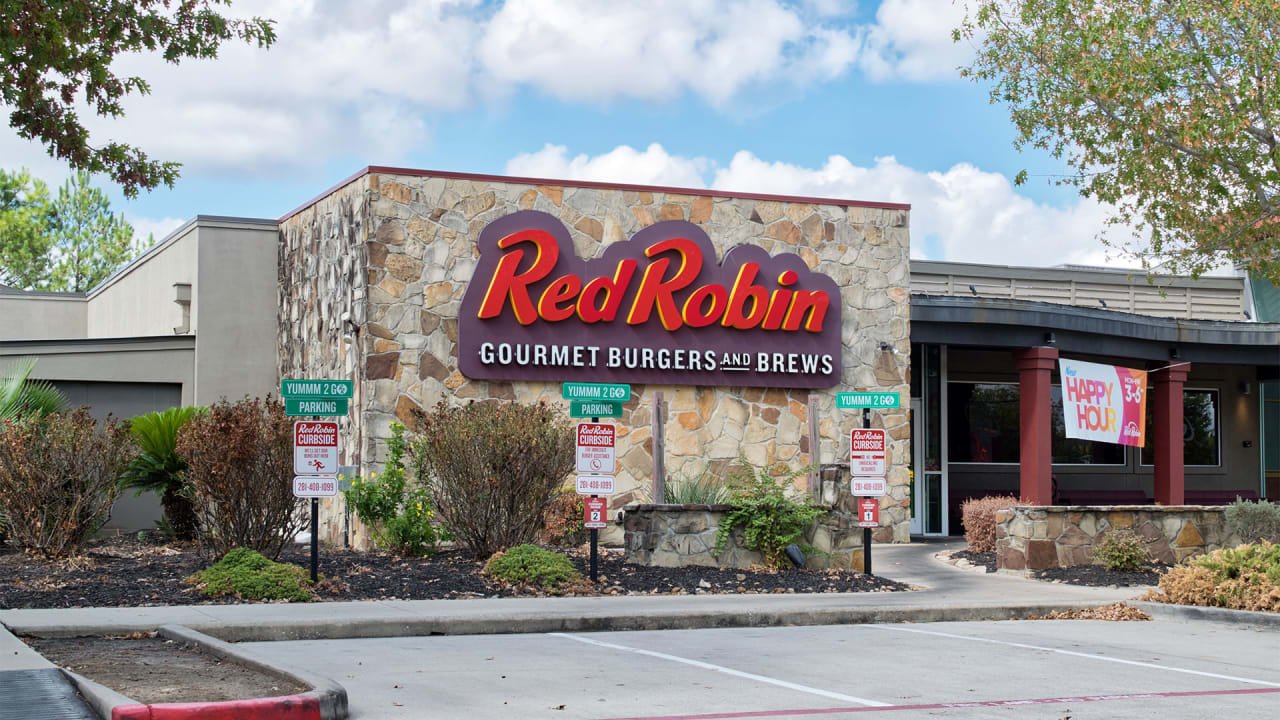
Red Robin Gourmet Burgers is looking to close up to 70 underperforming locations, representing about 14% of the 498 restaurants that were operating as of the end of last year. The company has already closed one restaurant upon lease expiration, it said in an earnings release last week, and it plans to close three additional locations within the first quarter of 2025. Most of the 70 locations are likely to close at some point in the next five years once their leases expire, Restaurant Dive reported, with as many as 15 closing this year. This decision follows a review of the company’s operations, which revealed that these sites are not meeting performance expectations. Red Robin reported a net loss of $39.7 million in the fourth quarter of fiscal 2024, a sharp decline compared to the $13.7 million loss reported in the same period of 2023. Despite this, the company reported a 19% increase in adjusted EBITDA, reflecting the success of its cost-saving measures. Highlights for Q4 and full-year 2024 Total revenues of $1.25 billion for the year, down from $1.3 billion in 2023. Q4 revenues were $285.2 million, down $23.8 million due to one fewer operating week. Comparable restaurant revenue decreased 1.2% for the year, but increased 3.4% in Q4 (1.8% including deferred loyalty revenue impact). Net loss of $77.5 million for the year, compared to a net loss of $21.2 million in 2023. Q4 net loss was $39.7 million, impacted by $32.4 million in impairment and closure costs. Adjusted EBITDA of $38.8 million for the year, down 43.7%, with a 19% increase in Q4 to $12.7 million. Lingering optimism While the closures mark a difficult chapter for the company, Red Robin’s leadership believes the actions taken will better position it for future growth and profitability. CEO G.J. Hart highlighted the significant improvements in customer traffic, with a 600-basis-point improvement from the first to the fourth quarter. The company is focusing on bringing guests back into restaurants with its “North Star” plan, which aims to boost guest experience and operational efficiency. Red Robin has restaurants in 39 U.S. states and one Canadian province, with its largest presence in California, Washington State, and Colorado. In closing underperforming locations, it would join a growing list of dining chains including Denny’s, Wendy’s, TGI Fridays, and several others that have moved to reduce their footprint in recent months. Shares of Red Robin stock (Nasdaq: RRGB) are down almost 24% in the last 12 months. View the full article
-
There’s a cat-and-mouse game between those using generative AI chatbots to produce text undetected and those trying to catch them. Many believe they know the telltale signs—though as a journalist fond of the word “delve” and prone to em-dashes, I’m not so sure. Researchers at four U.S. universities, however, have taken a more rigorous approach, identifying linguistic fingerprints that reveal which large language model (LLM) produced a given text. “All these chatbots are coming out every day, and we interact with them, but we don’t really understand the differences between them,” says Mingjie Sun, a researcher at Carnegie Mellon University and lead author of the study, which was published in Cornell University’s preprint server arXiv. “By training a machine learning classifier to do this task, and by looking at the performance of that classifier, we can then assess the difference between different LLMs.” Sun and his colleagues developed a machine learning model that analyzed the outputs of five popular LLMs, and was able to distinguish between them with 97.1% accuracy. Their machine learning model uncovered distinct verbal quirks unique to each LLM. ChatGPT’s GPT-4o model, for instance, tends to use “utilize” more than other models. DeepSeek is partial to saying “certainly.” Google’s Gemini often prefaces its conclusions with the word “essentially,” while Anthropic’s Claude overuses phrases like “according to” and “according to the text” when citing its sources. xAI’s Grok stands out as more discursive and didactic, often reminding users to “remember” key points while guiding them through arguments with “not only” and “but also.” “The writing, the word choices, the formatting are all different,” says Yida Yin, a researcher at the University of California, Berkeley, and a coauthor of the paper. These insights can help users select the best model for specific writing tasks—or aid those trying to catch AI-generated text masquerading as human work. So, remember: according to this study, if a model utilizes certain words, it’s certainly possible to identify it. View the full article

-
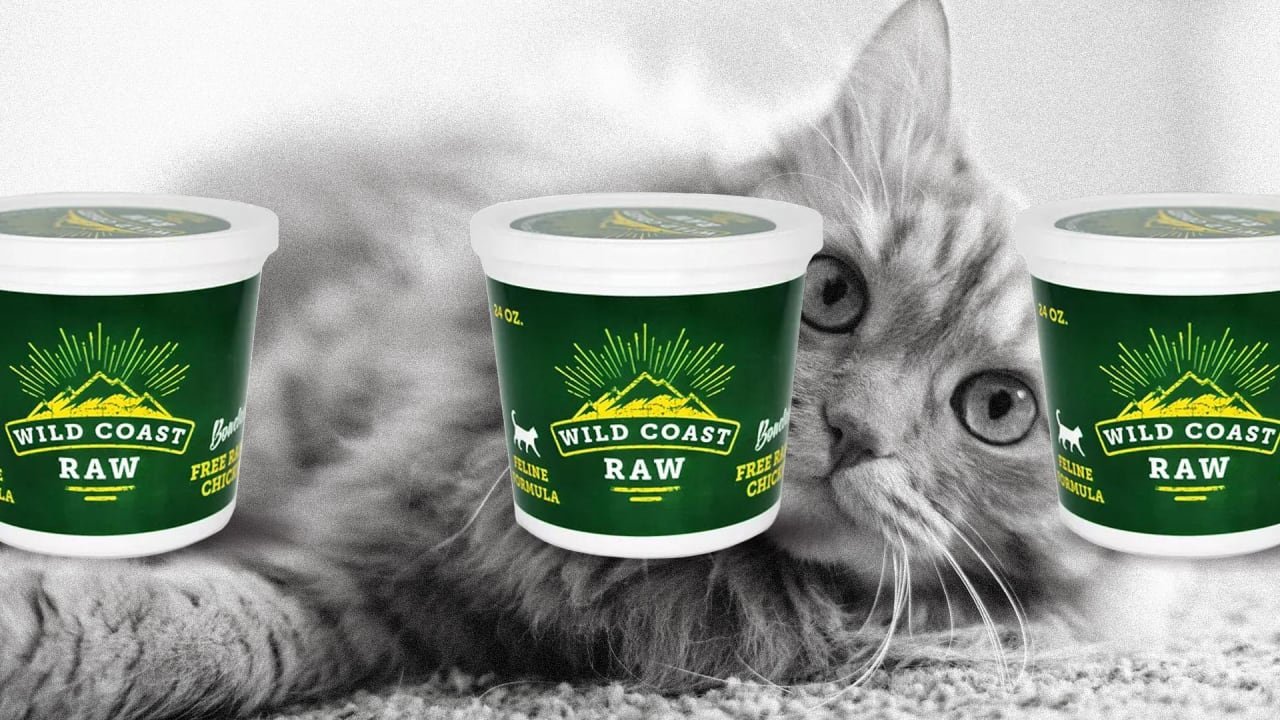
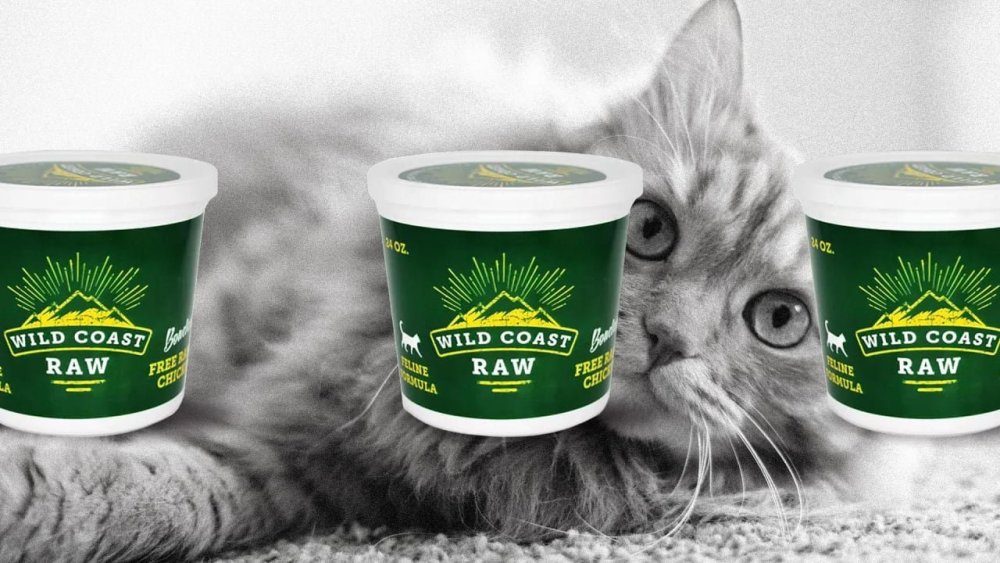
America has been dealing with a bird flu outbreak for some time, and now fears over possible contamination in cat food have led to a recall. Here’s what to know about the recall of cat food linked to possible bird flu contamination. What’s happened? On March 1, the U.S. Food and Drug Administration (FDA) published a recall notice relating to certain products sold by Wild Coast LLC (dba Wild Coast Raw) of Olympia, Washington. The recalled products are raw pet food for cats. The reason? The products may be contaminated with Highly Pathogenic Avian Influenza (HPAI) H5N1, better known as bird flu. The bird flu virus can live in manufactured products, including pet food that has been made with contaminated birds. The notice posted on the FDA’s website expands on a mid-February public health alert from the Washington State Department of Agriculture warning that it found the presence of HPAI in multiple cats and the same cat food they consumed. That cat food was Wild Coast LLC – Boneless Free Range Chicken Formula with lot numbers #22660 and #22664 and the Best By Date 12/2025, according to the notice. However, the notice posted on the FDA’s website on March 1 widens the list of products that could be affected. That notice is about a voluntary recall initiated by Wild Coast LLC. What cat food products are included in the recall? According to the recall notice posted on the FDA website, Wild Coast LLC’s voluntary recall covers the following: Brand name: Wild Coast Raw Product Description: Frozen Boneless Free Range Chicken Formula raw pet food for cats product. Best Buy date: 12/25 Lid numbers: #22660, #22653, #22641, #22639, #22672 and #22664 Images of the product packaging can be found here and here. The notice posted on the FDA’s website says that owners who have had the recalled pet food in their possession should remain alert for symptoms of bird flu in both their pets and other people. What are the symptoms of bird flu in pets? According to the notice on the FDA’s website, symptoms of the bird flu in pets include: fever lethargy low appetite reddened or inflamed eyes discharge from the eyes and nose difficulty breathing tremors stiff body movements seizure lack of coordination blindness The notice states that you should contact a veterinarian if you observe these symptoms in your pets. What are the symptoms of bird flu in people? According to the notice posted on the FDA’s website, symptoms of bird flu in humans include: eye redness or irritation (conjunctivitis) cough sore throat sneezing runny/stuffy nose muscle/body aches headaches fatigue fever trouble breathing seizures rash diarrhea nausea vomiting People who experience symptoms are urged to contact their local health department and healthcare provider. What do I do if I have the recalled product? You should not serve it to your pets or any other animal. Also, do not donate or sell the recalled products. Instead, you should securely dispose of it in a way so no animals, including wildlife, can consume it. You are also urged to wash your hands and thoroughly sanitize any surfaces the product or its packaging have come into contact with. Those with questions can contact Wild Coast Raw at (360) 591-3543 or email them at info@wildcoastraw.com. View the full article
-
One of the best souvenirs I have from my first trip around the world is the journal I kept over those 18 months. Having captured my thoughts and feelings as I traveled has allowed me to relive that trip over and over again in the years since. Memories fade, so being able to relive events as they happened is priceless. To be reminded of the people I met, places I saw, and things I felt? To see my journeys through the eyes of my younger self makes me glad I kept a journal. Younger me was wise! While we memorialize our travels on social media, journals let you get more personal and honest. After all, unlike social media, you’re (probably) the only one that is going to read it. Long-form writing also allows you to go a lot more in-depth and is a lot easier to look through in the future (you don’t have to endlessly scroll). That’s why I created My Travel Journal — because I think more travelers should spend time journaling as they explore. I released this journal last year and it sold out! But I found 96 copies in my apartment so I am putting the journal back on sale! This journal features guided prompts to help you remember everything you experience on the road, as well as quotes to keep you inspired along the way. It also includes pre- and post-trip sections, so you can set your intentions before you actually record your experiences, and then reflect on everything. It has everything you need to record your trip: It has guided prompts so you remember to write down all your important memories. There is free space too so you can just let your thoughts run wild. It has inspirational travel quotes to keep you inspired. It’s only as thick as a Moleskine, so it’s perfect to travel around with. I’ve designed the journal to be as straightforward and streamlined as possible so that you can remember all those incredible moments. It will help you get into the habit of journaling every day too. This journal is only $15 USD and includes free shipping. It is 168 pages thick and weighs .75 lbs and comes in four colors: Beige Black Navy Pink You can click here to order the journal. Come get one of the last copies of these journals. They were much loved by the community and I am sure you or whoever you give this to will love it! NOTE: This journal is available to US customers only at the moment. If you are in another country, email me and I will see how much it costs to ship the journal to you! If you have any questions, email me at matt@nomadicmatt.com. Book Your Trip: Logistical Tips and Tricks Book Your Flight Find a cheap flight by using Skyscanner. It’s my favorite search engine because it searches websites and airlines around the globe so you always know no stone is being left unturned. Book Your Accommodation You can book your hostel with Hostelworld. If you want to stay somewhere other than a hostel, use Booking.com as it consistently returns the cheapest rates for guesthouses and hotels. Don’t Forget Travel Insurance Travel insurance will protect you against illness, injury, theft, and cancellations. It’s comprehensive protection in case anything goes wrong. I never go on a trip without it as I’ve had to use it many times in the past. My favorite companies that offer the best service and value are: SafetyWing (best for budget travelers) World Nomads (best for mid-range travelers) InsureMyTrip (for those 70 and over) Medjet (for additional evacuation coverage) Want to Travel for Free? Travel credit cards allow you to earn points that can be redeemed for free flights and accommodation — all without any extra spending. Check out my guide to picking the right card and my current favorites to get started and see the latest best deals. Need a Rental Car? Discover Cars is a budget-friendly international car rental website. No matter where you’re headed, they’ll be able to find the best — and cheapest — rental for your trip! Need Help Finding Activities for Your Trip? Get Your Guide is a huge online marketplace where you can find cool walking tours, fun excursions, skip-the-line tickets, private guides, and more. Ready to Book Your Trip? Check out my resource page for the best companies to use when you travel. I list all the ones I use when I travel. They are the best in class and you can’t go wrong using them on your trip. The post Get Our Travel Journal to Record Your Travels! appeared first on Nomadic Matt's Travel Site. View the full article
-
Master Google Shopping product feed optimization with these expert tips. Improve visibility, conversions, and ROAS with smarter data, better images, and structured attributes. The post 10 Google Shopping Product Feed Optimization Tips & Tricks appeared first on Search Engine Journal. View the full article
-
Over the past decade, as I’ve curated this annual list of best bags, there’s been a strong focus on utility. But this year, bag designers are eager to create bags that make a statement, while also improving women’s lives with useful features. In some ways, the bag industry is coming full circle. When I first started working on this list, the bag industry was dominated by big brands like Coach and Kate Spade that were more concerned with fashion than function. But then, a new generation of direct-to-consumer brands like Dagne Dover, Cuyana, and Senreve popped up, creating bags full of features like laptop and water bottle sleeves that helped women get through busy days. In some ways, these startups changed the entire universe of bag designs. “Now, functionality is table stakes for bag designers,” says Karla Gallardo, co-founder and CEO of Cuyana. “The trick is creating a highly functional bag that’s also spectacular.” Many new bags on the market today are meant to stand out and allow the wearer to express herself. They come in architectural shapes, with interesting silhouettes. But they are all designed to get you from packed days at work to the weekend to your long flight. Here is our pick of the best work-life bags of 2025. And they all happened to be created by women-owned startups. Cuyana Mila Satchel, $798 If you’re looking for a bag that will make an impression, consider the Mila. It’s the kind of structurally gorgeous bag that will elevate your look as you go in to an important board or investor meeting. Cuyana spends many years designing bags, then testing them with customers to continue making tweaks and improvements. This particular bag is specifically designed for travelers. It has a travel sleeve that fits over luggage and importantly, it has a wide base so it can sit under the seat in front of you. And you can carry it two ways, with the wide short handles or with a strap that you can clip on. When it opens, everything is easily accessible and visible. There’s a slot for your laptop, as well as pockets for your phone and a clip for your key. You can even purchase a clutch that clips into Mila, so you can leave the big bag at home and take the smaller bag out to dinner. The whole system is designed to save you time on high-pressure days. Parker Thatch Jane, starting at $698 These days, with hybrid work, the amount we need to carry every day varies tremendously. Some days, you need to carry your laptop and files, the next day, you might just need a wallet and chapstick. Parker Thatch, a California-based label, believes your bag should magically shrink and expand depending on what you’re doing for the day. That’s precisely what it has achieved with its Jane bag. It’s made from soft, buttery leather that can fit a large laptop. But when the bag isn’t full, it collapses in an elegant way that gives you a relaxed, put together look. It comes in a wide range of colors to suit different aesthetics. The navy and espresso will fit into a more formal workplace, but you can also opt for leopard print, platinum, or camo with a red stripe if you want to go bolder. Clare V. Bateau Tote, $475 For another collapsible bag, Clare V.’s Bateau tote also has an amazing ability to transform. On the surface, it has a simple tote silhouette that can fit a laptop along with everything you might need for your workday. It has an over the shoulder strap for easy carrying. But when you don’t need to fill it up, can collapse the tote into a much smaller bag by bringing the two edges together. You can then carry it with short handles which happen to have the word “Ciao” on them, in a quirky bohemian style Clare V. is known for. This tote is very practical, but it is also fun and unique. As icing on the cake, this bag has a gorgeous texture that weaves two colors of blue together to create a checker pattern. Oleada Wavia Bag Plus, starting at $635 If you need to head to the office every day and are constantly on the road for business trips, you need a bag that will allow you to easily carry a lot of heavy items, including your laptop and documents. There are many travel brands that sell products that do the job, but they don’t look stylish. Oleada’s Wavia bag wants to be both. It has clean lines and a curved wave design, and it is packed with useful features. It can be carried as a backpack, a shoulder bag, a cross-body and a handbag. It has a luggage sleeve that allows you to put it on your rolling luggage. And even has a lock closure to keep the bag securely closed. Since the bag is designed around your laptop, it comes in two sizes: 13 inch and 16 inch. You can get it in either leather or a vegan synthetic material that comes in a wide range of colors. And importantly, no matter what material you choose, the bag is very light, weighing in at around 2 lbs. Linquist Hilma, $750 Linquist, a studio studio based in Rhode Island, creates bags that are inspired by works of art. The Hilma, for instance, is designed around by the pleasing shape of an ellipse, with an oval base and a gradually widening top. The bag is named after Hilma af Klint, a Swedish artist who was among the first abstract artists in Western art history. Her paintings are grounded in geometric shapes, exploring how these figures appear both in the body and in the natural world. The Hilma bag is big enough to get you through busy days, and it is designed to be worn for a long time. It is handmade in Rhode Island by a team of artisans, and crafted from full grain Vachetta leather that is not treated with preservatives or chemicals. Over time, the material is designed to patina as it is exposed to your hands and the elements. It comes in a wide array of colors, but because it is made in small batches, different colors are available at different times. View the full article

-
We may earn a commission from links on this page. I've pored over Netflix's release schedule to bring you the best movies and TV shows premiering on the service this month. My must-watch of the month: The Electric State, a comedy sci-fi movie starring Millie Bobby Brown, Chris Pratt, and adorable (but maybe deadly) robots. I'm also psyched for Chaos: The Manson Murders, a new film from documentary GOAT Errol Morris (The Thin Blue Line, Mr. Death), and I'll be checking in on Everybody’s Live, a talk show hosted by John Mulaney that's streamed live. The Electric State Based on the acclaimed graphic novel by Simon Stålenhag, The Electric State is a sci-fi comedy set in a retro-future version of America in the years after a war between humans and robots nearly wiped out humanity. Most people, understandably, don't trust robots, but main character Michelle, played by Millie Bobby Brown, is traveling with a pair of mysterious 'bots, searching for her lost brother. Also on hand: a drifter named Keats, played by Chris Pratt. The Electric State's big stars and intriguing premise make it a must-watch. Starts streaming March 14. Chaos: The Manson Murders Legendary film-maker Errol Morris turns his always-revealing lens on the Manson Family murders in this provocative new documentary. Not satisfied with "official" explanations of Charles Manson's motives and strange personal charisma, Morris ties the crimes to a larger narrative involving the CIA, LSD, Jack Ruby, The Beach Boys, and who knows what else. Chaos: The Manson Murders features interviews with experts, living witnesses, and archival footage of the Manson clan, combined by a master of the craft. Starts streaming March 7. Everybody’s Live with John MulaneyNetflix is entering the talk show world with Everybody’s Live with John Mulaney, a weekly live show hosted by Mulaney, who also serves as co-showrunner, and executive producer. If his first Netflix live show, John Mulaney’s Everybody’s in LA, is the model, expect eclectic celebrity guests, phone calls with the viewing audience, and the spontaneous magic that only working live brings. At a recent press event, Mulaney promised, "We will never be relevant. We will never be your source for news. We will always be reckless. Netflix will always provide us with data that we will ignore.” Sounds promising. Starts streaming March 12. Million Dollar Secret British comedian Peter Serafinowicz hosts this Netflix reality show in which 12 cutthroat competitors travel to an opulent mansion to try to get rich. One contestant finds a million dollars in their room. They get to keep it, but only if no one else discovers their secret. The combination of exotic locations, intricate schemes, a hilarious host, and a contest with a million dollars on the line sounds like reality-show gold to me. Starts streaming March 26. With Love, Meghan Meghan Markle, the Duchess of Sussex, has her own reality show. According to Netflix, in With Love, Meghan, Markle "challenges us to pursue joy over flawlessness—to revel in the small, meaningful touches that may make a loved one’s day." Right away, Your Grace. The show features a mix of practical how-tos and conversation with guests like chef Roy Choi and Mindy Kaling that take place in Markle's kitchen, garden, and even her beehive. I love beehive talks! Starts streaming March 5. The Leopard Based on the best-selling novel by Giuseppe Tomasi di Lampedusa, The Leopard is set in late 19th century Sicily and tells the story of the redshirt army's attempt to conquer the Italian island. It's the last days of the European aristocracy, and Don Fabrizio Corbera, the Prince of Salina, realizes that his family's lives of privilege and frivolity are at their end, so he must forge new alliances and make difficult choices so they can survive in the modern world. Starts streaming March 5. Delicious This Netflix original from Germany tells the story of a wealthy family unraveling during their summer vacation in Provence. After they hit a woman with their car, the family agrees to take her on as their maid. It seems like kindness, but it's anything but: Each member of the family secretly wants something different from this beautiful young woman, leading to consequences that spin out of control and shatter the facade of their perfect lives. Starts streaming March 7. Plankton: the Movie Who doesn't love Plankton from Spongebob? This animated Netflix original finally gives the little copepod with big dreams a starring role. As you'd probably expect, Plankton is trying to destroy the world, but his plans are complicated when domestic problems inspire his sentient computer wife Karen to destroy the world without him. Don't despair, Squidward fans: favorite Spongebob characters like Patrick and Sandy will appear in Plankton: The Movie, and so will the voice actors who bring them to life. Starts streaming March 7. American Manhunt: Osama bin Laden Remember Osama Bin Laden? This suspenseful documentary tells the story of how he was tracked, caught, killed, and had his corpse dumped in the sea. Featuring rare archival footage and interviews with the CIA agents who were there, American Manhunt: Osama bin Laden gives viewers an inside look at one of the most complex and extensive manhunts in history. Starts streaming March 10. Adolescence The dramatic question at the center of four-part Netflix series Adolescence is "What would you do if your teenage son was accused of murder?" Stephen Graham plays Eddie Miller, whose 13-year-old son Jamie, played by Owen Cooper, is arrested for the murder of a teenage classmate. To illustrate the provocative premise, each episode of Adolescence is presented as a single, continuous shot, so both film nerds and drama fans should put this on their watch list. Starts streaming March 13. The Twister: Caught in the Storm Tornadoes are the most visually interesting natural disaster, and this documentary takes full advantage of their awesome cinematic power. The Twister: Caught in the Storm tells the story of the massive tornado that tore apart the town of Joplin, Missouri in 2011 through interviews with survivors and tons of harrowing footage shot by people who were right freakin' there when disaster struck. Starts streaming March 18. The Residence If you like a good whodunit, check out The Residence. Uzo Aduba plays Cordelia Cupp, a brilliant but eccentric detective tasked with solving a murder that takes place during a state dinner at the White House residence. Everyone is a suspect: the staff, the guests, maybe the president himself. With a killer on the loose in the halls of power, Cupp must navigate a complex web of politics and personalities if she's going to crack the case. Starts streaming March 20. Gold & Greed: The Hunt for Fenn's TreasureForrest Fenn was a strange old rich guy who buried a chest full of gold somewhere in the Rockies, published a poem full of cryptic clues to its location, then invited everyone on Earth to try to find it. This Netflix original documentary examines the decade-long treasure hunt that followed. As you'd probably guess, it got way out of hand: Searching for Fenn's treasure ended up costing people their families, their jobs, and even their lives. Starts streaming March 27. Survival of the Thickest, season 2 Comedian Michelle Buteau is the co-creator and star of Survival of the Thickest, an ensemble comedy that earns high praise from critics. Season 2 of Thickest finds main character Mavis Beaumont, a large and in charge fashion stylist, in Italy, rebuilding her life, chasing her dreams, looking for love, and scoring designer swag. Series regulars Tone Bell, Tasha Smith, and Marouane Zotti will return, and we'll meet new characters played by Anderson .Paak, Deon Cole, Sandra Bernhard, and more. Starts streaming March 27. The Life List If you're in the mood for a rom com, check out The Life List. Sofia Carson stars as Alex Rose, a young woman on a quest to check off all the items on a bucket list she made when she was 13. By following through on entries like "go all out in a mosh pit" and "do stand-up comedy," Rose opens her world, but one of the entries is "find true love," and you know that's gonna drive this heartfelt, emotional romantic comedy. Starts streaming March 28. Last month's picksZero Day This is the first time Robert De Niro has starred in a TV series, so Netflix is going big with Zero Day, a political drama/thriller series detailing the aftermath of a deadly cyberattack. De Niro plays respected former President George Mullen, who's heading up the investigation of an information attack that killed thousands of Americans. Mullen must navigate a world of shady tech moguls, government power brokers, and his own past if he's going to prevent a second, even deadlier cyber-disaster. Starts streaming February 20. Kinda Pregnant In this Netflix original romantic comedy, comedian Amy Schumer plays Lainy, a woman who is so jealous of her pregnant friend, she straps on a fake stomach and tells everyone she has a baby on board too. Her mountain of lies grows with her fake belly, but things get really complicated when Lainy meets the man of her dreams. If you're into Schumer's brand of comedy or just like a little frothy rom-com action, check out Kinda Pregnant. Starts streaming February 5. La Dolce Villa Just in time for Valentine's Day comes La Dolce Villa, a Netflix original rom-com set in a romantic Italian village. Scott Foley plays Eric, a businessman who's lost his mojo, who travels to Italy to stop his daughter from wasting her money restoring a crumbling villa she bought for a Euro. Along the way, he rediscovers his lust for life, laughter, beauty, and love. I bet the old Villa actually isn't such a dump after all. La Dolce Villa also stars Maia Reficco, Giuseppe Futia, and Violante Placido. Starts streaming February 13. Home Improvement, Seasons 1-8 If you're in the mood for comforting nostalgia, you could do much worse than Tim Allen's iconic late 90s/early aughts series; it's the ultimate, mildly amusing, totally mindless family sit-com. Allen plays Tim Taylor, host of home improvement show-within-a-show Tool Time and patriarch of a suburban Detroit family that has all kinds of sit-com style dilemmas. The Taylors' mix-ups and lighthearted hassles fill up eight seasons of episodes, so feel free to binge them all at once while pretending it's 2004. Starts streaming February 1. Space Jam (1996) Speaking of comforting nostalgia, 1996's cartoons-meet-basketball comedy Space Jam is coming to Netflix. The movie pairs ancient sports superstars like Michael Jordan, Larry Bird, and Charles Barkley with ancient cartoon superstars like Bugs Bunny, Yosemite Sam, and Daffy Duck, and then has them play basketball on another planet. Somehow, this weird concept works and results in a movie that's great fun and superior in every way to the recent reboot. Starts streaming February 1. Celebrity Bear Hunt In this reality show version of The Most Dangerous Game, professional survival guy Bear Grylls hunts a group of 12 celebrities in the jungles of Costa Rica. Sadly, the cast is made up of British celebrities like Shirley Ballas, Mel B., and Boris Becker, and losing contestants aren't gunned down like rabid wildebeests when Grylls catches 'em; but still, Celebrity Bear Hunt puts privileged people in uncomfortable situations (always good TV), and the scenery is beautiful. Starts streaming February 5. Grimsburg In this Fox cartoon for adults, Jon Hamm voices hardboiled detective Marvin Flute. Flute has cracked some of the most complicated and dark cases in history, and now he's returning to his home town to tackle his most puzzling mystery: his own family. Judging from the trailer, Grimsburg looks pretty funny with sharp writing and a talented voice cast, so I'm going to give this one a shot. Starts streaming February 5. Sweet Magnolias, season 4 Sweet Magnolias is the kind of feel-good, heartfelt, emotional series that never makes it past my algorithm, but enough people dig it that it's coming back for a fourth season. In season 4, The Magnolias' world is shaken and their bonds are tested by a town tragedy and a destructive storm. I don't know for sure, but I have a feeling that love and hope will ultimately save the day—it seems like that kind of program. Starts streaming February 6. The Åre Murders (Season 1) I'm not sure why icy Northern European nations make such great neo-noire murder series, but I'm glad they do. Swedish Netflix original The Åre Murders tells the story of one of Stockholm's finest, officer Hanna Ahlander, whose vacation at a ski resort in Åre is interrupted by a missing person case. A young woman has disappeared, and the understaffed local cops need Ahlander's skills to solve the mystery, but can they trust her enough to work together? Starts streaming February 6. Surviving Black Hawk Down This Netflix original documentary series tells the story of the Battle of Mogadishu made famous in Black Hawk Down. Speaking of, both that film and Surviving Black Hawk Down. were produced by Ridley Scott, who gathered survivors of the incident on both sides to tell the story of the harrowing day when two American helicopters were shot down in Somalia. If you like true-life war stories, don't miss it. Starts streaming February 10. The Witcher: Sirens of the Deep It's probably going to be more than a year until a new Witcher game comes out, but in the meantime, check out The Witcher: Sirens of the Deep, a feature-length anime movie that continues the adventures of the famous monster hunter Geralt. Based on one of the original Witcher stories, Sirens of the Deep finds Geralt at a seaside village, investigating a series of attacks. At the risk of spoiling the story, there are monsters bedeviling the town—merpeople, mankind's ancient, soggy enemy. Starts streaming February 11. Cobra Kai, season 6 – part 3This is it: the end of the Cobra Kai saga that began back in 1984 with The Karate Kid. (But since Cobra Kai never dies, it might not actually be the end.) The new version of the Karate Kid story takes place in a weird alternative universe version of the San Fernando Valley where everyone's life revolves around youth karate, and literally everyone remembers the All Valley championship of 1984. Cobra Kai's mix of campy, "remember the 80s?" nostalgia, fighting, and over-amped teen drama shouldn't be as entertaining as it is. Starts streaming February 13. Resident Alien, season 3 I don't feel like Resident Alien gets enough love. The quirky, inventive comedy sci-fi series is entering its third season, and the first two were awesome. The titular alien, played by Alan Tudyk, is no longer on a quest to destroy all mankind. With the gray aliens on the way to end humanity, Harry (or more accurately, the alien wearing Harry's skin) now wants to save the earth and thwart the invasion, all while trying to navigate the weird culture of people without blowing his cover. Starts streaming February 13. Love is Blind, season 8 It's been five years since Love is Blind launched, and to mark the anniversary, Netflix is releasing a new season of the romance-based reality show. Season 8 is set in Minneapolis and finds another crop of singles agreeing to meet and date romantic partners—and potentially get engaged—without ever seeing each other. As a life choice, waiting until the wedding to lay eyes on your fiancee seems unwise, but as a television diversion, it's top notch. Starts streaming February 14. Running Point Kate Hudson stars in this basketball-based comedy series created by the always inventive Mindy Kaling. Hudson plays Isla Gordon whose family owns storied Los Angeles basketball team, the LA Waves. When her brother is forced to step down as president, Isla takes over, setting up a classic culture-clash of a woman entering a massively male-dominated space. Will she win over skeptical players, fans, investors, and her own brothers? I'd bet on "yes," now that sports betting is allowed in the U.S. Starts streaming February 27. View the full article
-
Search ads are powerful. But with fierce competition in PPC, it’s not enough to just show up. To stand out, you need more than basic ad copy. This article breaks down how to craft search ads that grab attention and drive results. You’ll learn actionable strategies for writing compelling headlines and descriptions, plus advanced techniques like A/B testing, ad asset optimization, and competitor analysis. Master the fundamentals of search ads Strong search ads start with the fundamentals. Here’s what to keep in mind: Use relevant keywords: Include keywords from your ad group in the headline and description to improve Quality Score, CTR, and conversion rates. Add a call to action (CTA): Phrases like “Call now” or “Order today” encourage action and increase CTR and conversions. Highlight unique selling points: Make your business stand out with details like: “30 years of experience.” “Locally owned and operated.” “A+ BBB rating.” “Certified organic.” “Licensed, bonded, insured.” “Free shipping.” Follow proper formatting: Use title case for headlines and sentence case for descriptions. Use the display path: Don’t overlook the display path (formerly display URL). It’s an easy way to add more keywords. Prioritize performance over ad strength: Focus on KPIs – not just achieving excellent ad strength. Avoid writing bad ads just to improve this rating. Align keywords, ads, and landing pages: Match keywords in your ads to your landing page content to ensure a consistent experience, which increases conversions. Ensure flexible copy: Write headlines and descriptions that make sense in any order. Quality matters more than quantity: You don’t need to max out your headlines or descriptions. Prioritize clarity and relevance. Review AI suggestions carefully: Double-check AI-generated copy. It’s not always accurate and requires human oversight. Maximize ad assets: Take advantage of ad assets to provide additional information and improve performance. Apply to Google and Microsoft Ads: These best practices work across both Google Ads and Microsoft Ads platforms. Be concise: Use abbreviations, symbols (&), and lists to save space. For example: Good “Fast, Friendly, Local & Affordable – Call Now” Bad “We offer fast service and our team is friendly. Our company is locally owned and operated and we offer affordable service. Call us today to speak to one of our friendly customer service representatives.” Proven sources for ad copy ideas Great ad copy doesn’t have to start from scratch. Use these sources to find ideas and refine your messaging. Analyze competitor ads: Search your target keywords on Google to see how competitors position themselves or use third-party tools to explore their ad copy for inspiration. Leverage website content: Review your website or competitor websites for unique selling points, product or service benefits, and differentiators. You don’t need to start from scratch – repurpose existing content when it fits. Use AI as a starting point: AI tools can help brainstorm ad copy, but never copy and paste the output directly. Always have a human review before your ads go live. Disable automated ad creation: Turn off automated assets, as well as ads and assets auto-apply recommendations to prevent Google from publishing ads without your approval. While Google’s suggestions can be useful, manual oversight ensures your messaging stays accurate and on-brand. Create headlines that drive clicks For better results, write several headlines that start with keywords and selling points when possible. This improves Quality Score, CTR, and conversion rates. Consider pinning the first headline if it contains a keyword, but avoid pinning all headlines. In the old extended text ads (ETAs) format, the first headline typically included the target keyword, the second highlighted a selling point, and the third featured a call to action. With responsive search ads (RSAs), write headlines that cover these roles and allow the algorithm to rotate them for optimal performance. Ensure your headlines make sense in any order, and avoid overusing one particular format. Some examples of headlines with keywords, the Most Important Headline Format: “Best running shoes.” “Fast appliance repair.” “Personal injury attorney.” Get the newsletter search marketers rely on. Business email address Sign me up! Processing... See terms. Write descriptions that convert Ad descriptions provide more space to highlight selling points that may not fit into headlines. The same principles apply: Include keywords. Emphasize selling points. Add a call to action. With a higher character limit than headlines, descriptions allow for more detail and specificity. Examples of descriptions with selling points are: “Licensed, bonded, insured.” “Get a free, no-obligation estimate today.” “Former prosecutor.” “We are committed to excellent customer service.” “Commercial and residential services available.” “Proudly serving Houston for over 35 years.” “Locally owned and operated.” “Free shipping available.” “We guarantee our work for 3 years.” Optimize RSAs with pinning and A/B testing Should you pin headlines and descriptions in your RSAs? In most cases, you don’t need to pin all headlines and descriptions. However, pinning the first headline can be useful if you want to consistently display a specific message – like a target keyword or dynamic keyword insertion (DKI). If your ad needs to follow a specific order, you can pin up to three options in each position (e.g., three headlines in Position 1, three in Position 2, etc.). While this approach is less common, it’s worth testing if your messaging relies on a fixed sequence. Alternatively, you can avoid pinning altogether and let the algorithm rotate multiple headline and description combinations to find the best-performing mix. Many advertisers find a hybrid approach effective – pinning Headline 1 while leaving the rest unpinned. The key is to test and adjust based on performance, focusing on conversions and conversion rates rather than Ad Strength. A/B test RSAs for maximum impact With RSAs, you typically test one RSA per ad group. Only test two RSAs if your ad group has significant traffic, and ensure each ad emphasizes a different theme to make the test worthwhile. For example, if one RSA highlights credentials, the other could focus on discounts or special offers. Avoid testing multiple ads with repetitive messaging, as it won’t provide meaningful insights. Test these ad themes for better performance Here are a few approaches for testing distinct ad themes: Use personal language to build trust “Licensed, bonded, insured.” “Your trusted local law firm.” “Your best choice for premium, organic clothing.” Test question (problem) / answer (solution) formats “Hurt in a car accident? ABC Law Firm can help!” “We’ll help you get the money you deserve – Call now!” Highlight your company’s unique qualifiers “#1 AC repair in Houston – We beat any price.” “30 years of experience – Fast and affordable service.” Speak directly to the individual “We fix your AC fast – Get your free quote now.” “You deserve a cool home – We can help today!” Emphasize local service “Houston AC repair – Call now & save.” “Locally owned Houston AC repair – Same day service available.” For dynamic search ads, where headlines are automatically generated, you should still A/B test descriptions to identify the most compelling copy. Bringing it all together While Google Ads and Microsoft Ads continue to evolve, the core principles of effective ad copy remain the same. Formats and setup may change, but the fundamentals of strong, high-performing search ads still apply. Keep these key strategies in mind – no matter how the platforms update. View the full article
-
It is time for the monthly Google Webmaster Report. We are now in March as we continue to wait for the first Google core update of 2025. We did have a number of big unconfirmed Google updates, as documented below. View the full article
-
March 3, 2025 Hey friends, Working remotely is a journey: some days, you're in full productivity mode, and other days, you wonder if sending an email counts as a major accomplishment. 😅 So settle into your office (aka the couch), grab your favorite beverage, and let's jump in! Vic Our Favorite Articles 💯 WFH Has Made Everyone NSFW (Business Insider)It turns out that remote workers have developed some very specific habits—some productive, some questionable, and some that probably should stay off Zoom. What are yours? Read on (use Brave to get full access 😉). How to Get Hired When AI Does the Screening (HBR)Learn practical strategies to stand out in job applications when initial screenings are conducted by artificial intelligence. More details. Life Lessons from the First Half-Century of My Career (CACM)A seasoned professional shares invaluable insights from a 50-year career in the tech industry. Learn more. This Week's Sponsor 🙌Too many emails? Declutter your inbox with Meco, your home for reading newsletters. Try it for free Remotive Jobs 💼Is this job for you? 👉 Software Engineer at Discourse (Worldwide) 👉 Senior Android Developer at Mimo GmbH (EMEA, UK) 👉 Senior Backend Developer at Mimo GmbH (EMEA, UK) 👉 Senior DevOps Engineer (AWS) at Proxify (CET +/- 3 HOURS) 👉 Backend/Full-stack Python Developer (Odoo) at YouNav (Europe) 👉 iOS Developer at nooro (USA Only) Free Guides & ToolsPublic Job BoardWe curate 2,000 remote jobs so you don't have to! Find your remote job → Exclusive Webinar3 Mistakes to Avoid When Looking For A Remote Startup Job (And What To Do Instead) Register for free → Job Search TipsLooking for a remote job? Here are our tips to help you work remotely Check it out → View the full article
-
Have any of you heard of the Google Ads mystery shopping rating? Well, it may be used by Google for the overall store rating, which is calculated from customer reviews and a "Mystery Shopping Rating," according to a Google Ads rep.View the full article
-
Last December, Google confirmed they are testing double serving ads on the search results. Double serving ads is showing the same ad from the same advertiser more than once on the search results page. It was something against the Google Ads policy. Well, now Google is triple serving ads on the same page!View the full article
-
While we've seen AI Overviews in the United States for a while now, and while Google has expanded them to 100+ countries - they are still not officially launched in many European countries like Germany, Switzerland, Italy and others. Well, now we are hearing that Google is testing AI Overviews in those countries.View the full article
-
There are a few workplace topics that consistently bring out strong feelings, and performance reviews is at the top of that list. While most people would agree that it’s a good thing to have a tool to measure how employees are doing at their jobs, and a time for managers to discuss career advancement, very few seem to think that the way performance reviews are currently set up is working. In fact, a Gallup survey last year found that only 2% of human resource officers at major companies think their performance management system is working and just 22% of workers felt their review process was “fair and transparent.” One of the biggest complaints employees have about performance reviews is that they are so subjective. What it takes to be considered good at your job or eligible for a raise or promotion is often down to the opinions of just a couple of people. That means it’s a fertile ground for bias. So, if both employees and leadership think performance reviews are broken, could artificial intelligence be the magic bullet that fixes it? The new crop of startups selling AI-powered performance management tools certainly thinks so. But is it just swapping human bias for AI bias? Is something as nebulous as being “good at your job” quantifiable? And are humans ready to be evaluated by a robot? On the latest episode of The New Way We Work, I spoke to Bryan Ackerman, head of AI strategy and transformation at the management consulting firm Korn Ferry. He explained the benefits and drawbacks of using technology in both performance reviews and layoffs. Ackerman says that when considering introducing AI into performance reviews it’s important to start by asking the right questions: What is the fundamental thing we’re trying to change? There are lots of pain points with performance reviews, but AI isn’t suited to fix them all. Here’s what it can do. How AI can help the performance review process Efficiency: One of the most straightforward ways that AI can help improve the performance review process is efficiency. Ackerman notes that managers can use generative AI to help draft reviews from their notes, but it’s only good as a starting point. Since the manager still needs to edit the draft to make it meaningful, that can end up not really saving any time. On both the employees and manager side, AI is good at putting in data and quantifying it (for example sales numbers) but again, it’s subject to the quality and accessibility of that kind of data. Making reviews more understandable: One of the biggest issues with performance reviews is how subjective and arbitrary ranking systems feel. Ackerman says there’s potential for AI to help employers to standardize and be more transparent about rankings and use AI note taking apps to help serve as a jumping-off point for conversions. Assistance with career development: Ackerman thinks the most useful way that AI could help in performance reviews is by using it as a way to get reviews back to their original intention: as a career development tool. AI has the potential to help managers deliver better and more effective feedback, he says. What AI can’t help with There are pitfalls to using AI in performance reviews, Ackerman says, especially if you’re relying on it too heavily. It can give you too much data to work with, or “create more of a problem than it solves, if the data quality isn’t great,“ he says. “The question [is] are we making a manager’s life easier or harder?” Relying blindly on AI also has the potential to exacerbate the problems with performance reviews. “Is adding more data into the mix, making this process easier and more efficient and more consistent and safer and [with] less bias? Or is it just adding complexity that then the manager is somehow supposed to still make sense around?” he says. The bottom line is to not remove the human conversation and nuance from the process and instead use AI as a tool to help where it can. Listen to the full episode for more on the pros and cons of introducing AI into the review process, where he thinks things are going in the next few years, and if AI will be used in layoff decisions. You can listen and subscribe to The New Way We Work on Apple Podcasts, Google Podcasts, Stitcher, Spotify, RadioPublic, or wherever you get your podcasts. View the full article

-
Google now accepts RVs (recreational vehicles) and campers in Google Vehicle Ads. Google posted this on Friday afternoon and wrote, "Vehicle ads will be expanding to include recreational vehicles (RVs) and campers."View the full article
-
After 23 years as part of advertising and marketing services holding company IPG, creative agency R/GA bought back its independence through a new partnership between R/GA’s global management and private equity firm Truelink Capital. It marks the official announcement of a move reported by AdAge earlier this month, and after leaks about a potential sale emerged last summer. The management team leading the agency back to private business is headed by R/GA’s global CEO, Robin Forbes, and chair and global chief creative officer Tiffany Rolfe. Truelink Capital is also an investor in marketing tech companies Flipp and Ansira, as well as experiential marketing firm GES. Financial terms of the deal were not disclosed. R/GA’s current major global clients still include Google, Samsung, Moncler, TurboTax, Nike, and Eli Lilly. The move comes as IPG awaits approval of its merger with fellow public holding company Omnicom, which would create the world’s largest advertising services firm. R/GA’s new partners at Truelink have established a $50 million Innovation Fund for a boost in new skill sets and talent, as well as acquisitions for new capabilities, emerging tools, and platforms. The agency is also establishing a Strategic Advisory Council of senior marketing and technology executives to support emerging AI client transformation opportunities across multiple sectors. Forbes and Rolfe spoke exclusively to Fast Company about the deal and what it means for the agency. Both focused on the age-old industry debate between the freedom and flexibility to innovate in independence versus ultimately being a cog in a much larger publicly traded machine. “It made sense that, for the kind of company that we are, we needed to ensure we can change how we work and the model that we deliver to clients with more autonomy,” says Rolfe. “To really look at a longer horizon for how we think about our business.” R/GA made its name and reputation through its innovative work for brands during the first digital revolution, and Forbes and Rolfe say this new iteration of the agency is aiming to use that DNA to forge its future in the AI age. The company has been investing in AI-related tech for the past decade, particularly through its venture arm with companies like Reply.ai and Clarifai. “This moment is for us to really accelerate the evolution that we’ve been working on for some time of both the services that we offer, but also the way we’re doing our work,” says Forbes. A new day one It’s no secret that over the past few years, IPG’s digital agencies, including R/GA, have struggled financially. As other holding companies have done in recent years IPG has sold and consolidated many of its agency holdings. Last year, it sold once-hot agency Huge to private equity firm AEA Investors, and sold agencies Deutsch New York and Hill Holliday to Attivo Group. R/GA has faced multiple layoff rounds and executive departures in recent years, after two decades of leading in digital advertising and brand work. Among many other things, this is the shop that created Nike Plus (2006), the viral Straight Outta Compton campaign for Beats By Dre (2015), and won the Super Bowl for Reddit with a five-second ad (2021). There is no single reason that the agency was considered extraneous by IPG, but the leak of an impending sale last summer actually created a silver lining for Forbes, Rolfe, and the rest of the leadership. The process of buying back the agency could be done in public, and they could talk to clients about the implications and opportunities out in the open. The response from both its employees and clients was positive, which gave the team confidence and momentum in speaking to potential suitors. Now, Rolfe says that this is like a new day one for the agency that provides the opportunity to become a 48-year-old startup. “We have the legacy of experience and knowledge, but now we get a little bit of a refresh,” she says. “There’s this moment now where you can disrupt the idea that you have to be this big, scaled holding company size to address Fortune 500 clients. Or if you look at startups, what are many missing? What can’t they do? And I think we have enough scale but can still be agile. We have real deep experience with Fortune 500 types of scaled problems, and we can address that and build teams in a really modern agile way that allows us to address a lot of different needs.” New venture In any instance where a company embarks on a major shift like this, you will hear words like reinvention, reinvigoration, and the like. But what makes this more tangibly intriguing is the $50 million fund the agency has to work with to actually put concrete moves behind those words. Forbes says the focus of the fund is on three distinct areas. First, new hiring and training in order to upskill its talent base and augmenting its current talent with new kinds of skill sets. Second, product development in the form of blueprints or accelerators for improved and innovative work, that can result in IP and other assets. And third, building in new capabilities through acquisition. “We’re really excited about the concrete commitments to actually deploying capital in the business to accelerate this growth and this transformation mission that we’re on,” says Forbes. “It’s extra fuel to accelerate some of the things that we’ve been wanting to do, and feel are really important to do quickly.” View the full article
-
Walt Disney’s new headquarters in New York is like a city contained within a single block. By the end of this summer, around 5,000 people will work from within the stately 1.2-million-square-foot skyscraper, and the company ambitiously designed it to create a sense of flexibility and appeal for every single one of them. [Photo: Dave Burk/Disney] That’s a tall order, because the entertainment corporation’s portfolio is more diverse than ever. Today Disney’s work includes studio films and theme parks, but also broadcast news, radio, podcasts, streaming, digital media, and magazines. The media roster, largely based in New York, includes ABC News, ESPN, Hulu, and talk shows like The View, Live with Kelly and Mark, and the Tamron Hall Show. The brands were previously spread across multiple buildings in Manhattan and are now all relocating to the new building. So instead of referencing Disney’s cinematic archives (which made sense when creating a workplace for Imagineers) the design firms behind the building—SOM on architecture, Gensler on interiors, and SCAPE on the outdoor areas—looked to the core of its business in New York and designed a building that can move right alongside the fast-evolving nature of media. [Photo: Dave Burk/Disney] “Compared to Burbank and Orlando, New York Disney culture is so driven by news and sports and information as opposed to entertainment,” says Colin Koop, a partner at SOM. “The feeling of this building is meant to bring a cohesive culture across many business segments.” To that end, SOM and Gensler designed the building to be durable enough, aesthetically and functionally, to house all of its New York operations under one roof now and in the future. They created a space where everyone, no matter if they are an assistant on a radio show or a gaffer on a broadcast set or a developer on a streaming service, can do their best work. Disney has a history of flexing its ambition through architecture. The elegance of 7 Hudson Square—also known as the Robert A. Iger building—might be surprising in comparison to the company’s previous corporate image, which leaned heavily into fantasy. In the 1980s and 1990s, under the leadership of then-CEO Michael Eisner, it practically collected postmodernist buildings by the era’s heavy hitters. Remember how Michael Graves used 19-foot-tall statues of the Seven Dwarfs as columns? Or Arata Isozaki’s homage to Mickey’s ears? Disney’s corporate strategy, which involved a web of interconnected platforms centered around its films, has diversified quite a bit since the early 1990s when those buildings were commissioned (and when the media landscape was much simpler than it is now). [Photo: Dave Burk/Disney] LESS GLASS, MORE PERSONALITY For a long time, New York’s 21st-century energy-efficient buildings have shared a similar look: those ubiquitous mirror-like glass facades, like the towers in Hudson Yards and the World Trade Center. However, on the outside, Disney’s headquarters—which is sheathed in viridian terra-cotta tiles and bird safe glass—is a spiritual descendant of sophisticated, materially rich, and lustrous Art Deco designs like the peacock-green McGraw Hill building. [Photo: Dave Burk/Disney] Because of zoning and setback laws, the building actually looks like a collection of gridded towers. The 22-story structure has bronze-framed windows at street level and polished champagne brass awnings and decorative elements over its entrances—materials that “resonate with the surrounding context without replicating it,” says Colin Koop, a partner at SOM, one of the firms behind the building. There are restaurant and retail storefronts on the street level (which is rare for a corporate headquarters to have); offices, newsrooms, and a screening theater in the floors above; and three live-audience studios down below. When did the building open? While the street view of the building is important, it’s also impressive under the hood. Disney’s HQ is one of the first large-scale projects to be completed since New York passed Local Law 97, a policy that requires buildings to reduce greenhouse gas emissions. The building is all electric—the most noticeable difference between a conventional structure is there is no cooking gas for the kitchens and restaurants—and received a LEED Platinum rating thanks to a suite of features like rooftop solar panels, windows outfitted with automated daylight sensors that adjust their tint (which helps reduce heat gain), and a direct outside air system and heat pumps for ventilation, which is more energy efficient than a standard HVAC setup. [Photo: Dave Burk/Disney] “That cocktail of systems is becoming very widely adopted now,” Koop says. (A bike room with showers also helps employees choose low-carbon transit to work.) While the building is bright and light inside, windows compose less than 50% of the facade, another move that helps reduce energy use. “Every developer and broker will tell you that tenants only want a glass building,” Koop says. “I enjoy an all-glass view as much as the next person, but I do think that you can create that sense of openness in different ways.” For example, the company decided to keep conference rooms and private offices toward the core of the building, and workstations and lounges near the windows, so light is more free-flowing and equitably distributed. That energy efficiency also helps if there’s an extreme weather event that cuts off power to the building. It can run off the grid for days thanks to multiple generators on the roof—a necessary feature because of the newsrooms in the building. “There’s a tremendous amount of resiliency in this building,” Koop says. “It cannot go black ever.” [Photo: Dave Burk/Disney] CAMERA READY FOR ANYTHING The broadcast and production needs, which are the most technically complex of all the teams that will use the building, determined a significant part of the structure’s engineering. In order to achieve the vast, column-free spaces necessary for the studios located in the basement, SOM suspended the core of the sublevels, which are located beneath the nearby Holland Tunnel and subway lines, from a truss on the second storey. “This building is like an iceberg,” Koop says. Because of the site, the broadcast architecture required extensive soundproofing and vibration insulation. A band could perform in each of the three 20,000-square-foot studios at the same time and the audience wouldn’t be able to hear what’s happening in the adjacent space. The studios’ sets themselves are essentially giant LED screens, which enables producers to change up the look and feel without a full build-out. One central control studio manages the sets—a practical and resource-saving move. [Photo: Garrett Rowland/Disney] “You can get production moving faster with more variety in any form you want,” says Stephen Newbold, an architect at Gensler who specializes in design for the entertainment and media industries and spearheaded the broadcast architecture and interiors. This approach is a departure from a legacy where each show operated like “little islands” with its own studio and set of technology, Newbold adds. “We can’t do that in today’s media world. Everything’s got to connect. Everything’s got to be agile.” The design teams had to create an additional, separate entrance for the studios’ 600 daily talk show attendees as well. The audience entry point leads to waiting zones inside the building where people can queue up instead of crowding the sidewalk—another detail that helps the building remain respectful to the street life in Hudson Square, which is a growing tech district. [Photo: Dave Burk/Disney] SOM and Gensler also emphasized wide-open spaces on the newsroom floors, which, like the underground production studios, have a rather acrobatic structural support system. There, the radio station WABC and broadcast show ABC News will operate from a centralized area. “That enables us to not only deliver in today’s increasingly more complex news environment, but also equips us to evolve with future advancements in technology, new formats, and the continued transformation of our business,” says Debra OConnell, the president of ABC News Group and Disney Entertainment Networks. [Photo: Dave Burk/Disney] Shape-shifting on demand Flexibility extends elsewhere in the building. The building’s 300-seat theater can be pitch-black for film screenings, or Disney can slide open shades to let daylight in during a long lecture or meeting. Similarly, the Great Hall—a communal town-square-like space on a centralized amenity floor that includes a private Starbucks, cafeteria, Disney store, and a library—can be cleared out for events and parties. “It’s supposed to have 10 lives in every day,” says Johnathan Sandler, a principal at Gensler. The same is true for the offices, meeting rooms, and phone rooms, which are all outfitted with tools for remote conferencing. With just a change of furniture, every conference room could be an office and every office could be a conference room as the business needs change. The design team has already tested this flexibility. The ratio of phone rooms jumped 20% because of the pandemic. “The expectation now is that almost any meeting, even if it’s in person, is going to have some virtual participant joining,” Sandler says, noting that as more teams move into the building, they continue to fine-tune the mix. [Photo: Dave Burk/Disney] As in many new offices today, part of the reason for a wide array of interior spaces is to also allow people on-site to have more choice in where they work. This wasn’t the case in Disney’s New York buildings before. Meanwhile, the amenities on offer weren’t consistent, particularly for people with production roles. “It was very important to make sure that everyone, regardless of who you were or what you were doing in the building, had this really superlative experience,” Sandler says. “It doesn’t have to be just based on your function. A lot of it’s just based on your personality. The hope is really that people will treat this as a vertical campus.” [Photo: Dave Burk/Disney] View the full article

-
Retailers have been complaining for the past several days that there is a bug in Google Merchant Center when trying to add the shipping rates and costs. Step four of that process just bugs out and it is preventing some merchants from completing their details and advertising with Google Ads or listing free listings in Google Shopping.View the full article
-
US payments start-up completes share sale as business rebounds after period of low customer spendingView the full article
-
YouTube celebrated its 20th birthday last month. Currently, users watch more than a billion hours of content on the Google-owned video platform every day. And increasingly, that content is streamed on TVs rather than smartphones. YouTube CEO Neal Mohan recently announced that YouTube’s TV viewership surpassed smartphone viewership in the United States for the first time. To understand why, we turned to Kurt Wilms, a senior director of product management who oversees the company’s living room strategy. In a recent interview on Fast Company’s Most Innovative Companies podcast, he talked about how content creators can optimize for the big screen and why so many people watch the same videos on their TV and on their phones—simultaneously. YouTube viewers now watch more hours of video on TV screens rather than their phones. What prompted that shift? When YouTube started 20 years ago, everyone said that it was going to take over TV. Then, after it launched, smartphones got really big and YouTube kind of became synonymous with mobile phone [viewing]. We’re seeing that shift back to TV now. TVs are getting more technically capable, they’re getting cheaper, and more people are cutting the cord. And YouTube, with our vast array of content creators, makes every type of content you’d want to watch. You lead the team responsible for the living room effort. What does that mean? Living room is this word we use internally at YouTube: It means the version of YouTube that you would watch on a smart tv. We design and develop the entire experience from when you first land on the homepage and you get video recommendations to searching to the player. We developed the whole experience. How do you adapt mobile-first content for a bigger screen? One of the beautiful things about YouTube for a creator is that you film and then, once you upload it to YouTube, we handle the rest for you. That being said though, some of the things we’ve been seeing are creators investing in higher technical quality of video. The portion of [videos] uploaded to YouTube in 4K is up 35% year over year. I think that’s creators noticing that their viewership is shifting to TV. The other thing I’ve heard from a lot of creators is that half a decade ago, when they were making their video and they were doing their edits, they would think, Someone’s going to watch this on a phone, so it can’t be longer than 10 minutes. Now they don’t have to worry about that anymore. Viewers love watching longer content on the TV. I read that people often play the same content on their screen and their phone simultaneously. Why is that? There’s third-party studies that basically say 80 to 90% of viewers are on their phone while they’re watching TV. YouTube’s a little unique in the TV space. Our service is interactive. You’re interacting with the creators, you’re interacting with other viewers. We have features like the YouTube comments section. One of the things that we found is that it’s quite difficult to use some of these features with a remote control. Imagine typing out a comment with your remote, for example. We invest a lot in features where you can open YouTube on your phone and it connects automatically with the content you’re watching on TV, and you can do things like share the video to your friends and read the comments at the same time. Does that change the way people consume content? Are viewers more engaged? Viewers give us two themes. One is: I want to just lean back and watch their content and chill out. The other thing we hear is that because YouTube is so interactive, we call it lean in, where people want to read the comments, like the video, and subscribe to creators or channels. So we try to make it super seamless. What is the Watch With feature you’re piloting? There’s this huge ecosystem of YouTube creators who basically make videos talking about live events while [they’re] happening. We’ve done studies where we talk to viewers—and 50% of them would rather listen to a creator talk about a live event than watch the event itself. Watch With is a feature that is going to be rolling out more broadly over the course of this year. [It makes it] so you don’t have to pull up a YouTube video on one screen with a creator and then pull up the actual video on the side or on another device. Watch With will be an experience where you can see the event and also have the commentary from your favorite creator side by side. How did you select the creators to partner with on this? There’s so many creators who make a certain content format on YouTube, but they have a side passion they want to explore. Michelle Khare, who makes challenge content on YouTube. It turns out she’s an avid road biker– and now she does Tour de France commentary. I think it’s a win-win for both the creators and the content owners because it’ll bring a lot of new viewers to this content, and maybe they’re not interested in watching [the Tour de France, for example], but they’re so tied to a creator that they’ll tune in just to see what the creator’s going to say about it. Are creators prioritizing long-form content as more viewers tune in on their TV? In general, every type of content is watched on the TV. The stuff that does really well on traditional TV also does really well on YouTube on TV, like Sports. I believe the watch time on TV for sports content has grown 30% year over year. Viewers are [also] watching over 400 million hours of podcast monthly on TV. There’s a huge transition in the podcast world happening, moving from audio-only to video. Even on TV, we have our Shorts product. You might think it’s a mobile-first format. We built a Shorts experience on the TV, and we had in mind that it would do okay. But when we turned it on, the usage skyrocketed. So we started talking to the viewers who were watching Shorts on TV, and these same concepts came up. If you want to watch short-form videos with friends and family, do you crowd around a smartphone? No. You put it on your TV, you sit on your couch, and you watch it together. How do you think about incorporating ads into the TV experience? We try really hard to make it as seamless as we can. One of the things we realized is when you’re watching longer-form content, when you’re watching a 20-minute video, you don’t want to get hit all the time with interruptions. That’s annoying. So we try to do what traditional television does, which is to, as much as possible, pod the ads together so you’re interrupted less frequently—and when you are, it’s [for] a little bit longer. That change on TV resulted in more viewership as well as more revenue. We’re also trying to do TV-first ad formats where we don’t need to interrupt you all the time. An example would be direct-response ads, where we can put an ad somewhere, and if you’re interested in it, you can scan a QR code. We launched an ad format recently called pause ads, [so after] you pause the video, when you come back, [there’s an ad for you to watch], and if you’re into it, you can scan the QR code. Who are your favorite content creators? I love watching chess. There’s this guy in New York, Gotham Chess, who does a lot of commentary. l watch a lot of soccer; I follow this team, AC Milan, and it has this U.S. player, Christian Pulisic. There’s this creator named Kush who does a lot of commentary after the games. View the full article