ResidentialBusiness
Administrators
-
Joined
-
Last visited
Everything posted by ResidentialBusiness
-
 SEO really has changed: SERPs are drowning in AI-generated content. Google’s algorithms seem biased towards big brands like Reddit. AI Overviews are siphoning clicks away from creators. Google is losing its monopoly on knowledge management as more people turn to…Read more ›View the full article
 -
A new consensus is growing within the scientific community about climate change: The goal of limiting global warming to 1.5 degrees Celsius by 2050, as set out in the Paris Agreement, is probably out of reach. We’ve already experienced the first full calendar year beyond this threshold, with last year’s global average temperature being 1.6 C higher than that of the preindustrial era. And while a single year at this level isn’t enough to confirm without a doubt that the Paris goal is a goner, several recent scientific papers have come to the same unsettling conclusion that a new era of warming has already begun. How hot will things get within our lifetimes? The answer will be determined largely by how quickly we can wean ourselves off fossil fuels, and with greenhouse gas emissions still rising—and to new highs—this remains uncertain. But researchers can make an educated guess. Right now they say we’re on track for about 2.7 degrees Celsius of warming by the end of the century. That means that on average, the world will be about 5 degrees Fahrenheit warmer in 2100 than it was at the turn of the 20th century, or about 3 degrees Fahrenheit warmer than it is today. That may not sound like much, but a 5-degree rise will affect almost every aspect of human life, in ways both large and small. What will life be like in this much warmer world? Answering this question with any certainty is difficult, because so much depends on how the earth’s many complex and interconnected systems respond. But climate scientists agree a warmer future is a more dangerous one. “I like to think of good analogies,” says Luke Jackson, an assistant professor of physical geography at Durham University in the U.K. “So, if you imagine that scoring a goal represents an extreme event, then the larger the goal, the more likely you are to score. We’re widening the goal posts.” But if we want to try to get more specific, there are projections that are backed by science. These are some of the changes that are most likely, and their potential trickle-down effects. Endless summer In the Northern Hemisphere, summer will take up a larger chunk of the year by 2100, extending from about 95 days to 140 days. Summer-like temperatures will appear much earlier, cutting springtime short, and linger well into the fall. Winter will become warmer, too, though there’s some debate over whether extreme winter storms will actually become more common as the climate changes. In many places, the warmer seasons will be unbearable, with oppressive heat waves that last for weeks on end. Thanks to the urban heat island effect, cities will be especially hot. San Antonio, for example, could see six heat waves per year, with temperatures lingering around 95 degrees, sometimes for up to a month at a time. Farther north, New York City will get eight heat waves per year, some lasting as long as two weeks. For context, in the early 2000s New York averaged less than one heat wave annually. Air-conditioning will be a literal life-saver, and the number of people with air-conditioning will increase dramatically. (Paradoxically, all these new air conditioners are likely to contribute even more greenhouse gas emissions to the atmosphere.) Still, heat-related deaths will continue to rise to 20,000 annually in the U.S., and that’s a conservative estimate. At 5 degrees Fahrenheit of warming, the share of the world’s population living in areas outside the “human climate niche” (the temperature range at which human life can thrive) would grow from 9% to 40%. Low- and middle-income countries would be disproportionately affected. In India, the most populated country in the world, some 600 million people will feel unprecedented heat outside this niche. Other hard-hit countries will include Nigeria, Indonesia, the Philippines, Pakistan, Sudan, and Niger. The Arctic is predicted to be “practically ice-free” during summertime. This will accelerate warming even more, and also threaten the homes, livelihoods, and cultures of millions of people in Arctic regions, to say nothing of the wildlife and ecosystems. Fires and Disease By 2100, the number of extreme fires could increase 50% globally. The boreal forests of Canada, Alaska, and Russia will be especially vulnerable. Events like the 2023 Canadian wildfires, which burned more than 37 million acres and sent plumes of smoke billowing across the U.S., will become more common. At the same time, we’ll likely get better at forecasting and tracking wildfires, and, out of pure necessity, more cities will have clean air shelters with filtration systems where people can be protected from wildfire smoke. There will likely be a rise in mosquito-borne illnesses like dengue, Zika, West Nile, and yellow fever, as more warmth will mean more days during which viruses can spread. The “peak transmission period” for West Nile currently lasts about three months per year in Miami, but would likely increase to about five months. Across much of the Global South, temperatures will become too hot for malaria to spread, but conditions for this disease would become more favorable in other parts of the world, including Europe, North America, and Central Asia. According to the World Resources Institute, “As occasional reports arise of locally acquired malaria in Europe and the U.S., there is increasing concern that malaria could creep into places that haven’t seen it in living memory.” Sinking cities In a scenario of 5 degrees Fahrenheit of warming, the ice sheets and glaciers will continue to melt, and the sea water will warm and expand. According to the Intergovernmental Panel on Climate Change, in this scenario sea levels could rise about 2 feet on average across the globe by 2100. This “will put at risk decades of human development progress in densely populated coastal zones which are home to one in seven people in the world,” says Pedro Conceição, director of the United Nations Development Programme’s Human Development Report Office. The effect will be more extreme in areas that already have higher-than-average sea levels, such as the U.S. East Coast, Japan, and the west coast of South America. New York City, for example, could see water levels rise more than 3 feet by the end of the century. High-tide flooding will become a regular nuisance in many places, with water seeping into city streets and shop fronts every day for a few hours before receding, making it increasingly difficult to live or do business near the waterfront. Flooding from extreme storms like hurricanes will also become more frequent. “Roughly speaking, the vast majority of global coastlines are going to experience a present-day 100-year event every year,” Jackson says. “Today’s extreme event becomes tomorrow’s normal event.” For many low-lying island nations, the challenge of higher seas and more intense tropical storms will be existential. The U.N. projects that the Bahamas, British Virgin Islands, Cayman Islands, Guernsey, Maldives, Marshall Islands, Netherlands, Saint Martin, Seychelles, Turks and Caicos, and Tuvalu will see at least 5% of their territories permanently inundated by the end of the century. Most of the populations of these regions live within a few miles of the shoreline, putting them in grave danger. At the same time that sea levels are rising, coastal megacities that sit on river deltas—like New Orleans, Houston, and Shanghai—will sink as more water is pumped out of the ground for things like drinking and irrigation, causing the sediment to compact. “This is a massive concern for our global megacities,” Jackson asserts. “There’s a real sting in the tail with that one, because these are places which are some of the most densely populated locations on Earth. In many locations, there are inadequate coastal protections to deal with it, and the length of time it would take to build coastal defenses in order to accommodate for this problem is, frankly, not achievable.” Indonesia is already experiencing this, and has planned to relocate its capital city of Jakarta entirely rather than try to keep the water at bay. Other populations may eventually follow. After all, “retreat is a form of adaptation,” Jackson says. Sea levels will continue to rise for centuries, according to the IPCC, “and will remain elevated for thousands of years.” Food shortages Flooding, heat stress, and changing weather patterns will make it harder to grow crops and raise livestock. One estimate suggests up to 30% of the world’s food production could be at risk by 2100 if temperatures rise by 6.6 degrees Fahrenheit. At 5 degrees, the percentage may be slightly lower, but still devastating for millions of people. According to the World Bank, “about 80% of the global population most at risk from crop failures and hunger from climate change are in sub-Saharan Africa, South Asia, and Southeast Asia.” The threat of malnutrition will stalk these populations. In other regions, like the U.S. and Europe, problems with food will be annoying at first and grow over time, says Kai Kornhuber, a research scientist studying future climate risks at the International Institute for Applied Systems Analysis, and an adjunct assistant professor at the Columbia Climate School. “It starts with these small nuisances, like your favorite vegetable is not available anymore for a week or so because there was a huge flood or a heat wave or wildfire in Spain, for instance,” he says. “These things are already happening, right?” Gradually, lower yields for staple crops like corn, rice, and wheat could become the norm. One analysis projects that as early as 2030, Iowa could see corn production plummet 25% due to climate change, Minnesota’s soybean yield could drop as much as 19%, and wheat production in Kansas could fall 9%. Without adaptation, those numbers will continue to rise through 2100, threatening farmers’ livelihoods, as well as food supply chains and nutrition in the U.S. “It’s not only crops and livestock that are affected,” says Gerald Nelson, professor emeritus at the University of Illinois Urbana-Champaign’s College of Agriculture, Consumer, and Environmental Sciences. “The agricultural workers who plant, till, and harvest much of the food we need will also suffer due to heat exposure, reducing their ability to undertake work in the field.” Soil degradation, biodiversity loss, and the collapse of ecosystems due to climate change will leave plants more vulnerable to disease and further exacerbate the risk of crop failure. Food prices around the world will rise. In fact, this is already happening: In 2023, extreme weather was the main driver of food price volatility. Researchers say that between now and 2035, global food prices could rise by up to 3% every year because of climate change. Mass migration and increased conflict It’s difficult to know what human migration patterns will look like in the years to come, but many people will have little choice but to move out of rural areas or across borders to find work, food, and a viable human habitat. These mass migrations are likely to trigger conflict and confusion. Attempts to enter the U.S. through the southern border will rise as populations in the “dry corridor” in Central America face food insecurity. Even the idea of where a country’s borders lie could be thrown into question. “The borders of your country are defined, at least along their coasts, by the position of high tide,” Jackson explains. “If your coastline moves inland [due to sea level rise] your economic zone is going to move too.” This is all very bleak, I know. And it’s only scratching the surface. But the enduring good news is that we can still change the future. Indeed, we already have. Just 10 years ago, scientists were forecasting a global temperature rise of 3.6 degrees Celsius by the end of the century—or 6.5 degrees Fahrenheit. Since then, new government policies, and the meteoric rise of renewable energy, seem to have made a dent. Still, there is much more to be done. “The world will not end like a computer game by the end of the century,” Kornhuber says. “It’s going to continue afterwards, and temperatures and extreme weather will continue to get worse until we’ve managed to phase out fossil fuels.” View the full article
-
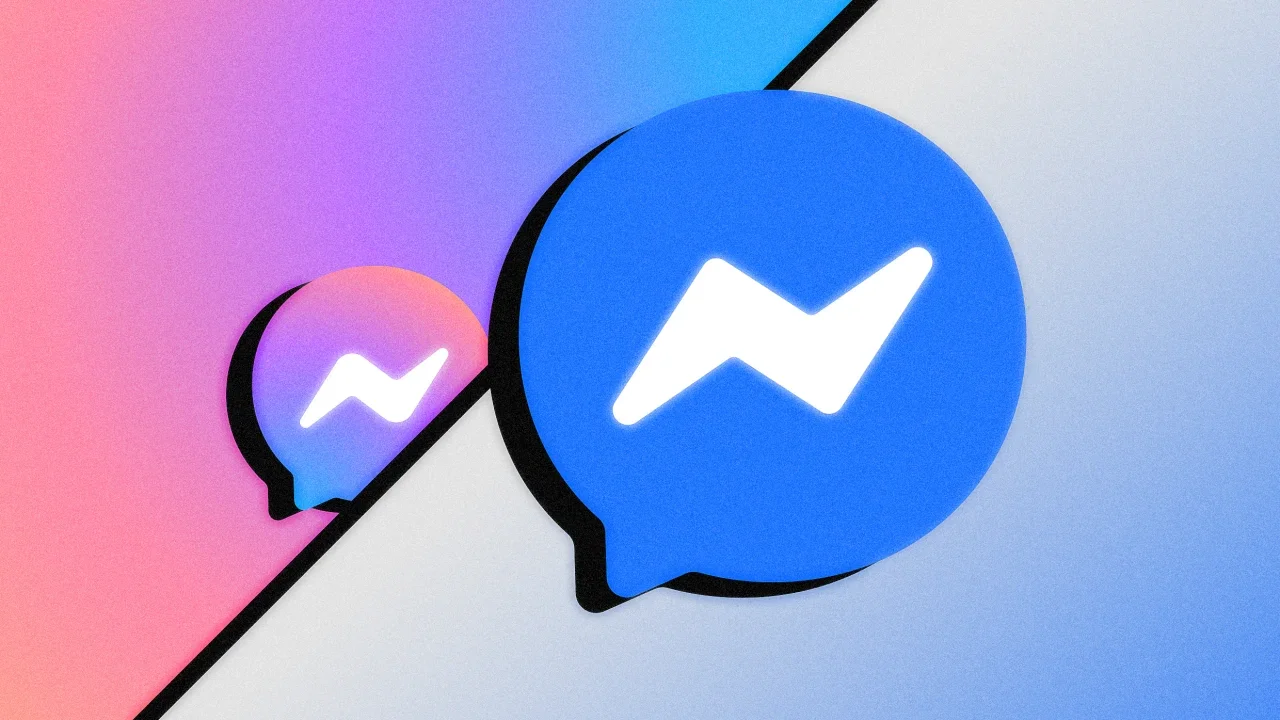
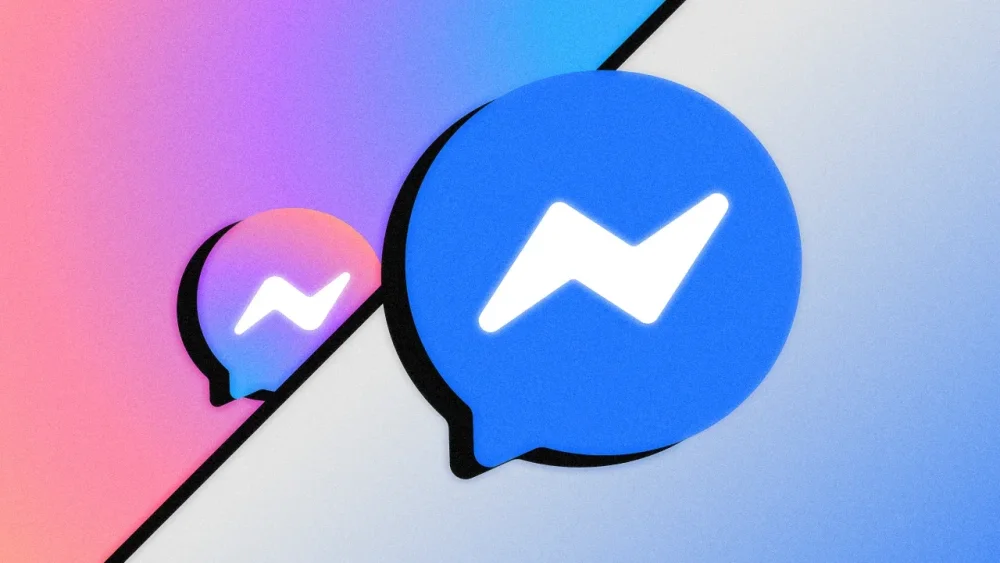
Meta’s Messenger has a new logo set in Facebook blue. The instant messaging app dropped the multicolor gradient used in its previous logo for a solid blue that matches the shade used by Meta’s flagship app. Some small, subtle refinements were also made to the lightning-bolt shape inside the Messenger logo’s word-bubble mark. Secondary versions of the logo appear in black or white. “We often refine our designs to enhance the look and feel of our products,” a Meta spokesperson tells Fast Company. “In this spirit, you’ll find that we’ve updated the Messenger color palette.” Online, some suggested the change was made because of Meta CEO Mark Zuckerberg’s comment that his company needed more “masculine energy,” or his hopes to get back to the feeling of “OG Facebook.” Regardless, the color change just so happens to be a delayed reflection of the app’s diminished cross-platform communications capabilities. [Images: Meta] Messenger was originally known as Facebook Chat, but Facebook spun its instant messaging services into a stand-alone app in 2014. The light-to-dark-blue gradient of the Messenger logo when it launched matched the gradient of Facebook’s logo at the time. In 2020, Messenger rebranded to the multicolor gradient that it used up until last month. The Messenger app’s colorful gradient went from blue to purple to orange and pink, colors that seemed to suggest a bridge from Facebook to Instagram; for a time, Messenger did allow users to chat across both platforms. That integration came as some speculated that Meta’s portfolio of apps were more tightly integrating to avoid being broken up. But by 2023, Meta killed Messenger’s cross-platform instant messaging capabilities. That change came just as Meta was arguing that certain European antitrust rules didn’t apply to Messenger because it was a Facebook feature instead of a stand-alone messaging app. Though Meta eventually did announce last year it would acquiesce to the EU’s Digital Markets Act and open up Messenger as well as its other messaging app, WhatsApp, to third-party chats for users in the European Union, the new Messenger logo suggests the company is still set on linking Messenger to Facebook. “Messenger is a messaging app from Facebook,” Messenger’s brand guide says. That connection is now made crystal clear with color. View the full article
-
Make UK chief calls for support for small businesses as Europe faces pressure from US to shoulder security costView the full article
-
The U.S. Environmental Protection Agency faces a legal challenge after approving a controversial plan to include radioactive waste in a road project late last year. The Center for Biological Diversity filed the challenge last month in the 11th U.S. Circuit Court of Appeals under the Clean Air Act. The advocacy group says the federal agency has prohibited the use of phosphogypsum, a radioactive, carcinogenic, and toxic waste generated by the fertilizer industry, in road construction since 1992, citing an “unacceptable level of risk to public health.” The legal challenge is centered on a road project proposed at the New Wales facility of Mosaic Fertilizer, a subsidiary of the Mosaic Co., some 40 miles east of Tampa. The EPA approved the project in December 2024, noting the authorization applied only to the single project and included conditions meant to ensure the project would remain within the scope of the application. But Ragan Whitlock, Florida staff attorney at the Center for Biological Diversity, feared the project could lead to more roadways built with the toxic waste. “Part of what makes this process so alarming, it’s not just a one-off science experiment,” he said. “It’s being billed as the intermediate step between laboratory testing and full-scale implementation of the idea. So our concern is that whatever methodology is used for this project will be used for national approval down the road.” Phosphogypsum contains radium, which as it decays forms radon gas. Both radium and radon are radioactive and can cause cancer. Normally, phosphogypsum is disposed of in engineered piles called stacks to limit public exposure to emissions of radon. The stacks can be expanded as they reach capacity or closed, which involves draining and capping. More than 1 billion tons of the waste is stored in stacks in Florida, with the fertilizer industry adding some 40 million tons every year, according to the Center for Biological Diversity. Mosaic aims to construct a test road near its Florida stack with four sections, each made with varying mixtures of phosphogypsum. The waste would be used in the road base, which would be paved over with asphalt. University of Florida researchers would be involved in the study. Most of the comments the EPA received in response to the proposal opposed the use of phosphogypsum in road construction in general and criticized the current methods for managing the waste, but the federal agency said these comments were outside the scope of its review. The agency declined to comment on pending litigation. “The review found that Mosaic’s risk assessment is technically acceptable, and that the potential radiological risks from the proposed project meet the regulatory requirements,” the EPA stated in the Federal Register dated December 23, 2024. “The project is at least as protective of public health as maintaining the phosphogypsum in a stack.” Mosaic has faced scrutiny in the past after a pond at its Piney Point site leaked and threatened to collapse in 2021, forcing the release of 215 million gallons of contaminated water into Tampa Bay. Mosaic did not respond to a request for comment on the new litigation. —By Amy Green, Inside Climate News This article originally appeared on Inside Climate News. It is republished with permission. Sign up for its newsletter here. View the full article
-
Ukrainian president is haunted by Russia’s frequent flouting of terms set under Minsk agreementsView the full article
-
What‘s shaking up the content marketing industry? Learn about the 11 most important content marketing and AI content trends in 2025. View the full article
-
Company says move will end ‘distractions’View the full article
-
French broadcaster posts higher revenue in first results since UK listing last year View the full article
-
Tesla rival says follow-on Hong Kong offering is the biggest in the global automotive sector in a decadeView the full article
-
Stifling dissent by dominating the room isn't just Oval Office politicsView the full article
-
We’re exposed to microplastics in myriad ways: Those tiny, degraded bits of plastic are in our soil, our water, even in our air. They then get into our bodies, lodging themselves in our organs—including our brains. An adult human brain can contain about a spoon’s worth of microplastics and nanoplastics, recent research found—not a spoonful, but the same weight as a disposable plastic spoon. That amount was higher—by seven to 30 times—than the amount of microplastics found in other organs, such as livers or kidneys. The concentrations were even higher (by three to five times) in individuals diagnosed with dementia. And even more concerning, experts say, is how these levels have increased over time: Between 2016 and 2024, the concentration of microplastics in human brains increased by about 50%. Those findings came from a study by University of New Mexico researchers that was recently published in the journal Nature Medicine. A new commentary, published today in the journal Brain Medicine, builds on that research by looking at a few big questions that arise when we learn we have lots of microplastics in our brains: How can we limit our exposure, and is there any way to remove these microplastics? How to reduce microplastics exposure The microplastics found in human brains included nanoplastics—particles smaller than 200 nanometers (a human hair, for contrast, is about 80,000 nanometers wide). They were also mostly made up of polyethylene, a commonly produced plastic used in everything from food packaging to drink bottles to plastic bags. That helps give an idea of what sorts of exposure could lead to these particles ending up in the brain, says Nicholas Fabiano from the University of Ottawa’s psychiatry department, and lead author of the commentary; Fabiano’s research focuses on the overlap between mental and physical health. Bottled water is a particular source of these kinds of microplastics. Switching from that to filtered tap water could reduce your intake of microplastics from 90,000 particles per year to 4,000. (Though it’s not clear, the commentary authors note, if that would translate to a measurable drop in the amount of microplastics accumulated in our body tissues.) Plastic tea bags have also been found to release millions of microplastic particles when brewed, so avoiding those could also limit exposure. There are also microplastics in ultra-processed foods like chicken nuggets. Storing and heating food in plastic containers can release lots of micro- and nanoplastics. “Switching to glass or stainless steel might be safer,” Fabiano says. Canned soup could also be a source of exposure, as cans are often lined with plastic. The authors also noted a 2011 study that found that after five days of eating canned soup, participants saw the levels of BPA (a chemical used to make plastic) in their urine increase more than 1,000%. (There has since been a decline in cans with BPA in the lining, but some new linings instead contain polystyrene.) Because microplastics are even in our air—more than 60,000 such particles are inhaled by male adults per year, previous research has found—the authors also recommend using HEPA air filters. Can we remove microplastics that are already in our brain? The original study on microplastics in human brains had an interesting finding: There was no correlation between someone’s age and their microplastic levels. “That suggests people’s bodies are able to get rid of these microplastics in various different ways,” Fabiano says. (If there were a correlation, there would be a cumulative effect: The older someone is, the more microplastics in their brain.) How exactly that happens, though, we still don’t know. “Is it through sweat? Is it through feces? Is it through urine?” Fabiano says. Prior research has found BPA in people’s sweat, suggesting that induced sweating could potentially remove those particles, but more research needs to be done, he says. The commentary is a call for more research. For all the research identifying microplastics in the environment or in our bodies, there’s little on the health impacts of this debris. And what exists on that front focuses mostly on physical health. “If you have a spoon’s worth of plastic in your brain, surely there must be impact to your mental health,” Fabiano notes. The original Nature Medicine article was a “step in the right direction,” he adds, for even looking at dementia patients and shedding light on the possible connection for diagnoses and microplastics. But it also raises more questions that researchers need to answer—not just on the impacts, but also if scientists should establish microplastics-exposure limits, and how else we could reduce or remove the microplastics already inside us. “Right now, the microplastic-and-health research is still in its early days,” Fabiano says. “But so far, what the research has shown is that it’s certainly not a good thing to have microplastics.” The best thing for people to do in the meantime, he says, is to try to limit their exposure. View the full article

-
China and Canada retaliate as fears deepen over global trade warView the full article
-
Female streamers are being told to hire security after a spate of recent attacks. Popular Twitch stars Valkyrae, Cinna, and Emiru were out in public at the Santa Monica Pier on March 2 as part of their “sisathon” streaming marathon, when a man lunged toward them, saying, “I’ll kill you right now.” The streamers called for help from security as the man chased them before the stream turned off. He had tracked their location using the live broadcast and earlier had gotten down on one knee, proposed to the three streamers, and asked one for her phone number, which she refused. Issuing an update later that evening on X, Cinna posted, “Hey everyone we are safe. Unfortunately, we have to end the marathon and need time to process what happened as we shock at the moment.” hey everyone we are safe. unfortunately we have end the marathon and need time to process what happened as we shock at the moment. Thank you for all the love and support on the marathon. We love you all. — cinna (@cinnabrit) March 3, 2025 Other streamers have rallied around the Twitch stars, advocating for increased safety measures, particularly for women in the industry. Popular streamer xChocoBars, who has advocated for more action to be taken against stalkers targeting streamers, posted on X: “The police and security need to do more for women who get stalked. I’m sick and tired of this law where they can’t do anything until something HAPPENS.” QTCinderella also shared details for the security firm she employs while streaming in public. “There have been times where they have had to be with me 24/7. It could save your life, save their info,” she posted on X. That same night, another popular streamer experienced a harrowing incident in her home. Amouranth, whose real name is Kaitlyn Siragusa, posted on social media that she’d been robbed at gunpoint by thieves trying to steal her crypto funds. “I’m being too robbed at gunpoint. I believe I shot one of them. They wanted crypto is what they were yelling they pulled me out of bed,” Amouranth posted on her X account on March 2 at 11:55 p.m. The Kick streamer and adult content creator later explained why she posted to X instead of calling emergency services. “Was at gun point they gave me phone and said log in with gun to my head and I tweeted because calling would be a death sentence,” she wrote. The attack comes just months after Amouranth posted a screenshot of a Coinbase account showing in excess of $20 million in BTC and ETH, along with the message, “Do I sell or hold my BTC?” Private security firms, such as Fast Guard Service, have reported a recent surge in demand from influencers spanning various platforms. Creators are now experiencing a number of concerning side effects that come with online fame, including unwanted attention, harassment, and even physical threats. What used to be an occupational hazard reserved for Hollywood celebrities and high-profile politicians is now a growing reality for influencers and internet personalities. View the full article

-
This post was written by Alison Green and published on Ask a Manager. It’s five answers to five questions. Here we go… 1. Coworker asks someone to get him food from the cafeteria every day I work as a consultant for a company and have an older male colleague (in his late 40s) who has mobility issues due to his weight. He sits almost all day and arrives very early before anyone else arrives. He cannot walk more than a few feet without pain and asks me (or another colleague) to grab meals for him at the cafeteria almost daily. He gives people money for his food, which is always junk food, and is very apologetic and appreciative. Most people, including myself, bring packed meals and rarely eat in the cafeteria. It’s very awkward being put on the spot, especially since everyone is polite and usually willing to help anyone. I’m a classic “people pleaser”, which is something I really need to work on. My work crosses paths occasionally with this colleague so I don’t want any bad blood impacting my interactions with him. I don’t know him very well and he is not a “work friend.” Even if he were, it is still an uncomfortable situation. While I sympathize with his chronic pain issues, I’m fed up and not his personal assistant! His boss often travels overseas and is rarely in the office. Due to my role, I work for an outside vendor with an unrelated HR team. He’s not in a supervisory role over anyone here, including me. If he needs a disability accommodation, that’s between him and his manager. How do I handle this colleague tactfully and avoid being offensive? “Oh, I’m sorry — I’m not going to the cafeteria today!” That’s it. If he asks if you’d mind going anyway and you don’t want to, you can say, “I’m sorry, I can’t — I’m swamped.” He’s likely to stop asking pretty quickly. For what it’s worth, I don’t think it’s an outrageous imposition that he asks people for help. There are probably people who don’t mind and who see it as a kindness they’re happy to offer, and it’s reasonable for anyone to say no if it’s too much of an inconvenience on any given day or in general. I think the issue here is more that you don’t feel comfortable saying no than that he’s asking in the first place! Kindly saying you can’t do it should take care of it. 2. New hire took the “fork in the road” and now we might not be able to hire a replacement I’m hoping to get a sanity check from you on a situation that just happened on my team. I know you generally say employees have to do what’s in their best interests, and sometimes burning a bridge is worth it, but this whole situation feels like more than just the “cost of doing business.” I work for a large federal agency in the D.C. area. Unlike many federal employees who are seeing their work slashed and burned, the team I lead has been launched from complete obscurity to being very high-visibility and is working incredibly hard. We used to be a strict 40-hour week team and now we routinely have team members staying past 8 or 9 pm to get all of our tasks done. During this time, we put out an internal job posting to hire a senior individual contributor position. We did interviews and selected someone who seemed pretty qualified, though not “knock it out of the park” qualified relative to the other candidates. He accepted and started working on the team recently. Within a couple of days after he started, our HR informed us this employee had taken the deferred resignation option, aka Elon Musks’s “fork in the road,” and his last day would be about two weeks after starting. The employee never informed us of any of this, and what makes me particularly peeved is that he sent in his deferred resignation several days before interviewing with us and accepting the position. All of this would fall under “not cool, but I guess we’ll just deal with it” except for one additional wrinkle: people who leave under the deferred resignation program can’t get their jobs backfilled. (Actually, my agency has to give up a billet for every single person that opted in, even if they don’t actually leave.) My supervisor is fighting to make the case that the unit he belonged to when he first resigned should be the one losing a billet, rather than our unit that he was in when he signed the final paperwork, but we don’t know how that’s going to turn out. We also don’t know, even if we can fill the position, whether we can just call up our second choice and make them an offer, or whether the rules will require us to go through a lengthy re-posting and re-interviewing process. And all the while, my team of junior employees are working their asses off without the help of a senior who could relieve some of the pressure. Either way, there’s nothing I can do, but am I off-base in thinking this was much more egregious than a standard situation of a new hire backing out? I feel that at least, the employee should have told us he opted in to the deferred resignation when he received the offer, so that we could have made an informed decision. Yeah, that’s pretty crappy. In fairness, it’s possible that he wasn’t confident that the deferred resignation email would be honored, since there’s still plenty of doubt about that. And he might have figured that at this point he doesn’t owe any particular courtesy to an employer that’s treated its workforce so disrespectfully (and … there’s something to that). But yeah, he screwed your team to get something for himself (which I wouldn’t say if he didn’t put you in a position where you might not be allowed to re-fill the job). However, it’s far, far more absurd that HR didn’t tell you before the hire was finalized! That’s relevant info that you should have been made aware of, and it’s either by extreme incompetence or deliberate design that they didn’t. 3. Should I tell my employees that someone assaulted me? I wish I did not have to ask this. I live in a very small community with a staff of about 10. I am a sexual assault survivor with CPTSD and anxiety disorder from that experience growing up. Unfortunately, this weekend I had a stranger break into my apartment and attempt to rape me. While the assailant was caught and arrested and I was able to fight them off (and I’m in therapy), I am understandably very shaken up and this has opened some new wounds. Is it appropriate for me to tell my employees what happened in general terms and ask them to be careful when approaching me, especially from behind over the next few weeks as this is very triggering for me? This was all over our local media and some of them already know, and I have taken the next few days off of work because of the event. How awful, I’m so sorry. Yes, you can absolutely share with your employees what happened in general terms so they have context for the requests you’re making (requests that will be completely understandable to anyone once they know why). “Broke in and attempted to attack me” will carry enough relevant information if you’re more comfortable with that wording. I hope you heal as quickly as possible. 4. The lack of clarity of “Sunday at midnight” I’ve always had a pet peeve as a student when I would get assignments that were due on, say, “Sunday night at midnight.” Does that mean you need my paper by Saturday night going into Sunday morning, or do you need my paper by Sunday night going into Monday morning? Because midnight is the start of the next day! I never asked because nobody else seemed to have an issue, but more importantly, it would only be a real issue if you weren’t completing your assignment in a timely manner. I always made a point to turn in my assignments at least 48 hours before a deadline anyway, so there was no reason to bring it up. Now, I’m a grad student who’s a teaching assistant for a professor, and I’m responsible for writing the homework assignments for his undergrads. I tell students, “Submit this assignment by Sunday at 11:59 pm.” I feel this is much clearer than “Sunday at midnight,” and if a student were to, say, procrastinate on a lab report, a 60-second difference will not matter. The professor, however, said that I should keep the “Sunday at midnight” vernacular because it’s industry standard (not just in our field, but in others). The actual amount of days given to complete the assignment was always correct, but I didn’t say anything because I feel like my concerns will be dismissed as mere semantics. It’s one of those weird little things where you feel silly for wanting to argue more for it, but you also feel frustrated because that means the other person is being equally silly for arguing against it. So then you just don’t argue to keep the peace but still have unresolved frustration. How common is “Sunday at midnight” in the working world? What should it mean? It’s incredibly common! And I am right there with you on it; you’re essentially giving a deadline that’s a day earlier than what you really mean and causing unnecessary confusion. The real deadline is Sunday at 11:59 pm. I think people are willing to live with it, though, because it’s not going to result in a student being late; if someone takes it literally, they’d be a day early instead. That’s still not particularly fair or clear … but if assignments were late as a result of it, they’d be more moved to change it. 5. Dealing with someone who’s in denial about their unreliable email A physician I see regularly is having problems with her email. I’m sure that the problems are on her end because (a) they happen repeatedly, (b) they happen with no one else in my contact list, and (c) other people (like my occupational therapist) also have problems with her email communications. Sometimes she doesn’t receive emails that I’ve sent her, but she also sometimes says she’s sent me an email that never arrived in my inbox. (I’ve checked for these emails thoroughly). I’m not sure if the problem is that she’s very loose in how she handles her email or if there’s some technical issue on her end. In any case, it’s causing me real problems from time to time. When I’ve brought this problem up, she’s been resistant to the possibility that the problem is on her end. She either shrugs off the missing email or implies that I somehow missed it or inadvertently deleted it — but I know, from ongoing exploration, as well as others’ communications with her, that the issue is definitely on her side. It feels quite rude to say to a professional, “I know that this problem might seem like a one-off, or like it might be a technical glitch on my end, but I have been tracking patterns for a while now, and I can tell you with confidence that some of your emails are not arriving and that you are often not getting the emails I send, and it is causing Big Problems. Could you fix it?” In some ways, I would prefer a simple workaround that acknowledged the situation without demanding that she address it: something like, “Since, as we’ve discussed, my emails don’t always make it to you, is there another way I could be corresponding just to make sure we’re communicating reliably? If I have a question, would you rather I call and leave a voice message with the question, or email you and then call to confirm receipt?” Does either of these seem likeliest to work, or most appropriate? Sure, that’s appropriate. But note at least for half the problem (the half where she misses your emails), you don’t even need to sort it out with her ahead of time. You can simply assume email isn’t a reliable method of reaching her and just switch to calling instead (or emailing and then calling to confirm receipt). The piece that you have a lot less control over is when she thinks she’s emailed you but hasn’t — so I’d focus on that piece of it. For example: “For whatever reason, your emails don’t reliably reach me. I don’t want to miss important messages from you, so can we switch to a different communication method, like texts or phone calls?” View the full article
-
S&P predicts higher bond issuance will push stock of long-term debt to $76.9tnView the full article
-
Generative AI is a tempting short-cut that can prevent those at university from gaining foundational skillsView the full article
-
Core voters in Georgia are keeping the faith as the US administration tears up the rule bookView the full article
-
Washington announces decision days after White House clash with Volodymyr ZelenskyyView the full article
-
Zoopla figures signal easing for tenants after prolonged squeeze on finances View the full article
-
Surge in grievances puts regulators under pressure ahead of crucial court case View the full article
-
China ‘more open’ to foreign business than the west, says executive vice-president Stella LiView the full article
-
After more than eight decades in operation, craft retailer Joann is going out of business, closing all 800 of its stores and laying off 19,000 employees. The news comes after the retailer’s restructuring plans failed and a liquidator opted to purchase its assets. Joann is far from the only retailer in its death throes these days. Recent data shows that the number of retail-store closures is expected to double during 2025, to roughly 15,000 from the 7,300 or so in 2024. Accordingly, Joann is in a similar boat to companies such as Red Lobster, Big Lots, and Party City, which have each announced plans to either completely close up shop or enact big restructuring in recent months. And a commonality between many of them? Private equity firms are playing a large role. Private equity has been in the spotlight in recent years as it relates to many large-scale business restructurings and closings. For instance, restaurant chains Red Lobster and TGI Fridays—both of which filed for bankruptcy last year—were backed by private equity firms. Critics say that private equity, often simply referred to as PE, tends to come in and strip a company for parts and eventually kill it off rather than trying to make an honest attempt at turning the business around and making it profitable. While poor stewardship on the part of private equity can certainly contribute to a company’s downfall, experts say what happened with Joann appears to be more nuanced. “Private equity doesn’t have a crystal ball” Joann’s situation is somewhat unusual as it relates to its current situation. Back when it was known as Jo-Ann Stores, the company was acquired by PE firm Leonard Green & Partners in 2011 for roughly $1.6 billion as part of a leveraged buyout, taking the company private. The deal effectively put Joann and its resources up as collateral, and after some rebranding and leadership changes, the retailer went public again in early 2021, during a stretch when it was getting a jolt from pandemic-era growth in crafting and other such at-home activities. But the past few years haven’t been so kind, and Joann again faltered. It found itself in the lurch with two bankruptcies over the past year as its leadership was unable to successfully capture the brief momentum it had experienced in 2020 and 2021. It’s hard to ignore that Joann is a specialty retail company with a huge geographic footprint, large-format stores, and thousands of employees: exactly the kind of retailer that has found it increasingly difficult to thrive in the decades since e-commerce companies like Amazon have entered the fray. So while Joann did have PE backing, prevailing market conditions may be the firm’s ultimate undoing, experts point out. “People forget the incredible role that market conditions play,” says Donna Hitscherich, a senior lecturer in discipline, finance, and economics and director of the Private Equity Program at Columbia Business School. She says PE firms know how to operate businesses and are “singularly focused” on turning a profit. “There’s little or no incentive for PE to come in and have a business fail, as in the case of Joann,” Hitscherich says. “That wasn’t their plan. Private equity doesn’t have a crystal ball.” Though Joann did receive a shot in the arm during the pandemic, when many people took up new hobbies and crowded into craft stores, the retailer has been trending downward for a while. If a private equity firm purchases a struggling retailer only to see that retailer go under, “they’re just giving away money,” Hitscherich says. Mixed incentives There are ways that PE firms do make money even if the company it purchased is circling the drain, however. “Because of the laws and regulations that surround the PE industry, firms are often incentivized to extract money rather than to try and make a company succeed or survive,” says Brendan Ballou, author of the book Plunder: Private Equity’s Plan to Pillage America, and former special counsel with the U.S. Department of Justice’s antitrust division. “The issue is that PE firms also take fees from businesses, like management fees or transaction fees,” he says. In effect, PE firms may develop a sort of parasitic relationship with their portfolio companies, extracting money through fees even if it’s to the long-term detriment of the targets they acquire. This sometimes happens as part of a leveraged buyout, which may put target companies at a disadvantage, as they effectively receive a lifeline but go further into debt in order to secure it. Add in the fees on top of that, and companies that were already struggling to make money may find those struggles compounded. “The investors in the PE firm certainly want the business to succeed, but that’s not necessarily the case for the firm,” Ballou says. As such, there are mixed incentives at play. While some PE firms may end up speeding up the death of a portfolio company, rather than helping to resurrect it, supporters of private equity maintain that it plays an important role in the economy. A report from EY, provided to Fast Company by the American Investment Council, a PE-focused advocacy organization, found that the PE sector directly employed 12 million people during 2022, and a vast majority (85%) of the companies that PE firms back are small businesses with fewer than 500 employees. So, while there is a role for private equity, there are also legitimate questions to be asked when a beloved company like Joann or Red Lobster hits the skids. For Ballou, it all comes back to the issue of crossed incentives: “Failure for Joann doesn’t necessarily mean failure for a PE firm.” View the full article
-
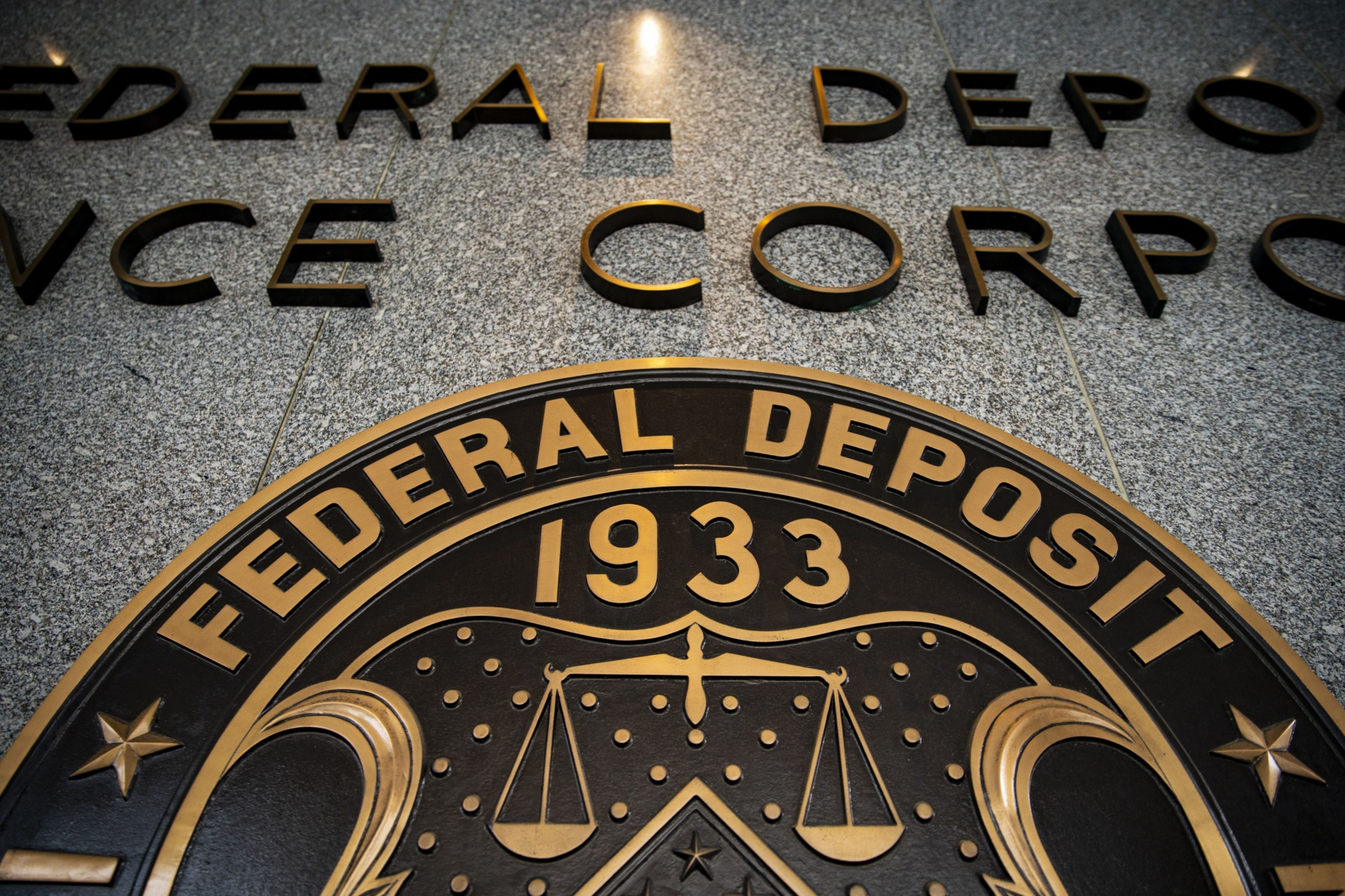
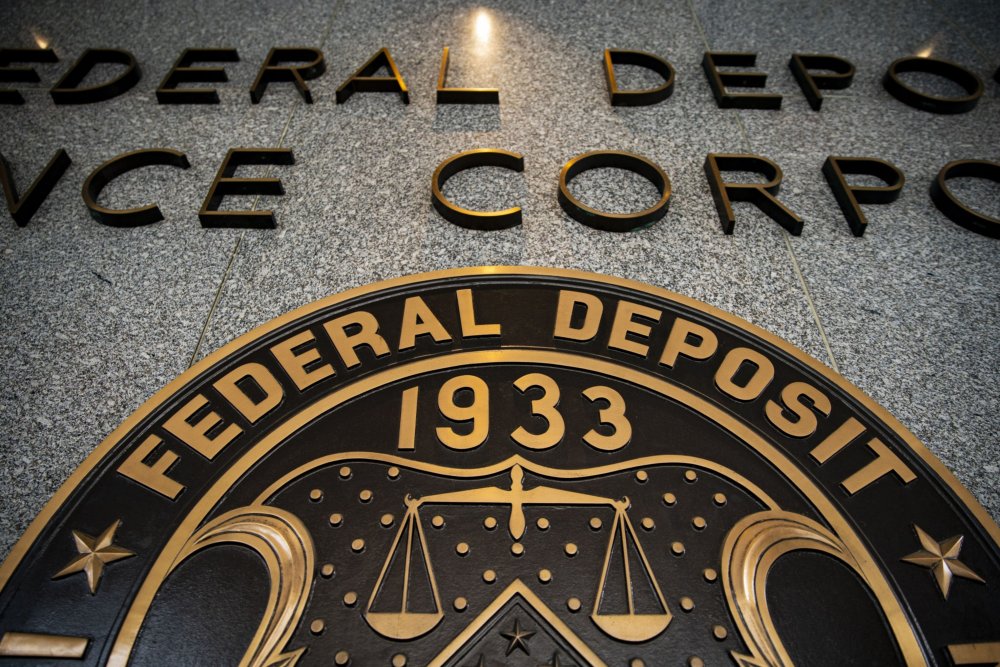
The Federal Deposit Insurance Corp. board of directors approved a proposal to roll back its 2024 merger policy, reinstating previous guidelines while charting a new policy toward bank combinations. View the full article
-
Google's John Mueller shares his thoughts on low-effort content that "looks good" The post Google On Low-Effort Content That Looks Good appeared first on Search Engine Journal. View the full article