ResidentialBusiness
Administrators
-
Joined
-
Last visited
Everything posted by ResidentialBusiness
-
Google announced an update to how AI Mode displays recipes in order to send more traffic to recipe blogs The post Google Updates AI Recipe Results To Send More Traffic appeared first on Search Engine Journal. View the full article
-
Google updated AI Mode to change how it displays recipes and links to the creators The post Google Updates AI Mode Recipe Sites Results In Response To Backlash appeared first on Search Engine Journal. View the full article
-
Keeping billing organized shouldn’t require complicated accounting software. The invoice templates in this guide give businesses a simple way to document products, services and payment terms while keeping records clear for clients and internal tracking. Each template is free, professionally structured and designed to be easily printed for physical invoices when needed. ProjectManager is an award-winning project management software equipped with advanced cost management features that allow organizations to create detailed project schedules, estimate costs, create a budget, allocate resources and monitor costs in real time as work is executed. Get started for free today. /wp-content/uploads/2022/07/construction-gantt-resources-costs-150-CTA-BUTTON-1.jpgLearn more 1. Invoice Template for Word Businesses that sell products, provide services or combine both often need flexible invoice templates that adapt to different billing situations. This invoice template for Word works for manufacturers, retailers, contractors and service providers alike. /wp-content/uploads/2026/03/Invoice-Template-for-Word-ProjectManager.png Because it’s formatted for document printing, businesses can quickly generate professional invoices that are easy to share digitally or print for records. Invoice identification details: Key billing information such as invoice date, payment due date, customer ID and invoice number clearly identify the document and help businesses track billing cycles, manage accounts receivable and quickly locate invoices when reviewing payment status or resolving billing questions. Product or service provider information: The template includes a complete section for the issuing business, listing company name, contact person, address, phone number and email so clients immediately know who provided the products or services and how to reach them for billing inquiries. Client information section: A dedicated client section records the customer’s company name, contact details and address, ensuring the invoice is properly assigned to the correct organization and helping businesses maintain accurate customer records across multiple projects, orders or service engagements. Product or service details table: The structured billing table lists each item or service provided, including description, quantity or hours, unit price or hourly rate and calculated line totals so both parties clearly understand what was delivered and how the charges were calculated. Cost summary and totals: Below the itemized list, the invoice template automatically organizes subtotal amounts, discounts, taxes, shipping costs and the final grand total, providing a transparent financial breakdown that helps clients quickly verify charges before processing payment. Payment terms and instructions: The final section explains payment deadlines, accepted payment methods, bank transfer details and late payment policies, giving clients clear instructions on how to pay while protecting the business with documented billing conditions and reference notes. 2. Free Invoice Template for Google Docs Teams that collaborate remotely often prefer invoice templates that can be edited from anywhere without sending files back and forth. This free invoice template for Google Docs allows businesses to create, update and share invoices in real time while keeping formatting consistent. Because it lives in the cloud, teams can quickly generate professional invoices and print them whenever needed. /wp-content/uploads/2026/03/Invoice-Template-for-Google-Docs-600x395.png 3. Invoice Template for Excel When businesses want tighter control over calculations, Excel-based invoice templates offer a practical advantage. This invoice template for Excel allows users to track quantities, hourly rates, discounts and totals using spreadsheet formulas that automatically update billing amounts. The structure keeps financial details organized while still allowing invoices to be printed or exported for professional client delivery. /wp-content/uploads/2026/03/Invoice-Template-for-Excel-ProjectManager-600x485.png 4. Google Sheets Invoice Template Cloud-based spreadsheets make billing easier when multiple people handle invoicing, accounting or project costs. This Google Sheets invoice template lets teams generate invoices collaboratively while maintaining automatic calculations for totals and taxes. Because the file updates in real time, businesses can track billing information, adjust invoice details and print finalized invoices directly from the shared document. /wp-content/uploads/2026/03/Google-Sheets-Invoice-Template-ProjectManager-600x420.png 5. Service Invoice Template for Word Professionals who bill for consulting, maintenance, design or other specialized work need invoice templates that clearly document services delivered and how charges are calculated. This service invoice template for Word helps businesses record invoice IDs, issue dates and customer identifiers while listing service descriptions and itemized costs. By organizing provider details, customer information and billing breakdowns in a structured format, the template supports accurate invoicing and professional communication with clients. /wp-content/uploads/2025/03/service-invoice-template-600x570.png 6. Construction Invoice Template for Excel Construction companies often manage multiple cost categories, making structured invoice templates essential for clear billing and project cost tracking. This construction invoice template for Excel organizes project details, job site information and invoice identifiers while automatically calculating totals and payment deadlines. A categorized cost breakdown covering labor, materials, equipment rentals, subcontractor fees and permits ensures clients receive transparent invoices that accurately reflect construction work performed. /wp-content/uploads/2025/02/construction-invoice-template-600x375.png 7. Weekly Billing Format Projects that generate billable hours every week often benefit from invoice templates designed specifically for recurring billing cycles. This weekly billing format helps teams record labor hours, materials and equipment charges for a defined work period while maintaining consistent documentation. By organizing client information, work descriptions and itemized costs in one structured document, businesses can generate clear weekly invoices that simplify approvals, reduce disputes and speed up payments. /wp-content/uploads/2025/08/Weekly-billing-format-600x489.png ProjectManager Is a Robust Project Cost Management Solution ProjectManager is equipped with robust project cost management tools and features including workload management charts, timesheets, real-time project and portfolio management dashboards and reports that allow organizations to create project budgets, compare their estimates against actual project costs and monitor expenses at the task level. Watch the video to learn more! ProjectManager is award-winning software that allows organizations across industries to manage projects from start to finish. Our collaborative platform connects everyone on the project team and lets them work with the tools they want. Plan, monitor and report on every aspect of your projects. Get started with ProjectManager today for free. The post 7 Free Invoice Templates for Word, Excel and Google Sheets appeared first on ProjectManager. View the full article
-
One of the nicest things about Apple software, at least in theory, is its uncluttered design. That's why many users (myself included) were annoyed when Safari's Compact Tabs feature was dropped in macOS 26 or iPadOS 26. It was a great way to neaten up your browser bar, and people have been complaining about the missing feature ever since. Happily, the complainers now have something to look forward to, as the upcoming macOS Tahoe 26.4 and iPadOS 26.4 releases will bring back the Compact Tab option, according to MacRumors. Their reporting shows a screenshot of the Safari settings on macOS, with "Separate" and "Compact" tab style both on offer. Why I love Compact TabsHere's why I'm jazzed about this feature's return: Your browser's tab bar, by default, sits right below the main toolbar (which contains your address bar as well as forward/back buttons and new tab buttons). Compact Tabs moves the tabs into the address bar, a space that is otherwise mostly blank. This cuts the amount of occupied space taken at the top of the browser in half. This isn't a feature for everyone—people who routinely keep dozens of tabs open tend to like having more space to see which tab is which. But for those of us who like to keep things clean (like me) Compact Tabs was perfect. And it will be perfect again. Apple hasn't announced when the 26.4 update will ship to all macOS and iPadOS users, but based on based release cycles, it's likely to come out in the next month or so. ANd if you don't want to wait, you can try out the 26.4 beta now. Credit: Justin Pot The serious caveat here is that beta versions of software are, by definition, less stable than the release version, meaning you may have to put up with a few bugs that will annoy you or (at worst) leave your computer unusable. All that aside, if you want to jump in, open System Settings on your device and head to General > Software Update. From here turn on beta updates—you should then be offered a beta version of 26.4. I don't generally recommend risking using a beta operating system for a minor quality of life improvement (even though there are other cool features coming), but the full version shouldn't be long in coming. View the full article
-
Over the last 50 years, the chasm between average worker pay and CEO compensation has cracked wide open. Between 1978 and 2024, chief executive pay spiked by 1,094%, according to the Economic Policy Institute—which means the average CEO earns 281 times the average worker. A new report from the Institute for Policy Studies, a progressive research organization, captures how this disparity persists across some of the largest companies in the country and how the low-wage workers they employ are forced to rely on public benefits. The report drew on the S&P 500 and tallied a list of 20 companies that have been dubbed the “Low-Wage 20,” which includes some of the usual suspects from the retail and grocery sectors, from Amazon and Walmart to Target and Kroger. The following employers round out the full list: Autozone, Best Buy, Chipotle, Costco, Darden Restaurants, Dollar General, Dollar Tree, FedEx, Home Depot, Lowe’s, MGM Resorts, O’Reilly Automotive, Ross Stores, Starbucks, TJX, and Tyson Foods. “Amazon pay is among the best in the industry—well over double the federal minimum wage and significantly more than other retailers,” an Amazon spokesperson said in a statement. “Pointing fingers at Amazon over SNAP and/or Medicaid is a red herring when eligibility is based on total household income and size—and not individual wages. For example, two employees who work at the same site and earn identical pay in the same state can have completely different SNAP or Medicaid eligibility depending on whether they support children, elderly parents, or are the sole earner in their household.” “As we’ve said for years, what really needs to happen is a significant and large increase in the federal minimum wage—that would be a big boost for American families,” the spokesperson continued. In a statement, a Starbucks spokesperson said the company “offers the best job in retail, backed by competitive pay, industry‑leading benefits, and strong career growth opportunities.” “Partners working just 20 hours a week receive comprehensive healthcare, Bean Stock equity grants, and full tuition coverage, and all partners are eligible for our company‑matched 401(k),” the spokesperson added. “Our approach is reflected in the fact that partners stay with Starbucks at far higher rates than the retail average, and more than a million people apply each year to join our team.” The other companies named in the report were not immediately available for comment when reached by Fast Company. Public assistance as corporate welfare? In total, the companies highlighted by the report employ about 6.7 million people. Even the highest median wage of the bunch did not cross $48,000—and while employers are not required to disclose how many of their workers use public benefits like the SNAP food aid program or Medicaid, the report shows that plenty of workers at these companies are not paid enough money to cover basic needs. In 2024, the median pay across 13 of the employers named in the report would have qualified a family of three for SNAP benefits, falling below the income threshold of $33,576. Across Nevada—where state law dictates that the government publish data on Medicaid enrollees at large companies—nearly 78% of Amazon and Walmart employees are on Medicaid. The report argues that the companies in question are effectively “using public assistance as corporate welfare” by keeping their wages so low. “When they’re allowed to shift so much of their employees’ basic living costs onto taxpayers, that means we are supporting these poverty wage business models,” says Sarah Anderson, who authored the study and oversees the Global Economy Project at the Institute for Policy Studies. “I think this is a big part of the affordability debate that isn’t getting enough attention. Most of the attention is on rising costs for things like housing and groceries, and all that is a major concern. But if we didn’t have this poverty wage business model and wage suppression related to the anti-union tactics of these companies, we wouldn’t have an affordability crisis right now because wages would be significantly higher—and people wouldn’t be worrying about putting food on the table or a roof over their head.” Many workers are barely getting by Even as some of these companies have boosted hourly wages, Anderson says, they continue to heavily employ part-time workers and seasonal hires—which means many of their workers are not entitled to health care benefits, for example. “We have been hearing so much from a lot of these companies about how they’re raising their bottom wage level, and they’ll brag about their average pay,” Anderson says. “But when you look at median pay . . . it includes part-time workers. That’s where you get a much clearer picture because so many of these companies have chosen to have a business model based on part-time employees.” In other words: Even when their employers are profitable and hugely successful, many of these workers are still struggling to make ends meet. Anderson’s analysis also found that while workers may have benefited from temporary wage increases during the pandemic, those gains did not stick: In fact, between 2019 and 2024, median pay actually dropped by 4.6% across the 20 employers featured in the report, from $30,474 to $29,087 (when adjusted for inflation). It’s not entirely clear why this is the case; the reports note that at Costco, the dip in pay could be attributed to a significant amount of pandemic-era turnover that led to an influx of entry-level workers who were paid lower wages. FedEx saw a drop-off in median pay after major layoffs that slashed thousands of jobs. At other companies, however, the report posits the cause may be an uptick in the number of part-time workers. CEO pay keeps rising In the meantime, however, CEO pay has continued to climb, with chief executives like Brian Niccol of Starbucks boasting overall compensation valued at over $95 million. (Median pay for its workers, by comparison, was $14,674.) Average CEO pay across all 20 companies highlighted in the report was $18.6 million. One finding in the report really illustrates how much business leaders have benefited from ballooning executive compensation, even as their workers have seen few gains: At least 16 billionaires in the country—half of whom are from the Walton family, heirs to Walmart—have built their fortunes through the 20 companies in the report, and on the backs of the labor of low-wage workers. “They owe their wealth to the challenging labor that all these workers have put into creating value in these companies,” Anderson says. “And yet [these workers] still have to struggle to get by and even rely on public assistance.” View the full article

-
A reader writes: My fully remote company just announced that our mandatory, weekly, hour-long, all-staff Zoom meeting will now be required to be camera on and mic on for all 60+ attendees. It seems like they’re trying to recreate the feeling of us all being in person. However, to me, and to I imagine a lot of people, the new requirements sound like literal torture. This seems like a perfect “push back as a group” situation … but I don’t know how to do that in a remote setting. While I suspect my manager would also find this new requirement bonkers, I’m not so sure about his boss. I’m mostly an independent contributor, so I don’t have much incidental interaction with other people in the company. What can I do here? Reach out to a handful of individuals on Slack to see if others think this is as insane as it seems to me? Then what? Write a group Slack message to the meeting leader (the CEO) saying, “I understand you want the company to feel closer, but we are not doing this”? In an in-person setting, I could have a bunch of low-key “this is nuts, right?” conversations with coworkers in the break room or hallways, but without that kind of casual interaction, I’m not sure how to get a group together to push back. I don’t think cameras on for one hour-long meeting a week is outrageous, and if you frame it to people as anything in the neighborhood of “literal torture” you’re likely to lose a lot of credibility. Requiring 60+ people have mics on is bizarre. But that part is likely to be rescinded pretty quickly because that much background noise (as well as sipping drinks, clearing throats, etc.) is going to be chaos with so many people. We can talk about how to generate support for pushing back as a group when you’re remote, but I don’t think this is the issue to organize around. As for how you’d do it on something else, though: * Ideally, before you ever need to push back as a group, you’ve put some energy into forming relationships with your coworkers. You don’t have to do that — if you haven’t, you can still raise the topic when you’re talking to someone about something work-related — but it’s a lot easier if you’ve laid that groundwork first. * Then, when you’re talking to people, you bring up the issue that’s bothering you: “What do you think about X? I’m worried because of Y.” You feel them out and if they sound like they share your concern, you can say, “I might talk to a few others and see if other people have these concerns. If they do, maybe we can talk about it with Manager.” From there, you’d follow the rest of the advice in this post about speaking up as a group — meaning that you could decide to raise it at a team meeting and have multiple people chime in, or you could ask your boss for a group meeting specifically to talk through questions people have, or you could decide that you’ll each bring it up individually with your manager. (But as discussed in that post, it usually does not make sense for one spokesperson to raise it on everyone else’s behalf. That’s likely to be less effective, and you might find others don’t then back you up as staunchly as they let you believe they would.) * Sometimes, too, you can just speak up in a meeting where the topic is already getting discussed. For example: “I’m thinking about X — does anyone worry about how that will affect Y?” That’s a really low-key way to do it. You’re not showing up guns blazing, just raising a potential work problem and waiting to see if others join in on your concerns. The post how do we push back as a group when we’re all remote? appeared first on Ask a Manager. View the full article
-
Google is rolling out an update to AI Mode for recipe results that it hopes will make recipe bloggers happy. Google’s Robby Stein said on X, “We’ve heard feedback on recipe results in AI Mode, and we’re making updates to better connect people with recipe creators on the web.” The changes aim to make it easier to click over to recipe sites, though I am not 100% certain yet whether the recipe summaries turn recipes into AI slop. “Starting today, when you search for meal ideas like “easy dinners for two,” you can tap on the dish to see links to relevant recipe sites, plus a short overview of the dish to help with inspiration,” Stein added. What it looks like. Here is a video of it in action: More recipe details too. Google is also adding more information to the recipe results including cook time. Google said its “testers have found useful for deciding on a recipe.” “We know there’s more work to be done on this, so stay tuned for future updates,” Robby Stein added. Why we care. Recipe bloggers, well, content creators in general, have not been happy with how traffic from Google’s AI experiences did not send as much traffic as the traditional search results. Here we see Google trying to make changes to encourage more searchers to click from those AI experiences to the bloggers website. Will it make a big difference? Time will tell. View the full article
-
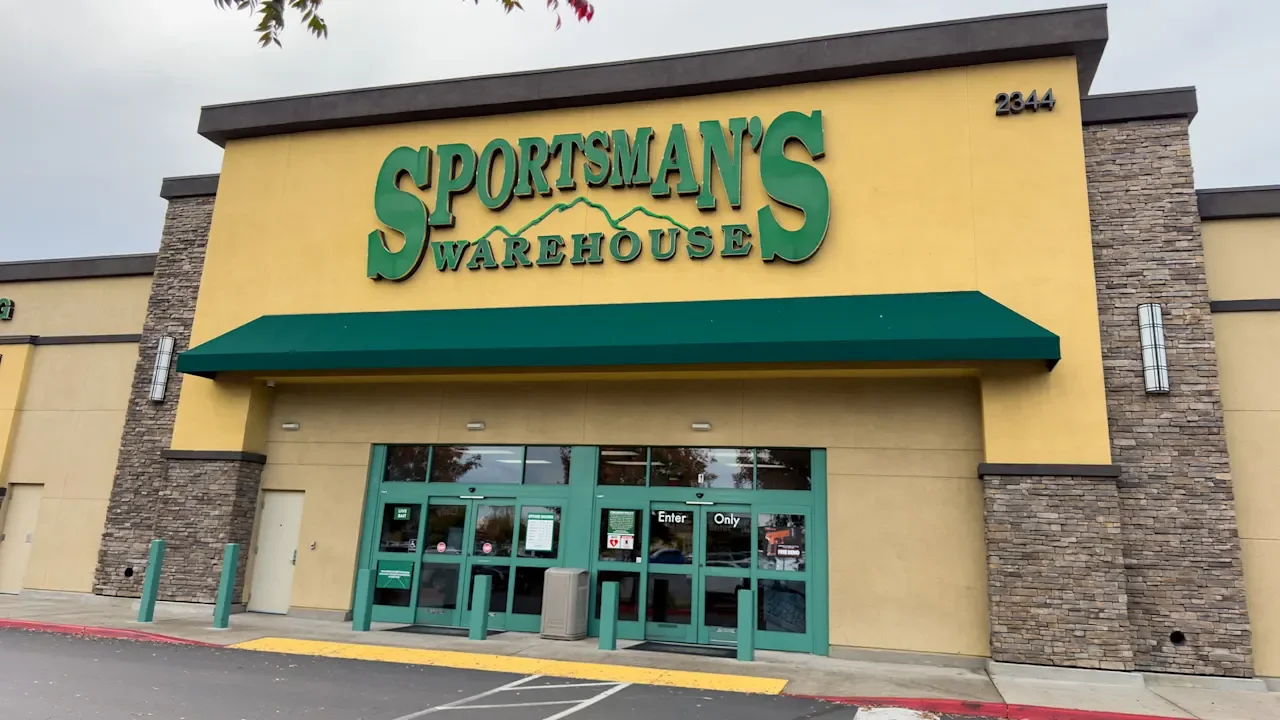
Utah-based outdoor retailer Sportsman’s Warehouse may be closing some of its stores in the near future. “As part of the Company’s review of its stores, we have identified about five stores for potential closure due to underperformance and lack of profitability,” Sportsman’s Warehouse wrote in its Fiscal Year 2025 financial results press release. Sportsman’s Warehouse did not respond to Fast Company’s request for comment on which stores it identified at the time of publication. Sportsman’s Warehouse has 148 locations spread across 32 different states. The brand is mostly centered around western states, with 17 stores in California, 14 in Washington, and 13 in Utah, where its headquarters are located in the Salt Lake City suburb of Midvale. It is a major seller of firearms, as well as other hunting, fishing, and camping essentials. Retailers across sectors are scaling back Store closures are generally unsurprising these days, as many retail chains have been reducing their physical footprints. In just the outdoor sector, Camping World reported a net decrease of 10 store locations in 2025, including the consolidation of 17 locations. Last month, outdoor recreation retail chain Eddie Bauer announced it was closing down all of its U.S. and Canada locations in the wake of a Chapter 11 bankruptcy filing. They’re hitting nearly all different types of retailers as well, with retailers ranging from GameStop to Walgreens among those that are scaling back on their brick-and-mortar storefronts in 2026. This is spurred on by the shift to online retail, which started to close down physical storefronts throughout the 2010s, but hit a turbo boost during the COVID-19 pandemic thanks to health and safety regulations keeping people at home. Despite the struggles of some of its locations, Sportsman’s Warehouse actually had a 1% increase in same-store sales in fiscal year 2025, the first time that the company has achieved positive growth in that department since 2020, according to its earnings release. Like most retailers, Sportsman’s Warehouse has a robust online storefront. View the full article
-
In today’s competitive digital environment, hiring a video editor can greatly influence your content’s effectiveness. A professional editor not just improves the visual quality but also saves you time, allowing you to concentrate on storytelling. They bring advanced tools and creative expertise that raise your brand’s appeal. If you’re aiming for consistent output and better audience engagement, comprehending the specific benefits of a video editor is vital. Let’s explore these important reasons further. Key Takeaways Professional video editors transform raw footage into polished content, enhancing visual storytelling and brand perception. Hiring an editor saves you time, allowing you to focus on creating more content and maintaining a consistent posting schedule. Expert editing improves video quality through advanced techniques like color grading and sound design, elevating your production standards. A video editor shapes narratives that resonate with your audience, creating emotional connections and enhancing viewer retention. Access to advanced tools and resources through professional editors ensures your content stands out in a crowded digital space. Professional Quality That Stands Out When you invest in professional video editing, you transform raw footage into a polished masterpiece that captures your audience’s attention. Utilizing video editing services near me connects you with talented freelance video editors who specialize in enhancing visual storytelling. These professionals employ the latest tools and techniques, ensuring your travel videos feature lively footage and seamless shifts. By delivering consistent quality, they help maintain your unique identity and cultivate brand trust among viewers. Furthermore, expert editors focus on cuts, color grading, and sound design, meeting industry standards to give you a competitive edge in the crowded digital space. In the competitive travel vlogging market, high-quality videos greatly impact viewer engagement and retention, making a professional video editor service a valuable investment. Time Efficiency In terms of video editing, time efficiency is essential for creators like you. By hiring a professional video editor, you can save valuable hours that would otherwise be spent on complex editing tasks, allowing you to focus on creating more content. With streamlined editing processes, you’ll not just meet deadlines but likewise maintain a consistent posting schedule that keeps your audience engaged. Save Valuable Time Outsourcing video editing can markedly save you valuable time, allowing you to concentrate on other vital aspects of your content creation. When you hire a video editor, you benefit from their advanced skills, which enable them to complete tasks in a fraction of the time it would take you. This efficiency not just streamlines your workflow but also leads to quicker video releases, keeping your audience engaged. By collaborating with a video editing agency, you guarantee a consistent output of high-quality content, fundamental in today’s fast-paced digital environment. With more time on your hands, you can explore new ideas and focus on enhancing your overall content strategy, eventually improving your engagement and growth. Search for a video editor near me to get started. Streamlined Editing Processes Streamlined editing processes are crucial for maximizing time efficiency in video production. When you hire professional video editors, they leverage established workflows and quality control measures, allowing them to complete video editing work much faster than amateurs. This means you can focus on generating new ideas and filming, rather than getting bogged down in the editing process. By outsourcing to video editors for hire or considering remote video editing jobs, you free up valuable time for other important activities, like engaging with your audience. Plus, streamlined processes help minimize bottlenecks, ensuring a consistent output of high-quality videos that can keep up with the fast-paced digital environment. In the end, efficiency in editing leads to improved productivity and growth for your content. Focus on Content Creation Focusing on content creation is essential for maximizing your effectiveness as a video producer. By hiring a professional video editor, you can save valuable time and improve your creative output. Here’s how outsourcing video editing can help: Benefits Details Impact on Engagement Time Efficiency Professional editors complete tasks quickly Timely content delivery Consistency Maintain high-quality video output Better audience retention Innovation Frees mental energy for storytelling improvements Increased viewer engagement Streamlined Workflow Efficient processes reduce turnaround time Improved channel relevance Focus on Content Creation More time for exploring new ideas and experiences Growth in creative content In today’s competitive environment, prioritizing content creation over video editing can greatly raise your work and lead to more opportunities in video editor jobs and freelance video editing. Creative Storytelling In terms of creative storytelling, video editors play an essential role in shaping narratives that resonate with audiences. They employ narrative crafting techniques and emotional connection strategies to guarantee the story flows seamlessly, enhancing viewer engagement. Narrative Crafting Techniques Creative storytelling in video editing plays a critical role in shaping how audiences perceive and engage with content. A skilled video editor is needed to craft compelling narratives that resonate with viewers, enhancing their overall experience. Effective narrative crafting involves techniques like pacing, thematic continuity, and character development, which create a cohesive story arc from raw footage. Incorporating visual metaphors and symbolism deepens comprehension, whereas strong opening hooks and climactic moments boost viewer retention rates. For those seeking video editing jobs, honing these techniques increases employability, as companies look for editors who can uplift content. If you’re considering video editor hiring, focus on their ability to create well-edited narratives that captivate audiences and encourage sharing across social media platforms. Emotional Connection Strategies To create a strong emotional connection with viewers, video editors must skillfully employ various storytelling strategies that resonate on a personal level. By weaving personal narratives, you can evoke emotions that promote deeper connections and improve audience engagement. Well-crafted stories greatly boost viewer retention, as studies show that emotionally resonant content leads to higher shares and comments. Effective techniques, such as pacing and sound design, heighten the impact of key moments, creating memorable experiences. Incorporating relatable characters in travel videos strengthens emotional ties, driving loyalty. Utilizing narrative structures that emphasize conflict and resolution makes your content compelling, ensuring the audience remains invested. If you’re seeking freelance video editing jobs or know a video editor wanted, consider hiring YouTube video editors for hire who excel in this area. Consistent Output Consistent output is crucial for engaging your audience effectively, as regular uploads can greatly boost viewer retention—by as much as 54% on platforms like YouTube. By hiring a remote video editor, you can guarantee your content aligns with your channel’s style and tone, promoting brand identity. Professional editors maintain established workflows and quality control processes that assure polished videos, enhancing the viewer experience. This consistency not only builds a loyal audience but also increases the chances of subscribers returning for new content, leading to a 64% rise in channel growth. By outsourcing your video editing tasks, you can maintain a steady stream of high-quality content, fundamental in today’s fast-paced digital environment. Explore video editing vacancy opportunities to find the right freelance video editor jobs. Access to Advanced Tools and Resources Accessing advanced tools and resources can greatly improve your video production quality, allowing you to create compelling content that resonates with your audience. With professional Adobe video editing firms, you gain access to: State-of-the-art software for color grading and special effects Licensed music and high-quality stock footage Innovative techniques that elevate storytelling Faster workflows without sacrificing quality These resources are vital, especially for those pursuing video editor jobs remote or freelance video opportunities. By leveraging these advanced tools, experienced editors can deliver visually stunning content that stands out in a crowded digital environment. If you’re exploring online video editing jobs, grasping the value of these resources will greatly boost your competitive edge and improve your overall production quality. Enhance Your Brand’s Visual Appeal Improving your brand’s visual appeal is crucial in today’s competitive environment, where first impressions can greatly influence consumer decisions. High-quality video editing captures viewer attention, boosting your brand perception through polished content. By integrating specific colors, logos, and styles, you cultivate trust and recognition, making your brand more memorable. Professional editors employ advanced techniques like color correction and smooth shifts, elevating production quality beyond amateur efforts and providing a competitive edge. Engaging storytelling through expertly edited videos resonates with your target audience, leading to higher engagement rates and emotional connections. If you need a video editor, searching for “video editing near me” can help you find the right professional to improve your brand’s visual narrative, similar to those in video editor jobs USA. Focus on Content Creation When you hire a video editor, you’re not just delegating tasks; you’re creating an opportunity to improve your content creation process considerably. By outsourcing the technical aspects of editing, you can focus on storytelling and connecting with your audience, which is crucial in today’s competitive environment. Here’s how a freelance videographer editor can help: Spend more time generating fresh ideas. Improve the overall quality of your videos. Increase your output, which can grow your subscriber count. Guarantee timely delivery of high-quality content. Whether you choose a video editor remote part time or engage in online video editing work, you’ll find that investing in professional editing allows you to maximize your creative potential and stay relevant in the digital world. Frequently Asked Questions Why Do You Need a Video Editor? You need a video editor to improve the quality of your content. They apply techniques like color correction and sound design, making your videos more engaging. By hiring an editor, you save time, allowing you to focus on creating more content. Skilled editors excel in storytelling, helping you connect with your audience. They likewise have access to advanced tools that can enhance your production value, ensuring your videos maintain a consistent identity and messaging. Are Video Editors in Demand Right Now? Yes, video editors are in high demand right now. With platforms like YouTube and TikTok booming, businesses and content creators seek skilled editors to improve their video quality. Statistics show that video content will account for over 82% of internet traffic by 2025, emphasizing the need for professional editing. Furthermore, the rise of remote work has increased freelance opportunities, making video editing an essential skill in today’s digital marketing environment. Why Is Video Editing so Important? Video editing is essential as it transforms raw footage into engaging content that captures viewer attention. By enhancing storytelling through techniques like color grading and sound design, you create a cohesive narrative that resonates with audiences. High-quality editing improves search engine rankings by boosting viewer retention and watch time, making your videos more discoverable. Access to advanced tools and skills additionally raises production value, helping your content stand out in a competitive environment. What Are the Benefits of Video Editing? Video editing offers several benefits that improve content quality and viewer engagement. You can enhance visual appeal through color correction and smooth shifts, which positively impacts brand perception. Furthermore, efficient editing saves you time, allowing you to focus on content creation. Skilled editors can craft compelling narratives that resonate with audiences, nurturing emotional connections. Ultimately, properly edited videos can improve search engine optimization, increasing discoverability and driving more traffic to your content. Conclusion In summary, hiring a video editor is a strategic move for anyone looking to improve their content. With professional quality, time efficiency, and access to advanced tools, you can enhance your brand’s visual appeal. A skilled editor additionally aids in creative storytelling and guarantees consistent output, which is vital for audience retention. By focusing on content creation, you maximize your potential and strengthen your brand’s presence in a competitive environment. Investing in professional editing is fundamental for success. Image via Google Gemini This article, "7 Reasons You Need a Video Editor Today" was first published on Small Business Trends View the full article
-
In today’s competitive digital environment, hiring a video editor can greatly influence your content’s effectiveness. A professional editor not just improves the visual quality but also saves you time, allowing you to concentrate on storytelling. They bring advanced tools and creative expertise that raise your brand’s appeal. If you’re aiming for consistent output and better audience engagement, comprehending the specific benefits of a video editor is vital. Let’s explore these important reasons further. Key Takeaways Professional video editors transform raw footage into polished content, enhancing visual storytelling and brand perception. Hiring an editor saves you time, allowing you to focus on creating more content and maintaining a consistent posting schedule. Expert editing improves video quality through advanced techniques like color grading and sound design, elevating your production standards. A video editor shapes narratives that resonate with your audience, creating emotional connections and enhancing viewer retention. Access to advanced tools and resources through professional editors ensures your content stands out in a crowded digital space. Professional Quality That Stands Out When you invest in professional video editing, you transform raw footage into a polished masterpiece that captures your audience’s attention. Utilizing video editing services near me connects you with talented freelance video editors who specialize in enhancing visual storytelling. These professionals employ the latest tools and techniques, ensuring your travel videos feature lively footage and seamless shifts. By delivering consistent quality, they help maintain your unique identity and cultivate brand trust among viewers. Furthermore, expert editors focus on cuts, color grading, and sound design, meeting industry standards to give you a competitive edge in the crowded digital space. In the competitive travel vlogging market, high-quality videos greatly impact viewer engagement and retention, making a professional video editor service a valuable investment. Time Efficiency In terms of video editing, time efficiency is essential for creators like you. By hiring a professional video editor, you can save valuable hours that would otherwise be spent on complex editing tasks, allowing you to focus on creating more content. With streamlined editing processes, you’ll not just meet deadlines but likewise maintain a consistent posting schedule that keeps your audience engaged. Save Valuable Time Outsourcing video editing can markedly save you valuable time, allowing you to concentrate on other vital aspects of your content creation. When you hire a video editor, you benefit from their advanced skills, which enable them to complete tasks in a fraction of the time it would take you. This efficiency not just streamlines your workflow but also leads to quicker video releases, keeping your audience engaged. By collaborating with a video editing agency, you guarantee a consistent output of high-quality content, fundamental in today’s fast-paced digital environment. With more time on your hands, you can explore new ideas and focus on enhancing your overall content strategy, eventually improving your engagement and growth. Search for a video editor near me to get started. Streamlined Editing Processes Streamlined editing processes are crucial for maximizing time efficiency in video production. When you hire professional video editors, they leverage established workflows and quality control measures, allowing them to complete video editing work much faster than amateurs. This means you can focus on generating new ideas and filming, rather than getting bogged down in the editing process. By outsourcing to video editors for hire or considering remote video editing jobs, you free up valuable time for other important activities, like engaging with your audience. Plus, streamlined processes help minimize bottlenecks, ensuring a consistent output of high-quality videos that can keep up with the fast-paced digital environment. In the end, efficiency in editing leads to improved productivity and growth for your content. Focus on Content Creation Focusing on content creation is essential for maximizing your effectiveness as a video producer. By hiring a professional video editor, you can save valuable time and improve your creative output. Here’s how outsourcing video editing can help: Benefits Details Impact on Engagement Time Efficiency Professional editors complete tasks quickly Timely content delivery Consistency Maintain high-quality video output Better audience retention Innovation Frees mental energy for storytelling improvements Increased viewer engagement Streamlined Workflow Efficient processes reduce turnaround time Improved channel relevance Focus on Content Creation More time for exploring new ideas and experiences Growth in creative content In today’s competitive environment, prioritizing content creation over video editing can greatly raise your work and lead to more opportunities in video editor jobs and freelance video editing. Creative Storytelling In terms of creative storytelling, video editors play an essential role in shaping narratives that resonate with audiences. They employ narrative crafting techniques and emotional connection strategies to guarantee the story flows seamlessly, enhancing viewer engagement. Narrative Crafting Techniques Creative storytelling in video editing plays a critical role in shaping how audiences perceive and engage with content. A skilled video editor is needed to craft compelling narratives that resonate with viewers, enhancing their overall experience. Effective narrative crafting involves techniques like pacing, thematic continuity, and character development, which create a cohesive story arc from raw footage. Incorporating visual metaphors and symbolism deepens comprehension, whereas strong opening hooks and climactic moments boost viewer retention rates. For those seeking video editing jobs, honing these techniques increases employability, as companies look for editors who can uplift content. If you’re considering video editor hiring, focus on their ability to create well-edited narratives that captivate audiences and encourage sharing across social media platforms. Emotional Connection Strategies To create a strong emotional connection with viewers, video editors must skillfully employ various storytelling strategies that resonate on a personal level. By weaving personal narratives, you can evoke emotions that promote deeper connections and improve audience engagement. Well-crafted stories greatly boost viewer retention, as studies show that emotionally resonant content leads to higher shares and comments. Effective techniques, such as pacing and sound design, heighten the impact of key moments, creating memorable experiences. Incorporating relatable characters in travel videos strengthens emotional ties, driving loyalty. Utilizing narrative structures that emphasize conflict and resolution makes your content compelling, ensuring the audience remains invested. If you’re seeking freelance video editing jobs or know a video editor wanted, consider hiring YouTube video editors for hire who excel in this area. Consistent Output Consistent output is crucial for engaging your audience effectively, as regular uploads can greatly boost viewer retention—by as much as 54% on platforms like YouTube. By hiring a remote video editor, you can guarantee your content aligns with your channel’s style and tone, promoting brand identity. Professional editors maintain established workflows and quality control processes that assure polished videos, enhancing the viewer experience. This consistency not only builds a loyal audience but also increases the chances of subscribers returning for new content, leading to a 64% rise in channel growth. By outsourcing your video editing tasks, you can maintain a steady stream of high-quality content, fundamental in today’s fast-paced digital environment. Explore video editing vacancy opportunities to find the right freelance video editor jobs. Access to Advanced Tools and Resources Accessing advanced tools and resources can greatly improve your video production quality, allowing you to create compelling content that resonates with your audience. With professional Adobe video editing firms, you gain access to: State-of-the-art software for color grading and special effects Licensed music and high-quality stock footage Innovative techniques that elevate storytelling Faster workflows without sacrificing quality These resources are vital, especially for those pursuing video editor jobs remote or freelance video opportunities. By leveraging these advanced tools, experienced editors can deliver visually stunning content that stands out in a crowded digital environment. If you’re exploring online video editing jobs, grasping the value of these resources will greatly boost your competitive edge and improve your overall production quality. Enhance Your Brand’s Visual Appeal Improving your brand’s visual appeal is crucial in today’s competitive environment, where first impressions can greatly influence consumer decisions. High-quality video editing captures viewer attention, boosting your brand perception through polished content. By integrating specific colors, logos, and styles, you cultivate trust and recognition, making your brand more memorable. Professional editors employ advanced techniques like color correction and smooth shifts, elevating production quality beyond amateur efforts and providing a competitive edge. Engaging storytelling through expertly edited videos resonates with your target audience, leading to higher engagement rates and emotional connections. If you need a video editor, searching for “video editing near me” can help you find the right professional to improve your brand’s visual narrative, similar to those in video editor jobs USA. Focus on Content Creation When you hire a video editor, you’re not just delegating tasks; you’re creating an opportunity to improve your content creation process considerably. By outsourcing the technical aspects of editing, you can focus on storytelling and connecting with your audience, which is crucial in today’s competitive environment. Here’s how a freelance videographer editor can help: Spend more time generating fresh ideas. Improve the overall quality of your videos. Increase your output, which can grow your subscriber count. Guarantee timely delivery of high-quality content. Whether you choose a video editor remote part time or engage in online video editing work, you’ll find that investing in professional editing allows you to maximize your creative potential and stay relevant in the digital world. Frequently Asked Questions Why Do You Need a Video Editor? You need a video editor to improve the quality of your content. They apply techniques like color correction and sound design, making your videos more engaging. By hiring an editor, you save time, allowing you to focus on creating more content. Skilled editors excel in storytelling, helping you connect with your audience. They likewise have access to advanced tools that can enhance your production value, ensuring your videos maintain a consistent identity and messaging. Are Video Editors in Demand Right Now? Yes, video editors are in high demand right now. With platforms like YouTube and TikTok booming, businesses and content creators seek skilled editors to improve their video quality. Statistics show that video content will account for over 82% of internet traffic by 2025, emphasizing the need for professional editing. Furthermore, the rise of remote work has increased freelance opportunities, making video editing an essential skill in today’s digital marketing environment. Why Is Video Editing so Important? Video editing is essential as it transforms raw footage into engaging content that captures viewer attention. By enhancing storytelling through techniques like color grading and sound design, you create a cohesive narrative that resonates with audiences. High-quality editing improves search engine rankings by boosting viewer retention and watch time, making your videos more discoverable. Access to advanced tools and skills additionally raises production value, helping your content stand out in a competitive environment. What Are the Benefits of Video Editing? Video editing offers several benefits that improve content quality and viewer engagement. You can enhance visual appeal through color correction and smooth shifts, which positively impacts brand perception. Furthermore, efficient editing saves you time, allowing you to focus on content creation. Skilled editors can craft compelling narratives that resonate with audiences, nurturing emotional connections. Ultimately, properly edited videos can improve search engine optimization, increasing discoverability and driving more traffic to your content. Conclusion In summary, hiring a video editor is a strategic move for anyone looking to improve their content. With professional quality, time efficiency, and access to advanced tools, you can enhance your brand’s visual appeal. A skilled editor additionally aids in creative storytelling and guarantees consistent output, which is vital for audience retention. By focusing on content creation, you maximize your potential and strengthen your brand’s presence in a competitive environment. Investing in professional editing is fundamental for success. Image via Google Gemini This article, "7 Reasons You Need a Video Editor Today" was first published on Small Business Trends View the full article
-
When fintech company Block laid off 40% off its workforce last week, CEO Jack Dorsey explained the decision in a memo to employees that he also shared on social media. He was eliminating more than 4,000 jobs in the name of AI efficiency, he said, even though the company’s profitability was increasing. Though much of his letter was addressed to those who were losing their jobs, he ended with a note to those who’d be staying on. “What I’m asking of you is to build with me,” Dorsey wrote. “We’re going to build this company with intelligence at the core of everything we do. How we work, how we create, how we serve our customers.” But one Block employee who survived the layoffs, Naoko Takeda, chose to leave the company anyway. She matched Dorsey’s post with a viral letter of her own, sharing that she left her position as a data scientist for Cash App, one of Block’s subsidiaries, just a day after the layoffs occurred. “I figured that a company able to Thanos-snap away half of their employees doesn’t need two-week’s notice from me, just another IC that could easily have been in that 40%,” Takeda wrote on LinkedIn (where her profile’s headline now reads, “i’m just a girl”). Takeda says she found out within a 10-minute timeframe that 70% of her immediate and sister teams would be getting the chop. “On my immediate team, the only people left were me and a new hire who had started 3 days ago,” she said. “I felt immense dread and survivor’s guilt.” That guilt wasn’t helped by Block’s retention offer to remaining employees, which Takeda claimed in her case included a pay increase of around 75% plus a hefty one-time bonus that would bring the total up to 90% increase. “Basically, I saw my company discard half of my peers and double my pay. That’s not an honor. It feels shameful and dehumanizing. I’d rather see my peers keep their jobs than personally profit from their trauma,” she said. Fast Company has reached out to Block for comment on the details mentioned in Takeda’s post. After hearing the news, Takeda says she even asked if she could be included in the layoff. “Of course, everyone answered ‘no,’” she said. “Because really, why should you get to choose to leave with dignity when you see your entire team — the people you worked hard to build a positive relationship with over the past year and a half — disappear? But here, take the fat paycheck that’s well above market rate, because we actually value *you*!” In his memo, Dorsey claimed that implementing AI at Block was “enabling a new way of working,” but Takeda painted a different picture of what AI usage looked like behind the scenes. “In the last year, AI was shoved down everyone’s throats. Everything was about AI. We were told to use AI as much as possible,” she wrote. “It’s nothing short of dystopian to be forced to employ the very tools that accelerate the disappearance of the jobs on which our livelihoods depend.” After the layoffs, Block employs an estimated 5,900 full-time workers. Per data from the SEC, that’s almost the same workforce the company had in 2020, before a mid-pandemic hiring boom skyrocketed its headcount to 12,985 by 2023. Without Dorsey’s AI-based explanation, a return to pre-COVID numbers might look like a natural correction by a company that had overhired—though after his memo, the actual logic behind Block’s layoffs is less certain. “Personally, I saw very limited gains in productivity from AI, nothing nearly profound enough to justify tossing out half of the company’s workforce along with their institutional knowledge and expertise (bus factor, anyone?),” Takeda continued. “So 40% of employees had no choice but to take the severance and leave. The remaining 60% of us were offered fat paychecks to stick around and clean up the mess our ‘leadership’ created, all so we can continue contributing to a future where AI leaves us all unemployed. No thanks, I’m out!” The comments on Takeda’s post are filled with LinkedIn users praising her honesty, solidarity, and bravery in standing up to her former employer. “Thank you for speaking where so many of us cannot, for making hard choices, for leading with humanity and empathy,” one commenter wrote. “Thank you so much for sharing this,” commented another. “It’s so gratifying and validating to see people push back against Block’s claim that AI is making the company productive enough to cut 40% of its staff.” View the full article

-
Android users will soon be able to use tracking devices to coordinate lost luggage recovery directly with airlines. The feature, one of many announced as part of Google's March Pixel Drop, generates a Find Hub link for compatible trackers that can be shared with airlines to help locate bags that have gone missing transit. Apple rolled out a similar feature for AirTags in late 2024, called Share Item Location. iOS users can temporarily share the location of a Find My accessory with their airline to help find lost luggage. It's important to note that AirTags (and other tracking tags, including those compatible with Android's Find Hub) aren't real-time trackers, as they generally rely on pinging other internet-connected devices nearby to share their whereabouts. Share Item Location for AirTags is currently supported by 36 airlines, including all major U.S. carriers. How to use Android Find Hub to locate your lost luggageTo use this feature, you must already have a Find Hub-compatible tracker in your luggage. Select the tracking device in the Find Hub app, tap Share item location to generate an encrypted URL, and copy the link to paste into your airline's lost luggage claim form on its mobile app or website. The sharing link automatically expires after seven days (during which you will have hopefully recovered your luggage), though you can stop sharing at any time. Find Hub will also disable location sharing when your Android phone detects the tracker nearby. At this time, 10 global airlines are working with Find Hub for baggage recovery: Ajet Air India China Airlines Lufthansa Austrian Airlines Brussels Airlines Swiss International Airlines Saudia Airlines Scandinavian Airlines Turkish Airlines None of the major carriers in the U.S have signed on, though Google has said it plans to partner with more airlines, including Qantas, in the future. View the full article
-
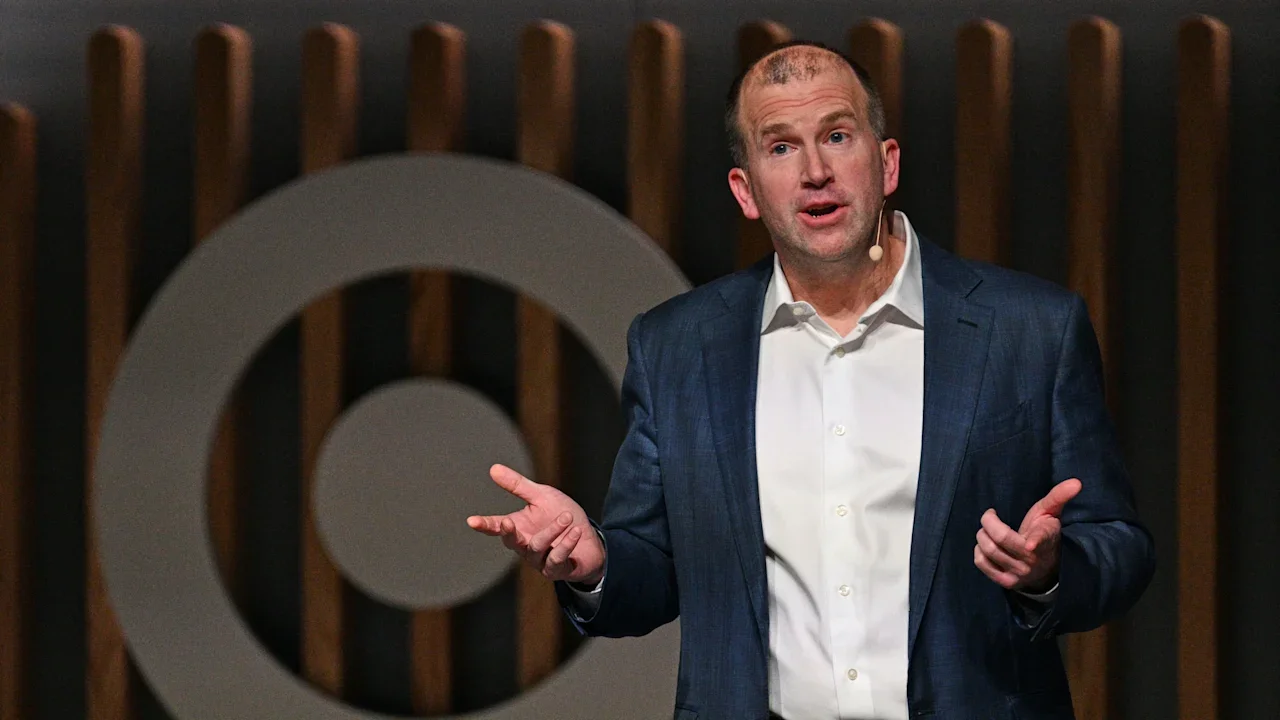
Target plans to spend billions of dollars this year to end a persistent sales slump and to regain its image as a fun place to shop for stylish clothing, housewares, beauty products and packaged food at affordable prices. The CEO guiding the turnaround plan is Michael Fiddelke, who stepped into the chief executive role last month but has worked for Target for more than 20 years. Fiddelke, who previously served as chief operating officer, has his work cut out for him. Some investors wanted an outsider to lead the company when Brian Cornell stepped down as CEO after more than 11 years. On Tuesday, the mass-market retailer turned in another quarter of declining comparable sales. Target also faced pressure to take a public stand against the immigration crackdown in Minneapolis, where the company is based. During an interview with The Associated Press at the company’s headquarters, Fiddelke talked about how he is trying to refresh stores and Target’s merchandise selection, regain the trust of customers and navigate a political and economic climate that has compounded the company’s troubles. The interview has been edited for clarity and length. AP: How do you prove to skeptics that you bring a fresh set of eyes to reversing Target’s sales malaise? FIDDELKE: Prove is the right word. It’s a ‘Prove it’ story. I have the benefit of a 23-year running start that has taught me so much about how retail works. I’ve gotten to see Target at its very best. I’ve gotten to see us when we are not at our very best, and that leads (to) a real clear view for me of when we’re hitting on all cylinders. It means even being candid on the stuff that I had my fingerprints on. I was COO for two years. I was CFO for some times that were great, and some times that weren’t. So as long as I’m able to couple — and I believe I can — the benefit of that experience with clear-eyed candor about where we’re at and where we need to drive change, I like that combination. AP: You’re pushing Target’s merchandise buyers to travel more to get inspiration? FIDDELKE: One of the things that’s critical to being design-led is you have to have an environment that fosters creativity in the right way. And I think if you were to pull any buyer into this discussion, they would say that outside stimulus of what’s different, what did I just see, that can often come in travel to other markets. The Alpine Chalet that you saw in our stores just this recent (fourth quarter) — the inspiration for that was from a European Christmas market trip. Where we lost it was during the pandemic. Travel was limited for a couple of years. We’re back to full form now. It probably took us a little longer than it should have, but it’s all about creating the conditions for creativity. AP: You’ve been spending time at Target’s corporate archives? FIDDELKE: I think that history can be instructive on centering who we are in our core. That’s different than nostalgia for nostalgia’s sake. And so there’s an important balance to hold in our heads where spending time in the archives, spending time talking with leaders who have led Target at different chapters. That’s all helpful. And you can’t just fall in love with nostalgia. The playbook from 10 years ago is not going to win in today’s retail. AP: Target has taken heat for pulling back on DEI programs and now not taking a public stand against ICE crackdowns in Minneapolis. What could have been done differently? FIDDELKE: I’ve been at Target 23 years. It has certainly been true in every single one of those 23 years that Target has a deep history of being a productive partner in the communities in which our 2,000 stores operate. And our roots run deep there. Companies of our scale giving 5% of our operating profits back into community. You don’t find a lot of those. And so knowing kind of core truths about who we are, our role in community, matters. Investment in team matters. Target being a place for everyone matters. The teams we build that reflect the communities that we serve, that’s true for the guests in our stores, that’s for the partners that find a place on our shelf. AP: Have boycotts affected your sales? FIDDELKE: As we went through last year, it was one of the things that impacted our sales. And so we know we’ve got trust to win back with guests, and we’ll be focused on doing it. There’s no easy button to win back trust, but we’ll do the work. AP: Why hasn’t Target taken a stronger stand against ICE? I know businesses have to legally allow agents in stores. FIDDELKE: When I think about navigating the start of the year here, especially in our hometown in Minneapolis, the thing that we have kept front and center every single day is the safety of our team. And so the safety of the team and the safety of our guests has been our North Star for decision making, and that’s guided every decision that we’ve made. AP: Has Target seen a pullback of Hispanic customers as some are too afraid to shop during a time of immigration crackdowns? FIDDELKE: Even over the course of the last year, even at the end of the year, we saw a business that, broadly speaking, was below where we expected. And so, I’m not satisfied with our performance in total. I wouldn’t call out any specific subgroups within that. AP: Do you think people hold Target to a higher standard than other companies? FIDDELKE: I think we’re an emotional brand. We’re a brand people love. And the thing I can say is we hold ourselves to a high standard in the product that shows up on our shelves and the experience that we create and the way we show up in the community. So I can’t speak for everyone, but we know where we’re focused. AP: How do you operate in an environment where the president might punish companies that don’t fall in line? FIDDELKE: The best thing for us to do is always focus on a clear strategy. Control what we can control. I think over the past several years, there’s been a lot of volatility to manage in the environment. There’s a lot that falls into the we-can’t-control-it bucket, whether it’s the global pandemic or whether it’s changes in policy. And so the right thing for us to do is to be laser-focused on how do we best show up for all those families and guests that depend on us every day. AP: Tell me a little about what you’re finding as you visit stores around the U.S. FIDDELKE: If I had to characterize what I’m hearing from the team, it’s a team that’s hungry to win. There’s so much pride in Target and there’s so much excitement to get this company back to growth. And I think just like I’m not satisfied with our performance the last few years, a team would tell you the same. —Anne D’Innocenzio, AP retail writer View the full article

-
Chicago-based mortgage lender Rate is partnering with Westlake Financial to offer in-app auto loans, advancing its push into product diversification and broader household financial services. View the full article

-
UK boss Jon Holt beaten in race to lead 276,000-person Big Four firm internationally View the full article
-
Officials and analysts say joint operation with US seeks to destroy key capabilities of Islamic regimeView the full article
-
For President Donald The President, some of the sharpest criticism he’s faced in the early days of the Iran war has come from once-loyal media figures far more accustomed to singing his praises. Tucker Carlson, Megyn Kelly, and Matt Walsh are among those to express discontent. It’s been noticed in the White House, which has been playing defense on social media and in interviews. To be sure, these critics are the minority of the media MAGAsphere, where Fox News’ biggest stars remain cheerleaders. But their words illustrate conservative media’s influence and how valuable it is to The President when all runs as a well-oiled machine — and, by contrast, how much of a problem it can be if it fractures. Much of the criticism has centered on Israel’s influence on The President’s decision to go to war. Carlson, the former Fox News star who has built his own independent operation, told ABC News over the weekend that the attack was “absolutely disgusting and evil.” “It’s hard to say this, but the United States didn’t make the decision here. Benjamin Netanyahu did,” Carlson said on his podcast, referring to the Israeli prime minister. ‘No one should have to die for a foreign country’ Kelly, another former Fox anchor gone indie, said about American casualties on her show that “no one should have to die for a foreign country.” “I don’t think those service members died for the United States,” Kelly said. “I think they died for Iran or Israel.” Secretary of State Marco Rubio’s remarks prior to a Capitol Hill briefing were a flashpoint. Rubio said that The President had given the go-ahead for the operation knowing that Israel was prepared to strike and he feared retaliation from Iran against U.S. bases in the region. “We knew that if we didn’t preemptively go after them, before they launched those attacks, we would suffer higher casualties,” Rubio said. House Speaker Mike Johnson, R-La., said that if the The President administration had not acted, lawmakers would have wondered why. Walsh, a Daily Wire host, wrote on X that Rubio was “flat out telling us that we’re in a war with Iran because Israel forced our hand. This is basically the worst possible thing he could have said.” The Republican president told journalist Rachael Bade in an interview that he did not believe that the opinions of Carlson and Kelly are shared by his base of supporters. “I think that MAGA is The President,” he said. “MAGA’s not the other two.” Republican former U.S. Rep. Marjorie Taylor Greene of Georgia, who has fashioned herself as an influencer and media figure since bitterly breaking with The President, said on Kelly’s podcast that she was furious over the U.S. military action. “Make America Great Again,” Greene says, “was supposed to be America first, not Israel first.” Will The President supporters return to the fold? The President is probably right to think that most of his supporters will return to the fold if they’re unhappy with the Iran attack, said Jason Zengerle, author of “Hated By All the Right People: Tucker Carlson and the Unraveling of the Conservative Mind.” Given the consistency of his views on the topic, Carlson is probably the most important of The President’s conservative critics, Zengerle said. “If the war does go badly, I think it strengthens the hand of someone like Tucker,” he said. “All of this is a debate about what happens after The President is gone anyway.” Carlson was at the center of a controversy last fall over antisemitism in conservative media for giving attention to polarizing influencer Nick Fuentes with an interview on Carlson’s podcast. Fuentes has called Adolf Hitler “cool,” suggested there is a genocide against white people and said his young followers are “tired of hearing about slavery and the Holocaust.” There have been cracks in The President’s conservative media support prior to Iran, notably with the vast and sprawling narratives around the Jeffrey Epstein report. But this week’s criticism unleashed some startling internal vitriol. Ben Shapiro, of “The Daily Wire,” called Kelly “wildly inconsistent” and a coward. Elisabeth Hasselbeck denounced Kelly for her suggestion that American servicemen died for Israel. “How dare you?” Hasselbeck said Tuesday on “The View.” Fox News’ Sean Hannity said that Carlson was “not the person I knew when he was at Fox.” Kelly denounced Hannity as a supplicant who “would never say anything other than to puff Donald The President up.” It’s worth remembering that most of what readers and viewers are seeing in conservative media supports The President. Howard Polskin, publisher of The Righting newsletter, estimated Tuesday that about 95% of what he’s monitored on websites is behind the president. “The President Stands Tall on Iran,” headlined The American Spectator. The most popular personalities on Fox News — still the top dog among conservatives — continue to be supportive. Hannity, Brian Kilmeade and Mark Levin were among the most vociferous leading up to the attack and after. “The president has shown more courage, and this Pentagon, Pete Hegseth’s Pentagon, has executed brilliantly once again,” said Kilmeade, the “Fox & Friends” co-host. “I think that MAGA gives him the benefit of the doubt, no question about it,” Sean Spicer, the White House press secretary during the early part of The President’s first term, said on his podcast Tuesday. “I think he’s built up a ton of credibility with the base. … Look, you’ve got PTSD from a lot of our former leaders between Iraq and Afghanistan in particular, who only know forever wars, and so I get it. But this president has proven now twice that he knows what he’s doing.” Criticism of war rollout draws specific White House rebuke The podcast influencers who helped to drive many young men into The President’s camp during the 2024 campaign have been largely quiet. Some of Walsh’s criticism this week appeared to sting so much that it drew a specific rebuke from White House press secretary Karoline Leavitt. “So far we’ve heard that although we killed the whole Iranian regime, this was not a regime change war,” Walsh wrote on Monday. “And although we obliterated their nuclear program, we had to do this because of their nuclear program. And although Iran was not planning any attacks on the U.S., they also might have been, depending on who you ask. And although we are not fighting this war to free the Iranian people, they are now free, or might be, depending on who seizes power, and we have no idea who that will be. The messaging on this thing is, to put it mildly, confused.” Leavitt posted a lengthy response on X explaining The President’s rationale. “Simply put,” she wrote, “the terrorist Iranian regime would not say yes to peace.” —David Bauder, Meg Kinnard, and Ali Swenson, Associated Press writers View the full article

-
We may earn a commission from links on this page. Deal pricing and availability subject to change after time of publication. Apple just announced new Mac products, and among them is a new M5 MacBook Air. As is often the case after such announcements, the previous model is starting to get some discounts: The 15-inch M4 MacBook Air with 16GB Unified Memory and 256GB SSD Storage is currently $999, a $200 discount we haven't seen since January, according to price-tracking tools. Even at full price, this M4 offers remarkable value for your money, even compared to earlier models. 15-inch M4 MacBook Air 15.3-inch Liquid Retina Display, 16GB Unified Memory, 256GB SSD Storage, 12MP Center Stage Camera. $999.00 at Amazon $1,199.00 Save $200.00 Get Deal Get Deal $999.00 at Amazon $1,199.00 Save $200.00 Although this is the entry-level MacBook Air (albeit with a larger screen size), it comes with 16GB of RAM, twice what the previous generation's basic model came with. This is enough to take on intensive applications right now and for many years to come. It is equipped with a 15.3-inch "Liquid Retina" display with a resolution of 2,560 by 1,664, a P3 wide color gamut, and a maximum brightness of 500 nits. You'll also get an excellent backlit keyboard with Touch ID, Wi-Fi 6E support, and great speakers and microphones. The 12MP camera comes with Center Stage, a feature that debuted on iPads and on the M4 MacBook Pro. It allows the camera to follow your face as you move around the frame during video calls. There are two Thunderbolt 4 USB-C ports, which means you can extend to up to two 6K external monitors. For a "basic" laptop, the 15-inch M4 MacBook Air is arguably better than it needed to be, and is a much better value than the Pro, according to Lifehacker Senior Tech Editor Jake Peterson. If you factor in the discount, it really is the best MacBook for most people. If you would prefer other storage, RAM, or size models, they'll likely also go on sale soon. But if this 15-inch is the one you've been eyeing, it's a good time to snatch it up. Our Best Editor-Vetted Tech Deals Right Now Apple AirPods 4 Active Noise Cancelling Wireless Earbuds — $119.00 (List Price $179.00) Samsung Galaxy S26, Unlocked Android Smartphone + $100 Gift Card, 512GB, Powerful Processor, Galaxy AI, Immersive Viewing, Durable Battery, 2026, Black — $899.99 (List Price $1,199.99) Samsung Galaxy Buds 4 AI Noise Cancelling Wireless Earbuds + $20 Amazon Gift Card — $179.99 (List Price $199.99) Google Pixel 10a 128GB 6.3" Unlocked Smartphone + $100 Gift Card — $499.00 (List Price $599.00) Apple iPad 11" 128GB A16 WiFi Tablet (Blue, 2025) — $329.00 (List Price $349.00) Apple Watch Series 11 [GPS 46mm] Smartwatch with Jet Black Aluminum Case with Black Sport Band - M/L. Sleep Score, Fitness Tracker, Health Monitoring, Always-On Display, Water Resistant — $329.00 (List Price $429.00) Amazon Fire TV Soundbar — $99.99 (List Price $119.99) Deals are selected by our commerce team View the full article
-
Construction projects involve hundreds of cost decisions long before a building takes shape. Materials must be measured, budgets must be forecast and contracts must align with the real scope of work. Quantity surveying sits at the centre of those decisions, helping project teams translate drawings and specifications into reliable cost control throughout the construction lifecycle. What Is Quantity Surveying In Construction? Quantity surveying in construction is the professional practice of measuring, estimating and controlling project costs from early planning through final account settlement. It involves preparing cost plans, producing bills of quantities, managing tendering and monitoring project expenditure during construction. Quantity surveying ensures materials, labour and contract costs are accurately quantified so projects can be priced, procured and delivered within an agreed construction budget. ProjectManager is an award-winning construction project management software that excels at resource planning, cost tracking and project reporting thanks to robust features such as timesheets, workload charts and real-time dashboards and reports. Get started for free today. /wp-content/uploads/2022/07/construction-gantt-resources-costs-150-CTA-BUTTON-1.jpgLearn more Why Is Quantity Surveying Important In Construction? Managing costs is one of the hardest parts of delivering a construction project, and quantity surveying provides the structure needed to do it properly. By measuring quantities, preparing cost plans and managing the bill of quantities during procurement and construction, quantity surveying helps teams forecast realistic budgets and track spending as work progresses. When done well, it protects profit margins, supports fair tendering and keeps the project financially stable. Without strong quantity surveying, estimates become unreliable, costs drift and disputes over payments and variations quickly emerge. When Does Quantity Surveying Occur? Long before contractors arrive on site, quantity surveying begins alongside early project planning and design development. As drawings evolve, quantity surveyors prepare cost plans, measure quantities and help shape procurement strategies before tendering starts. Their work continues through contractor selection, contract administration and interim valuations during construction. The quantity surveying process only concludes after the construction closeout phase, once the project reaches completion and the final account is agreed, ensuring every cost, variation and payment is properly reconciled. /wp-content/uploads/2023/03/Bill-of-quantities-template.jpg Get your free Bill Of Quantities Template Use this free Bill Of Quantities Template for Excel to manage your projects better. Download Excel File What Is a Quantity Surveyor? A quantity surveyor is a construction professional responsible for managing project costs and financial performance throughout the building lifecycle. In the quantity surveying process, the surveyor focuses on measuring work quantities, preparing cost estimates, supporting procurement and monitoring project spending to ensure construction projects are delivered within the agreed budget and contractual framework. From the earliest design discussions to the final account settlement, a quantity surveyor helps the project team understand what the work will cost and how spending will be controlled. Quantity surveying connects drawings, specifications, procurement decisions and on-site progress with the financial side of construction so the project remains commercially viable. Measure construction quantities from architectural and engineering drawings to prepare accurate bills of quantities that contractors use when pricing work during the tendering process. Develop detailed cost plans during early project stages to forecast the total construction budget and guide design decisions that affect project cost. Prepare and manage tender documents, analyse contractor bids and support procurement by comparing pricing submissions against the bill of quantities. Track project costs during construction by reviewing contractor payment applications, verifying completed work quantities and issuing interim valuations for certified payments. Assess variations caused by design changes, scope adjustments or site conditions and calculate the financial impact on the construction contract. Support contract administration by interpreting cost-related contract clauses and maintaining accurate financial records throughout the construction programme. Prepare and negotiate the final account at project completion, ensuring all variations, payments and contractual cost adjustments are fully reconciled. Who Else Participates in the Quantity Surveying Process? Although quantity surveying is led by the quantity surveyor, the process depends on collaboration across the entire project team. Cost planning, procurement decisions and contract administration rely on input from designers, contractors and project managers who provide the technical, scheduling and operational information needed to manage construction costs accurately. Project manager: Oversees the construction project and coordinates scope, schedule and budget decisions that directly influence quantity surveying and cost control. Architect: Develops the building design and technical drawings that quantity surveyors measure to prepare cost plans and bills of quantities. Structural and engineering consultants: Provide detailed technical designs and specifications that affect material quantities, construction methods and overall project cost. Main contractor: Prices the bill of quantities during tendering and later submits payment applications and variation claims during construction. Client or employer: Defines the project requirements, approves budgets and ultimately relies on quantity surveying to maintain financial oversight. Quantity Surveying Process The quantity surveying process follows a structured path that starts with early financial feasibility and continues through procurement and contractor selection. Each stage connects design decisions, cost planning and procurement so the project can move forward with reliable financial information. 1. Project Cost Feasibility At the earliest stage of quantity surveying, the team evaluates whether the proposed construction project is financially viable. Initial project information, conceptual designs and rough quantity estimates are used to produce high-level cost forecasts. This feasibility analysis helps the client understand whether the project budget aligns with expected construction costs before detailed design work begins. 2. Cost Planning Once the project moves beyond early feasibility, quantity surveying focuses on developing structured cost plans that align the evolving design with the available construction budget. Cost planning breaks the project into cost elements such as structure, finishes and building services. These plans guide design decisions and help prevent the project scope from exceeding budget. /wp-content/uploads/2024/02/construction-budget-for-excel-screenshot-600x160.pngProjectManager’s construction budget template for Excel 3. Quantity Takeoff and Measurement As technical drawings become more detailed, quantity surveying involves carefully measuring the materials and work required to deliver the project. Quantity takeoff converts architectural and engineering drawings into measurable units such as concrete volume, steel weight or wall area. Accurate measurement ensures construction costs are based on real project quantities. 4. Bill of Quantities Preparation After quantities are measured, quantity surveying produces a bill of quantities that lists all measurable construction work required for the project. The document organises items by trade and work category so contractors can price them consistently during tendering. A clear bill of quantities improves pricing transparency and simplifies cost comparison. /wp-content/uploads/2023/03/bill-of-quantities-template-1-600x293.jpgProjectManager’s bill of quantities template for Excel 5. Tendering and Contractor Selection During procurement, quantity surveying supports the tendering process by issuing tender documents that include drawings, specifications and the bill of quantities. Contractors submit bids based on these documents, allowing the project team to compare pricing across bidders. This process helps the client select a contractor whose proposal aligns with budget, scope and programme expectations. 6. Cost Control During Construction Once construction begins, quantity surveying shifts toward monitoring project costs as work progresses on site. The quantity surveyor reviews contractor payment applications, verifies completed quantities and prepares interim valuations tied to the construction programme. This ongoing oversight ensures project spending stays aligned with the approved cost plan and contractual payment terms. 7. Variation Cost Management Design revisions, site conditions and scope adjustments often introduce variations during construction, which makes variation management a critical part of quantity surveying. Each change must be measured, priced and documented against the contract. By evaluating variation costs early, the project team can understand financial impacts and prevent uncontrolled budget increases. 8. Final Account Settlement As the project approaches completion, quantity surveying focuses on closing the financial side of the construction contract. The final account process reconciles all project costs, including interim payments, approved variations and contract adjustments. Once both parties agree on the final account, the project’s total construction cost is formally confirmed. Quantity Surveying Outcomes Every stage of quantity surveying produces documents that guide financial decisions throughout the construction lifecycle. These outcomes translate drawings, specifications and project scope into measurable cost information the project team can actually use. From early cost estimates to the bill of quantities used for tendering, these outputs form the financial backbone of construction procurement and cost control. 1. Cost Estimates Construction cost estimates are early financial forecasts developed during quantity surveying to predict how much a construction project is likely to cost. They combine project scope, measured quantities, labour assumptions and material pricing to approximate the total construction budget. /wp-content/uploads/2022/01/Construction-Estimate-Template-600x331.jpgProjectManager’s construction estimate template for Excel As design information improves, estimates become progressively more accurate and support better planning decisions. Preliminary estimates: Early-stage cost forecasts prepared from limited project information to evaluate feasibility and guide initial budgeting decisions. Concept estimates: Cost estimates based on conceptual design information that refine early budget expectations as project scope becomes clearer. Detailed cost estimates: Comprehensive cost estimates developed from detailed drawings and specifications to support procurement and contractor tendering. 2. Cost Plan A cost plan is a structured financial breakdown of a construction project that distributes the total budget across major building elements such as structure, finishes and building services. Developed during quantity surveying, the cost plan connects the evolving design with the approved construction budget so project teams can monitor affordability as planning progresses. Within the quantity surveying process, the cost plan acts as the financial benchmark that guides design development and procurement decisions. It allows the project team to compare estimated costs against the available budget at each design stage. Without a reliable cost plan, construction projects risk uncontrolled scope growth, inaccurate tender pricing and serious cost overruns. 3. Bill of Quantities A bill of quantities is a detailed document produced during quantity surveying that lists measurable construction work items and their associated quantities. Organised by trade or work category, it allows contractors to price each item consistently during tendering. The bill of quantities translates drawings and specifications into measurable units used for pricing construction work. In the quantity surveying process, the bill of quantities provides the standard structure contractors use to submit competitive bids. Because each bidder prices the same measured quantities, the project team can compare tenders more accurately. It also supports cost control during construction by providing a reference for valuing completed work and assessing variations. 4. Tender Documents and Bid Evaluations During procurement, quantity surveying produces structured tender documents that allow contractors to price the project consistently and transparently. These documents typically include drawings, specifications and the bill of quantities. /wp-content/uploads/2024/10/bid-proposal-template-screenshot-600x520.pngProjectManager’s bid proposal template for Word Once bids are submitted, the quantity surveyor evaluates contractor pricing, identifies cost differences and prepares analysis reports that help the client select the most commercially suitable contractor. Tender documentation: Package of drawings, specifications and bill of quantities issued to contractors for pricing construction work. Bid comparison reports: Analytical reports comparing contractor pricing submissions line-by-line to identify differences, risks and cost anomalies. Tender evaluation summaries: Structured summaries explaining contractor bids, commercial risks and pricing observations for informed procurement decisions. Cost recommendations for contract award: Quantity surveyor guidance recommending the contractor whose bid best aligns with project budget and scope. 5. Cash Flow Forecasts Planning how project funds will be spent over time is another outcome of quantity surveying. Cash flow forecasts estimate when construction costs will occur based on the programme and payment structure. These forecasts help clients prepare funding strategies, manage financing requirements and ensure sufficient liquidity to meet contractor payments throughout the construction phase. Expected monthly expenditures: Forecasted construction spending each month based on project progress, measured quantities and contractor payment timelines. Payment schedules: Planned schedule showing when contractor payments will occur according to interim valuations and contract terms. Funding requirements: Projected financial resources the client must secure to meet construction payment obligations during the programme. 6. Interim Valuations As construction progresses, quantity surveying produces interim valuations to determine how much the contractor should be paid for completed work. These valuations measure the work delivered during a specific period, apply contract pricing and calculate the payment due. Interim valuations maintain cash flow for the contractor while keeping project payments aligned with actual progress. Amount of work completed: Measured portion of construction work finished on site during the current valuation period. Value of work performed: Monetary value of completed construction work calculated using contract rates and measured quantities. Payment due for the period: Certified payment owed to the contractor based on the interim valuation assessment. 7. Variation Cost Assessments Changes during construction often affect quantities, materials or the scope of work, making variation cost assessments a core output of quantity surveying. When variations arise, the quantity surveyor measures the change, applies contract pricing and calculates its financial impact. /wp-content/uploads/2021/02/Change-Order-Screenshot-600x475.jpgProjectManager’s change order template for Excel This process ensures design changes, unforeseen conditions and scope adjustments are properly documented and reflected in the construction contract value. Cost impact analysis: Evaluation of how a proposed variation affects labour, materials and the overall construction budget. Adjusted quantities: Revised measurements reflecting scope changes so the bill of quantities remains accurate after approved variations. Updated contract values: Revised contract sum reflecting approved variations, ensuring the project’s financial records remain accurate. 8. Cost Reports Throughout construction, quantity surveying generates cost reports that keep the client and project team informed about financial performance. These reports compare the approved cost plan with current project spending, highlight emerging risks and track variations affecting the budget. Regular reporting helps stakeholders understand whether the project remains financially aligned with the original cost expectations. Cost value reconciliation report: Report comparing planned project costs against actual spending to monitor financial performance during construction. Variation cost report: Summary report tracking approved and pending variations and their cumulative impact on the contract value. Budget status report: Financial report showing remaining budget, committed costs and projected final construction expenditure. 9. Final Account The final account is the comprehensive financial statement that confirms the total construction cost once the project is completed. It reconciles the original contract sum with all interim payments, approved variations and contractual adjustments recorded during construction. This document establishes the final amount payable under the construction contract. Within the quantity surveying process, the final account represents the formal closure of the project’s financial administration. It ensures both client and contractor agree on the definitive construction cost and that all contractual payments, variations and adjustments have been fully resolved before the project is financially closed. How ProjectManager Helps with Construction Cost Management ProjectManager is designed to allow construction project managers to create detailed project plans, allocate resources for the execution of tasks, create construction budgets and compare estimated costs against actual project costs in real-time dashboards and reports to identify cost overruns and financial risks before they become a threat to projects. ProjectManager is online construction project management software that empowers teams to plan, manage and track their projects in real time. We connect architects and engineers in the office with your work crew on the job site so they can share files and comments to foster better collaboration. Get started with ProjectManager today for free. The post Quantity Surveying in Construction: Process, Outcomes & Roles appeared first on ProjectManager. View the full article
-
The U.S. stock market is rebounding Wednesday from two days of punishing swings after oil prices stopped spiking and reports gave encouraging updates on the economy. The S&P 500 rose 0.6% in midday trading and is on track to claw back most of its loss since the war with Iran began. The Dow Jones Industrial Average was up 237 points, or 0.5%, as of 11:15 a.m. Eastern time, and the Nasdaq composite was 1.1% higher. The strength followed a scary start to Wednesday, when South Korea’s Kospi stock index plunged 12.1% for its worst day in history. Uncertainty about the war has sent prices in financial markets careening up and down hour by hour this week, with most taking their cues from what the price of oil is doing. Oil prices moderated as trading moved westward from Seoul and the rest of Asia to Europe. After briefly topping $84 per barrel, the price for a barrel of Brent crude, the international standard, eased back to $81.49, a 0.1% rise. A barrel of benchmark U.S. crude fell 0.6% to $74.11. Stocks also got a boost from increased hopes for the U.S. economy. One report said growth for U.S. businesses in the real estate, financial and other services industries accelerated last month at the fastest pace since the summer of 2022. Encouragingly for inflation, it also said prices for such businesses are increasing at a slower rate, at least before the war with Iran began. A second report suggested U.S. employers outside of the government picked up their hiring last month. That could be a hopeful signal for the more comprehensive report coming Friday from the U.S. government about the strength of the job market. In financial markets, worries are centered on how long the war with Iran could last, how high inflation will go because of more expensive oil and how much corporate profits will sink because of it. The U.S. stock market has a history of shaking off military conflicts in the Middle East relatively quickly, though that comes with a caveat that oil prices don’t jump too high. That has some professional investors suggesting patience through the volatility, at least when it comes to financial markets. Not everyone is so optimistic, though. “I think the Iran situation is getting out of hand, and I think that U.S. President Donald The President miscalculated enormously,” said Francis Lun, CEO of Venturesmart Asia. “The situation is very grim.” On Wall Street, a mix of companies helped drive Wednesday’s rebound. Stocks enmeshed in the crypto industry climbed as bitcoin’s price rebounded back toward $73,000. Coinbase Global jumped 14.5%, and Robinhood Markets rallied 8.8%. Retailers and travel companies also strengthened with hopes that a solid economy and an easing for jumps in gasoline prices will mean their customers may have more to spend. Ross Stores climbed 7.2% after it also reported better profit and revenue for the latest quarter than analysts expected and said it’s entering 2026 with “solid momentum.” Expedia Group rose 3.9%. Big Tech stocks, meanwhile, were the strongest forces lifting the market. Nvidia added 1.2%, and Amazon rose 3.5%. Because they’re among the biggest stocks in the U.S. market in terms of total value, their movements carry more weight on the S&P 500. In stock markets abroad, indexes rebounded in Europe following sharp drops in Asia. France’s CAC 40 rose 1.2%, and Germany’s DAX climbed 1.8%. That followed losses of 2% for Hong Kong’s Hang Seng and 3.6% for Japan’s Nikkei 225, along with Seoul’s historic plunge. In the bond market, Treasury yields ticked higher after jumping early in the week with worries about worsening inflation. The yield on the 10-year Treasury rose to 4.07% from 4.06% late Tuesday. Wednesday’s strong reports on the economy were welcome news for the Federal Reserve, whose job it is to keep the U.S. job market healthy and inflation low. The Fed’s job has become more difficult because of the jump in oil prices, which is pushing upward on already high inflation. The Fed could keep interest rates high to keep a lid on inflation. But high interest rates would also keep borrowing costs more expensive for U.S. households and companies, grinding down on the economy. The central bank had earlier been on track to resume its cuts to interest rates later this year, in hopes of giving a boost to the job market and economy. Because of the war, traders are pushing back their forecasts for when the Fed could begin cutting rates again. —Stan Choe, AP business writer AP Writers Matt Ott, Kim Tong-hyung and Elaine Kurtenbach contributed View the full article

-
E-commerce personalization involves tailoring the online shopping experience to match individual customer preferences and behaviors. By analyzing past purchases and browsing habits, businesses can provide customized recommendations that improve user engagement. This practice is critical, as a significant portion of consumers now expect personalized interactions. Comprehending how to effectively implement these strategies can lead to increased sales and customer loyalty. So, what specific approaches can you take to optimize your personalization efforts? Key Takeaways E-commerce personalization tailors online shopping experiences using customer data, enhancing engagement and satisfaction. It significantly boosts conversion rates, with 80% of consumers more likely to purchase from personalized experiences. Personalized product recommendations can increase purchase likelihood by up to 80%, driving sales and customer loyalty. Businesses that implement effective personalization strategies often see revenue growth, with 93% of B2B professionals reporting positive results. Lack of personalization can deter 66% of consumers from making purchases, highlighting its critical importance in e-commerce. Understanding E-Commerce Personalization Comprehending e-commerce personalization is essential for any business looking to thrive in today’s digital marketplace. E-commerce personalization customizes online shopping experiences to individual customers by utilizing data from past purchases and browsing behavior. This means you can display relevant content and product recommendations that resonate with your audience. For instance, ecommerce personalization examples include personalized product suggestions and dynamic content that adapts based on demographics and preferences. Approximately 71% of consumers expect these customized experiences, illustrating the demand for ecommerce customization and personalization. Implementing personalization software for ecommerce can improve customer satisfaction and engagement, resulting in higher conversion rates and reduced cart abandonment. Significantly, 66% of consumers are deterred from purchasing when content lacks personalization. Importance of Personalization in E-Commerce Personalization in e-commerce is more than just a trend; it’s a strategic necessity for businesses aiming to thrive in a competitive environment. By utilizing e-commerce personalization, you can improve customer experiences through customized product recommendations based on individual preferences and browsing behavior. Research shows that 80% of consumers are more likely to purchase when brands offer personalized experiences, highlighting the vital role of customization in e-commerce. Furthermore, 66% of consumers are deterred by non-personalized content, making customized strategies fundamental for conversion rates. Approximately 65% of customers remain loyal to businesses that provide personalized experiences, which underscores the importance of nurturing long-term relationships. Even in B2B markets, 93% of professionals report revenue growth from effective personalization efforts, demonstrating that both B2C and B2B markets increasingly expect personalized interactions. In short, embracing e-commerce product personalization can greatly impact your business success. Examples of E-Commerce Personalization When you explore e-commerce personalization, you’ll find various effective strategies that can considerably improve the shopping experience. One popular method is customized product recommendations based on your browsing history, which can boost conversion rates by up to 80%. Personalized homepages also augment user engagement by displaying content relevant to your past interactions, leading to higher retention rates. Another effective strategy is cart abandonment emails, reminding you of items left in your cart and recovering nearly 10% of lost sales. Dynamic content, such as website banners that change according to your demographics and behavior, can increase click-through rates by 25%. In addition, targeted discounts based on your purchase history can raise average order values by up to 15%. These examples of customization in e-commerce illustrate how personalization can create a more engaging and profitable shopping experience on your favorite ecommerce sites. How to Implement Personalization Strategies To successfully implement personalization strategies in e-commerce, businesses must start by analyzing customer data, which includes browsing history and past purchases. This analysis allows you to create customized product recommendations that improve user engagement. Segmenting your audience into smaller groups based on demographics and behavior can lead to more targeted marketing experiences, greatly boosting customer loyalty. Consider these key strategies: Utilize dynamic content for personalized landing pages and product displays. Employ targeted email campaigns featuring bespoke offers and reminders. Monitor metrics like conversion rates and average order value. Regularly adjust strategies based on performance data. Cultivate stronger connections by comprehending individual customer preferences. Benefits of E-Commerce Personalization E-commerce personalization offers significant advantages that can transform the way businesses interact with customers. By customizing experiences and recommendations, you can increase conversion rates by up to 80%. This personalization cultivates deeper connections, leading to a 65% boost in customer loyalty, which is crucial in today’s competitive market. Moreover, B2B professionals report a remarkable 93% revenue growth from personalized marketing efforts, highlighting the financial benefits of these customized experiences. When you provide personalized product recommendations, you can raise the average order value (AOV) by 10-30%, as customers are more likely to purchase related items. In addition, about 66% of consumers are deterred from buying when faced with non-personalized content, emphasizing the critical need for customized experiences that meet modern buyer expectations. Adopting e-commerce personalization not only improves customer satisfaction but also drives significant business growth. The Role of Technology in Personalization Even though many businesses recognize the importance of personalization in e-commerce, the role of technology in this process is often underestimated. Advanced algorithms and data analytics are crucial, as they help deliver customized product recommendations based on your behavior and preferences. Product Information Management (PIM) systems act as the backbone of these strategies, efficiently managing product data across various channels. An integrated Content Management System (CMS) personalizes your experience in real-time, adapting content based on your interactions. Omnichannel personalization guarantees a seamless experience between online and offline interactions, reinforcing brand identity. In addition, artificial intelligence (AI) analyzes vast amounts of customer data, optimizing recommendations and improving operational efficiency. It transforms shopping into a uniquely personal experience. It bridges the gap between online and offline interactions. It anticipates your needs before you even realize them. It creates a consistent brand identity across platforms. It improves the efficiency of your shopping experience. Tips for Optimizing Your Personalization Efforts To optimize your personalization efforts, it’s crucial to understand your audience more deeply by segmenting them into targeted groups. Utilizing data effectively can inform your strategies, such as tailoring product recommendations based on customer behavior and preferences. Regular testing and iteration of your approach will help you refine your tactics and guarantee they resonate with your audience. Understand Your Audience Comprehension of your audience is the cornerstone of effective personalization in e-commerce, as it directly influences how well you can tailor shopping experiences. By segmenting your audience based on demographics, interests, and behaviors, you can create targeted content that resonates more profoundly. Utilizing browsing history and past purchases can inform personalized recommendations, considerably boosting conversion rates. Gathering explicit feedback through surveys or quizzes offers insights into preferences, ensuring your strategies align with modern buyer expectations. Analyzing customer data reveals patterns that help you craft dynamic content and targeted promotions, which nurtures loyalty and increases average order values. Understand their needs Acknowledge their preferences Anticipate their desires Engage emotionally Build lasting relationships Utilize Data Effectively Effective utilization of data is critical for optimizing your e-commerce personalization efforts, as it allows you to create customized experiences that meet customer expectations. To achieve this, start by gathering thorough customer data, including browsing history and past purchases. Segment your audience into smaller groups based on shared characteristics, which enables you to deliver more relevant marketing messages. Leverage advanced analytics and AI tools to process real-time data for dynamic personalization that adjusts as customers interact with your site. Implement personalized product recommendations, as studies show they can boost purchase likelihood by up to 80%. Finally, regularly monitor metrics like conversion rates and average order value to refine your strategies and guarantee ongoing improvement in your personalization efforts. Test and Iterate Once you’ve gathered and analyzed customer data to improve your e-commerce personalization, the next step involves testing and iterating your strategies to guarantee they effectively resonate with your audience. Regularly analyze feedback to spot trends and refine your personalization efforts. Implement A/B testing for various tactics, like product recommendations and email campaigns, to determine what drives engagement. Use analytics tools to track key performance indicators, adjusting based on conversion rates and average order value. Continuously segment your audience by behavioral patterns, ensuring your marketing remains relevant. Experiment with dynamic content variations and measure their impact on user satisfaction. Discover what truly matters to your customers Uncover hidden preferences and desires Create compelling experiences that resonate Build trust through customized communications Nurture lasting relationships with personalized touchpoints Frequently Asked Questions Why Is Personalization Important in E-Commerce? Personalization in e-commerce is vital as it greatly enhances conversion rates and encourages customer loyalty. When you provide customized experiences, about 65% of consumers are more likely to stick with your brand. Conversely, non-personalized content can deter 66% of potential buyers, leading to lost sales. Consumers now expect personalized recommendations, and when they don’t receive them, 76% express dissatisfaction, indicating that effective personalization strategies are fundamental for revenue growth and brand success. What Does It Mean When Etsy Asks for Personalization? When Etsy asks for personalization, it means tailoring your shopping experience based on your preferences. By analyzing your favorite items and past purchases, Etsy recommends products that fit your unique tastes. This approach improves engagement, as you discover items that resonate with your interests. Personalization includes customized search results and targeted marketing messages, which can greatly increase your likelihood of making a purchase as you create a more enjoyable shopping experience for you. What Is E-Commerce and Why Is It Important? E-commerce is the buying and selling of goods and services online, allowing you to shop conveniently from anywhere at any time. Its significance lies in the global reach it provides businesses, with sales projected to exceed $6 trillion by 2024. E-commerce improves customer experiences through features like online payments and personalized recommendations, driving customer loyalty. As a result, businesses can achieve significant revenue growth, making e-commerce vital in today’s economy. What Are the 4 D’s of Personalization? The 4 D’s of personalization are crucial for creating customized customer experiences. Data involves collecting and analyzing customer information to inform strategies. Dynamic personalization adjusts content in real-time based on user interactions, keeping the experience relevant. Delight surprises customers with unexpected offers, enhancing satisfaction and loyalty. Finally, Design guarantees personalized elements are seamlessly integrated into the overall user interface, creating a cohesive and engaging shopping experience that meets individual needs effectively. Conclusion In conclusion, e-commerce personalization is vital for enhancing customer experiences and driving sales. By tailoring interactions based on individual preferences and behaviors, businesses can greatly improve engagement and conversion rates. Implementing effective personalization strategies not merely encourages customer loyalty but furthermore provides a competitive edge in the crowded online marketplace. As technology continues to evolve, staying updated on personalization techniques will be fundamental for businesses aiming to thrive in the dynamic world of e-commerce. Image via Google Gemini and ArtSmart This article, "What Is E-Commerce Personalization and Why It Matters?" was first published on Small Business Trends View the full article
-
E-commerce personalization involves tailoring the online shopping experience to match individual customer preferences and behaviors. By analyzing past purchases and browsing habits, businesses can provide customized recommendations that improve user engagement. This practice is critical, as a significant portion of consumers now expect personalized interactions. Comprehending how to effectively implement these strategies can lead to increased sales and customer loyalty. So, what specific approaches can you take to optimize your personalization efforts? Key Takeaways E-commerce personalization tailors online shopping experiences using customer data, enhancing engagement and satisfaction. It significantly boosts conversion rates, with 80% of consumers more likely to purchase from personalized experiences. Personalized product recommendations can increase purchase likelihood by up to 80%, driving sales and customer loyalty. Businesses that implement effective personalization strategies often see revenue growth, with 93% of B2B professionals reporting positive results. Lack of personalization can deter 66% of consumers from making purchases, highlighting its critical importance in e-commerce. Understanding E-Commerce Personalization Comprehending e-commerce personalization is essential for any business looking to thrive in today’s digital marketplace. E-commerce personalization customizes online shopping experiences to individual customers by utilizing data from past purchases and browsing behavior. This means you can display relevant content and product recommendations that resonate with your audience. For instance, ecommerce personalization examples include personalized product suggestions and dynamic content that adapts based on demographics and preferences. Approximately 71% of consumers expect these customized experiences, illustrating the demand for ecommerce customization and personalization. Implementing personalization software for ecommerce can improve customer satisfaction and engagement, resulting in higher conversion rates and reduced cart abandonment. Significantly, 66% of consumers are deterred from purchasing when content lacks personalization. Importance of Personalization in E-Commerce Personalization in e-commerce is more than just a trend; it’s a strategic necessity for businesses aiming to thrive in a competitive environment. By utilizing e-commerce personalization, you can improve customer experiences through customized product recommendations based on individual preferences and browsing behavior. Research shows that 80% of consumers are more likely to purchase when brands offer personalized experiences, highlighting the vital role of customization in e-commerce. Furthermore, 66% of consumers are deterred by non-personalized content, making customized strategies fundamental for conversion rates. Approximately 65% of customers remain loyal to businesses that provide personalized experiences, which underscores the importance of nurturing long-term relationships. Even in B2B markets, 93% of professionals report revenue growth from effective personalization efforts, demonstrating that both B2C and B2B markets increasingly expect personalized interactions. In short, embracing e-commerce product personalization can greatly impact your business success. Examples of E-Commerce Personalization When you explore e-commerce personalization, you’ll find various effective strategies that can considerably improve the shopping experience. One popular method is customized product recommendations based on your browsing history, which can boost conversion rates by up to 80%. Personalized homepages also augment user engagement by displaying content relevant to your past interactions, leading to higher retention rates. Another effective strategy is cart abandonment emails, reminding you of items left in your cart and recovering nearly 10% of lost sales. Dynamic content, such as website banners that change according to your demographics and behavior, can increase click-through rates by 25%. In addition, targeted discounts based on your purchase history can raise average order values by up to 15%. These examples of customization in e-commerce illustrate how personalization can create a more engaging and profitable shopping experience on your favorite ecommerce sites. How to Implement Personalization Strategies To successfully implement personalization strategies in e-commerce, businesses must start by analyzing customer data, which includes browsing history and past purchases. This analysis allows you to create customized product recommendations that improve user engagement. Segmenting your audience into smaller groups based on demographics and behavior can lead to more targeted marketing experiences, greatly boosting customer loyalty. Consider these key strategies: Utilize dynamic content for personalized landing pages and product displays. Employ targeted email campaigns featuring bespoke offers and reminders. Monitor metrics like conversion rates and average order value. Regularly adjust strategies based on performance data. Cultivate stronger connections by comprehending individual customer preferences. Benefits of E-Commerce Personalization E-commerce personalization offers significant advantages that can transform the way businesses interact with customers. By customizing experiences and recommendations, you can increase conversion rates by up to 80%. This personalization cultivates deeper connections, leading to a 65% boost in customer loyalty, which is crucial in today’s competitive market. Moreover, B2B professionals report a remarkable 93% revenue growth from personalized marketing efforts, highlighting the financial benefits of these customized experiences. When you provide personalized product recommendations, you can raise the average order value (AOV) by 10-30%, as customers are more likely to purchase related items. In addition, about 66% of consumers are deterred from buying when faced with non-personalized content, emphasizing the critical need for customized experiences that meet modern buyer expectations. Adopting e-commerce personalization not only improves customer satisfaction but also drives significant business growth. The Role of Technology in Personalization Even though many businesses recognize the importance of personalization in e-commerce, the role of technology in this process is often underestimated. Advanced algorithms and data analytics are crucial, as they help deliver customized product recommendations based on your behavior and preferences. Product Information Management (PIM) systems act as the backbone of these strategies, efficiently managing product data across various channels. An integrated Content Management System (CMS) personalizes your experience in real-time, adapting content based on your interactions. Omnichannel personalization guarantees a seamless experience between online and offline interactions, reinforcing brand identity. In addition, artificial intelligence (AI) analyzes vast amounts of customer data, optimizing recommendations and improving operational efficiency. It transforms shopping into a uniquely personal experience. It bridges the gap between online and offline interactions. It anticipates your needs before you even realize them. It creates a consistent brand identity across platforms. It improves the efficiency of your shopping experience. Tips for Optimizing Your Personalization Efforts To optimize your personalization efforts, it’s crucial to understand your audience more deeply by segmenting them into targeted groups. Utilizing data effectively can inform your strategies, such as tailoring product recommendations based on customer behavior and preferences. Regular testing and iteration of your approach will help you refine your tactics and guarantee they resonate with your audience. Understand Your Audience Comprehension of your audience is the cornerstone of effective personalization in e-commerce, as it directly influences how well you can tailor shopping experiences. By segmenting your audience based on demographics, interests, and behaviors, you can create targeted content that resonates more profoundly. Utilizing browsing history and past purchases can inform personalized recommendations, considerably boosting conversion rates. Gathering explicit feedback through surveys or quizzes offers insights into preferences, ensuring your strategies align with modern buyer expectations. Analyzing customer data reveals patterns that help you craft dynamic content and targeted promotions, which nurtures loyalty and increases average order values. Understand their needs Acknowledge their preferences Anticipate their desires Engage emotionally Build lasting relationships Utilize Data Effectively Effective utilization of data is critical for optimizing your e-commerce personalization efforts, as it allows you to create customized experiences that meet customer expectations. To achieve this, start by gathering thorough customer data, including browsing history and past purchases. Segment your audience into smaller groups based on shared characteristics, which enables you to deliver more relevant marketing messages. Leverage advanced analytics and AI tools to process real-time data for dynamic personalization that adjusts as customers interact with your site. Implement personalized product recommendations, as studies show they can boost purchase likelihood by up to 80%. Finally, regularly monitor metrics like conversion rates and average order value to refine your strategies and guarantee ongoing improvement in your personalization efforts. Test and Iterate Once you’ve gathered and analyzed customer data to improve your e-commerce personalization, the next step involves testing and iterating your strategies to guarantee they effectively resonate with your audience. Regularly analyze feedback to spot trends and refine your personalization efforts. Implement A/B testing for various tactics, like product recommendations and email campaigns, to determine what drives engagement. Use analytics tools to track key performance indicators, adjusting based on conversion rates and average order value. Continuously segment your audience by behavioral patterns, ensuring your marketing remains relevant. Experiment with dynamic content variations and measure their impact on user satisfaction. Discover what truly matters to your customers Uncover hidden preferences and desires Create compelling experiences that resonate Build trust through customized communications Nurture lasting relationships with personalized touchpoints Frequently Asked Questions Why Is Personalization Important in E-Commerce? Personalization in e-commerce is vital as it greatly enhances conversion rates and encourages customer loyalty. When you provide customized experiences, about 65% of consumers are more likely to stick with your brand. Conversely, non-personalized content can deter 66% of potential buyers, leading to lost sales. Consumers now expect personalized recommendations, and when they don’t receive them, 76% express dissatisfaction, indicating that effective personalization strategies are fundamental for revenue growth and brand success. What Does It Mean When Etsy Asks for Personalization? When Etsy asks for personalization, it means tailoring your shopping experience based on your preferences. By analyzing your favorite items and past purchases, Etsy recommends products that fit your unique tastes. This approach improves engagement, as you discover items that resonate with your interests. Personalization includes customized search results and targeted marketing messages, which can greatly increase your likelihood of making a purchase as you create a more enjoyable shopping experience for you. What Is E-Commerce and Why Is It Important? E-commerce is the buying and selling of goods and services online, allowing you to shop conveniently from anywhere at any time. Its significance lies in the global reach it provides businesses, with sales projected to exceed $6 trillion by 2024. E-commerce improves customer experiences through features like online payments and personalized recommendations, driving customer loyalty. As a result, businesses can achieve significant revenue growth, making e-commerce vital in today’s economy. What Are the 4 D’s of Personalization? The 4 D’s of personalization are crucial for creating customized customer experiences. Data involves collecting and analyzing customer information to inform strategies. Dynamic personalization adjusts content in real-time based on user interactions, keeping the experience relevant. Delight surprises customers with unexpected offers, enhancing satisfaction and loyalty. Finally, Design guarantees personalized elements are seamlessly integrated into the overall user interface, creating a cohesive and engaging shopping experience that meets individual needs effectively. Conclusion In conclusion, e-commerce personalization is vital for enhancing customer experiences and driving sales. By tailoring interactions based on individual preferences and behaviors, businesses can greatly improve engagement and conversion rates. Implementing effective personalization strategies not merely encourages customer loyalty but furthermore provides a competitive edge in the crowded online marketplace. As technology continues to evolve, staying updated on personalization techniques will be fundamental for businesses aiming to thrive in the dynamic world of e-commerce. Image via Google Gemini and ArtSmart This article, "What Is E-Commerce Personalization and Why It Matters?" was first published on Small Business Trends View the full article
-
We may earn a commission from links on this page. The greatest regret of my life is choosing to take French in high school. Don't get me wrong, I find French beautiful, and I was a dedicated A+ student. But as an adult, I’m constantly embarrassed by how little Spanish I know. But even in adulthood, I knew it wasn't too late for me to learn Spanish, so I did what literally everyone does: I downloaded Duolingo. It's free, popular, and has a mascot with deeply threatening energy. What's not to love? Eventually, I reached a 300-day streak—nearly a full year of daily practice!—but when I tried to have an actual conversation in Spanish, I could not hold my own, to put it gently. I realized that Duolingo had gamified me into feeling like I was making progress, rewarding streaks and unlocking owl animations while carefully avoiding the part where I learned, you know, to speak and understand Spanish. Duolingo is a game, but Babbel is a learning toolWith a trip to Mexico City approaching, I signed up for Babbel. I didn't expect to be fluent, but I wanted to avoid being the most helpless monolingual American on the trip. And now that I'm on the other side of that vacation, I can say with confidence that every basic phrase I successfully attempted to speak was thanks to two things: 1) Babbel's grammar lessons, and 2) the generous patience of every local willing to communicate with me. A few months of daily Babbel lessons genuinely helped me navigate asking how much something costs, whether I could pay by card, and ordering at a restaurant. Crucially, I felt I was doing all of this not from a place of pure regurgitation, but from a place of actual language understanding. That's a different feeling entirely. Duolingo's genius is its dopamine loop, but that's its limitation too—a sustained streak, and not language acquisition, is the real product. Where Duolingo's scenarios include sentences like "My fathers are young and pretty," (a real example!), Babbel teaches you "Could I please have the check?" Babbel is more structured. The grammar explanations are woven directly into lessons rather than siloed in a separate section you'll never visit. The scenarios are grounded in reality. The whole thing feels less like Candy Crush and more like...a class. Which, it turns out, might be why classrooms were never designed to feel like Candy Crush. Babbel versus Duolingo: Point by pointHere’s my breakdown of how the most important ways these apps compare. Duolingo: Free (with ads for unhinged mobile games) Great for building daily habits Solid vocabulary exposure Gamified streaks and rewards Grammar depth is limited Designed to feel like progress, no matter what Babbel: Paid subscription (around $15 per month, give or take) Structured, grammar-forward lessons Real-world conversational scenarios Cultural context built in Purposeful over playful Designed to build actual skills Questions to consider before you try any language learning appBefore you start using Babbel (or flirting with the Duolingo Owl), it's important to consider your actual goals. Whether you're prepping for a trip, want to keep your brain sharp, or actually become fluent, no app comparison means anything without first understanding what you're trying to achieve. If your goal is casual learning or building a daily habit, Duolingo is genuinely a fine place to start. It's perfectly good for vocabulary exposure and using the psychology of habit formation to keep you coming back. There's real value in that! Just don't confuse a 300-day streak with 300 days of progress. If your goal is to actually speak another language—to survive a vacation, hold a conversation, order food with confidence—Babbel is the more honest tool. And hey, both apps use streak mechanics to use habit formation psychology, but Babbel also integrates grammar explanations into lessons, offers far more practical and applicable conversation scenarios, and wraps everything in cultural context that makes the language feel alive rather than abstract. Any language app will have limits, but Babbel is worth the costA major caveat here is that no app will make you fluent. Native speakers don't speak with the crisp, patient enunciation of a language app. Real people speak quickly, use slang, have regional accents, and might not be willing to wait patiently while you search for the right vocabulary. You'll eventually hit a wall with any app. Duolingo's perpetual free tier is likely the decision-maker for most people. You'll never be locked out of educational content for lack of a credit card. The cost of "free," though, is a parade of deeply unhinged ads for other addictive phone games. A fair trade, perhaps, depending on your tolerance for chaos. But if you're self-motivated and serious (or even just serious enough to want to survive a vacation!), then Babbel is the structured, purposeful, real-world-ready choice. It might feel less like a game, but I suppose that's the point. When I signed up, I caught a 50% deal: $8.95/month for 12 months. Babbel also offers a one-time lifetime access payment of $299.99, though at that investment level, you might as well hire a tutor? All in all, standard month-to-month pricing hovers around $15/month. View the full article
-
Seventy-three-year-old Delroy Lindo just received his first Oscar nomination of his career—and he has advice for anyone who’s been in their fields for decades like he has. “The first thing that you have to come to terms with as an actor is being rejected,” the actor told The Wall Street Journal this week. That’s key for anyone trying to make it in Hollywood. But Lindo, who plays blues musician Delta Slim in Best Picture nominee Sinners, has been working in the industry since moving to New York in his 20s, and finally got his first Academy Award nomination this year (for Best Supporting Actor). He told the Journal that he wouldn’t be where he is today without trust: both in his abilities, and in those who told him to keep going. In Sinners, Lindo says he improvised a crucial part of the film that wasn’t in the script. It happens after his character tells the story of a lynching, and he begins stomping his foot and humming. Lindo’s co-stars went with it, and while at first the moment was cut from the film, he pushed for it to make the final cut. In the end, it did, giving greater authenticity to the moment, and ultimately, the role that earned him an Oscar nod. “There was space in our creative relationship for me to raise my hand,” Lindo told the Journal when describing his experience on the Sinners set with director Ryan Coogler and co-star Michael B. Jordan. While he may have creative freedom now, the actor says it wouldn’t have happened if he hadn’t pushed through the droughts and the inevitable self-doubt that follows failures. He’s been acting since the 1980s. First on Broadway, then, in films. He starred in Malcolm X, Get Shorty, and The Cider House Rules. In 2020, there was talk of an Oscar nomination for his role in Spike Lee’s Da 5 Blood, but it never came to fruition. In Sinners, Lindo is unforgettable. From providing well-timed comic relief to impactful dialogue speaking to the injustice of the time, Slim is a central character for which the actor received critical acclaim. Lindo said that he wouldn’t still be making films if he hadn’t believed in his craft, even when it was difficult to do so. He said when he played opposite Denzel Washington in Spike Lee’s Malcolm X, he had to lean on belief in himself. “I was joining the Spike Lee universe, so to speak,” he said of landing the role. Ultimately, he chose to improvise during a scene with Washington. “That was me trusting in the trust that Spike had placed in me,” Lindo said of what became a defining moment in his career. Heading into the Oscars ceremony on March 15, Lindo is a portrait of resilience, trust in his own abilities, and relying on instincts and relationships forged from decades of work. “I’m at a point where I can look back on the fruits of my labor, but all of that has happened as a result of hanging in there.” View the full article

-
Breakups are miserable under the best of circumstances. But when the person you’re breaking up with is also a coworker, welcome to a new layer of hell: instead of getting distance, you still have to see each other every day, smile politely in meetings, and pretend nothing is wrong while coexisting professionally in an office that now feels charged with history. At Slate today, I wrote about office breakups. You can read it here. The post you can’t go no-contact with someone you share a printer with appeared first on Ask a Manager. View the full article