ResidentialBusiness
Administrators
-
Joined
-
Last visited
Everything posted by ResidentialBusiness
-
 The President’s military actions in Venezuela show how US foreign policy has become geared towards securing access to energy and critical mineralsView the full article
 -
Build a disciplined yet agile SEO process with daily, monthly, quarterly, and annual planning that drives lasting performance. The post SEO Maintenance: A Checklist For Essential Year-Round Tasks appeared first on Search Engine Journal. View the full article
-
View the full article
-
US company is attempting to acquire the maker of a new treatment for pancreatic cancerView the full article
-
IDEAS shared have the power to expand perspectives, change thinking, and move lives. Here are two ideas for the curious mind to engage with: I. Performance Coach Julie Gurner on caring deeply: “You have to care deeply to be able to challenge directly, and … somebody has to know that you care deeply about who they are in their role, that you care about their performance, that this is coming from a place that’s meant to make them better. And if it’s not coming from that place, and it’s coming from a place of punishing or shaming or humiliating or dominating, it’s not a really effective thing to do. But people can take hard feedback from people that they know are in their corner.” Source: The Knowledge Project Podcast: Caring Deeply, Challenging Directly II. Heidi Priebe on loving someone as they change: “To love someone long-term is to attend a thousand funerals of the people they used to be. The people are too exhausted to be any longer. The people they don’t recognize inside themselves anymore. The people they grew out of, the people they never ended up growing into. “We so badly want the people we love to get their spark back when it burns out; to become speedily found when they are lost. But it is not our job to hold anyone accountable to the people they used to be. It is our job to travel with them between each version and to honor what emerges along the way.” Source: This Is Me Letting You Go * * * Look for these ideas every Thursday on the Leading Blog. Find more ideas on the LeadingThoughts index. * * * Follow us on Instagram and X for additional leadership and personal development ideas. View the full article
-
Starting today, Google is weaving its massive investment in AI into one product nearly everyone already uses—and for many people, the change won’t feel optional. Google announced Thursday that a suite of new features powered by Gemini 3 will begin appearing in Gmail, introducing automation designed to reduce inbox overload. The most consequential update is a new Gmail view called AI Inbox, which reshapes email around summaries, topics, and to-dos, rather than individual messages. What changes the moment this turns on For users, the shift isn’t about learning new tools—it’s about no longer having to manage email the same way. Instead of opening Gmail to a chronological list of messages, AI Inbox presents a briefing-style overview that surfaces conversations, tasks, and updates it thinks matter most. “With email volume at an all-time high, managing your inbox and the flow of information has become as important as the emails themselves,” Gmail VP of product Blake Barnes wrote in a blog post announcing the changes. Google’s goal, he added, is to turn Gmail into a “personal, proactive inbox assistant.” The new AI Inbox won’t roll out right away. Google says it’s currently testing the feature with a small subset of users, with a broader rollout planned for the coming months. Less searching, more trusting In general, the addition of AI is meant to make finding things easier. Google says Gmail’s new AI Inbox will offer a “personalized briefing” that prioritizes conversations based on how you use email, filtering out what it considers clutter so you can focus on what’s important. In practice, that means relying less on Gmail’s search bar—and more on AI judgments about relevance. That’s a notable shift for a product used by roughly 3 billion people worldwide. Next to search, Gmail is Google’s most ubiquitous service, functioning as the default archive for receipts, contracts, travel plans, conversations, and work history. Yet even as inboxes have grown more crowded, Gmail’s core experience has changed little. Google acknowledged that gap directly. “Your inbox is full of important information, but accessing it has required you to become a power searcher,” Barnes wrote. “And even when you find the right emails, you are often left staring at a list of messages, forced to dig through the text to piece together the answer.” The new approach aims to remove that burden entirely by summarizing, prioritizing, and contextualizing information before users ask for it. Your inbox as memory, not messages Every online interaction you’ve ever had likely lives somewhere in your inbox, but finding the right detail at the right moment has long required manual effort. With AI Inbox, Google wants to change that by treating Gmail less like a communication tool and more like an external memory system—one that can recall information, surface context, and suggest next steps. That idea aligns with how people increasingly use AI tools like ChatGPT, but applying the same concept to email raises higher stakes. Gmail doesn’t just hold drafts and threads; it holds personal history. How well users trust AI-generated summaries—and whether they stop opening original messages altogether—may ultimately determine whether the new interface sticks. Trust, not accuracy, is the real test The real test for Gmail’s AI makeover won’t be whether its summaries are technically accurate, but whether users come to trust them enough to stop opening original messages at all. As AI-generated overviews begin to replace scrolling and searching, the act of verifying information—be it reading an entire thread, checking dates, or scanning for nuance—may quietly fade. Over time, Gmail could train users to rely on interpretation rather than inspection, shifting email from a record people consult to a system they simply accept. Which features everyone gets—and which they won’t Many of the new AI-powered Gmail features will roll out to all users, but some of the most powerful tools will be reserved for paying subscribers. One widely available update, called AI Overview, summarizes long email threads and highlights key points, reducing the need to reread entire conversations. That feature is rolling out broadly. However, a more advanced capability—asking Gmail questions like “Who was the plumber that gave me a quote last year?” and receiving an AI-generated answer—will only be available to subscribers on Google One AI Pro or Ultra plans, priced at $20 and $250 per month, respectively. For free users, Gmail becomes more readable. For paid users, it begins acting more like a searchable personal archive. Writing emails with less effort Google is also expanding AI tools designed to reduce the friction of replying and composing emails. A tool called “Help Me Write,” previously just an option for paid subscribers, will now be available to all Gmail users, along with “Suggested Replies,” a refresh of a tool previously called “Smart Replies.” Help Me Write will help users draft emails from scratch using prompts, while Suggested Replies generates a tailored “one-click response” based on the context of your conversation. Paid subscribers will also get access to “Proofread,” which offers more advanced grammar, tone, and style suggestions while composing messages. What you’ll need to opt out of Many of these features will be enabled by default, meaning users who prefer a more traditional Gmail experience will need to actively disable Gemini-powered tools in Gmail’s Smart Features settings. For those eager to hand off more inbox management to artificial intelligence, the transition may feel overdue. For others, it may feel like Gmail has quietly crossed a line—from organizing information to deciding what matters. Either way, once Gmail stops asking you to search your inbox and starts telling you what you need to know, email may never feel quite the same. View the full article

-
The rule, effective July 7, puts into place requirements similar to those for banks, except nonbanks do not have to make community investments or grants. View the full article

-
Unrest tests Islamic republic at a time when it is grappling with intensifying external and domestic pressures View the full article
-
US President Donald The President said he was directing the purchase of $200 billion in mortgage bonds, which he cast as his latest effort to bring down housing costs ahead of the November midterm election. View the full article

-
While headlines about AI replacing workers dominated 2025, behavioral health is charting a different path. The industry thrives on human connection, measuring success in trust, healing, and human relationships, not throughput. That’s not to say AI isn’t rapidly reshaping the industry—it is. Its role here fundamentally differs because it supports clinicians rather than sidelines them. Over the next year, I predict we’ll see a paradox play out: Behavioral health will become increasingly AI-enabled, and simultaneously, more human than it’s been in decades. The reason is simple. Burnout and administrative burdens have been increasingly limiting what clinicians can do. Providers must spend hours on documentation, prior authorizations, and data entry instead of with patients. AI built to reduce that friction can return clinicians to the work that drew them here in the first place: showing up fully for the people they serve. Here are the five ways I believe we’ll see AI reshape behavioral health in 2026: Therapy will get more personalized Rather than relying solely on memory or paper charts, therapists can now see recurring themes, emotional patterns, or missed follow-ups, often in real time. Over time, this will help providers offer more personalized, insight-rich care—without having to sift through pages of notes. This saves time, but crucially it deepens therapeutic continuity. Less admin, more care Scheduling, billing, and documentation are necessary but time-consuming tasks that pull clinicians away from patients. AI will get more efficient at many of these routine workflows. Nationally, the Centers for Medicare & Medicaid Services’s push to ‘Kill the Clipboard’ is accelerating this shift by setting the expectation that patient histories should flow digitally into Electronic Health Records rather than being re-collected on paper, so AI can automate the busywork and return that time to care. What used to require hours of after-hours work or weekend catch-up is now being done in minutes with AI. For clinicians, this means more time for reflection, team collaboration, or rest. AI trust will become part of the care experience For AI to truly support behavioral healthcare, it’s essential that patients and clinicians feel confident that it’s being used responsibly. In 2026, we’ll see transparency and governance become integral to how care is delivered, not just how it’s built. When platforms make it clear how AI tools work, how data is protected, and who remains in control, it strengthens the therapeutic relationship rather than undermining it. Trust, in this context, is care. Staff well-being will increasingly get the attention it deserves The same technology that helps clinicians support patients can also help organizations support their staff. AI can give clinics real-time visibility into overwork, flagging unbalanced caseloads, surfacing signs of burnout, or routing time-saving tools to the right team member at the right moment. Workforce data can even help leaders proactively intervene before someone hits a breaking point. As an anecdote, I’ve heard from neurodivergent clinicians who had long struggled with documentation requirements but are now able to keep up without added stress because of AI support. That’s a big win for inclusion, well-being, and workforce retention. When staff feel supported, patients feel it too. Proving outcomes will unlock new resources As behavioral health shifts toward value-based care, clinics and centers will be under increasing pressure to demonstrate measurable outcomes. AI can help care teams track progress across sessions, identify gaps in treatment plans, and present results in a way that supports reimbursement, accreditation, and compliance. For example, instead of checking a box to indicate that an appointment occurred, healthcare professionals can use AI to validate that they have met clinical goals, transforming anecdotal stories into structured documentation. These capabilities can also help organizations secure grants, expand services, and reach more people without overburdening already stretched teams. In that way, AI becomes a tool not just for care delivery, but for access and sustainability. FINAL THOUGHTS The shifts ahead won’t redefine what good behavioral health care looks like—clinicians already know what that looks like. But they will determine whether more people can access it, and whether the providers delivering it can sustain their work. AI that reduces administrative burden creates room for the kind of attention that changes outcomes. That’s not a moonshot. It’s already happening in clinics that have adopted these tools, where documentation that once took hours now takes minutes. A recent multicenter study in JAMA Network Open found that physicians using ambient AI scribes saw their burnout rates drop from 51.9% to 38.8% after just 30 days—a 74% reduction in the odds of experiencing burnout. While that research focused on medicine broadly, the implications for behavioral health are clear: When clinicians spend less time on screens and more time present with patients, both care quality and workforce sustainability improve. As these technologies become standard practice in 2026, the question shifts from whether AI belongs in behavioral health to how we deploy it. The organizations that treat it as critical infrastructure will be the ones that can scale quality care without burning out their teams. In a field where healing depends on human presence, technology that protects that presence isn’t optional anymore. Josh Schoeller is the CEO of Qualifacts. View the full article

-
The average rate on a 30-year U.S. mortgage edged higher this week to just above its 2025 low. The average long-term mortgage rate rose to 6.16%, mortgage buyer Freddie Mac said Thursday. That’s up slightly from 6.15% last week, when the average rate dropped to its lowest level since October 3, 2024. One year ago, the rate averaged 6.93%. Borrowing costs on 15-year fixed-rate mortgages, popular with homeowners refinancing their home loans, rose this week to 5.46% from 5.44% the previous week. A year ago, it averaged 6.14%, Freddie Mac said. Mortgage rates are influenced by several factors, from the Federal Reserve’s interest rate policy decisions to bond market investors’ expectations for the economy and inflation. They generally follow the trajectory of the 10-year Treasury yield, which lenders use as a guide to pricing home loans. The 10-year yield was at 4.17% at midday Thursday. The average rate on a 30-year mortgage has been mostly holding steady in recent weeks since Oct. 30 when it dropped to 6.17%, which at the time was its lowest level in more than a year. Mortgage rates began easing in July in anticipation of a series of Fed rate cuts, which began in September and continued last month. The Fed doesn’t set mortgage rates, but when it cuts its short-term rate that can signal lower inflation or slower economic growth ahead, which can drive investors to buy U.S. government bonds. That can help lower yields on long-term U.S. Treasurys, which can result in lower mortgage rates. All told, the average rate on a 30-year mortgage ended last year nearly a percentage point lower than at the start of 2025, helping boost home shoppers’ purchasing power toward the end of the year. Sales of previously occupied U.S. homes rose on a monthly basis in September, October and November. Still, even with long-term mortgage rates holding near their 2025 low point, sales in November slowed compared with a year earlier for the first time since May and ended the month on pace to finish the year down from 2024. December existing home sales data are due out next week. The recent pullback in mortgage rates has been helpful for home shoppers who can afford to buy at current rates. The median U.S. monthly housing payment fell to $2,365 in the four weeks ending January 4, according to Redfin. That’s a 4.7% drop from the same period a year earlier. While lower mortgage rates can help boost how much homebuyers can afford, the housing market remains out of reach for many aspiring homeowners, after years of soaring home prices and lackluster wage growth. First-time buyers have had it particularly tough, because they don’t have equity from an existing home to put toward a new home purchase. Uncertainty over the economy and job market are also keeping many would-be buyers on the sidelines. Economists generally forecast that the average rate on a 30-year mortgage will remain slightly above 6% this year. —Alex Veiga, AP business writer View the full article

-
A customized customer experience involves personalizing interactions to meet individual needs and preferences, which can greatly impact satisfaction and loyalty. This approach is crucial for businesses aiming to stand out in competitive markets. By leveraging customer data and feedback, companies can create meaningful connections that not merely improve engagement but furthermore drive sales. Comprehending how to implement these strategies effectively can lead to long-term success, but what specific actions can businesses take to achieve this? Key Takeaways A tailored customer experience personalizes interactions based on individual preferences and behaviors, enhancing customer satisfaction. Personalization fosters loyalty, with 60% of consumers likely to become repeat buyers after customized experiences. Businesses that implement tailored experiences can achieve a 60% higher profit margin compared to those that do not. Continuous feedback mechanisms, such as surveys and reviews, refine personalized services to meet evolving customer expectations. Ethical data practices are essential for gaining consumer trust in personalized services, with many willing to share data for improved experiences. Understanding Tailored Customer Experiences Comprehending bespoke customer experiences is essential for businesses aiming to improve their interactions with consumers. A customized customer experience involves crafting personalized interactions that address individual needs by utilizing data on preferences and behaviors. This approach not only improves customer satisfaction but also cultivates loyalty. Research shows that about 60% of consumers are more likely to become repeat buyers when they encounter personalized experiences throughout their purchasing process. Companies like Netflix and Amazon exemplify the effectiveness of focusing on personalized interactions rather than simply relying on demographic data. Furthermore, obtaining continuous feedback from customers is significant for refining customized experiences, as it helps businesses adapt to changing expectations and build trust. In the end, adopting a customer-centric strategy can lead to substantial benefits, including a potential 60% increase in profitability for businesses that effectively implement customized experiences compared to those that don’t prioritize personalization. The Importance of Personalization in Business As businesses navigate an increasingly competitive environment, comprehending the importance of personalization becomes vital for nurturing customer loyalty and driving sales. Personalization is key, as 60% of consumers become repeat buyers after enjoying a customized purchasing experience. This highlights its significant role in customer retention. Research from Deloitte reveals that 1 in 5 consumers is willing to pay 20% more for personalized products or services, emphasizing the financial advantages of such experiences. A customer-centric approach focusing on individual needs, rather than broad demographics, markedly improves engagement and satisfaction, as demonstrated by companies like Netflix and Amazon. Moreover, approximately 80% of customers prefer businesses that offer personalized interactions, showcasing the high demand for customized experiences today. Brands excelling in personalization can charge premium prices, as consumers are more inclined to pay for experiences that acknowledge and value their unique preferences. Therefore, personalization isn’t just beneficial; it’s vital for business success. Benefits of Tailored Customer Experiences Customized customer experiences offer several key benefits that can boost your business. By enhancing engagement and loyalty, you can nurture stronger connections with your customers, which often leads to increased repeat purchases. In a competitive market, these personalized interactions not just help retain customers but additionally differentiate your brand, making it more appealing to potential buyers. Enhanced Engagement and Loyalty When businesses provide personalized experiences, they often see a significant boost in customer engagement and loyalty. Customized interactions lead to higher customer satisfaction, with 60% of consumers becoming repeat buyers after enjoying personalized service. By cultivating emotional connections, these experiences encourage customers to advocate for your brand, as satisfied individuals share their positive encounters. Moreover, addressing specific pain points through personalized solutions helps reduce customer churn, ensuring clients feel valued and understood. Implementing relevant communication strategies, like targeted offers, creates a sense of connection that nurtures loyalty. In the end, companies focusing on customized experiences can achieve a 60% higher profit margin, underscoring the importance of customer-centric approaches in enhancing engagement and loyalty. Increased Repeat Purchases Providing personalized customer experiences greatly increases the likelihood of repeat purchases. Research shows that after a customized interaction, there’s a 60% chance consumers will return as buyers. This personalization makes customers feel valued and understood, enhancing their engagement. When you receive relevant offers and personalized communication, your connection with the brand strengthens, encouraging repeat business. Loyalty programs that feature customized rewards and exclusive offers further boost customer retention rates. Moreover, addressing individual pain points helps reduce customer churn, nurturing ongoing relationships. Satisfied customers likewise tend to share positive feedback, which helps attract new customers whilst encouraging repeat purchases. Competitive Market Differentiation In today’s competitive marketplace, businesses must find ways to stand out and capture customer attention. Customized customer experiences offer significant advantages that can differentiate your brand. Here are three key benefits: Increased Loyalty: Personalized interactions can boost repeat purchases by up to 60%, making customers feel valued and nurturing loyalty. Enhanced ROI: Salesforce excelling in customer experience see a 3.4x higher return on investment compared to competitors, underscoring the financial benefits of personalization. Faster Growth: Implementing customized experiences can lead to 1.7x faster revenue growth, highlighting the importance of engaging customers on a personal level. Enhancing Customer Satisfaction Through Customization When you personalize interactions, you not only boost customer loyalty but additionally show a deep comprehension of unique preferences. Customized offers can greatly improve engagement, making customers feel more connected to your brand. Personalized Interactions Boost Loyalty Customized interactions can greatly enhance customer loyalty, as they create a sense of value and comprehension that many consumers seek. When businesses offer personalized experiences, customers feel recognized and appreciated. Here are three key benefits of customized interactions: Increased Repeat Purchases: Personalized experiences can lead to a 60% rise in repeat purchases, as customers are more likely to return to brands that understand their needs. Enhanced Engagement: Customized marketing communications based on previous interactions considerably boost click-through rates, improving overall engagement. Willingness to Pay More: Customers are ready to spend up to 20% more for personalized products, showing that customization not only satisfies but also propels revenue growth. Understanding Unique Preferences Grasping unique preferences is key to improving customer satisfaction through customization. By collecting and analyzing customer data, you can comprehend individual behaviors and expectations, which leads to better experiences. Research shows that 60% of consumers become repeat buyers after a personalized purchasing experience, underlining the significance of customization in building loyalty. Personalized communication, such as relevant messages, nurtures a connection that boosts engagement. Companies focusing on customer-centric strategies report a 60% increase in profitability compared to those that don’t prioritize personalization. Furthermore, adopting a proactive support approach, where assistance is customized to customer behavior, strengthens relationships and elevates overall satisfaction. Recognizing these unique preferences is crucial for creating meaningful and lasting connections with your customers. Tailored Offers Drive Engagement Customized offers play a critical role in driving customer engagement and improving satisfaction, as they cater to individual preferences and needs. When you receive personalized communications, it nurtures a stronger connection with the brand, increasing the chances of repeat purchases. Here are three key benefits of personalized offers: Increased Satisfaction: About 80% of customers prefer businesses that provide personalized experiences, leading to higher overall satisfaction. Emotional Connections: Customized emails and product recommendations create meaningful interactions, transforming casual buyers into loyal advocates. Data Sharing Willingness: Many customers, around 22%, are open to sharing personal data for improved offers, indicating a desire for greater personalization. Building Customer Engagement With Personalized Interactions When you customize your customer interactions to align with individual preferences and behaviors, you can greatly improve engagement and loyalty. Personalized communications, including targeted marketing messages and product recommendations, greatly boost customer involvement—80% of customers prefer businesses that offer such customized experiences. By implementing these strategies, you not only nurture emotional connections with your customers but additionally increase the likelihood that they’ll advocate for your brand. In fact, companies focusing on personalized interactions can experience a 1.7x faster revenue growth. Continuous feedback is also vital; actively seeking input from your customers allows you to adapt and refine your approach, enhancing overall satisfaction. As you cultivate these personalized experiences, you can expect repeat purchases to rise by as much as 60%, further solidifying your relationship with customers. Building strong engagement through personalized interactions is fundamental for long-term success in today’s competitive environment. The Role of Loyalty Programs in Tailored Experiences Loyalty programs play a considerable role in enhancing customized customer experiences, providing businesses with the opportunity to deepen relationships with their clientele. By integrating personalized experiences into these programs, companies can greatly boost customer retention and satisfaction. Here are three key benefits: Personalized Rewards: Customized rewards recognize individual loyalty, encouraging repeat purchases by making customers feel valued. Enhanced Engagement: Nike that offer personalized interactions often see increased advocacy, as satisfied customers share their positive experiences with others. VIP Treatment: Exclusive offers and special treatment for loyal customers strengthen relationships, nurturing long-term loyalty by addressing their specific needs. Ultimately, effective loyalty programs that focus on personalized experiences can lead to higher customer retention rates, making it less likely for customers to switch to competitors. Strategies for Continuous Feedback and Improvement To improve your customized customer experience, it’s crucial to gather customer insights regularly. By implementing real-time adjustments based on this feedback, you can quickly address any issues and elevate satisfaction. This ongoing dialogue not just helps build long-term relationships but additionally guarantees your strategies remain aligned with customer expectations. Gathering Customer Insights Gathering customer insights through continuous feedback is crucial for businesses aiming to tailor their offerings effectively. Actively seeking customer input not only aligns your services with their expectations but additionally builds trust and loyalty. Here are three effective strategies for gathering insights: Surveys: Utilize online surveys to capture customer opinions and preferences after their purchasing experience. Direct Communication: Establish open channels, like live chats or social media interactions, allowing customers to voice their concerns and suggestions. Feedback Mechanisms: Implement regular feedback loops through reviews and ratings to identify areas needing improvement. Implementing Real-Time Adjustments Incorporating real-time adjustments into your customer experience strategy allows you to respond swiftly to feedback, ensuring your offerings remain aligned with customer expectations. Actively seeking input helps you adapt services instantly, nurturing trust and loyalty through your responsiveness. Regularly analyzing feedback reveals pain points and opportunities for improvement, which can greatly reduce customer churn and increase retention rates. By implementing real-time adjustments based on customer insights, you can improve personalized communication, boosting engagement and conversion rates. Companies prioritizing ongoing feedback mechanisms are better positioned to create delightful experiences, with studies showing that 60% of consumers become repeat buyers after a personalized interaction. Staying attuned to customer needs is essential for continuous improvement and long-term success. Building Long-Term Relationships Building long-term relationships with customers hinges on establishing continuous feedback mechanisms that allow you to adapt your strategies effectively. To cultivate loyalty and trust, consider implementing the following approaches: Conduct Regular Surveys: Actively seek customer input through surveys to gauge their satisfaction and preferences, ensuring your offerings align with their expectations. Create Feedback Loops: Establish channels for ongoing dialogue, enabling customers to share their experiences and suggestions, which can inform your future product development. Incorporate Suggestions: Regularly analyze customer feedback and integrate their suggestions into your business strategies, enhancing personalization and increasing the likelihood of repeat purchases. The Impact of Data Analysis on Personalization As businesses endeavor to create a personalized customer experience, data analysis plays a crucial role in comprehending individual preferences and behaviors. By analyzing data, you can better understand customer actions, leading to a significant increase in repeat buyers; in fact, 60% of consumers return after personalized interactions. Effective data scrutiny allows for targeted segmentation, which improves marketing efficiency and boosts conversion rates, as 80% of customers prefer businesses that offer customized experiences. Moreover, real-time data analysis helps you adapt interactions based on immediate behaviors, creating a more engaging customer experience. Predictive analytics derived from customer data can refine product recommendations, driving both engagement and sales. Companies that embrace data-driven personalization strategies experience a remarkable 60% increase in profitability compared to those that don’t prioritize customer-centric approaches. Utilizing data effectively is key to cultivating loyalty and driving business success in a competitive marketplace. Context Elements Influencing Customer Experience Context elements greatly influence how customers experience your brand, making it essential to comprehend these factors for effective engagement. Several key elements shape this experience: Device Type: The device your customers use—be it mobile or desktop—affects their interaction preferences and overall satisfaction. Time and Day: Customer behavior varies by time of day and day of the week, with certain products seeing higher demand during specific periods. Geolocation: By leveraging geolocation data, you can customize offers based on your customers’ current locations, enhancing relevance and appeal. Additionally, factors like weather can sway purchasing decisions, whereas engagement levels and search history provide insights into customer needs. By considering these elements, you can create a more personalized experience that meets your customers where they are, both literally and figuratively. Comprehending these context elements is critical for optimizing customer interactions and ensuring a positive brand experience. Transitioning From Mass Communication to Personalization Mass communication often fails to resonate with today’s consumers, who increasingly expect customized interactions that reflect their unique preferences. To shift from mass communication to personalization, businesses need to segment their customers into targeted groups based on shared characteristics. This approach enables more relevant messaging and engagement. Studies show that 80% of customers prefer businesses that offer personalized experiences, making effective personalization vital for customer satisfaction. The Future of Tailored Customer Experiences The future of customized customer experiences hinges on the ability of businesses to adapt to swiftly changing consumer expectations. With 80% of consumers preferring brands that offer personalized interactions, personalization is essential for success. Here are three key trends shaping this future: AI-Driven Personalization: IBM utilizing AI technologies can provide real-time, adaptive experiences based on customer behavior, enhancing engagement and satisfaction. Ethical Data Practices: As 22% of consumers are willing to share personal data for better service, Salesforce must handle this information ethically to build trust and long-term relationships. Continuous Feedback: Microsoft that actively seek customer input and implement feedback mechanisms will likely see higher retention rates, solidifying customer loyalty. Key Takeaways for Implementing Tailored Experiences As you consider implementing personalized customer experiences, it’s crucial to recognize the significant impact personalization can have on your business outcomes. Customized experiences can boost customer satisfaction, with 60% of consumers likely to become repeat buyers after a personalized purchasing experience. Begin by implementing personalized communication and relevant offers to cultivate emotional connections, which can lead to increased customer advocacy and reduced churn rates. Enhancing your loyalty programs with customized rewards and exclusive offers can further engage customers and acknowledge their loyalty effectively. Don’t forget the importance of continuously collecting feedback; this aligns your customized experiences with customer expectations, nurturing long-term relationships and trust. Utilizing platforms like Dropthought can help optimize your customer experience management by providing valuable insights and analysis. Frequently Asked Questions What Is Customer Experience and Why Does It Matter? Customer experience (CX) refers to the totality of interactions you have with a brand, shaping your perceptions and loyalty. It matters since companies focusing on CX typically outperform their competitors, often growing revenue at a faster rate. A positive experience nurtures emotional connections, encouraging repeat business, as consistent interactions build trust. If you encounter frustrating experiences, it can lead to dissatisfaction, pushing you to seek alternatives. Consequently, effective CX is essential for business success. What Is a Tailored Experience? A customized experience means adapting services and interactions based on your unique preferences and behaviors. It involves analyzing your past interactions to better meet your needs. For example, when a brand remembers your previous purchases or suggests products aligned with your interests, it improves your overall experience. This personalization encourages loyalty, as you’re more likely to return to businesses that understand and cater to your individual requirements, ultimately benefiting both you and the brand. Why Is It Important to Build Tailored Experiences for Different Customers? Building customized experiences for different customers is crucial since it directly impacts loyalty and profitability. When you personalize interactions, you improve engagement, as many customers prefer customized approaches. This can greatly reduce churn by addressing individual needs, making customers less likely to leave for competitors. Furthermore, adapting to feedback allows you to meet evolving expectations, leading to increased satisfaction and a potential boost in revenue growth, positioning your business ahead in a competitive market. What Does Tailor Mean in Customer Service? In customer service, to “tailor” means to customize your interactions and services based on the specific needs and preferences of individual customers. This approach involves analyzing customer data to understand their behaviors and preferences, allowing you to offer personalized recommendations and communication. Conclusion In summary, a customized customer experience is vital for modern businesses aiming to thrive in competitive markets. By personalizing interactions and leveraging data, you can address individual needs, which cultivates customer loyalty and satisfaction. This approach not only improves engagement but additionally drives repeat purchases, contributing to long-term success. As you shift from mass communication to personalized strategies, keep in mind that comprehending context elements plays an important role in creating meaningful connections with your customers. Image via Google Gemini and ArtSmart This article, "What Is a Tailored Customer Experience and Why It Matters?" was first published on Small Business Trends View the full article
-
A customized customer experience involves personalizing interactions to meet individual needs and preferences, which can greatly impact satisfaction and loyalty. This approach is crucial for businesses aiming to stand out in competitive markets. By leveraging customer data and feedback, companies can create meaningful connections that not merely improve engagement but furthermore drive sales. Comprehending how to implement these strategies effectively can lead to long-term success, but what specific actions can businesses take to achieve this? Key Takeaways A tailored customer experience personalizes interactions based on individual preferences and behaviors, enhancing customer satisfaction. Personalization fosters loyalty, with 60% of consumers likely to become repeat buyers after customized experiences. Businesses that implement tailored experiences can achieve a 60% higher profit margin compared to those that do not. Continuous feedback mechanisms, such as surveys and reviews, refine personalized services to meet evolving customer expectations. Ethical data practices are essential for gaining consumer trust in personalized services, with many willing to share data for improved experiences. Understanding Tailored Customer Experiences Comprehending bespoke customer experiences is essential for businesses aiming to improve their interactions with consumers. A customized customer experience involves crafting personalized interactions that address individual needs by utilizing data on preferences and behaviors. This approach not only improves customer satisfaction but also cultivates loyalty. Research shows that about 60% of consumers are more likely to become repeat buyers when they encounter personalized experiences throughout their purchasing process. Companies like Netflix and Amazon exemplify the effectiveness of focusing on personalized interactions rather than simply relying on demographic data. Furthermore, obtaining continuous feedback from customers is significant for refining customized experiences, as it helps businesses adapt to changing expectations and build trust. In the end, adopting a customer-centric strategy can lead to substantial benefits, including a potential 60% increase in profitability for businesses that effectively implement customized experiences compared to those that don’t prioritize personalization. The Importance of Personalization in Business As businesses navigate an increasingly competitive environment, comprehending the importance of personalization becomes vital for nurturing customer loyalty and driving sales. Personalization is key, as 60% of consumers become repeat buyers after enjoying a customized purchasing experience. This highlights its significant role in customer retention. Research from Deloitte reveals that 1 in 5 consumers is willing to pay 20% more for personalized products or services, emphasizing the financial advantages of such experiences. A customer-centric approach focusing on individual needs, rather than broad demographics, markedly improves engagement and satisfaction, as demonstrated by companies like Netflix and Amazon. Moreover, approximately 80% of customers prefer businesses that offer personalized interactions, showcasing the high demand for customized experiences today. Brands excelling in personalization can charge premium prices, as consumers are more inclined to pay for experiences that acknowledge and value their unique preferences. Therefore, personalization isn’t just beneficial; it’s vital for business success. Benefits of Tailored Customer Experiences Customized customer experiences offer several key benefits that can boost your business. By enhancing engagement and loyalty, you can nurture stronger connections with your customers, which often leads to increased repeat purchases. In a competitive market, these personalized interactions not just help retain customers but additionally differentiate your brand, making it more appealing to potential buyers. Enhanced Engagement and Loyalty When businesses provide personalized experiences, they often see a significant boost in customer engagement and loyalty. Customized interactions lead to higher customer satisfaction, with 60% of consumers becoming repeat buyers after enjoying personalized service. By cultivating emotional connections, these experiences encourage customers to advocate for your brand, as satisfied individuals share their positive encounters. Moreover, addressing specific pain points through personalized solutions helps reduce customer churn, ensuring clients feel valued and understood. Implementing relevant communication strategies, like targeted offers, creates a sense of connection that nurtures loyalty. In the end, companies focusing on customized experiences can achieve a 60% higher profit margin, underscoring the importance of customer-centric approaches in enhancing engagement and loyalty. Increased Repeat Purchases Providing personalized customer experiences greatly increases the likelihood of repeat purchases. Research shows that after a customized interaction, there’s a 60% chance consumers will return as buyers. This personalization makes customers feel valued and understood, enhancing their engagement. When you receive relevant offers and personalized communication, your connection with the brand strengthens, encouraging repeat business. Loyalty programs that feature customized rewards and exclusive offers further boost customer retention rates. Moreover, addressing individual pain points helps reduce customer churn, nurturing ongoing relationships. Satisfied customers likewise tend to share positive feedback, which helps attract new customers whilst encouraging repeat purchases. Competitive Market Differentiation In today’s competitive marketplace, businesses must find ways to stand out and capture customer attention. Customized customer experiences offer significant advantages that can differentiate your brand. Here are three key benefits: Increased Loyalty: Personalized interactions can boost repeat purchases by up to 60%, making customers feel valued and nurturing loyalty. Enhanced ROI: Salesforce excelling in customer experience see a 3.4x higher return on investment compared to competitors, underscoring the financial benefits of personalization. Faster Growth: Implementing customized experiences can lead to 1.7x faster revenue growth, highlighting the importance of engaging customers on a personal level. Enhancing Customer Satisfaction Through Customization When you personalize interactions, you not only boost customer loyalty but additionally show a deep comprehension of unique preferences. Customized offers can greatly improve engagement, making customers feel more connected to your brand. Personalized Interactions Boost Loyalty Customized interactions can greatly enhance customer loyalty, as they create a sense of value and comprehension that many consumers seek. When businesses offer personalized experiences, customers feel recognized and appreciated. Here are three key benefits of customized interactions: Increased Repeat Purchases: Personalized experiences can lead to a 60% rise in repeat purchases, as customers are more likely to return to brands that understand their needs. Enhanced Engagement: Customized marketing communications based on previous interactions considerably boost click-through rates, improving overall engagement. Willingness to Pay More: Customers are ready to spend up to 20% more for personalized products, showing that customization not only satisfies but also propels revenue growth. Understanding Unique Preferences Grasping unique preferences is key to improving customer satisfaction through customization. By collecting and analyzing customer data, you can comprehend individual behaviors and expectations, which leads to better experiences. Research shows that 60% of consumers become repeat buyers after a personalized purchasing experience, underlining the significance of customization in building loyalty. Personalized communication, such as relevant messages, nurtures a connection that boosts engagement. Companies focusing on customer-centric strategies report a 60% increase in profitability compared to those that don’t prioritize personalization. Furthermore, adopting a proactive support approach, where assistance is customized to customer behavior, strengthens relationships and elevates overall satisfaction. Recognizing these unique preferences is crucial for creating meaningful and lasting connections with your customers. Tailored Offers Drive Engagement Customized offers play a critical role in driving customer engagement and improving satisfaction, as they cater to individual preferences and needs. When you receive personalized communications, it nurtures a stronger connection with the brand, increasing the chances of repeat purchases. Here are three key benefits of personalized offers: Increased Satisfaction: About 80% of customers prefer businesses that provide personalized experiences, leading to higher overall satisfaction. Emotional Connections: Customized emails and product recommendations create meaningful interactions, transforming casual buyers into loyal advocates. Data Sharing Willingness: Many customers, around 22%, are open to sharing personal data for improved offers, indicating a desire for greater personalization. Building Customer Engagement With Personalized Interactions When you customize your customer interactions to align with individual preferences and behaviors, you can greatly improve engagement and loyalty. Personalized communications, including targeted marketing messages and product recommendations, greatly boost customer involvement—80% of customers prefer businesses that offer such customized experiences. By implementing these strategies, you not only nurture emotional connections with your customers but additionally increase the likelihood that they’ll advocate for your brand. In fact, companies focusing on personalized interactions can experience a 1.7x faster revenue growth. Continuous feedback is also vital; actively seeking input from your customers allows you to adapt and refine your approach, enhancing overall satisfaction. As you cultivate these personalized experiences, you can expect repeat purchases to rise by as much as 60%, further solidifying your relationship with customers. Building strong engagement through personalized interactions is fundamental for long-term success in today’s competitive environment. The Role of Loyalty Programs in Tailored Experiences Loyalty programs play a considerable role in enhancing customized customer experiences, providing businesses with the opportunity to deepen relationships with their clientele. By integrating personalized experiences into these programs, companies can greatly boost customer retention and satisfaction. Here are three key benefits: Personalized Rewards: Customized rewards recognize individual loyalty, encouraging repeat purchases by making customers feel valued. Enhanced Engagement: Nike that offer personalized interactions often see increased advocacy, as satisfied customers share their positive experiences with others. VIP Treatment: Exclusive offers and special treatment for loyal customers strengthen relationships, nurturing long-term loyalty by addressing their specific needs. Ultimately, effective loyalty programs that focus on personalized experiences can lead to higher customer retention rates, making it less likely for customers to switch to competitors. Strategies for Continuous Feedback and Improvement To improve your customized customer experience, it’s crucial to gather customer insights regularly. By implementing real-time adjustments based on this feedback, you can quickly address any issues and elevate satisfaction. This ongoing dialogue not just helps build long-term relationships but additionally guarantees your strategies remain aligned with customer expectations. Gathering Customer Insights Gathering customer insights through continuous feedback is crucial for businesses aiming to tailor their offerings effectively. Actively seeking customer input not only aligns your services with their expectations but additionally builds trust and loyalty. Here are three effective strategies for gathering insights: Surveys: Utilize online surveys to capture customer opinions and preferences after their purchasing experience. Direct Communication: Establish open channels, like live chats or social media interactions, allowing customers to voice their concerns and suggestions. Feedback Mechanisms: Implement regular feedback loops through reviews and ratings to identify areas needing improvement. Implementing Real-Time Adjustments Incorporating real-time adjustments into your customer experience strategy allows you to respond swiftly to feedback, ensuring your offerings remain aligned with customer expectations. Actively seeking input helps you adapt services instantly, nurturing trust and loyalty through your responsiveness. Regularly analyzing feedback reveals pain points and opportunities for improvement, which can greatly reduce customer churn and increase retention rates. By implementing real-time adjustments based on customer insights, you can improve personalized communication, boosting engagement and conversion rates. Companies prioritizing ongoing feedback mechanisms are better positioned to create delightful experiences, with studies showing that 60% of consumers become repeat buyers after a personalized interaction. Staying attuned to customer needs is essential for continuous improvement and long-term success. Building Long-Term Relationships Building long-term relationships with customers hinges on establishing continuous feedback mechanisms that allow you to adapt your strategies effectively. To cultivate loyalty and trust, consider implementing the following approaches: Conduct Regular Surveys: Actively seek customer input through surveys to gauge their satisfaction and preferences, ensuring your offerings align with their expectations. Create Feedback Loops: Establish channels for ongoing dialogue, enabling customers to share their experiences and suggestions, which can inform your future product development. Incorporate Suggestions: Regularly analyze customer feedback and integrate their suggestions into your business strategies, enhancing personalization and increasing the likelihood of repeat purchases. The Impact of Data Analysis on Personalization As businesses endeavor to create a personalized customer experience, data analysis plays a crucial role in comprehending individual preferences and behaviors. By analyzing data, you can better understand customer actions, leading to a significant increase in repeat buyers; in fact, 60% of consumers return after personalized interactions. Effective data scrutiny allows for targeted segmentation, which improves marketing efficiency and boosts conversion rates, as 80% of customers prefer businesses that offer customized experiences. Moreover, real-time data analysis helps you adapt interactions based on immediate behaviors, creating a more engaging customer experience. Predictive analytics derived from customer data can refine product recommendations, driving both engagement and sales. Companies that embrace data-driven personalization strategies experience a remarkable 60% increase in profitability compared to those that don’t prioritize customer-centric approaches. Utilizing data effectively is key to cultivating loyalty and driving business success in a competitive marketplace. Context Elements Influencing Customer Experience Context elements greatly influence how customers experience your brand, making it essential to comprehend these factors for effective engagement. Several key elements shape this experience: Device Type: The device your customers use—be it mobile or desktop—affects their interaction preferences and overall satisfaction. Time and Day: Customer behavior varies by time of day and day of the week, with certain products seeing higher demand during specific periods. Geolocation: By leveraging geolocation data, you can customize offers based on your customers’ current locations, enhancing relevance and appeal. Additionally, factors like weather can sway purchasing decisions, whereas engagement levels and search history provide insights into customer needs. By considering these elements, you can create a more personalized experience that meets your customers where they are, both literally and figuratively. Comprehending these context elements is critical for optimizing customer interactions and ensuring a positive brand experience. Transitioning From Mass Communication to Personalization Mass communication often fails to resonate with today’s consumers, who increasingly expect customized interactions that reflect their unique preferences. To shift from mass communication to personalization, businesses need to segment their customers into targeted groups based on shared characteristics. This approach enables more relevant messaging and engagement. Studies show that 80% of customers prefer businesses that offer personalized experiences, making effective personalization vital for customer satisfaction. The Future of Tailored Customer Experiences The future of customized customer experiences hinges on the ability of businesses to adapt to swiftly changing consumer expectations. With 80% of consumers preferring brands that offer personalized interactions, personalization is essential for success. Here are three key trends shaping this future: AI-Driven Personalization: IBM utilizing AI technologies can provide real-time, adaptive experiences based on customer behavior, enhancing engagement and satisfaction. Ethical Data Practices: As 22% of consumers are willing to share personal data for better service, Salesforce must handle this information ethically to build trust and long-term relationships. Continuous Feedback: Microsoft that actively seek customer input and implement feedback mechanisms will likely see higher retention rates, solidifying customer loyalty. Key Takeaways for Implementing Tailored Experiences As you consider implementing personalized customer experiences, it’s crucial to recognize the significant impact personalization can have on your business outcomes. Customized experiences can boost customer satisfaction, with 60% of consumers likely to become repeat buyers after a personalized purchasing experience. Begin by implementing personalized communication and relevant offers to cultivate emotional connections, which can lead to increased customer advocacy and reduced churn rates. Enhancing your loyalty programs with customized rewards and exclusive offers can further engage customers and acknowledge their loyalty effectively. Don’t forget the importance of continuously collecting feedback; this aligns your customized experiences with customer expectations, nurturing long-term relationships and trust. Utilizing platforms like Dropthought can help optimize your customer experience management by providing valuable insights and analysis. Frequently Asked Questions What Is Customer Experience and Why Does It Matter? Customer experience (CX) refers to the totality of interactions you have with a brand, shaping your perceptions and loyalty. It matters since companies focusing on CX typically outperform their competitors, often growing revenue at a faster rate. A positive experience nurtures emotional connections, encouraging repeat business, as consistent interactions build trust. If you encounter frustrating experiences, it can lead to dissatisfaction, pushing you to seek alternatives. Consequently, effective CX is essential for business success. What Is a Tailored Experience? A customized experience means adapting services and interactions based on your unique preferences and behaviors. It involves analyzing your past interactions to better meet your needs. For example, when a brand remembers your previous purchases or suggests products aligned with your interests, it improves your overall experience. This personalization encourages loyalty, as you’re more likely to return to businesses that understand and cater to your individual requirements, ultimately benefiting both you and the brand. Why Is It Important to Build Tailored Experiences for Different Customers? Building customized experiences for different customers is crucial since it directly impacts loyalty and profitability. When you personalize interactions, you improve engagement, as many customers prefer customized approaches. This can greatly reduce churn by addressing individual needs, making customers less likely to leave for competitors. Furthermore, adapting to feedback allows you to meet evolving expectations, leading to increased satisfaction and a potential boost in revenue growth, positioning your business ahead in a competitive market. What Does Tailor Mean in Customer Service? In customer service, to “tailor” means to customize your interactions and services based on the specific needs and preferences of individual customers. This approach involves analyzing customer data to understand their behaviors and preferences, allowing you to offer personalized recommendations and communication. Conclusion In summary, a customized customer experience is vital for modern businesses aiming to thrive in competitive markets. By personalizing interactions and leveraging data, you can address individual needs, which cultivates customer loyalty and satisfaction. This approach not only improves engagement but additionally drives repeat purchases, contributing to long-term success. As you shift from mass communication to personalized strategies, keep in mind that comprehending context elements plays an important role in creating meaningful connections with your customers. Image via Google Gemini and ArtSmart This article, "What Is a Tailored Customer Experience and Why It Matters?" was first published on Small Business Trends View the full article
-
If you've been running several email accounts through your Gmail, you might want to double-check your settings this month—that's because Google is ending support for the POP3 protocol that can sync emails from third-party accounts. And while there are some other solutions, they don't work quite the same. POP3 is an older standard of syncing emails between multiple accounts that allowed users to import emails from a third-party account and manage them in one spot. It's also a less secure method of transferring emails, so it's not a total surprise that Google is phasing it out, but the company hasn't broadcast the change too loudly, so it might come as a surprise to some users. How to keep your third-party accounts working in GmailIf you're still using POP3 to fetch your emails from a third-party account, there are a couple of ways to fix it before Google pulls the plug: Forward emails from your other accounts. Rather than having Gmail reach out to your third-party accounts, you can set up automatic forwarding on the other end. How to do this will depend on which email providers you use, so check your third-party account settings for forwarding options. Use IMAP to check your email from the Gmail apps. In the Gmail app for Android and iOS, you can log into third-party email accounts that support IMAP connections. The IMAP protocol works a bit differently than POP3. While POP3 would import messages into your Gmail but leave the original, IMAP syncs between your accounts. So if you use the Gmail app to check your email and delete some messages, they'll be gone if you check the original account later. Google's support doc says this change will take effect "Starting January 2026" with no more specific time frame. At time of writing, POP3 support is still working on my own email accounts, so it's not disabled just yet, but it's a good idea to update your email setup sooner rather than later. View the full article
-
City of London firms have been lobbying against a return to Brussels rules View the full article
-
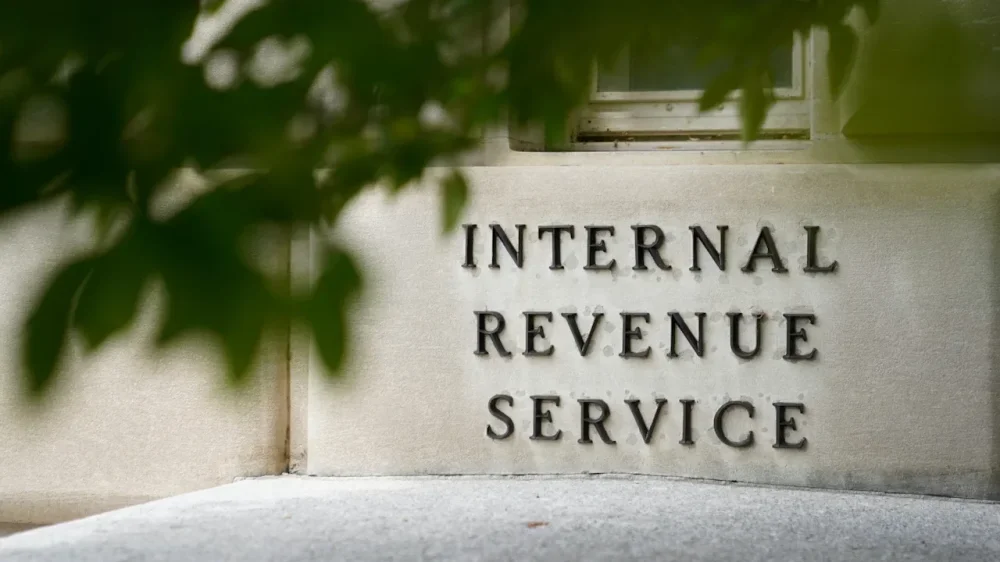
Jan. 26 marks the official start date of the 2026 tax filing season, when the IRS will begin accepting and processing 2025 tax returns. April 15 is the filing deadline. Tax experts, including the IRS’ independent watchdog, have warned that this year’s filing season could be hampered by the loss of tens of thousands of tax collection workers who left the agency through planned layoffs and buyouts spurred by Elon Musk’s Department of Government Efficiency. The IRS will also be responsible for implementing major provisions of Republicans’ tax and spending package signed into law last summer. Several provisions in the law retroactively affect the 2025 tax year, likely leading to more questions from taxpayers and requiring the IRS to update tax forms. “President The President is committed to the taxpayers of this country and improving upon the successful tax filing season in 2025,” said acting IRS Commissioner Scott Bessent in a news release. “I am confident in our ability to deliver results and drive growth for businesses and consumers alike.” The IRS expects to receive roughly 164 million individual income tax returns this year, which is on par with what it received last year. The latest National Taxpayer Advocate report to Congress published in June states that the IRS workforce has fallen from 102,113 workers at the end of the Biden administration to 75,702. The IRS website does not include the latest employment numbers on the agency’s workforce. IRS employees involved in last year’s tax season were not allowed to accept a buyout offer from the The President administration until after the taxpayer filing deadline of April 15, 2025. The June National Taxpayer Advocate report to Congress warned that the 2026 season could be rocky. “With the IRS workforce reduced by 26% and significant tax law changes on the horizon, there are risks to next year’s filing season,” said Erin M. Collins, who leads the organization assigned to protect taxpayers’ rights. —Fatima Hussein, Associated Press View the full article
-
Whenever you have a bunch of looming tasks—as many of us do at the start of the new year, when everyone actually "circles back" on the things we've been putting off—having a structured to-do list is an essential part of getting everything done. Determining what goes on that list and in what order, though, is a task all its own. I've covered a lot of ways to do that, but if you're stuck with a high volume of important responsibilities, you need an approach that matches the complexity of what you're trying to do—and that's where the RICE method comes into play. What is the RICE method of prioritization?RICE, as you probably guessed, is an acronym. Here's what it stands for: Reach: How many people or parts of your life or project this task will impact Impact: How meaningful that impact will be if and when it's done correctly Confidence: How sure you are about your estimates of the other three factors Effort: The time, energy, knowledge, and resources required A unique combination of those factors is going to give you guidance on which tasks are the most crucial to prioritize, which is helpful when you're overloaded by information and dread, unable to think about when or where to get started. How and when to use RICEI won't lie to you: This method is more convoluted than some of the others I've covered in the past. I might even recommend trying a simpler prioritization technique, like the Eisenhower matrix, before you try this one and only whip this out if Eisenhower or its peers aren't given you solid results. RICE takes a little time—and that's because you need to do some math. Start by writing down all your tasks. Under each, you're assigning numbers. The Reach score will be the number of people or parts of your life or project that the task will impact and the Impact score is a 3 (massive impact), 2 (high), 1 (medium), .5 (low), or .25 (minimal impact). Confidence should be a 100, 80, or 50, to represent the percentage of confidence you feel in your estimates and abilities. You can use any number between 0 and 100, but falling back on those three just makes it easier. Most adherents of this method use a complicated math equation (determining "person-months") for Effort, but I'm going to simplify that for you. Score it the same way you scored Impact, with a 3 for multiple days or resources, 2 for a day, 1 for half a day, .5 for an hour, and .25 for a half an hour or less. You can also score Reach that way if you're working on a personal project and your results won't necessarily reach a big number of people. In that case, think about the different areas of your life or personal goals it will affect and use that 3-to-.25 scale. That part is all subjective, similar to using the ABCDE method to assign grades to your to-dos. It can't be avoided—you won't know the true resources required or reach of the project until it's done—but you can quantify it a bit. Next, you do math. It's R x I x C divided by E. You'll end up with a numerical score for each task. Rank the tasks in descending order, with the biggest numbers first. Obviously, you may find that some can't be completed until others are done, so use your discretion there, but for the most part, you've just created a clear outline of which things will have the biggest impact and reach and you can at least know where to start. Add each into your calendar using time boxing and time blocking, then get after it. Knowing you have a plan of attack is half the motivational battle. View the full article
-
The crisp crinkle of fallen leaves beneath your feet. The swish and trickle of water moving through a stream. A breath of crisp, fresh air. Spending time in nature can be invigorating or produce feelings of peace and calm. But many professions allow little time or access to the outdoors during the workday. After a youth spent climbing trees and playing soccer, Anna Rose Smith found it difficult when her first job as a psychotherapist in Utah required working in a windowless office. So she spent her lunch breaks outside, walking to nearby fountains or gardens. She picked up flower petals or leaves from the ground and brought them back to her desk, where she would listen to recorded bird songs, sometimes incorporating the soothing chirps into sessions with clients. “It helps to just have that reminder that these things are going on outside,” Smith said. “I can remember, no matter what happens in this room or with my job today, there’s still going to be birds singing.” Getting to trees or shorelines can be challenging during work hours, especially in cold weather and urban environments. But there are ways to enjoy the outdoors and to bring the natural world into your place of work, even if it’s a windowless cubicle. Al fresco meetings Scheduled meetings don’t have to take place indoors. An in-person appointment can happen on a park bench. Smith sometimes suggests a “walk and talk” meeting at a nearby greenway. Mobile devices mean virtual get-togethers also aren’t limited to conventional work spaces. You can also attend Zoom meetings while walking a woody path. Smith will ask if she can participate in an online meeting with her smartphone and headphones, allowing her to “still be able to get sunlight on my face or see water and plants and birds,” she said. “I do definitely feel more calm,” Smith, who grew up in South Dakota but now lives in a more moderate climate in North Carolina, said. “I think it helps with focus as well. I’m just feeling more peaceful and optimistic.” Atlantic Packaging, a sustainable packaging manufacturer headquartered in Wilmington, North Carolina, encourages employees to hold meetings in the courtyards of its facilities or while taking a walk, said Becca Schusler, the company’s wellness director. The company added fig trees and native plants to its Charlotte location. It launched a nature challenge in 2024 in which employees tracked the time they spent outdoors while dog walking, eating meals, attending meetings, or watching a sunset. Participants uploaded photos into a group chat from their workstations around the U.S. “It was just so wonderful because we got sunrises in the mornings, sunsets at night from all different areas, from the beach to the mountains in Nevada,” Schusler said. Some employees reported they felt like they handled stress better as a result of spending more time outside, she said. Just walk Separate from meetings, a group of Atlantic Packaging employees get together for “Walk it out Wednesdays,” a weekly time to take strolls together. “It helps provide a quick break in the day where they can reset and refocus,” Schusler said. The Ford Motor Company also has encouraged employees to move outdoors. When it redesigned its Dearborn, Michigan, headquarters in 2025, the automaker included native plants, walking paths, and outdoor pavilions, and suggested people use the grounds for meetings. The parking lot was put further away from the main building by design so people would walk for a few minutes by tall grasses, rocky outcroppings, bridges, and flowers. “We are very careful about how we are engineering space so that our brains and our bodies react positively,” said Jennifer Kolstad, Ford’s global and brand design director. “Designing for human health is our priority, our responsibility.” Find the light When temperatures dip and more time is spent indoors, windows can provide a connection with nature. The designers who laid out Ford’s new headquarters placed offices in the center of floors so exterior walls with tall windows could be enjoyed by everyone in collaborative spaces, Kolstad said. During Smith’s windowless office days, she kept a pothos plant in the room. The greenery didn’t need much light and survived with the dose it got when Smith moved it to spend weekends in a colleague’s office that had a window. “If it’s really ugly weather, extreme, then I think that’s where windows are truly a godsend,” she said. To catch some sunshine and feel the wind on your face during a commute, consider biking all or part of the way. Many cities and towns have bicycle sharing programs. A warm coat and mittens can keep you from getting too cold while pedaling. Layer up with a neck gaiter, balaclava or hat under your helmet. Erin Mantz, who works in Washington, D.C., as vice president of marketing for public relations firm Zeno Group, walks to a Pilates class before work four times a week, often before the sun rises. On the days she works from home, she takes breaks to walk her dog on the meandering paths in her neighborhood. Mantz said that as a child living in Chicago, she often played at the park with neighborhood friends while bundled up in winter gear. She found it difficult to maintain her connection with nature when she had prior jobs that called for working in an office full-time. “Growing up Gen X, we were always running around outside, and you have that great feeling of freedom and fresh air,” she said. Now that she has a hybrid work schedule, she’s realized that spending time outdoors helps her feel relaxed and destressed. “It’s so good for me,” Mantz said. “The fresh air reminds me of that youthfulness of being outside, and I think it’s physical and mental, honestly. I feel reinvigorated.” ___ Share your stories and questions about workplace wellness at cbussewitz@ap.org. Follow AP’s Be Well coverage, focusing on wellness, fitness, diet and mental health at https://apnews.com/hub/be-well —Cathy Bussewitz, Wellness Writer View the full article

-
This week, OpenAI announced its new ChatGPT Health feature, which will let users upload their medical records and ask health related questions. However, I certainly won't be making use of it, it might not be the best idea for you to do it either, for both reliability and privacy reasons. The new ChatGPT Health feature will be a sandboxed tab inside the app that is isolated from your conversation history in other conversations with the chatbot. This tab also allows users to connect a variety of health-tracking apps like Apple Health, MyFitnessPal, and Peloton, as well as uploading medical records directly. Credit: OpenAI It's important to note that this is a lot of really personal information to hand over to any tech company—but especially one that isn't primarily focused on providing medical services. OpenAI says that the ChatGPT Health space operates with "enhanced privacy to protect sensitive data," but it doesn't use end-to-end encryption to secure that data. And while the company says data collected via Health isn't used to train its foundation models, it's impossible to know whether that may change in the future. Security breaches can also occur (and have in the past), potentially leaving your medical records exposed. There's also the question of whether the risk of uploading your data is worth it in the first place. According to OpenAI's own data, around 5% of all messages to ChatGPT are already users asking questions about their health, and ChatGPT (and other LLM tools) have a nasty habit of providing inaccurate diagnostic information. This is perhaps why OpenAI says that its new ChatGPT Health feature is "not intended for diagnosis or treatment." Currently, there's a waitlist to sign up for ChatGPT Health, and over time it will roll out to all users. At the very least, that means that until the feature is available, it's probably a good idea not to ask the regular version of ChatGPT about your health concerns. At the very least, wait until the enhanced privacy sandbox is available. In the meantime, consider whether it makes more sense to just talk to your doctor directly if you have questions or concerns about your health. View the full article
-
Move to free locals and foreigners comes after decade of harsh repression by Maduro regimeView the full article
-
Discussions over a deal to create world’s largest mining group come as race to secure copper reshapes sectorView the full article
-
In the age of rampant AI slop, seeing isn’t always believing. There’s more than one way, though, to make people doubt their own eyes. Many have long predicted and warned that AI deepfakes could profoundly distort public opinion. For example, although swiftly debunked, a fake video of Ukrainian President Volodymyr Zelenskyy urging his troops to surrender in early 2022 seemed to be a harbinger of horrors to come—when AI would become indistinguishable from reality. But as events this week in Minneapolis and the White House demonstrate, no visual manipulation is necessary for forging reality from whole cloth. All it takes is a federal government united around its leader’s preferred narrative. On Tuesday afternoon, an Immigration and Customs Enforcement (ICE) agent fatally shot a woman driving an SUV in a Minneapolis suburb. Amid a crowd protesting the agency’s recent incursion into the Twin Cities, legal observer Renee Nicole Good was stopped in the middle of the street when federal vehicles zoomed toward her, sirens wailing. Agents then hopped out of the vehicles and aggressively approached Good’s car on foot. As captured on video from multiple angles, she tried to evade the agents, prompting one of them to fire several shots through Good’s windshield, one of which hit her face. She died of her injuries on the scene. Even before many of the above details were known or confirmed, the official government narrative had already begun to coalesce. Today, ICE officers in Minneapolis were conducting targeted operations when rioters began blocking ICE officers and one of these violent rioters weaponized her vehicle, attempting to run over our law enforcement officers in an attempt to kill them—an act of domestic terrorism.… — Homeland Security (@DHSgov) January 7, 2026 Who are you going to believe? Journalism may be the first rough draft of history, but the The President administration, famously hostile toward journalists, prefers to write the first rough draft of reality themselves, in real time—occasionally with a Sharpie pen. As videos of the incident in Minneapolis proliferated online, a tweet from the Department of Homeland Security (DHS) declared that a nameless “violent rioter” had committed “an act of domestic terrorism” by “attempting to run over our law enforcement officers in an attempt to kill them.” DHS Secretary Kristi Noem soon held a press conference, reiterating this version of events. She claimed that the still-nameless woman had been “stalking” officers and suggested that she’d used her vehicle as a weapon. Both accounts claimed that officers involved had been “hurt” but were “expected to make a full recovery.” Of course, no narrative from the The President administration is complete until the president himself weighs in, which he did soon enough on Truth Social. Apparently, it wasn’t enough for The President to just reiterate the skewed DHS version of events; instead, he added some flourishes of his own. In President The President’s telling, the driver hadn’t merely attempted to run over an ICE agent; she’d “viciously ran over” him—to the point where “it is hard to believe he is still alive.” Before Good’s name had even been confirmed by The Minnesota Star Tribune and released to the public, the administration had turned her into an attempted murderer (the rare type of attempted murderer, no less, who drives around with a glove box full of stuffed animals for her young child). Stranger than fiction Much remains unknown about the events that led to Good’s killing, since video has yet to emerge showing what happened before her vehicle stopped in the middle of the road. Whether her attempt to flee the scene was illegal or ill-advised may be up for debate. What is absolutely certain, though, is that this was the ninth ICE shooting since just last September, which suggests that Good had more reason to be scared of the agents than they were of her. Either way, to describe what is depicted in the videos as a ramming attack is so staggeringly detached from reality, it’s an attack on the very idea that one should believe their own eyes. Unfortunately, in this administration, such brazen fabrications are par for the course. One day before Good’s shooting death, the White House crystallized The President’s paradoxical reframing of the Capitol riots with an official new government web page. On the fifth anniversary of the attack, the administration touted a timeline that grossly misrepresented what happened on January 6, 2021, despite countless freely available video clips taken by the rioters themselves. In this fanciful retelling, the pro-The President marchers were “orderly and spirited,” while the Capitol police escalated tensions by firing tear gas and flash-bangs for no reason. And somehow it’s all then-House Speaker Nancy Pelosi’s fault. Perhaps more egregious, the site presents this revisionist history as a corrective to the purportedly revisionist history spun by the Biden administration. It’s not that The President and his defenders are being dishonest; they’re just the only ones courageous enough to tell the truth! “The Democrats masterfully reversed reality after January 6,” the site reads, “branding peaceful patriotic protesters as ‘insurrectionists’ and framing the event as a violent coup attempt orchestrated by The President—despite no evidence of armed rebellion or intent to overthrow the government.” In truth, roughly 174 of the 608 defendants charged with assaulting, resisting, or interfering with law enforcement that day were charged for using a deadly or dangerous weapon or otherwise causing serious injury to an officer. Footage that shows it happening is out there for all to see. But for the second The President administration, it doesn’t matter if hard video evidence disproves their narrative. What matters is their unwavering insistence that their narrative is the way it is. Seeing is still believing Although The President’s reelection in 2024 has essentially rendered moot the truth about January 6, the story of what happened in Minneapolis on Wednesday is still developing. Local politicians are not mincing words as they attempt to wrest control of the narrative out of The President’s hands—and back into the realm of evidential reality. “They are already trying to spin this as an action of self-defense,” Minneapolis Mayor Jacob Frey said during a press conference on Wednesday. “Having seen the video myself, I want to tell everybody directly: That is bullshit.” Shortly afterward, Minnesota Gov. Tim Walz tweeted that he’d also seen the video and urged people to not “believe this propaganda machine.” (Walz was on the business end of The President’s “propaganda machine” last Saturday, when the president reposted a video falsely suggesting that Walz was behind the murder of Minnesota state Rep. Melissa Hortman last summer—a video Hortman’s children have asked The President to take down, so far to no avail.) Walz’s and Frey’s statements reiterate that seeing is believing, an idea that The President himself apparently shares. Asked by visiting New York Times reporters on Wednesday about his version of events—in which Renee Nicole Good viciously ran over an ICE agent—the president ordered an assistant to play video footage that he seemed to think proved him correct. While watching the video, the reporters claim they told The President that the angle did not appear to show an ICE officer had been run over. “Well,” The President responds, “I—the way I look at it . . .” He then apparently trails off, without ever admitting that the footage shows something different than what he previously claimed it does. The Times describes this remarkable exchange as “a glimpse into Mr. The President’s reflexive defense of what has become a sometimes violent federal crackdown on immigration.” But this characterization doesn’t tell the full story. It’s more of a glimpse into how the president routinely invents whatever version of reality best serves him, regardless of whether it clashes with reality’s version of reality. On Thursday morning, the Times released a forensic analysis of Good’s killing from three different angles, which definitively contradicts The President’s account. And yet even conclusive video evidence is bound to have little impact—as long as the president’s supporters in and out of Congress insist on only viewing the world the way The President looks at it. View the full article

-
A loyalty program is a structured marketing strategy that rewards customers for their continued patronage. Typically, customers earn points with each purchase, which can then be redeemed for discounts or exclusive offers. These programs often incorporate tiered levels to incentivize higher spending. Comprehending the components of a loyalty program and how they function can help businesses cultivate customer relationships and drive sales. Let’s explore the purpose and benefits of these programs in more detail. Key Takeaways A loyalty program is a marketing strategy that rewards customers for repeat purchases, enhancing retention and engagement. Members of loyalty programs typically spend 62% more on the brand compared to non-members. Common types include points-based programs, tiered rewards, and paid memberships, each offering unique benefits. Loyalty programs gather data on consumer behavior, aiding in personalized marketing strategies. Technology plays a crucial role in tracking rewards, simplifying redemption, and enhancing customer experience. What Is a Loyalty Program? A loyalty program is a structured marketing strategy designed to reward customers for their repeat purchases and ongoing engagement with a brand. The loyalty program benefits both consumers and businesses, creating a win-win situation. By participating, you can enjoy exclusive perks, discounts, or points that accumulate over time. These advantages of customer loyalty programs encourage you to spend more—about 18% more than non-members. Furthermore, companies gain valuable insights into consumer behavior, helping them tailor their offerings. To effectively reward customer loyalty, businesses may implement tiered systems, offering greater rewards as you engage more. This approach boosts satisfaction, as 91% of consumers are likely to buy more frequently from brands they trust, enhancing overall customer retention. How Do Loyalty Programs Work? Loyalty programs operate by rewarding you for your repeat purchases, providing tangible benefits that incentivize ongoing engagement. When you sign up for a loyalty program, you typically provide personal information, which allows businesses to track your spending habits. This data helps them tailor rewards particularly for you, maximizing the benefits of customer loyalty programs. Most programs use points-based systems, where you accumulate points for discounts or products, or tiered structures that increase rewards based on your spending levels. These programs integrate into your shopping routine, encouraging you to participate through exclusive offers and personalized communication. By refining their marketing strategies with insights from loyalty programs, businesses aim to improve your overall customer experience. Purpose of a Loyalty Program Though many customers appreciate the rewards they receive, the primary purpose of a loyalty program is to improve customer retention. By offering incentives for repeat purchases, these programs increase customer lifetime value, making it more cost-effective to keep existing customers rather than acquire new ones. Moreover, loyalty programs allow businesses to collect valuable data on consumer spending habits and preferences, which can boost marketing strategies and product development. Successful programs can cultivate a community of brand advocates, as satisfied customers are likely to refer others through word-of-mouth. Research shows that members of loyalty programs tend to spend 62% more on the brand compared to non-members, demonstrating how effective these programs can be in driving sales and customer engagement. Benefits of Customer Loyalty Programs Customer loyalty programs offer several key benefits that can greatly impact your business. By encouraging repeat purchases, these programs can lead to increased spending, with members often buying more than non-members. Furthermore, they provide valuable consumer insights, allowing you to tailor your marketing strategies and improve customer engagement based on the preferences of your loyal customers. Increased Repeat Purchases Many businesses recognize that implementing a loyalty program can greatly increase repeat purchases among their customers. In fact, customers in these programs are 43% more likely to shop weekly and spend 18% more than non-members. This surge in purchasing behavior is often thanks to exclusive rewards and personalized offers that improve customer value. Customer Type Purchase Frequency Average Spend Loyalty Program Members Higher 18% more Non-Members Lower Baseline spend Additionally, loyalty program members contribute to a 12-18% increase in annual revenue growth, highlighting their importance. With 85% of shoppers preferring brands with loyalty programs, it’s clear these initiatives effectively drive repeat purchases and elevate overall sales. Enhanced Brand Loyalty As businesses aim to promote deeper connections with their clientele, implementing a loyalty program can greatly improve brand loyalty. When you join a loyalty program, you’re 59% more likely to choose that brand over competitors. This preference translates into increased spending, with loyalty members typically spending 18% more than non-members. Moreover, approximately 85% of shoppers continue buying from brands that offer loyalty programs, which leads to strong retention rates. Members often demonstrate a 46% loyalty rate, thanks to well-structured rewards that encourage repeat engagement. In addition, 72% of consumers are likely to purchase more frequently from brands they’re enrolled with, highlighting the direct impact of loyalty programs on customer interaction and repeat business. Valuable Consumer Insights Loyalty programs offer businesses a treasure trove of consumer insights that are crucial for shaping marketing strategies and product offerings. By analyzing data on spending habits and preferences, you can tailor your marketing efforts more effectively. Members of these programs tend to spend up to 18% more than non-members, boosting your revenue. In addition, 85% of shoppers are likely to continue buying from brands that offer loyalty programs, enhancing customer retention. With personalized offers based on collected data, you can achieve a 36% increase in customer loyalty. Moreover, satisfied loyalty program members are 62% more likely to refer your brand to friends and family, helping you acquire new customers and expand your market reach efficiently. Types of Loyalty Programs In terms of loyalty programs, you’ll find several effective types intended to improve your shopping experience. Points-based programs reward you for each purchase, allowing you to accumulate points that can be redeemed for various perks, as seen with brands like Starbucks. On the other hand, tiered reward systems motivate you to spend more by offering greater benefits at higher spending levels. Whereas paid membership options, like Amazon Prime, give you immediate access to exclusive rewards for a fee. Points-Based Programs Points-based programs are among the most popular types of loyalty programs as they provide customers with tangible rewards for their purchases. In these programs, you earn points for each dollar spent, which can be redeemed for various incentives. Here’s what you can typically expect: Points redeemable for discounts, free products, or exclusive offers. Earning bonus points during promotional periods or on specific items. Diverse redemption options, including merchandise and gift cards. Amplified value perception through engaging experiences. Evidence showing that members spend 18% more than non-members. Tiered Reward Systems Many brands improve their loyalty offerings by incorporating tiered reward systems, which build on the foundation of points-based programs. In these systems, you’ll find that your benefits increase as you spend more or engage with the brand. Customers often enjoy exclusive perks like early access to new products, special discounts, or complimentary services as they climb the tiers, such as Silver, Gold, and Platinum. Each level reveals greater rewards, encouraging a sense of recognition and motivation. Studies show that these programs greatly boost customer retention, encouraging you to keep purchasing from brands that reward loyalty. For effective implementation, clear communication about the benefits and milestones associated with each tier is crucial in motivating your engagement and spending. Paid Membership Options Paid loyalty programs offer a unique approach to improving customer experiences by requiring an upfront fee in exchange for exclusive benefits and perks. These programs attract customers willing to invest for immediate advantages, promoting higher retention rates and loyalty. Here are some key features of paid membership options: Access to exclusive discounts and promotions Free shipping on eligible purchases Early access to new products and services Members-only events or experiences Improved customer support services Successful examples like Amazon Prime and Grubhub+ showcase how these programs can drive revenue and customer engagement. For paid loyalty programs to work effectively, they must deliver compelling rewards that resonate with members, ensuring that the perceived value justifies the membership cost. Examples of Effective Loyalty Programs Loyalty programs have become essential tools for businesses aiming to improve customer retention and engagement. Several effective programs stand out: Brand Program Type Starbucks Points-based rewards for purchases Sephora Tiered benefits based on spending Amazon Paid membership with exclusive perks Starbucks Rewards allows you to earn stars for every purchase, redeemable for free drinks and food, boasting over 25 million members. Sephora‘s Beauty Insider offers personalized perks through tiered benefits, enhancing customer engagement. Amazon Prime, a paid program, encourages spending with benefits like free shipping and streaming. Delta‘s SkyMiles Medallion program rewards frequent flyers with tiered travel benefits, whereas The North Face XPLR Pass engages outdoor enthusiasts through rewards for activities, aligning with brand values. Creating a Successful Loyalty Program Creating a successful loyalty program requires a strategic approach that aligns with both your business objectives and the preferences of your customers. To achieve this, consider the following key elements: Establish clear goals that reflect customer experience strategies. Choose a program type that suits your business, like points-based or tiered systems. Regularly review and adjust the program based on performance metrics and customer feedback. Simplify the sign-up process and reward redemption to improve participation. Invest in marketing the program across various channels to clearly communicate benefits. The Role of Technology in Loyalty Programs In a competitive marketplace, leveraging technology in your loyalty program can greatly improve customer engagement and streamline operations. Modern loyalty programs rely on apps and websites to track customer activity and rewards, improving user experience. You can promote participation using online tools, like social media and email marketing, ensuring customers remain connected with your brand. By utilizing data analytics, you gain insights into customer preferences, allowing for personalized communications and targeted rewards. Many loyalty programs as well implement automated systems, simplifying the reward process so customers can easily earn and redeem points. Integrating technology not only boosts efficiency but also considerably improves customer satisfaction, as data shows that well-implemented tech solutions lead to higher engagement rates among program members. Frequently Asked Questions How Does a Loyalty Program Work? A loyalty program works by tracking your purchases and rewarding you for your spending habits. When you enroll, you usually provide personal information and receive a unique identifier. As you shop, you accumulate points or discounts based on how often you buy and how much you spend. Some programs have tiers, offering greater rewards as you reach higher spending levels, which keeps you engaged and encourages repeat purchases customized to your preferences. What Is an Example of a Loyalty Program? An example of a loyalty program is Starbucks Rewards. When you make purchases, you earn stars that can be redeemed for free drinks and food items. This encourages you to visit more frequently and spend more on each visit. Another example is Sephora’s Beauty Insider program, which offers tiered rewards based on your spending, providing perks like exclusive discounts and product samples, effectively incentivizing your loyalty to the brand. What Are the Cons of a Loyalty Program? Loyalty programs can come with significant downsides. They often require hefty investments in technology and marketing, which can strain your budget. Moreover, if rewards become too generous, profit margins may shrink. Customers might expect better deals, increasing their negotiating influence. In addition, managing these programs can lead to ongoing operational costs that may outweigh benefits. Many businesses find it challenging to achieve a positive return on investment, with only a small percentage reporting success. What Are the Three R’s of Loyalty Programs? The three R’s of loyalty programs are Reward, Retain, and Recruit. Reward involves offering incentives, like points or discounts, to encourage repeat purchases. Retain focuses on maintaining customer relationships, as keeping existing customers is often cheaper than acquiring new ones. Finally, Recruit emphasizes leveraging satisfied customers to attract new clientele through positive recommendations. Conclusion In conclusion, loyalty programs serve as effective tools for businesses to improve customer engagement and retention. By rewarding repeat purchases with points or exclusive offers, these programs create a mutually beneficial relationship. Different types, such as tiered or cashback programs, cater to varying consumer preferences. Furthermore, incorporating technology can streamline the experience and provide valuable insights into customer behavior. In the end, a well-structured loyalty program can drive revenue growth while nurturing long-term loyalty among your customers. Image via Google Gemini This article, "What Is a Loyalty Program and How Does It Work?" was first published on Small Business Trends View the full article
-
A loyalty program is a structured marketing strategy that rewards customers for their continued patronage. Typically, customers earn points with each purchase, which can then be redeemed for discounts or exclusive offers. These programs often incorporate tiered levels to incentivize higher spending. Comprehending the components of a loyalty program and how they function can help businesses cultivate customer relationships and drive sales. Let’s explore the purpose and benefits of these programs in more detail. Key Takeaways A loyalty program is a marketing strategy that rewards customers for repeat purchases, enhancing retention and engagement. Members of loyalty programs typically spend 62% more on the brand compared to non-members. Common types include points-based programs, tiered rewards, and paid memberships, each offering unique benefits. Loyalty programs gather data on consumer behavior, aiding in personalized marketing strategies. Technology plays a crucial role in tracking rewards, simplifying redemption, and enhancing customer experience. What Is a Loyalty Program? A loyalty program is a structured marketing strategy designed to reward customers for their repeat purchases and ongoing engagement with a brand. The loyalty program benefits both consumers and businesses, creating a win-win situation. By participating, you can enjoy exclusive perks, discounts, or points that accumulate over time. These advantages of customer loyalty programs encourage you to spend more—about 18% more than non-members. Furthermore, companies gain valuable insights into consumer behavior, helping them tailor their offerings. To effectively reward customer loyalty, businesses may implement tiered systems, offering greater rewards as you engage more. This approach boosts satisfaction, as 91% of consumers are likely to buy more frequently from brands they trust, enhancing overall customer retention. How Do Loyalty Programs Work? Loyalty programs operate by rewarding you for your repeat purchases, providing tangible benefits that incentivize ongoing engagement. When you sign up for a loyalty program, you typically provide personal information, which allows businesses to track your spending habits. This data helps them tailor rewards particularly for you, maximizing the benefits of customer loyalty programs. Most programs use points-based systems, where you accumulate points for discounts or products, or tiered structures that increase rewards based on your spending levels. These programs integrate into your shopping routine, encouraging you to participate through exclusive offers and personalized communication. By refining their marketing strategies with insights from loyalty programs, businesses aim to improve your overall customer experience. Purpose of a Loyalty Program Though many customers appreciate the rewards they receive, the primary purpose of a loyalty program is to improve customer retention. By offering incentives for repeat purchases, these programs increase customer lifetime value, making it more cost-effective to keep existing customers rather than acquire new ones. Moreover, loyalty programs allow businesses to collect valuable data on consumer spending habits and preferences, which can boost marketing strategies and product development. Successful programs can cultivate a community of brand advocates, as satisfied customers are likely to refer others through word-of-mouth. Research shows that members of loyalty programs tend to spend 62% more on the brand compared to non-members, demonstrating how effective these programs can be in driving sales and customer engagement. Benefits of Customer Loyalty Programs Customer loyalty programs offer several key benefits that can greatly impact your business. By encouraging repeat purchases, these programs can lead to increased spending, with members often buying more than non-members. Furthermore, they provide valuable consumer insights, allowing you to tailor your marketing strategies and improve customer engagement based on the preferences of your loyal customers. Increased Repeat Purchases Many businesses recognize that implementing a loyalty program can greatly increase repeat purchases among their customers. In fact, customers in these programs are 43% more likely to shop weekly and spend 18% more than non-members. This surge in purchasing behavior is often thanks to exclusive rewards and personalized offers that improve customer value. Customer Type Purchase Frequency Average Spend Loyalty Program Members Higher 18% more Non-Members Lower Baseline spend Additionally, loyalty program members contribute to a 12-18% increase in annual revenue growth, highlighting their importance. With 85% of shoppers preferring brands with loyalty programs, it’s clear these initiatives effectively drive repeat purchases and elevate overall sales. Enhanced Brand Loyalty As businesses aim to promote deeper connections with their clientele, implementing a loyalty program can greatly improve brand loyalty. When you join a loyalty program, you’re 59% more likely to choose that brand over competitors. This preference translates into increased spending, with loyalty members typically spending 18% more than non-members. Moreover, approximately 85% of shoppers continue buying from brands that offer loyalty programs, which leads to strong retention rates. Members often demonstrate a 46% loyalty rate, thanks to well-structured rewards that encourage repeat engagement. In addition, 72% of consumers are likely to purchase more frequently from brands they’re enrolled with, highlighting the direct impact of loyalty programs on customer interaction and repeat business. Valuable Consumer Insights Loyalty programs offer businesses a treasure trove of consumer insights that are crucial for shaping marketing strategies and product offerings. By analyzing data on spending habits and preferences, you can tailor your marketing efforts more effectively. Members of these programs tend to spend up to 18% more than non-members, boosting your revenue. In addition, 85% of shoppers are likely to continue buying from brands that offer loyalty programs, enhancing customer retention. With personalized offers based on collected data, you can achieve a 36% increase in customer loyalty. Moreover, satisfied loyalty program members are 62% more likely to refer your brand to friends and family, helping you acquire new customers and expand your market reach efficiently. Types of Loyalty Programs In terms of loyalty programs, you’ll find several effective types intended to improve your shopping experience. Points-based programs reward you for each purchase, allowing you to accumulate points that can be redeemed for various perks, as seen with brands like Starbucks. On the other hand, tiered reward systems motivate you to spend more by offering greater benefits at higher spending levels. Whereas paid membership options, like Amazon Prime, give you immediate access to exclusive rewards for a fee. Points-Based Programs Points-based programs are among the most popular types of loyalty programs as they provide customers with tangible rewards for their purchases. In these programs, you earn points for each dollar spent, which can be redeemed for various incentives. Here’s what you can typically expect: Points redeemable for discounts, free products, or exclusive offers. Earning bonus points during promotional periods or on specific items. Diverse redemption options, including merchandise and gift cards. Amplified value perception through engaging experiences. Evidence showing that members spend 18% more than non-members. Tiered Reward Systems Many brands improve their loyalty offerings by incorporating tiered reward systems, which build on the foundation of points-based programs. In these systems, you’ll find that your benefits increase as you spend more or engage with the brand. Customers often enjoy exclusive perks like early access to new products, special discounts, or complimentary services as they climb the tiers, such as Silver, Gold, and Platinum. Each level reveals greater rewards, encouraging a sense of recognition and motivation. Studies show that these programs greatly boost customer retention, encouraging you to keep purchasing from brands that reward loyalty. For effective implementation, clear communication about the benefits and milestones associated with each tier is crucial in motivating your engagement and spending. Paid Membership Options Paid loyalty programs offer a unique approach to improving customer experiences by requiring an upfront fee in exchange for exclusive benefits and perks. These programs attract customers willing to invest for immediate advantages, promoting higher retention rates and loyalty. Here are some key features of paid membership options: Access to exclusive discounts and promotions Free shipping on eligible purchases Early access to new products and services Members-only events or experiences Improved customer support services Successful examples like Amazon Prime and Grubhub+ showcase how these programs can drive revenue and customer engagement. For paid loyalty programs to work effectively, they must deliver compelling rewards that resonate with members, ensuring that the perceived value justifies the membership cost. Examples of Effective Loyalty Programs Loyalty programs have become essential tools for businesses aiming to improve customer retention and engagement. Several effective programs stand out: Brand Program Type Starbucks Points-based rewards for purchases Sephora Tiered benefits based on spending Amazon Paid membership with exclusive perks Starbucks Rewards allows you to earn stars for every purchase, redeemable for free drinks and food, boasting over 25 million members. Sephora‘s Beauty Insider offers personalized perks through tiered benefits, enhancing customer engagement. Amazon Prime, a paid program, encourages spending with benefits like free shipping and streaming. Delta‘s SkyMiles Medallion program rewards frequent flyers with tiered travel benefits, whereas The North Face XPLR Pass engages outdoor enthusiasts through rewards for activities, aligning with brand values. Creating a Successful Loyalty Program Creating a successful loyalty program requires a strategic approach that aligns with both your business objectives and the preferences of your customers. To achieve this, consider the following key elements: Establish clear goals that reflect customer experience strategies. Choose a program type that suits your business, like points-based or tiered systems. Regularly review and adjust the program based on performance metrics and customer feedback. Simplify the sign-up process and reward redemption to improve participation. Invest in marketing the program across various channels to clearly communicate benefits. The Role of Technology in Loyalty Programs In a competitive marketplace, leveraging technology in your loyalty program can greatly improve customer engagement and streamline operations. Modern loyalty programs rely on apps and websites to track customer activity and rewards, improving user experience. You can promote participation using online tools, like social media and email marketing, ensuring customers remain connected with your brand. By utilizing data analytics, you gain insights into customer preferences, allowing for personalized communications and targeted rewards. Many loyalty programs as well implement automated systems, simplifying the reward process so customers can easily earn and redeem points. Integrating technology not only boosts efficiency but also considerably improves customer satisfaction, as data shows that well-implemented tech solutions lead to higher engagement rates among program members. Frequently Asked Questions How Does a Loyalty Program Work? A loyalty program works by tracking your purchases and rewarding you for your spending habits. When you enroll, you usually provide personal information and receive a unique identifier. As you shop, you accumulate points or discounts based on how often you buy and how much you spend. Some programs have tiers, offering greater rewards as you reach higher spending levels, which keeps you engaged and encourages repeat purchases customized to your preferences. What Is an Example of a Loyalty Program? An example of a loyalty program is Starbucks Rewards. When you make purchases, you earn stars that can be redeemed for free drinks and food items. This encourages you to visit more frequently and spend more on each visit. Another example is Sephora’s Beauty Insider program, which offers tiered rewards based on your spending, providing perks like exclusive discounts and product samples, effectively incentivizing your loyalty to the brand. What Are the Cons of a Loyalty Program? Loyalty programs can come with significant downsides. They often require hefty investments in technology and marketing, which can strain your budget. Moreover, if rewards become too generous, profit margins may shrink. Customers might expect better deals, increasing their negotiating influence. In addition, managing these programs can lead to ongoing operational costs that may outweigh benefits. Many businesses find it challenging to achieve a positive return on investment, with only a small percentage reporting success. What Are the Three R’s of Loyalty Programs? The three R’s of loyalty programs are Reward, Retain, and Recruit. Reward involves offering incentives, like points or discounts, to encourage repeat purchases. Retain focuses on maintaining customer relationships, as keeping existing customers is often cheaper than acquiring new ones. Finally, Recruit emphasizes leveraging satisfied customers to attract new clientele through positive recommendations. Conclusion In conclusion, loyalty programs serve as effective tools for businesses to improve customer engagement and retention. By rewarding repeat purchases with points or exclusive offers, these programs create a mutually beneficial relationship. Different types, such as tiered or cashback programs, cater to varying consumer preferences. Furthermore, incorporating technology can streamline the experience and provide valuable insights into customer behavior. In the end, a well-structured loyalty program can drive revenue growth while nurturing long-term loyalty among your customers. Image via Google Gemini This article, "What Is a Loyalty Program and How Does It Work?" was first published on Small Business Trends View the full article
-
We may earn a commission from links on this page. Deal pricing and availability subject to change after time of publication. The latest AirPods Pro are a big step up from the first-generation buds. The third (and newest) generation comes with OTA updates that the AirPods Pro 2 also get to enjoy—but considering the second and third generations are the same price right now, why not go with the newer version? The AirPods Pro 3 are down to $199 (originally $249.99), which they briefly hit back in December during the holiday sales—the lowest price yet, according to price tracking tools. Apple AirPods Pro 3 Noise Cancelling Heart Rate Wireless Earbuds $199.99 at Amazon $249.00 Save $49.01 Get Deal Get Deal $199.99 at Amazon $249.00 Save $49.01 The AirPods Pro 3 improve on already great premium earbuds with new features (like a heart rate sensor) without increasing the list price. You'll get Personalized Spatial Audio (so you can hear sounds seemingly coming from different directions as you move your head) and the ability to use head gestures to tell Siri "yes" or "no" (this also works for answering or denying calls). Apple added a live translation feature to both the second- and third-generation AirPods Pro when iOS 26 rolled out earlier this year. You'll also get features like Conversation Awareness, which lowers your music volume when your AirPods detect that you're talking to someone; Transparency Mode, which lets you better hear your surroundings while your earbuds are in; and Adaptive Audio, which combines ANC and Transparency mode to adjust ANC levels based on the noise around you. Since these are in-ear earbuds (as supposed to regular earbuds like the AirPods 4) the ANC is much better since it naturally blocks out the noise with a tight seal, but the ANC technology itself has also improved—as has the sound quality, thanks to the new H3 chip, as PCMag detailed in its "exemplary" review, calling them the best earbuds your money can buy. You can expect about eight hours of juice, depending on your usage, and another 24 hours from the charging case. View the full article